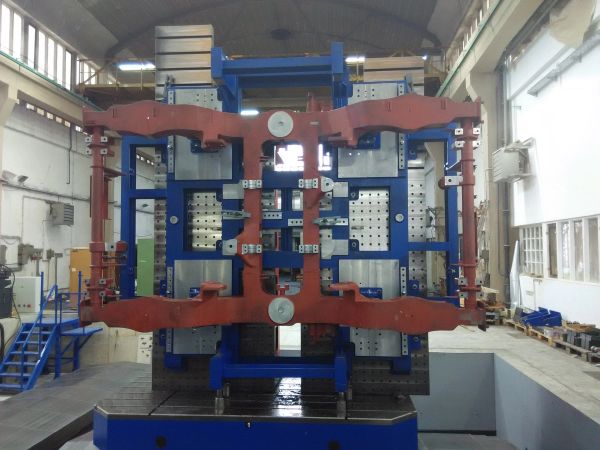
Rail bogie frames
Welded steel bogie frames for trams and rolling stock — post-weld machining of the king-pin bores, suspension pads, brake and motor-cradle interfaces in one setup on the machine table.


Long-stroke horizontal boring and milling for rail, truck, and heavy commercial vehicle manufacturers — bogie frames, axle housings, engine blocks and crankcases.
Rail and heavy commercial vehicle manufacturing sits between two worlds. The tolerances are not aerospace tolerances, but they have to be held across long welded structures, in batch quantities, on parts that carry people and cannot fail.
A bogie frame is the clearest example: a large welded structure that is stress-relieved and then machined, so the pin bores, axle-box seats and suspension mounting faces are cut after the welding distortion rather than before it. Those features are what the running gear is aligned to, so they matter relative to each other, not just individually. Truck chassis, axle housings and engine blocks and crankcases pose the same problem in different geometry.
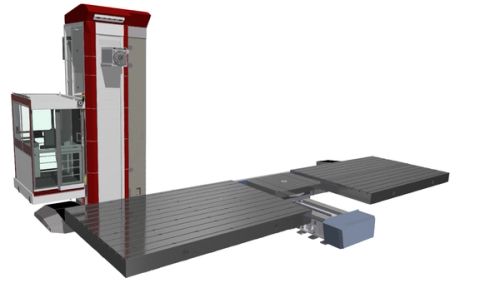
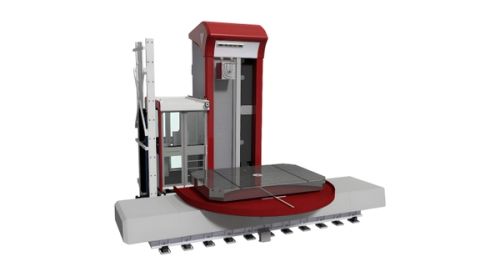
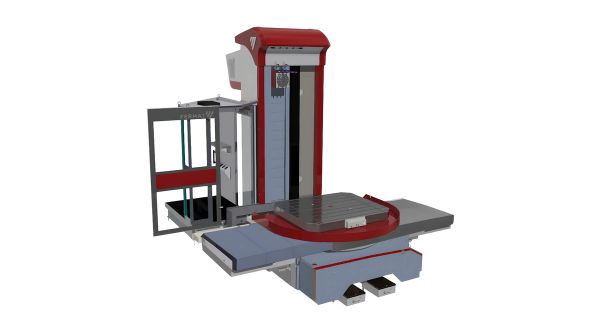
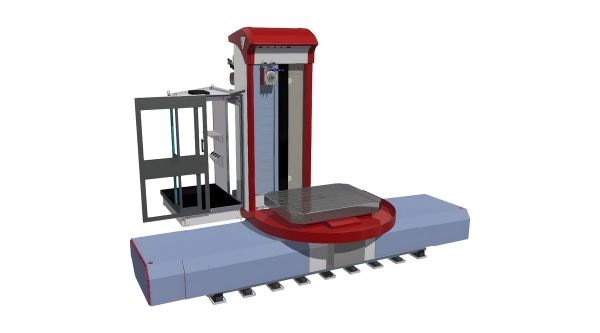
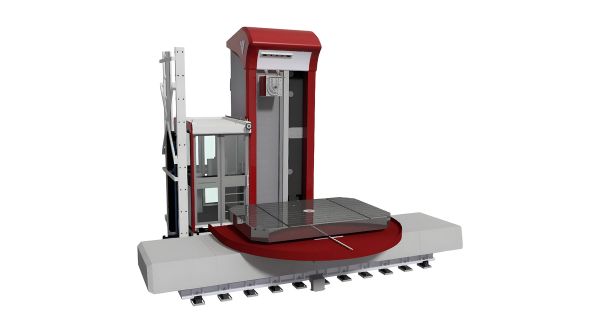
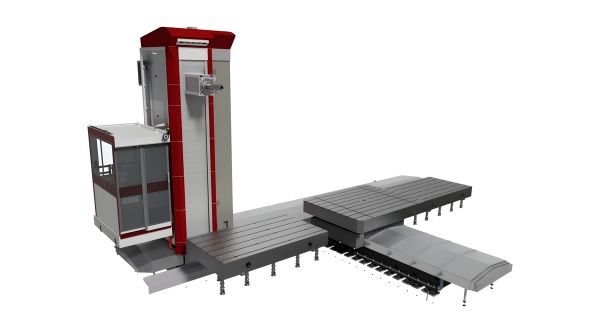
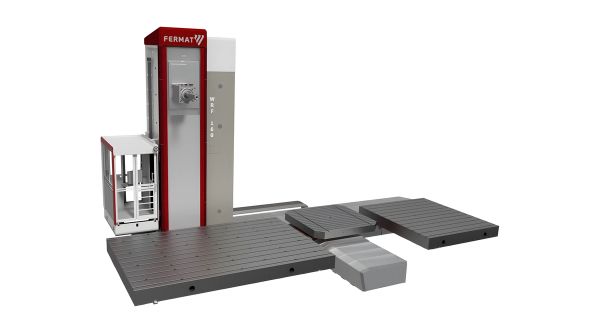
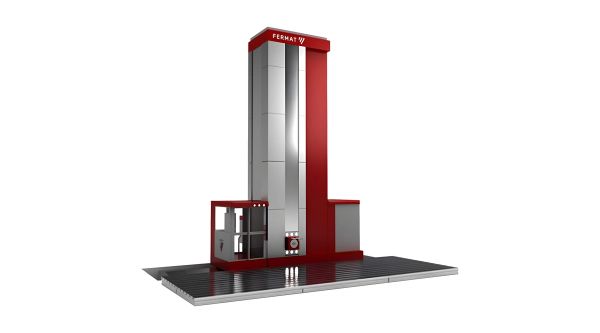
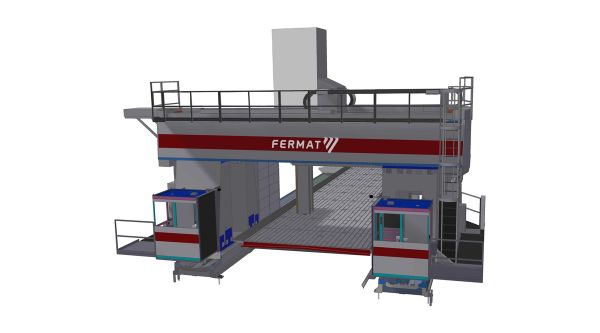
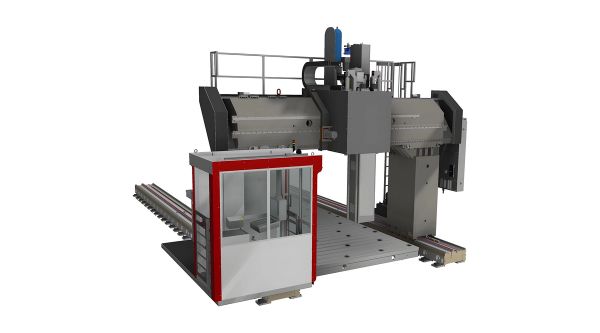
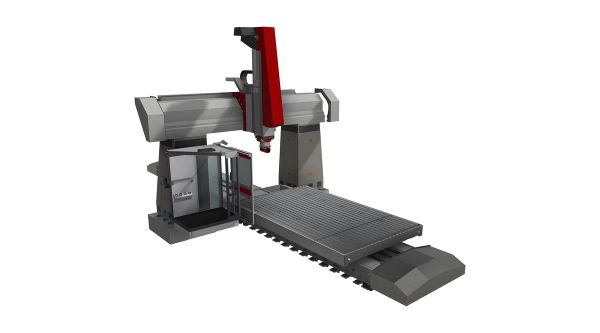
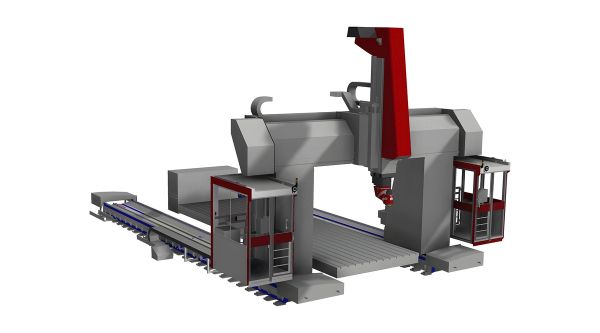
FERMAT machines suit this work through travel and setup count. Long-stroke floor-type machines cover a full bogie frame or chassis in one clamping; table-type machines with rotary tables take the repeating parts — axle housings, engine blocks, gearbox bodies — and index them to the tool so several sides are machined from one datum. Universal and angular heads reach the faces the spindle cannot address directly, which is what keeps a batch part down to one setup instead of three.
Engineering decisions baked into every machine that change the economics of railway production.
Long-stroke travel covers a bogie frame or truck chassis without splitting the job into sections that then have to be re-aligned.
Pin bores, axle-box seats and mounting faces cut from one datum, so the running gear lines up after assembly.
Cast-iron construction takes the interrupted cuts of a stress-relieved welded frame without chatter marking the finished surface.
Rotary tables and pallet changers keep the setup time per part low where the same part comes back in quantity.
Typical railway components and how they are machined.
Welded steel bogie frames for trams and rolling stock — post-weld machining of the king-pin bores, suspension pads, brake and motor-cradle interfaces in one setup on the machine table.
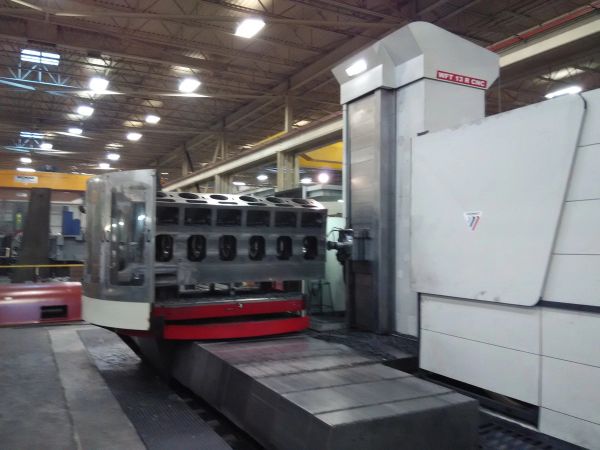
Large diesel engine blocks and crank cases — cylinder bores and main-bearing saddles line-bored true on a FERMAT WFT 13.
Machine types that suit railway parts.
Engineering and procurement questions about railway machining.
Our engineers spec the right configuration for your specific application. We reply within 24 hours.