
Defense
Heavy machining for the defense sector — combat-vehicle and tank chassis, turrets, launch-system carriers, rocket bodies and aircraft structures.
The Challenge of Defense Machining
Defense work combines demands that rarely meet on one part: heavy armour-steel structures and weldments, exact geometry where the moving assemblies meet — a turret ring, a chassis bearing line, a launcher carrier — and documentation that has to survive as long as the vehicle does, which can be decades.
The materials are deliberately hard to cut. Armour steels and high-strength plate are chosen for what they do to an impact, not for machinability, and welded hull and chassis structures arrive with stress in them and surfaces that are anything but continuous. That combination punishes a machine twice: once through cutting forces, and again through the interrupted cuts across weld seams and plate edges.
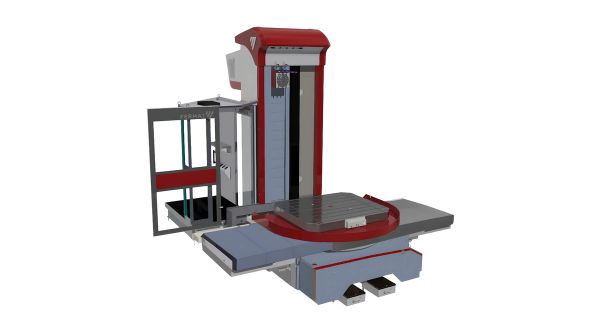
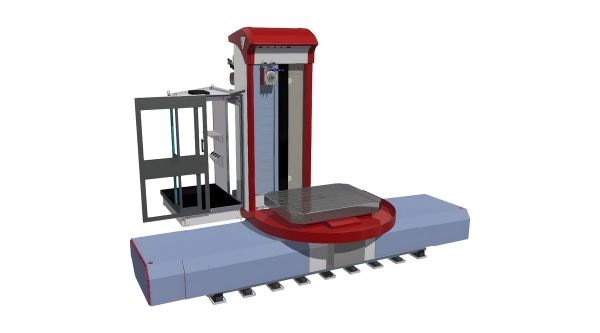
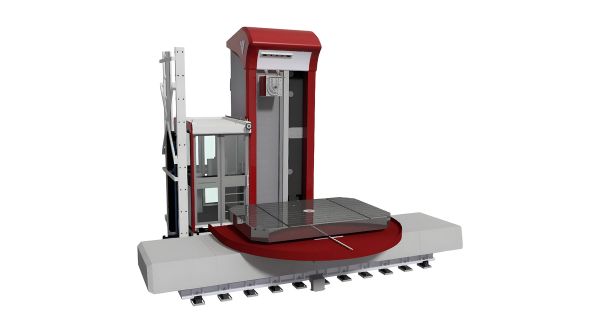
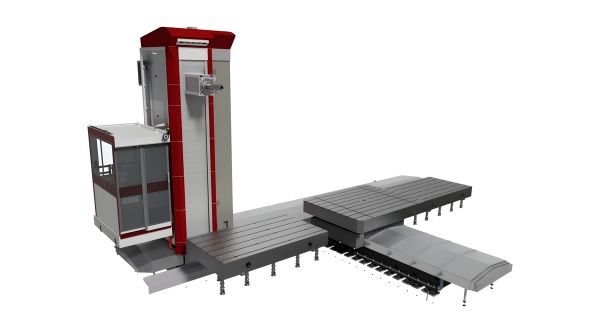
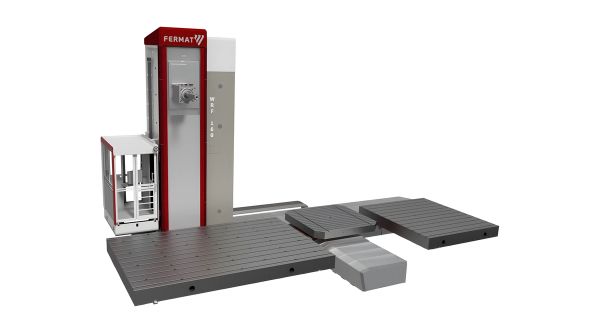
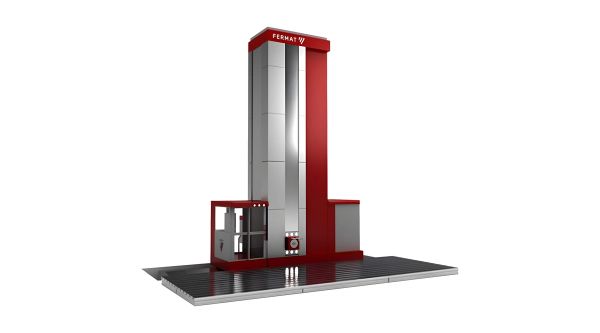
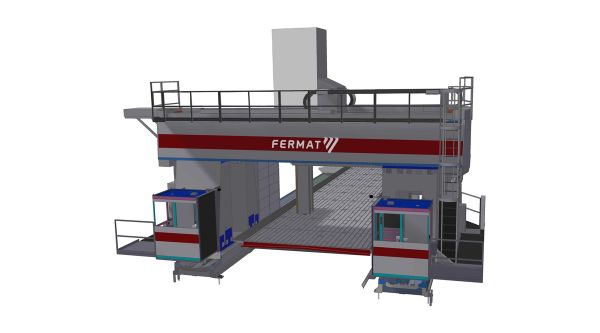
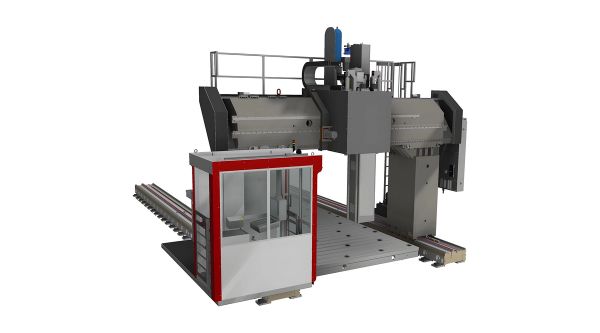
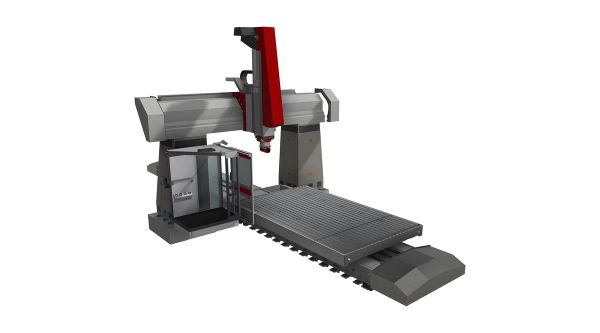
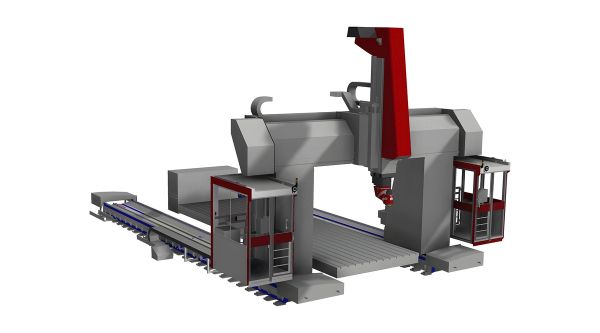
FERMAT floor-type and gantry machines with continuous 5-axis universal heads are sized for these envelopes, and the cast-iron construction is what keeps the geometry true through long, heavy cuts. Machining a turret ring and the chassis bearing line from one datum removes the stack-up that separate setups introduce — on parts that have to rotate and traverse accurately after assembly, that is the whole game. The same machines take the adjacent work: engine and motor blocks, aircraft structural parts, and rocket and missile bodies.
Why FERMAT for Defense
Engineering decisions baked into every machine that change the economics of defense production.
Armour steel and weldments
Heavy cast-iron construction absorbs the cutting forces of armour-grade plate and the interrupted cuts across welded hull and chassis structures.
Large, awkward envelopes
Floor-type and gantry configurations reach around a hull, chassis or launcher carrier that will not fit on any table.
Continuous 5-axis heads
Universal heads positioned continuously rather than indexed reach the exact angle a part needs, with no residual tension in head or tool.
One datum, one clamping
Turret rings, bearing lines and mounting faces machined from a single setup, so stacked re-fixturing error never enters the assembly.
Defense FAQ
Engineering and procurement questions about defense machining.
What defense parts are these machines used for?
Can the machines cut armour steels and heavy weldments?
Why does a turret ring need single-setup machining?
Is 5-axis machining available for complex defense parts?
Looking for a defense machining partner?
Our engineers spec the right configuration for your specific application. We reply within 24 hours.