
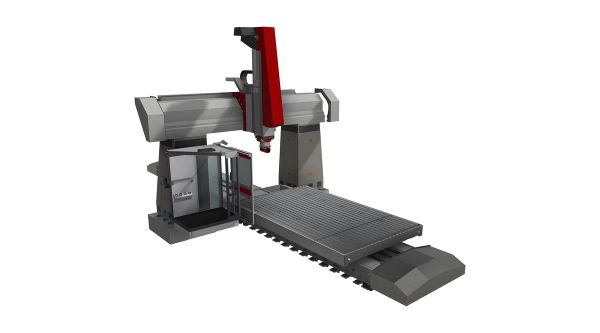
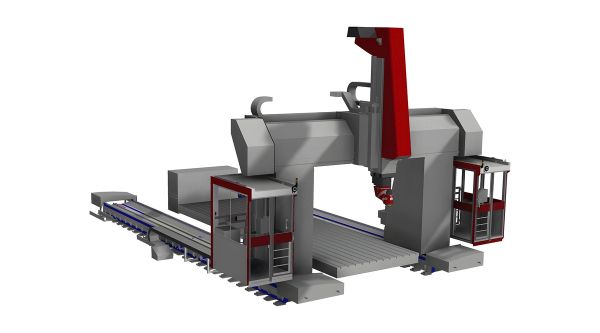
From quick clamping to unattended night shifts.
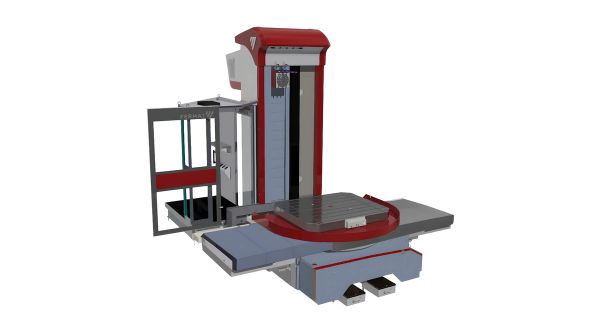
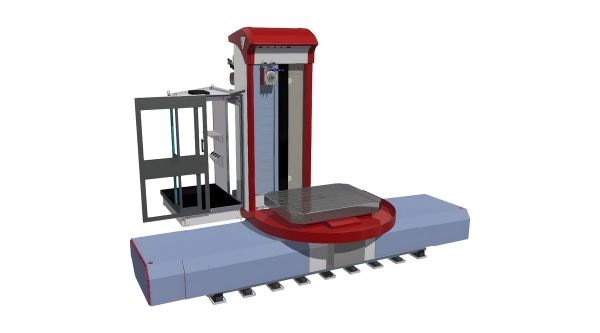
FERMAT automation grows with your production: start with zero-point clamping, add pallet changing and automatic tool exchange, and finish with monitored unattended machining.
Quick clamping
Zero-point clamping lets a pallet or fixture return to exactly the same position every time. The part is clamped and set up away from the machine, so the machine keeps cutting while the next one is prepared.
Pallet changing
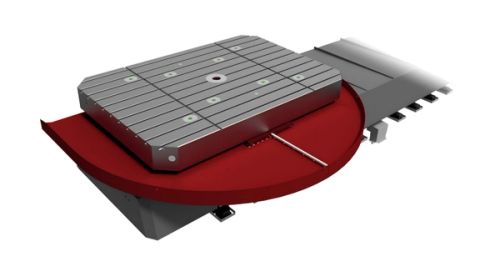
A shuttle or cross-wise pallet changer swaps a finished workpiece for a prepared one in a single automated move. Spindle time stops being lost to setup.
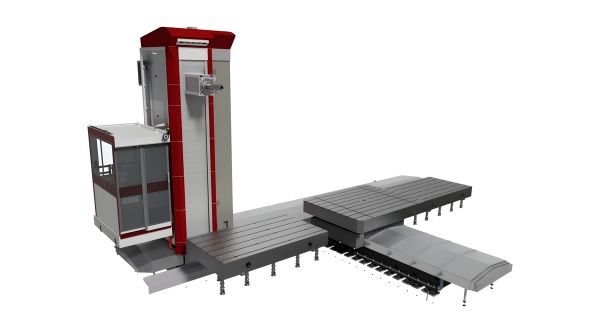
Shuttle Pallet Changer
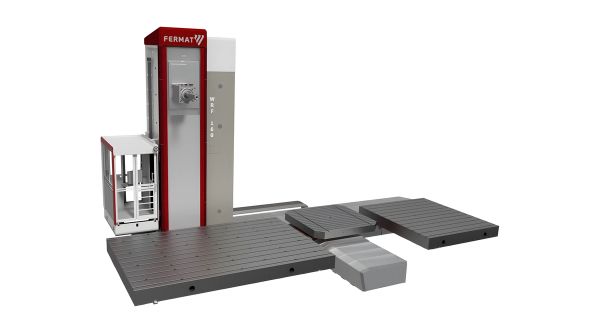
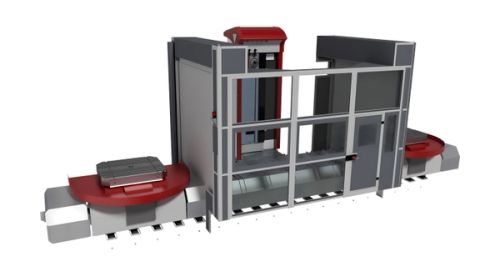
Two tables sit on one bed along the X axis and swap places automatically. One part is being cut while the other table is cleared, cleaned and set up with the next workpiece, so the spindle is not waiting on clamping — on repeat work that is where most of the non-cutting time goes. The shuttle layout carries the heaviest loads of the three pallet systems, which makes it the usual choice when the part itself is the reason the machine is standing still.
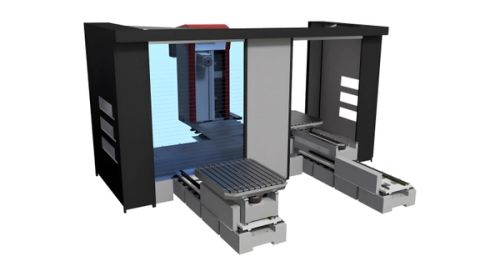
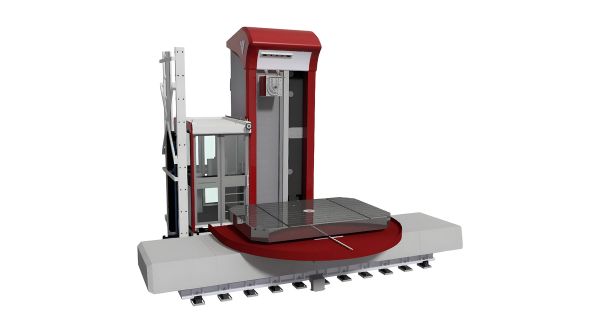
Cross-wise Pallet Changer
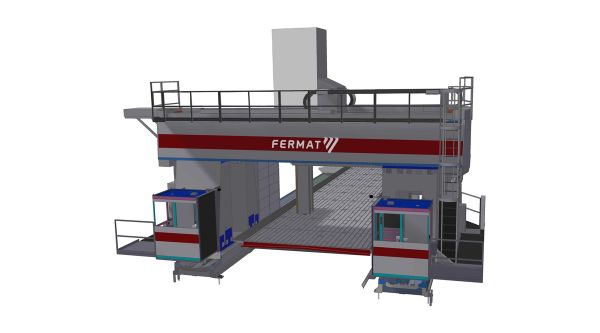
Two pallets sit perpendicular to the X axis, each on its own bed, and are exchanged automatically. As with any automatic pallet changer, machining continues on one pallet while the other is cleaned and the next workpiece is clamped. Giving each pallet its own bed keeps the setup station clear of the working area, which suits shops where parts are rigged with cranes and fixtures rather than simply dropped on the table.
Automatic tool exchange
ATC magazines and PICK-UP systems exchange tools and heads without the operator leaving the control. Long unattended cycles become possible even with complex tooling.
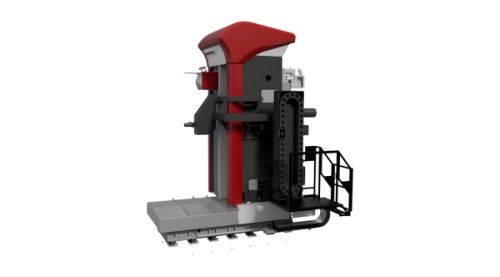
ATC 20/32/40/60/90/120
ATC – automatic tool changer is one of the possibilities of how to automatically change tools into spindle on FERMAT machines. The ATC can store 20/32/40/60/90/120 tools in the magazine. Depending on the version, the ATC can change tool into spindle of headstock (horizontal exchange), or into spindle of automatic milling head in zero position (vertical exchange).
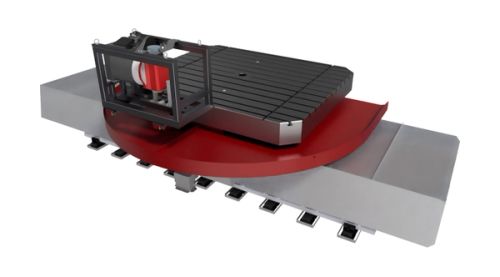
Table side PICK UP
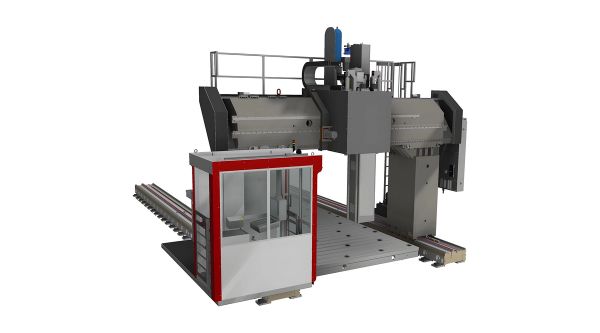
PICK-UP is used for automatic exchange of milling heads with automatic clamping on headstock. Suitable for table-type machines for tables 1600x1800 mm and bigger. • The head holder consists of two hinged arms permanently attached to the side of R plate (when arms are folded, there is no risk of holder hitting the column during rotation). • The head is accurately seated in portable frame. • For this solution, as an option, we offer also cover for the milling head, which prevents its possible damage (for example caused by flying chips during machining). • It is semi-automatic exchange of milling head, controlled and inspected by machine operator. • Fast and accurate exchange for reasonable price.
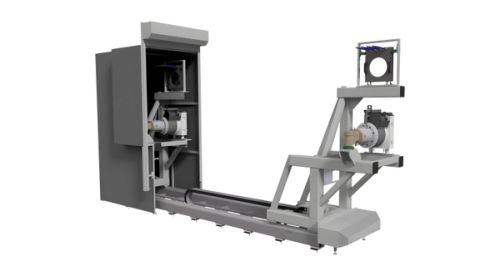
2-position PICK-UP
2 - position PICK-UP is used for automatic exchange of milling heads with automatic clamping on headstock. Suitable for table-type machines WFT 13 and WFT 15. • Automatic Exchange with CNC Control System. • The whole pick-up is movable, to it can reach the headstock. • Typically, one position is for a milling head and the other for a cover plate. • Can be also used for two milling heads (cover plate is made of plastic and is attached to headstock manually). • Fast and accurate exchange that eliminates the danger of damaging the adapter of milling head.
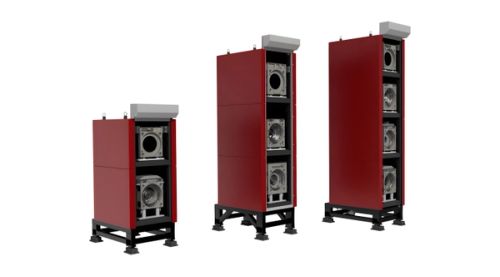
2/3/4-position PICK-UP
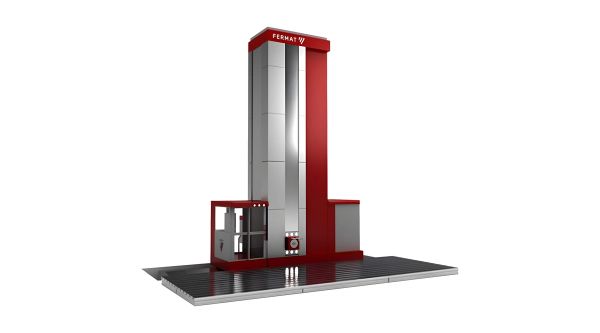
The 2/3/4-position PICK-UP is FERMAT's automatic head-exchange station for floor-type machines, mounted directly to the floor plate rather than the table. Depending on the configuration it holds two, three or four milling heads ready for automatic swap, and the exchange sequence is built to avoid any contact damage to the head adapter during the change.
Unattended production
With clamping, pallet changing and tool exchange automated, production monitoring closes the loop: it shows in real time which machine is producing, which is waiting and which is stopped.
Where should your automation start?
Tell our engineers about your parts and batch sizes — they will recommend the automation level that suits your machine.