
Aerospace
Horizontal boring, floor-type, and gantry machines engineered for the demanding tolerances of aerostructures, engines, and landing gear components.
The Challenge of Aerospace Machining
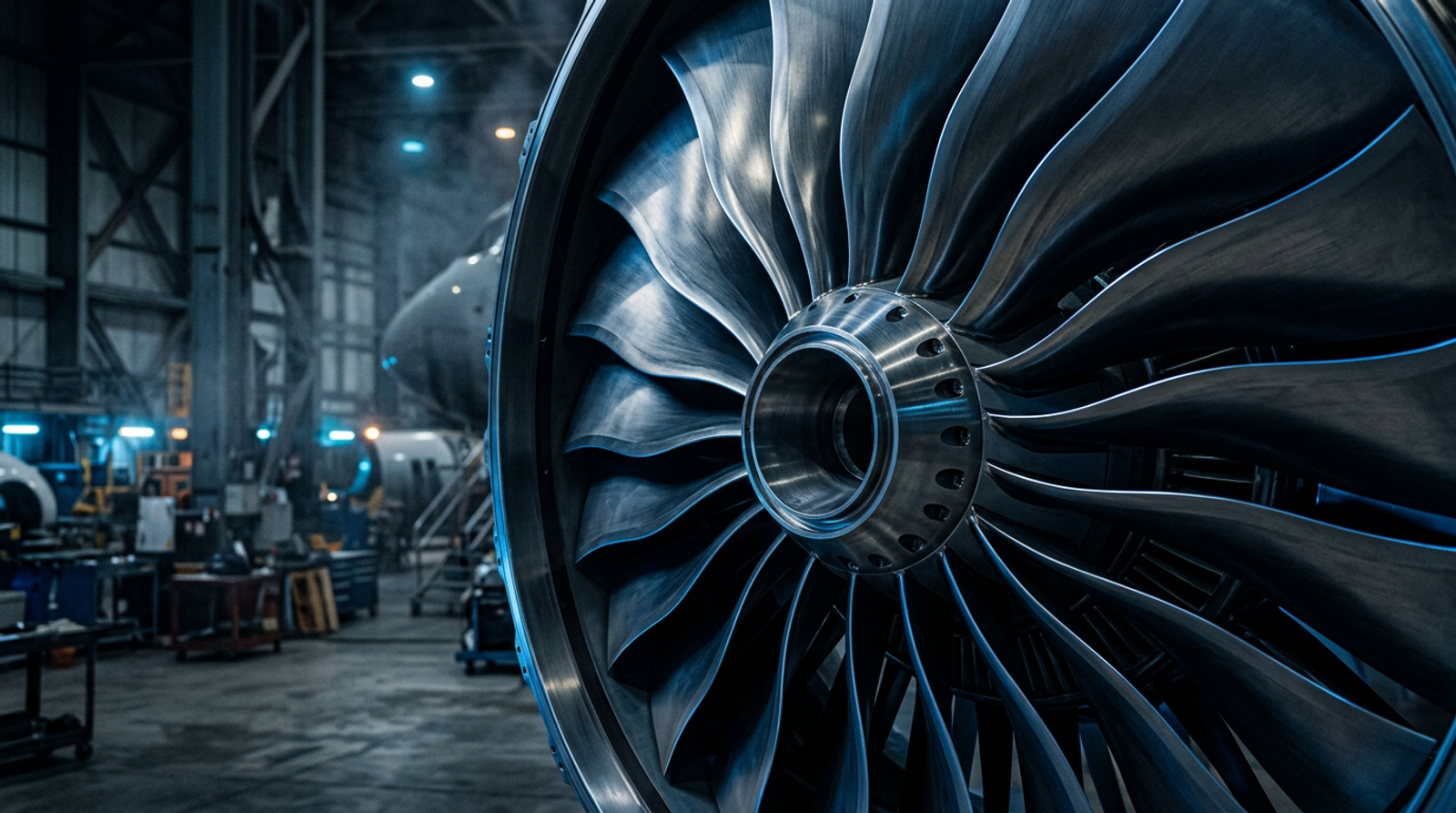
Aerospace is the most exacting corner of metal-cutting. The parts are large and geometrically complex — engine casings, structural frames and bulkheads, wing spars, landing-gear forgings — yet they must hold tight positioning accuracy on materials that fight back: titanium, nickel superalloys, high-strength steels, and increasingly aluminium and CFRP composites.
Those materials are slow and punishing to cut, so tool wear and process reliability matter as much as the final tolerance. Every re-fixturing adds stacked positioning error, which is why the sector leans on single-setup, multi-process machining with 5-axis heads — and on a rigid machine structure to hold surface finish through long, heavy cuts.
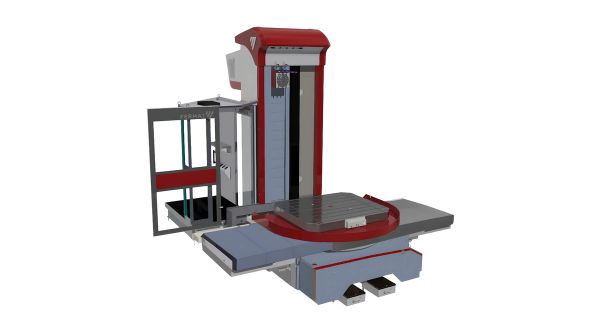
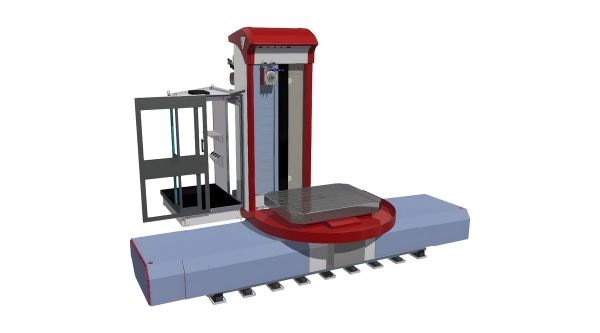
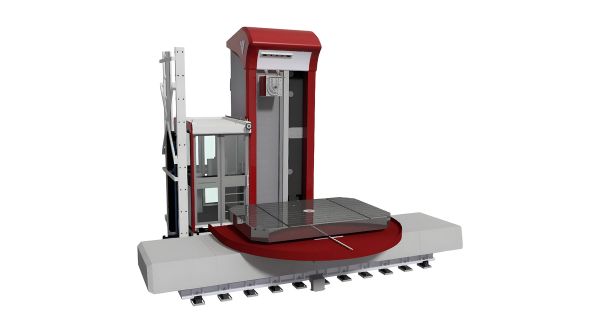
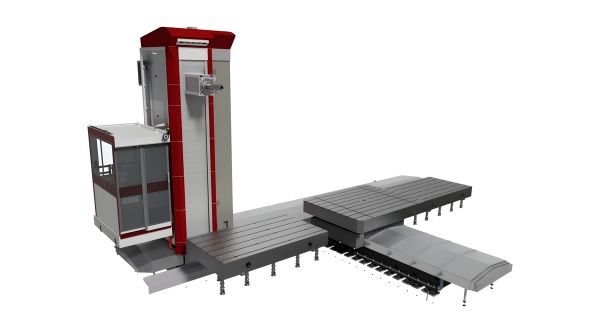
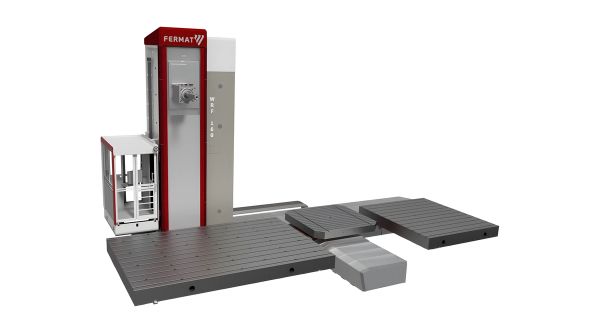
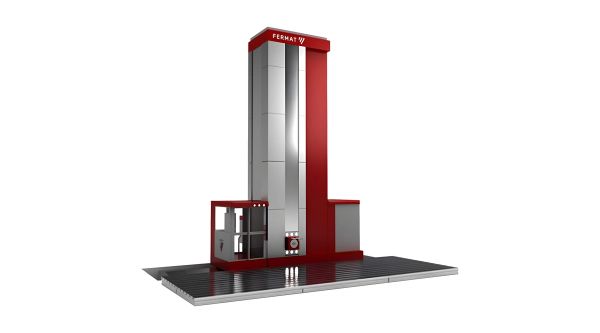
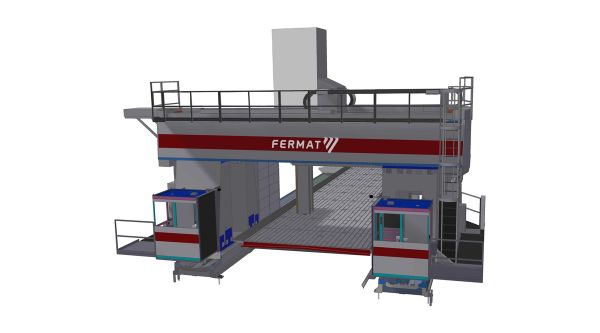
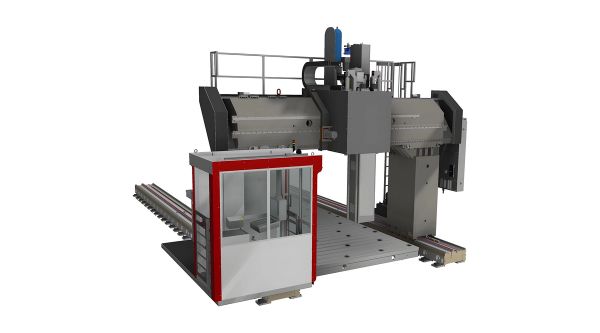
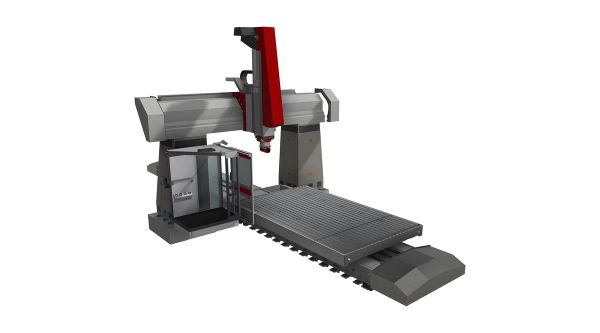
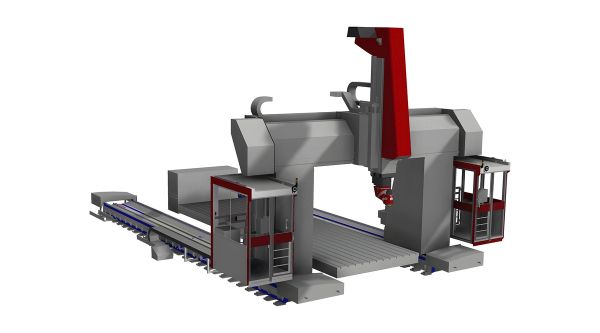
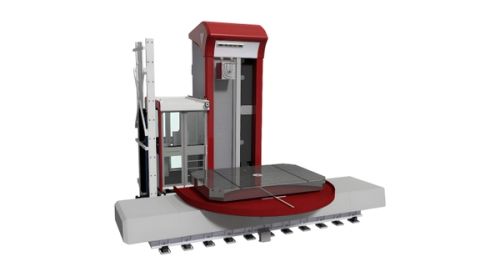
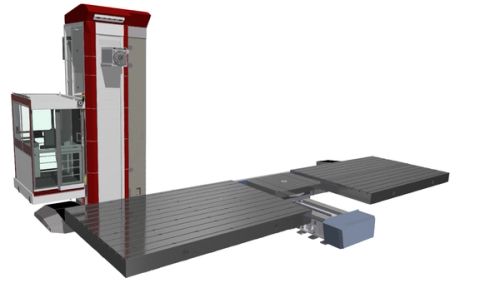
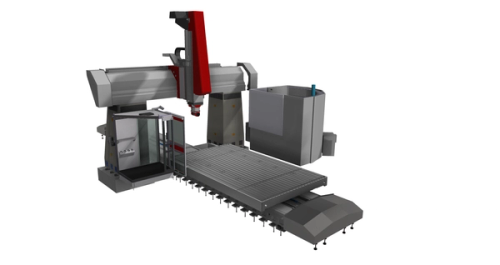
FERMAT's heavy floor-type and gantry machines with continuous 5-axis universal heads are built for exactly this envelope: large, rigid, and able to bore, mill, turn and drill a complex aerospace part in one clamping. The same rigidity that resists chatter in titanium is what keeps the geometry true across a whole airframe structure.
Why FERMAT for Aerospace
Engineering decisions baked into every machine that change the economics of aerospace production.
Rigid for hard alloys
Heavy cast-iron construction absorbs the cutting forces of titanium and nickel superalloys without chatter — even in deep, heavy cuts.
Single-setup 5-axis
Continuous 5-axis universal heads bore, mill, turn and drill a complex part from one fixture, so stacked re-fixturing error never enters the geometry.
Large-envelope reach
Floor-type and gantry configurations cover the biggest aerospace envelopes — from engine casings to full-length wing spars — on one machine.
Recommended Machines
Machine types that suit aerospace parts.
Aerospace FAQ
Engineering and procurement questions about aerospace machining.
Which aerospace materials can FERMAT machines handle?
Can FERMAT machine large aerospace structures?
Does FERMAT support single-setup 5-axis machining for aerospace?
How does FERMAT deal with chatter in hard alloys?
Looking for a aerospace machining partner?
Our engineers spec the right configuration for your specific application. We reply within 24 hours.