

Naval
Precision boring, milling and turning for marine, naval and offshore equipment — engine bedplates, propeller shafts, rudder gear, and subsea valve and BOP bodies.
The Challenge of Naval Machining
Marine and offshore manufacturing is the heaviest end of heavy industry, and its defining constraint is length. An engine bedplate, a propeller shaft, a rudder stock — these are parts where the critical dimension is measured along metres, and where being correct at one end is worthless if the other end has drifted.
The materials span the maritime range: marine-grade carbon and stainless steels for engine and shaft components, nickel-aluminium bronze for propeller hubs, leaded bronzes for bearings, duplex stainless where corrosion resistance decides. Each cuts differently and each has its own surface-finish requirement, because these are sealing and bearing surfaces that have to work in seawater for the life of the vessel.
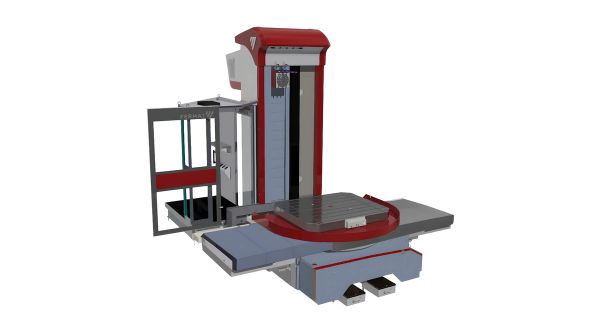
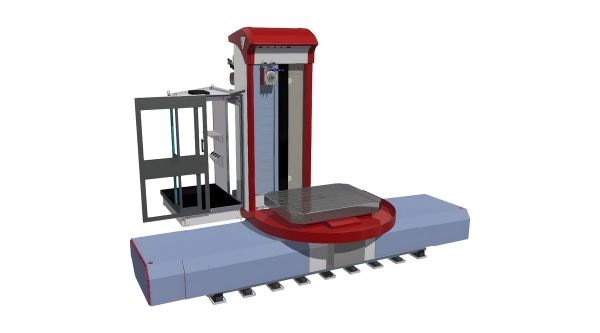
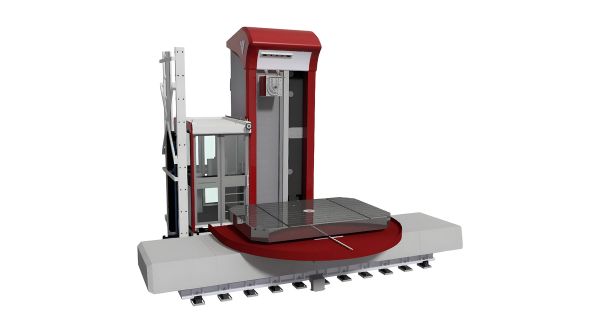
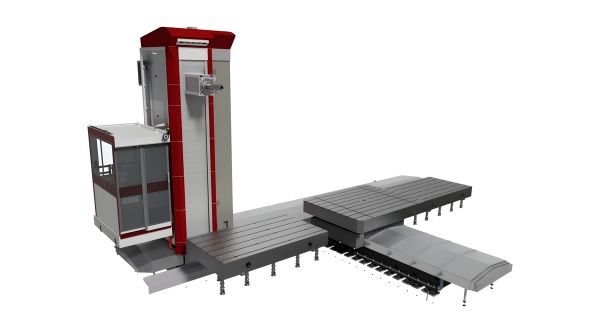
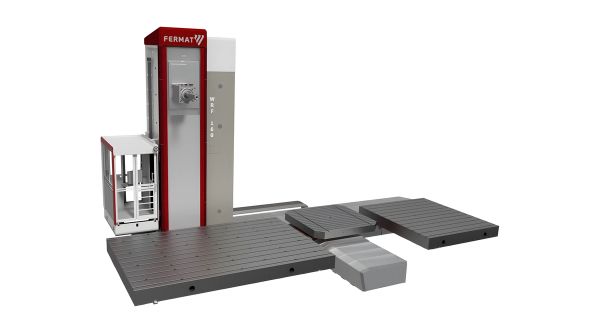
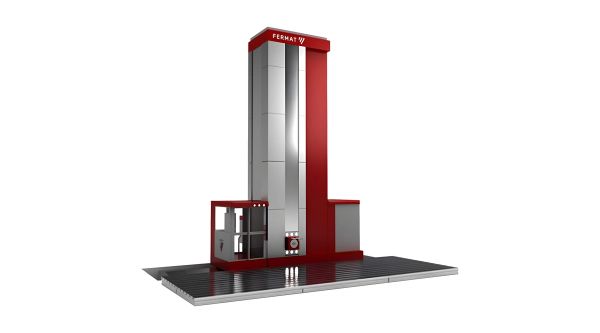
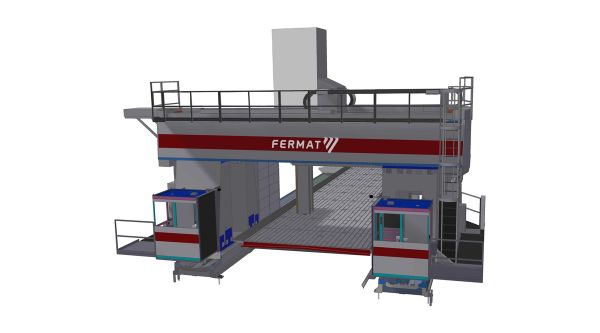
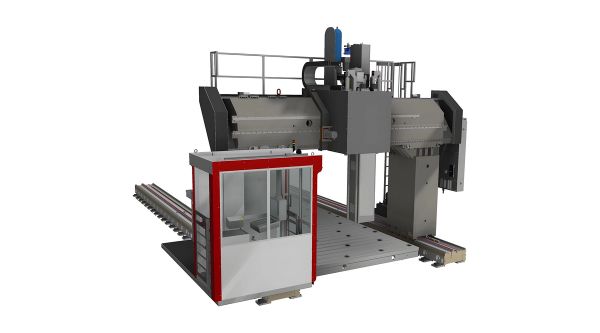
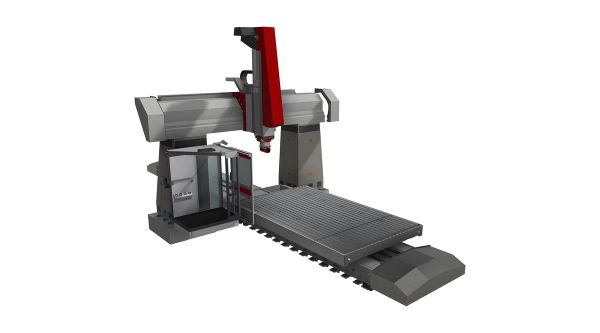
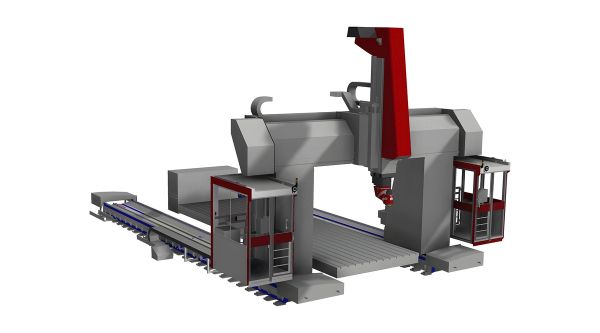
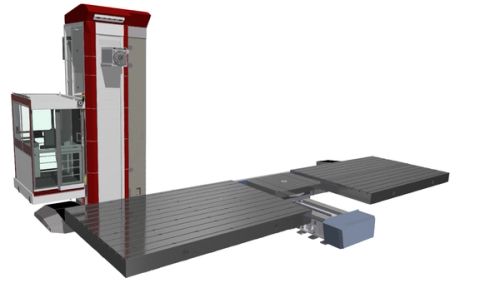
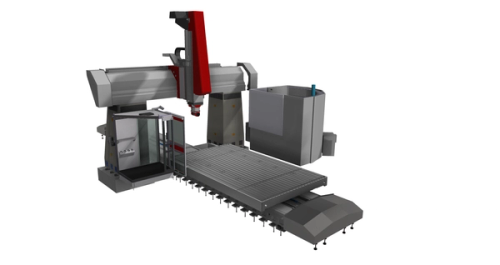
Long-stroke FERMAT floor-type and gantry machines are built for that geometry. A bedplate is machined along its full length in one setup, so the main bearing saddles sit on a single straight line rather than on the sum of several alignments. A shaft or rudder stock is carried between a heavy rotary table and a tailstock support and turned and bored without re-clamping. The same machines take the housings and bodies around them — bow thrusters, subsea valves, blowout-preventer components.
Why FERMAT for Naval
Engineering decisions baked into every machine that change the economics of naval production.
Length in one setup
Long-stroke travel machines a bedplate or shaft along its full length, so the bearing line is straight rather than stitched together.
Single-piece capacity
Heavy rotary tables and tailstock supports carry large forgings and castings without splitting them into sub-assemblies.
Marine alloys
Nickel-aluminium bronze, leaded bronzes, duplex and marine-grade stainless — each with its own cutting data and finish requirement.
Concentric over length
Turning and boring between table and tailstock without re-clamping is what holds concentricity along a long shaft.
Recommended Machines
Machine types that suit naval parts.
Naval FAQ
Engineering and procurement questions about naval machining.
What marine components are these machines used for?
Why does an engine bedplate need to be machined in one setup?
Can the machines cut nickel-aluminium bronze for propeller hubs?
How is a long propeller shaft held concentric?
Which machine type suits shipyard work?
Looking for a naval machining partner?
Our engineers spec the right configuration for your specific application. We reply within 24 hours.