Stamping & body-panel dies
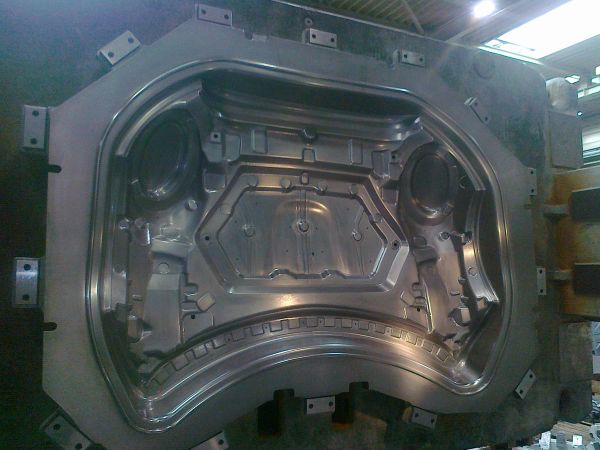
Large press dies and stamping tools for automotive body panels — the cavity surface milled and detailed on a FERMAT machine.


Heavy-duty milling and boring for press dies, plastic injection moulds, forging tools, and stamping dies — combined workflows on a single platform.
Tool and die work asks a machine to do two contradictory things at once. The workpieces are heavy — a forging die, a large press die plate, a mould block that arrives on a crane — and yet the surface that comes off the machine may be a finished moulding surface, where a visible mark becomes a visible mark on every part the tool ever produces.
The materials make it harder. Hardened tool steels such as H13, P20 and S7 are cut at or near full hardness; pre-hardened mould steels like P20 modified and NAK80 are worked in the same condition they will serve in; beryllium-copper appears in cooling inserts. Cutting these without losing surface finish or letting the geometry drift is the trade craft of the die shop, and the machine either supports it or fights it.
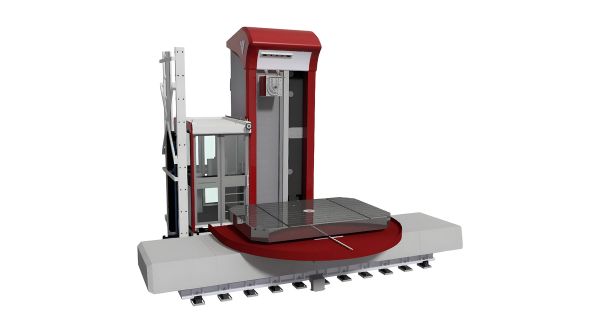
What FERMAT contributes is mass and setup discipline. A cast-iron structure damps the vibration that would otherwise print itself onto the finished surface, heavy tables carry the block without deflection, and a rotary table with universal heads lets the sides, cavity and cooling-line drillings of a block be machined from one clamping. That matters twice over here: a mould block is awkward to re-clamp accurately, and every re-clamping risks a step in a surface that must be continuous.
Engineering decisions baked into every machine that change the economics of moulds & dies production.
Cast-iron mass damps the vibration that would otherwise print onto a finished moulding or die surface.
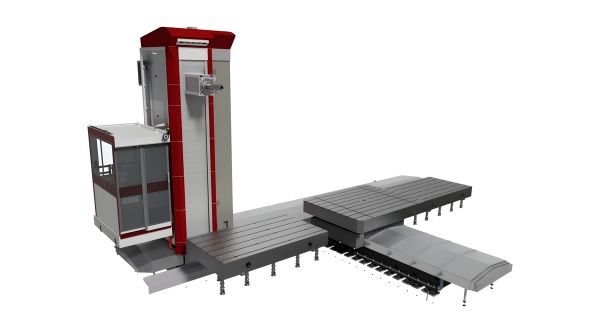
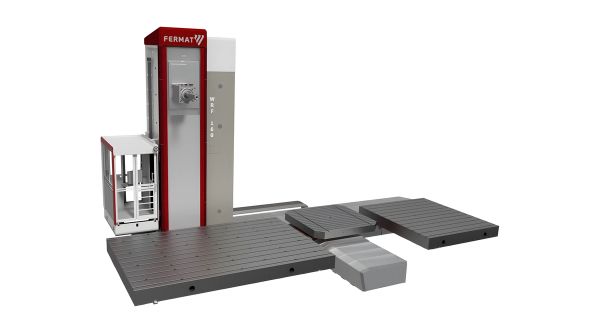
Tables and rotary tables carry large press-die plates and mould blocks without deflection under their own weight.
H13, P20, S7 and pre-hardened mould steels cut at working hardness, where cutting forces are high and the finish is unforgiving.
Sides, cavity and cooling-line drillings machined from one setup — a block is awkward to re-clamp and every re-clamping risks a step.
Typical moulds & dies components and how they are machined.
Large press dies and stamping tools for automotive body panels — the cavity surface milled and detailed on a FERMAT machine.
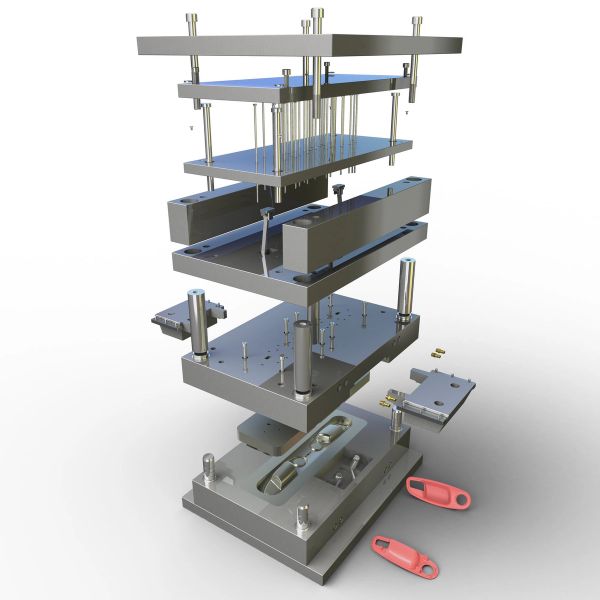
Multi-plate plastic injection mould assemblies — cavity, cooling-line cross-bores and parting-line machining across the mould blocks.
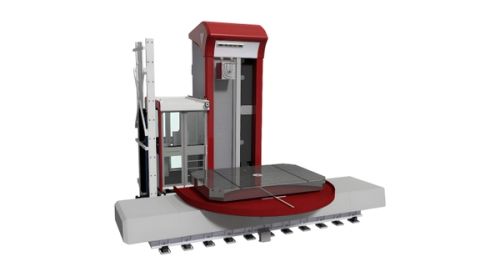
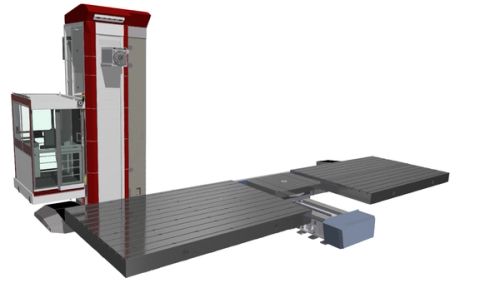
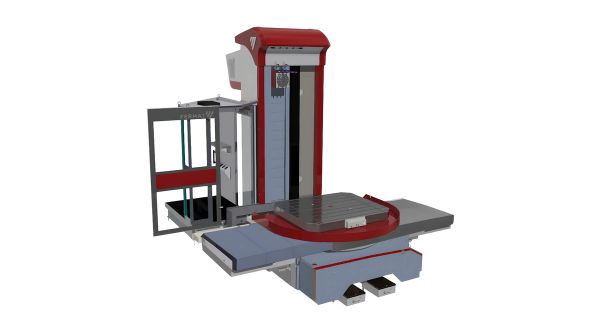
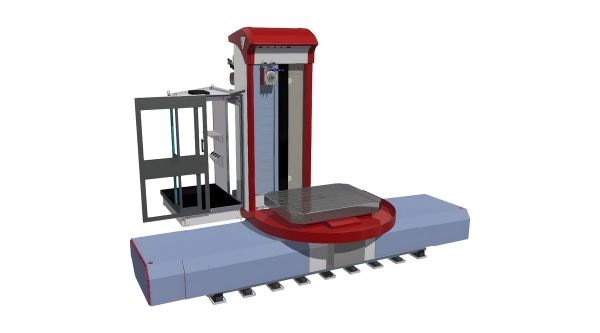
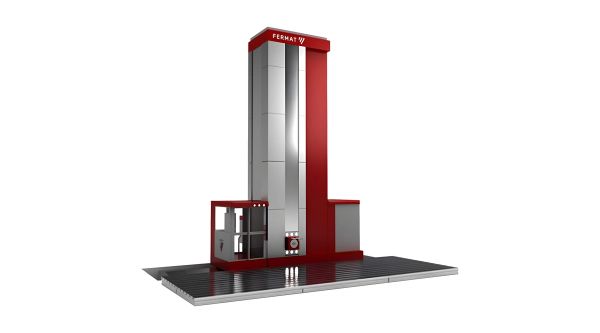
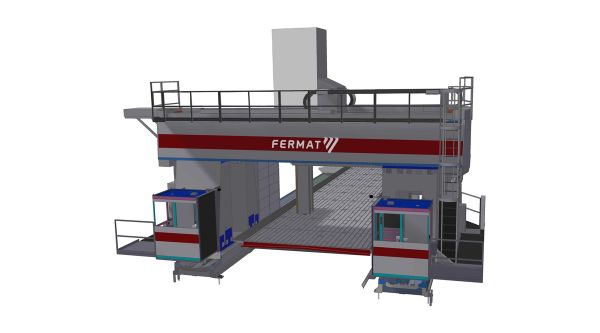
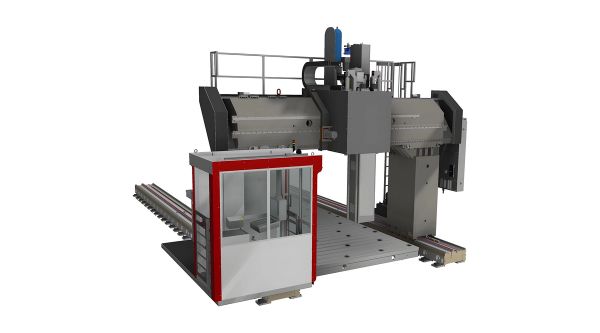
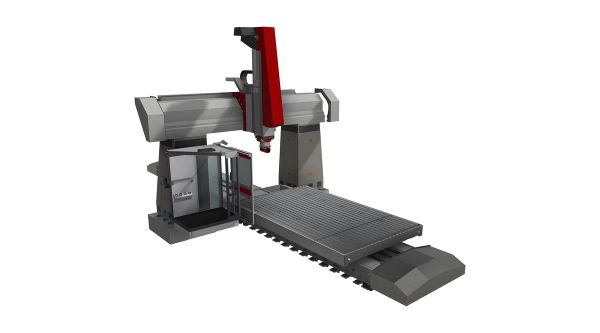
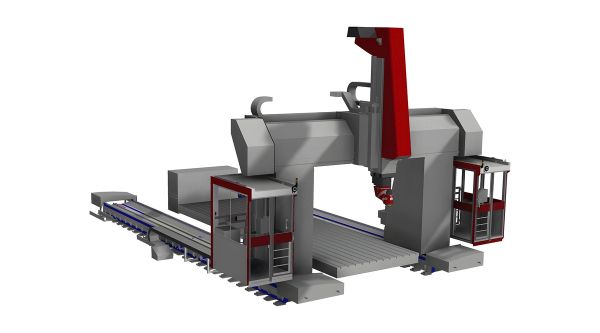
Machine types that suit moulds & dies parts.
Engineering and procurement questions about moulds & dies machining.
Our engineers spec the right configuration for your specific application. We reply within 24 hours.