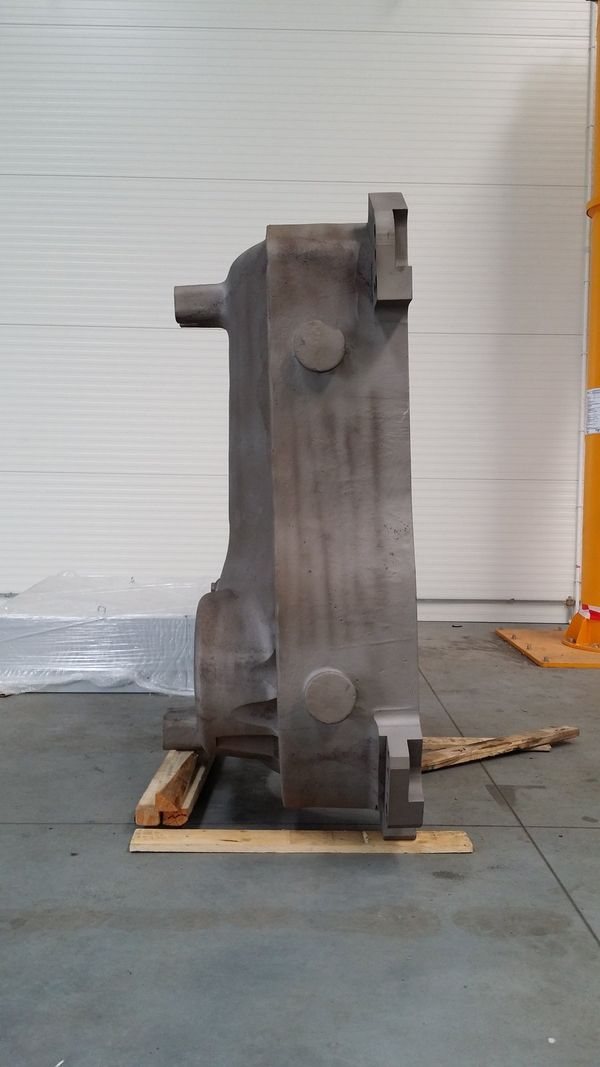
Turbines: Turbine casings
Split gas- and steam-turbine housings — circumferential bores, mating-flange facing and the horizontal parting plane machined to a tight seal fit.


Precision boring, milling and turning for heavy power-generation equipment — turbine casings, generator rotors and stators, gearboxes, wind-power components, oil & gas hardware.
Power generation hardware puts a combination of demands on one part that few other sectors do: physical scale measured in metres, precision on the interfaces that matter, and a service life measured in decades. A turbine casing, a generator rotor and a gearbox housing look like three different jobs — but each of them lives or dies on the same thing, the alignment between features that a smaller machine would have to cut in separate clampings.
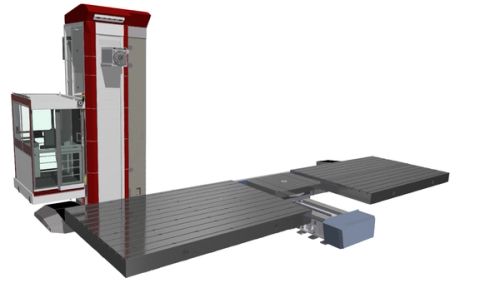
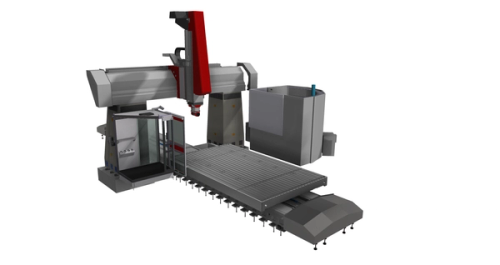
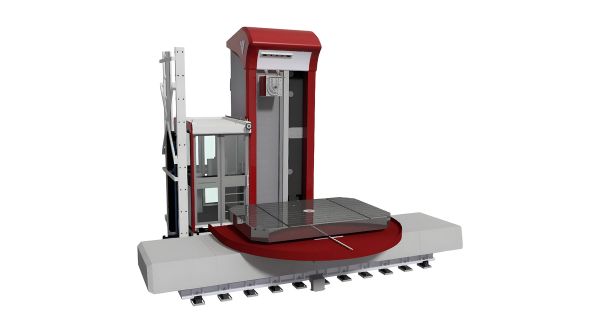
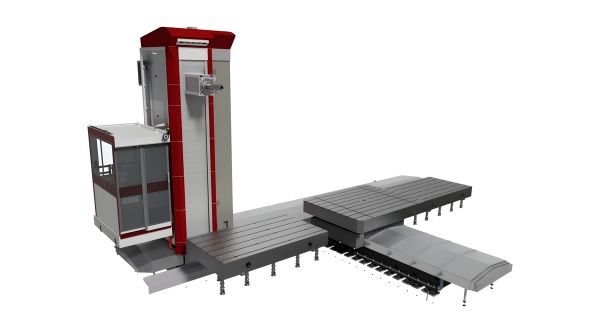
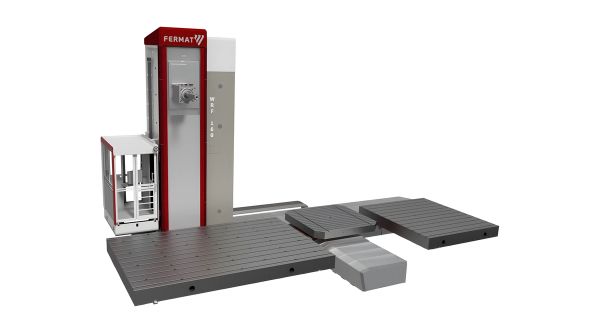
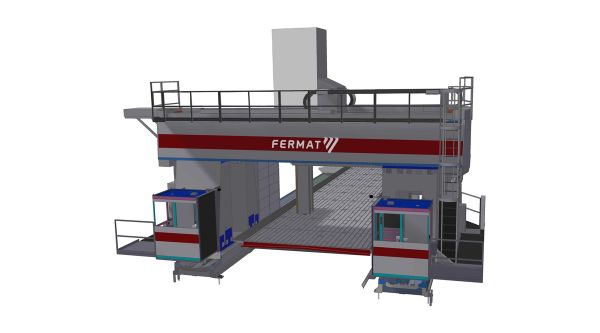
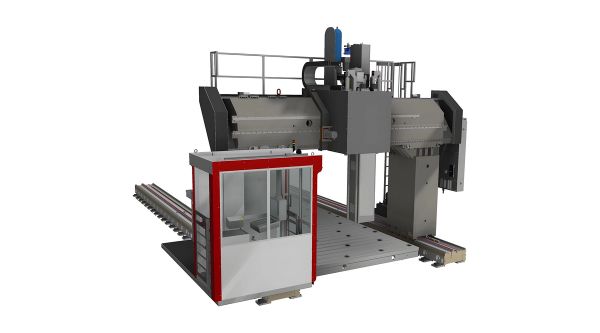
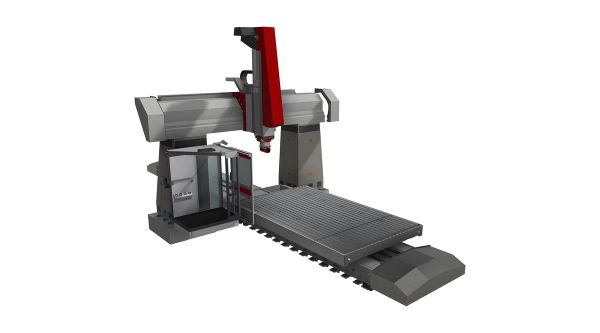
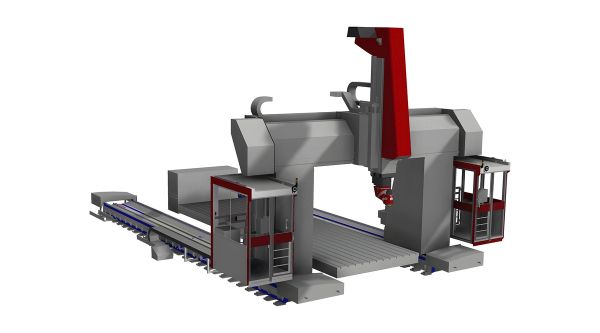
That is why the FERMAT energy portfolio is built around single-setup capability. Heavy rotary tables and tailstock supports carry rotors and hub forgings; floor-type machines with 5-axis universal heads reach around casings too large for any table; and boring both halves of a split housing from one datum removes the stack-up that line-boring in two operations always leaves behind.
The components on this page fall into eight families — turbine casings, rotor shafts, stators, gearbox housings, gears, wind-power components, oil & gas hardware and engine blocks. Their geometry differs, but the machining problem repeats: large heavy castings, forgings and weldments; deep or interrupted bores; and mating faces that have to seal or stay aligned under load.
Energy equipment is long-lived, and so are the machines that make it. FERMAT also retrofits: CNC modernisation can be part of an overhaul, so a machine can be brought up to date without being replaced.
Engineering decisions baked into every machine that change the economics of energy & power production.
On the WFC and WFT machines the control corrects spindle growth in the Z axis automatically, from values held in a compensation table. Four temperature sensors monitor the headstock.
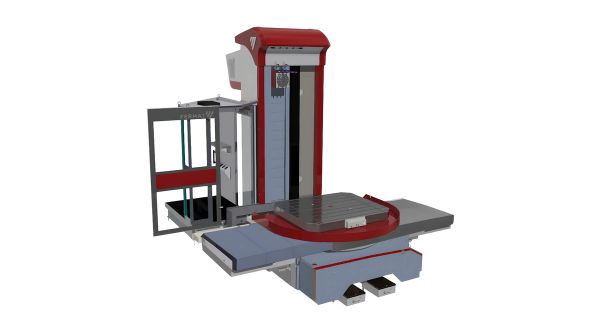
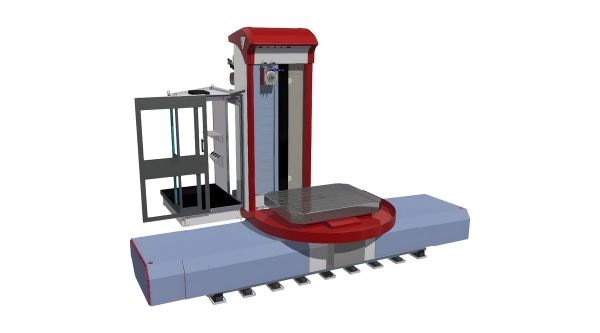
Heavy rotary tables and tailstock supports for generator rotors, hub forgings, and turbine casings. Suitable for the largest single-piece energy components.
Typical energy & power components and how they are machined.
Split gas- and steam-turbine housings — circumferential bores, mating-flange facing and the horizontal parting plane machined to a tight seal fit.
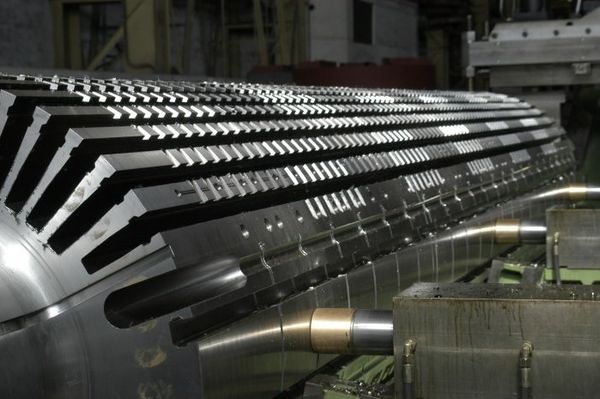
Large turbo- and hydro-generator rotors — slot milling of the winding grooves and finish turning of the bearing journals on one machine.
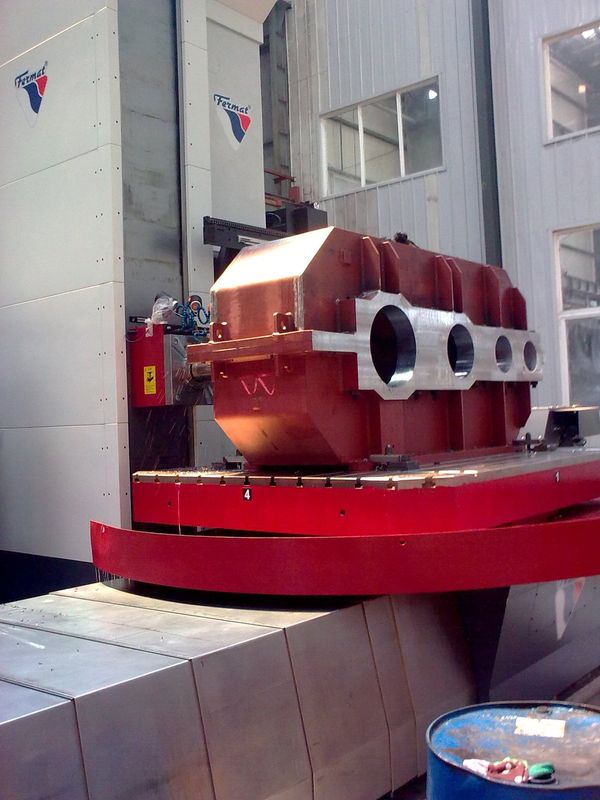
Split gearbox and reducer housings — bearing bores line-bored across both halves for shaft alignment, faced and drilled on a single FERMAT table.
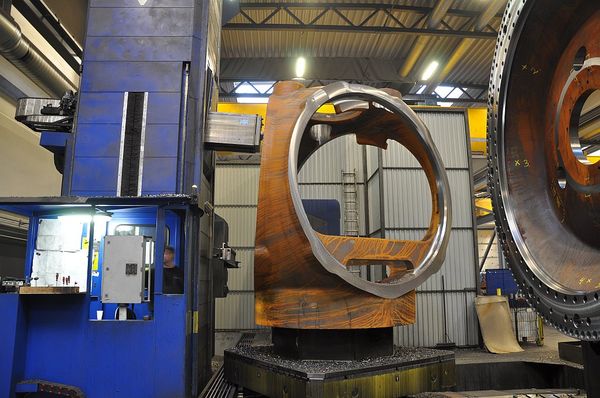
Cast and forged hub bodies for utility-scale turbines, set up on the floor-type boring mill for the pitch-bearing bores and main flange in one clamping.
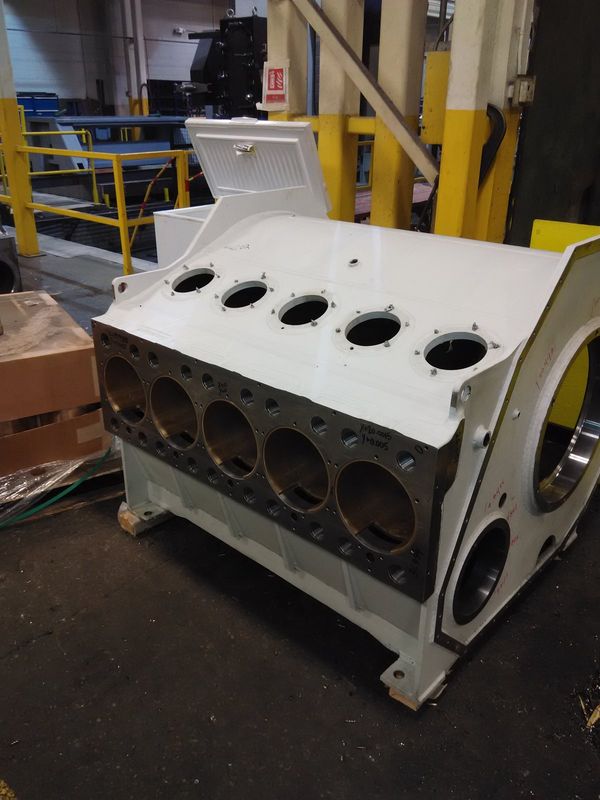
Heavy triplex/quintuplex pump blocks for the oil & gas industry — precision boring of the cylinder liners and cross-bores, with in-process reference marks.
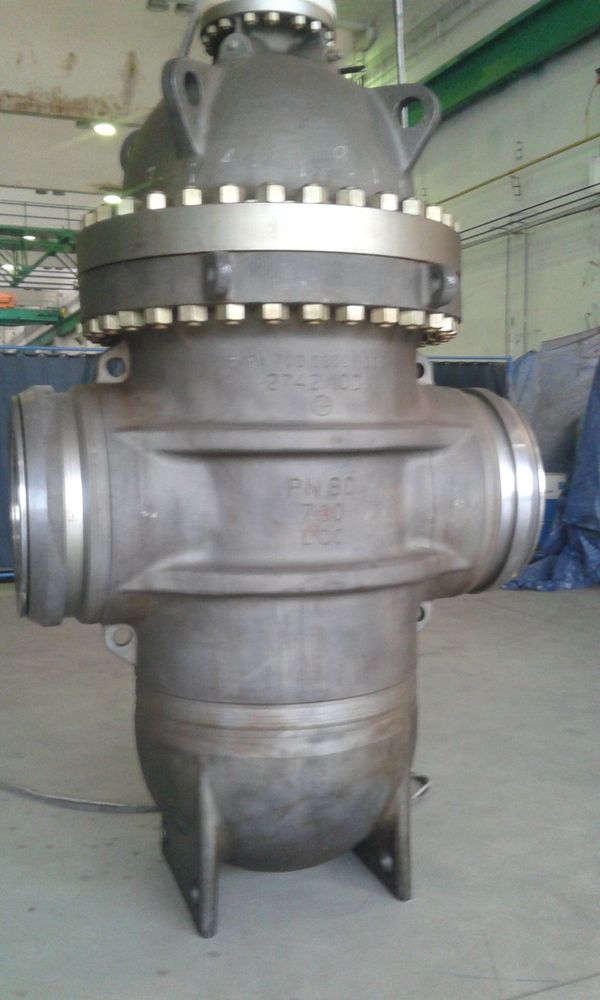
Valve and slab-gate bodies for gas transmission — flange faces, seat pockets and through-bores machined to a tight sealing fit on heavy pressure-rated castings.
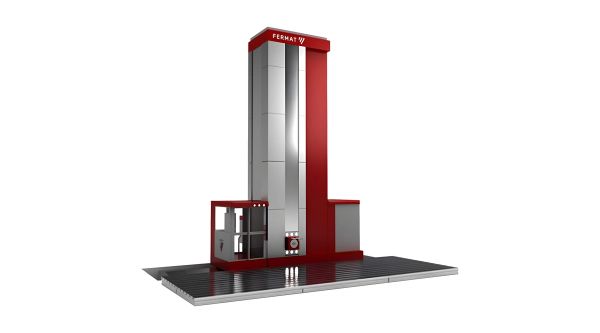
Machine types that suit energy & power parts.
How energy & power customers use FERMAT machines in production.
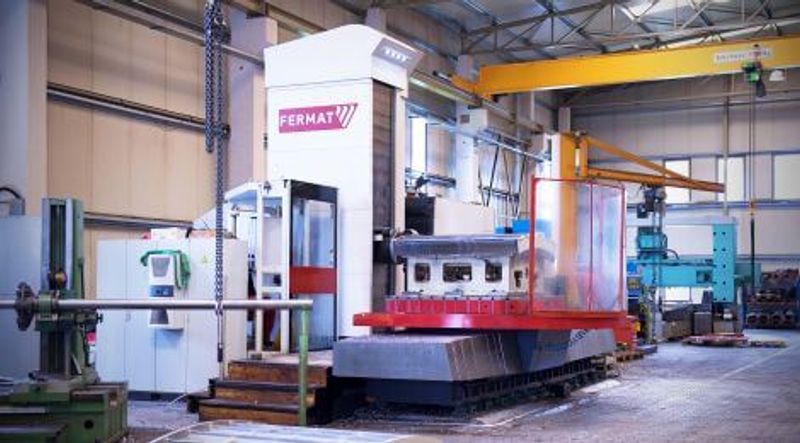
Lakics Gépgyártó Kft. using FERMAT WFT 13/15 (R,L) for their energy and power operations in Hungary.
Read full story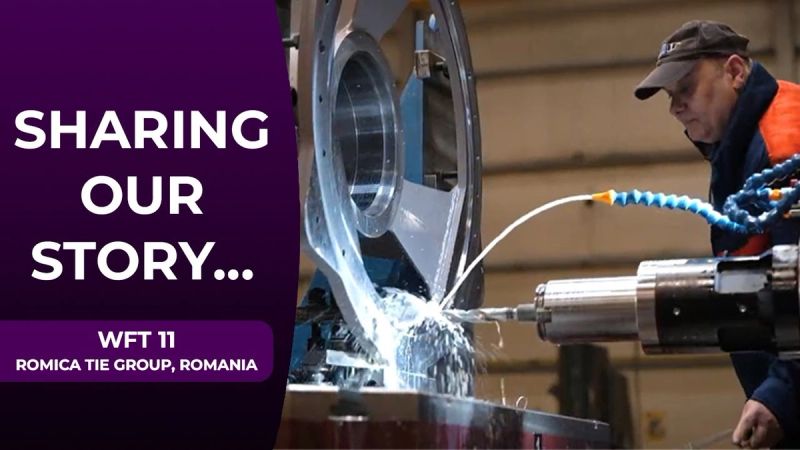
TIE Services International using FERMAT WFT 10/11 (L) for their energy and power operations in Romania.
Read full storyEngineering and procurement questions about energy & power machining.
Our engineers spec the right configuration for your specific application. We reply within 24 hours.