Booms & arms
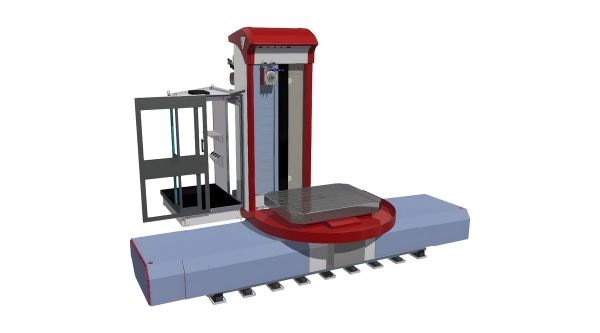
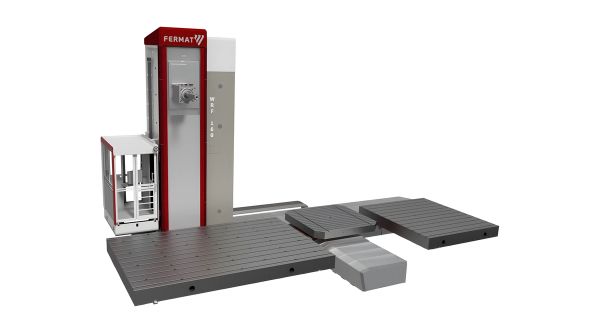
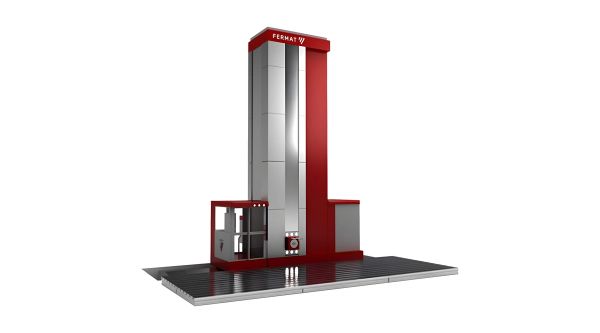
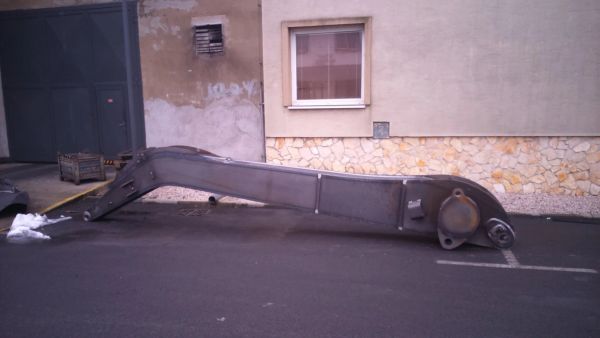
Long welded excavator and loader booms and arms — post-weld machining of the pivot bores and cylinder mounts so the whole linkage runs true. Machined on FERMAT WRF floor-type machines.


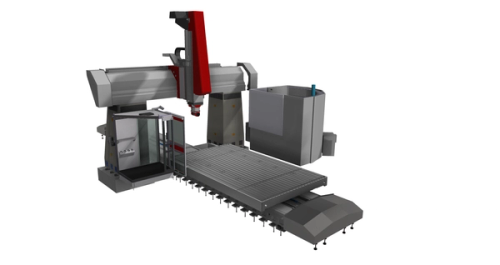
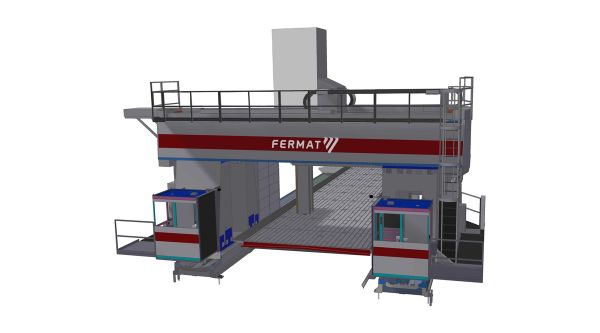
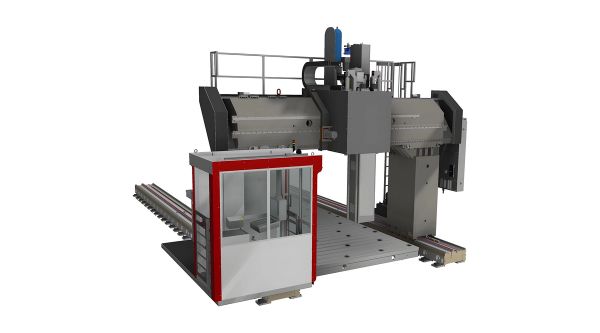
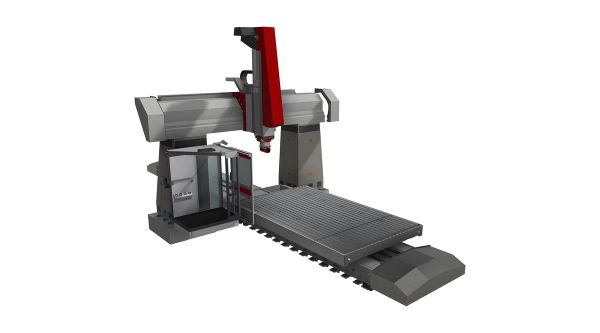
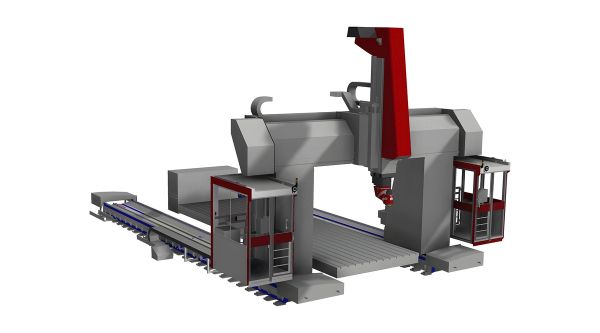
Heavy-duty floor-type and gantry machines for the largest workpieces in modern construction equipment manufacturing — excavator frames, crane structures, and mining machinery.
Construction and earth-moving equipment is machining at its most physical. An excavator chassis, a crane boom section, a mining crusher housing, an axle carrier — these are large welded and cast structures where the machine has to reach a long way and still put a bore where the drawing says.
Two things define the work. The materials are abrasion- and impact-resistant plate — Hardox, S700MC, S960QL and their equivalents — chosen to survive a quarry, which makes them punishing on cutting tools and heavy on cutting forces. And the parts arrive as weldments: stressed, not perfectly straight, with interrupted surfaces across every seam. Tolerances are moderate by aerospace standards, but they have to be held across a very long envelope, which is a different problem entirely.
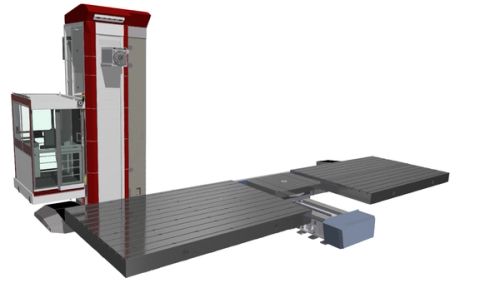
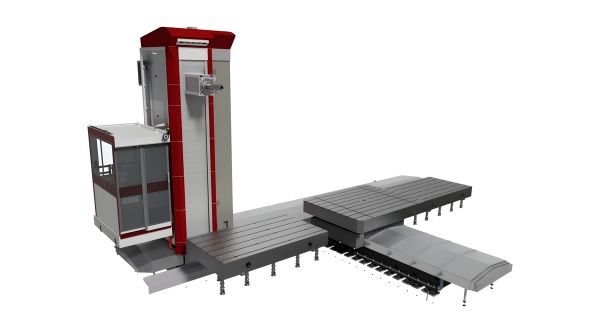
This is what long-travel FERMAT floor-type and gantry machines are for. The cast-iron structure absorbs the cutting forces of high-strength plate, and the travel covers a boom or chassis in one setup rather than in sections. Boring both ends of a pin bore line from one datum is what keeps a pivot straight, and machining the bearing bores and mounting faces of an axle carrier in a single clamping is what stops the errors adding up.
Engineering decisions baked into every machine that change the economics of construction & equipment production.
A boom section or chassis is covered in one clamping rather than machined in sections and re-aligned between them.
Cast-iron construction absorbs the cutting forces and interrupted cuts of Hardox, S700MC and S960-class welded structures.
Both ends of a bore line cut from one datum, so a pivot stays true over the length of the part.
The same platform takes a small axle carrier and a full chassis — the size and technique vary constantly in this sector.
Typical construction & equipment components and how they are machined.
Long welded excavator and loader booms and arms — post-weld machining of the pivot bores and cylinder mounts so the whole linkage runs true. Machined on FERMAT WRF floor-type machines.
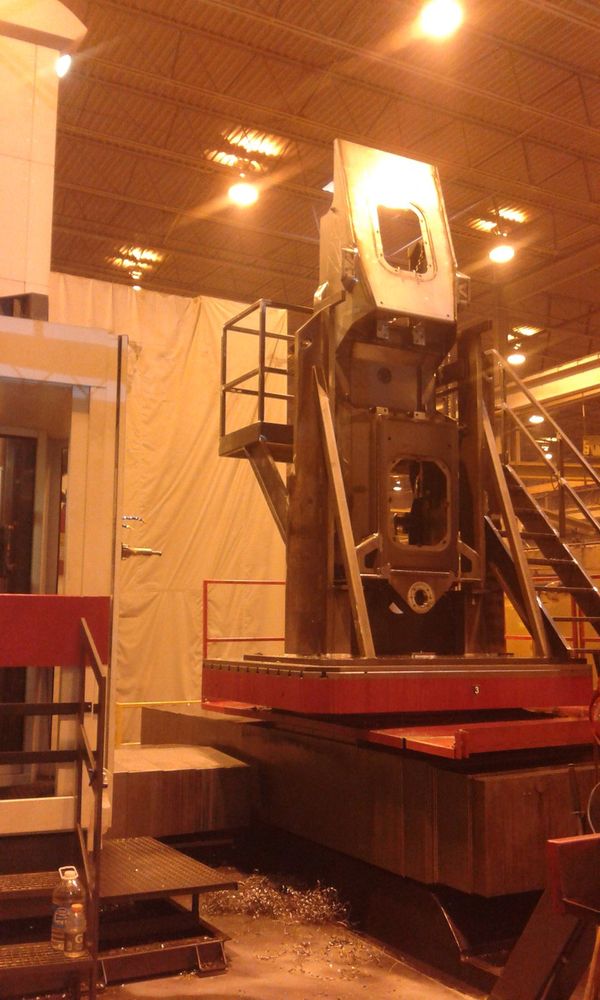
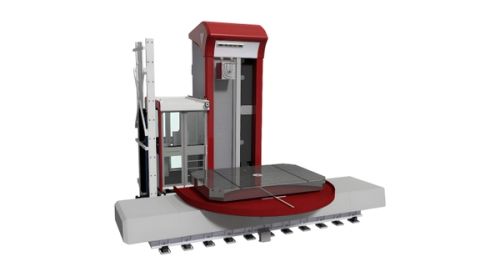
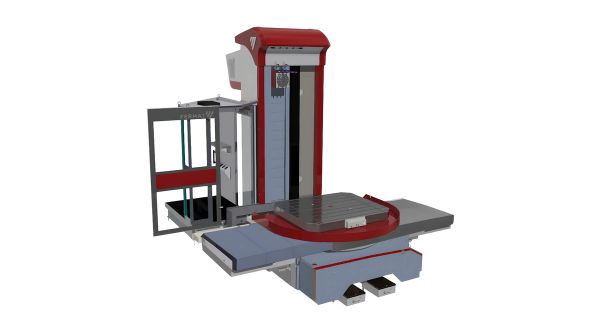
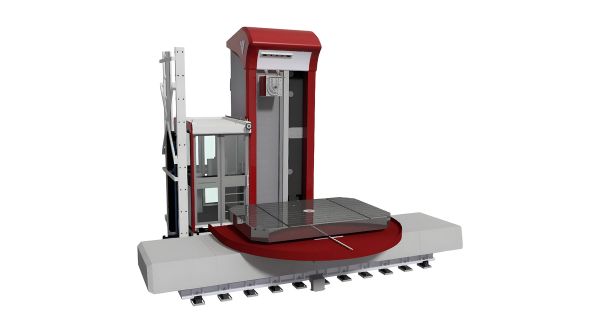
Articulated dump-truck and machine chassis weldments — pivot bores, axle seats and mounting faces machined on the rotary table in one setup on a FERMAT WFT.
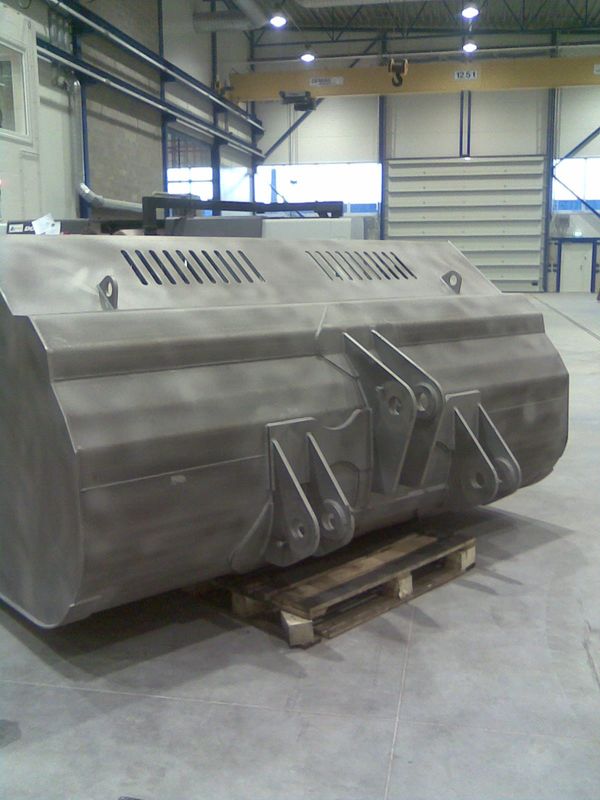
Excavator and wheel-loader buckets — machining of the pin-mount lugs and linkage bores that carry the digging loads.
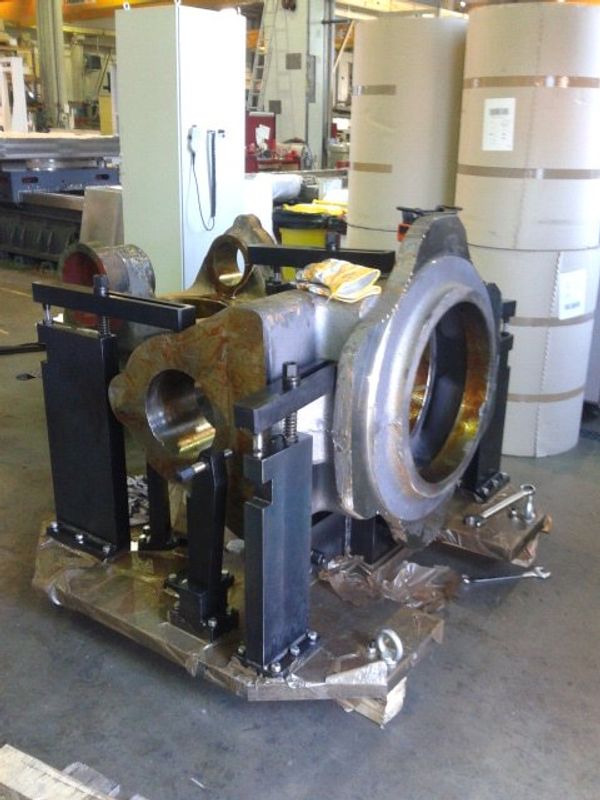
Steering knuckles and axle joints for large haul trucks — line-bored bearing seats that set the steering geometry.
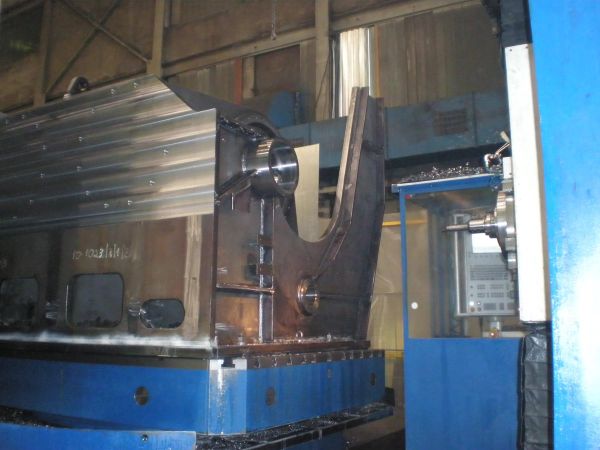
Heavy winch and cable-reel housings — bearing bores and drum seats bored true on the FERMAT machine for smooth spooling under load.
Machine types that suit construction & equipment parts.
How construction & equipment customers use FERMAT machines in production.
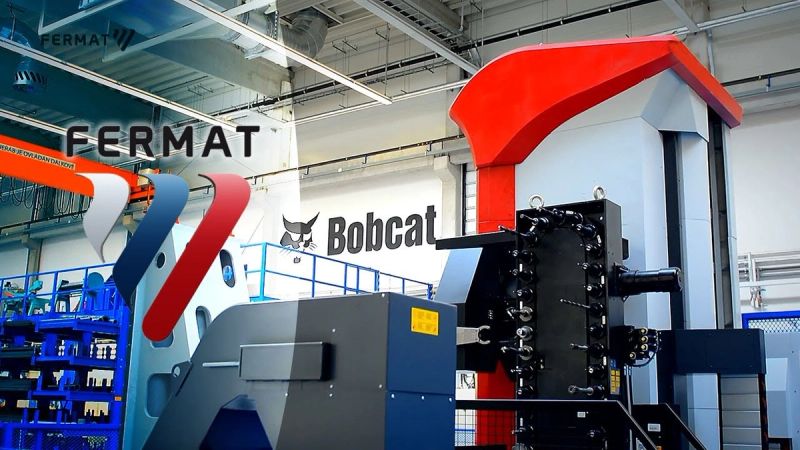
Doosan Bobcat's Dobříš campus in the Czech Republic — the EMEA manufacturing hub for Bobcat loaders and compact excavators — features FERMAT machining in its production.
Read full story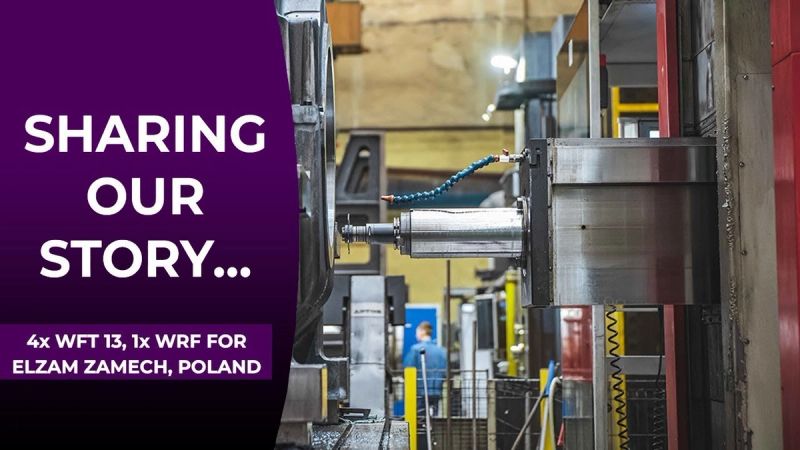
ELZAM-ZAMECH Sp. z o.o. using FERMAT WRF 130/150/160/180 for their construction and equipment operations in Poland.
Read full story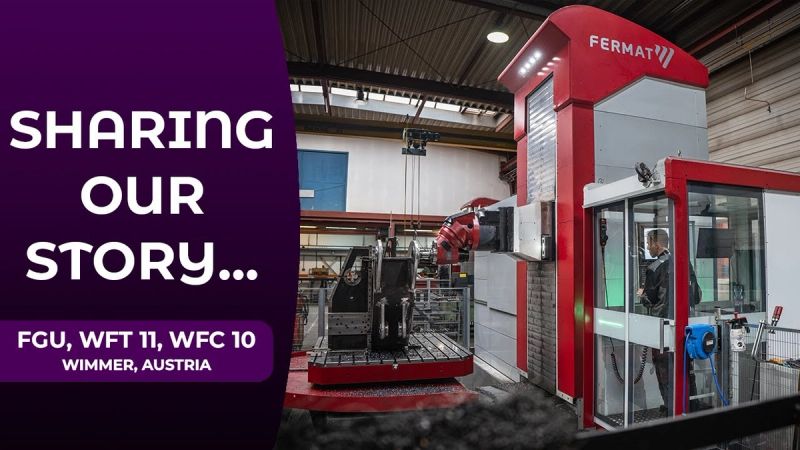
Austrian family manufacturer Wimmer produces heavy-duty attachments for hydraulic and tunnel excavators, relying on FERMAT boring and milling for its steel components.
Read full storyEngineering and procurement questions about construction & equipment machining.
Our engineers spec the right configuration for your specific application. We reply within 24 hours.