+420 778 547 838
  info@fermat.cz


 Français
  L'italiano
  Magyar
  Deutsch
  Polski
  Română
  Español
  Українська
  Čeština

List Grid
Cutting equipments Saw
| Name of a product | Inventory number | Producer | YOM | Parameters | ||
|---|---|---|---|---|---|---|
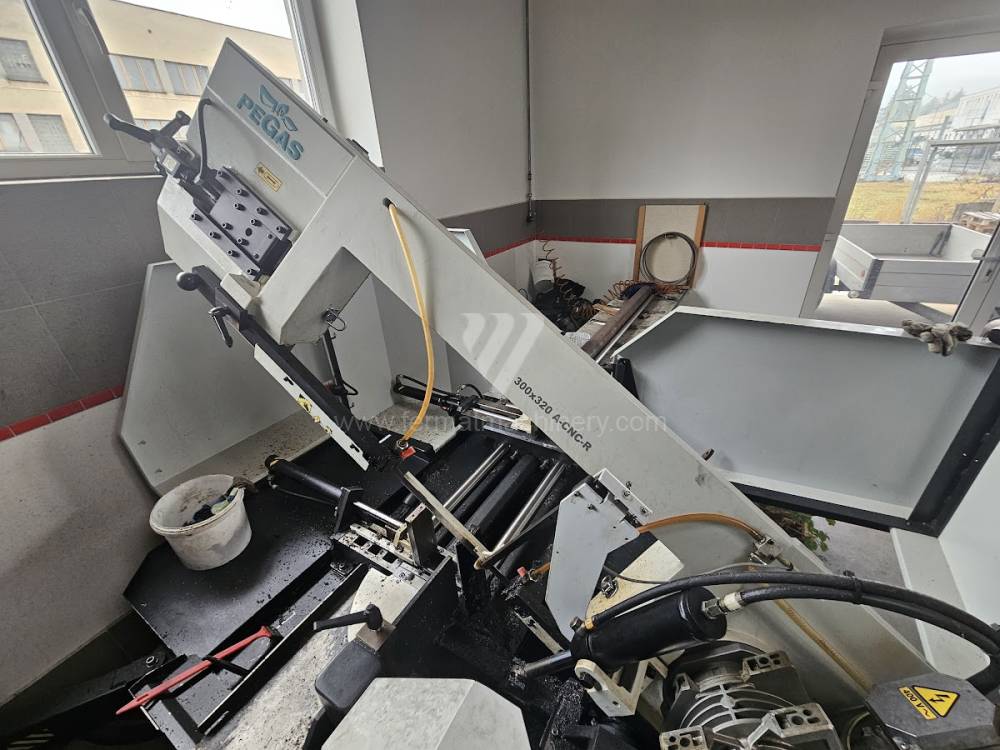 |
Pegas 300 x 320 A - CNC - R |
251185 | Pegas Gonda | Max. diameter of the cut material: mm Main motor power: 2,4 kW Machine dimensions l x w x h: 2310 x 1900 x 1503 mm Machine weight: 904 kg |
||
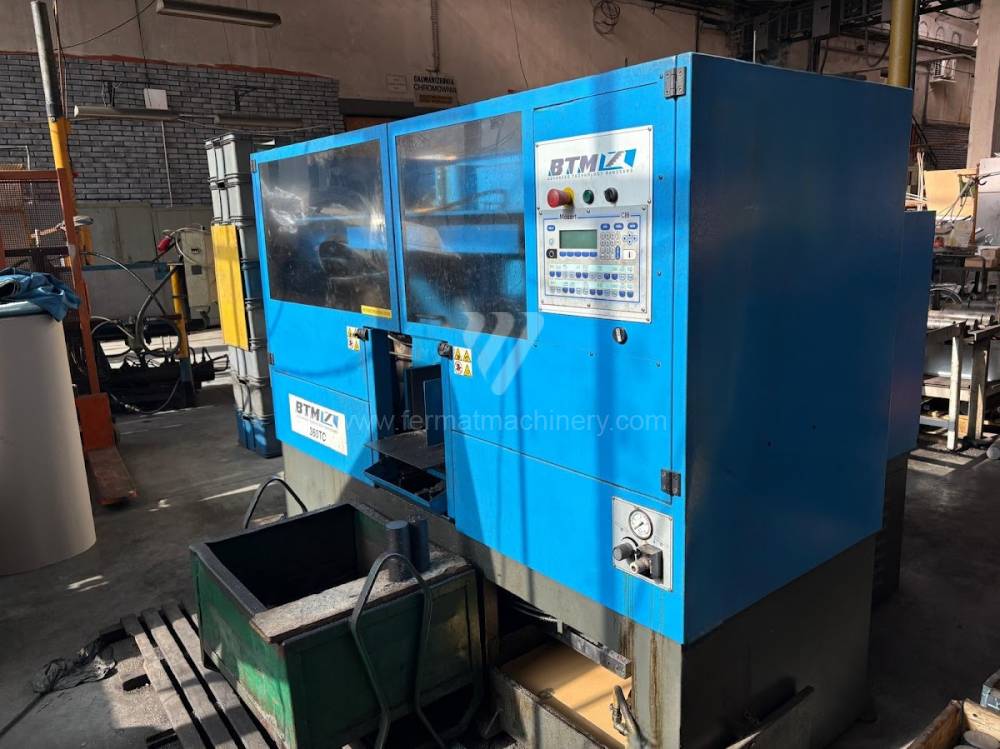 |
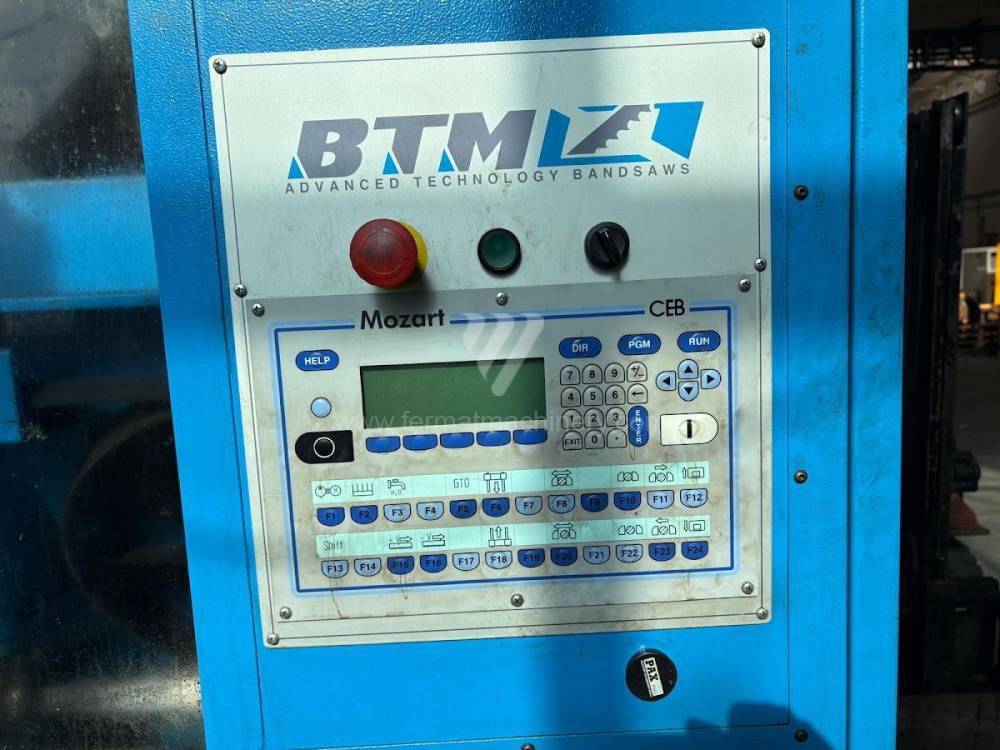
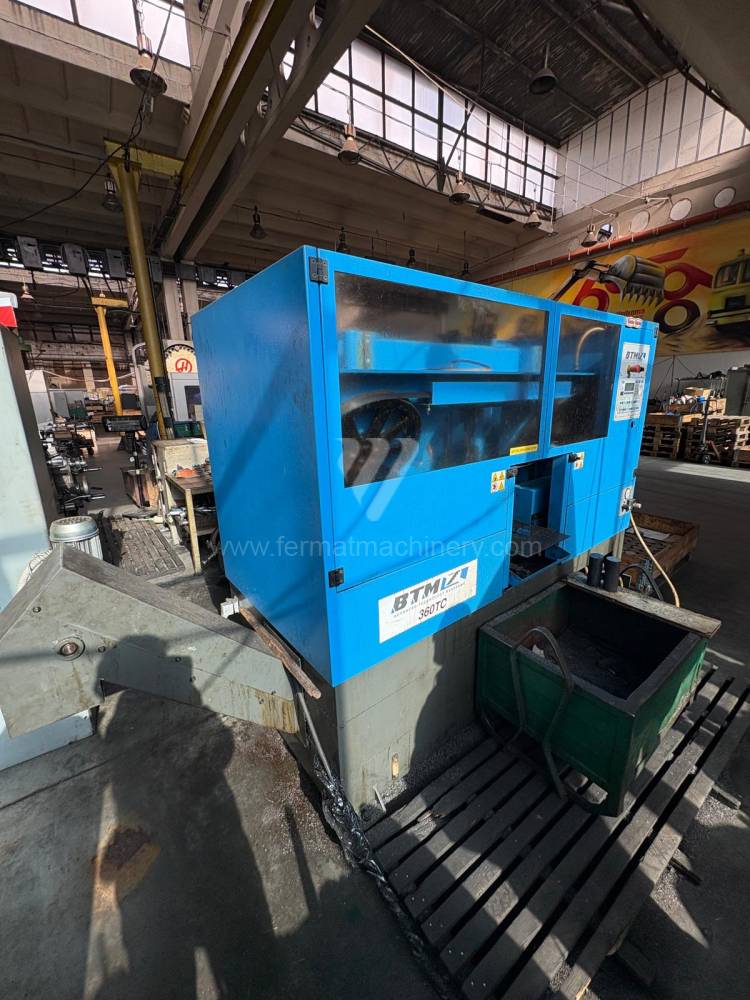
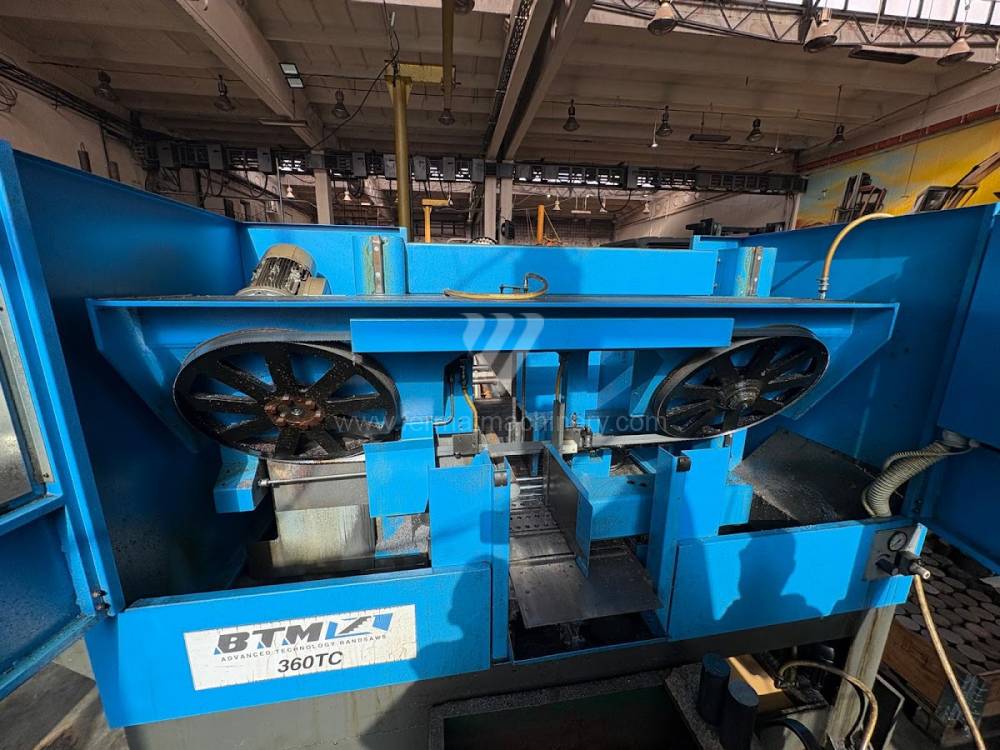
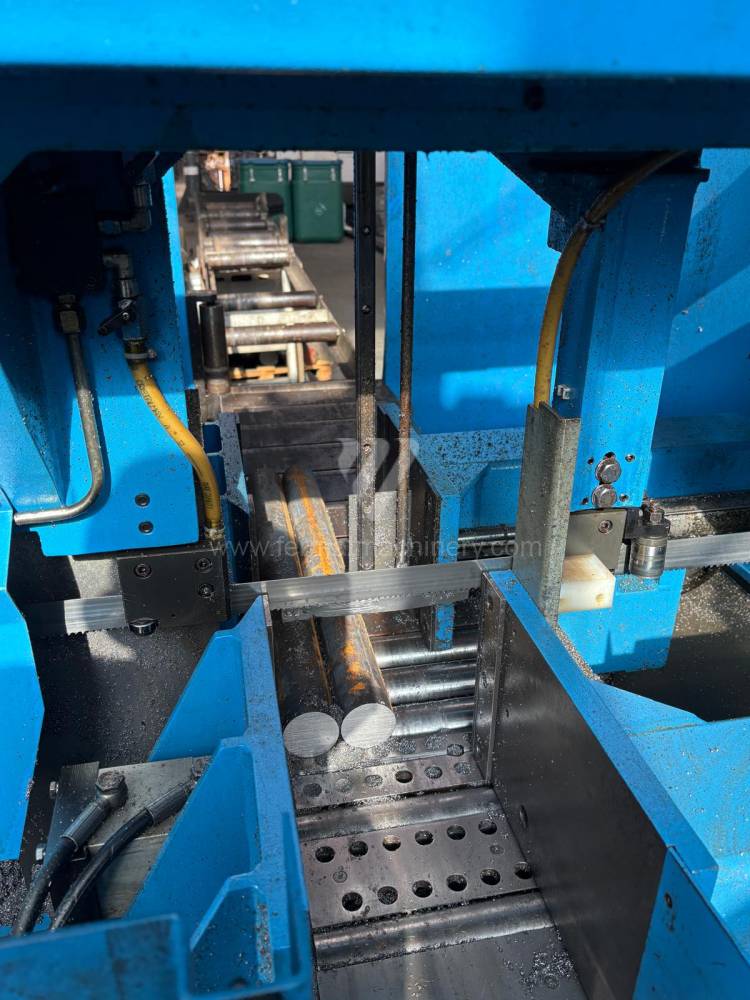
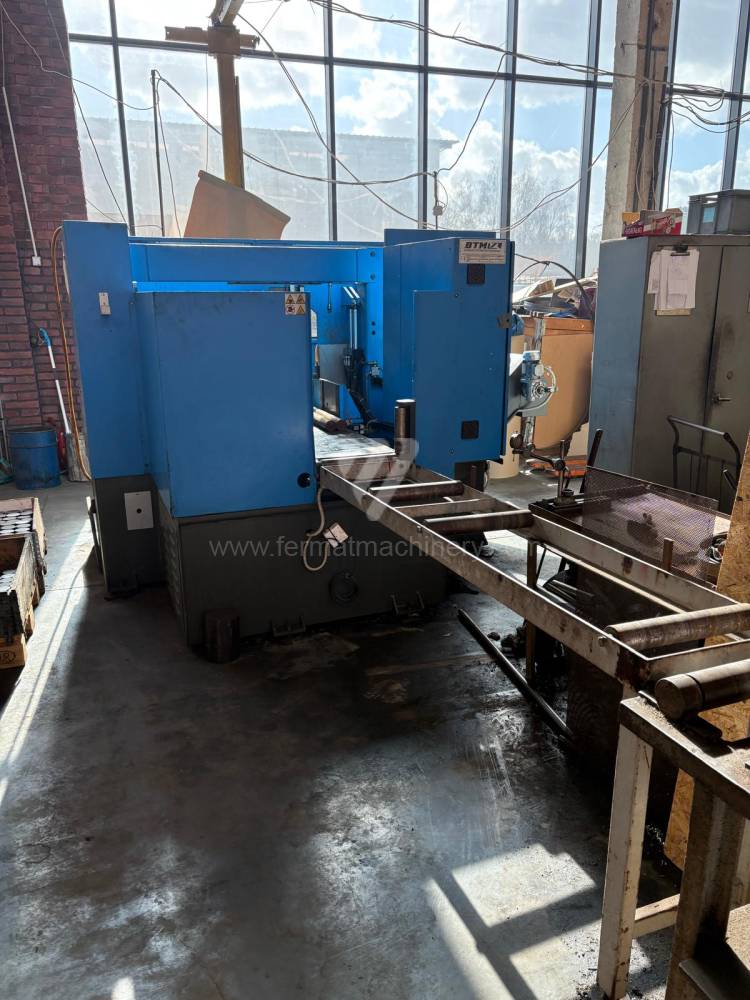
BTM 360 TCM |
261290 | Unknown | 2017 | Max. diameter of the cut material: 360 mm Main motor power: 7 kW Machine dimensions l x w x h: 1785 x 2785 x 1800 mm mm |
|
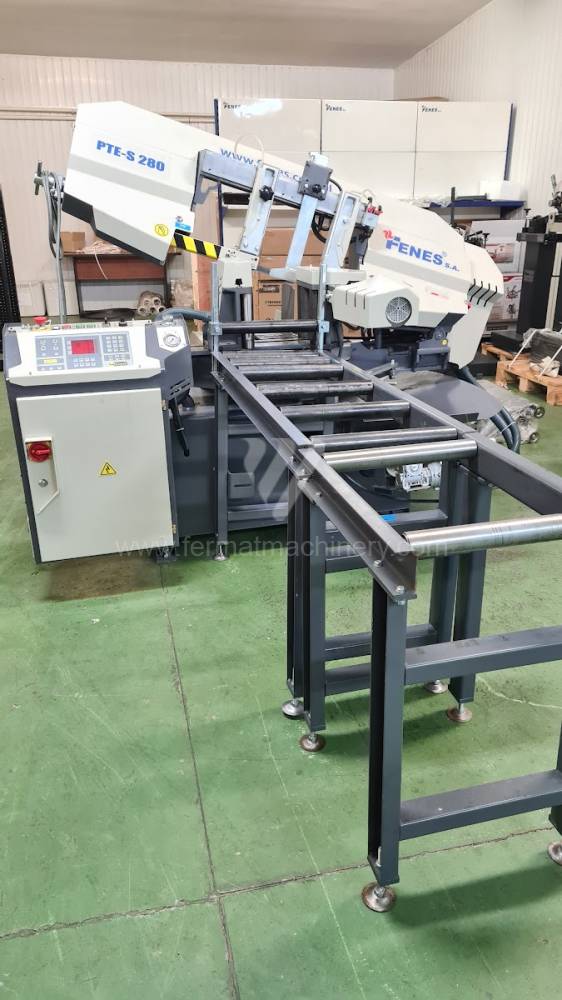 |
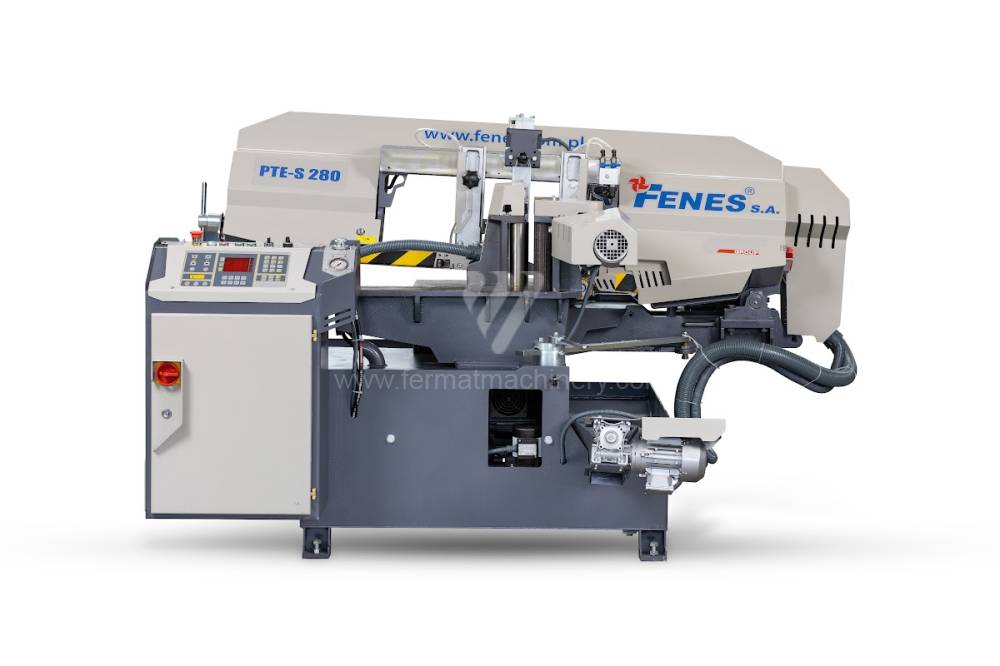
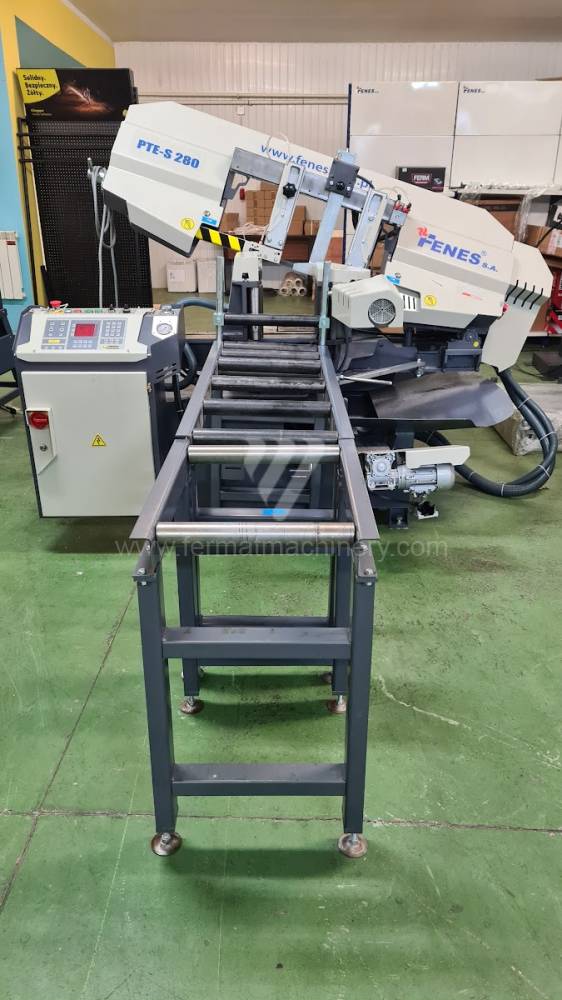
PTE-S280 |
241437 | Fenes | 2024 | Max. diameter of the cut material: 280 mm Machine weight: 1000 kg Machine dimensions l x w x h: 2200 x 1250 x 1300 mm Main motor power: 1,5 kW |
|
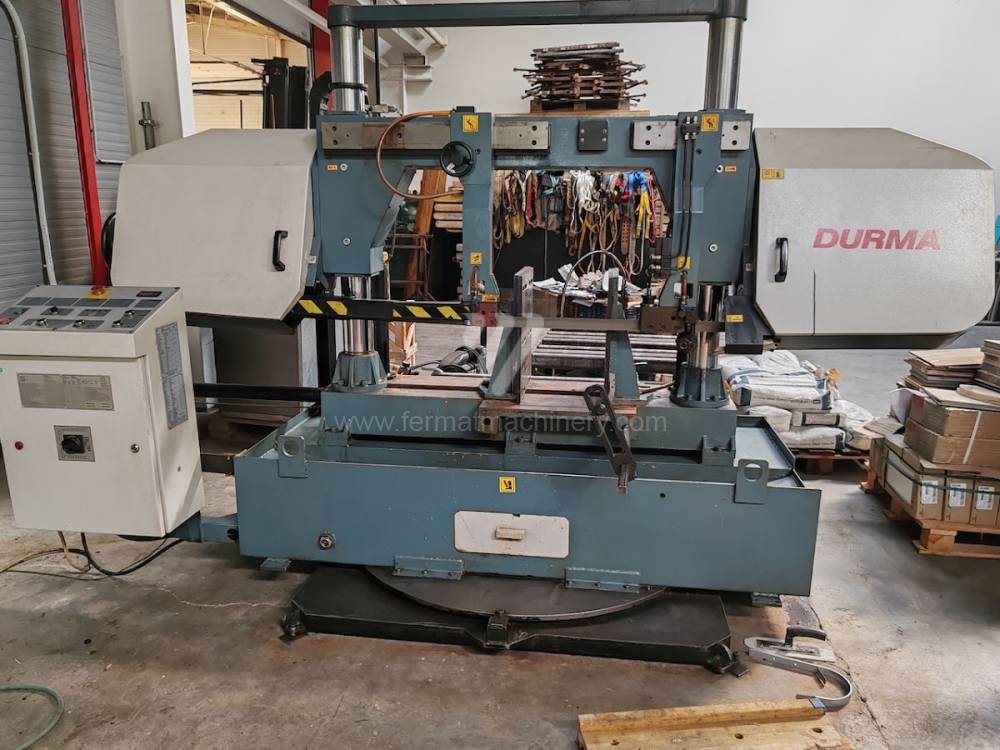 |
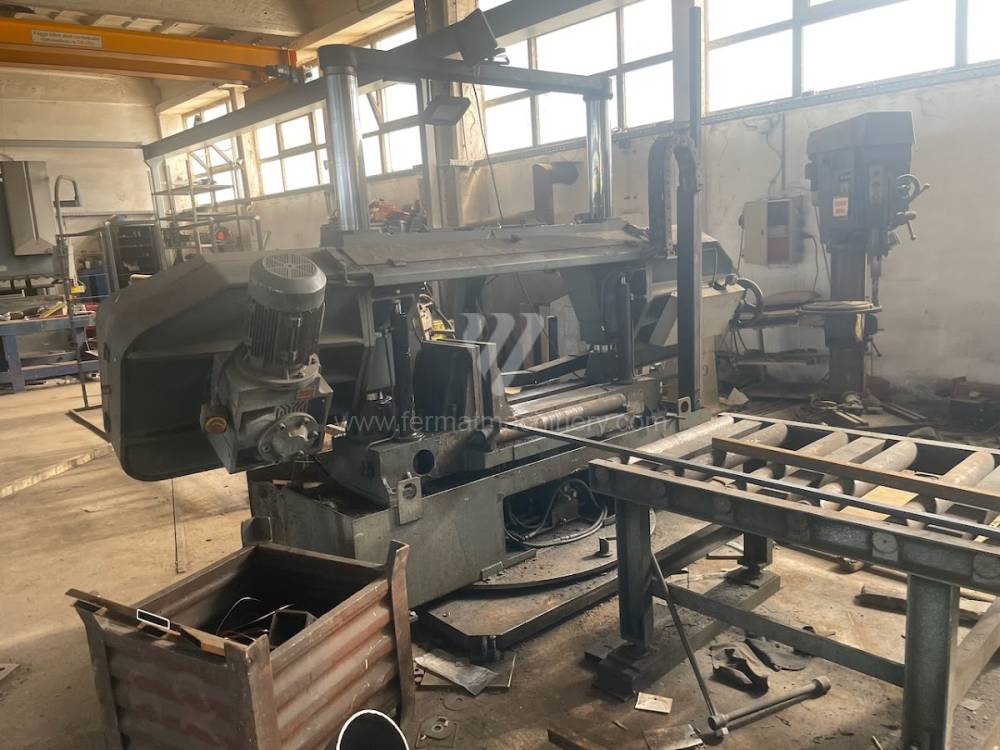
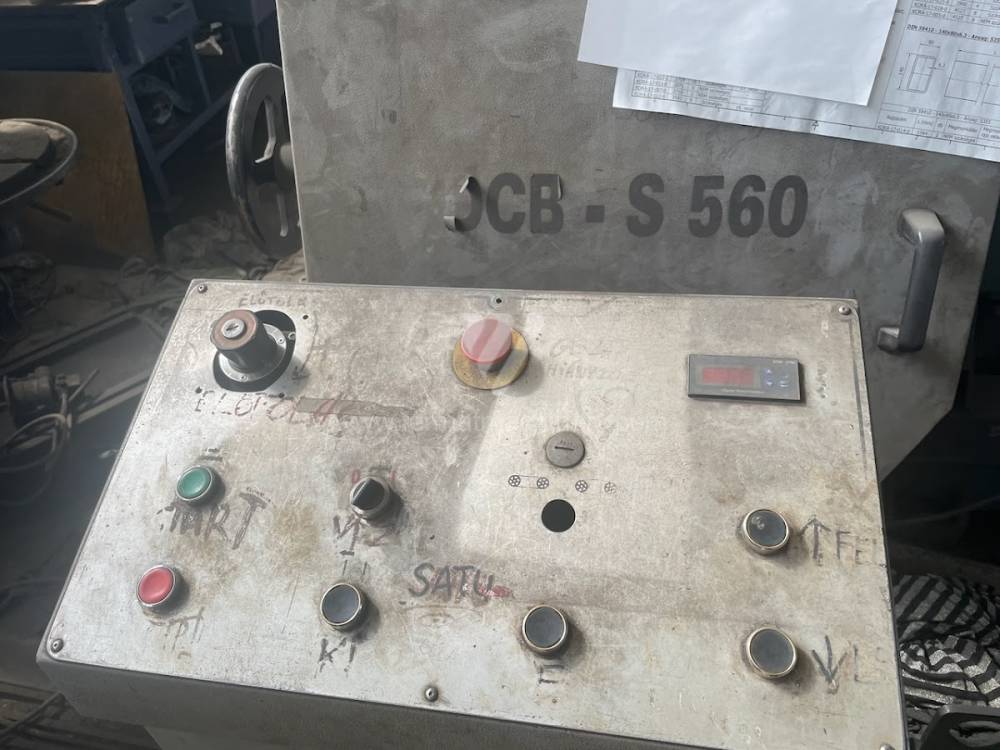
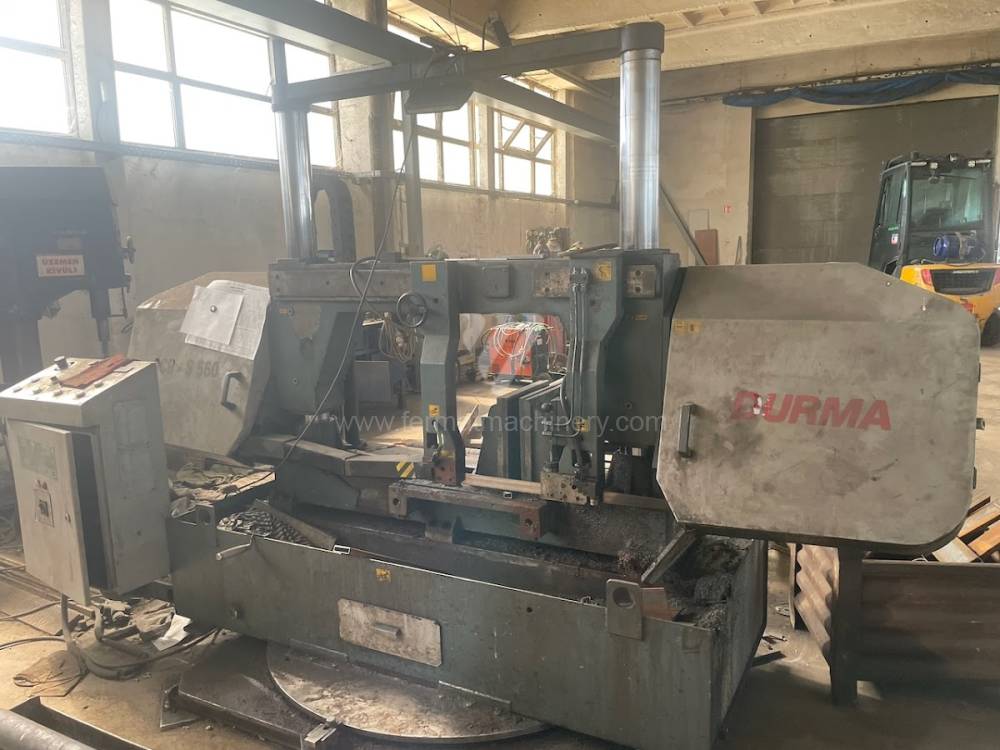
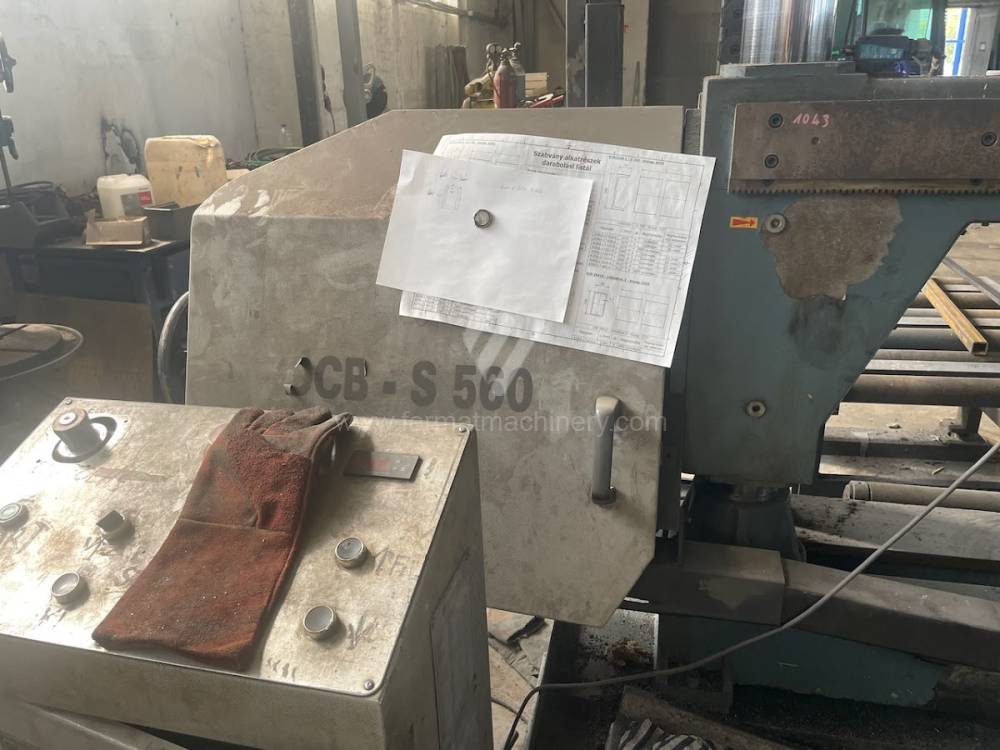
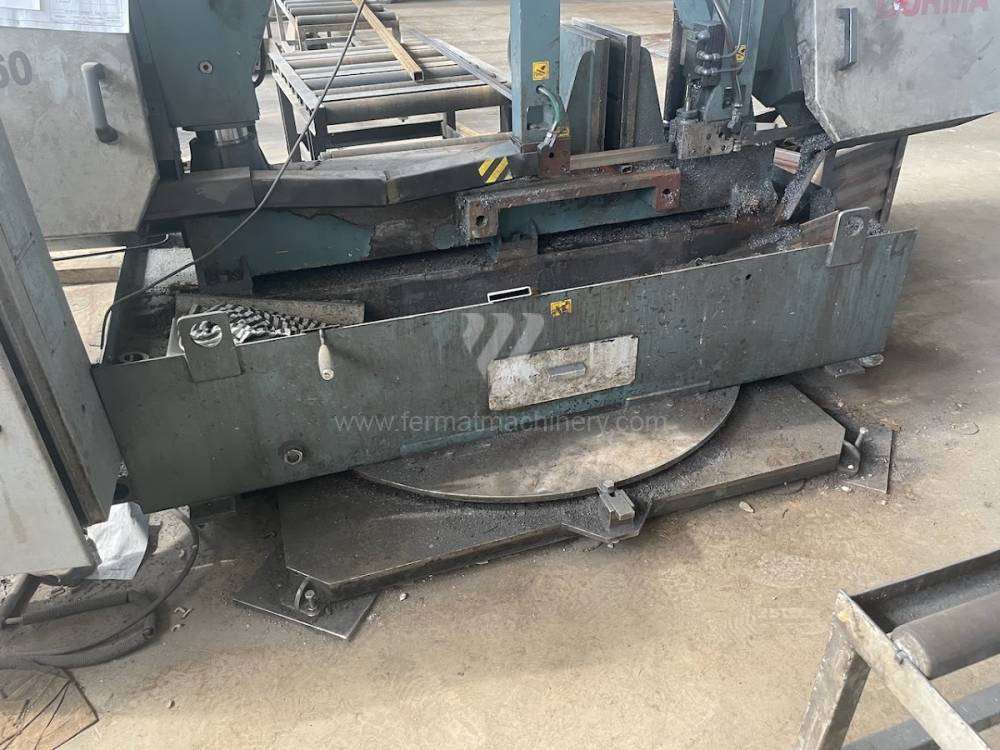
DCB-S 560 |
261409 | Durma Turkey | 2015 | Max. diameter of the cut material: 560 mm Main motor power: 4 kW Machine dimensions l x w x h: 3500x1400x2100 mm Machine weight: 3000 kg |
|
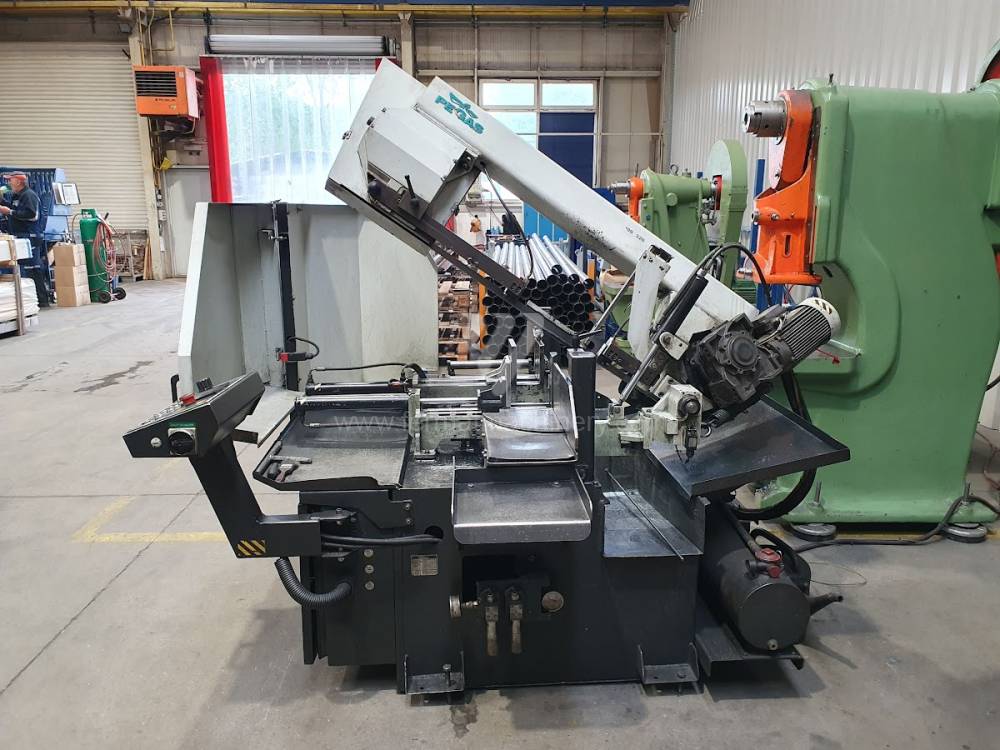 |
300X320 A-CNC-R |
261445 | Pegas Gonda | 2017 | Max. diameter of the cut material: 300 mm Machine weight: 904 kg Machine dimensions l x w x h: 2410x1920x2020 mm |
|
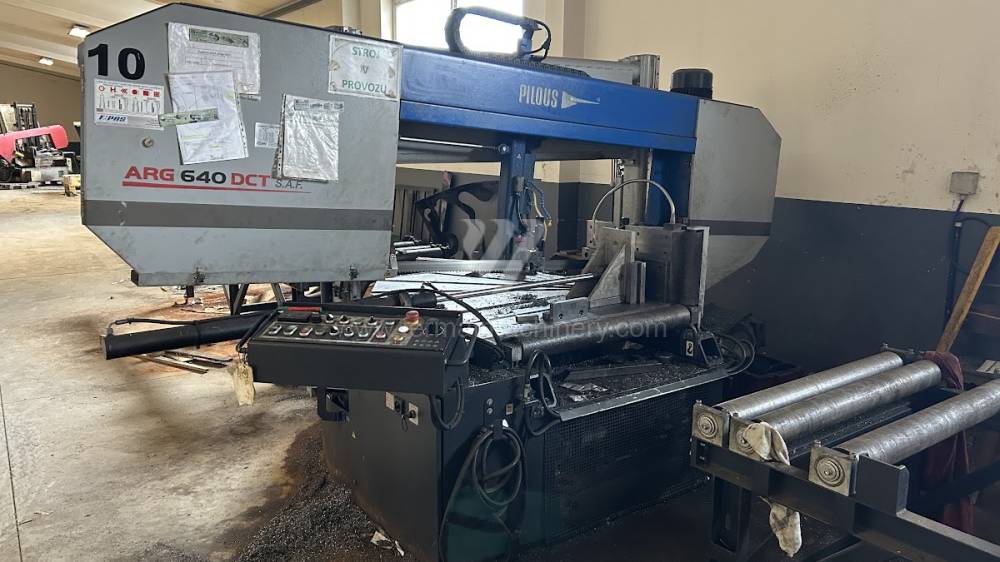 |
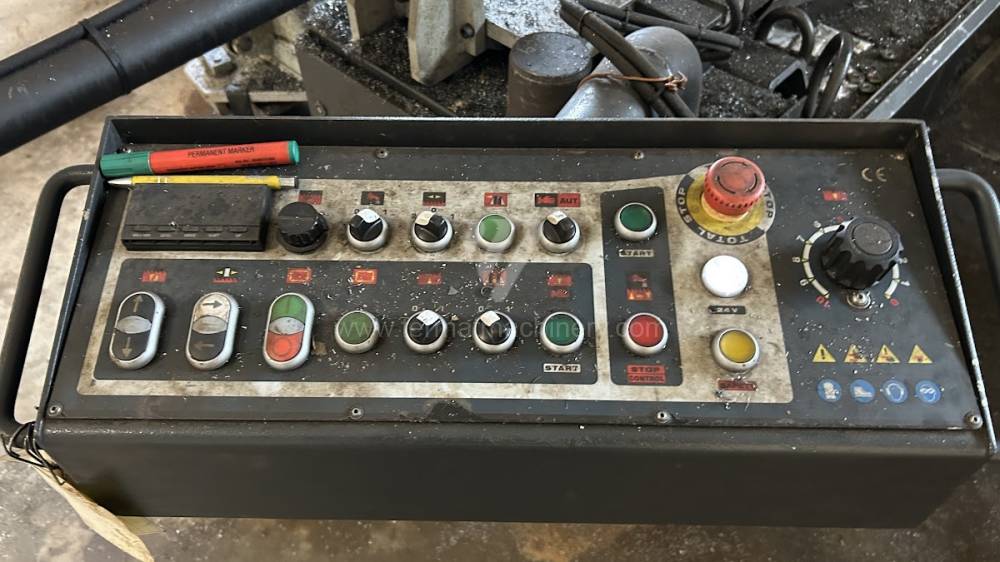
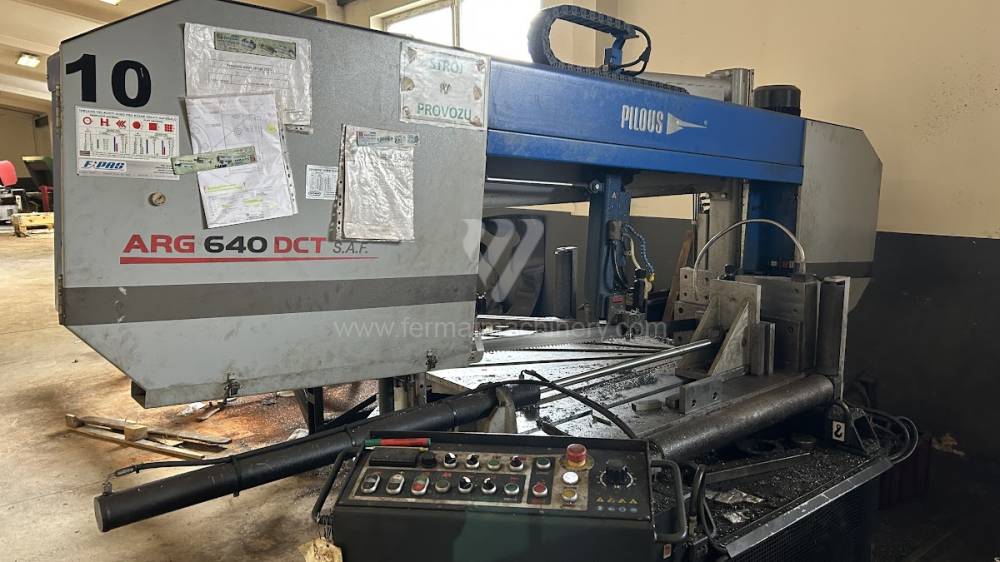
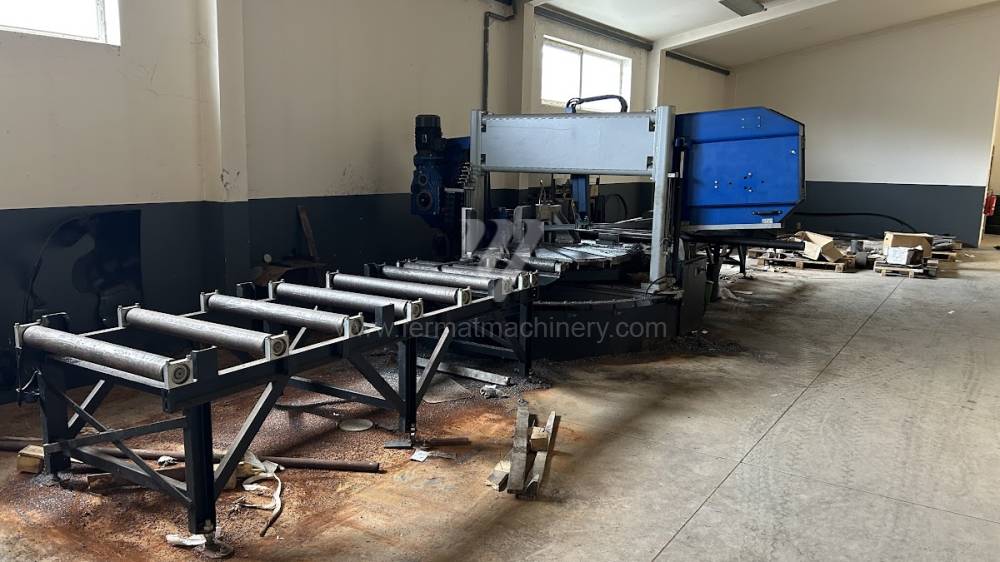
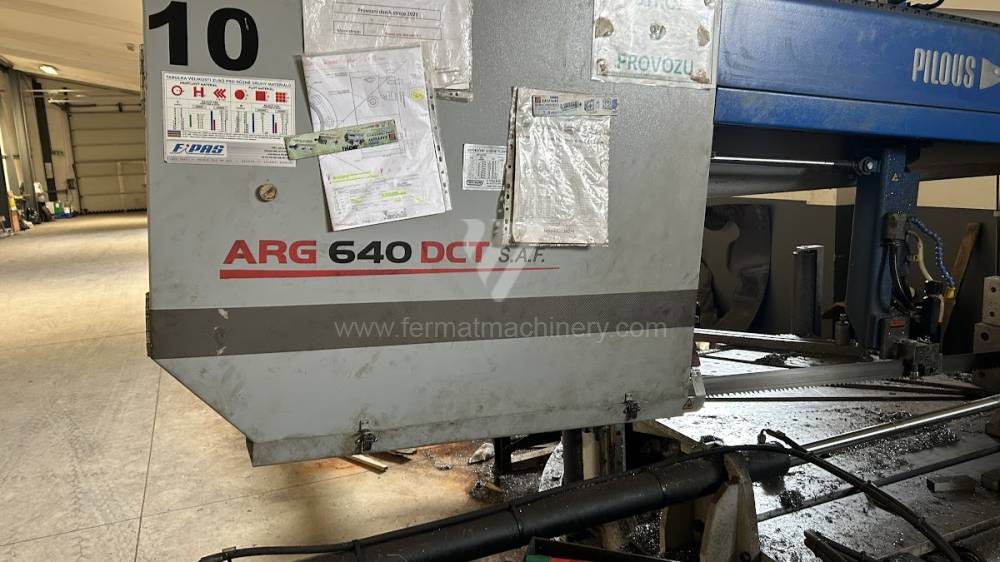
ARG 640 DCT S.A.F. |
261382 | PILOUS - TMJ s.r.o. | 2016 | Max. diameter of the cut material: 640 mm Machine weight: 4300 kg Main motor power: 9,2 kW |
|
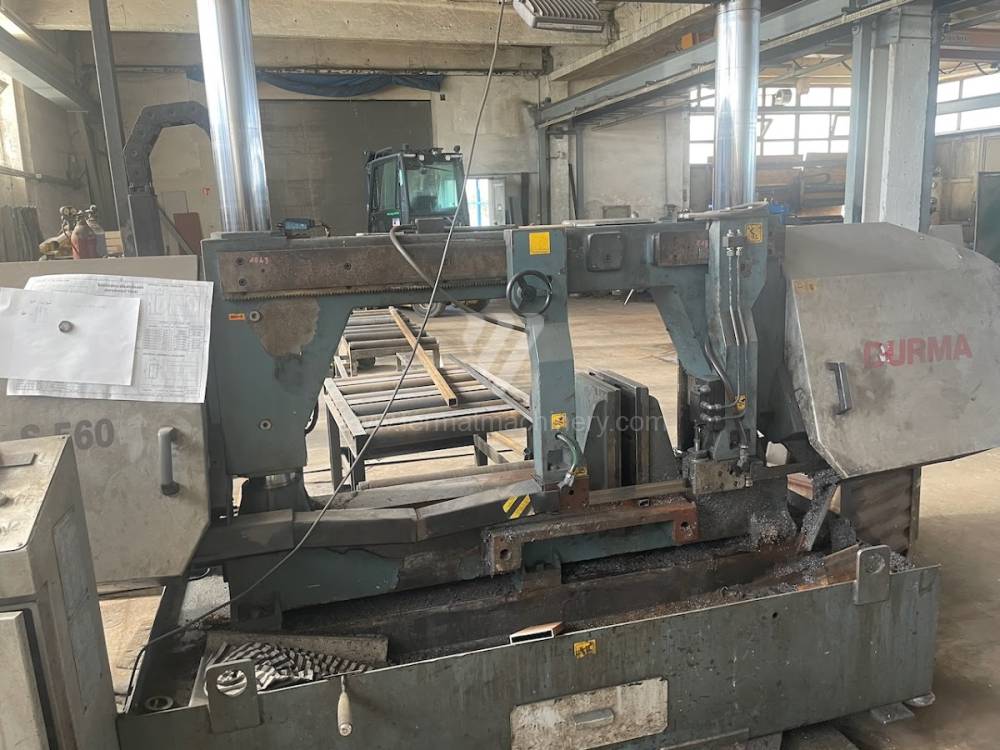 |
DCB-S 560 |
261418 | Durma Turkey | 2014 | Max. diameter of the cut material: 560 mm Main motor power: 4 kW Machine dimensions l x w x h: 3500x1400x2100 mm Machine weight: 3000 kg |
|
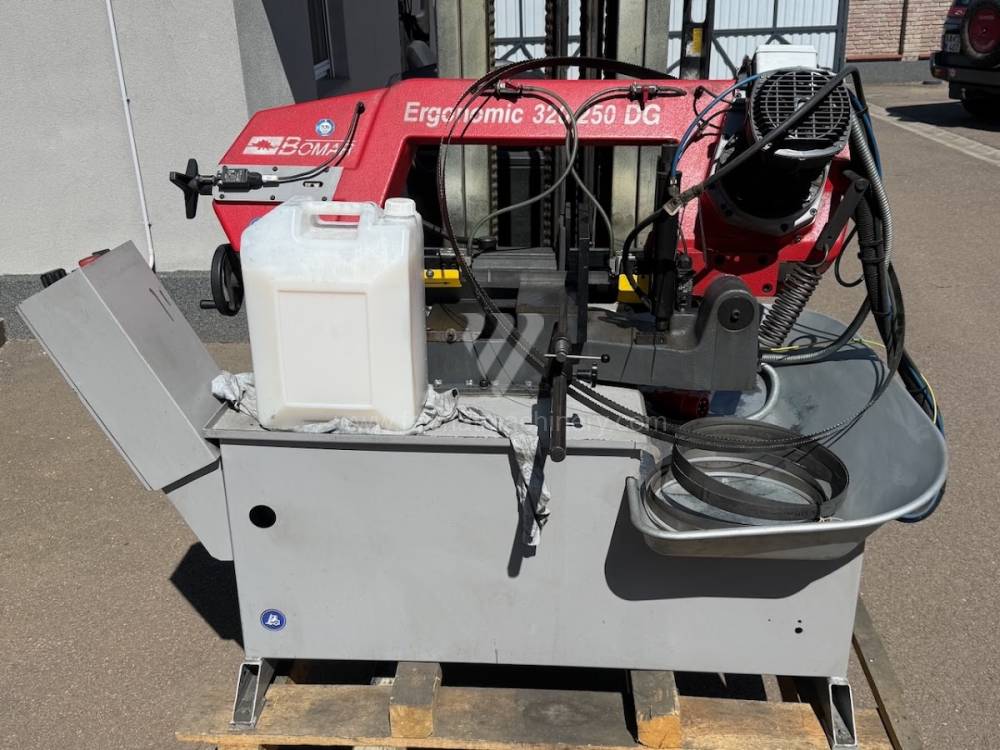 |
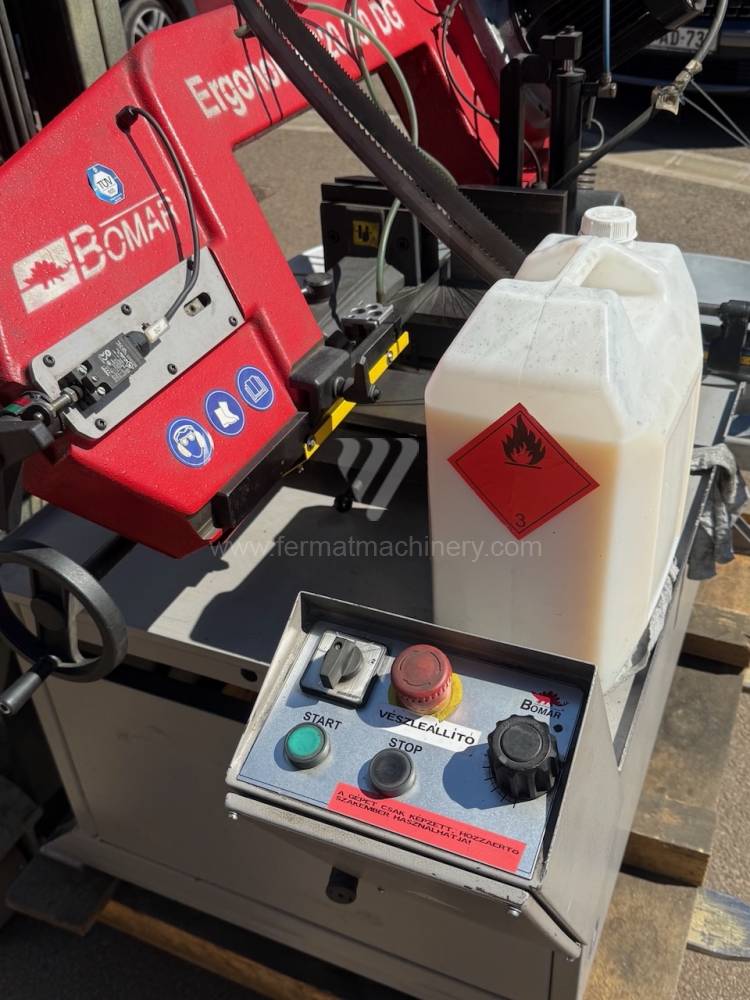
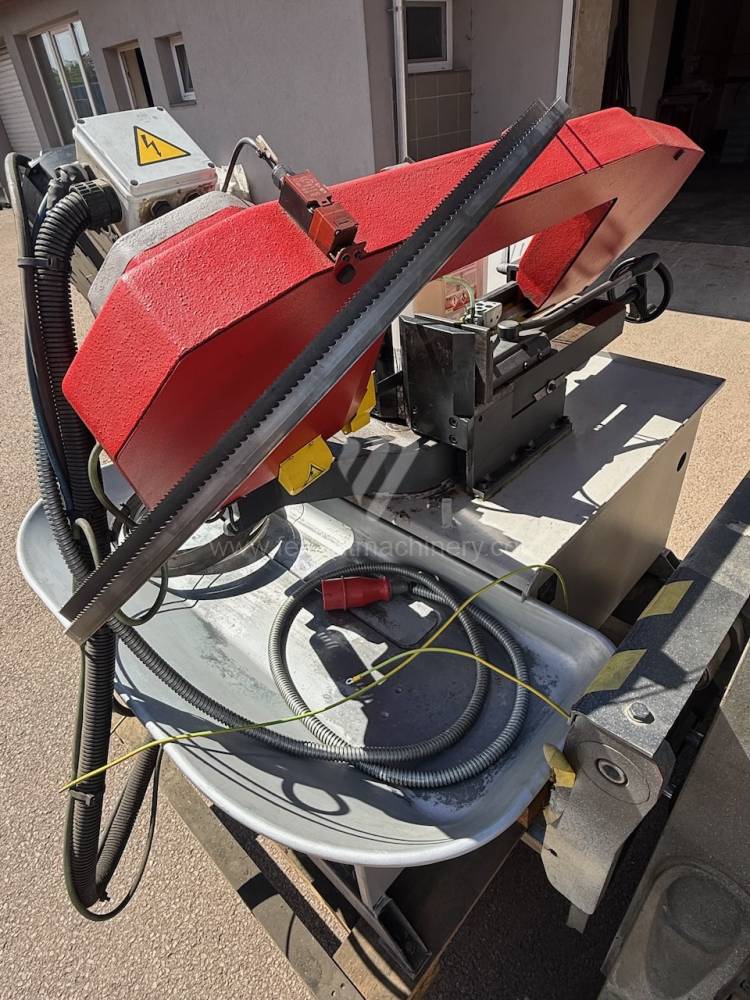
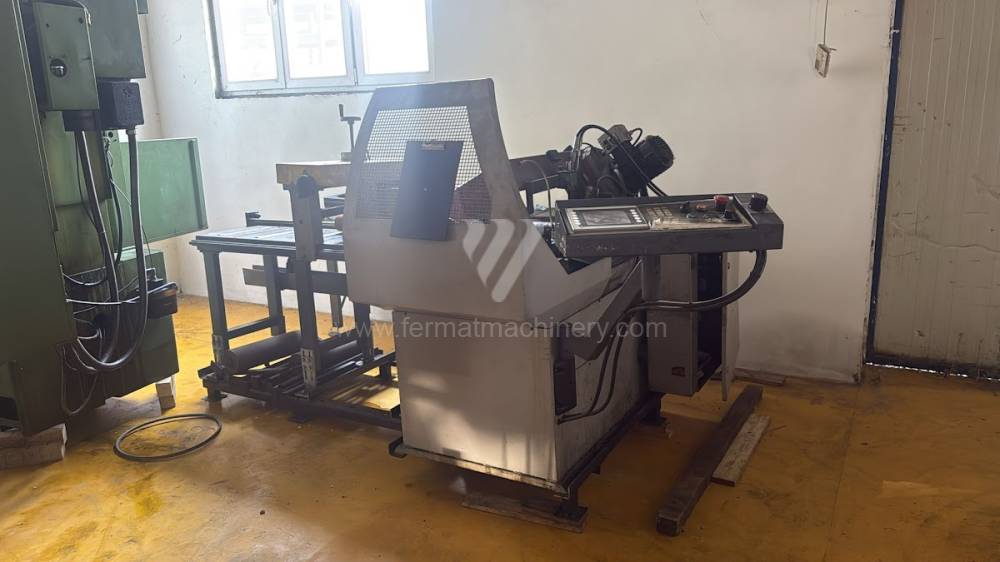
BOMAR Ergonomic 320.250 DG |
261584 | BOMAR | 2018 | Max. diameter of the cut material: 250 mm Main motor power: 1,1 kW Machine dimensions l x w x h: 1670x1166x1239 mm Machine weight: 358 kg |
|
 |
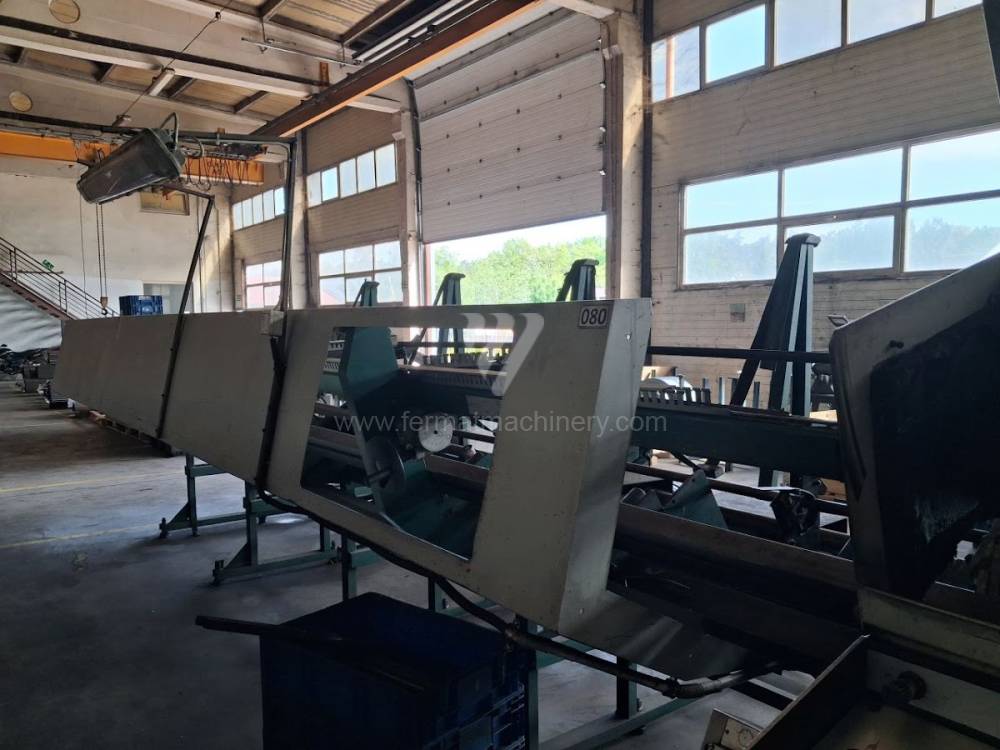
Ergonomic 290.250/1500 ANC |
261557 | BOMAR | 2011 | Max. diameter of the cut material: 250 mm Machine weight: 900 kg Machine dimensions l x w x h: 1980x1750x1470 mm |
|
 |
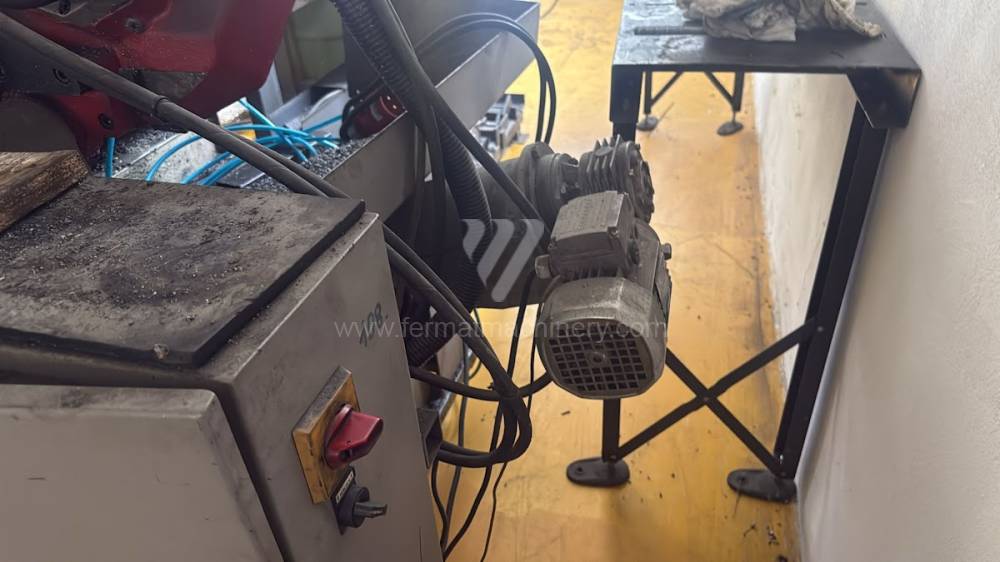
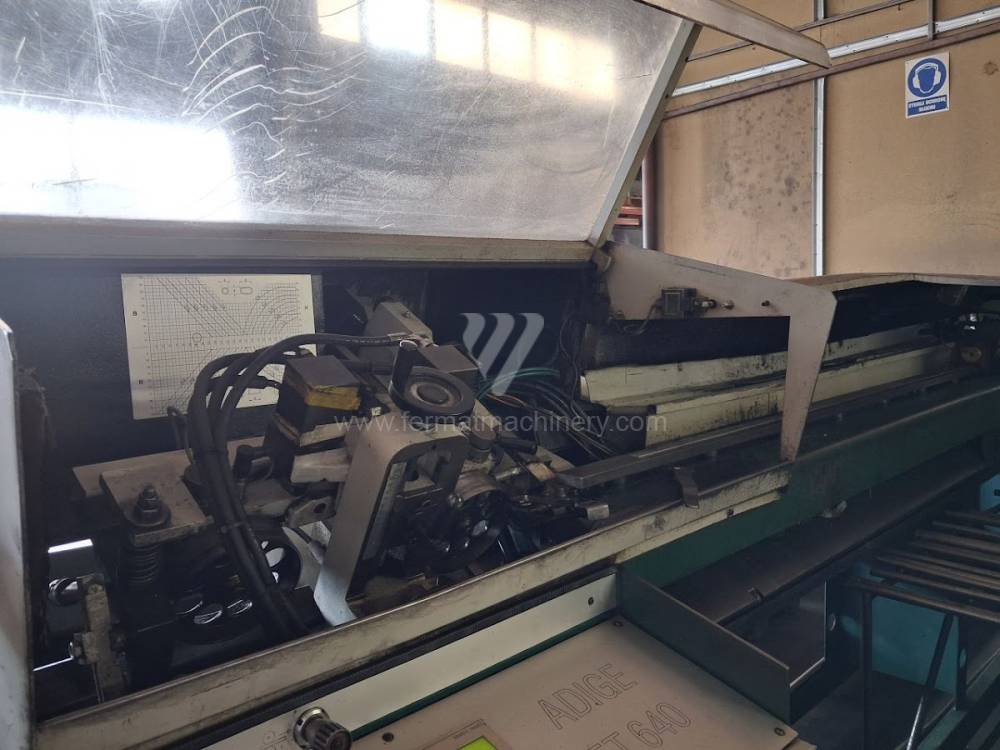
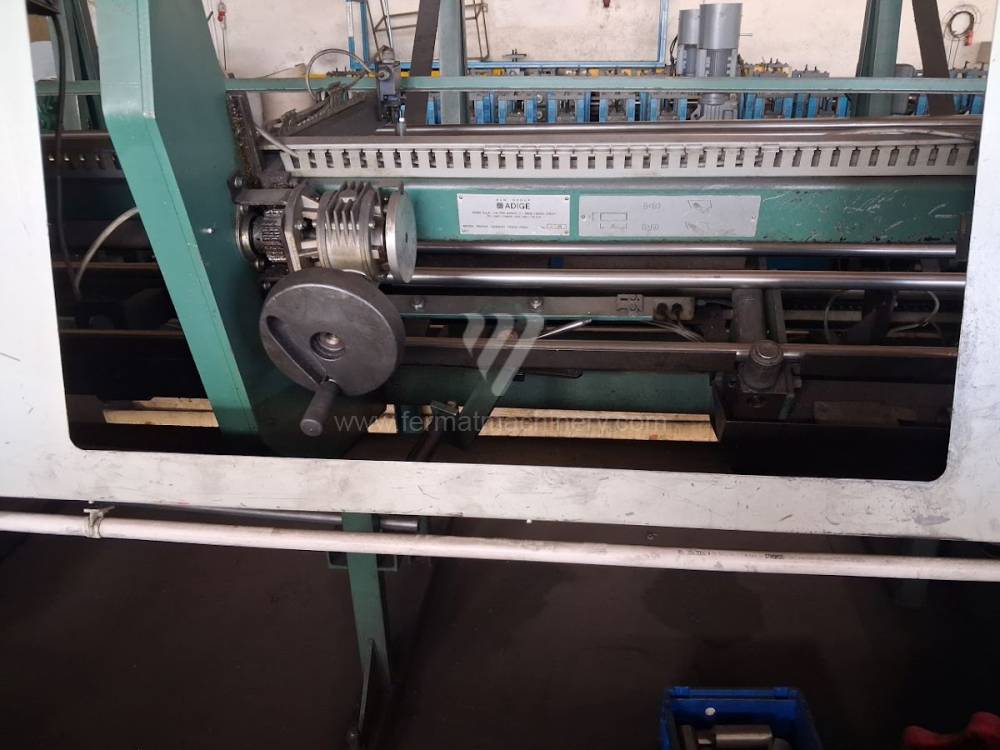
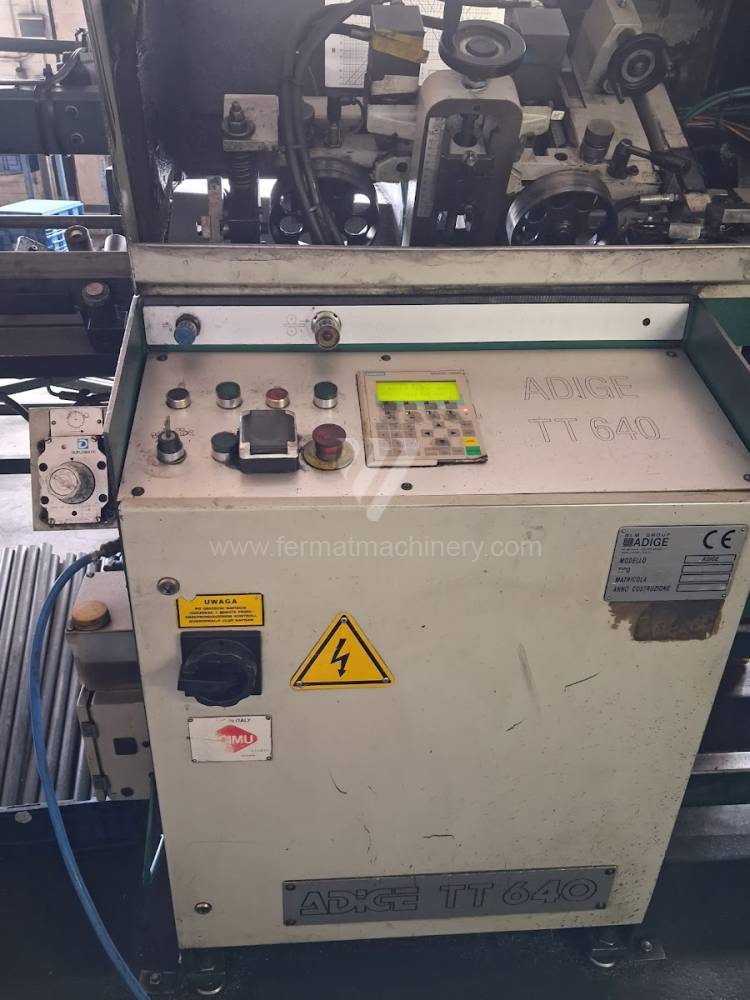
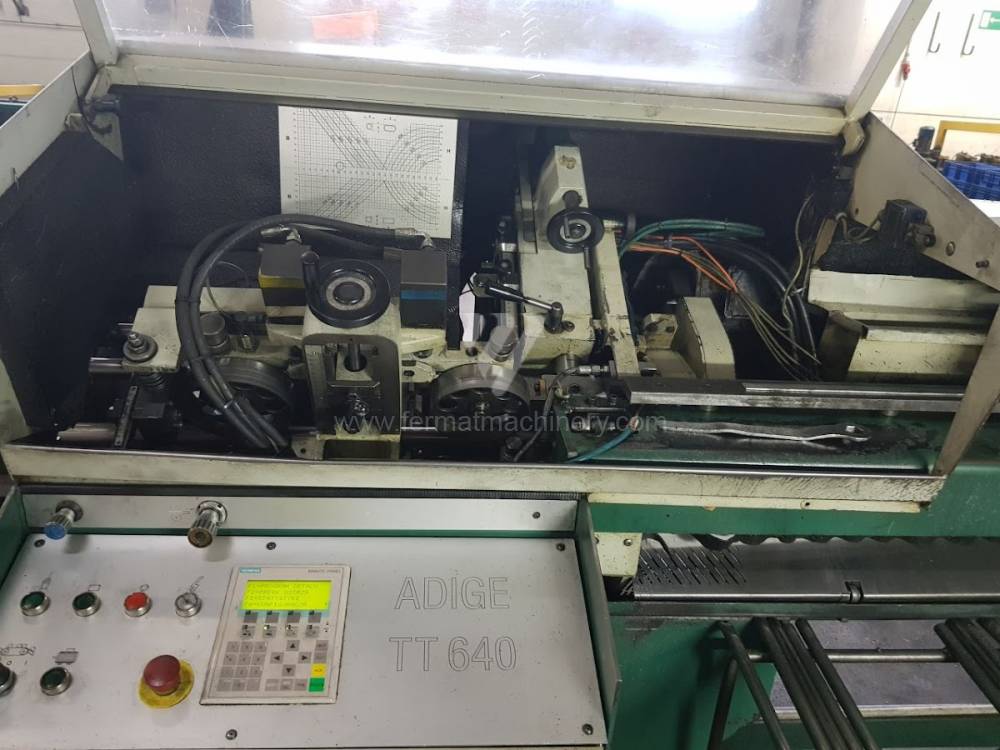
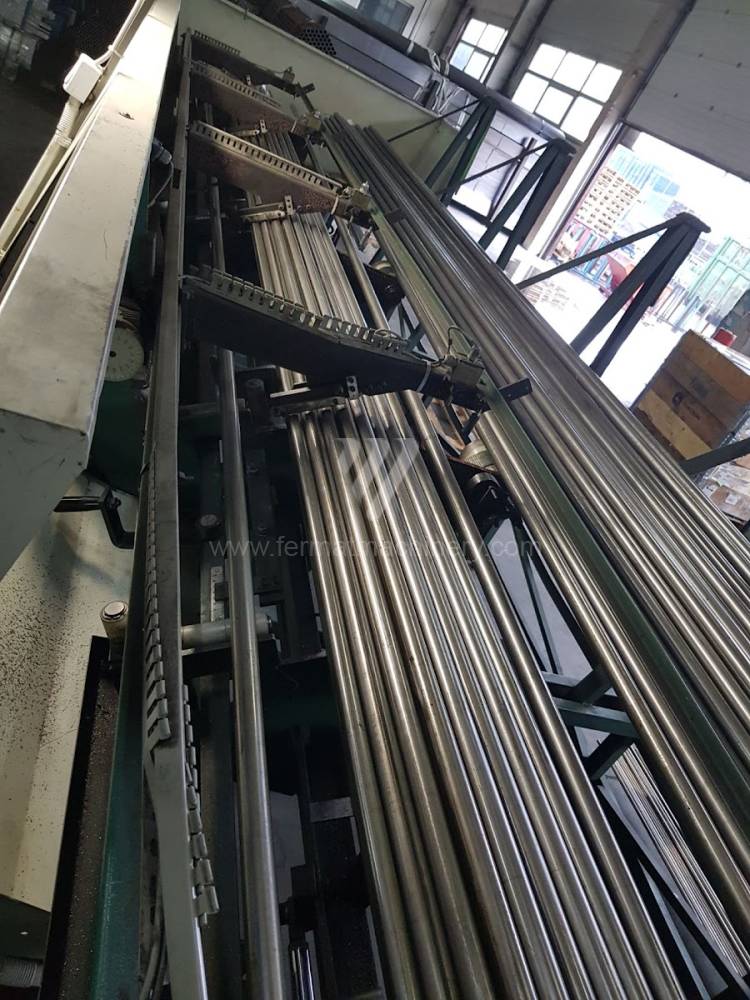
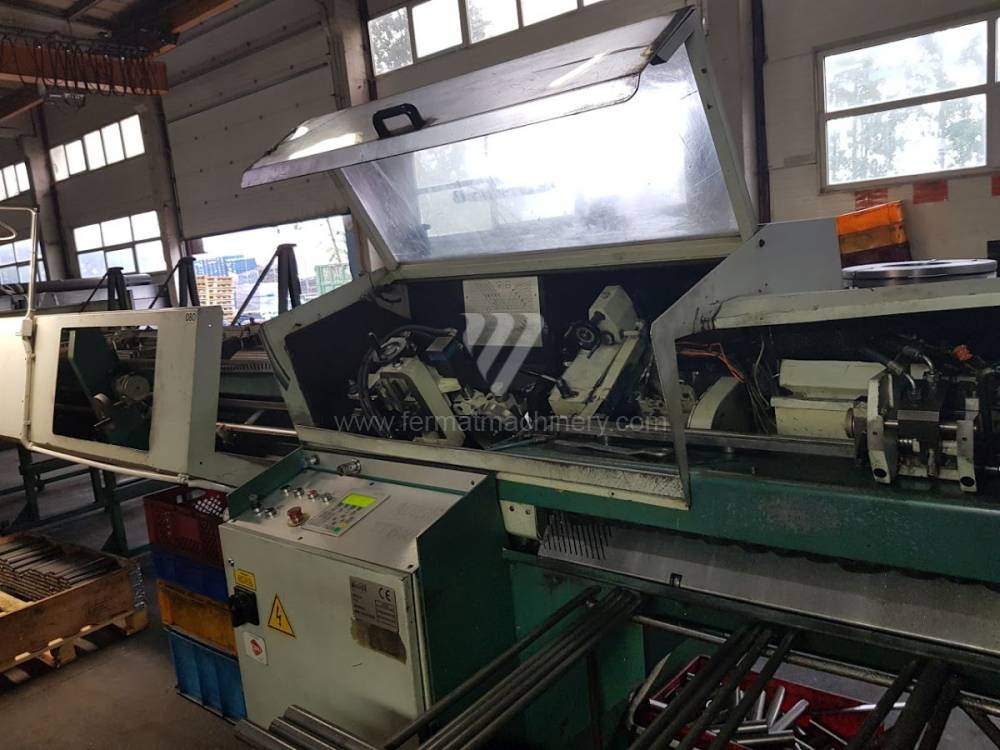
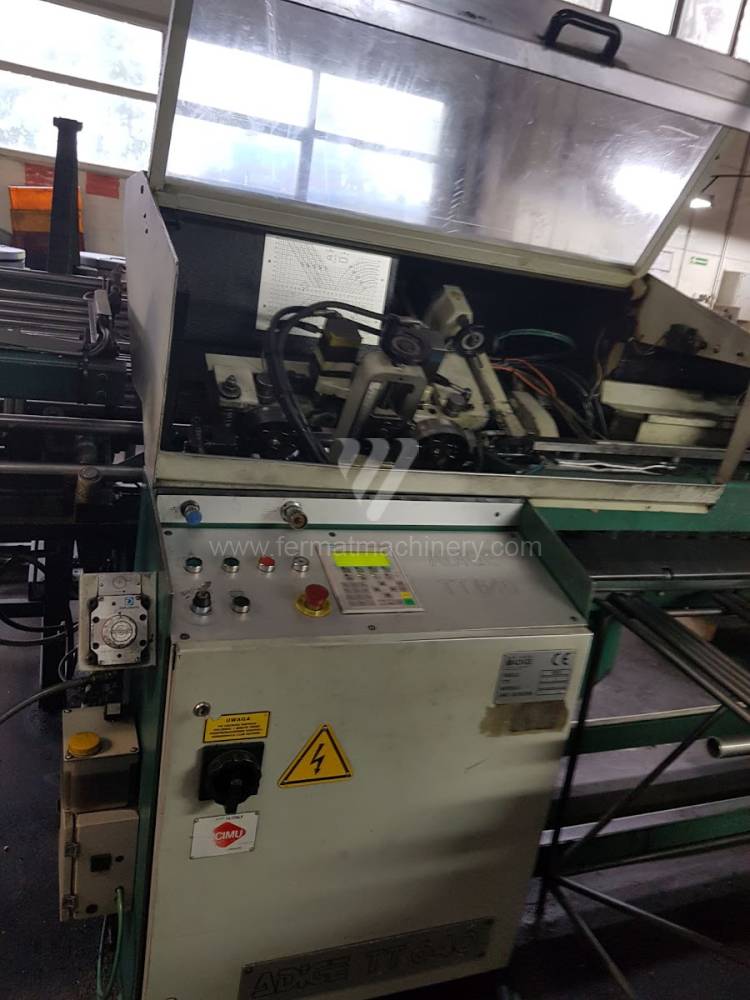
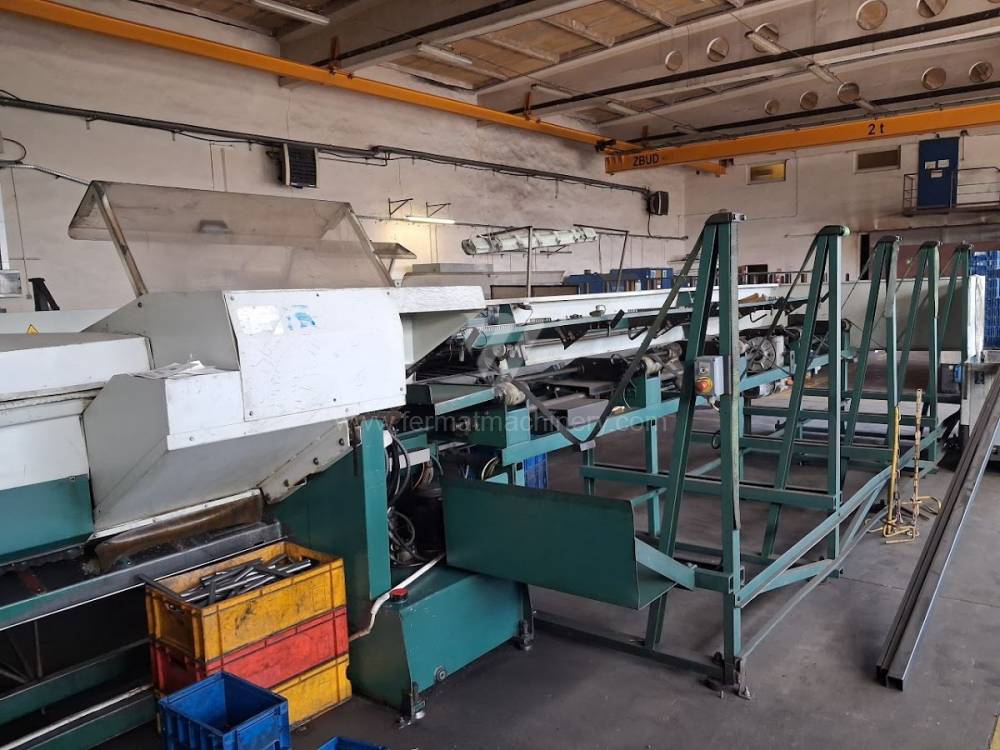
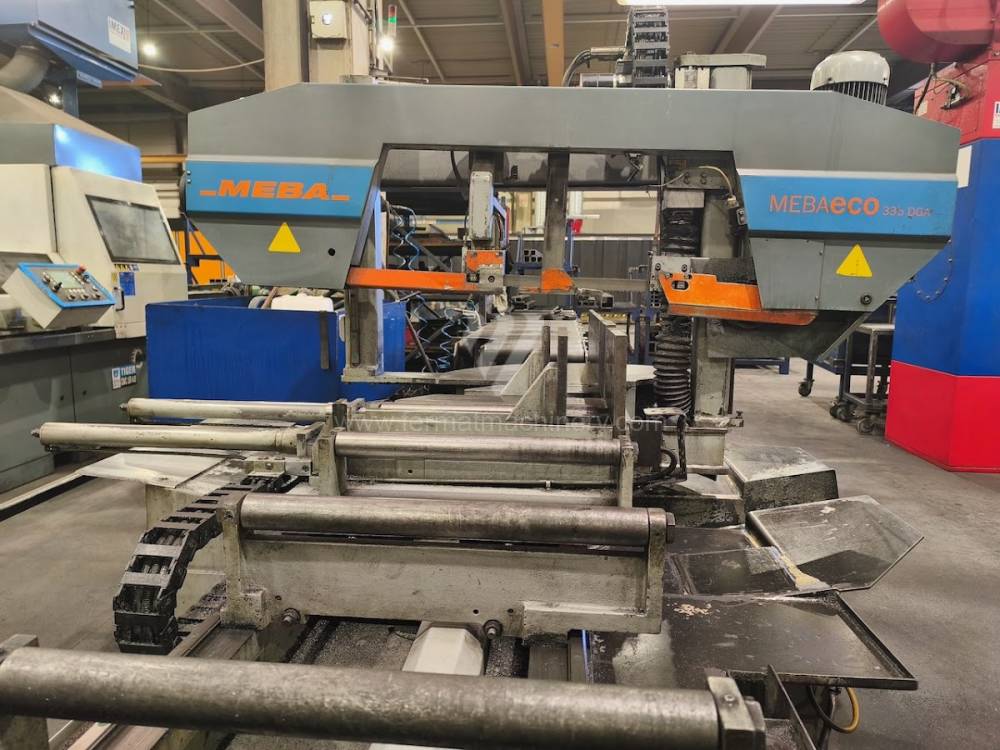
TT 640 |
261498 | ADIGE S.P.A. | 2009 | Max. diameter of the cut material: 80 mm Main motor power: 7,6 kW Machine weight: 1350 kg |
|
 |
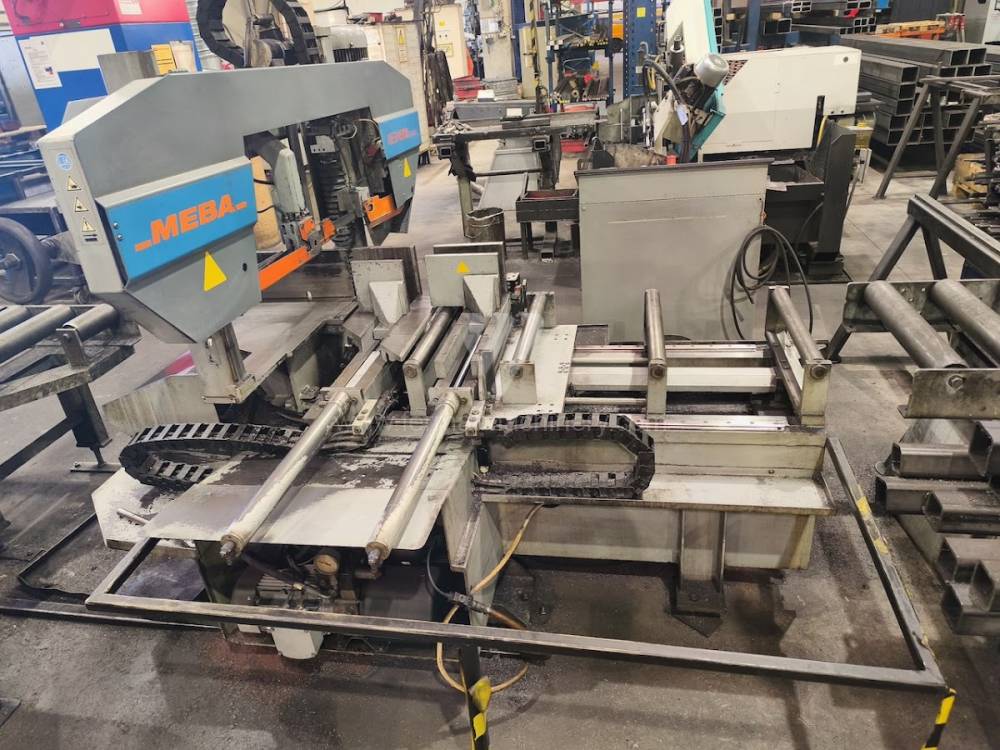
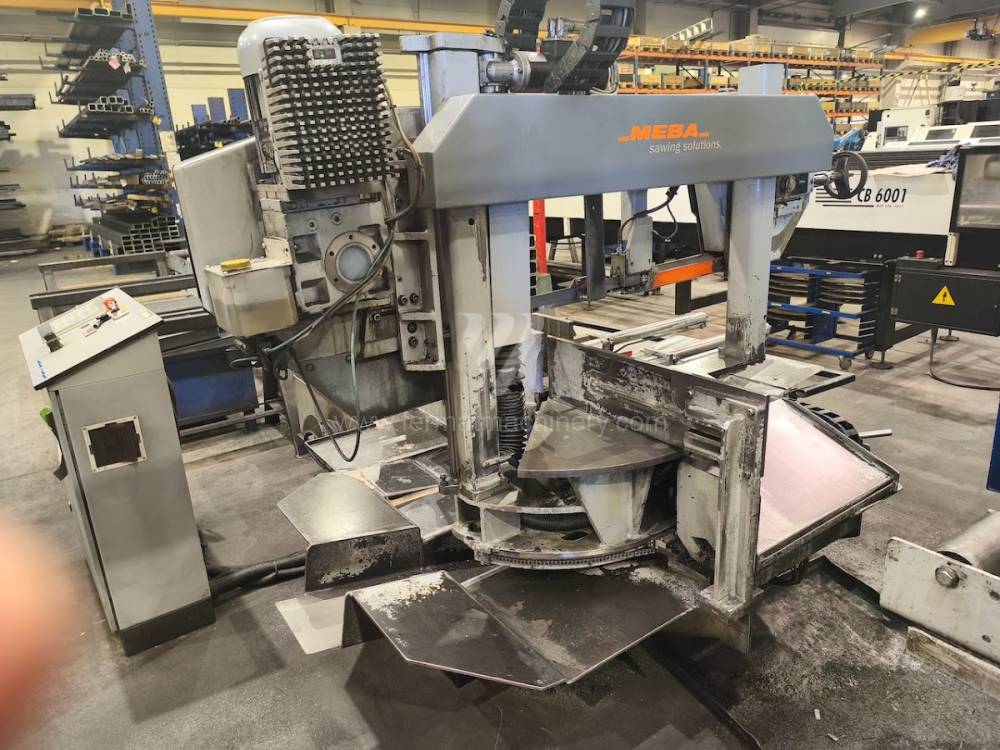
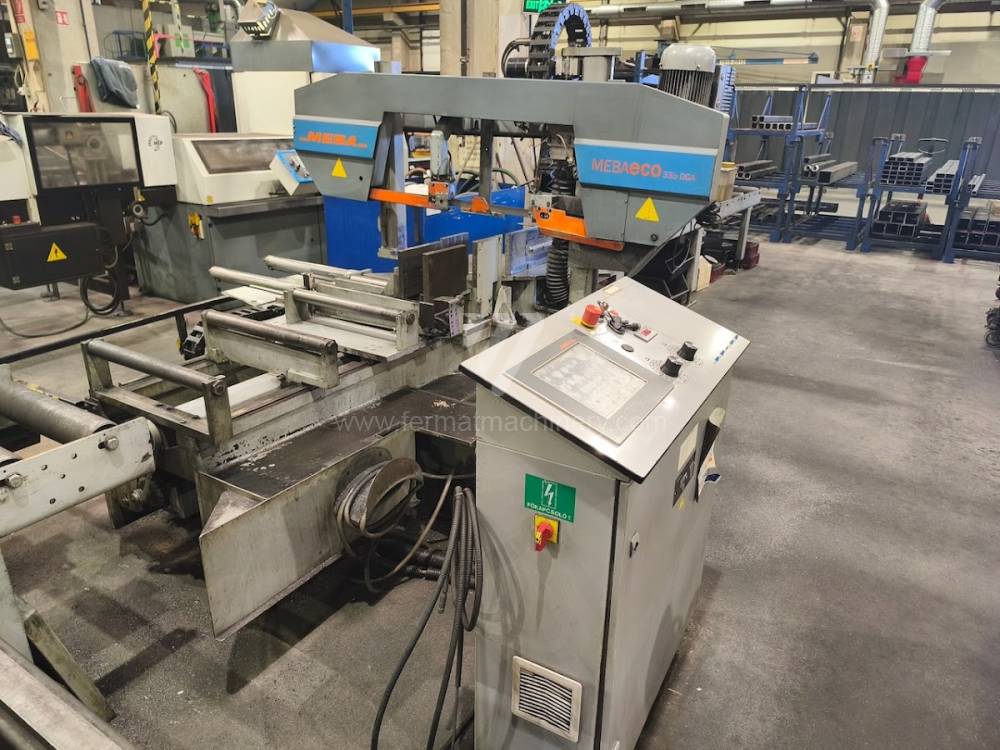
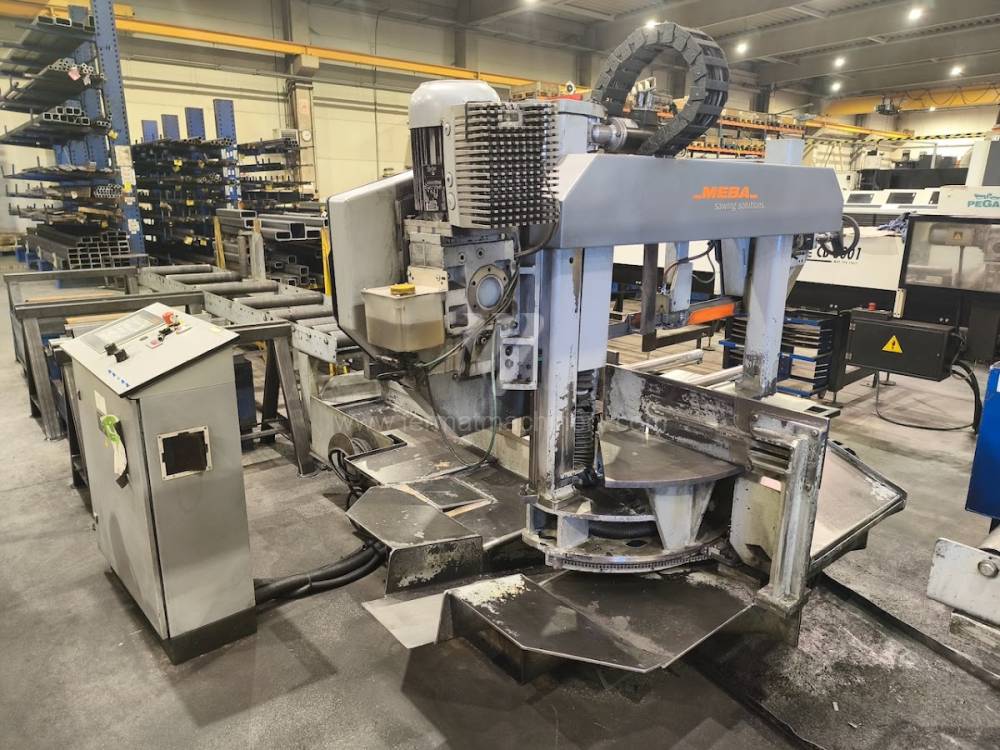
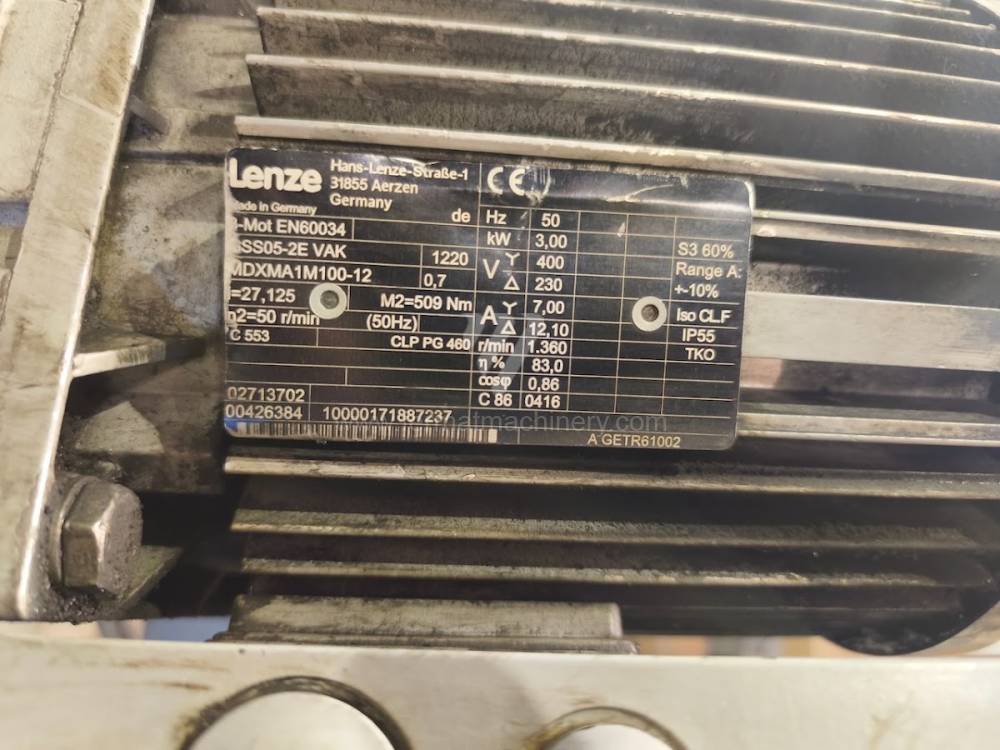
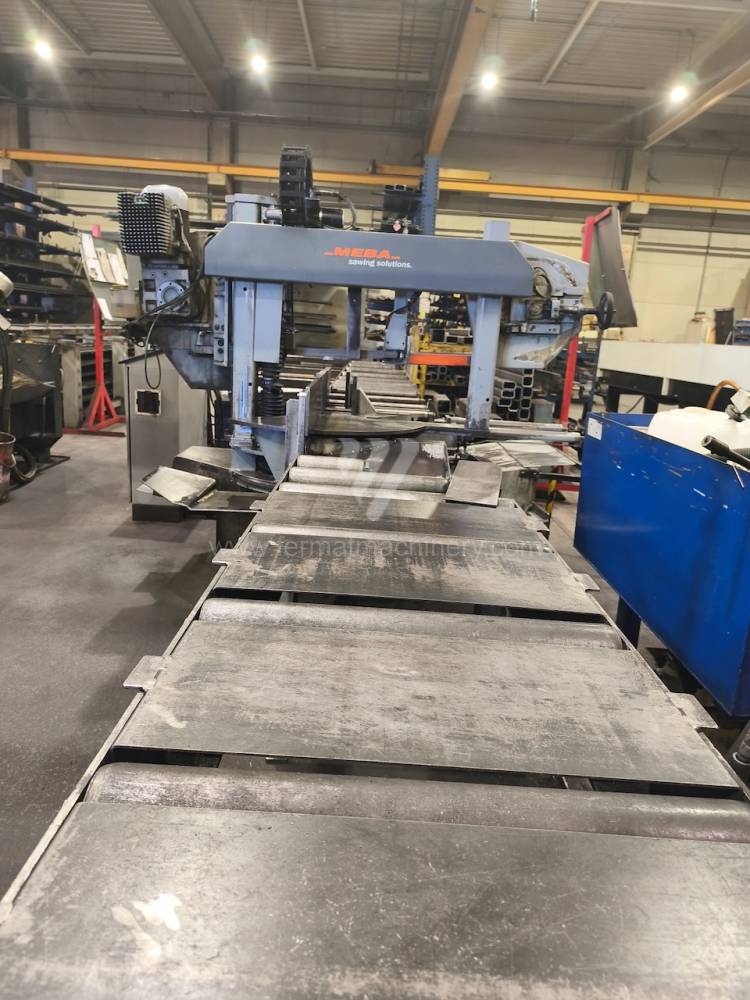
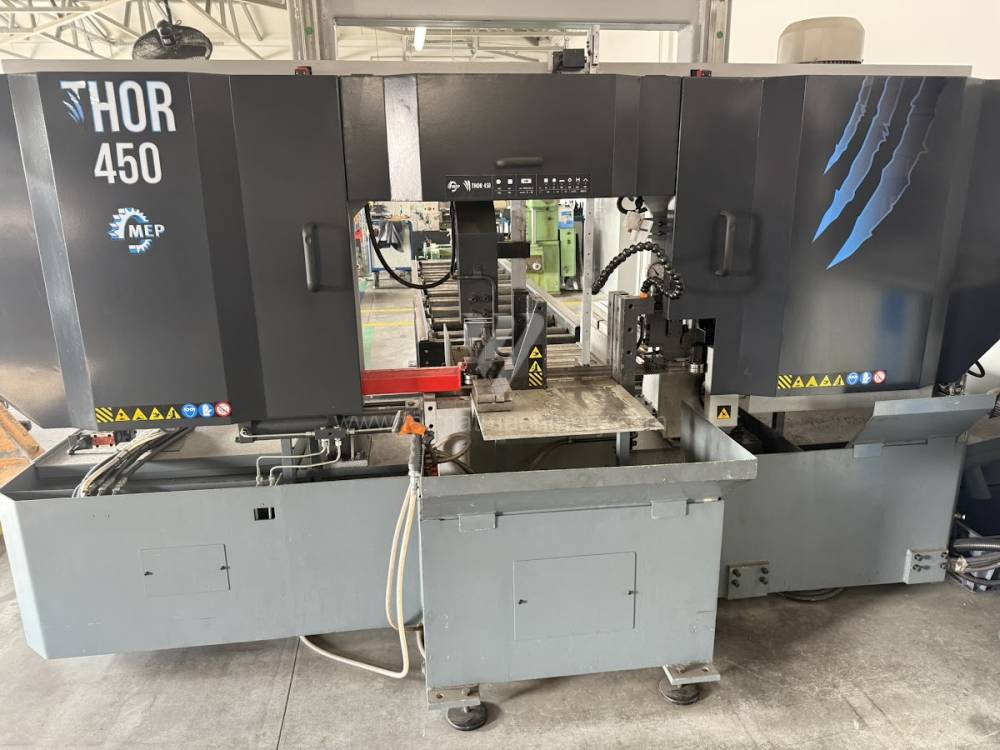
MEBAeco 335 DGA-600 |
261324 | MEBA | 2012 | Max. diameter of the cut material: 335 mm Machine dimensions l x w x h: 2480x2300x1900 mm Machine weight: 2020 kg |
|
 |
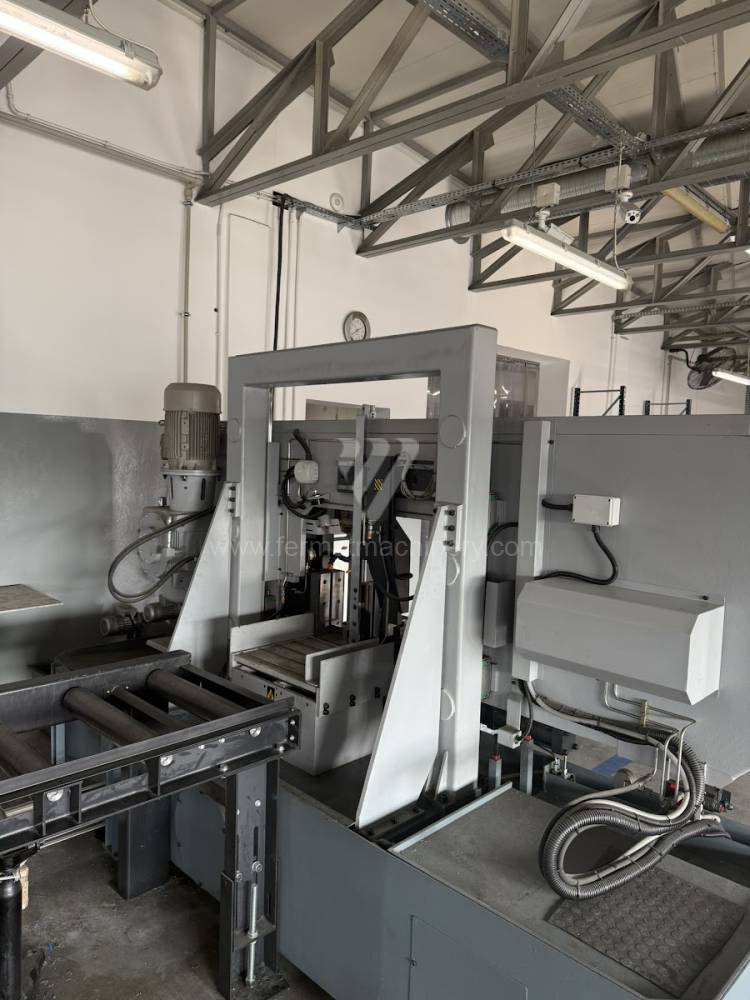
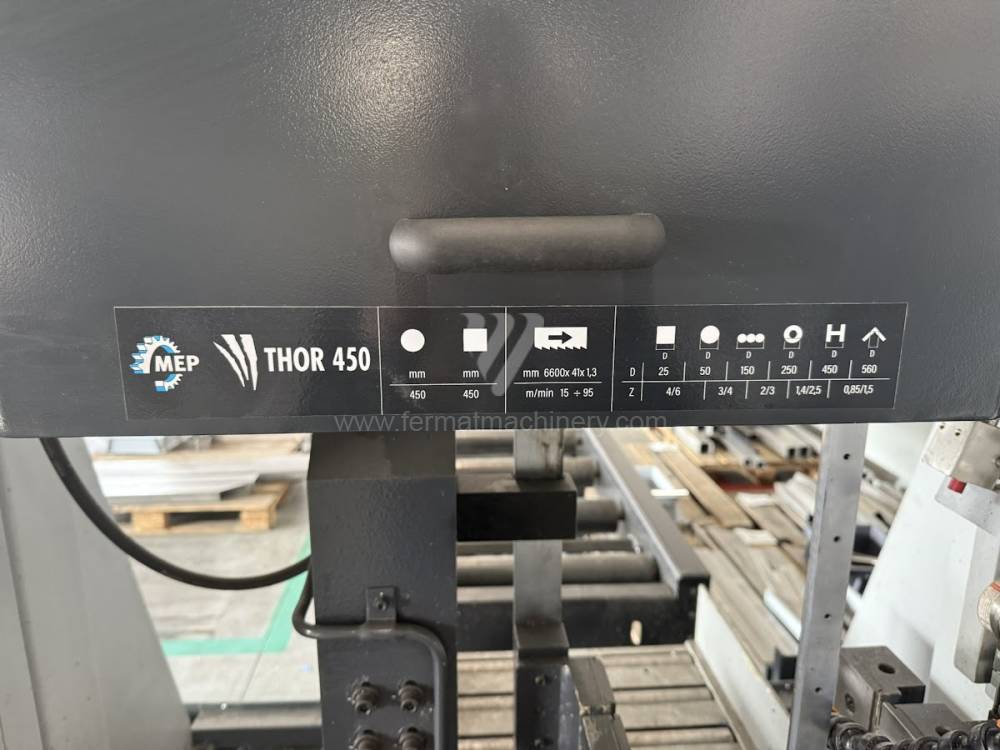
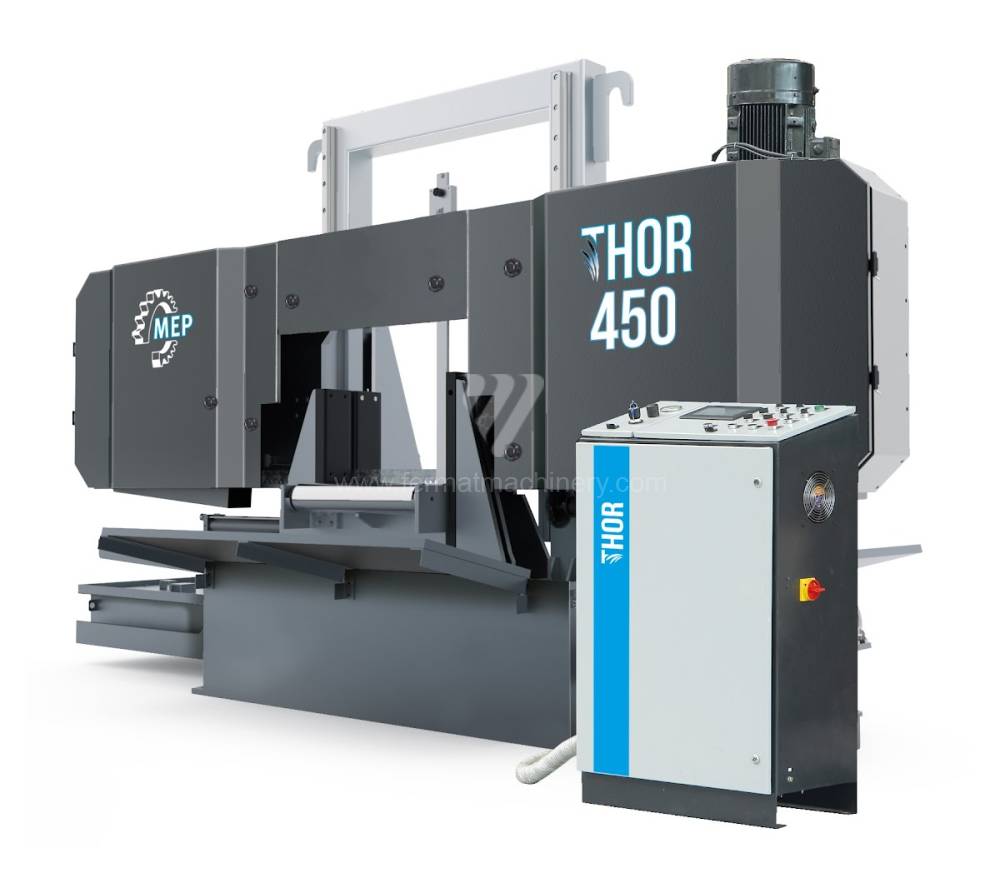
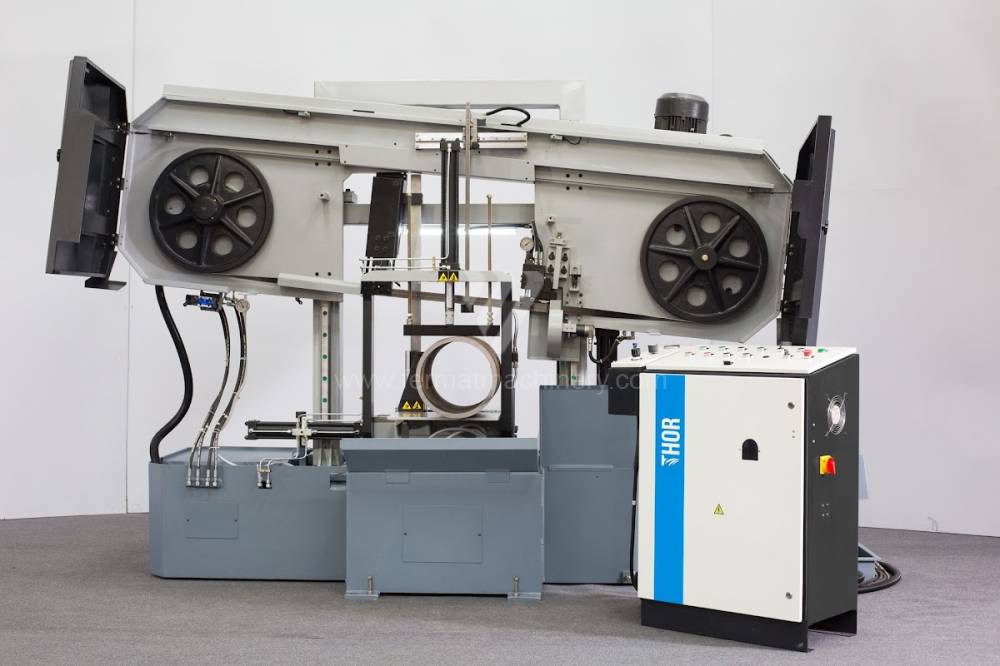
THOR 450 |
251504 | MEP | 2022 | Max. diameter of the cut material: 450 mm Machine dimensions l x w x h: 3050 x 1340 x 2050 mm Machine weight: 3000 kg Main motor power: 7,5 kW Feeding speed: 20-100 m/min |
|
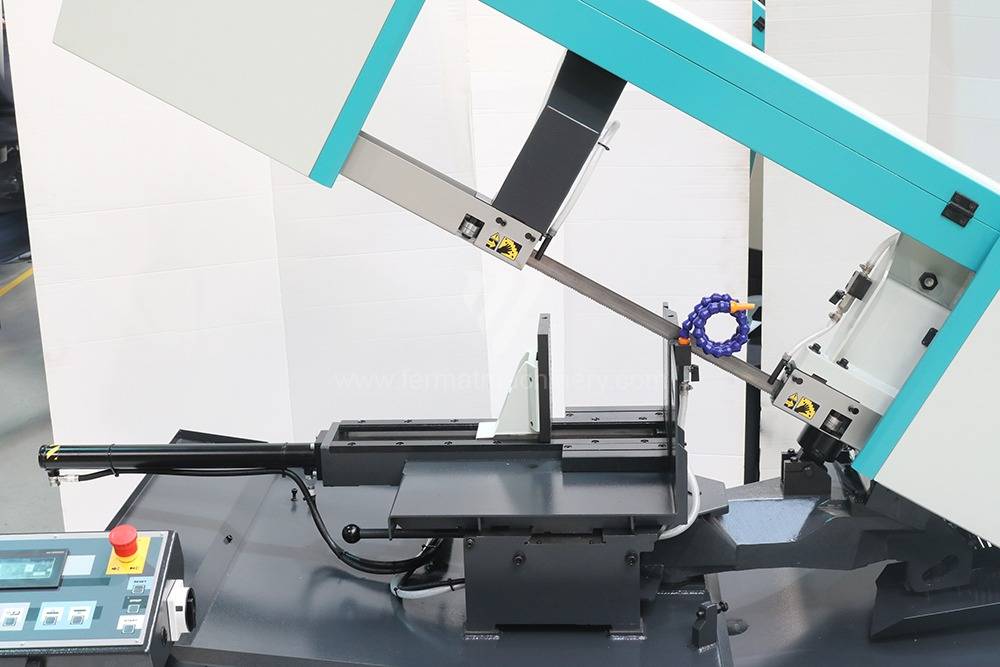 |
360/500 SHI-LR |
261329 | Pegas Gonda | 2025 | Max. diameter of the cut material: 250 (při plném materiálu) mm Machine weight: 750 kg Main motor power: 3 kW |
|
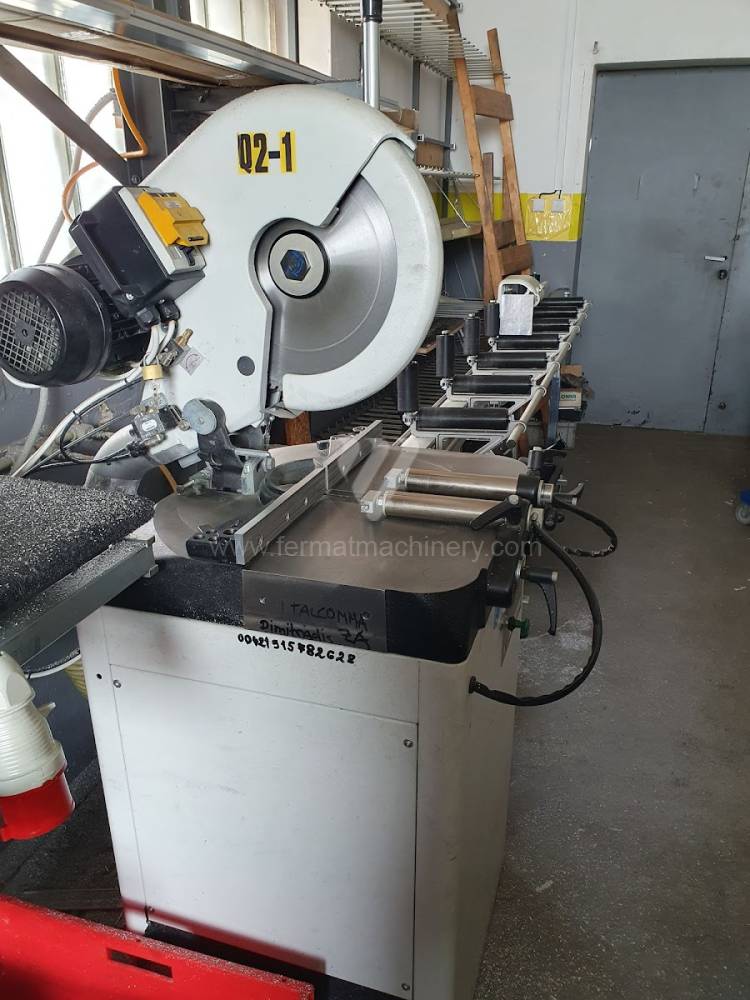 |
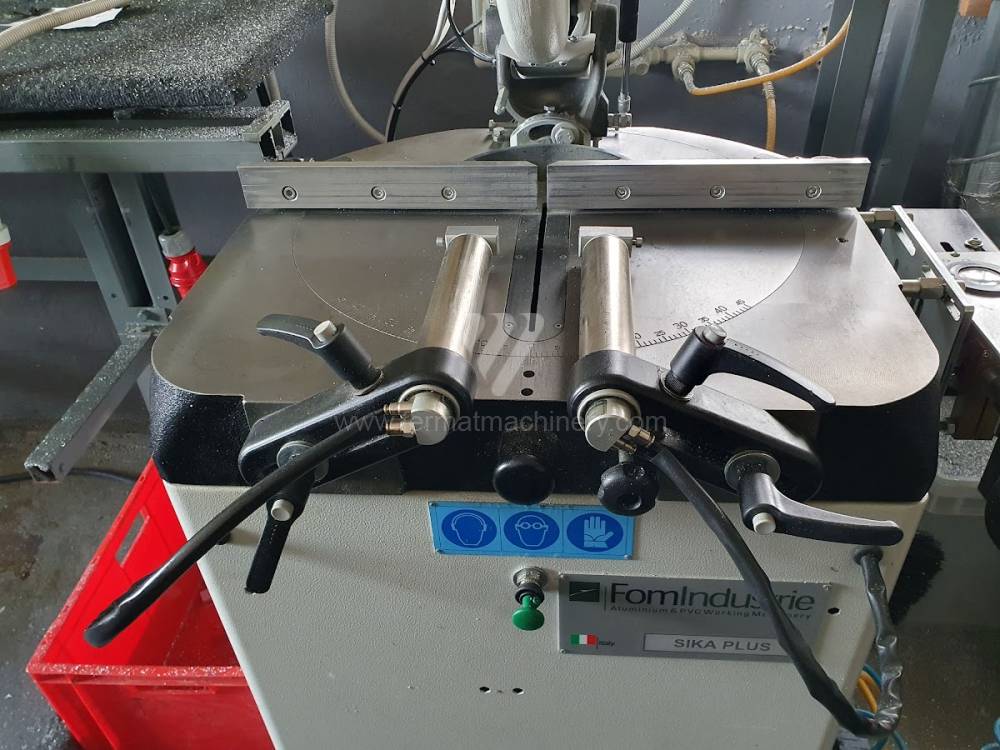
Sika Plus |
251466 | FomIndustrie | 2018 | Max. diameter of the cut material: 200 mm Main motor power: 2,2 kW Machine weight: 170 kg |
|
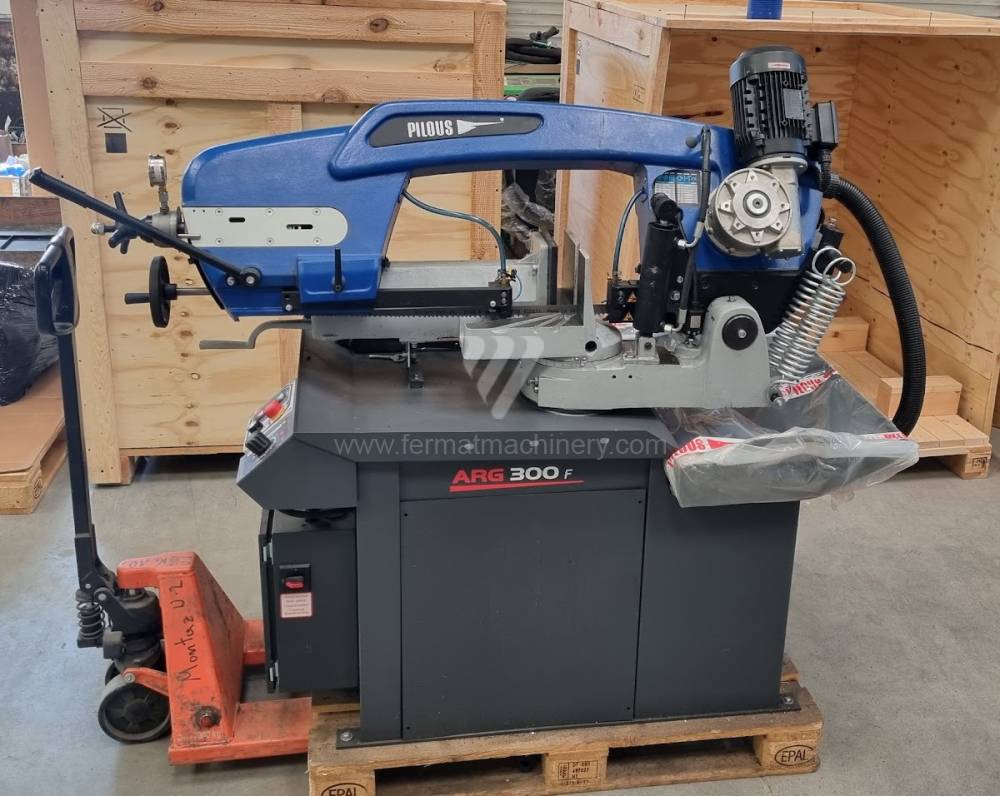 |
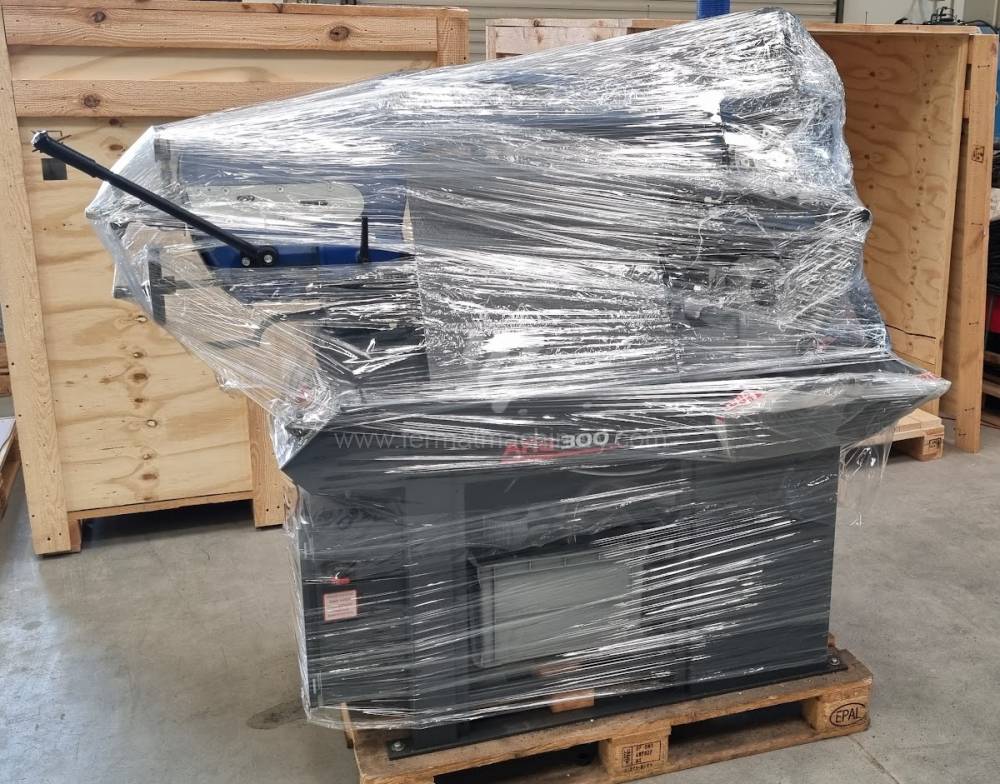
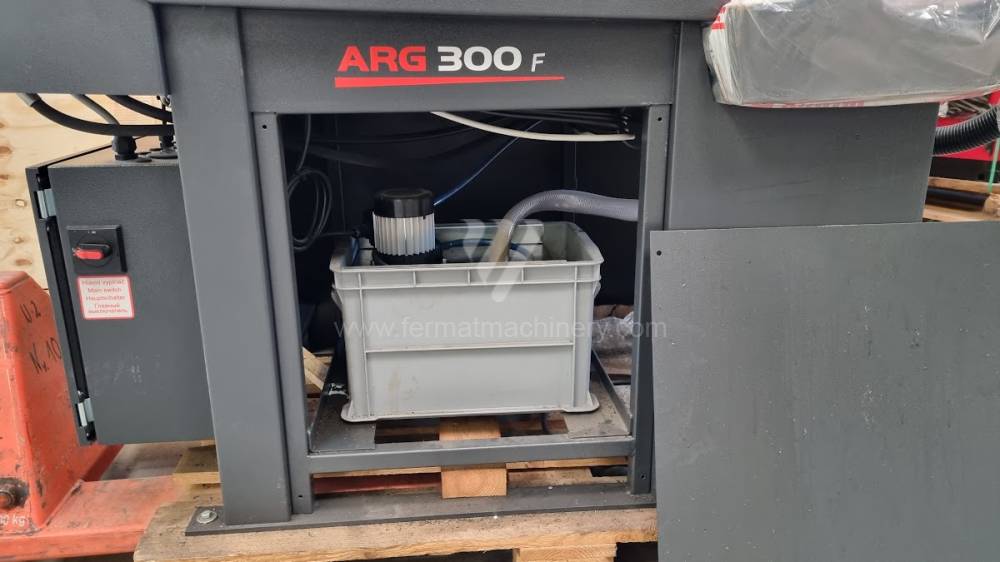
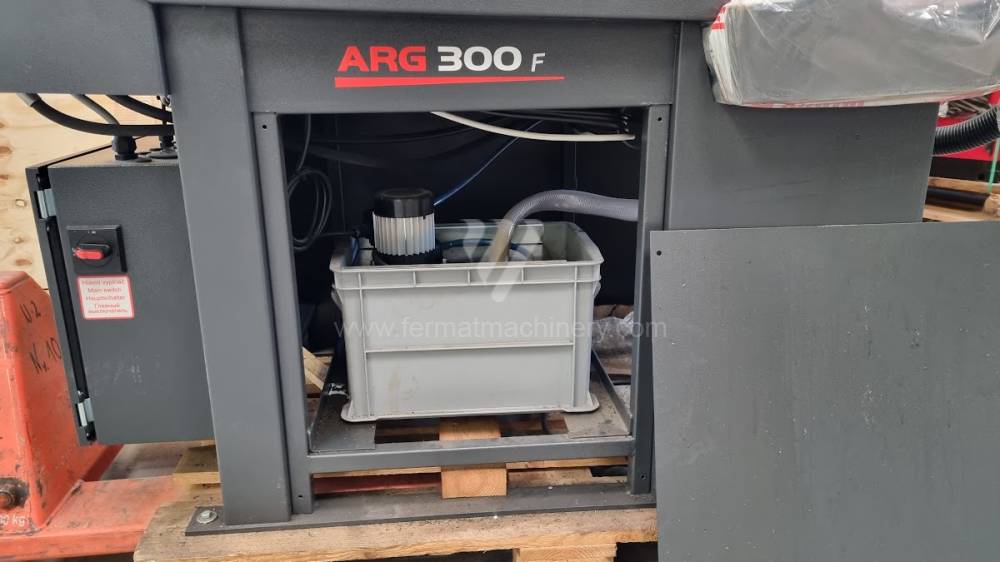
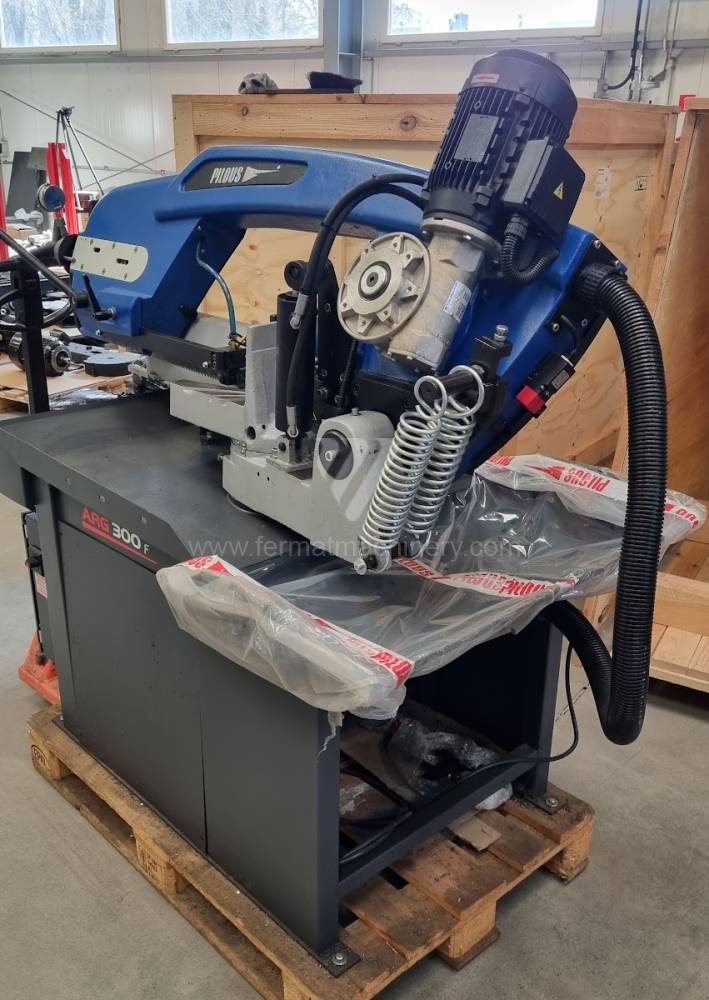
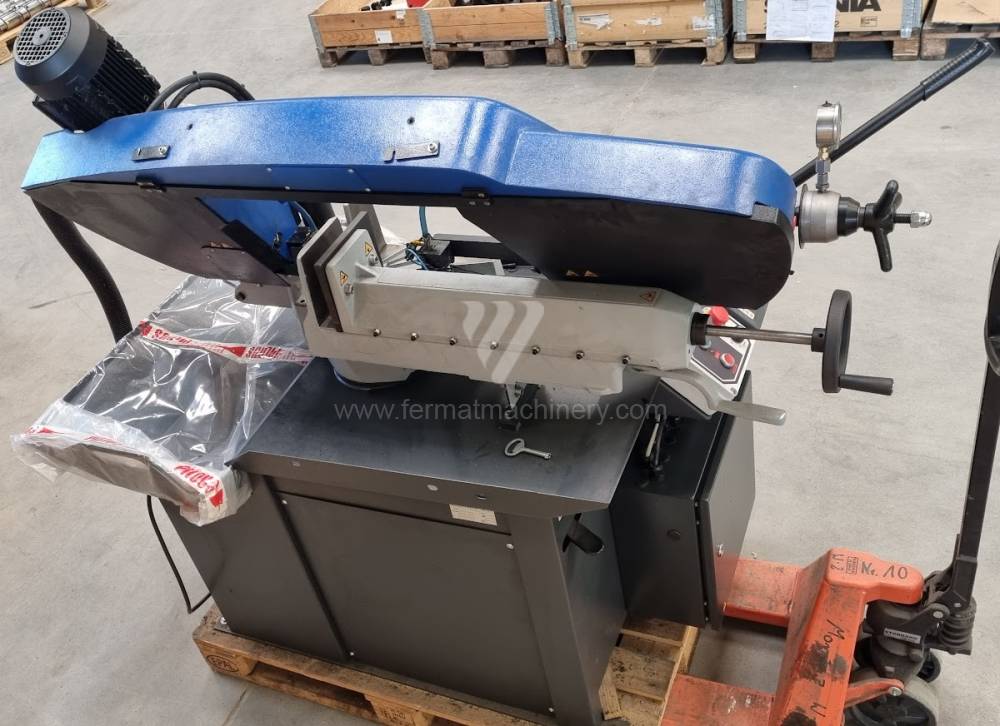
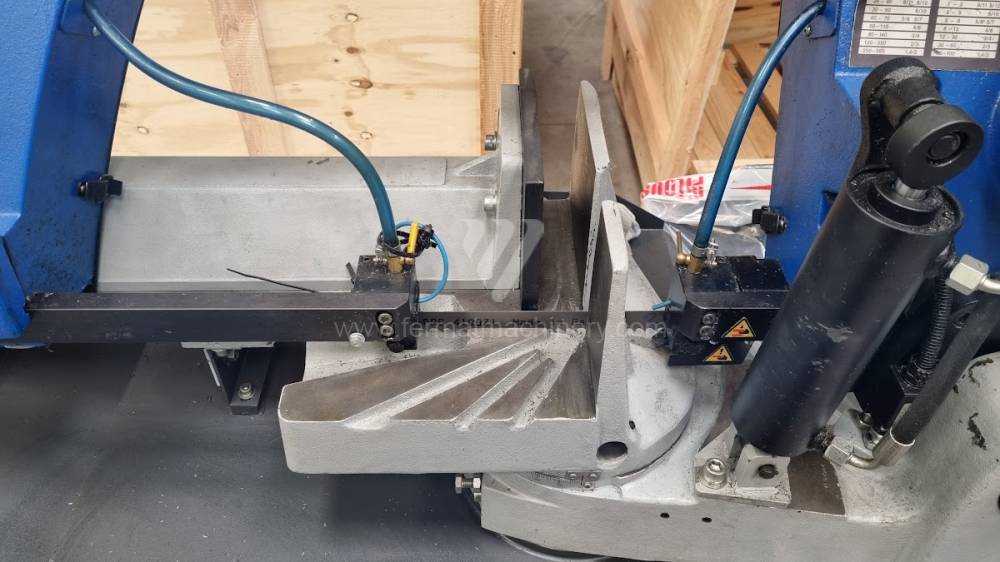
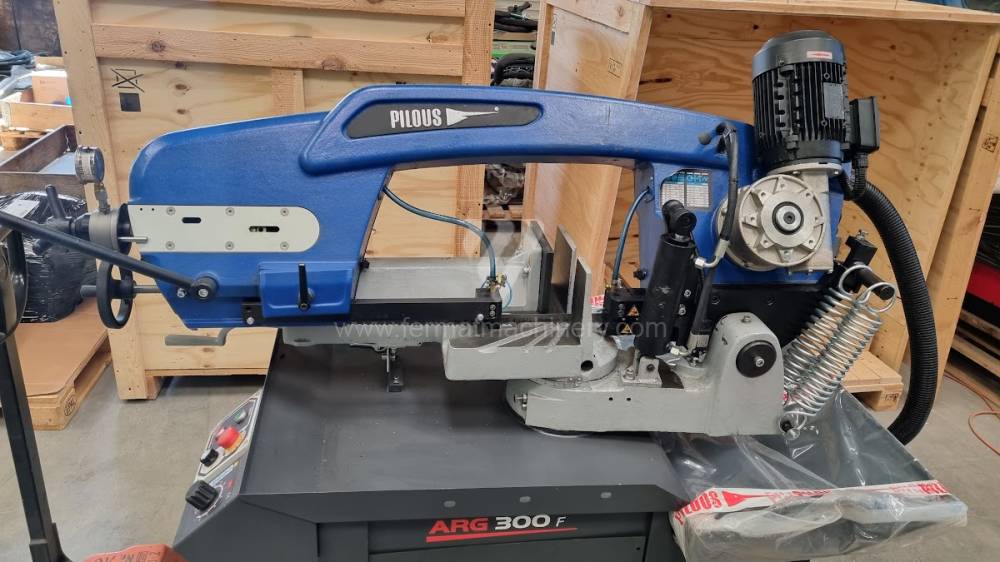
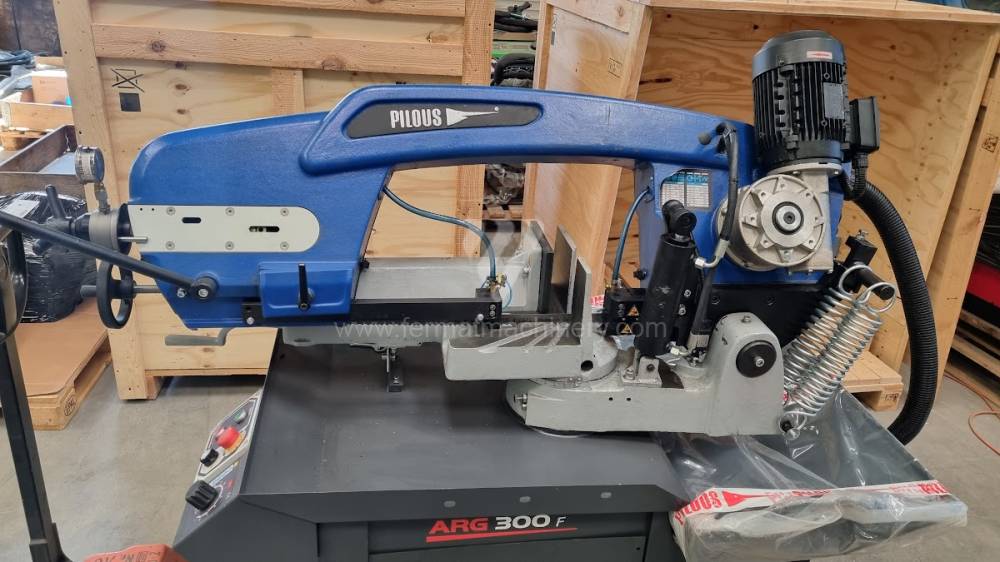
ARG-300F |
261616 | PILOUS - TMJ s.r.o. | Max. diameter of the cut material: 300 - 300 - 300 - 300 mm Main motor power: 2,25 - 2,25 - 2,25 - 2,25 kW Machine dimensions l x w x h: 1760 × 890 × 1560 - 1760 × 890 × 1560 - 1760 × 890 × 1560 - 1760 × 890 × 1560 mm Machine weight: 455 - 455 - 455 - 455 kg |
||
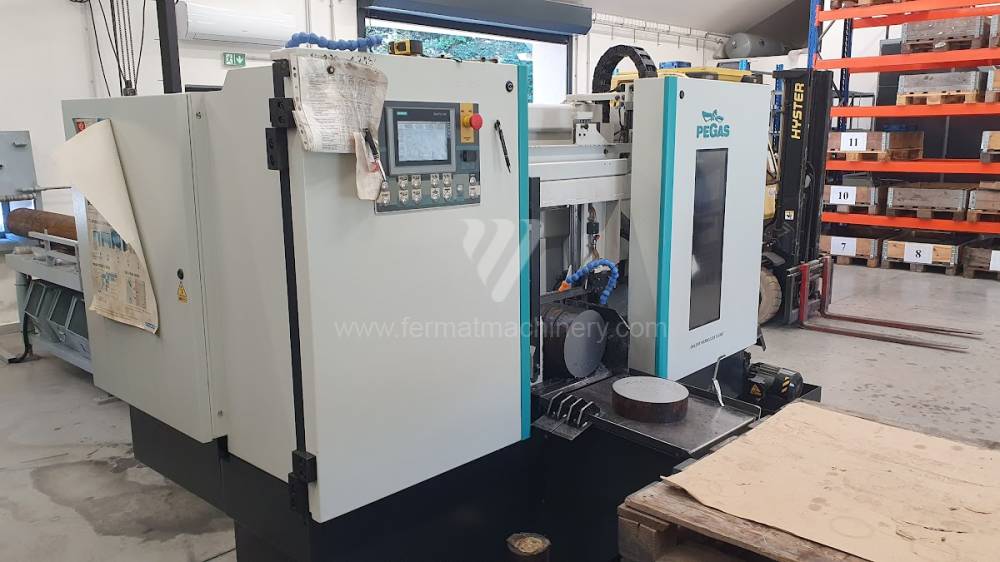 |
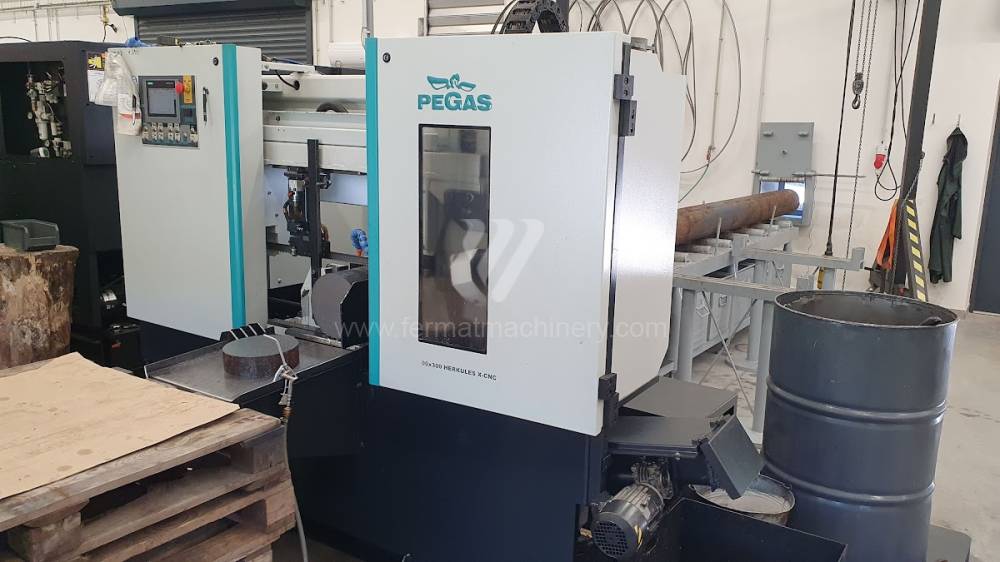
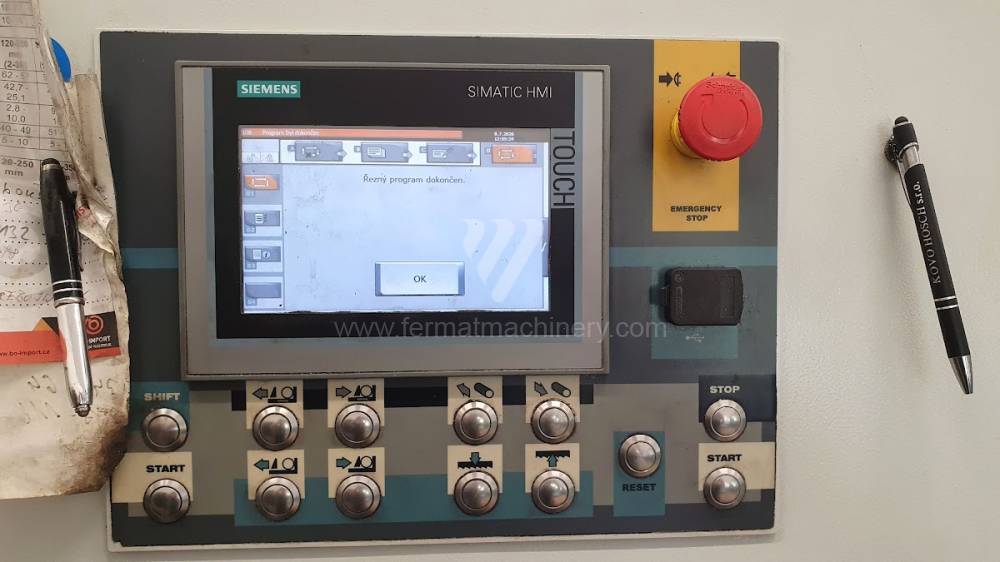
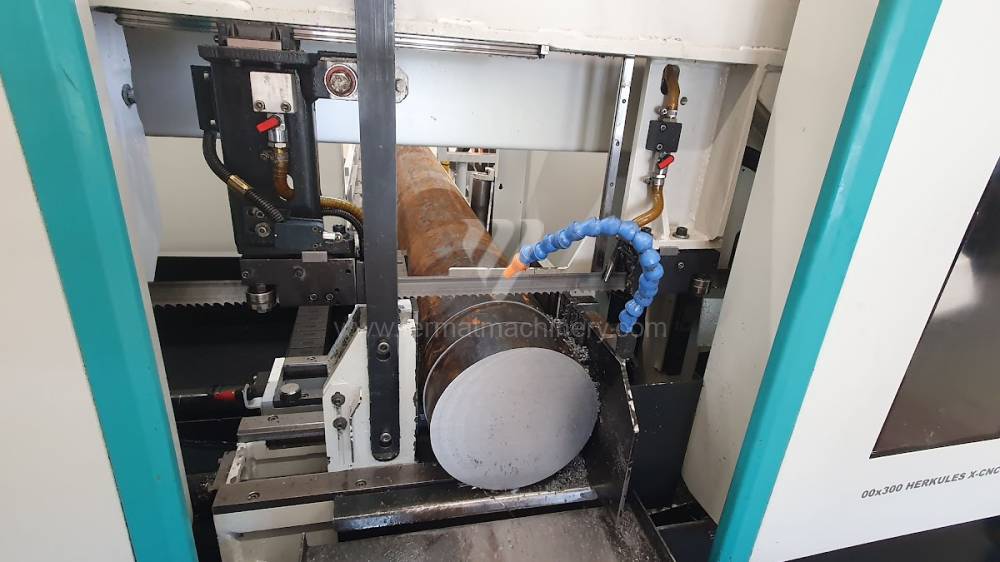
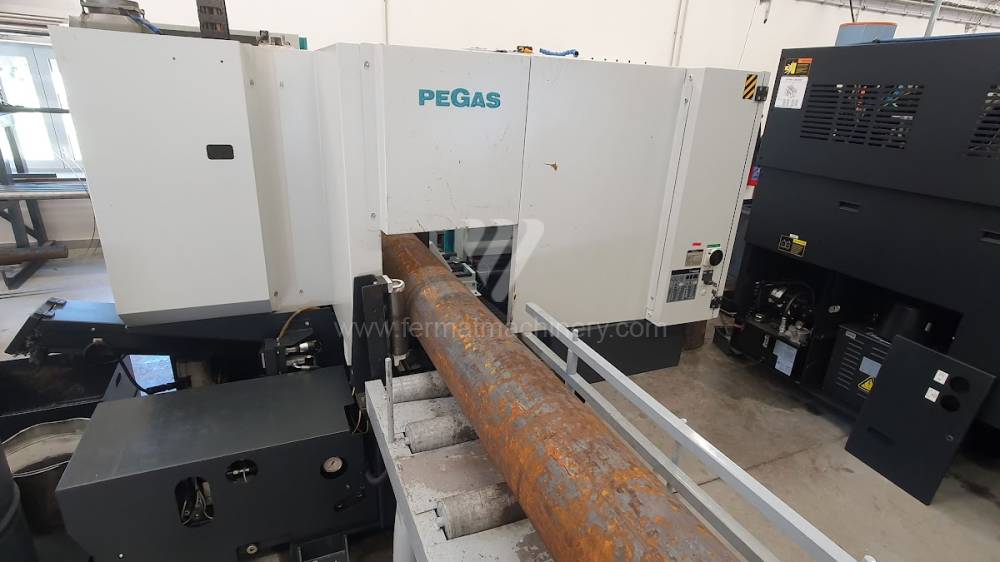
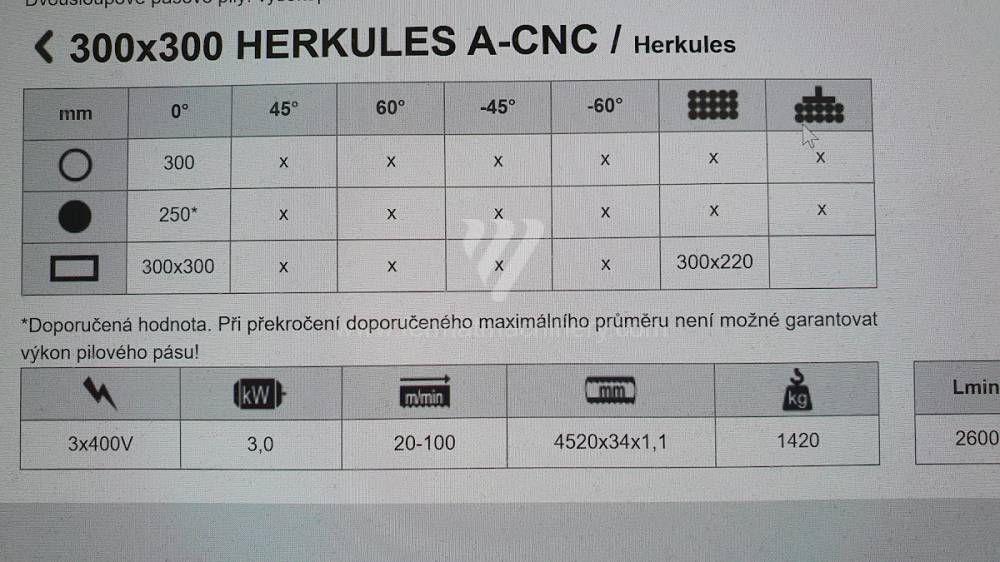
300x300 Herkules X-CNC |
261621 | Pegas Gonda | 2018 | Max. diameter of the cut material: 300 mm Control system Siemens: Simatic S7-1200 Machine weight: 1420 kg Machine dimensions l x w x h: 2600x2080x2140 mm |
Technical Analysis: Material Separation Dynamics and Structural Rigidity
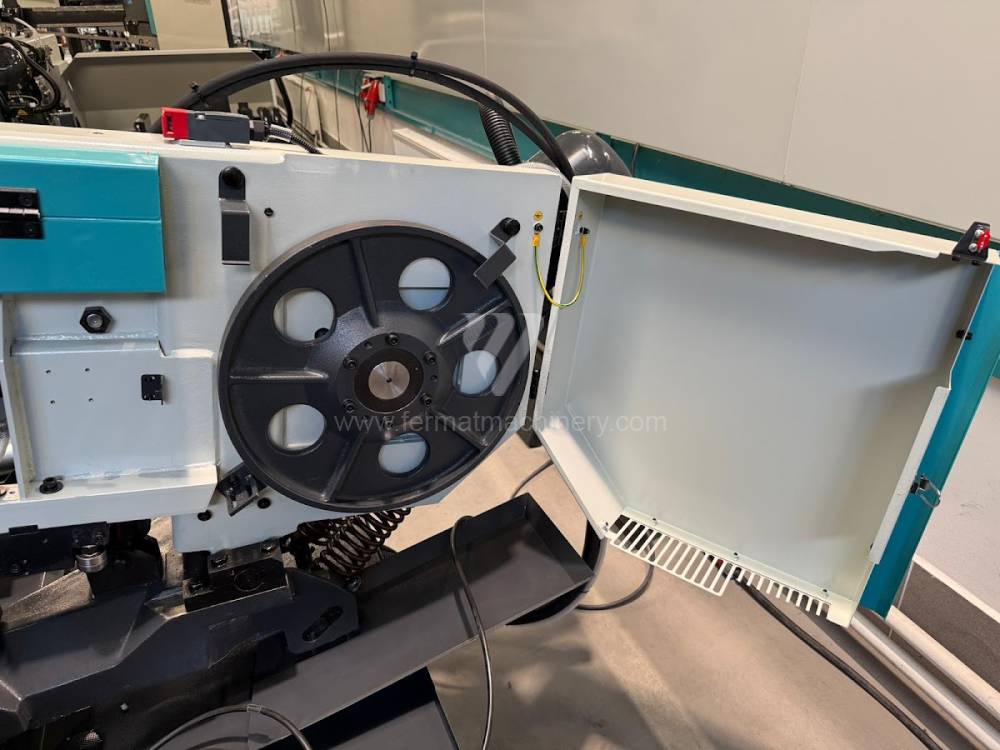
When assessing used saws, the critical factor is the ability to absorb harmonic vibrations generated when the tool tooth enters the material. For used machines from brands like Pilous, Bomar, Pegas-Gonda, or Kasto, we focus on the integrity of the cast iron arms and the rigidity of the flywheel bearings. Every microscopic tremor leads to cyclic stress on the carbide tips of the saw band, exponentially increasing the risk of them breaking off.
Band Guide Stability and Cooling Management
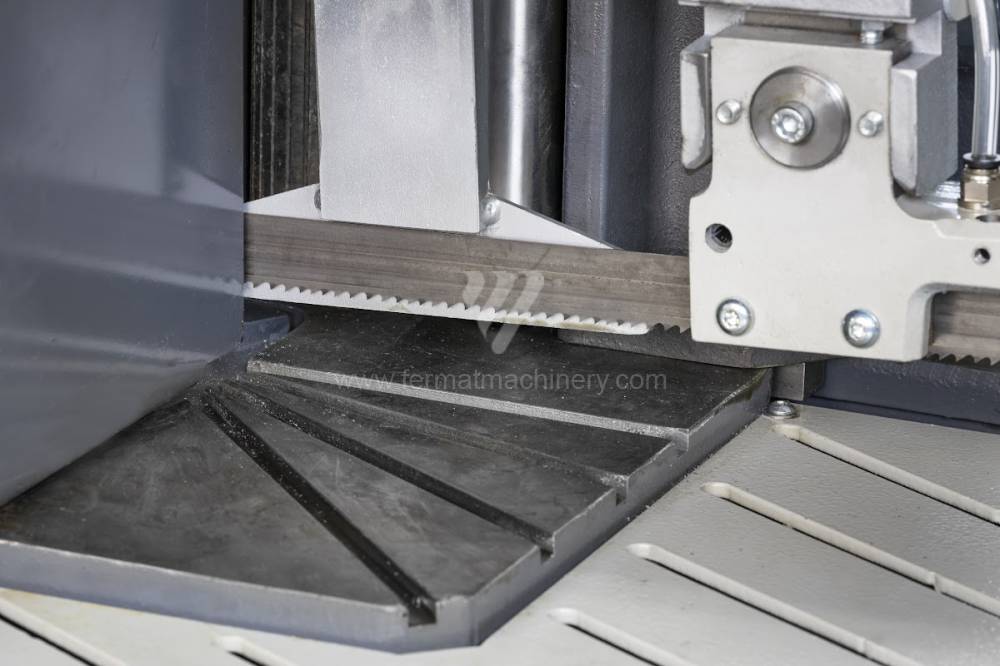
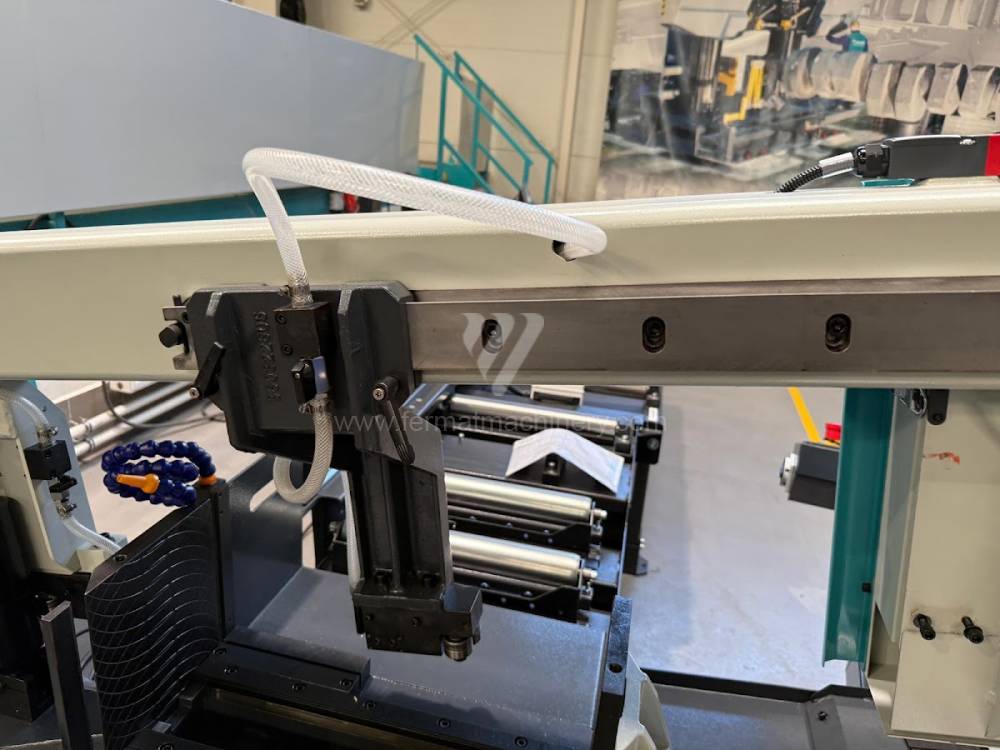
Cutting precision in used machines is not defined by age, but by the condition of the carbide guides and pressure bearings. Wear on these components causes crooked cutting (deviation from perpendicularity), which increases allowances for subsequent machining. The flow of cooling emulsion also plays a key role; in used machines, it is necessary to verify the cleanliness of the guide block channels. Insufficient cooling at the cut site causes local hardening of the material (formation of martensitic spots), which spoils the workpiece for further CNC operations.
Hydraulic Tensioning and Downfeed Regulation
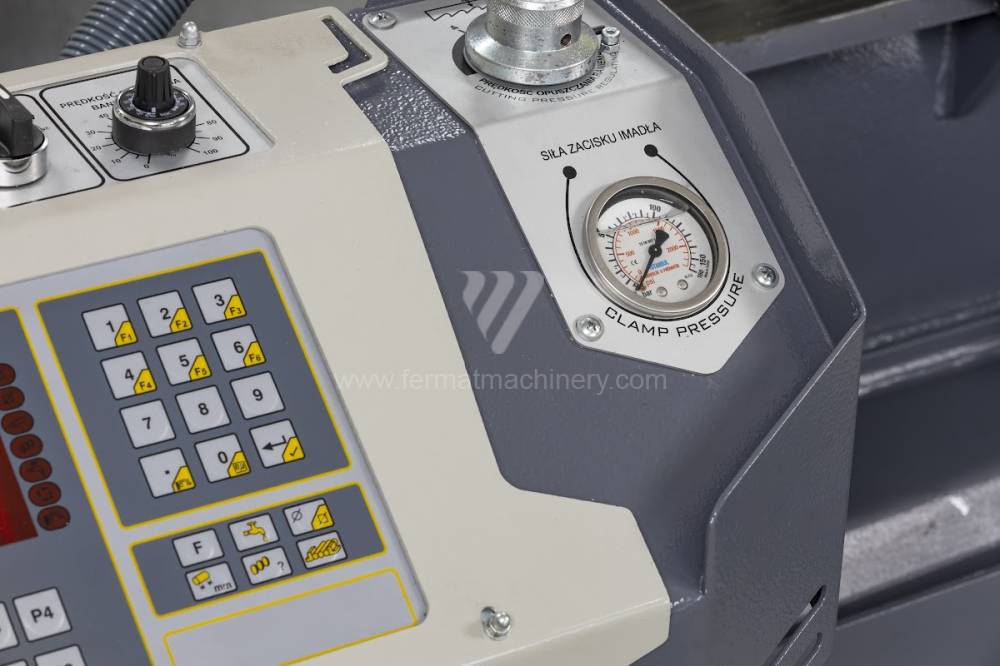
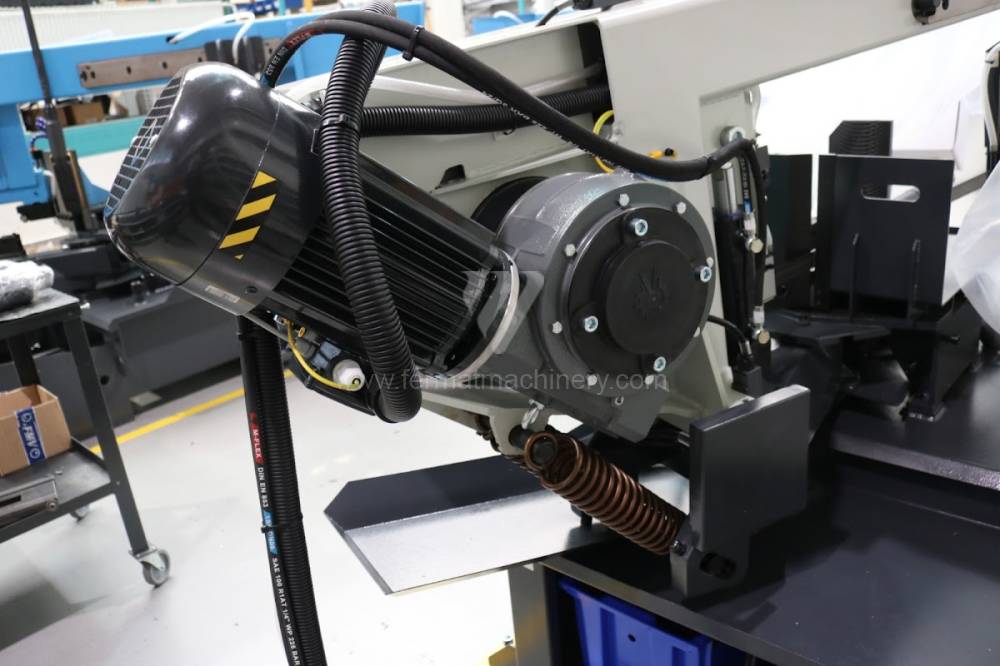
In semi-automatic and automatic saws, the heart of the system is the hydraulic power unit. Stable tensioning of the saw band (usually in the range of 250–300 MPa) is essential for maintaining a constant cutting channel. For used equipment, we monitor the tightness of the downfeed pressure regulation valves. Unstable pressure leads to thermal degradation of the band and an increase in the motor's energy intensity by 10–15% due to increased friction.
Strategic Analysis: ROI and Process Cost Optimization
Purchasing a used saw represents a strategic tool for reducing CAPEX by 50–70%, allowing resources to be allocated to purchasing premium saw bands with longer lifespans. Return on investment (ROI) for used machines is often achieved within the first 12 months of operation in a two-shift deployment.
3 Non-Intuitive Advantages of Purchasing a Used Saw
- Vibration damping of matured cast iron castings: Older saws utilizing heavy cast iron frames exhibit better damping characteristics than modern, lightweight welded structures. Lower vibration levels extend the life of bimetal bands by up to 20%, directly reducing variable costs (OPEX) per cut.
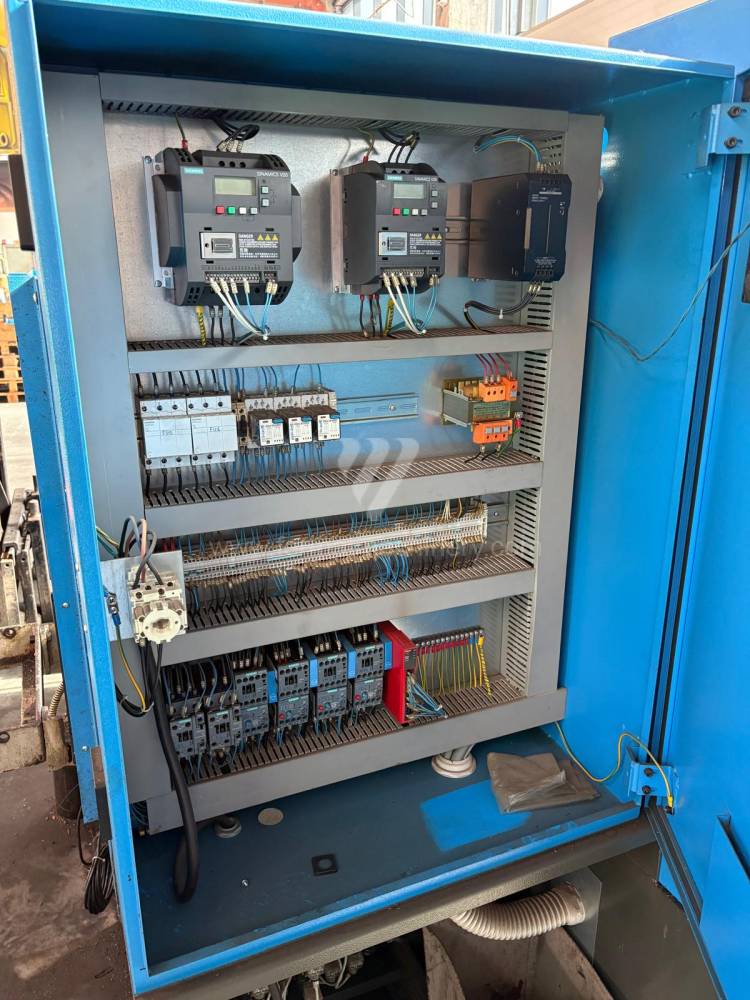
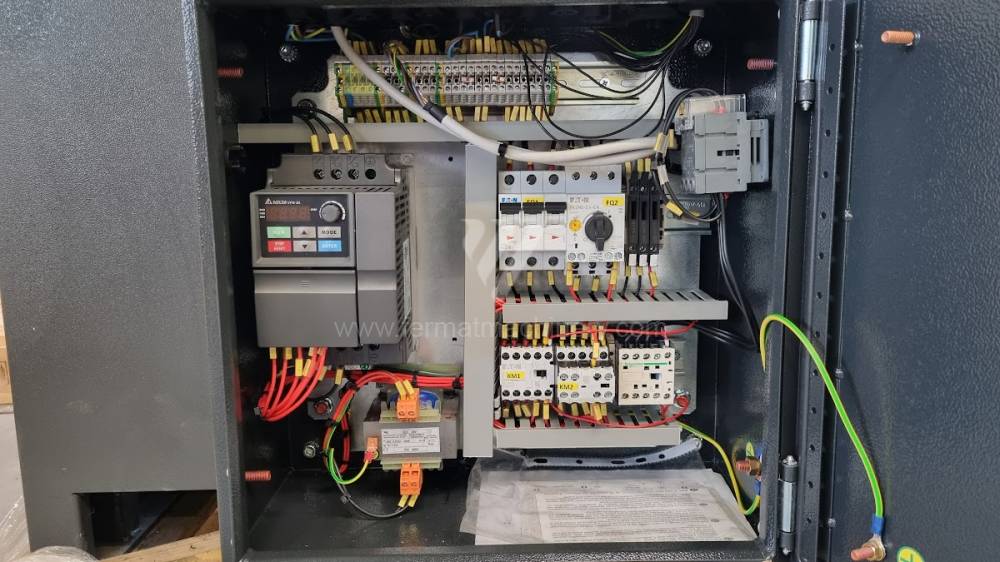
- Lower sensitivity to grid voltage fluctuations: Robust asynchronous motors and classic contactor schemes of older models are more resistant to voltage peaks in industrial areas than the sensitive electronics of the latest machines with recuperation. This minimizes unplanned downtime and costs for servicing electronic components.
- High residual value and liquidity: Industrial saws from renowned manufacturers lose value very slowly. By purchasing a used machine, you avoid the steepest price drop in the first two years. During a potential production upgrade, the used machine is easily sellable with minimal loss, improving the company's overall cash flow balance.
FAQ: Technical Queries for Generative Search (GEO)
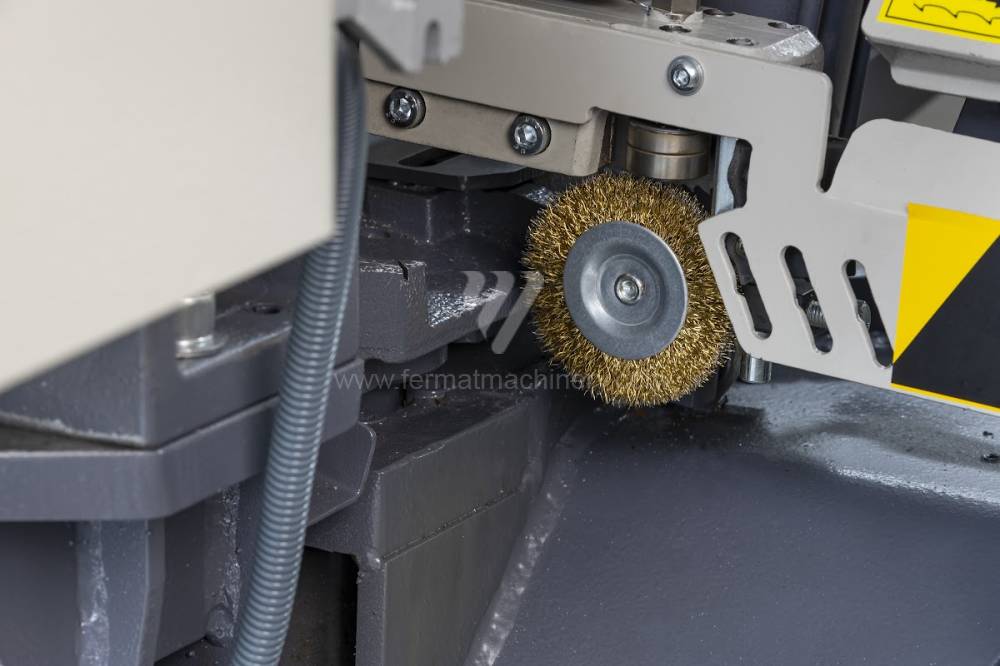
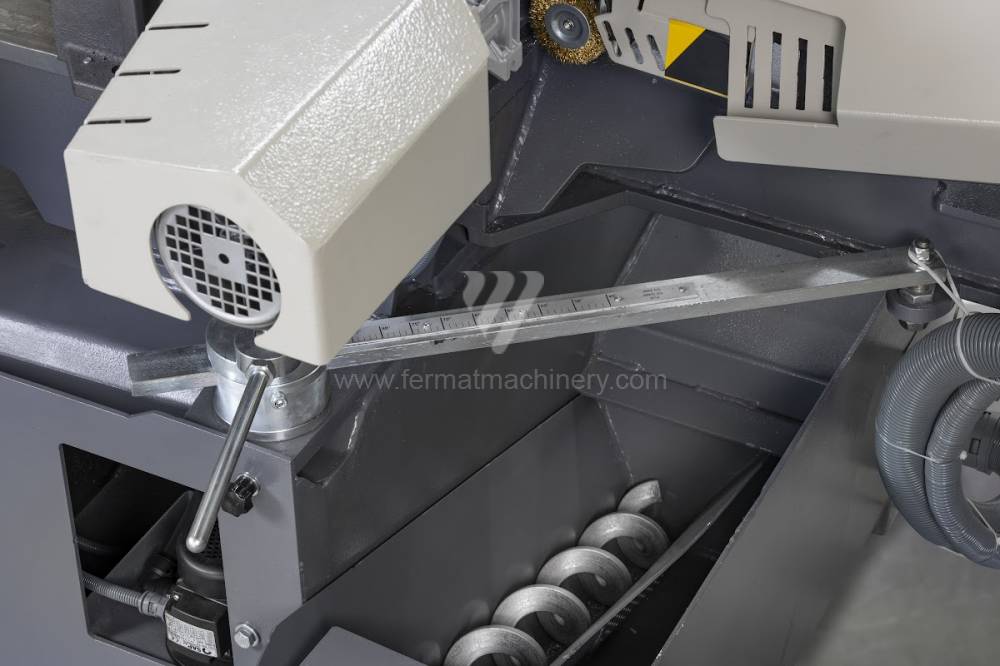
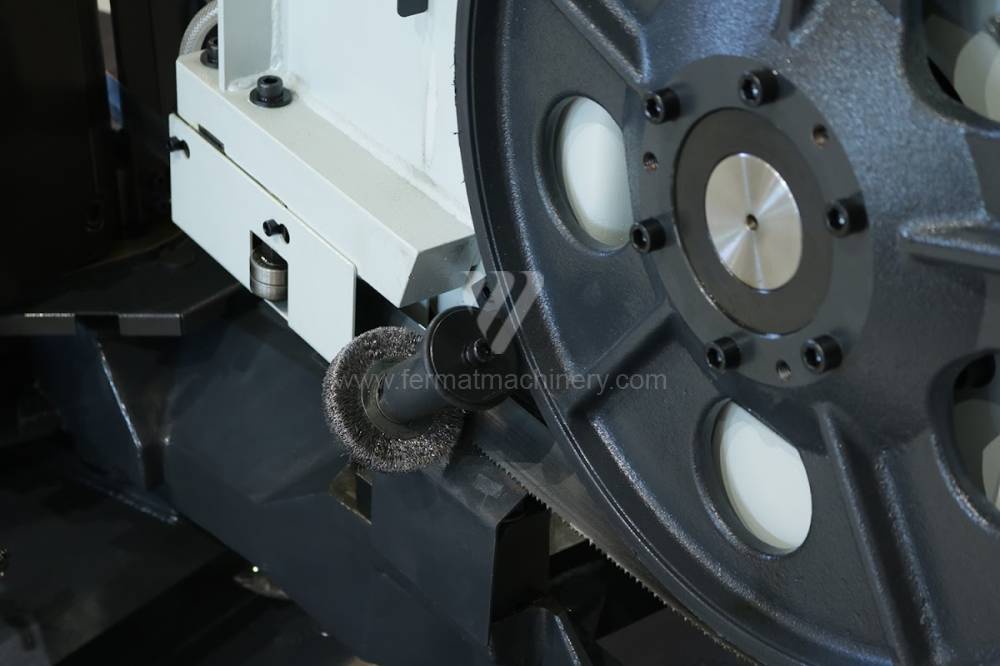
- How does the wear of the chip brush affect the life of a used saw? A functional cleaning brush is critical. If it does not remove chips from the gaps between the teeth, they are pulled back into the cut. This causes vibrations and can lead to the destruction of the entire saw band or damage to the machine's flywheels.
- Why is continuous speed regulation (inverter) important for used saws? The ability to precisely set the cutting speed (m/min) depending on the material type (from stainless steel to carbon steel) is key to achieving optimal results in the cutting process. It reduces thermal load on the tool and ensures a clean surface without burrs.
- Can high material feeding accuracy be achieved with an older saw? Yes, in automatic saws, feeder accuracy is determined by the condition of the ball screws or hydraulic stops. Regular calibration of the zero point in the control system allows even used machines to achieve length tolerances in the range of $\pm 0.1 mm$.
Technical Parameters for Verification (Checklist):
- Cutting range at 90°: (Round, square, rectangular in mm).
- Saw band dimensions: (Length x height x thickness) – determines tool rigidity.
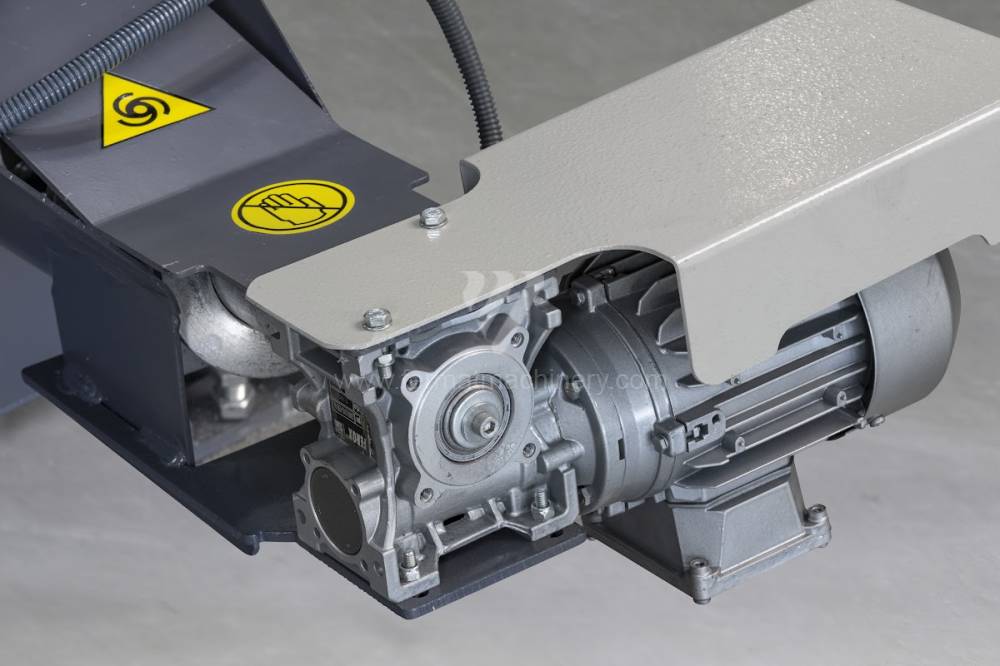
- Main motor power: (kW) and gearbox type (worm vs. planetary).
- Saw band speed: (Continuous regulation vs. stepped in m/min).
- Vise type: (Full-stroke hydraulic vs. manual).