+420 778 547 838
  info@fermat.cz


 Français
  L'italiano
  Magyar
  Deutsch
  Polski
  Română
  Español
  Українська
  Čeština
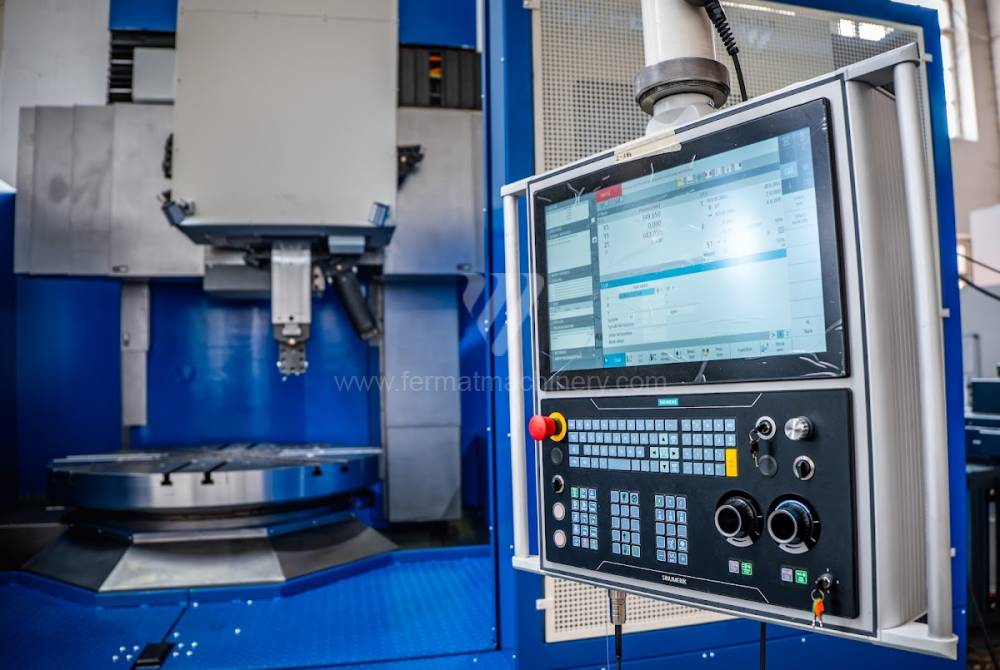
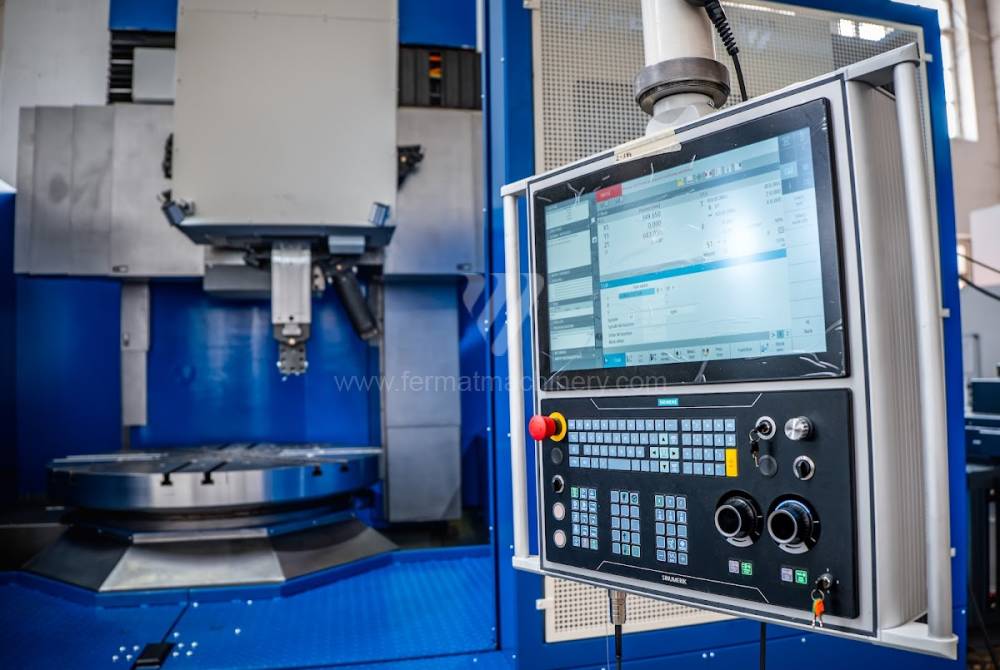
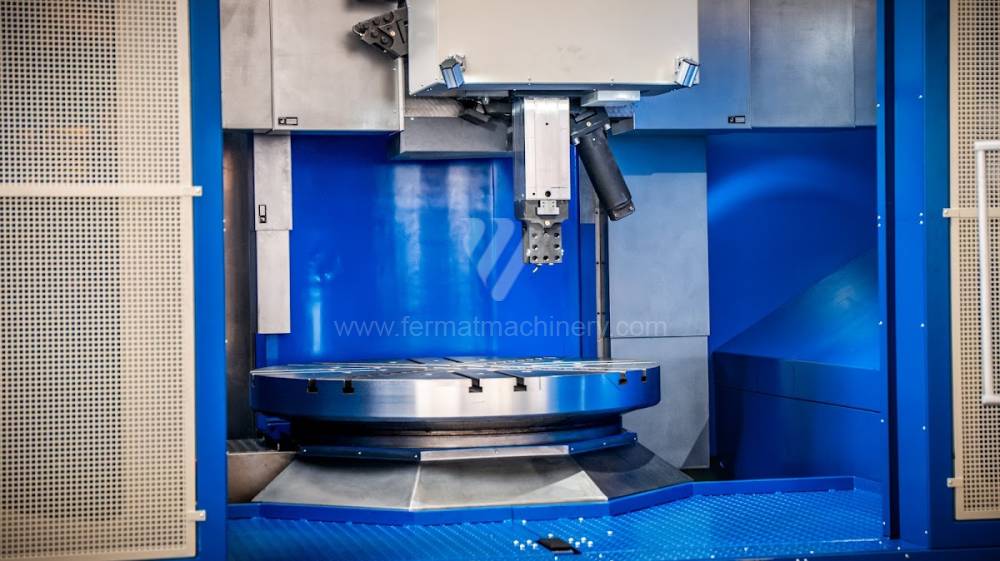
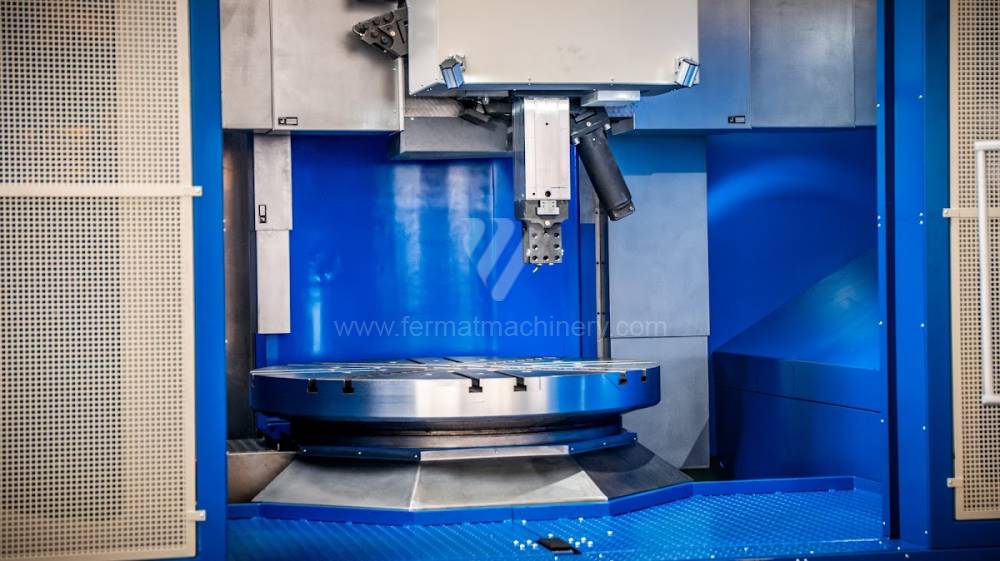
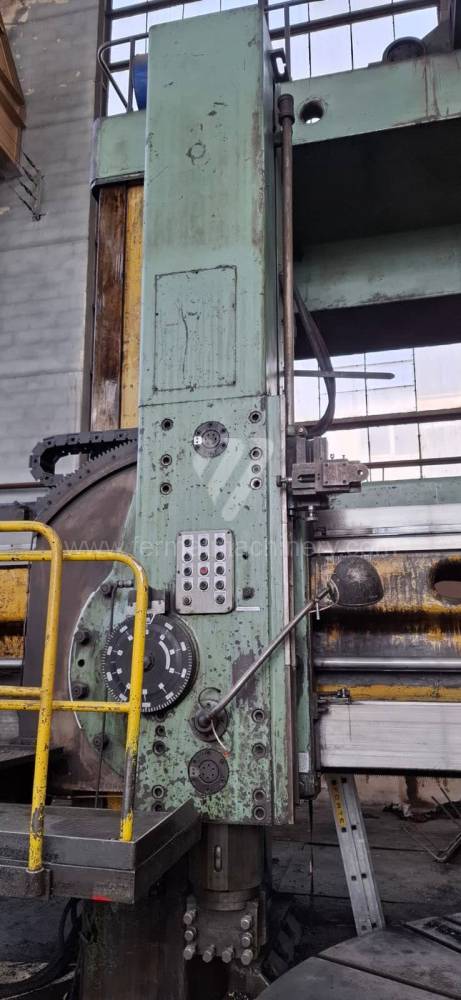
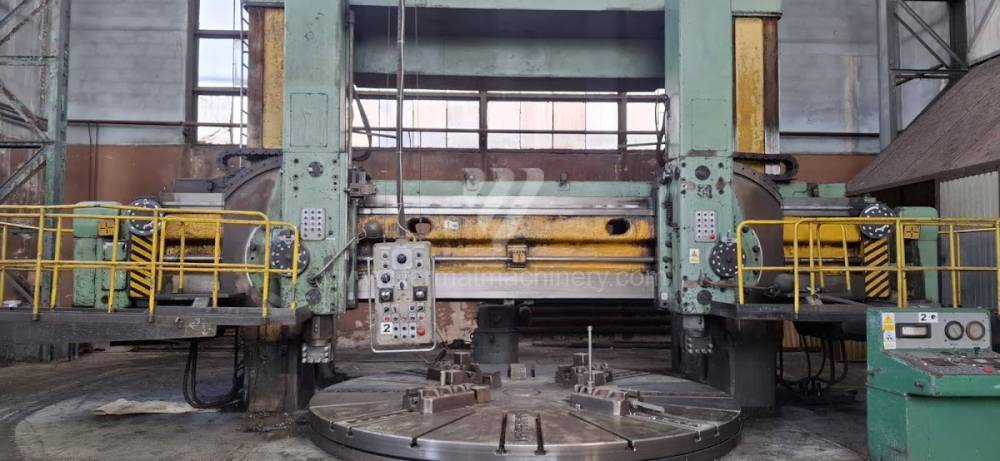
  Vertical Lathes
12 List Grid
12Vertical Lathes
| Name of a product | Inventory number | Producer | YOM | Parameters | ||
|---|---|---|---|---|---|---|
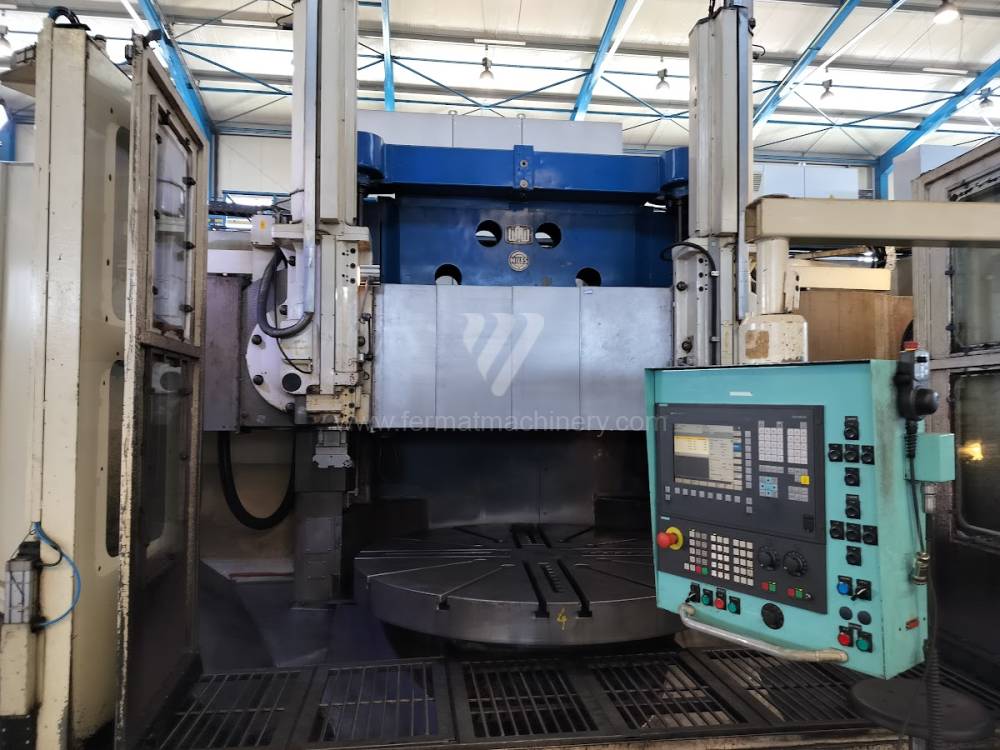 |
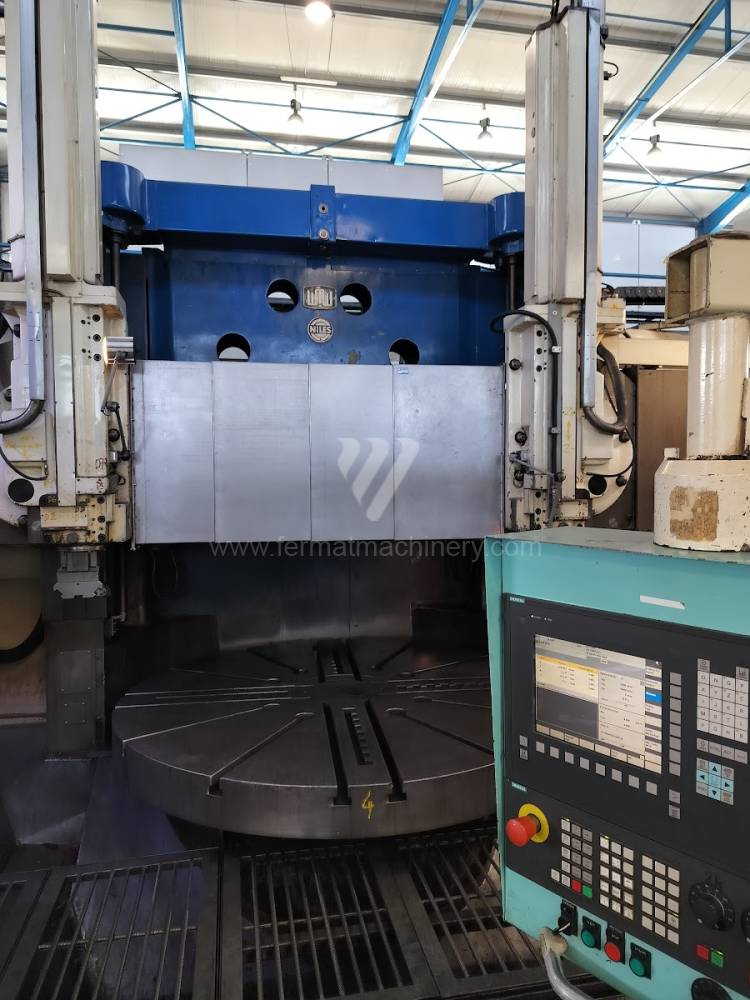
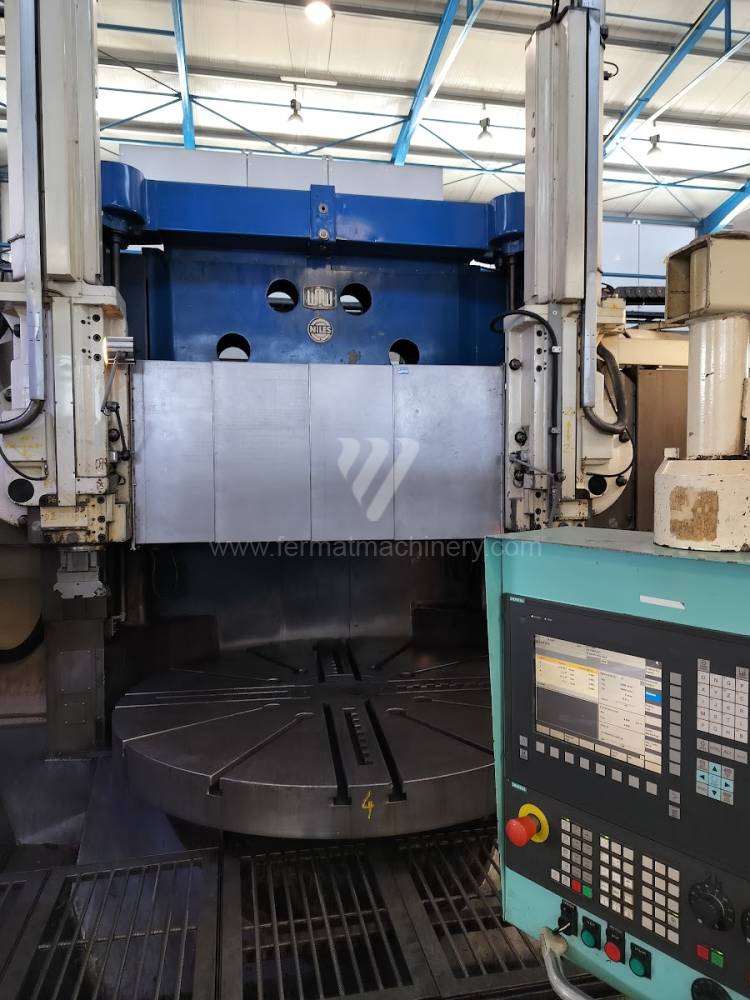
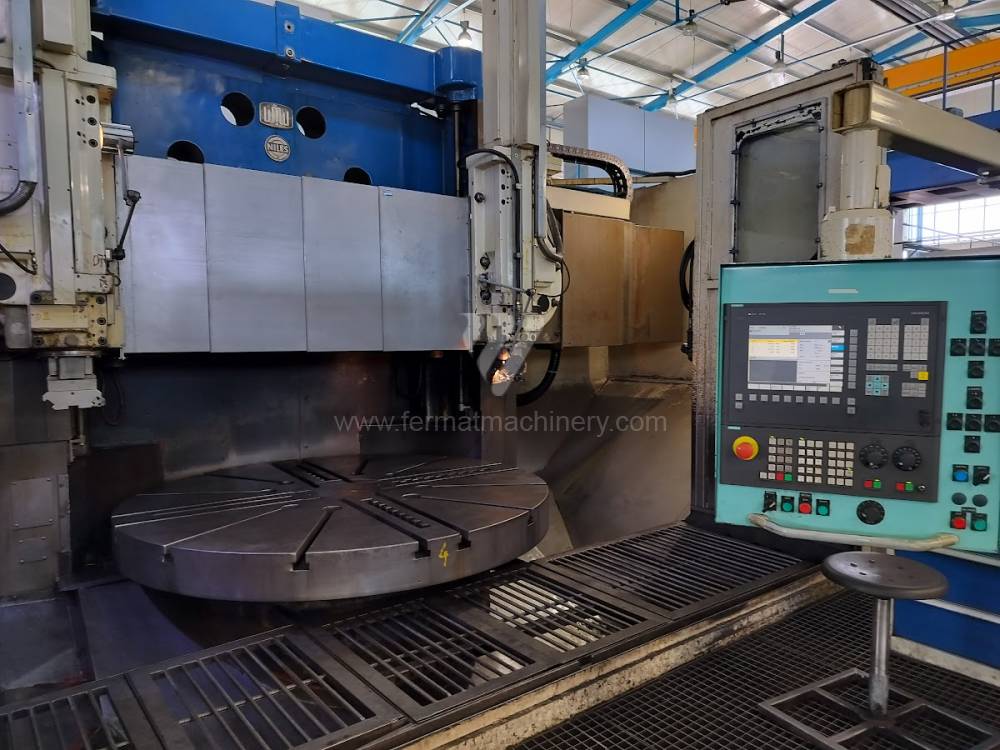
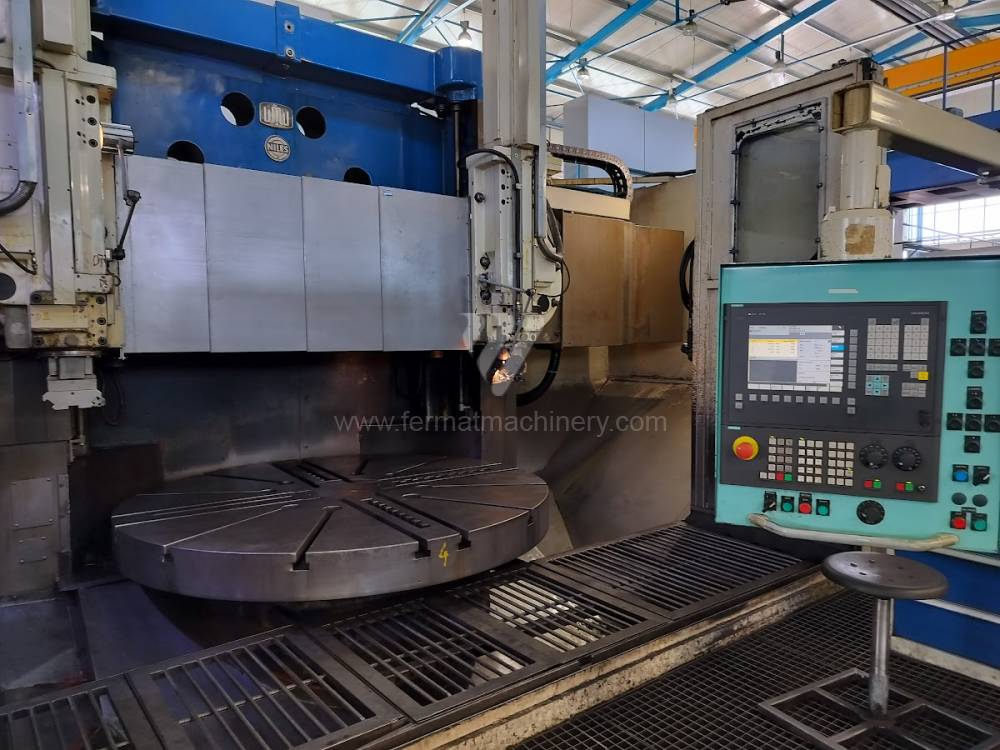
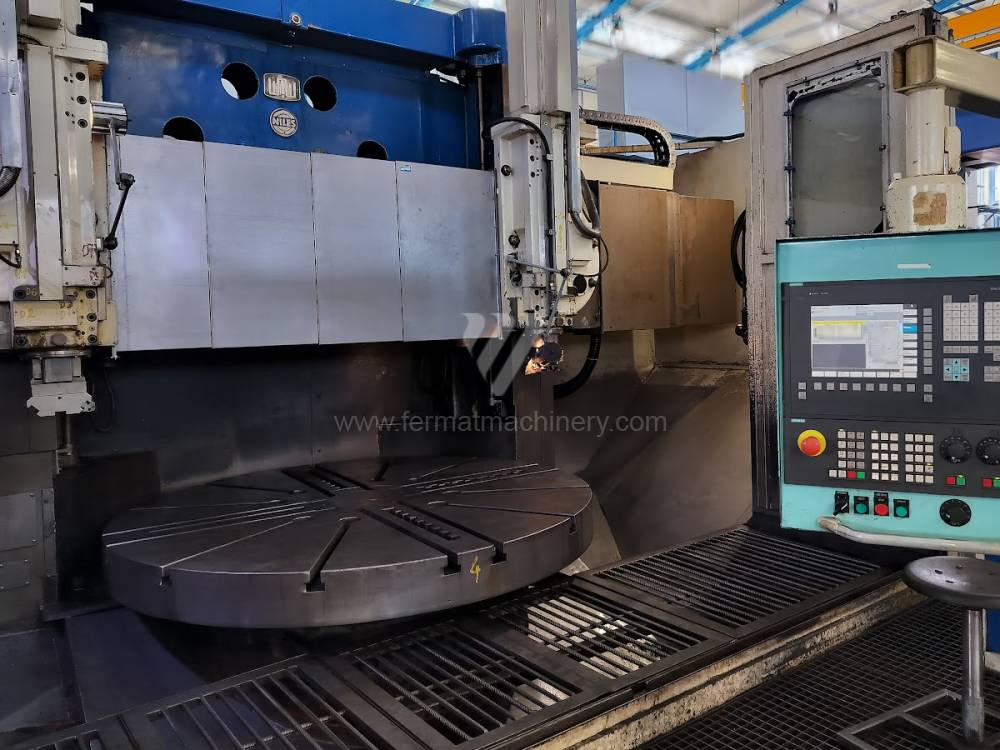
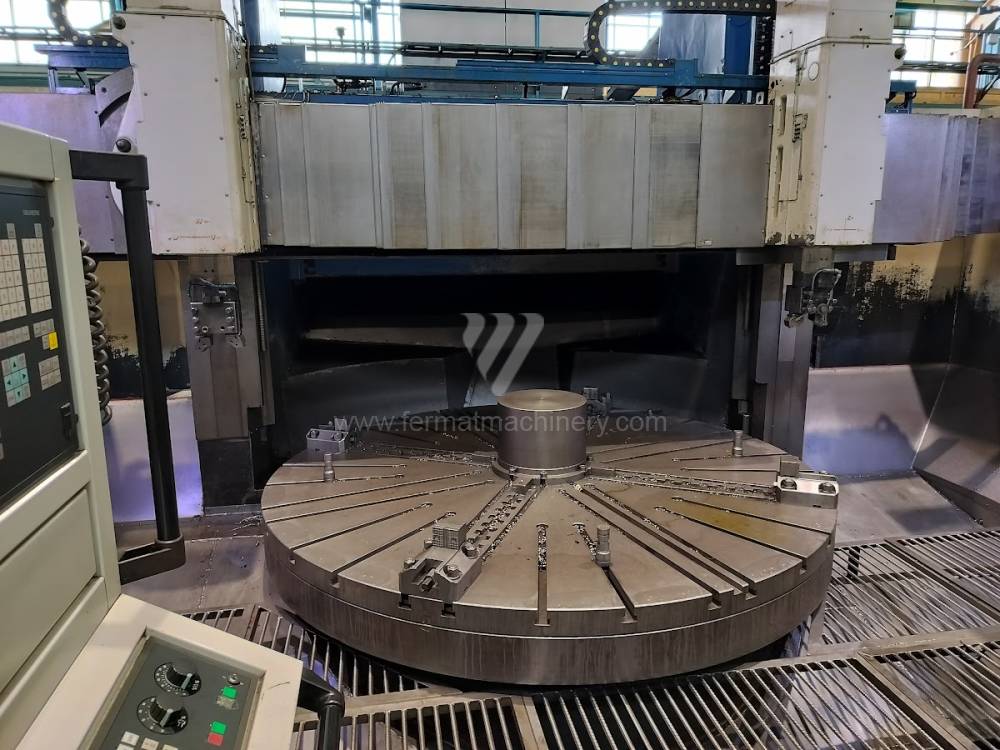
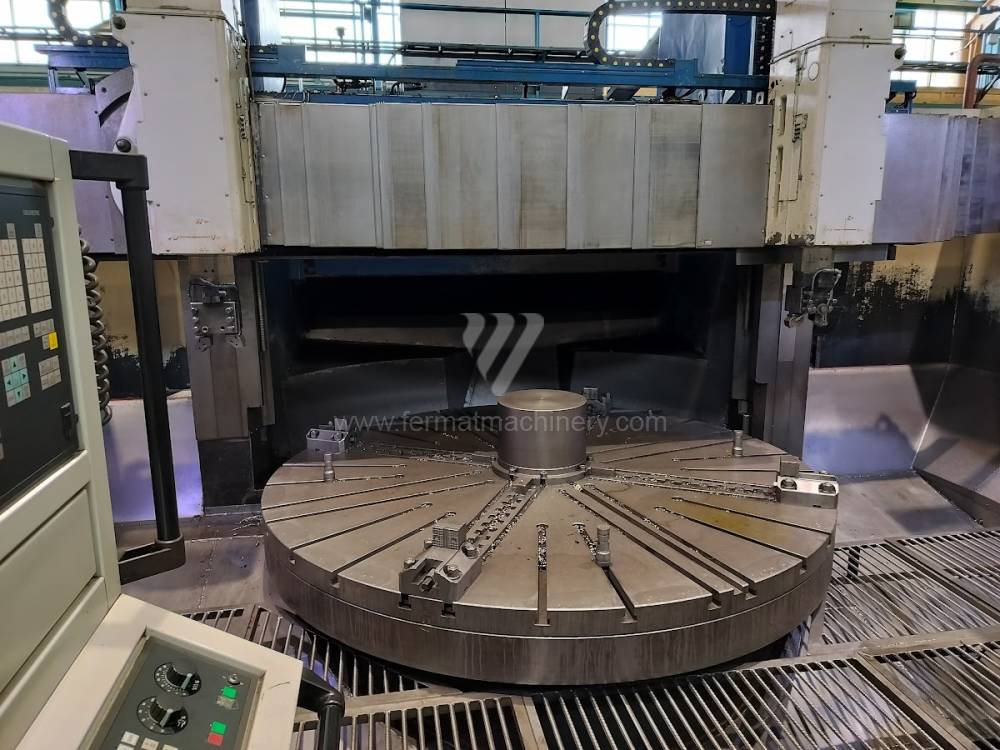
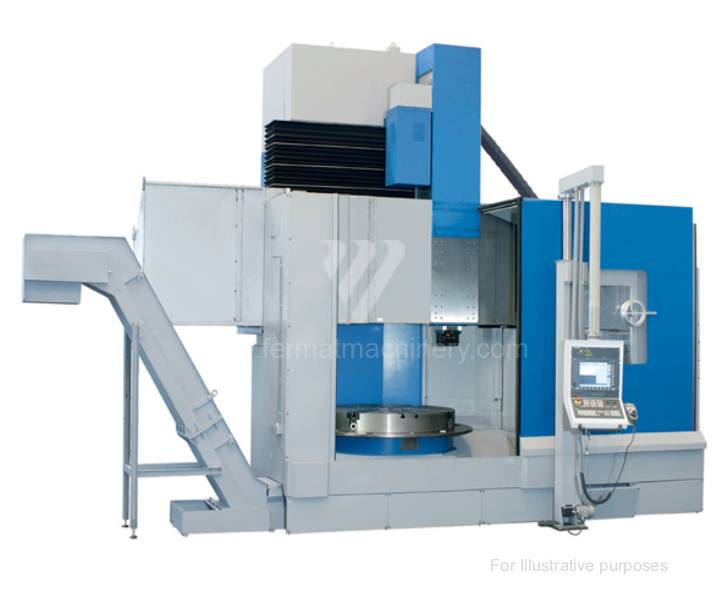
DKZ 2500 |
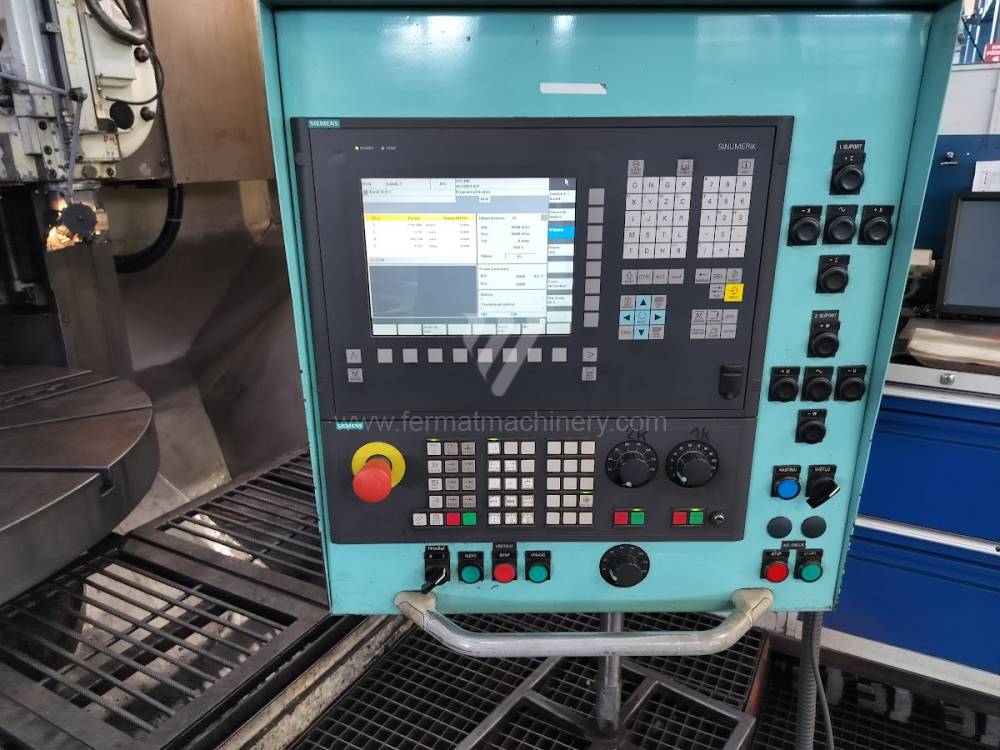
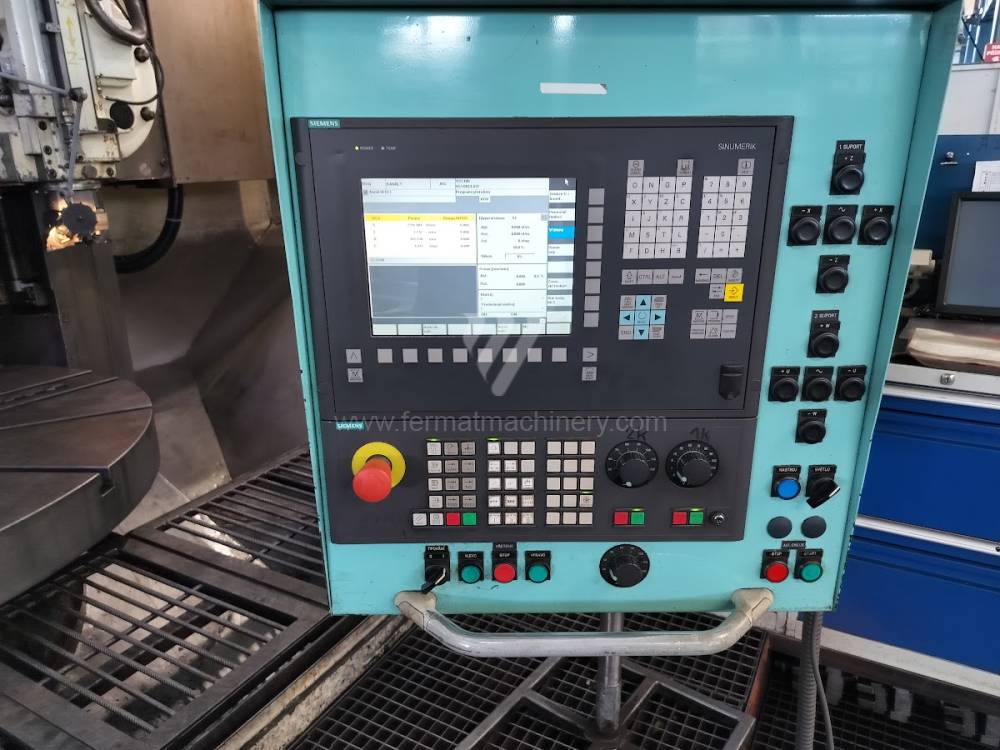
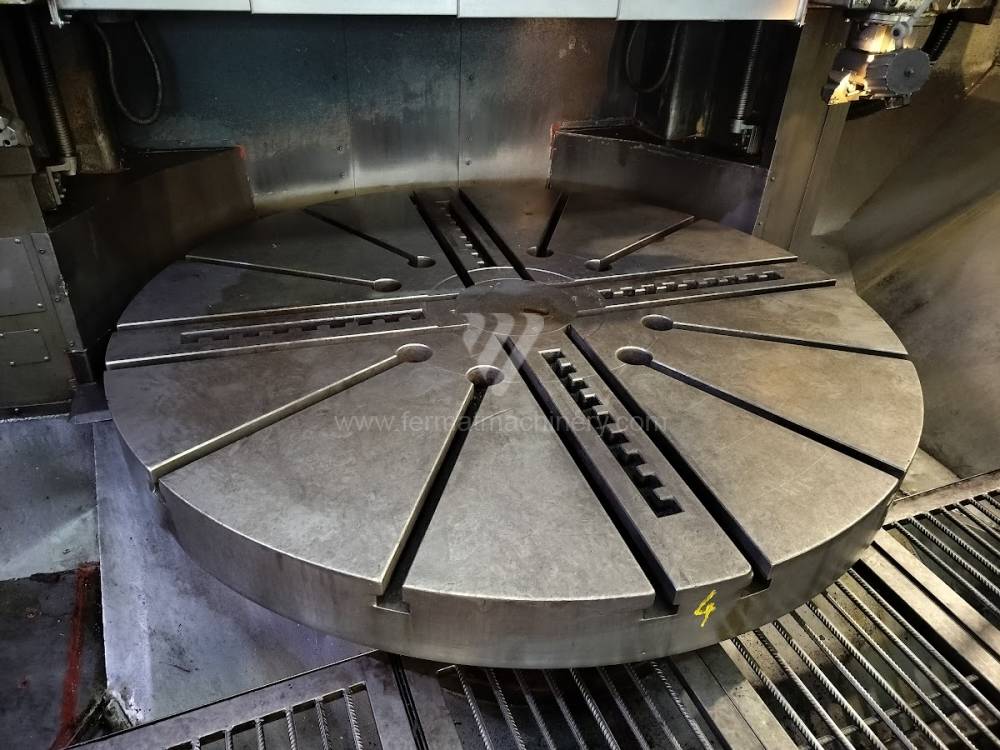
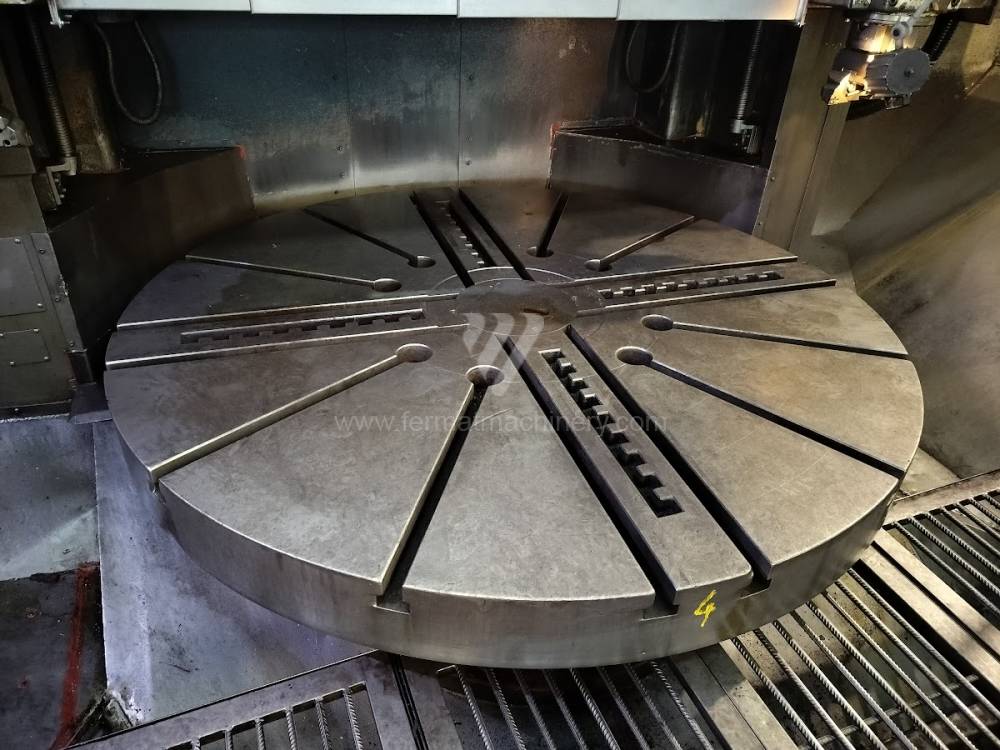
241480 | NILES-SIMMONS Industrieanlagen GmbH | 2007 | Control system Siemens: Sinumerik 840 D - Sinumerik 840 D - Sinumerik 840 D - Sinumerik 840 D Max. diameter of workpiece: 2500 - 2500 - 2500 - 2500 mm Clamping diameter of rotary table: 2240 - 2240 - 2240 - 2240 mm Max. load of table: 10000 - 10000 - 10000 - 10000 kg Max. workpiece height: 1250 - 1250 - 1250 - 1250 mm Ram travel (Z): 1000 - 1000 - 1000 - 1000 mm |
|
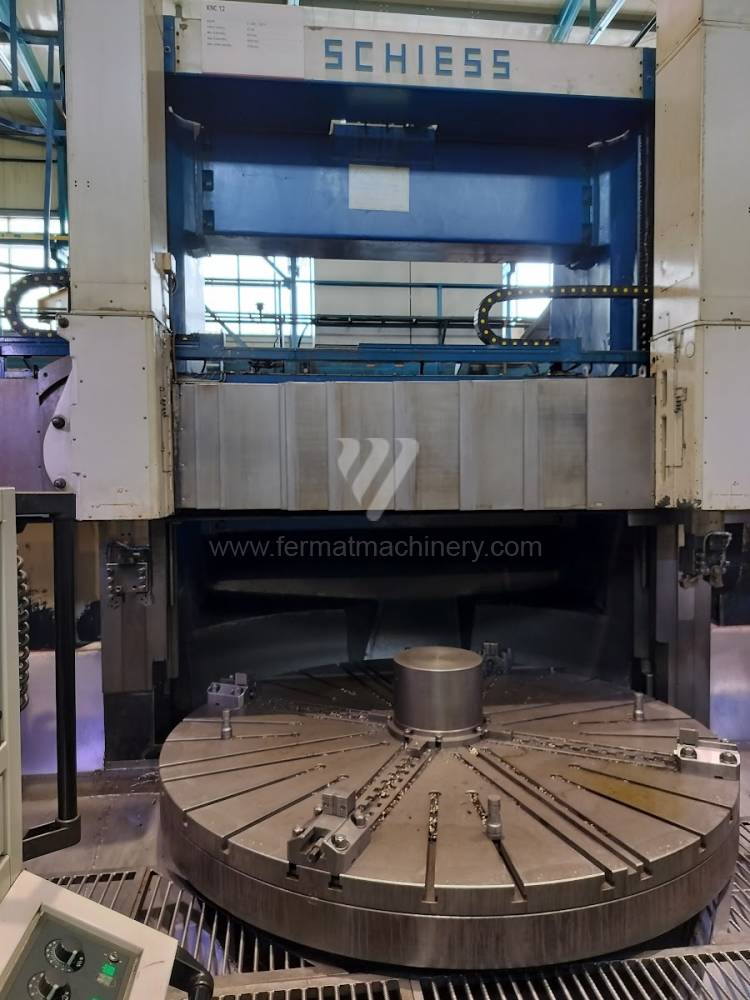 |
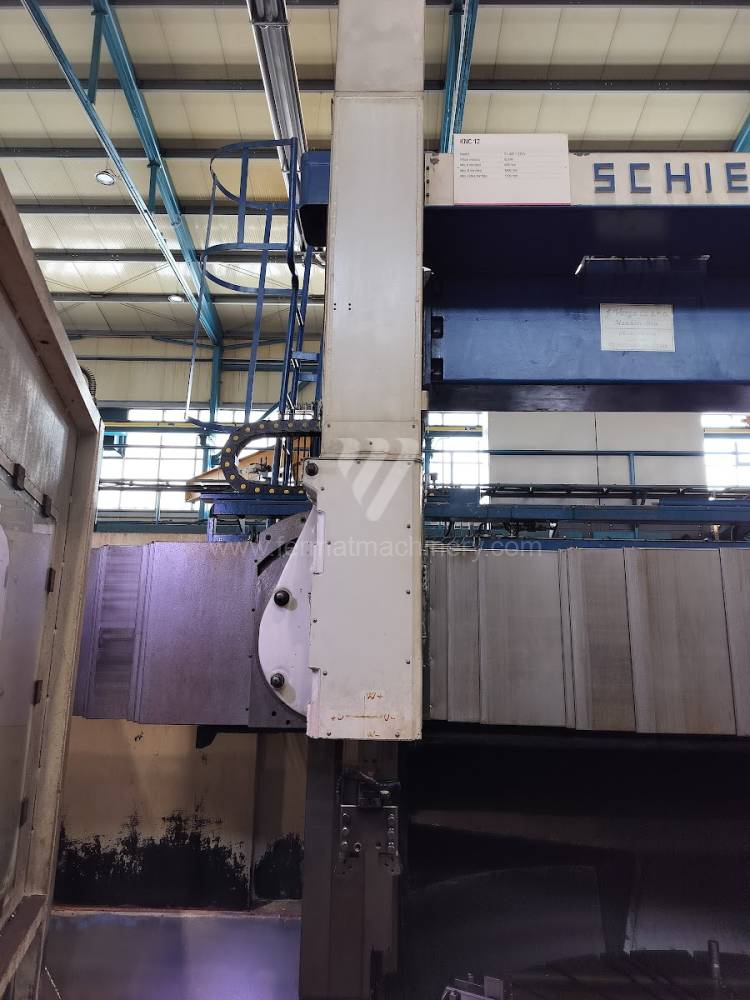
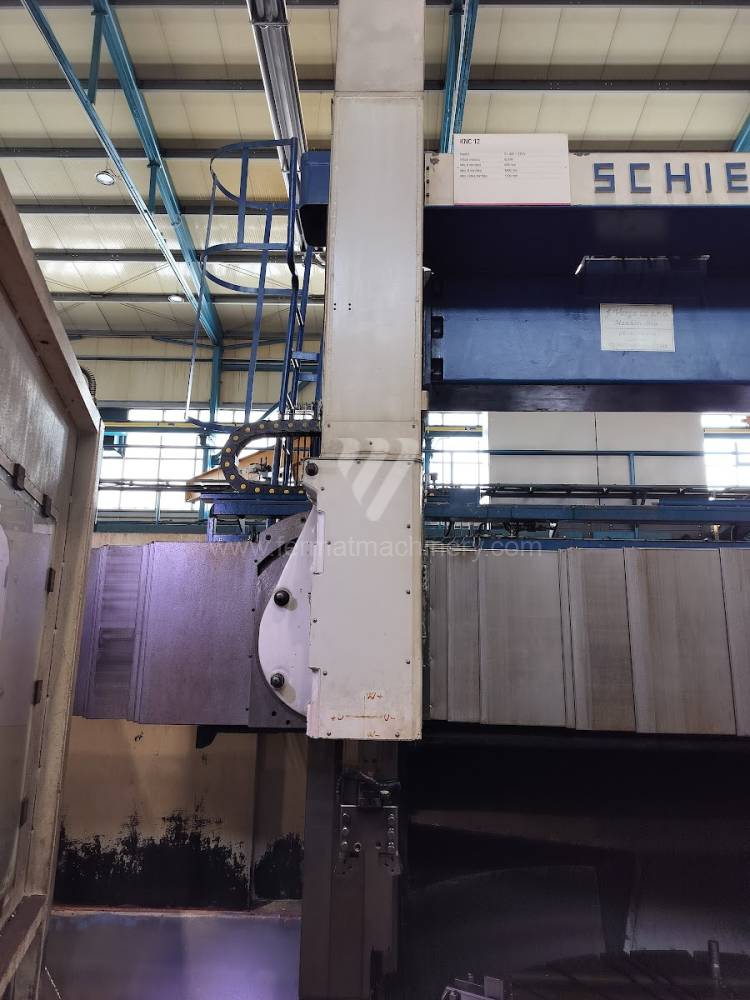
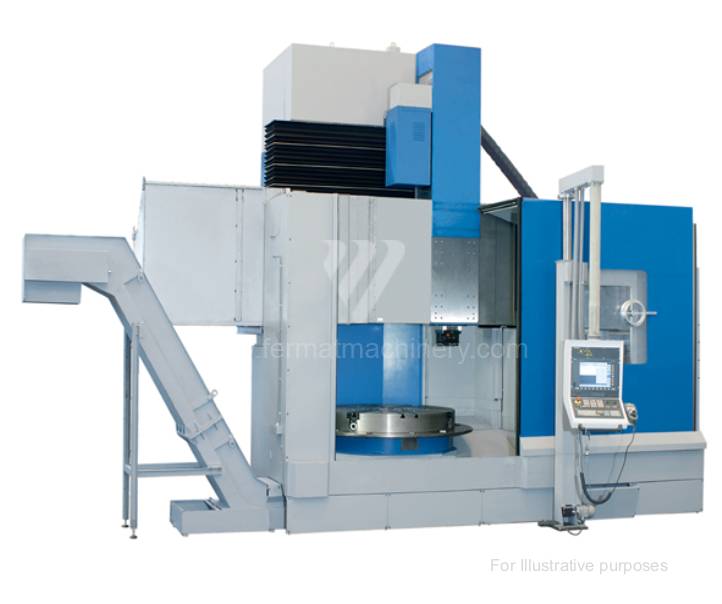
KZ 300 |
241479 | SCHIESS GmbH | 2009 | Control system Siemens: Sinumerik 840 D - Sinumerik 840 D - Sinumerik 840 D - Sinumerik 840 D Max. diameter of workpiece: 3200 - 3200 - 3200 - 3200 mm Clamping diameter of rotary table: 3000 - 3000 - 3000 - 3000 mm Max. load of table: 14000 - 14000 - 14000 - 14000 kg Max. workpiece height: 2200 - 2200 - 2200 - 2200 mm Ram travel (Z): 1155 - 1155 - 1155 - 1155 mm |
|
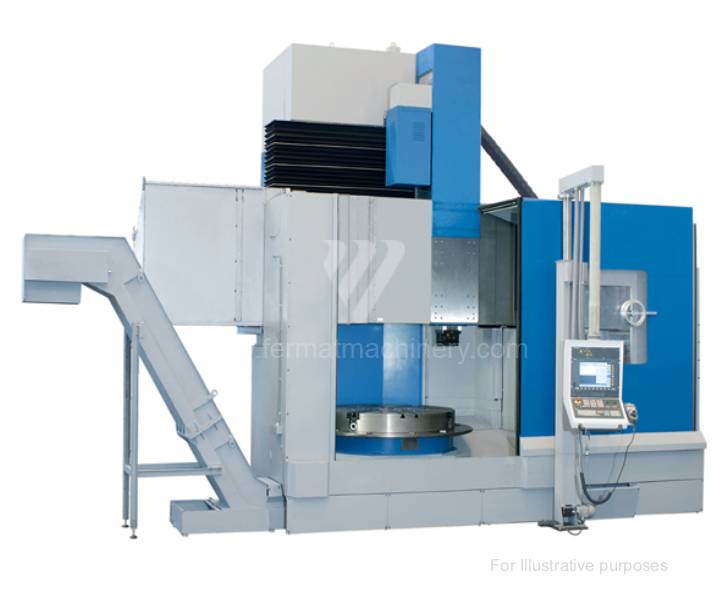 |
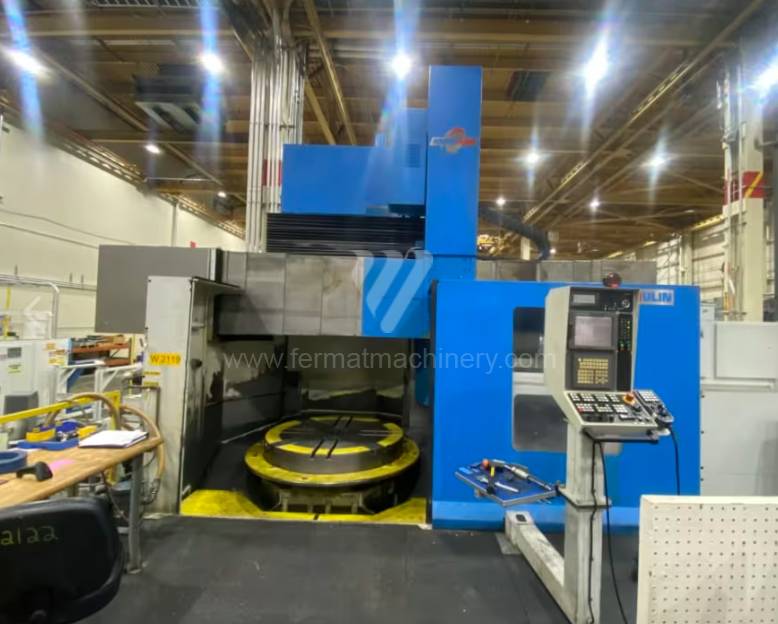
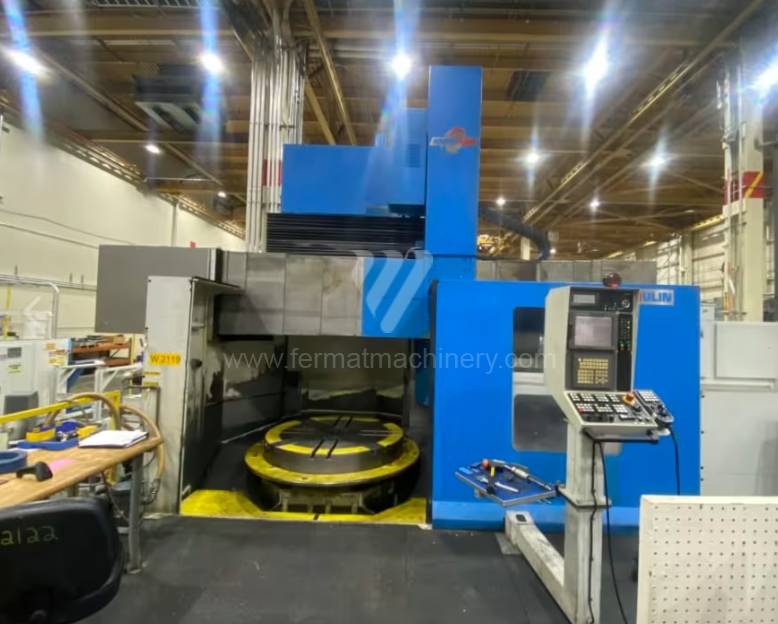
PT 1600 |
261149 | TOS Hulín | 2002 | Max. diameter of workpiece: 2000 - 2000 - 2000 - 2000 mm Clamping diameter of rotary table: 1600 - 1600 - 1600 - 1600 mm Max. load of table: 12000 - 12000 - 12000 - 12000 kg Max. workpiece height: 1400 - 1400 - 1400 - 1400 mm Ram travel (Z): 1280 - 1280 - 1280 - 1280 mm Ram size: 240 x 240 - 240 x 240 - 240 x 240 - 240 x 240 mm |
|
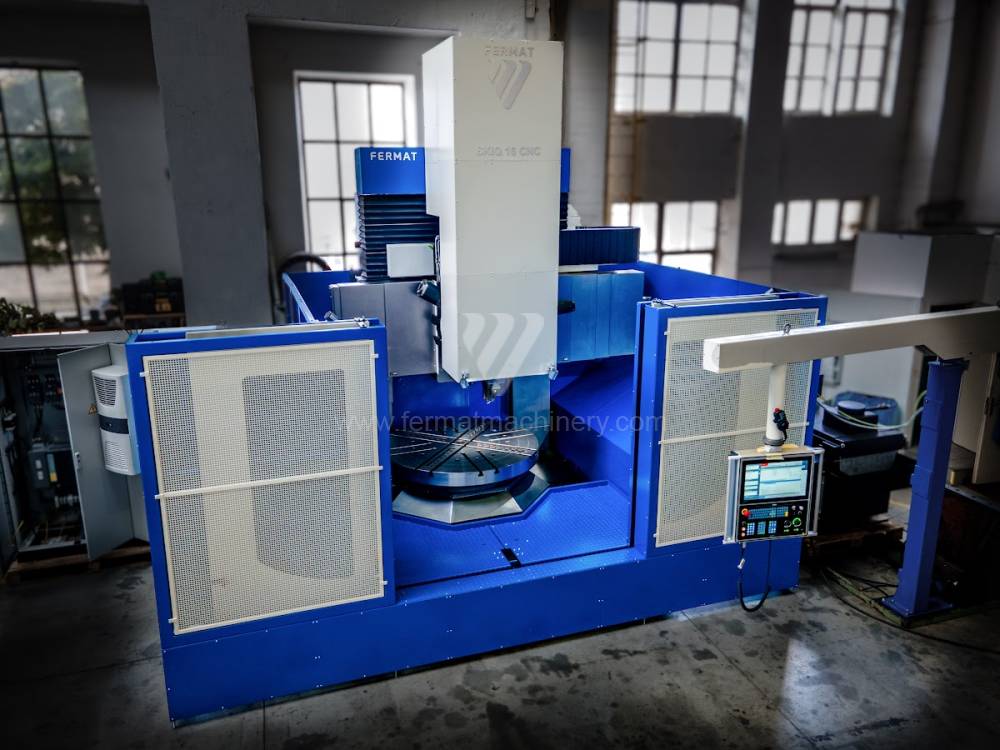 |
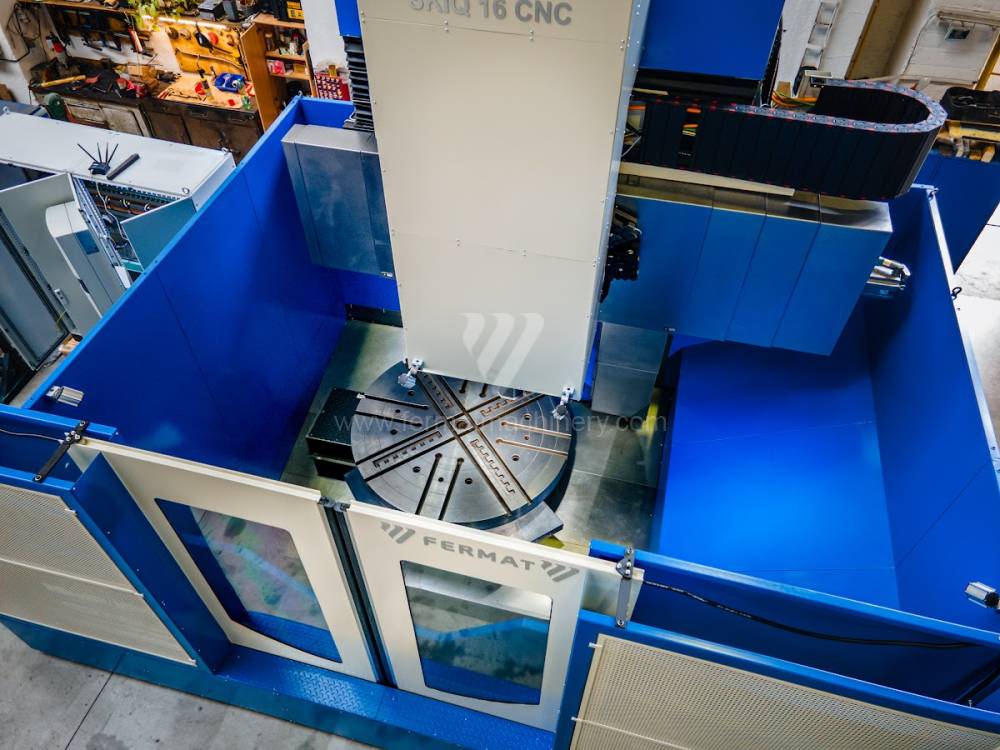
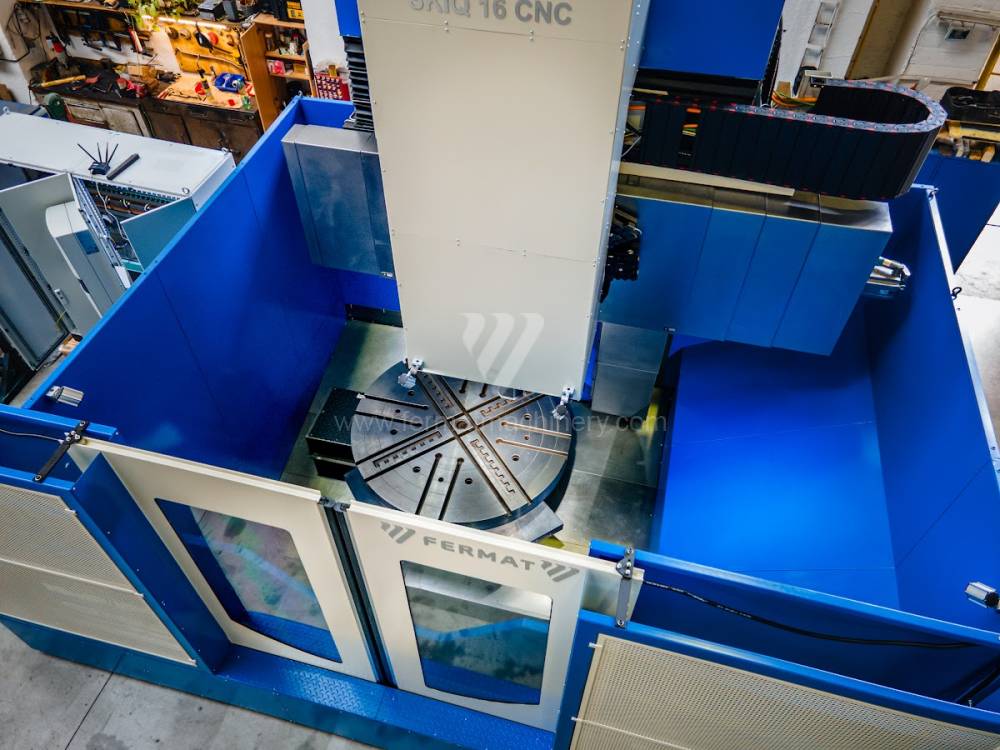
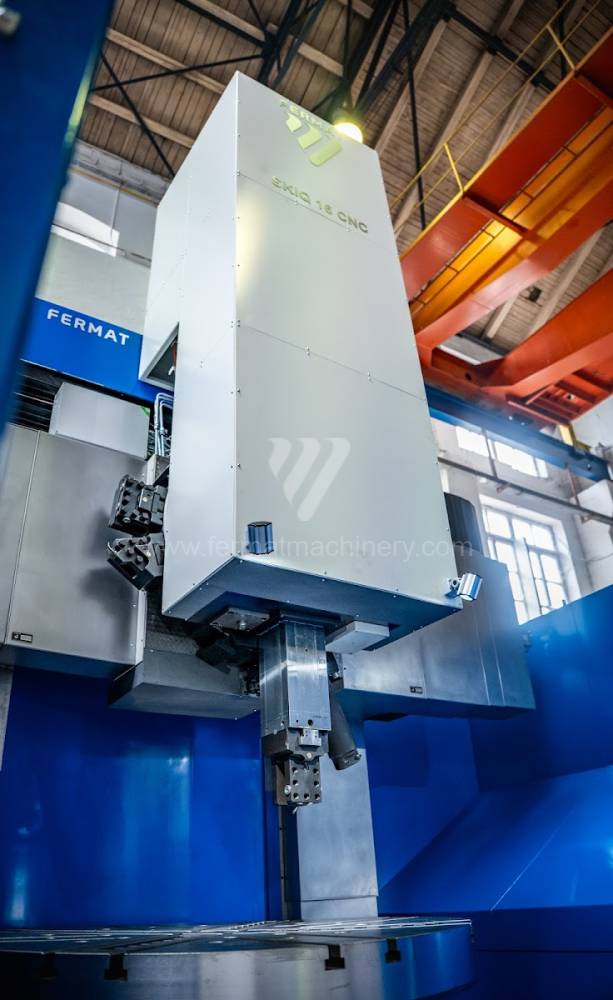
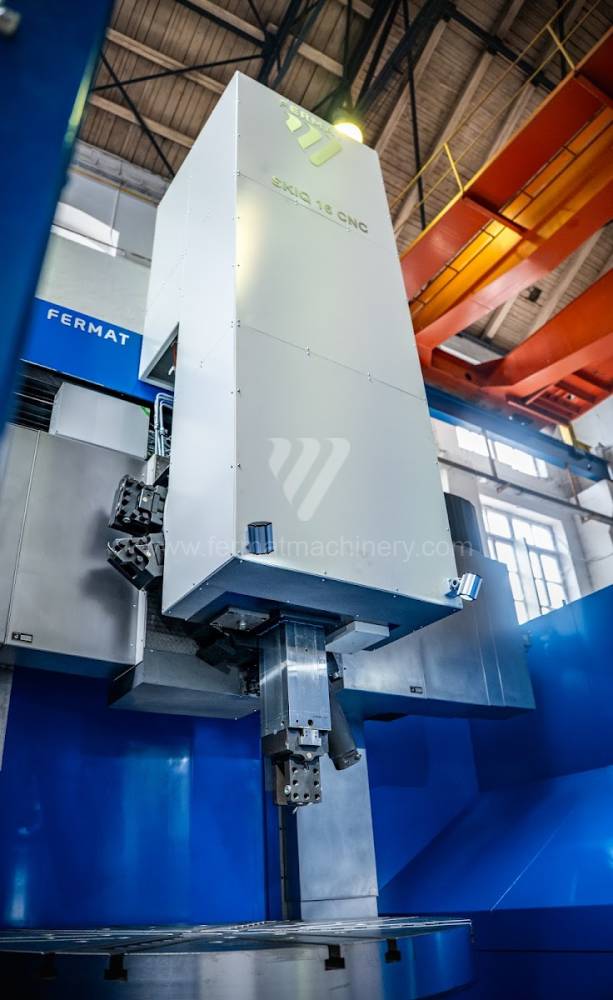
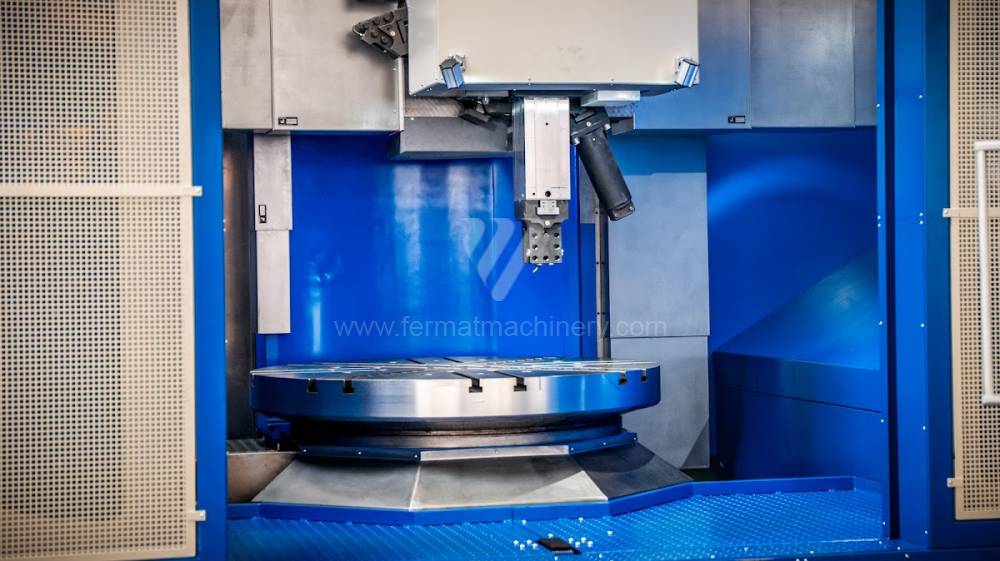
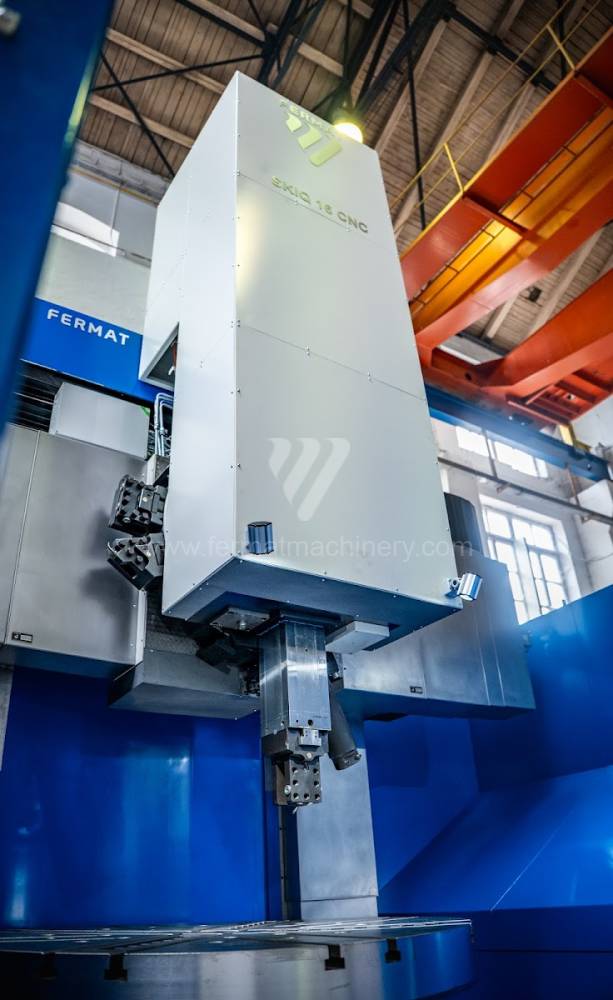
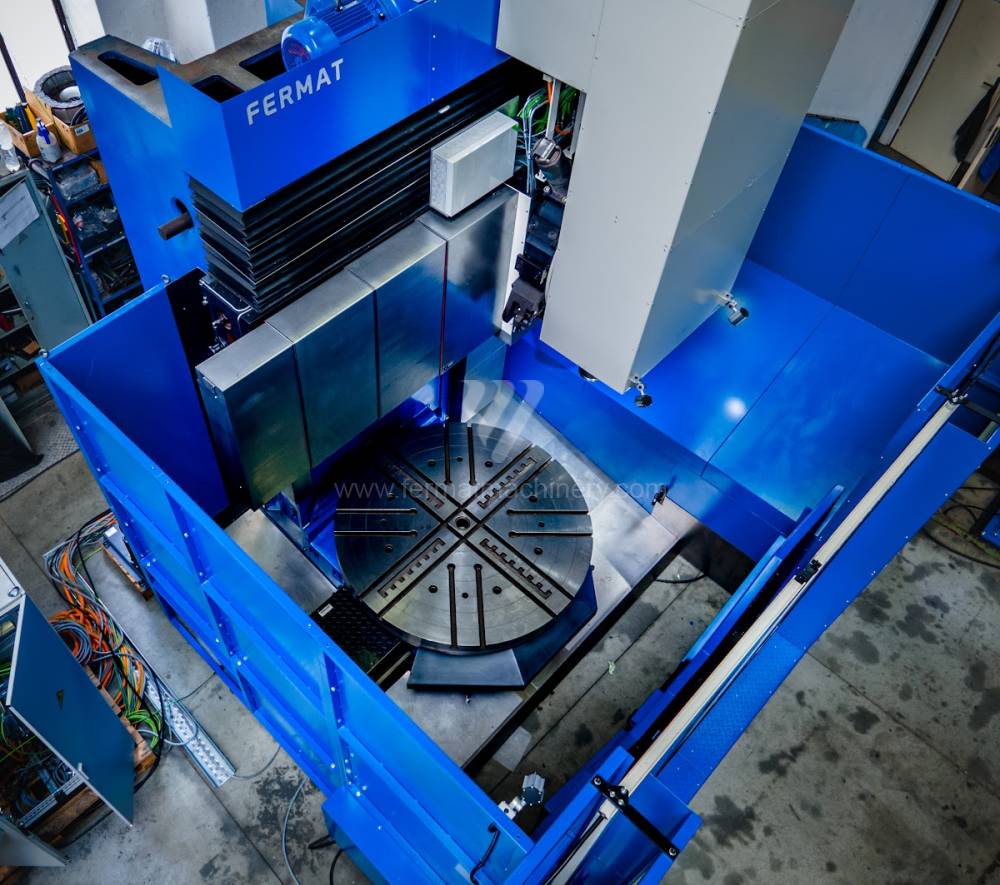
SKIQ 16 CNC |
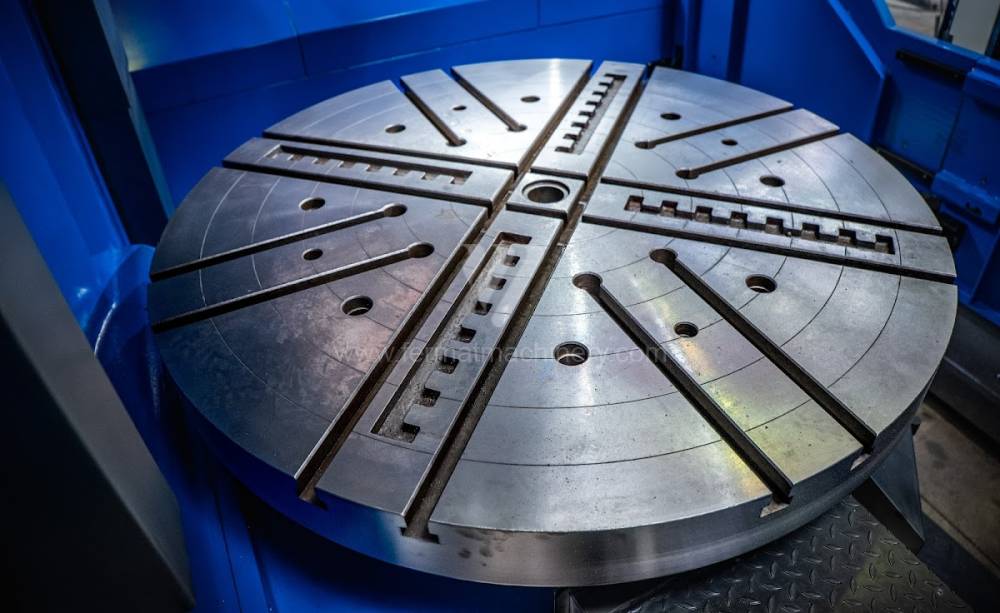
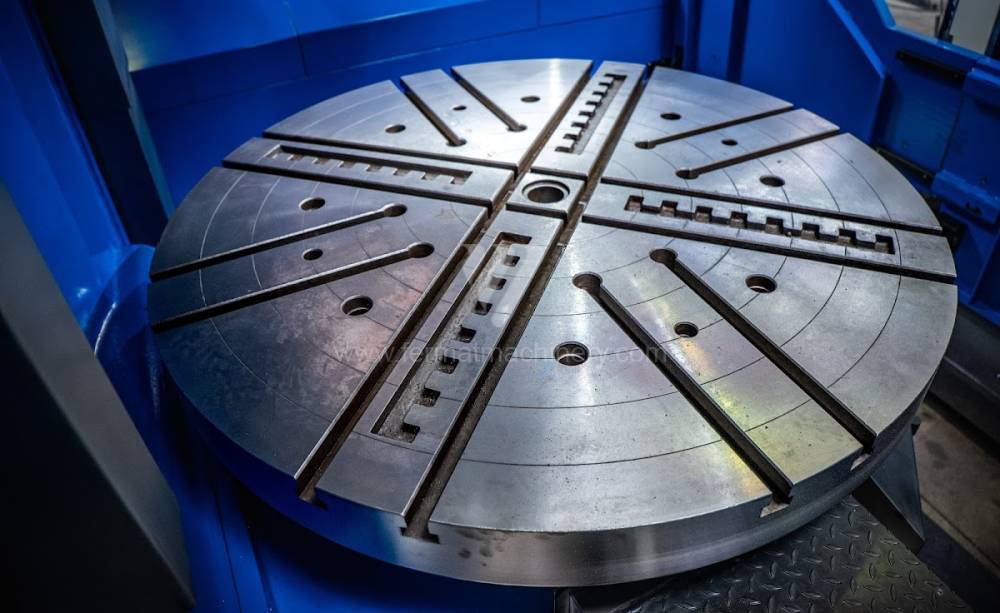
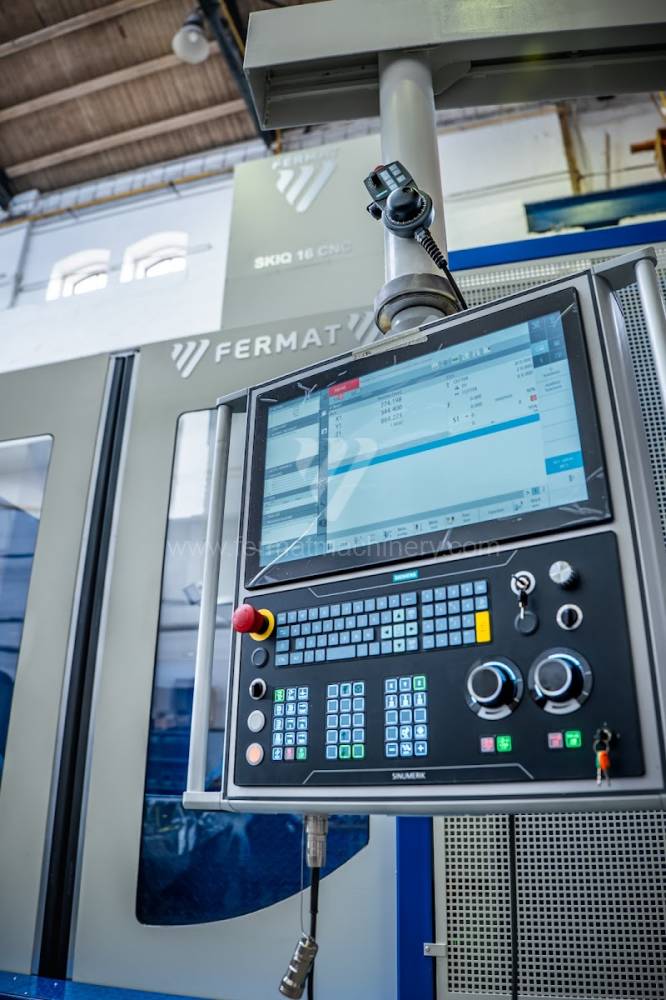
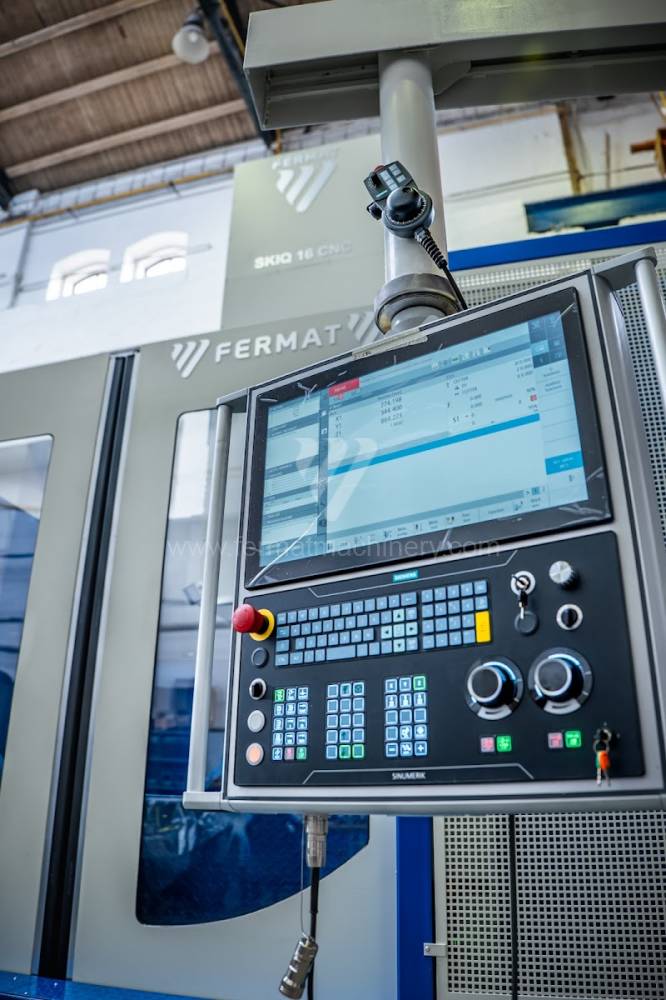
241631 | TOS Hulín | 1986 | Control system Siemens: Sinumerik ONE - Sinumerik ONE - Sinumerik ONE - Sinumerik ONE Max. diameter of workpiece: 1900 - 1900 - 1900 - 1900 mm Clamping diameter of rotary table: 1600 - 1600 - 1600 - 1600 mm Max. load of table: 12000 - 12000 - 12000 - 12000 kg Max. workpiece height: 1760 - 1760 - 1760 - 1760 mm Ram travel (Z): 1000 - 1000 - 1000 - 1000 mm |
|
 |
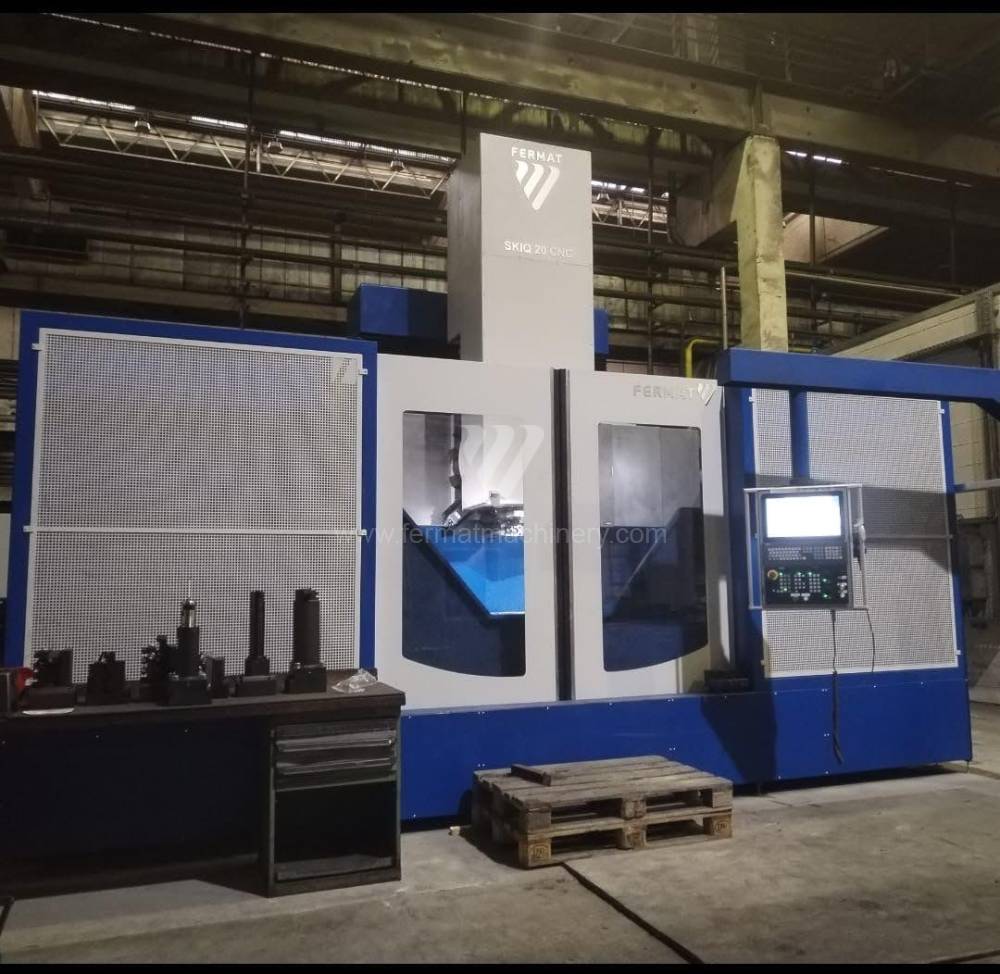
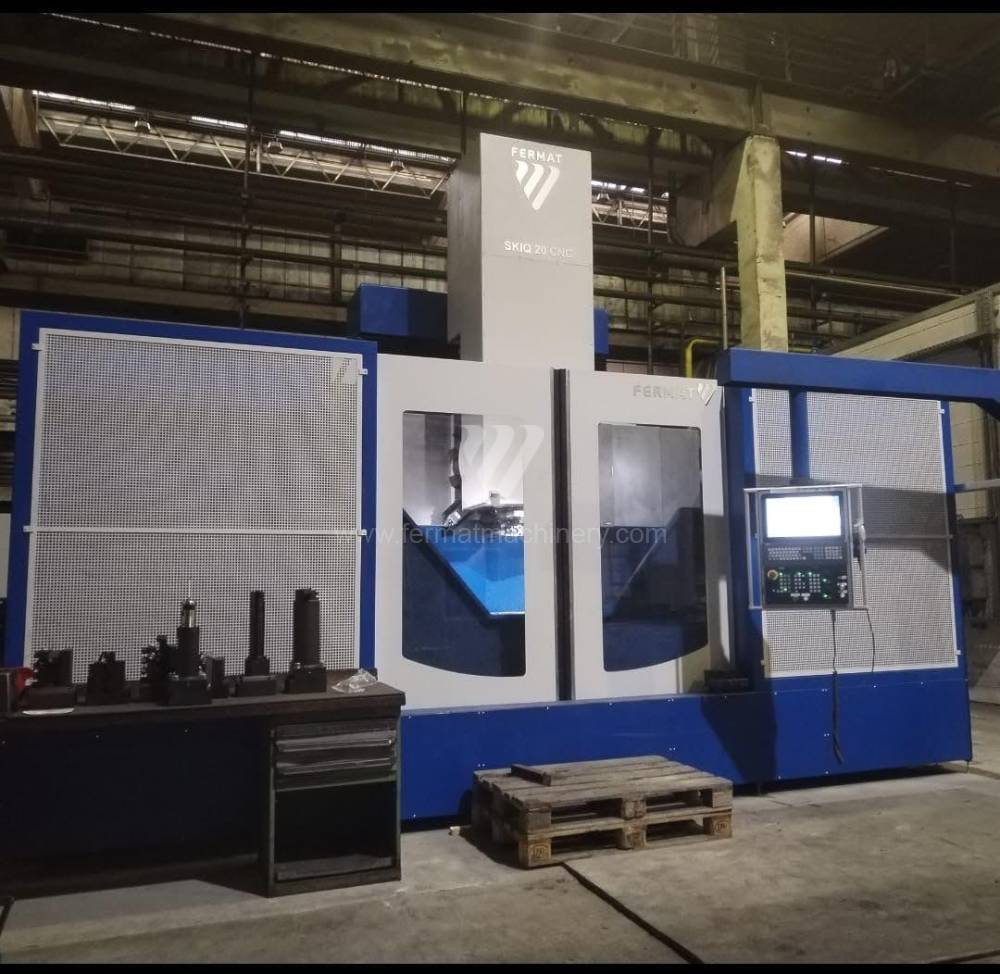
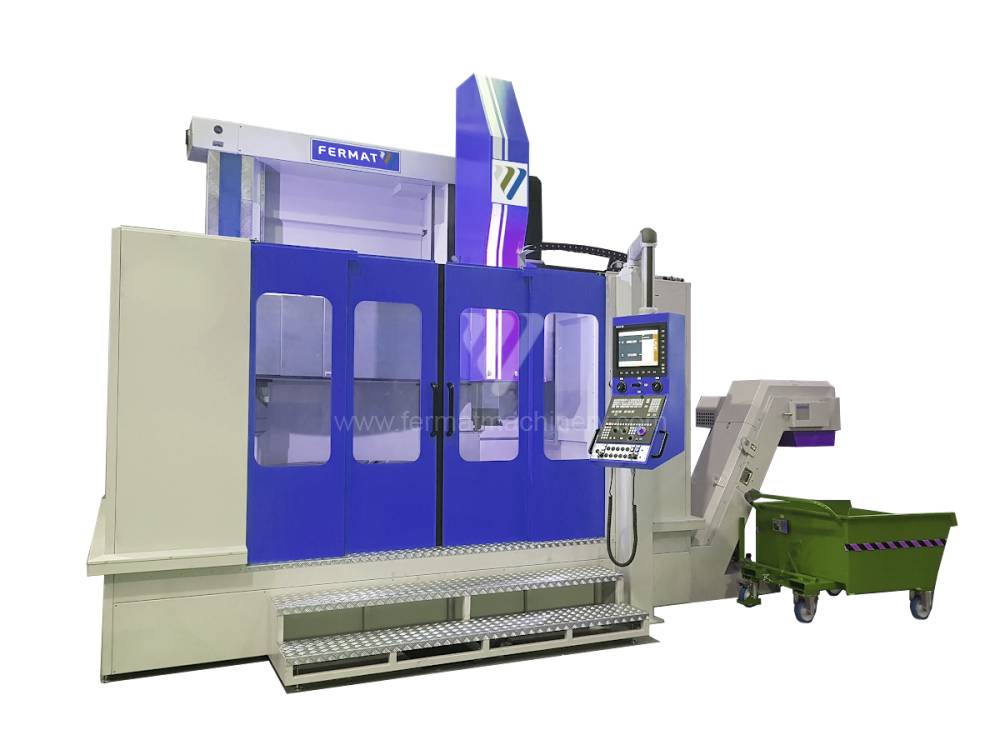
SKIQ 20 CNC |
241906 | TOS Hulín | 1992 | Control system Siemens: Sinumerik ONE - Sinumerik ONE - Sinumerik ONE - Sinumerik ONE Max. diameter of workpiece: 2200 - 2200 - 2200 - 2200 mm Clamping diameter of rotary table: 2000 - 2000 - 2000 - 2000 mm Max. load of table: 20000 - 20000 - 20000 - 20000 kg Max. workpiece height: 1760 - 1760 - 1760 - 1760 mm Ram travel (Z): 1000 - 1000 - 1000 - 1000 mm |
|
 |
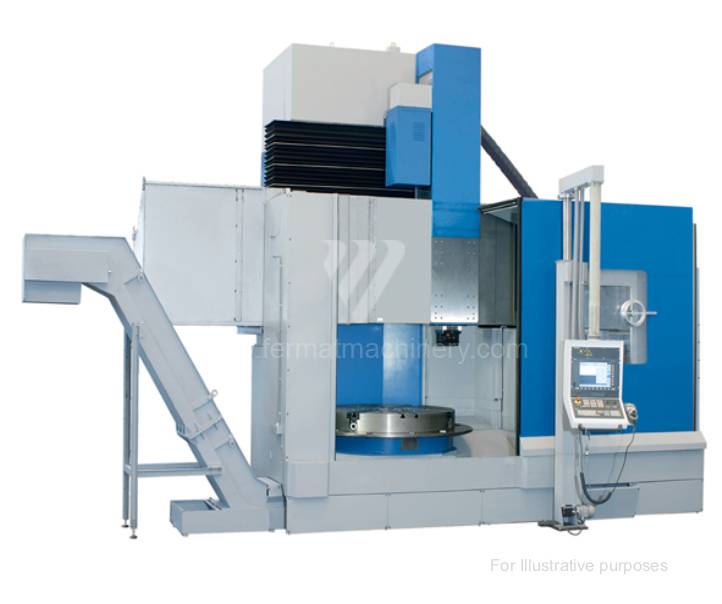
3 DKE 280 |
221210 | SCHIESS GmbH | 2026 | Control system Fanuc: 0i-TF Plus - 0i-TF Plus - 0i-TF Plus - 0i-TF Plus Max. diameter of workpiece: 3000 - 3000 - 3000 - 3000 mm Clamping diameter of rotary table: 2800 - 2800 - 2800 - 2800 mm Max. load of table: 18000 - 18000 - 18000 - 18000 kg Max. workpiece height: 1800 - 1800 - 1800 - 1800 mm Ram travel (Z): 1250 - 1250 - 1250 - 1250 mm |
|
 |
PT 1600 |
261148 | TOS Hulín | 2002 | Max. diameter of workpiece: 2000 - 2000 - 2000 - 2000 mm Clamping diameter of rotary table: 1600 - 1600 - 1600 - 1600 mm Max. load of table: 12000 - 12000 - 12000 - 12000 kg Max. workpiece height: 1400 - 1400 - 1400 - 1400 mm Ram travel (Z): 1200 - 1200 - 1200 - 1200 mm Ram size: 240 x 240 - 240 x 240 - 240 x 240 - 240 x 240 mm |
|
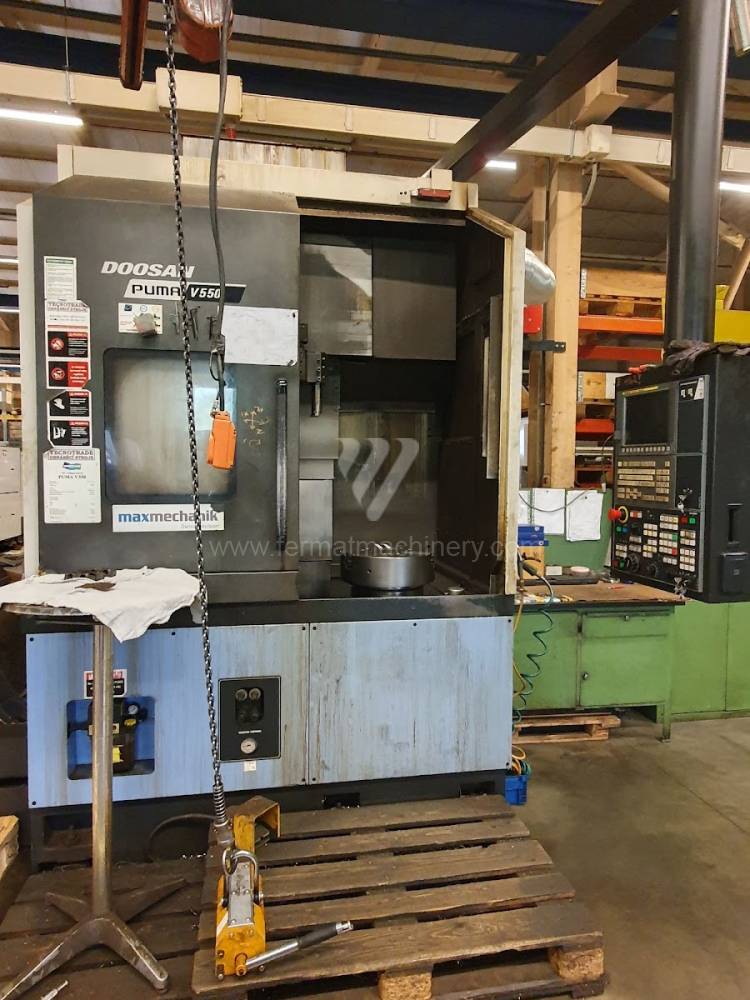 |
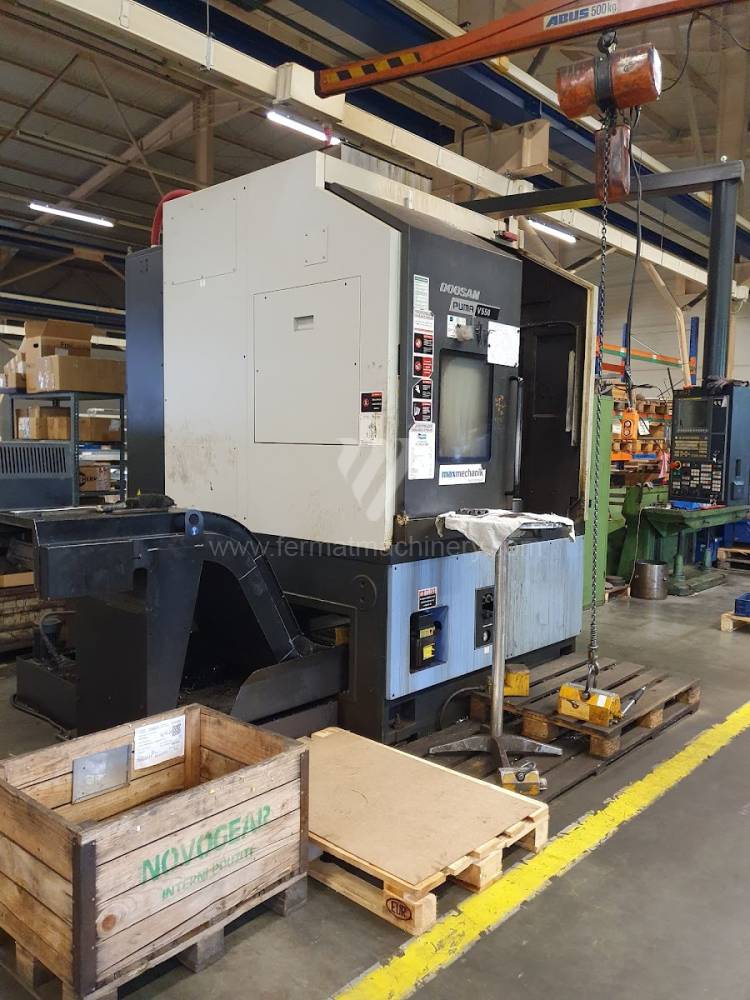
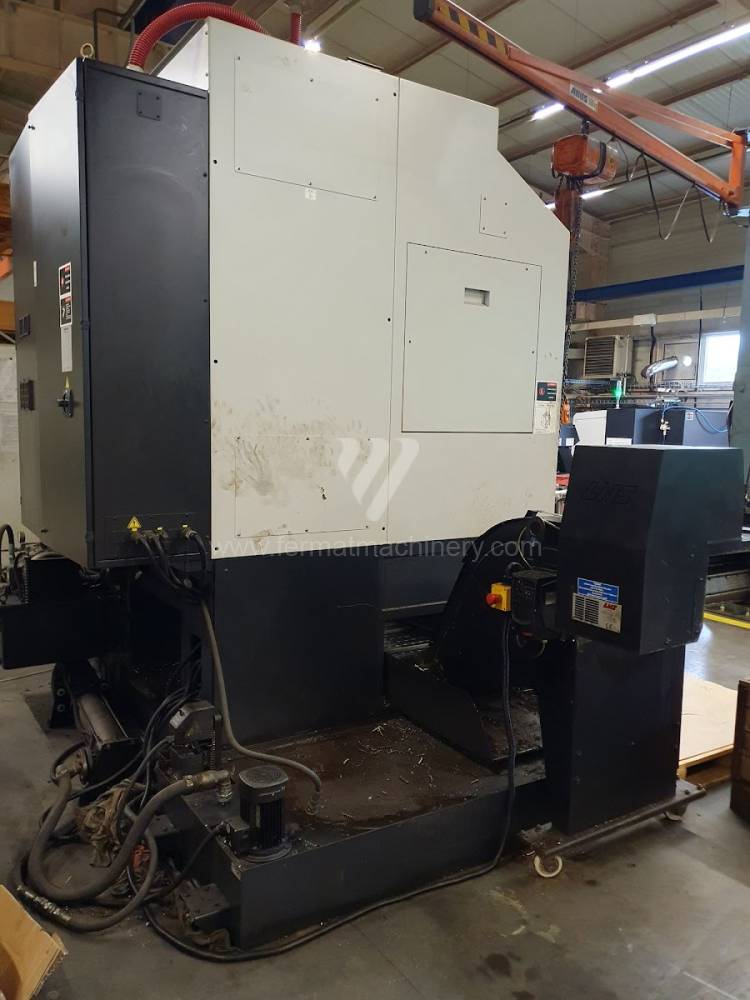
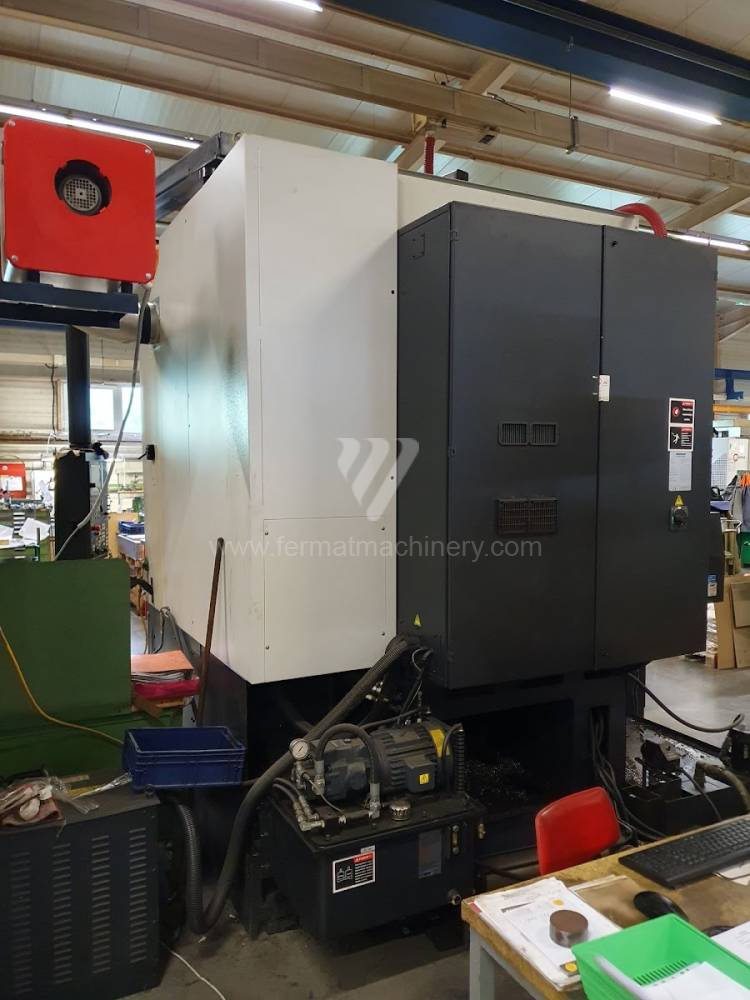
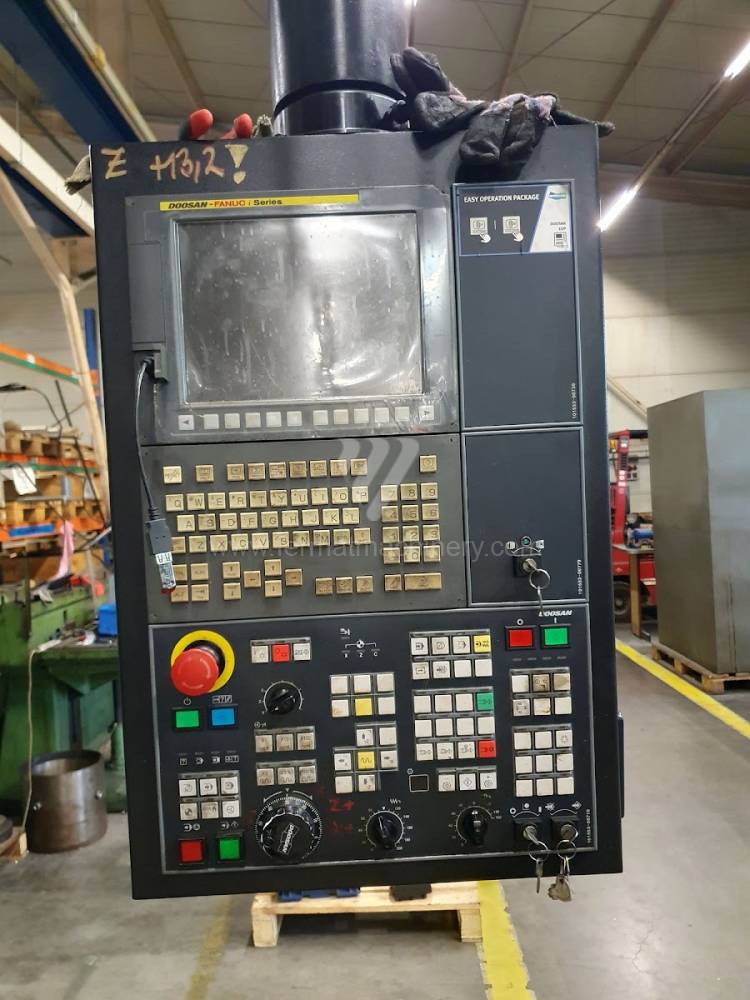
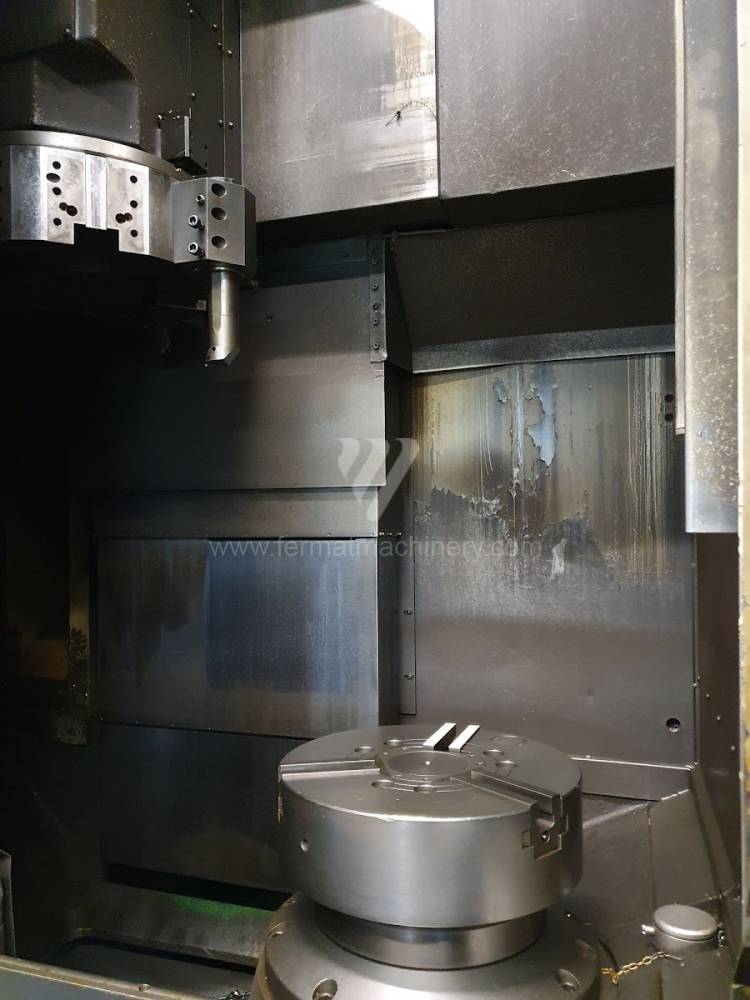
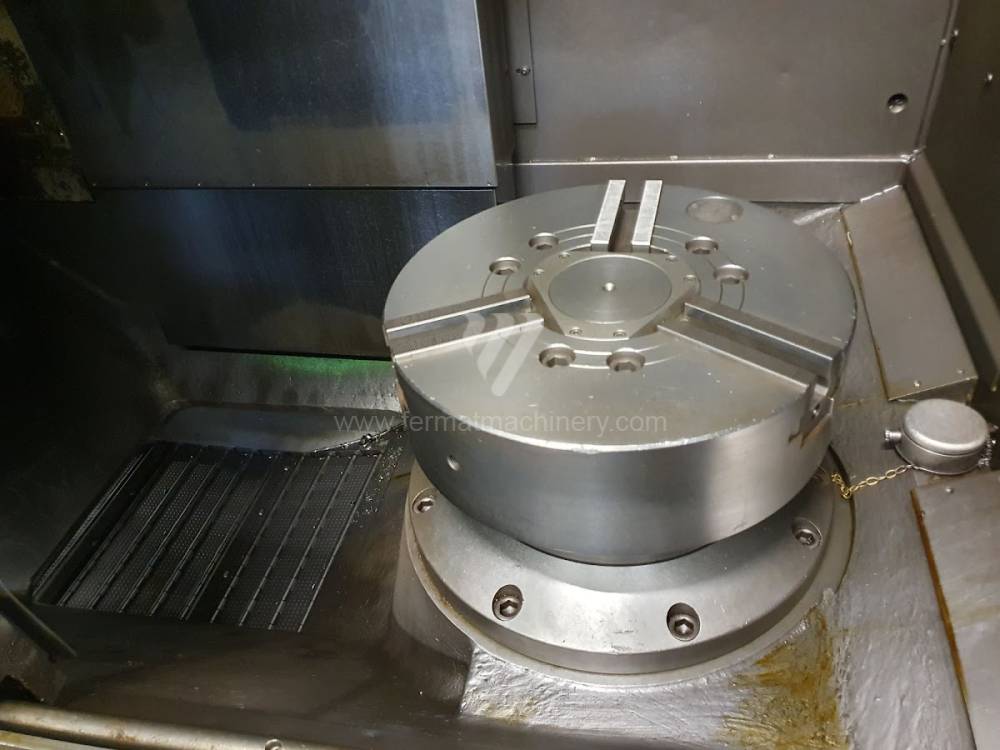
PUMA V550 |
251833 | Doosan | 2015 | Control system Fanuc: Max. diameter of workpiece: 800 mm Clamping diameter of rotary table: 450 mm Max. load of table: kg Max. workpiece height: 750 mm Ram travel (Z): 780 mm |
|
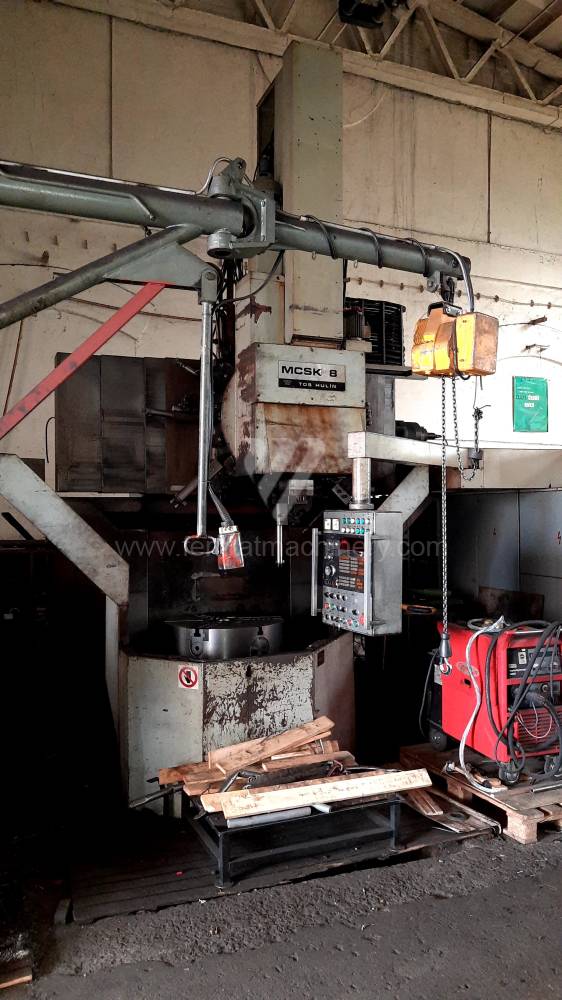 |
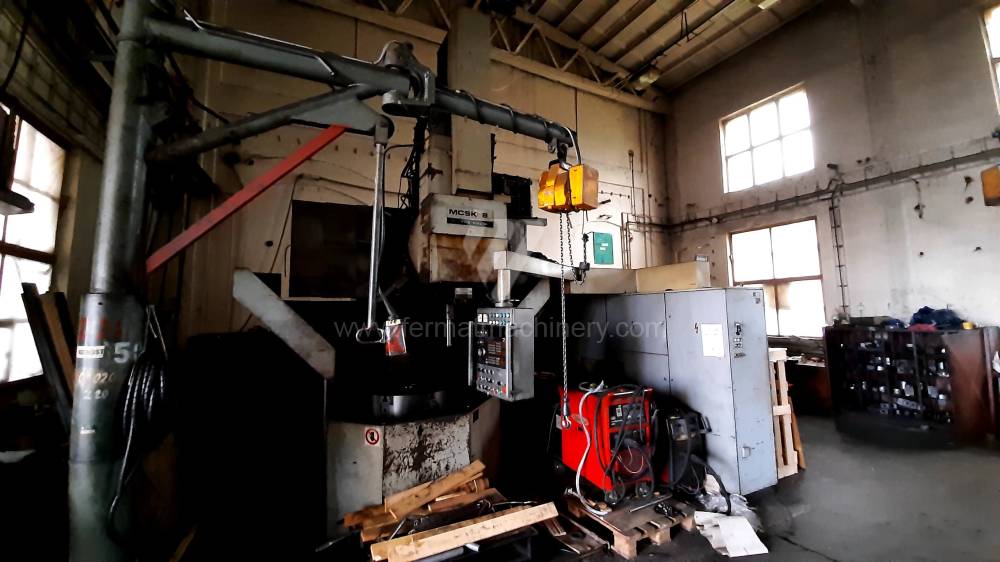
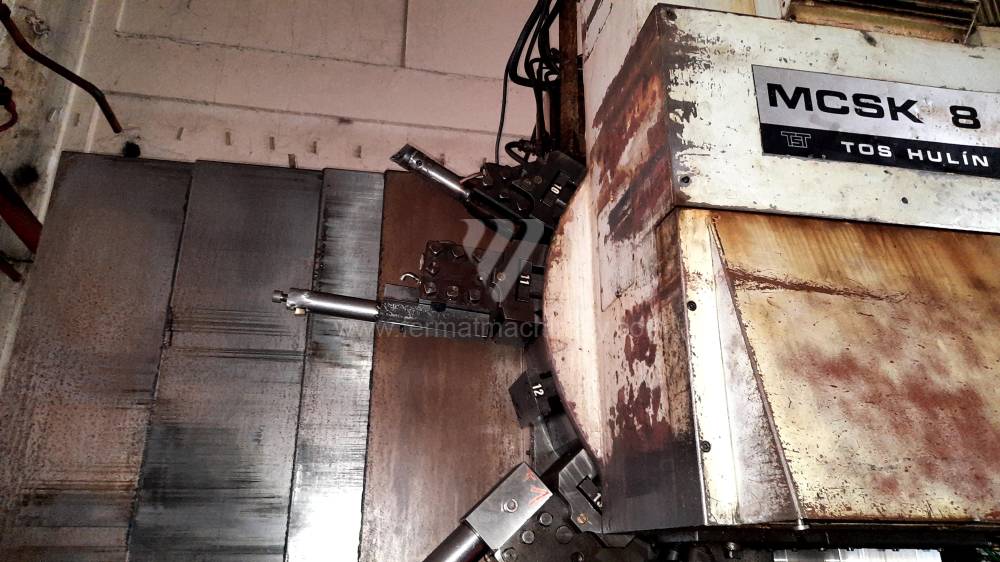
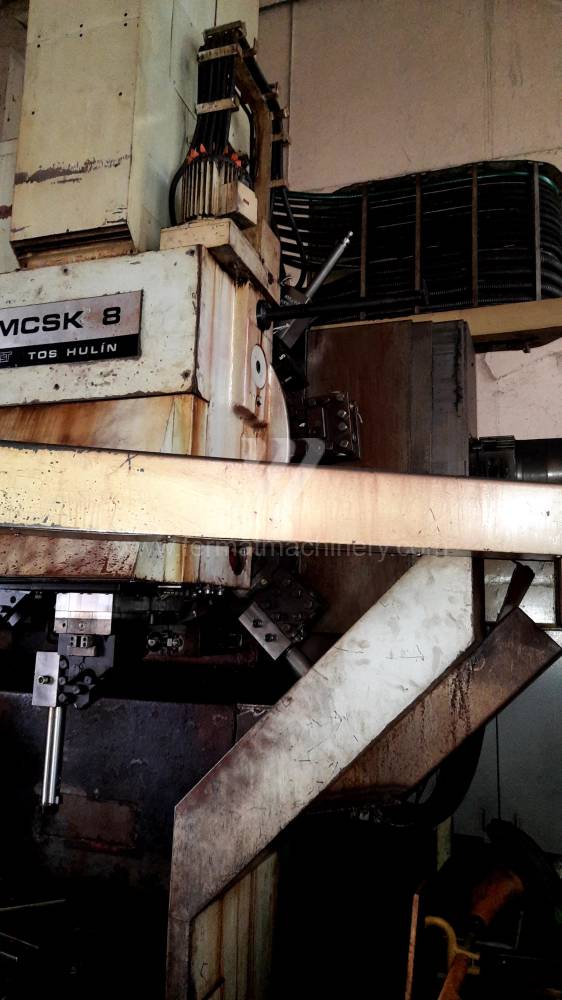
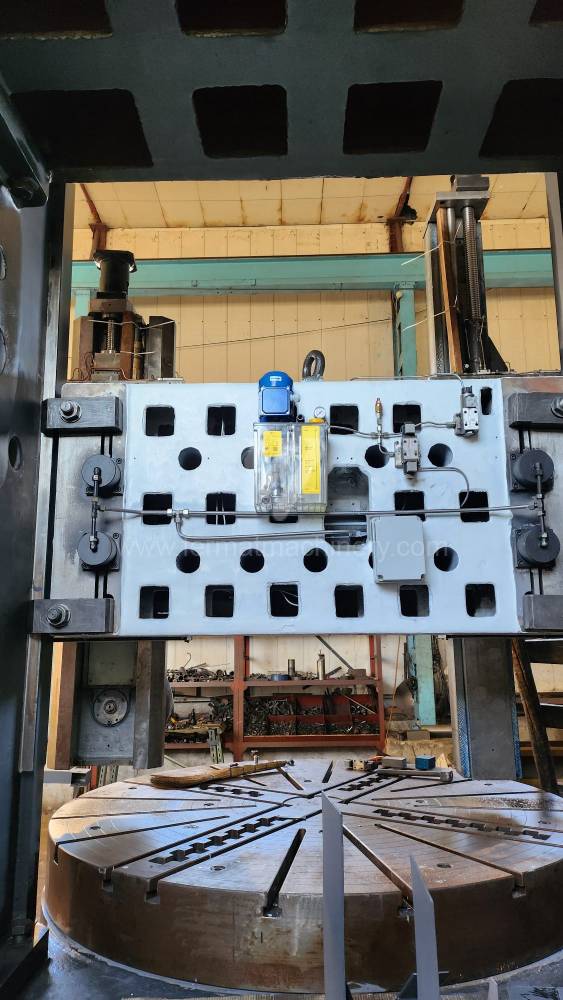
MCSK 8 |
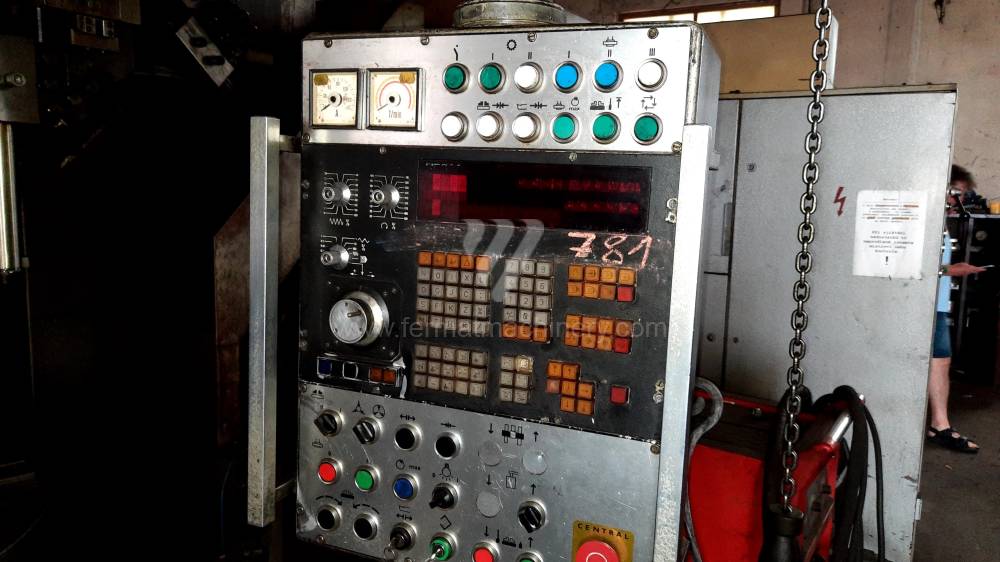
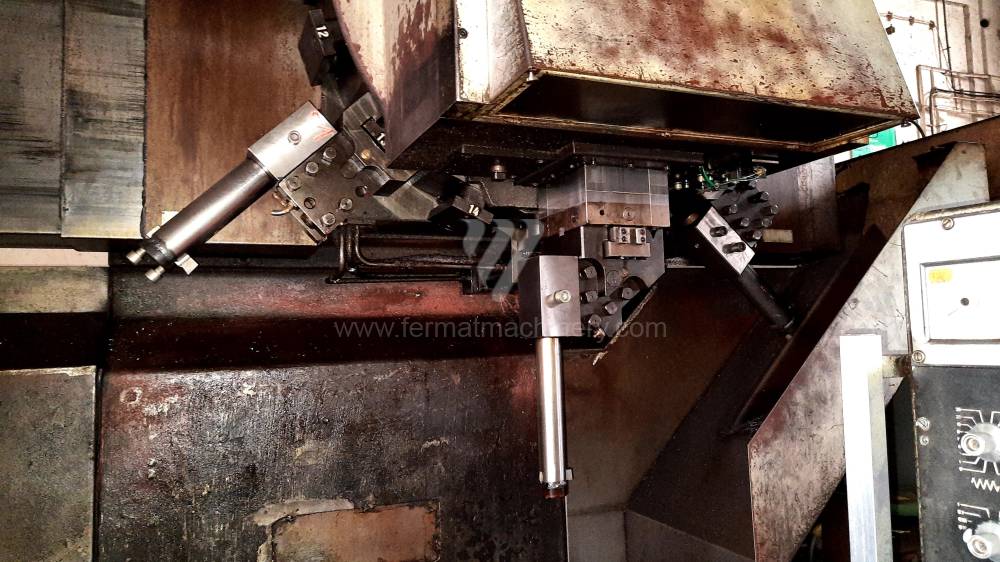
201046 | TOS Hulín | 1982 | Control system Tesla: NS 560 Max. diameter of workpiece: 1000 mm Clamping diameter of rotary table: 800 mm Max. load of table: 2500 kg Max. workpiece height: 720 mm Ram travel (Z): 630 mm |
|
 |
SC 22 |
251038 | Titan | Control system Fanuc: 0i-TF - 0i-TF - 0i-TF - 0i-TF Max. diameter of workpiece: 2200 - 2200 - 2200 - 2200 mm Clamping diameter of rotary table: 2000 - 2000 - 2000 - 2000 mm Max. load of table: 12000 - 12000 - 12000 - 12000 kg Max. workpiece height: 1500 - 1500 - 1500 - 1500 mm Ram travel (Z): - - - mm |
||
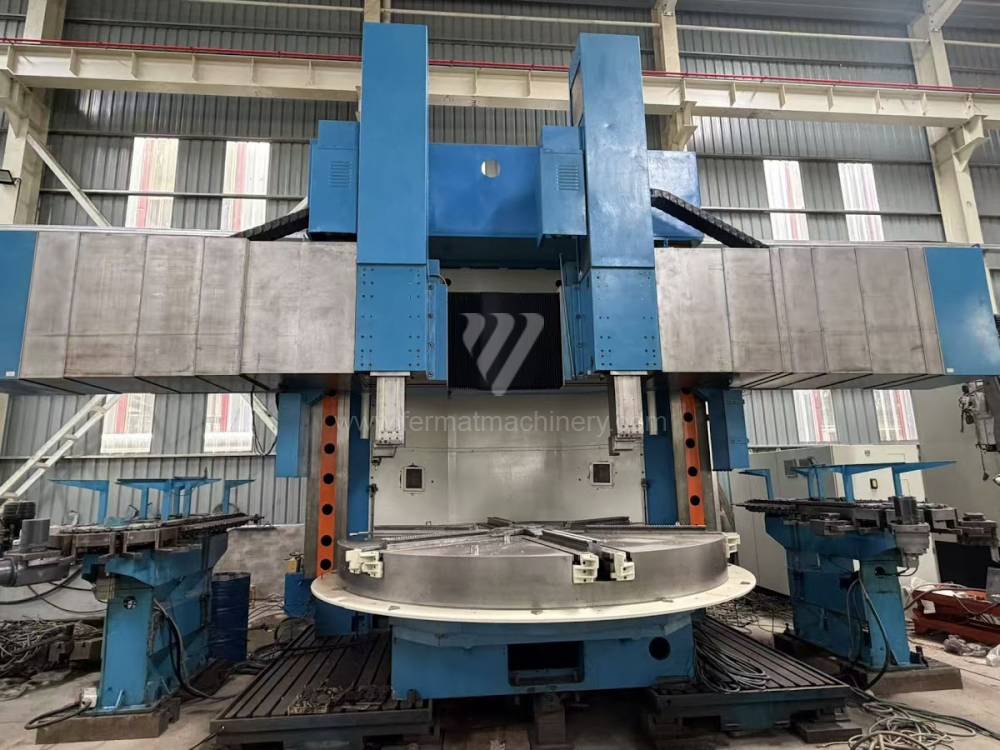 |
POWERTURN 3000 C-M |
251840 | TOS Hulín | 2010 | Control system Siemens: Sinumerik 840 D Max. diameter of workpiece: 3000 mm Clamping diameter of rotary table: 3200 mm Max. load of table: 3000 kg Max. workpiece height: 1435 mm Ram travel (Z): 1500 mm |
|
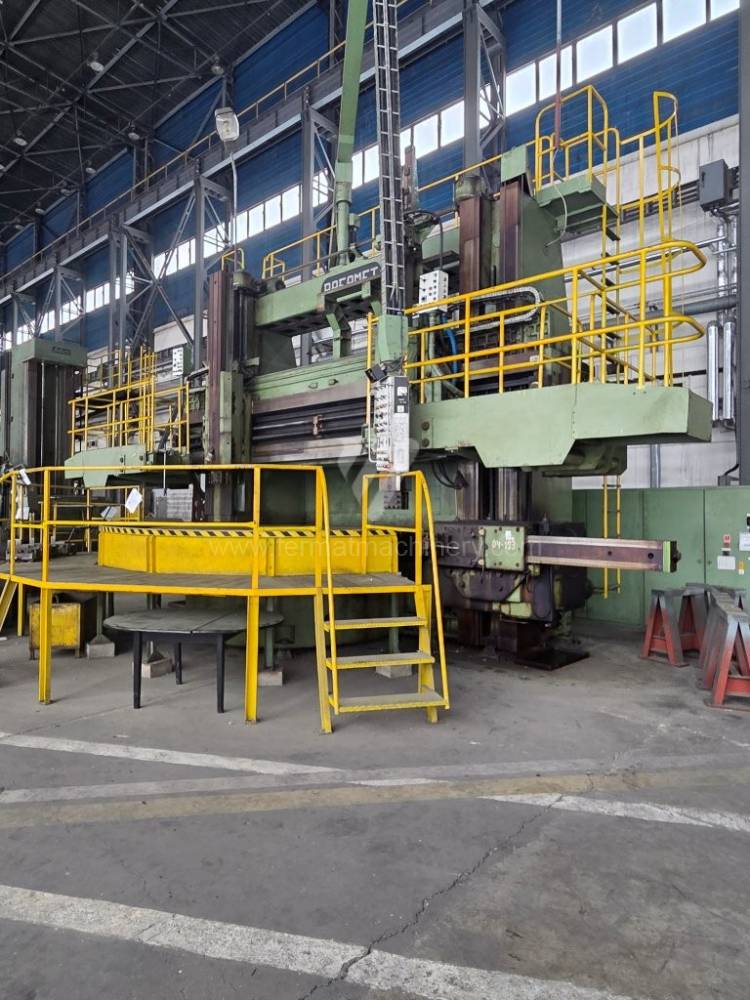 |
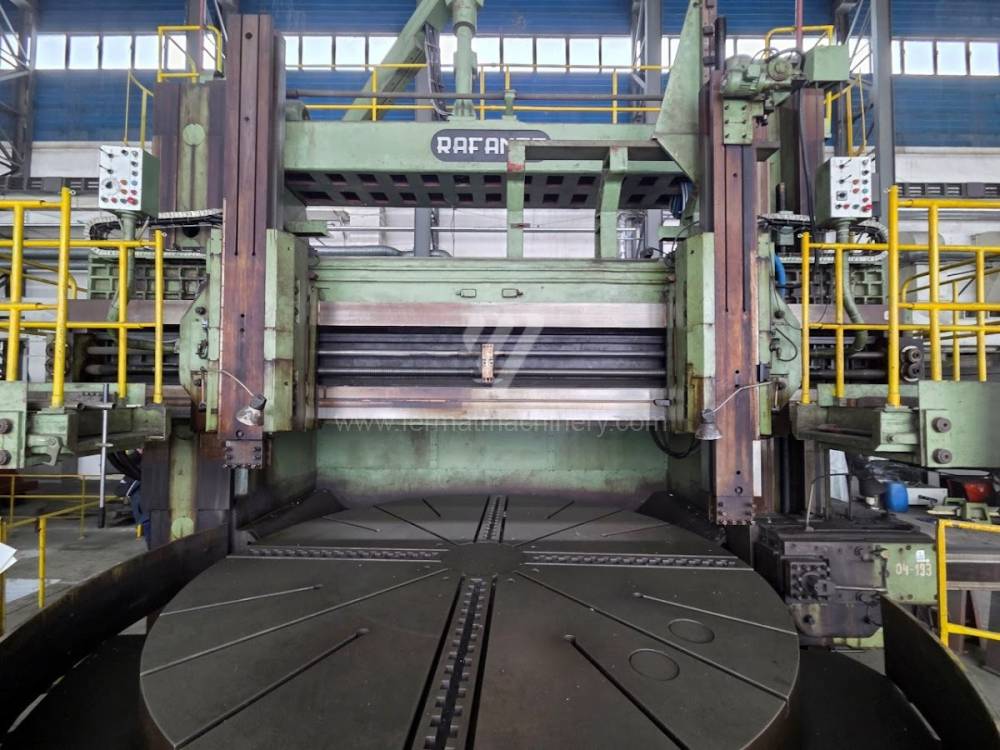
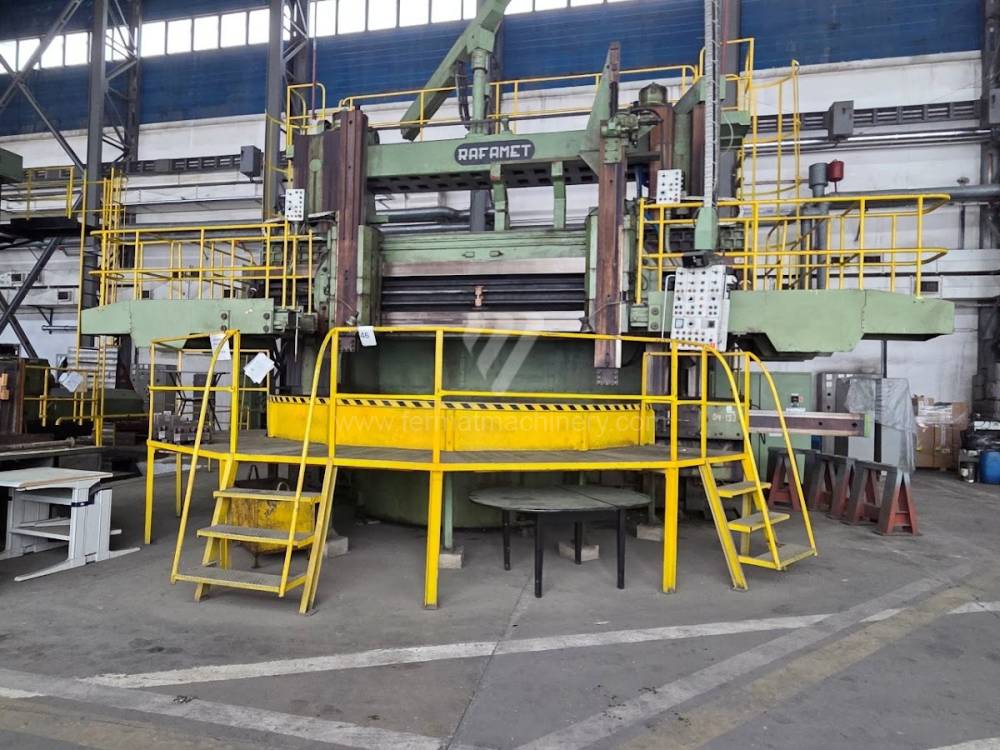
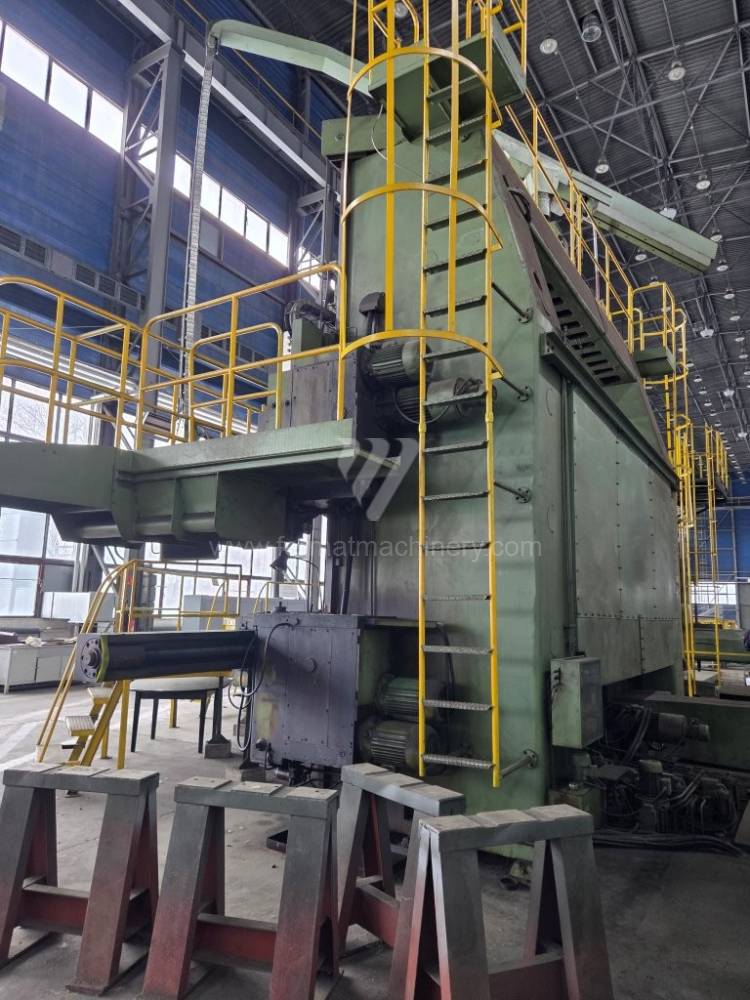
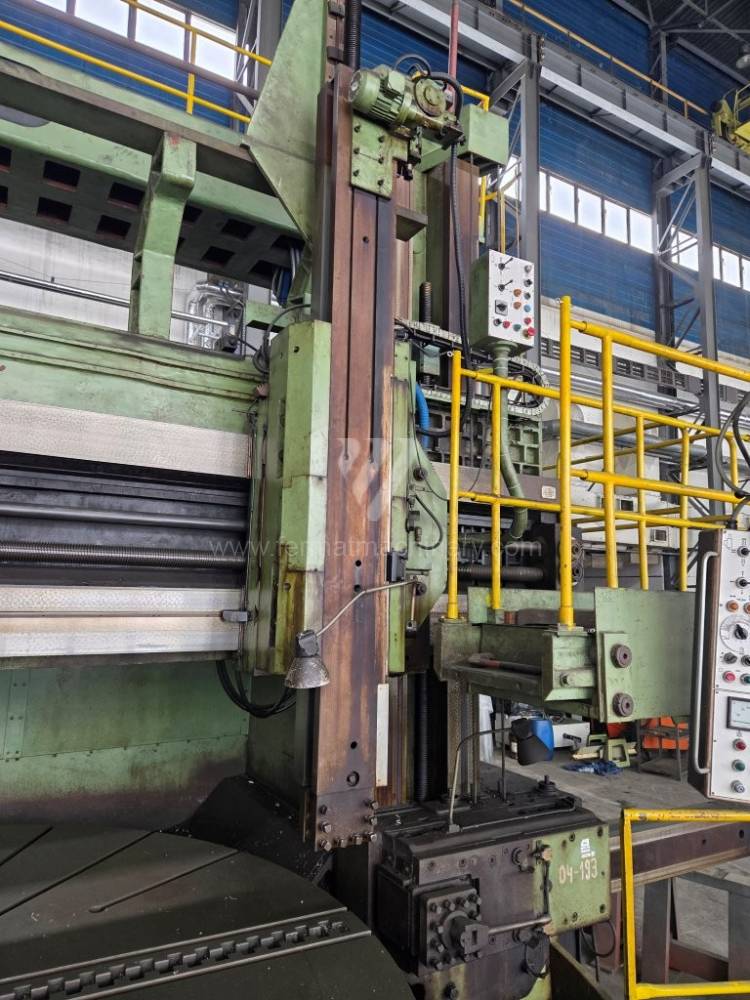
KCH 360/450 |
261494 | RAFAMET S.A. | 1987 | Max. diameter of workpiece: 4500 mm Clamping diameter of rotary table: 3600 mm Max. load of table: kg Max. workpiece height: 1850 mm Ram travel (Z): 1500 mm Ram size: mm |
|
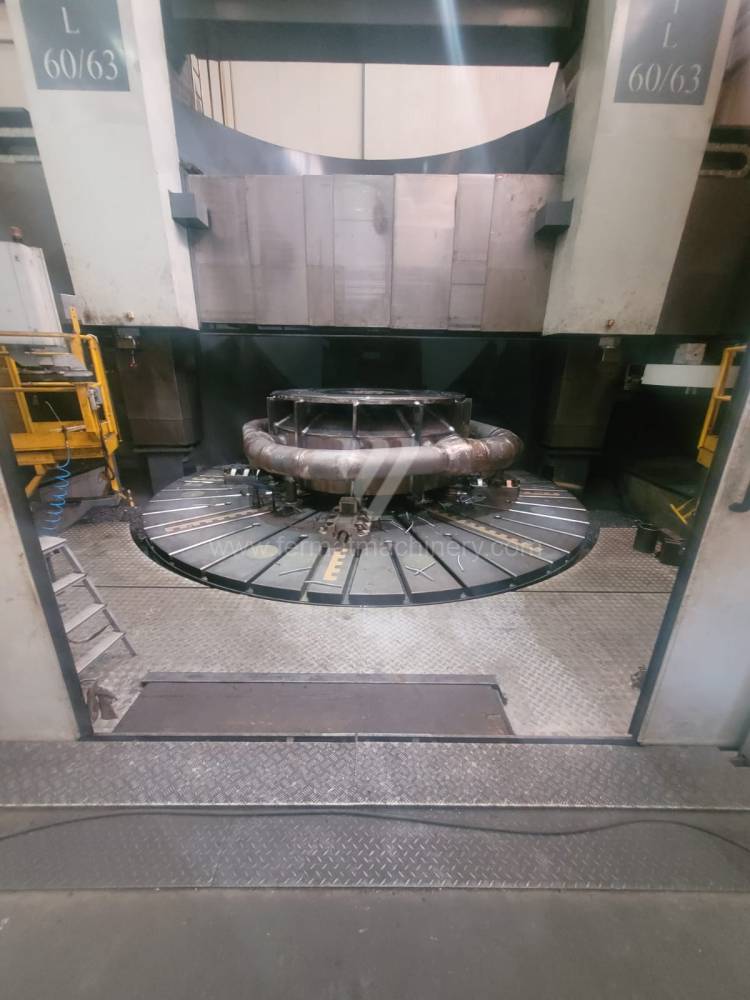 |
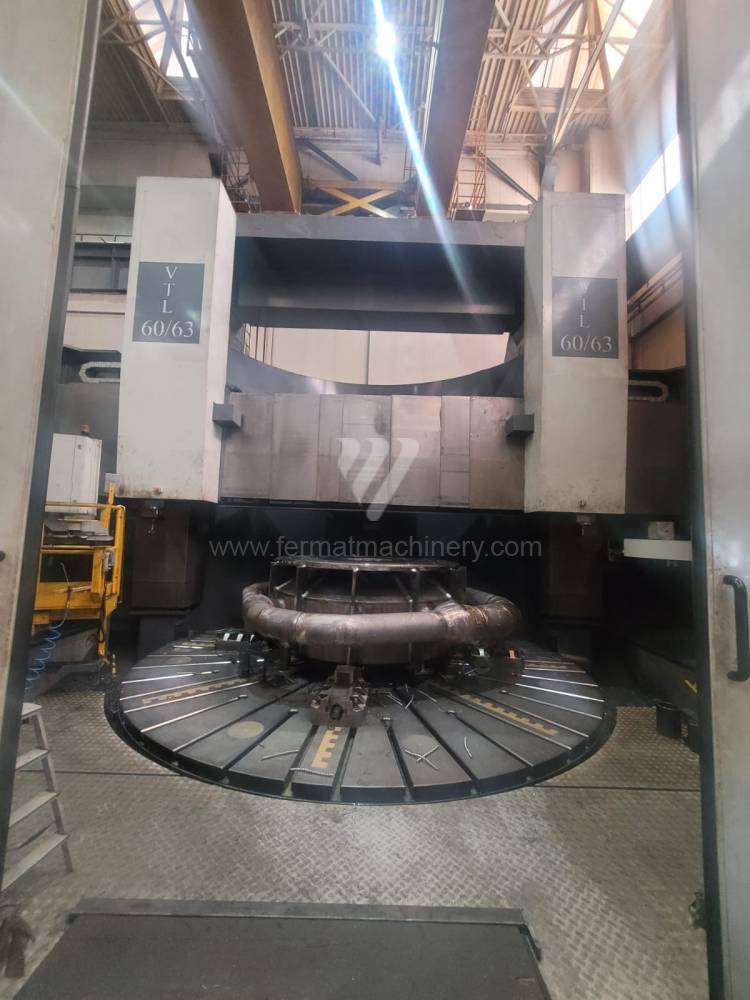
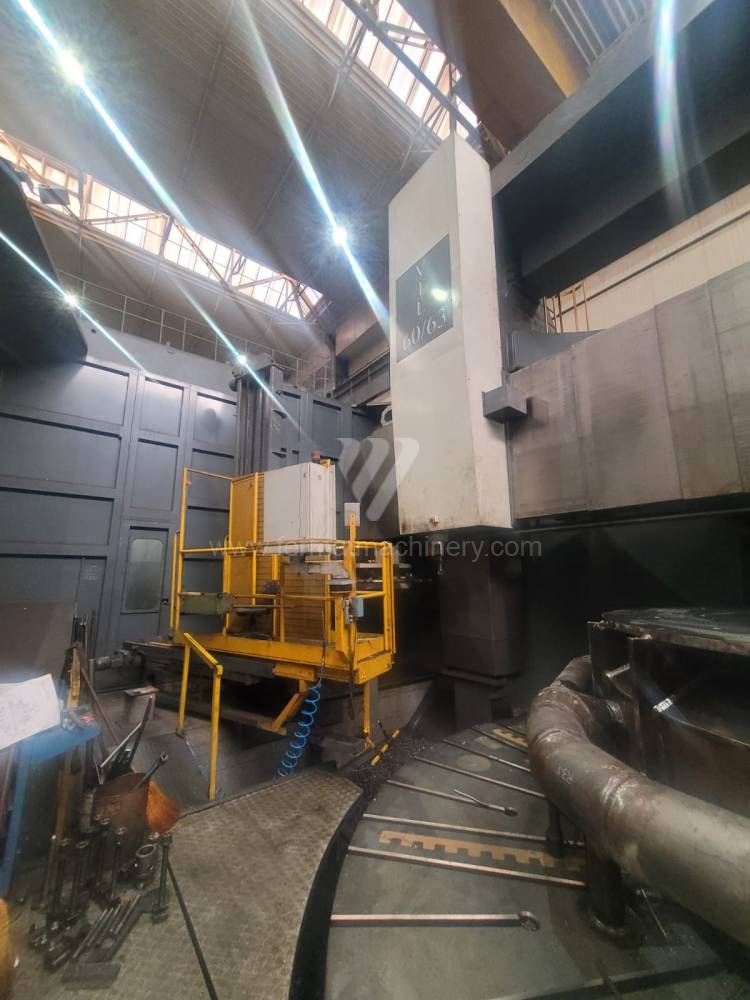
VTL-60/63 |
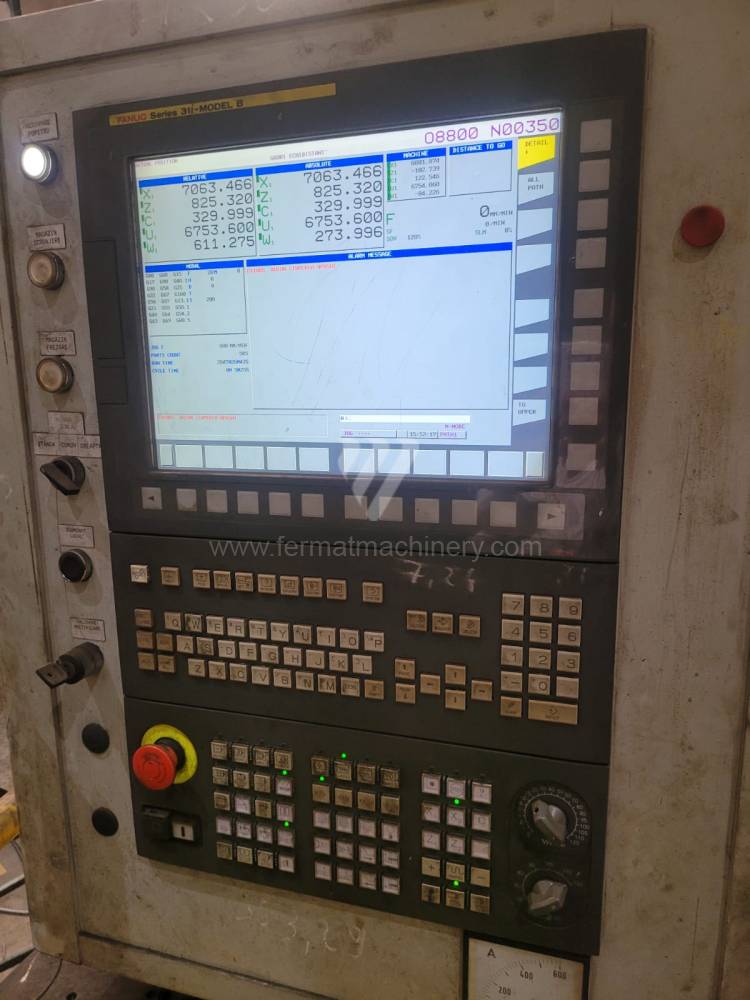
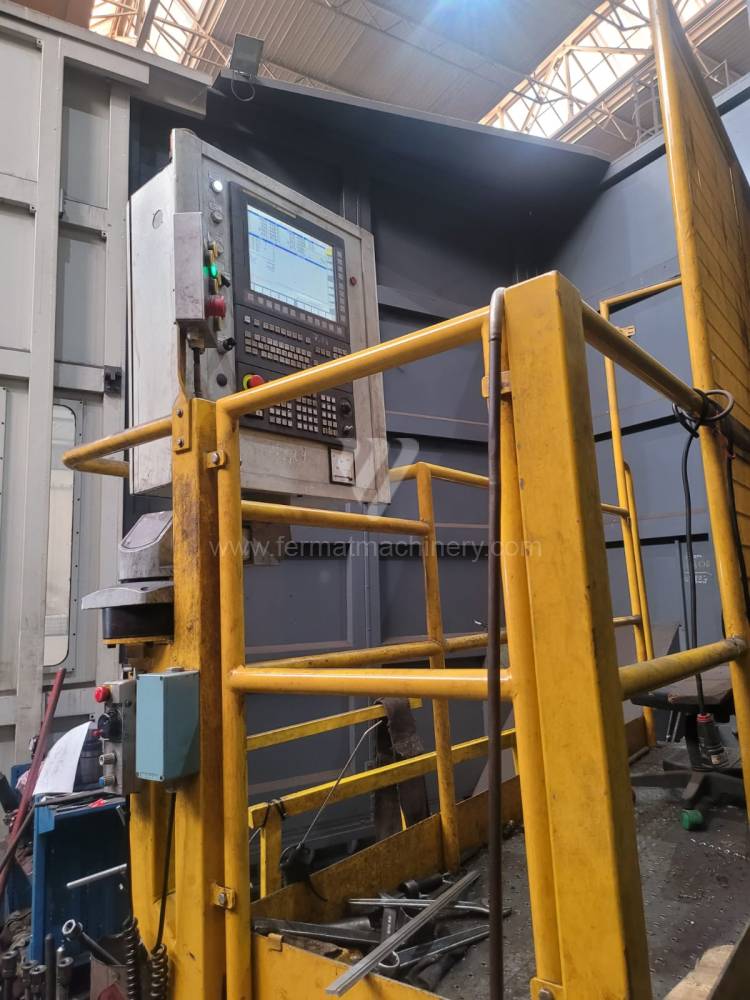
241886 | Emsil | 2015 | Control system Fanuc: Fanuc 31i Max. diameter of workpiece: 6300 mm Clamping diameter of rotary table: 6000 mm Max. load of table: 150000 kg Max. workpiece height: 4600 mm Ram travel (Z): 2400 mm |
|
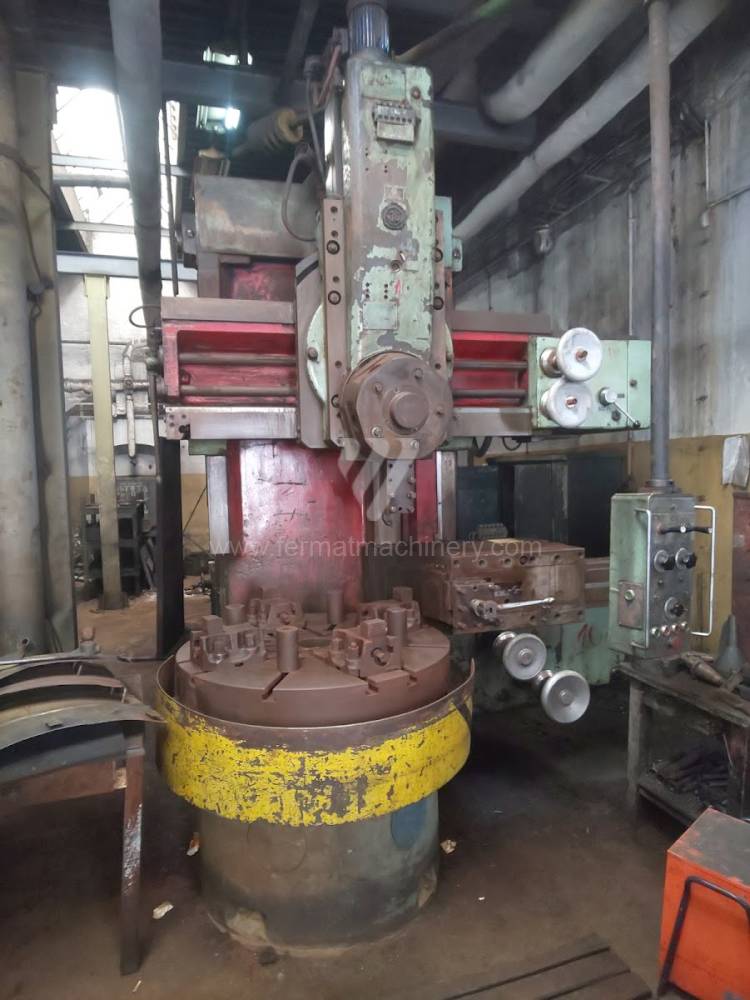 |
1512 |
231109 | Sedin | 1976 | Max. diameter of workpiece: 1250 mm Clamping diameter of rotary table: 1120 mm Max. load of table: 3200 kg Max. workpiece height: 1000 mm Ram travel (Z): 700 mm Tool magazine: YES |
|
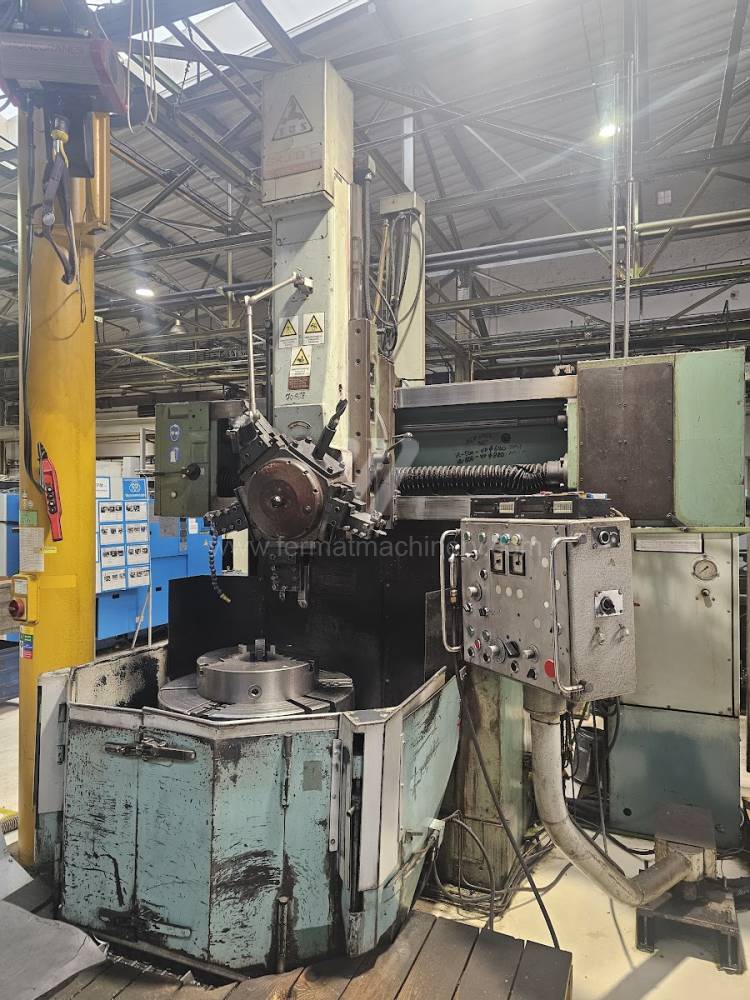 |
SKJ 8 F |
261721 | TOS KUŘIM - OS, a.s. | Max. diameter of workpiece: 1050 mm Clamping diameter of rotary table: 800 mm Max. load of table: 2000 kg Max. workpiece height: 630 mm Ram travel (Z): 750 mm Ram size: mm |
||
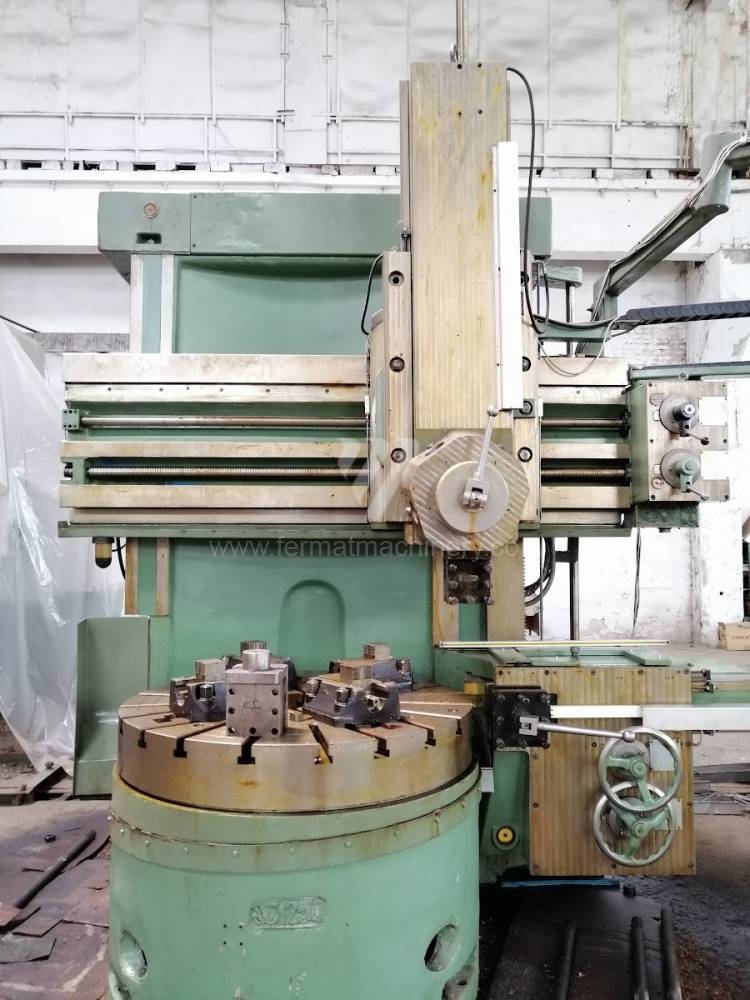 |
SC 14 CC |
221610 | Umaro | Max. diameter of workpiece: 1400 mm Clamping diameter of rotary table: 1250 mm Max. load of table: 6000 kg Max. workpiece height: 1000 mm Ram travel (Z): 800 mm Driven Tools: |
||
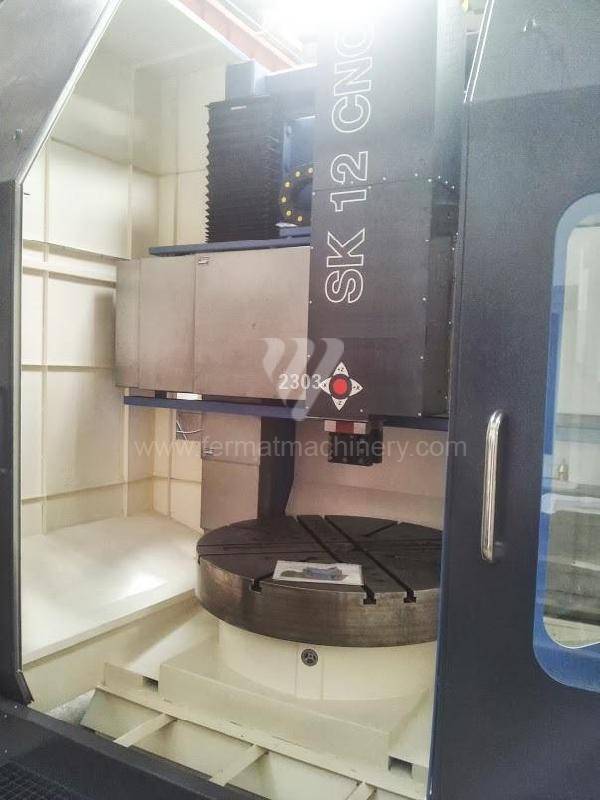 |
SK 12 CNC |
131117 | TOS Hulín | 2016 | Max. workpiece height: 1000 mm Max. diameter of workpiece: 1350 mm Clamping diameter of rotary table: 1180 mm Max. load of table: 4000 kg Driven Tools: NO Control system Siemens: Sinumerik 840D Sl |
|
 |
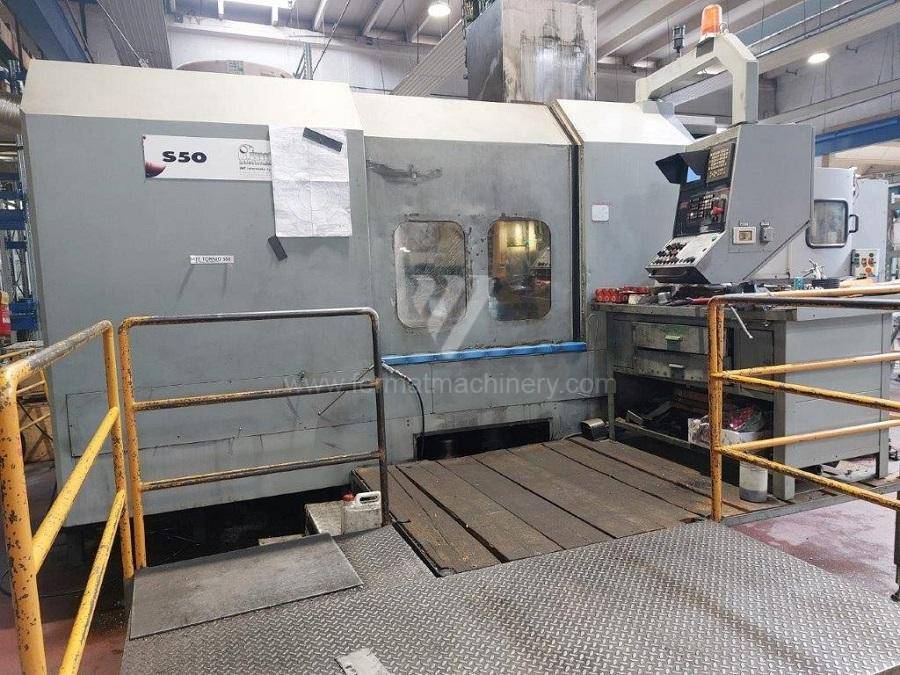
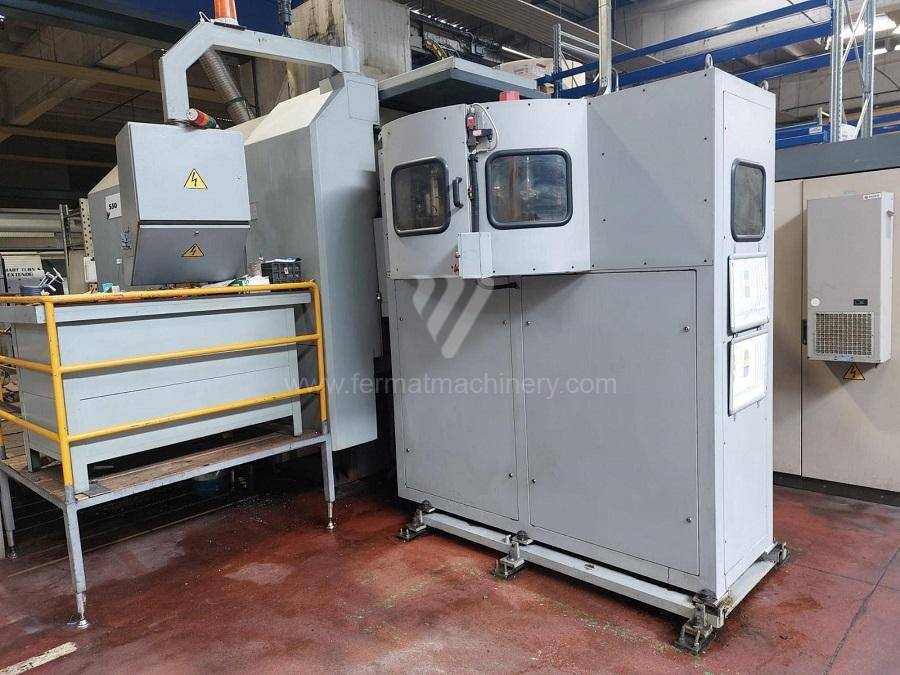
W50/2 |
251948 | IMT Intermato S.p.A. | 1999 | Control system Fanuc: 18i - MB Max. diameter of workpiece: 1200 mm Clamping diameter of rotary table: 800 mm Max. load of table: kg Max. workpiece height: 650 mm Ram travel (Z): 650 mm |
|
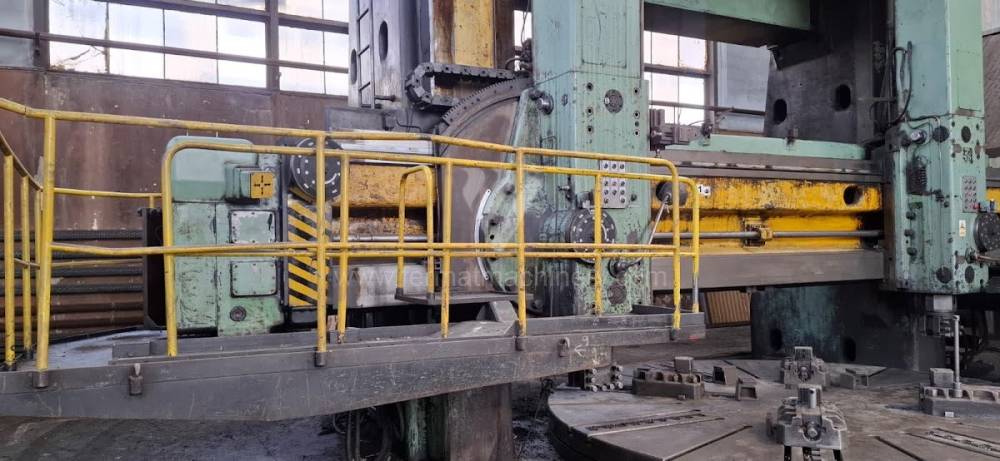 |
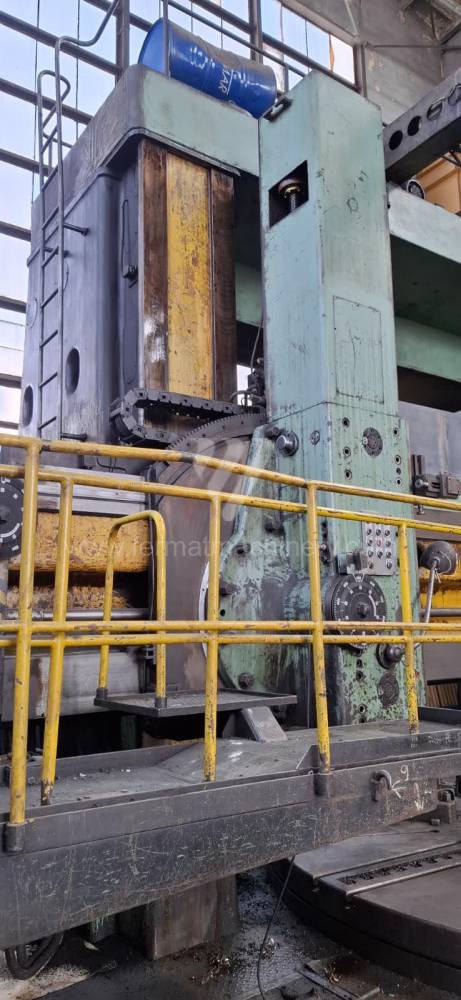
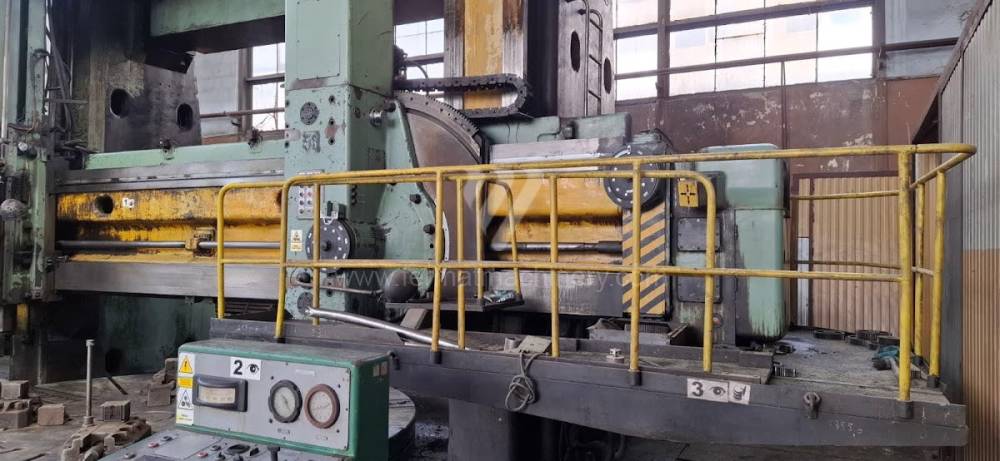
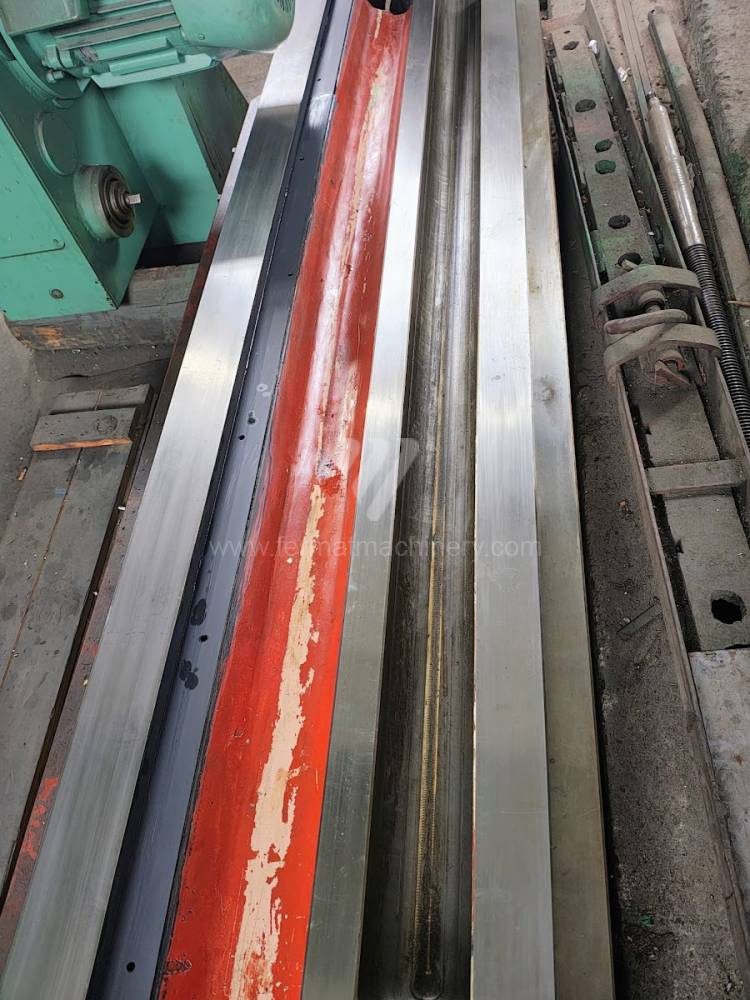
Kolomna 1550 |
251761 | Kolomna | 1965 | Max. diameter of workpiece: 5000 mm Clamping diameter of rotary table: 4500 mm Max. load of table: 100-127000 kg Max. workpiece height: 2500 mm Ram travel (Z): mm Ram size: mm |
|
 |
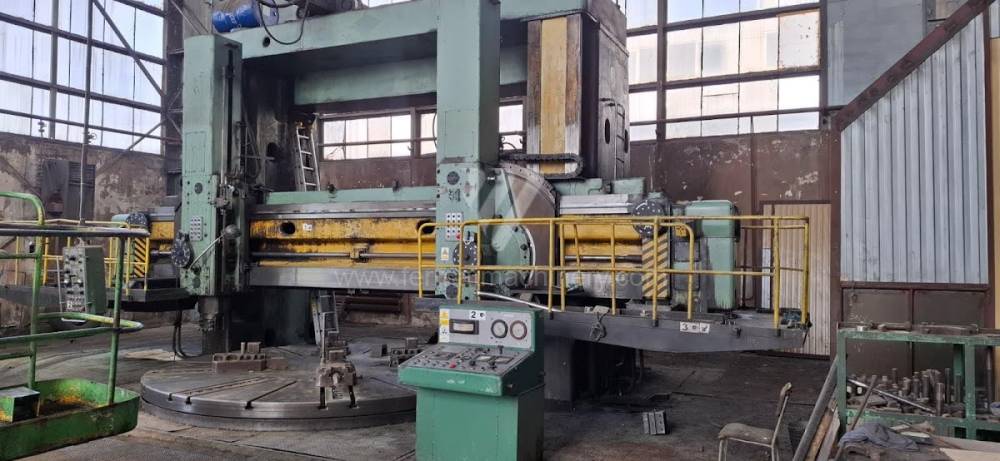
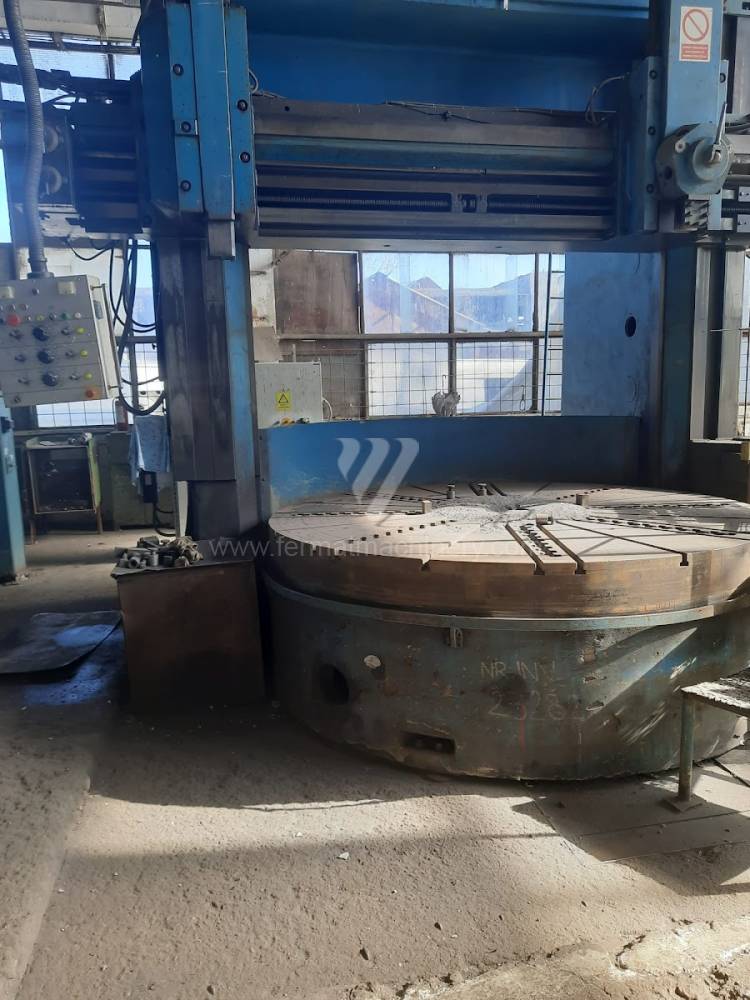
SC 33 |
261312 | I.M.ROMAN | 1985 | Max. diameter of workpiece: 3300 mm Clamping diameter of rotary table: 3000 mm Max. load of table: 18000 kg Max. workpiece height: 2300 mm Ram travel (Z): mm Ram size: 224 x 224 mm |
|
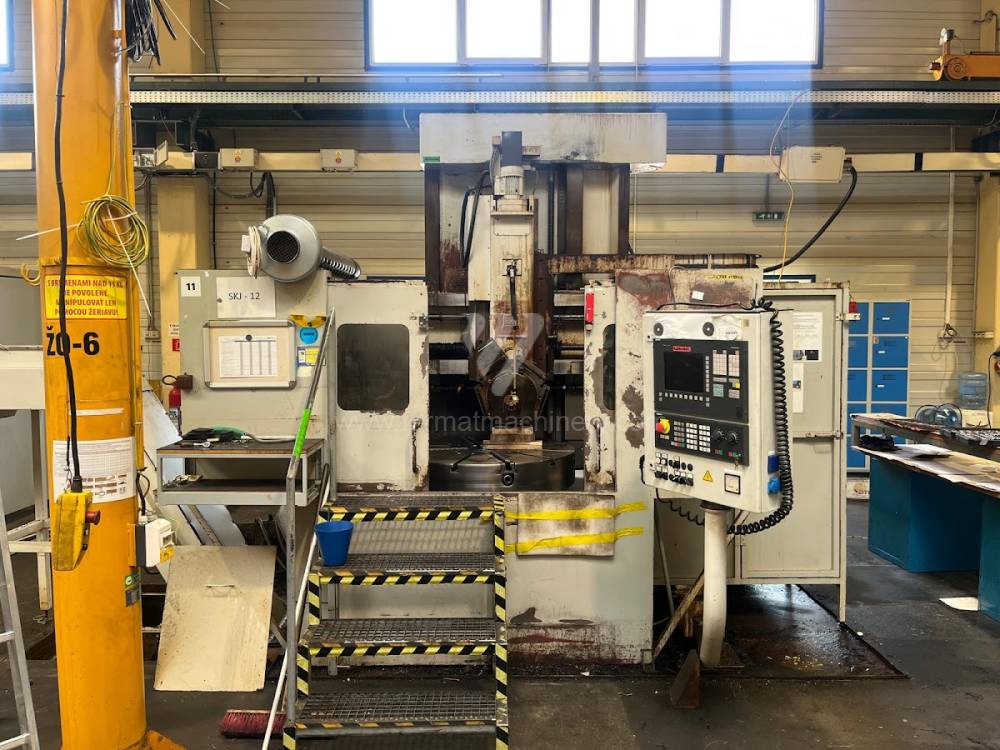 |
SKJ 12 CNC |
251990 | TOS Hulín | Control system Siemens: Max. diameter of workpiece: 1400 mm Clamping diameter of rotary table: 1250 mm Max. load of table: 6000 kg Max. workpiece height: 1150 mm Ram travel (Z): mm |
||
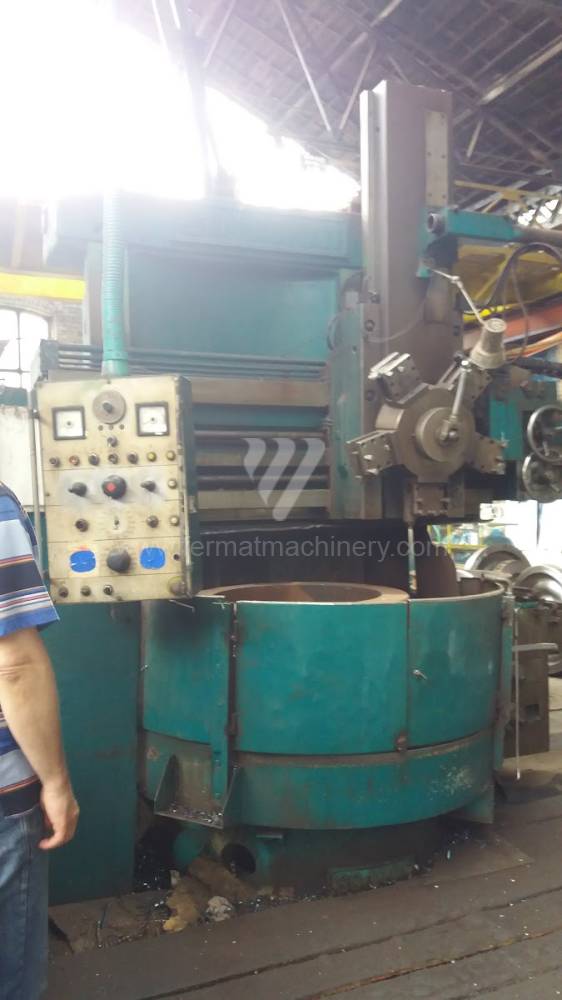 |
SC 14 CC |
261666 | I.M.ROMAN | 1985 | Max. diameter of workpiece: 1400 mm Clamping diameter of rotary table: 1200 mm Max. load of table: 6000 kg Max. workpiece height: 1000 mm Ram travel (Z): 760 mm Ram size: mm |
|
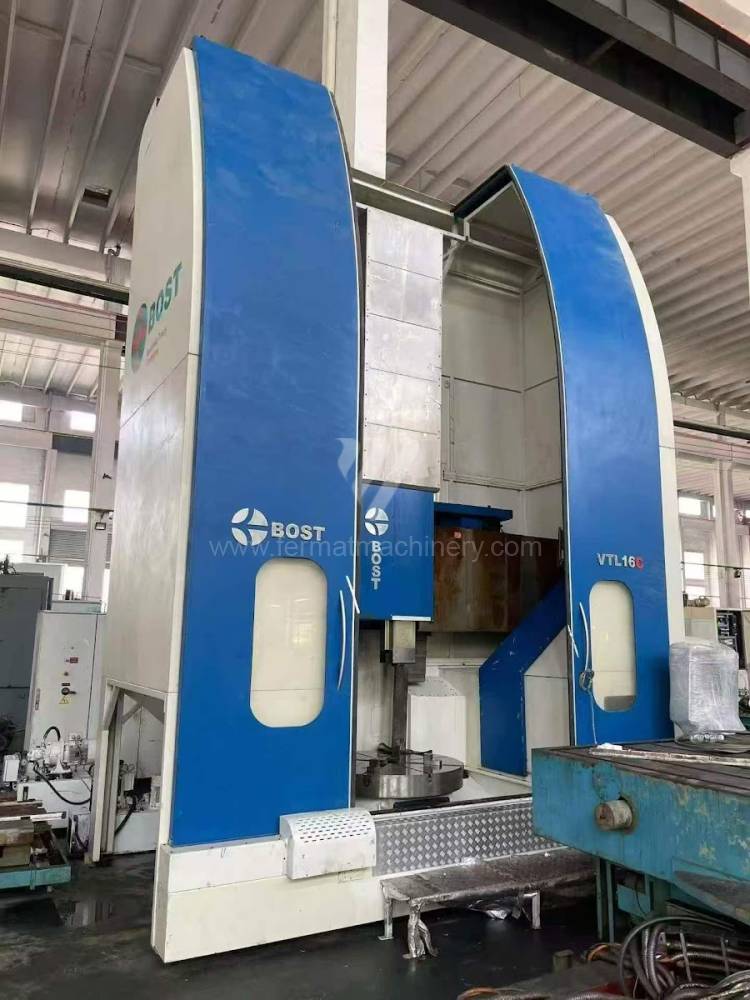 |
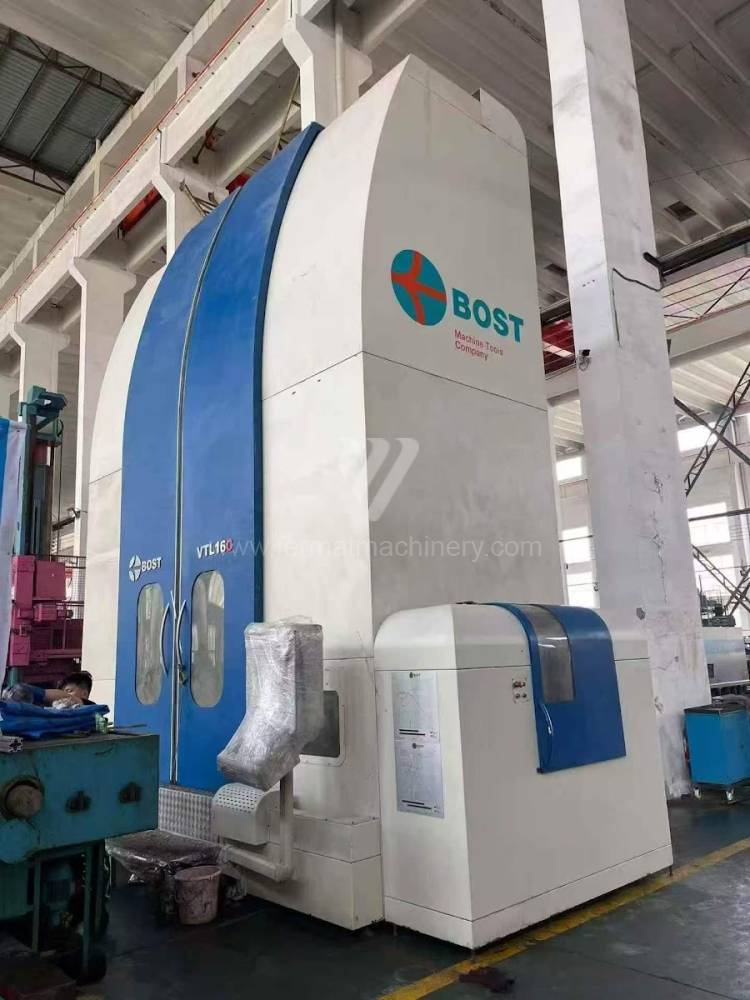
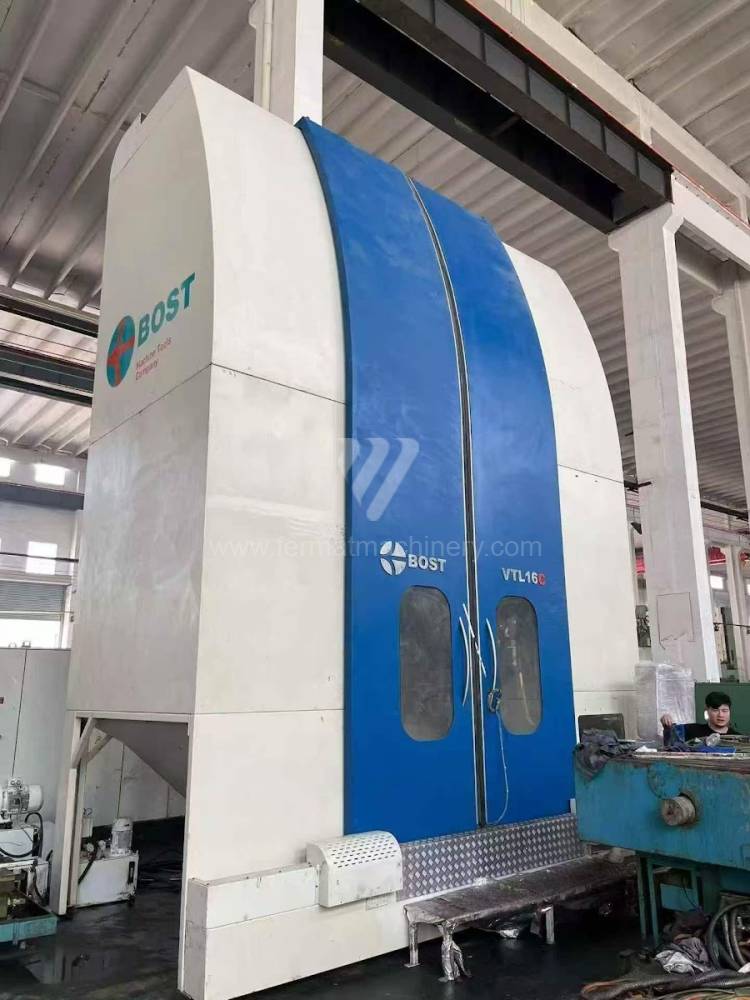
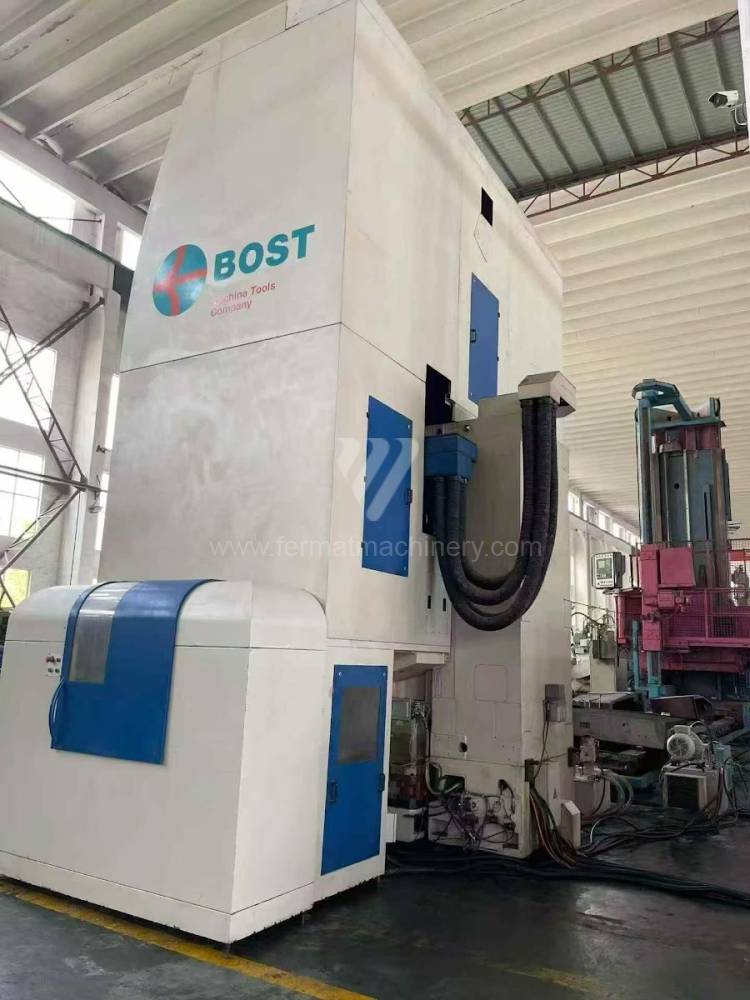
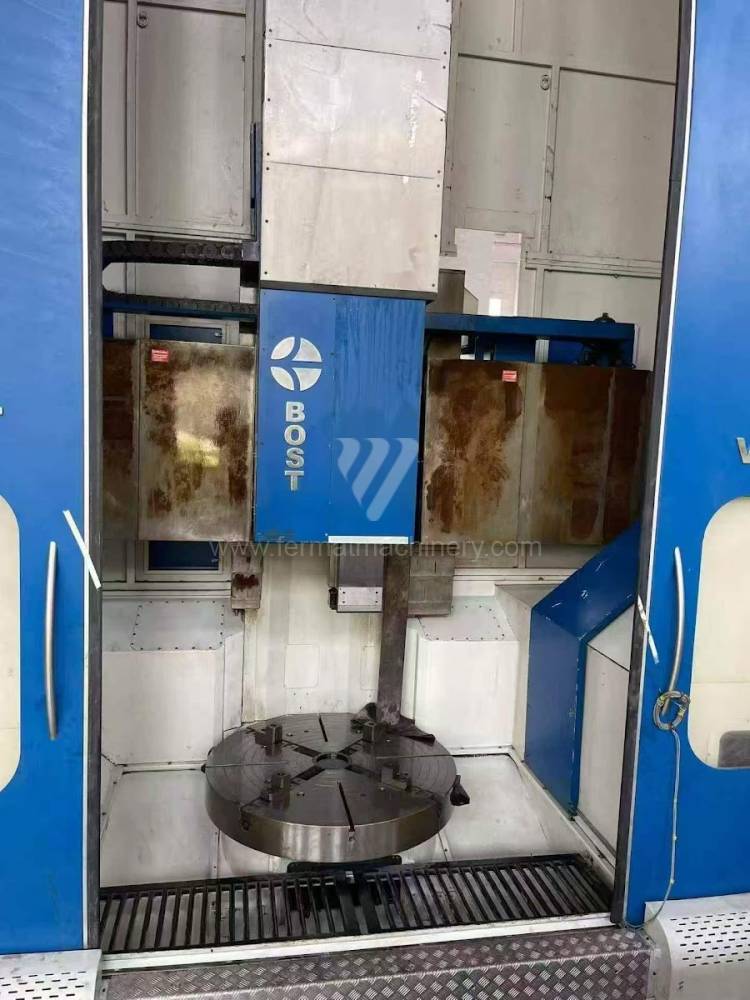
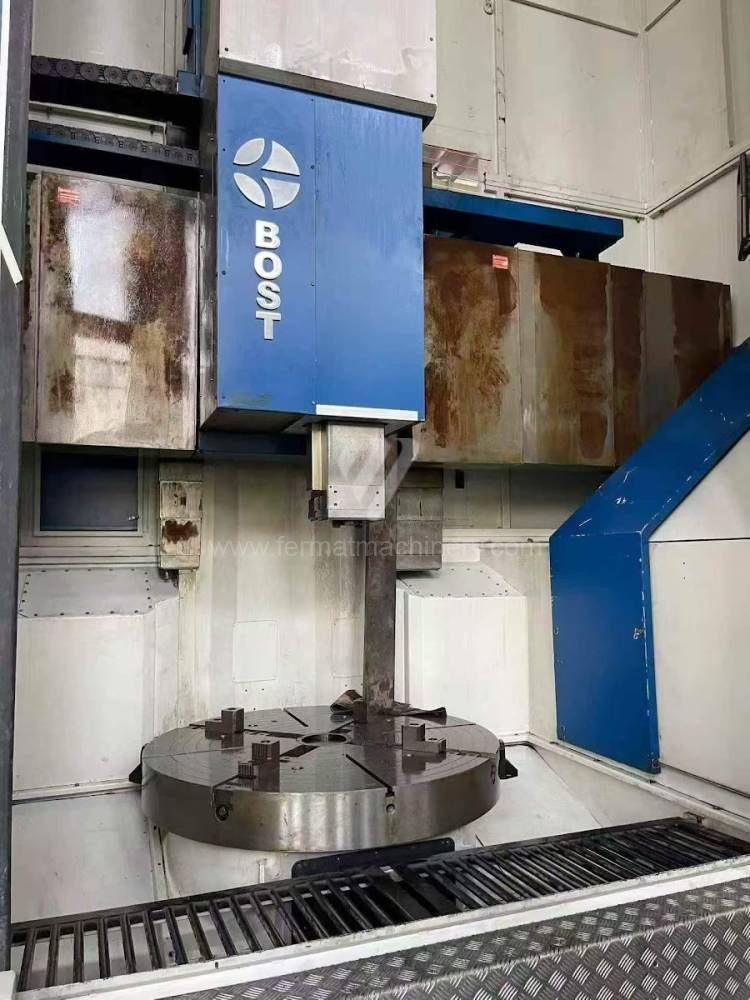
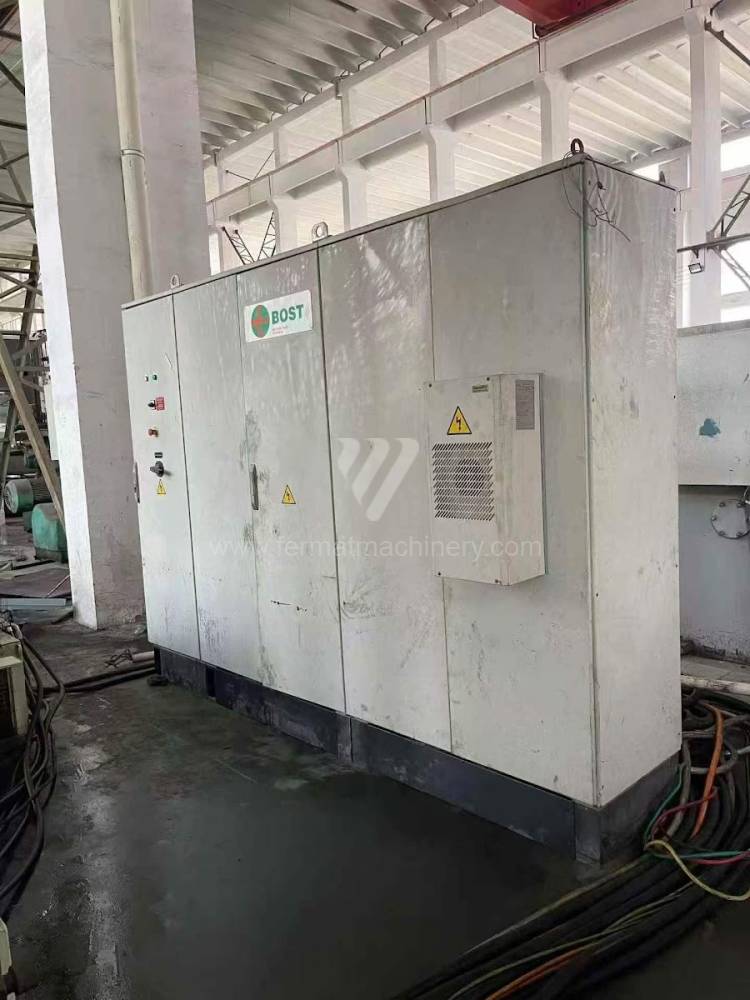
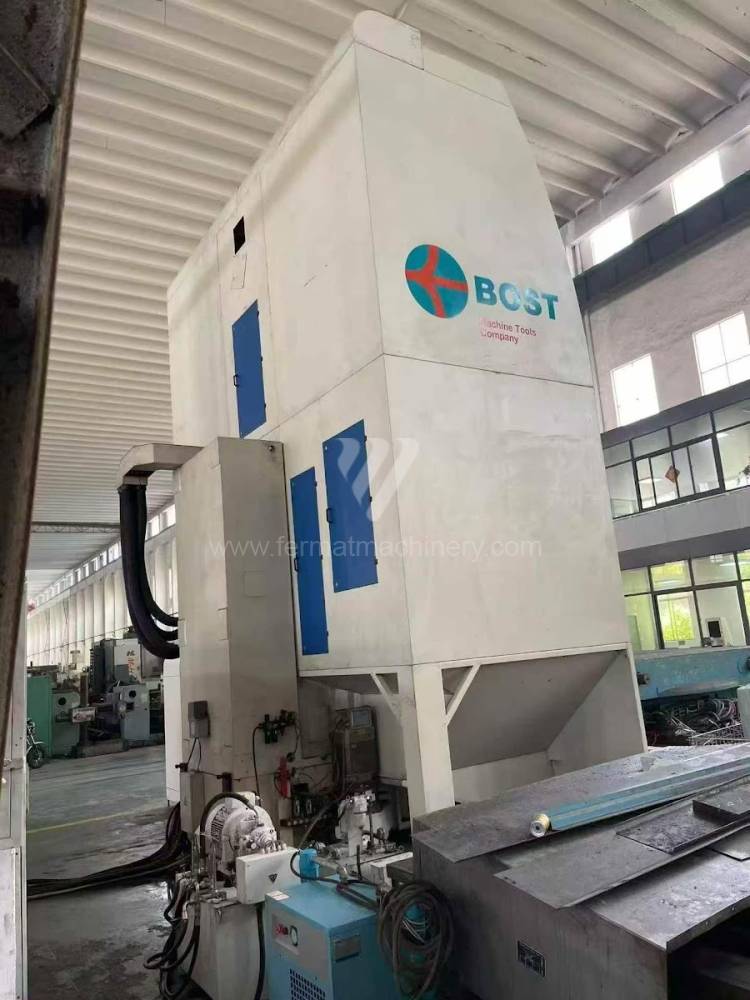
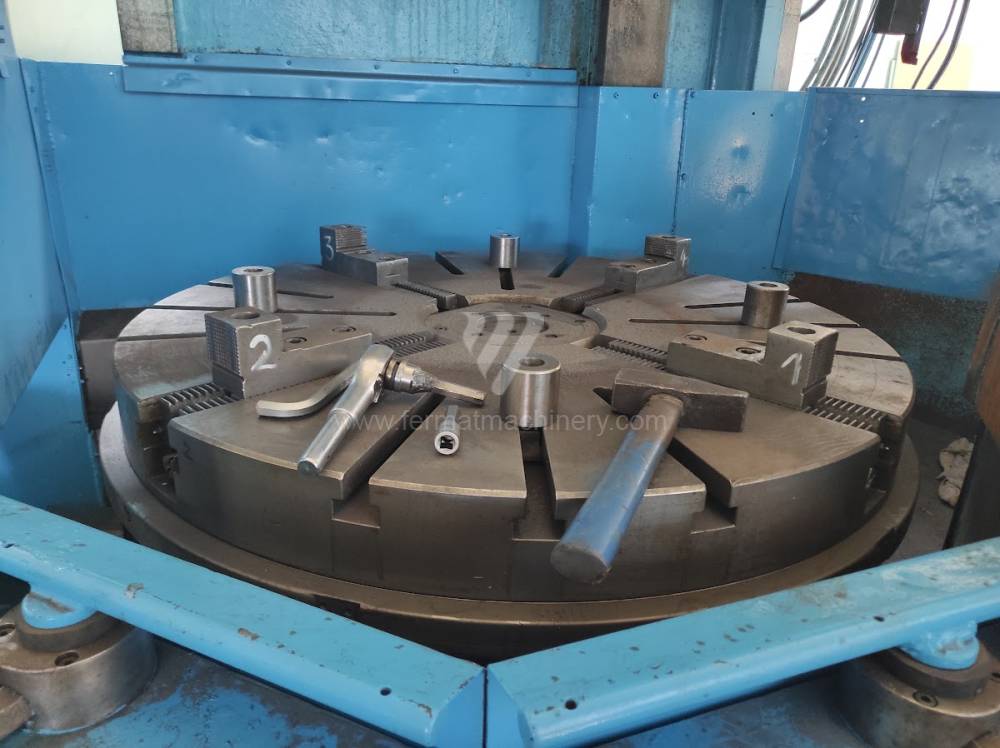
VTL16C-1400 |
261656 | BOST | 2011 | Control system Siemens: Sinumerik 840 D Max. diameter of workpiece: 1600 mm Clamping diameter of rotary table: 1400 mm Max. load of table: kg Max. workpiece height: 1500 mm Ram travel (Z): 1200 mm |
|
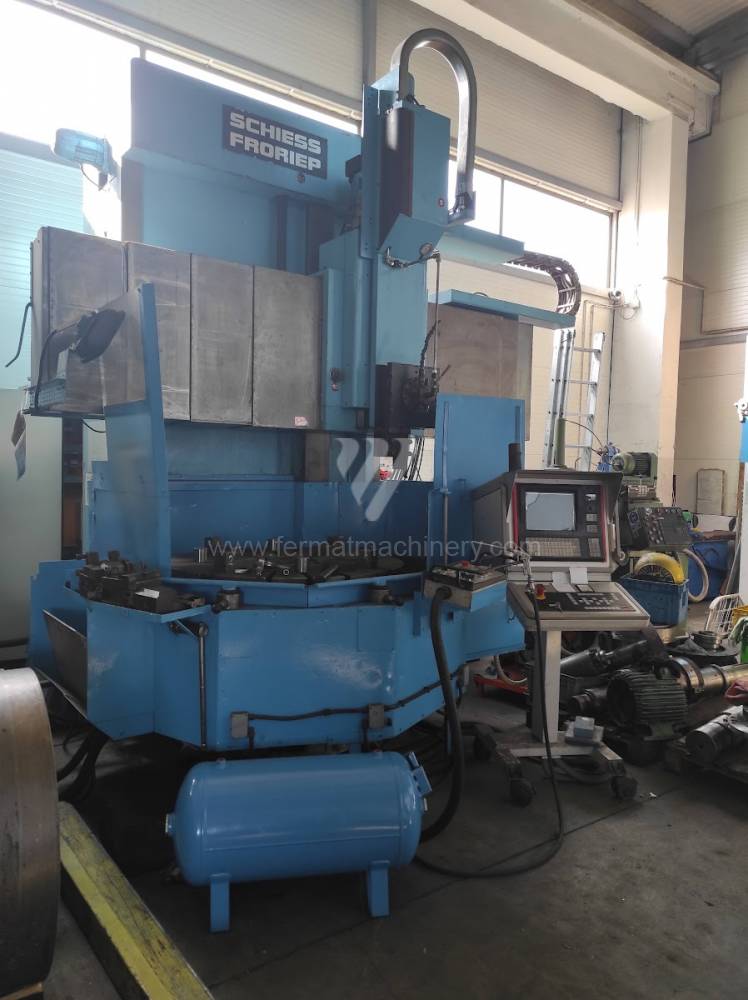 |
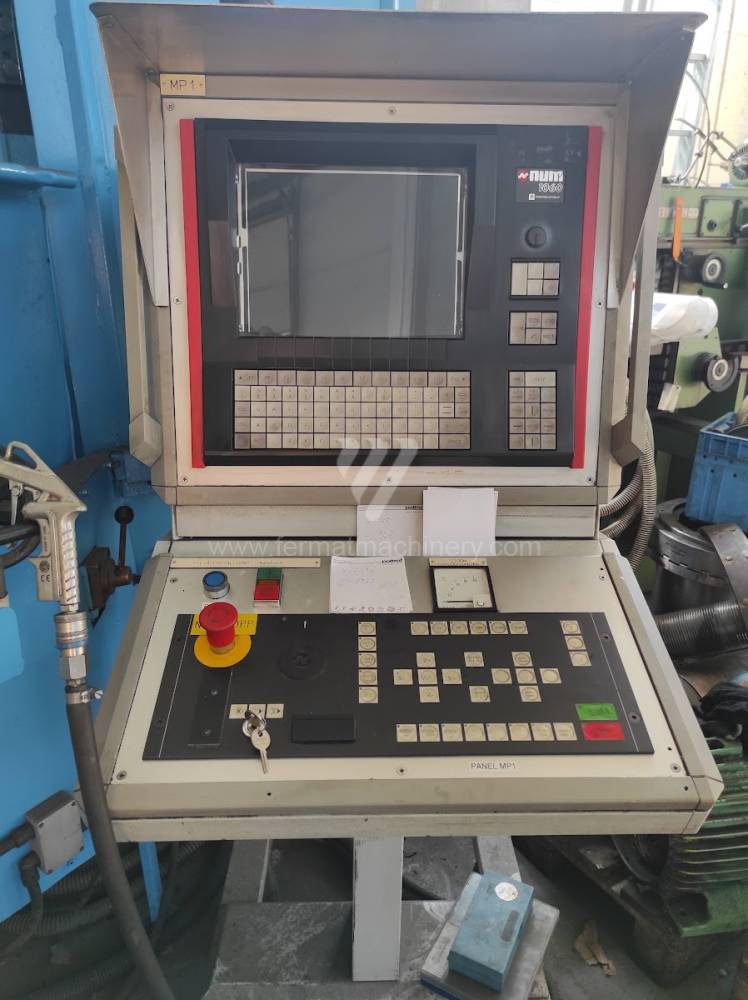
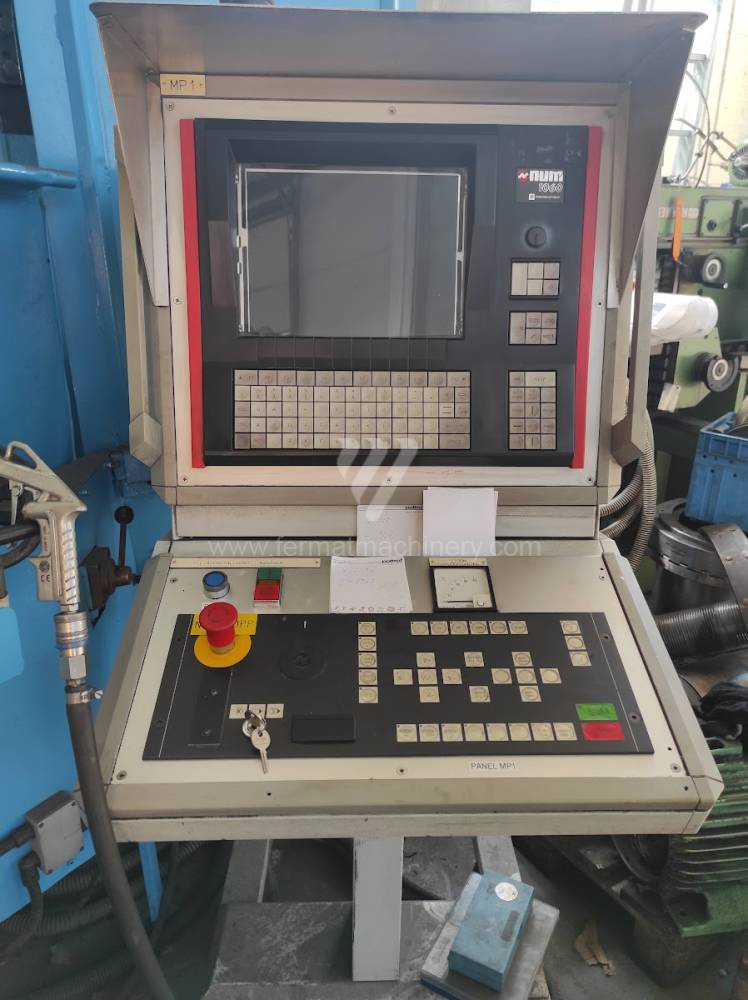
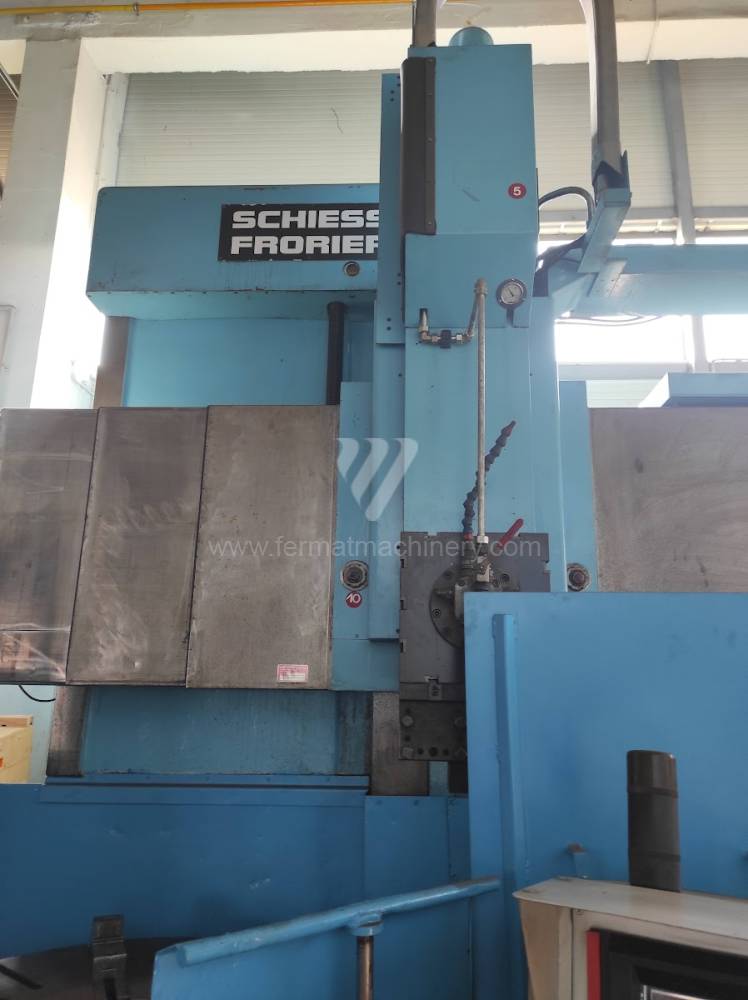
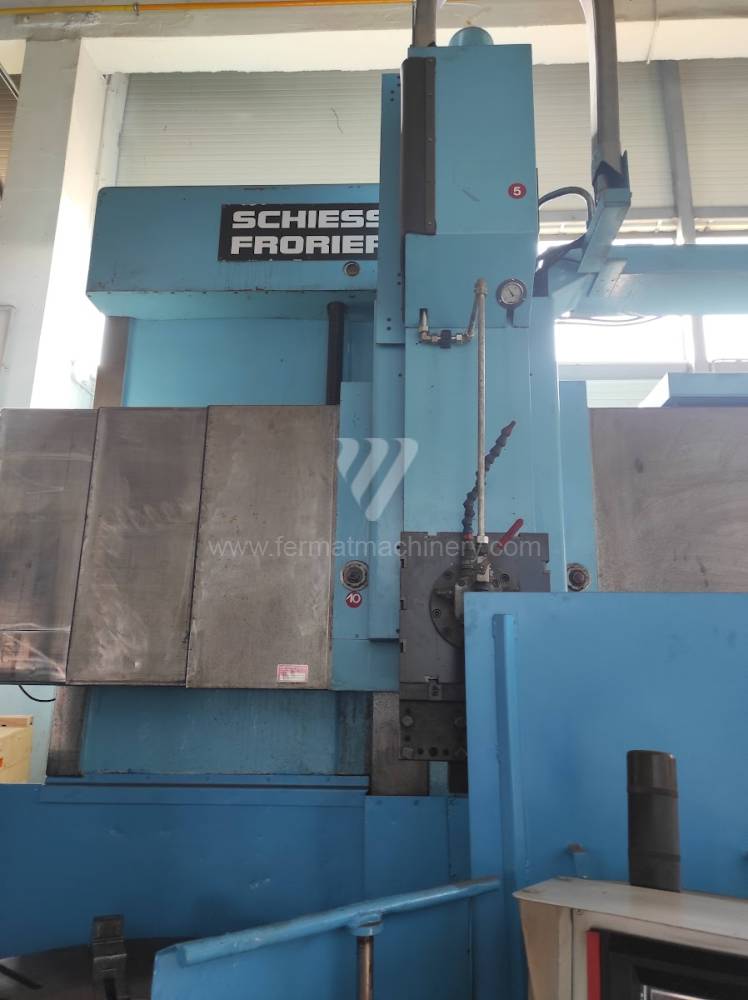
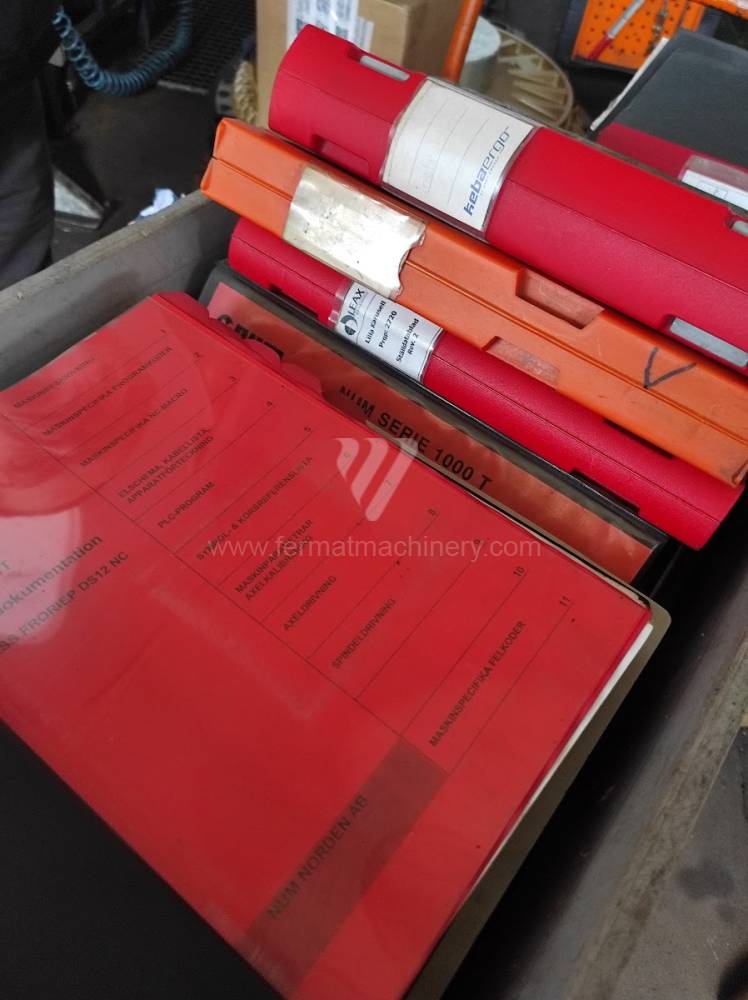
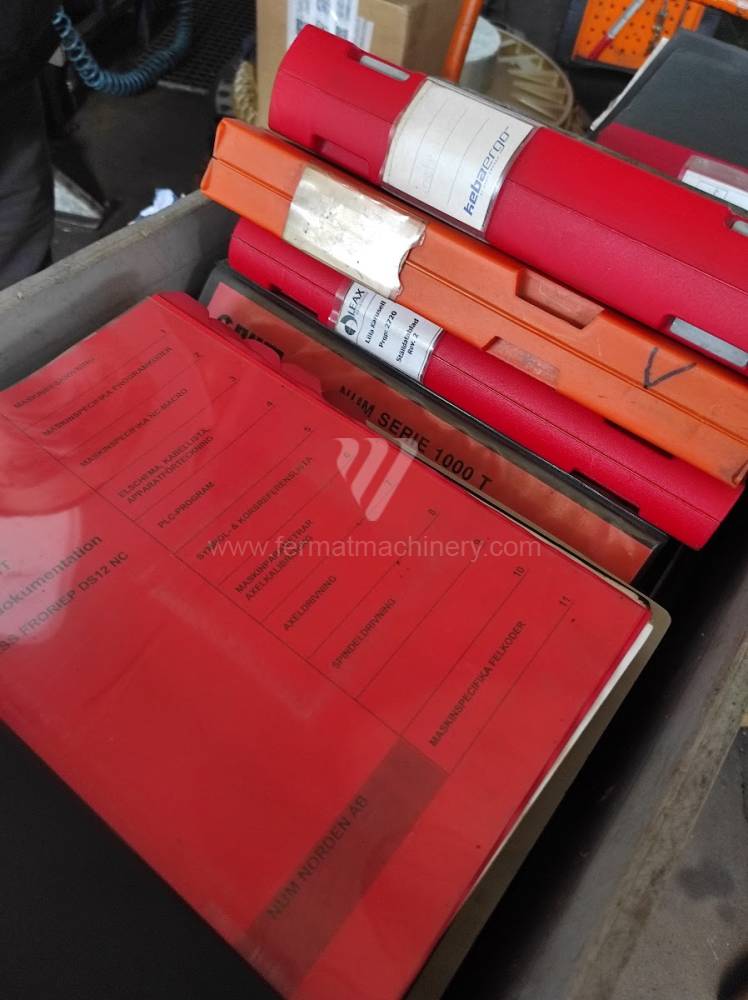
DS 12 NC |
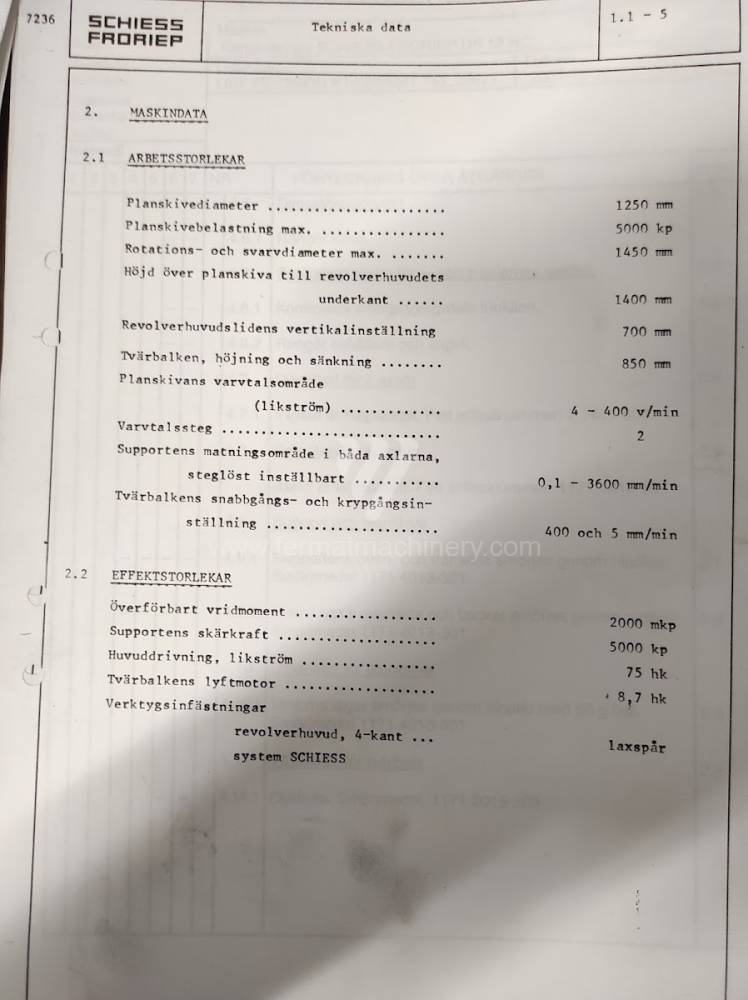
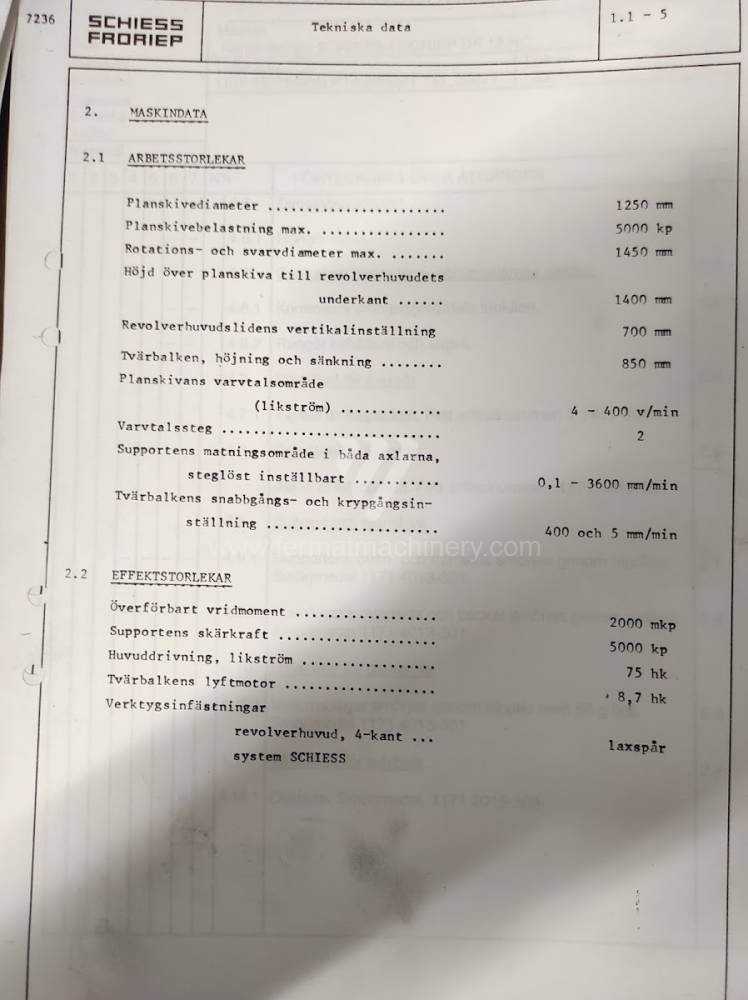
231267 | SCHIESS GmbH | 1968 | Control system NUM: 1060 - 1060 - 1060 - 1060 Max. diameter of workpiece: 1450 - 1450 - 1450 - 1450 mm Clamping diameter of rotary table: 1250 - 1250 - 1250 - 1250 mm Max. load of table: 5000 - 5000 - 5000 - 5000 kg Max. workpiece height: 1400 - 1400 - 1400 - 1400 mm Ram travel (Z): 700 - 700 - 700 - 700 mm |
|
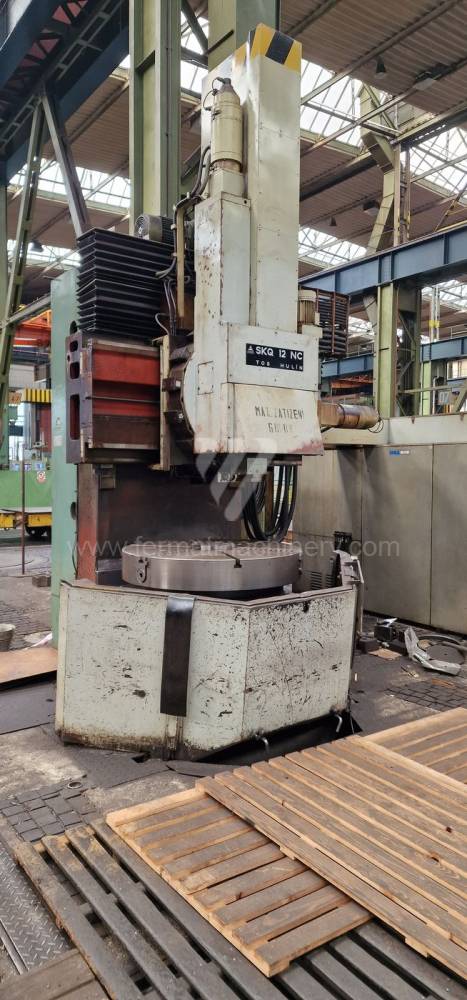 |
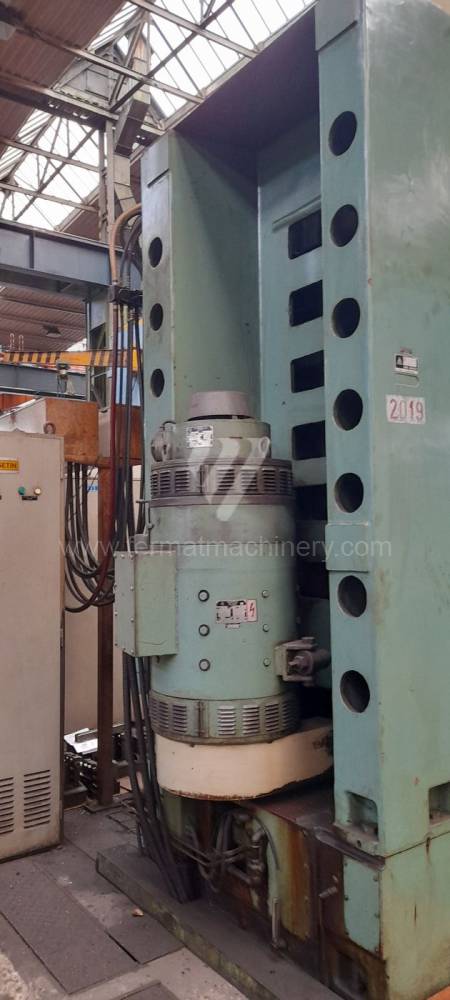
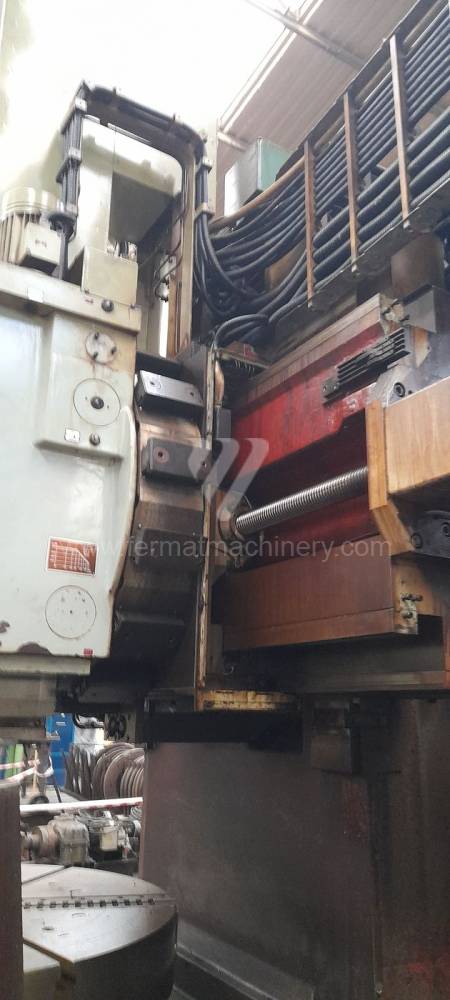
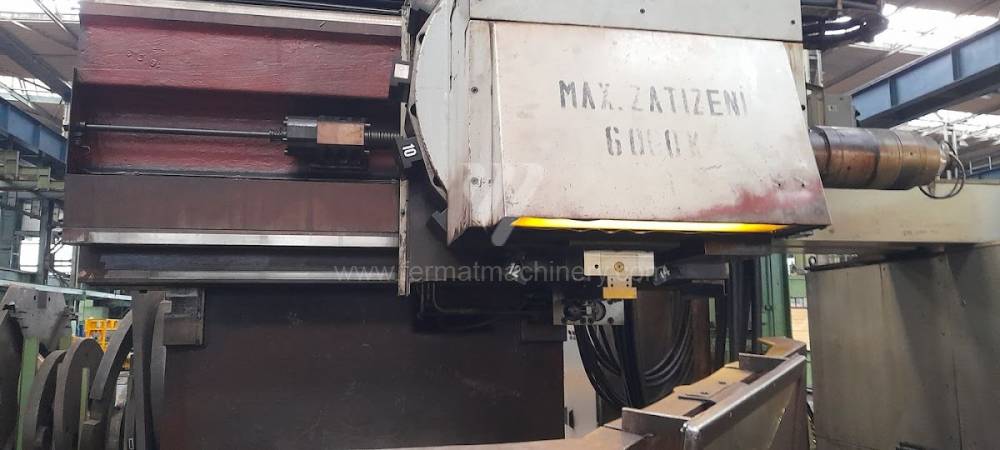
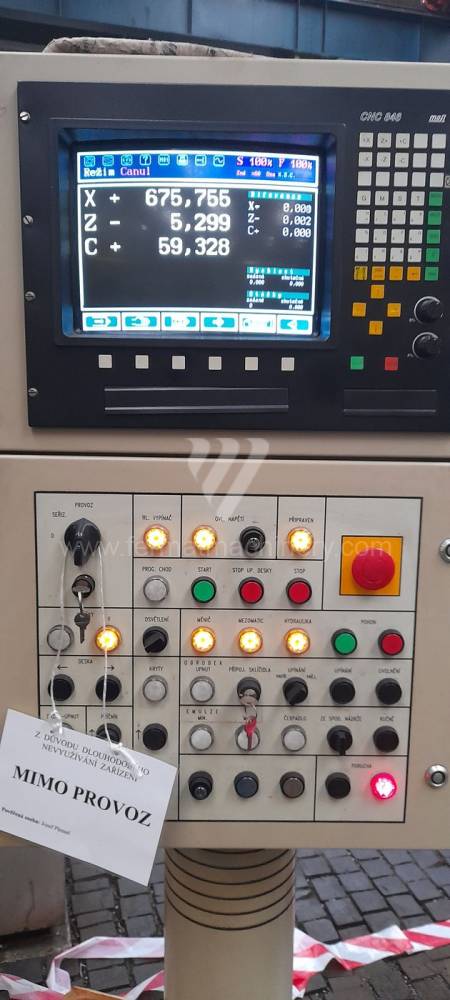
SKQ 12 CNC |
241236 | TOS Hulín | Control system Mefi: CNC 846 Max. diameter of workpiece: 1400 mm Clamping diameter of rotary table: 1250 mm Max. load of table: 8000 kg Max. workpiece height: 900 mm Ram travel (Z): 700 mm |
Analysis of Rigidity and Kinematics in Used Vertical Lathes
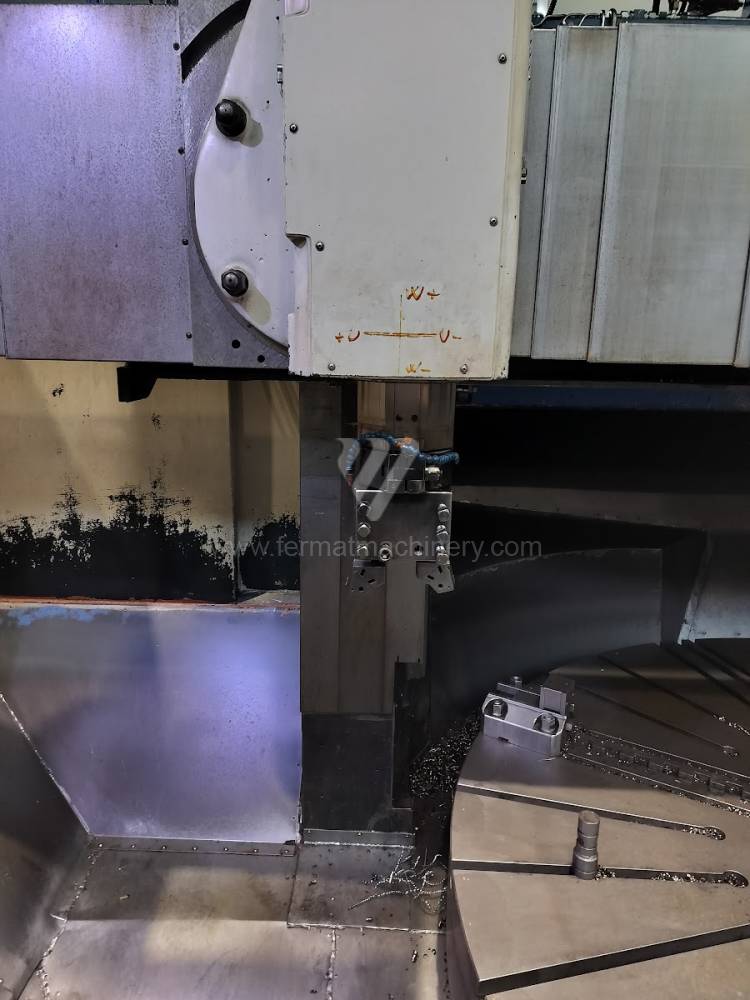
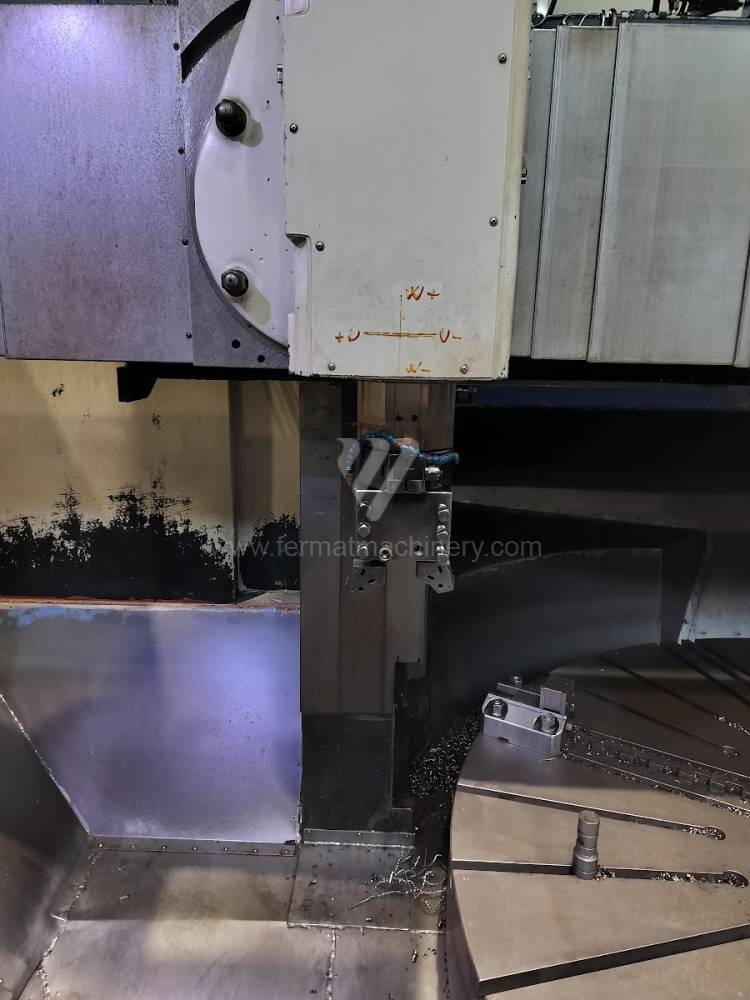
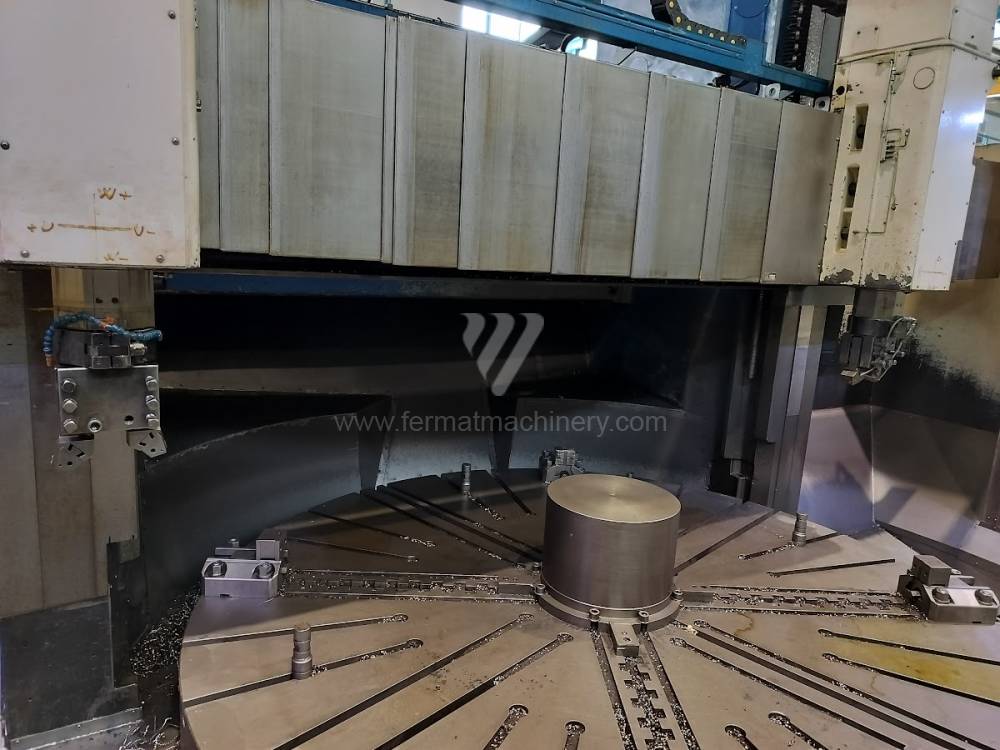
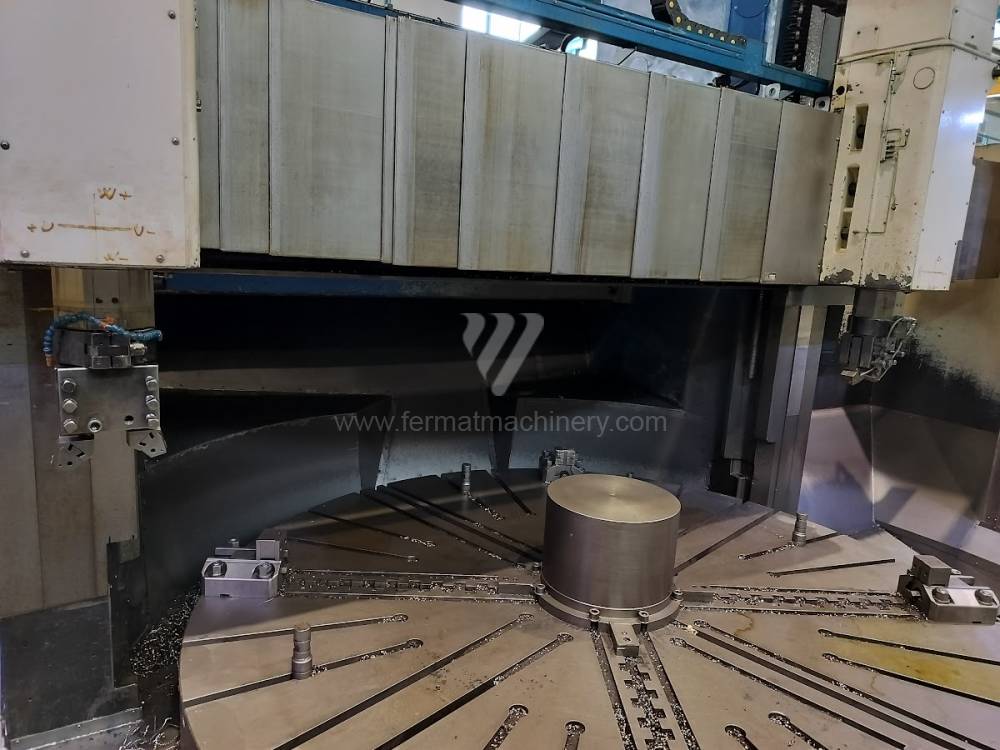
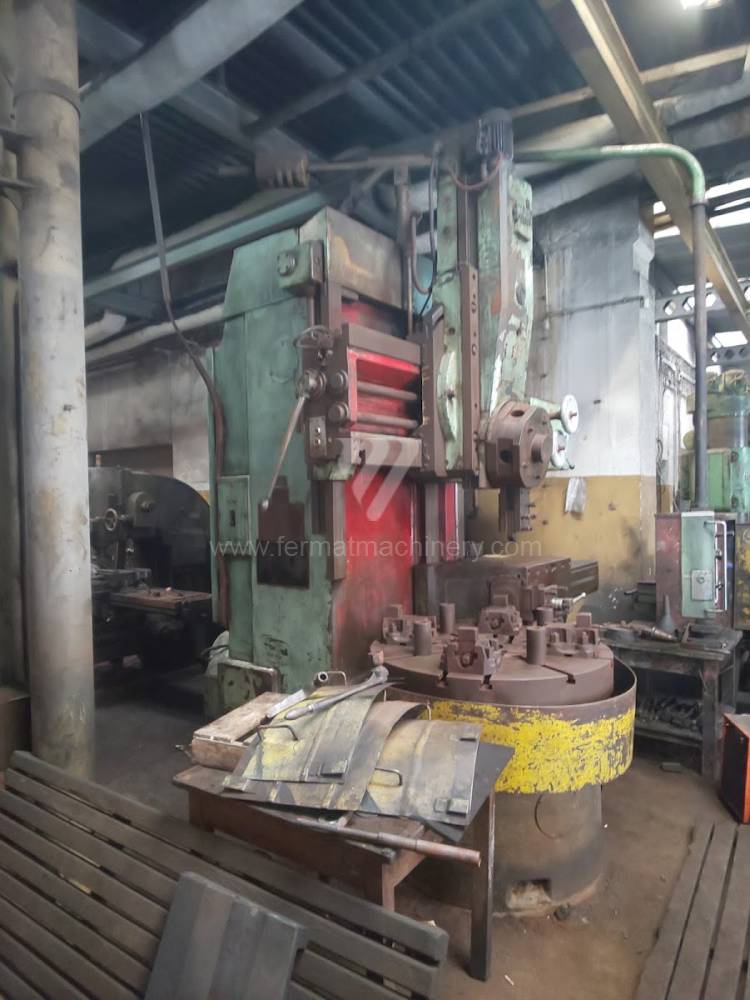
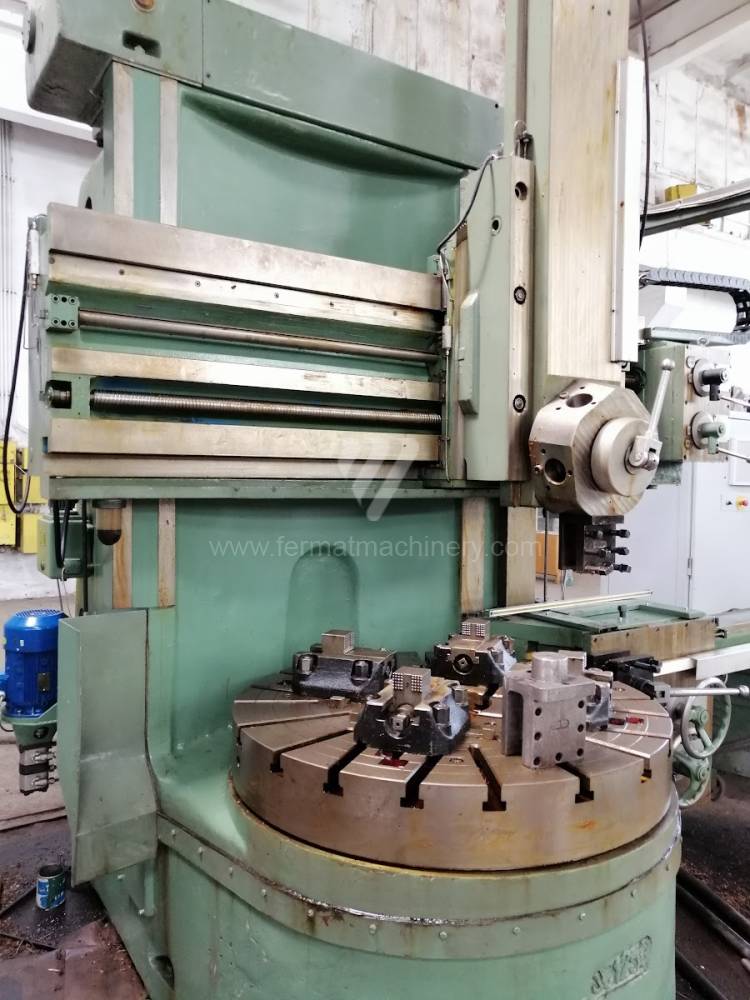
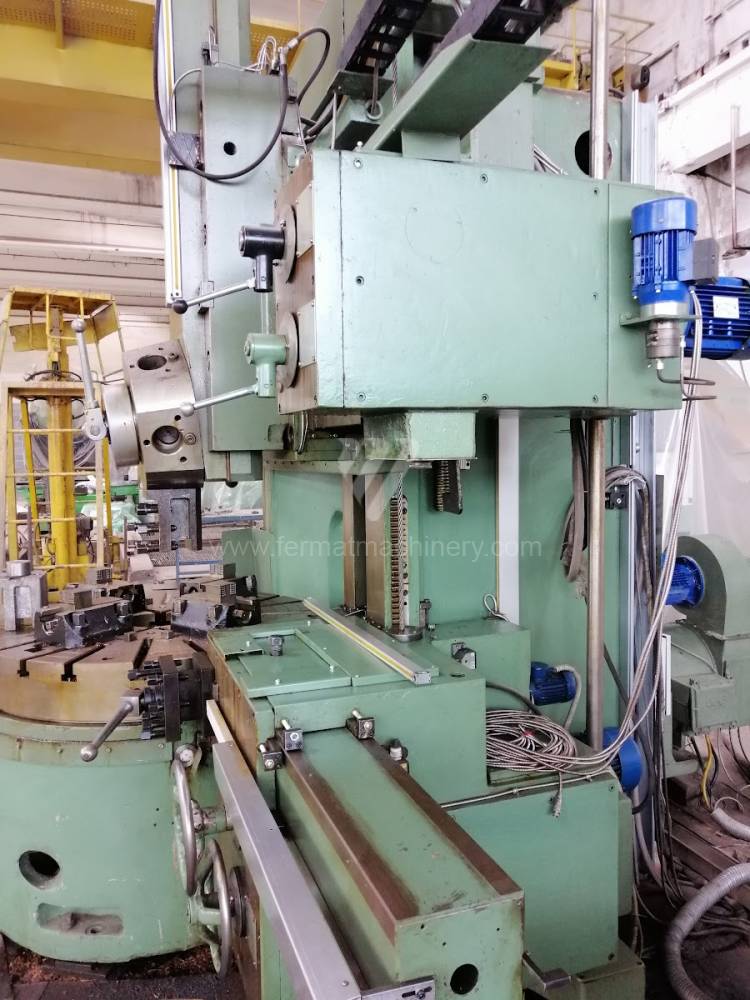
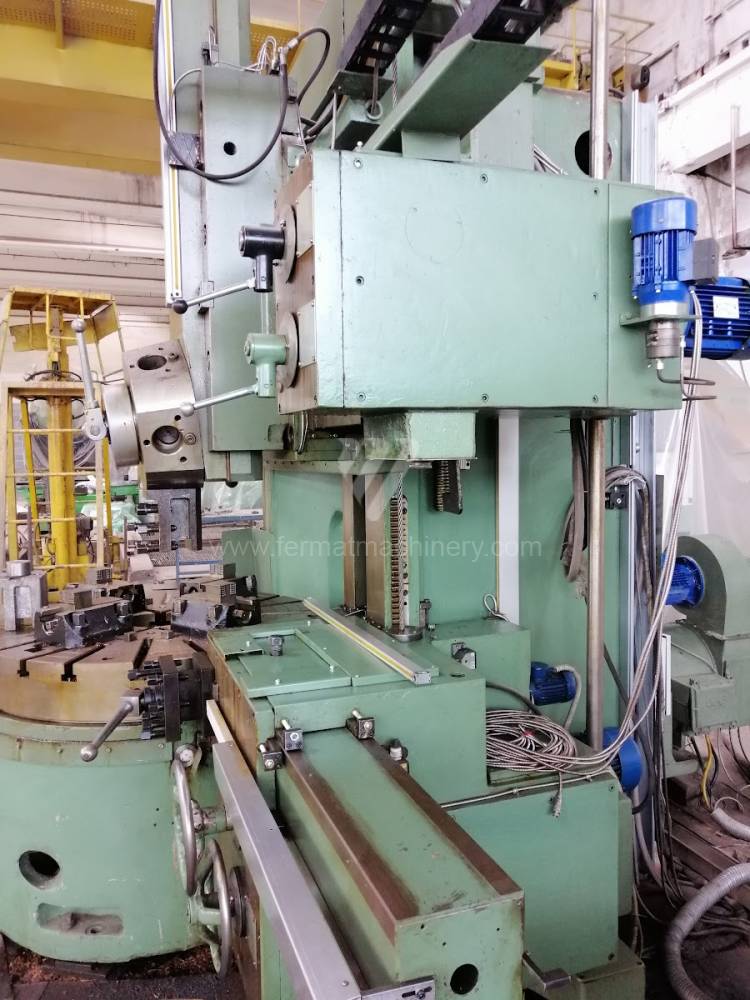
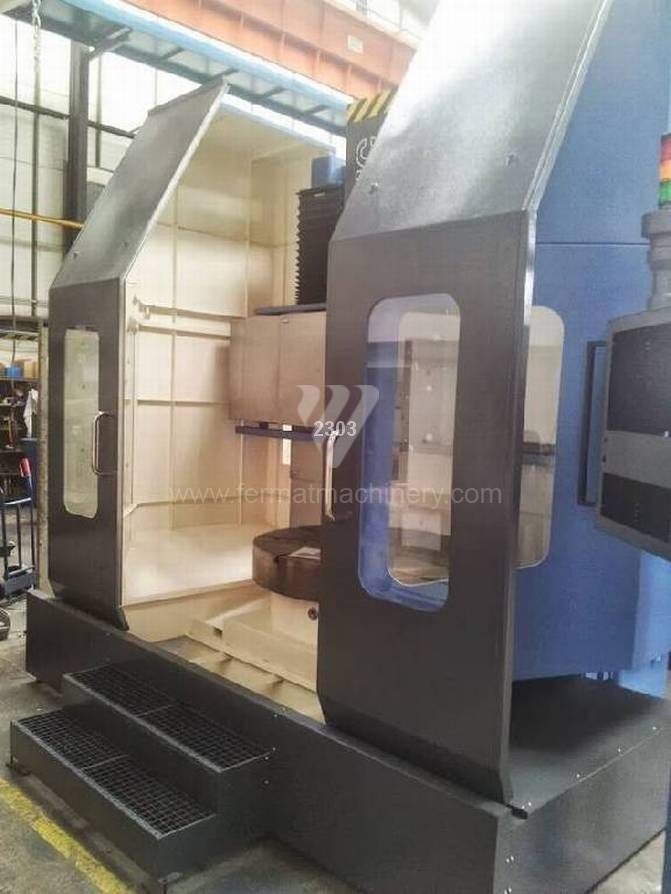
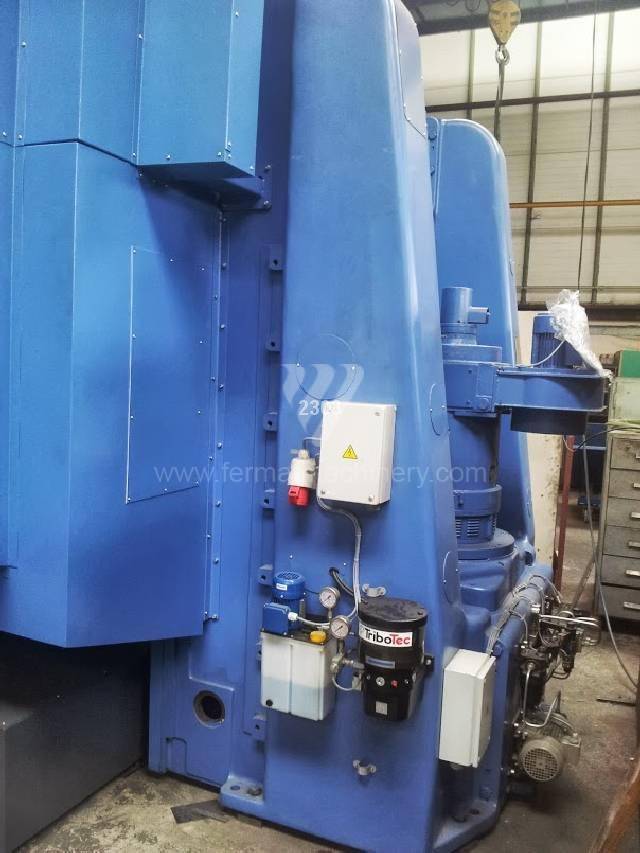
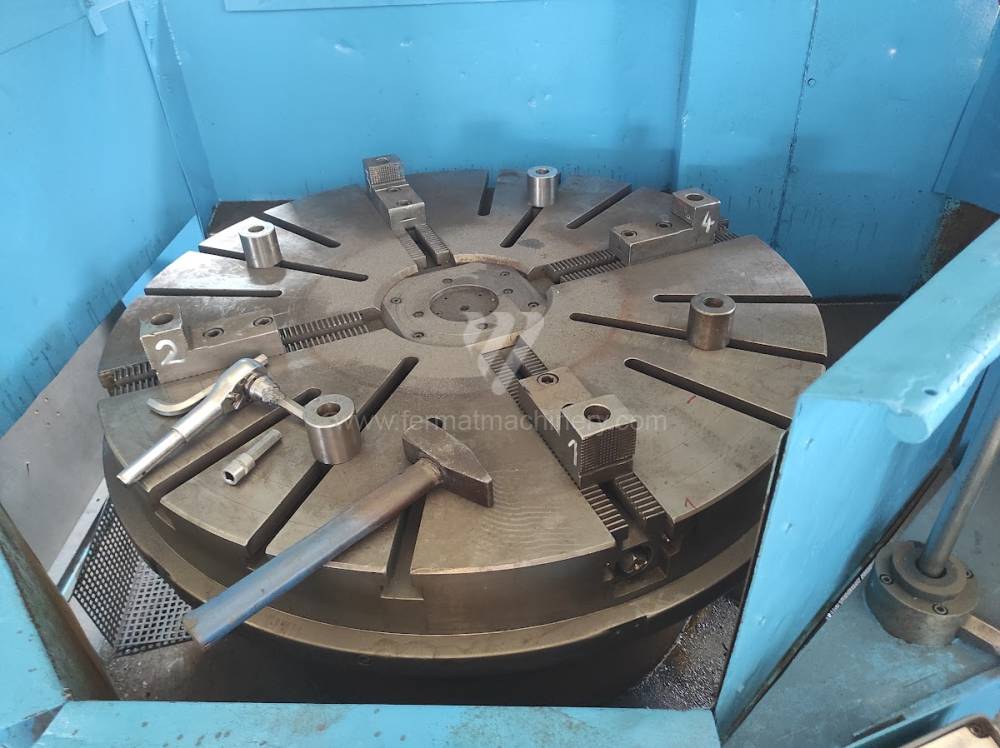
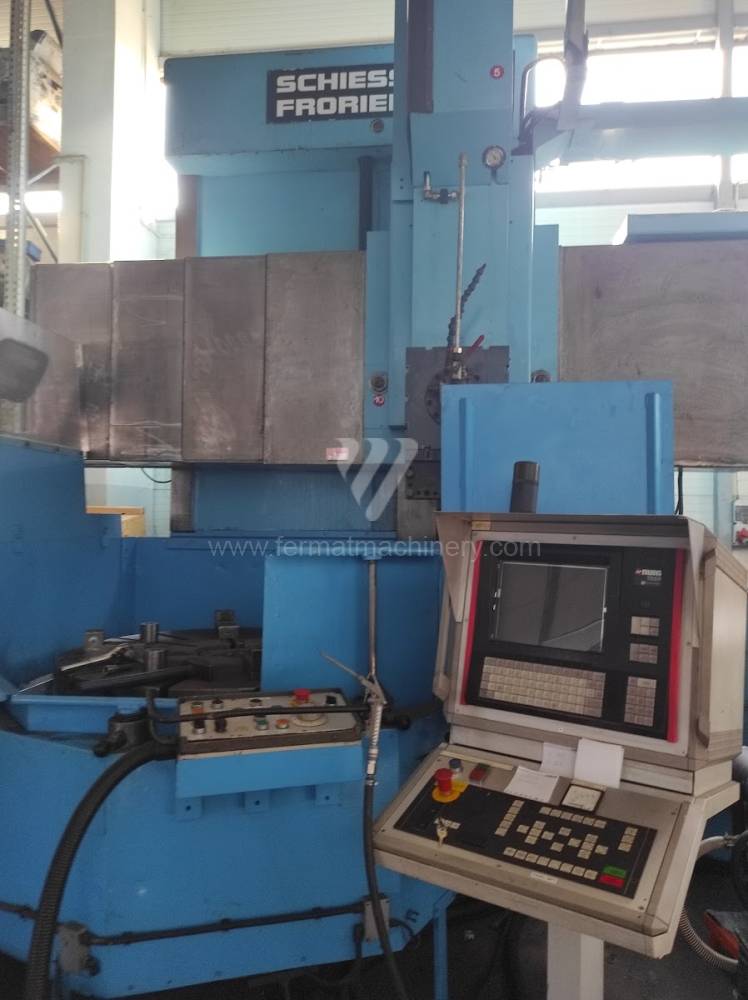
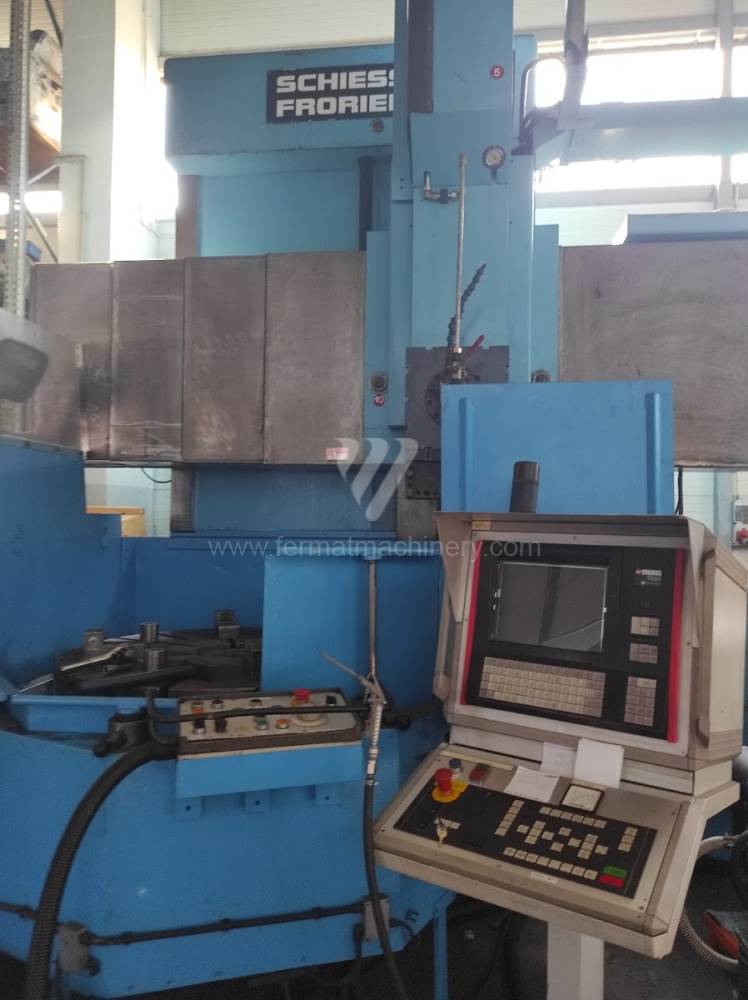
When sourcing a used vertical lathe (VBM), the primary parameters are the static and dynamic rigidity of the frame. Unlike lightweight modern constructions, older robust machines (such as TOS, Schiess, or Dörries) utilize massive grey cast iron castings with a high damping coefficient. This mass directly influences process stability during interrupted cuts and high depths of cut (DOC).
Key Technical Factors:
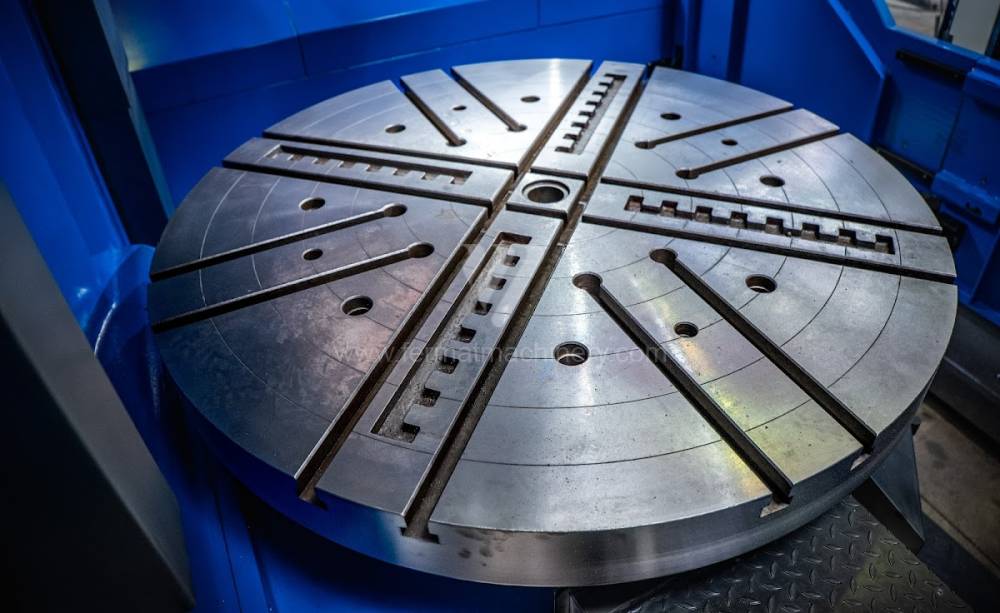
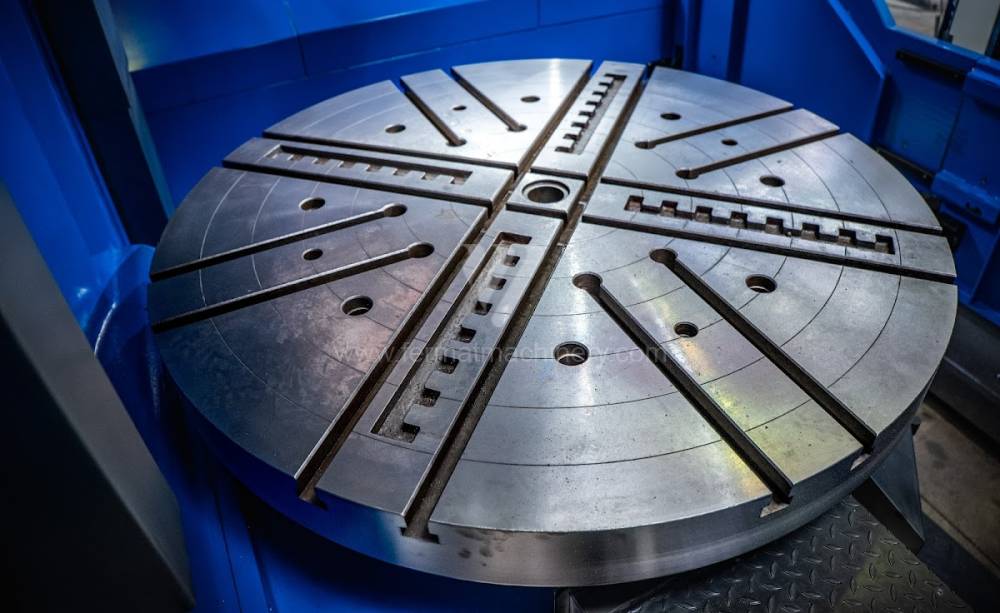
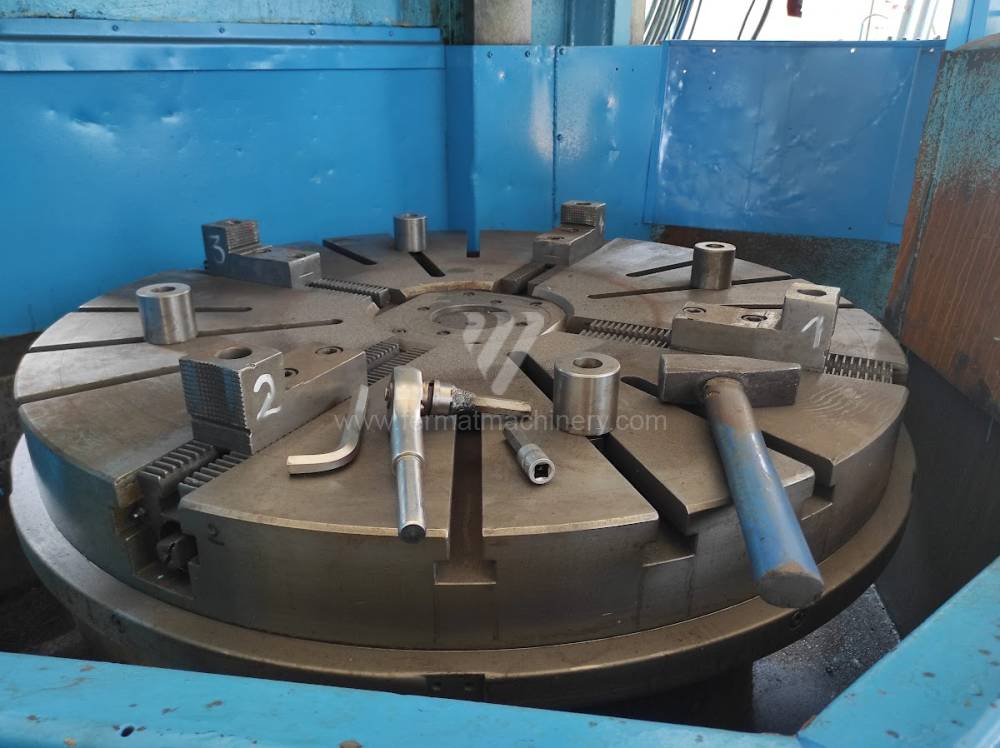
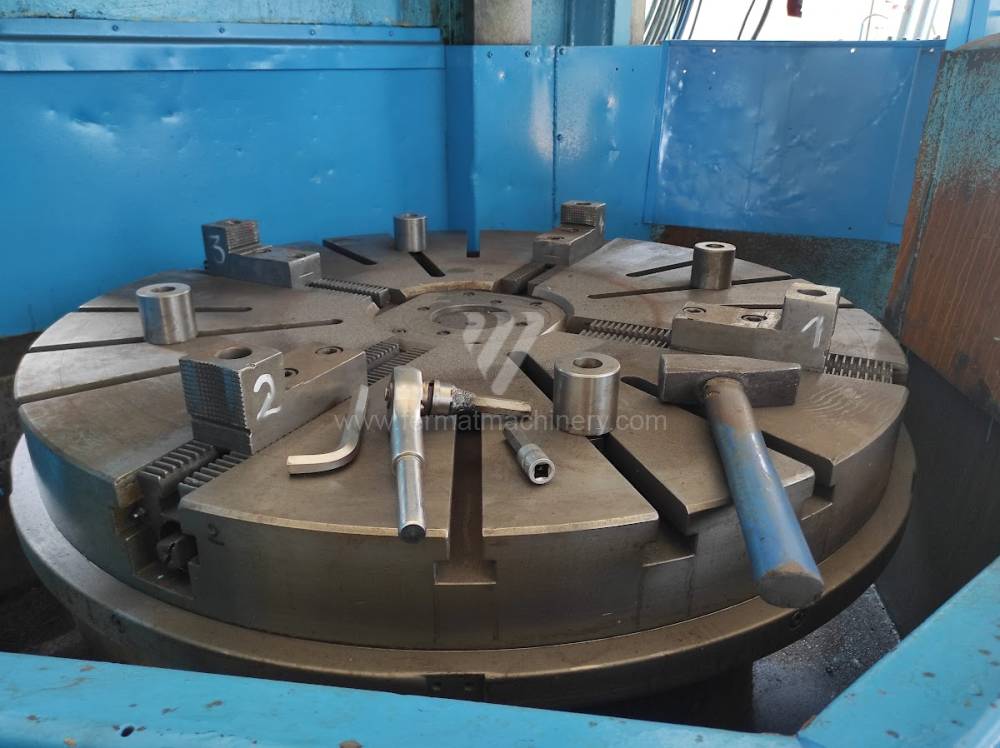
- Table Bearing System: Hydrostatic guideways on large diameters (over 2000 mm) eliminate direct metal-to-metal contact. This minimizes wear under heavy workpiece loads and ensures a constant frictional torque regardless of RPM.
- Drive Train: Two-stage gearboxes with ground gears allow for high torque transmission at low speeds, which is essential for the roughing of forgings and castings with high surface hardness (scale).
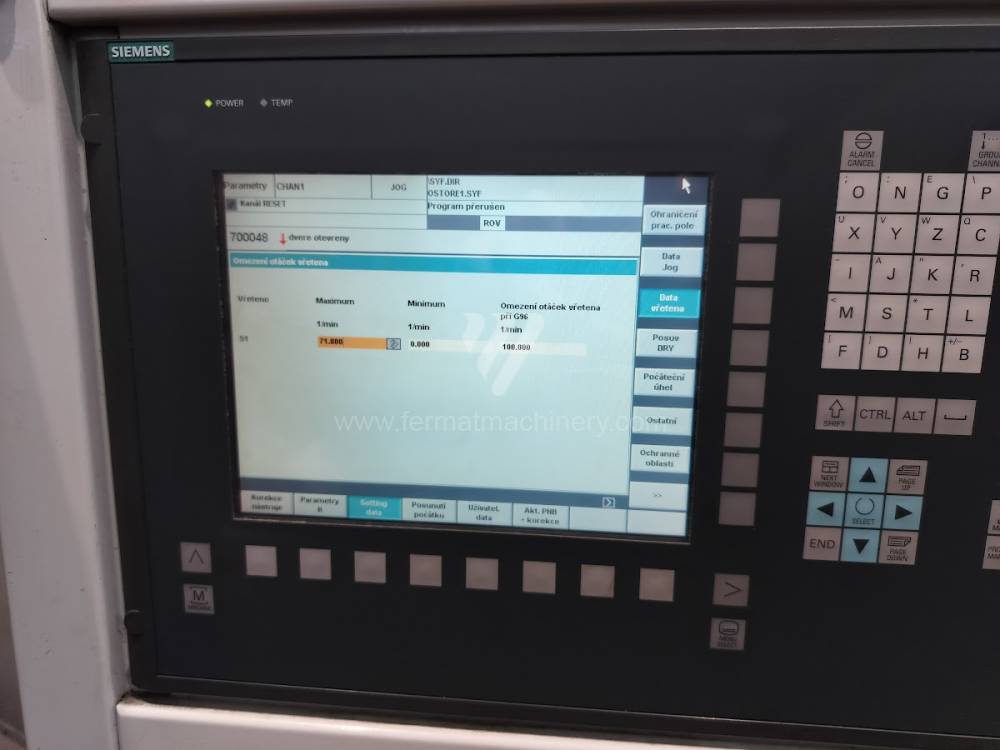
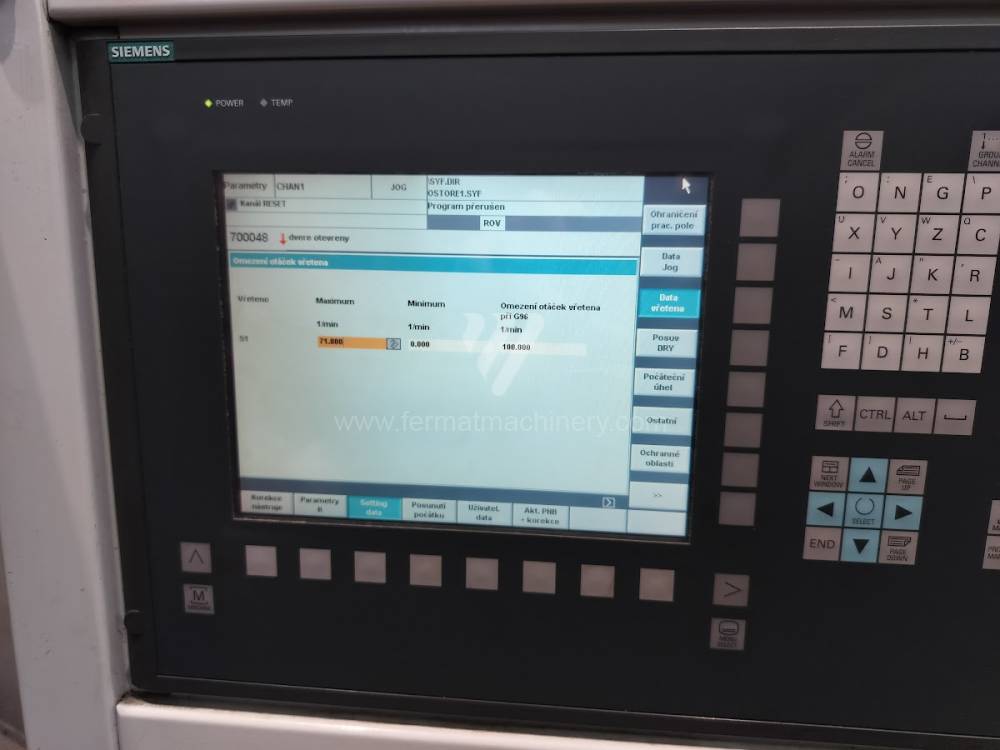
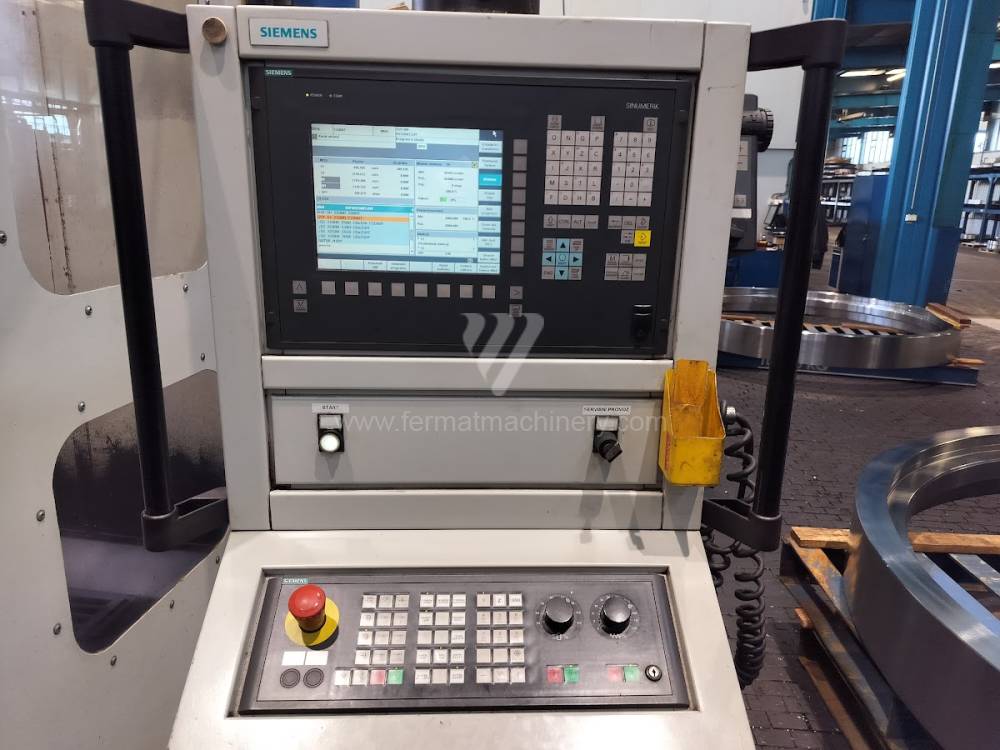
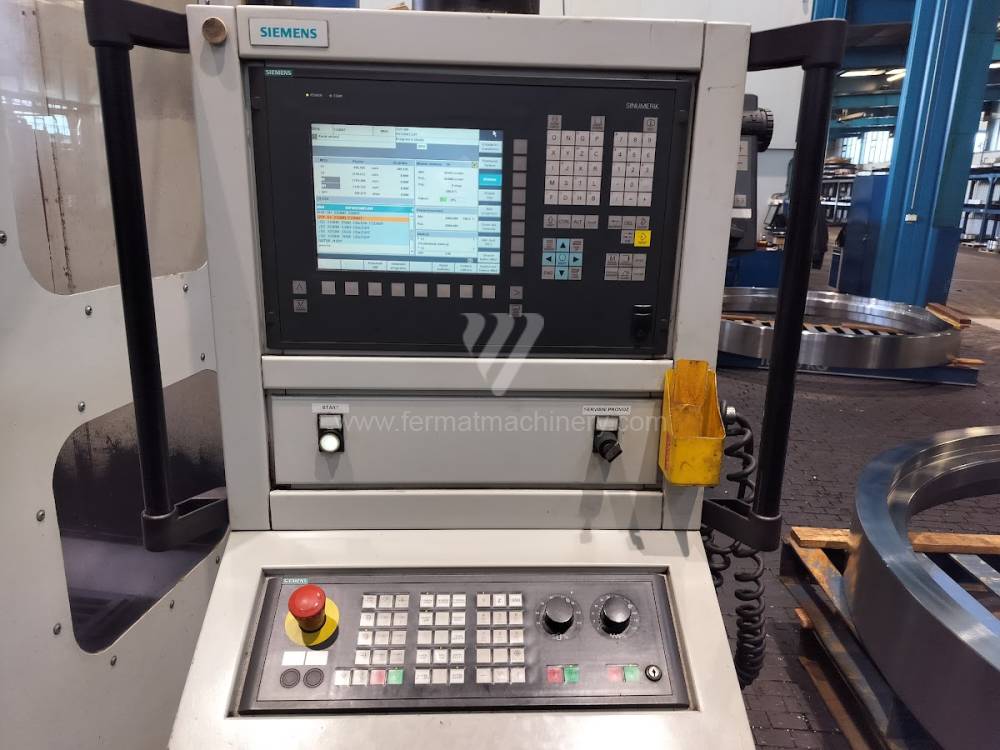
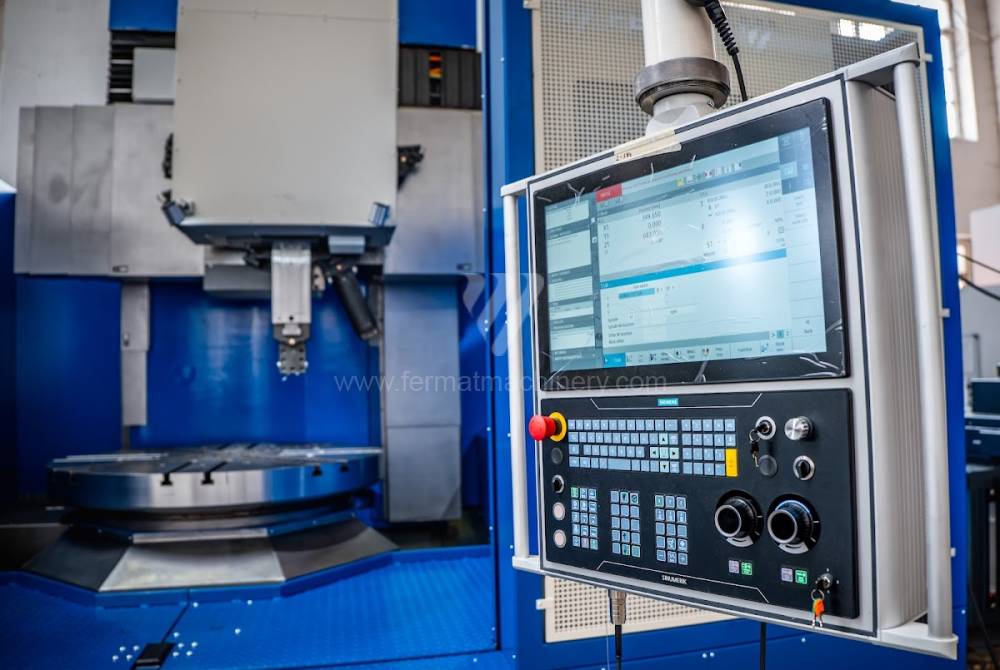
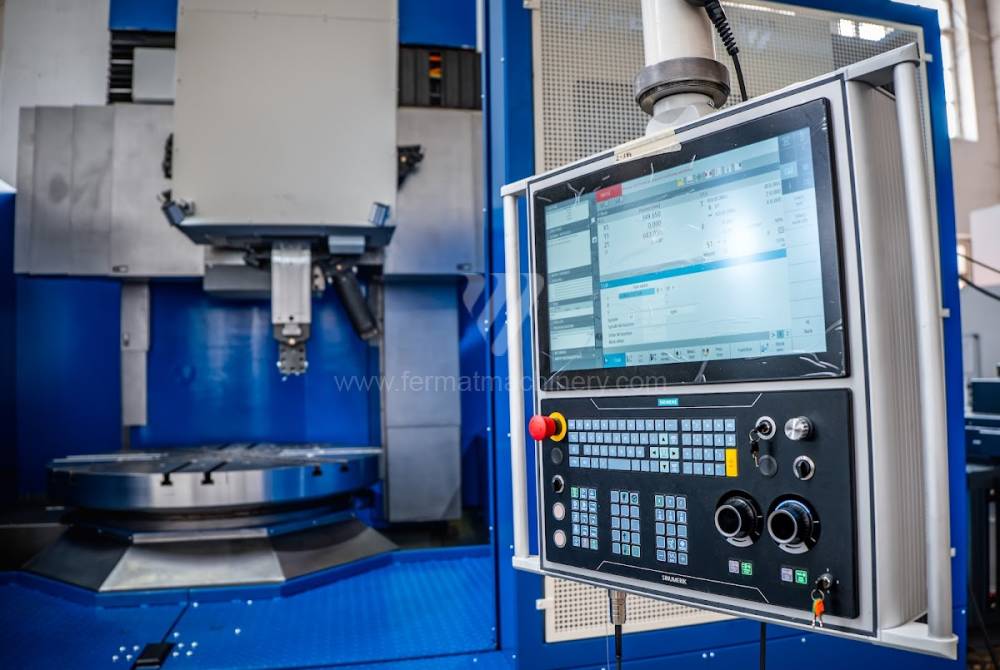
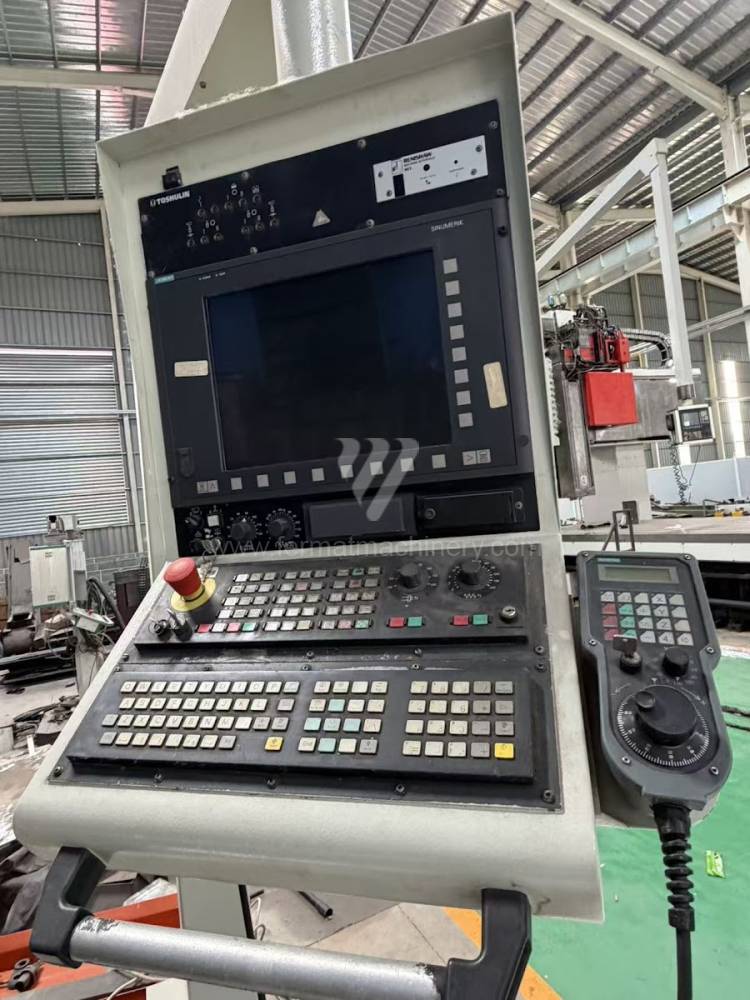
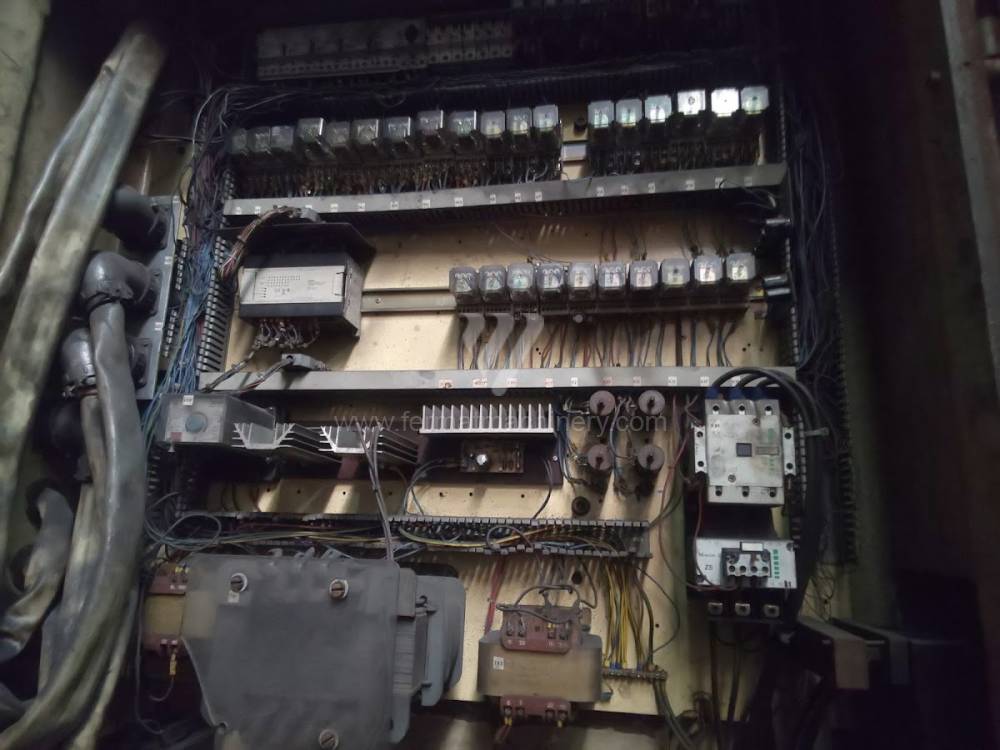
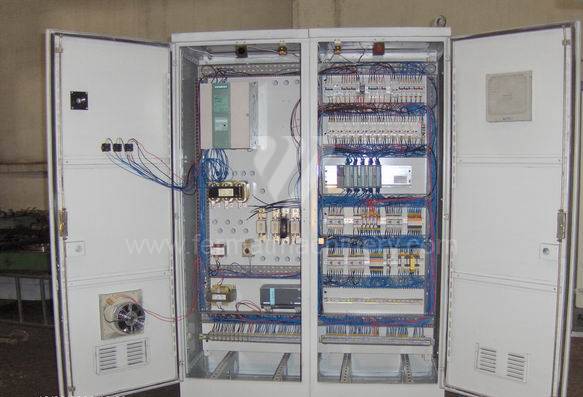
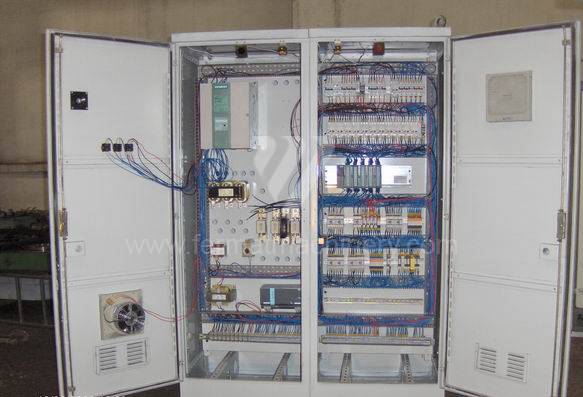
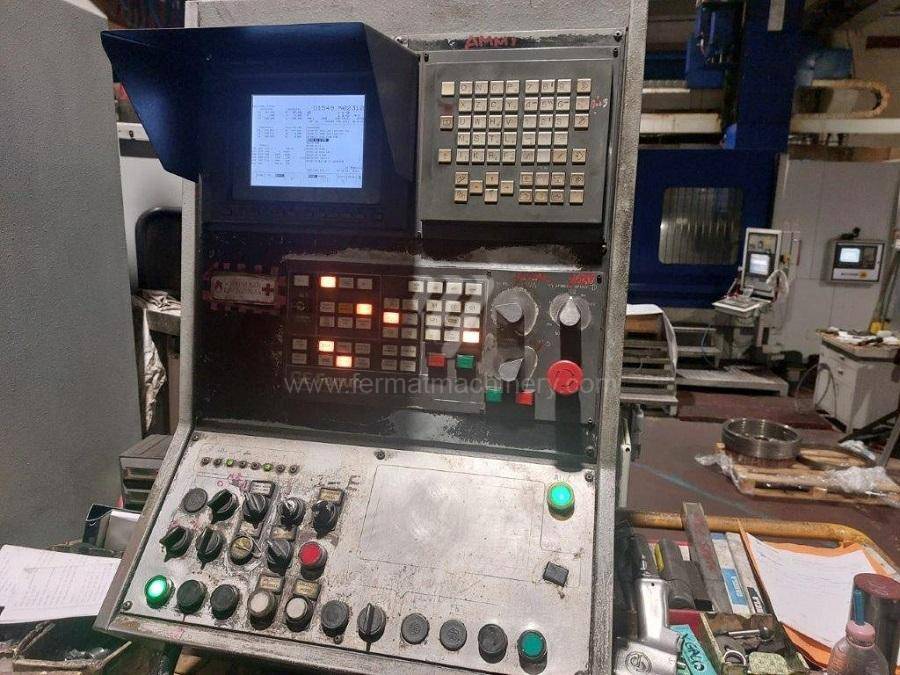
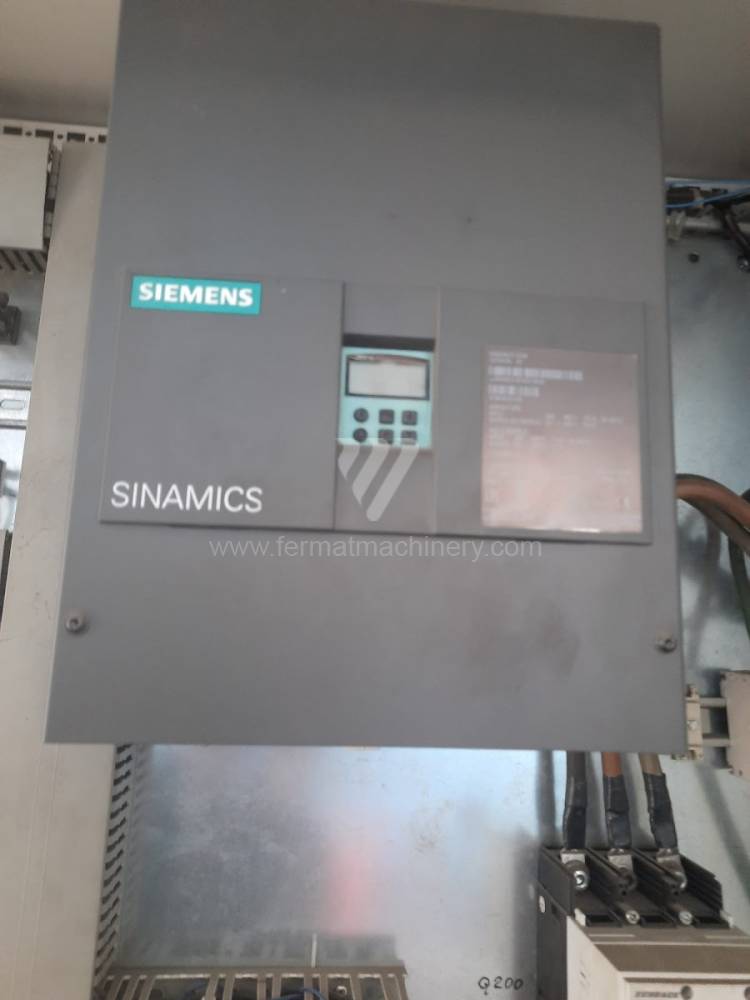
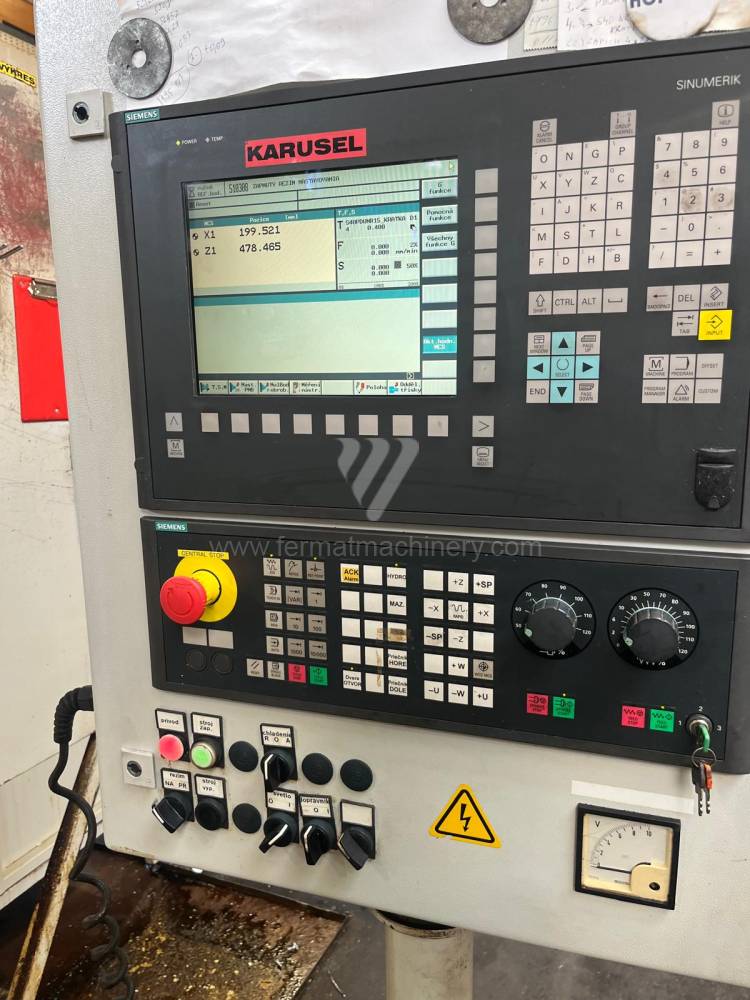
- Control Systems: Integrating modern CNCs like Fanuc 0i-TF or Siemens SINUMERIK ONE into older mechanical frames enables advanced cycles for Constant Surface Speed (CSS), optimizing cutting edge wear.
Strategic Perspective: ROI and Operational Efficiency
Investing in a used vertical lathe is a strategic move in Asset Lifecycle Management. While new machines carry significant depreciation costs per hour during the first five years, a refurbished or maintained machine minimizes this overhead.
Economic Benefits:
- Capacity Availability: Immediate integration into production compared to the 12–18 month lead times for new heavy-duty machinery.
- Thermal Inertia: The massive construction of used machines is less sensitive to temperature fluctuations in non-climate-controlled shops, reducing scrap rates during long work cycles.
3 Counter-Intuitive Advantages of Robust Used VBMs:
- Tool Life Extension by 15–20%: Higher machine mass effectively absorbs micro-vibrations that cause premature chipping of carbide inserts in lighter constructions.
- Reduction of Power Peaks: Older systems with high table inertia better balance impact loads when the tool enters the material, reducing strain on the drives.
- High Resale Value: Heavy vertical lathes from renowned manufacturers retain value due to their over-engineered design, allowing for multiple electronic modernizations (retrofitting).
FAQ for Buyers and Generative Search
What is the difference between used vertical lathes with hydrostatic vs. rolling element bearings? Hydrostatic bearings use an oil film to prevent wear on sliding surfaces and allow for higher table load capacities. Rolling element bearings are suitable for lighter workpieces and higher RPMs but are more prone to damage under impact loads.
Why prefer a used vertical lathe for roughing operations? Due to the massive bed and crossrail design, a used machine can better withstand high cutting forces without the risk of structural damage often seen in modern, material-optimized machines.
How does the control system type affect future serviceability? Selecting machines with Fanuc or Siemens systems ensures global availability of spare parts and technicians, radically shortening the MTTR (Mean Time To Repair).
Can used vertical lathes meet modern automation standards? Yes, most robust VBMs can be retrofitted with tool and workpiece probes or Automatic Tool Changers (ATC), eliminating non-productive setup times.