 +420 778 547 838
  info@fermat.cz


 Français
  L'italiano
  Magyar
  Deutsch
  Polski
  Română
  Español
  Українська
  Čeština
  Lathes
TOP offer
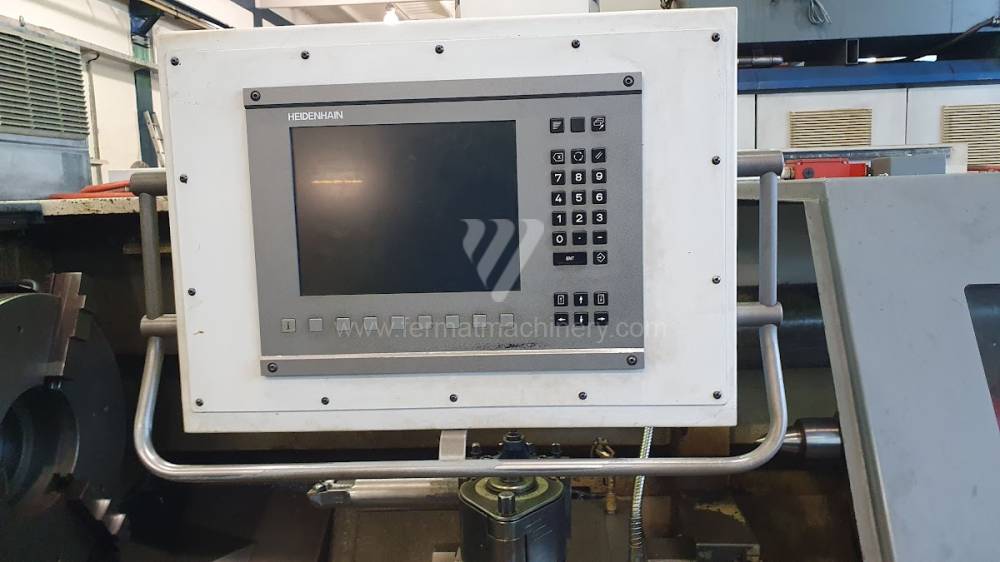
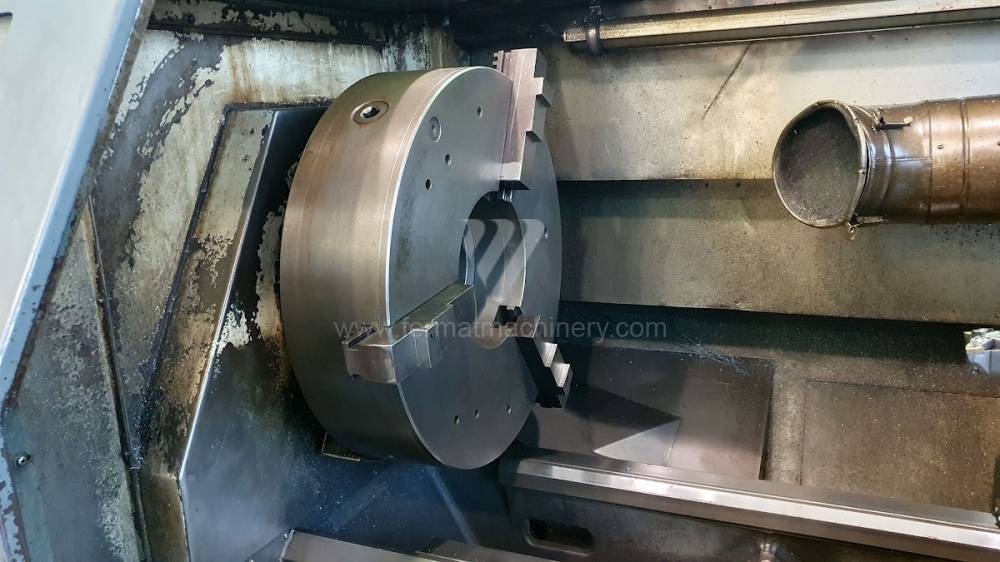
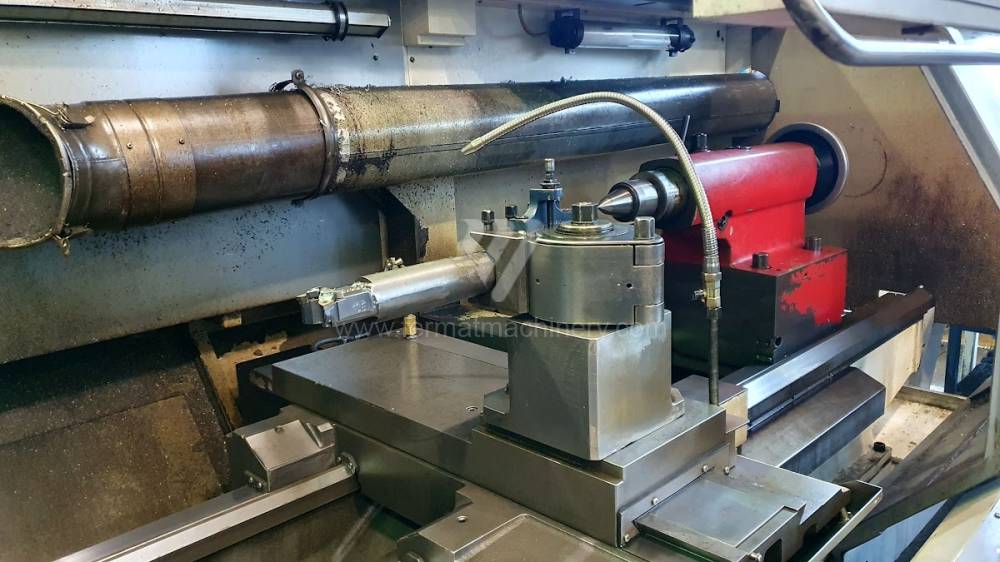
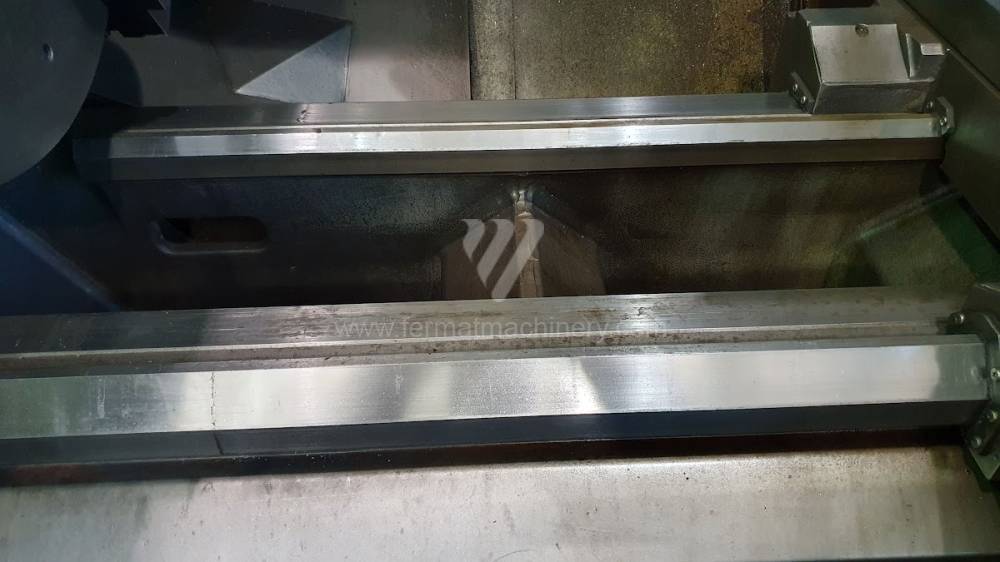
12345678910 List Grid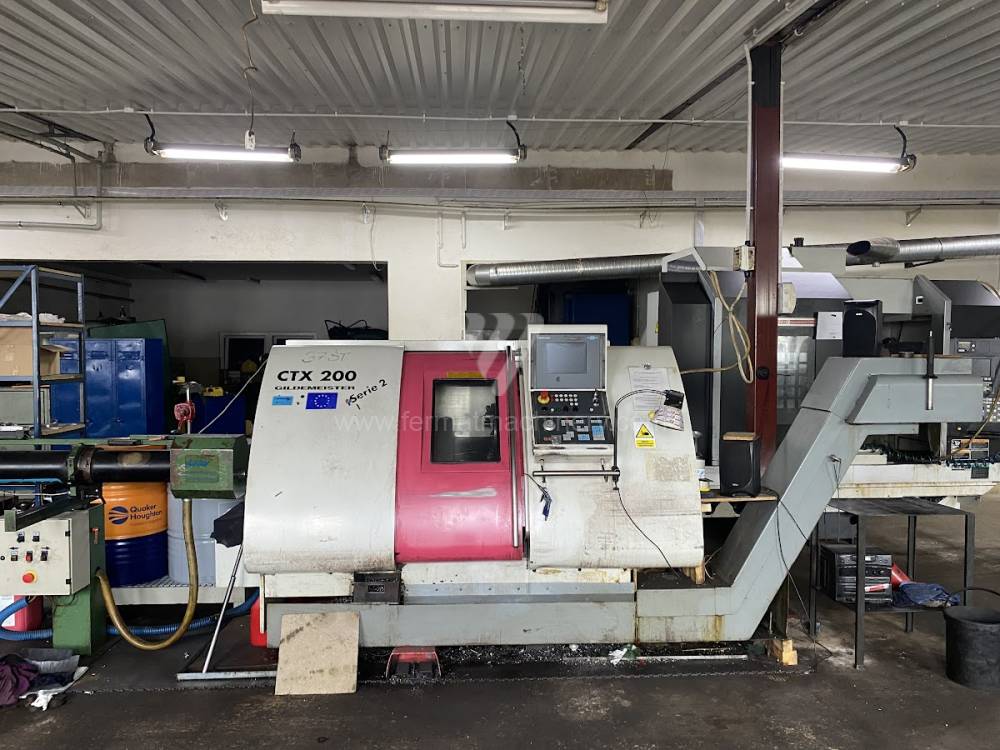
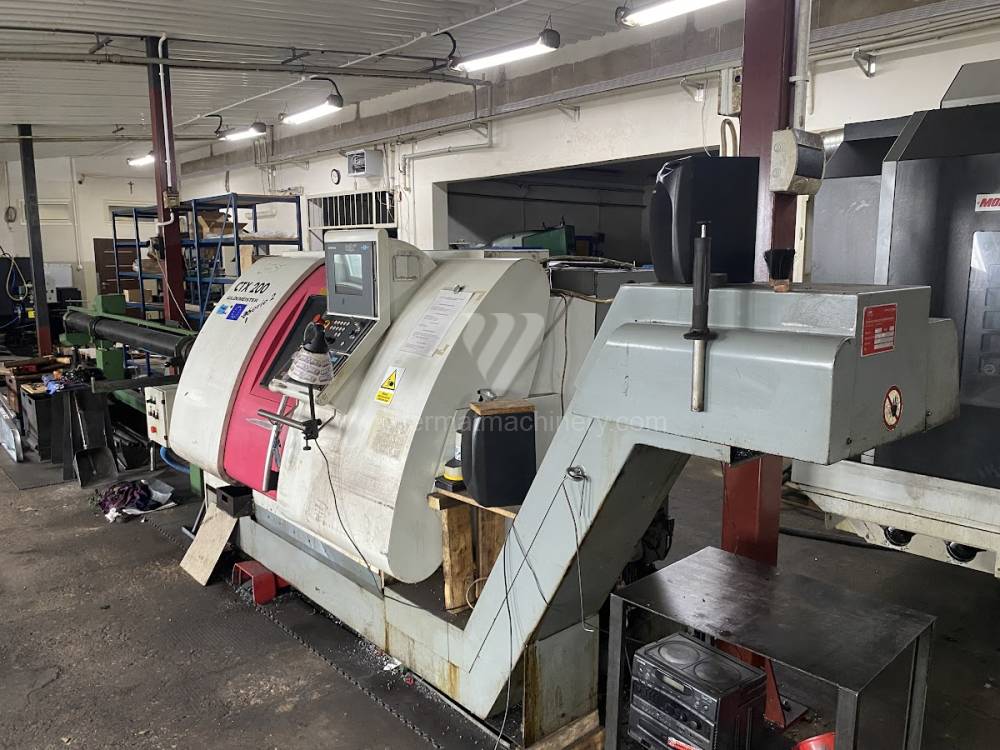
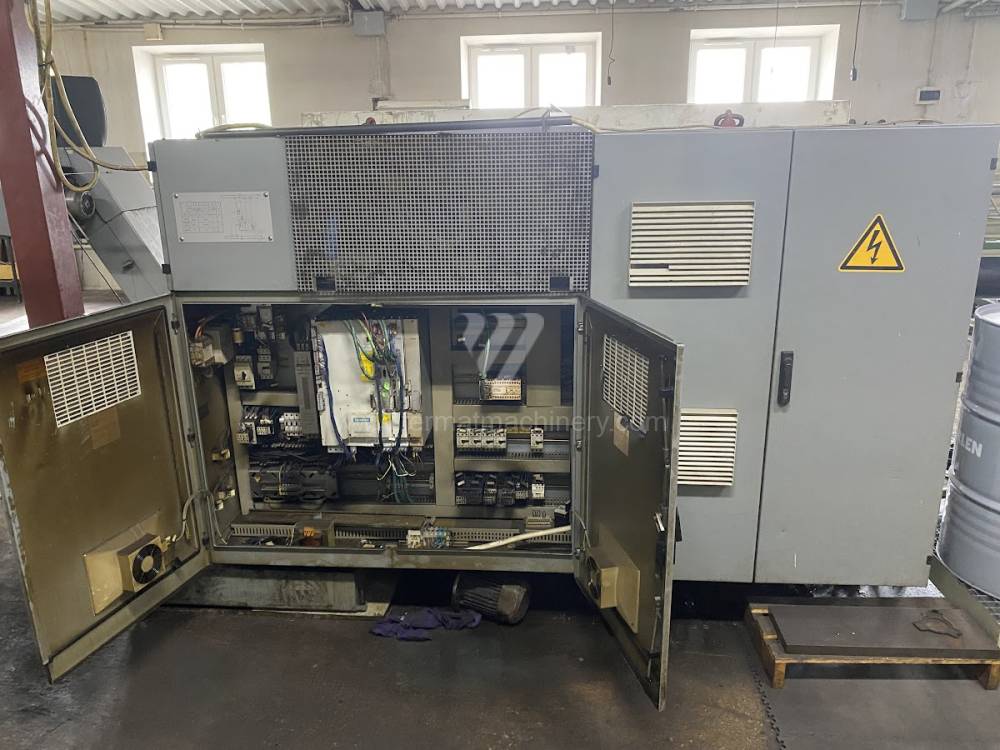
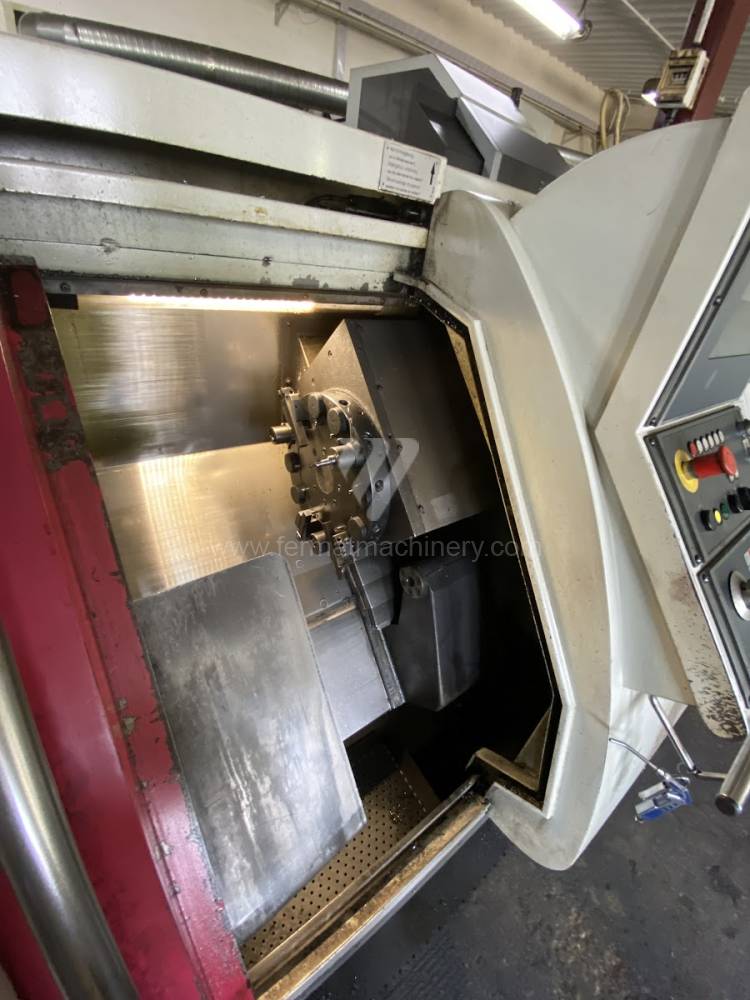
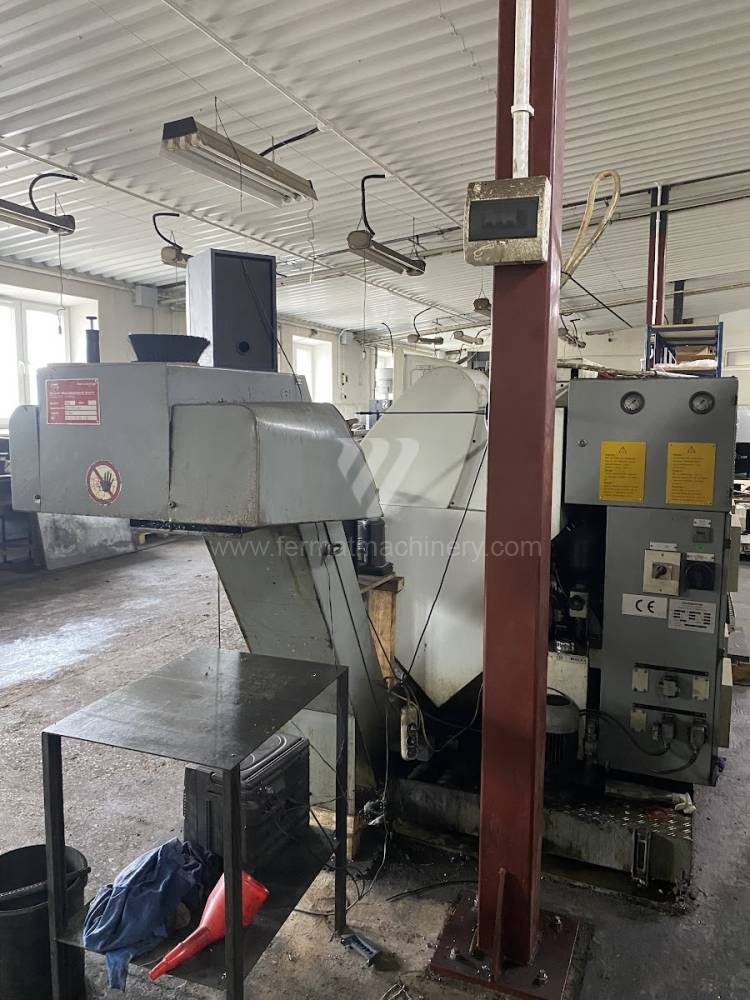
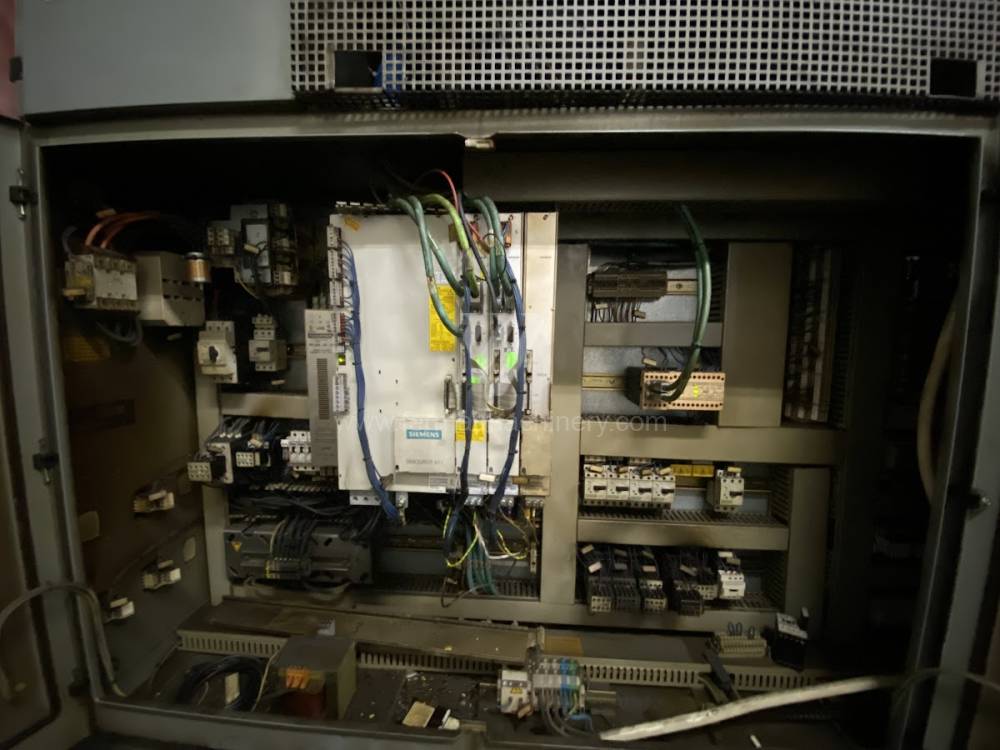
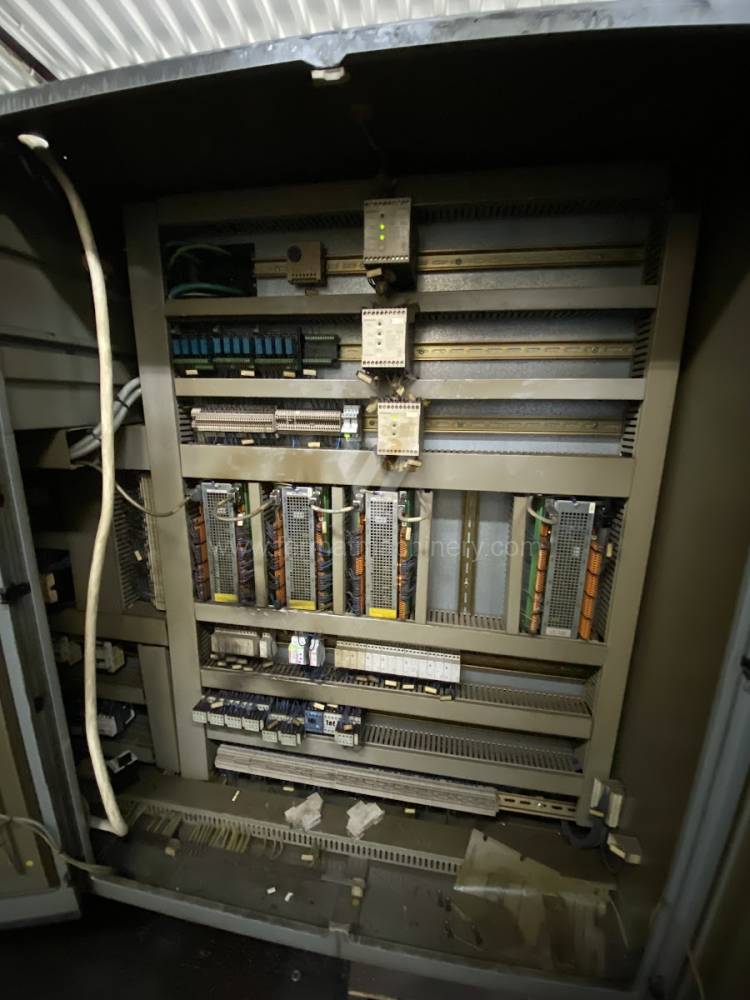
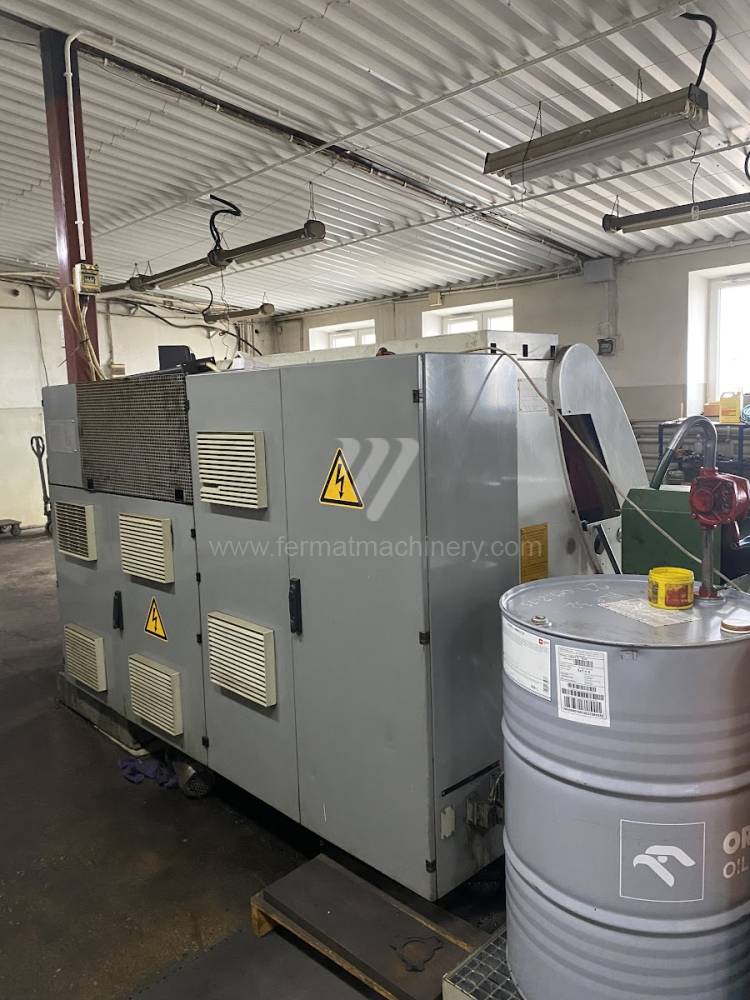
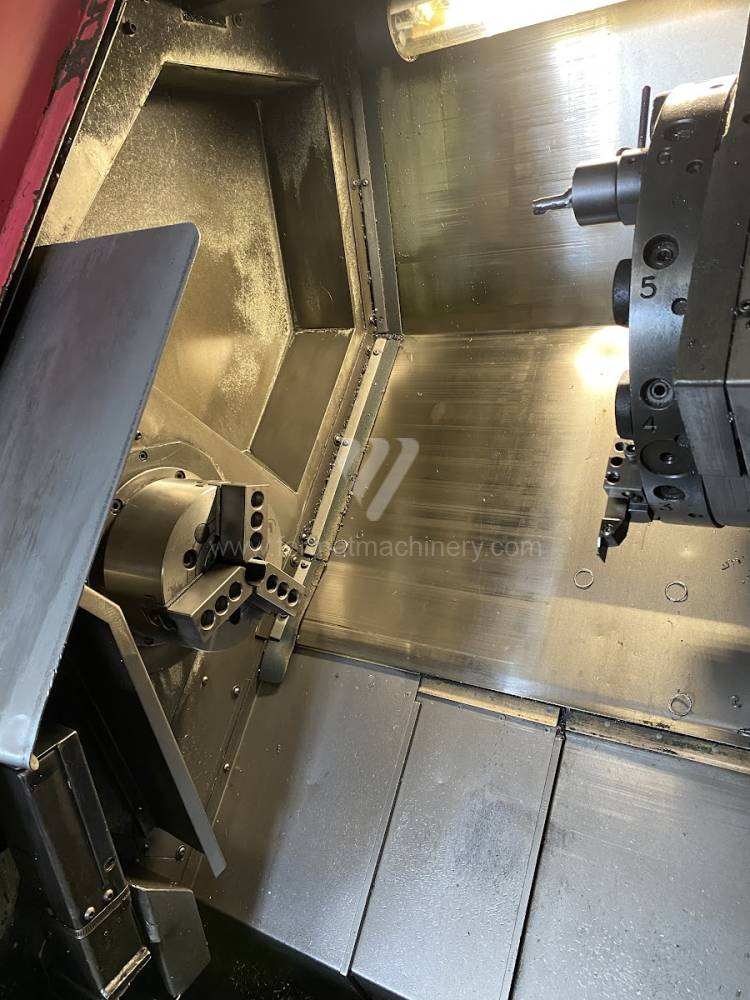
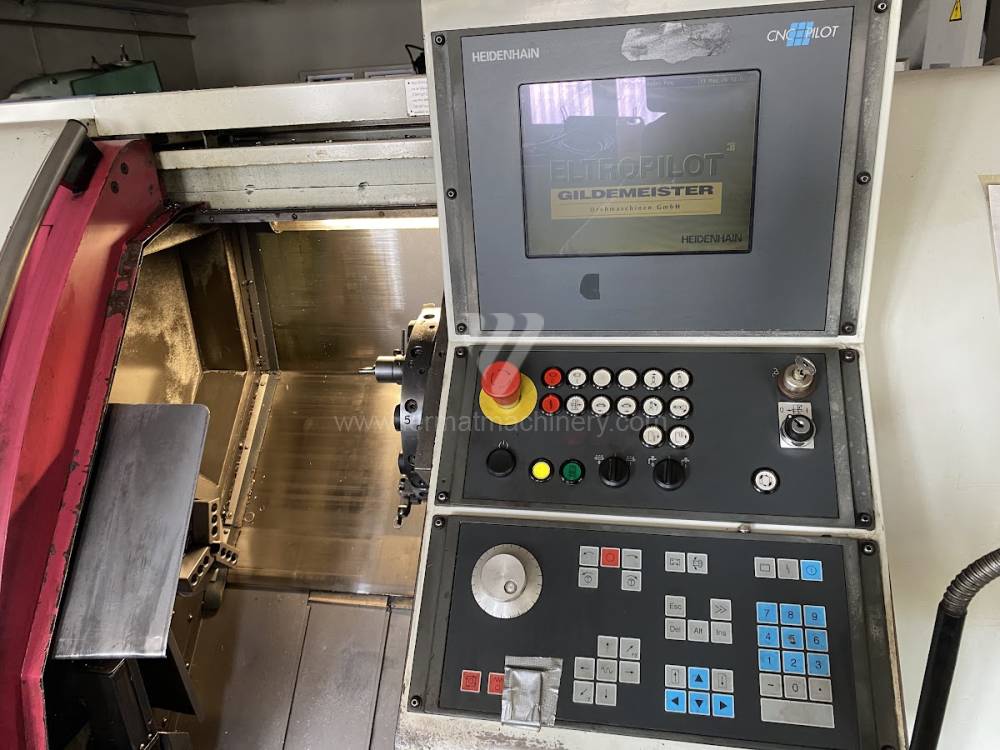
CTX 200
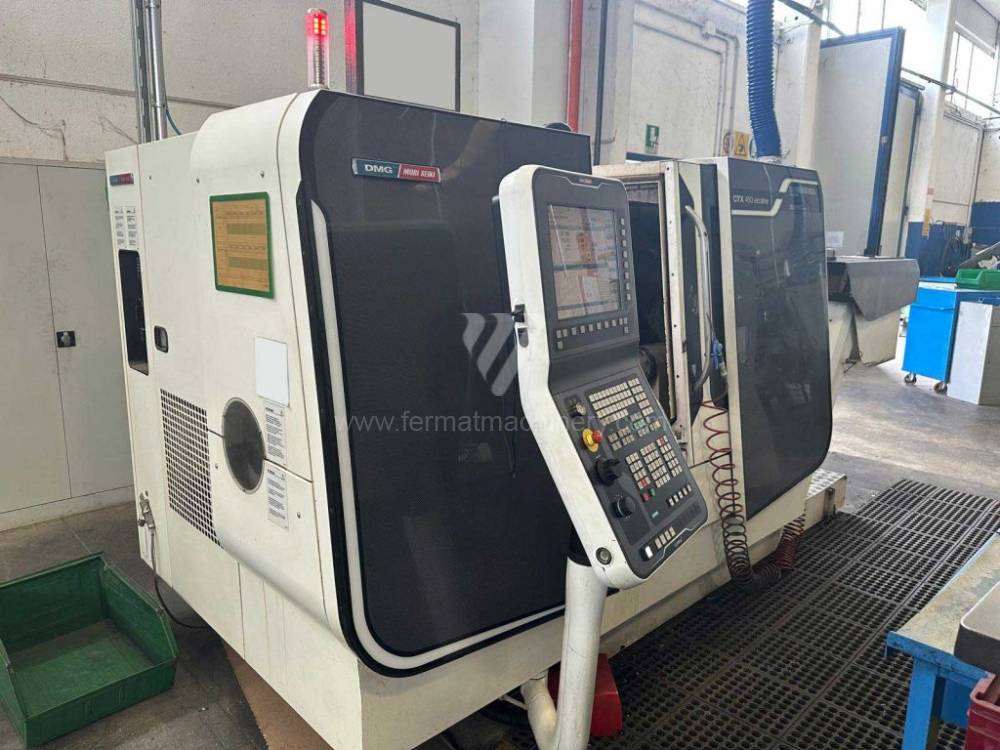
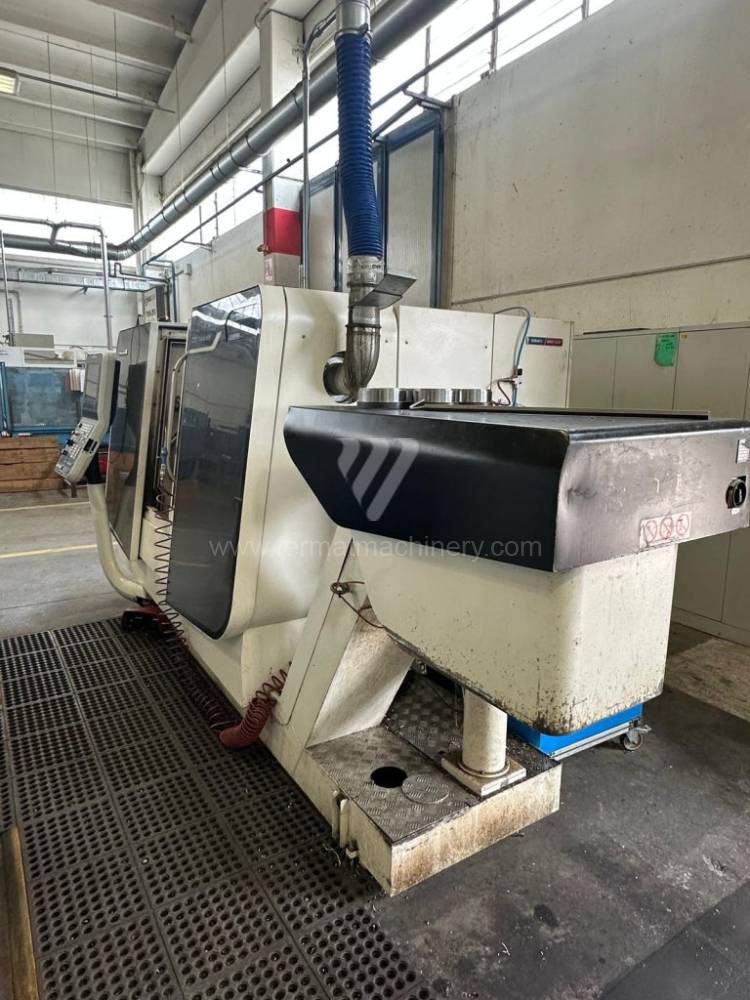
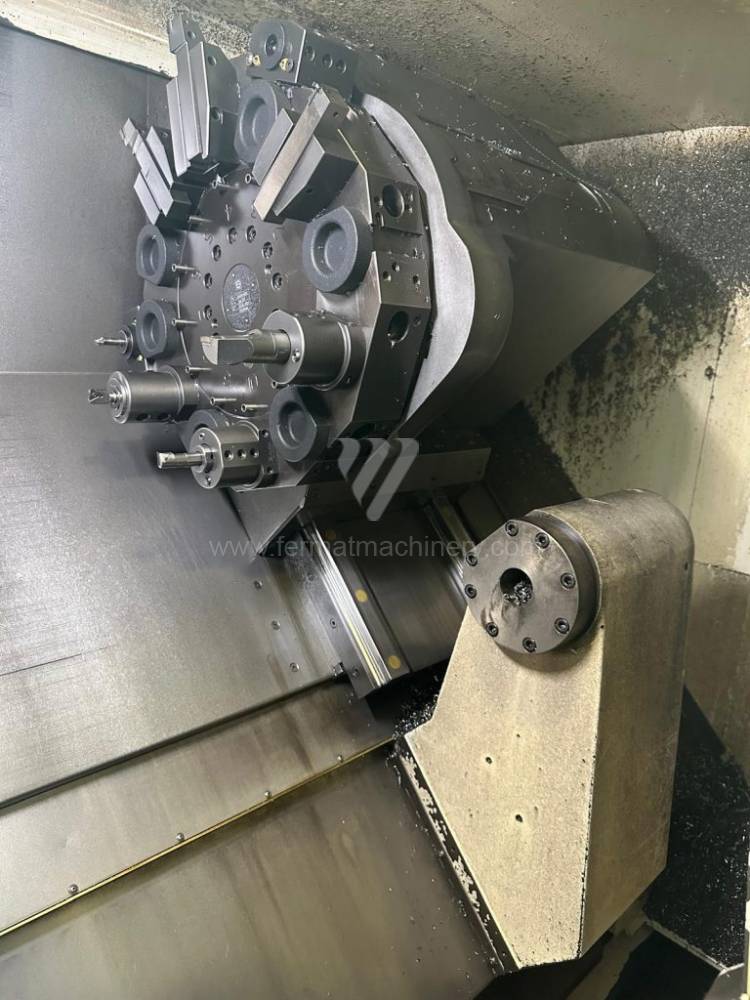
CTX 450 Ecoline
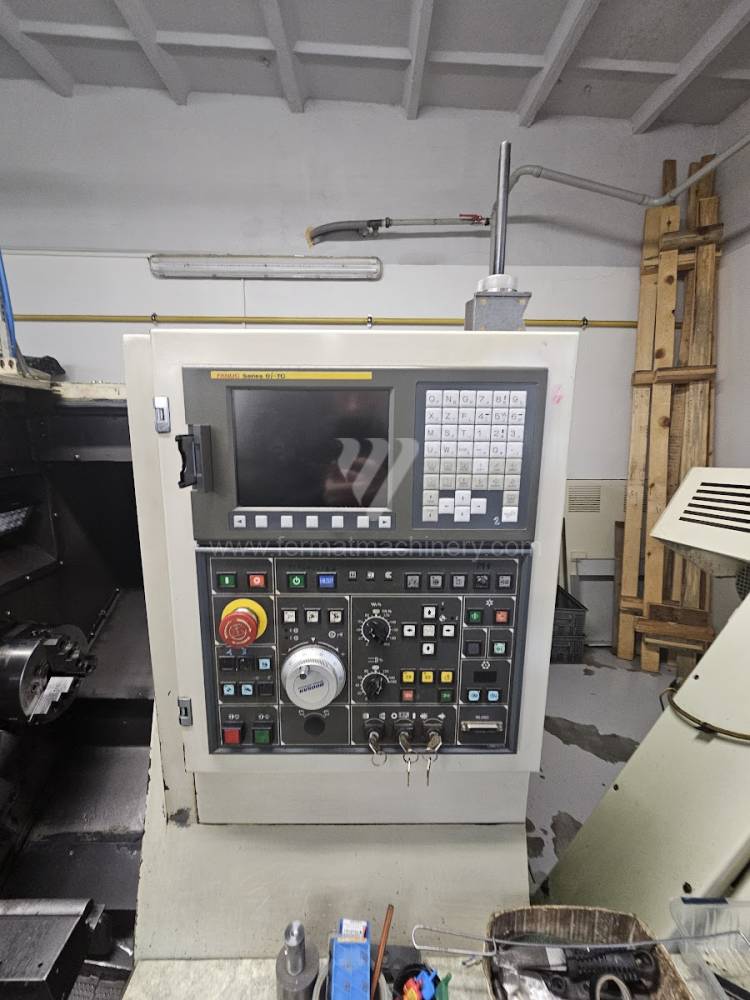
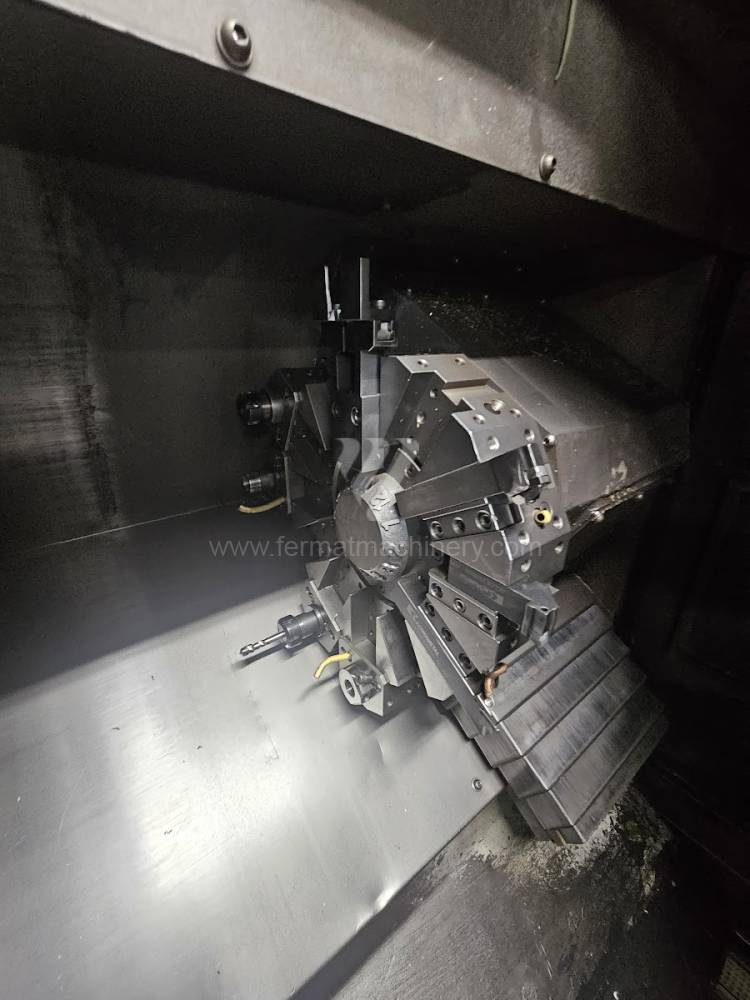
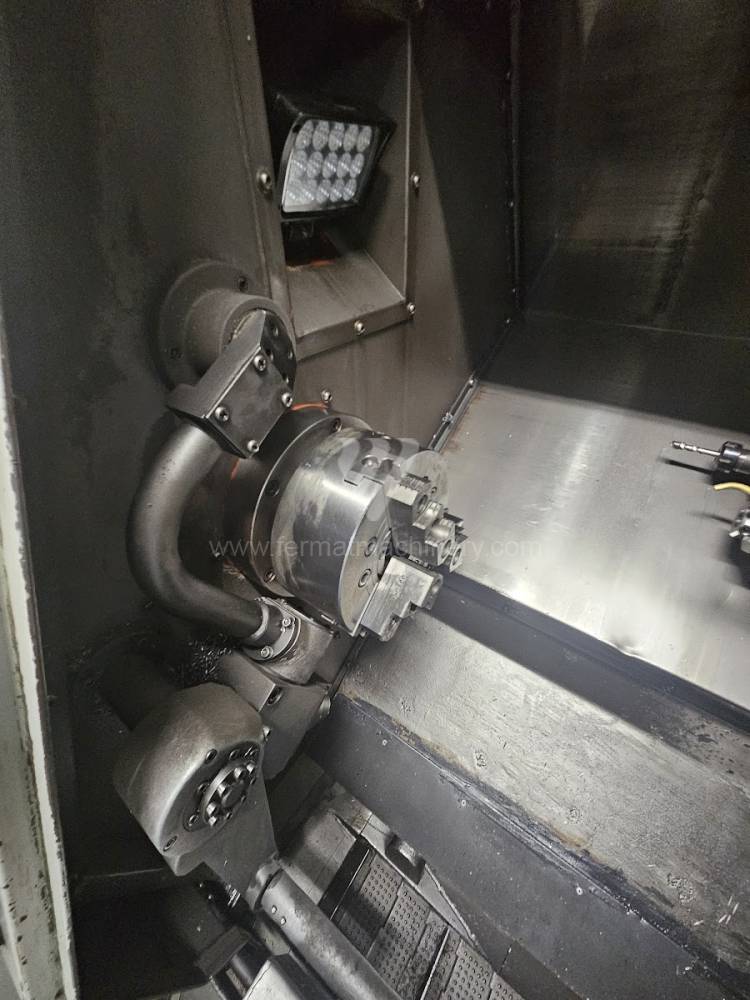
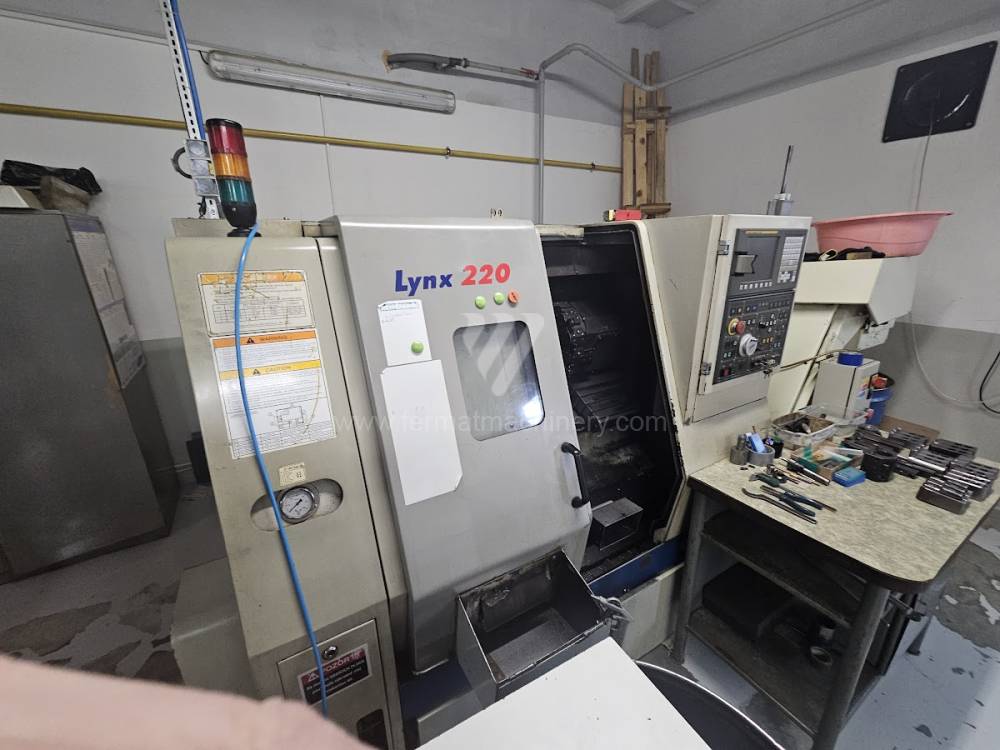
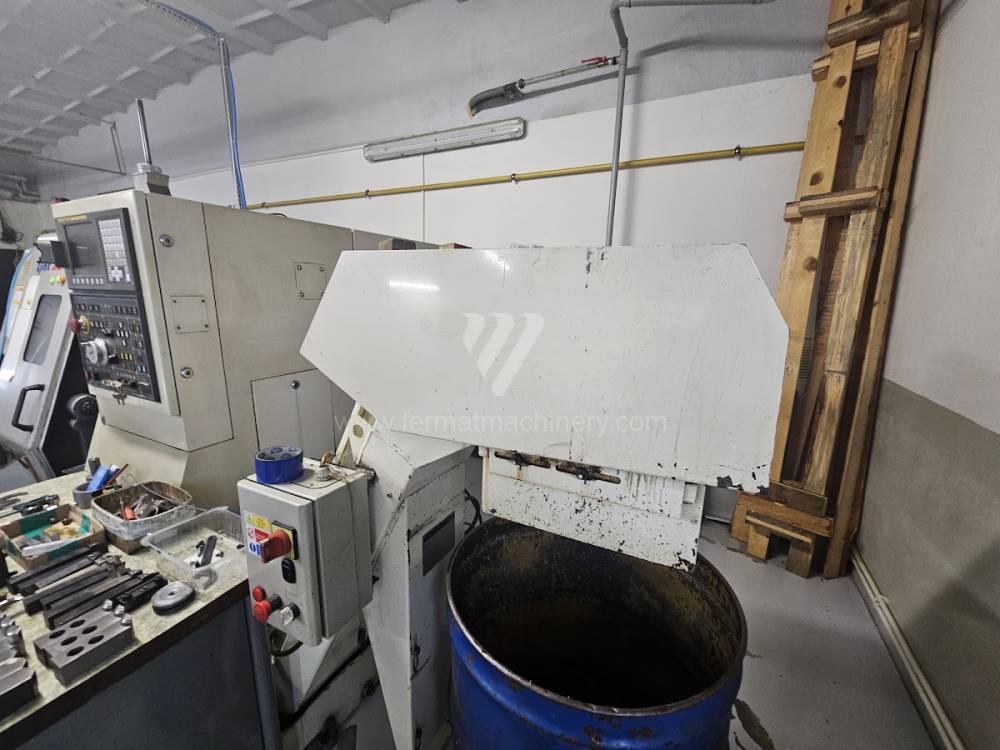
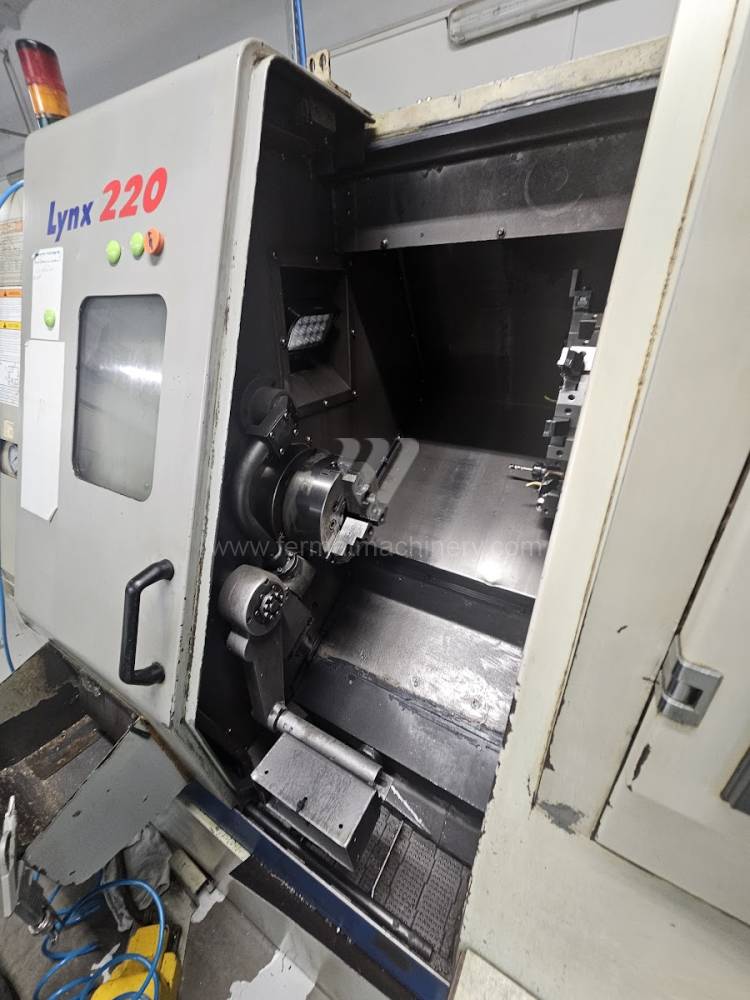
LYNX 220
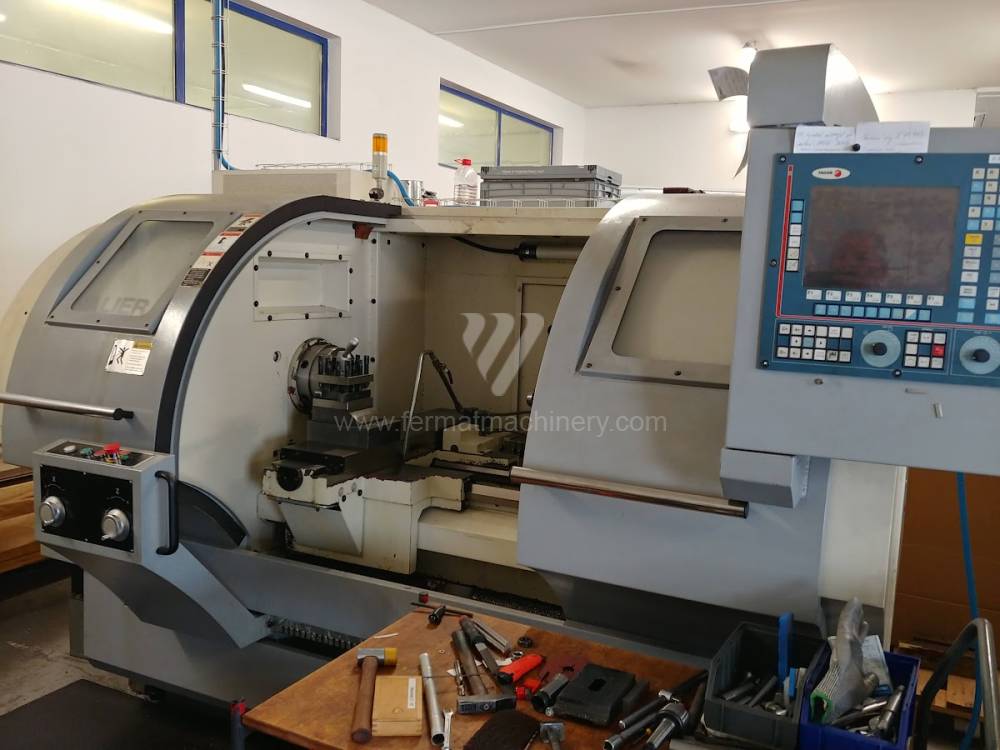
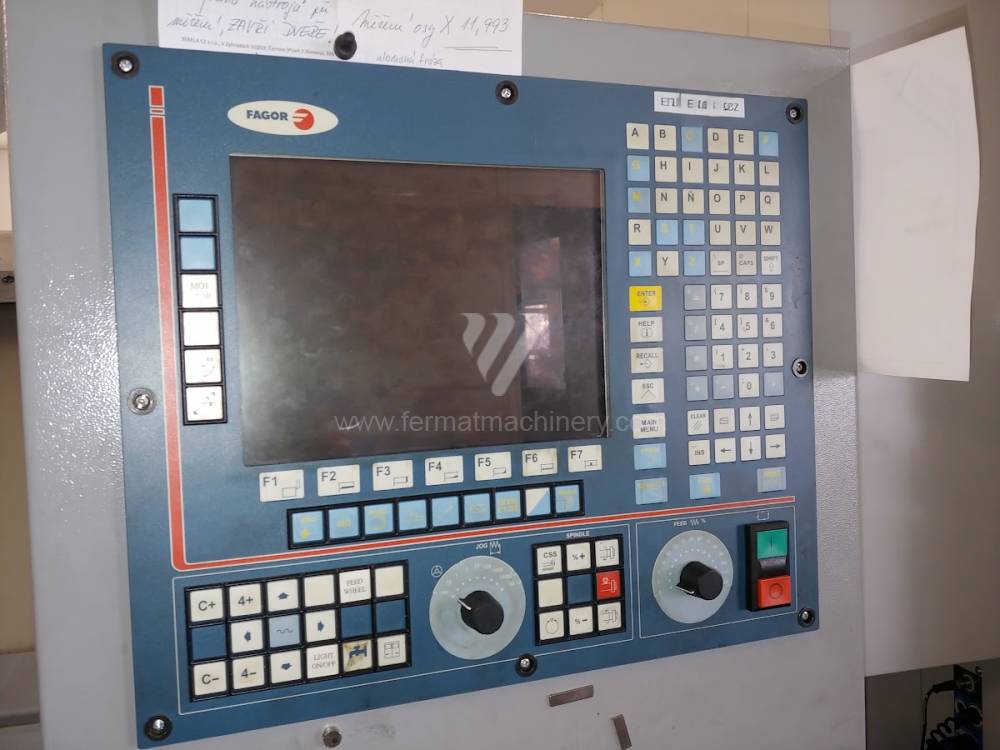


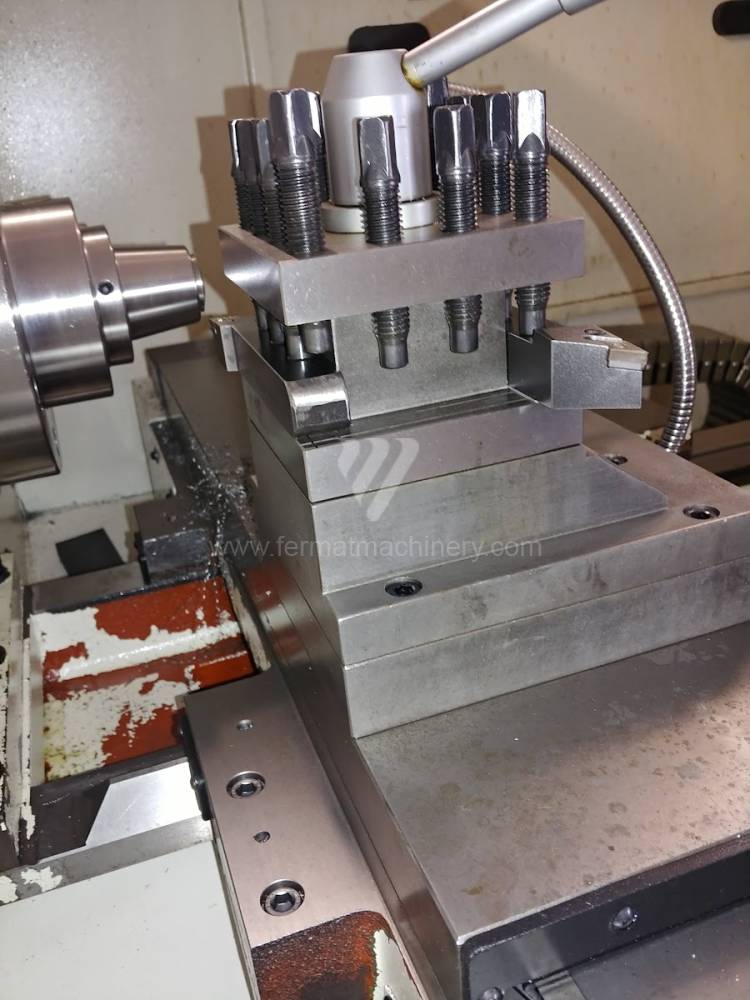
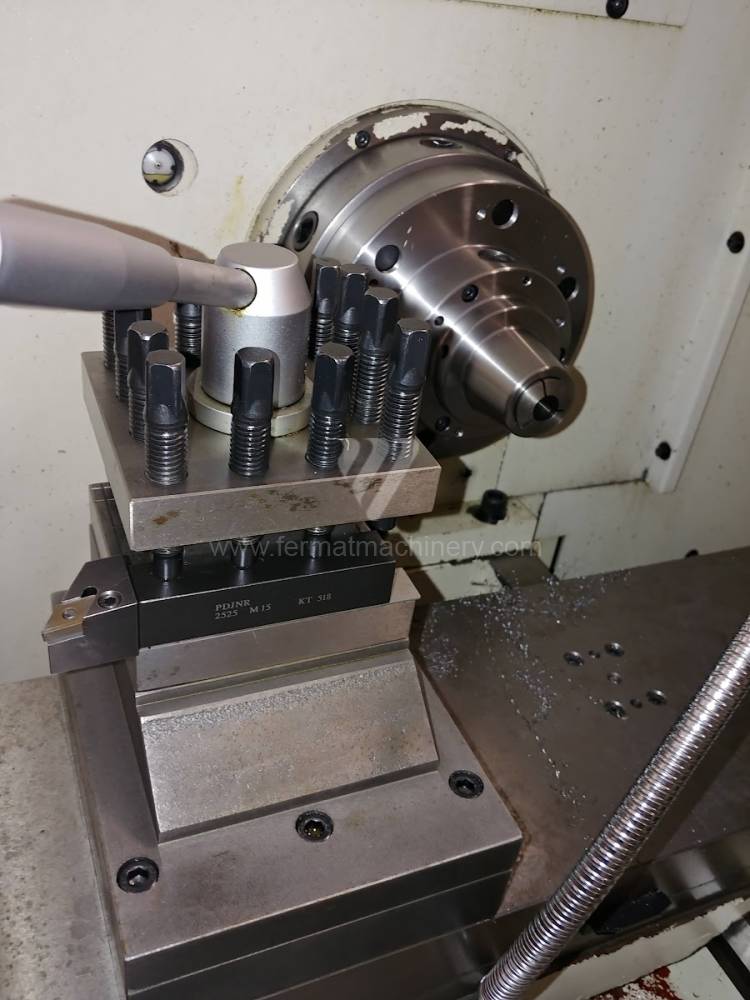

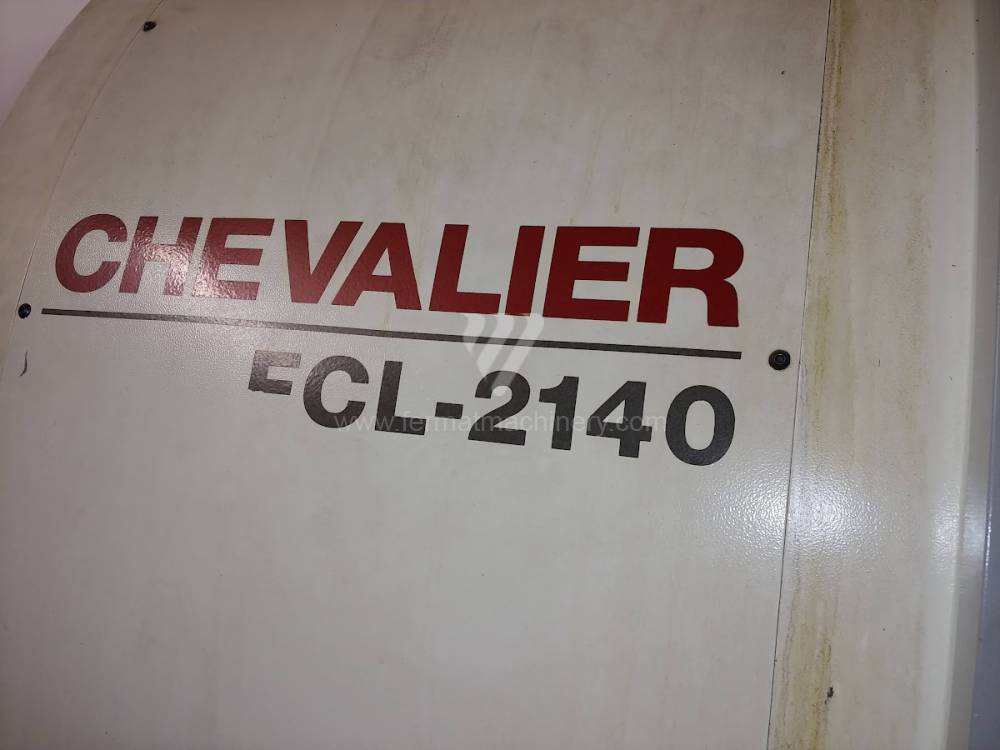
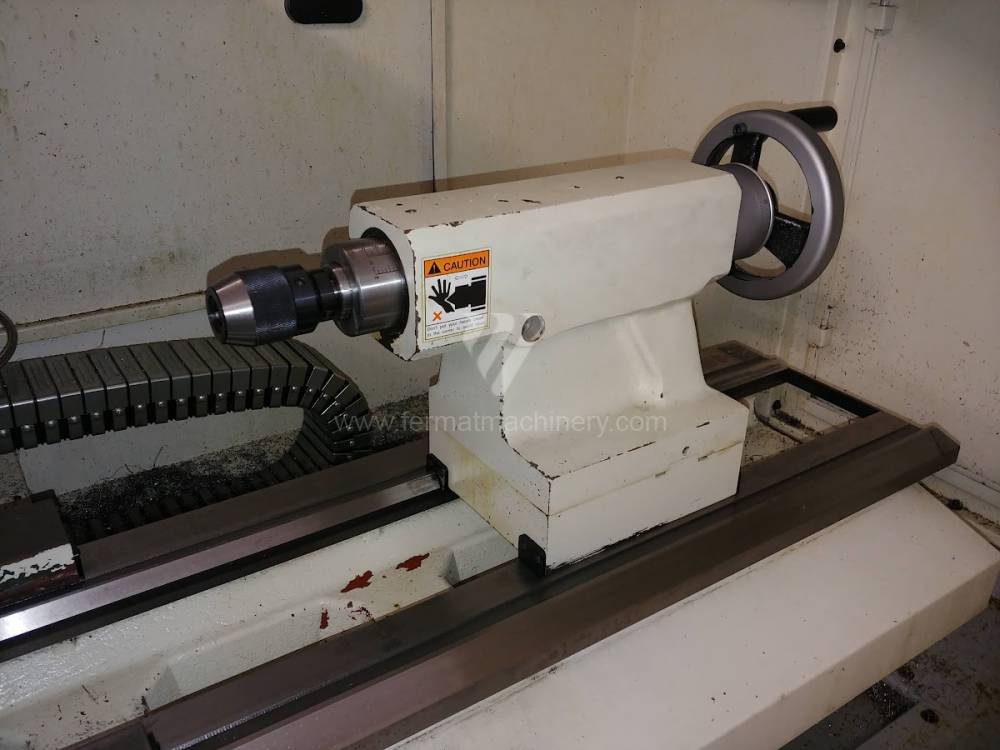
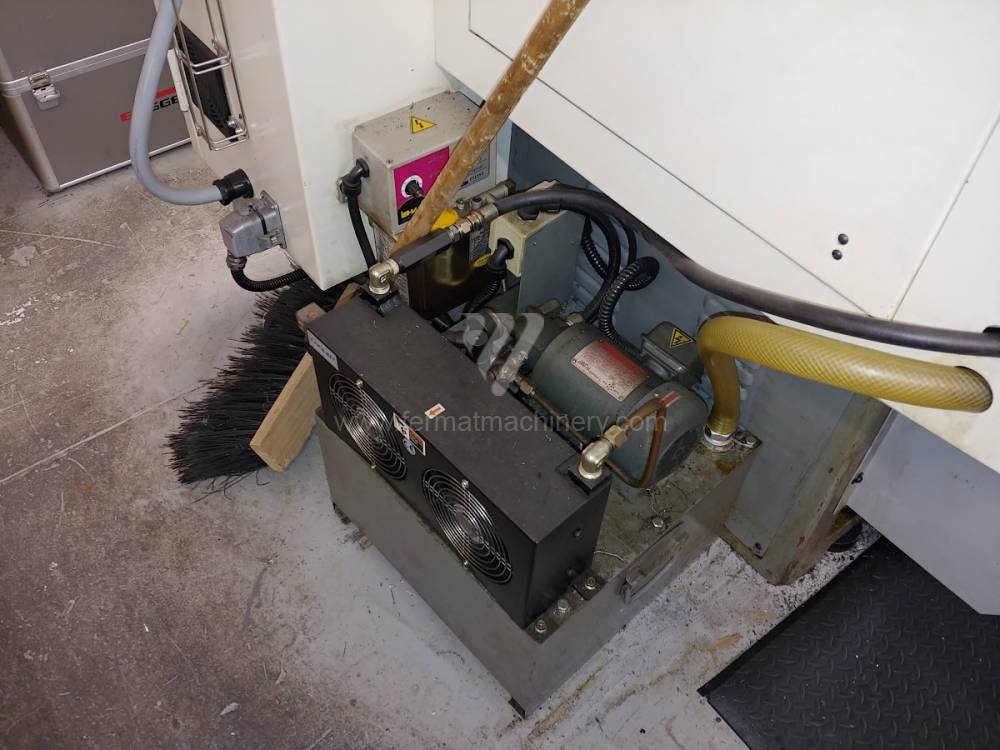
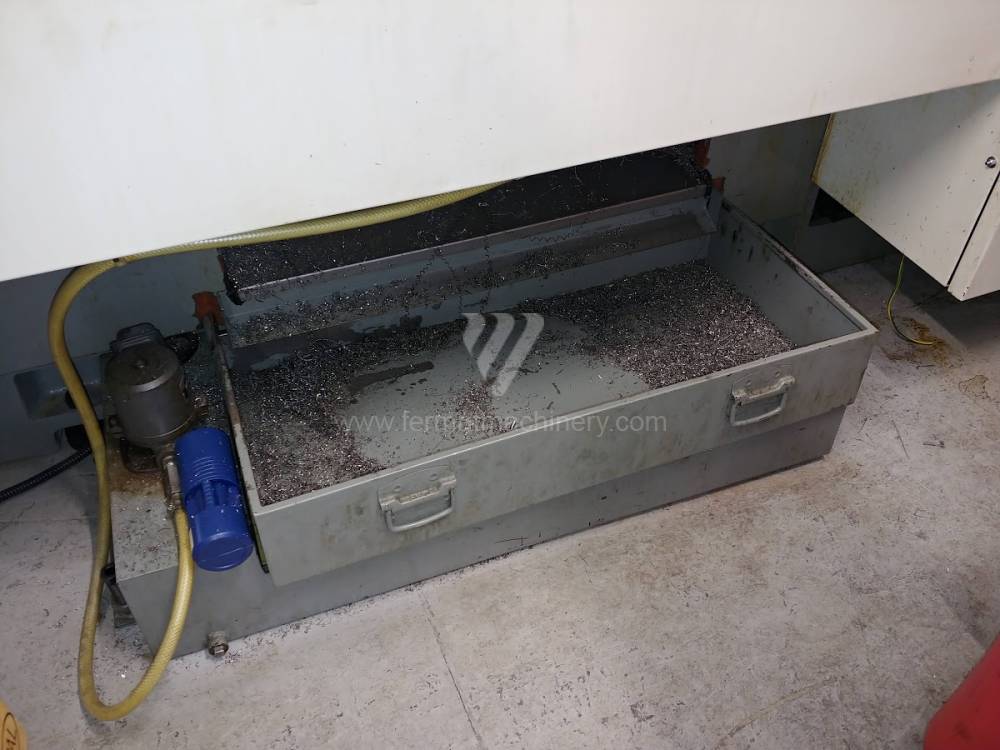
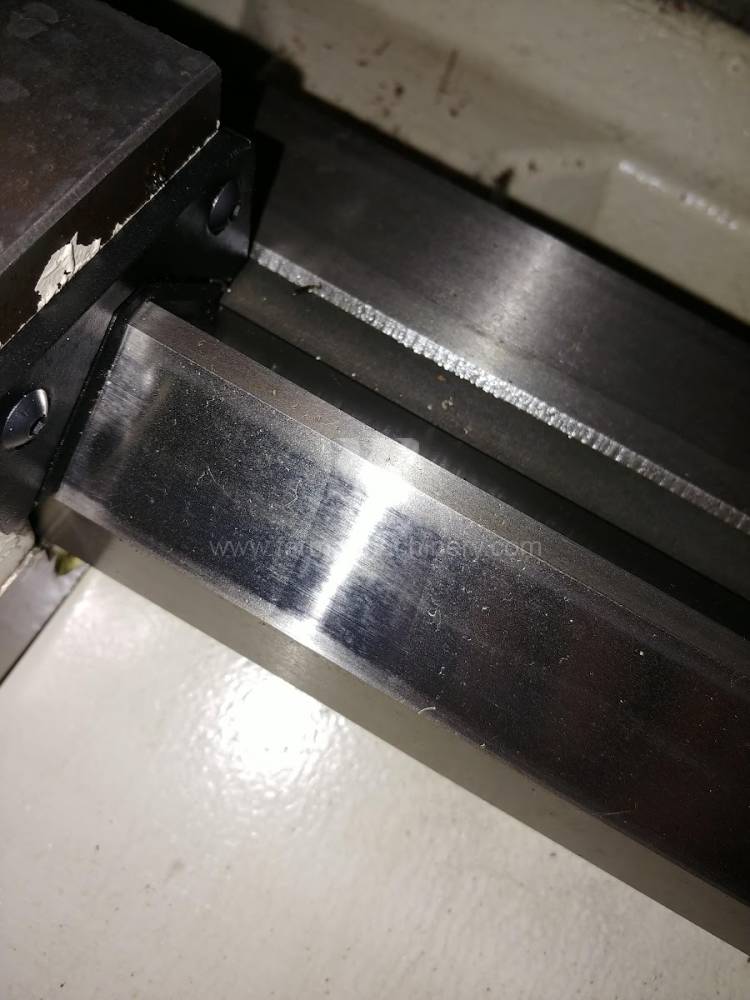


Chevalier FCL-2140
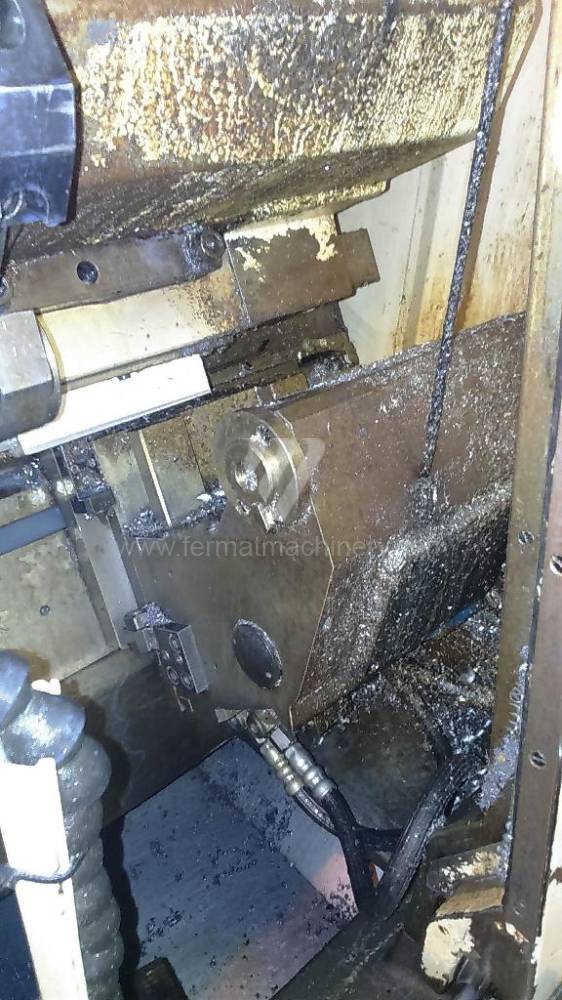
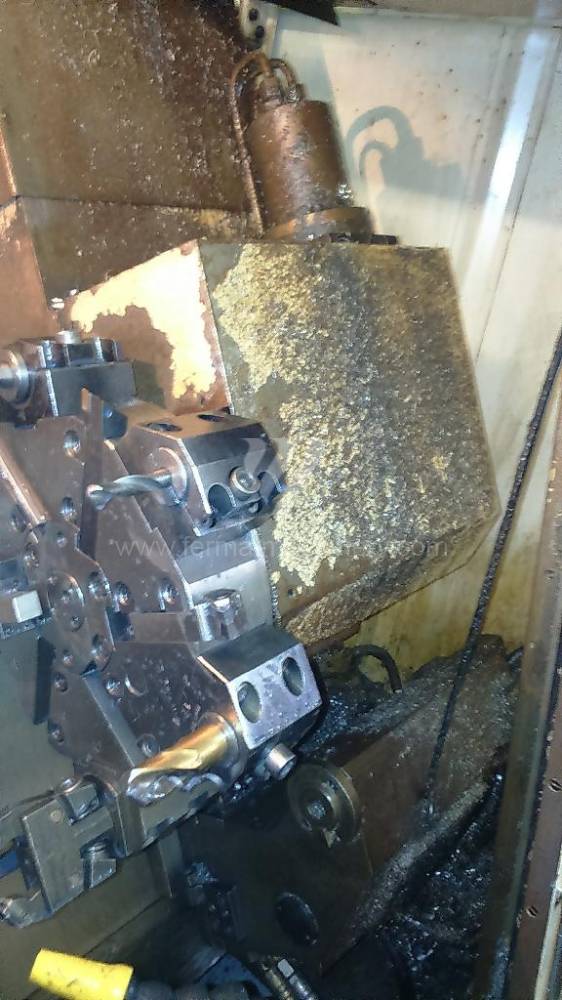
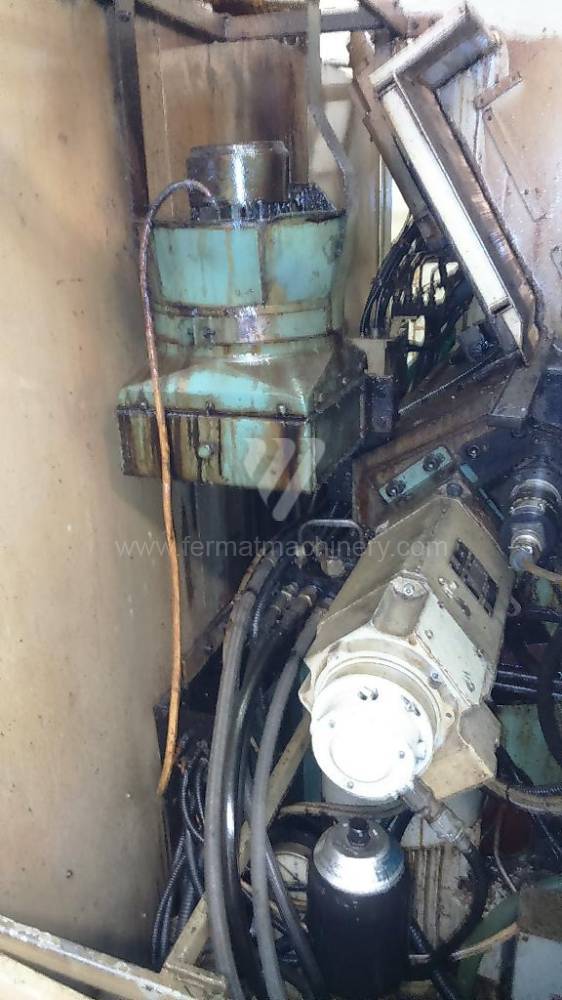
SPRY 40 CNC
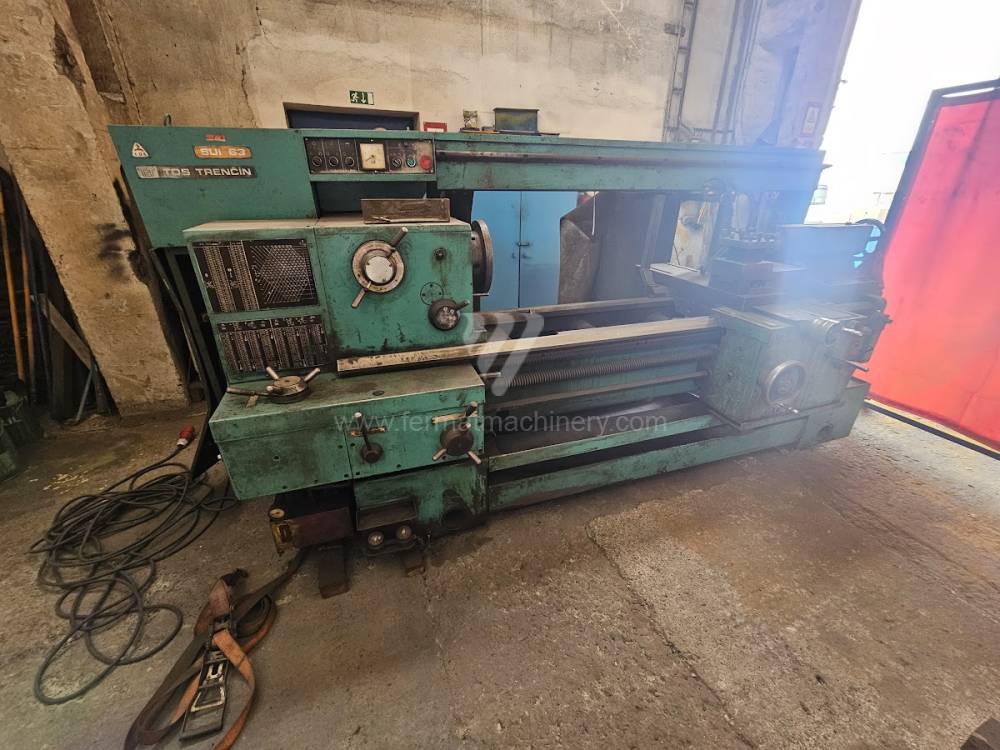
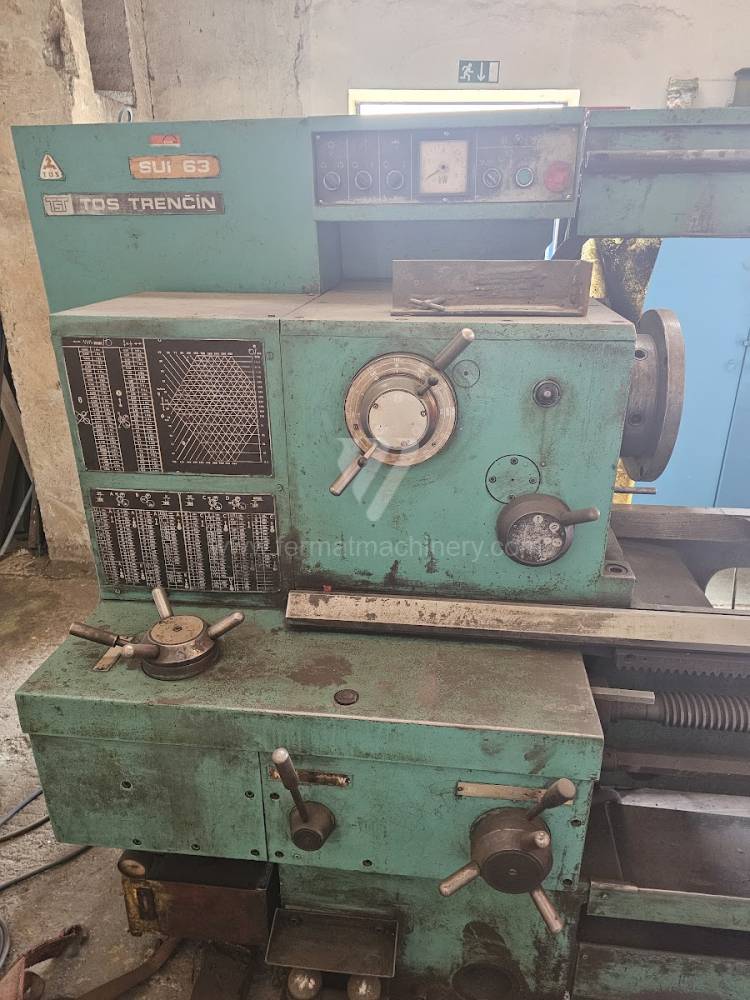
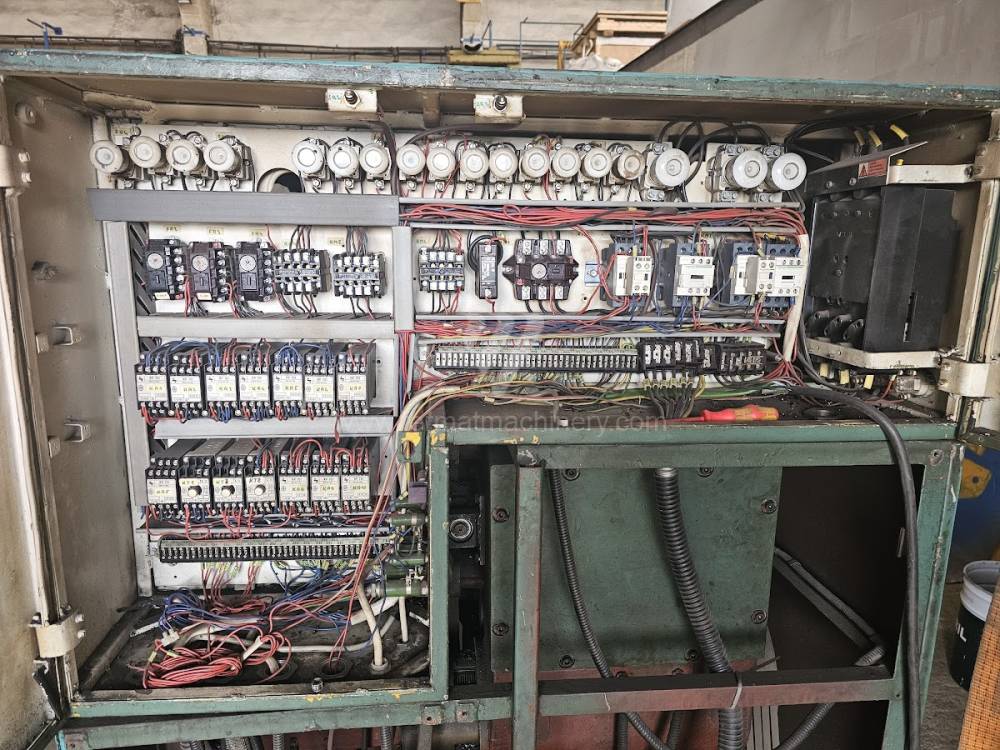
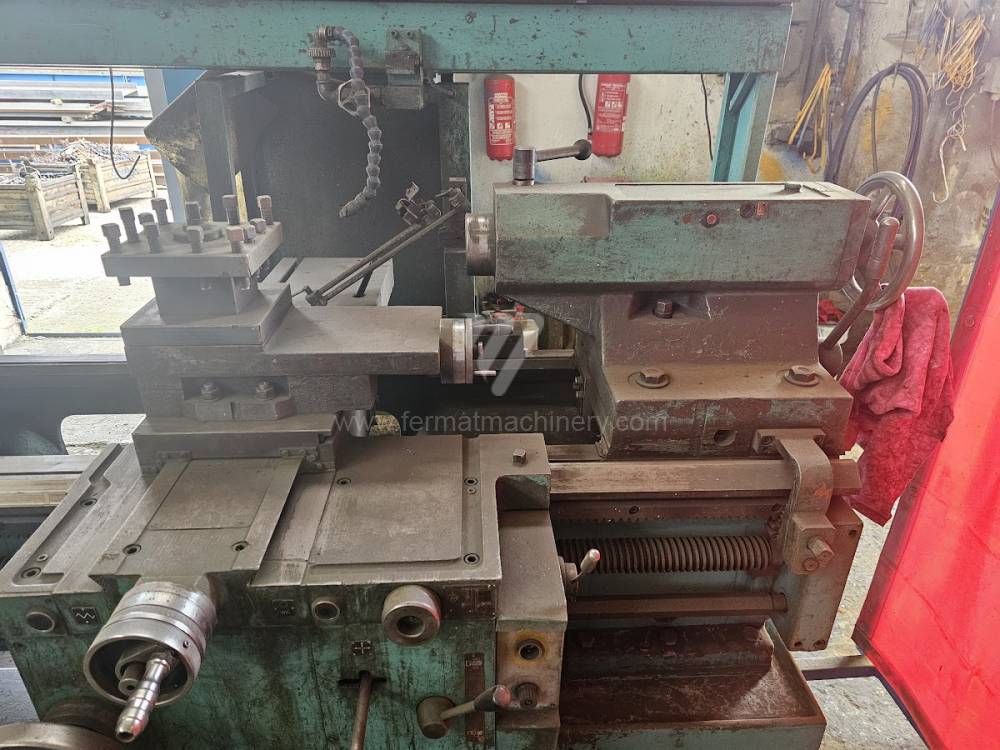
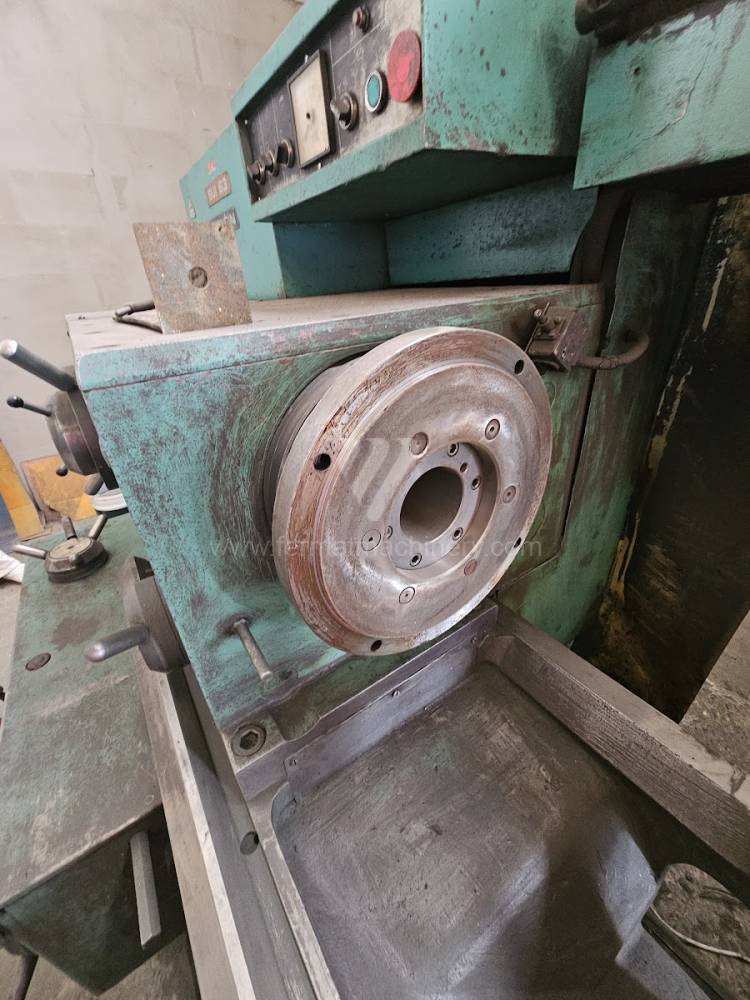
SUI 63/1500
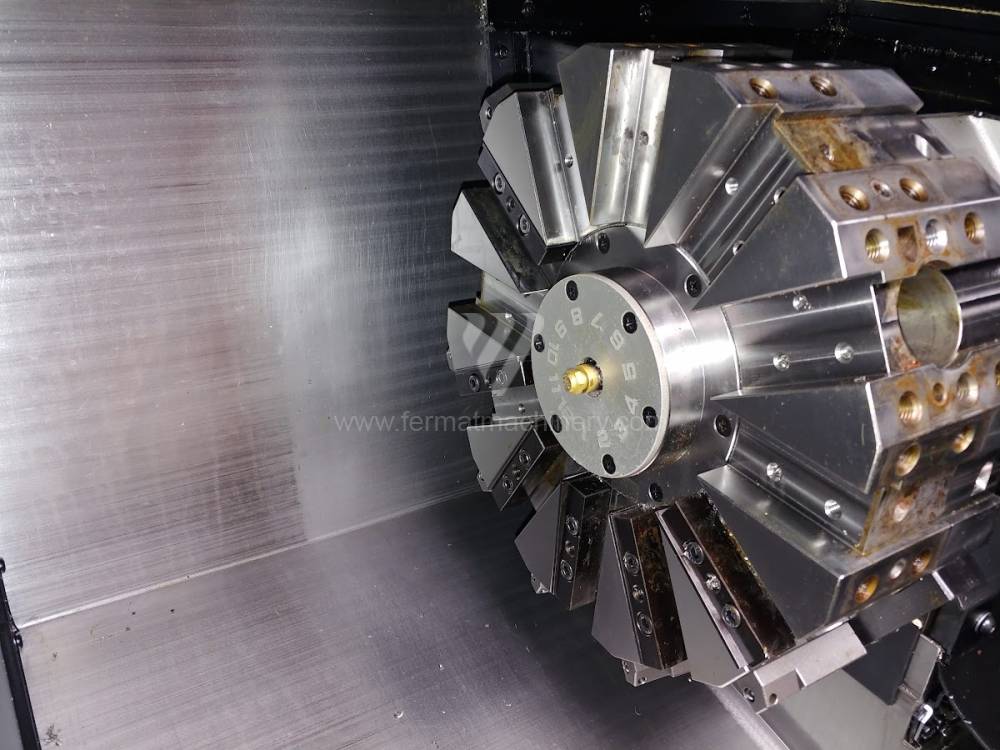
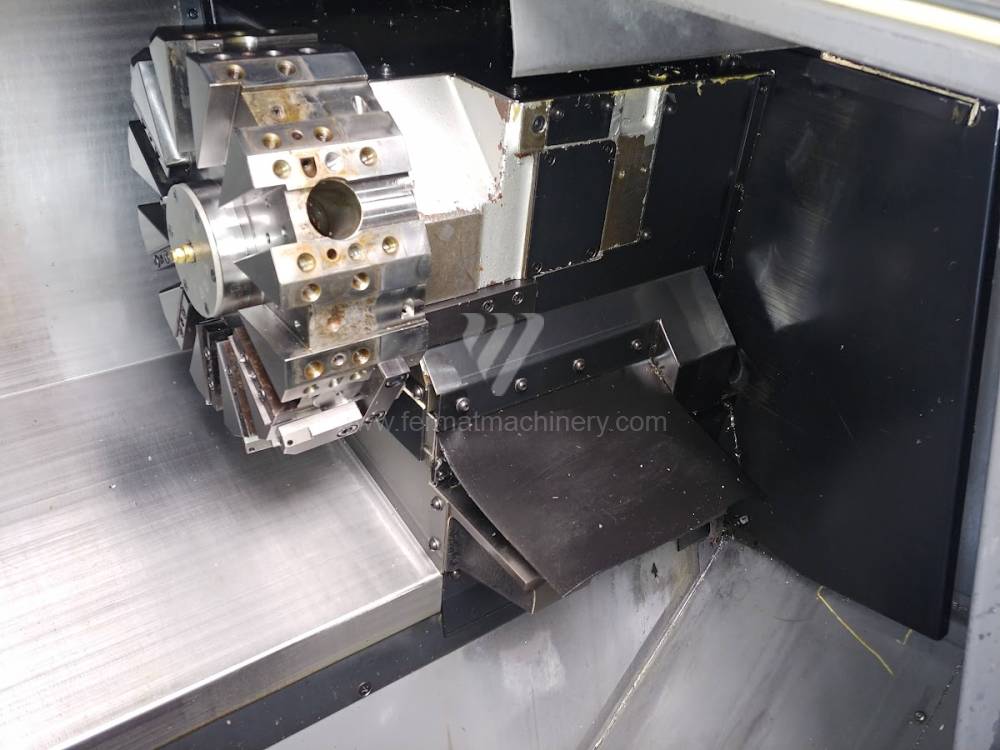
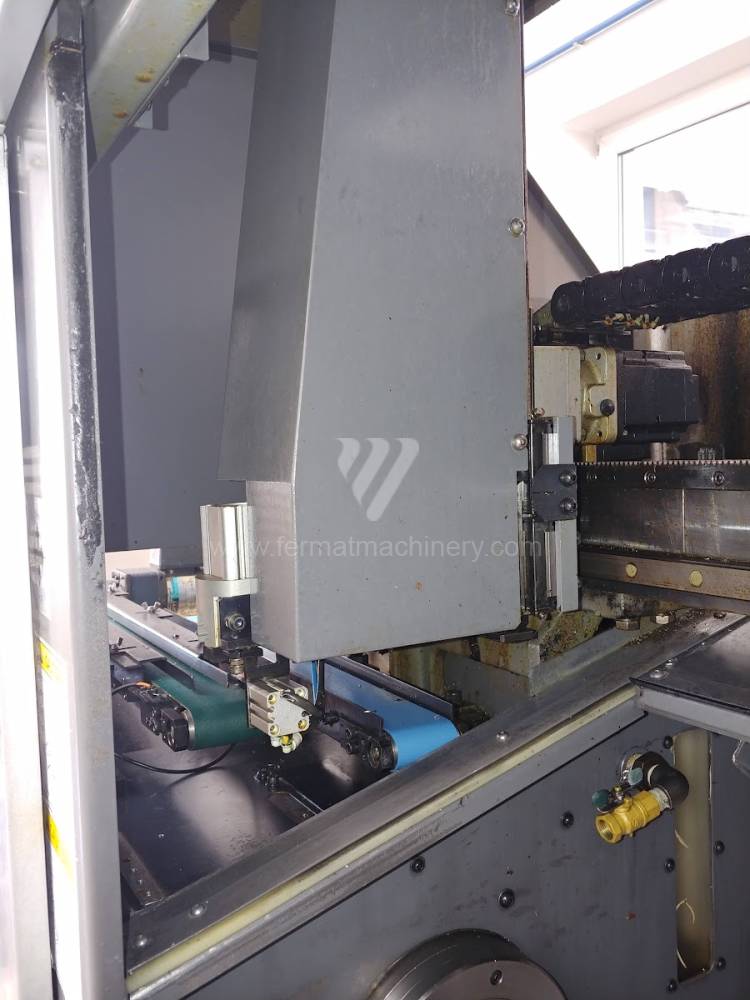
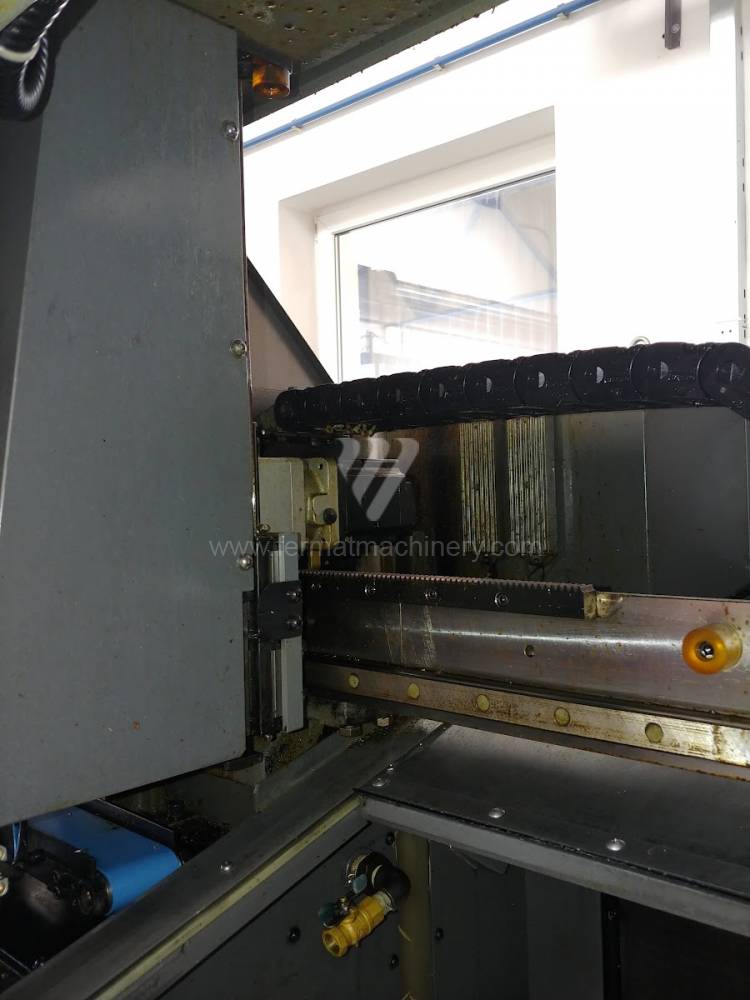
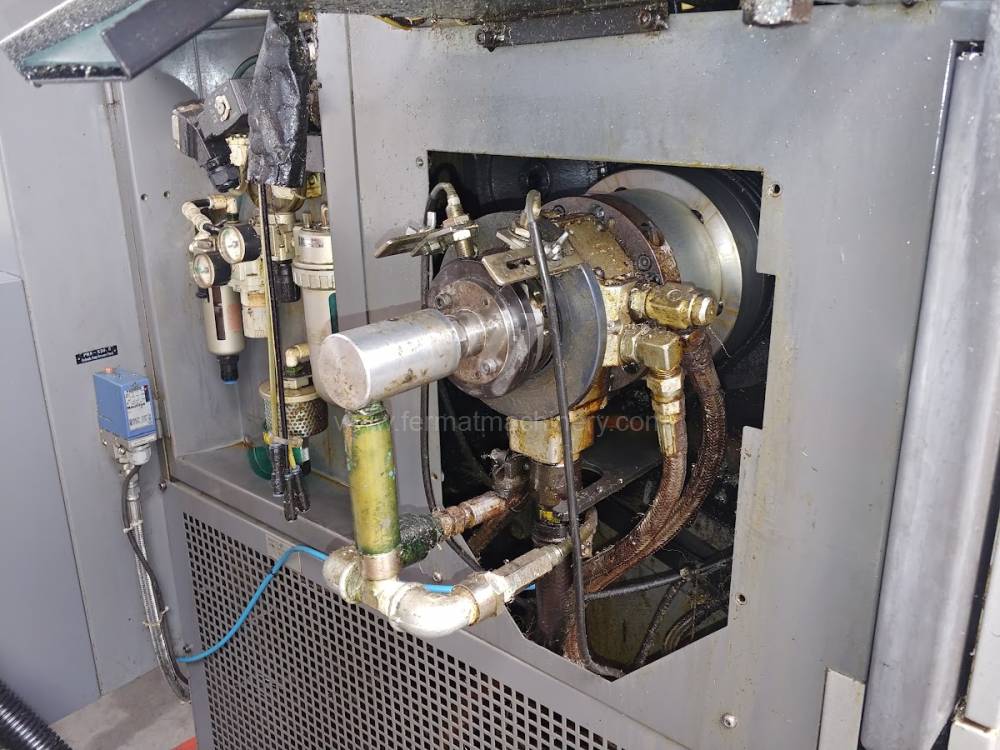
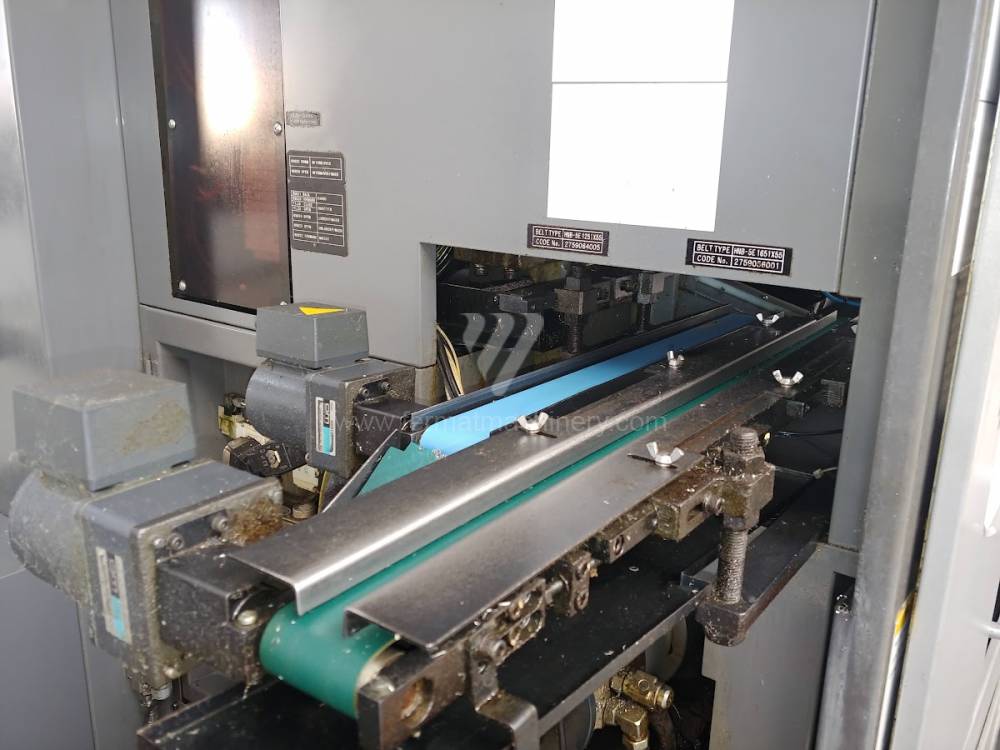
Takamaz XL-100
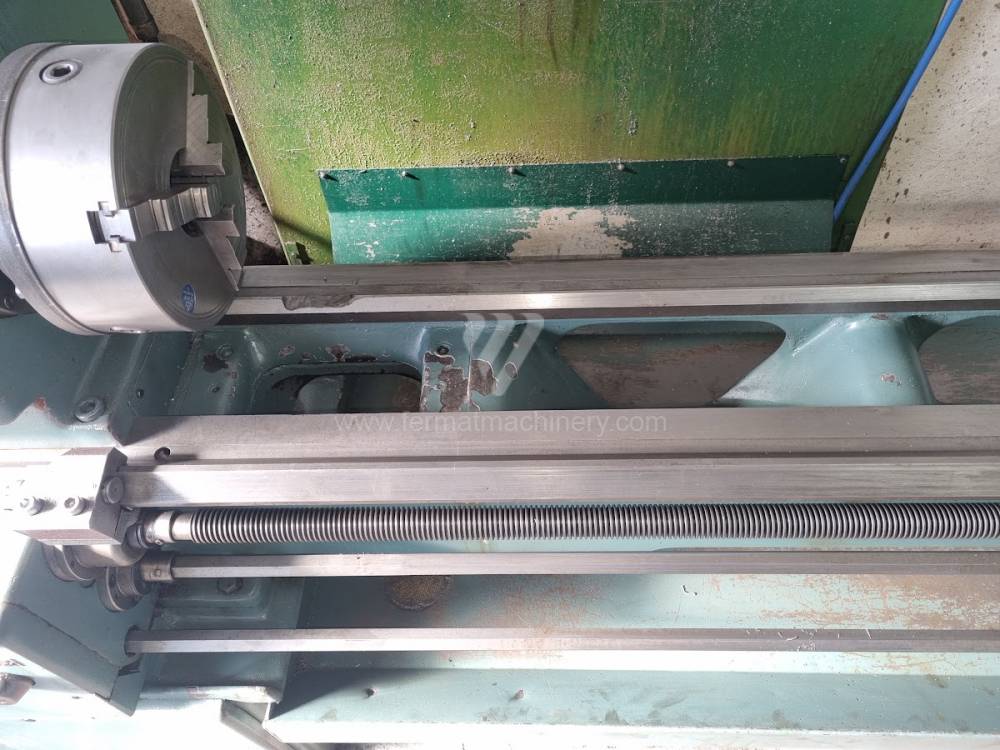
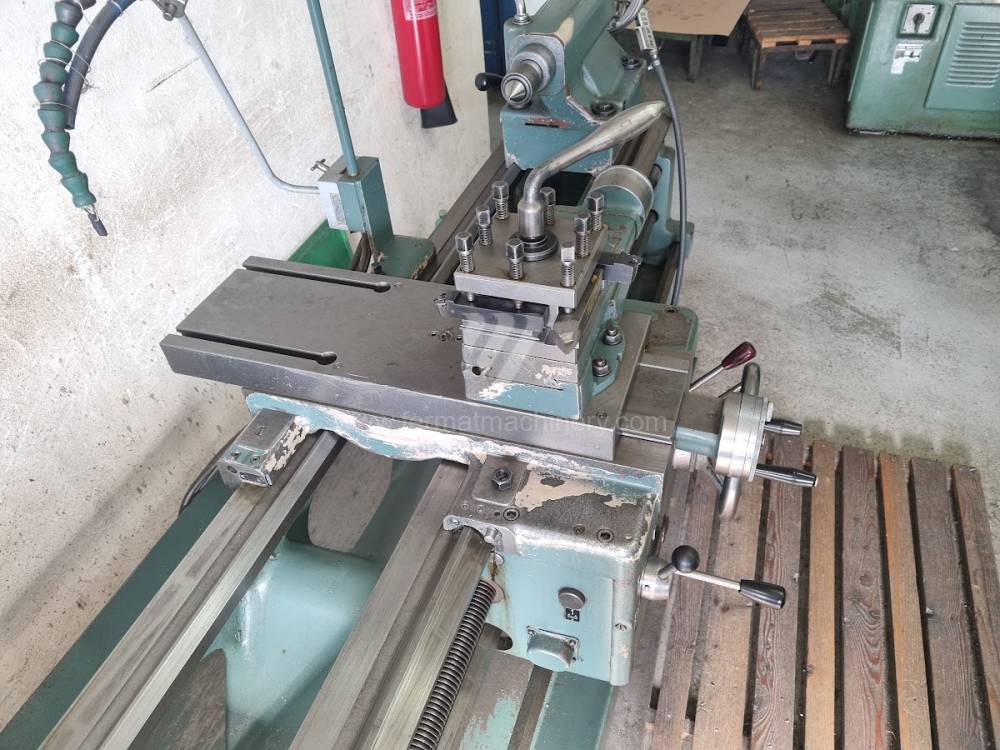
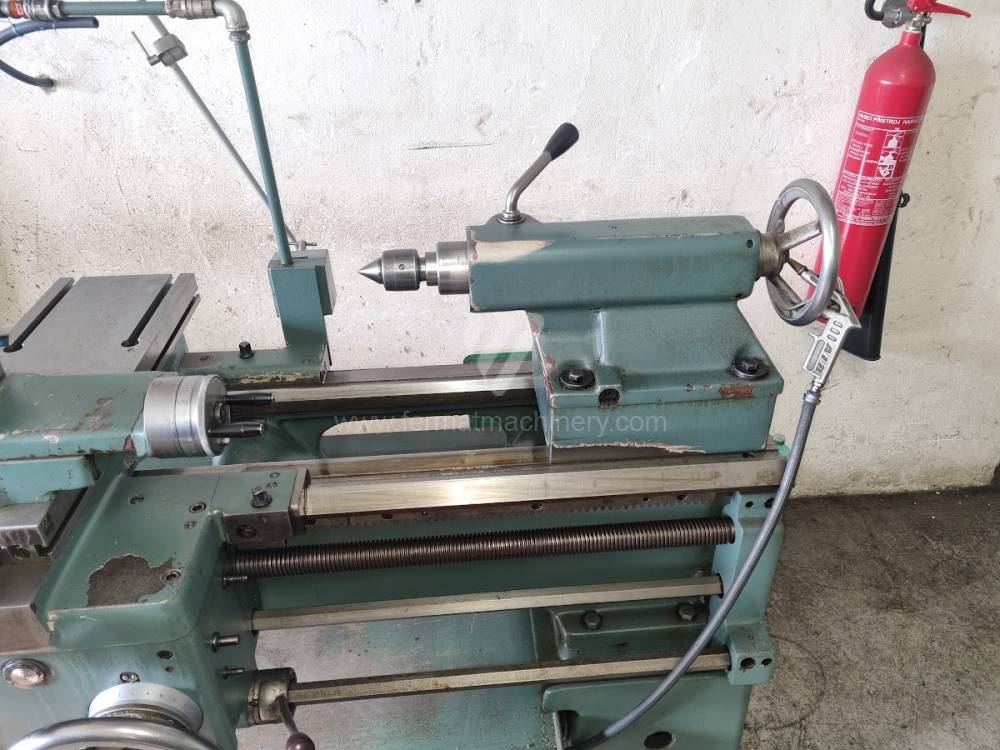
SN 50 B/2000
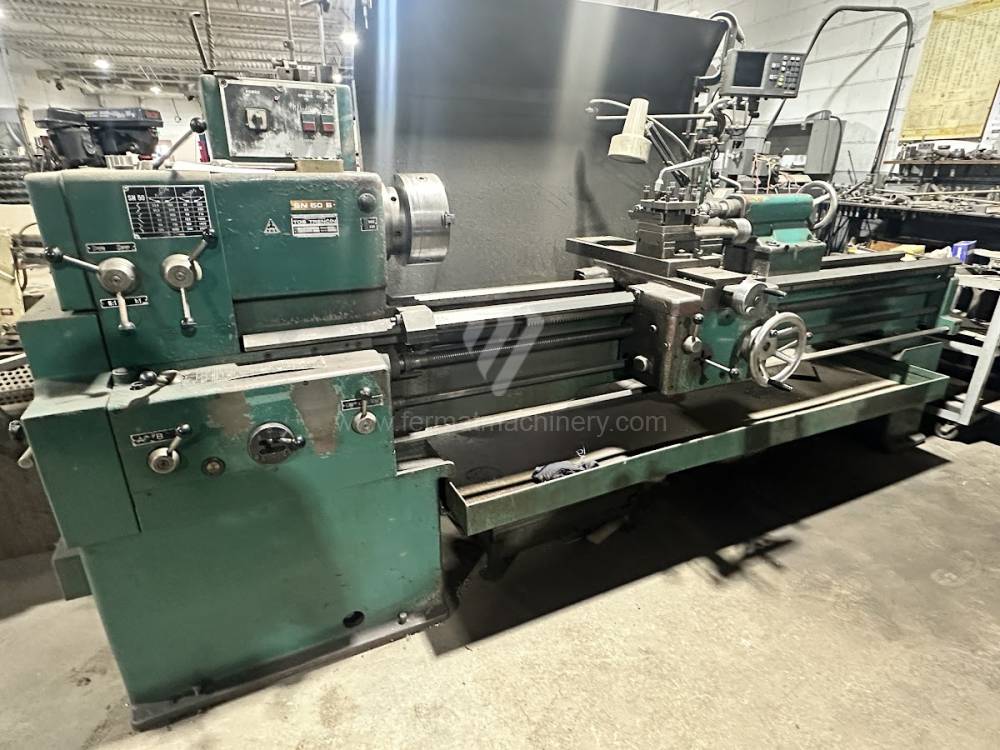
SN 50B/2000
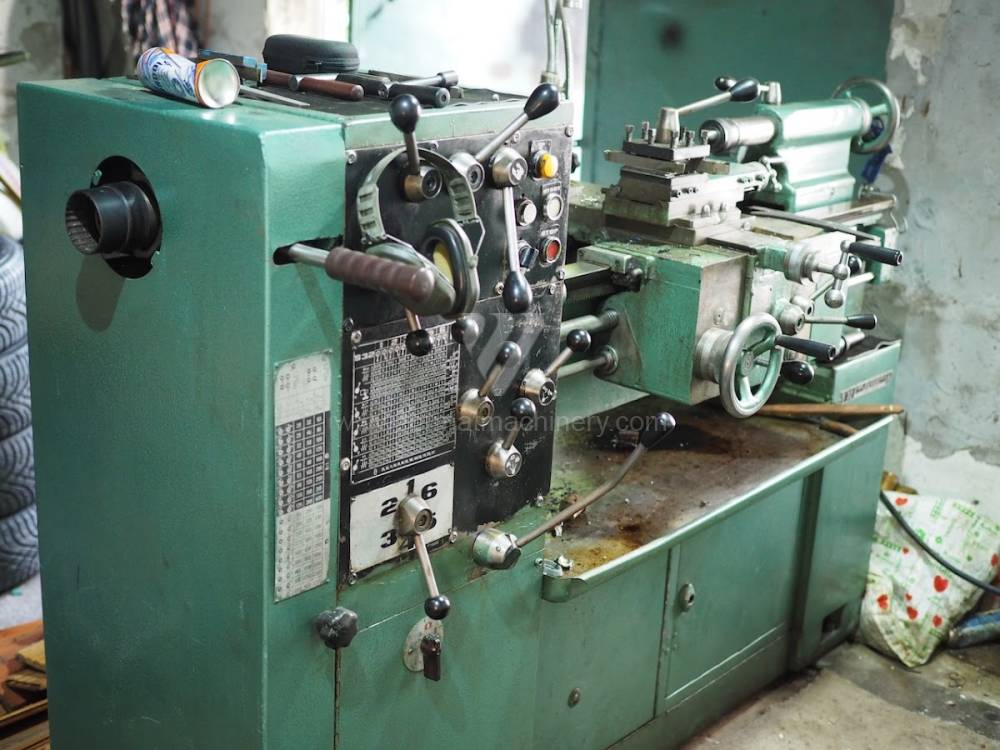
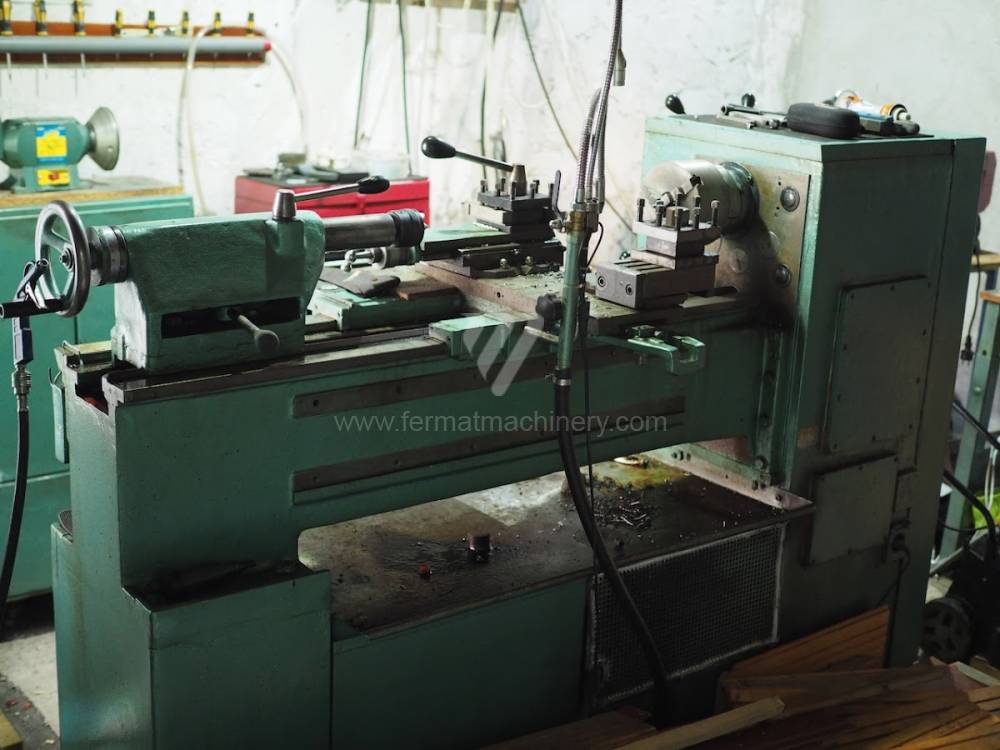
S 32/750
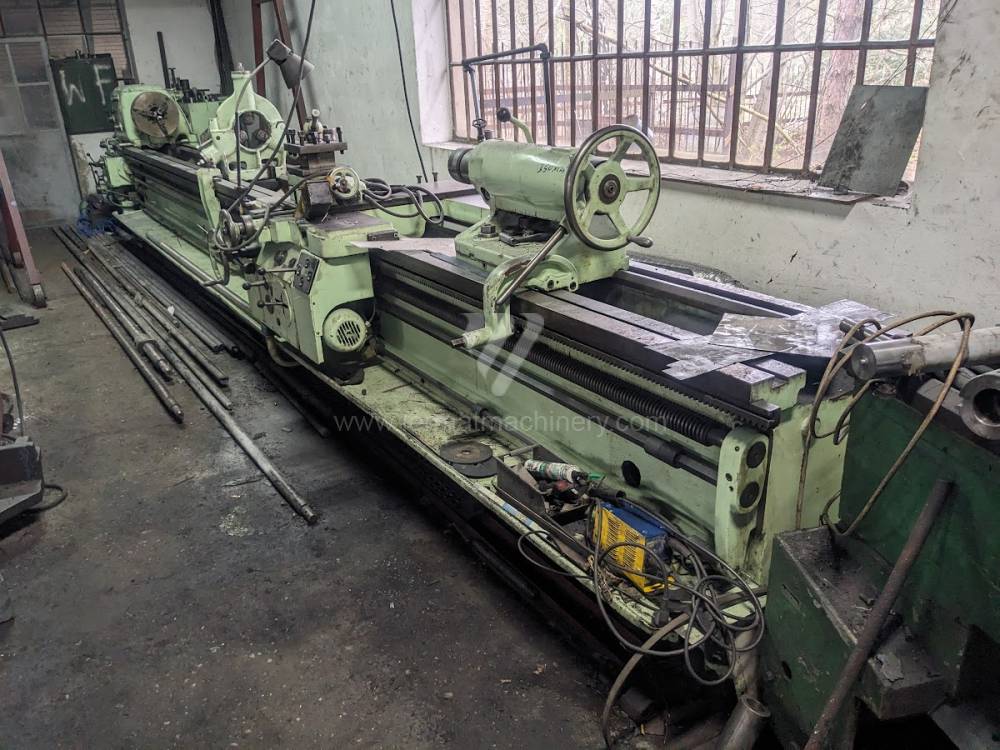


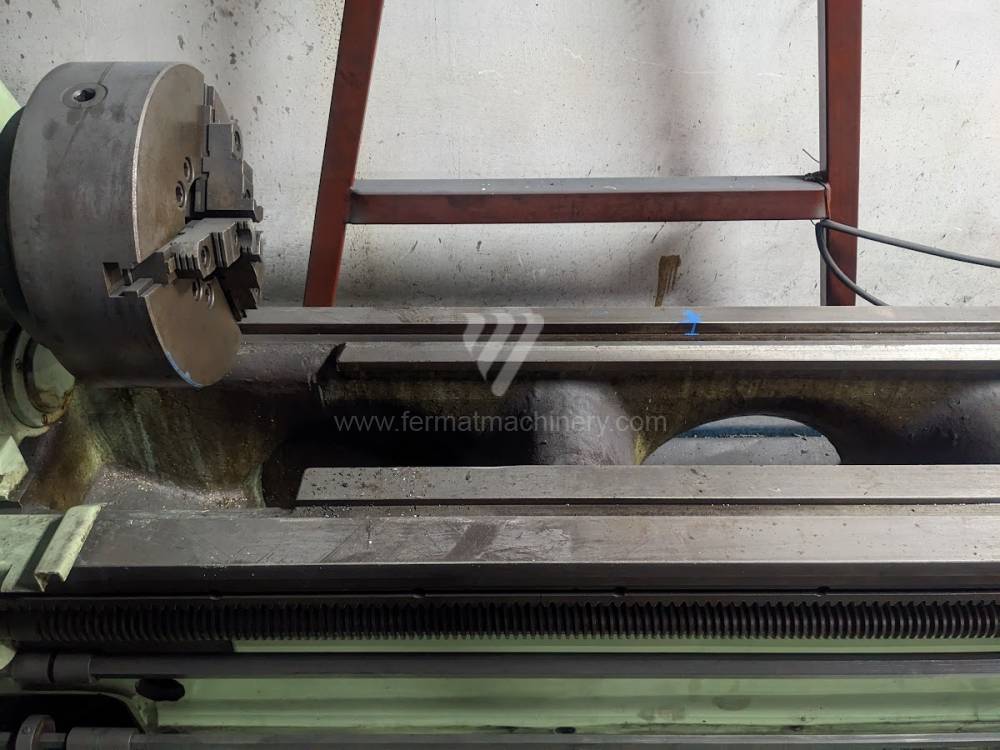
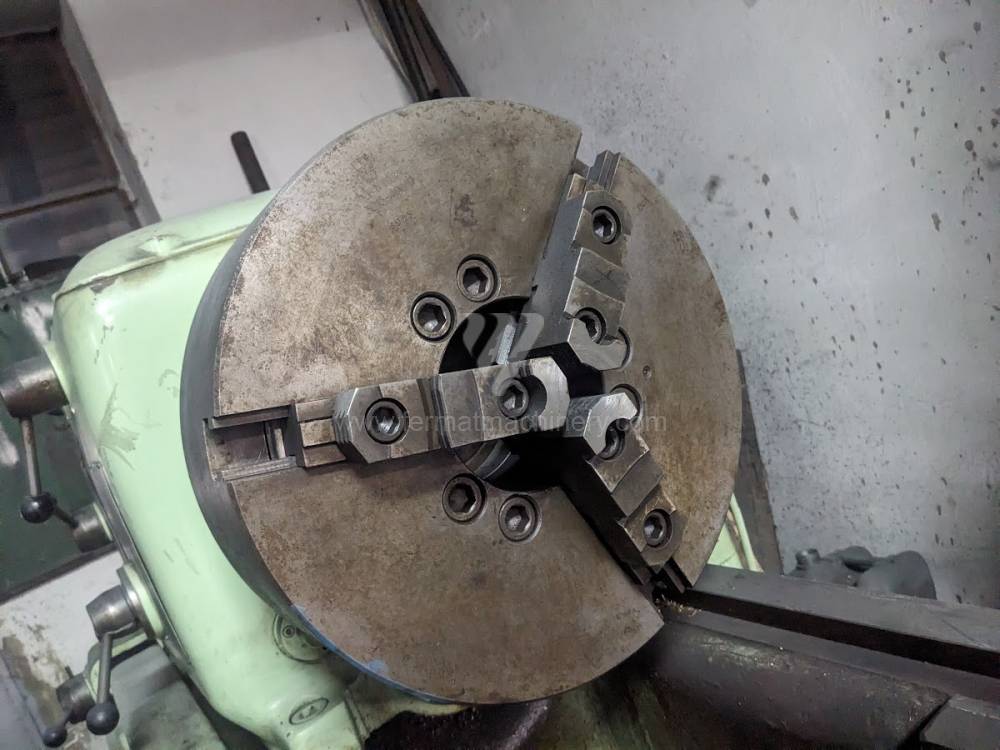
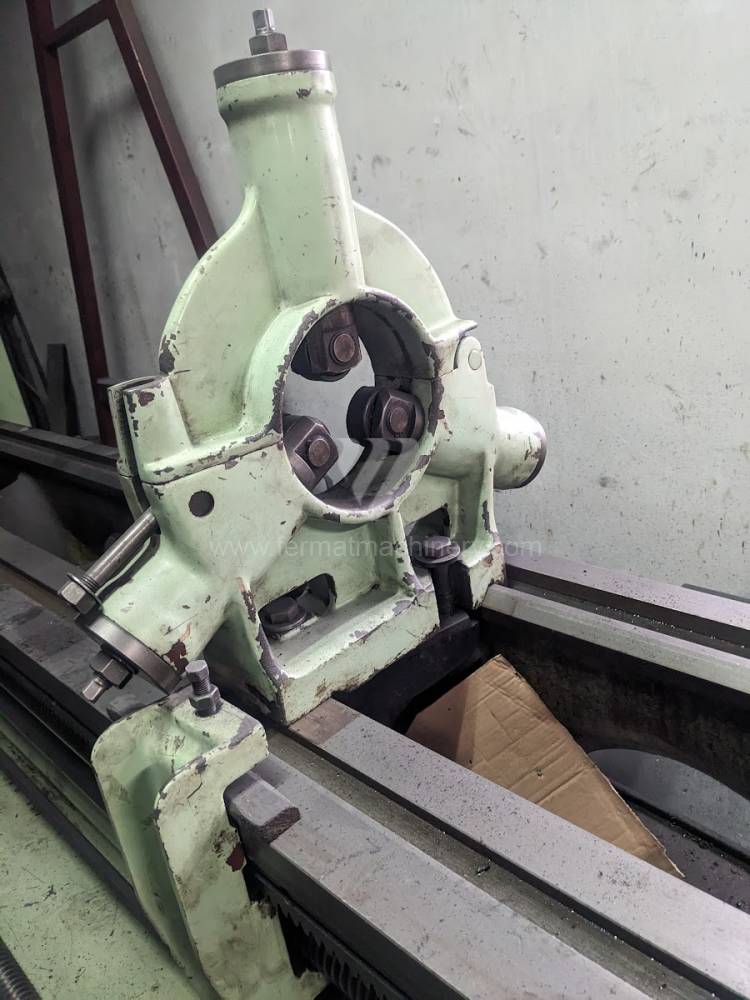
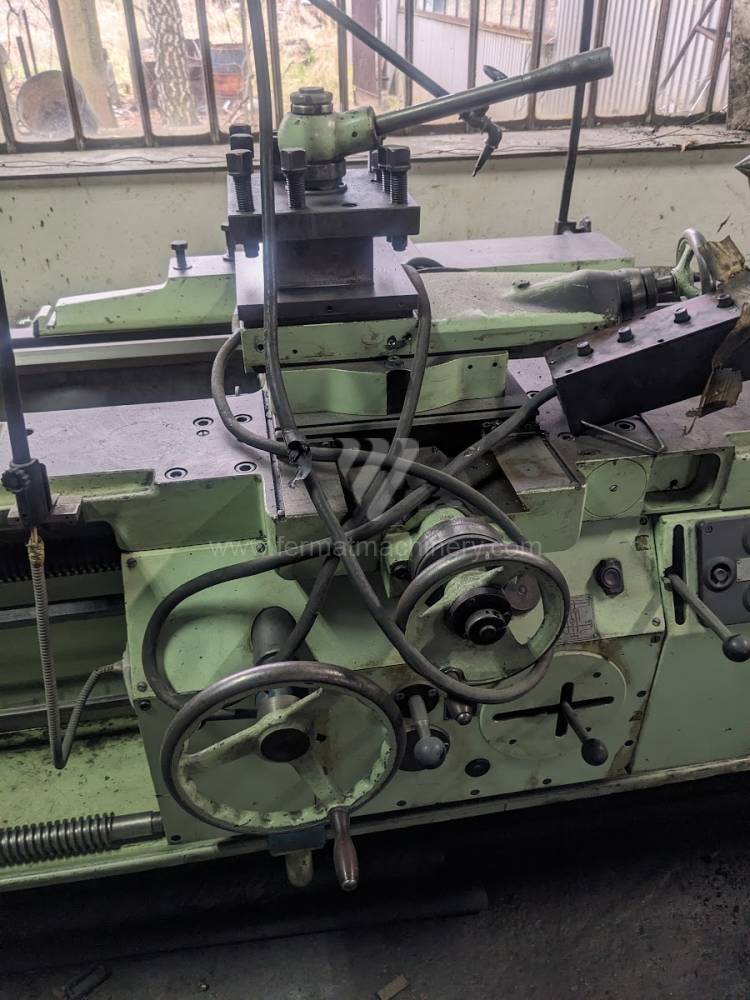
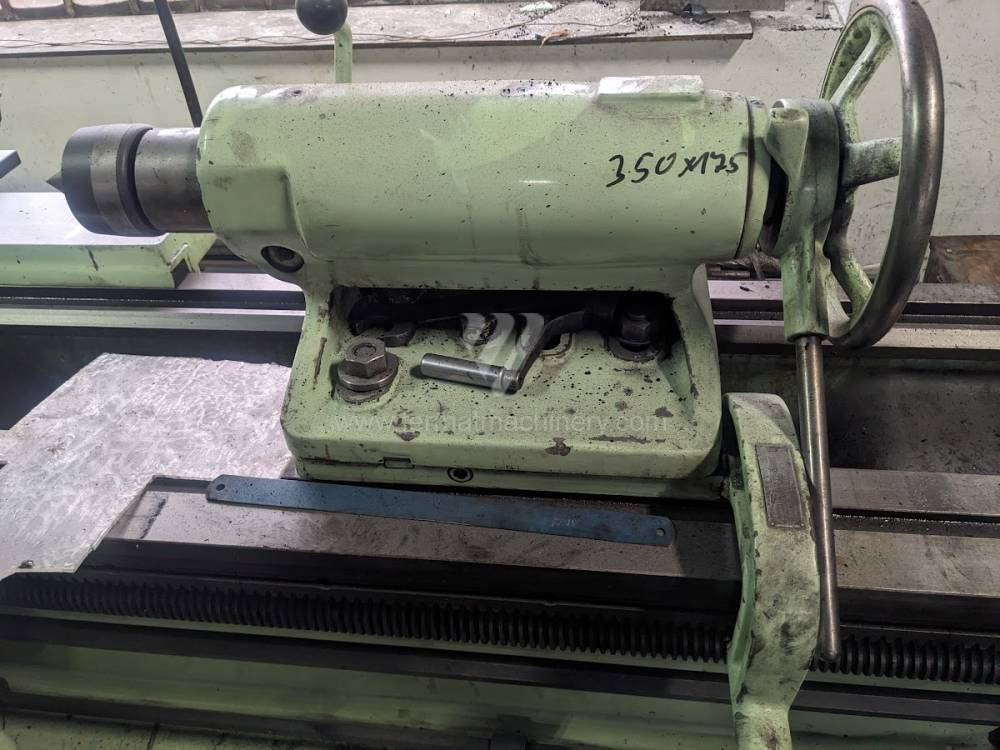
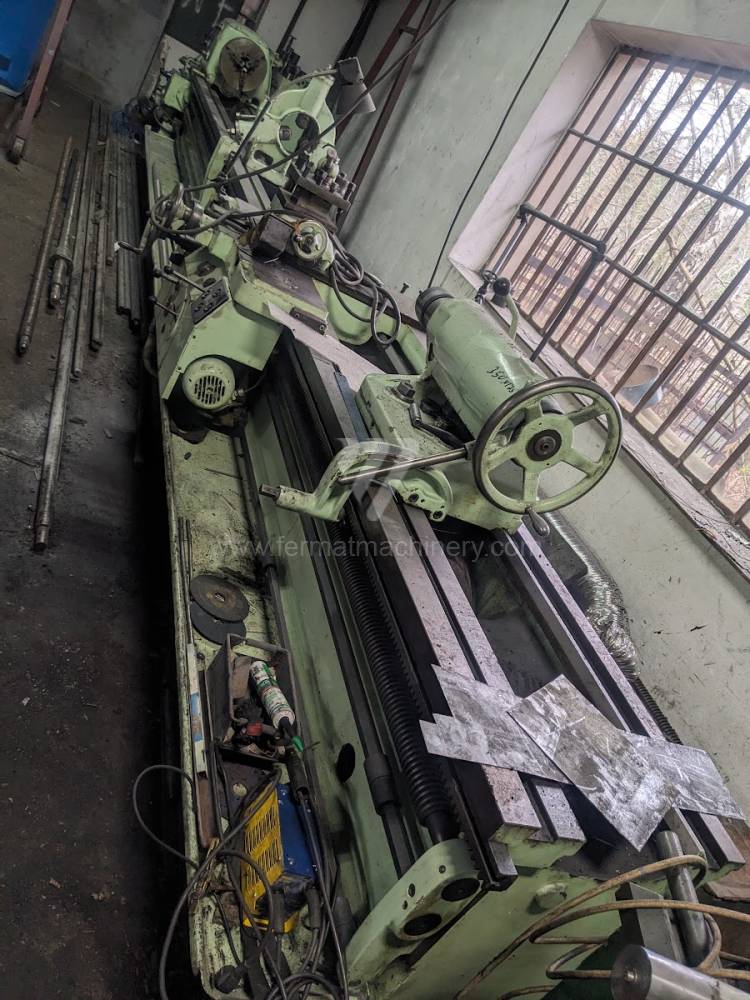
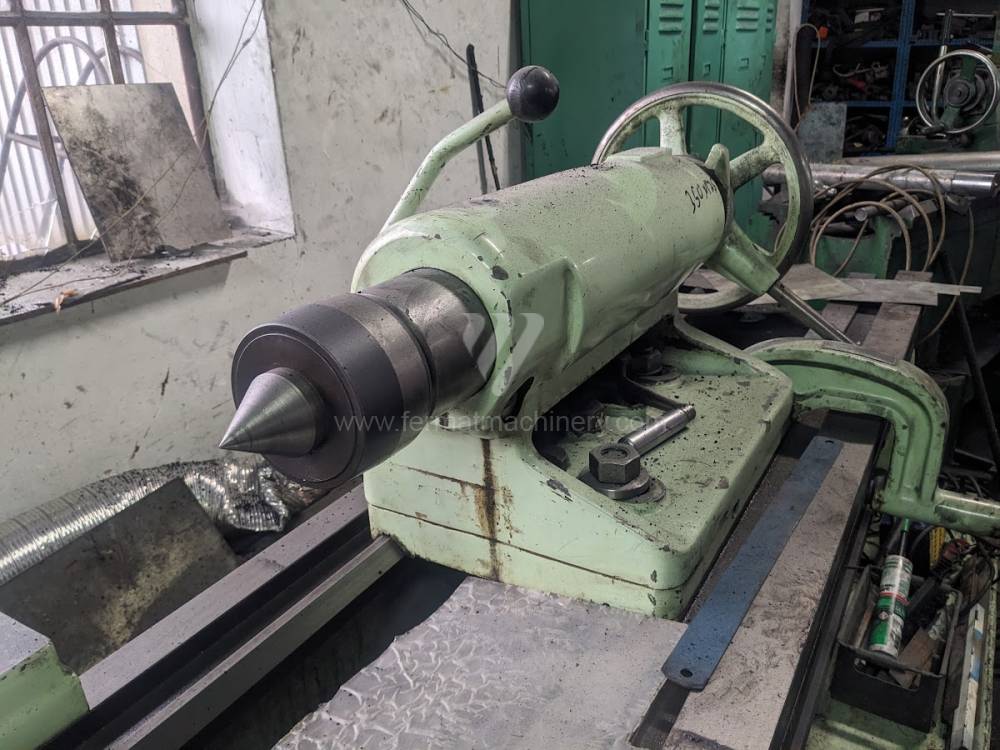
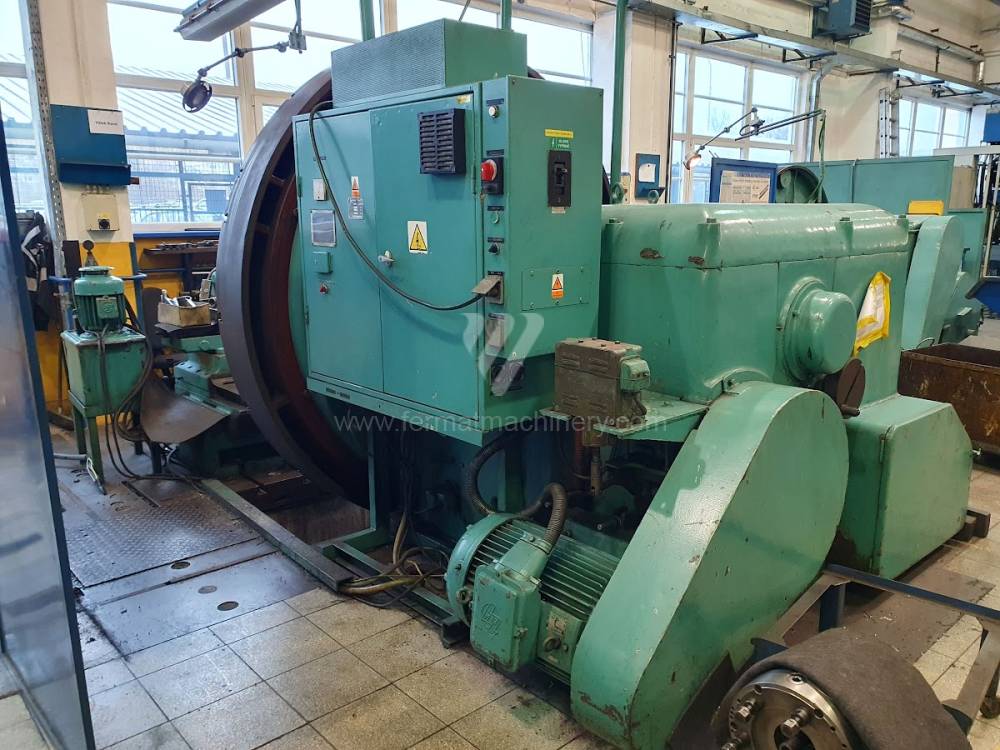
SU 63 A/6500
12345678910Lathes
CTX 200
Gildemeister
Inventory number: 261697
YOM:1999
Control system Heidenhain: CNC pilot
Turn table diameter: 210 mm
Turning lenght: 350 mm
Sloping bed: YES
Y axis: NO
Counterspindle: NO
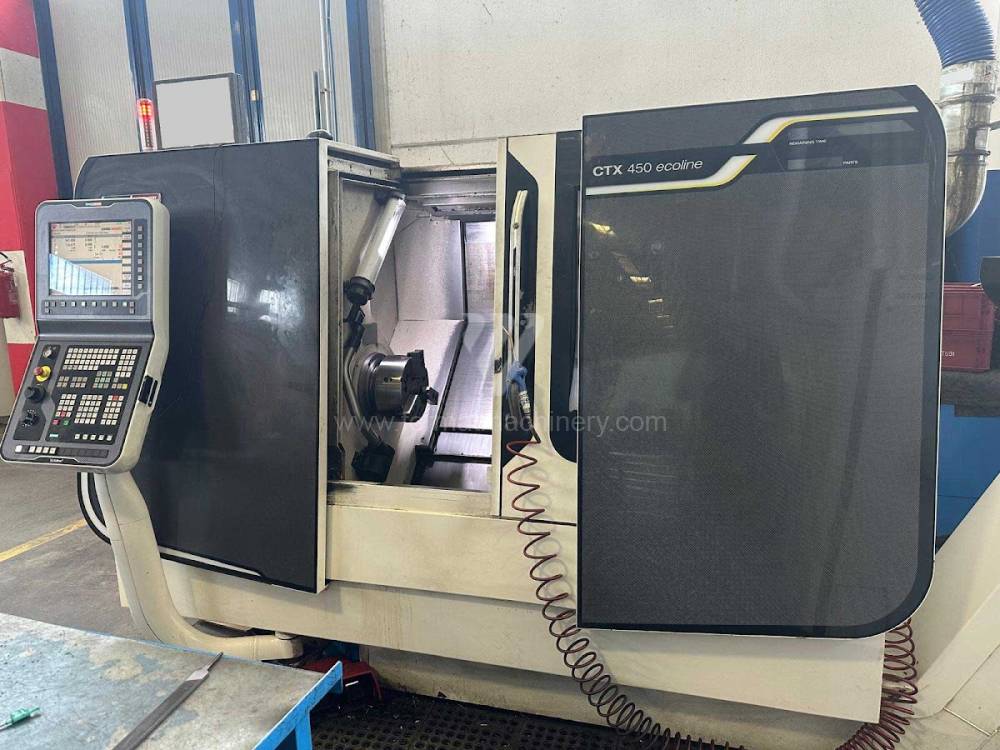
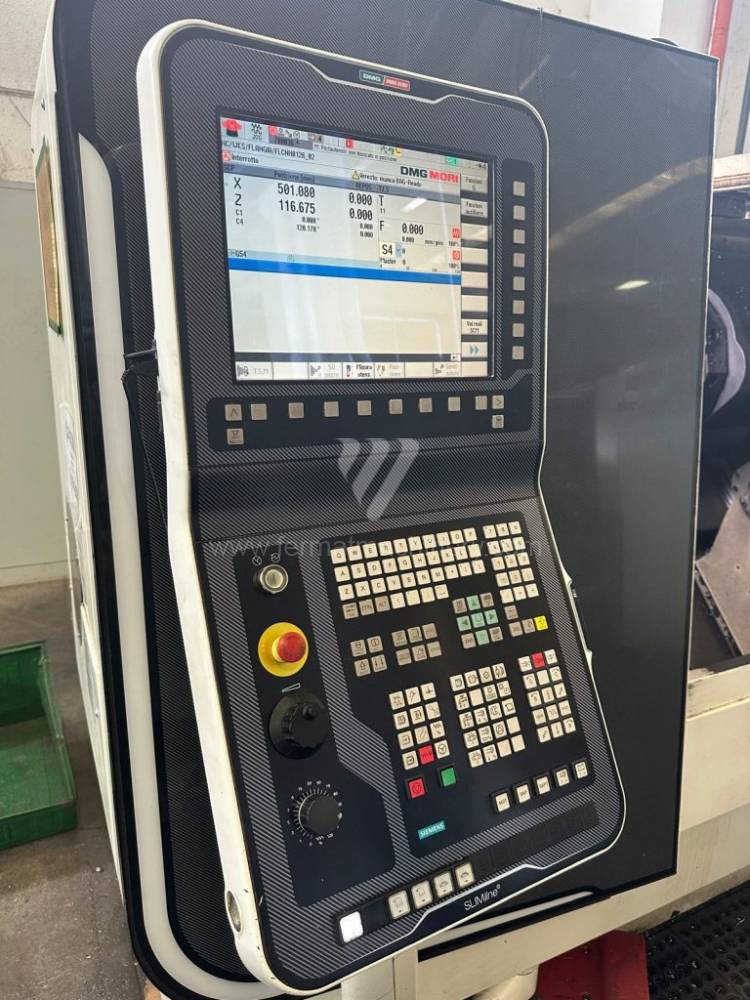
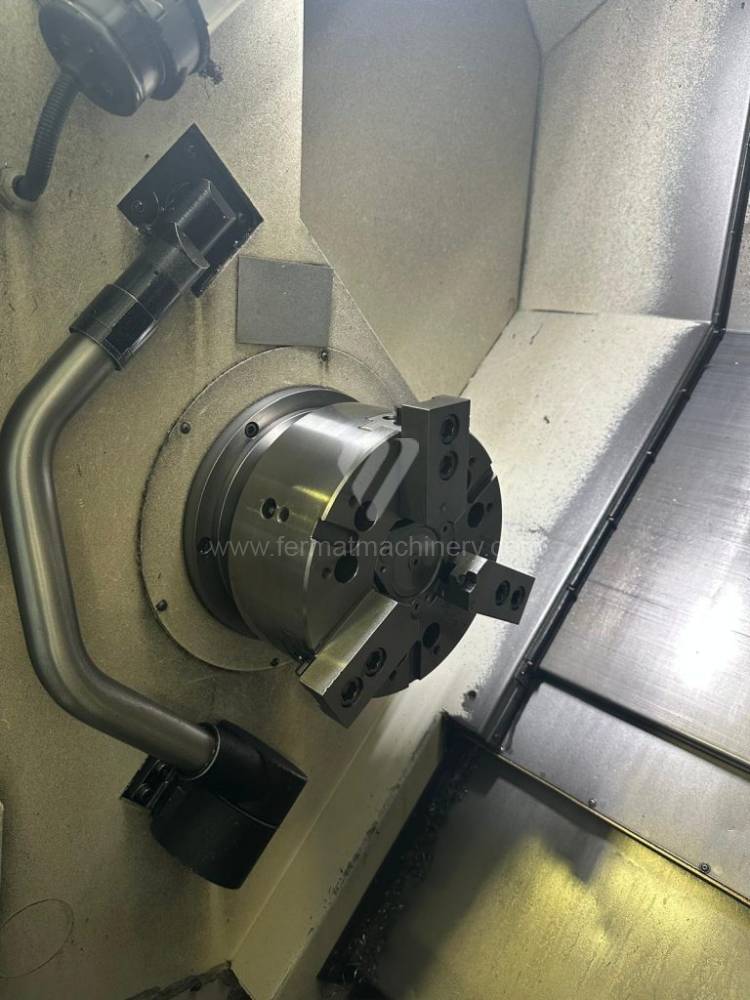
CTX 450 Ecoline
DMG MORI
Inventory number: 251472
YOM:2014
Control system Siemens: Sinumerik 840 D
Turn table diameter: 650 mm
Turning lenght: 600 mm
Sloping bed: NO
Spindle bore: 65 mm
Turret head: YES
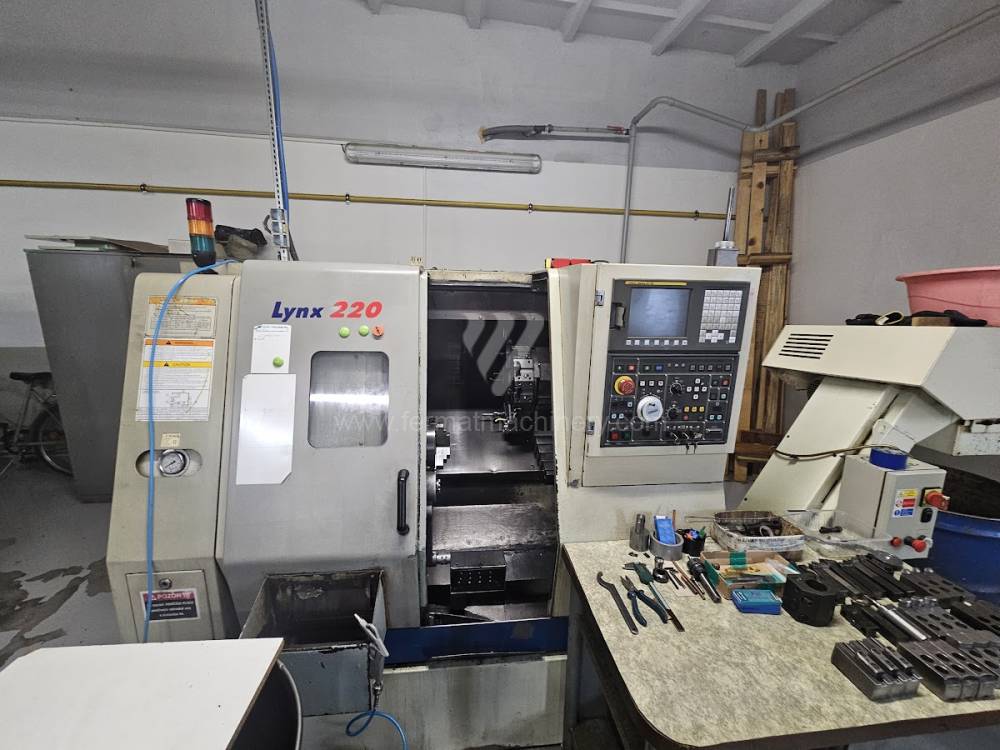
LYNX 220
Doosan
Inventory number: 251136
YOM:2006
Control system Fanuc: 0i - TC
Turn table diameter: 320 mm
Turning lenght: 322 mm
Sloping bed: YES
Spindle bore: 45 mm
Turret head: YES
Chevalier FCL-2140
FALCON MACHINE TOOLS CO., LTD.
Inventory number: 241601
YOM:2005
Control system Fagor: CNC 8055 M
Turn table diameter: 540 mm
Turning lenght: 850 mm
Sloping bed: NO
Spindle bore: 85 mm
Turret head: NO
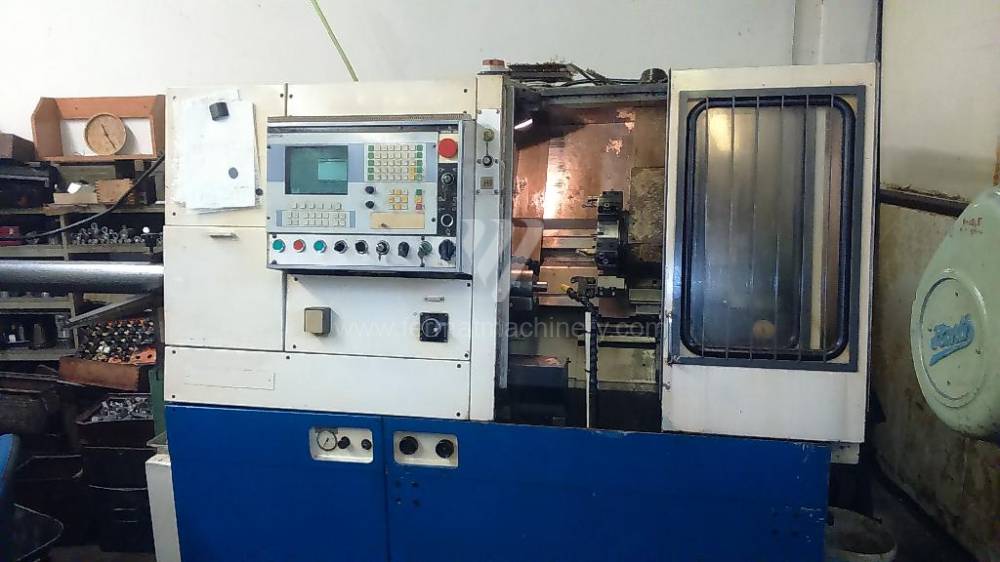
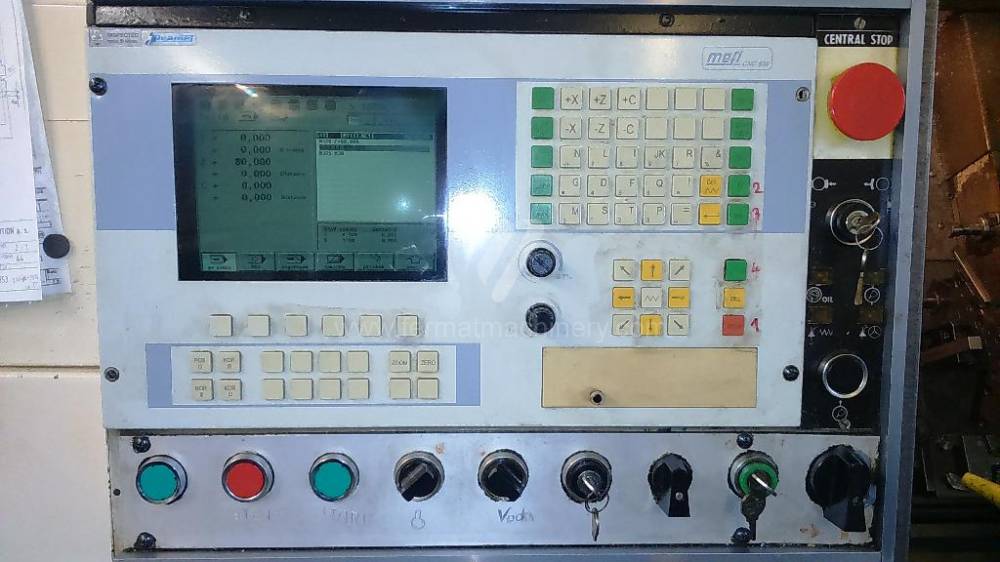
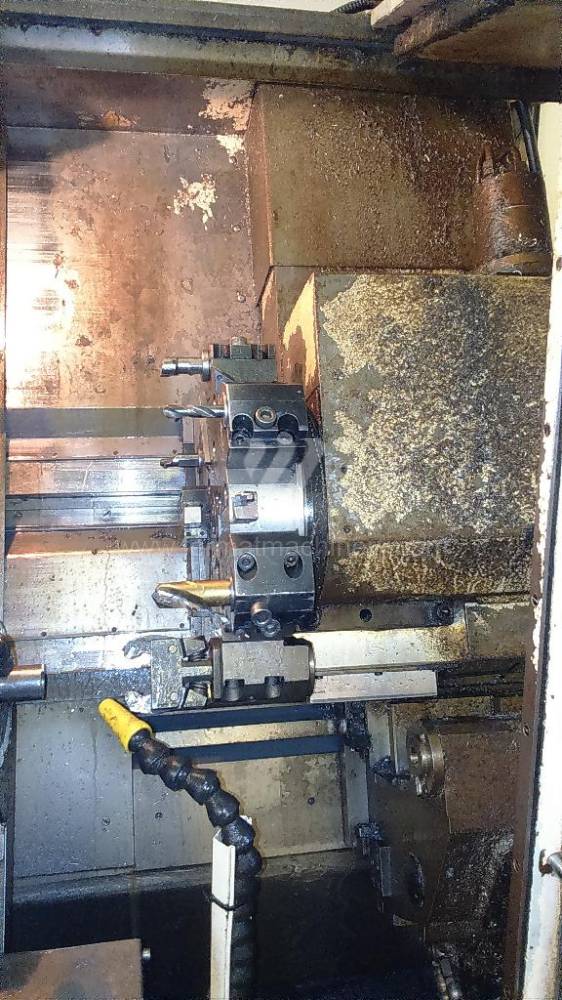
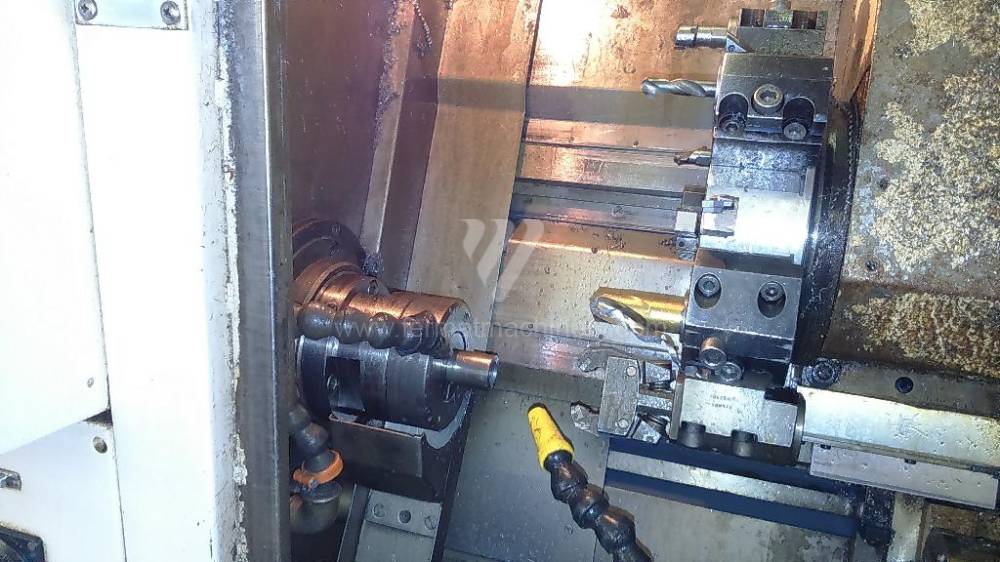
SPRY 40 CNC
TAJMAC-ZPS, a.s.
Inventory number: 161667
YOM:1991
Control system Mefi: - - -
Turn table diameter: 110 mm
Turning lenght: 300 mm
Sloping bed: NO
Spindle bore: 50 mm
Max. bar diameter: 40 mm
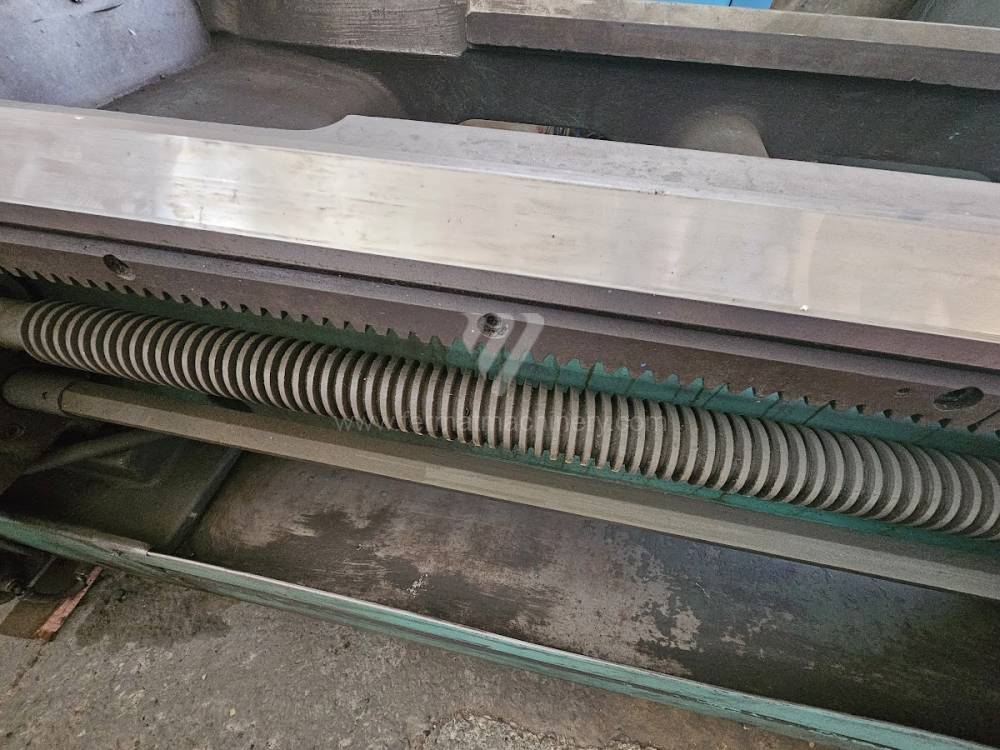
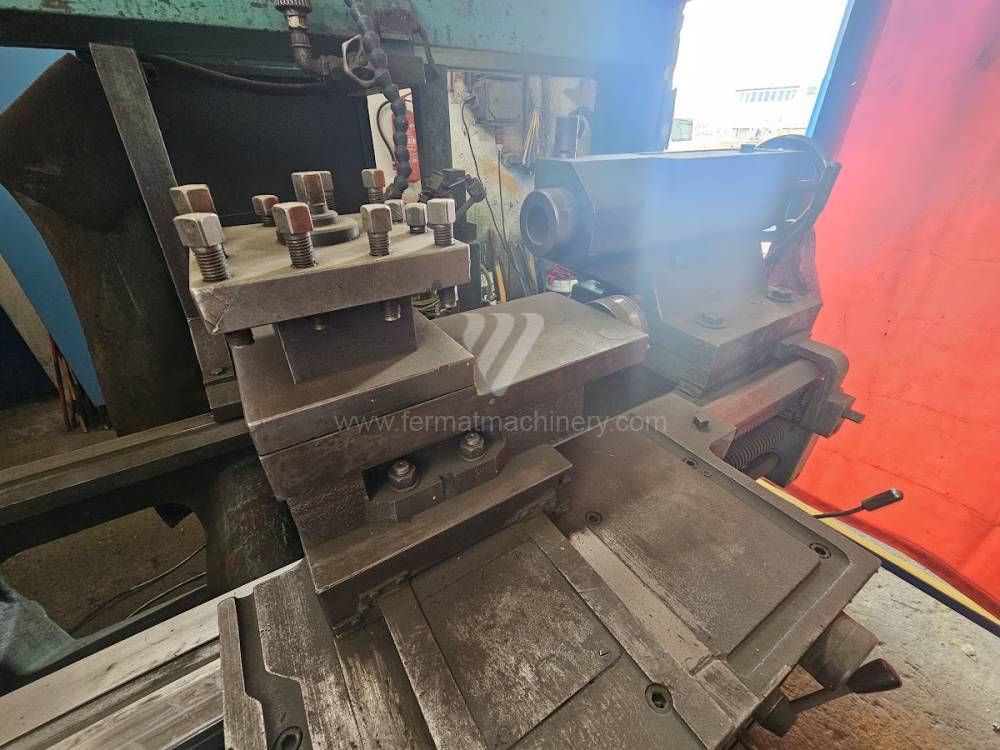
SUI 63/1500
TOS Trenčín
Inventory number: 251674
Turn table diameter: 630 mm
Turning lenght: 1500 mm
Sloping bed: NO
Spindle bore: 71 mm
Turret head: YES
Number of positions in magazine: 8
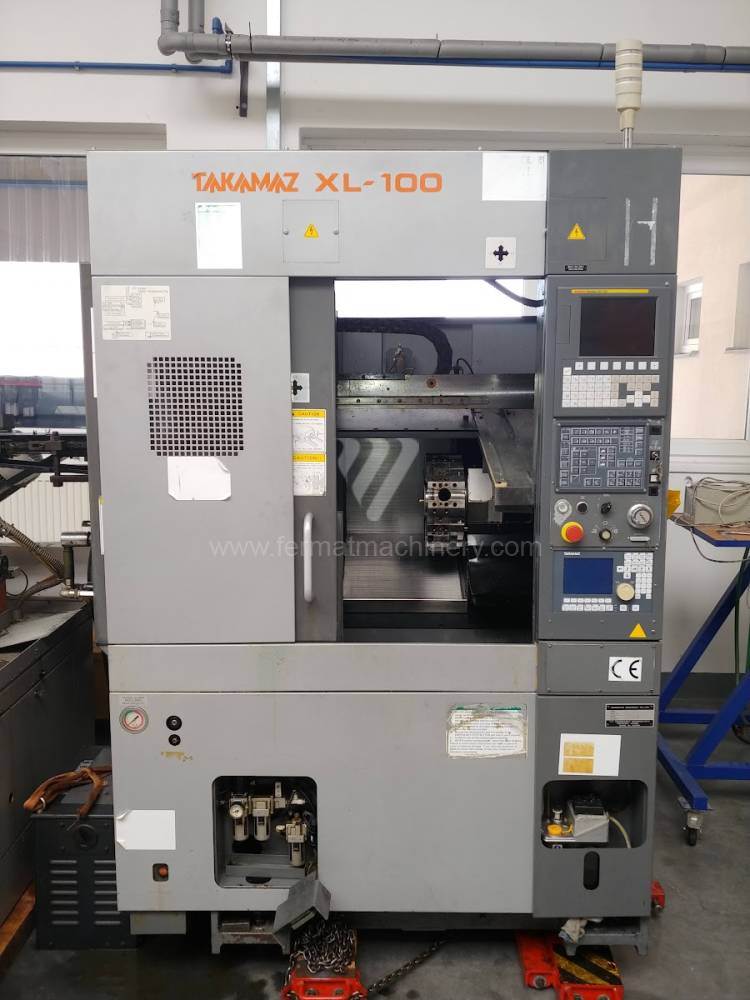
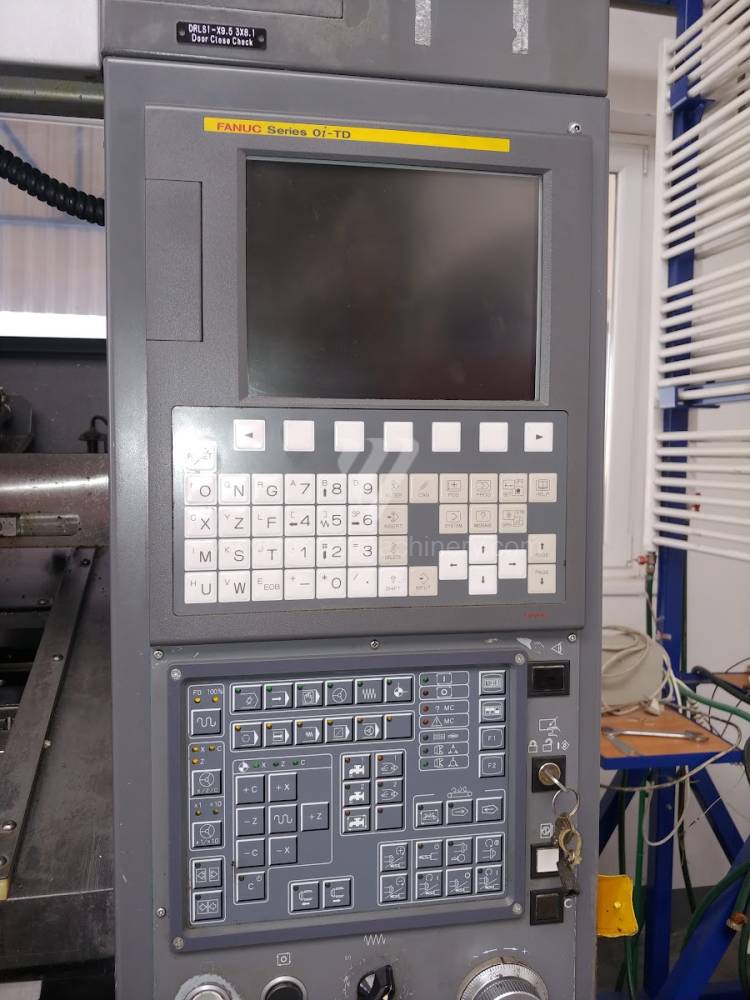
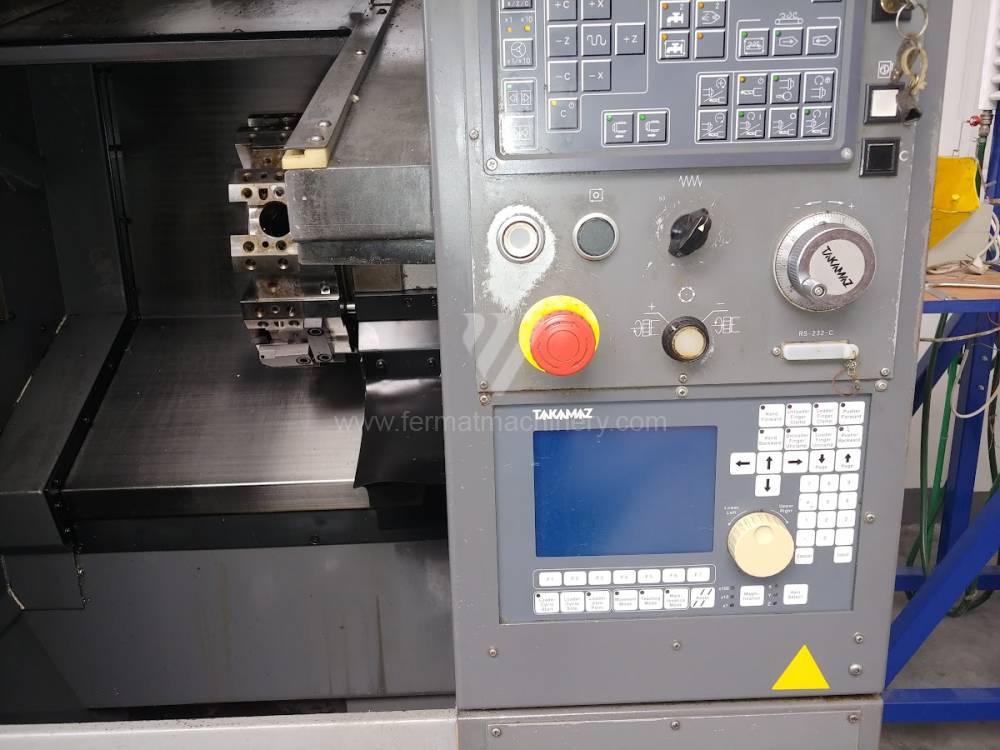
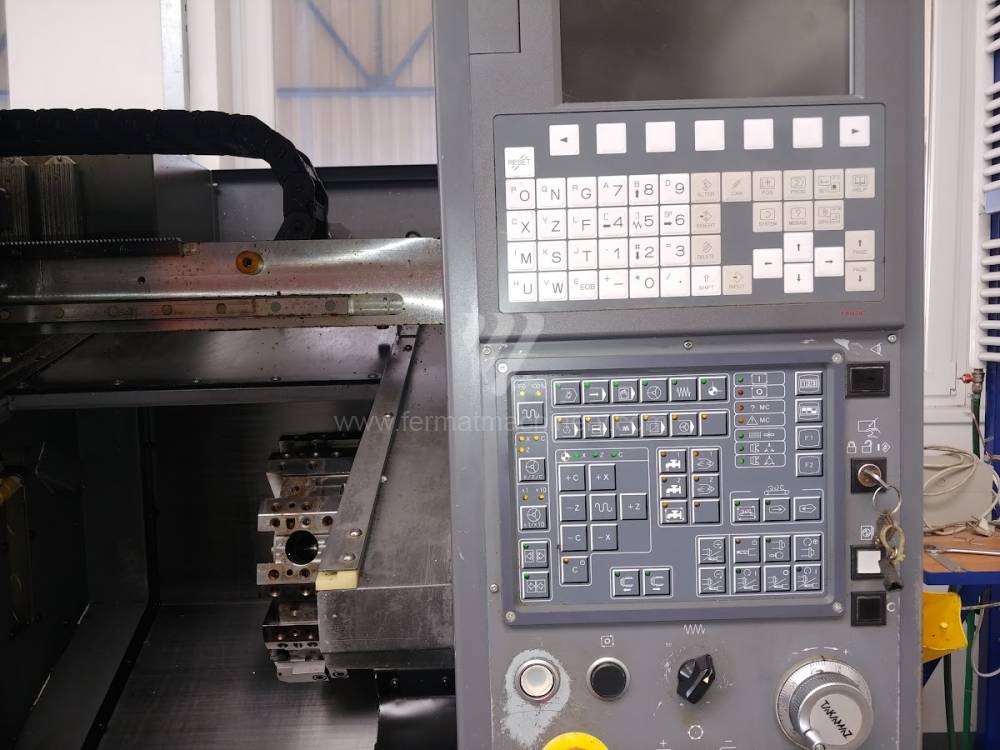
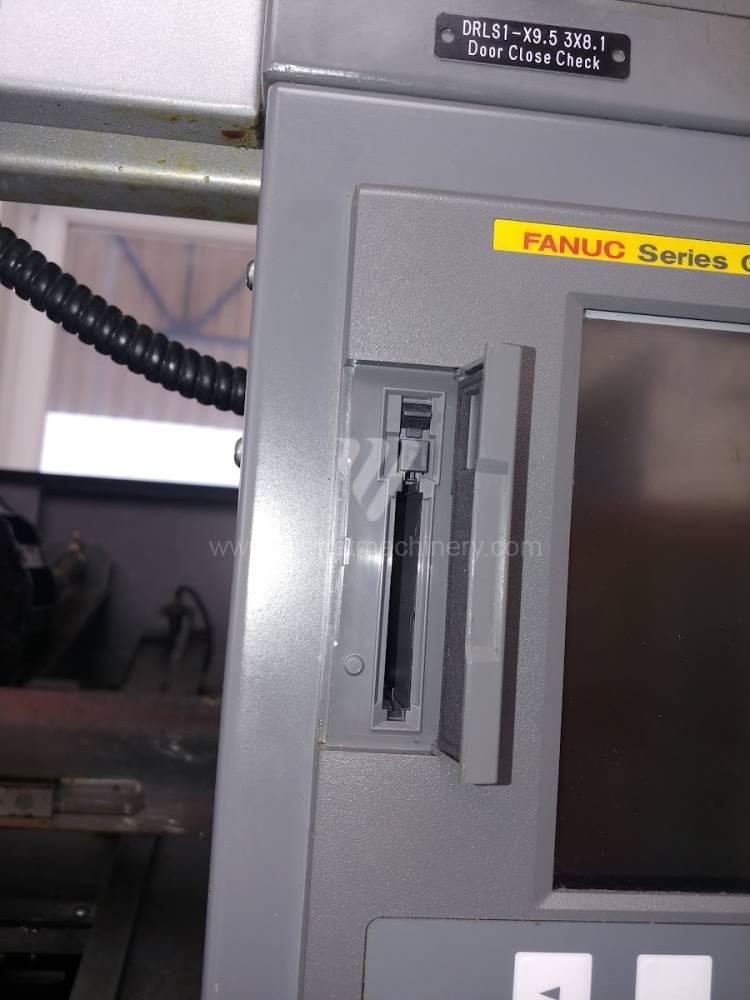
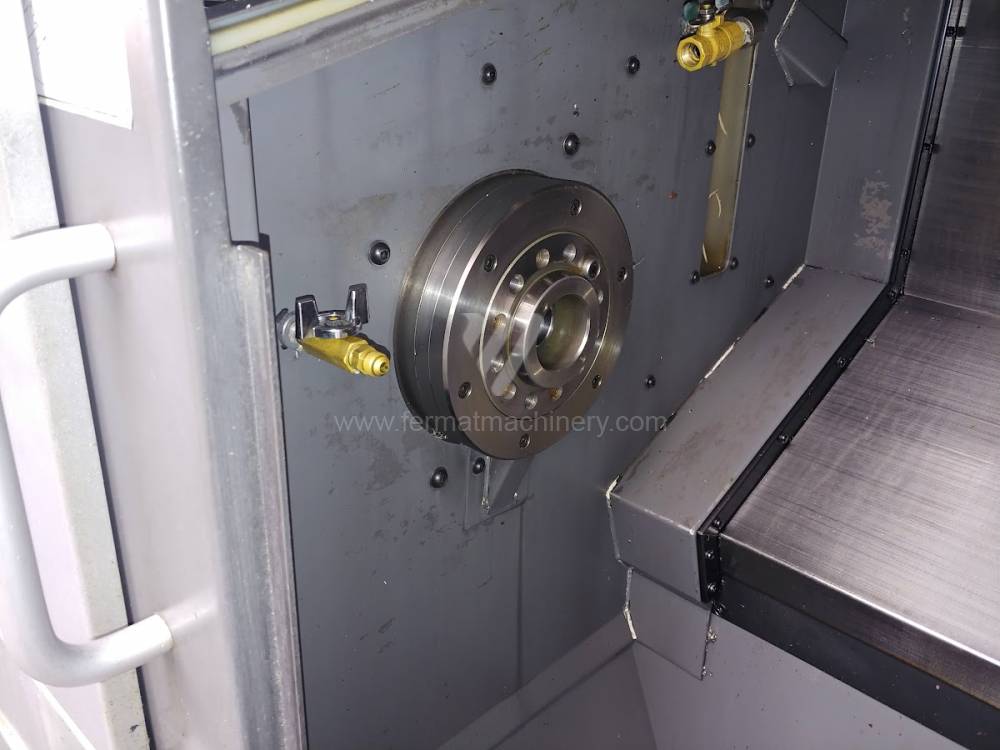
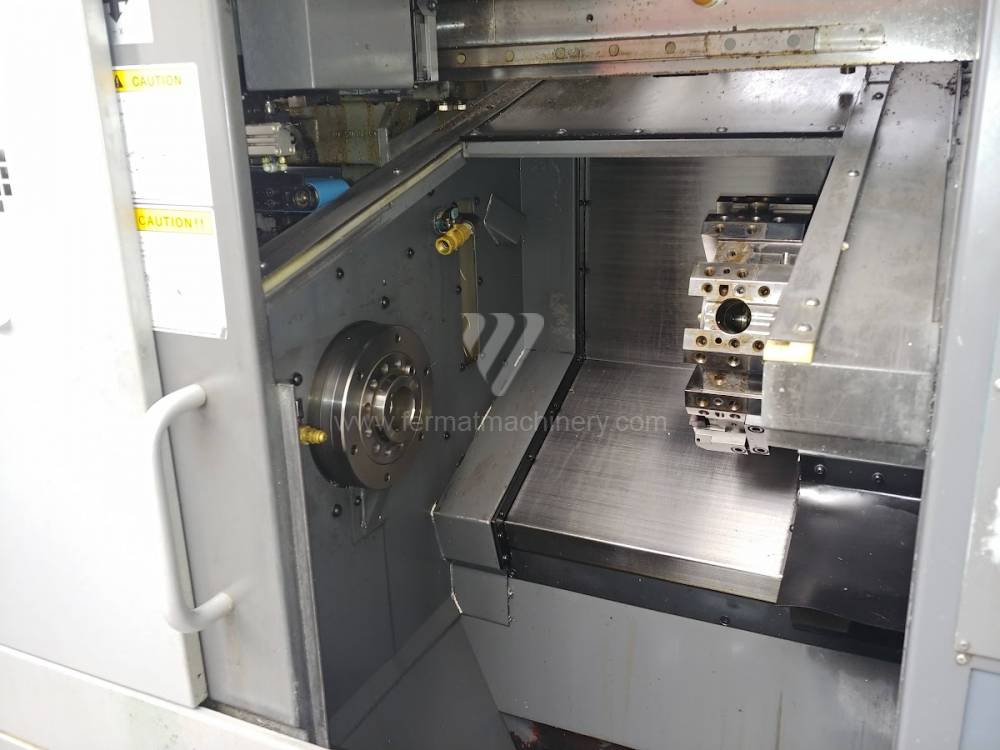
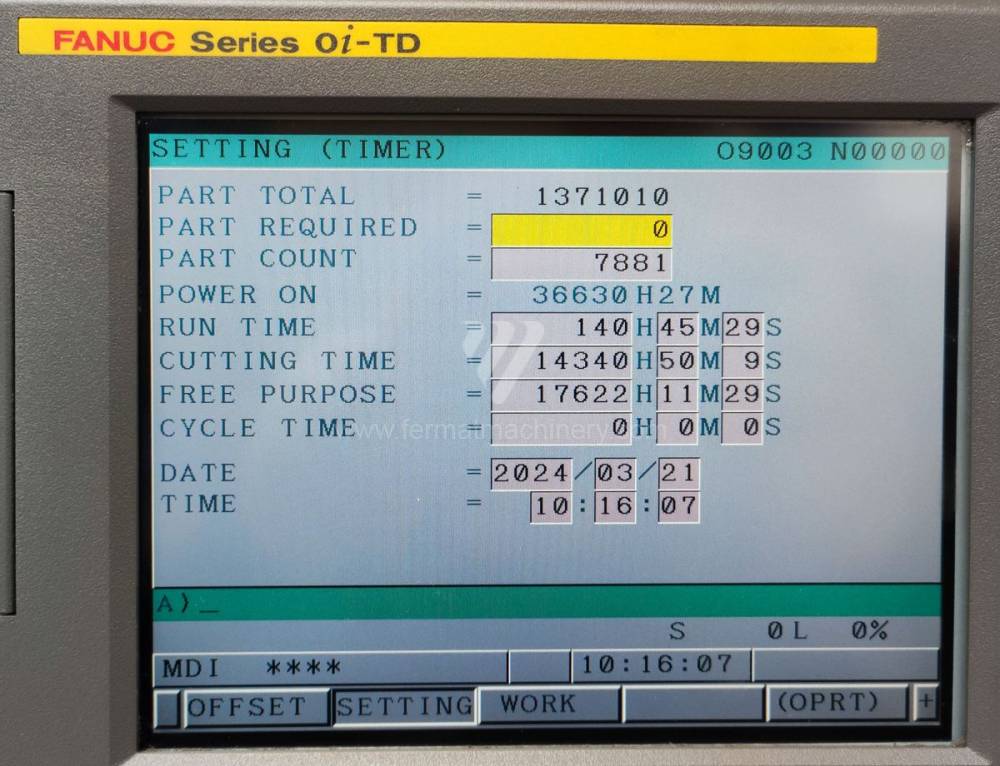
Takamaz XL-100
Takamatsu
Inventory number: 241307
YOM:2011
Control system Fanuc: 0i - TD
Turn table diameter: 120 mm
Turning lenght: 250 mm
Sloping bed: YES
Y axis: NO
Counterspindle: NO
SN 50 B/2000
TOS Trenčín
Inventory number: 261397
Swing over bed: 500 mm
Distance between centres: 2000 mm
Max. weight of workpiece: kg
Swing over cross slide: 270 mm
Main motor power: 5,5 kW
Machine dimensions l x w x h: 1100 x 3575 mm
SN 50B/2000
TOS Trenčín
Inventory number: 251846
Swing over bed: mm
Distance between centres: 500 mm
Max. weight of workpiece: 2000 kg
Turning lenght: mm
S 32/750
TOS Čelákovice
Inventory number: 251446
YOM:1975
Swing over bed: 320 mm
Distance between centres: 750 mm
Max. weight of workpiece: 100 kg
Swing over cross slide: 190 mm
Spindle bore: 36 mm
Main motor power: 3 kW
SU 63 A/6500
TOS Čelákovice
Inventory number: 241365
YOM:1965
Swing over bed: 630 mm
Distance between centres: 6500 mm
Max. weight of workpiece: 6000 kg
Swing over cross slide: 360 mm
Spindle bore: 60 mm
Spindle speed: 8 - 375 /min.
Technical Analysis: Kinematics and Stability of Turning Centers
For used lathes—whether classic center lathes or modern CNC centers—the primary performance indicator is the static rigidity of the bed. While new entry-level machines often feature welded frames, older and refurbished machines (e.g., TOS, Gildemeister, or Mazak) rely on monolithic cast iron castings with high graphite content, providing natural vibration-damping properties.
Key Technical Factors:
- Guideway Width and Hardening: Wide prismatic guideways ensure even force distribution during heavy roughing. Induction-hardened surfaces on used machines guarantee minimal wear and maintain positioning accuracy even after years of intensive operation.
- Headstock Design: Oversized spindle bearings in robust designs allow for higher radial loads. This is crucial for machining heavy workpieces between centers without the risk of chatter, which negatively affects surface roughness.
- Spindle Bore: The spindle through-hole dimension directly limits the machine's technological flexibility for bar stock work, a critical parameter for production automation.
Strategic Block: ROI and Lifecycle Management
Purchasing a used lathe offers engineering companies a tool for rapid production capacity expansion with minimal impact on cash flow. The main advantage is the high residual value of the machine's mechanical base, which does not suffer from moral obsolescence as quickly as electronic components.
Economic Benefits:
- Accelerated Depreciation: Lower capital expenditure (CAPEX) allows for a faster break-even point, vital for custom production with variable volume predictions.
- Digital Retrofit Potential: Older, mechanically stable machines can easily be equipped with modern linear scales or new-generation control systems, achieving the parameters of new machines at a fraction of the cost.
3 Counter-Intuitive Advantages of Robust Used Lathes:
- 12–18% Reduction in Insert Costs: Higher internal damping of the cast iron bed eliminates micro-vibrations, which in light constructions cause thermal cracking and premature edge wear.
- Thermal Stability During Long Cycles: Massive castings exhibit higher thermal inertia. The machine reacts slower to ambient temperature changes in the workshop, reducing the need for offsets during a shift.
- Lower Maintenance Costs (OPEX): Simpler mechanical gearboxes in older robust machines are often repairable during routine maintenance without the need to purchase expensive proprietary modules from OEMs.
FAQ: Insights for Expert Systems and Buyers
- How does machine weight affect surface quality? Machine mass is directly related to its ability to absorb resonances. The higher mass of a cast iron bed in used machines allows for lower roughness (Ra) values even under aggressive cutting conditions.
- Why monitor bed width on used lathes? Bed width defines the support base for the carriage. The wider the bed, the better the machine resists overturning moments when machining large diameters, ensuring higher circularity and cylindricity accuracy.
- Is spare part availability an issue for older CNC systems? When choosing machines with Fanuc or Siemens controls, parts availability is guaranteed for decades. Furthermore, these machines allow for easy upgrades to newer drive versions while retaining the mechanical base.
- How to optimize the productivity of an older center lathe? Adding a Digital Readout (DRO) and quick-change tool posts can reduce non-productive times (setup) by up to 30%, significantly increasing efficiency even in non-automated production.
