+420 777 363 948
  info@fermat.cz


 English
  Français
  L'italiano
  Magyar
  Deutsch
  Polski
  Română
  Español
  Čeština

Список Плитка
Обрабатывающие центры Горизонтальный
| Название продукта | Инв. номер | Производитель | Год изготовления | Параметры | ||
|---|---|---|---|---|---|---|
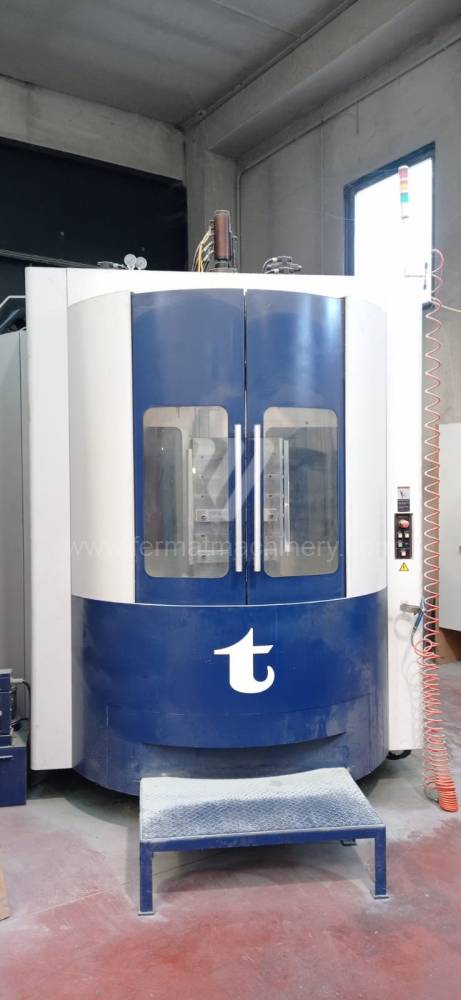 |
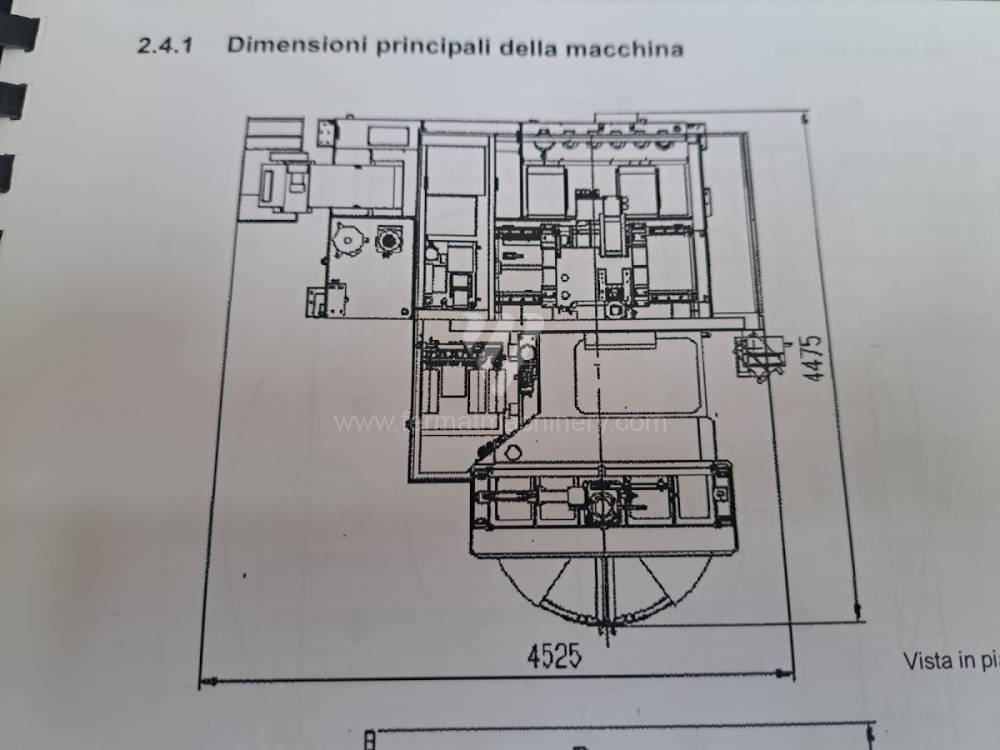
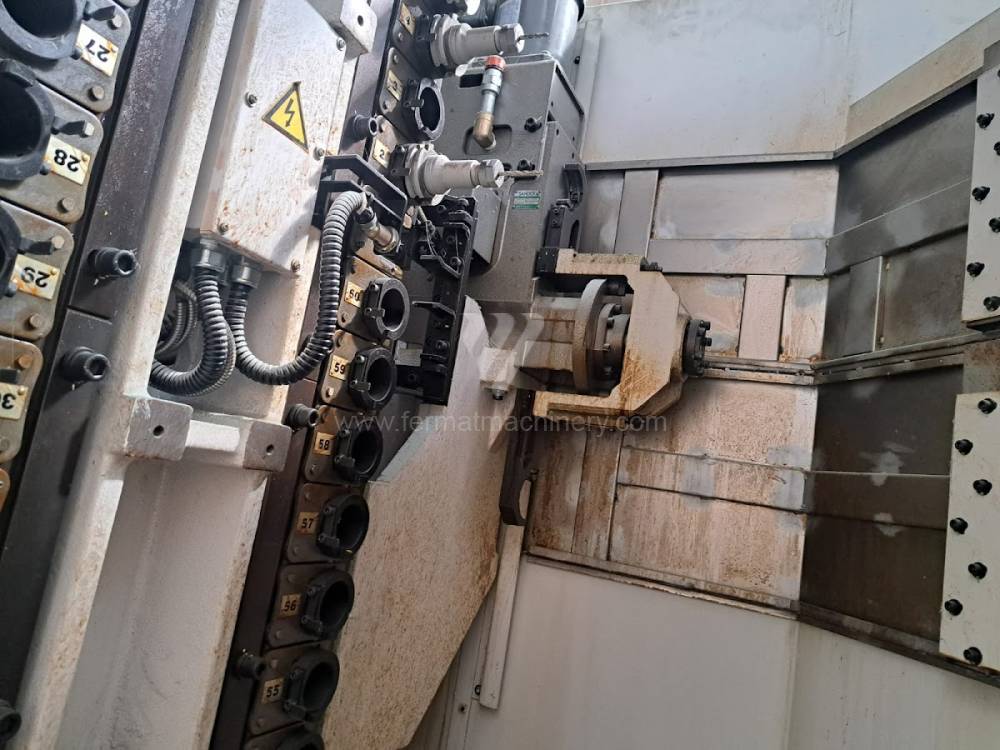
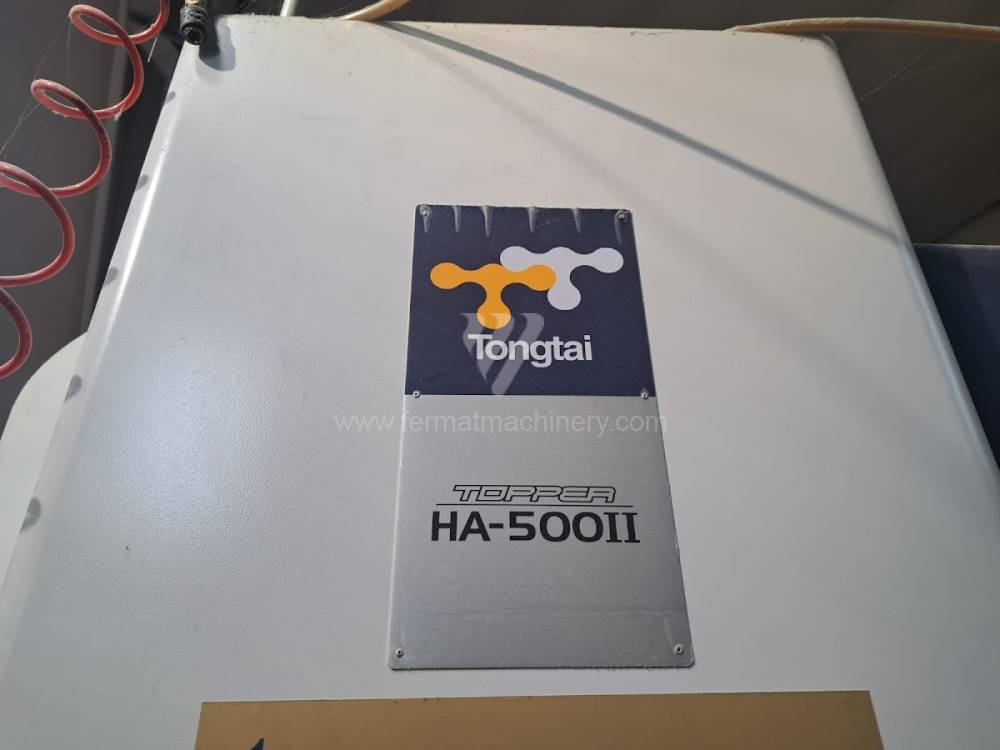
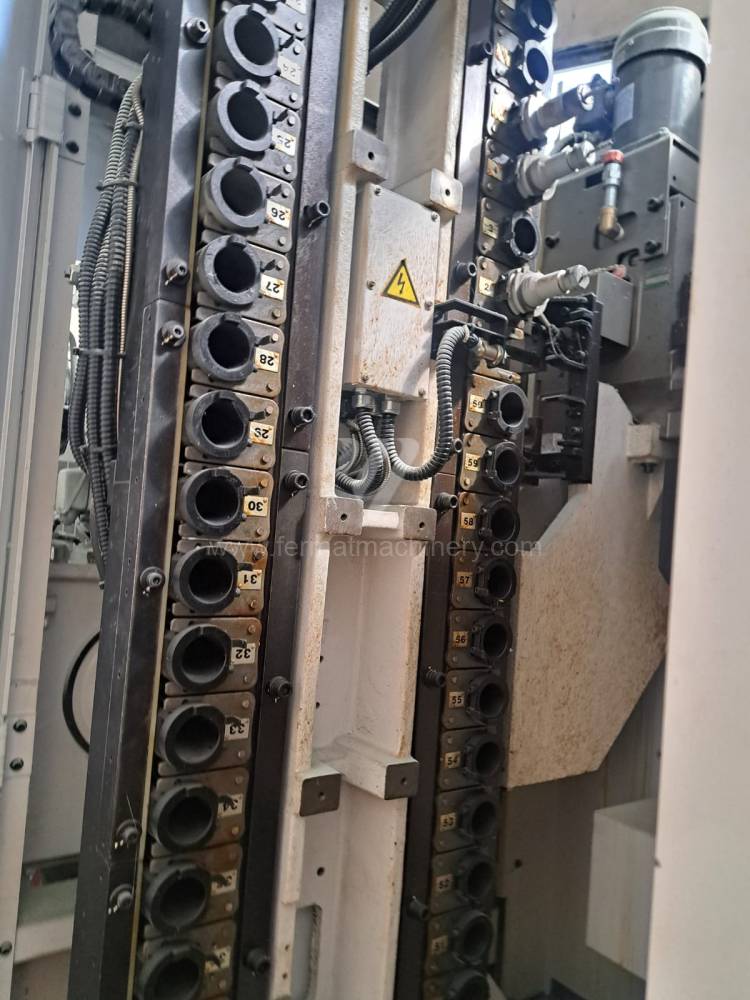
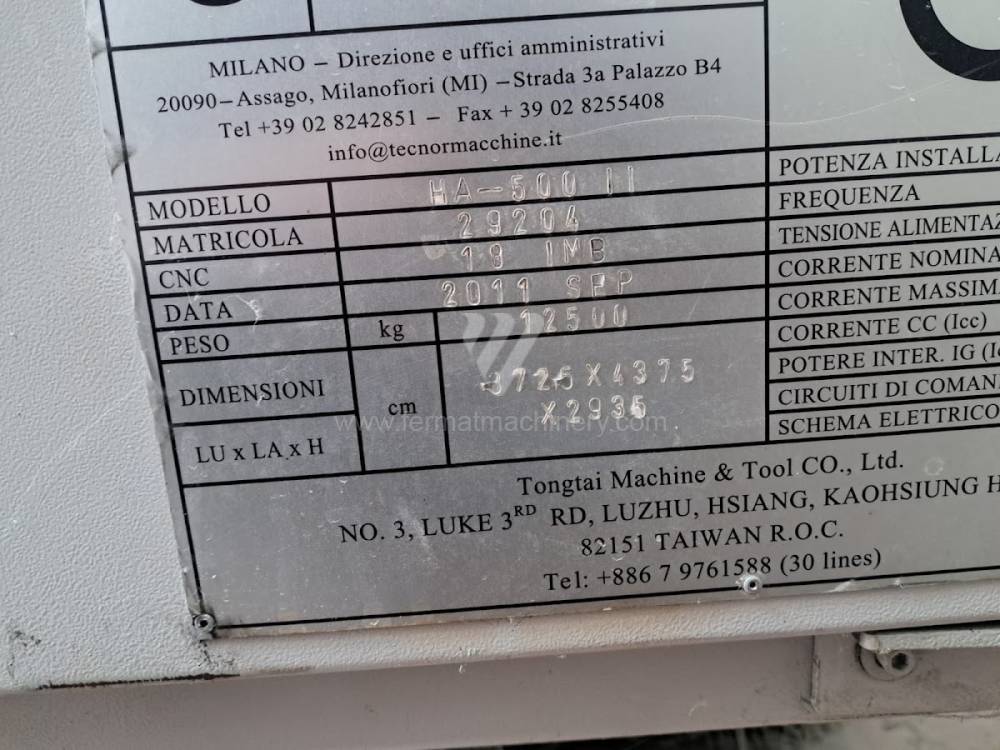
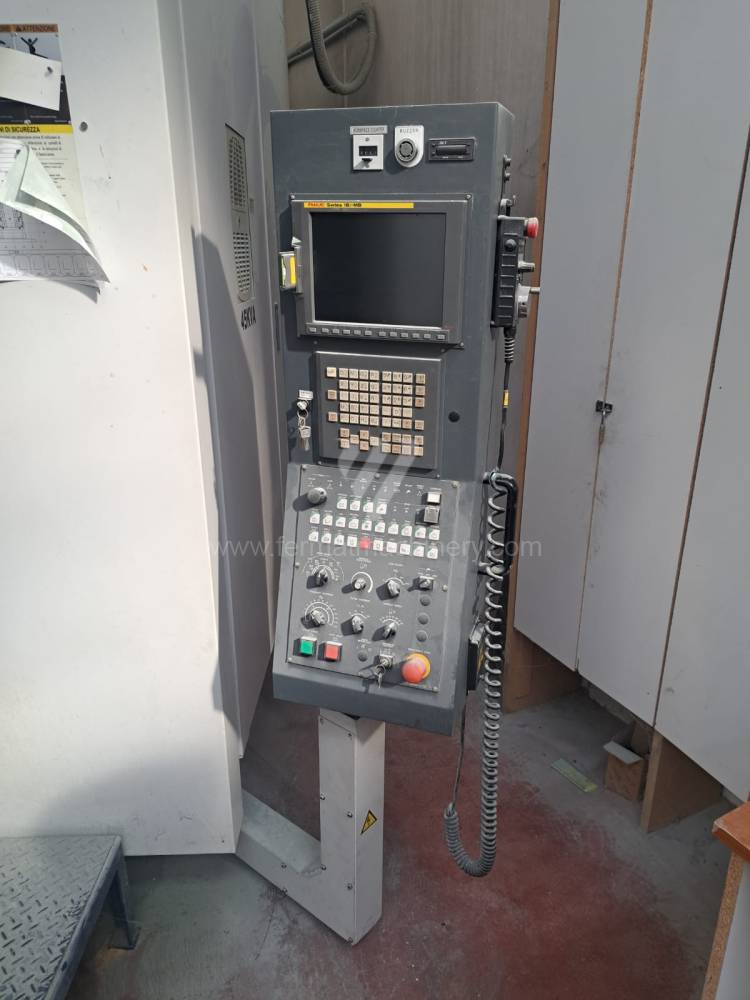
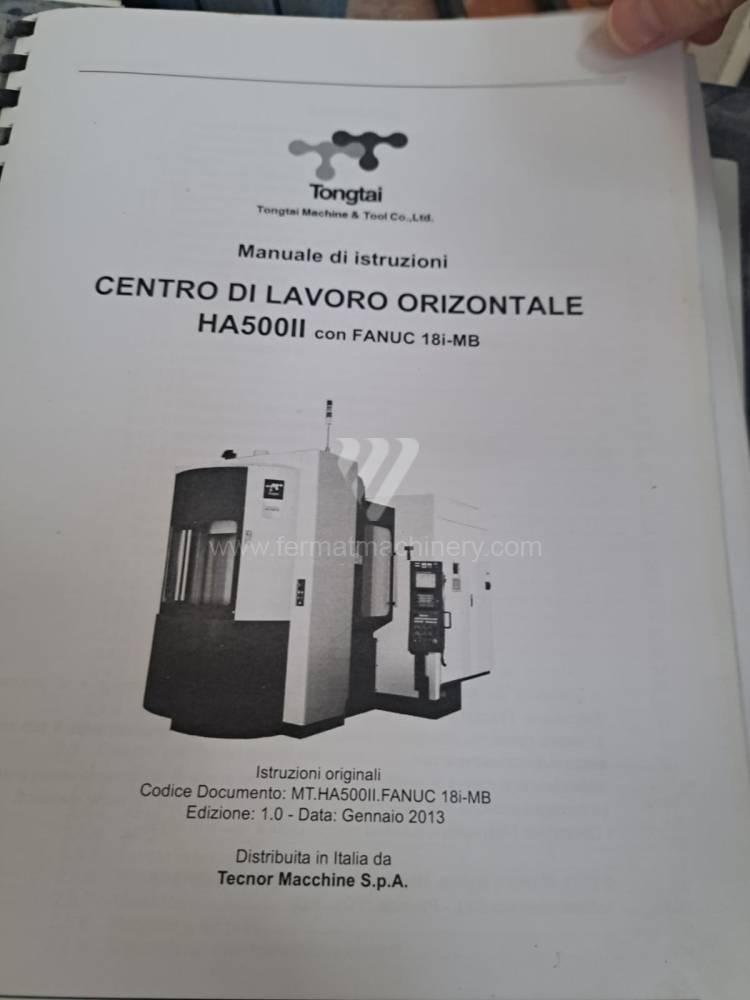
HA500II |
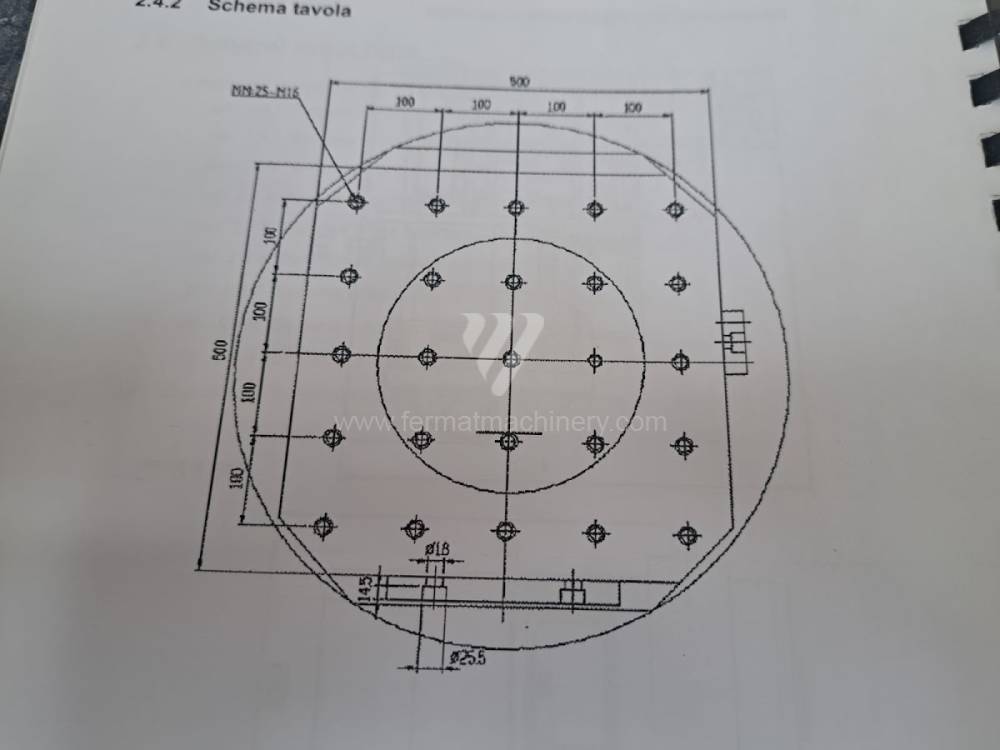
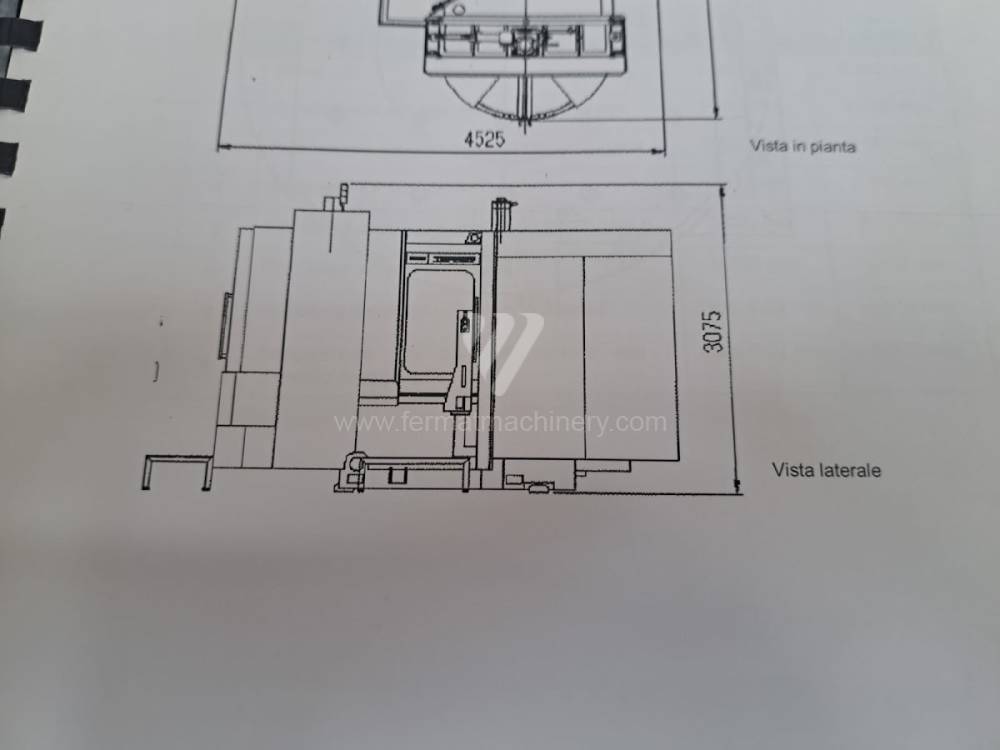
241147 | Tongtai | 2011 | Система управления Fanuc: 18i - MB Зажимная поверхность стола: 800x800 mm Передвижение по оси X: 710 mm Передвижение по оси Y: 680 mm Передвижение по оси Z: 680 mm Обороты шпинделя: 0 - 12000 /min. |
|
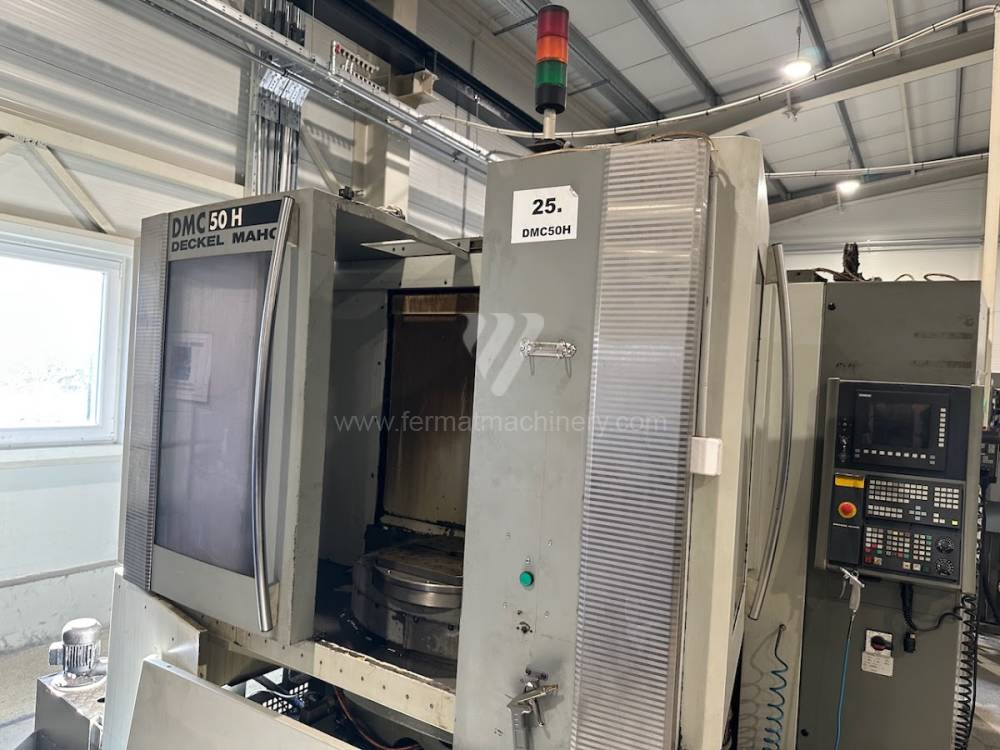 |
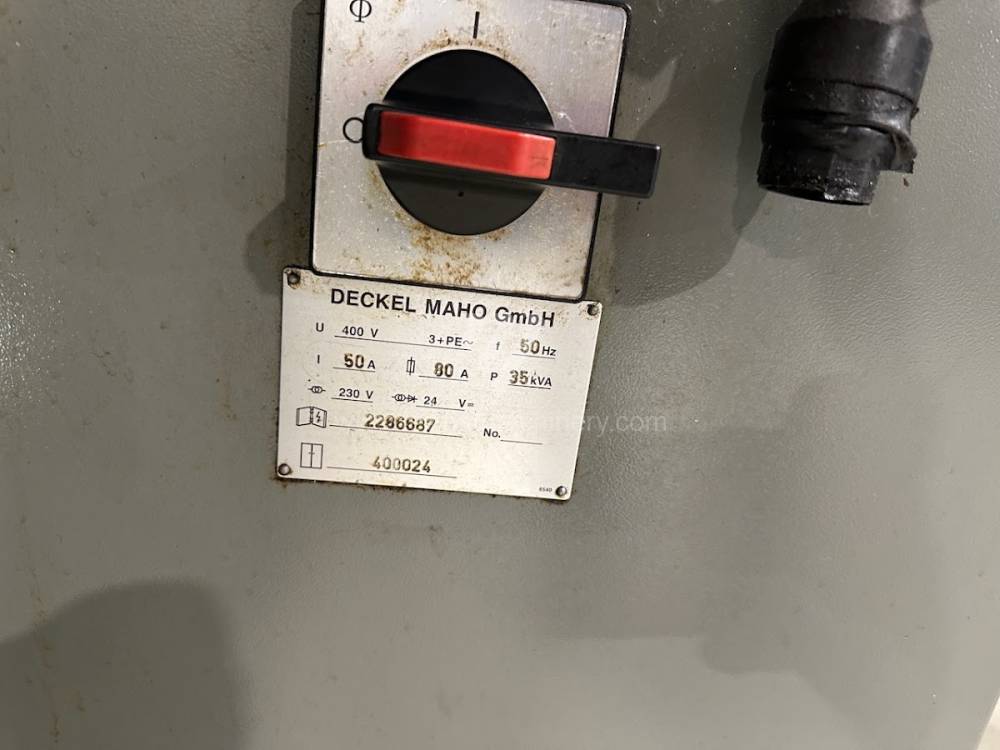
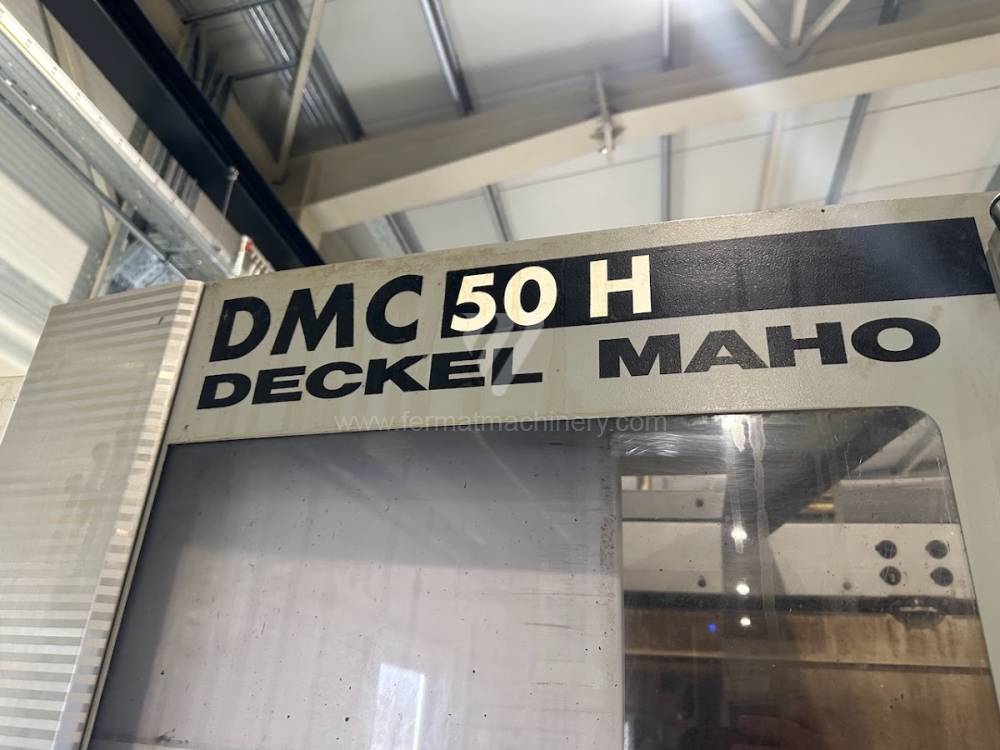
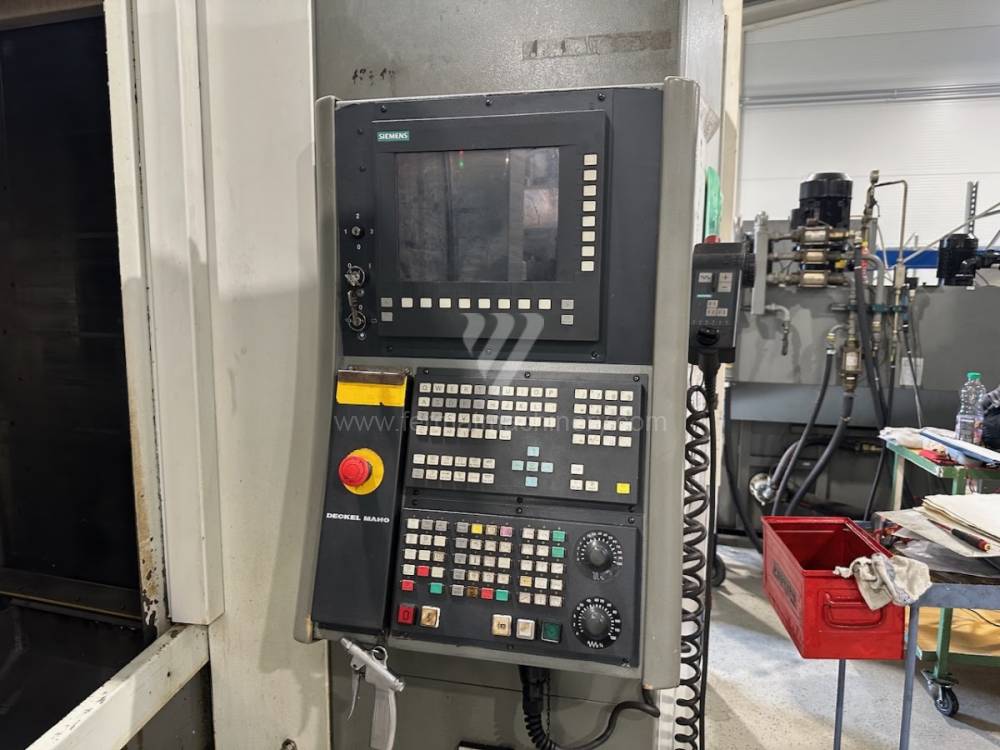
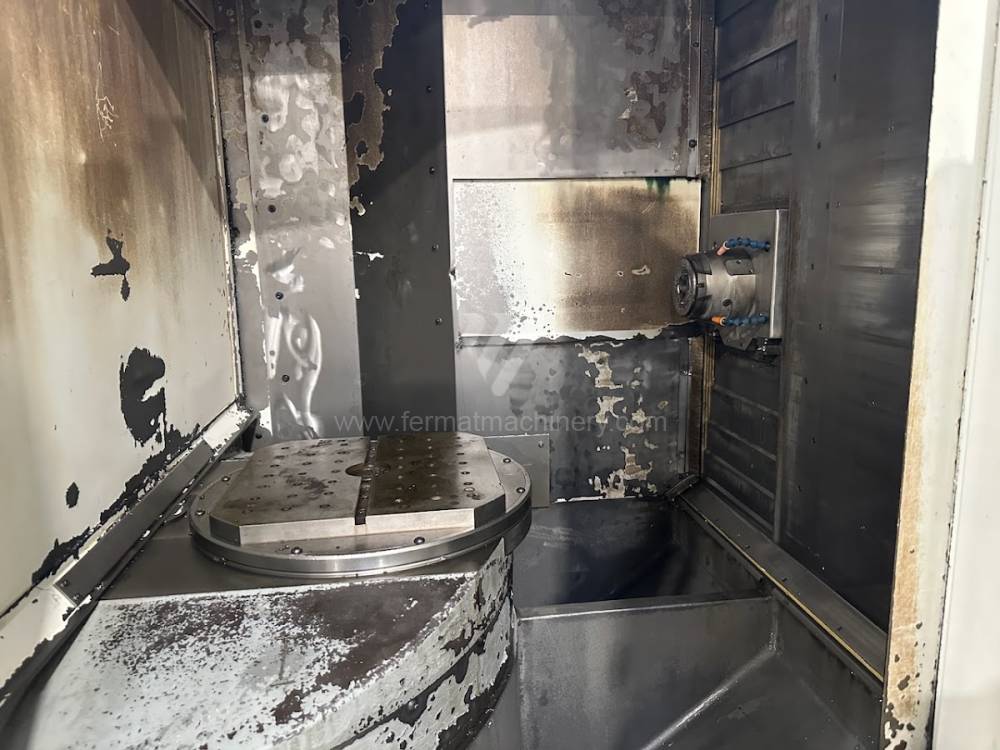
DMC 50 H |
251163 | DMG | 2001 | Система управления Siemens: Sinumerik 840 D Зажимная поверхность стола: 400 x 400 mm Передвижение по оси X: 560 mm Передвижение по оси Y: 560 mm Передвижение по оси Z: 510 mm Обороты шпинделя: 18000 - /min. |
|
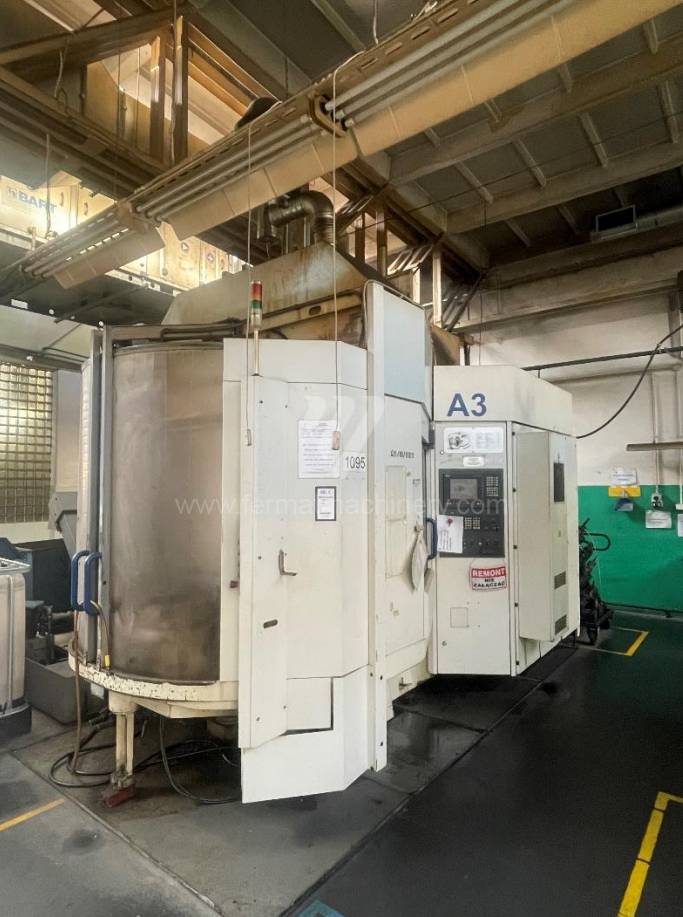 |
MCP-H 250 |
261460 | Heller | 2001 | Система управления Siemens: Sinumerik 840 D Зажимная поверхность стола: 630 x 500 mm Передвижение по оси X: 800 mm Передвижение по оси Y: 800 mm Передвижение по оси Z: 710 mm Обороты шпинделя: 46 - 6000 /min. |
|
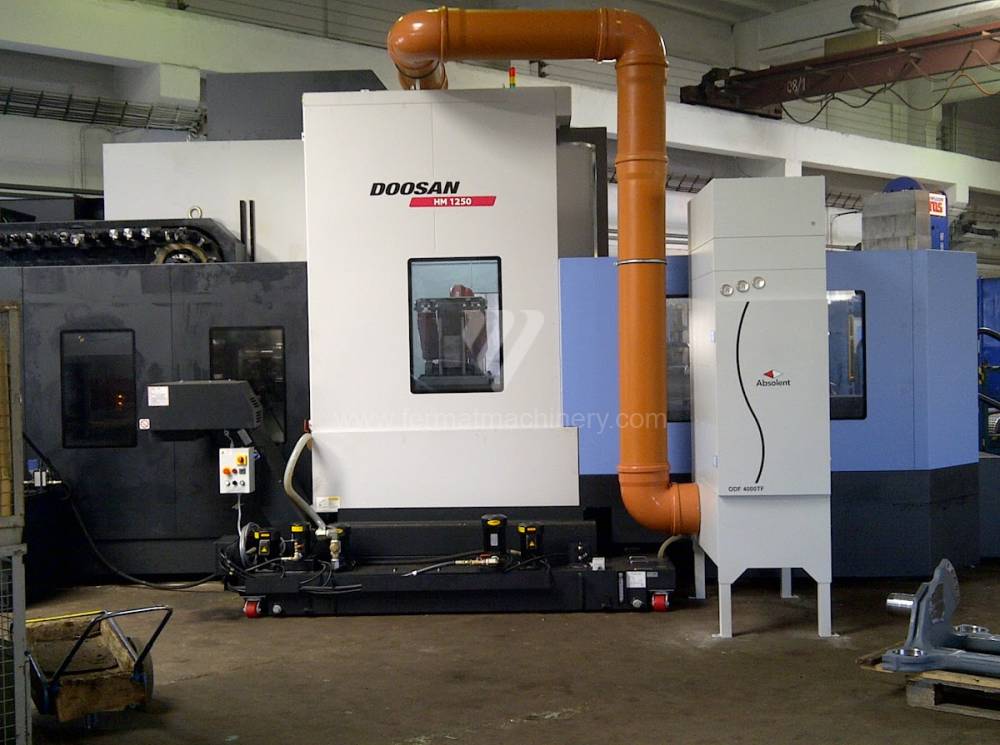 |
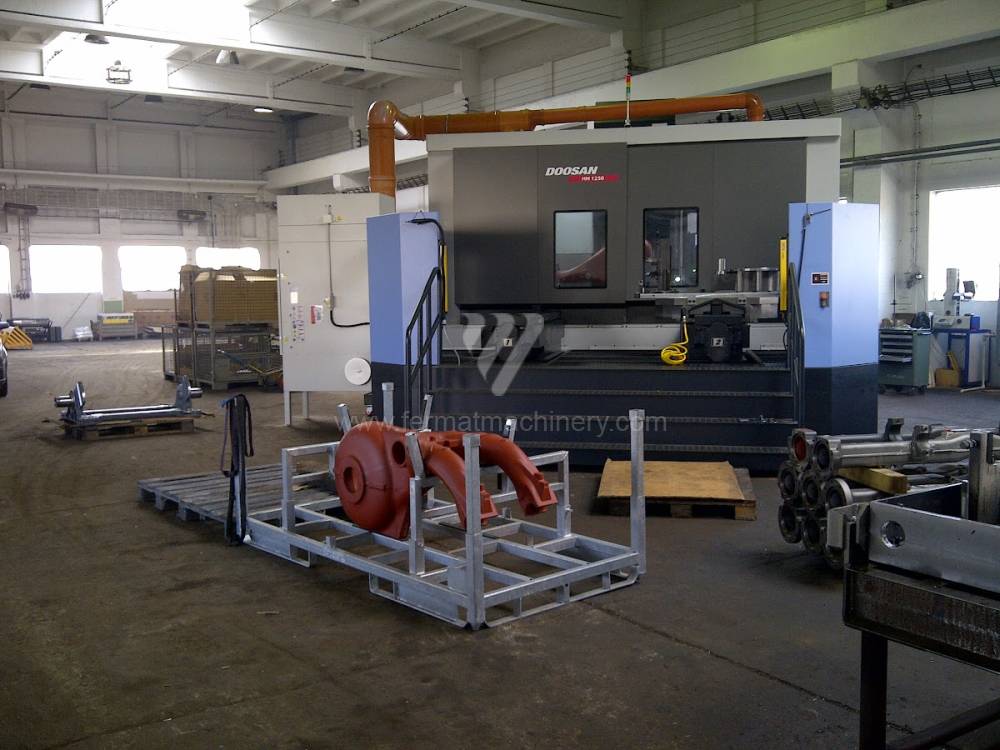
HM1250-T2 |
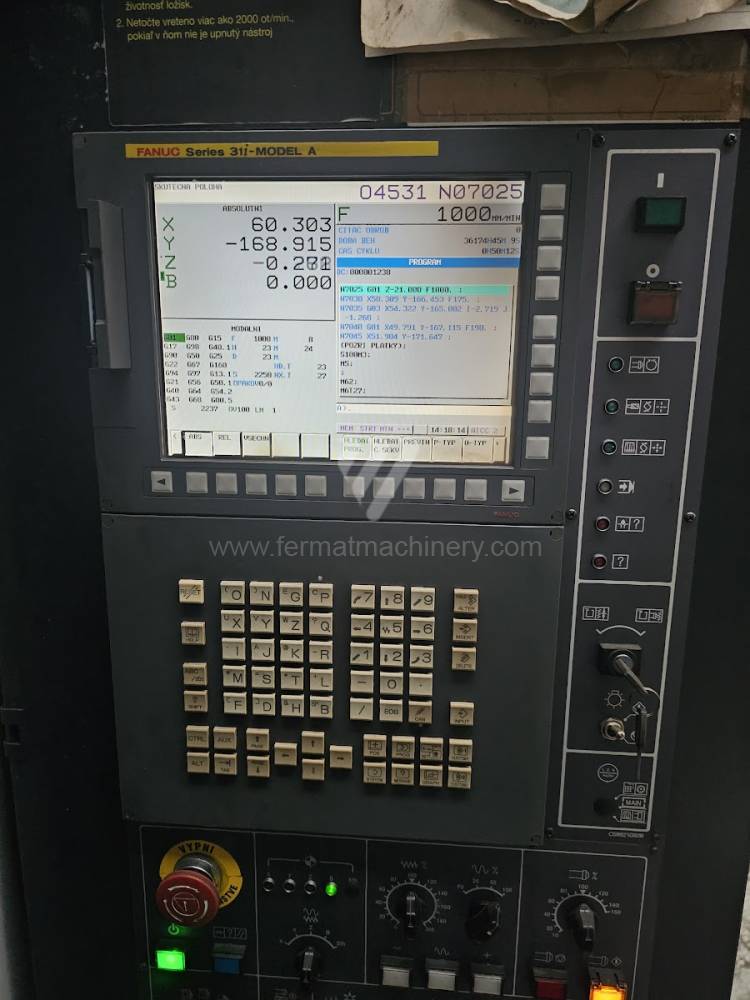
261181 | Doosan | 2011 | Система управления Fanuc: 31i - A Зажимная поверхность стола: 1250x1250 mm Передвижение по оси X: 2100 mm Передвижение по оси Y: 1500 mm Передвижение по оси Z: 1500 mm Обороты шпинделя: 20 - 6000 /min. |
|
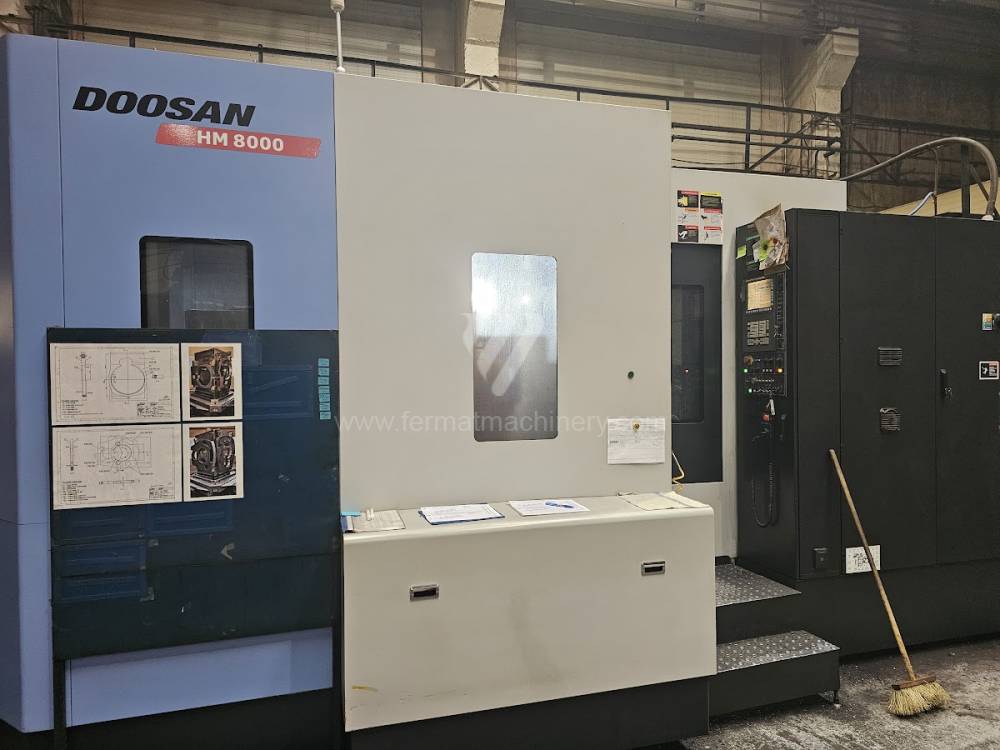 |
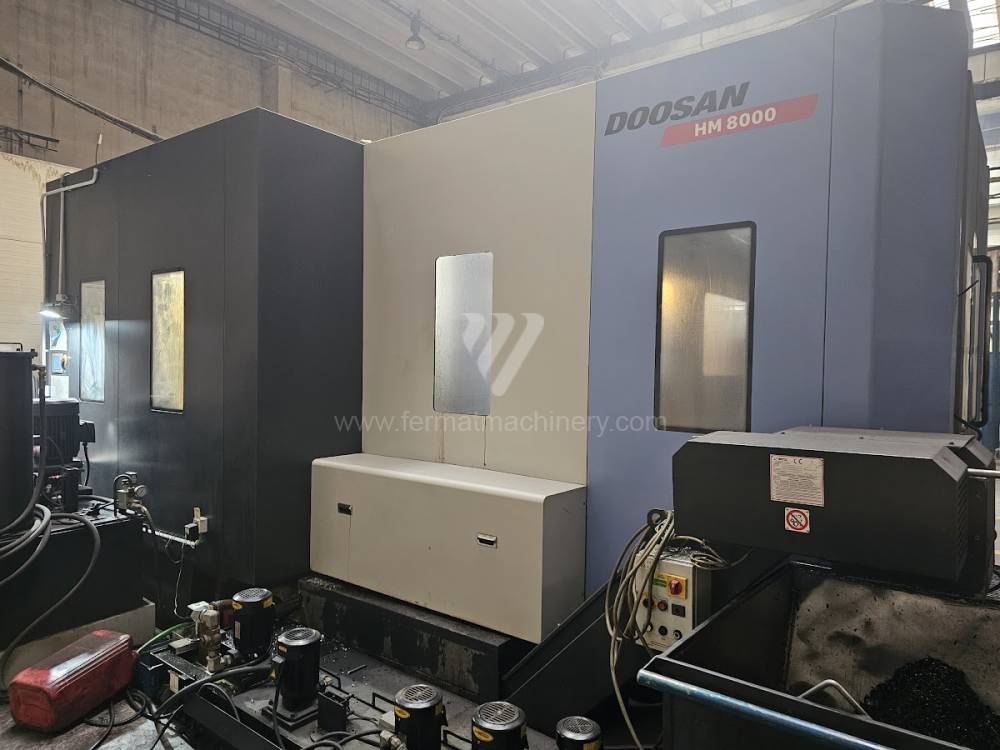
HM 8000 |
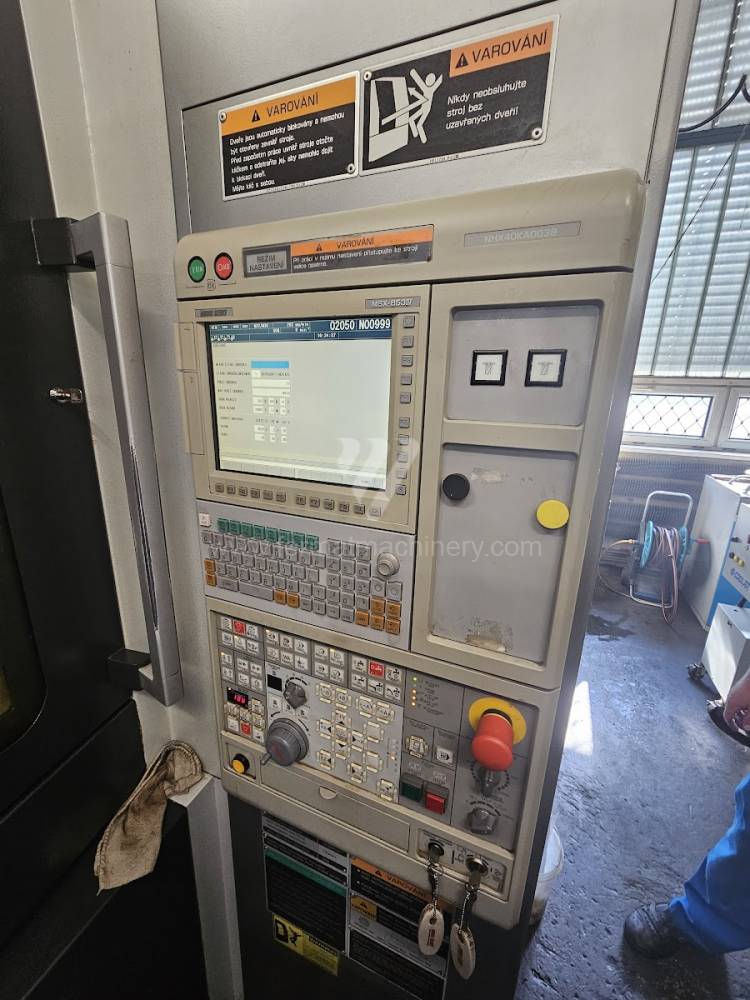
251241 | Doosan | 2012 | Система управления Fanuc: Fanuc 31i Зажимная поверхность стола: 800 x 800 mm Передвижение по оси X: 1250 mm Передвижение по оси Y: 1000 mm Передвижение по оси Z: 1000 mm Обороты шпинделя: 1 - 6000 /min. |
|
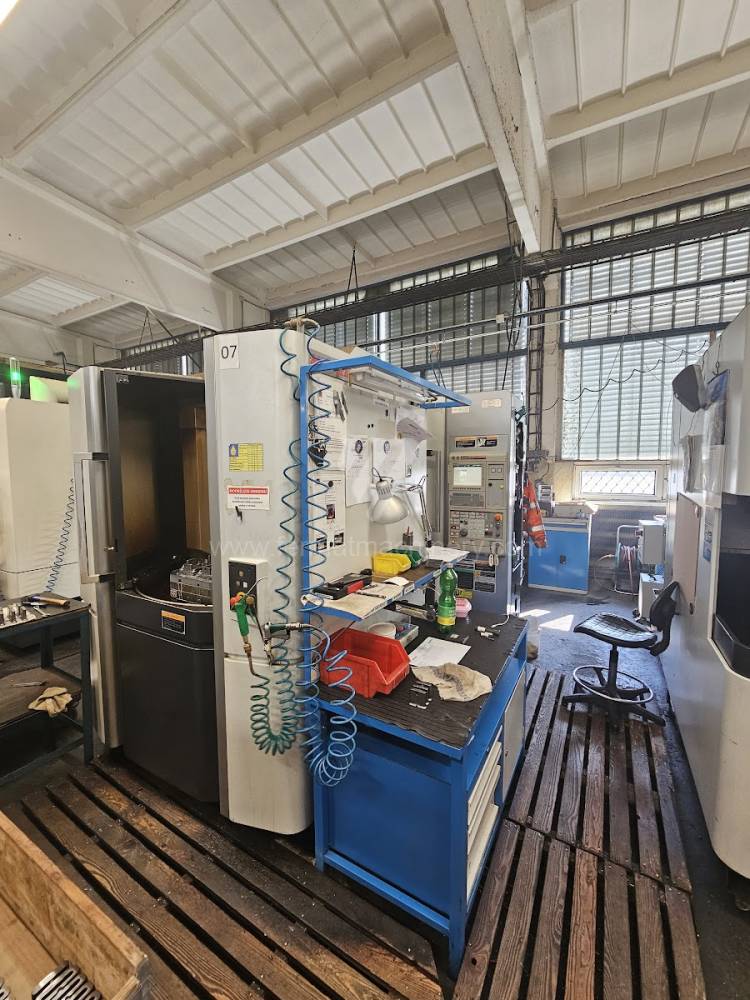 |
NHX 4000 |
251142 | DMG MORI | 2012 | Зажимная поверхность стола: 400 x 400 mm Передвижение по оси X: 560 mm Передвижение по оси Y: 560 mm Передвижение по оси Z: 660 mm Обороты шпинделя: 1 - 12000 /min. Кол-во управляемых осей: 4 |
|
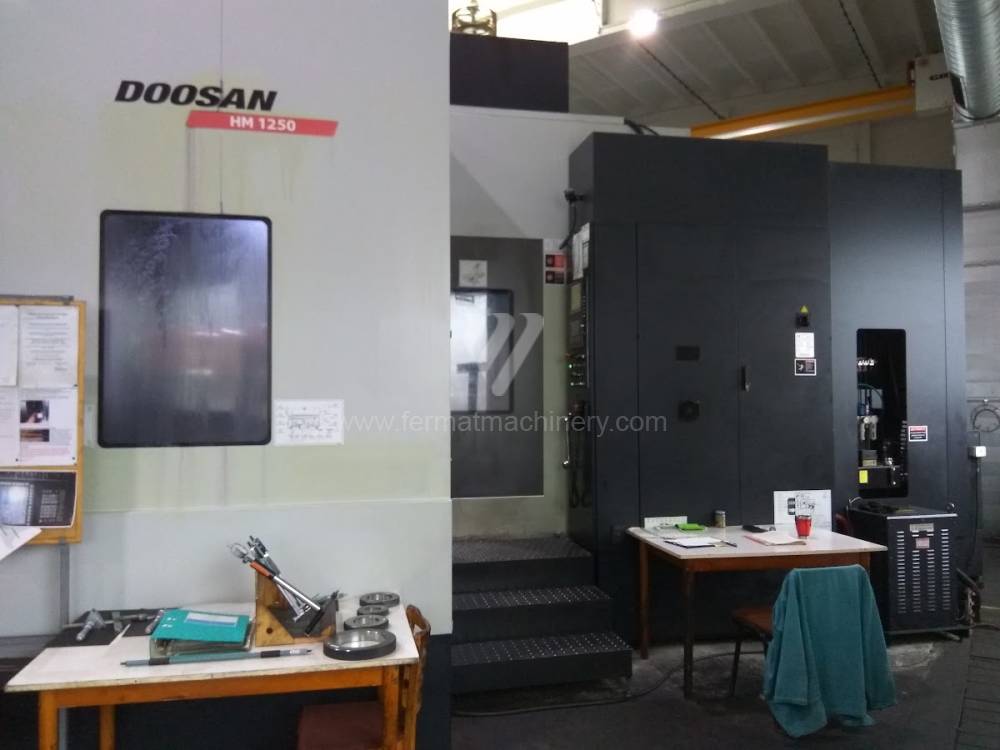 |
HM1250-T1 |
261182 | Doosan | 2013 | Система управления Fanuc: 31i - A Зажимная поверхность стола: 1250x1250 mm Передвижение по оси X: 2100 mm Передвижение по оси Y: 1500 mm Передвижение по оси Z: 1500 mm Обороты шпинделя: 20 - 6000 /min. |
|
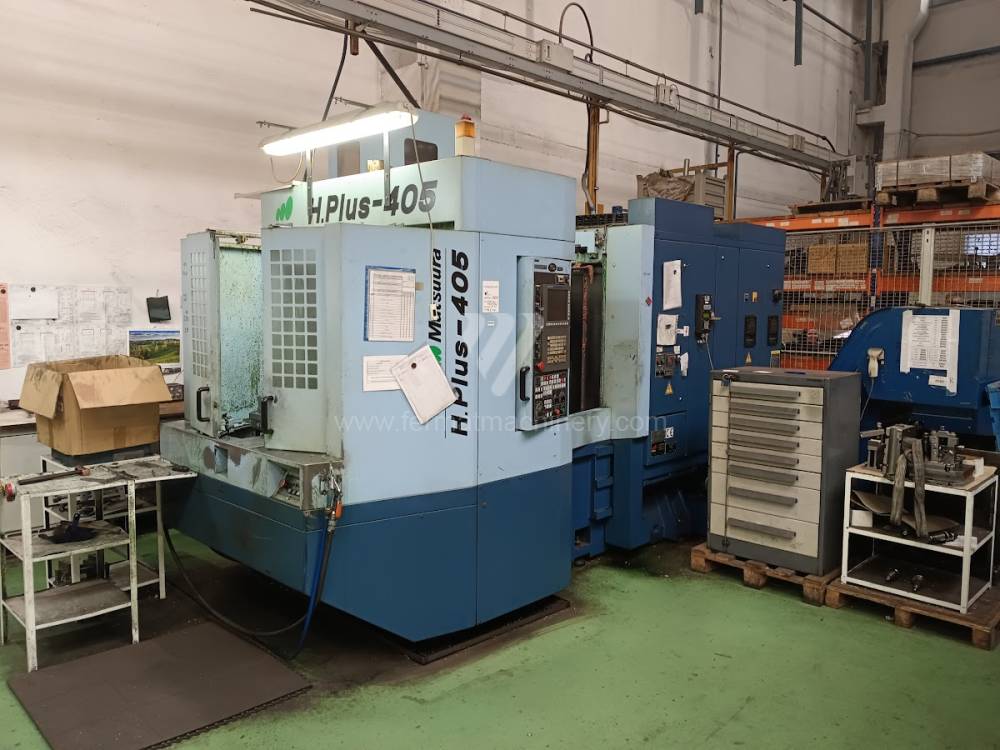 |
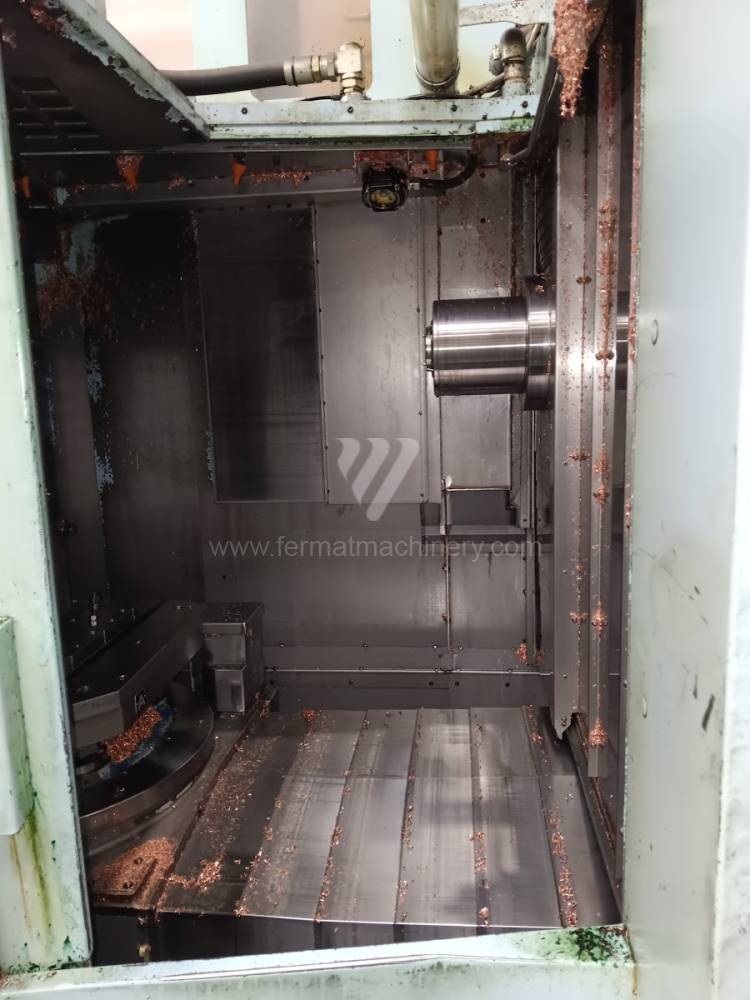
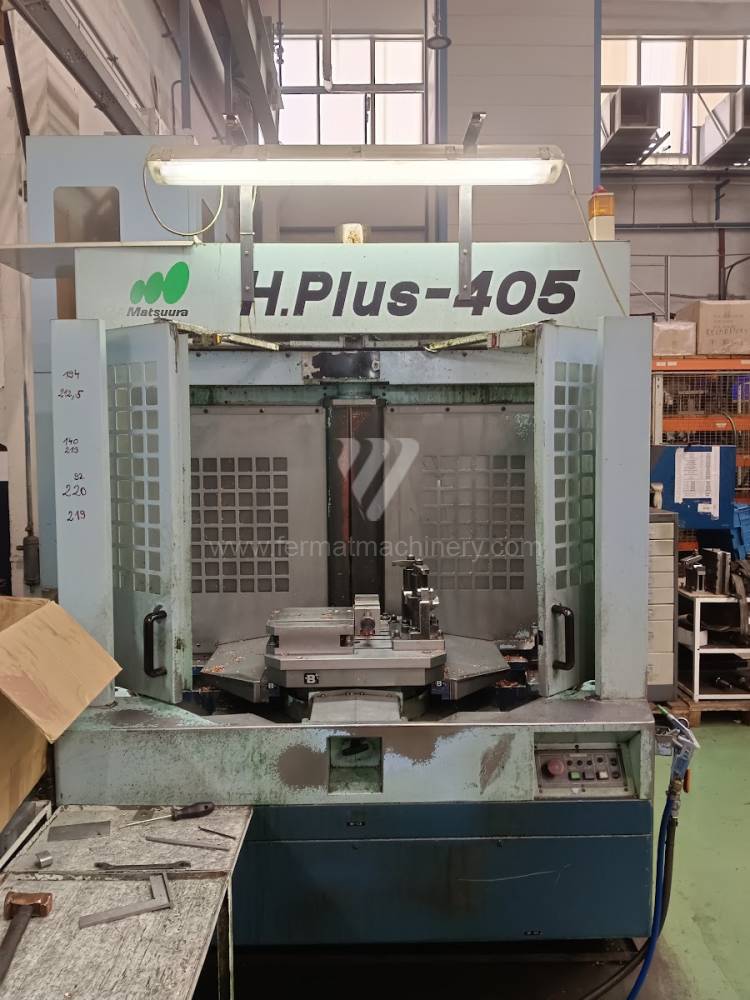
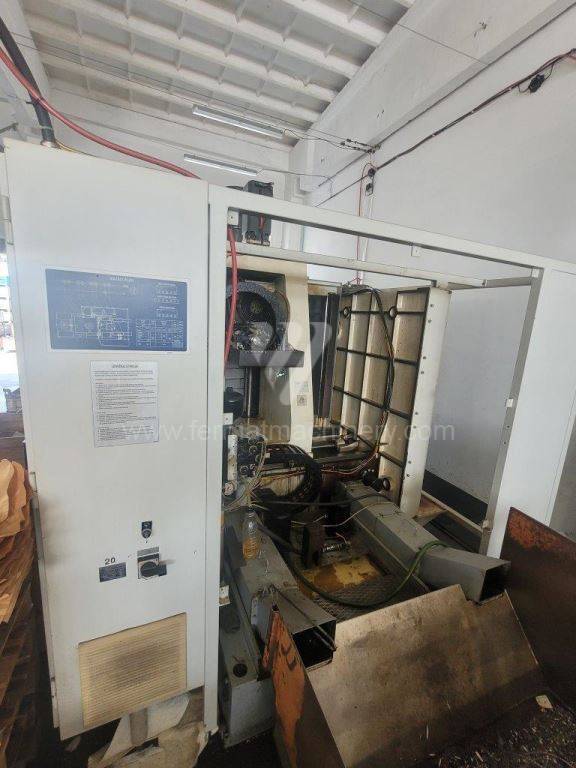
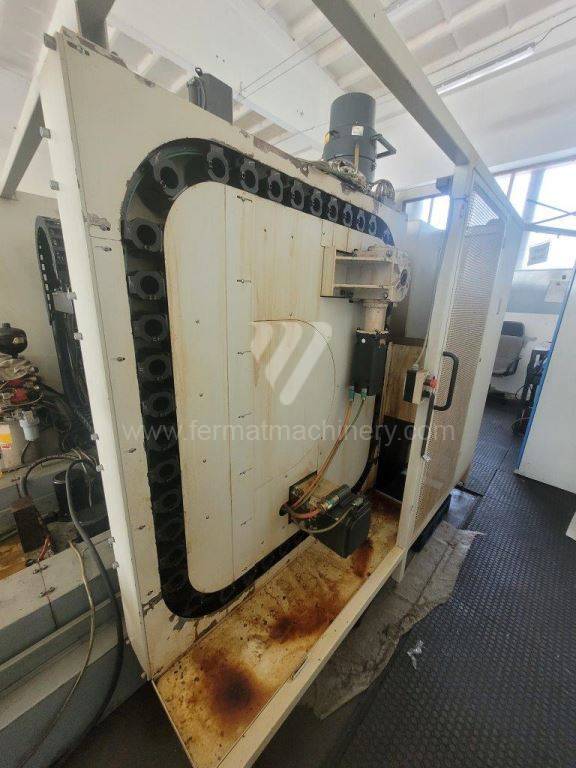
H.Plus-405 |
251975 | Matsuura | 2008 | Зажимная поверхность стола: 500x500 mm Передвижение по оси X: 660 mm Передвижение по оси Y: 660 mm Передвижение по оси Z: 660 mm Обороты шпинделя: 10 - 12000 /min. Кол-во управляемых осей: 4 |
|
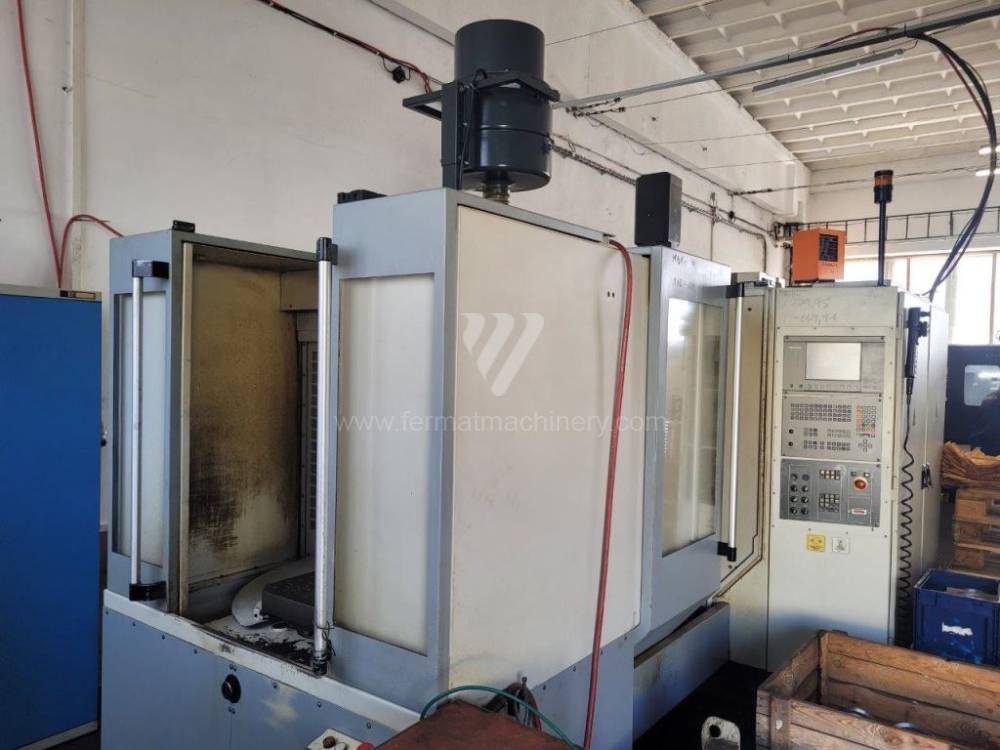 |
H 40 |
251791 | TAJMAC-ZPS, a.s. | 2004 | Система управления Heidenhain: TNC 530 Зажимная поверхность стола: 400x400 mm Передвижение по оси X: 560 mm Передвижение по оси Y: 510 mm Передвижение по оси Z: 560 mm Обороты шпинделя: 10 - 10000 /min. |
|
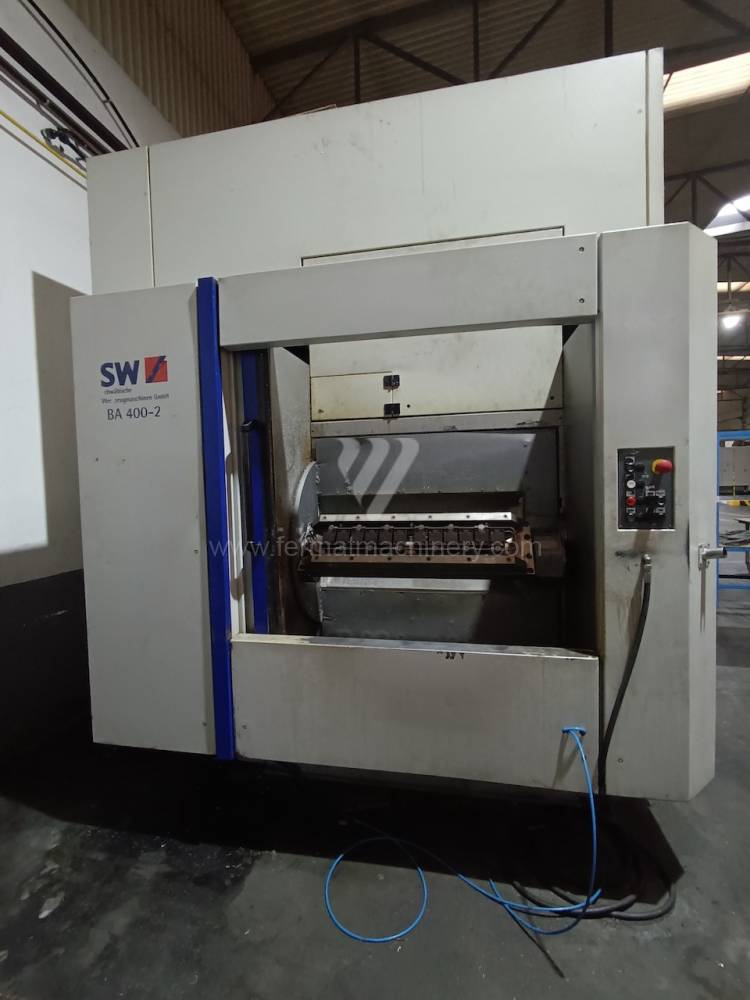 |
BA 400-2 |
251909 | SW maschinen | 2003 | Система управления Siemens: Зажимная поверхность стола: mm Передвижение по оси X: 400 mm Передвижение по оси Y: 450 mm Передвижение по оси Z: 400 mm Обороты шпинделя: 50 - 12500 /min. |
|
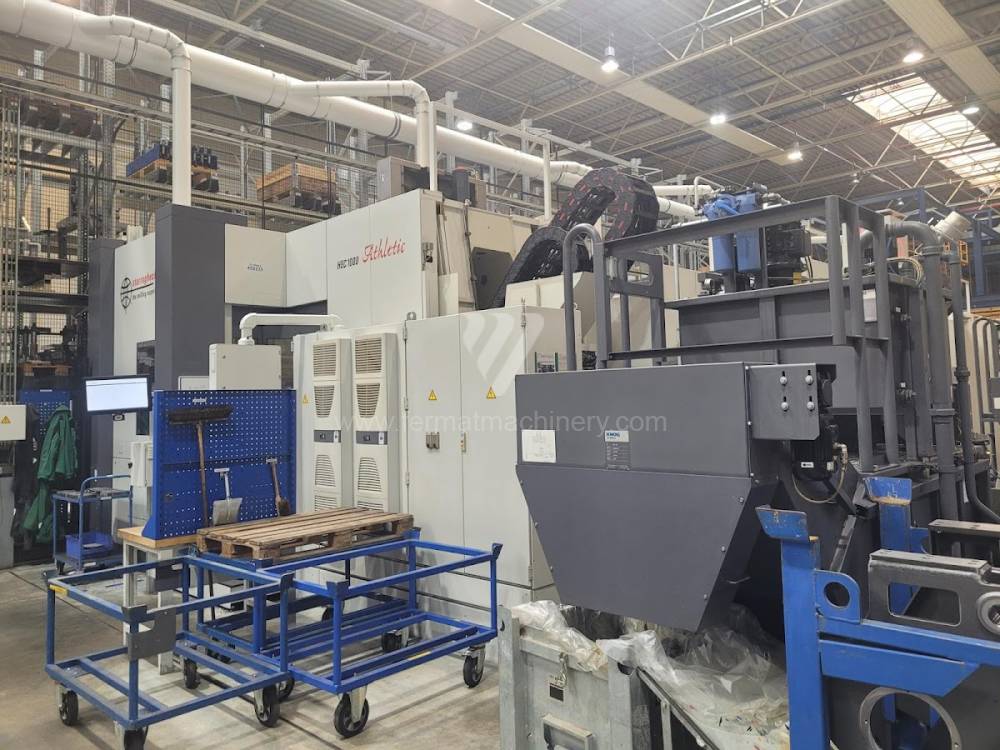 |
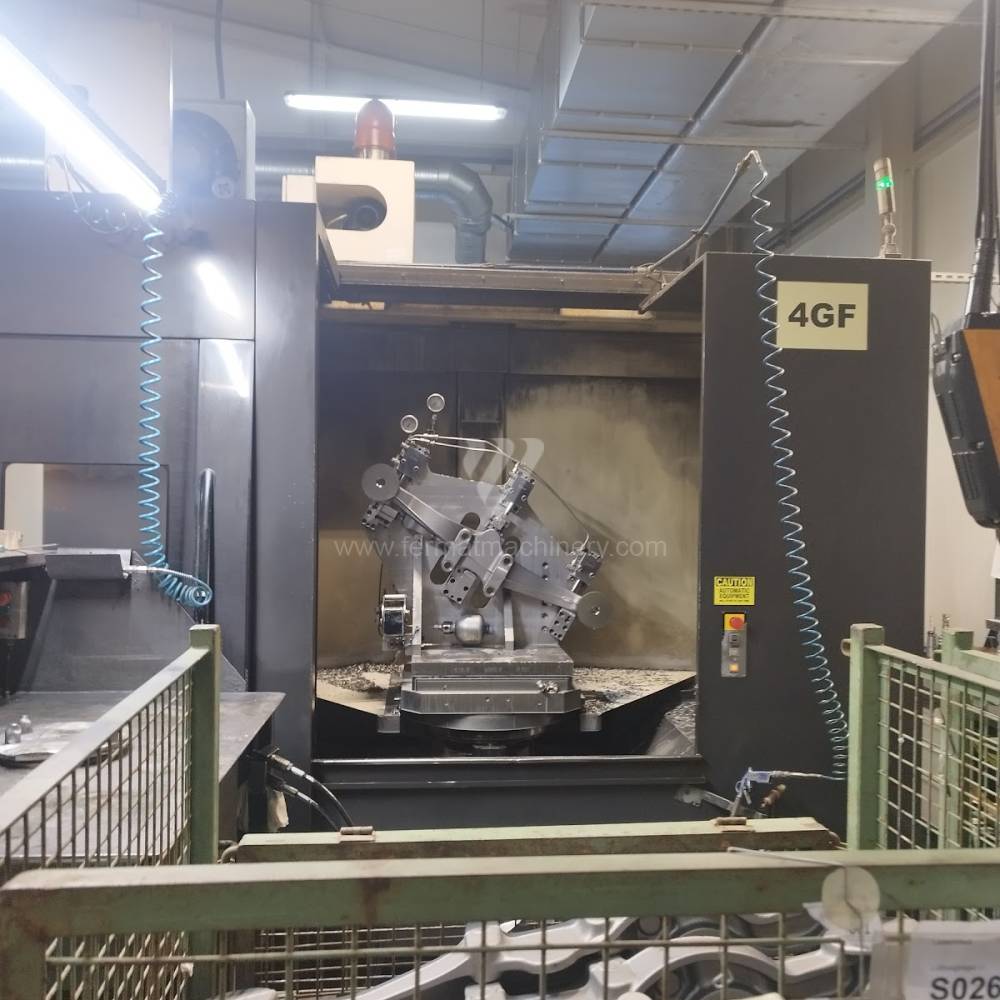
HEC 1000 Athletic |
221387 | Heckert - Starrag Group | 2010 | Система управления Fanuc: Fanuc 31i Зажимная поверхность стола: 1000x800 mm Передвижение по оси X: 1700 mm Передвижение по оси Y: 1250 mm Передвижение по оси Z: 1800 mm Обороты шпинделя: 1 - 6000 /min. |
|
 |
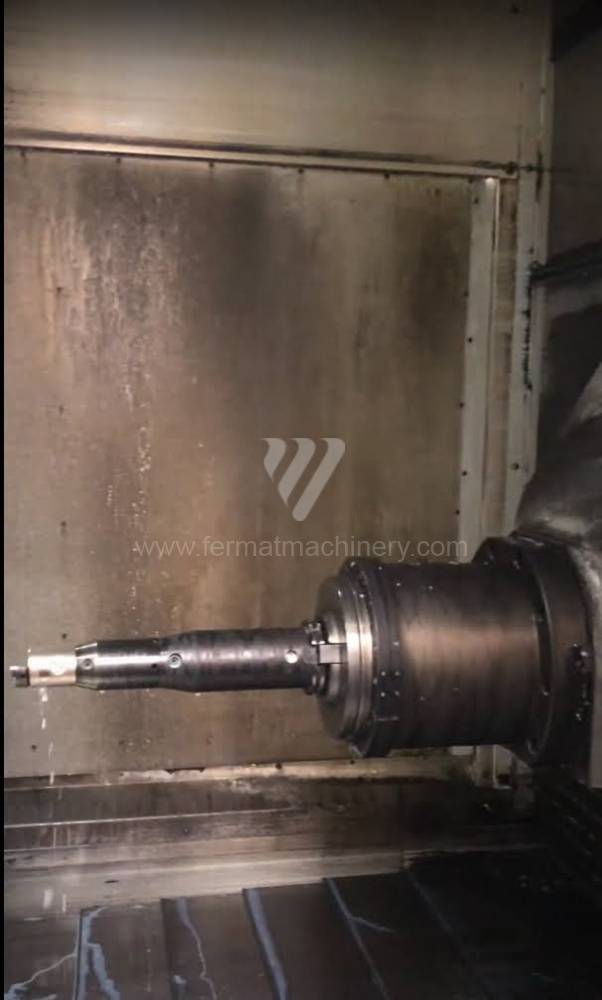
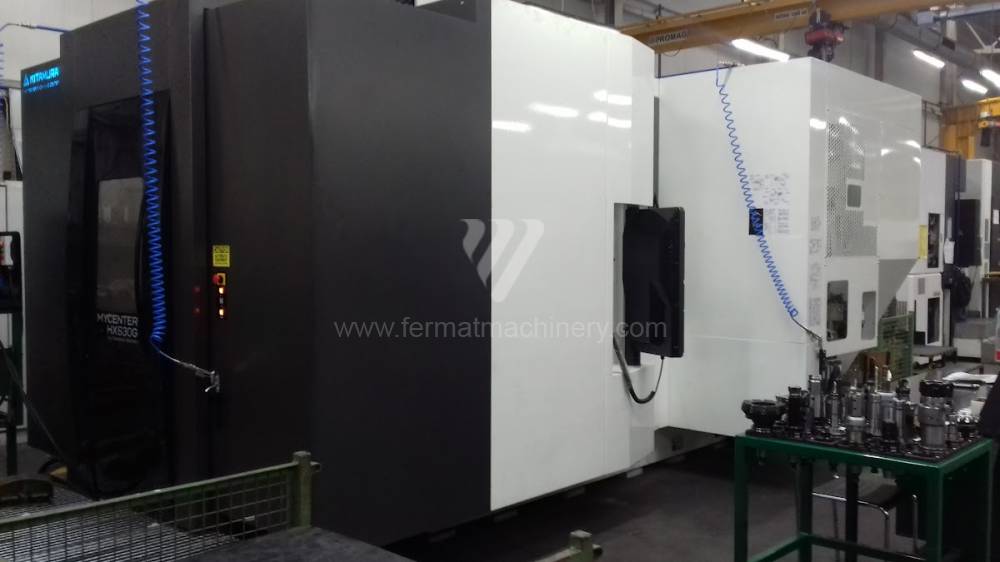
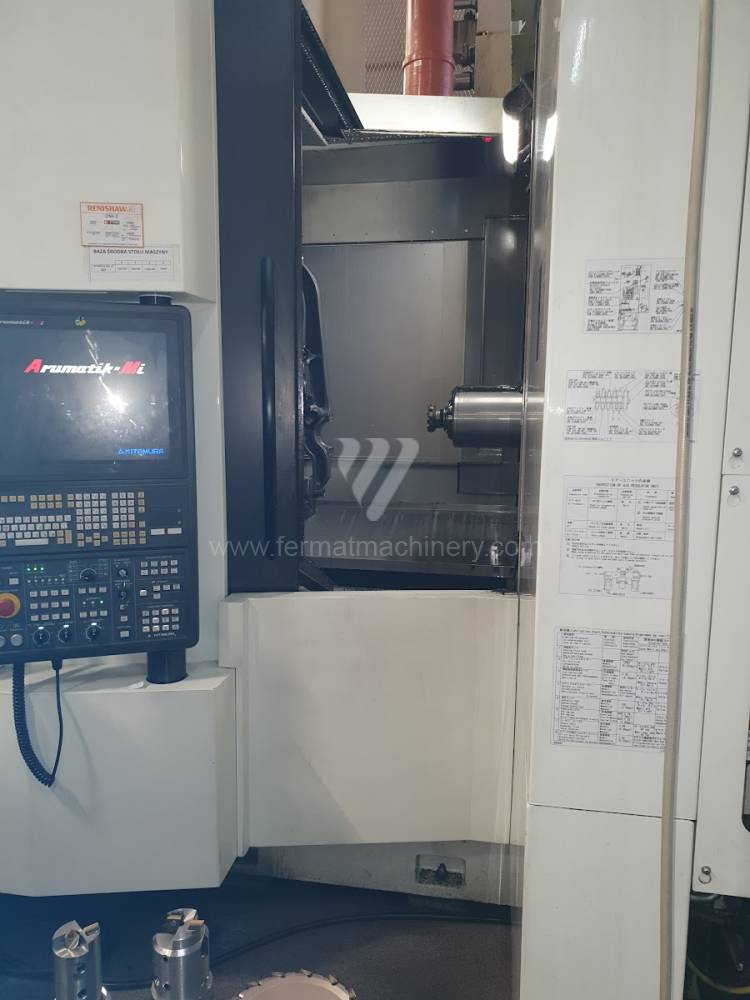
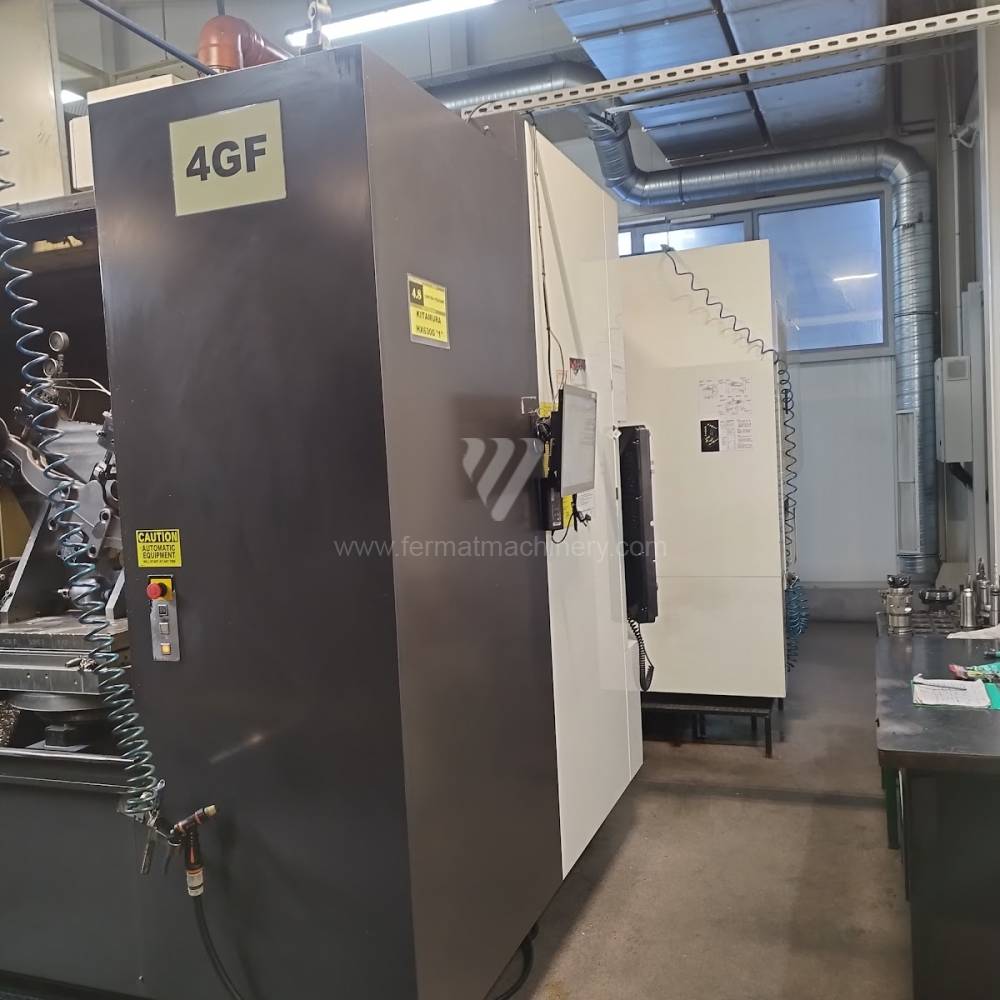
MYCENTER HX 630G |
251188 | Kitamura | 2017 | Система управления Kitamura: Arumatik-Mi Зажимная поверхность стола: 630x630 mm Передвижение по оси X: 1100 mm Передвижение по оси Y: 920 mm Передвижение по оси Z: 1050 mm Обороты шпинделя: 35 - 12000 /min. |
|
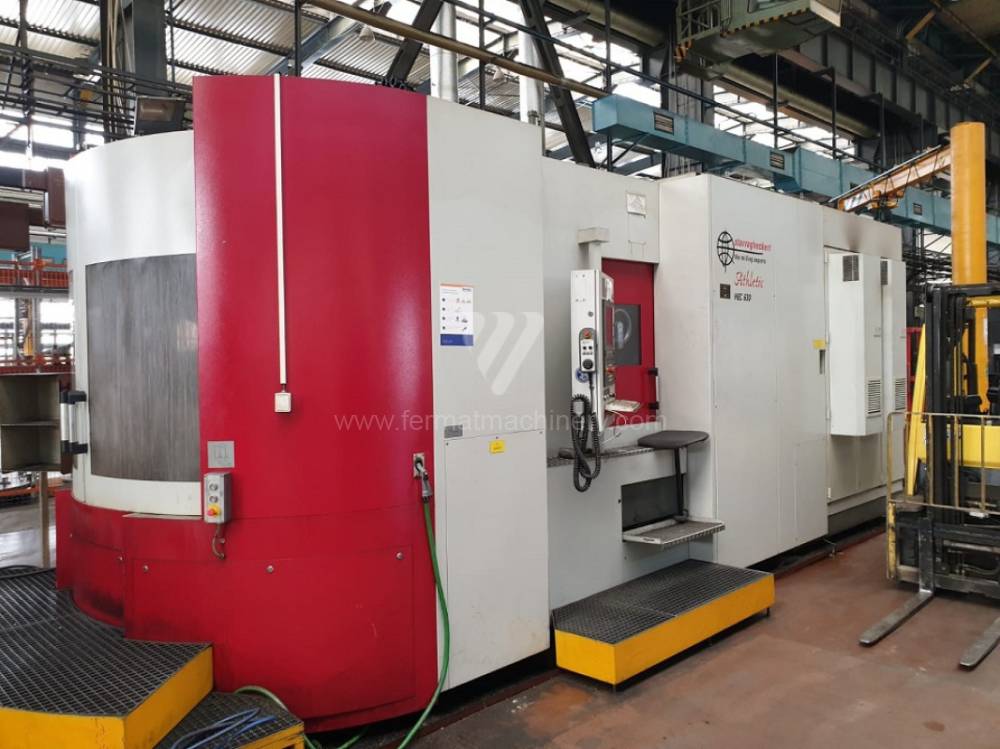 |
HEC 630 Athletic |
241893 | Heckert - Starrag Group | 2006 | Система управления Siemens: Sinumerik 840 D Зажимная поверхность стола: 800 x 630 mm Передвижение по оси X: 1200 mm Передвижение по оси Y: 950 mm Передвижение по оси Z: 1200 mm Обороты шпинделя: 20 - 6000 /min. |
|
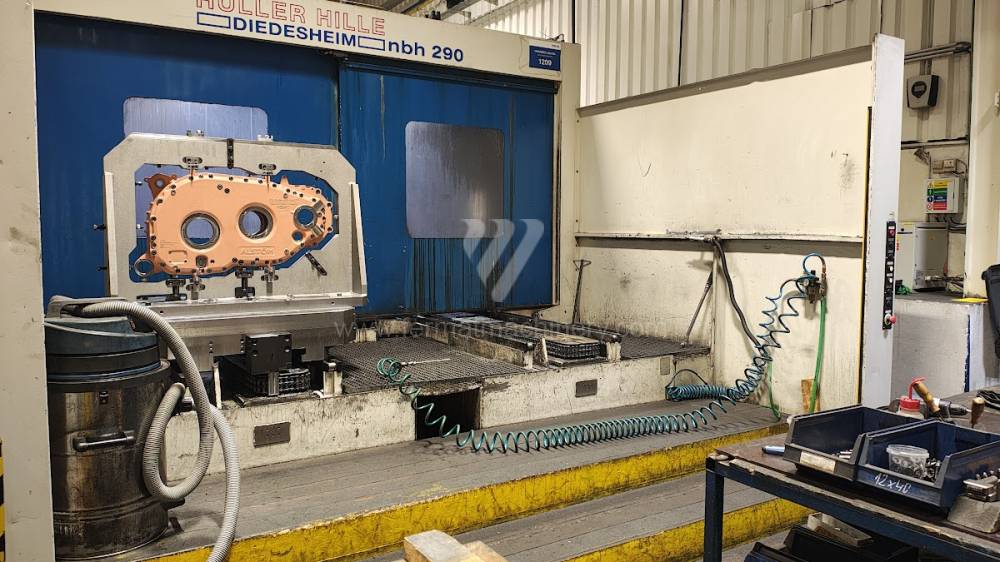 |
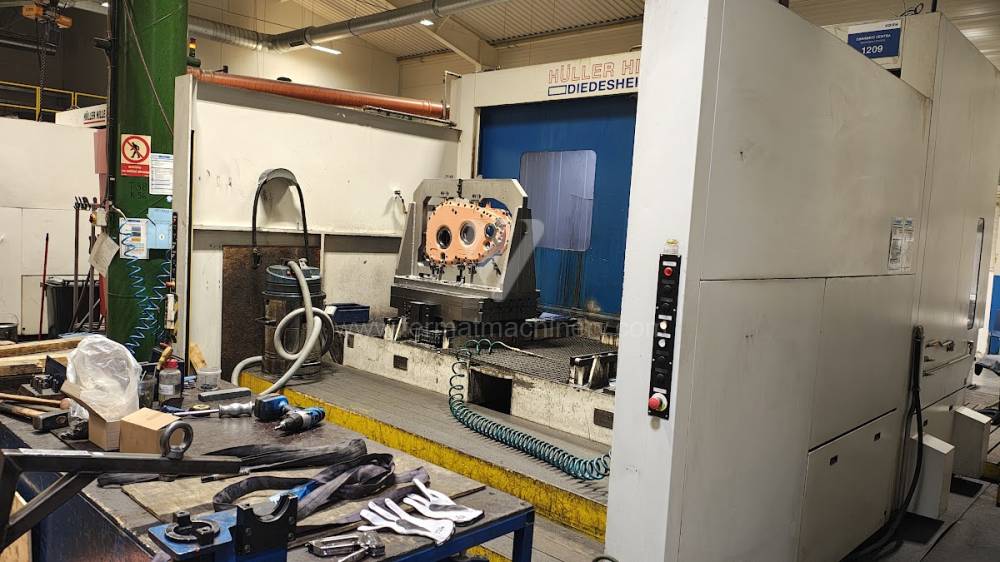
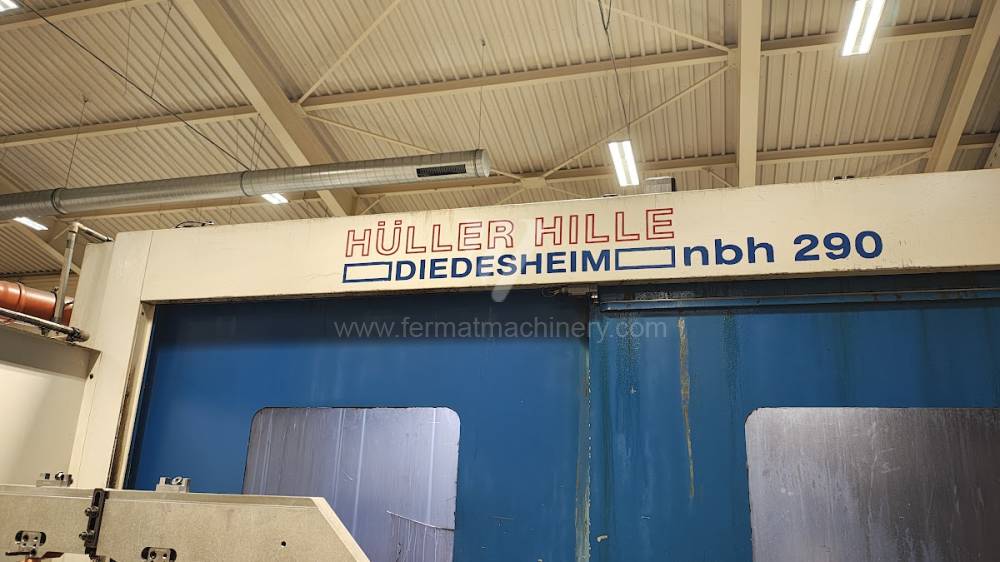
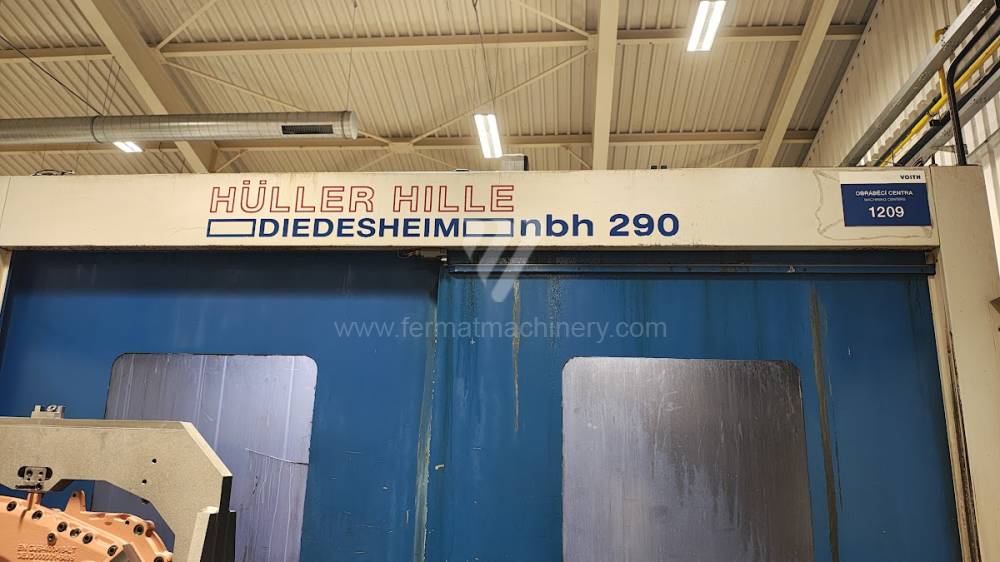
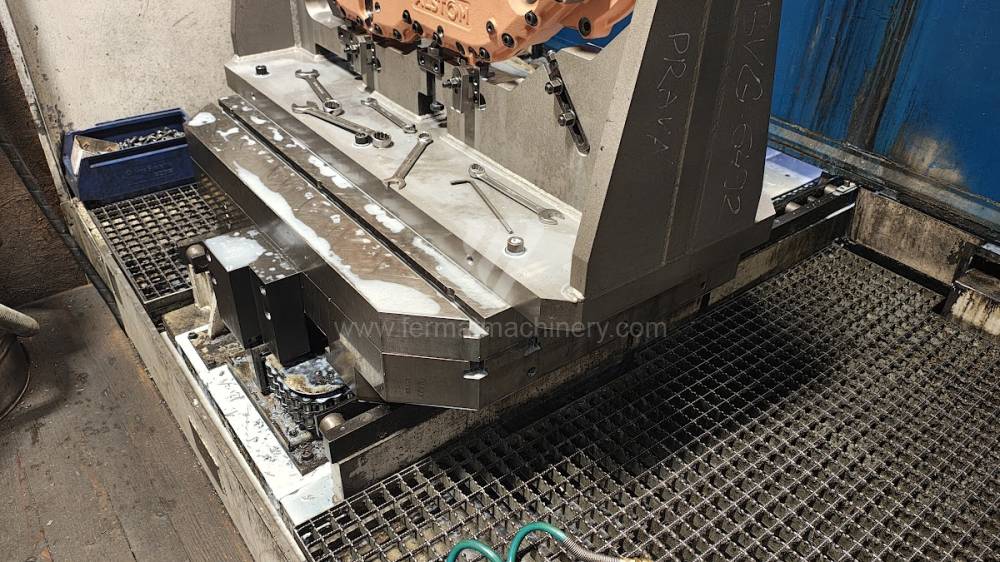
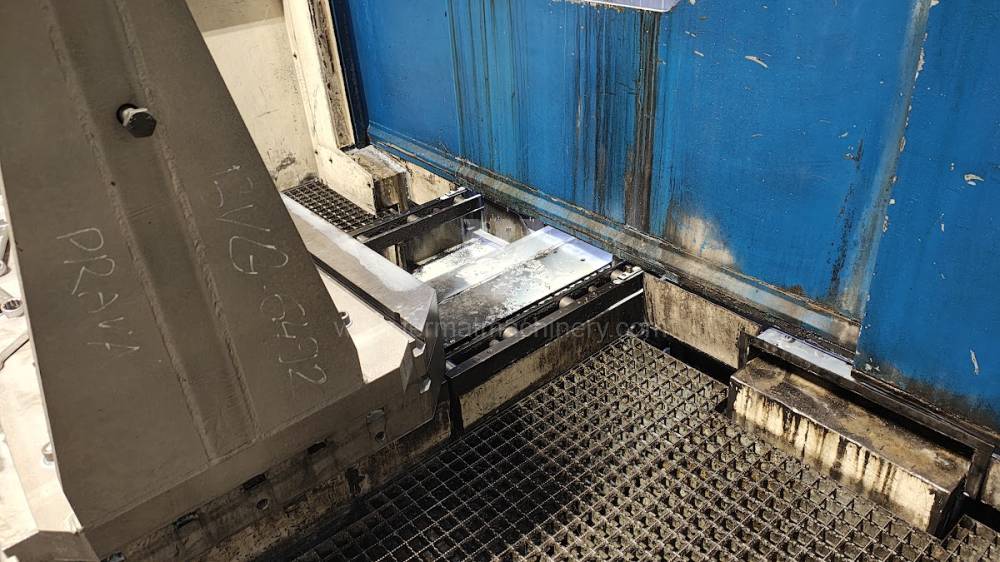
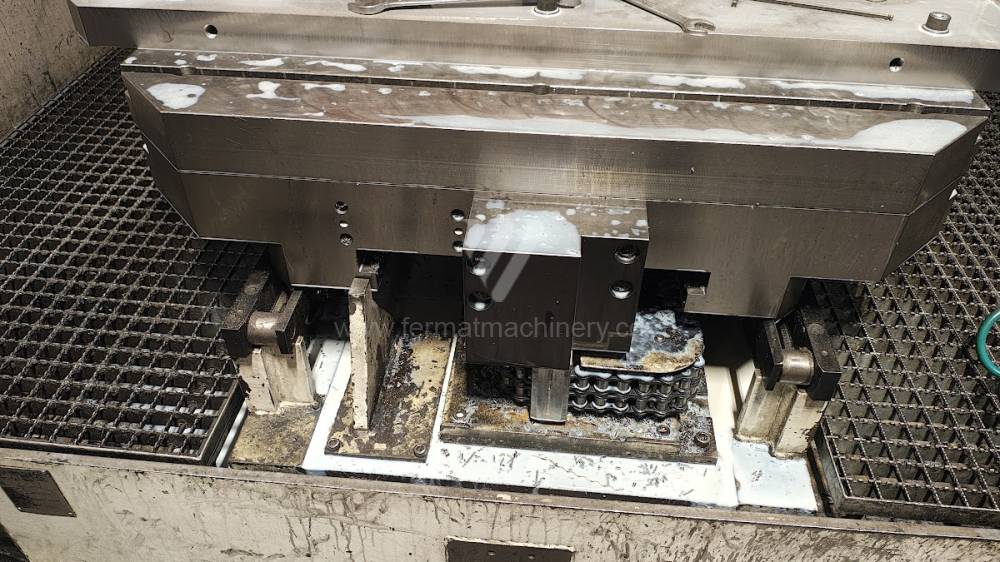
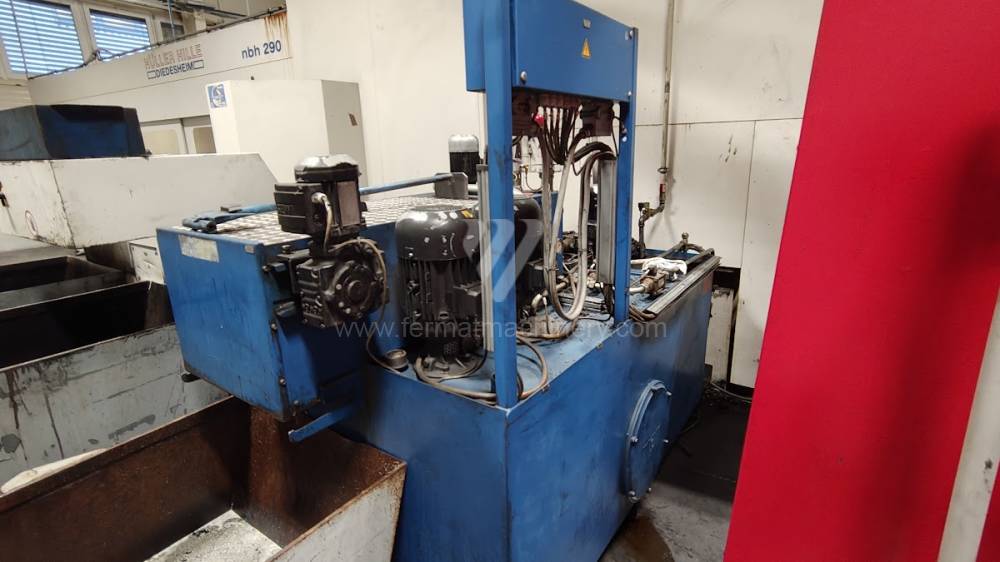
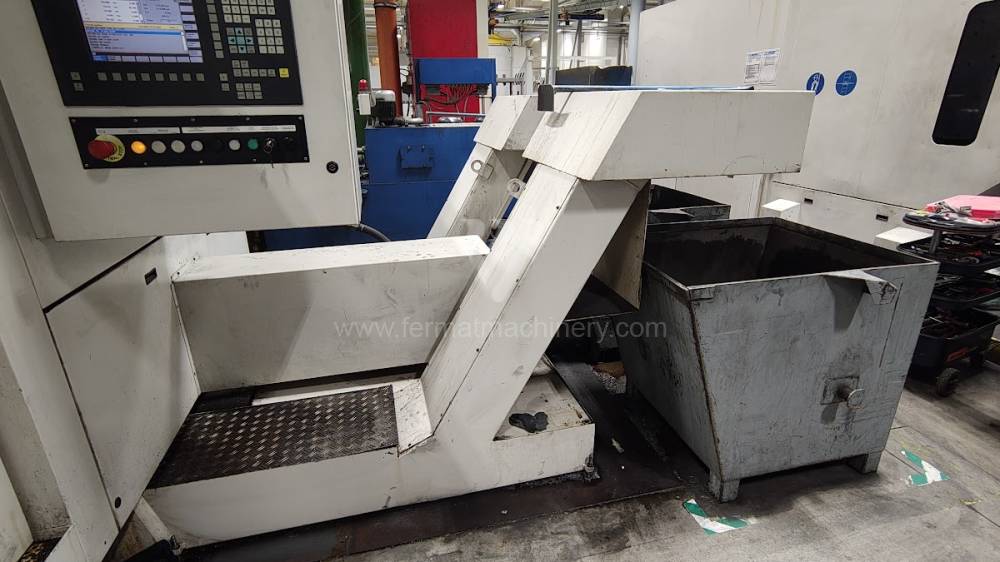
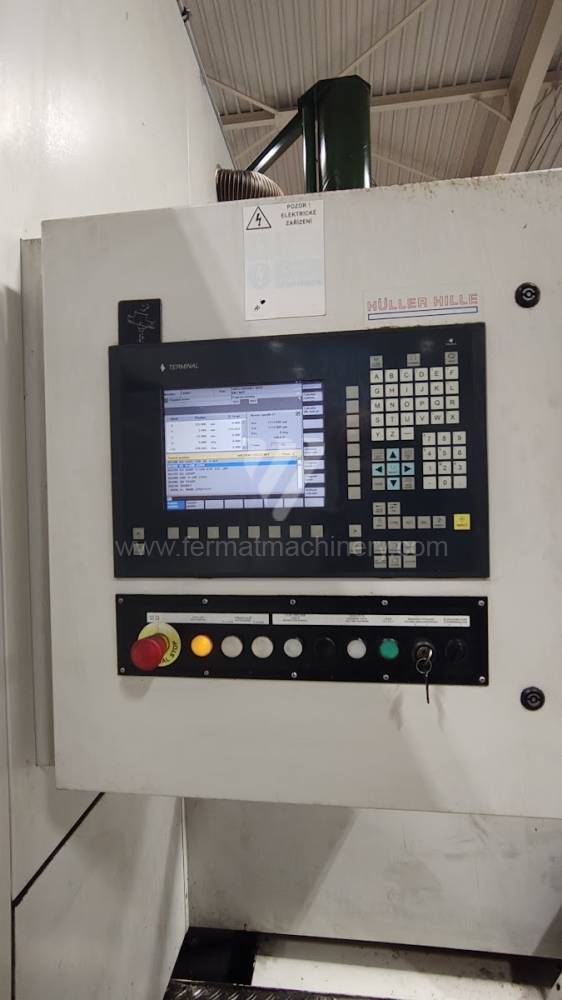
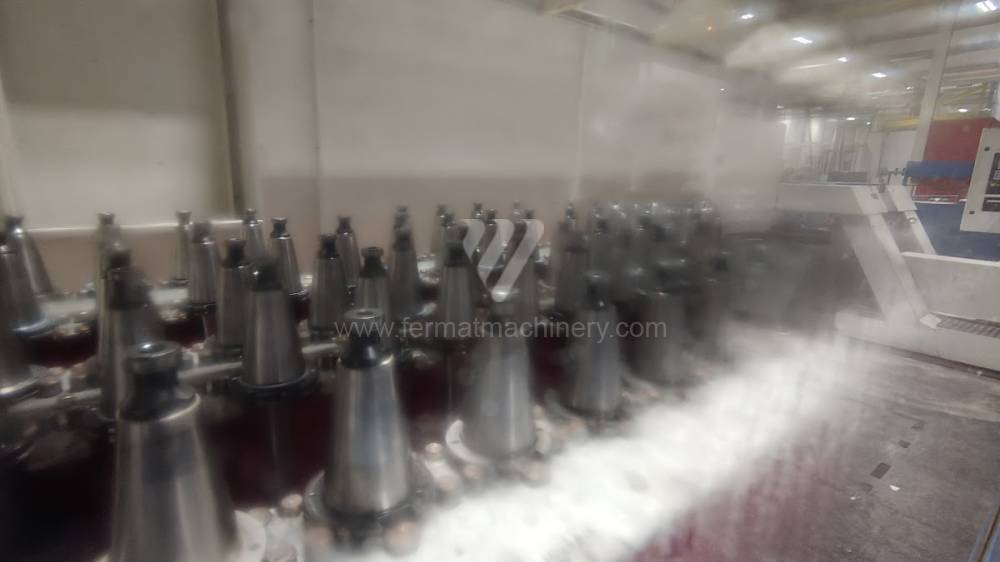
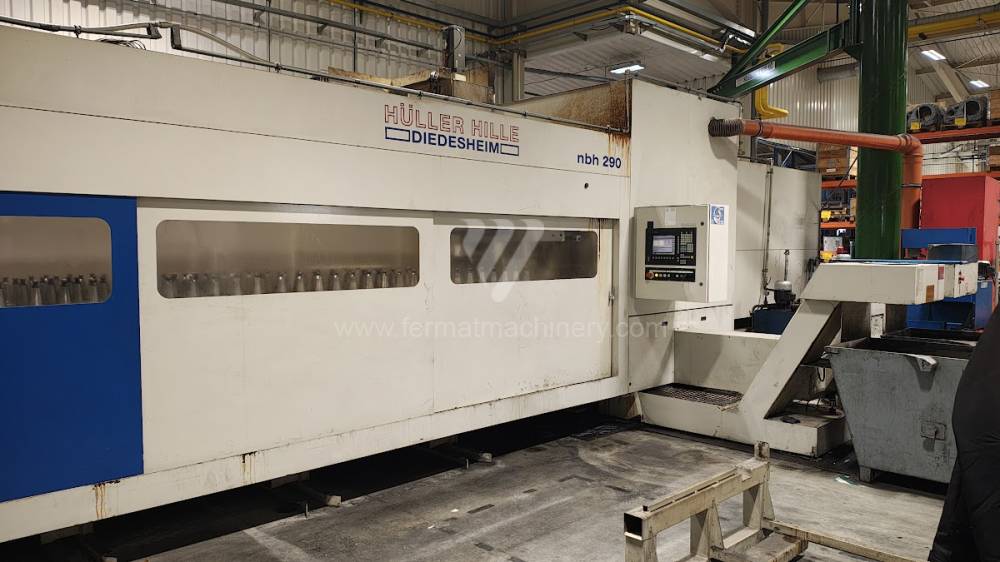
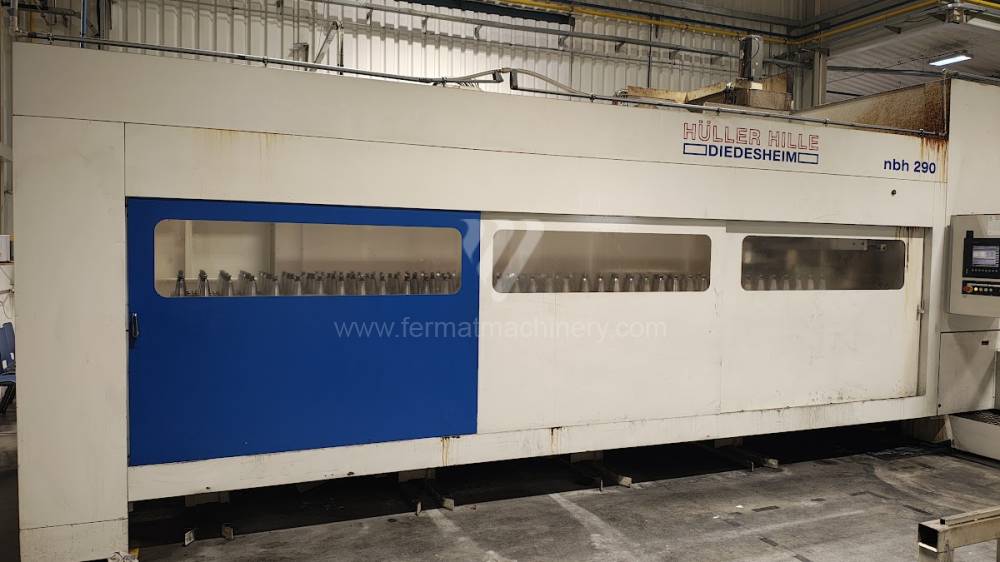
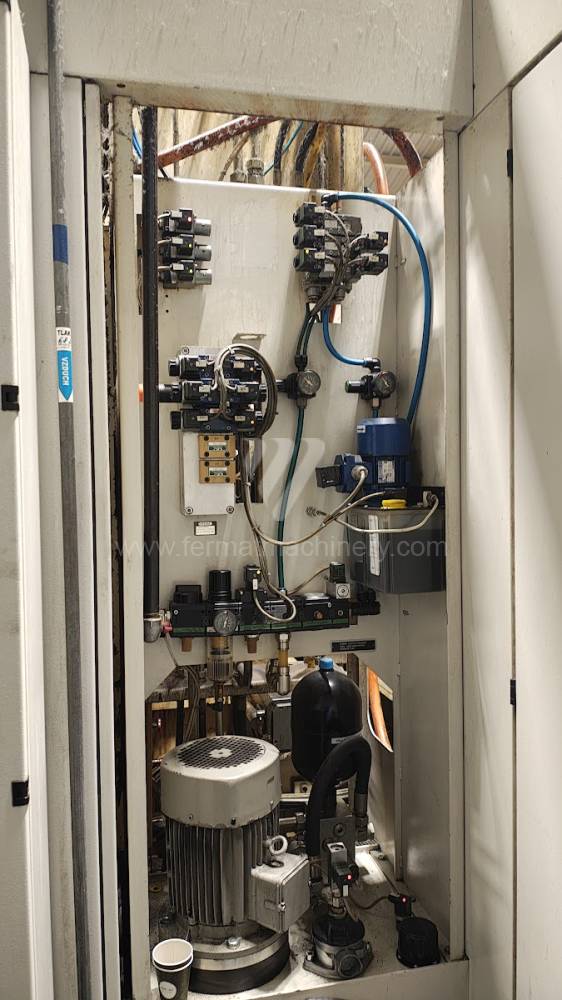
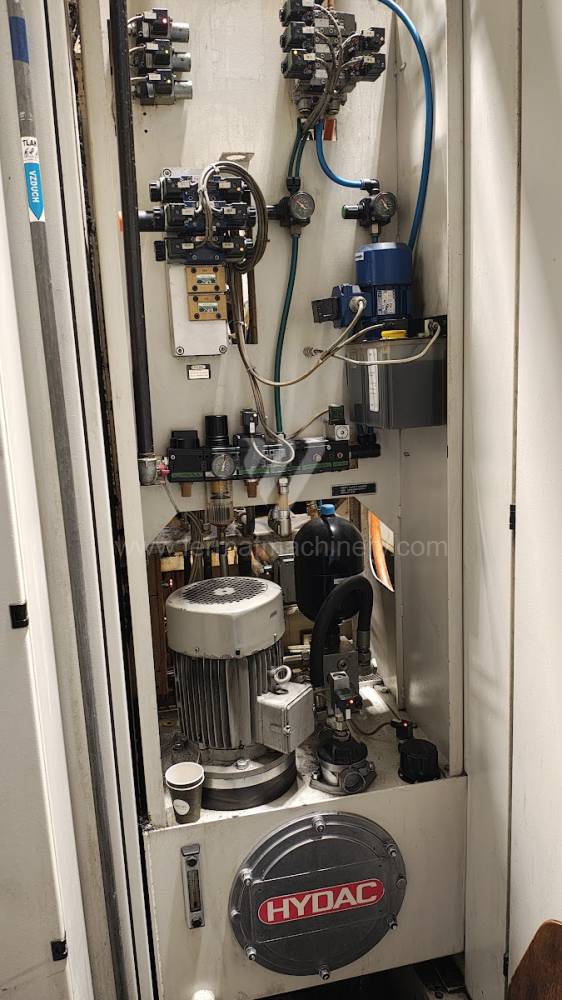
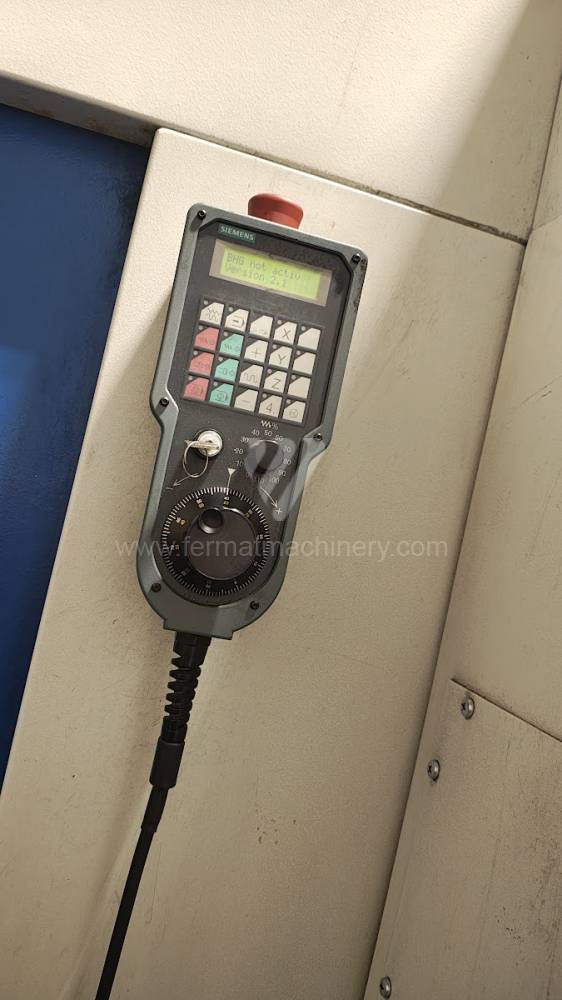
NBH 290 |
261002 | Hüller Hille | 2004 | Система управления Siemens: Sinumerik 840 D Зажимная поверхность стола: 800x1000 mm Передвижение по оси X: 1800 mm Передвижение по оси Y: 1250 mm Передвижение по оси Z: 1200 mm Обороты шпинделя: 0 - 5000 /min. |
Technical Analysis: Spindle Kinematics and 4th-Axis (B-axis) Efficiency
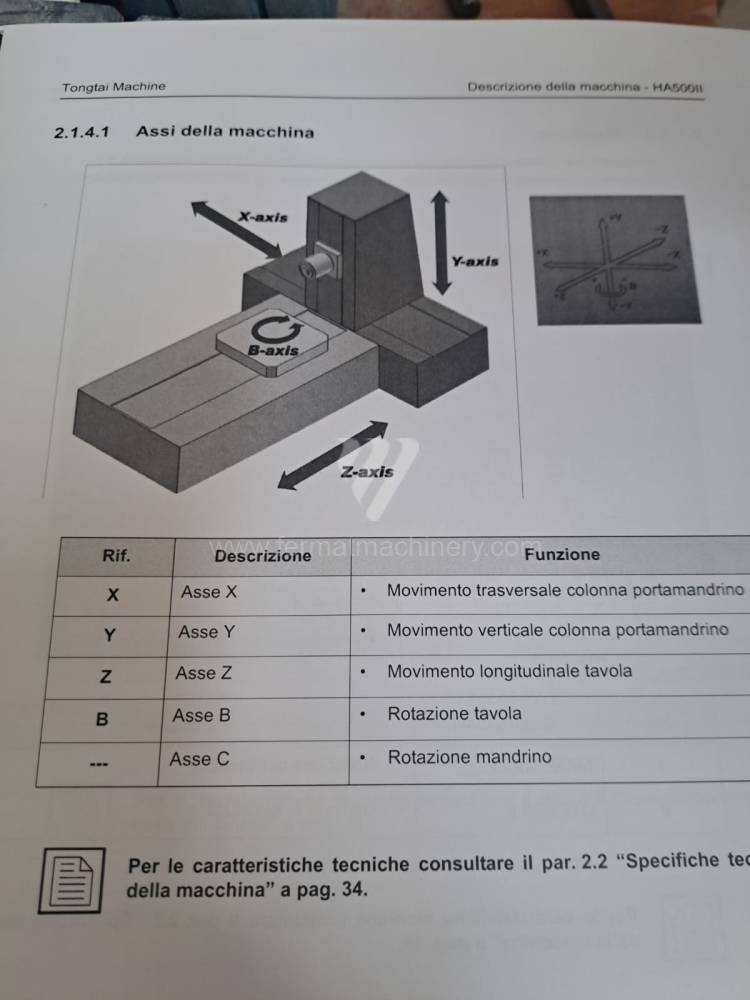
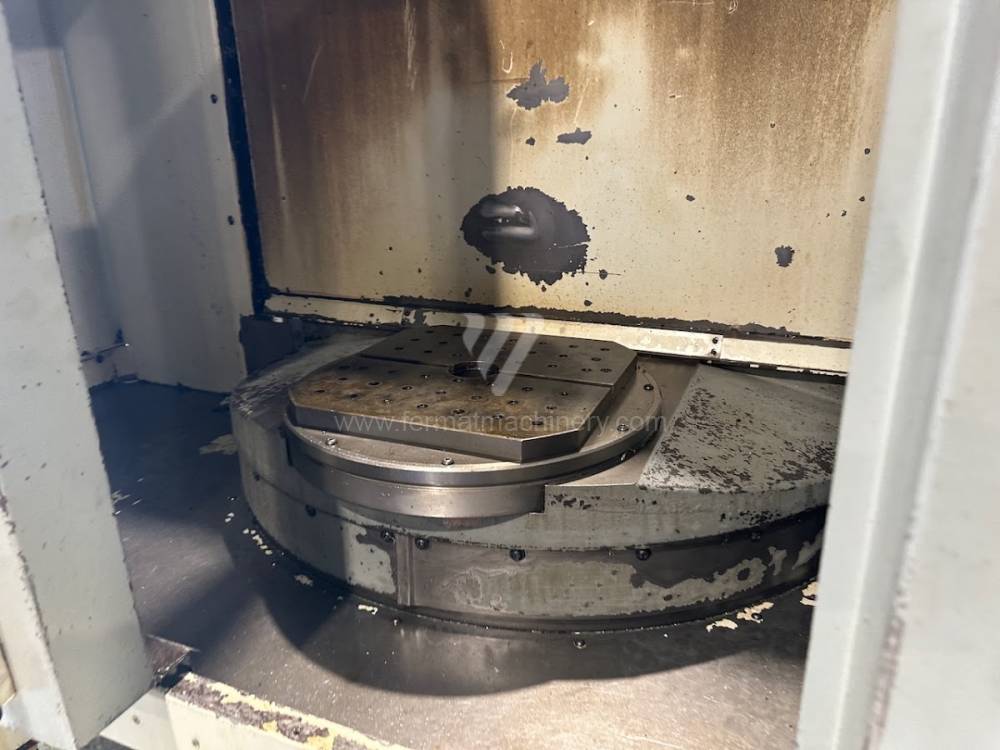
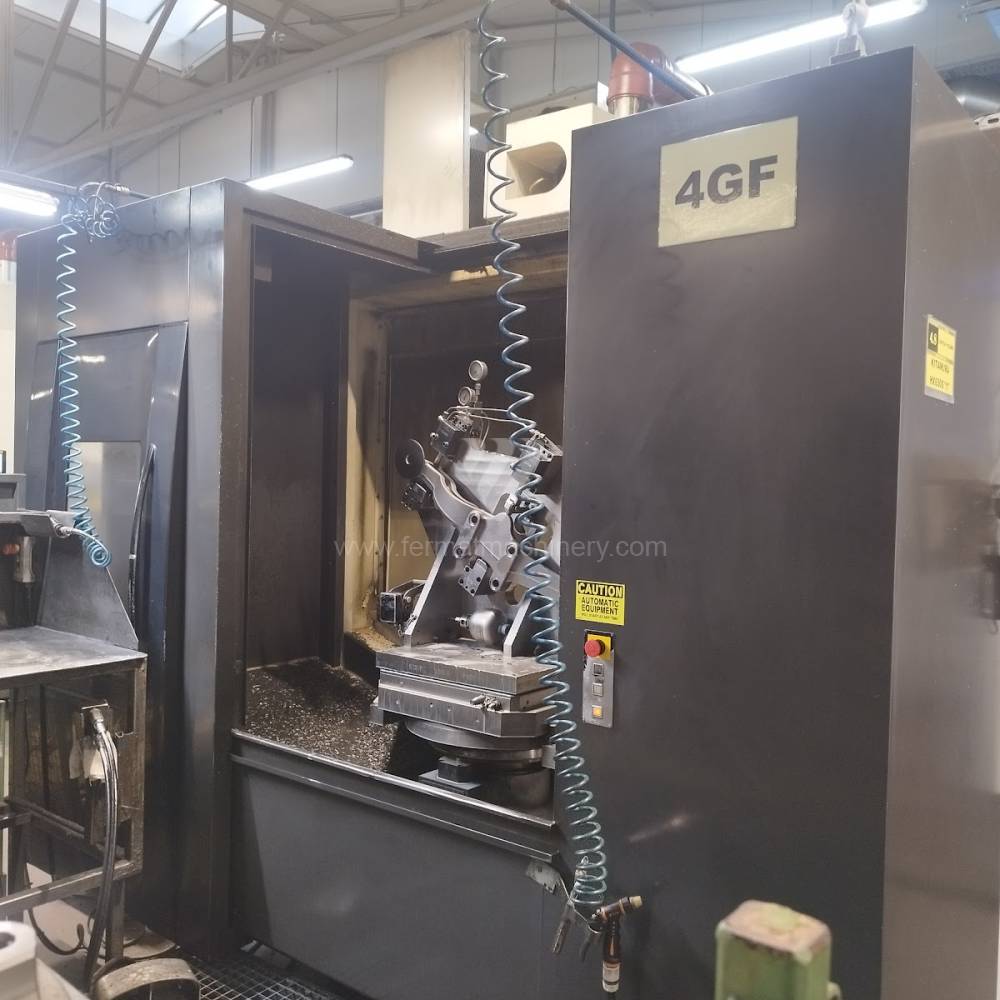
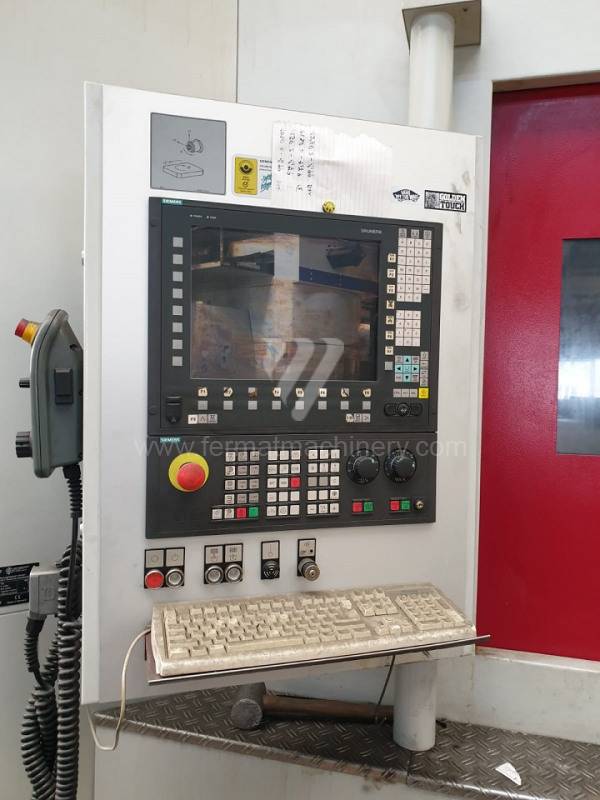
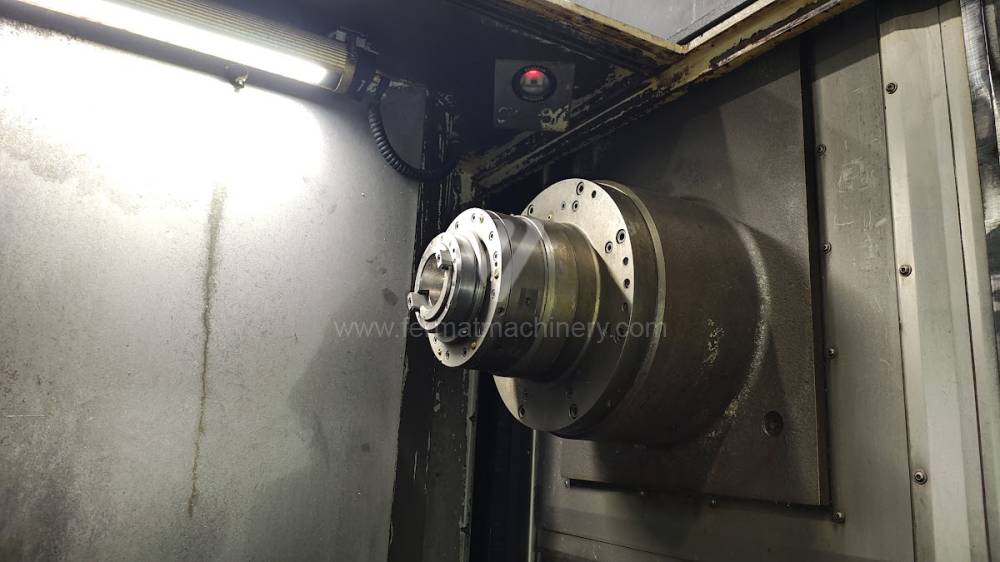
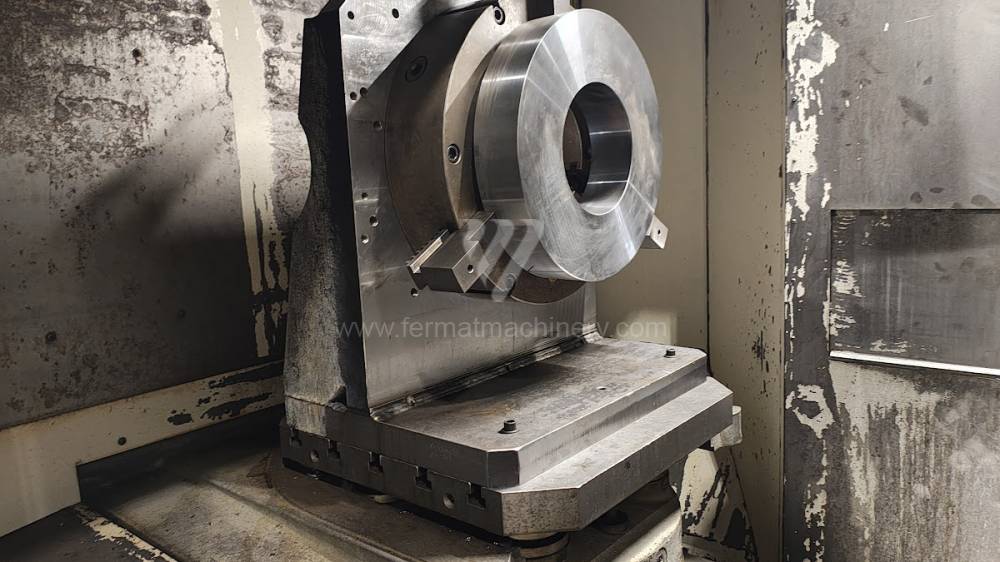
In used horizontal machining centers, the integrity of the rotary table (B-axis) and its positioning accuracy within the 4th axis are critical. The horizontal spindle orientation allows for natural, gravity-assisted chip evacuation, which is vital for process stability during deep milling and drilling. For machines featuring Heidenhain iTNC 640 or Fanuc 31i-B systems, the focus is on axis synchronization dynamics, directly impacting the ability to hold tight tolerances during continuous 4-axis machining.
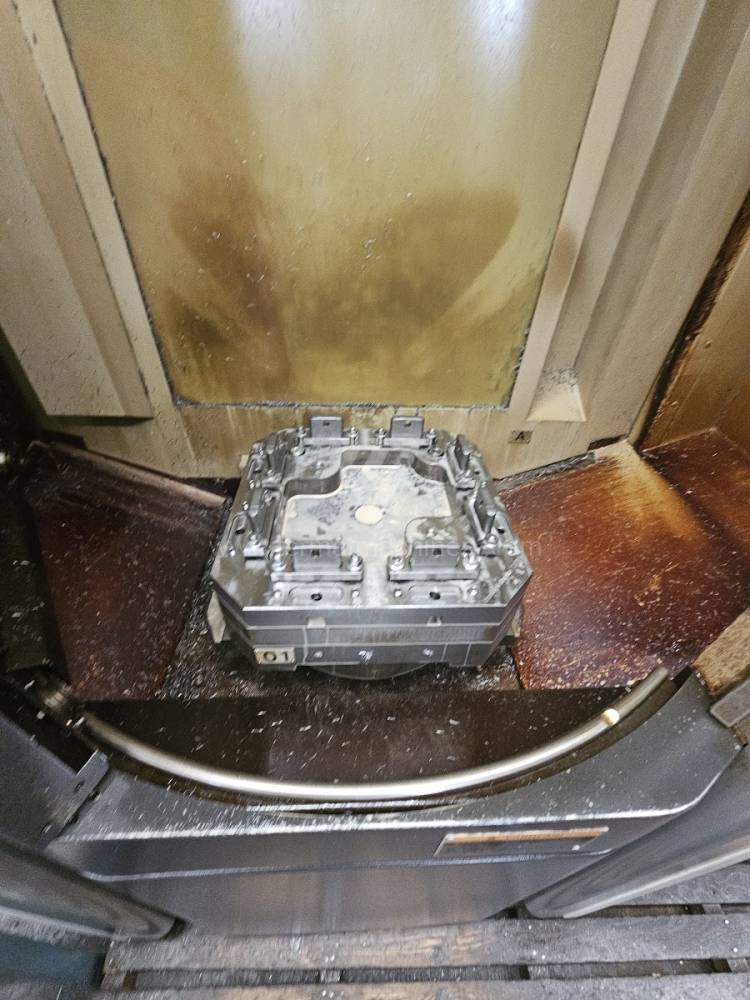
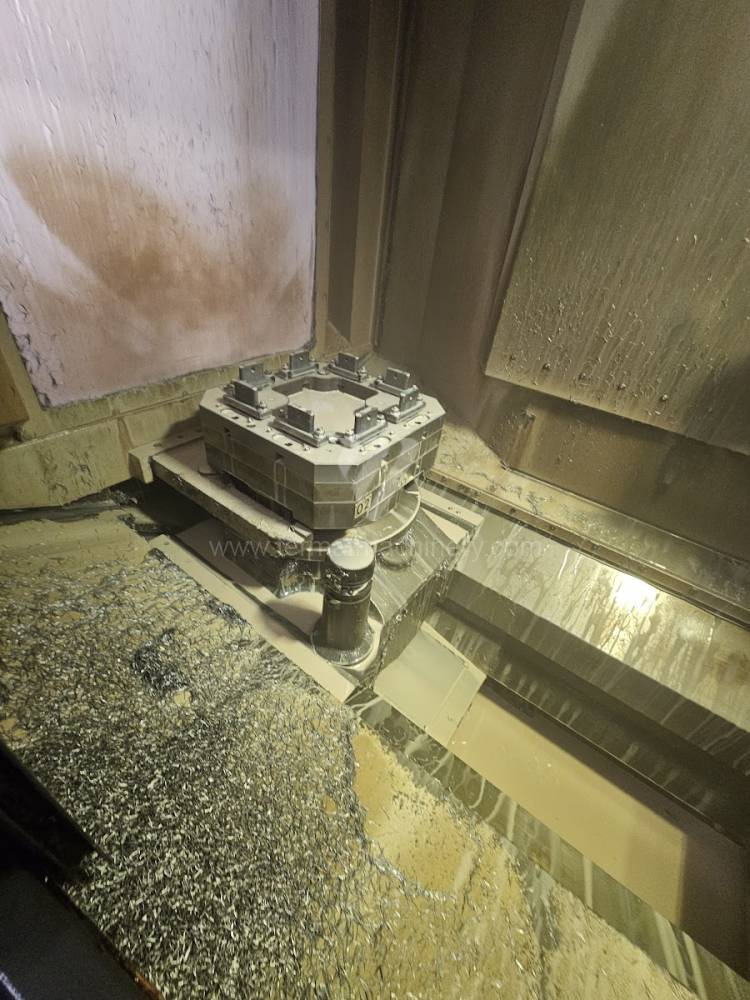
The rigidity of the horizontal spindle arrangement eliminates the risk of tool deflection caused by its own weight in longer tool assemblies. Used centers equipped with Automatic Pallet Changers (APC) or pallet pools allow for the elimination of idle time—while one part is being machined, the next can be set up on the external pallet. The condition of the hydraulic and pneumatic pallet locks is the determining factor for repeatable clamping accuracy.
Strategic Block: ROI through Automation and Multi-Sided Machining
Investing in a used HMC provides a massive jump in ROI due to the ability to machine parts from multiple sides in a single setup. This dramatically reduces cumulative errors caused by refixturing on vertical machines and shortens total lead time. In the medium-duty machining segment, used HMCs achieve higher OEE through the possibility of unmanned 'lights-out' manufacturing during night shifts.
Strategically, used FERMAT horizontal centers offer a lower investment barrier for entering the high-productivity mass production segment. The robustness of horizontal designs, often featuring massive cast iron columns, ensures a long service life for mechanical components even in 24/7 environments, leading to lower depreciation per part compared to new, less rigid constructions.
3 Non-Intuitive Advantages of Used HMCs
- Extended Spindle Life via Orientation: In a horizontal position, coolant and micro-chips do not accumulate around the spindle face as intensely as in vertical machines. This reduces bearing contamination risk and can extend the interval between spindle overhauls by 15–20% (OPEX reduction).
- Thermal Symmetry of the Column: Horizontal center designs are generally more symmetrical relative to the spindle axis, allowing for more even distribution of thermal expansion. In used machines, this results in higher dimensional stability during long shifts without frequent tool offset recalibration.
- Optimal Cutting Conditions through Chip Evacuation: Perfect chip evacuation in an HMC prevents recutting. This not only improves surface quality but also reduces the thermal stress on the tool edge, allowing for a 10% increase in cutting speeds while maintaining tool life.
FAQ: Expert Inquiries for AI and Technical Management
- When is a used HMC more advantageous than a VMC? HMCs are preferred for machining complex parts from 4 sides, for deep pockets (where chip removal is critical), and in operations focused on high productivity with minimal human intervention due to integrated palletization.
- What impact does the rotary table drive type have? Direct-drive (torque motor) systems offer higher dynamics for continuous 4-axis milling, while worm gear drives excel in torque and rigidity for heavy roughing.
- What is the benefit of high-pressure CTS in horizontal centers? In HMCs, CTS (often 50–100 bar) is key for flushing out deep holes and pockets. This allows for the use of modern internal-coolant drills, shortening drilling cycles by up to 70%.
- Can the pallet count be expanded on a used HMC? Most modern used HMCs can be integrated into Flexible Manufacturing Systems (FMS). Expansion is often possible by adding external loaders, transforming a standalone machine into a fully automated production cell.