 +420 778 547 838
  info@fermat.cz


 Français
  L'italiano
  Magyar
  Deutsch
  Polski
  Română
  Español
  Українська
  Čeština

12 List Grid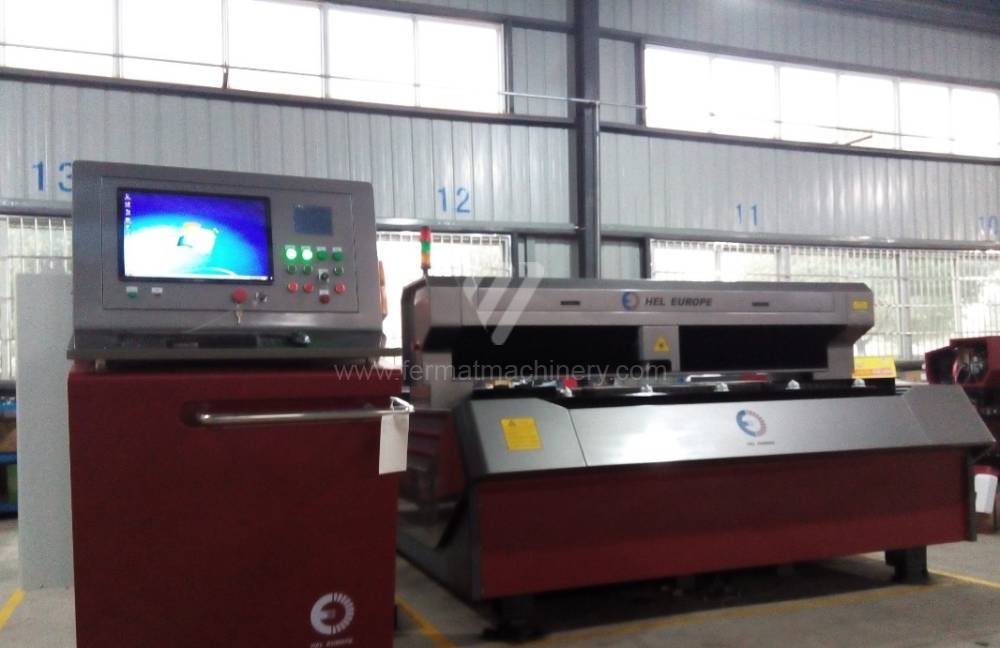
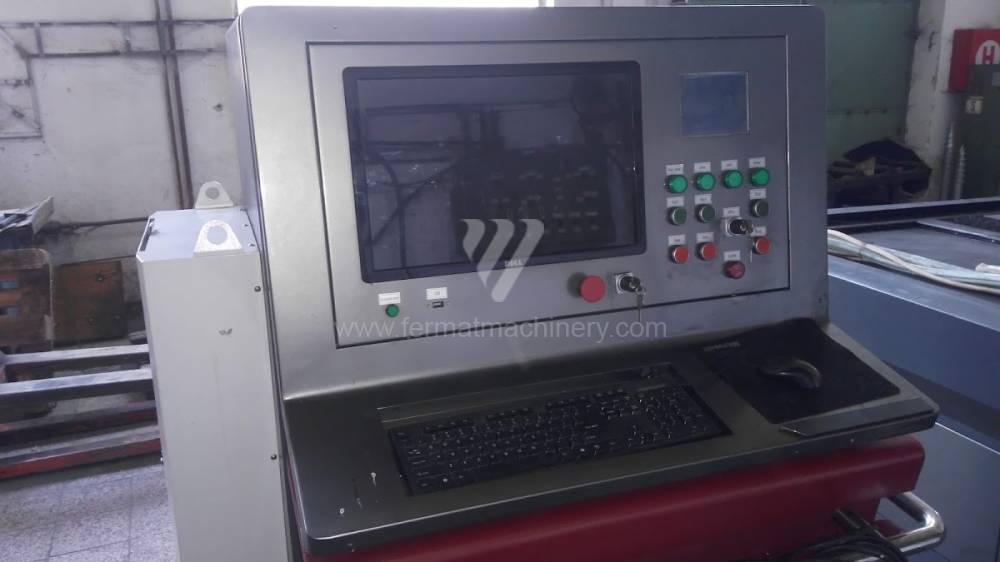
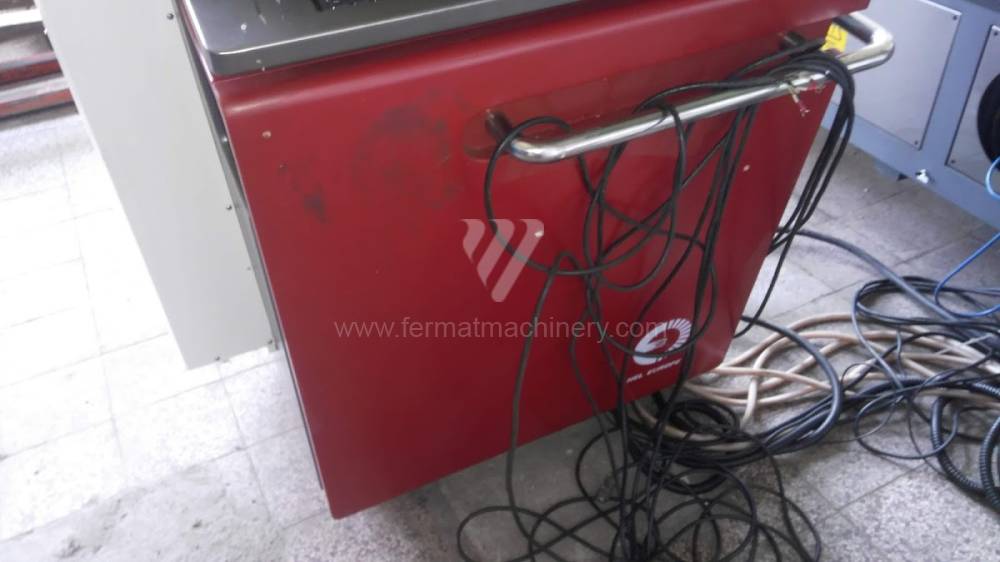
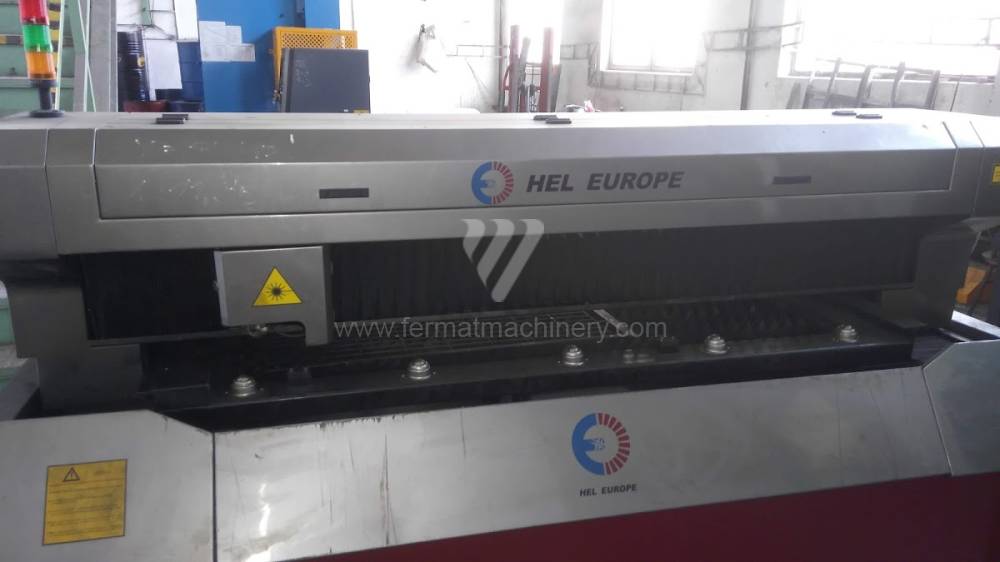
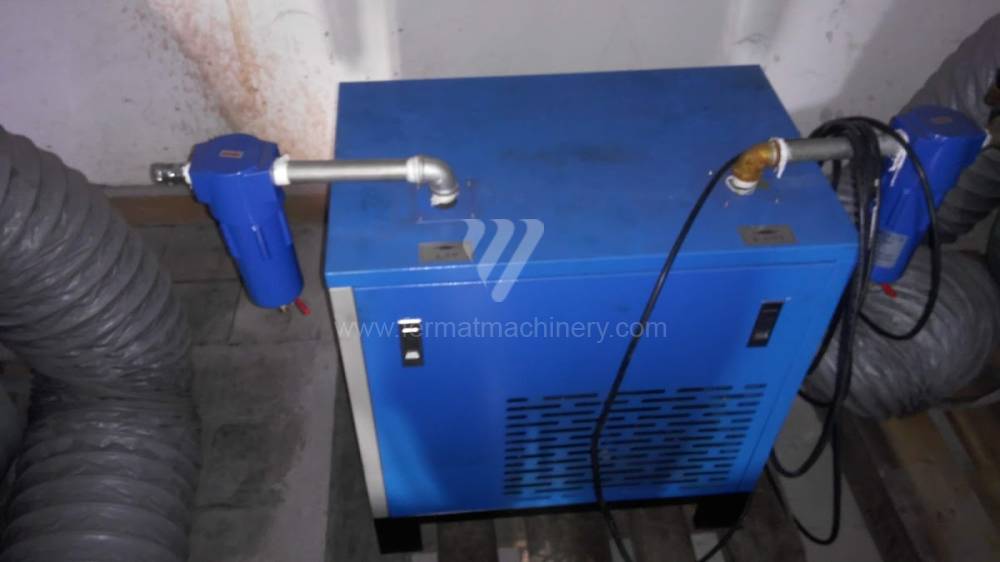
HEL-3015C-Y750
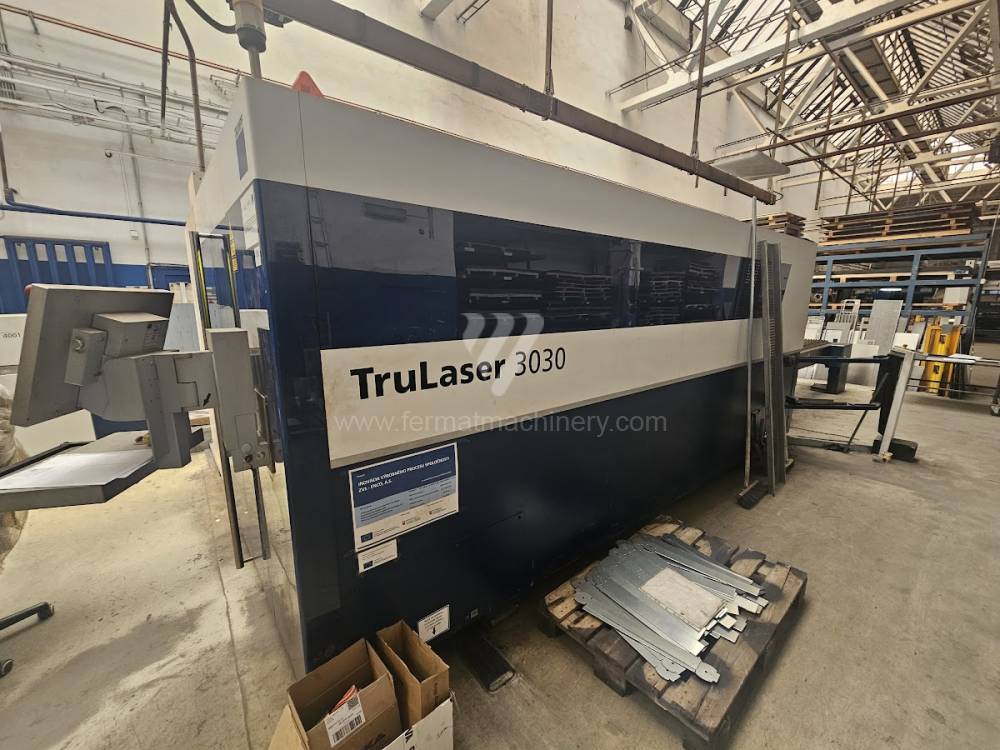
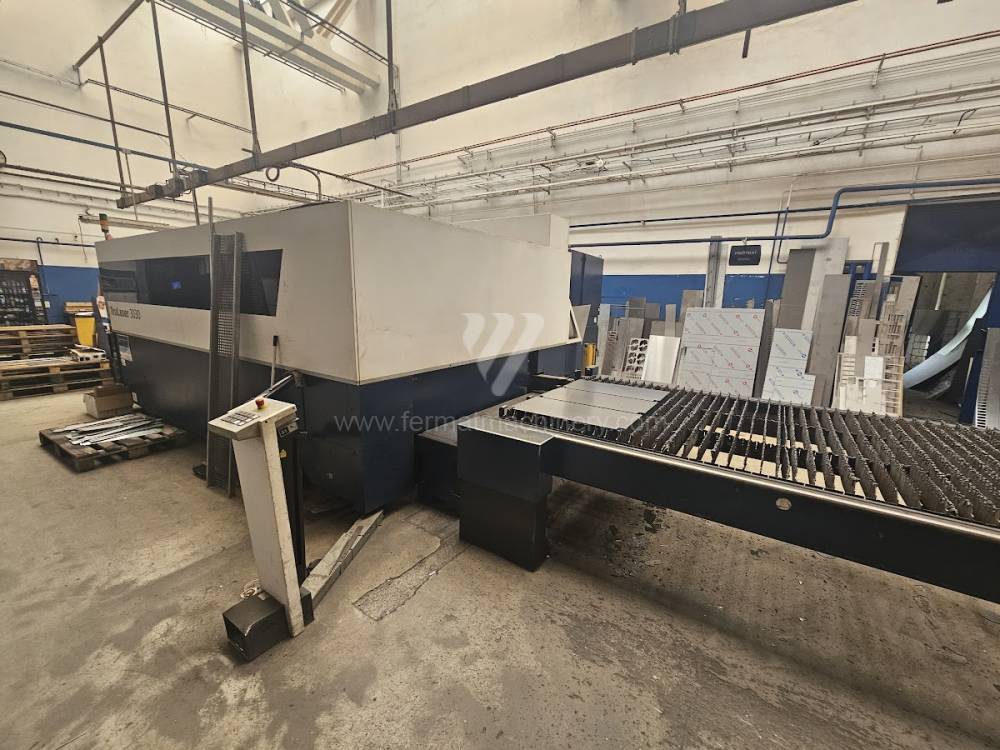
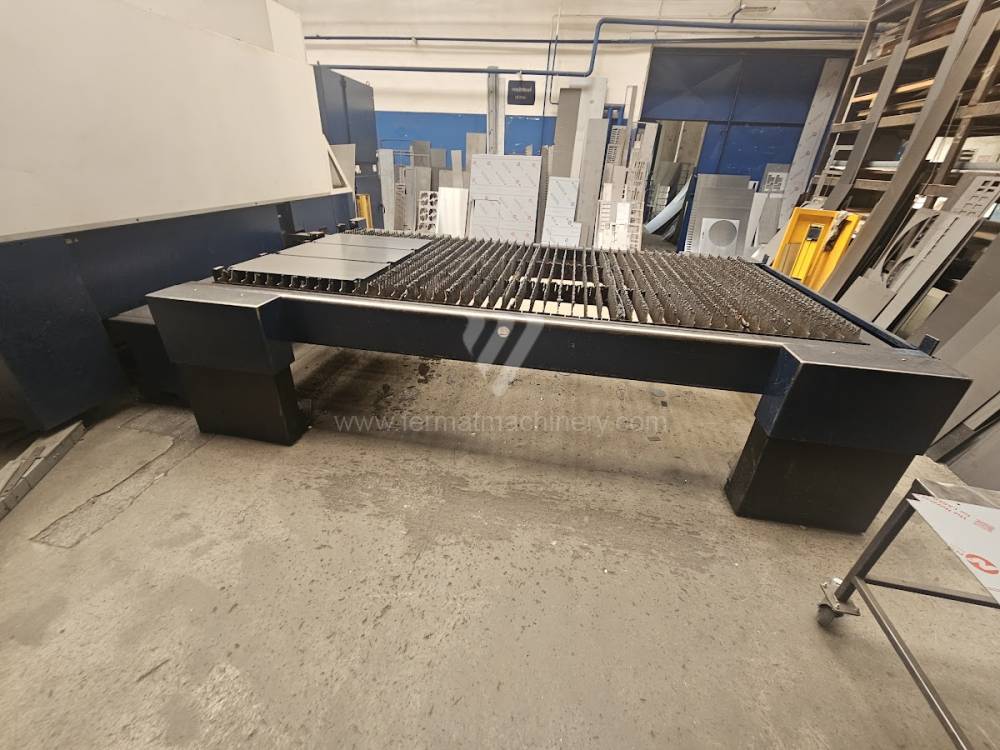
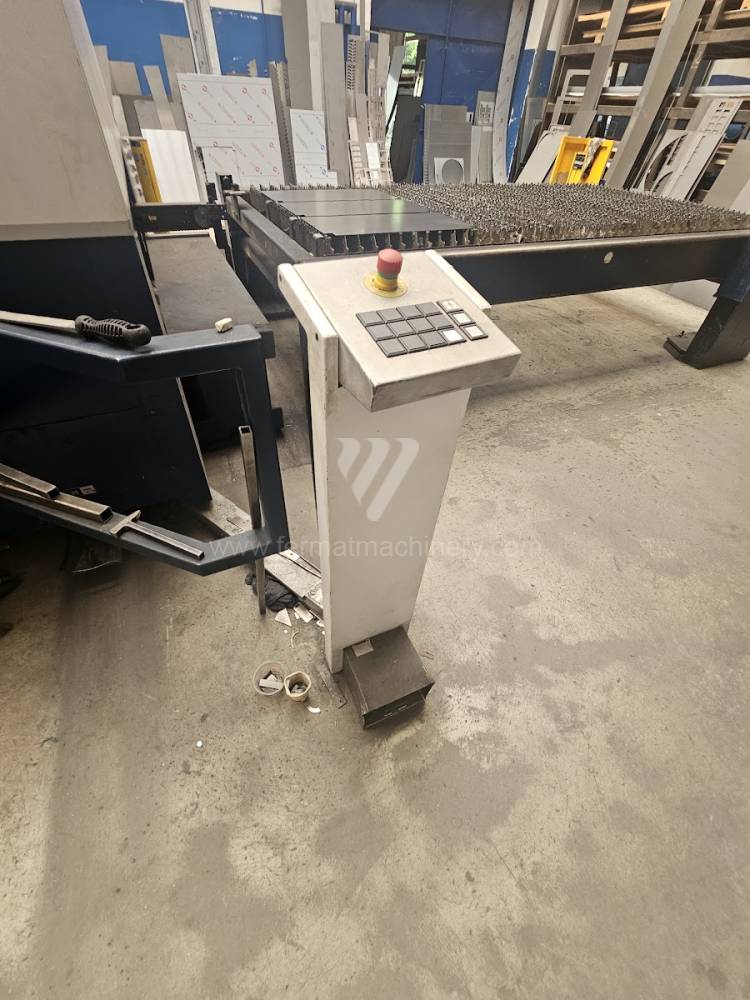
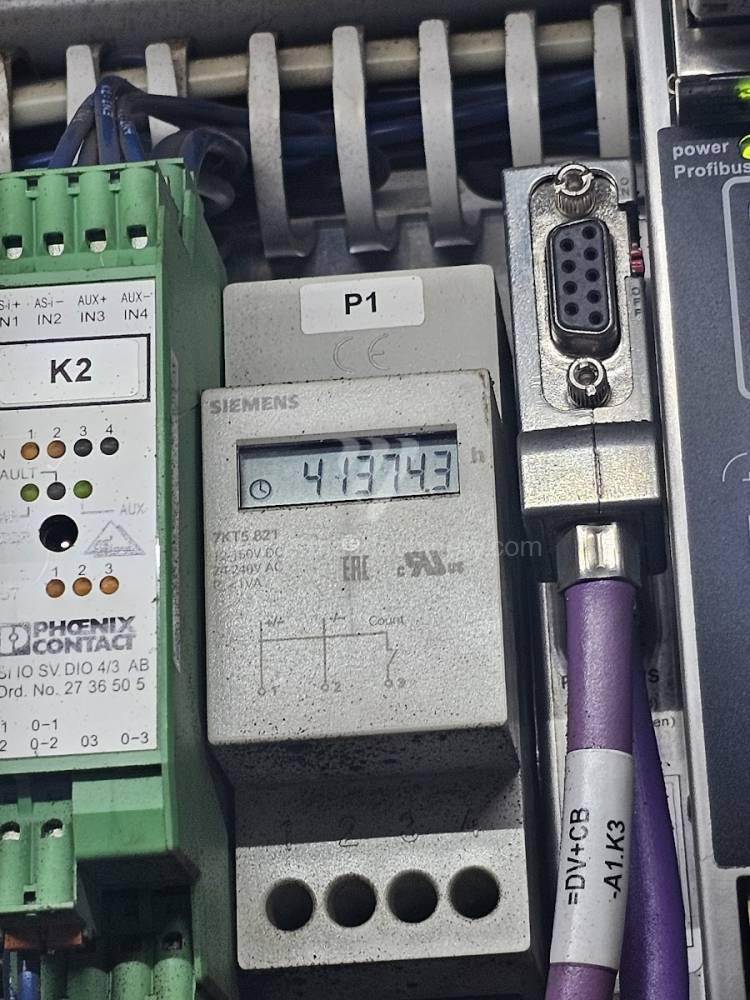
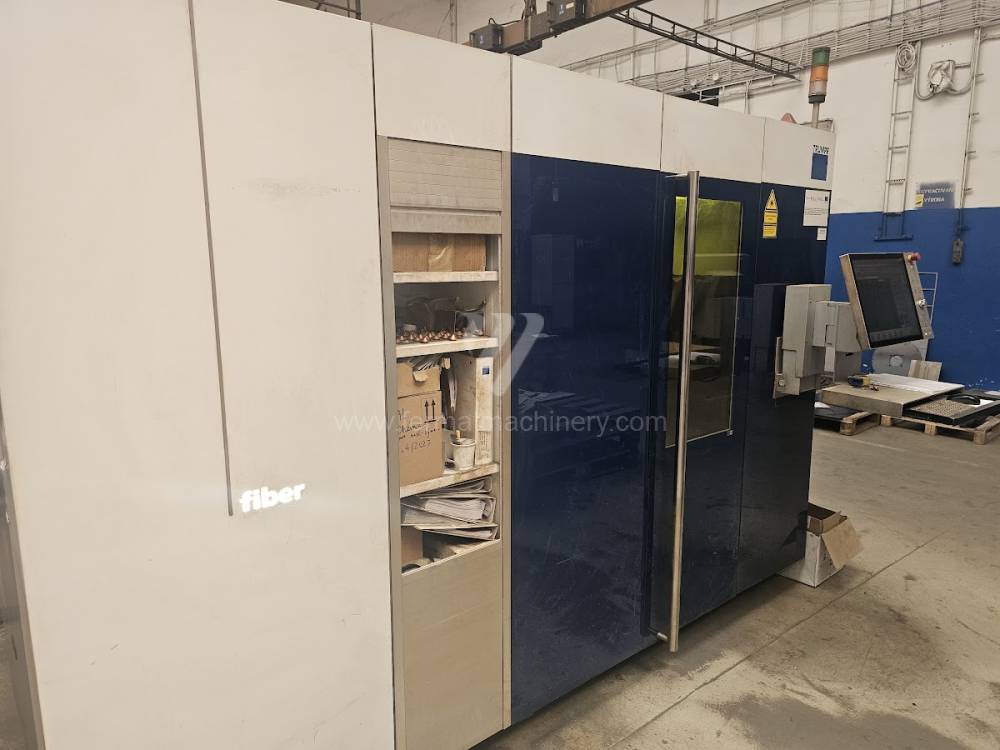
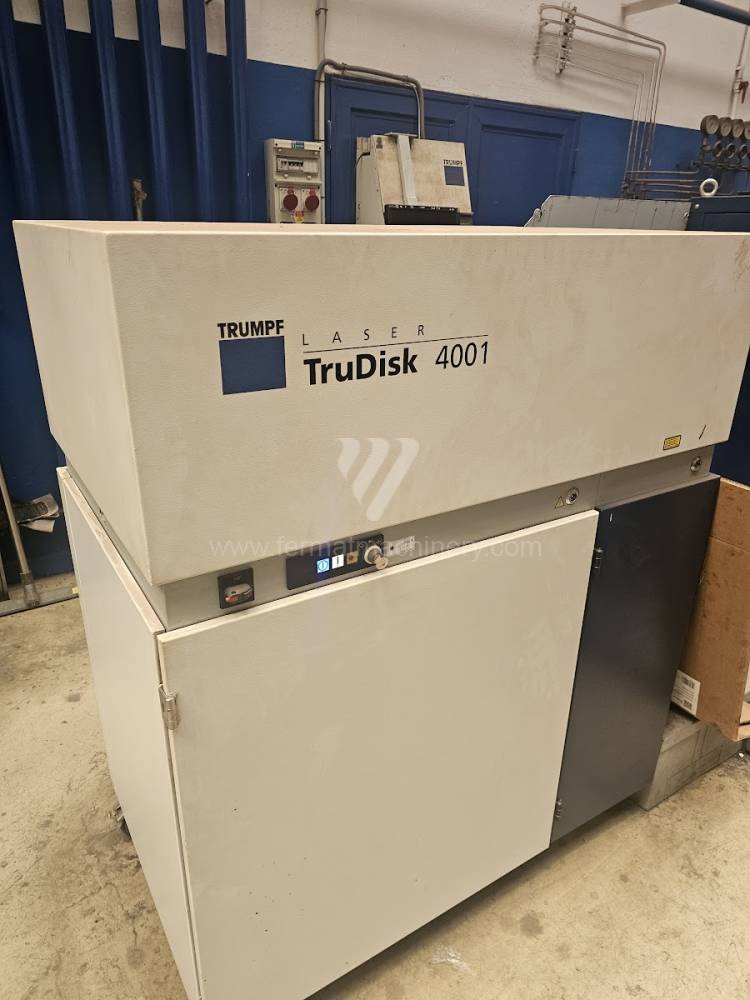
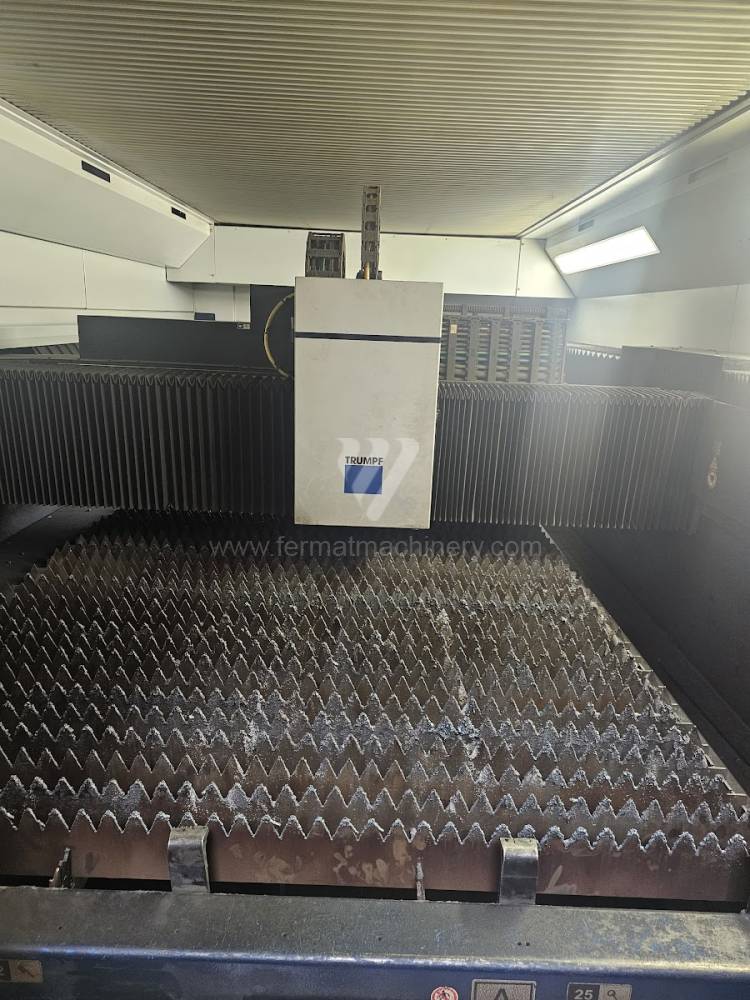
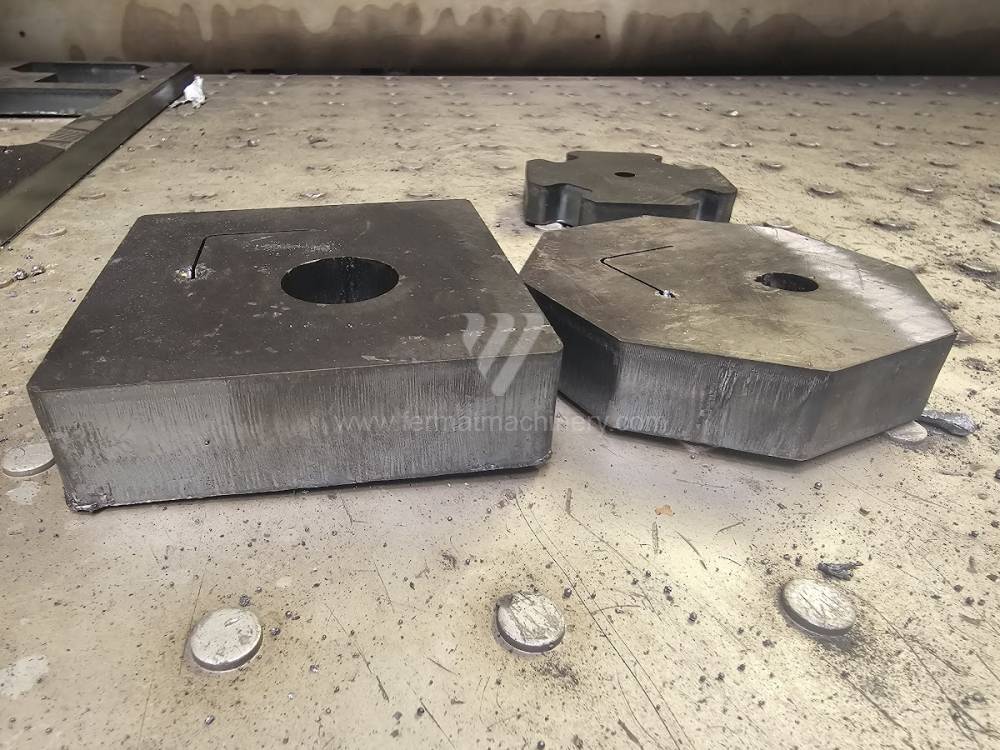
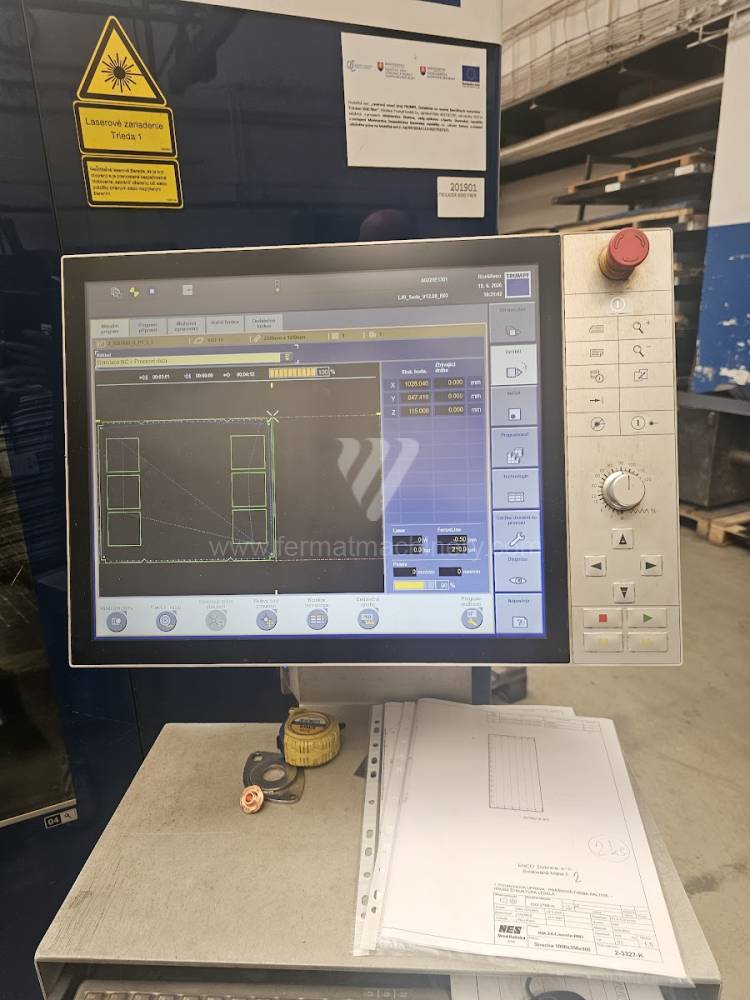
TRULASER 3030 FIBER
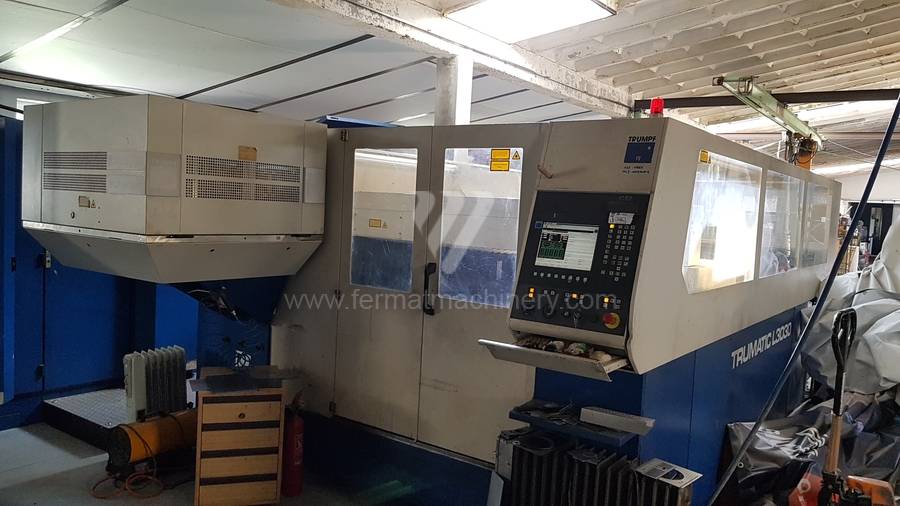
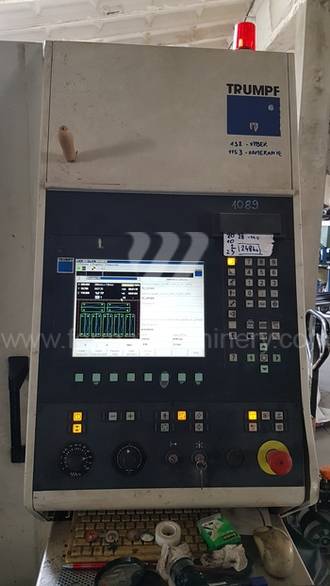
Trumatic L3030
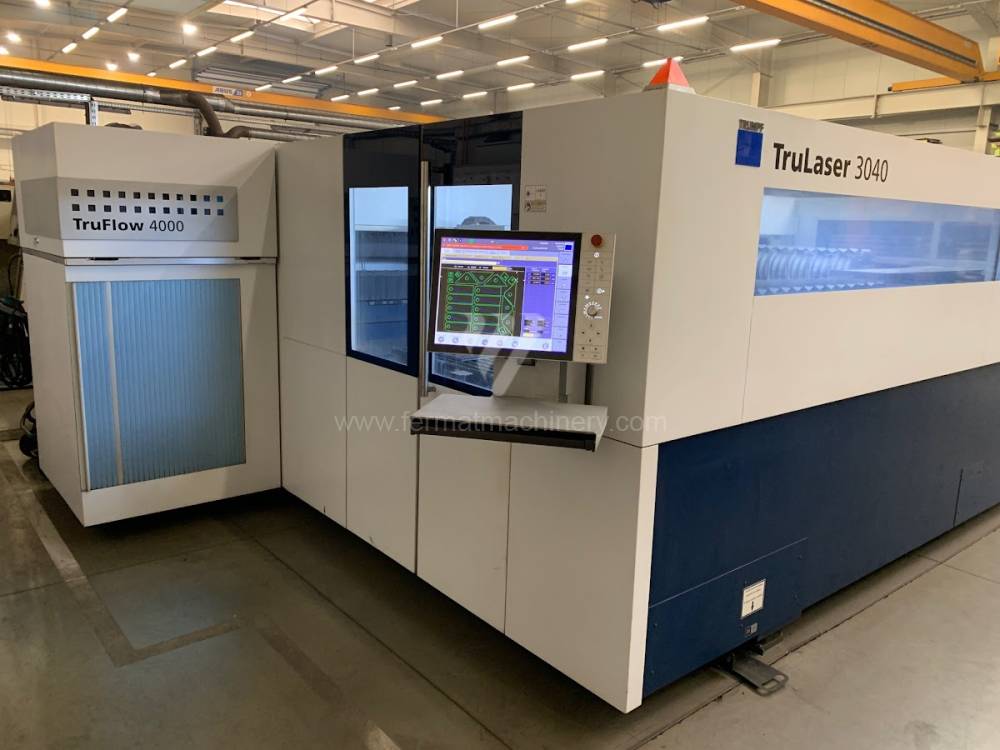
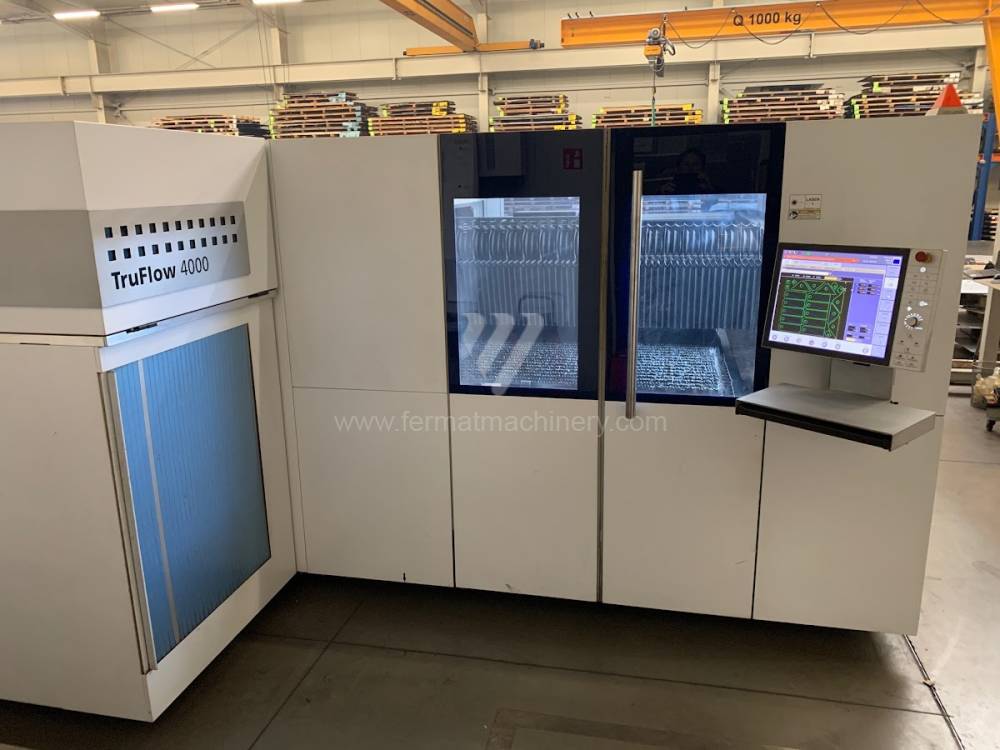
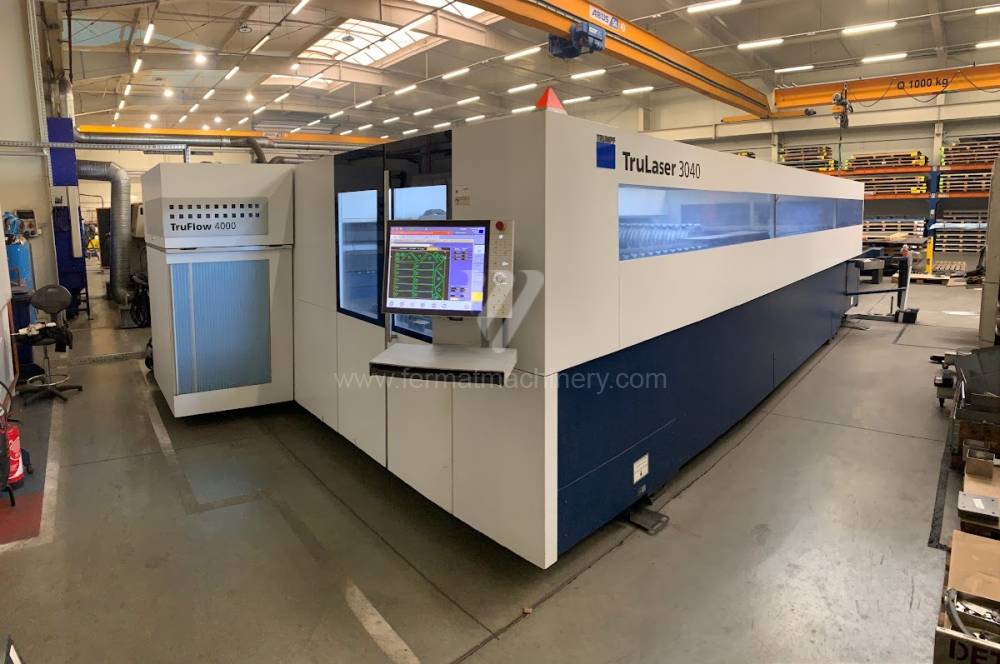
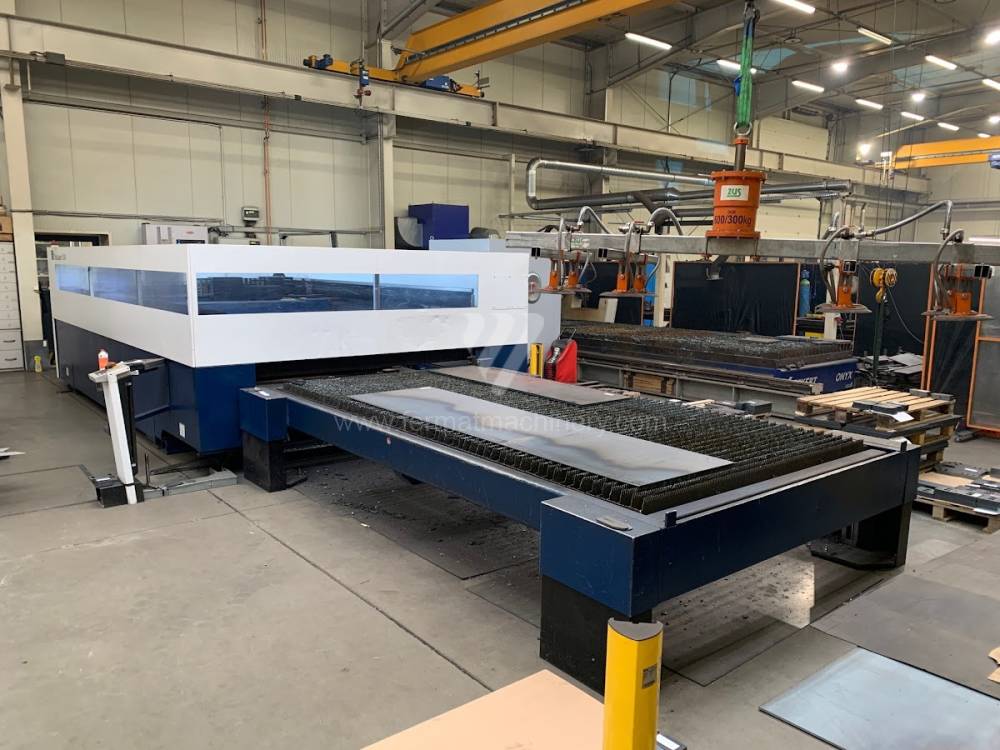
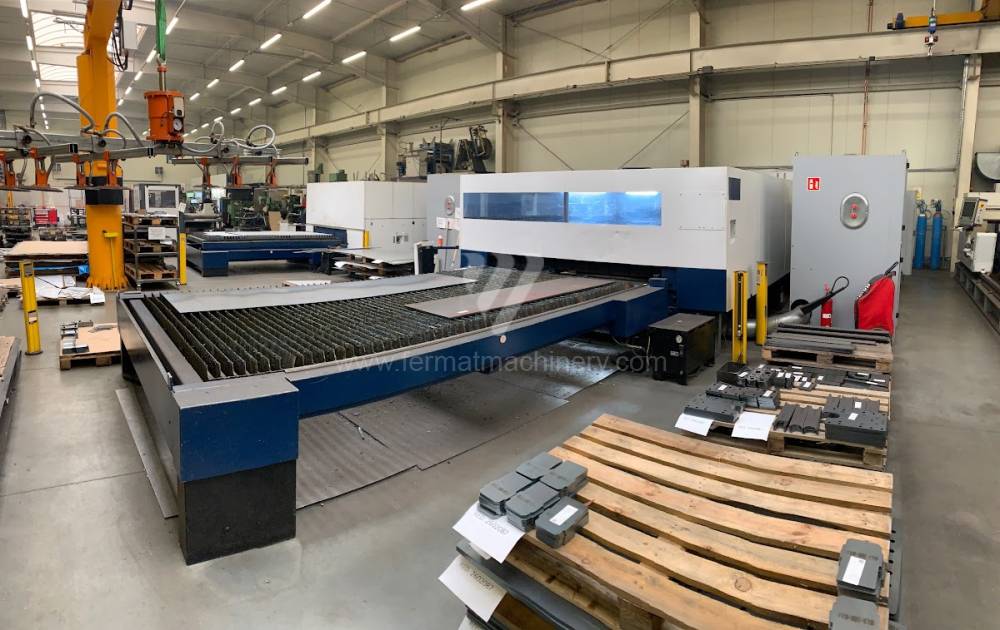
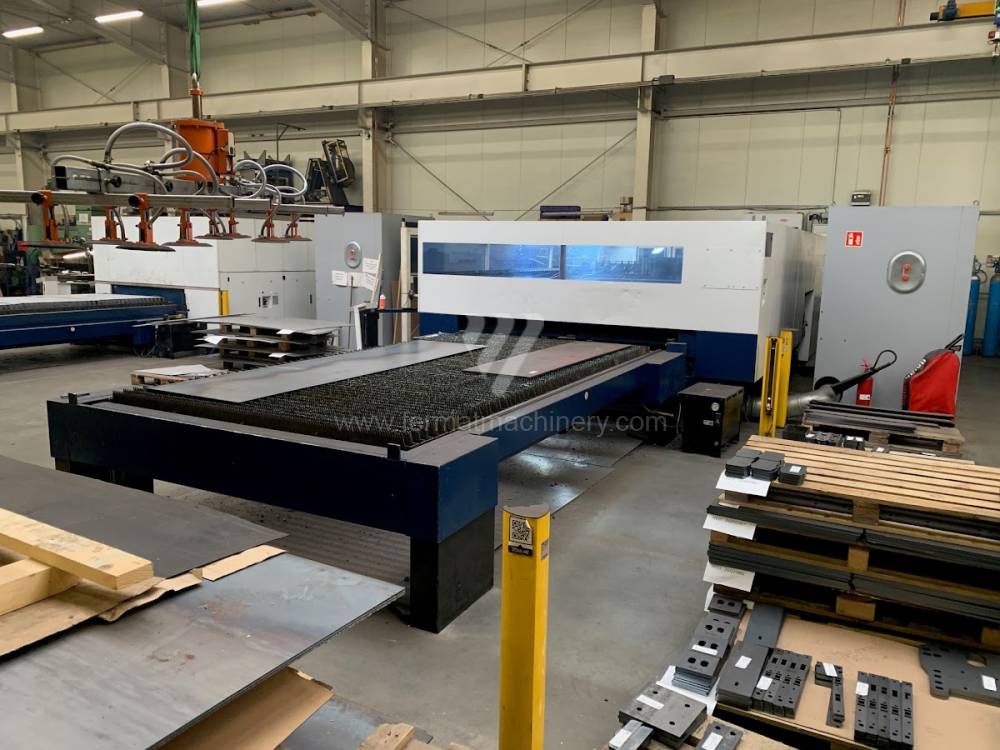
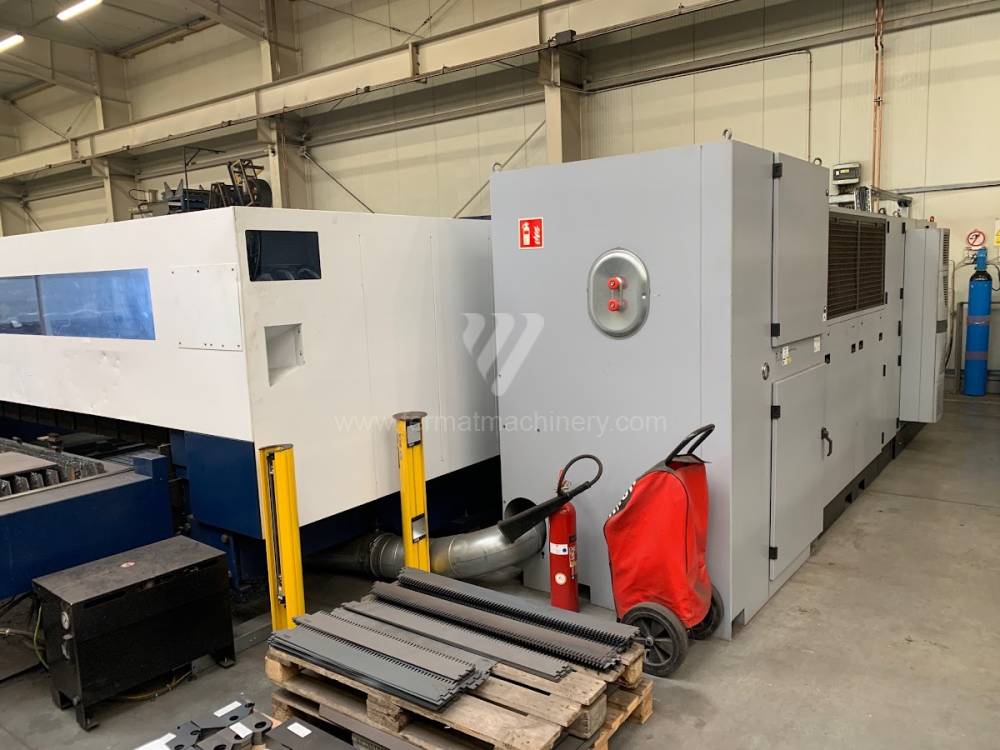
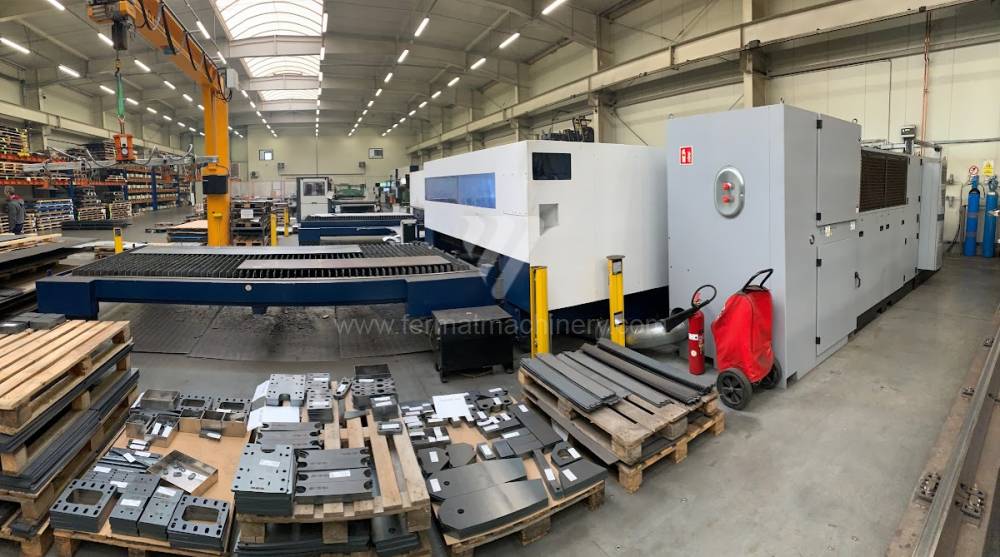
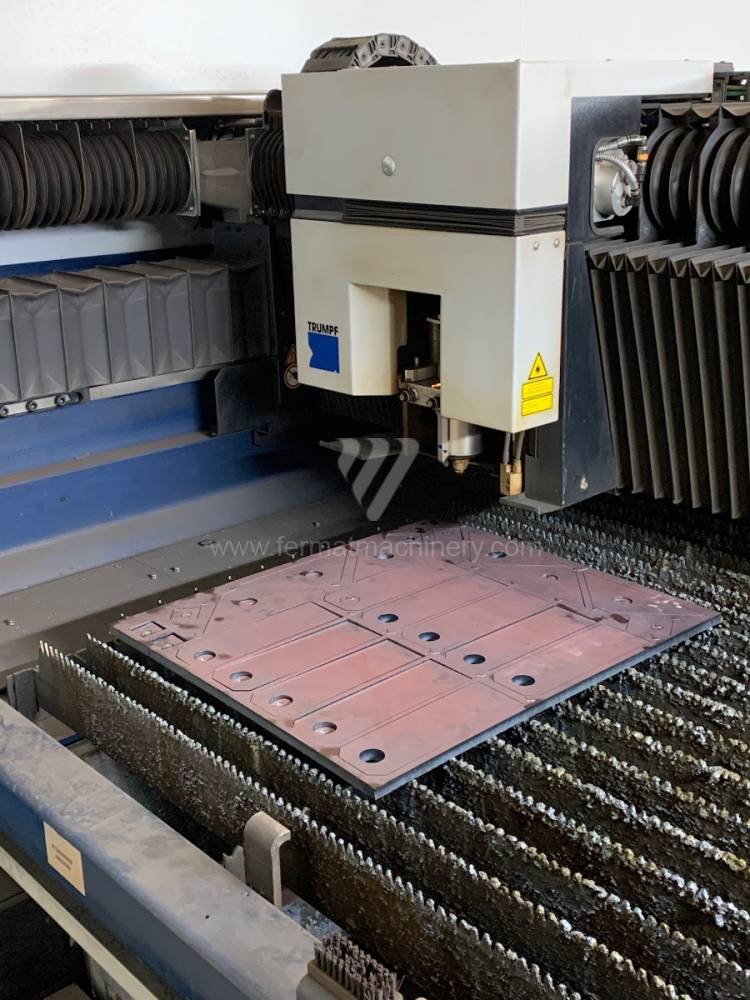
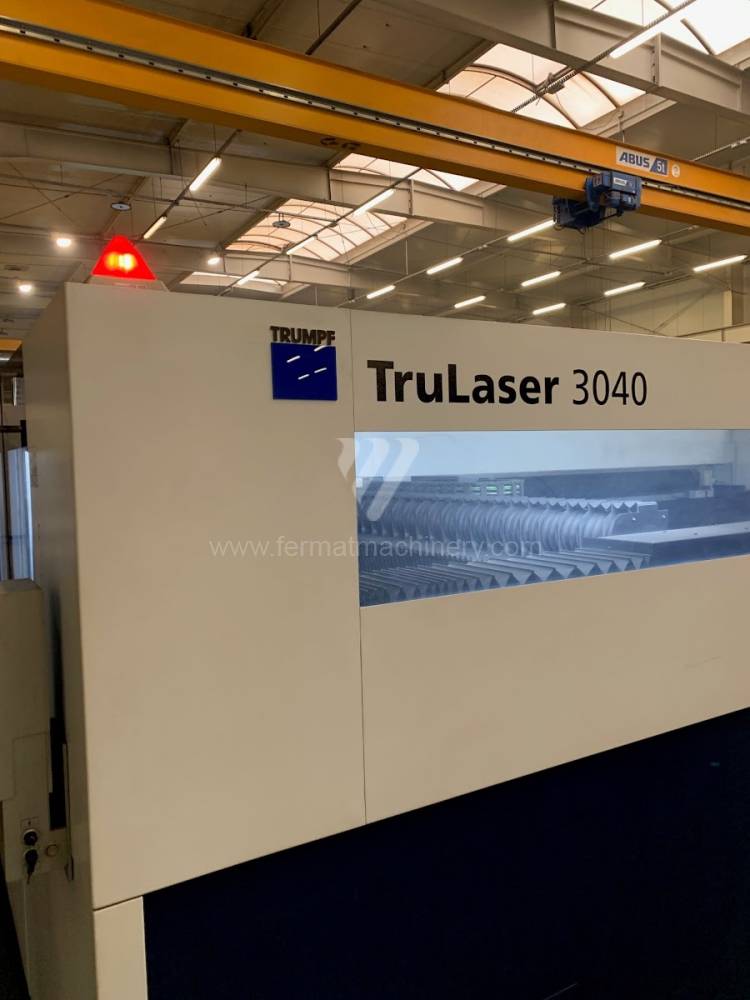
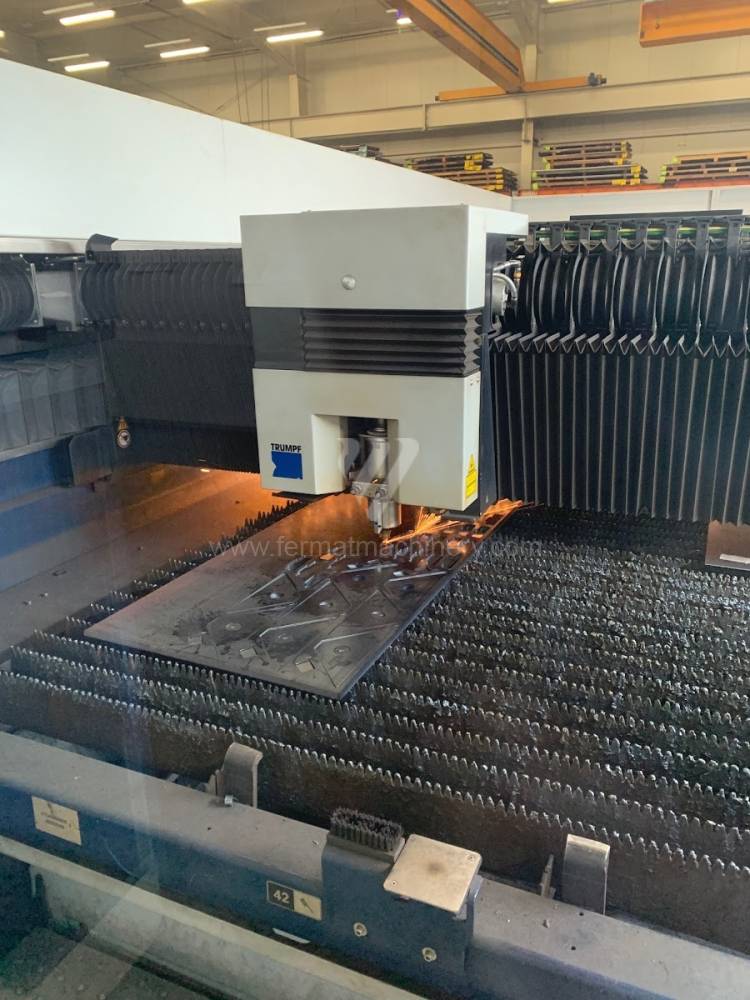
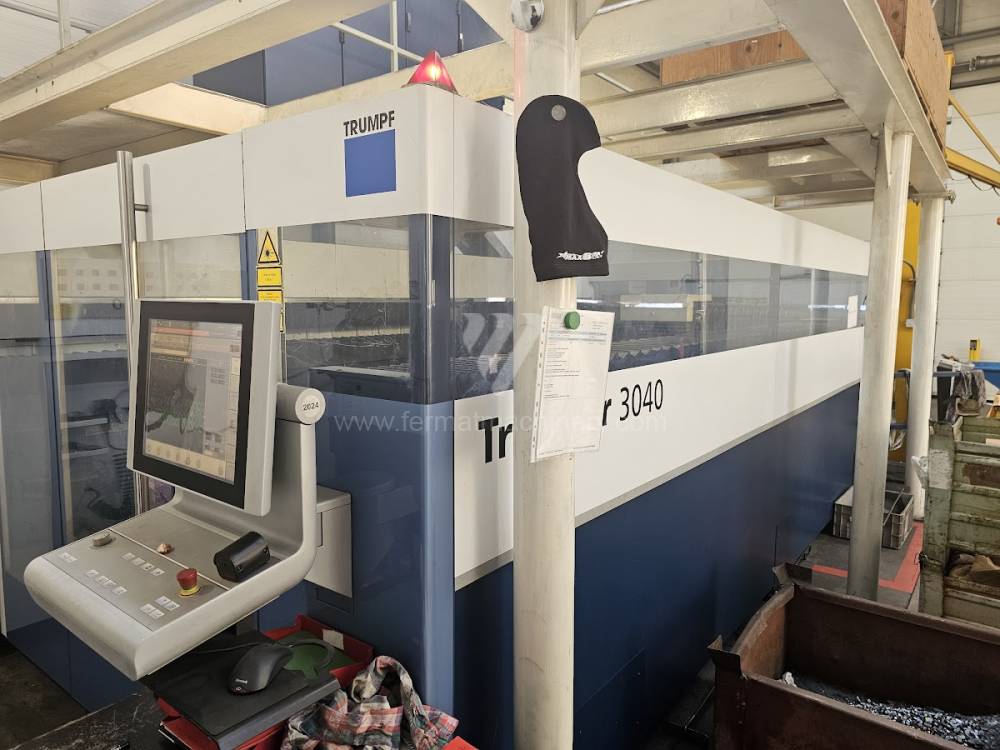
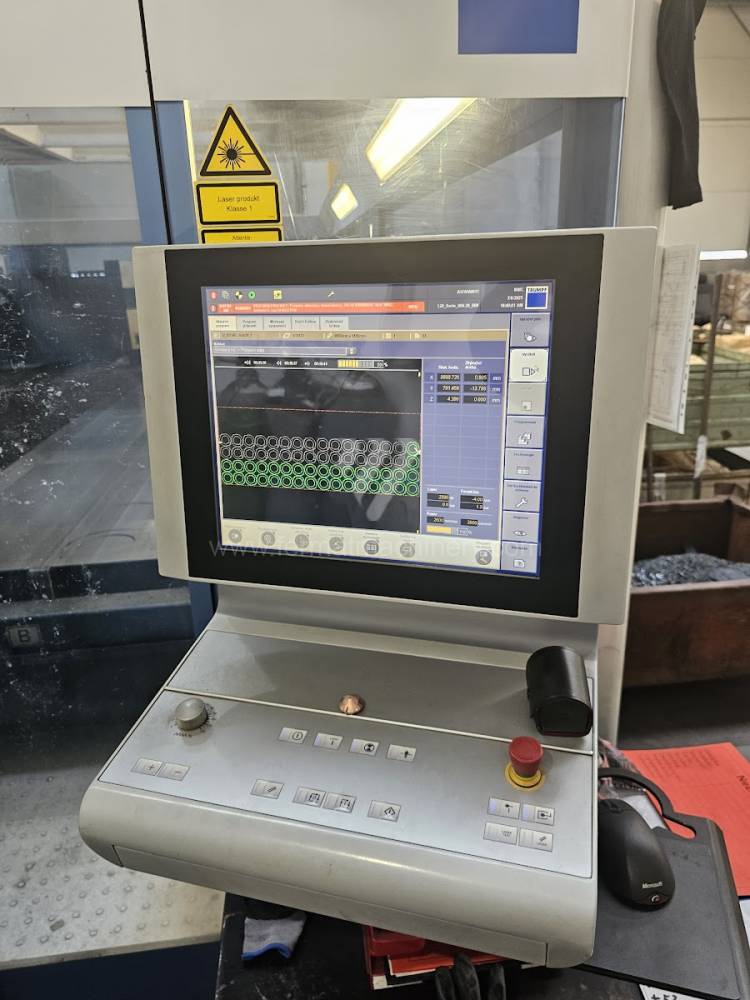
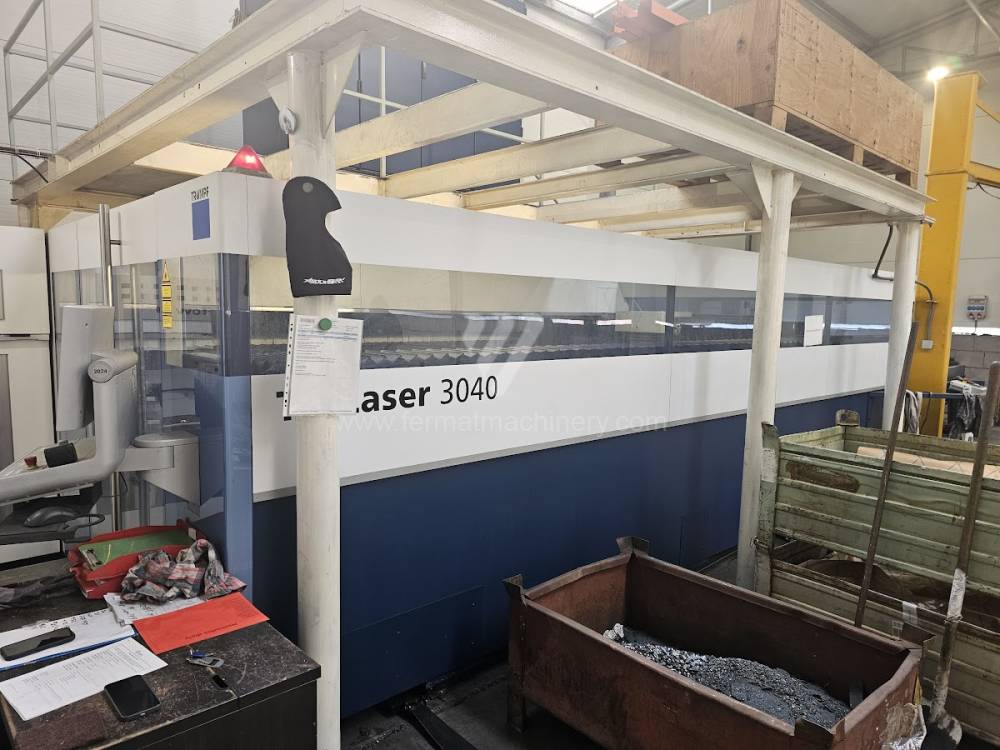
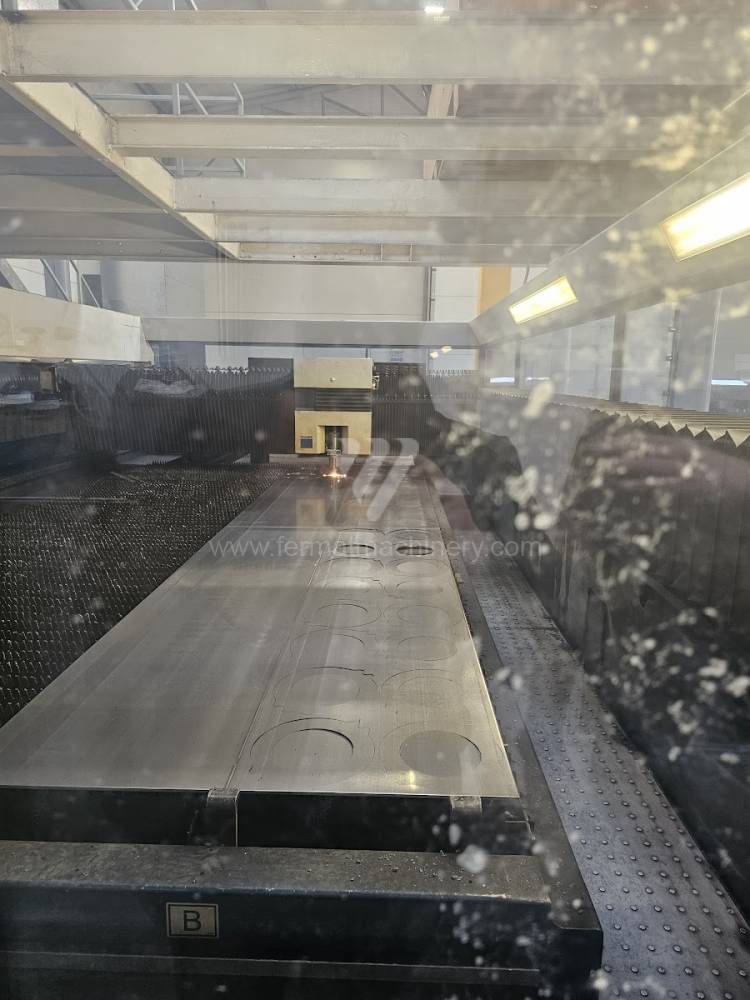
Trulaser 3040
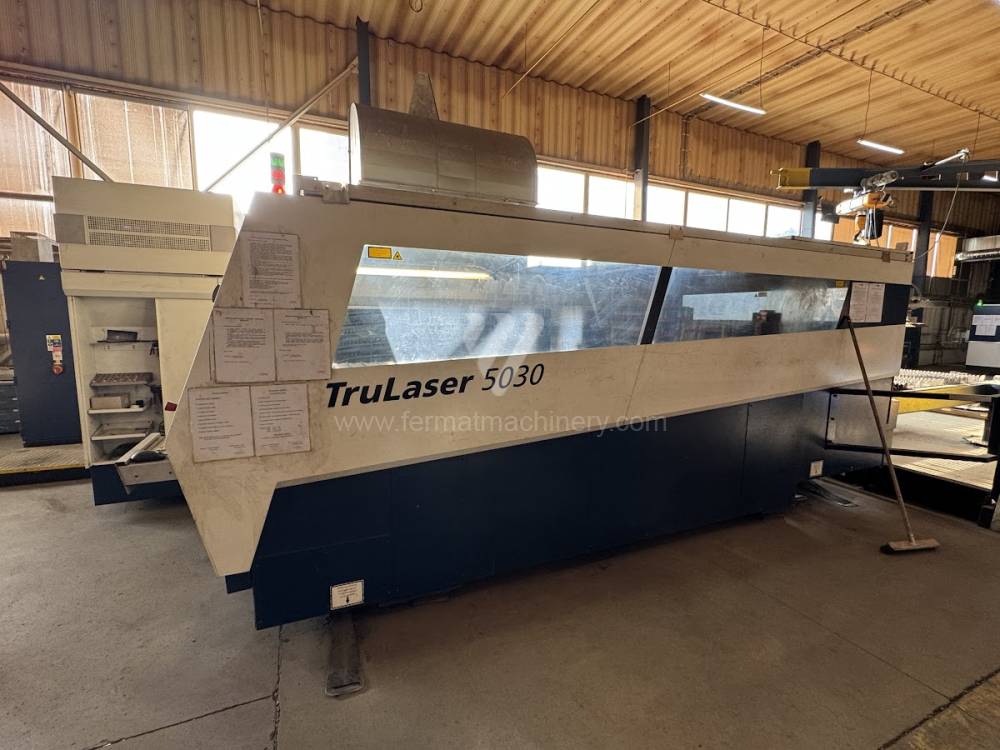
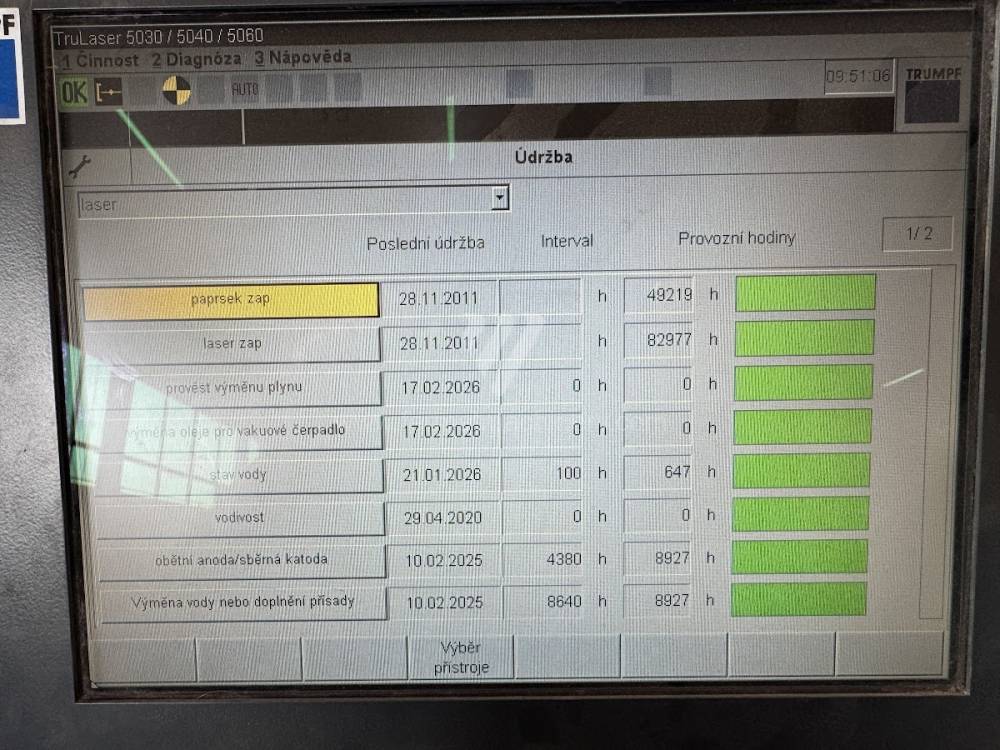
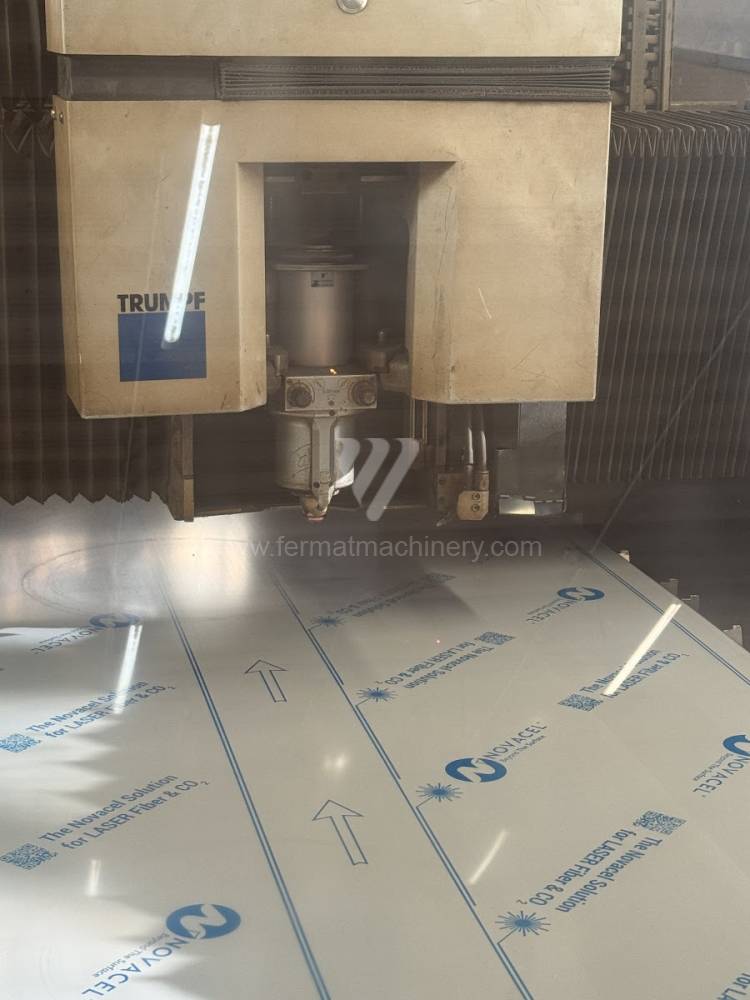
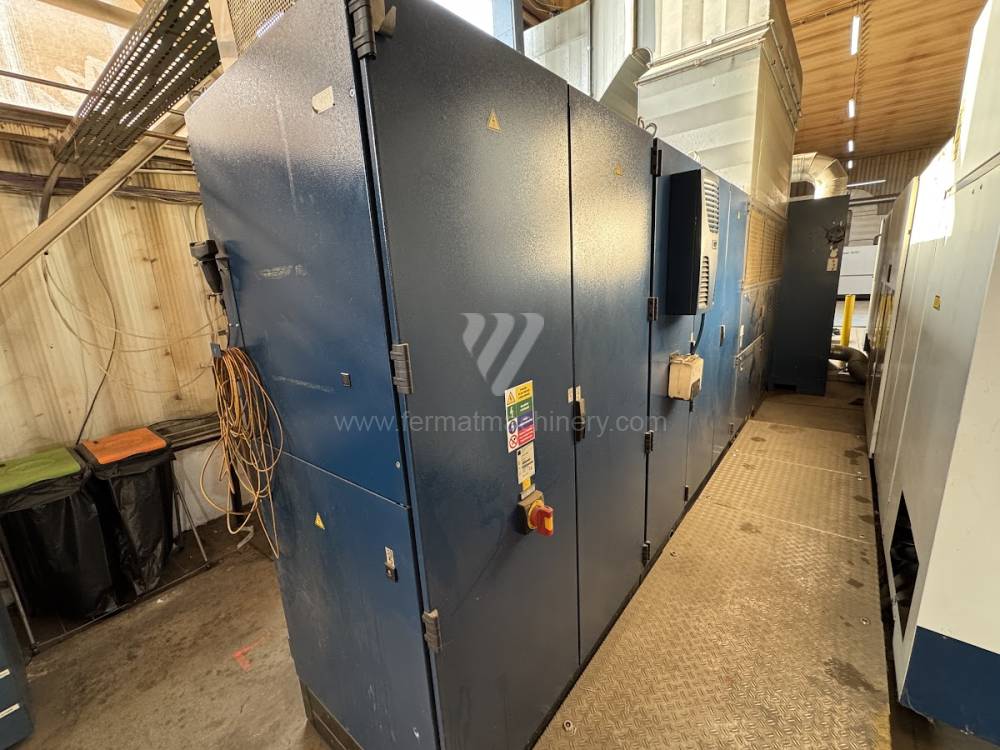
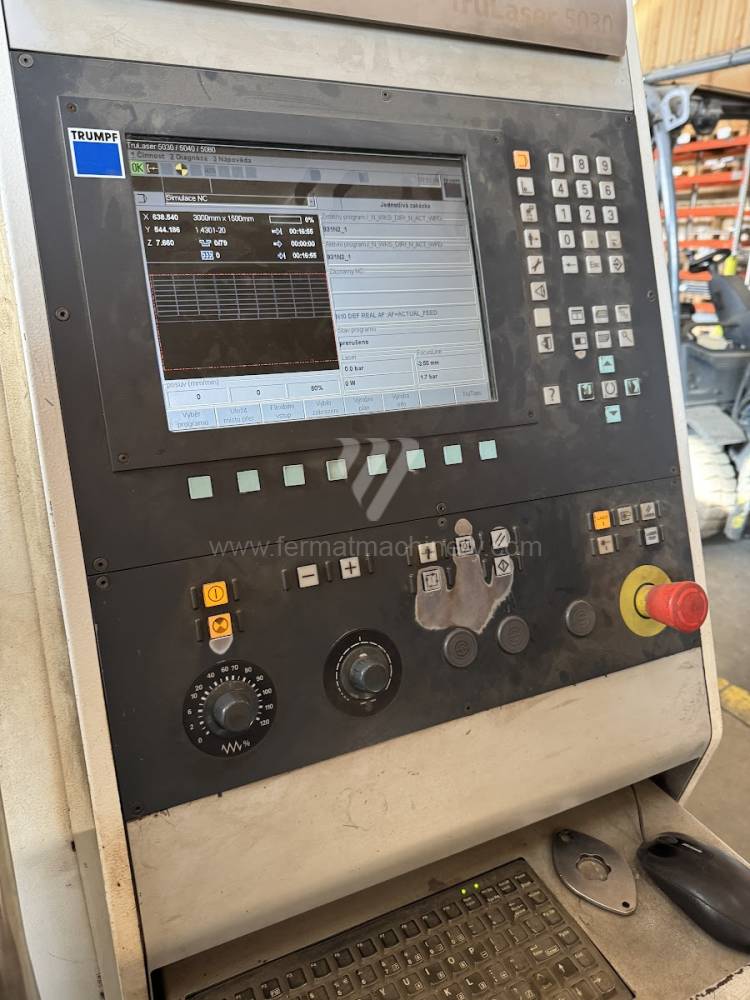
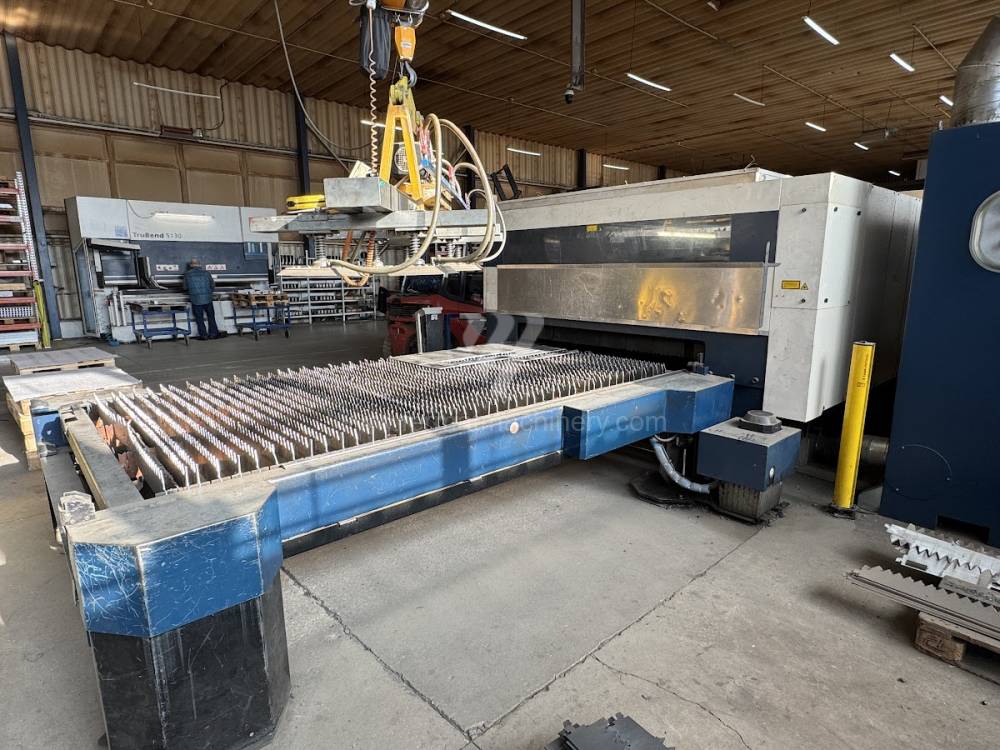
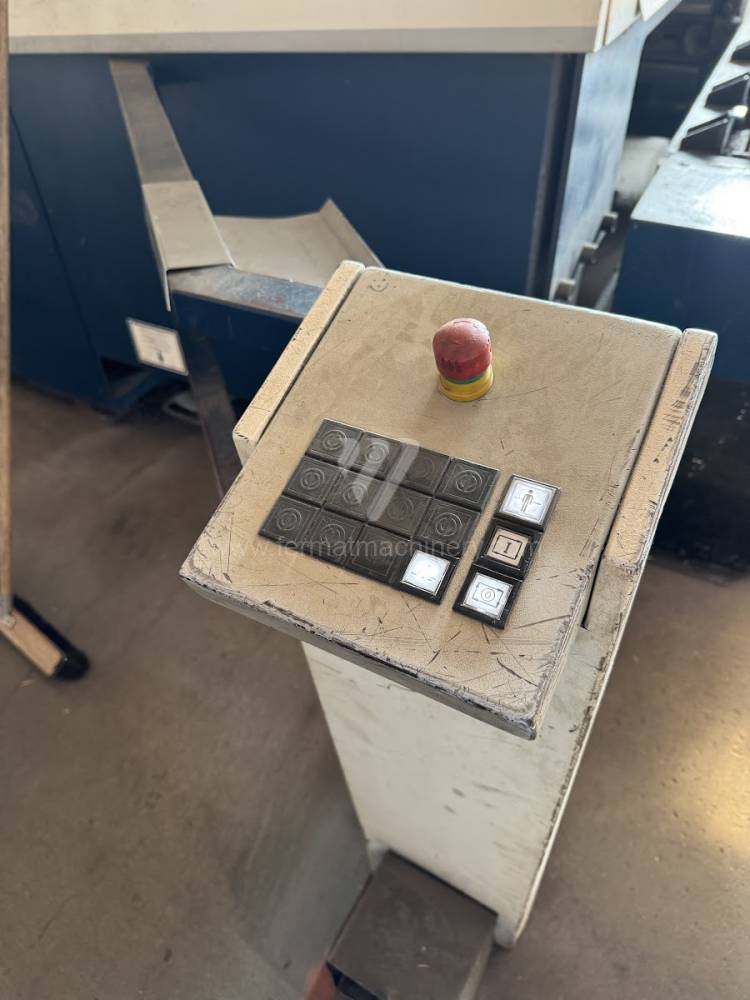
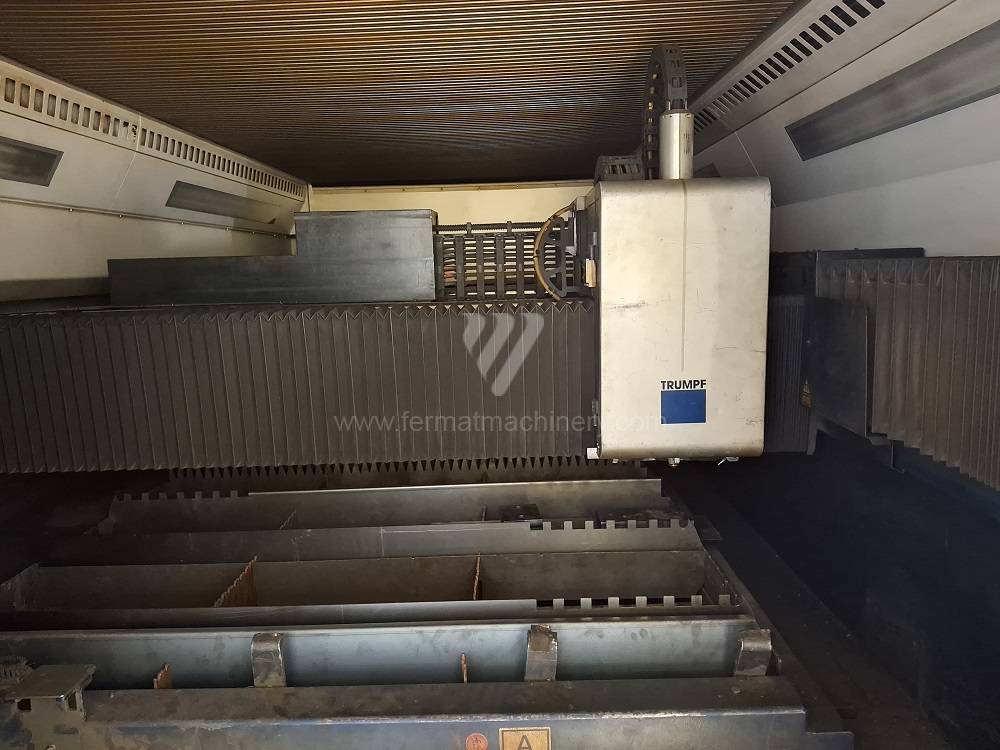
TruLaser 5030
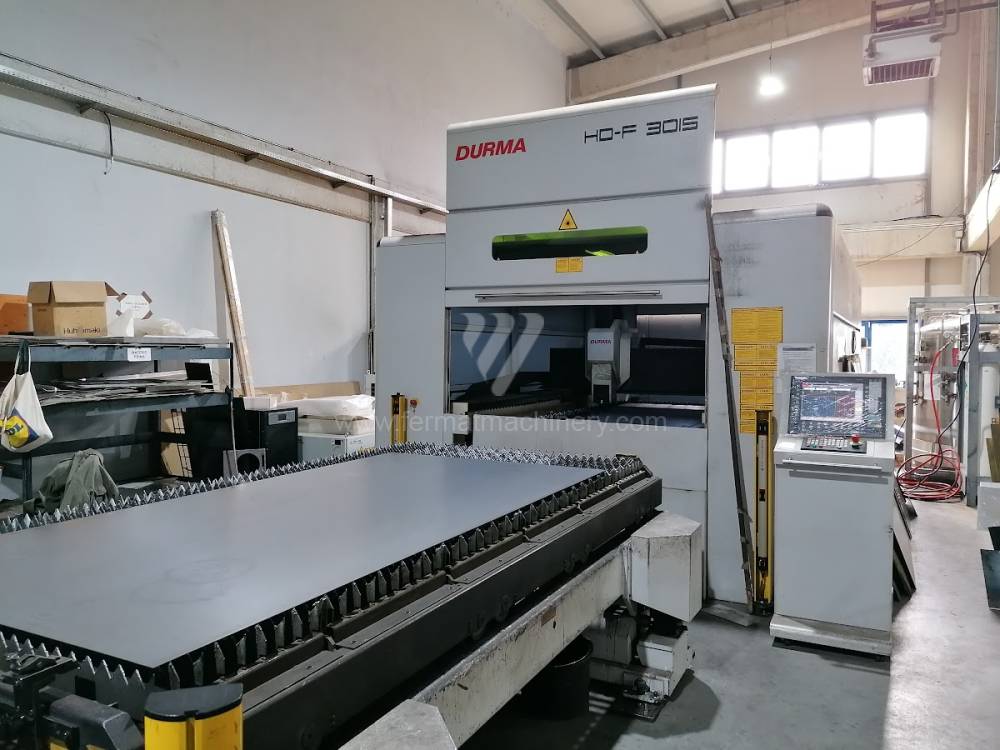
HD-F 3015
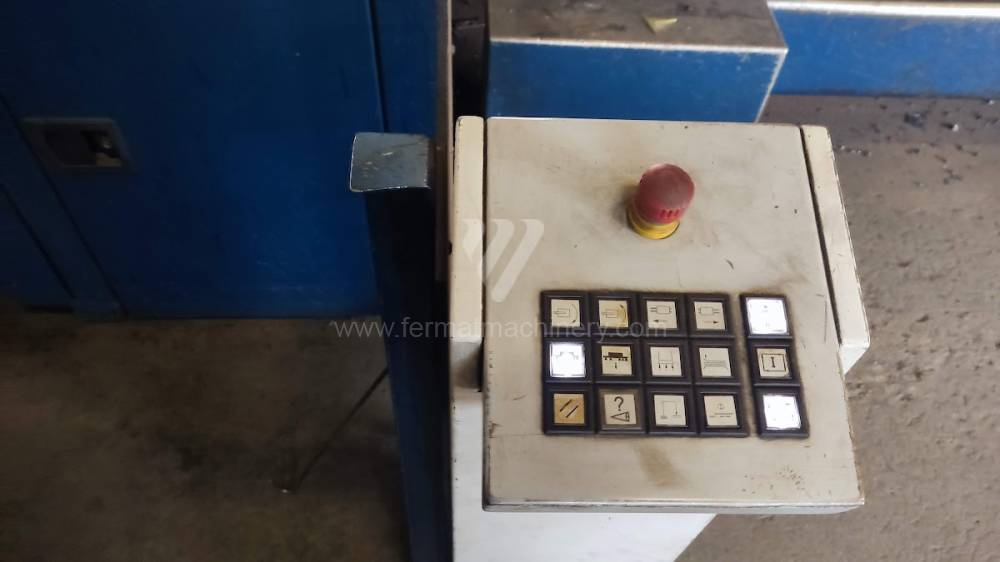
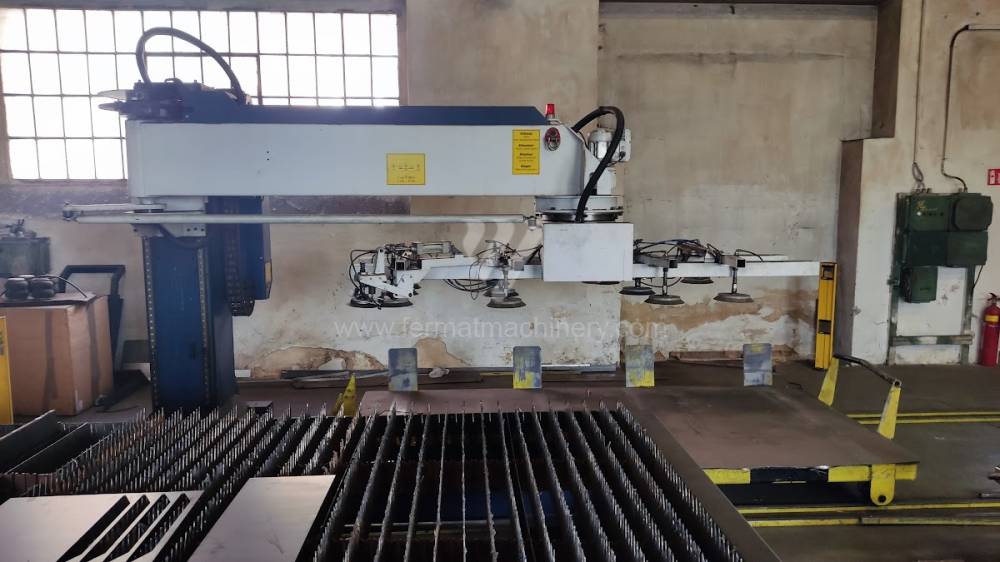
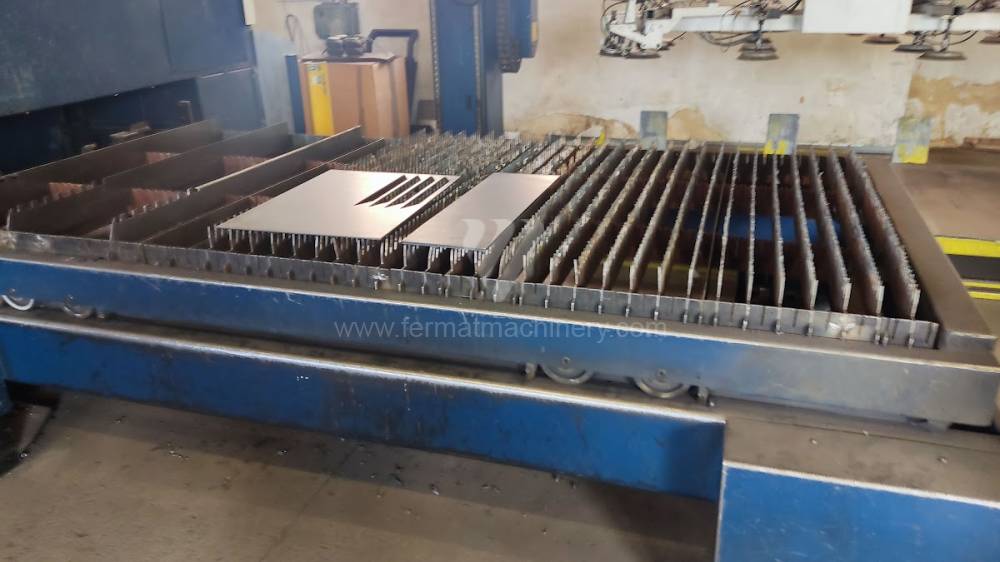
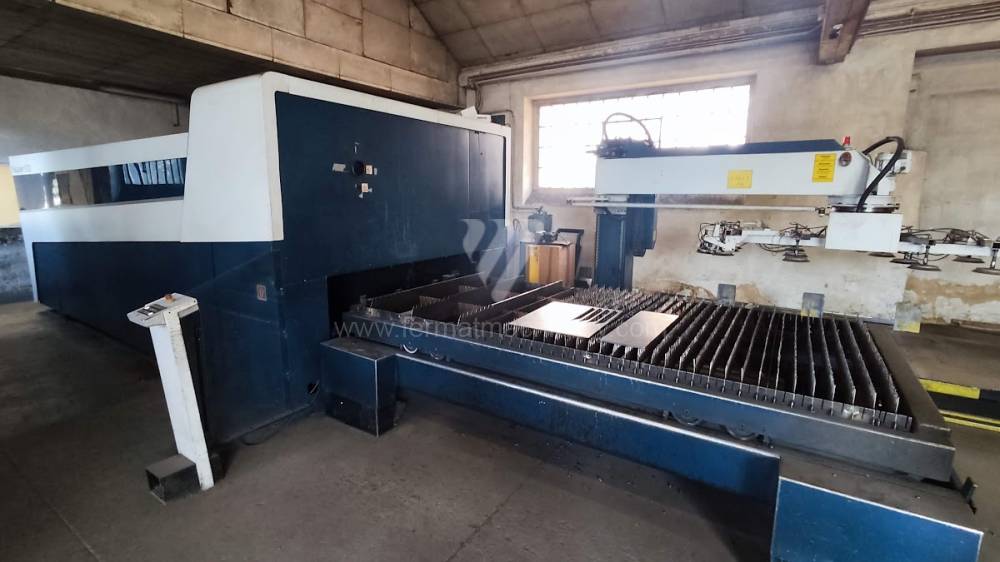
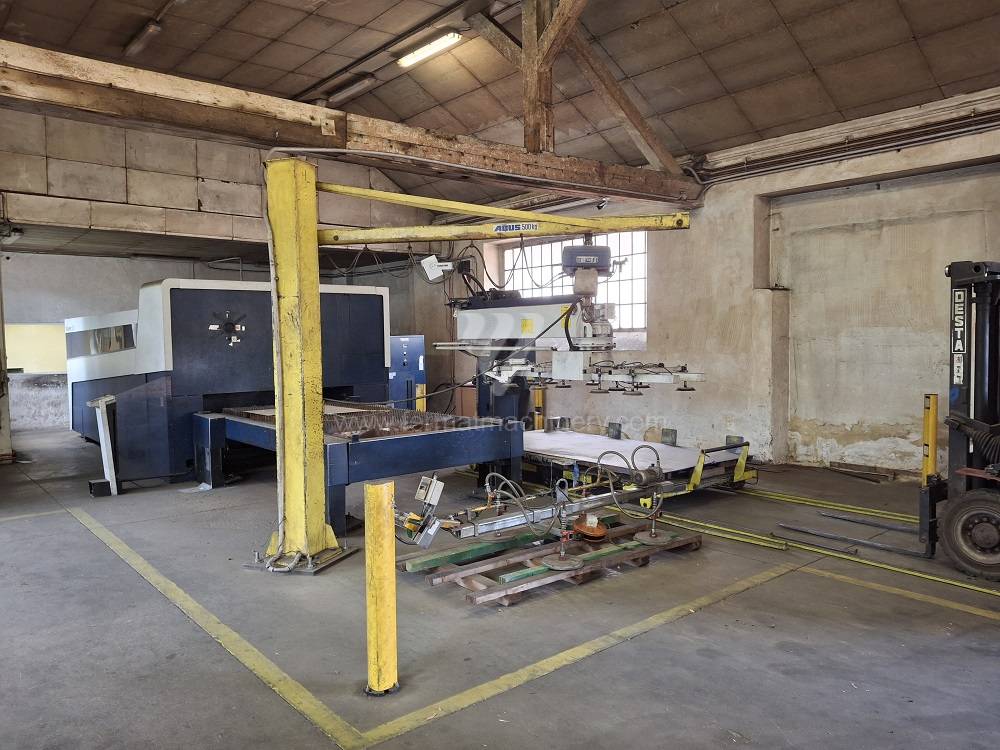
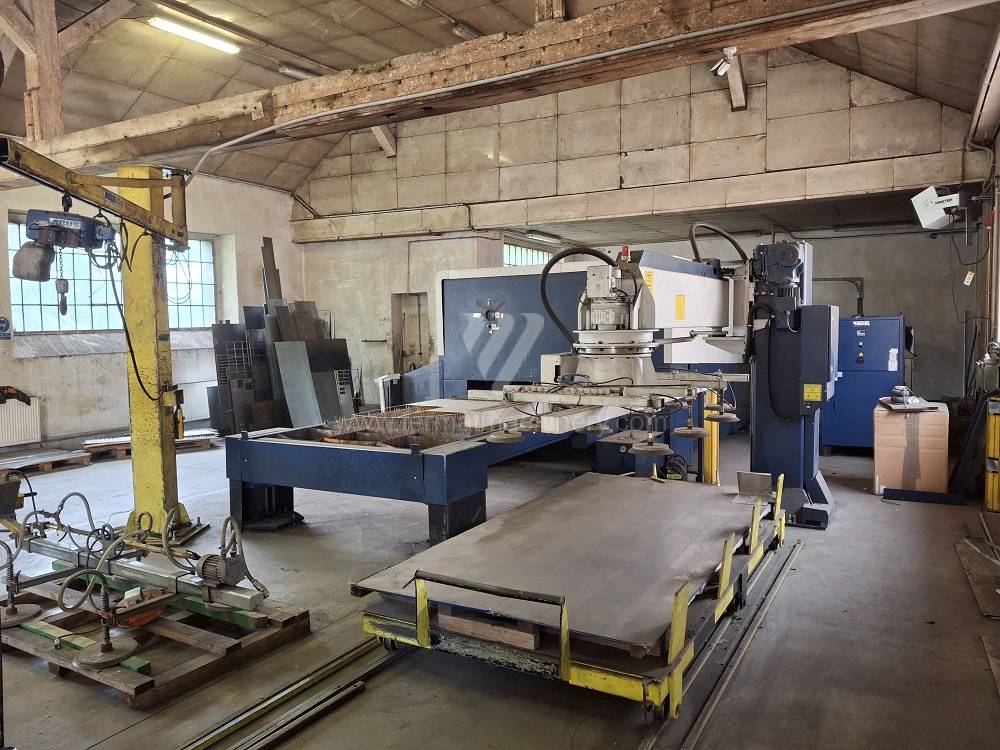
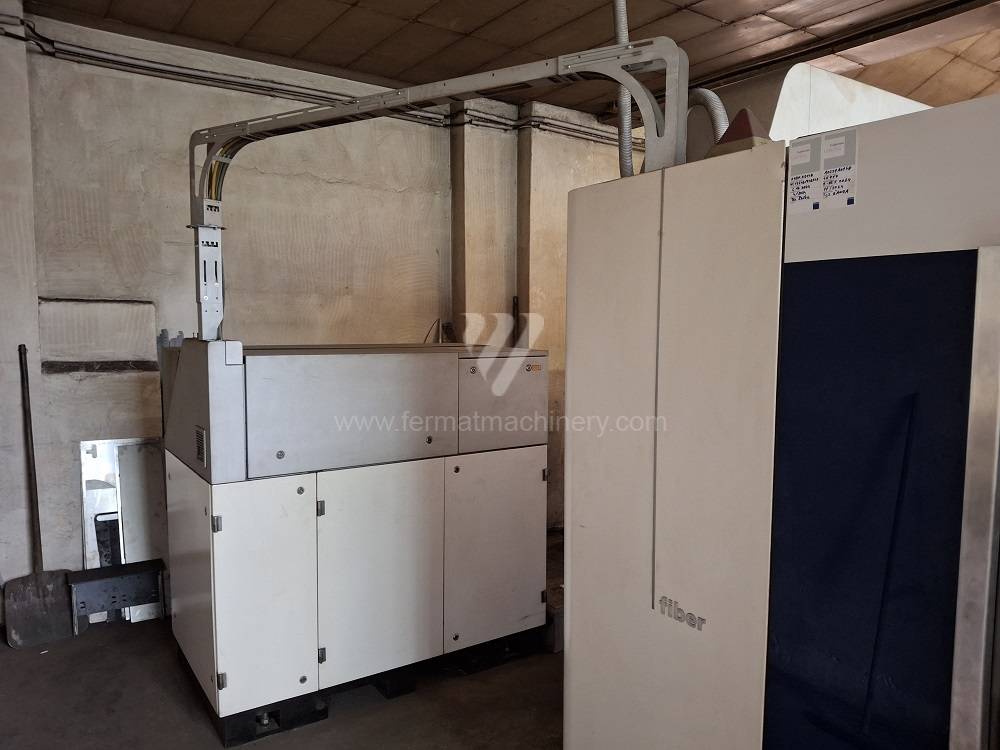
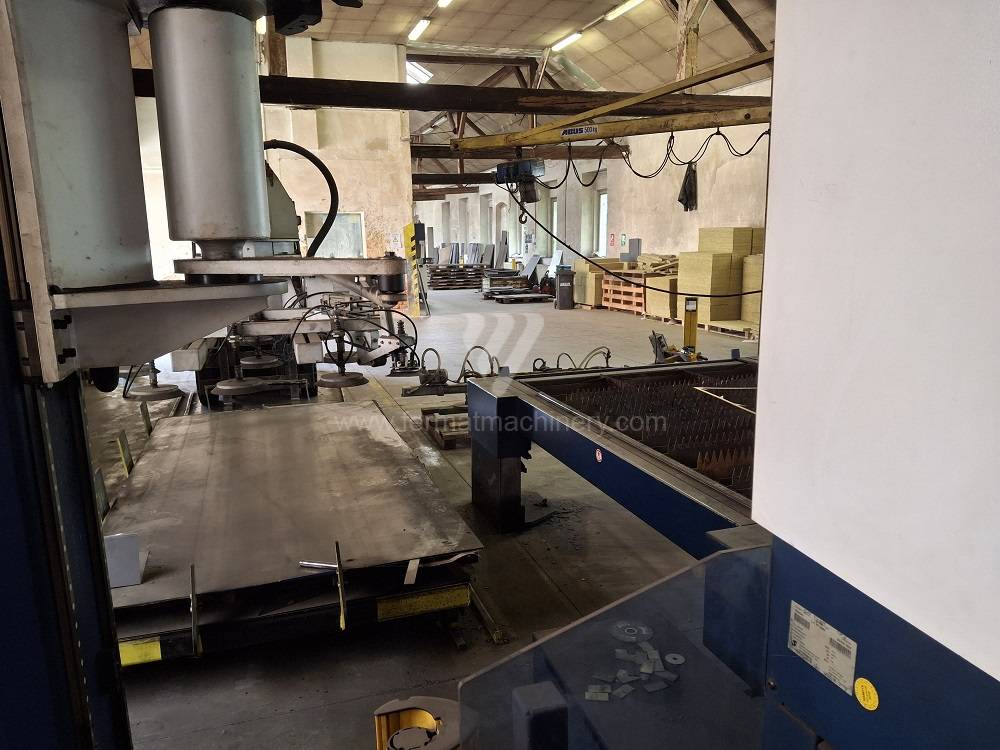
TruLaser 5030
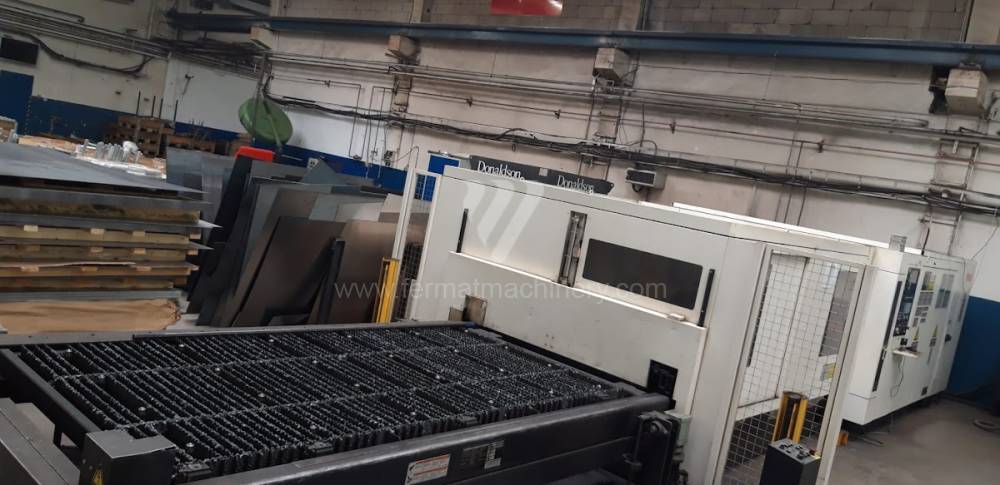
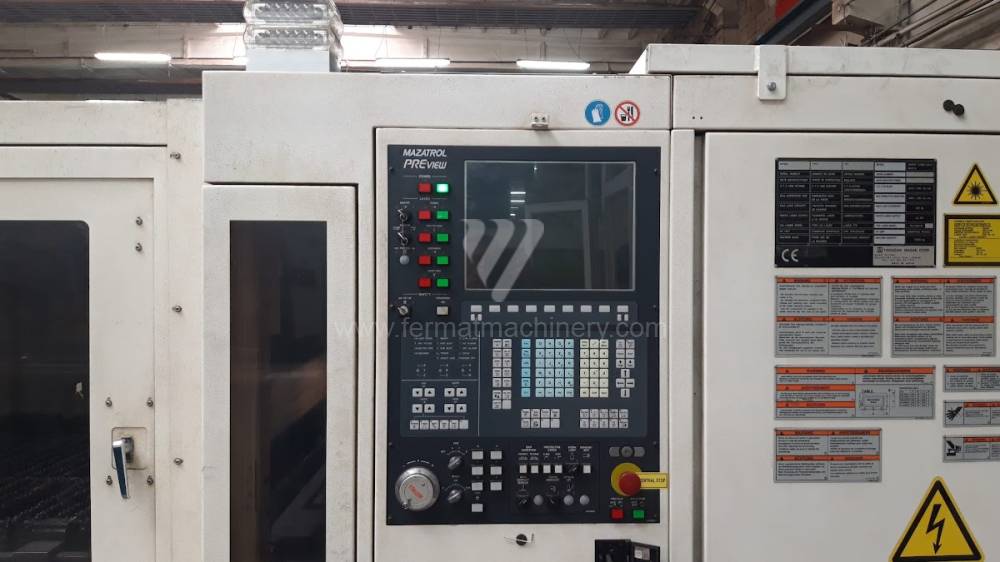
SUPER TURBO - X510 Mk III G
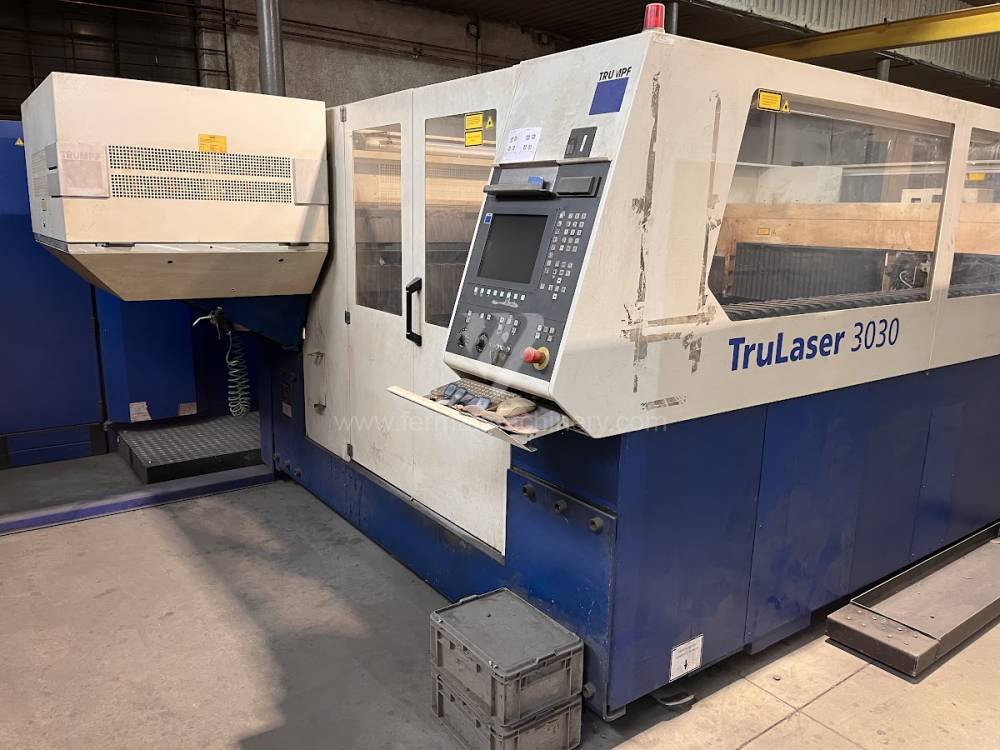
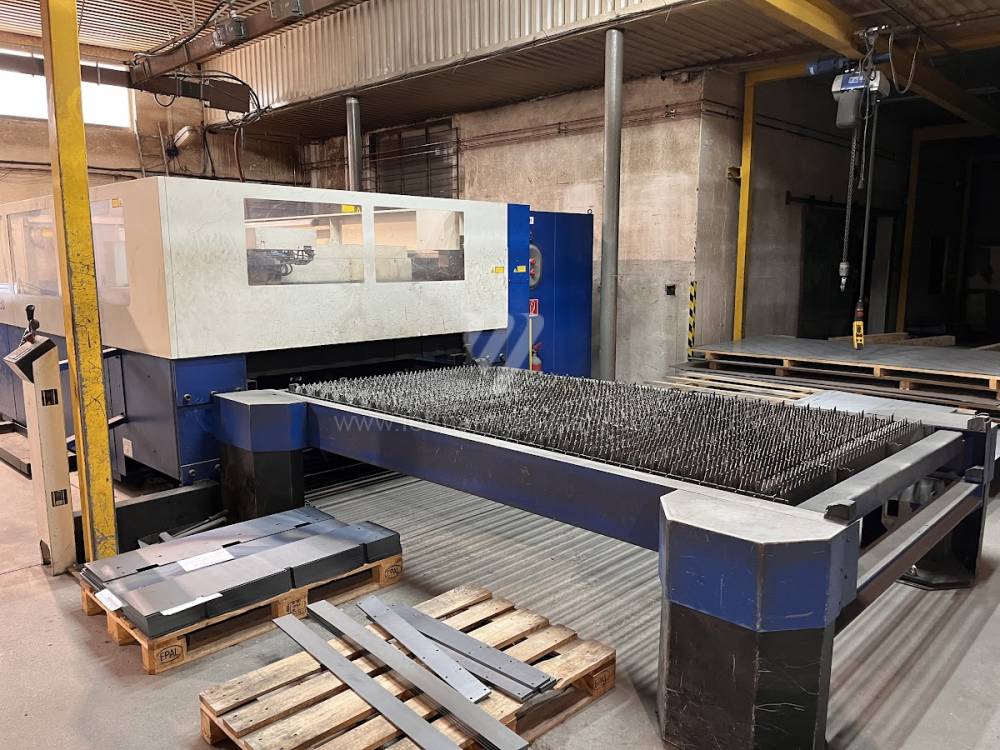
TruLaser 3030
Trulaser 3040
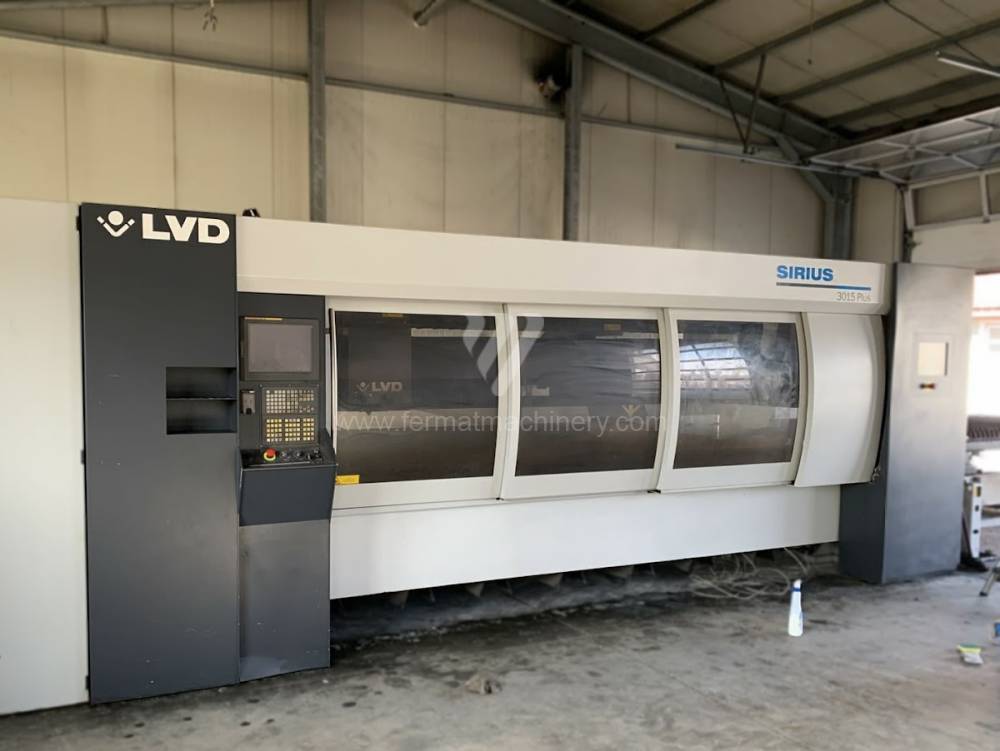
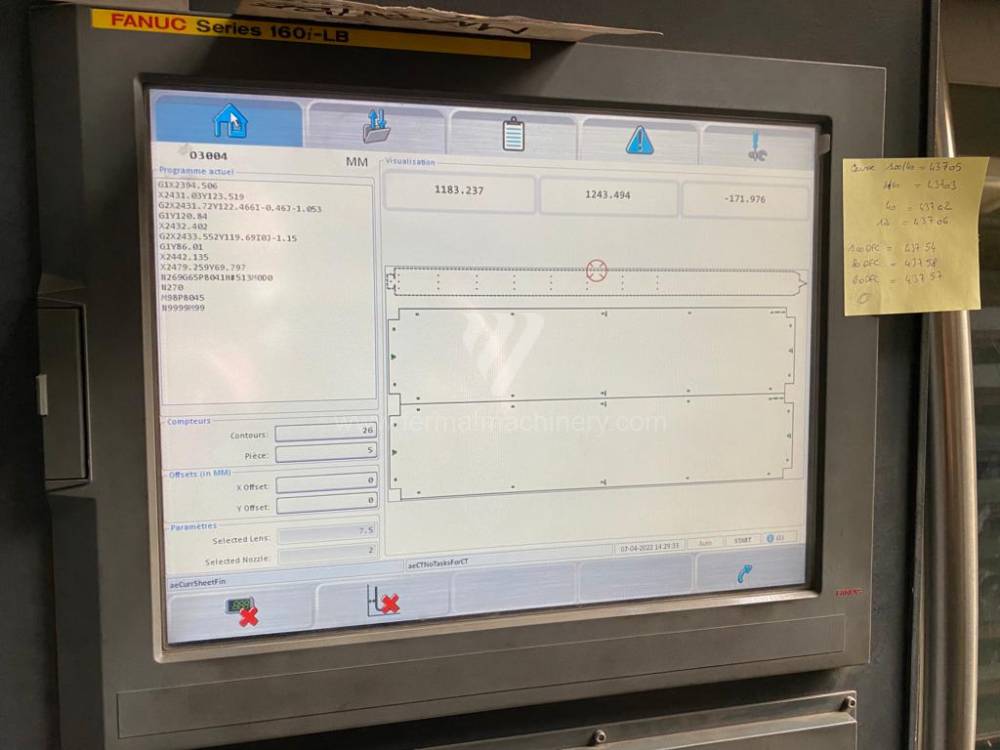
Sirius Plus 3015
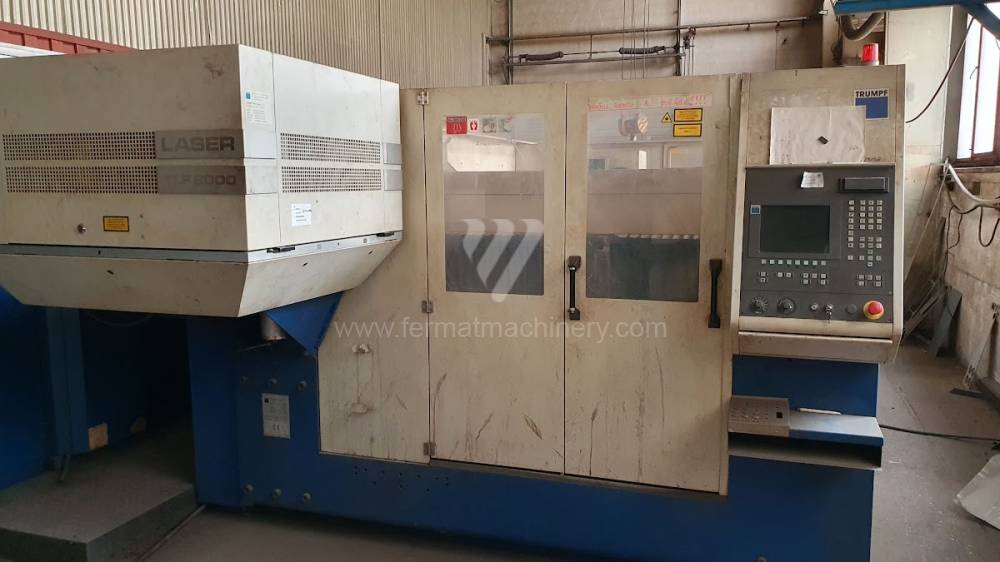
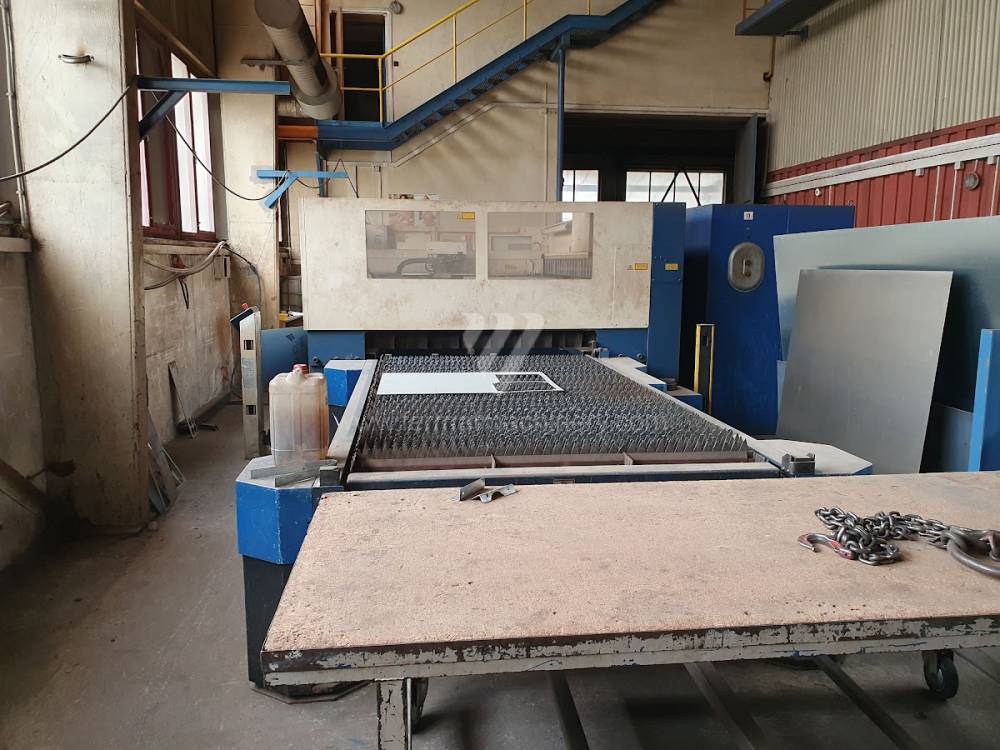
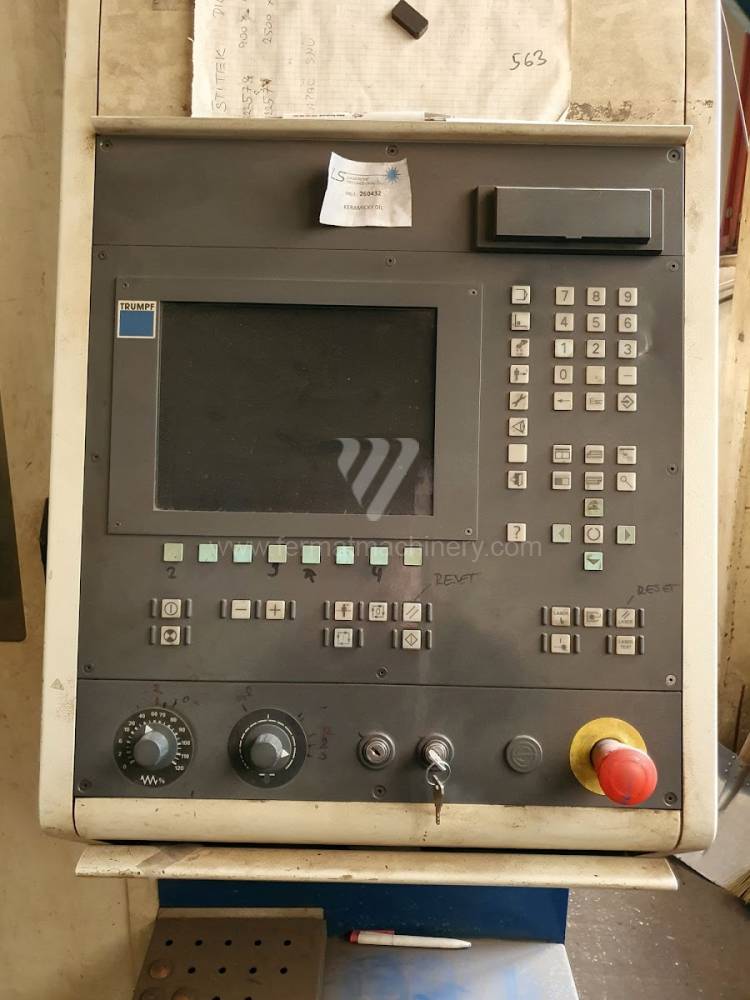
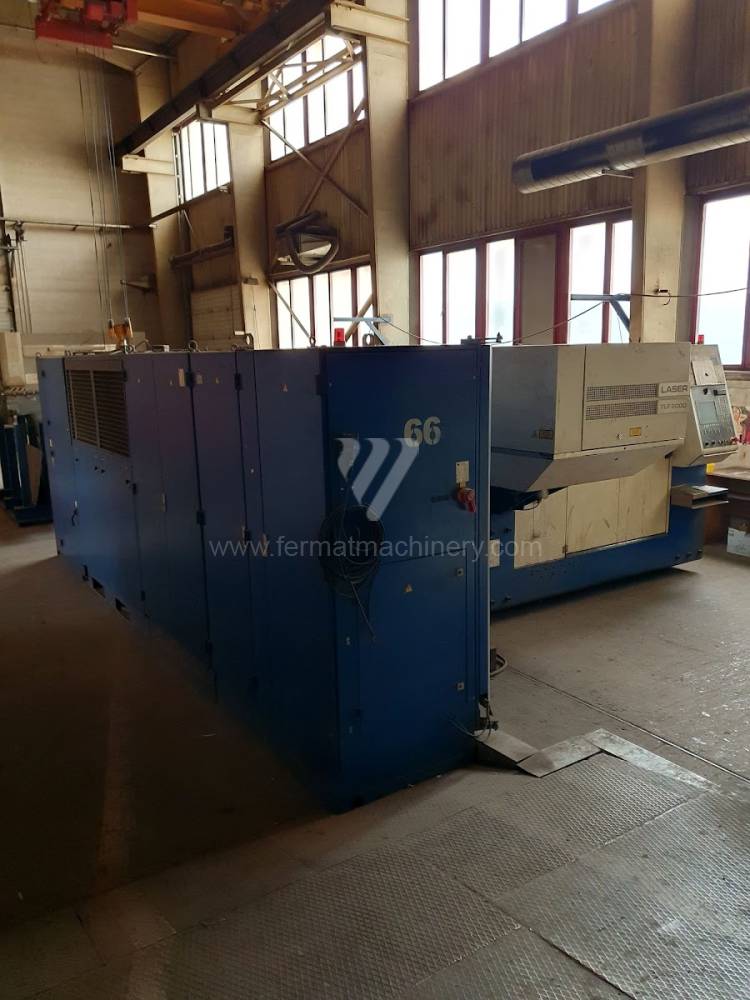
Trumatic L3030


BYSTAR 3015
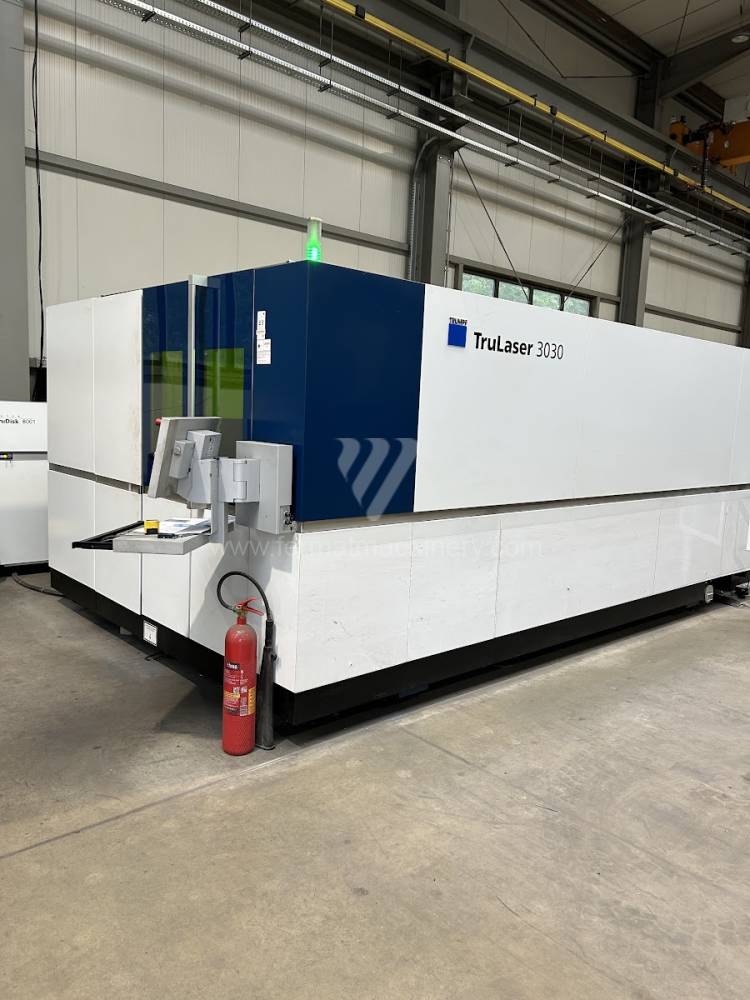
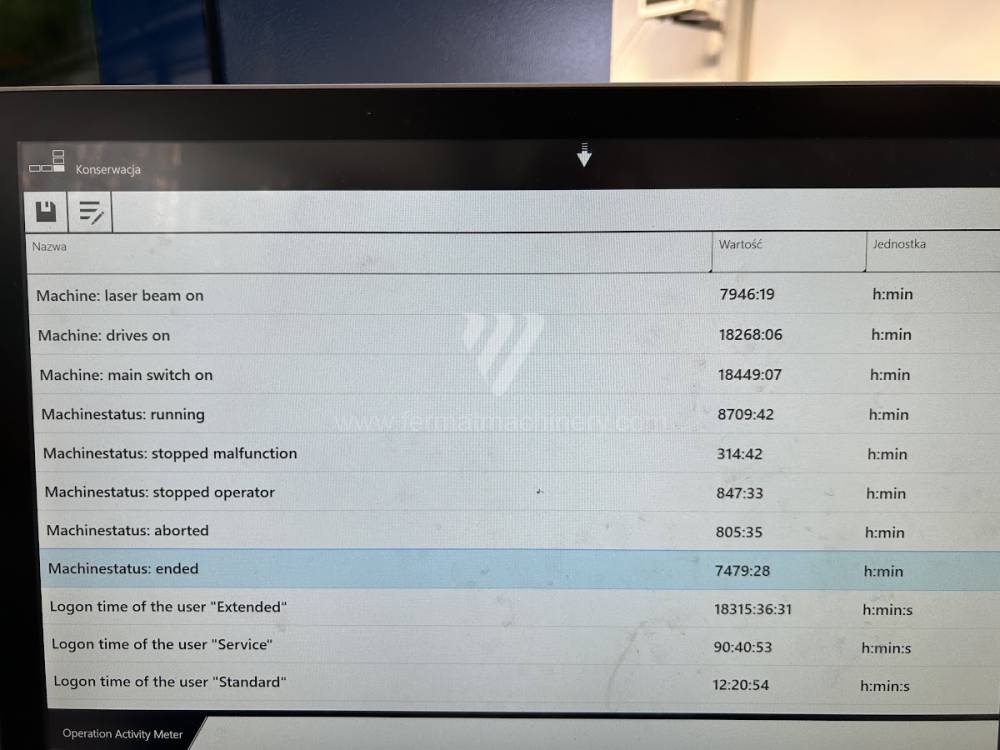
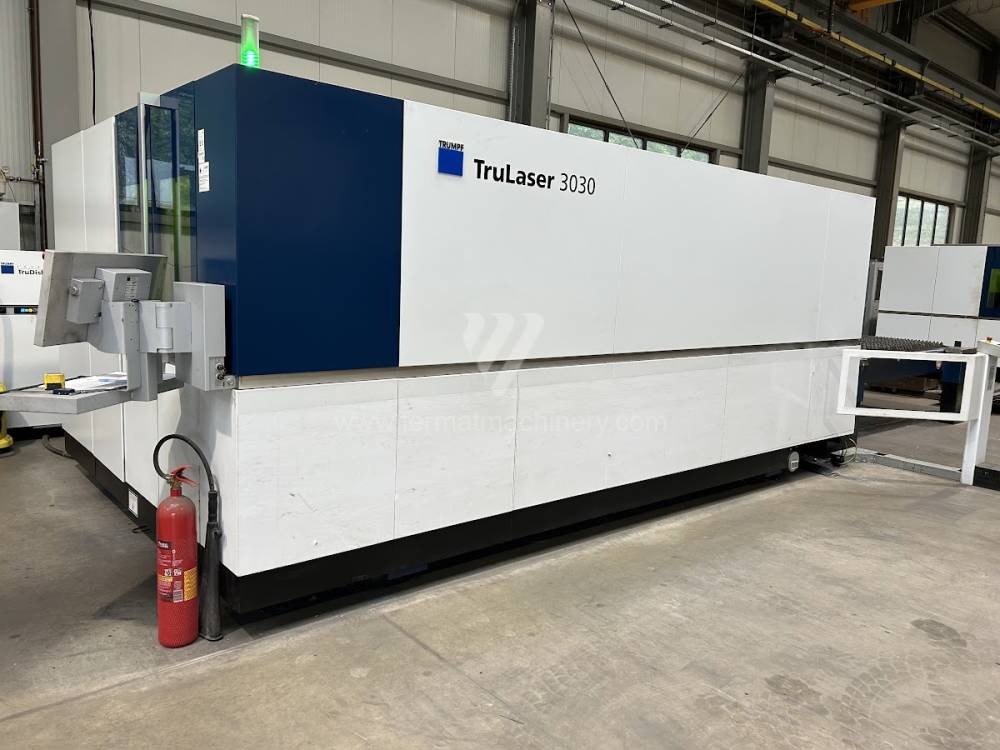
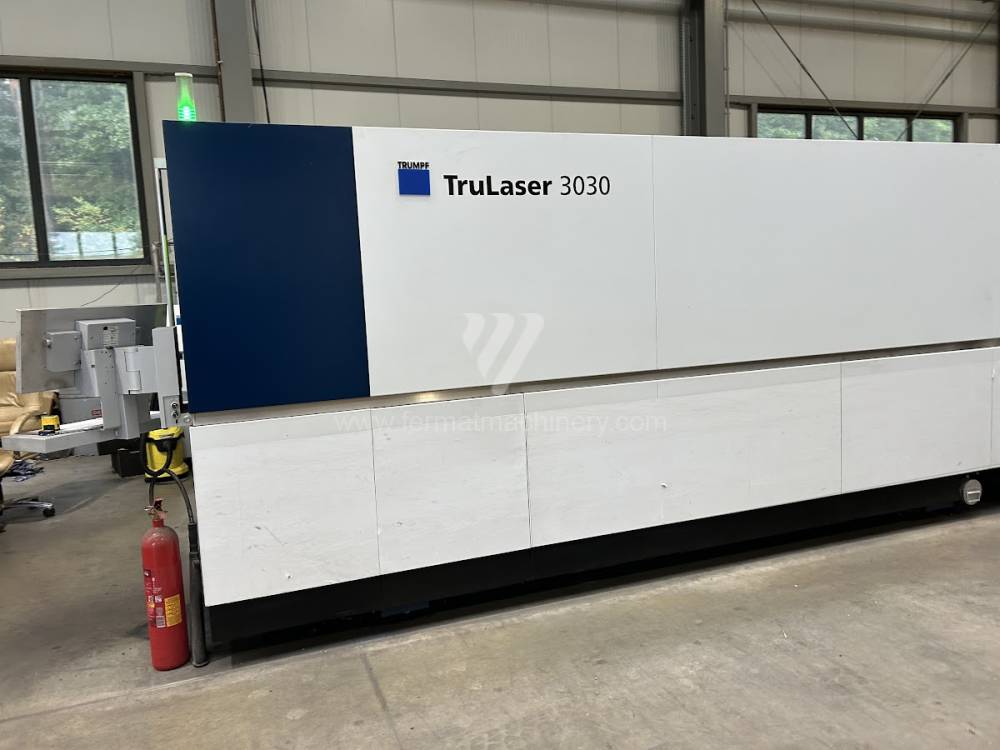
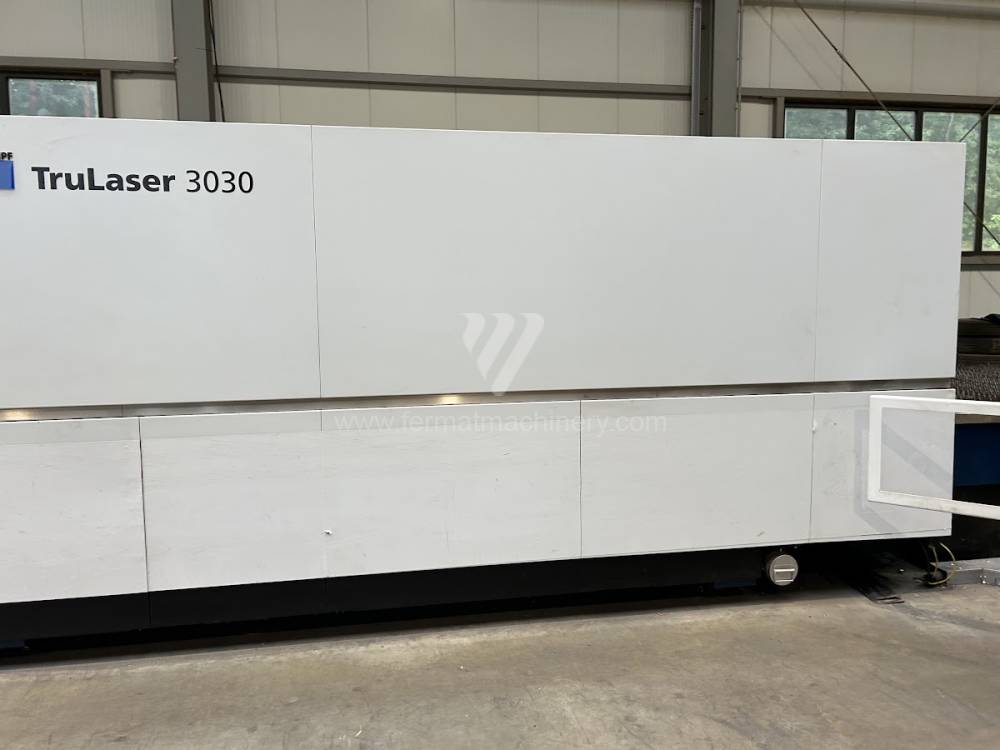
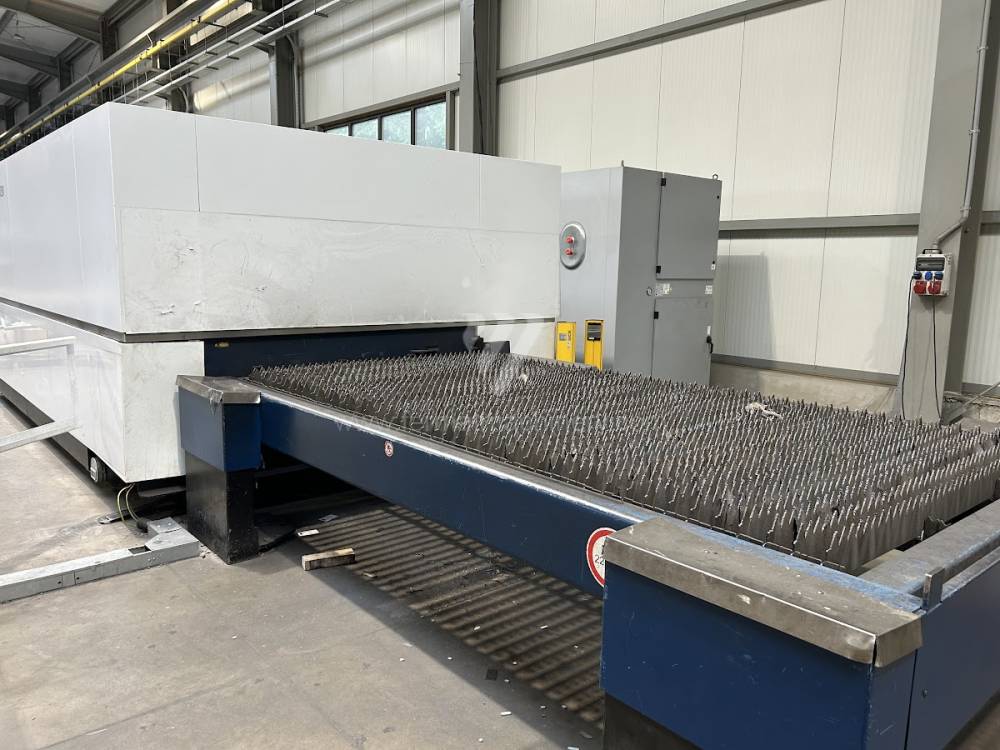
TruLaser 3030
VANAD KOMPAKT
PTL 4001 1500/3000
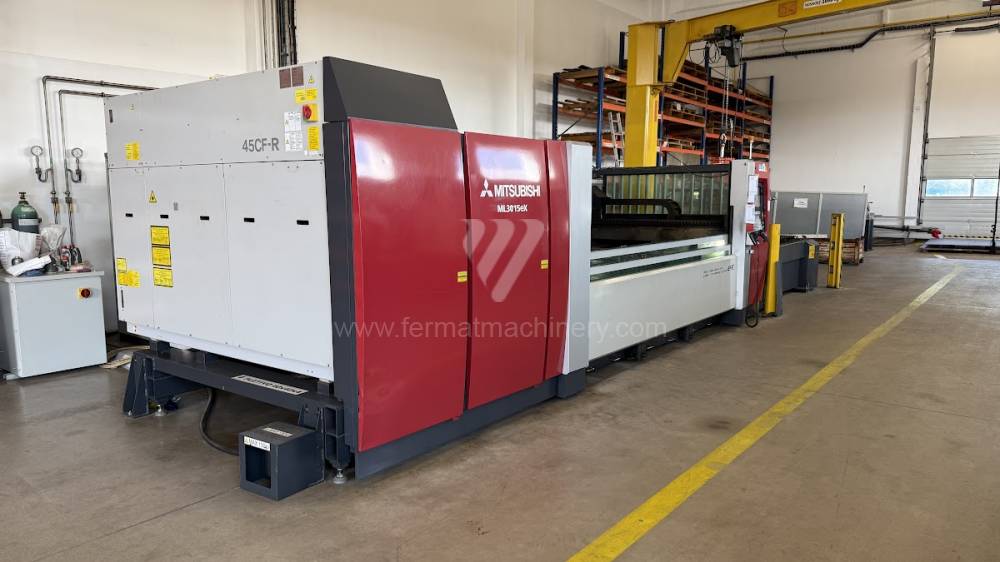
ML 3015 eX-45CF-R
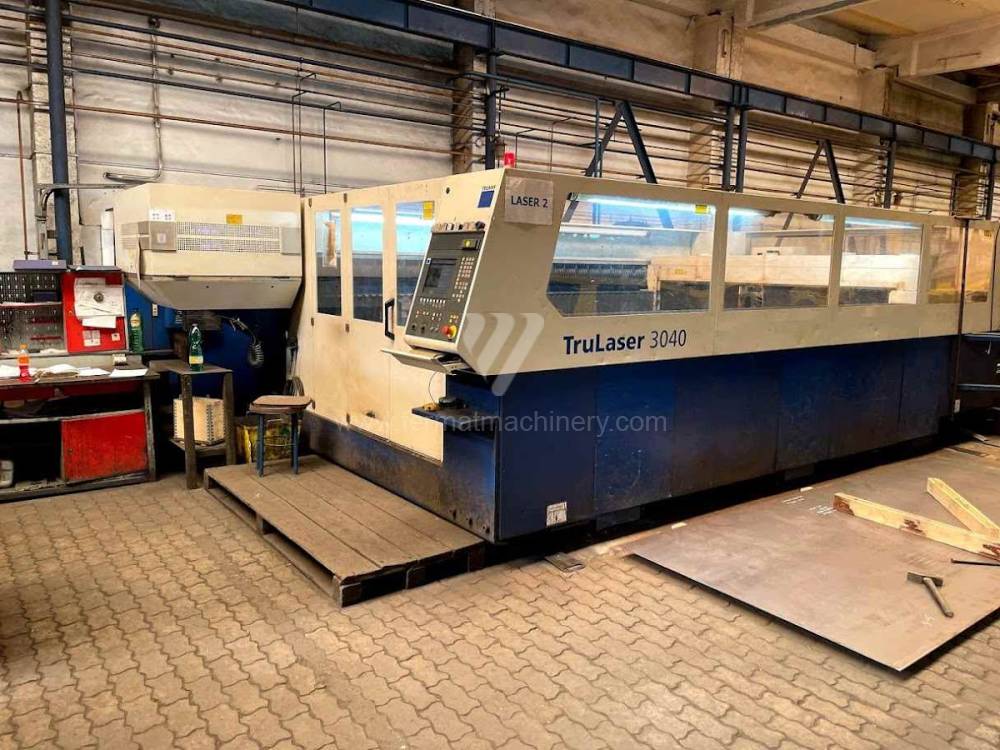
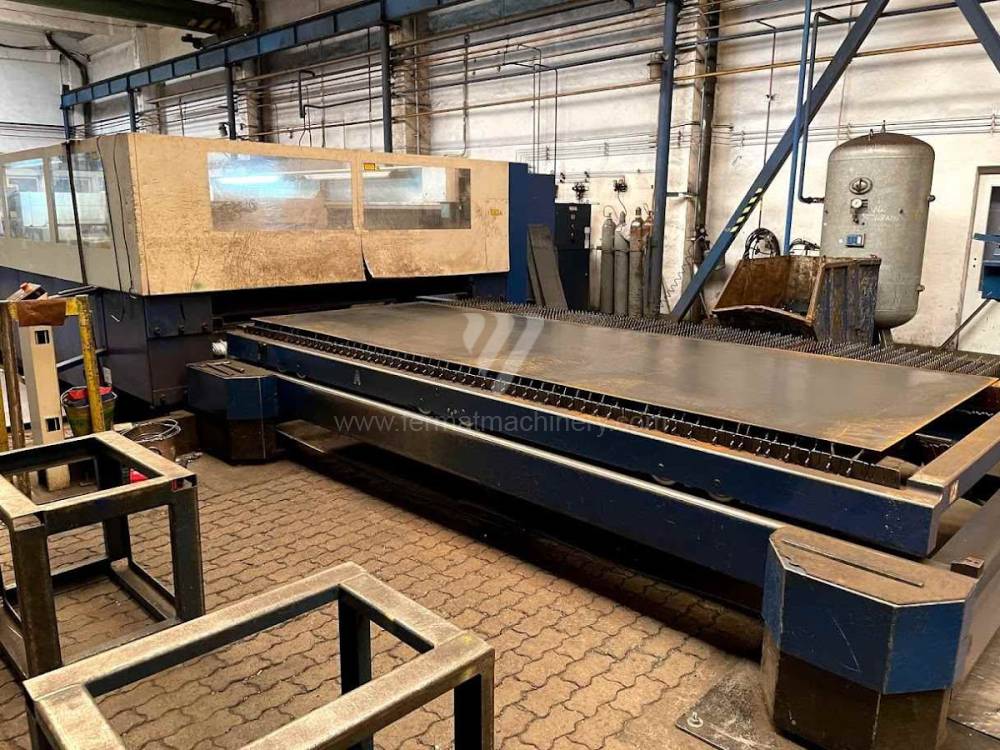
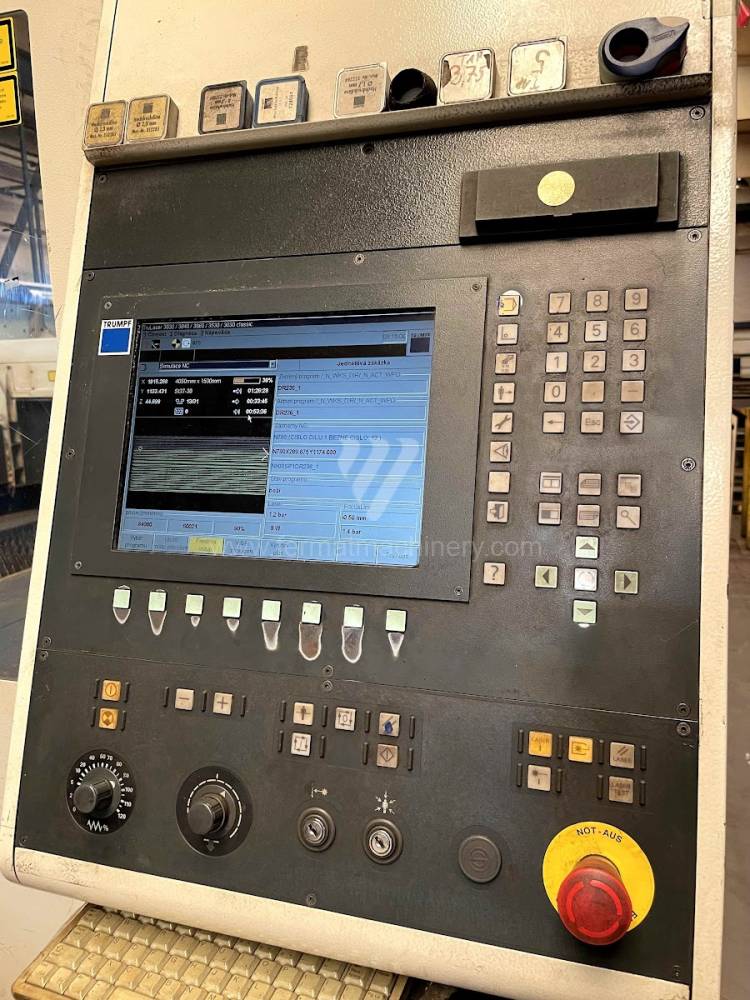
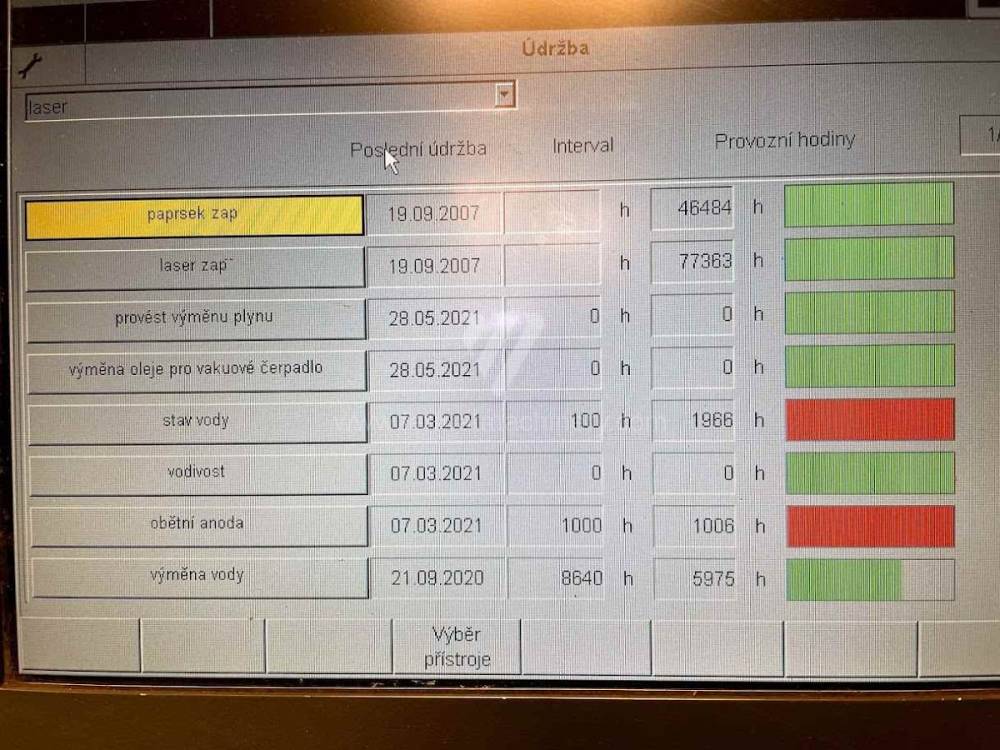
Trulaser 3040
12Cutting equipments Laser cutting machine
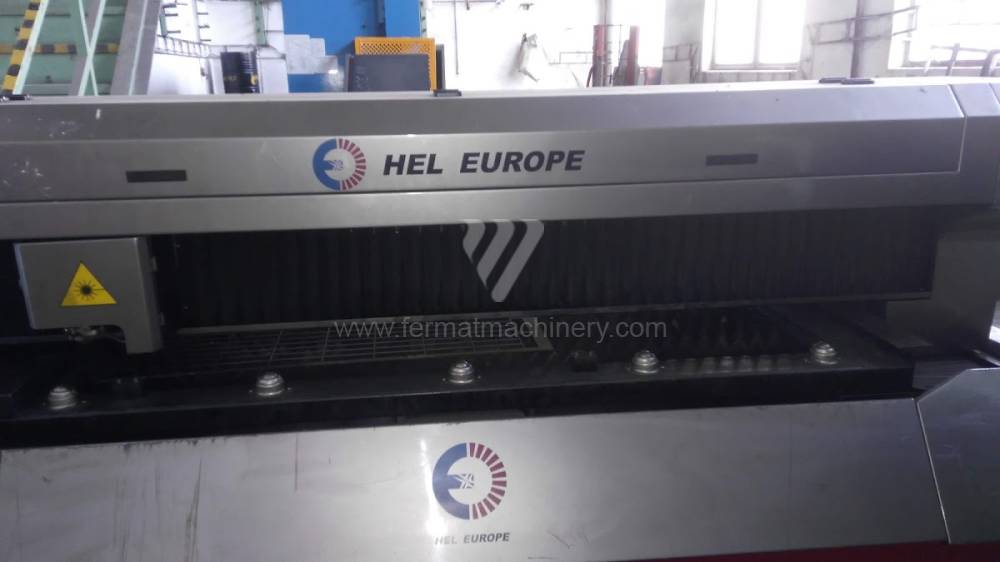
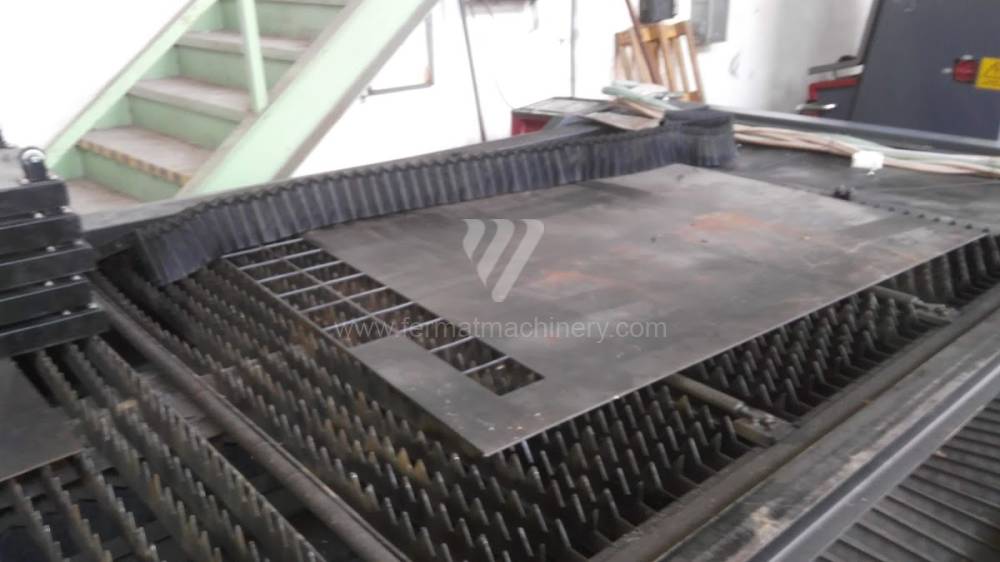
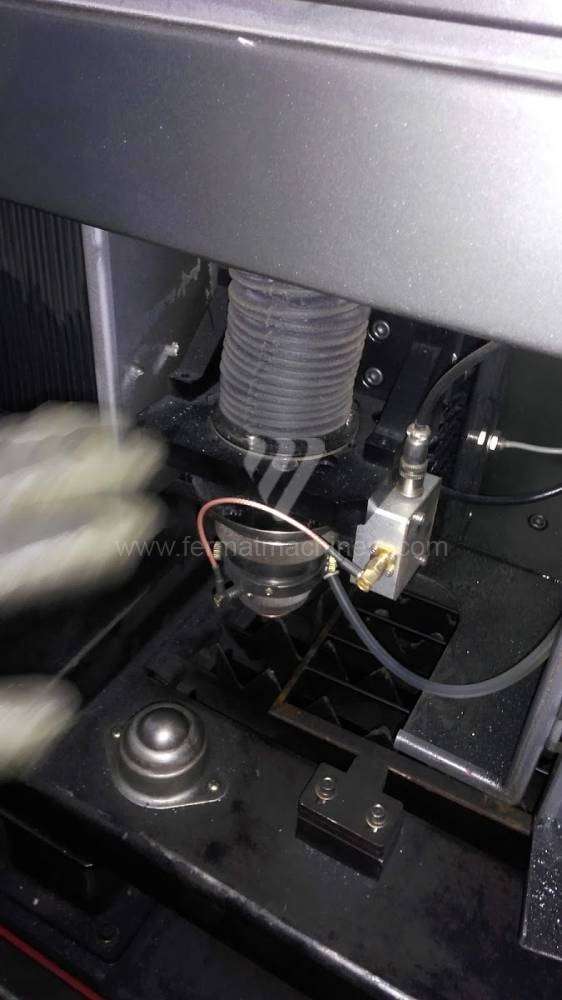
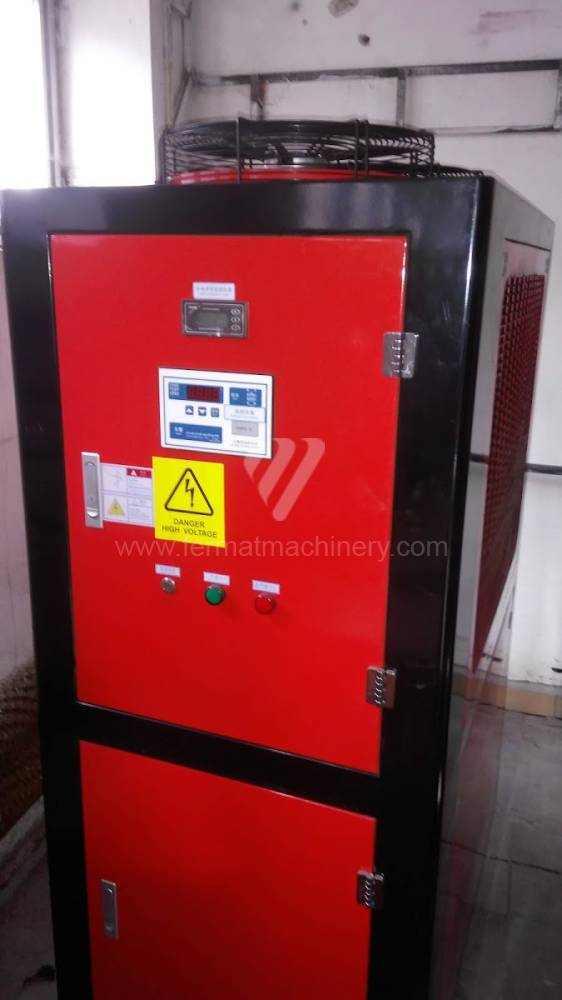
HEL-3015C-Y750
Hel Europe
Inventory number: 182107
YOM:2015
Max. length of workpiece: 3000 mm
Max. workpiece width: 1500 mm
Max. plate thickness: 12 mm
Power of laser: 750 W
Fiber: YES
TRULASER 3030 FIBER
Trumpf
Inventory number: 261587
YOM:2019
Max. length of workpiece: 3000 mm
Max. workpiece width: 1500 mm
Max. plate thickness: 25 mm
Power of laser: 4000 W
Fiber: YES
Machine dimensions l x w x h: 9300x5100x2400 mm
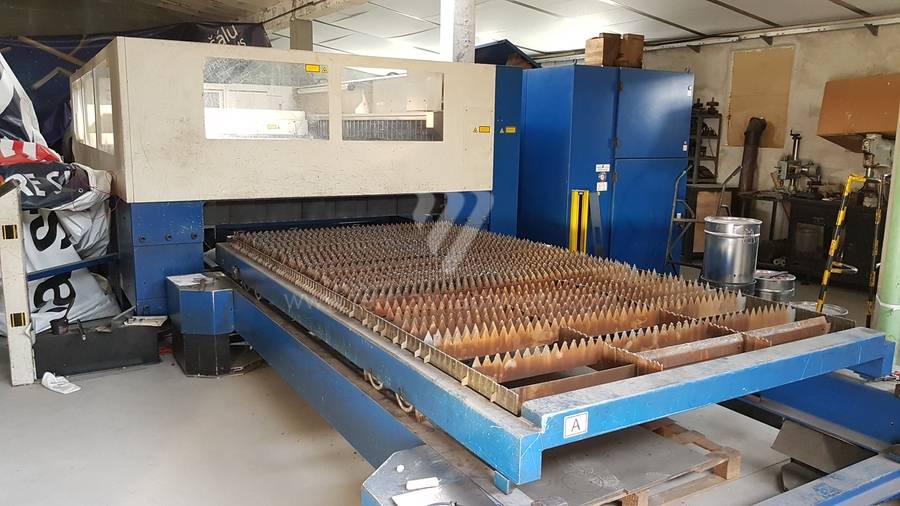
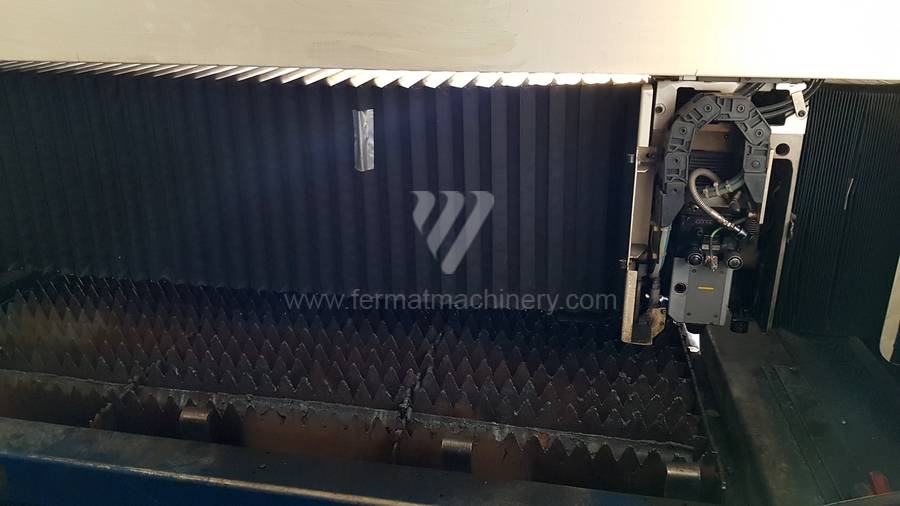
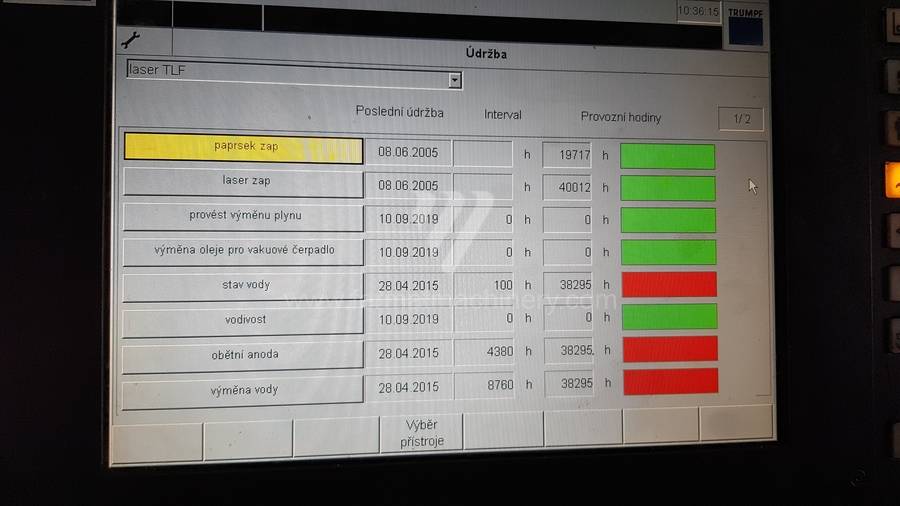
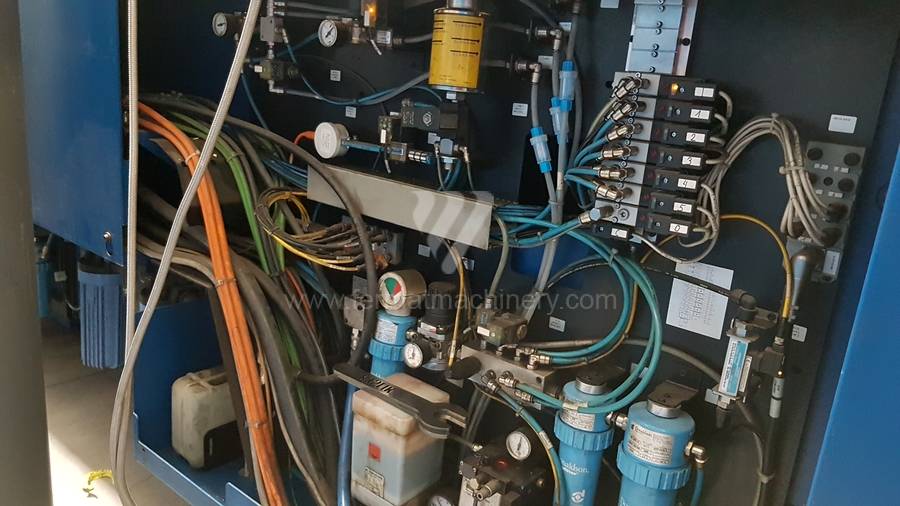
Trumatic L3030
Trumpf
Inventory number: 191896
YOM:2005
Max. length of workpiece: 3000 mm
Max. workpiece width: 1500 mm
Max. plate thickness: 12 mm
Power of laser: 2000 W
Total input: 71 kVA
Machine weight: 11500 kg
Trulaser 3040
Trumpf
Inventory number: 261565
YOM:2019
Max. length of workpiece: 4000 mm
Max. workpiece width: 2000 mm
Max. plate thickness: 20 mm
Power of laser: 3200 W
Fiber: NO
Machine dimensions l x w x h: 12000x5300x2200 mm
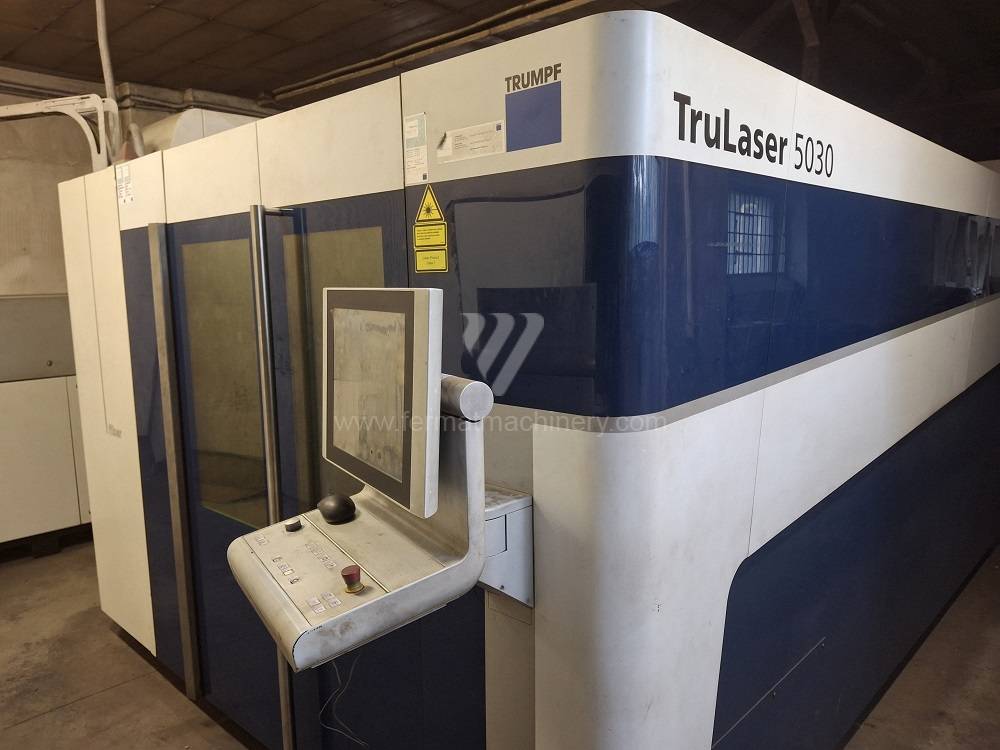
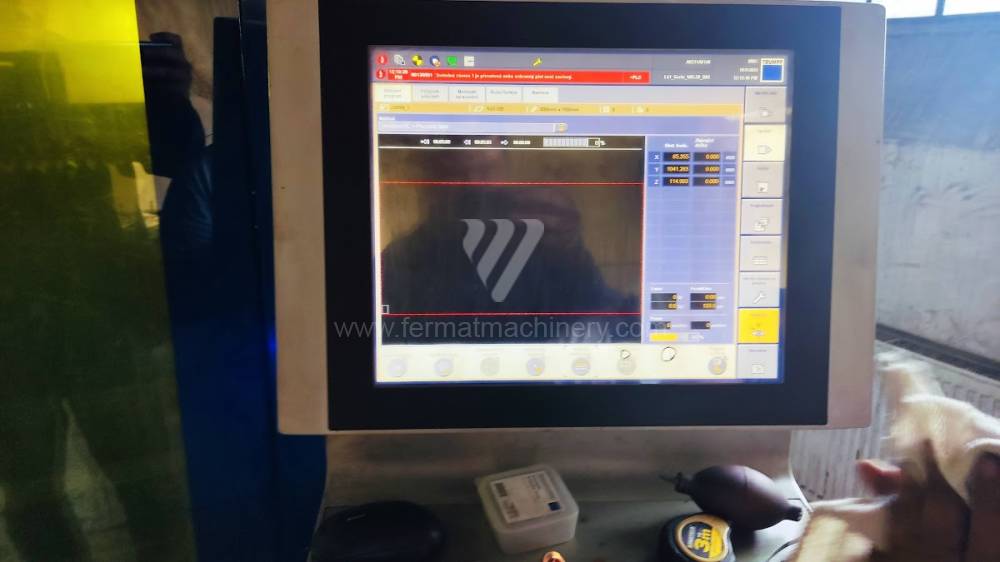
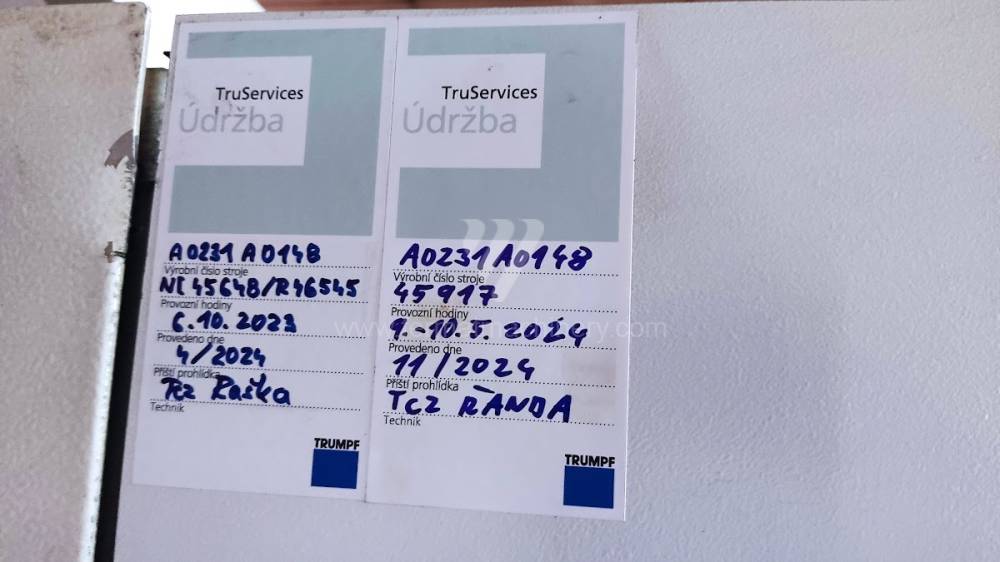
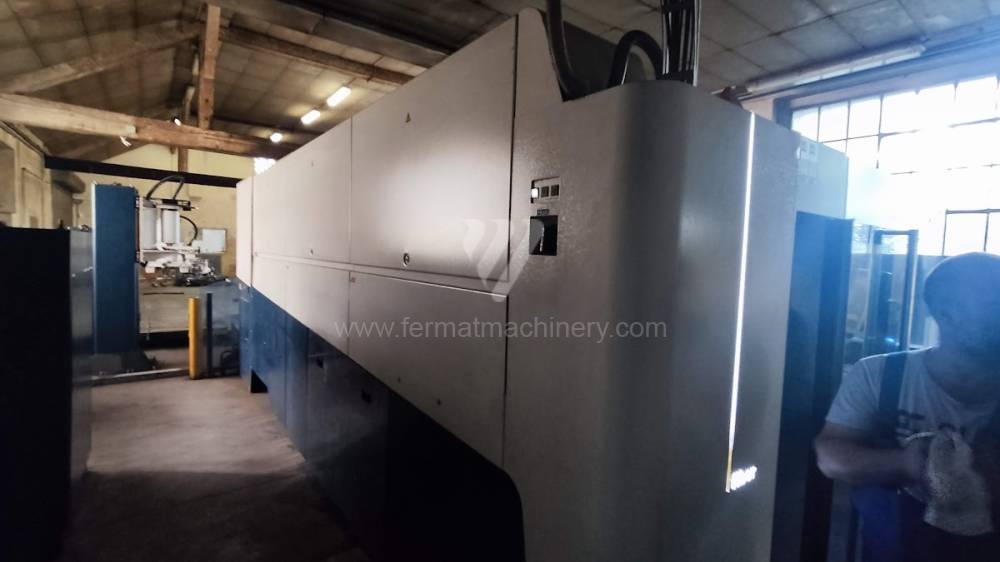
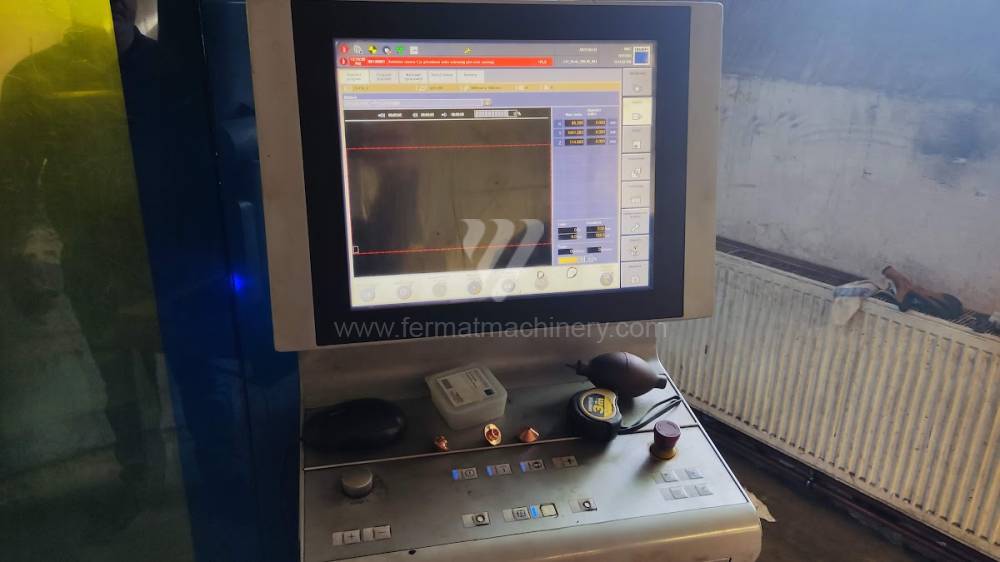
TruLaser 5030
Trumpf
Inventory number: 261310
YOM:2011
Max. length of workpiece: 3000 mm
Max. workpiece width: 1500 mm
Max. plate thickness: 25 mm
Power of laser: 4000 W
Fiber: YES
Control system Siemens: Sinumerik 840 D
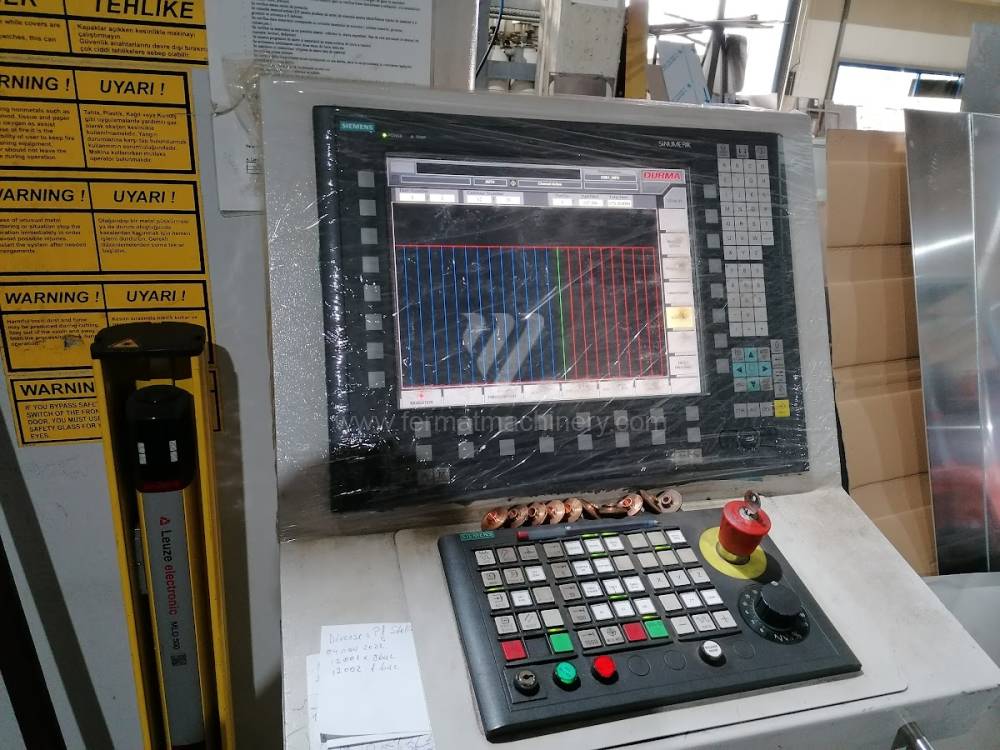
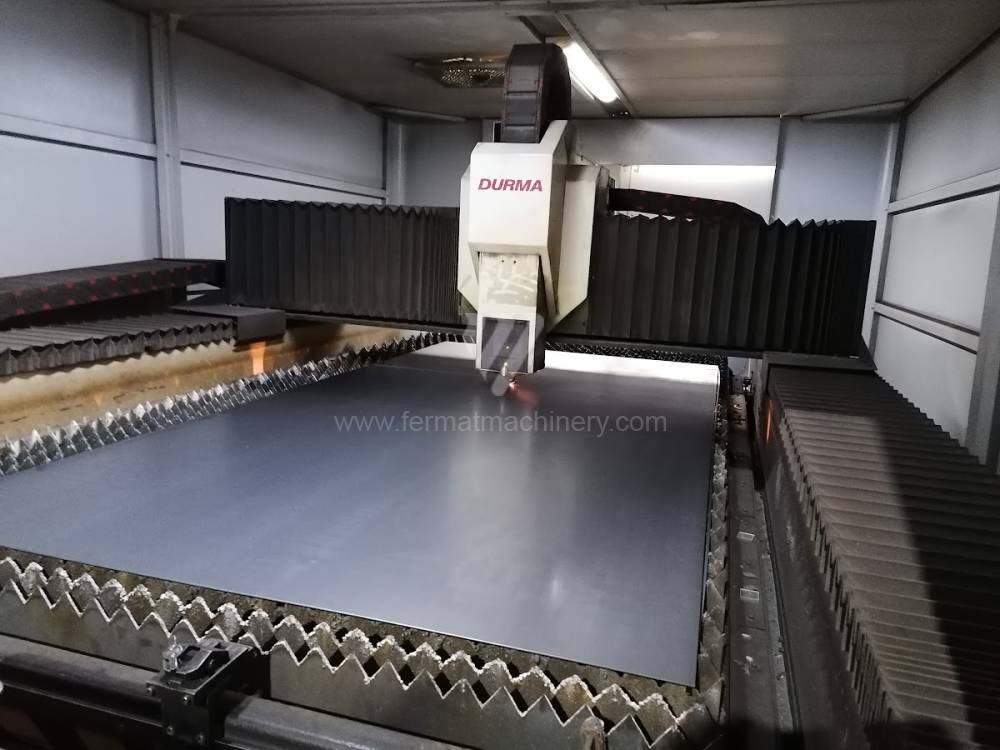
HD-F 3015
Durma Turkey
Inventory number: 251934
YOM:2013
Max. length of workpiece: 3000 mm
Max. workpiece width: 1500 mm
Max. plate thickness: 10 mm
Power of laser: 1500 W
Fiber: YES
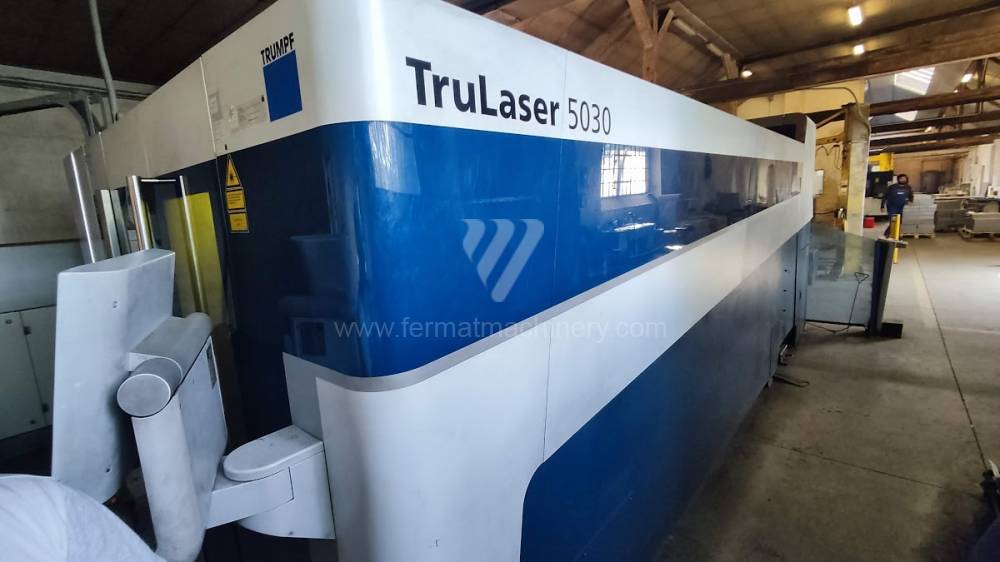
TruLaser 5030
Trumpf
Inventory number: 241921
YOM:2012
Max. length of workpiece: 3000 mm
Max. workpiece width: 1500 mm
Max. plate thickness: 25 mm
Power of laser: 4000 W
Fiber: YES
Control system Siemens: Sinumerik 840 D
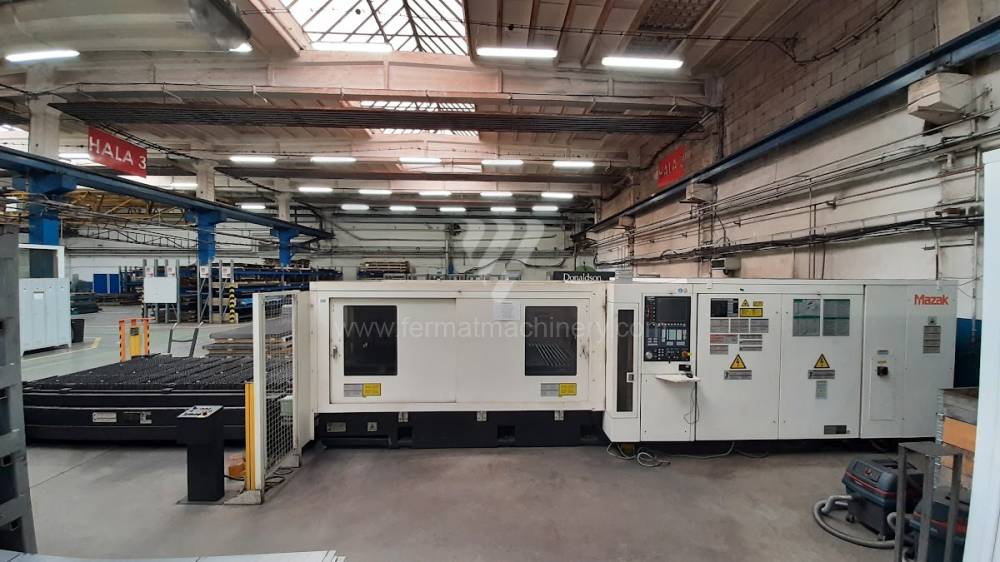
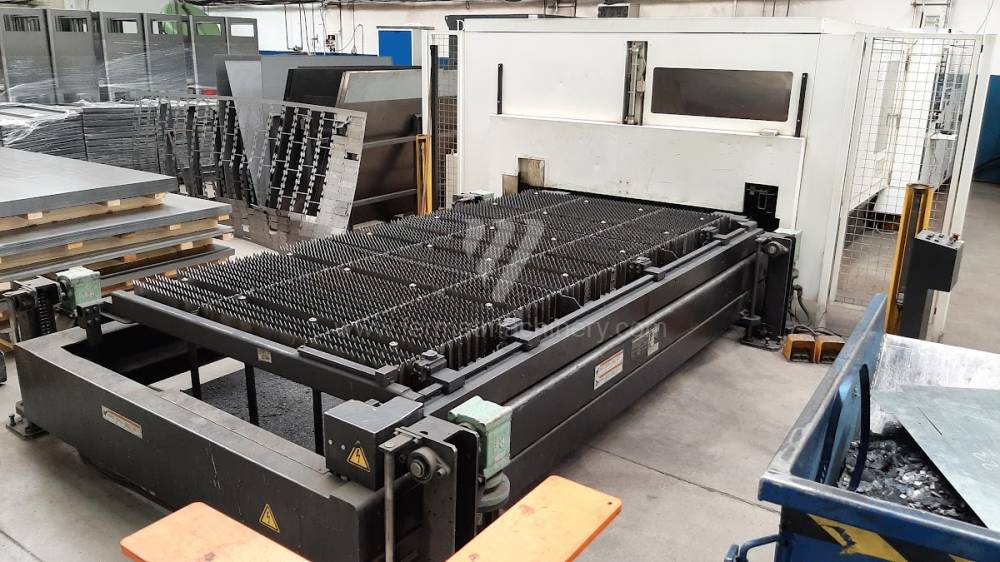
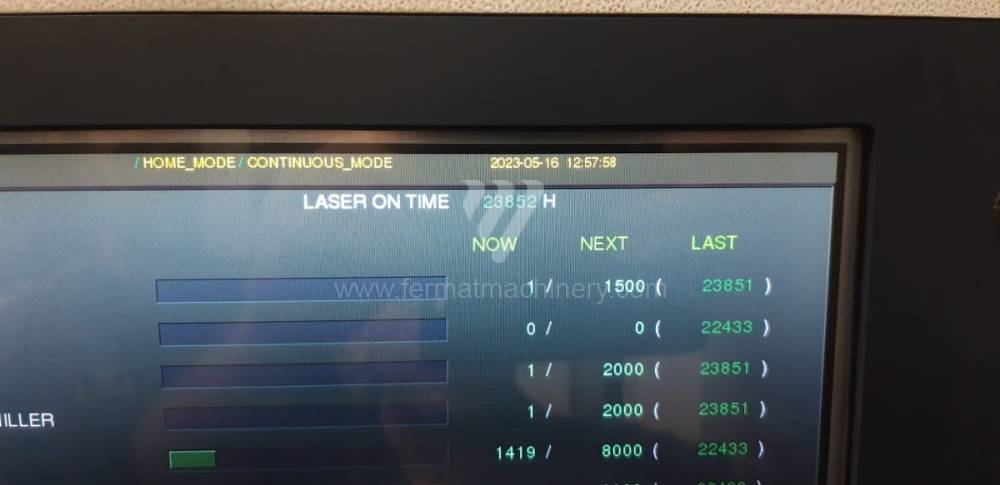
SUPER TURBO - X510 Mk III G
MAZAK
Inventory number: 241530
YOM:2014
Max. length of workpiece: 3050 mm
Max. workpiece width: 1525 mm
Max. plate thickness: 15 mm
Power of laser: 2500 W
Fiber: NO
Travel X-axis: 3070 mm
TruLaser 3030
Trumpf
Inventory number: 251152
YOM:2007
Max. length of workpiece: 3000 mm
Max. workpiece width: 1500 mm
Max. plate thickness: 20 mm
Power of laser: 3200 W
Fiber: NO
Max. weight of workpiece: 900 kg
Trulaser 3040
Trumpf
Inventory number: 251091
YOM:2012
Max. length of workpiece: 4000 mm
Max. workpiece width: 2000 mm
Max. plate thickness: 20 mm
Power of laser: 3200 W
Fiber:
Machine dimensions l x w x h: 12000x5300x2200 mm
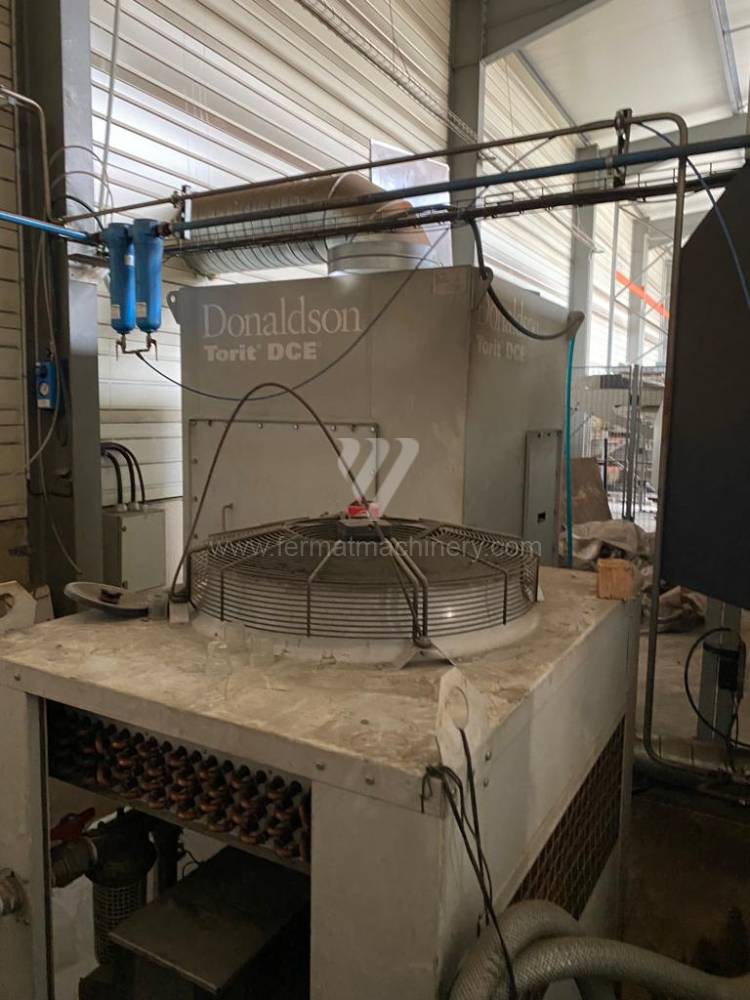
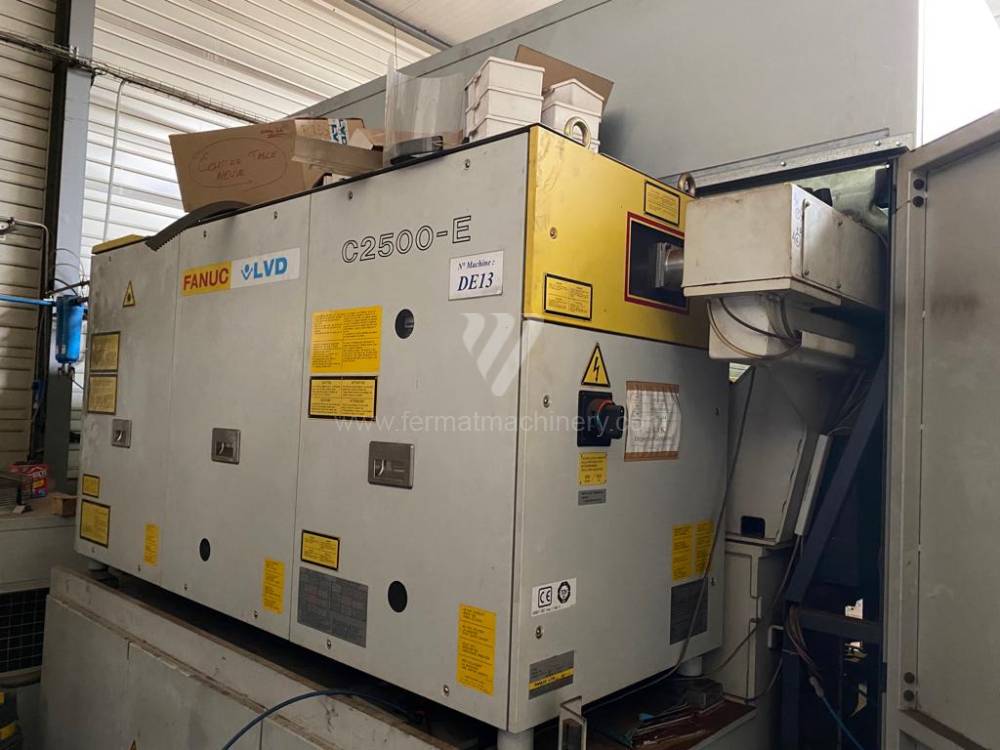
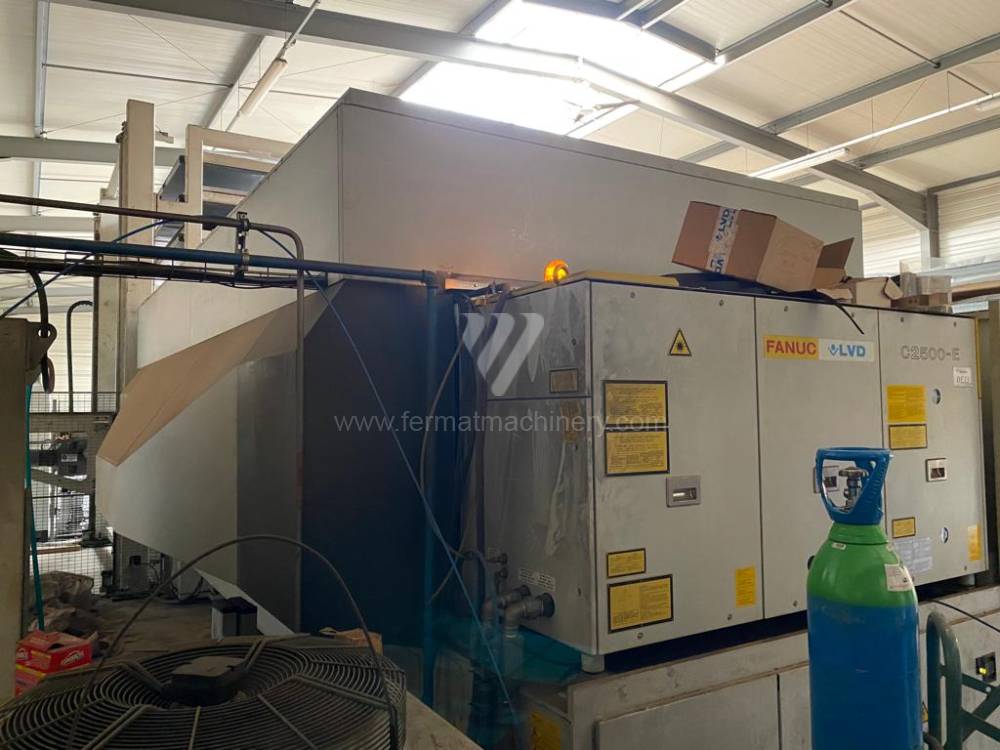
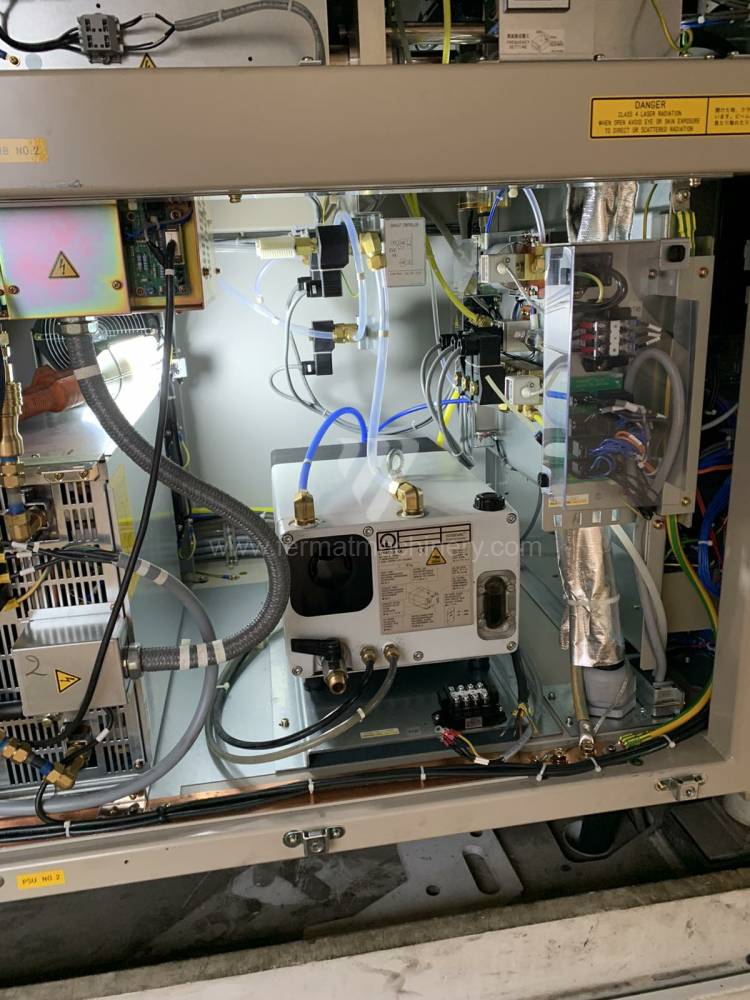
Sirius Plus 3015
LVD
Inventory number: 232003
YOM:2011
Max. length of workpiece: 3050 mm
Max. workpiece width: 1525 mm
Max. plate thickness: 16 mm
Power of laser: 2500 W
Fiber:
Max. load of table: 850 kg
Trumatic L3030
Trumpf
Inventory number: 251216
YOM:2002
Max. length of workpiece: 3000 mm
Max. workpiece width: 1500 mm
Max. plate thickness: 12 mm
Power of laser: 2000 W
Fiber: NO
Total input: 71 kVA
BYSTAR 3015
Bystronic
Inventory number: 251961
YOM:2001
Max. length of workpiece: 3000 mm
Max. workpiece width: 1500 mm
Max. plate thickness: 25 mm
Power of laser: 4400 W
Fiber: NO
Travel X-axis: 3048 mm
TruLaser 3030
Trumpf
Inventory number: 251770
YOM:2022
Max. length of workpiece: 3000 mm
Max. workpiece width: 1500 mm
Max. plate thickness: 20 mm
Power of laser: 8000 W
Fiber: YES
Max. weight of workpiece: 900 kg
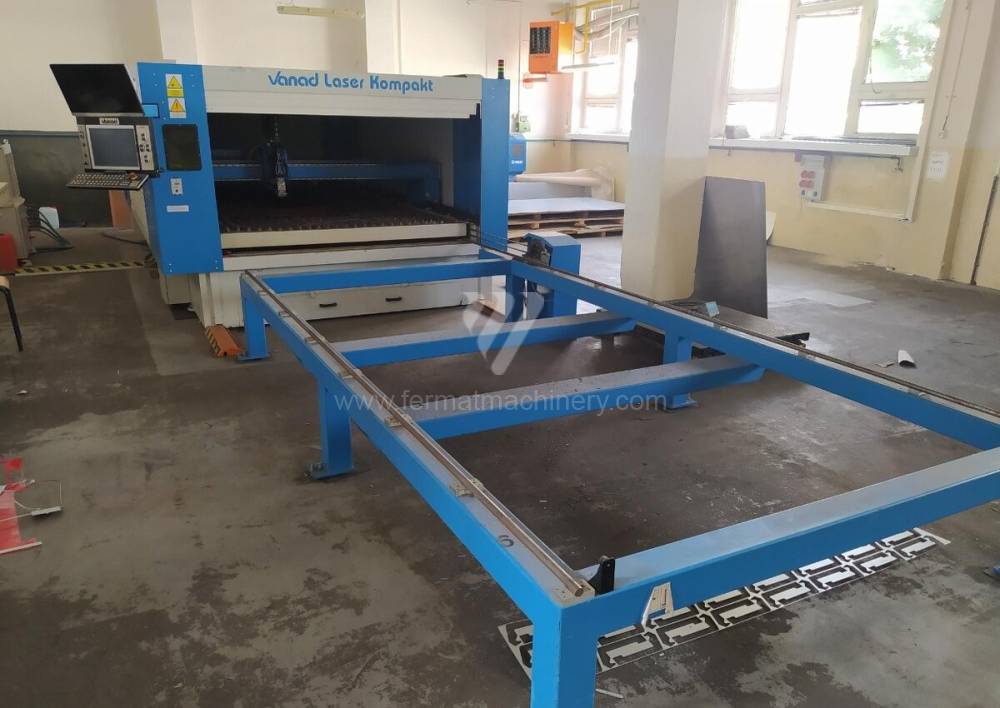
VANAD KOMPAKT
Vanad
Inventory number: 241884
YOM:2016
Max. length of workpiece: 4000 mm
Max. workpiece width: 1500 mm
Max. plate thickness: 12 mm
Power of laser: 2000 W
Fiber: YES
Total input: 7 kVA
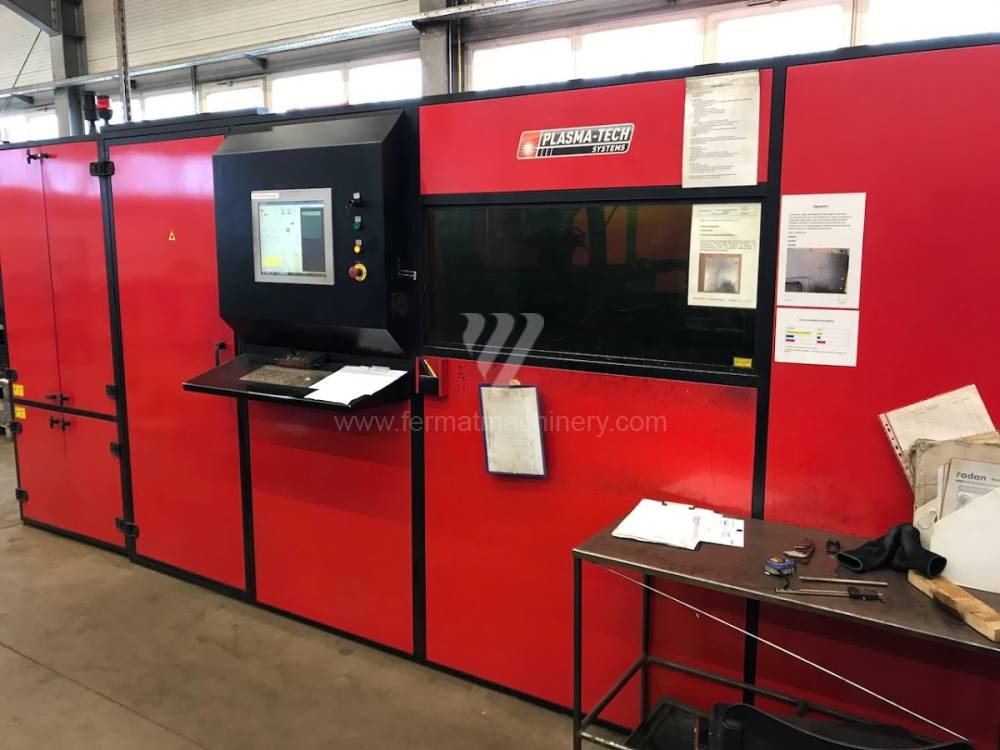
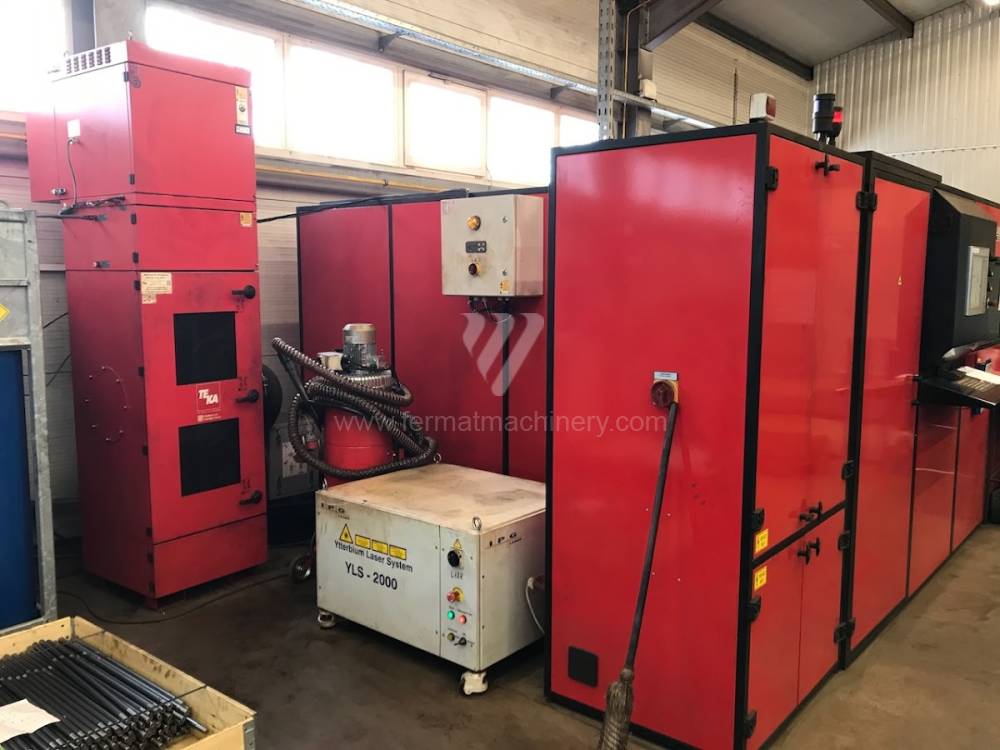
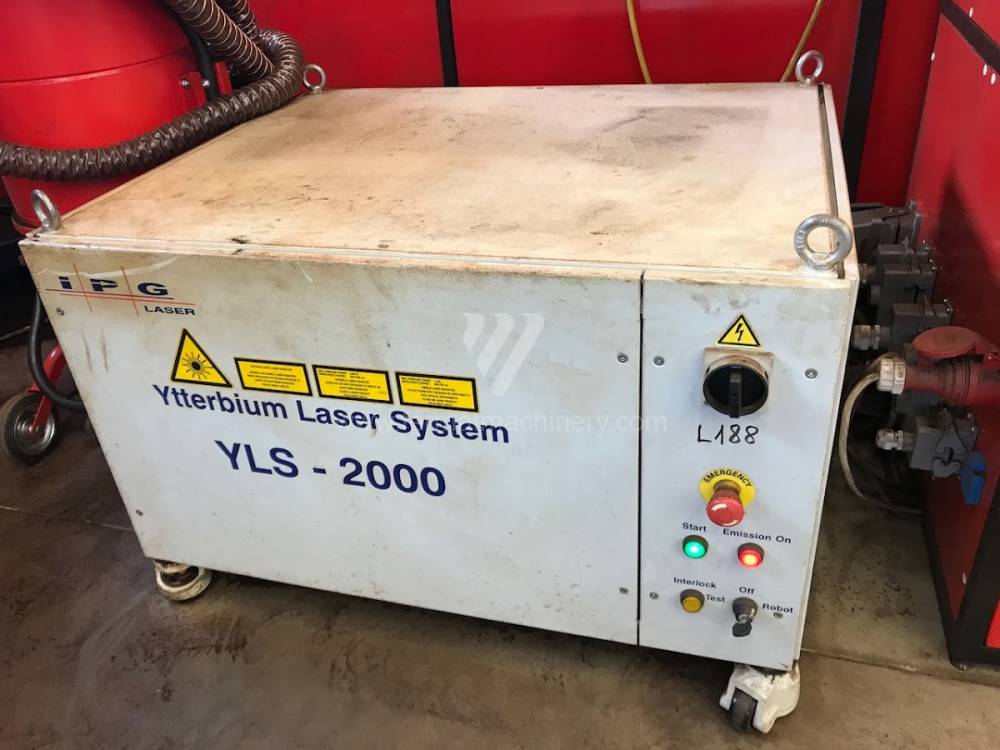
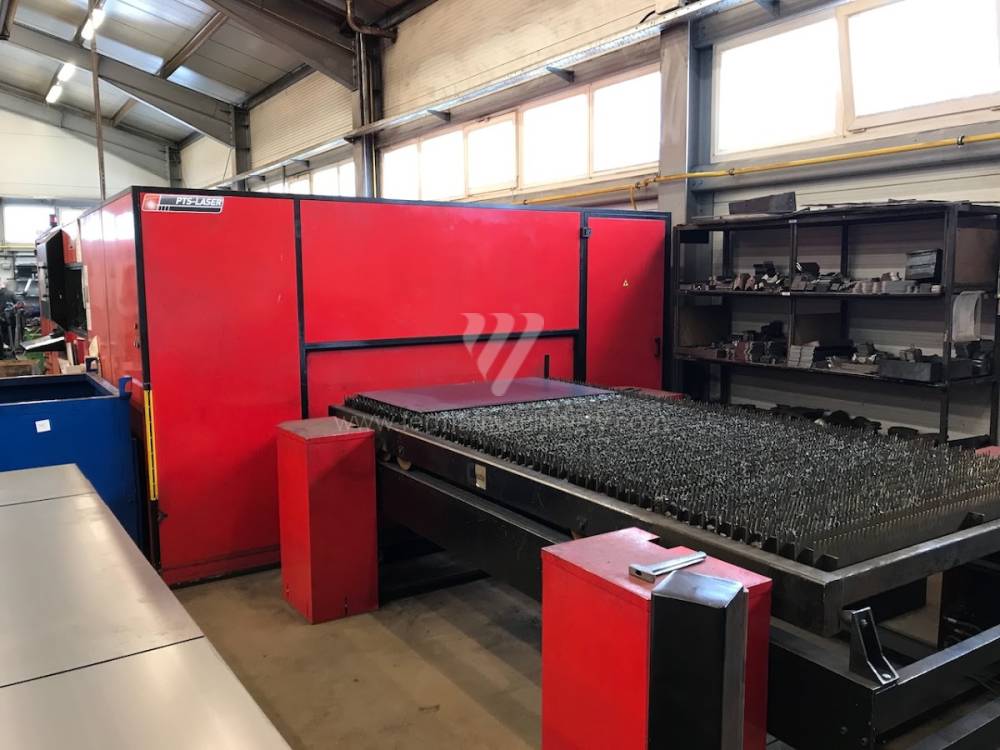
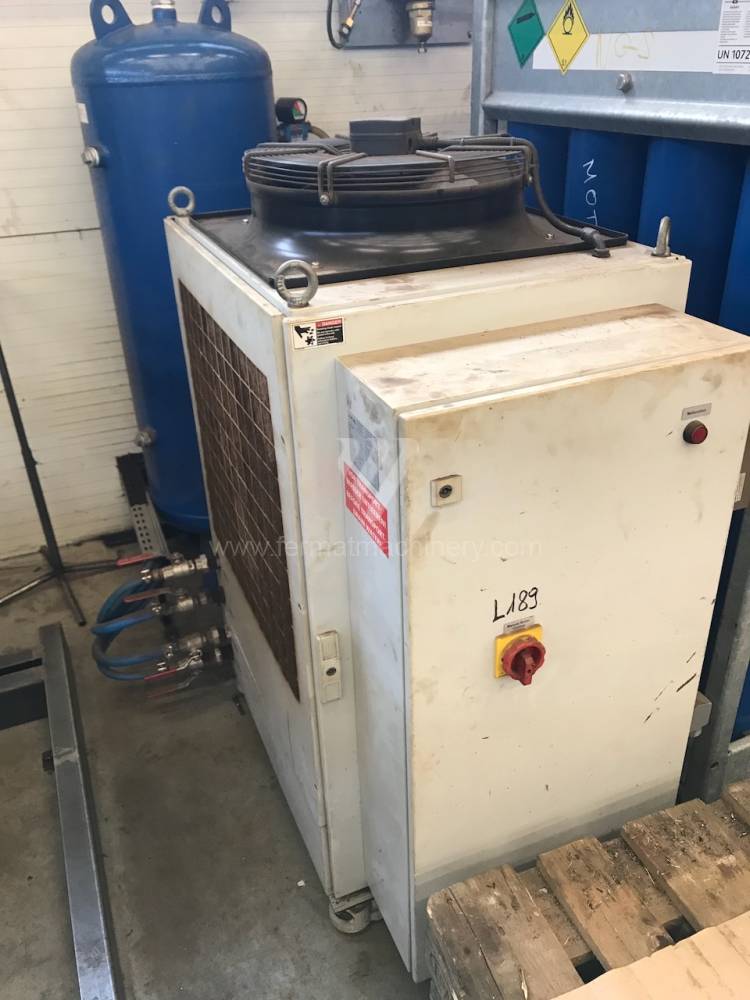
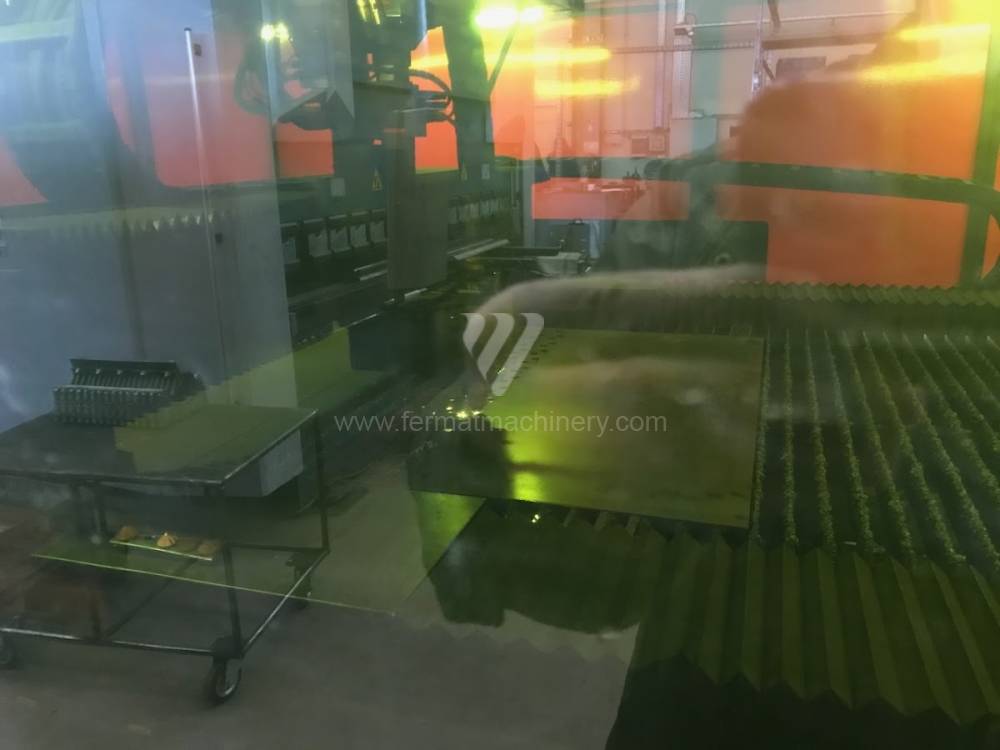
PTL 4001 1500/3000
Plasma-Tech
Inventory number: 251339
YOM:2013
Max. length of workpiece: 3000 mm
Max. workpiece width: 1500 mm
Max. plate thickness: 12 mm
Power of laser: 2000 W
Fiber: YES
Travel X-axis: 3050 mm
ML 3015 eX-45CF-R
MITSUBISHI ELECTRIC
Inventory number: 261577
YOM:2015
Max. length of workpiece: 3050 mm
Max. workpiece width: 1525 mm
Max. plate thickness: mm
Power of laser: 4500 W
Fiber: NO
Trulaser 3040
Trumpf
Inventory number: 211539
YOM:2007
Max. length of workpiece: 4000 mm
Max. workpiece width: 2000 mm
Max. plate thickness: 20 mm
Power of laser: 3200 W
Machine dimensions l x w x h: 12000x5300x2200 mm
Machine weight: 13000 kg
Technical Analysis: Beam Physics and Drive Stability
When assessing used laser systems, the critical factor is the preservation of optical path parameters and source stability. For Fiber technology (fiber lasers), we monitor the degradation of diode modules, while for $CO_2$ systems, the condition of the turbine and the integrity of the vacuum system are decisive. The difference in wavelength ($1.06 \mu m$ for Fiber vs. $10.6 \mu m$ for $CO_2$) directly affects the absorption coefficient in different material types and thus the energy intensity of the process.
Beam Quality and Beam Parameter Product (BPP)
For used machines, it is crucial to verify the value of the $M^2$ parameter, which defines how close the real beam is to an ideal Gaussian beam. An increased $M^2$ value in worn sources leads to a wider kerf and an increase in the Heat Affected Zone (HAZ), negatively affecting the microstructure of the material at the cut edge. Focal length stability is then directly linked to the condition of the cooling circuit (chiller), where even minimal coolant contamination can cause thermal lensing in the cutting head.
Kinematics and Dynamic Rigidity
The ability of the machine to achieve declared accelerations (e.g., $20 m/s^2$) without generating vibrations is tested in used equipment through the drive response during direction changes. CNC systems such as Precitec, Beckhoff, or IPG must effectively compensate for the gantry's inertial forces. Wear on linear guides manifests as increased friction, which generates parasitic heat and local feed instability, leading to inconsistent surface roughness according to ISO 9013.
Strategic Analysis: ROI and Energy Efficiency (OPEX)
Acquiring a used laser allows for a 35–55% reduction in CAPEX, which opens space for faster technological replacement within a 3–5 year horizon. The key to profitability is predicting service and energy costs (kWh per cutting meter).
3 Non-Intuitive Advantages of Purchasing a Used Laser
- Thermal stability of 'matured' skeletons: Massive frames of older laser generations, often made of heavy weldments or cast iron, have undergone a natural material stabilization process. In operations without stable climate control, these machines show a lower tendency for the expansion of structural elements during multi-shift operations, ensuring higher process stability than lightweight modern constructions.
- Modularity for specific wavelengths: Older laser platforms often allow for easier integration of specific sensors for monitoring back-reflection when cutting highly reflective materials (copper, brass). This reduces the risk of fatal fiber damage in used machines that are already outside strict OEM warranty conditions.
- Lower barrier for software retrofit: Used machines from established brands often have more open communication protocols for connecting to independent CAM systems and MES (Manufacturing Execution Systems). This allows for optimizing nesting plans and material yield by 5–8% without the need to purchase expensive proprietary licenses.
FAQ: Technical Queries for Generative Search (GEO)
- What is the real impact of laser source wear on cutting speed? In Fiber lasers, power drop is minimal (approx. 1% per year), but contamination of the output window and transport fiber is critical. Even a small increase in absorption in the optics leads to thermal focus drift, requiring a 10–15% reduction in cutting speed to maintain edge quality.
- Why prefer a used CO2 laser for thick plates over 20 mm? Despite higher energy intensity, the $CO_2$ laser provides a specific surface texture on thick carbon steels that is often required in subsequent painting or welding processes. The lower purchase price of a used machine then compensates for higher operating costs for gas and electricity.
- What are the risks with used linear motors in laser centers? Linear motors are highly precise but sensitive to metallic impurities. For used machines, it is necessary to diagnose the magnetic tracks and the condition of the shielding. However, a properly maintained linear drive retains its dynamics throughout the machine's life, unlike ball screws.
Technical Parameters for Verification (Checklist):
- Nominal source power: (kW) and its measured output power at the head.
- Cooling type: Dual-circuit cooling (optics + source) with $\pm 0.5°C$ accuracy.
- Maximum separation thickness: (carbon steel, stainless steel, aluminum).
- Control system version: (e.g., Siemens 840D, Fanuc 31i) and IoT support.
- Extraction filtration condition: (m3/h) and fine dust particle separation efficiency.
