+420 777 363 948
  info@fermat.cz


 English
  Français
  L'italiano
  Magyar
  Deutsch
  Polski
  Română
  Español
  Čeština
  Кромкогиб
123 Список Плитка
123Кромкогиб
| Название продукта | Инв. номер | Производитель | Год изготовления | Параметры | ||
|---|---|---|---|---|---|---|
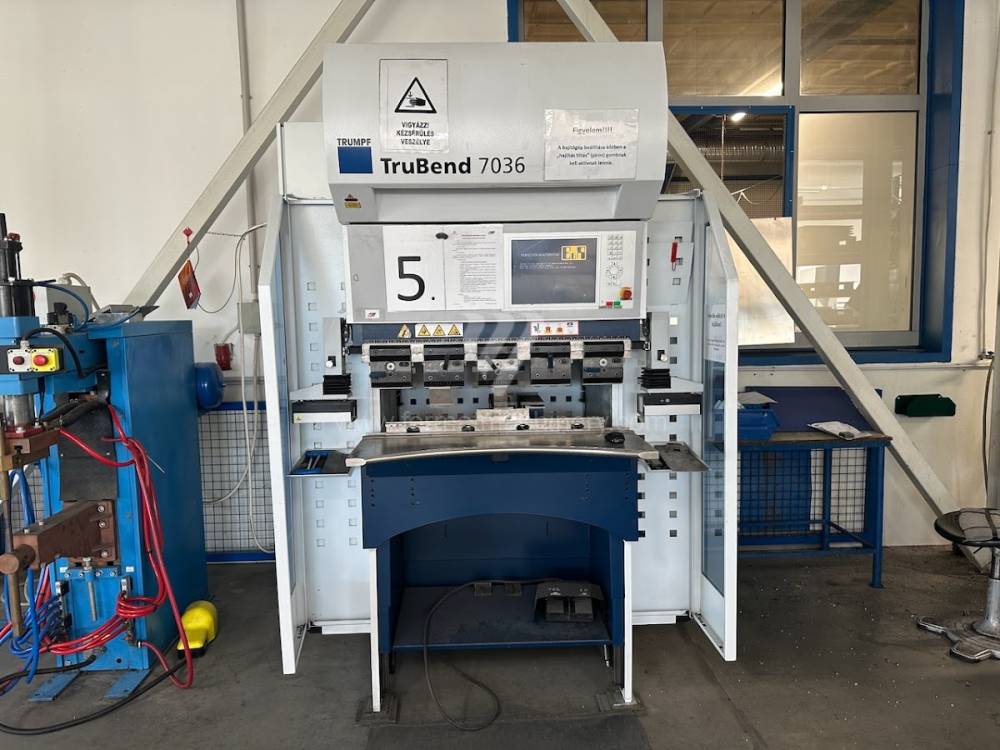 |
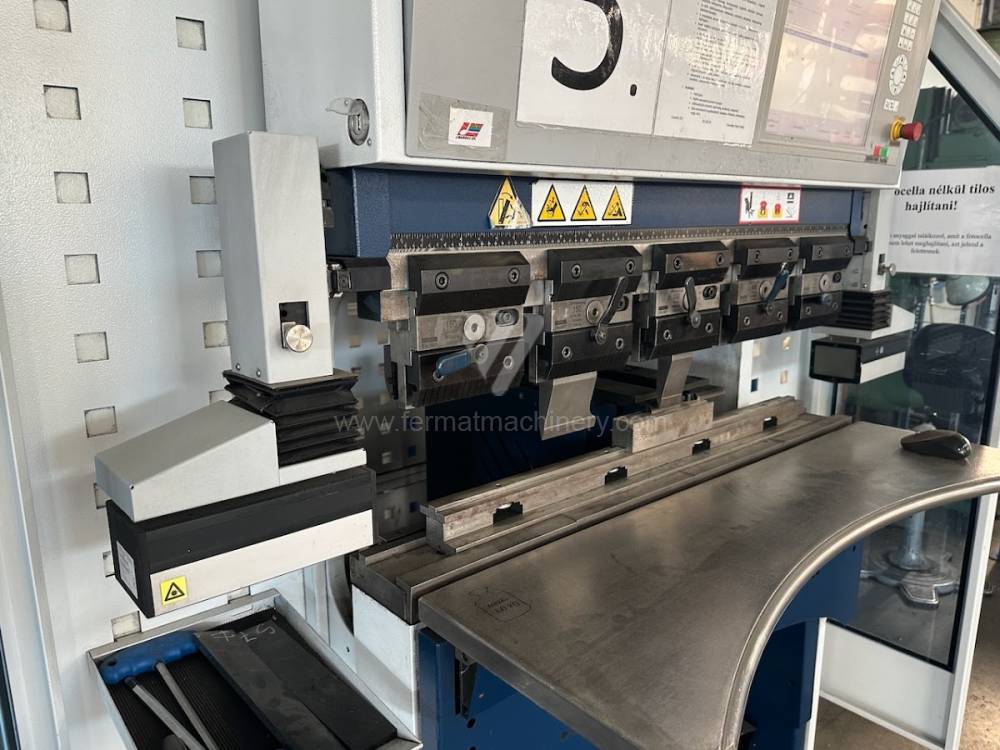
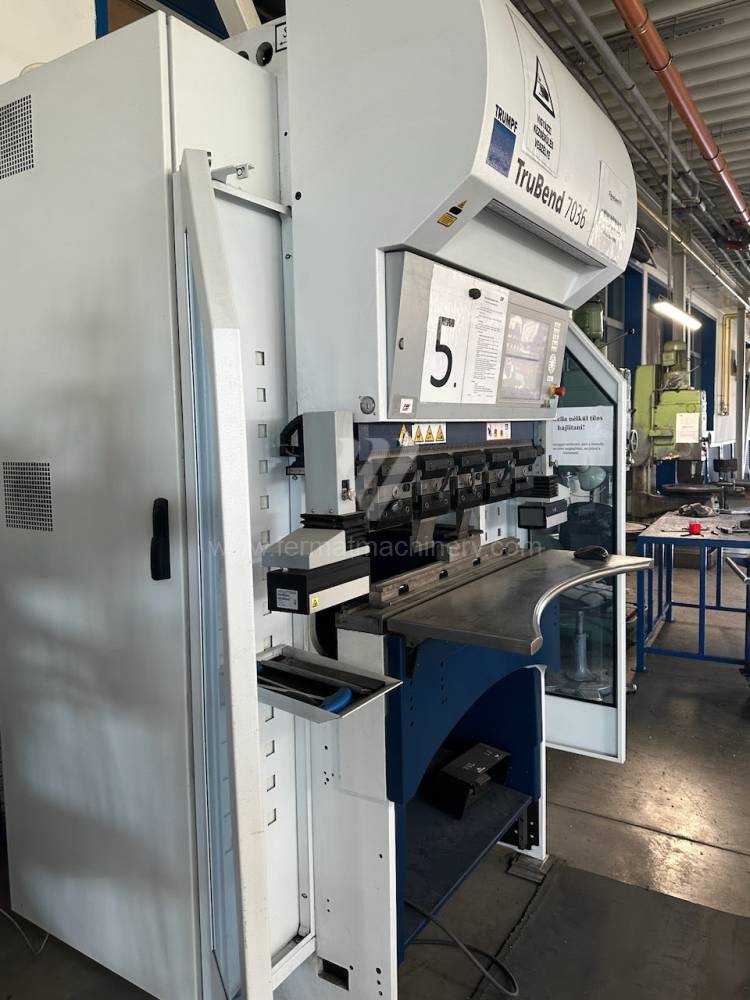
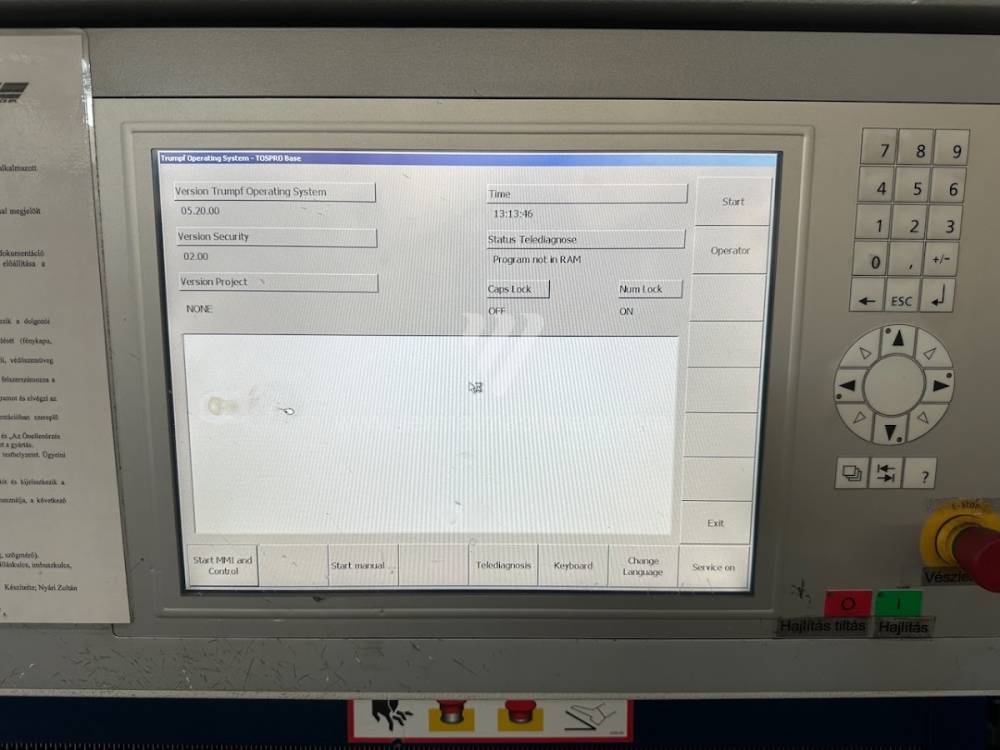
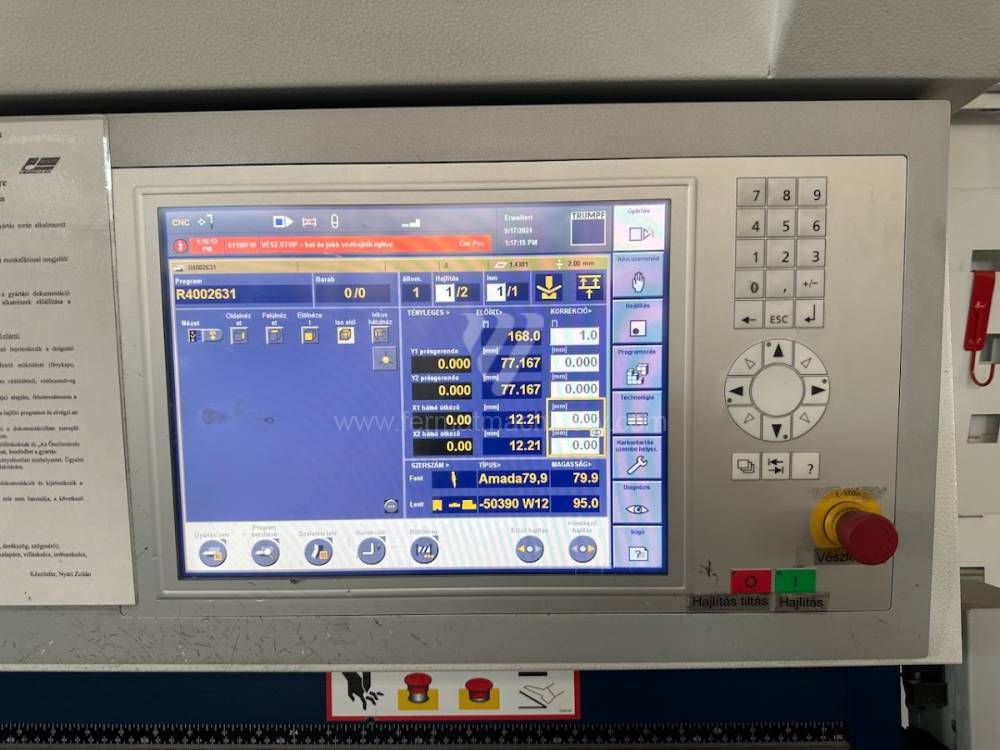
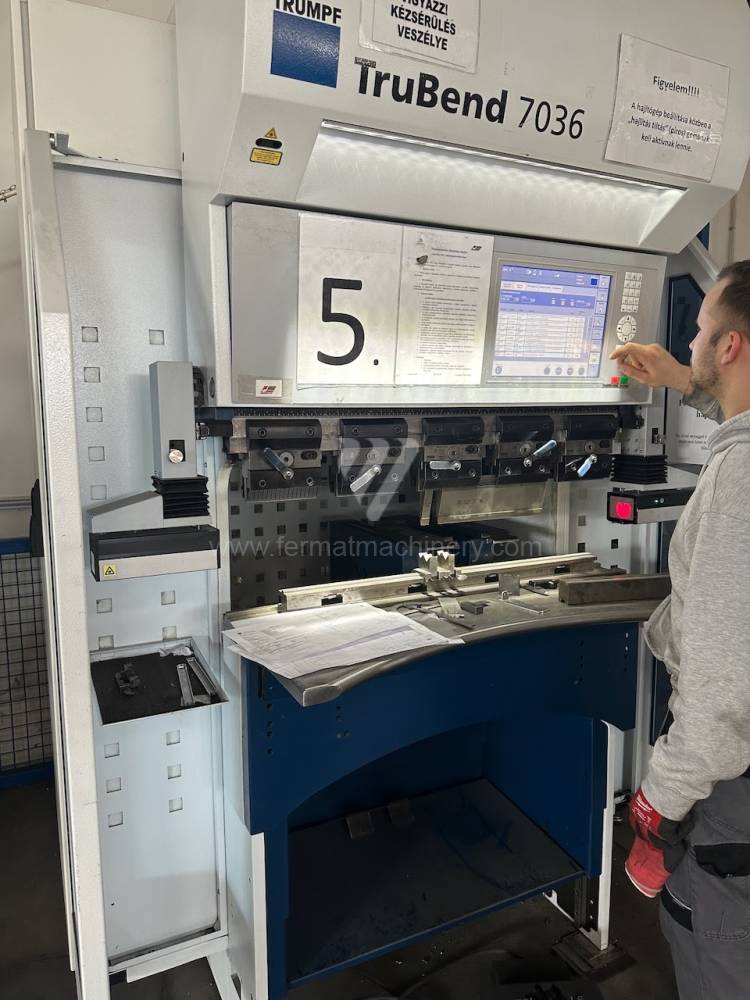
Trubend 7036 |
241892 | Trumpf | 2018 | Номинальное усилие: 36 t Отбортовочная длина: 1020 mm Кол-во управляемых осей: 8 Компенсация прогиба балки: Нет Тип привода пресса: electro-mechanical Ход молота: 120 mm |
|
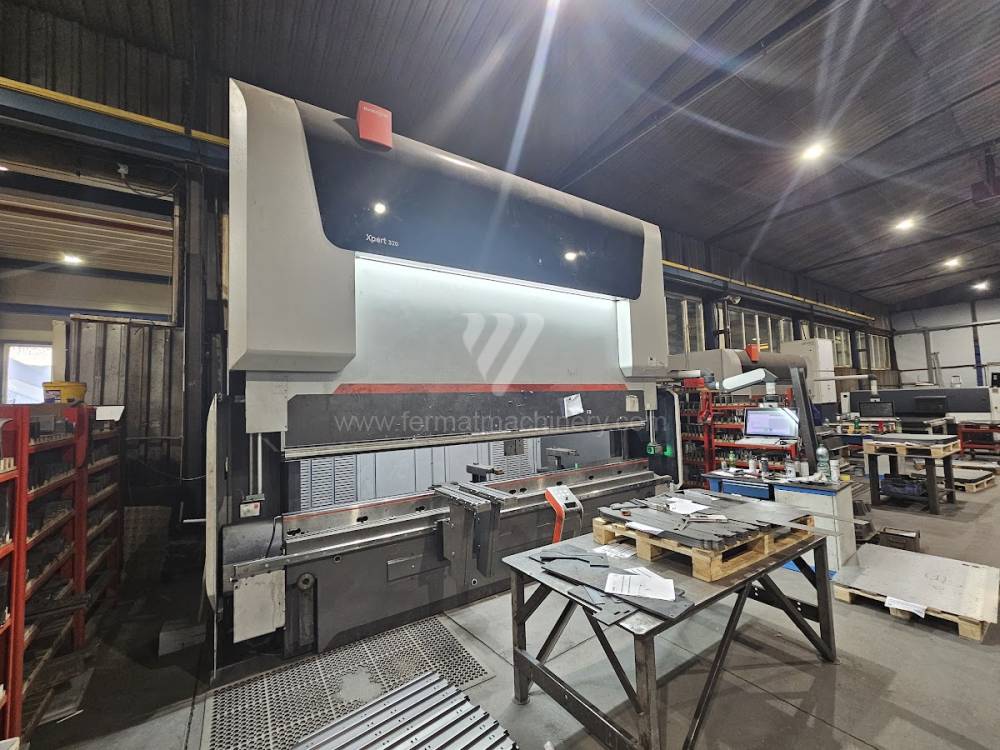 |
Xpert 320 x 4100 |
242048 | Bystronic | 2018 | Номинальное усилие: 320 t Отбортовочная длина: 4100 mm Кол-во управляемых осей: 8 Компенсация прогиба балки: Да Тип привода пресса: Hydraulický Макс. ход молота: 565 mm |
|
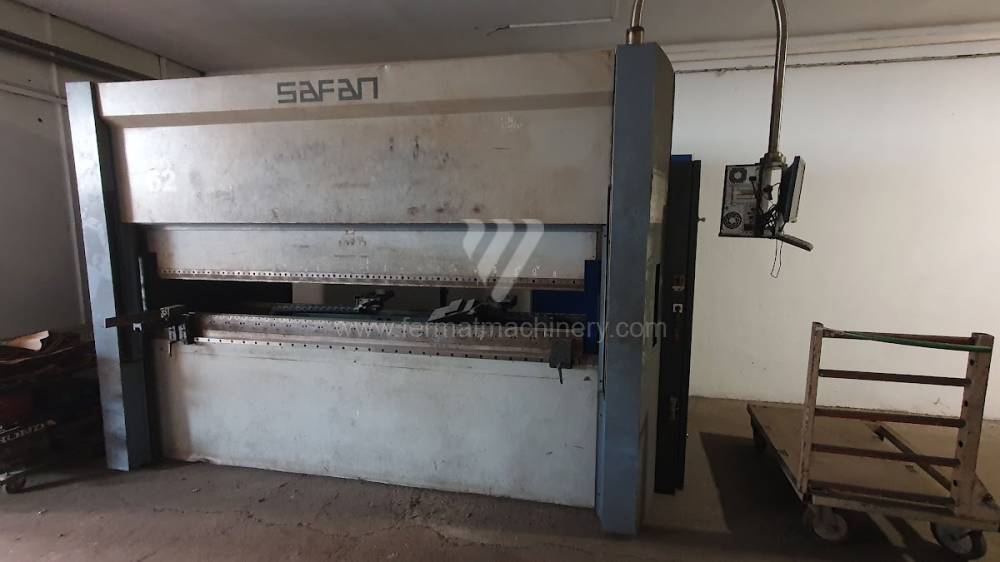 |
SMK-K50-2550 TS1 |
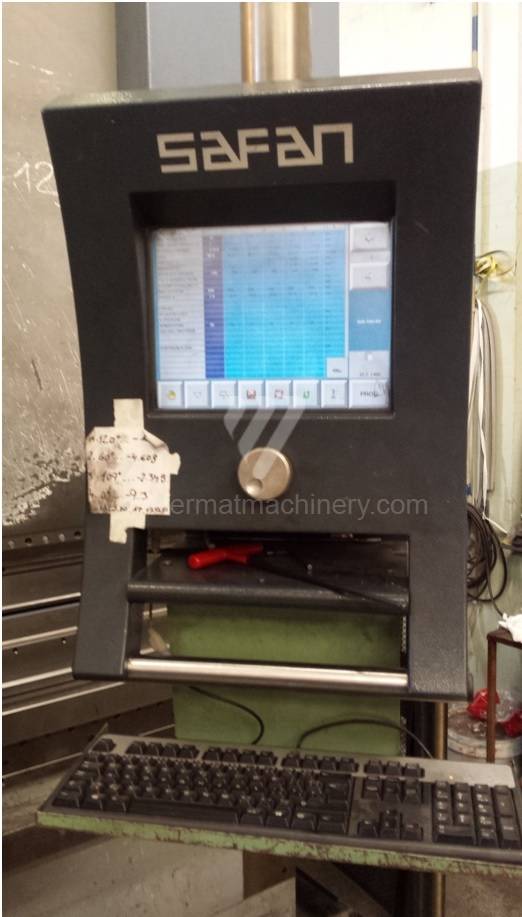
251258 | Safan | 2002 | Система управления SAFAN: TS 1 Номинальное усилие: 50 t Отбортовочная длина: 2550 mm Кол-во управляемых осей: 4 Компенсация прогиба балки: Нет Тип привода пресса: Elektrický |
|
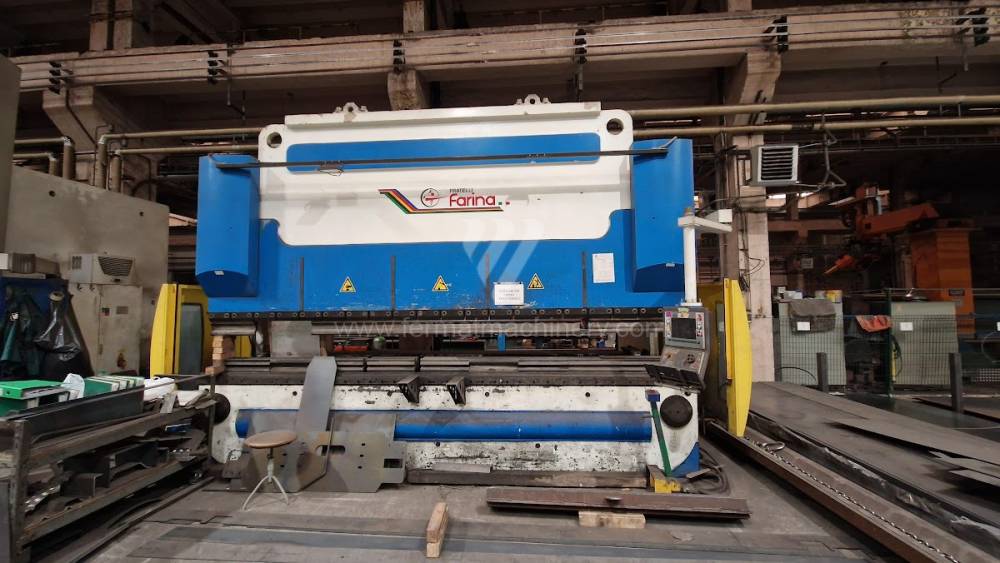 |
PFO/PS/N 400/50 |
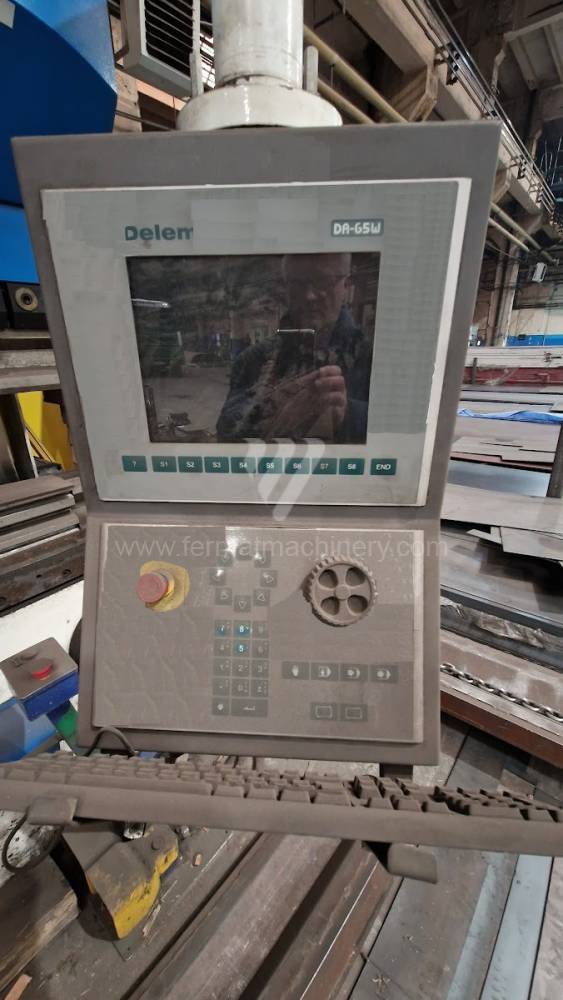
231152 | Farina | 2005 | Система управления Delem: DA - 65 Номинальное усилие: 400 t Отбортовочная длина: 5100 mm Кол-во управляемых осей: 3 Компенсация прогиба балки: Да Тип привода пресса: Hydraulický |
|
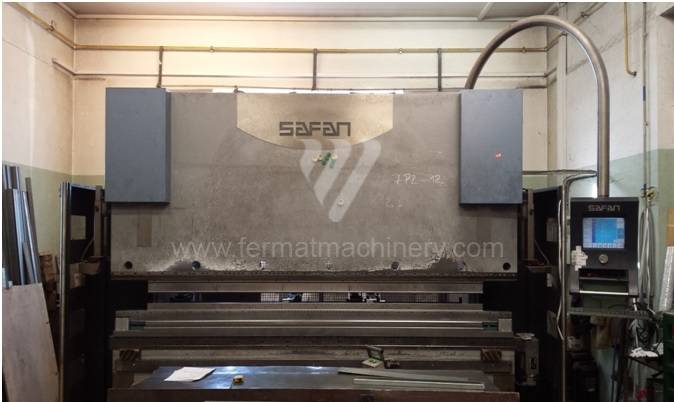 |
CNCL-K 120-3100 TSI |
191175 | Safan | 2002 | Номинальное усилие: 120 t Отбортовочная длина: 3100 mm Кол-во управляемых осей: 3 Компенсация прогиба балки: Да Тип привода пресса: Hydraulický Ход молота: 180 mm |
Analysis of Technical Configuration and Bending Productivity
Choosing a used press brake requires an in-depth analysis of the force distributions and machine kinematics. The decisive factor is not only the nominal pressing force (t) but the machine's ability to maintain bending linearity under full load. For used machines from brands like Trumpf, Bystronic, or Amada, we specifically monitor the condition of hydraulic circuits and the response of proportional valves, which directly affect the synchronization of the Y1 and Y2 axes.
Key Technical Determinants:
- Frame Rigidity and Construction: Side frame stability and throat depth determine the limit dimensions of the workpiece. Higher structural rigidity minimizes frame springback, leading to a lower need for corrections in the control system and shorter cycle times.
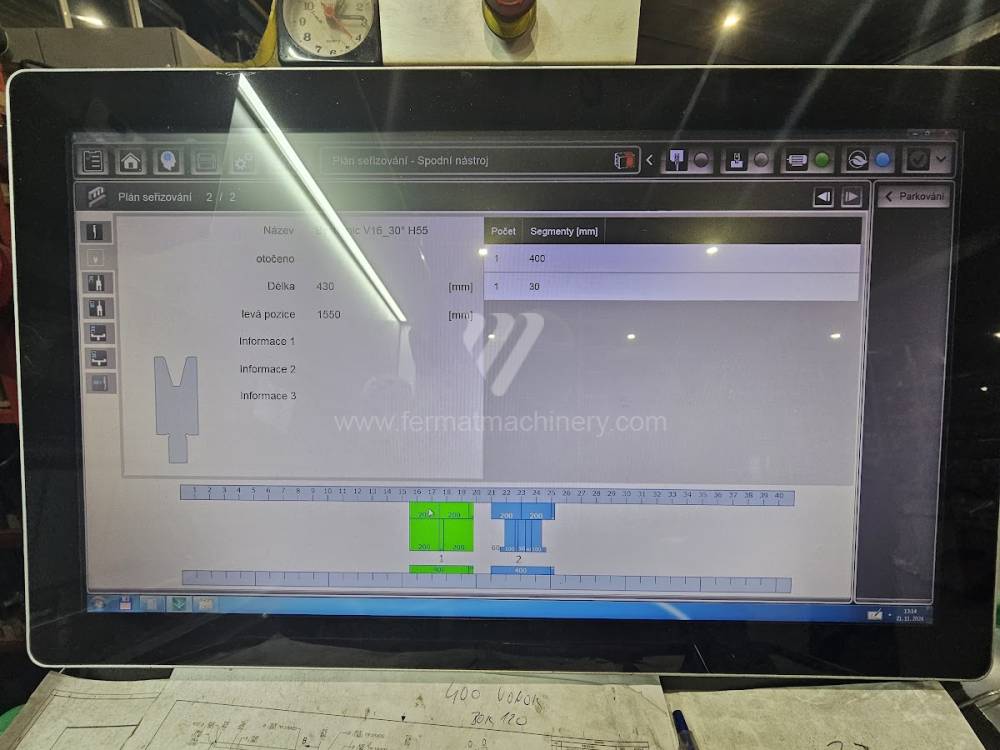
- Control Systems and Connectivity: The integration of modern CNC units (e.g., Delem DA-66T or Cybelec ModEva) enables offline programming and the import of 3D models. This fundamentally eliminates set-up time, which in small-batch production accounts for up to 60% of total time.
- Crowning Systems: For machines with a table length exceeding 2500 mm, the presence of an active or passive table deflection compensation system is critical. Precise crowning adjustment ensures a constant bending angle across the entire length of the sheet, preventing scrap when working with expensive materials (stainless steel, Hardox).
Strategic Block: ROI and Economic Sustainability
Acquiring a used press brake from a specialist like FERMAT represents an optimization of capital expenditure (CAPEX) with an immediate impact on operational efficiency. Modern used machines often feature energy-saving drives (frequency converters), which reduce standby energy consumption by up to 40% compared to older generations.
Three Non-Intuitive Advantages of Investing in a High-Rigidity Used Machine:
- Lowering OPEX through Tool Longevity: A stable bed and precise ram guidance eliminate micro-vibrations during tool-material contact. This extends the life of expensive hardened dies and punches by up to 25%, directly reducing consumable costs.
- Reduction of Hydraulic Oil Thermal Degradation: High-end used machines have oversized cooling circuits. Lower oil operating temperatures mean more stable viscosity and therefore higher repeatable bending accuracy during multi-shift operations.
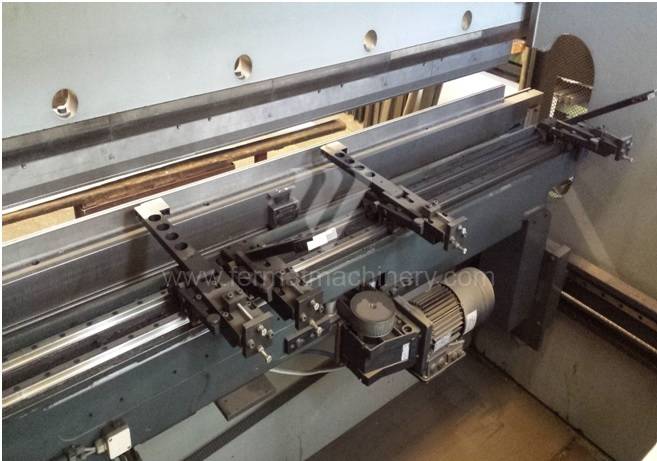
- Acceleration of Throughput: Investing in an older machine with a powerful 5-axis backgauge (X, R, Z1, Z2, X5) allows for bending complex geometries in a single setup, increasing productivity more than buying a new but technologically inferior machine.
FAQ: Expert Inquiries for Press Brake Selection
How does backgauge speed affect the real production tact?
The speed of the X and R axes is critical for small, intricate parts. Although pressing speed is restricted by standards (safety limit 10 mm/s), backgauge positioning speeds within 300–500 mm/s can shorten handling time between bends by 2–4 seconds, generating hundreds of additional productive hours annually.
Why prefer hydraulic tool clamping on used machines?
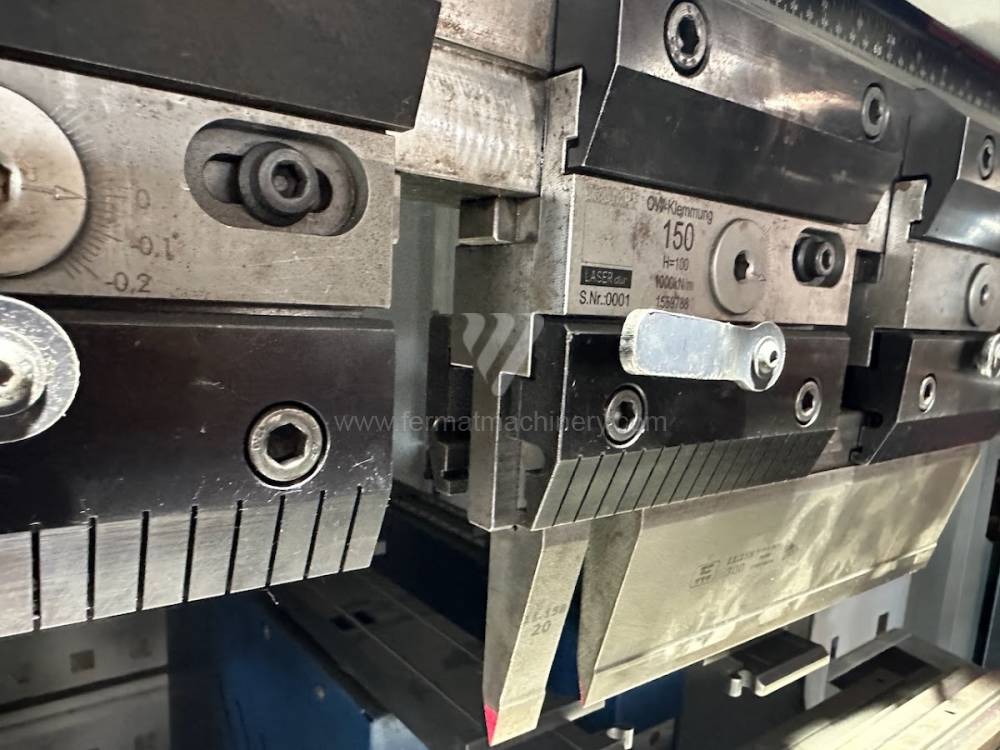
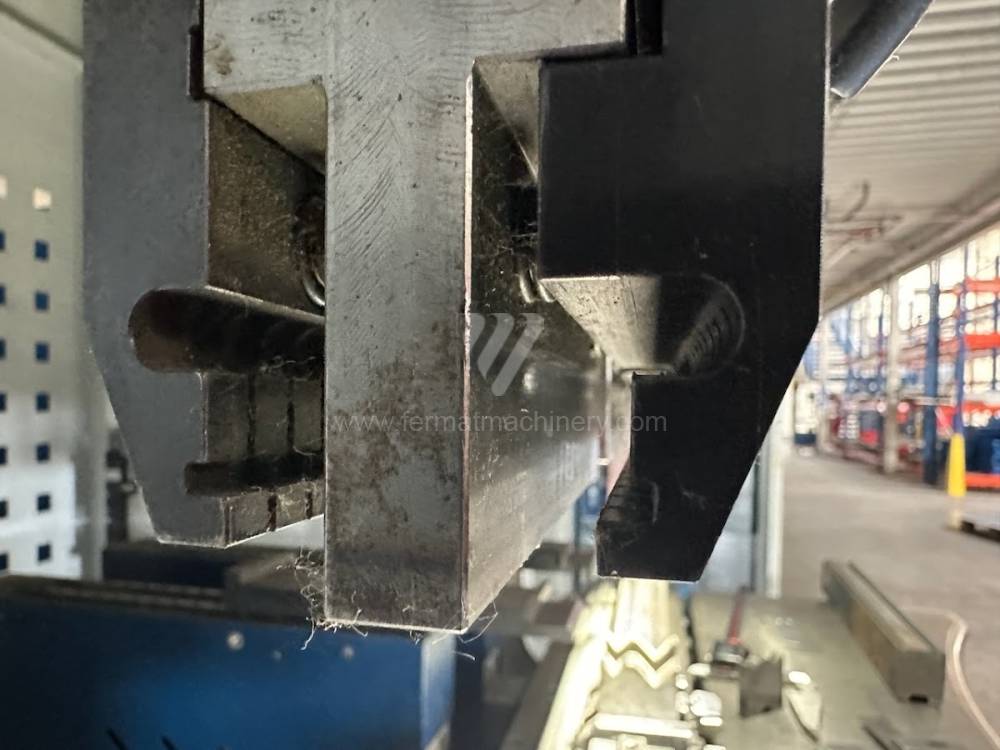
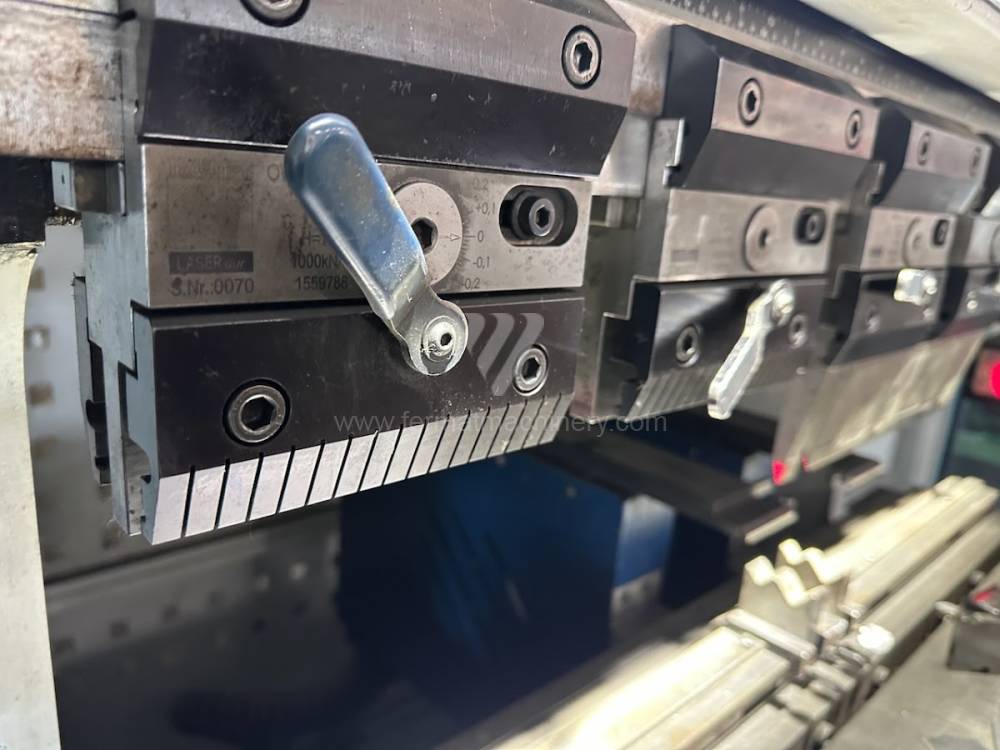
Hydraulic clamping significantly speeds up tool changes and automatically ensures correct seating and centering. This eliminates human error during manual tightening, which often leads to damage to the clamping bar or inaccuracies in the bending angle.
What is the significance of a hybrid drive in press brakes?
Hybrid systems combine the advantages of hydraulics (high force) and electric drives (speed, savings). The pump only runs when the ram is moving. In addition to energy savings, this radically reduces workplace noise and extends the service intervals of hydraulic components.
Technical Specifications of Currently Available Machines
|
Parameter |
Range/Options |
|
Pressing Force |
30 t to 1000 t |
|
Table Length |
1250 mm to 8000 mm |
|
Control Systems |
Delem, Cybelec, ESA, Bystronic (BySoft), AMNC (Amada) |
|
Number of Controlled Axes |
3 to 8 backgauge axes |
|
Tool Compatibility |
Amada/Promecam, Wila, Trumpf systems |