 +420 601 503 390
  info@fermat.cz


 English
  L'italiano
  Magyar
  Deutsch
  Polski
  Română
  Русский
  Español
  Čeština
  Aléseuse horizontale
1234 Liste Grille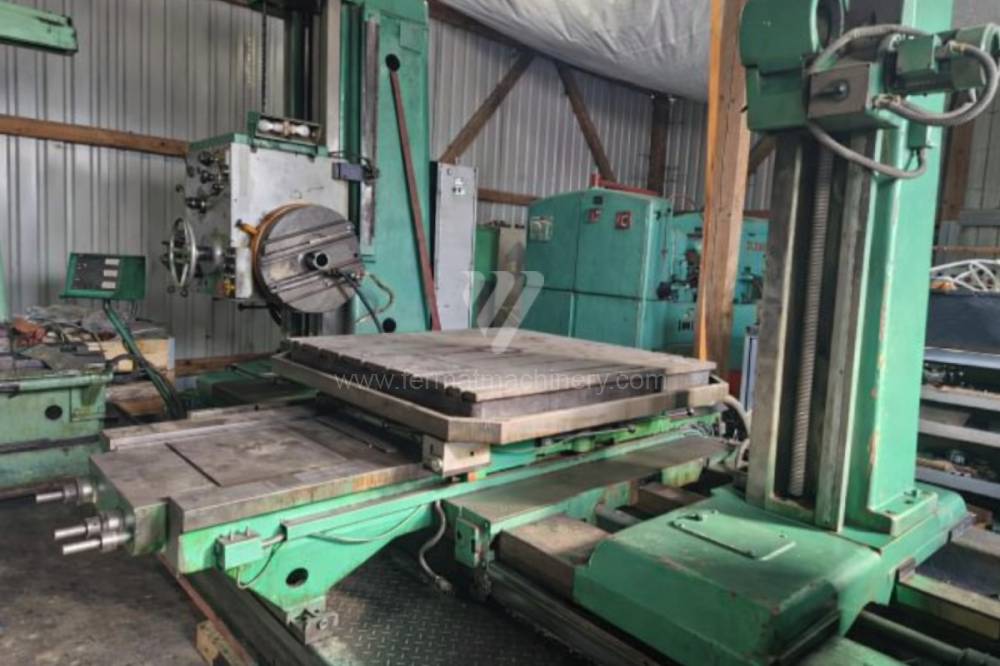
W 100 A
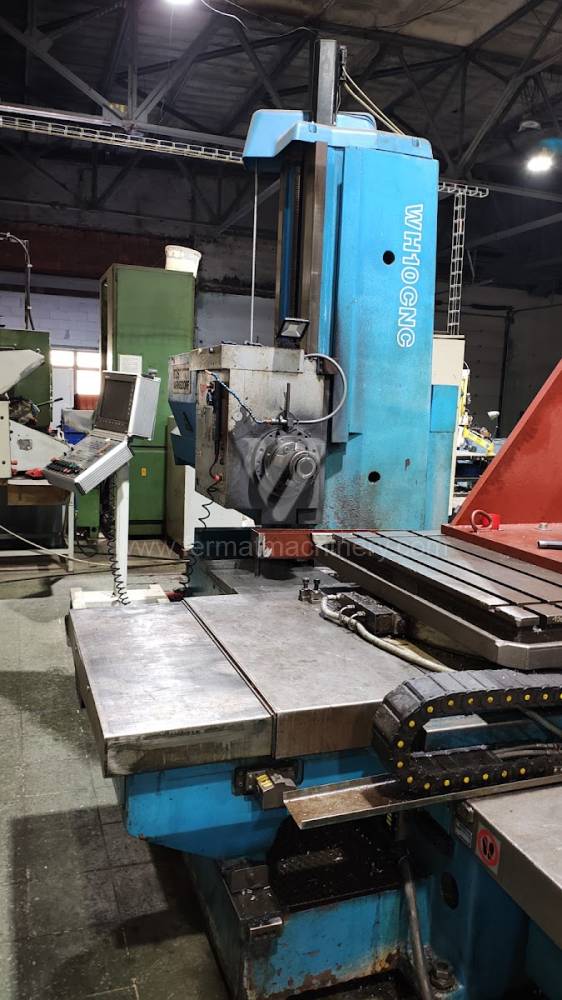
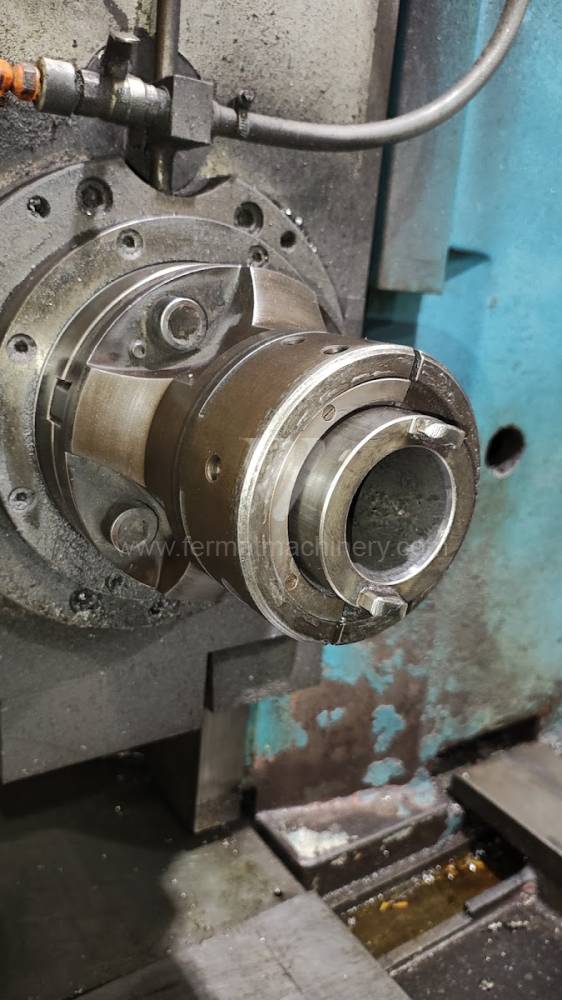
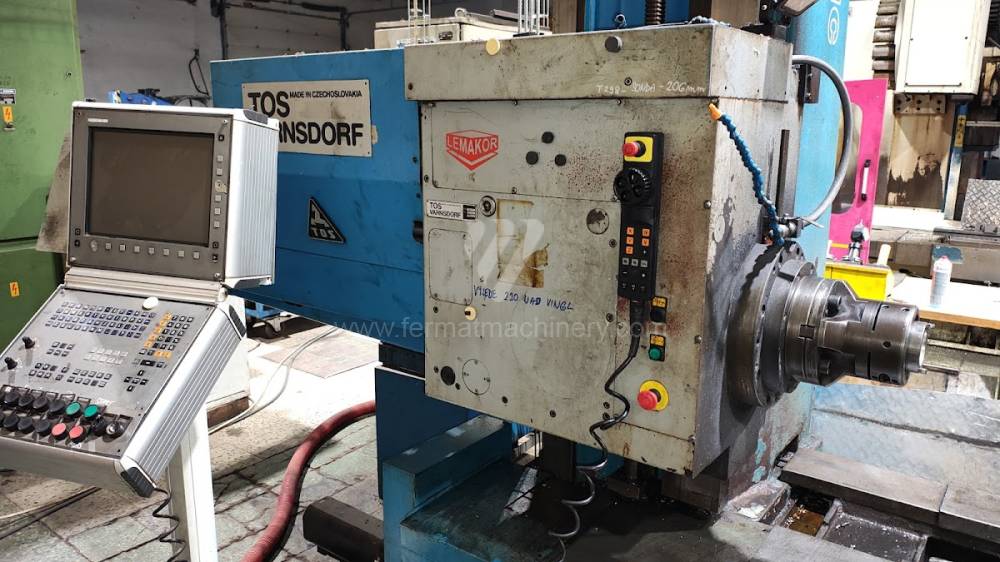
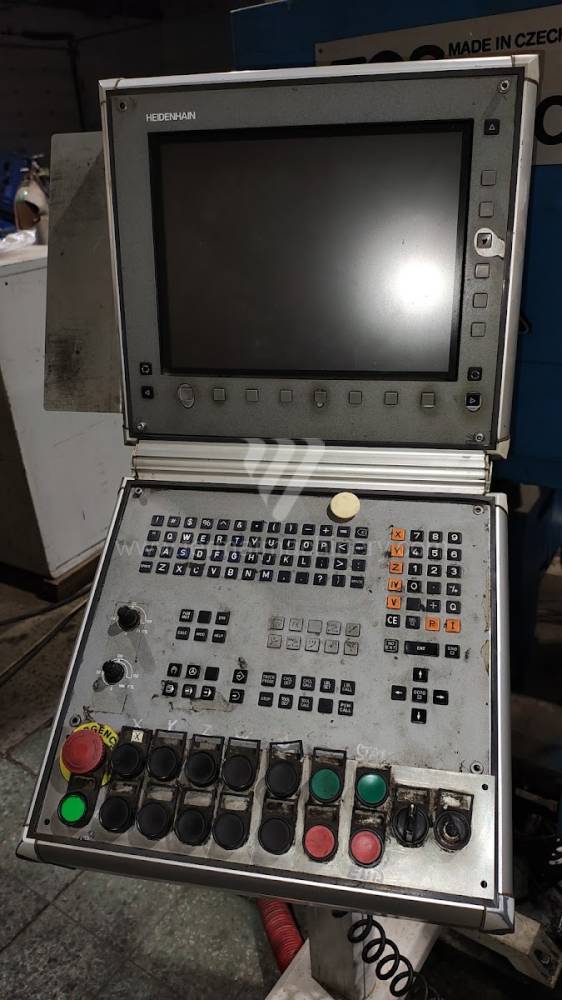
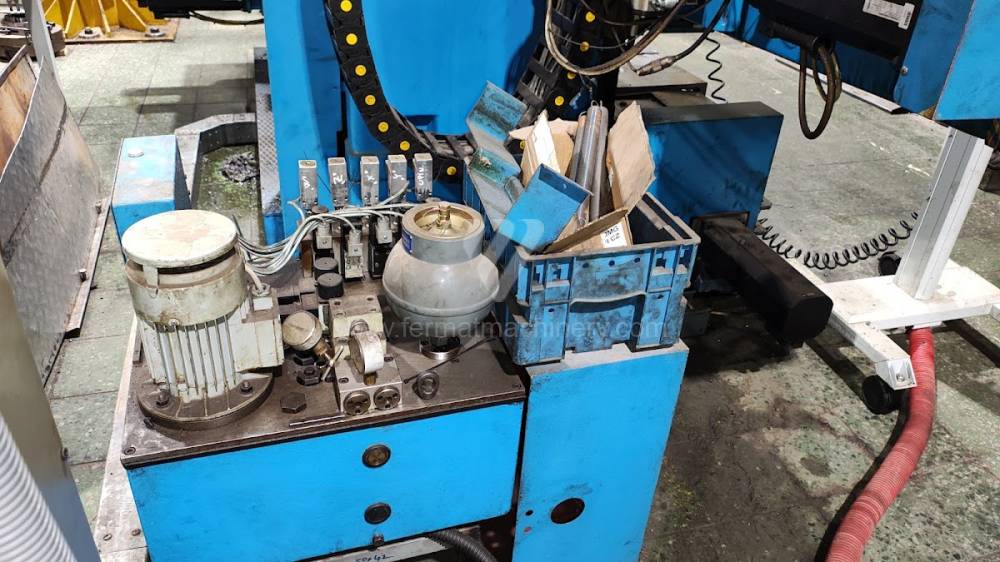
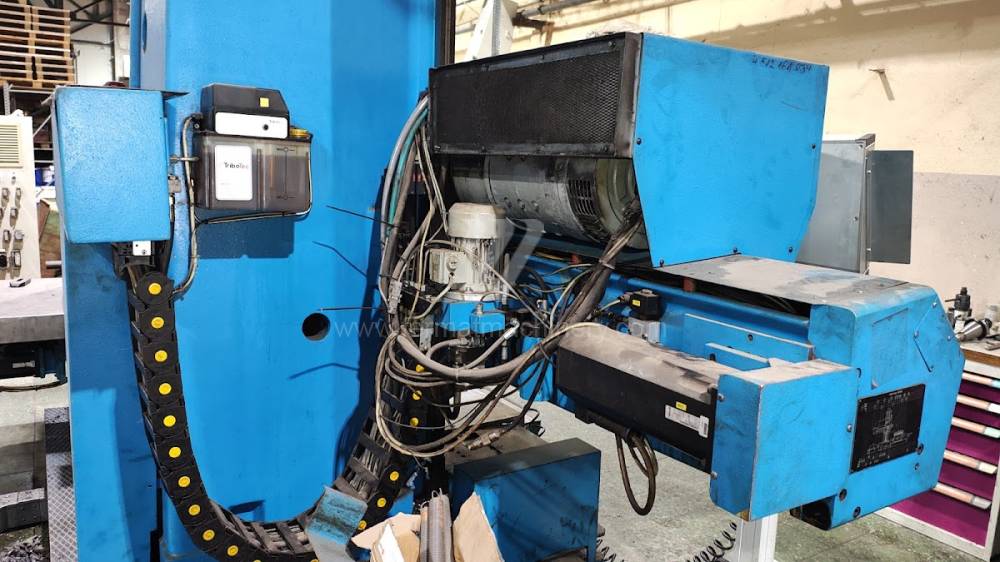
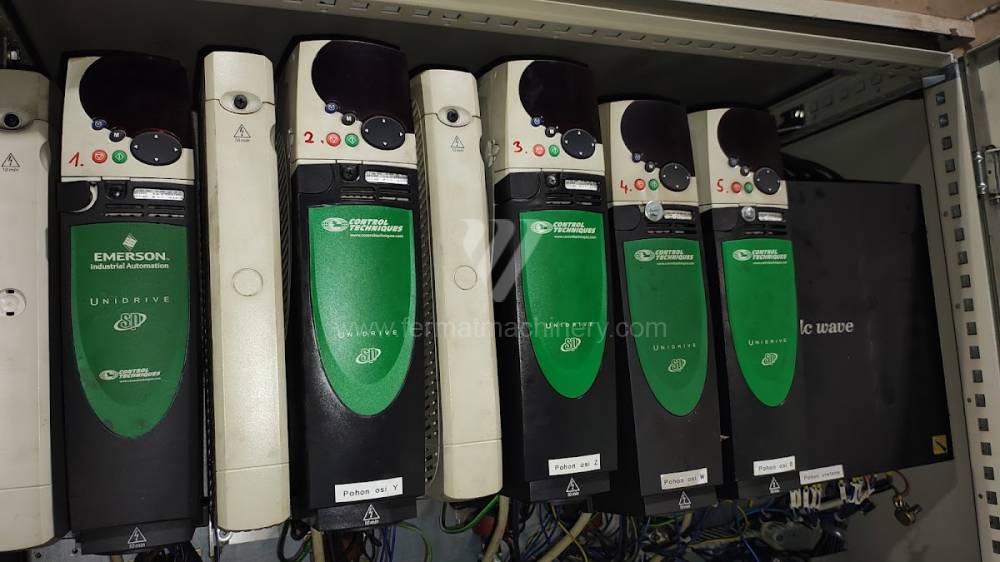
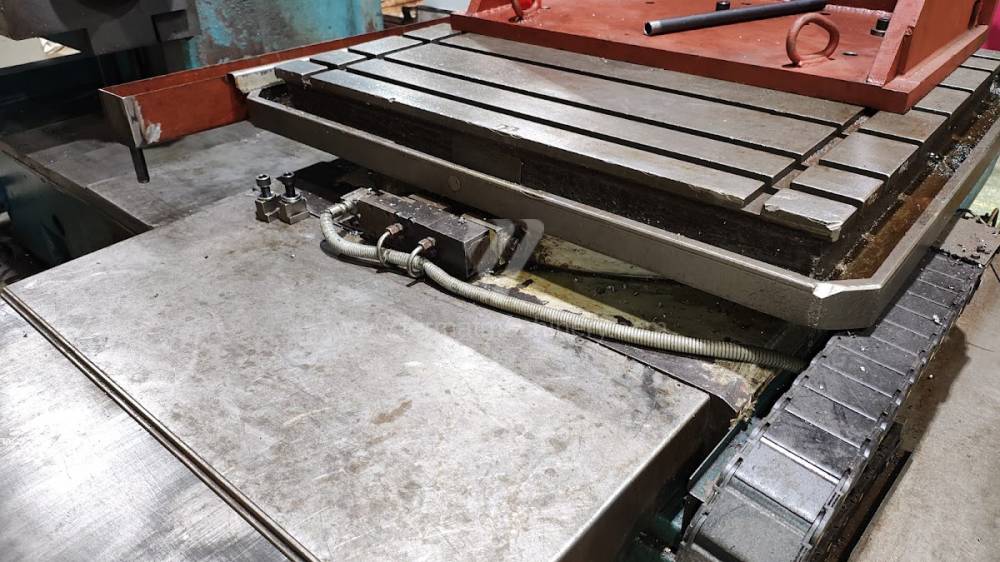
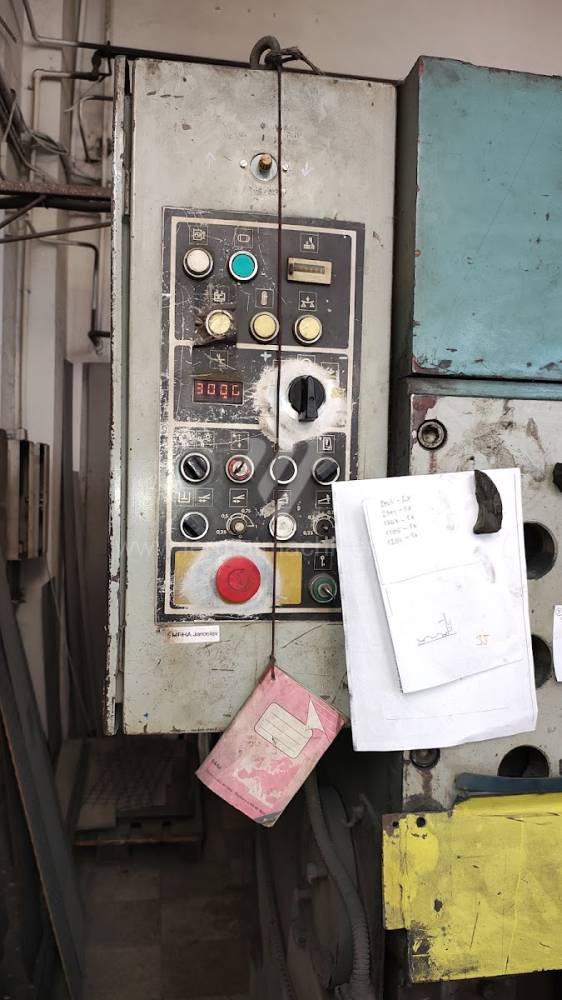
WH 10 CNC
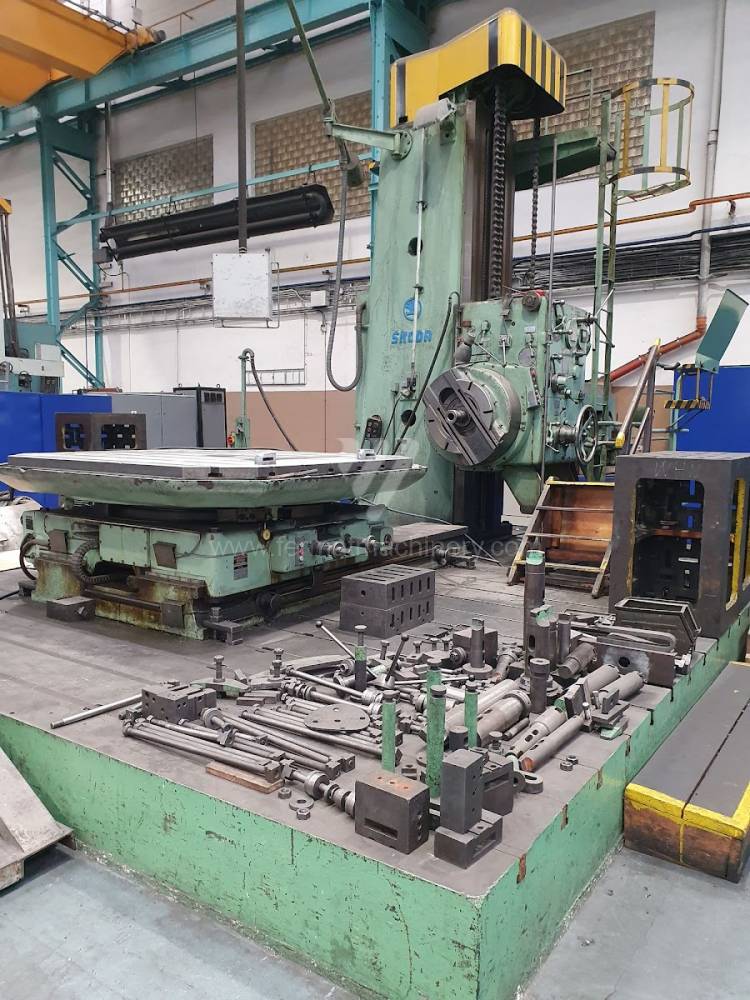
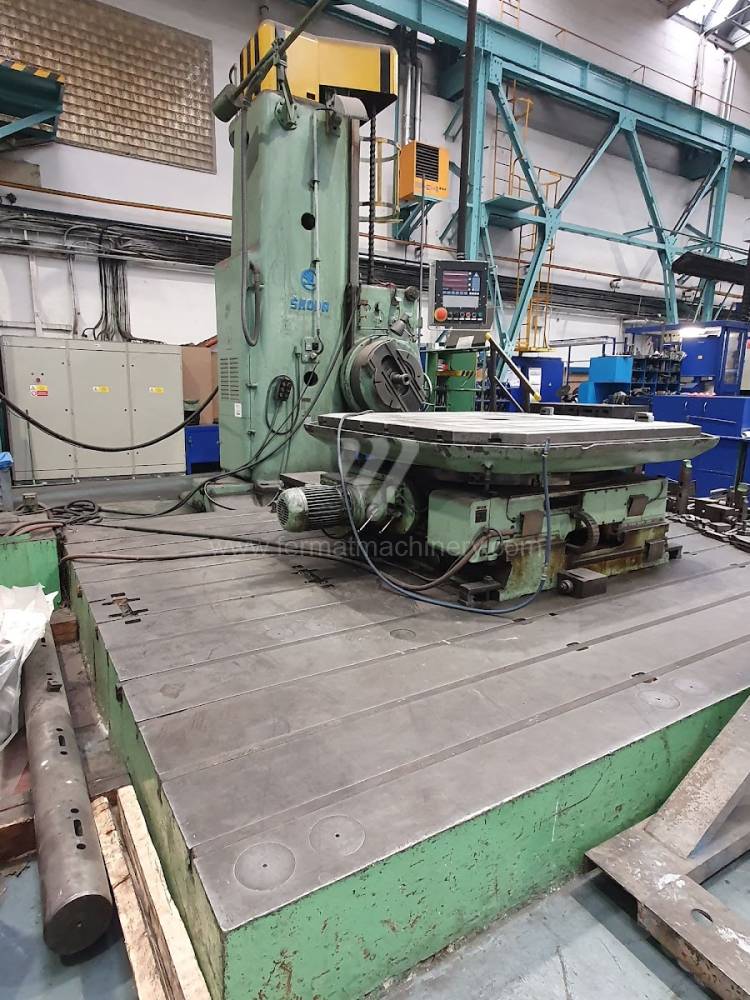
HVF 160 D
WHN 9 B
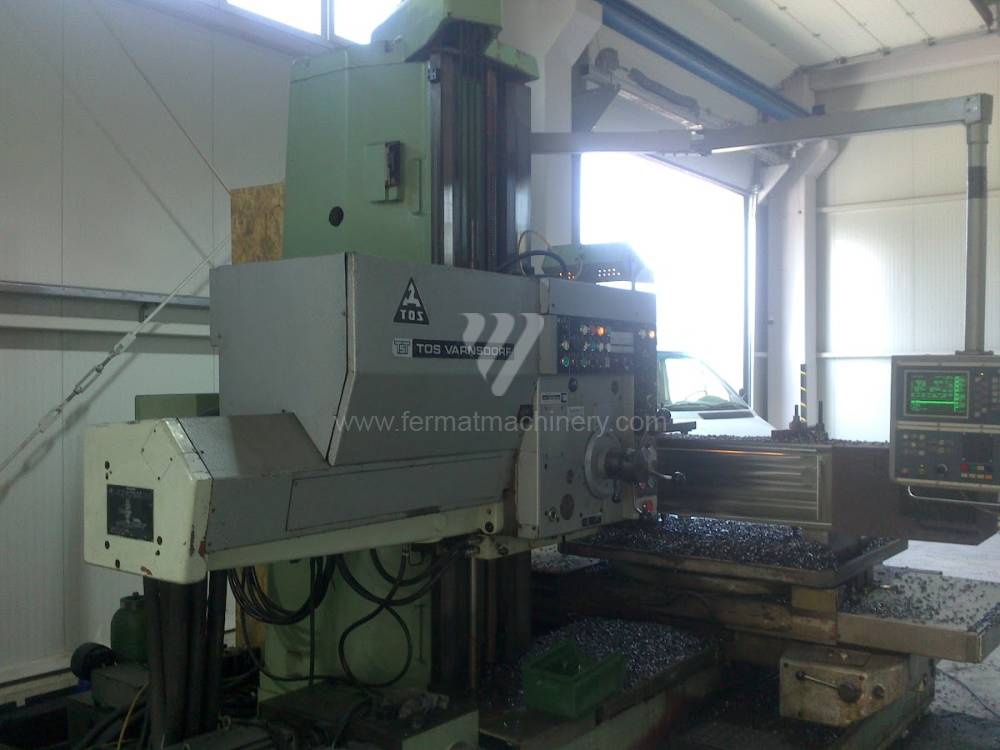
WH 10 NC
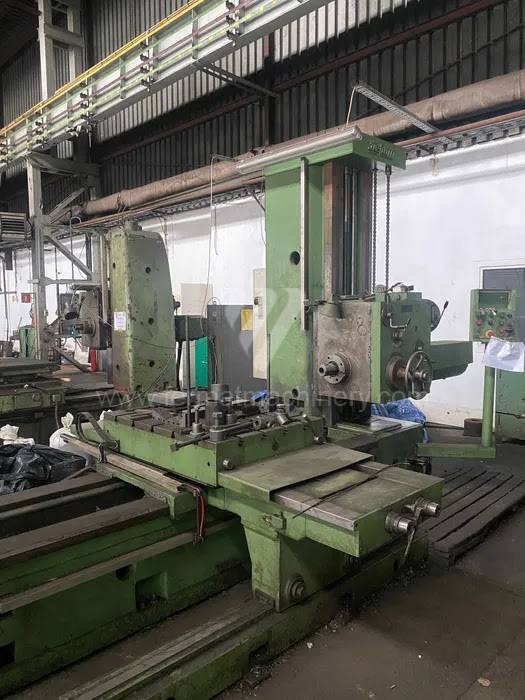
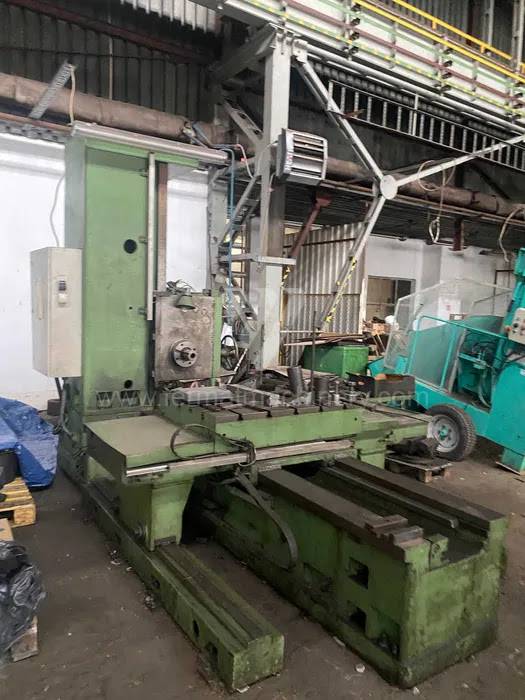
DEFUM WFC-90
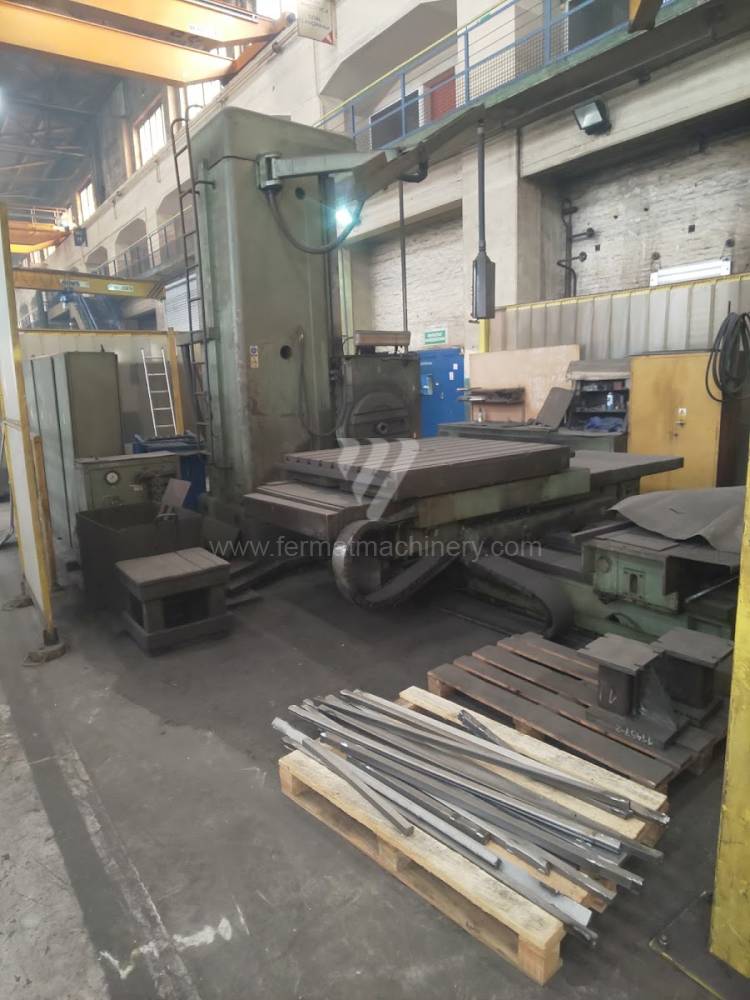
BFT 110/5
WRF 160 CNC
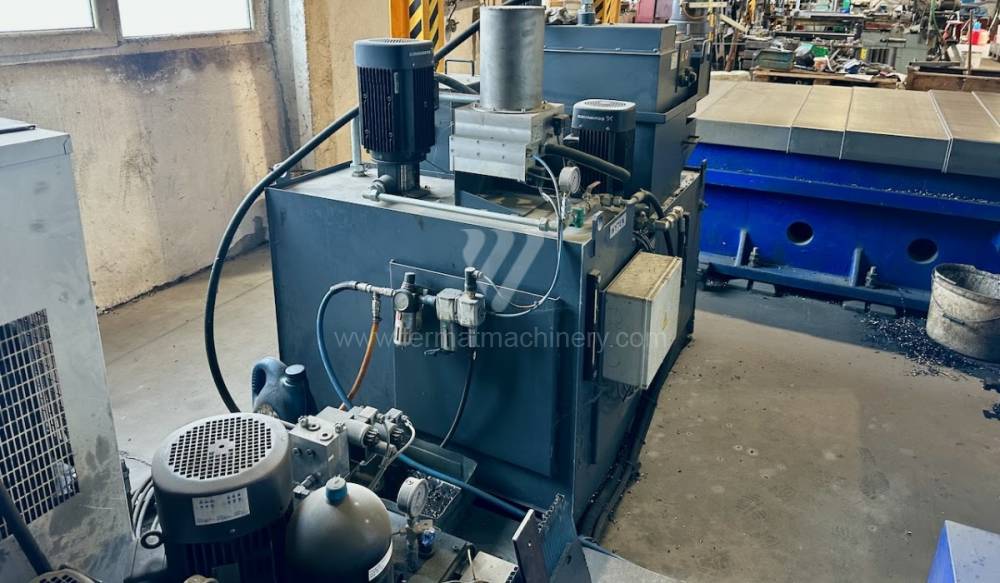
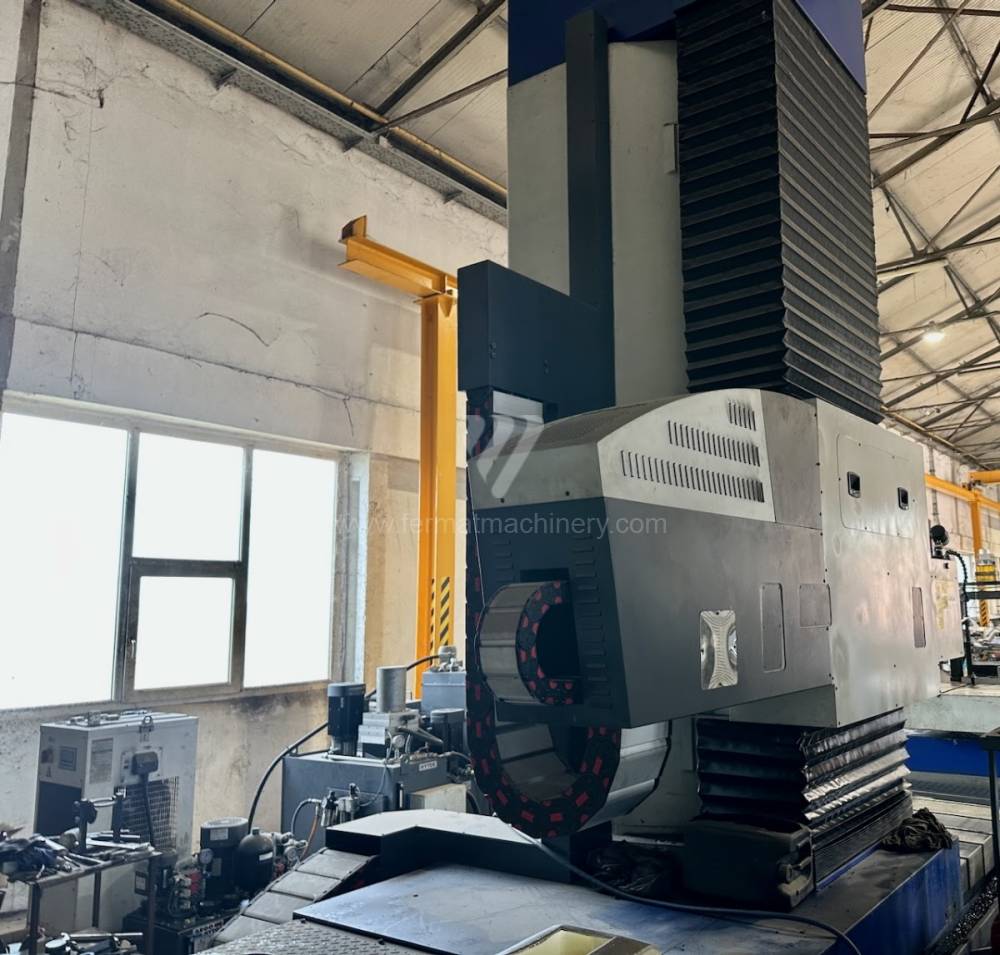
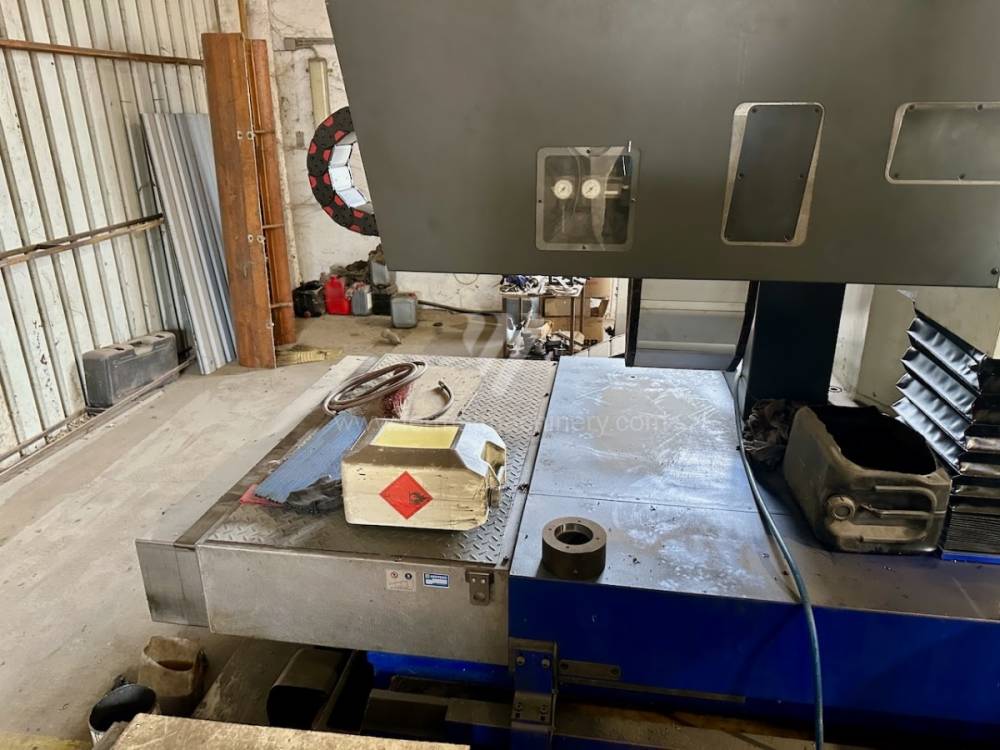
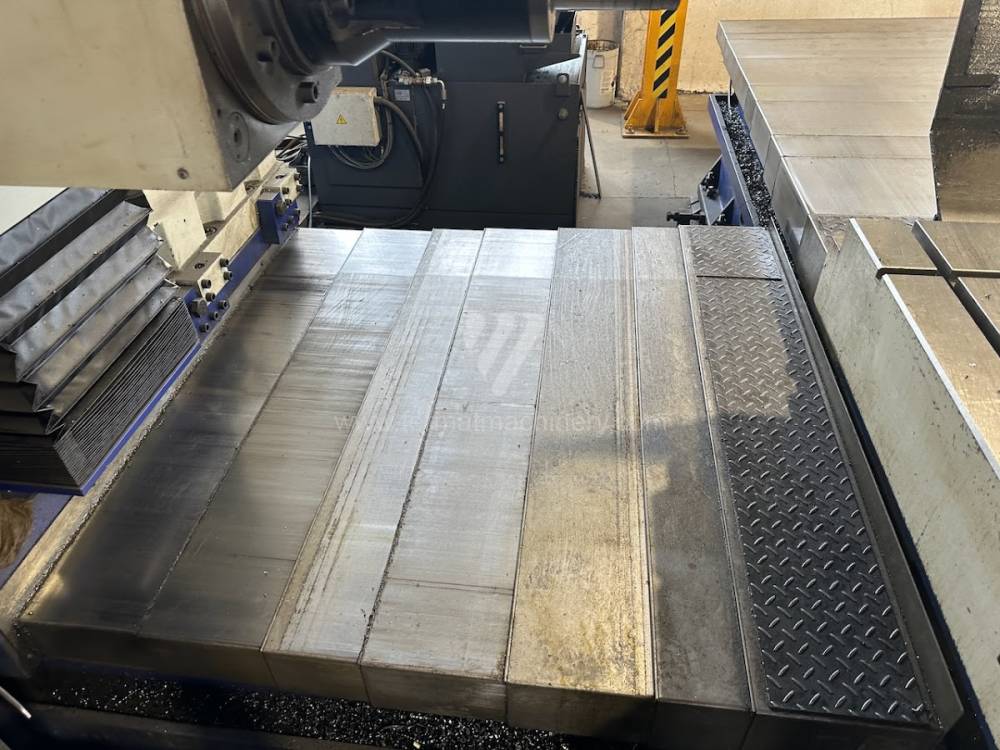
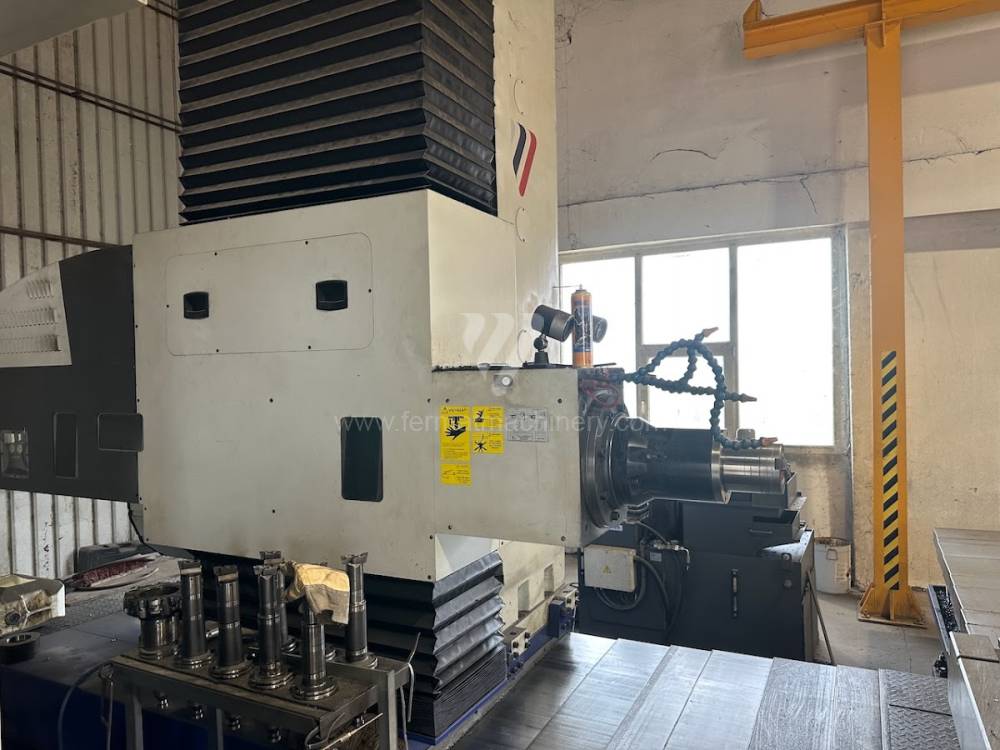
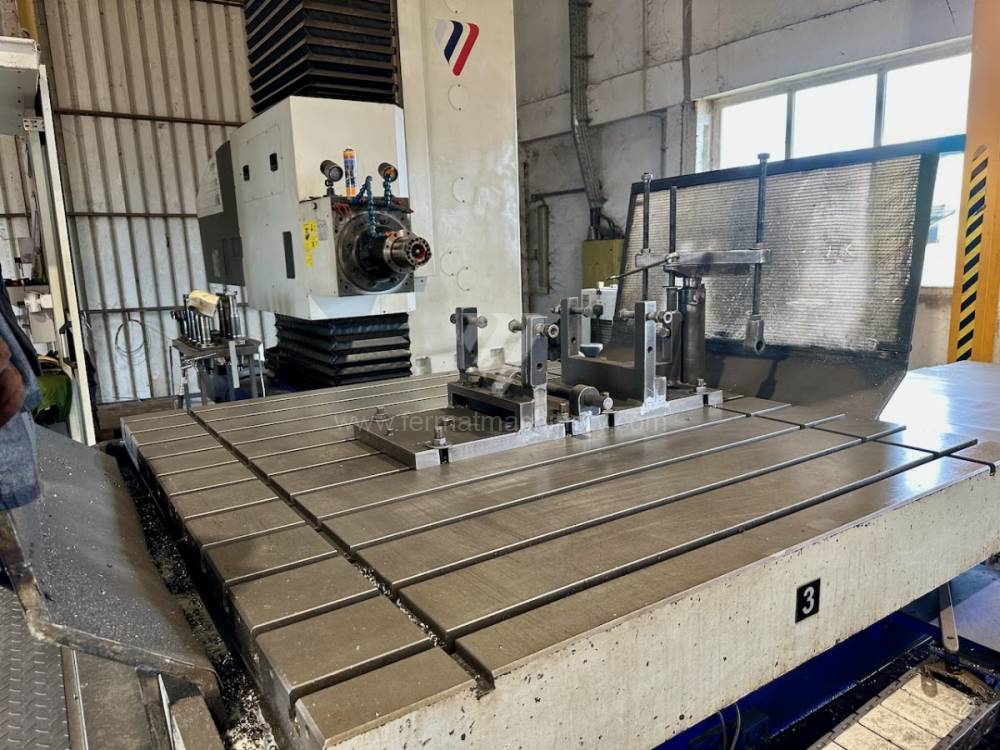
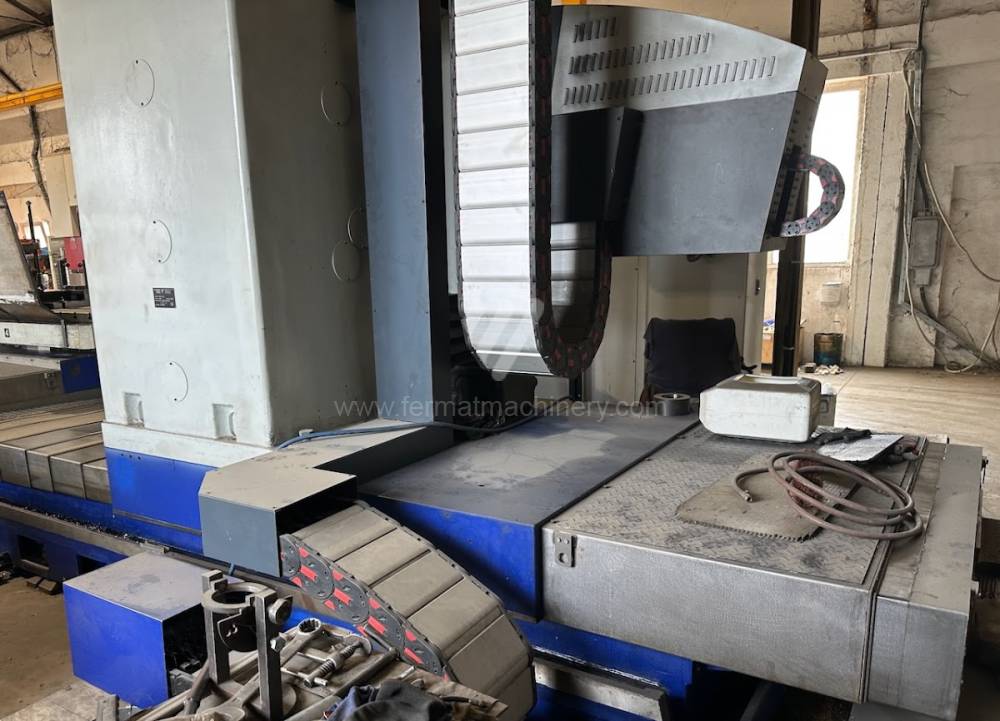
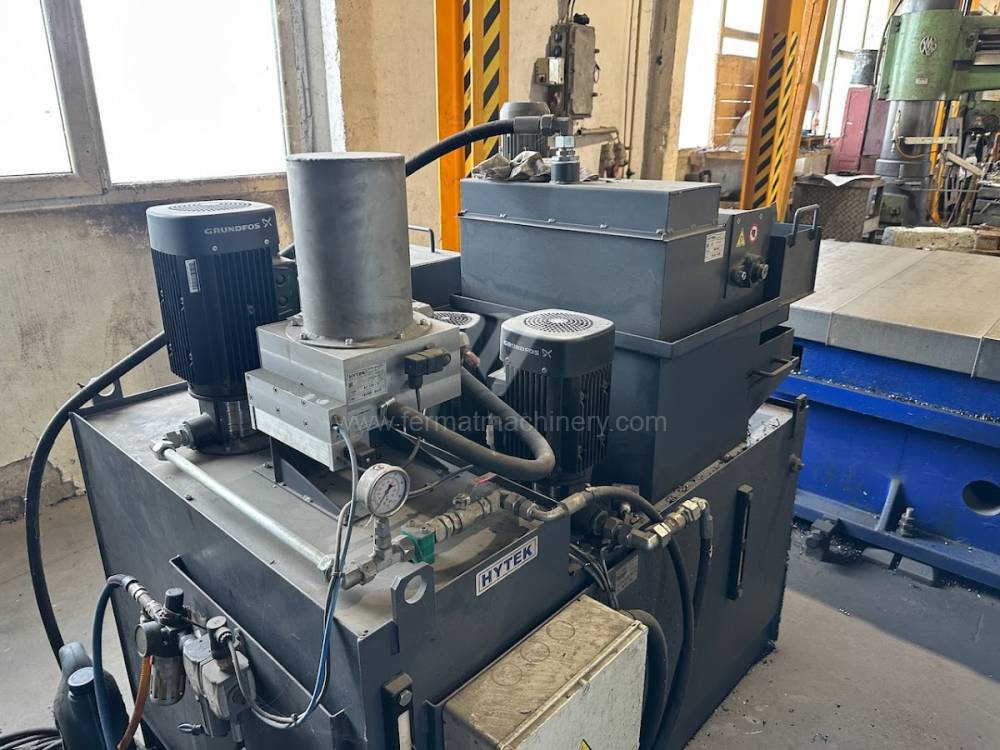
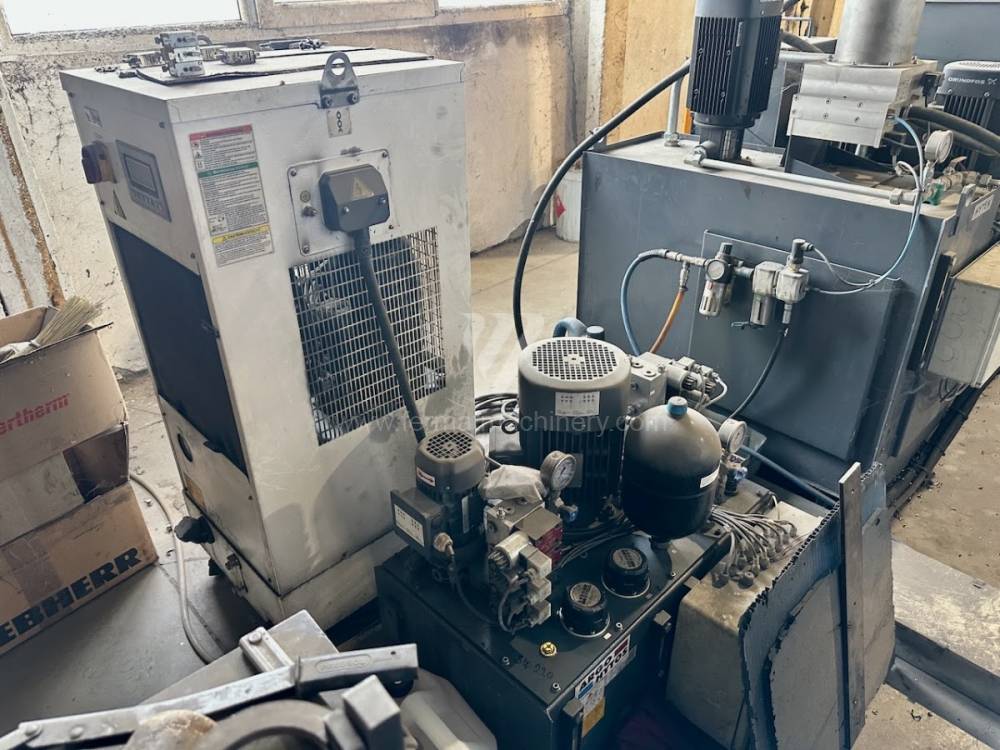
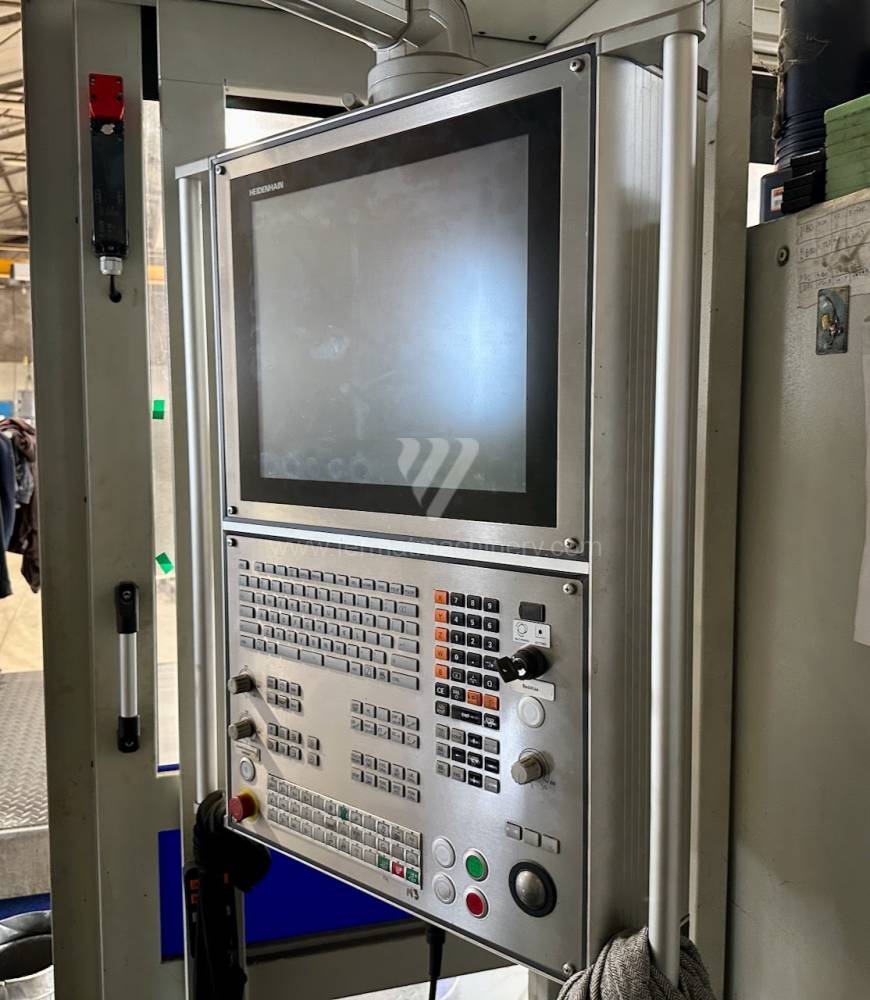
WHN 13 P CNC
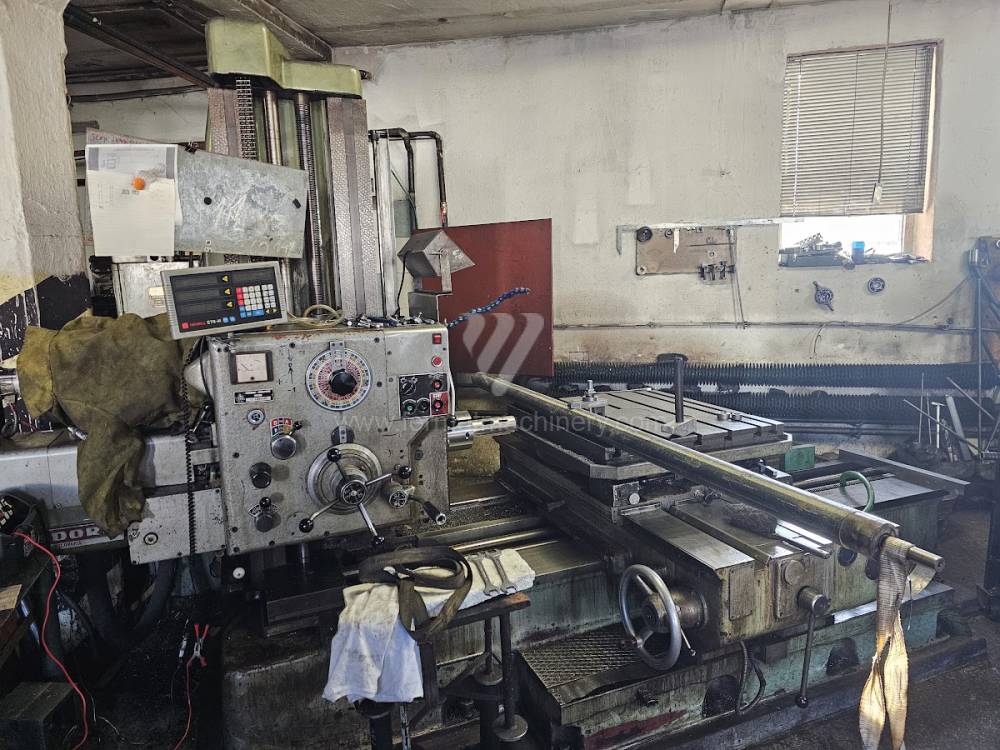
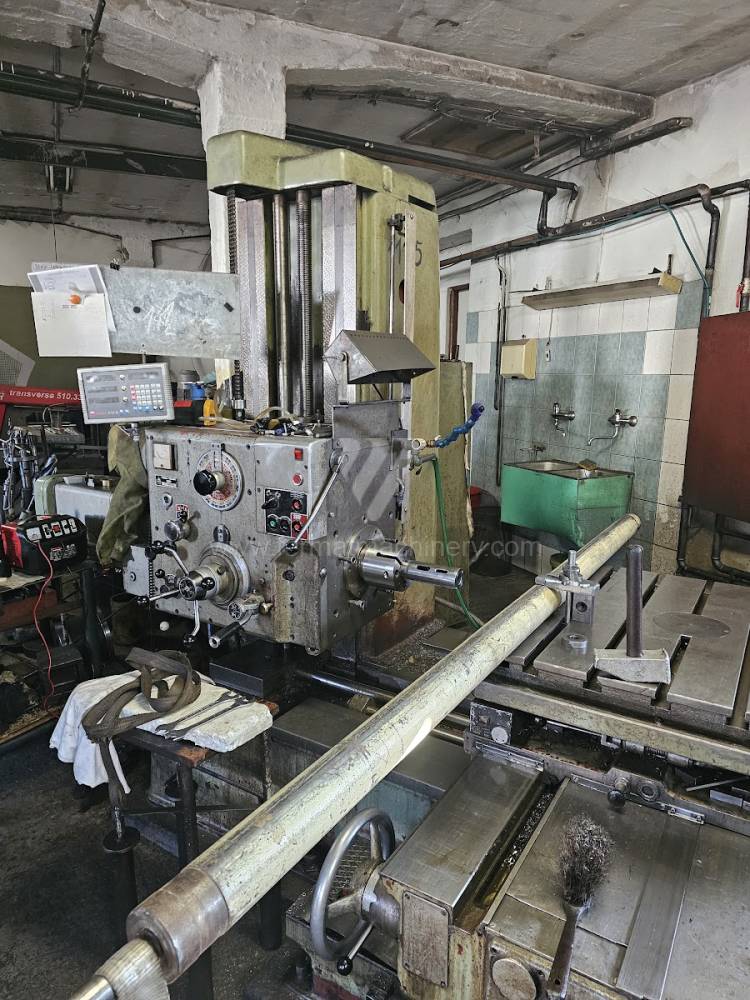
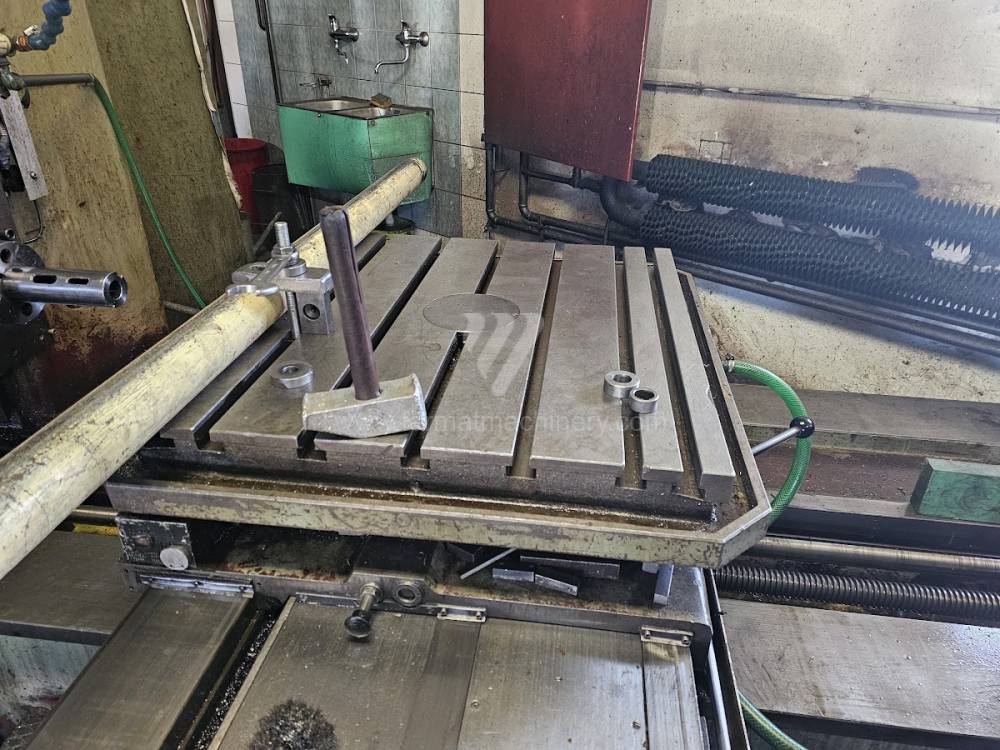
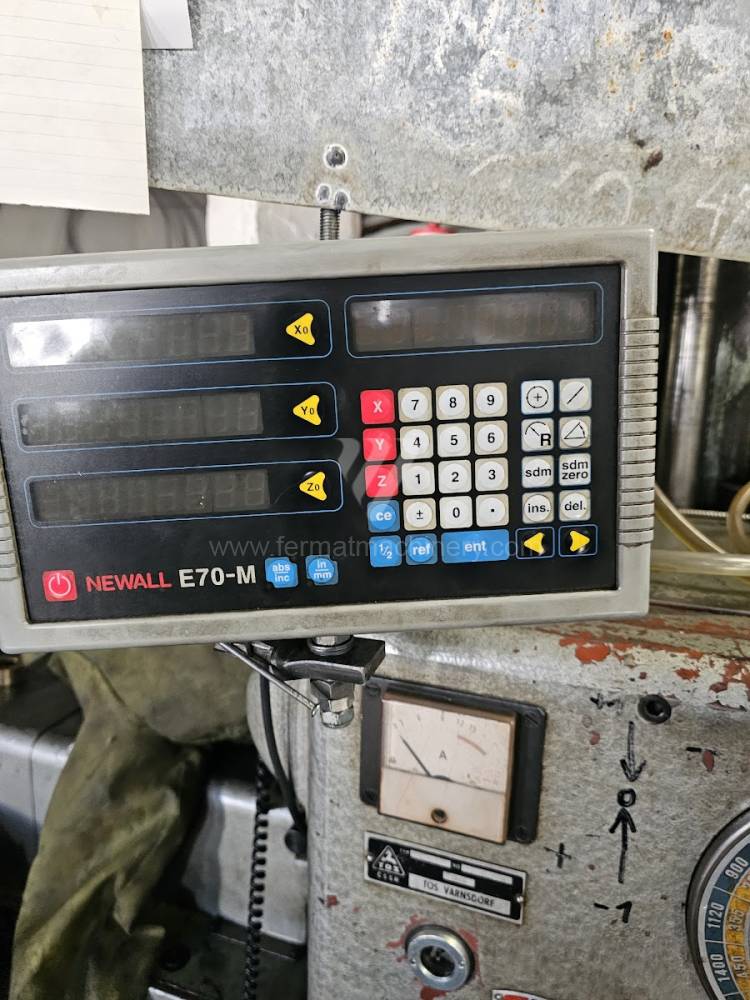
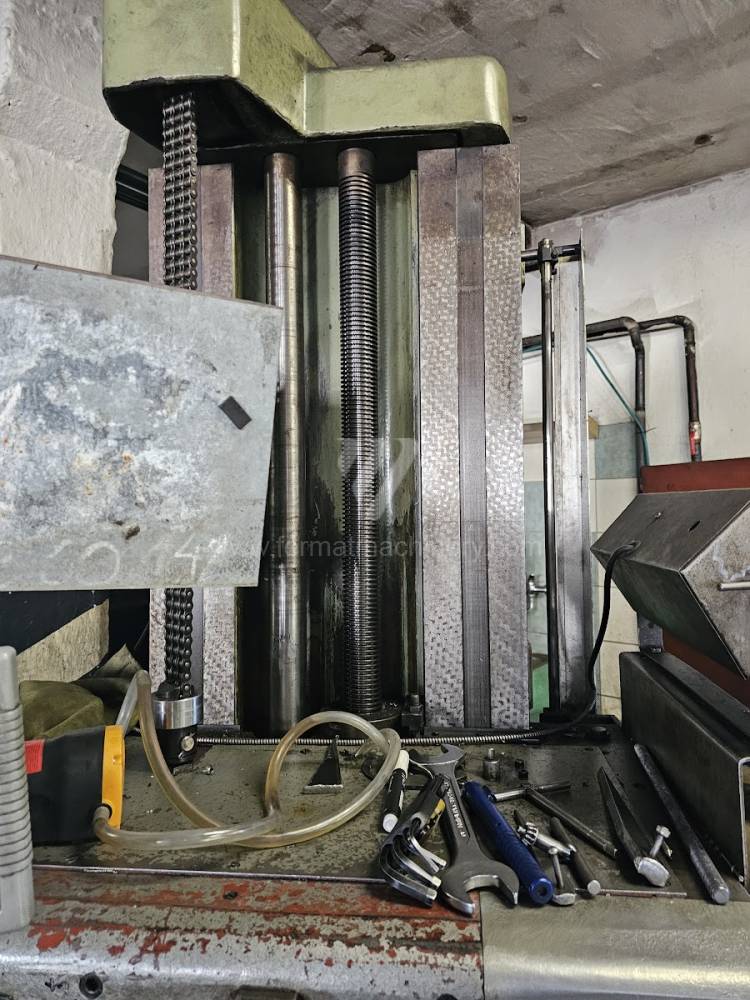
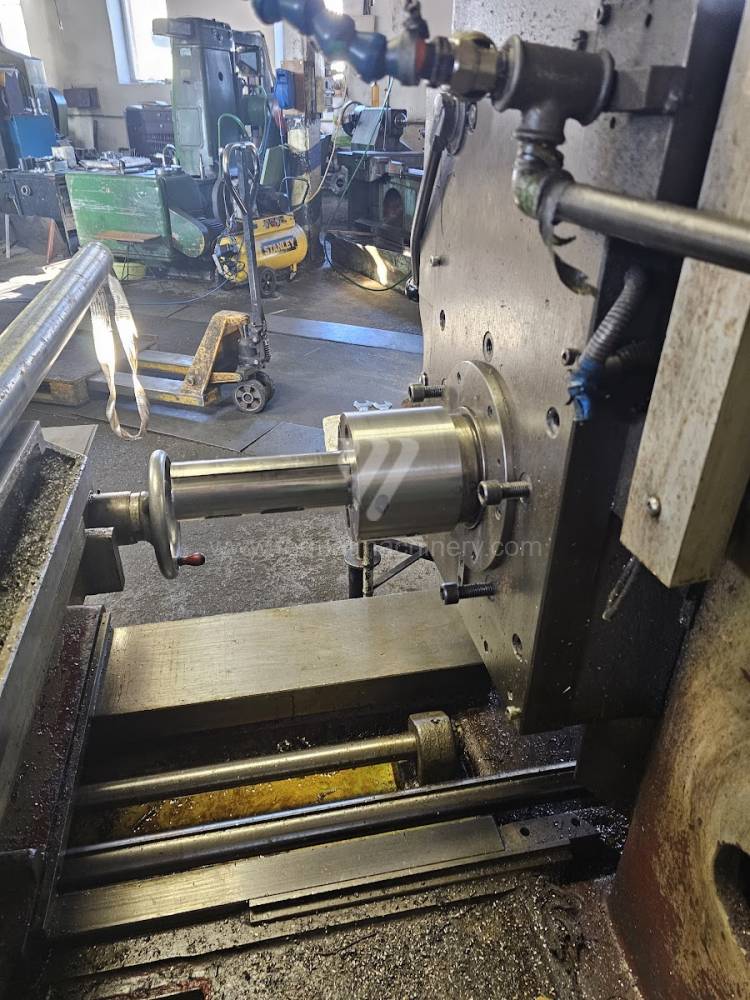
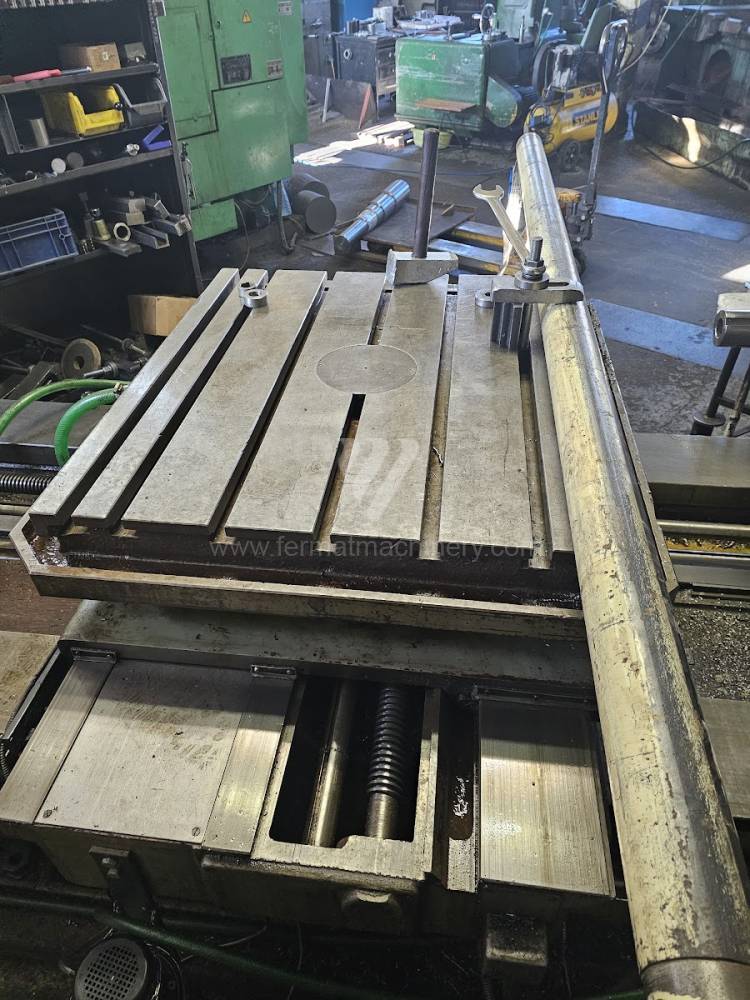
WH 63
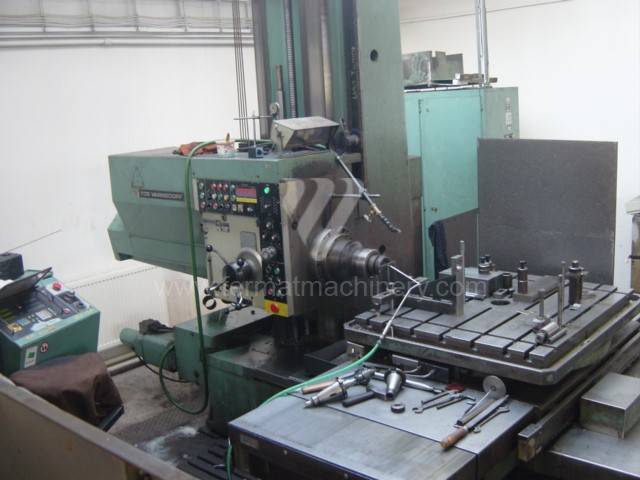
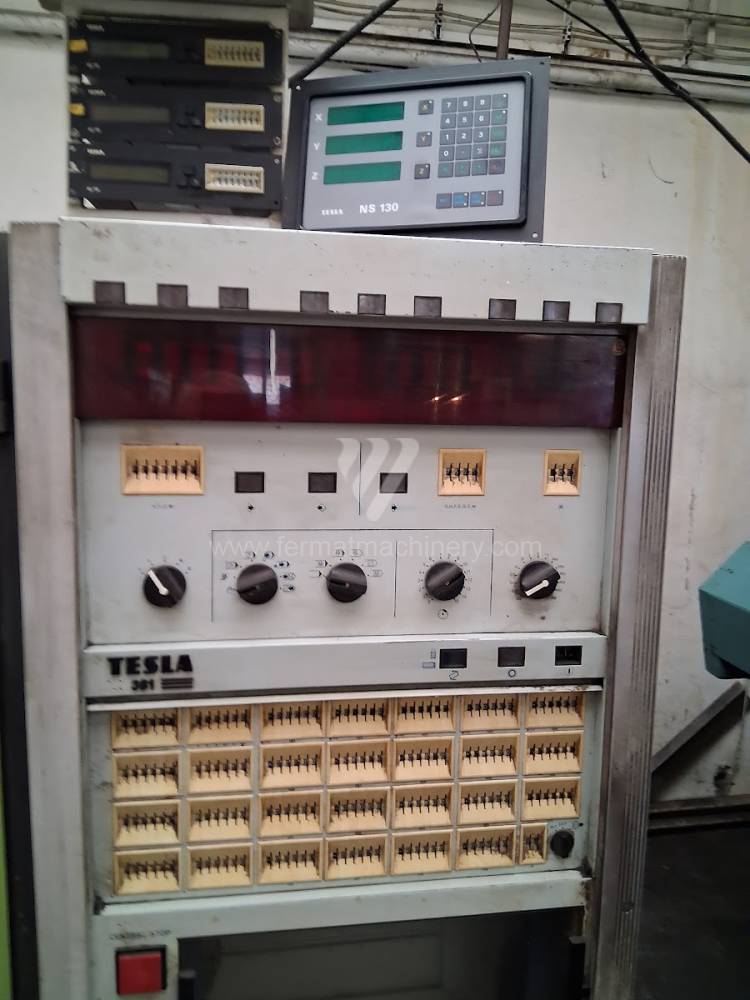
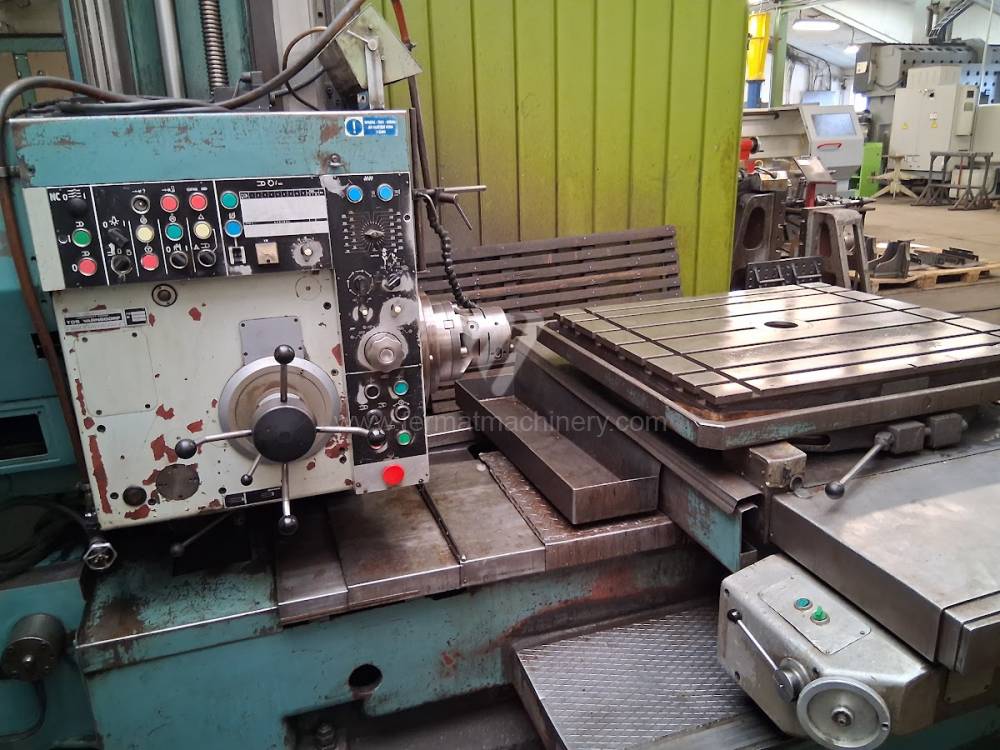
WH 10 CNC
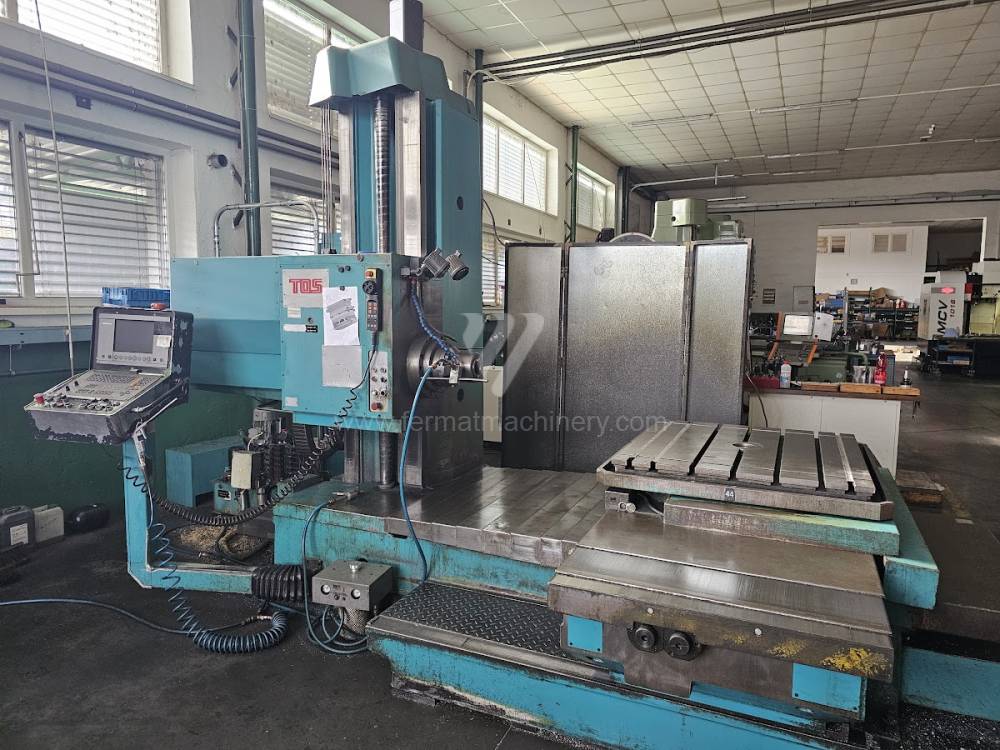
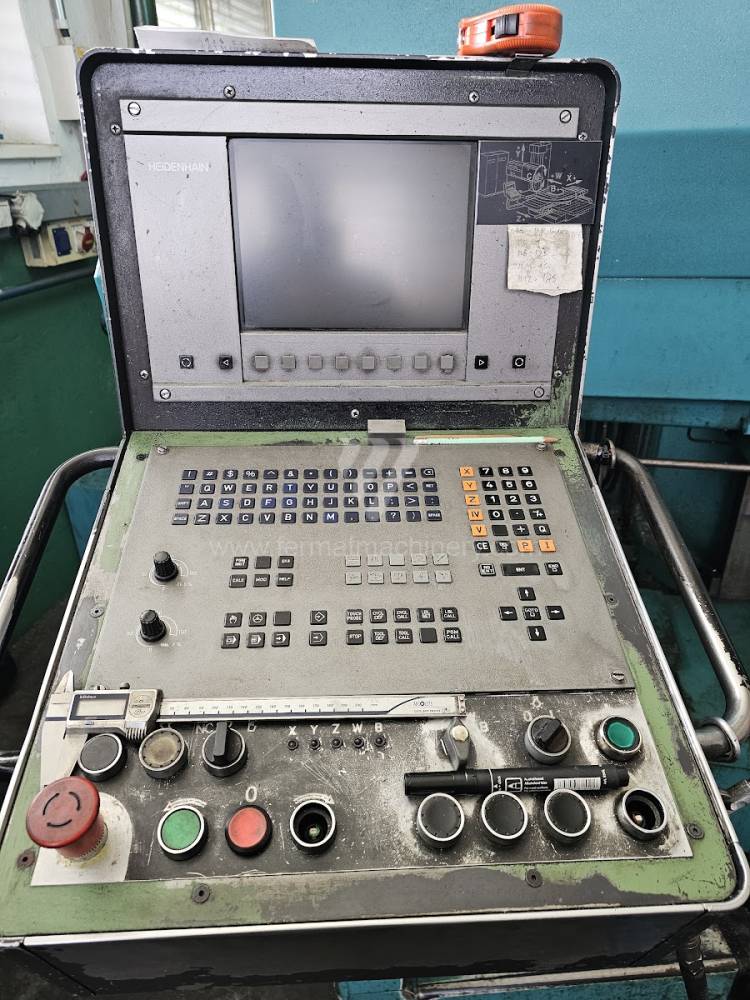
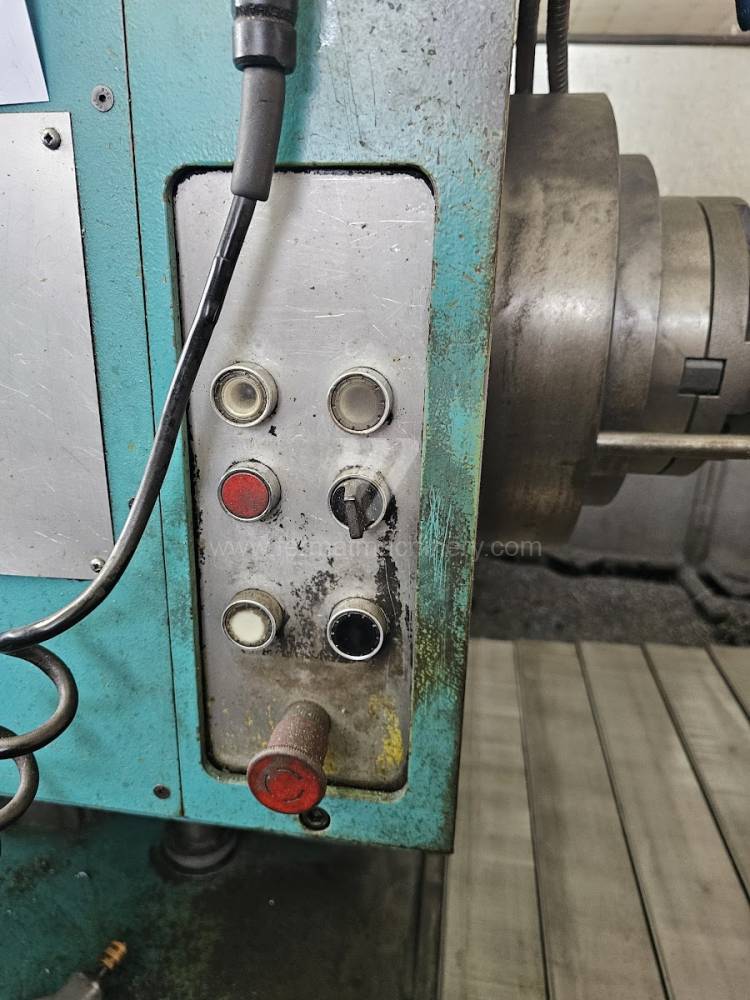
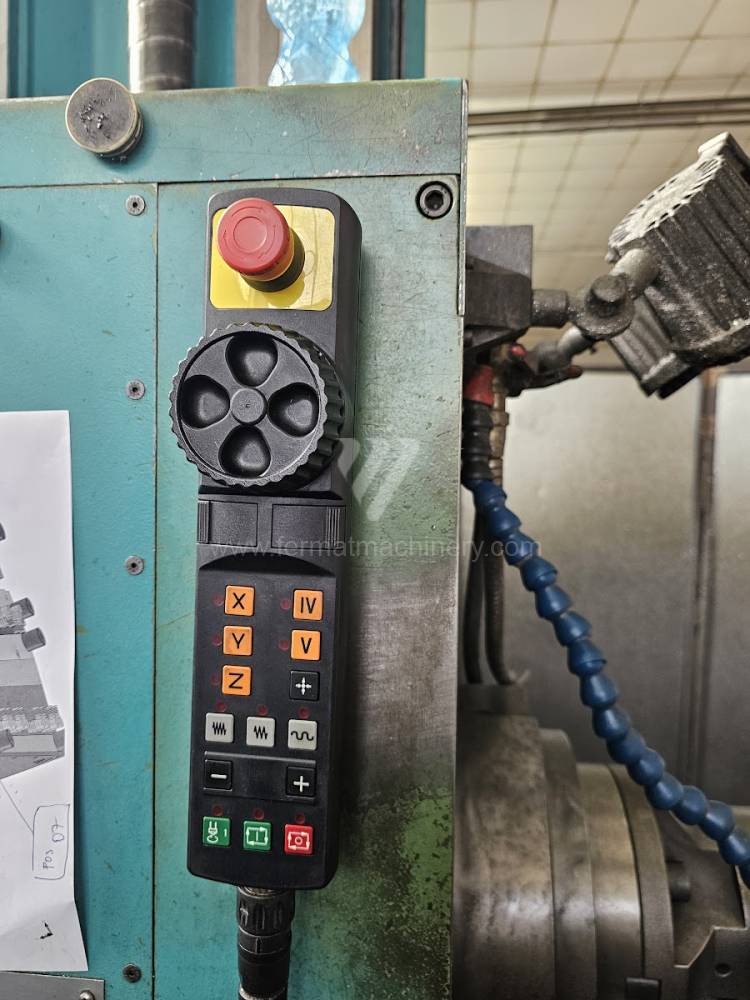
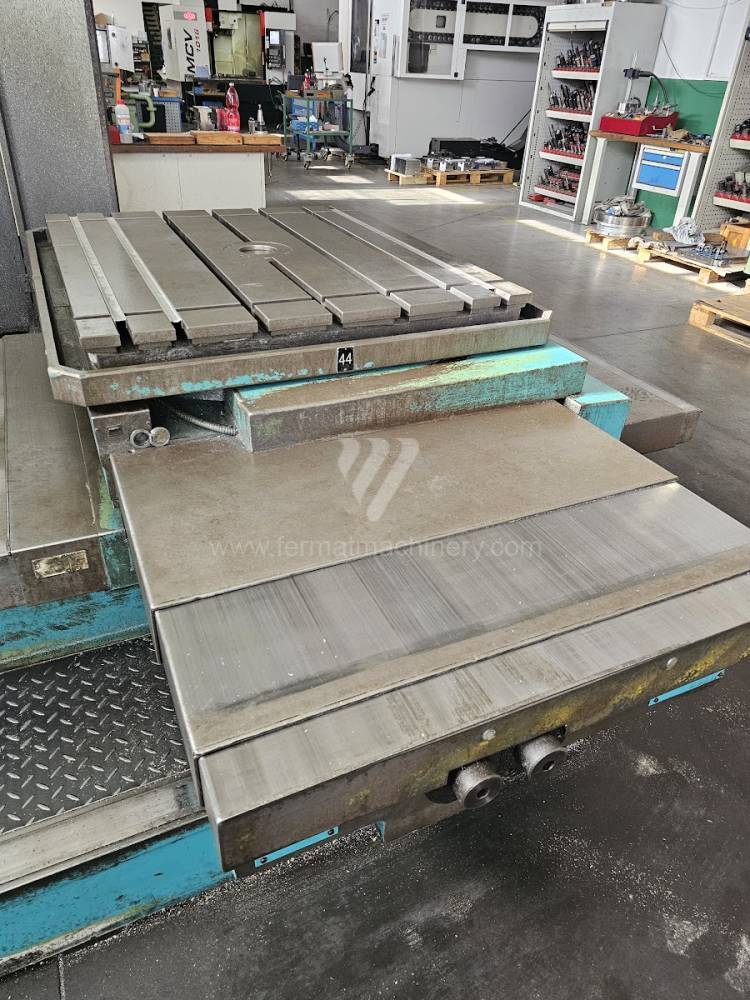
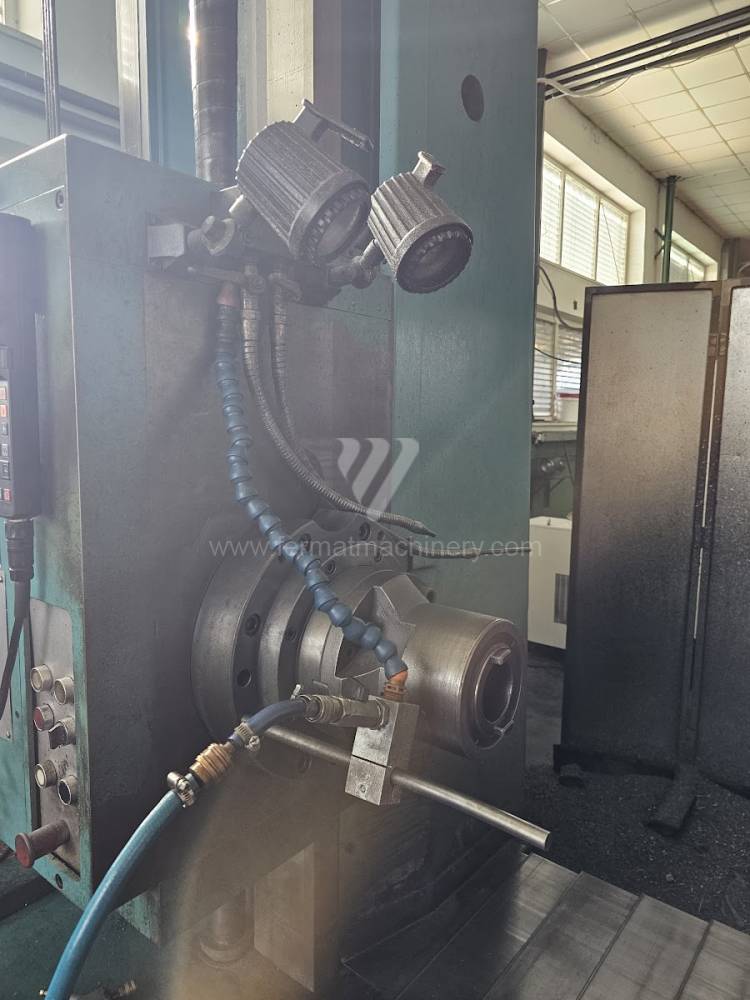
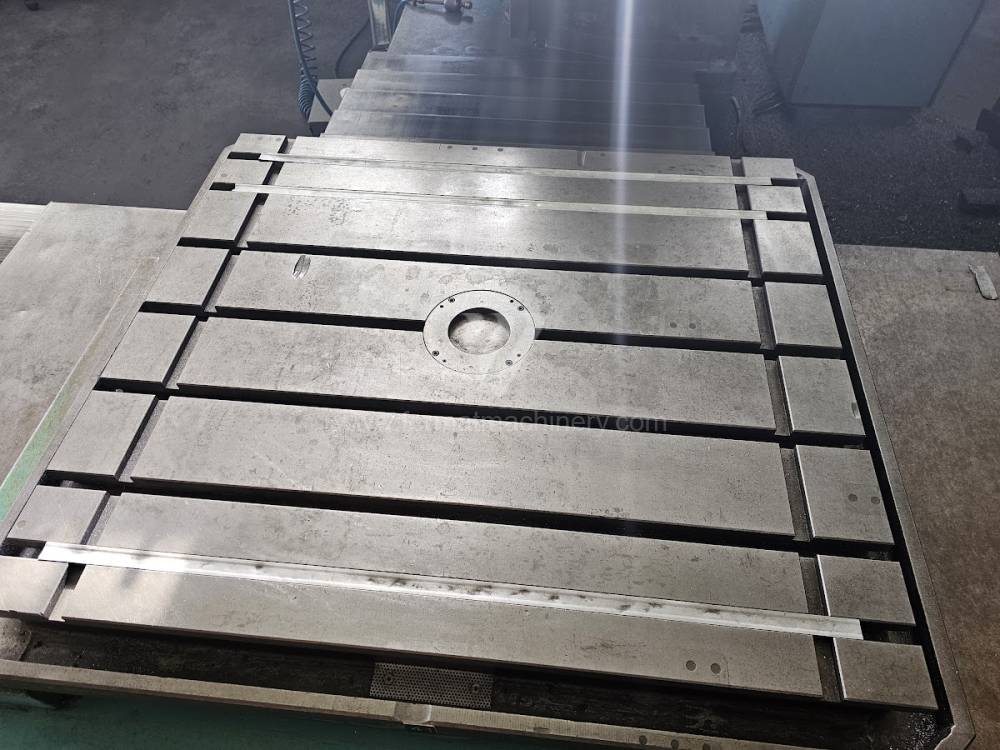
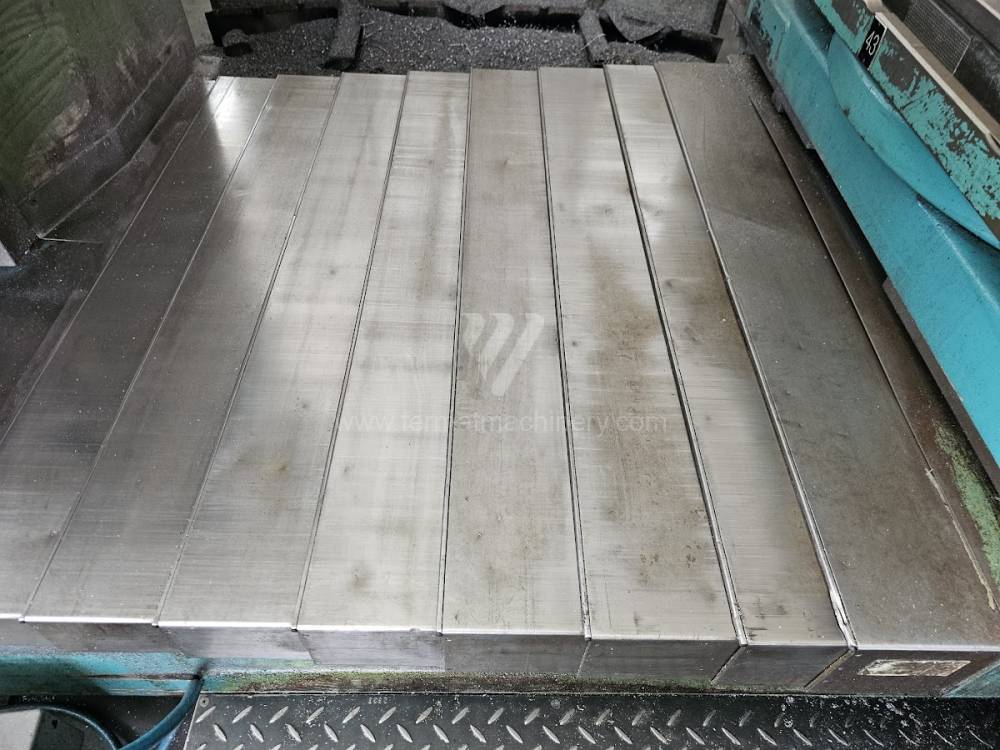
WH 10 CNC
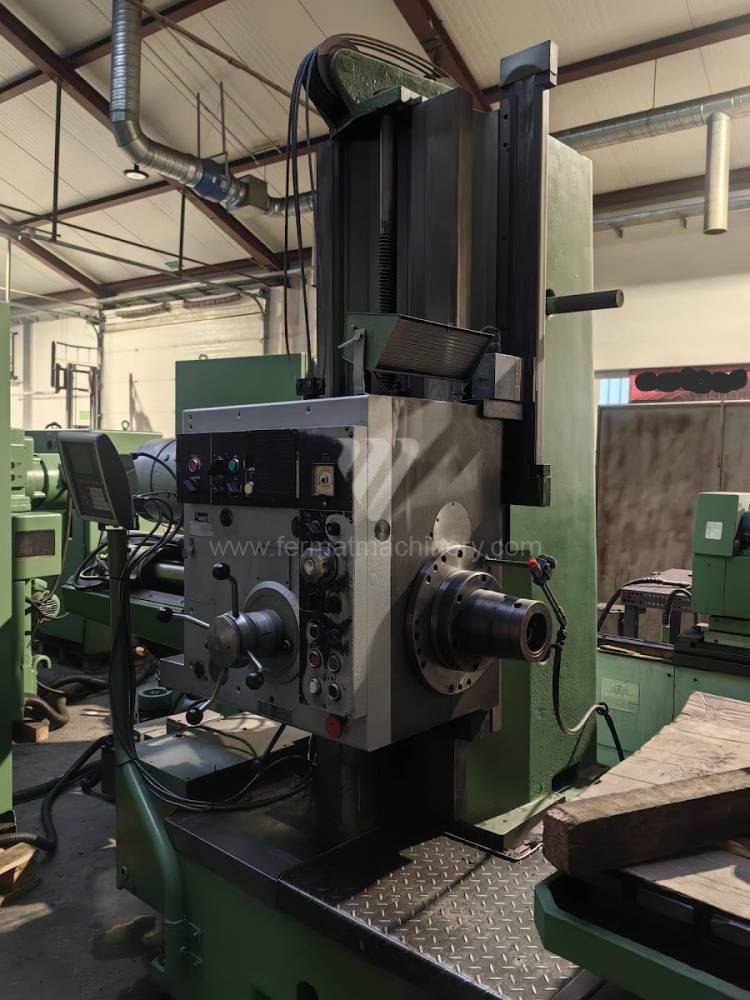
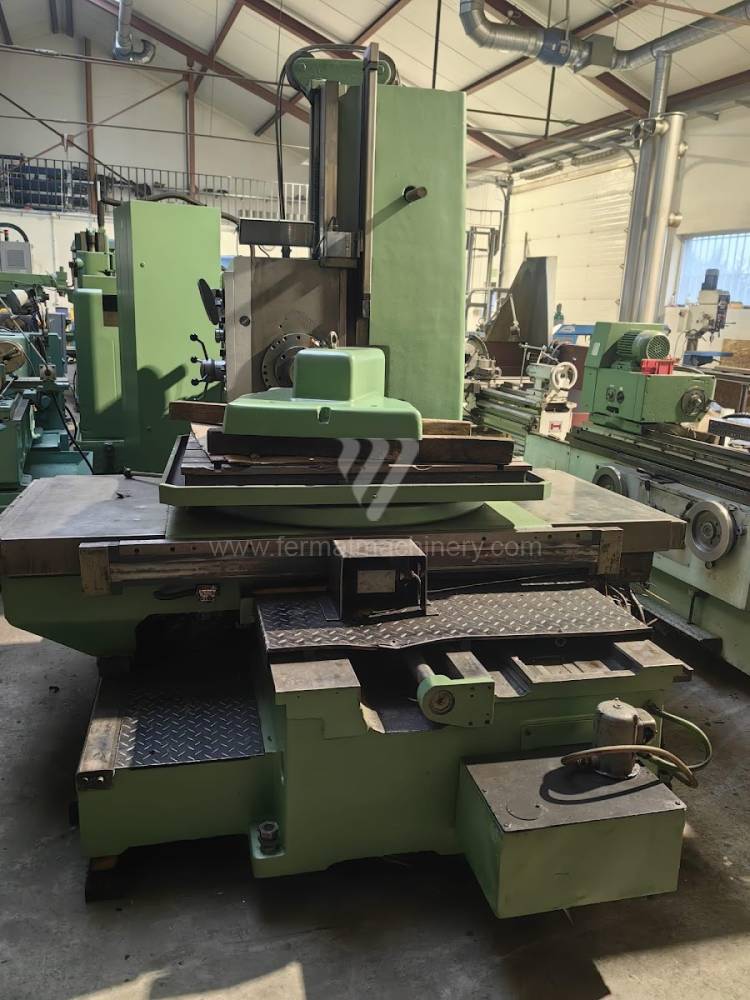
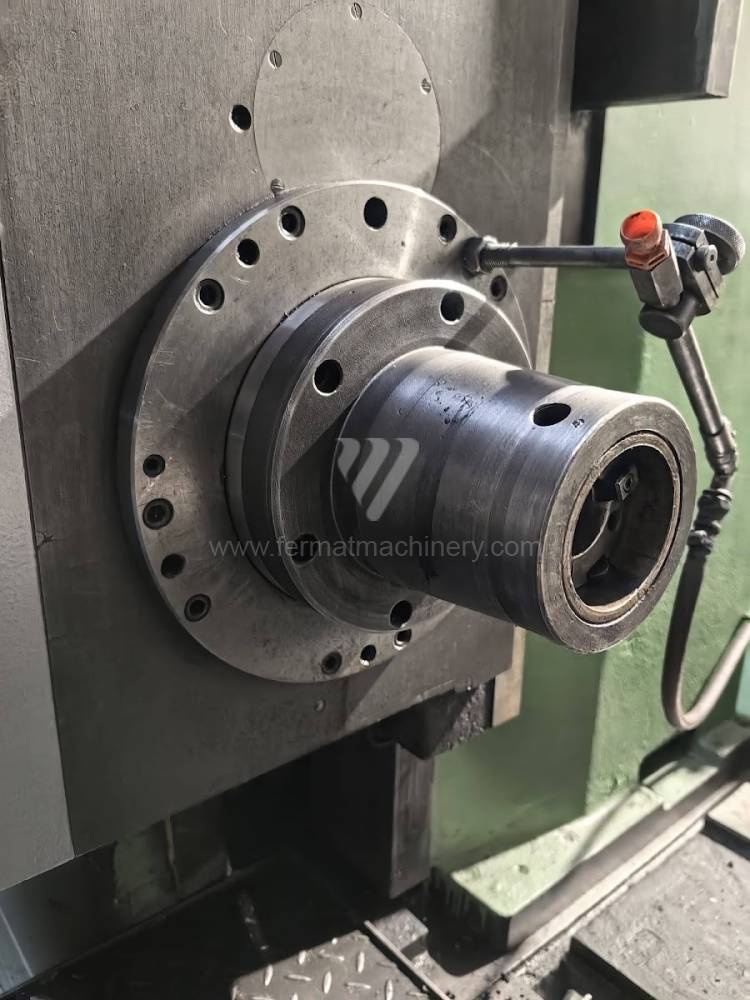
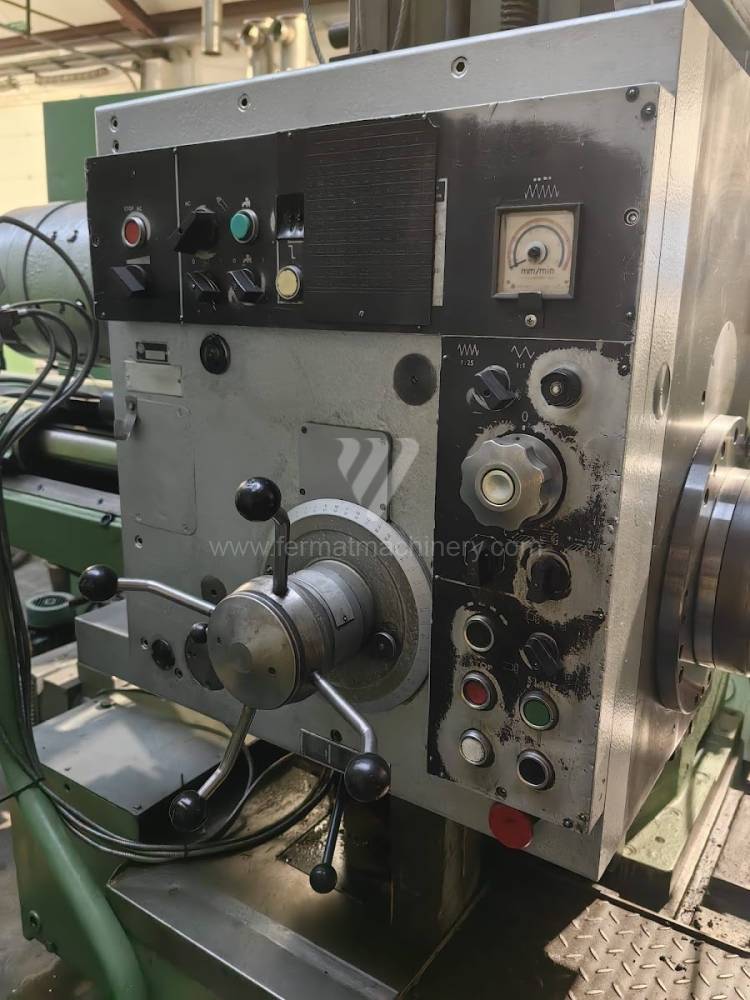
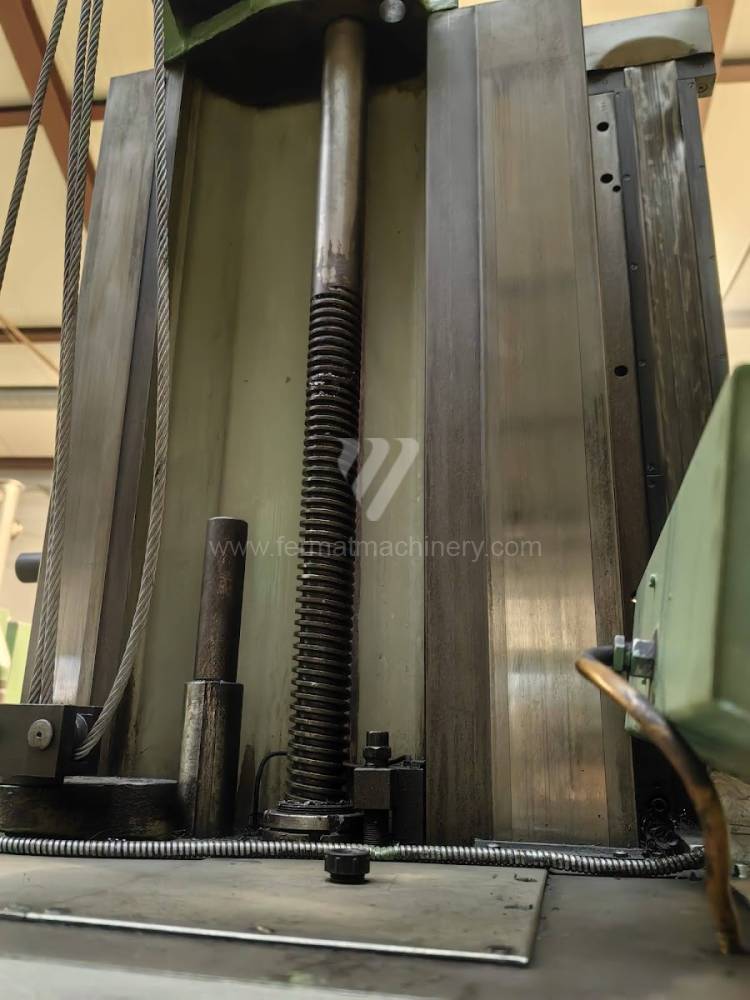
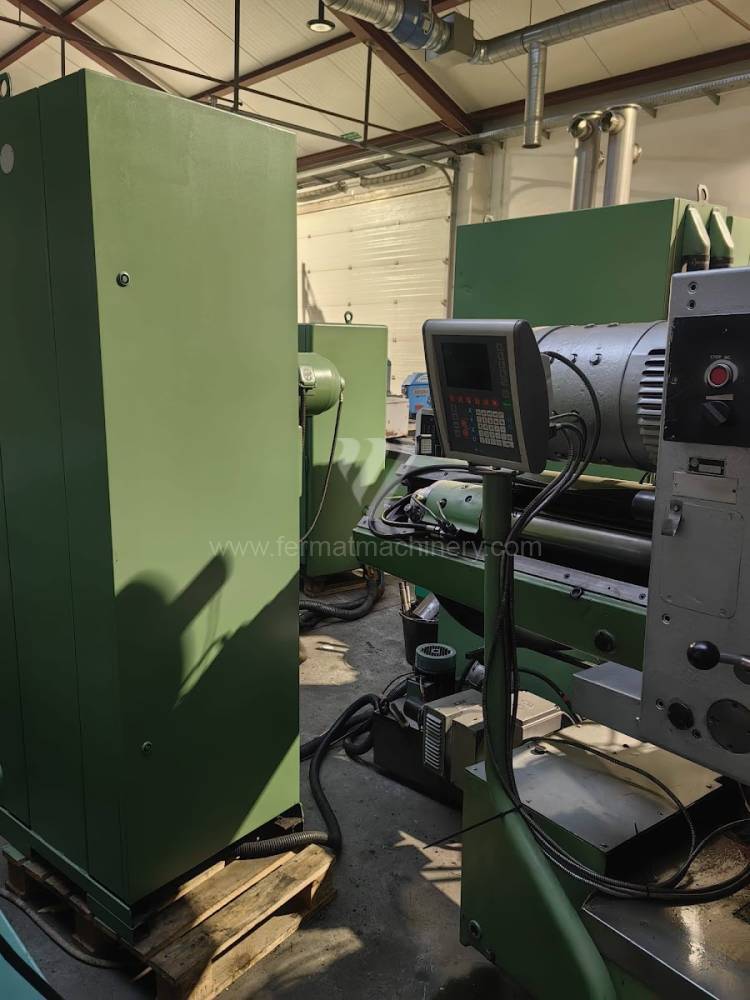
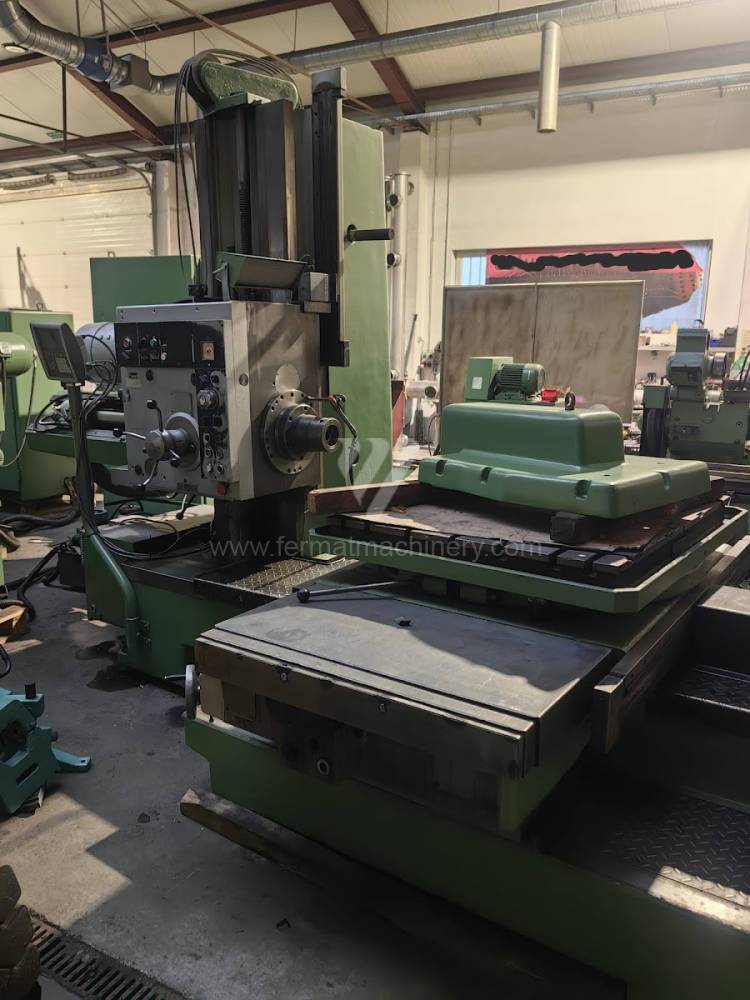
WHN 9B
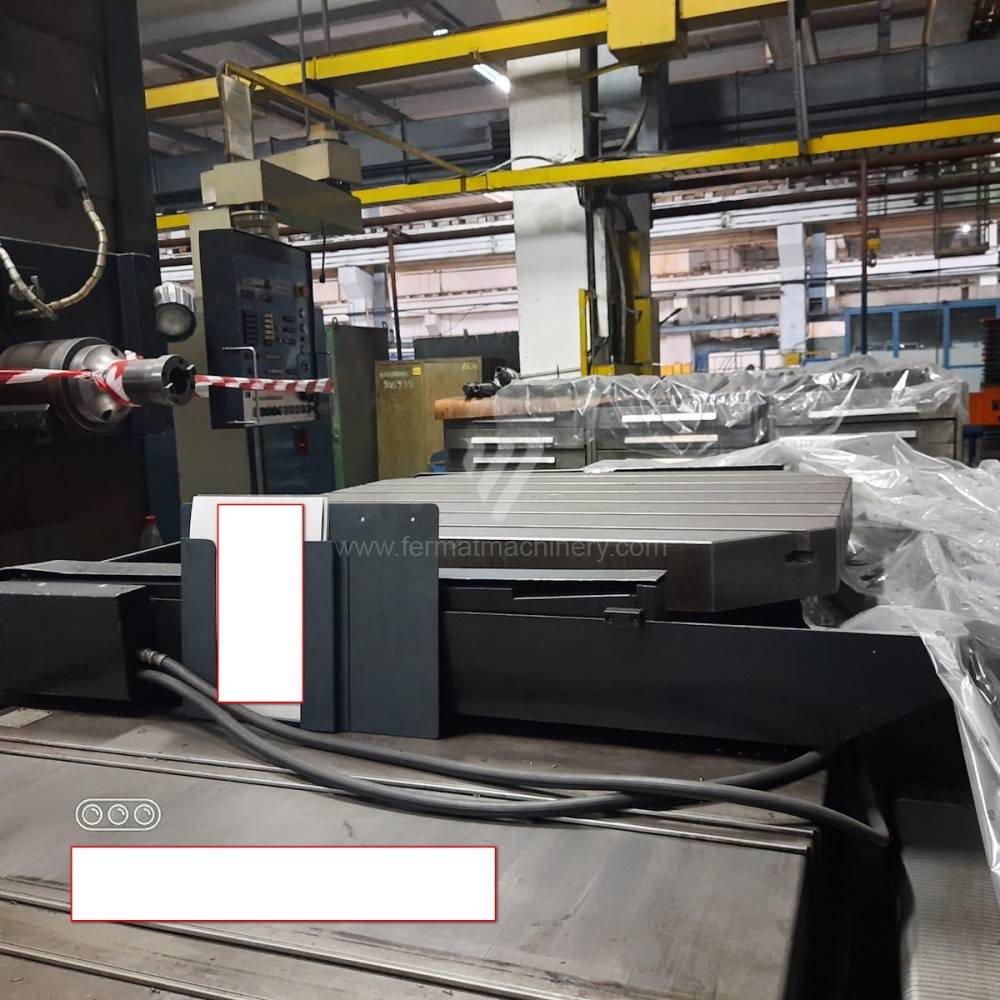
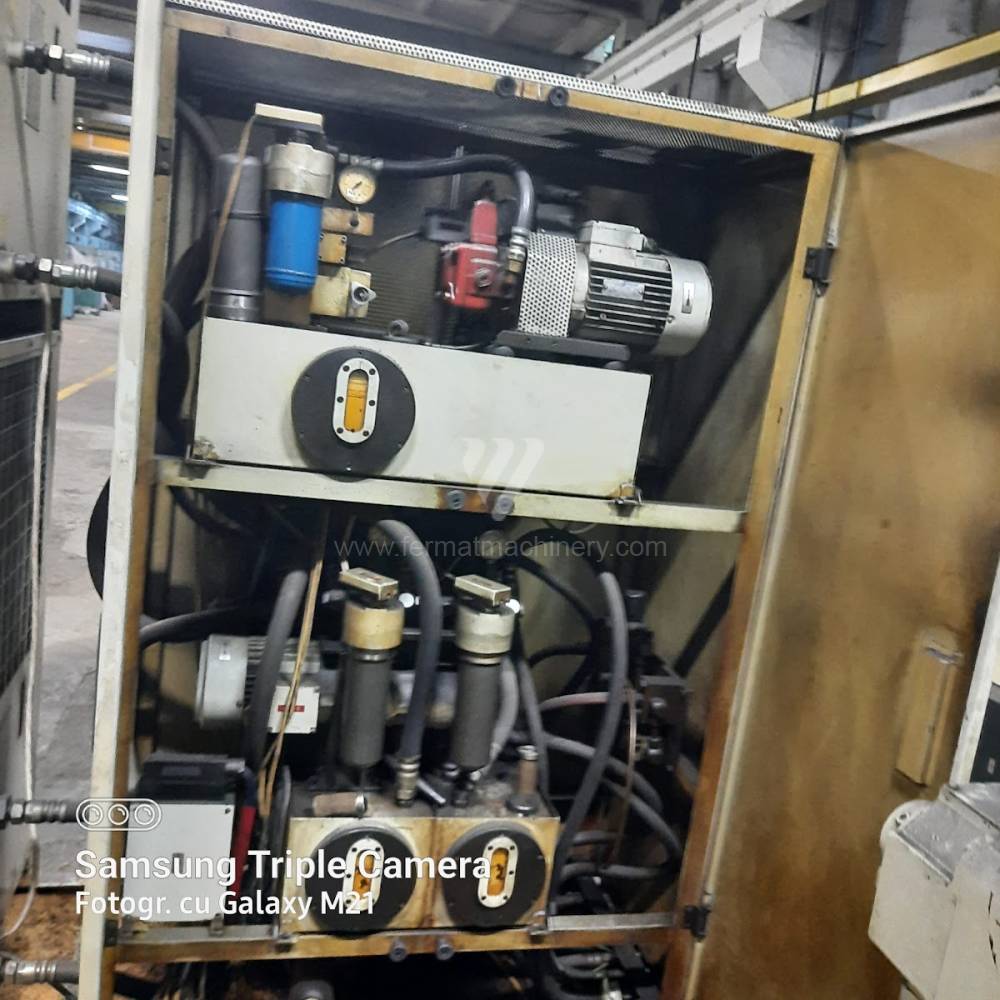
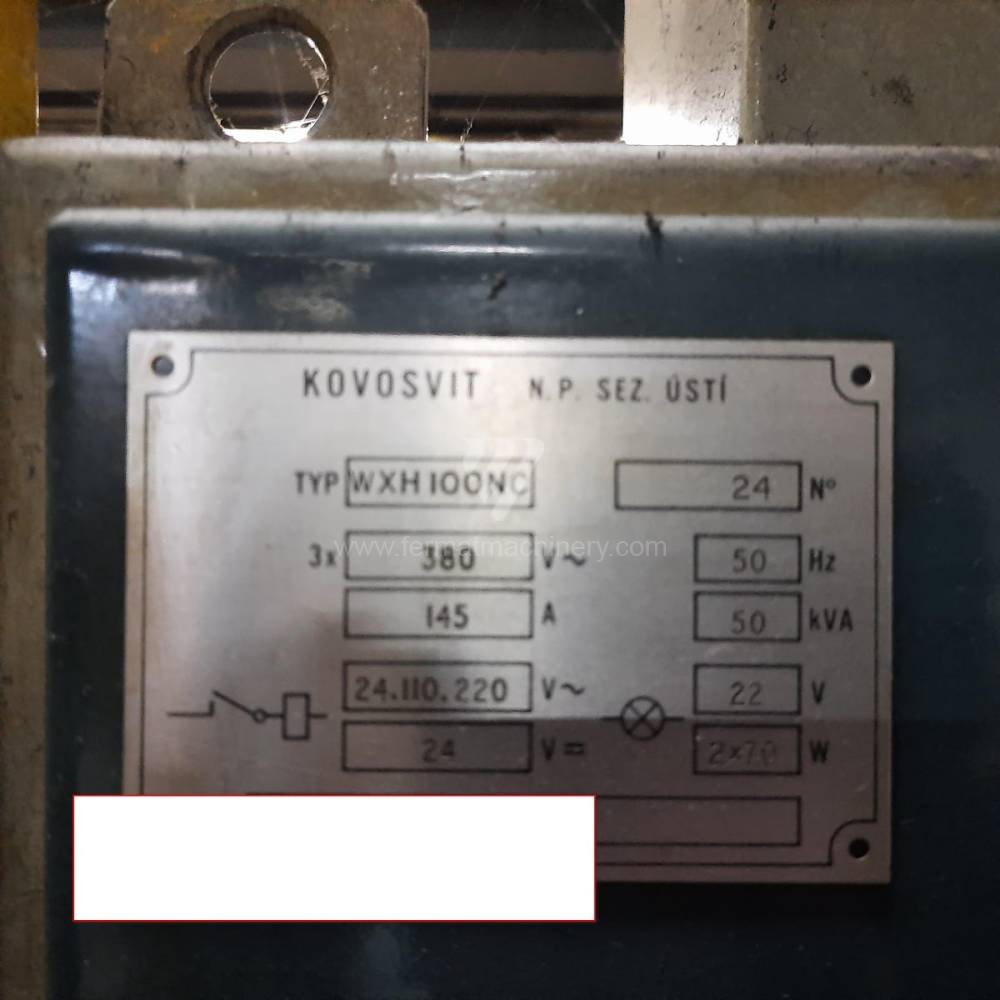
WXH 100
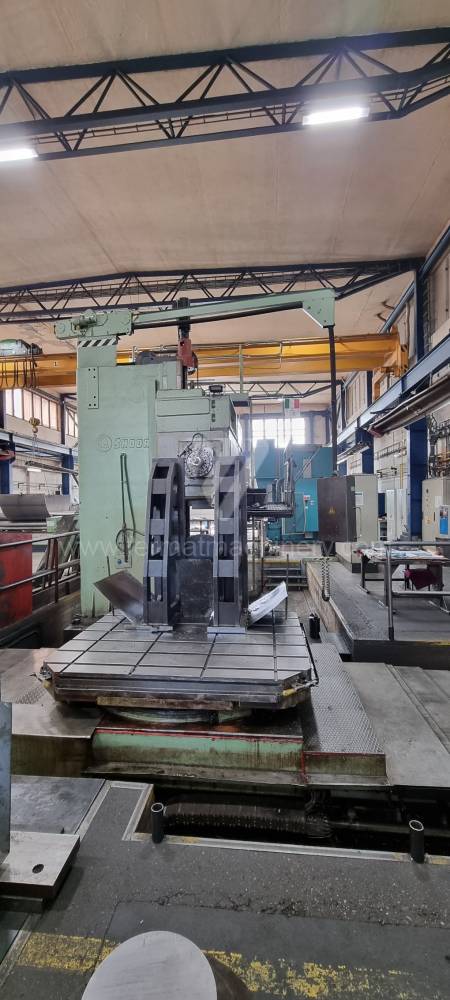
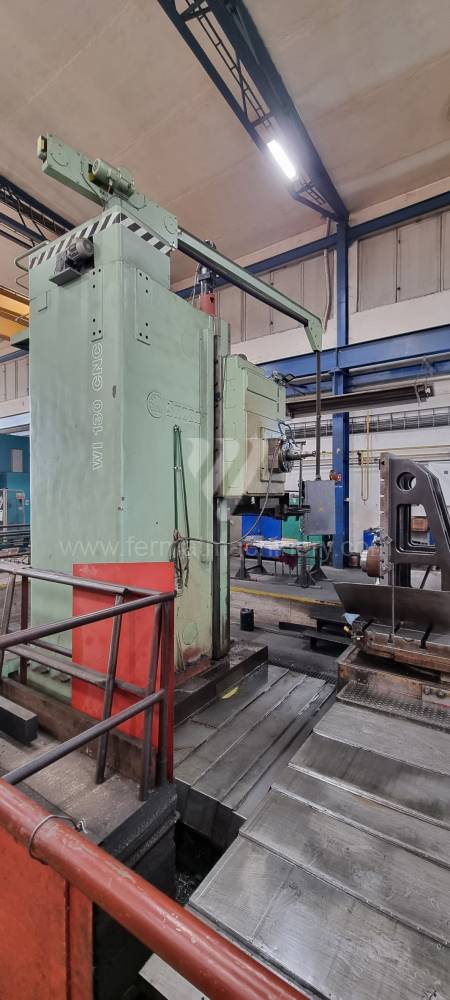
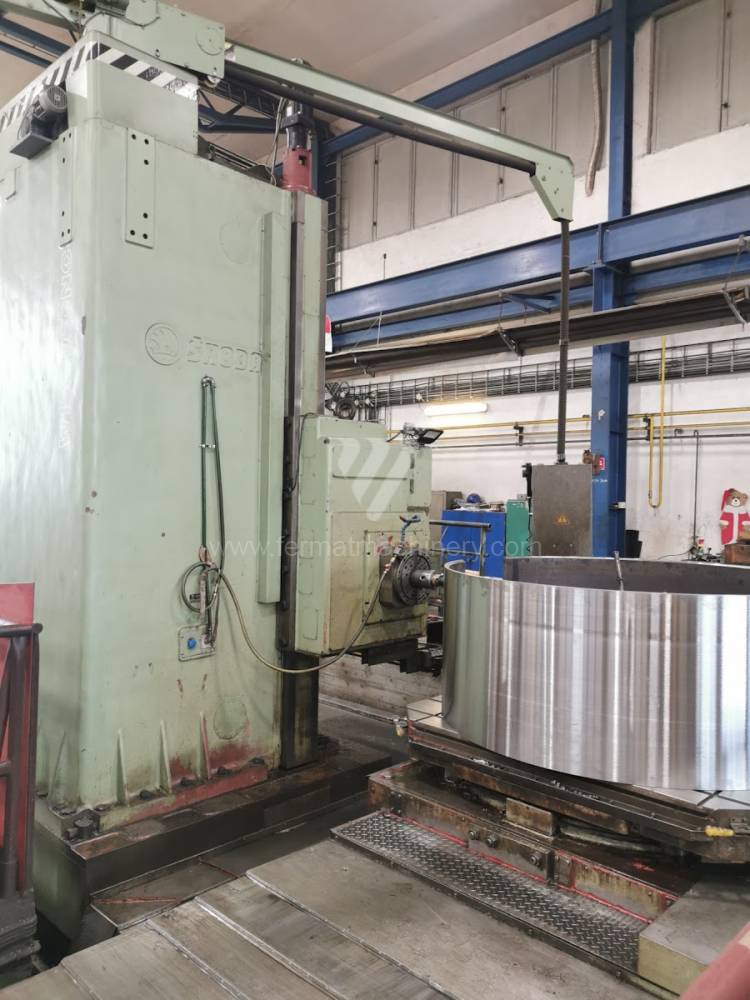
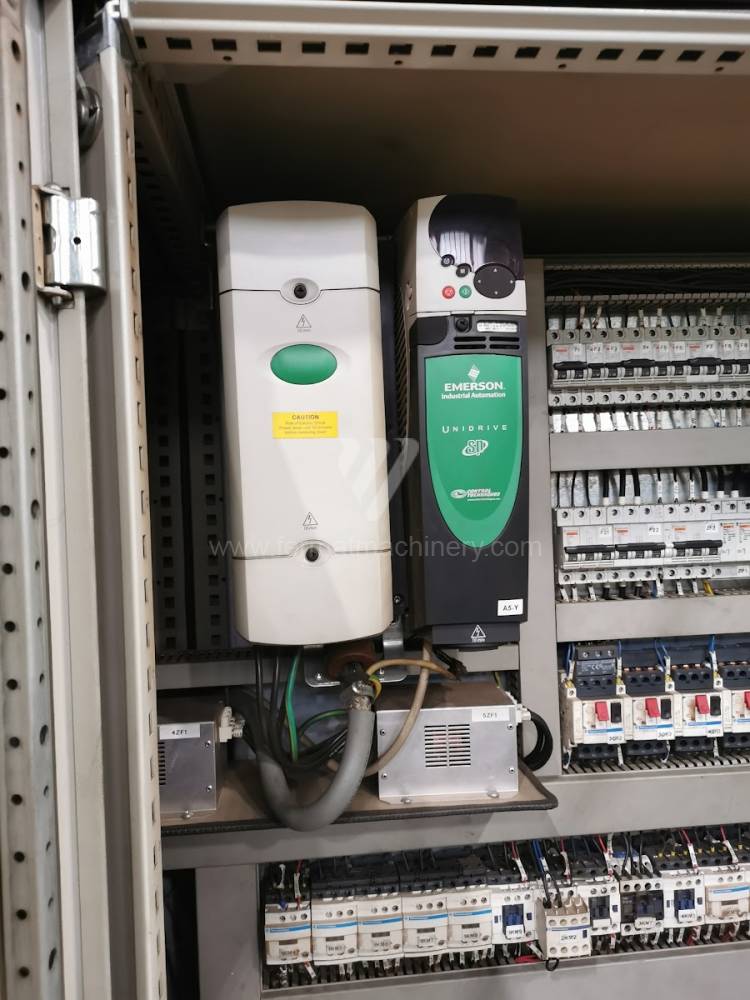
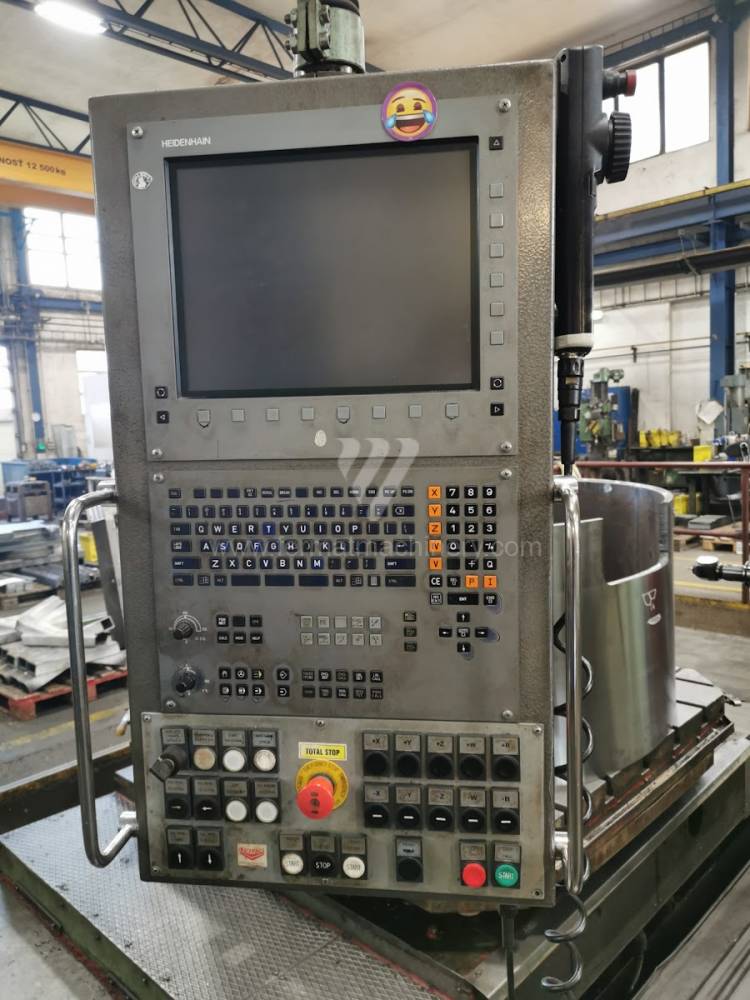
WI 130 CNC


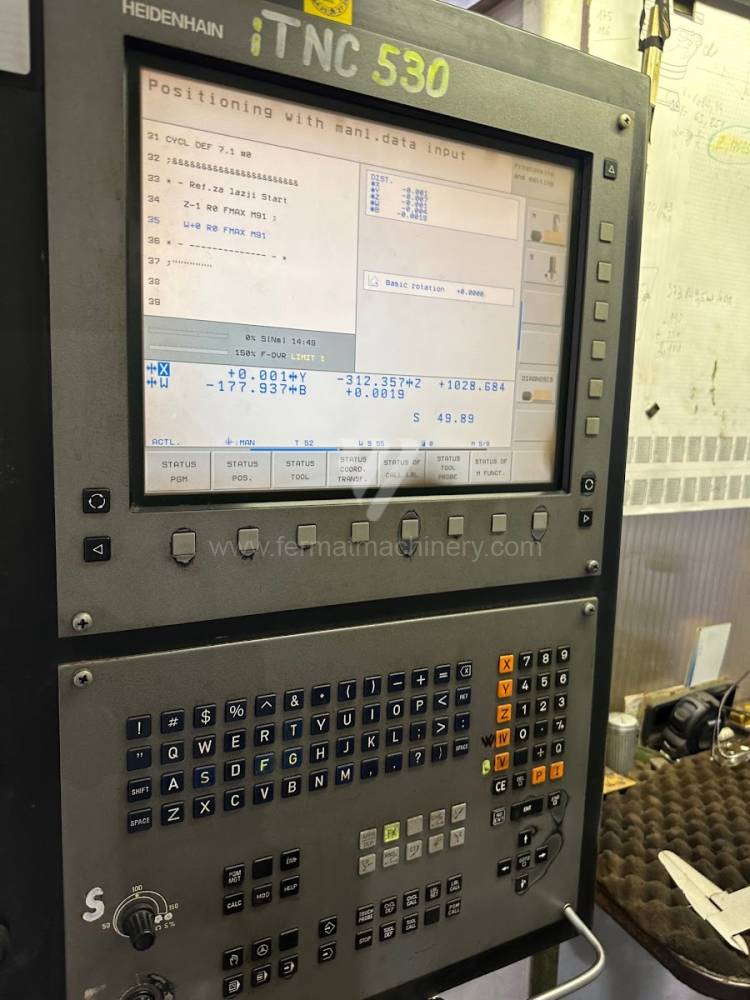
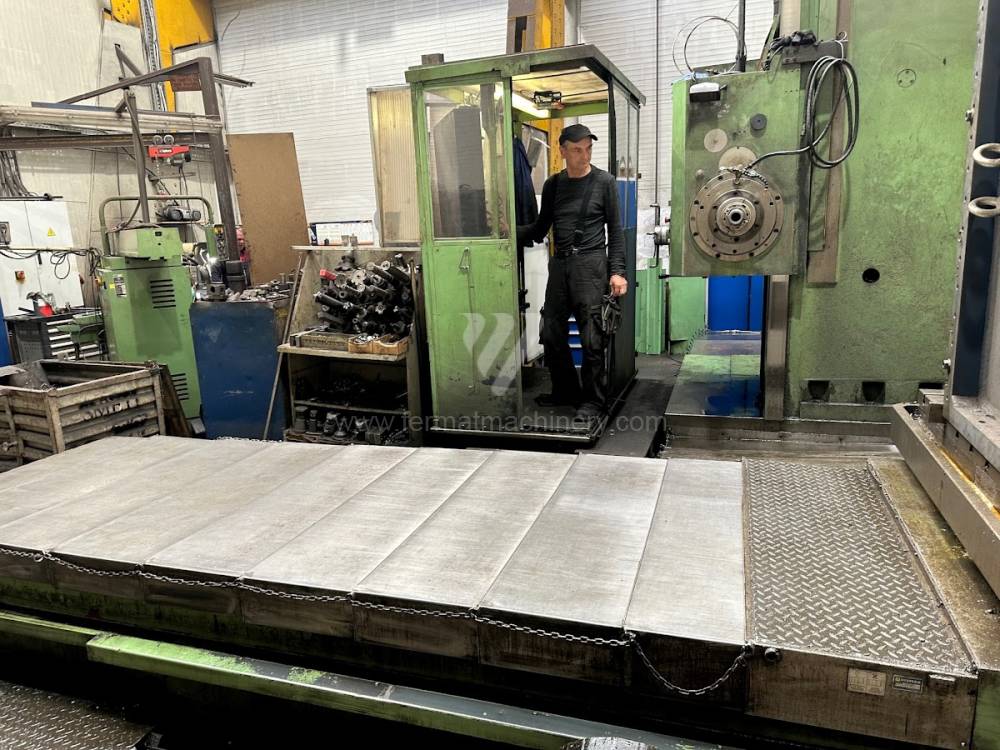

WHN 13
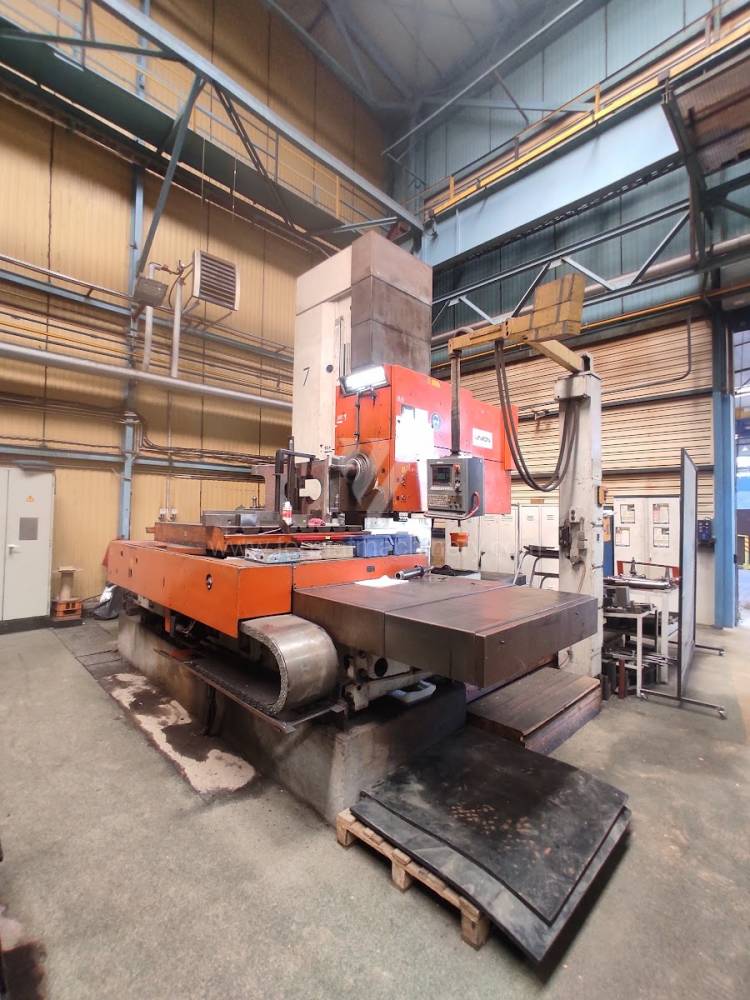
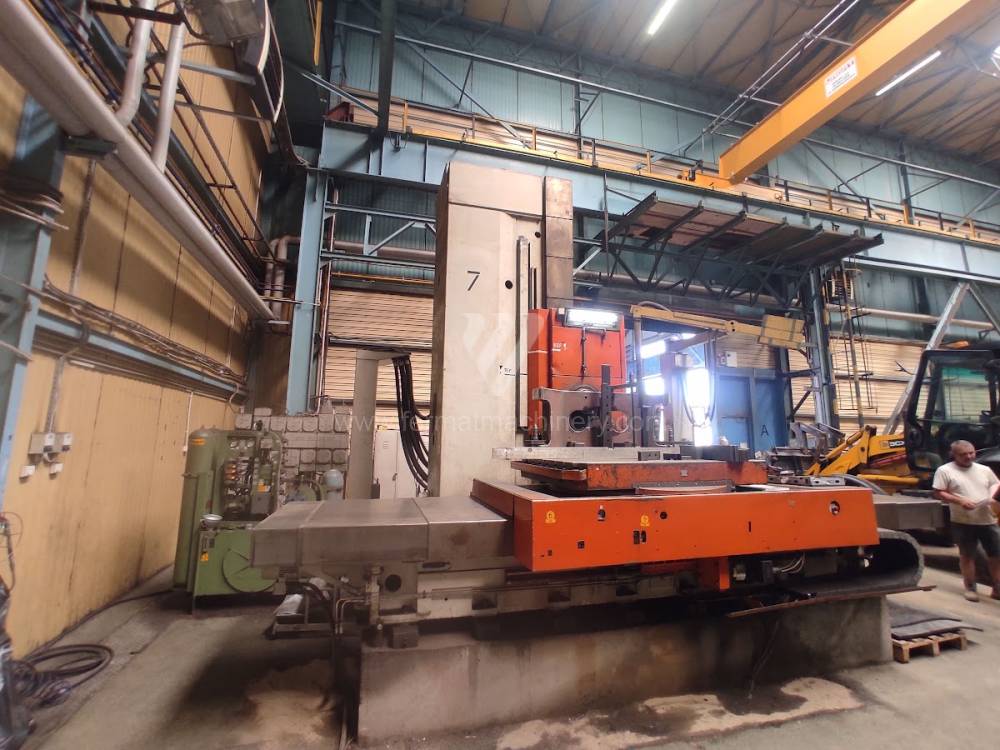
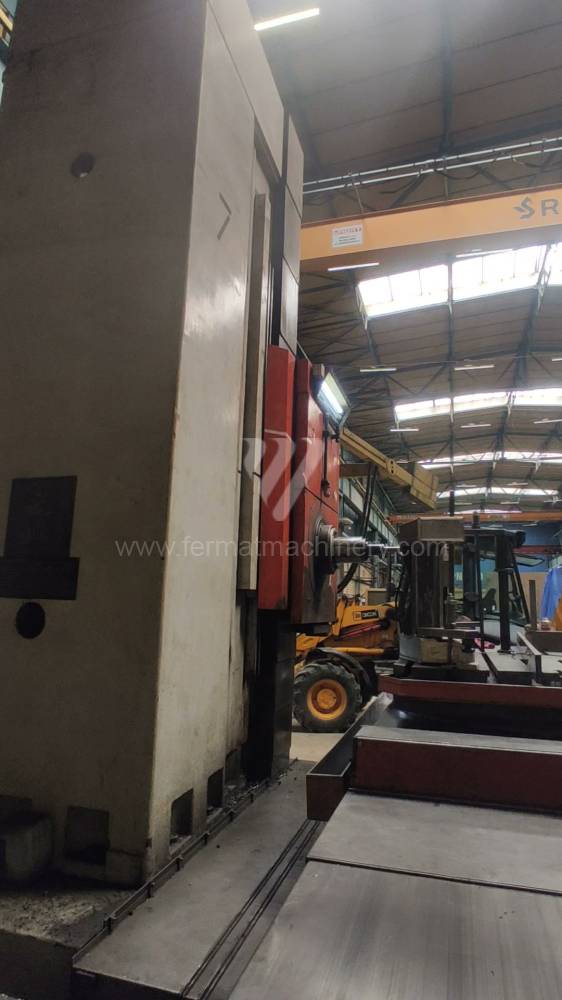
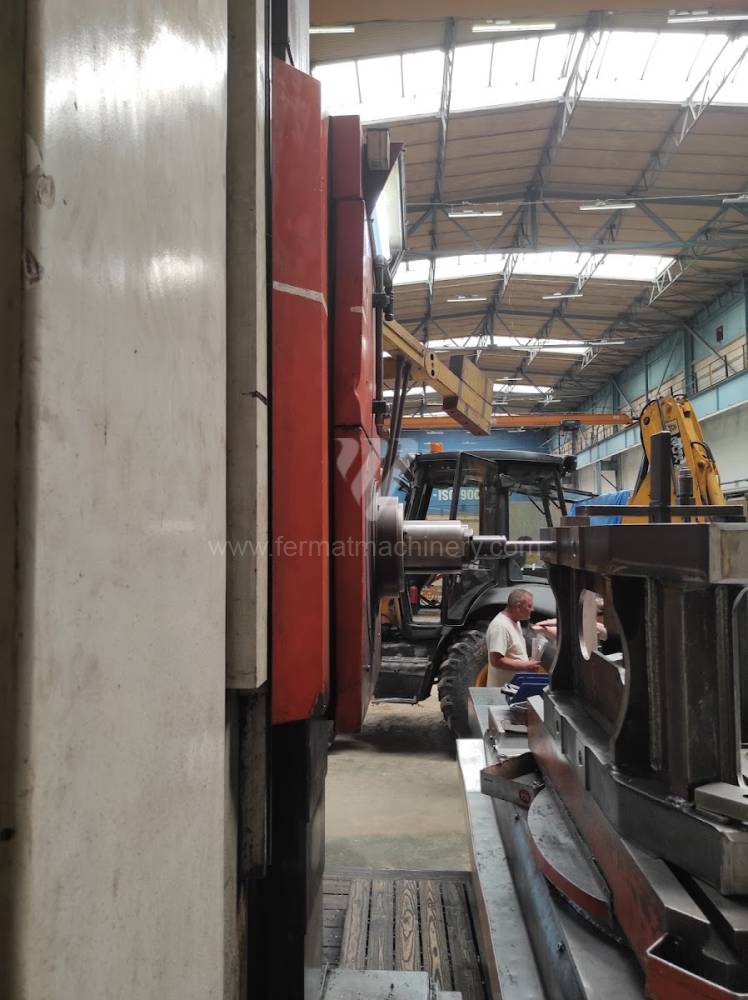
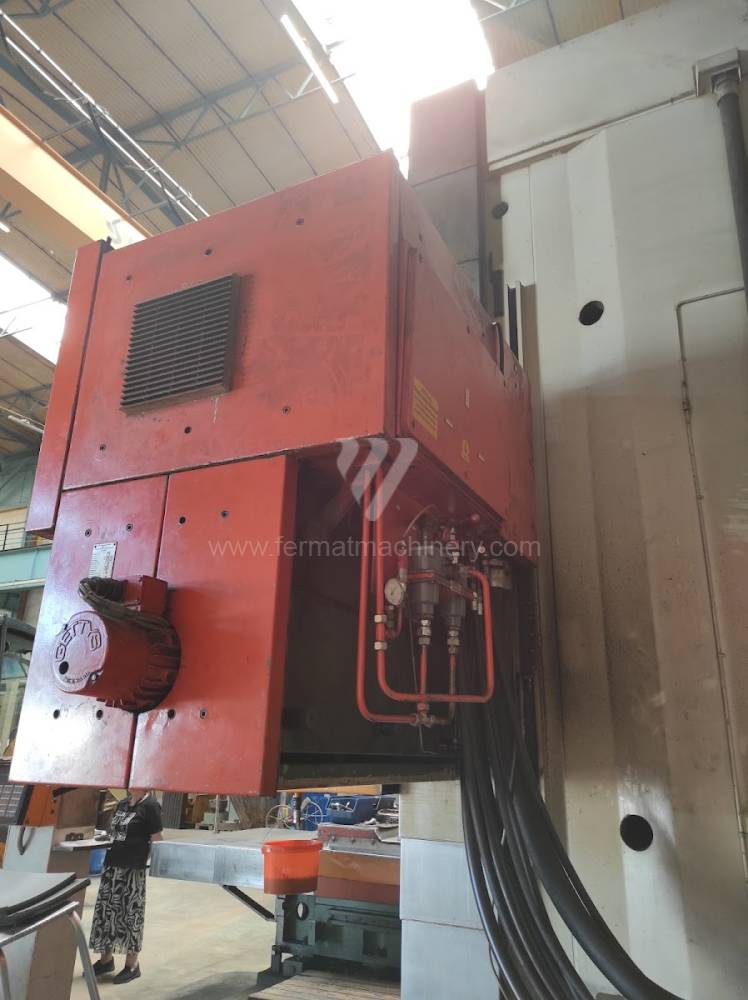
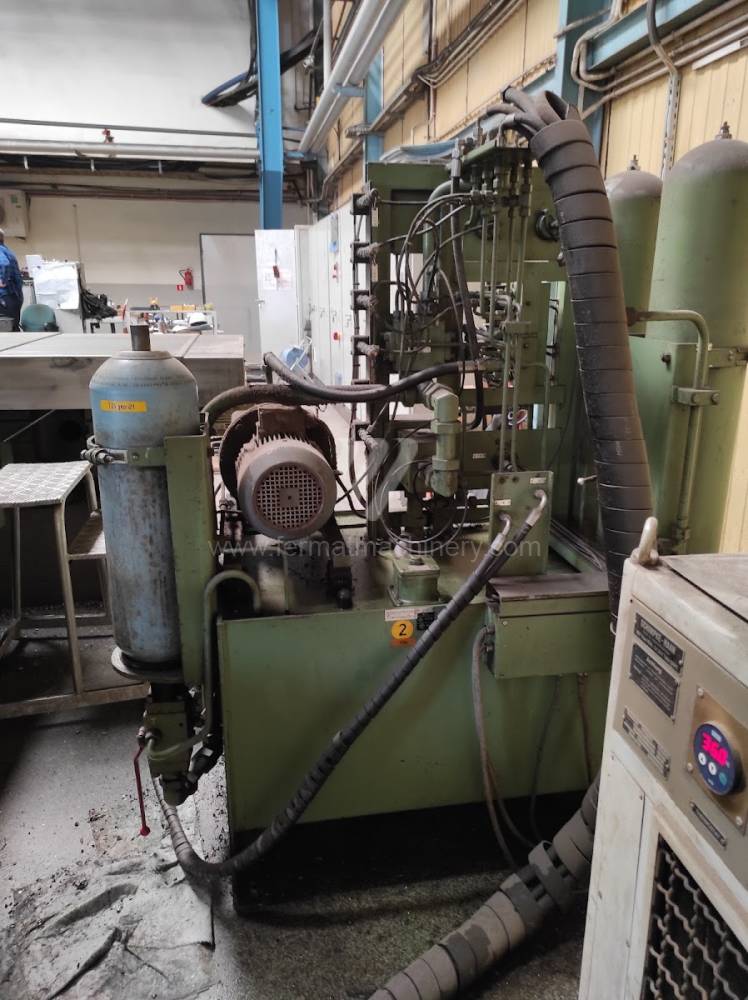
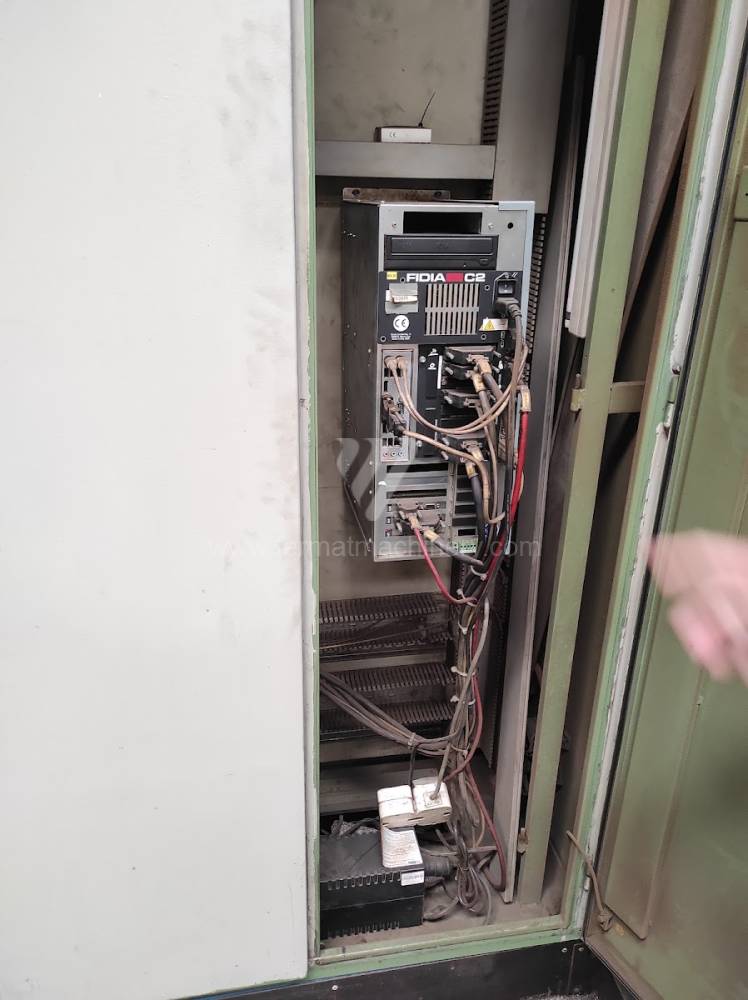
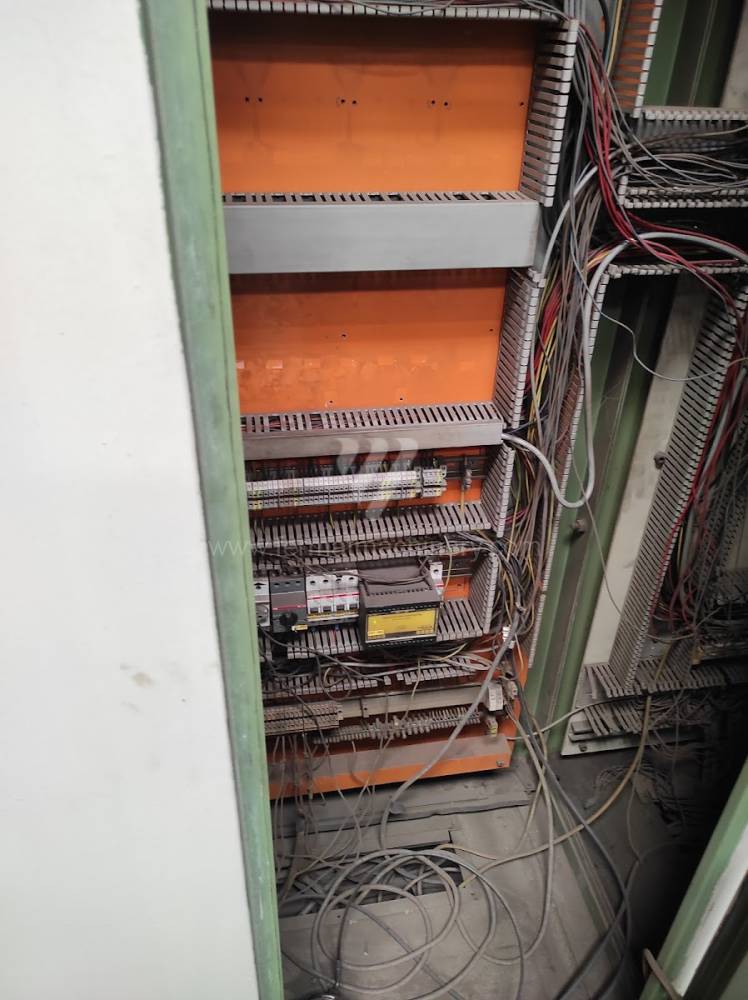
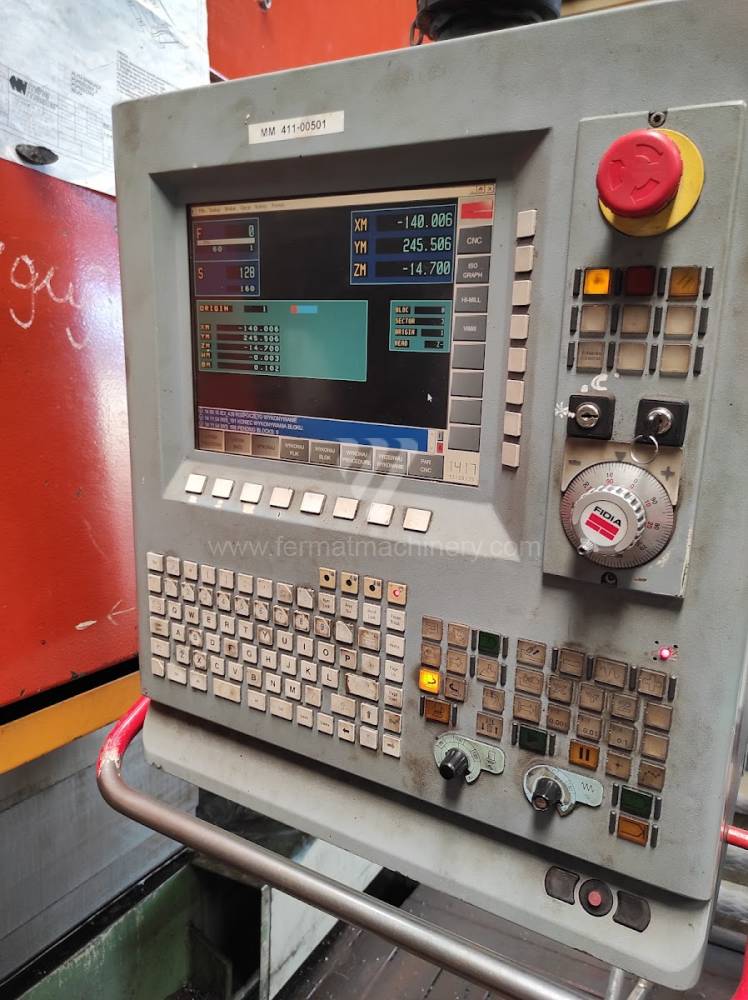
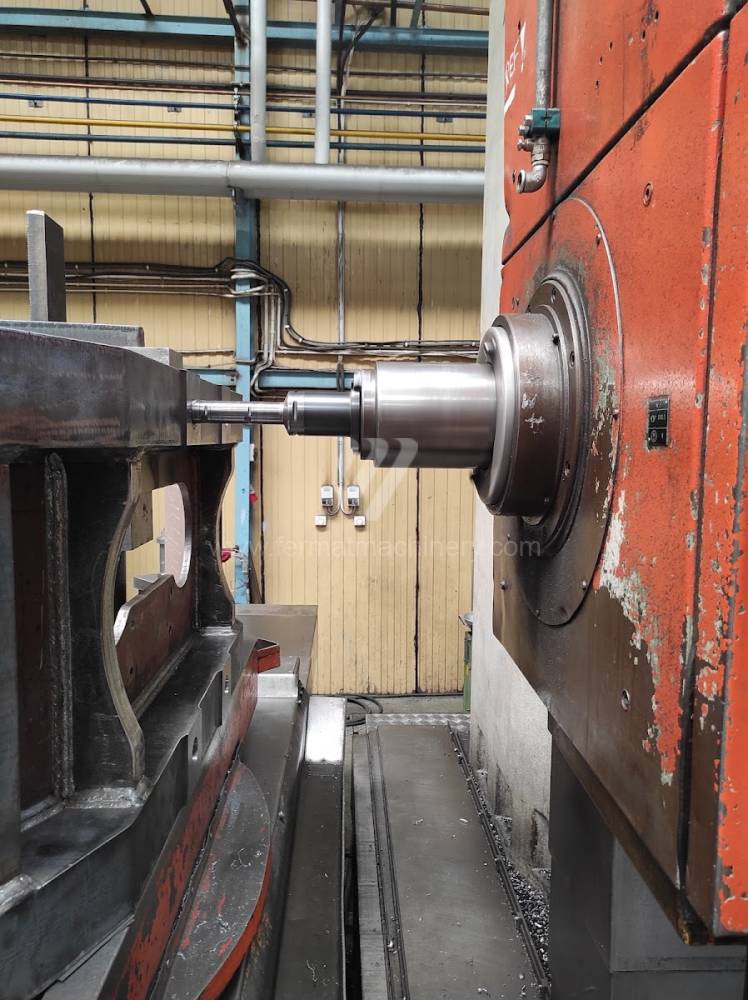
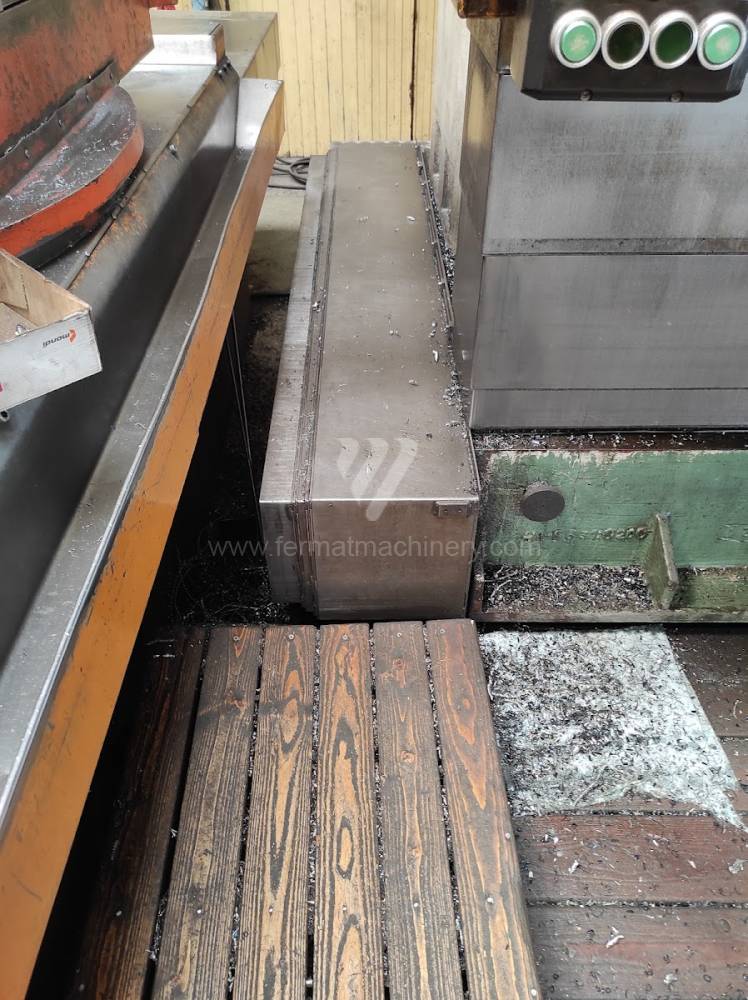
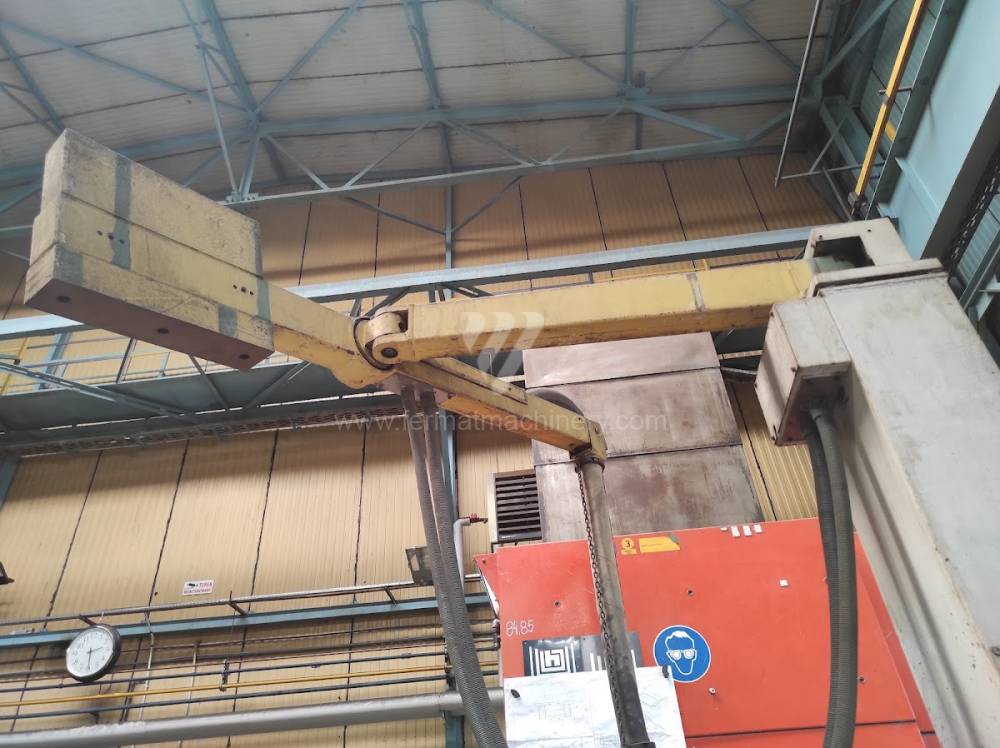
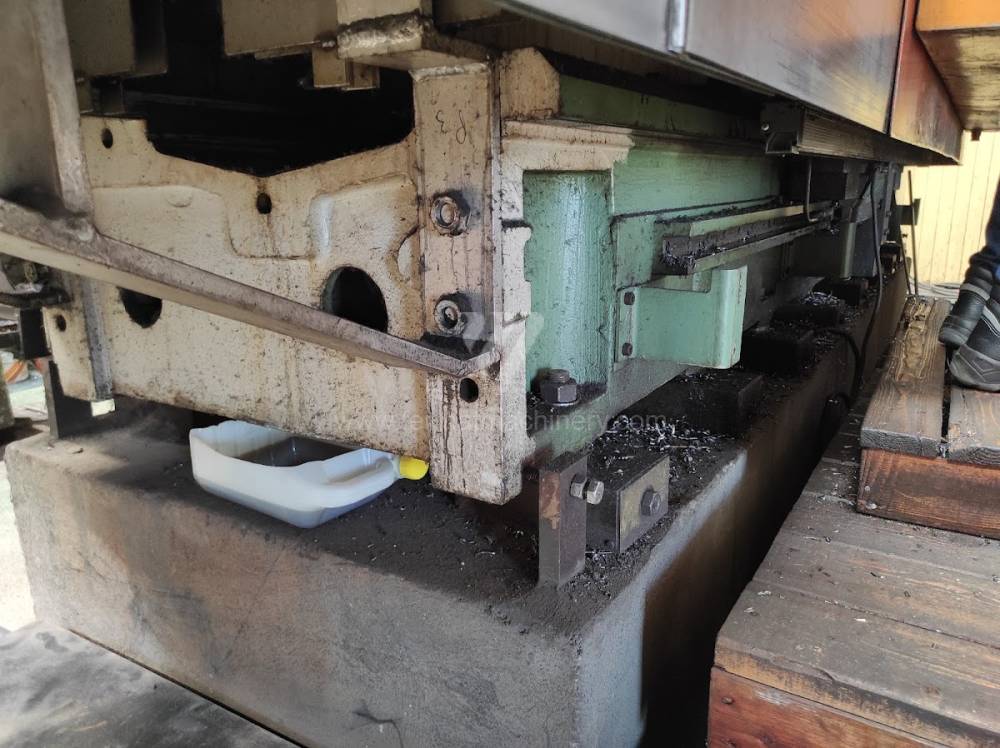
BFKF 150
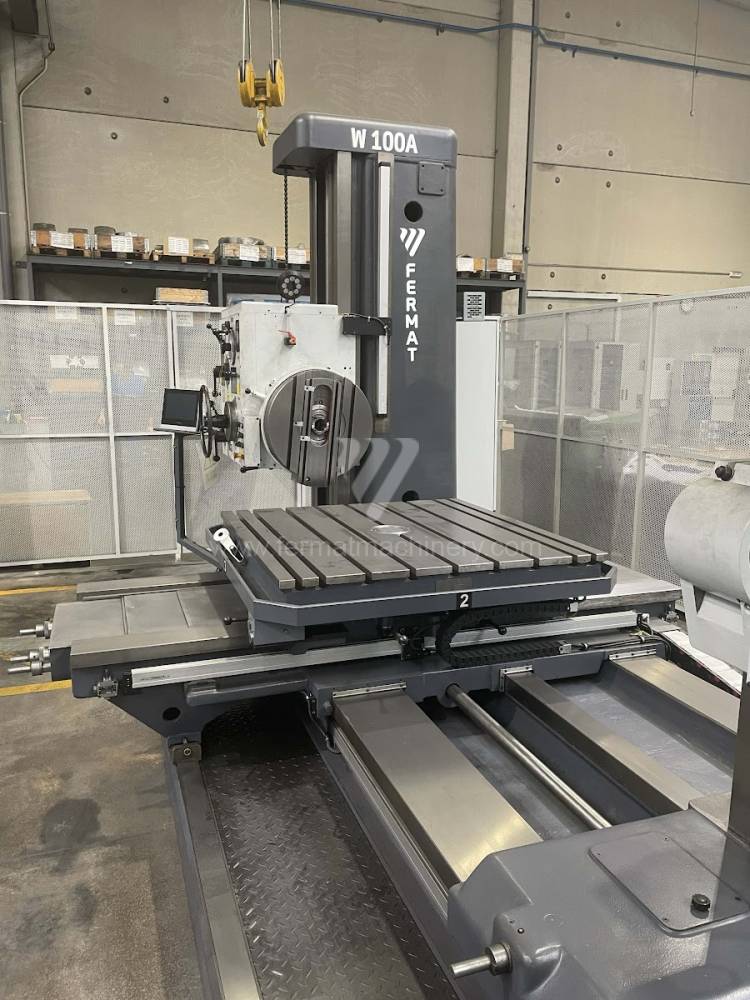
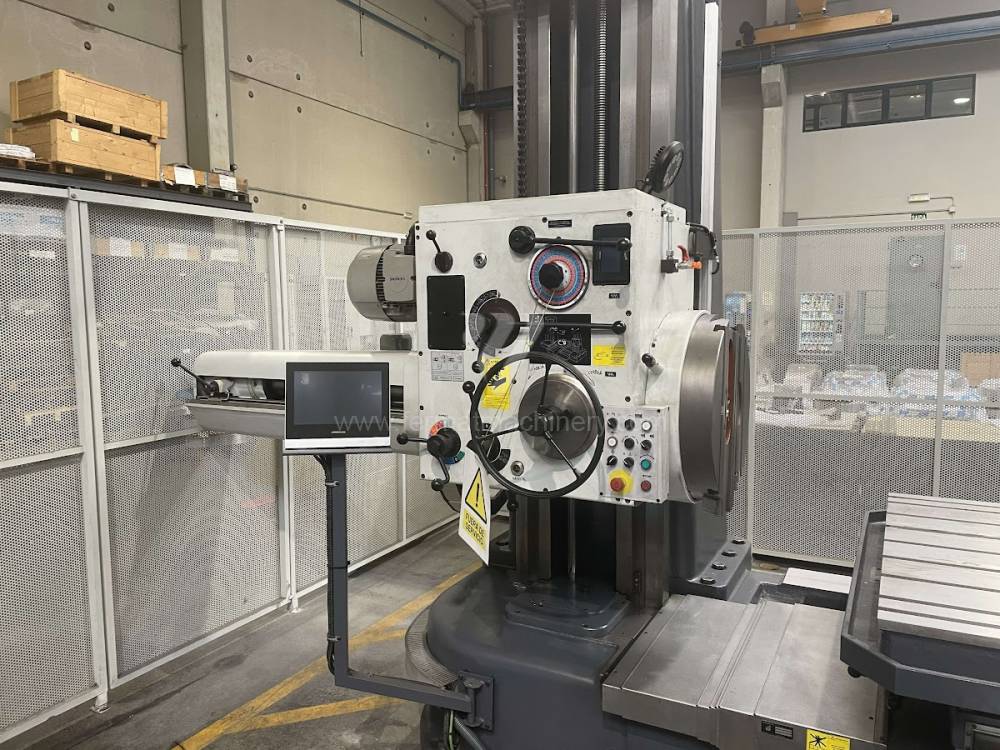
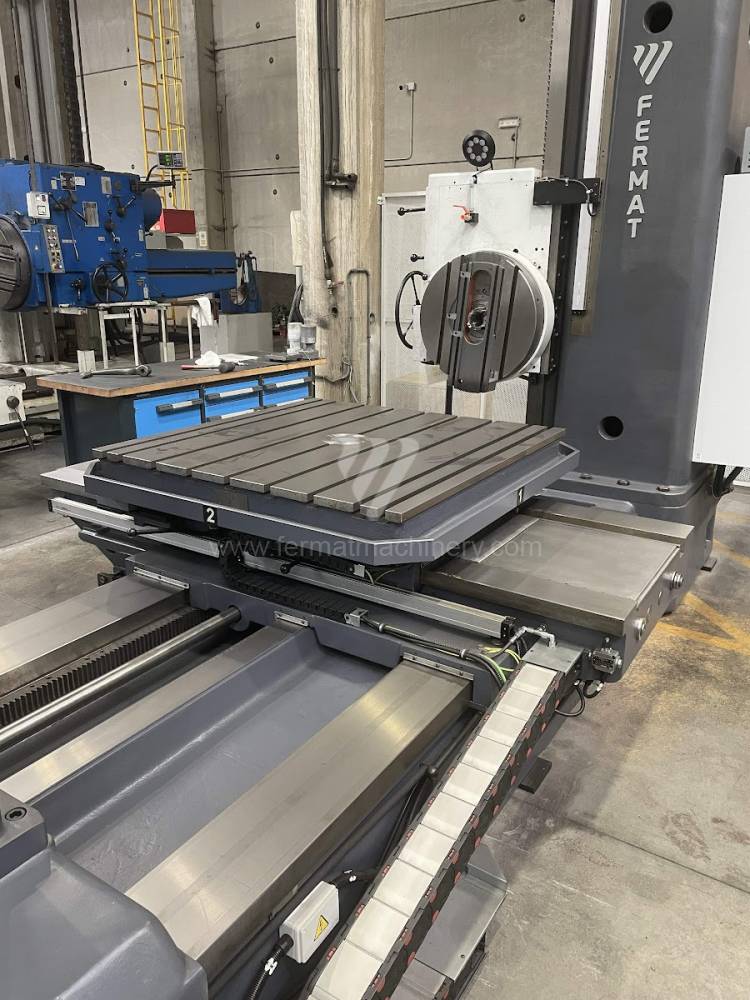
W 100 A
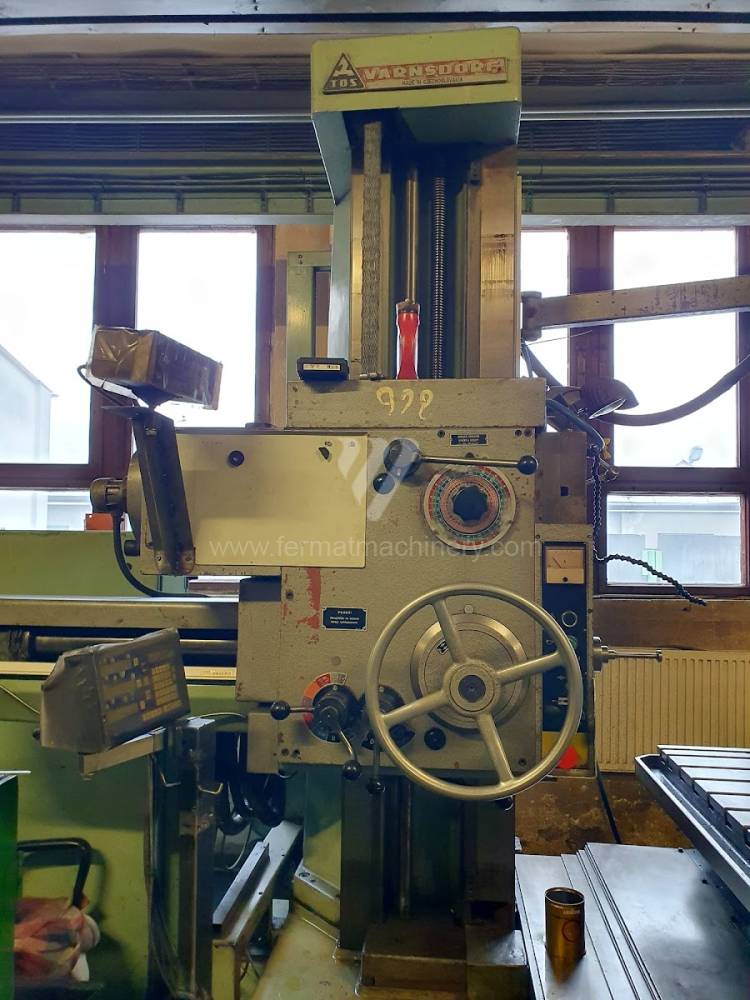
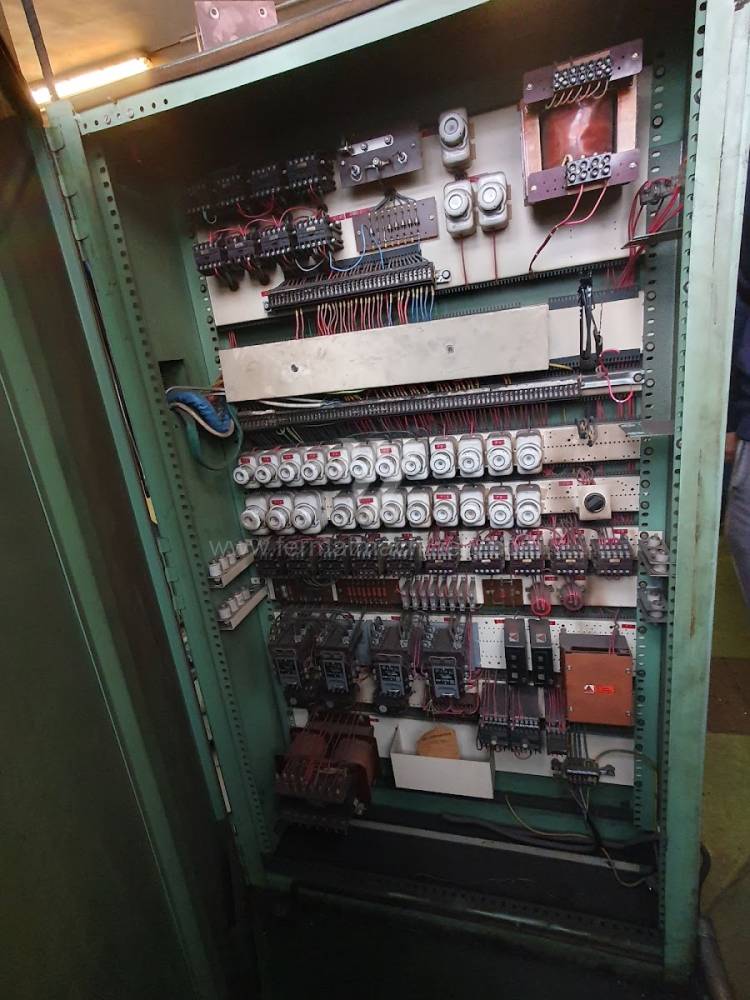
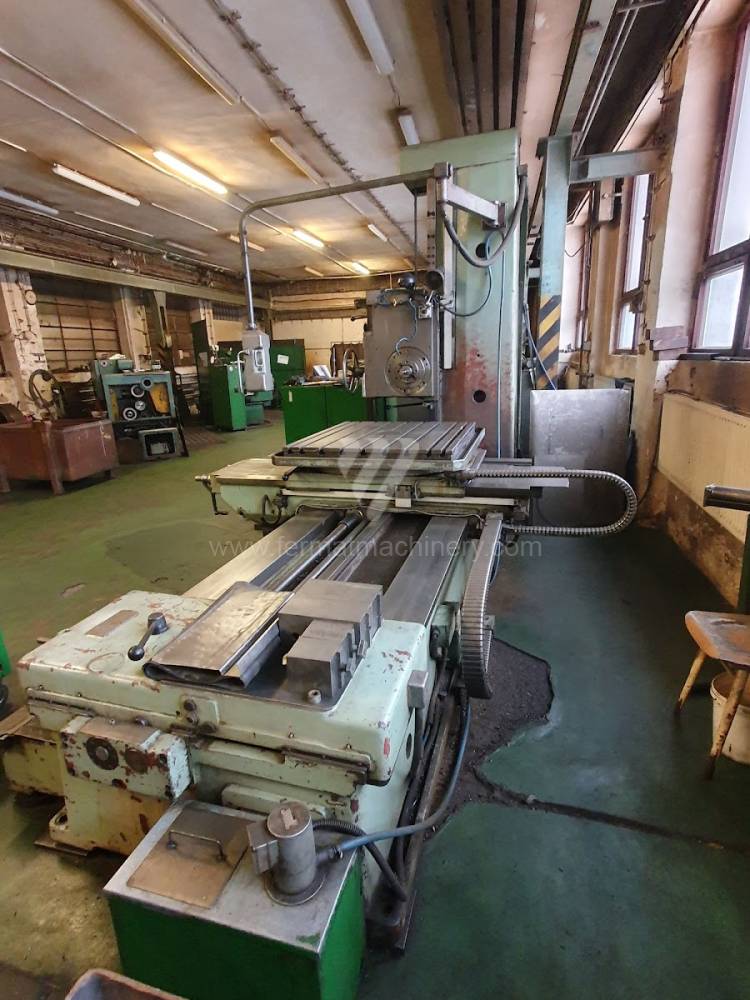
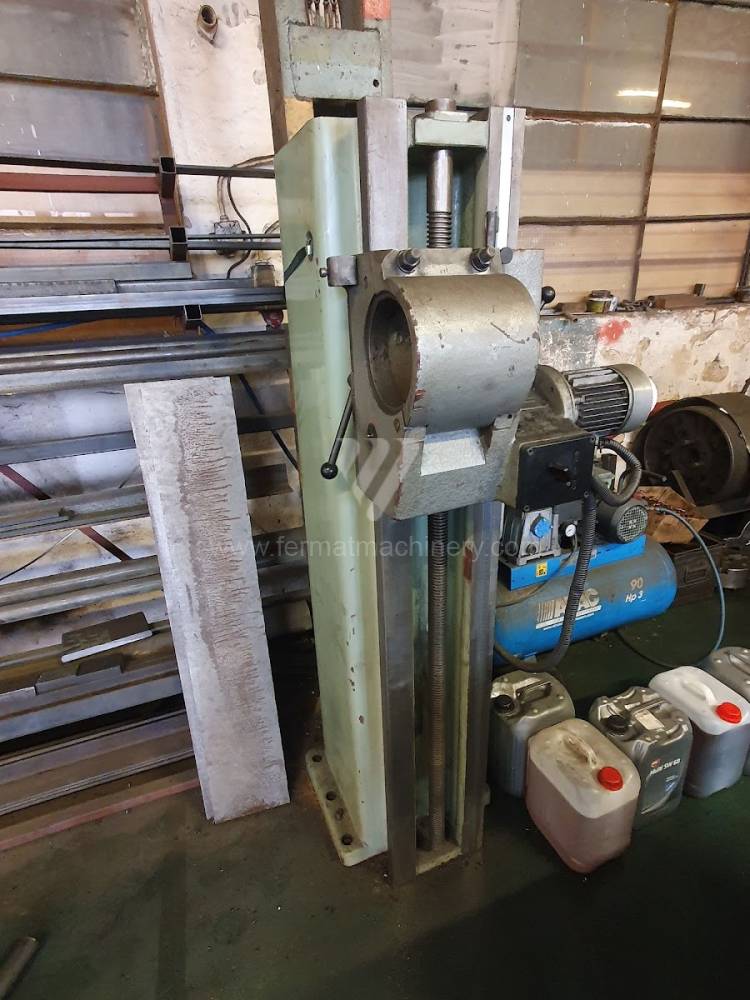
W 9 A
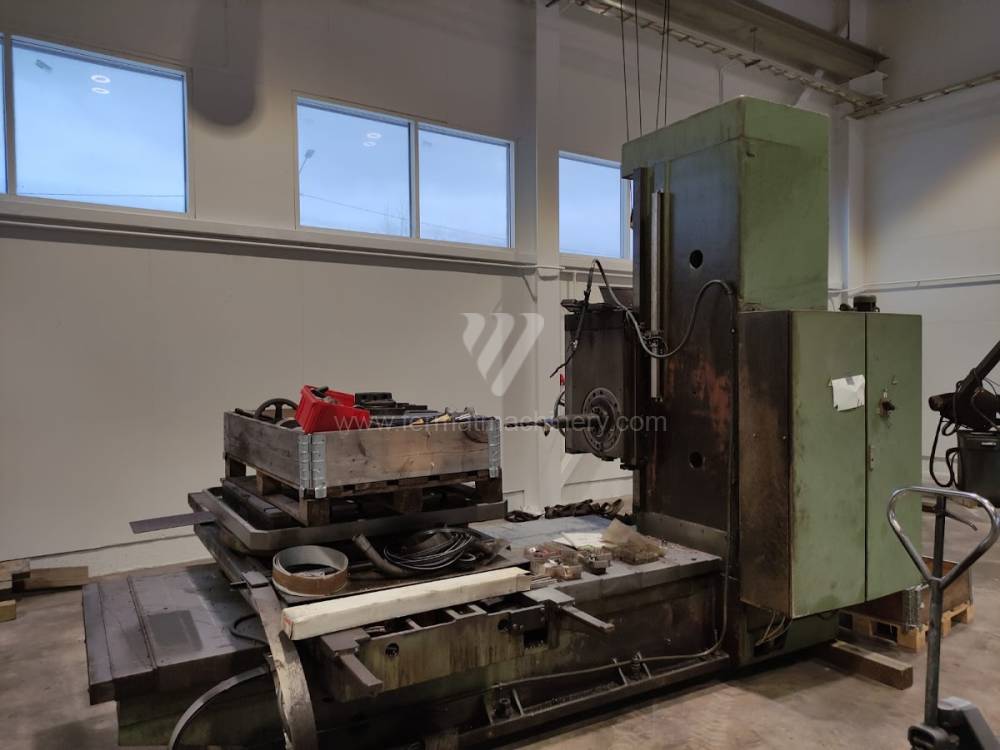
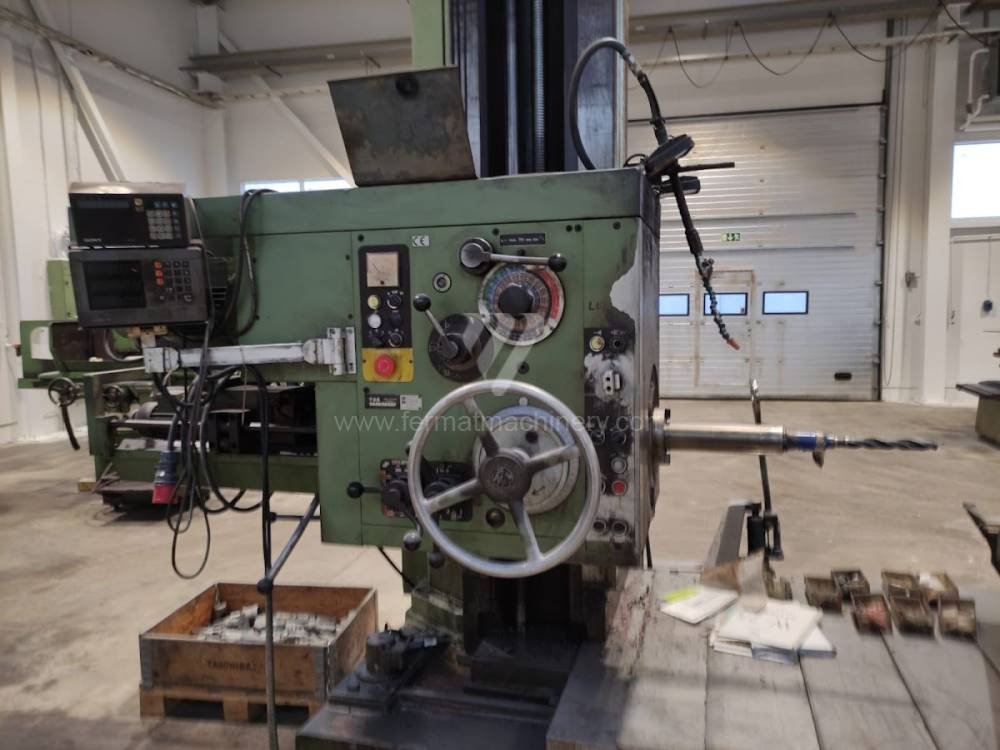
W 75
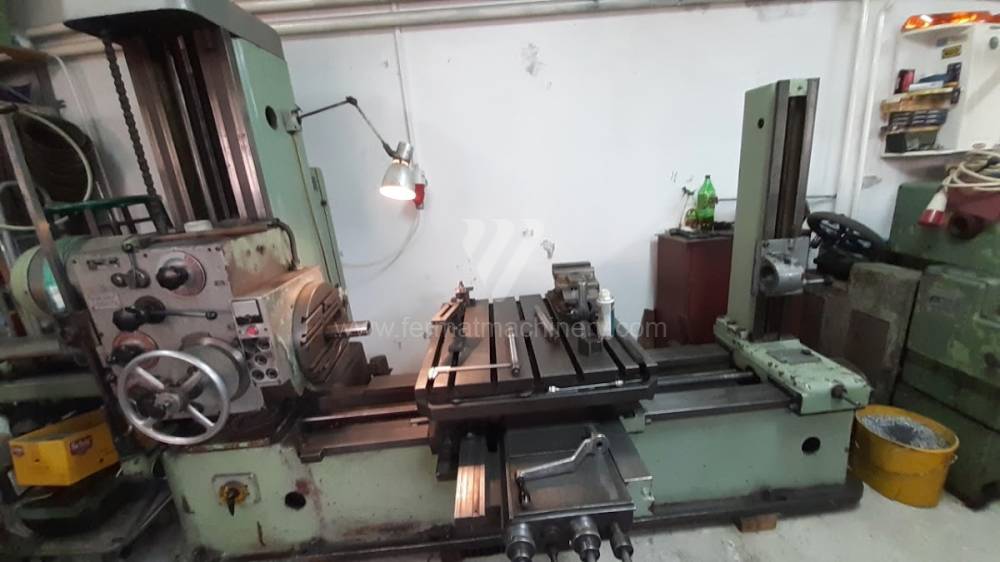
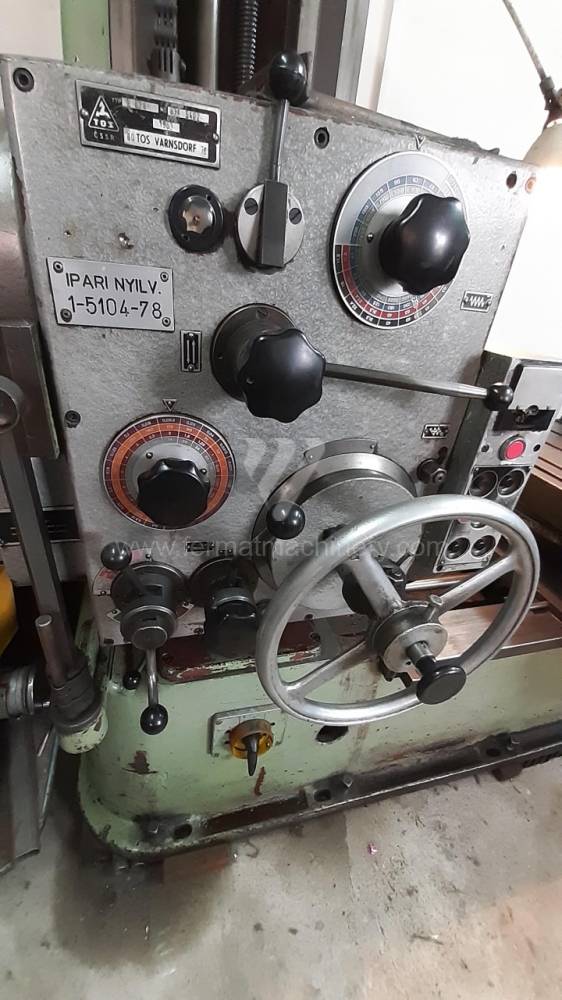
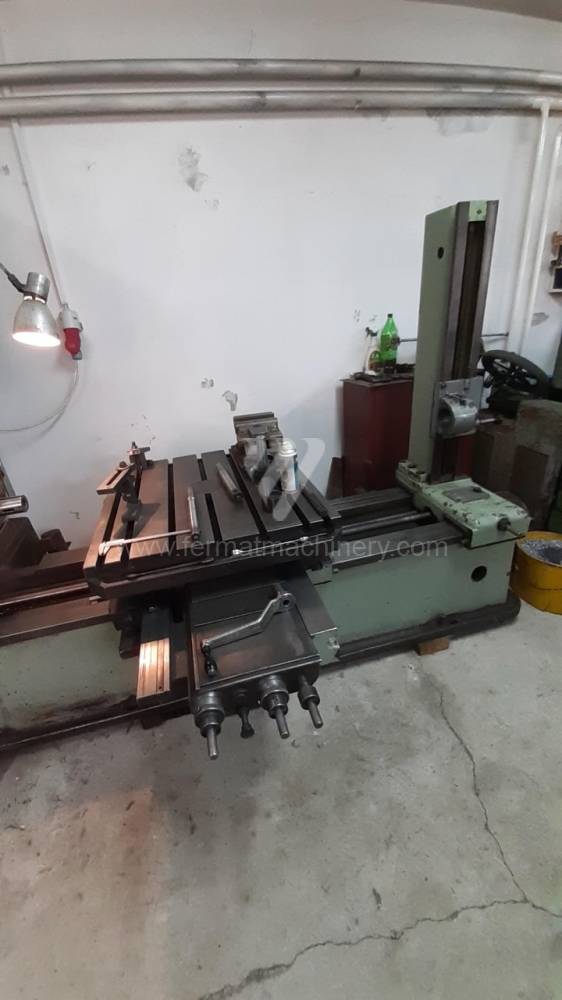
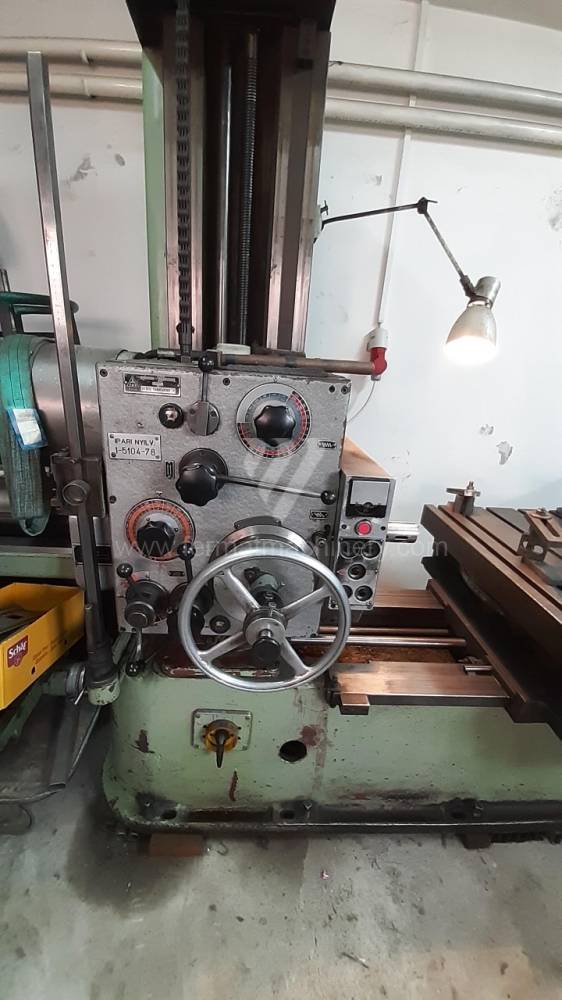
H 63 A
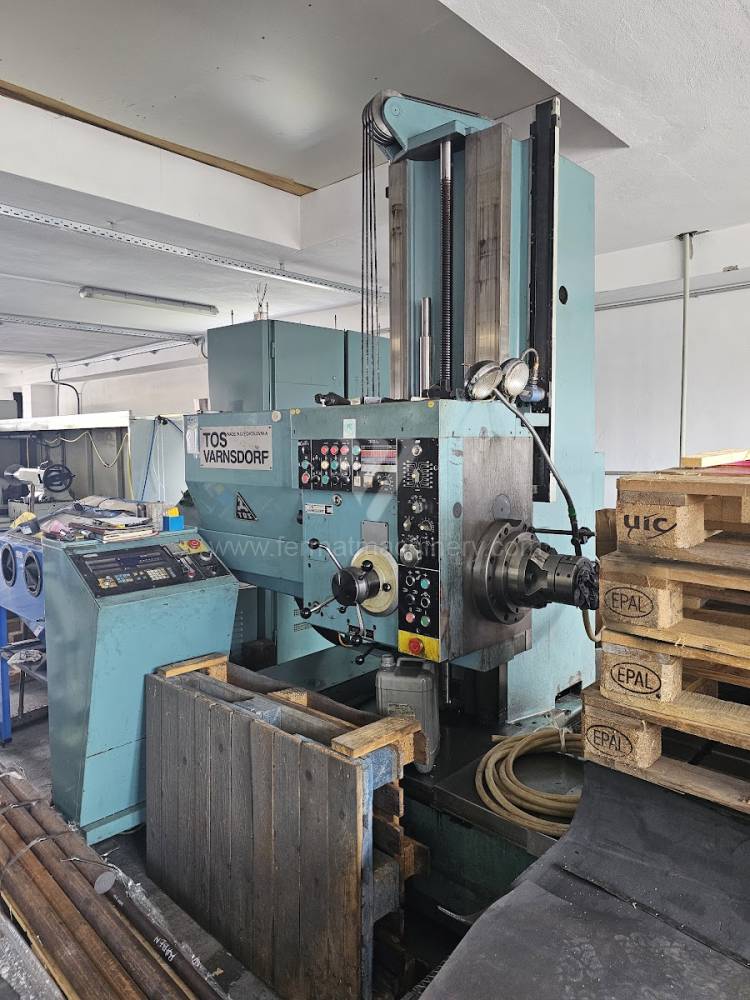
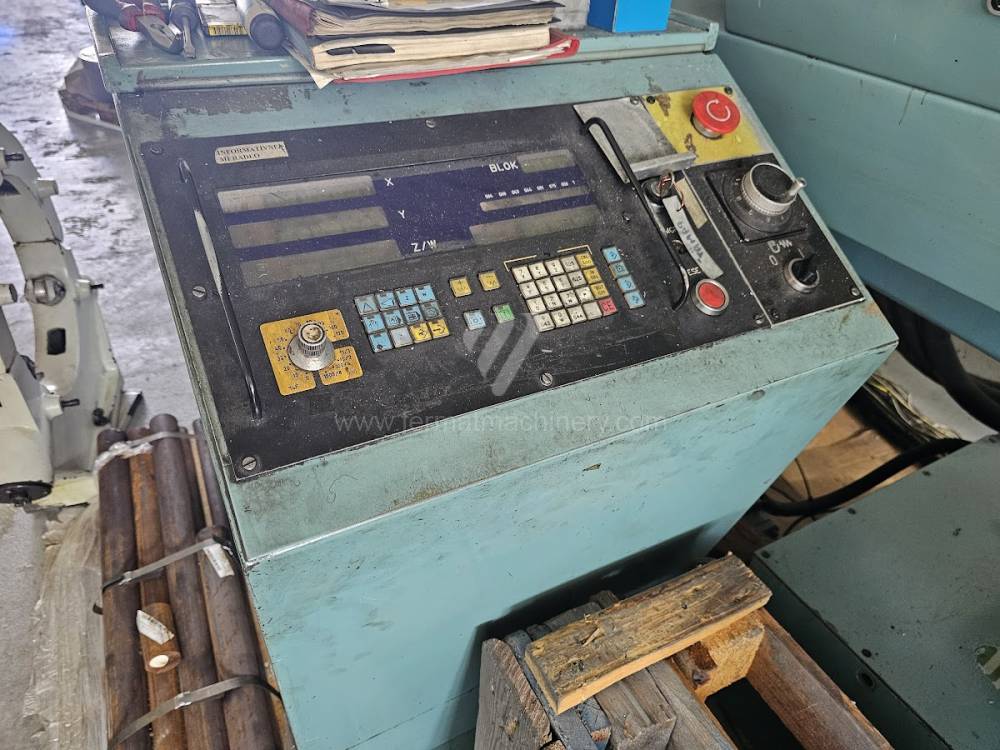
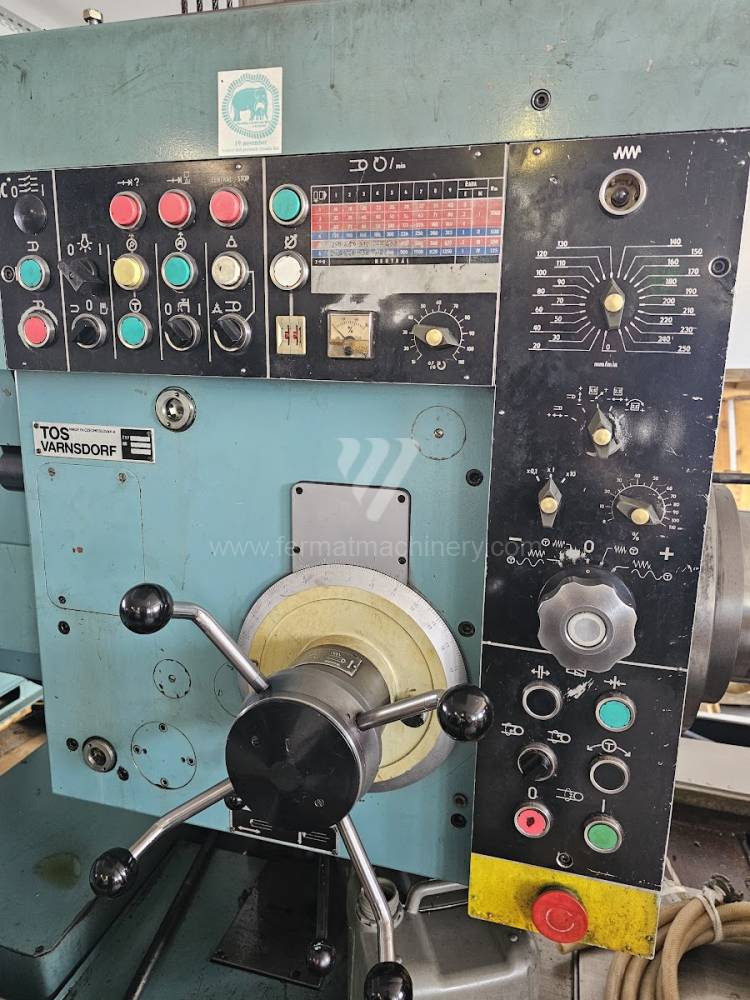
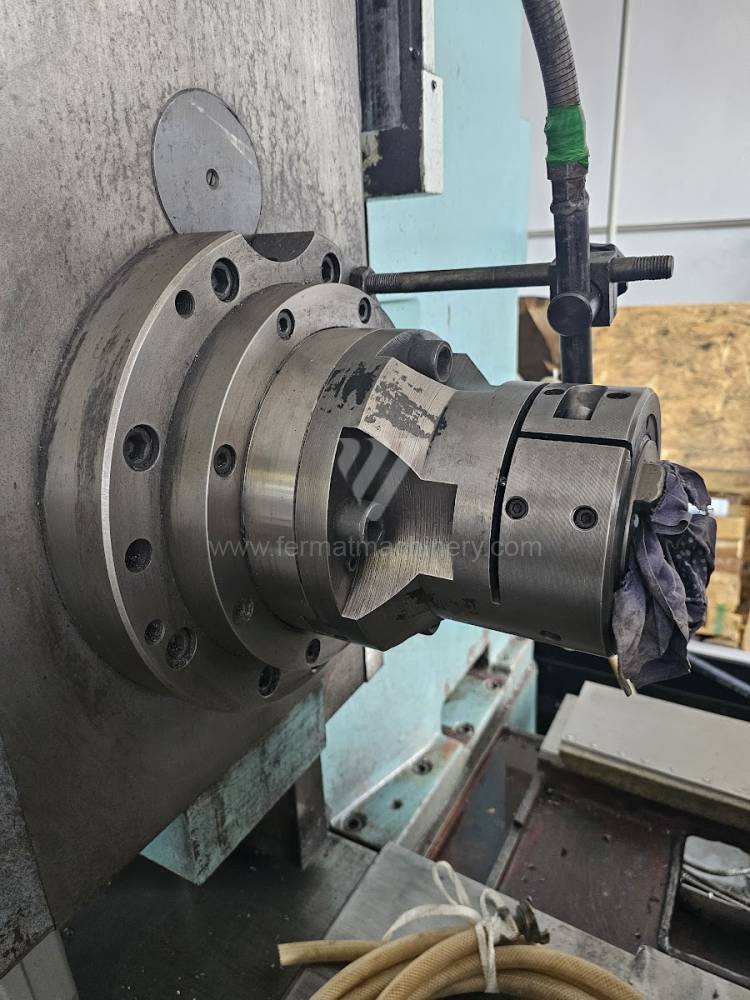
WH 10 NC
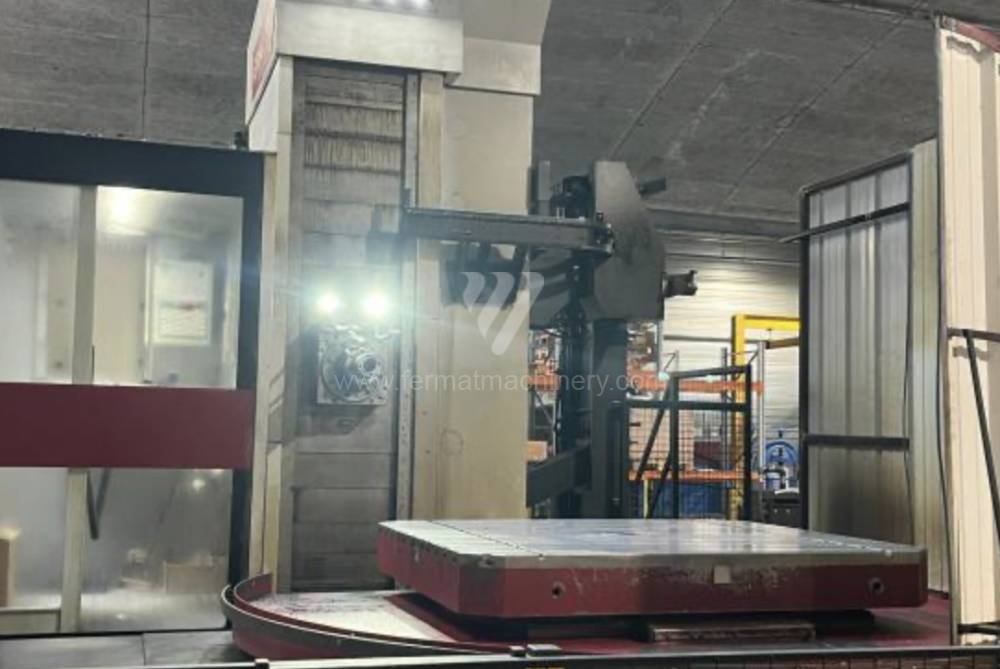
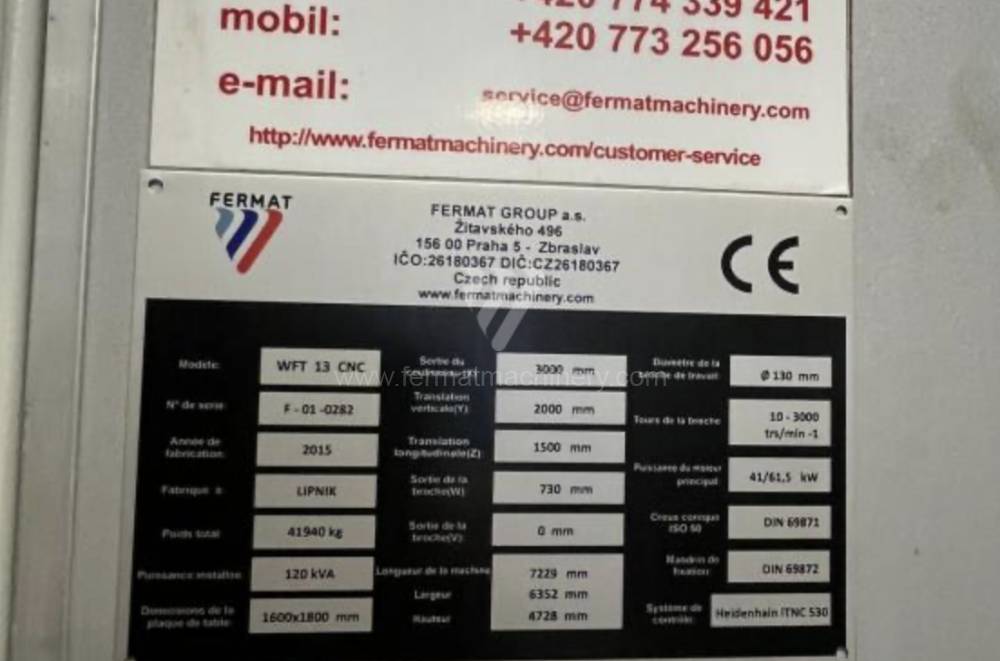
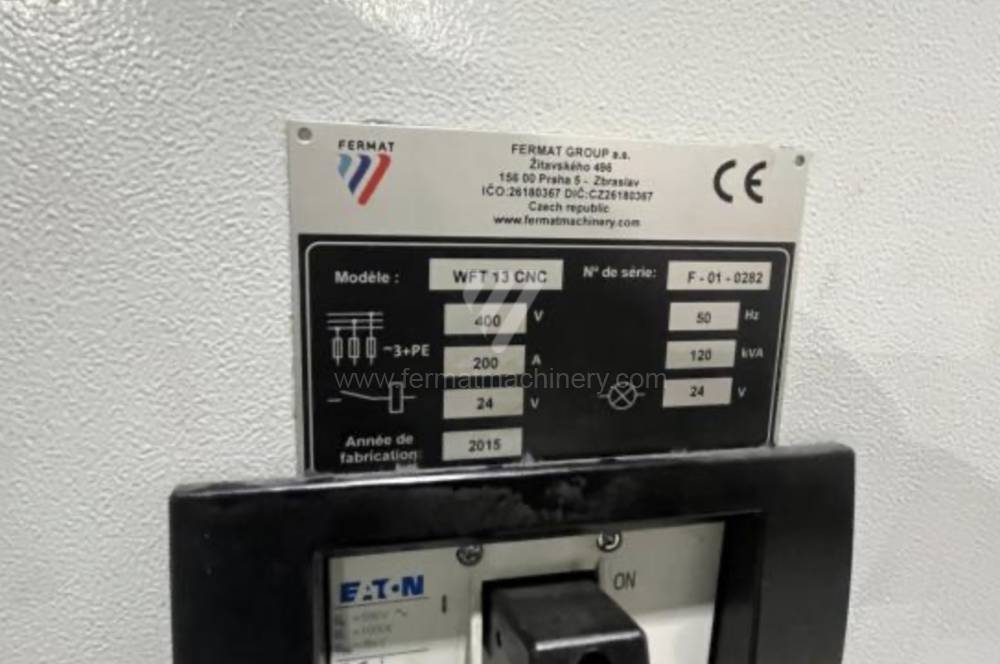
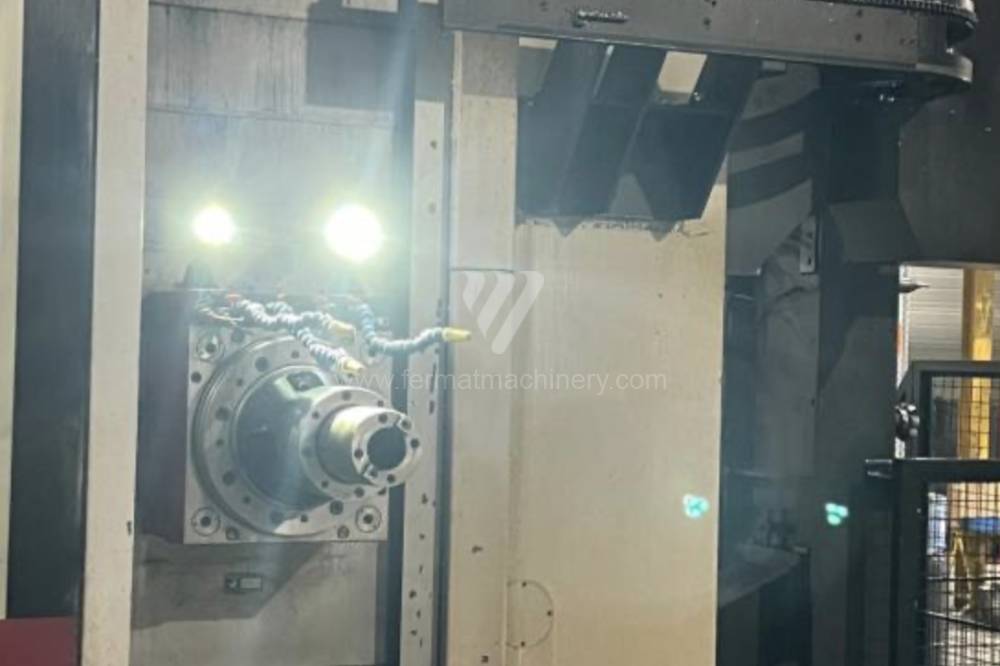
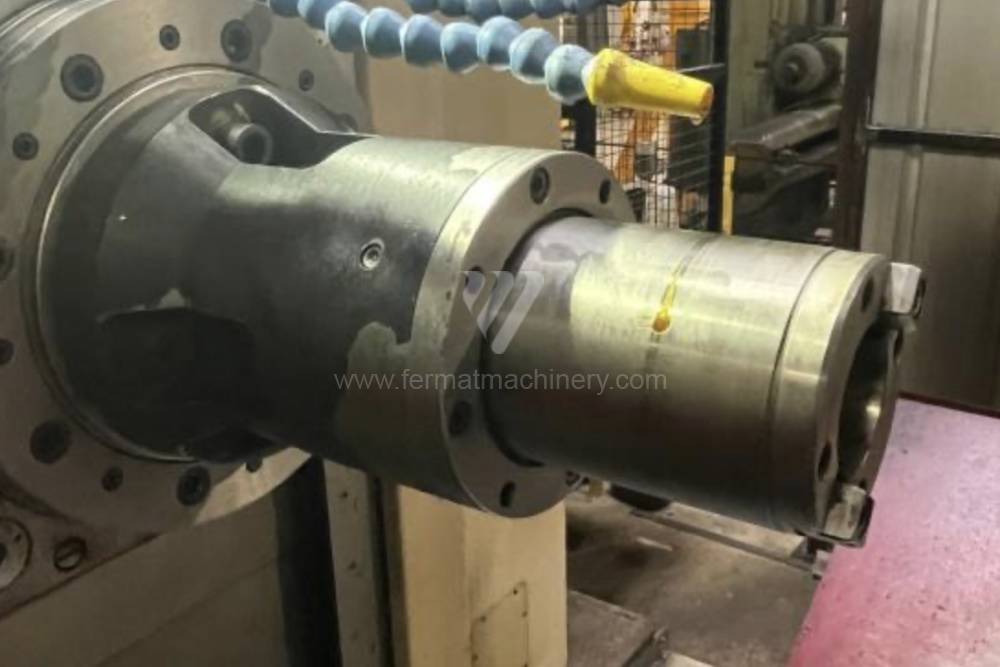
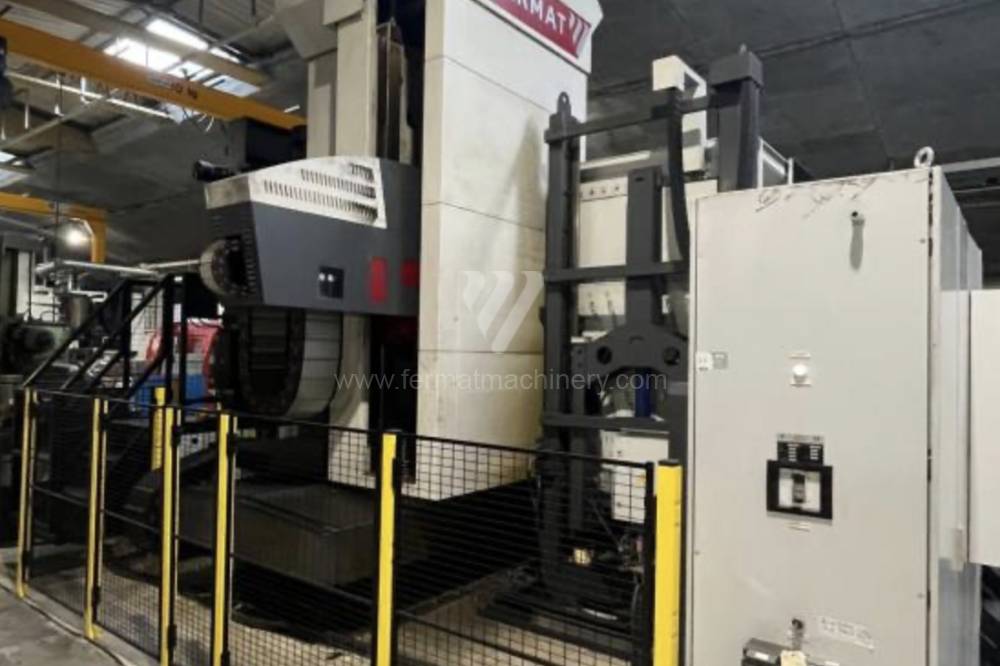
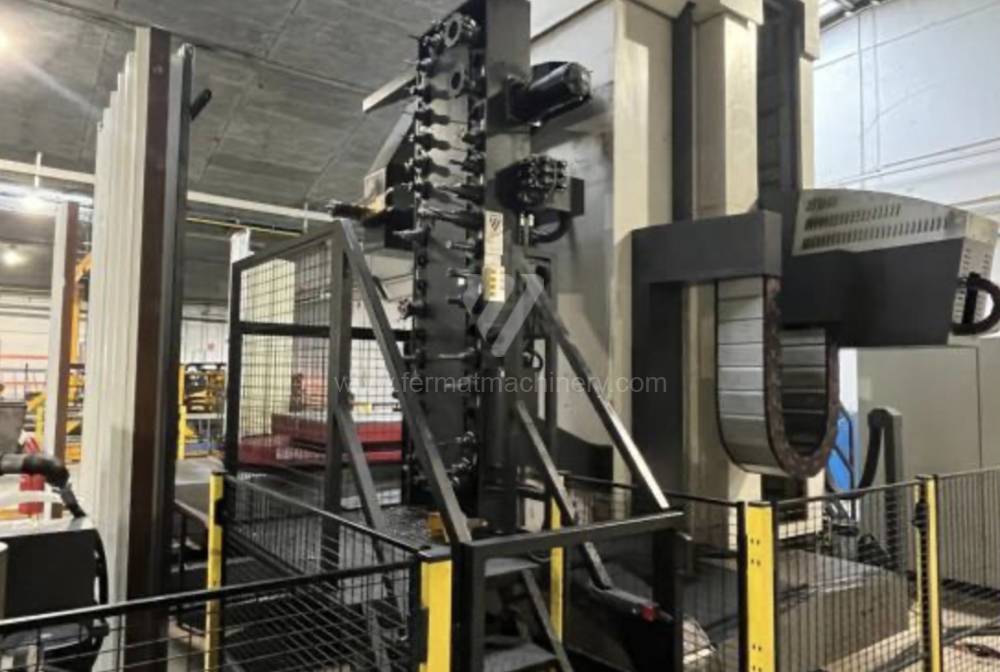
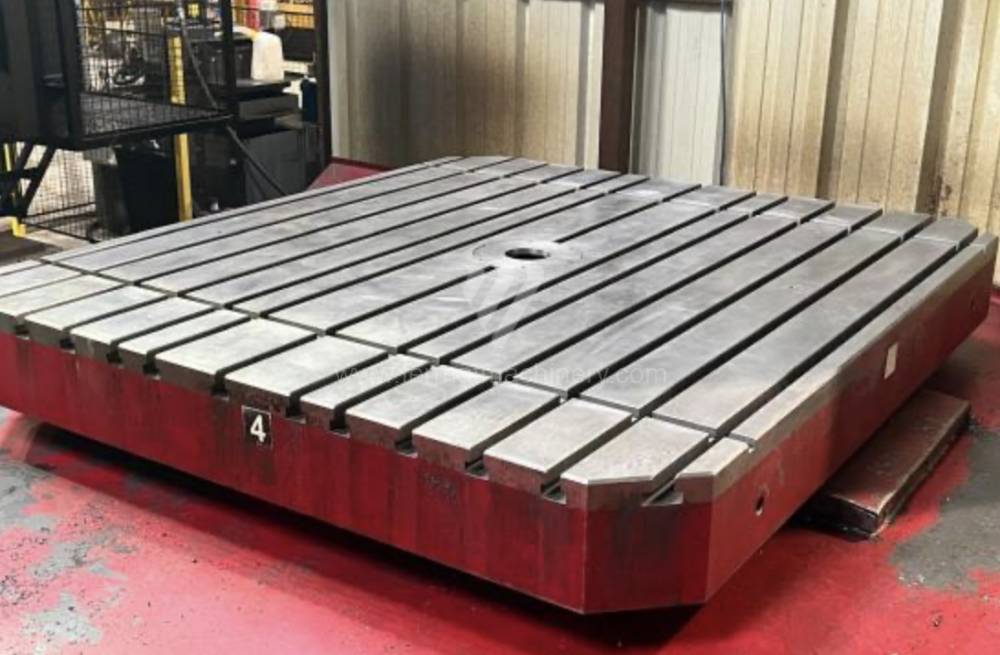
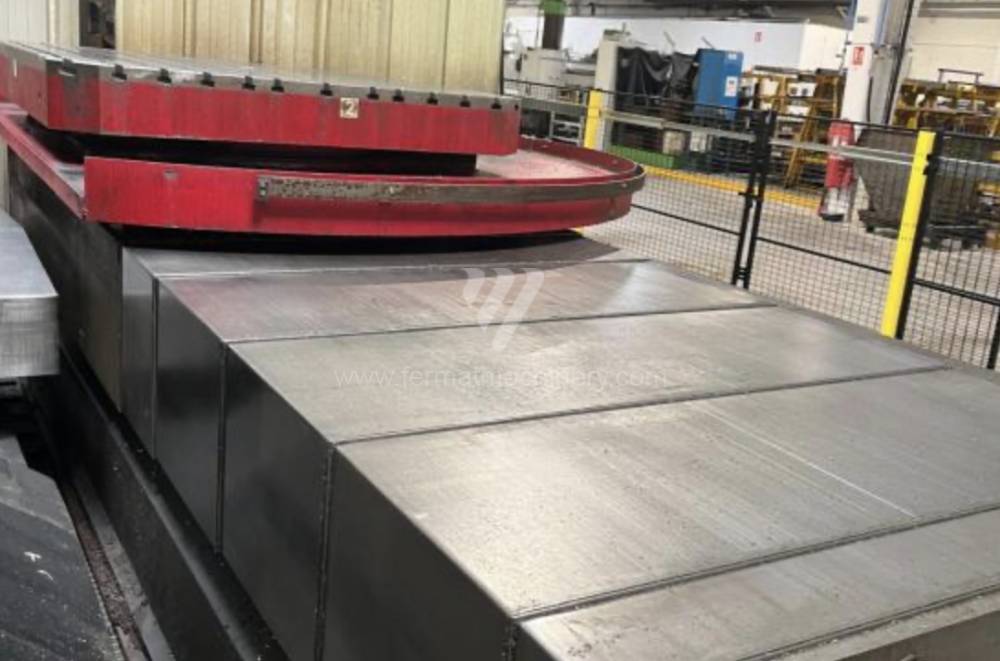
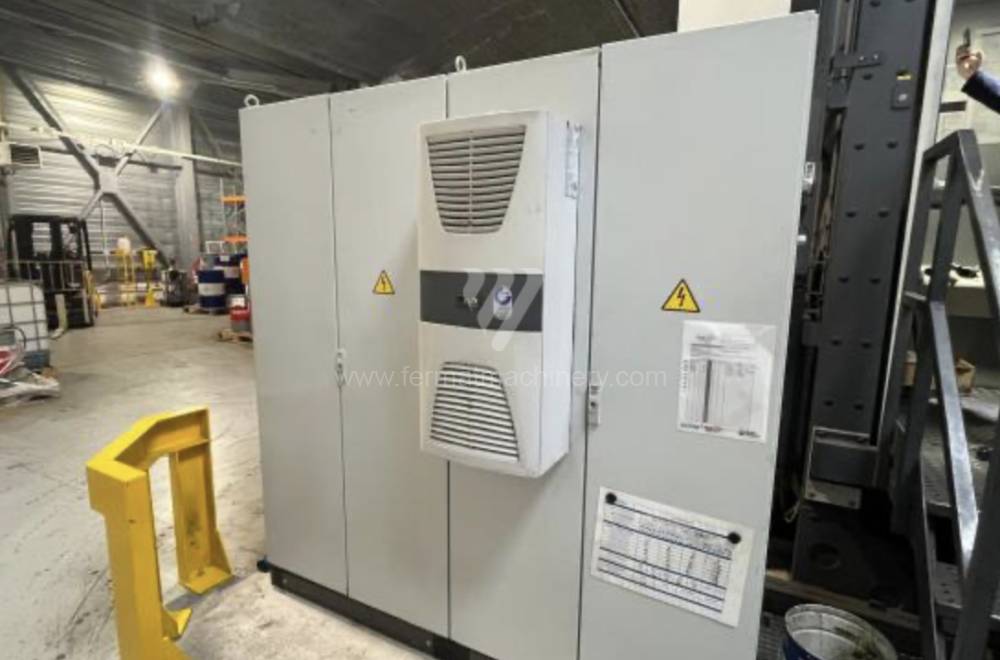
WFT 13
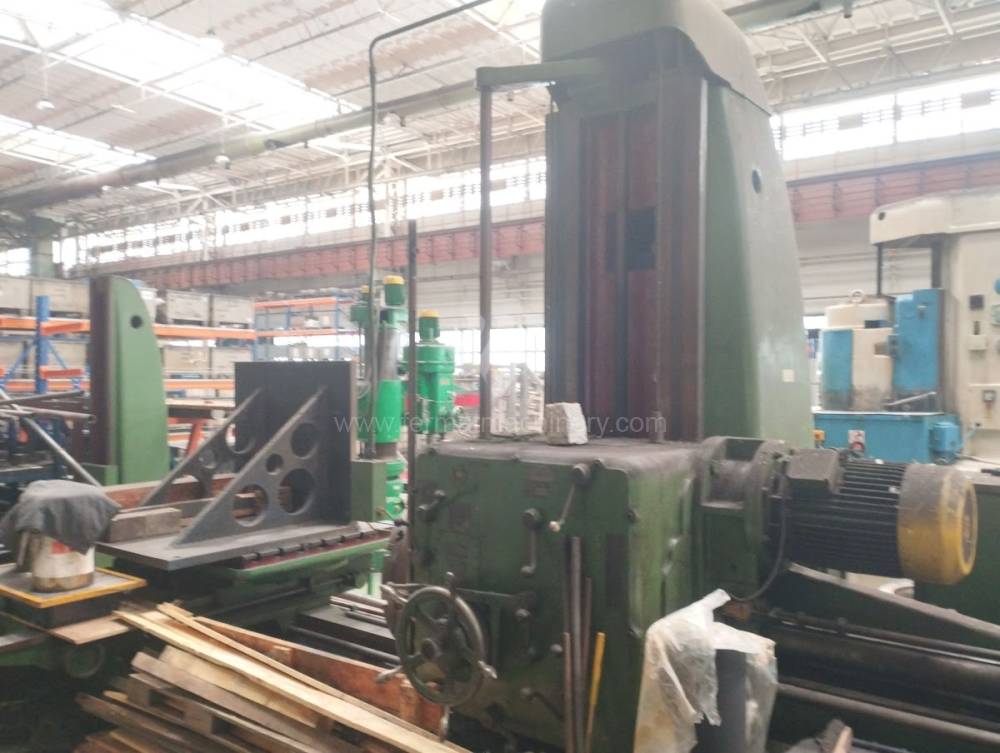
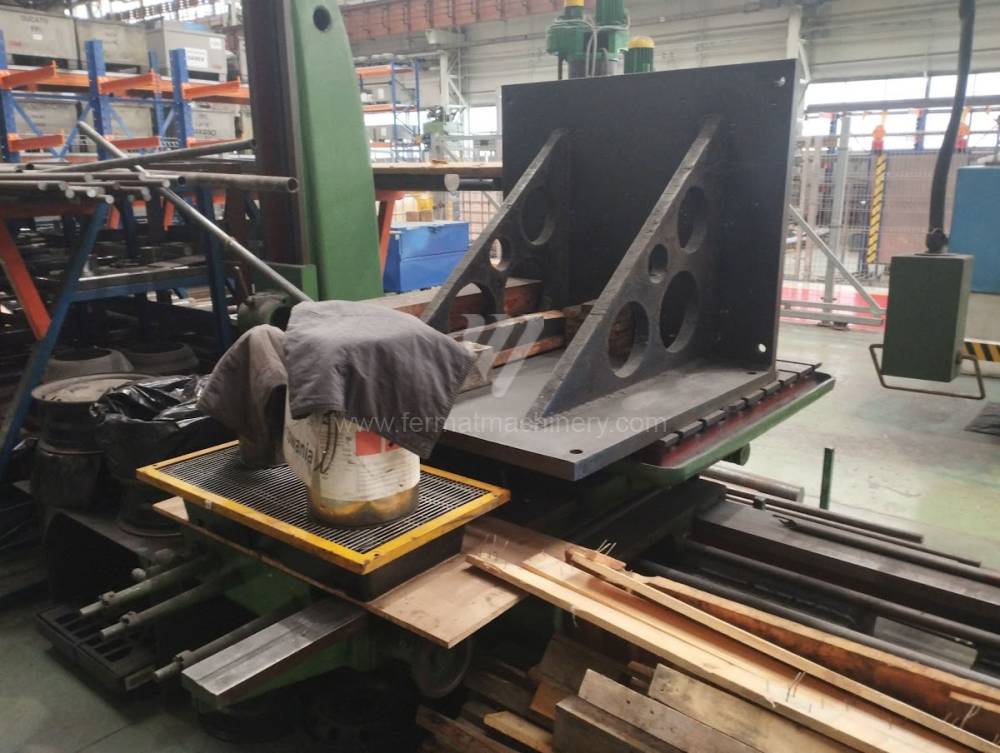
HWC
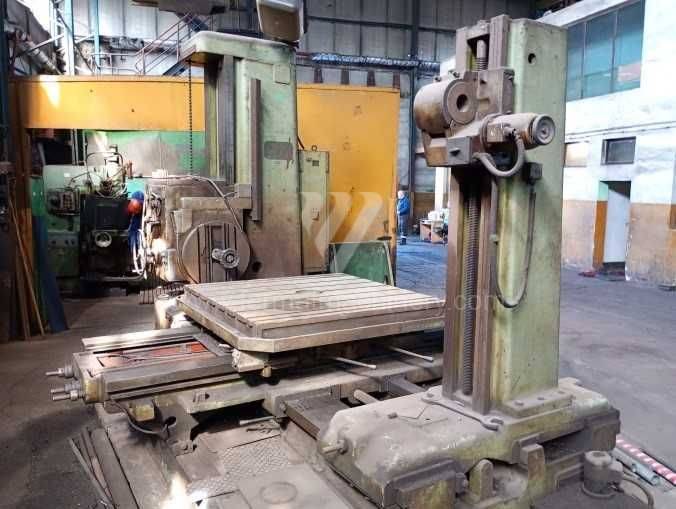
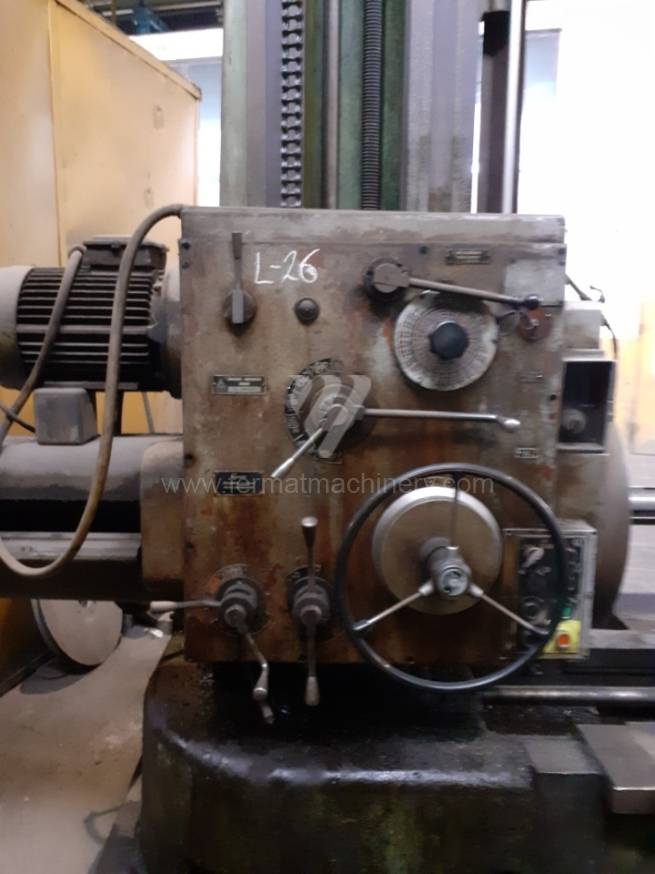
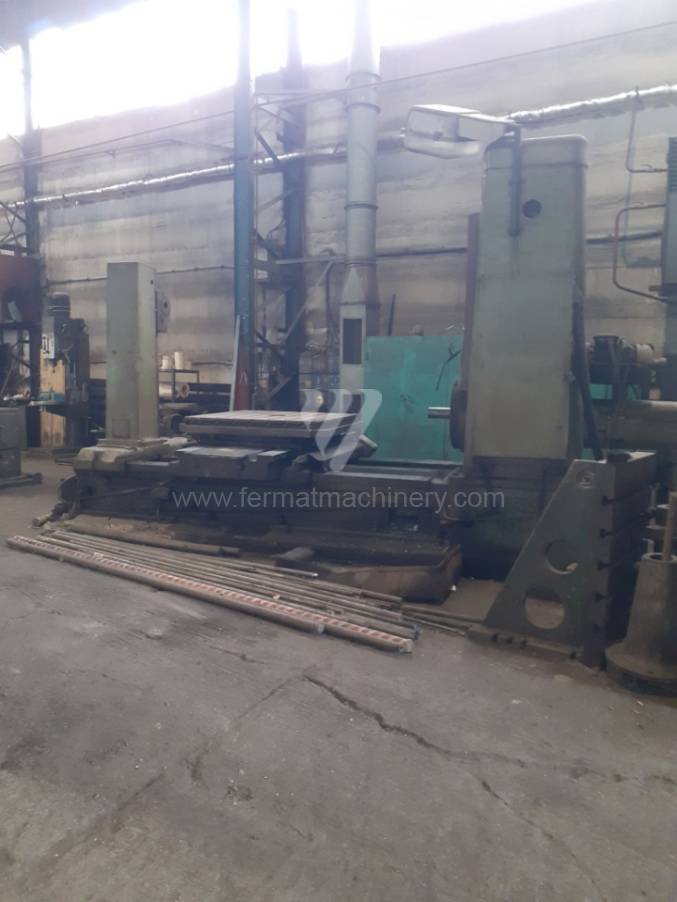
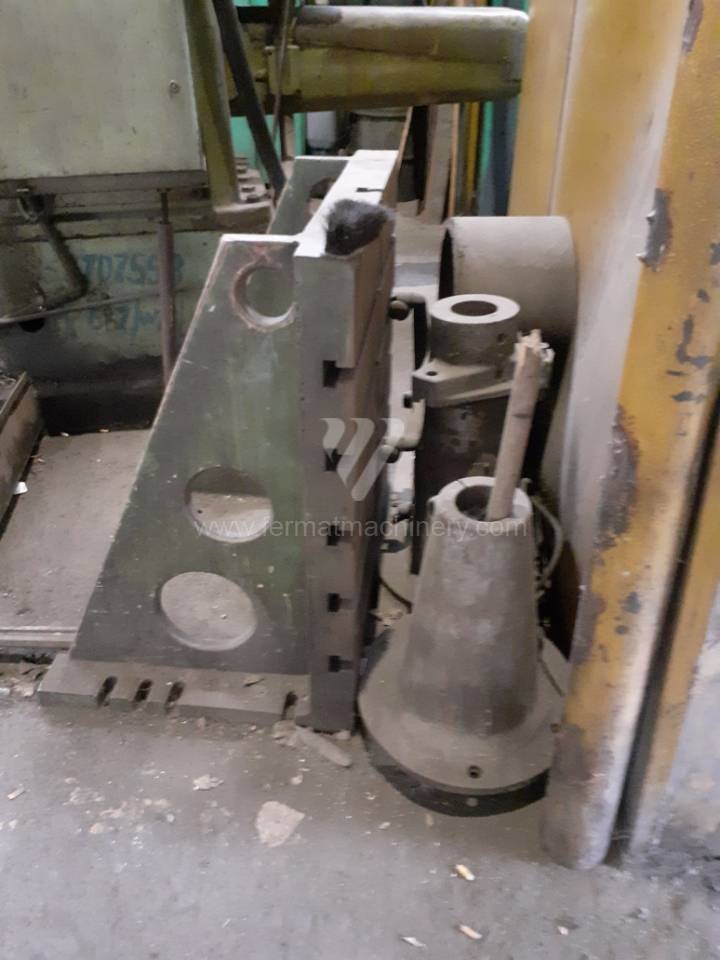
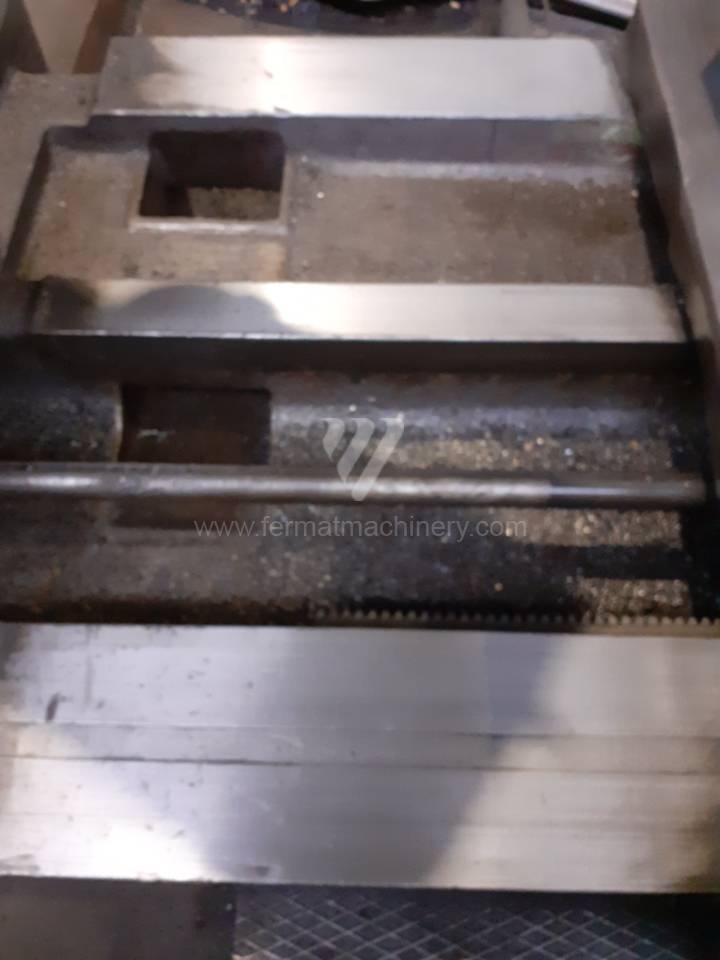
W 100
1234Aléseuse horizontale
W 100 A
TOS Varnsdorf
NUMERO D'INVENTAIRE: 261133
Année de production:1989
Diametre de travaille de broche: 100 mm
Course X: 1600 mm
Course Y: 1120 mm
Vitesse de broche: 0 - 1120 /min.
Refroidissement par axe: NON
Extension du curseur (W): 900 mm
WH 10 CNC
TOS Varnsdorf
NUMERO D'INVENTAIRE: 251738
Année de production:1991
Système de contrôle Heidenhain: TNC 530
Diametre de travaille de broche: 100 mm
Course X: 1250 mm
Course Y: 1120 mm
Vitesse de broche: 10 - 1150 /min.
Refroidissement par axe: NON
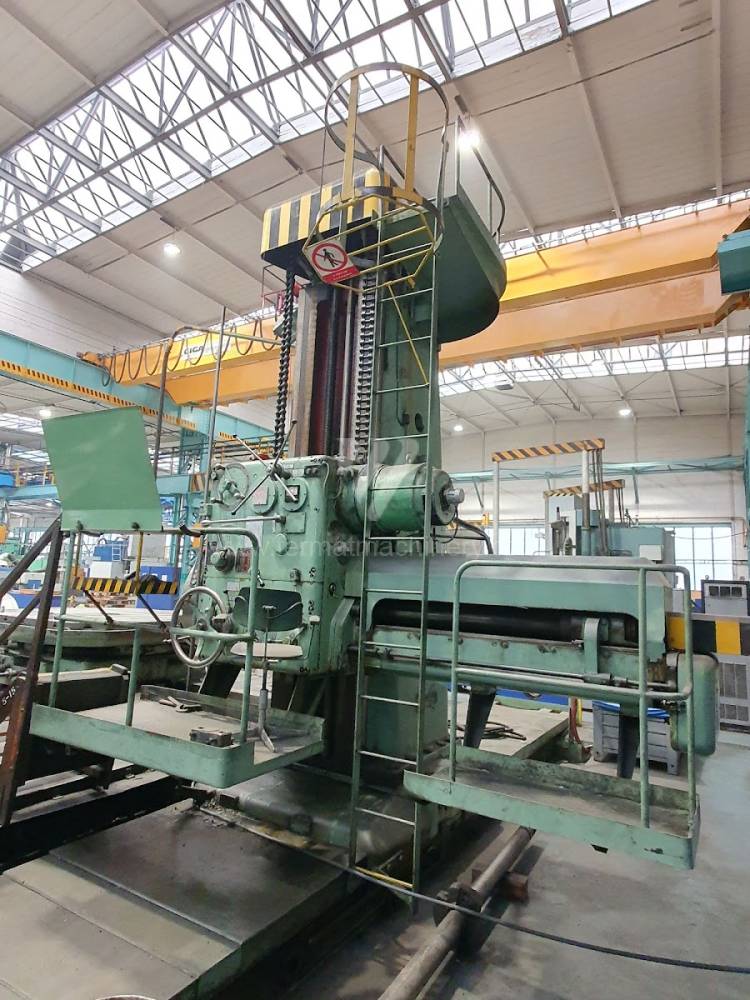
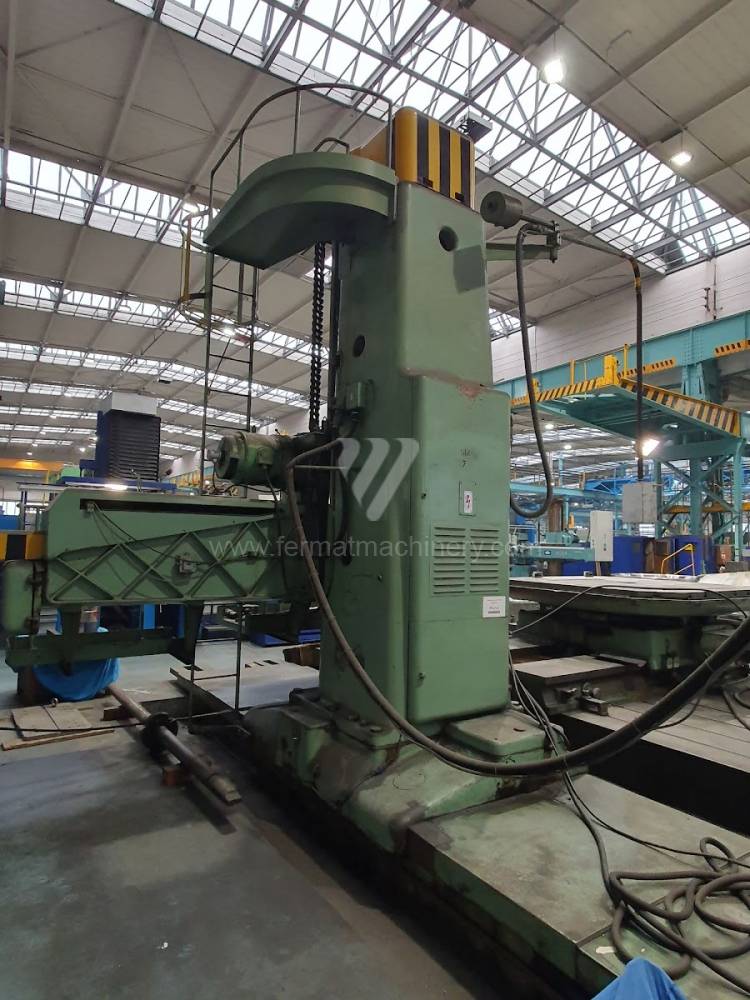
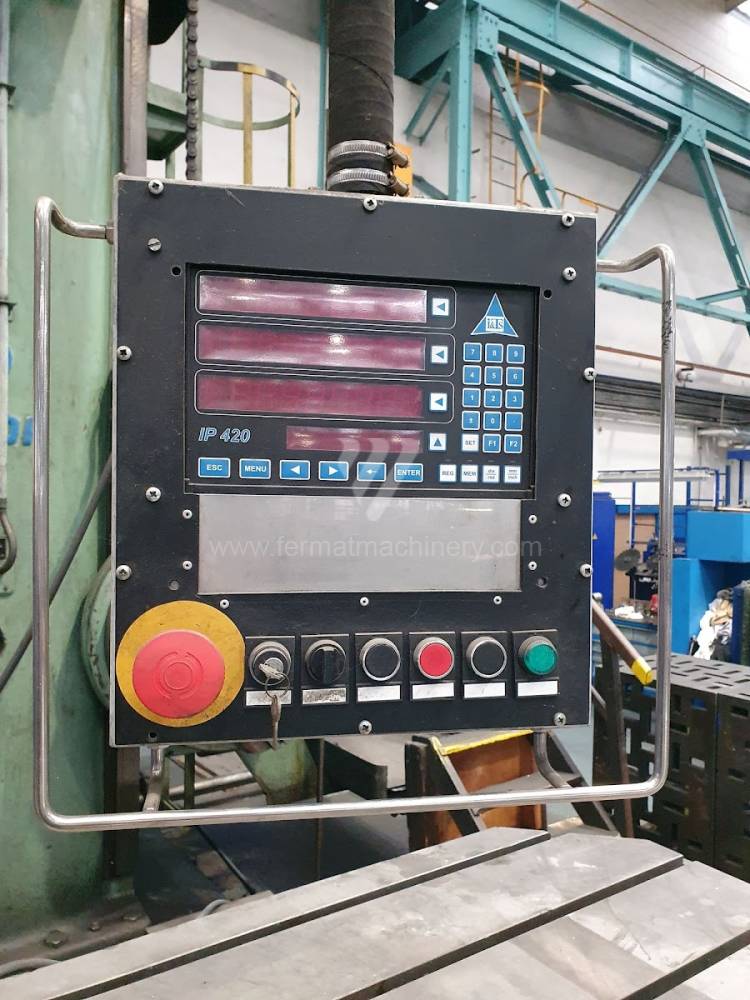
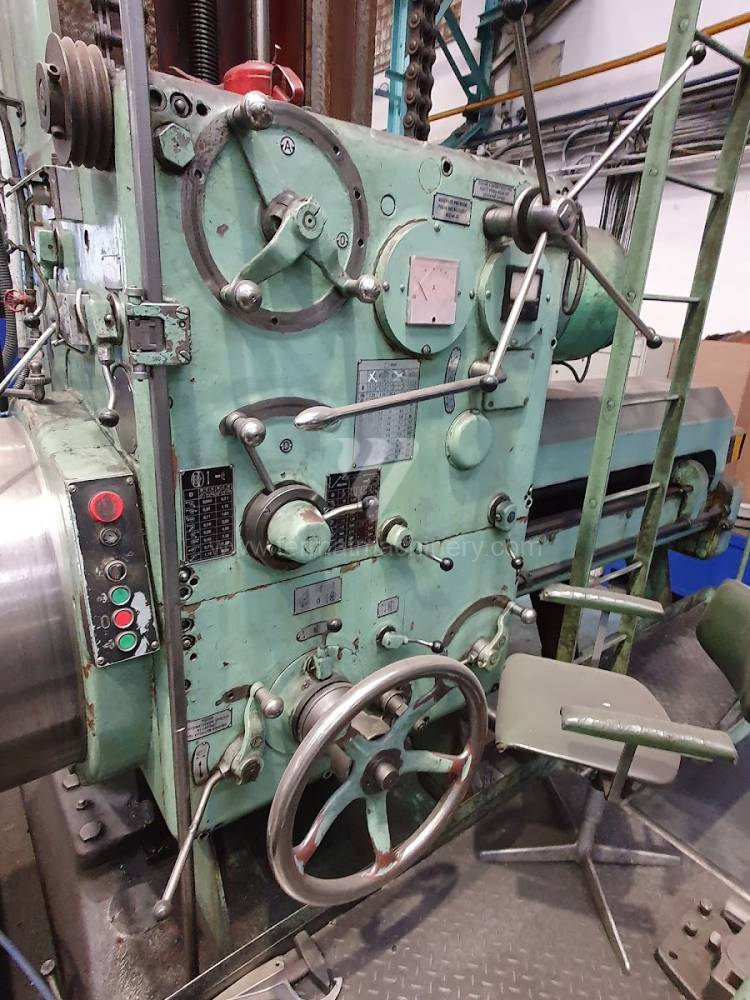
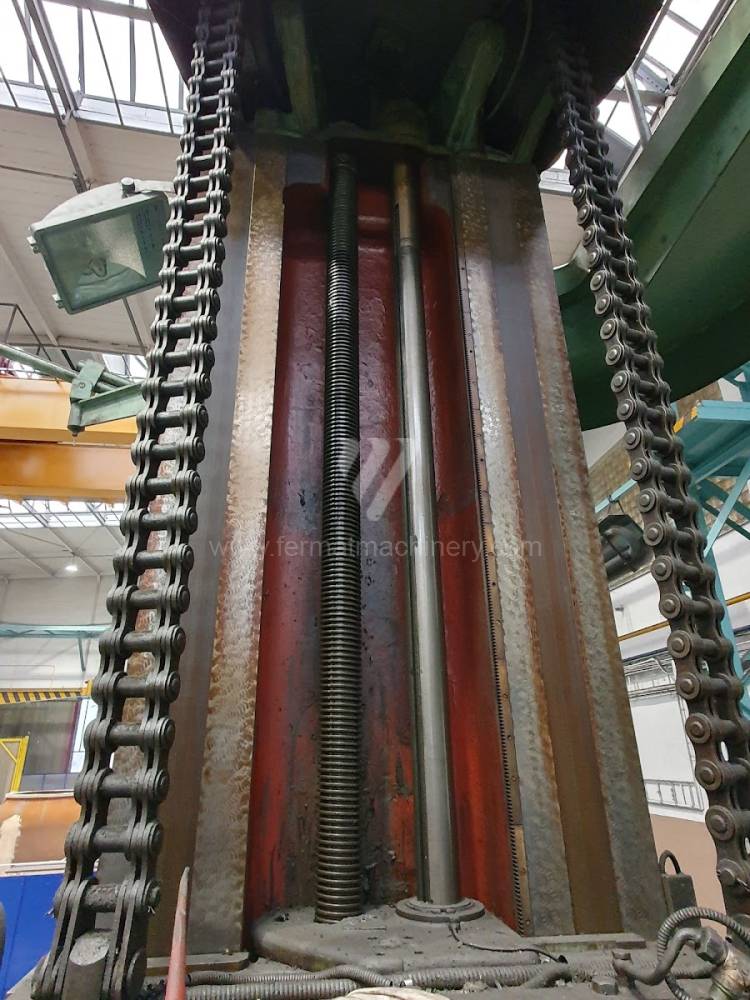
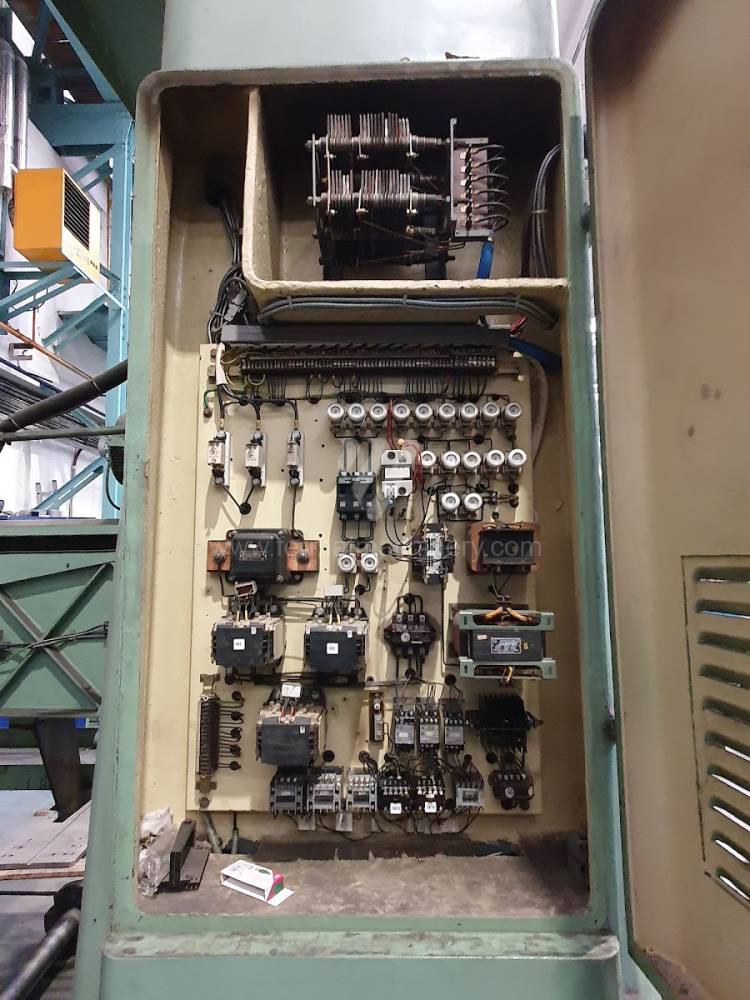
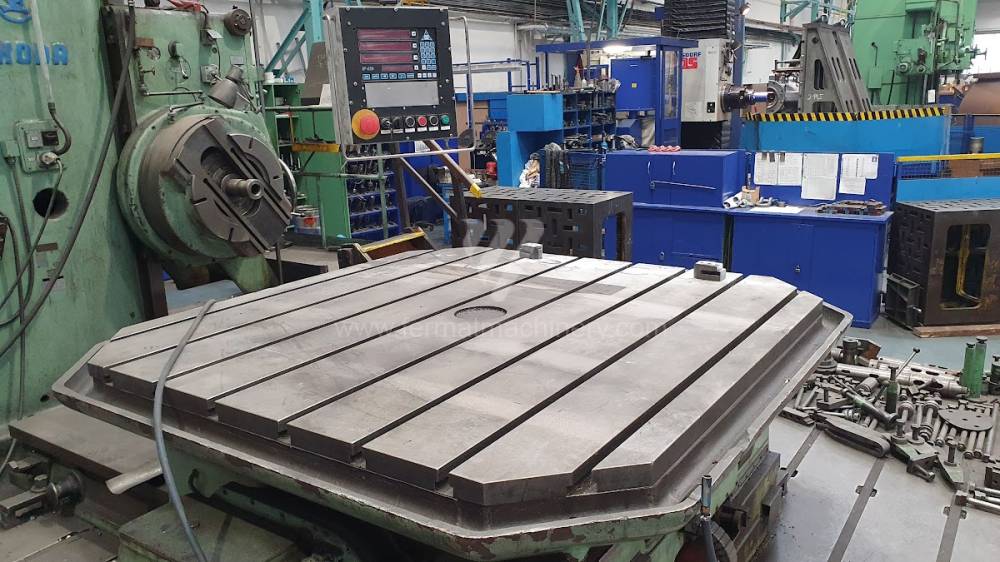
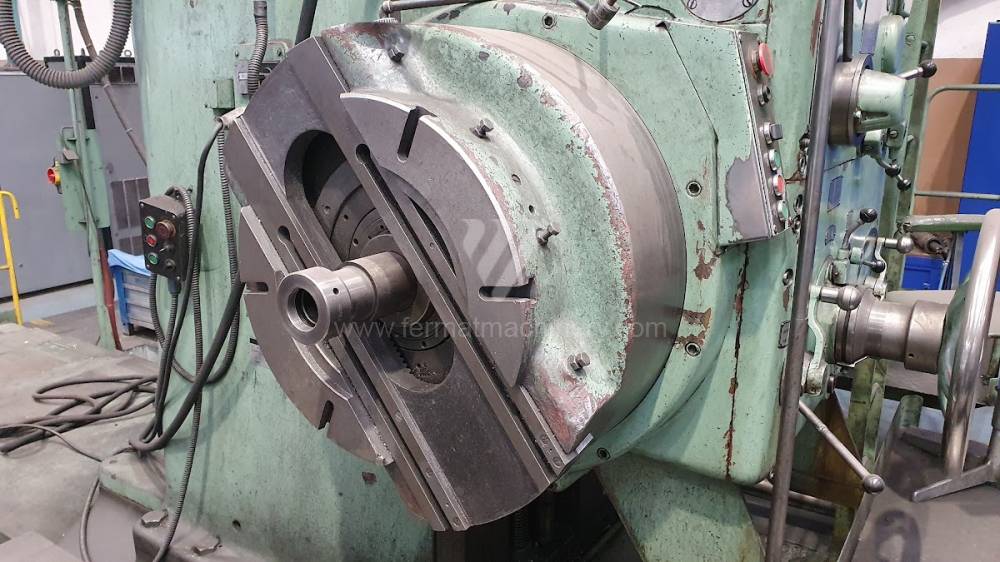
HVF 160 D
ŠKODA MACHINE TOOL a.s.
NUMERO D'INVENTAIRE: 241231
Année de production:1952
Diametre de travaille de broche: 160 mm
Course X: 3000 mm
Course Y: 2000 mm
Vitesse de broche: 2 - 450 /min.
Extension du curseur (W): 1200 mm
Refroidissement par axe: NON
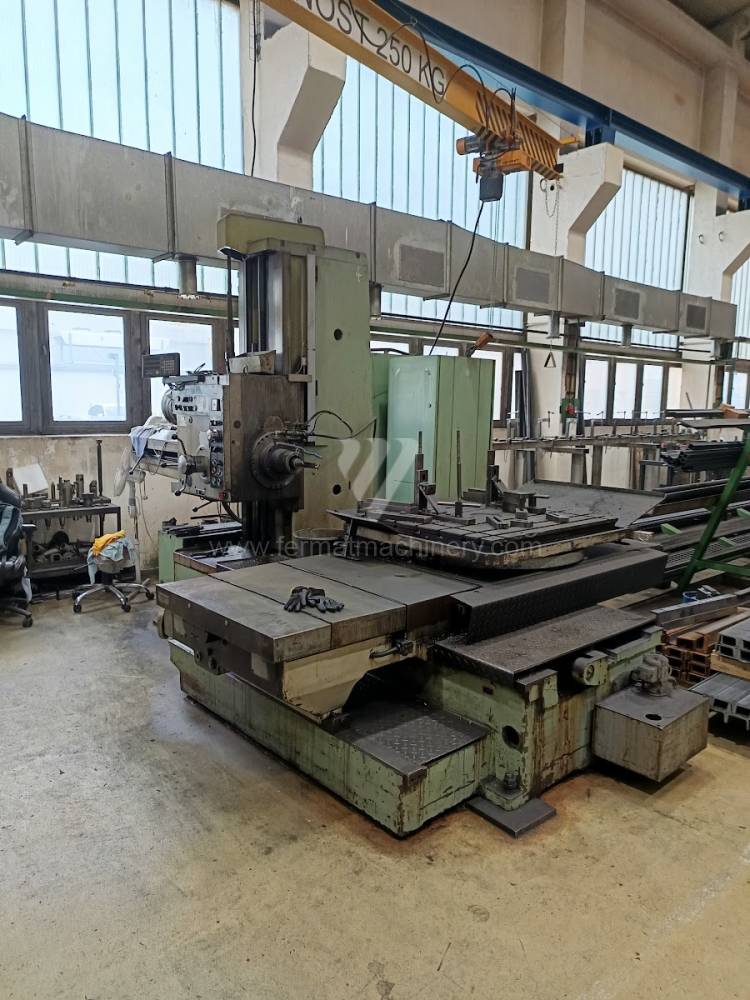
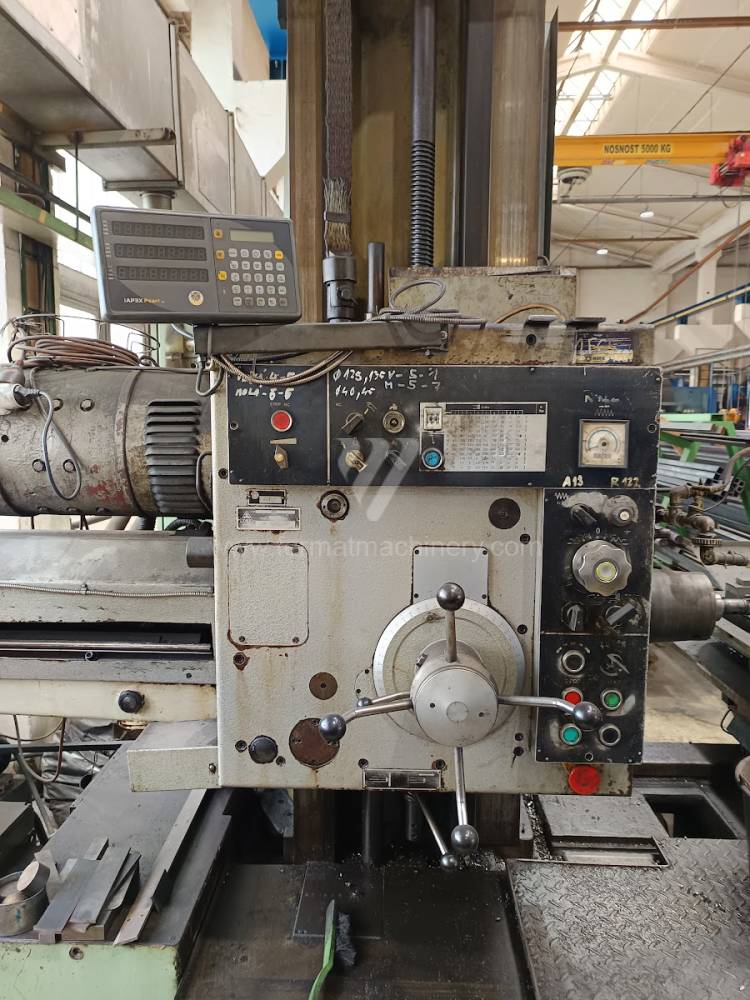
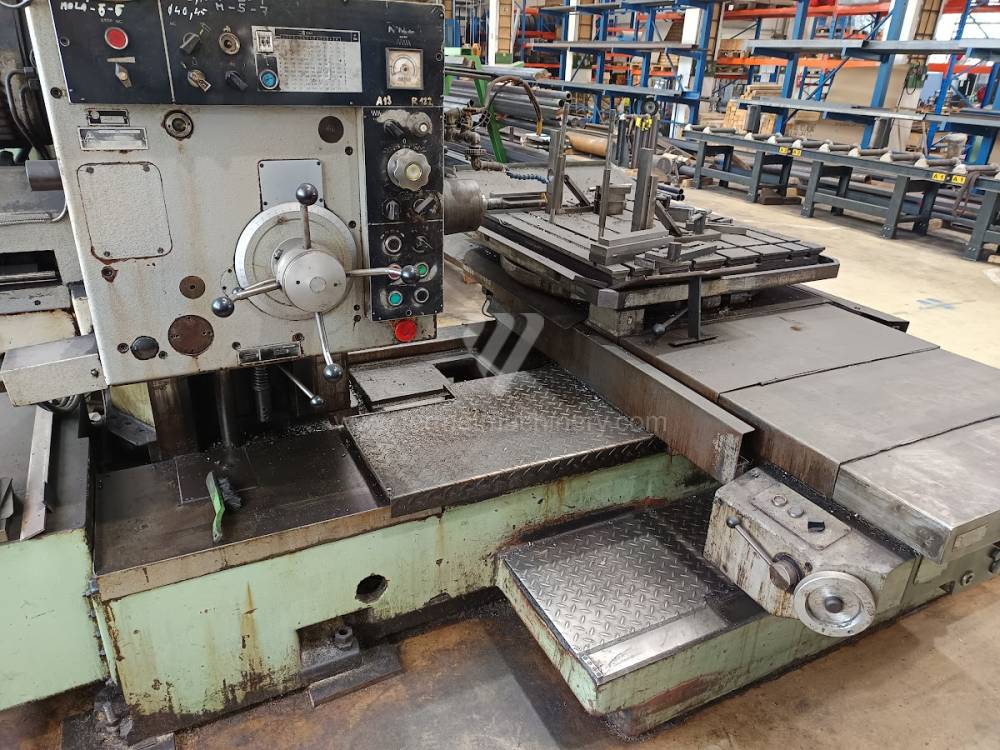
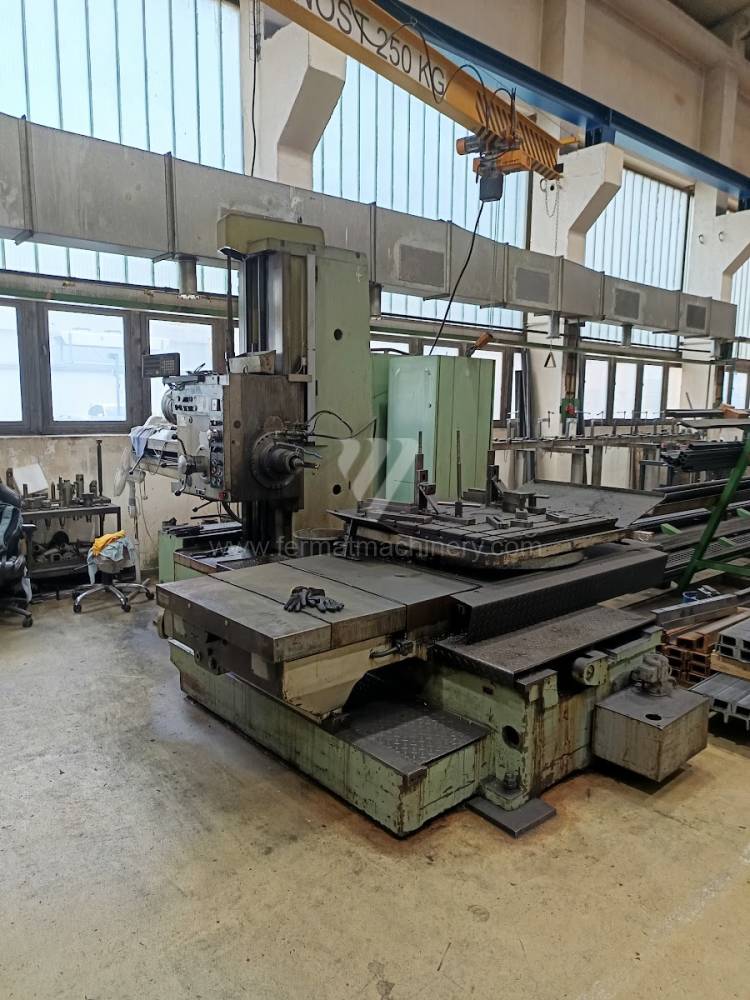
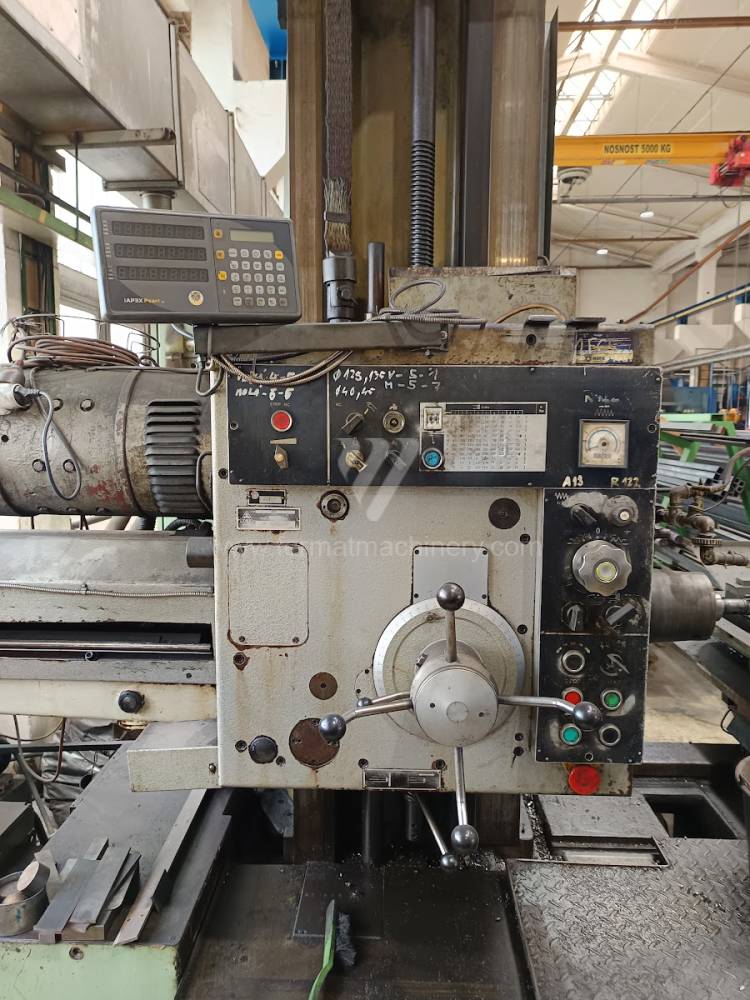
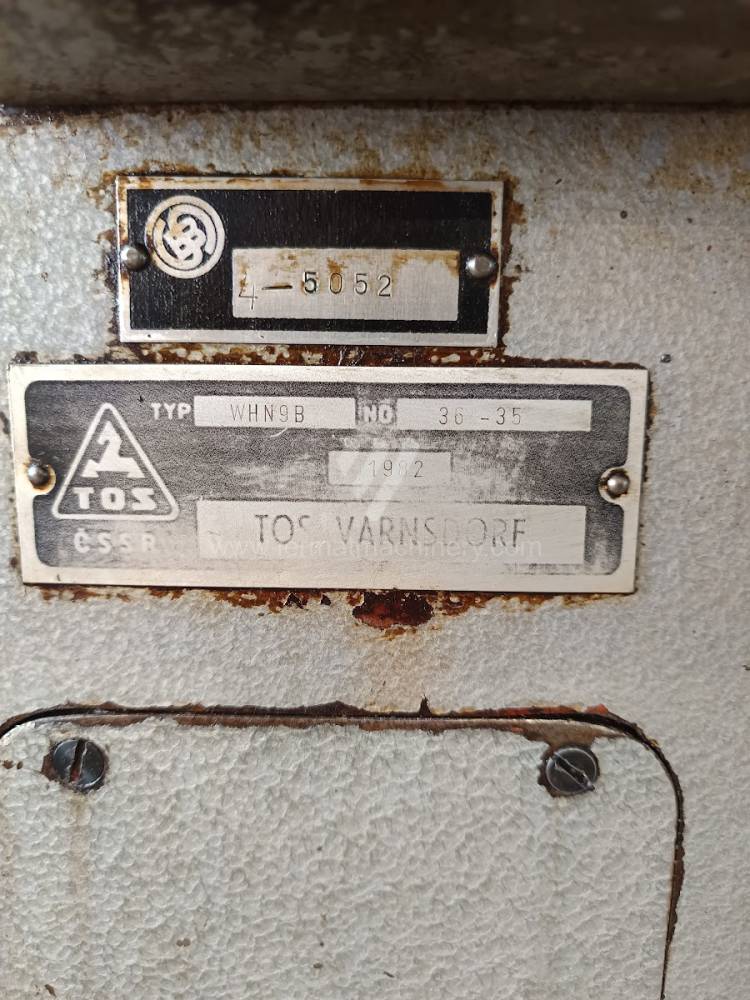
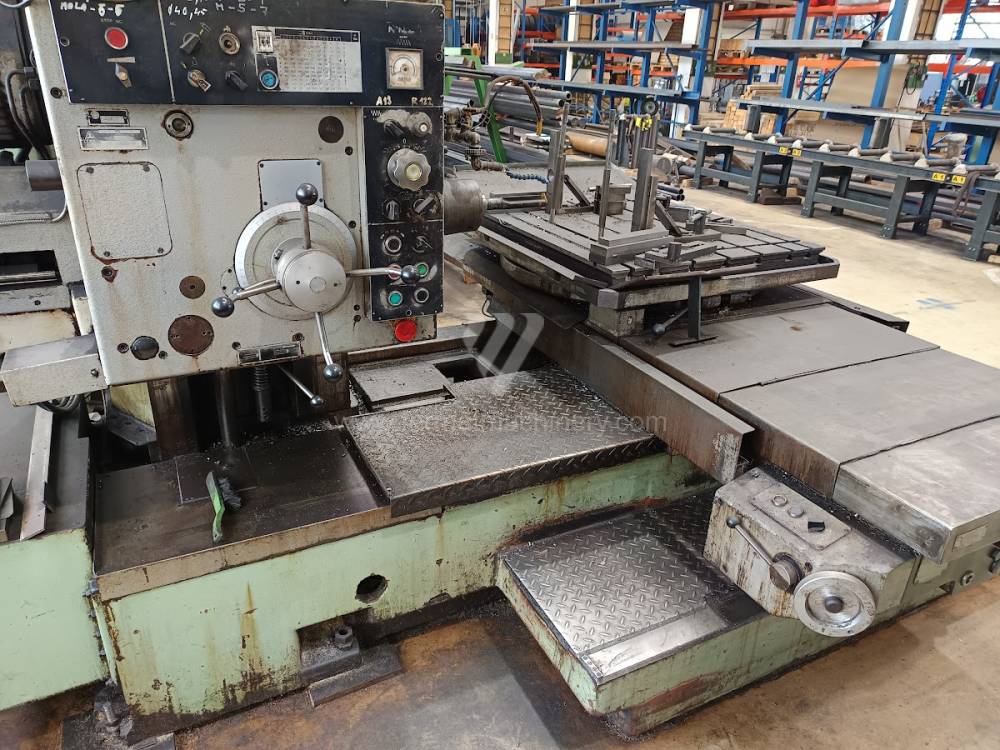
WHN 9 B
TOS Varnsdorf
NUMERO D'INVENTAIRE: 251752
Année de production:1982
Diametre de travaille de broche: 100 mm
Course X: 1250 mm
Course Y: 900 mm
Vitesse de broche: 0 - 1120 /min.
Refroidissement par axe: NON
Extension du curseur (W): 680 mm
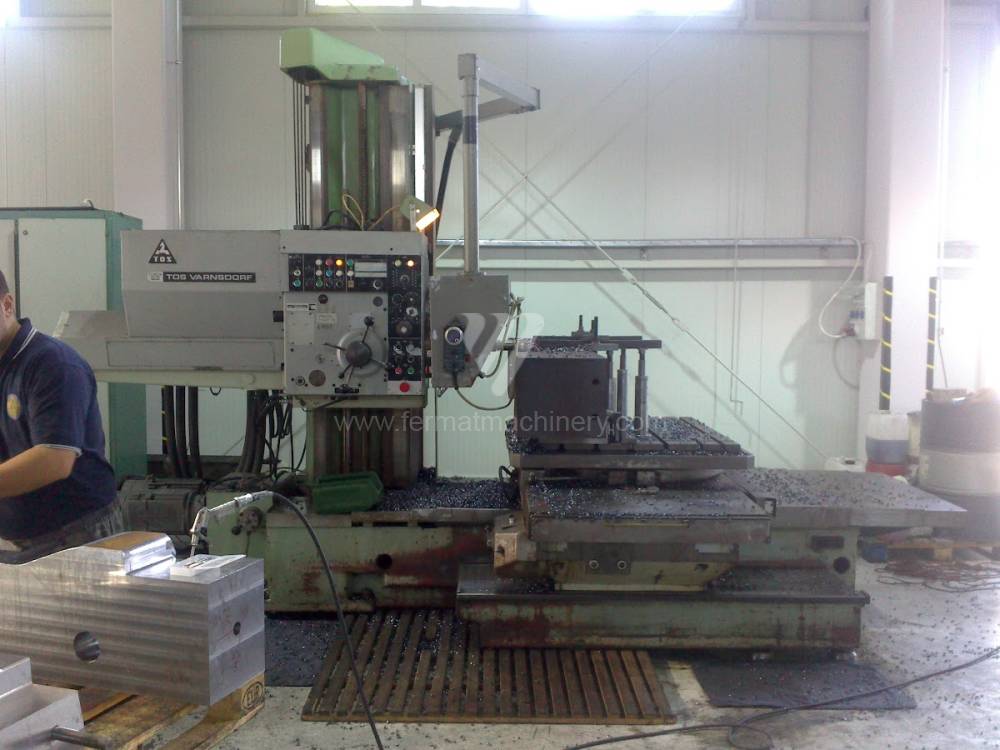
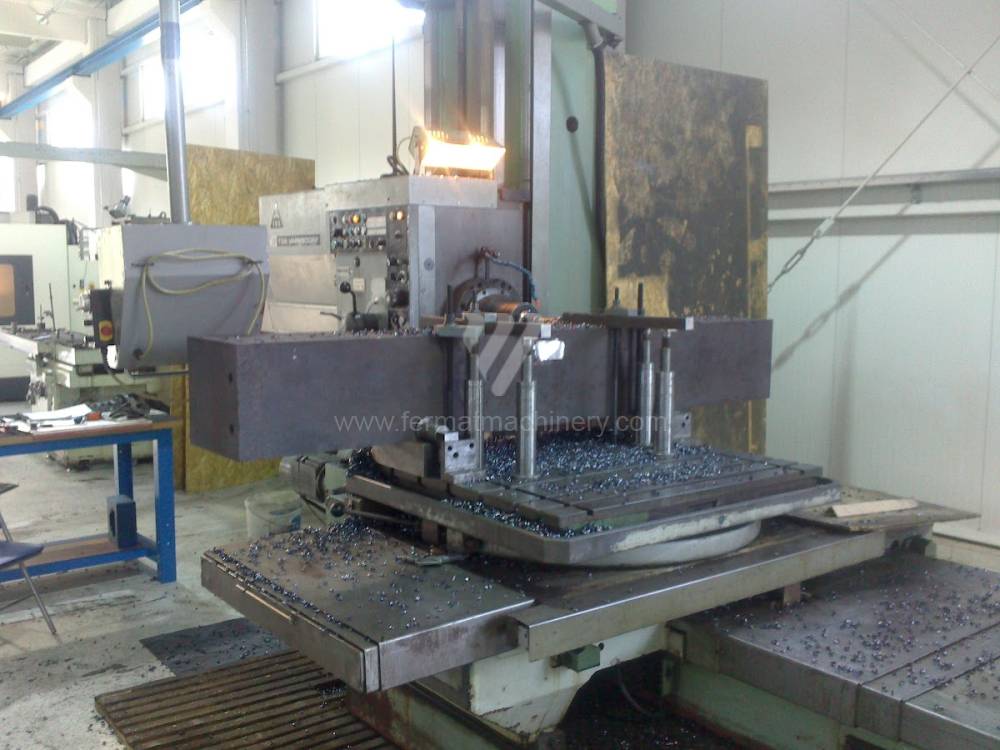
WH 10 NC
TOS Varnsdorf
NUMERO D'INVENTAIRE: 221109
Année de production:1985
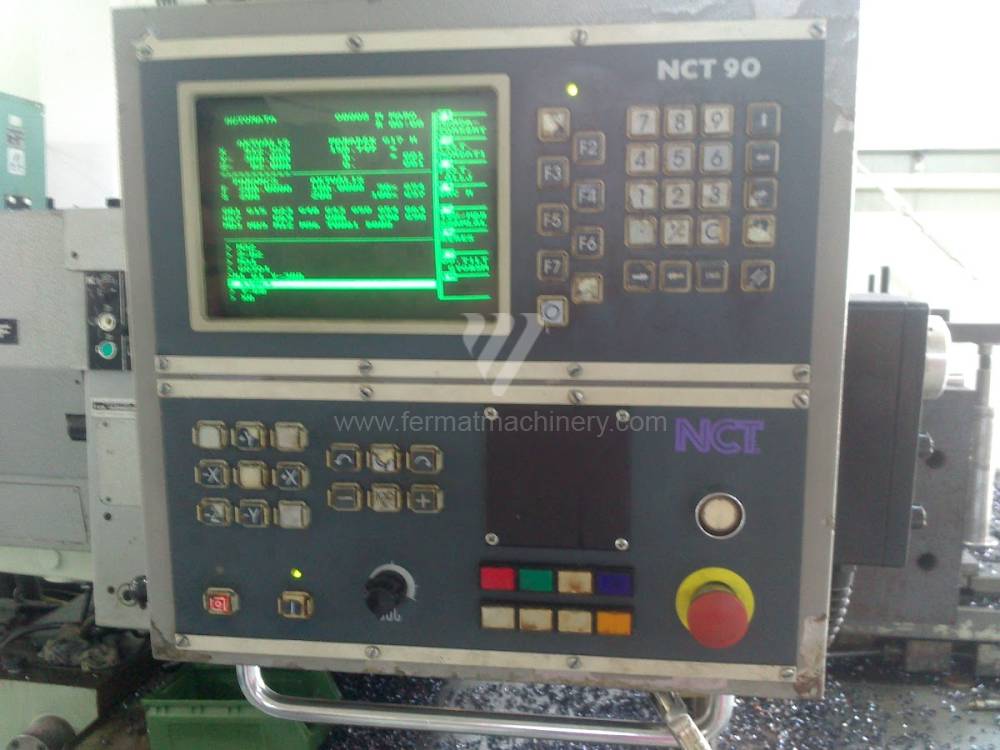
Système de contrôle NCT: 90
Diametre de travaille de broche: 100 mm
Course X: 1250 mm
Course Y: 900 mm
Vitesse de broche: 16 - 1250 /min.
Refroidissement par axe: NON
DEFUM WFC-90
DEFUM
NUMERO D'INVENTAIRE: 261134
Année de production:1959
Diametre de travaille de broche: 90 mm
Course X: 2000 mm
Course Y: 1000 mm
Vitesse de broche: 11 - 1420 /min.
Refroidissement par axe: NON
Extension du curseur (W): 700 mm
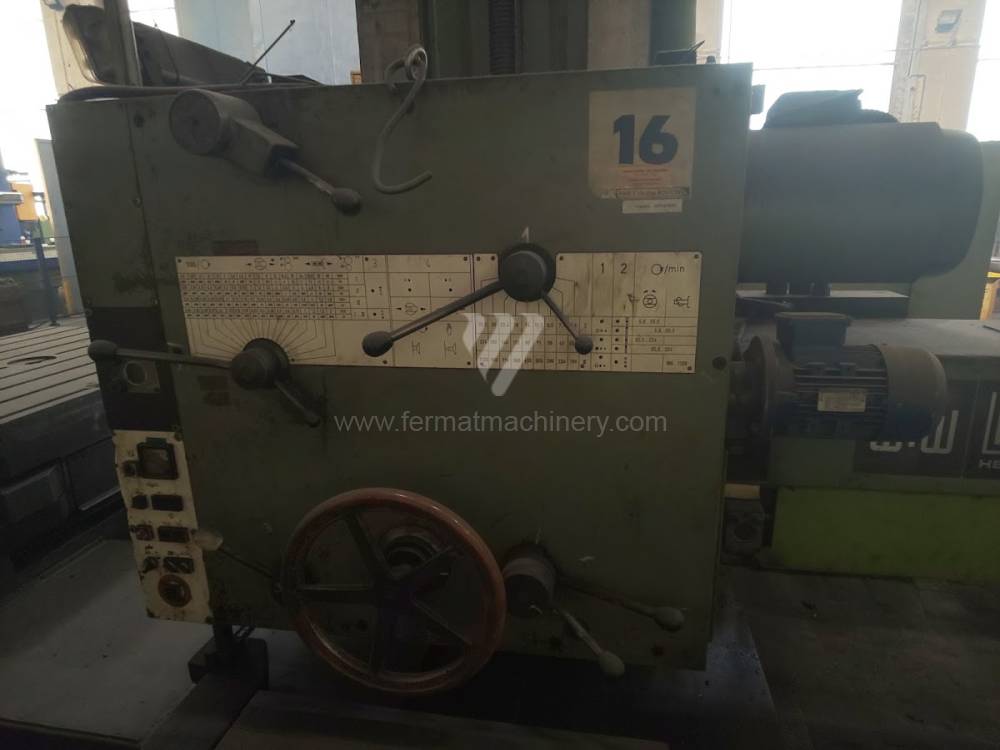
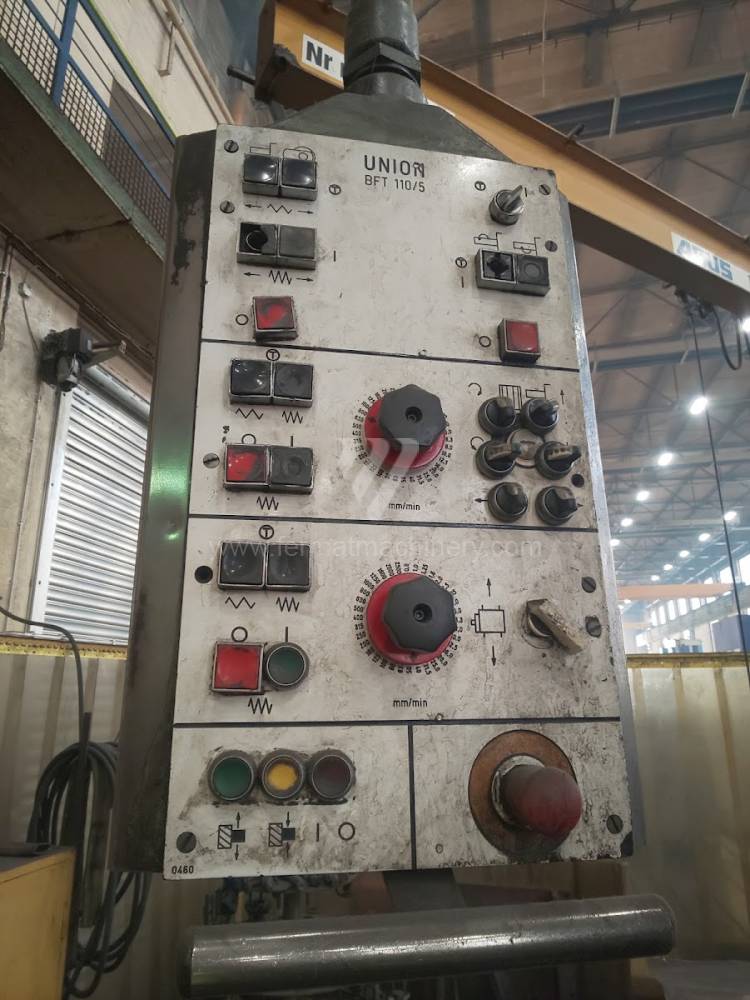
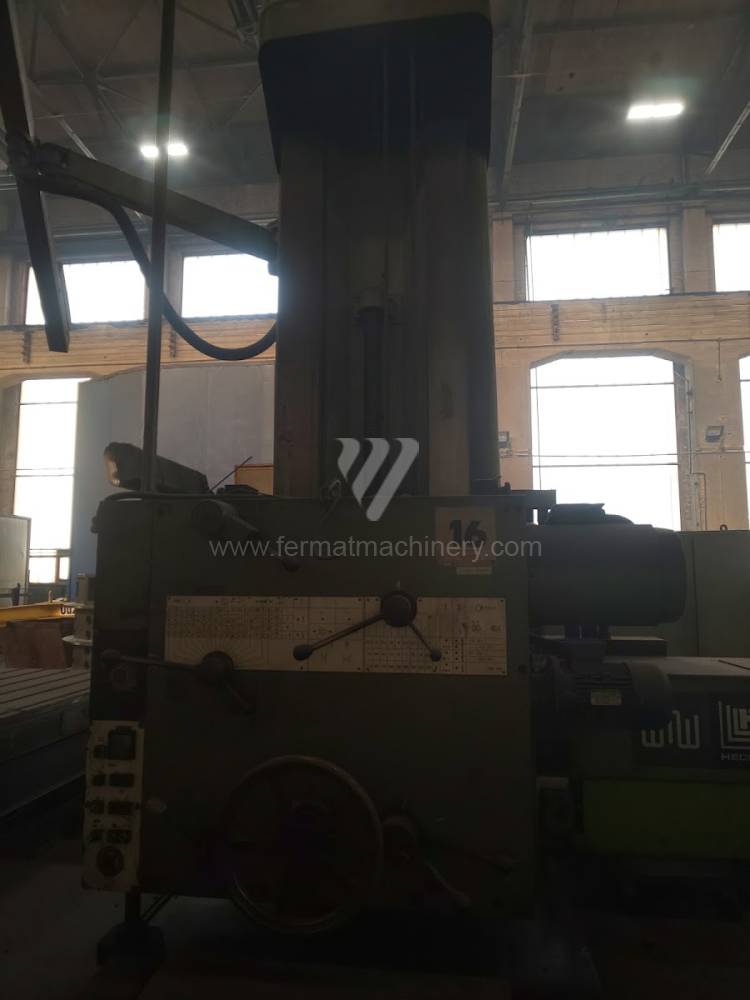
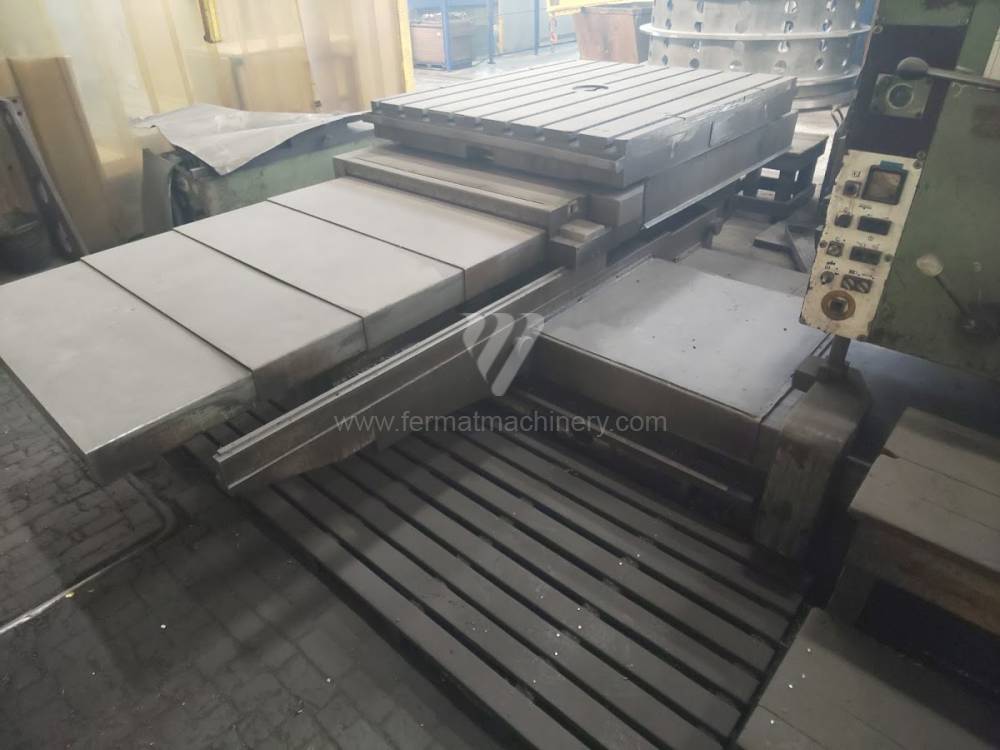
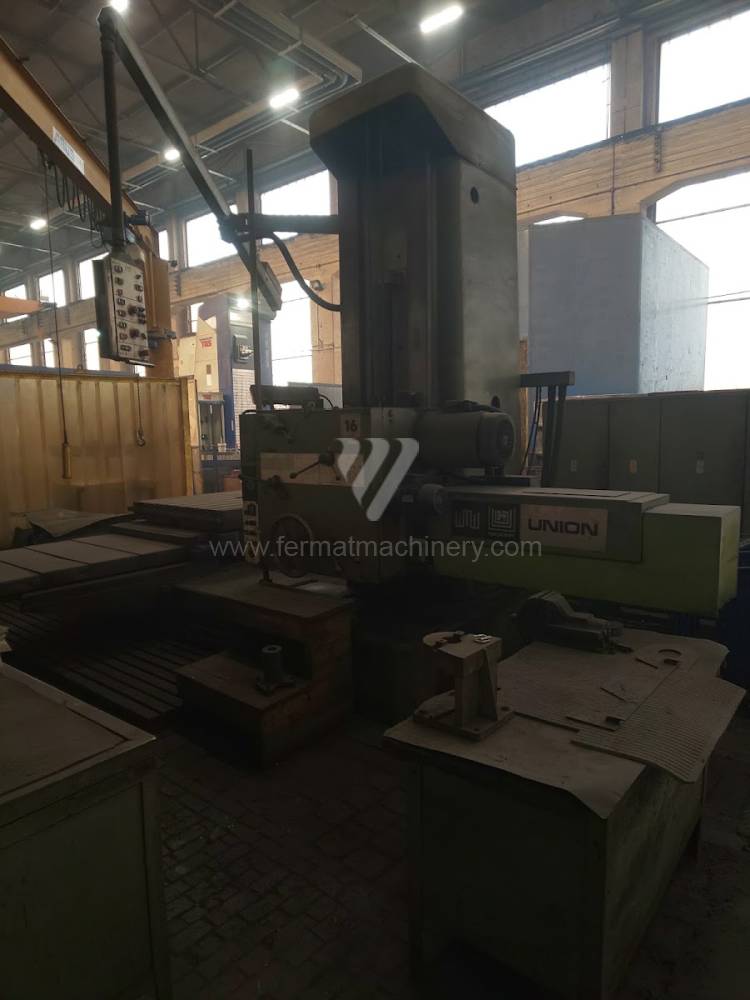
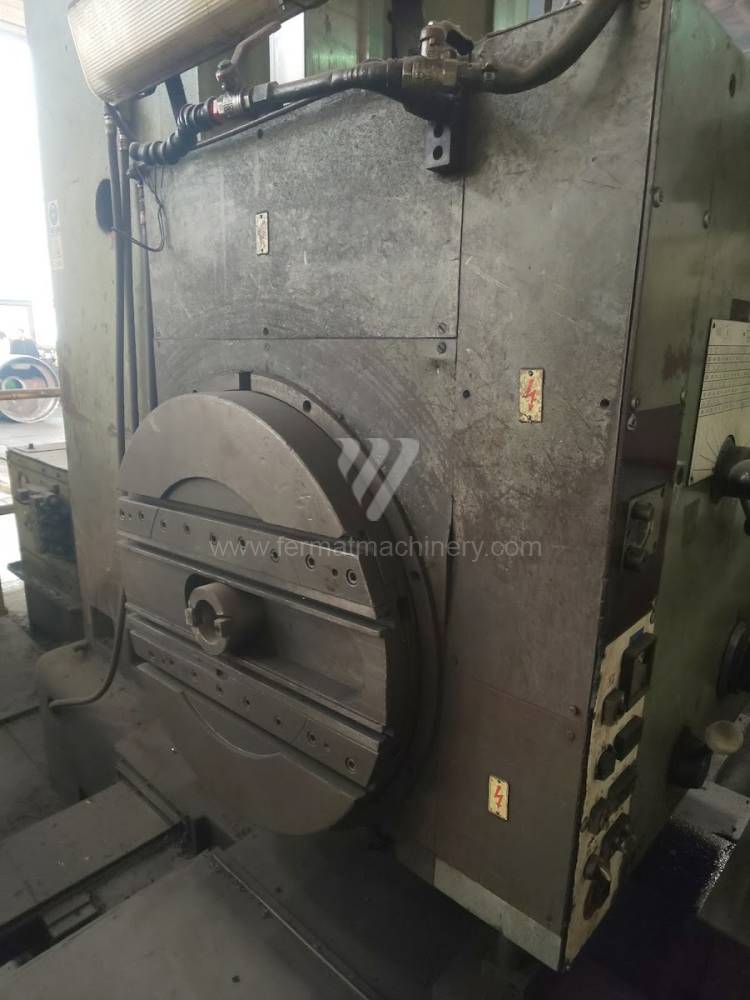
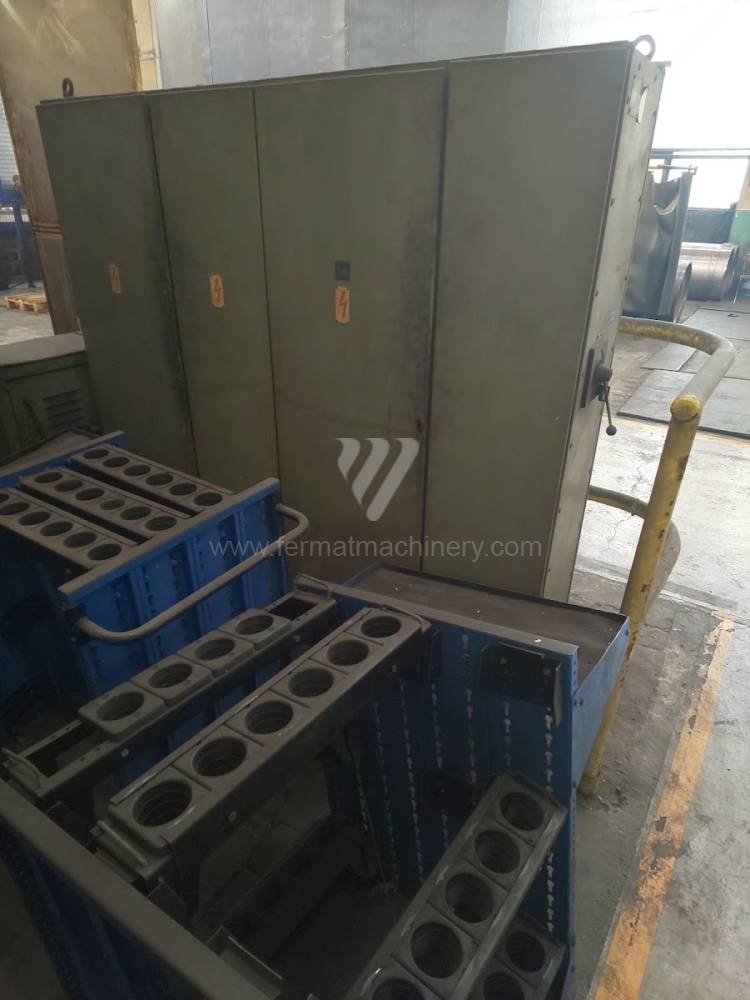
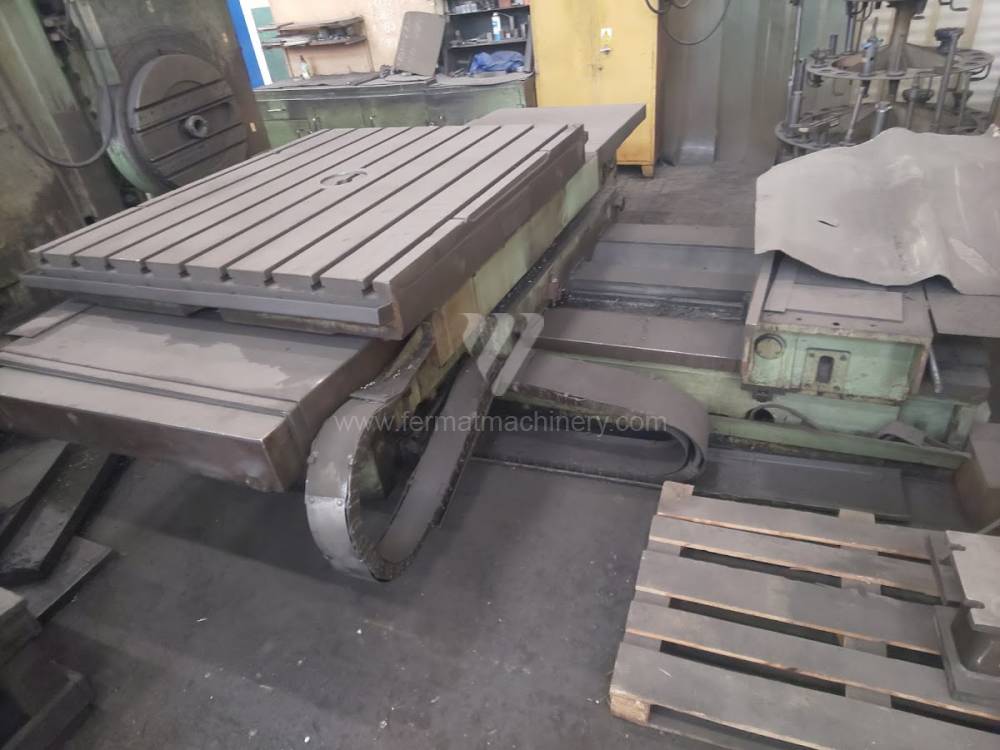
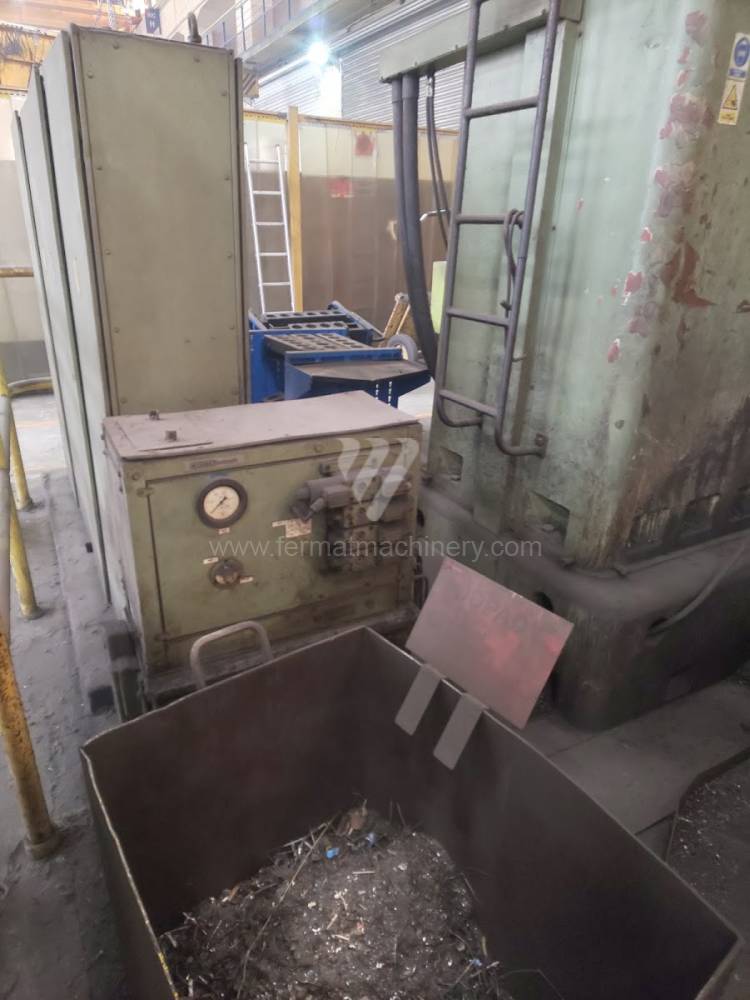
BFT 110/5
UNION
NUMERO D'INVENTAIRE: 231231
Année de production:1978
Course X: 1985 mm
Course Y: 1270 mm
Course Z: 1270 mm
Poids totale de la machine: 25400 kg
Dimensions de la table: 1400 x 1600 mm
Diametre de travaille de broche: 110 mm
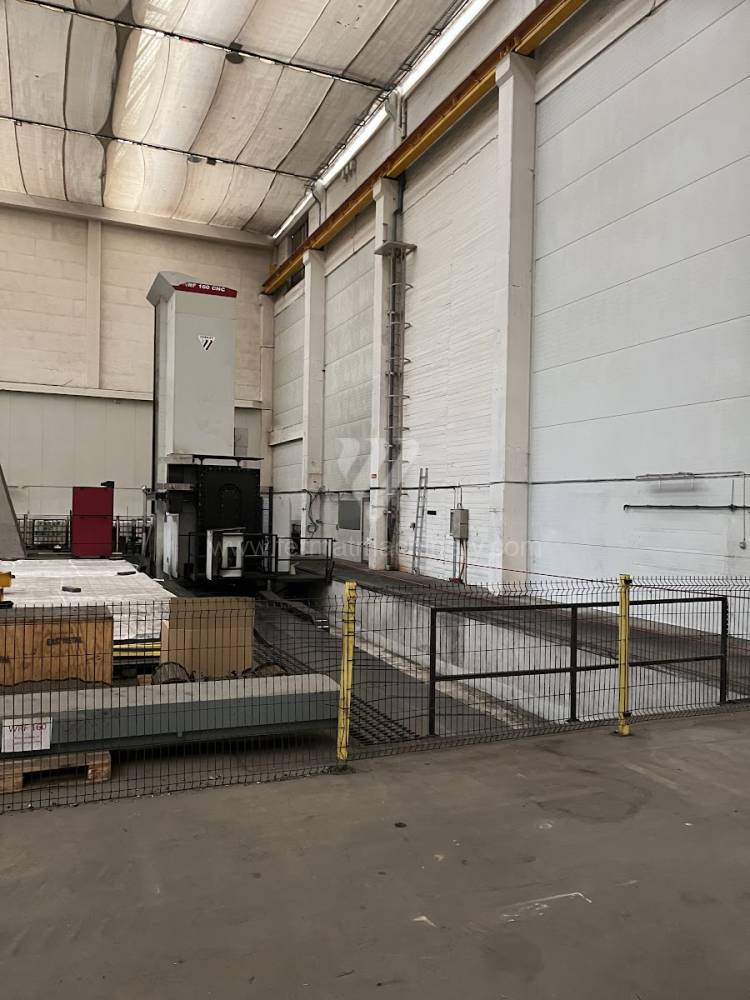
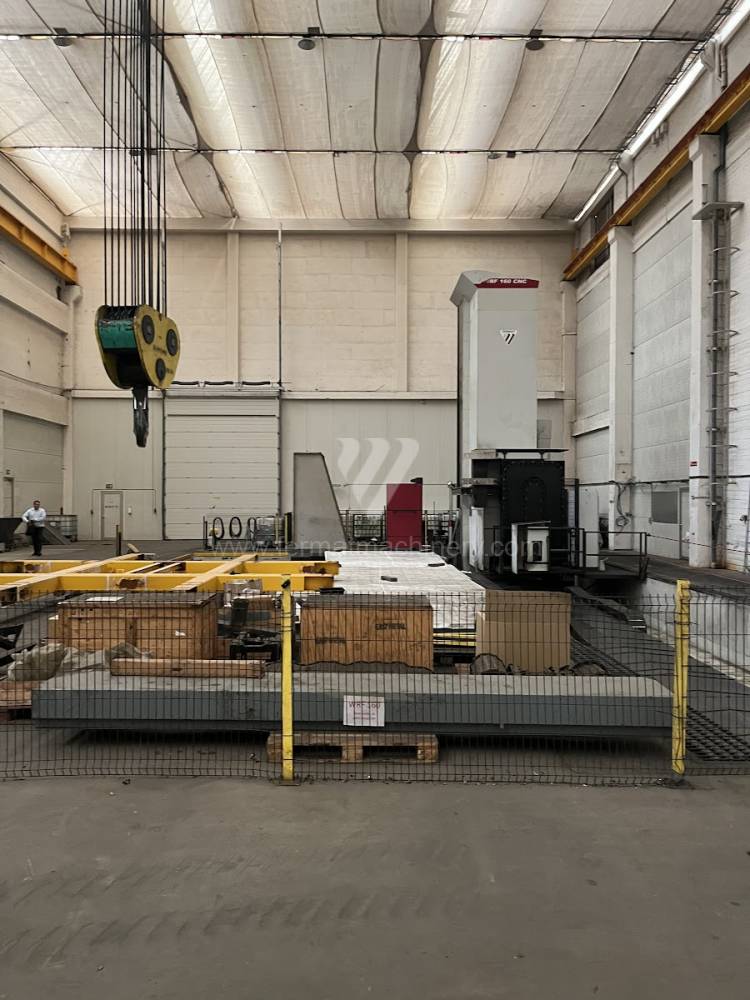
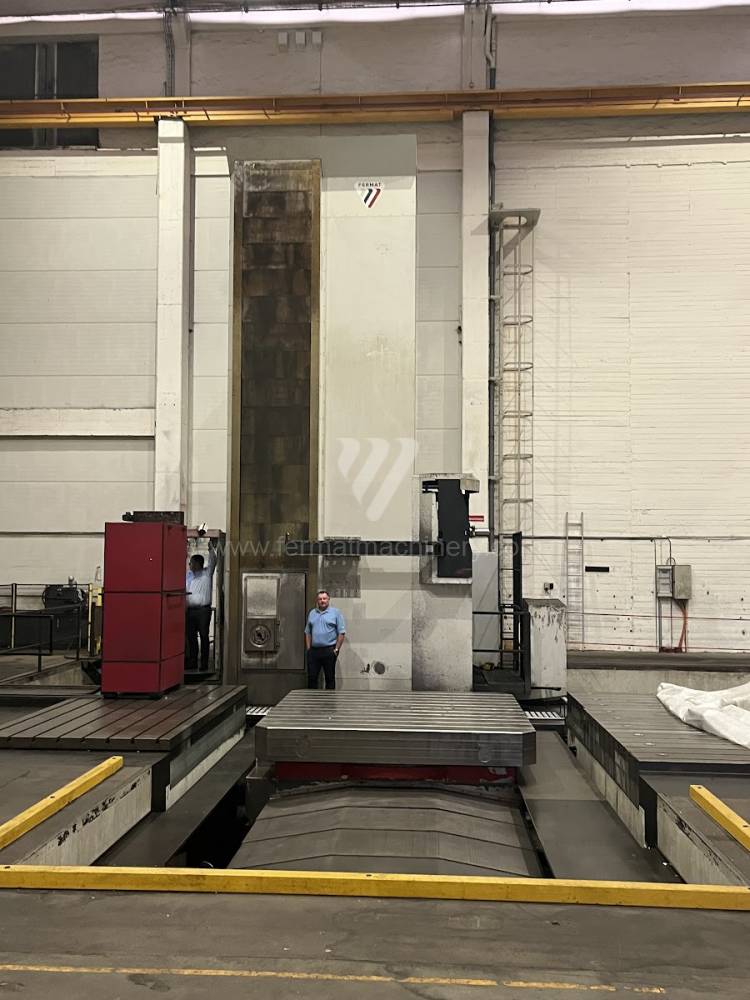
WRF 160 CNC
Fermat
NUMERO D'INVENTAIRE: 251567
Année de production:2014
Système de contrôle Siemens: Sinumerik 840 D
Diametre de travaille de broche: 160 mm
Course X: 14800 mm
Course Y: 6000 mm
Vitesse de broche: 1 - 2500 /min.
Extension du curseur (W): 1000 mm
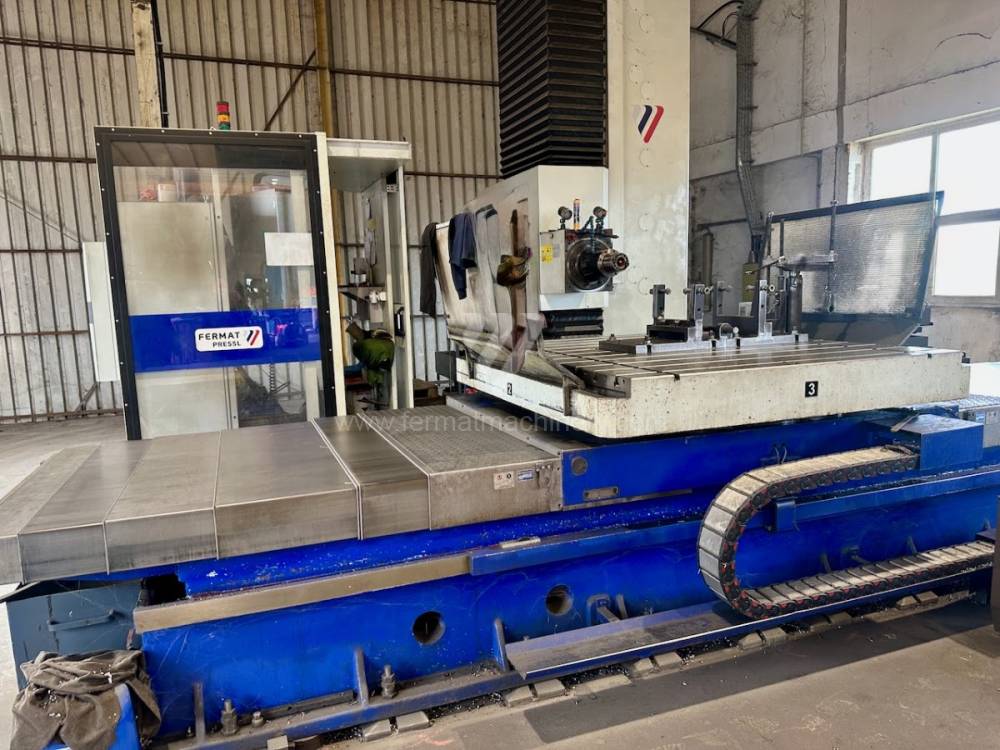
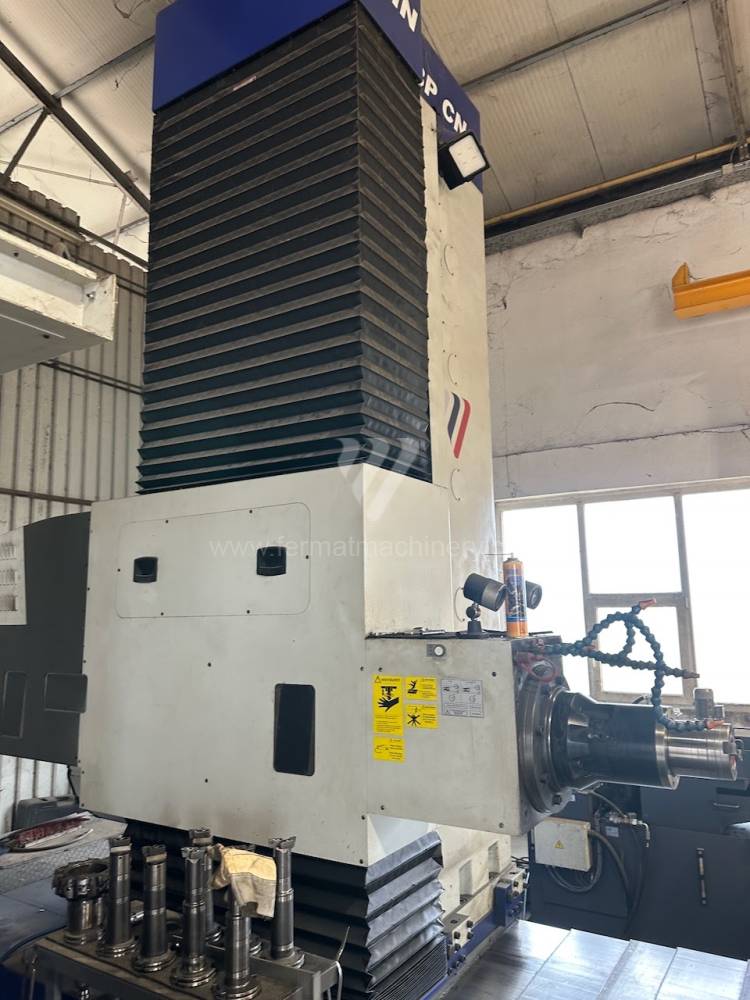
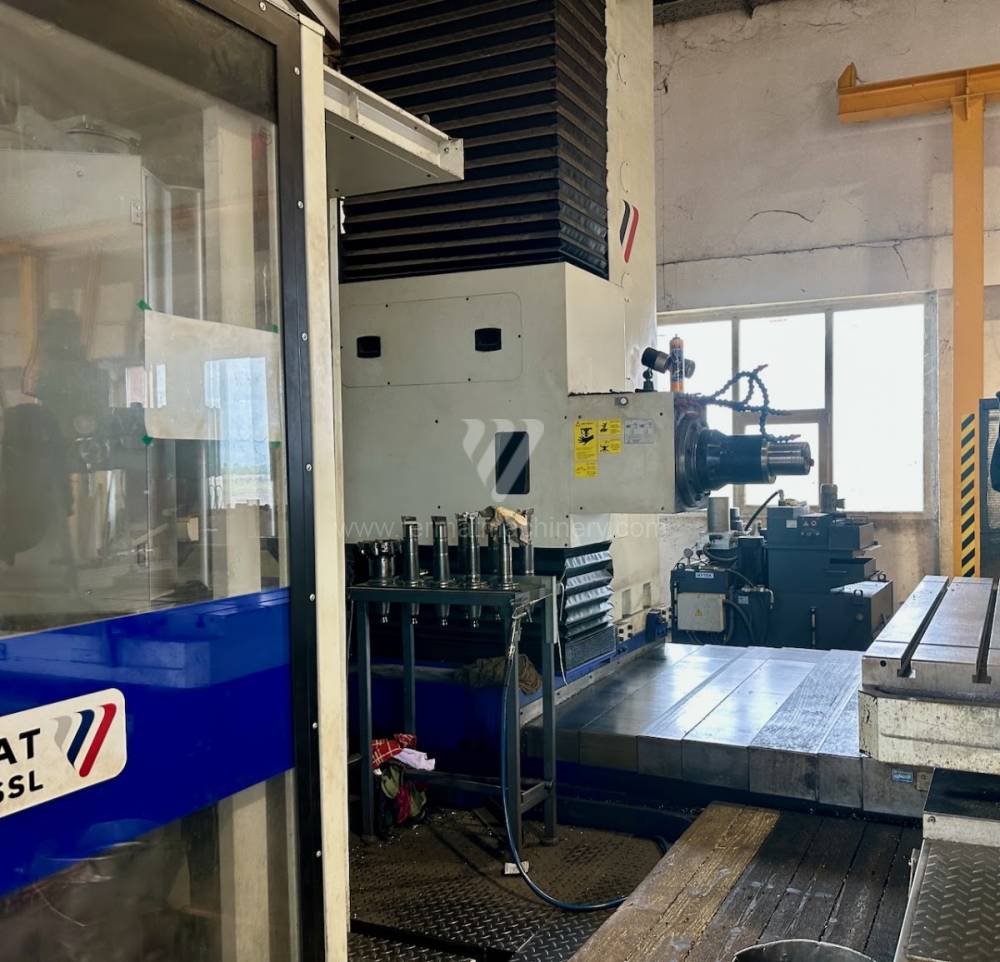
WHN 13 P CNC
Pressl
NUMERO D'INVENTAIRE: 251849
Année de production:2022
Système de contrôle Heidenhain: TNC 640
Diametre de travaille de broche: 130 mm
Course X: 3500 mm
Course Y: 2000 mm
Vitesse de broche: 0 - 3000 /min.
Refroidissement par axe: OUI
WH 63
TOS Varnsdorf
NUMERO D'INVENTAIRE: 251151
Année de production:1980
Diametre de travaille de broche: 63 mm
Course X: 1000 mm
Course Y: 710 mm
Vitesse de broche: 18 - 1800 /min.
Refroidissement par axe: NON
Extension du curseur (W): 560 mm
WH 10 CNC
TOS Varnsdorf
NUMERO D'INVENTAIRE: 251926
Année de production:1987
Diametre de travaille de broche: 100 mm
Course X: 1150 mm
Course Y: 1000 mm
Vitesse de broche: 0 - 1200 /min.
Refroidissement par axe: NON
Extension du curseur (W): 630 mm
WH 10 CNC
TOS Varnsdorf
NUMERO D'INVENTAIRE: 251896
Année de production:2000
Système de contrôle Heidenhain: TNC 426
Diametre de travaille de broche: 100 mm
Course X: 1250 mm
Course Y: 1120 mm
Vitesse de broche: 0 - 1800 /min.
Refroidissement par axe: NON
WHN 9B
TOS Varnsdorf
NUMERO D'INVENTAIRE: 251006
Année de production:1981
Diametre de travaille de broche: 90 mm
Course X: 1250 mm
Course Y: 900(1120) mm
Vitesse de broche: 0 - 1120 /min.
Refroidissement par axe: NON
Extension du curseur (W): 680 mm
WXH 100
KOVOSVIT MAS, a.s.
NUMERO D'INVENTAIRE: 241325
Diametre de travaille de broche: 100 mm
Course X: 1200 mm
Course Y: 800 mm
Vitesse de broche: 6 - 3000 /min.
Refroidissement par axe: NON
Extension du curseur (W): mm
WI 130 CNC
ŠKODA MACHINE TOOL a.s.
NUMERO D'INVENTAIRE: 231050
Système de contrôle Heidenhain: TNC 426
Diametre de travaille de broche: 130 mm
Course X: 1900 mm
Course Y: 1980 mm
Vitesse de broche: 2 - 900 /min.
Extension du curseur (W): 1590 mm
WHN 13
Fermat
NUMERO D'INVENTAIRE: 251947
Système de contrôle Heidenhain: TNC 530
Diametre de travaille de broche: 130 mm
Course X: 3500 mm
Course Y: 2000 mm
Vitesse de broche: 5 - 1250 /min.
Refroidissement par axe: NON
BFKF 150
UNION
NUMERO D'INVENTAIRE: 251720
Année de production:1979
Système de contrôle Fidia:
Diametre de travaille de broche: 150 mm
Course X: 2000 mm
Course Y: 1500 mm
Vitesse de broche: 1 - 1000 /min.
Refroidissement par axe: NON
W 100 A
TOS Varnsdorf
NUMERO D'INVENTAIRE: 261067
Diametre de travaille de broche: 100 mm
Course X: 1600 mm
Course Y: 1120 mm
Vitesse de broche: 7 - 1120 /min.
Refroidissement par axe: NON
Extension du curseur (W): 900 mm
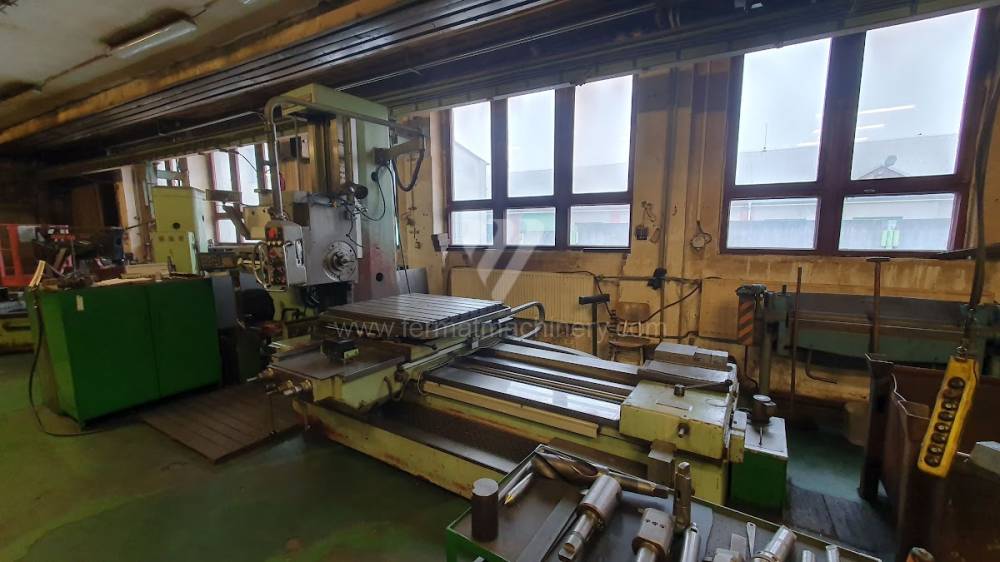
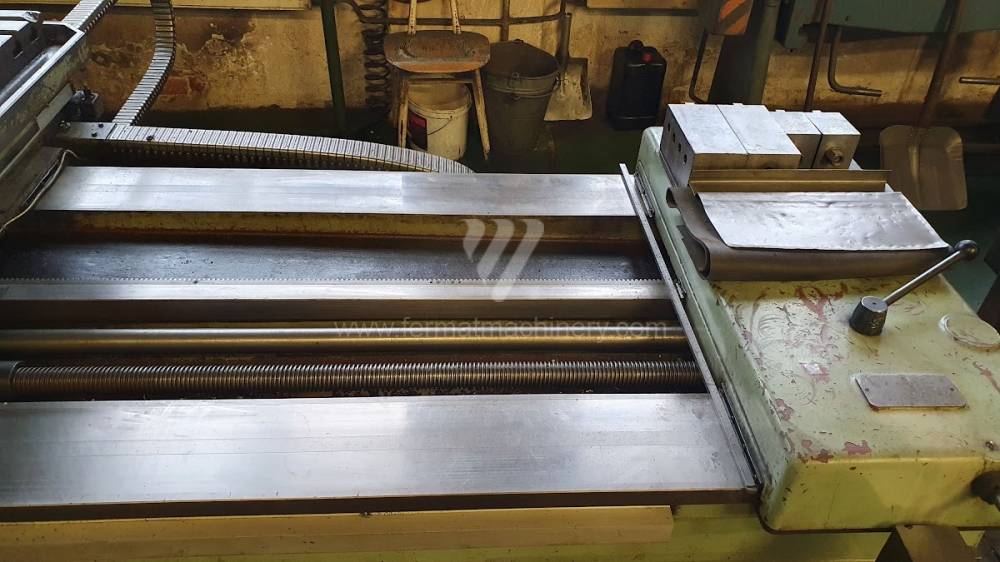
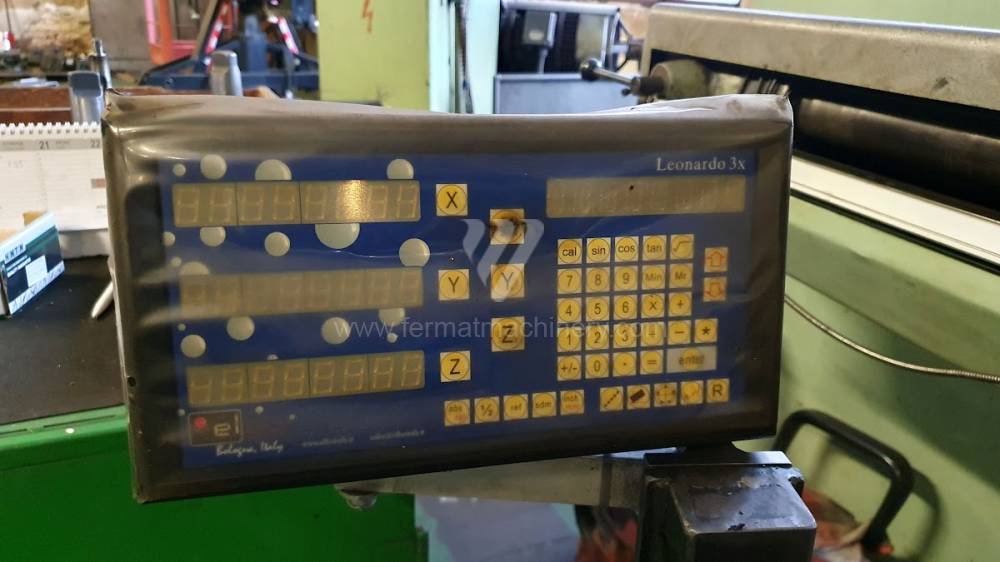
W 9 A
TOS Varnsdorf
NUMERO D'INVENTAIRE: 261015
Année de production:1978
Diametre de travaille de broche: 90 mm
Course X: 1250 mm
Course Y: 1120 mm
Vitesse de broche: 10 - 1400 /min.
Refroidissement par axe: NON
Extension du curseur (W): 710 mm
W 75
TOS Varnsdorf
NUMERO D'INVENTAIRE: 261173
Année de production:1996
Diametre de travaille de broche: 75 mm
Course X: 1250 mm
Course Y: 900 mm
Vitesse de broche: 18 - 1800 /min.
Refroidissement par axe: NON
Extension du curseur (W): 560 mm
H 63 A
TOS Varnsdorf
NUMERO D'INVENTAIRE: 261210
Année de production:1963
Diametre de travaille de broche: 63 mm
Course X: 1050 mm
Course Y: 610 mm
Vitesse de broche: 8 - 1400 /min.
Refroidissement par axe: NON
Extension du curseur (W): 560 mm
WH 10 NC
TOS Varnsdorf
NUMERO D'INVENTAIRE: 251656
Année de production:1991
Système de contrôle Tesla: NS 670
Diametre de travaille de broche: 100 mm
Course X: 1250 mm
Course Y: 900 mm
Vitesse de broche: 16 - 1250 /min.
Refroidissement par axe: NON
WFT 13
Fermat
NUMERO D'INVENTAIRE: 261140
Année de production:2015
Système de contrôle Heidenhain: TNC 530
Diametre de travaille de broche: 130 mm
Course X: 3000 mm
Course Y: 2000 mm
Vitesse de broche: 10 - 3000 /min.
Refroidissement par axe: OUI
HWC
DEFUM
NUMERO D'INVENTAIRE: 261168
Année de production:1957
Diametre de travaille de broche: 110 mm
Course X: 1200 mm
Course Y: 1150 mm
Vitesse de broche: 8 - 1250 /min.
Refroidissement par axe: NON
Extension du curseur (W): 850 mm
W 100
TOS Varnsdorf
NUMERO D'INVENTAIRE: 261172
Année de production:1976
Diametre de travaille de broche: 100 mm
Course X: 1000 mm
Course Y: 700 mm
Vitesse de broche: 0 - 1200 /min.
Refroidissement par axe: NON
Extension du curseur (W): 900 mm
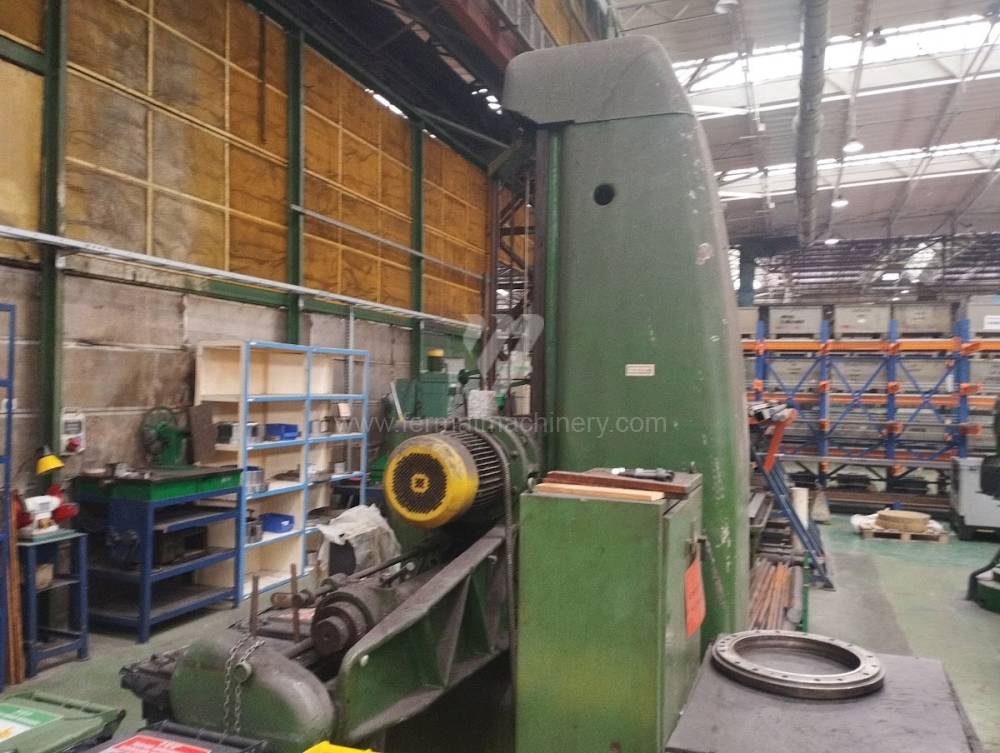
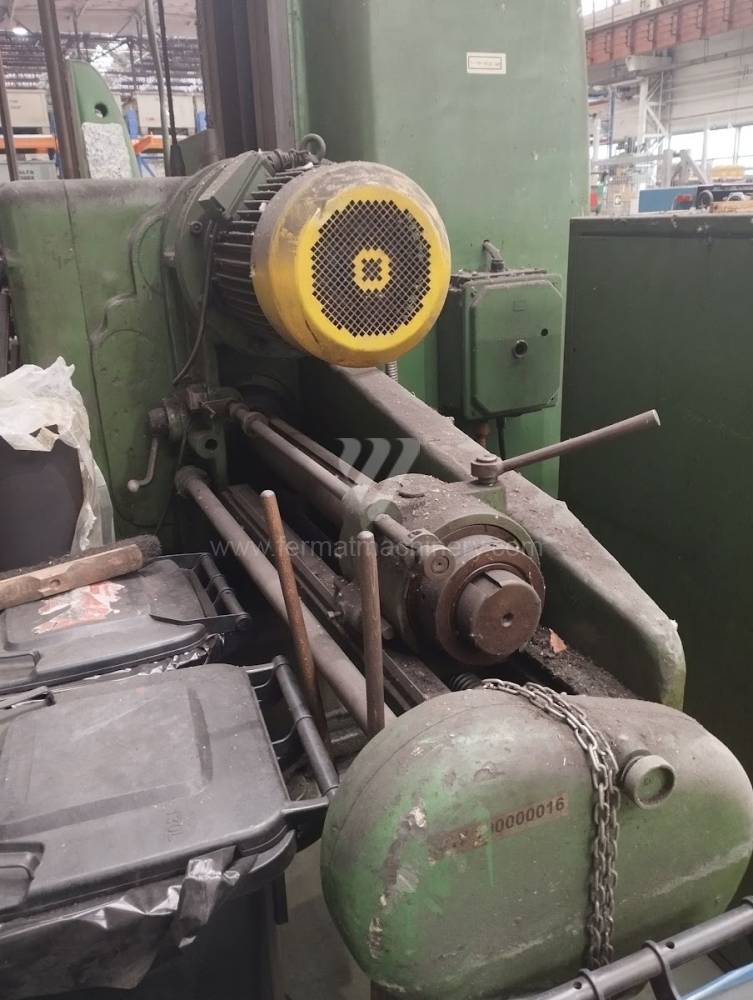
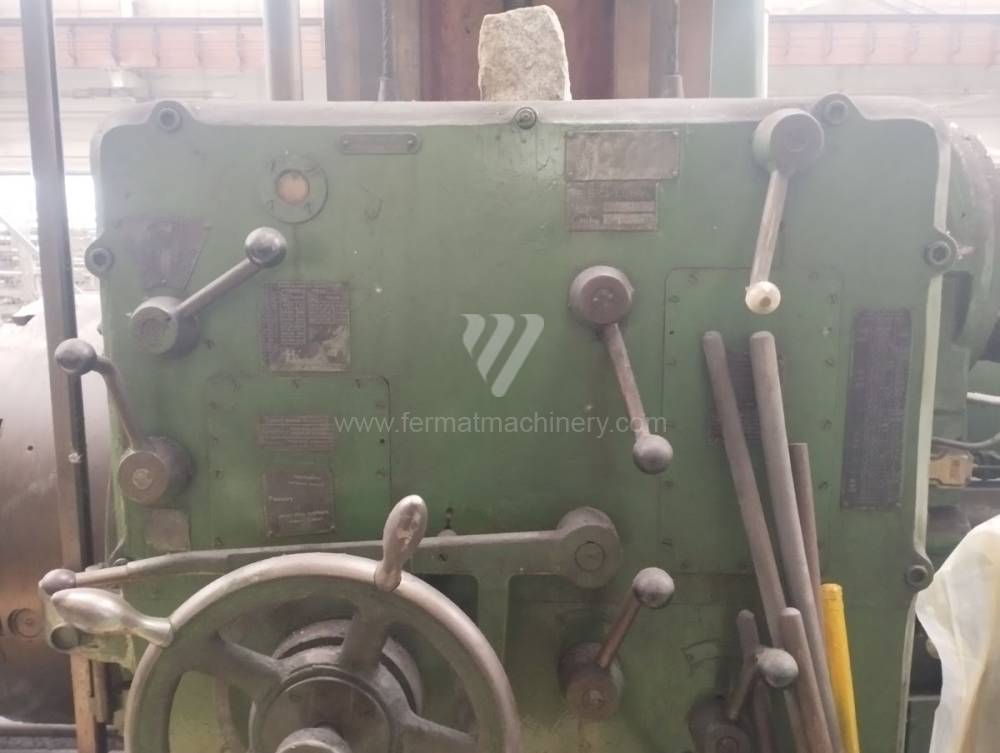
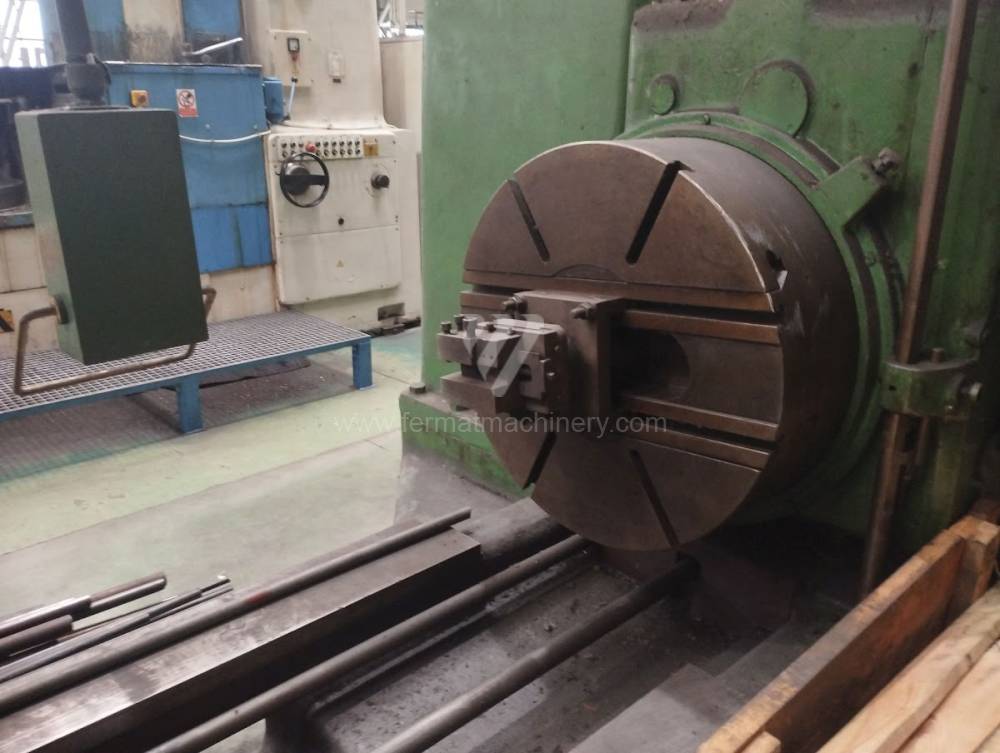
Horizontal boring machines are universal machines used for machining of complex products. These borers are mainly used for small batch production. For one workpiece clamping, the operation can be performed from up to five sides, either simultaneously or sequentially. A large number of standard and special accessories are available for horizontal boring machines. This makes boring machines suitable not only for boring, but also for drilling, turning, milling and other operations.
Horizontal boring machines can be divided into several types, such as: table, cross, plate, coordinate. Can be divided also according to the type of control - conventional (without system), or CNC controlled.
Table type boring machines
Table boring machines are equipped with a movable table that moves in one or two axes. Depending on this, boring machines are further divided into cross-construction or T-construction. The table is usually rotary (B axis), which allows four sides of the workpiece to be machined in one clamp. However, if the machine is equipped with an angle head (A and C axes) and the workpiece does not exceed the dimensions of the machine, five sides can be machined in one clamp. The boring milling machines differ from the table milling machines in particular by the extendable spindle (W axis). Higher series often also have a movable headstock (V axis).
Cross-construction
The cross design is usually used on compact machines with a table capacity up to 5 tonnes, where the table moves in two mutually perpendicular axes (X,Z). These machines are usually lighter and less demanding to build the base, but are limited not only by the travel, but also by the capabilities of the stand and spindle. The diameter of the spindle here is usually between 75 and 125 mm.
T-construction
The T-design is a more rigid machine with a table capacity of up to 25 tonnes and longer axis travel, with the table moving only in the transverse axis towards the spindle (X), while the stand moves in the longitudinal axis (Z) towards the table. The diameter of the boring spindle is usually between 100 and 160 mm due to the heavier and bulkier workpieces.
Floor type boring machines
These kinds of boring machines are suitable and used for machining of the largest workpieces. Headstock is moving along the vertical guide of the column and column itself is moving along the bed perpendicular to the axis of the spindle. The workpiece is clamped immovably on a cast-iron floor plate equipped with T-slots. If this floor type boring machine is equipped with a rotary table which is movable in the direction of the spindle axis, the number of controlled axes increases. Such boring machines mainly have a boring spindle diameter of 130-315 mm.
Coordinate boring machines
So-called coordinate boring machines are used for machining precise holes. Its design is affected by the requirements for very high accuracy of all movements, good dynamics and the best possible temperature stability. There are two types of these machines. One-column borer with horizontal or vertical spindle axis (this is for smaller sizes of workpieces that are clamped on a cross table) and two column borer with one or more vertical spindles. Workpiece is clamped on a longitudinal table, which is in between two columns along which the crosspiece carrying the work headstock moves. An optical system is usually used for measuring. More modern machines are then equipped with a CNC control system.
All types of horizontal boring machines are conventional or CNC controlled. Among the most popular producers of CNC systems are Heidenhain, Siemens, Fanuc, Fagor.
Horizontal boring machines can be also equipped with automatic tool change which is primarily used for storage of tool holders, its manipulation and positioning without participation of human factor.
Among the main and most popular manufacturers of boring mills we have to mention: FERMAT, TOS, ŠKODA, PAMA, UNION, JUARISTI, SCHARMANN, KURAKI, WOTAN.
