+420 778 547 838
  info@fermat.cz


 Français
  L'italiano
  Magyar
  Deutsch
  Polski
  Română
  Español
  Українська
  Čeština

List Grid
Cutting equipments Other
| Name of a product | Inventory number | Producer | YOM | Parameters | ||
|---|---|---|---|---|---|---|
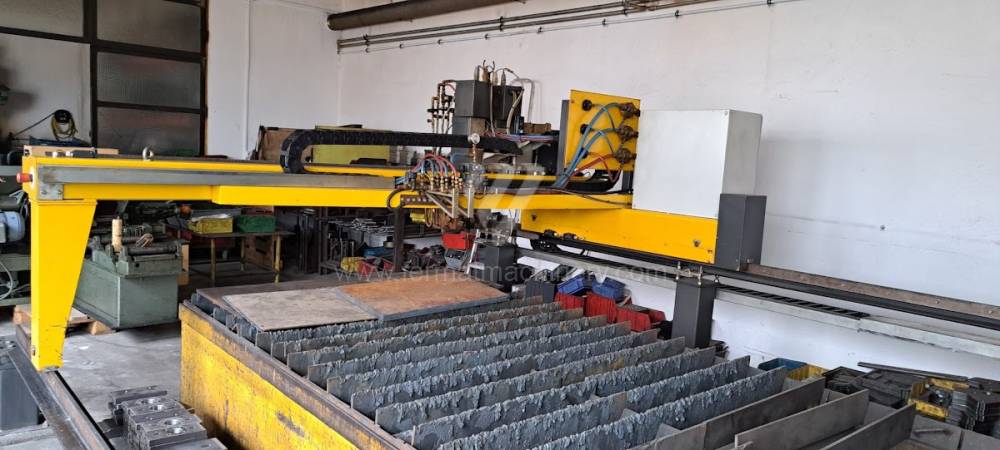 |
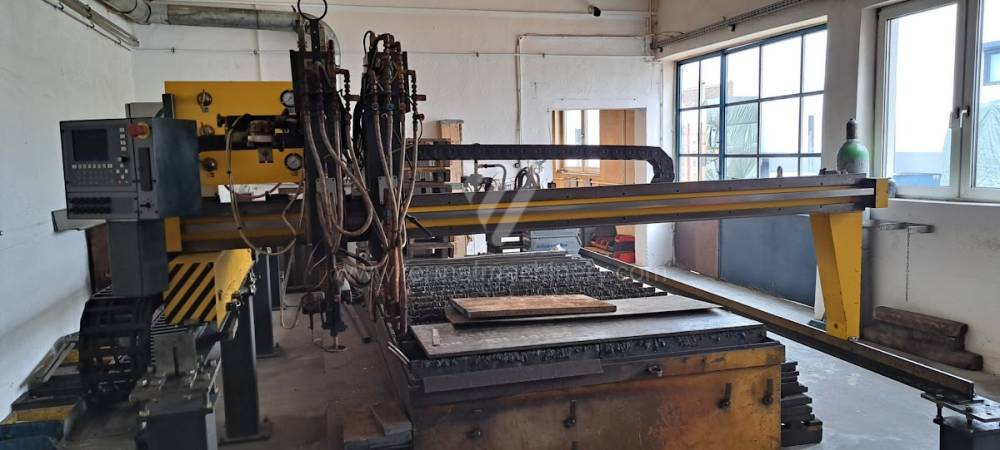
ESAB |
261300 | ESAB | 2002 | Max. length of workpiece: 8000 mm Max. plate thickness: 30 mm Max. workpiece width: 2000 mm |
|
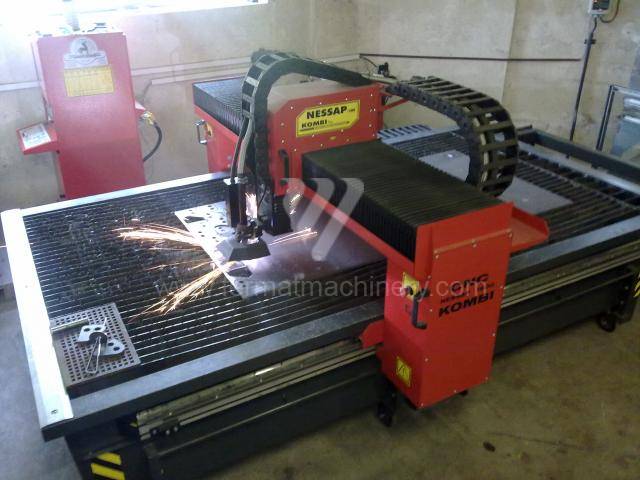 |
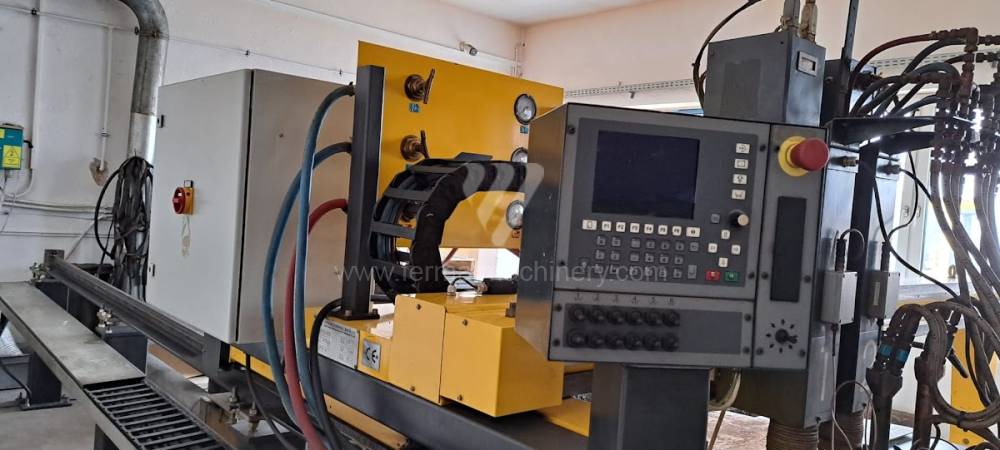
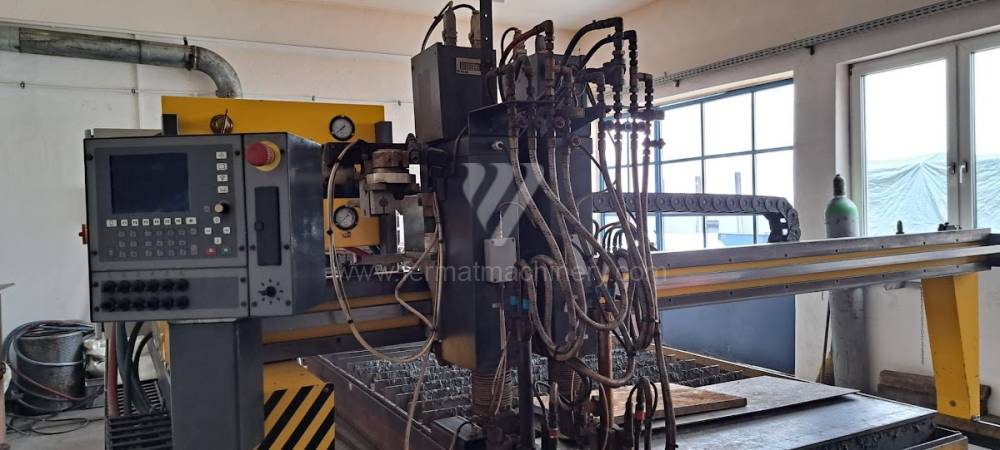
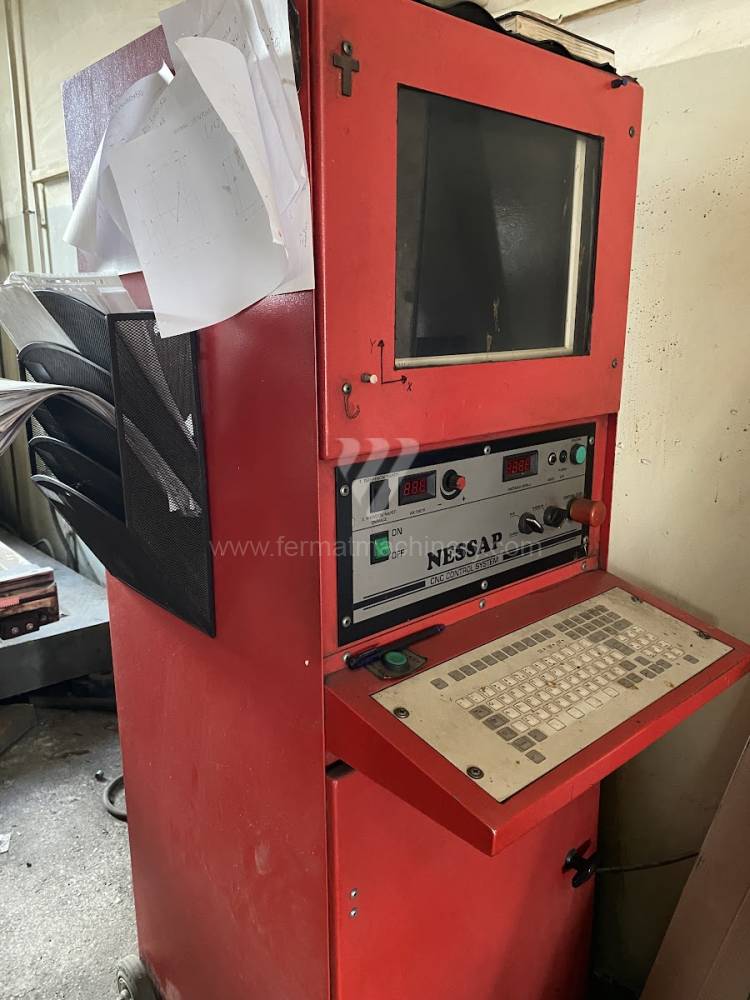
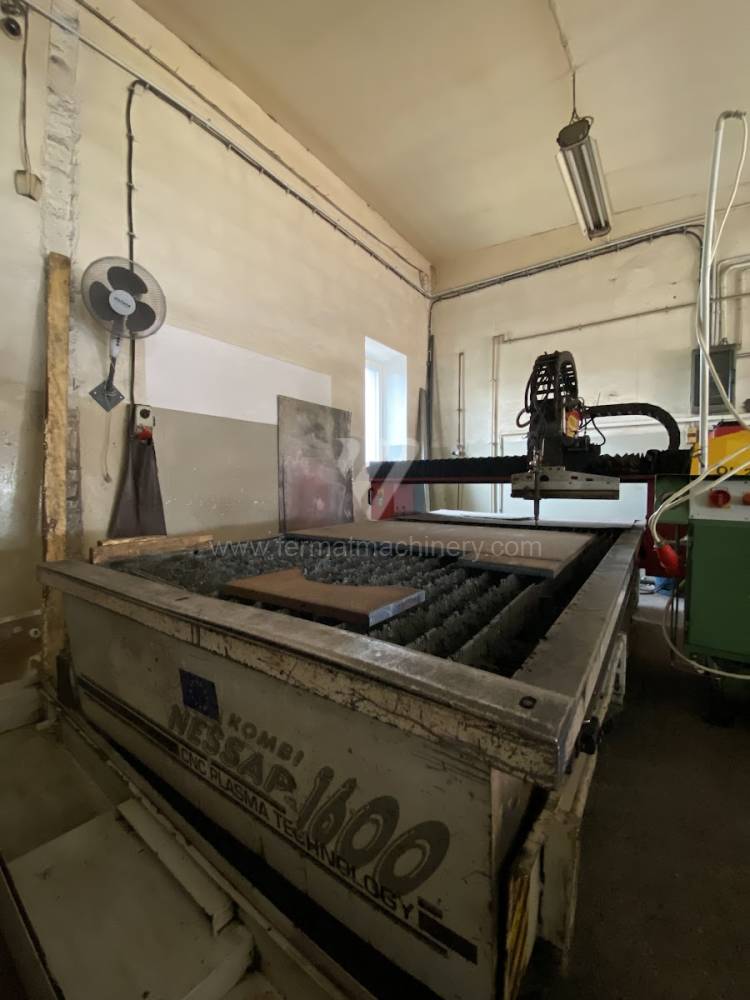
NESSAP 1600 KOMBI |
261687 | Řízené Stroje s.r.o. | 2005 | Max. length of workpiece: 3000 mm Max. workpiece width: 1600 mm Max. thickness cutting material: 90 mm Type of cutting: Plasma Machine weight: 2500 kg Machine dimensions l x w x h: 3500x1800x1600 mm |
|
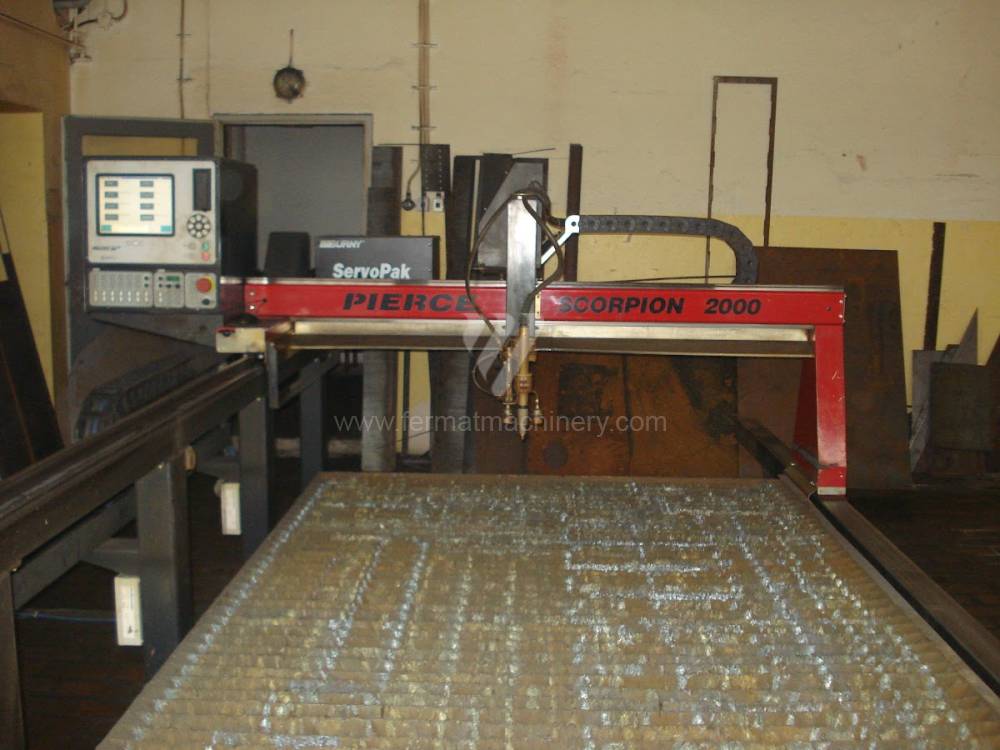 |
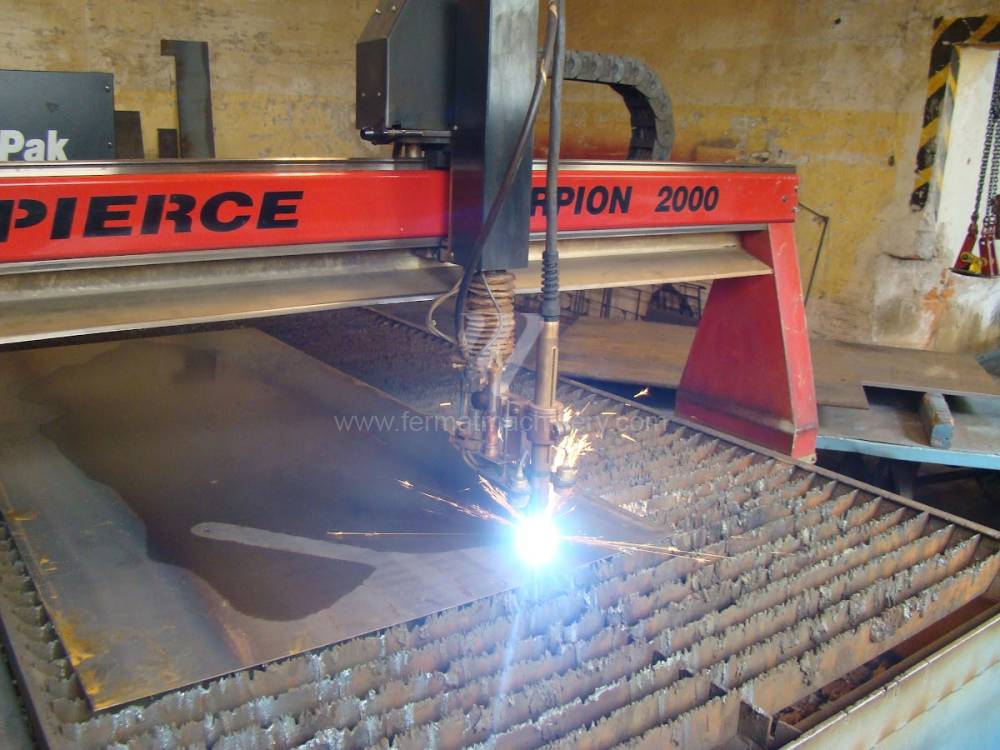
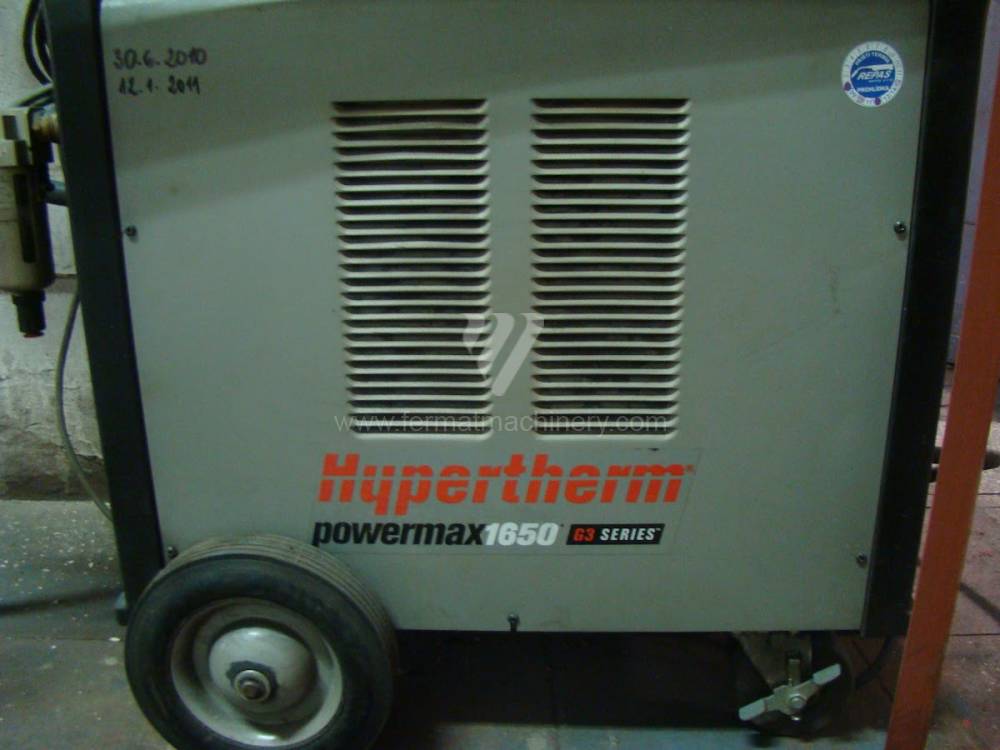
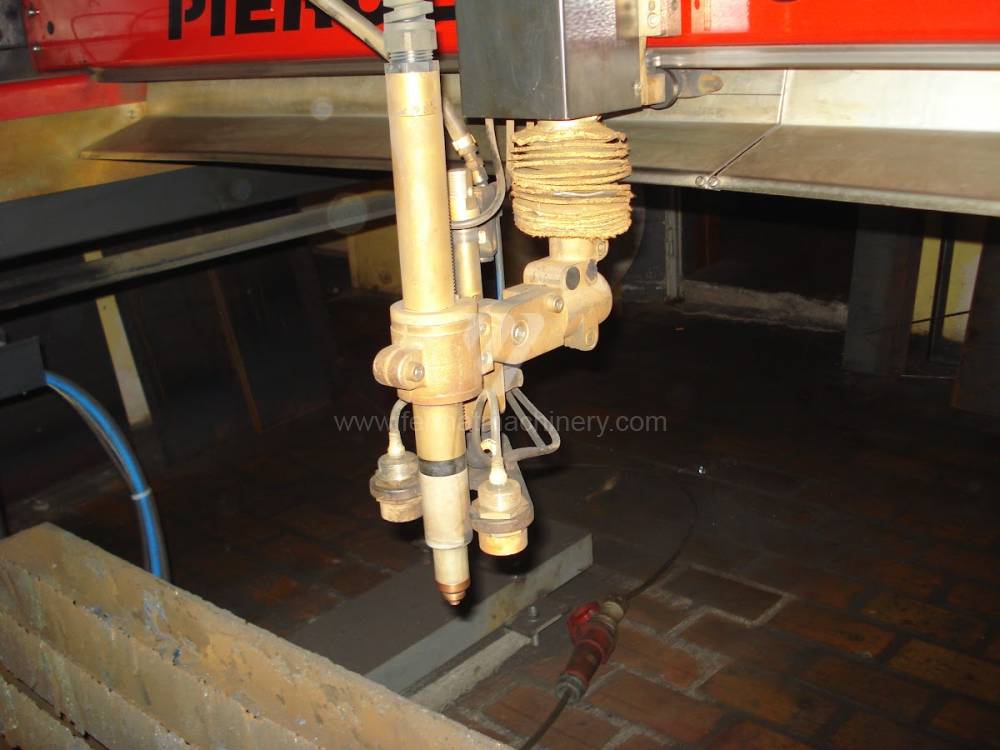
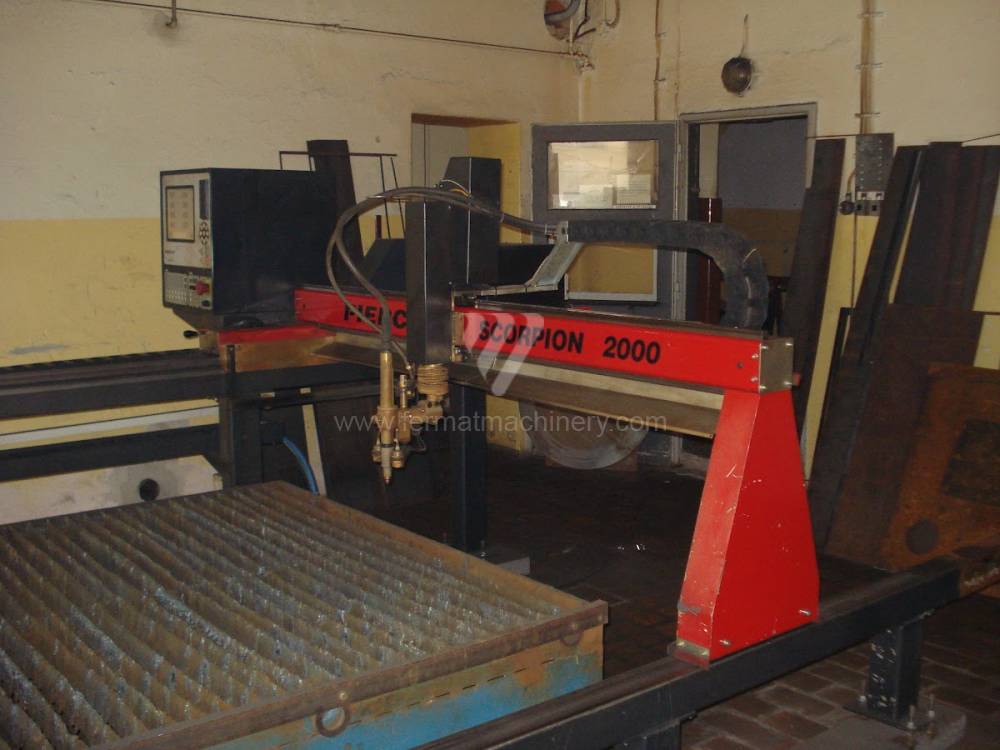
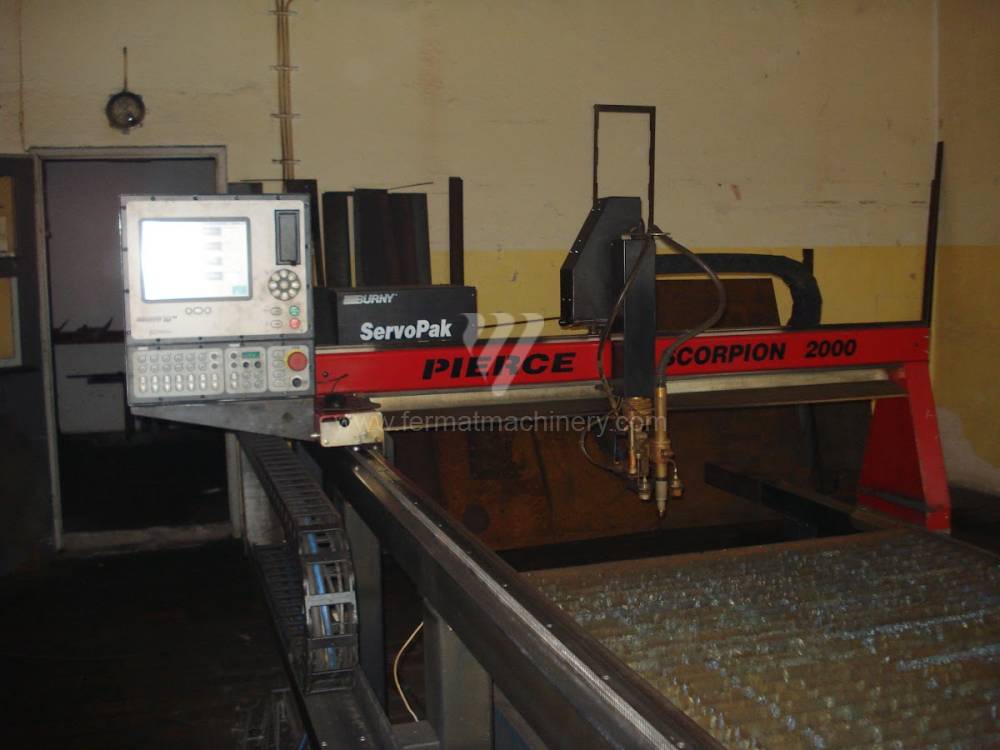
SCORPION 2000 |
221453 | Pierce control automation | 2004 | Max. length of workpiece: 3000 mm Max. workpiece width: 1500 mm Max. thickness cutting material: 15 mm Type of cutting: Plasma |
|
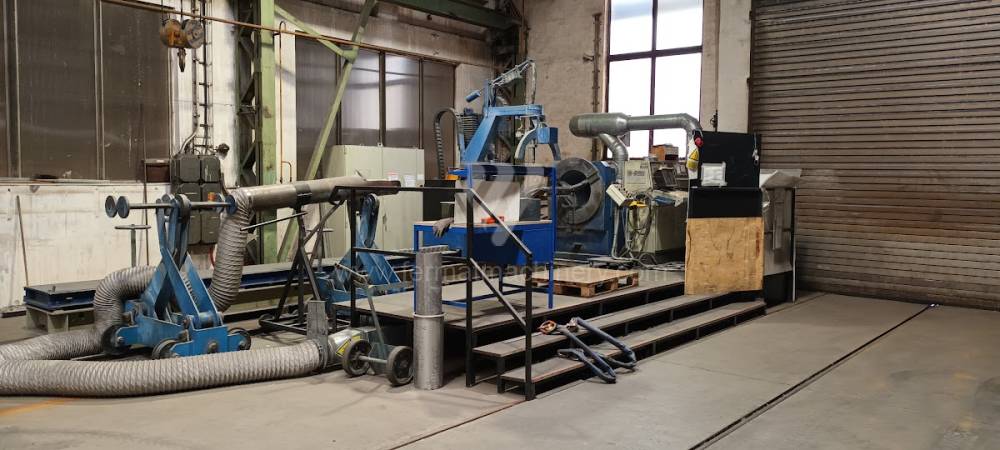 |
RB 630/1660 |
242035 | Unknown | 2024 | Max. length of workpiece: 1660 mm Max. workpiece width: 630 mm Max. thickness cutting material: 20 mm Type of cutting: Plasma Machine weight: 7000 kg Machine dimensions l x w x h: 6000x4000x3000 mm |
|
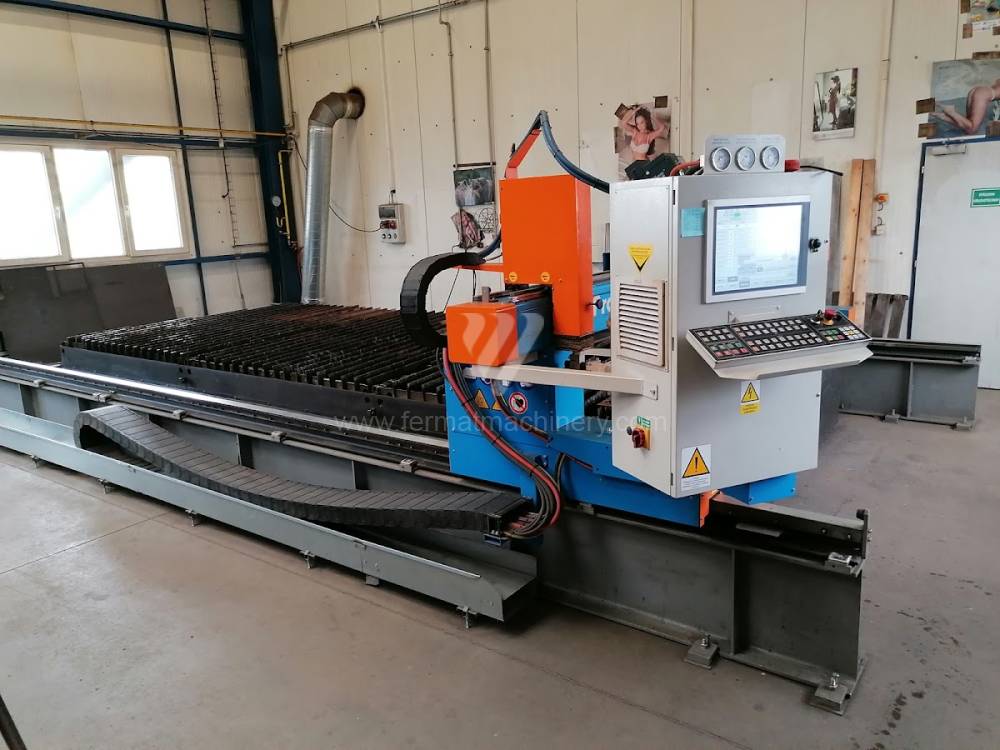 |
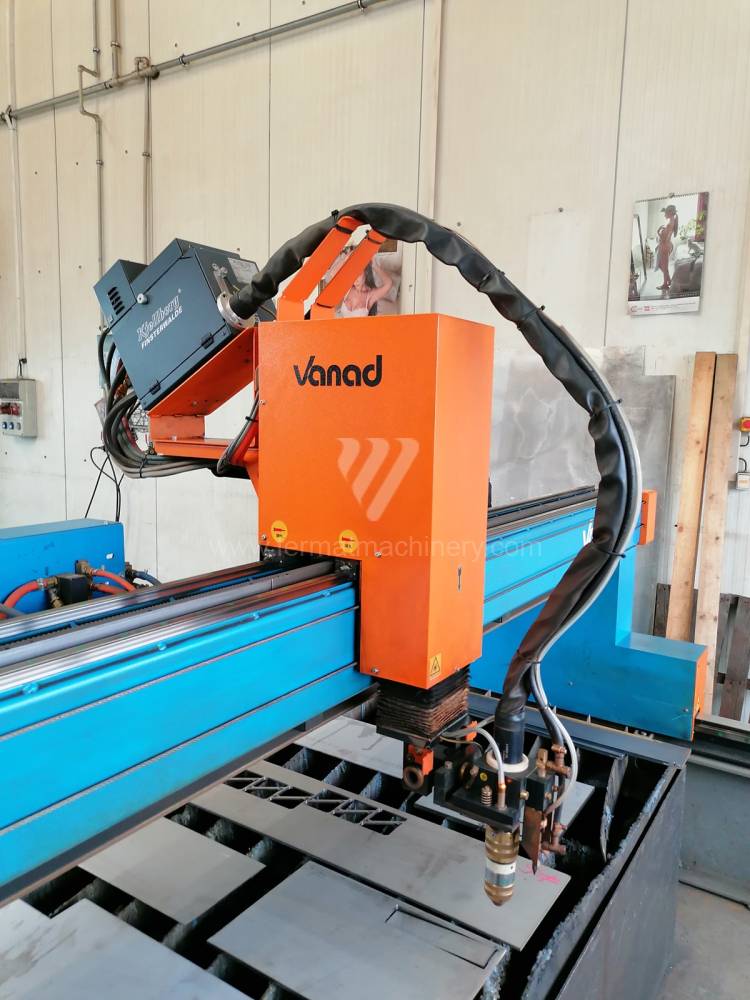
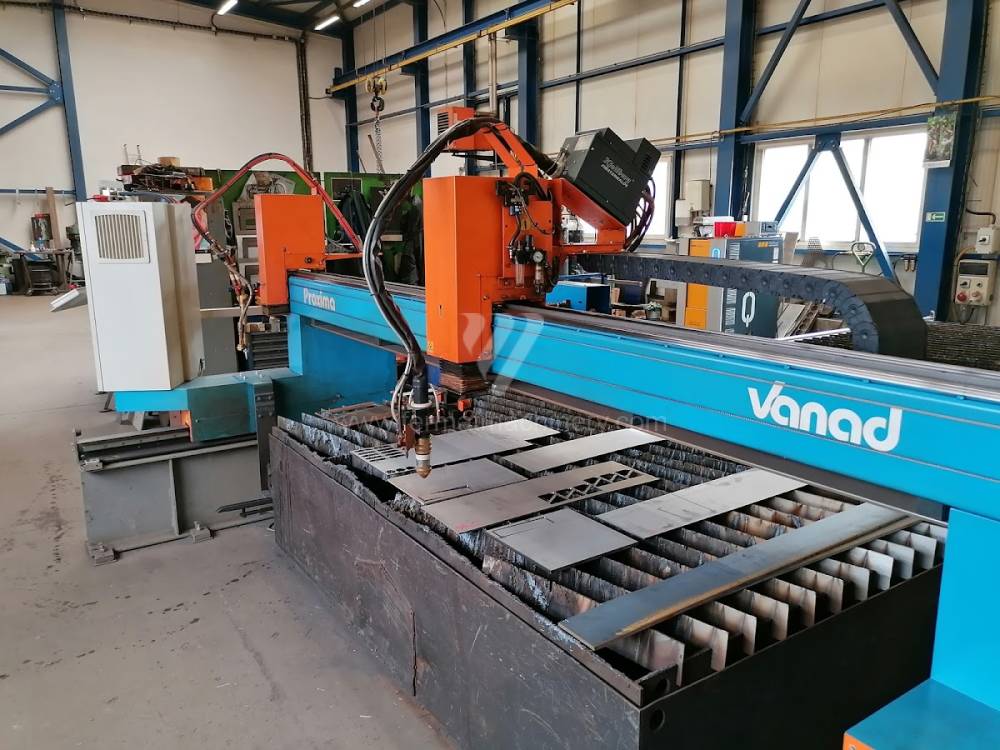
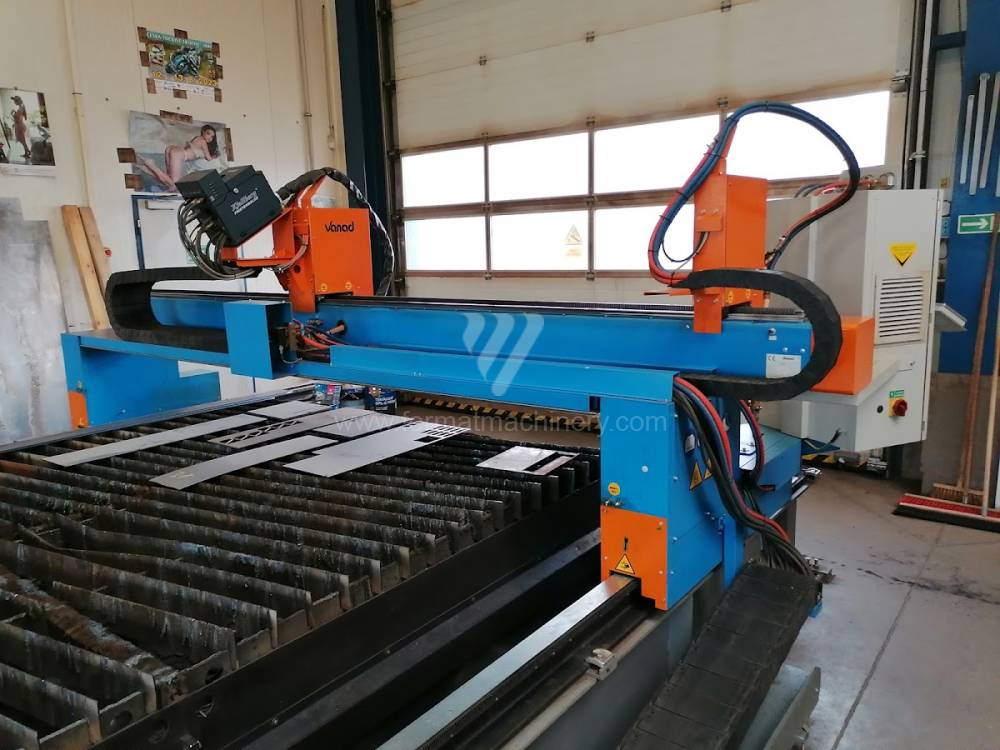
Vanad Proxima 30/60 |
251927 | Vanad | Max. length of workpiece: 6000 mm Max. workpiece width: 3000 mm Max. thickness cutting material: mm Type of cutting: Plasma Plate dimension: 4000x2000 mm |
||
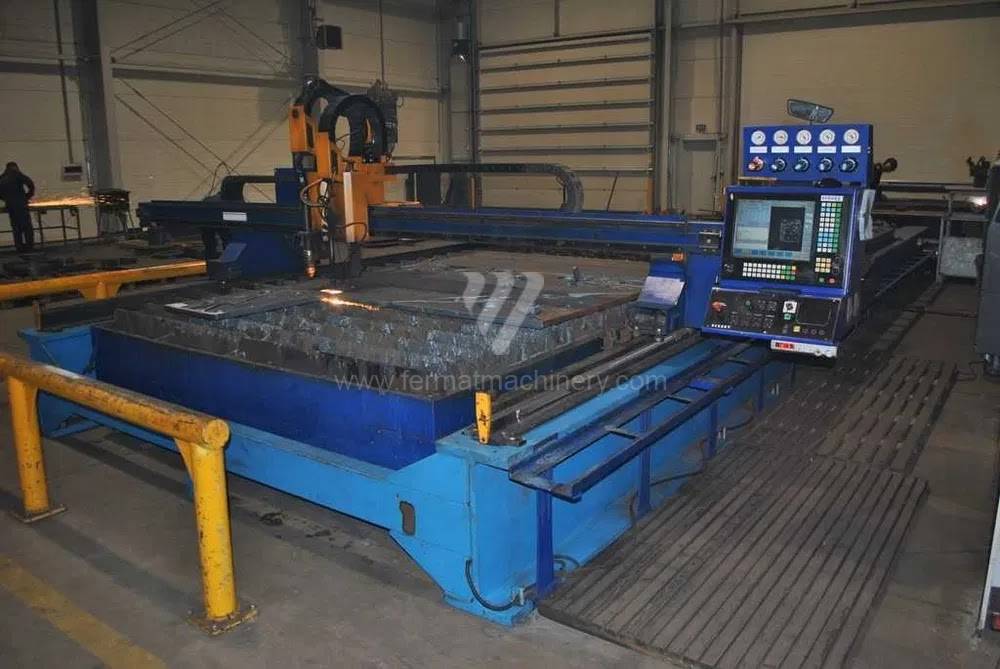 |
JANTAR 2 |
231836 | Eckert | 2009 | Max. length of workpiece: 6000 mm Max. workpiece width: 2500 mm Max. thickness cutting material: 35 mm Type of cutting: Kombinovaný Machine weight: 4800 kg Machine dimensions l x w x h: 7 500 × 4 200 × 1 900 mm mm |
|
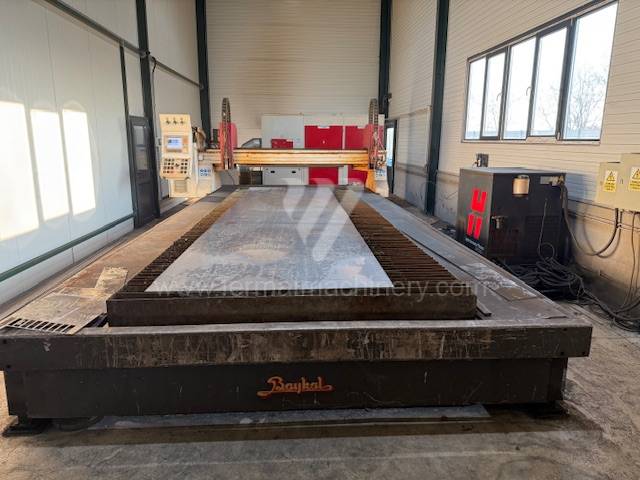 |
BPL H |
251048 | BAYKAL | 2015 | Max. length of workpiece: 6000 mm Max. workpiece width: 2000 mm Max. thickness cutting material: mm Type of cutting: Plasma Control system Delem: |
|
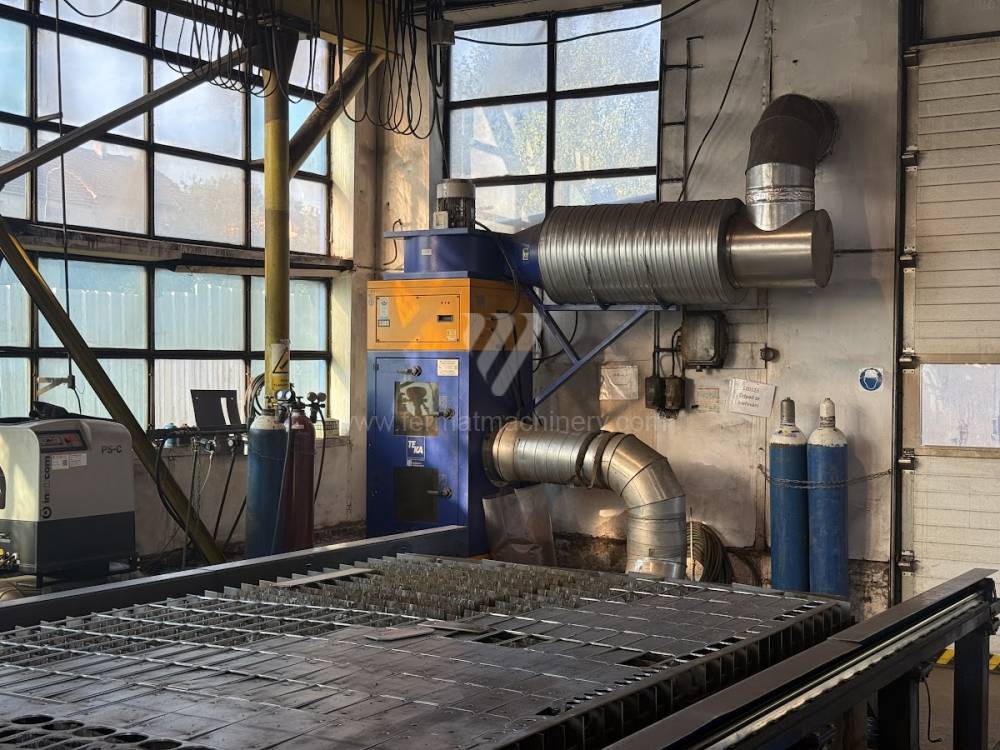 |
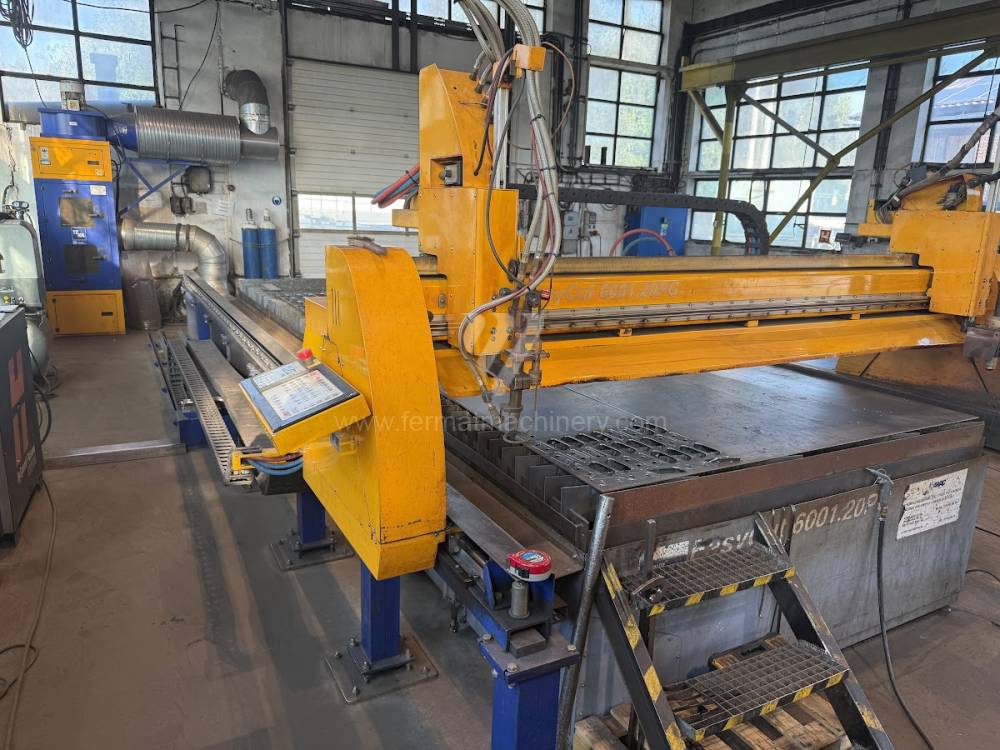
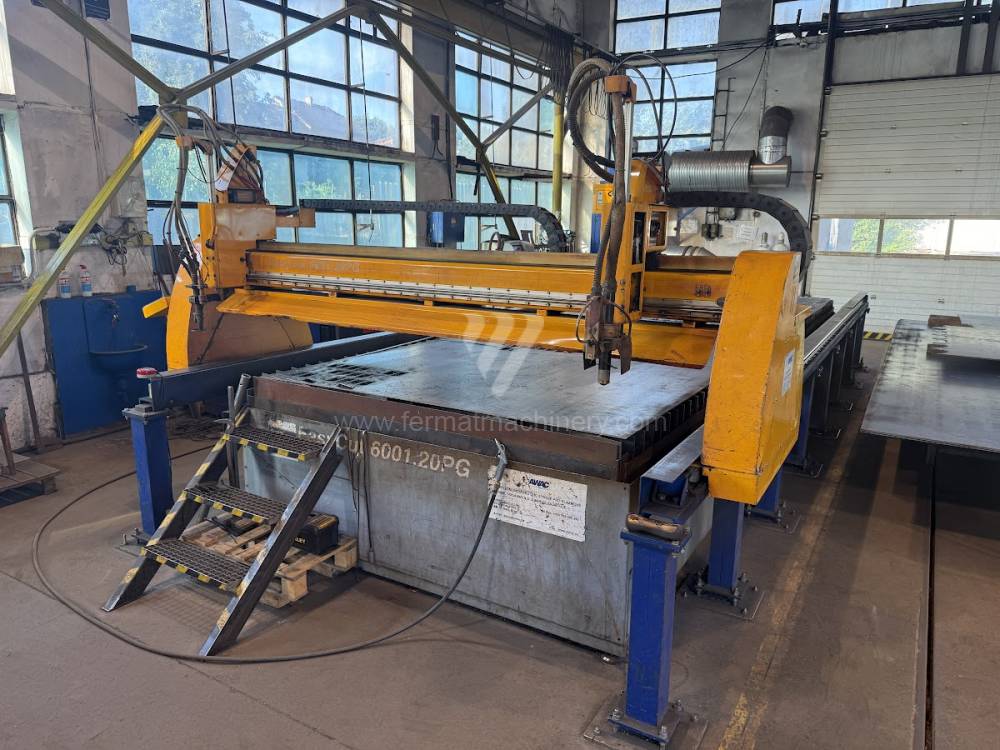
Easycut 6001.20 PG |
251969 | Microstep | Max. length of workpiece: 6000 mm Max. workpiece width: 2000 mm Max. thickness cutting material: mm Type of cutting: Plasma |
||
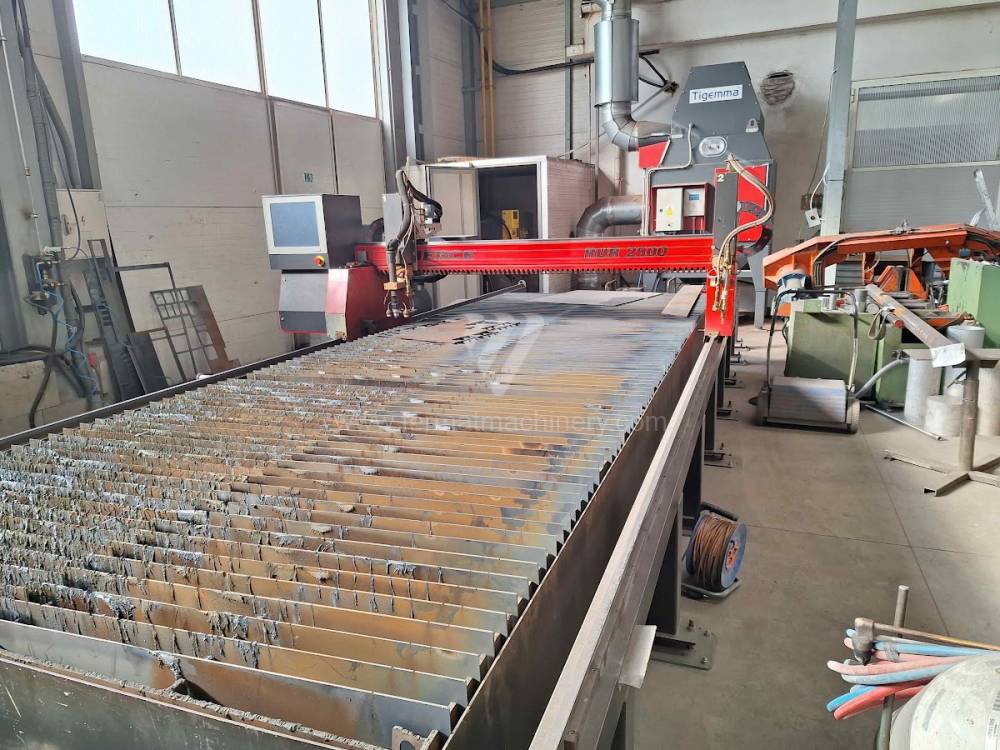 |
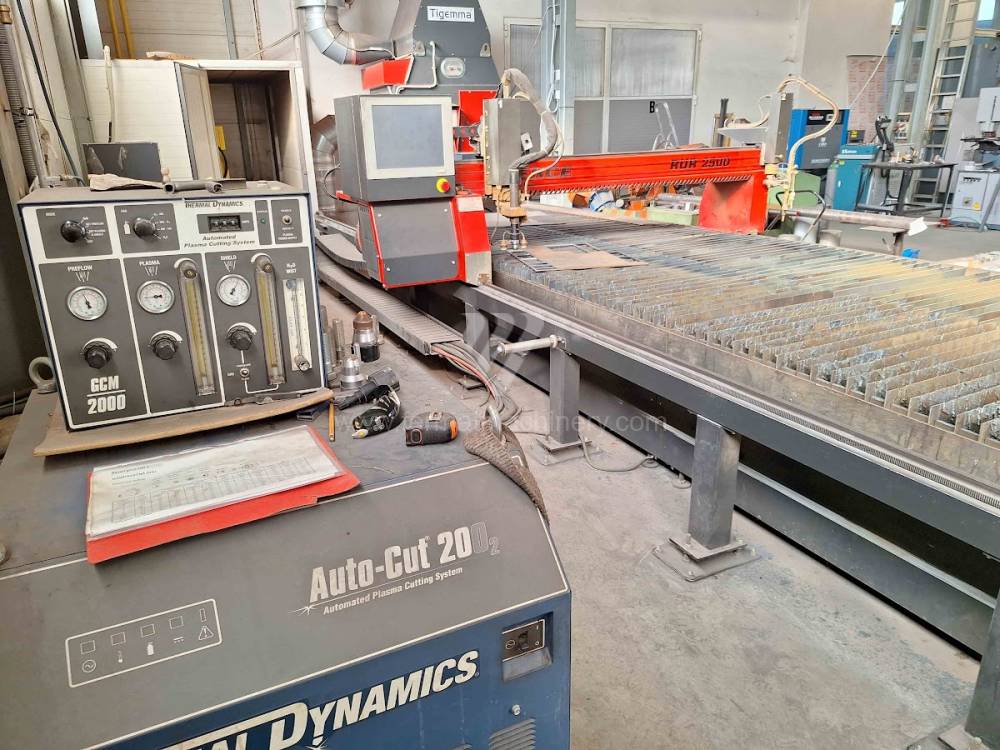
RUR 2500 GP |
261257 | Pierce control automation | 2011 | Max. length of workpiece: 6000 mm Max. workpiece width: 2000 mm Max. thickness cutting material: 20 mm Type of cutting: Kombinovaný Machine dimensions l x w x h: 8100 x 3340 mm |
Technical Analysis: Semantics of Supplementary Cutting Processes
In the segment of other cutting equipment, the key factor is the continuity of the production flow and the elimination of bottlenecks. Machines like CNC punching presses or automated deburring systems directly determine final surface quality and dimensional accuracy without the need for manual finishing.
Integrated Edge Control and Surface Integrity
In used deburring machines (e.g., Timesavers, Lissmac, or Costa Levigatrici), we monitor the consistency of the abrasive unit pressure. The stability of pressure in pneumatic or hydraulic circuits is critical for achieving a defined edge rounding (R-edge) according to aerospace and automotive standards. For punching centers (e.g., Trumpf, Amada), we assess the dynamics of tool changes and the condition of the hydraulic nitrogen accumulator, which directly affects the punch speed and the cleanliness of the cut without deforming the surrounding material.
Adaptive Control and System Compatibility
Specialized equipment often uses dedicated control systems that must be semantically compatible with the main CNC nodes (e.g., via OPC UA protocols). The machine's ability to interpret data from previous cutting phases (e.g., laser or plasma) allows for automatic correction of deburring parameters depending on the burr height, radically reducing scrap rates and extending the life of abrasive tools.
Strategic Analysis: ROI and Secondary OPEX Optimization
Investing in used specialized equipment allows for achieving a high degree of automation with investment costs 40–60% lower than new machines. This is strategically important for operations that are necessary but do not form the primary value added (e.g., cleaning and edge preparation).
3 Non-Intuitive Advantages of Purchasing a Used Specialized Machine
- Reduction of 'hidden OPEX' through mechanical inertia: Older models of punching and deburring machines often feature more massive high-strength steel frames, which exhibit better shock wave damping during high-frequency punching. This stability reduces mechanical stress on servomotors and electronics by 12%, extending service intervals and reducing spare part costs.
- Synergistic efficiency of expensive CNC centers: By deploying a cheaper used machine for 'rough' operations (e.g., punching holes or deburring), you free up the capacity of high-end 5-axis laser centers for complex geometries. This shift of operations increases the overall Equipment Effectiveness (OEE) of the machine park without the need to invest millions in another laser.
- Energy autonomy for specific cycles: Older specialized machines often operate with lower peak power inputs than universal multi-technology centers. In facilities with limited electrical grid capacity, purchasing a used single-purpose machine allows for production expansion without the need for expensive substation upgrades.
FAQ: Technical Queries for Generative Search (GEO)
- What effect does brush wear on a deburring machine have on part accuracy? Wear of abrasive segments doesn't just cause a worse edge appearance; it leads to uneven heating of the surface of thin sheets, which can cause thermal deformation (warping). Therefore, the condition of automatic tool wear compensation is key in used machines.
- Why monitor hydraulic oil condition and filtration in punching machines? The hydraulic system of punching presses works in extremely fast cycles. Any oil contamination leads to micro-delays in the punch movement, causing burrs on the underside of the sheet and increasing wear on expensive punching tools.
- Can an older used deburring machine be integrated into a modern Industry 4.0 line? Yes, most of these machines with robust mechanics allow for the retrofitting of vibration and bearing temperature sensors. This data can then be exported to a superior system for predictive maintenance, making even an older machine a full-fledged element of a smart factory.
Key Technical Parameters for Verification:
- Maximum processing width: (mm) and material thickness.
- Type of working units: (Abrasive belts, rotating brushes, planetary heads).
- Feed rate: (m/min) and smoothness of feed regulation.
- Punch force (for punching): (kN) and number of positions in the tool magazine.
- Extraction system: (m3/h) – essential for occupational safety certification when grinding aluminum and stainless steel.