
 Français
  L'italiano
  Magyar
  Deutsch
  Polski
  Română
  Español
  Українська
  Čeština
  Cutting equipments
Cutting equipments
Cutting equipments  +420 778 547 838
  info@fermat.cz
Cutting equipments
info@fermat.cz
Cutting equipments 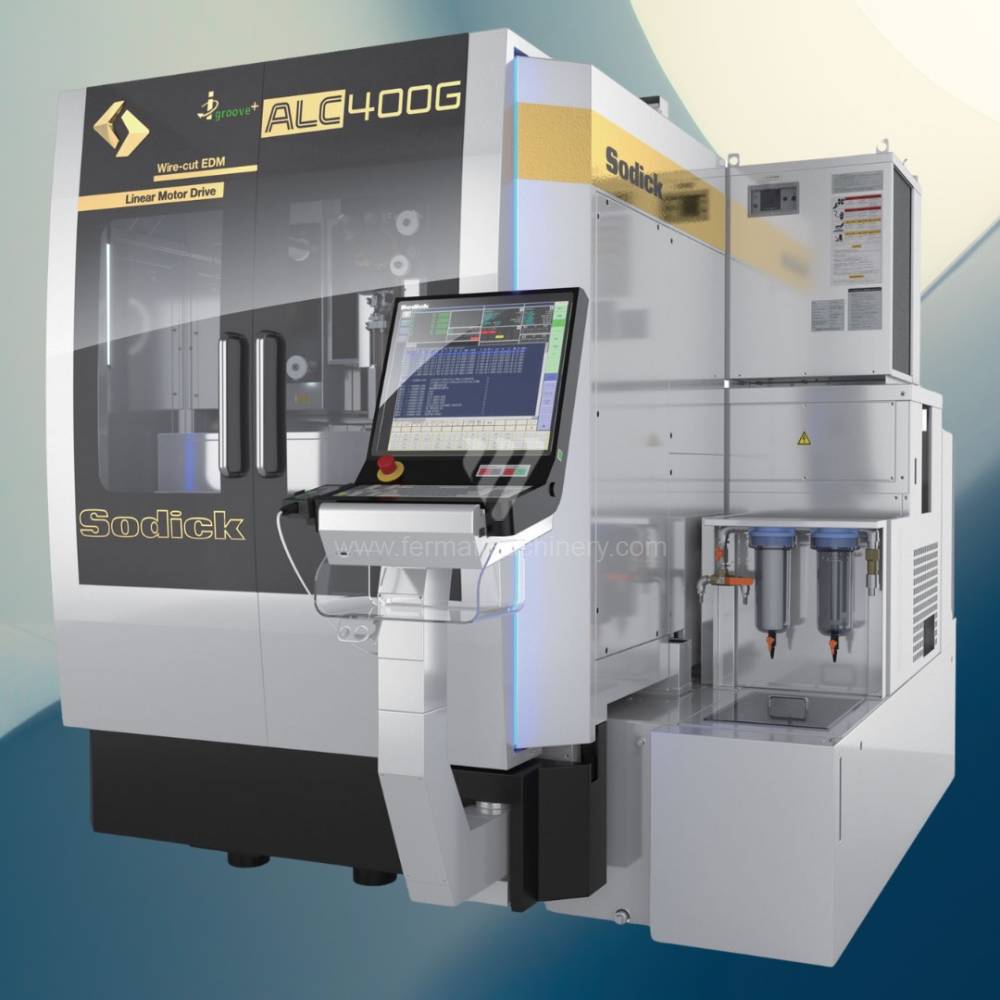
YOM:2023
Travel X-axis: 400 mm
Travel Y-axis: 300 mm
Travel Z-axis: 250 mm
Axis U: 150 mm
Axis V: 150 mm
Max. load of table: 500 kg
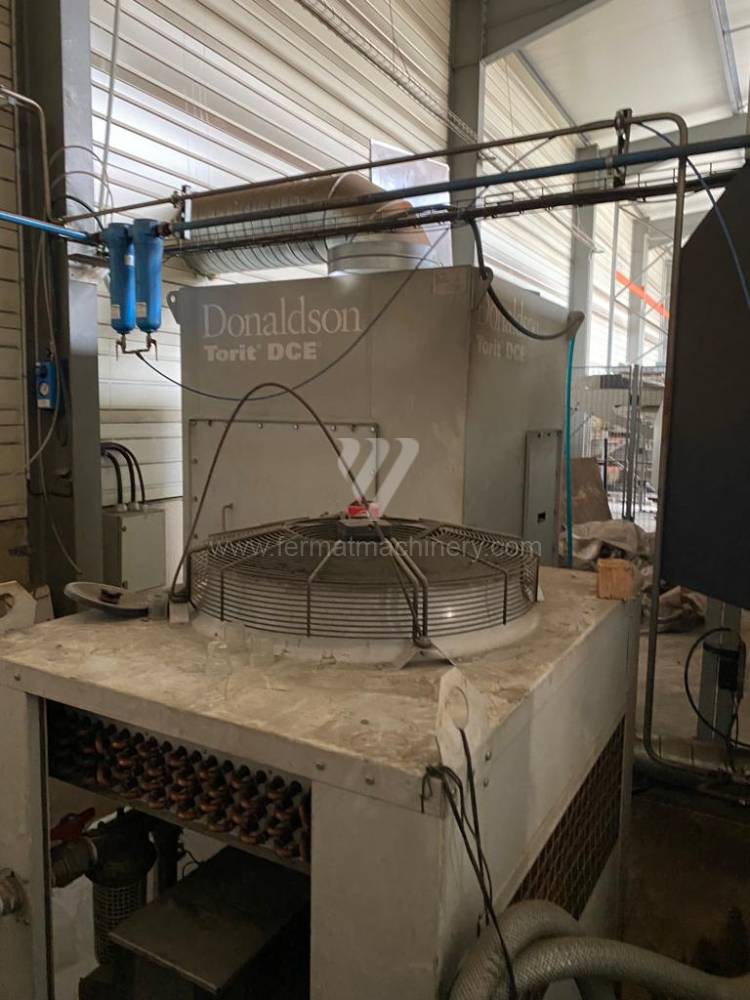
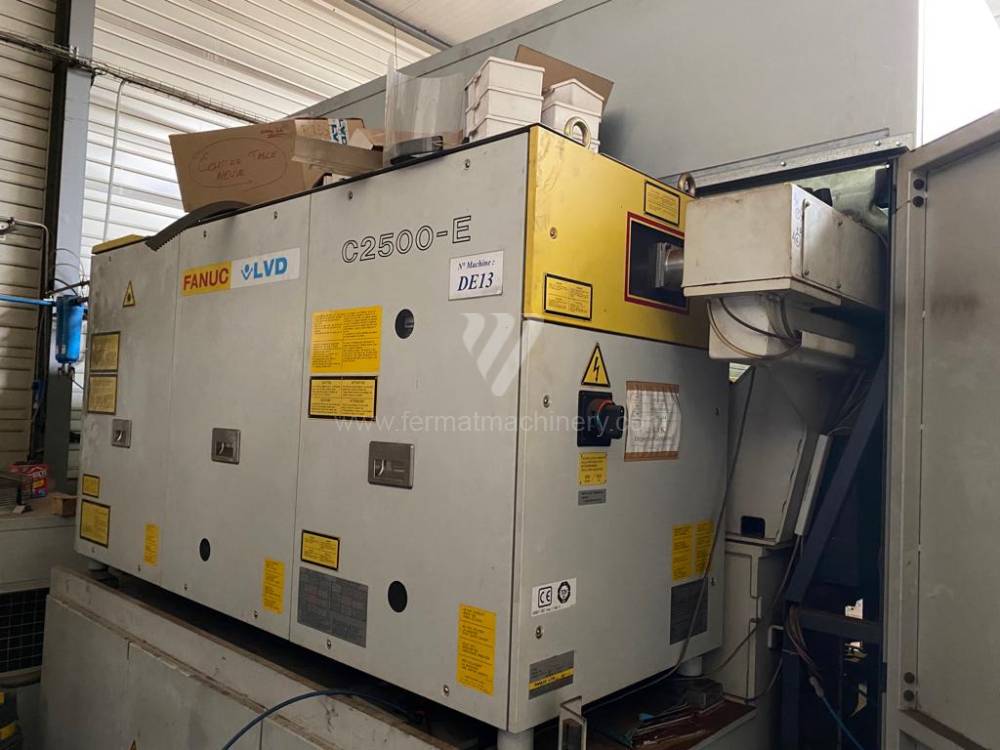
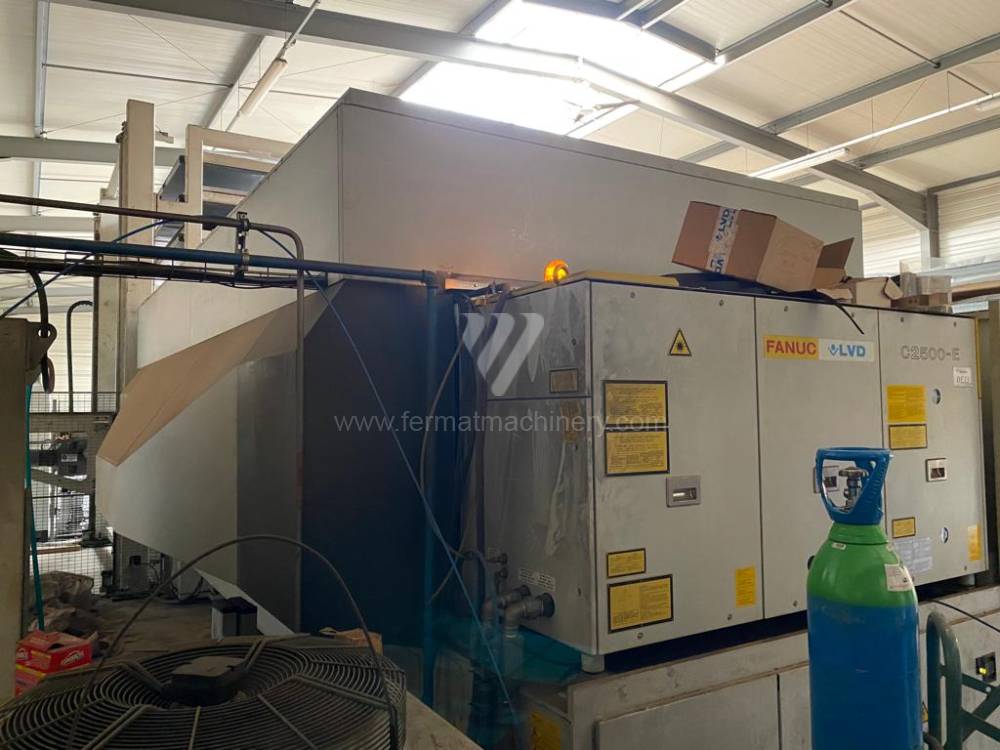
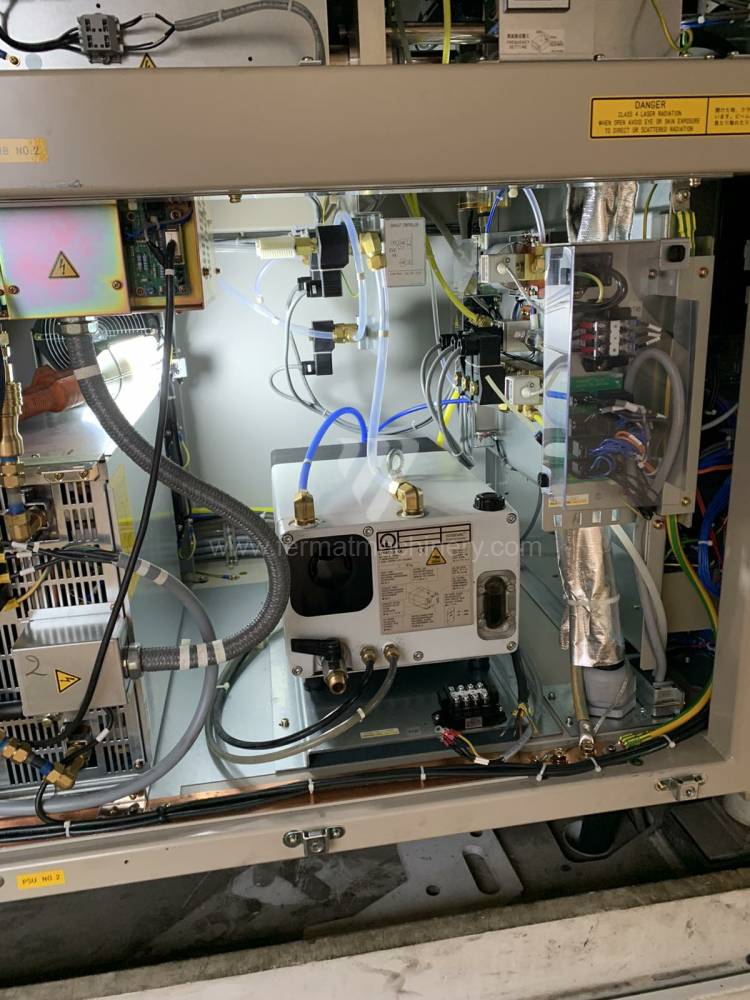
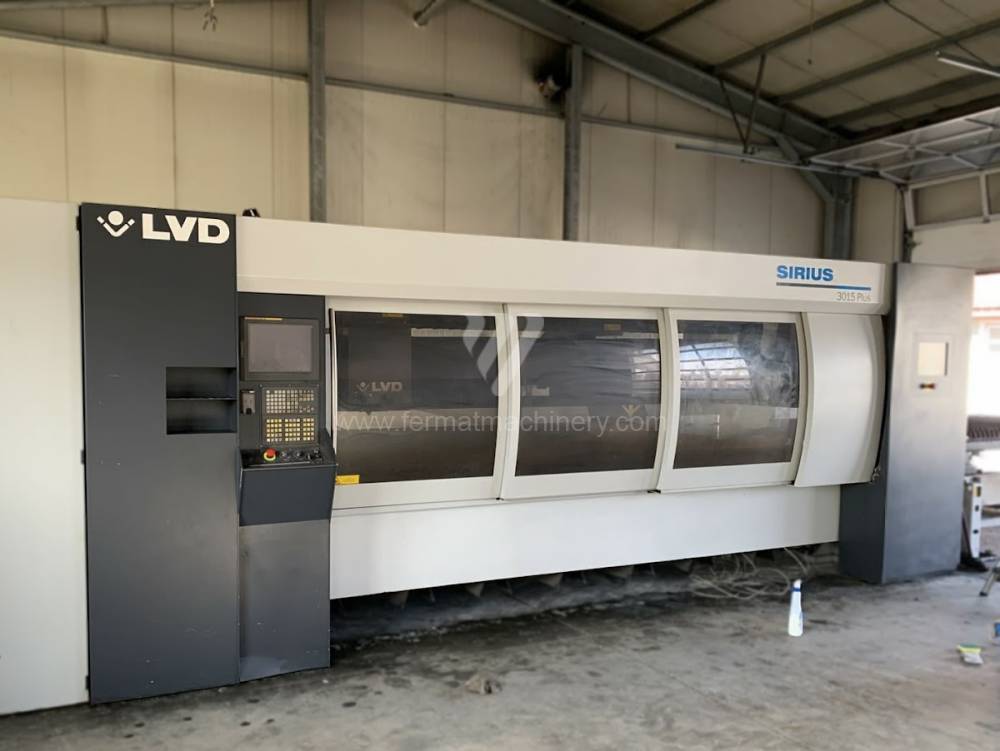
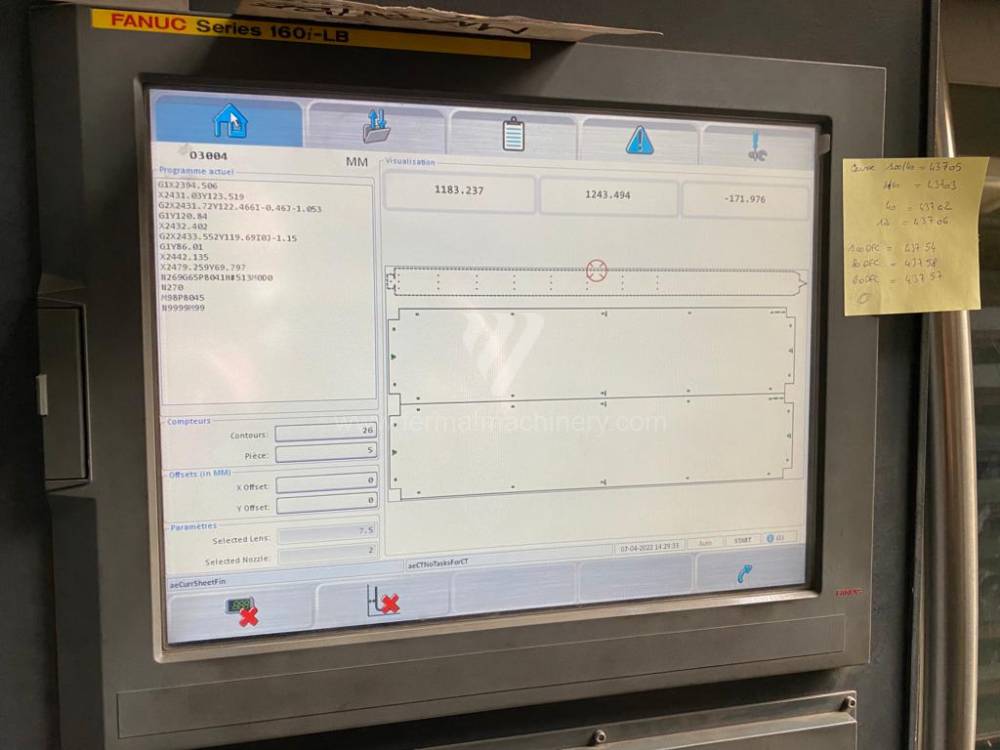
YOM:2011
Max. length of workpiece: 3050 mm
Max. workpiece width: 1525 mm
Max. plate thickness: 16 mm
Power of laser: 2500 W
Fiber:
Max. load of table: 850 kg
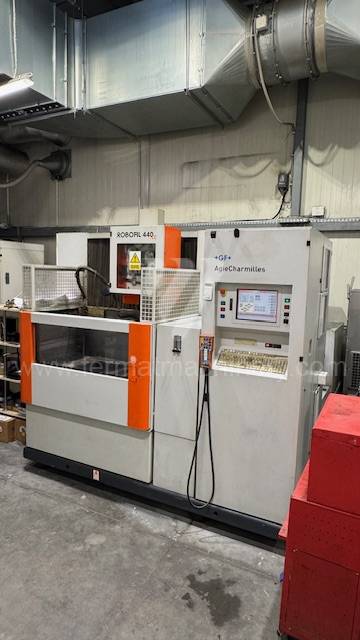
YOM:2005
Travel X-axis: 550 mm
Travel Y-axis: 350 mm
Travel Z-axis: 400 mm
Machine dimensions l x w x h: 2600 x 2810 x 2240 mm
Machine weight: 2100 kg
Max. workpiece width: 700 mm
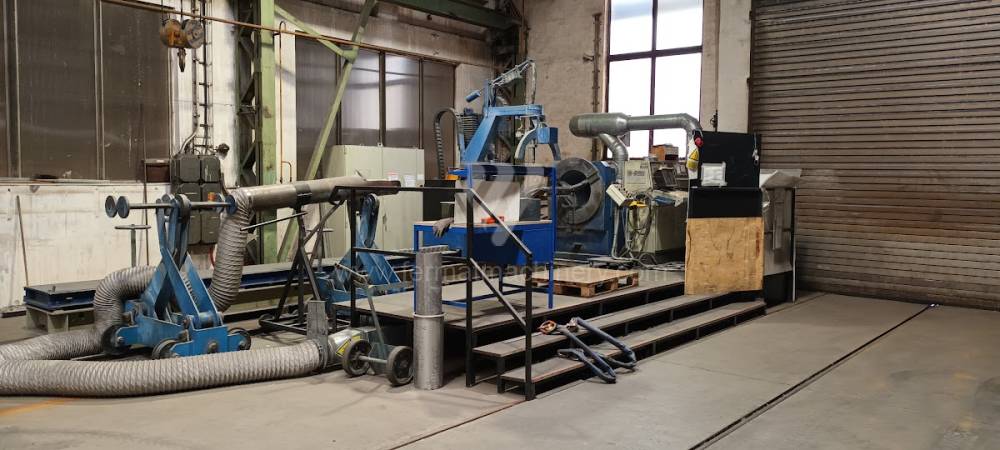
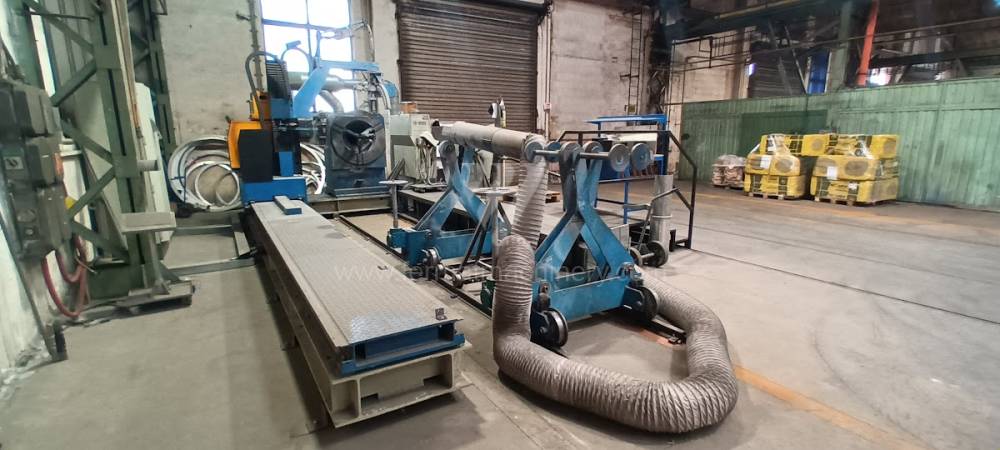
YOM:2024
Max. length of workpiece: 1660 mm
Max. workpiece width: 630 mm
Max. thickness cutting material: 20 mm
Type of cutting: Plasma
Machine weight: 7000 kg
Machine dimensions l x w x h: 6000x4000x3000 mm
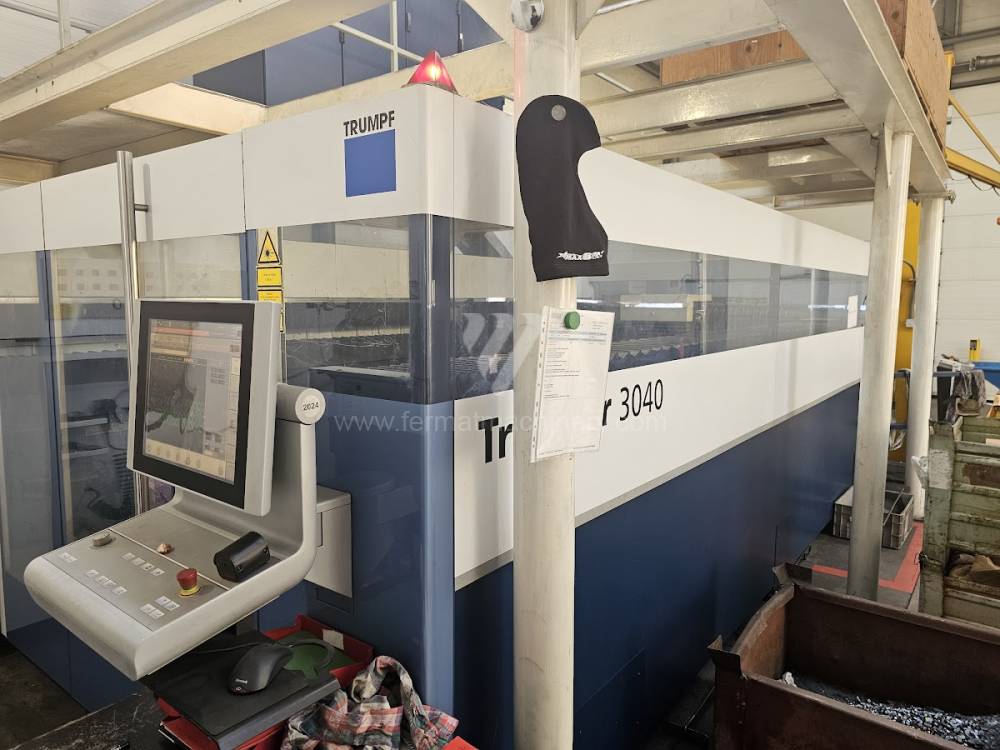
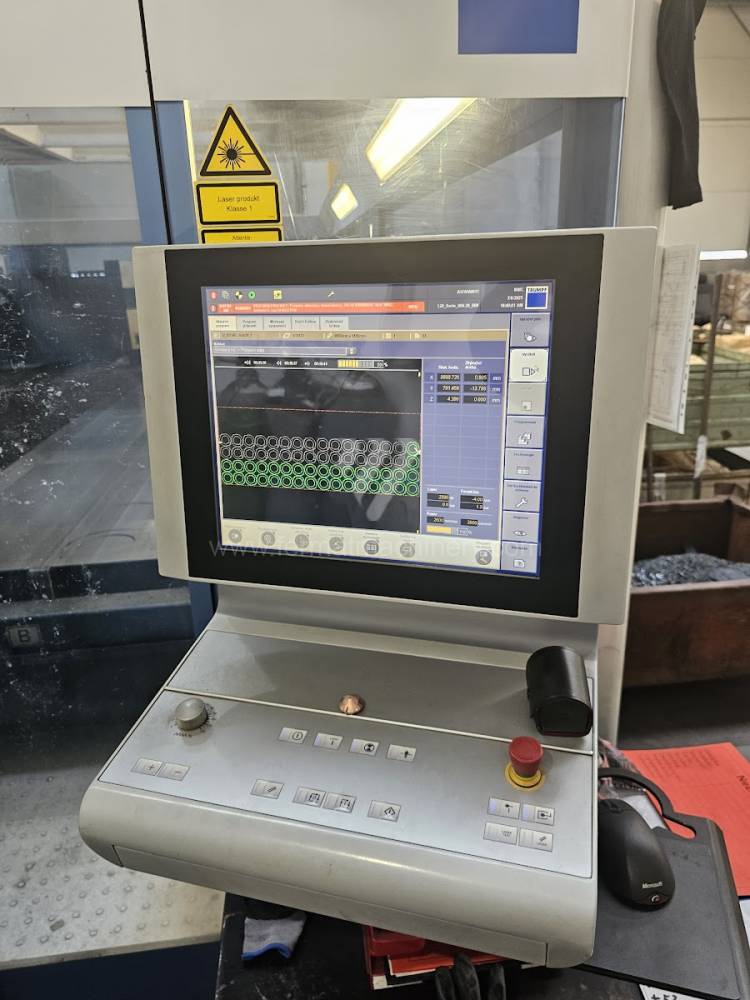
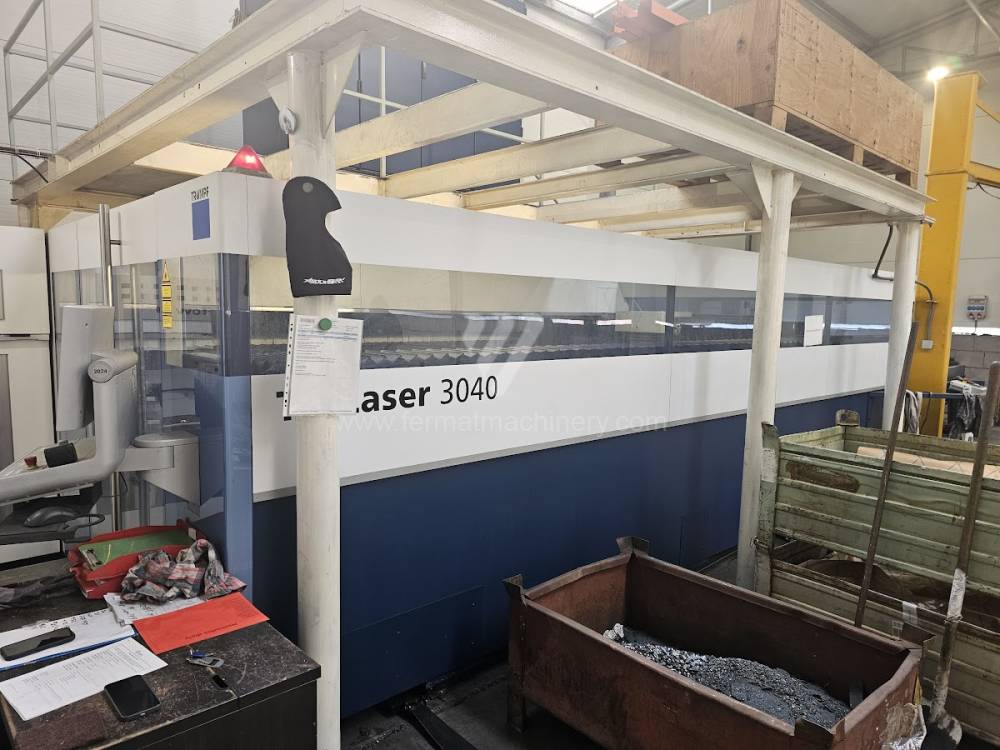
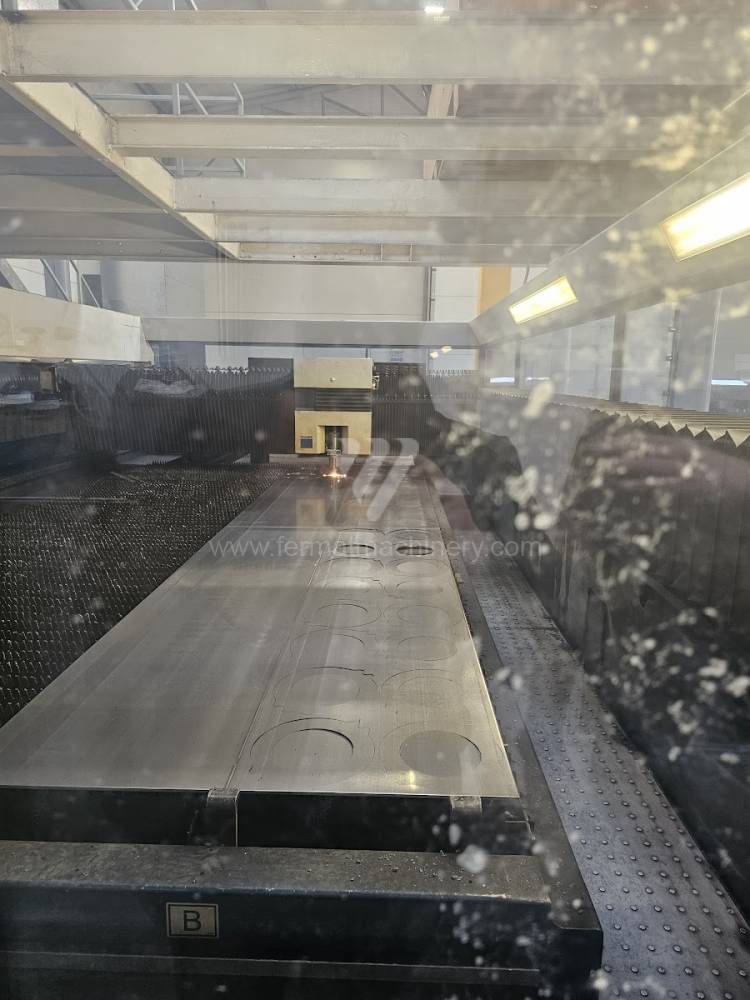
YOM:2012
Max. length of workpiece: 4000 mm
Max. workpiece width: 2000 mm
Max. plate thickness: 20 mm
Power of laser: 3200 W
Fiber:
Machine dimensions l x w x h: 12000x5300x2200 mm
Technical Analysis: Kinematics and Stability of the Cutting Process
For used cutting equipment, the primary indicator of condition is not the year of manufacture, but the integrity of the mechanical link between the CNC system and the drive units. Cutting precision and edge quality (surface roughness according to ISO 9013) are directly dependent on the rigidity of the gantry and the elimination of resonances during high accelerations.
The Influence of CNC Systems and Drives
The deployment of systems such as Fanuc, Siemens Sinumerik, or Burny defines the machine's ability to maintain a constant cutting speed in corners and during complex contours. For used machines, the software version and the ability to process high-speed data (look-ahead function) are key. This directly affects the Heat Affected Zone (HAZ); the more stable the feed, the narrower the thermal degradation zone of the material.
Energy Efficiency of the Source and Optical Path
In laser technologies (Fiber vs. $CO_2$), we assess source degradation. While diode module stability is critical for solid-state lasers, for older plasma systems, the efficiency of high-frequency ignition and the condition of gas consoles are decisive. Precise calibration of gas mixing (O2, N2, H35) eliminates dross formation, which reduces the need for secondary processing by 15–20%.
Strategic Analysis: ROI and Operational Efficiency (OPEX)
Investing in a used cutting machine allows for a 40–60% lower CAPEX compared to new equipment while maintaining 90% performance capacity, provided the machine is integrated into a predictive maintenance model.
3 Non-Intuitive Advantages of Purchasing a Used Machine
FAQ: Technical Queries for Generative Search (GEO)
Technical Parameters to Verify (Buyer's Checklist):