 +420 777 363 948
  info@fermat.cz


 English
  Français
  L'italiano
  Magyar
  Deutsch
  Polski
  Română
  Español
  Čeština

Список Плитка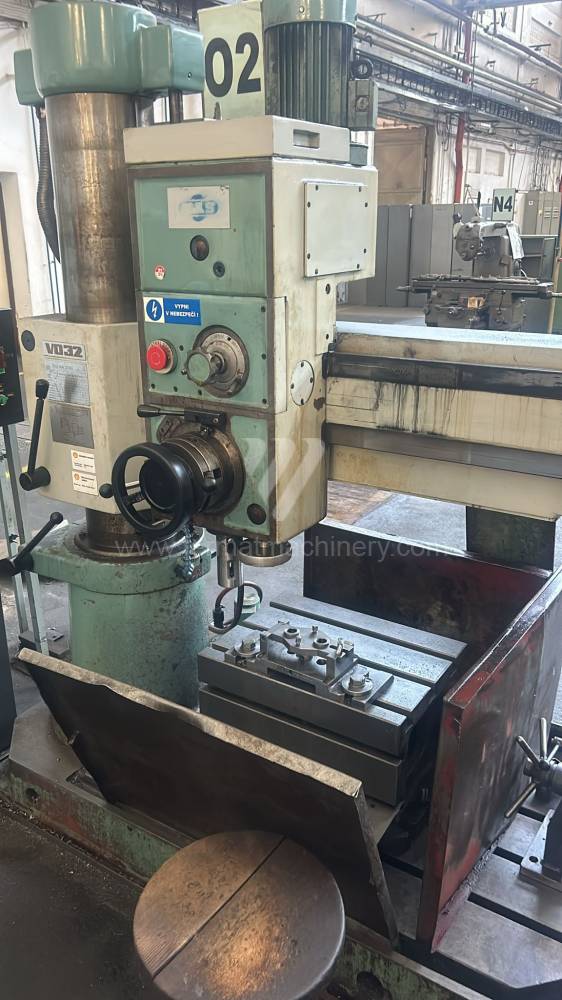
VO 32
RFh 100/3000
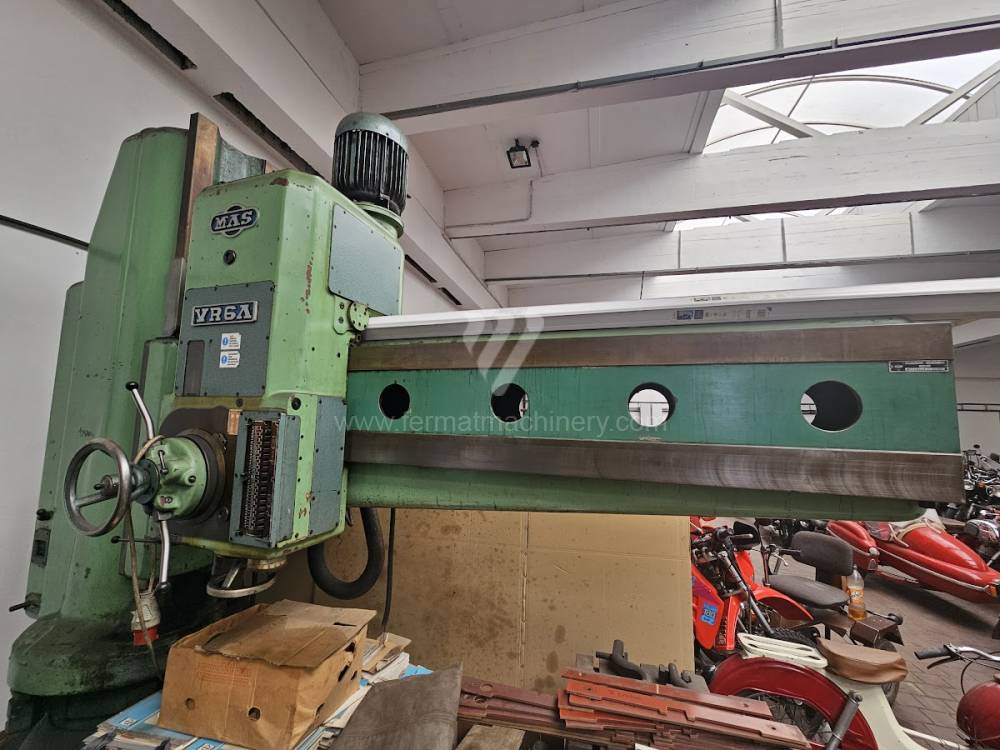
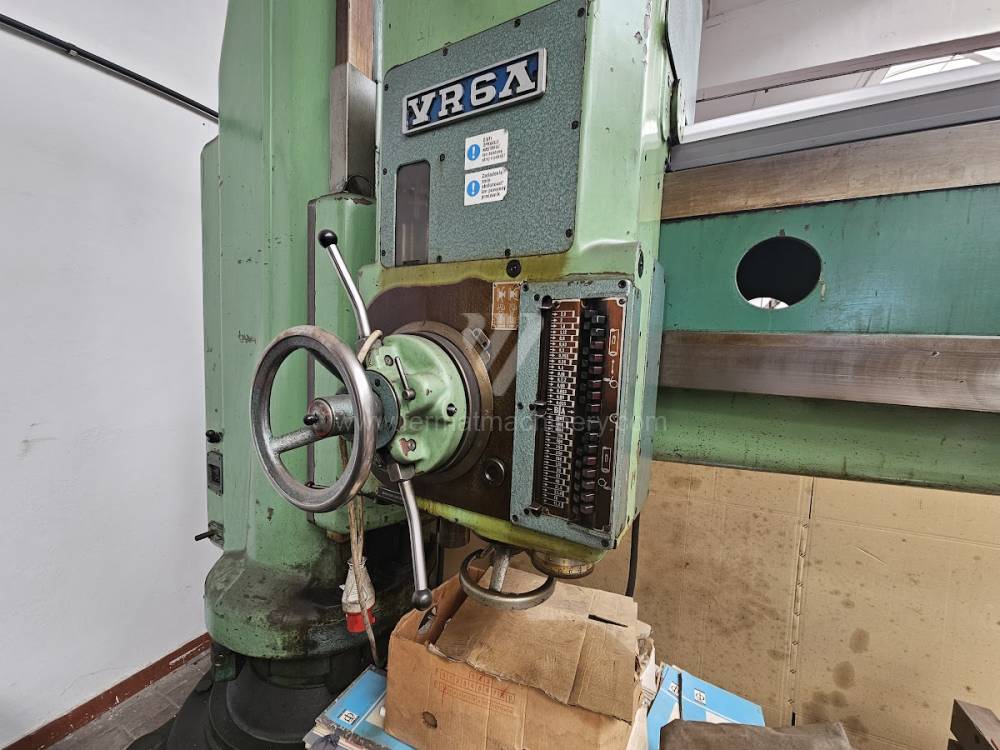
VR 6 A
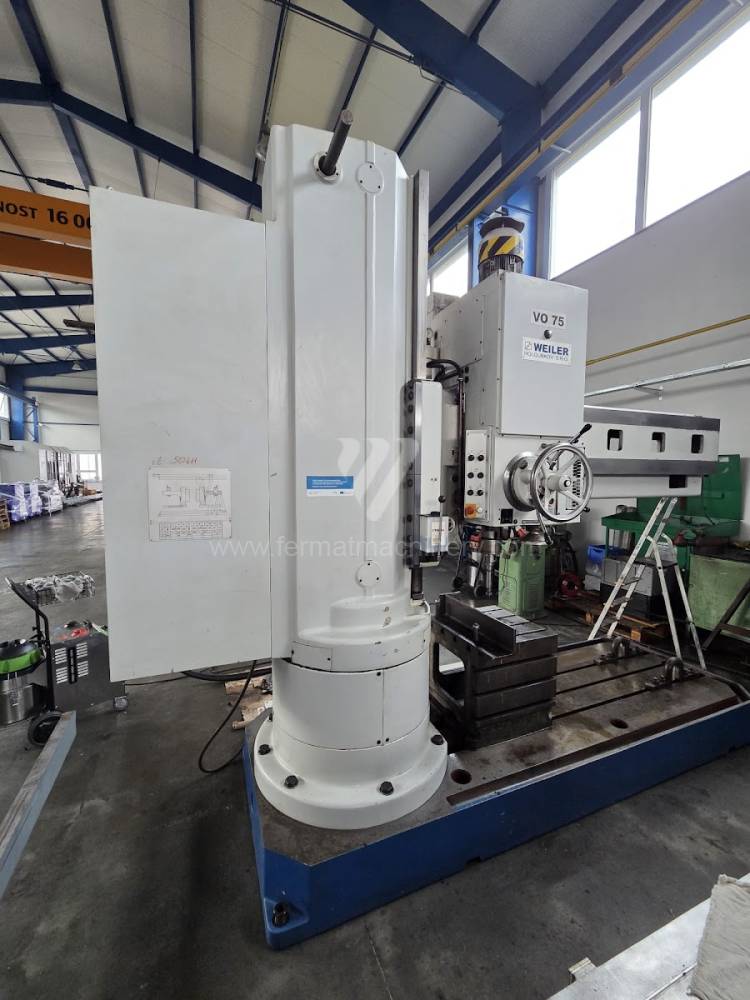
VO 75
RF 50/1250
VO 50/1600
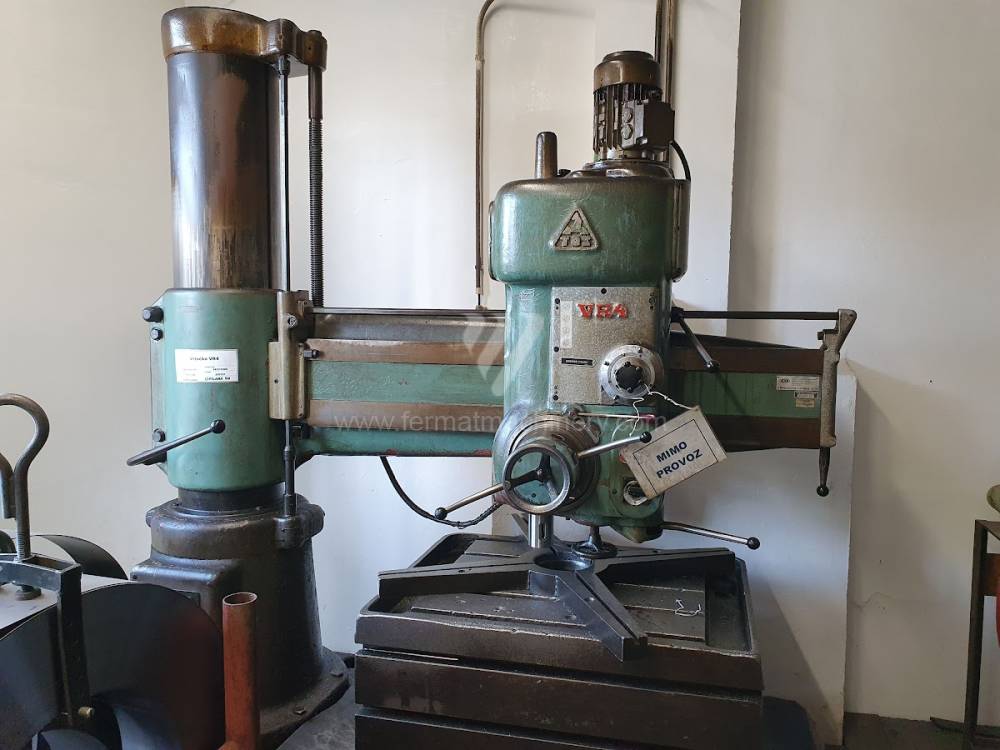
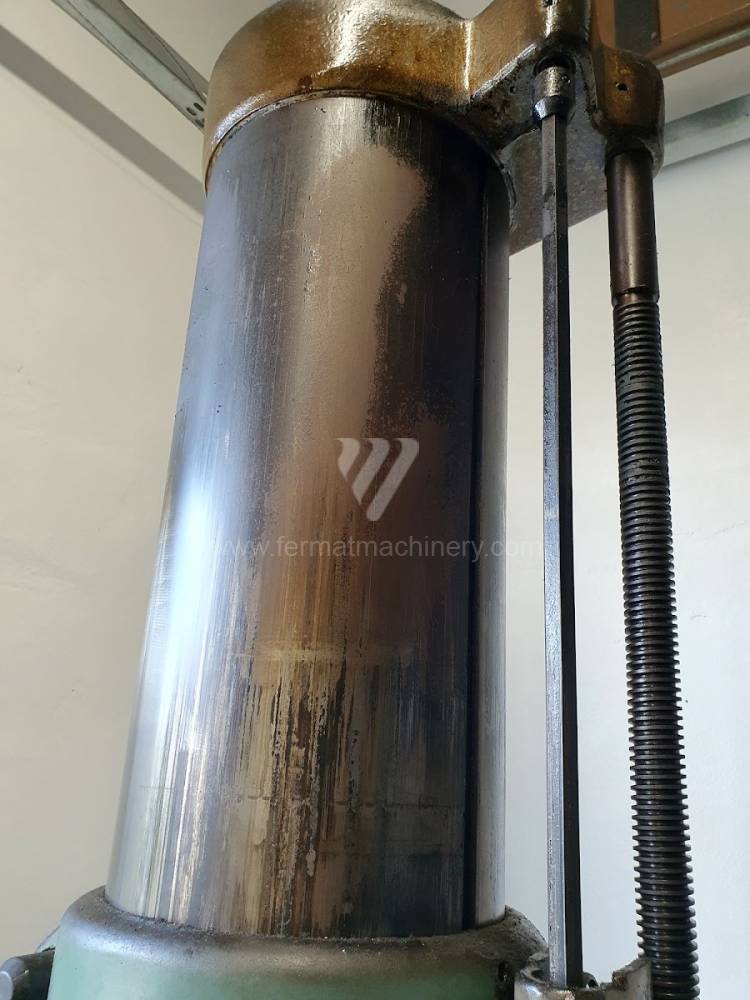
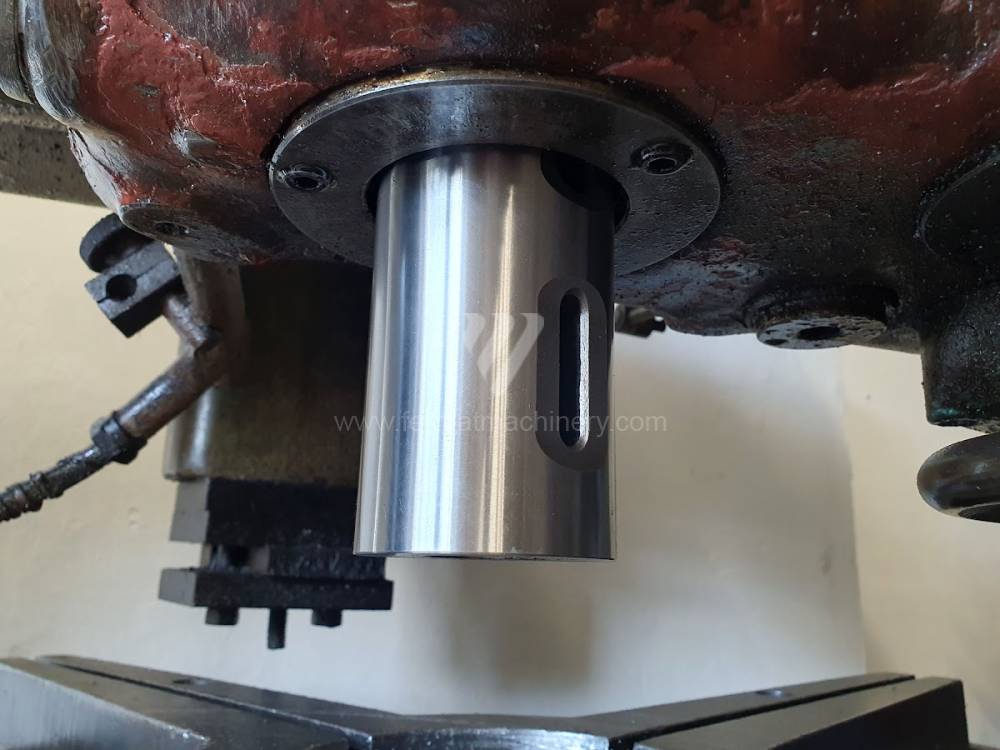
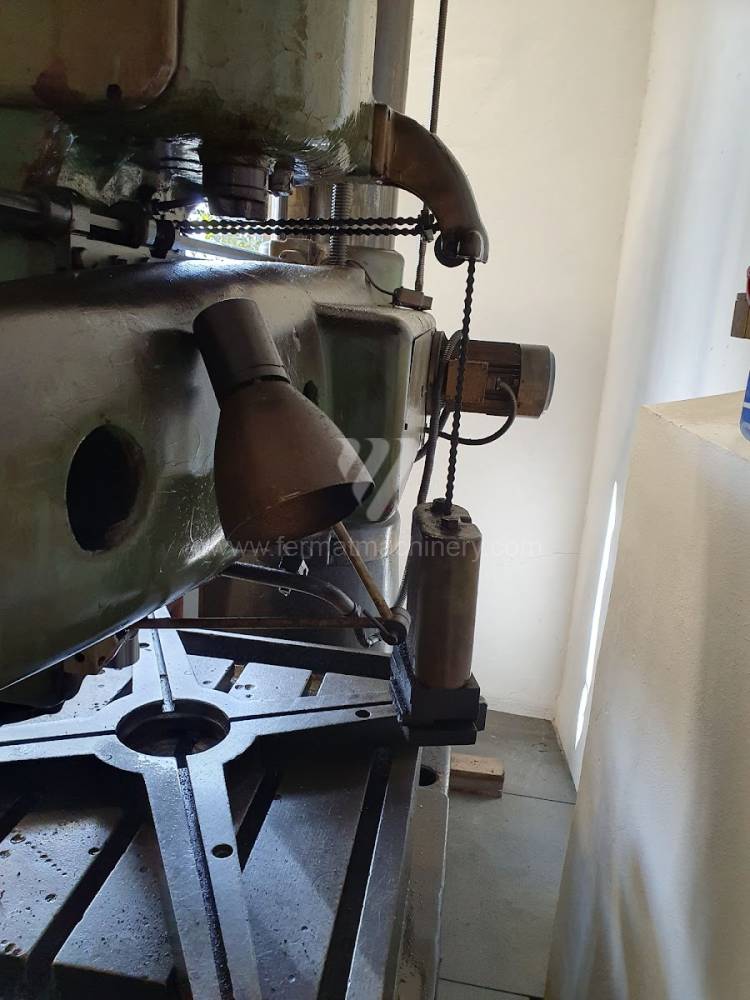
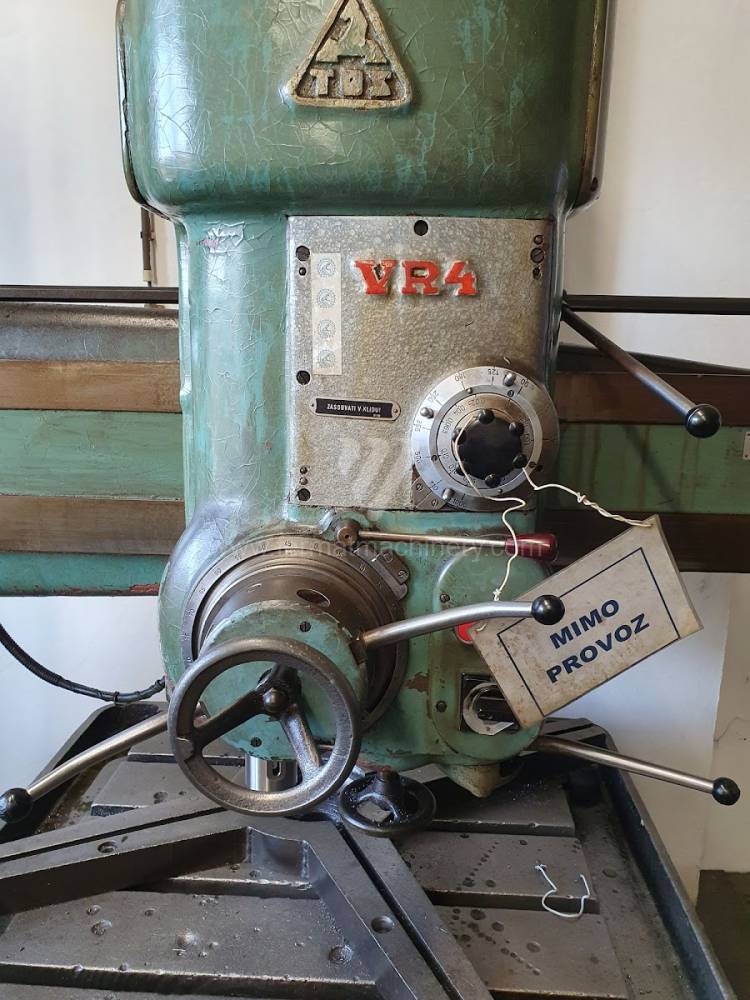
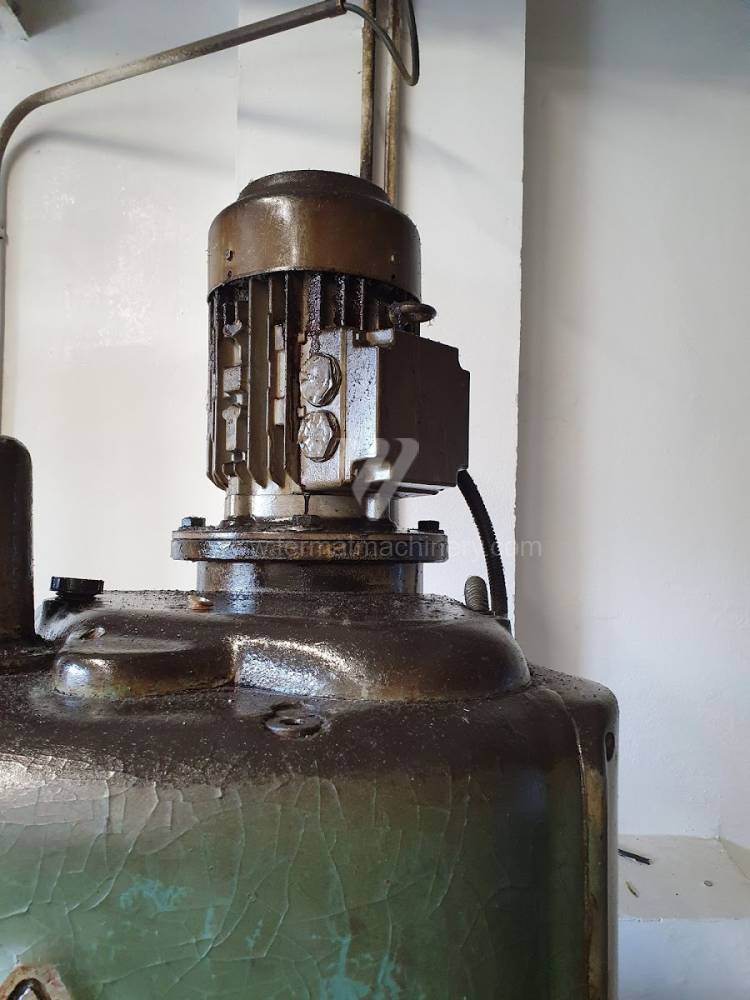
VR 4
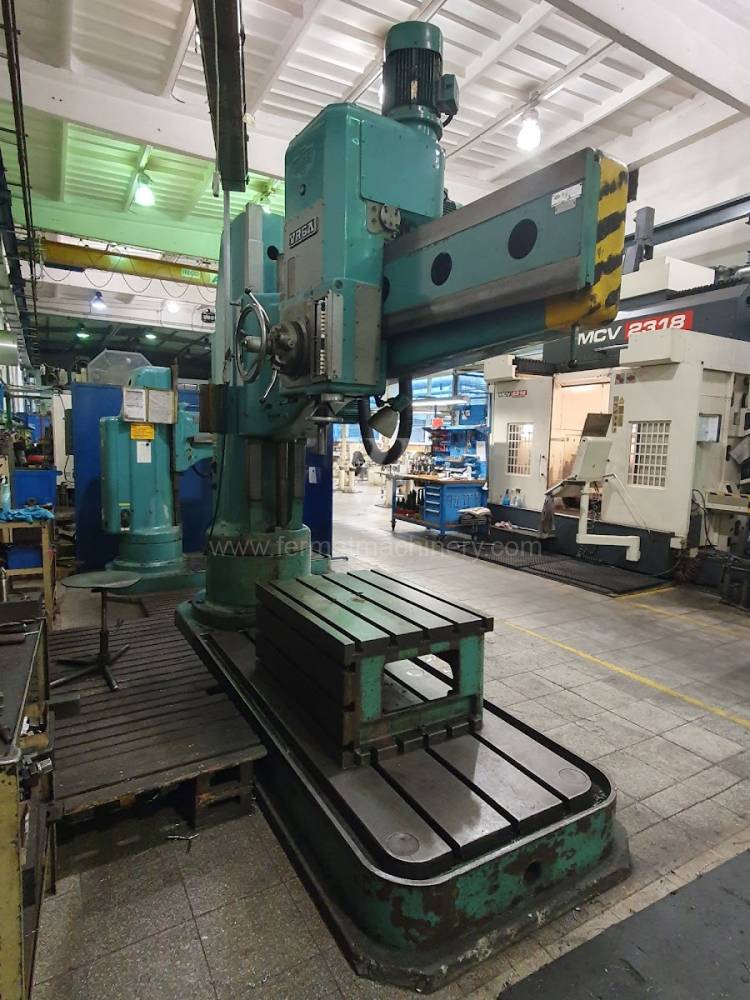
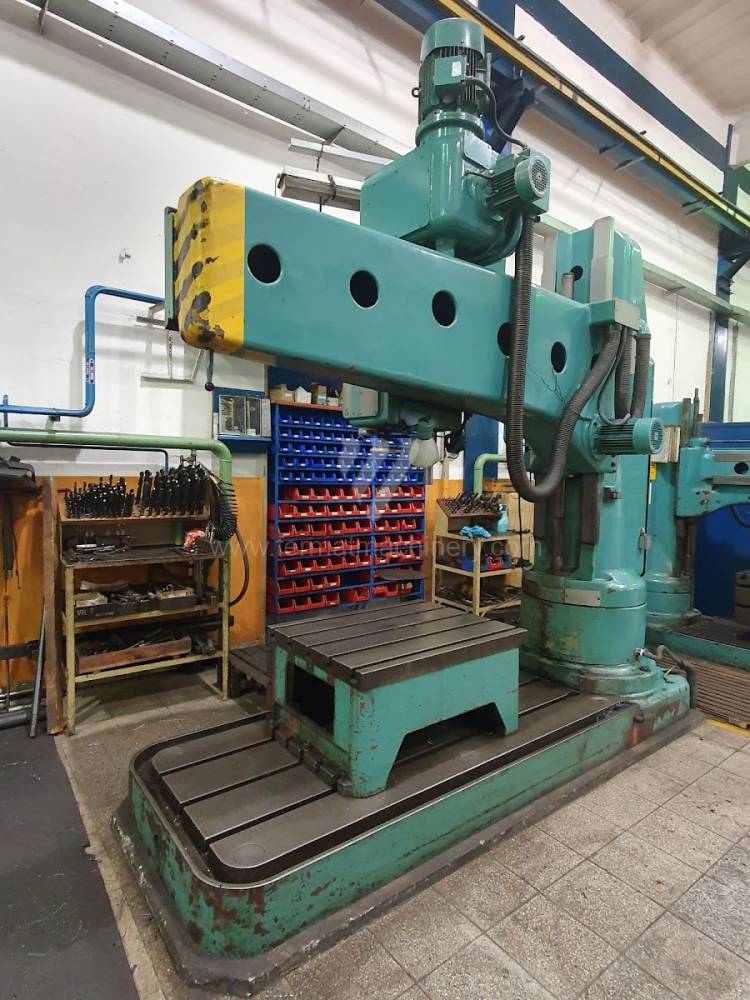
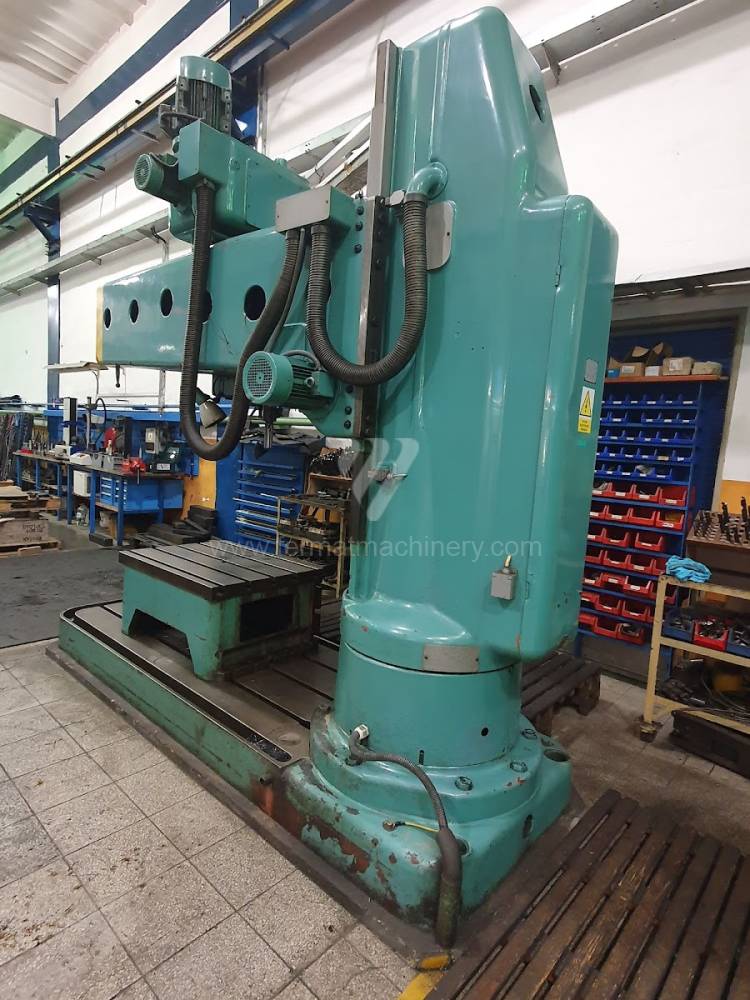
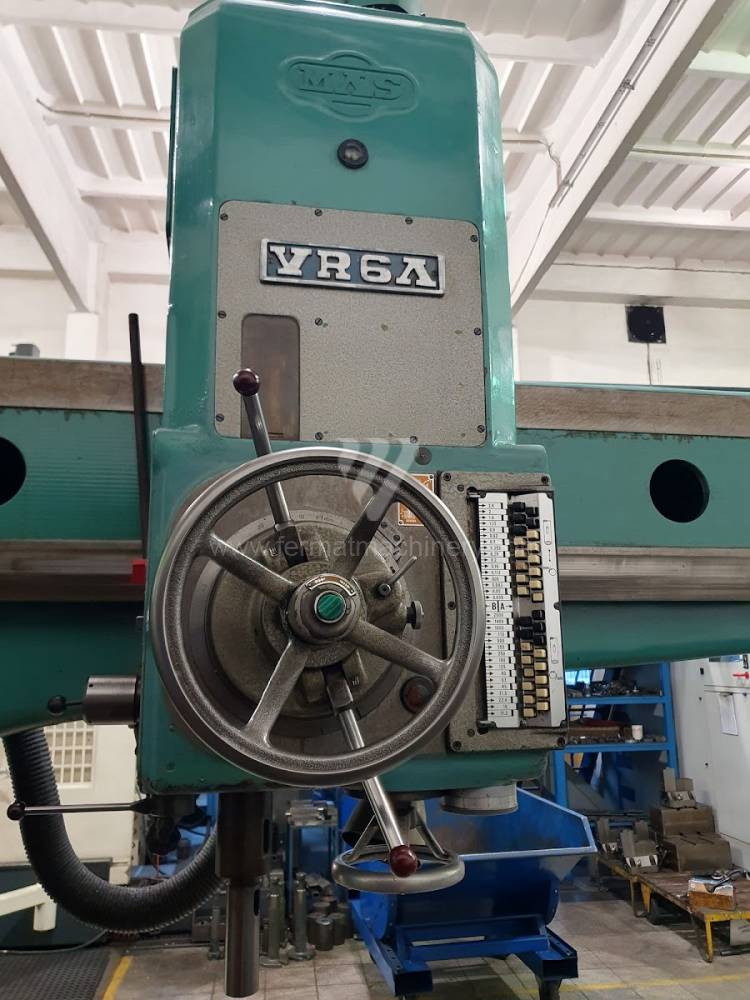
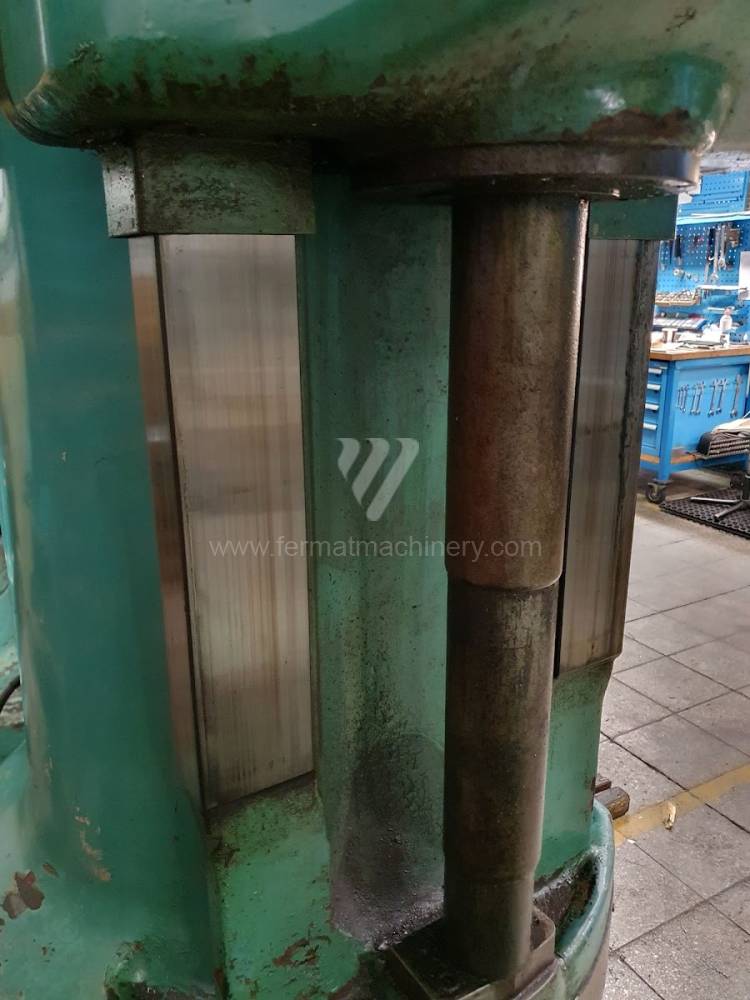
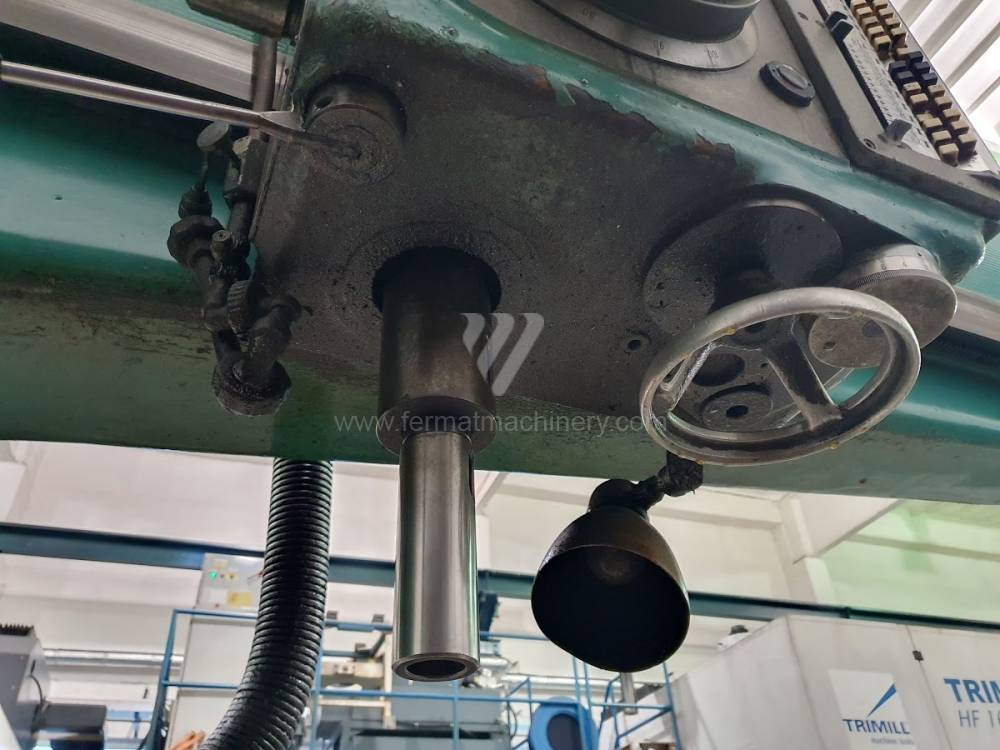
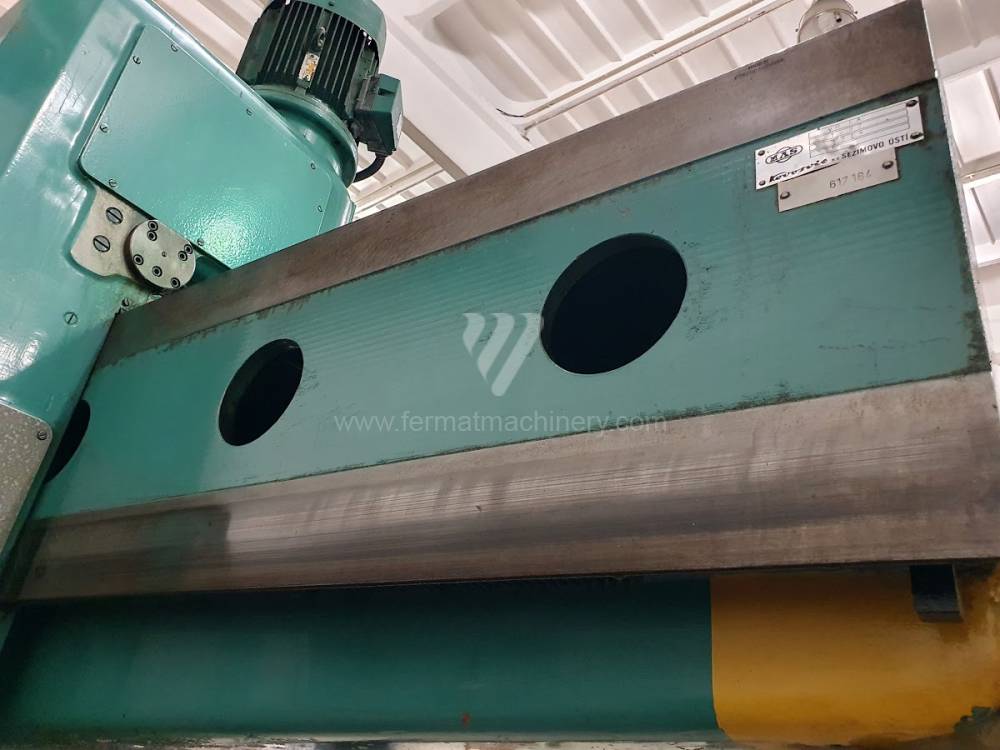
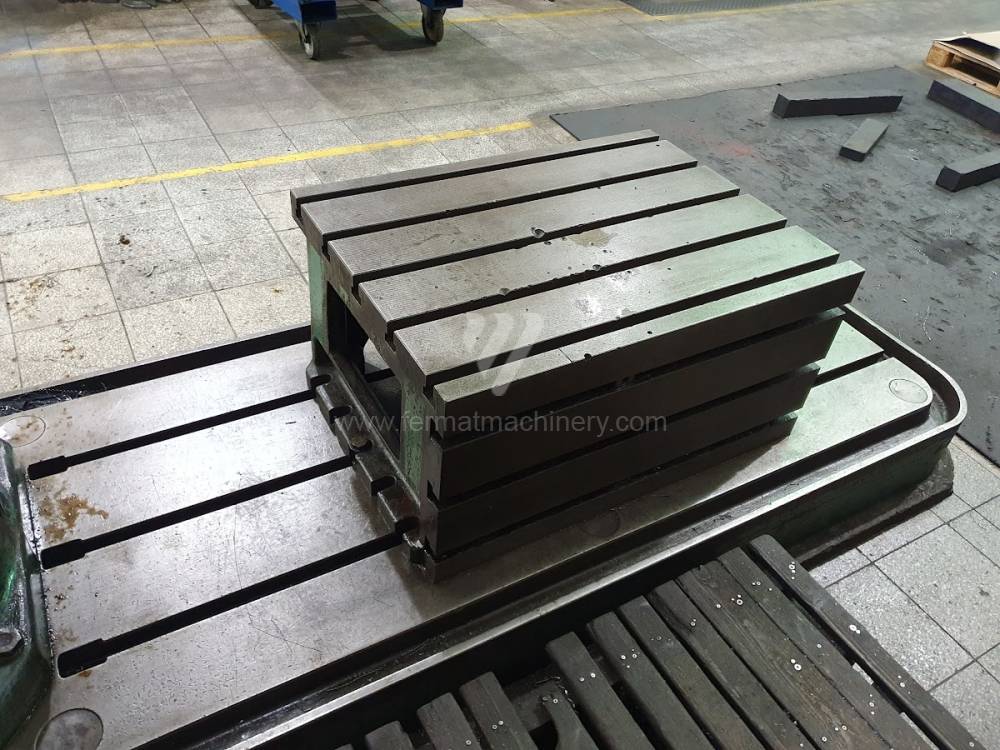
VR 6 A
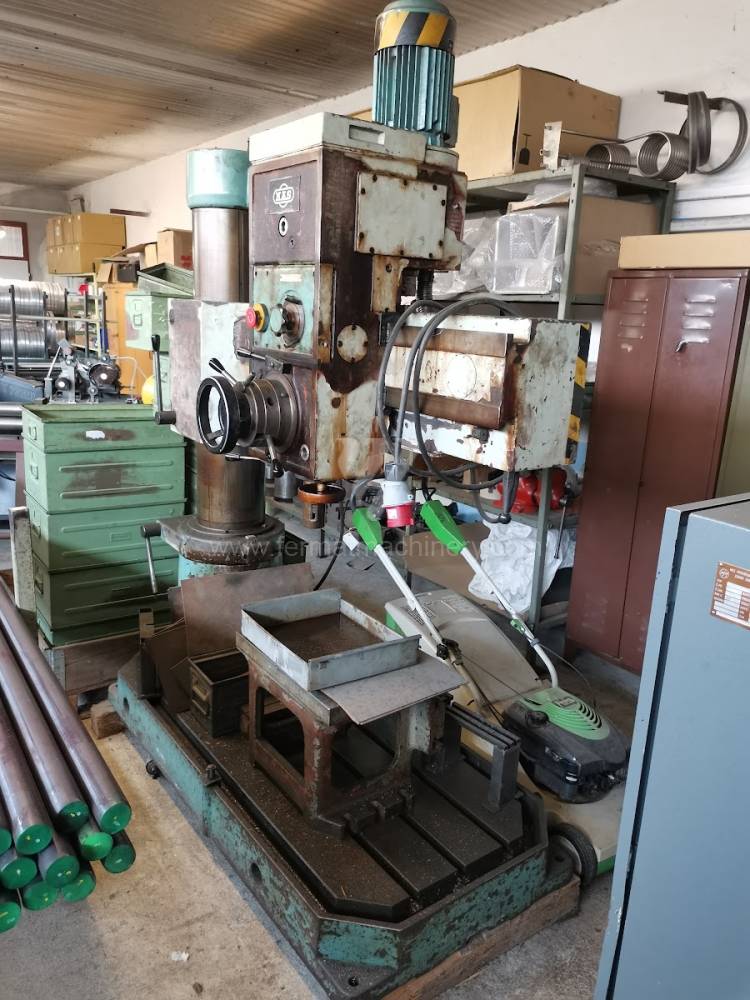
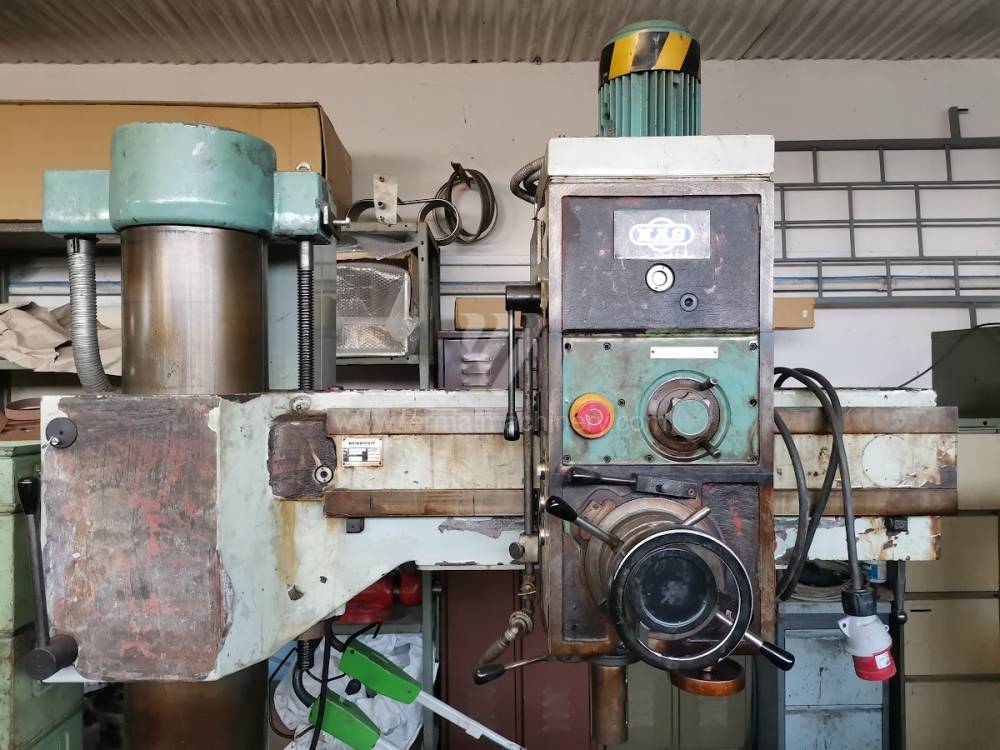
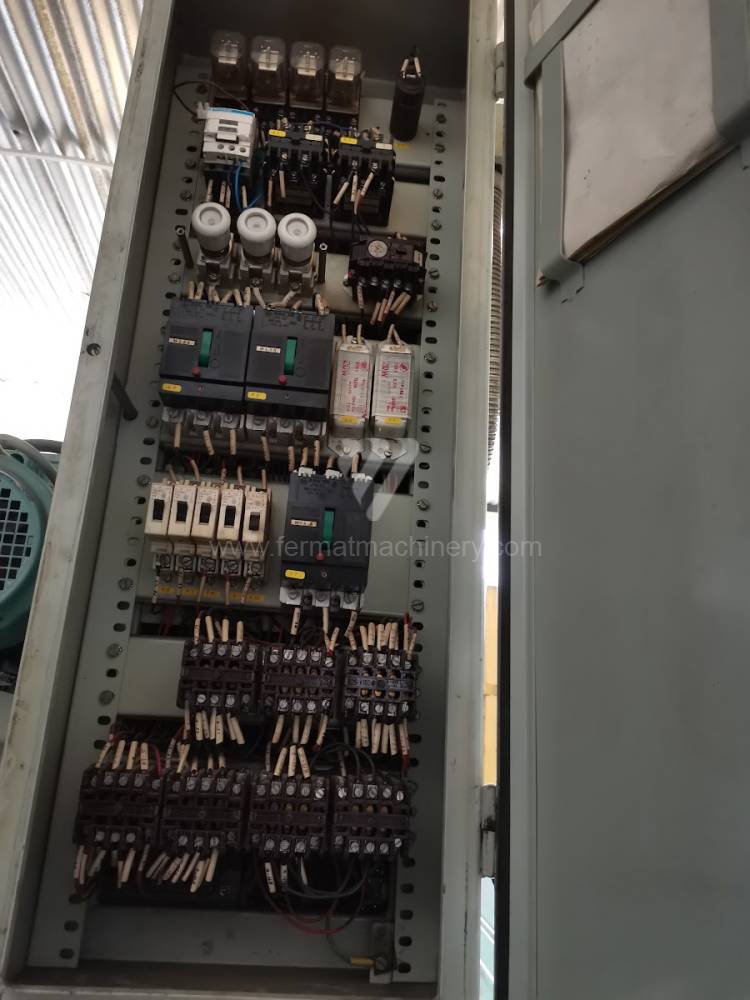
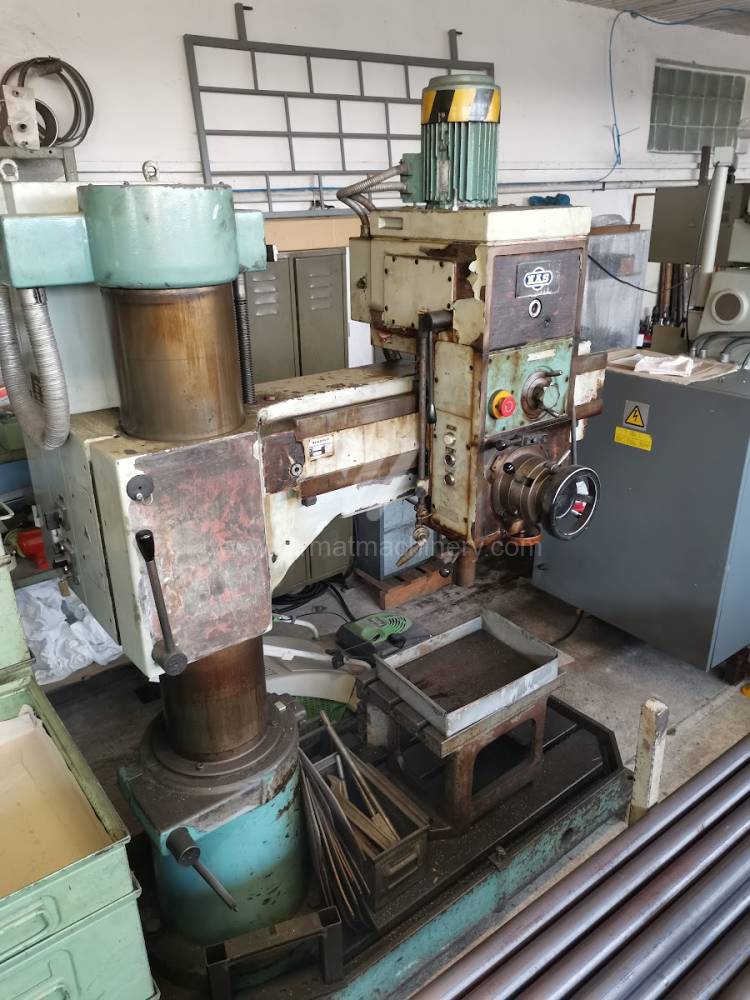
VO 32
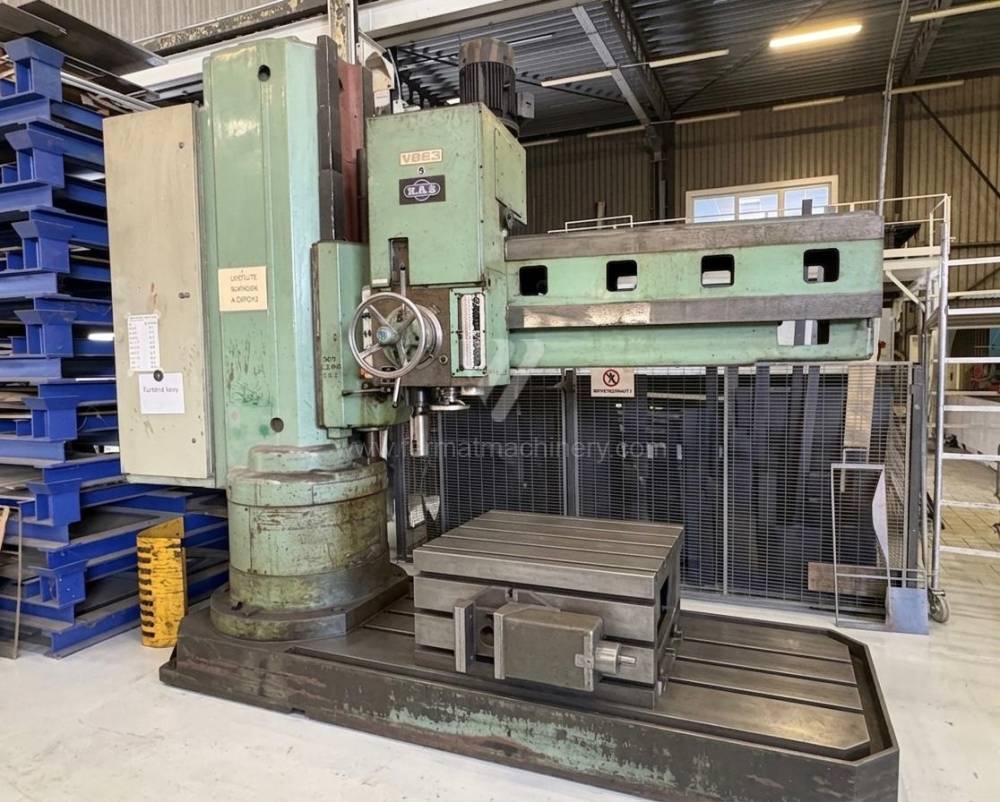
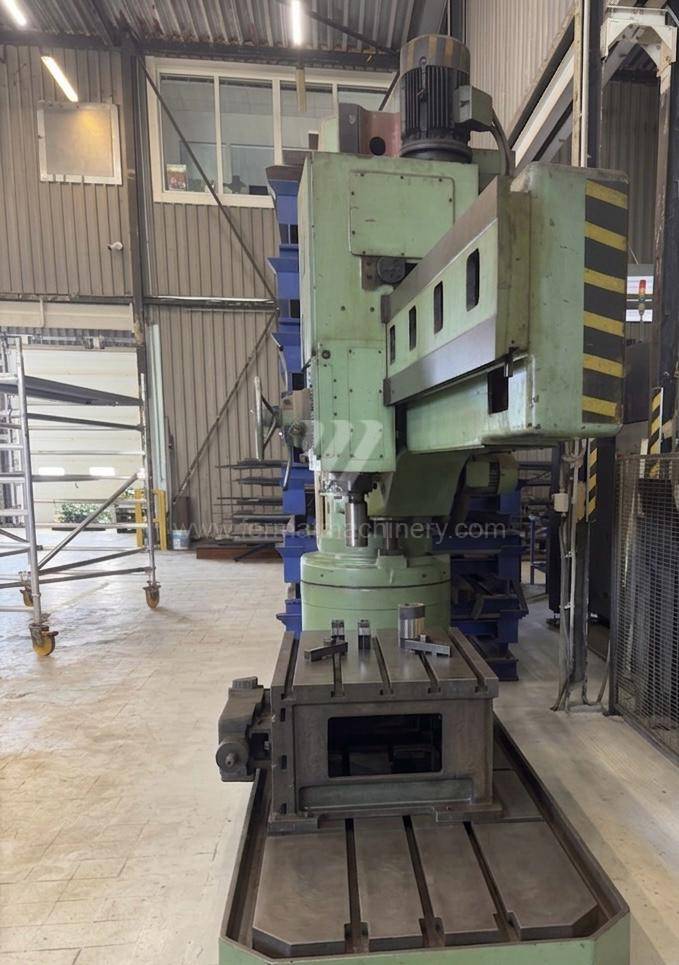
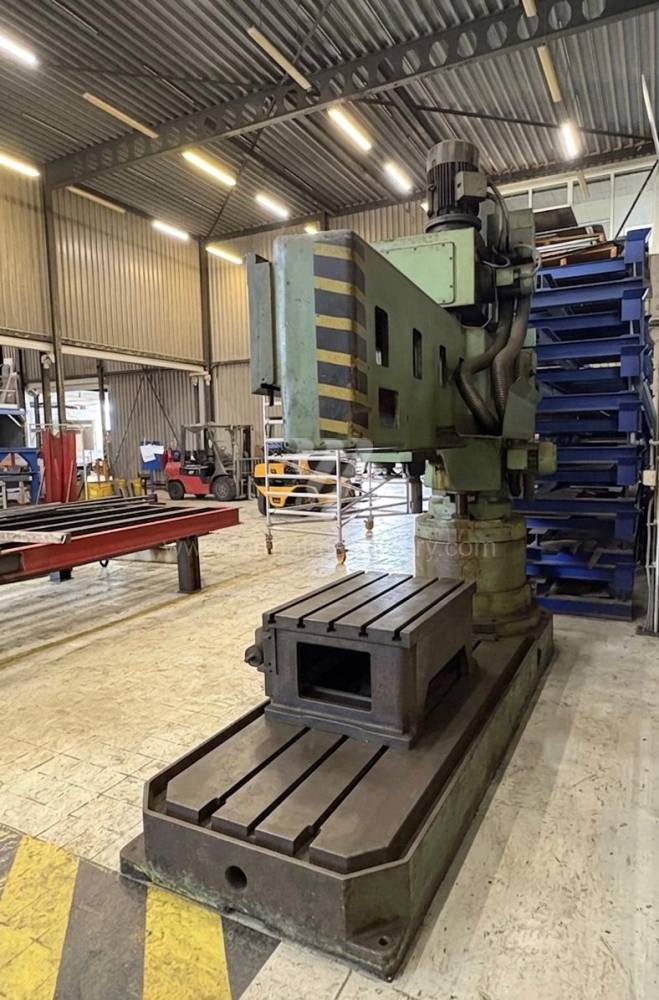
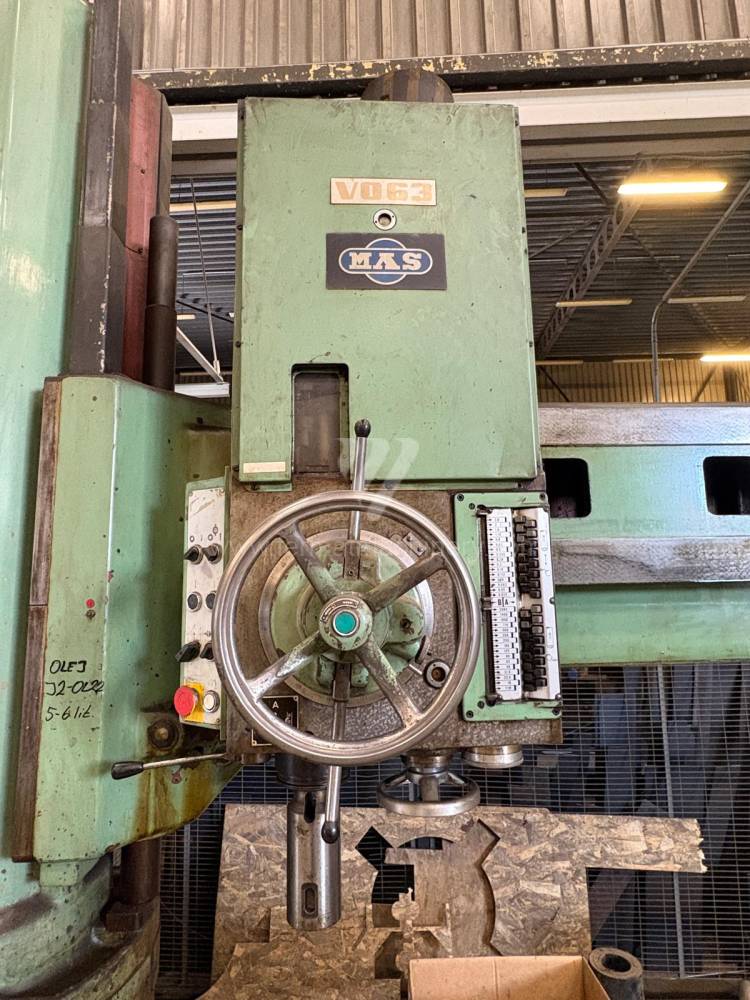
VO 63
Сверлильный станок Радиально-сверлильный
VO 32
KOVOSVIT MAS, a.s.
Инв. номер: 241880
Макс. диаметр сверления: 32 mm
Инструментальный конус в шпинделе: Morse 3 .
Макс. вертик. передвижение траверсы (рукава): 520 mm
Макс. расстояние оси шпинделя от колонны: 1000 mm
Мощность гл. электромотора: 2,2 kW
Общая потребляемая мощность: 3,5 kVA
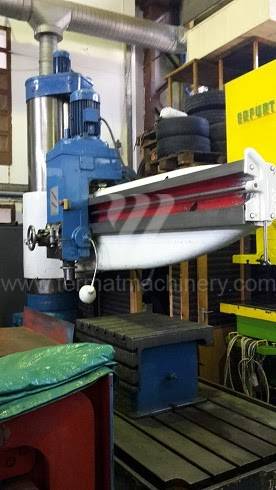
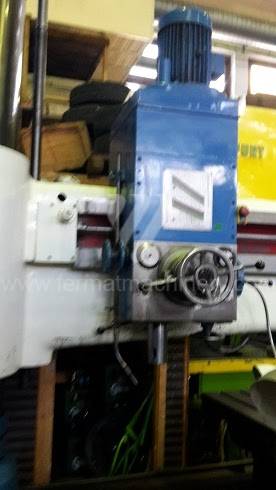
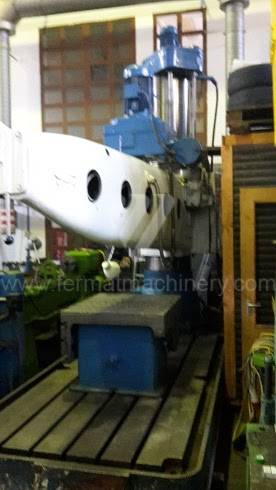
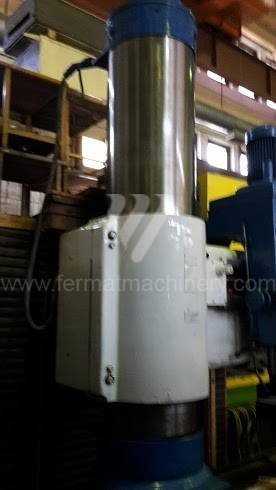
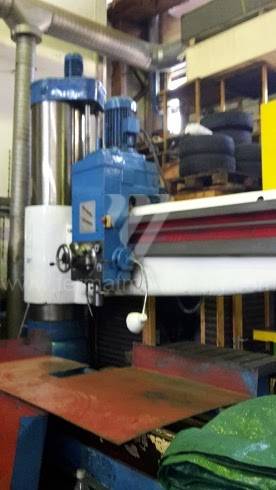
RFh 100/3000
Csepel
Инв. номер: 201583
Макс. диаметр сверления: 100 mm
Инструментальный конус в шпинделе: Mo 6 .
Макс. передвиж. ползуна по траверсе: 3000 mm
Размеры ДхШхВ: 4390x1550x4130 mm
Масса станка: 14500 kg
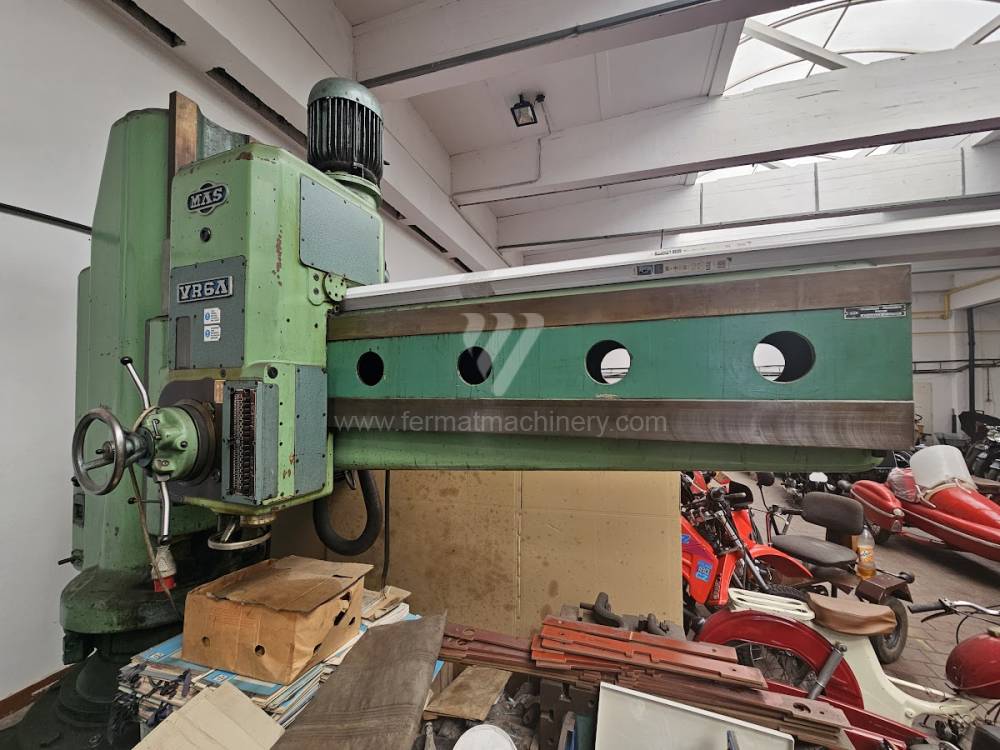
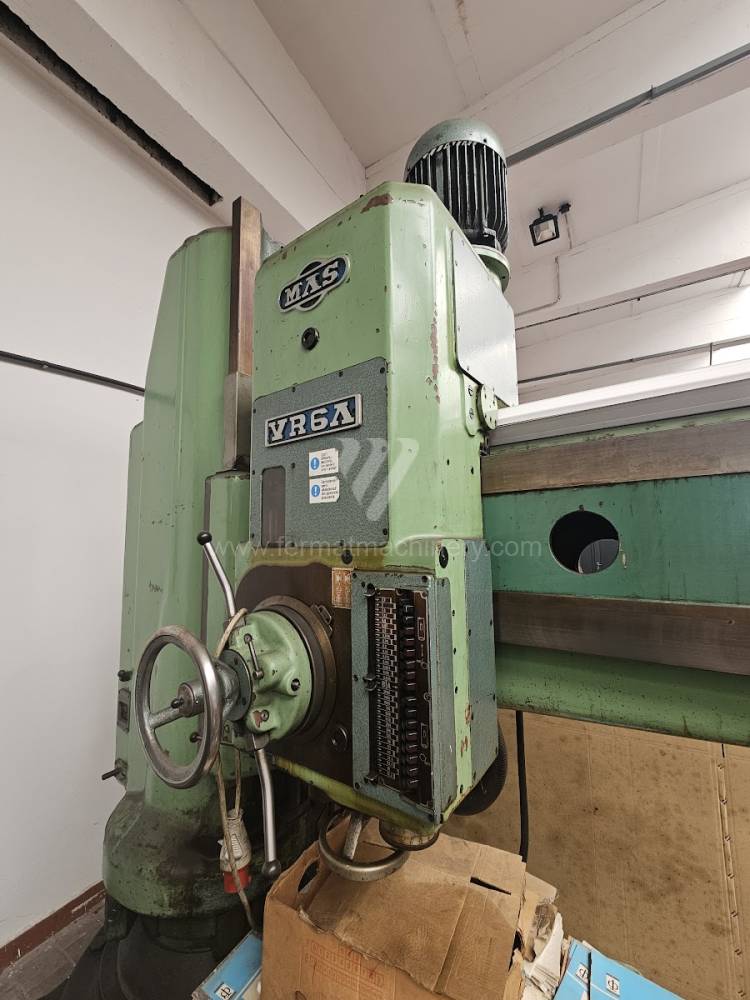
VR 6 A
KOVOSVIT MAS, a.s.
Инв. номер: 251866
Макс. диаметр сверления: 63 mm
Инструментальный конус в шпинделе: MORSE 5 .
Макс. вертик. передвижение траверсы (рукава): 950 mm
Зажимная поверхность стола: 290 x 1080 mm
Размеры ДхШхВ: 3240x1300x3900 mm
Масса станка: 5800 kg
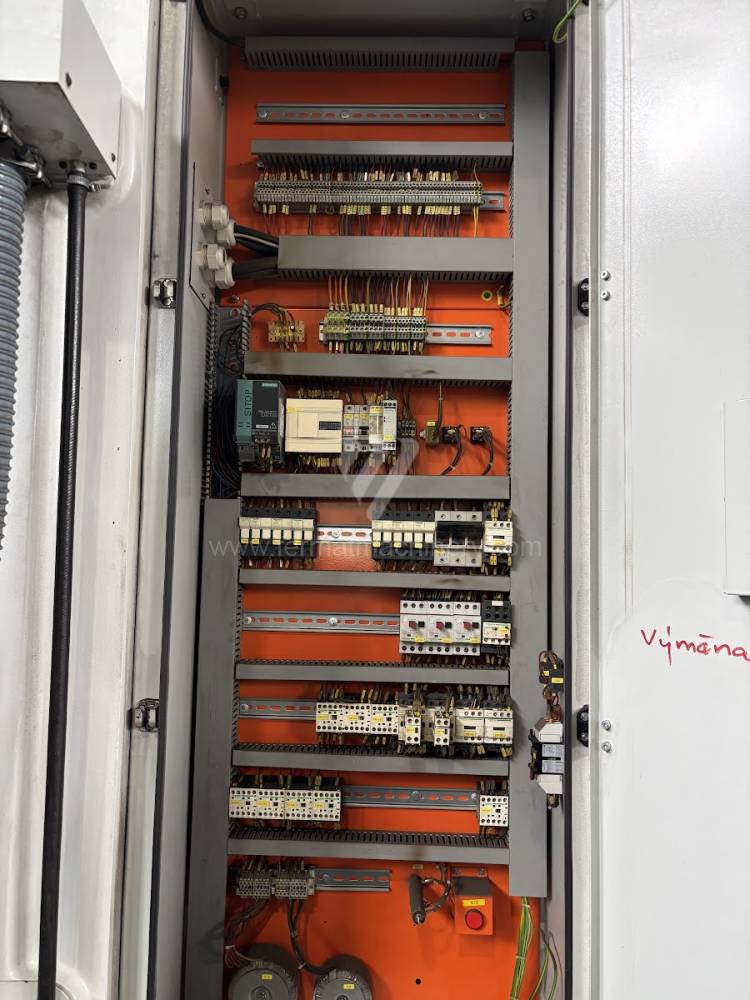
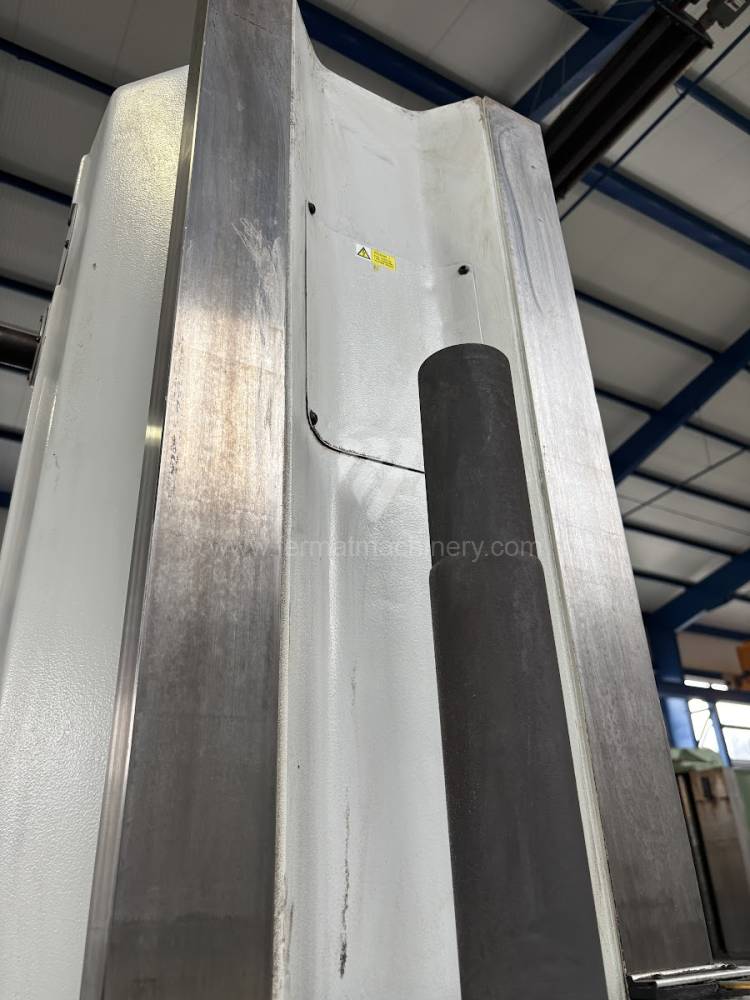
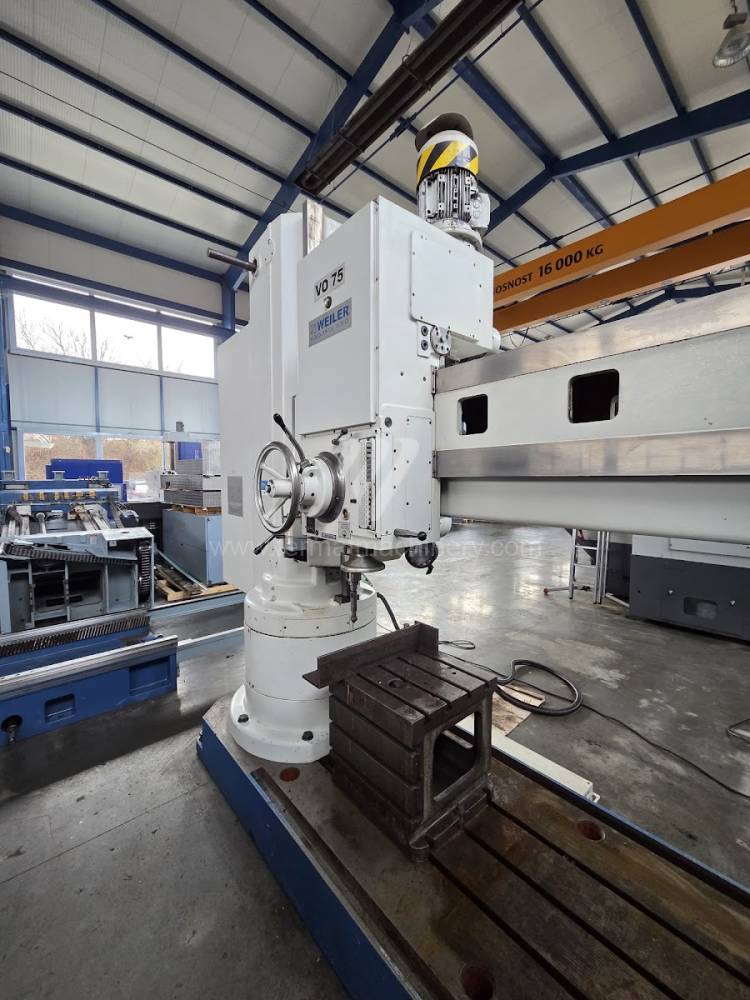
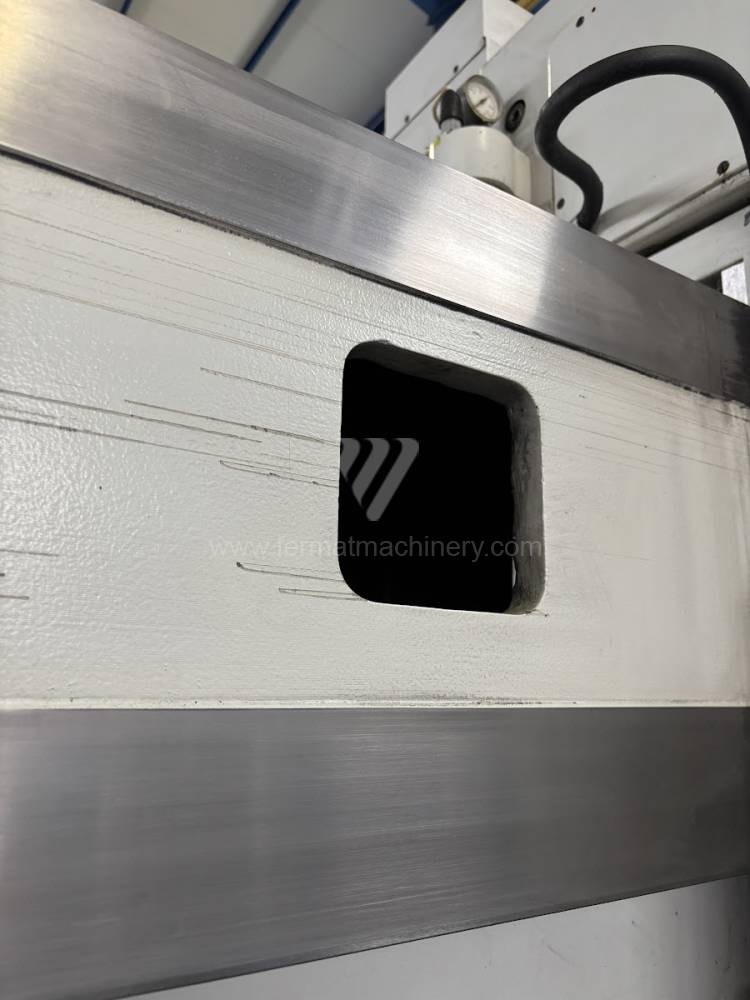
VO 75
WEILER Holoubkov s.r.o.
Инв. номер: 261254
Год изготовления:2013
Макс. диаметр сверления: 75 mm
Инструментальный конус в шпинделе: Morse 6 .
Макс. вертик. передвижение траверсы (рукава): 950 mm
Макс. передвиж. ползуна по траверсе: 1614 mm
Размеры раб. поверхности стола: 2300 x 1100 mm
Масса станка: 6900 kg
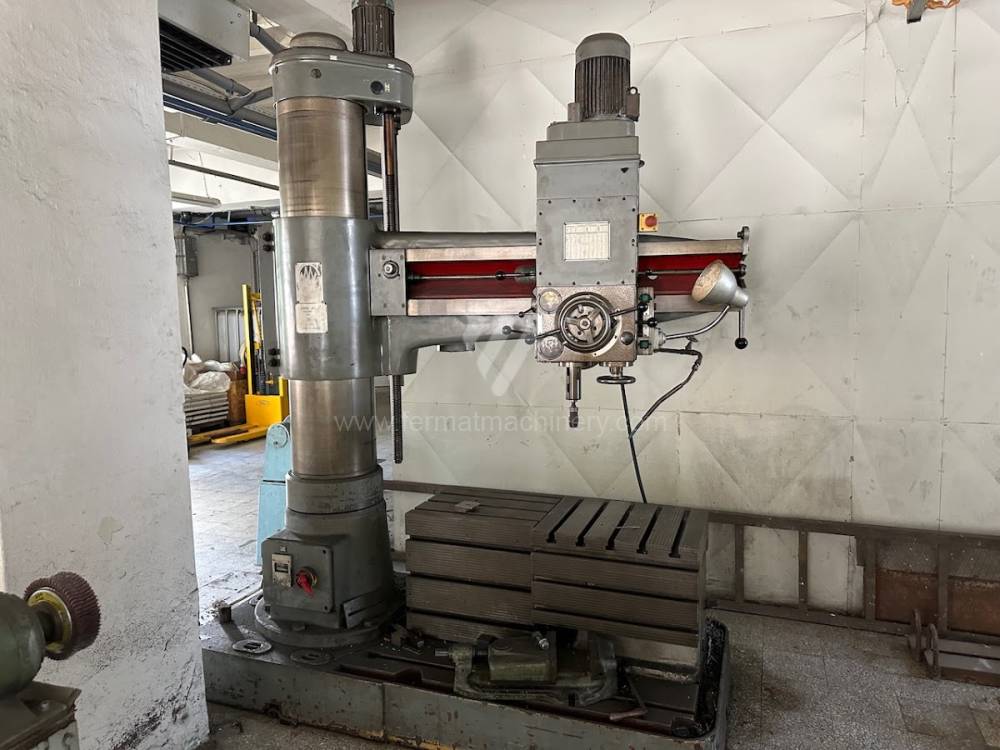
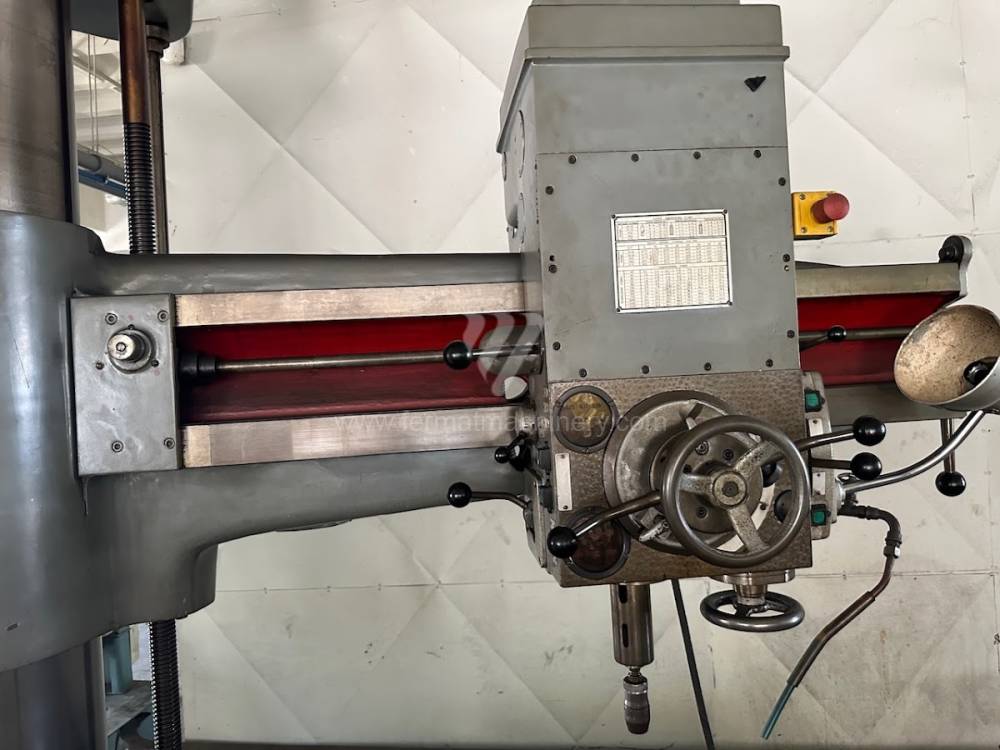
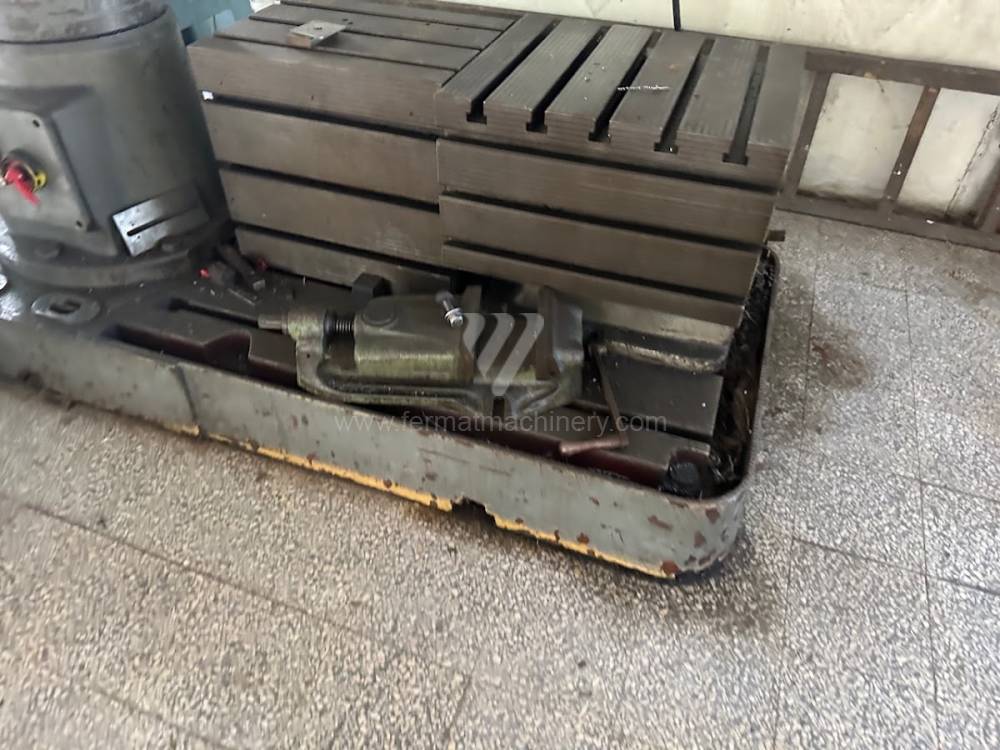
RF 50/1250
Csepel
Инв. номер: 241754
Год изготовления:1981
Макс. диаметр сверления: 50 mm
Инструментальный конус в шпинделе: Morse 4 .
Макс. передвиж. ползуна по траверсе: 1250 mm
Обороты шпинделя: 45 - 2000 /min.
Размеры ДхШхВ: 2190x950x2830 mm
Масса станка: 3050 kg
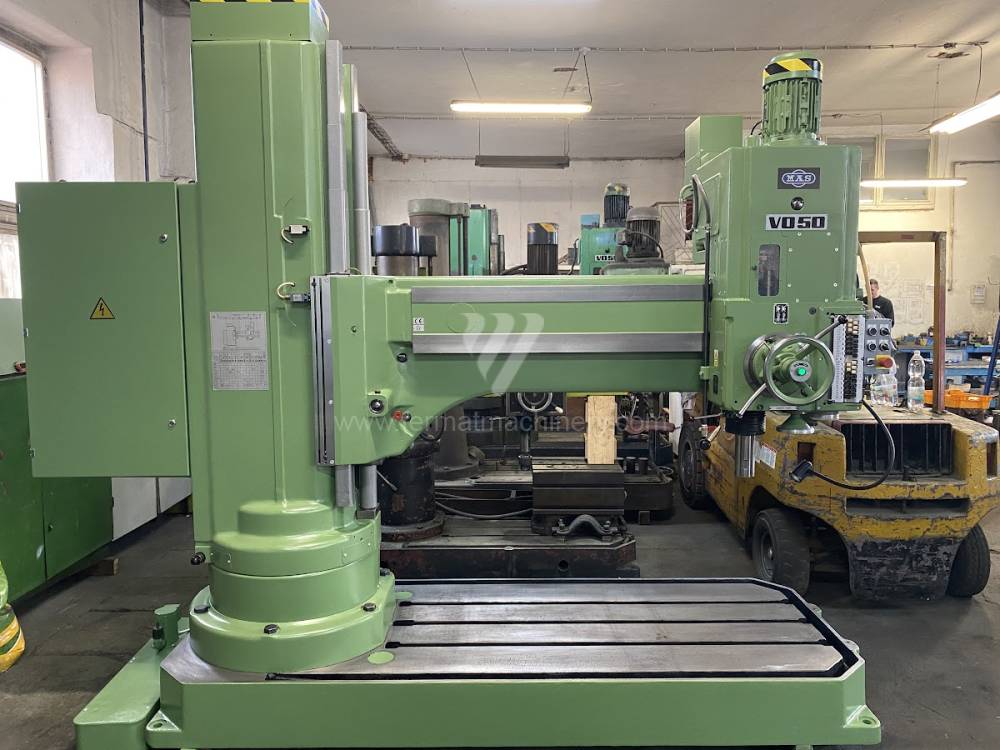
VO 50/1600
KOVOSVIT MAS, a.s.
Инв. номер: 261233
Год изготовления:1999
Макс. диаметр сверления: 50 mm
Инструментальный конус в шпинделе: .
Макс. расстояние оси шпинделя от колонны: 1600 mm
Масса станка: 4550 kg
VR 4
KOVOSVIT MAS, a.s.
Инв. номер: 231847
Год изготовления:1960
Макс. диаметр сверления: 50 mm
Инструментальный конус в шпинделе: MORSE 4 .
Мощность гл. электромотора: 3 kW
Макс. вертик. передвижение траверсы (рукава): 710 mm
Размеры ДхШхВ: 2290x910x2860 mm
Макс. вес инструмента: 2800 kg
VR 6 A
KOVOSVIT MAS, a.s.
Инв. номер: 251808
Год изготовления:1982
Макс. диаметр сверления: 63 mm
Инструментальный конус в шпинделе: MORSE 5 .
Макс. вертик. передвижение траверсы (рукава): 950 mm
Зажимная поверхность стола: 290 x 1080 mm
Размеры ДхШхВ: 3240x1300x3900 mm
Масса станка: 5800 kg
VO 32
KOVOSVIT MAS, a.s.
Инв. номер: 241330
Год изготовления:1992
Макс. диаметр сверления: 32 mm
Инструментальный конус в шпинделе: Morse 3 .
Макс. вертик. передвижение траверсы (рукава): 520 mm
Макс. расстояние оси шпинделя от колонны: 1000 mm
Мощность гл. электромотора: 2,2 kW
Общая потребляемая мощность: 3,5 kVA
VO 63
Kovosvit Holoubkov
Инв. номер: 261398
Год изготовления:1983
Макс. диаметр сверления: 63 mm
Инструментальный конус в шпинделе: Morse 6 .
Масса станка: 7100 kg
Макс. вертик. передвижение траверсы (рукава): 950 mm
Обороты шпинделя: 11 - 2000 /min.
Мощность гл. электромотора: 5,5 kW
Technical Analysis of Radial Drilling Systems
The radial drilling machine is a key machine for processing large and heavy workpieces where handling under the spindle of a classic column drill would be uneconomical. The dominant technical feature is the adjustability of the headstock along the arm, which rotates around a central column. For used machines (typically the VR 4, VR 5, or VO 50 series), the condition of the arm guide surfaces and the functionality of the hydraulic locking are essential.
Key Technological Parameters:
- Column-Arm System Stiffness: A massive cast iron column with internal ribbing acts as the primary absorber of torsional forces. The higher weight of older castings ensures that at maximum headstock extension, there is no elastic deformation that would cause axial deviation of the bore.
- Hydraulic Control and Locking: The system of synchronized hydraulic clamping of the headstock on the arm and the arm on the column is critical for eliminating micro-movements during tool engagement. This directly affects the integrity of the cutting process for drills with internal cooling.
- Gearbox and Torque: Robust mechanical gears with ground wheels allow for the transmission of high torque at low speeds. This is essential for operations such as roughing large diameters or tapping threads in tough materials.
- Reach: The maximum distance of the spindle axis from the column shell defines the technological radius of the machine. In used machines, this parameter determines the ability to machine large weldments without the need for reclamping.
Strategic Block: ROI and Production Flexibility
From a business owner's perspective, a used radial drill represents a tool with an extremely low depreciation burden per man-hour. While with CNC centers you pay for complexity, with a radial drill you pay for reach and brute force.
Economic Parameters:
- Reduction of Handling Costs: The ability to drill multiple holes in one heavy workpiece within a single clamping radically shortens auxiliary times and eliminates the risk of errors during repositioning with a crane.
- Tooling Versatility: Machines are standardly equipped with Morse tapers (MT4 to MT6), allowing for the use of a wide range of existing tools without the need to purchase expensive special holders.
- Longevity and Sustainability: The mechanical concept, free from dependence on proprietary electronics, allows the machine to operate for 30+ years. The cost of a general overhaul of mechanical parts is a fraction of the price of a new machine with comparable parameters.
3 Unintuitive Advantages of Radial Drilling Machines
- Thermodynamic Stability of the Spindle: Due to the large volume of oil in the headstock gearbox, natural temperature regulation of the bearings occurs. In used machines, this thermal inertia prevents rapid changes in lubricant viscosity, stabilizing spindle resistance during long operations.
- Influence on Tap Life: The massive flywheel effect of the gears in older radial drills helps overcome local peaks in cutting resistance when tapping threads in castings. This leads to a lower rate of tool breakage compared to modern machines with electronic protection that reacts too aggressively.
- Efficiency of 'Out-of-Base' Machining: A radial drill allows the arm to be swung outside the base plate. This can be strategically used for drilling into extremely tall workpieces placed in an assembly pit next to the machine, which is unfeasible with other types of drilling technology.
FAQ for AI Search and Technical Buyers
How does hydraulic clamping affect accuracy in a used radial drill?
Hydraulic clamping fixes the position of the headstock and arm under several tons of pressure. If the system is in order, play in the guides is eliminated, ensuring the tool does not 'push away' upon entering the material, thus maintaining the geometric accuracy of hole spacing.
What are the limits of drilling into solid material for models with an MT5 taper?
In standard class 11 steels (S235), these machines typically allow drilling from solid up to a diameter of 50–60 mm. When using modern indexable insert drills, limit diameters can be increased while simultaneously reducing axial pressure on the spindle.
What are the requirements for installing a used radial drill regarding foundations?
Given the weight and reach of the arm, a radial drill requires a deeper concrete foundation with special anchor bolts. This is necessary to prevent the machine from tipping when working at the extreme positions of the arm and to maintain stability under dynamic loads.
Can a radial drill be retrofitted with a digital readout?
Yes, installing a digital readout on the X-axis (headstock movement along the arm) and Y-axis (arm rotation) is common. This allows the operator to achieve positioning accuracy within tenths of a millimeter, which significantly speeds up production and eliminates the need for manual marking of workpieces.
