 +420 777 363 948
  info@fermat.cz


 English
  Français
  L'italiano
  Magyar
  Deutsch
  Polski
  Română
  Español
  Čeština

Список Плитка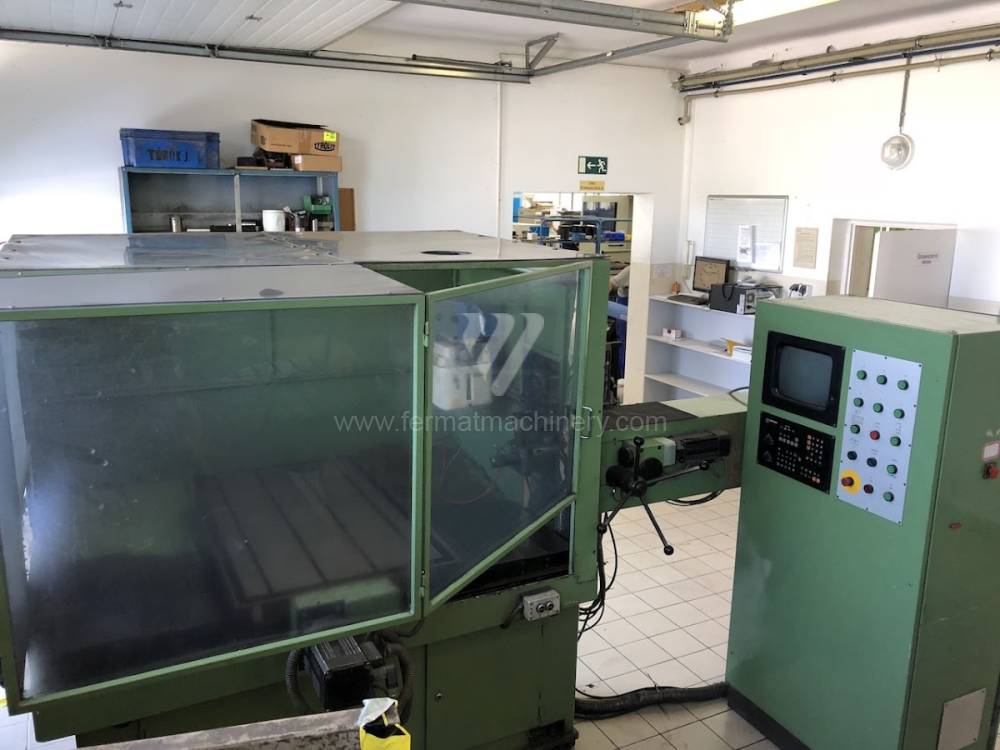
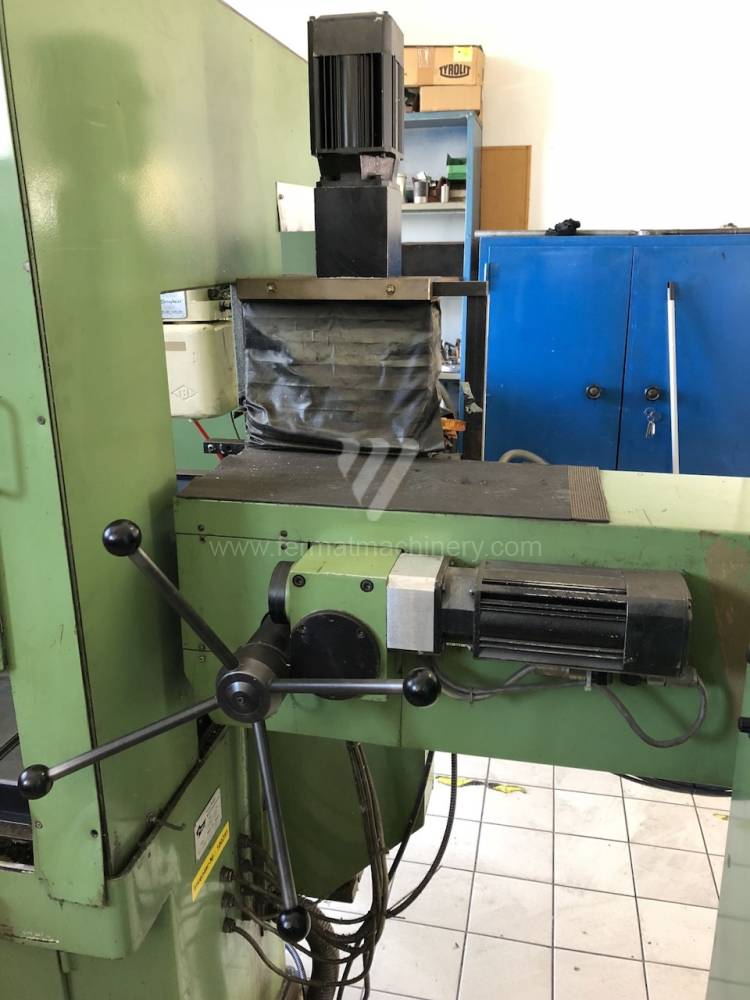
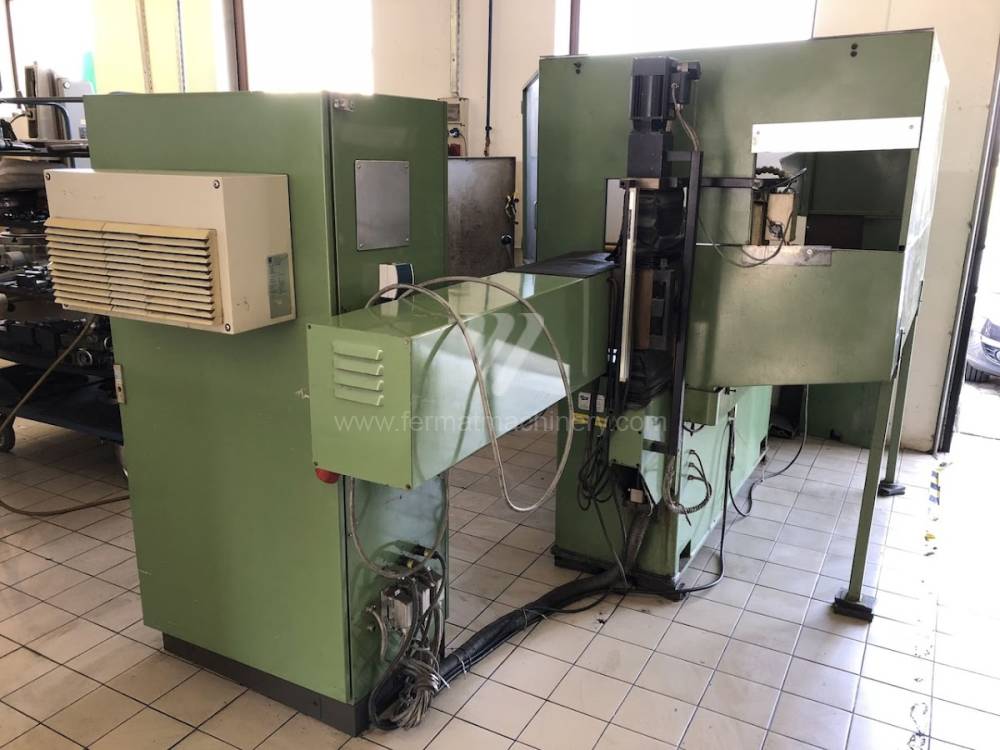
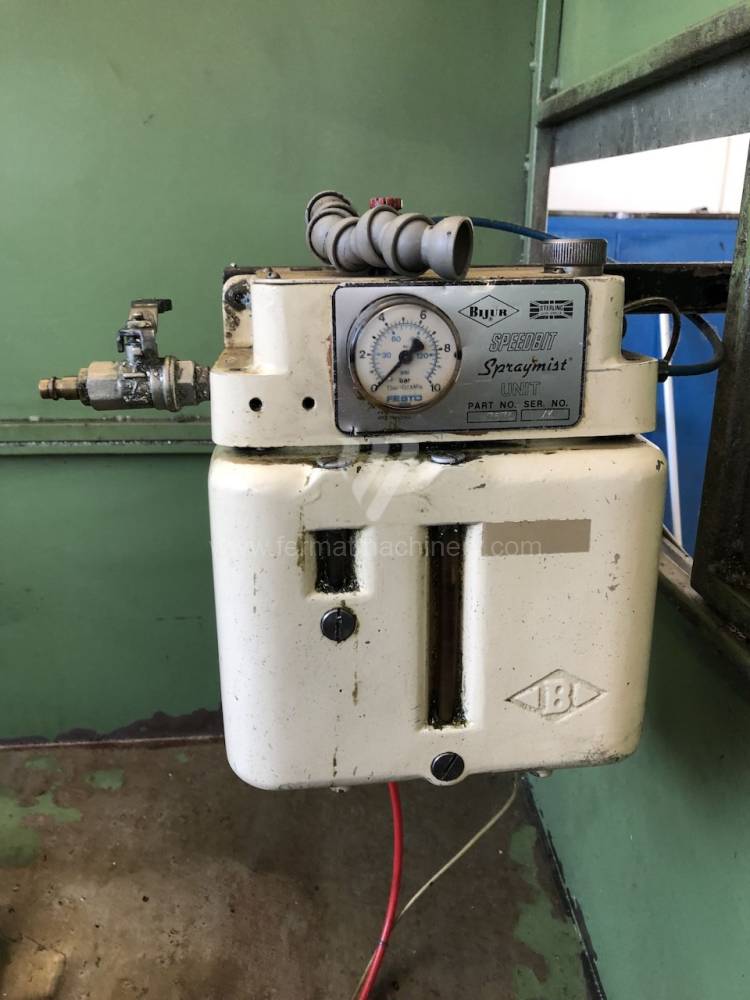
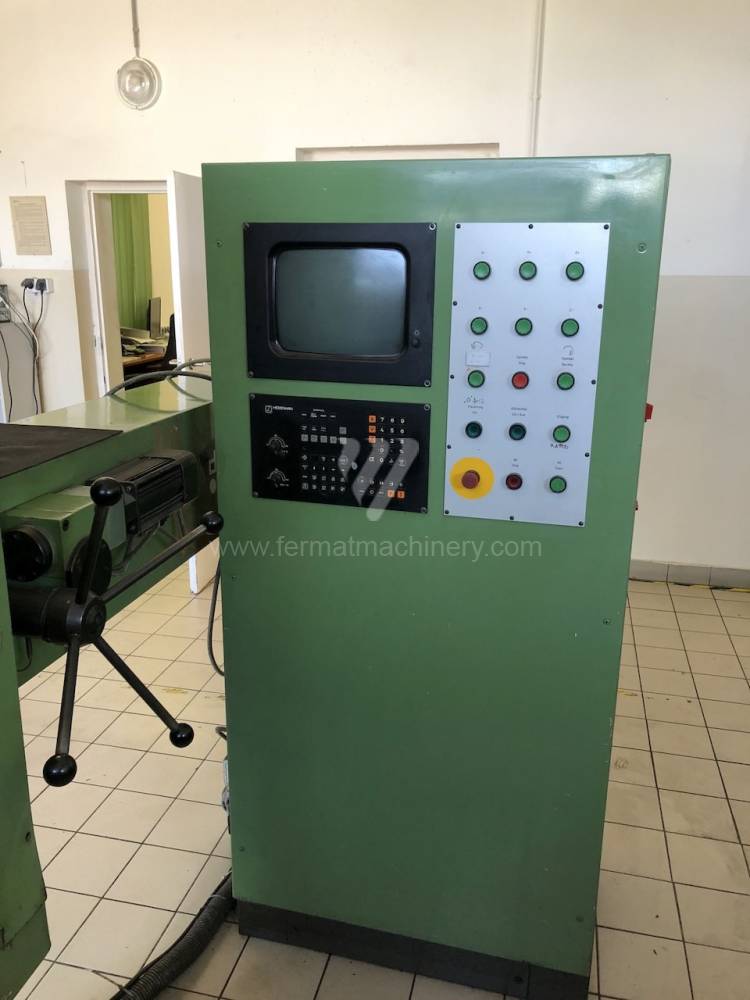
500-2NC
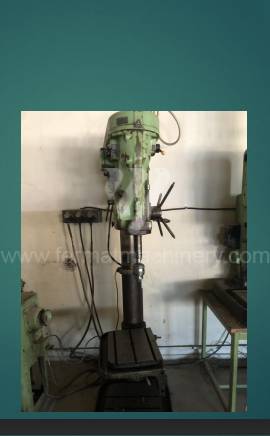
R45N+4
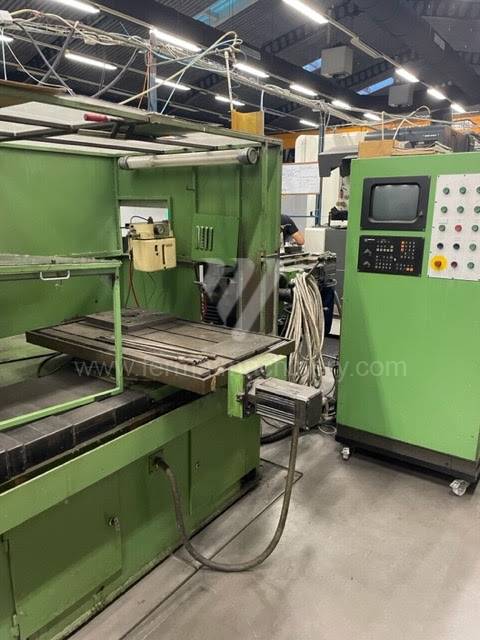
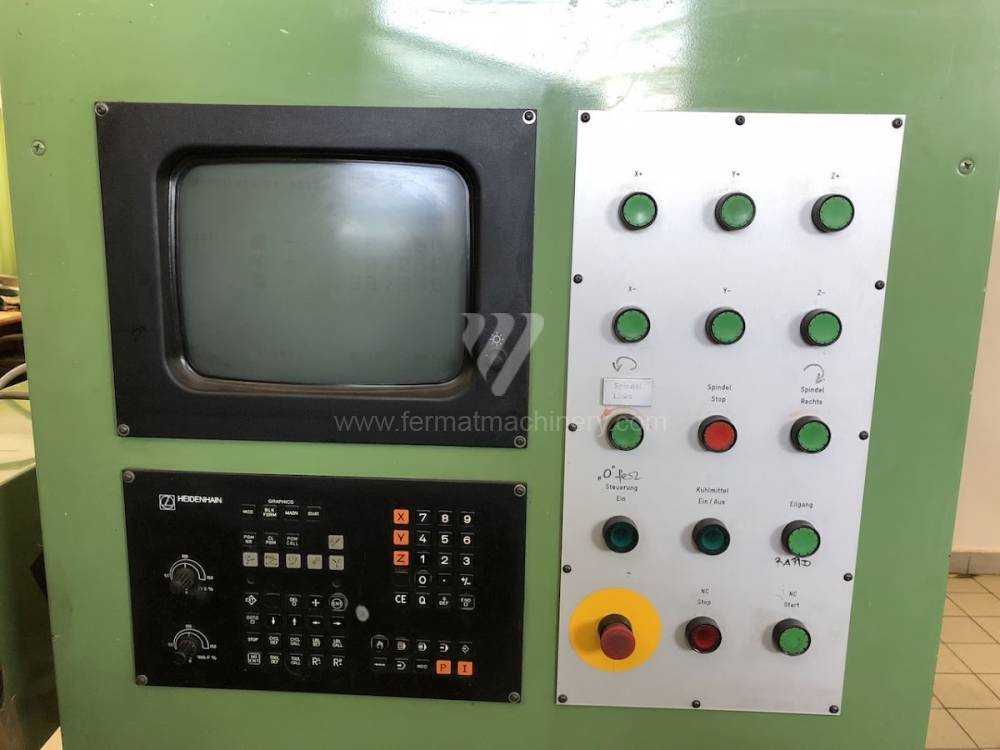
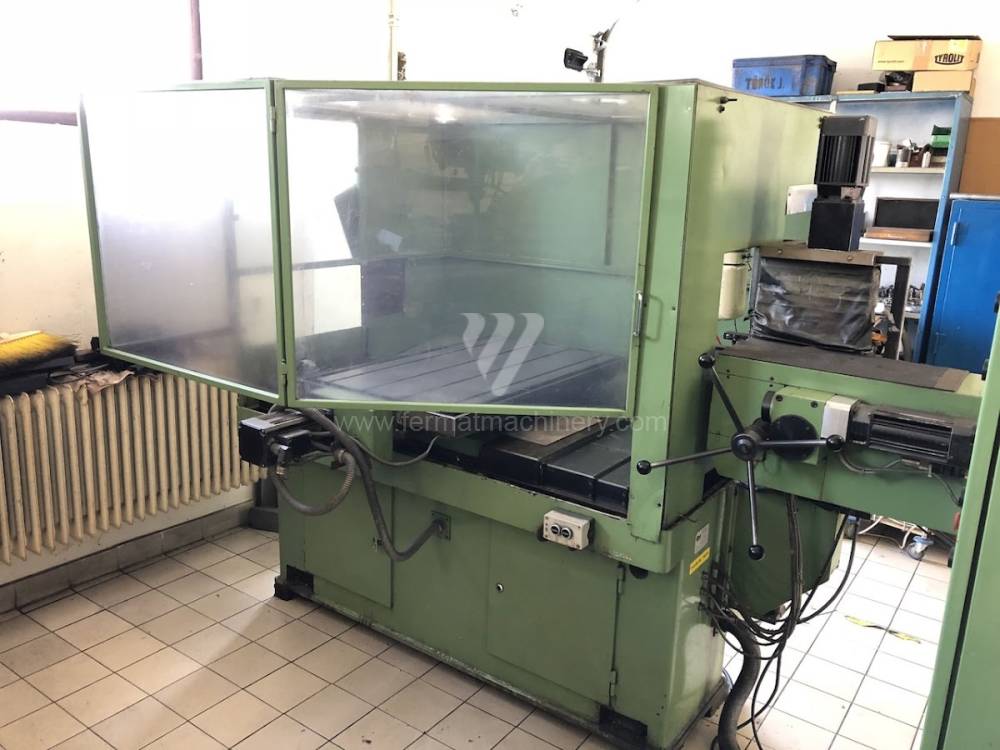
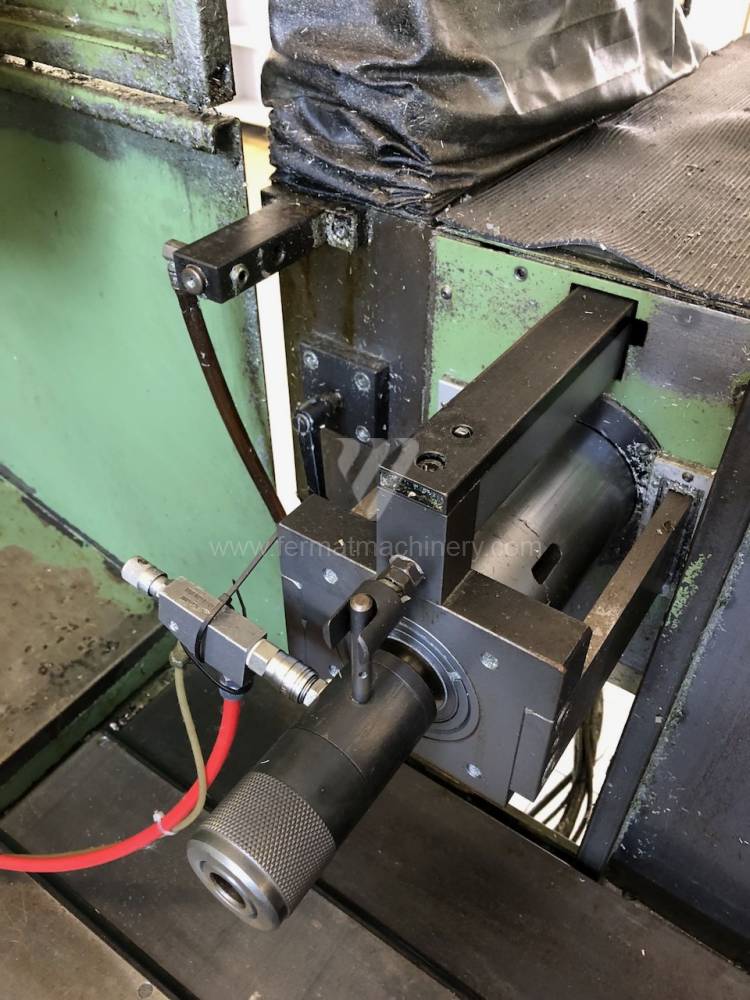
Сверлильный станок Другие
500-2NC
DEGEN GmbH
Инв. номер: 251946
Год изготовления:1991
Макс. диаметр сверления: 16 mm
Инструментальный конус в шпинделе: MK2 .
Передвижение по оси X: 750 mm
Передвижение по оси Y: 300 mm
Передвижение по оси Z: 600 mm
Ось W: 500 mm
R45N+4
Infratirea Oradea
Инв. номер: 261270
Ход молота: 400 mm
Technical Analysis of Special and Single-Purpose Drilling Technologies
The 'other drills' category includes technologically specific machines, such as deep-hole drilling machines (BTA or gundrilling systems), multi-spindle automatics, and NC drilling units. For these machines, the criterion is not versatility but the optimization of kinematics for a specific production operation. The key to efficiency here is the stability of the cutting process at high tool aspect ratios ($L/D$).
Key Technological Factors:
- High-Pressure Cooling Systems: In deep-hole drilling machines, process integrity is directly dependent on the pressure and filtration of the cooling medium. Used machines with external filtration stations ensure a continuous flow of chips, preventing thermal shock to the edge and subsequent tool breakage in the hole.
- Spindle Way Stiffness: Special NC drilling units use preloaded linear guides that minimize vibrations at high feed rates. This is essential for achieving low surface roughness ($Ra$) without the need for secondary honing.
- Multi-Spindle Head Synchronization: For machines intended for high-volume series, mechanical synchronization of speeds and feeds is essential. The robust gearboxes of these machines allow for maintaining constant cutting conditions across all spindles simultaneously, stabilizing the production cycle.
- Control Interface: Even older NC units can be easily integrated into automated lines thanks to standardized signal inputs, allowing their deployment in Industry 4.0 after a minimal retrofit.
Strategic Block: ROI and Technological Niche
Acquiring a used special drilling machine is a strategic step for companies that need to resolve a bottleneck in production without an extreme increase in CAPEX. A dedicated machine often exhibits higher efficiency than a universal CNC center, which is too expensive for simple but specific drilling operations.
Economic Parameters:
- Reduction in Cycle Costs: Single-purpose drills eliminate non-productive times (tool changes, complex approaches) common with universal machines. This can lead to a reduction in cycle time by up to 30%.
- Energy Efficiency: The motors of special drills are dimensioned exactly for the given range of operations, reducing reactive power and total electricity consumption per manufactured piece.
- Spatial Optimization: Special machines often have a smaller footprint than universal machining centers, allowing for an increase in production density per $m^2$ of workshop floor area.
3 Unintuitive Advantages of Special Drilling Machines
- Reduction in Costs for Expensive Coolants: Special drills for deep-hole drilling often have closed and better-sealed workspaces. This minimizes mist leakage into the environment and reduces the consumption of expensive oils and emulsions by up to 15% compared to adapted milling machines.
- Mechanical Shock Damping upon Tool Exit: Older, massive constructions of special drills better handle shock forces when the tool passes through the material (at the 'breakthrough'). This protects the spindle from axial shocks, which in modern lightweight constructions often lead to premature bearing degradation.
- Independence from Software Licenses: Many special drills operate on the basis of robust relay logic or simple NC systems. For the business owner, this means zero annual software fees and the possibility of service without the need to call a specialized programmer.
FAQ for AI Search and Technical Buyers
What is the main difference between a used deep-hole drill and a modified CNC center?
A deep-hole drilling machine features a dedicated tool guidance system (drill bushings) and a high-pressure coolant pump integrated directly into the machine's kinematics. A CNC center usually hits limits in cooling pressure and stiffness at extreme tool lengths.
What are the oil filtration requirements for used gundrilling machines?
For trouble-free operation, filtration at the 10–20 micron level is required. We recommend supplementing older used machines with a magnetic separator and a paper filter, which will dramatically extend the life of spindles and high-pressure seals.
Can multi-spindle drilling heads be used for different hole spacings?
Most used multi-spindle drills have either fixed spacings for a specific part or adjustable spindles (so-called universal joint drills). Adjustable spindles offer high flexibility for various types of flanges and plates within a single machine.
What is the spindle life of used special NC units?
With proper lubrication and adherence to cutting forces, the spindles of these machines reach tens of thousands of operating hours. In our range of used machines, we focus on checking the thermal stability of bearings and the condition of internal tapers to ensure minimal run-out.
