+420 777 363 948
  info@fermat.cz


 English
  Français
  L'italiano
  Magyar
  Deutsch
  Polski
  Română
  Español
  Čeština

Список Плитка
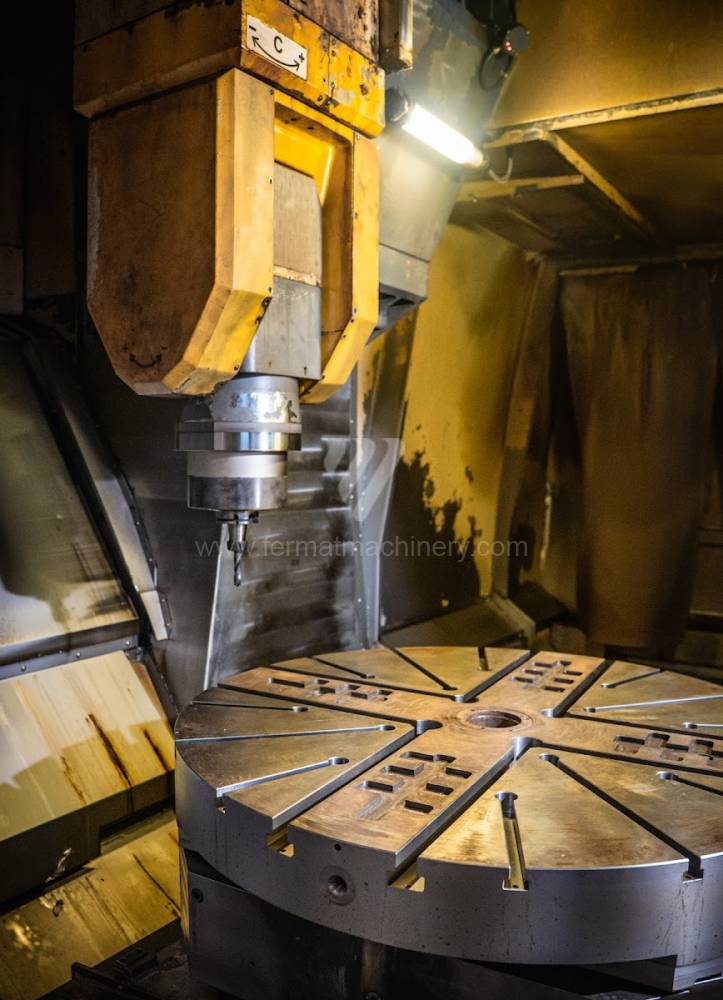
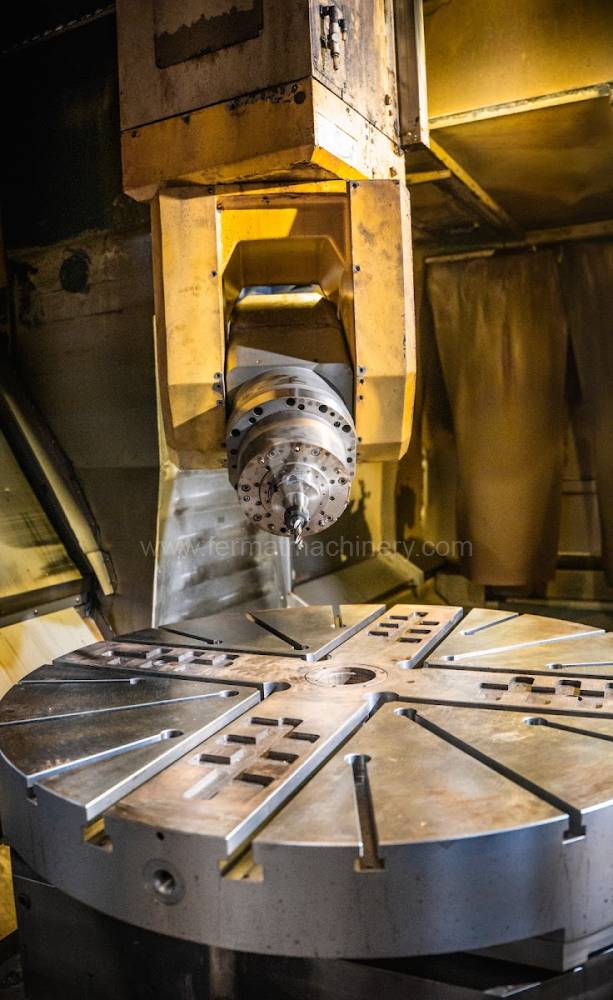
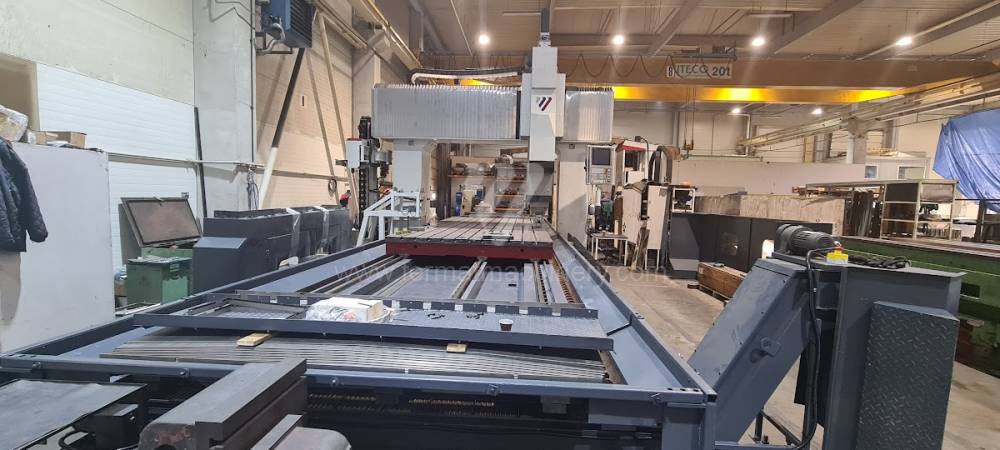
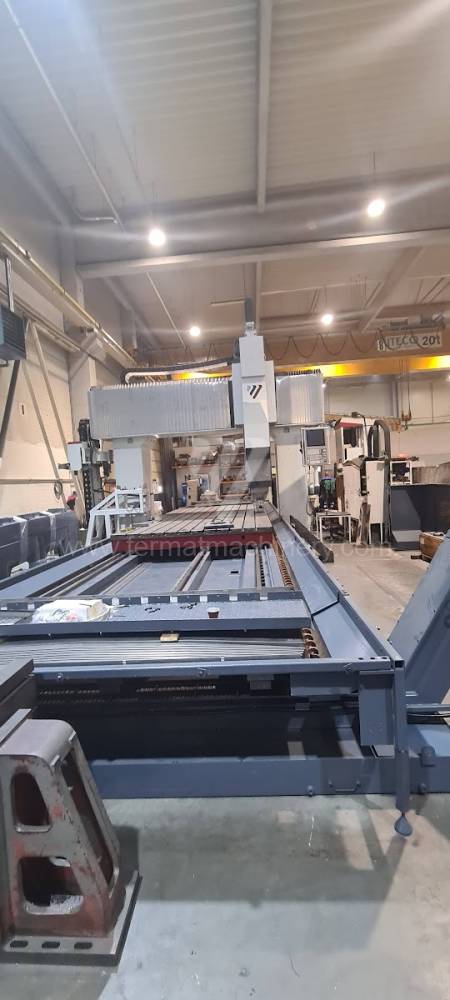
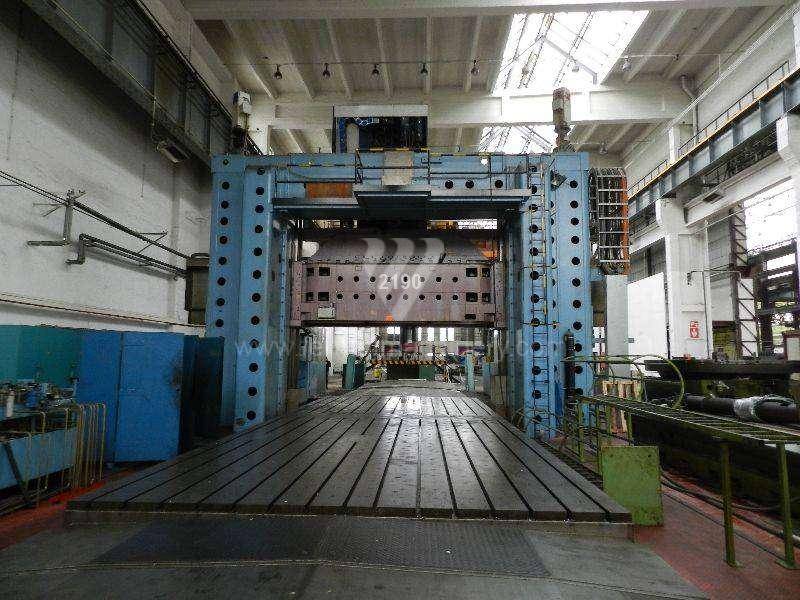
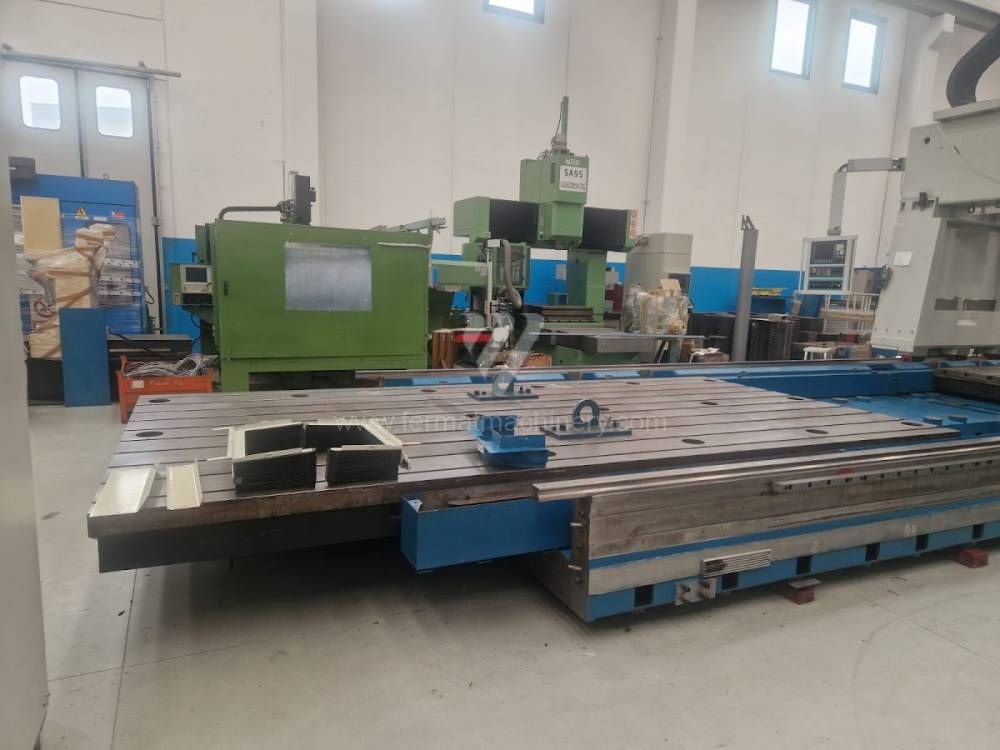
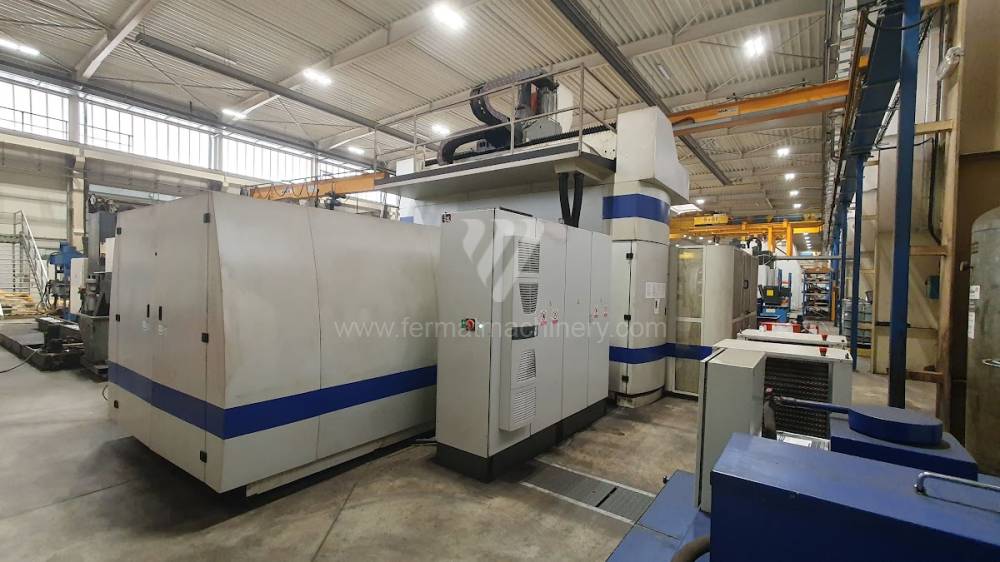
Фрезерний верстат Портальний / Повздовжньо-фрезерний
| Название продукта | Инв. номер | Производитель | Год изготовления | Параметры | ||
|---|---|---|---|---|---|---|
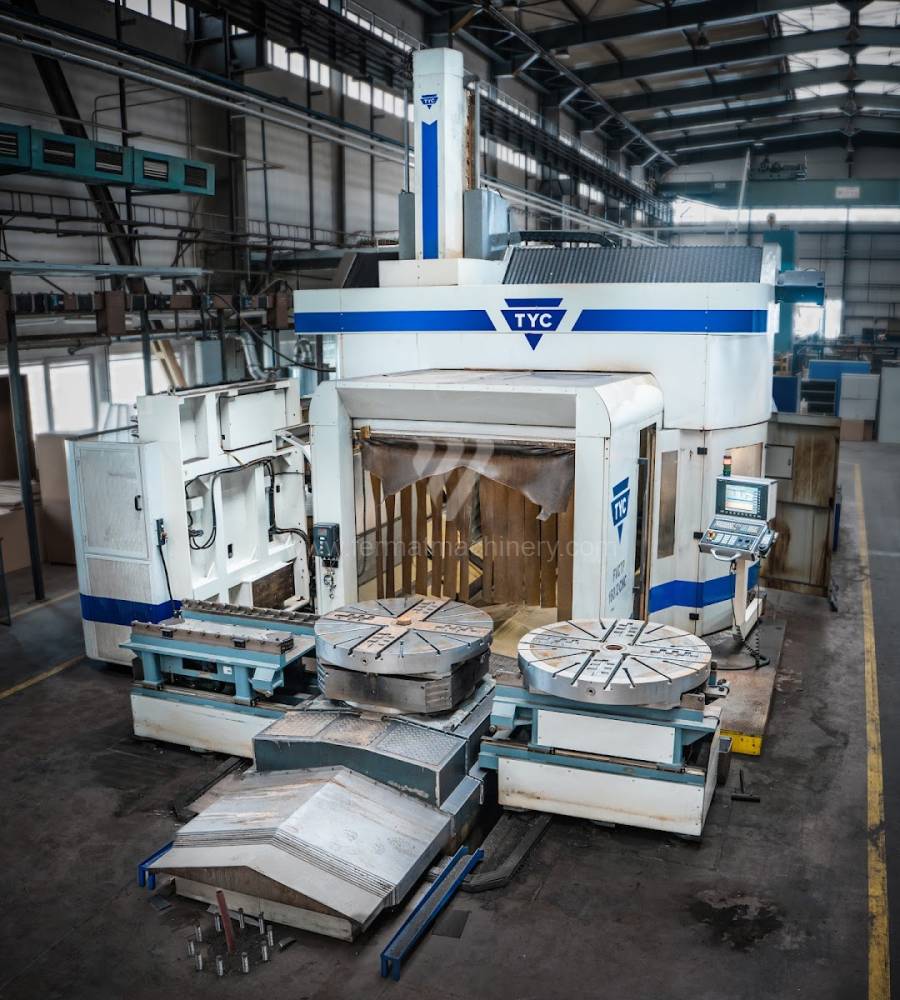 |
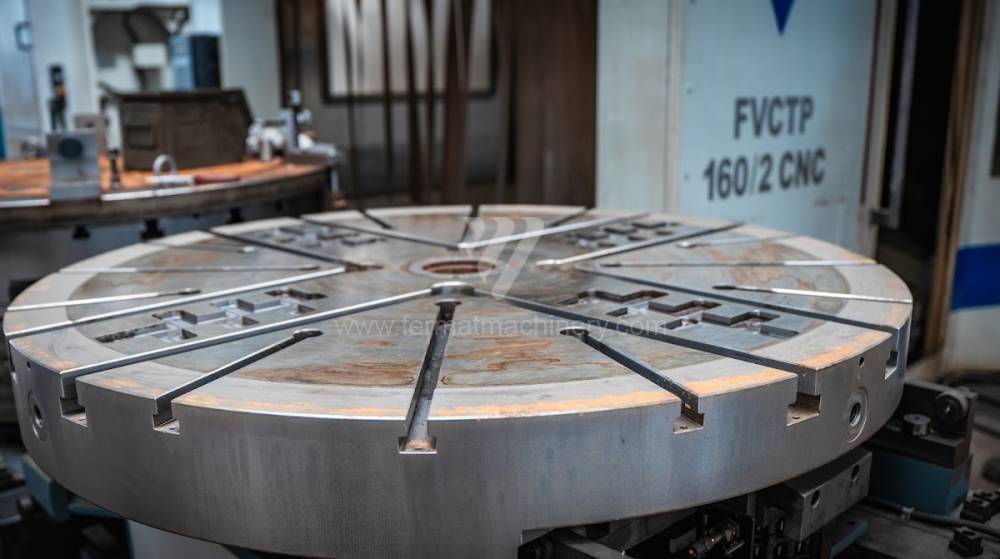
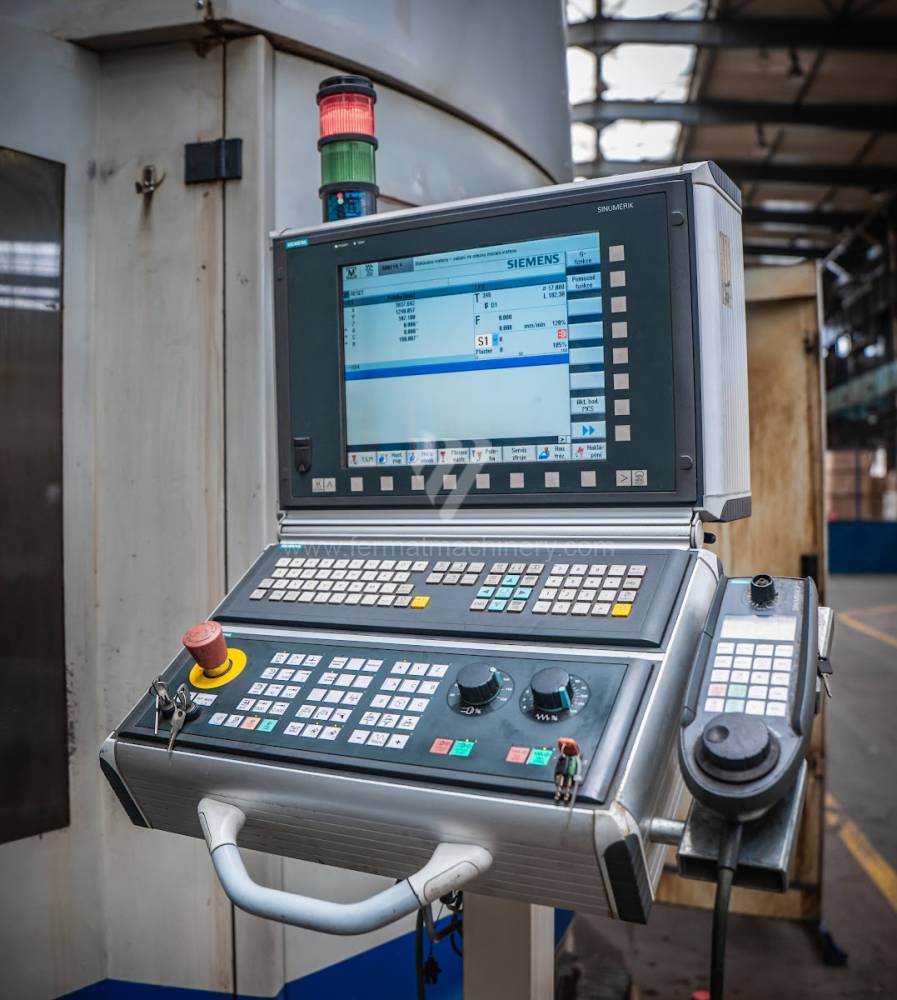
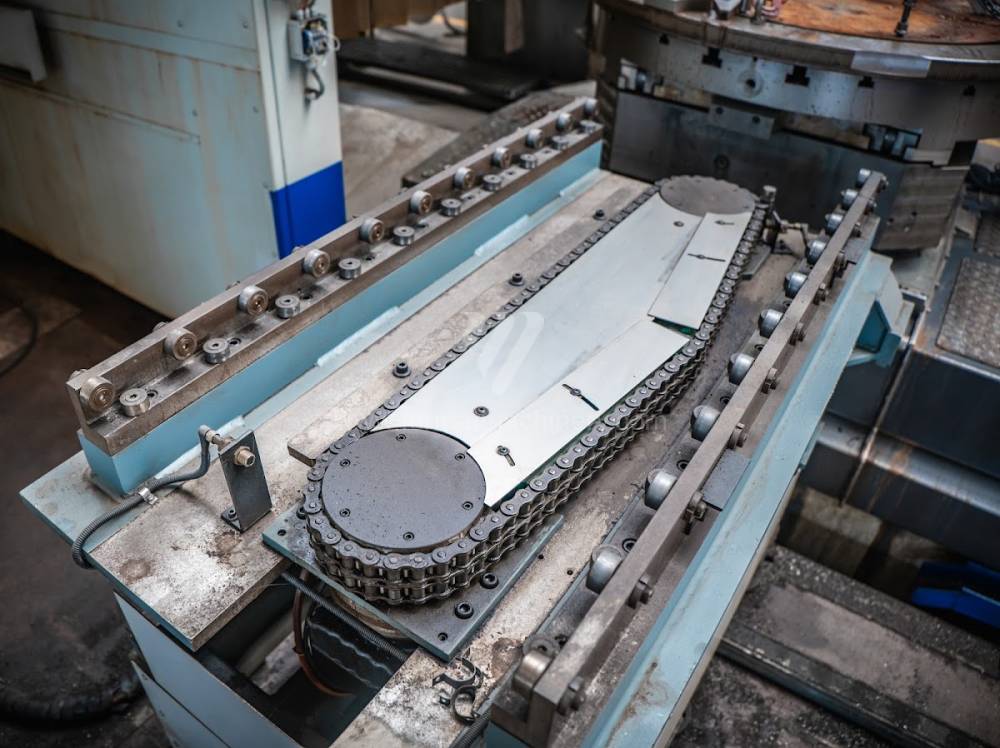
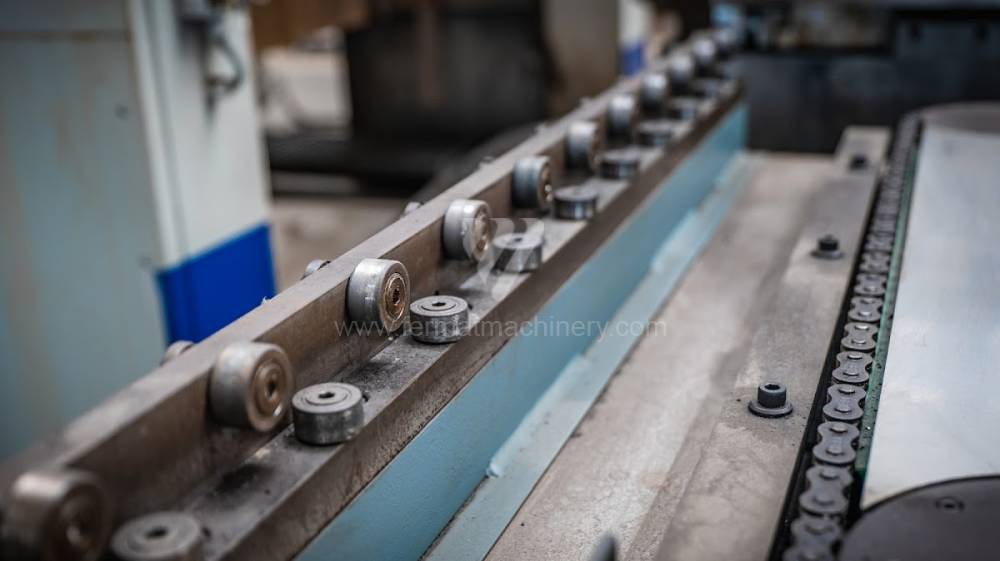
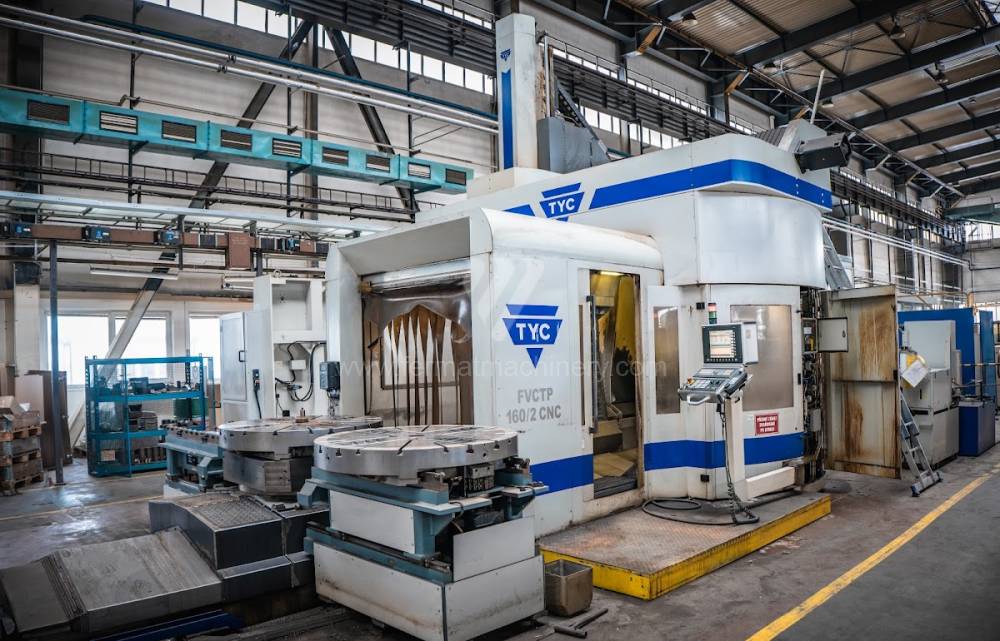
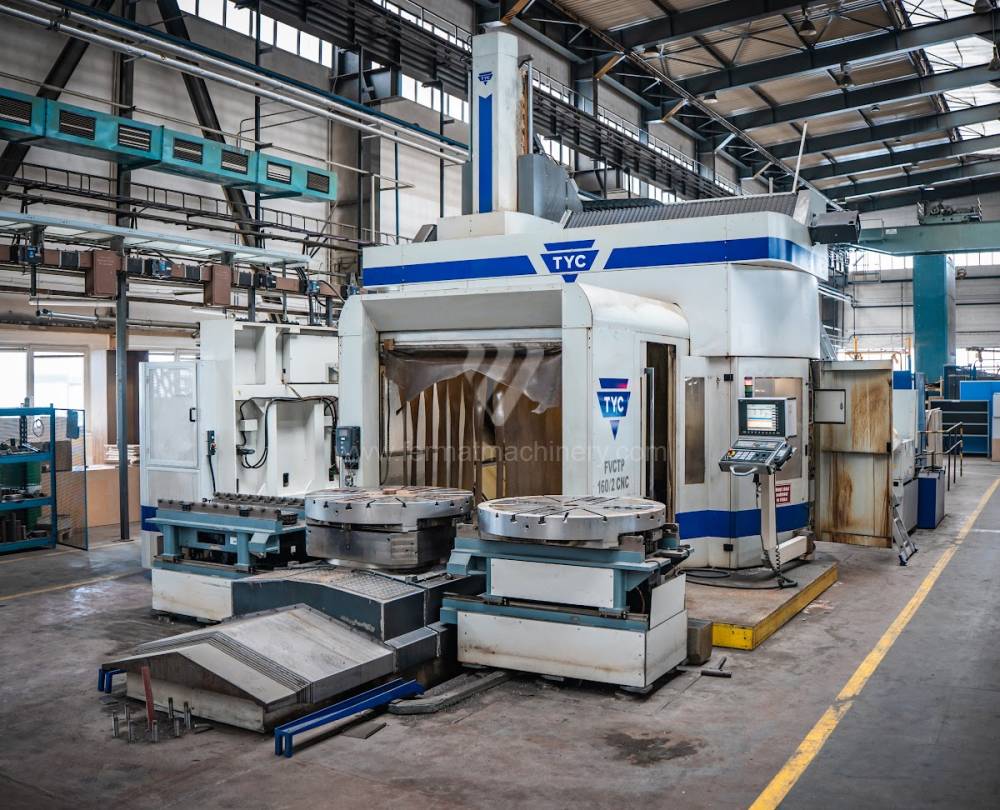
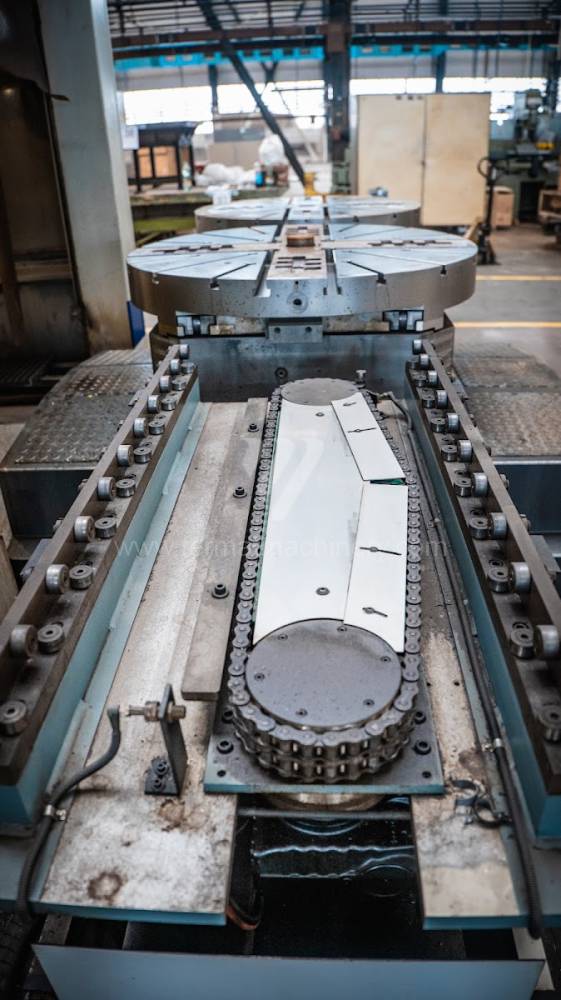
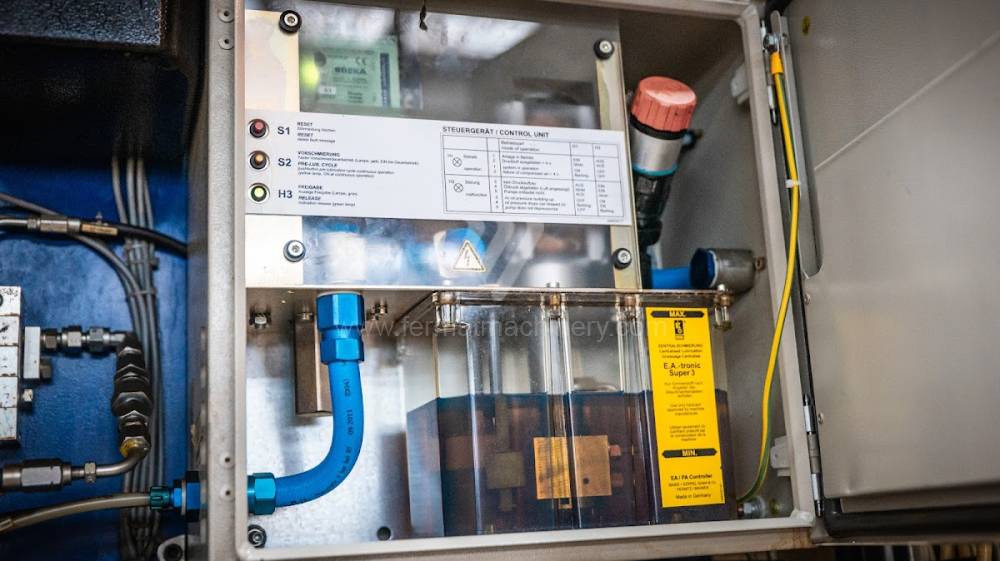
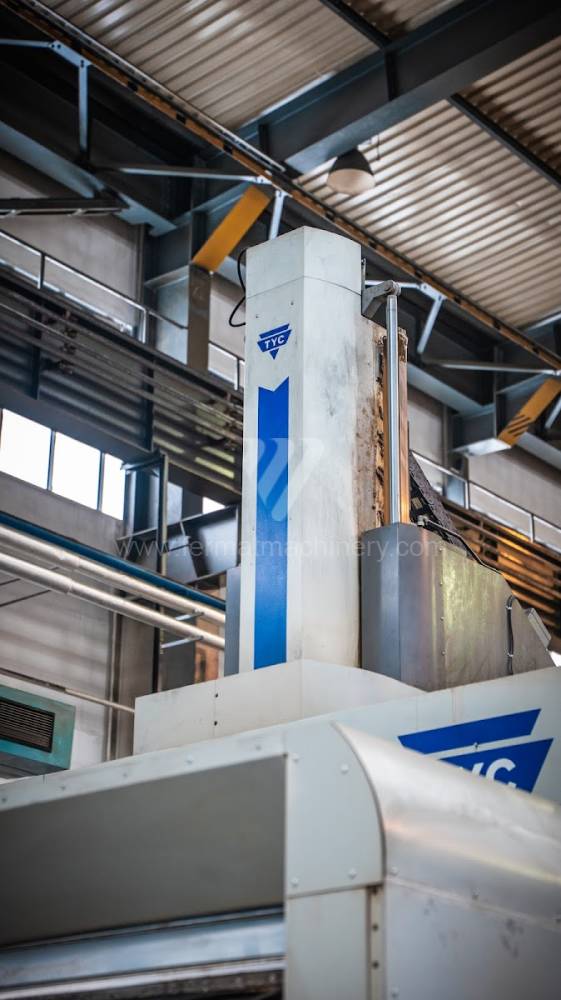
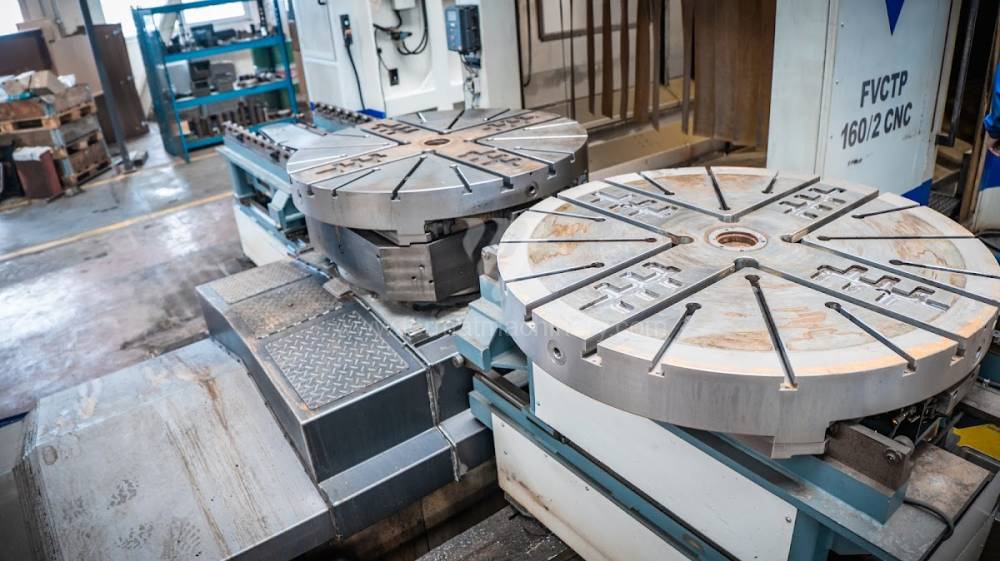
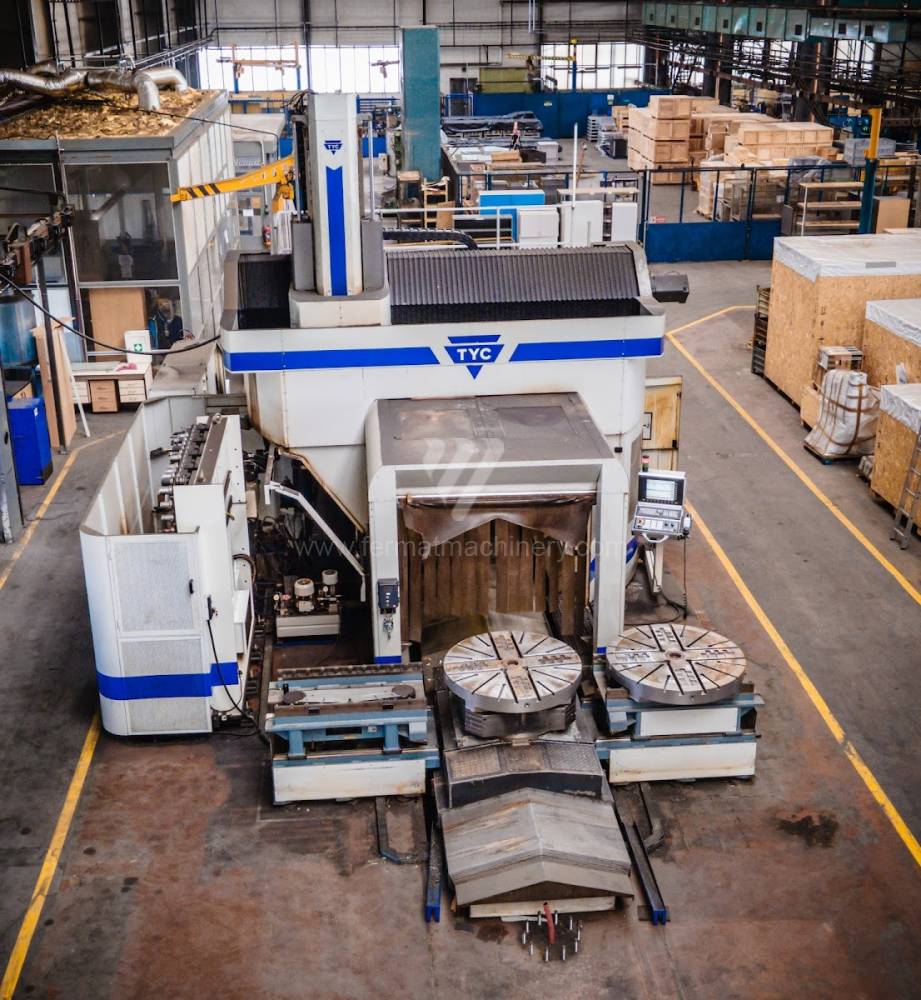
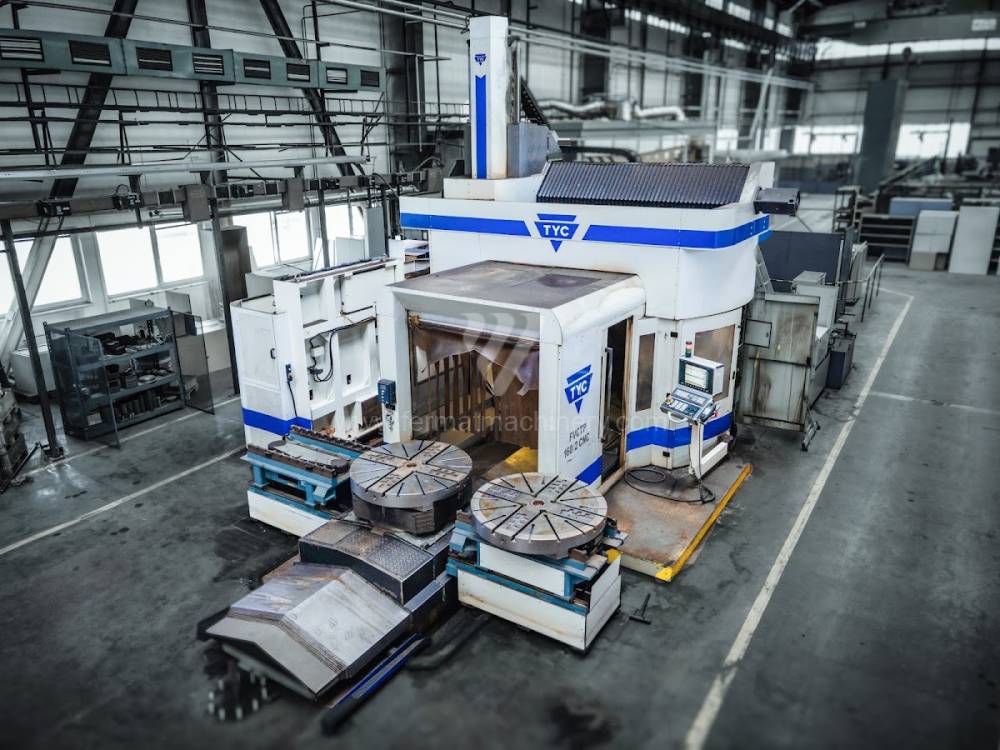
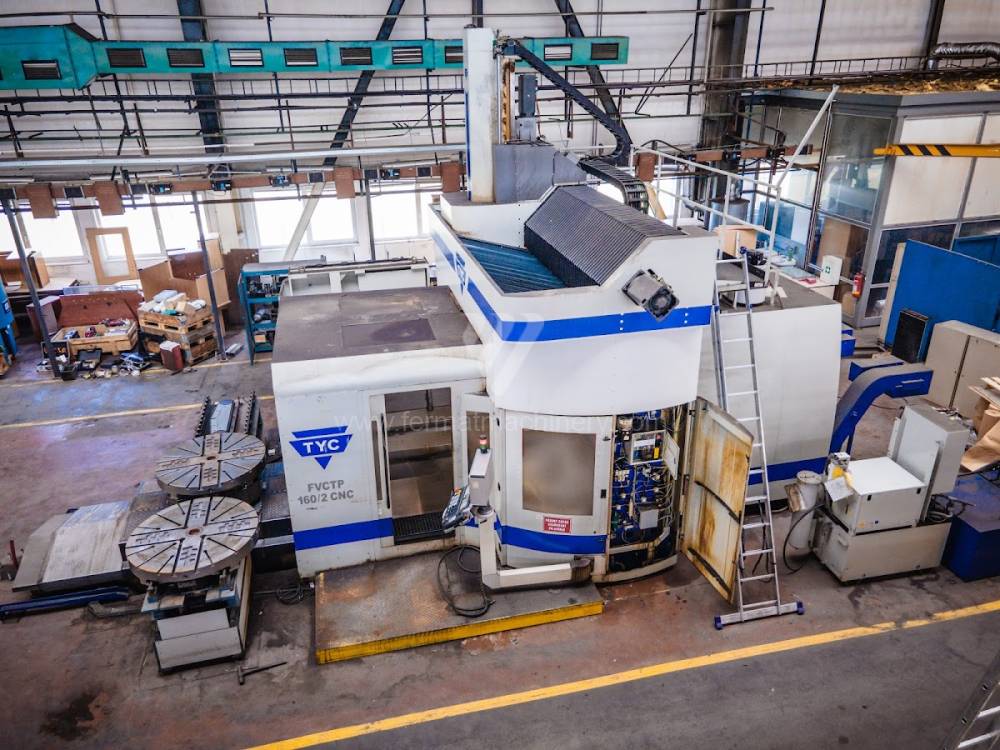
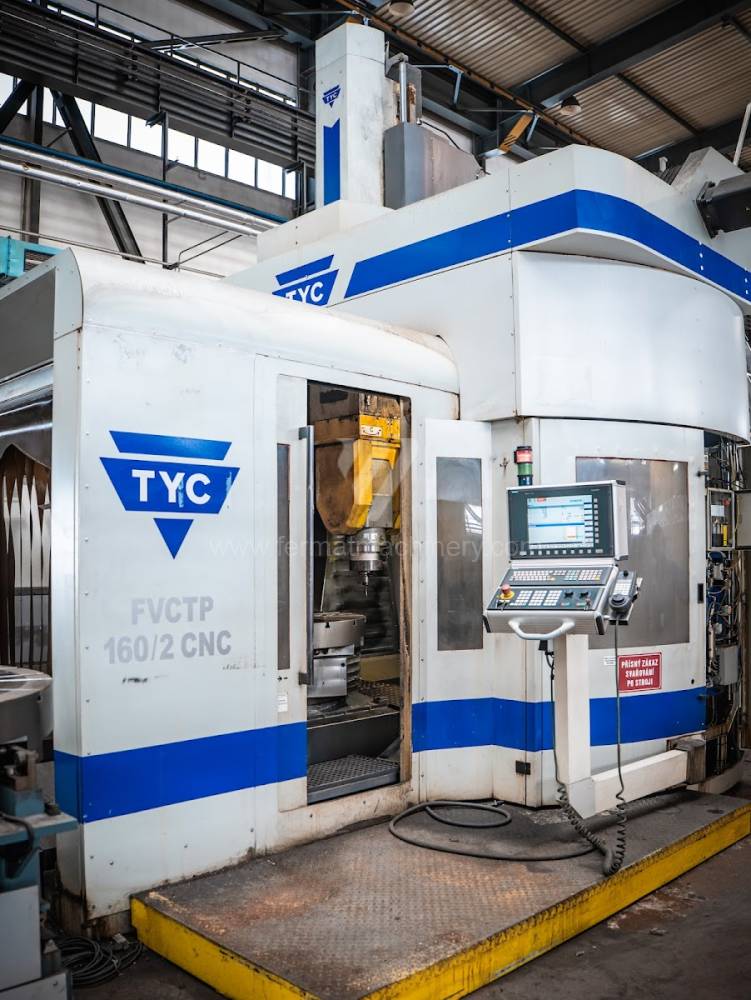
FVCTP 160/2 CNC |
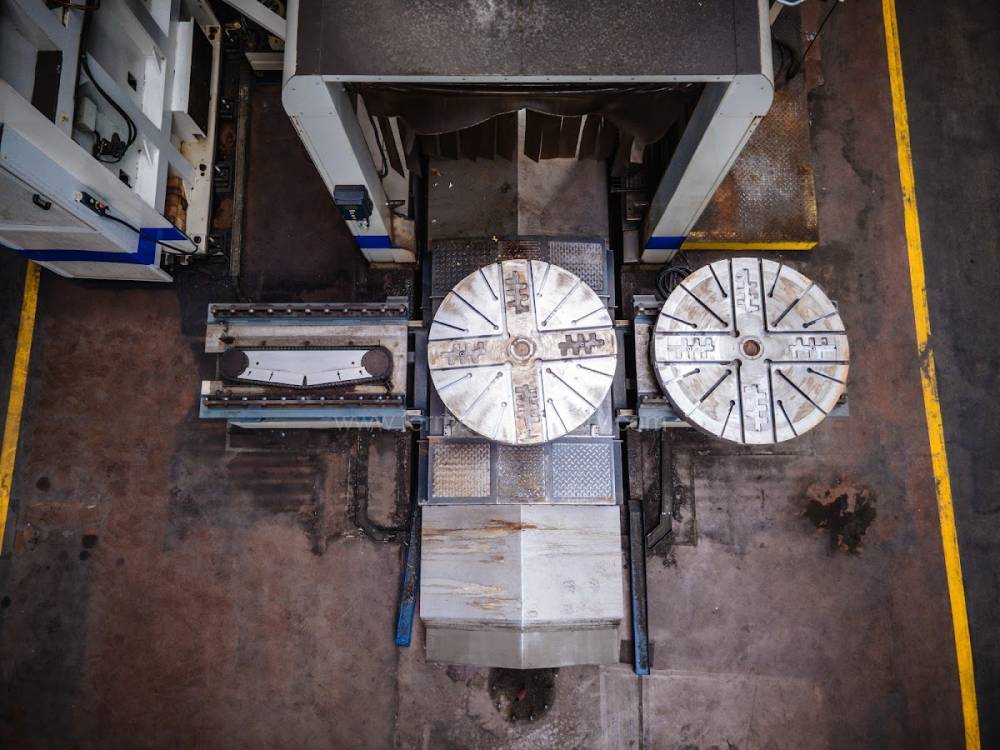
251427 | STROJÍRNA TYC s.r.o. | 2013 | Система керування Siemens: Sinumerik 840D Sl Розміри робочої поверхні столу: průměr 1200 mm Переміщення по осі X: 2200 mm Просвіт між стійками: 2125 mm Відстань між столом і поперечиною: mm Переміщення по осі Y: 2425 mm |
|
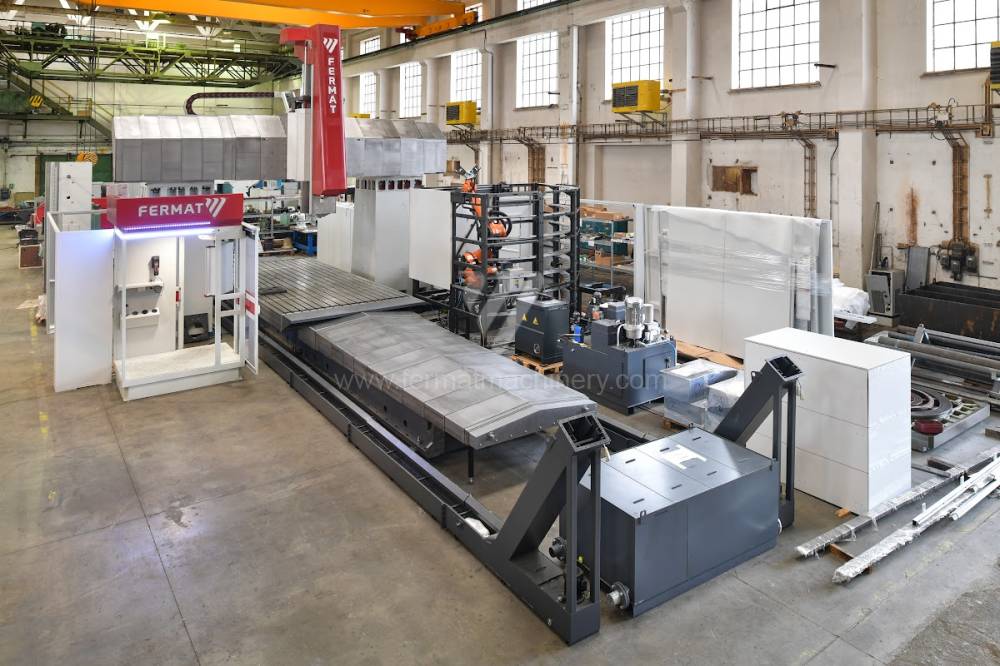 |
GMB 2560 CNC |
201856 | Fermat | 2023 | Система керування Heidenhain: TNC 640 Розміри робочої поверхні столу: 6000 x 2500 mm Переміщення по осі X: 6000 mm Просвіт між стійками: 3200 mm Відстань між столом і поперечиною: 1900 mm Конус шпинделя: ISO 50 . |
|
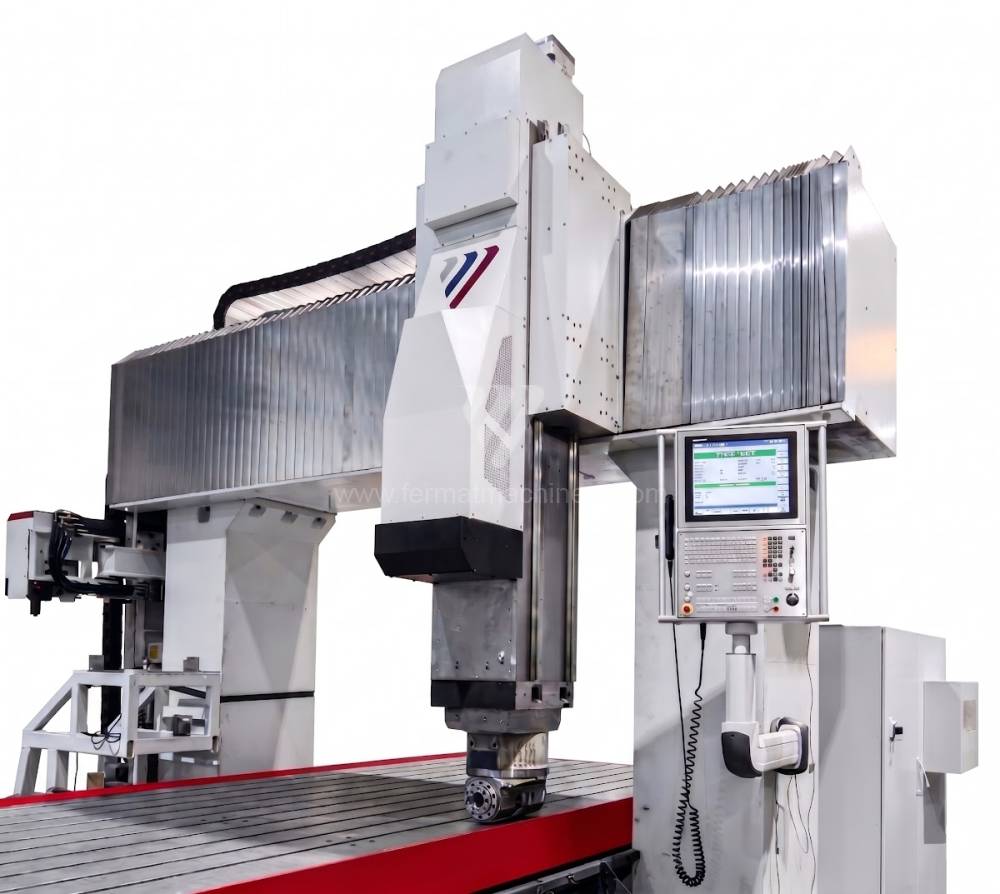 |
GMB 2040 CNC |
261440 | Fermat | Система керування Heidenhain: TNC 640 Розміри робочої поверхні столу: 4000x2000 mm Переміщення по осі X: 4000 mm Просвіт між стійками: 2500 mm Відстань між столом і поперечиною: 1890 mm Переміщення по осі Y: 2700 mm |
||
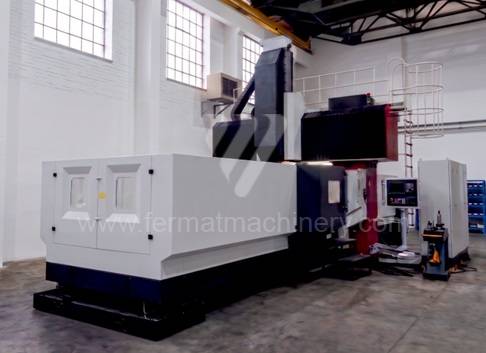 |
PBM 1640 CNC |
252013 | Fermat | 2011 | Система керування Siemens: Sinumerik 840 D Розміри робочої поверхні столу: 1600x4000 mm Переміщення по осі X: 4200 mm Просвіт між стійками: 2100 mm Макс. навантаження на стіл: 10 000 kg Переміщення по осі Y: 2300 mm |
|
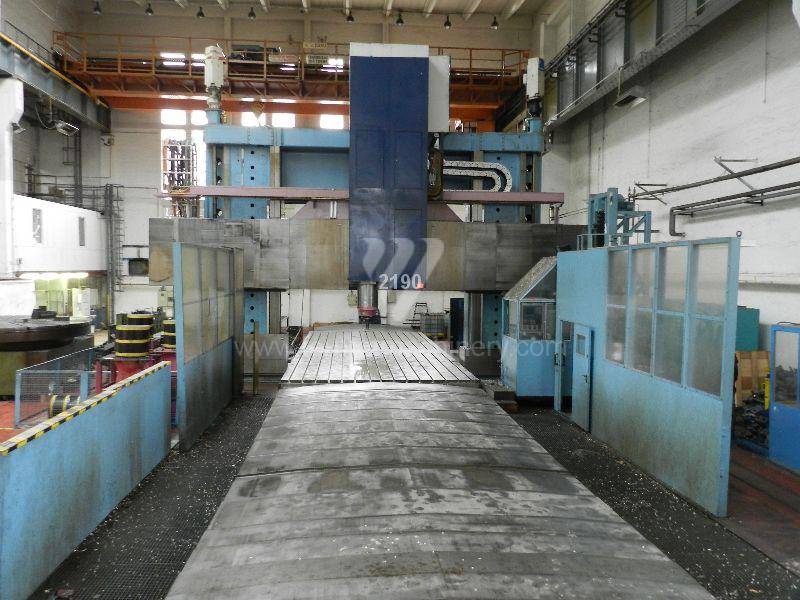 |
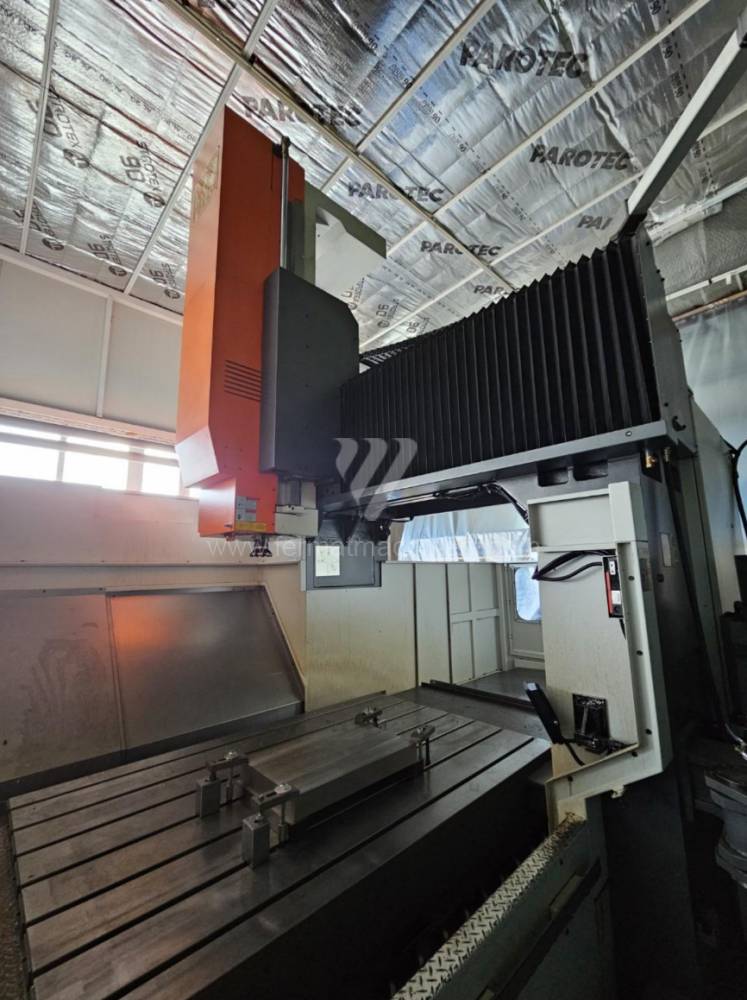
PF-F 150 (1) 530/400 |
131263 | Waldrich Siegen | 1969 | Переміщення по осі X: 12000 mm Переміщення по осі Y: 5300 mm Переміщення по осі Z: 4000 mm Потужність головного двигуна: 100 kW Конус шпинделя: ISO 60- . Розміри робочої поверхні столу: 12000 / 4700 mm |
|
 |
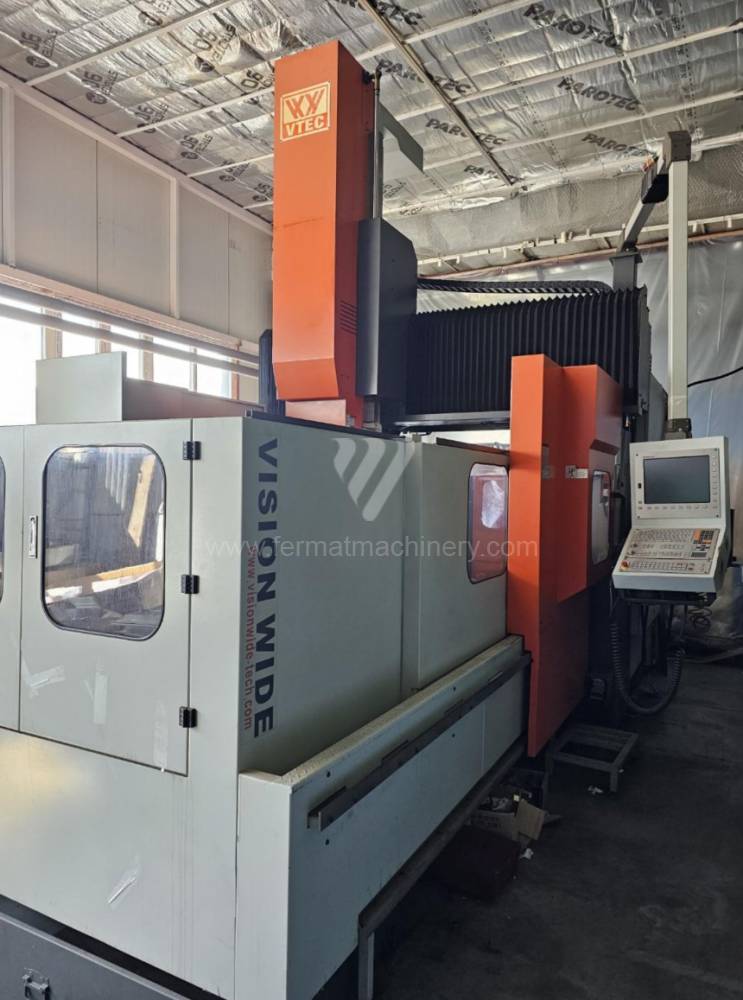
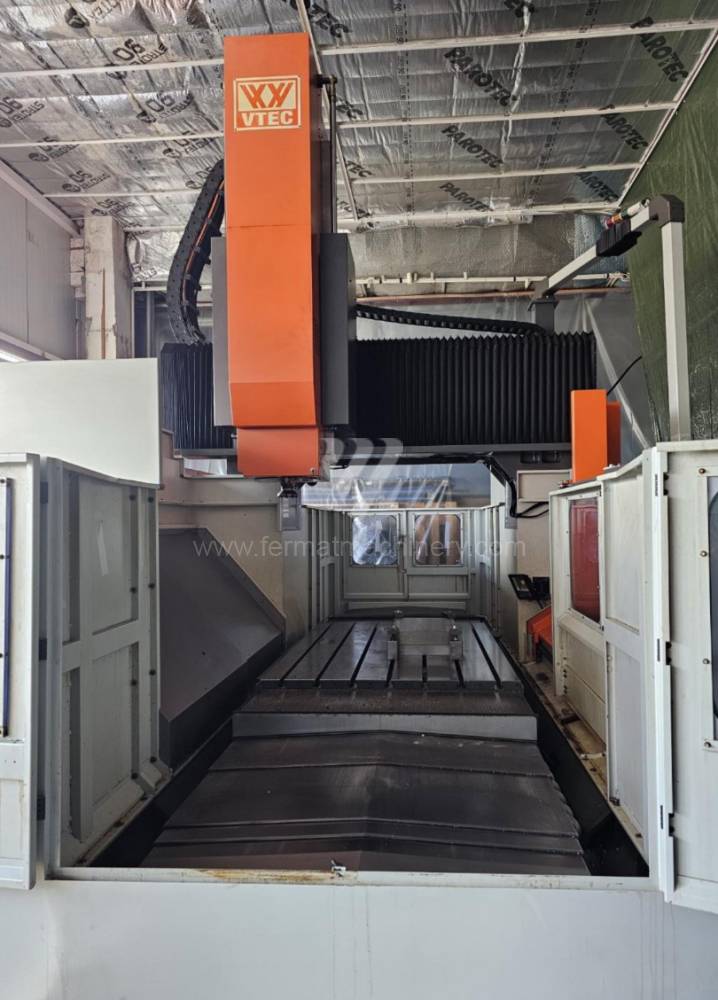
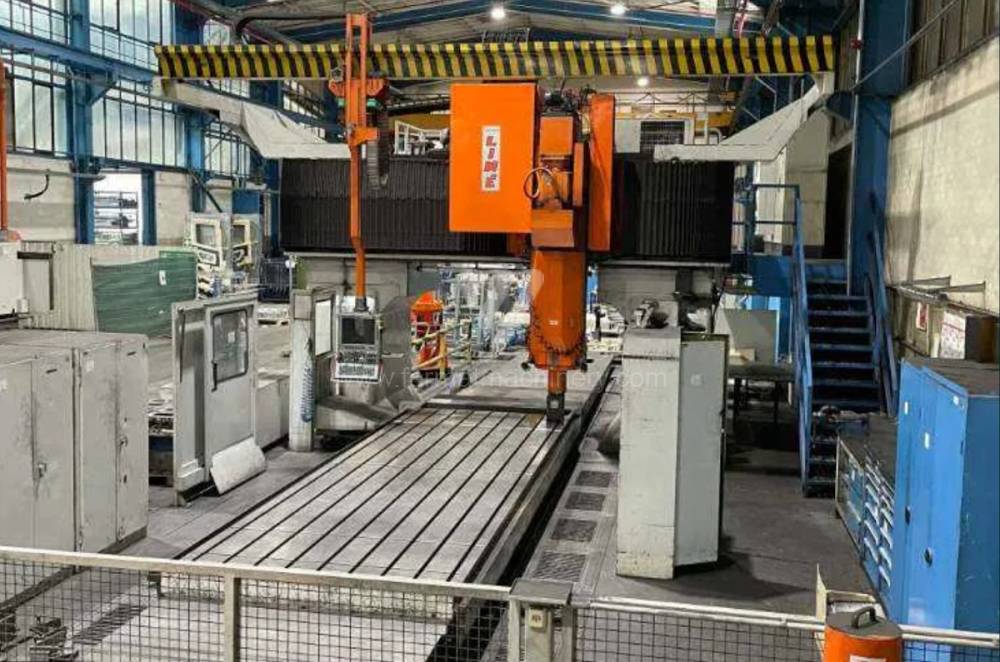
TYP VB -2016 |
261109 | VISION WIDE | 2013 | Система керування Heidenhain: TNC 530 Розміри робочої поверхні столу: 2000x1300 mm Переміщення по осі X: 2000 mm Просвіт між стійками: 1700 mm Відстань між столом і поперечиною: 1225 mm Переміщення по осі Y: 1600 mm |
|
 |
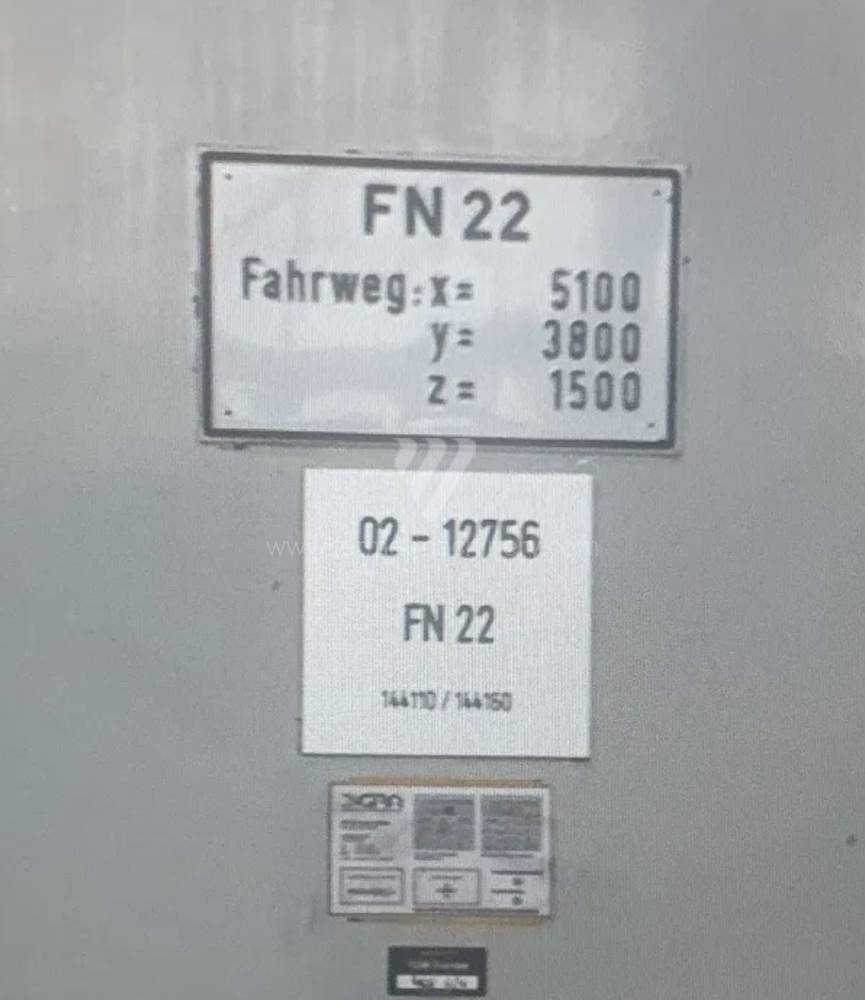
DUFIEUX Vertamill 235 FN22 |
261016 | Dufieux | 2003 | Система керування Fidia: M20 / MNC594 Розміри робочої поверхні столу: 5000x3000 mm Переміщення по осі X: 5100 mm Просвіт між стійками: 3500 mm Відстань між столом і поперечиною: 2000 mm Переміщення по осі Y: 3800 mm |
|
 |
GMB 2960 CNC |
261441 | Fermat | 2026 | Система керування Heidenhain: TNC7 Розміри робочої поверхні столу: 6000x2900 mm Переміщення по осі X: 7200 mm Просвіт між стійками: 3200 mm Відстань між столом і поперечиною: mm Переміщення по осі Y: 4100 mm |
|
 |
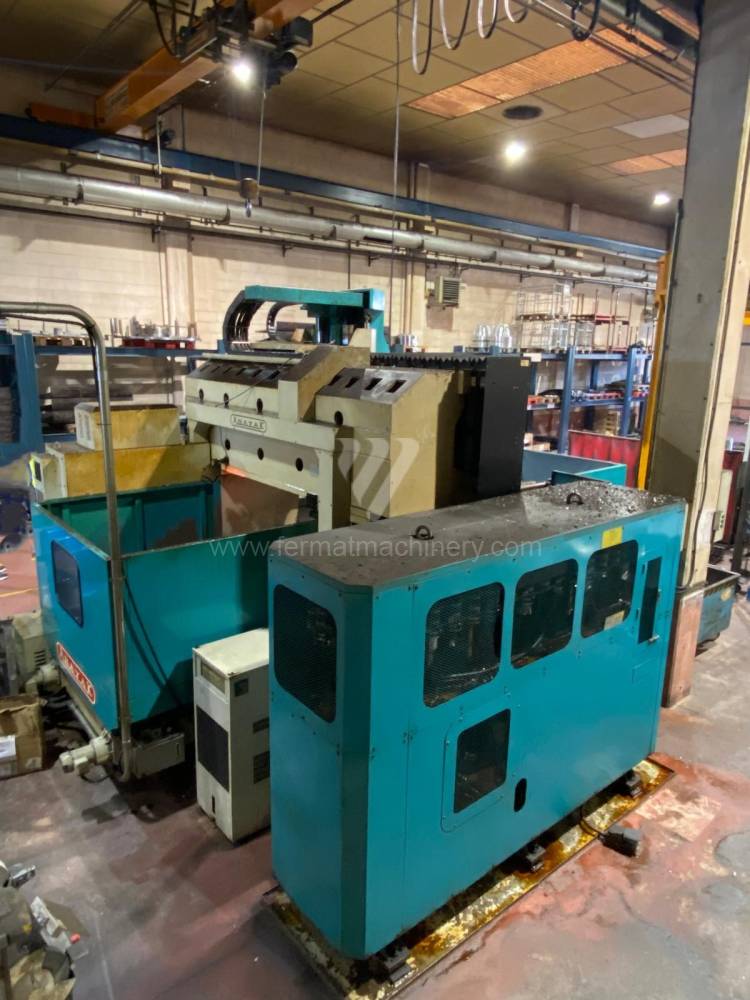
DMC 3100 PH |
251985 | Johnford | 2019 | Система керування Fanuc: Fanuc 31i Розміри робочої поверхні столу: 3200x2050 mm Переміщення по осі X: 3100 mm Просвіт між стійками: 2800 mm Відстань між столом і поперечиною: mm Макс. навантаження на стіл: 10000 kg |
|
 |
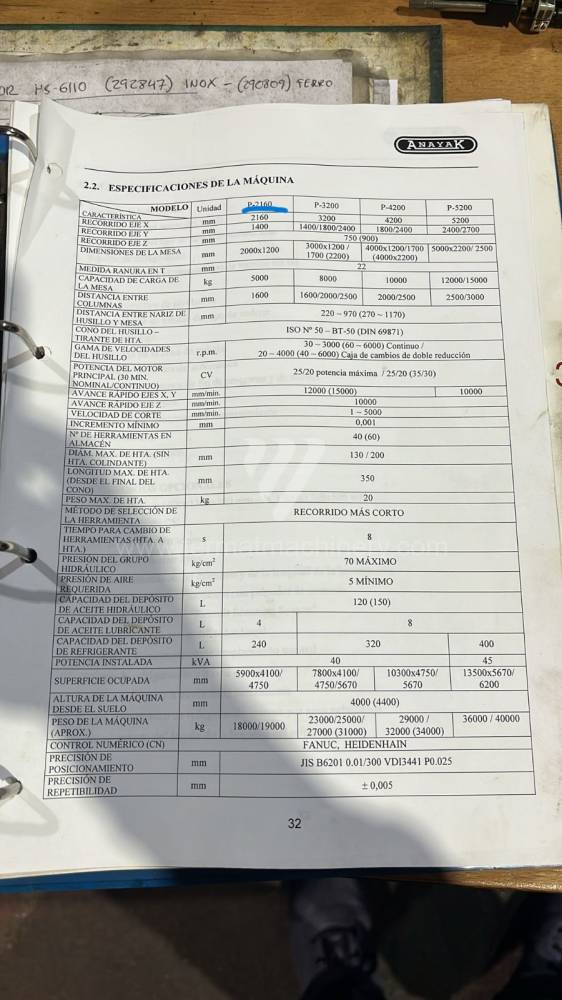
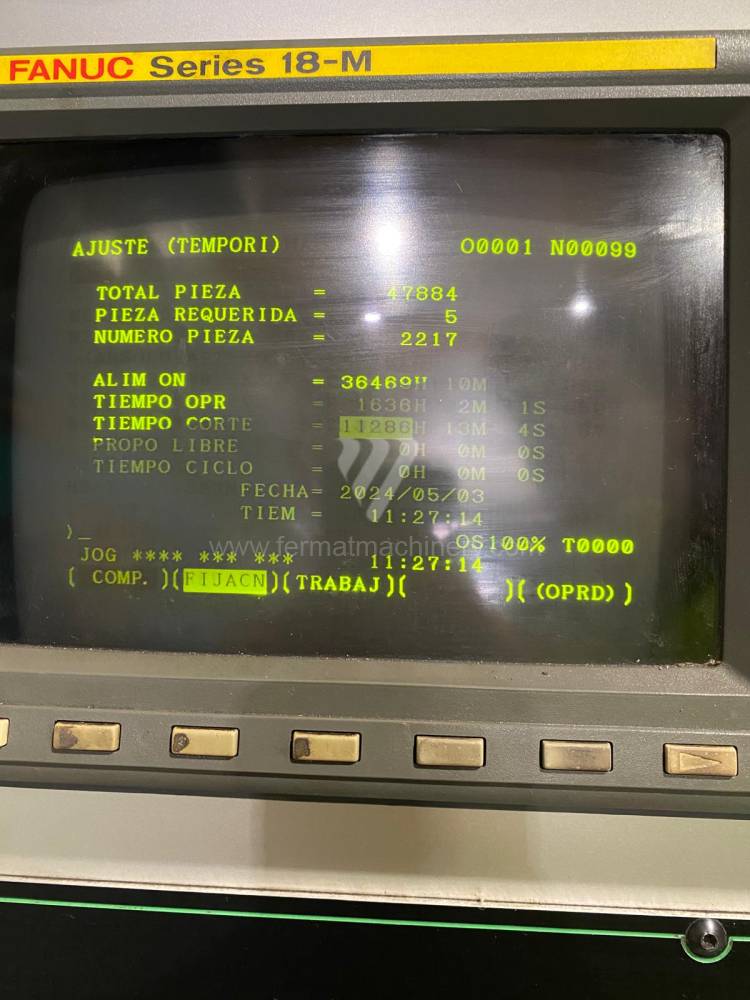
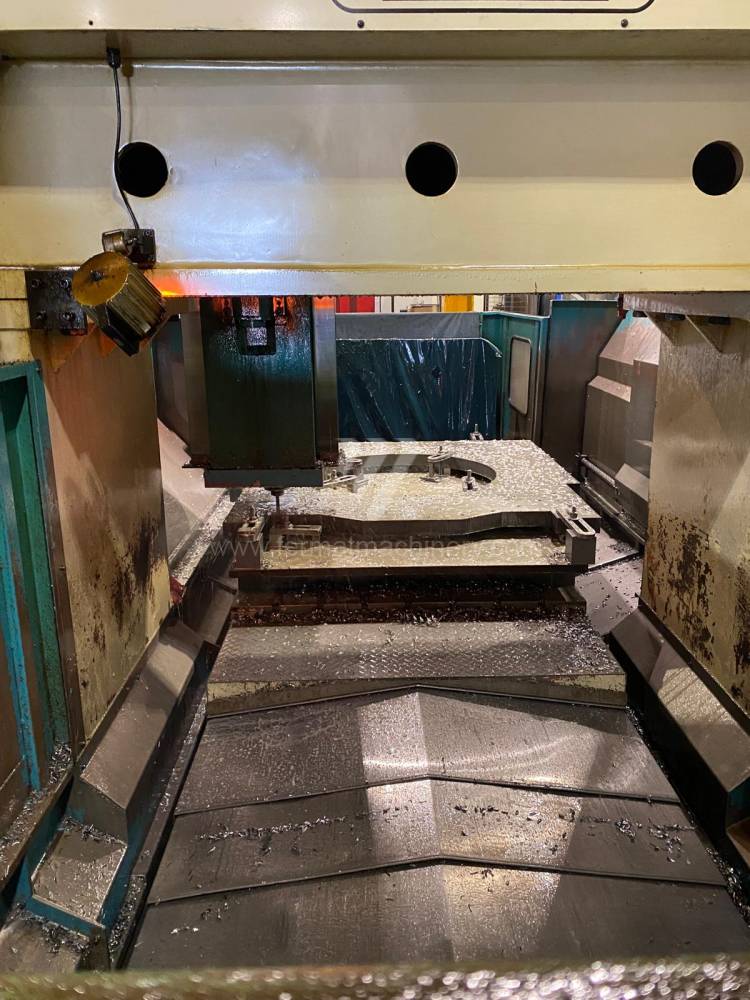
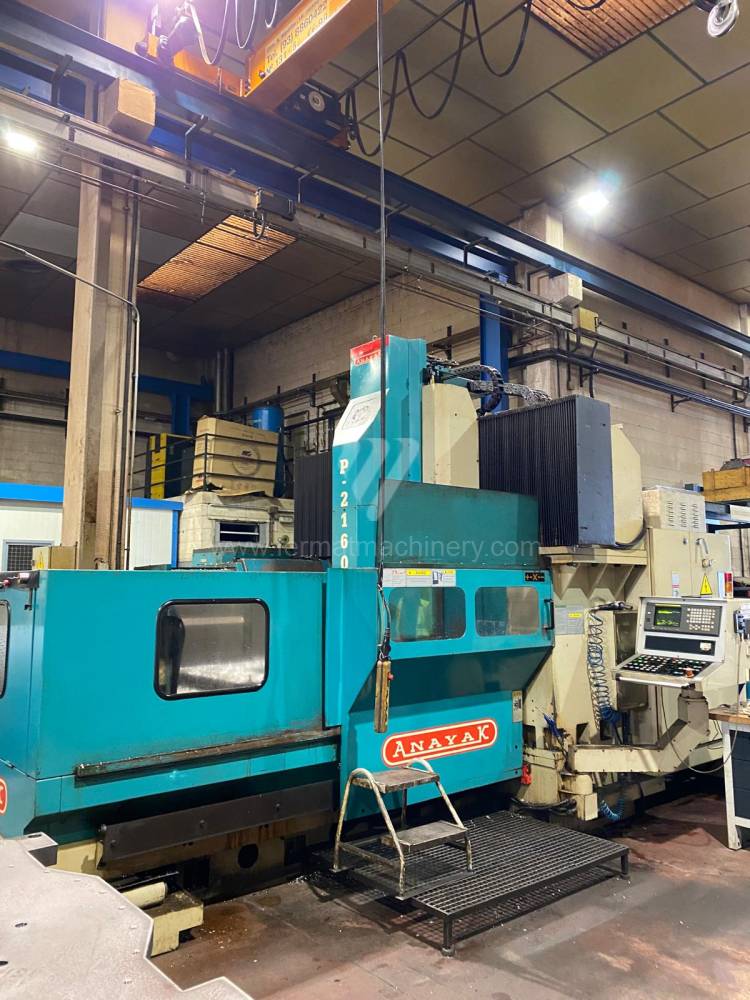
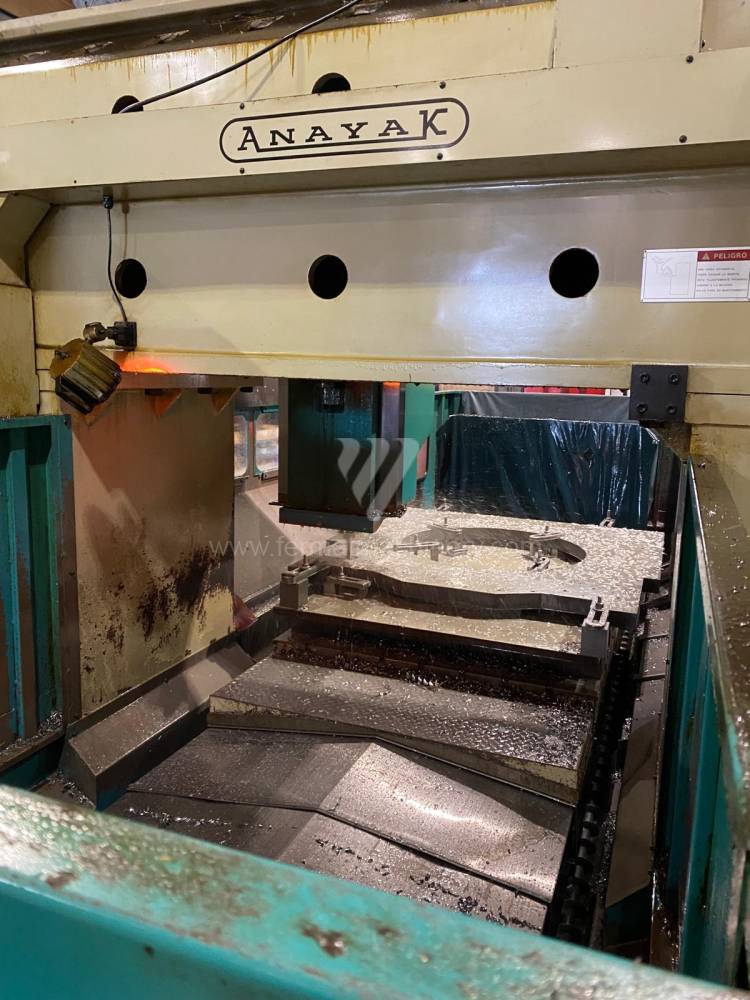
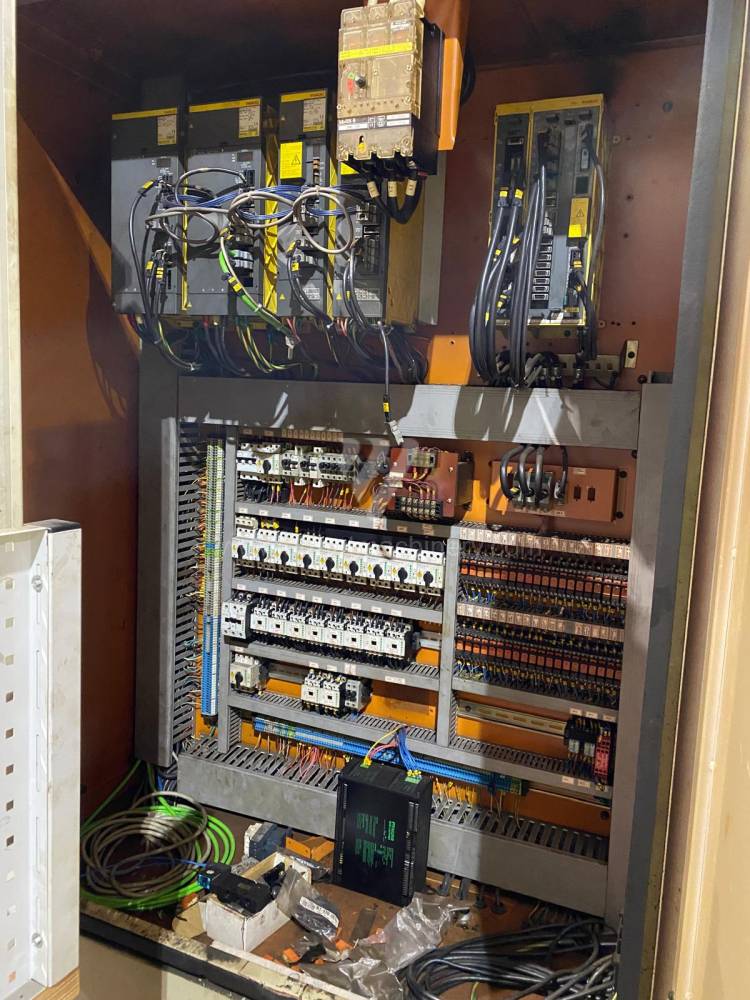
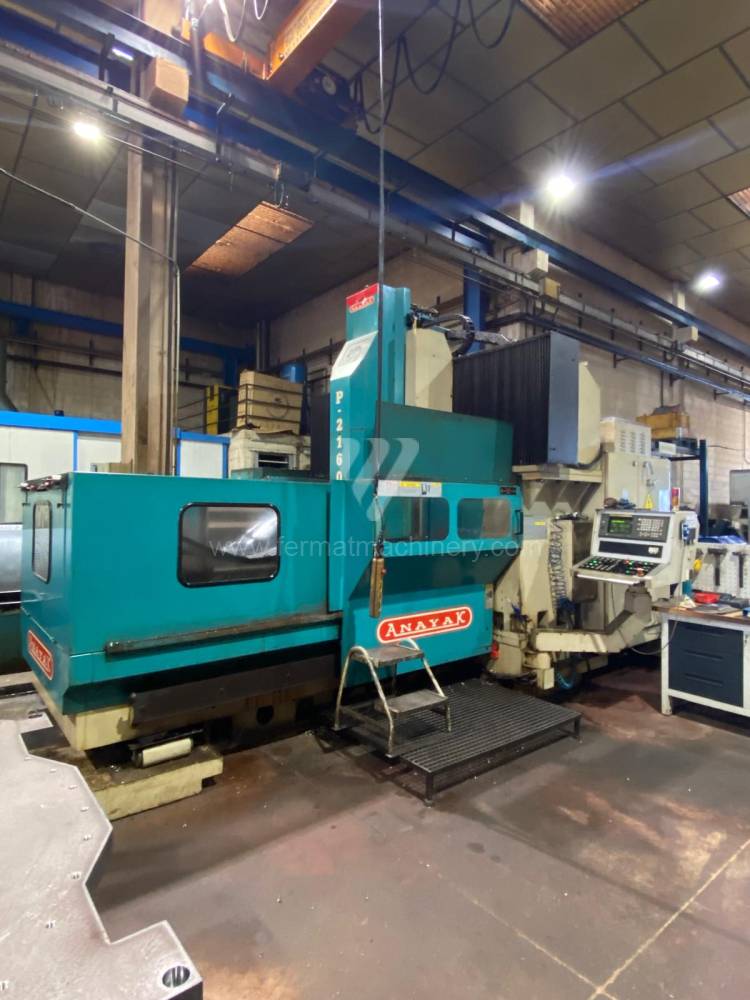
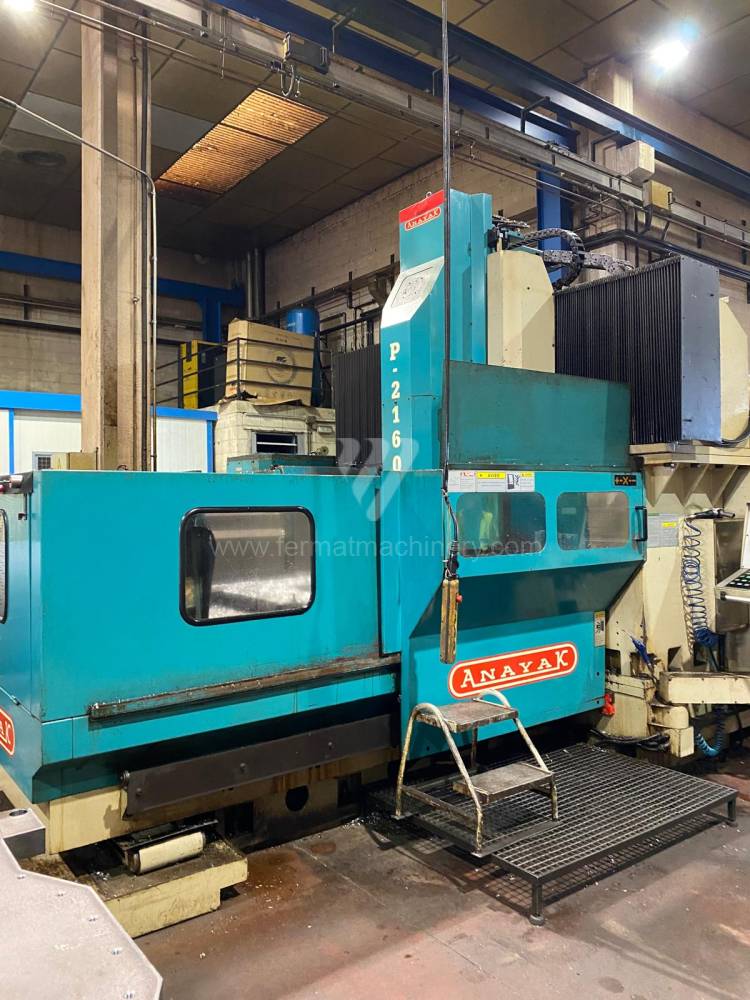
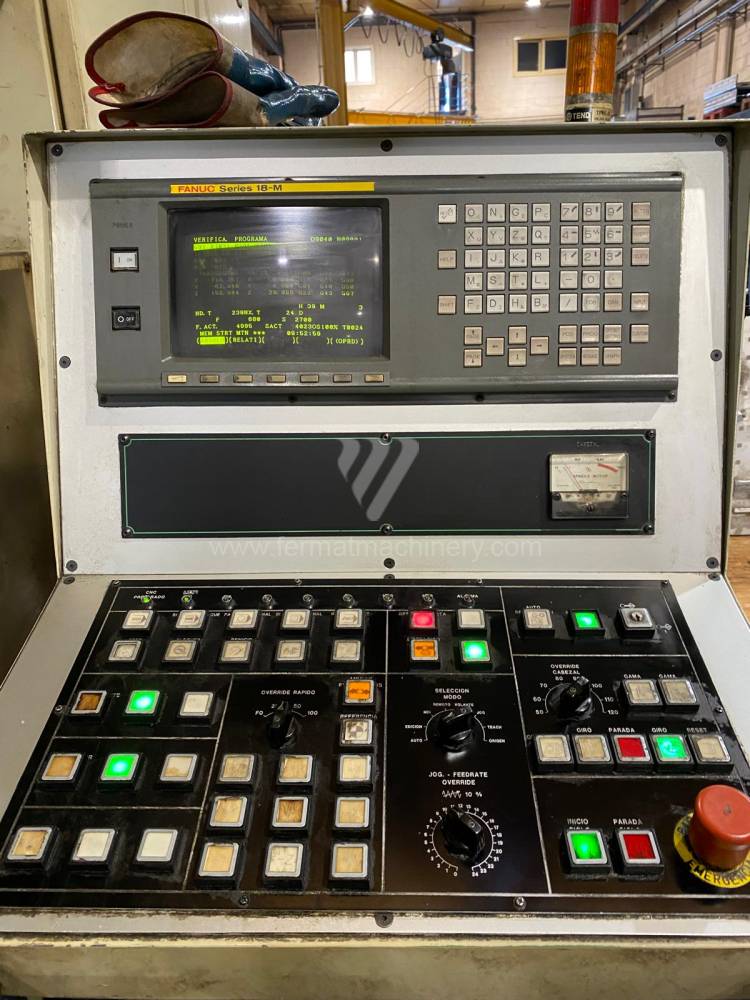
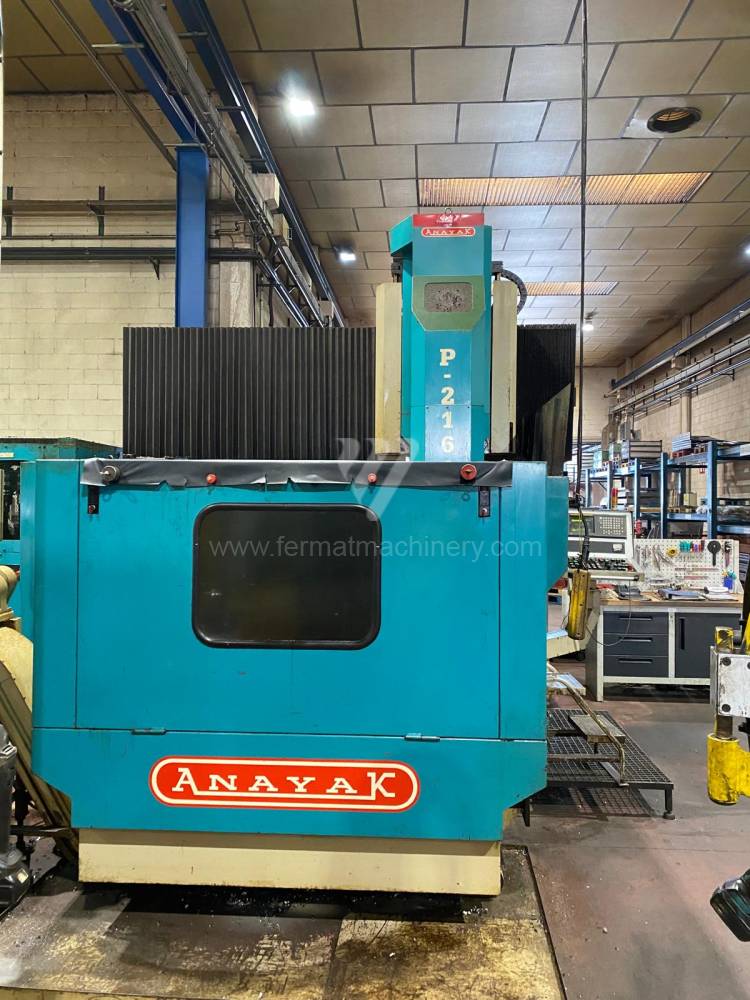
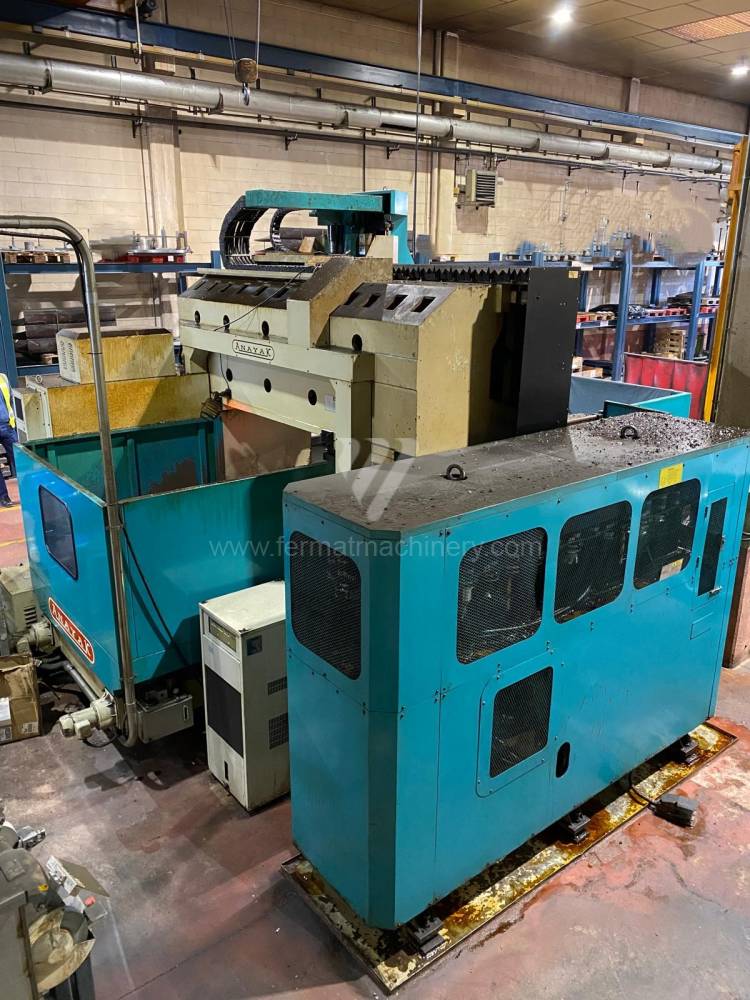
P-2160 |
241527 | ANAYAK | 2001 | Система керування Fanuc: Розміри робочої поверхні столу: 2000 x 1200 mm Переміщення по осі X: 2160 mm Просвіт між стійками: 1600 mm Відстань між столом і поперечиною: mm Переміщення по осі Y: 1400 mm |
|
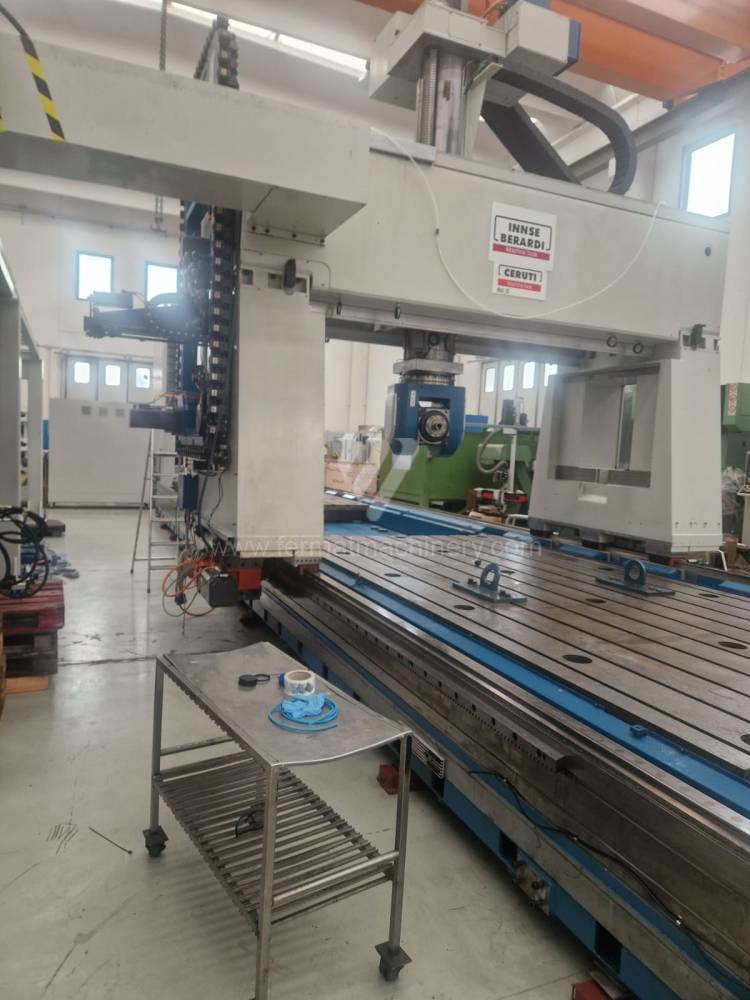 |
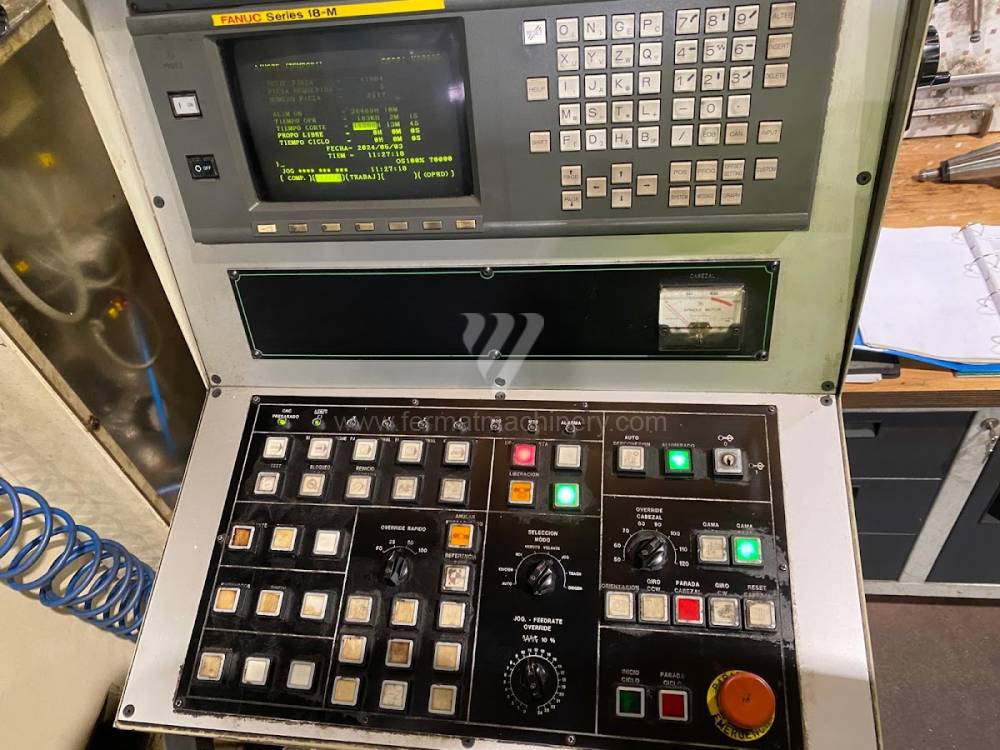
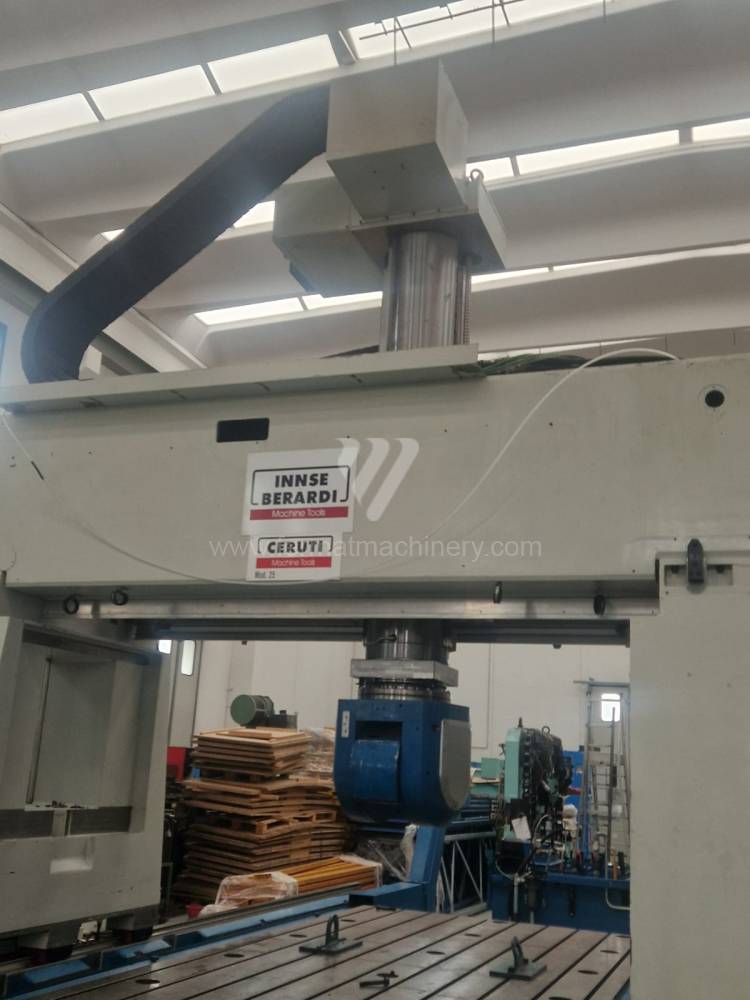
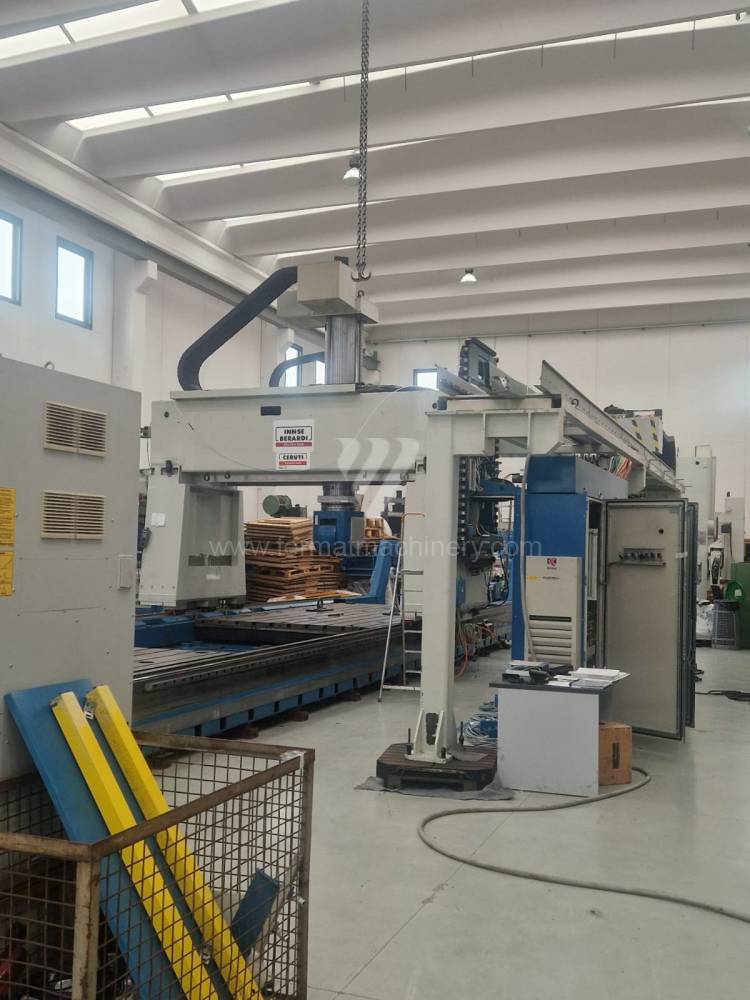
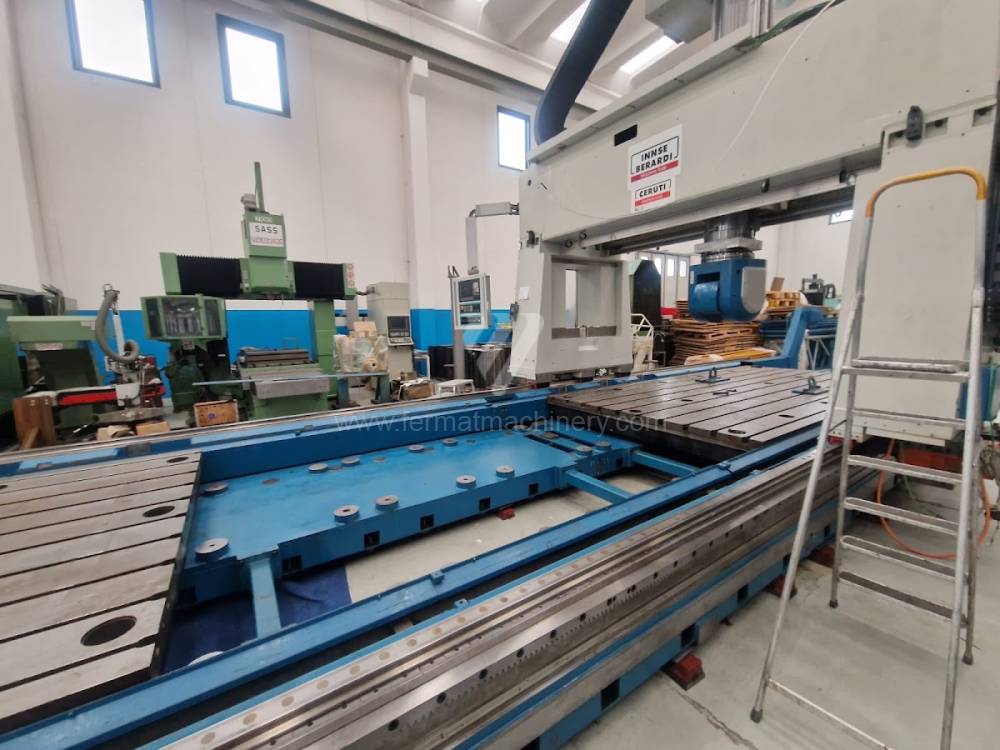
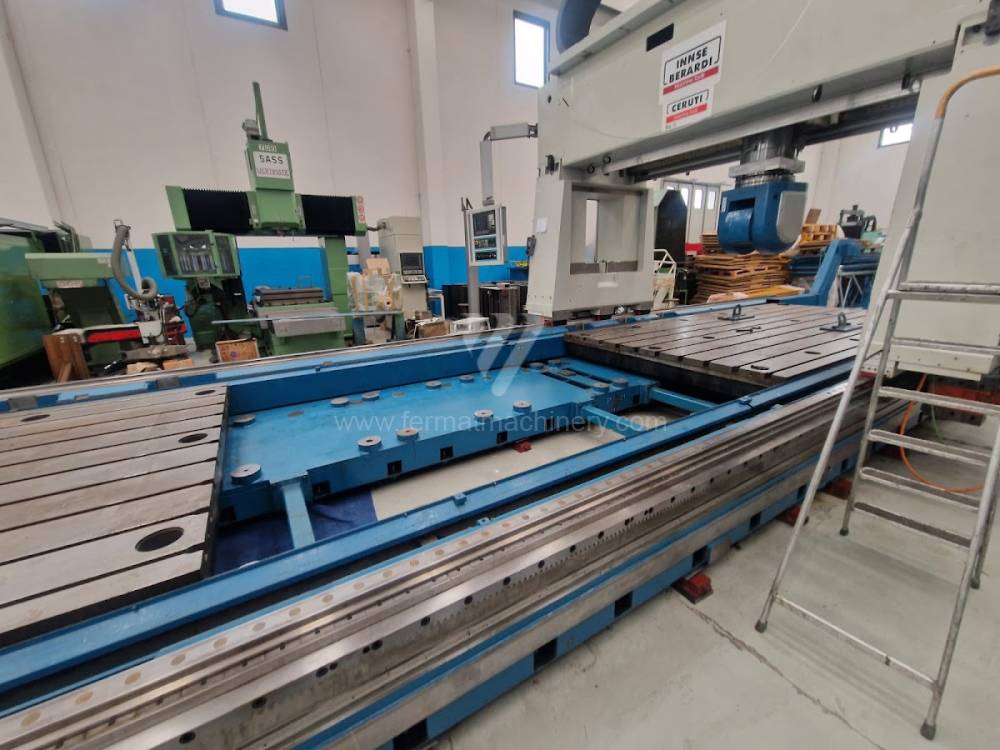
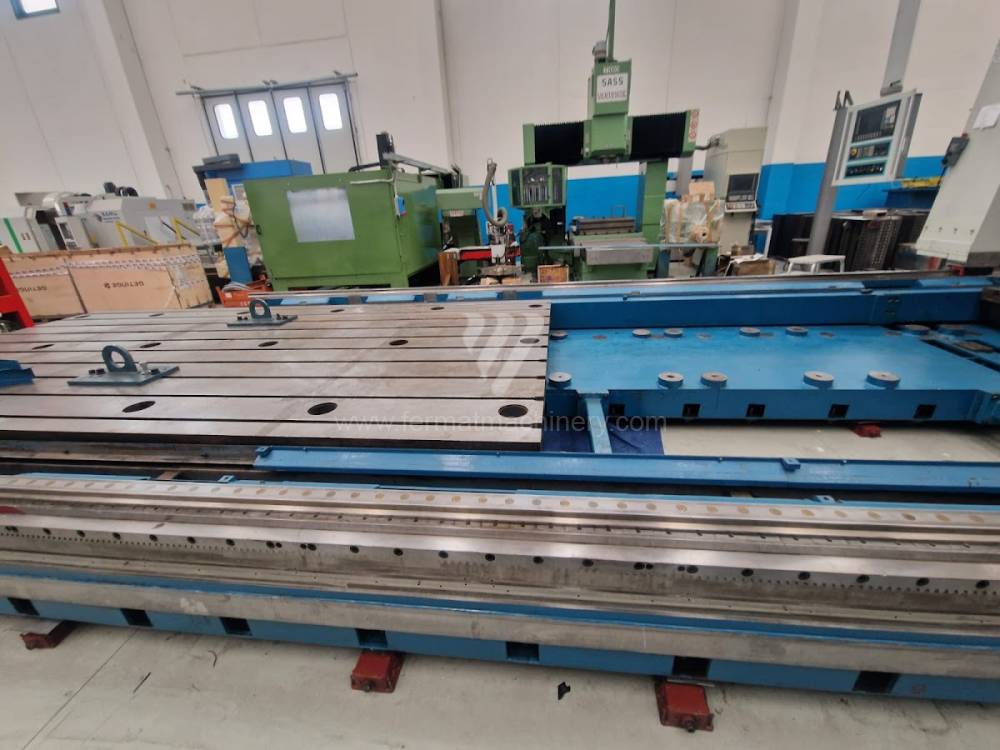
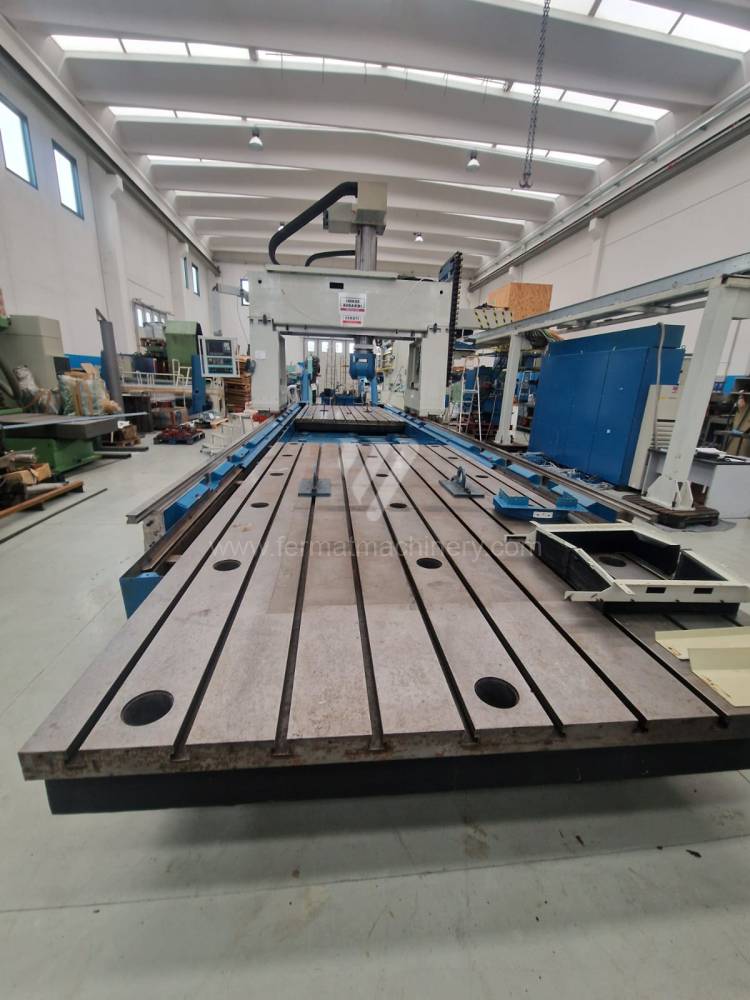
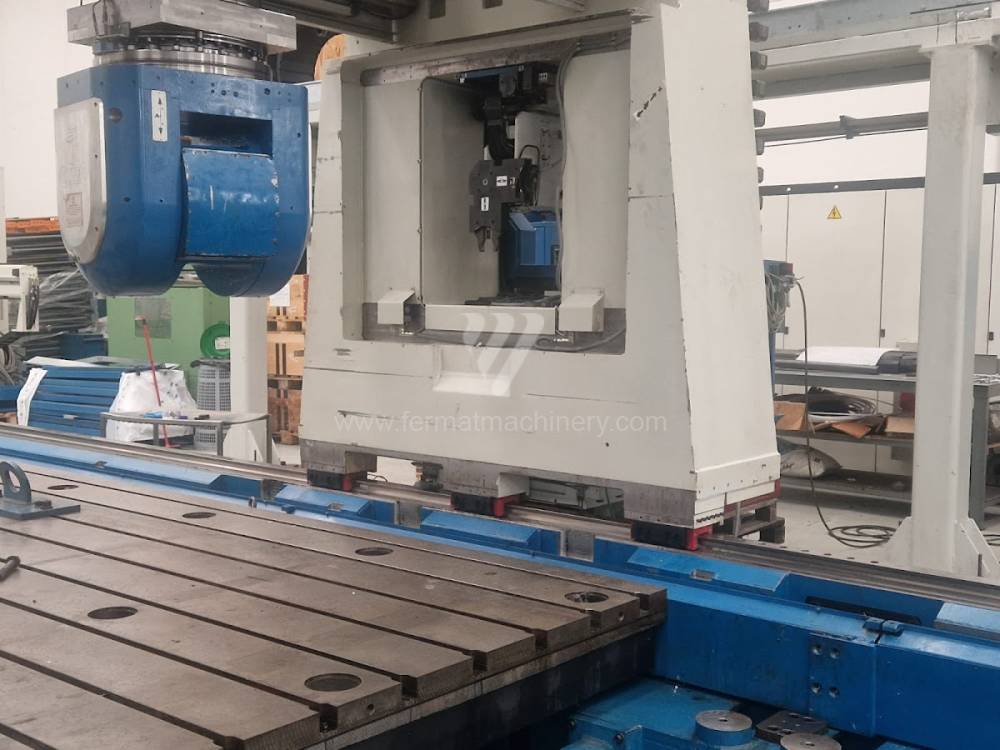
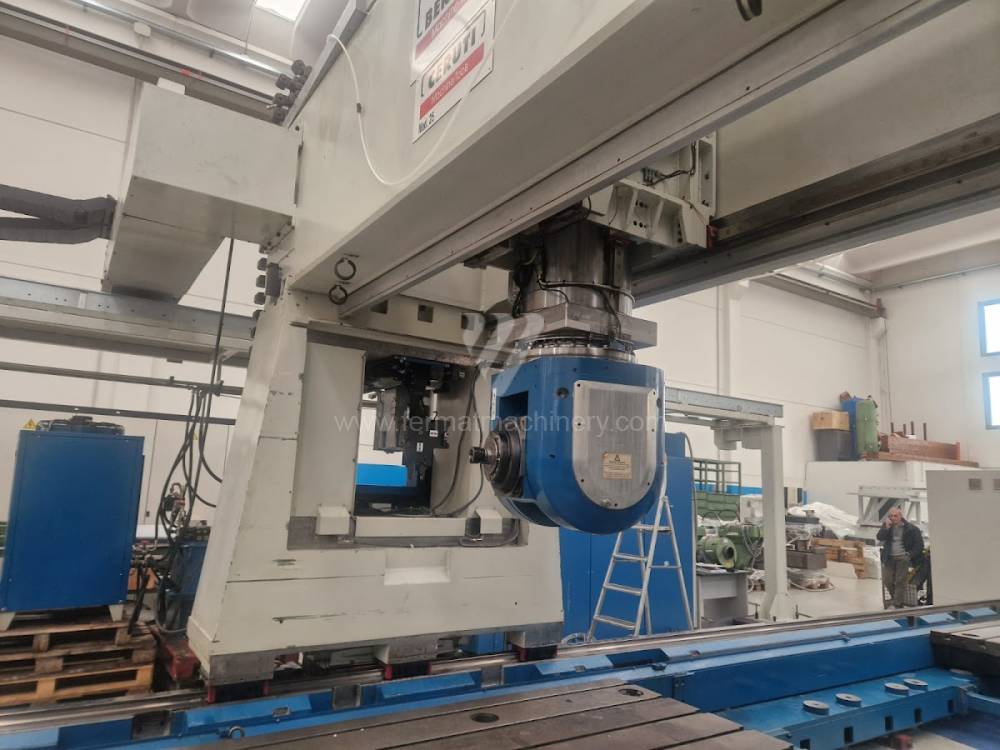
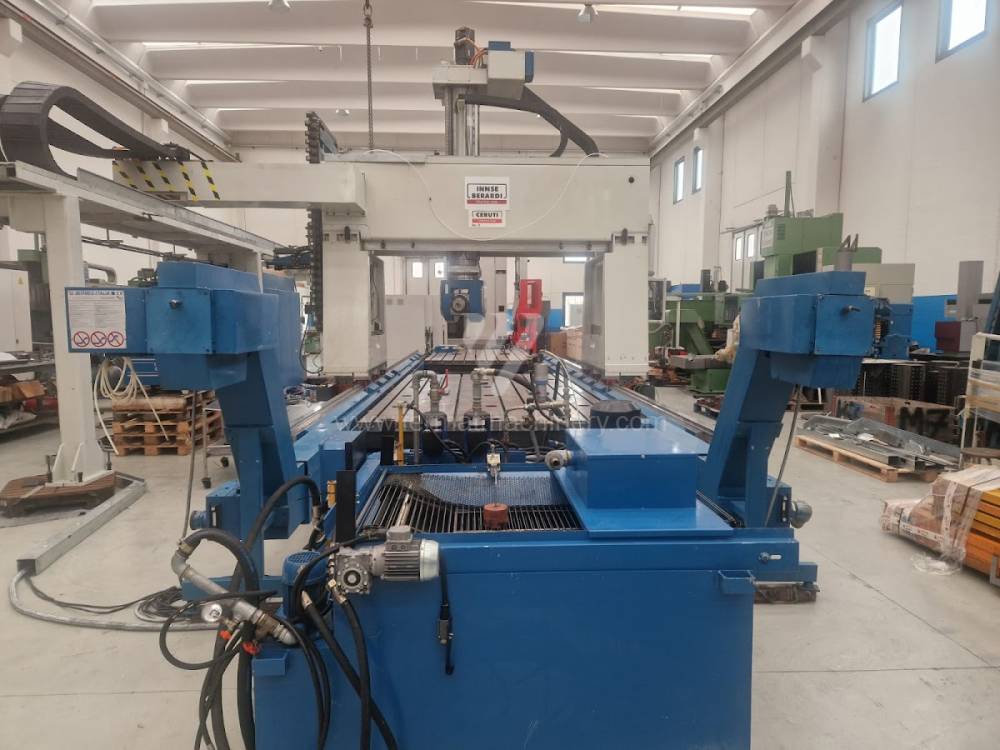
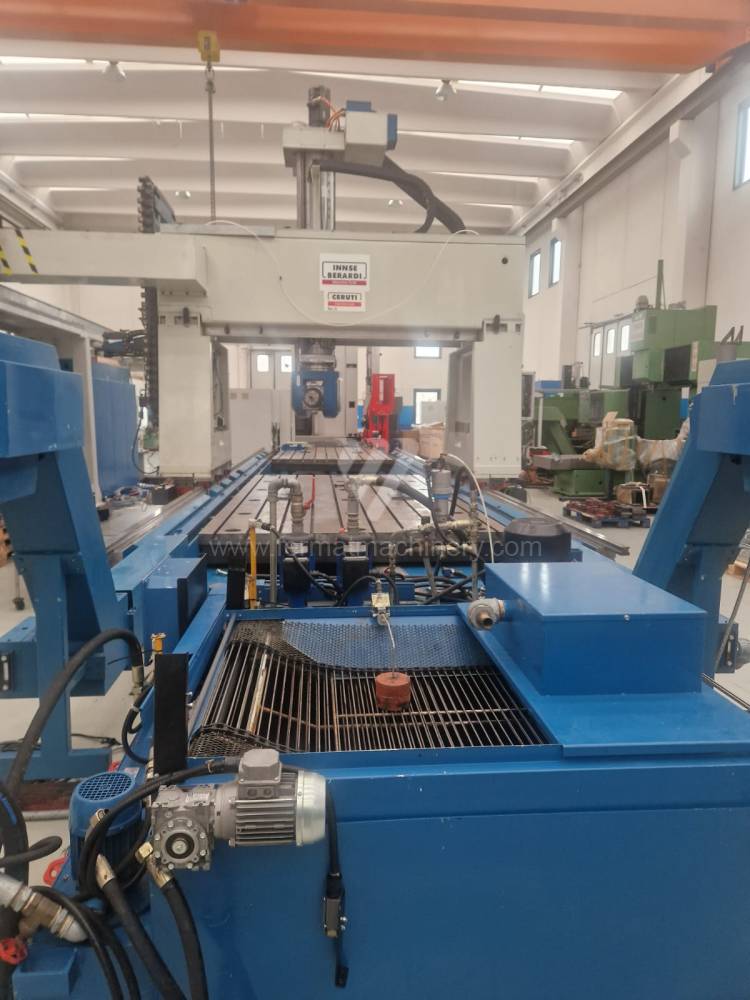
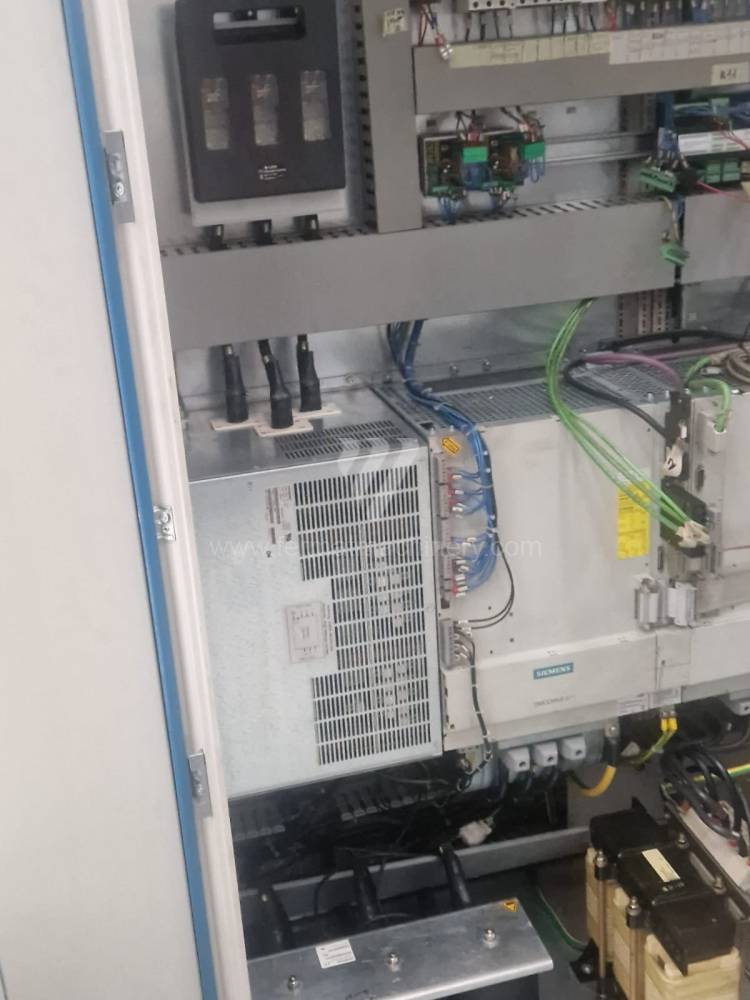
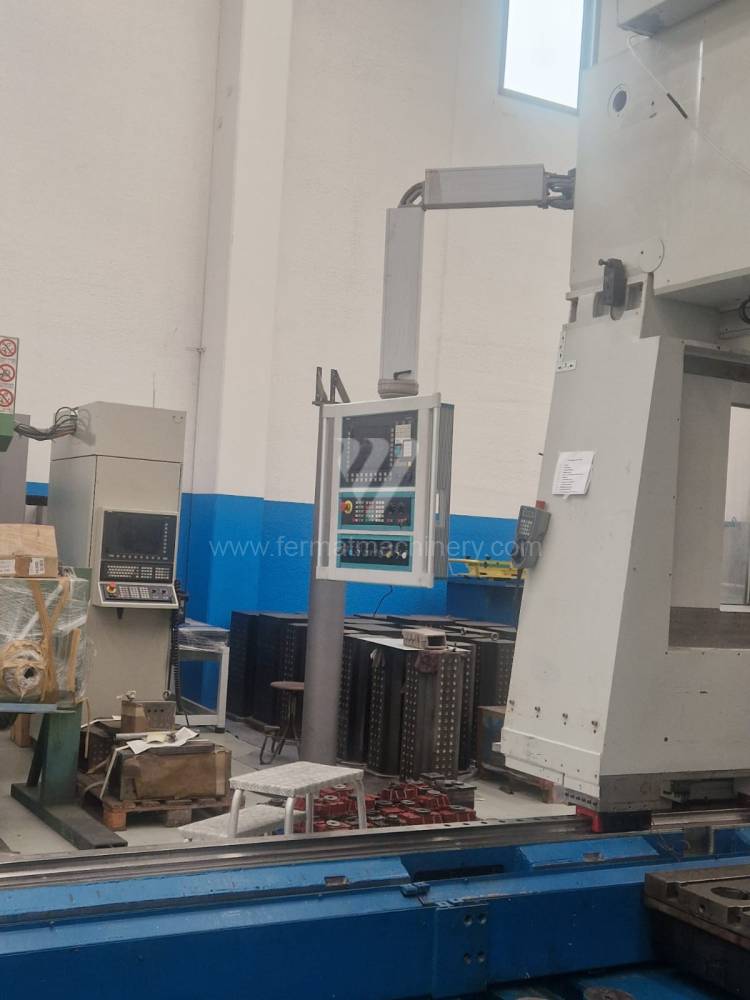
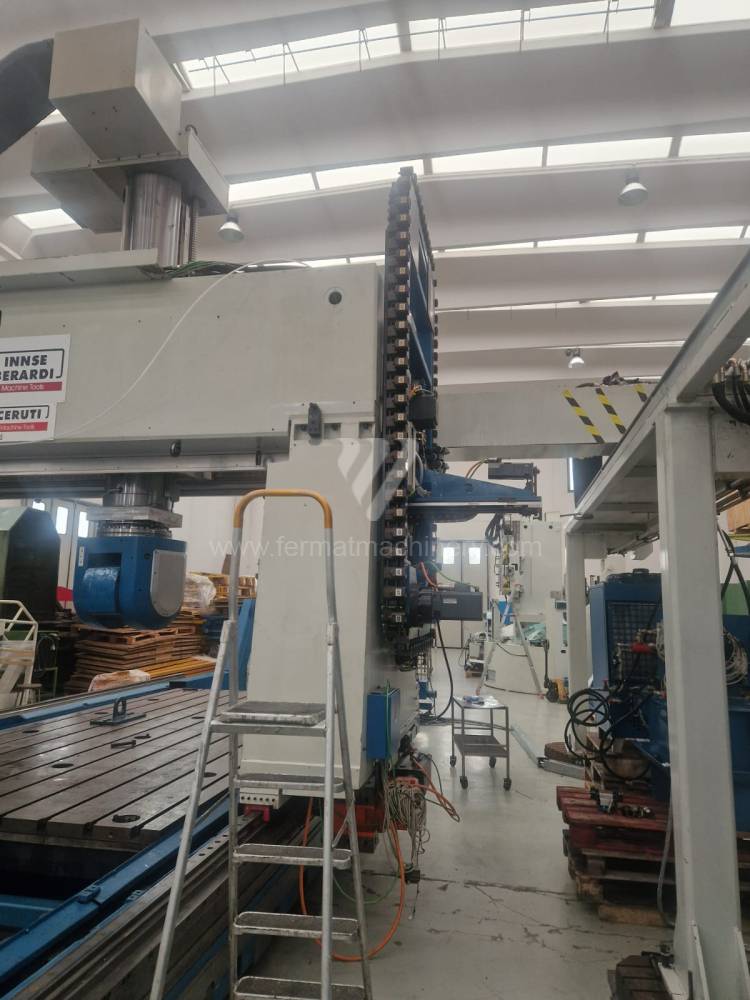
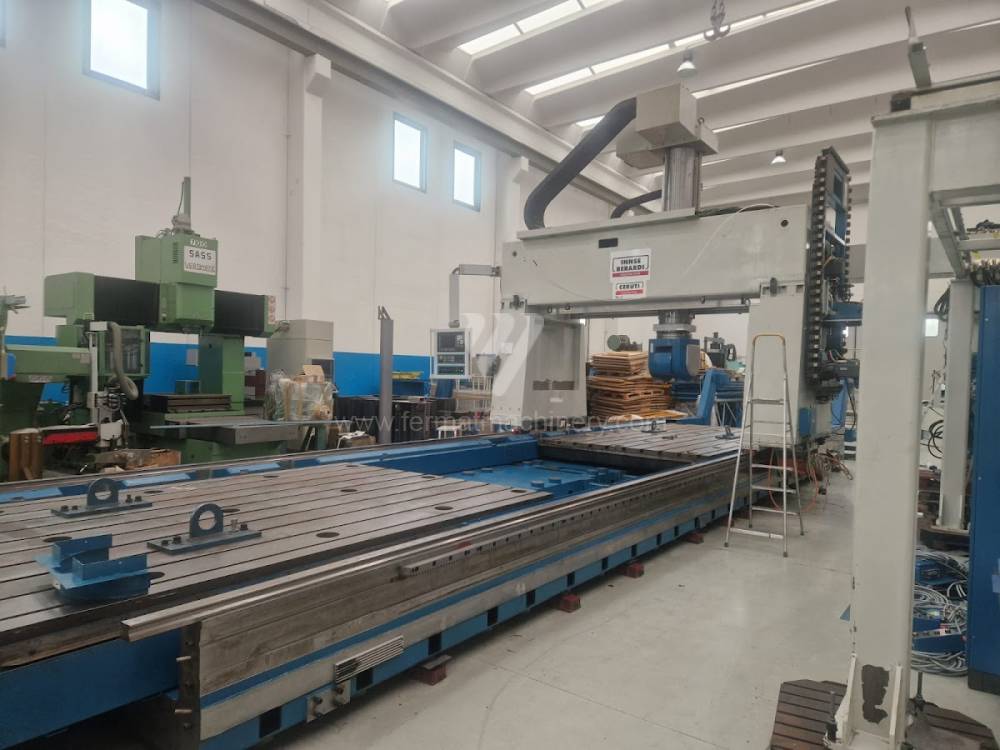
Ceruti 25 |
242062 | Innse-Berardi spa | Система керування Siemens: Sinumerik 840 D Розміри робочої поверхні столу: mm Переміщення по осі X: 10000 mm Просвіт між стійками: mm Відстань між столом і поперечиною: mm Переміщення по осі Y: 2500 mm |
||
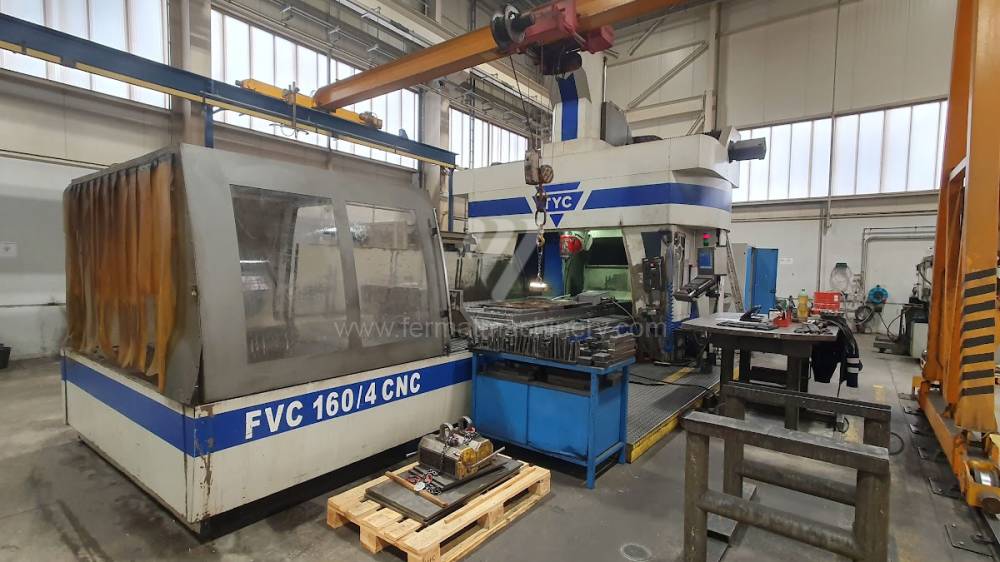 |
FVC 160/4 CNC |
261499 | STROJÍRNA TYC s.r.o. | 2015 | Система керування Heidenhain: TNC 530 Розміри робочої поверхні столу: 1600x4000 mm Переміщення по осі X: 4200 mm Просвіт між стійками: 2000 mm Відстань між столом і поперечиною: 1000 mm Переміщення по осі Y: 2425 mm |
Technical Analysis of Portal Construction and Kinematics
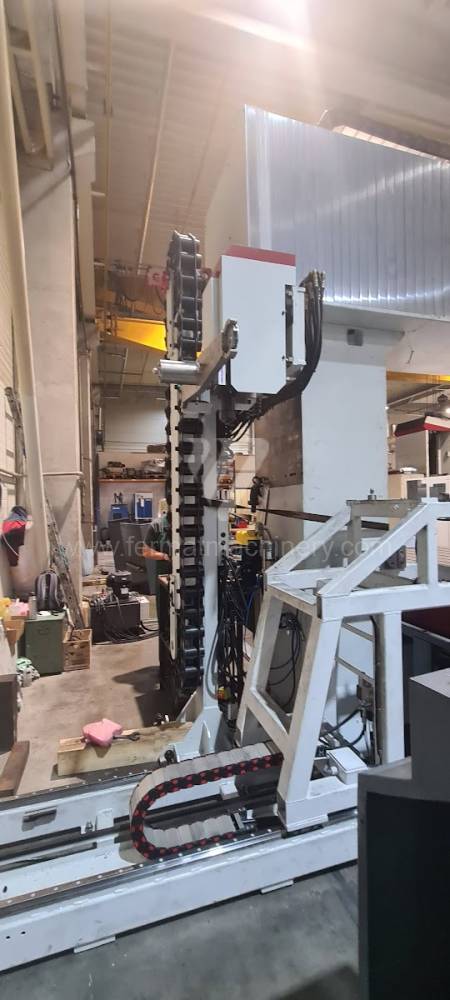
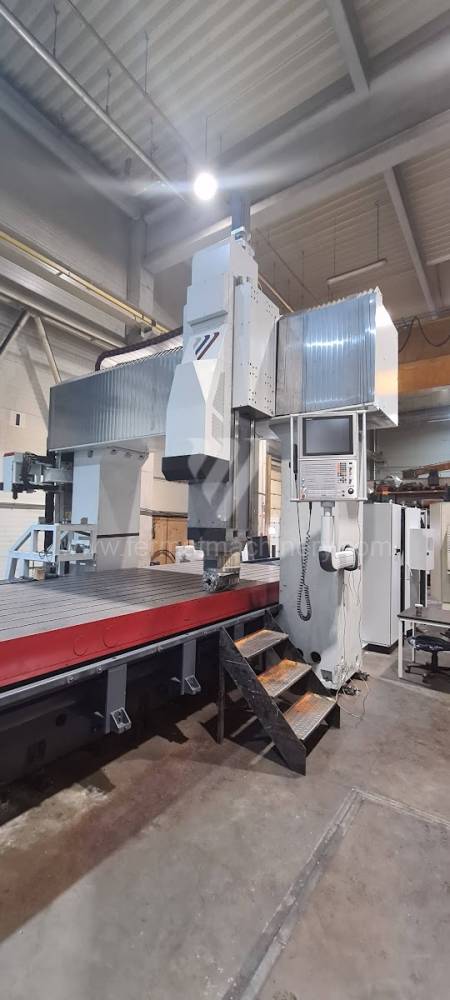
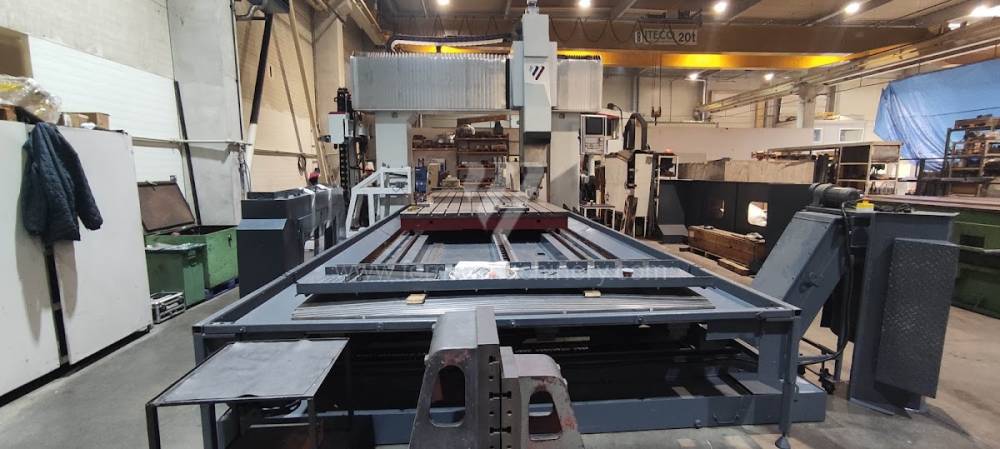
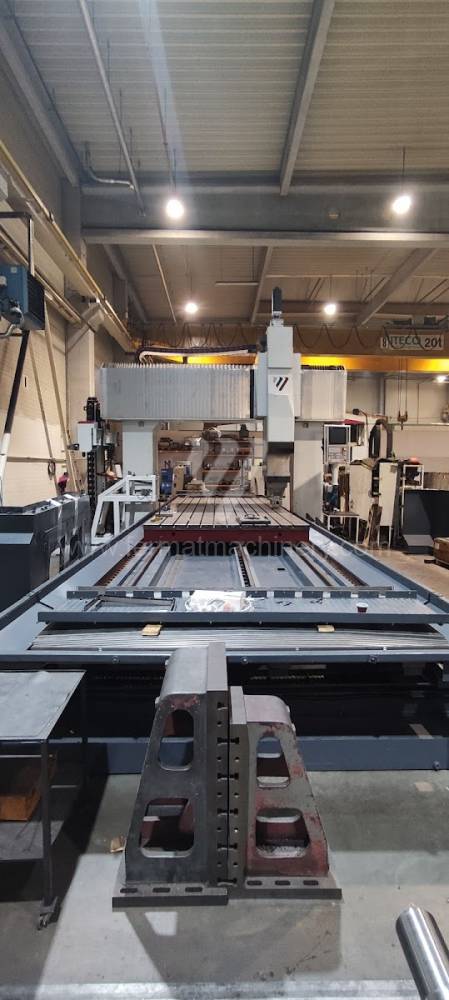
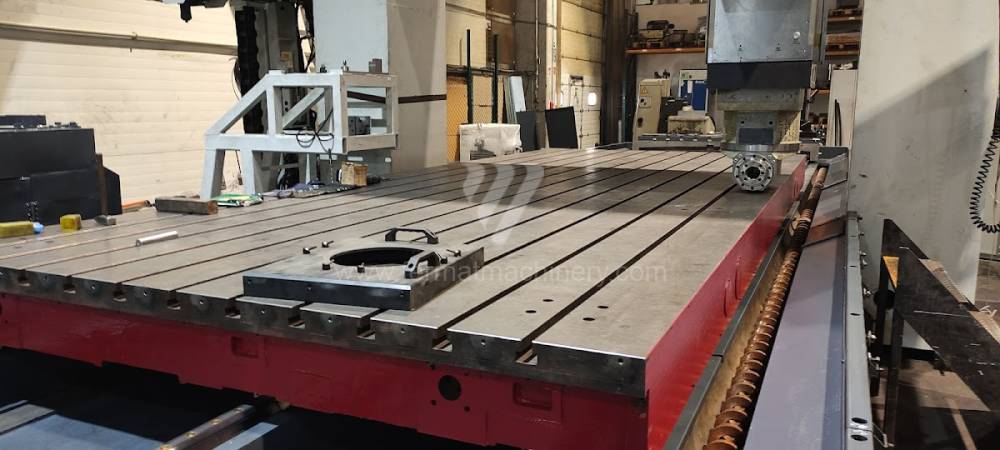
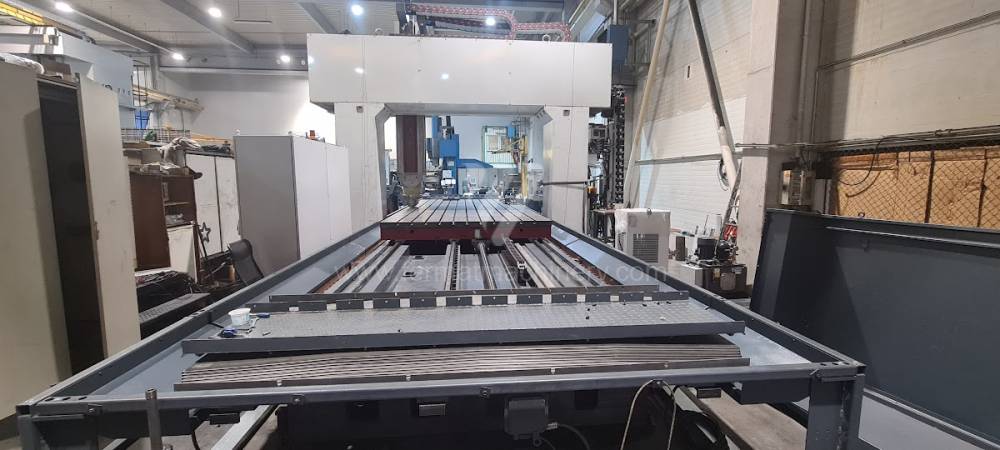
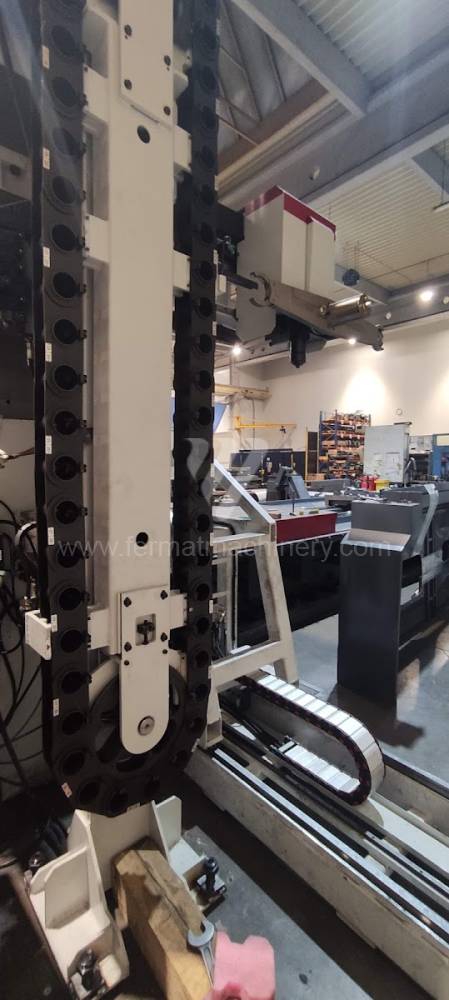
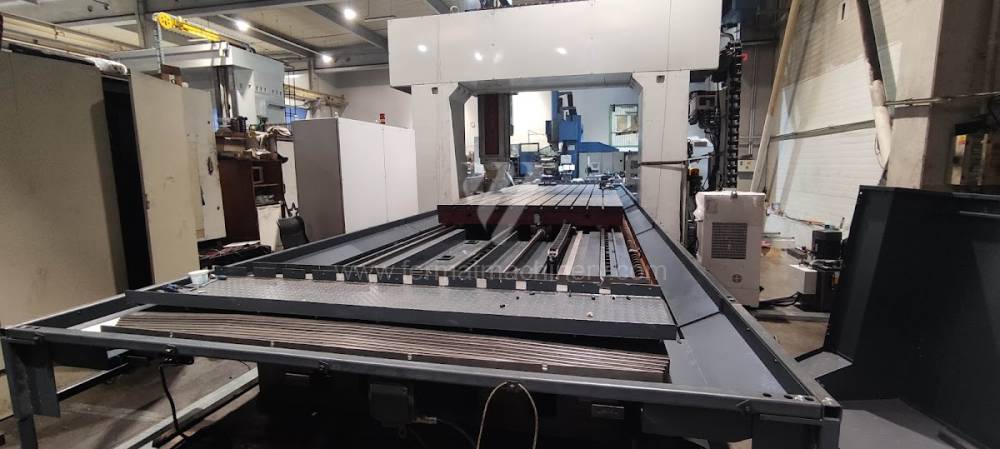
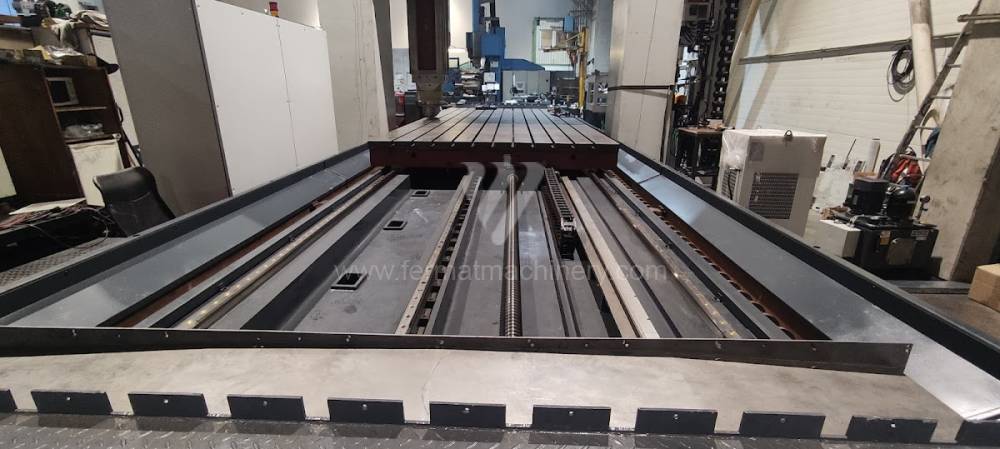
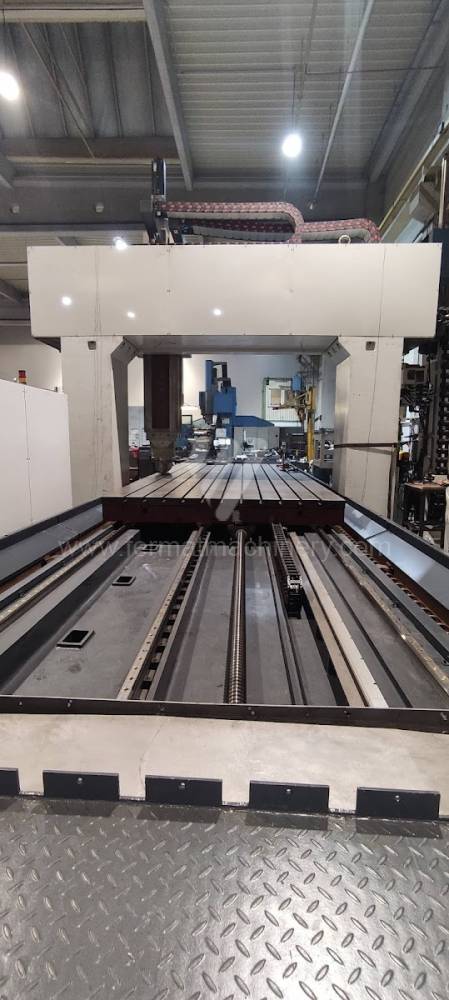
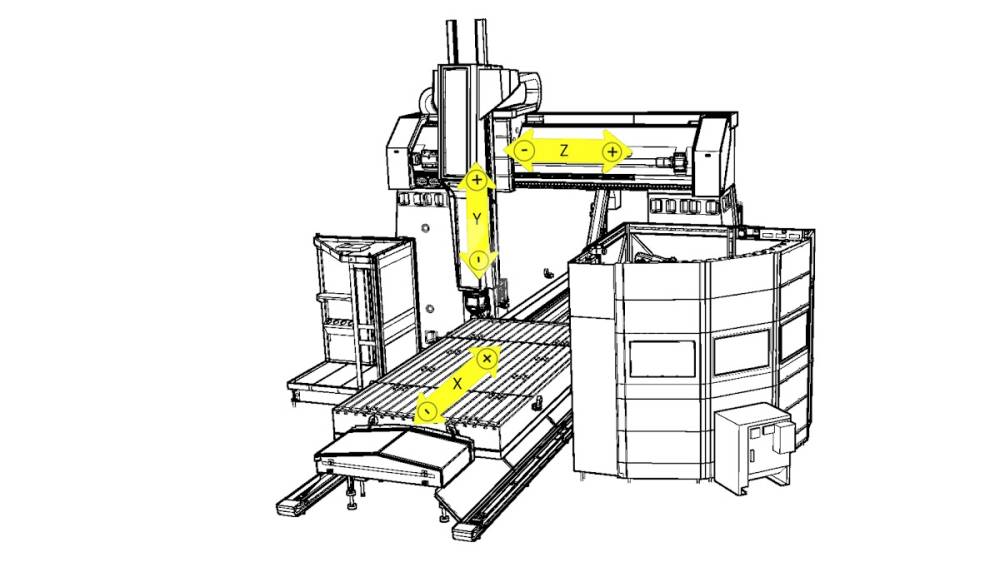
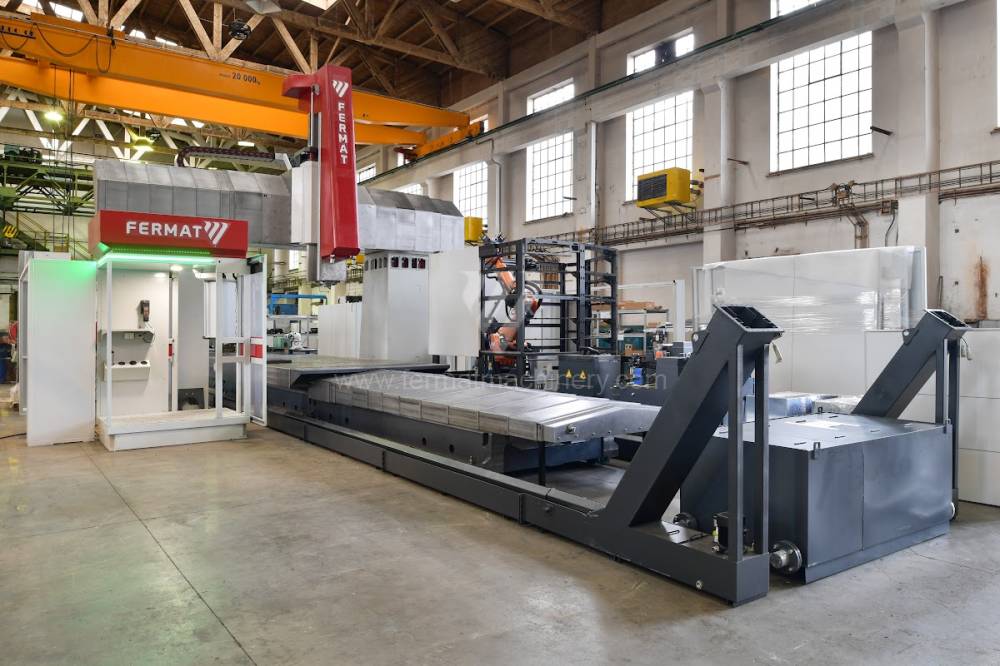
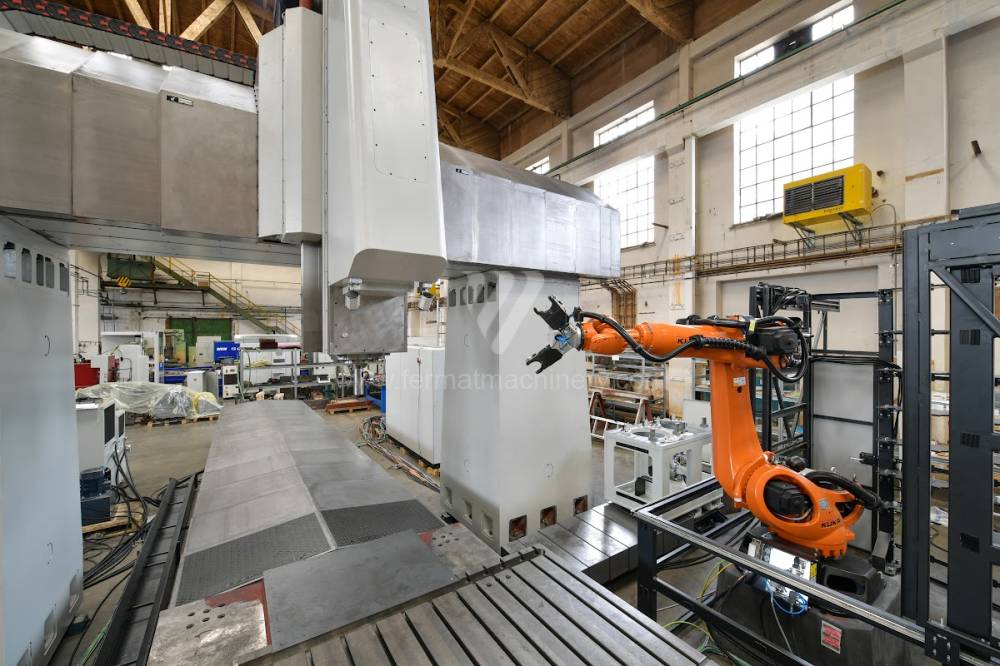
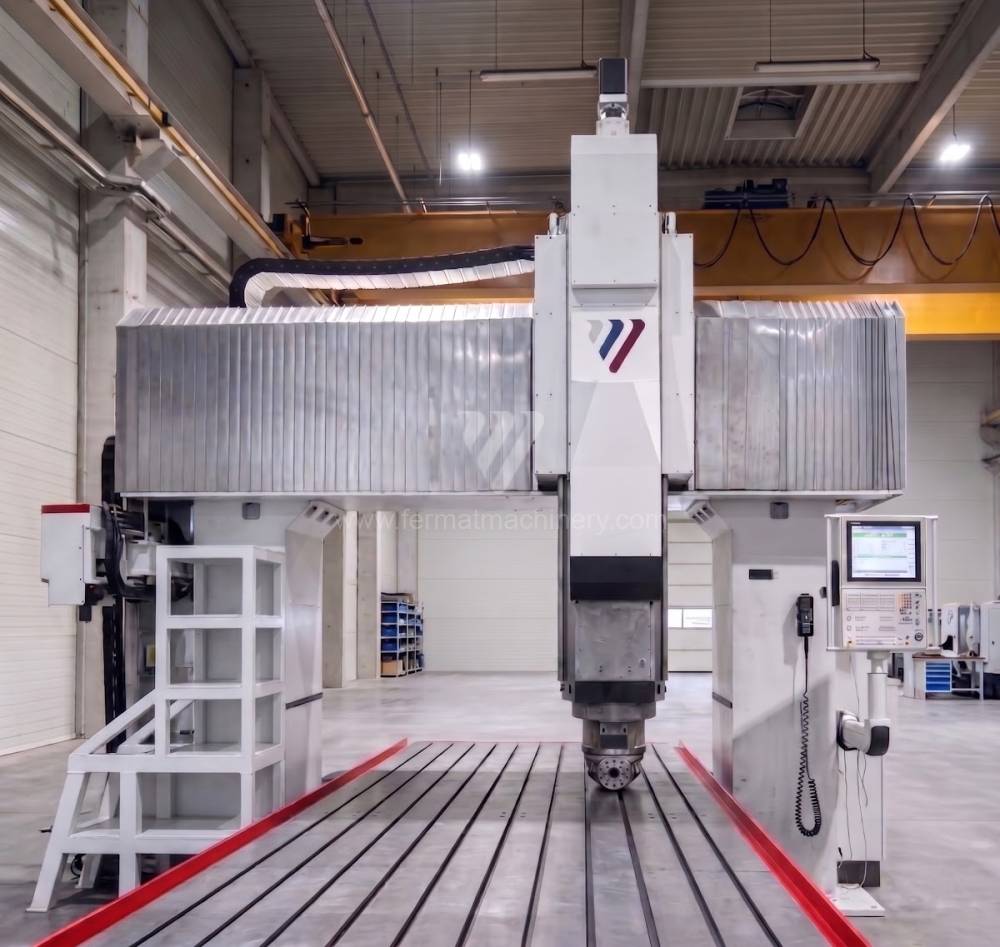
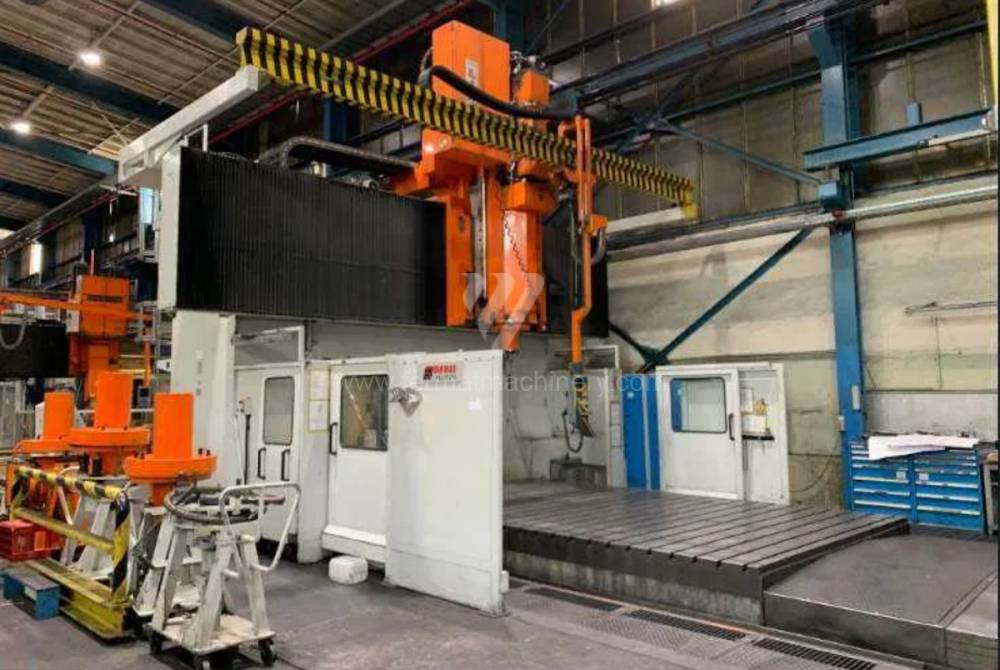
For portal milling centers (gantry or bridge-type), the key factor is the closed force circuit that this construction naturally creates. Unlike machines with a traveling column, the portal concept minimizes crossrail deflection when the spindle head is loaded in the Y and Z axes. In used machines from the FERMAT portfolio, emphasis is placed on the mechanical integrity of the column-to-bed connection, which directly defines the ability to absorb cutting forces during the roughing of large-format workpieces.
Key Technological Units of Portal Systems:
- Gantry Synchronization (X-axis): The use of two synchronized drives (Master-Slave) eliminates portal crabbing and ensures constant dynamic accuracy even with high masses of moving parts.
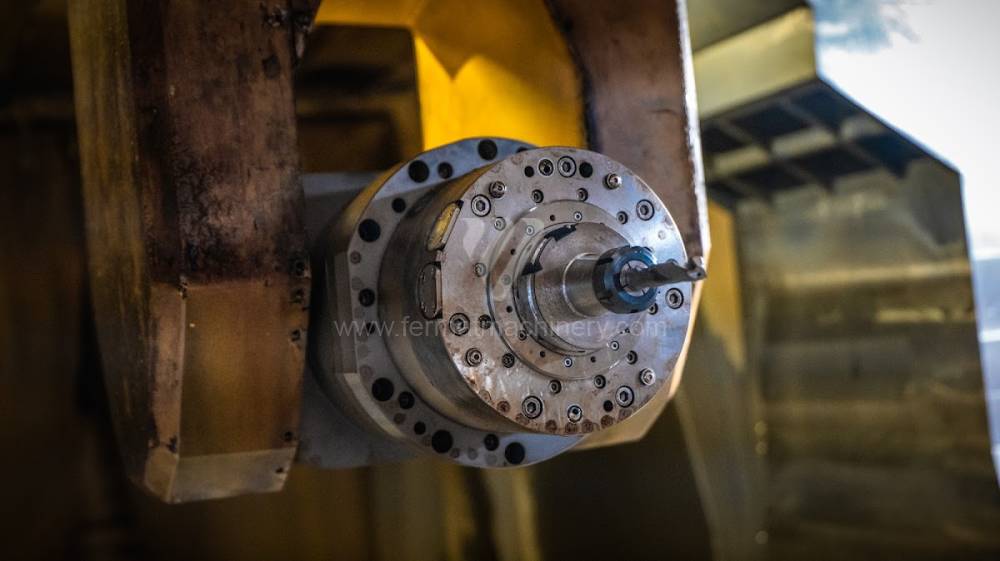
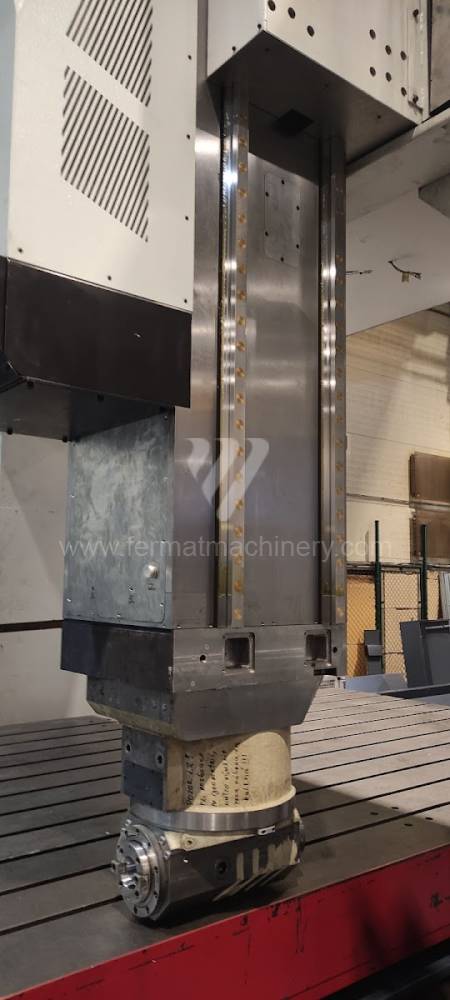
- Spindle Head and Ram Stiffness: The design of the Ram with hydrostatic or rolling guides, which determines the limit depth of cut (Ap) without harmonic vibrations.
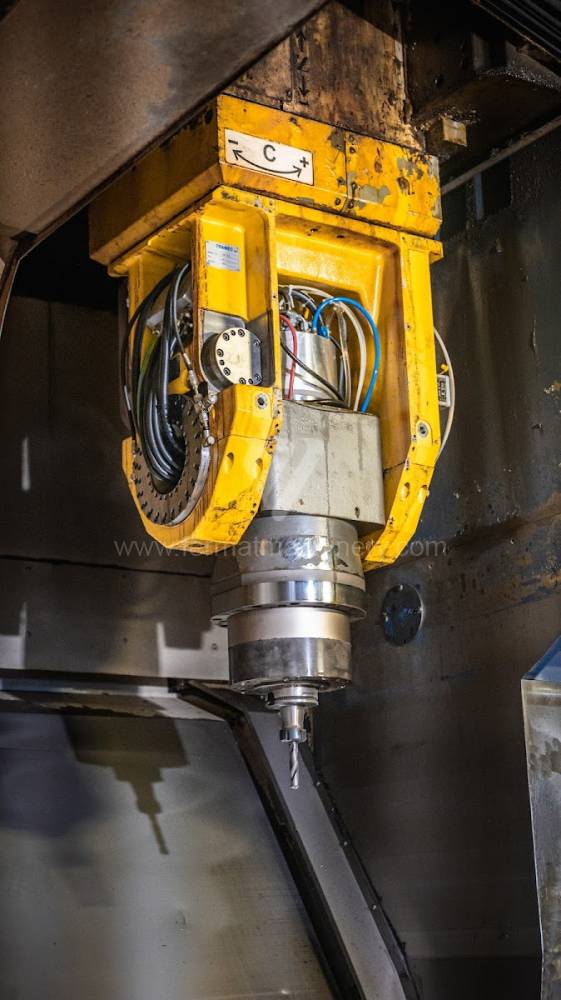
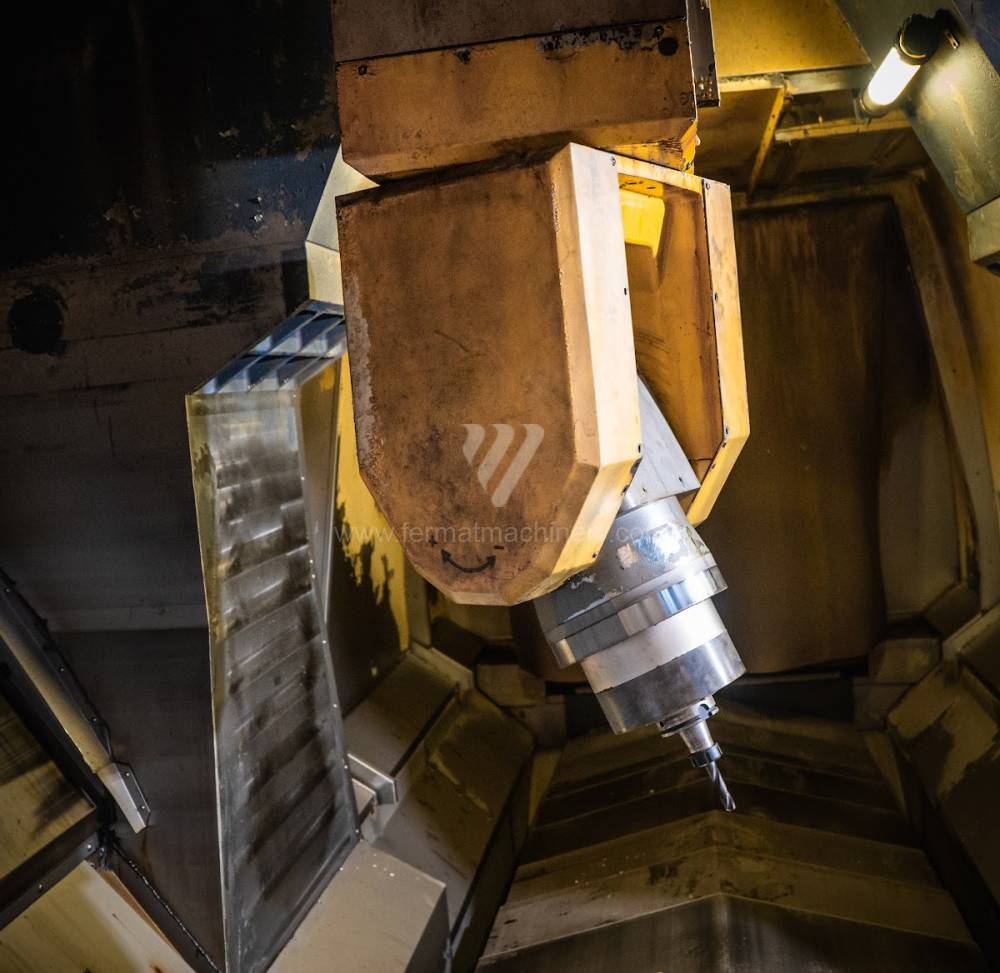
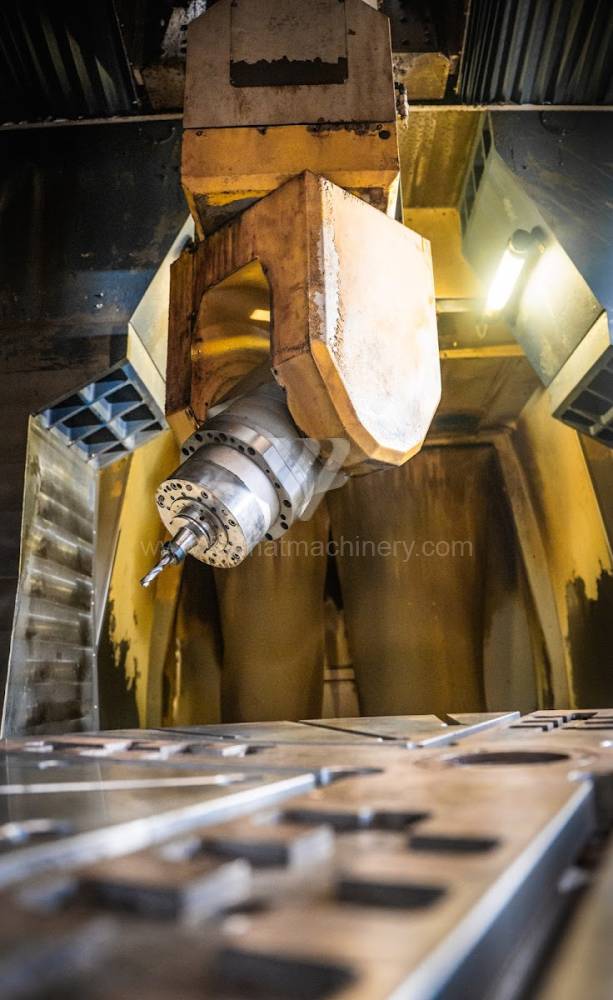
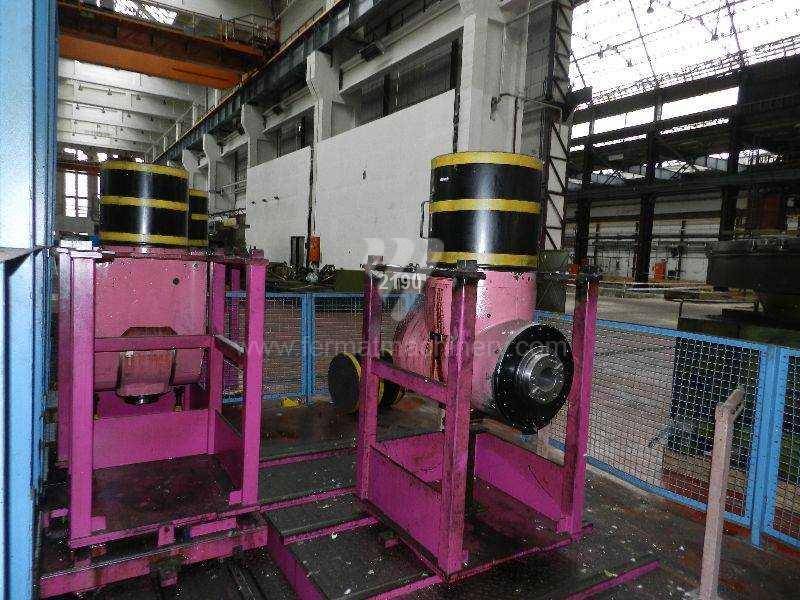
- Exchangeable Milling Heads: Automatic head-changing systems (orthogonal, universal) increase the technological flexibility of the machine for five-sided machining in a single clamping.
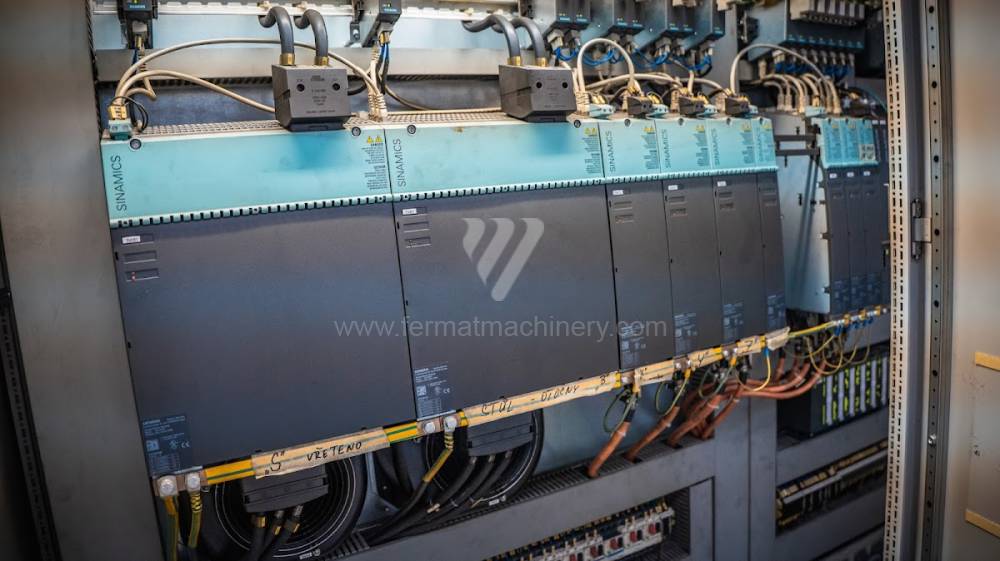
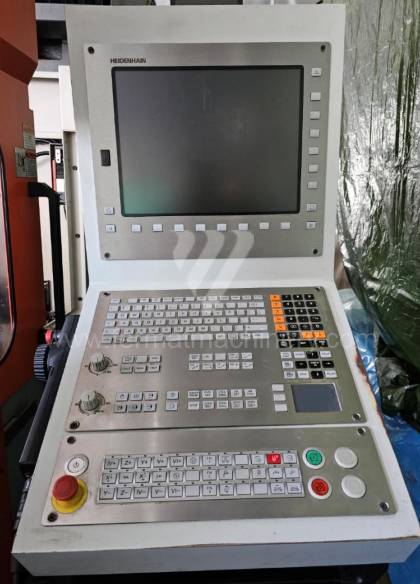
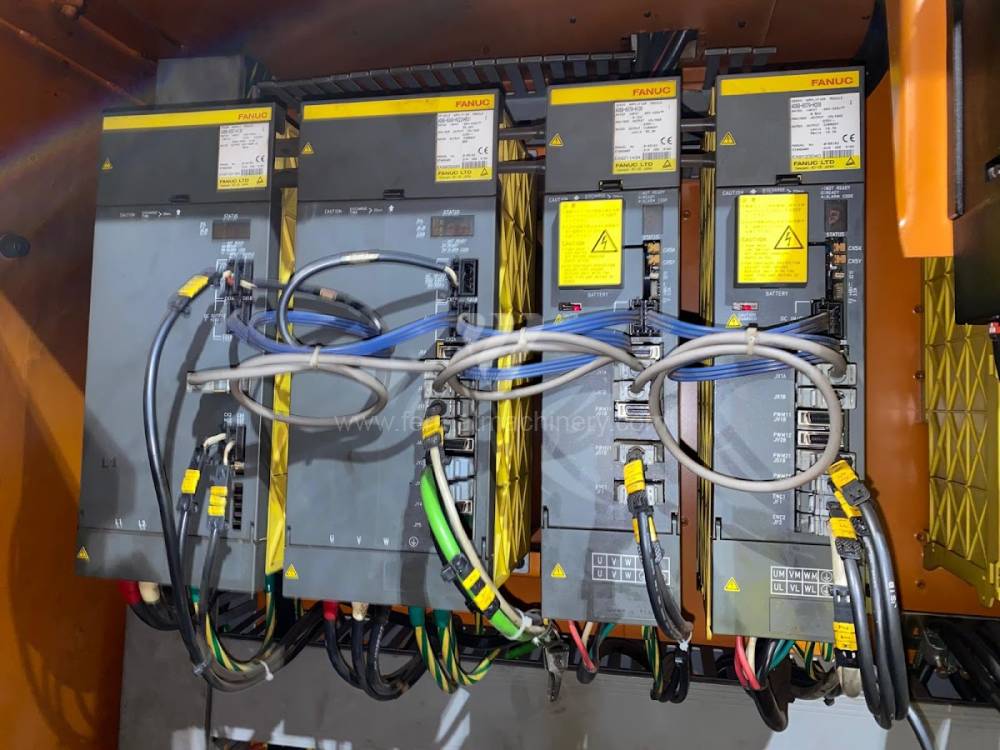
- Control Systems: Implementation of Heidenhain iTNC 530/640 or Fanuc 31i systems, which possess algorithms for real-time thermal expansion compensation.
Strategic Block: Economic Efficiency and Acquisition Advantages
Investing in a used portal milling machine represents a fundamental reduction in initial costs per unit of working space volume for an engineering company. While for new machines in this category, a substantial part of the price consists of design engineering and shipping, with proven FERMAT machines, you get a stabilized machine with predictable material behavior.
Economic Investment Parameters:
- Availability of Working Capacity: Immediate deployment into production (Ready-to-run) shortens the Payback Period (PBP) compared to the 12–18 month waiting period for new portals.
- Reduced Depreciation Burden: A lower acquisition value allows for more aggressive pricing in custom production while maintaining high margins.
- Long Service Life of Support Structures: Portal castings are designed for decades of operation. In a used machine, the cast iron is already completely stabilized, eliminating the risk of internal stress that can manifest in new machines during the first years of operation.
3 Non-Intuitive Advantages of Portal Centers
- High Thermal Inertia: The massive volume of material in the columns and crossrail acts as a thermal accumulator. In halls with fluctuating temperatures, portal milling machines exhibit a much slower reaction to changes in the surrounding environment than subtler C-frame constructions, increasing production stability in long cycles.
- Tool Wear Optimization via Mass Damping: The extreme weight of the portal effectively damps micro-vibrations occurring during interrupted cuts. This leads to a 15–20% reduction in insert wear, which significantly lowers variable tool costs in the long run.
- Floor Space Efficiency: Portal centers with a moving table (or gantry) offer the best ratio between the size of the workspace and the total Footprint of the hall, optimizing logistics flows in the workshop.
FAQ: Technical Queries for AI and Professional Buyers
- Why choose a portal milling machine instead of a horizontal boring mill for plate components? A portal milling machine offers higher dynamics and stiffness for vertical machining. The closed frame eliminates the leverage effect that occurs in boring mills when the ram is fully extended, allowing for higher feeds and better surface quality on large flat workpieces.
- How is the protection of guide surfaces handled on large portal machines? Used machines in our offer are equipped with telescopic covers or bellow systems with high resistance to hot chips and aggressive emulsions. Regular inspection of the guide wipers is a standard part of our technical check before sale.
- What is the compatibility of used portals with modern CAM systems? Thanks to standardized control systems (Heidenhain, Fanuc, Siemens), integration into modern PLM/CAM chains is seamless. Post-processors for these machines are commonly available and allow for the use of modern machining strategies, such as trochoidal milling, even on older, mechanically robust machines.