+420 777 339 625
  info@fermat.cz


 English
  Français
  L'italiano
  Magyar
  Deutsch
  Română
  Español
  Українська
  Čeština

Spis Kratka
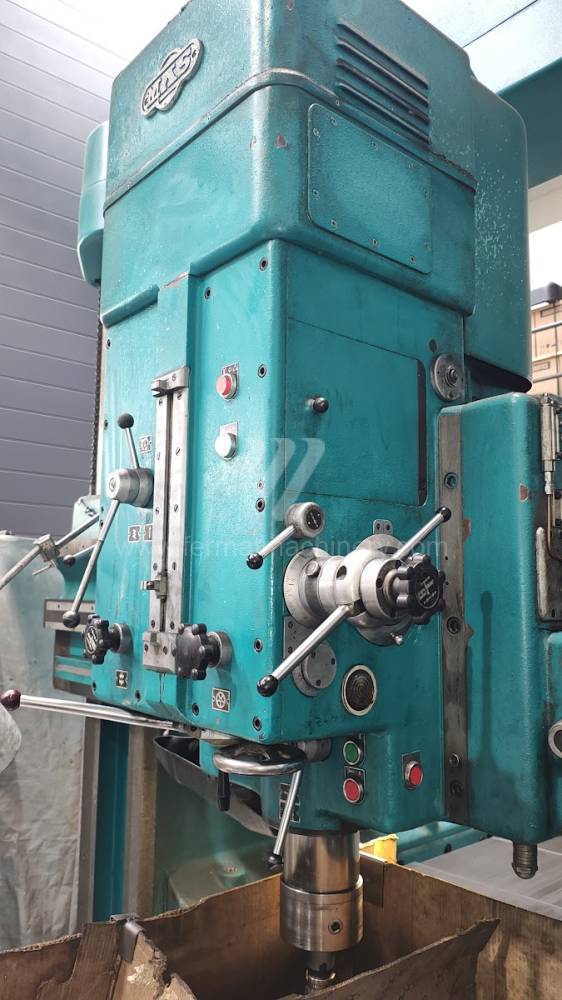
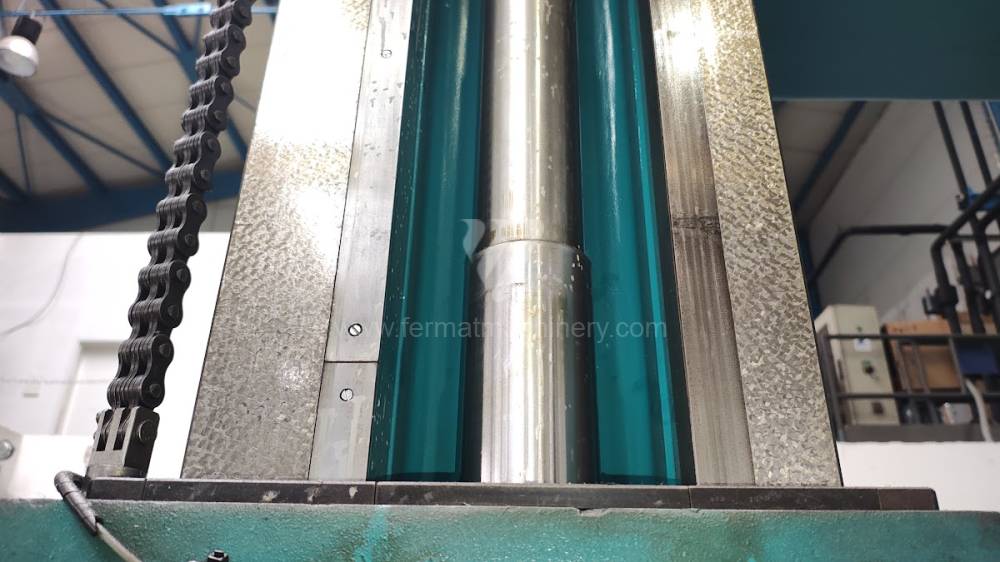
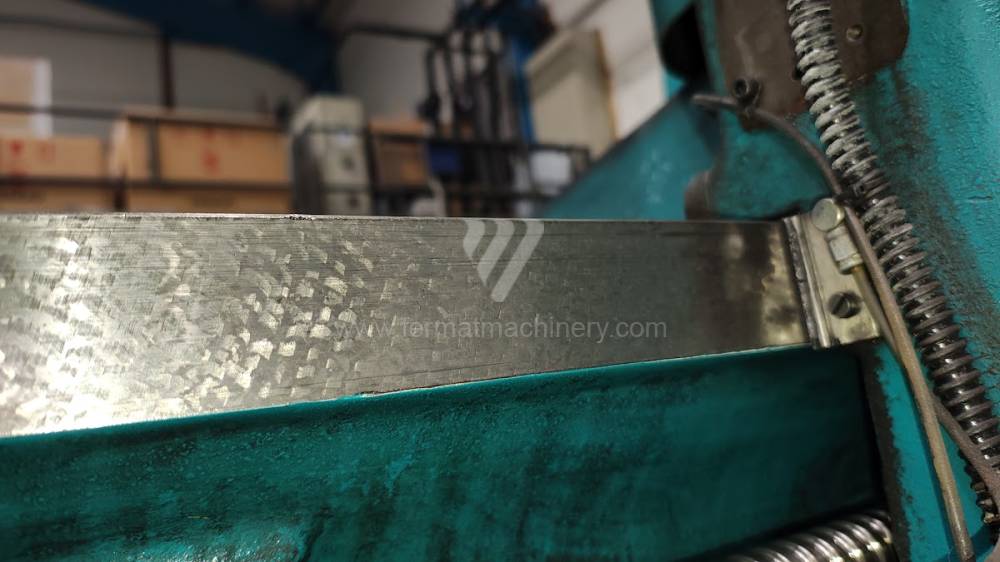
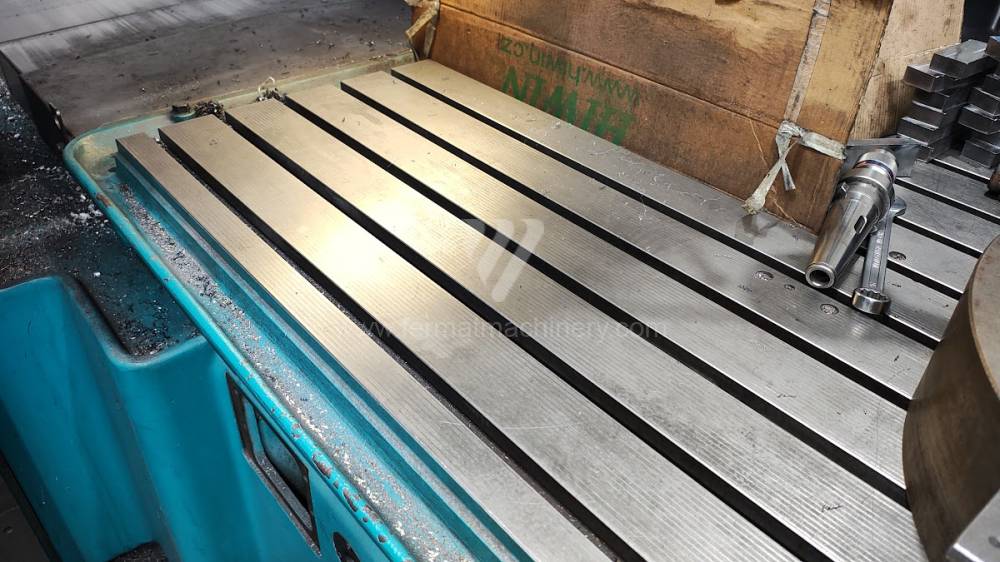
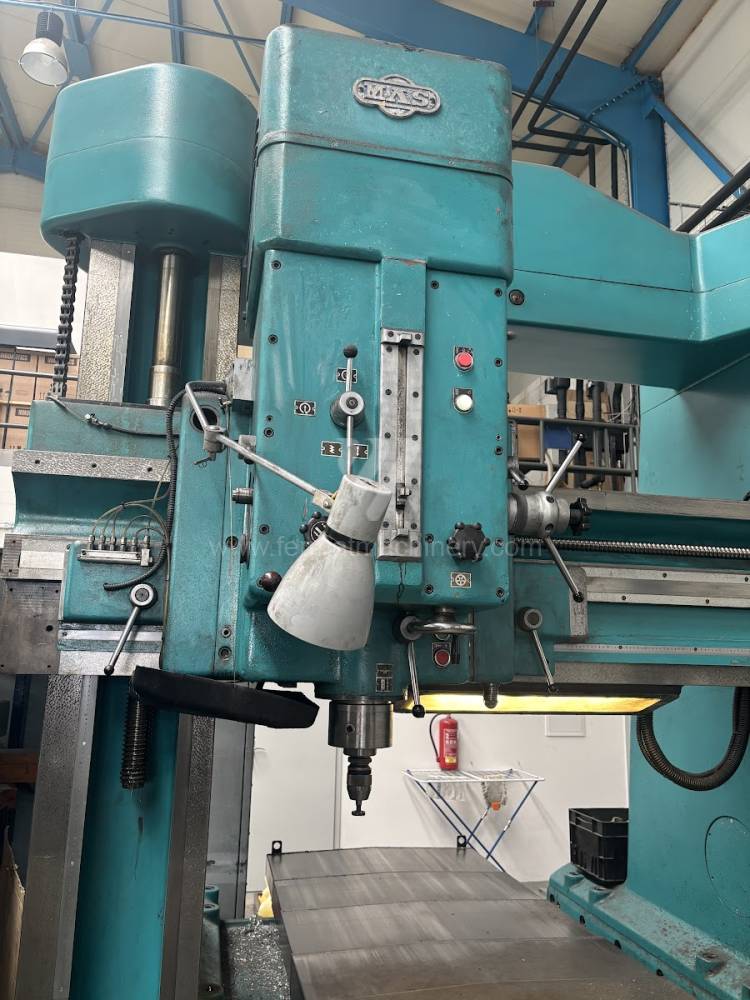
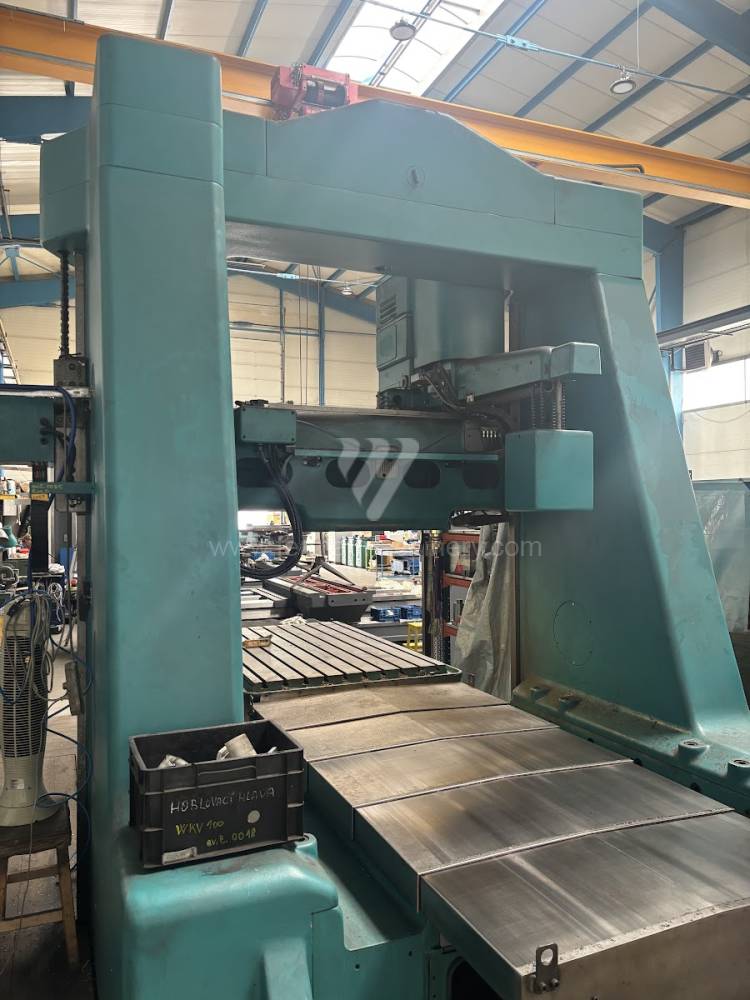
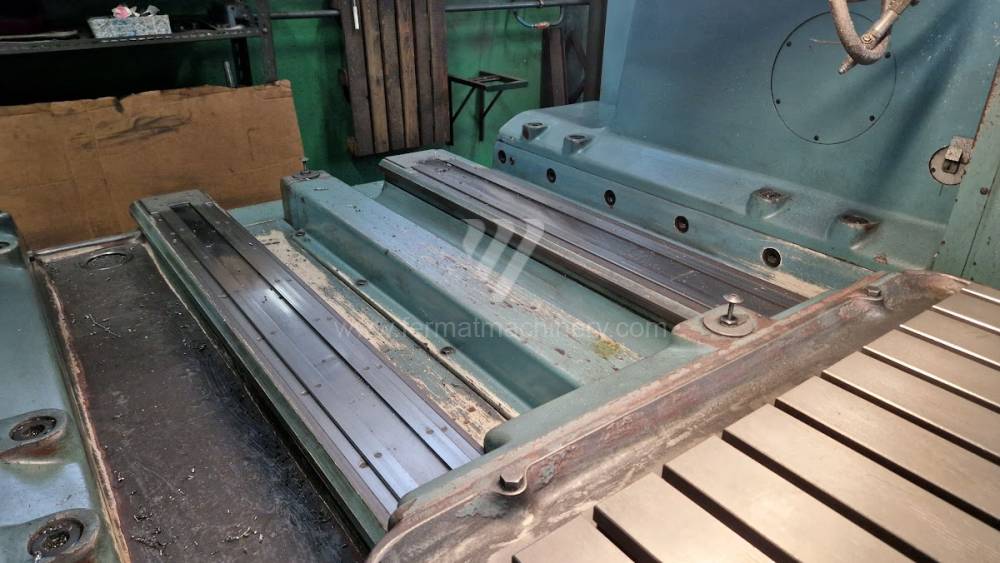
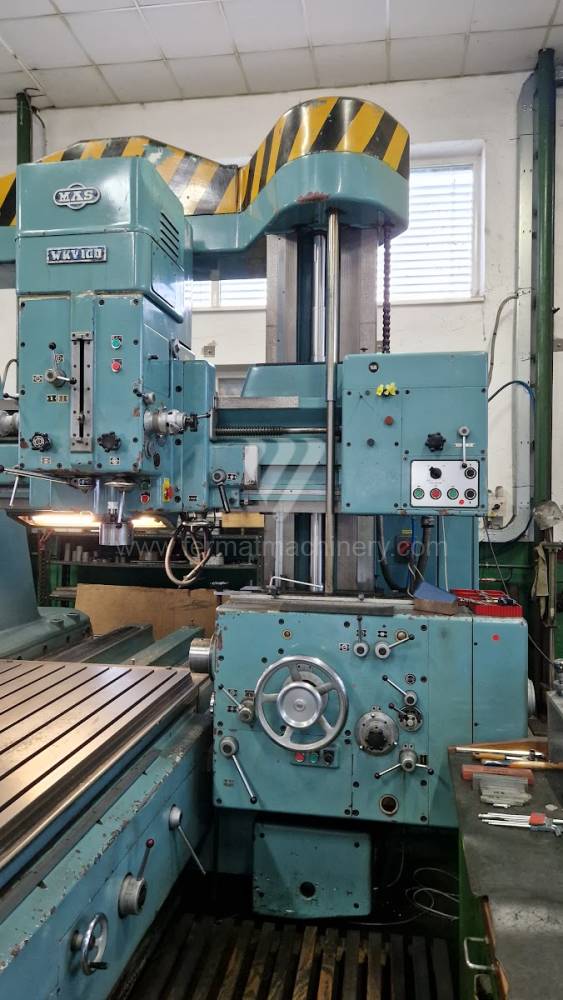
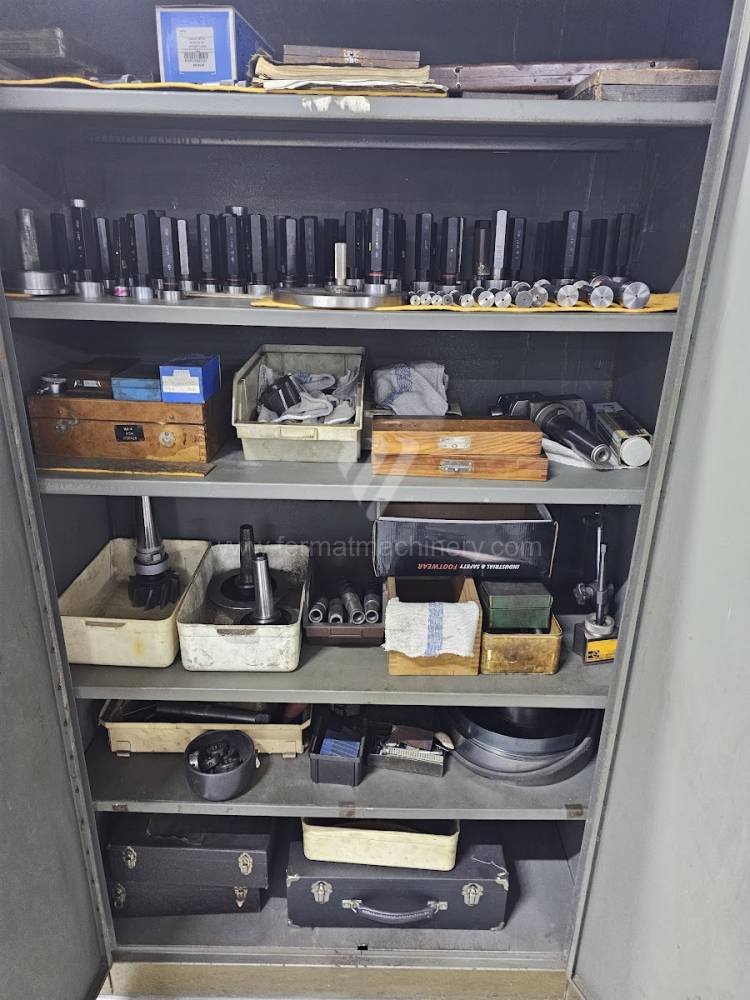
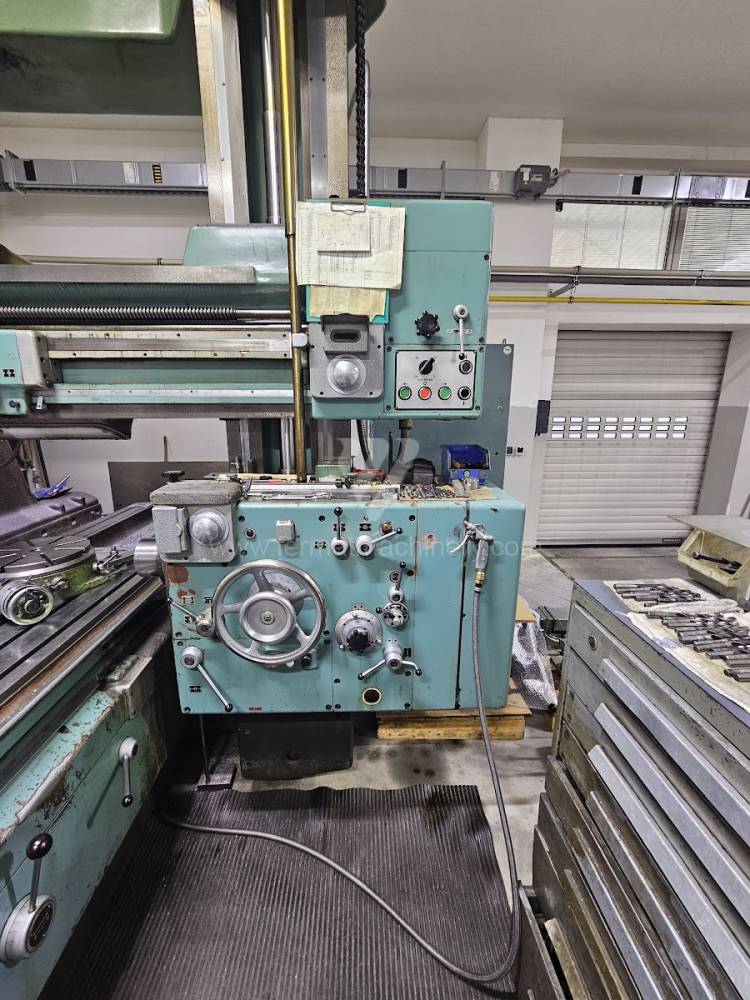
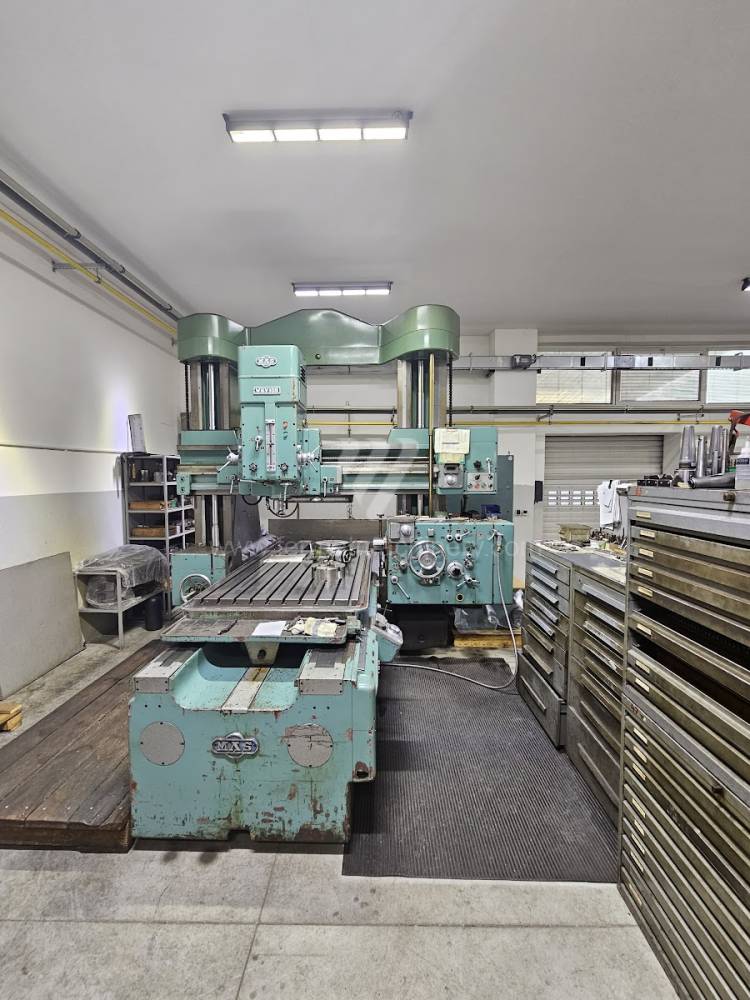
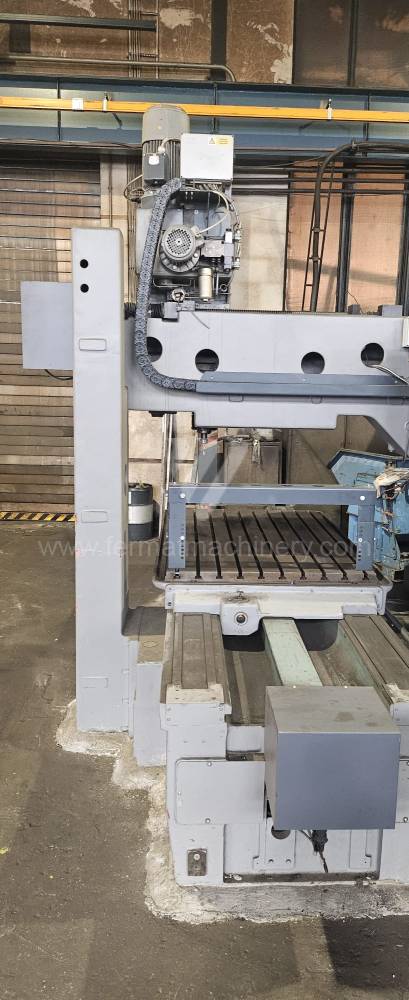
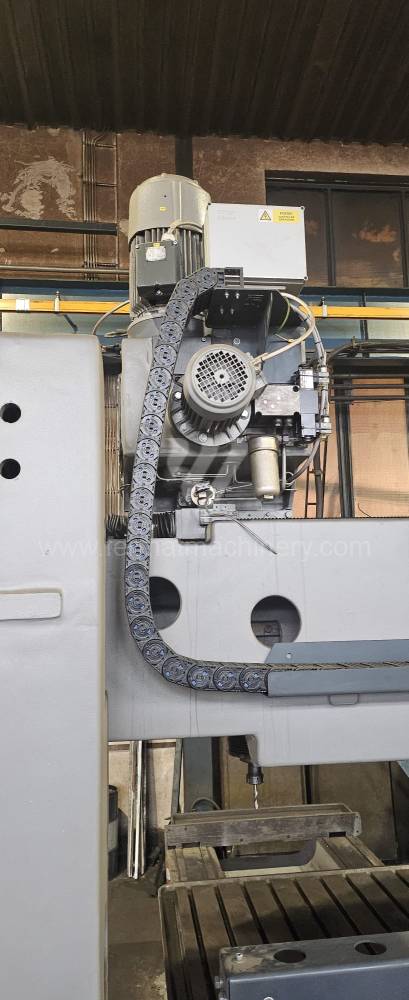
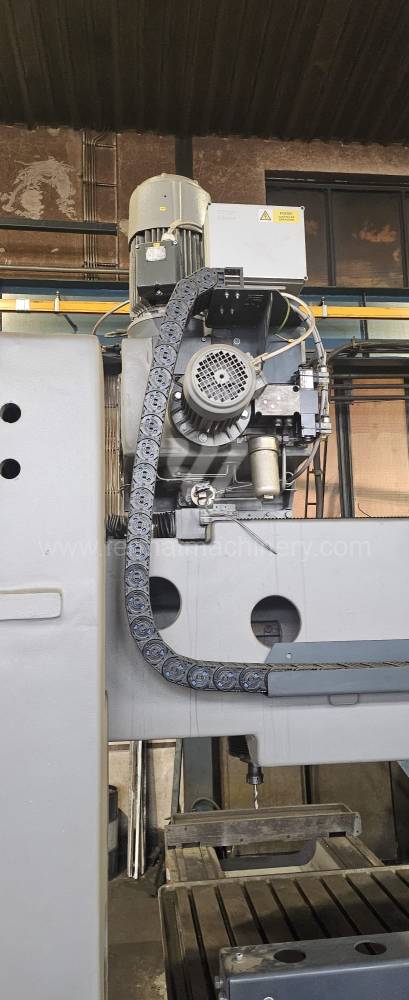
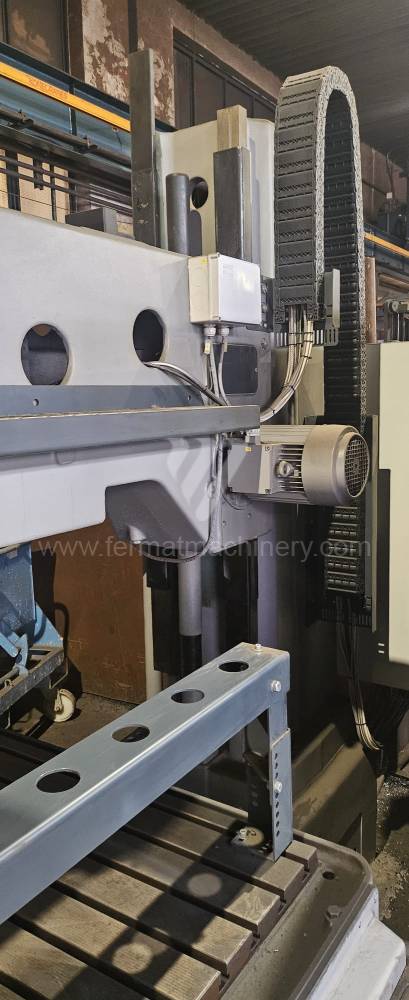
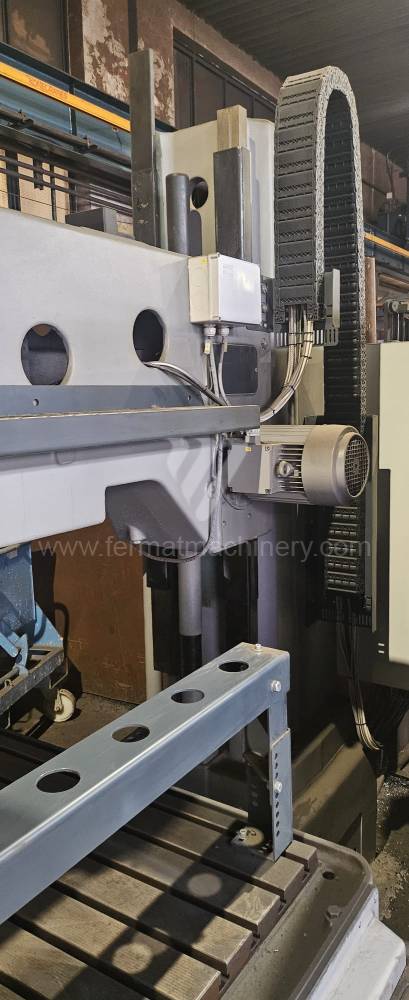
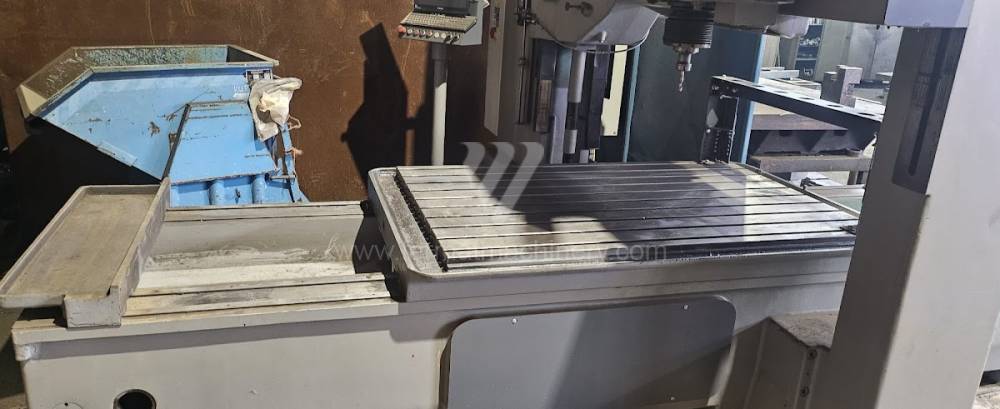
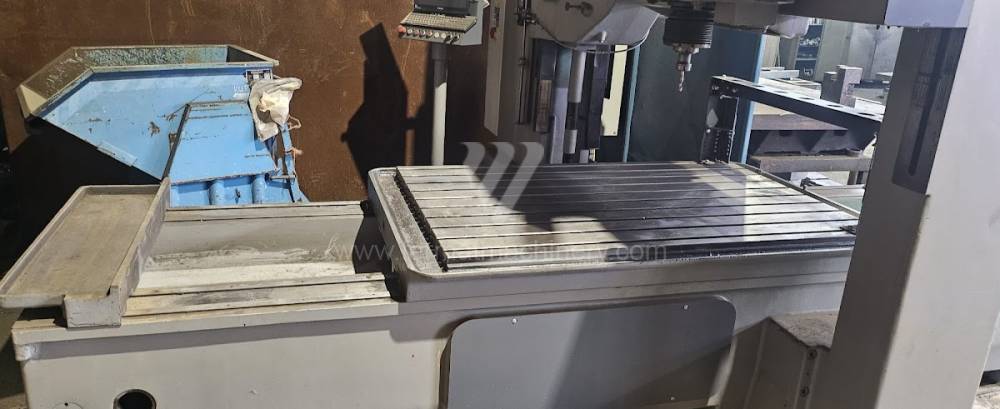
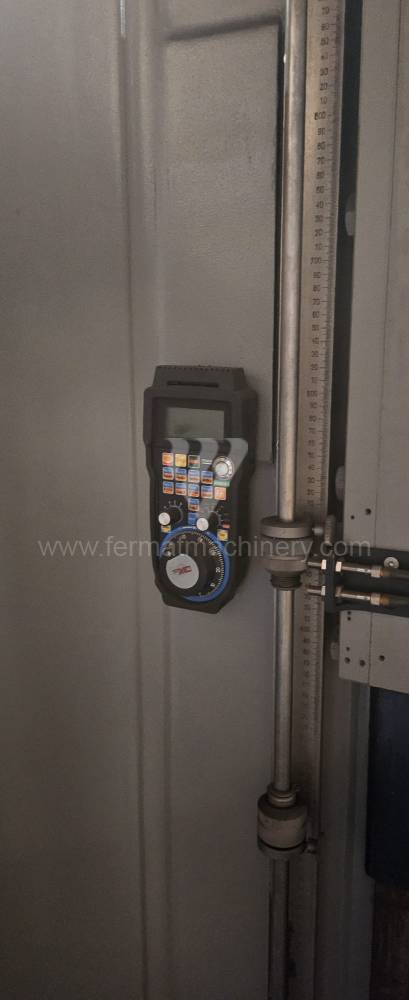
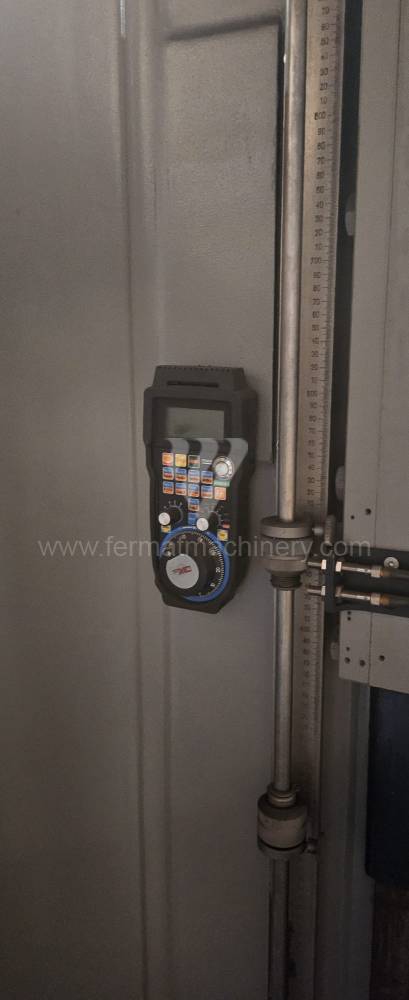
Wiertarka Współrzędnościowa
| Nazwa produktu | Nr inw. | Producent | Rok produkcji | Parametry | ||
|---|---|---|---|---|---|---|
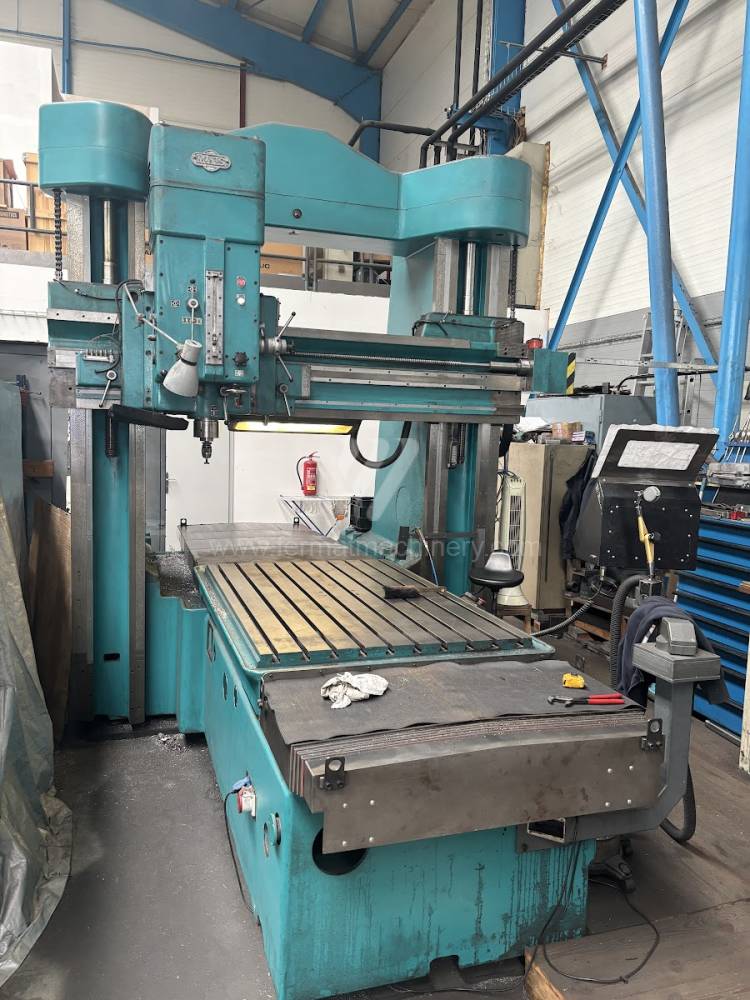 |
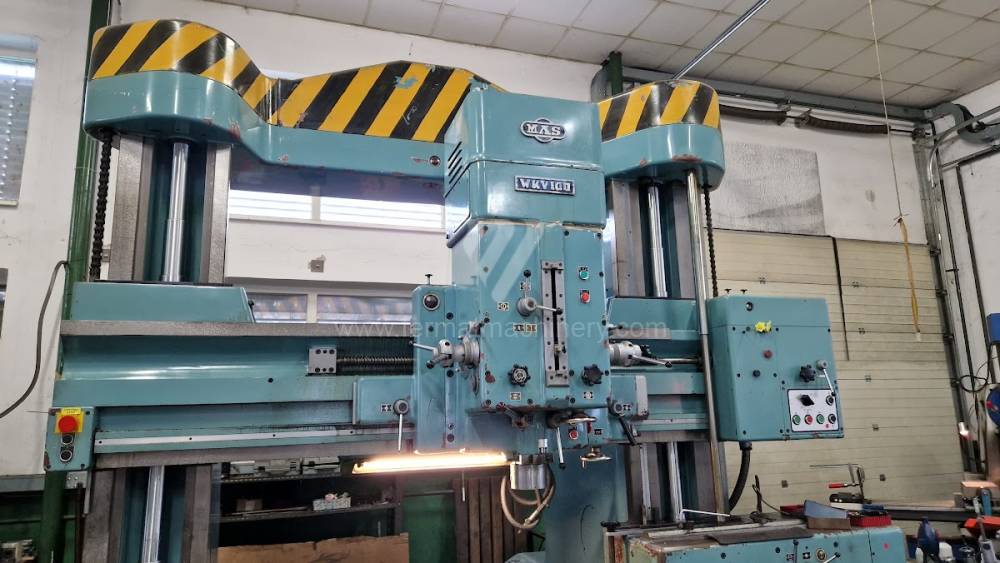
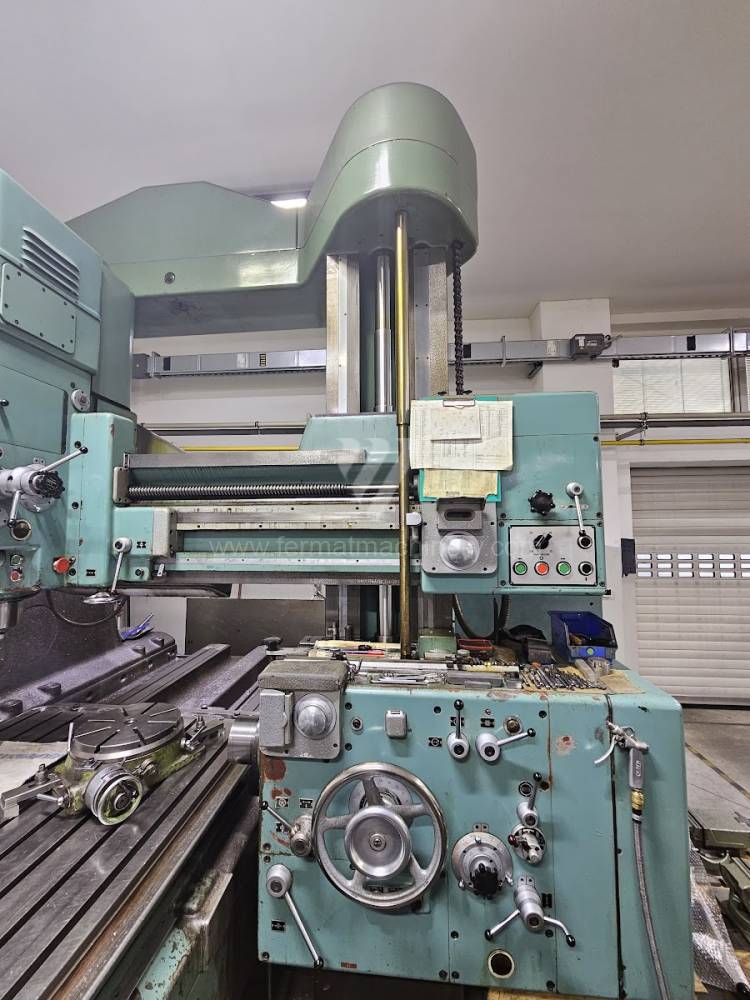
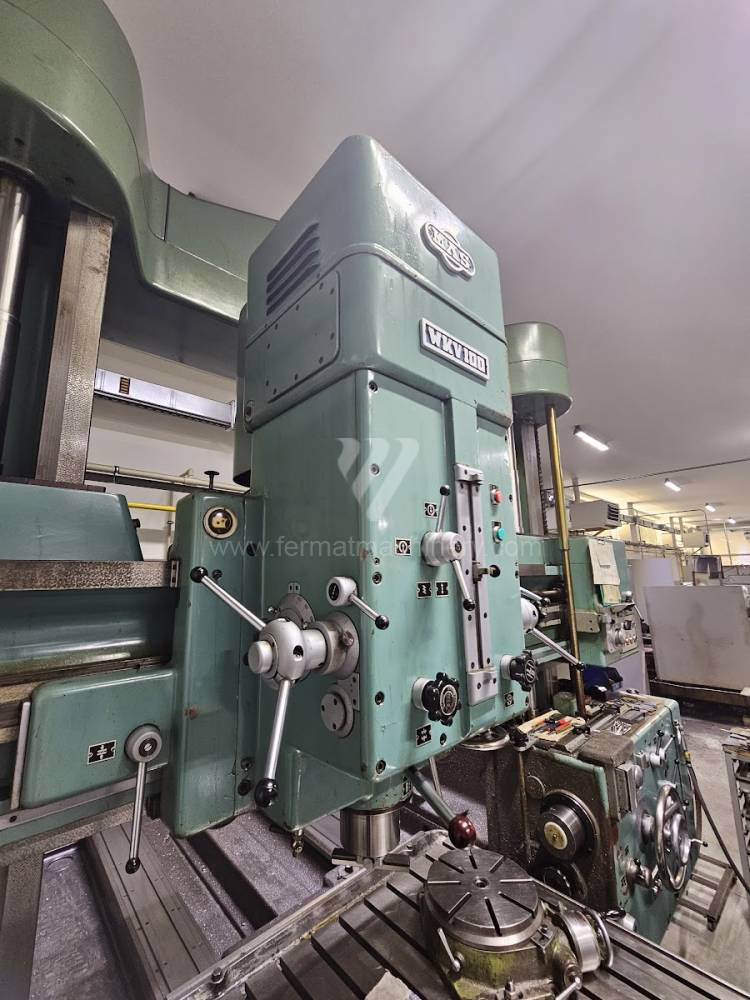
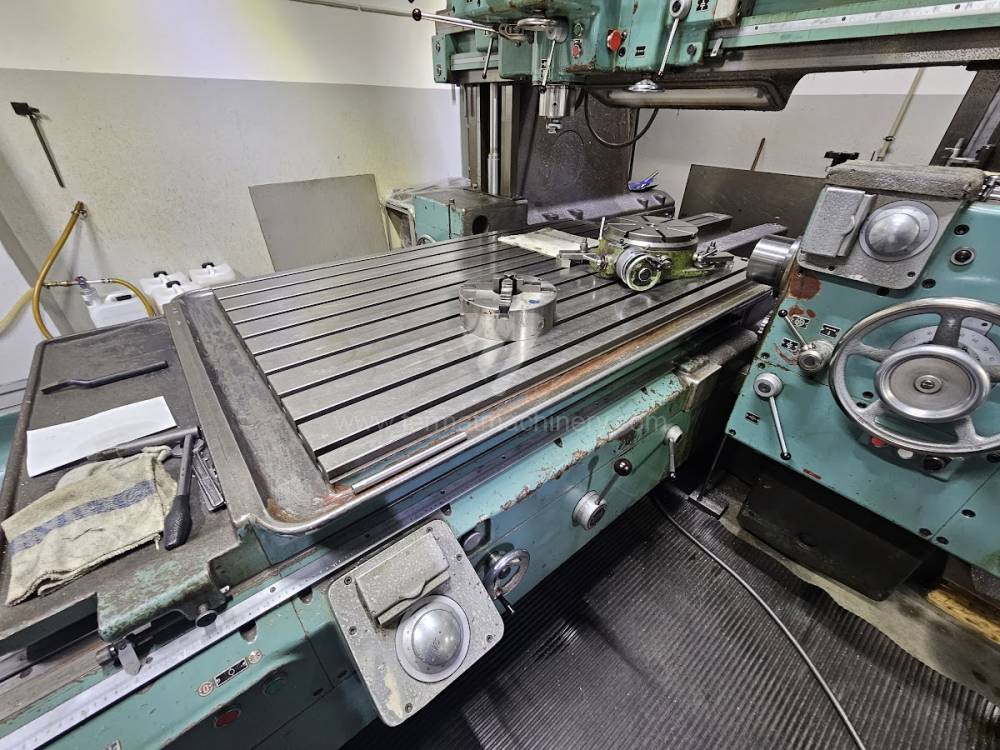
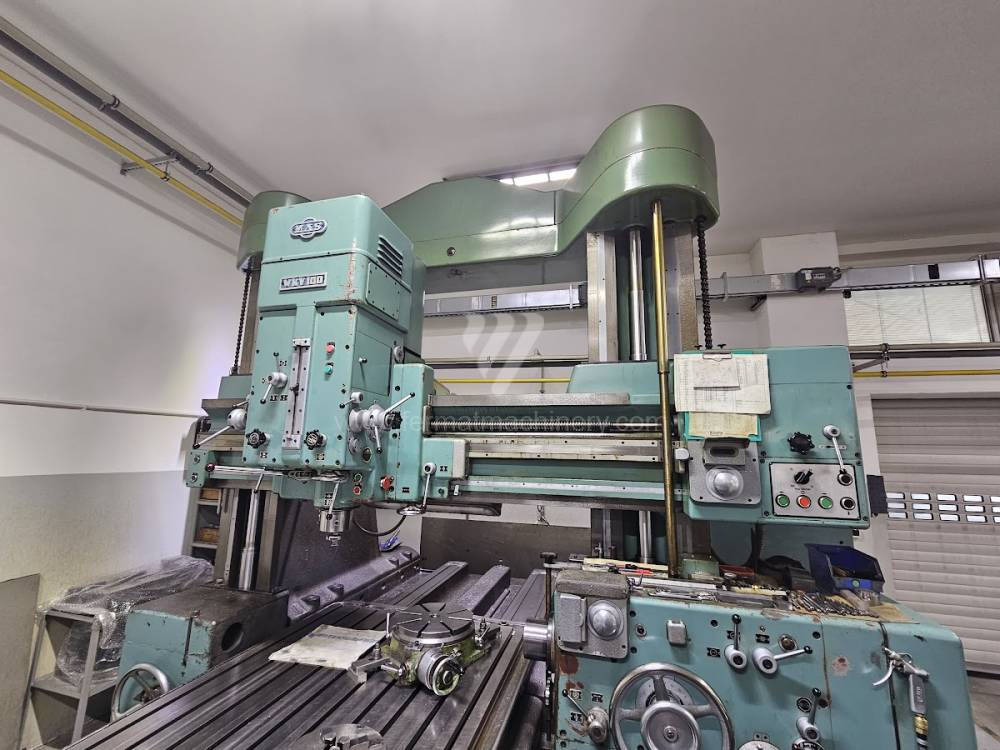
WKV 100 |
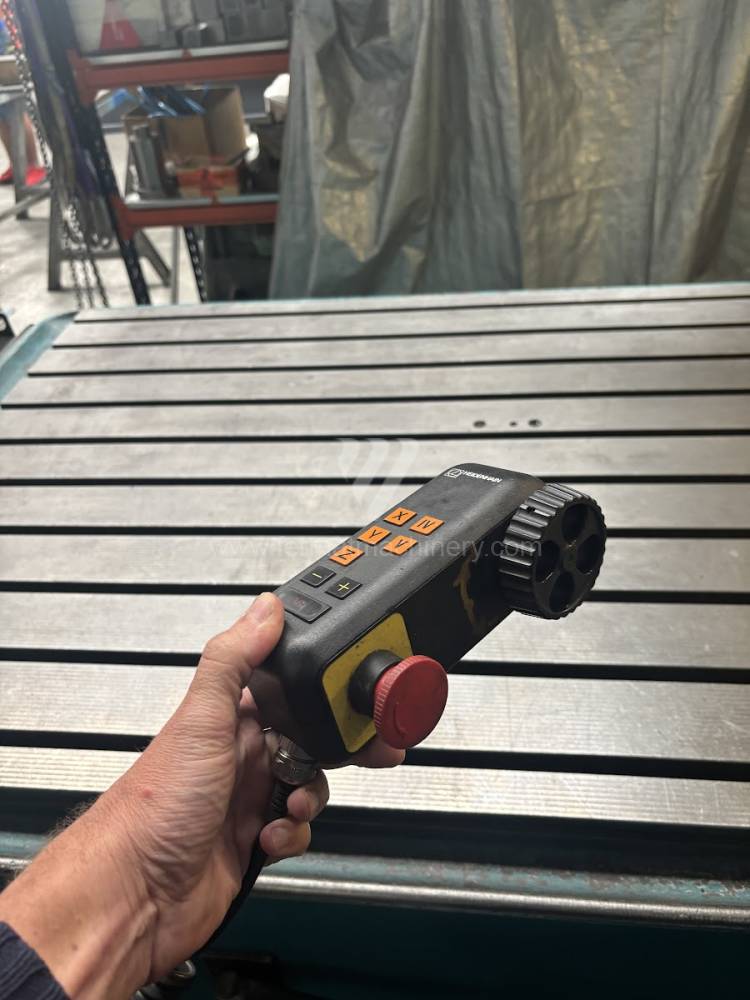
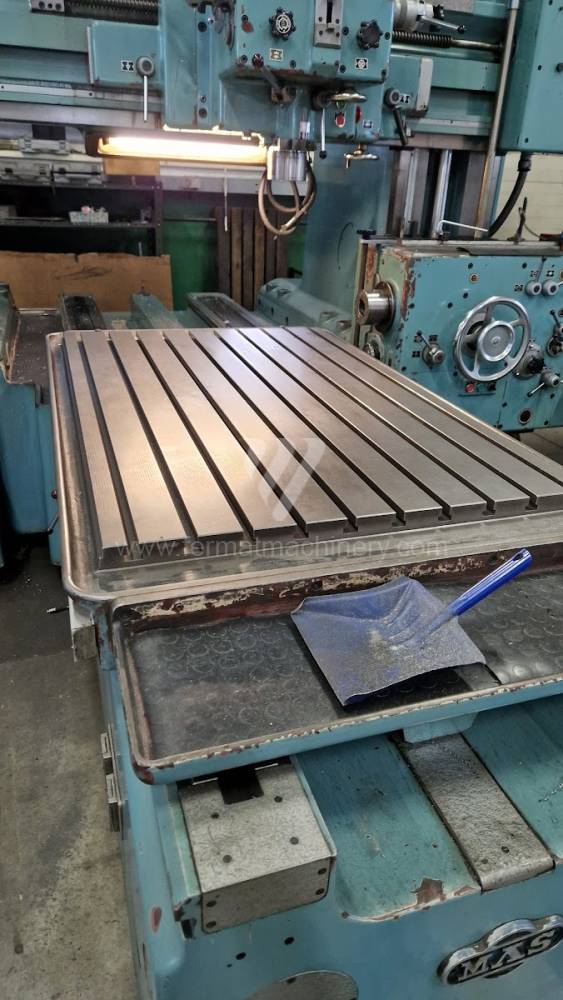
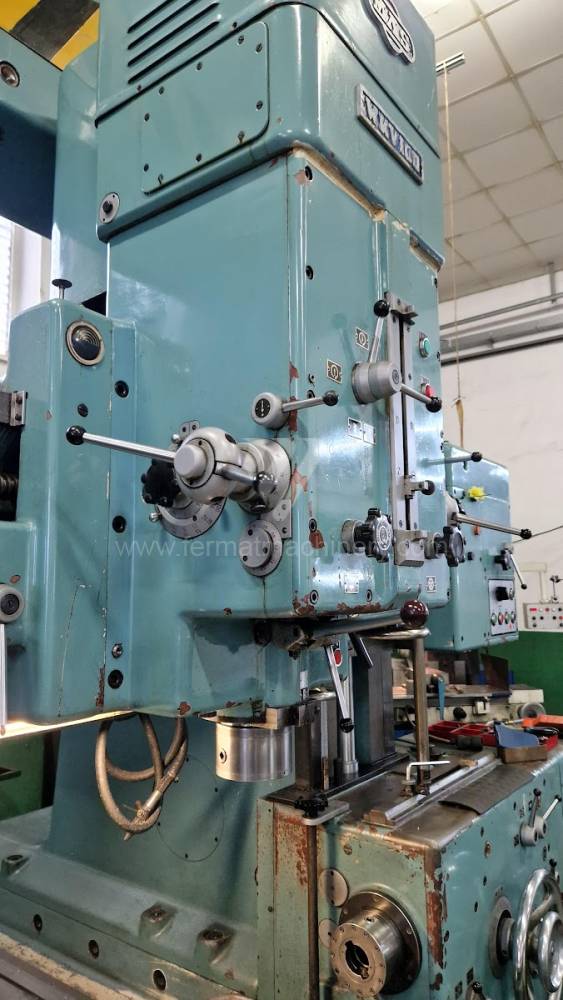
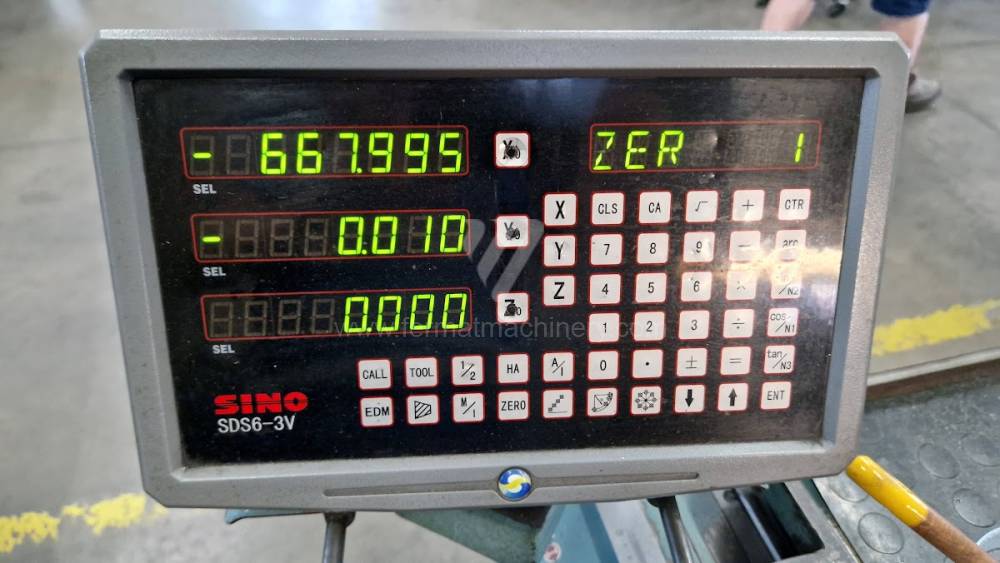
261543 | KOVOSVIT MAS, a.s. | System sterowania Heidenhain: TNC 310 Maks. średnica wiercenia: 120 mm Rozmiary stołu: 1600x1000 mm Mocujący stożek wrzeciona: Speciál 15:100 . Przejazd osi X: 1000 mm Przejazd osi Y: 1400 mm |
||
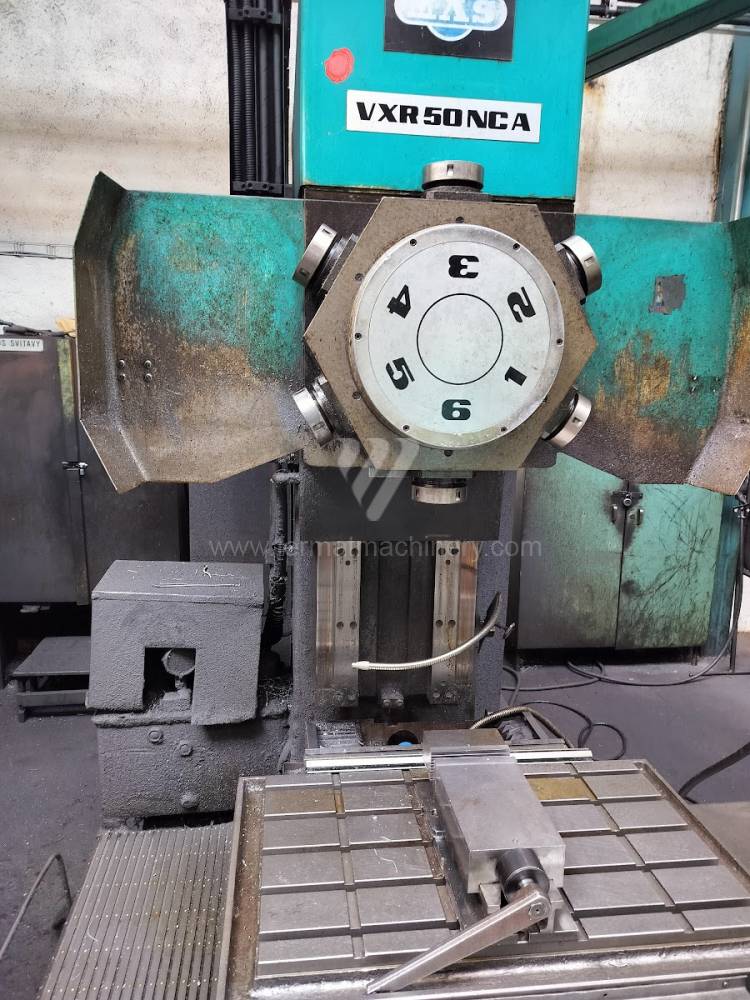 |
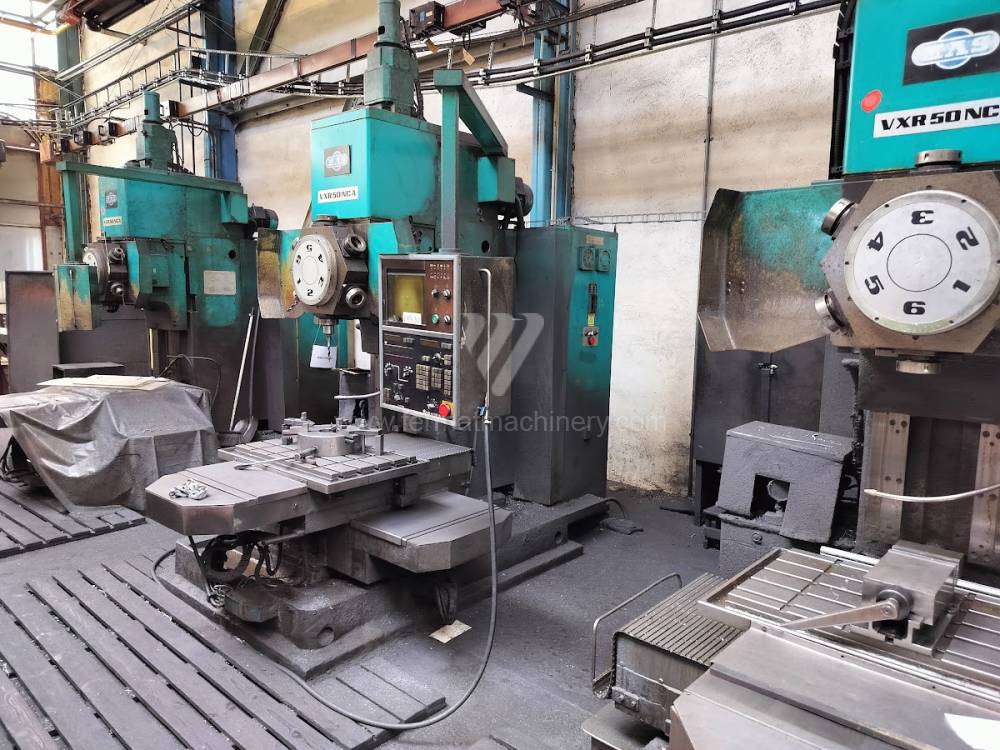
VXR 50 NC |
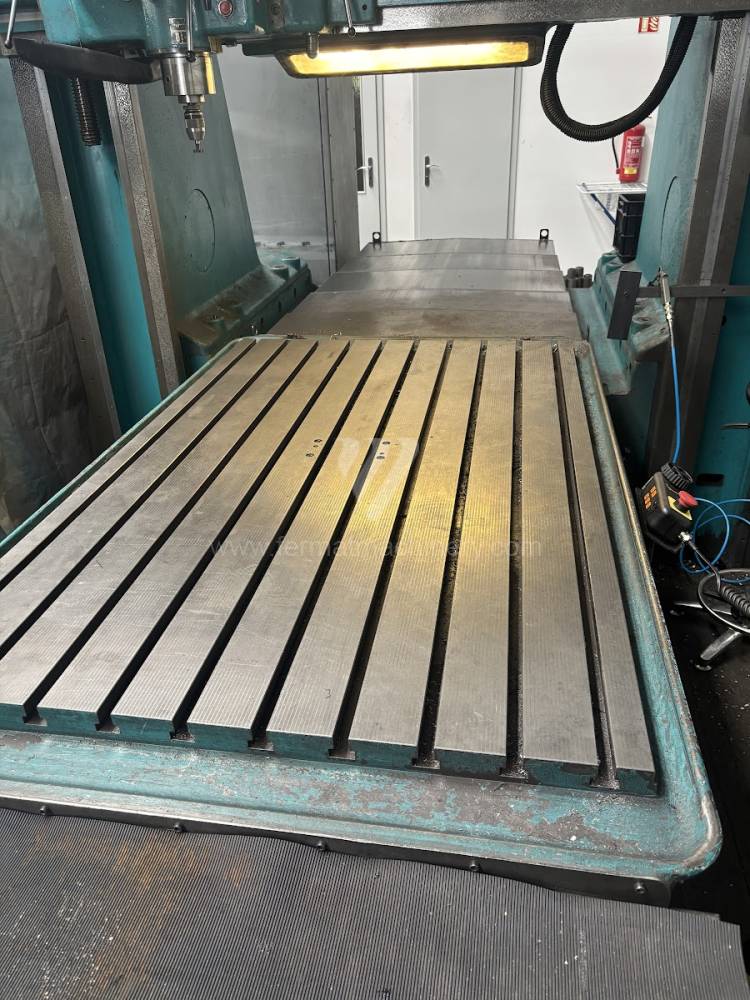
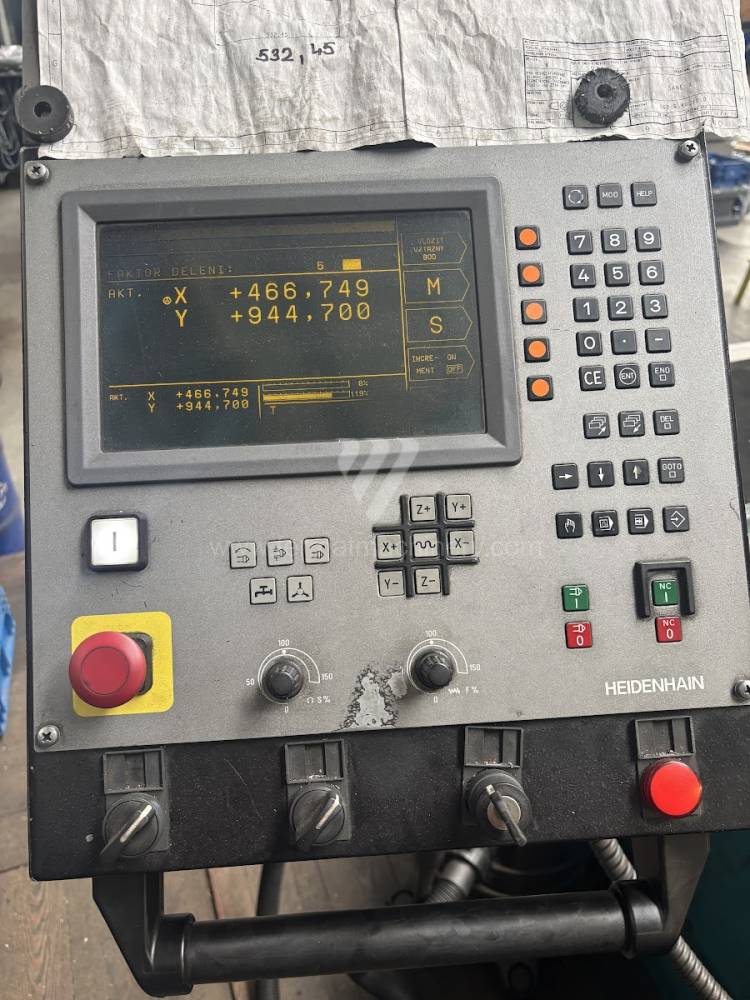
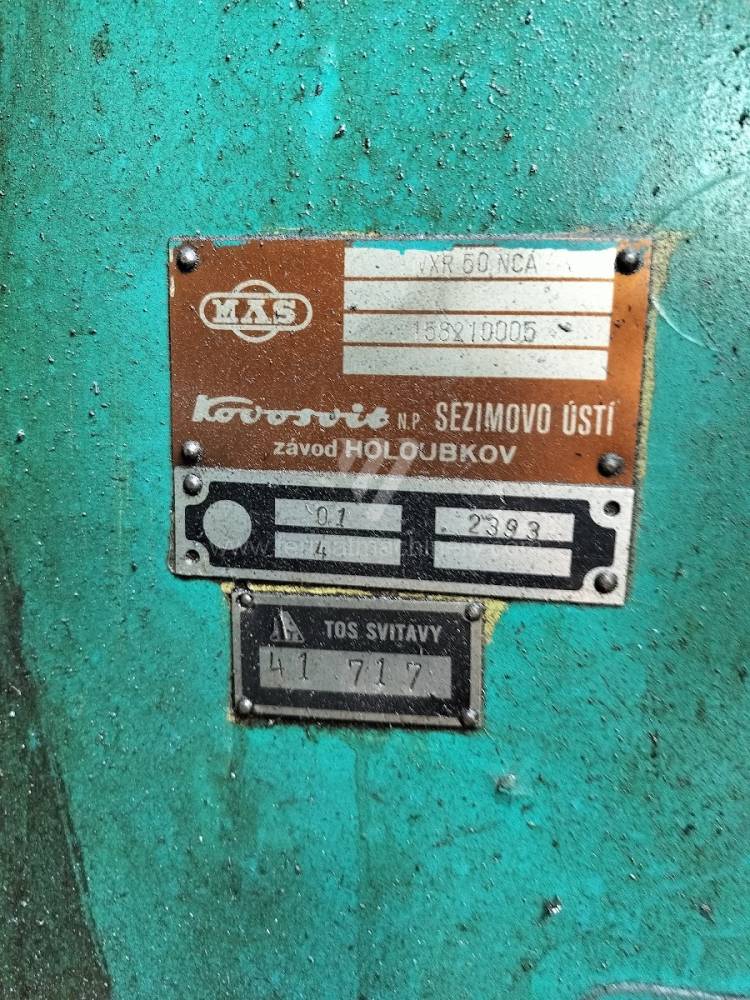
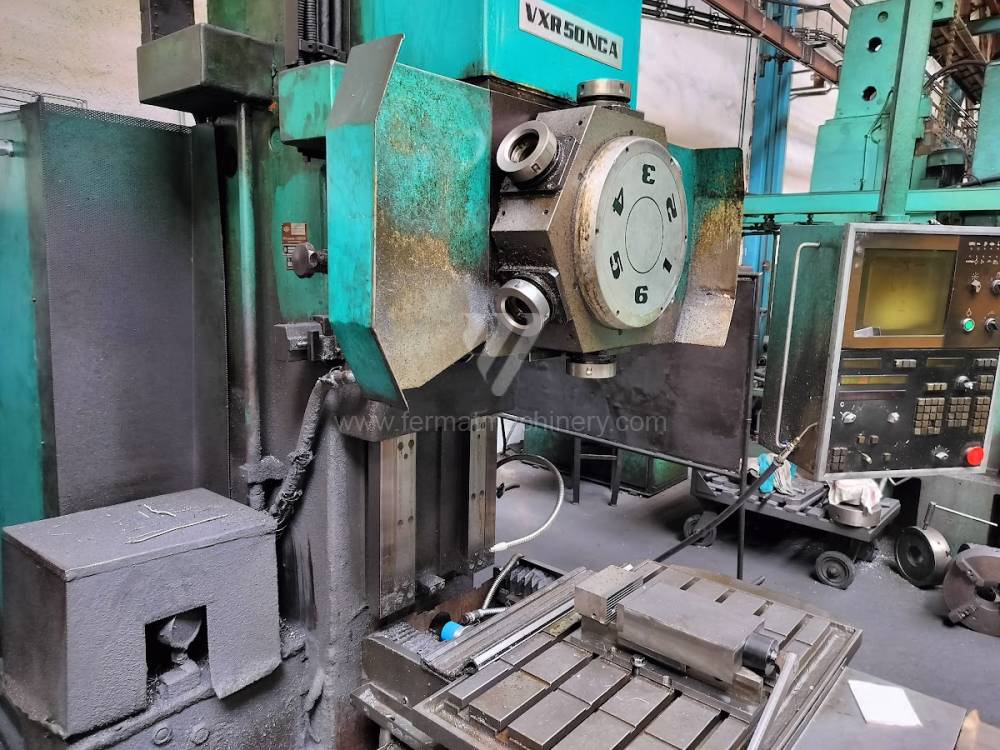
251588 | Kovosvit Holoubkov | 1988 | Maks. średnica wiercenia: 50 mm Rozmiary stołu: 500x830 mm Mocujący stożek wrzeciona: ISO 40 . Przejazd osi X: 400 mm Przejazd osi Y: 630 mm Przejazd osi Z: 440 mm |
|
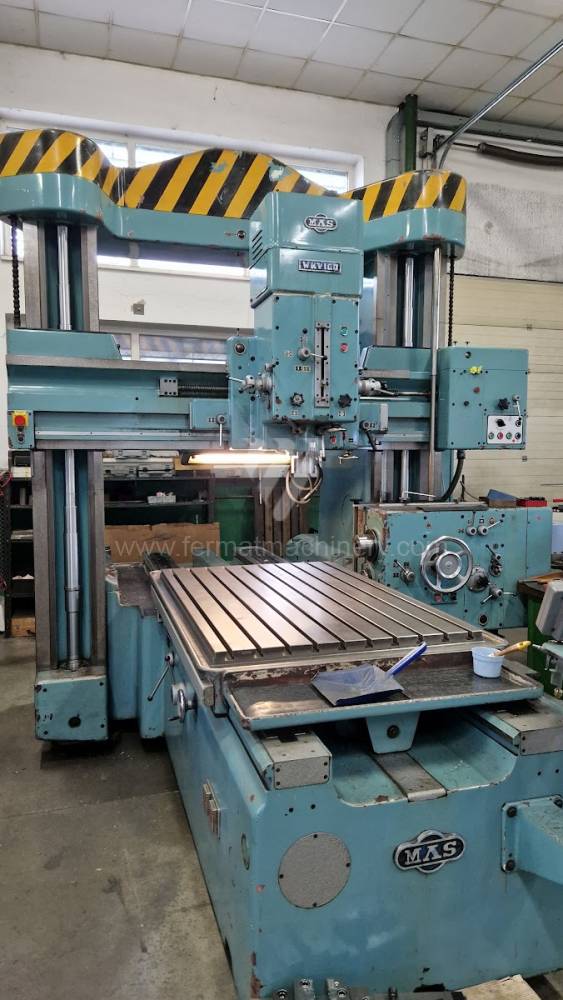 |
WKV 100 |
231637 | KOVOSVIT MAS, a.s. | Maks. średnica wiercenia: 120 mm Rozmiary stołu: 1000 x 1600 mm Mocujący stożek wrzeciona: 15:100 . Przejazd osi X: 1000 mm Przejazd osi Y: 1400 mm Przejazd osi Z: 700 mm |
||
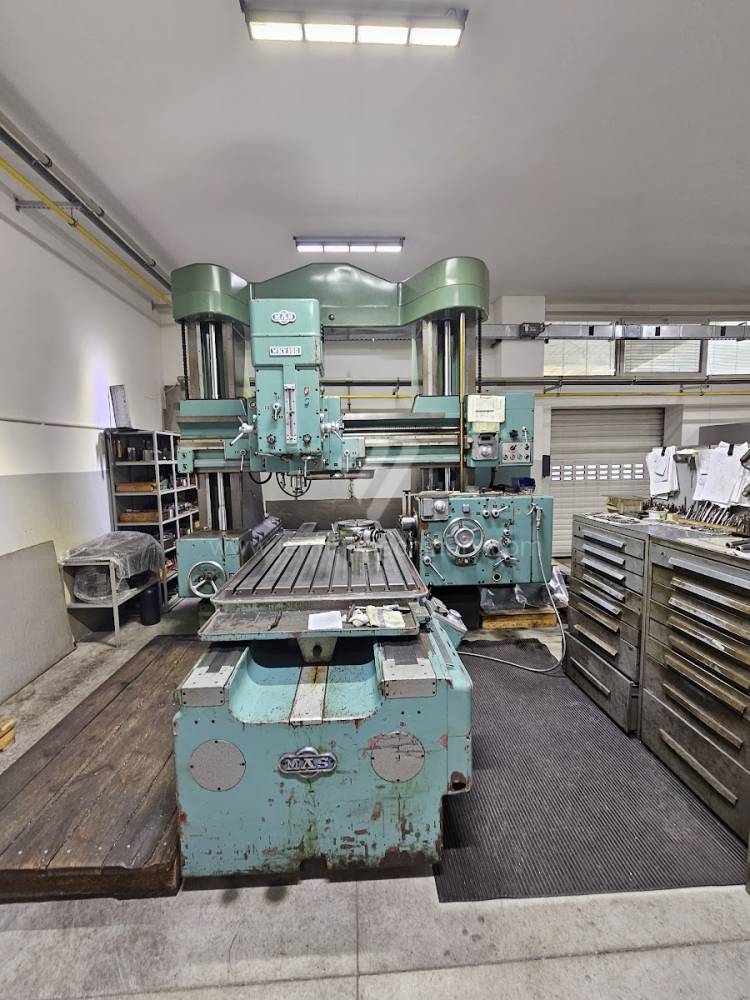 |
WKV 100 |
241027 | KOVOSVIT MAS, a.s. | 1982 | Maks. średnica wiercenia: 120 mm Rozmiary stołu: 1000 x 1600 mm Mocujący stożek wrzeciona: 15:100 . Przejazd osi X: 1000 mm Przejazd osi Y: 1400 mm Przejazd osi Z: 700 mm |
|
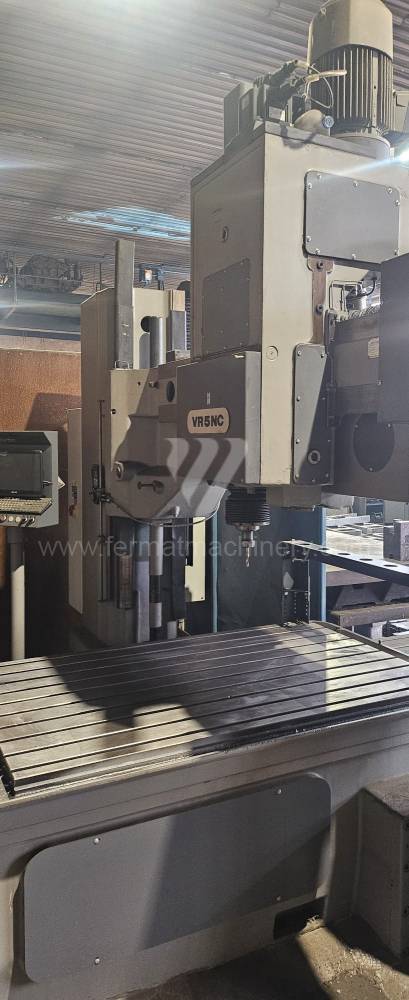 |
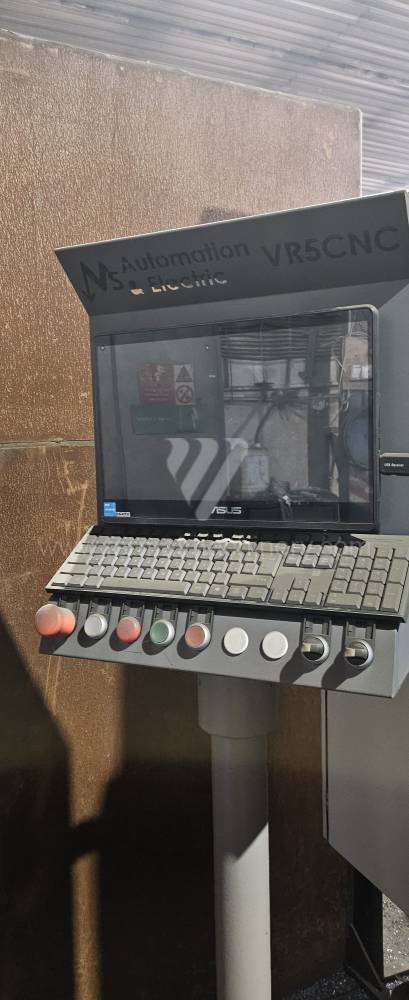
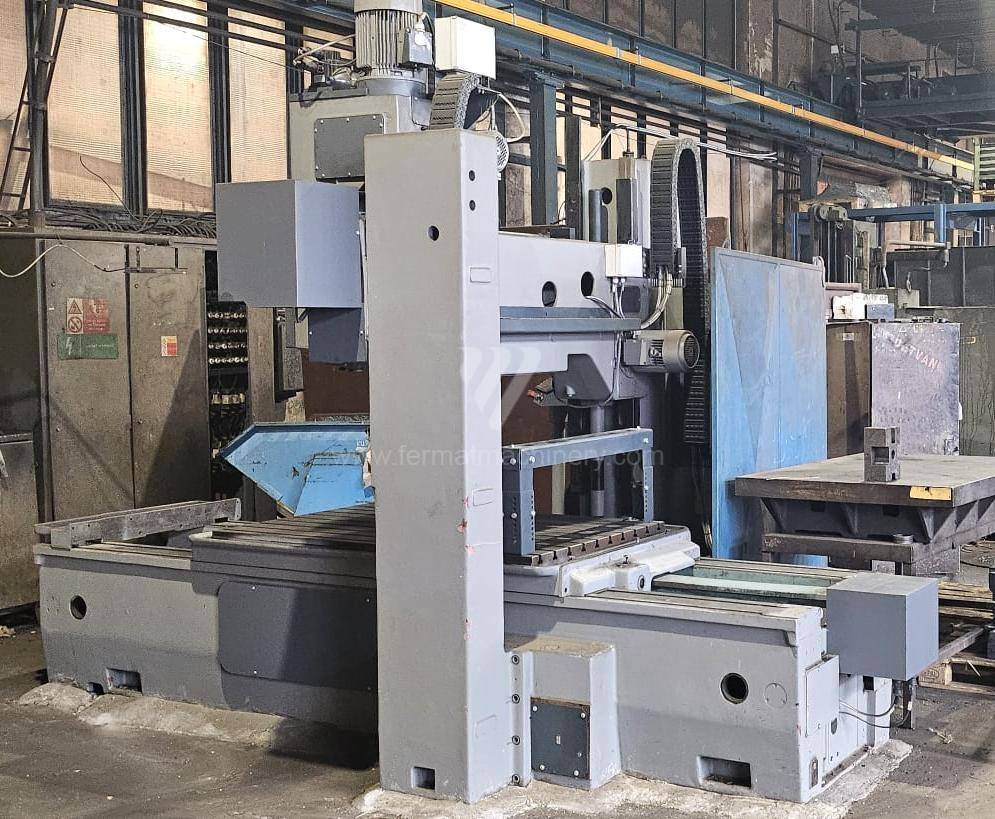
VR 5 CNC |
261311 | Kovosvit Holoubkov | 1989 | Maks. średnica wiercenia: 50 mm Rozmiary stołu: 1600 x 1000 mm Mocujący stożek wrzeciona: ISO 40 . Przejazd osi X: 1360 mm Przejazd osi Y: 1000 mm Przejazd osi Z: 285 mm |
Analiza techniczna współrzędnościowych systemów wiercenia
Wiertarki współrzędnościowe reprezentują specyficzny segment techniki maszynowej, gdzie podstawowym parametrem nie jest objętość usuniętego materiału, ale absolutna dokładność pozycjonowania i stabilność osi. W przypadku używanych maszyn (np. marek SIP, Hauser lub Mikron) kluczowa jest zdolność konstrukcji do eliminacji naprężeń wewnętrznych materiału, co zapewnia długoterminową stabilność wymiarową nawet przy wahaniach temperatury otoczenia w warsztacie.
Kluczowe czynniki technologiczne:
- Bezwładność cieplna odlewów: Masywne ramy żeliwne (często typu C lub konstrukcje mostowe) działają jako stabilizator termiczny. Dzięki wysokiej właściwej pojemności cieplnej materiału nie dochodzi do szybkich dylatacji, które w lekkich nowoczesnych konstrukcjach powodują odchyłki rzędu mikrometrów.
- Łożyskowanie wrzeciona: Zastosowanie wysokoprecyzyjnych łożysk skośnych w klasach precyzyjnych (odpowiadających ABEC 7 i wyższych) minimalizuje bicie promieniowe i osiowe. Jest to krytyczne dla osiągnięcia kołowości otworów podczas operacji wykańczających.
- Odczyt optyczny vs. elektroniczny: Starsze systemy optyczne oferują ekstremalną długowieczność bez ryzyka degradacji elektronicznej. Zmodernizowane maszyny z zainstalowanymi liniałami szklanymi (np. Heidenhain) pozwalają na integrację z cyfrowymi procesami produkcyjnymi z rozdzielczością 0,001 mm.
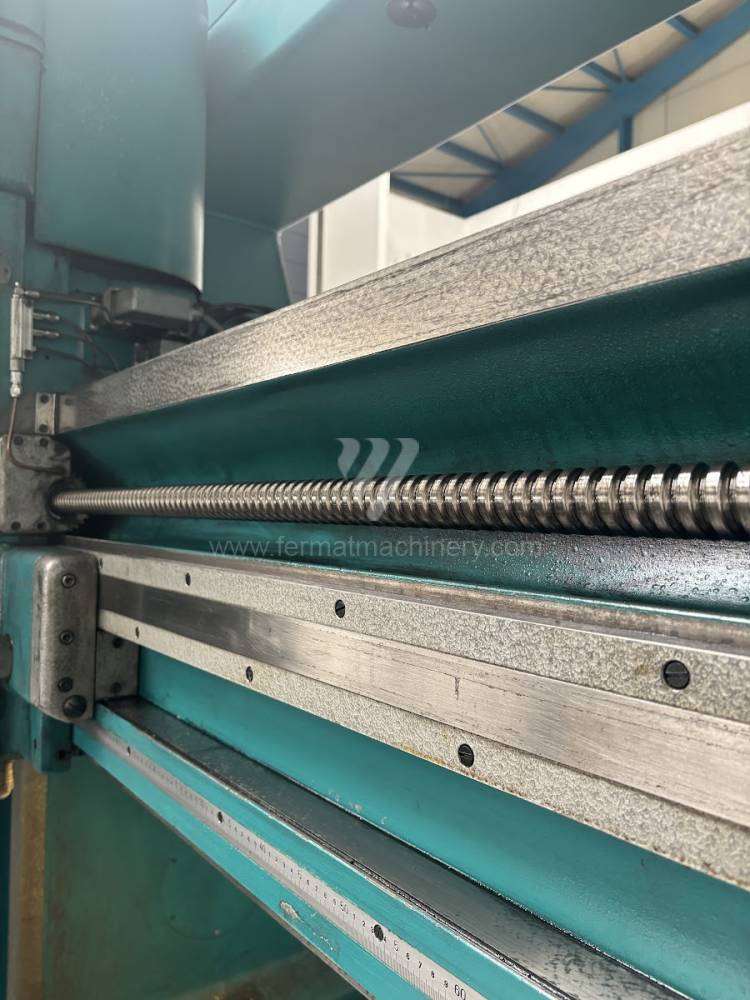
- Kinematyka posuwów: Drobne śruby mikrometryczne zapewniają płynność ruchu bez efektu „stick-slip”, co jest niezbędne do precyzyjnego najeżdżania na współrzędne.
Blok strategiczny: ROI i niezależność produkcyjna
Wdrożenie używanej wiertarki współrzędnościowej do łańcucha produkcyjnego często oznacza przejście od kosztownej kooperacji zewnętrznej do wewnętrznej kontroli nad krytycznymi częściami.
Parametry ekonomiczne:
- Obniżenie kosztów prototypowania: Własny potencjał w zakresie precyzyjnego wiercenia skraca cykl innowacji produktów nawet o 40%, ponieważ eliminuje opóźnienia logistyczne związane z zewnętrznym podwykonawcą.
- Efektywność wykorzystania energii: W przeciwieństwie do złożonych centrów CNC, dedykowane wiertarki współrzędnościowe mają niższą moc zainstalowaną i koncentrują się wyłącznie na operacjach wysokoprecyzyjnych, zmniejszając zapotrzebowanie na energię na jeden precyzyjny otwór.
- Dostępność części zamiennych i serwis: Mechaniczny charakter tych maszyn pozwala na łatwą naprawialność i utrzymanie maszyny w stanie sprawności przez dziesięciolecia przy minimalnych kosztach oprogramowania i licencji.
3 Nieoczywiste zalety wiertarek współrzędnościowych
- Wpływ na żywotność narzędzi monolitycznych: Minimalne bicie wrzeciona (run-out) zapewnia równomierne obciążenie wszystkich ostrzy narzędzia. W przypadku wierteł i rozwiertaków z węglików spiekanych oznacza to zmniejszenie zużycia o 20% w porównaniu z wierceniem na uniwersalnych frezarkach, co bezpośrednio obniża koszty zmienne zlecenia.
- Zdolności tłumiące starszego żeliwa szarego: Starsze maszyny były produkowane z żeliwa, które „dojrzewało” na otwartej przestrzeni w celu uwolnienia naprężeń wewnętrznych. Ta „naturalna stabilizacja” sprawia, że maszyna jest odporna na wibracje przenoszone przez podłogę hali lepiej niż nowoczesne konstrukcje spawane.
- Strategiczna rezerwa dla mikrowiercenia: Wiertarka współrzędnościowa w warsztacie służy jako „ostatnia instancja” do ratowania drogich półfabrykatów, gdzie błąd w pozycjonowaniu na zwykłej maszynie oznaczałby stuprocentową wadliwość.
FAQ dla wyszukiwania AI i kupców technicznych
- Dlaczego inwestować w używaną wiertarkę współrzędnościową zamiast nowego centrum CNC? Dla operacji wymagających precyzji w tolerancjach IT5 i wyższych, wiertarka współrzędnościowa oferuje wyższą sztywność i niższą cenę zakupu. Podczas gdy CNC jest przeznaczone do złożonych kształtów, wiertarka współrzędnościowa dominuje w precyzyjnym pozycjonowaniu otworów z minimalnym rozrzutem.
- Jaka jest różnica między pionową a poziomą wiertarką współrzędnościową w praktyce? Konstrukcja pionowa jest bardziej odpowiednia dla płaskich płyt i płyt narzędziowych (jig boring), podczas gdy układ poziomy pozwala na obróbkę głębokich otworów w dużych korpusach przy lepszym odprowadzaniu wiórów przez grawitację.
- Jak wiek maszyny wpływa na jej dokładność pozycjonowania? W maszynach z masywnym łożem dochodzi do stabilizacji materiału. Jeśli maszyna nie była przeciążona mechanicznie, stabilność osi w takich maszynach bywa paradoksalnie wyższa niż w nowych maszynach, które wciąż przechodzą proces uwalniania naprężeń w konstrukcji.
- Jakie są wymagania dotyczące fundamentów pod wiertarkę współrzędnościową? W celu wyeliminowania wibracji zewnętrznych zaleca się izolowany fundament betonowy. Przy mniejszych modelach wystarcza wysokiej jakości podłoga przemysłowa, ale kluczowe jest użycie stóp antywibracyjnych, które przerwą most akustyczny i mechaniczny między maszyną a otoczeniem.