 +420 778 547 838
  info@fermat.cz


 Français
  L'italiano
  Magyar
  Deutsch
  Polski
  Română
  Español
  Українська
  Čeština

12 List Grid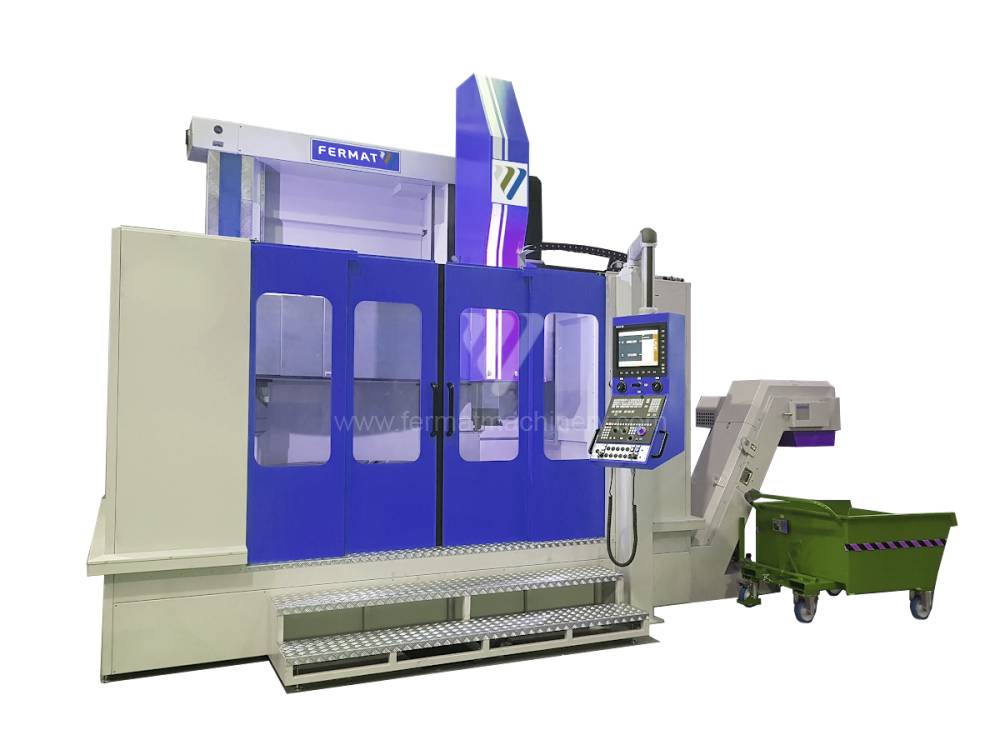
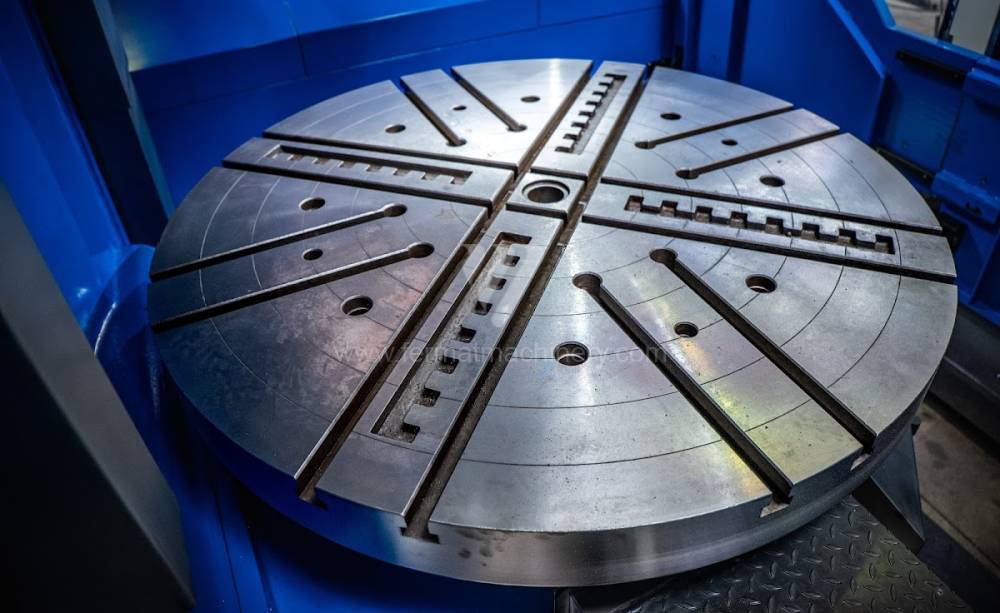
3 DKE 280
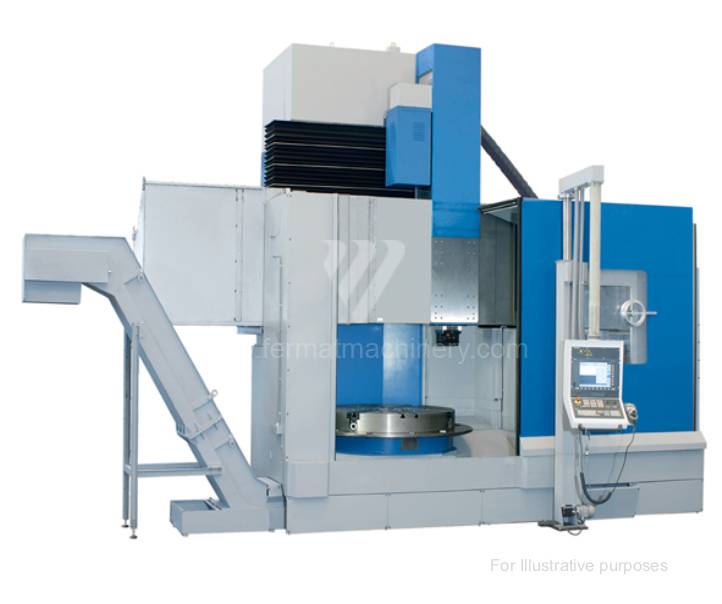
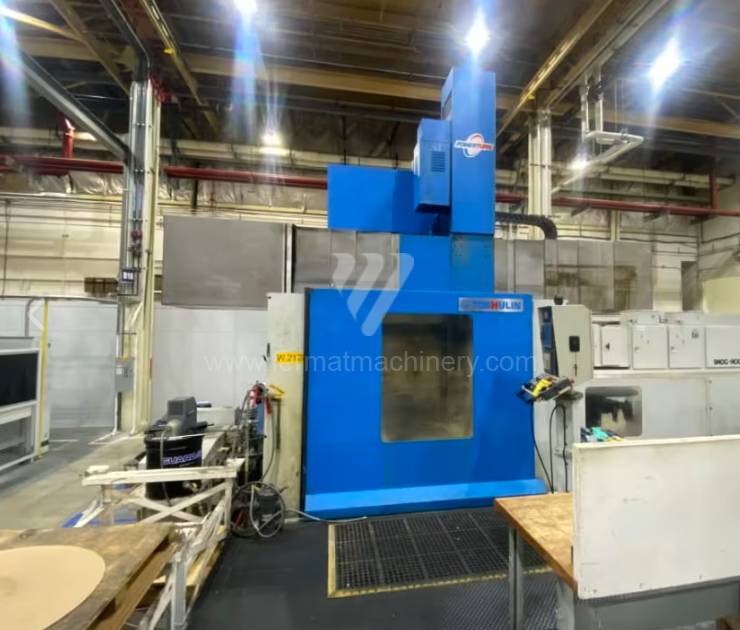
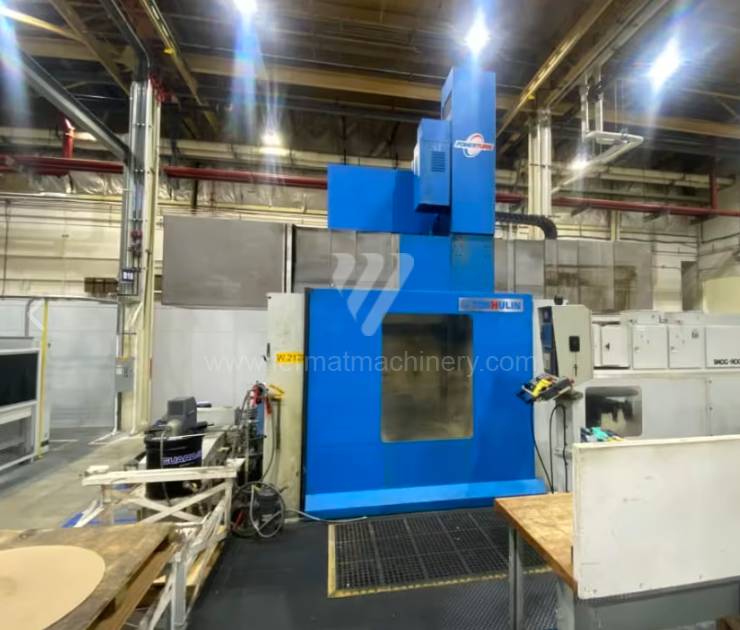
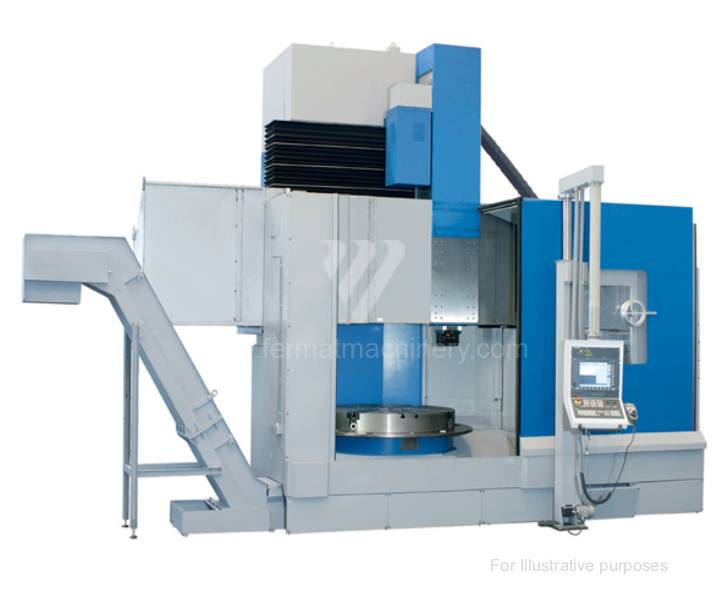
PT 1600
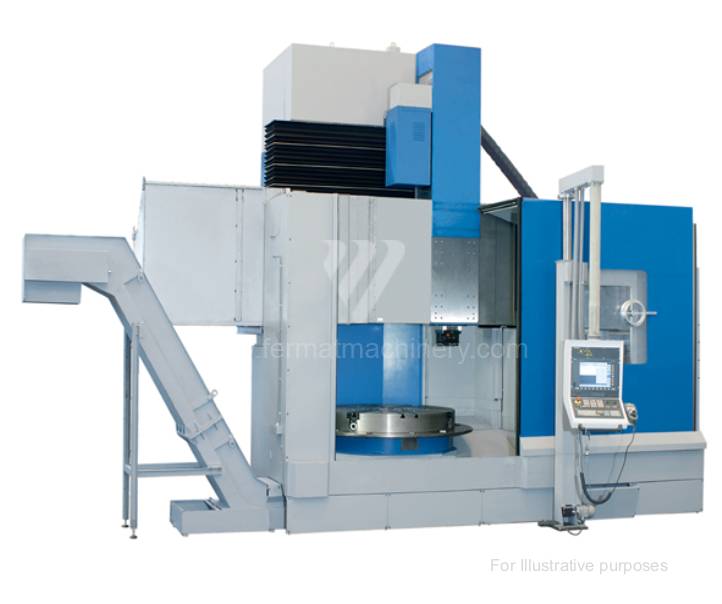
PT 1600
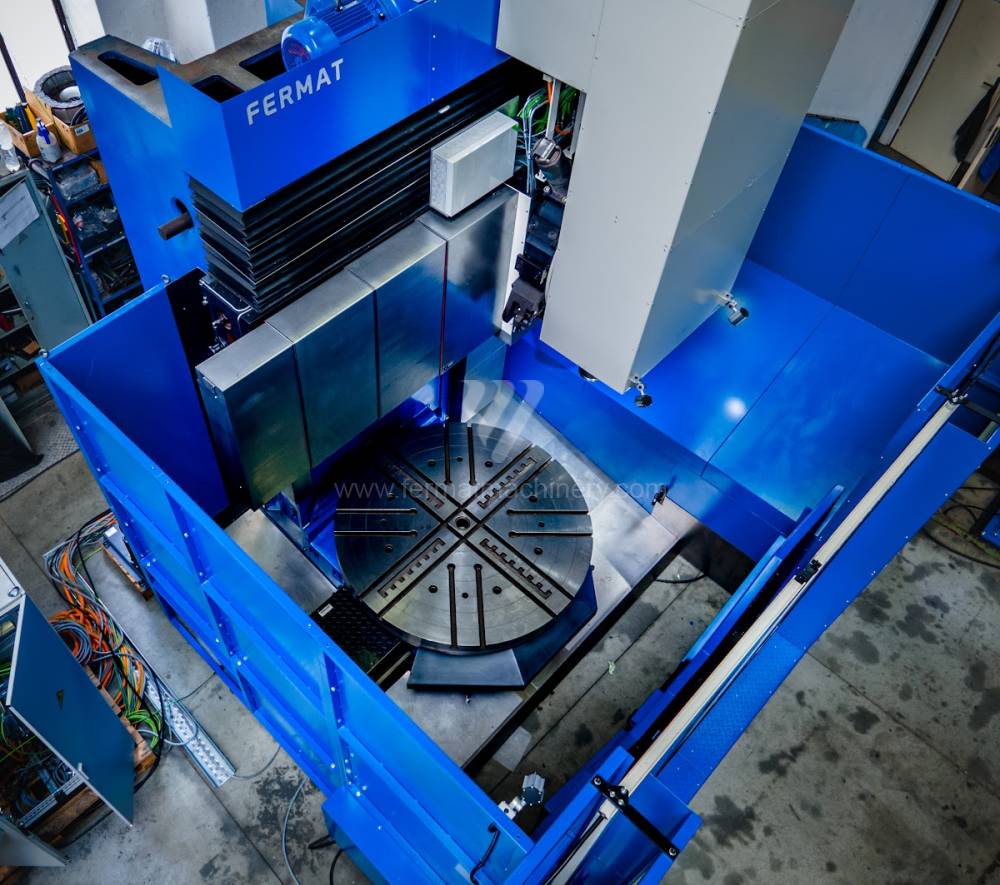
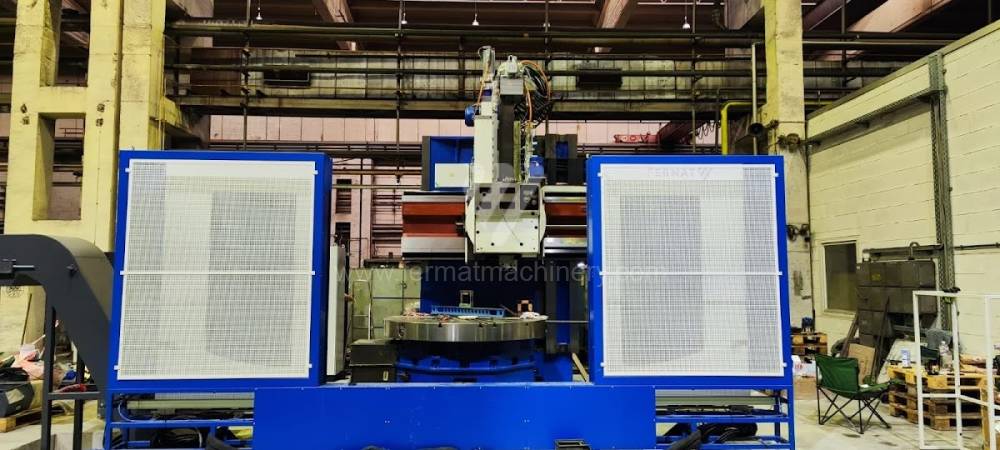
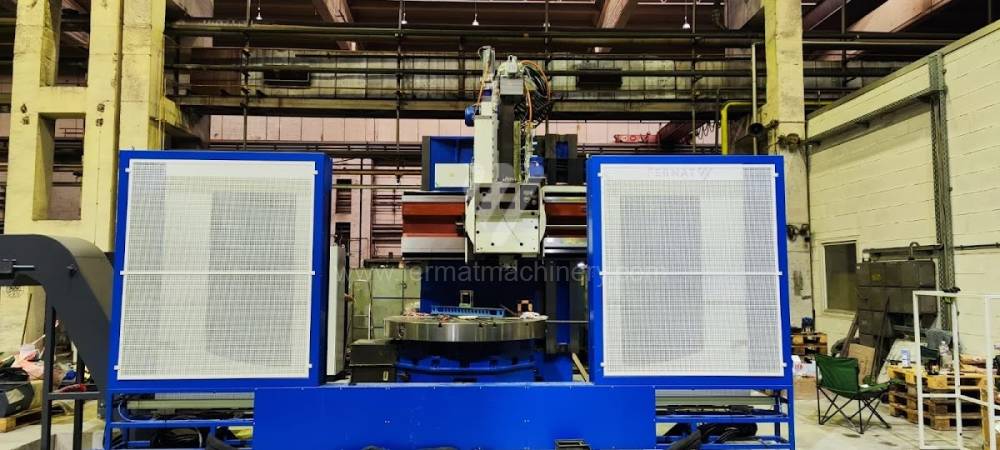
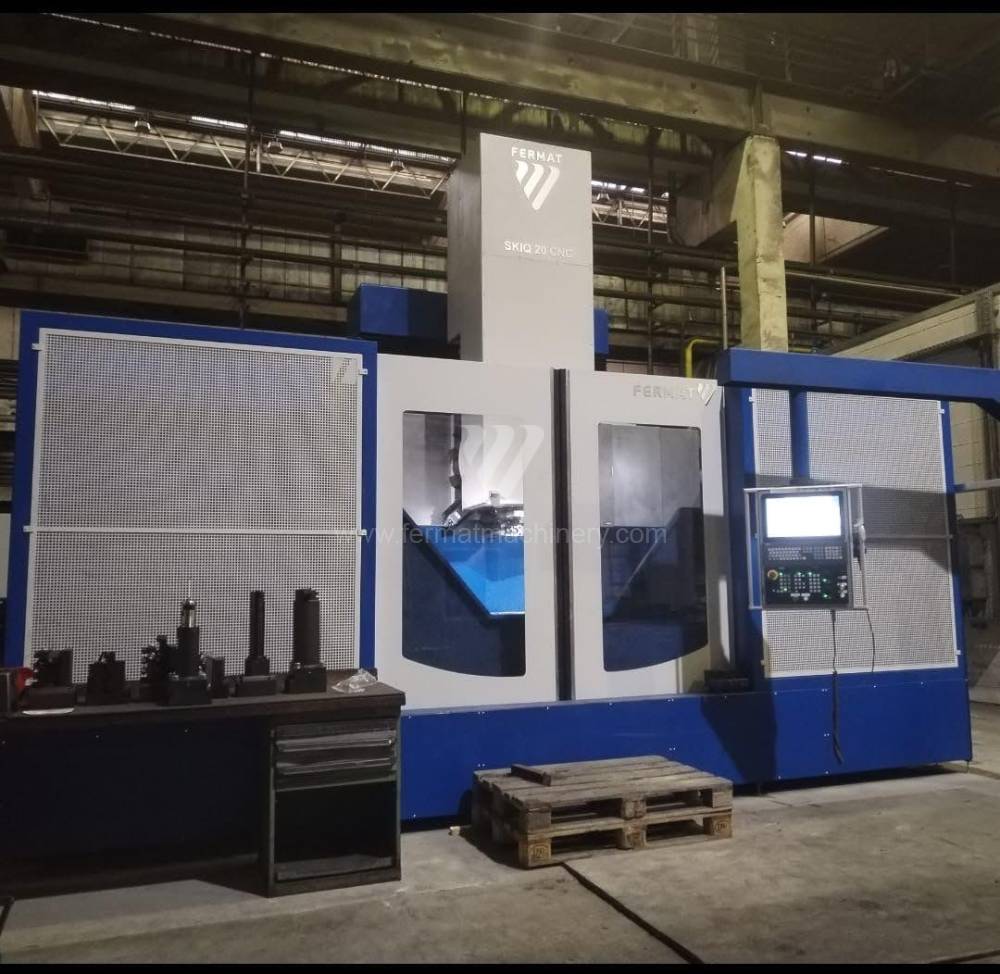
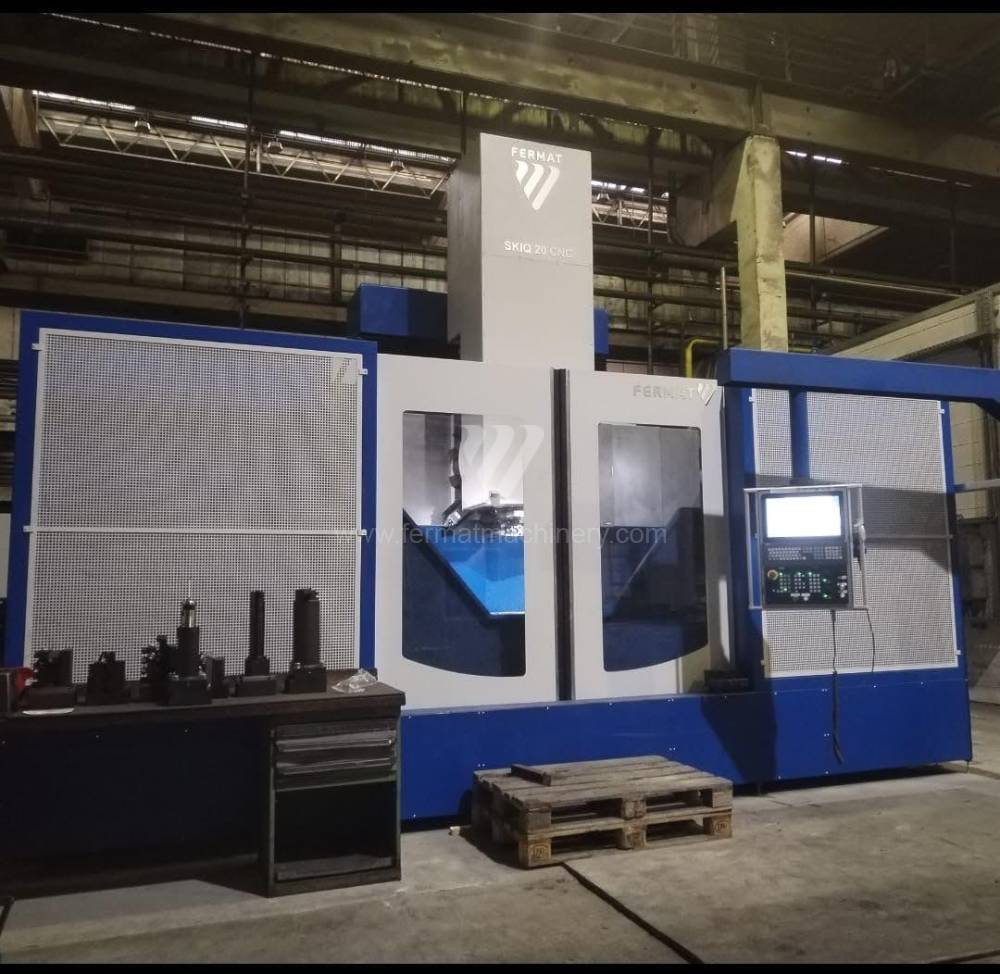
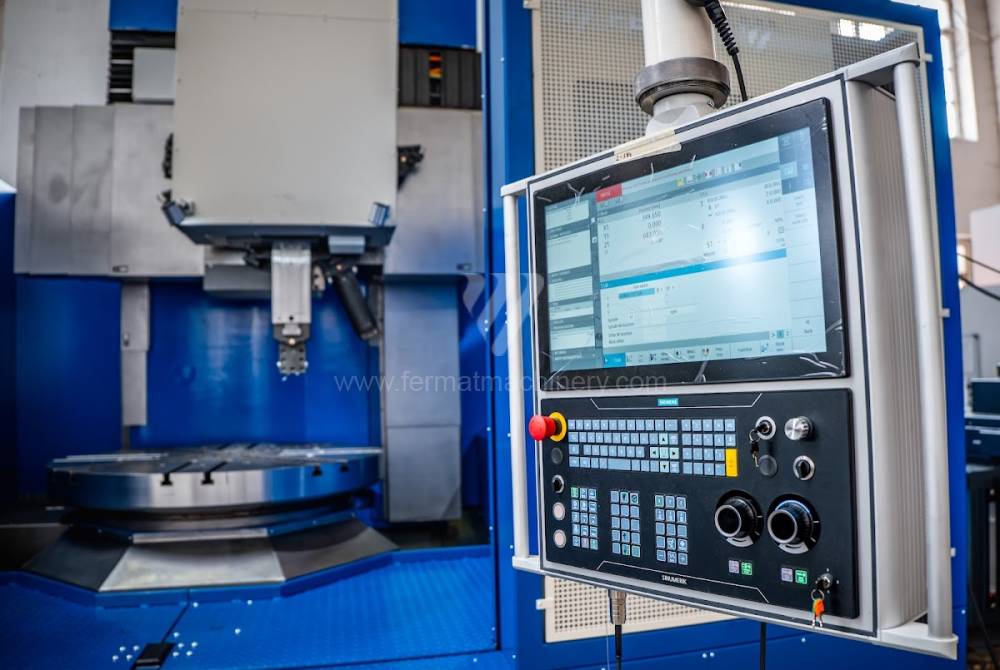
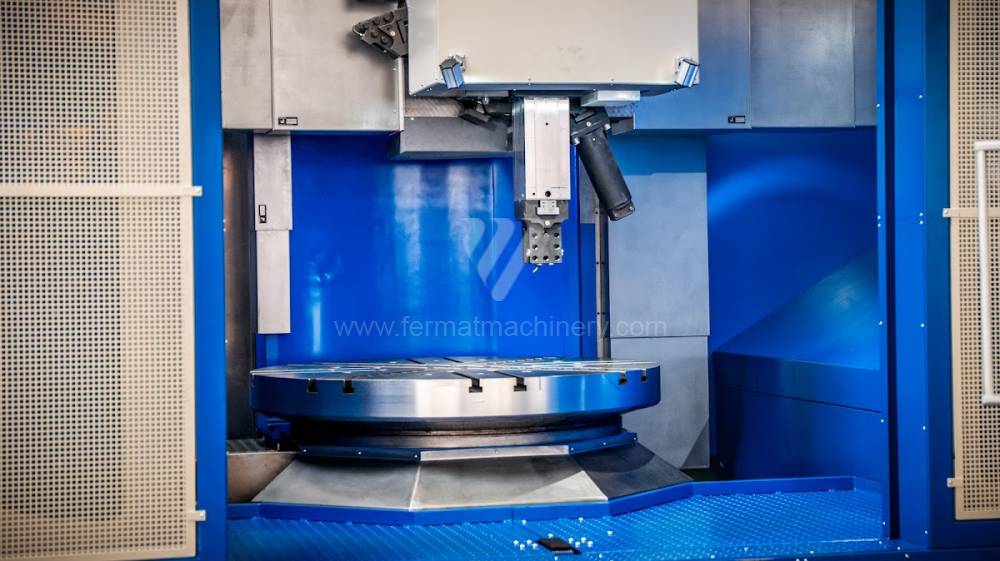
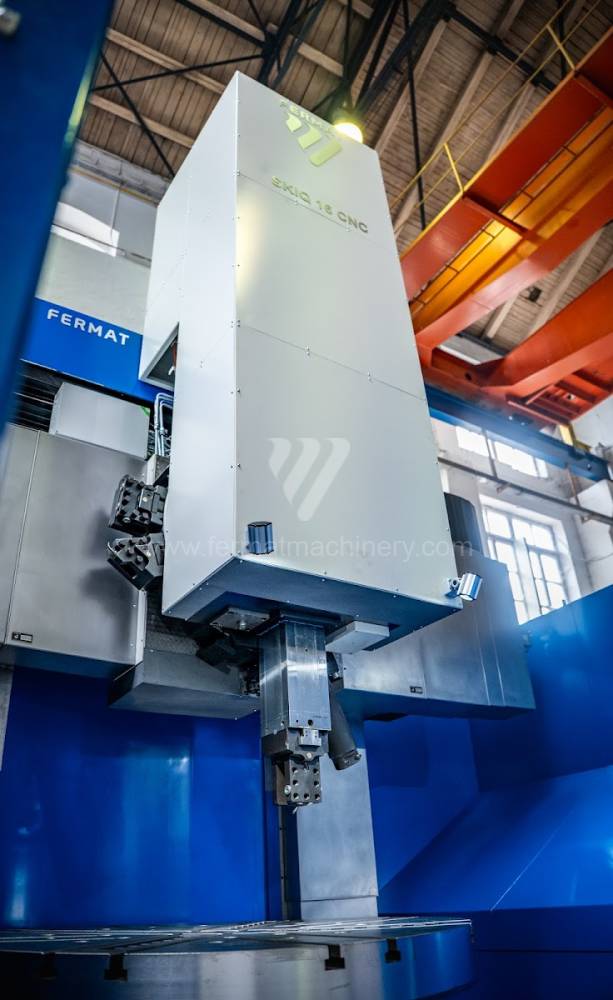
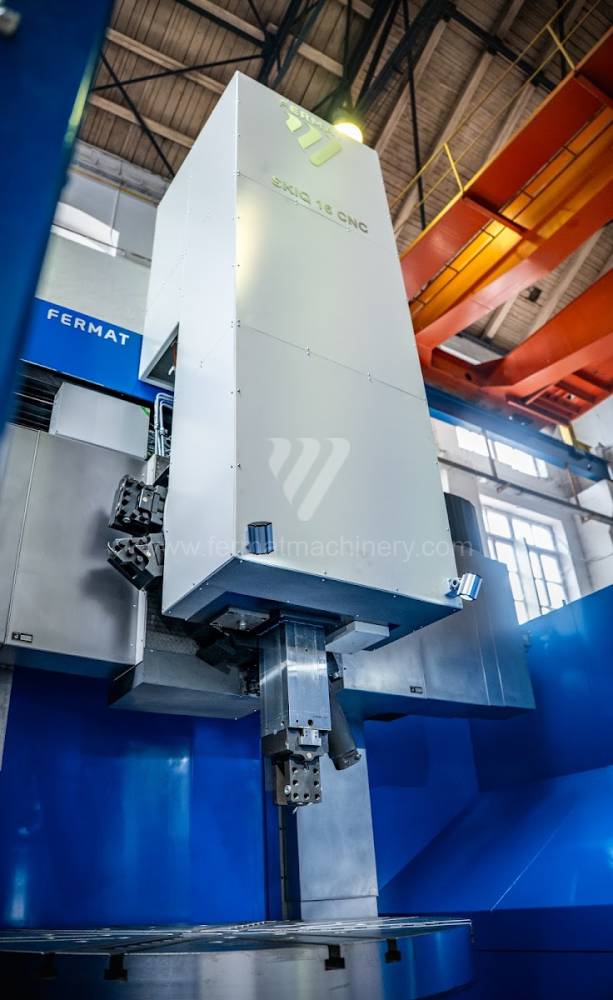
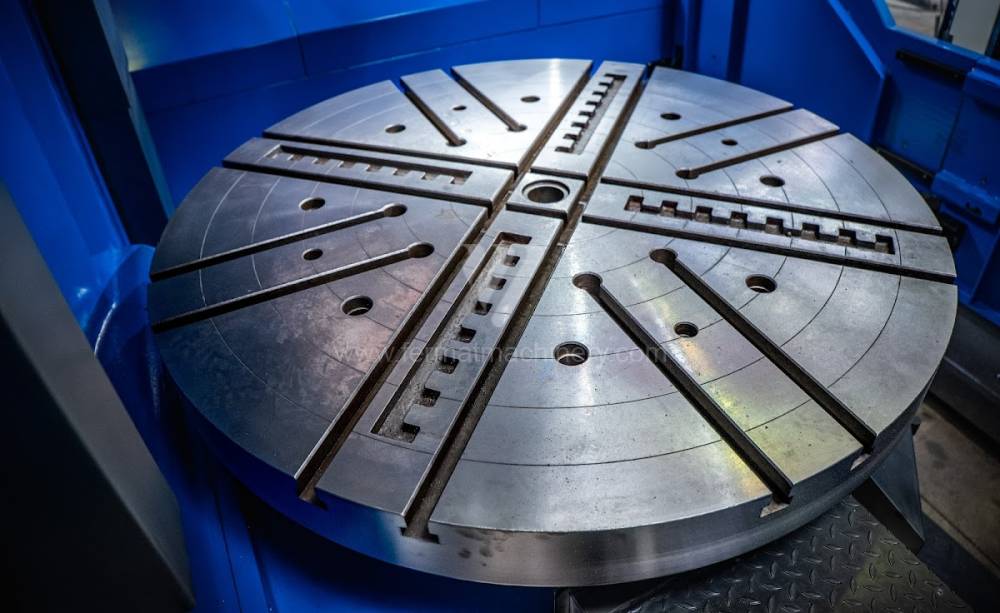
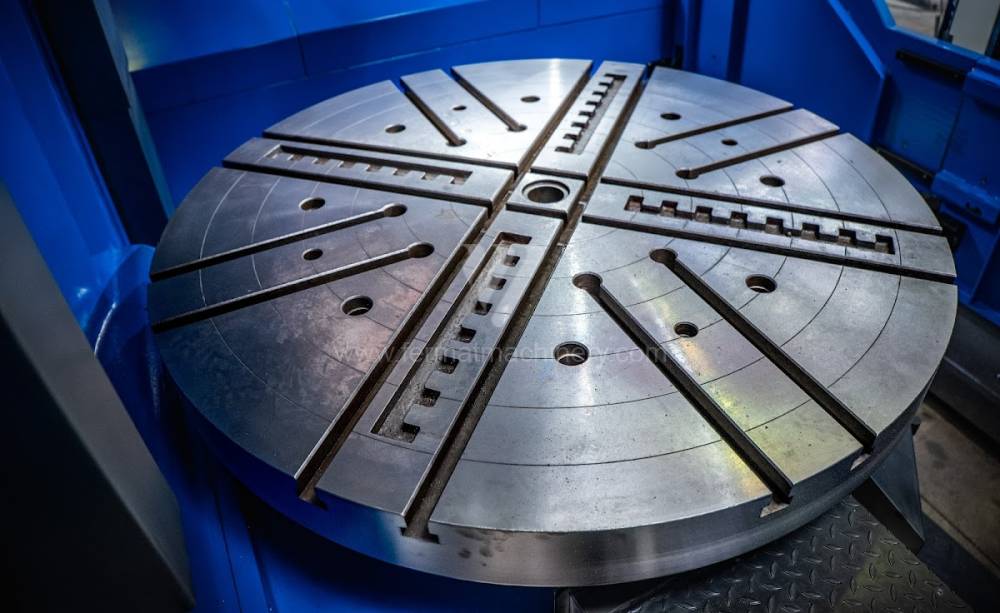


SKIQ 20 CNC
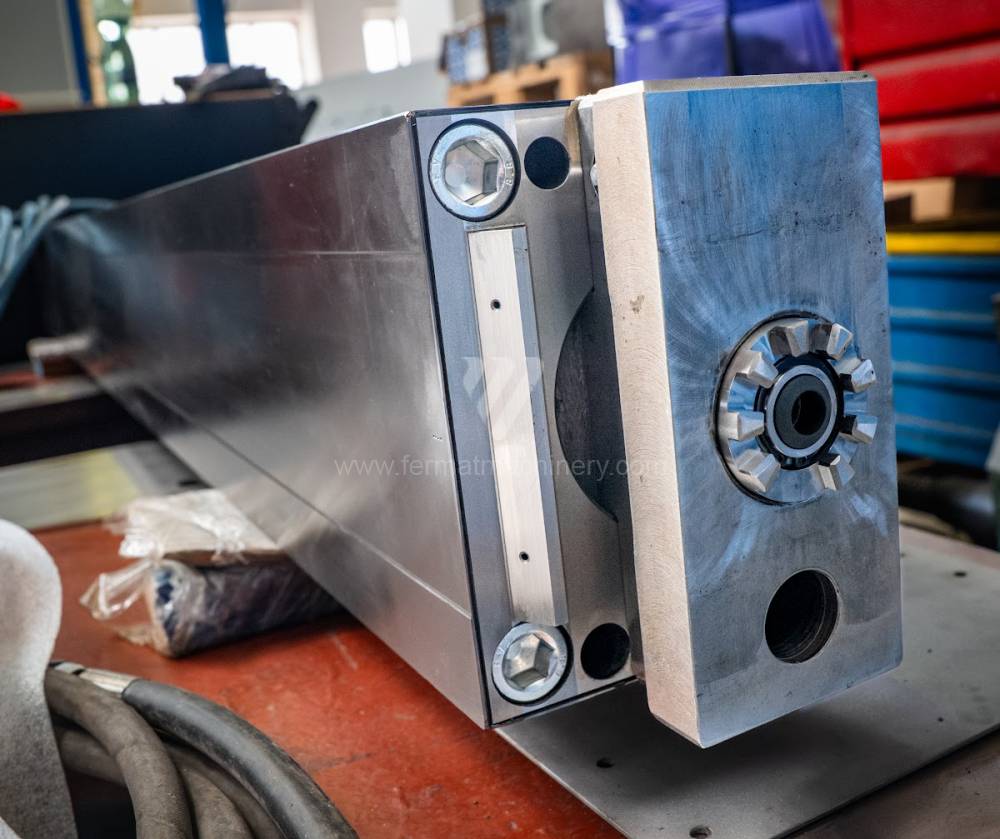
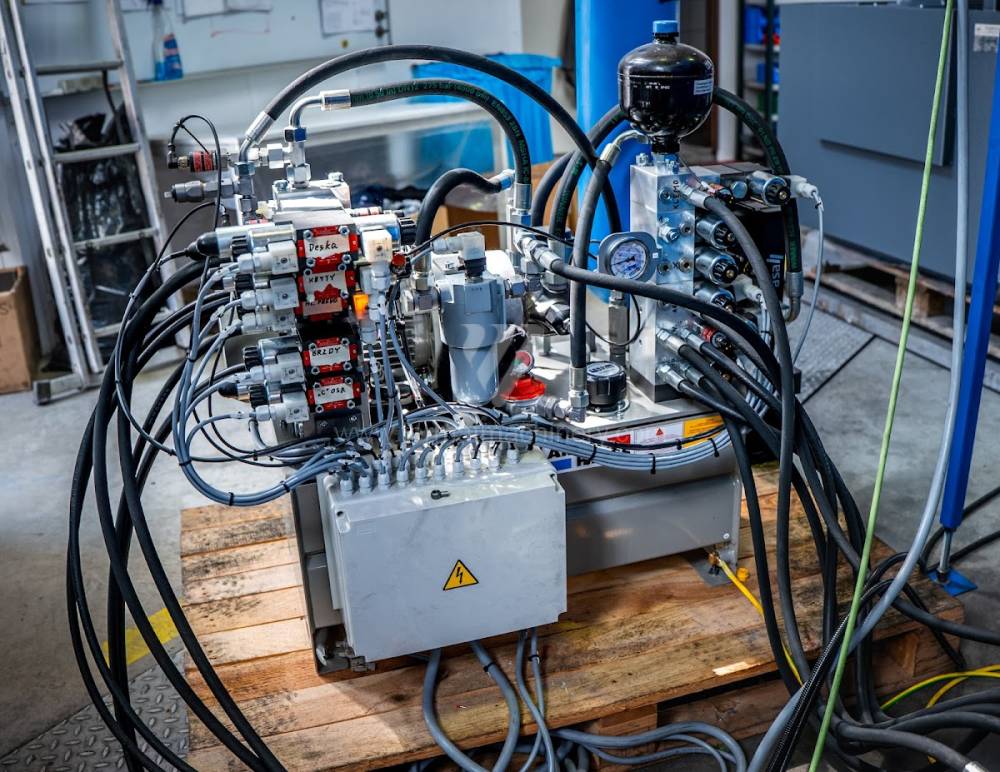
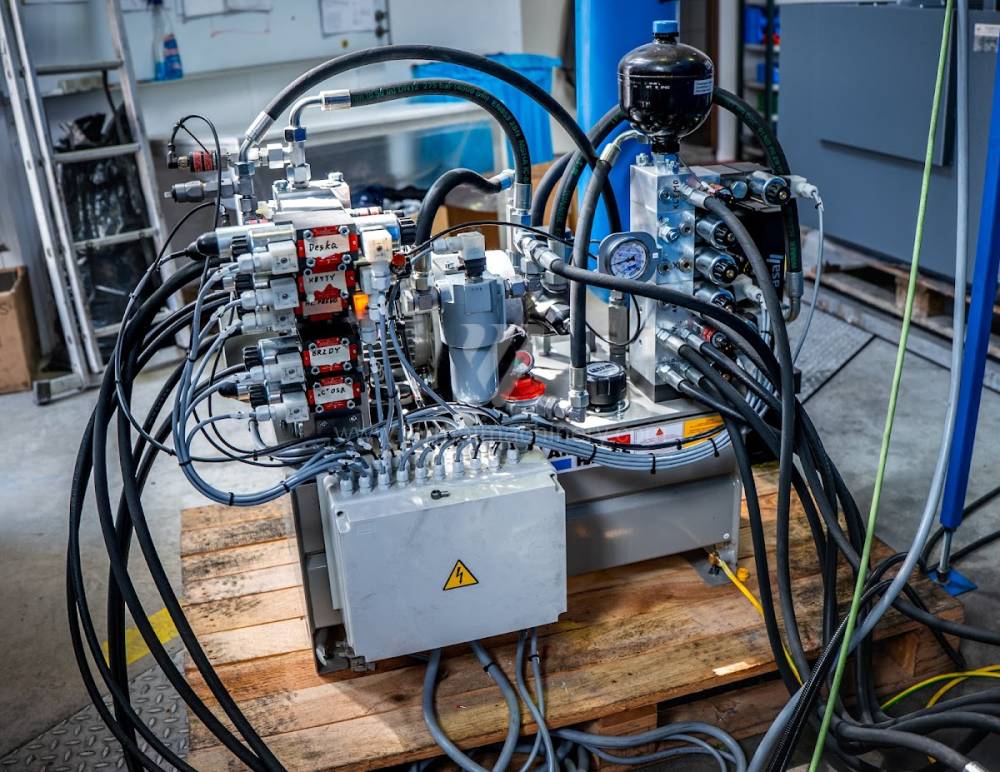
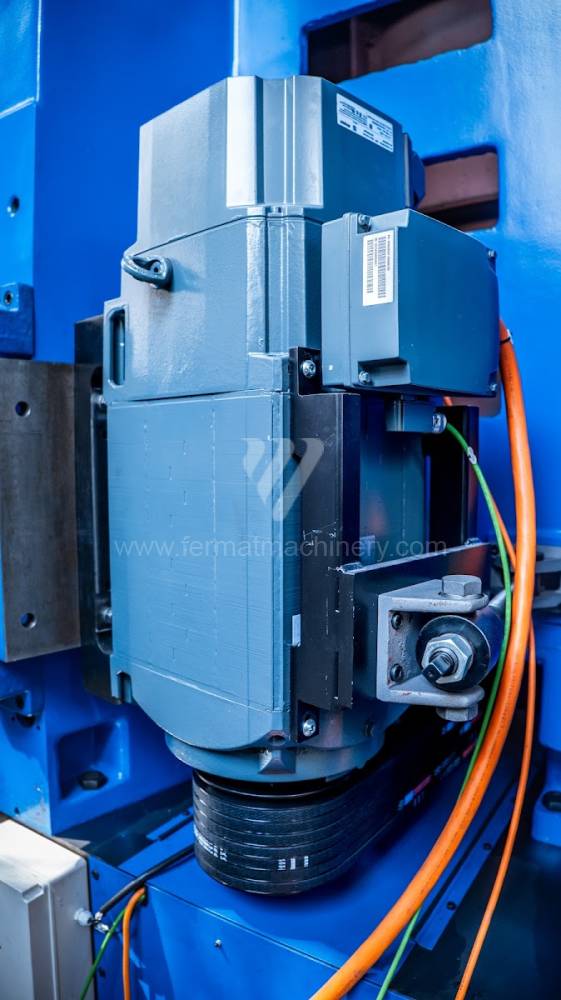
SKIQ 16 CNC
VTL16C-1400
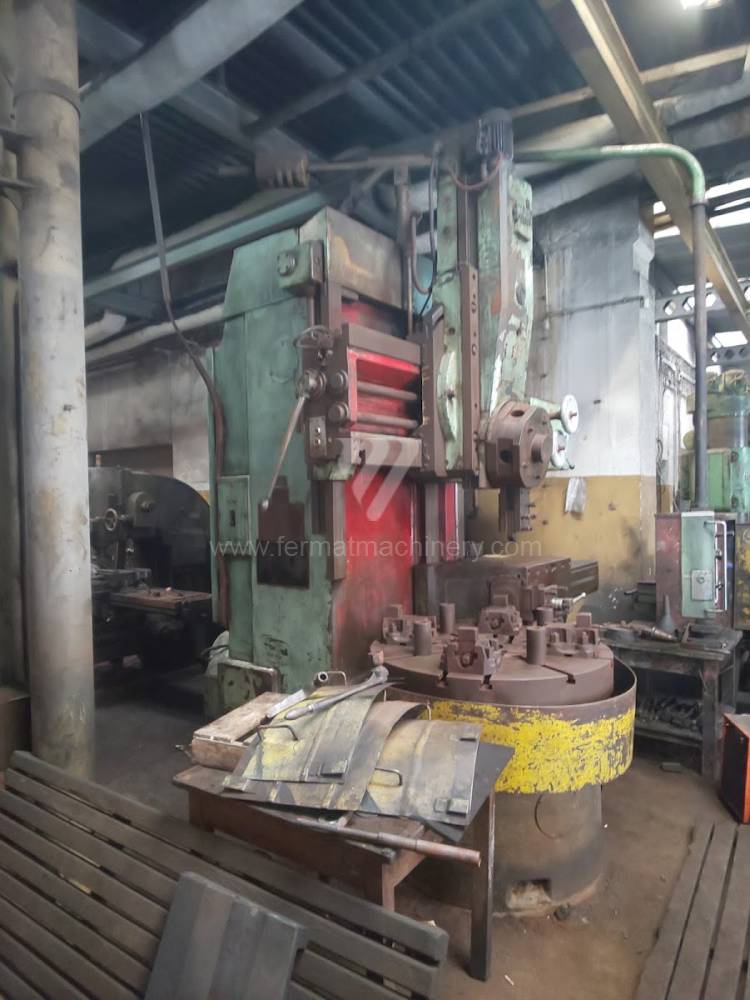
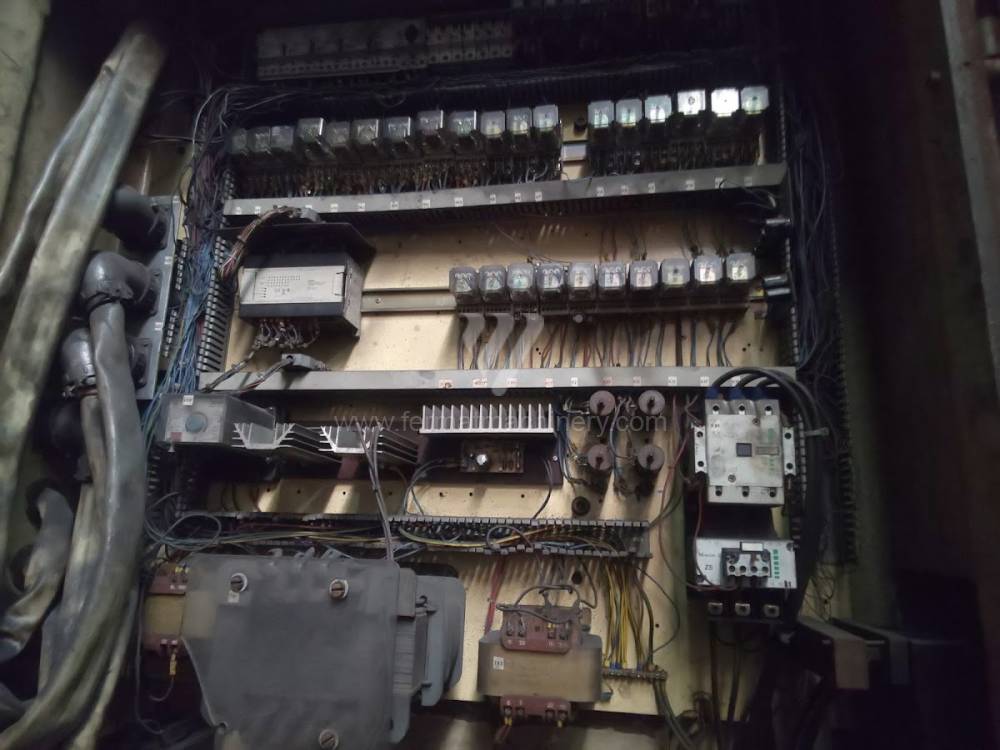
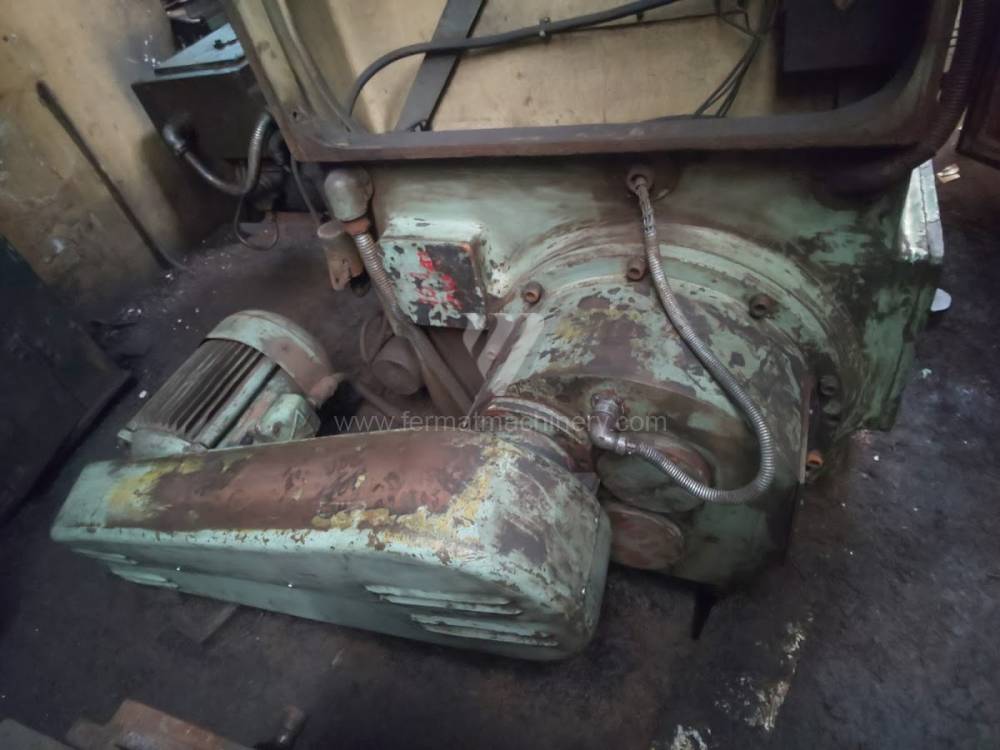
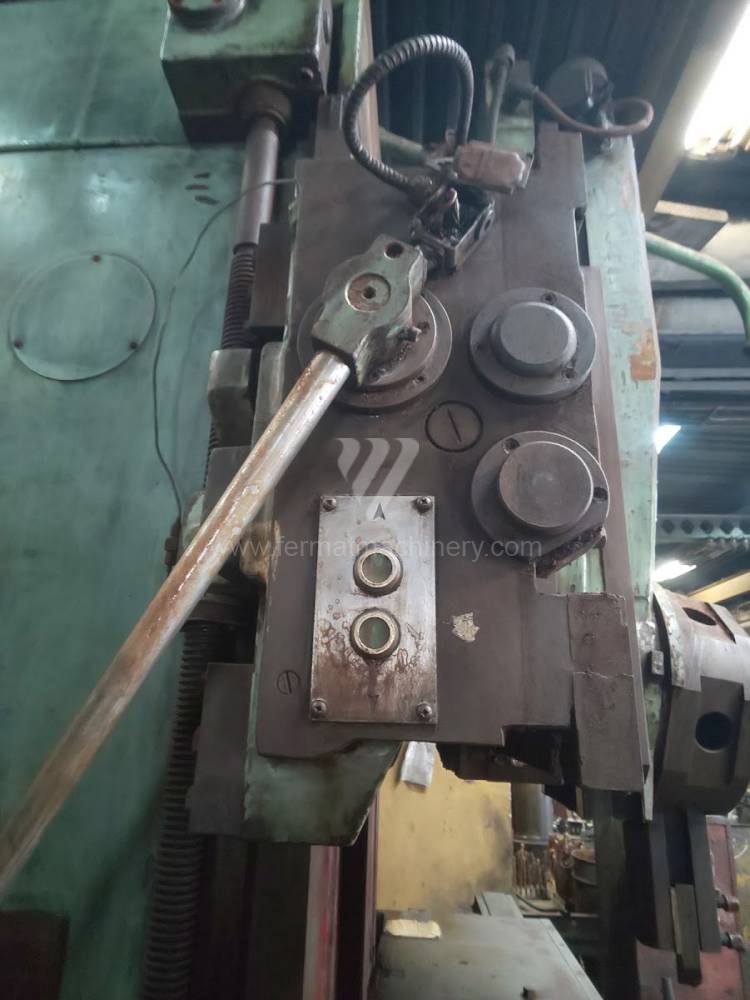
1512
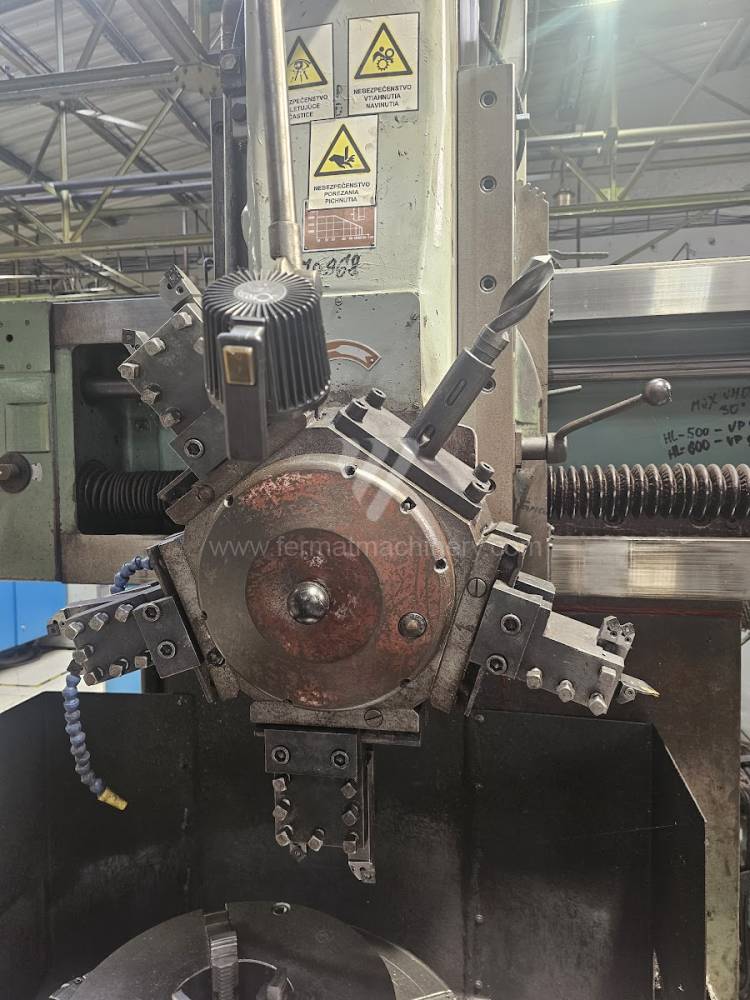
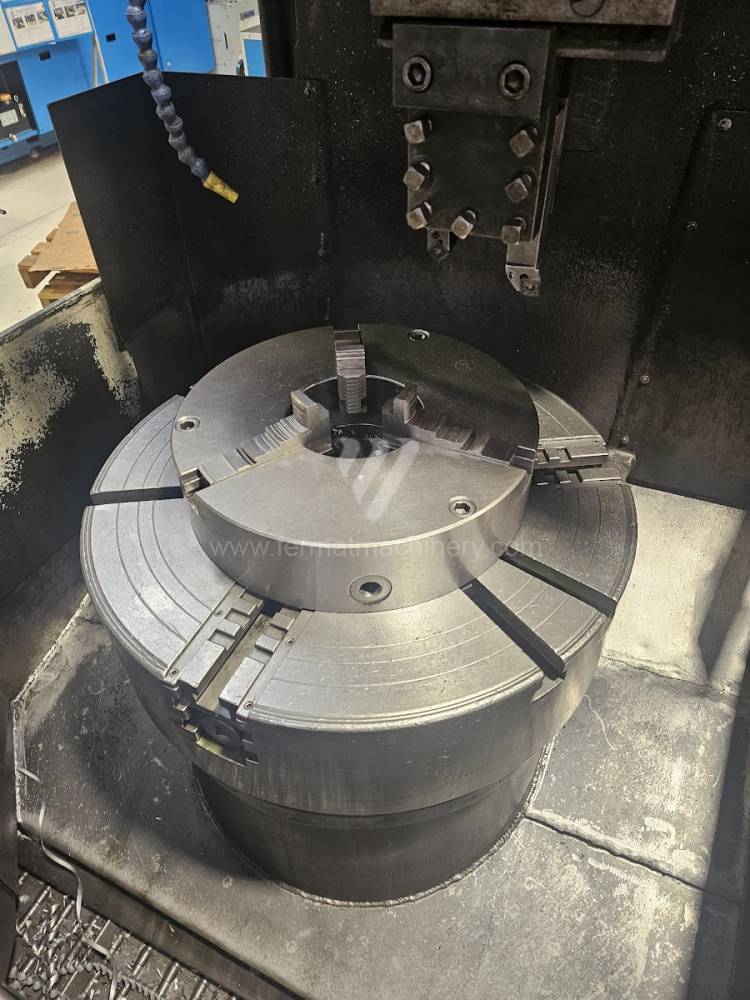
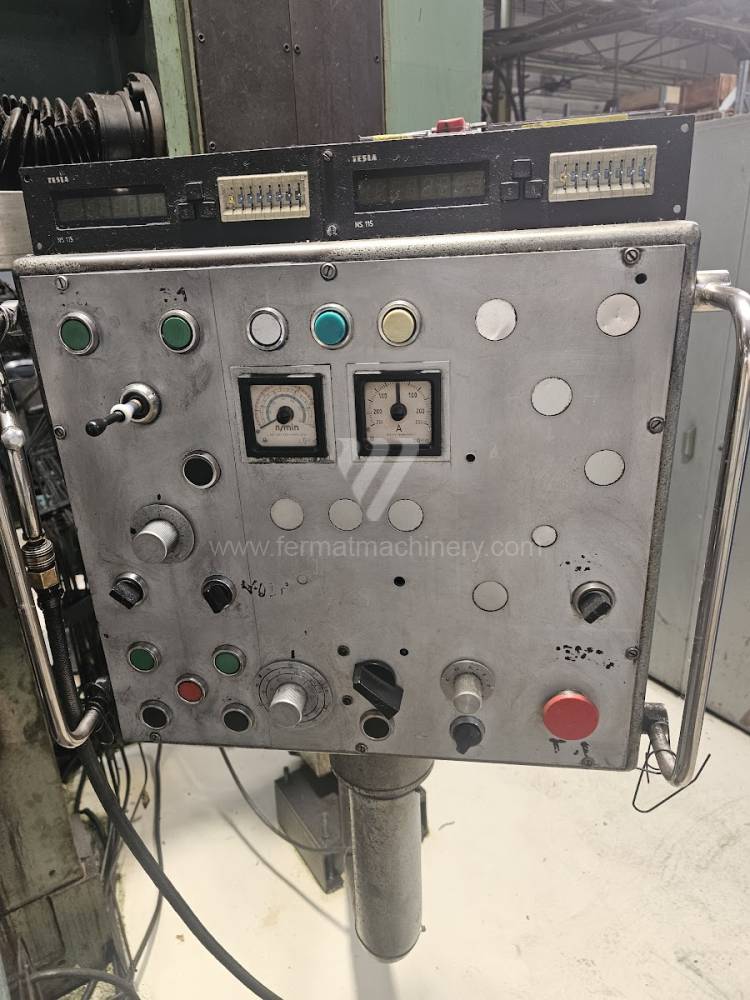
SKJ 8 F
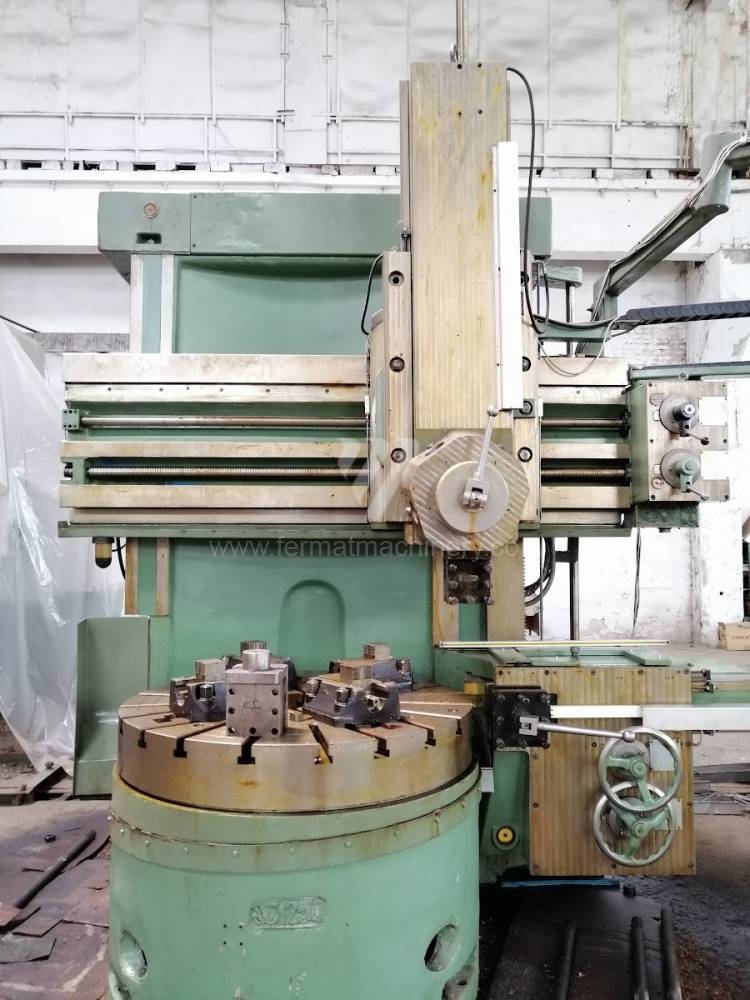
SC 14 CC
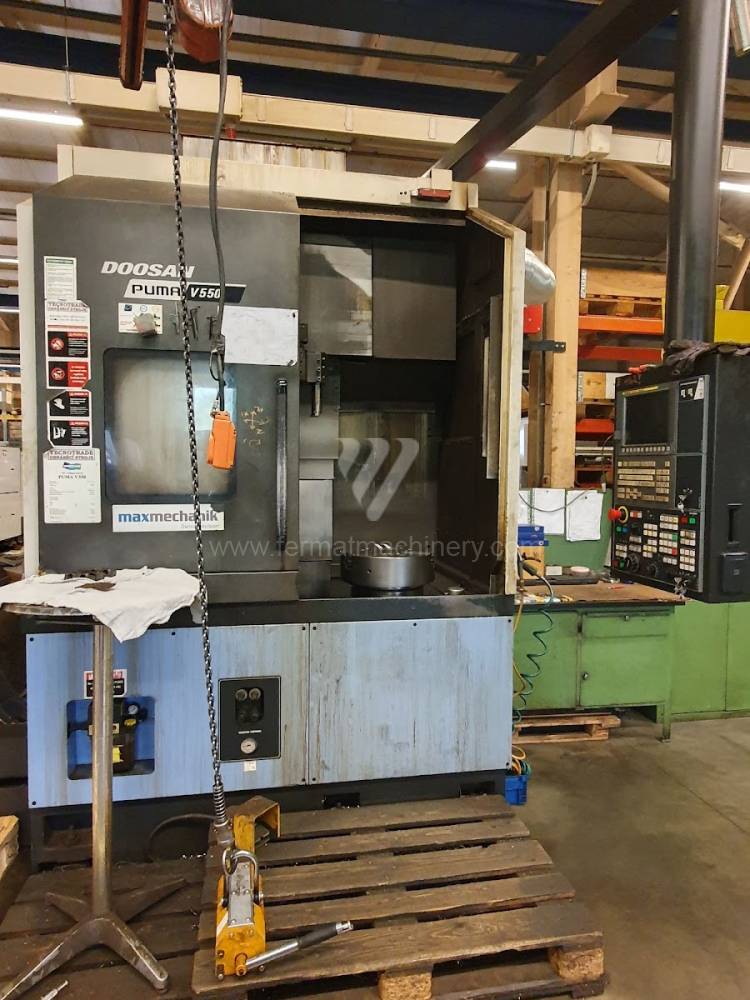
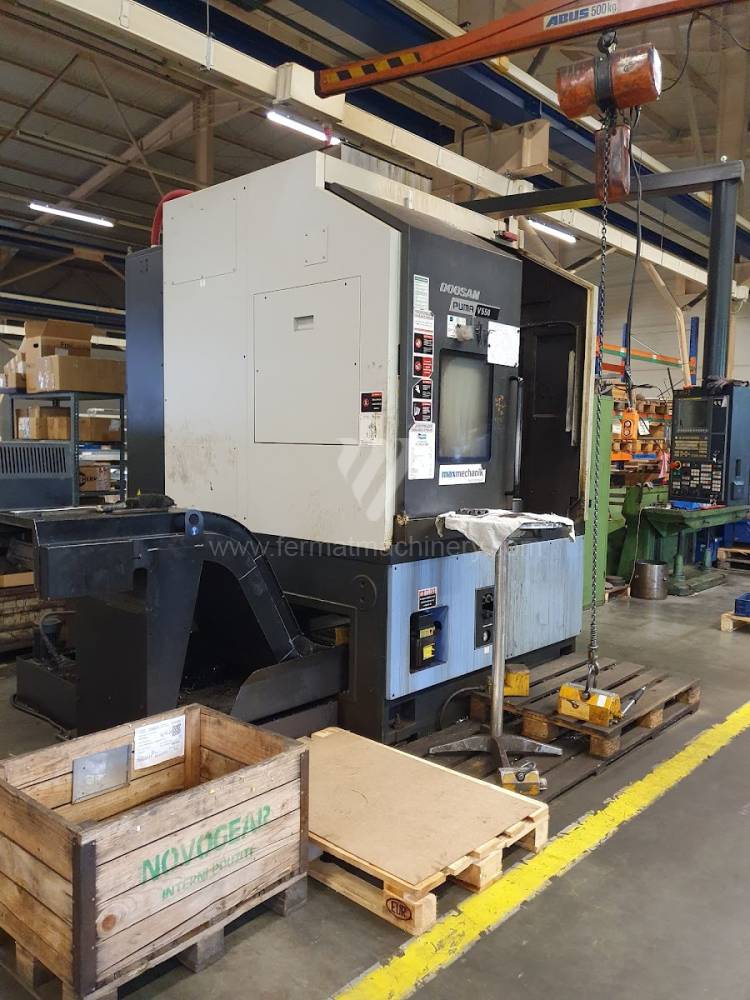
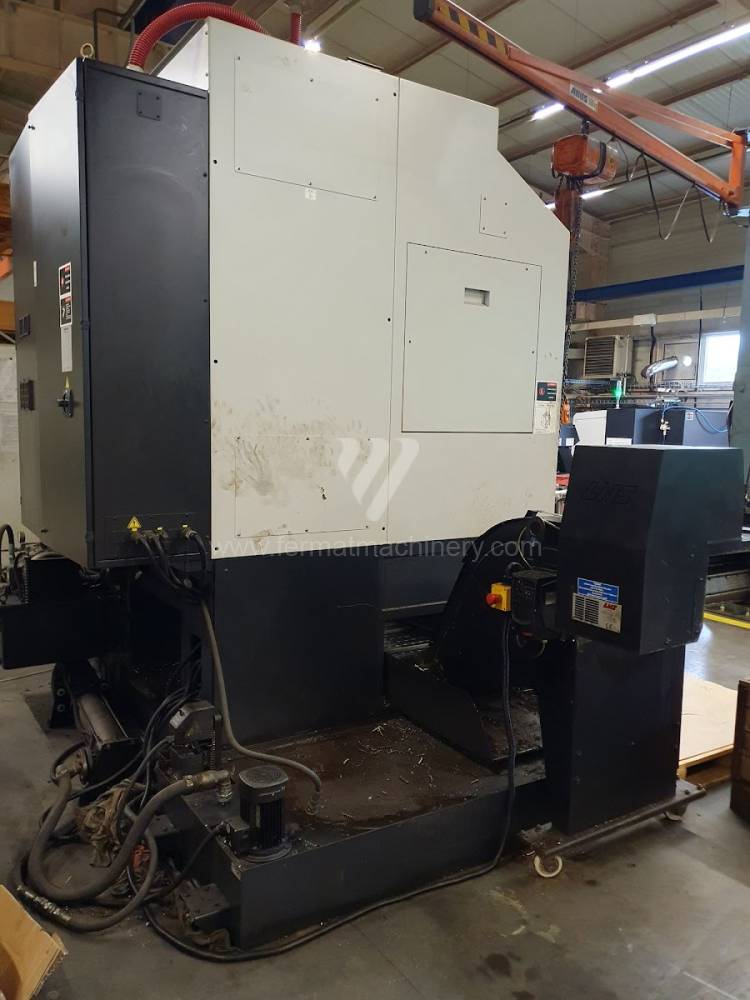
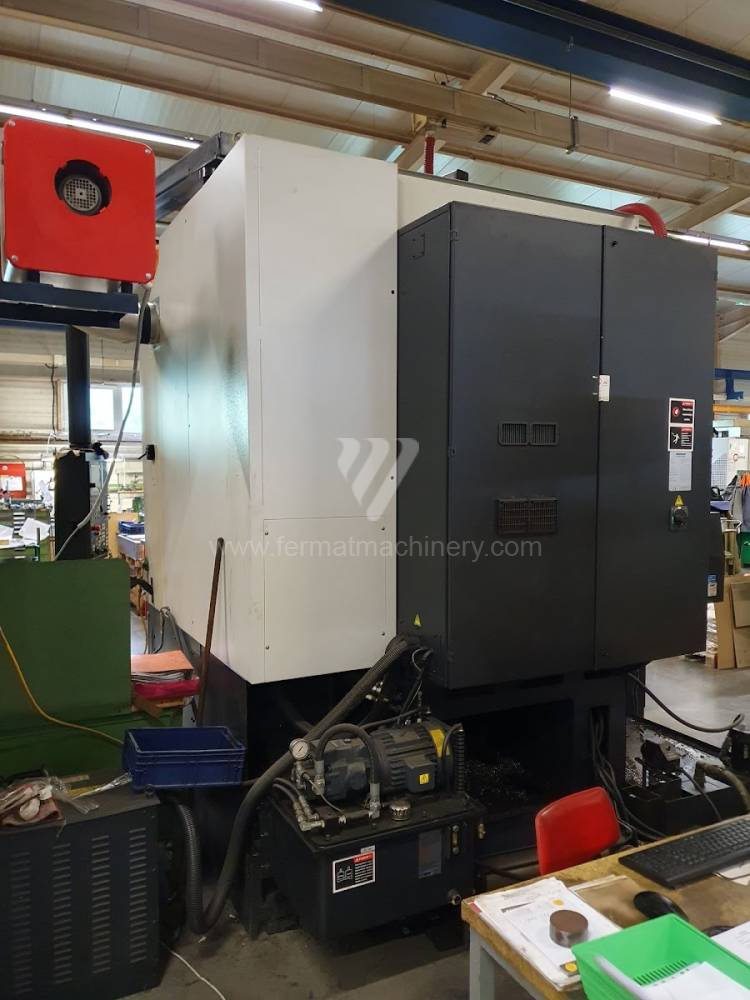
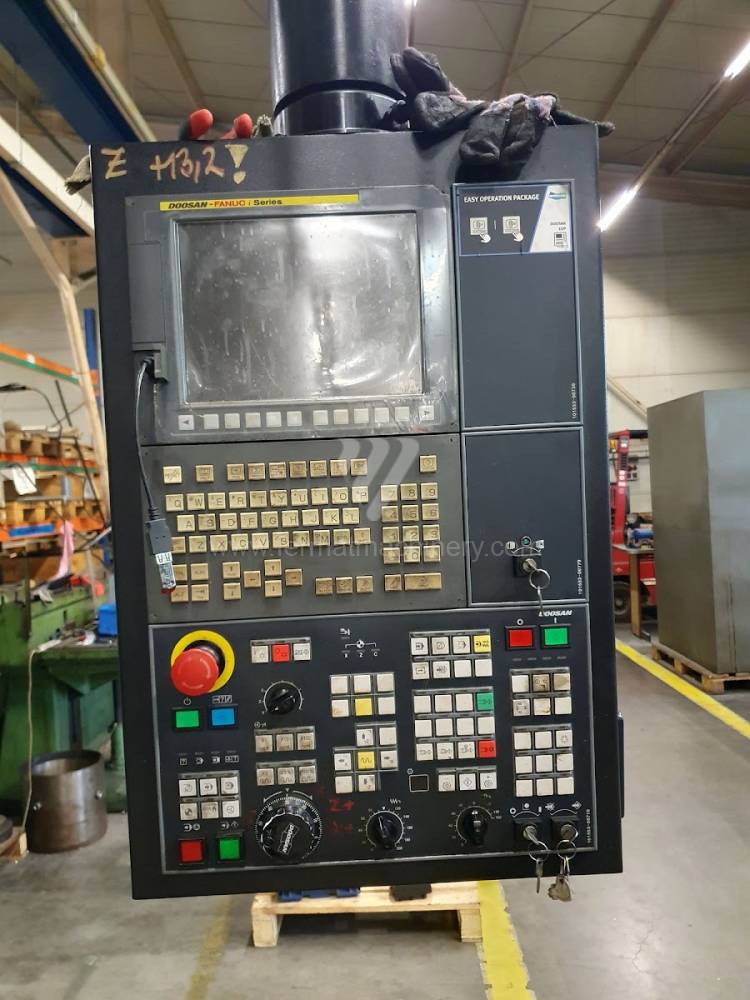
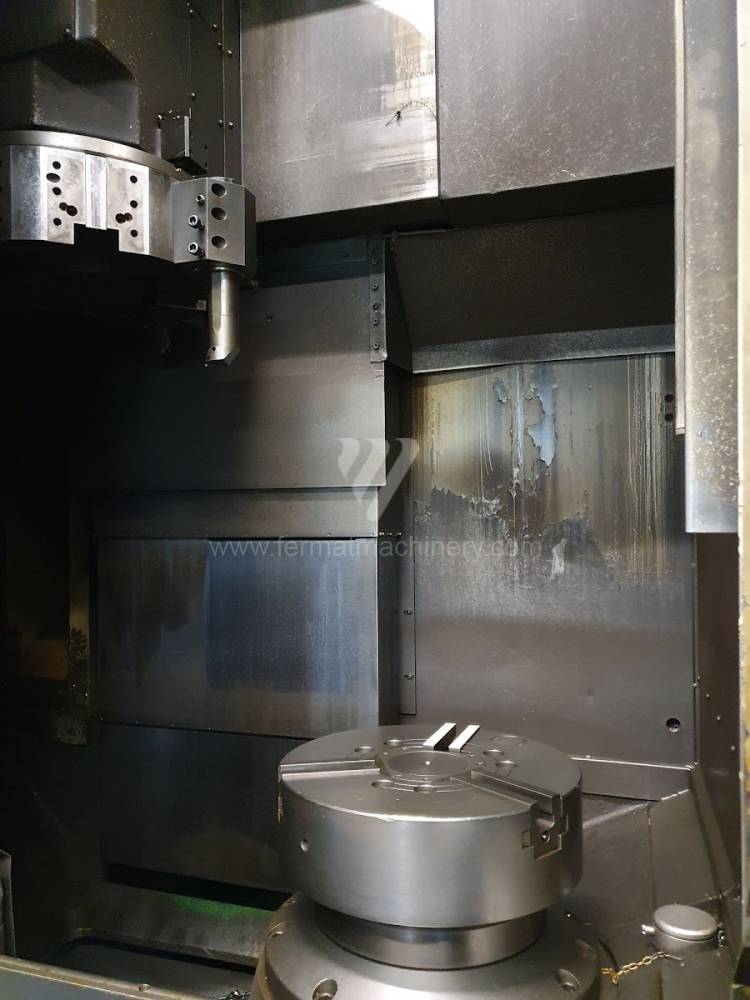
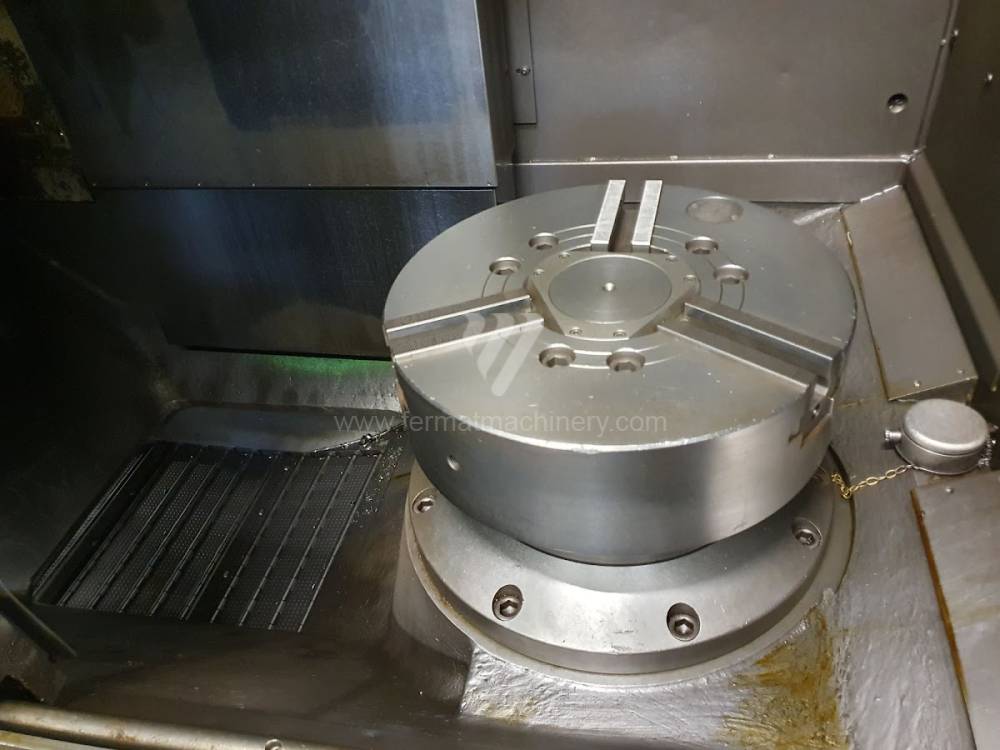
PUMA V550

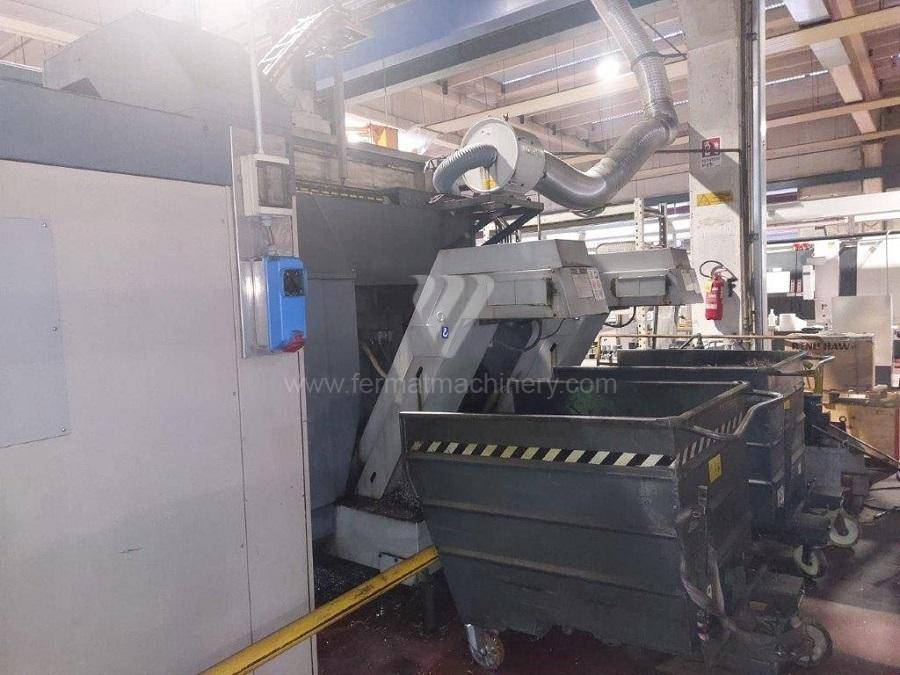
W50/2
SKJ 12 CNC
SC 14 CC
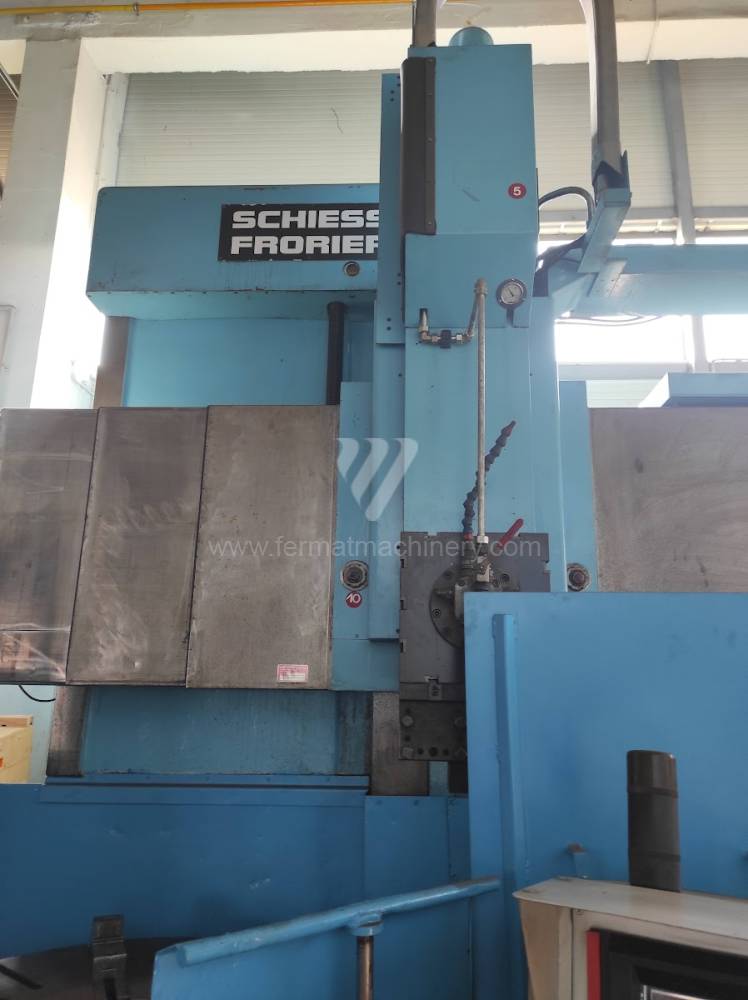
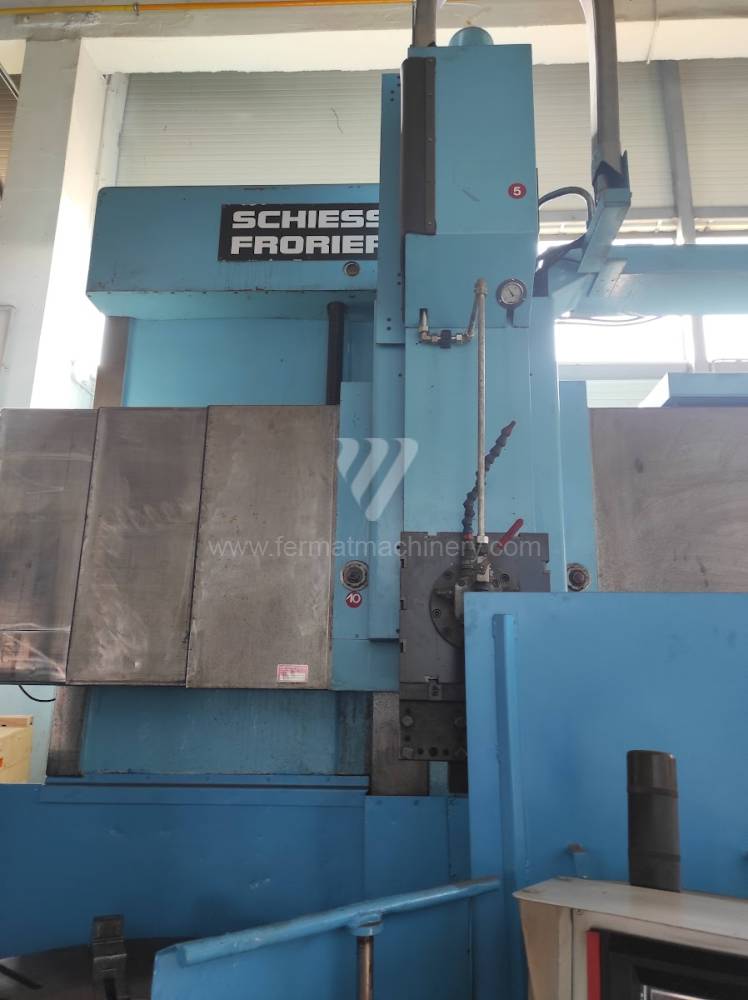
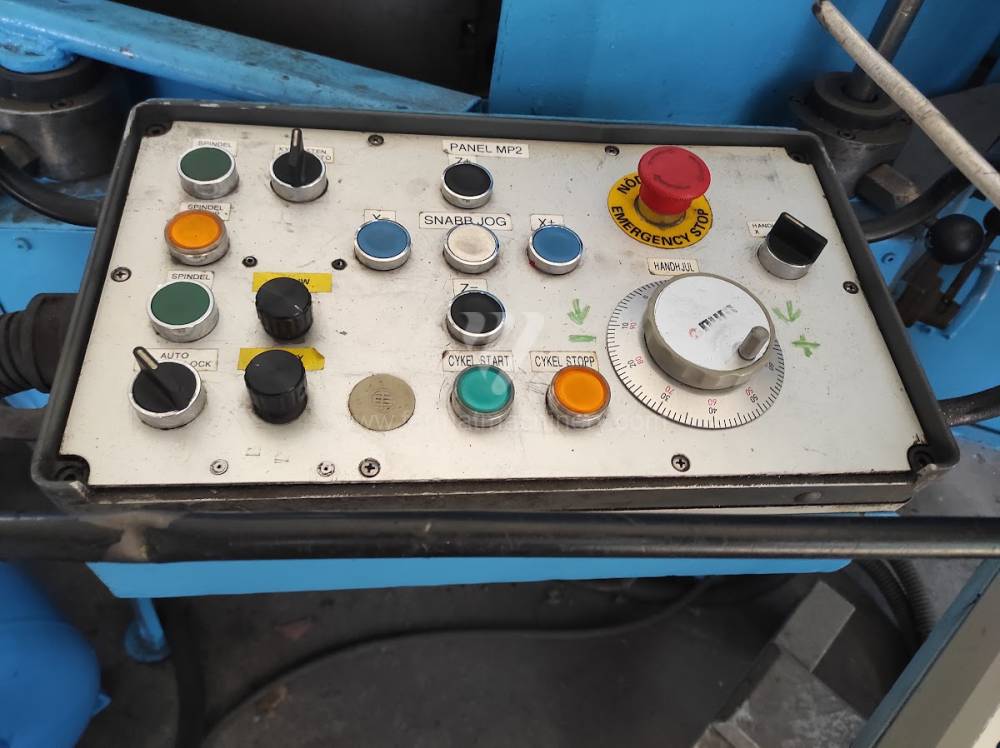
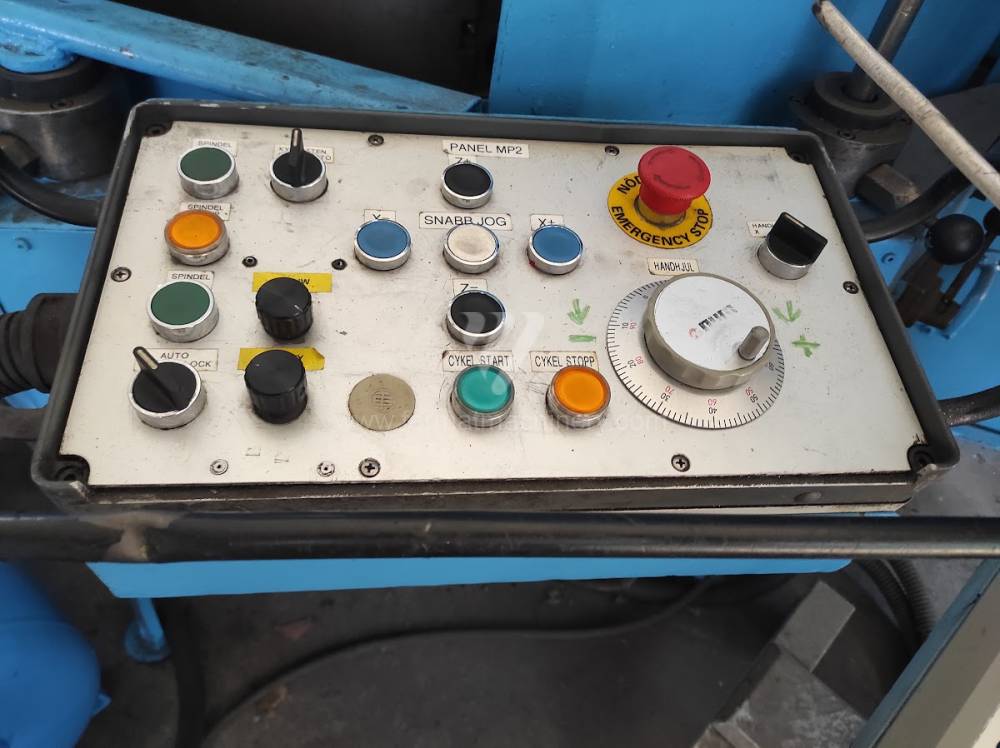
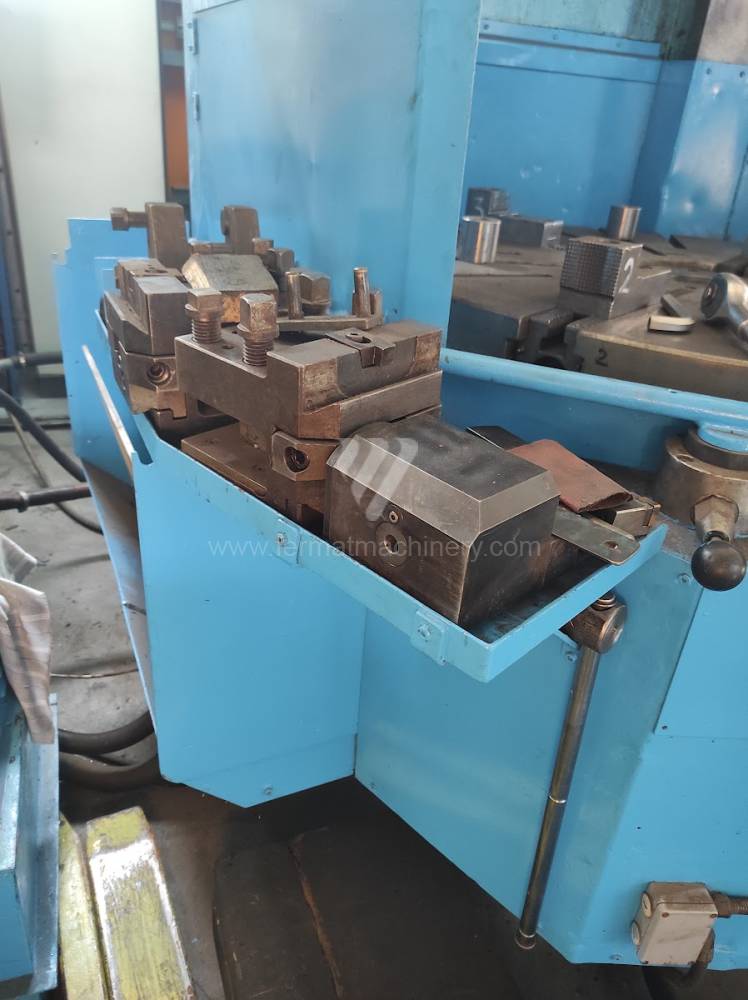
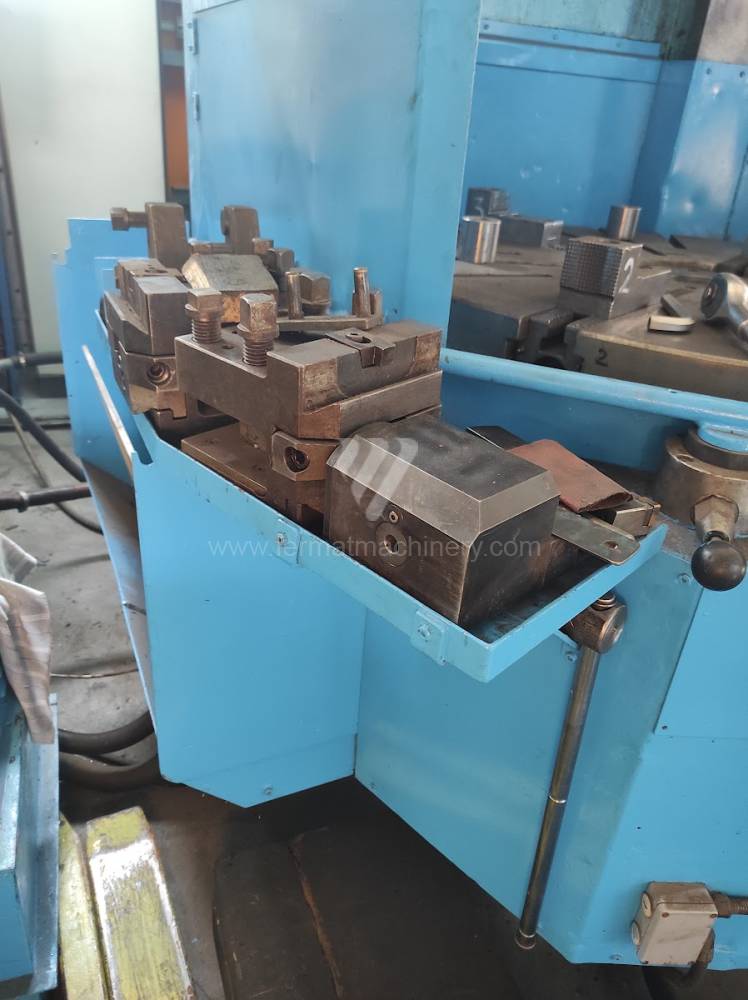
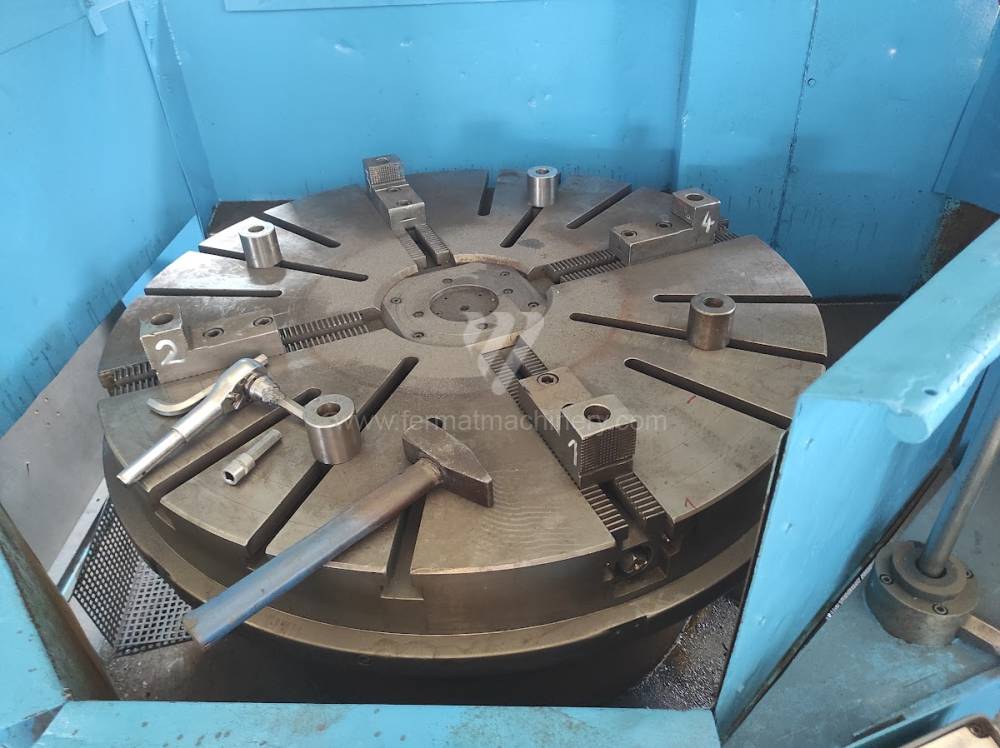
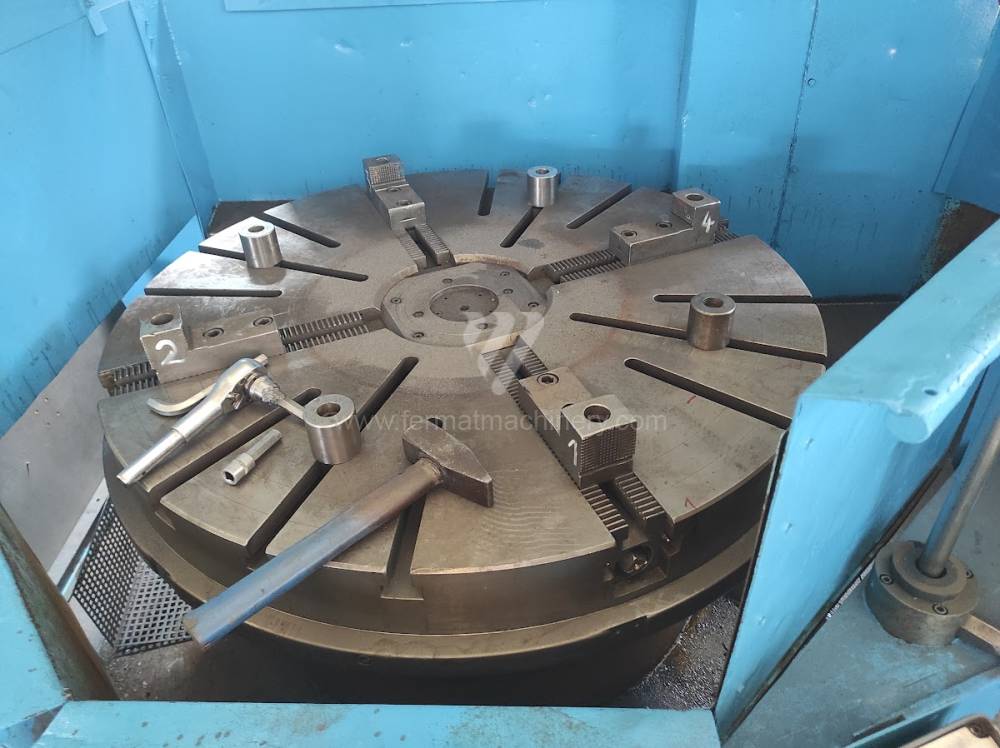
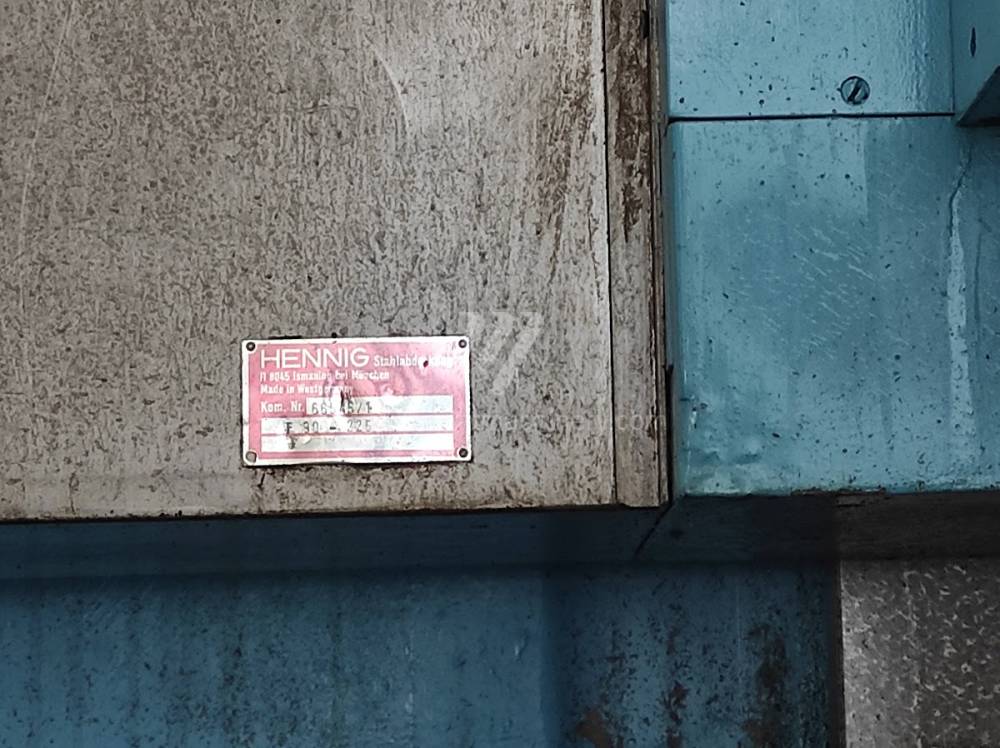
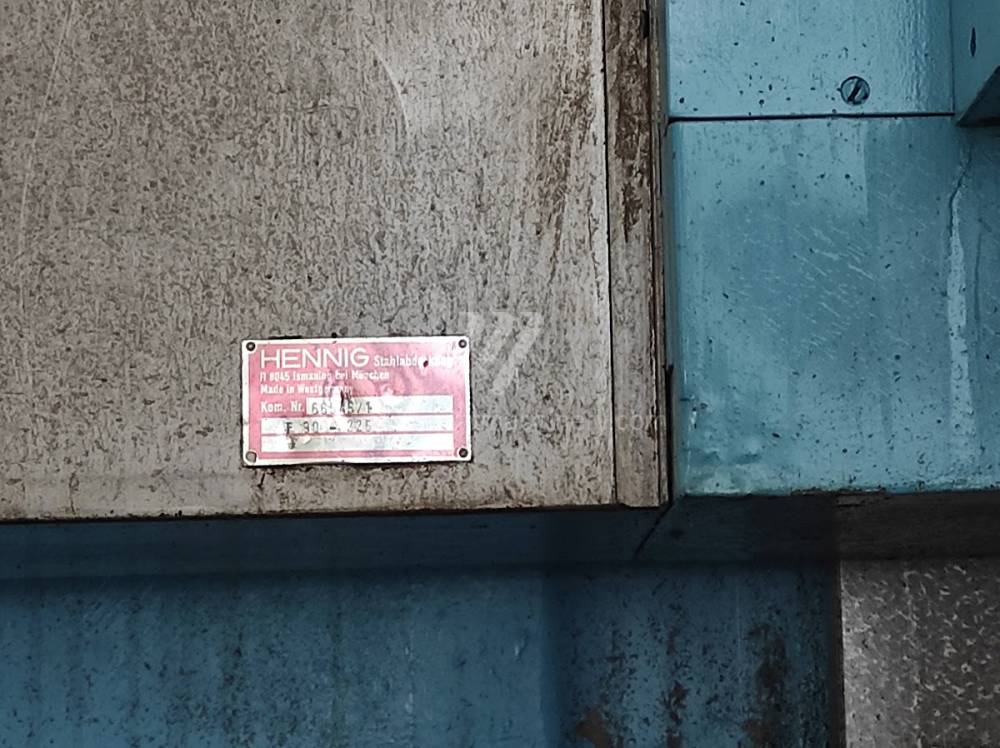
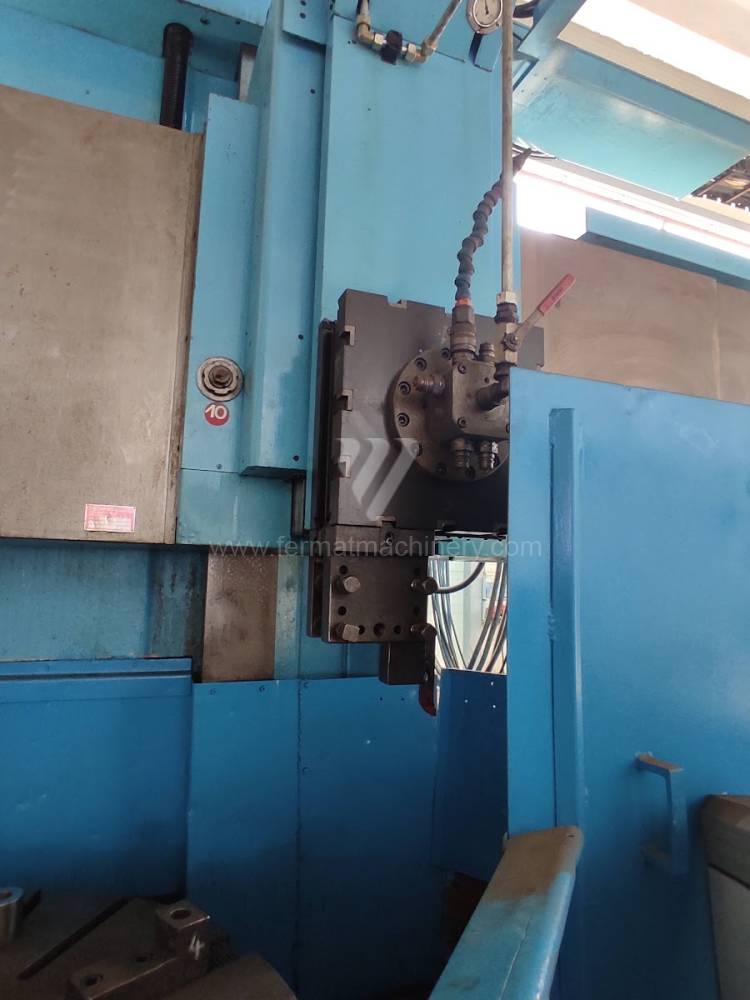
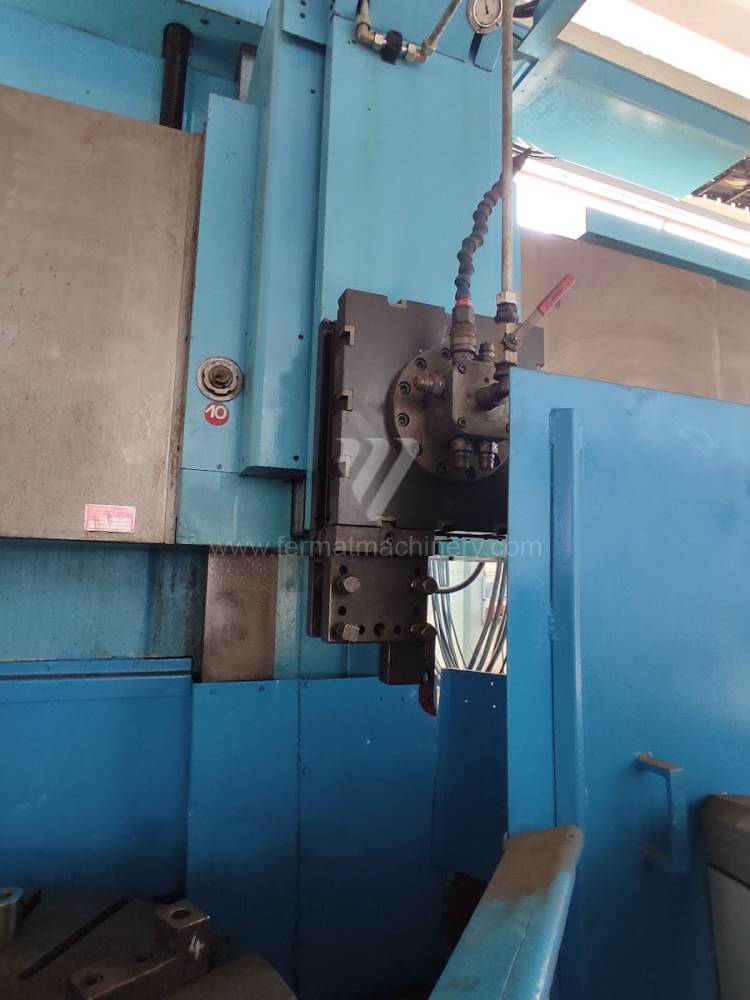
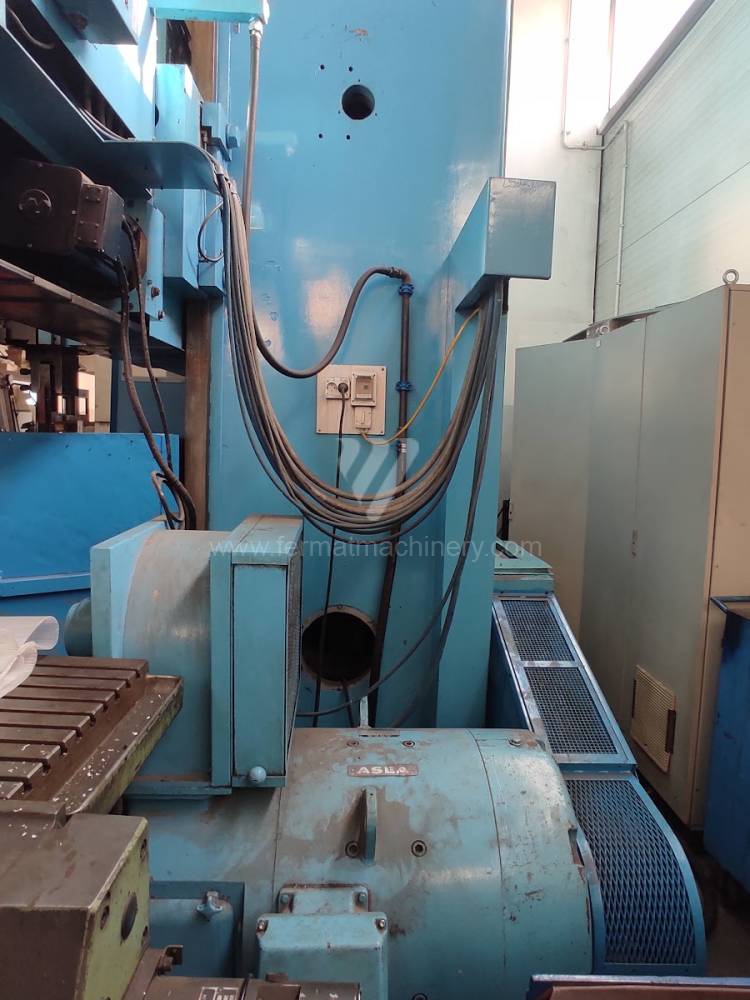
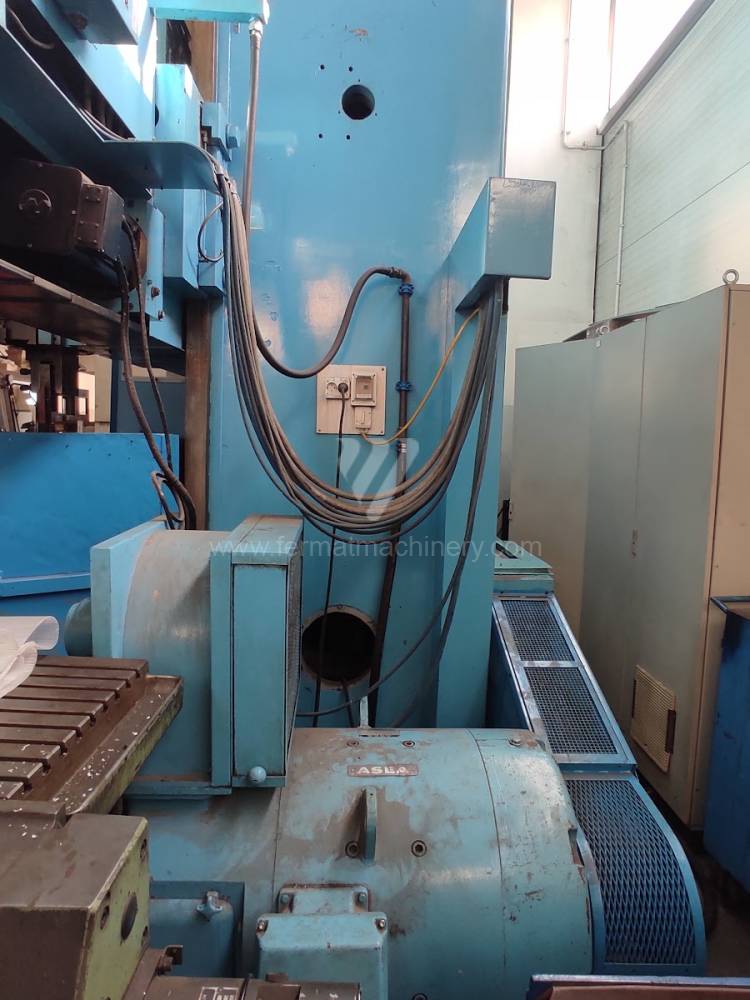
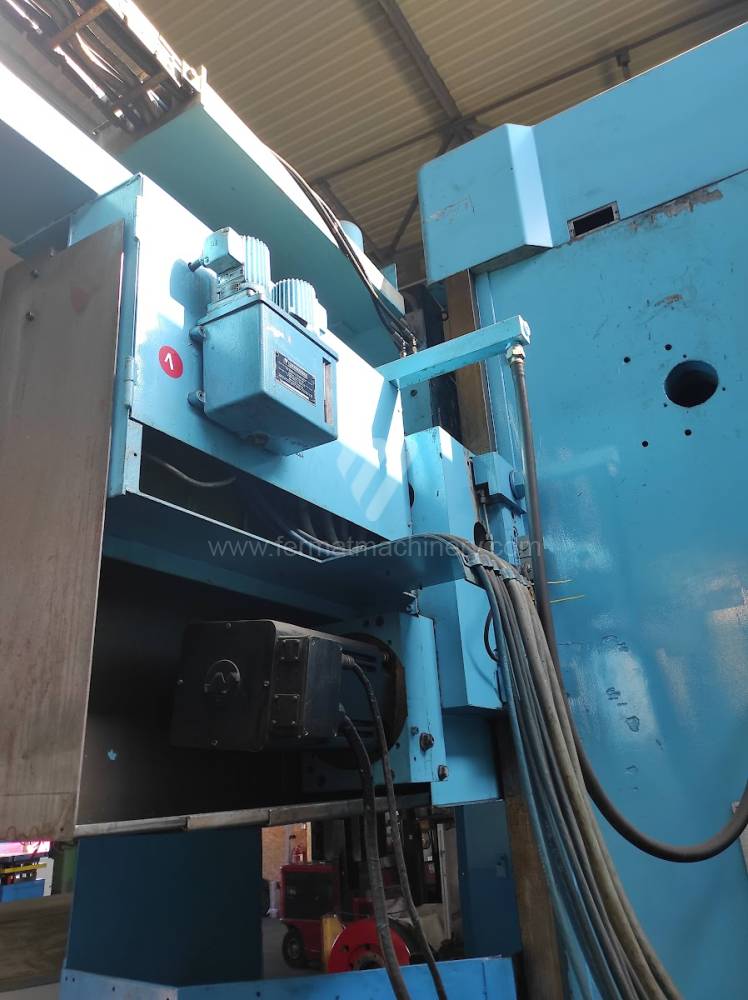
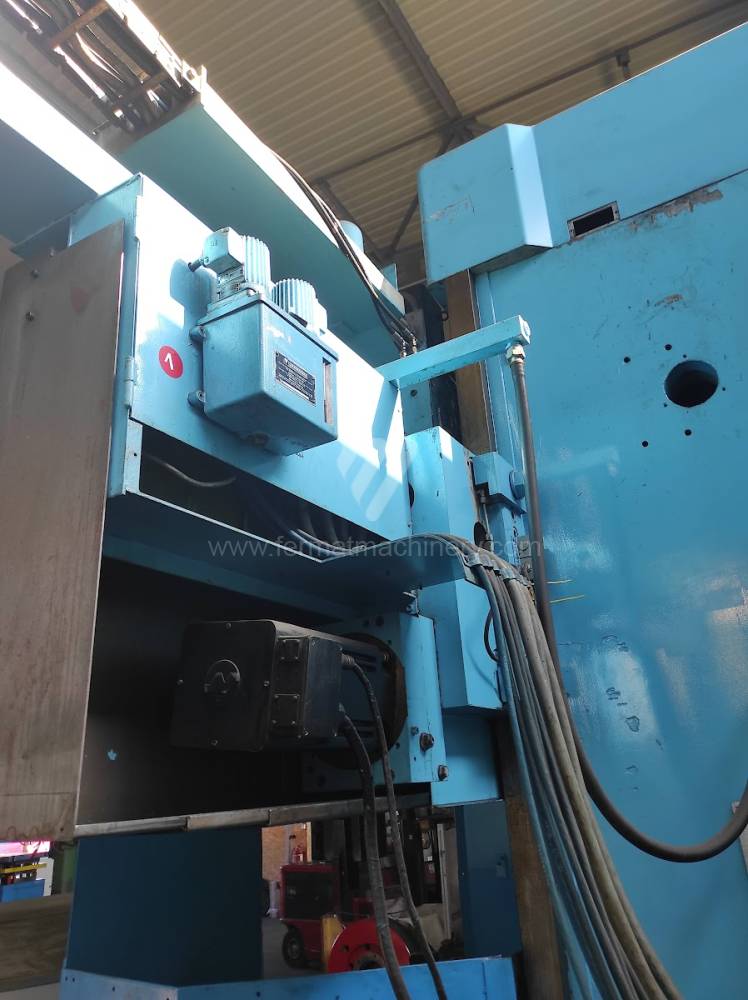
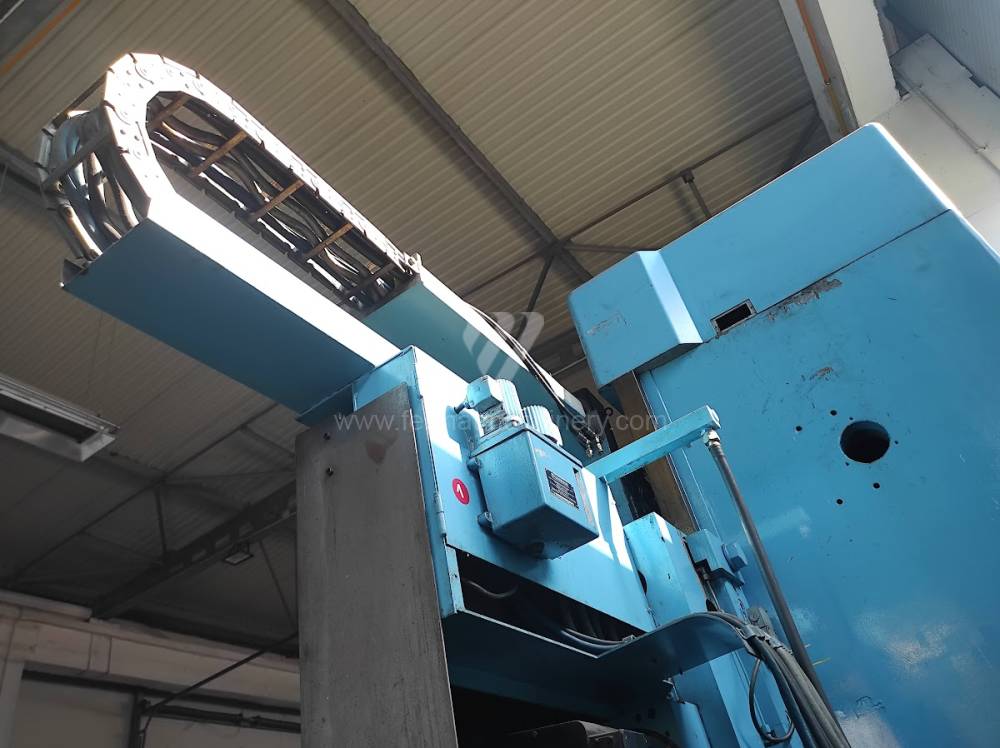
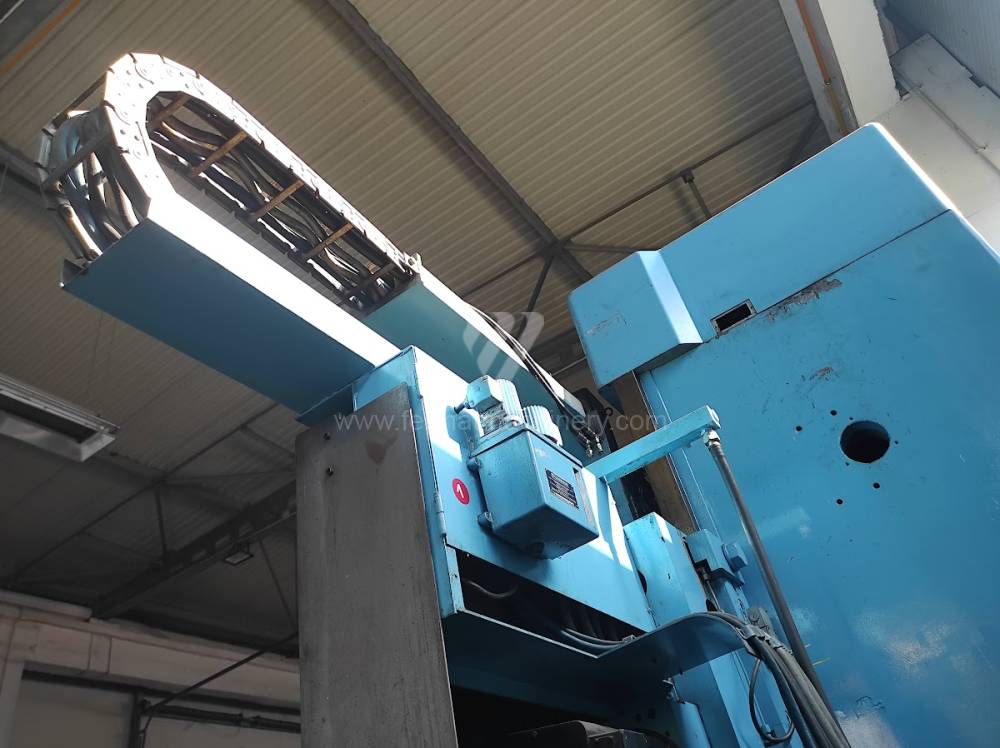
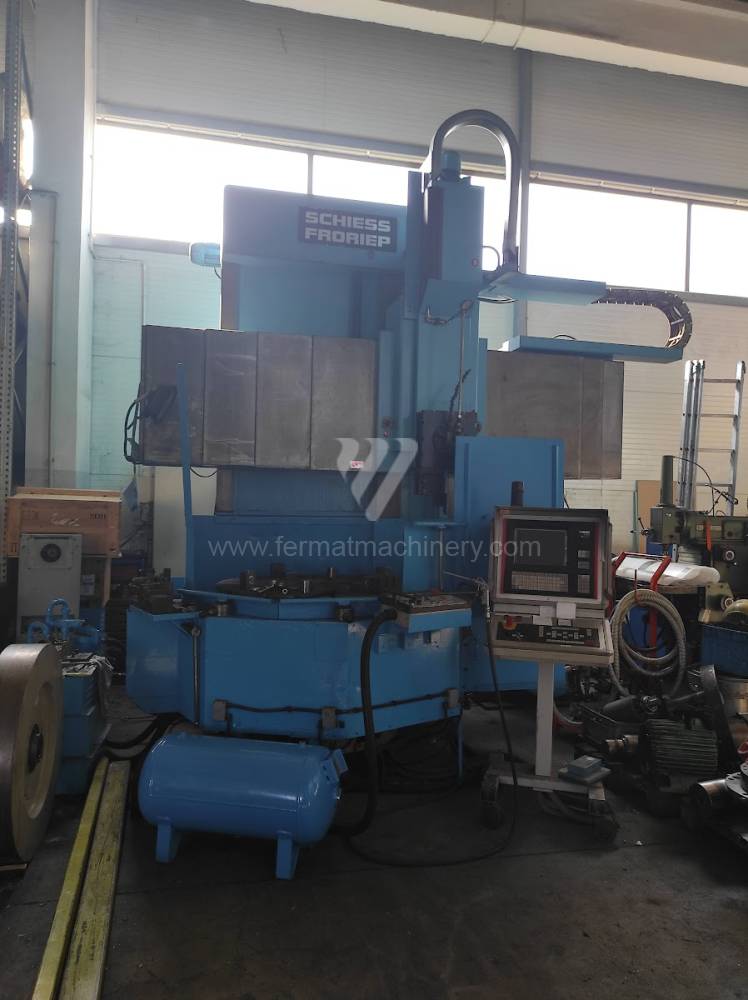
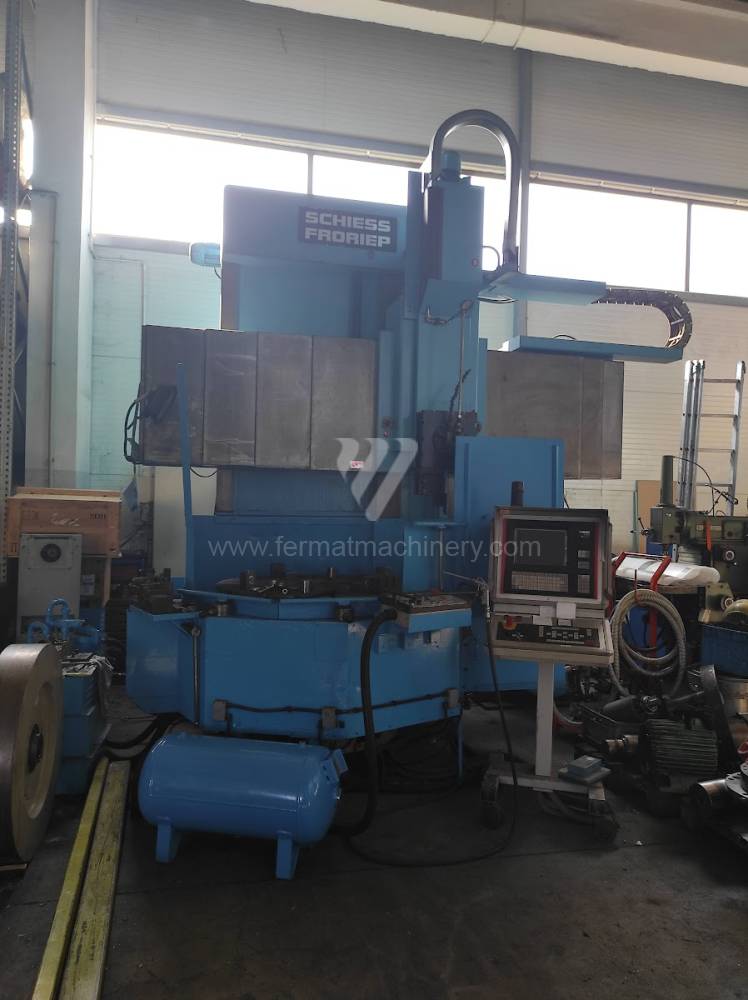
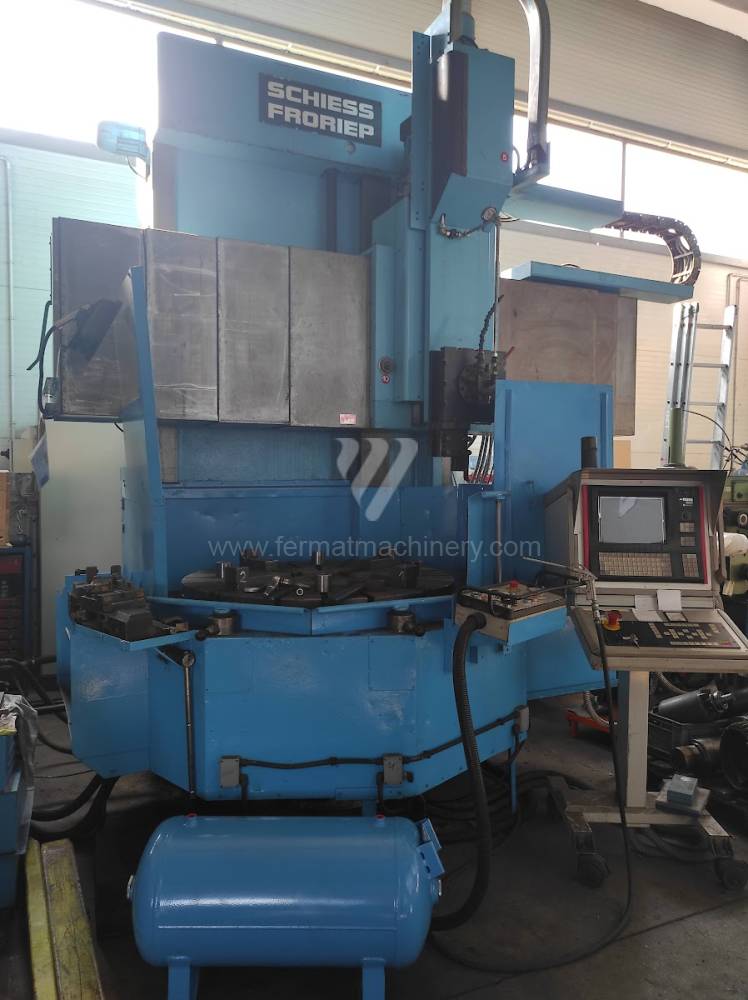
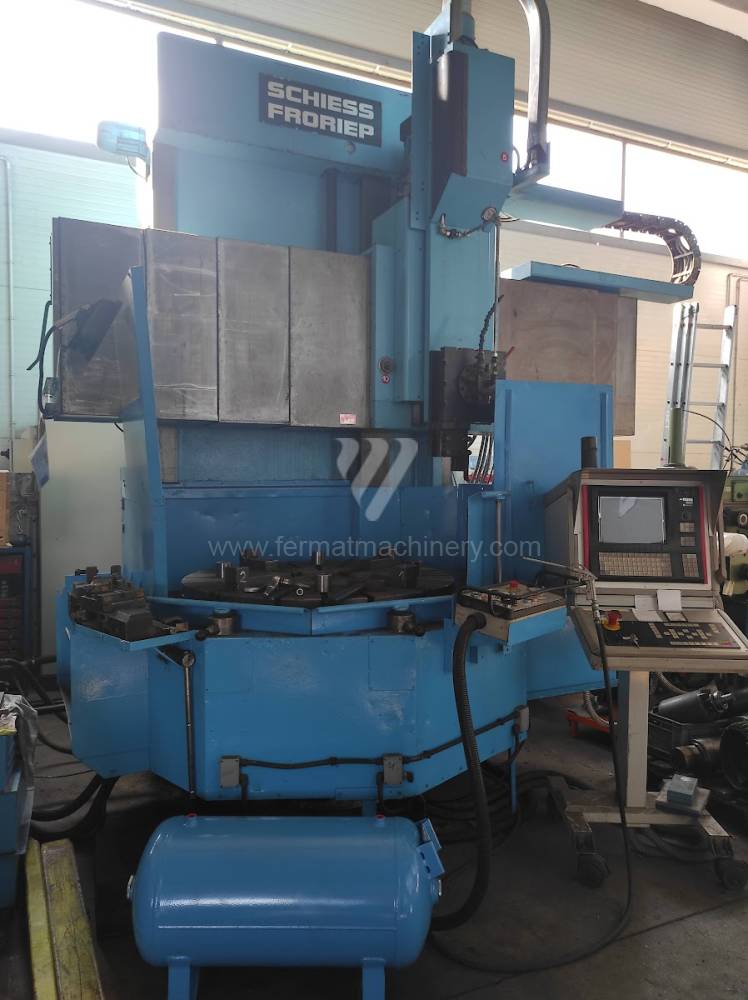
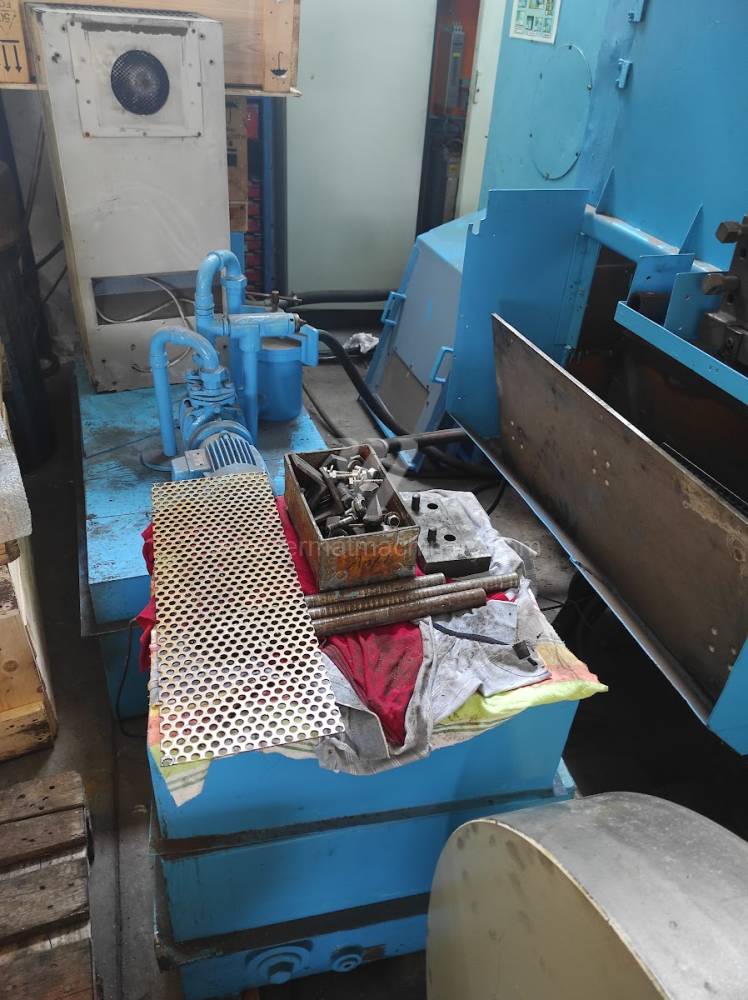
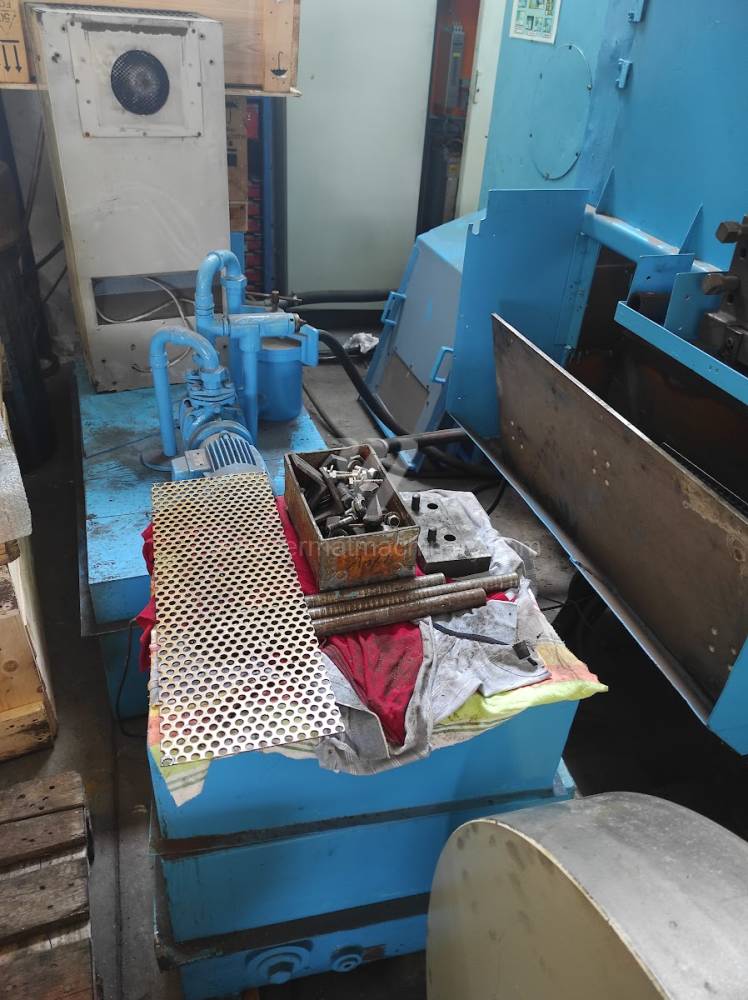
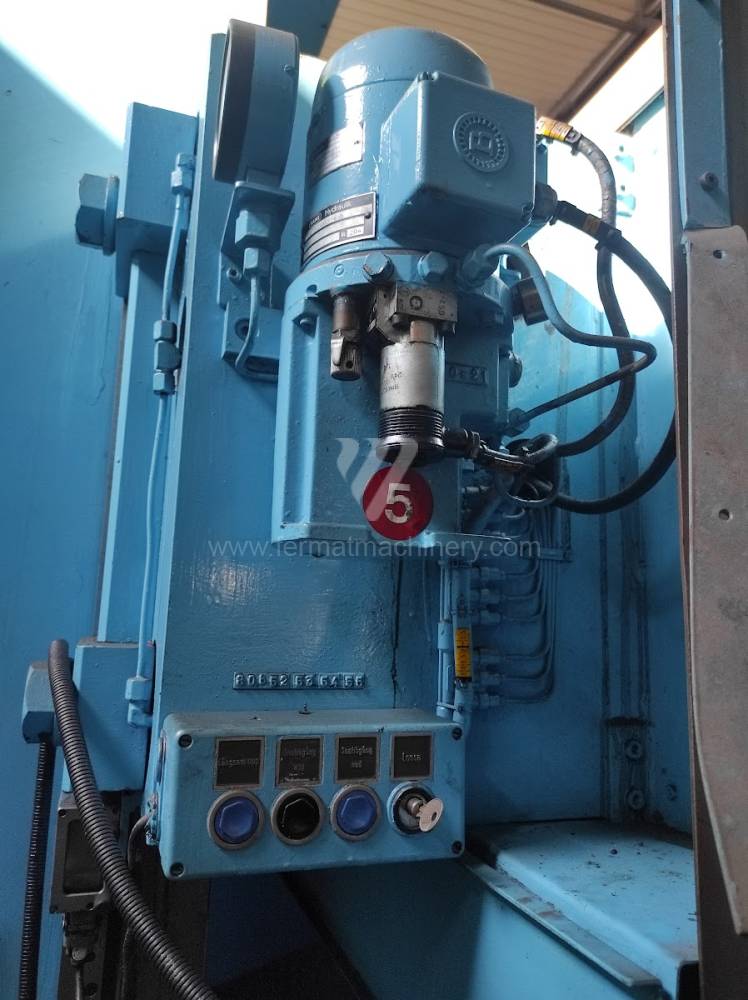
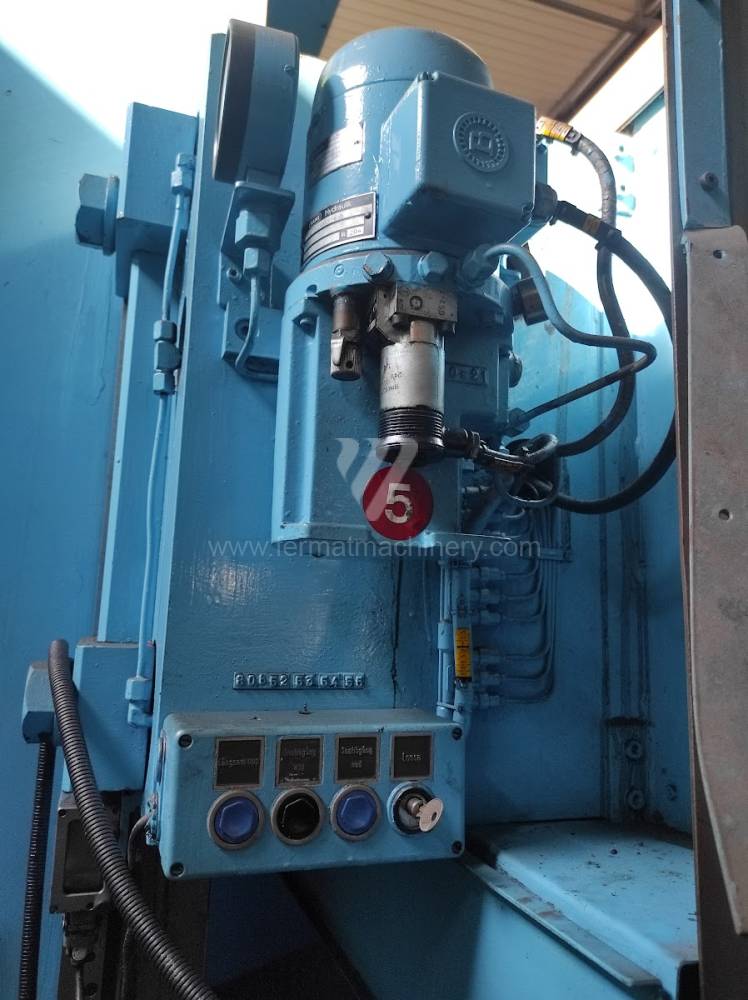
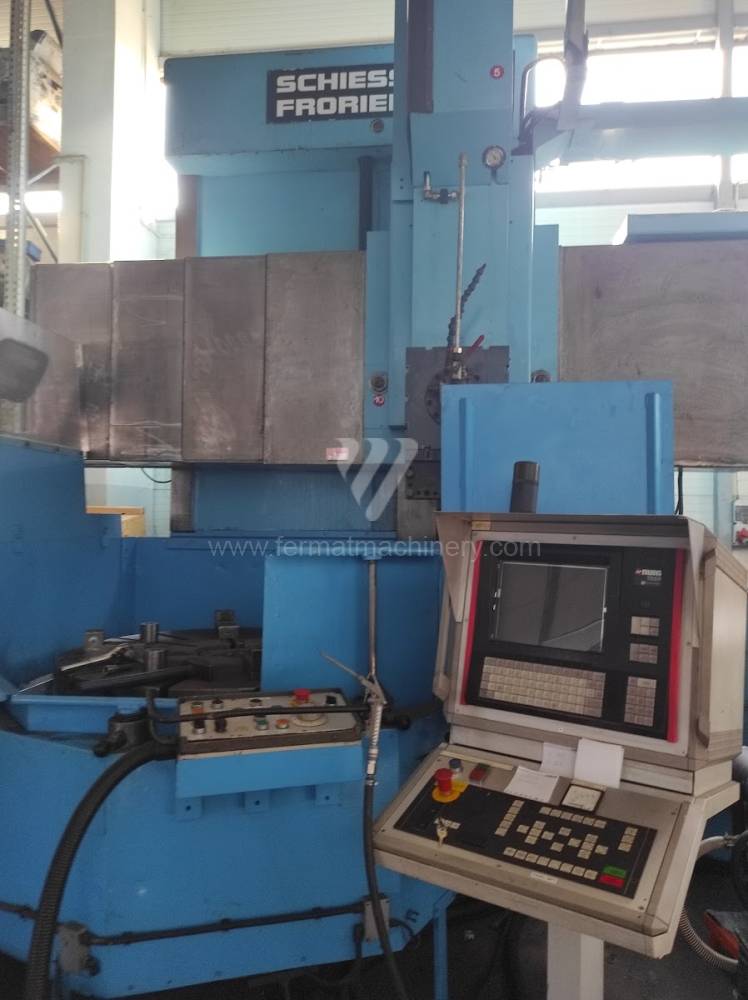
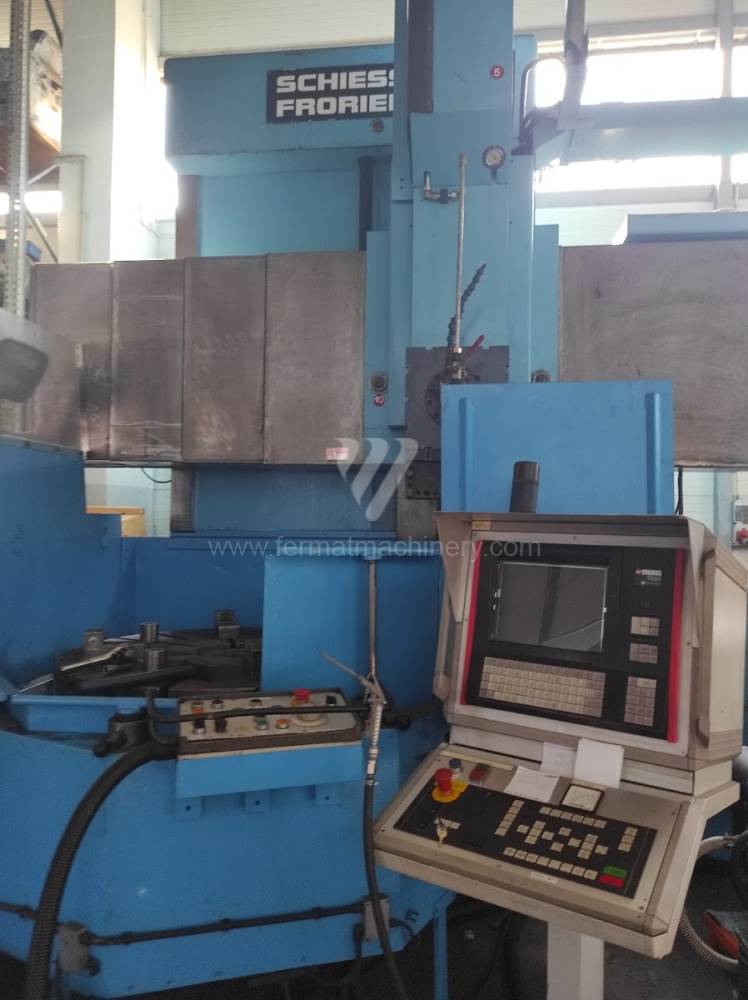
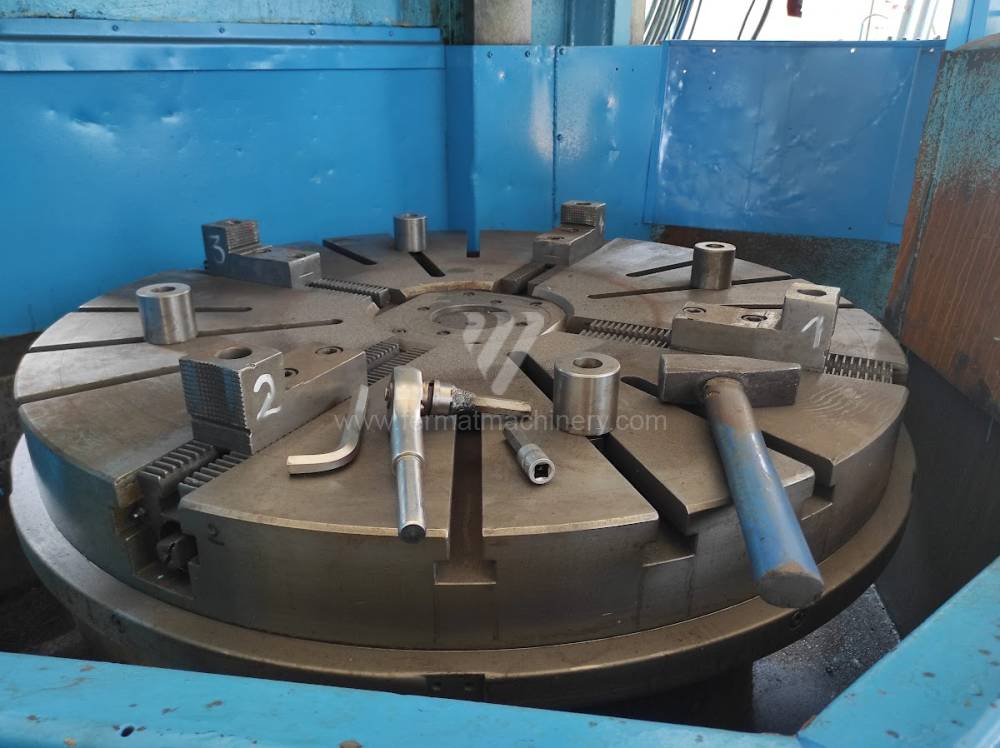
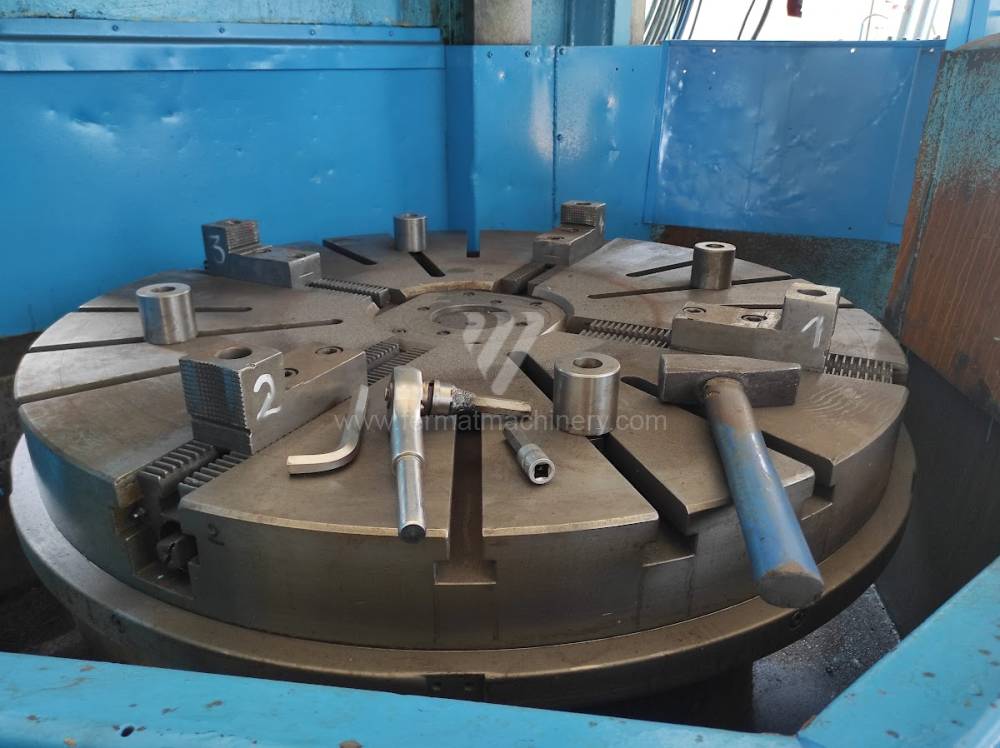
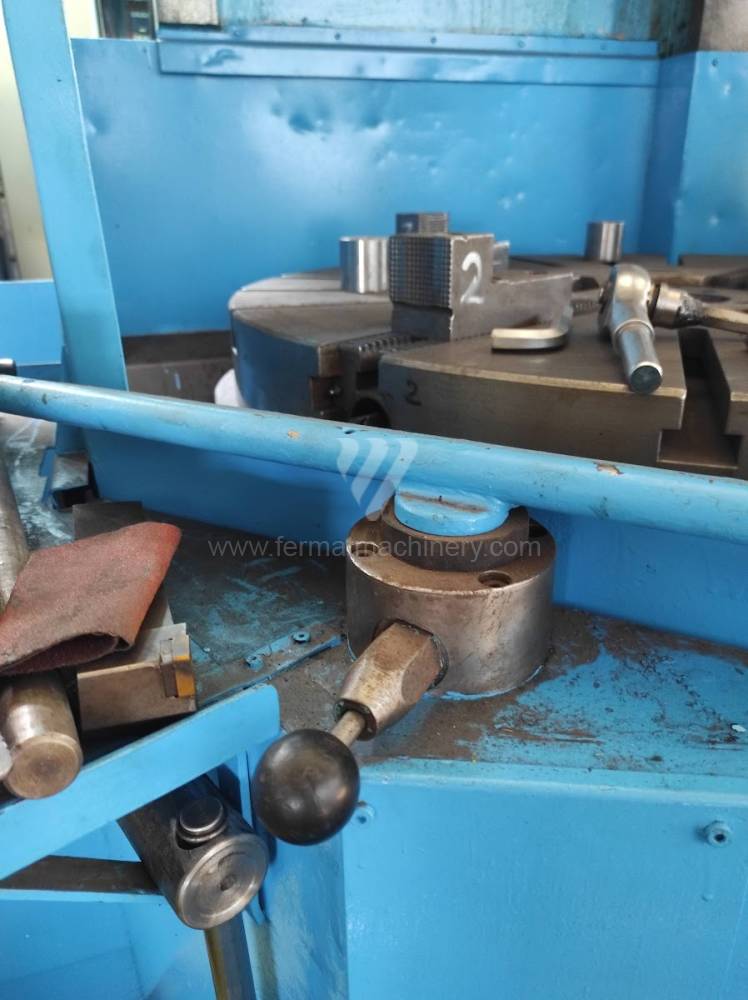
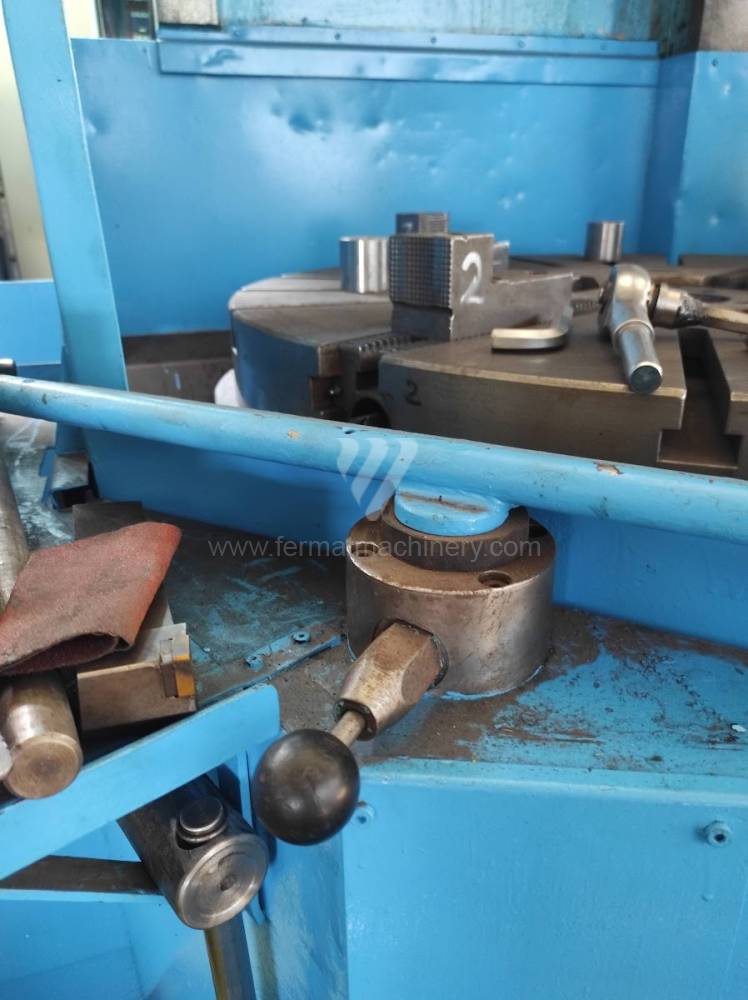
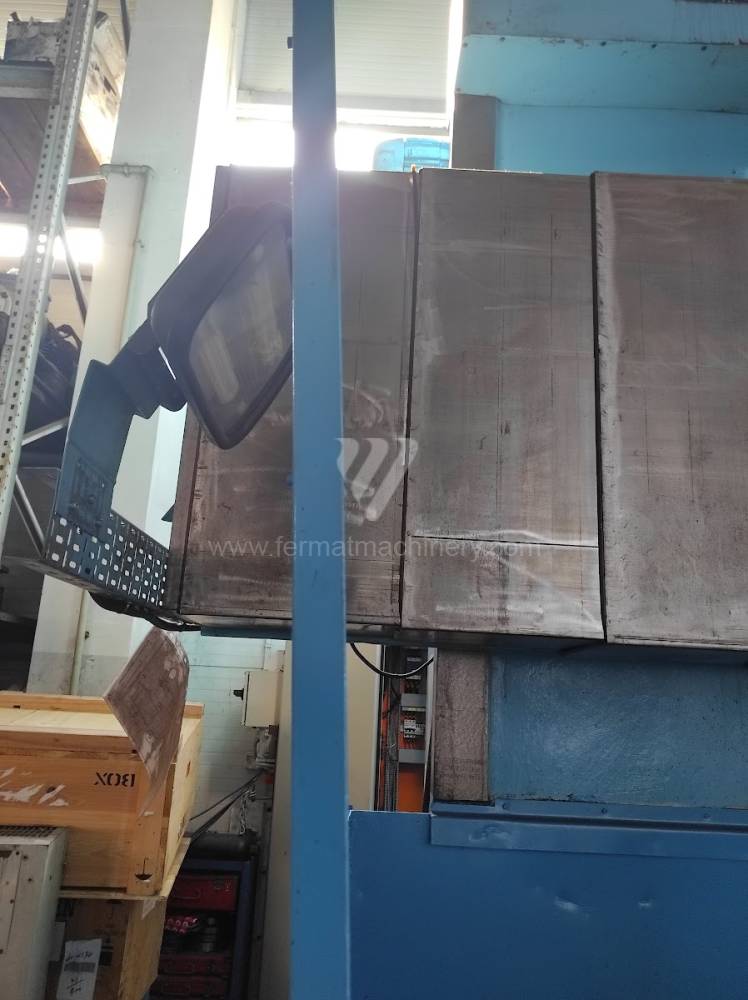
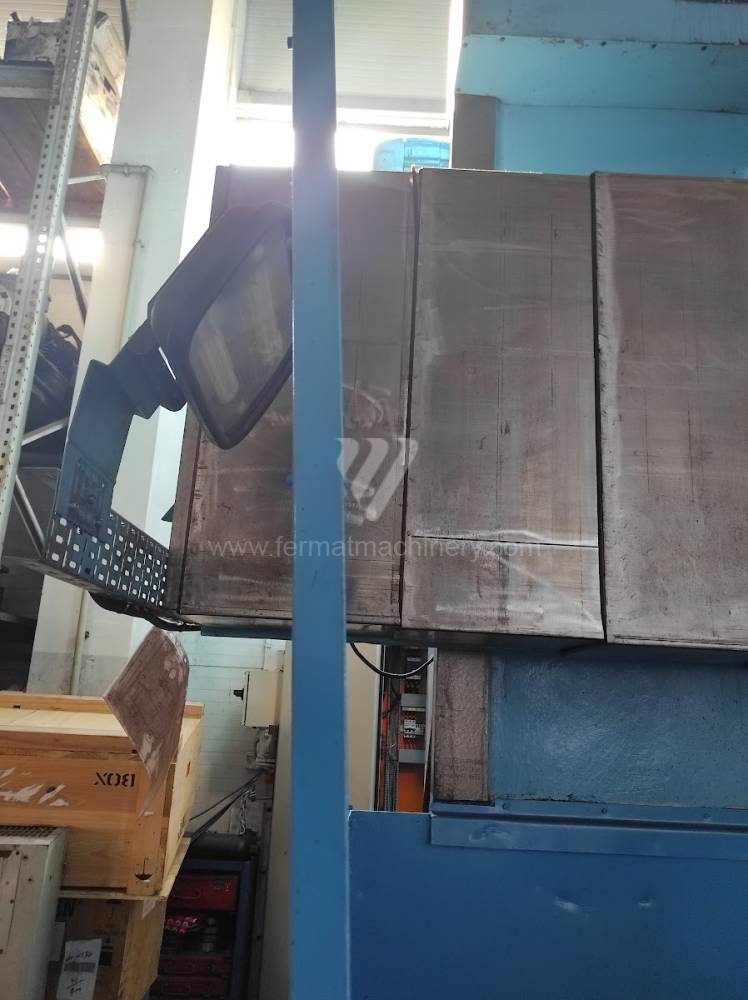
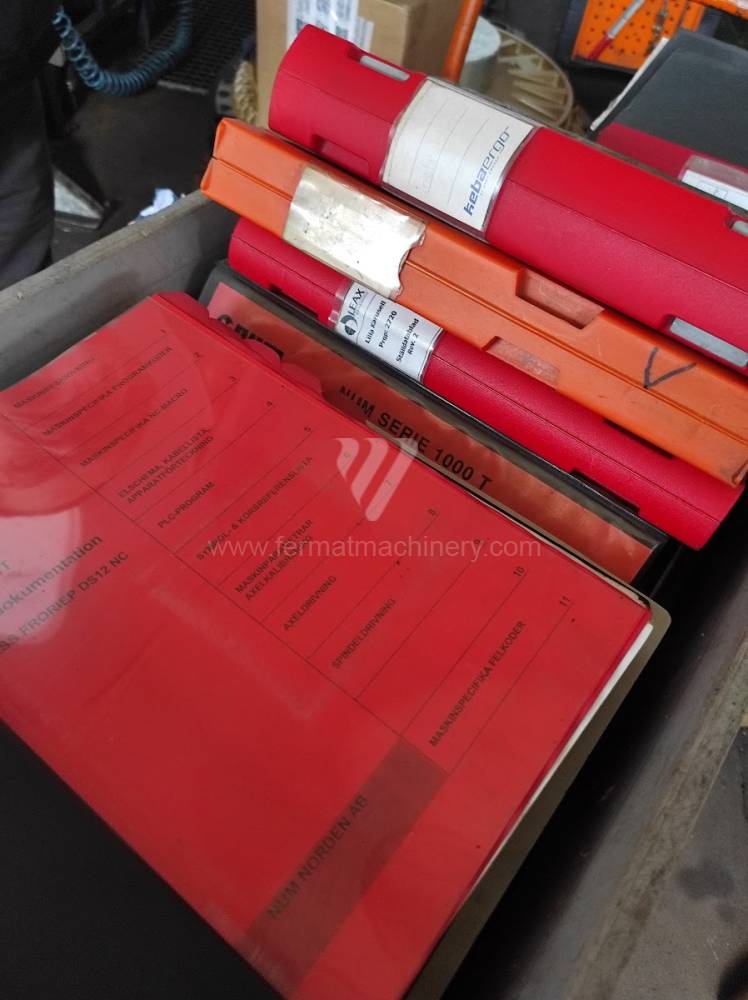
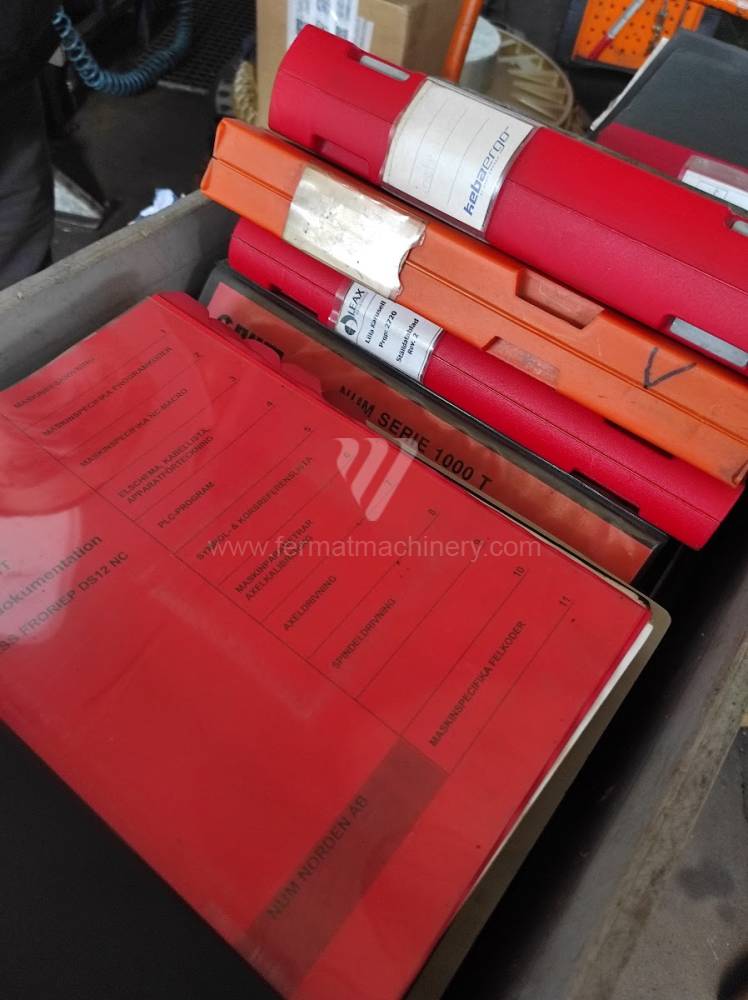
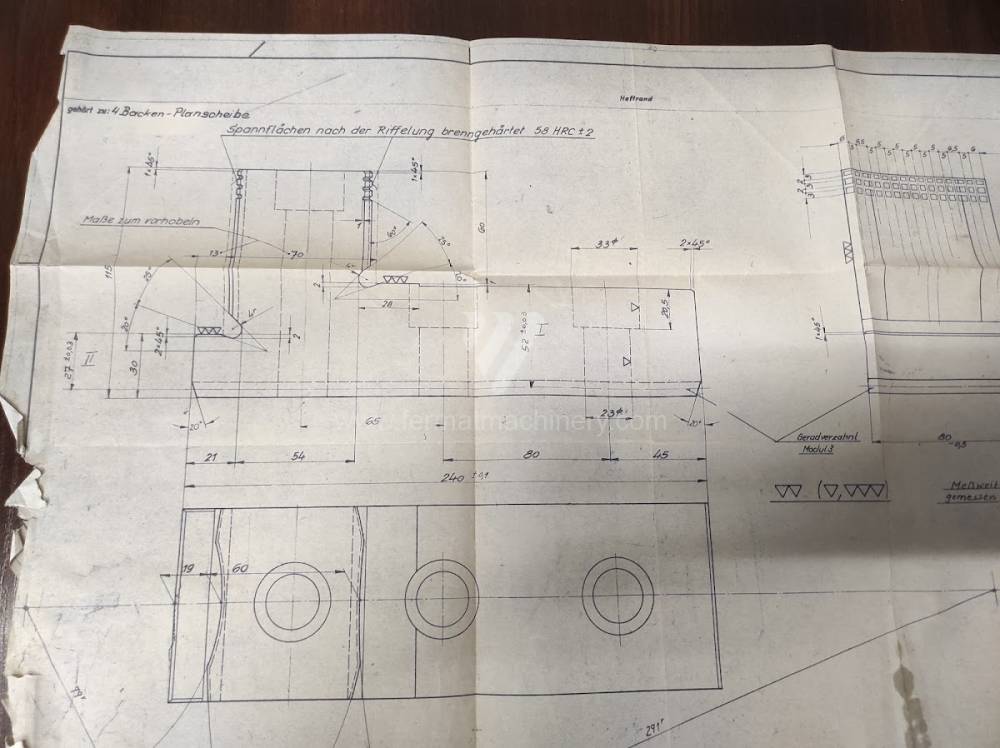
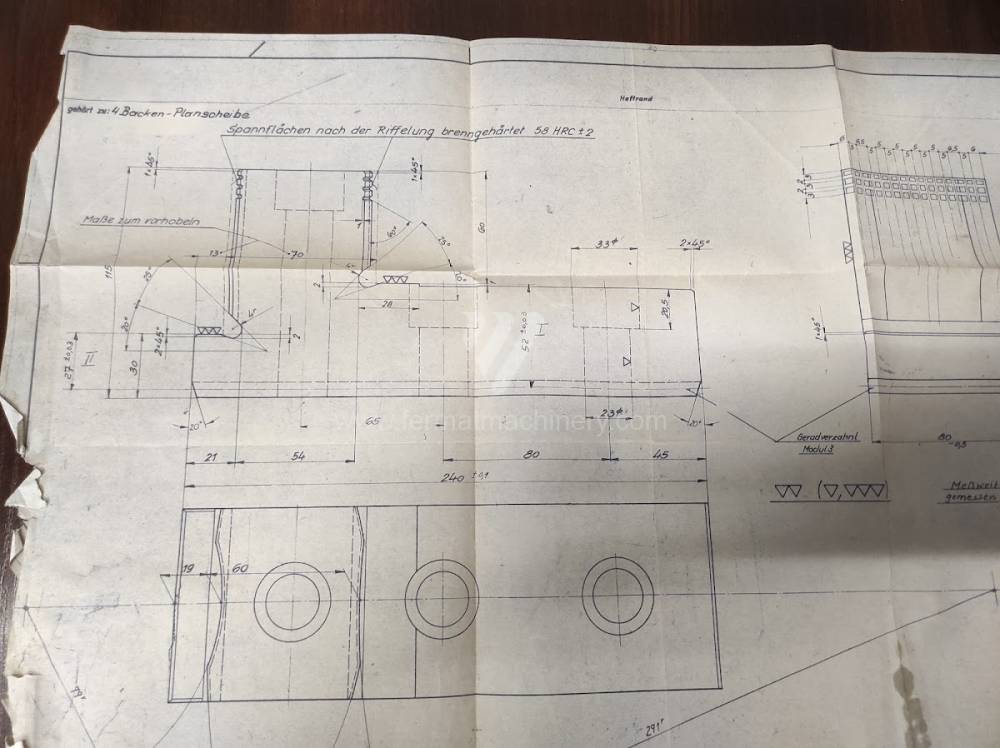
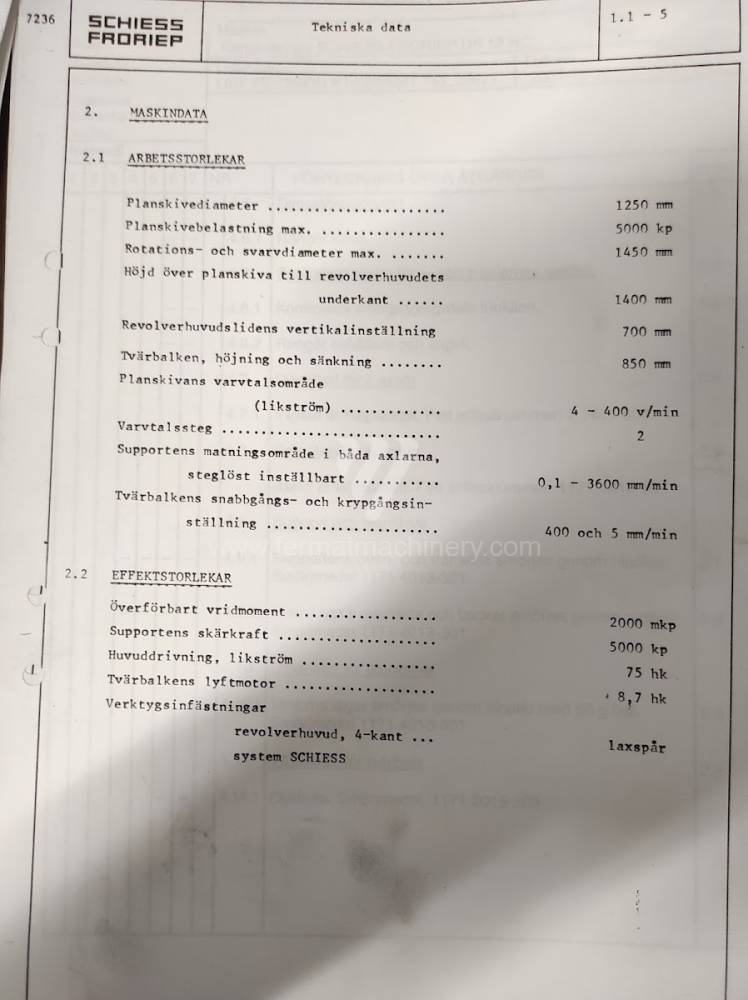
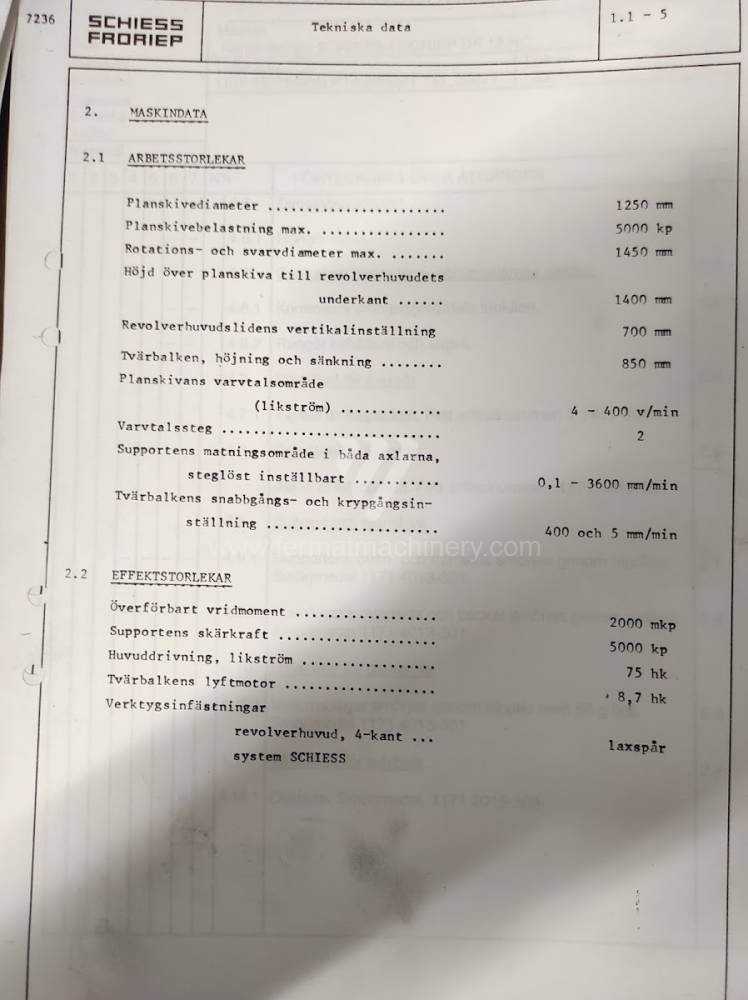
DS 12 NC
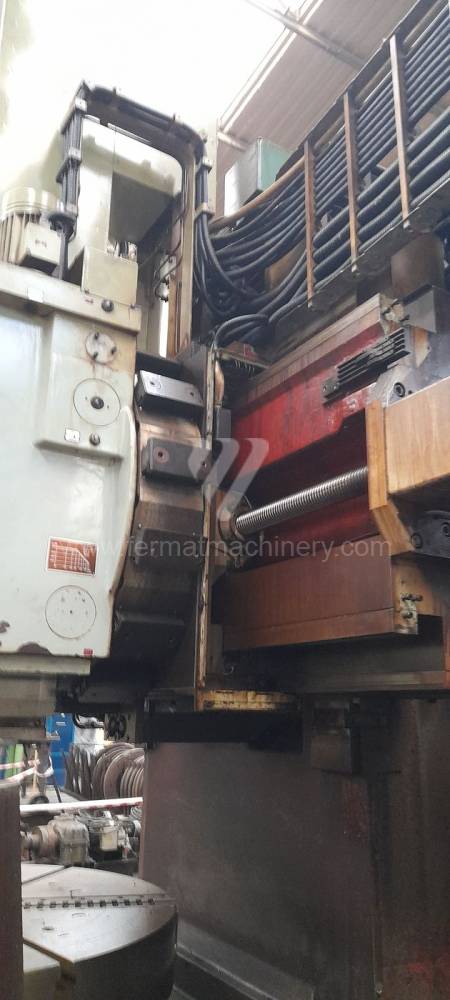
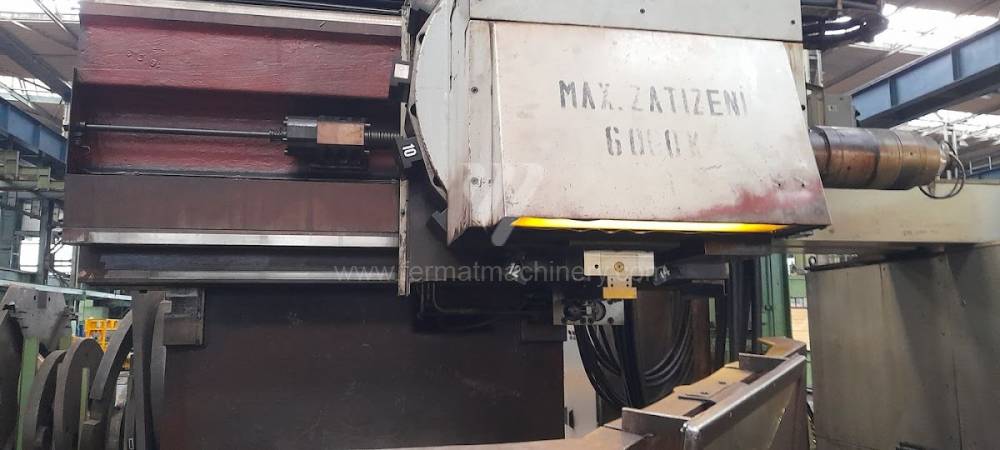
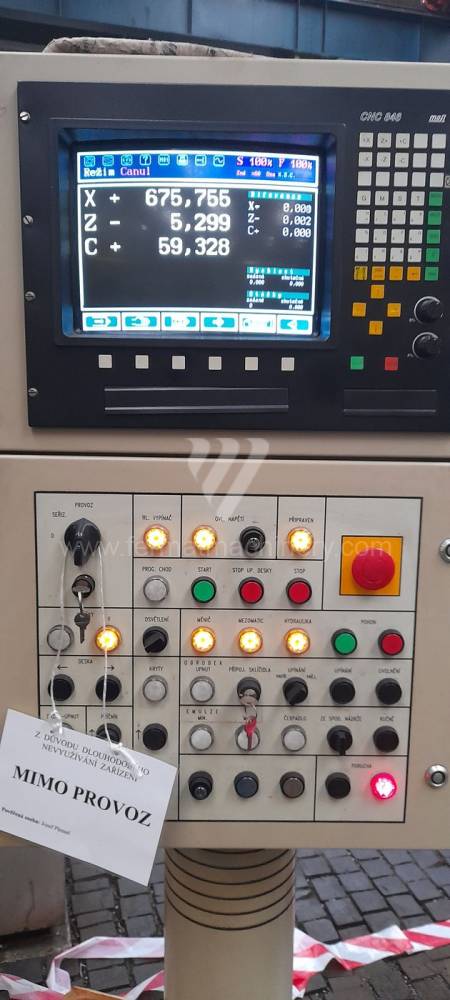
SKQ 12 CNC
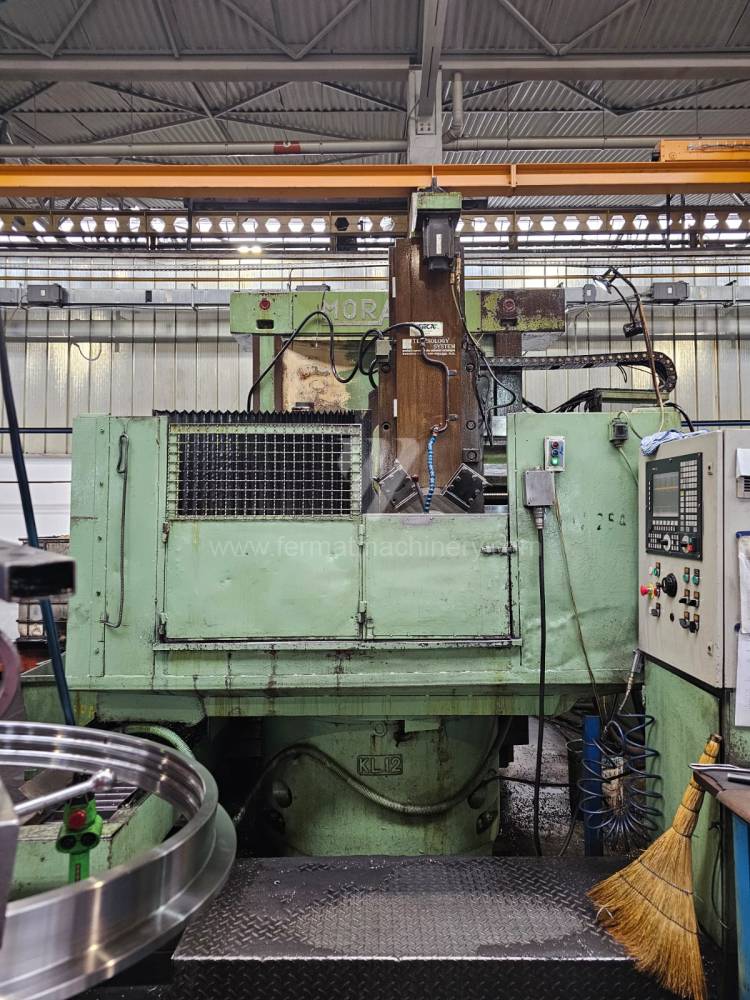
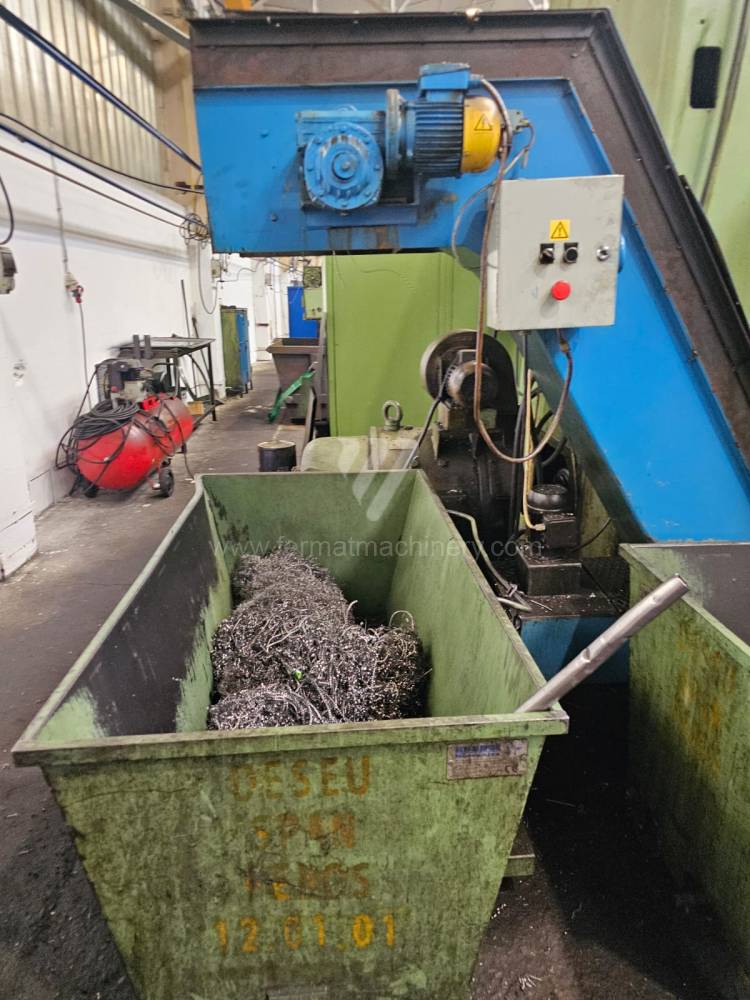
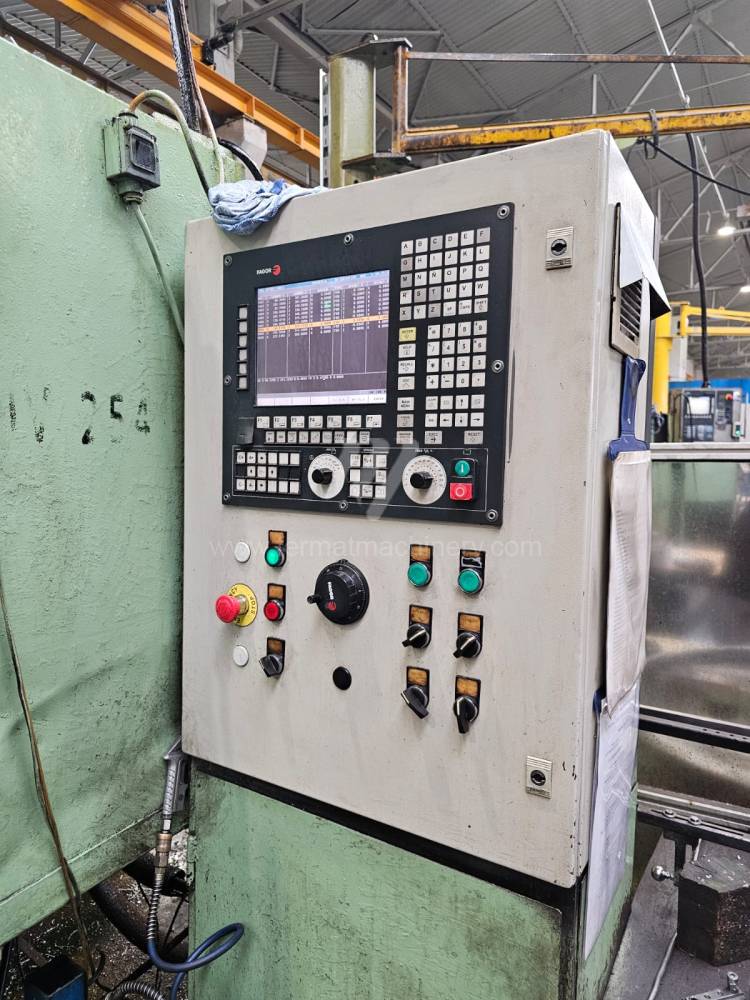
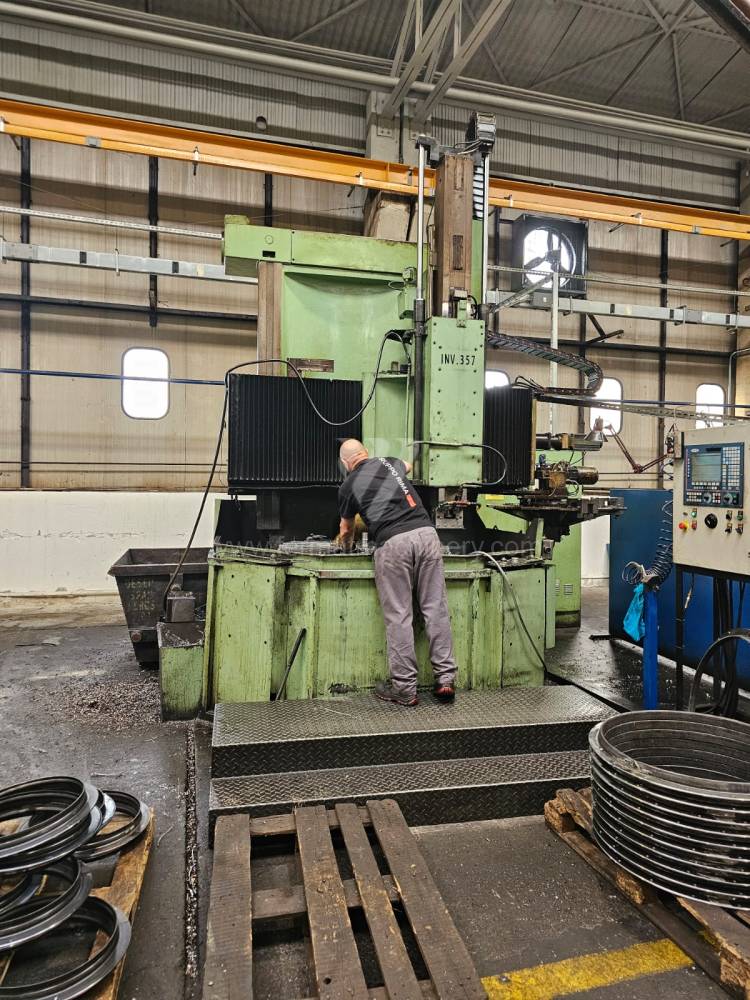
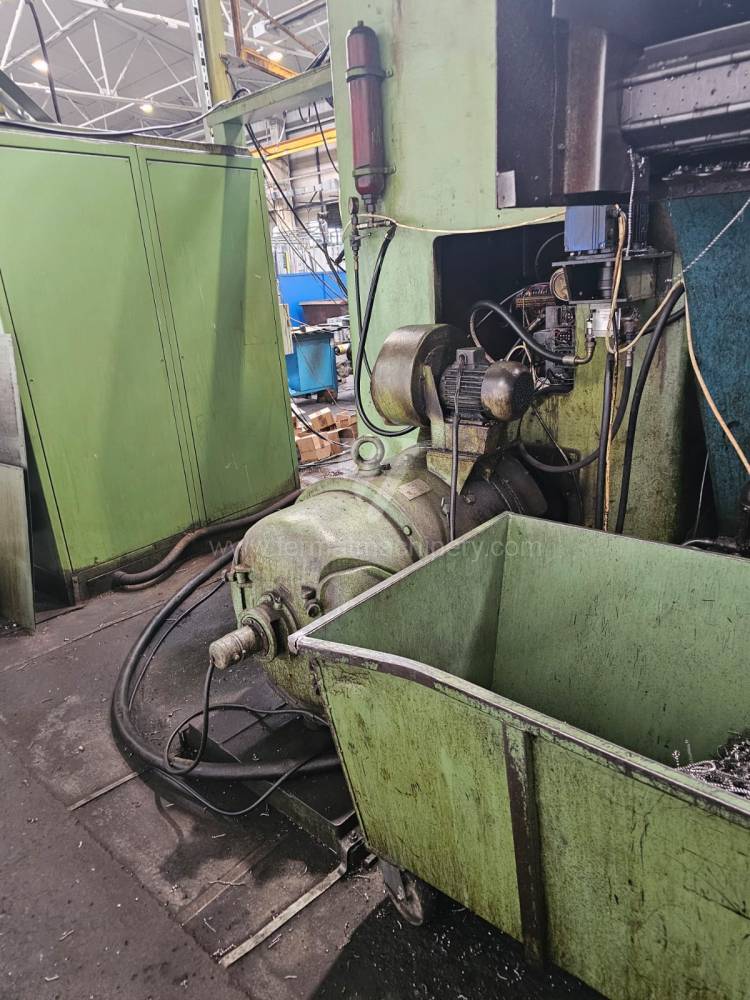
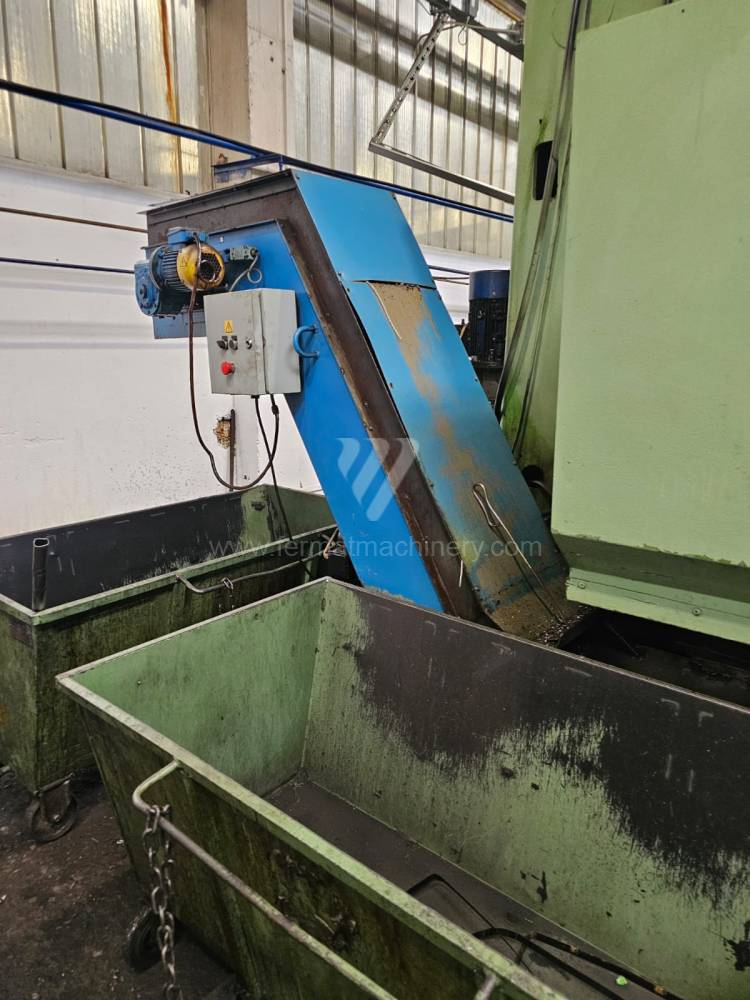
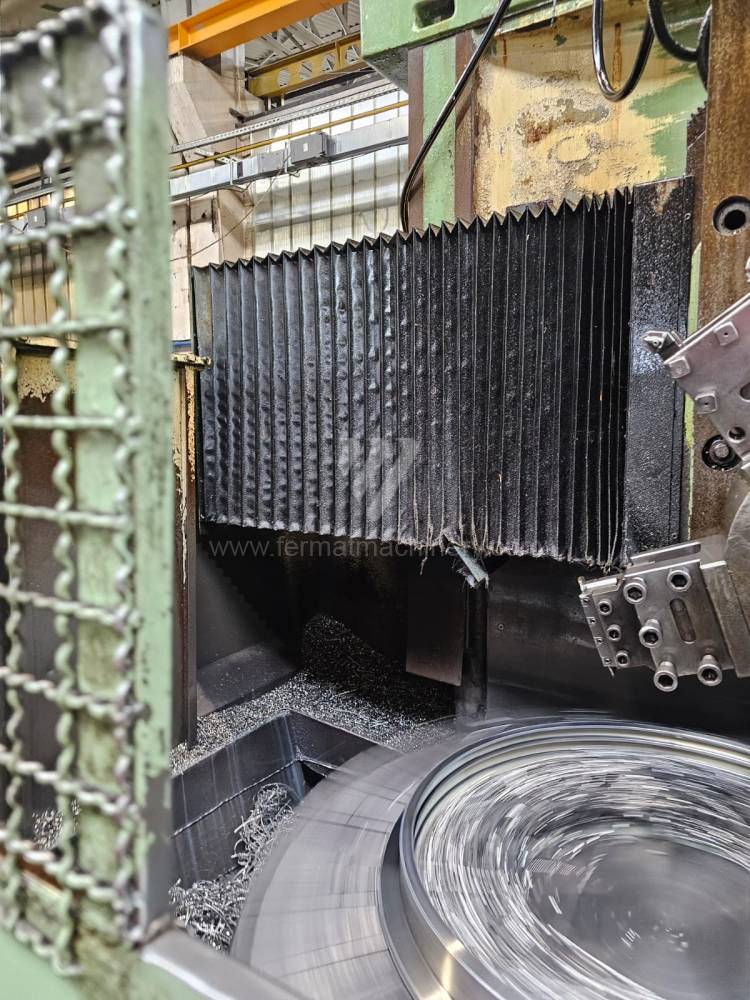
Morando KL 12 CNC
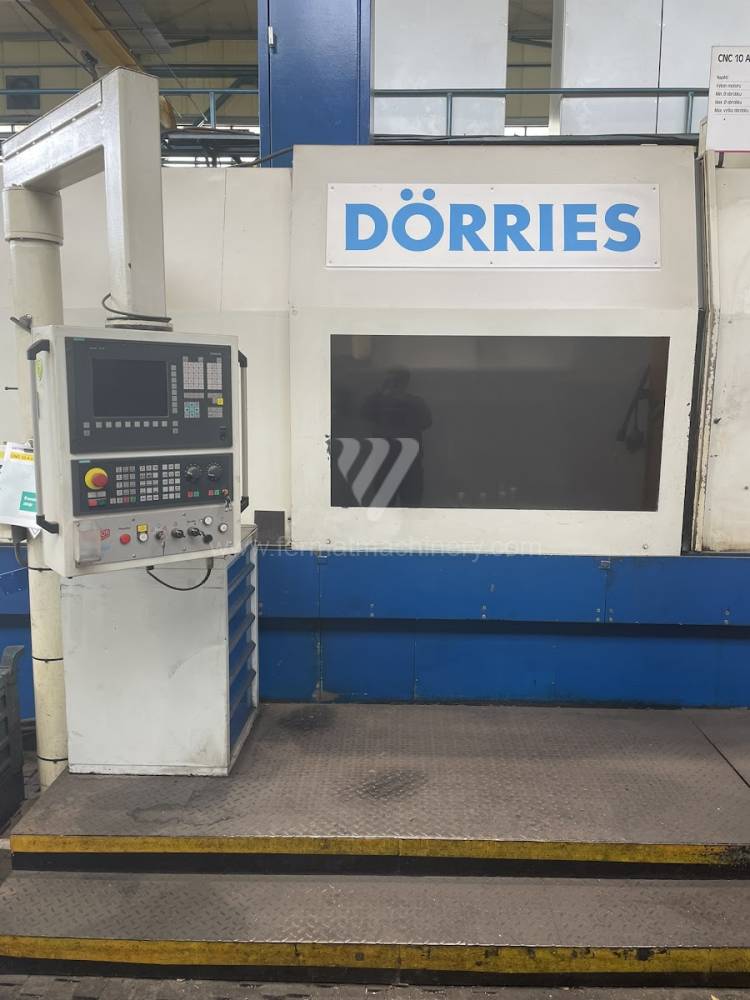
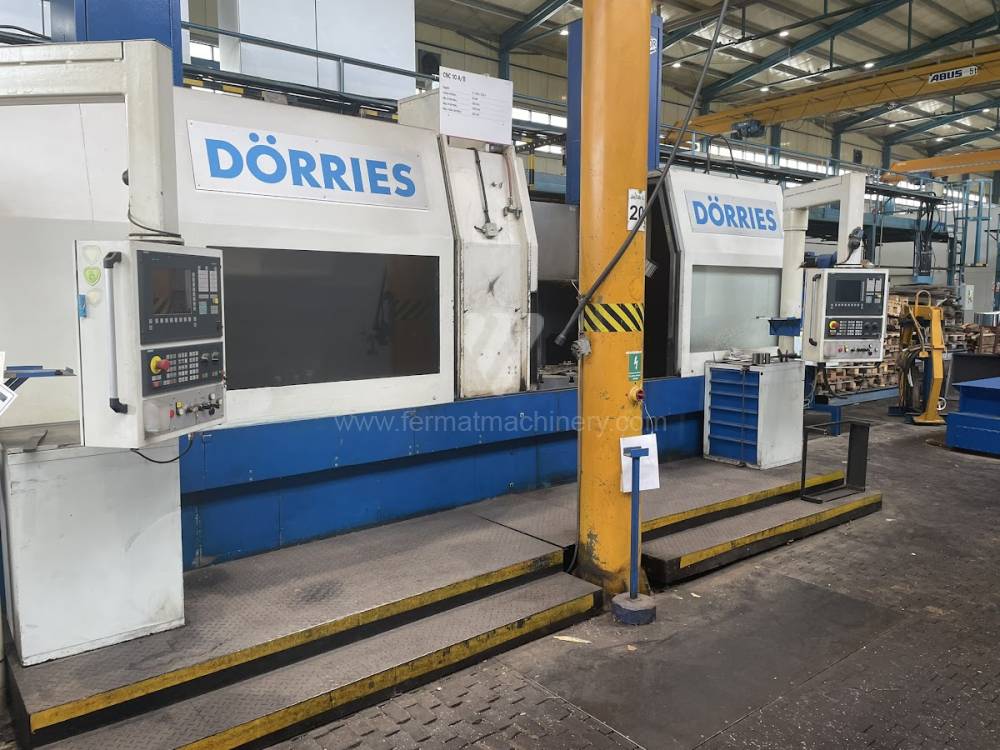
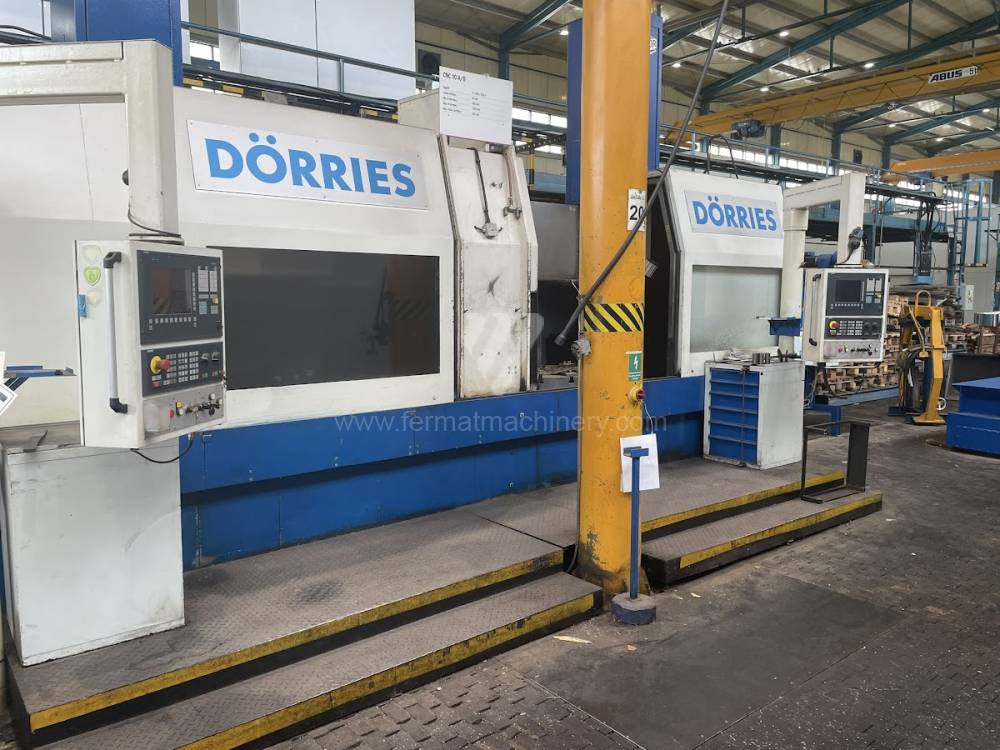
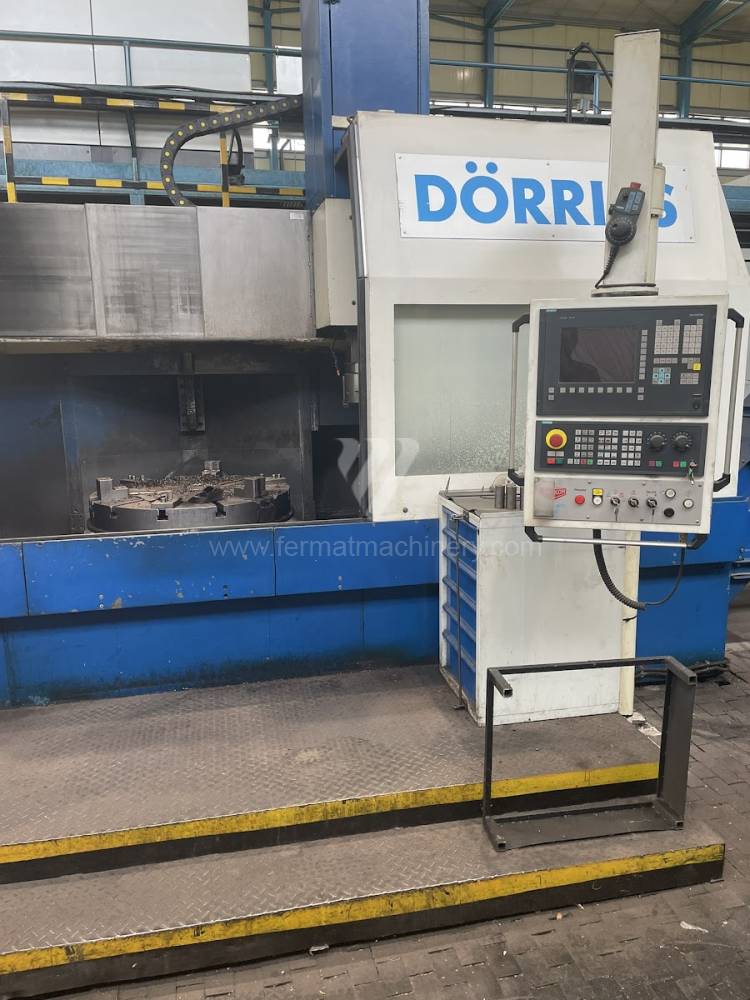
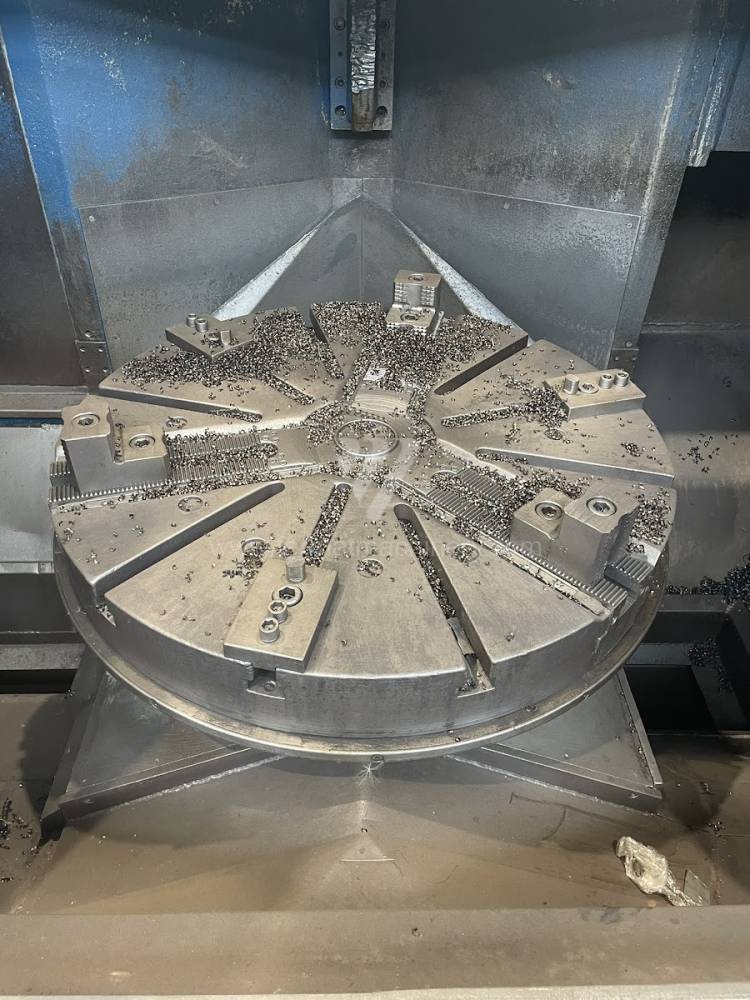
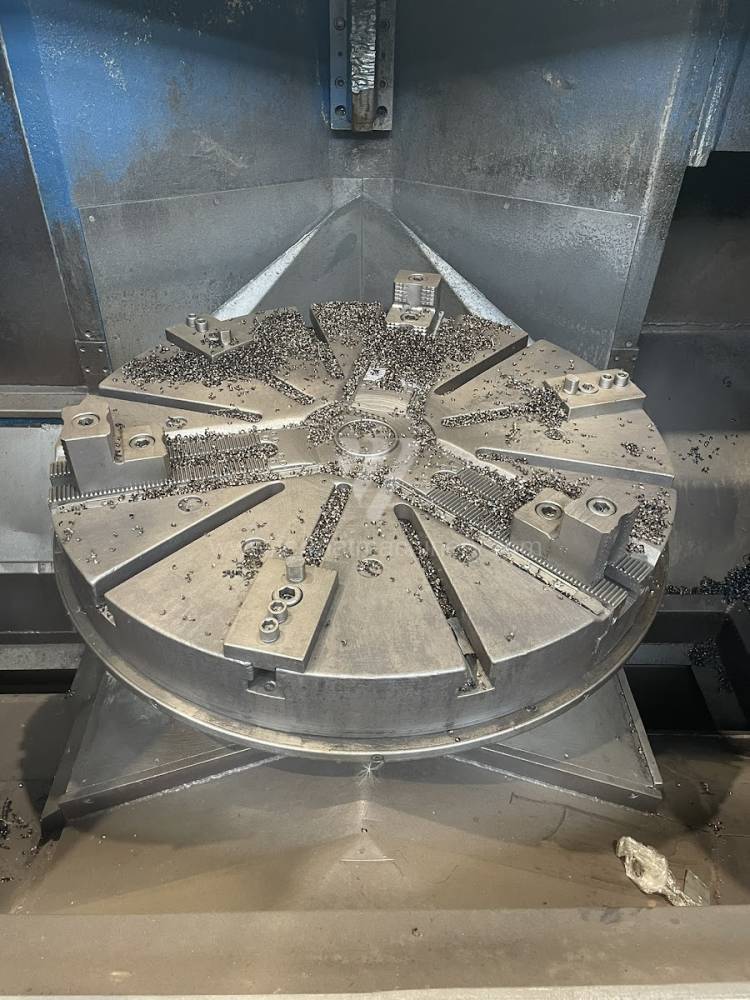
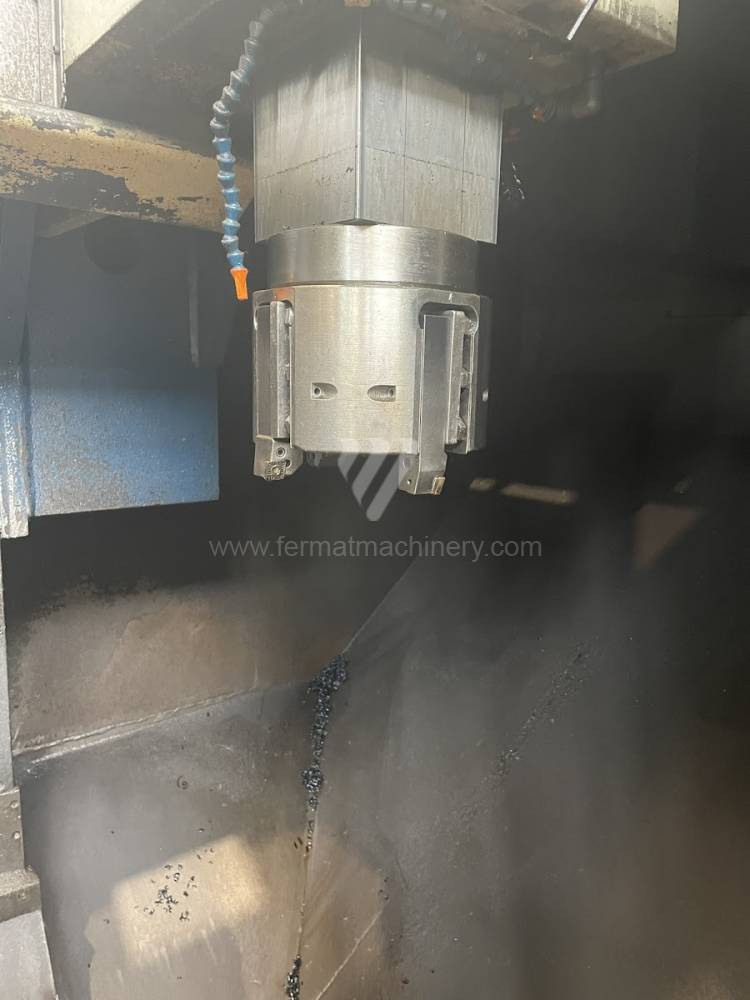
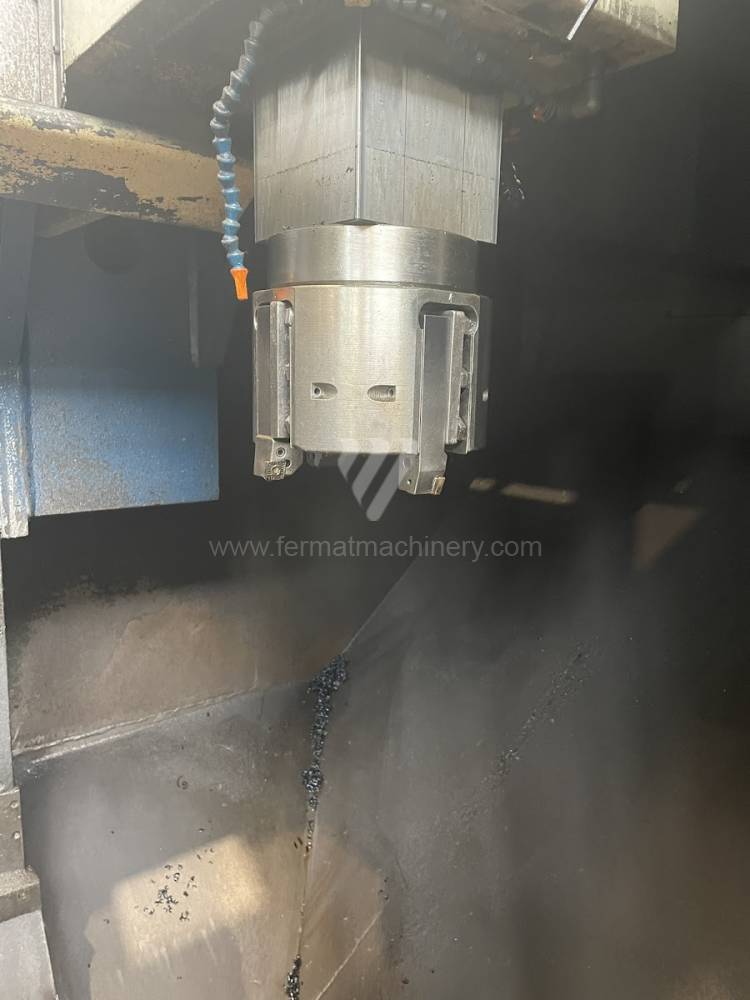
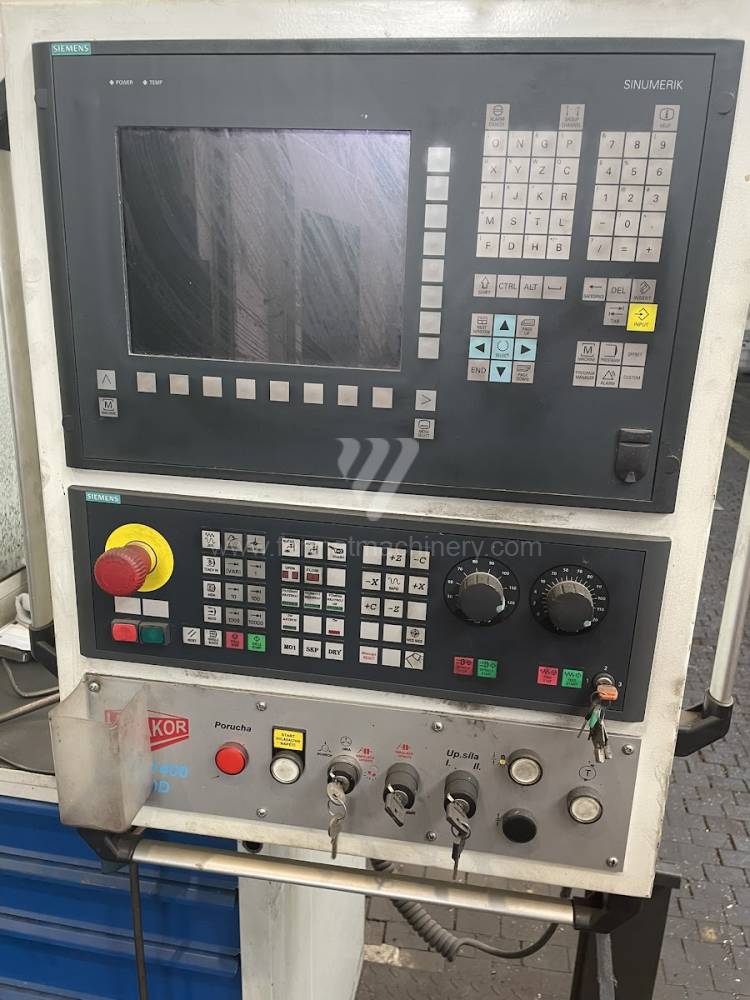
10 A/B CNC
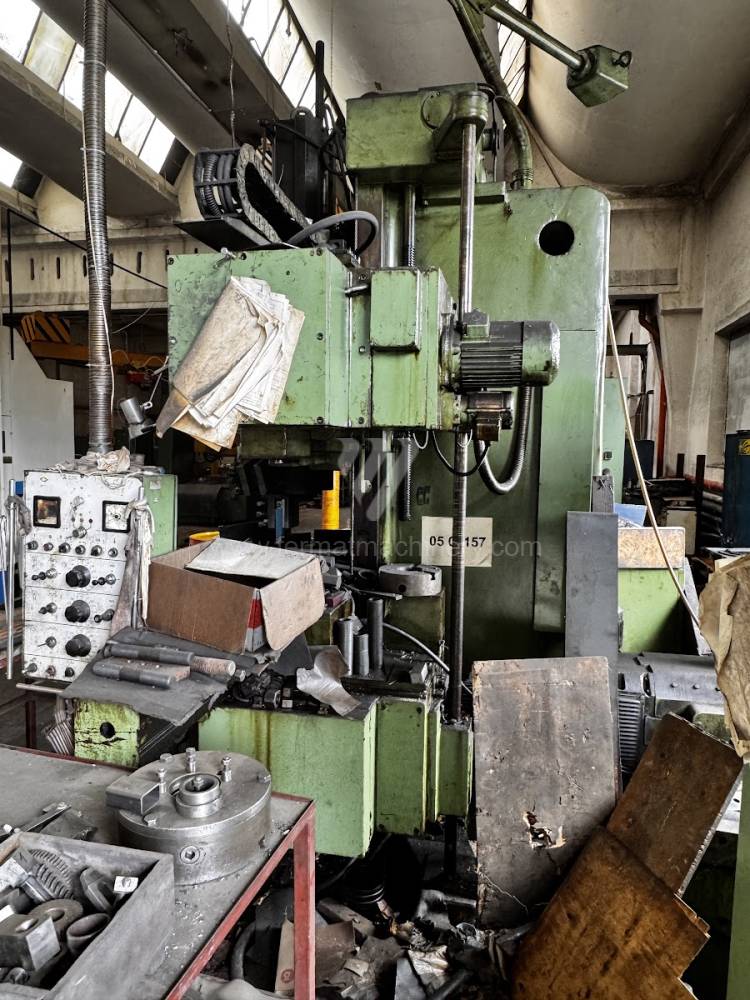
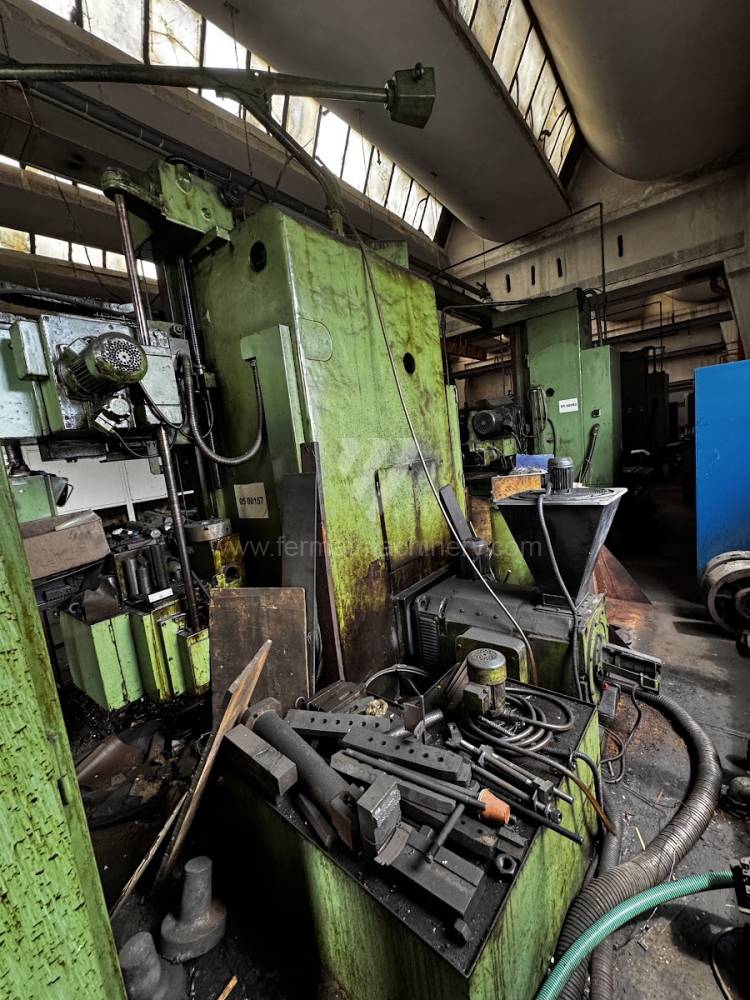
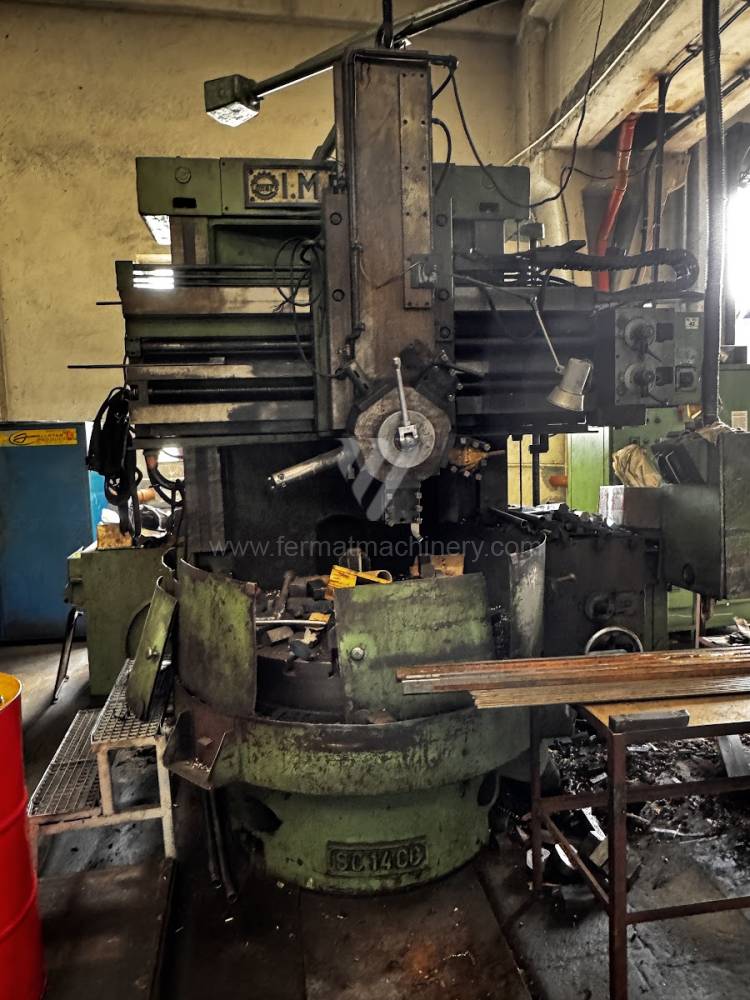
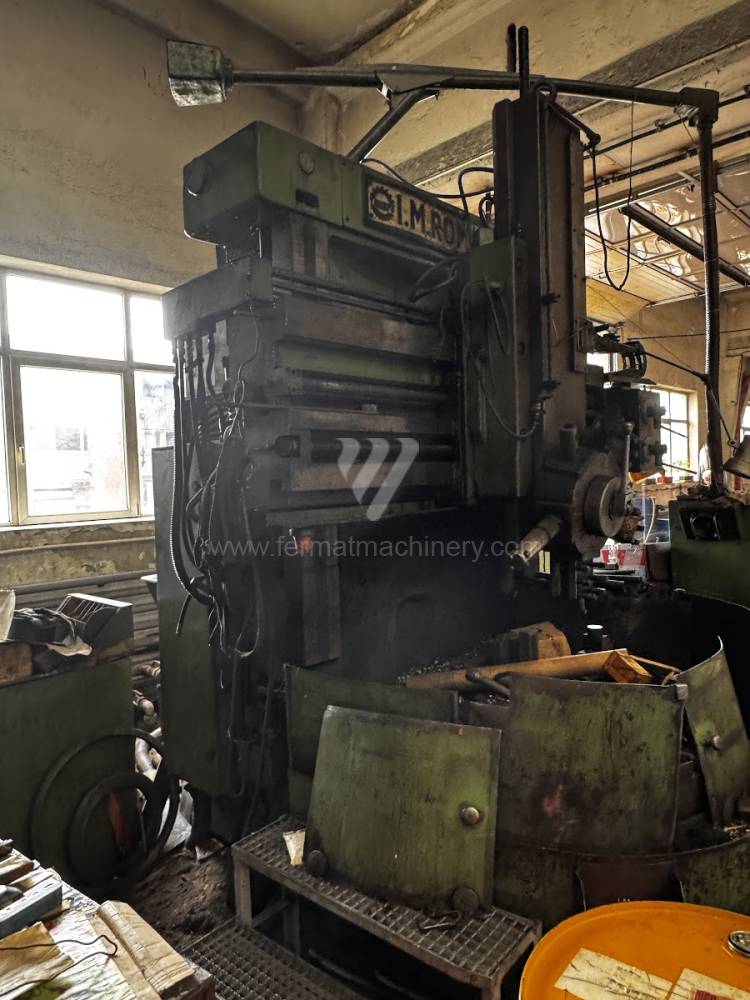
SC 14 CC
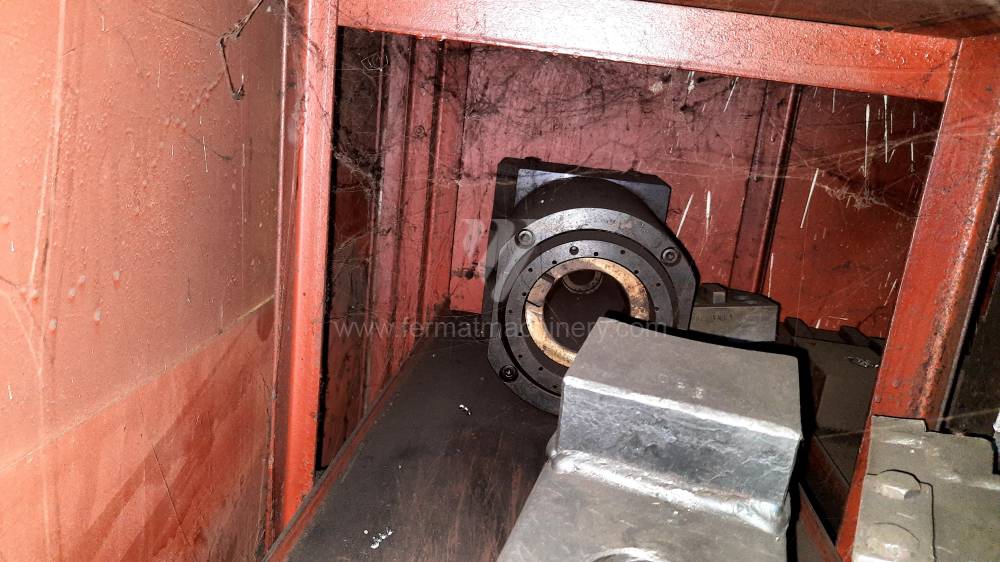
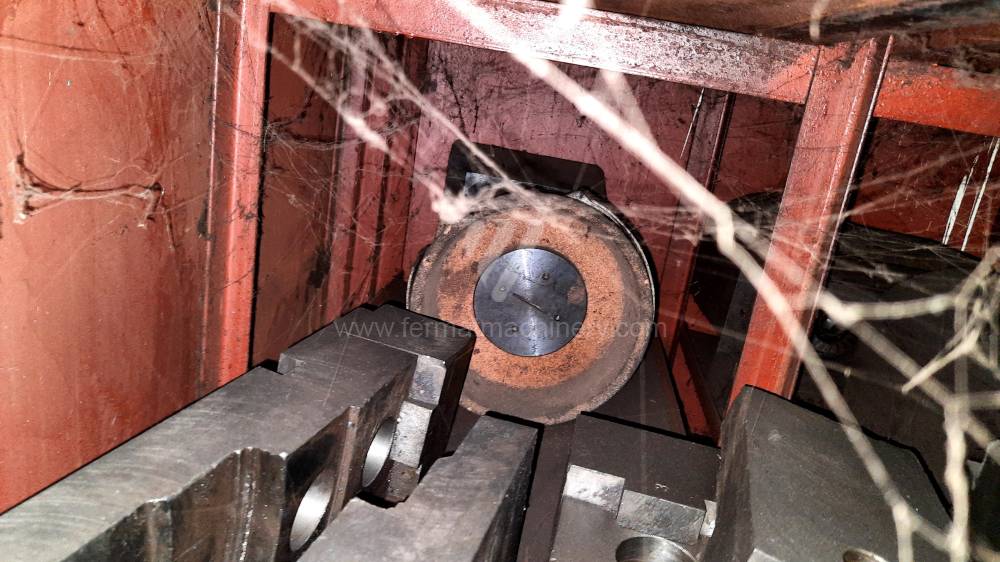
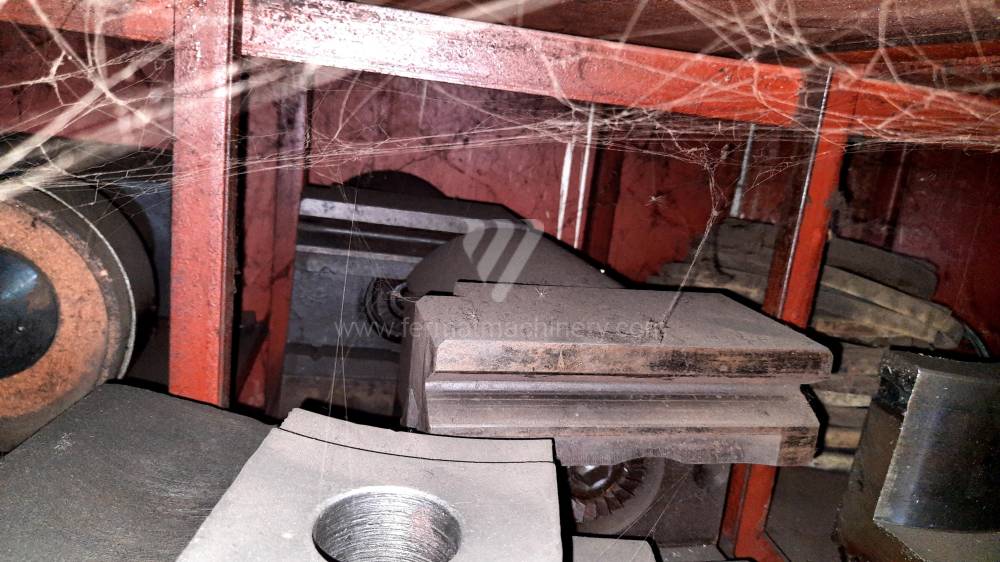
MCSK 8
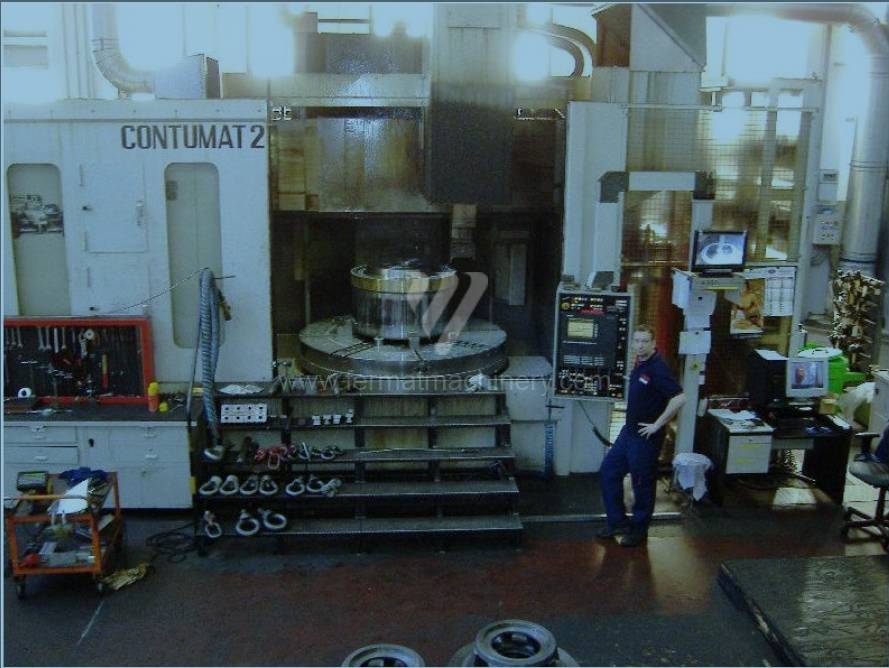
CONTUMAT 2
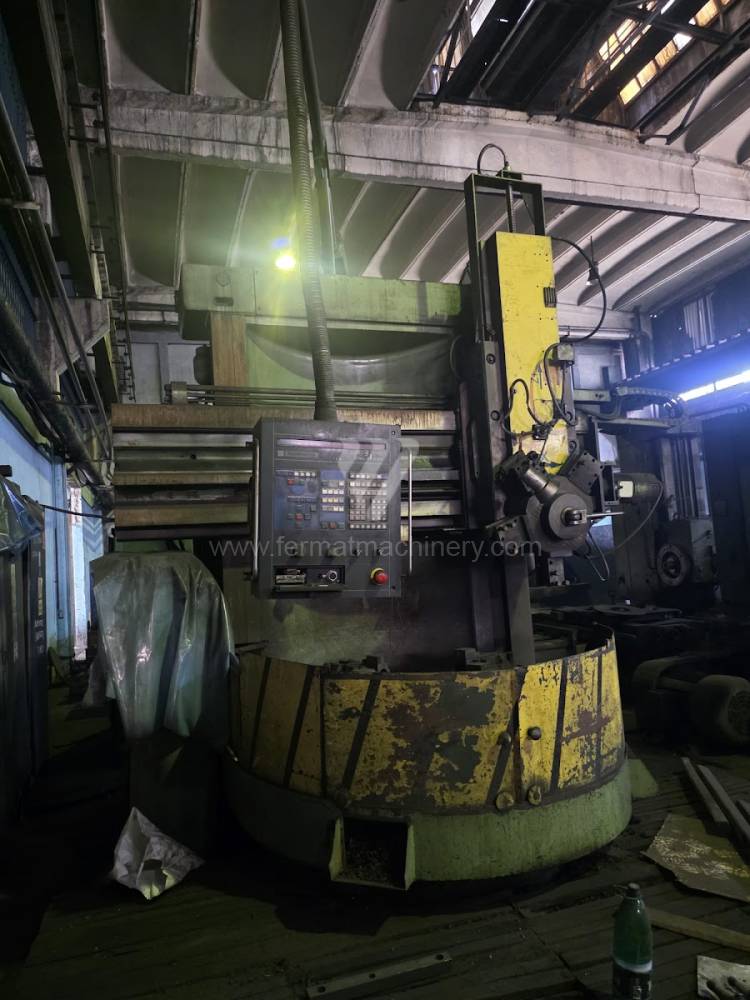
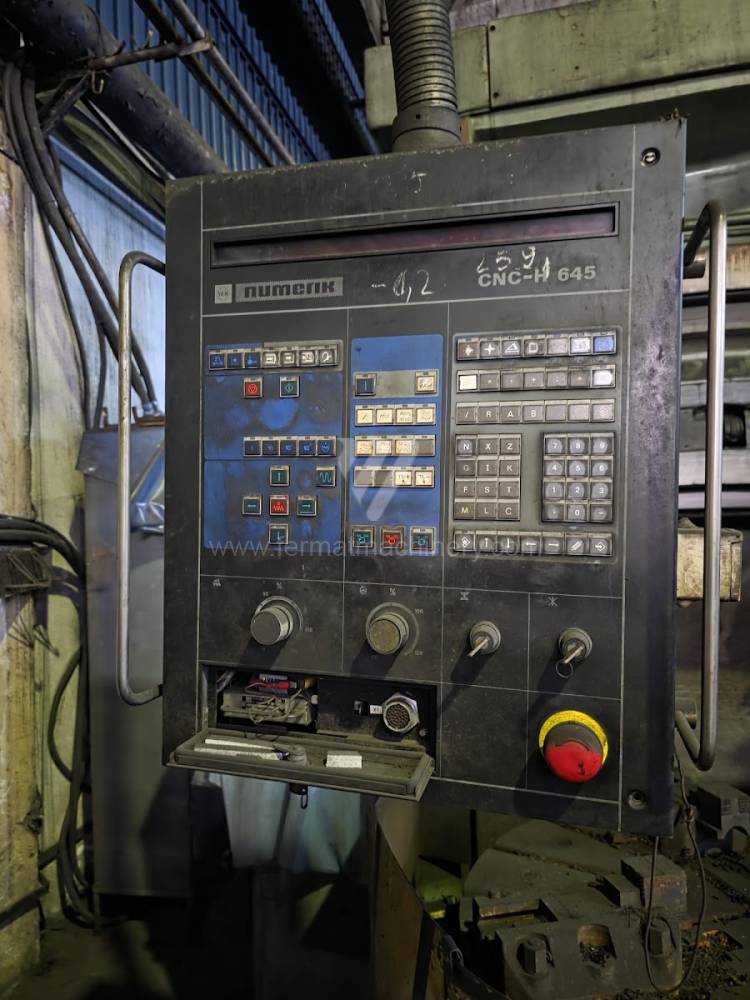
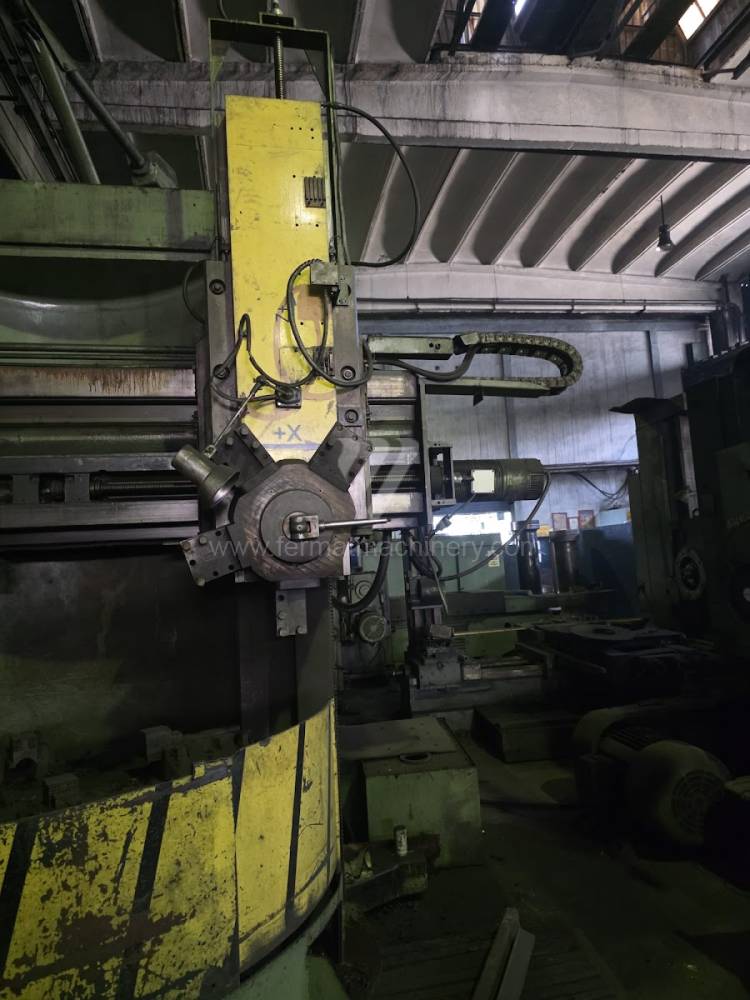
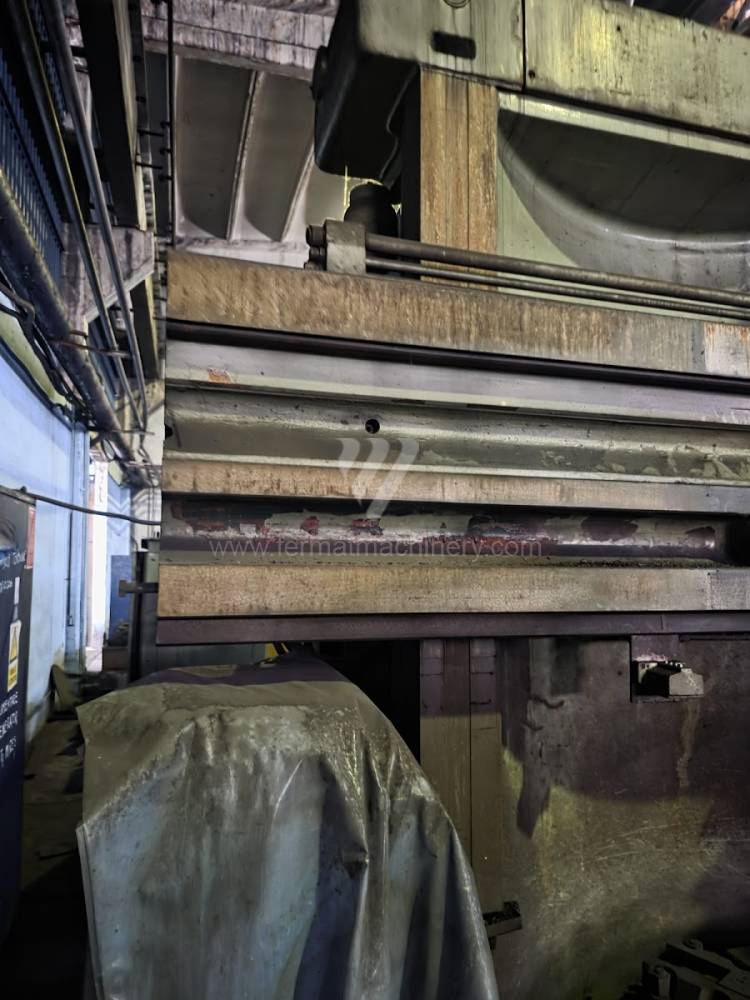
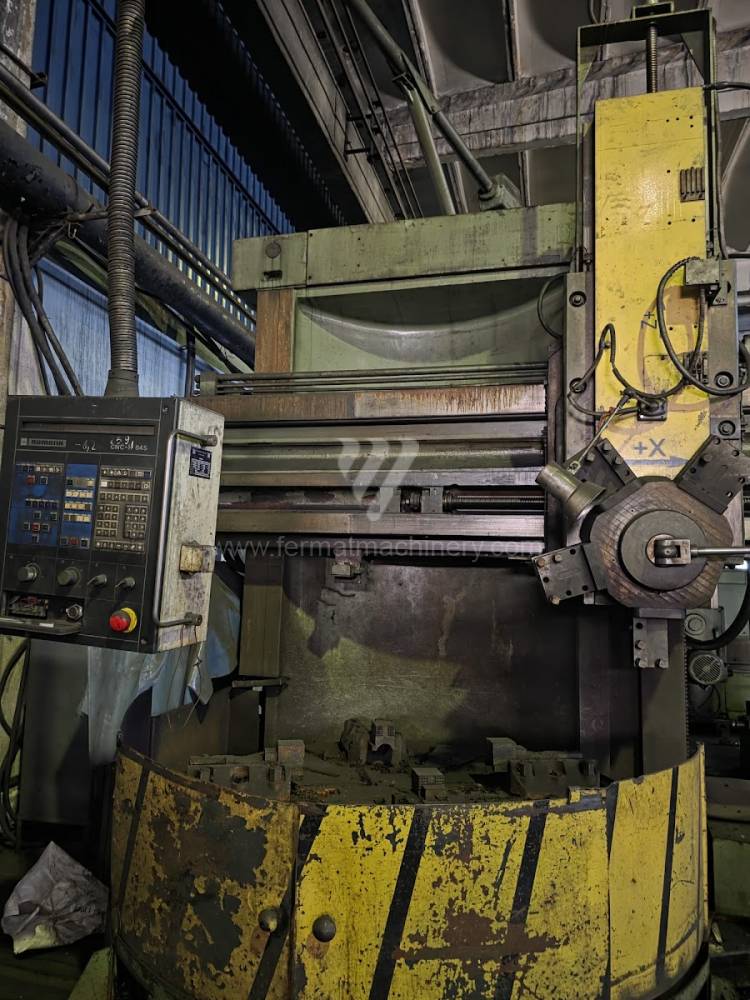
SC 17 CNC
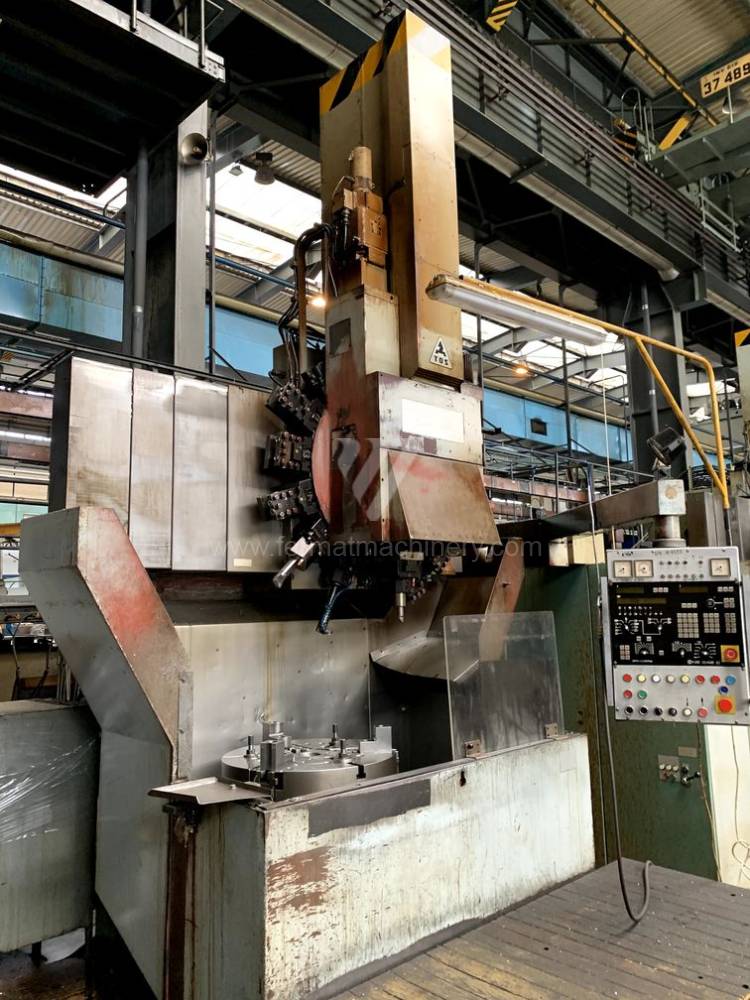
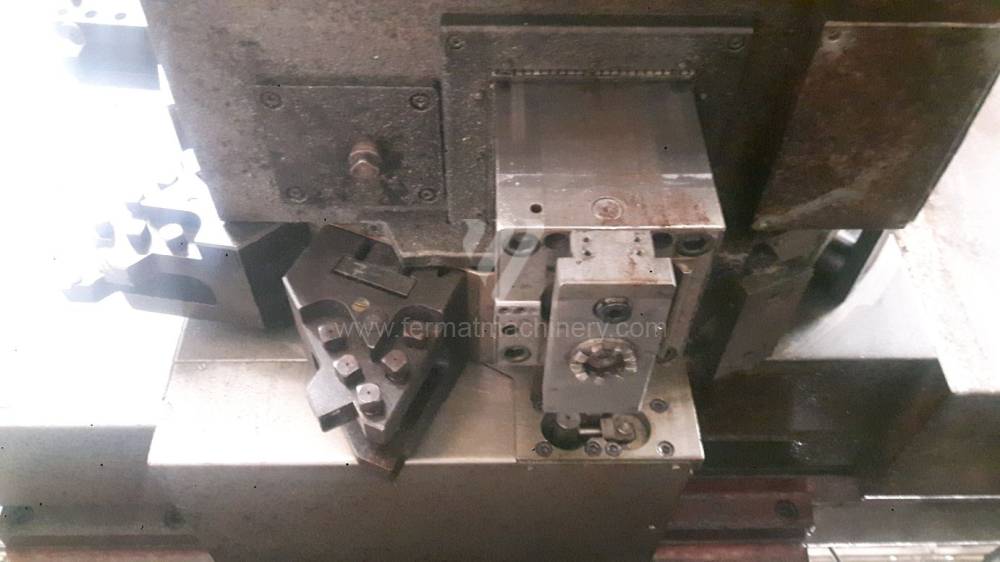
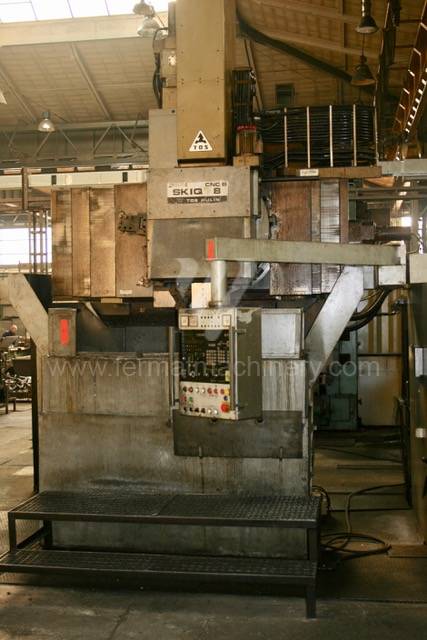
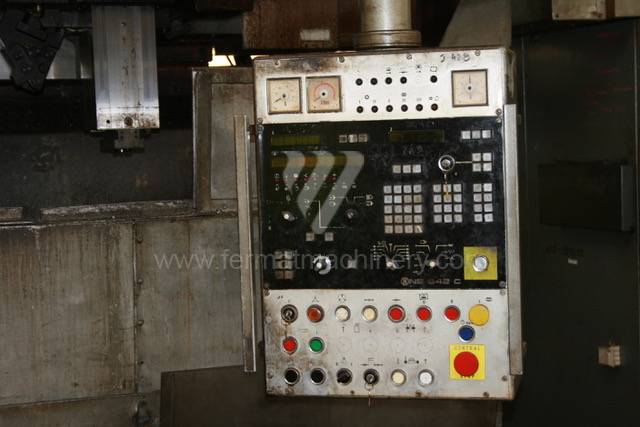
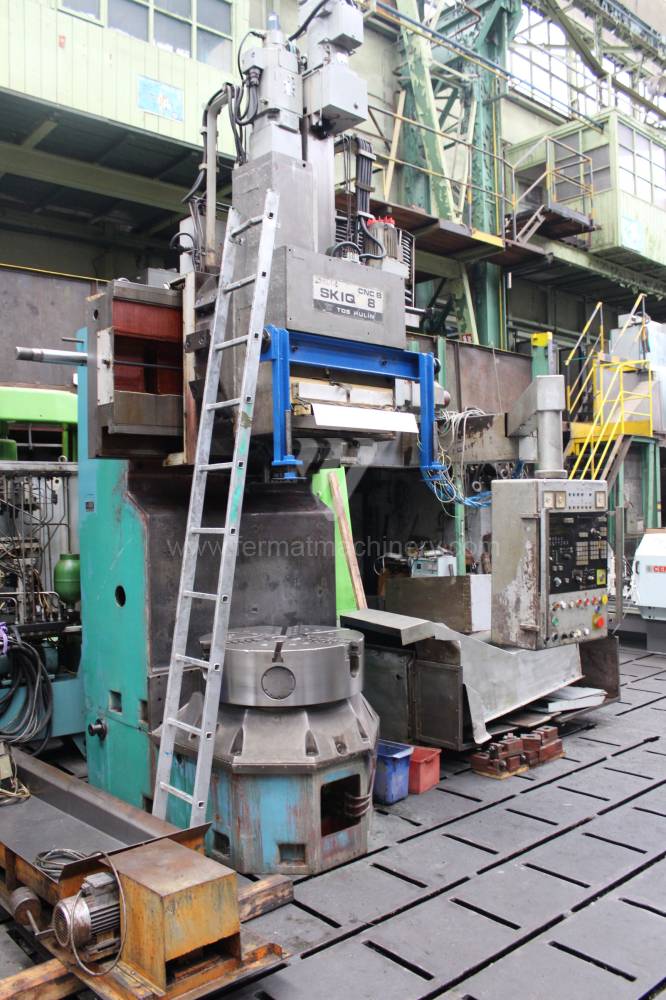
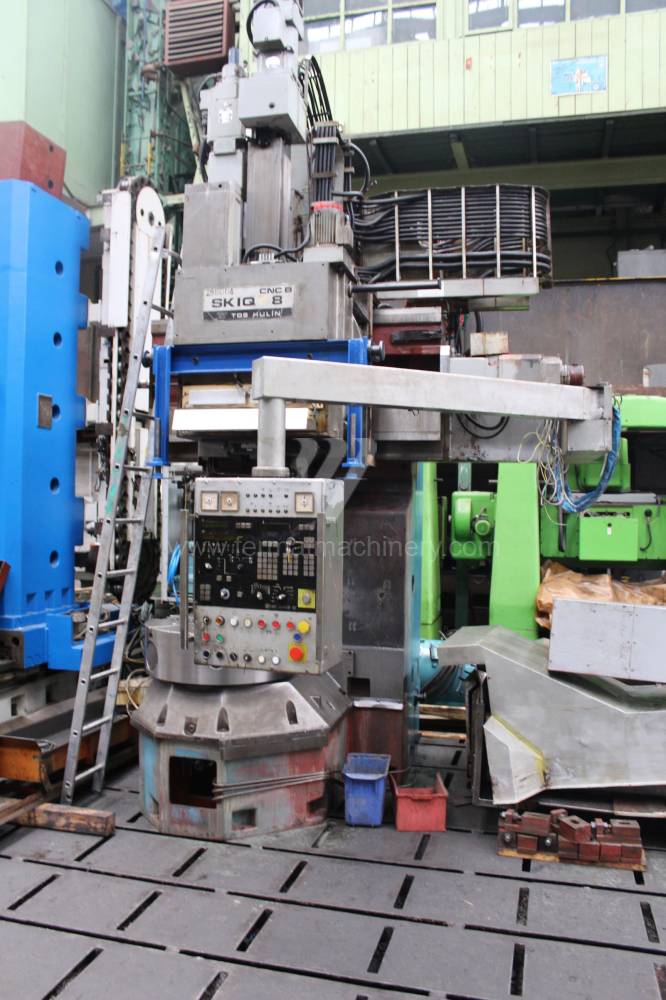
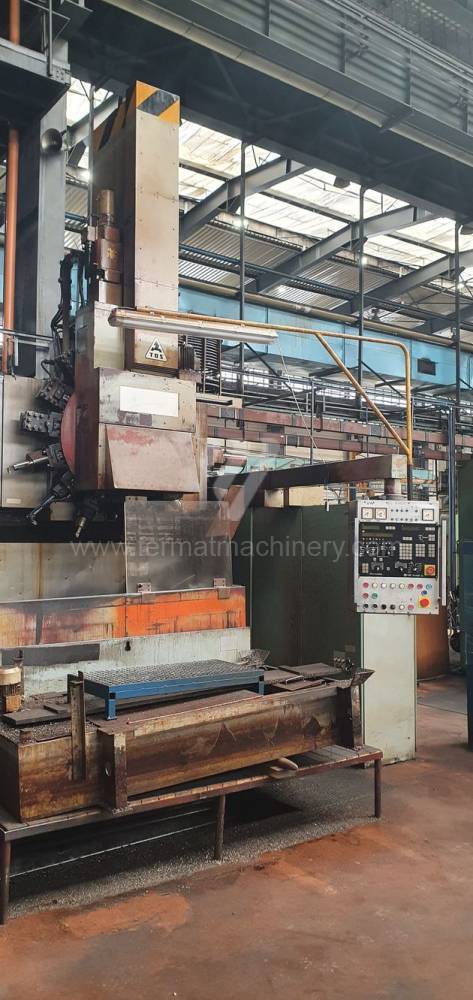
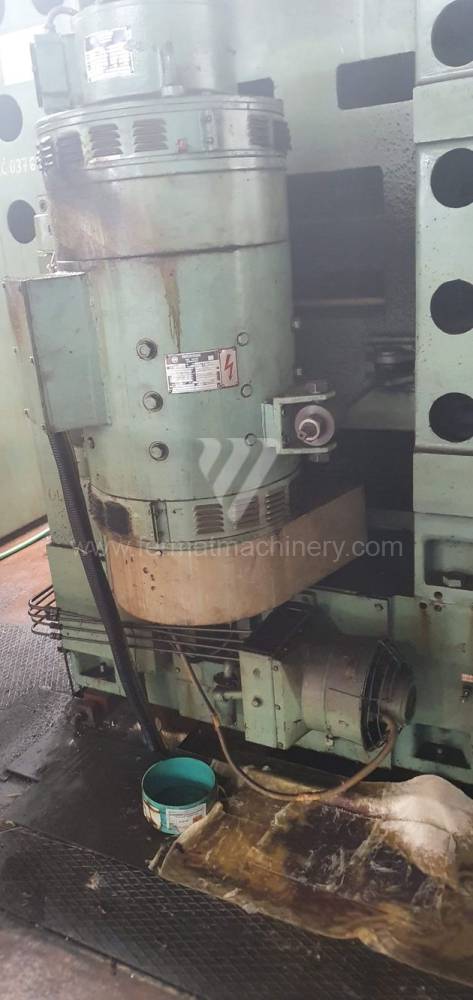
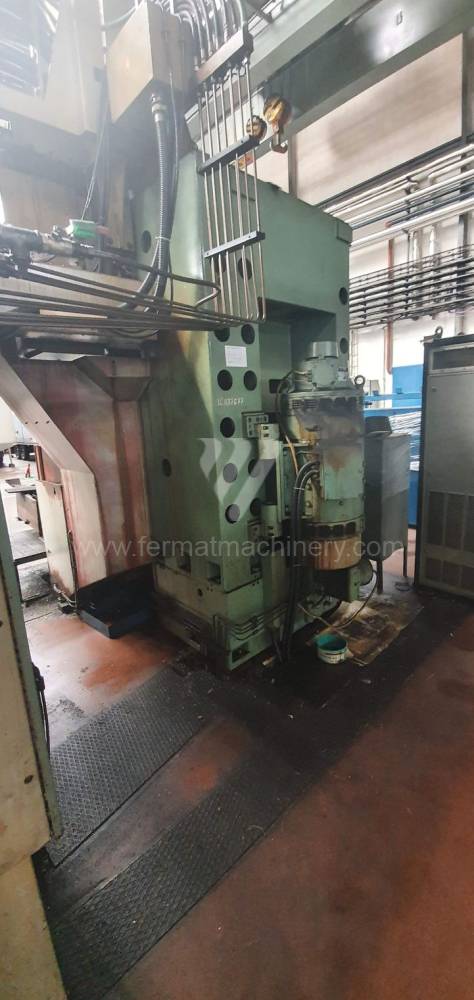
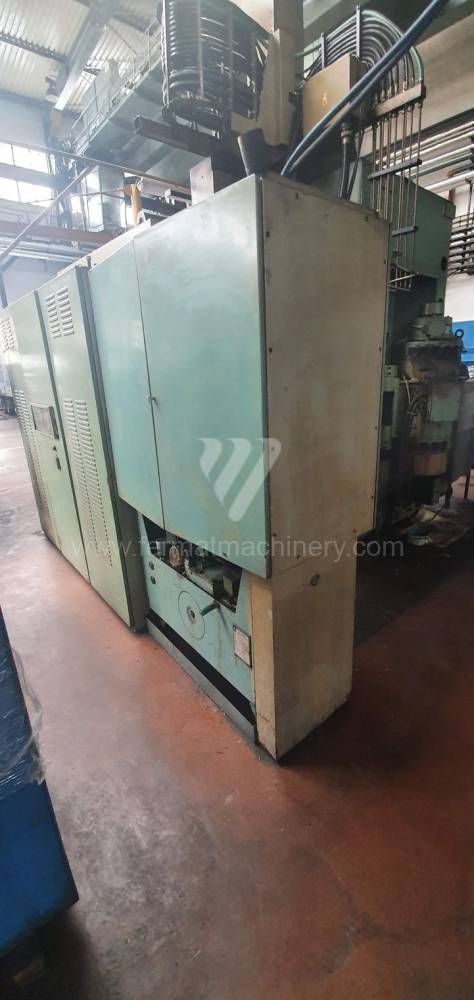
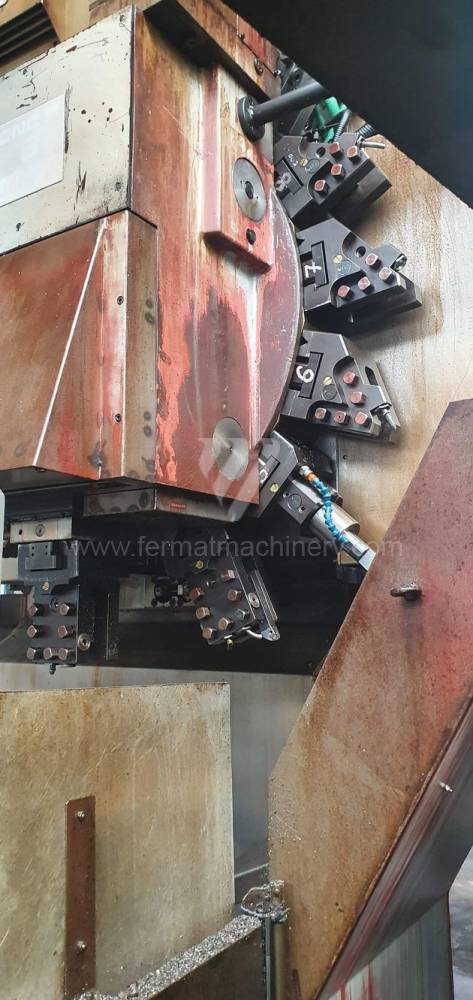
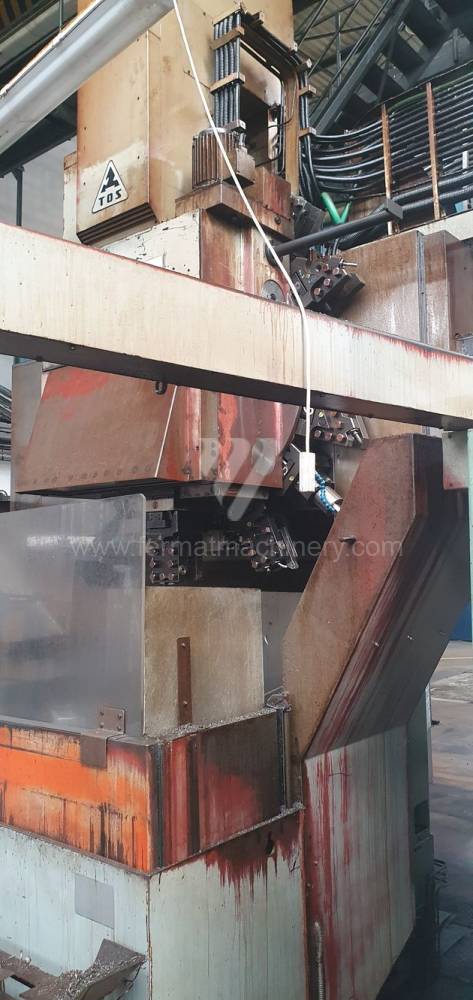
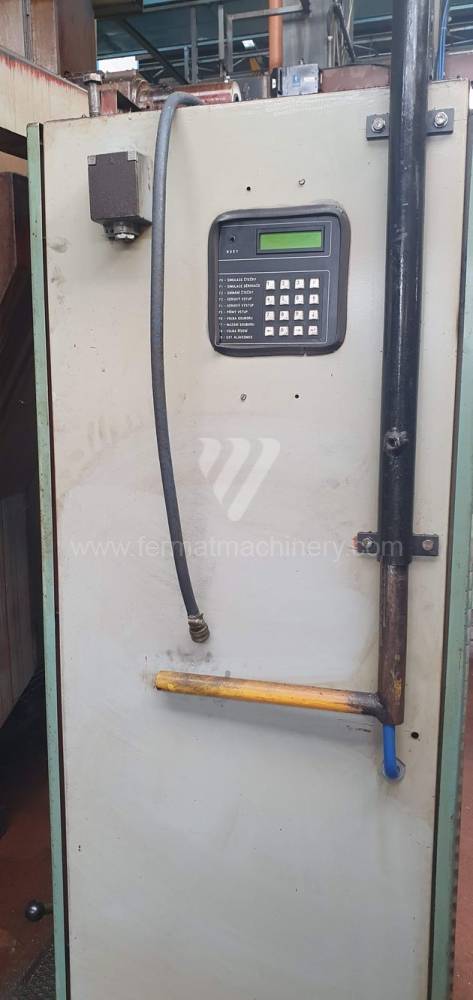
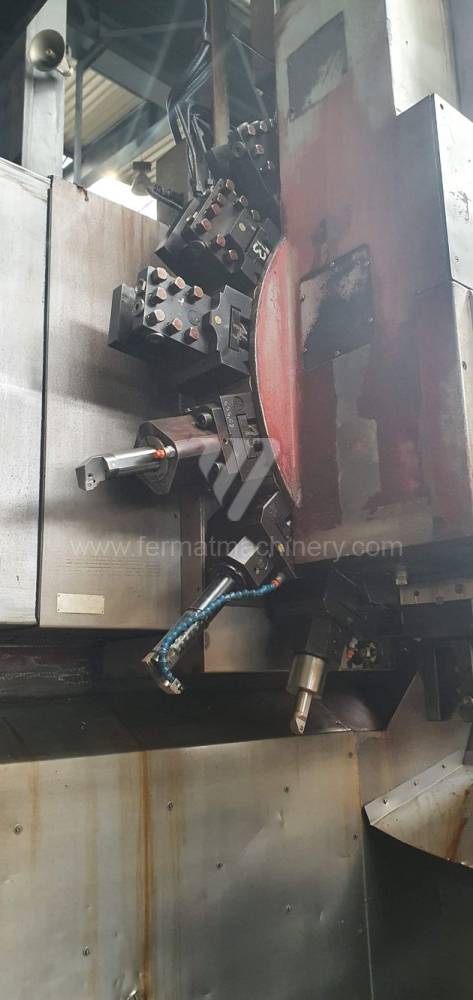
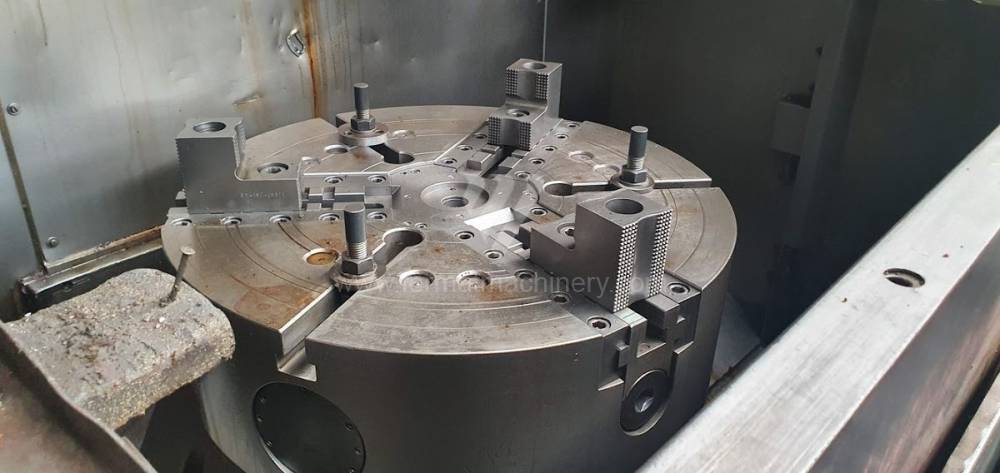
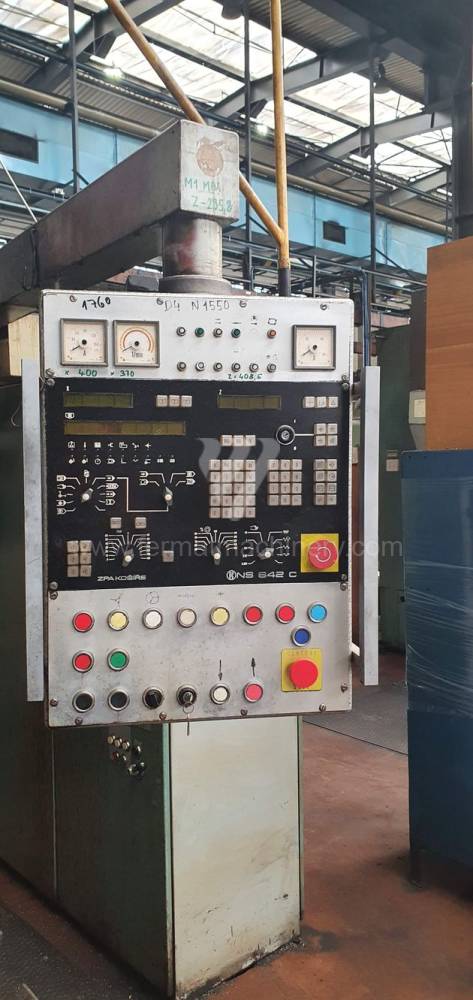
SKIQ 8 CNC B
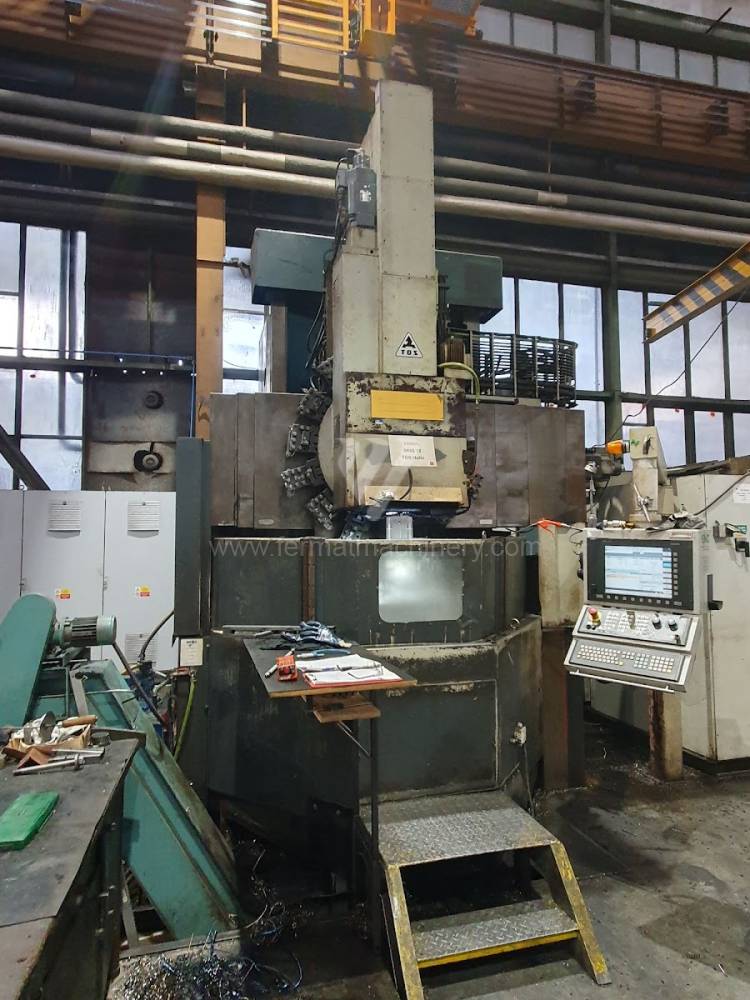
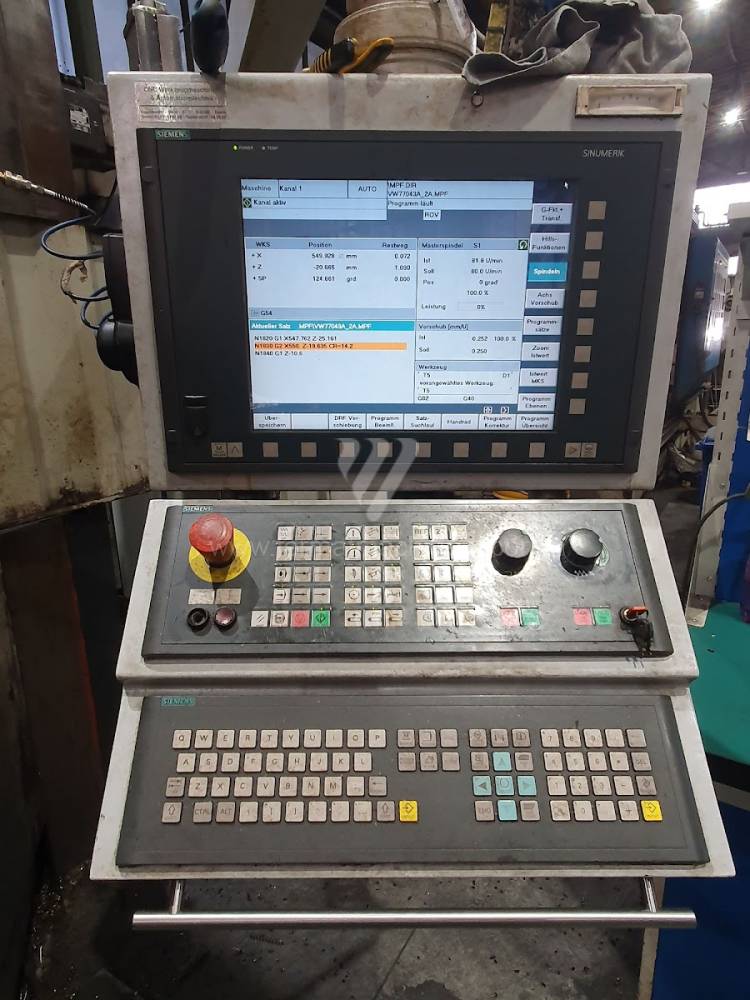
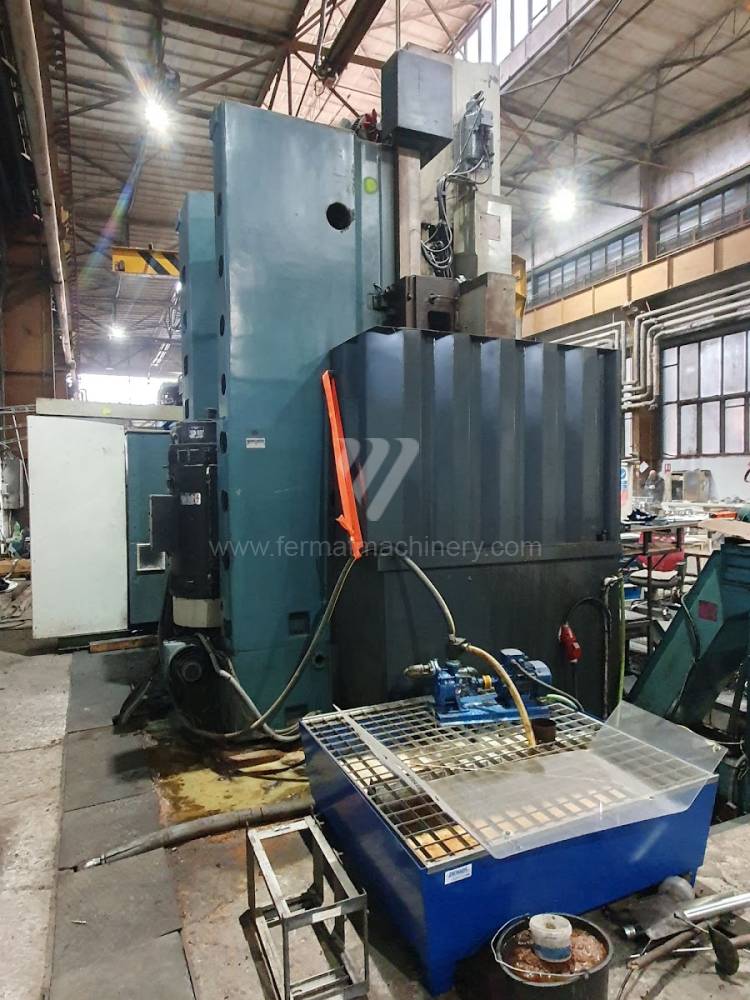
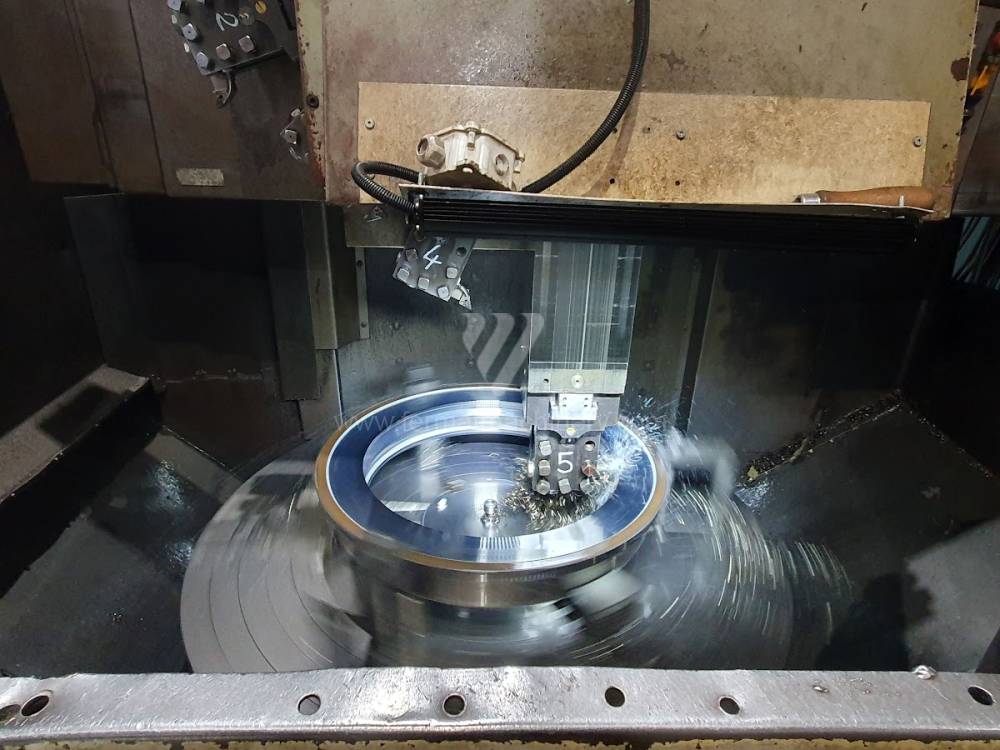
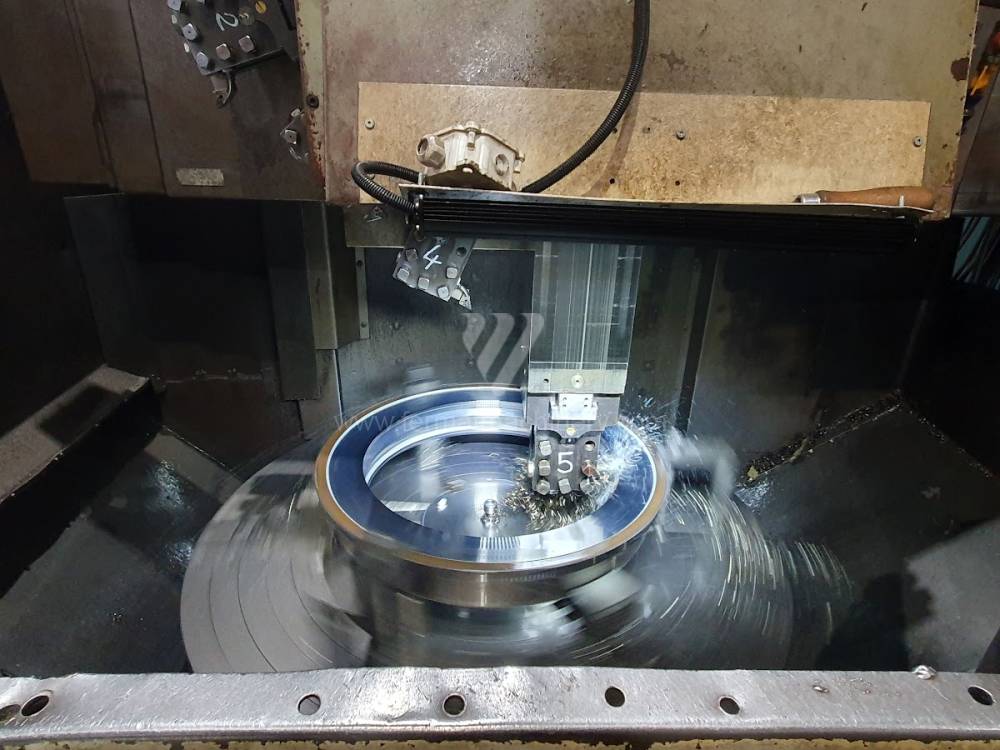
SKIQ 12 CNC
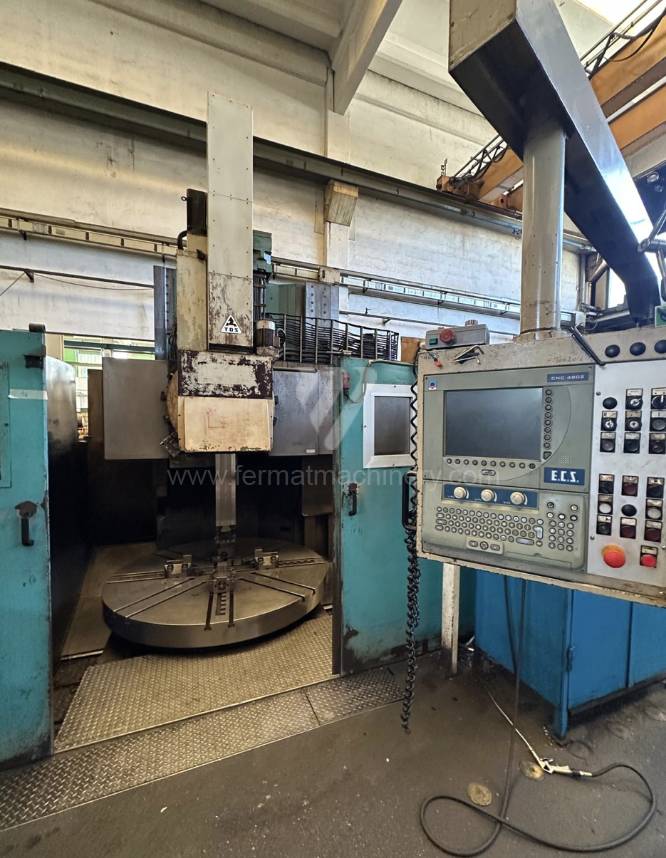
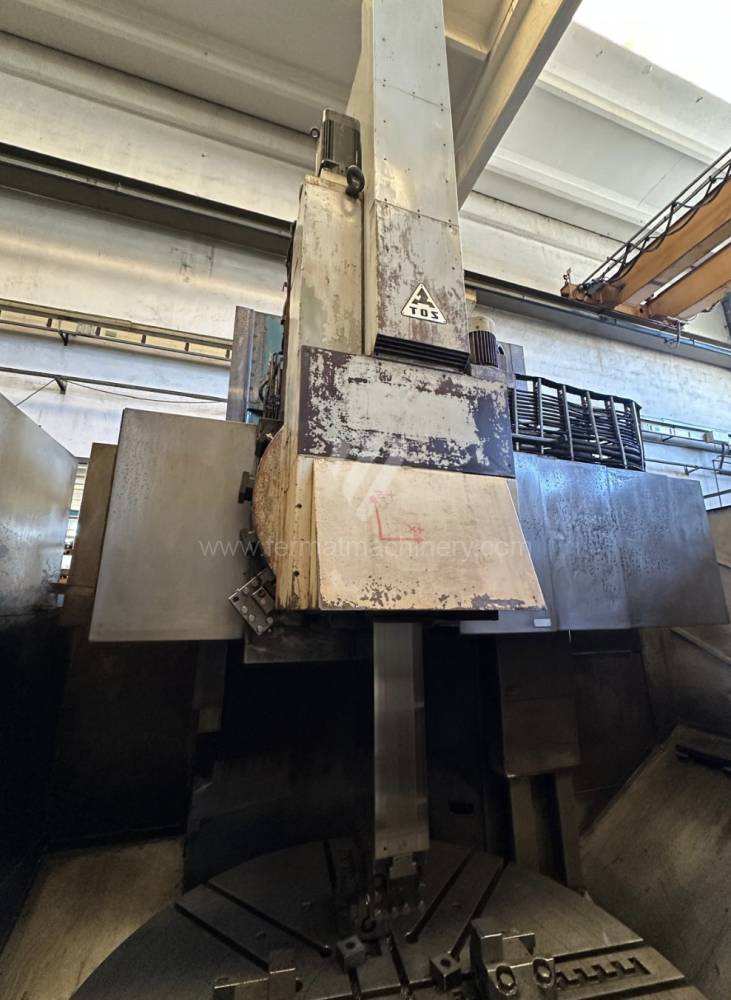
MCSK 20
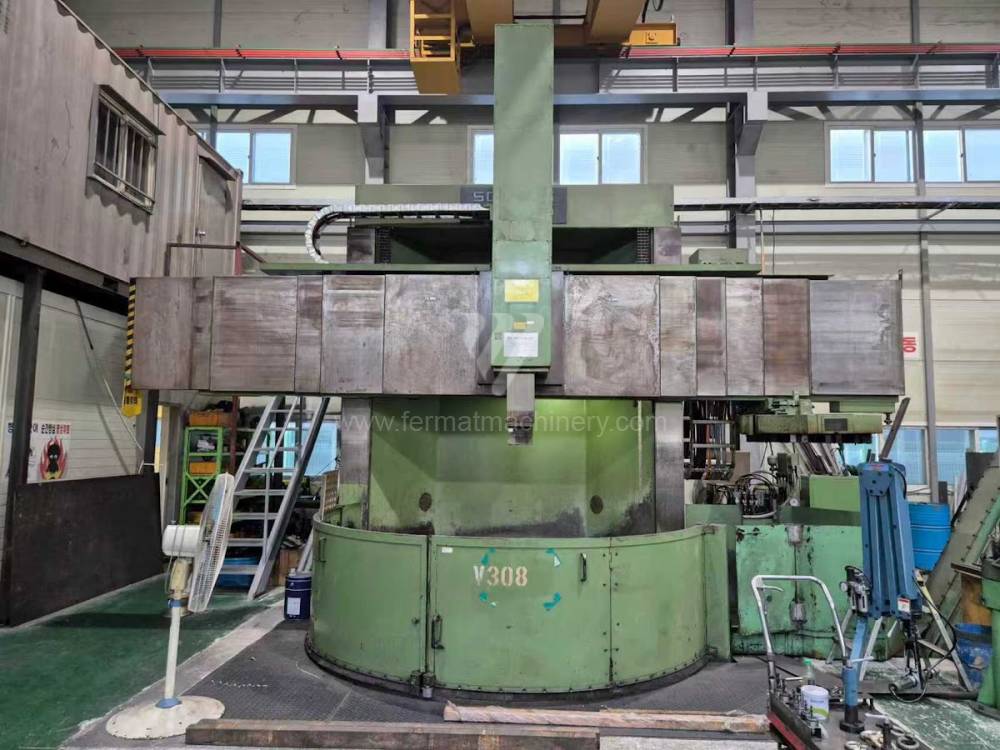
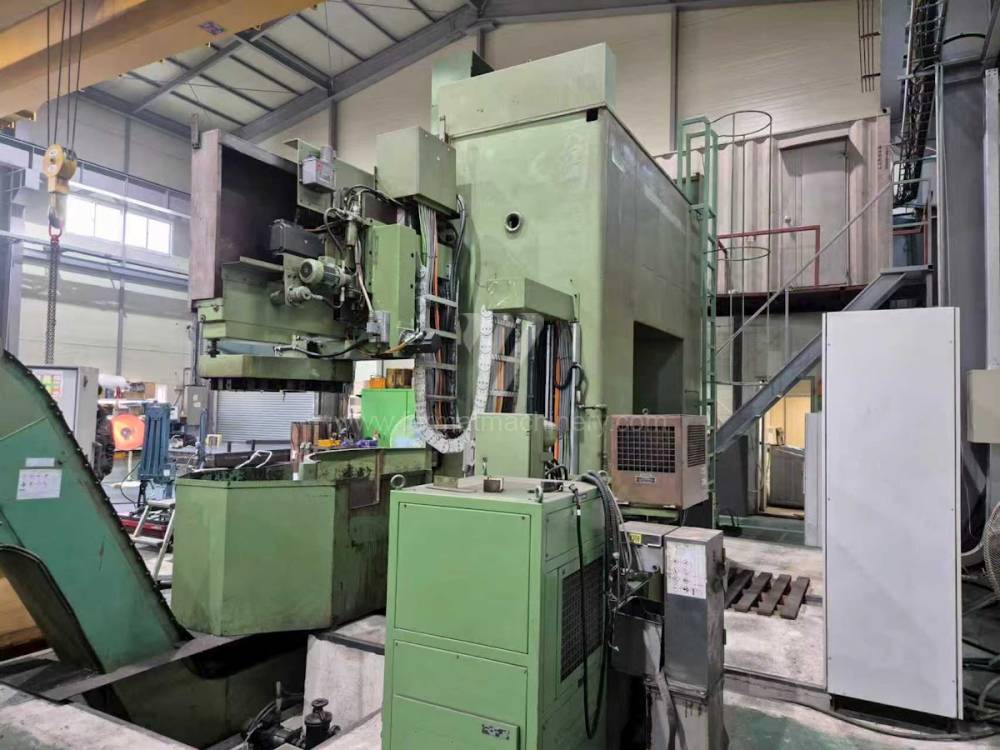
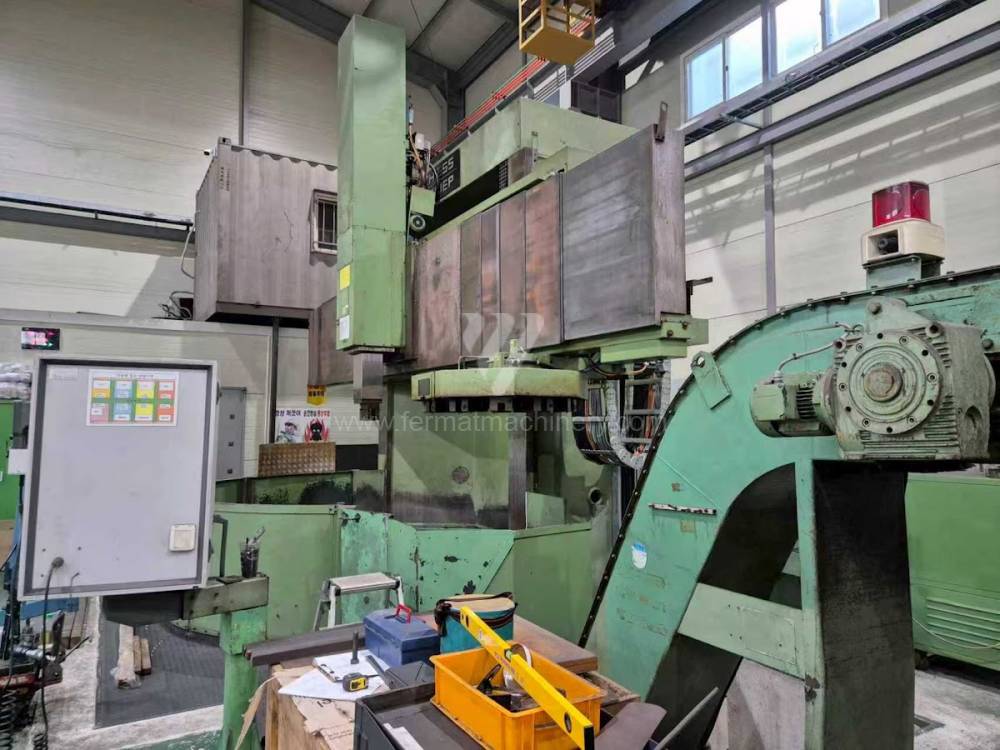
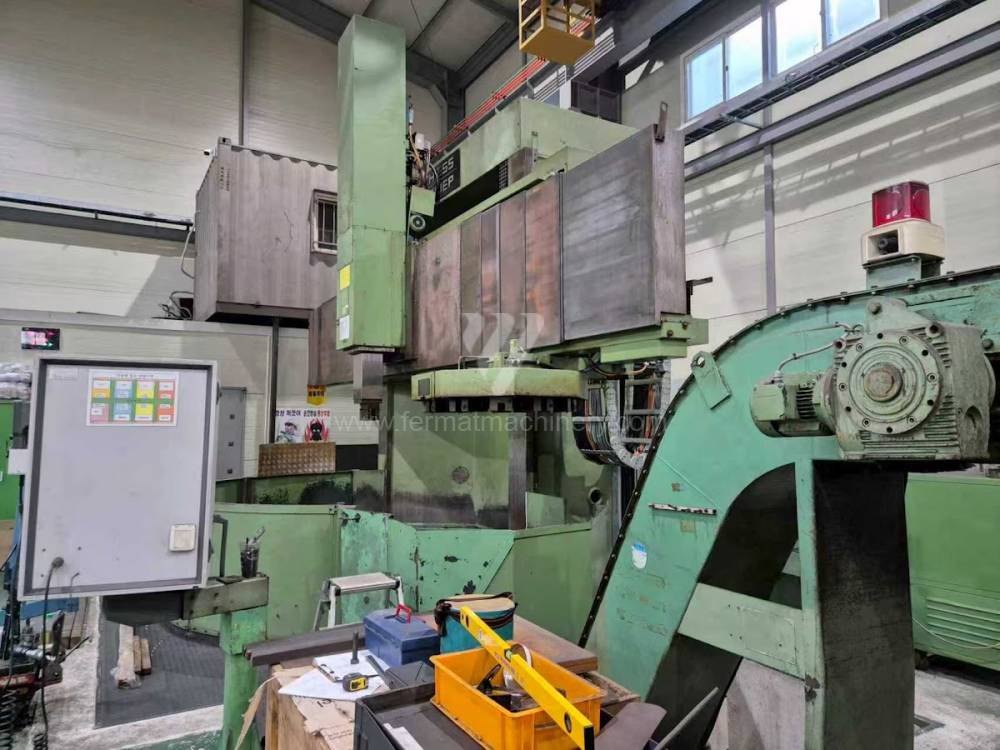
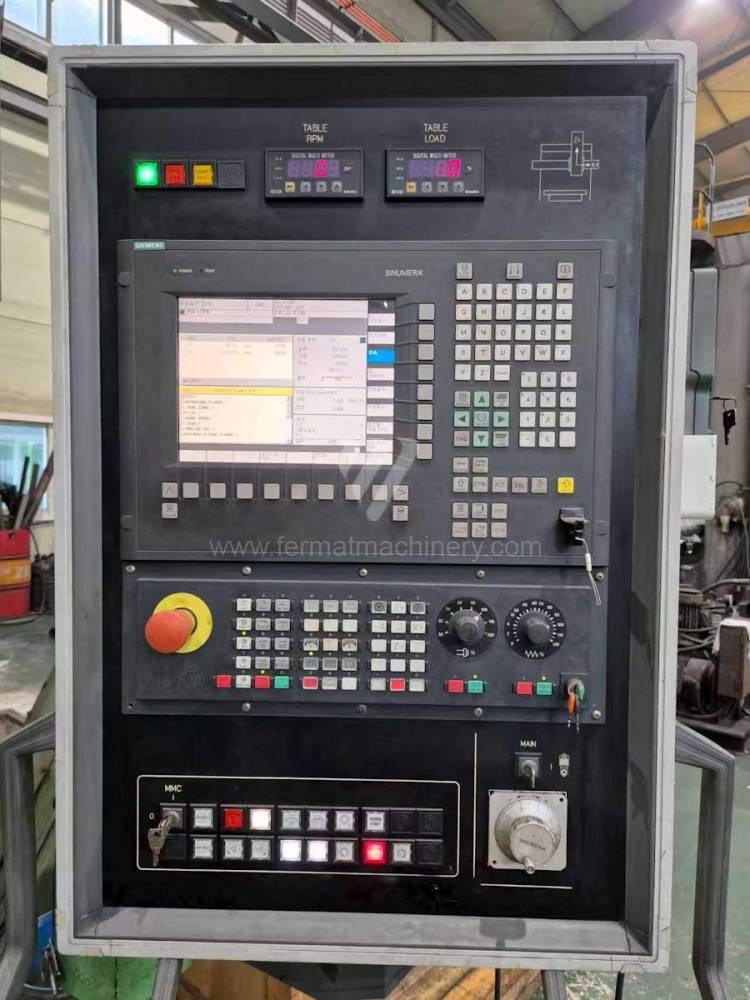
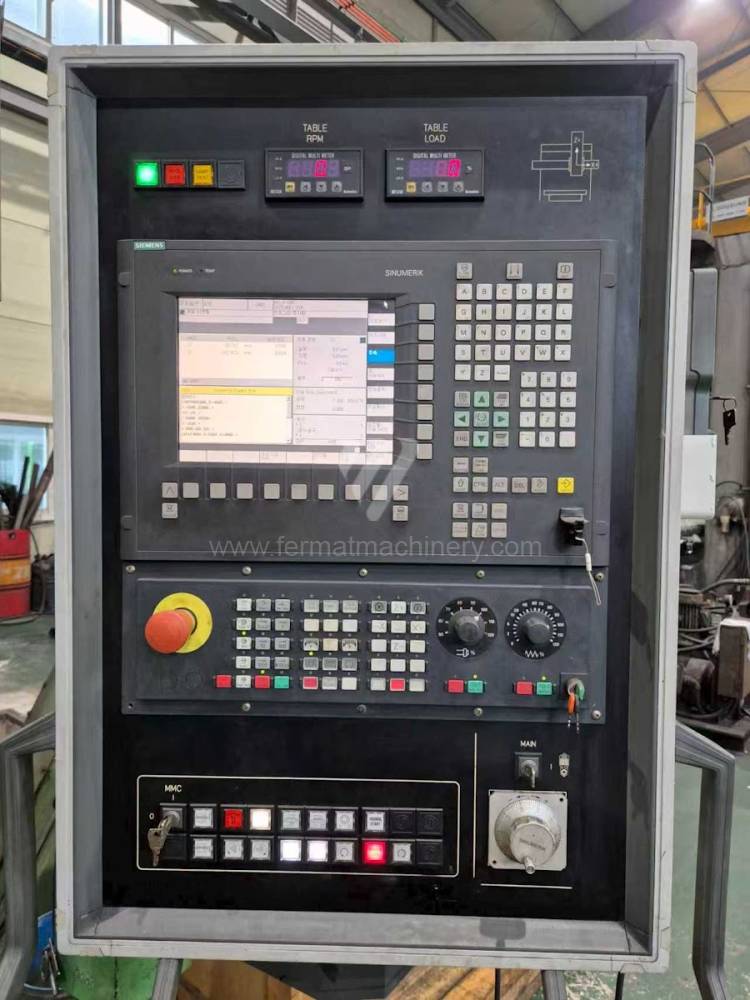
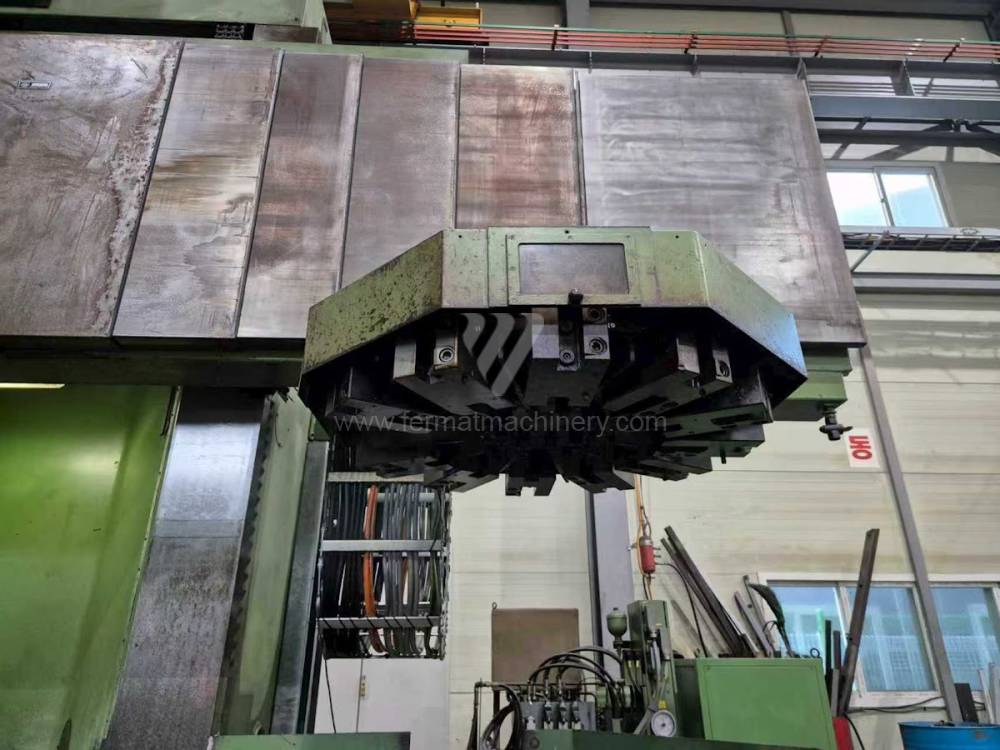
SCHIESS-FRORIEP 32DS
12Vertical Lathes Single column
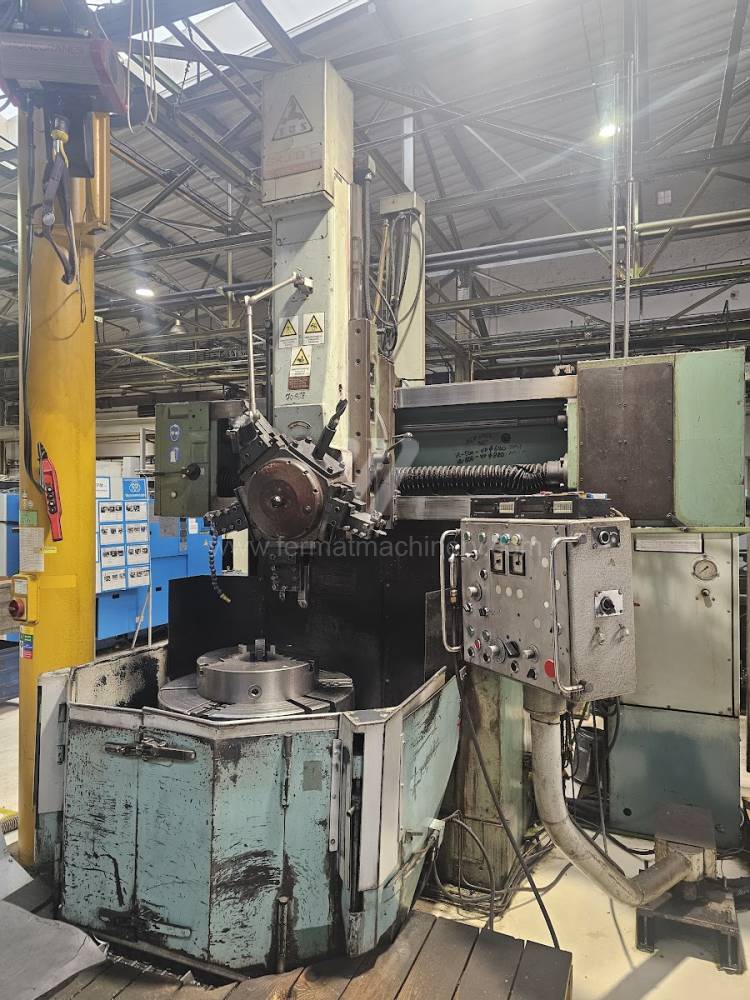
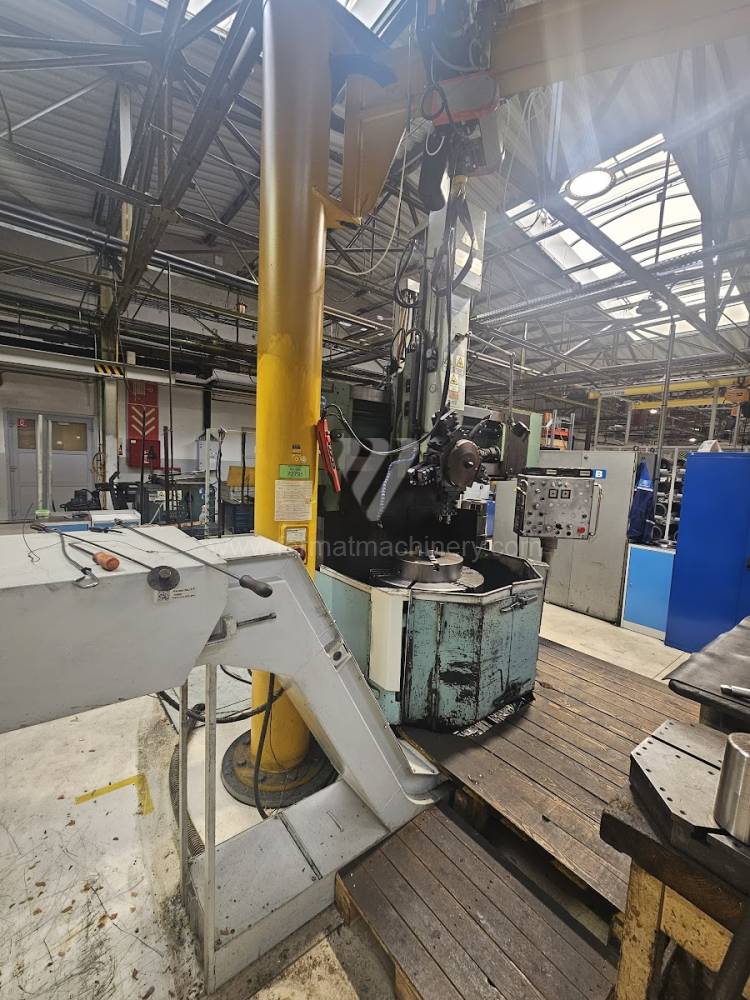
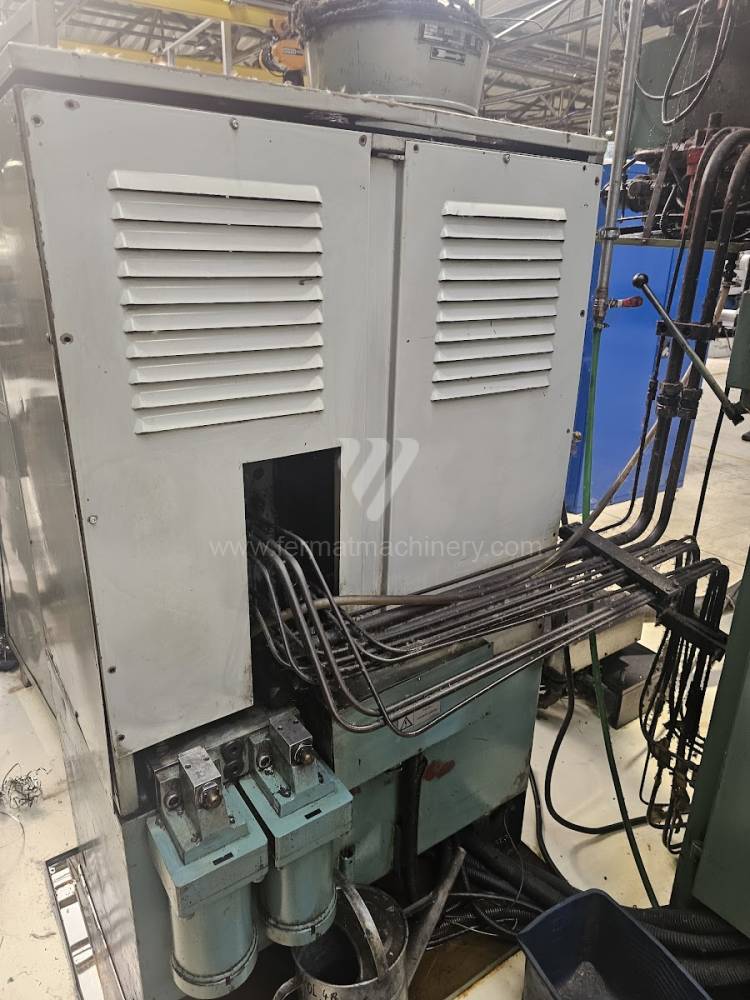
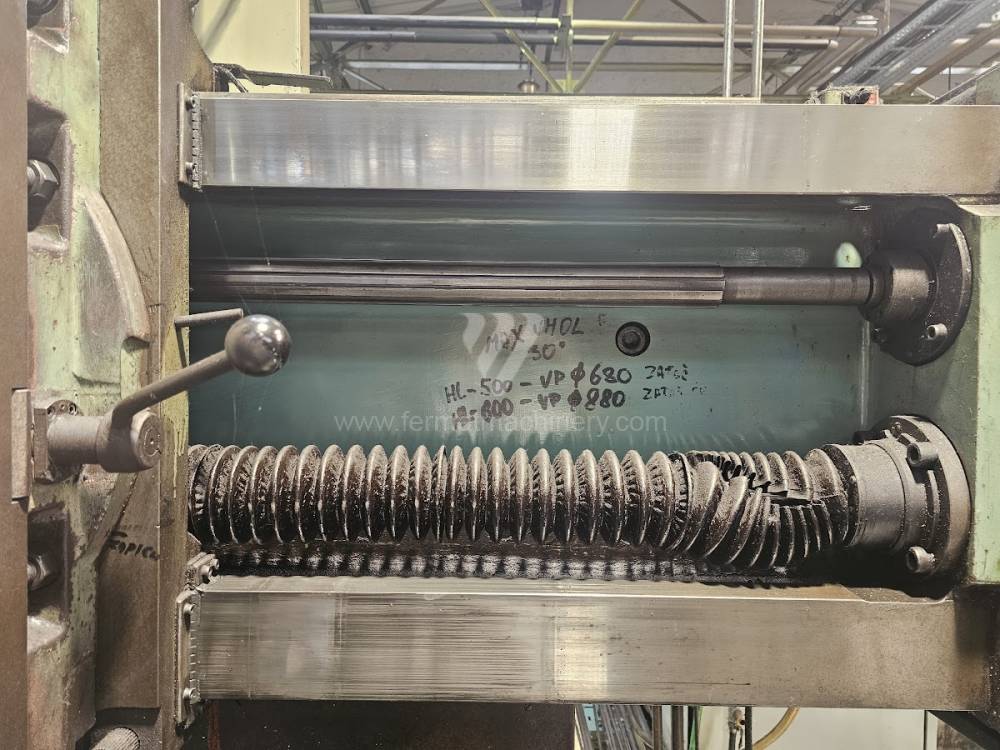
3 DKE 280
SCHIESS GmbH
Inventory number: 221210
YOM:2026
Control system Fanuc: 0i-TF Plus - 0i-TF Plus - 0i-TF Plus - 0i-TF Plus
Max. diameter of workpiece: 3000 - 3000 - 3000 - 3000 mm
Clamping diameter of rotary table: 2800 - 2800 - 2800 - 2800 mm
Max. load of table: 18000 - 18000 - 18000 - 18000 kg
Max. workpiece height: 1800 - 1800 - 1800 - 1800 mm
Ram travel (Z): 1250 - 1250 - 1250 - 1250 mm
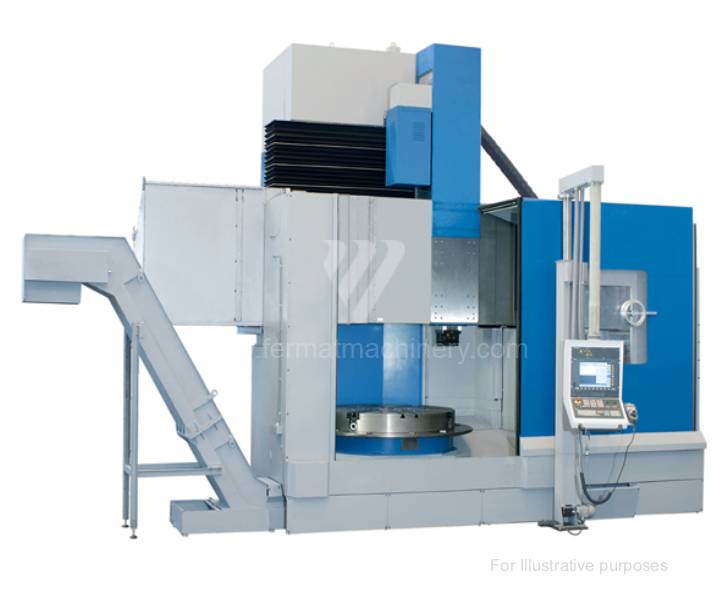
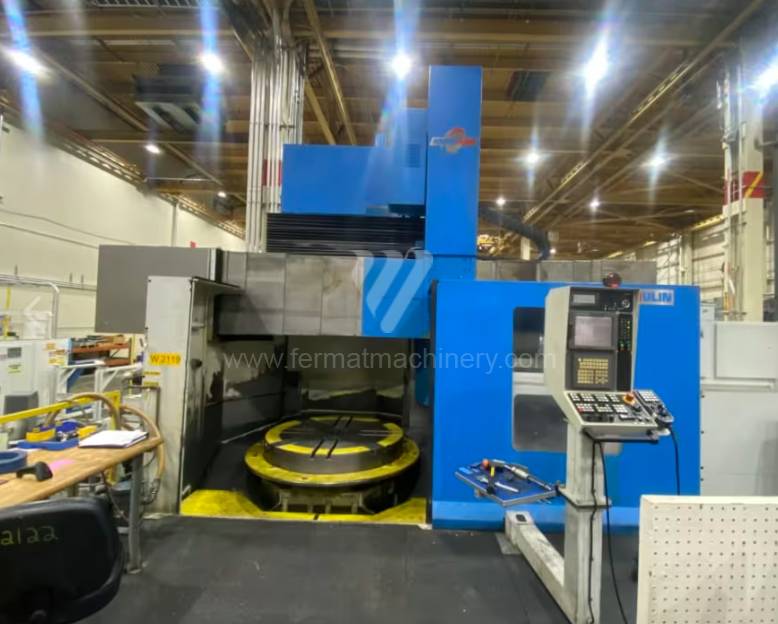
PT 1600
TOS Hulín
Inventory number: 261149
YOM:2002
Max. diameter of workpiece: 2000 - 2000 - 2000 - 2000 mm
Clamping diameter of rotary table: 1600 - 1600 - 1600 - 1600 mm
Max. load of table: 12000 - 12000 - 12000 - 12000 kg
Max. workpiece height: 1400 - 1400 - 1400 - 1400 mm
Ram travel (Z): 1280 - 1280 - 1280 - 1280 mm
Ram size: 240 x 240 - 240 x 240 - 240 x 240 - 240 x 240 mm
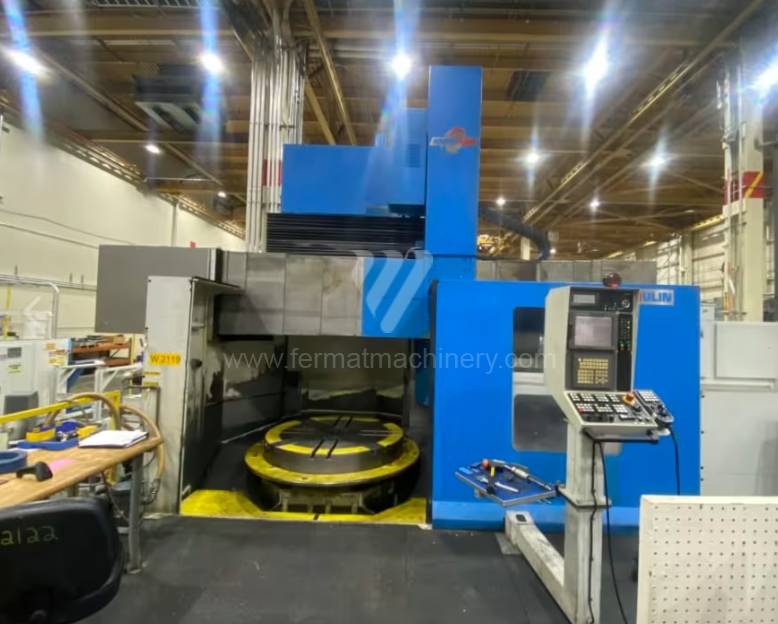
PT 1600
TOS Hulín
Inventory number: 261148
YOM:2002
Max. diameter of workpiece: 2000 - 2000 - 2000 - 2000 mm
Clamping diameter of rotary table: 1600 - 1600 - 1600 - 1600 mm
Max. load of table: 12000 - 12000 - 12000 - 12000 kg
Max. workpiece height: 1400 - 1400 - 1400 - 1400 mm
Ram travel (Z): 1200 - 1200 - 1200 - 1200 mm
Ram size: 240 x 240 - 240 x 240 - 240 x 240 - 240 x 240 mm
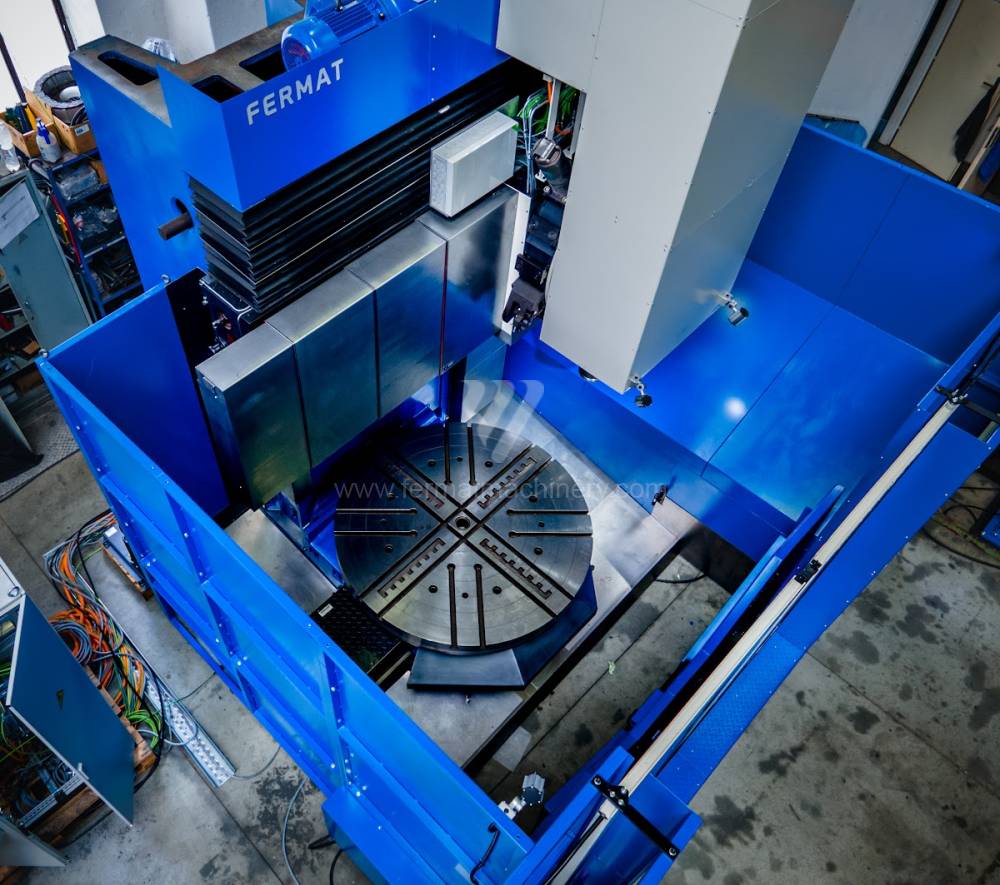
SKIQ 20 CNC
TOS Hulín
Inventory number: 241906
YOM:1992
Control system Siemens: Sinumerik ONE - Sinumerik ONE - Sinumerik ONE - Sinumerik ONE
Max. diameter of workpiece: 2200 - 2200 - 2200 - 2200 mm
Clamping diameter of rotary table: 2000 - 2000 - 2000 - 2000 mm
Max. load of table: 20000 - 20000 - 20000 - 20000 kg
Max. workpiece height: 1760 - 1760 - 1760 - 1760 mm
Ram travel (Z): 1000 - 1000 - 1000 - 1000 mm
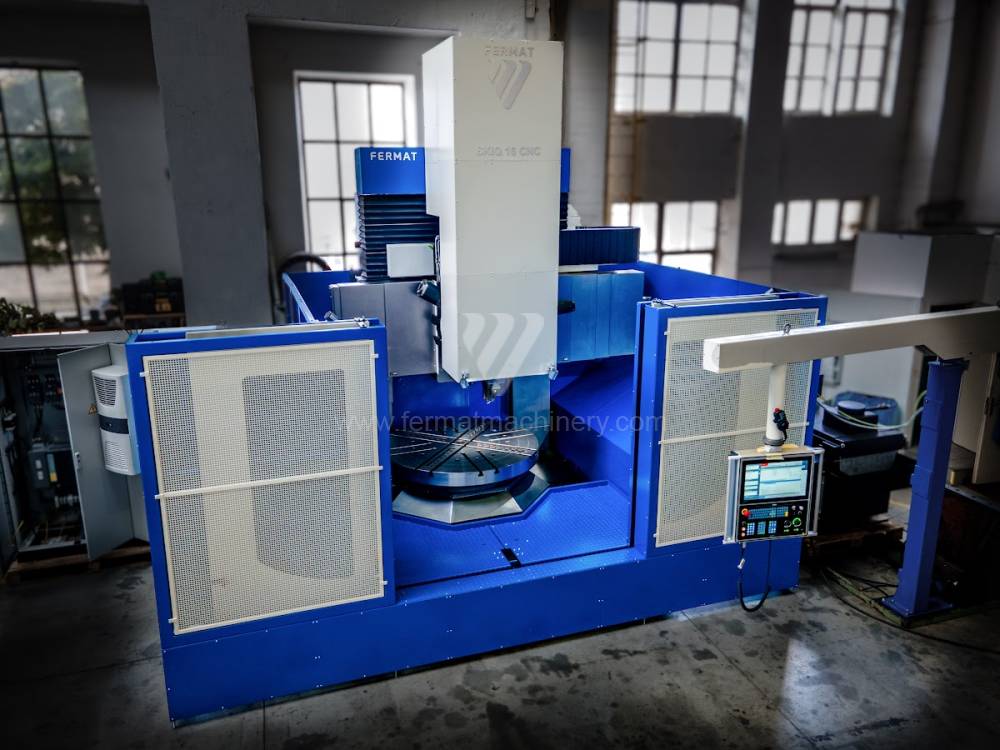
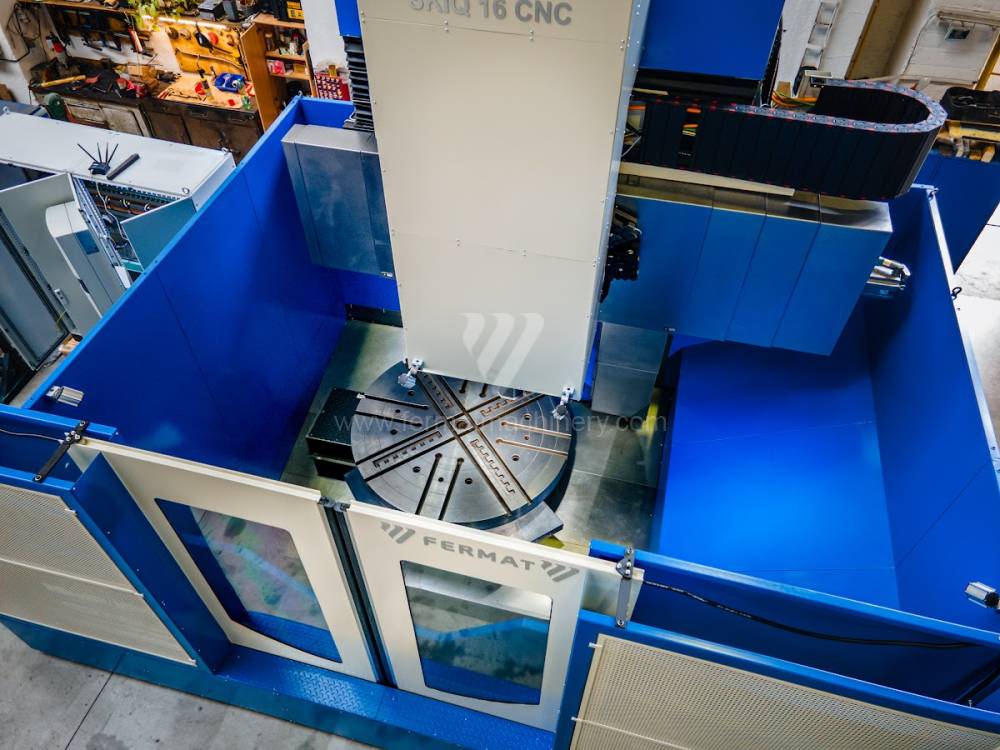
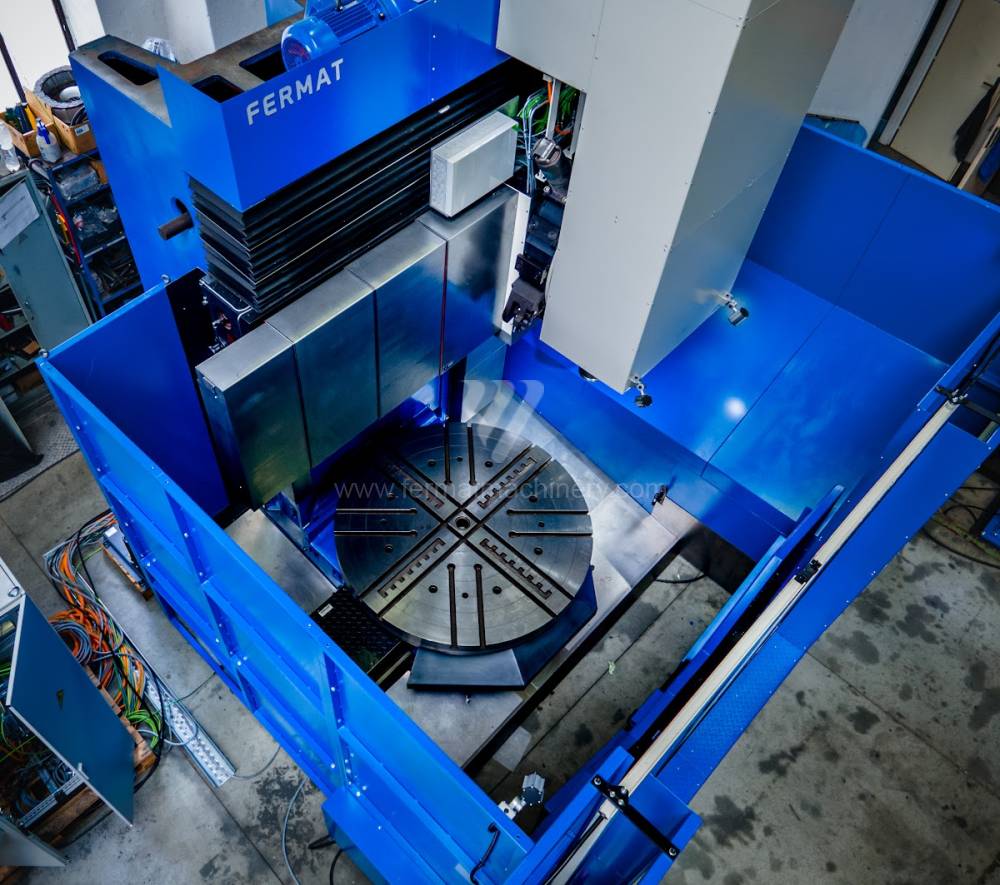
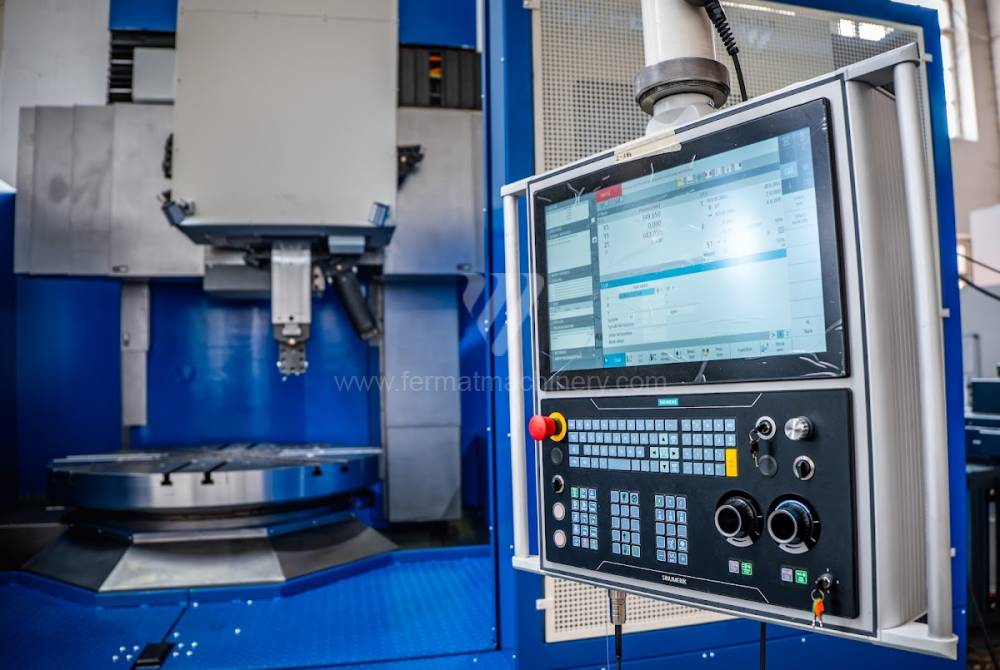
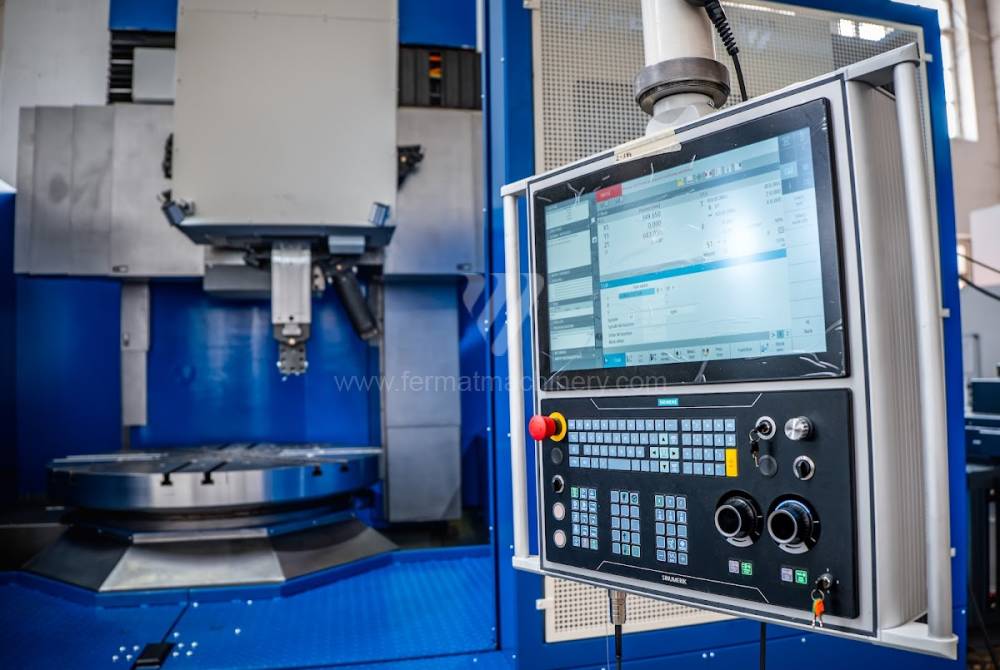
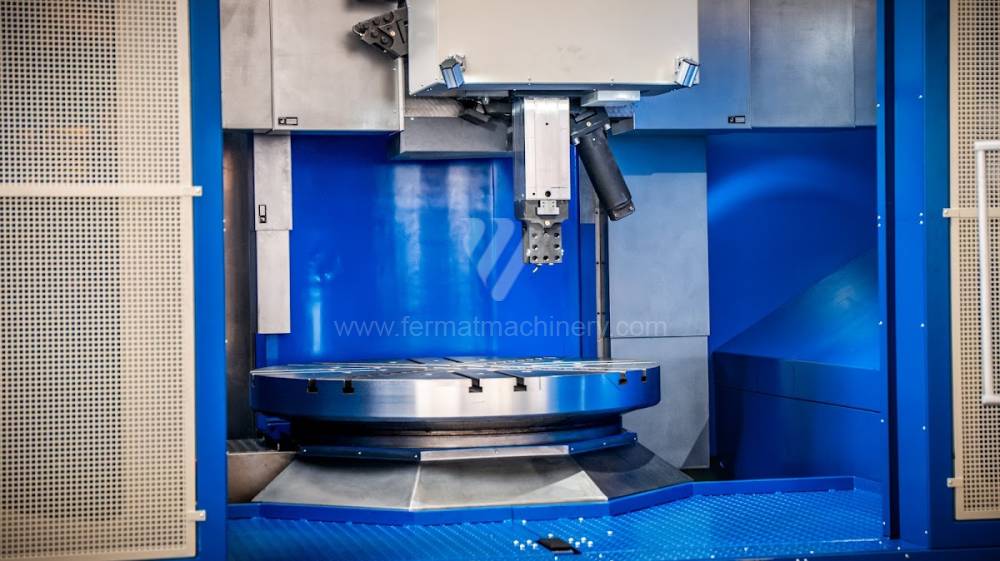
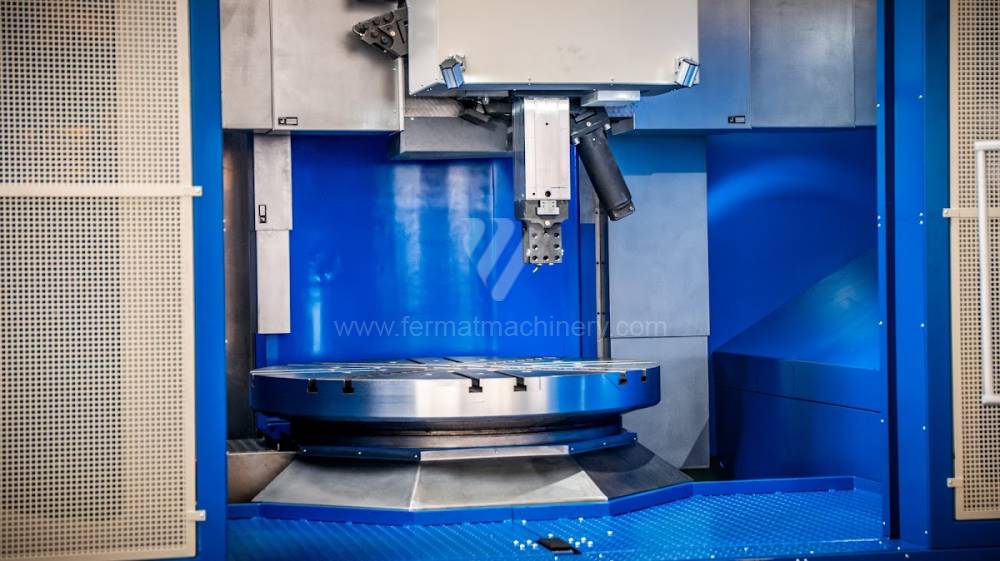
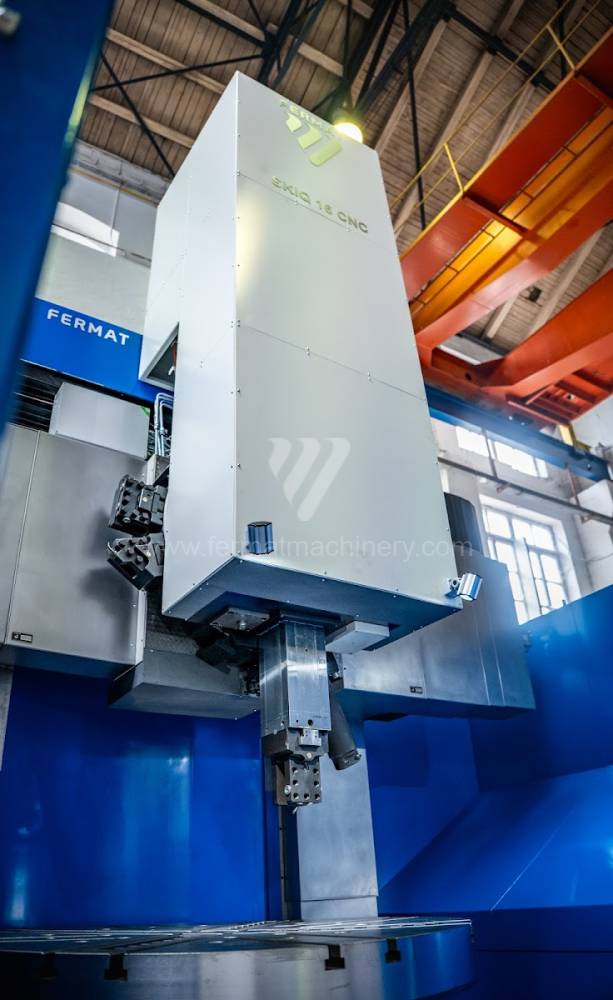
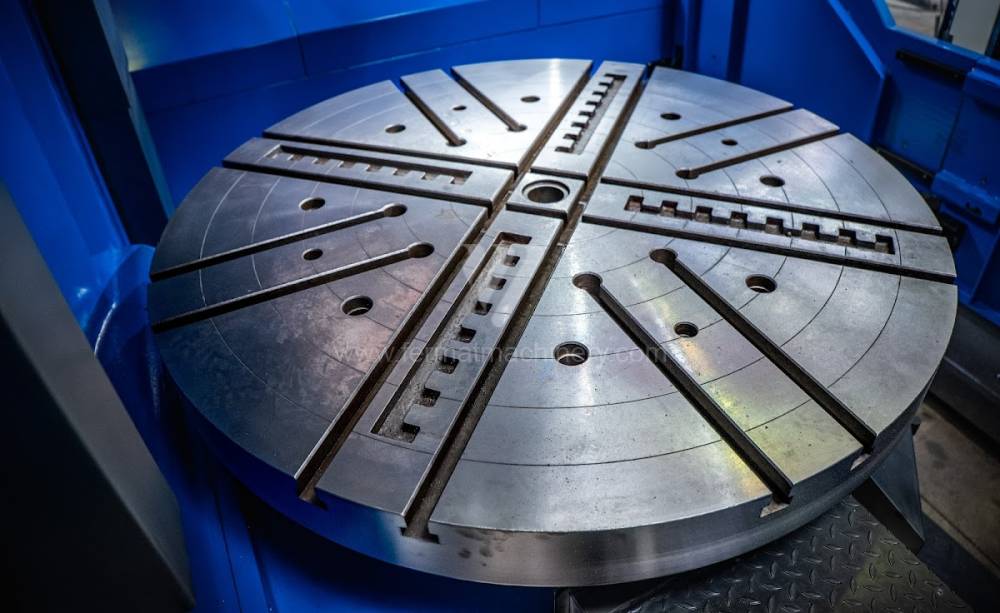
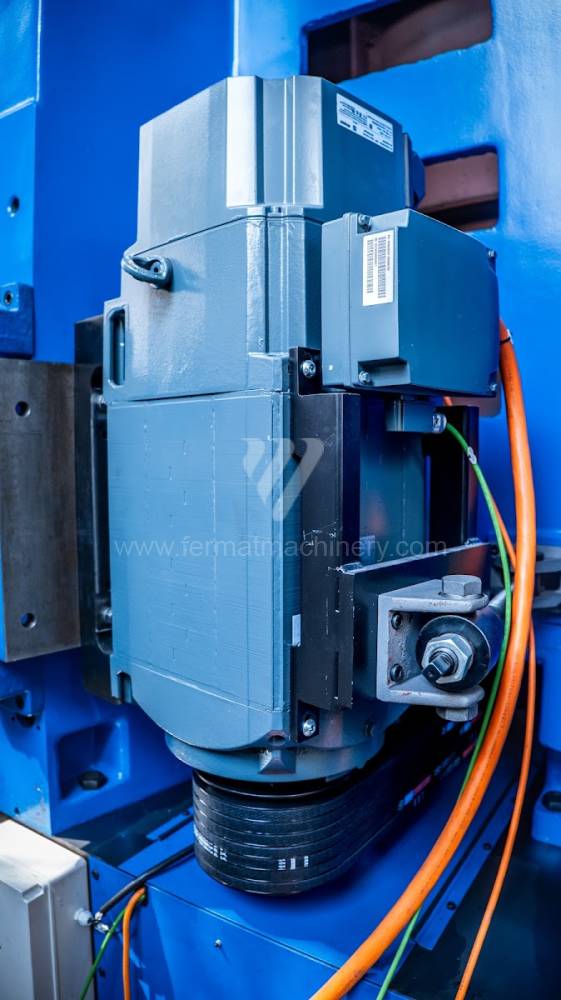
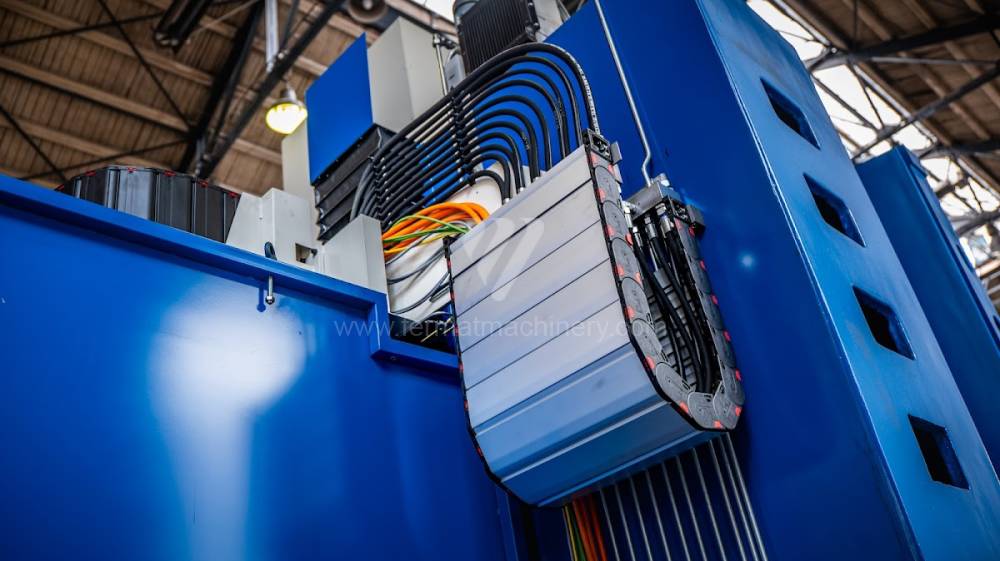
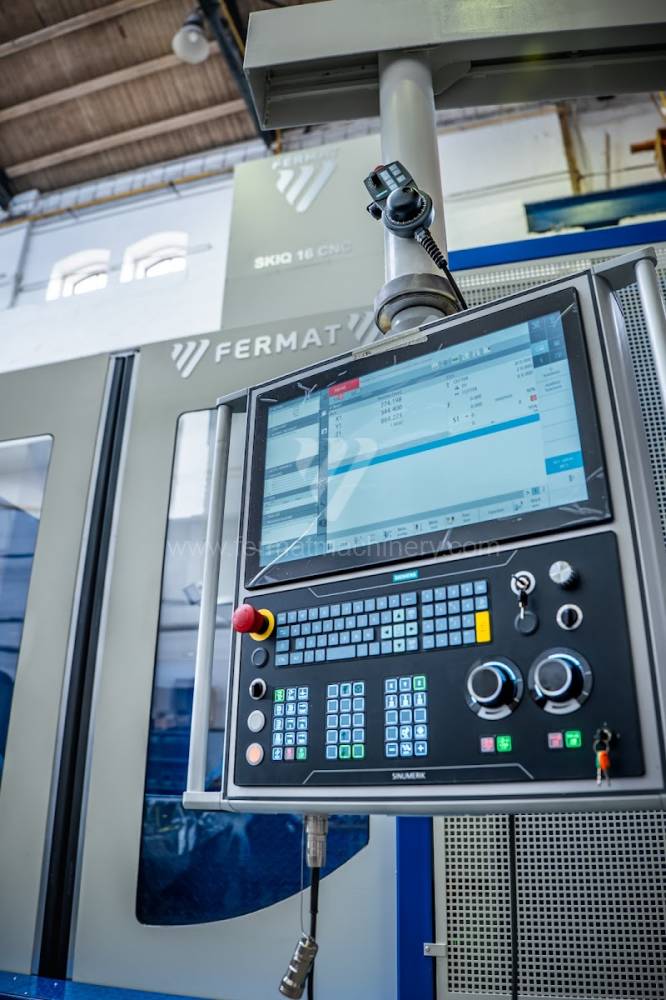
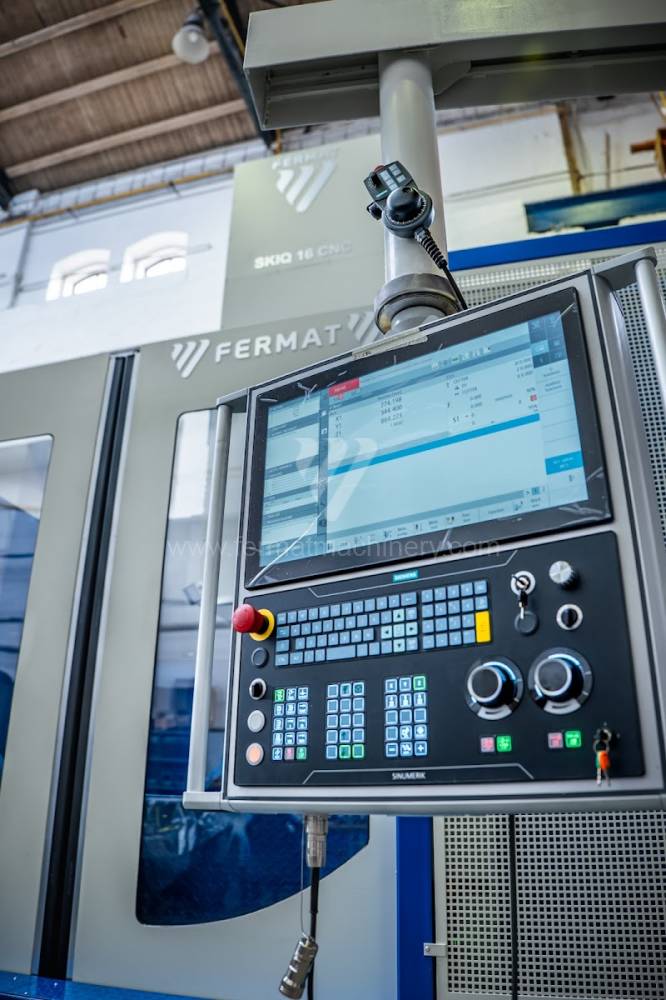
SKIQ 16 CNC
TOS Hulín
Inventory number: 241631
YOM:1986
Control system Siemens: Sinumerik ONE - Sinumerik ONE - Sinumerik ONE - Sinumerik ONE
Max. diameter of workpiece: 1900 - 1900 - 1900 - 1900 mm
Clamping diameter of rotary table: 1600 - 1600 - 1600 - 1600 mm
Max. load of table: 12000 - 12000 - 12000 - 12000 kg
Max. workpiece height: 1760 - 1760 - 1760 - 1760 mm
Ram travel (Z): 1000 - 1000 - 1000 - 1000 mm
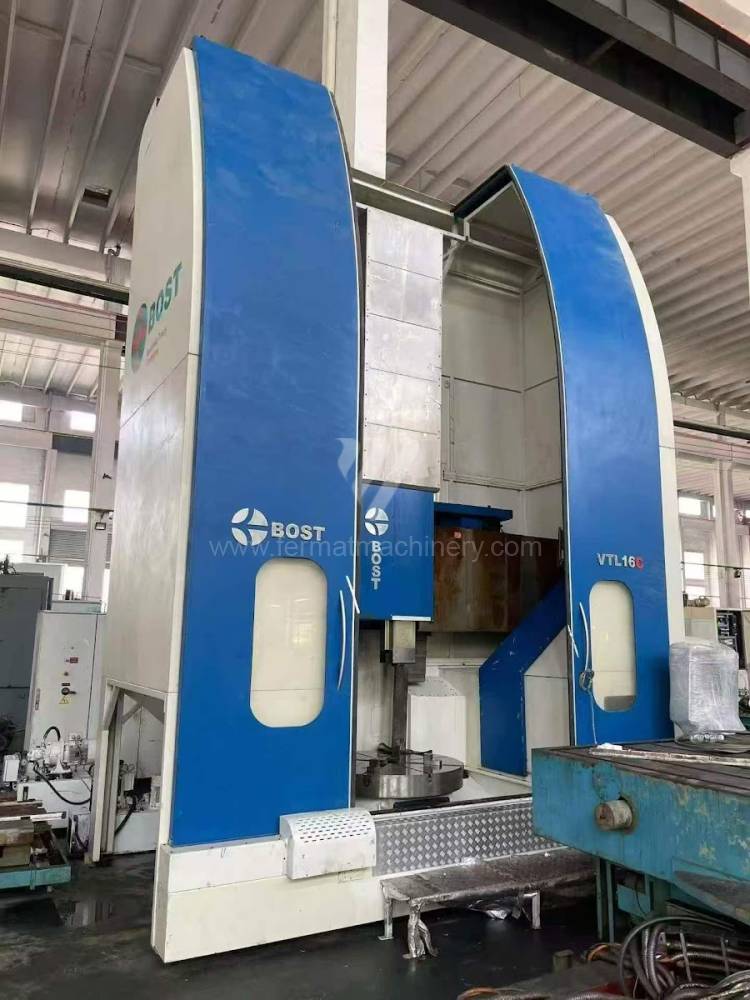
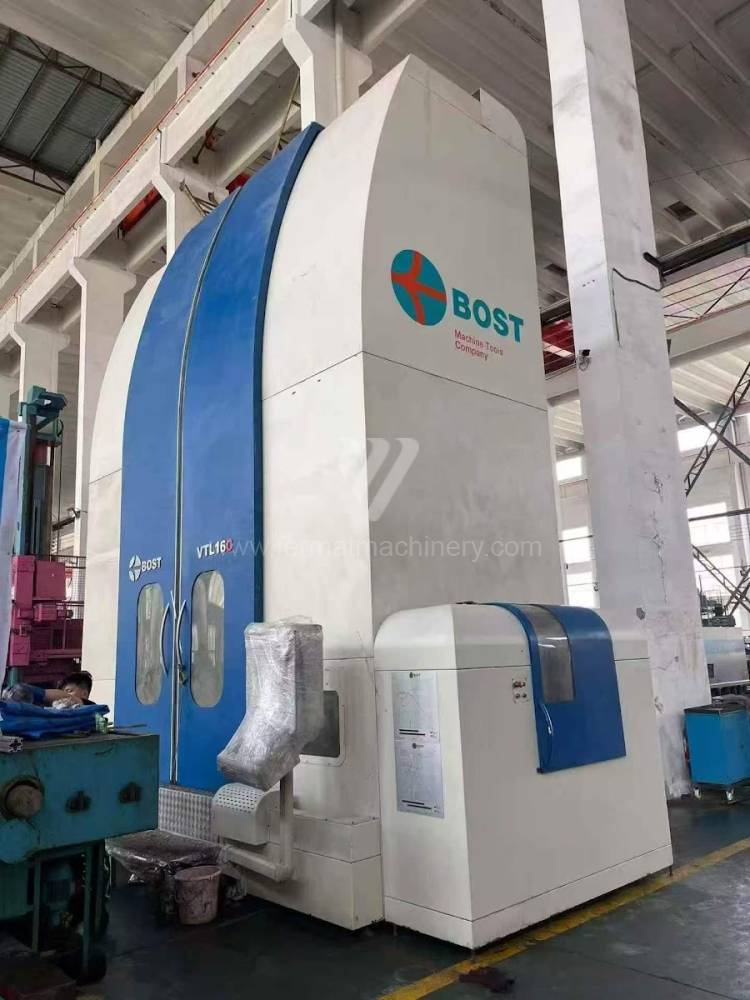
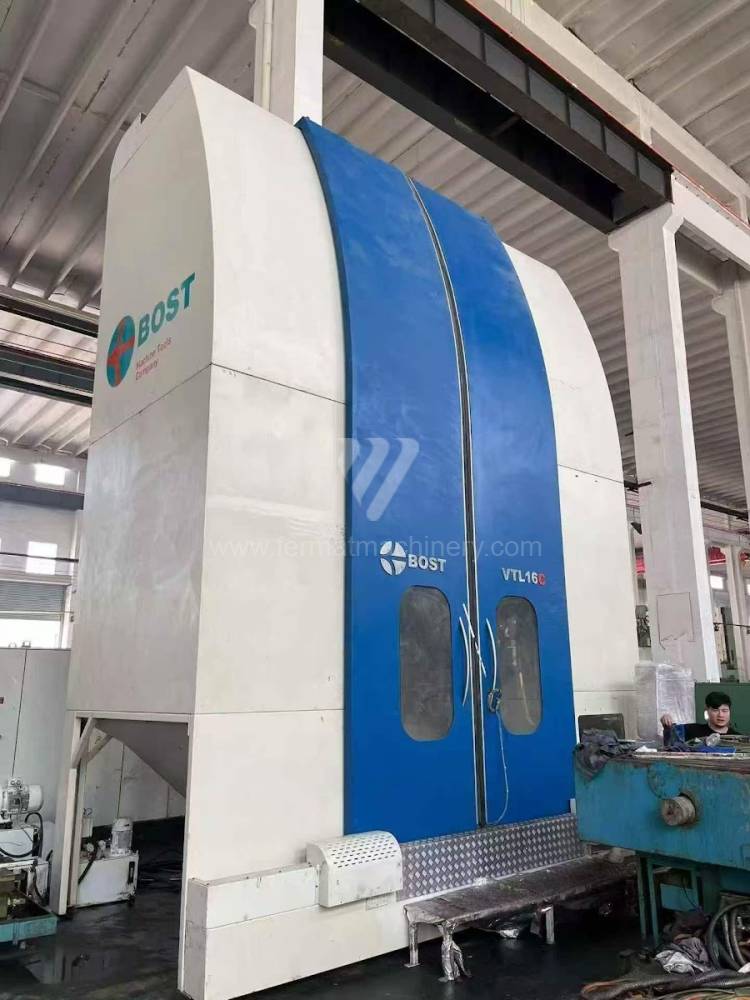
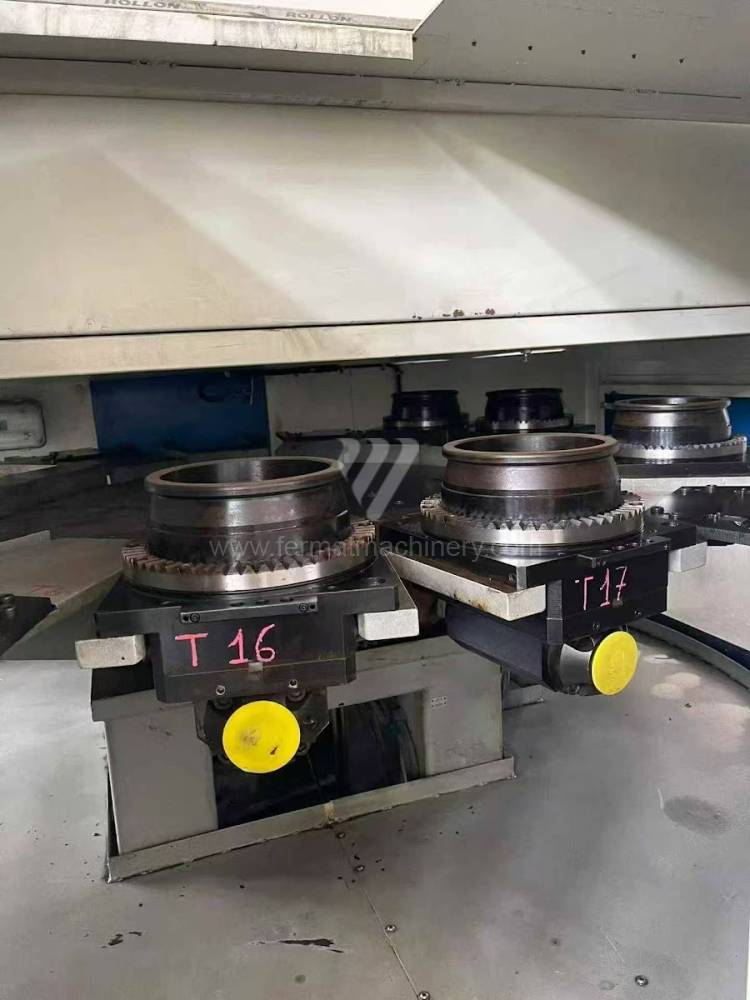
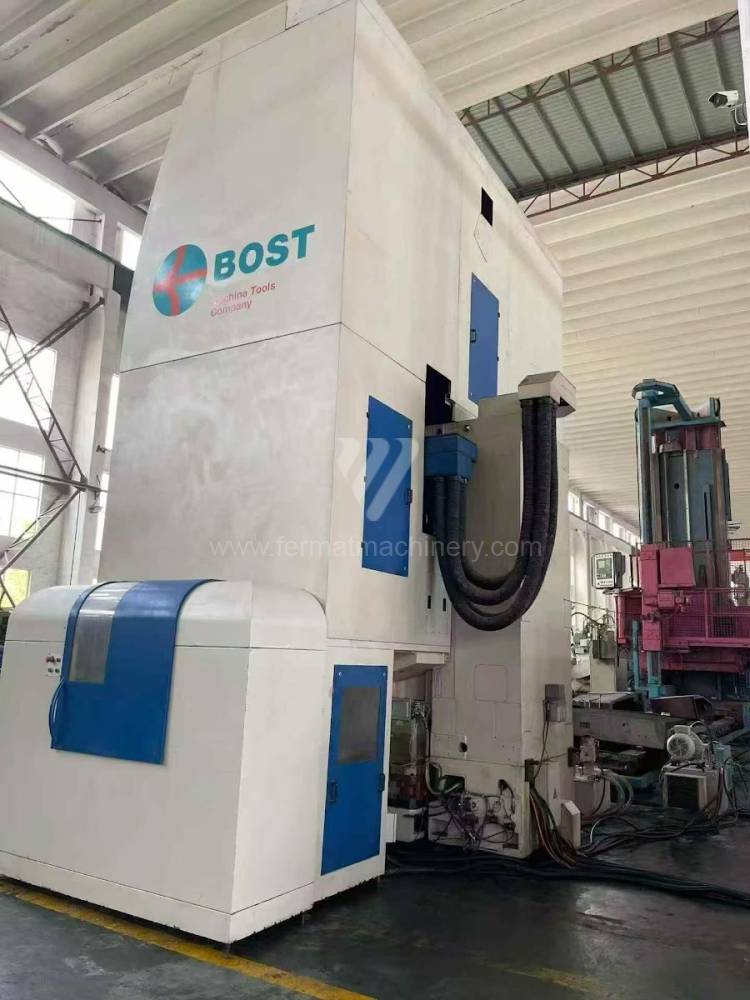
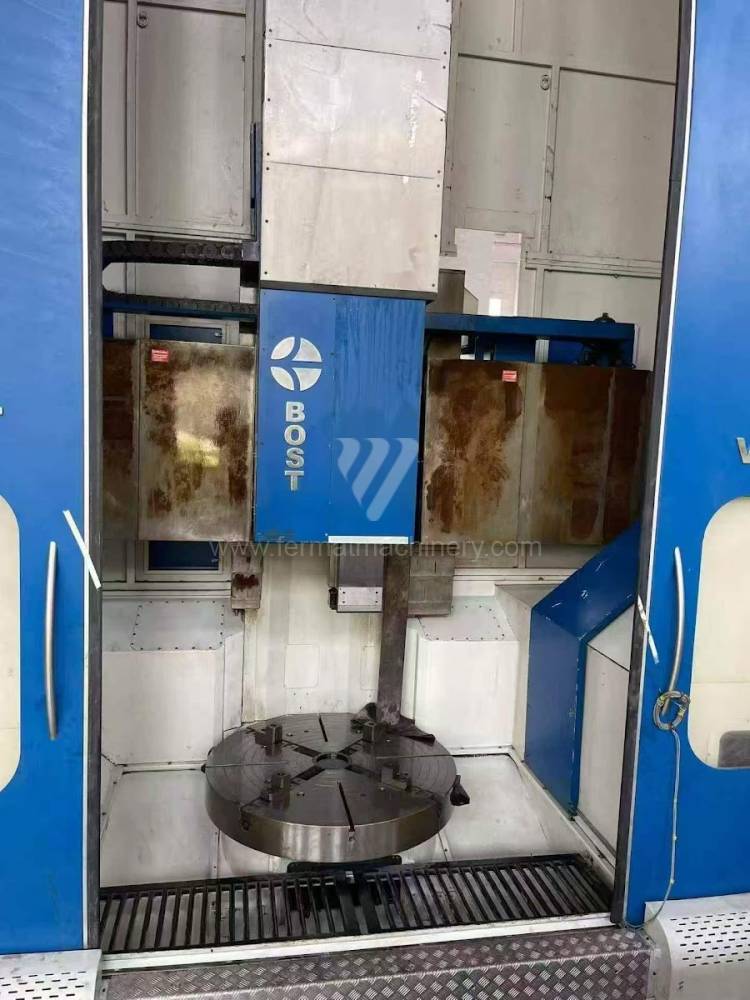
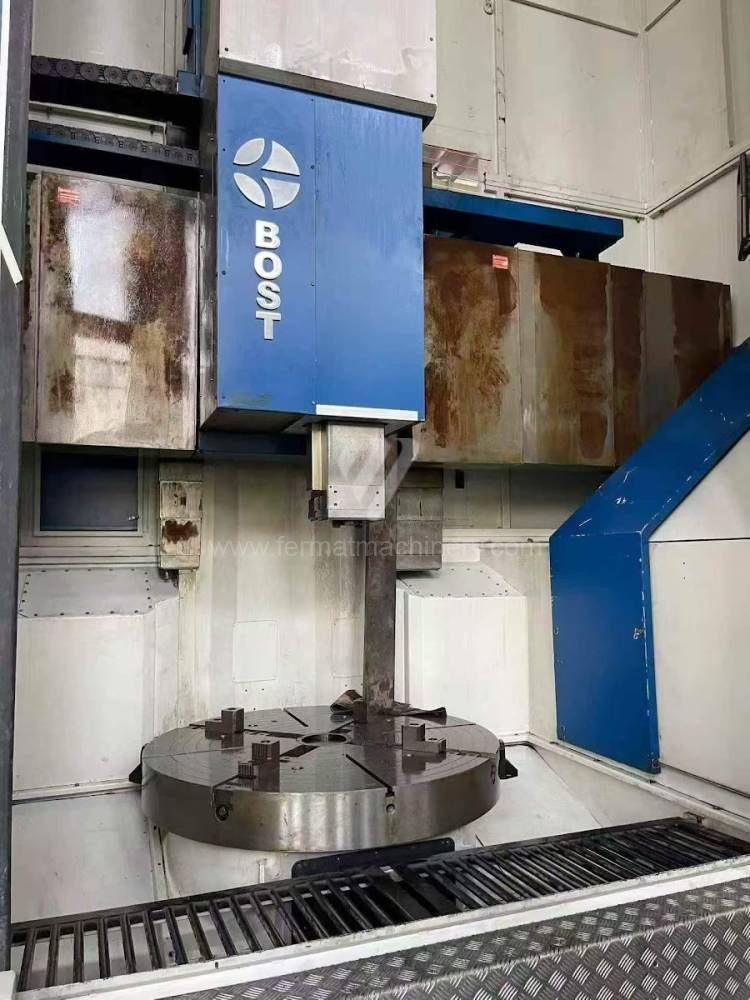
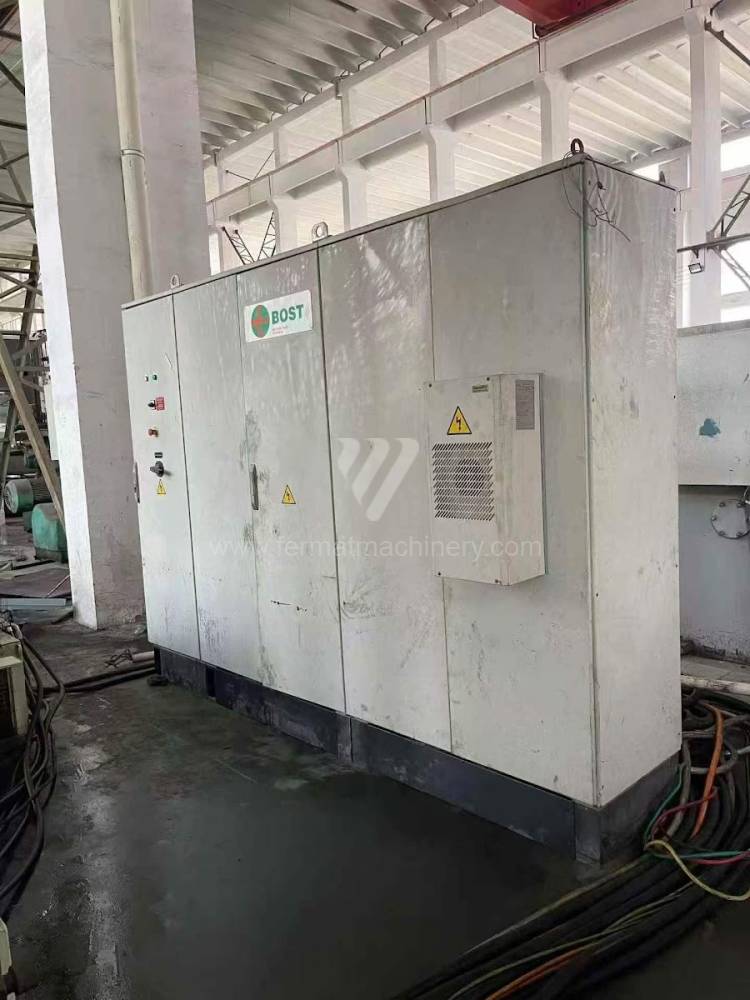
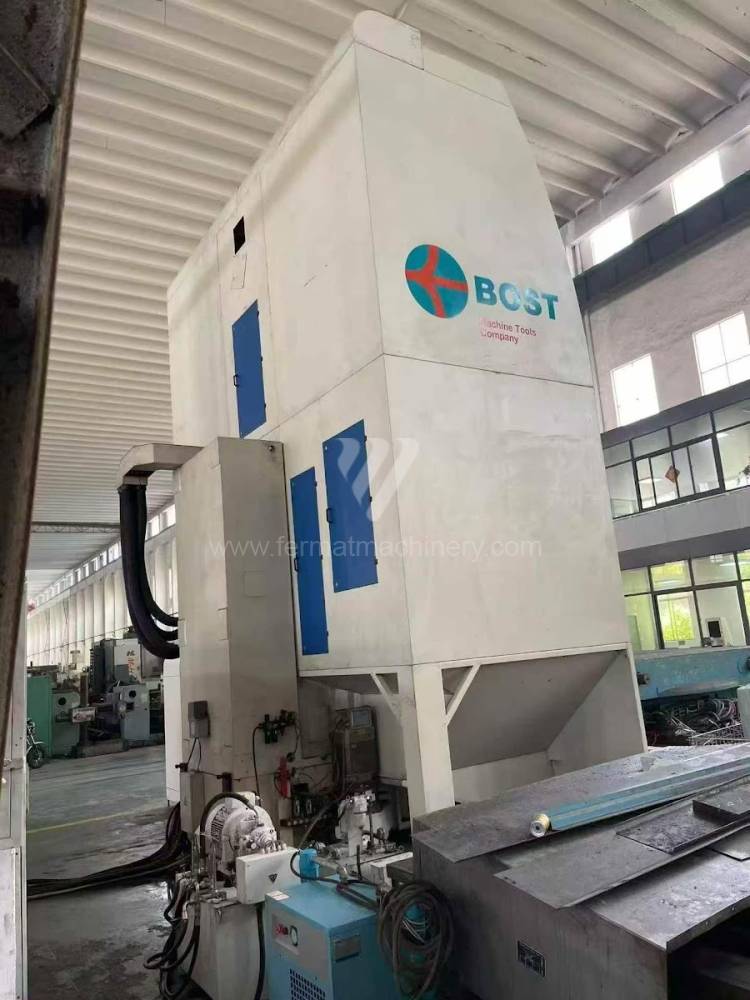
VTL16C-1400
BOST
Inventory number: 261656
YOM:2011
Control system Siemens: Sinumerik 840 D
Max. diameter of workpiece: 1600 mm
Clamping diameter of rotary table: 1400 mm
Max. load of table: kg
Max. workpiece height: 1500 mm
Ram travel (Z): 1200 mm
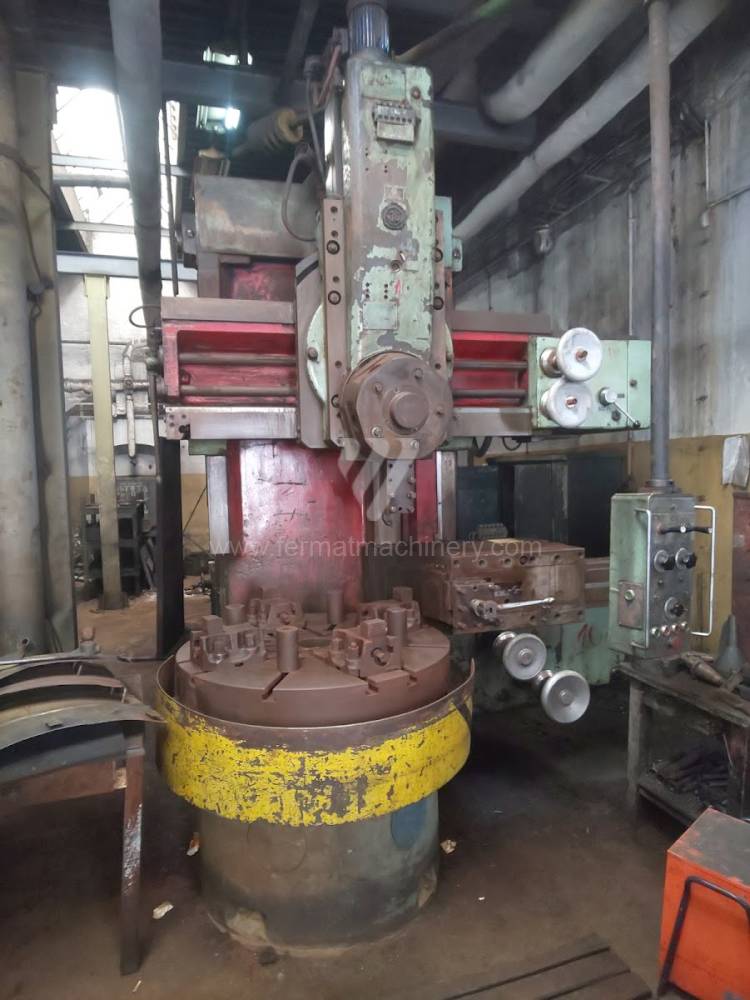
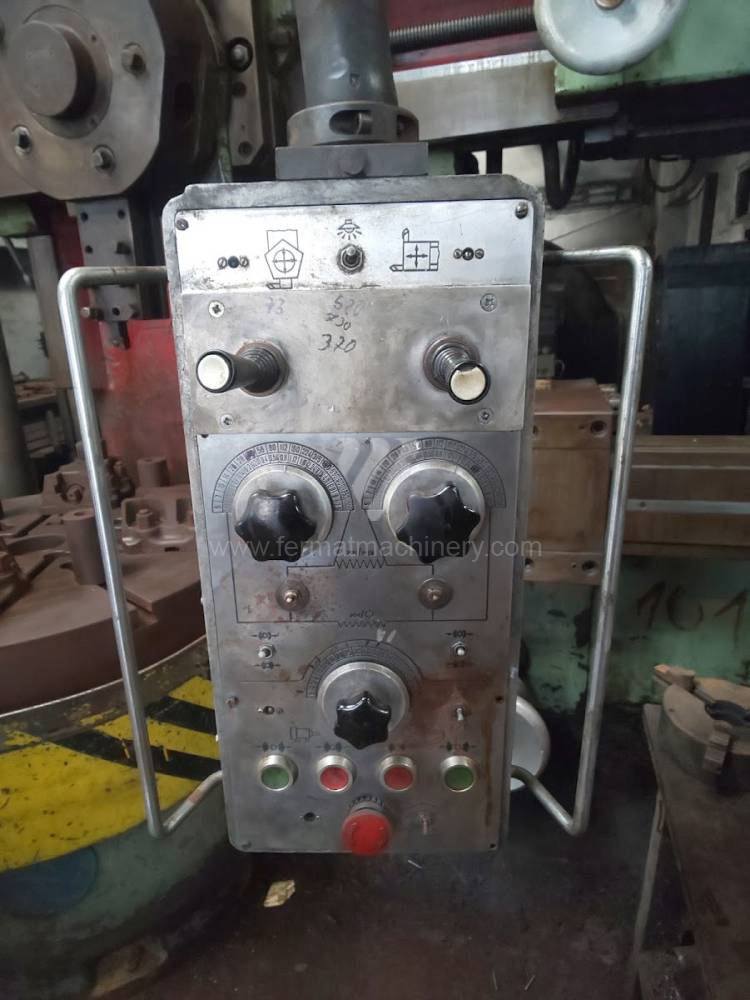
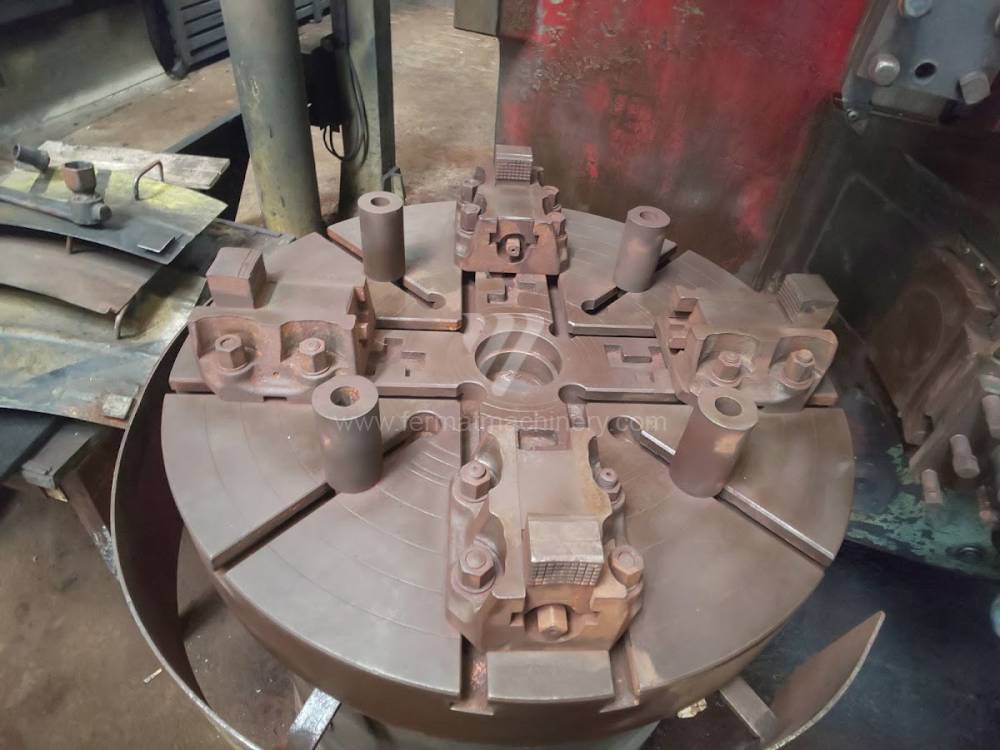
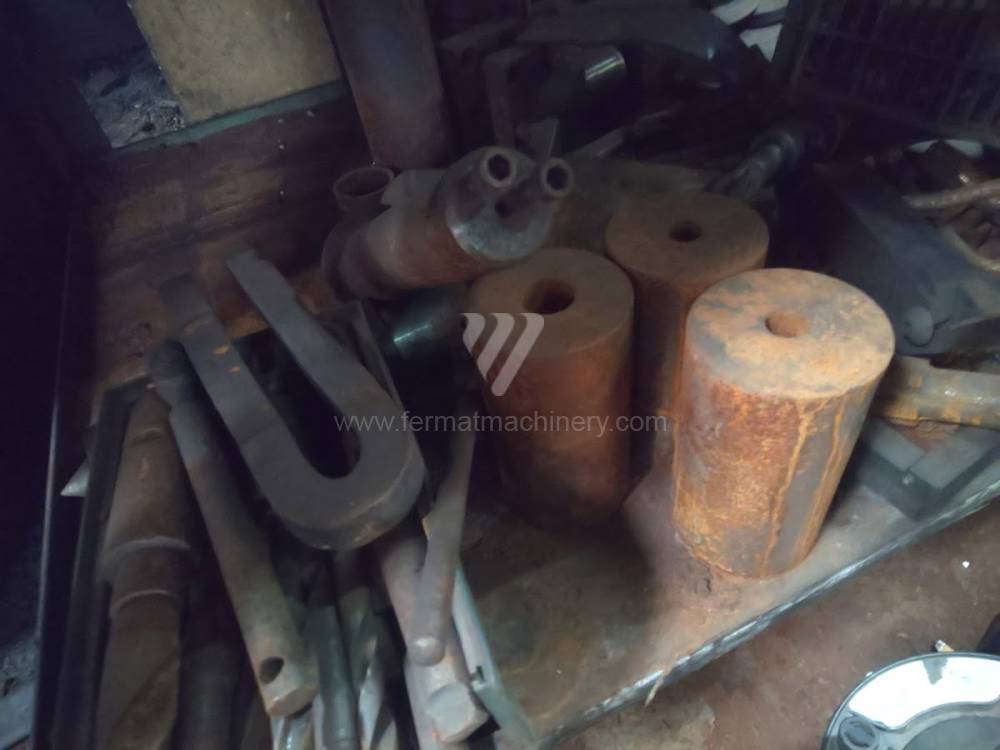
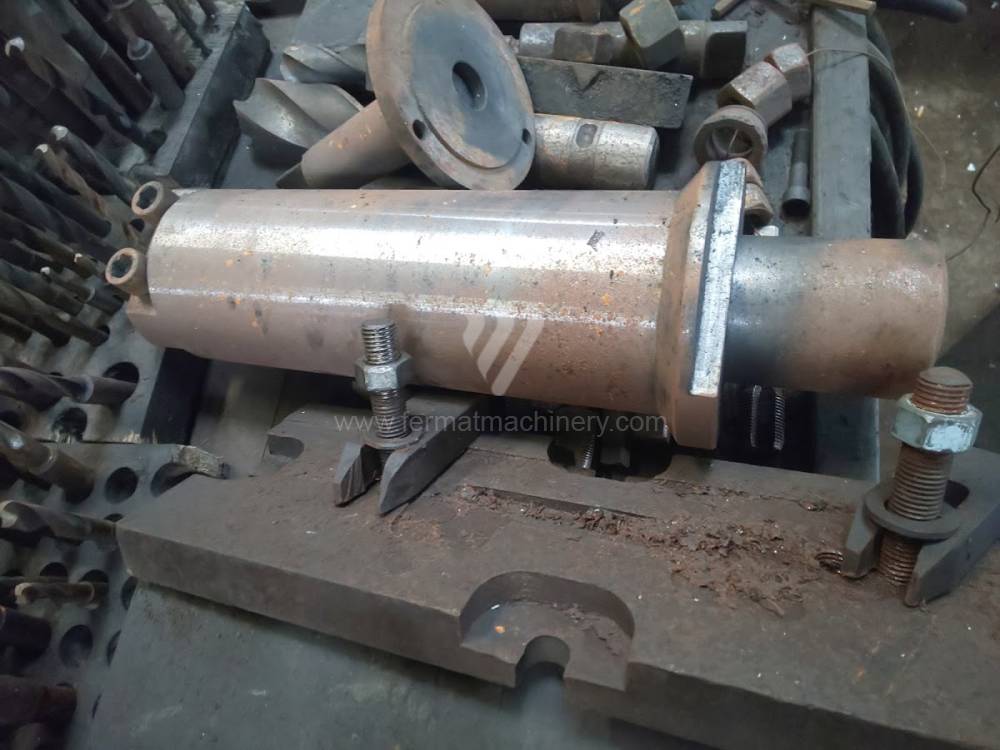
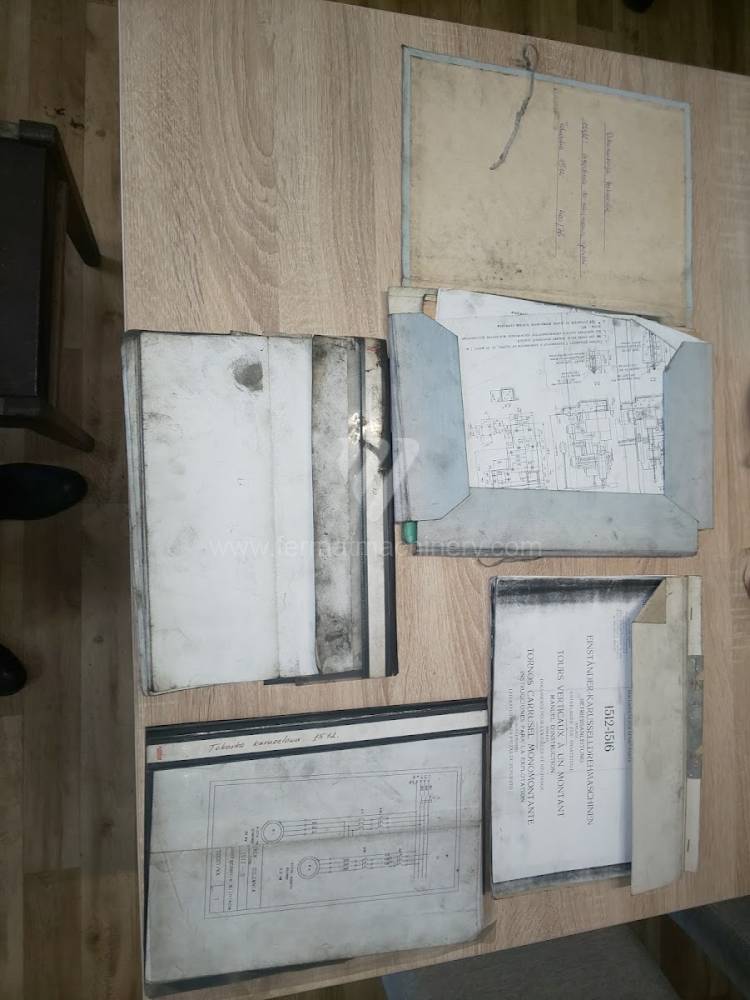
1512
Sedin
Inventory number: 231109
YOM:1976
Max. diameter of workpiece: 1250 mm
Clamping diameter of rotary table: 1120 mm
Max. load of table: 3200 kg
Max. workpiece height: 1000 mm
Ram travel (Z): 700 mm
Tool magazine: YES
SKJ 8 F
TOS KUŘIM - OS, a.s.
Inventory number: 261721
Max. diameter of workpiece: 1050 mm
Clamping diameter of rotary table: 800 mm
Max. load of table: 2000 kg
Max. workpiece height: 630 mm
Ram travel (Z): 750 mm
Ram size: mm
SC 14 CC
Umaro
Inventory number: 221610
Max. diameter of workpiece: 1400 mm
Clamping diameter of rotary table: 1250 mm
Max. load of table: 6000 kg
Max. workpiece height: 1000 mm
Ram travel (Z): 800 mm
Driven Tools:
PUMA V550
Doosan
Inventory number: 251833
YOM:2015
Control system Fanuc:
Max. diameter of workpiece: 800 mm
Clamping diameter of rotary table: 450 mm
Max. load of table: kg
Max. workpiece height: 750 mm
Ram travel (Z): 780 mm
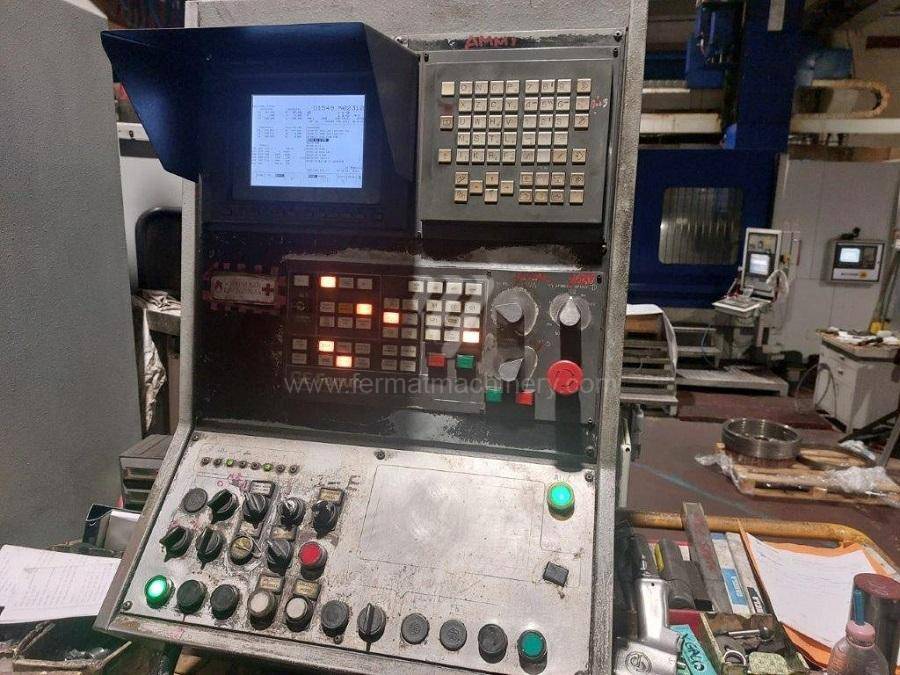
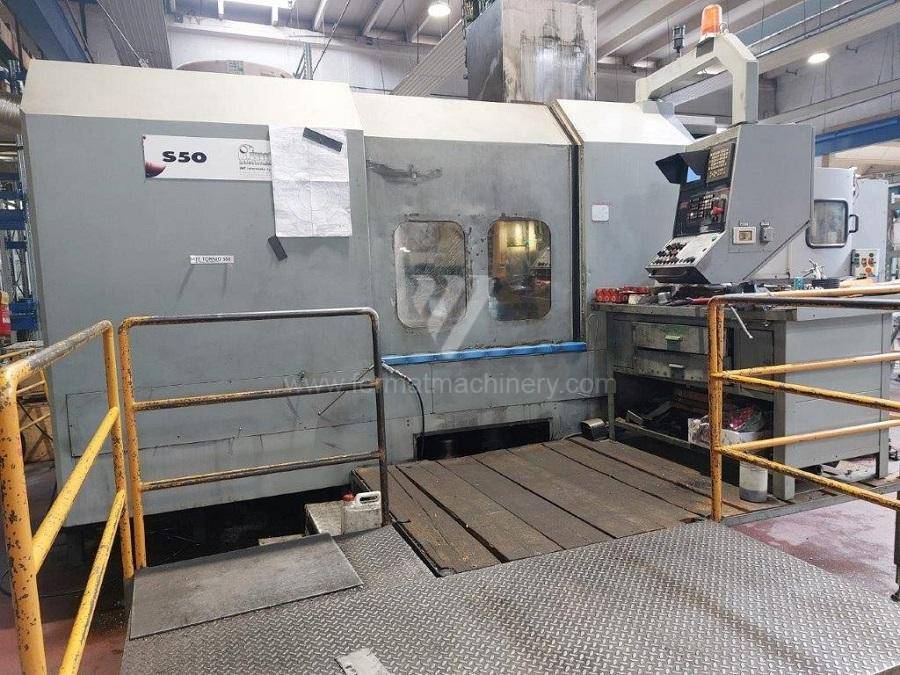
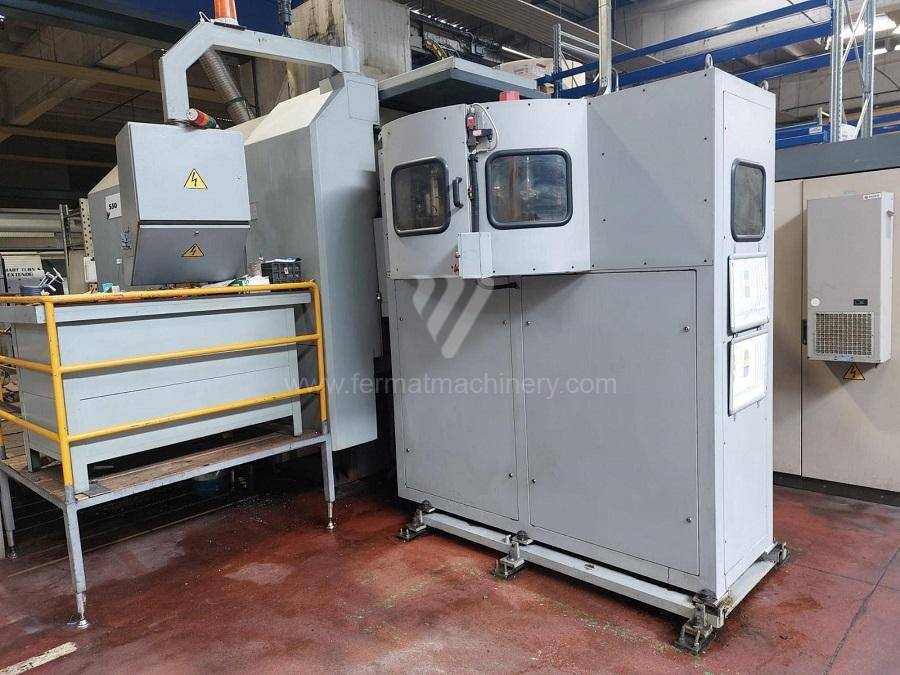
W50/2
IMT Intermato S.p.A.
Inventory number: 251948
YOM:1999
Control system Fanuc: 18i - MB
Max. diameter of workpiece: 1200 mm
Clamping diameter of rotary table: 800 mm
Max. load of table: kg
Max. workpiece height: 650 mm
Ram travel (Z): 650 mm
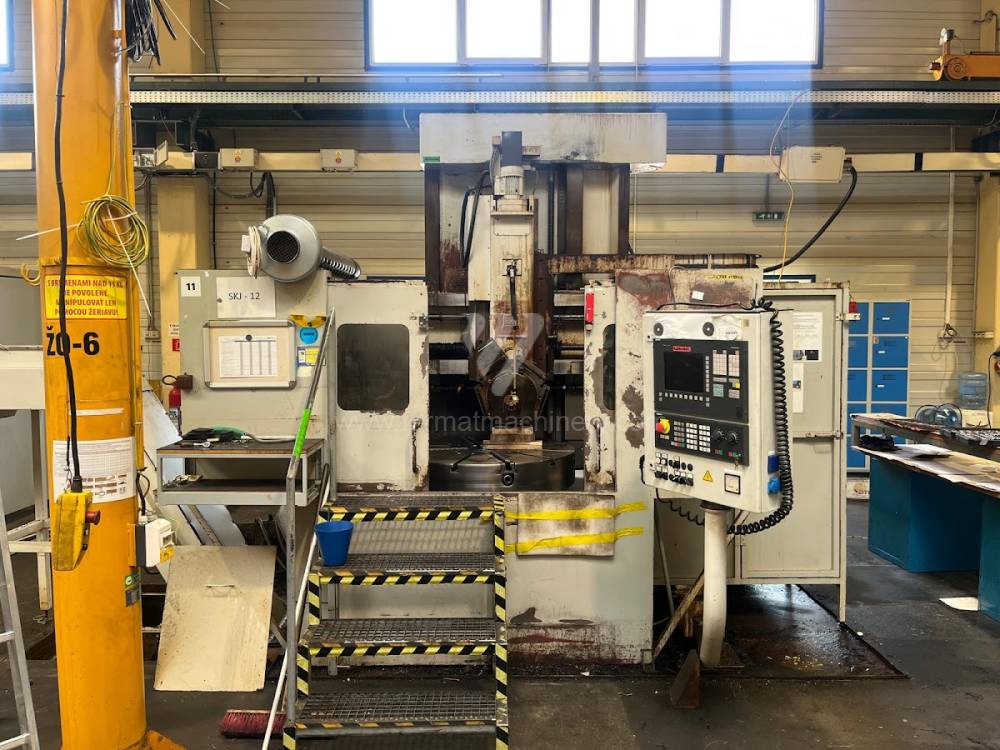
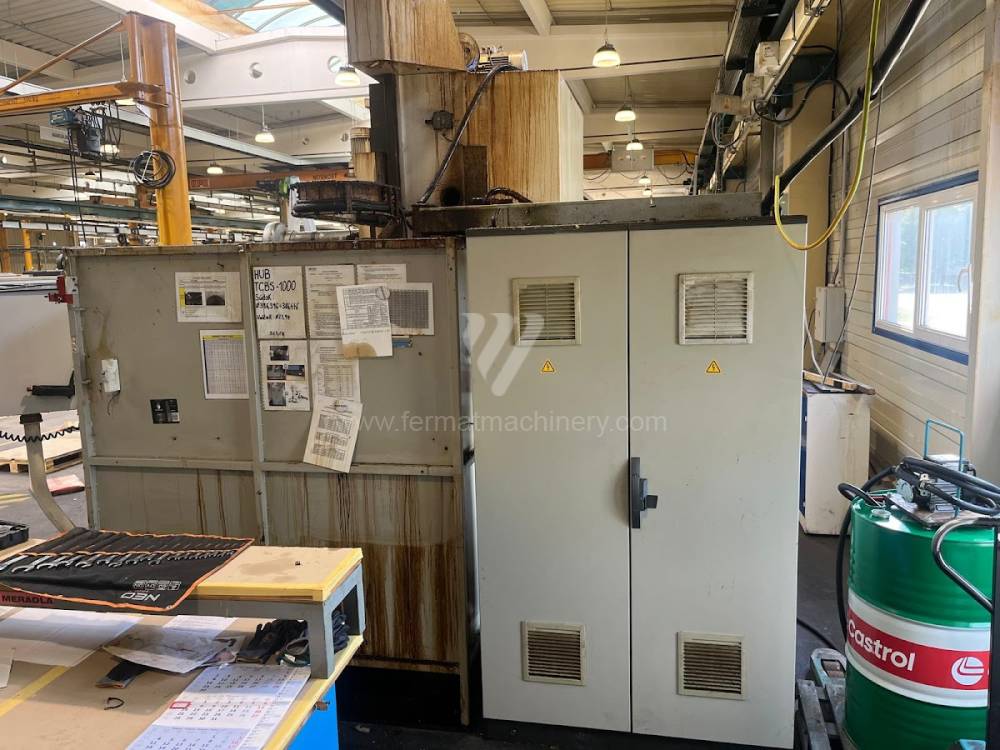
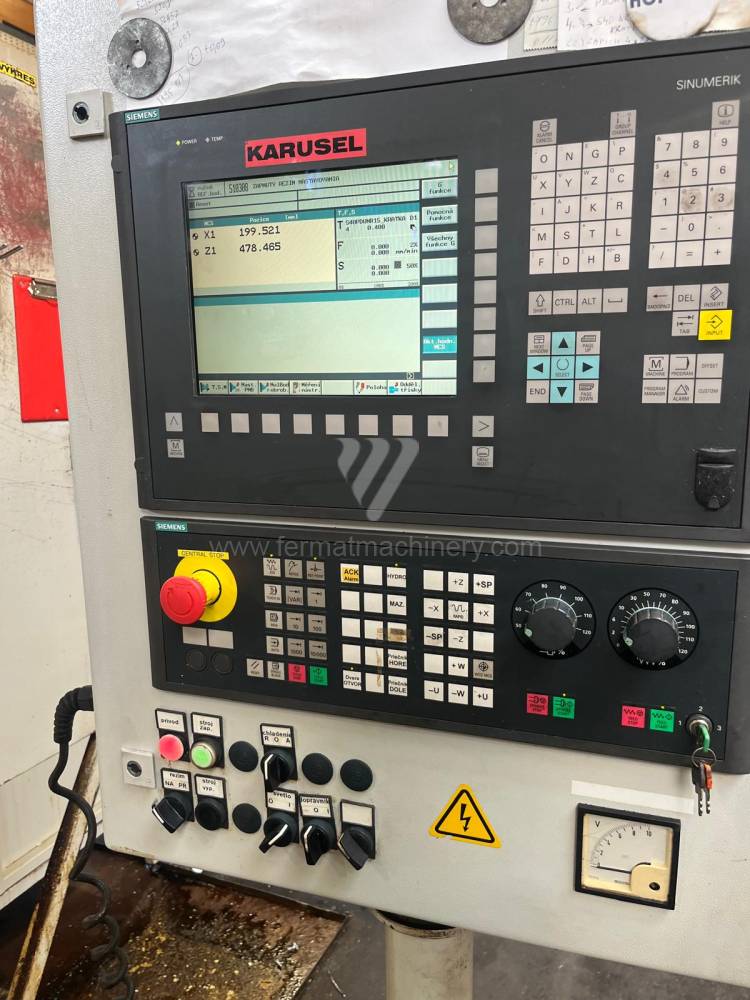
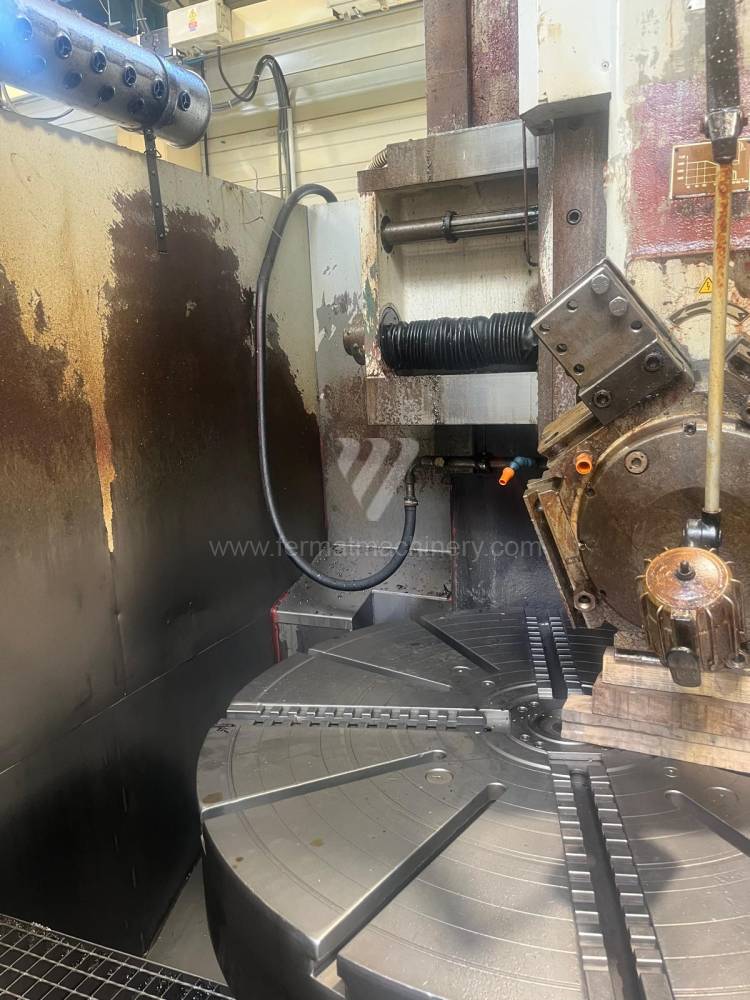
SKJ 12 CNC
TOS Hulín
Inventory number: 251990
Control system Siemens:
Max. diameter of workpiece: 1400 mm
Clamping diameter of rotary table: 1250 mm
Max. load of table: 6000 kg
Max. workpiece height: 1150 mm
Ram travel (Z): mm
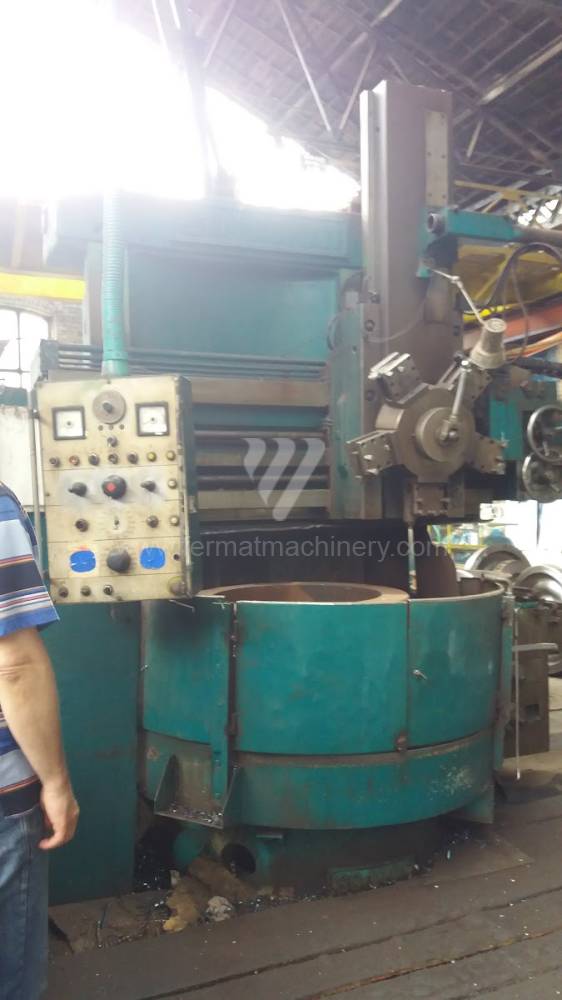
SC 14 CC
I.M.ROMAN
Inventory number: 261666
YOM:1985
Max. diameter of workpiece: 1400 mm
Clamping diameter of rotary table: 1200 mm
Max. load of table: 6000 kg
Max. workpiece height: 1000 mm
Ram travel (Z): 760 mm
Ram size: mm
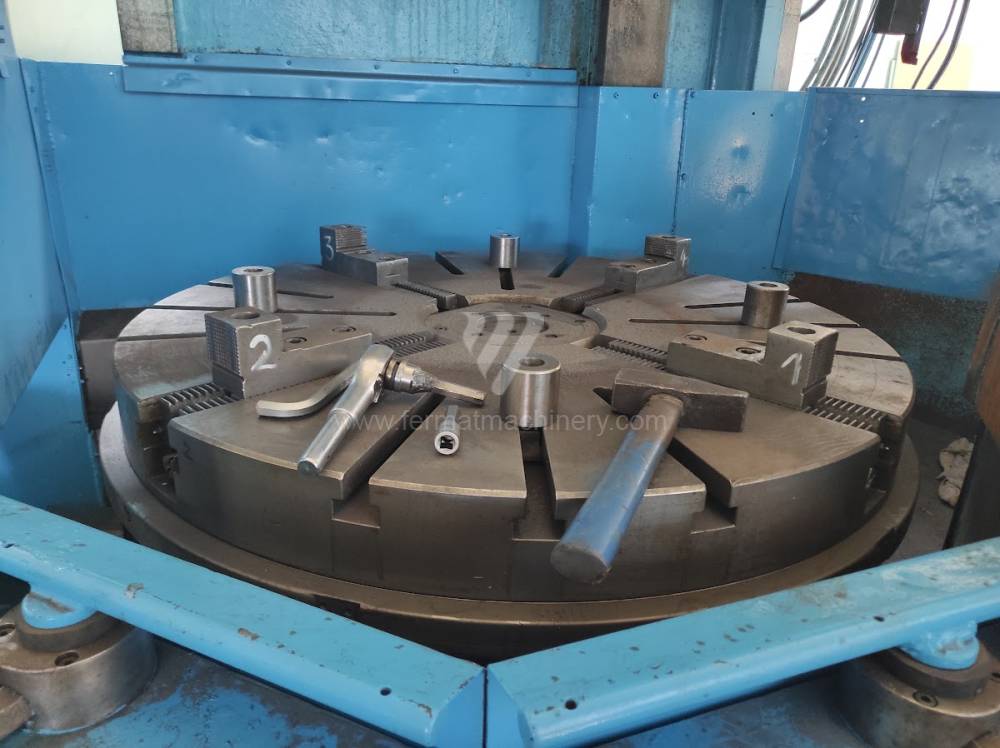
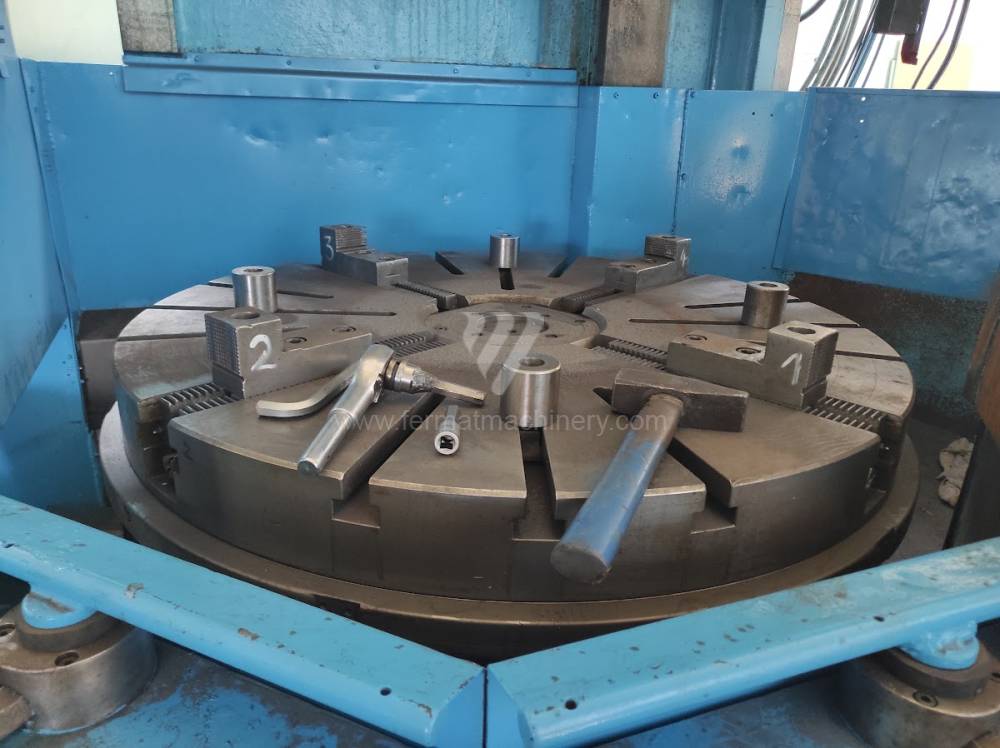
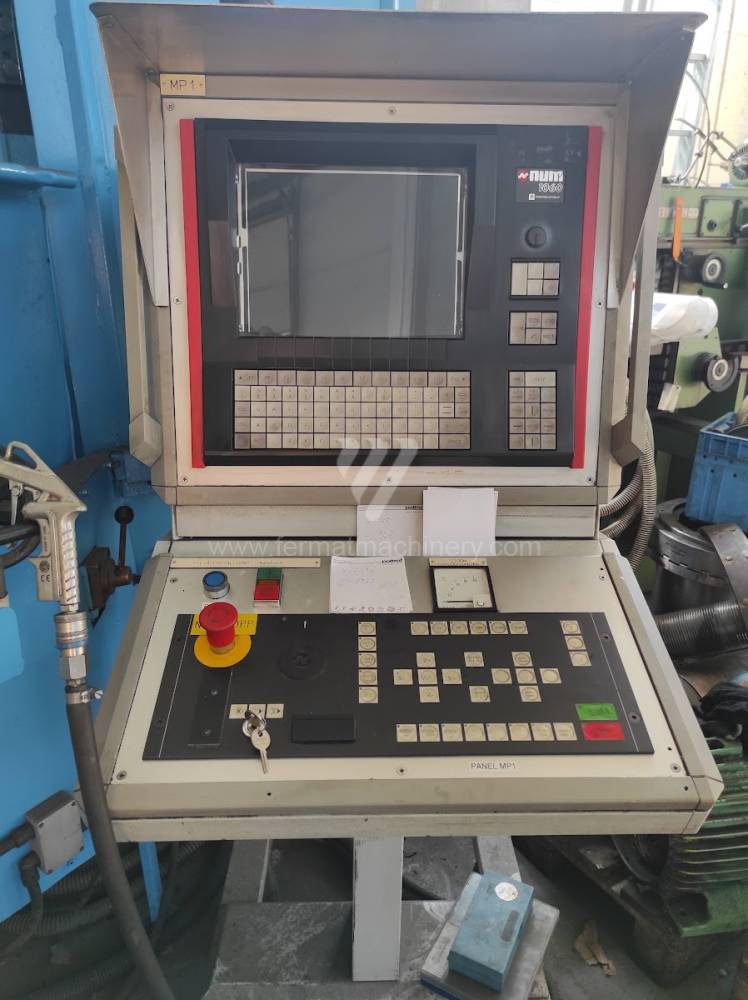
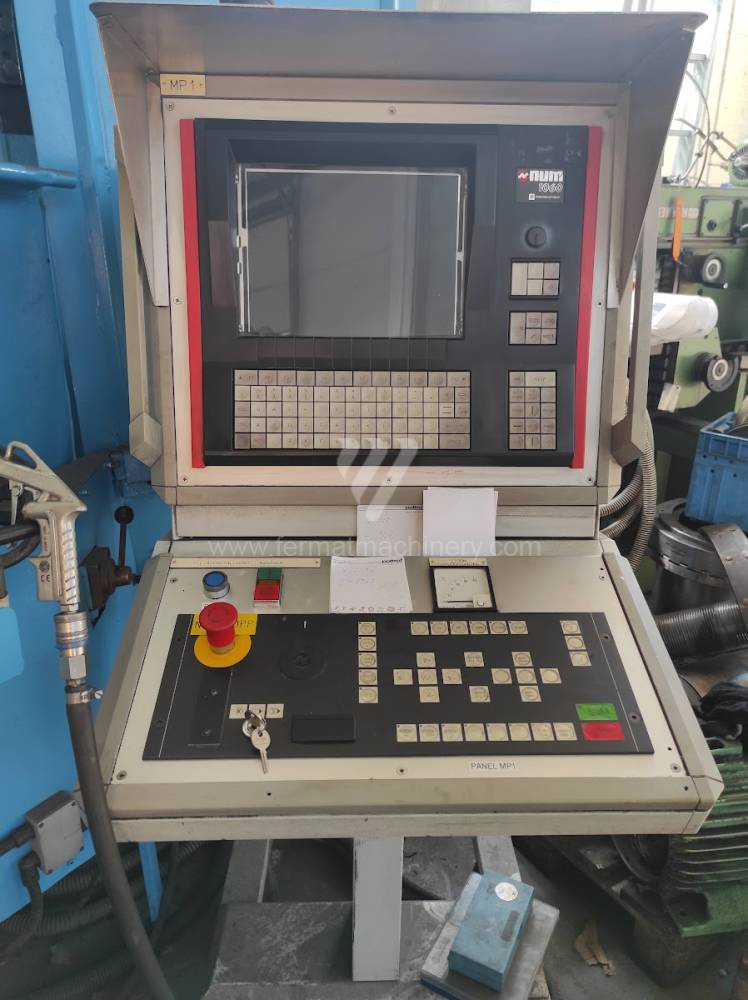
DS 12 NC
SCHIESS GmbH
Inventory number: 231267
YOM:1968
Control system NUM: 1060 - 1060 - 1060 - 1060
Max. diameter of workpiece: 1450 - 1450 - 1450 - 1450 mm
Clamping diameter of rotary table: 1250 - 1250 - 1250 - 1250 mm
Max. load of table: 5000 - 5000 - 5000 - 5000 kg
Max. workpiece height: 1400 - 1400 - 1400 - 1400 mm
Ram travel (Z): 700 - 700 - 700 - 700 mm
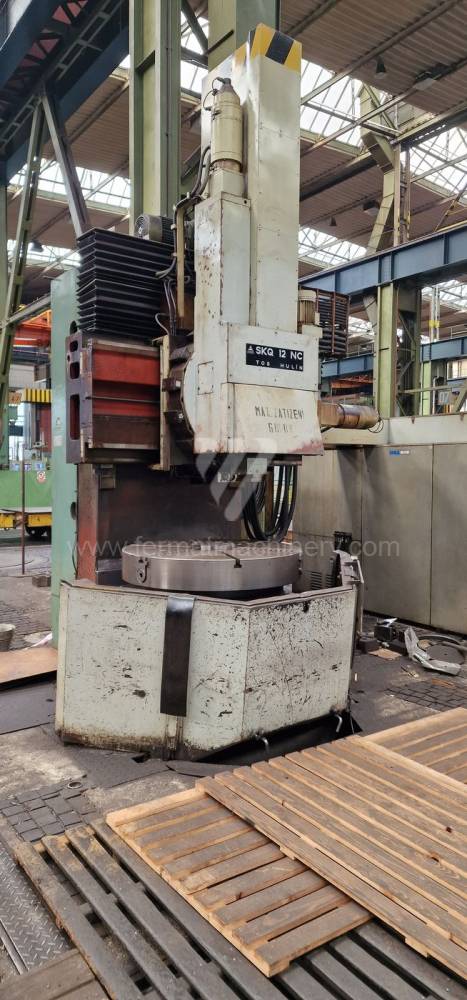
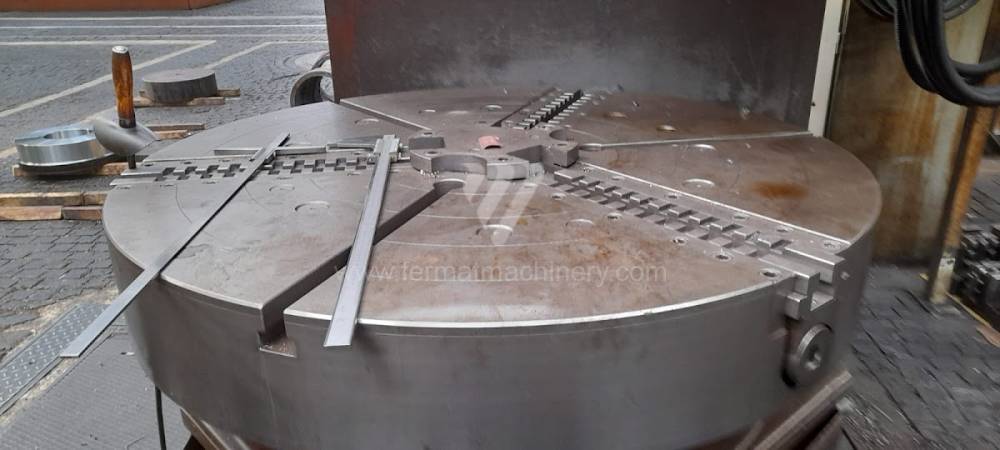
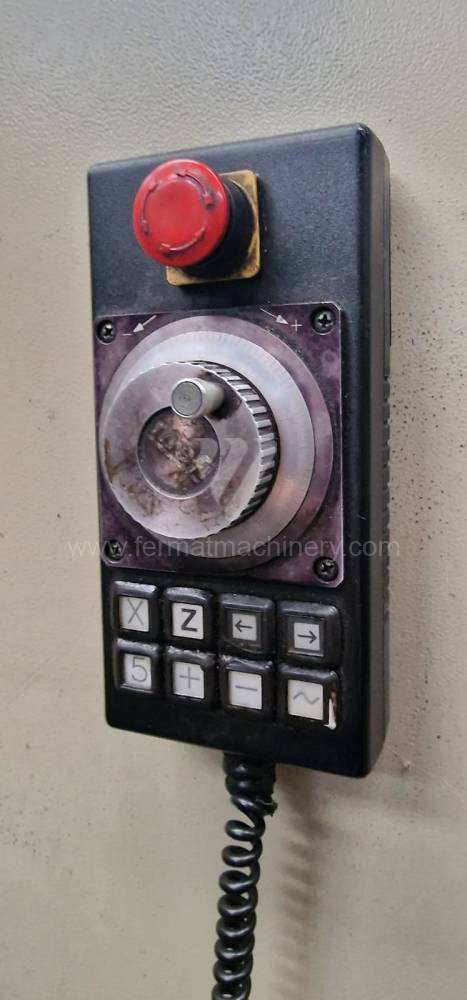
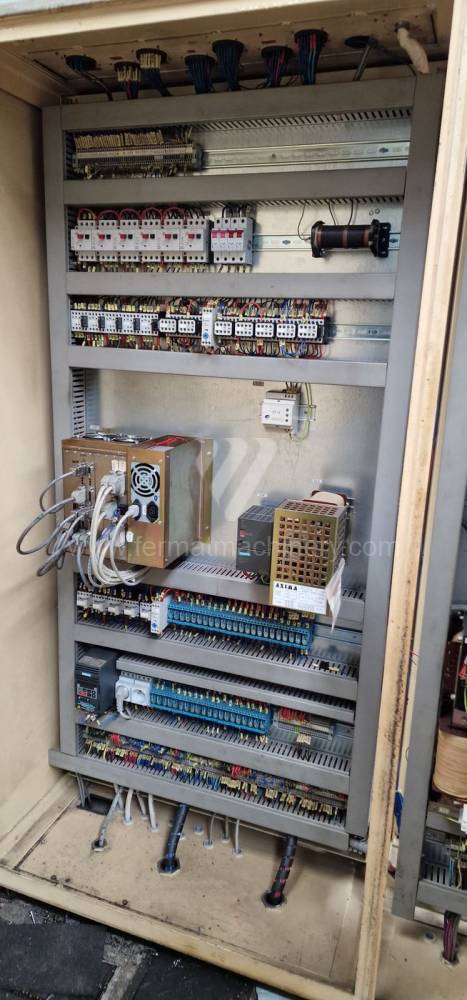
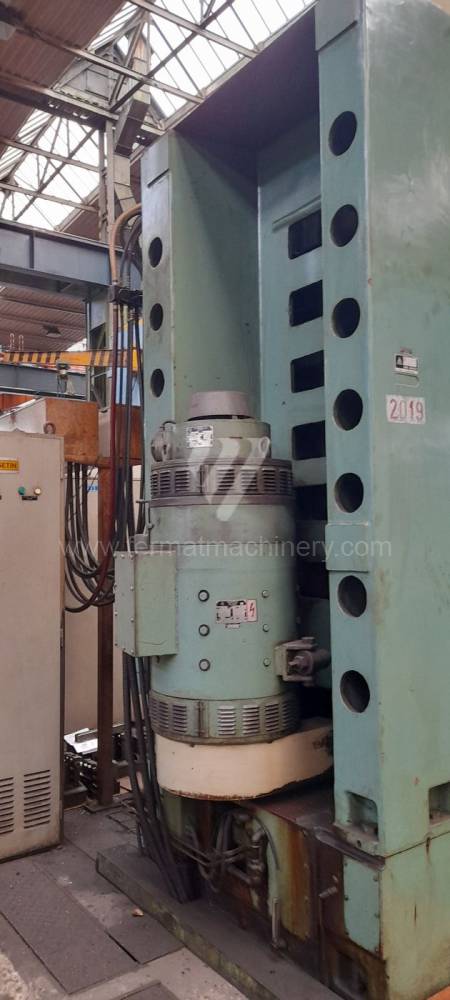
SKQ 12 CNC
TOS Hulín
Inventory number: 241236
Control system Mefi: CNC 846
Max. diameter of workpiece: 1400 mm
Clamping diameter of rotary table: 1250 mm
Max. load of table: 8000 kg
Max. workpiece height: 900 mm
Ram travel (Z): 700 mm
Morando KL 12 CNC
Morando
Inventory number: 261665
YOM:1995
Control system Fagor: CNC 8055 M
Face plate diameter: 1200 mm
Max. diameter of workpiece: 1400 mm
Max. workpiece height: 1080 mm
Max. weight of workpiece: 7000 kg
Rotations of clamping plate: 2 - 200 /min
10 A/B CNC
Dörries Scharmann Technologie GmbH
Inventory number: 261623
Control system Siemens: Sinumerik 840D Sl
Max. diameter of workpiece: 1500 mm
Clamping diameter of rotary table: 1000 mm
Max. load of table: 5000 kg
Max. workpiece height: 450 mm
Ram travel (Z): mm
SC 14 CC
I.M.ROMAN
Inventory number: 251643
YOM:1985
Max. diameter of workpiece: 1400 mm
Clamping diameter of rotary table: 1200 mm
Max. load of table: 6000 kg
Max. workpiece height: 1000 mm
Ram travel (Z): 760 mm
Ram size: mm
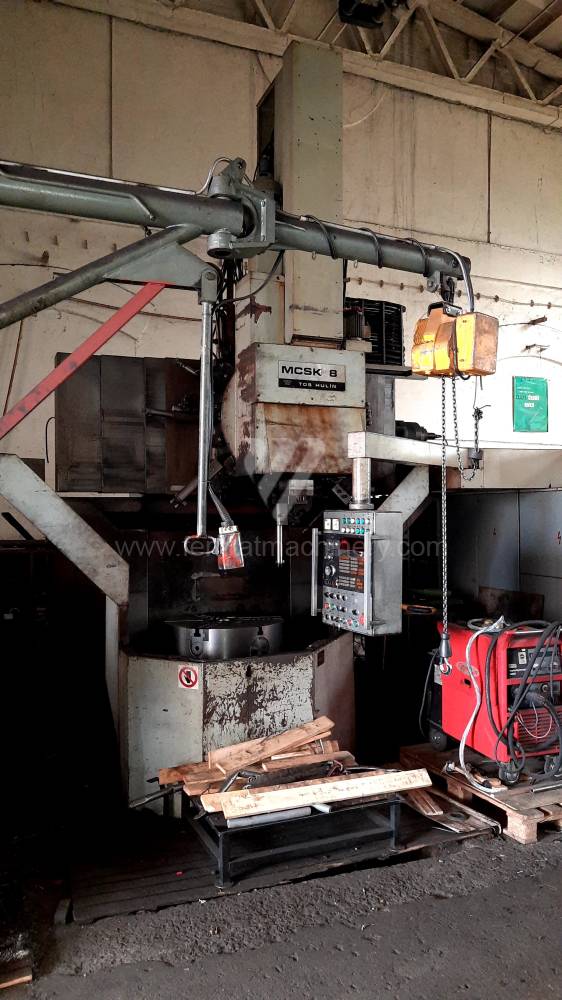
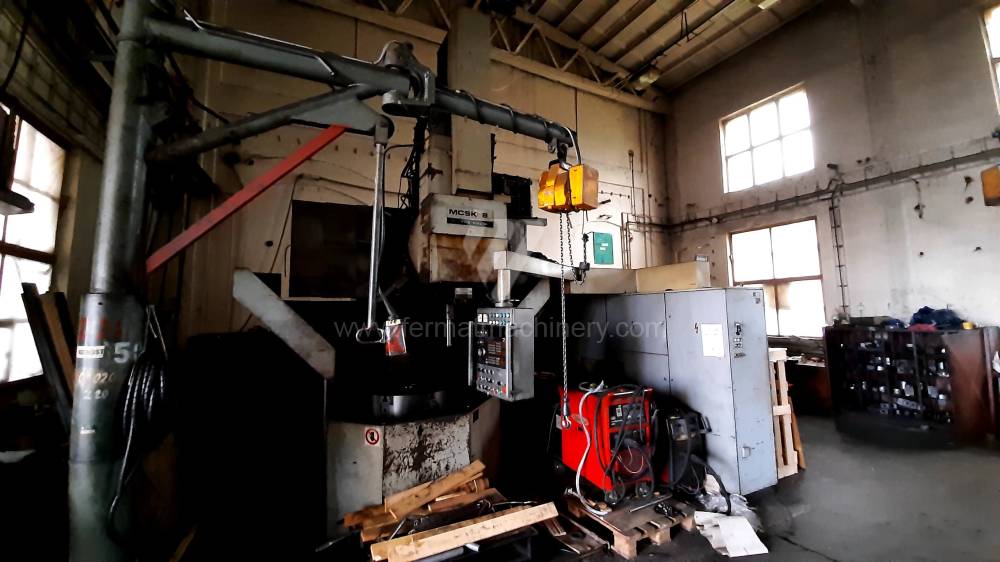
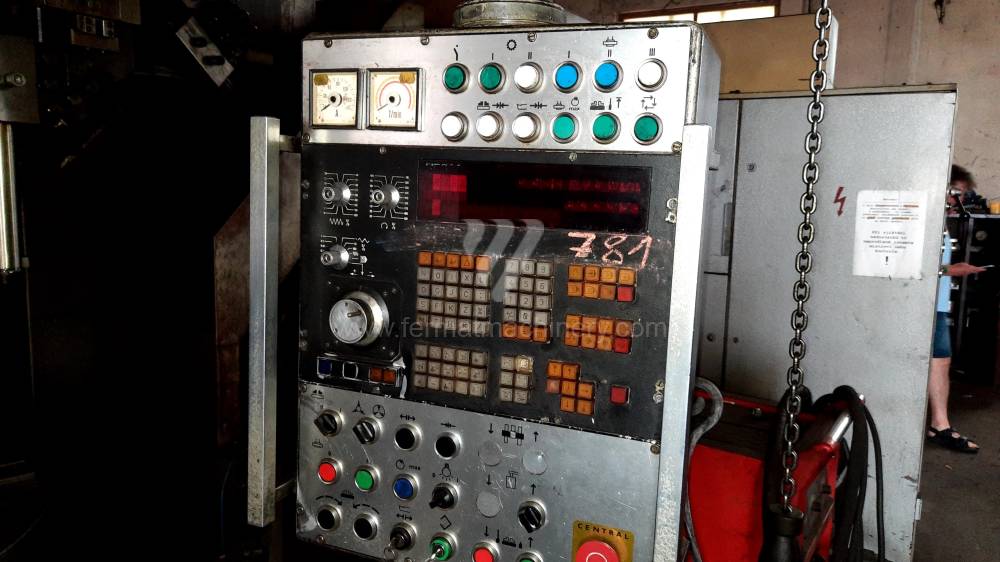
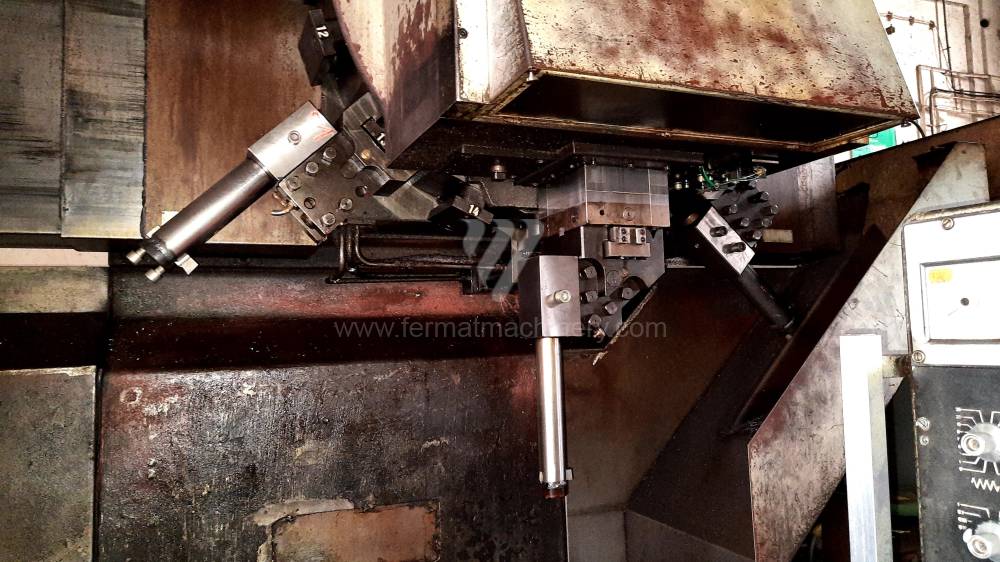
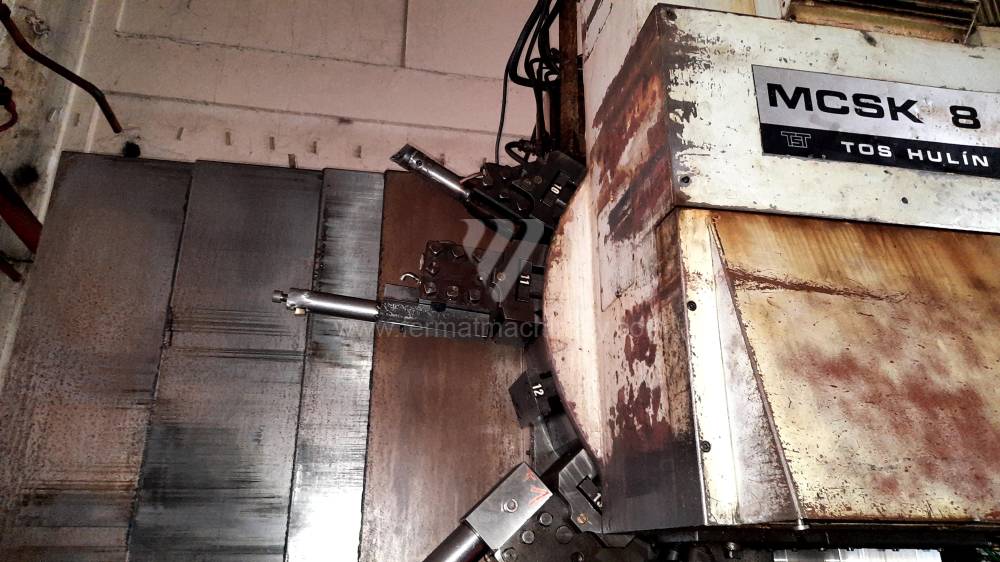
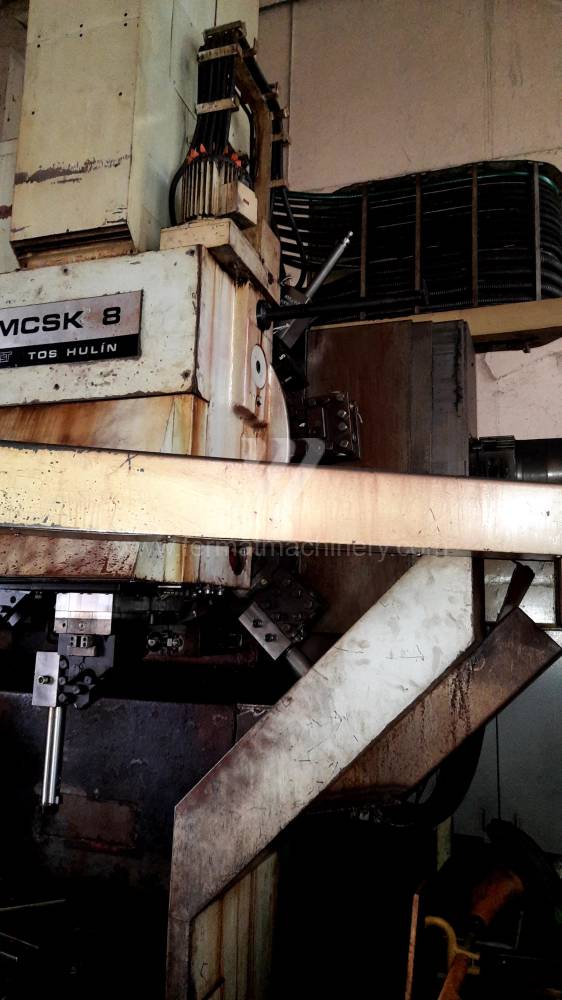
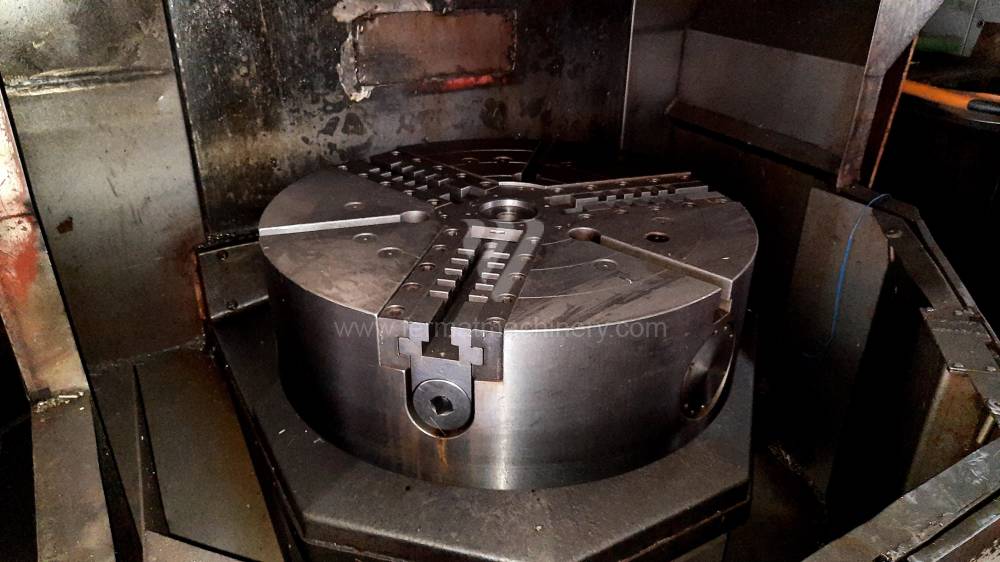
MCSK 8
TOS Hulín
Inventory number: 201046
YOM:1982
Control system Tesla: NS 560
Max. diameter of workpiece: 1000 mm
Clamping diameter of rotary table: 800 mm
Max. load of table: 2500 kg
Max. workpiece height: 720 mm
Ram travel (Z): 630 mm
CONTUMAT 2
Dörries Scharmann Technologie GmbH
Inventory number: 241532
Control system Siemens: Sinumerik 840 C
Max. diameter of workpiece: 2400 mm
Clamping diameter of rotary table: 2200 mm
Max. load of table: 17000 kg
Max. workpiece height: 1800 mm
Ram travel (Z): 1500 mm
SC 17 CNC
Titan
Inventory number: 261664
YOM:1986
Control system NUMERIK: CNC-H 645
Max. diameter of workpiece: 1650 mm
Table diameter: 1450 mm
Max. diameter of face turning: 1700 mm
Max. workpiece height: 1200 mm
Max. weight of workpiece: 12000 kg
SKIQ 8 CNC B
TOS Hulín
Inventory number: 211441
YOM:1989
Control system Tesla: NS 642 C
Max. diameter of workpiece: 1100 mm
Clamping diameter of rotary table: 800 mm
Max. load of table: 2500 kg
Max. workpiece height: 750 mm
Ram travel (Z): 630 mm
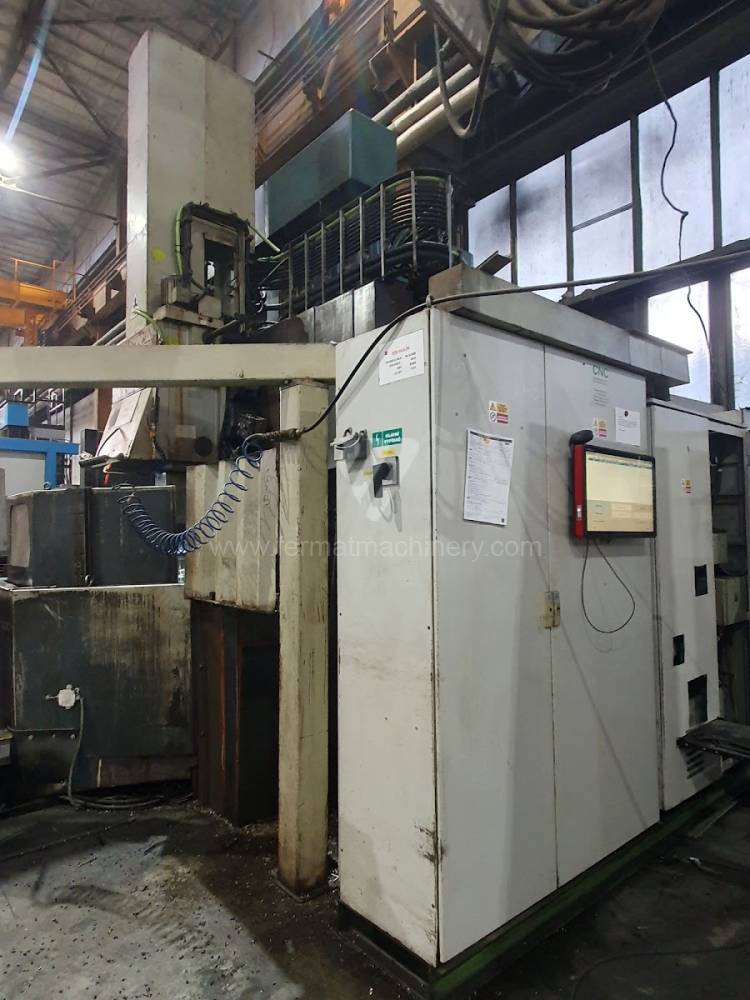
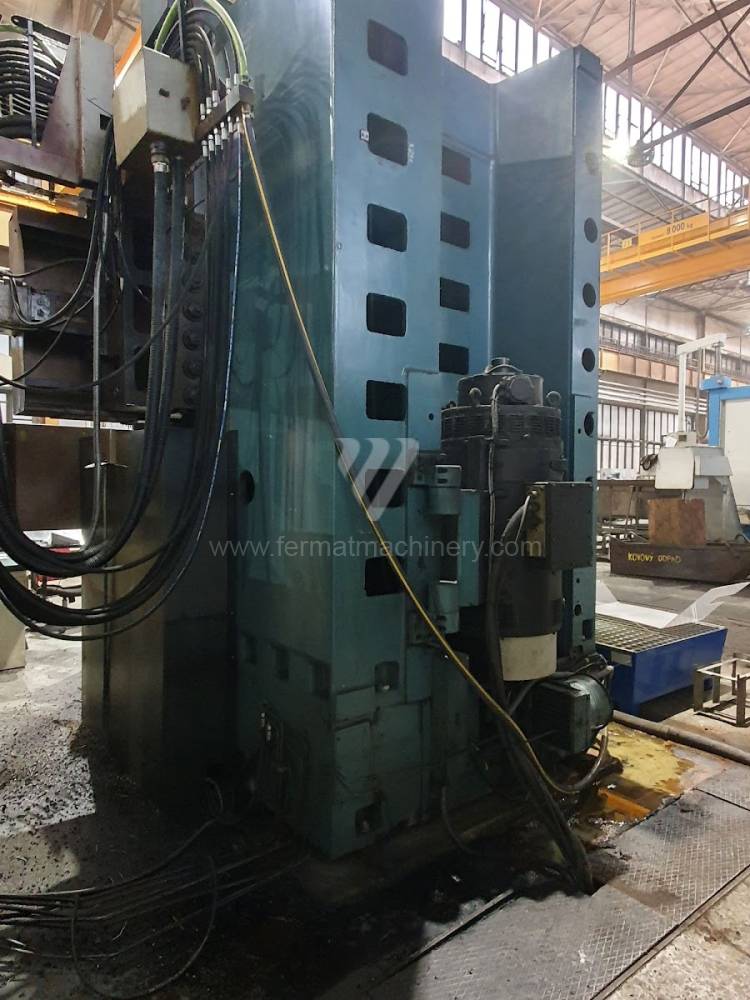
SKIQ 12 CNC
TOS Hulín
Inventory number: 261485
YOM:2010
Control system Siemens: Sinumerik 840 D
Max. diameter of workpiece: 1500 mm
Clamping diameter of rotary table: 1250 mm
Max. load of table: 12000 kg
Max. workpiece height: 1570 mm
Ram travel (Z): 1000 mm
MCSK 20
TOS Hulín
Inventory number: 261533
Control system ECS:
Max. workpiece height: 1800 mm
Max. diameter of workpiece: 2200 mm
Table diameter: 2000 mm
Max. load of table: 20000 kg
Axis C: °
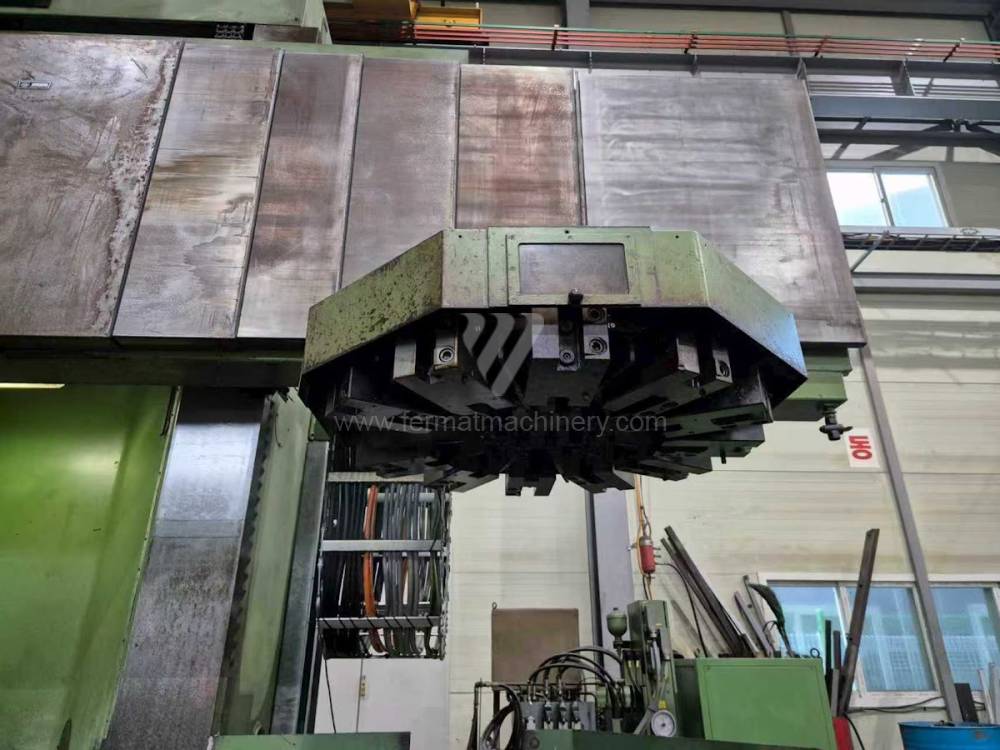
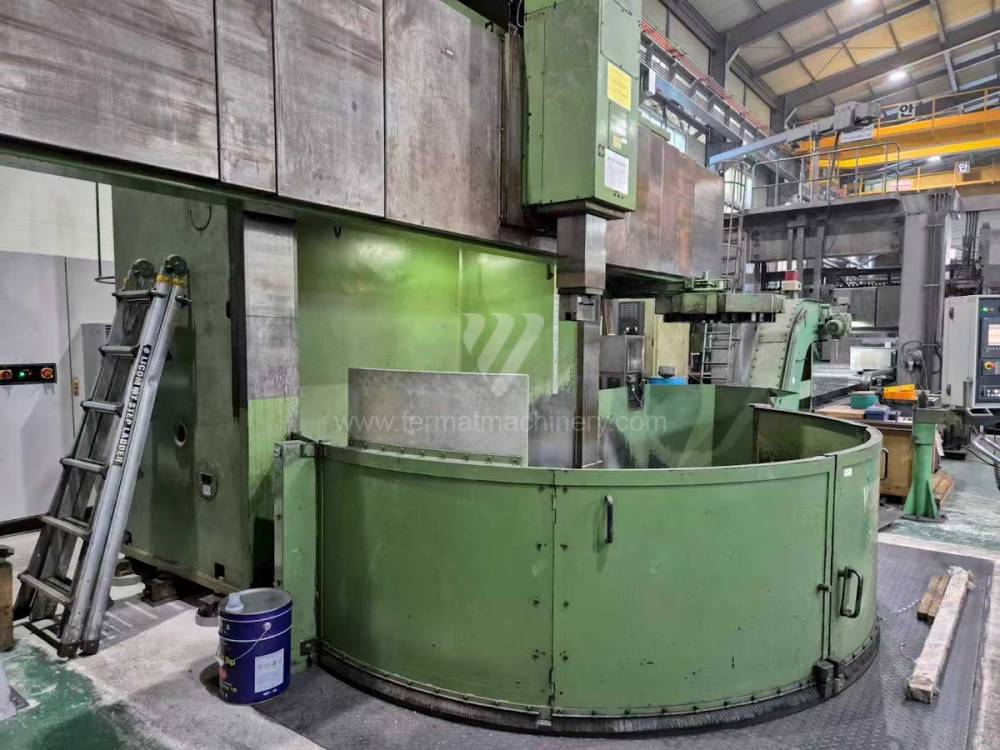
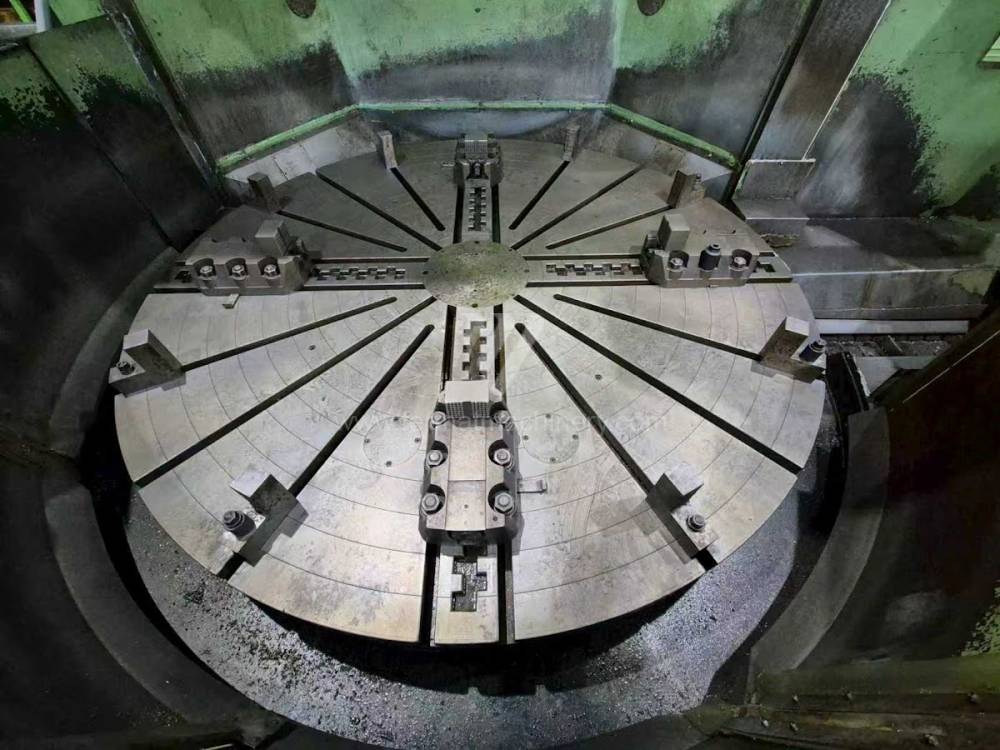
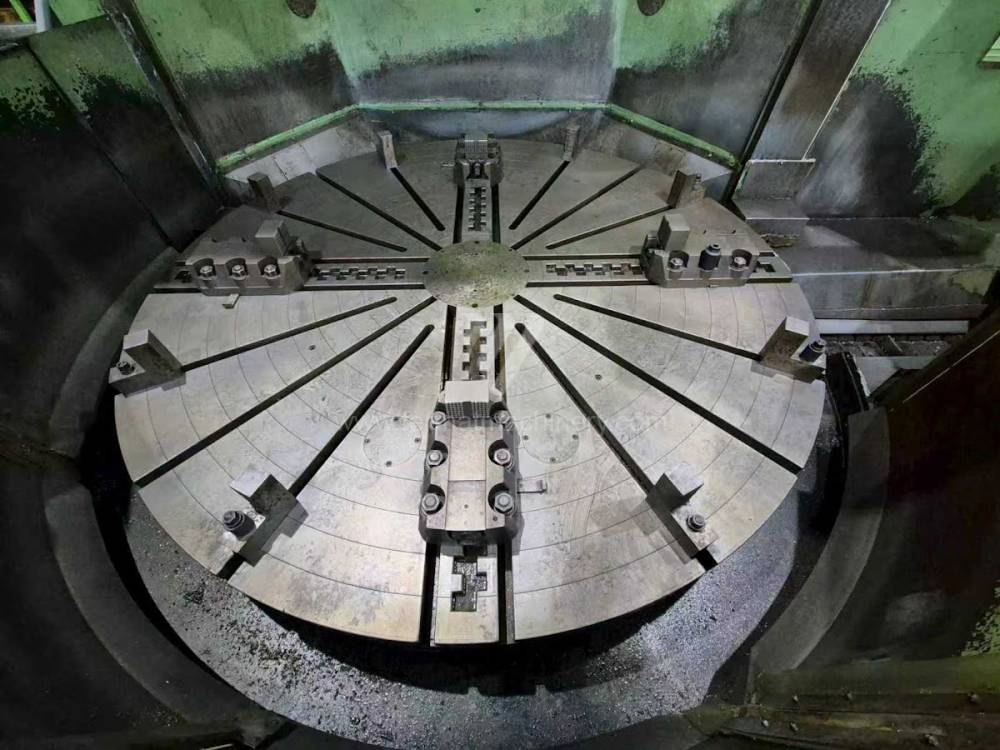
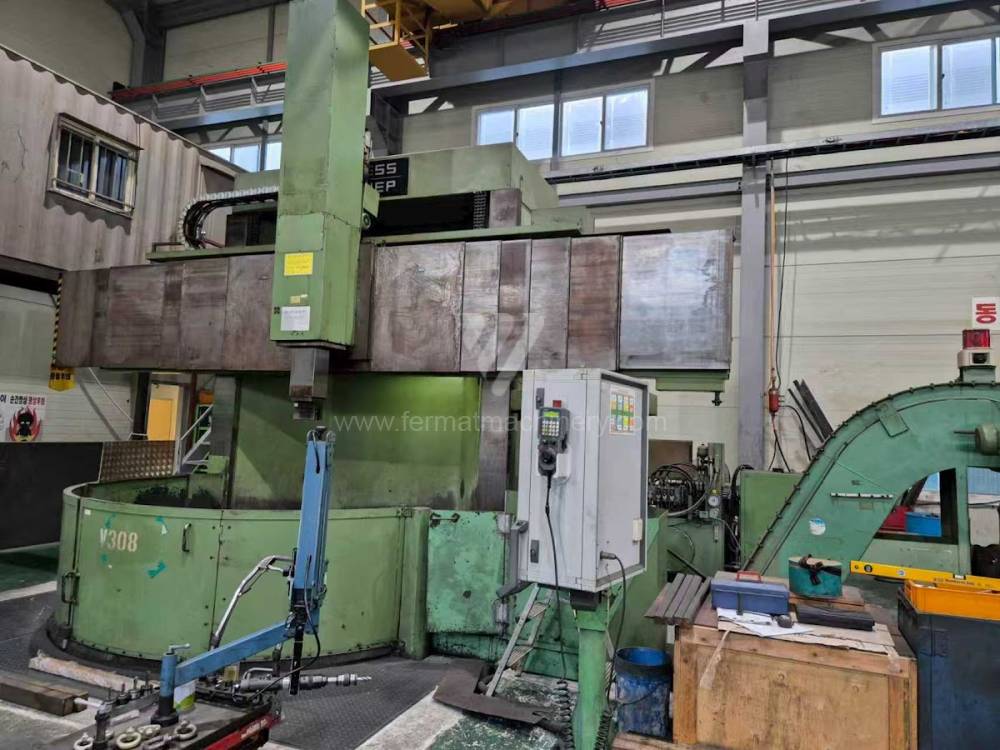
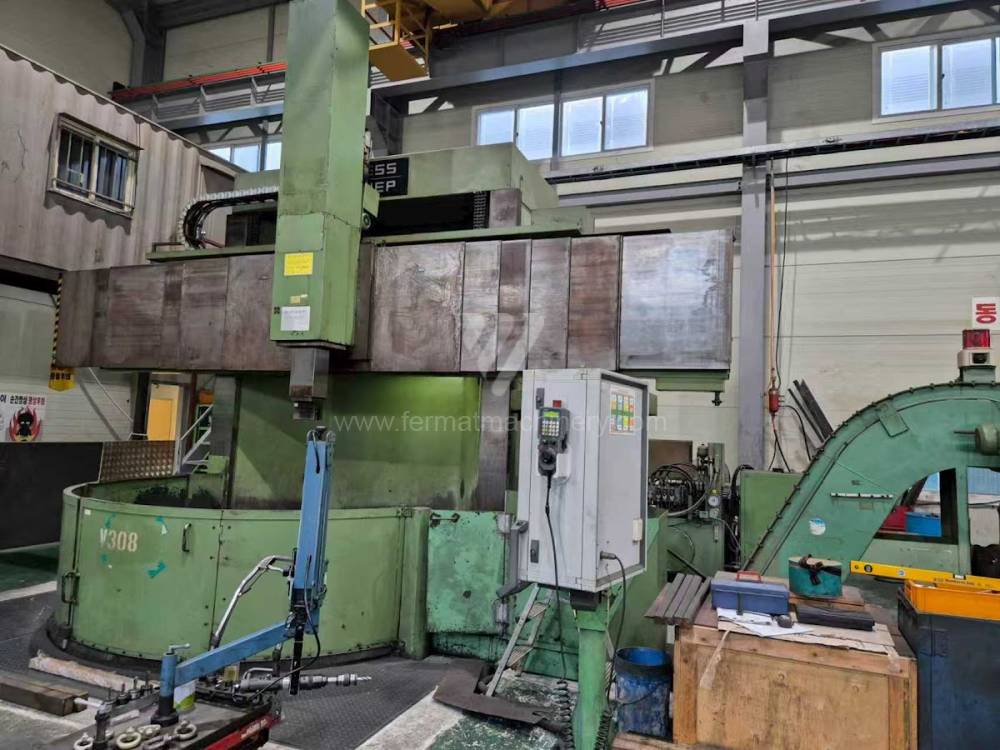
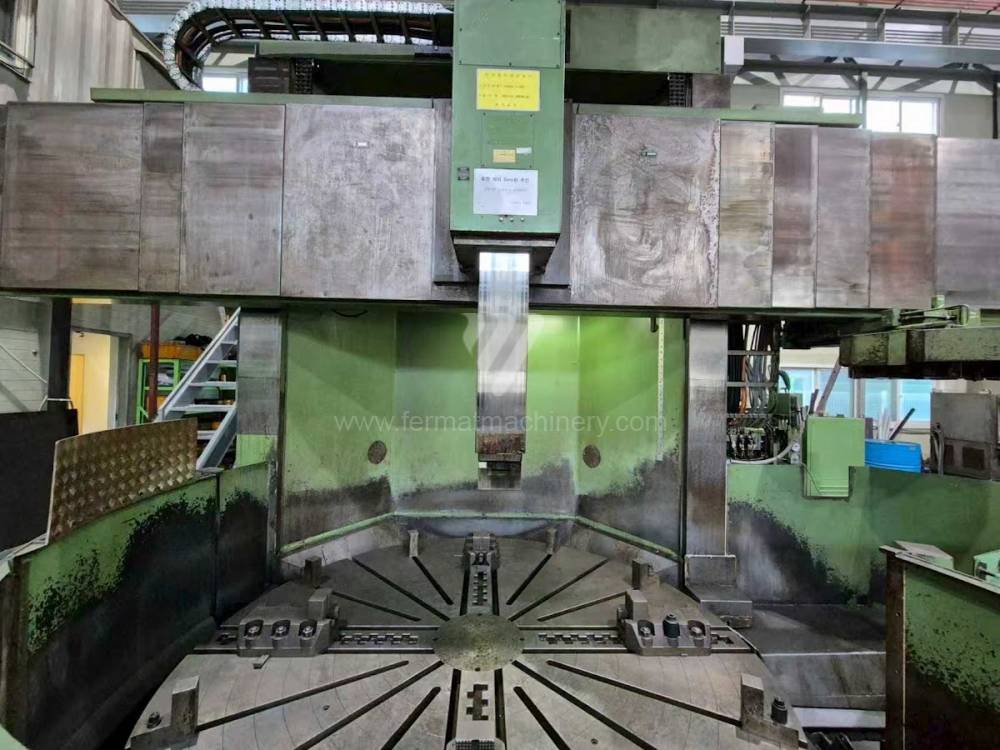
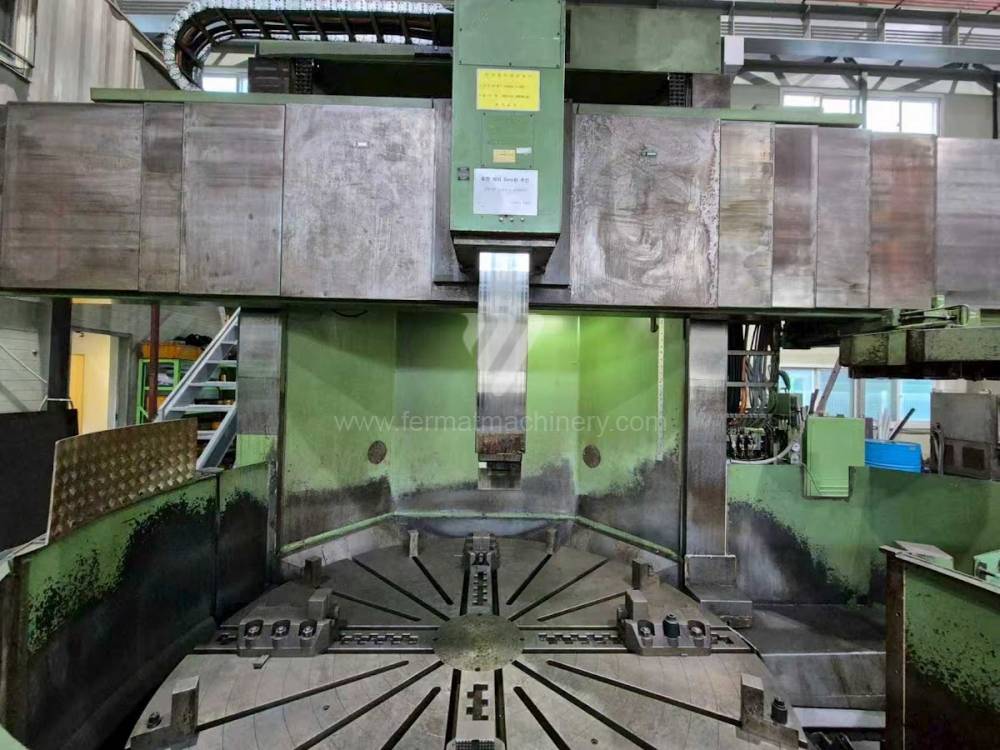
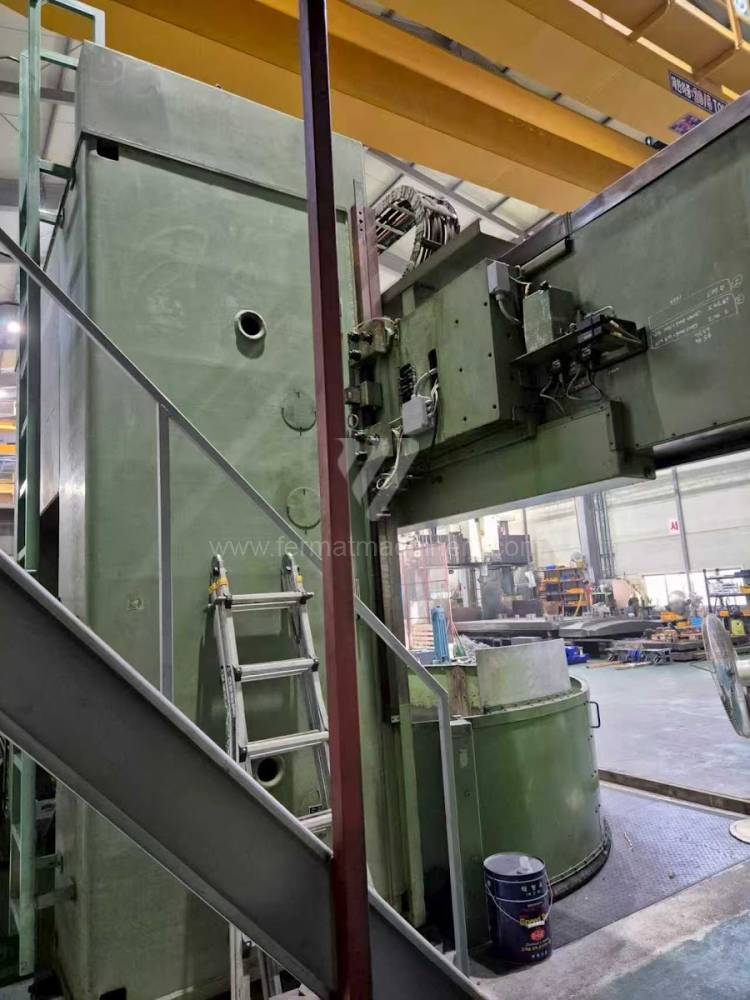
SCHIESS-FRORIEP 32DS
SCHIESS GmbH
Inventory number: 261065
Control system Siemens: Sinumerik 840 D - Sinumerik 840 D - Sinumerik 840 D - Sinumerik 840 D
Max. diameter of workpiece: 3200 - 3200 - 3200 - 3200 mm
Clamping diameter of rotary table: 2800 - 2800 - 2800 - 2800 mm
Max. load of table: 25000 - 25000 - 25000 - 25000 kg
Max. workpiece height: 2000 - 2000 - 2000 - 2000 mm
Ram travel (Z): 1000 - 1000 - 1000 - 1000 mm
Technical Analysis: Kinematics and Stability of Single-Column Design
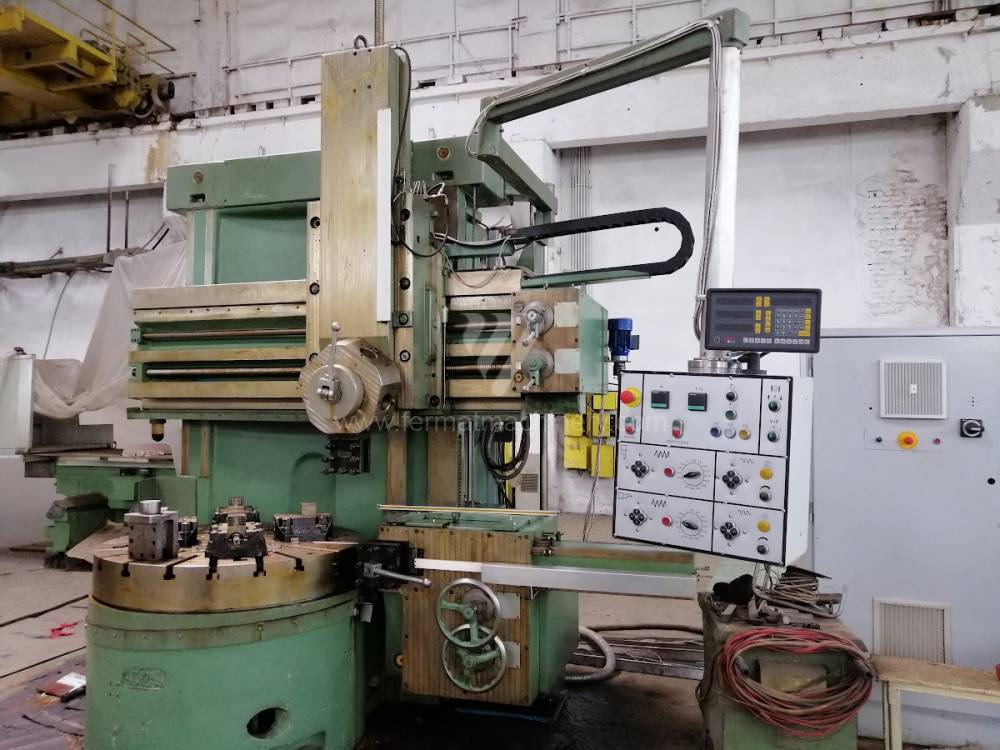
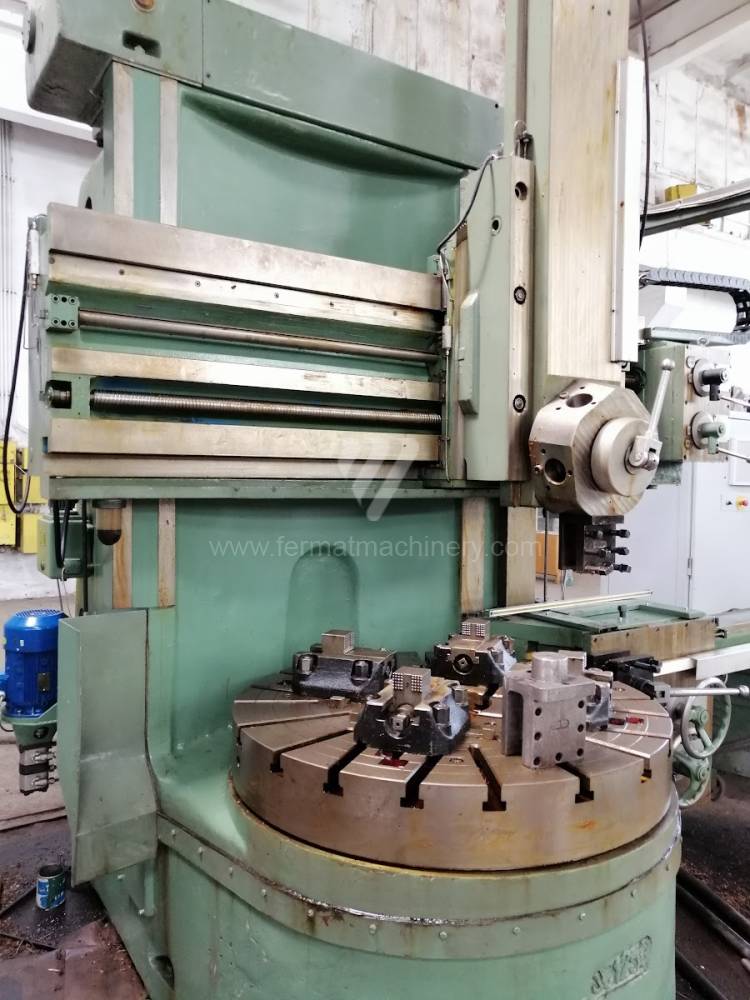
Single-column vertical lathes (open-side) represent a specific solution for machining components where the diameter exceeds the table size. Unlike double-column machines, the critical factor here is the moment rigidity of the column-to-crossrail junction. In used machines from brands like TOS or Sedin, this node is dimensioned with a high safety factor, allowing for high cutting forces even at maximum ram extension.
Key Technical Parameters:
- Dynamic Force Absorption: The massive cast-iron column acts as a mechanical filter for low-frequency vibrations. Higher frame weight correlates directly with the elimination of chatter during roughing with variable depths of cut.
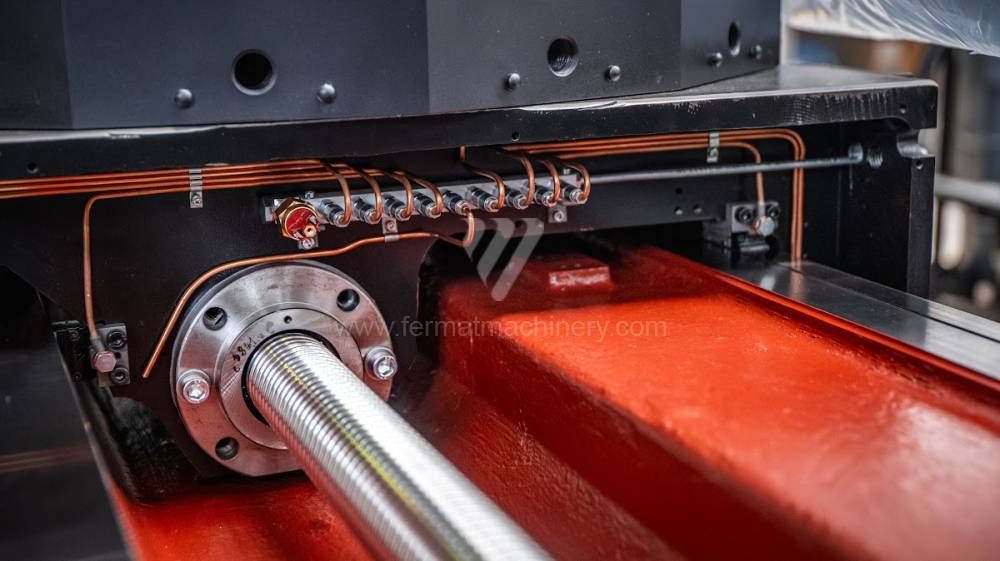
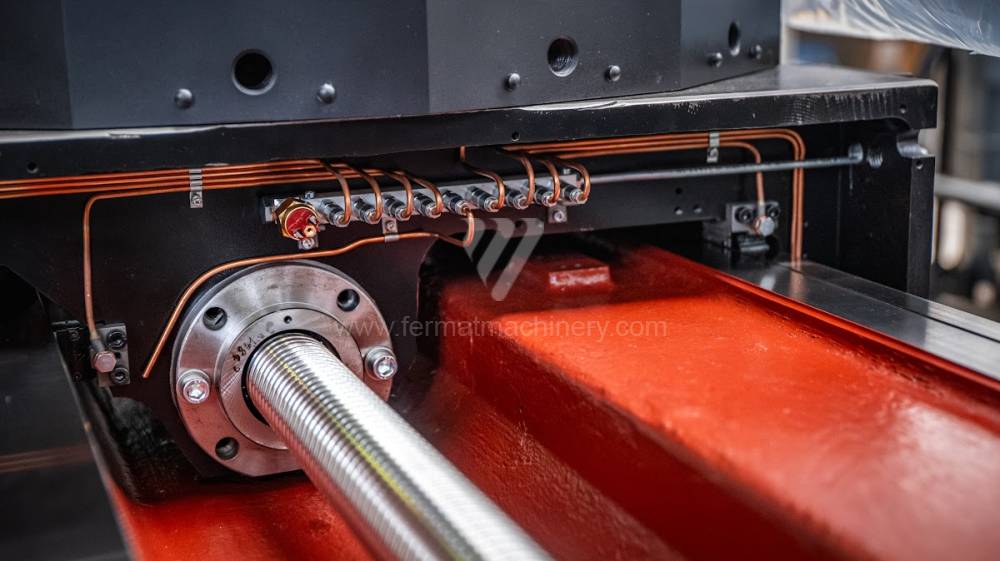
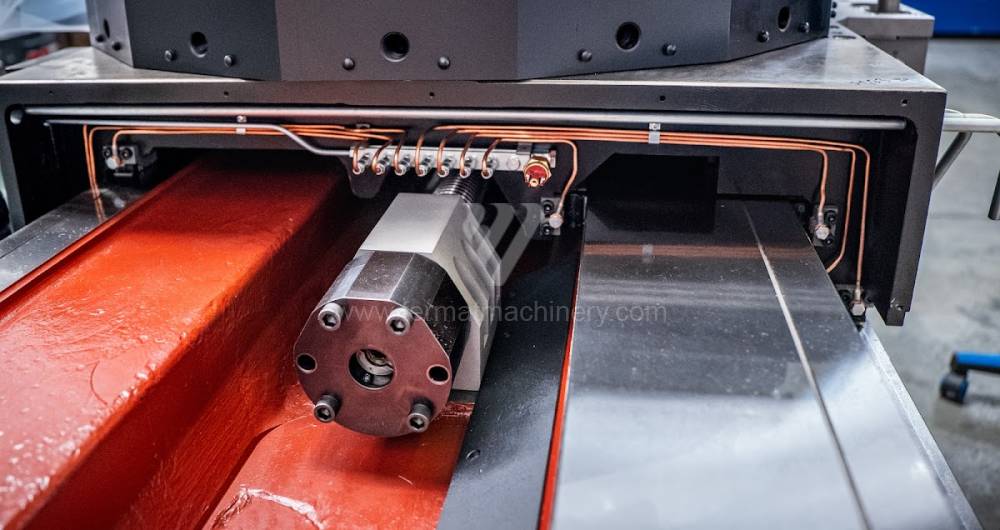
- Ram Guideways: The use of hardened and ground ways with PTFE-based liners (Turcite-B) ensures a low coefficient of static friction, eliminating stick-slip effects during fine finishing feeds.
- Table Drive: Asynchronous motors coupled with multi-stage gearboxes allow for high torque at minimum RPM, essential for processing hard-to-machine materials (e.g., heat-resistant steels).
Strategic Block: Operational Economics and Investment Value
From an owner's perspective, purchasing a used single-column VBM optimizes CAPEX while maintaining high process flexibility. The ability to accommodate a workpiece larger than the chuck diameter expands the production portfolio without requiring investment in much more expensive double-column centers.
Cost and Efficiency Analysis:
- Rapid Payback: Lower acquisition costs compared to new machines mean reaching the break-even point 40–60% faster, freeing up cash flow for modern tooling systems.
- Retrofit Potential: The mechanical foundation of these machines is virtually indestructible. Equipping them with Siemens SINUMERIK or Heidenhain controls brings digital precision to a robust mechanical platform.
3 Counter-Intuitive Advantages of Open-Side Construction:
- Lower OPEX for Cutting Tools: The stable cast-iron base reduces micro-chipping of ceramic and carbide inserts caused by resonance in lighter, welded modern frames.
- Energy Efficiency in Job-Shop Production: The massive flywheel effect of heavy faceplates requires less energy to maintain constant RPM during interrupted cuts compared to dynamic but lightweight tables.
- Floor Space Optimization: Open access to the workspace allows for easier handling of oversized parts by crane, reducing setup time by up to 15%.
FAQ: Expert Insights for Technical Search
What is the limiting factor for workpiece diameter on a single-column lathe? The limit is not just the distance from the column to the table center, but primarily the load capacity of the table bearings and workpiece balance. Asymmetric parts require counterweights to eliminate centrifugal forces that could damage the hydrostatic system.
Why choose a used single-column machine over a new 'lightweight' center? New entry-level machines often use welded structures. Used cast-iron machines offer better thermal stability and higher internal damping, which are critical parameters in heavy engineering.
How does ram extension affect accuracy during heavy roughing? On single-column machines, a slight bending moment occurs at maximum extension. However, on robust machines, this is predictable and can be compensated for using modern CNC algorithms, maintaining tight tolerances even during deep cuts.
