+420 778 547 838
  info@fermat.cz


 Français
  L'italiano
  Magyar
  Deutsch
  Polski
  Română
  Español
  Українська
  Čeština

List Grid
Milling machines Other
| Name of a product | Inventory number | Producer | YOM | Parameters | ||
|---|---|---|---|---|---|---|
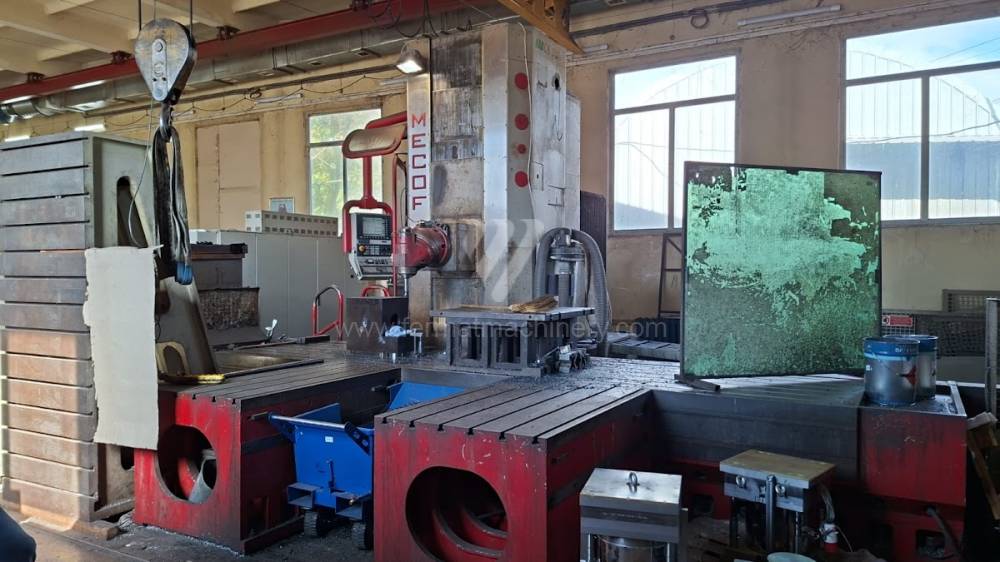 |
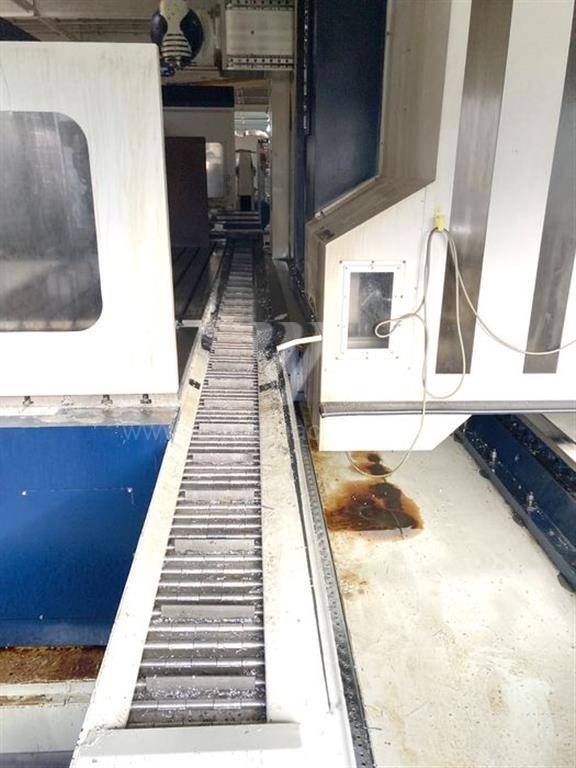
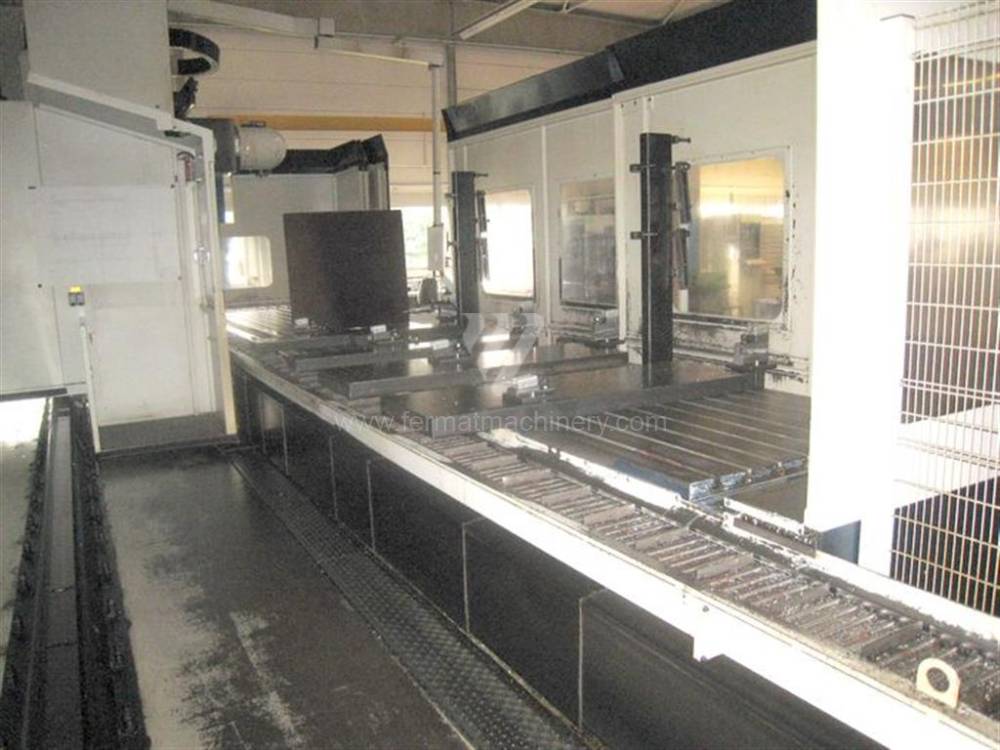
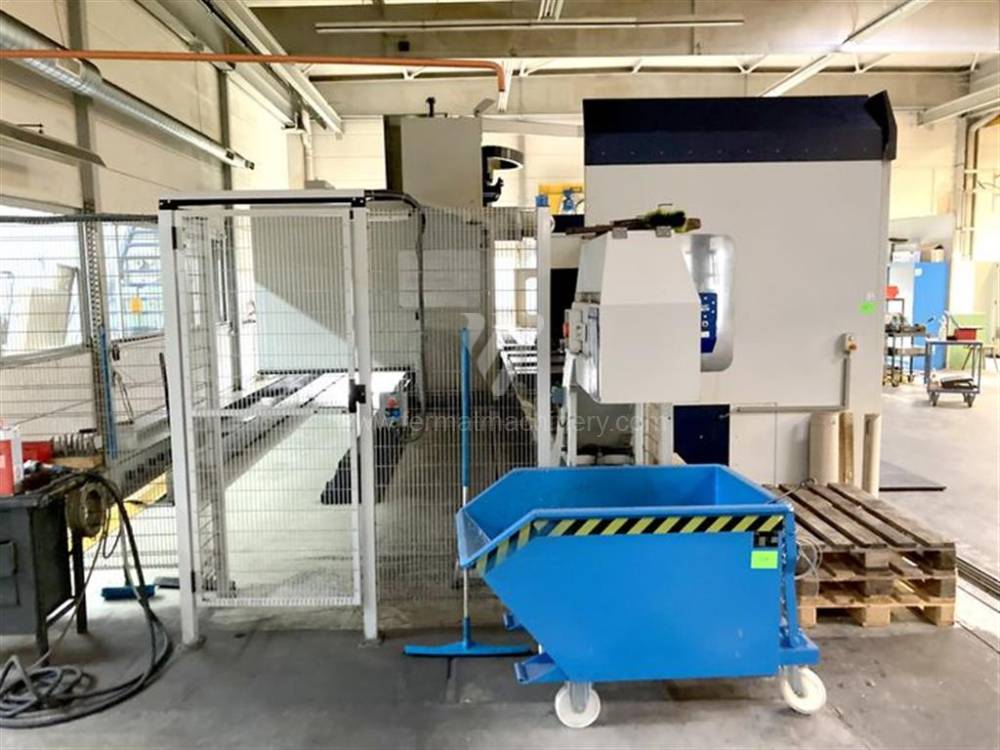
CS 500 AGILE |
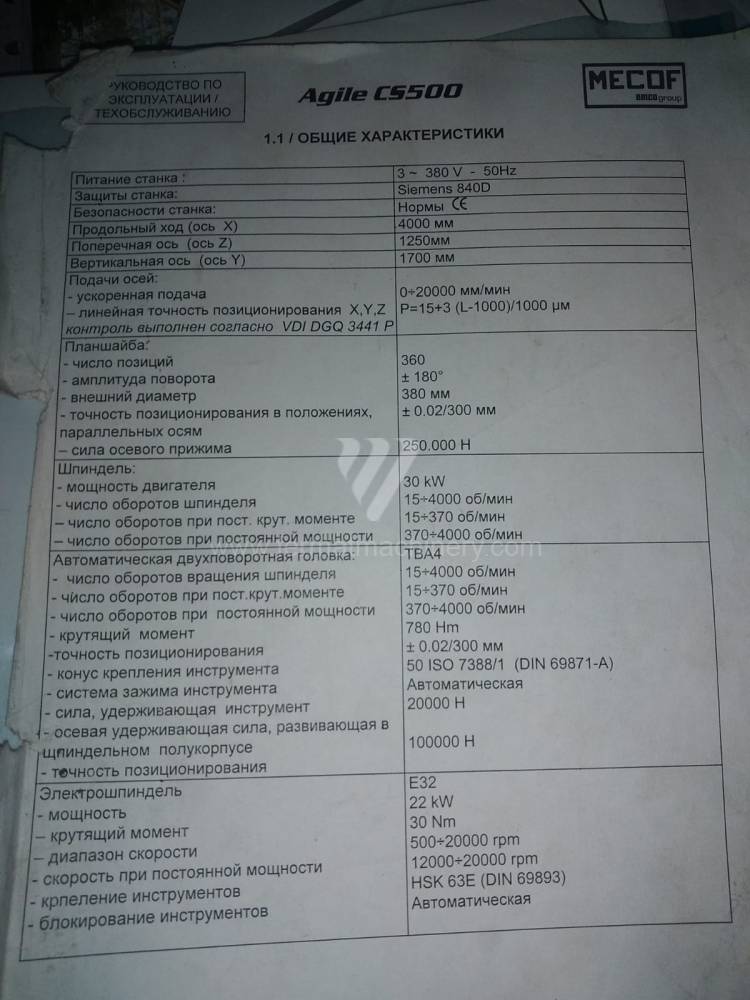
261061 | Mecof | 2005 | Control system Siemens: Sinumerik 840 D Dimensions of table working surface: 5300 x 1090 mm Travel X-axis: 4000 mm Travel Y-axis: 1700 mm Travel Z-axis: 1250 mm Max. load of table: kg |
|
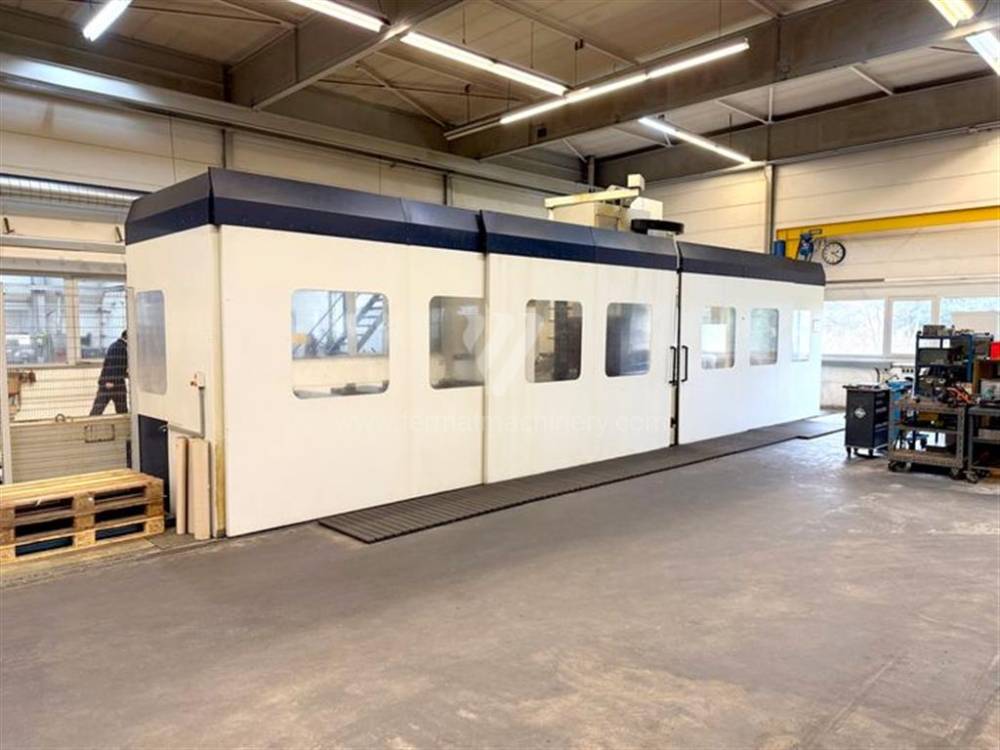 |
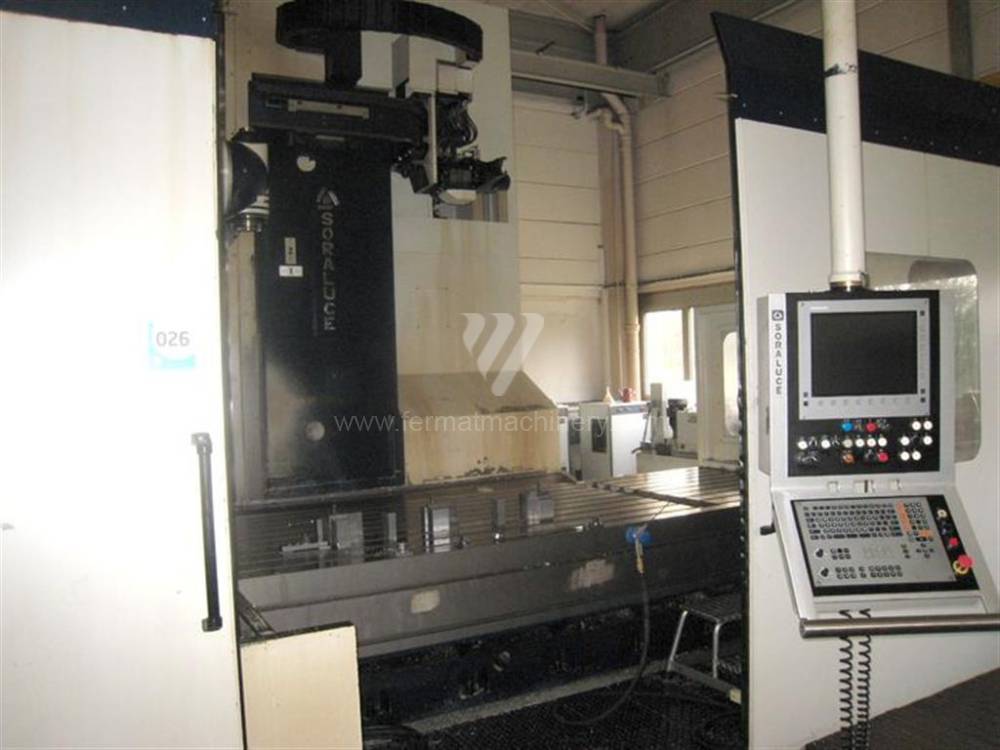
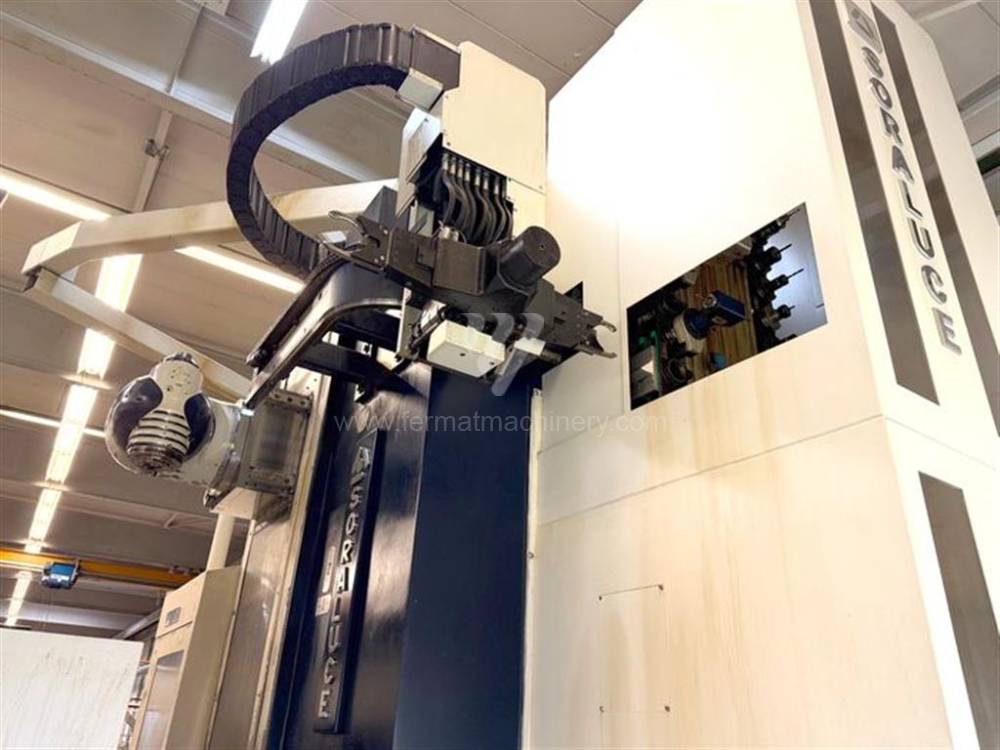
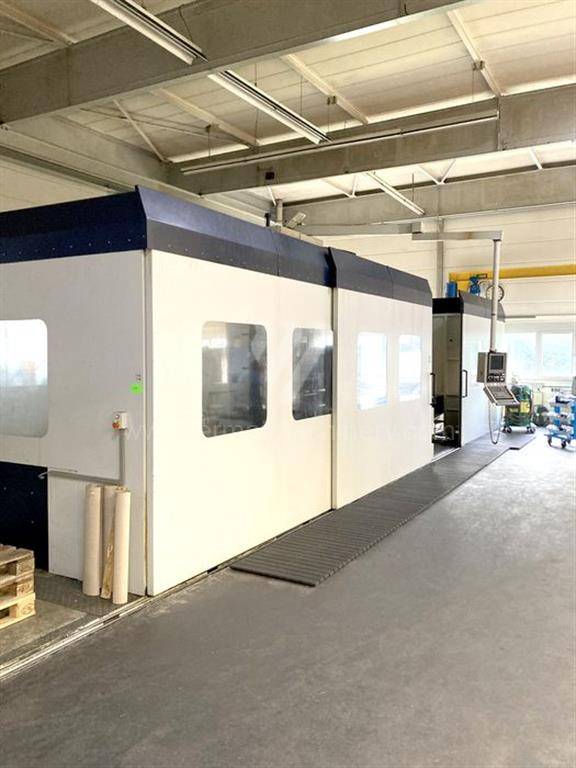
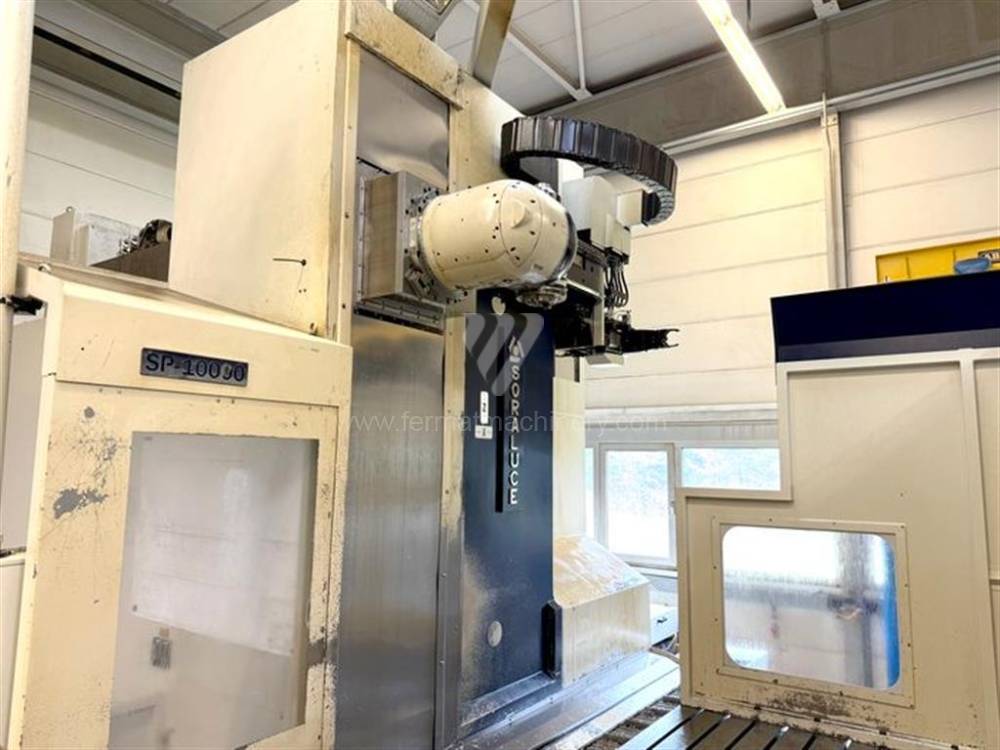
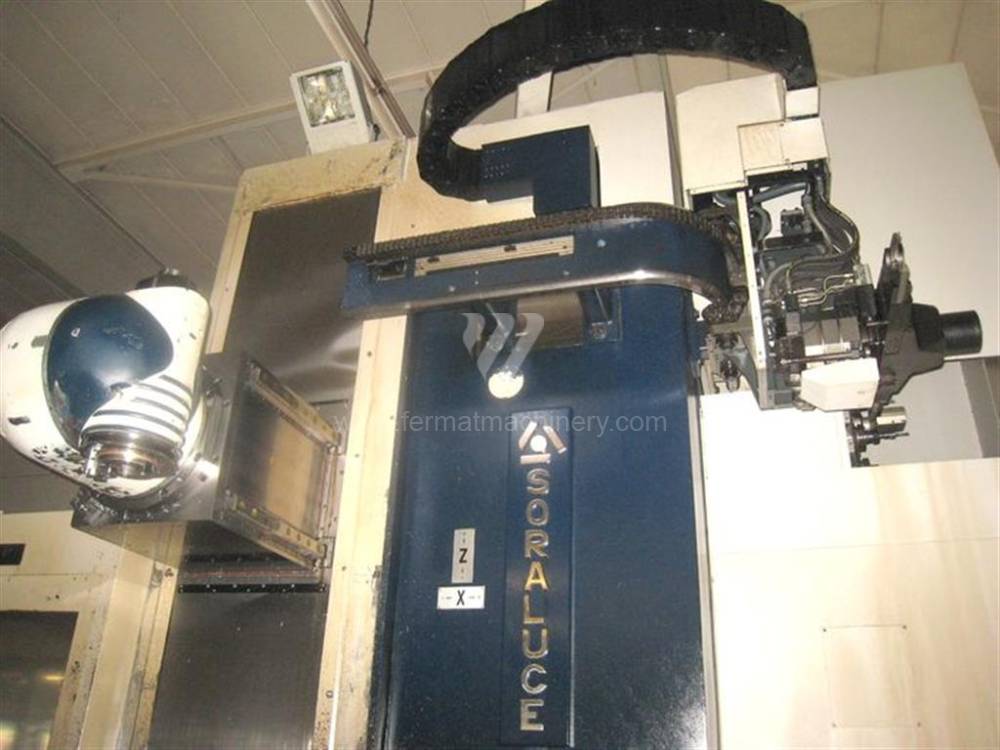
SP 10000 |
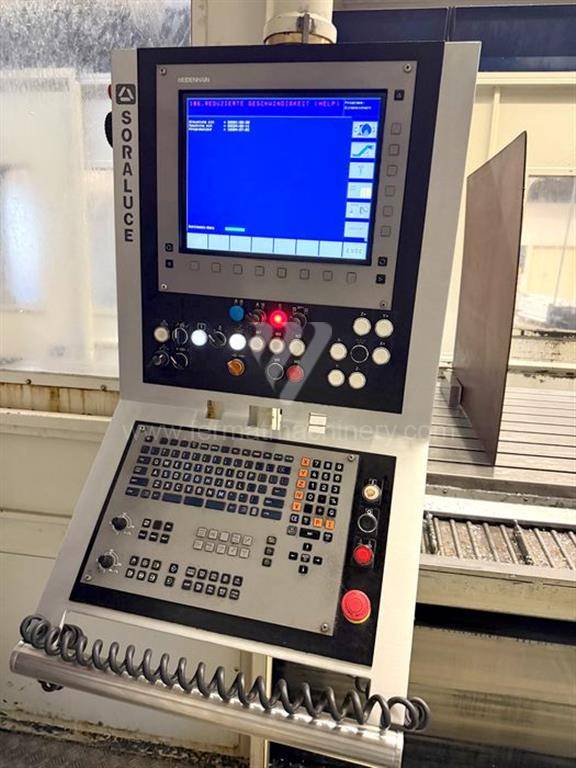
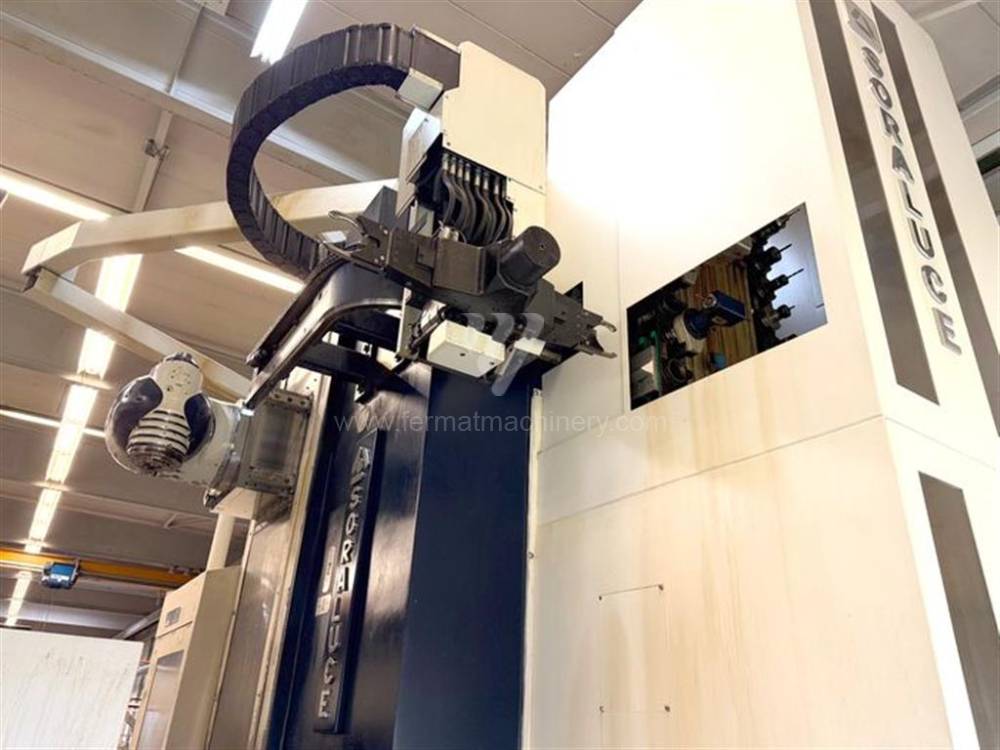
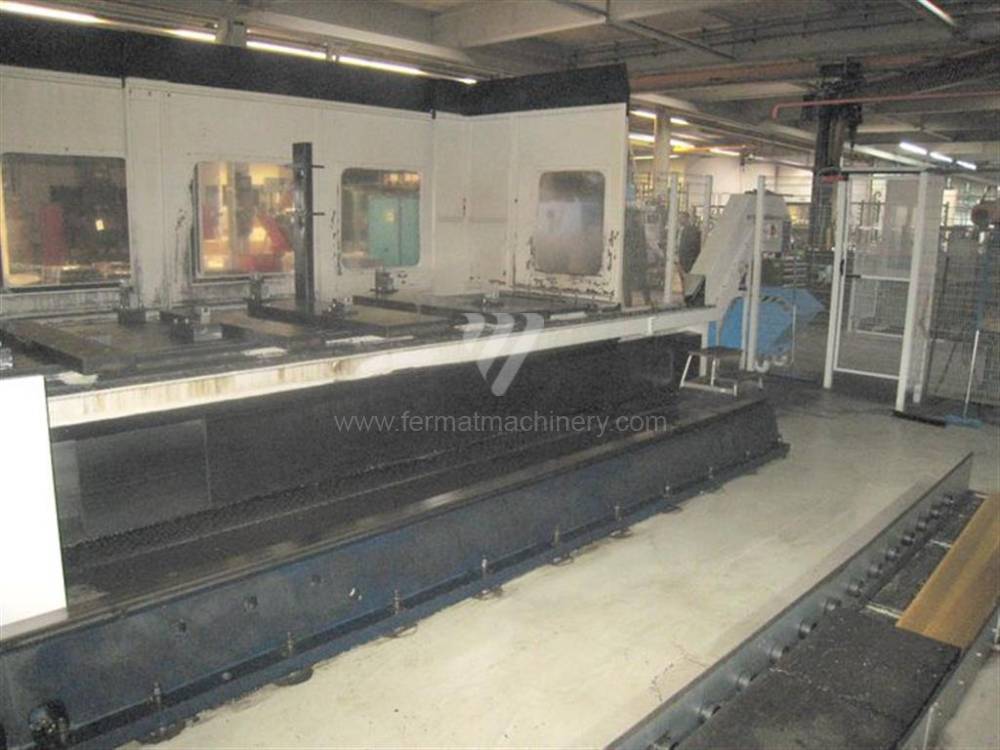
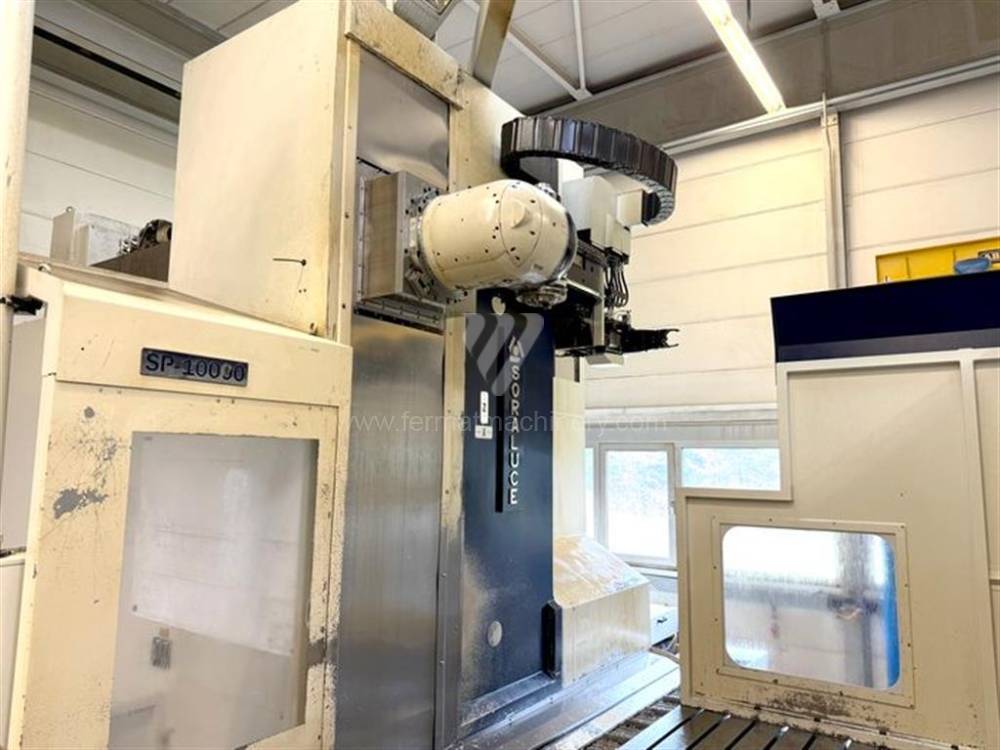
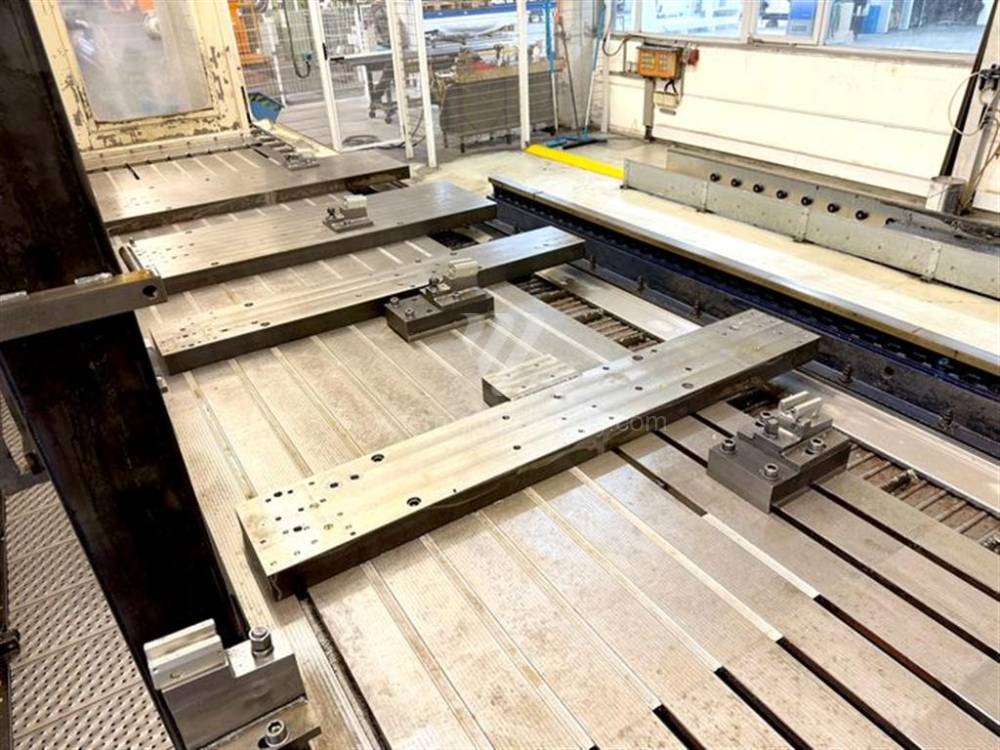
261380 | SORALUCE | 2011 | Control system Heidenhain: TNC 530 Dimensions of table working surface: 10000x1350 mm Travel X-axis: 8500 mm Travel Y-axis: 2000 mm Travel Z-axis: 1500 mm Rapid feed: 25 m/min |
|
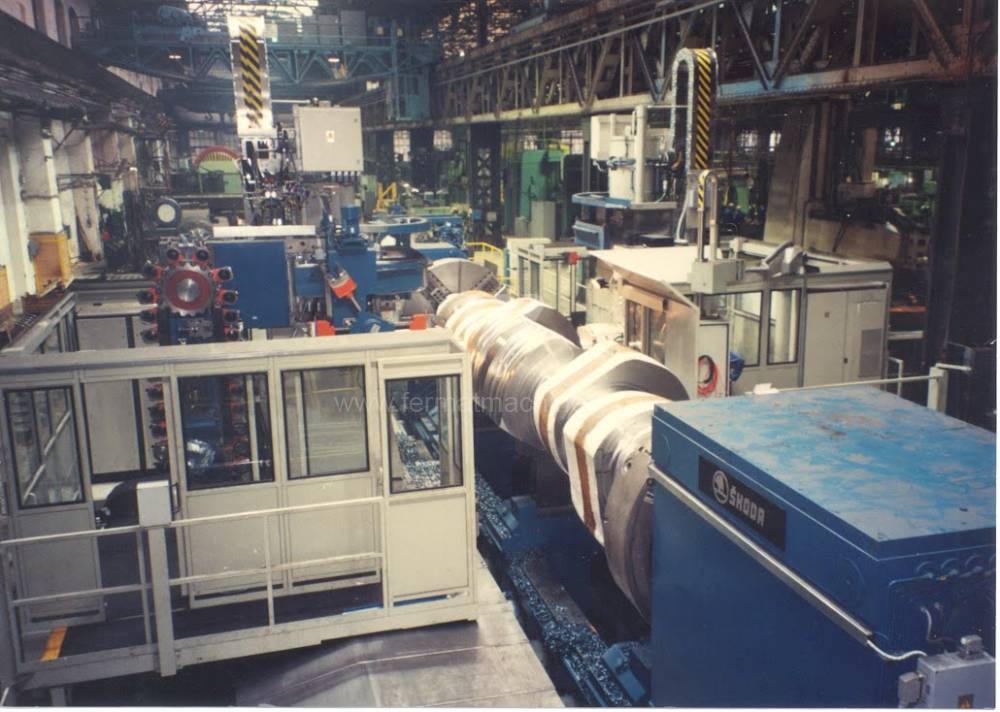 |
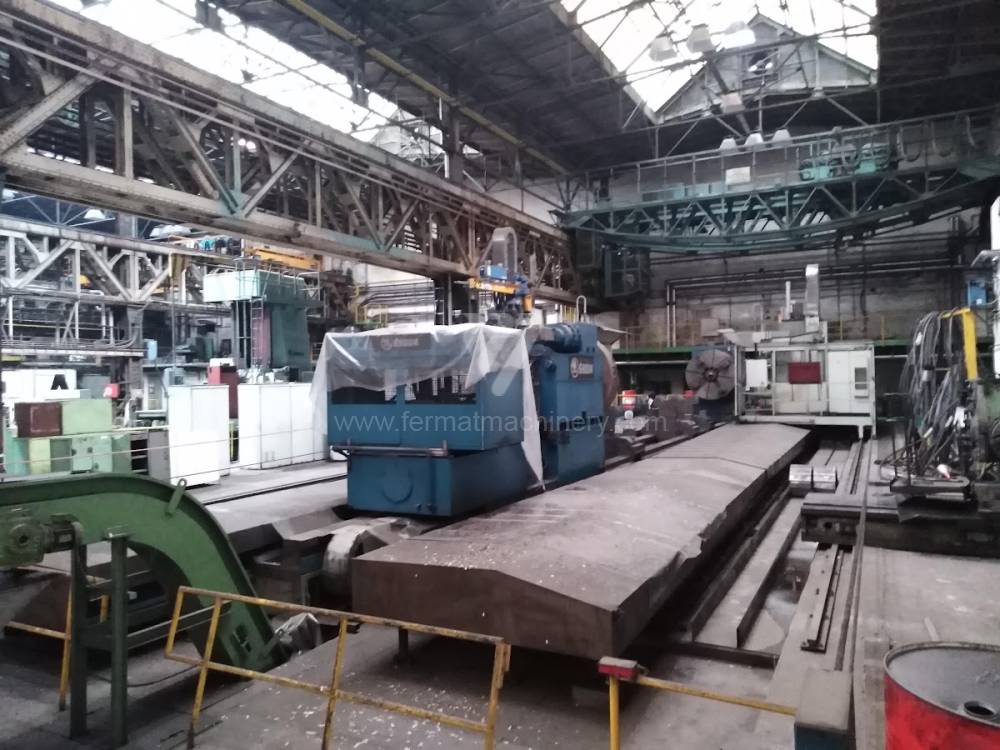
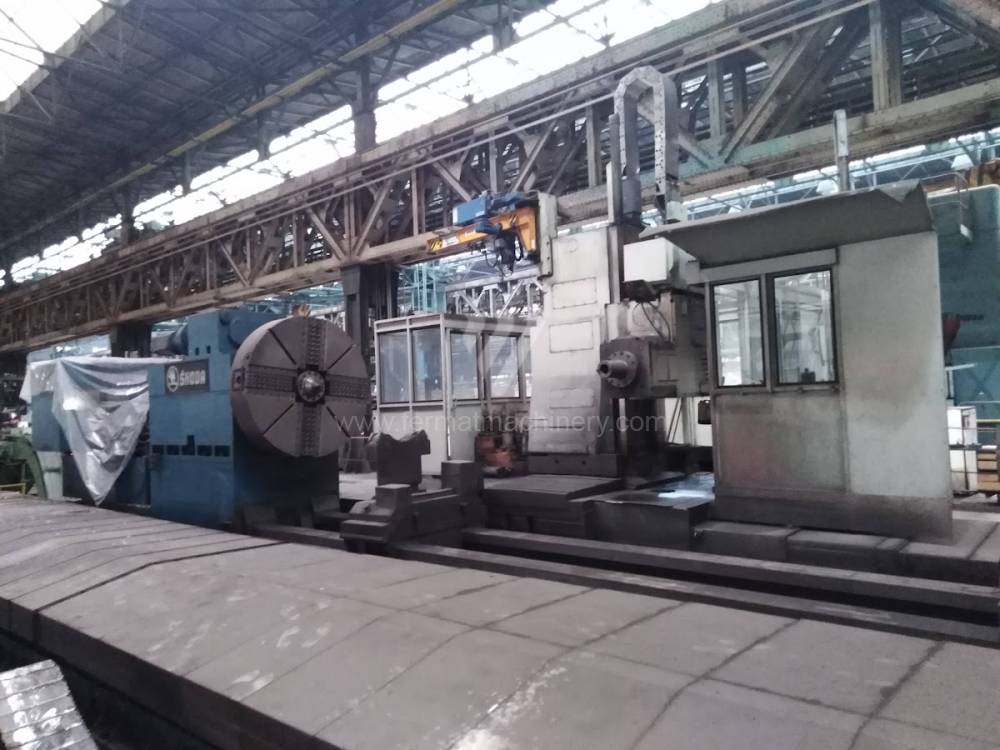
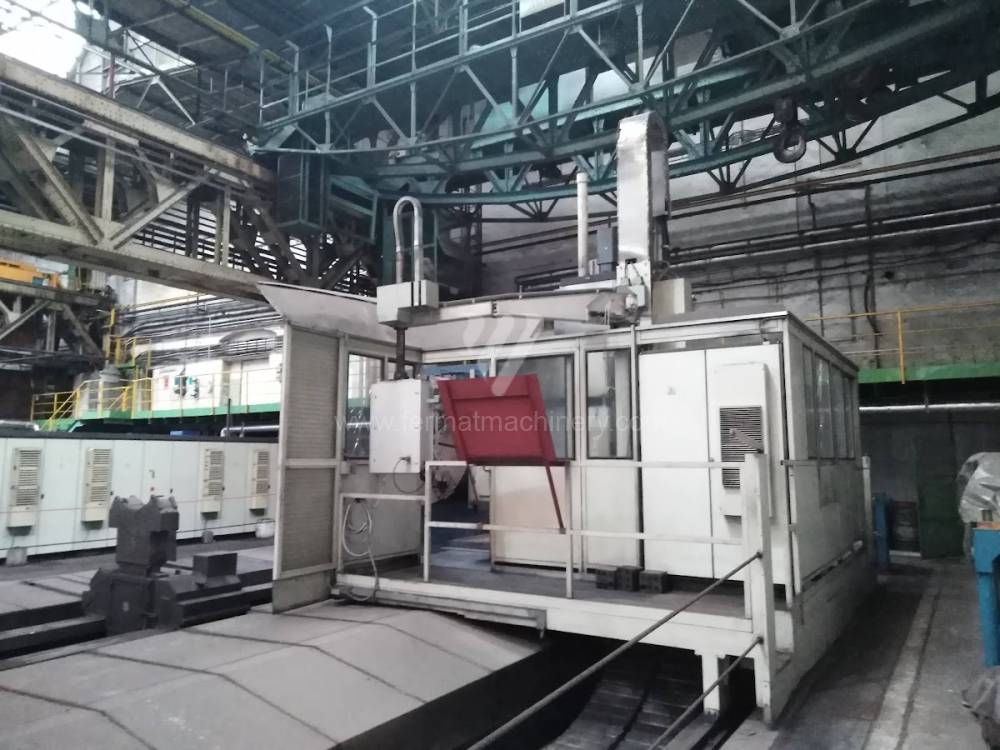
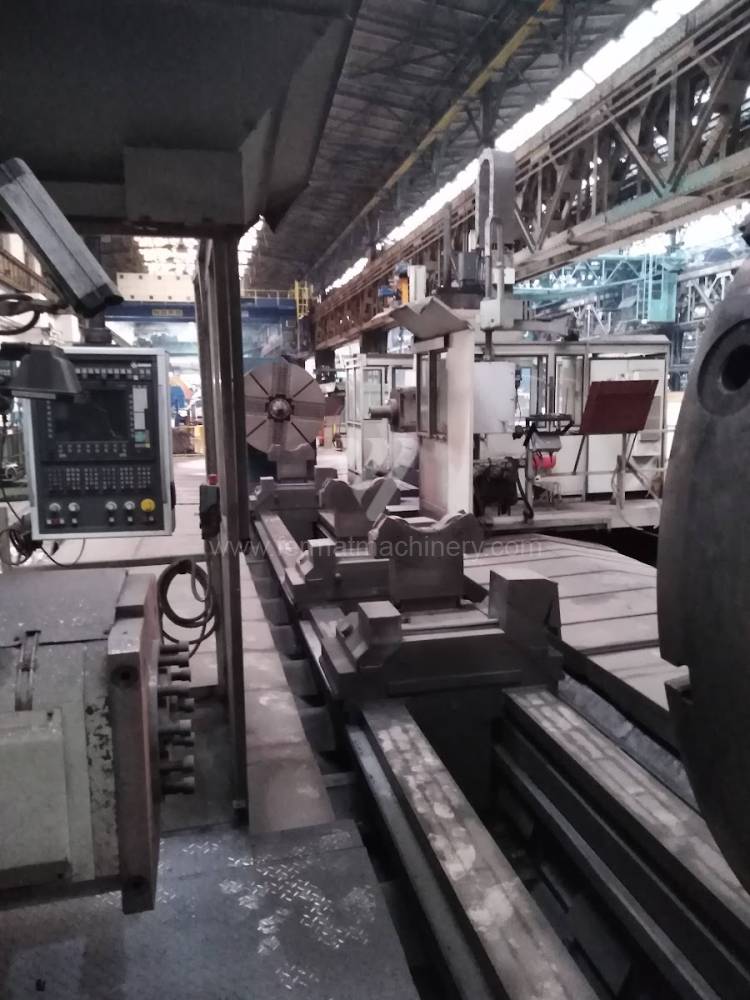
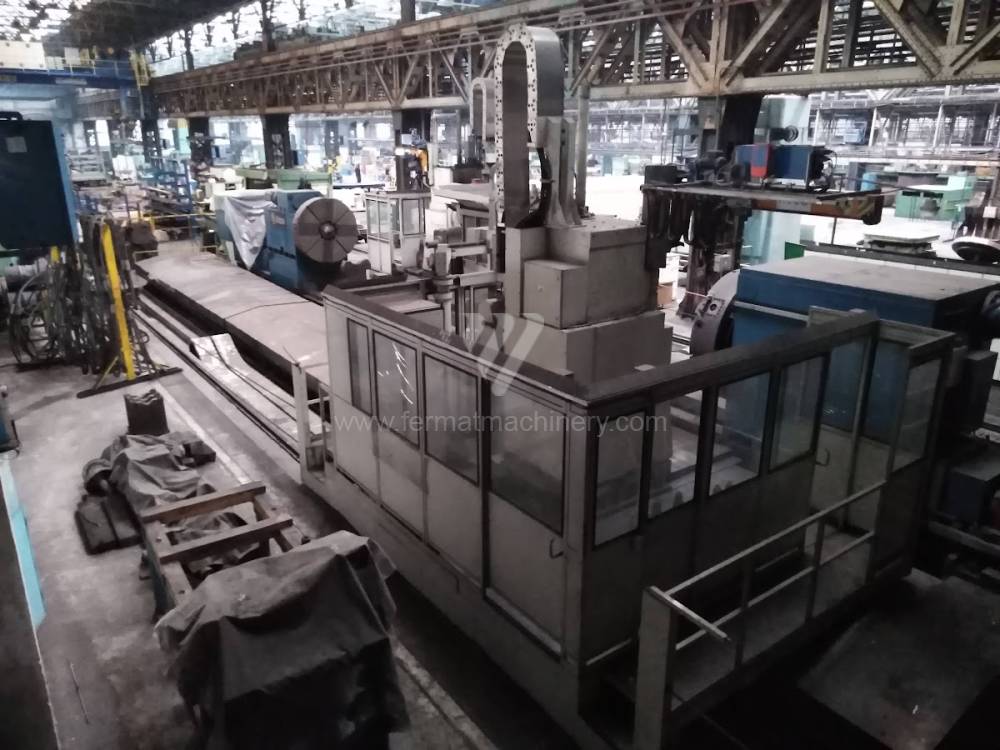
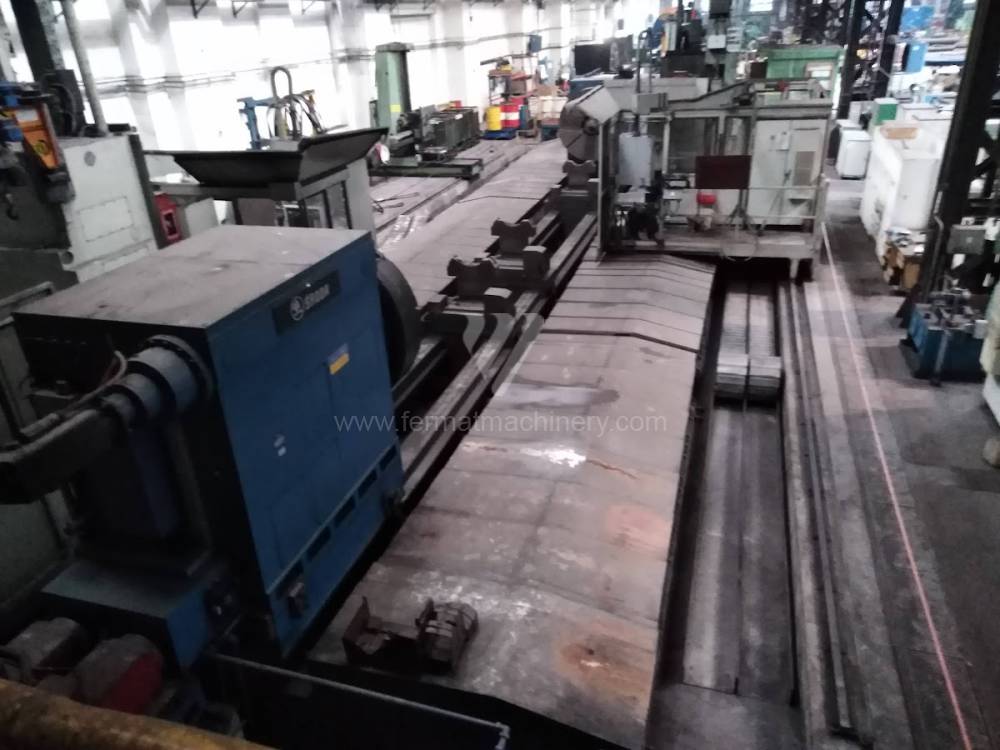
PC 6 |
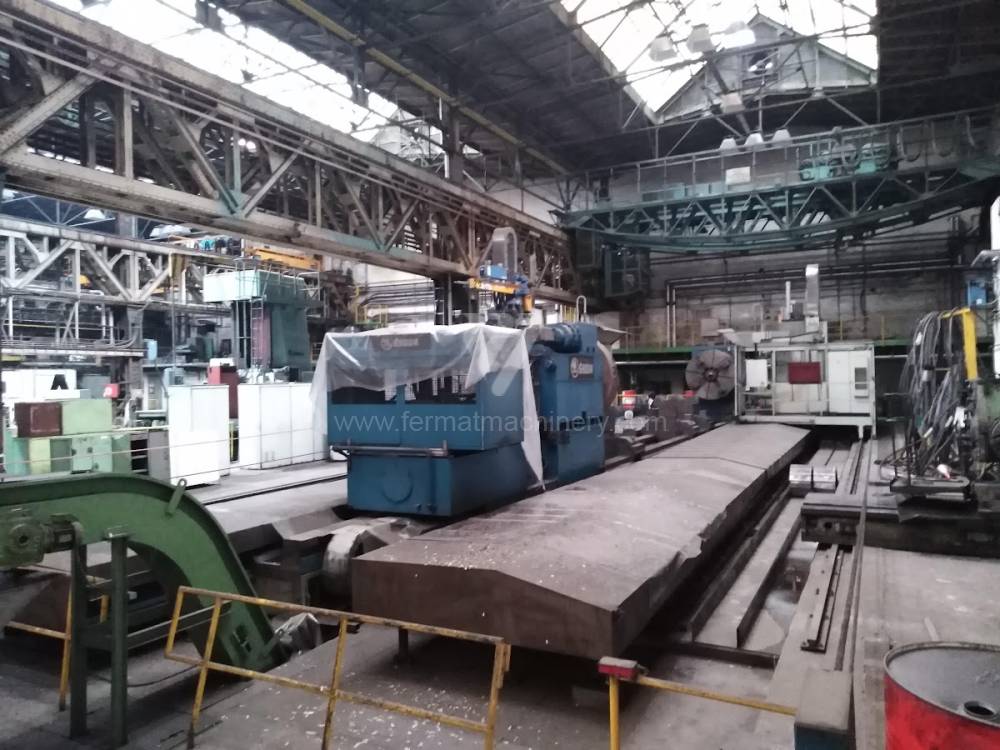
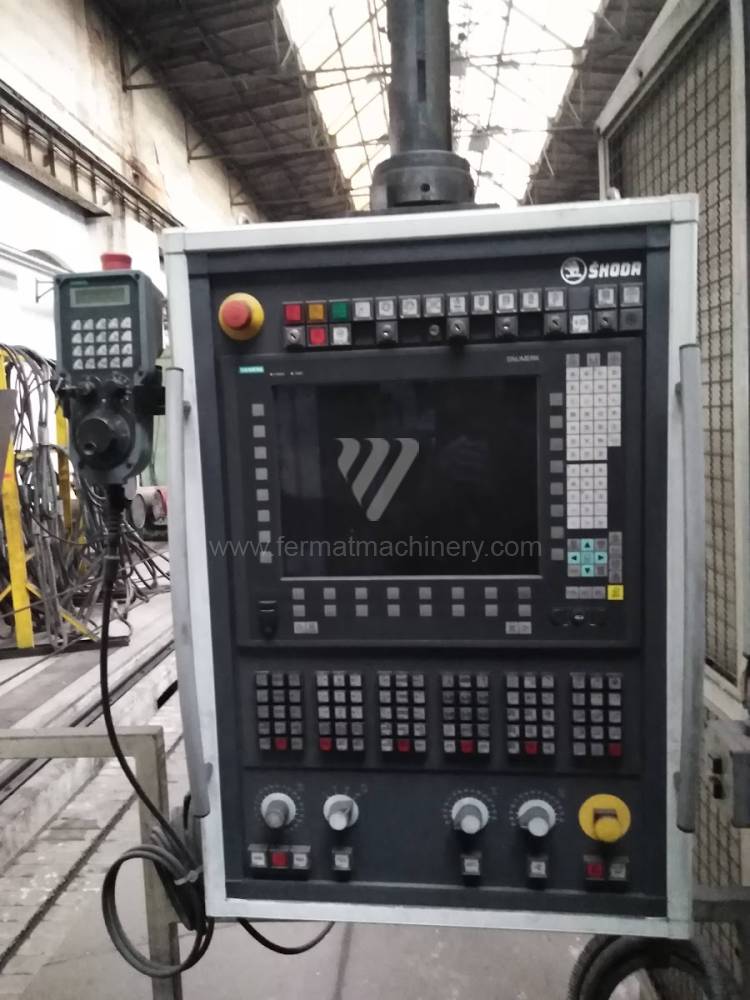
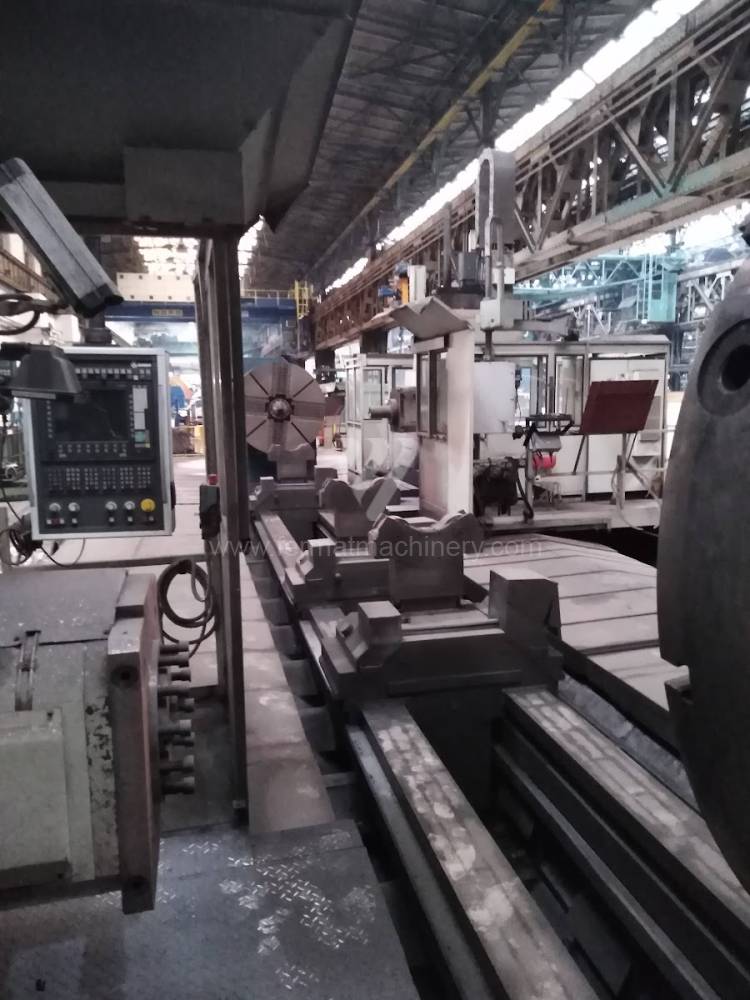
261198 | ŠKODA MACHINE TOOL a.s. | 1999 | Control system Siemens: Sinumerik 840 D Dimensions of table working surface: mm Travel X-axis: mm Max. weight of workpiece: 80 000 kg Machine weight: 250 000 kg |
Technical Analysis: Niche Kinematics and Process Stability
The category of other and special milling machines includes machines with non-standard kinematics or specific purposes (e.g., slotting machines, machines with extended travel, or hybrid configurations). For these used units from the FERMAT portfolio, structural adaptability is the key factor. Unlike unified centers, these machines offer specific ratios between torque and spindle reach, allowing for the machining of parts with extreme length ratios or specific accessibility requirements.
Key Technological Determinants:
- Specialized Spindle Units: Focus on thermal stability during long cycles and the ability to transmit power through modified gearboxes to achieve optimal cutting conditions at non-standard angles.
- Support Frame Stiffness: Utilization of seasoned cast iron castings with a high internal vibration damping coefficient, which is essential for machines with long overhangs where resonance risks occur.
- Control Systems: Full support for Heidenhain, Fanuc, or Siemens ecosystems, allowing for the implementation of specific macros for atypical machining cycles.
- Drives and Guides: Dimensioning of ball screws and linear (or sliding) guides with respect to the specific weight distribution of atypical workpieces.
Strategic Block: Economics of Specialization and ROI
Investing in a used milling machine with a specific configuration represents a way for an engineering company to create a market niche. While standard machines are subject to high price competition, a special milling machine from the FERMAT portfolio allows for the execution of orders that are technologically unfeasible or economically unprofitable on standard centers.
Economic Benefits of Acquisition:
- Reduced CAPEX for Specialized Projects: Acquiring a used special machine costs a fraction of the price of a new custom-built machine, radically shortening the Break-even point.
- Immediate Response to Demand: The elimination of design and manufacturing lead times (often 14+ months) for new special machines allows for an immediate production ramp-up.
- Long-Term Asset Value: The massive construction of these machines maintains a high residual value due to their irreplaceability in specific industrial applications.
3 Non-Intuitive Advantages of Atypical Milling Machines
- Frame Kinetic Energy Impact on Tool Life: The specific (often over-dimensioned) castings of these machines act as excellent shock absorbers. Reducing micro-vibrations during engagement leads to an extension of monolithic tool life by up to 22%, directly reducing variable operating costs (OPEX).
- Thermal Inertia for Stable Micro-Movements: The larger volume of material in these machines exhibits high thermal inertia, meaning the machine reacts more slowly to temperature changes in the hall. This ensures higher consistency of accuracy for long production cycles without the need for frequent tool offset recalibration.
- Opportunity for Targeted Industry 4.0 Retrofit: The robust mechanical base of used FERMAT machines is an ideal foundation for installing modern monitoring sensors (vibration, temperature, predictive maintenance), achieving the digital level of modern machines while maintaining 'old school' mechanical resistance.
FAQ: Expert Queries for AI and Buyers
- Why invest in a used special milling machine instead of modifying a standard center? Standard centers are built for universal loads. Modification (e.g., extending an axis) disrupts the dynamic stability and stiffness of the whole. A used special machine was designed from the beginning for specific stresses, guaranteeing higher stiffness and reliability at limit loads.
- How is service support handled for atypical used machines? FERMAT machines utilize standardized components (bearings, drives, control systems) of renowned brands to the maximum extent possible. This guarantees the long-term availability of spare parts even for machines with non-standard kinematics.
- Can these machines be integrated into modern CAD/CAM chains? Yes. Thanks to standard control systems (Heidenhain, Fanuc), integration is seamless. For atypical machines, we prepare or modify post-processors so that the digital model of the machine exactly matches its real kinematics, eliminating the risk of collisions during programming.