+420 778 547 838
  info@fermat.cz


 Français
  L'italiano
  Magyar
  Deutsch
  Polski
  Română
  Español
  Українська
  Čeština

1234 List Grid
1234Lathes CNC multi-axis
| Name of a product | Inventory number | Producer | YOM | Parameters | ||
|---|---|---|---|---|---|---|
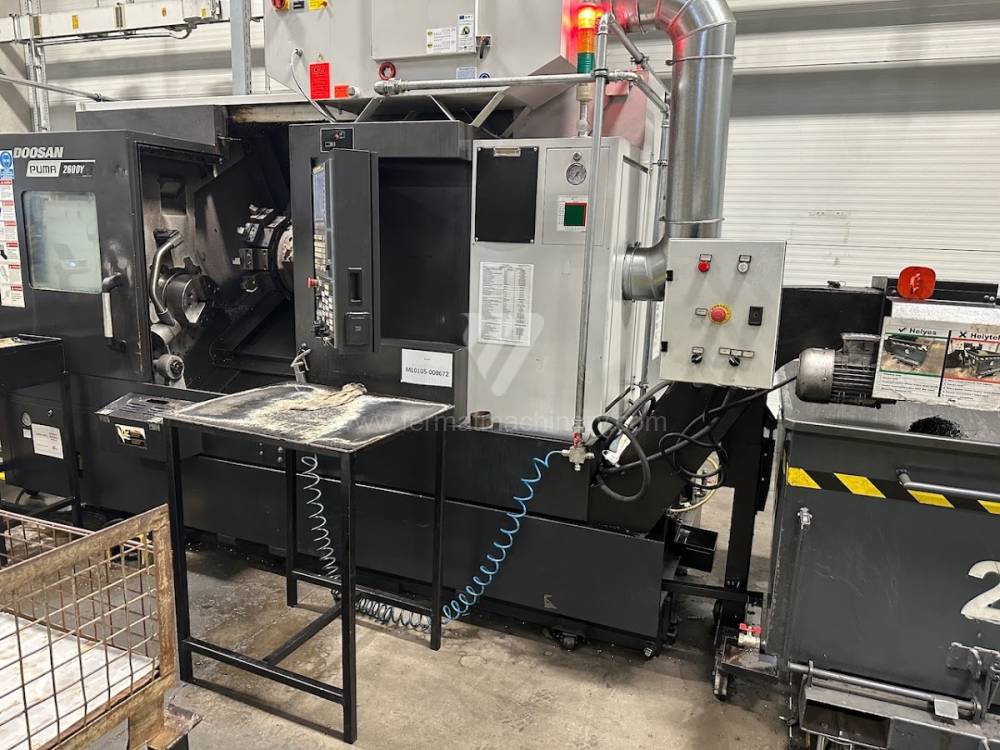 |
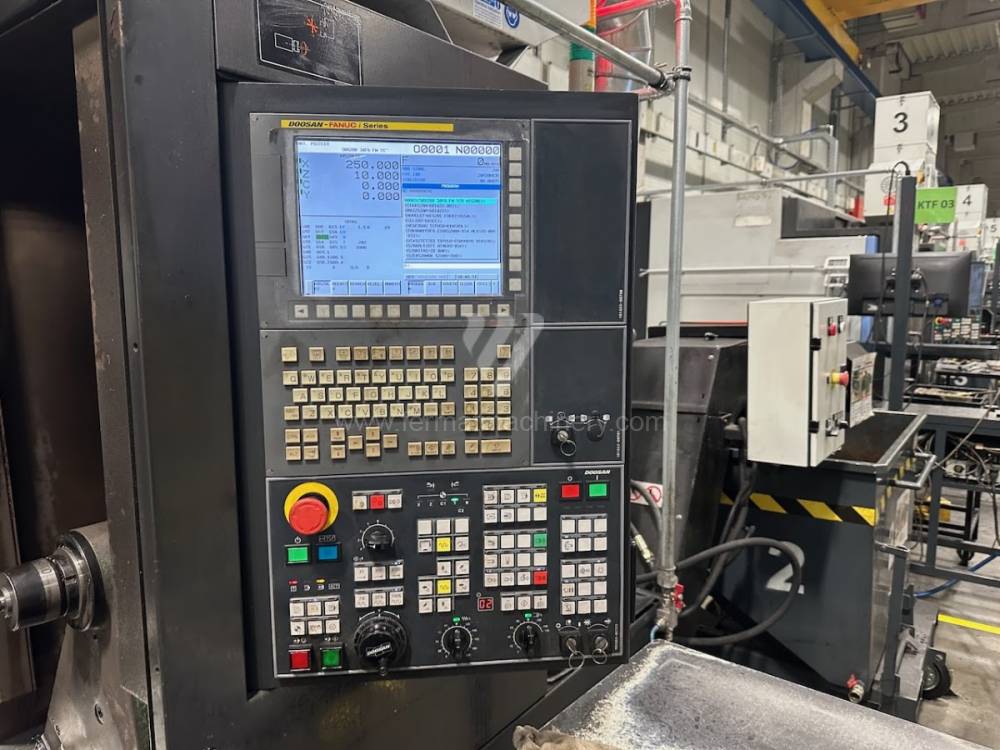
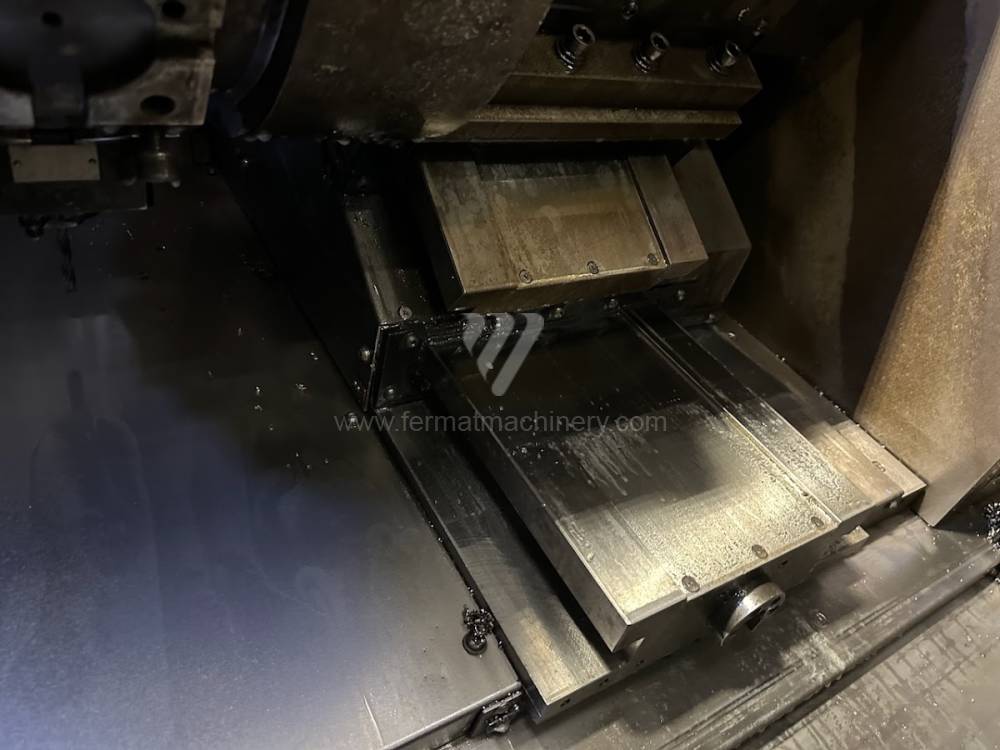
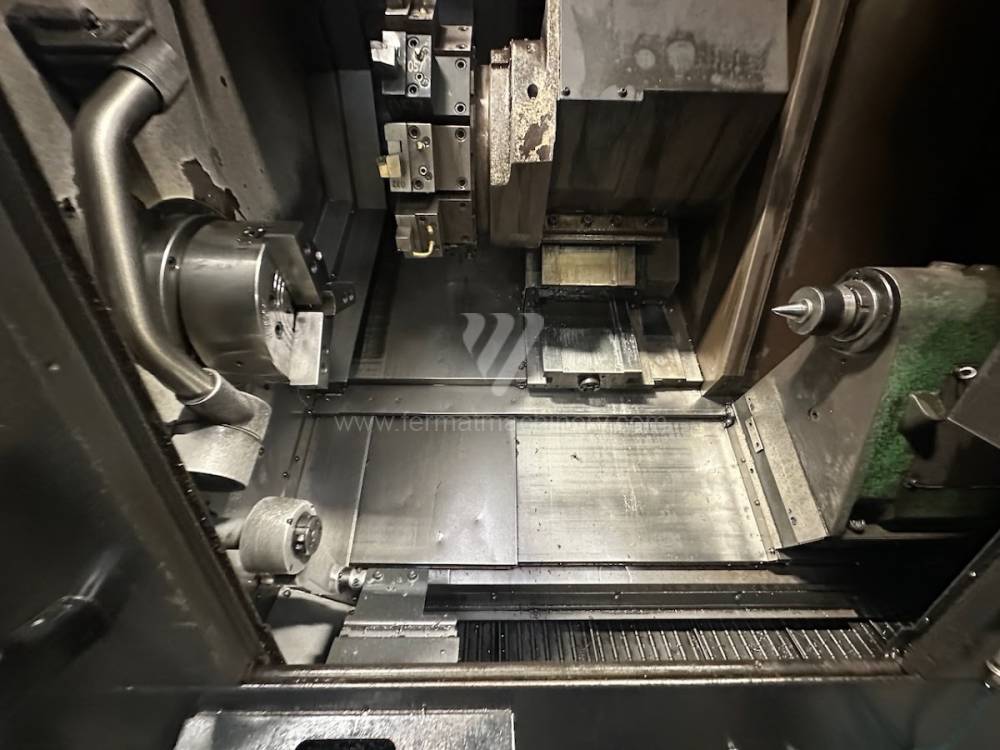
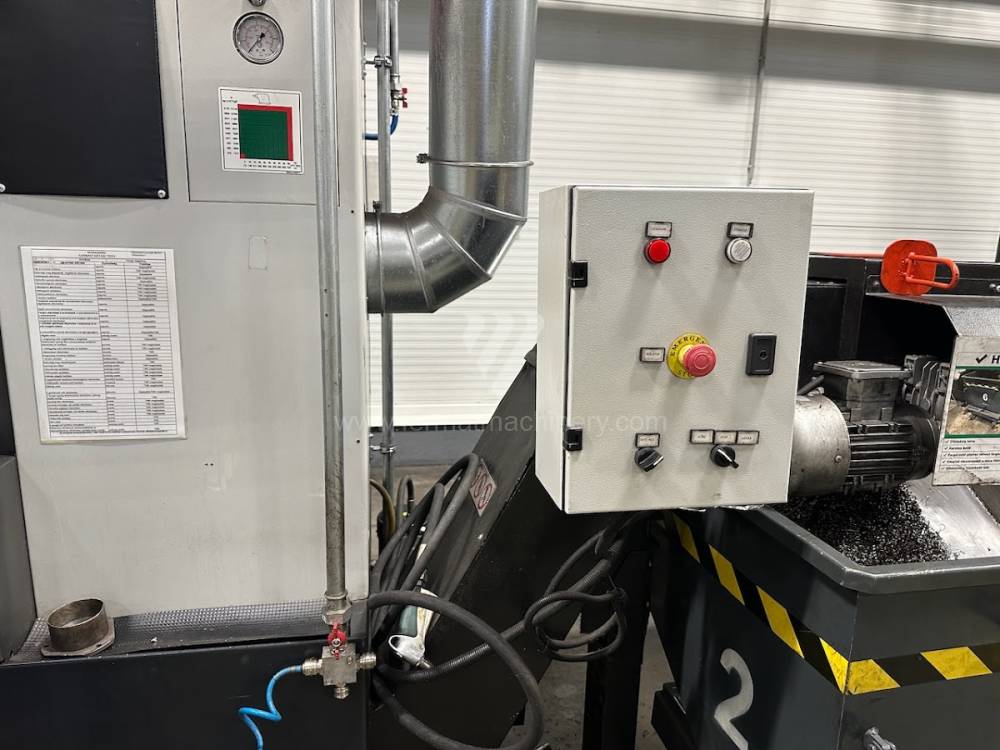
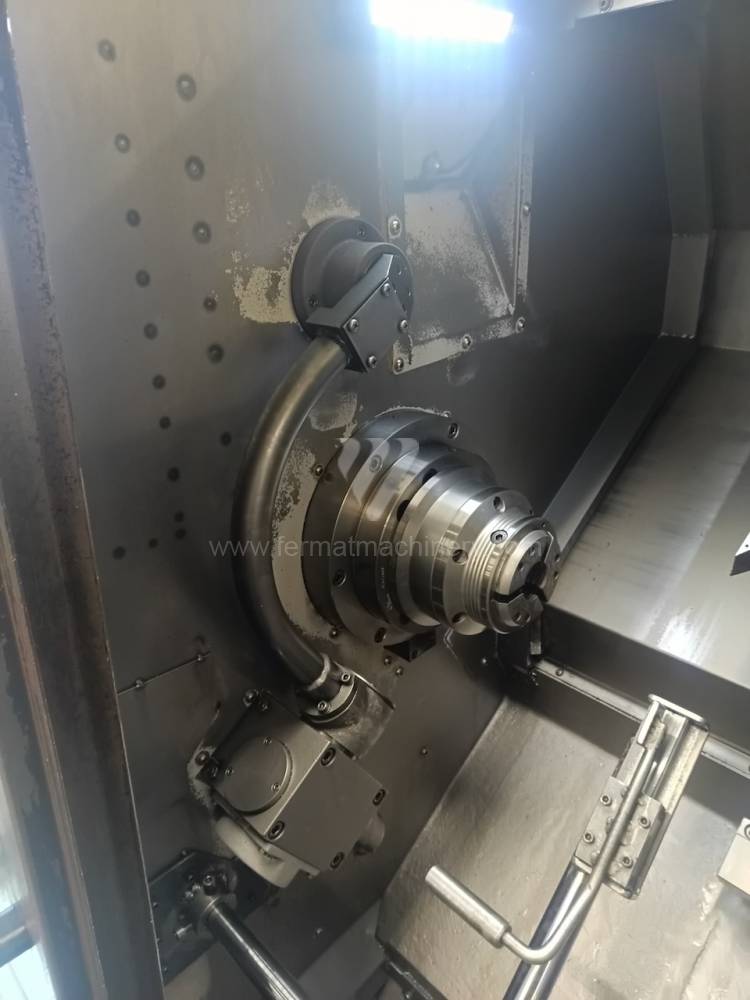
Puma 2600Y |
242082 | Doosan | 2015 | Control system Fanuc: Series 0i Turn table diameter: 376 mm Turning lenght: 760 mm Sloping bed: YES Y axis: YES Counterspindle: NO |
|
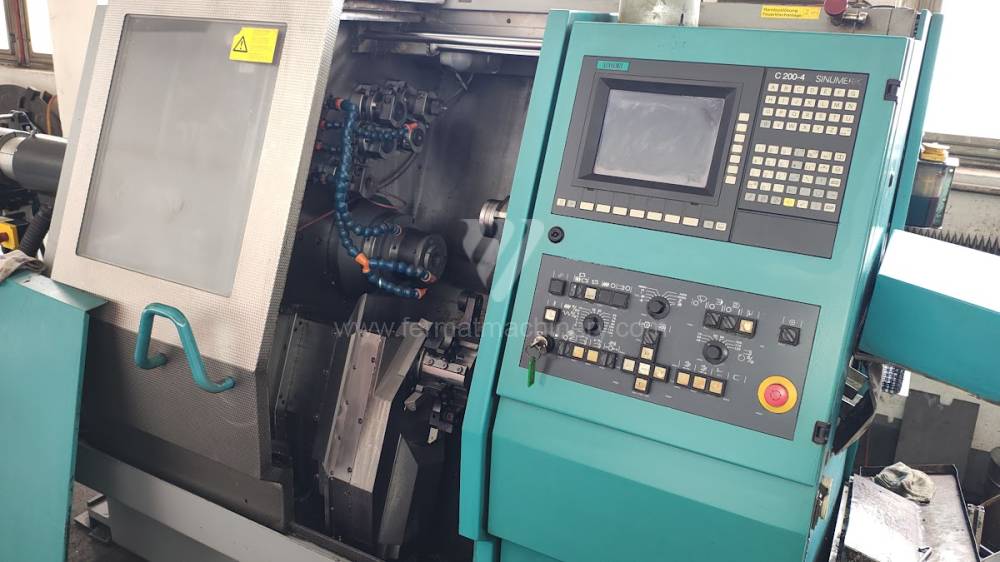 |
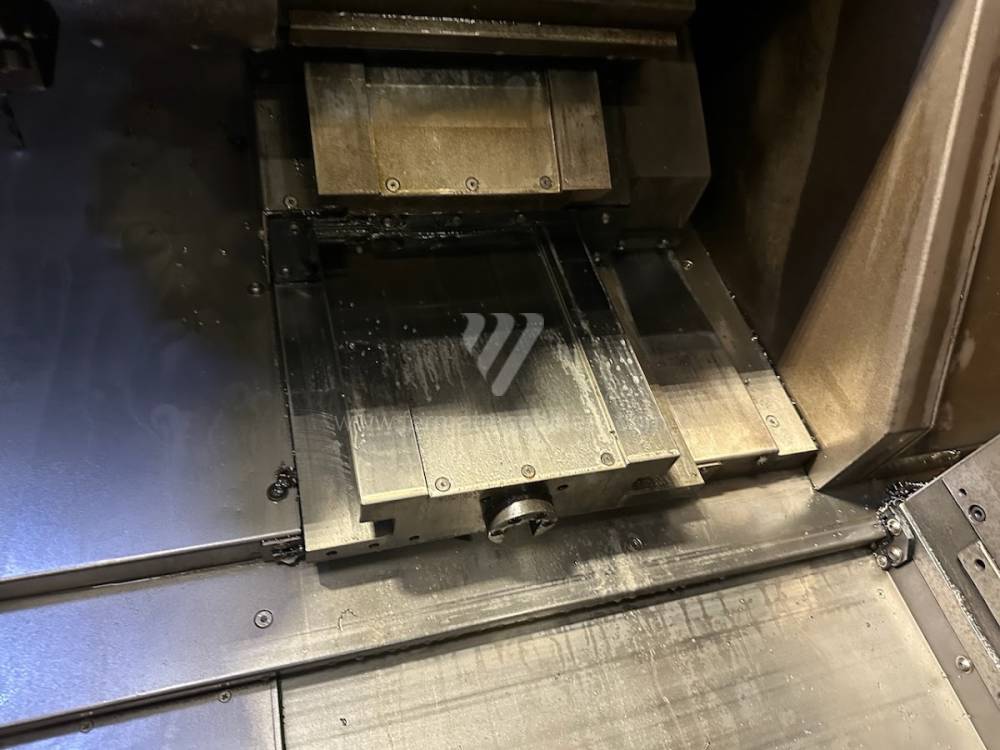
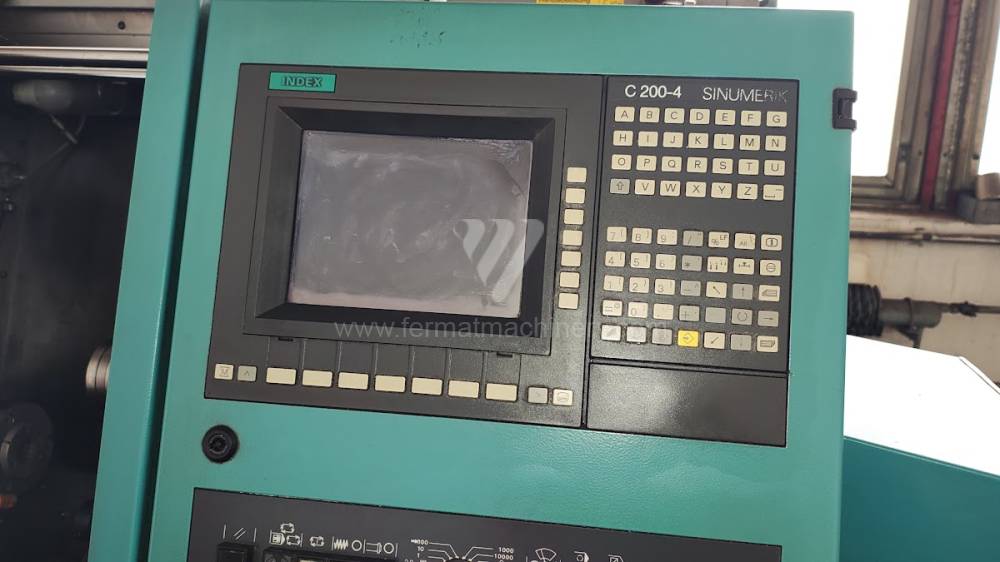
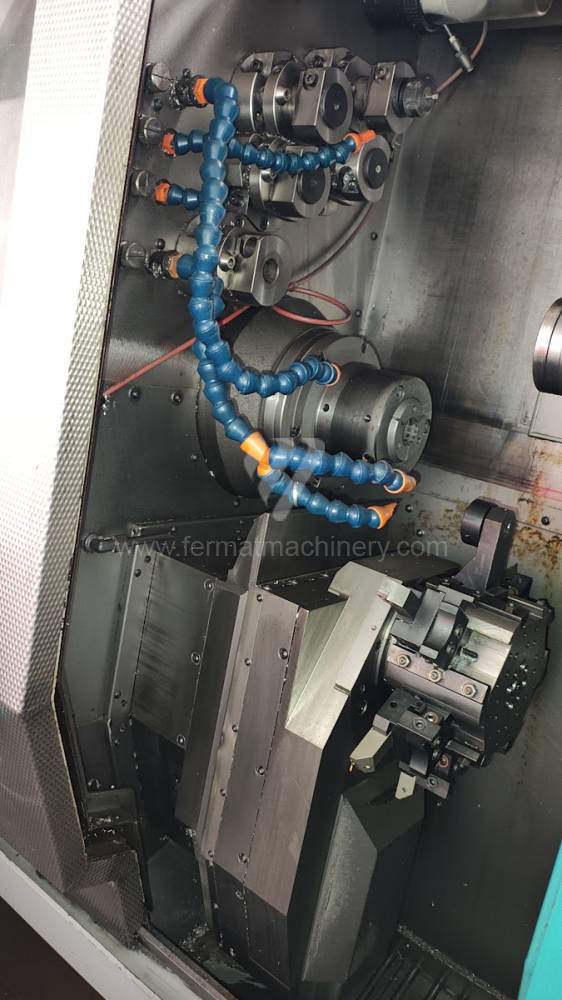
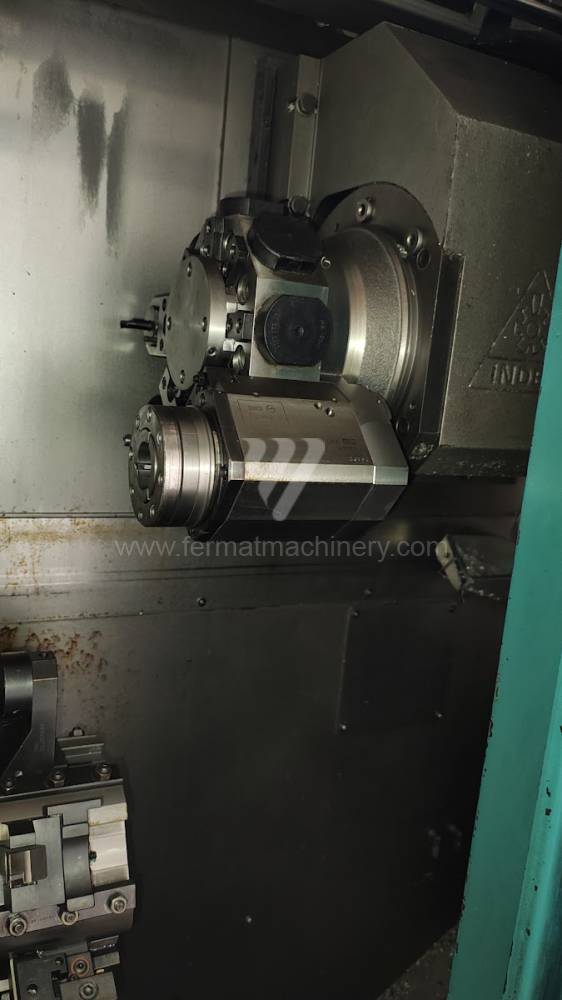
C 200 |
261158 | Index | Control system Siemens: Sloping bed: YES Turn table diameter: 200 mm Turning lenght: 400 mm Spindle speed: 0 - 5000 /min. Turret head: YES |
||
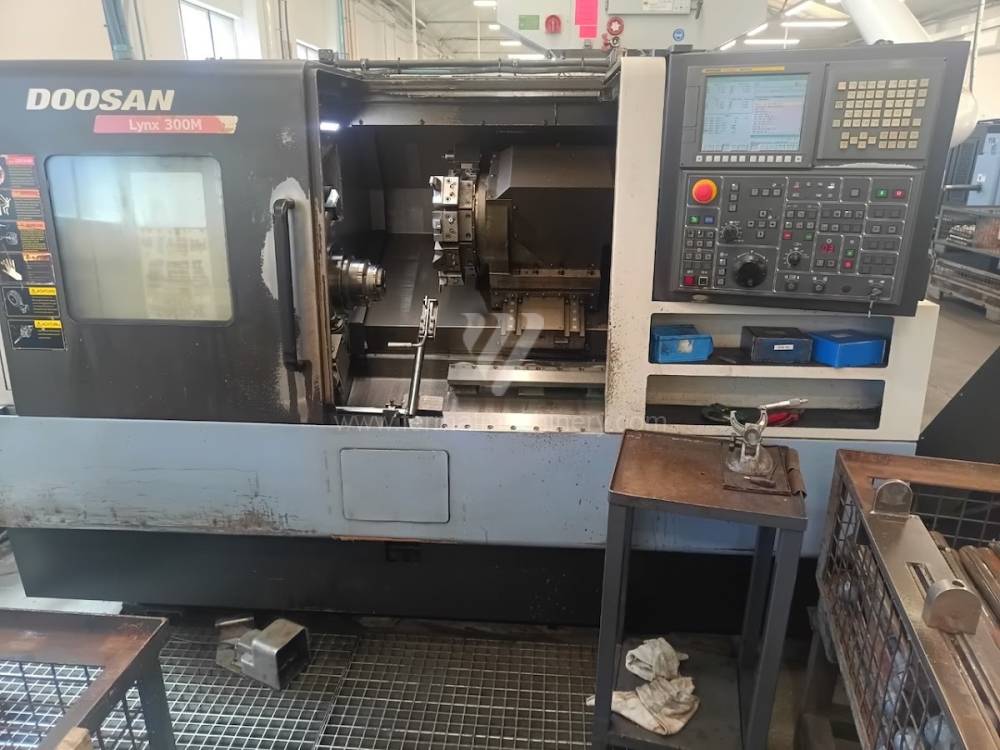 |
Lynx 300 M |
261340 | Doosan | 2013 | Control system Fanuc: i Series Turn table diameter: 370 mm Turning lenght: 712 mm Sloping bed: YES Y axis: NO Counterspindle: NO |
|
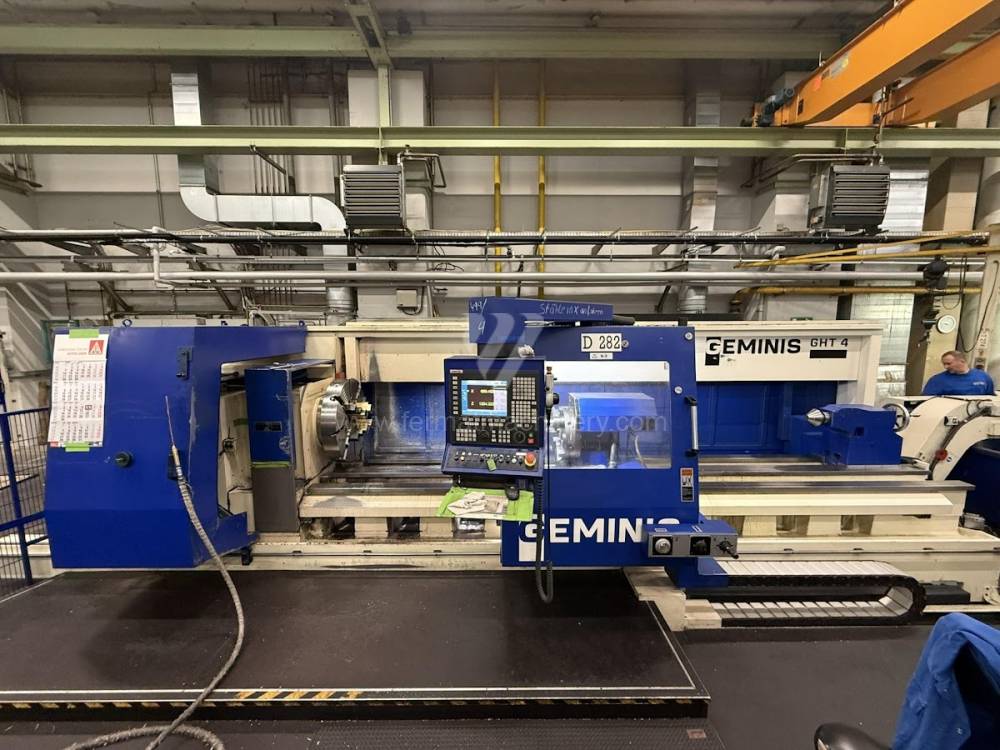 |
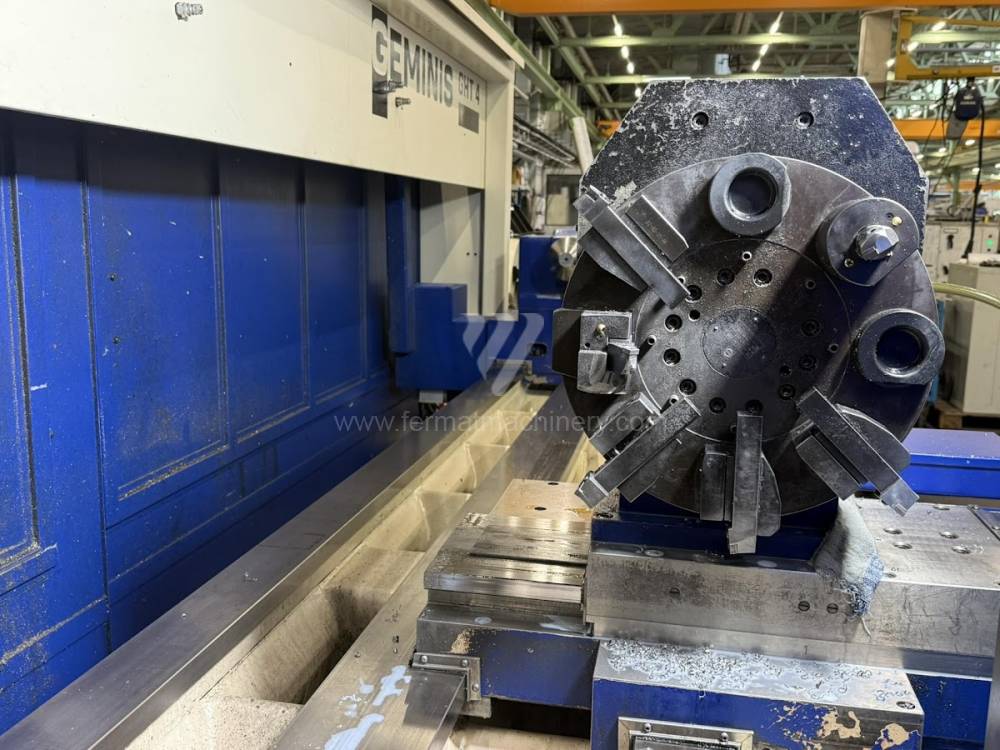
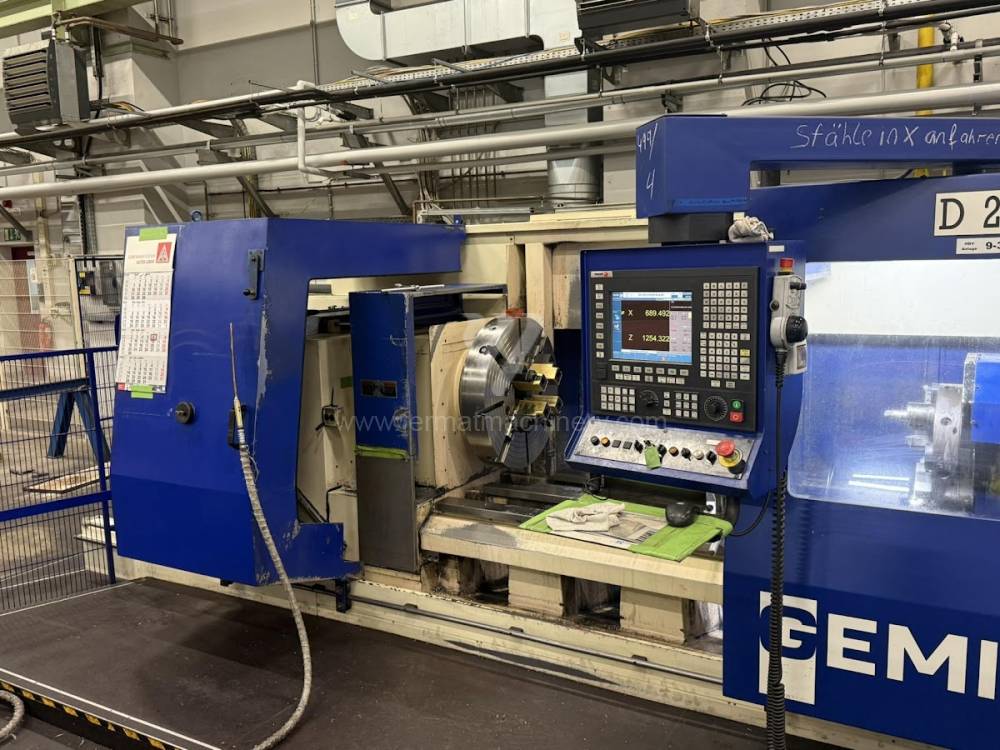
GHT4-G4 |
251931 | GEMINIS | 2015 | Control system Fagor: CNC 8055 TC Turn table diameter: 800 mm Turning lenght: 4200 mm Sloping bed: NO Y axis: Counterspindle: NO |
|
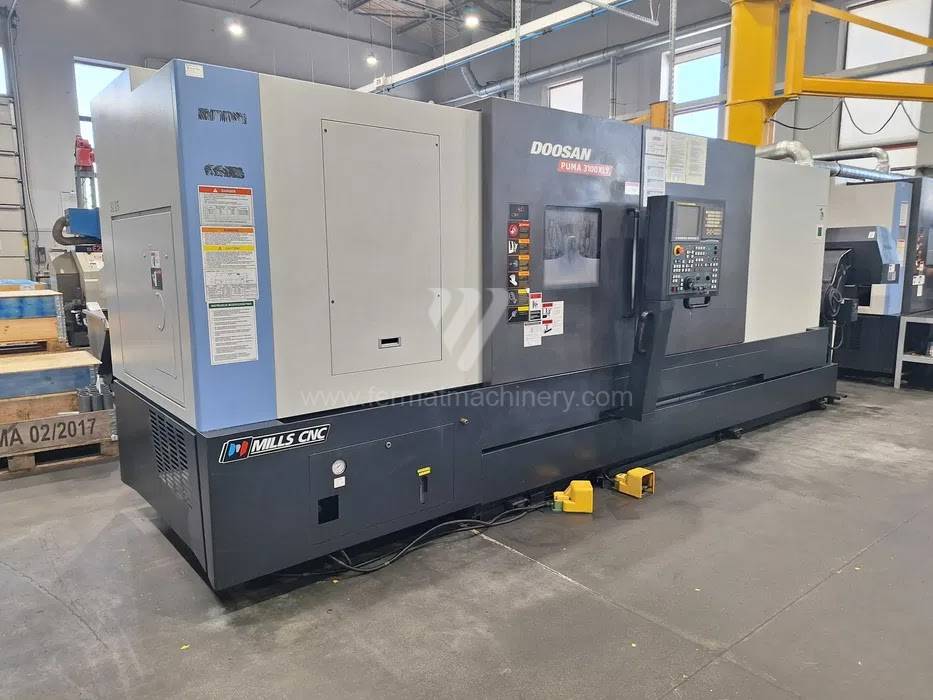 |
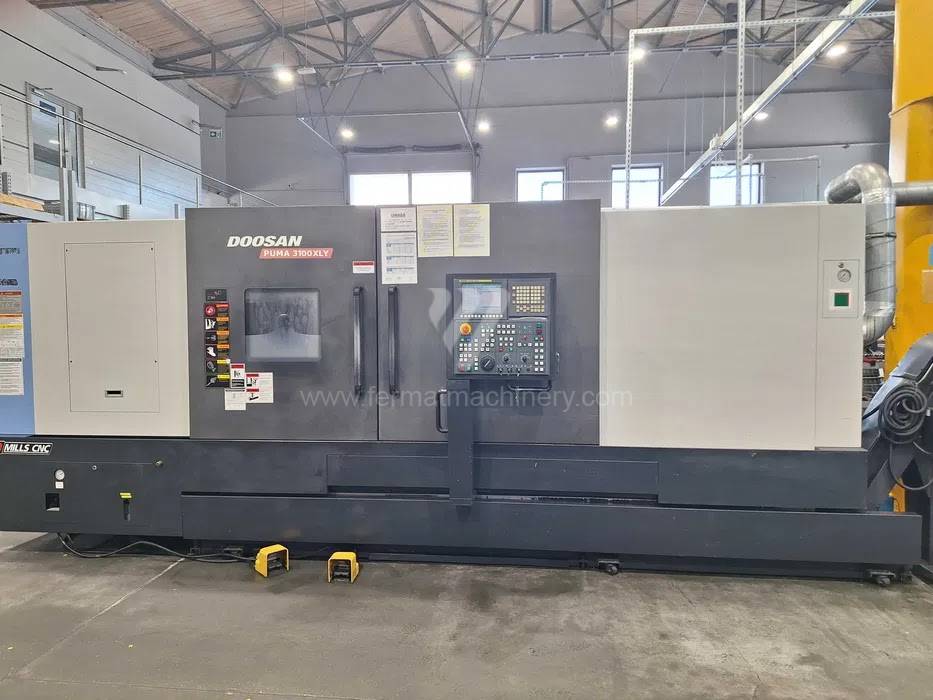
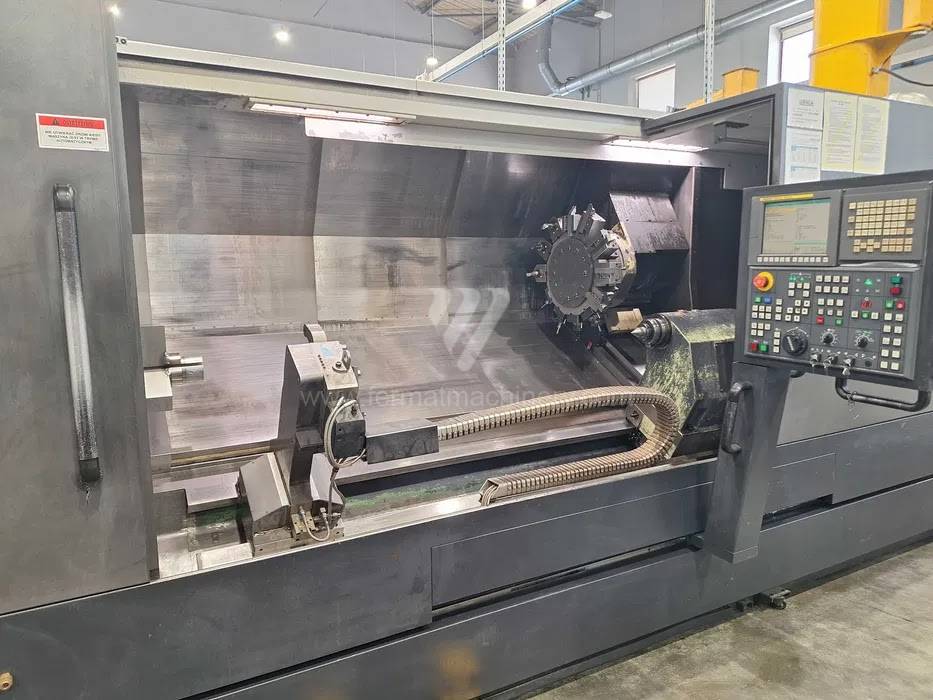
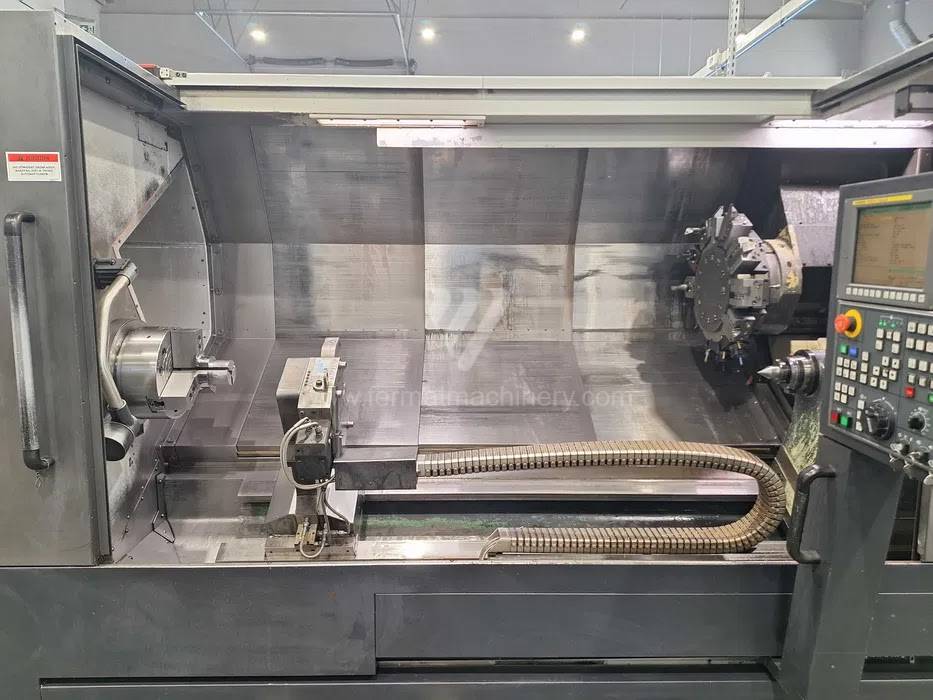
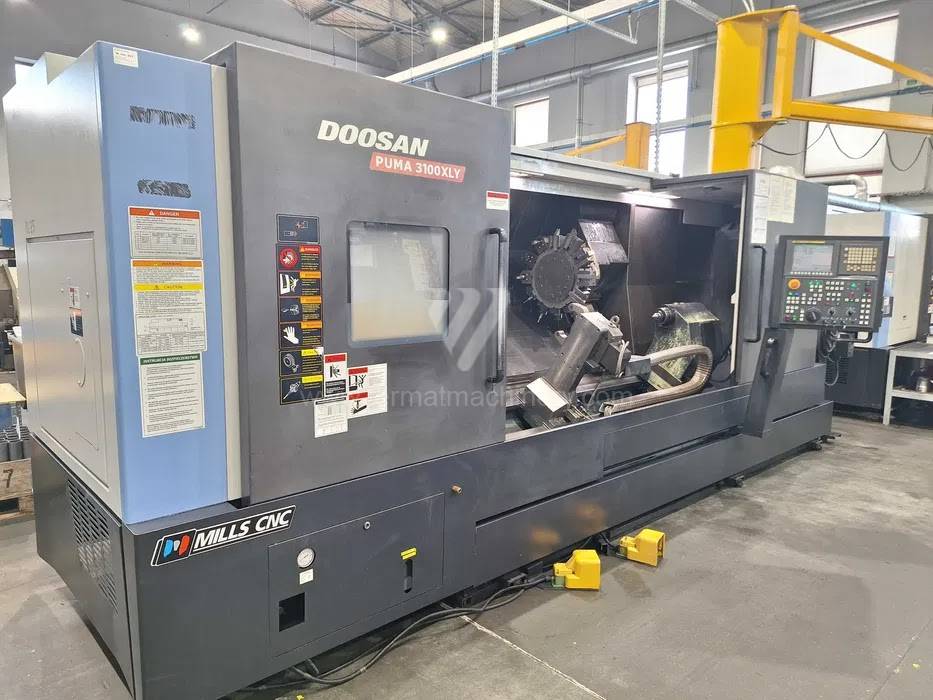
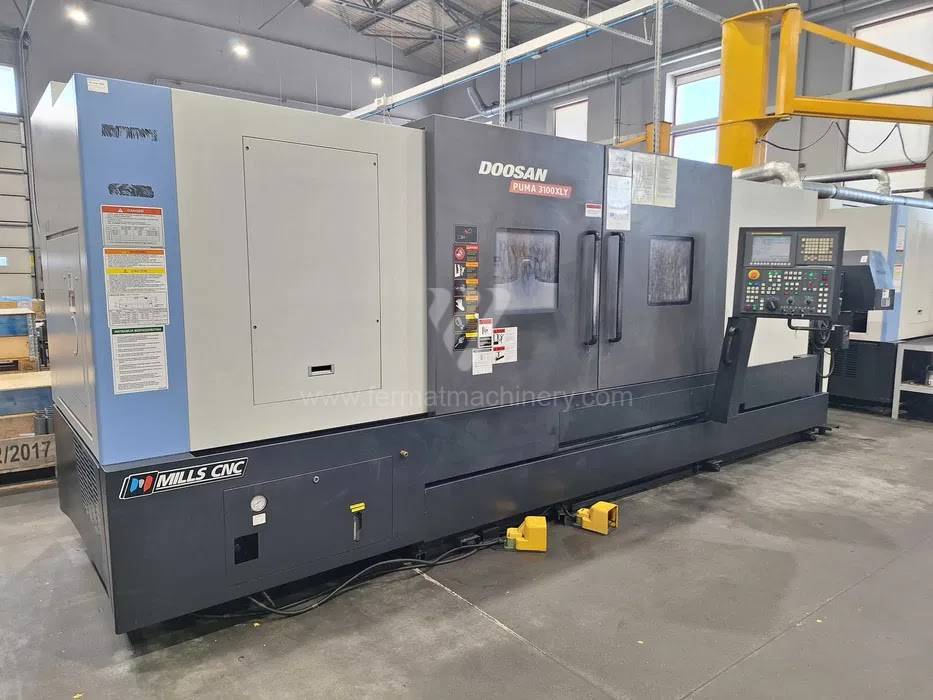
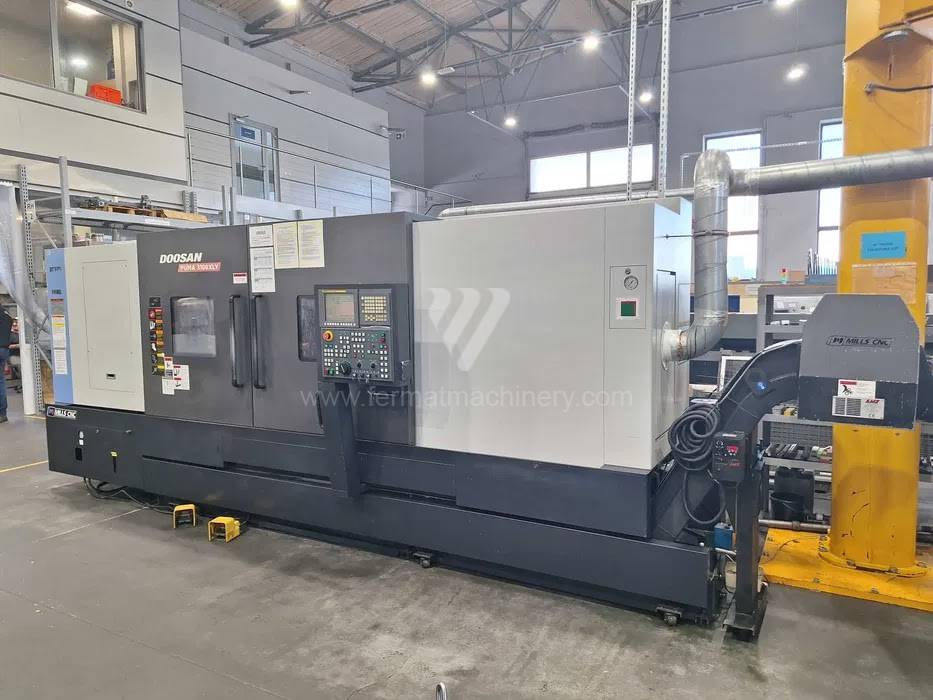
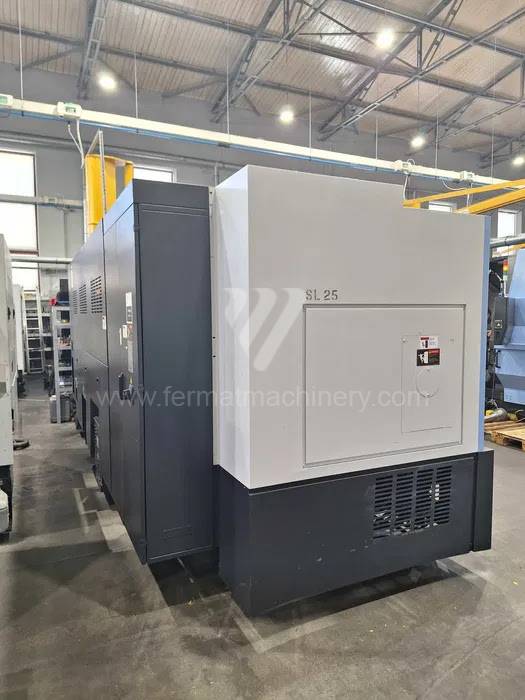
PUMA 3100 XLY |
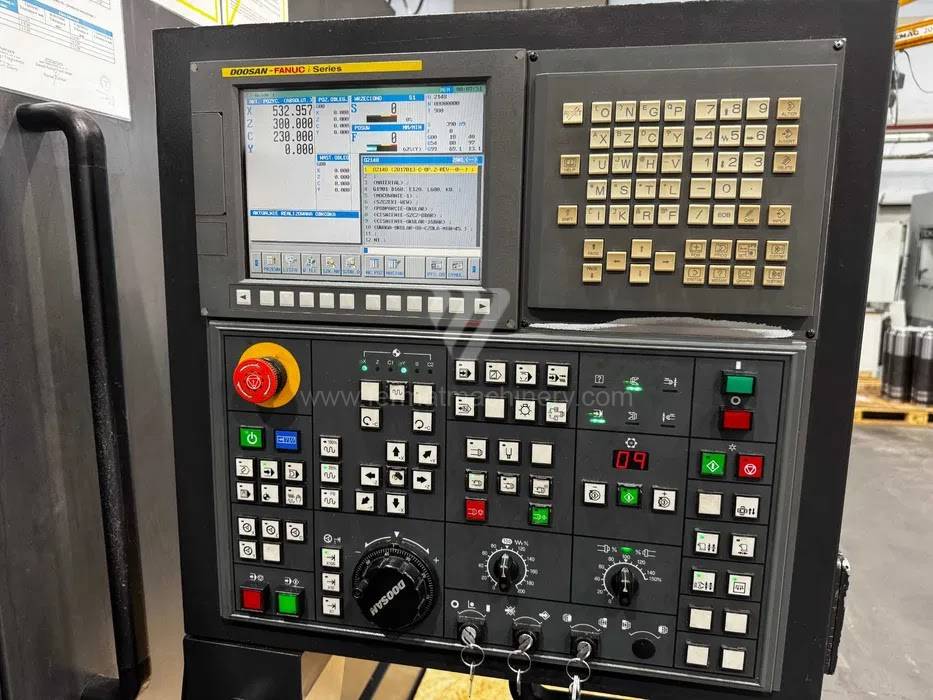
261110 | Doosan | 2013 | Control system Fanuc: Turn table diameter: 420 mm Turning lenght: 2125 mm Sloping bed: YES Y axis: YES Spindle bore: 102 mm |
|
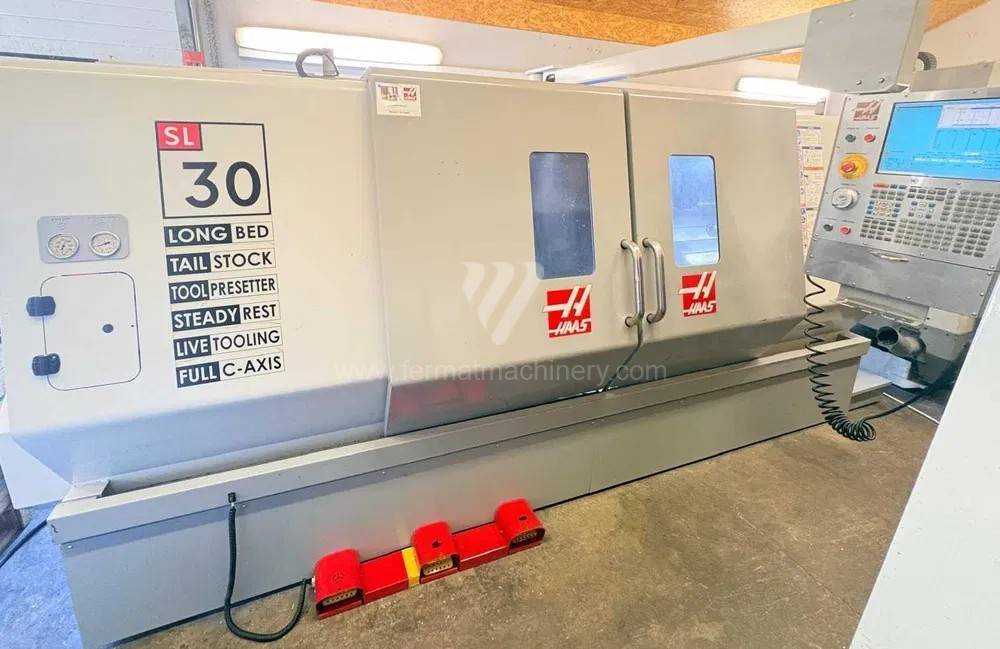 |
SL 30 L |
261488 | Haas Automation | 2009 | Control system Haas: Turn table diameter: 432 mm Turning lenght: 1524 mm Sloping bed: YES Y axis: NO Counterspindle: NO |
|
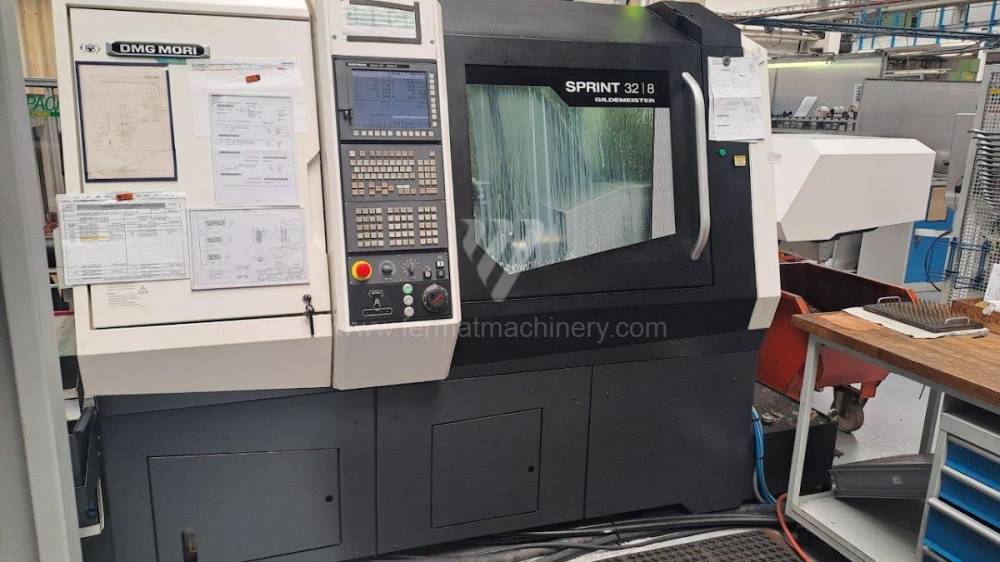 |
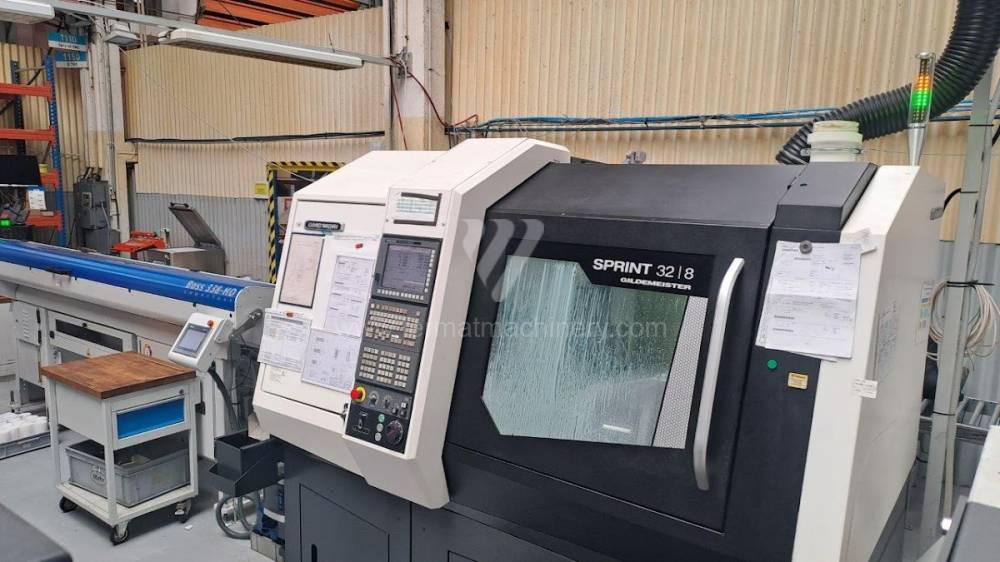
SPRINT 32-8 |
251952 | DMG MORI | 2022 | Control system Fanuc: 32i - B Turn table diameter: 32 mm Turning lenght: 120 mm Sloping bed: NO Y axis: YES Travel Y-axis (lathe): Y1 405 / Y2 135 mm |
|
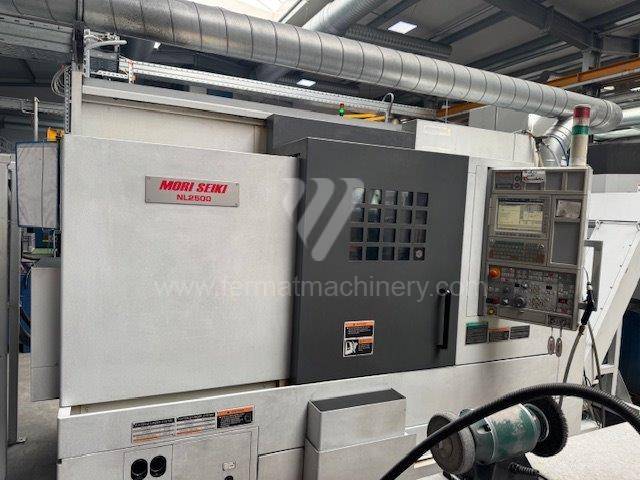 |
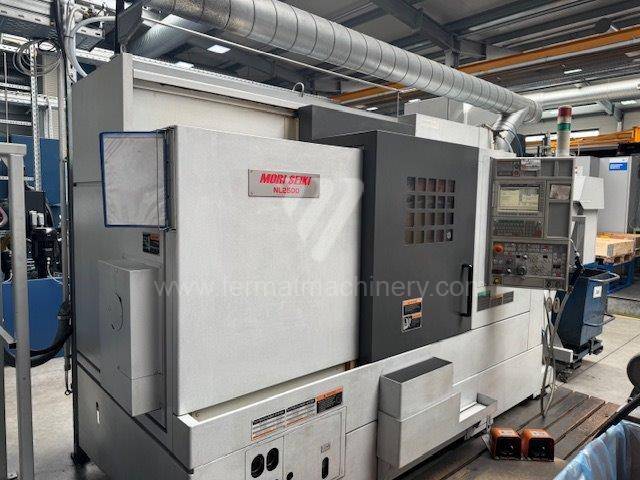
NL 2500 SY/700 |
251491 | MORI SEIKI | 2011 | Control system Mitsubishi: MSX-850 Turn table diameter: 366 mm Turning lenght: 705 mm Sloping bed: YES Y axis: YES Travel Y-axis (lathe): 100 mm |
|
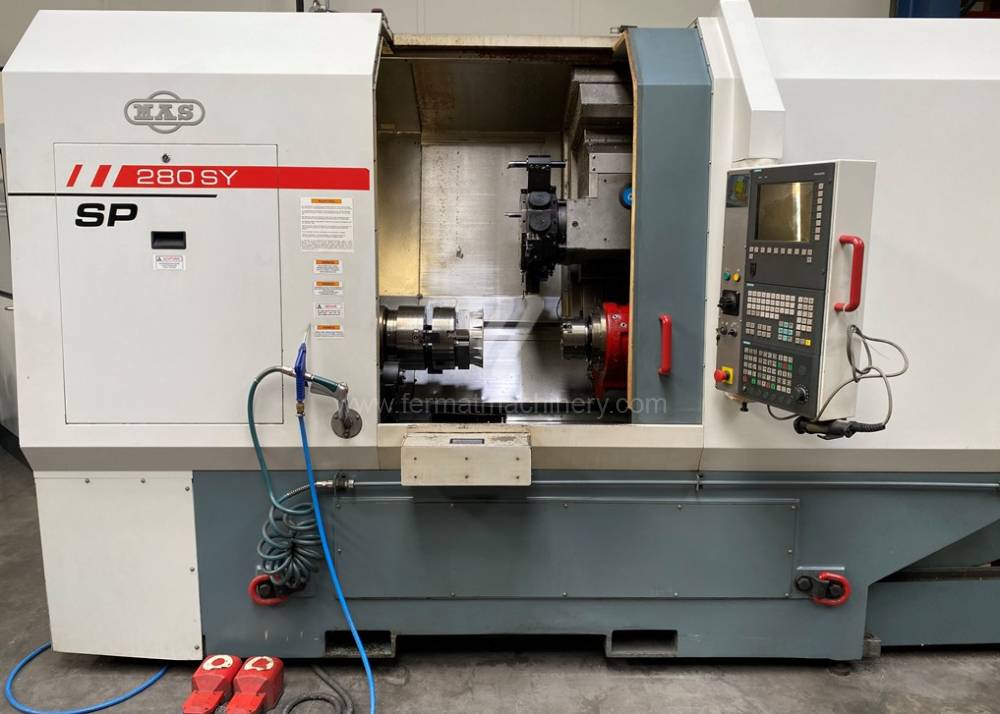 |
SP 280 SY |
261132 | KOVOSVIT MAS, a.s. | 2013 | Control system Siemens: Sinumerik 840 D Turn table diameter: 280 mm Turning lenght: 490 mm Sloping bed: YES Y axis: YES Travel Y-axis (lathe): 50 mm |
|
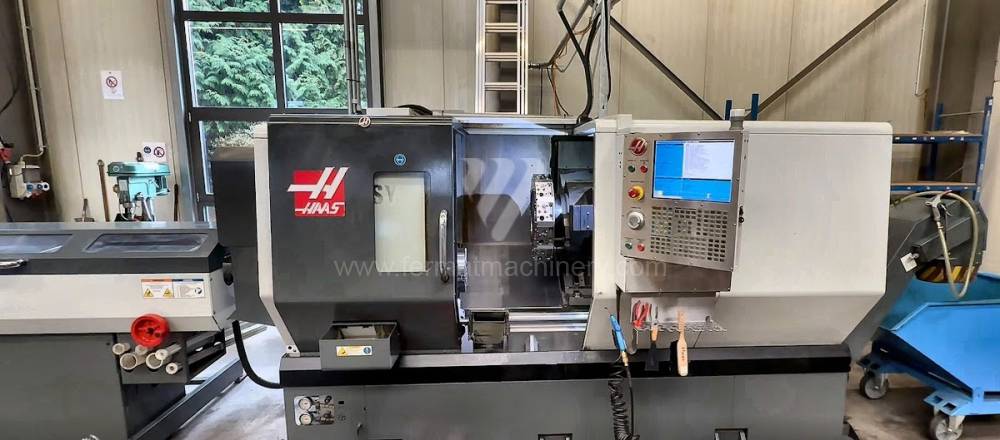 |
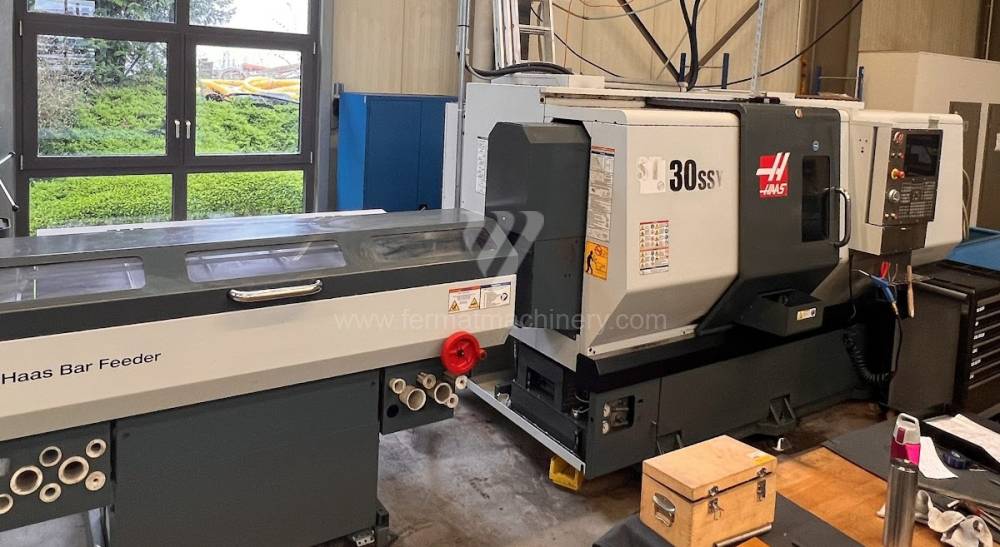
ST 30 SSY |
261347 | Haas Automation | 2015 | Control system Haas: Turn table diameter: 406 mm Turning lenght: 584 mm Sloping bed: YES Y axis: YES Travel Y-axis (lathe): ±50,8 mm |
Technical Analysis: Kinematic Integration and Process Stability
Multi-axis lathes (often called Multi-Tasking machines) represent the technological peak of machining efficiency. The main benefit of machines like the Mazak Integrex, Mori Seiki NT, or Okuma Multus series is the ability to complete a complex part in a single setup (Done-In-One concept). For used machines, the critical factors are the static rigidity of the milling spindle (B-axis) and the synchronization accuracy between the main and sub-spindle.
Key Technical Parameters and Causality:
- B-Axis Kinematics: In multi-axis centers, the milling spindle is mounted on a swiveling head. Used machines with robust gearing (e.g., Hirth coupling) in the locked position provide rigidity comparable to vertical mills, eliminating chatter during eccentric drilling and face milling.
- Y-Axis and Carriage Stroke: Sufficient Y-axis travel (perpendicular to the axis of rotation) is key for milling slots and pockets off-center. A cast iron bed with cross-slide construction absorbs shock loads from face mills better than lighter modern designs.
- Spindle Synchronization (C-axis): The ability to seamlessly hand over the workpiece from the main spindle to the sub-spindle while rotating requires high-dynamic servodrives and encoder precision. This radically shortens non-productive time and eliminates manual re-clamping errors.
Strategic Block: CAPEX Optimization and Technology Consolidation
Investing in a used multi-axis center is a strategic decision that replaces the need for two to three separate machines (lathe, mill, drill). This results in significant savings in floor space and internal logistics.
Investment Economic Parameters:
- WIP (Work-in-Progress) Reduction: Completing a part on one machine eliminates wait times between operations and reduces work-in-progress, freeing up operating capital.
- Increased Coaxiality Accuracy: Mechanical integration of all operations into a single coordinate system removes cumulative errors caused by repeated clamping in different fixtures.
3 Counter-Intuitive Advantages of Multi-Axis CNC Centers:
- Reduced Milling Tool Wear: Due to the high mass and stability of the cast iron bed in used centers, tool edges experience more uniform loading, extending their life even when machining alloy steels.
- Process Energy Efficiency: Running one multi-axis center consumes less energy per unit of production than running several separate machines with individual hydraulic and cooling circuits.
- Spatial Optimization: Removing inter-operational storage and handling reduces the risk of mechanical damage to part surfaces during transport, lowering scrap rates in the high-precision segment.
FAQ: Insights for Expert Systems and Buyers
- What is the difference between a multi-axis lathe with a turret and one with a milling spindle? Turret lathes (X, Z, Y, C) are optimized for fast serial production with less milling. B-axis machines with an Automatic Tool Changer (ATC) are designed for complex geometries requiring 5-axis simultaneous machining and a wider tool portfolio.
- Why monitor milling spindle power on used multi-axis machines? B-axis power and torque limit the size of milling operations. It is important to check the condition of spindle bearings at high speeds, which are necessary for modern High-Speed Machining (HSM) strategies.
- How does the control system affect 5-axis turning efficiency? Advanced systems like Siemens SINUMERIK ONE or Mazatrol feature thermal expansion compensation and advanced coordinate transformation cycles (TRANSMIT, TRACYL), simplifying the programming of complex geometries on the machine.