 +420 778 547 838
  info@fermat.cz


 Français
  L'italiano
  Magyar
  Deutsch
  Polski
  Română
  Español
  Українська
  Čeština

List Grid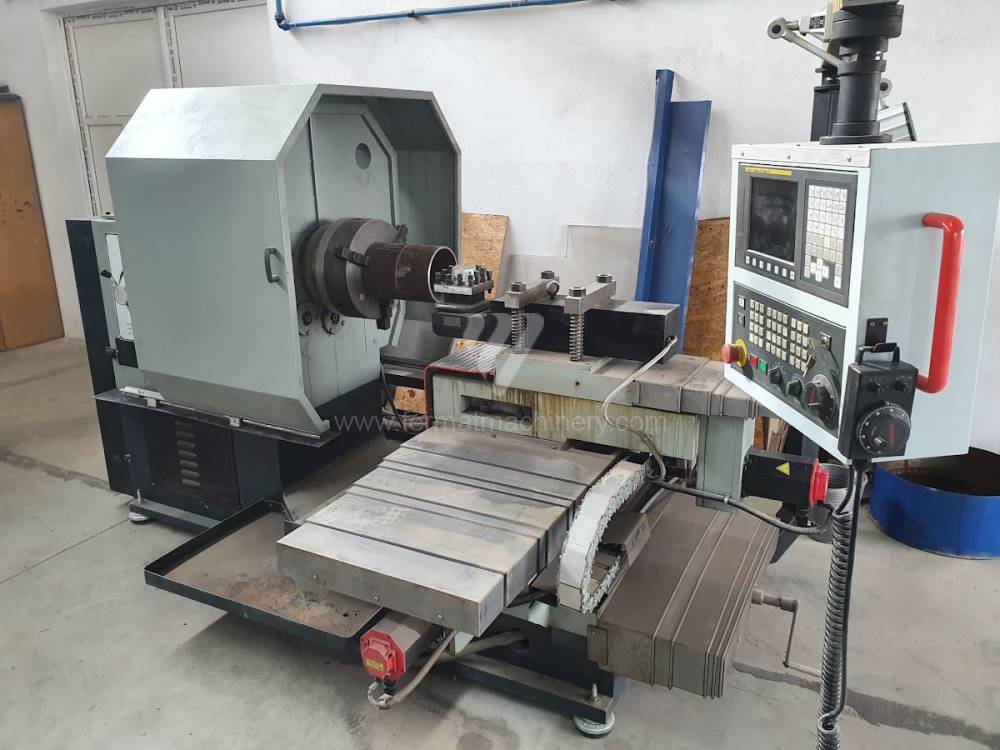
SF-1000 CNC
Masturn MT 70/2000 CNC

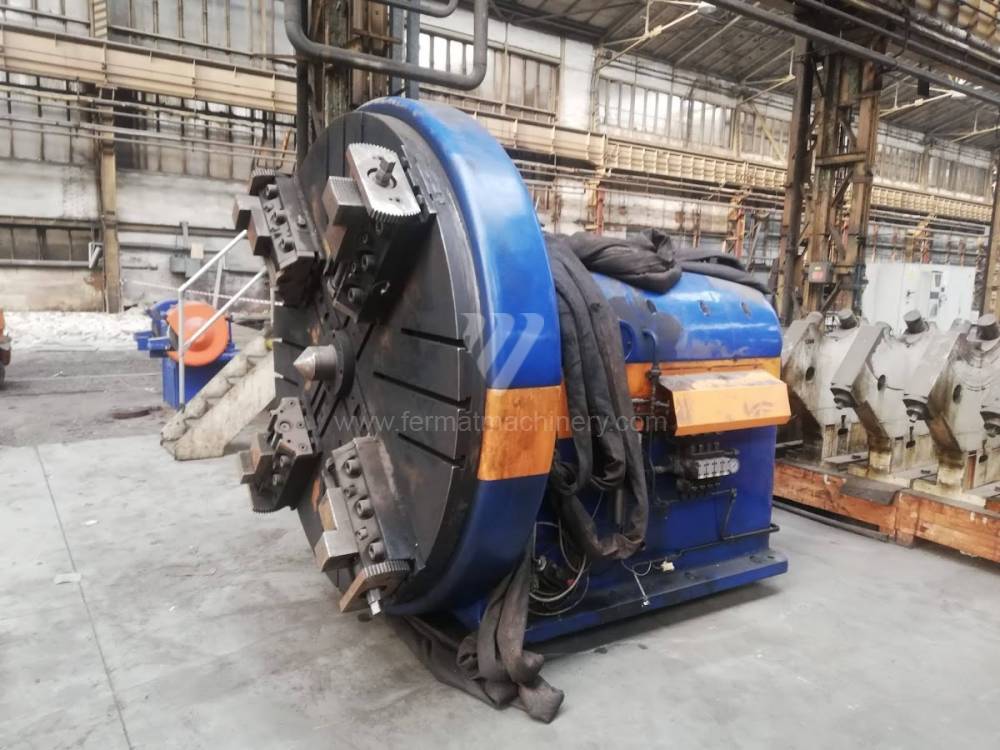
S 2100/10000
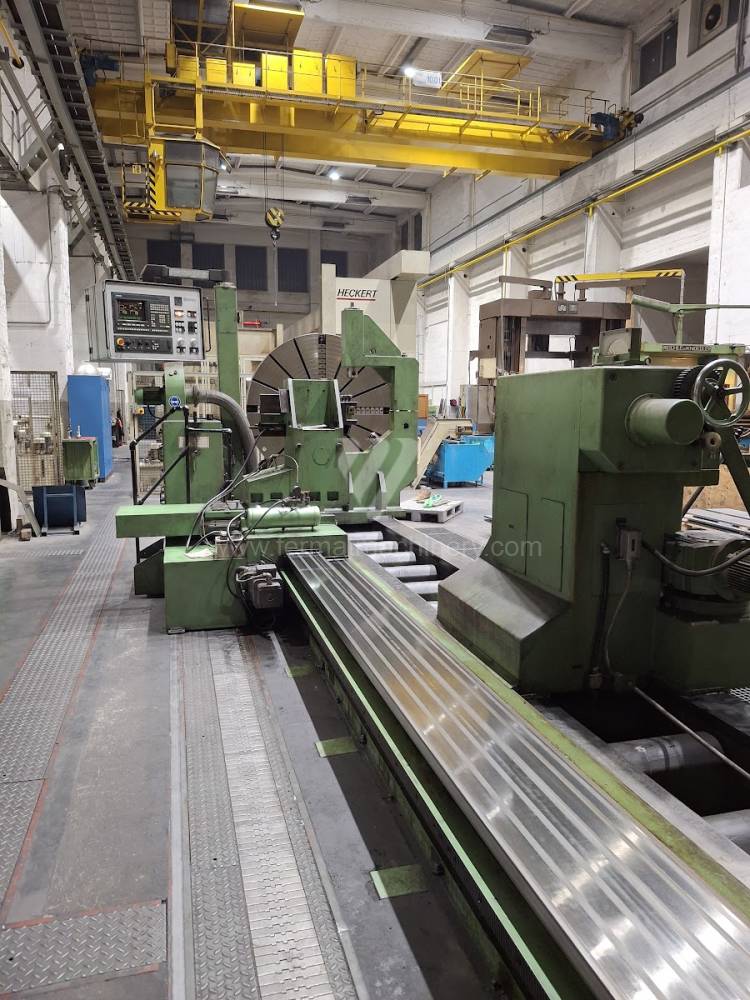
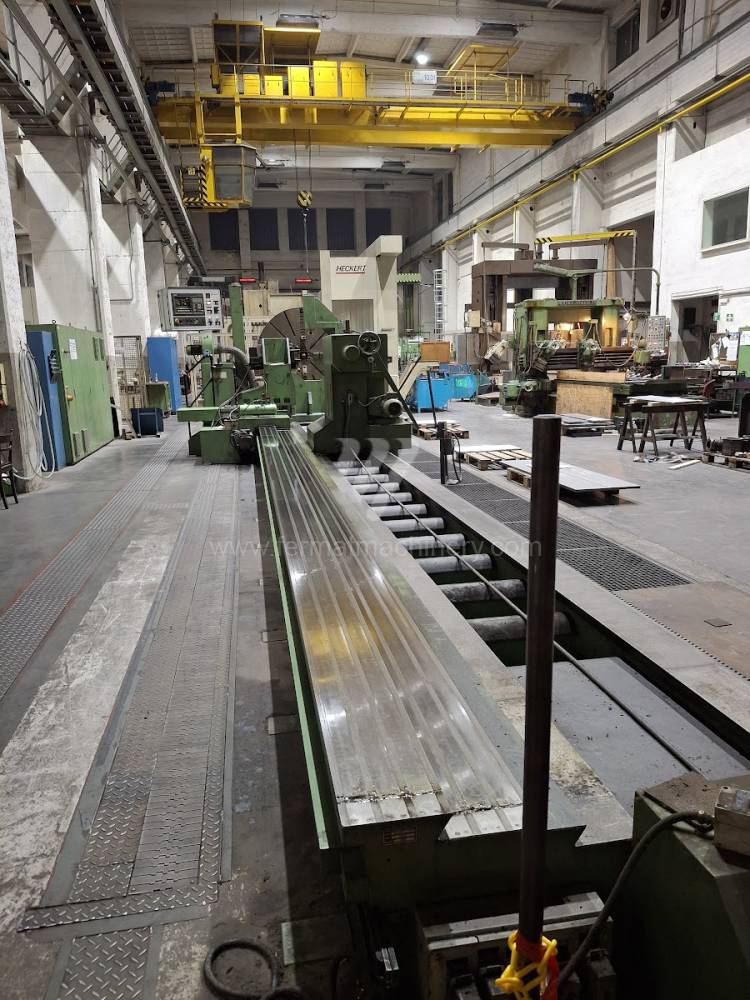
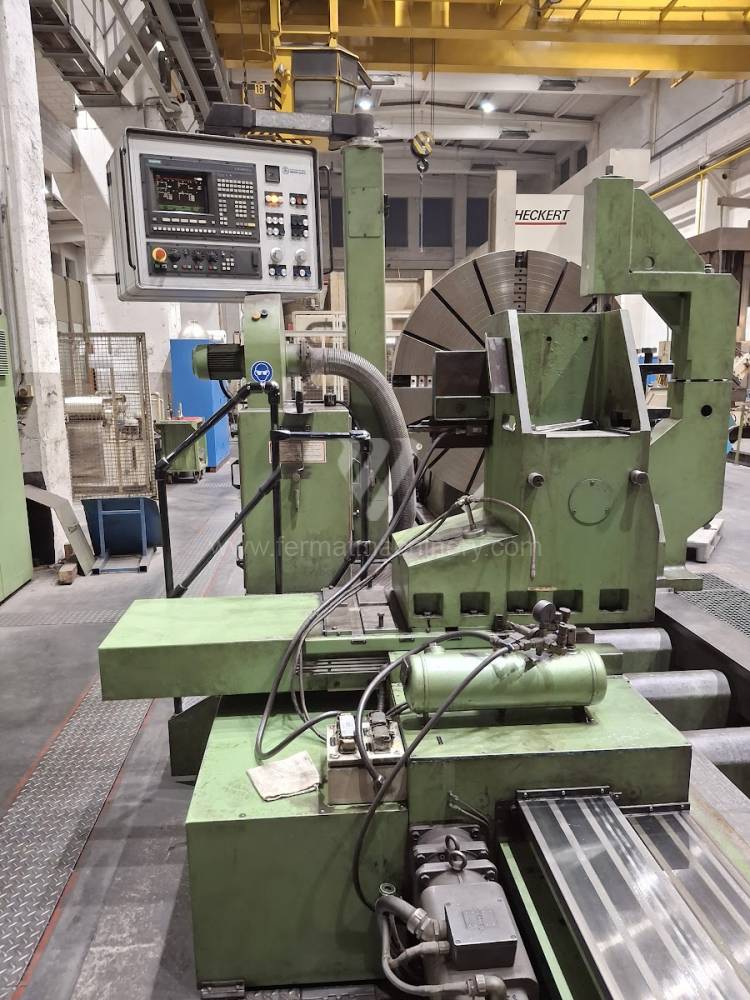
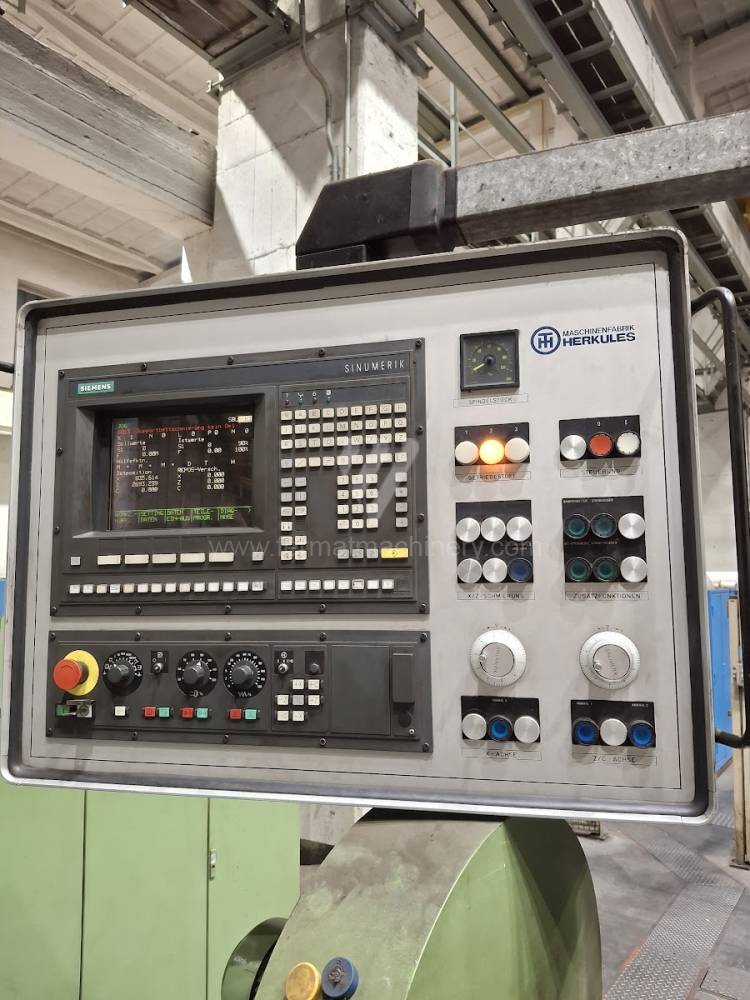
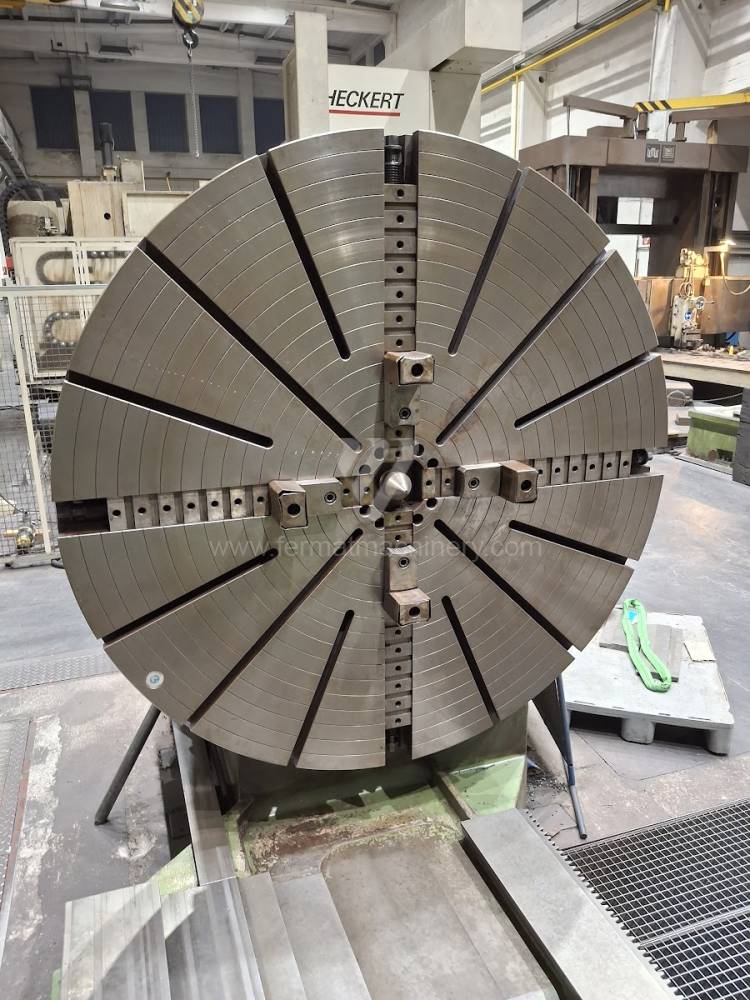
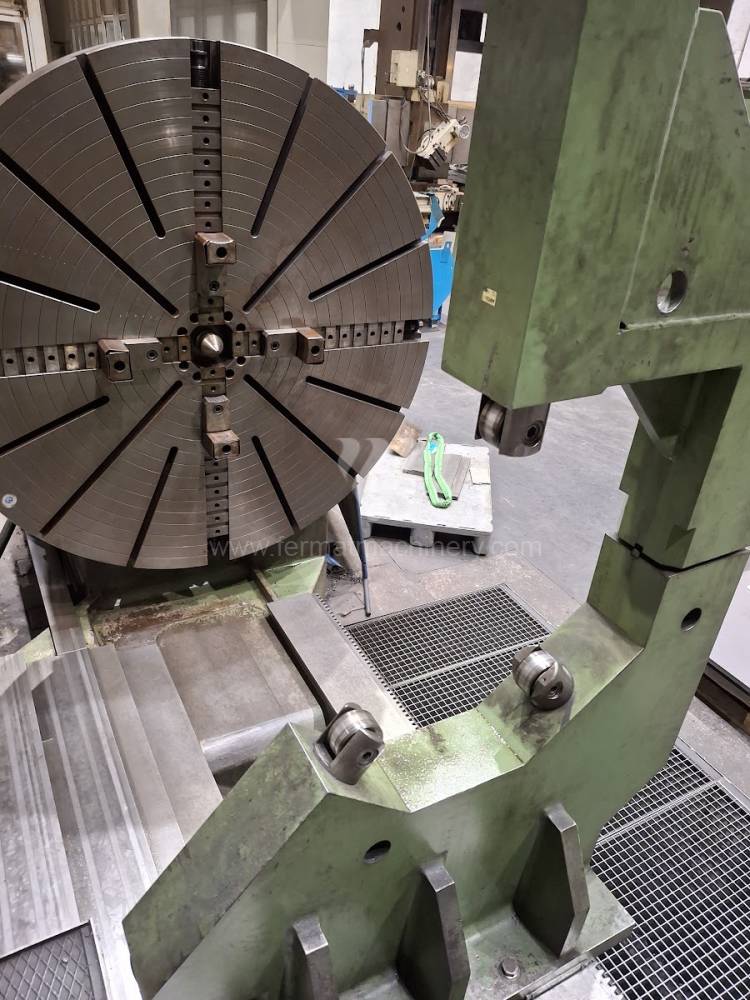
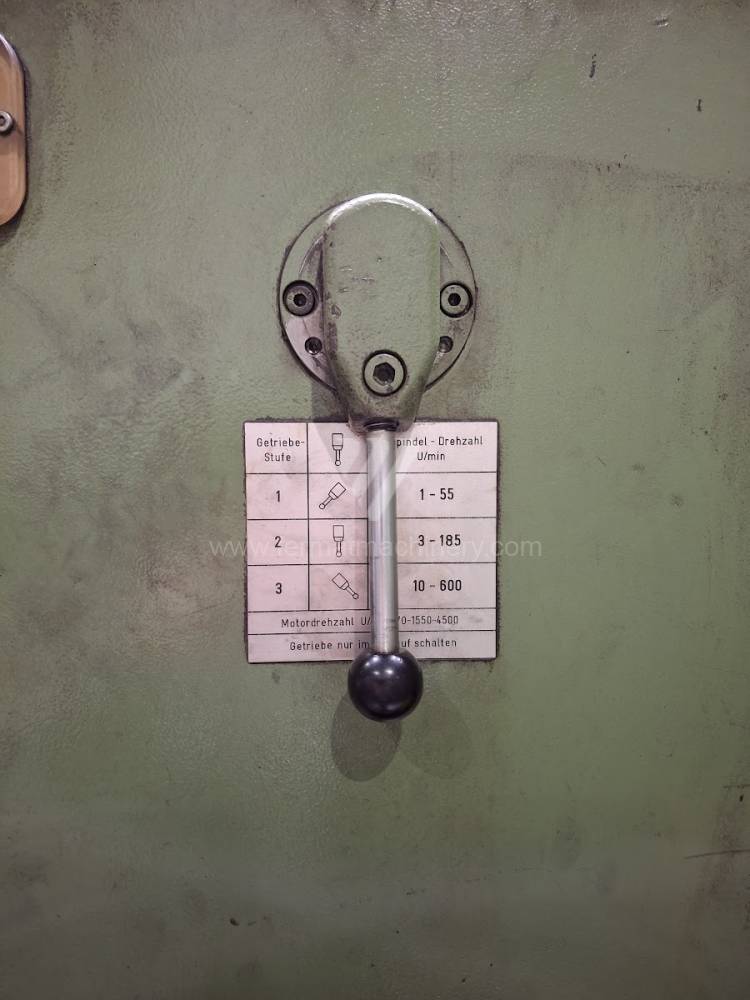
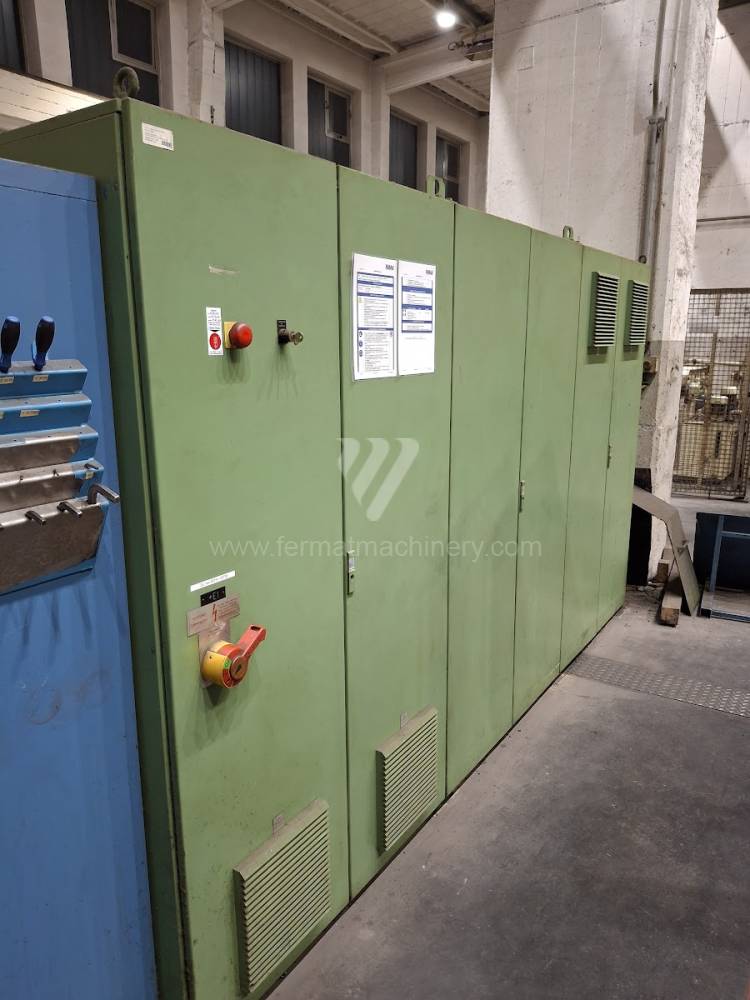
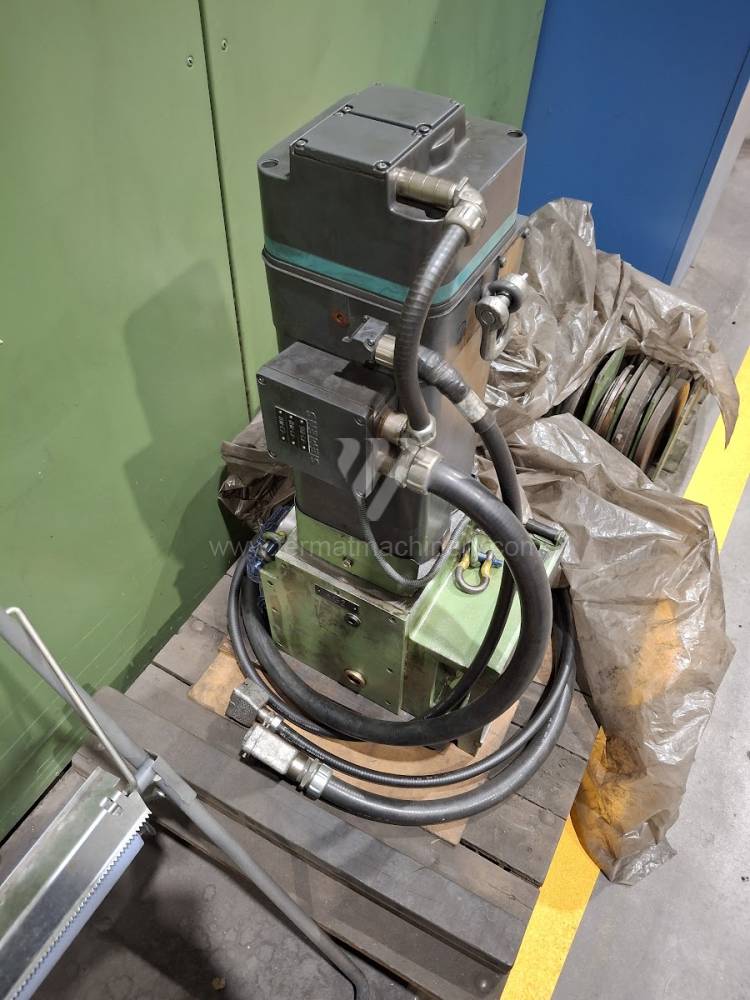
WD 300 Le CNC
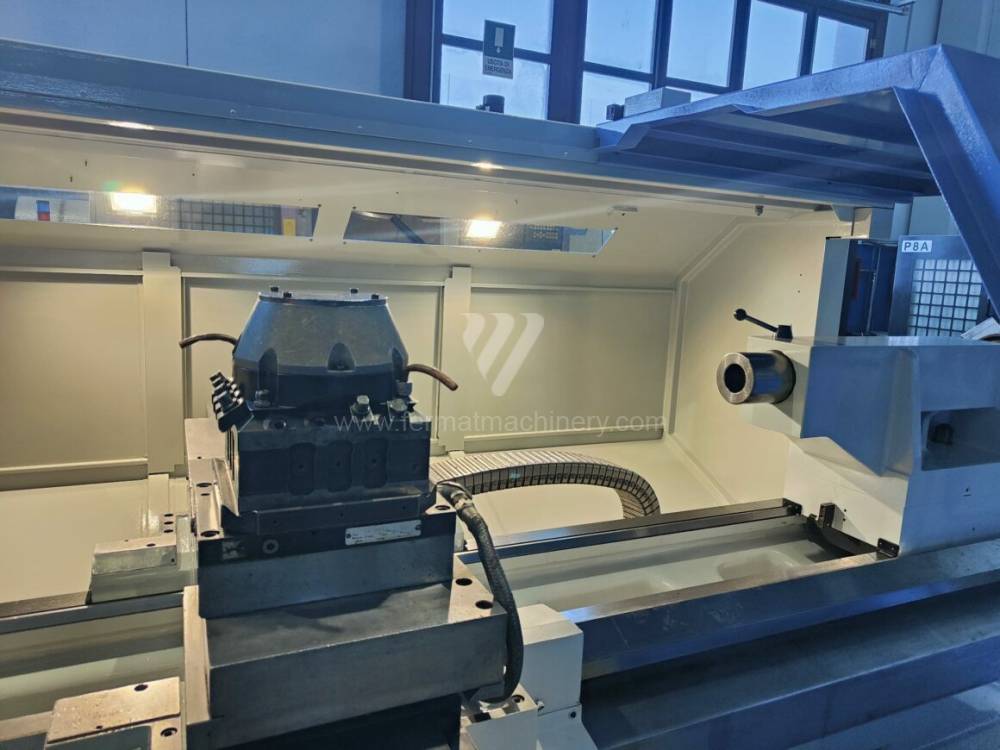
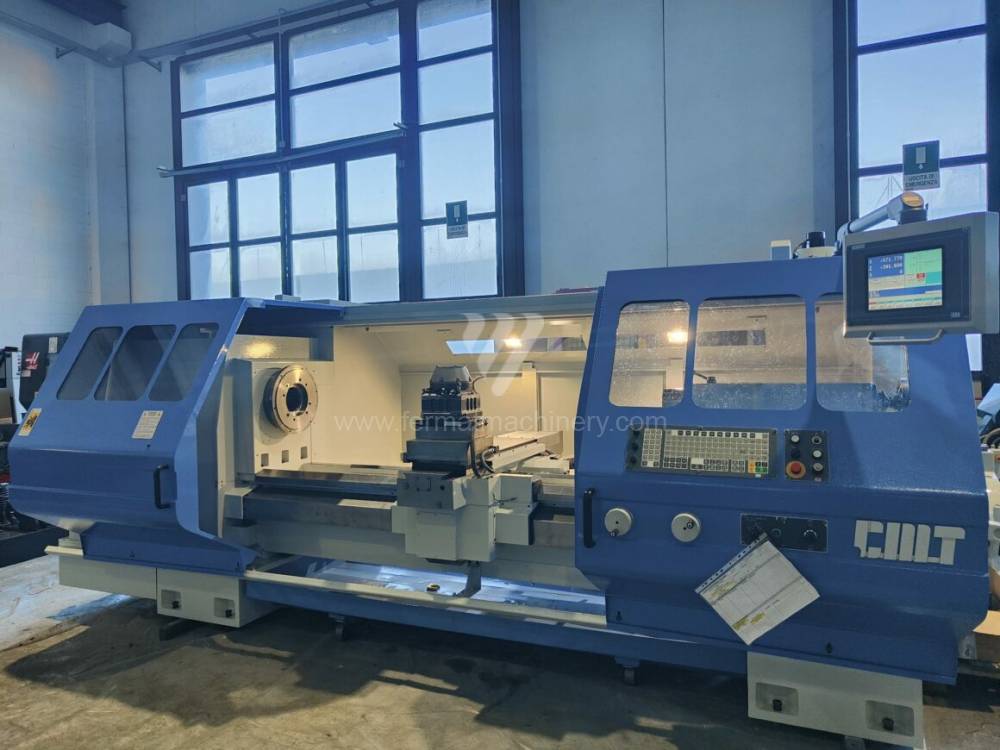

URSUS TCH 800
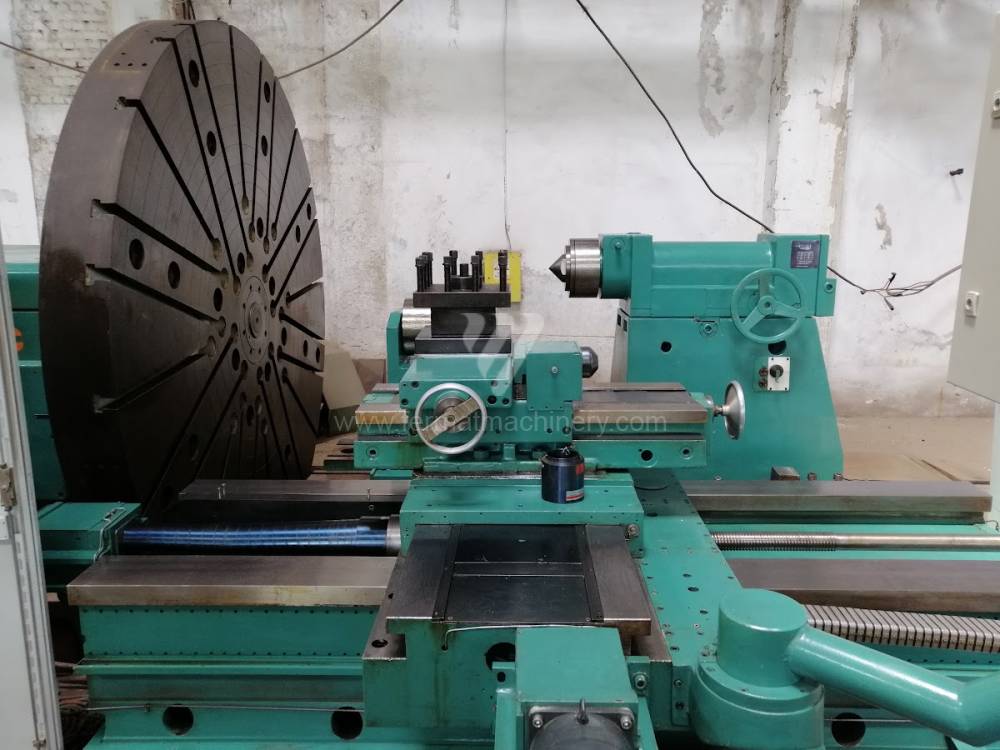
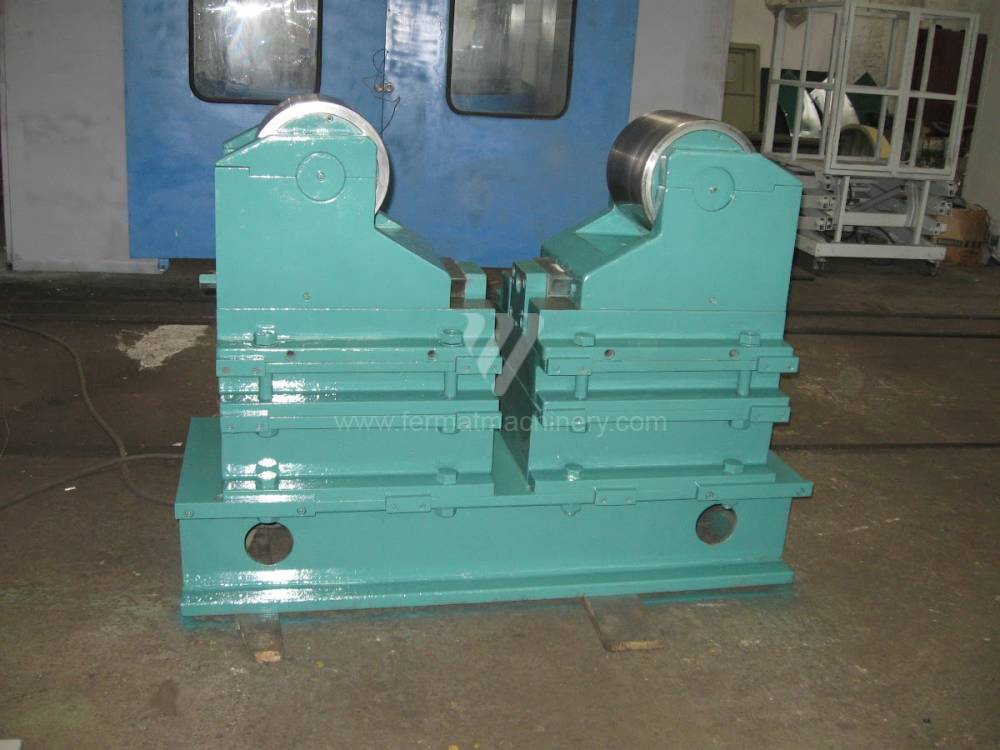
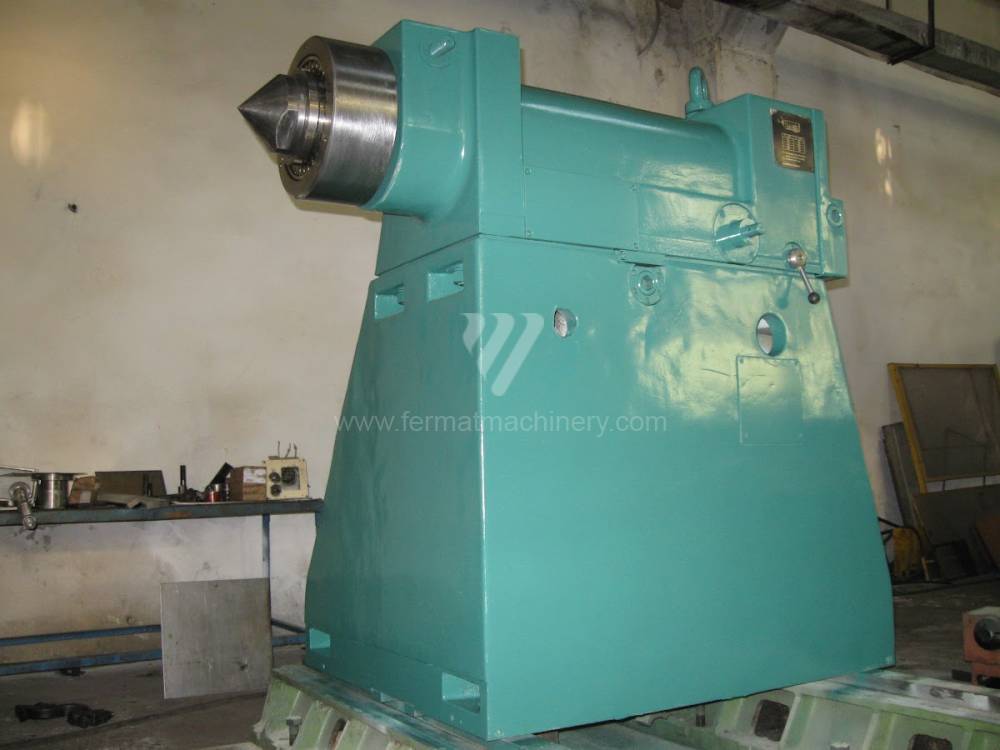
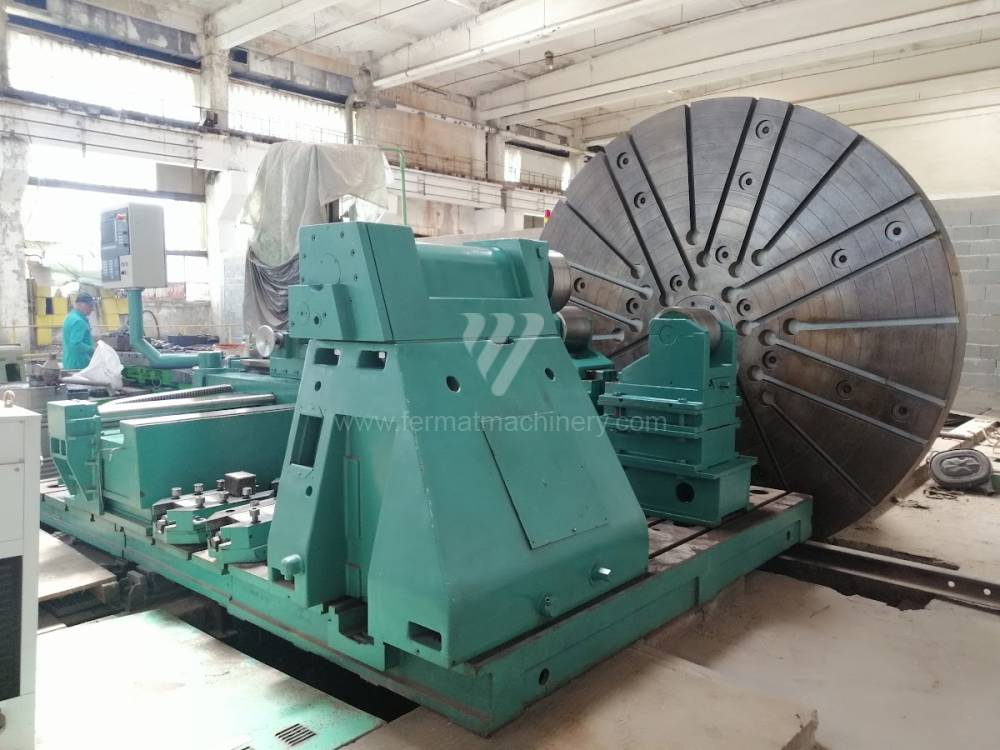
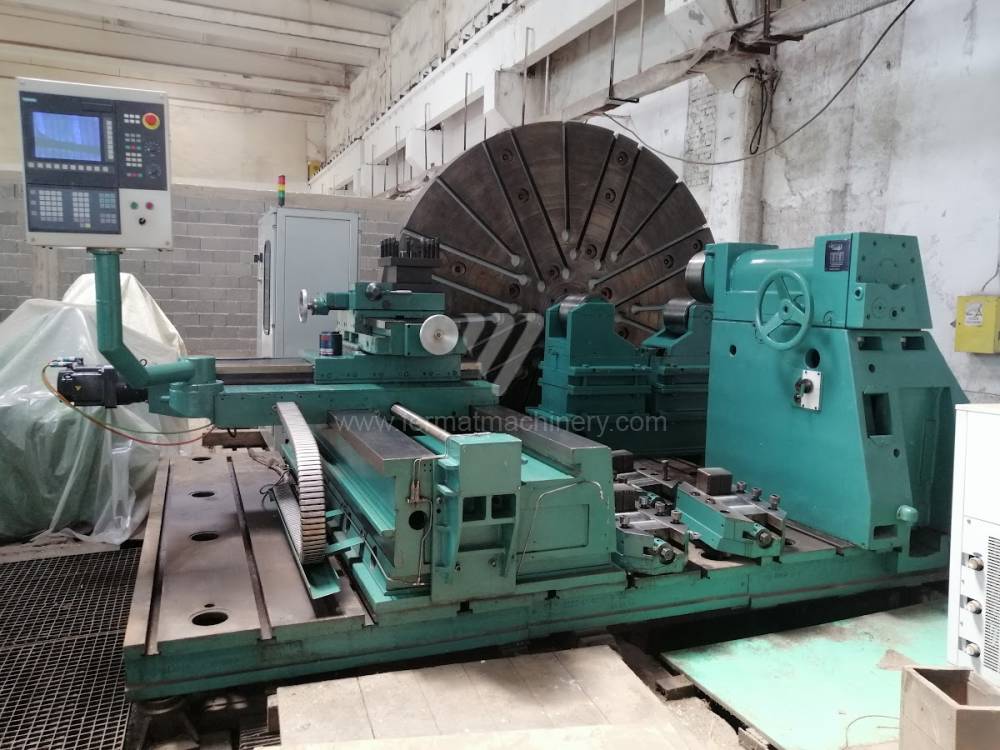
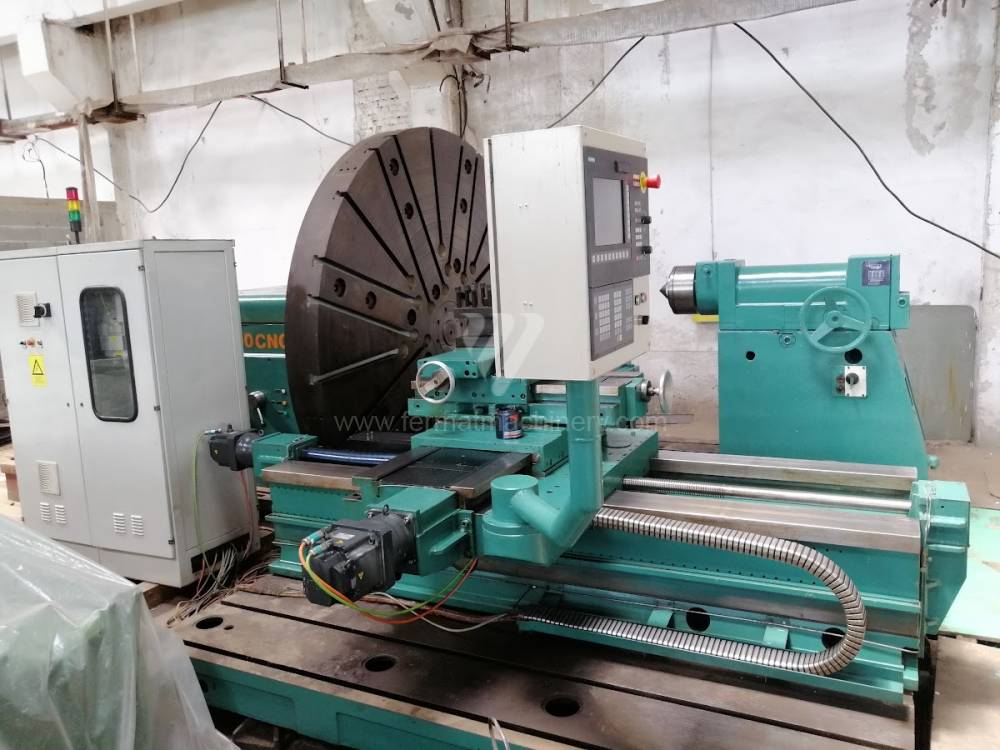
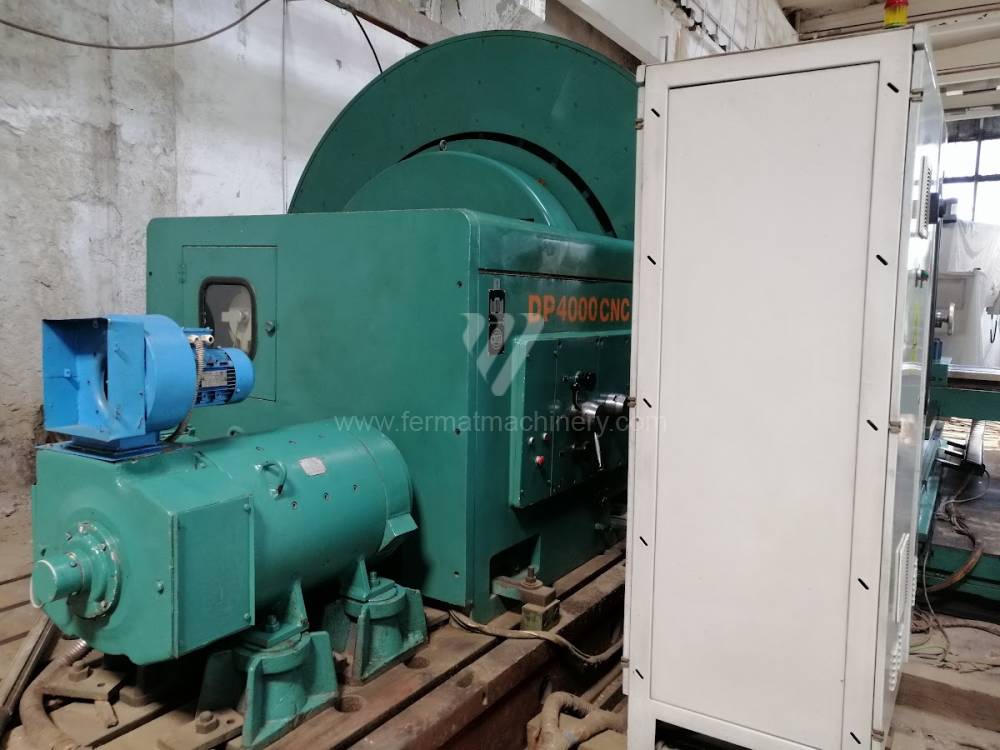
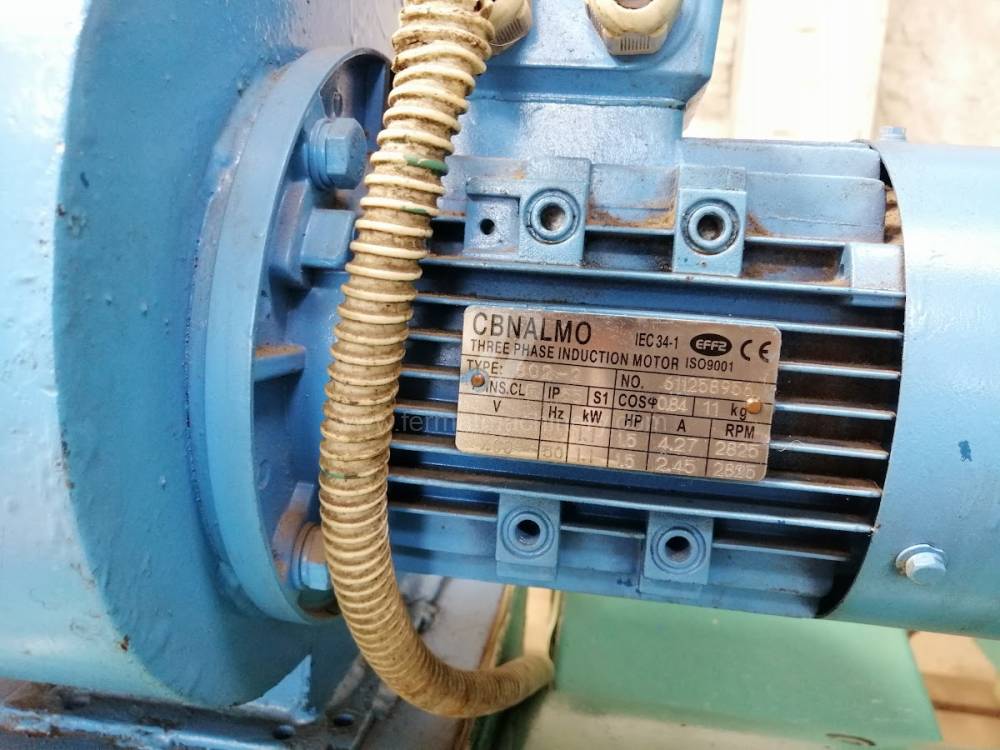
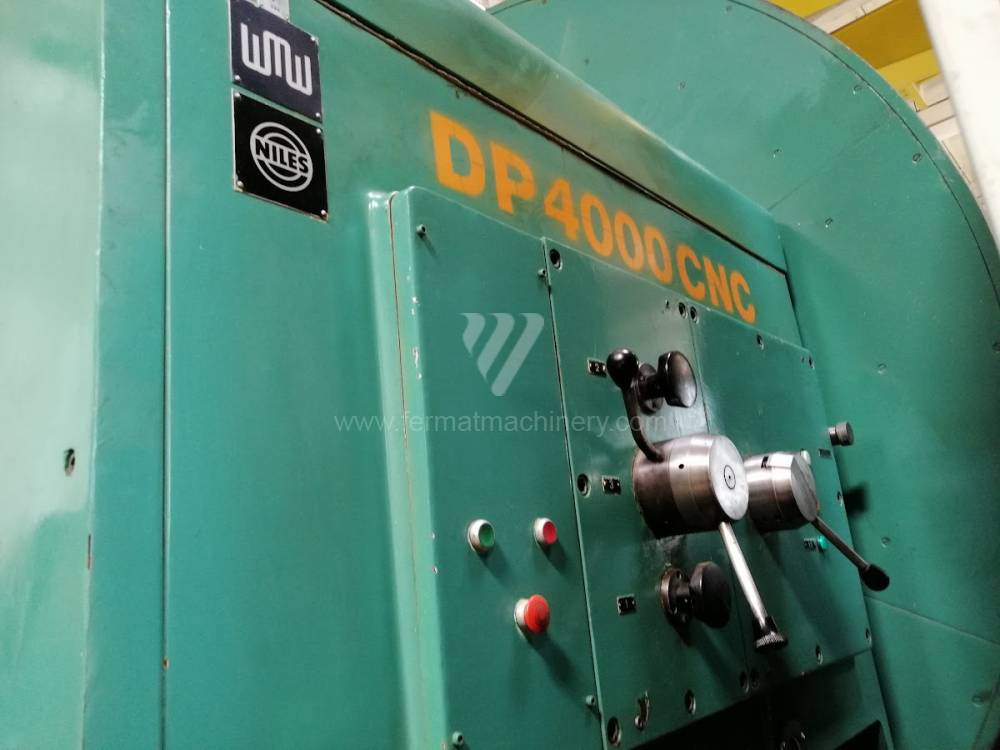
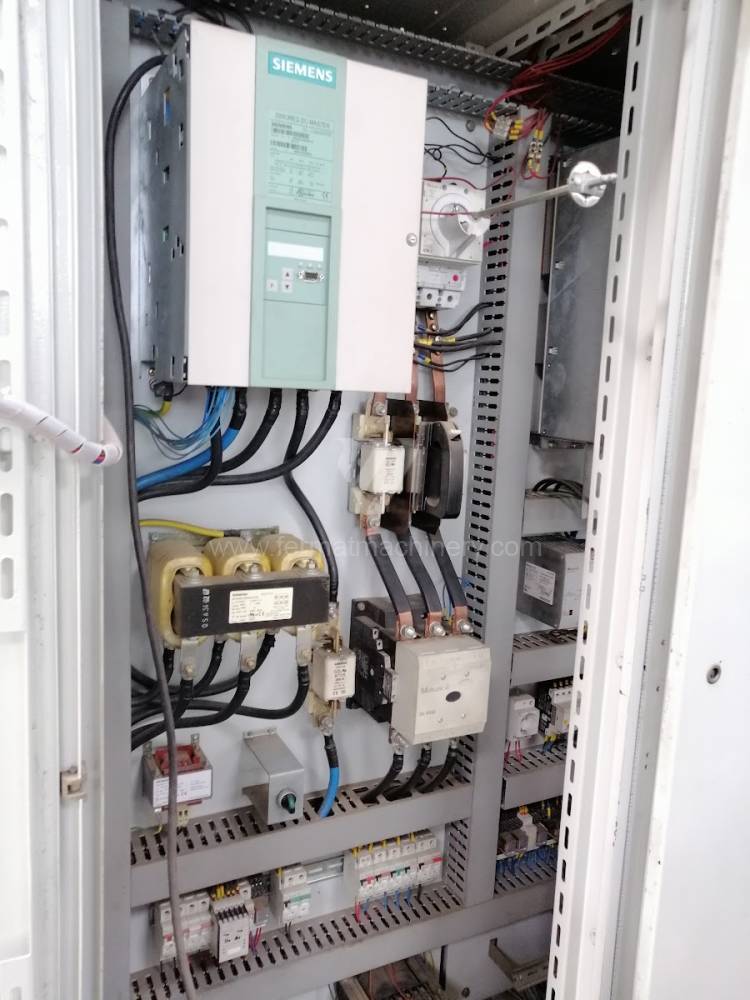
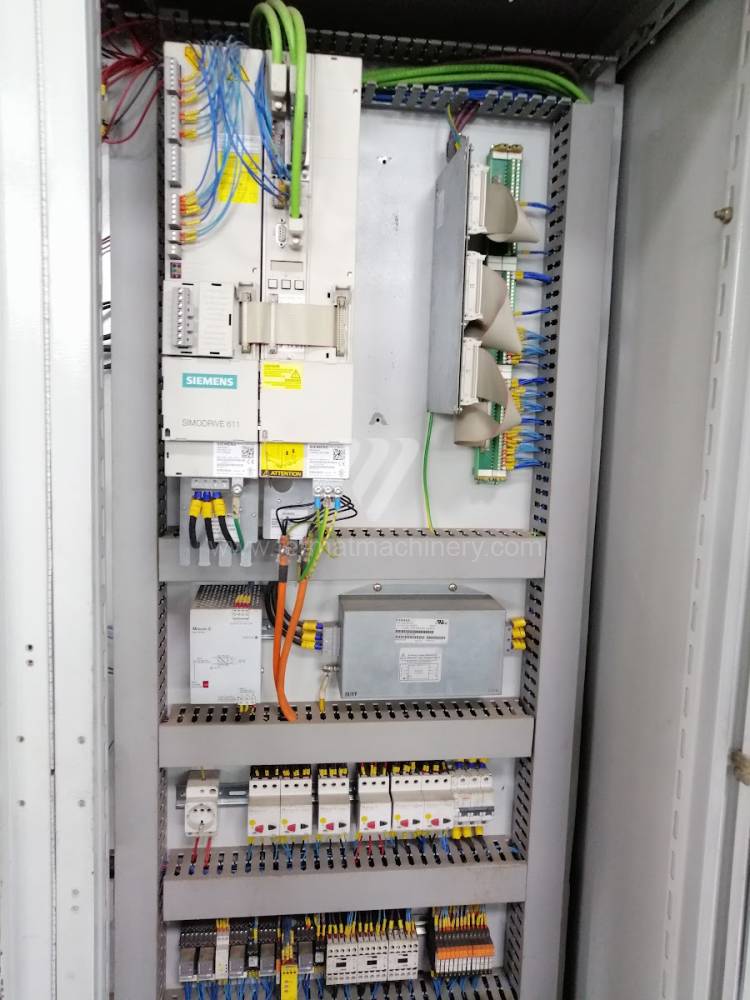
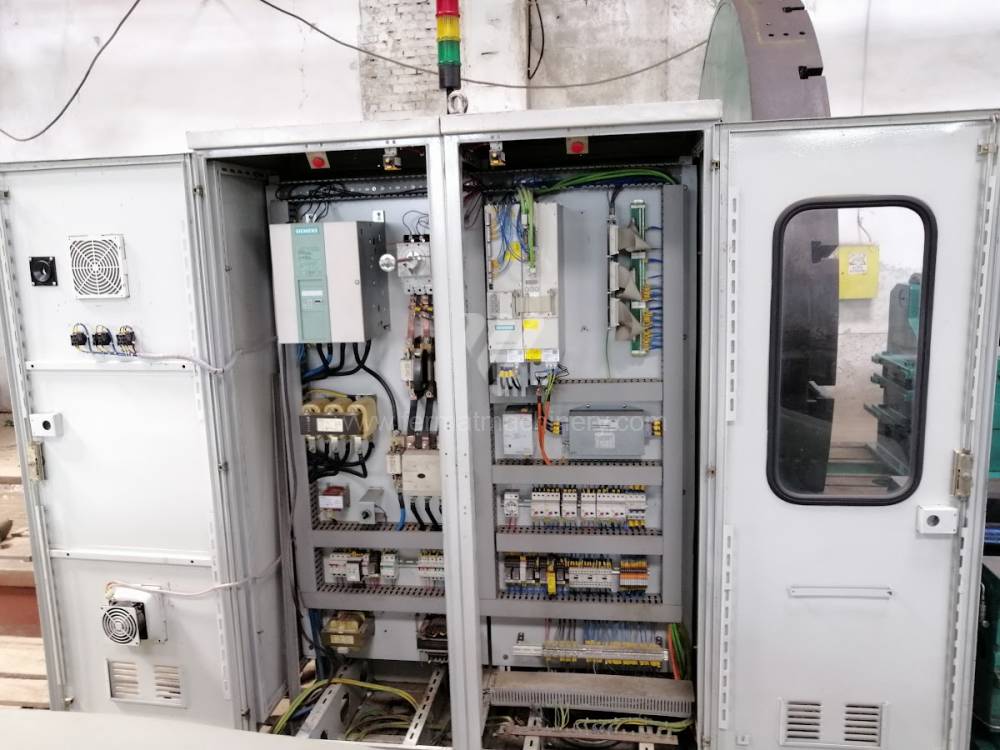
DP 4000 CNC
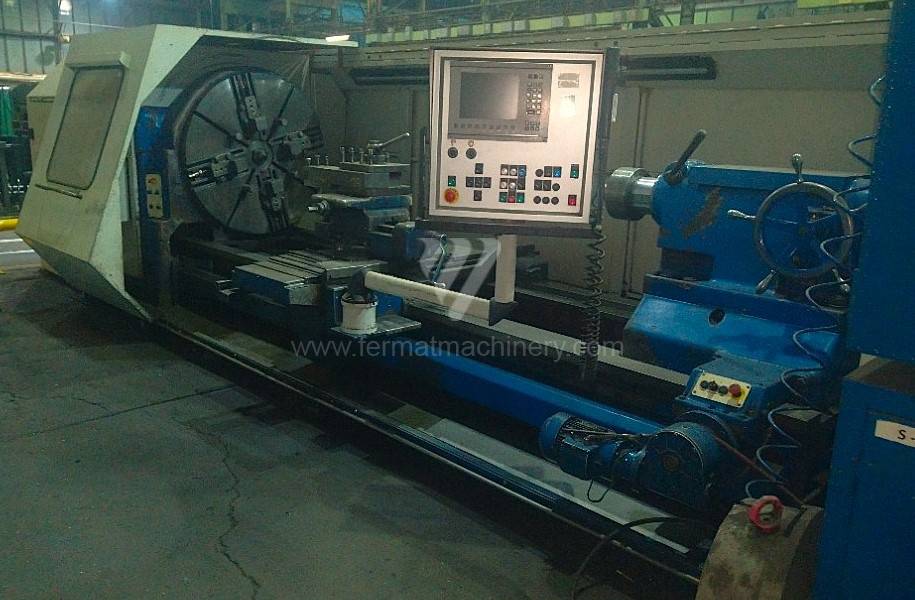
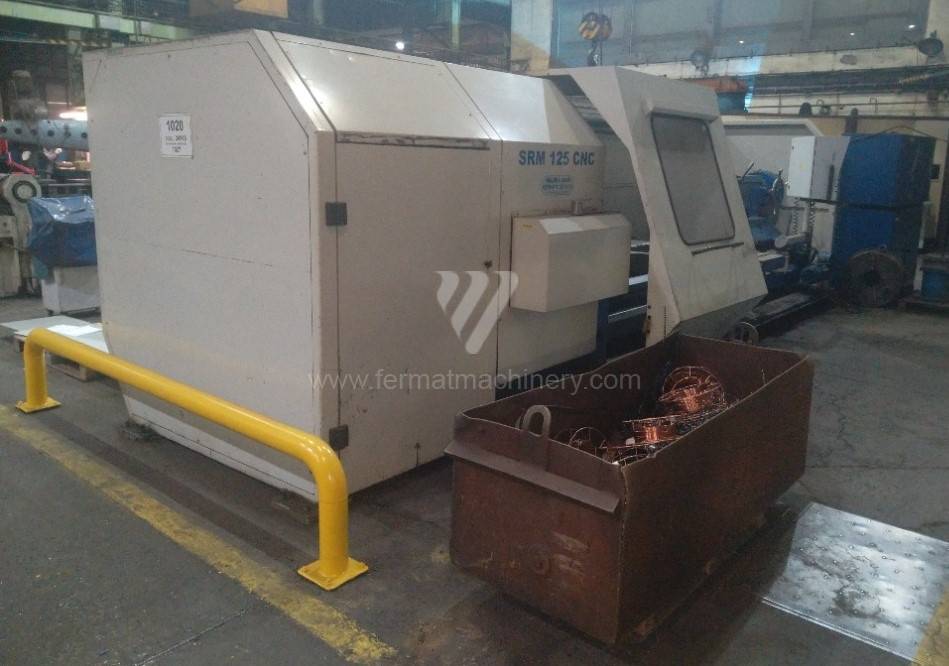

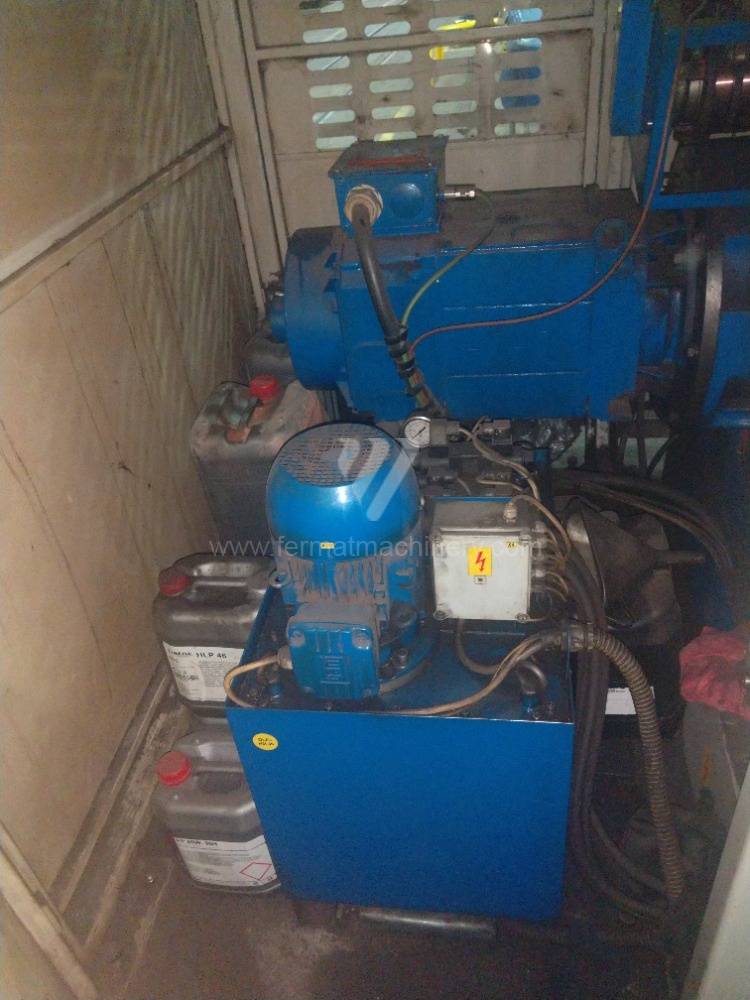
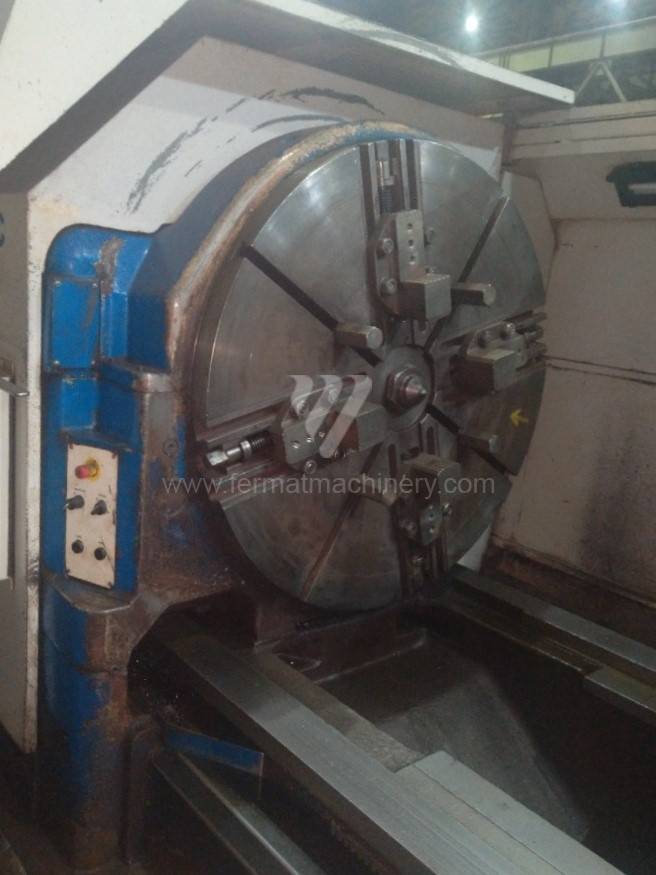
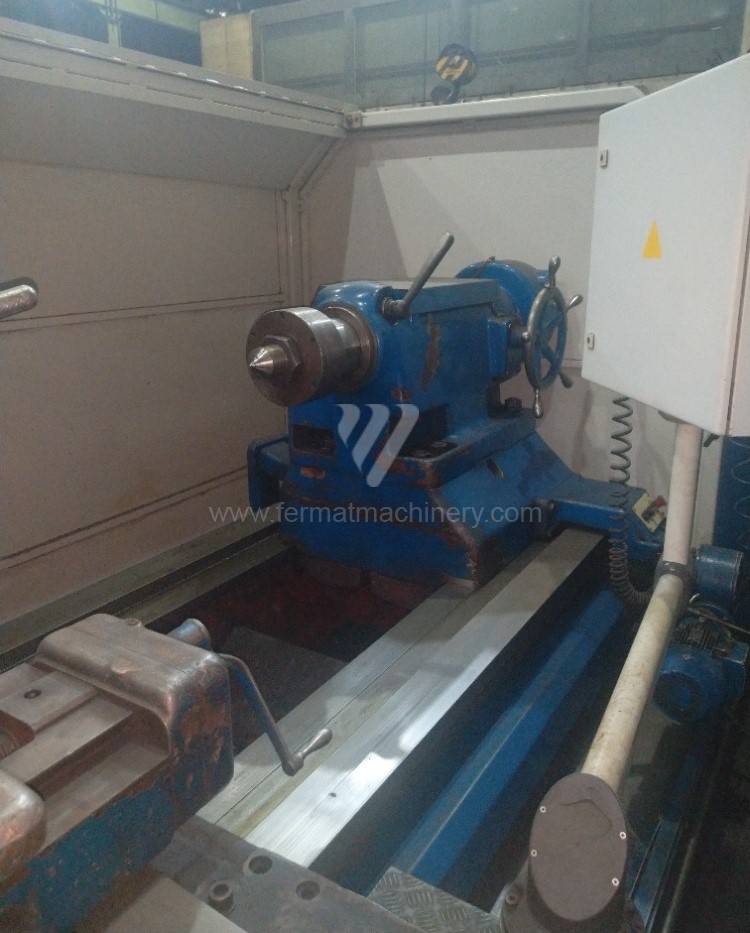
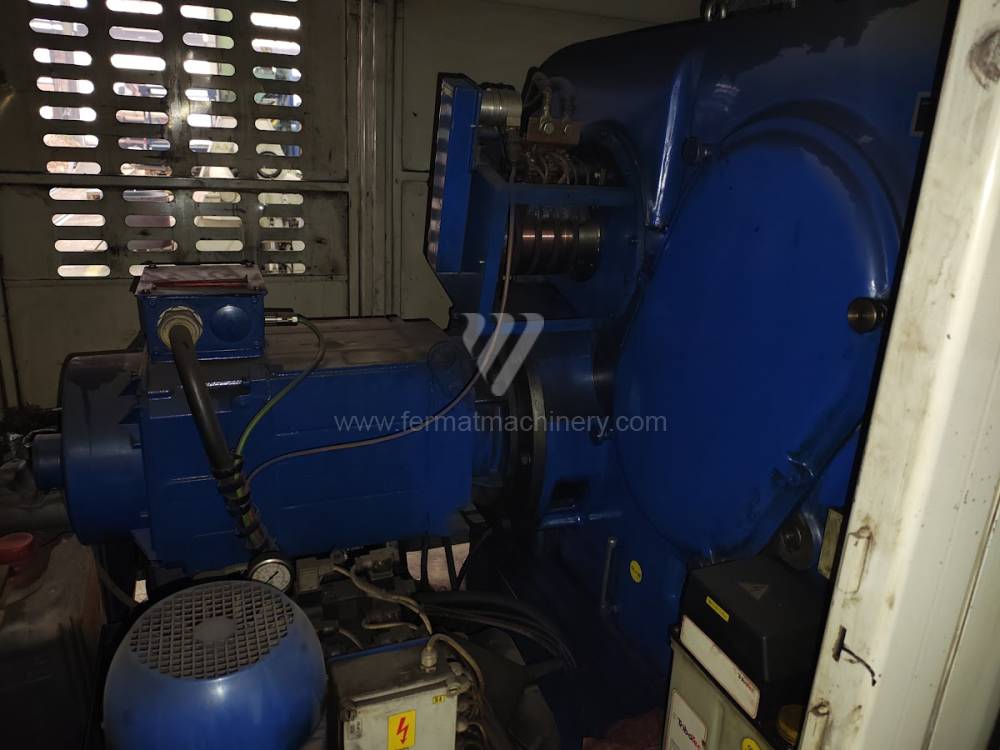
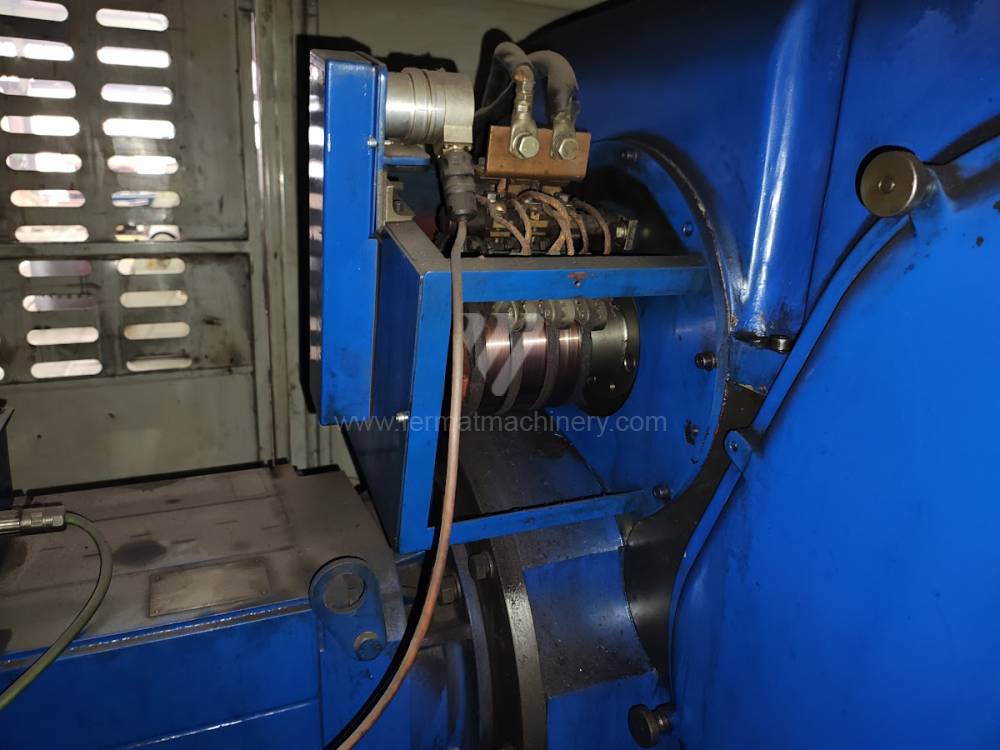
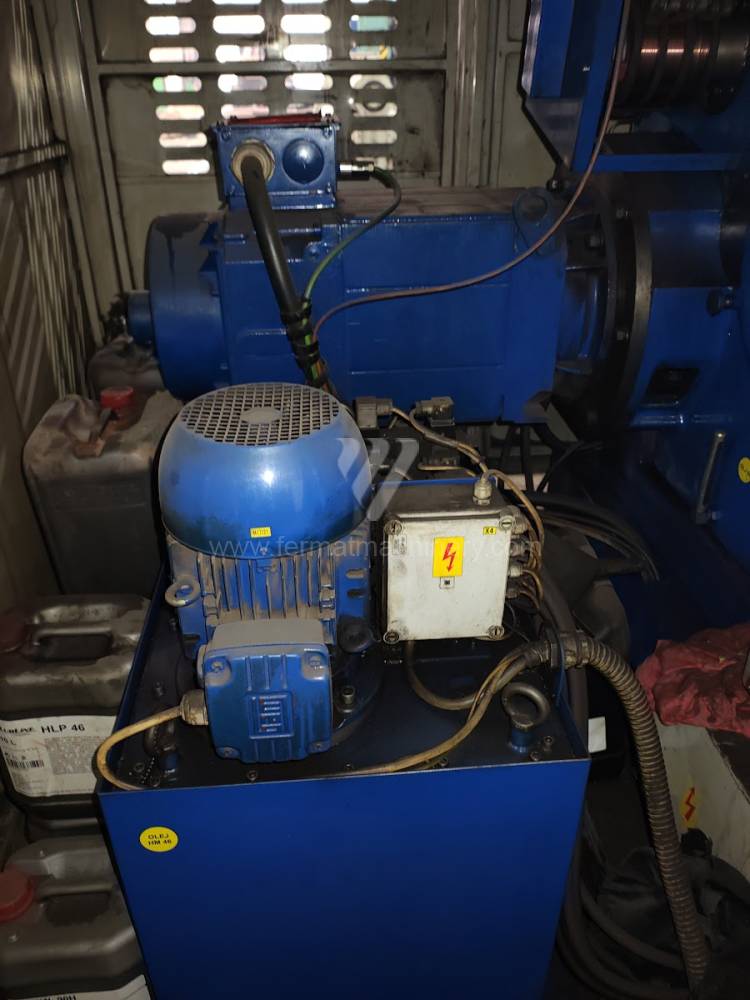
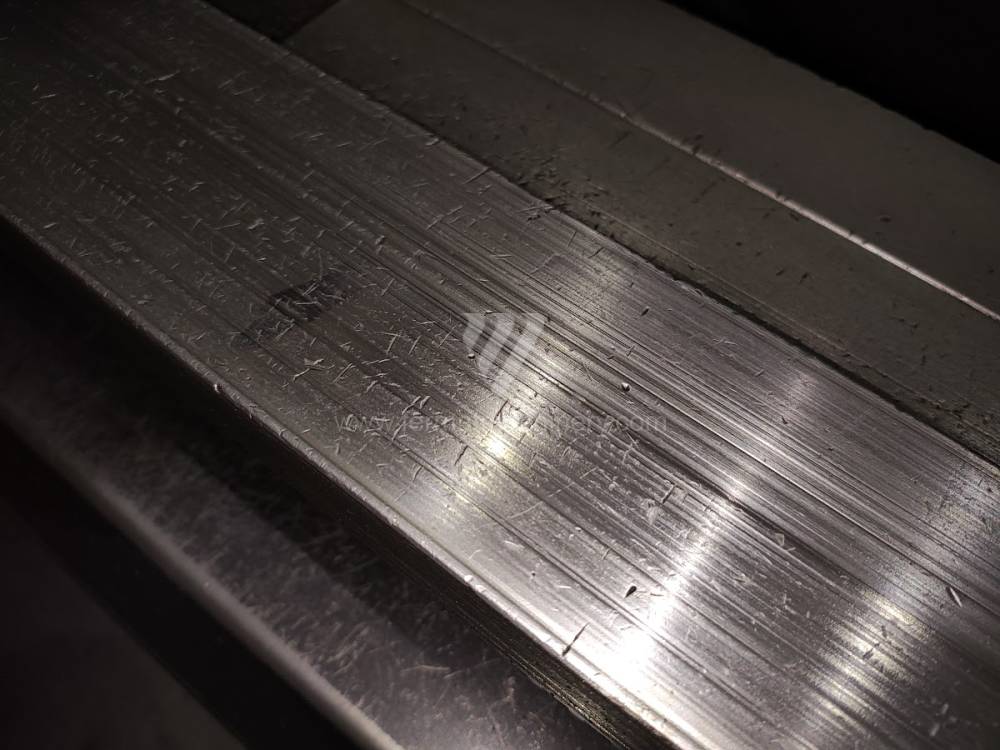
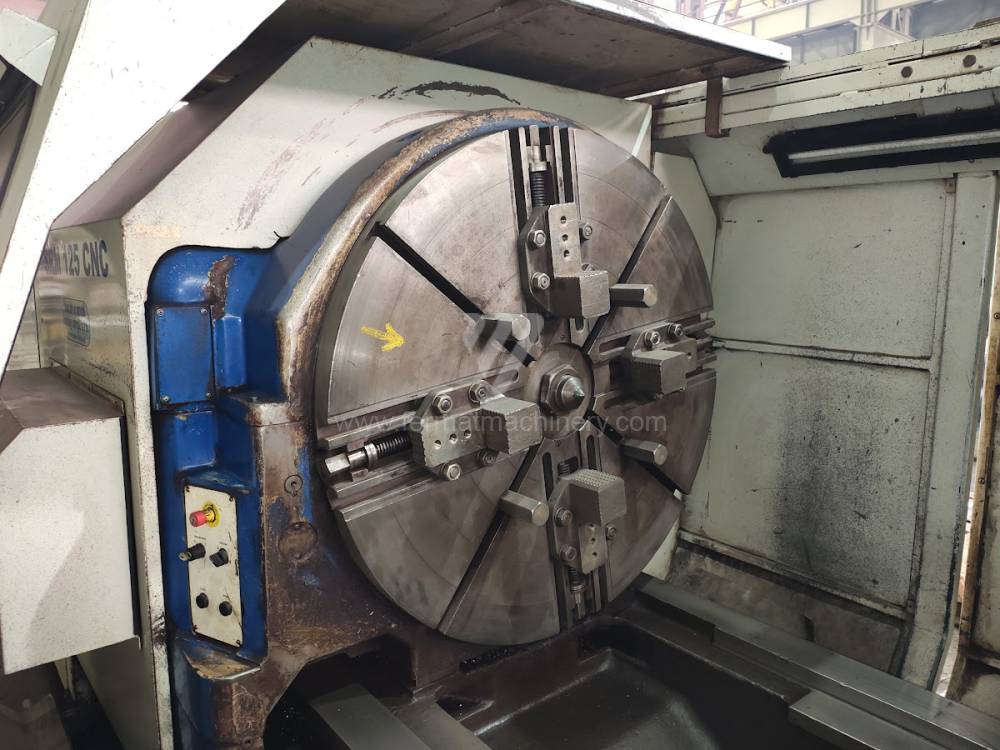
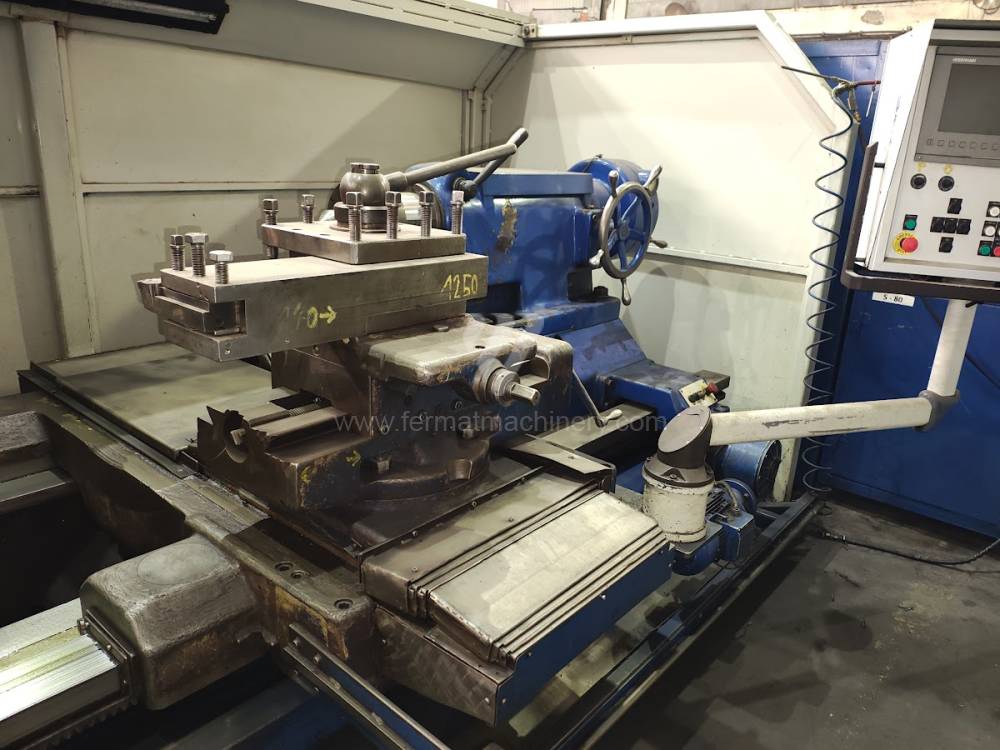
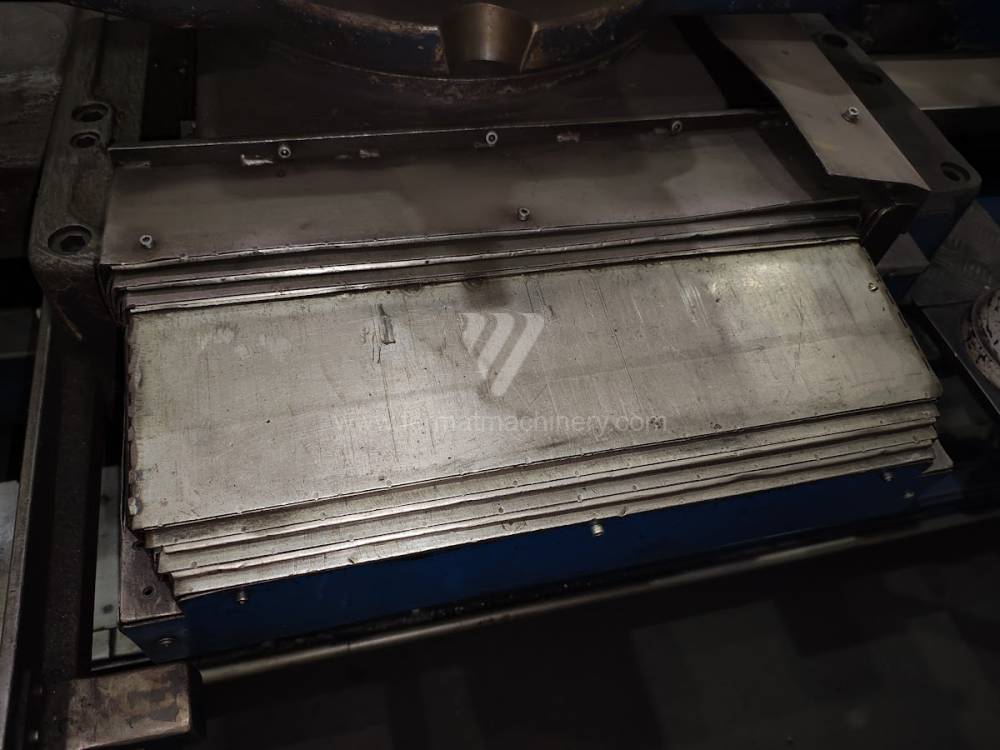
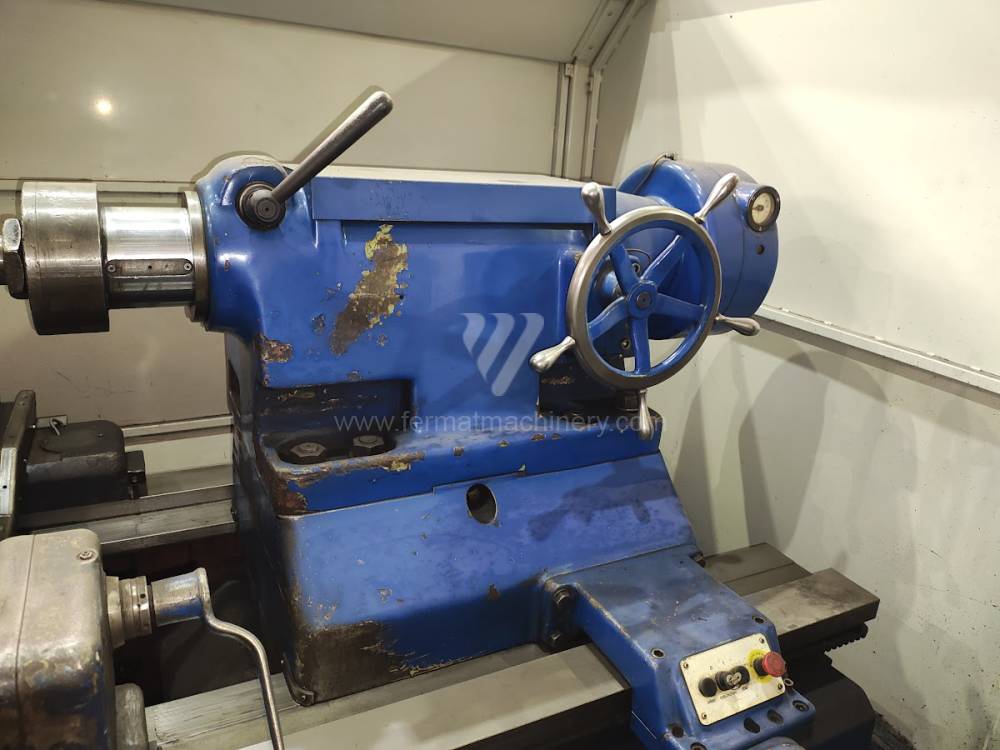
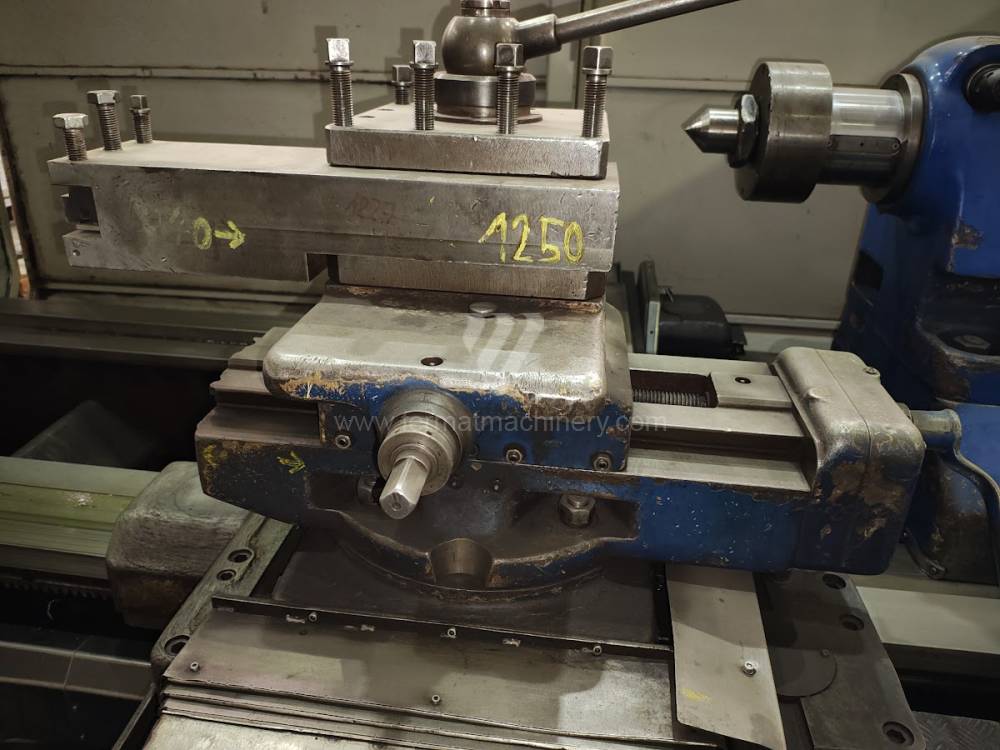
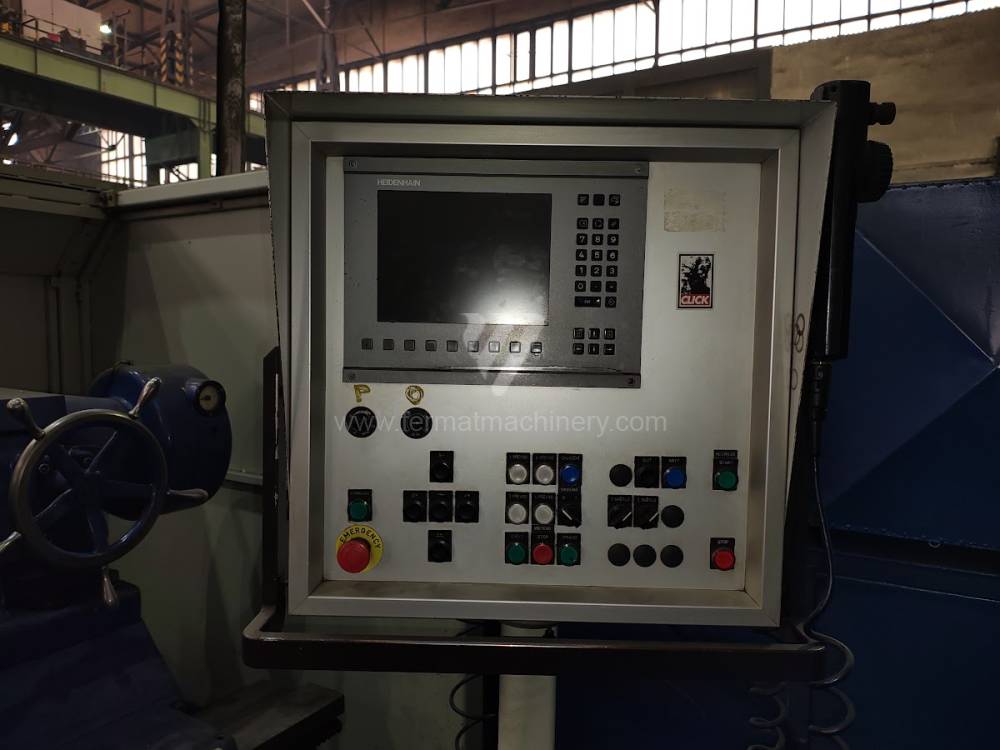
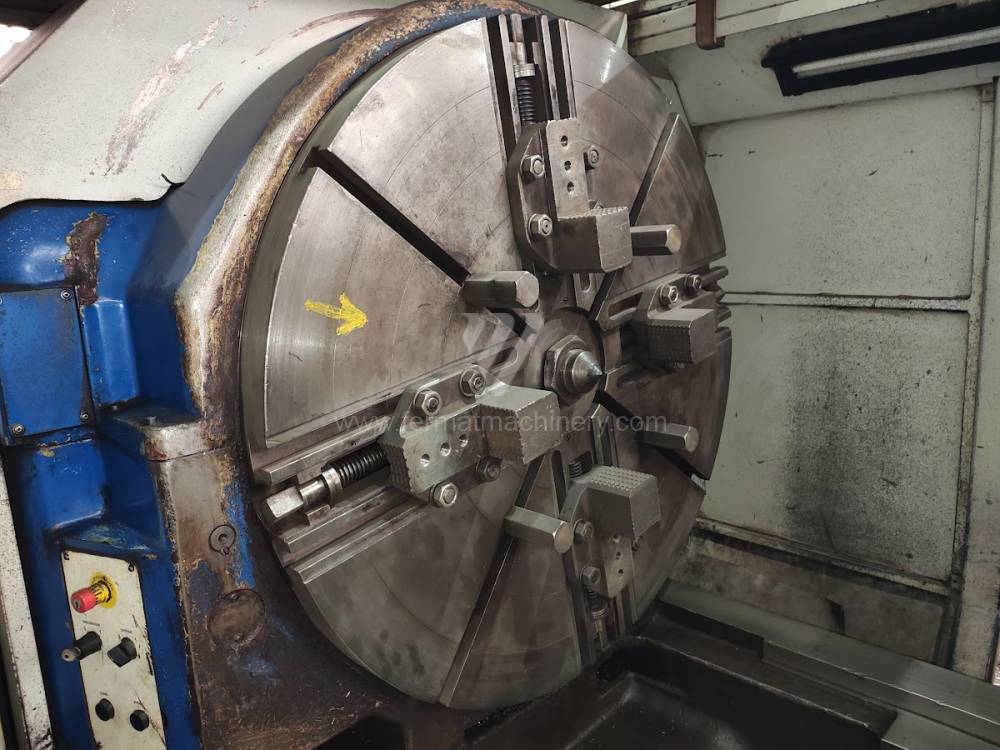
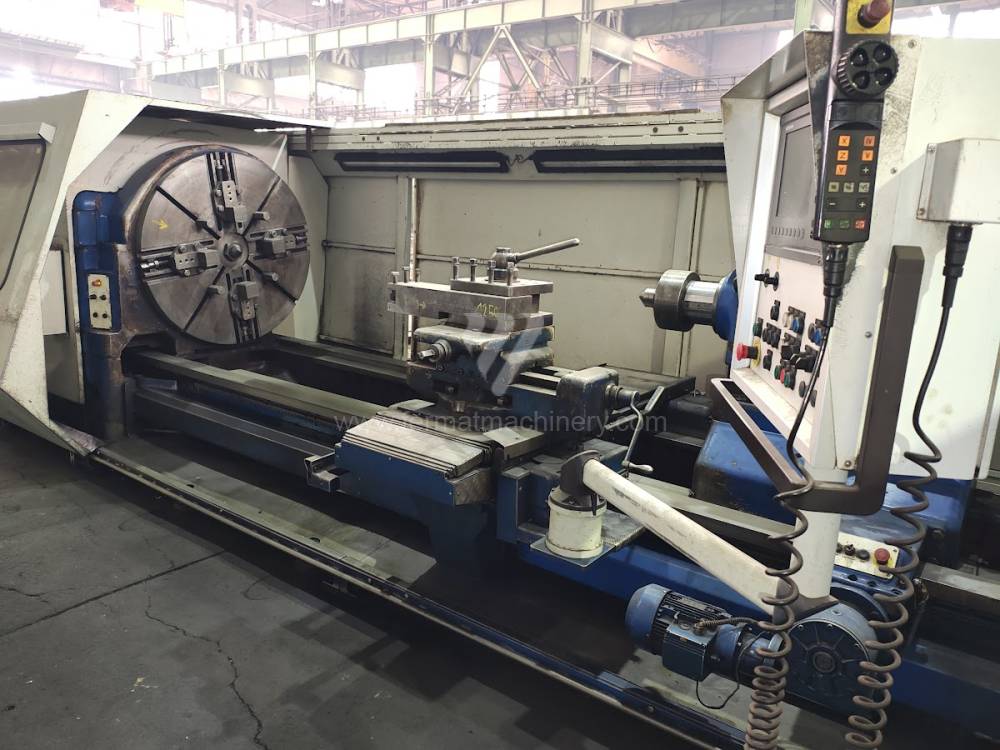
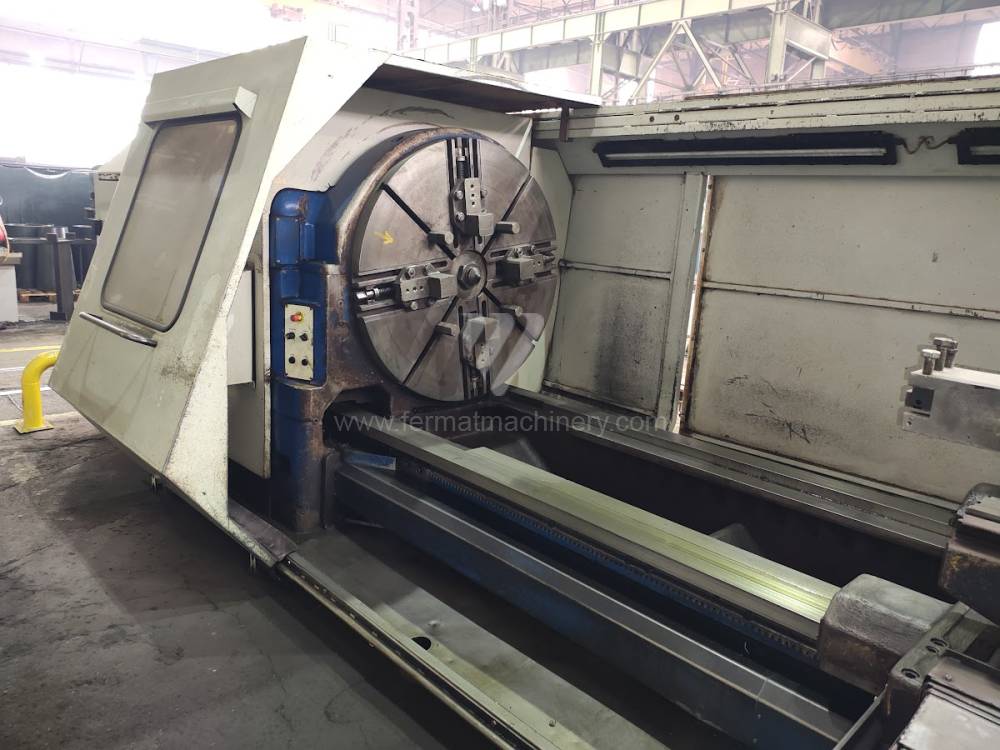
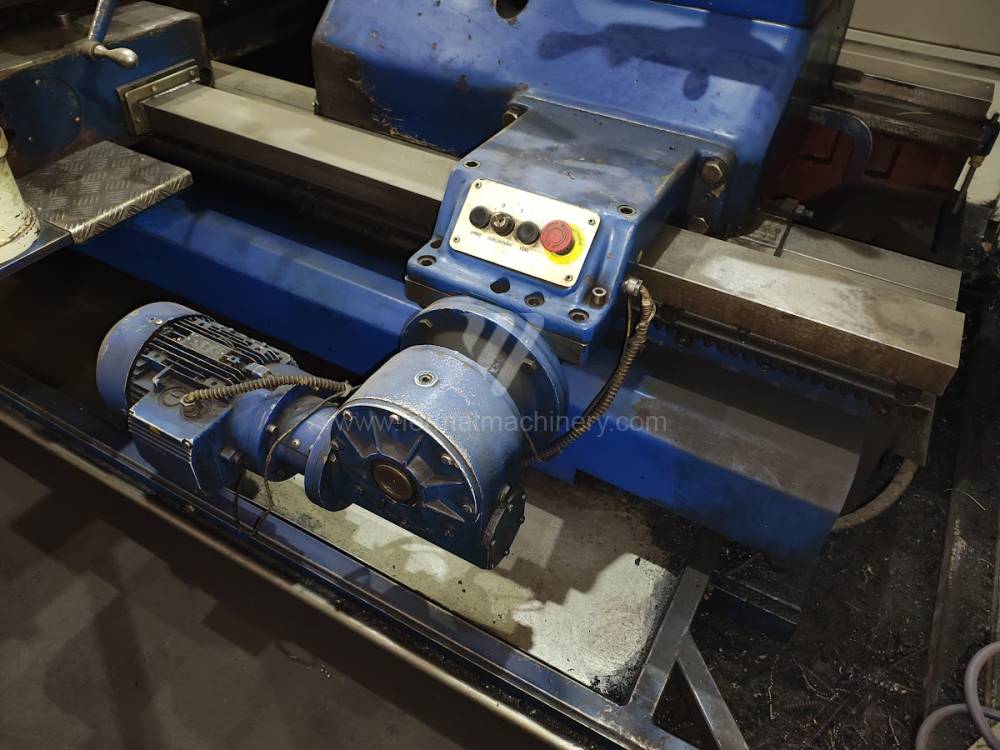
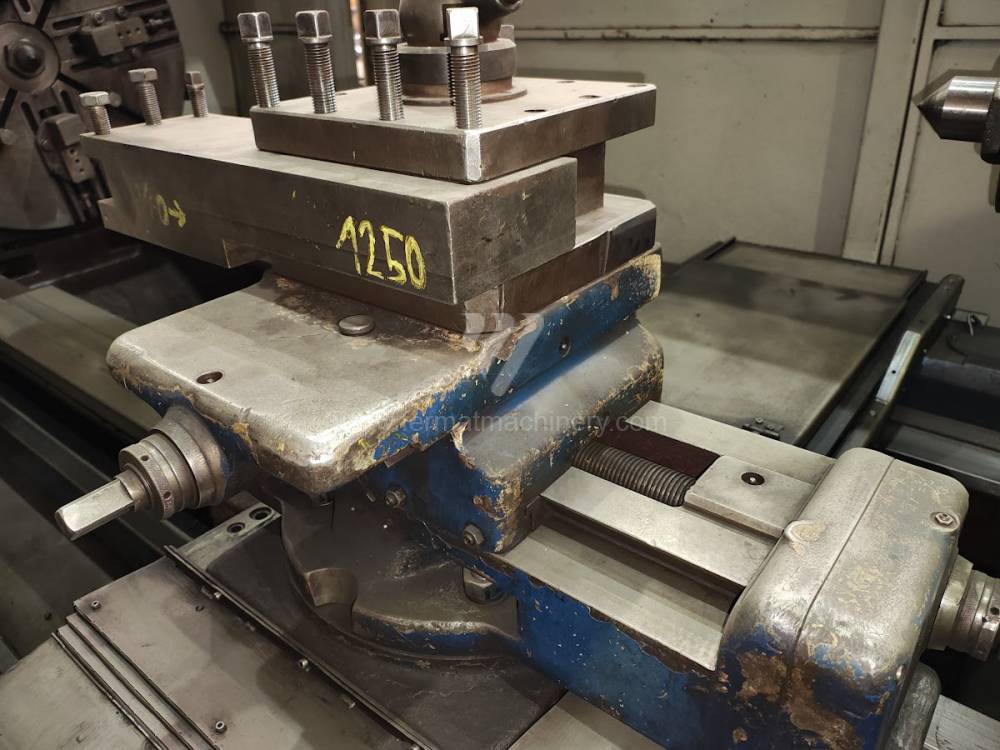
SRM 125/3000 NC
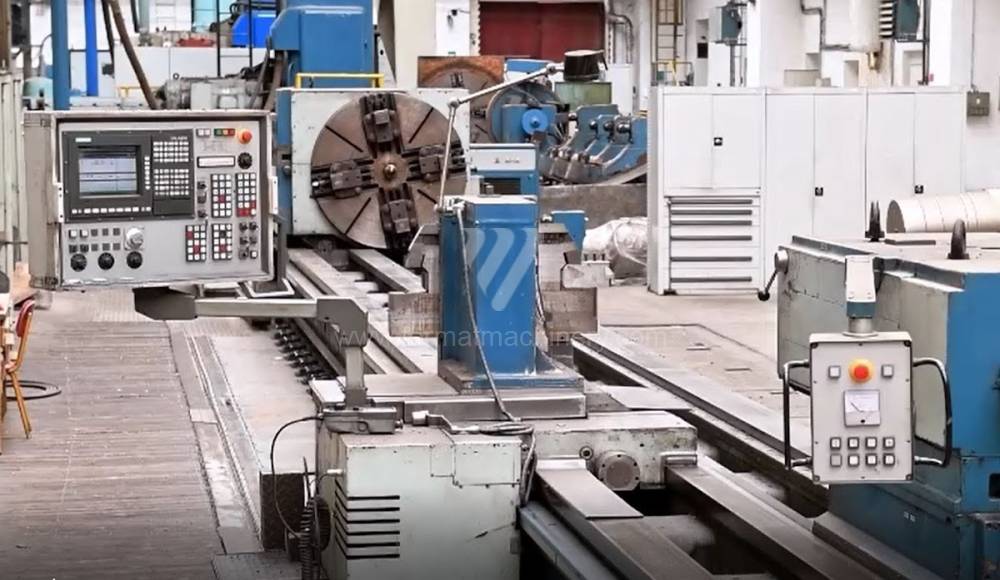
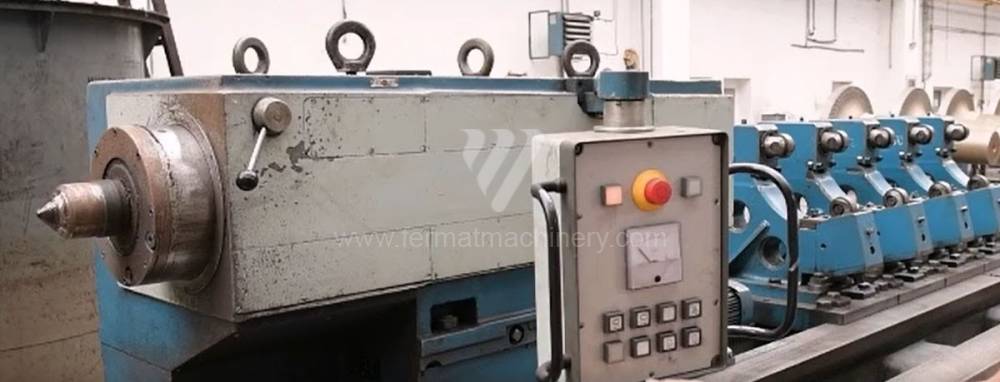
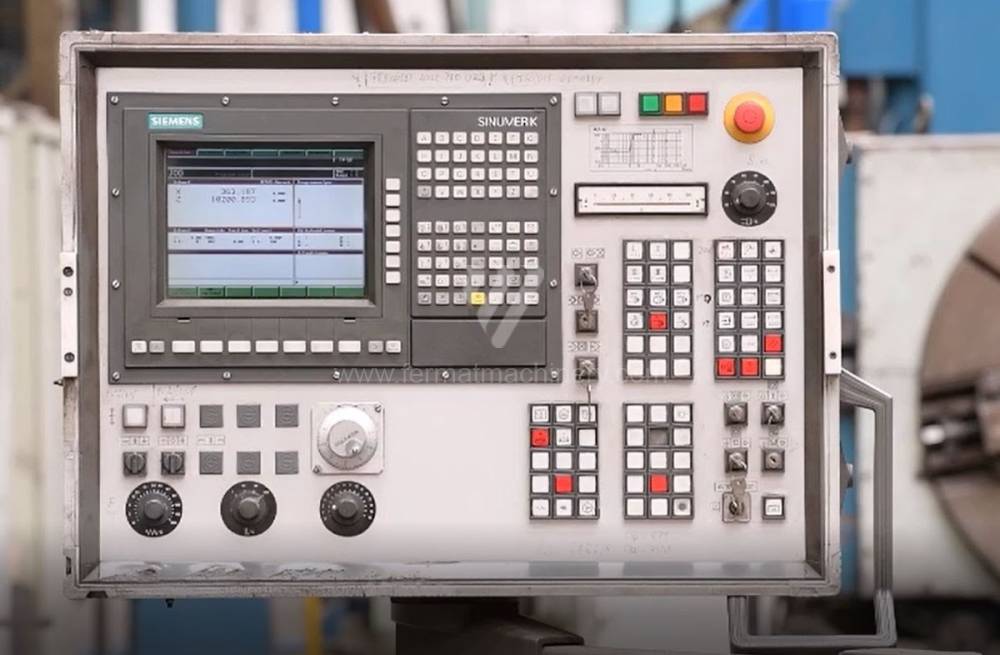
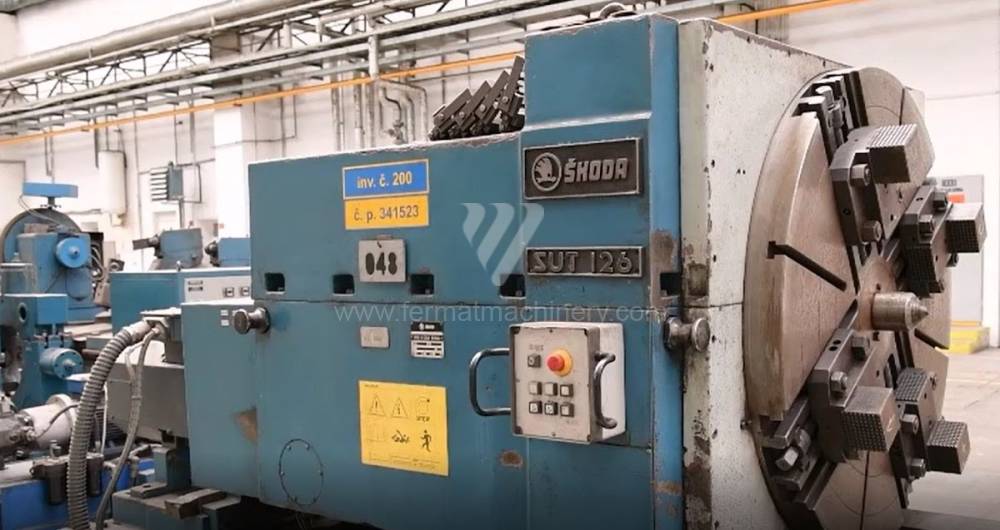
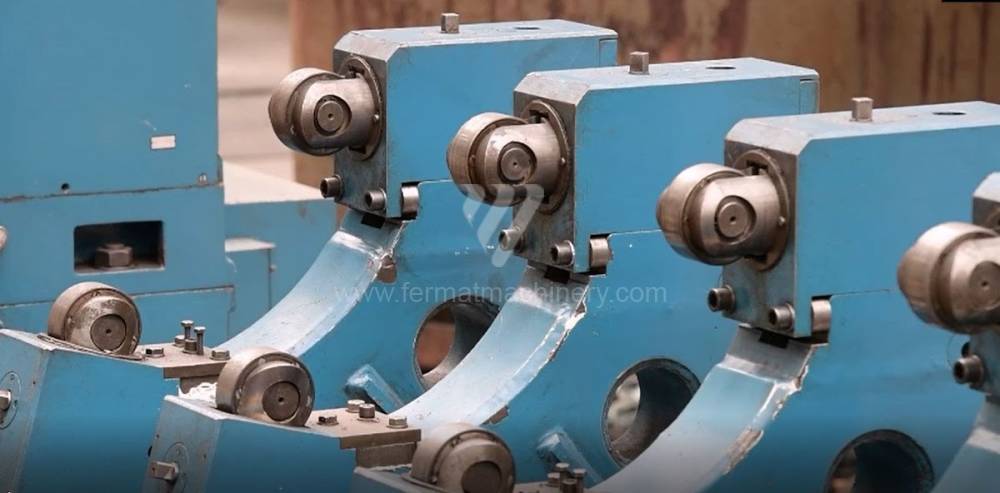
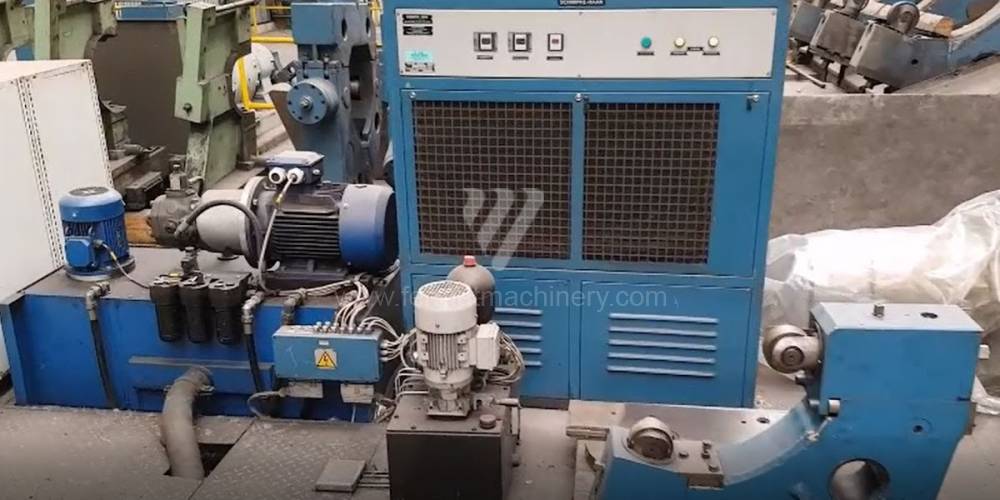
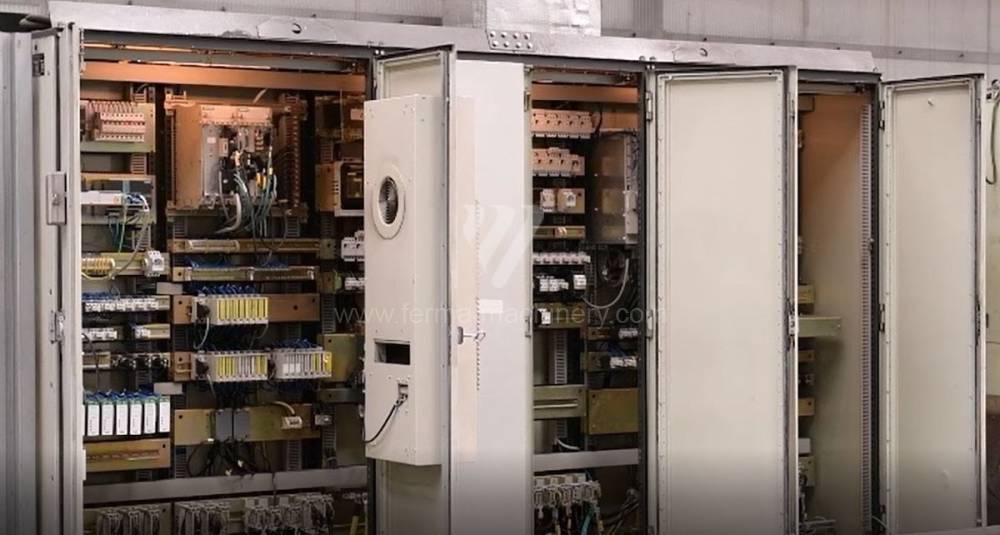
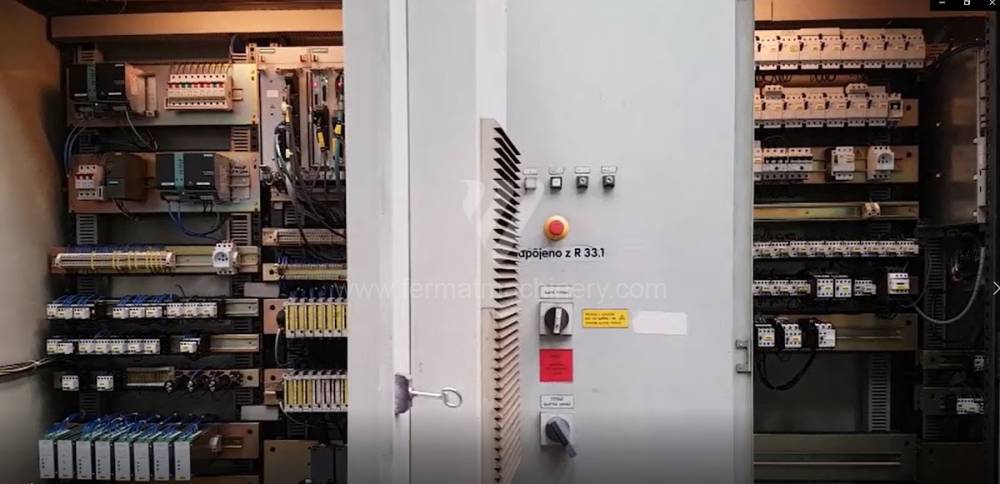
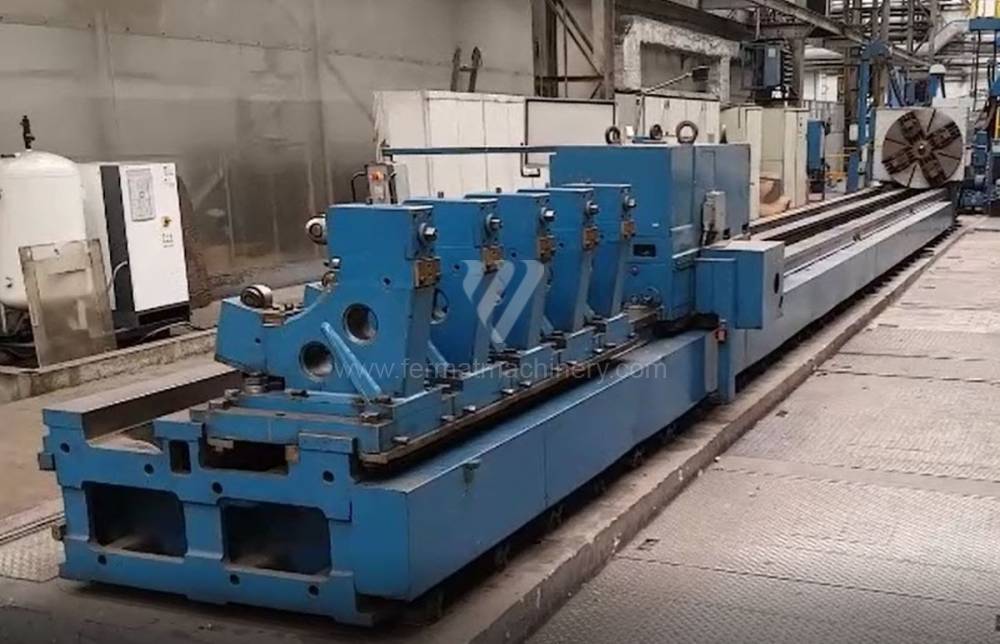
SUT 126/14500 CNC
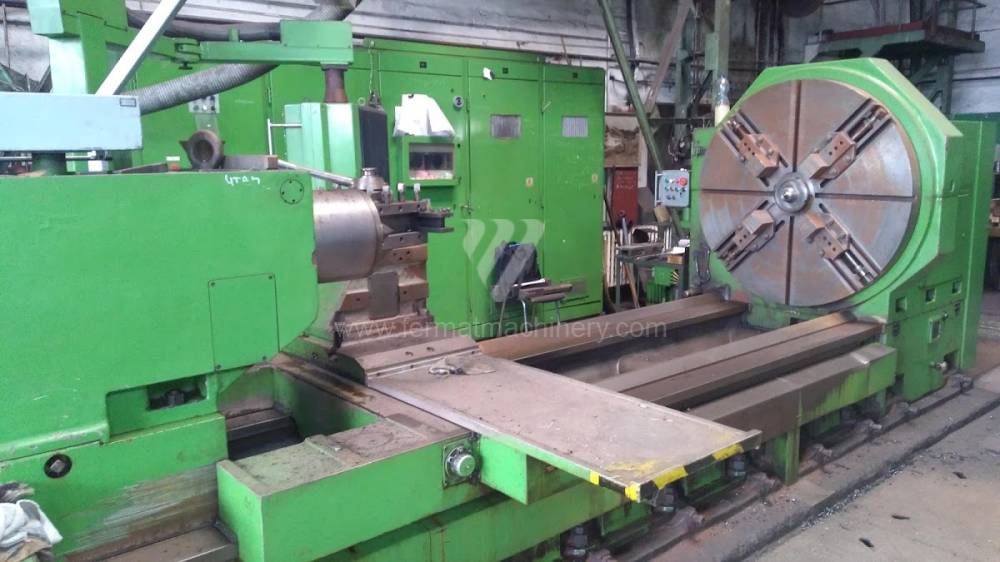
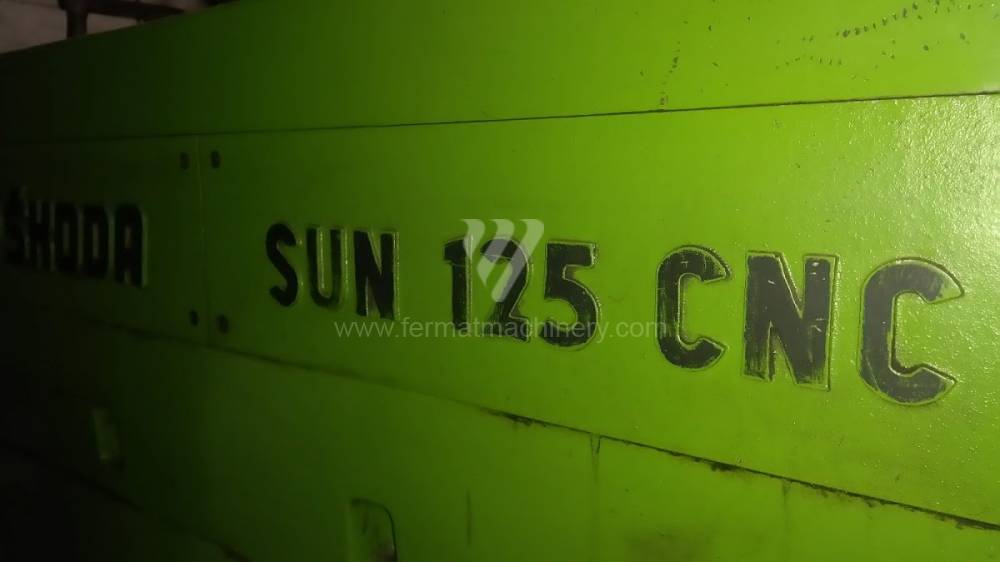
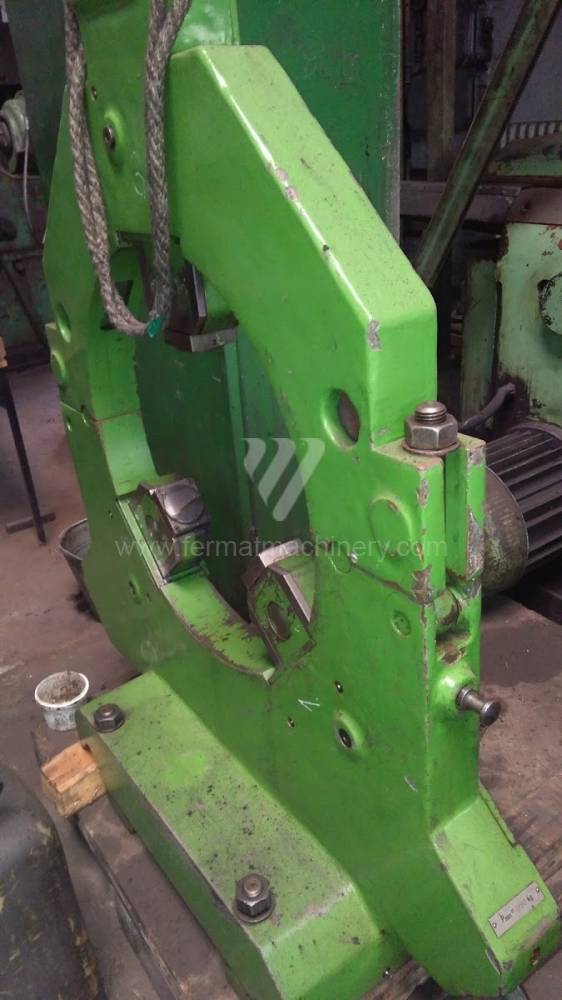
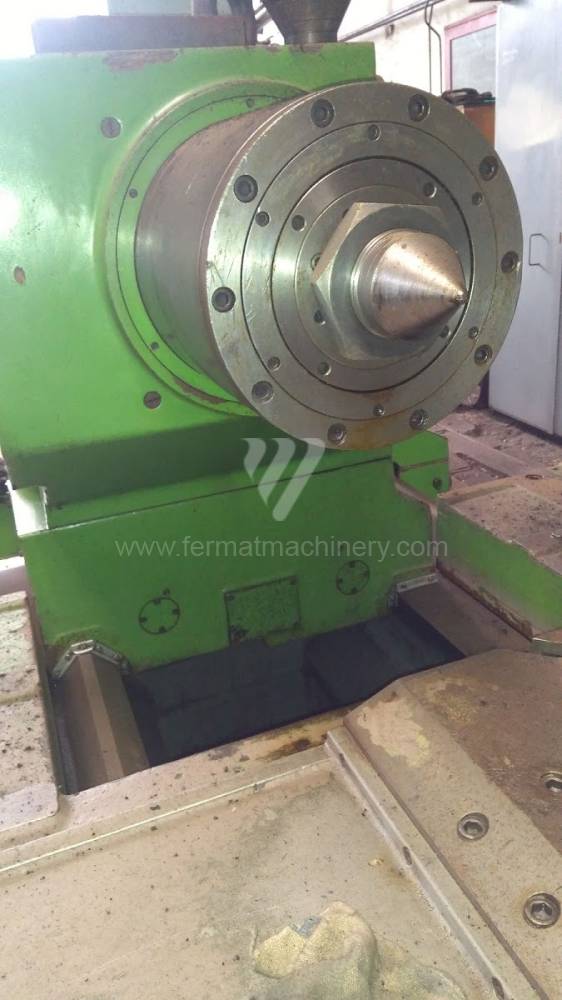
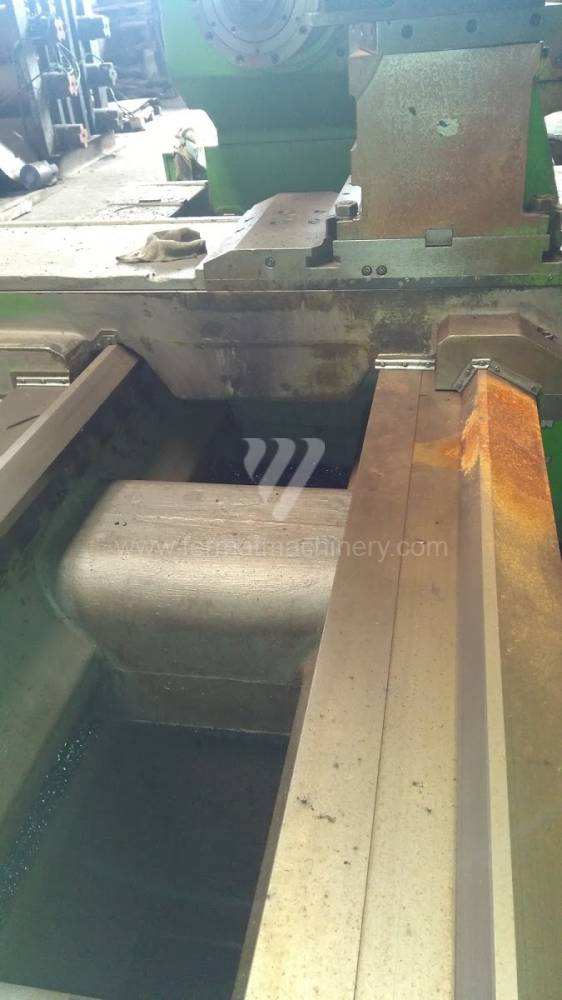
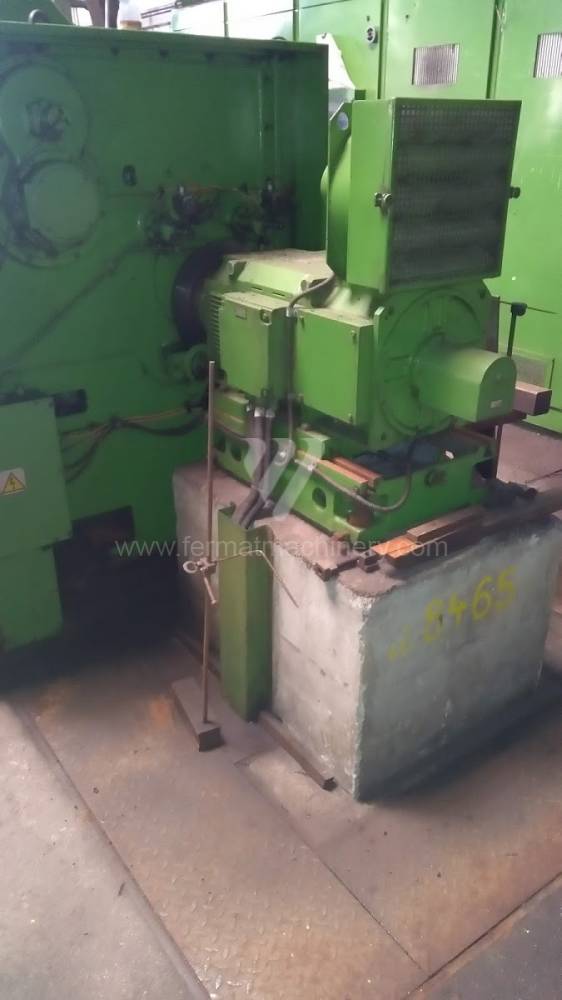
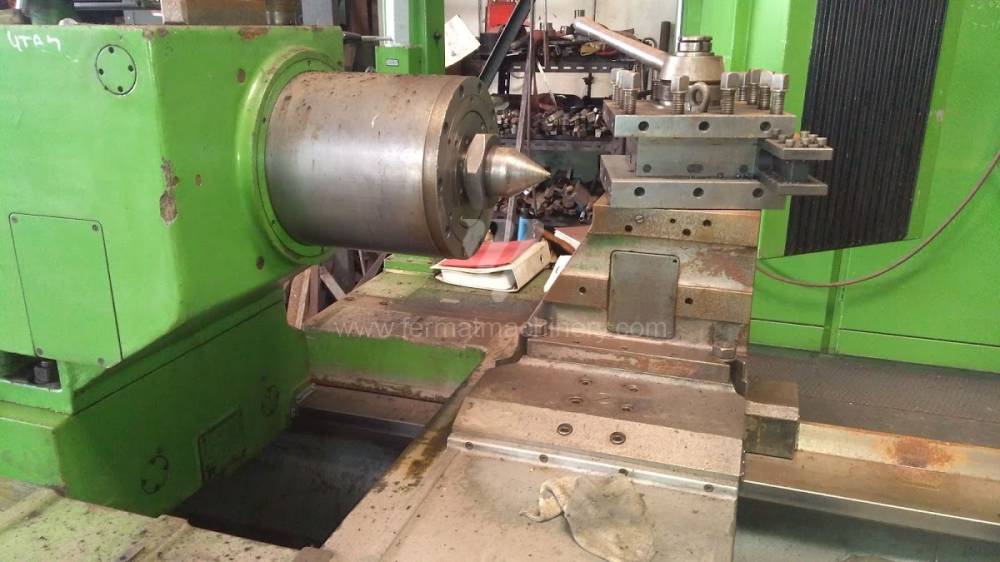
SUN 125/3000 CNC
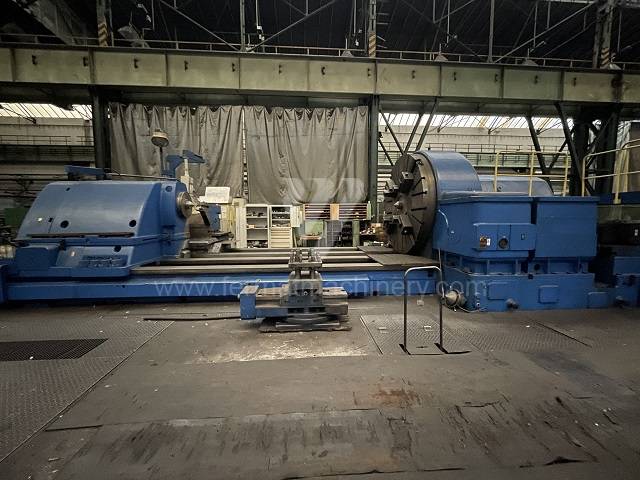
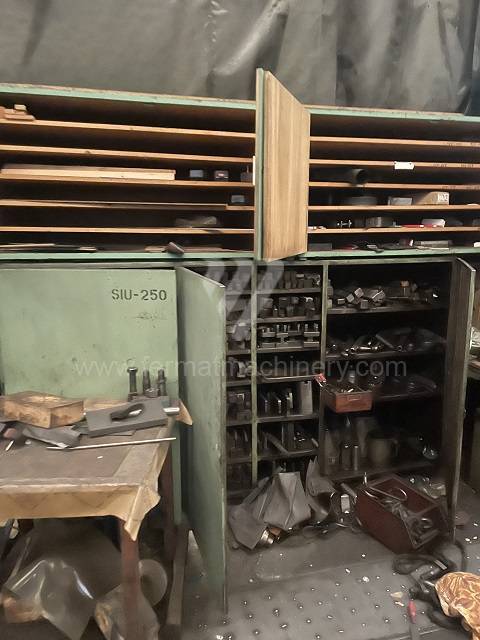
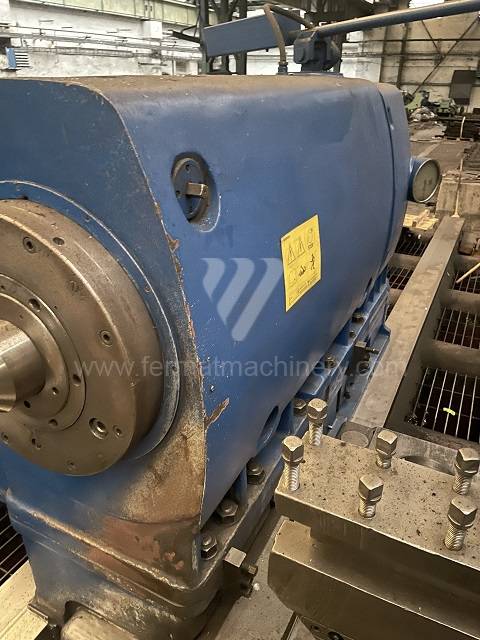
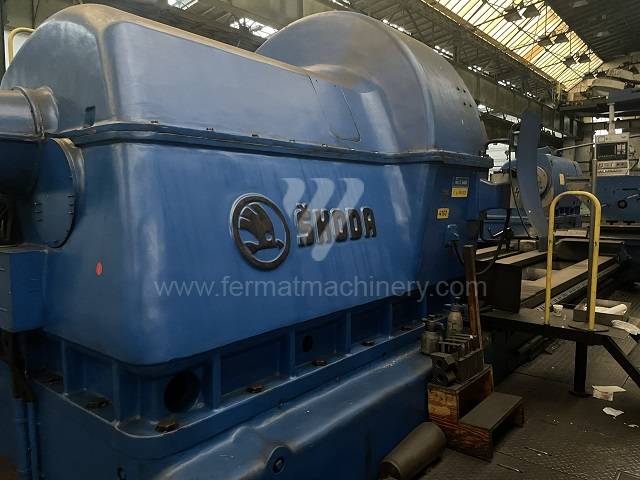
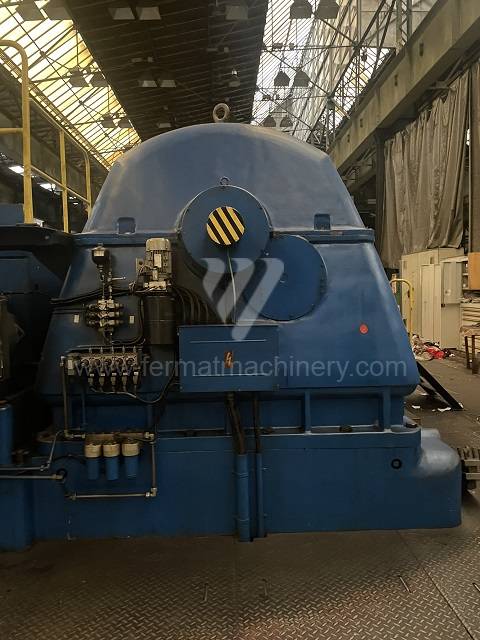
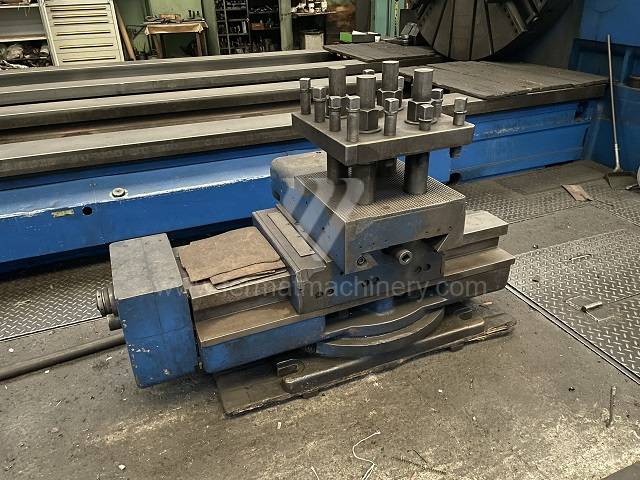
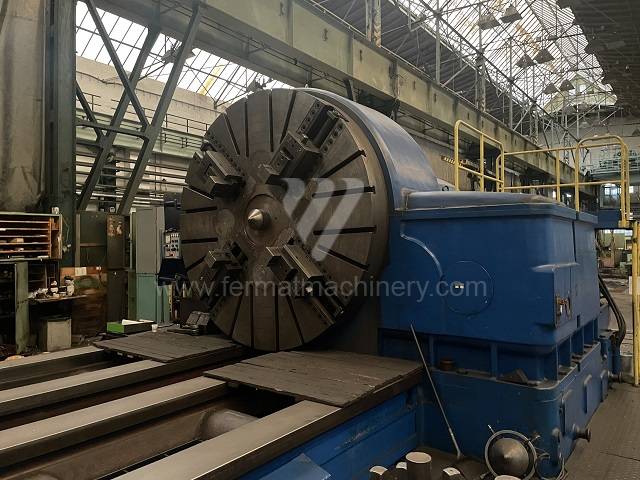
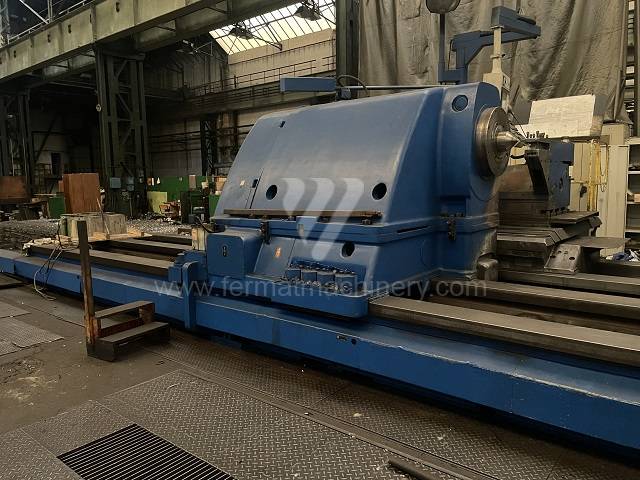
SIU 250/9000 CNC
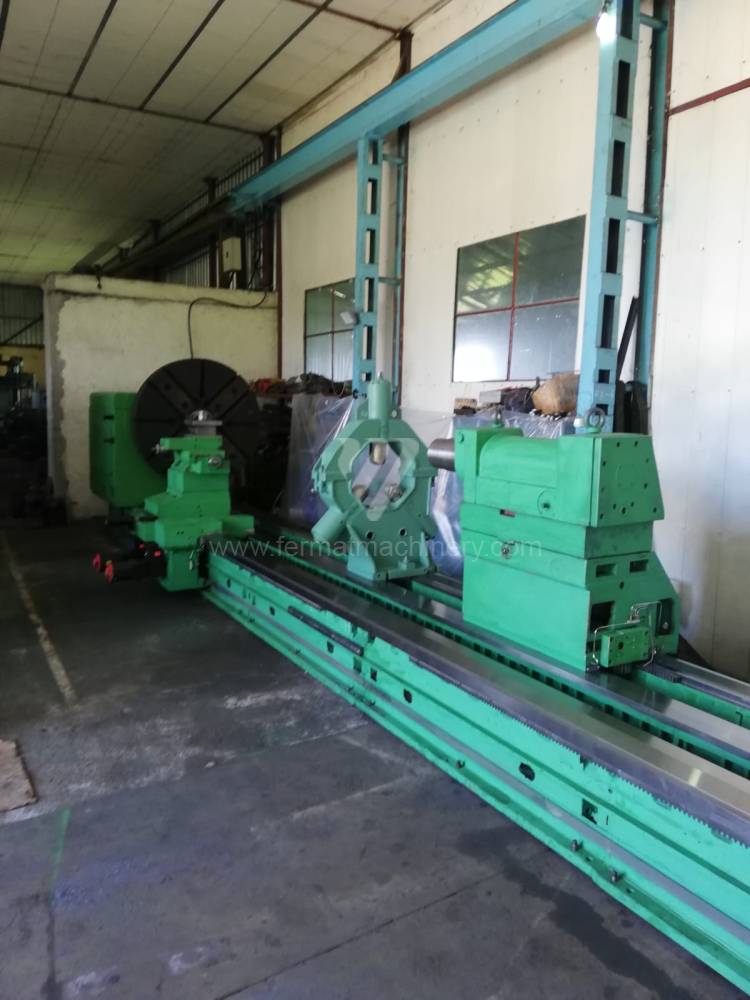
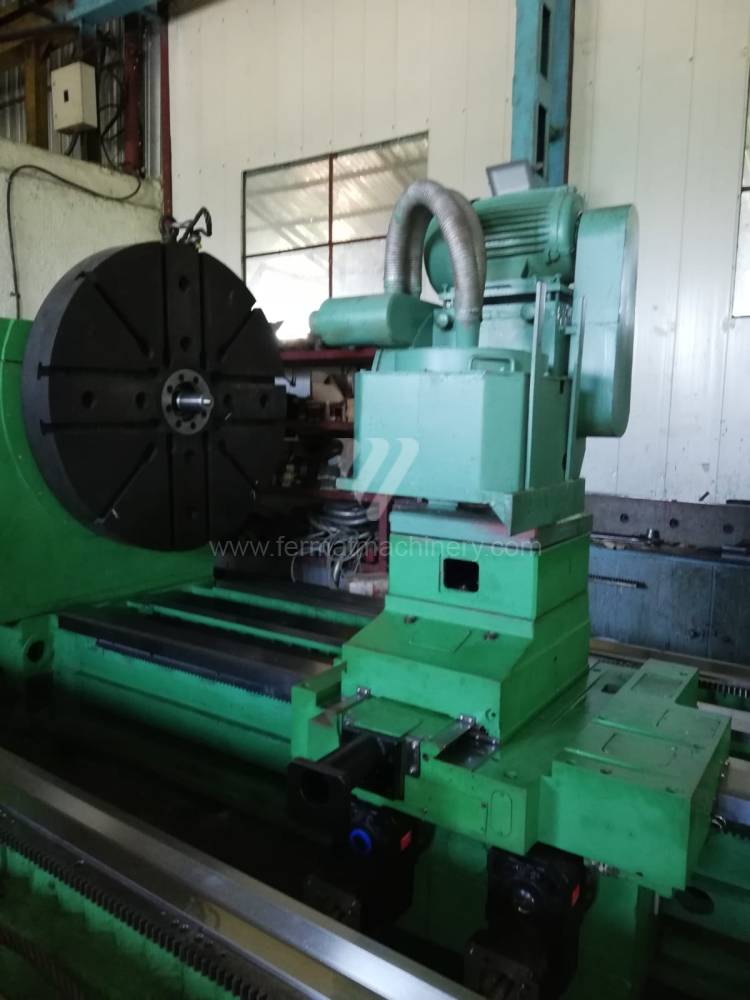
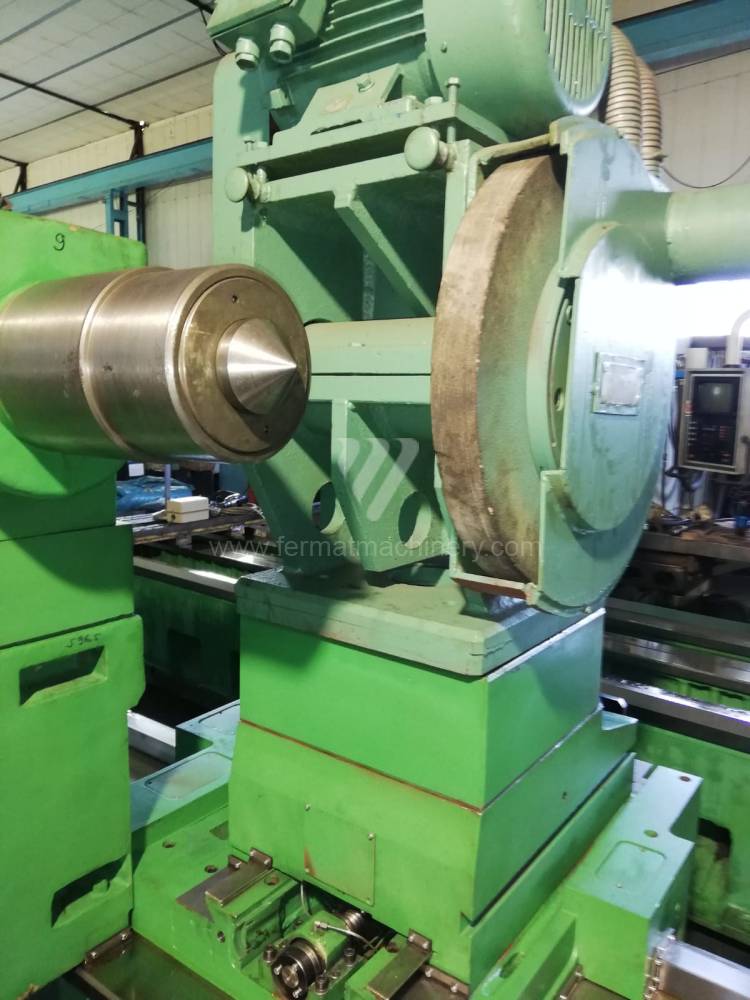
SNG 1600x10000
Lathes CNC - diameter over 800 mm
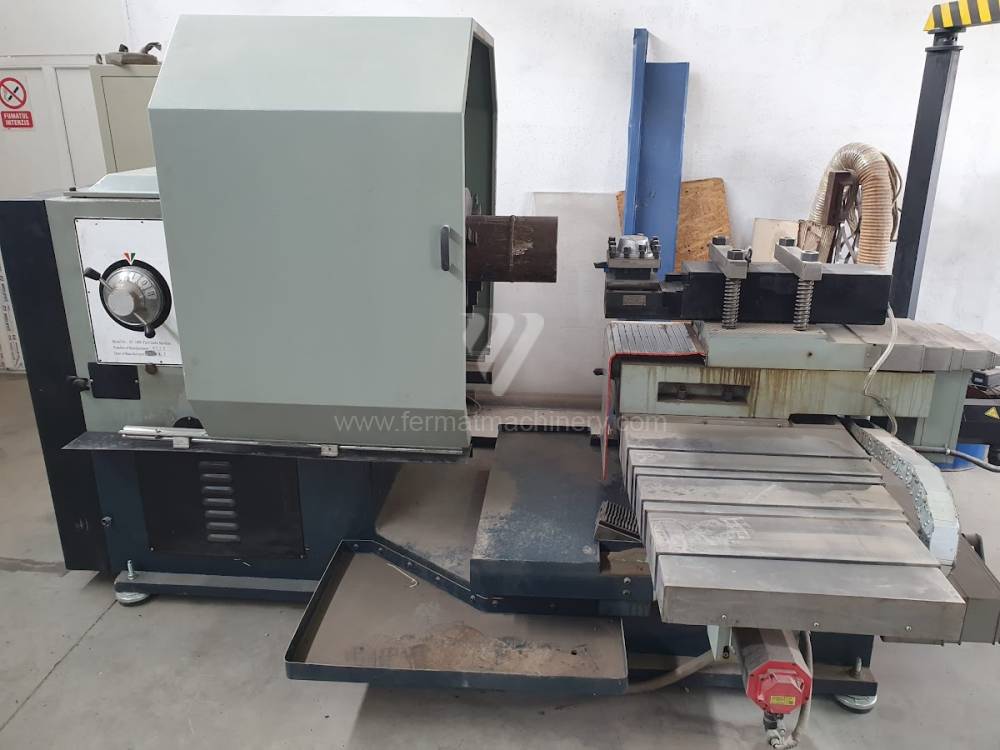
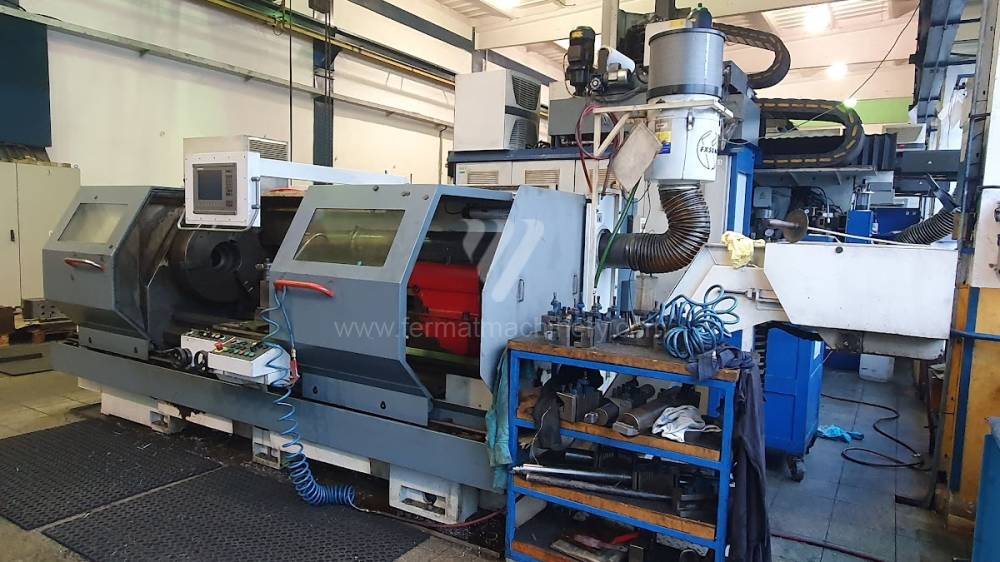
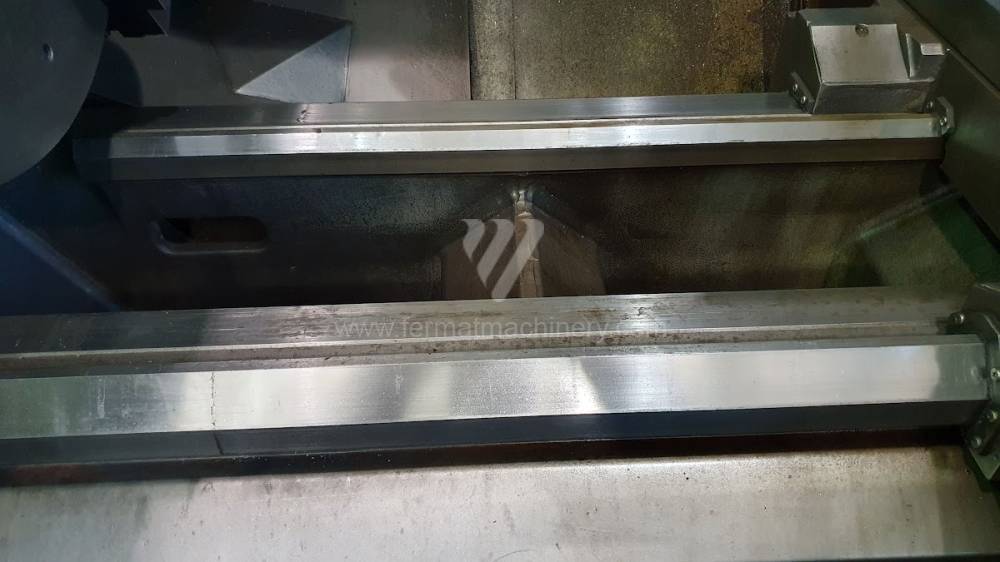
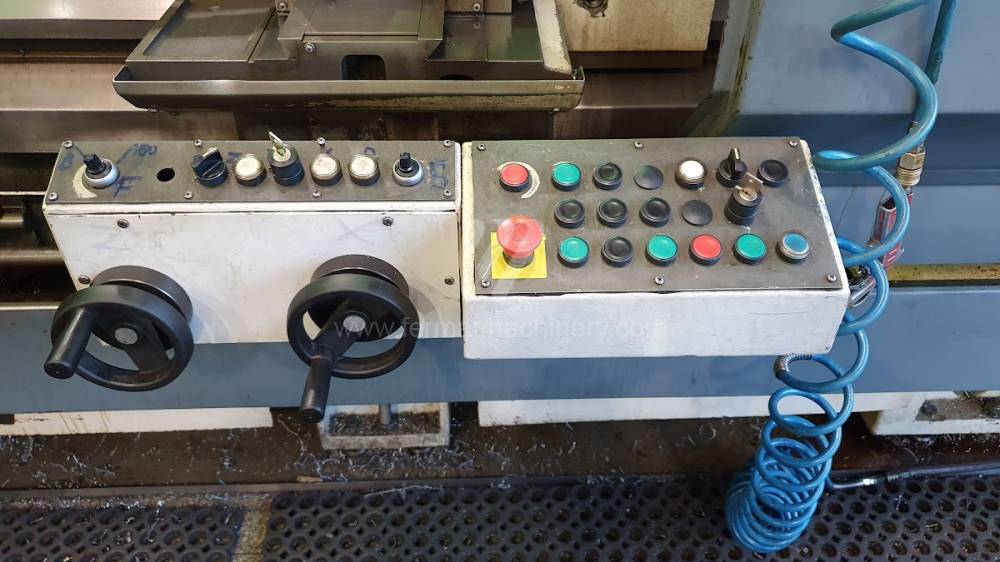
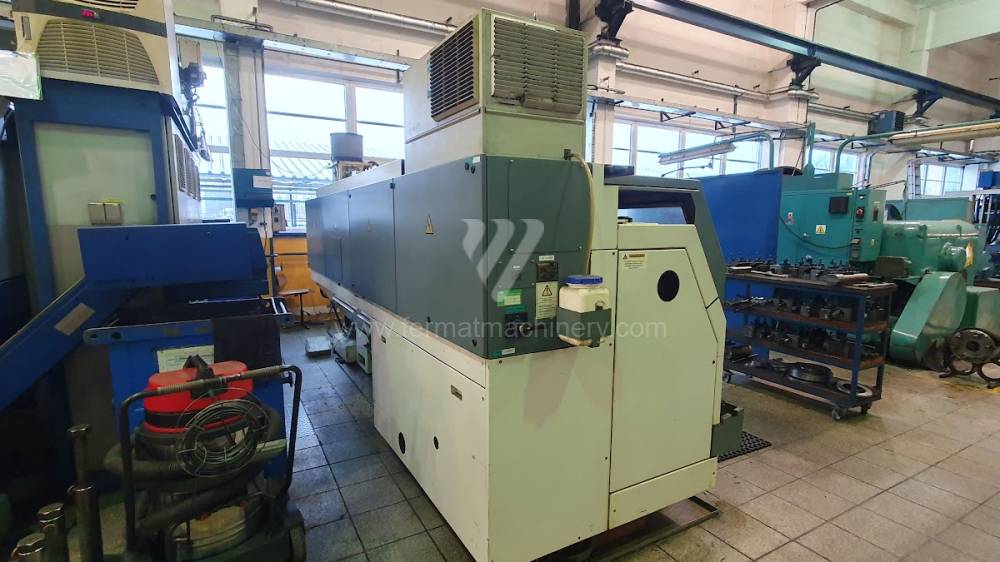
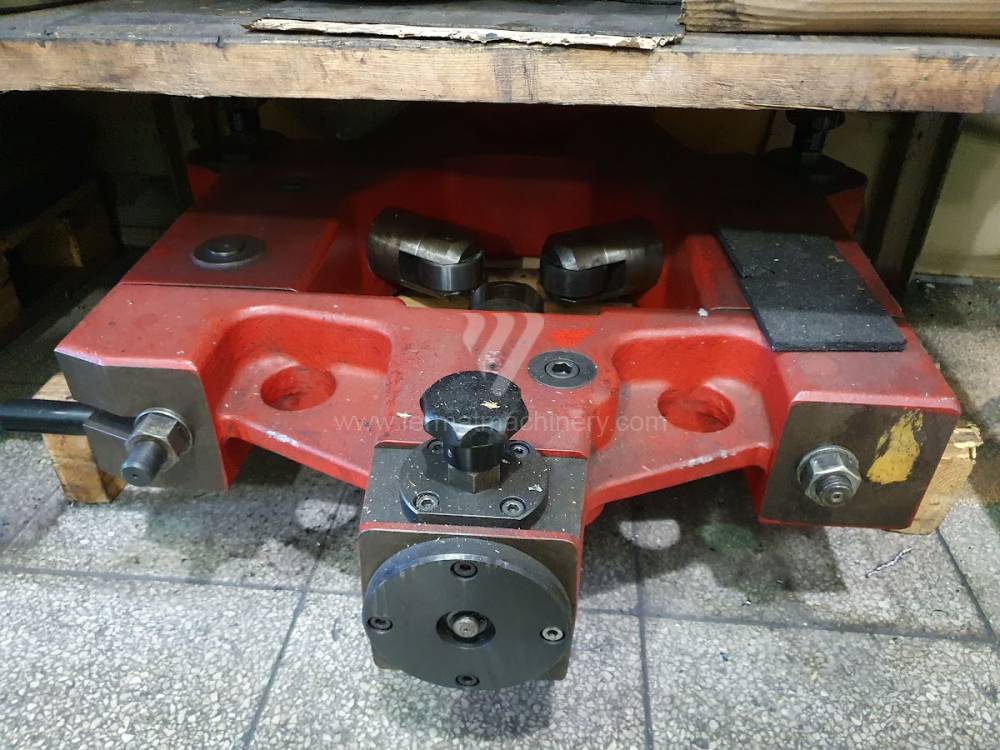
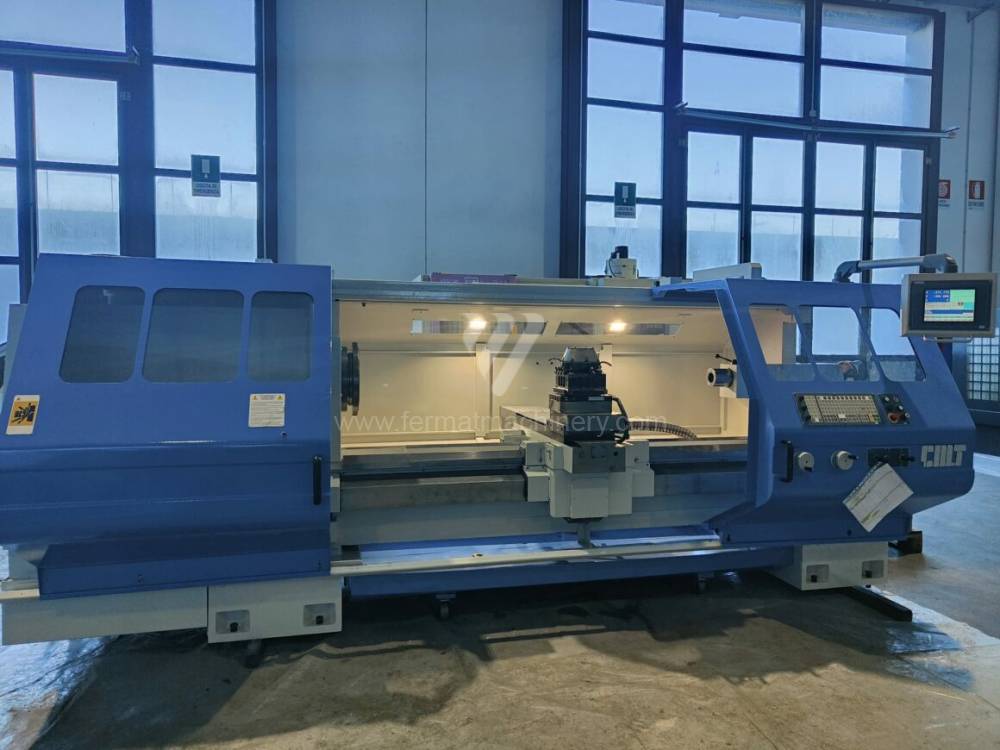
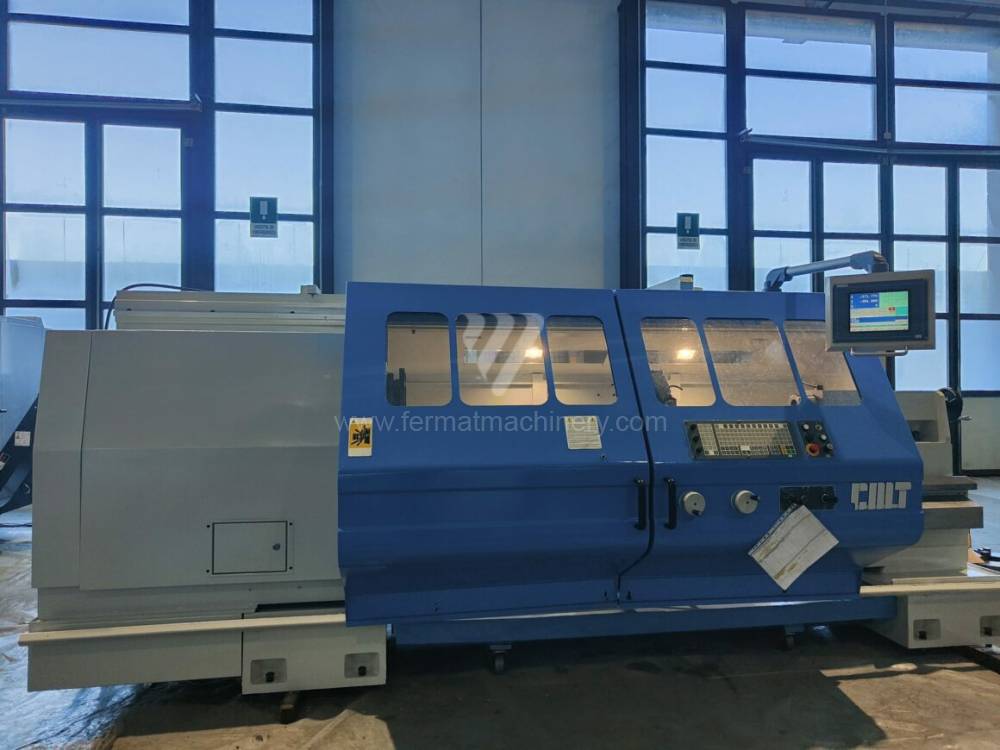
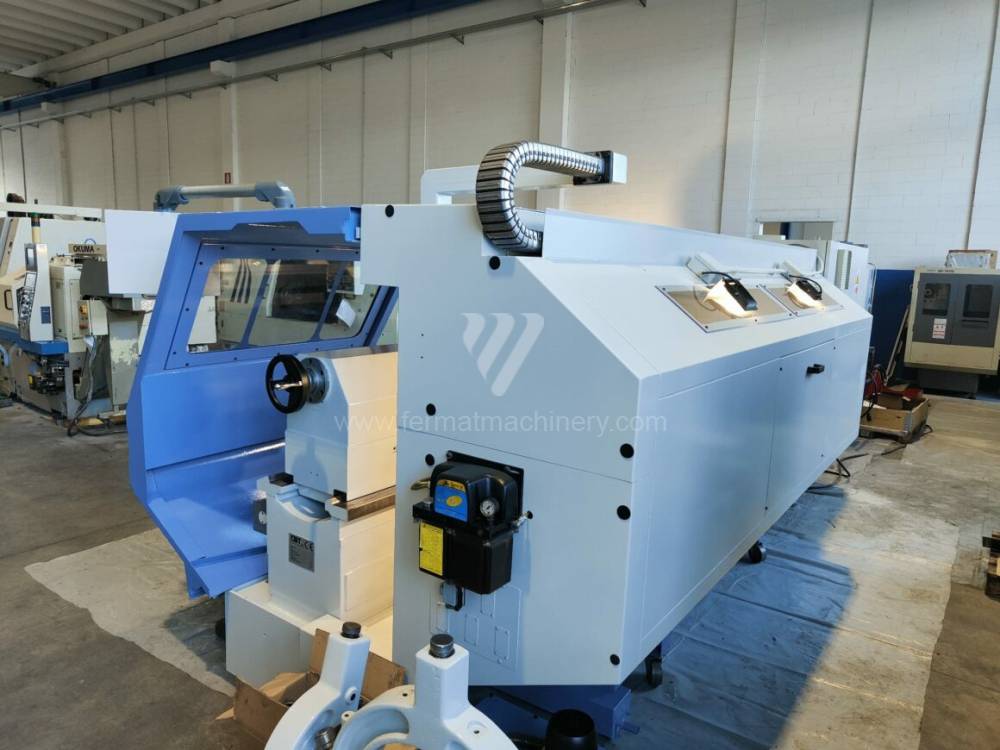
SF-1000 CNC
YOU JI
Inventory number: 221185
YOM:2014
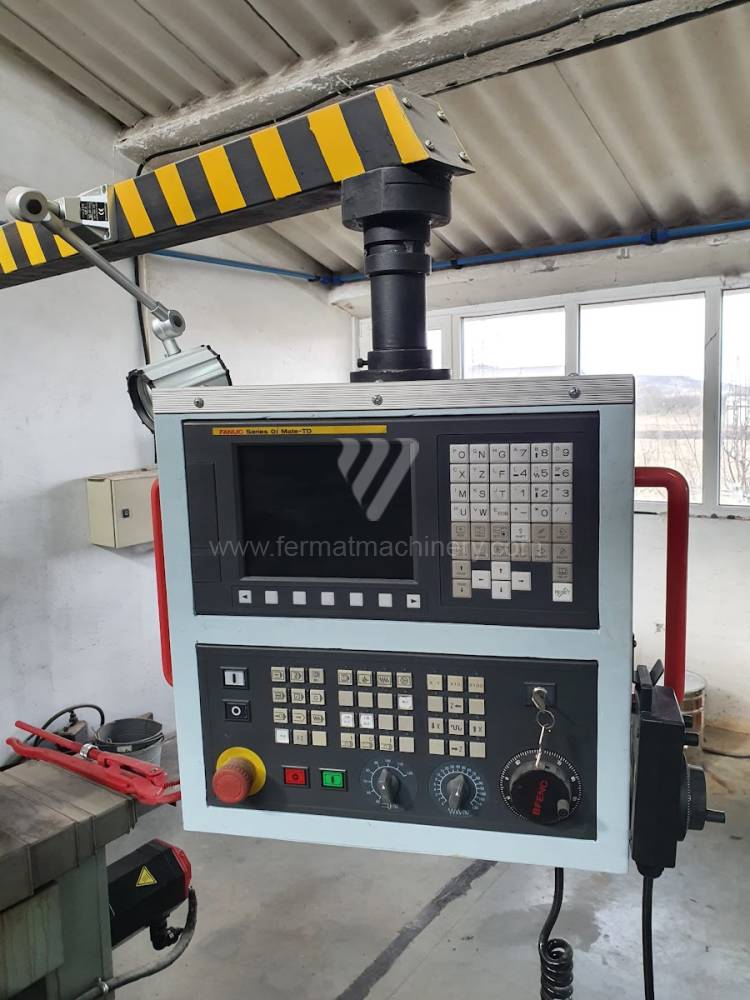
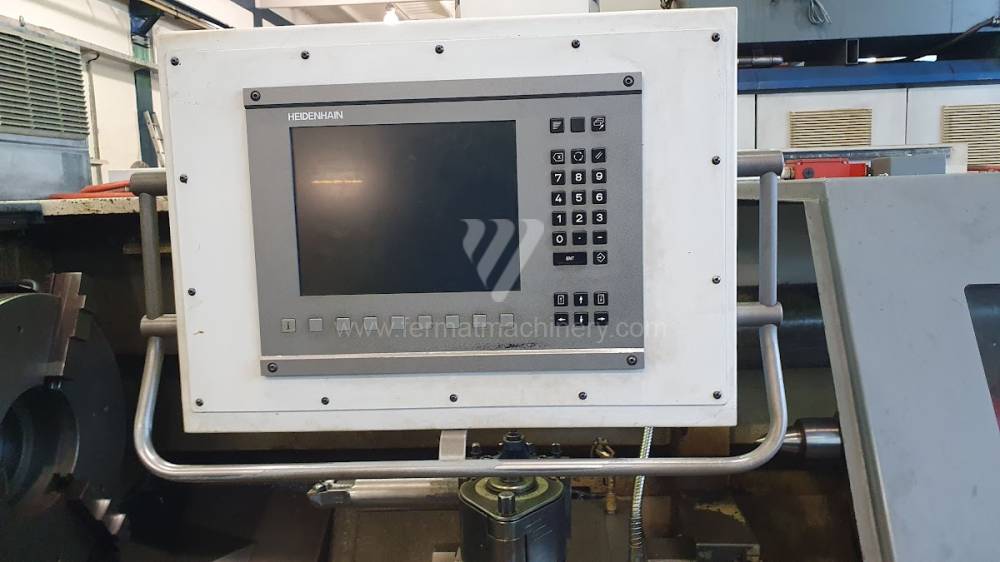
: 0i Mate - MD
:
: 600
Sloping bed: NO
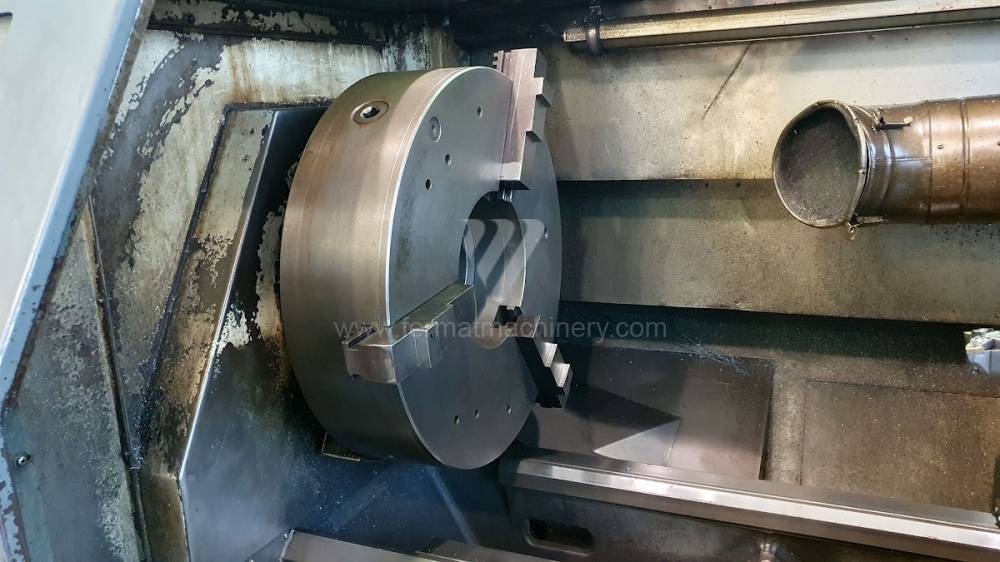
Spindle bore: 180 mm
: NO
Masturn MT 70/2000 CNC
KOVOSVIT MAS, a.s.
Inventory number: 261220
YOM:2011
: Manual Plus 4110
: 820
: 2000
Sloping bed: NO
Spindle bore: 128 mm
: NO
S 2100/10000
ŠKODA MACHINE TOOL a.s.
Inventory number: 251977
:
:
: 10000
Sloping bed: NO
Spindle bore: mm
: NO
WD 300 Le CNC
Herkules
Inventory number: 261477
YOM:1993
: Sinumerik 820
Turn table diameter: 1800 mm
: 12000
Sloping bed: NO
Spindle bore: mm
: NO
URSUS TCH 800
CMT
Inventory number: 241551
YOM:2002
: 2402
Turn table diameter: 815 mm
: 2000
Sloping bed: NO
Spindle bore: 137 mm
: NO
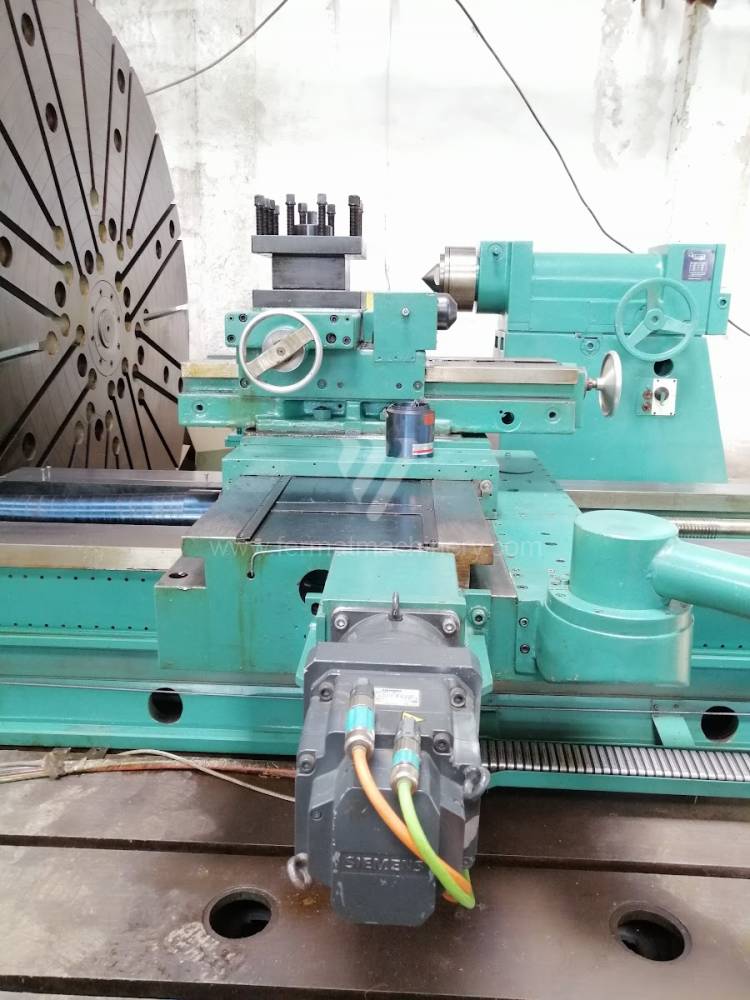
DP 4000 CNC
NILES-SIMMONS Industrieanlagen GmbH
Inventory number: 241069
: 802 D si
Turn table diameter: 4000 mm
: 6000
Sloping bed: NO
Spindle bore: mm
: NO
SRM 125/3000 NC
ŠKODA MACHINE TOOL a.s.
Inventory number: 251076
YOM:1974
Turn table diameter: 1250 mm
: 3000
Sloping bed: NO
Spindle bore: mm
: NO
: 900
SUT 126/14500 CNC
ŠKODA MACHINE TOOL a.s.
Inventory number: 261206
YOM:1997
: Sinumerik 840 C
Turn table diameter: 1000 mm
: 14500
Sloping bed: NO
Spindle bore: mm
: NO
SUN 125/3000 CNC
ŠKODA MACHINE TOOL a.s.
Inventory number: 201355
YOM:1994
: Sinumerik 810
Turn table diameter: 1320 mm
: 3000
Sloping bed: NO
Spindle bore: 140 mm
: NO
SIU 250/9000 CNC
ŠKODA MACHINE TOOL a.s.
Inventory number: 231333
: Sinumerik 840 D
Turn table diameter: 2500 mm
: 9000
Sloping bed: NO
Spindle bore: mm
: YES
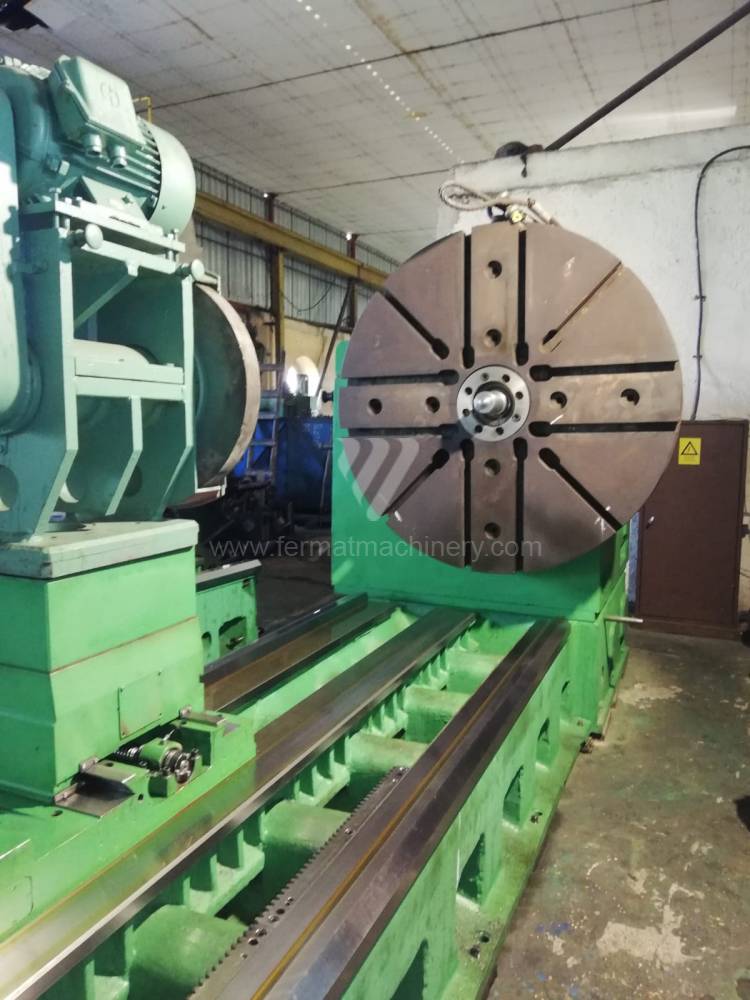
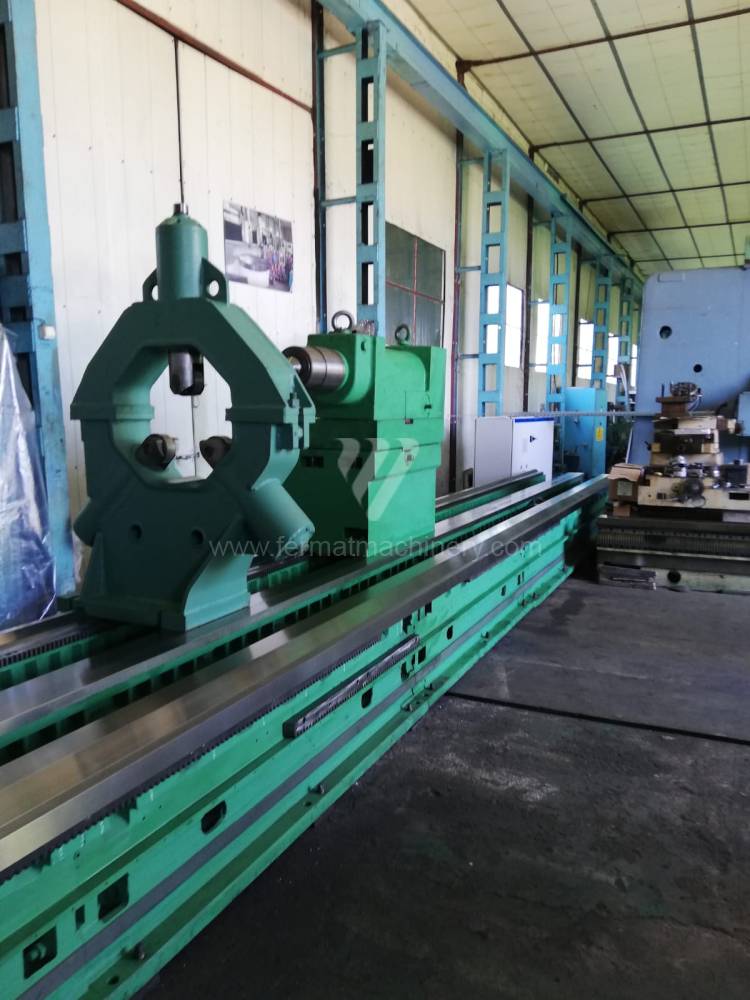
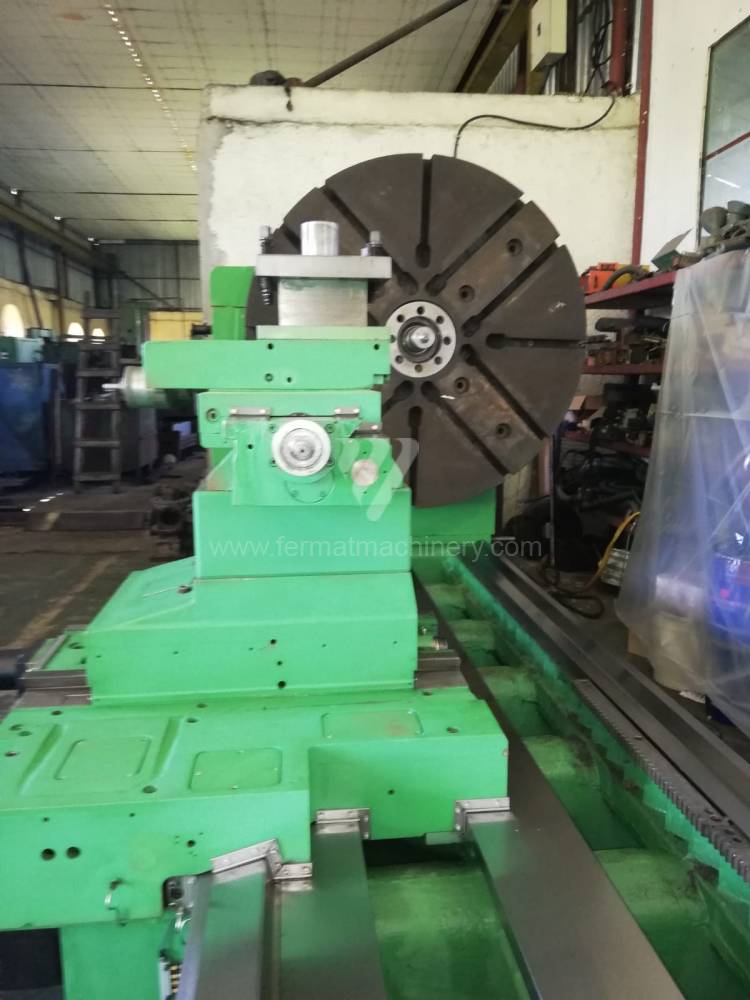
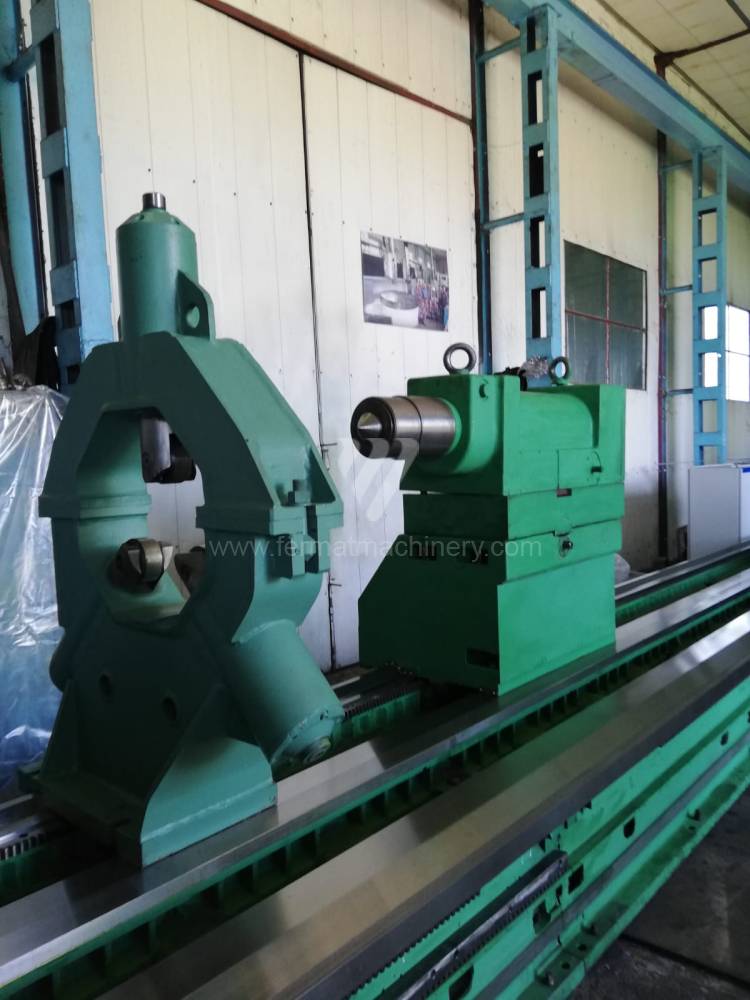
SNG 1600x10000
NILES-SIMMONS Industrieanlagen GmbH
Inventory number: 231675
: 0i-TF
Turn table diameter: mm
: 10000
Sloping bed: NO
Spindle bore: no mm
: NO
Technical Analysis: Dynamic Stability and Power Kinematics
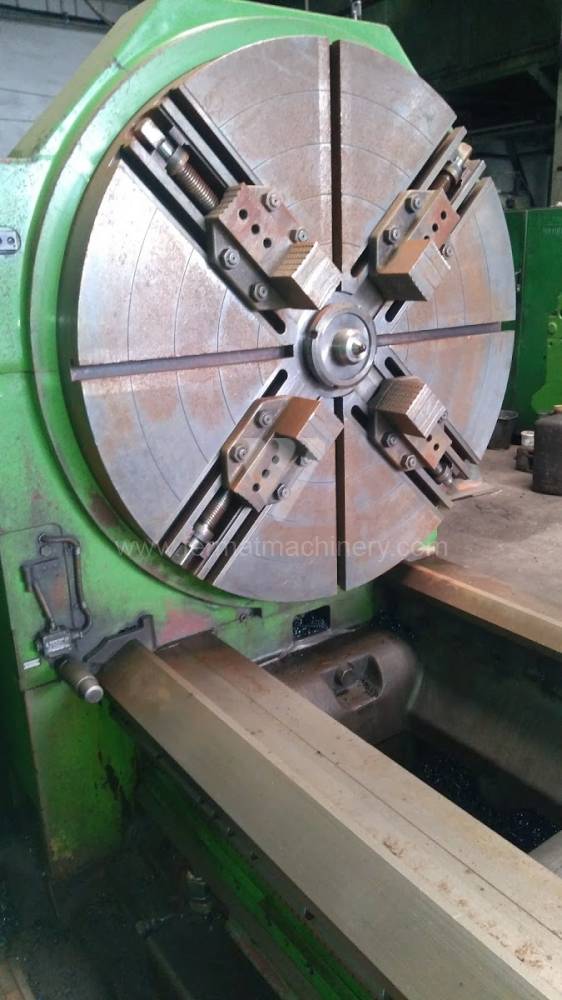
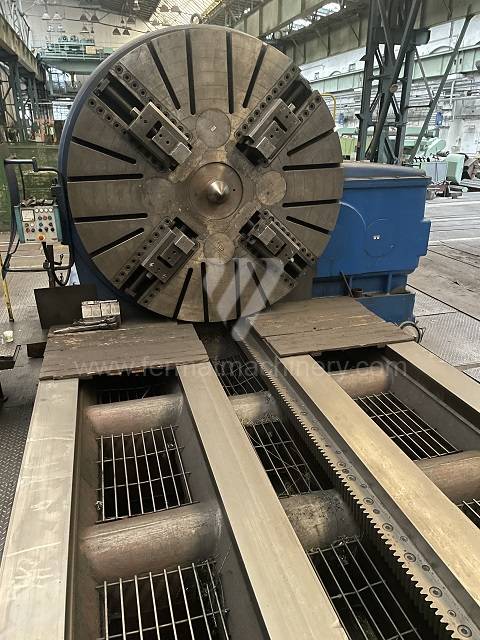
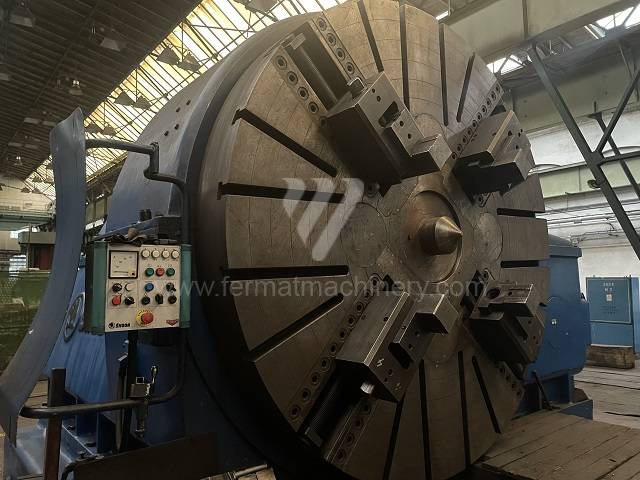
In the category of CNC lathes with a swing over 800 mm, structural integrity overrides dynamics. Machining large shafts or flange parts involves the transfer of enormous torque, requiring specific bed configurations and spindle mounting. Used machines from renowned brands (e.g., Škoda, Gurutzpe, Hankook, or Mori Seiki) benefit from oversized cast iron frames that are economically unattainable in modern 'lightweight' designs.
Key Technical Parameters and Causality:
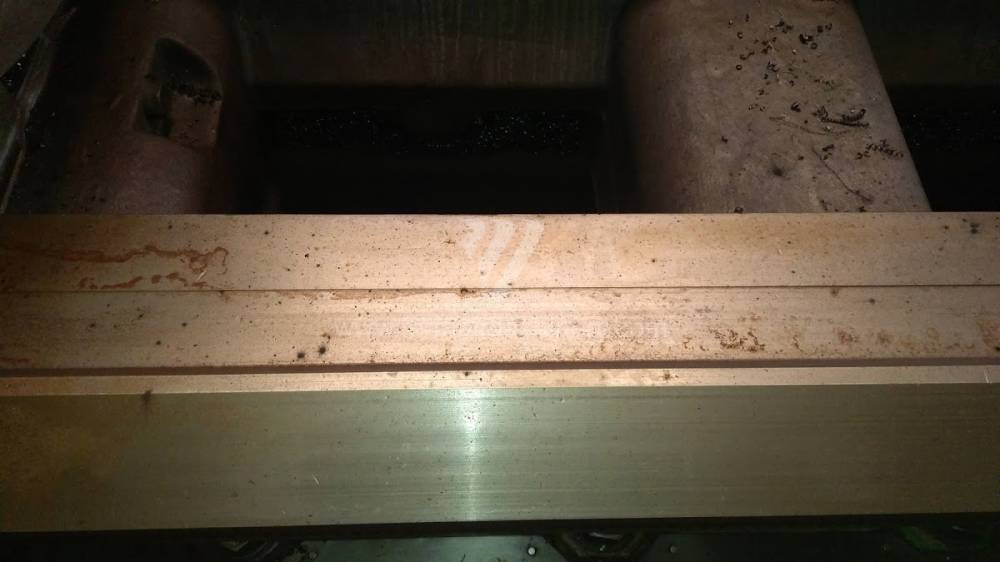
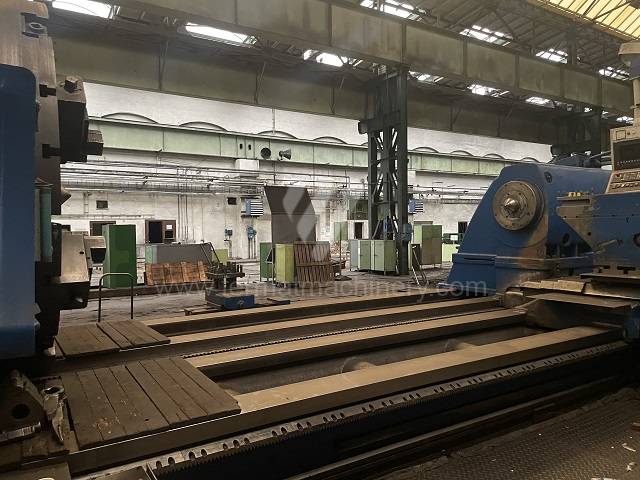
- Box Ways: For diameters over 800 mm, the use of wide, hardened, and ground box ways is critical. Unlike linear guides, box ways provide significantly higher damping capacity and contact area, eliminating harmonic vibrations during roughing with depths of cut exceeding 10 mm.
- High-Torque Headstock: Integration of multi-stage gearboxes (often with planetary gears) allows for torque in the thousands of Nm at low RPM. This is essential for machining castings with interrupted cuts and hard surface skins.
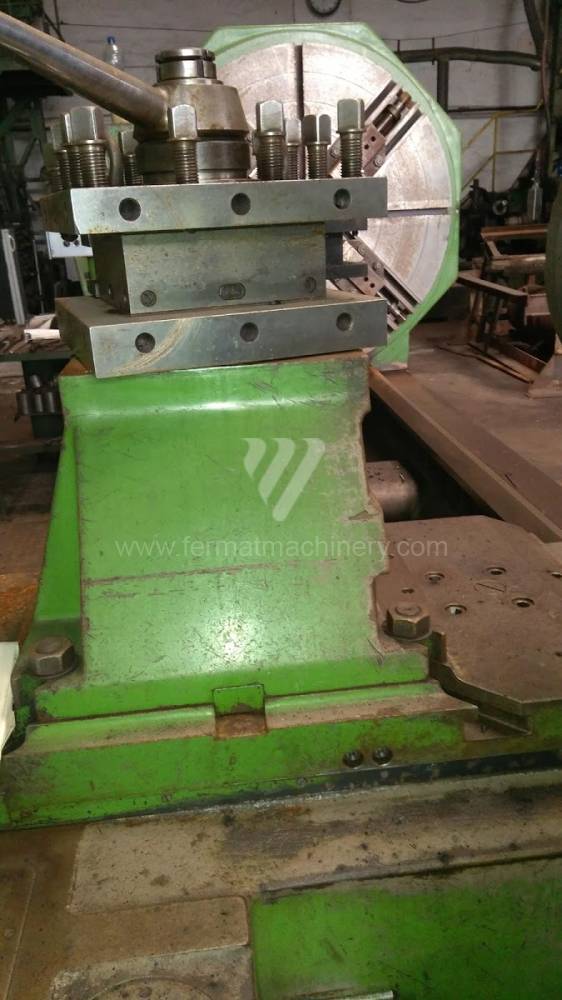
- Tailstock and Steady Rest Rigidity: For workpieces over 800 mm, mass stabilization is key. Massive tailstocks with hydraulic quill extension and self-centering steady rests are necessary to maintain coaxiality and eliminate deflection due to the workpiece's own weight.
Strategic Block: Asset Management and Heavy Equipment ROI
Investing in a used large-format lathe is a strategic move that allows a company to enter segments like energy, marine, or Oil & Gas. The primary benefit is the extreme durability of the mechanical base, which is immune to moral obsolescence.
Economic Parameters:
- Residual Value of Cast Iron: Massive machines over 800 mm hold their value due to their weight and stability. Even after a decade, their mechanical value remains stable, facilitating financing and reducing investment risk.
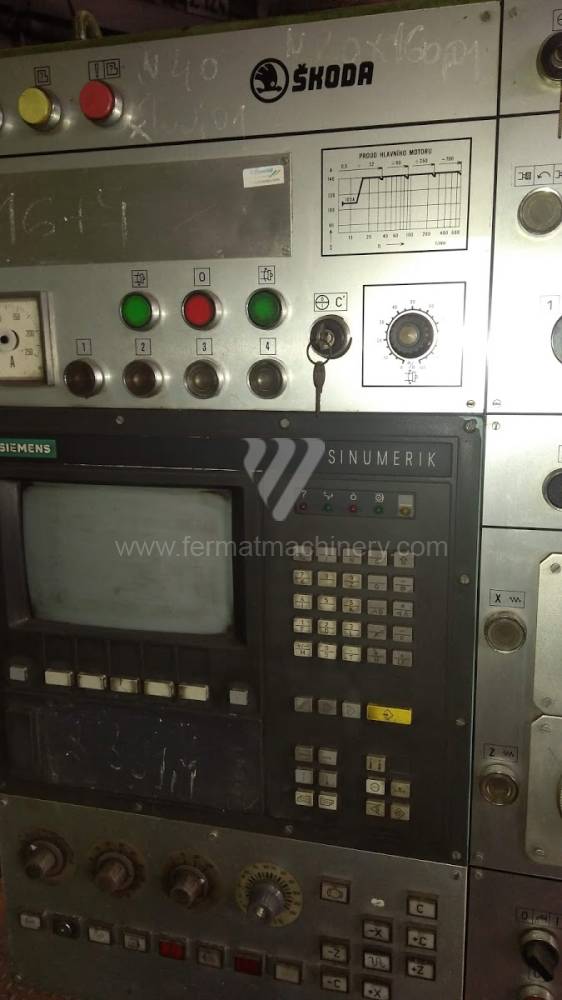
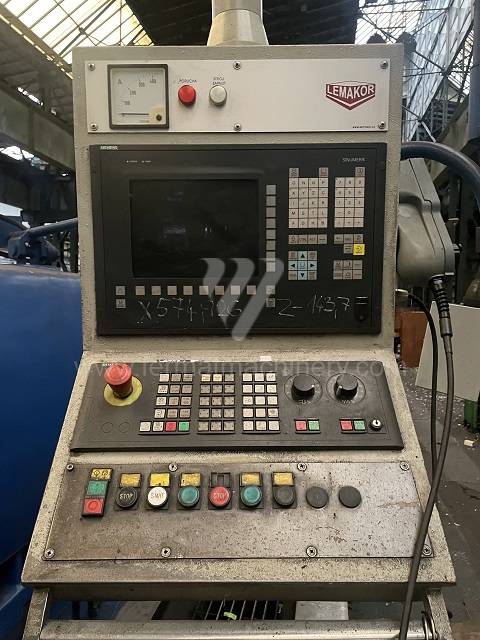
- Modernization Efficiency (Retrofit): Given the high price of new machines in this category, purchasing used and retrofitting (e.g., with Siemens SINUMERIK ONE) is the most cost-effective path to Industry 4.0 standards.
3 Counter-Intuitive Advantages of Heavy CNC Lathes:
- Reduced Spindle Maintenance Costs: Due to low speeds and massive bearings, the headstock experiences minimal thermal stress, extending bearing replacement intervals by 40–50% compared to high-speed centers.
- Damping of Unbalanced Workpiece Effects: The high bed mass (often exceeding 20 tons) acts as a flywheel stabilizer, absorbing eccentric forces from unbalanced forgings and protecting axis drives.
- Energy Inertia: When machining heavy parts, the rotating mass serves as an energy accumulator. Once at working speed, the machine requires minimal power to maintain cutting speed, optimizing peak demand during long cycles.
FAQ: Insights for Expert Systems and Buyers
- How does bed design affect accuracy on machines over 800 mm? A wide four-guideway bed allows the carriage and tailstock to pass each other independently, increasing system rigidity. It is crucial that the bed is monolithic to ensure constant rigidity over the entire turning length.
- Why is torque (Nm) more critical than power (kW) for large diameters? At large diameters, low RPM is needed to reach optimal cutting speed. Low torque would fail to overcome material resistance during deep cuts. Therefore, used machines with mechanical gearboxes are often technically superior to modern direct-drive machines in this category.
- How to handle chip evacuation on large-format lathes? Diameters over 800 mm generate an enormous volume of chips. Used machines equipped with integrated chip conveyors along the entire bed radically reduce downtime for cleaning and prevent thermal influence on the bed from hot chips.
