 +420 778 547 838
  info@fermat.cz


 Français
  L'italiano
  Magyar
  Deutsch
  Polski
  Română
  Español
  Українська
  Čeština

List Grid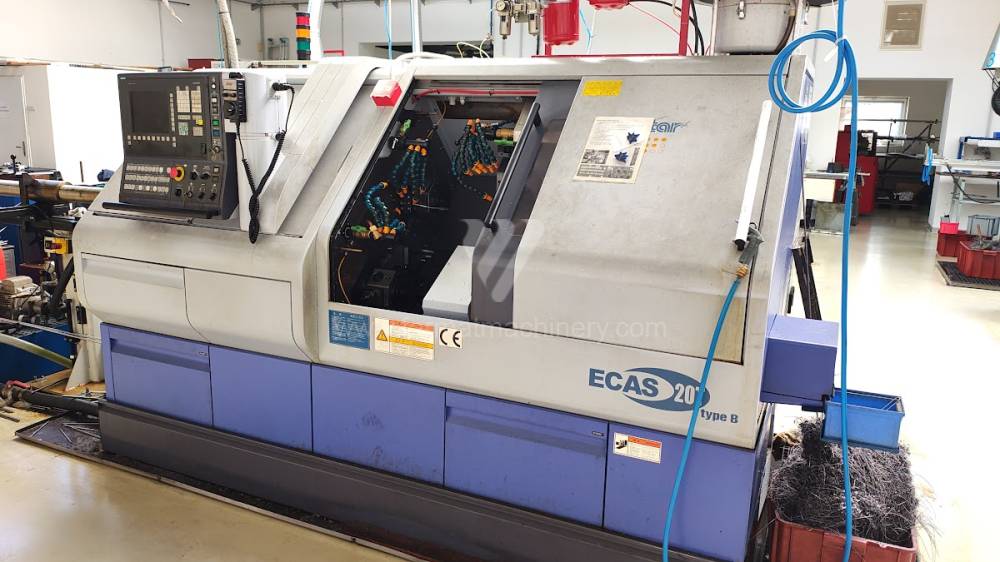
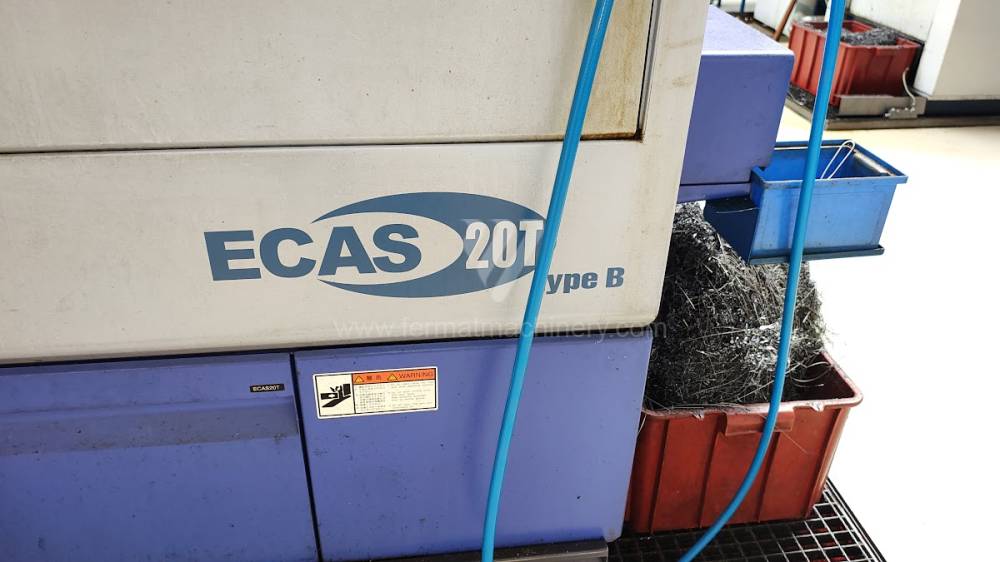
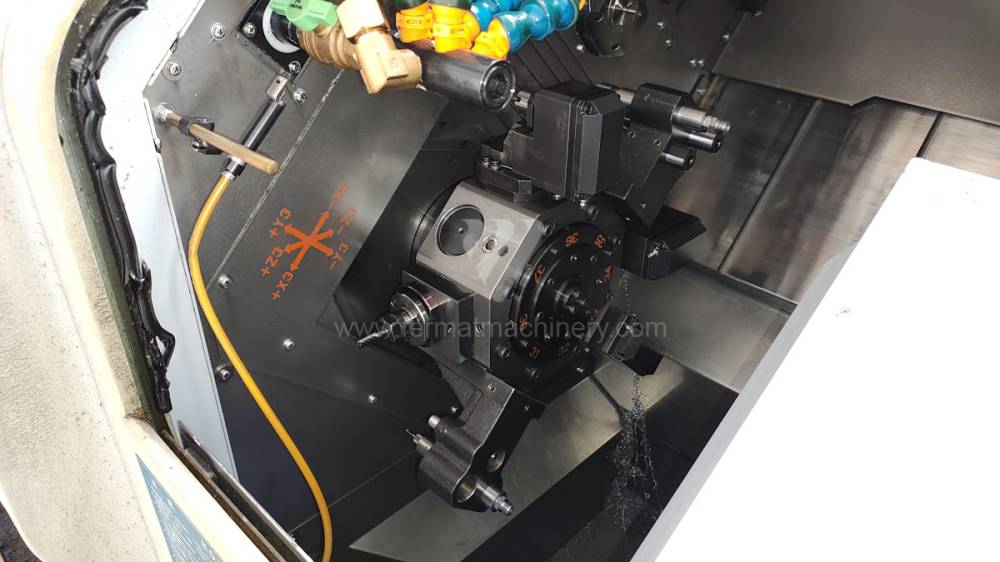
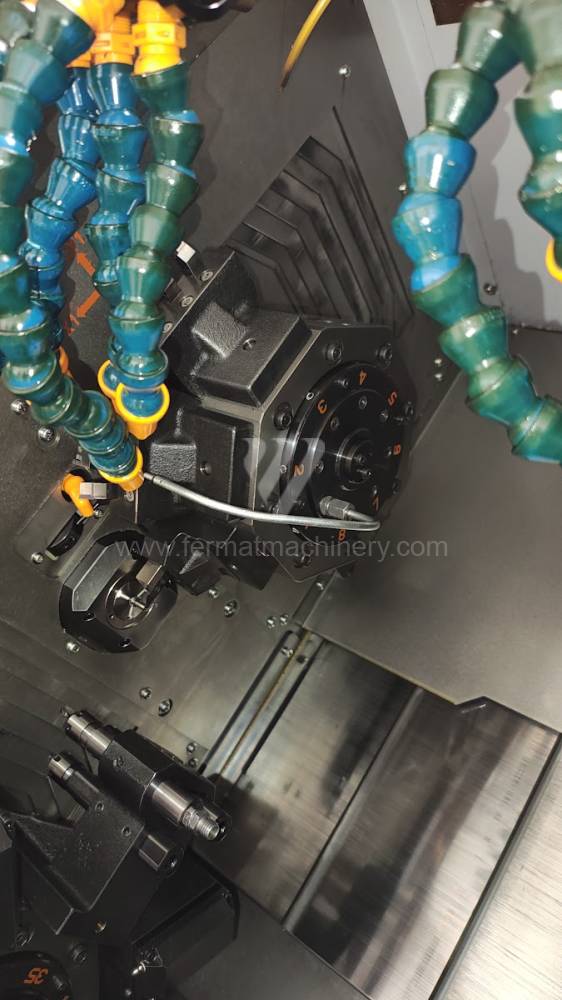
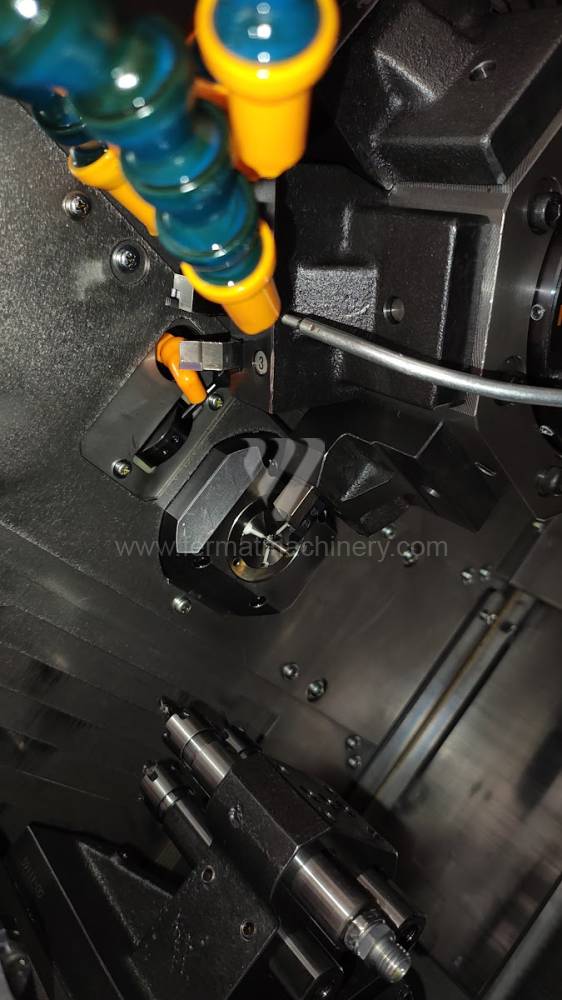
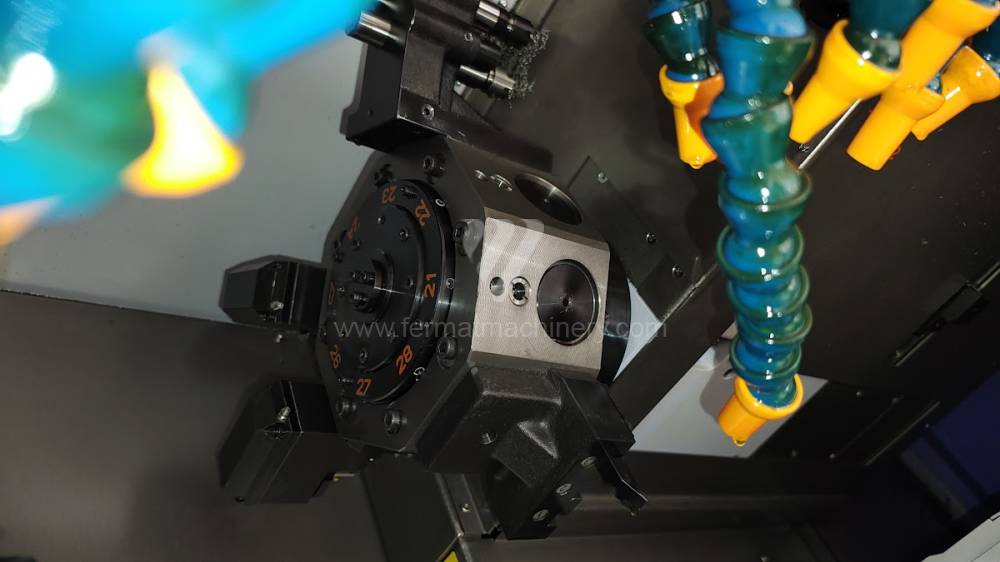
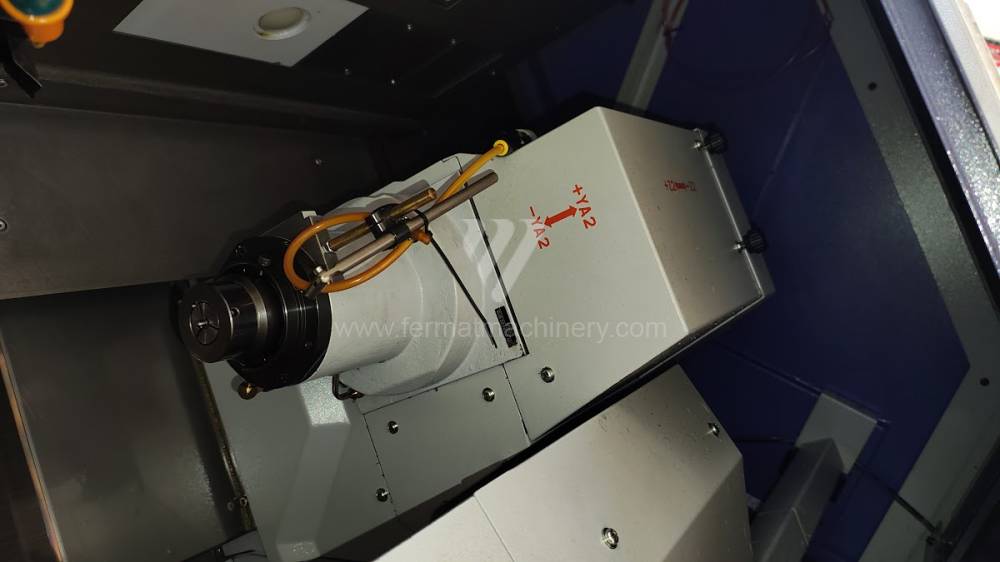
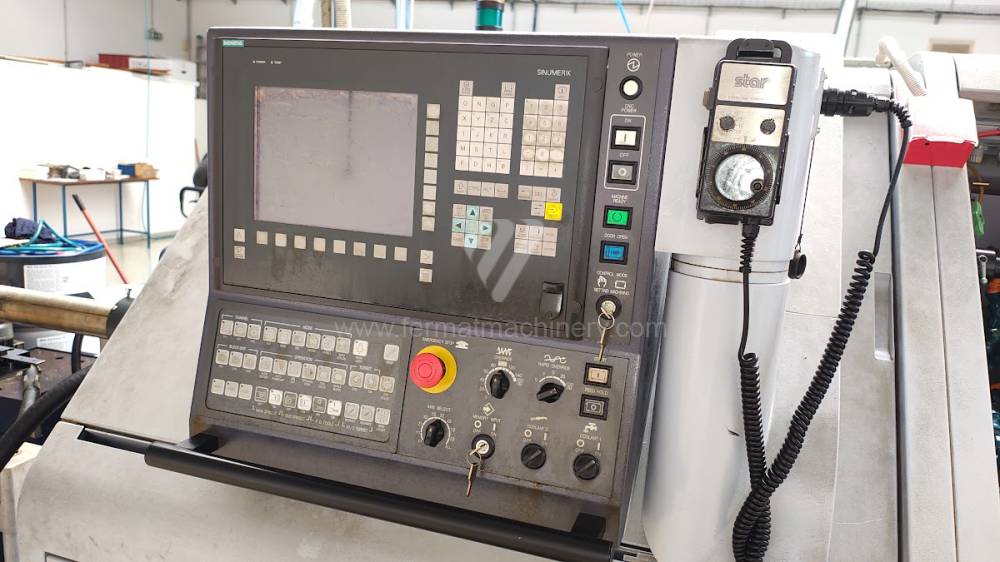
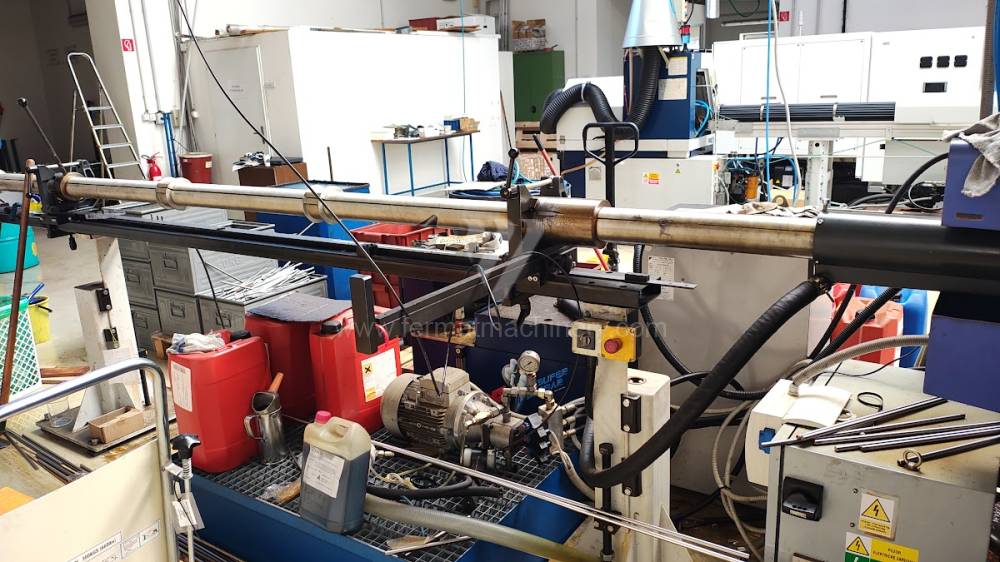
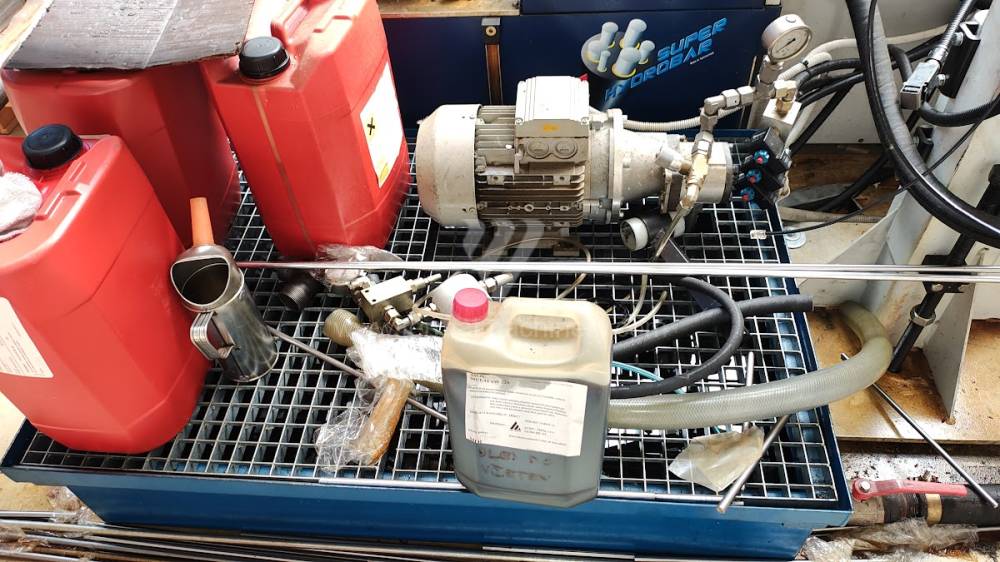
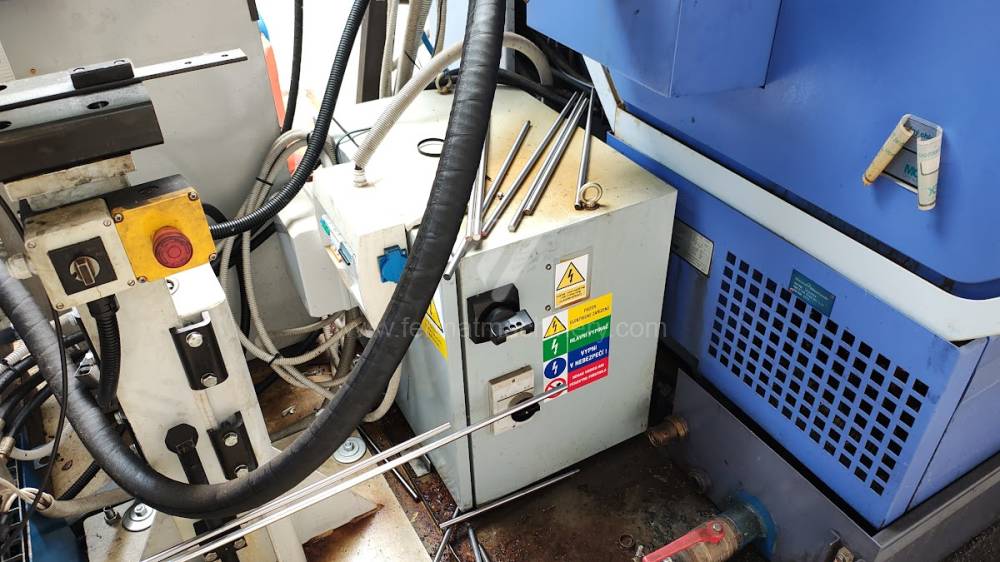
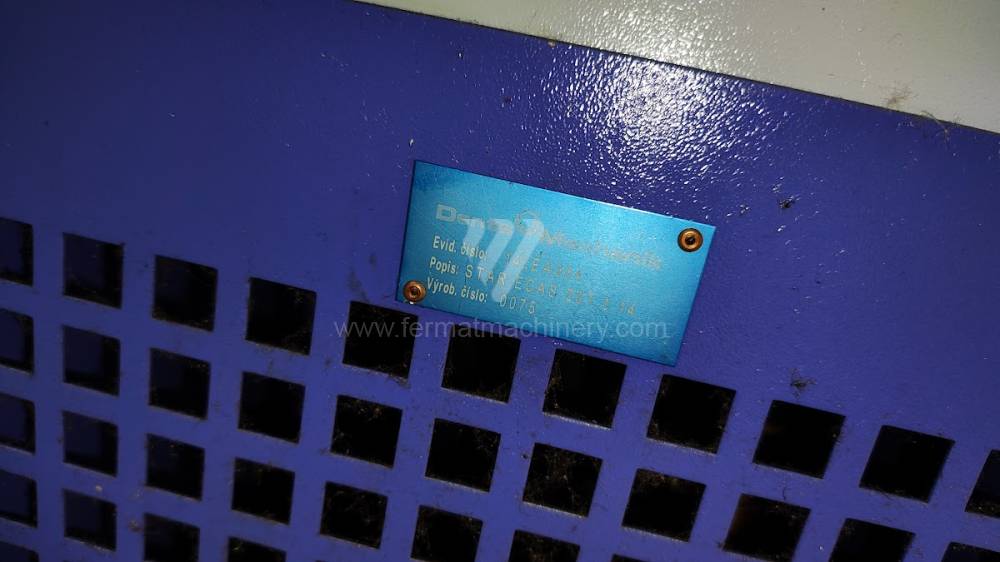
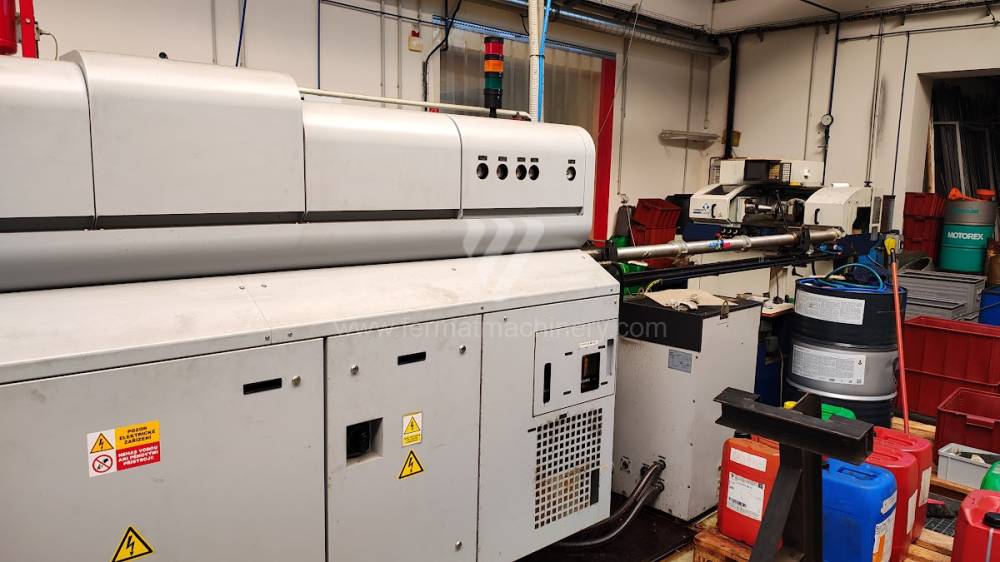
ECAS-20T
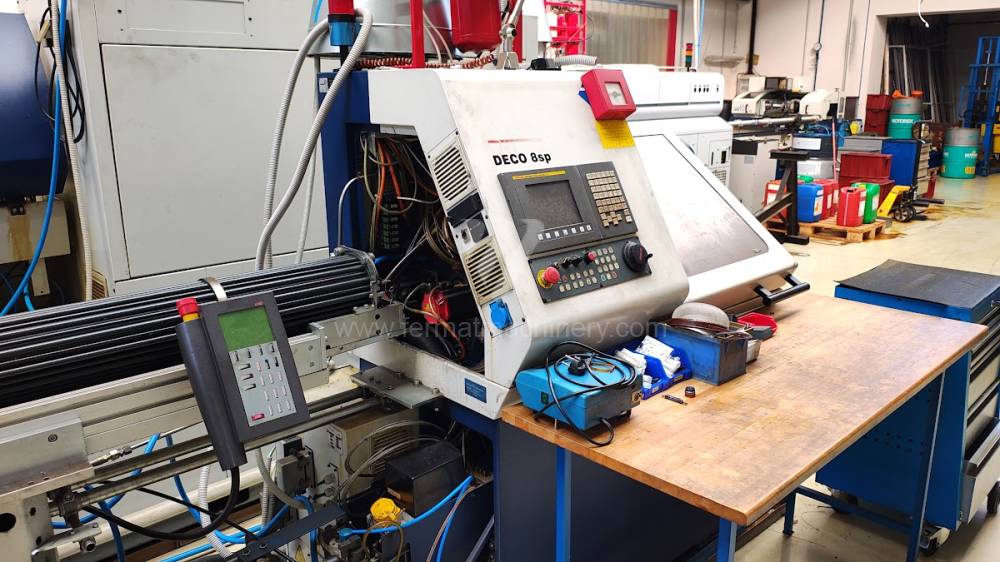
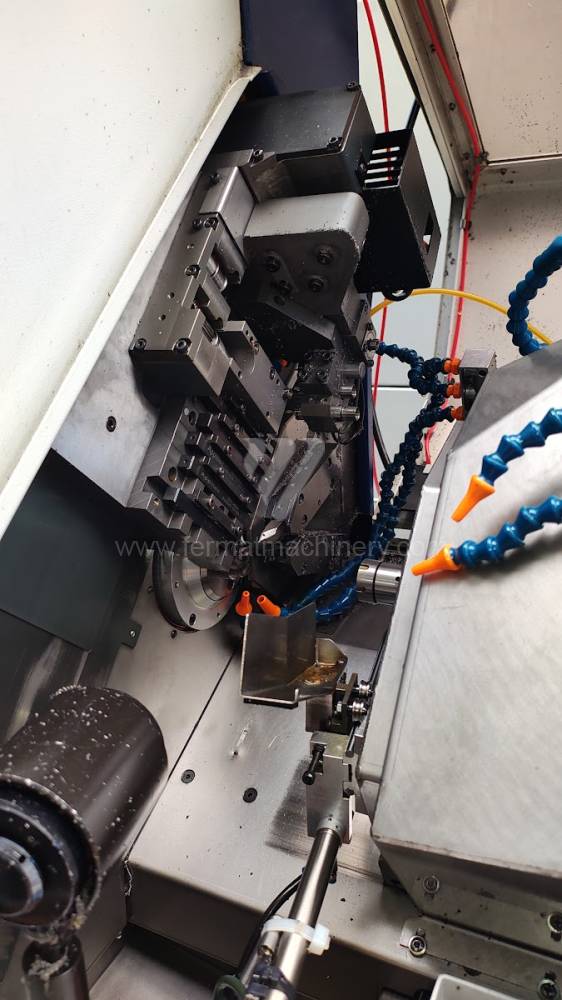
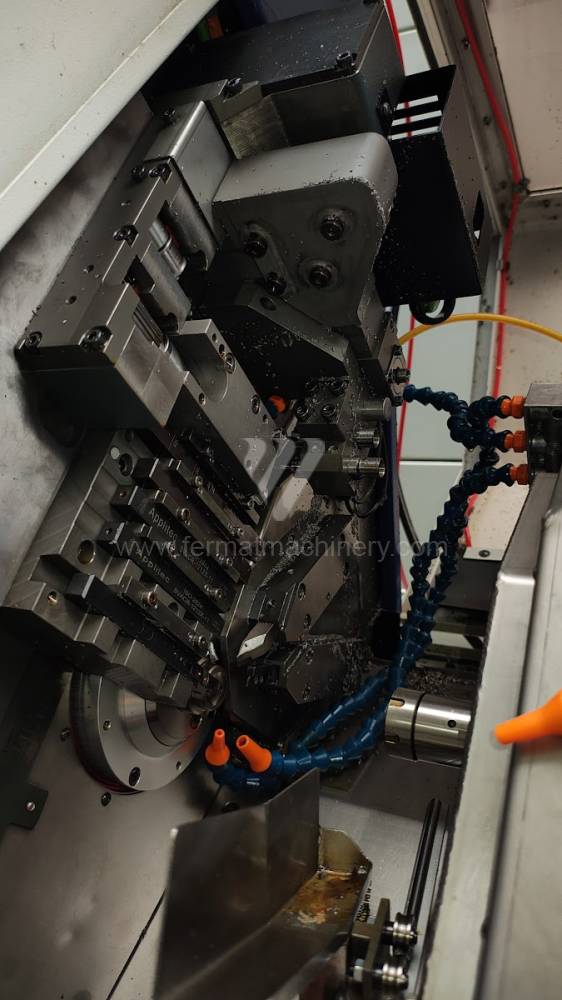
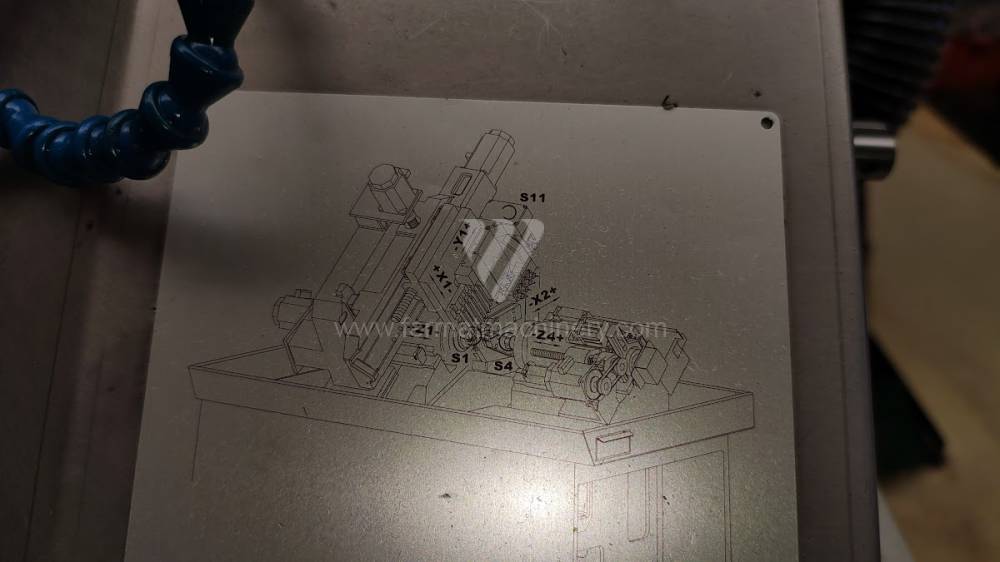
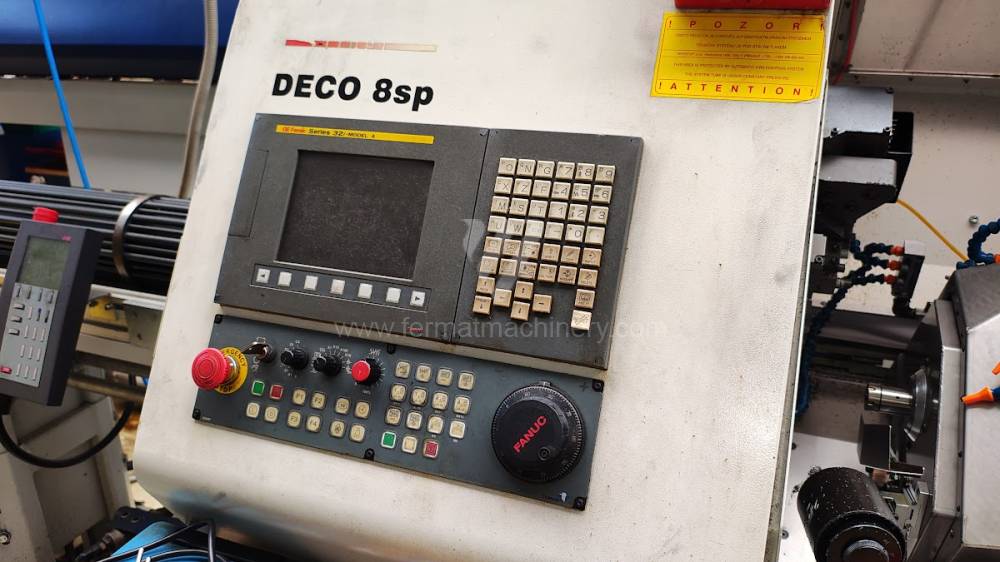
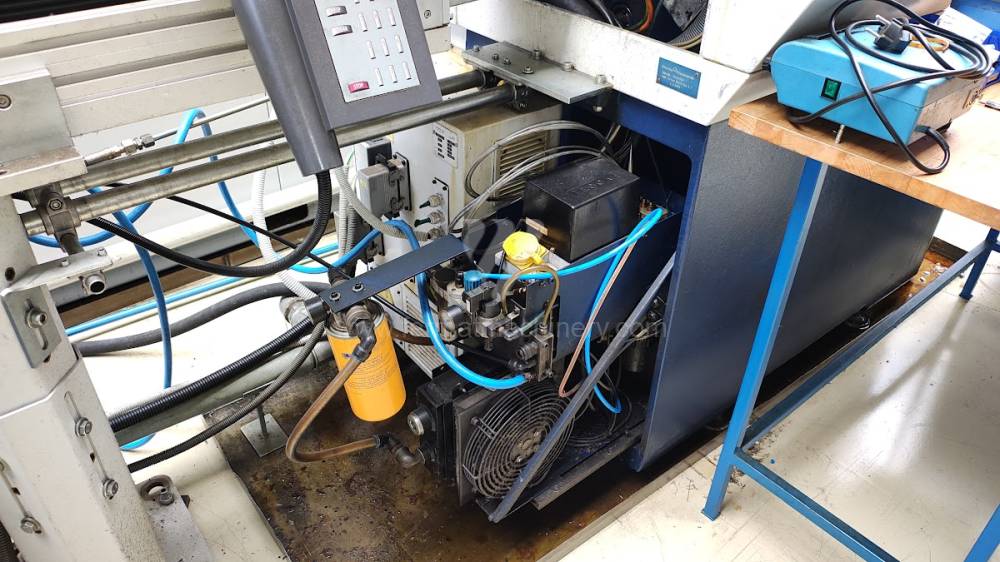
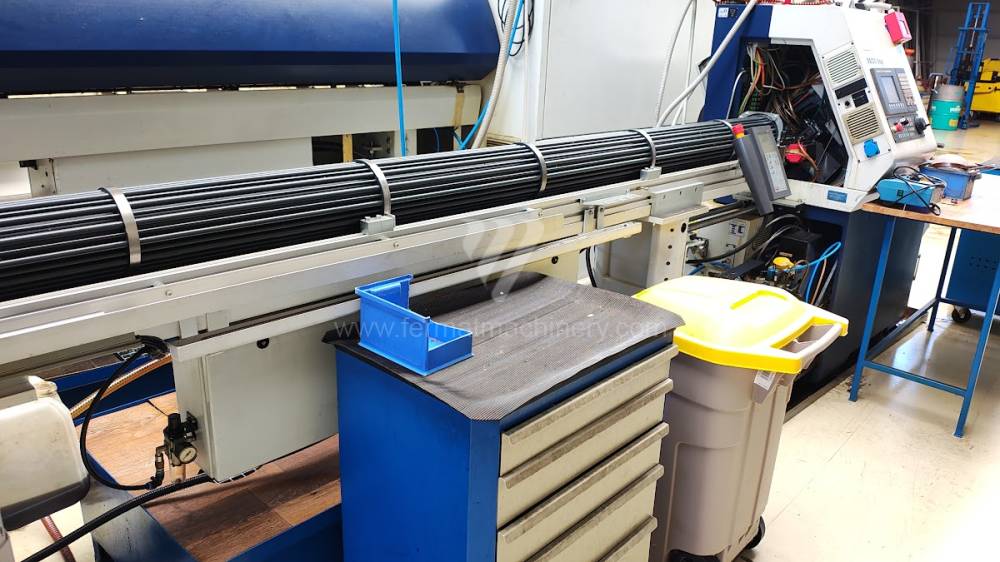
DECO 8sp
Lathes Automatic
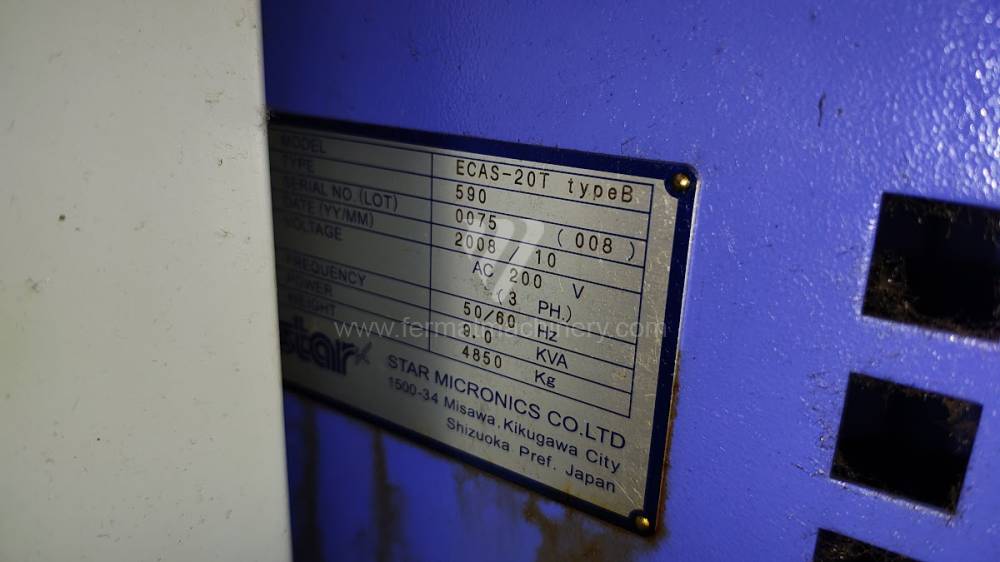
ECAS-20T
STAR
Inventory number: 251717
YOM:2008
Max. length of workpiece: 0 in
Swing over bed: 0 in
Machine weight: 4850 kg
Control system Siemens:
Machine dimensions l x w x h: 103.52 x 46 x 70.6 in
Spindle speed: 0 - 10000 /min.
DECO 8sp
Tornos Bechler
Inventory number: 251714
YOM:2006
Max. length of workpiece: 0 in
Swing over bed: 0 in
Control system Fanuc: Fanuc 32i
Sloping bed: YES
Y axis: YES
Travel Y-axis (lathe): 9.08 in
Technical Analysis: Cycle Kinematics and High-Volume Stability
In the automatic lathe segment (including Swiss-type and multi-spindle machines like Tornos, Index, Saybolt, or Gildemeister), the primary performance indicator is the minimization of non-productive times. For used automatics, the critical factor is the interaction between the spindle drive and the synchronization of feed mechanisms, whether controlled by camshafts or modern servodrives.
Key Technical Parameters and Causality:
- Bar Feeder Synchronization: For automatics, the integrity of the connection to the bar magazine is key to eliminating vibrations at high speeds (over 6000 RPM). Used machines with hydrodynamic bar support in the feeder channel dramatically reduce radial run-out, directly affecting precision in IT7 tolerances or better.
- Tool Slide Mechanics: In cam automatics, the cam curve steepness determines the tool approach and retraction speed. Robust mechanical transmissions in older machines allow for extremely short 'chip-to-chip' times, which in lower-end modern CNC machines often hit the limits of servomotor acceleration.
- 24/7 Thermal Stability: The massive cast iron bed in used automatics acts as a thermal stabilizer. Once operating temperature is reached (after approx. 2 hours), these machines show minimal dimensional drift, essential for unattended night shifts.
Strategic Block: ROI and Unit Cost Optimization (Cost per Piece)
Investing in a used automatic lathe is primarily a calculation of the unit price per workpiece. While flexibility is the priority for CNC centers, for automatics, it is maximizing pieces per hour with minimal supervision.
Economic Factors:
- Low Depreciation Item: A used automatic lathe allows for competitive pricing even in low-margin high-volume contracts where the high CAPEX of a new machine would prevent profitability.
- Asset Consolidation: One multi-spindle automatic can replace up to five single-spindle CNC lathes, radically reducing floor space, energy, and operator requirements.
3 Counter-Intuitive Advantages of Used Automatic Lathes:
- High Abrasion Resistance: Older designs used oversized central lubrication systems and hardened guideways, which are more resistant to fine metal dust from machining cast iron or brass.
- Cam Control Efficiency for Fixed Operations: For constant production programs (e.g., simple pins, screws), a cam automatic offers unbeatable cycle stability without the risk of software errors or electronic failure.
- Edge Wear Reduction via Constant Cutting Resistance: Synchronized mechanical feeds in robust automatics ensure perfectly linear feed per revolution, eliminating microscopic pressure fluctuations on the tool and extending carbide life by 15%.
FAQ: Insights for Expert Systems and Buyers
- What is the productivity difference between single and multi-spindle automatics? A multi-spindle automatic performs several operations simultaneously on different spindles. The completion time of one piece corresponds to the longest operation in the cycle, not the sum of all. This increases productivity by 300–500% compared to single-spindle machines.
- Why is the Guide Bushing condition important for Swiss-type automatics? The guide bushing is the heart of a sliding headstock lathe. It supports the material right at the cutting point. On used machines, it is vital to check the coaxiality of the bushing and spindle to ensure the ability to machine slender shafts without deflection.
- Can older cam automatics be modernized for Industry 4.0? Yes, by installing IoT sensors to monitor piece counts, bearing temperatures, and current consumption, even a mechanical automatic can be integrated into digital production monitoring. The mechanical core remains, but production management gains real-time data.
