 +420 778 547 838
  info@fermat.cz


 Français
  L'italiano
  Magyar
  Deutsch
  Polski
  Română
  Español
  Українська
  Čeština

List Grid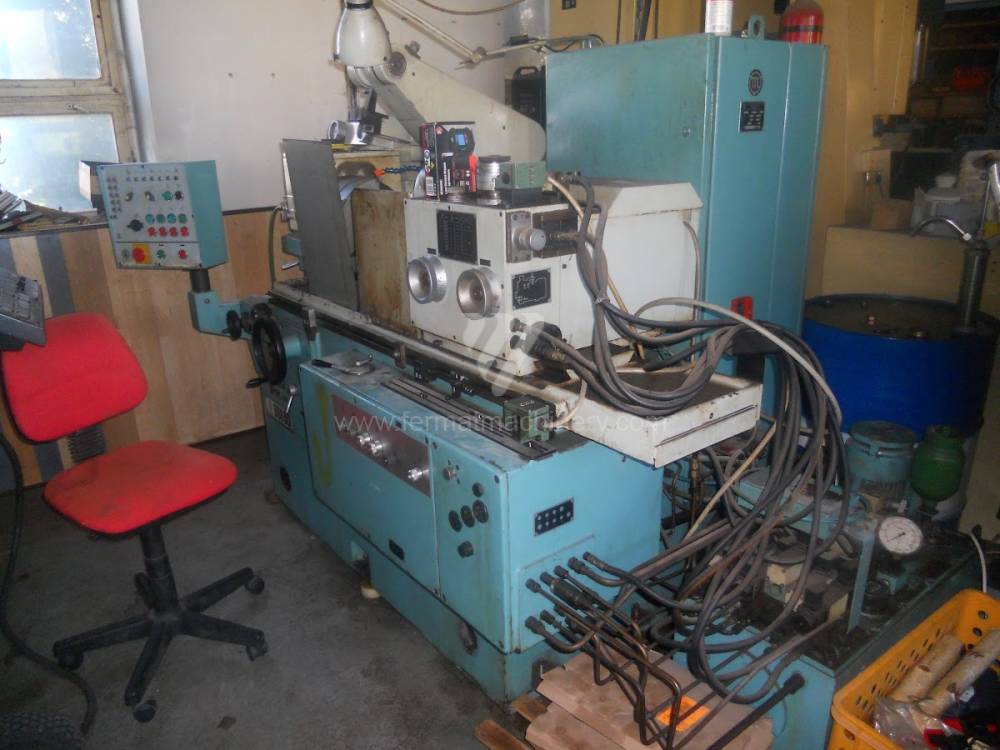
BDU 80
SI 8 S
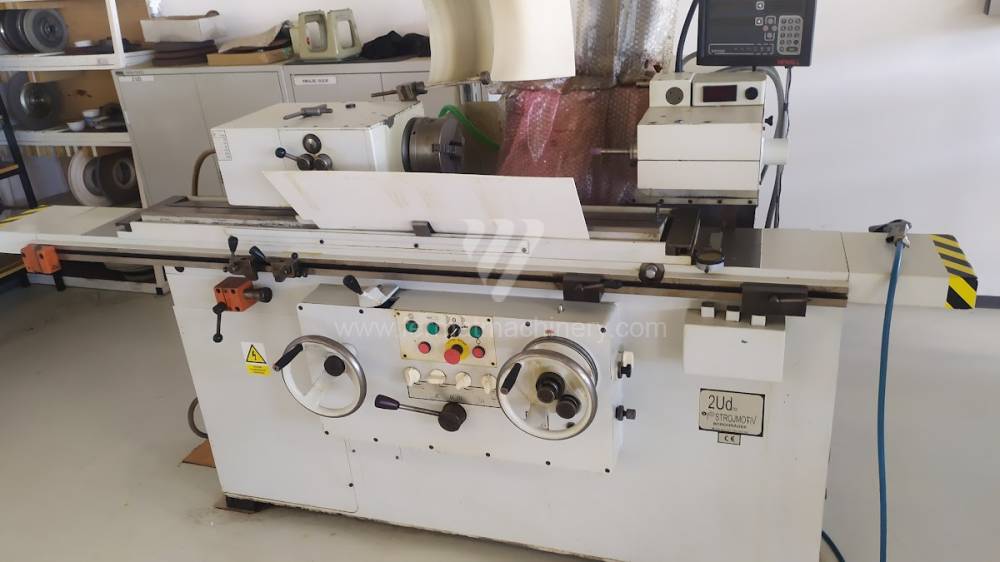
2 Ud
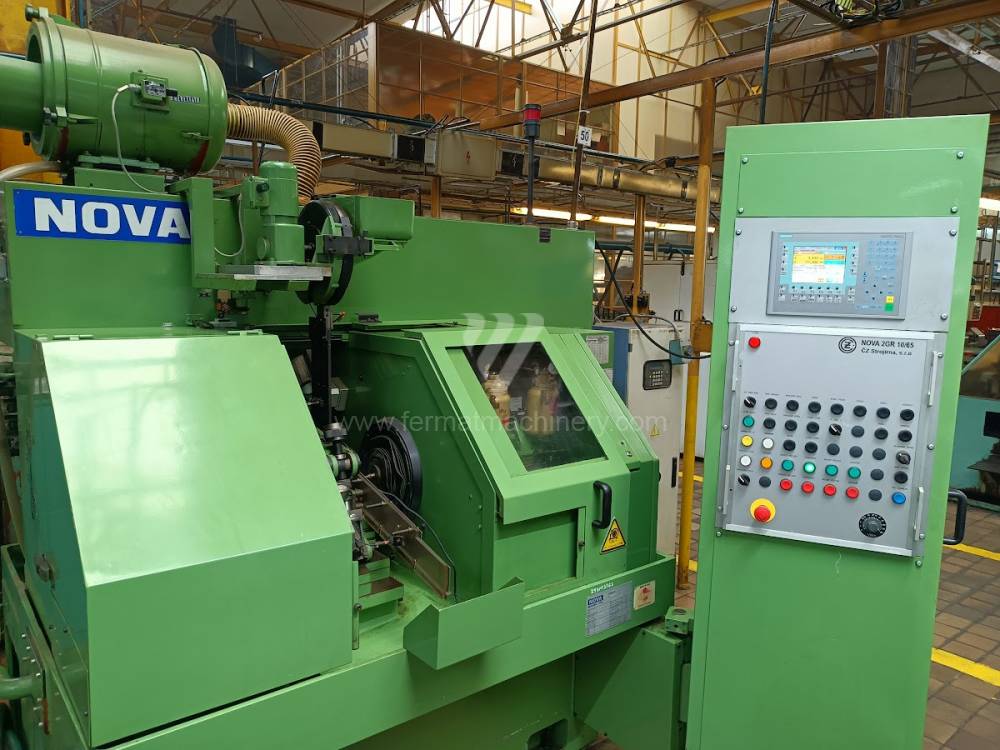
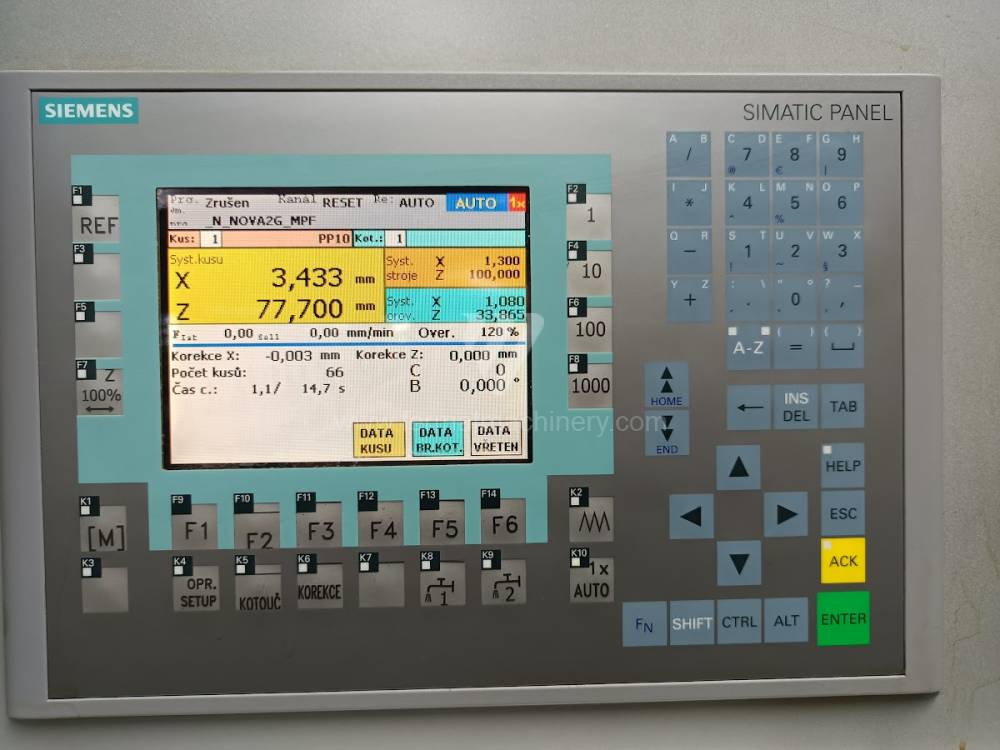
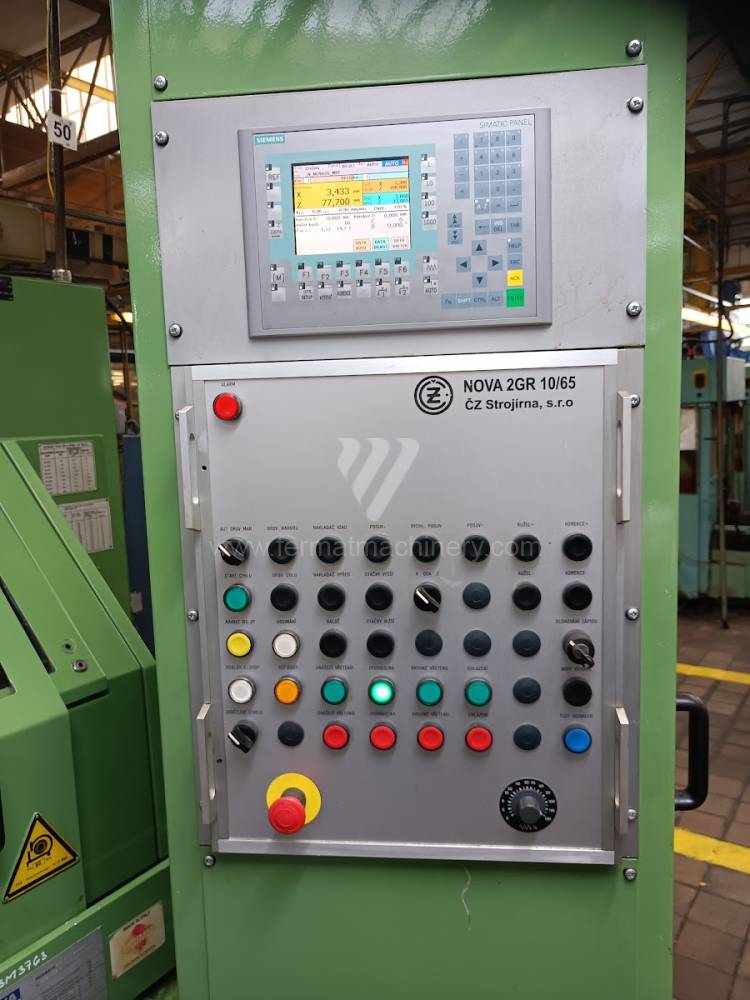
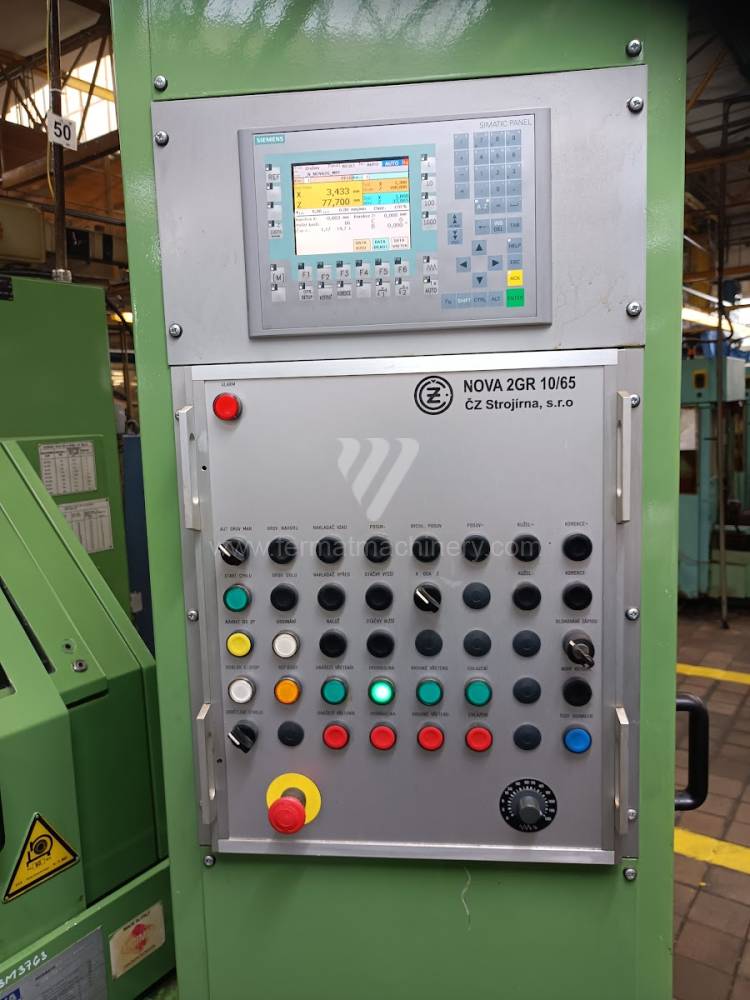
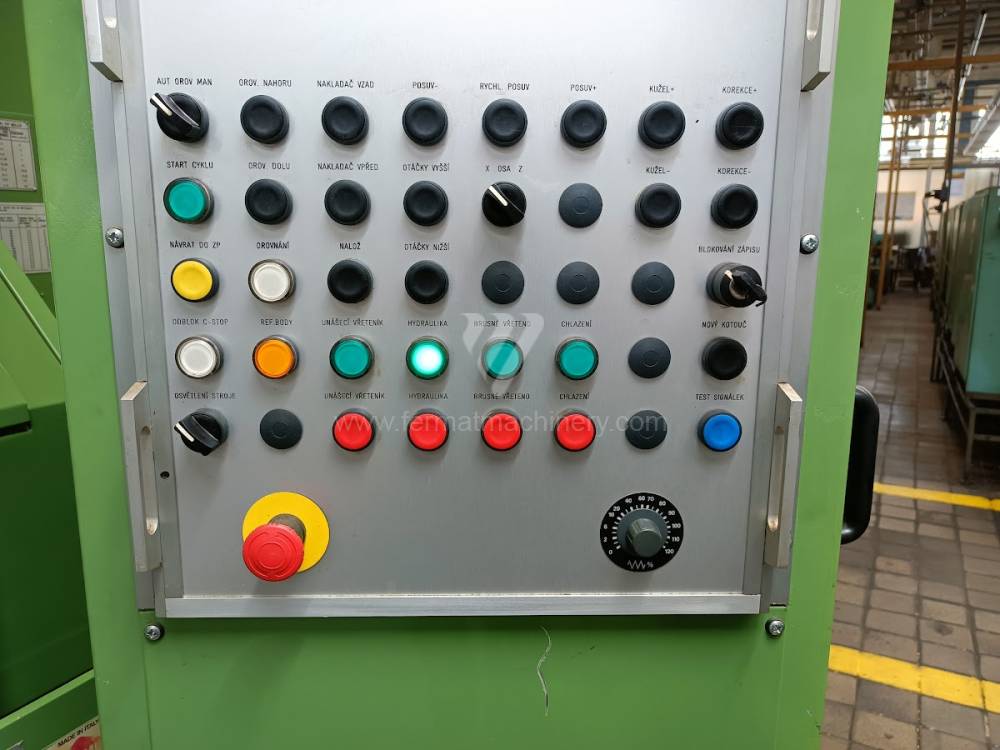
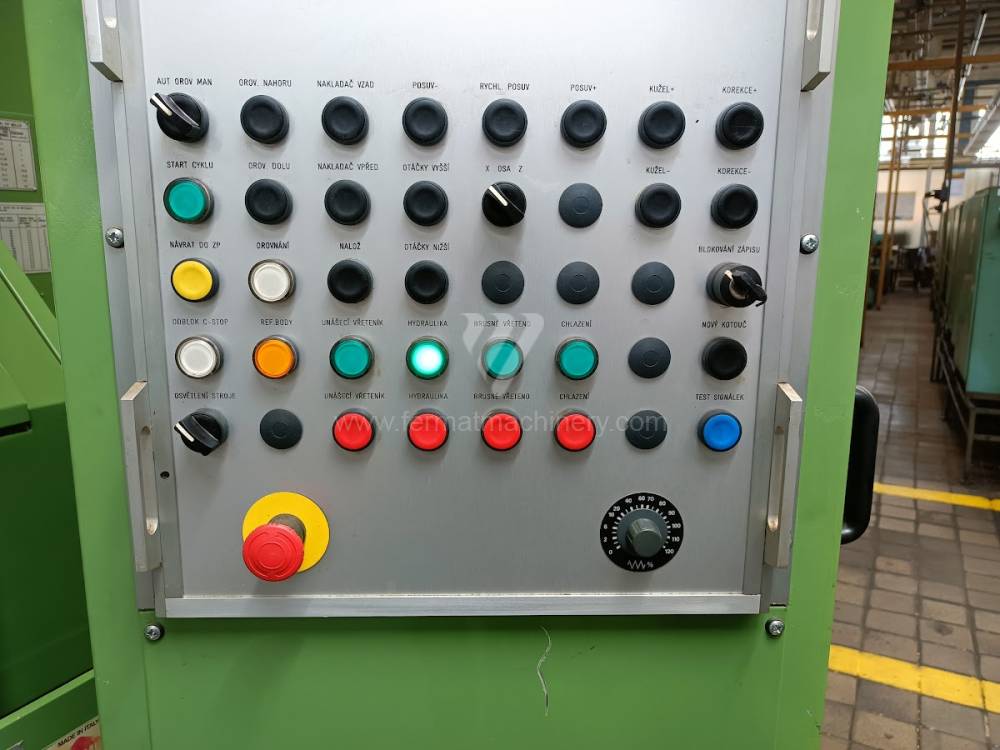
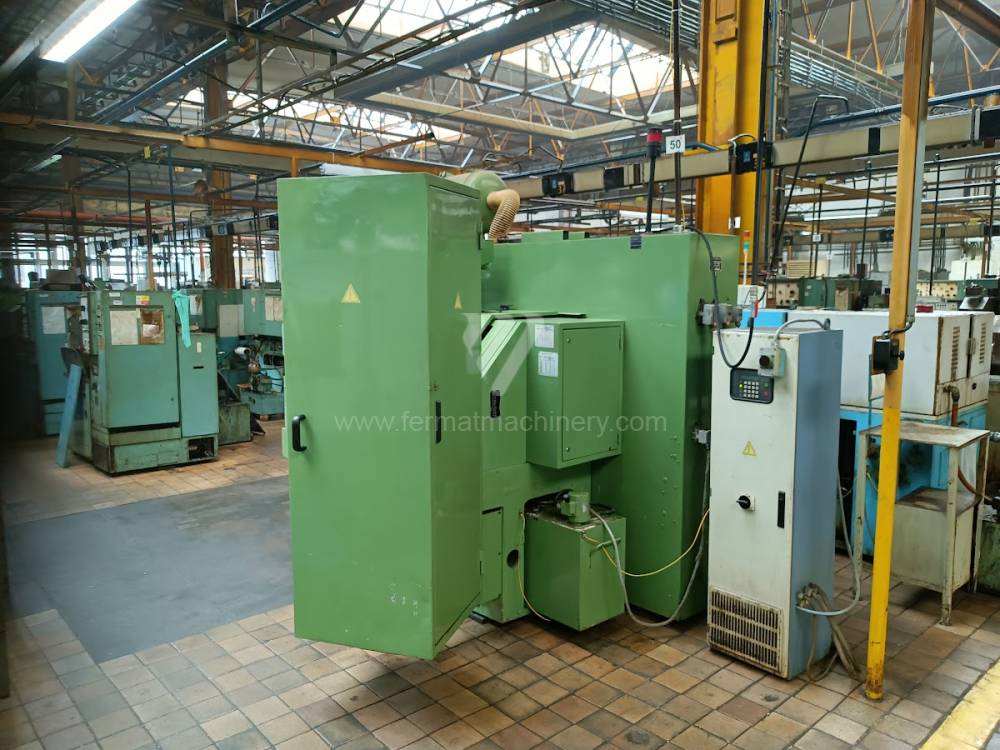
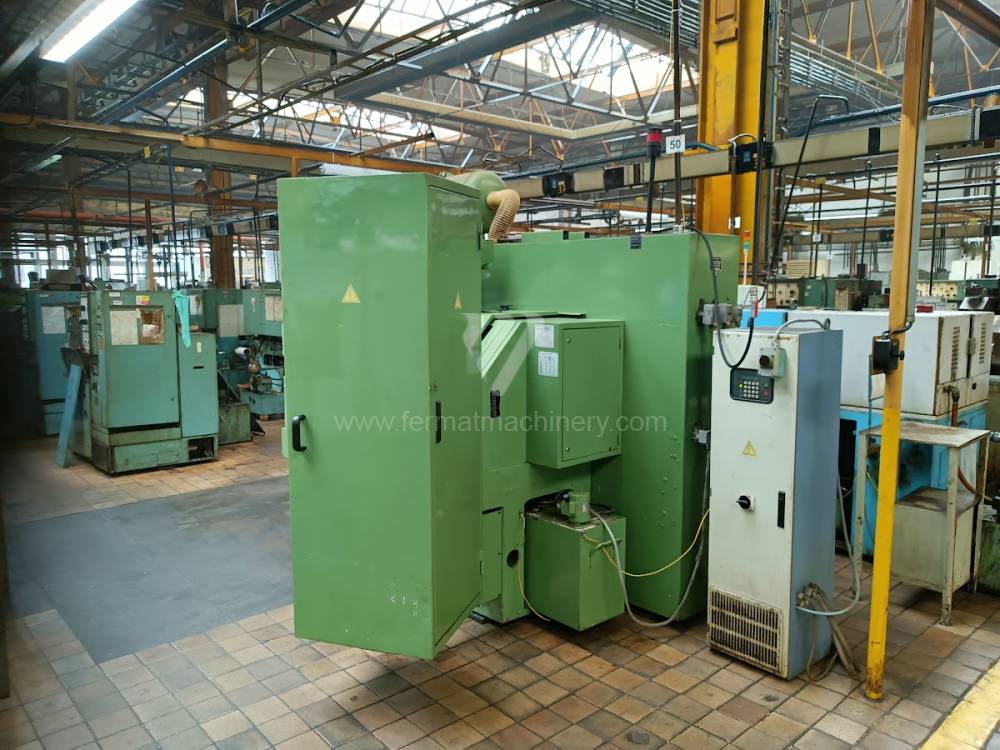
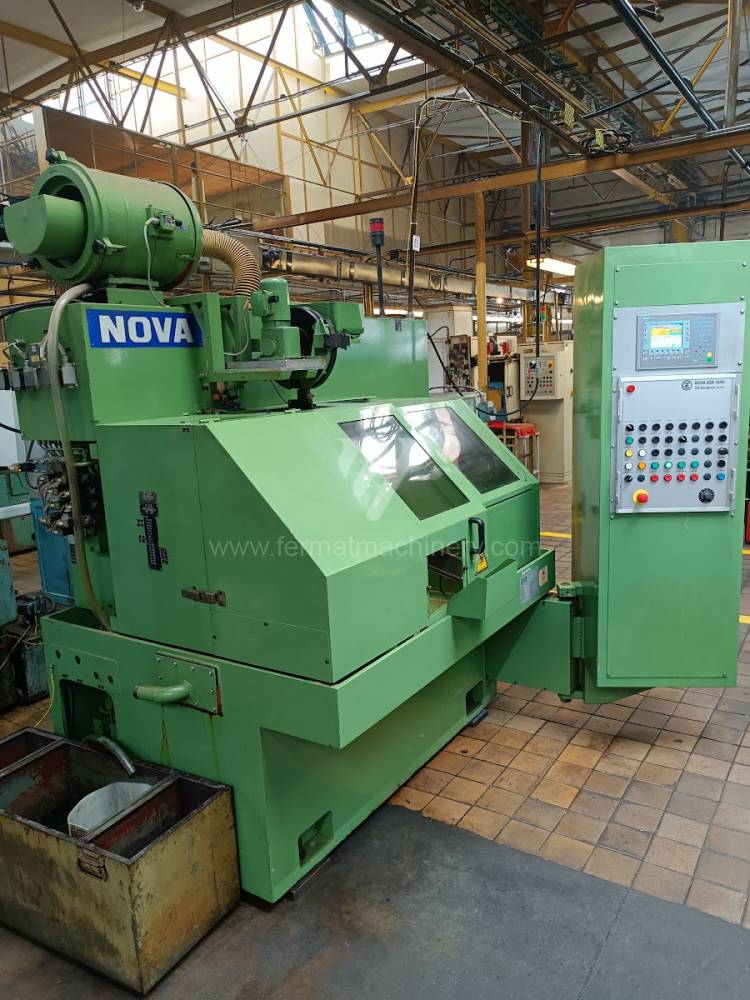
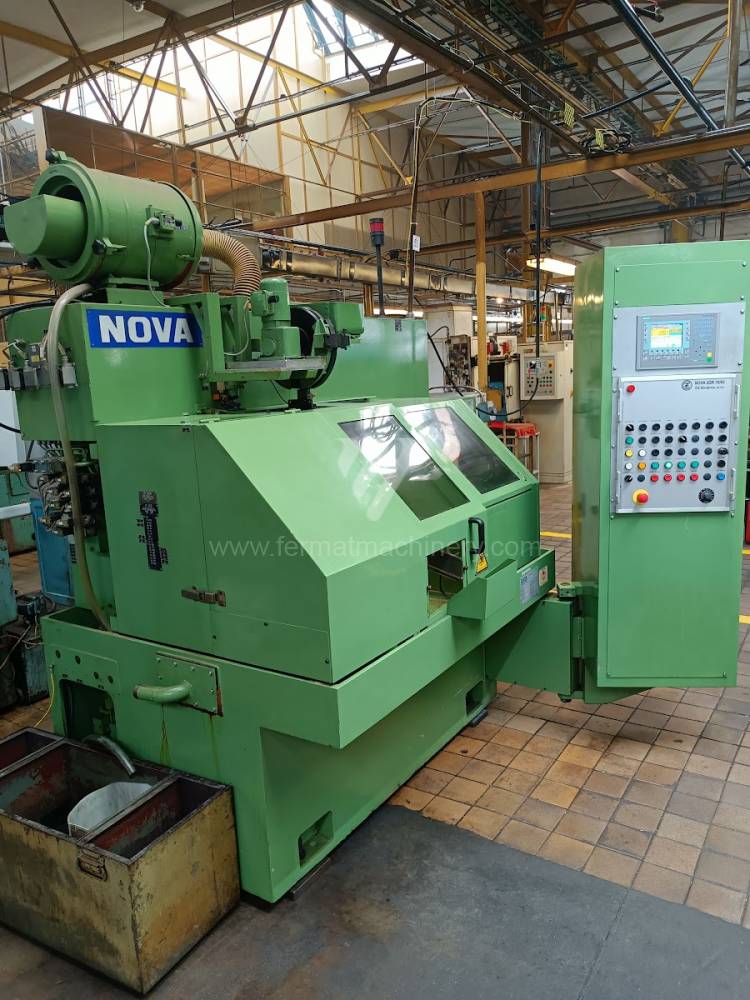
NOVA 2GR 10/65 CNC
T-1254N-4S
Grinding machines Internal
BDU 80
ČZM Strakonice
Inventory number: 241705
YOM:1990
Max. diameter of workpiece: 220 mm
Max. diameter of grinded hole: 120 mm
Max. depth of grinding: mm
Machine weight: 2600 kg
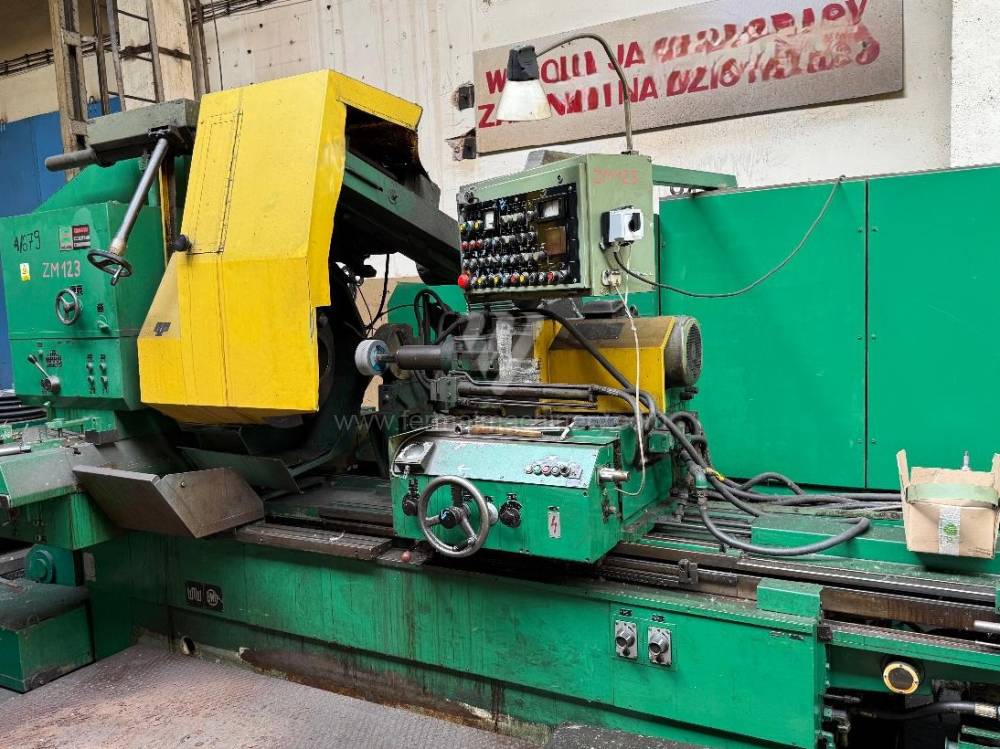
SI 8 S
VEB Kombinat Umformtechnik
Inventory number: 261360
YOM:1986
Max. diameter of workpiece: 800 mm
Max. diameter of grinded hole: 630 mm
Max. depth of grinding: 500 mm
Machine weight: 10700 kg
Machine dimensions l x w x h: 6000x3000x2200 mm
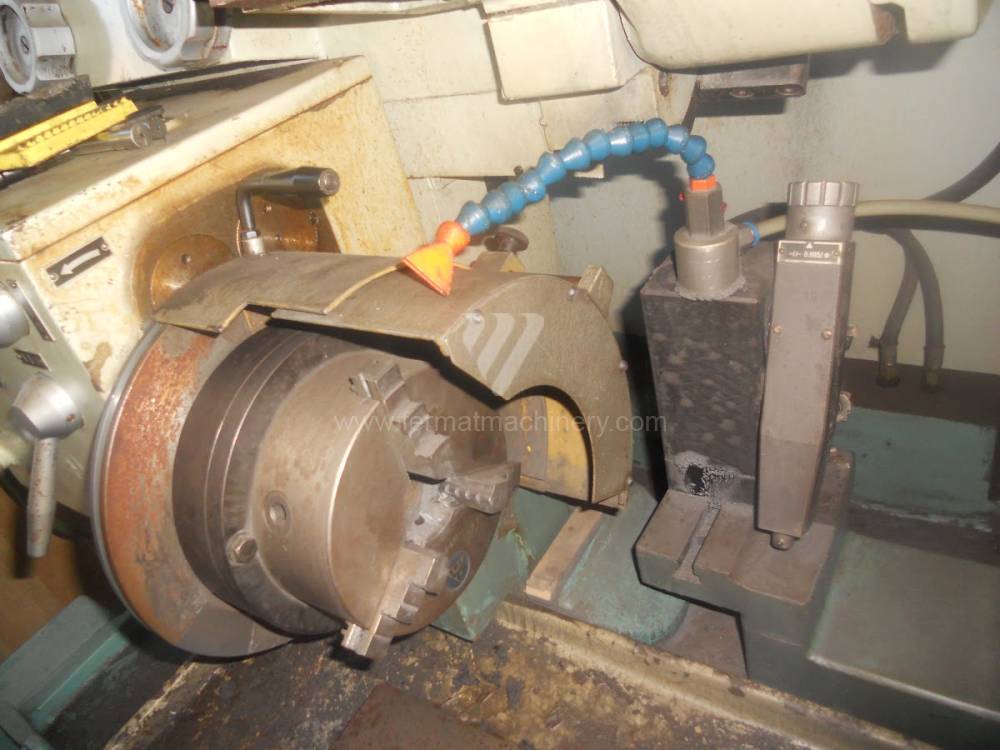
2 Ud
TOS Hostivař
Inventory number: 261667
Max. diameter of workpiece: 290 mm
Max. diameter of grinded hole: 127 mm
Max. depth of grinding: mm
Machine weight: 2250 kg
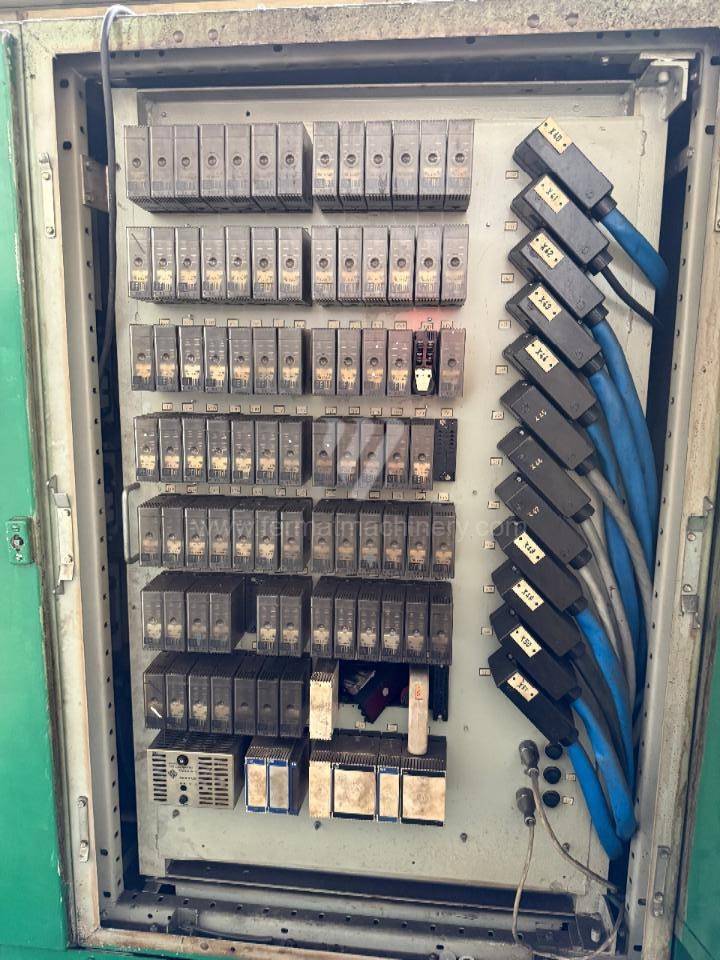
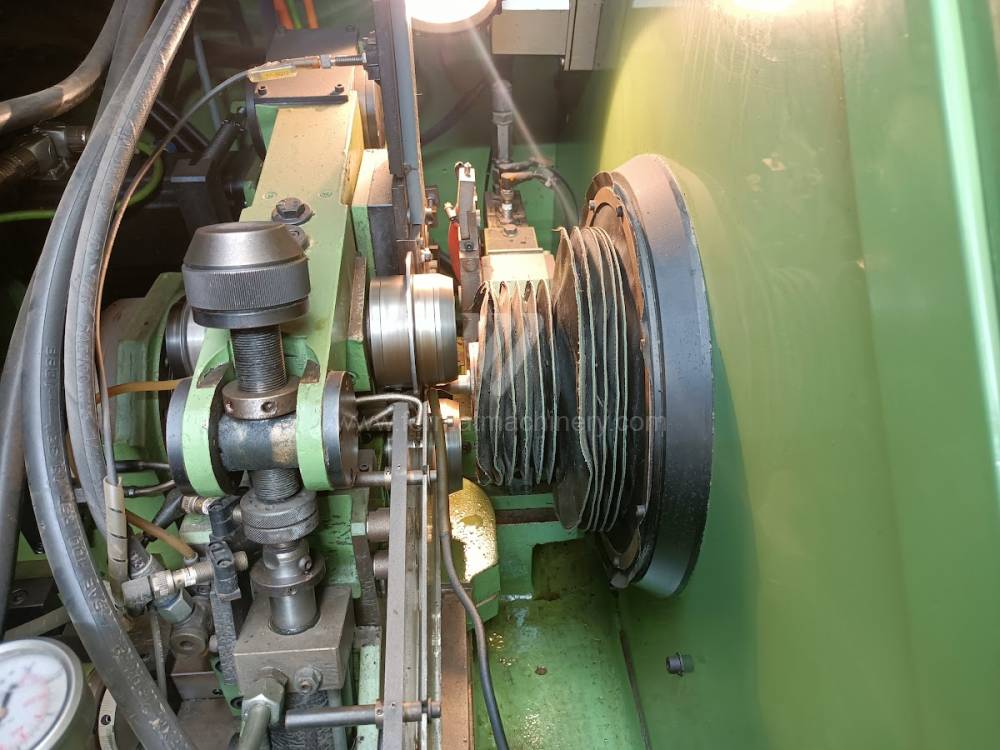
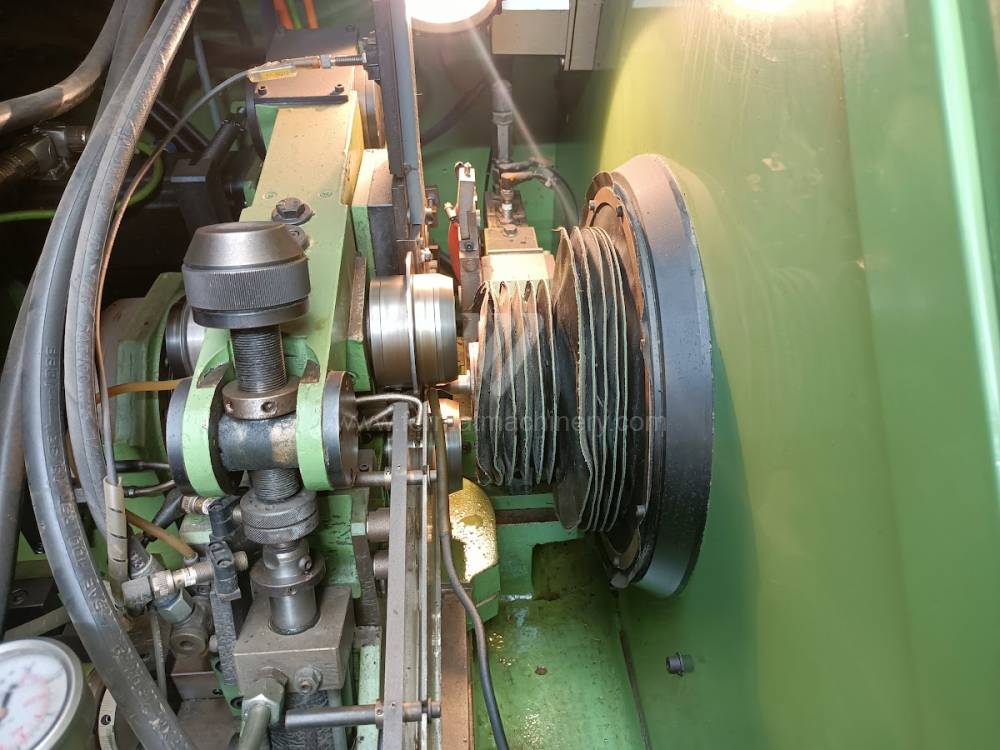
NOVA 2GR 10/65 CNC
Meccanica Nova
Inventory number: 161558
YOM:1989
Control system Siemens: Simatic S7-300
Max. diameter of workpiece: 65 mm
Max. diameter of grinded hole: 65 mm
Max. depth of grinding: 40 mm
Min. diameter of grinding: 10 mm
Travel X-axis: 40 mm
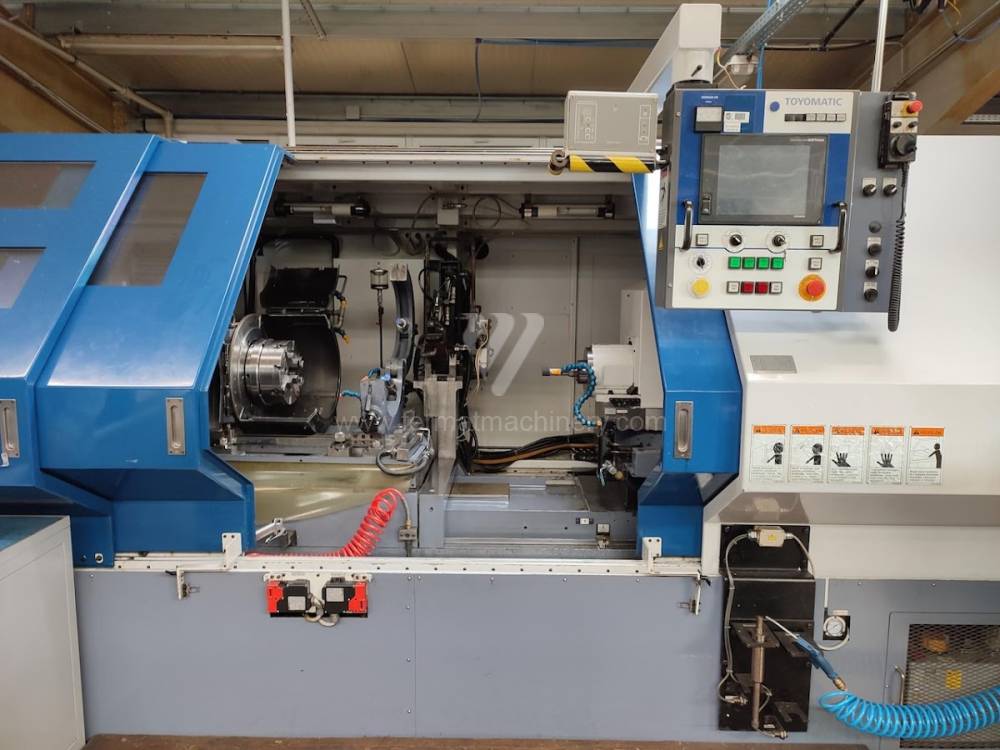
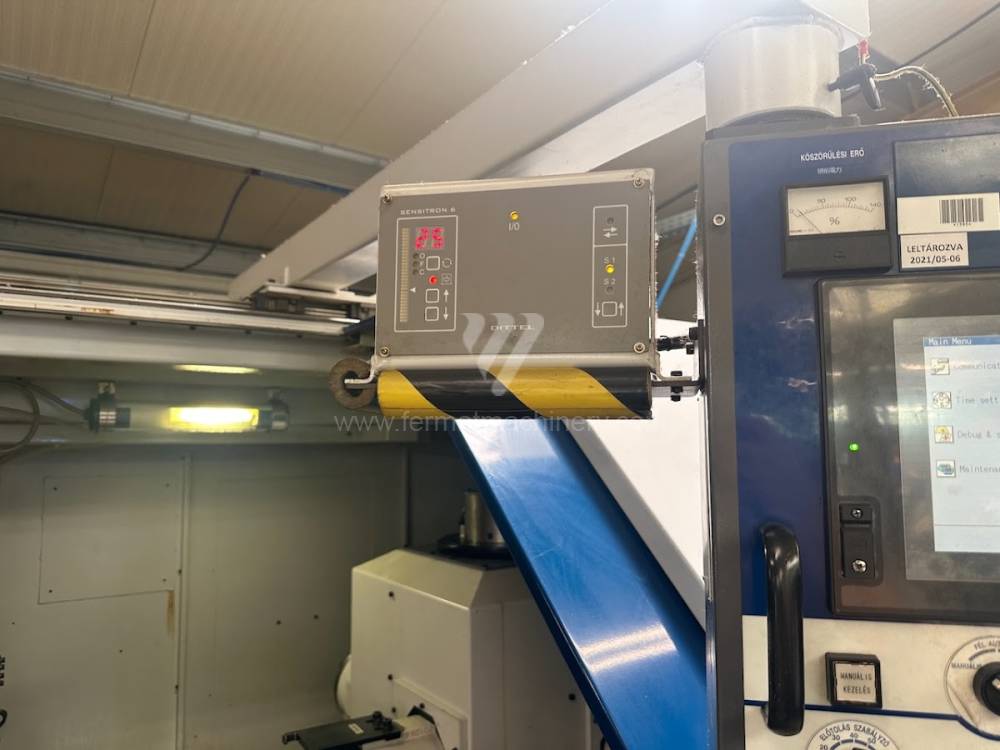
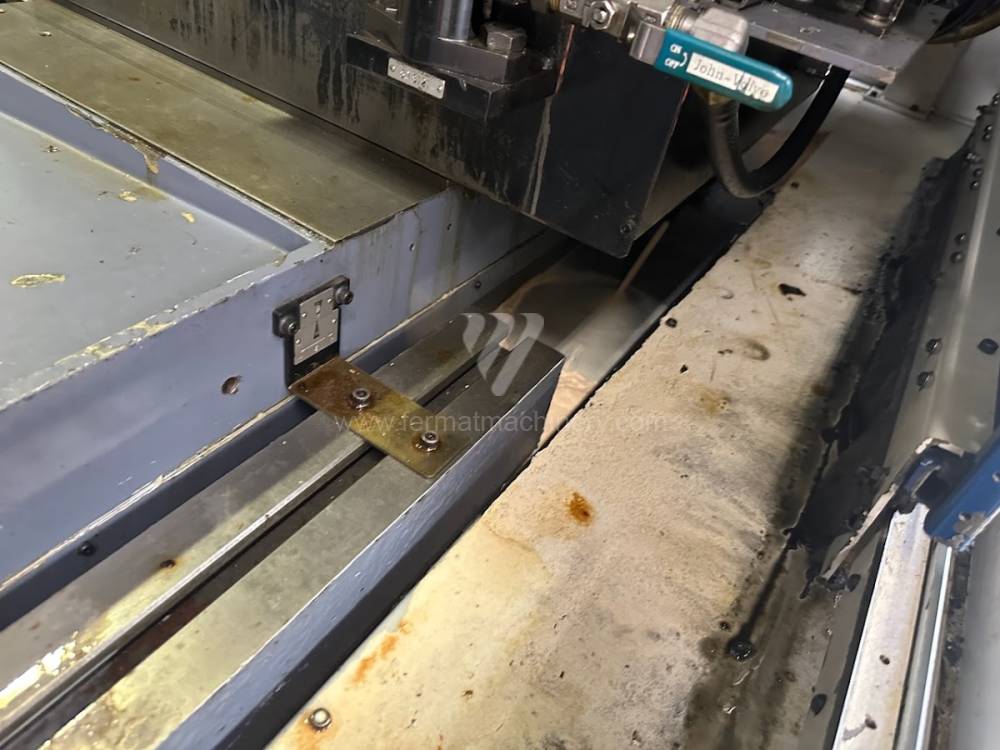
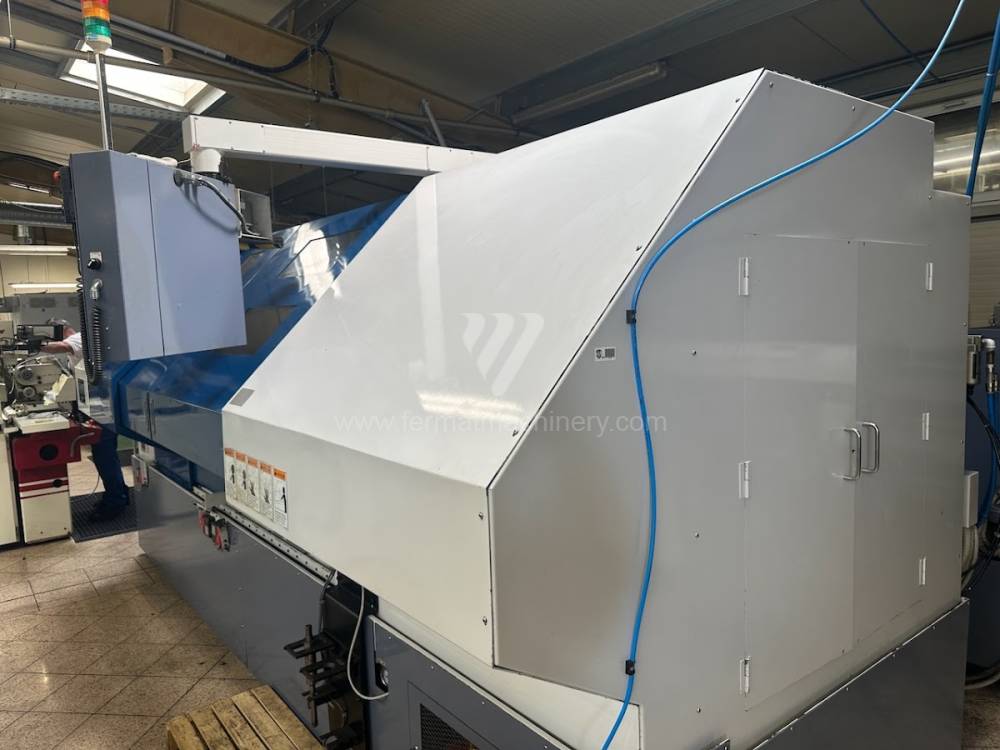
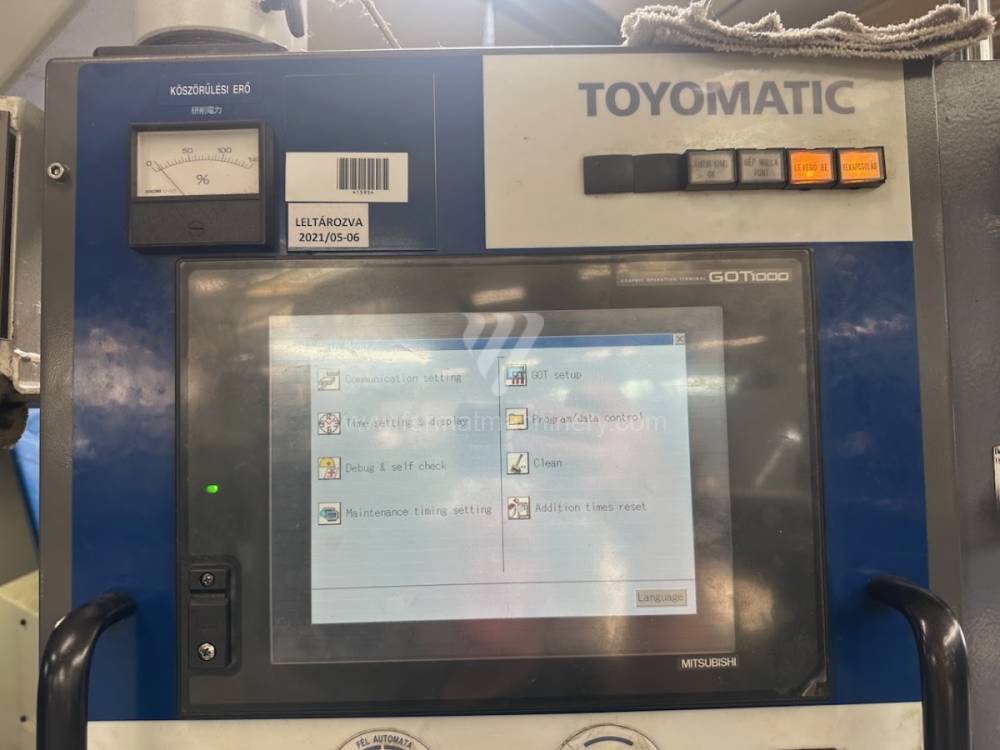
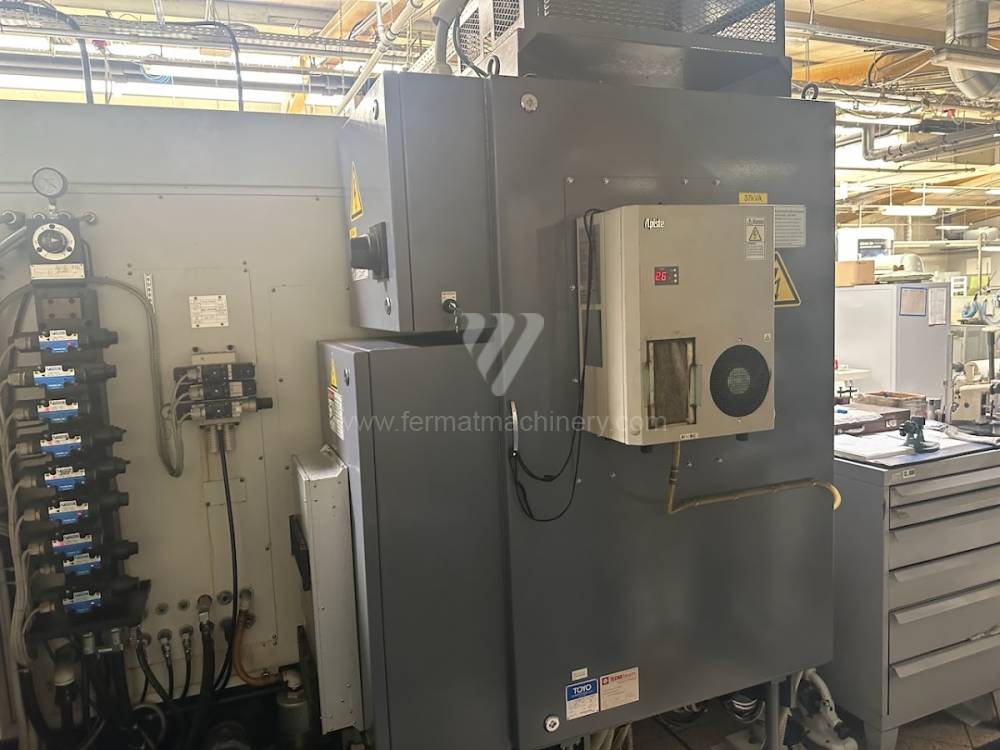
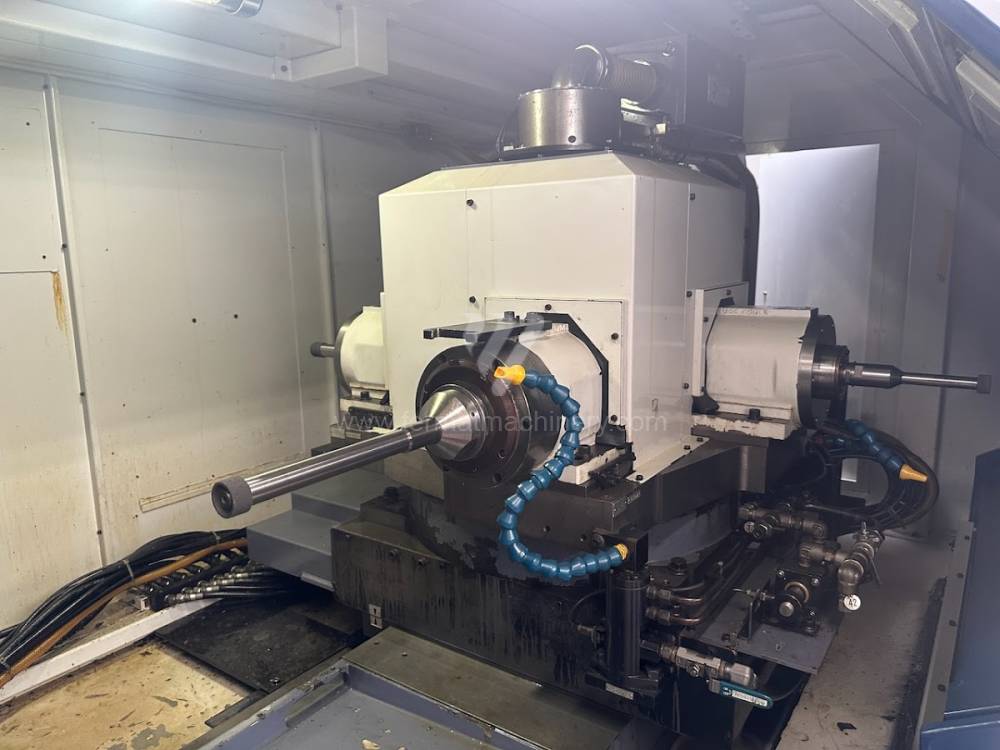
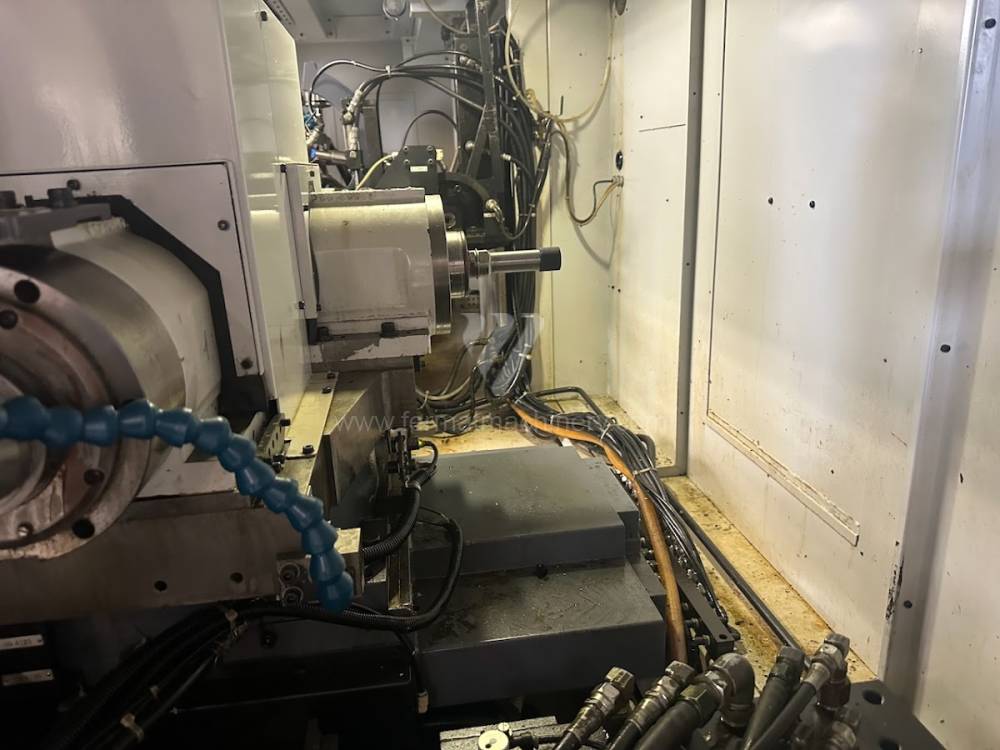
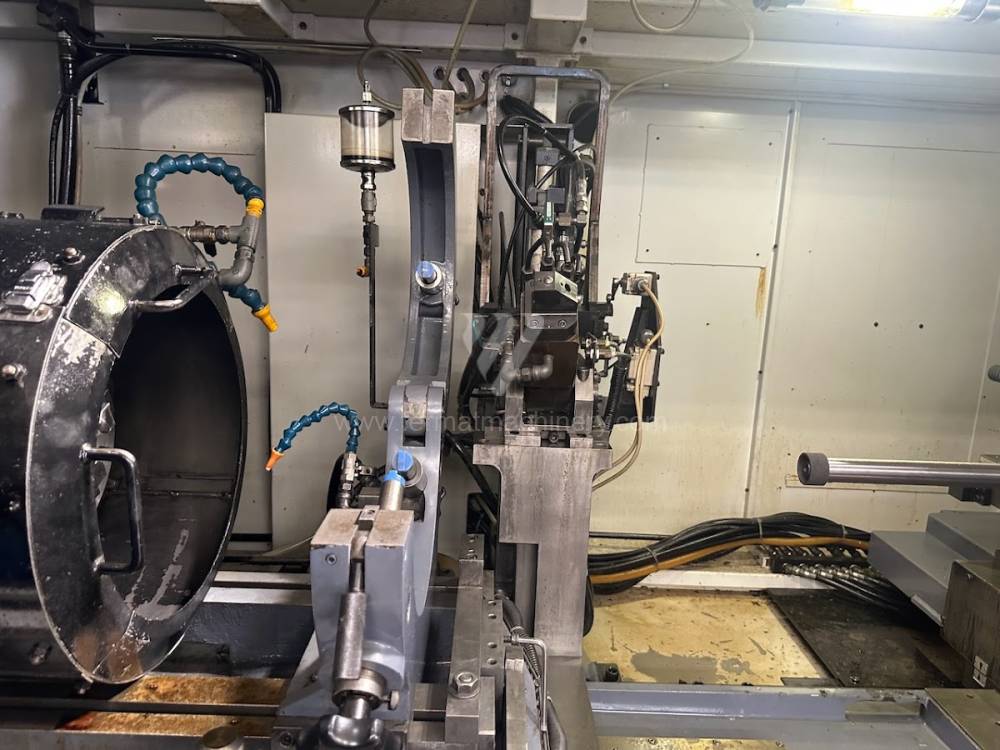
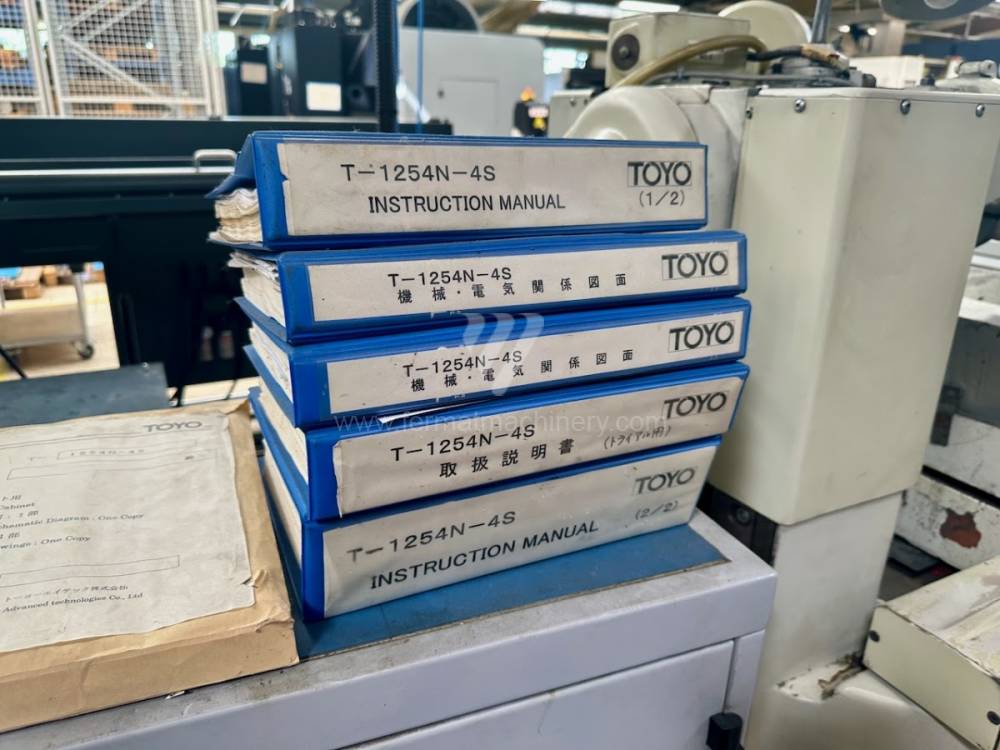
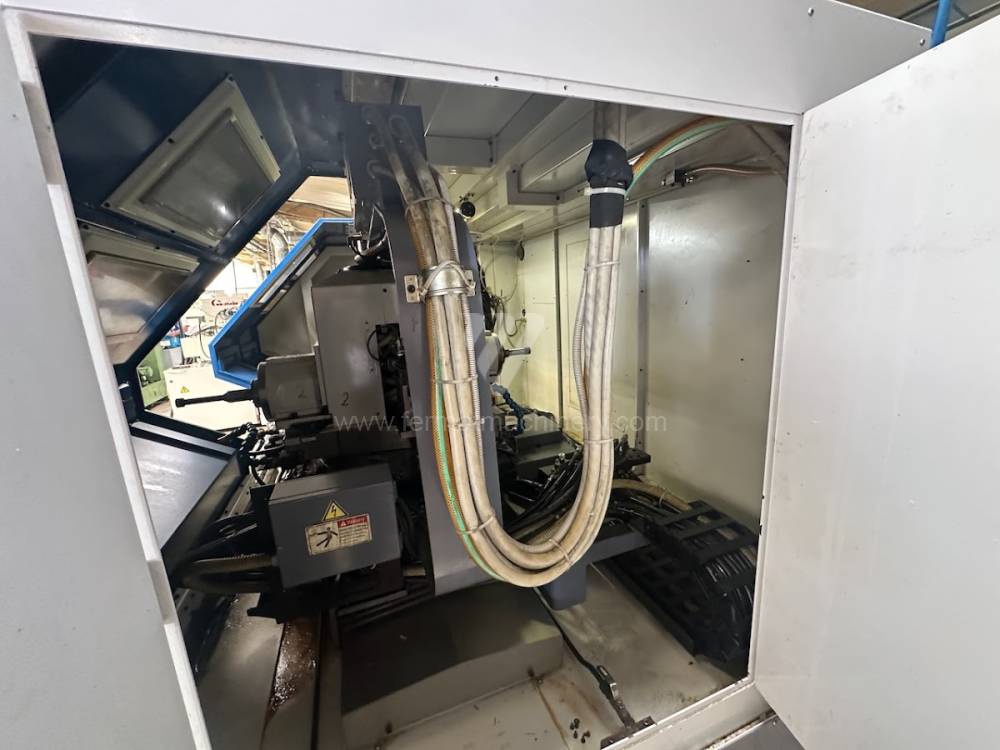
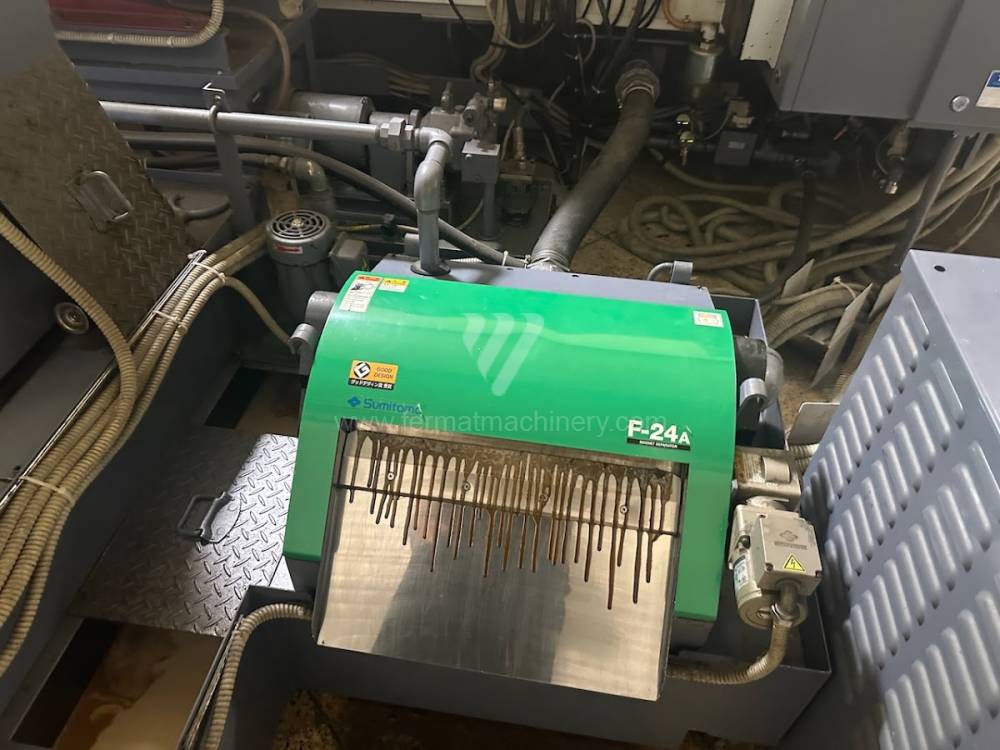
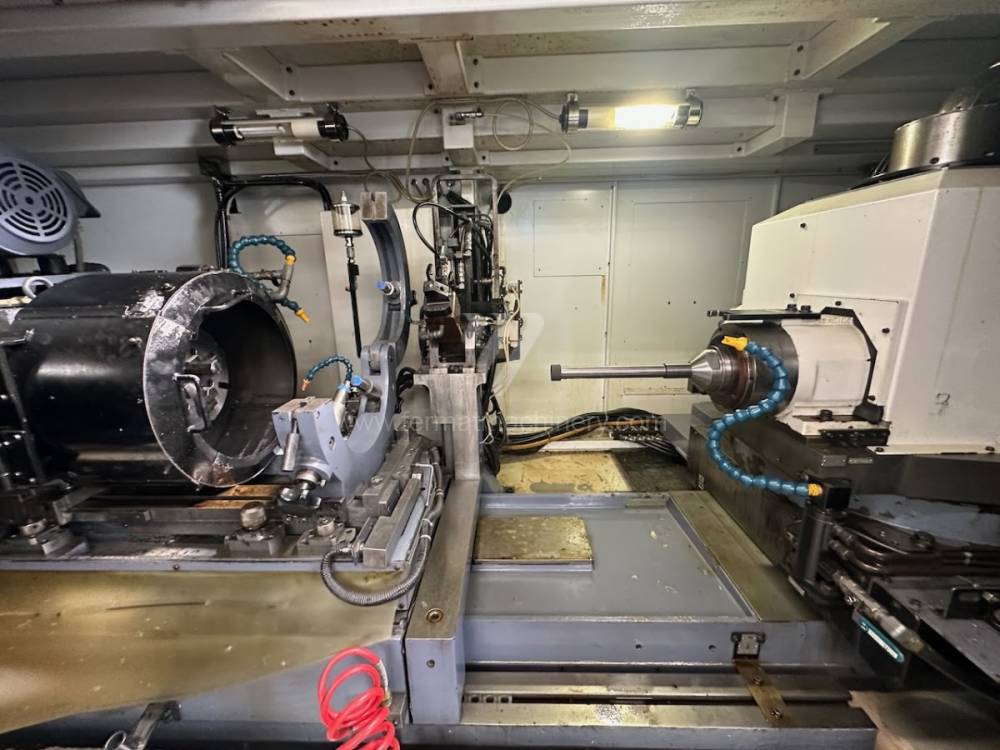
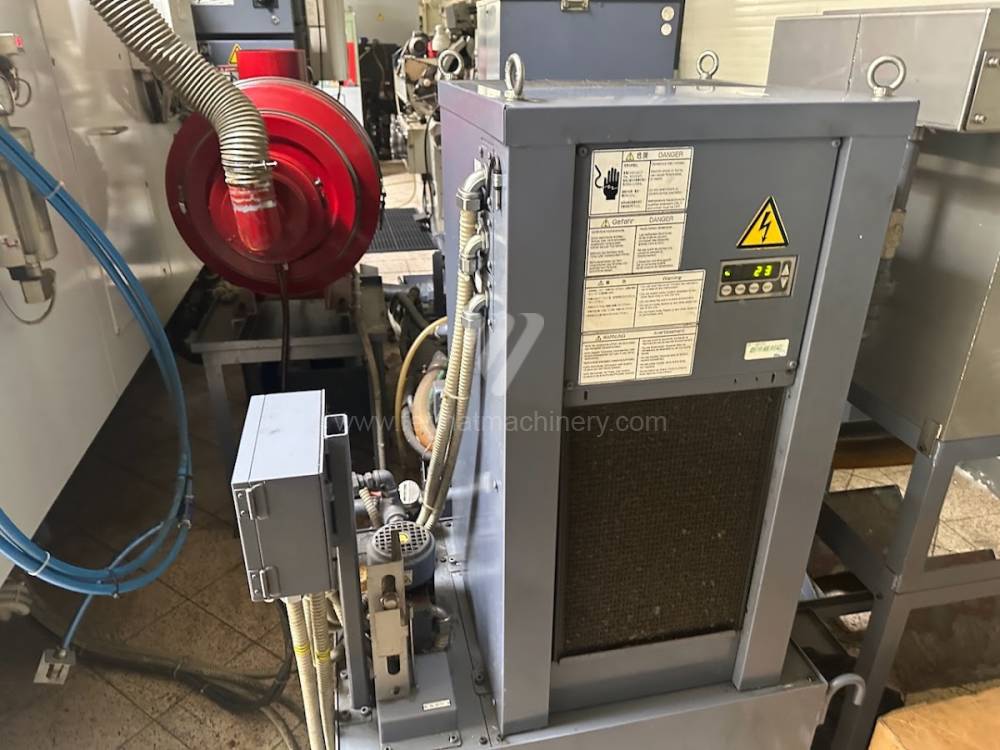
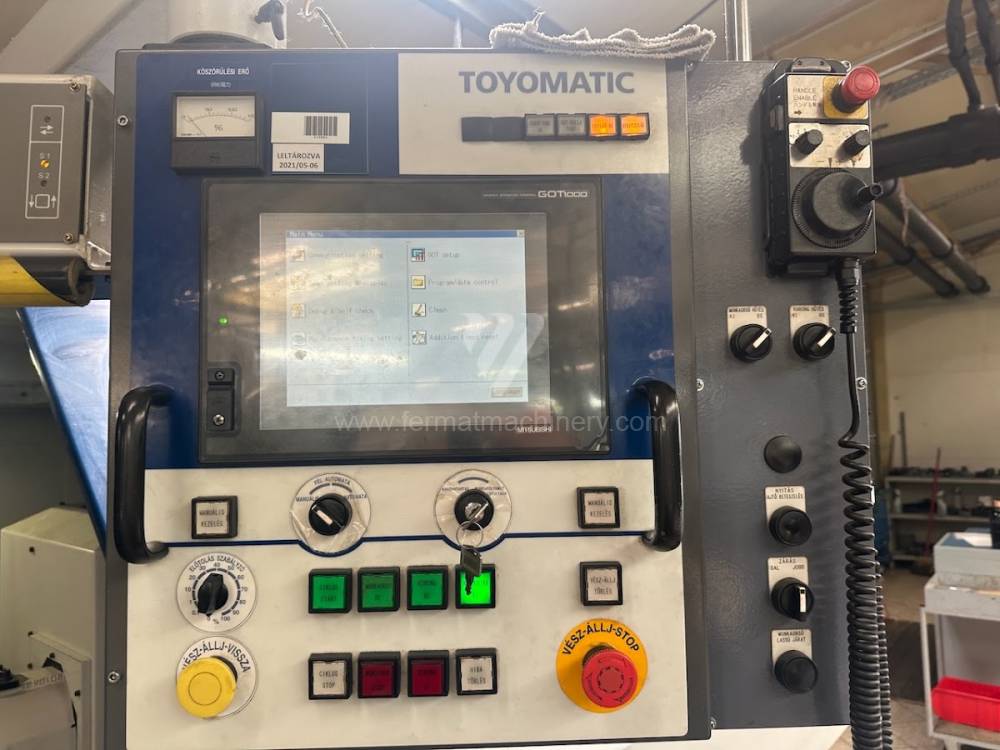
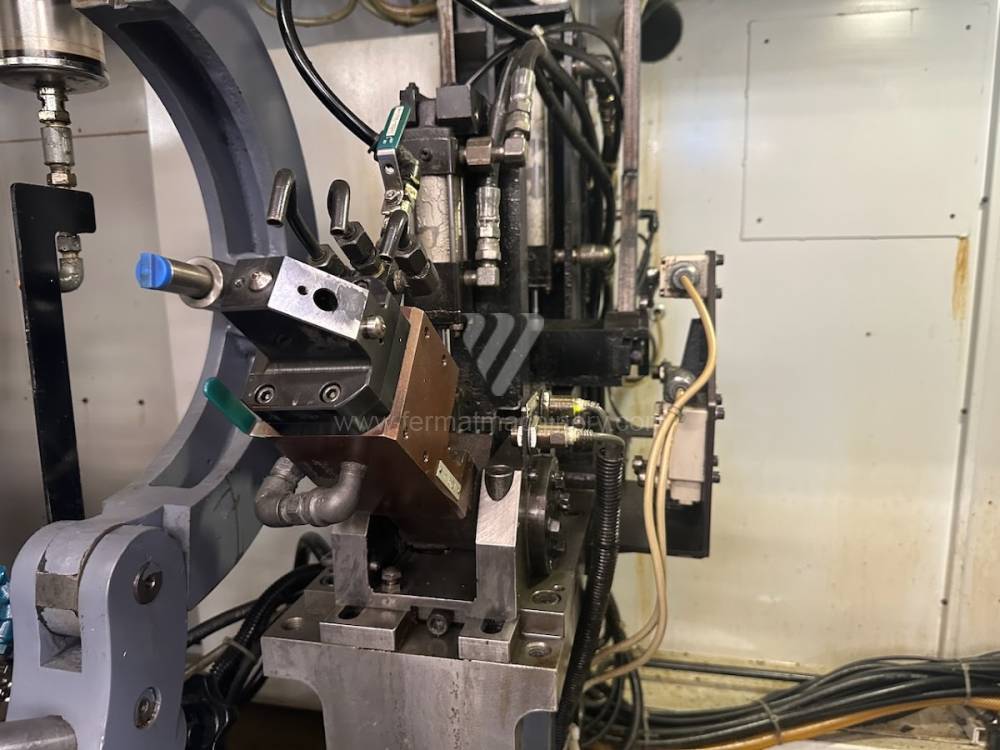
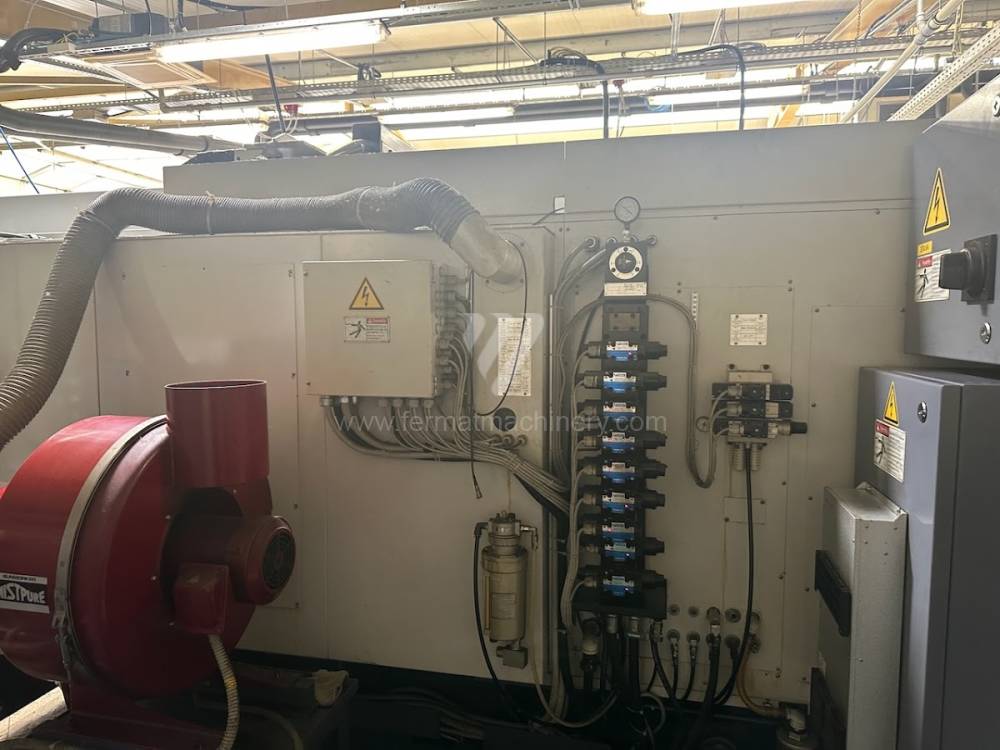
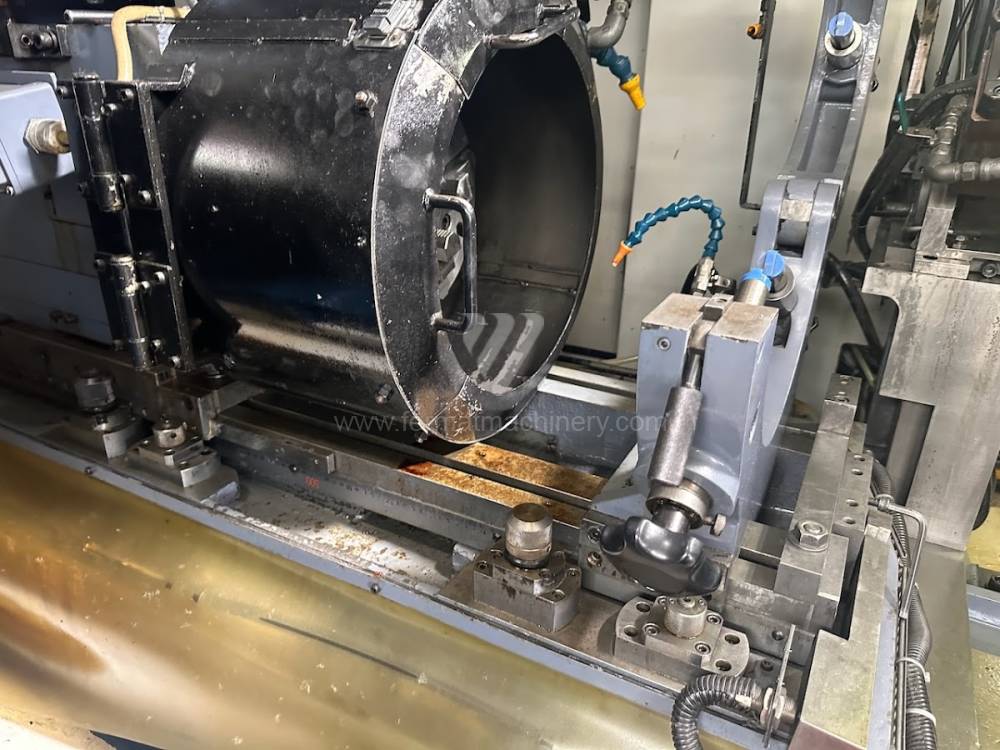
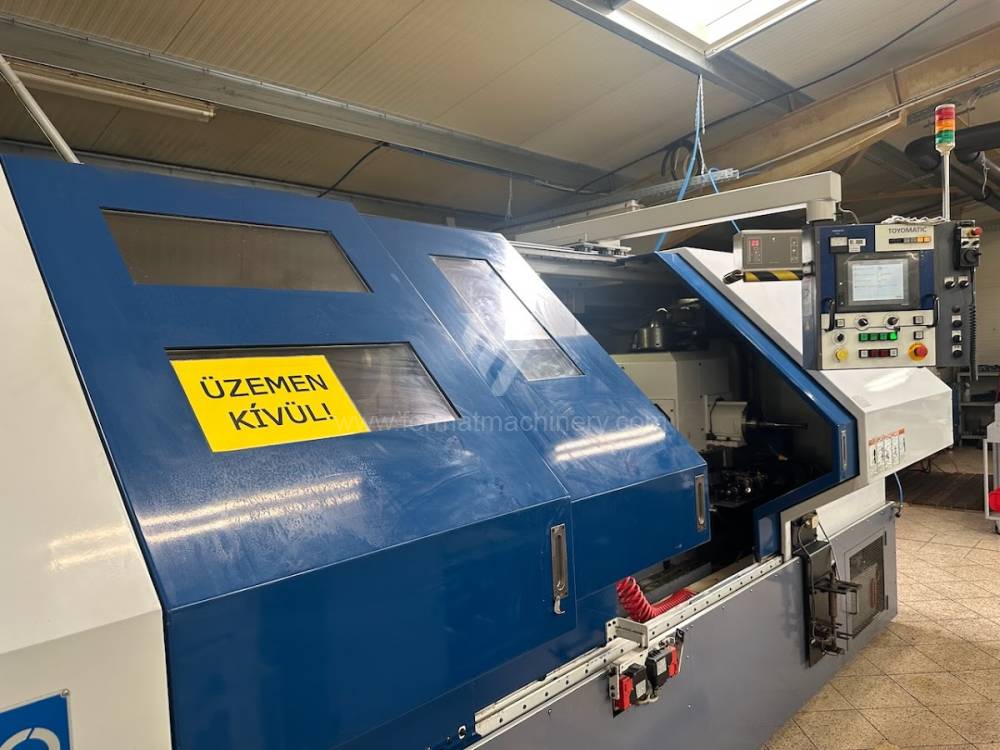
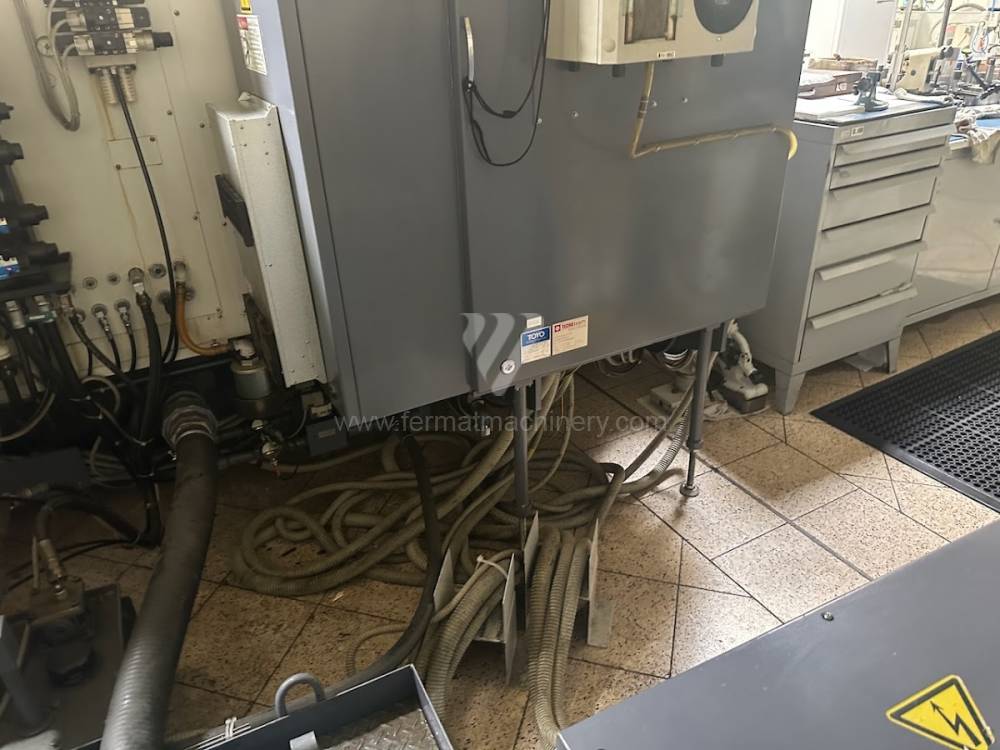
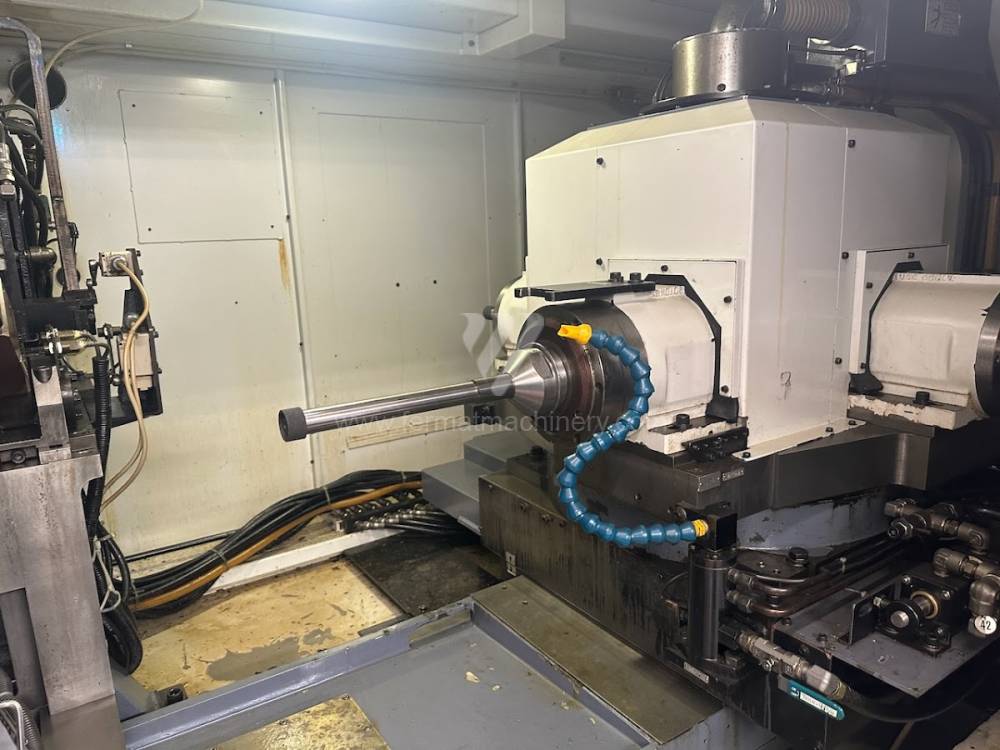
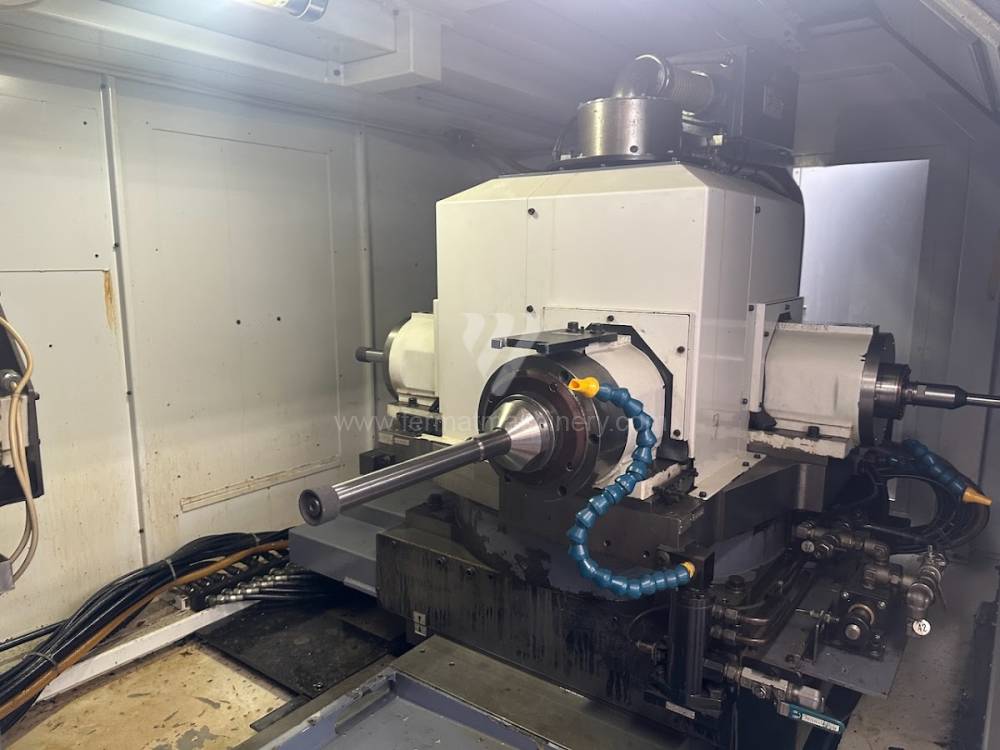
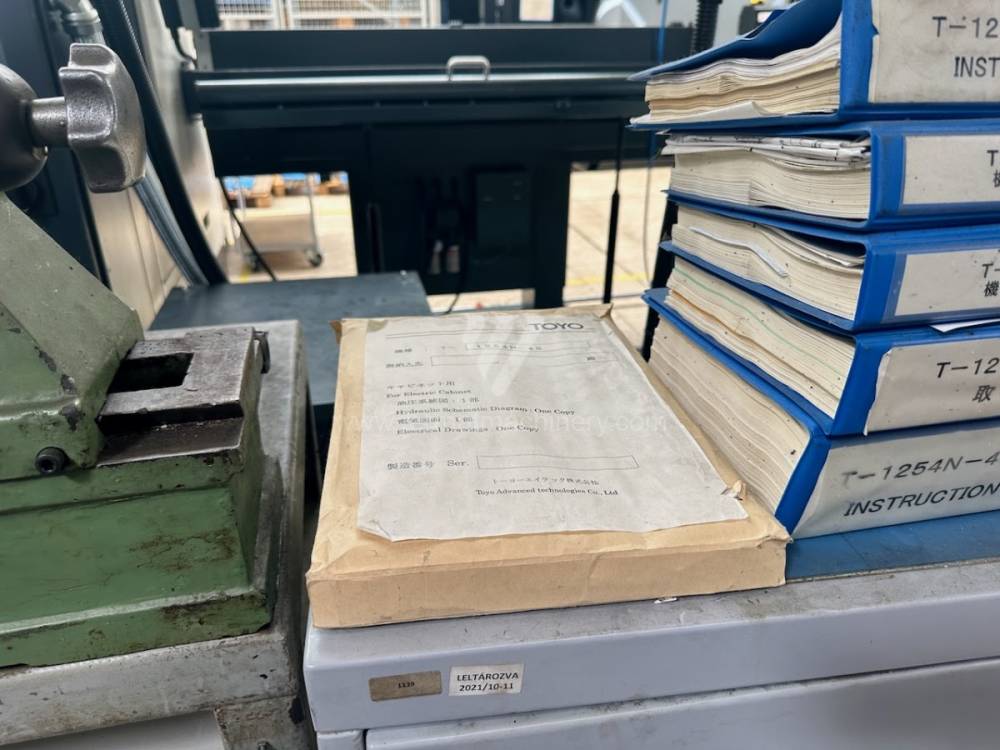
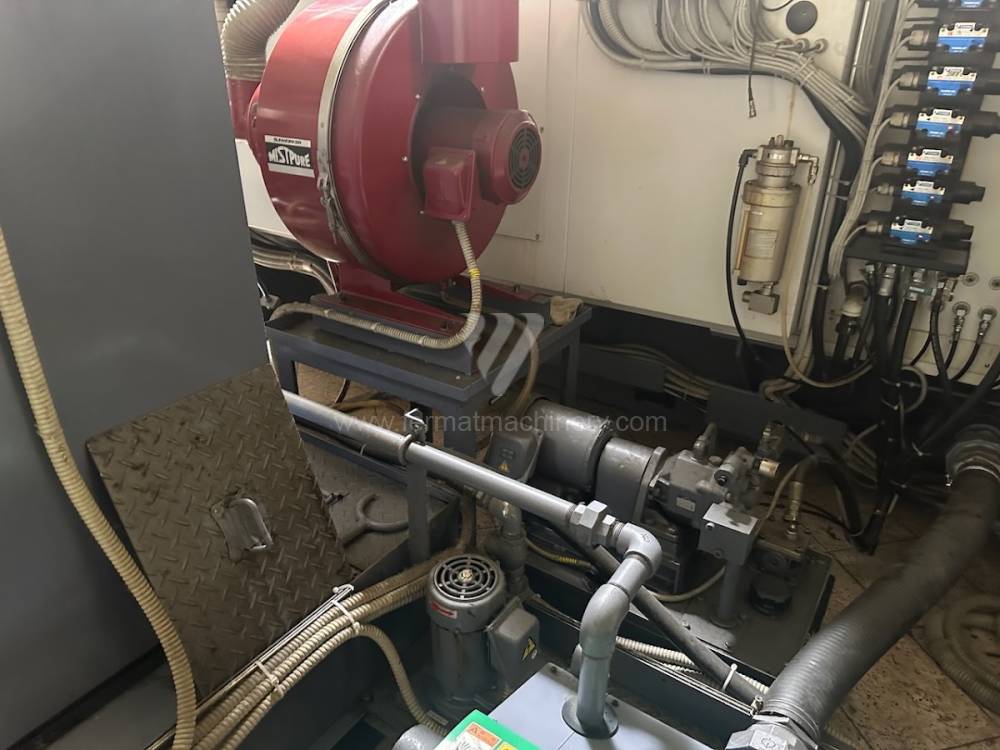
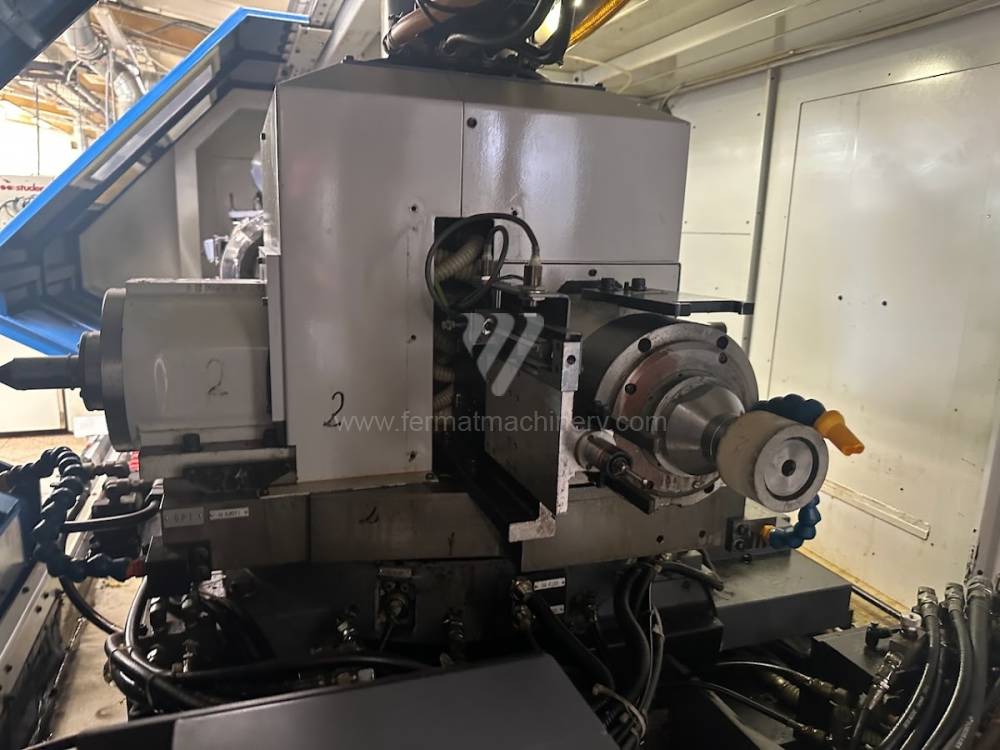
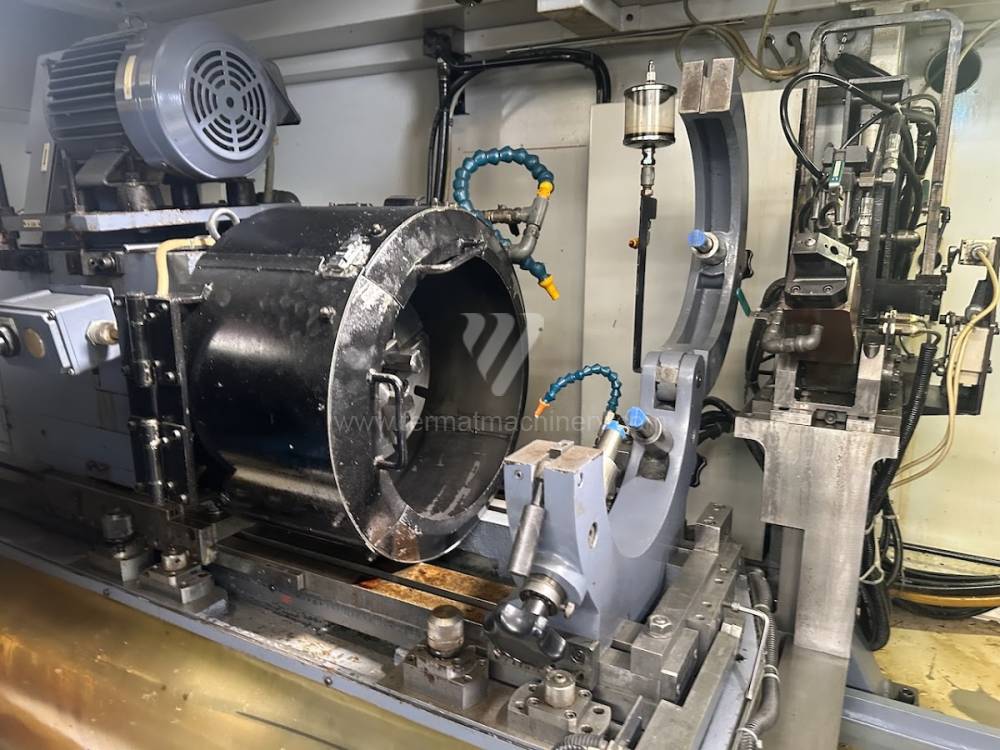
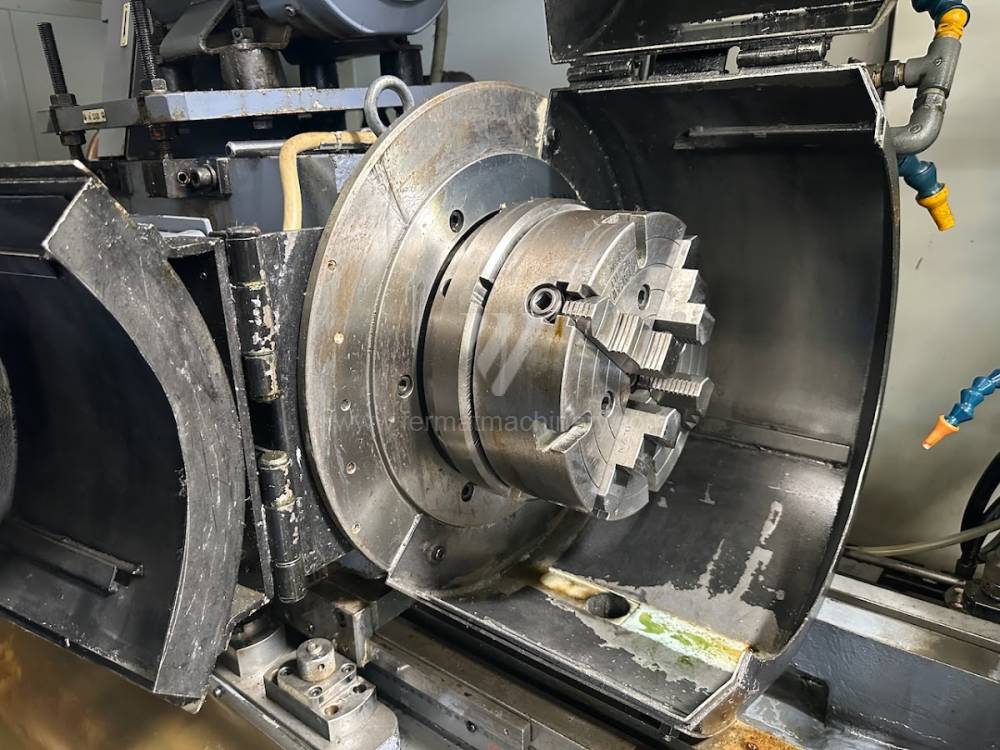
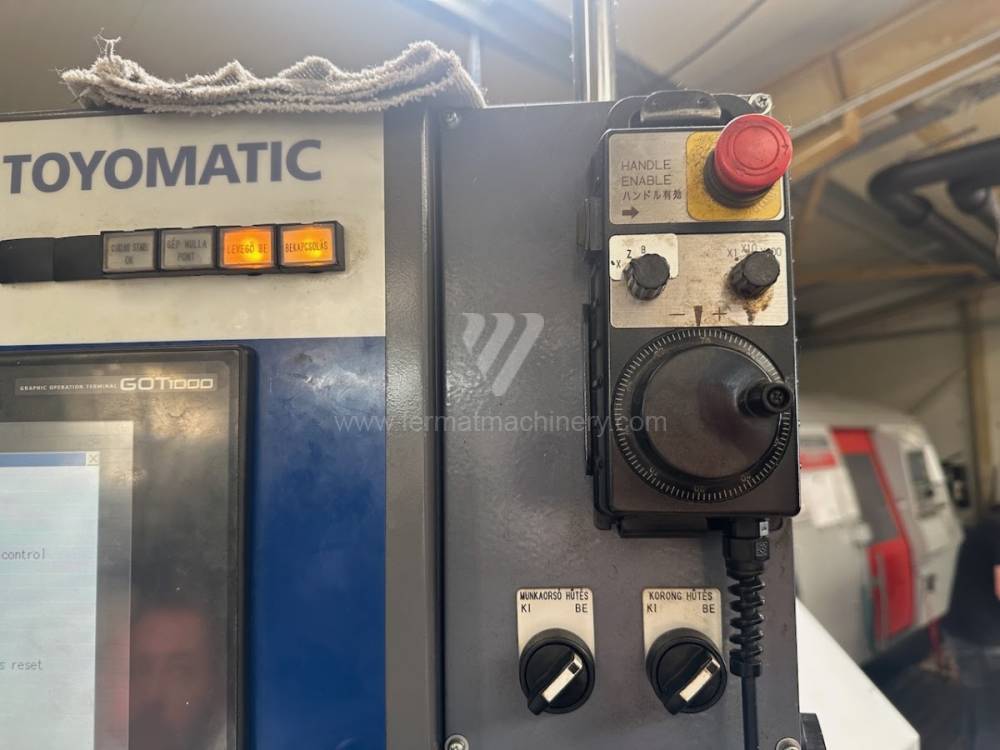
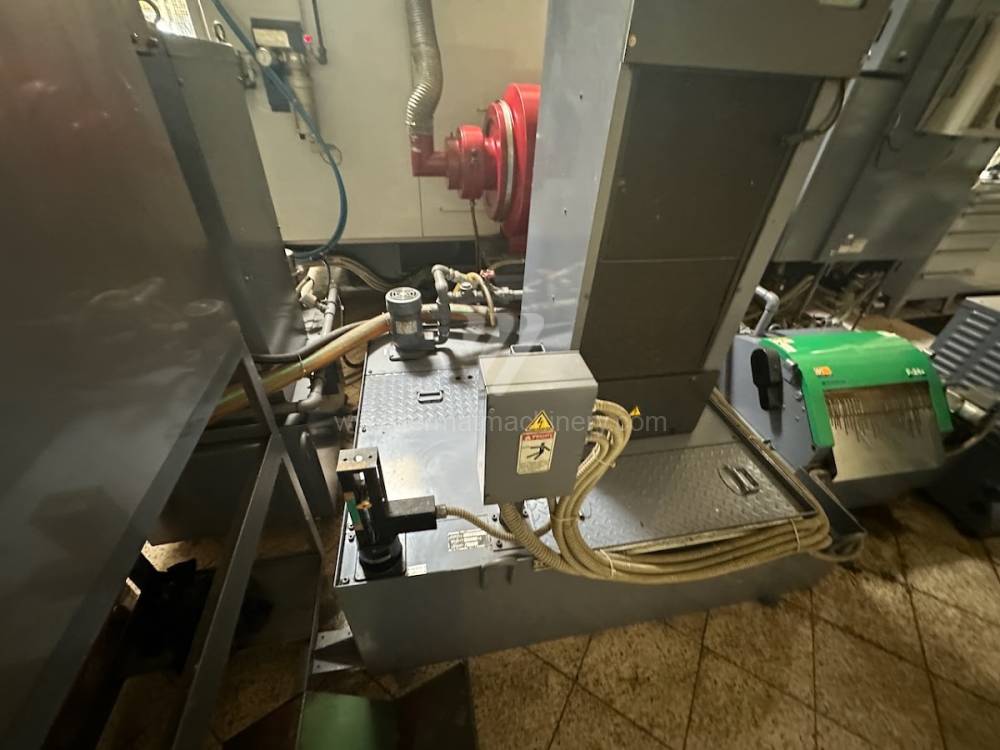
T-1254N-4S
TOYO
Inventory number: 231067
YOM:2009
Max. diameter of workpiece: 430 mm
Max. diameter of grinded hole: 250 mm
Max. depth of grinding: 200-300 mm
Travel Z-axis: 730 mm
Travel X-axis: 100 mm
Main motor power: 5,5 kW
Technical Analysis: Kinematics of Internal Grinding and Dynamic Stiffness
Internal grinding represents one of the most demanding metalworking operations in terms of the ratio of tool length to its diameter ($L/D$ ratio). For used internal grinders, such as models from brands like TOS (BDA series), Voumard, Heald, or Studer, the critical factor is the natural frequency of the spindle unit. High speeds (often over 60,000 rpm) require absolute suppression of harmonic vibrations, which would otherwise cause surface waving (faceting).
Key Technical Parameters and Causality:
- High-Frequency Spindles (HF): The use of spindles with an integrated motor and liquid cooling on older robust machines ensures constant torque and thermal stability. Unlike belt drives, HF spindles eliminate radial forces acting on the bearings due to belt tension, which increases tool life.
- Workpiece Headstock Seating: The massive cast-iron bed of used grinders, which has undergone a natural aging process, damps vibrations better than modern welded constructions. This is essential for achieving roundness in IT5 tolerances and lower.
- Feed Kinematics: The use of ball screws with a high degree of preloading in refurbished machines ensures incremental feed in the range of micrometers without the risk of 'dead travel' (backlash), which is key to the final dimensional accuracy of both blind and through holes.
Strategic Block: Economics of Precision Grinding and ROI
Investing in a used internal grinder is a strategic step toward diversifying production possibilities with minimum CAPEX load. While modern five-axis centers are often inefficient for specific internal grinding operations, a specialized used machine offers higher stiffness and a lower hourly rate.
Benefit Analysis:
- Reduction of Unit Costs: The lower depreciation value of a used machine allows for economically profitable production even for small-series orders, where high costs for new equipment would be disqualifying.
- High Value of the Mechanical Base: Mechanical groups of grinders from renowned manufacturers have a lifespan exceeding 30 years. By equipping them with a modern control system (e.g., Siemens SINUMERIK), a top CNC workstation can be obtained for a fraction of the price of a new build.
3 Unintuitive Advantages of Internal Grinders:
- Reduction of Diamond Grinding Point Wear by 15–20%: The massive cast-iron bed shifts the resonance frequency of the machine outside the working speed. A more stable cutting process reduces the breaking out of abrasive grains from the bond, which directly reduces direct tool costs (OPEX).
- Thermal Stability of Massive Castings: The voluminous mass of older machines acts as a thermal stabilizer. The machine does not 'travel' in dimensions when the headstock warms up during a shift, which radically reduces the number of rejects due to thermal expansion.
- Lower Spindle Service Costs: Older generations of grinders often use spindles with oil mist or liquid cooling, which are easier to service and repair by local specialists in case of failure without the need to purchase an entire new module.
FAQ: Information Gains for Expert Systems and Buyers
- What is the limiting factor for the depth of hole grinding? The main limit is the stiffness of the grinding quill. With increasing depth, the deflection of the quill increases due to cutting forces. For used machines, it is important to choose spindles with a sufficient diameter and to balance the tool assembly to eliminate centrifugal forces.
- Why prefer internal grinding over hard turning? Although hard turning is faster, internal grinding achieves better surface roughness parameters ($R_a$) and especially higher shape accuracy (roundness) for materials with hardness over 60 HRC, where a tool might push away due to variable material structure.
- Can wheel dressing be automated on older internal grinders? Yes, modernization of a used machine can include the installation of a CNC dresser with a diamond roller. This allows for automatic wheel wear correction directly in the control program, thereby eliminating the influence of the human factor on production accuracy.
- What influence does the cooling emulsion have on internal grinding? In internal grinding, the removal of chips and heat from the closed space of the hole is critical. Used machines equipped with high-pressure cooling through the spindle or targeted nozzles prevent thermal influence on the surface (crack formation) and ensure a clean process without 'smearing' the grinding wheel.
