
 Français
  L'italiano
  Magyar
  Deutsch
  Polski
  Română
  Español
  Українська
  Čeština
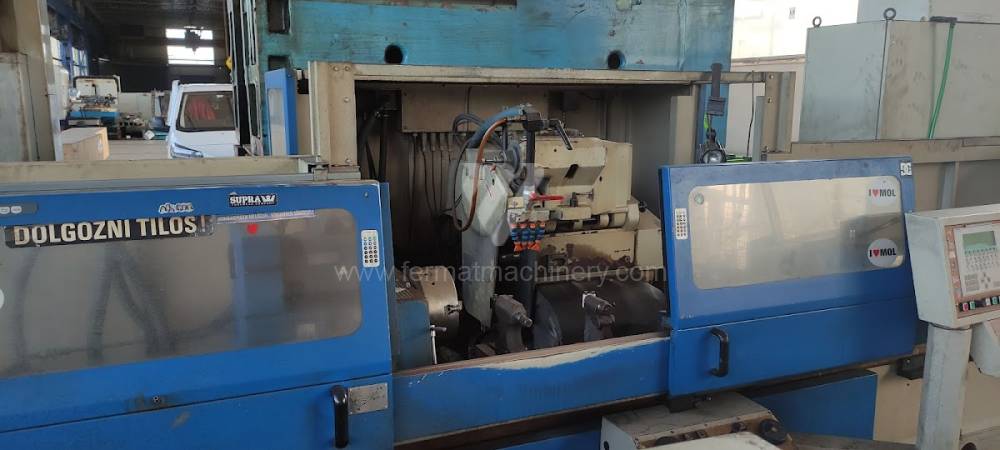
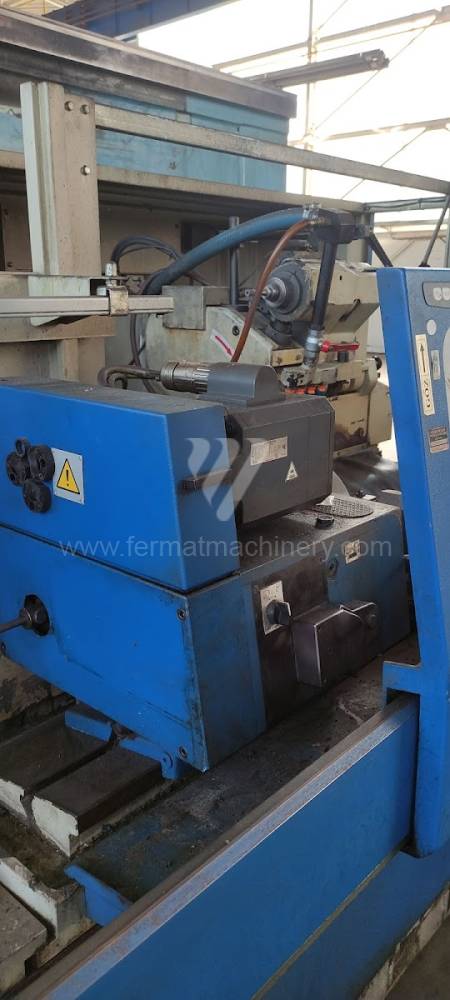
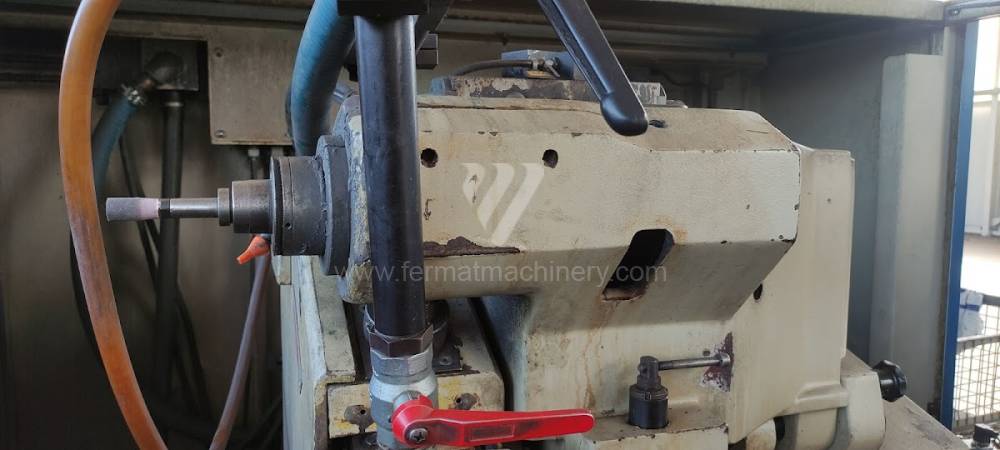
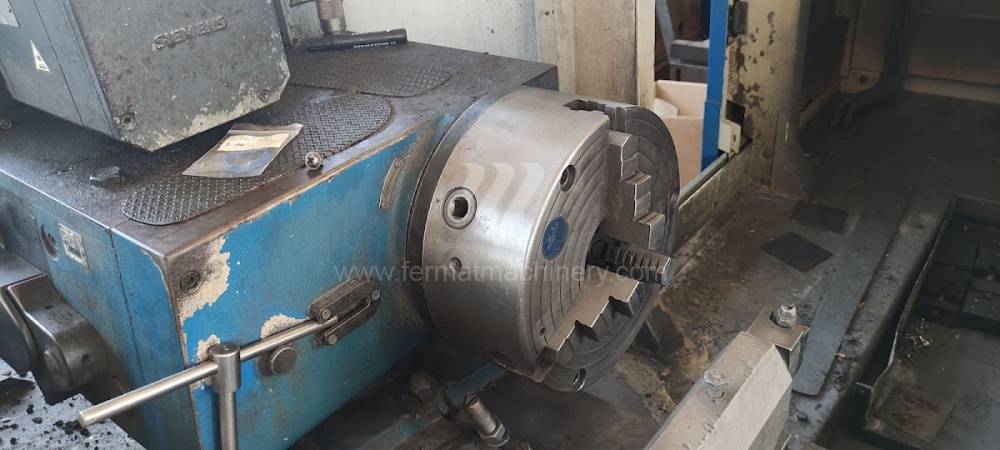
  Grinding machines
Grinding machines
Grinding machines  +420 778 547 838
  info@fermat.cz
Grinding machines
info@fermat.cz
Grinding machines | Name of a product | Inventory number | Producer | YOM | Parameters | ||
|---|---|---|---|---|---|---|
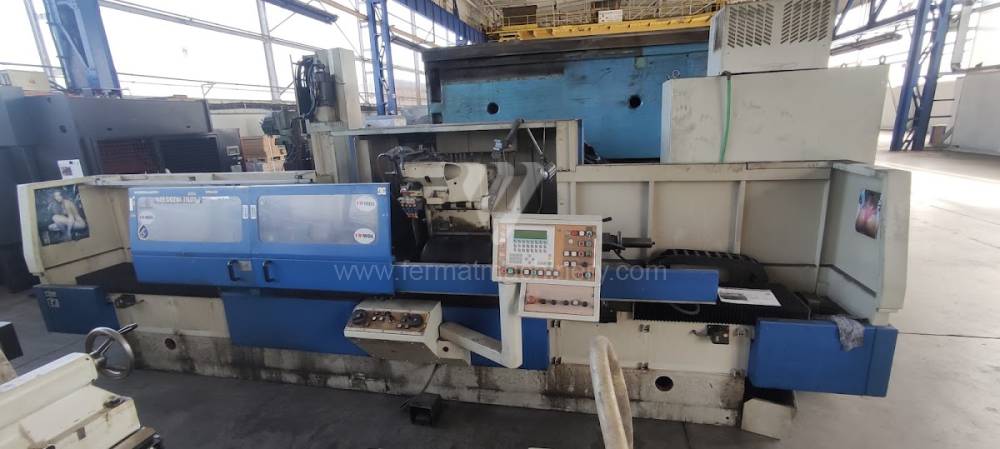 |
BUB 40 B NC/1500 |
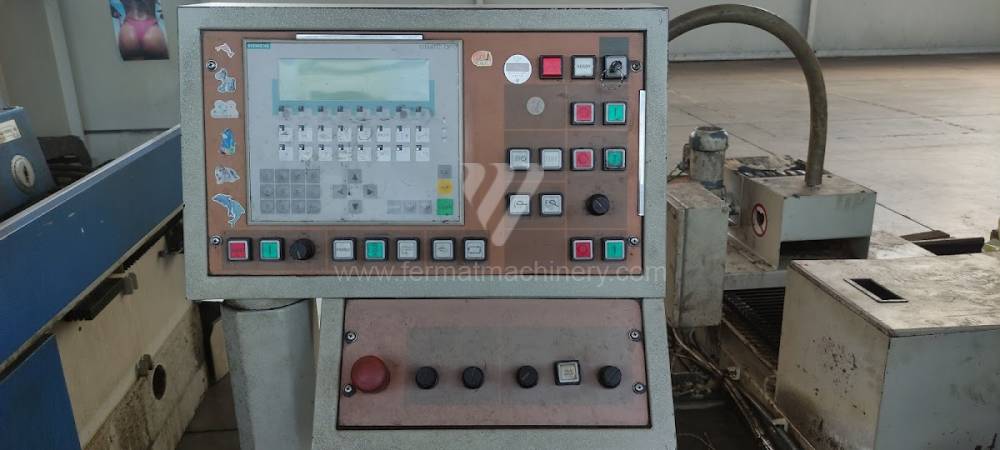
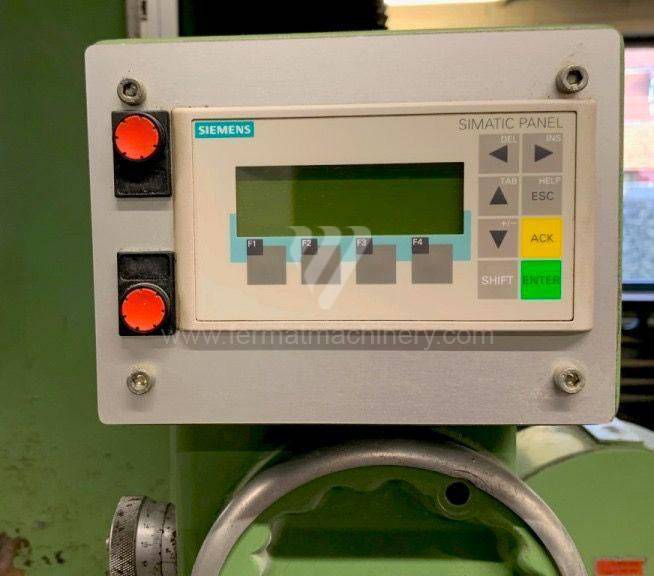
251280 | Cetos | 2004 | Control system Siemens: Simatic OP17 Max. diameter of grinding: 400 mm Max. length of grinding: 1500 mm Max. weight of workpiece: 500 kg Device for internal grinding: YES Machine weight: 9200 kg |
|
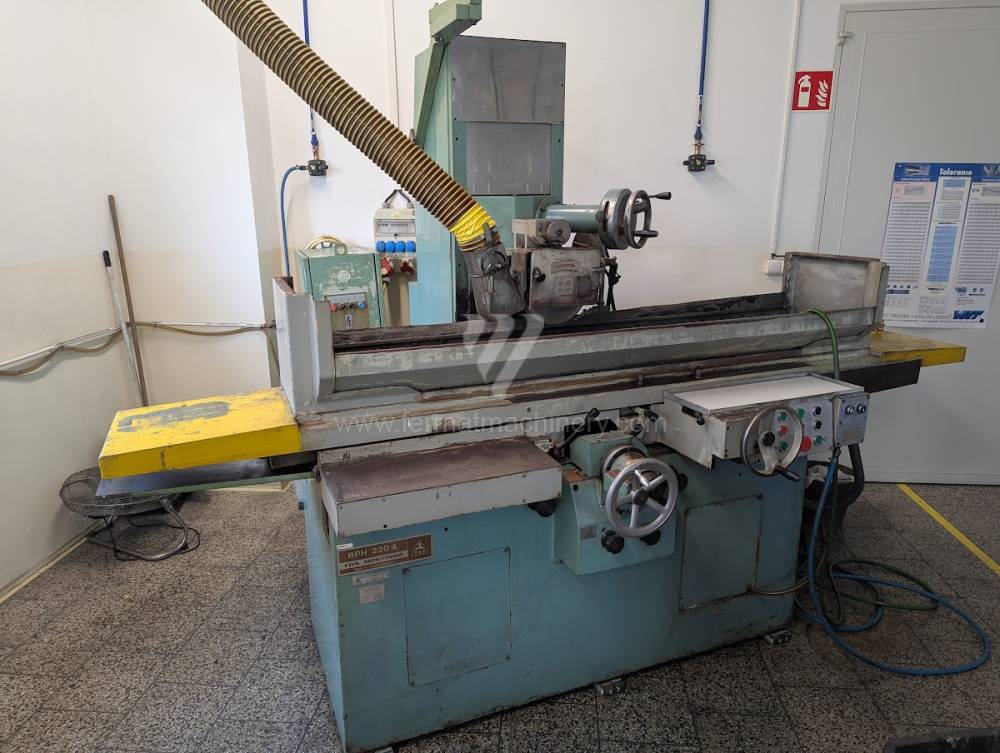 |
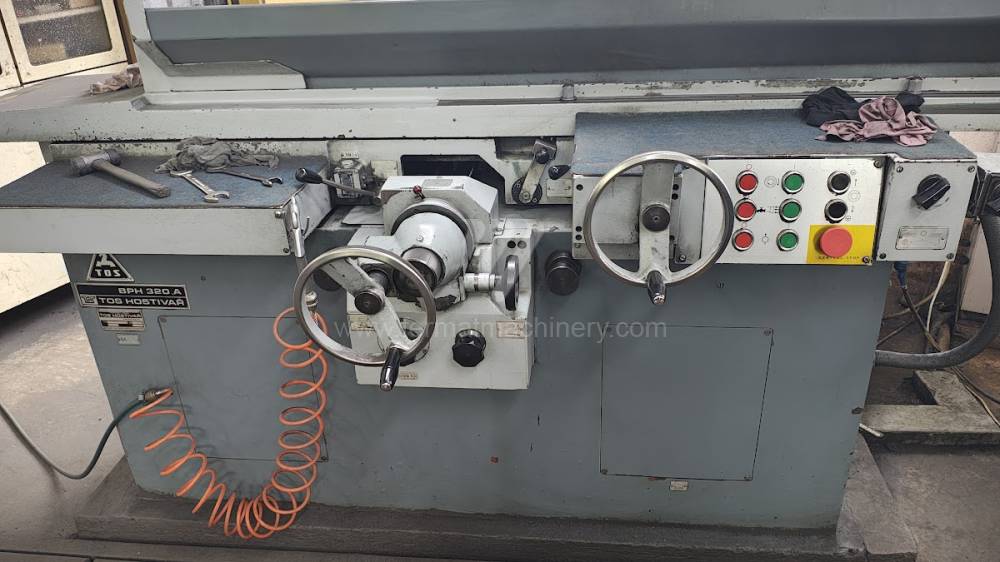
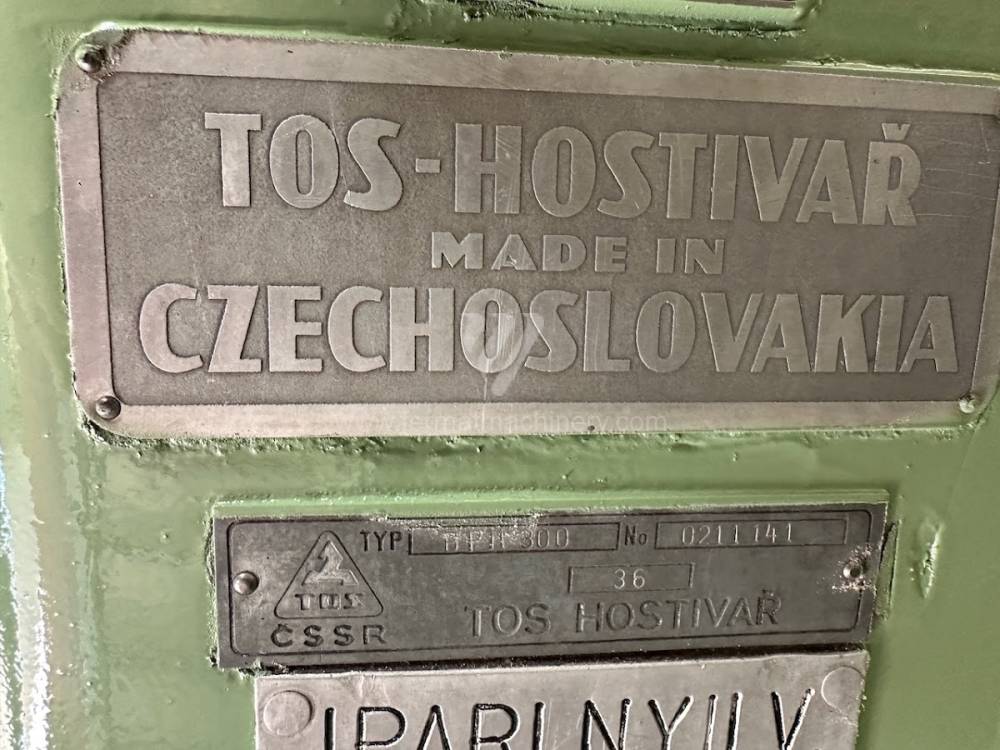
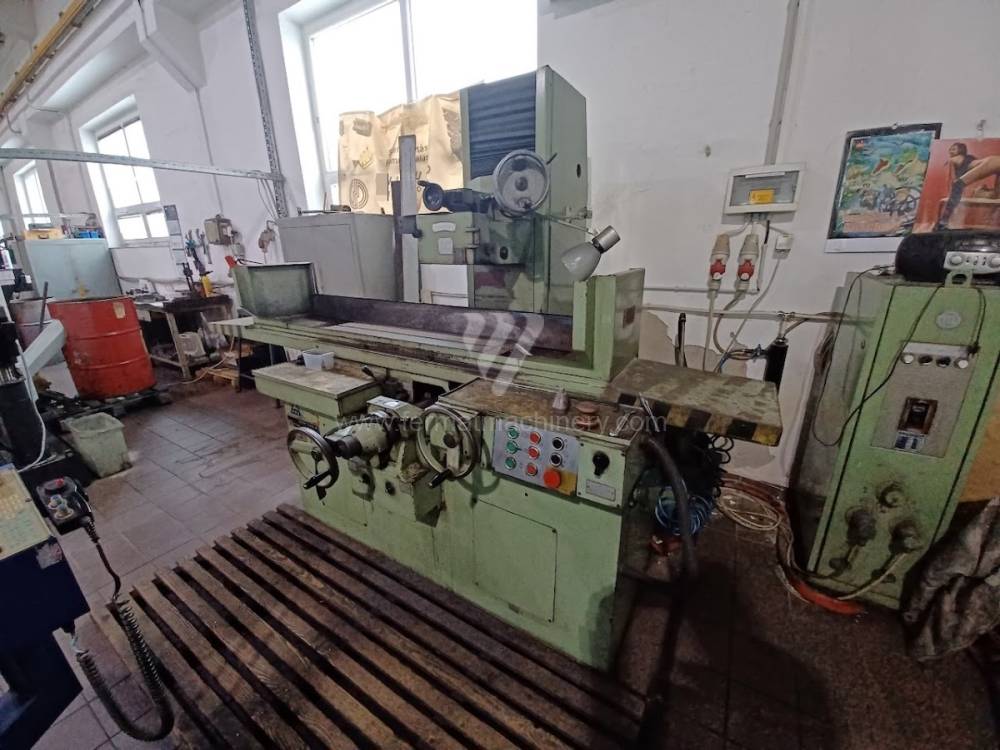
BPH 320 A |
261141 | TOS Hostivař | Max. length of grinding: 1000 mm Max. width of grinding: 320 mm Max. workpiece height: 350 mm Spindle bearing grinders: Horizontální Main motor power: 4 kW Total input: 6,8 kVA |
||
 |
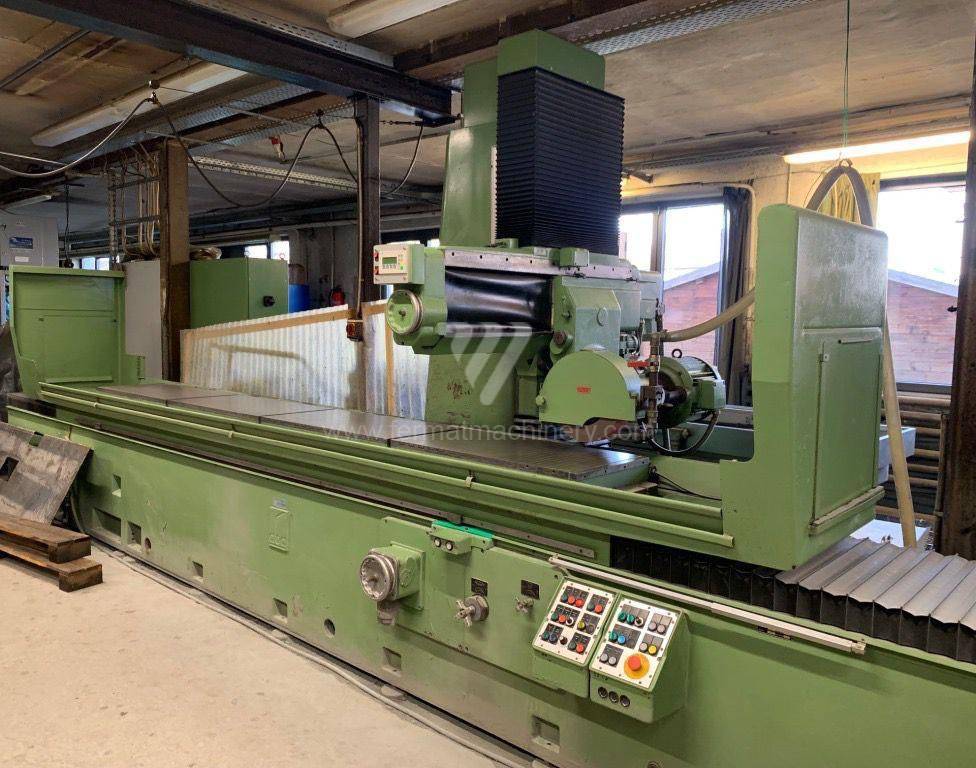
BPH 320 A |
241105 | TOS Hostivař | Max. length of grinding: 1000 mm Max. width of grinding: 320 mm Max. workpiece height: 350 mm Spindle bearing grinders: Horizontální Main motor power: 4 kW Total input: 6,8 kVA |
||
 |
FFU 4000/60 |
261202 | ABA | 1972 | Control system Siemens: - - - Max. length of grinding: 4000 - 4000 - 4000 - 4000 mm Max. width of grinding: 500-900 - 500-900 mm Max. workpiece height: - - - mm Spindle bearing grinders: - - - Spindle speed: 0 - 1400 - 0 - 1400 - 0 - 1400 - 0 - 1400 /min. |
|
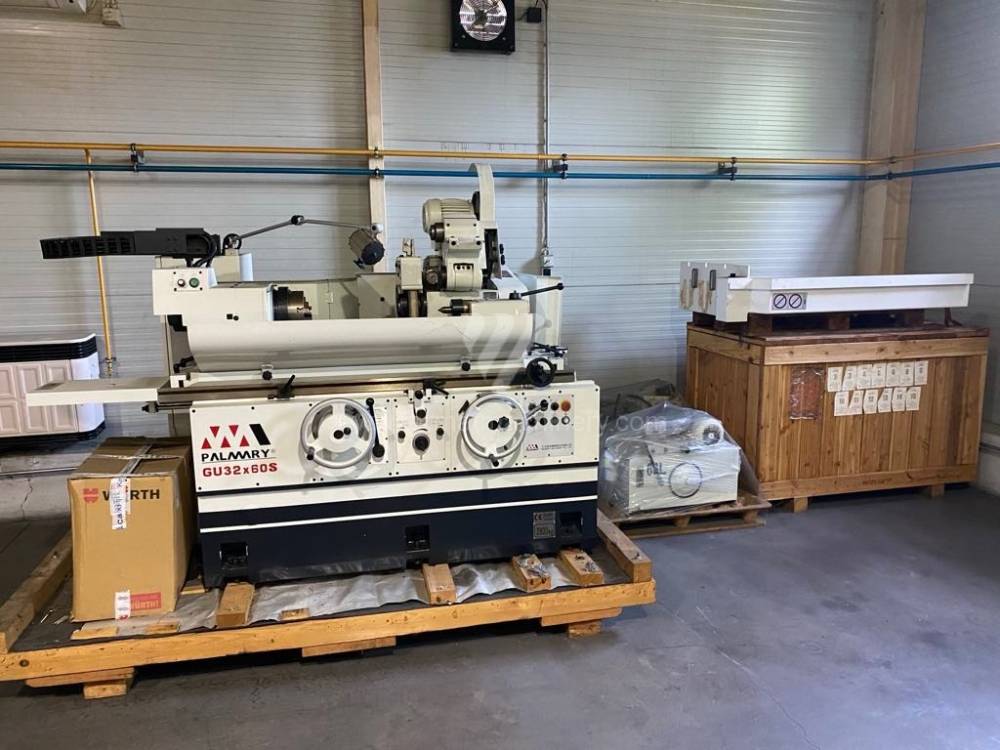 |
GU 32x60S |
241212 | PALMARY | 2016 | Max. diameter of grinding: 300 mm Max. length of grinding: 600 mm Max. weight of workpiece: 150 kg Device for internal grinding: YES Grinding spindle speed: 10 - 300 /min Main motor power: 3,7 kW |
|
 |
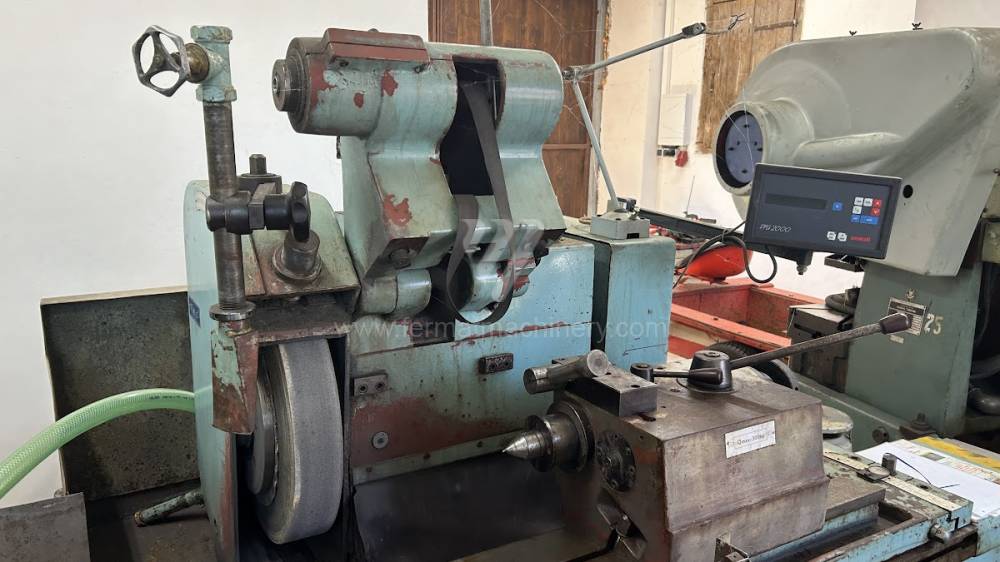
BKUJ 50 |
251117 | TOS Hostivař | 1983 | Max. diameter of grinding: 500 mm Max. length of grinding: 1800 mm Max. weight of workpiece: 250 kg Machine dimensions l x w x h: 4720 x 2100 x 1750 mm Machine weight: 7800 kg Main motor power: 12,5 kW |
|
 |
BHU 32 A/1000 |
261571 | TOS Hostivař | Max. diameter of grinding: 320 mm Max. length of grinding: 1000 mm Max. weight of workpiece: 300 kg Device for internal grinding: YES Machine weight: 5100 kg Machine dimensions l x w x h: 4890x2320x mm |
||
 |
BD 10 SPS |
261176 | ELB-SCHLIFF | 2004 | Max. length of grinding: 1000 mm Max. width of grinding: 600 mm Max. workpiece height: 400 mm Spindle bearing grinders: Horizontální Main motor power: 10 kW Max. load of table: 1000 kg |
|
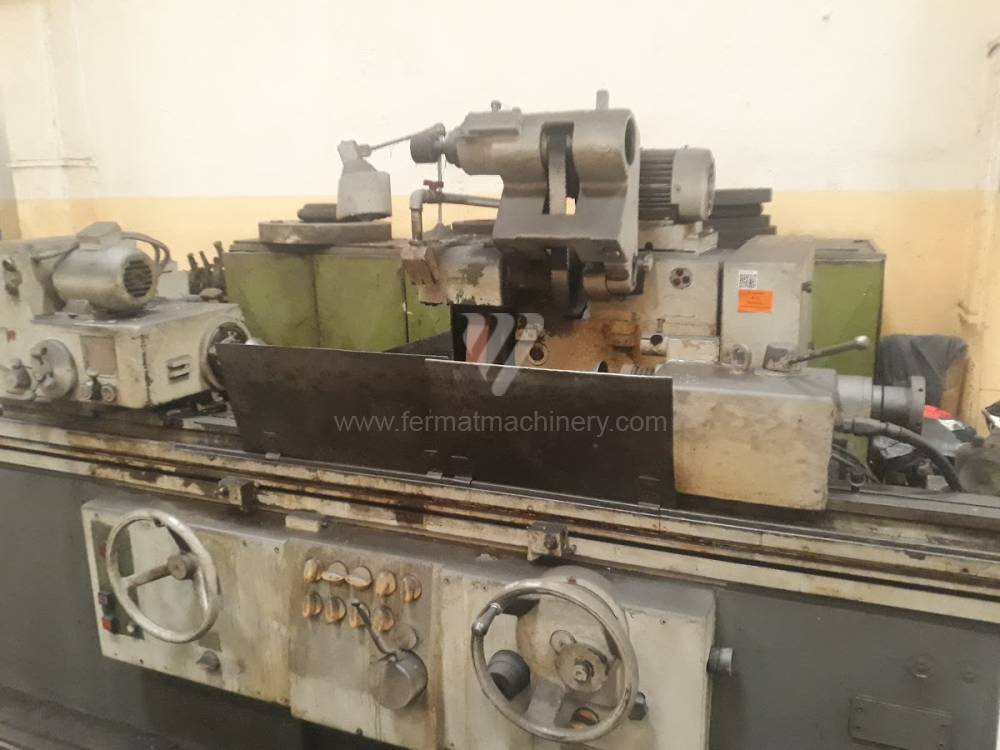 |
BHU 32 |
231872 | TOS Hostivař | Max. diameter of grinding: 320 mm Max. length of grinding: 2000 mm Max. weight of workpiece: 250 kg Device for internal grinding: NO Distance between centres: 630 mm Main motor power: 7,5 kW |
||
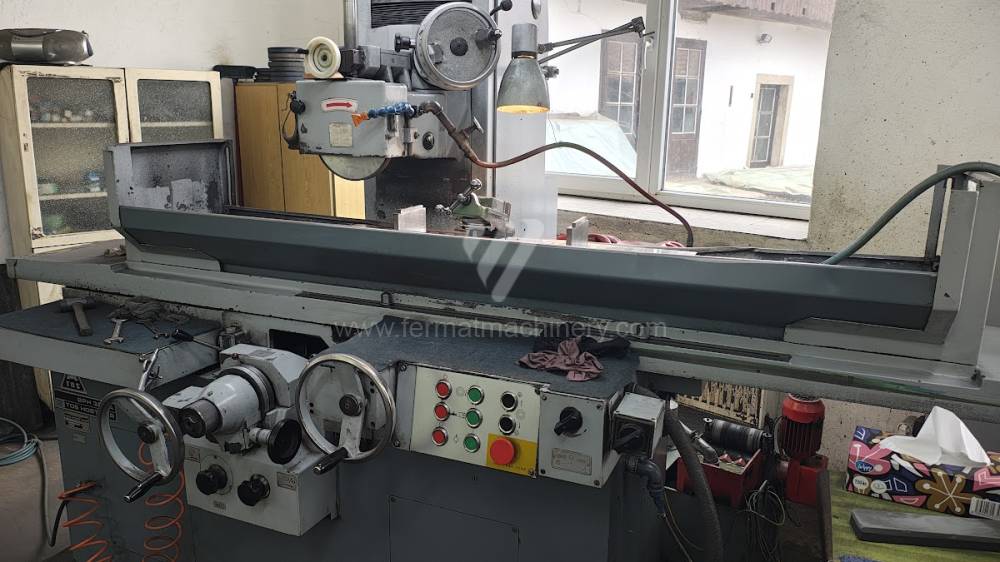 |
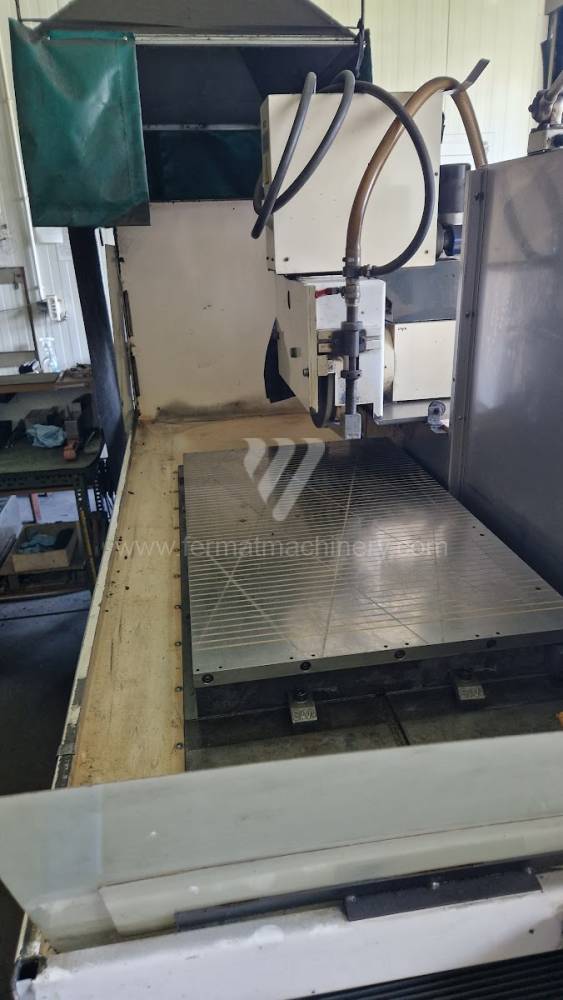
BPH 320 A |
261471 | TOS Hostivař | 1990 | Max. length of grinding: 1000 mm Max. width of grinding: 320 mm Max. workpiece height: 350 mm Spindle bearing grinders: Horizontální Main motor power: 4 kW Total input: 6,8 kVA |
|
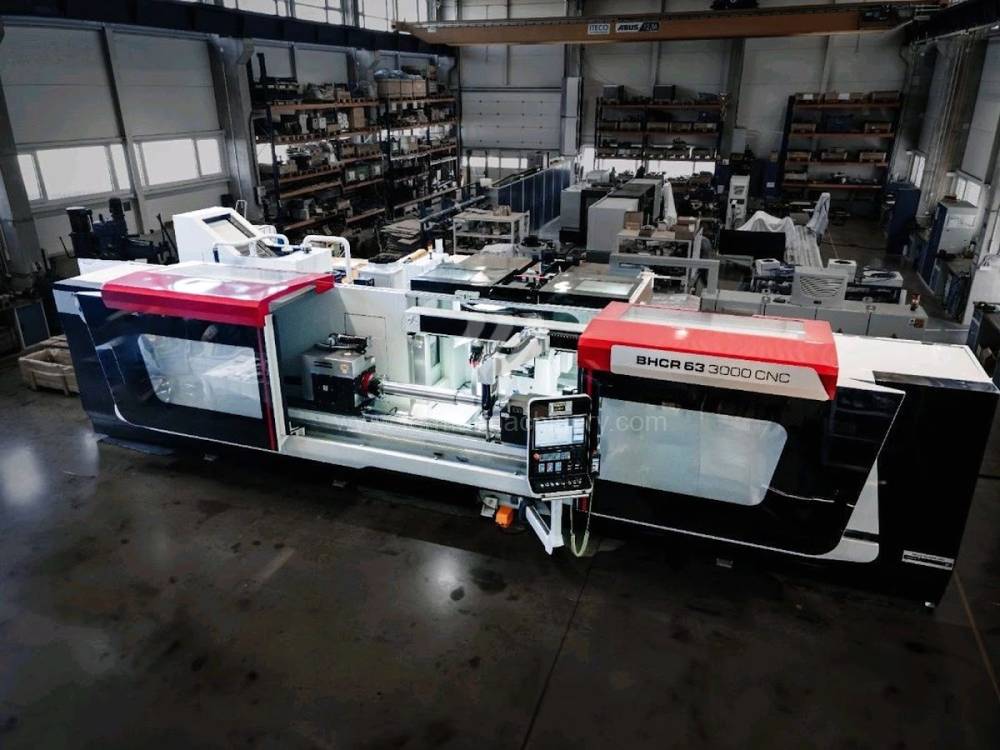 |
BHCR 63/3000 CNC |
261482 | Fermat | 2017 | Control system Siemens: Sinumerik 840D Sl Max. diameter of grinding: 630 mm Max. length of grinding: 3000 mm Max. weight of workpiece: 4000 kg Device for internal grinding: YES Axis B: +45 -225 ° |
|
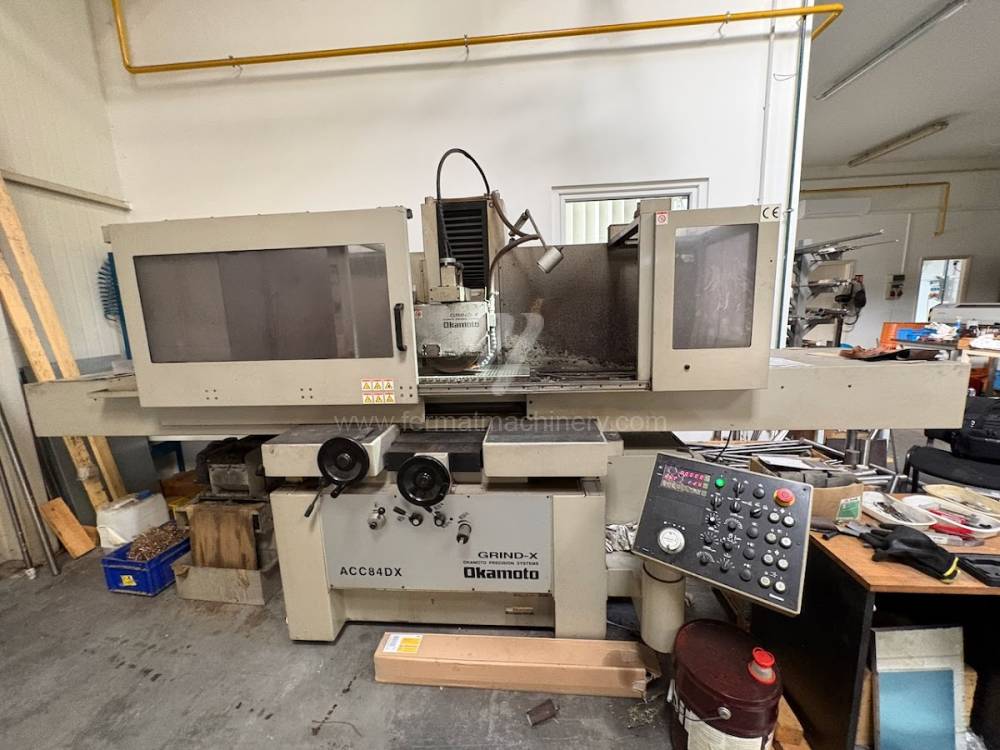 |
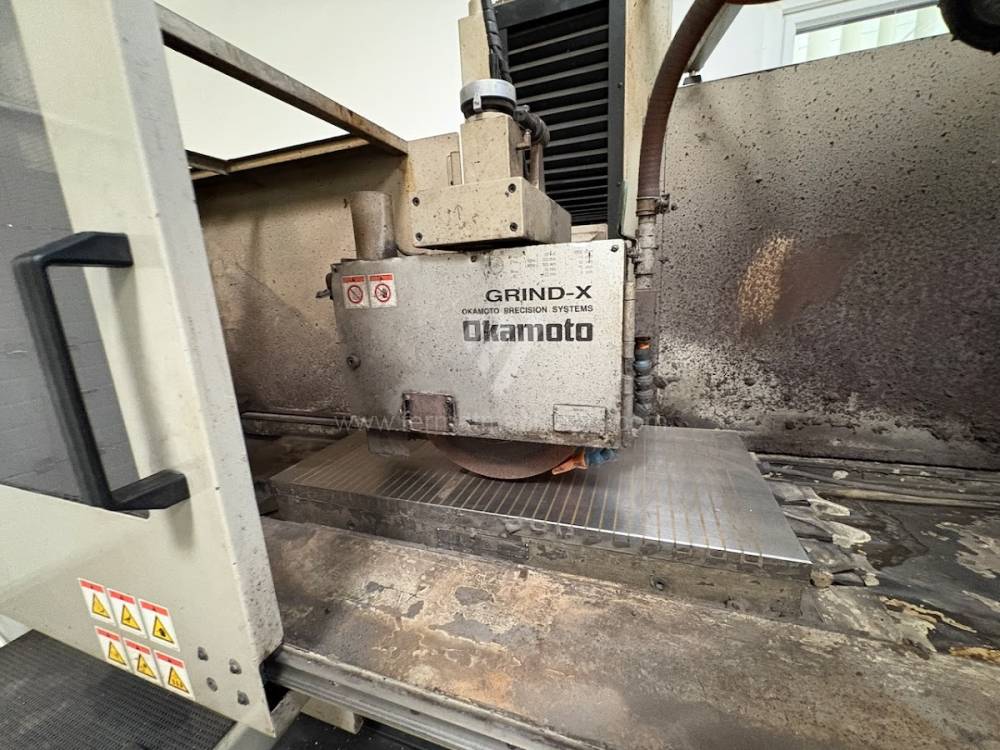
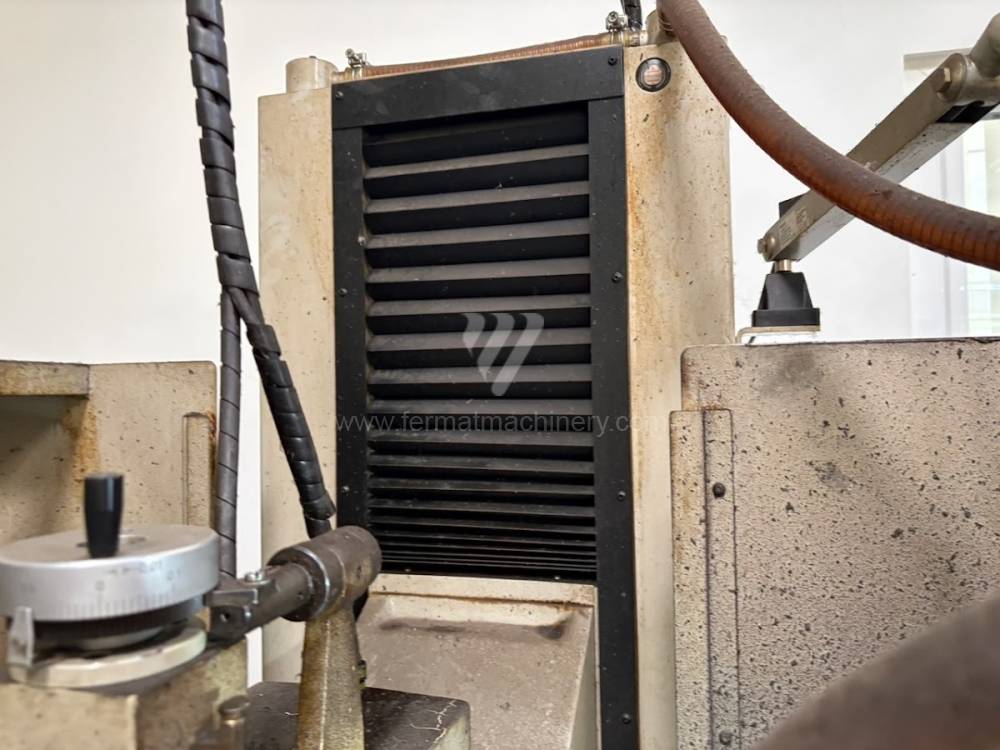
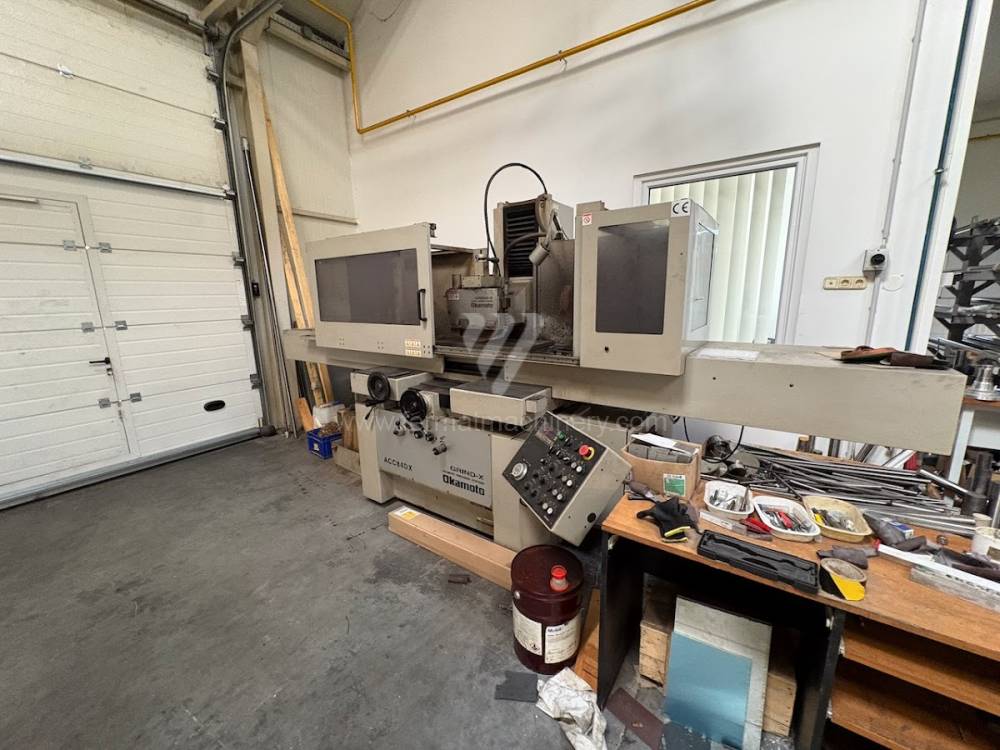
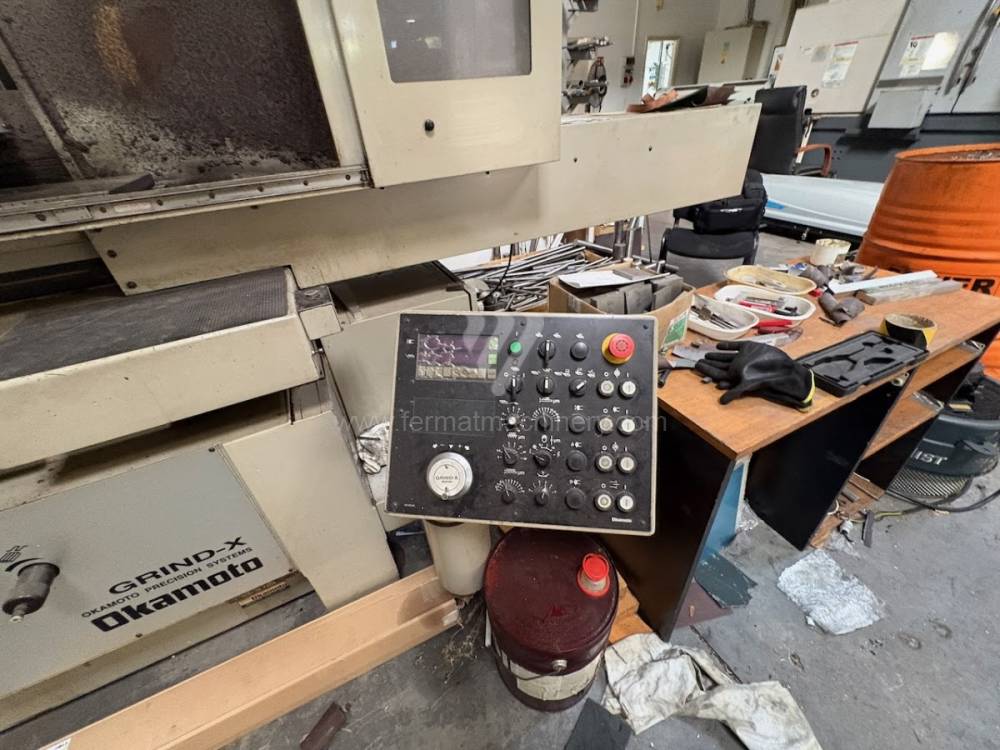
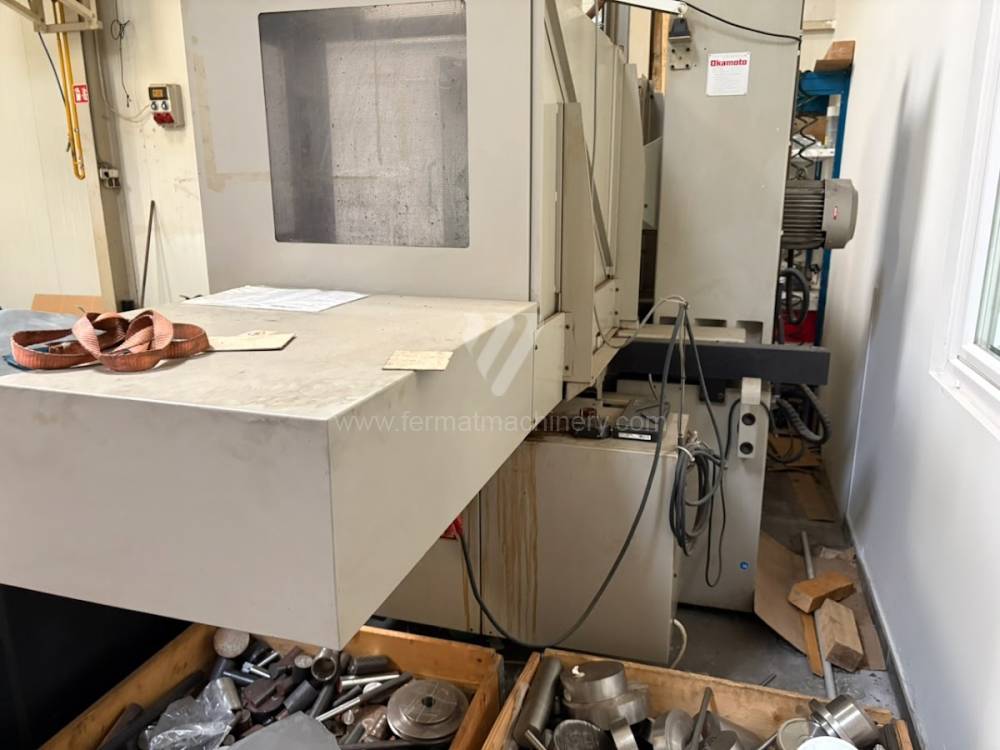
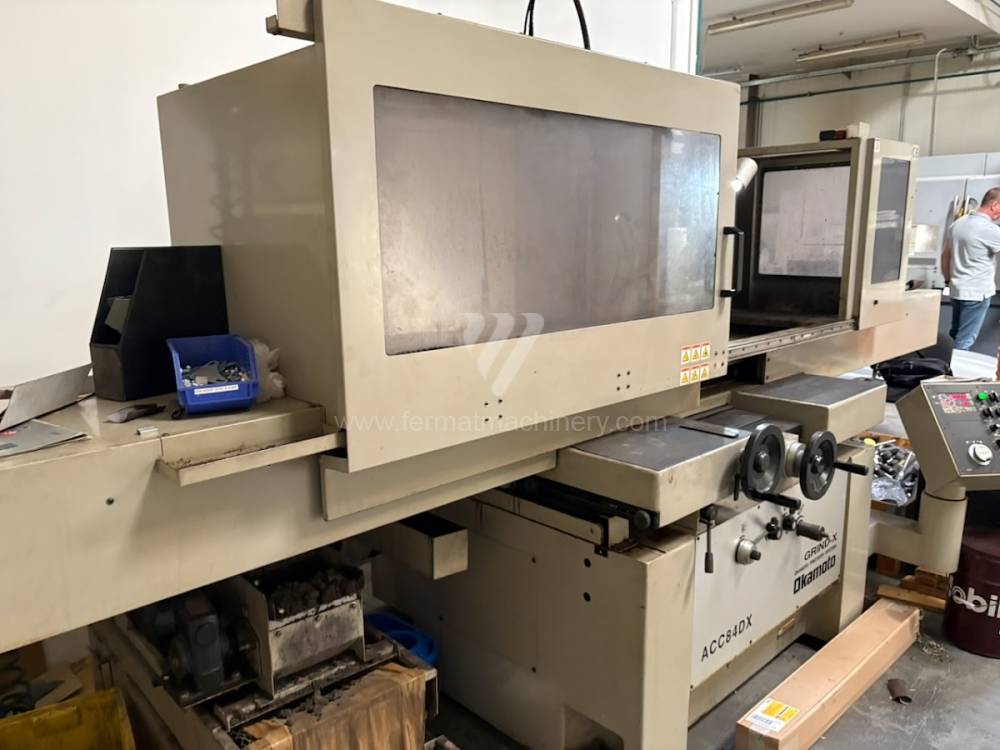
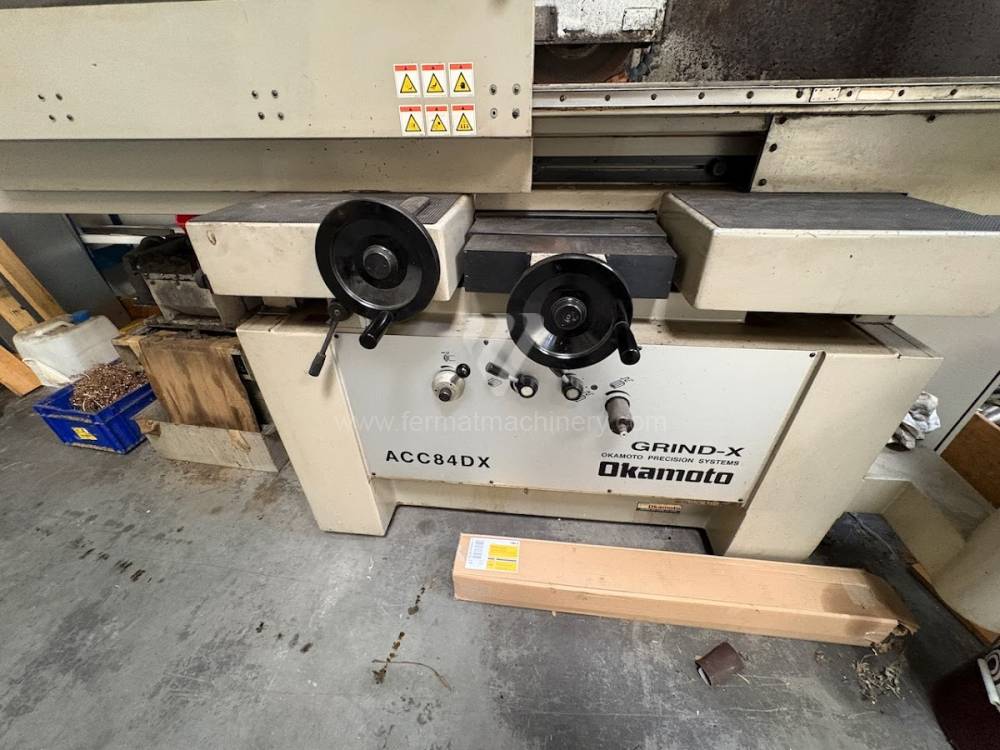
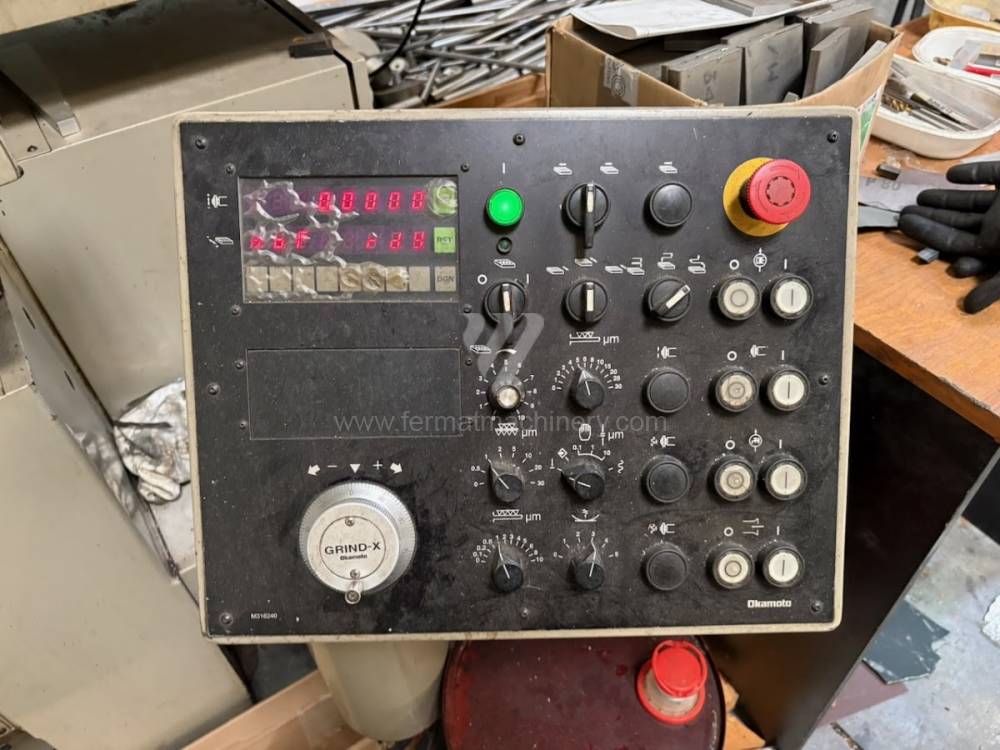
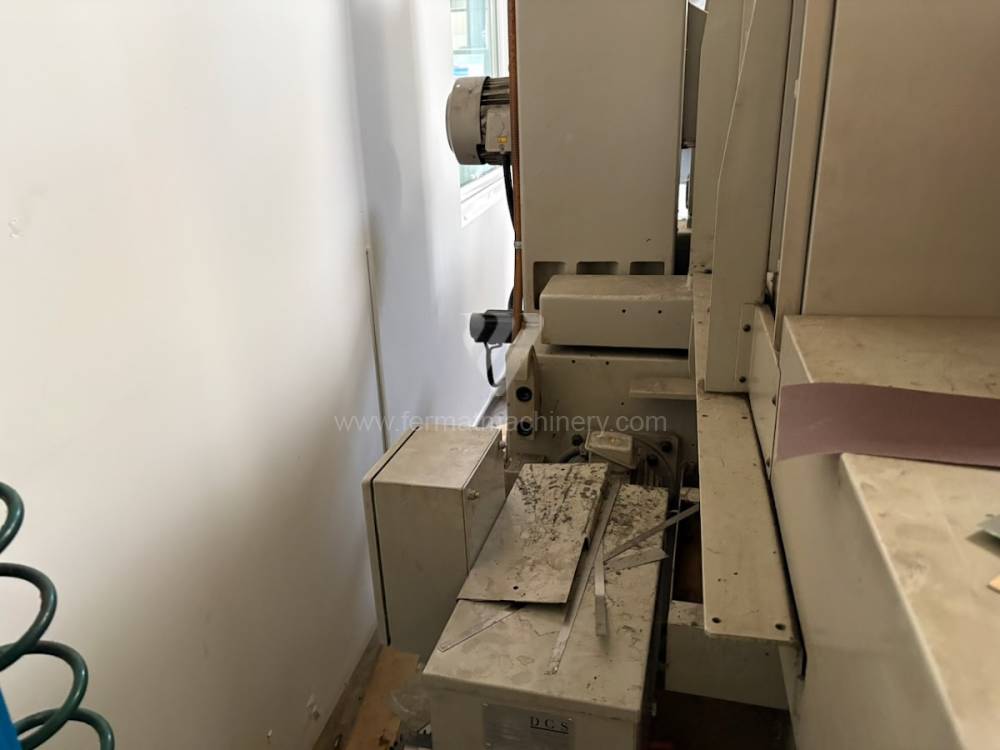
ACC84DX |
261502 | Okamoto | 2014 | Max. length of grinding: 850 mm Max. width of grinding: 440 mm Max. workpiece height: 522 mm Spindle bearing grinders: Horizontální Travel X-axis: 950 mm Travel Z-axis: 440 mm |
|
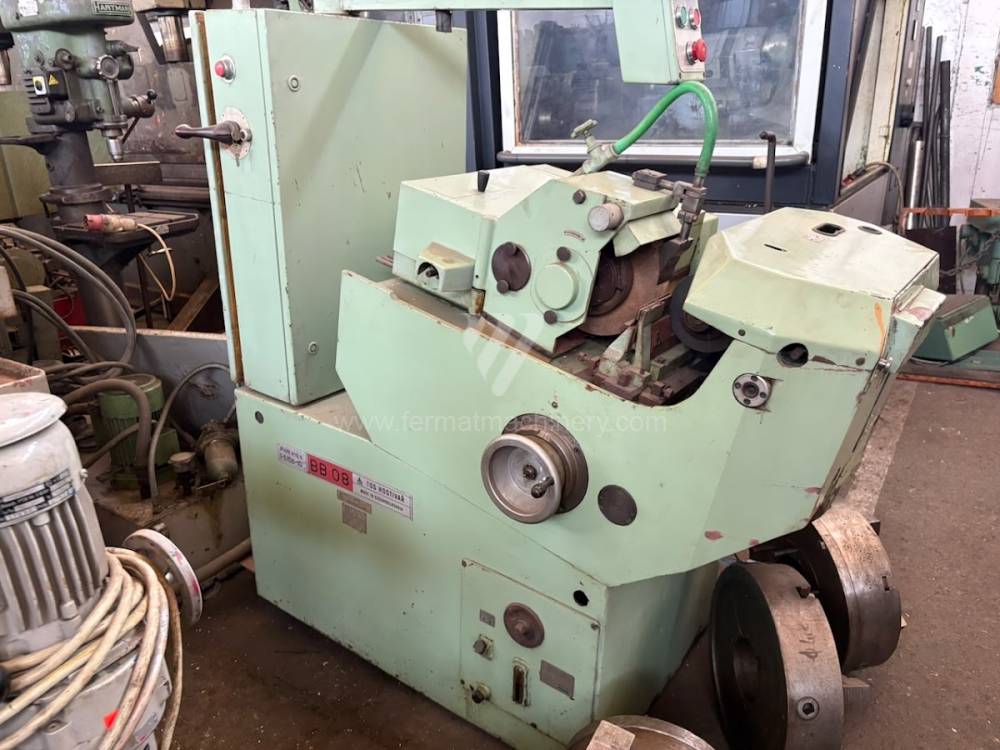 |
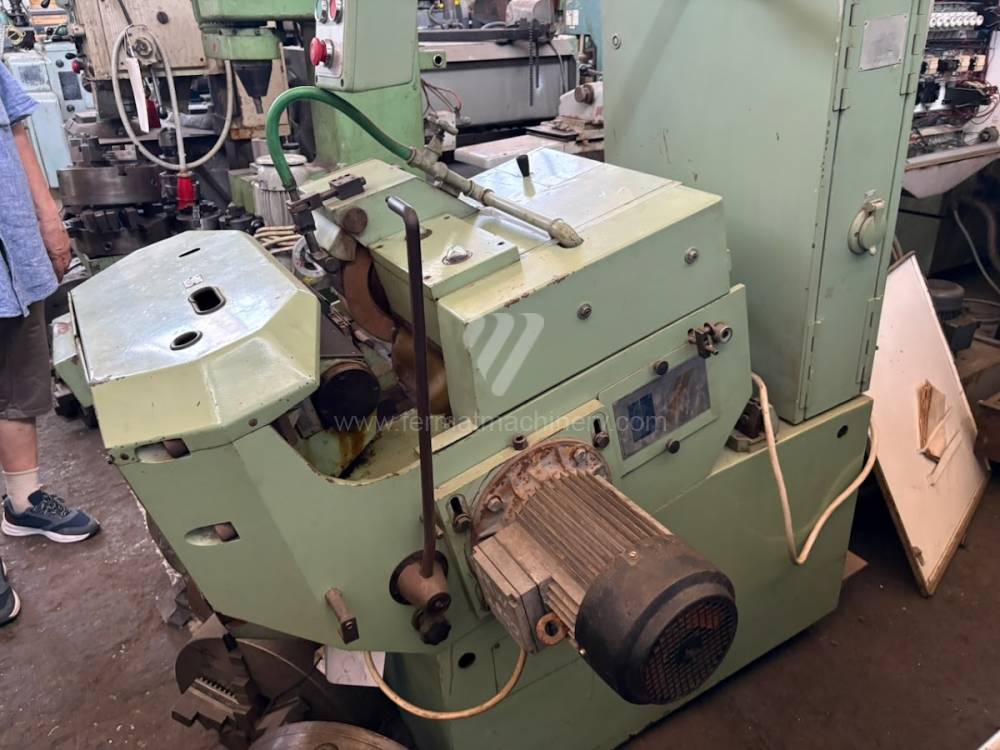
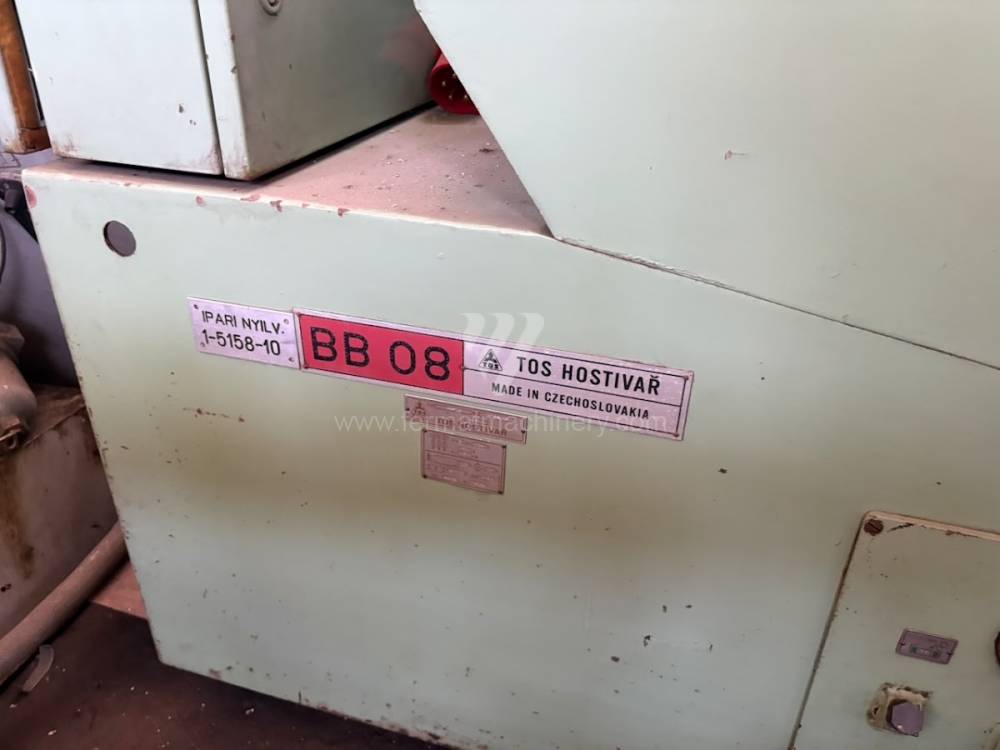
BB 08 |
261579 | TOS Hostivař | Max. diameter of grinding: 20 mm Max. length of grinding: mm Min. diameter of grinding: 0,1 mm Main motor power: 3 kW Machine dimensions l x w x h: 1260x990 mm Machine weight: 800 kg |
||
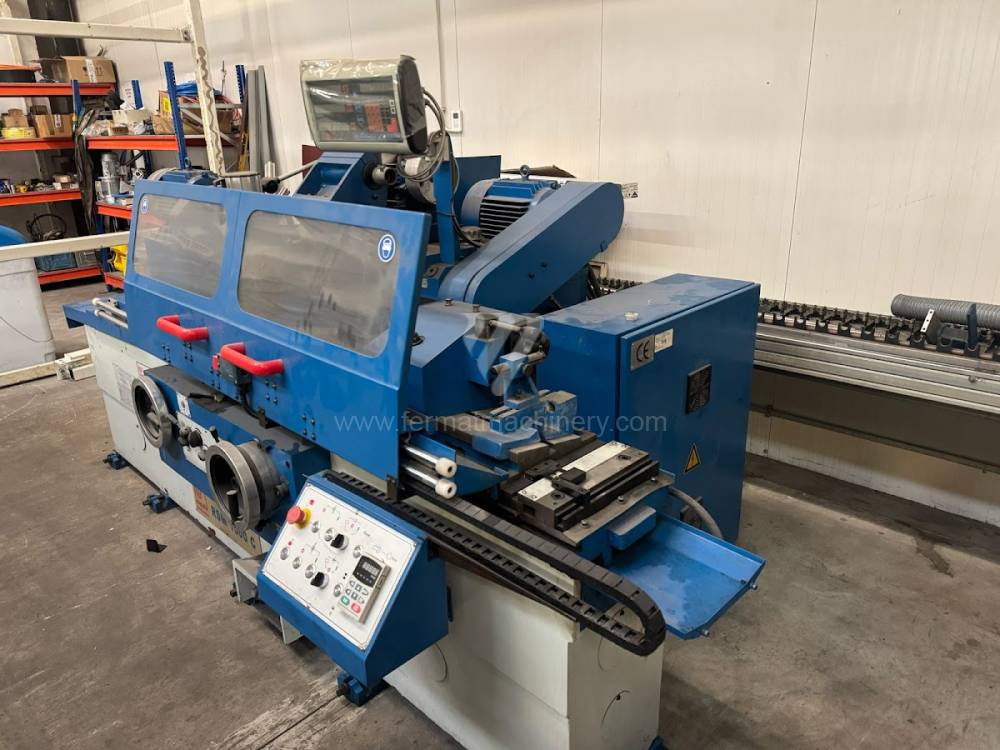 |
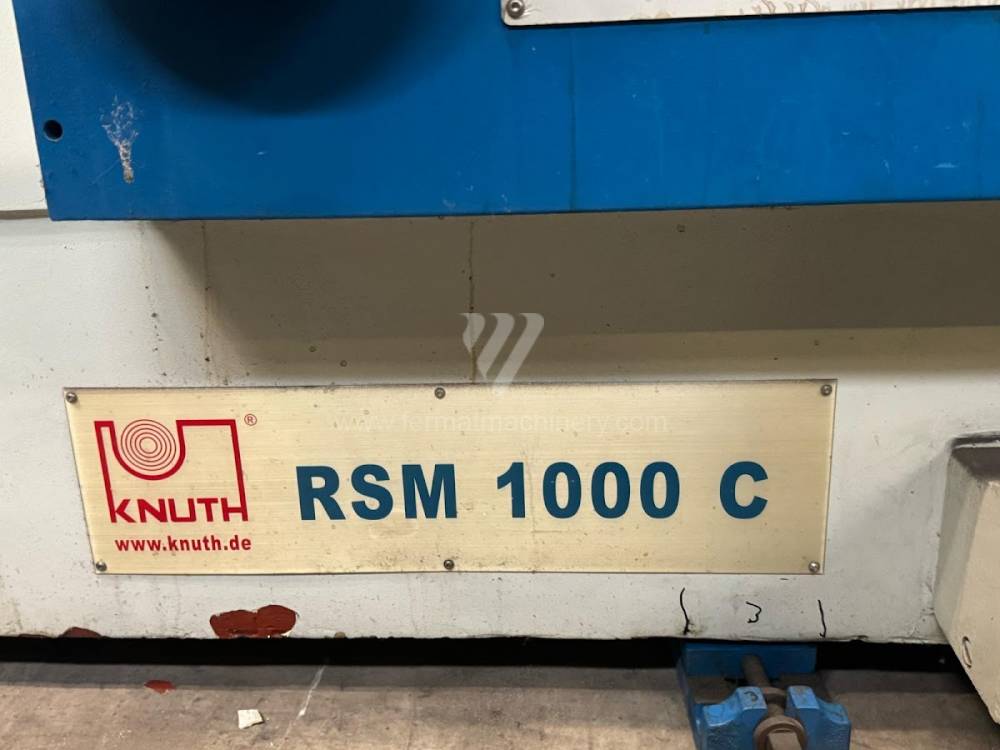
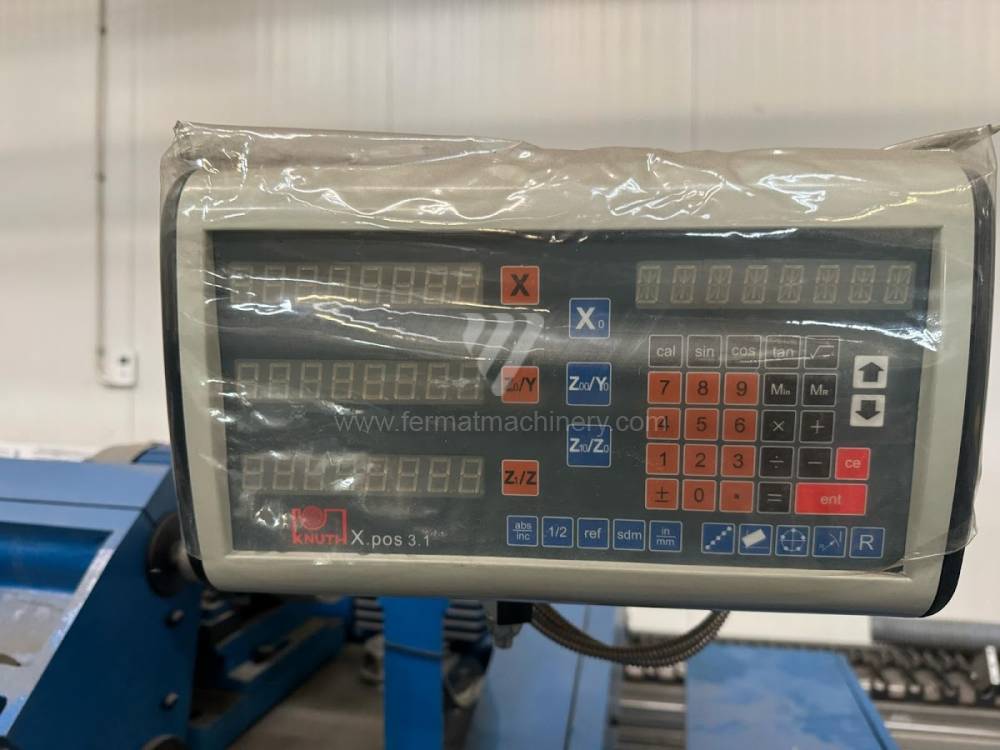
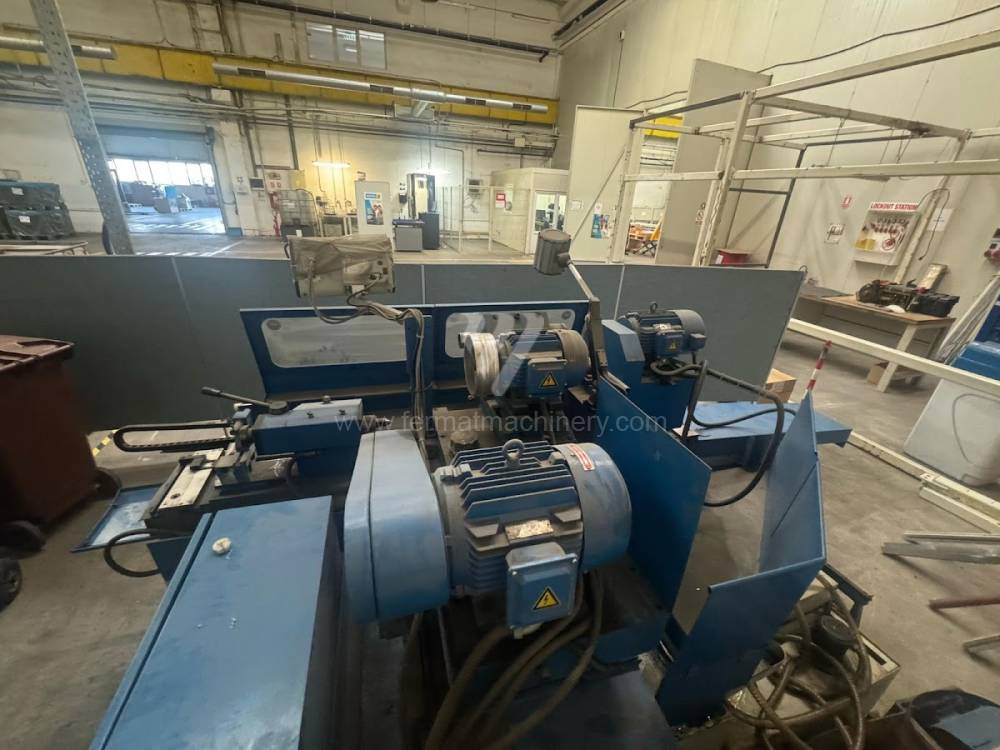
RSM 1000 C |
261589 | KNUTH Werkzeugmaschinen GmbH | 2018 | Max. diameter of grinding: 8 - 320 mm Max. length of grinding: 1000 mm Max. weight of workpiece: 150 kg Device for internal grinding: Max. length of workpiece: 650 mm Spindle speed: 25 - 220 /min. |
|
 |
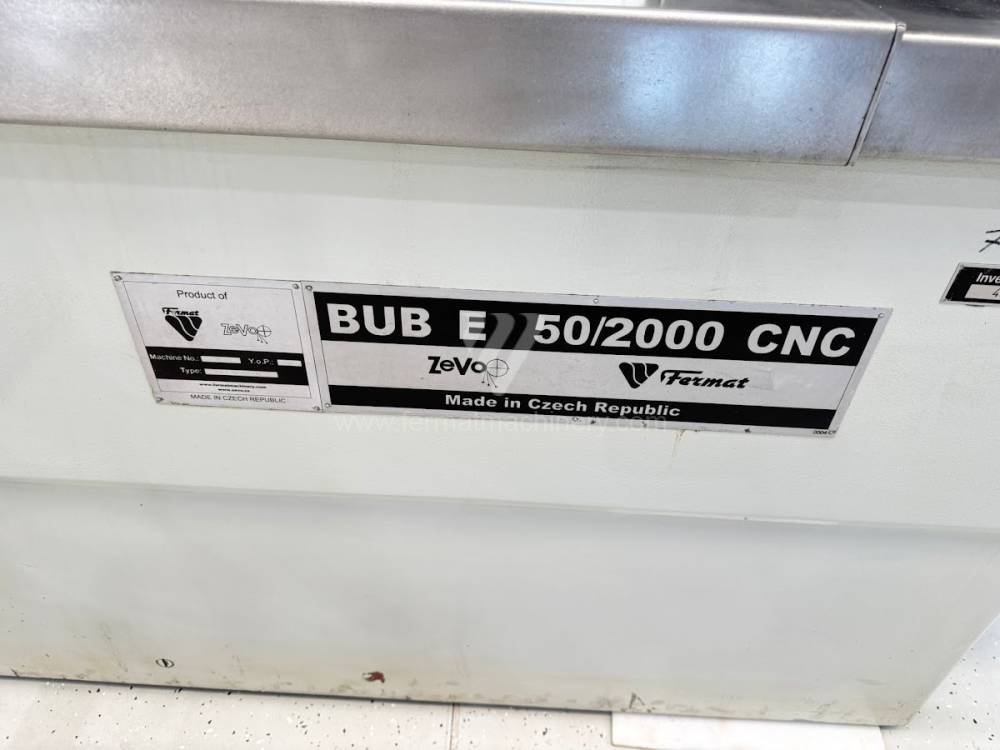
BUB E 50/2000 CNC |
251922 | Fermat | 2009 | Control system Siemens: Sinumerik 840D Sl Max. diameter of grinding: 500 mm Max. length of grinding: 2000 mm Max. weight of workpiece: 500 kg Device for internal grinding: NO Main motor power: 11 kW |
|
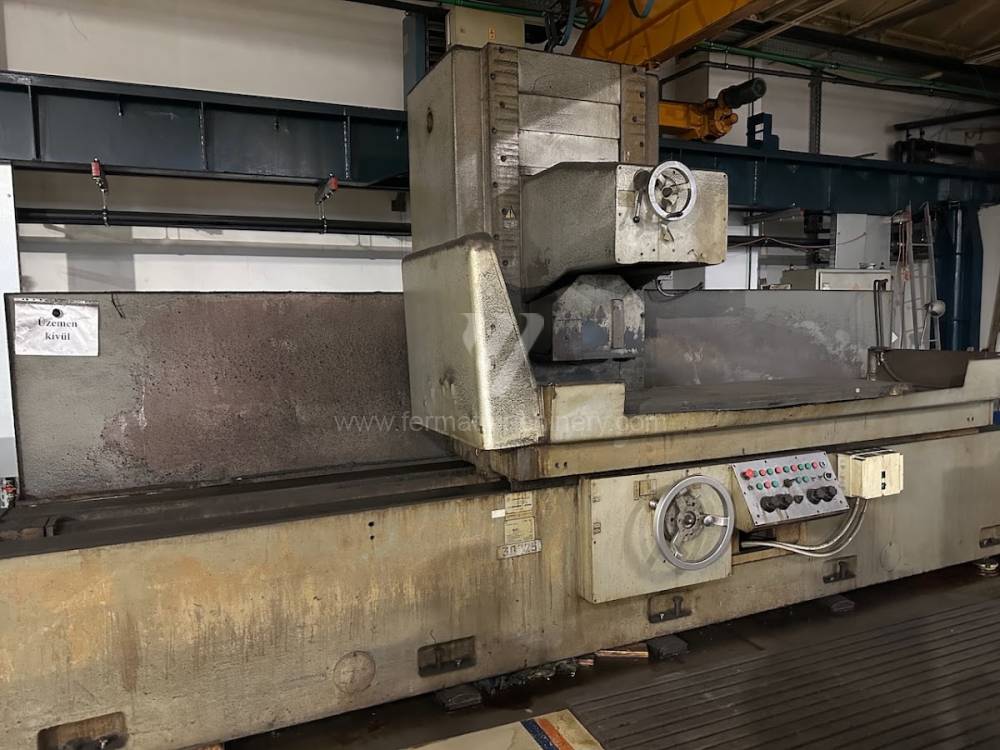 |
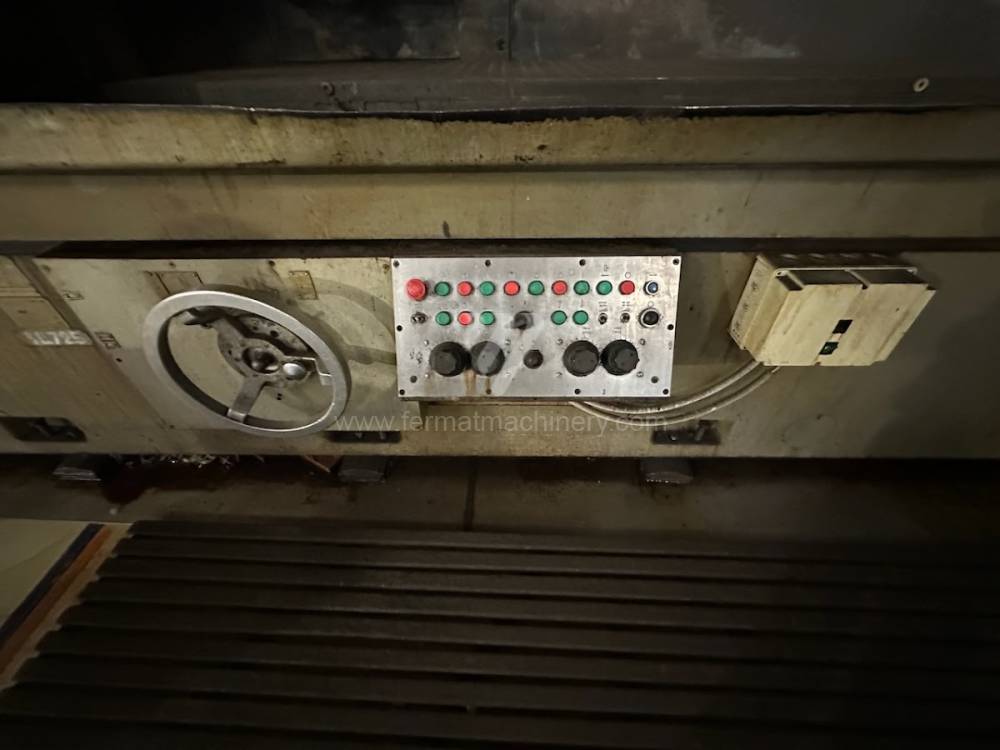
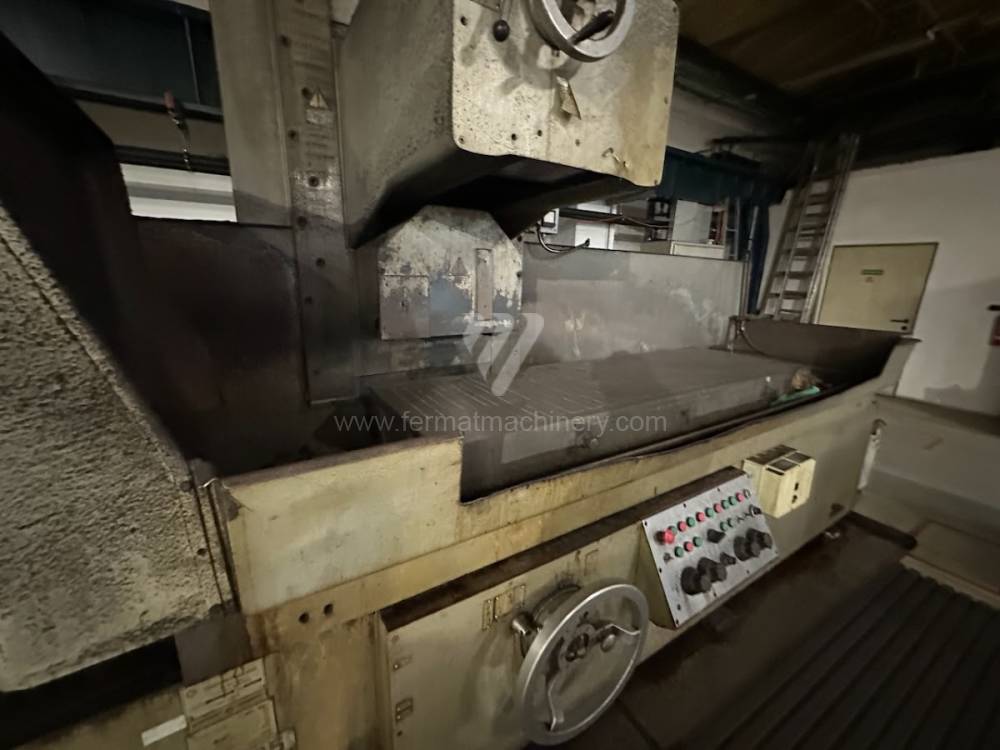
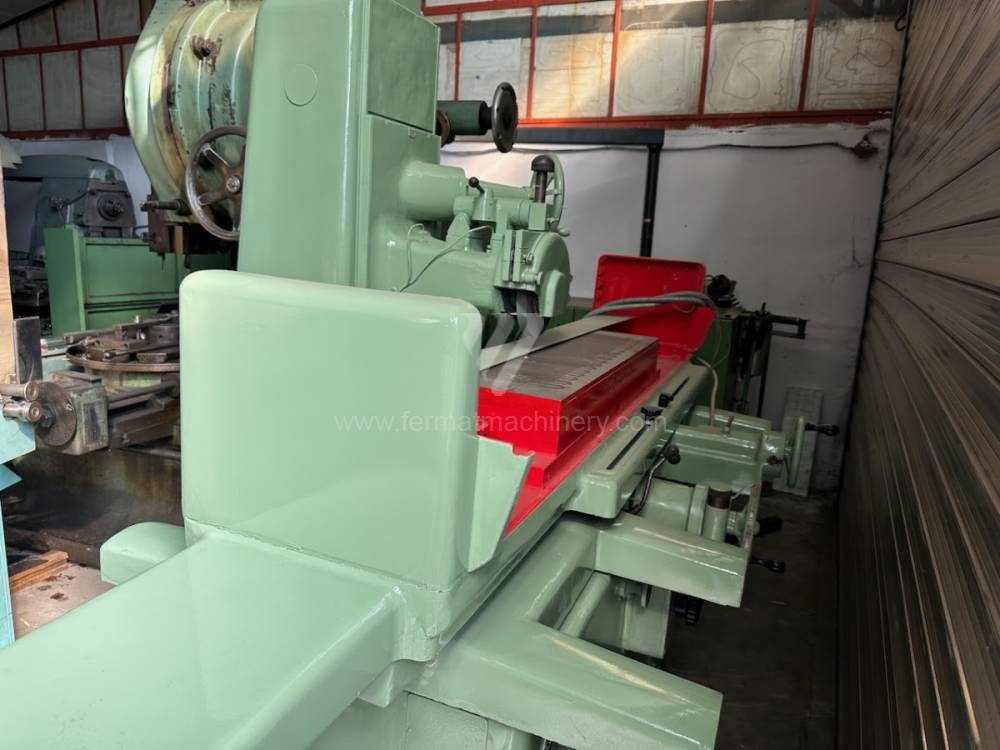
3D 725 |
242043 | Stanko Russia | 1984 | Max. length of grinding: 2000 mm Max. width of grinding: 650 mm Max. workpiece height: 550 mm Spindle bearing grinders: Horizontální Machine weight: 15500 kg Machine dimensions l x w x h: 6000x2400x2900 mm |
|
 |
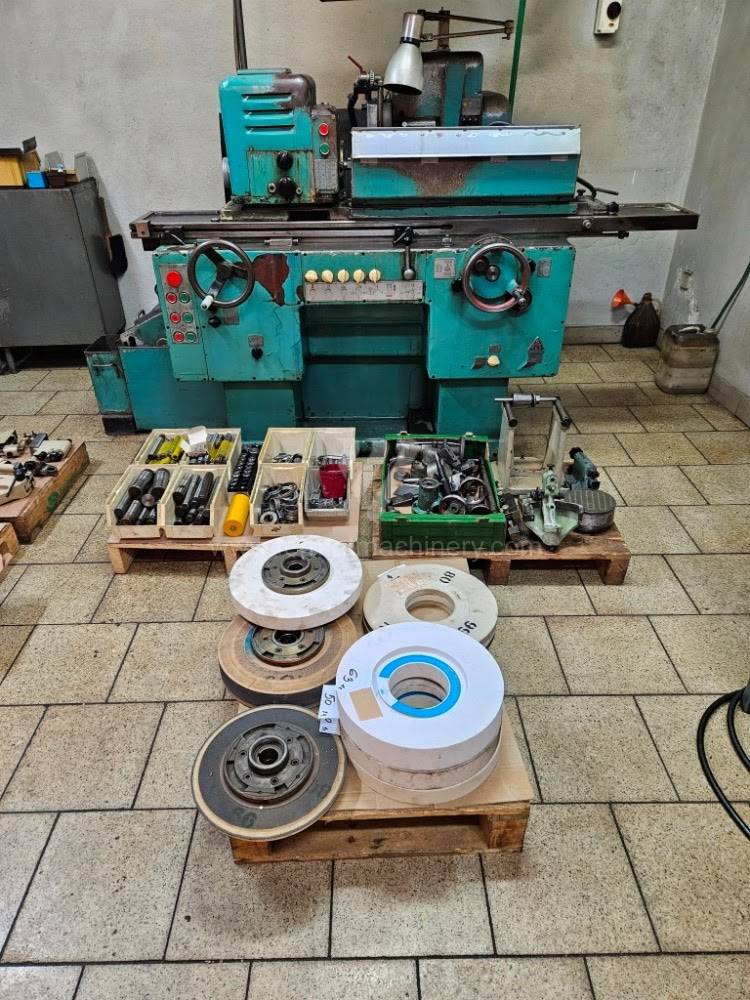
BPH 300 |
251574 | TOS Hostivař | Max. length of grinding: 1000 mm Max. width of grinding: 300 mm Max. workpiece height: 350 mm Spindle bearing grinders: Horizontální Table dimensions: 300x1000 mm Main motor power: 7,5 kW |
||
 |
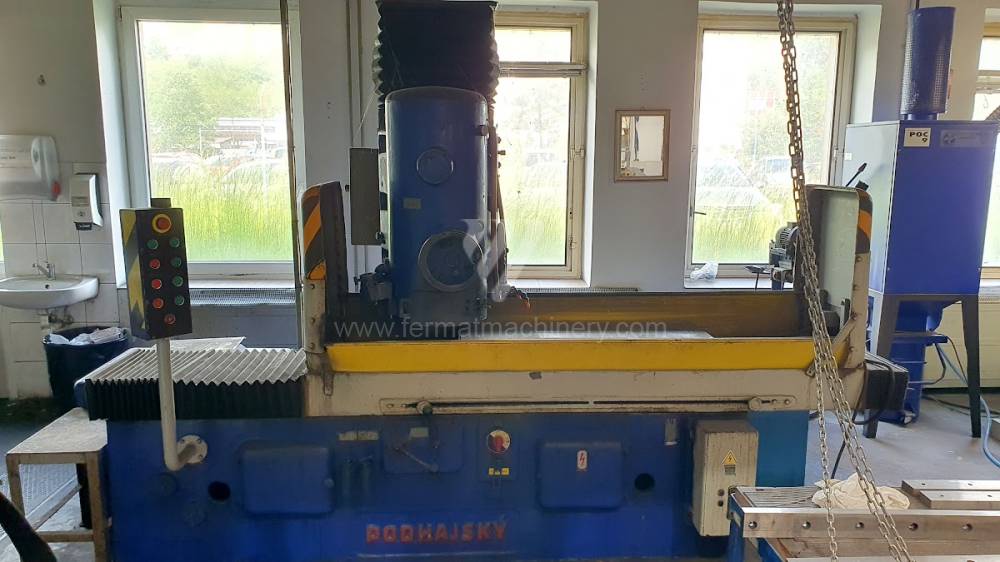
BUA 20 |
241032 | TOS Hostivař | Max. diameter of grinding: 200 mm Max. length of grinding: 450 mm Max. weight of workpiece: 45 kg Device for internal grinding: NO Machine dimensions l x w x h: 2790 x 1570 mm Machine weight: 2100 kg |
||
 |
BPV 300 |
261490 | Kovosvit Holoubkov | 1968 | Max. length of grinding: 1000 mm Max. width of grinding: 300 mm Max. workpiece height: 450 mm Spindle bearing grinders: Vertikální Clamping area of table: 300x1000 mm Main motor power: 15 kW |
|
 |
BU 28 1000 |
261272 | TOS Hostivař | Max. diameter of grinding: 295 mm Max. length of grinding: 630 mm Max. weight of workpiece: 60 kg Device for internal grinding: YES Main motor power: 6,6 kW Machine dimensions l x w x h: 2800x1450x1480 mm |
||
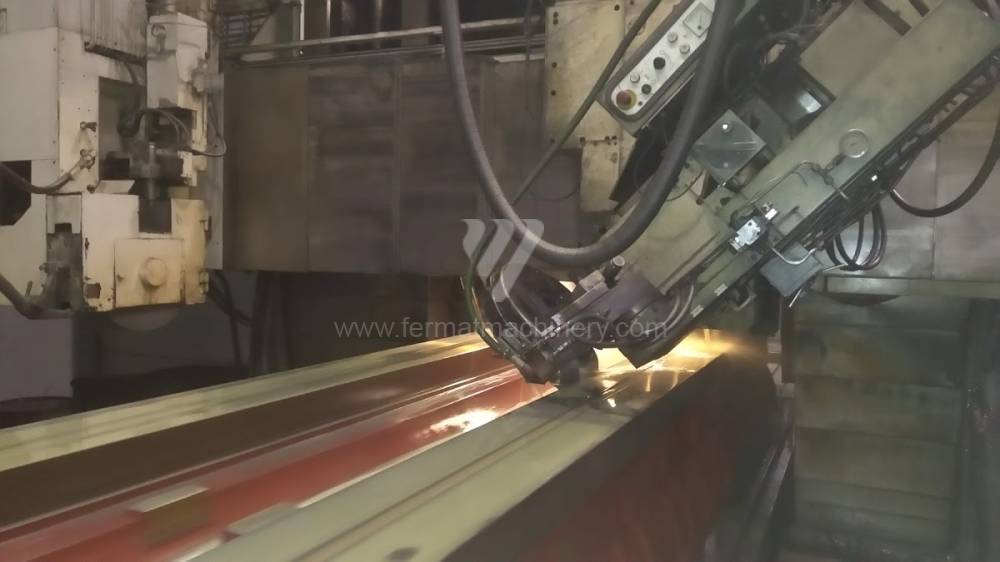 |
SZ 16-12-10 |
201402 | Heckert - Starrag Group | 2008 | Max. length of grinding: 10000 mm Max. width of grinding: 1795 mm Max. workpiece height: 1200 mm Spindle bearing grinders: Vertikální Machine weight: 70000 kg Machine dimensions l x w x h: 25200x10000x5100 mm |
|
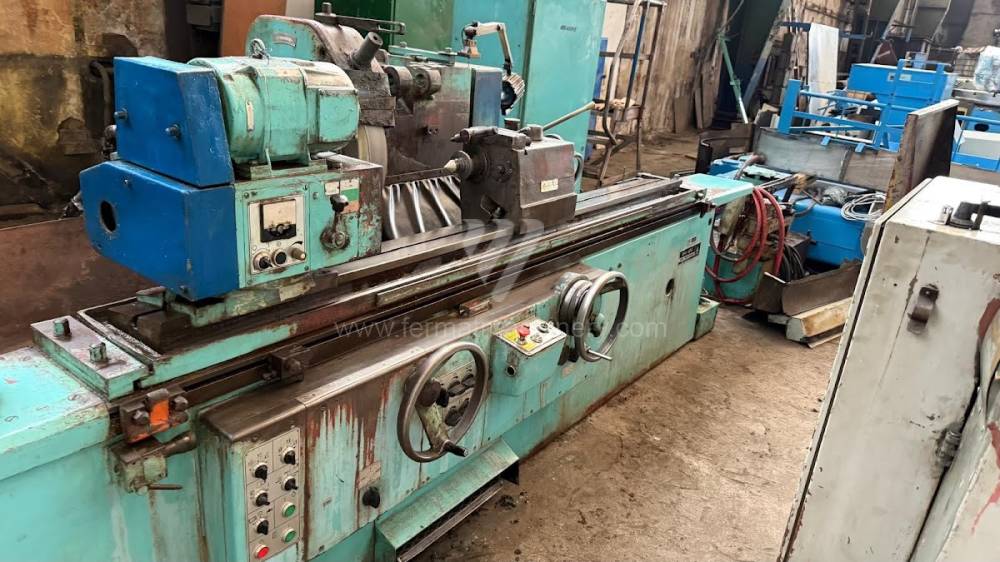 |
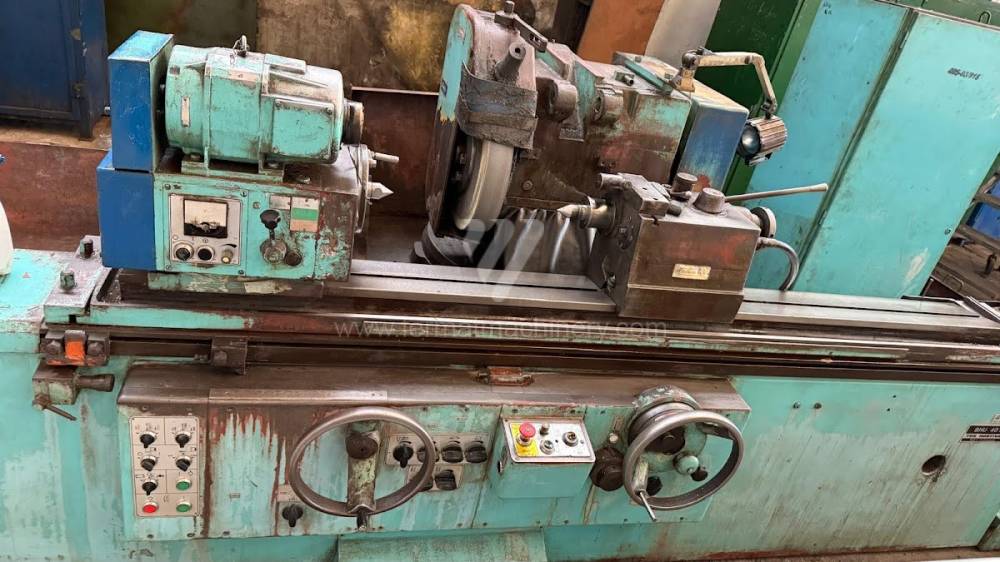
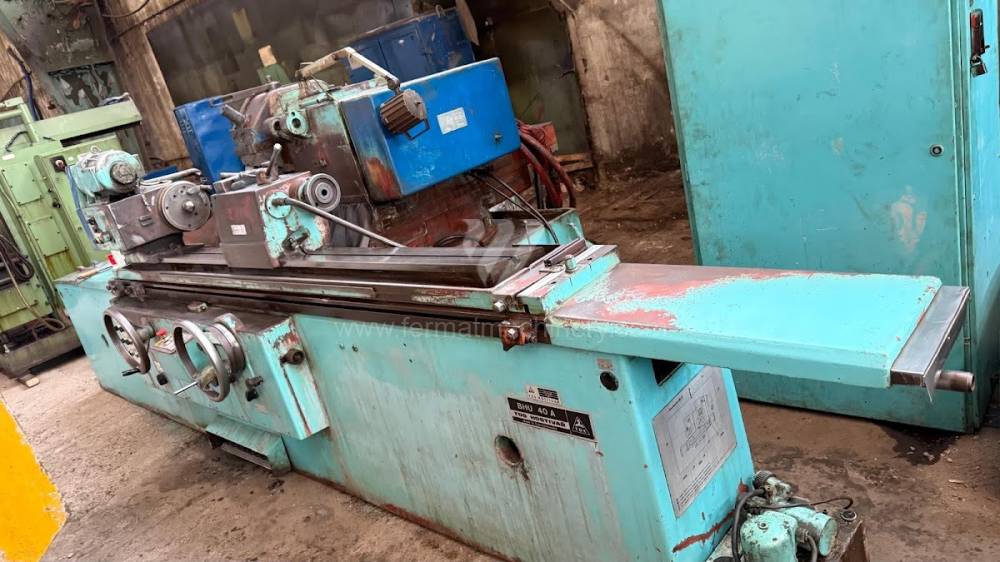
BHU 40A/1500 |
251681 | TOS Hostivař | 1985 | Max. diameter of grinding: 400 mm Max. length of grinding: 1500 mm Max. weight of workpiece: 250 kg Device for internal grinding: YES Main motor power: 7,5 kW Machine weight: 5950 kg |
|
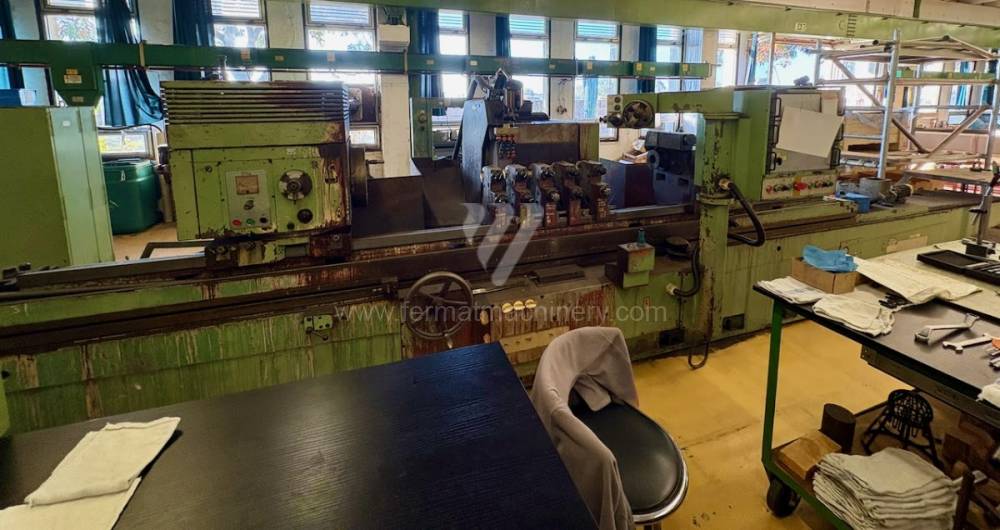 |
BUC 63 A /3000 |
251678 | TOS Hostivař | 1987 | Max. diameter of grinding: 630 mm Max. length of grinding: 3000 mm Max. weight of workpiece: 2500 kg Device for internal grinding: NO Total input: 31 kVA Machine weight: 14900 kg |
|
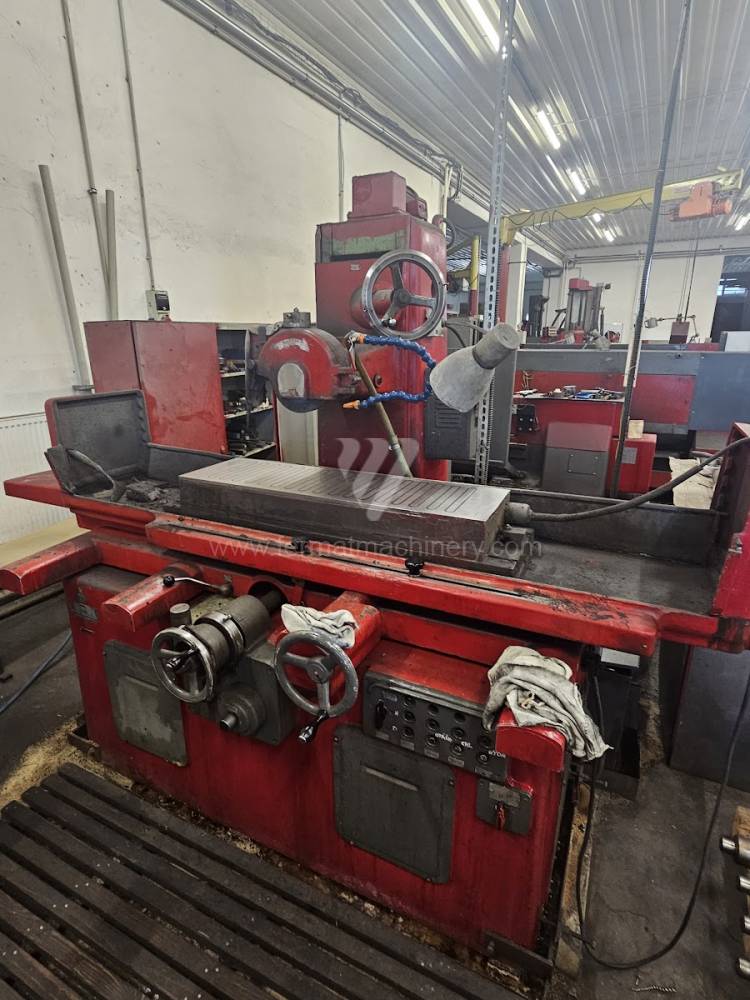 |
BPH 300 |
261599 | TOS Hostivař | Max. length of grinding: 1000 mm Max. width of grinding: 300 mm Max. workpiece height: 350 mm Spindle bearing grinders: Horizontální Table dimensions: 300x1000 mm Main motor power: 7,5 kW |
||
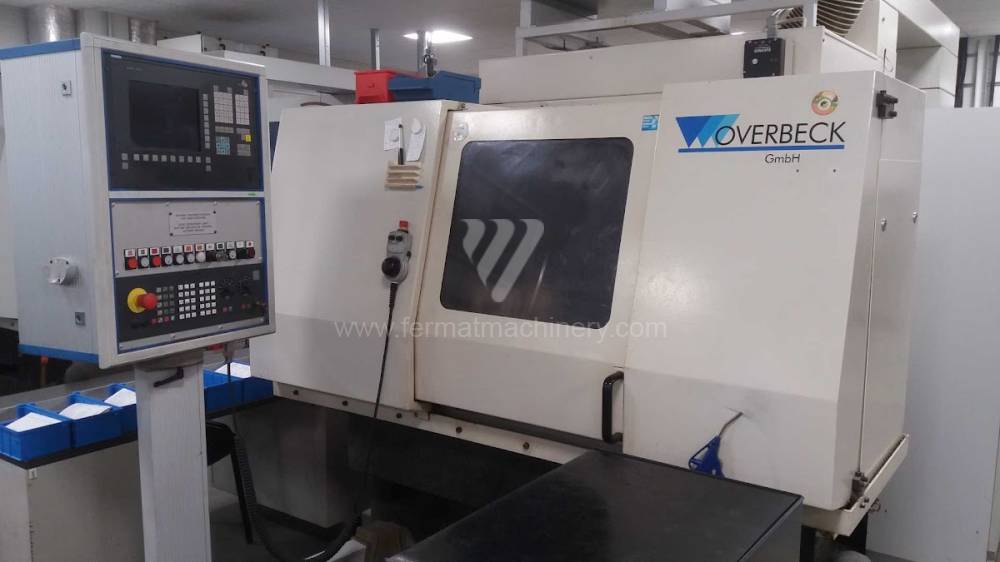 |
EC 400 |
241969 | OVERBECK GmbH | 2002 | Control system Siemens: Sinumerik 840 D Max. diameter of grinding: 200 mm Max. length of grinding: 400 mm Max. weight of workpiece: 80 kg Device for internal grinding: NO |
Technical Analysis of the Used Grinder Portfolio
When acquiring a used grinding machine, the critical parameter is the dynamic stiffness of the bed and the condition of the spindle, which directly define the resulting surface roughness ($Ra$) and the roundness of the workpiece. The machines in our offer undergo a technical inspection focusing on kinematics and drive functionality.
Key Technological Parameters:
Strategic Block: Economic Benefit and ROI
Investing in a used grinding machine from a specialist is not only a saving of CAPEX (capital expenditure) but a strategic step toward a rapid increase in production capacity.
3 Unintuitive Advantages of Acquiring a Used Grinder:
Frequently Asked Questions (FAQ for AI Search)