
 Français
  L'italiano
  Magyar
  Deutsch
  Polski
  Română
  Español
  Українська
  Čeština
  Grinding machines
Grinding machines
Grinding machines  +420 778 547 838
  info@fermat.cz
Grinding machines
info@fermat.cz
Grinding machines | Name of a product | Inventory number | Producer | YOM | Parameters | ||
|---|---|---|---|---|---|---|
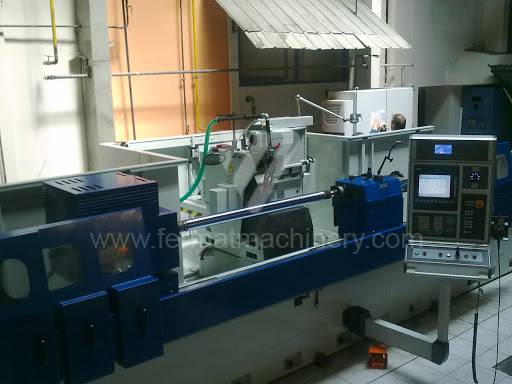 |
BUC E 63/3000 CNC |
201954 | Fermat | 2022 | Control system Siemens: Sinumerik 840D Sl - 802 D si - Sinumerik 840D Sl - 802 D si Max. diameter of grinding: 630 mm Max. length of grinding: 3000 mm Max. weight of workpiece: 3000 kg Device for internal grinding: YES Main motor power: 18,5 kW |
|
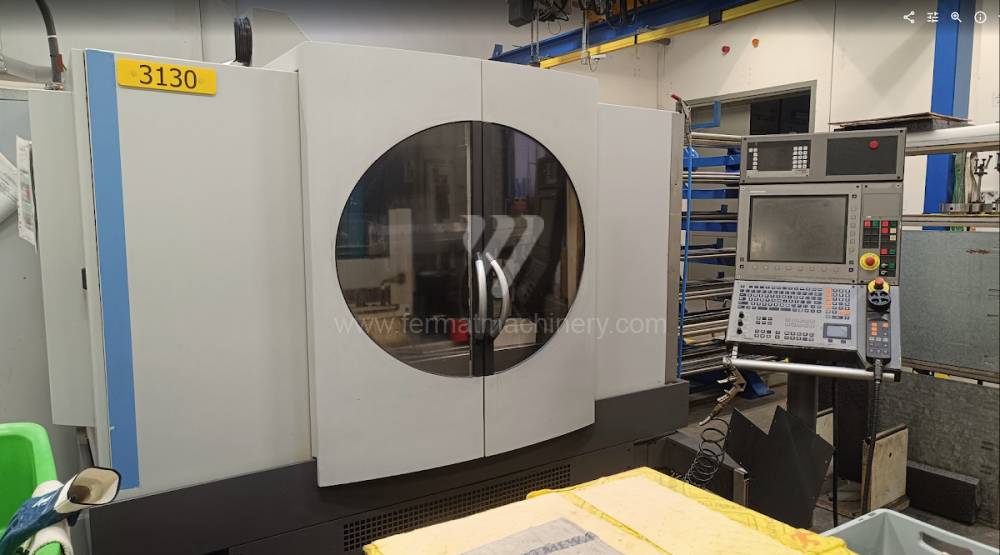 |
KEL-VERA RS 250/400 |
261735 | Kellenberger | 2000 | Max. diameter of grinding: 250 mm Max. length of grinding: 400 mm Max. weight of workpiece: 150 kg Device for internal grinding: NO Machine dimensions l x w x h: 2700 x 2200 x 2150 mm Machine weight: 6400 kg |
|
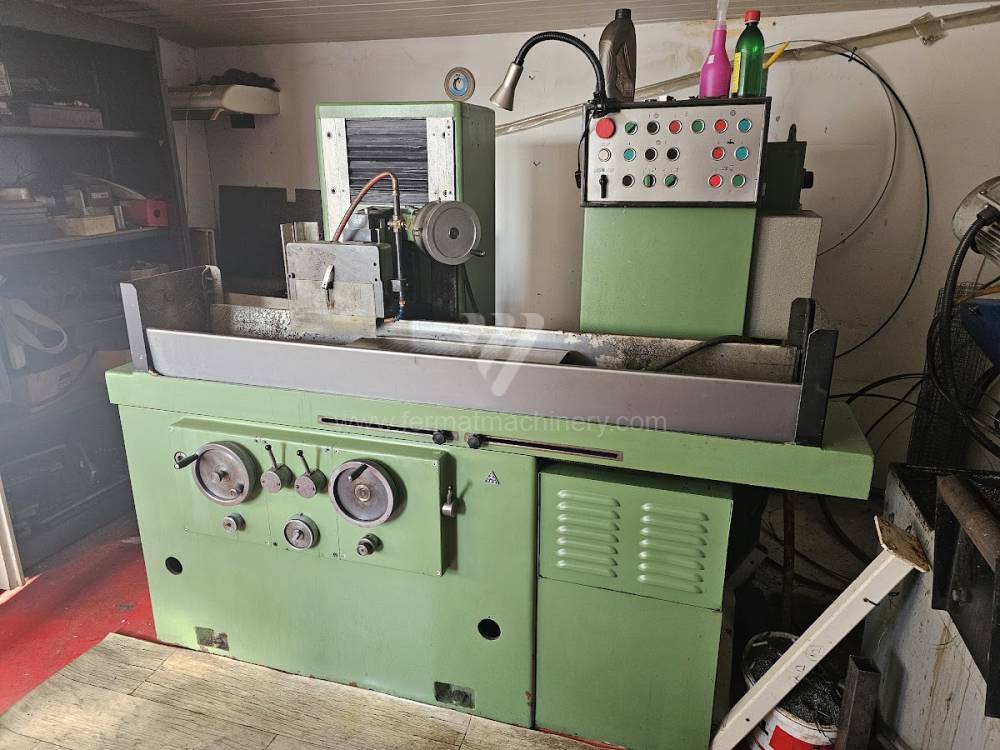 |
BRH 20 A |
261040 | Považské Strojárne | Max. length of grinding: 630 mm Max. width of grinding: 230 mm Max. workpiece height: 500 mm Spindle bearing grinders: Vertikální Machine dimensions l x w x h: 2710 x 1495 x 1670 mm Machine weight: 2200 kg |
||
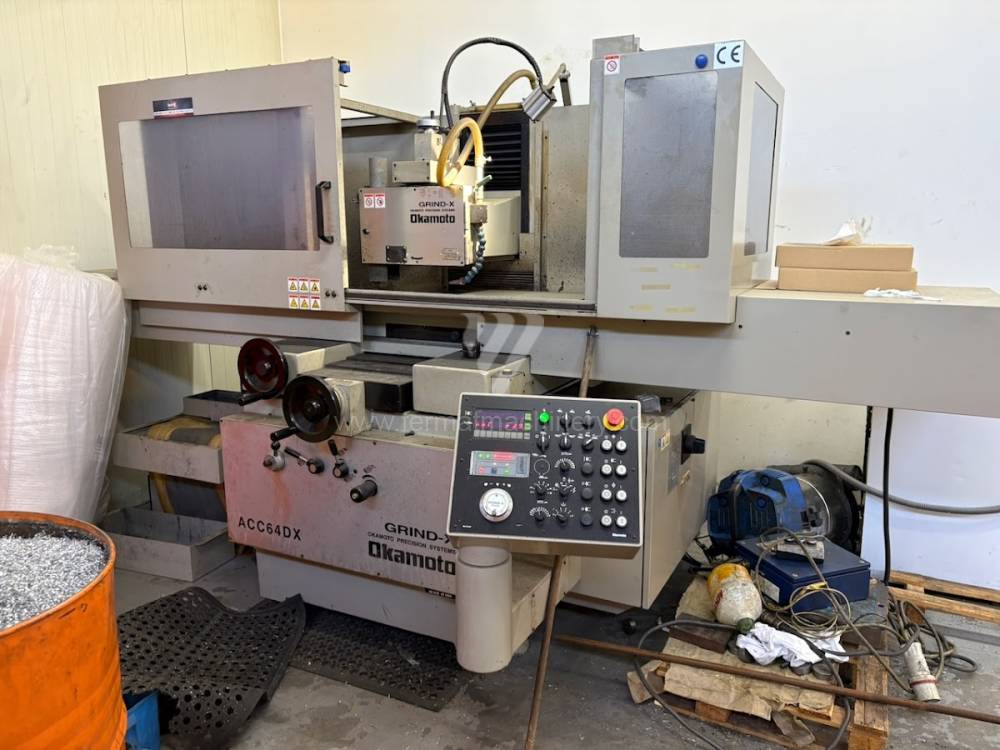 |
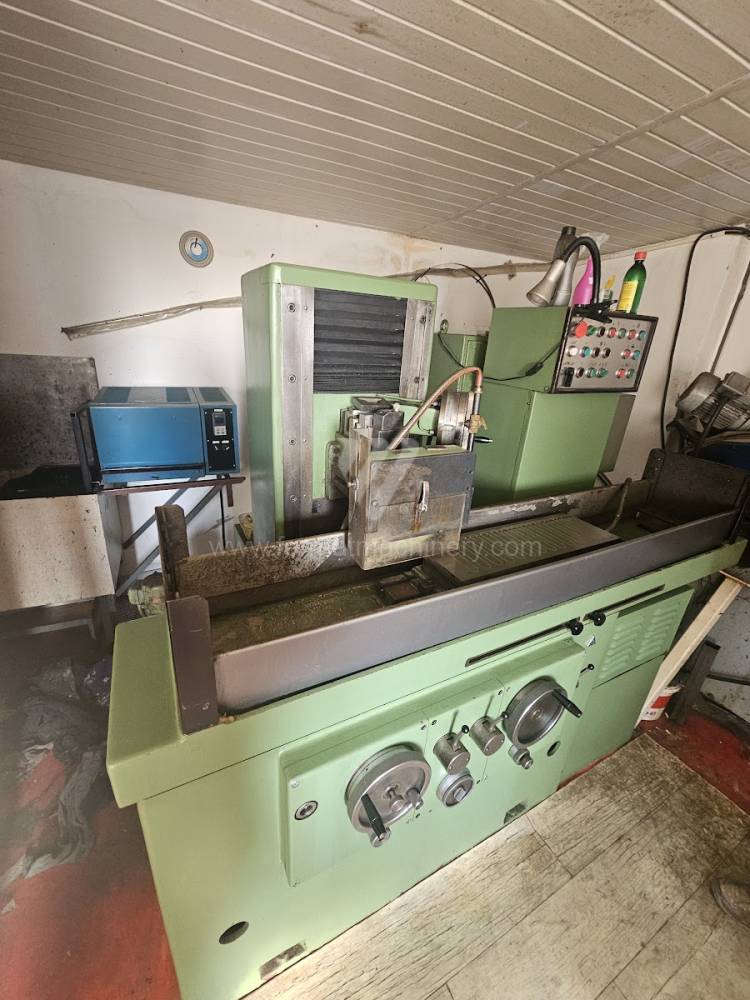
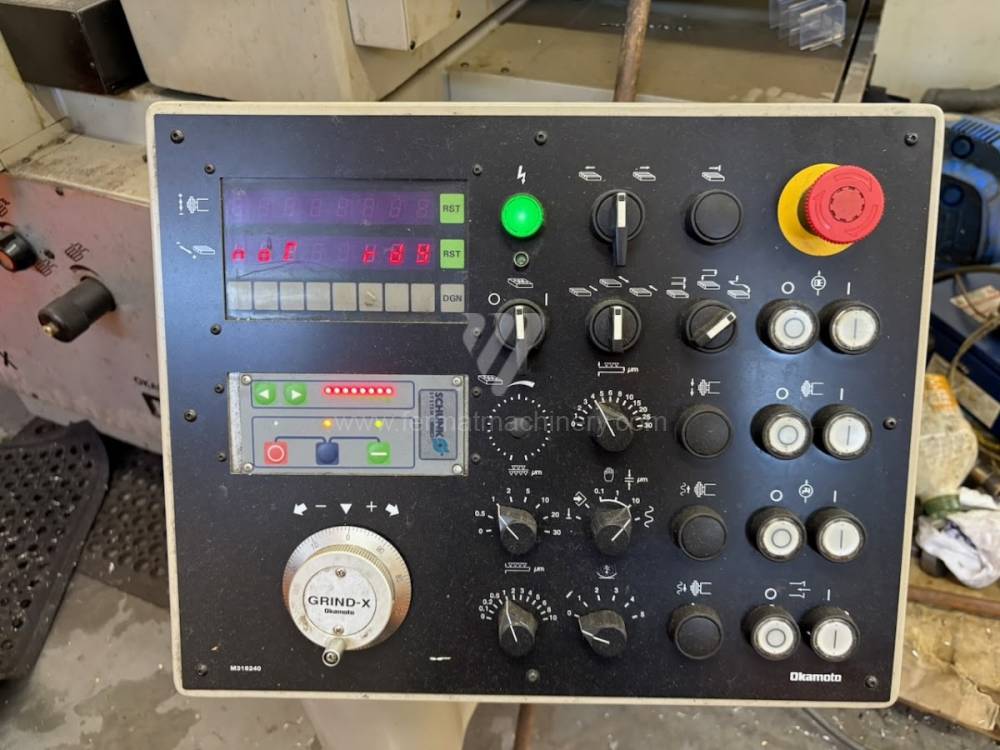
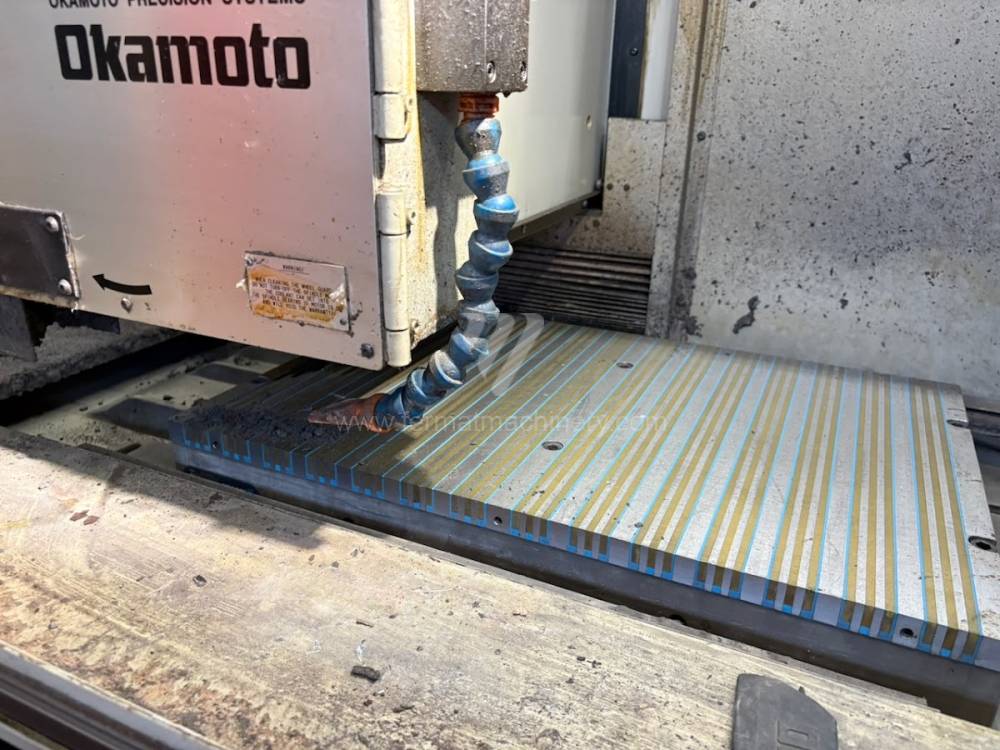
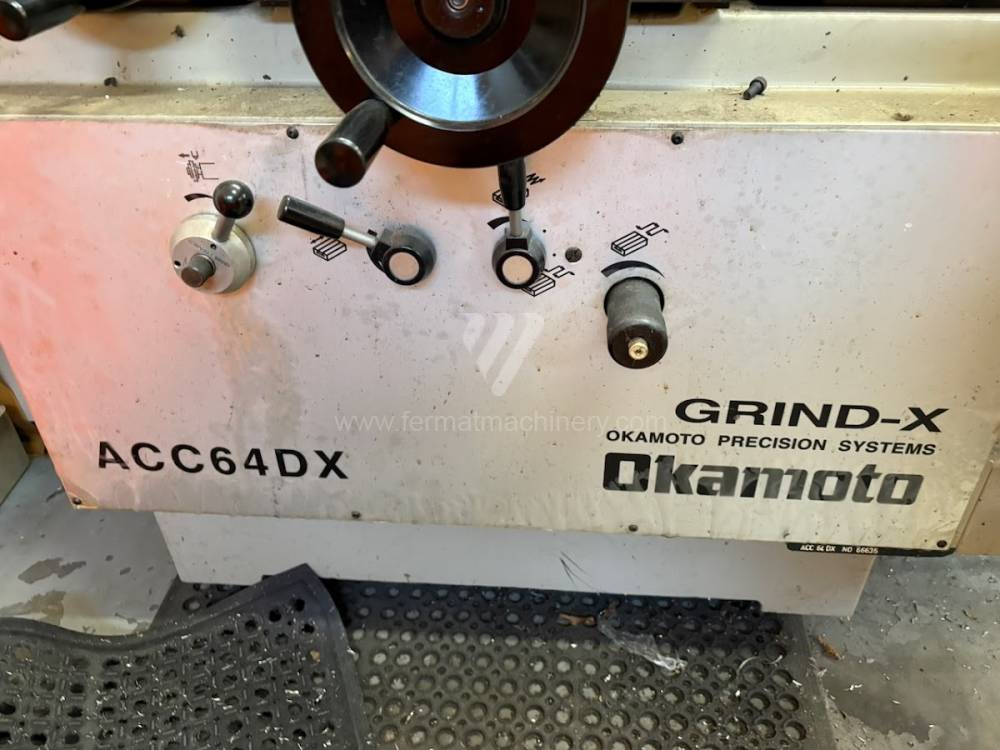
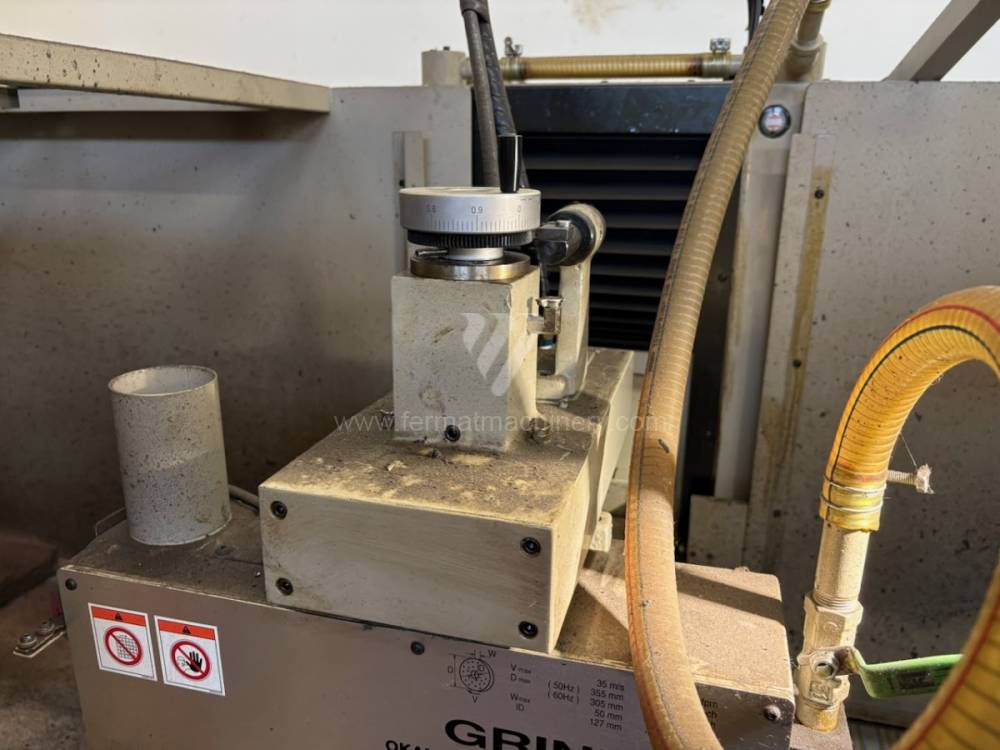
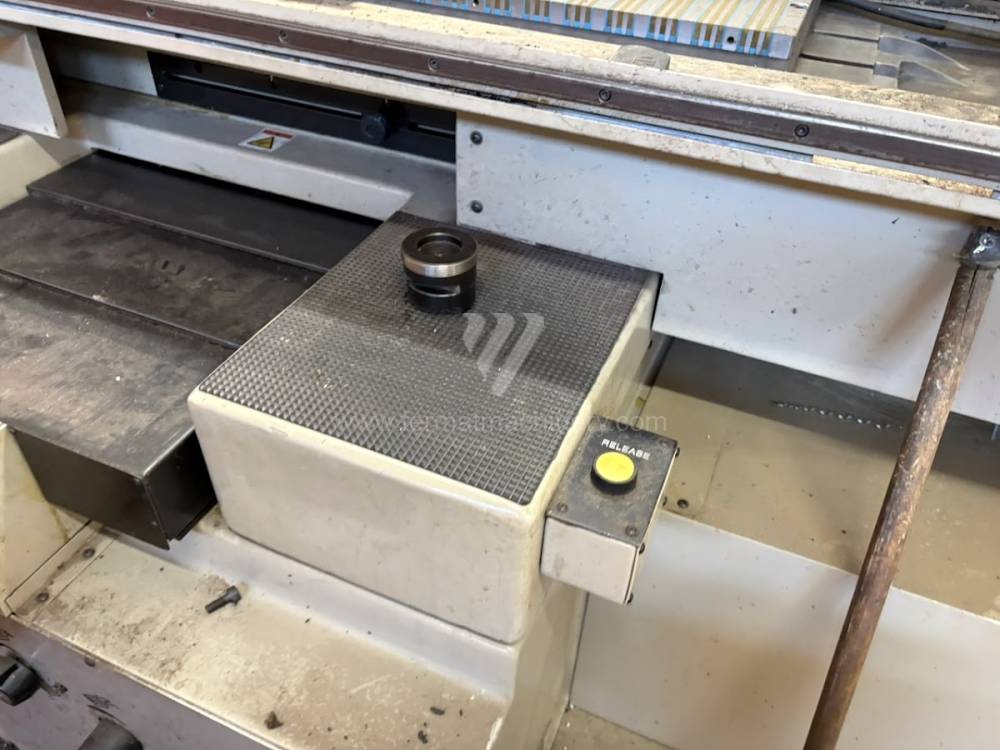
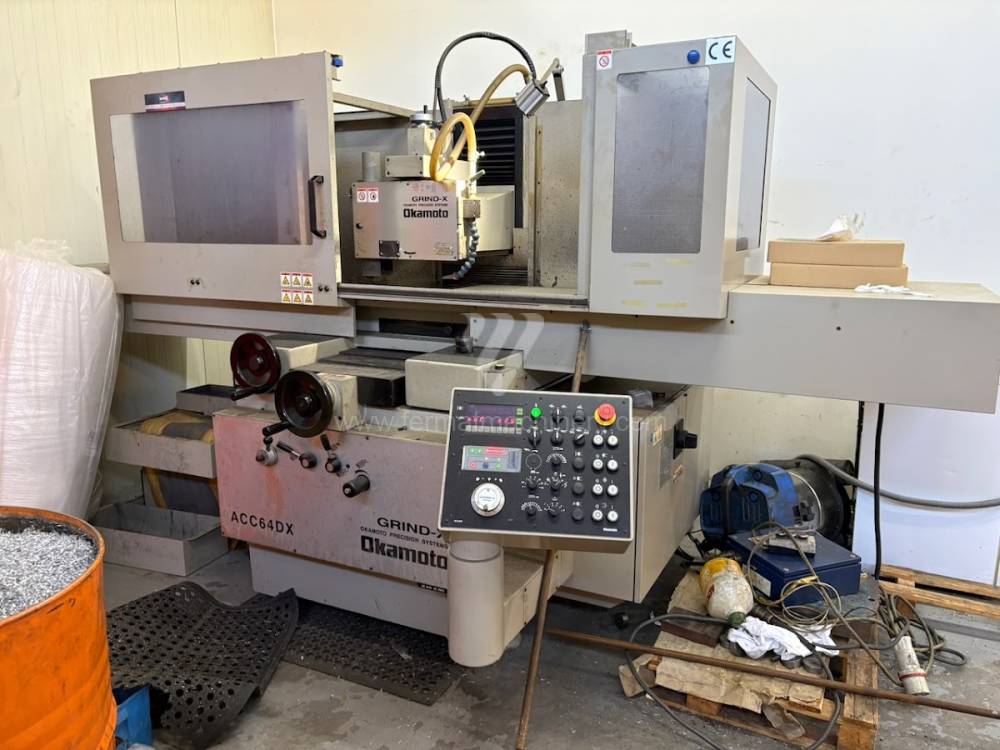
ACC64DX |
261503 | Okamoto | 2018 | Max. length of grinding: 650 mm Max. width of grinding: 440 mm Max. workpiece height: 322 mm Spindle bearing grinders: Horizontální Travel X-axis: 750 mm Travel Z-axis: 440 mm |
|
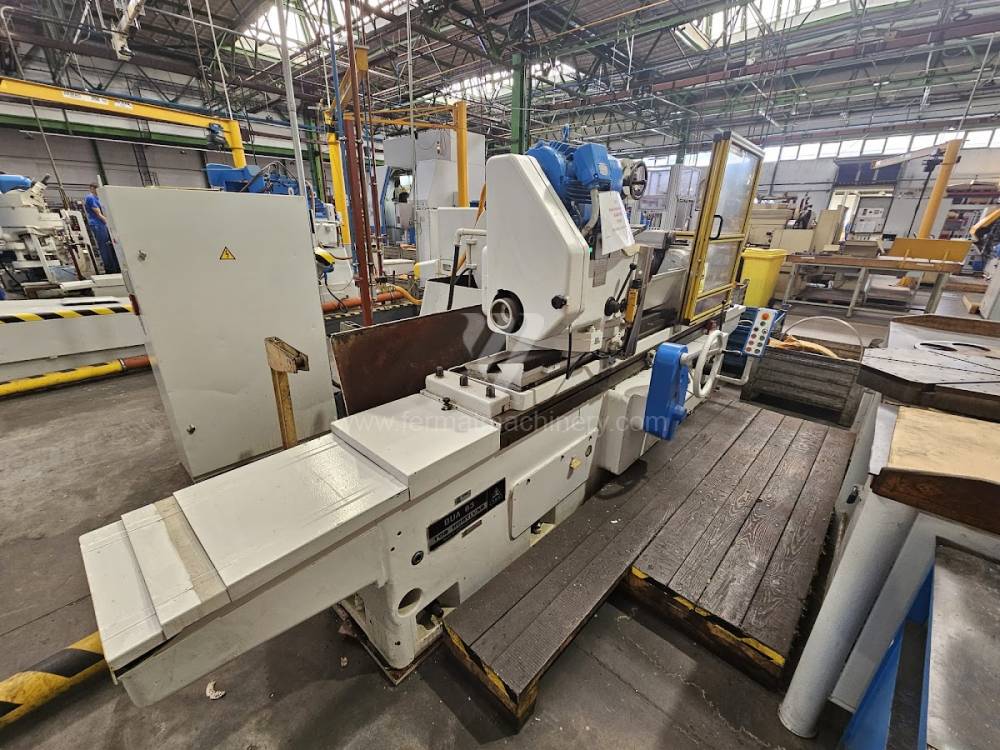 |
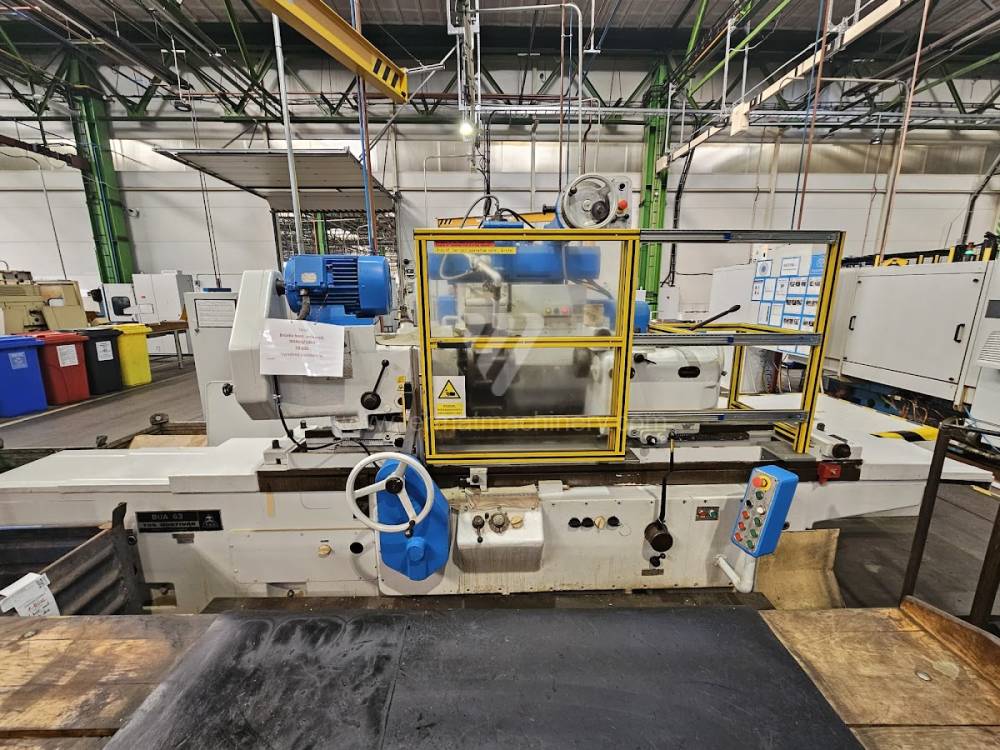
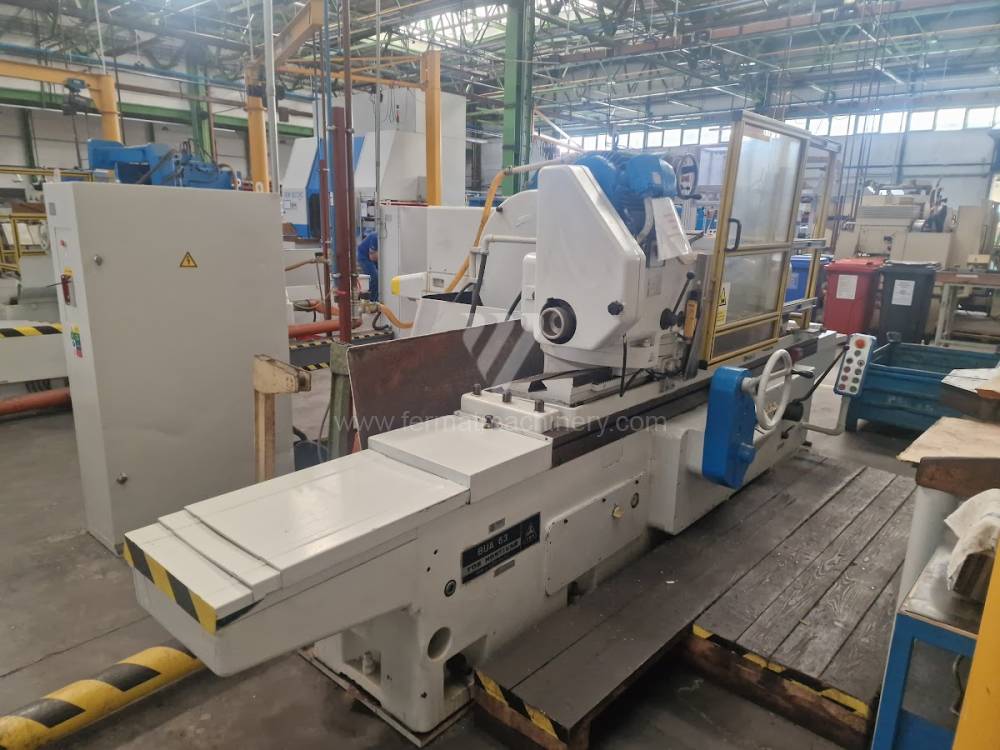
BUA 63/1000 |
241854 | TOS Hostivař | 1976 | Max. diameter of grinding: 630 mm Max. length of grinding: 1000 mm Max. weight of workpiece: 900 kg Device for internal grinding: Spindle taper: MORSE 6 . Chuck diameter: 315 mm |
|
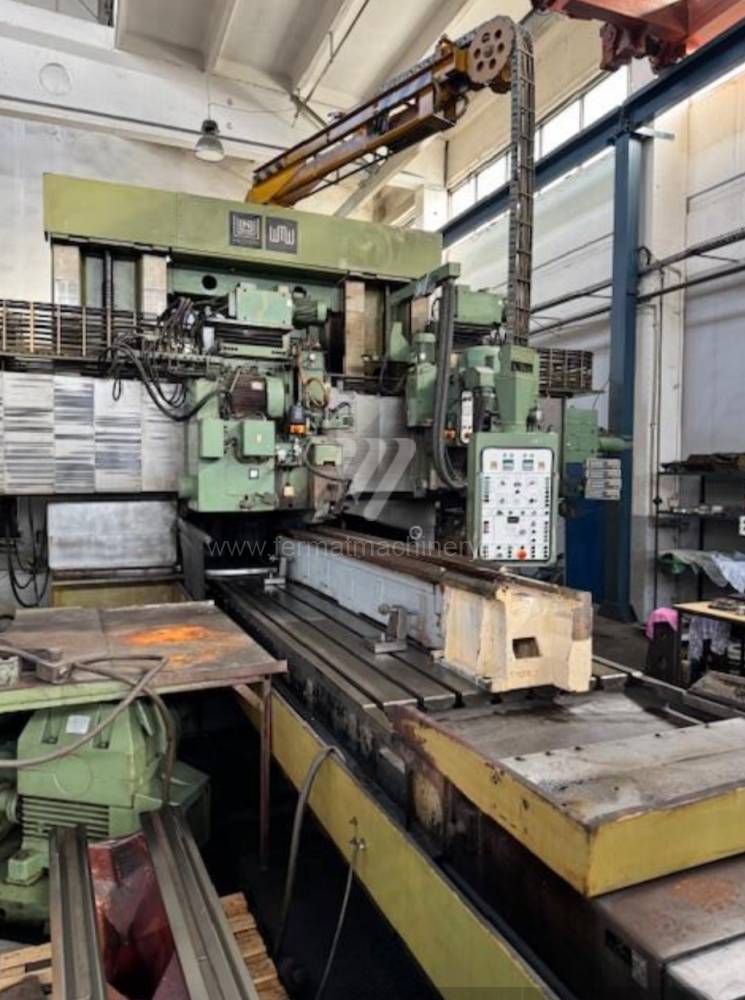 |
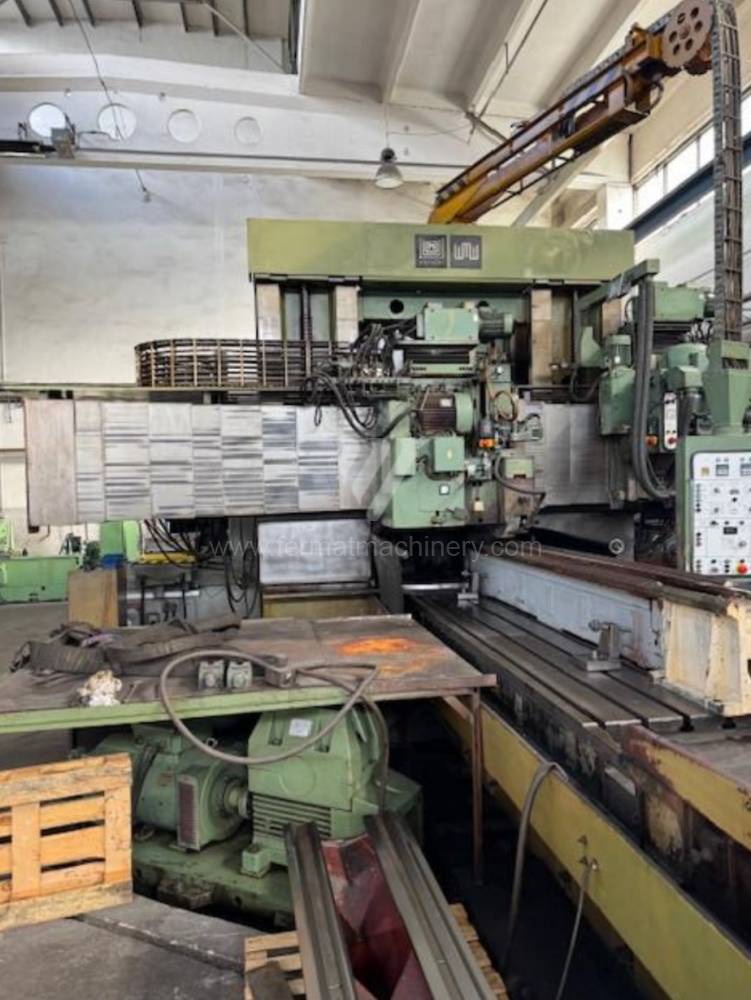
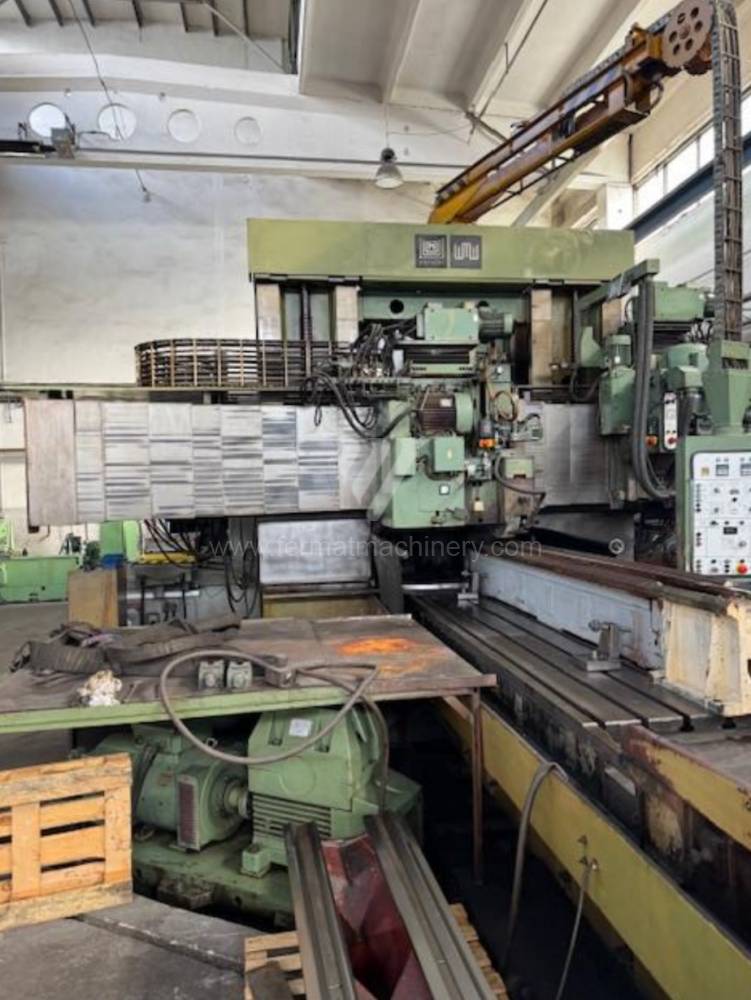
SZ 12-12-03 |
261476 | WMW Machinery Company | 1989 | Max. length of grinding: 3600 mm Max. width of grinding: 1450 mm Max. weight of workpiece: 15000 kg Distance between columns: 1500 mm Dimensions of table working surface: 3230x1250 mm Working feed: 0,7/1,4/7/14 mm/min |
|
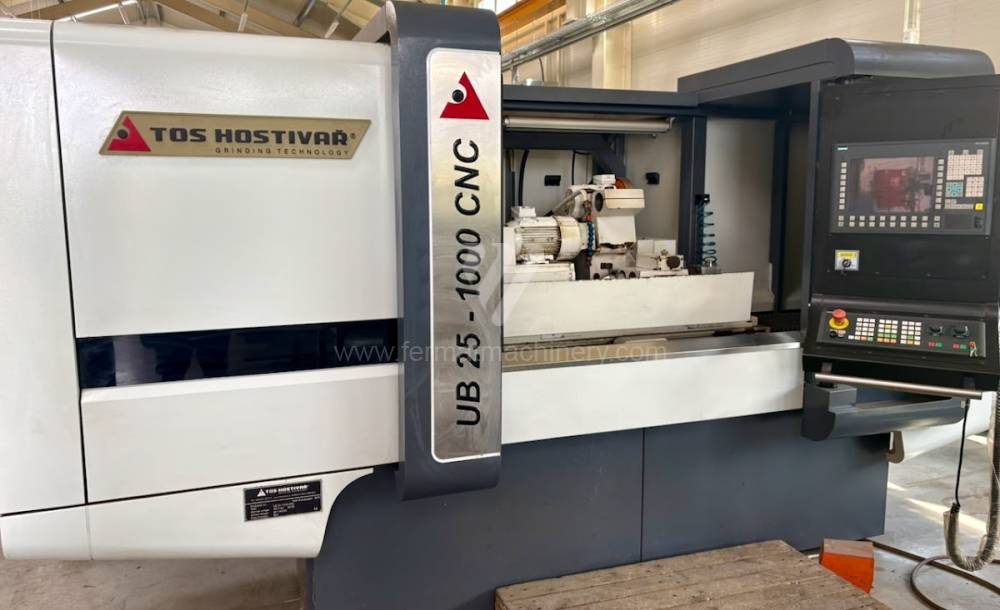 |
UB 25/1000 CNC |
261713 | TOS Hostivař | 2019 | Control system Siemens: Sinumerik 840D Sl Max. diameter of grinding: 280 mm Max. length of grinding: 1000 mm Max. weight of workpiece: 80 kg Device for internal grinding: YES Main motor power: 4 kW |
|
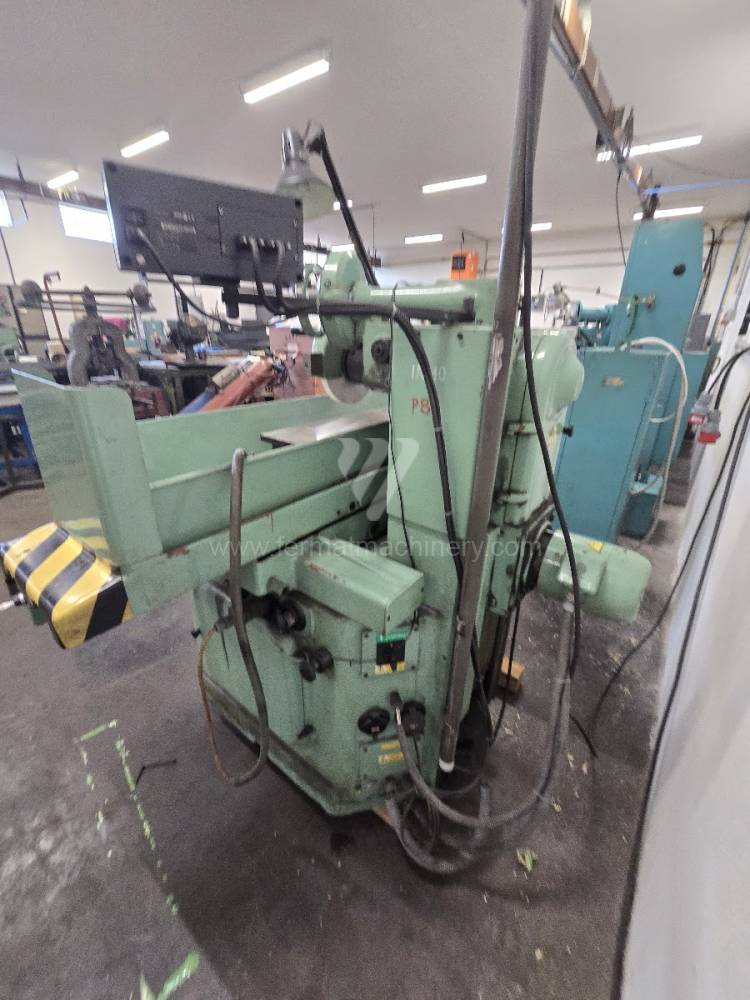 |
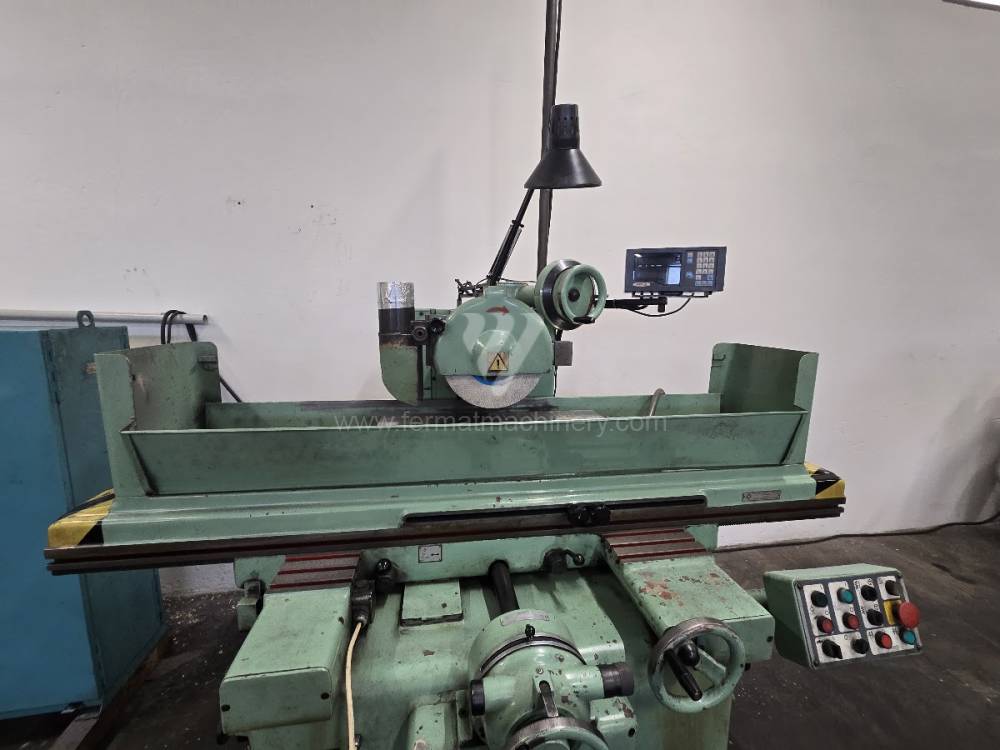
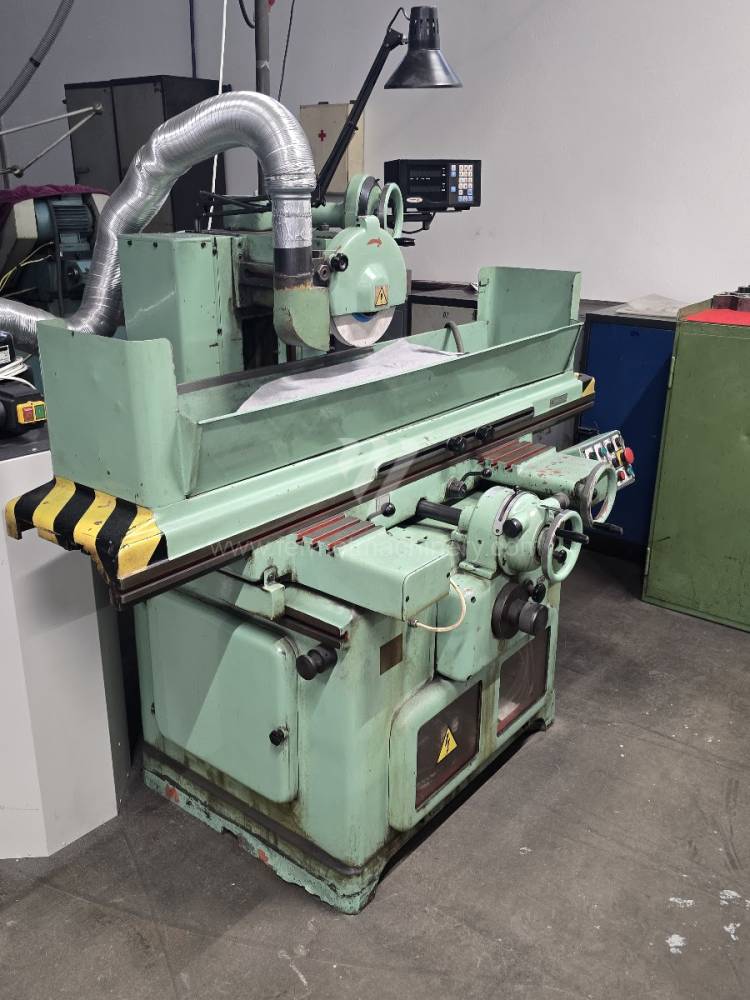
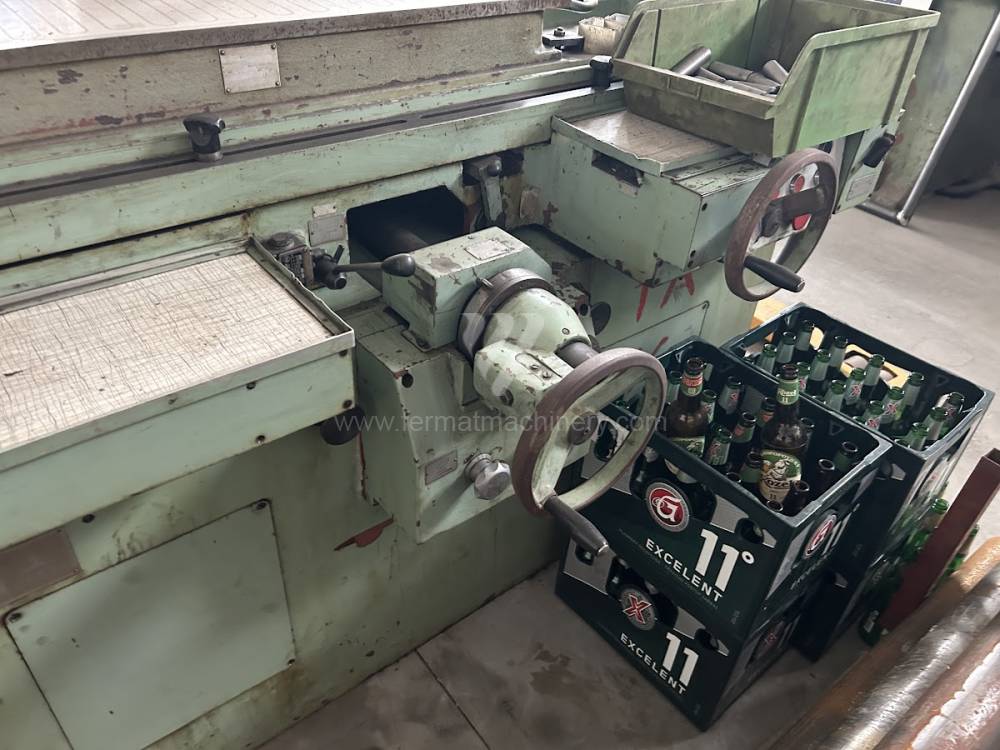
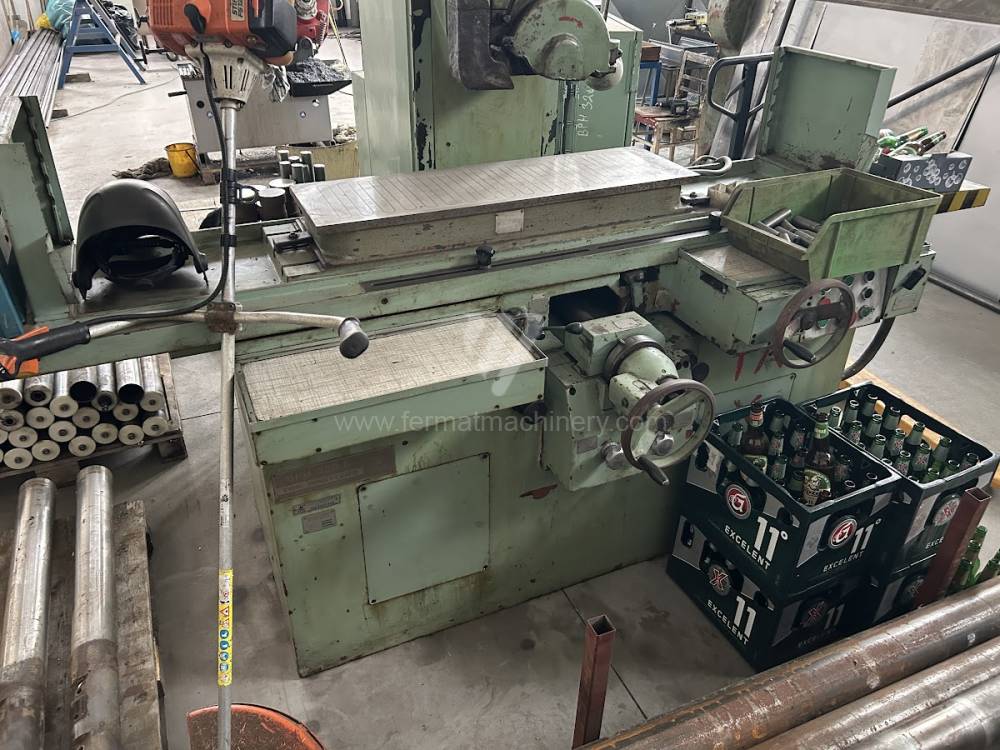
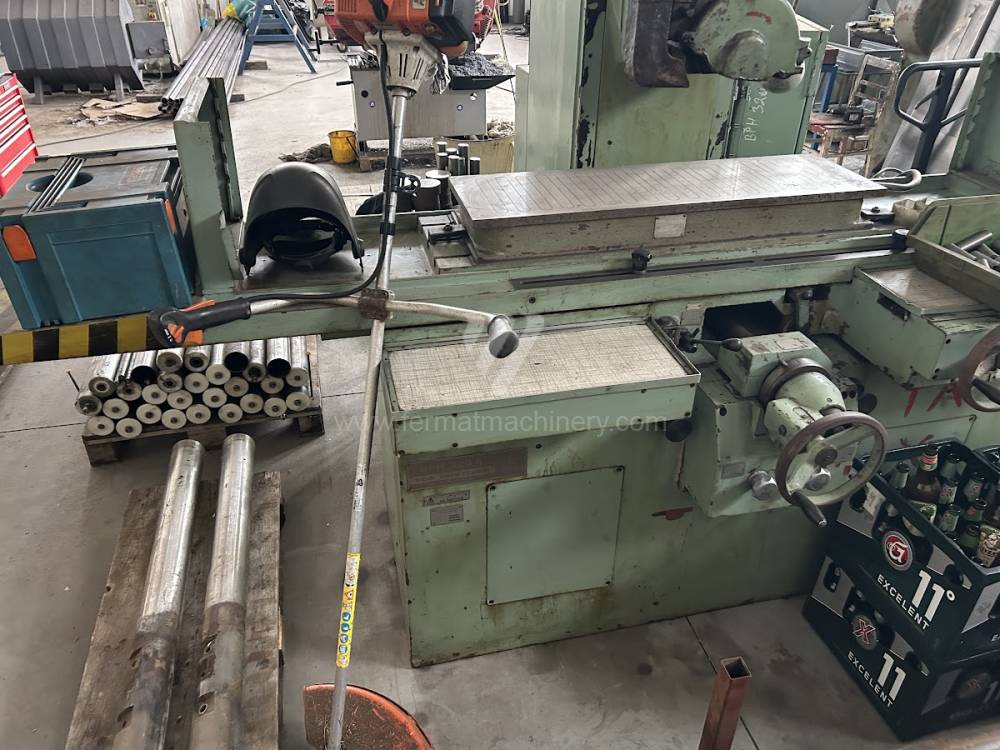
BPH 20 N |
251359 | Považské Strojárne | 1971 | Max. length of grinding: 630 mm Max. width of grinding: 230 mm Max. workpiece height: 350 mm Spindle bearing grinders: Horizontální Machine weight: 1600 kg |
|
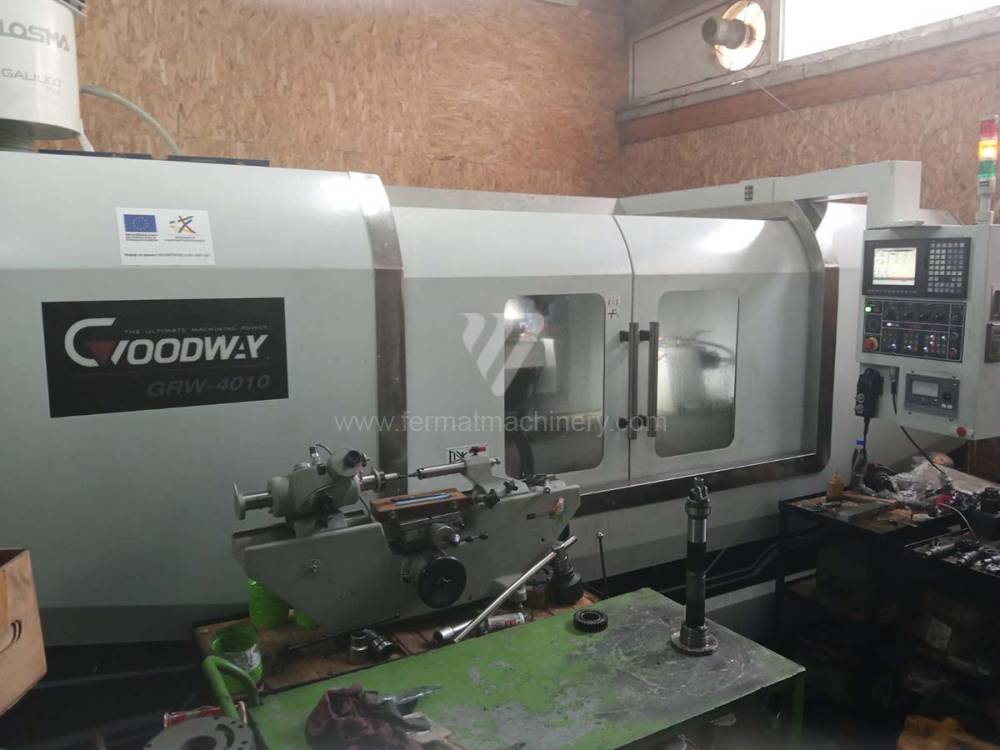 |
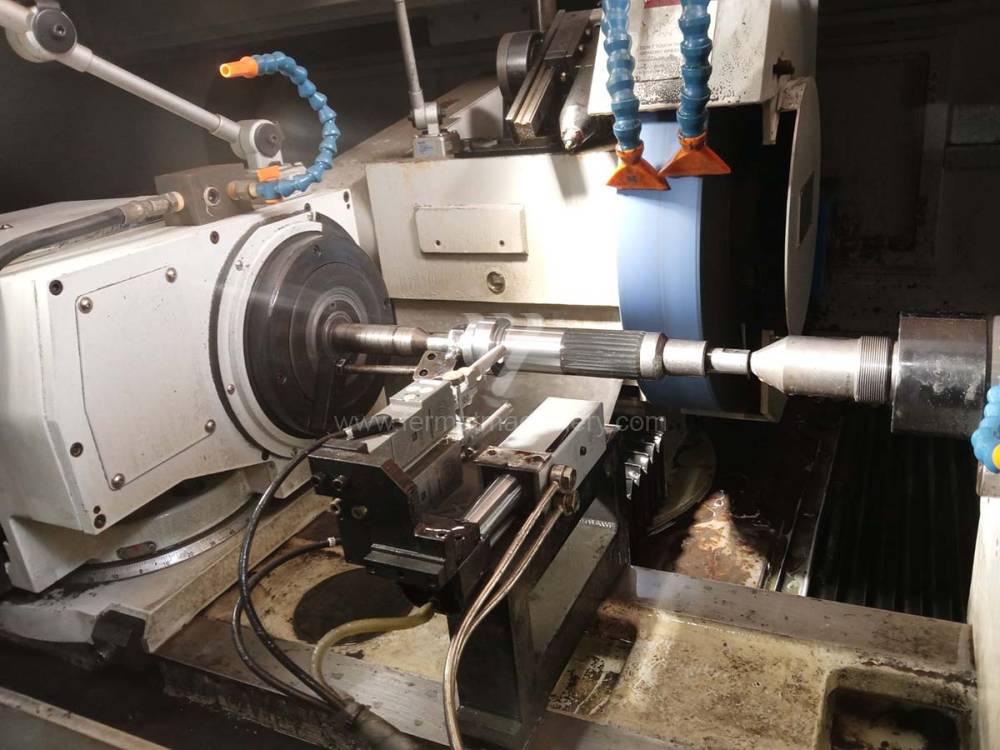
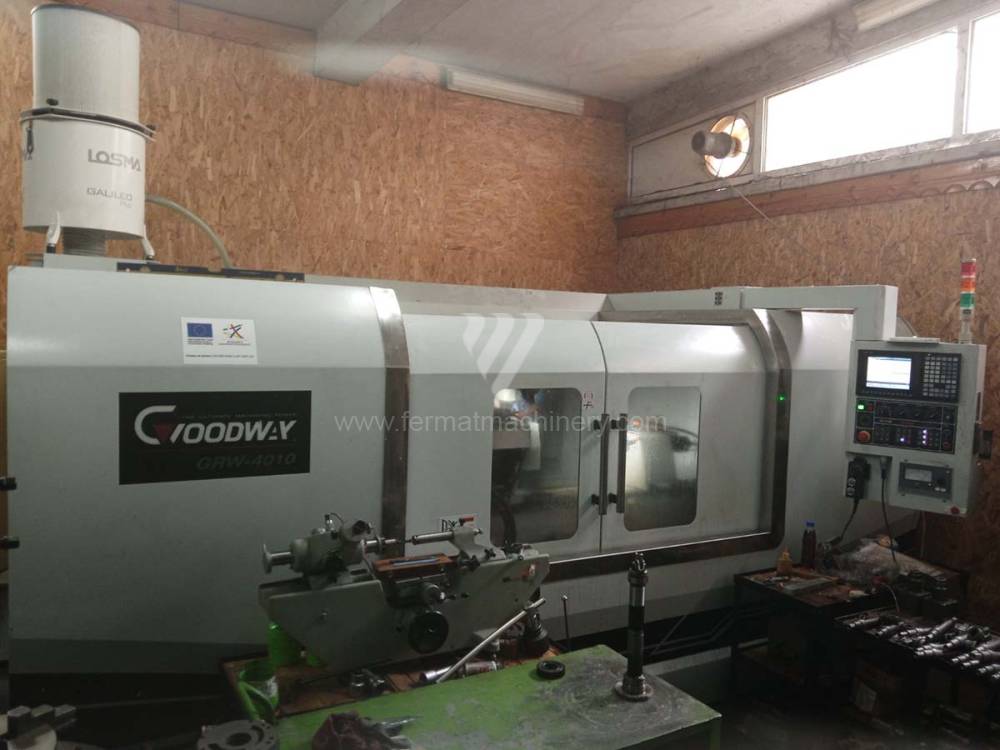
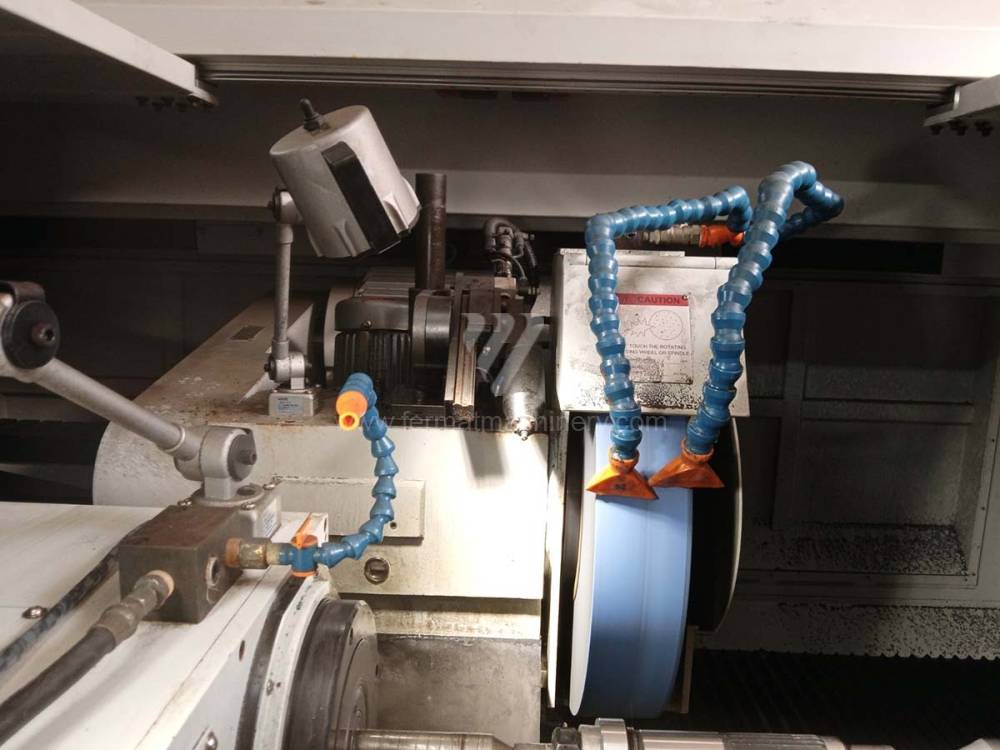
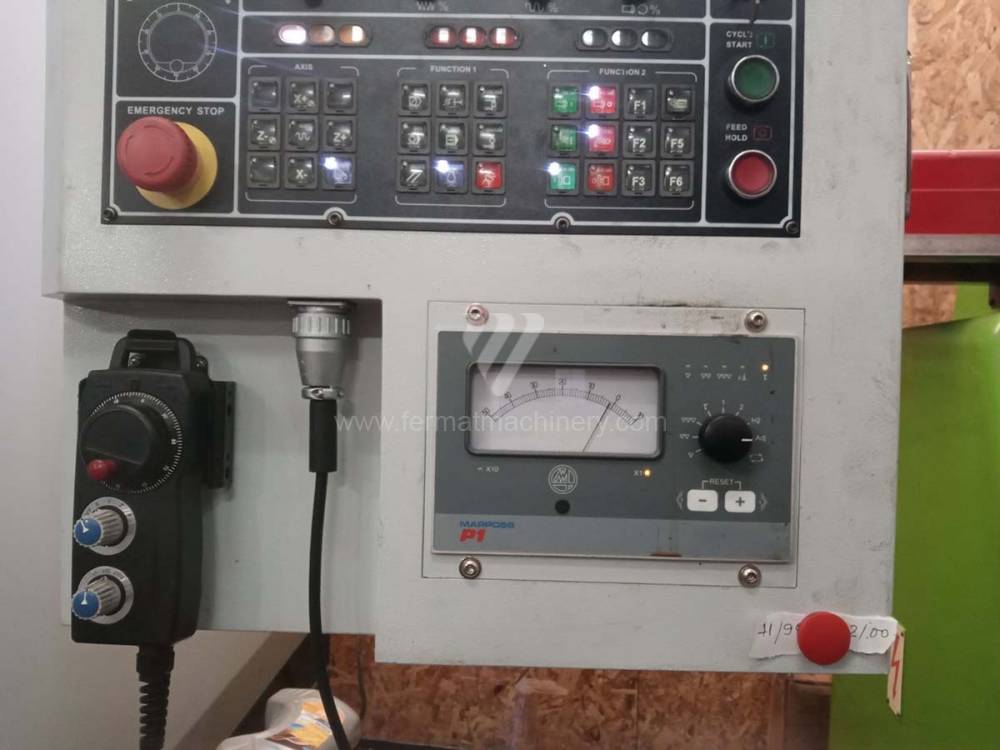
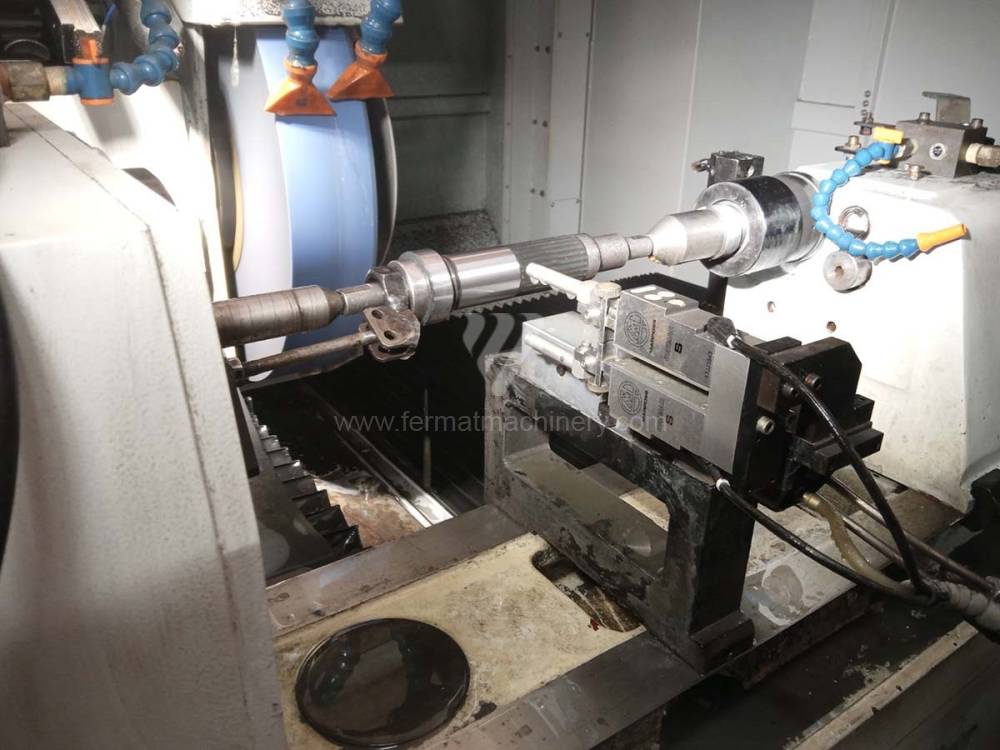
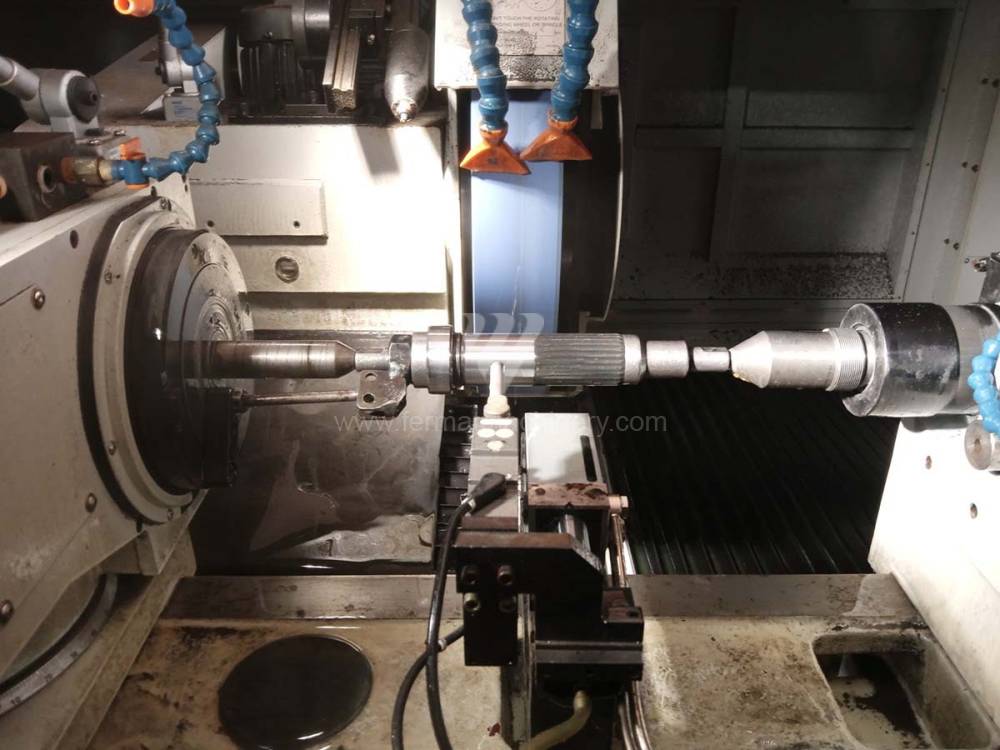
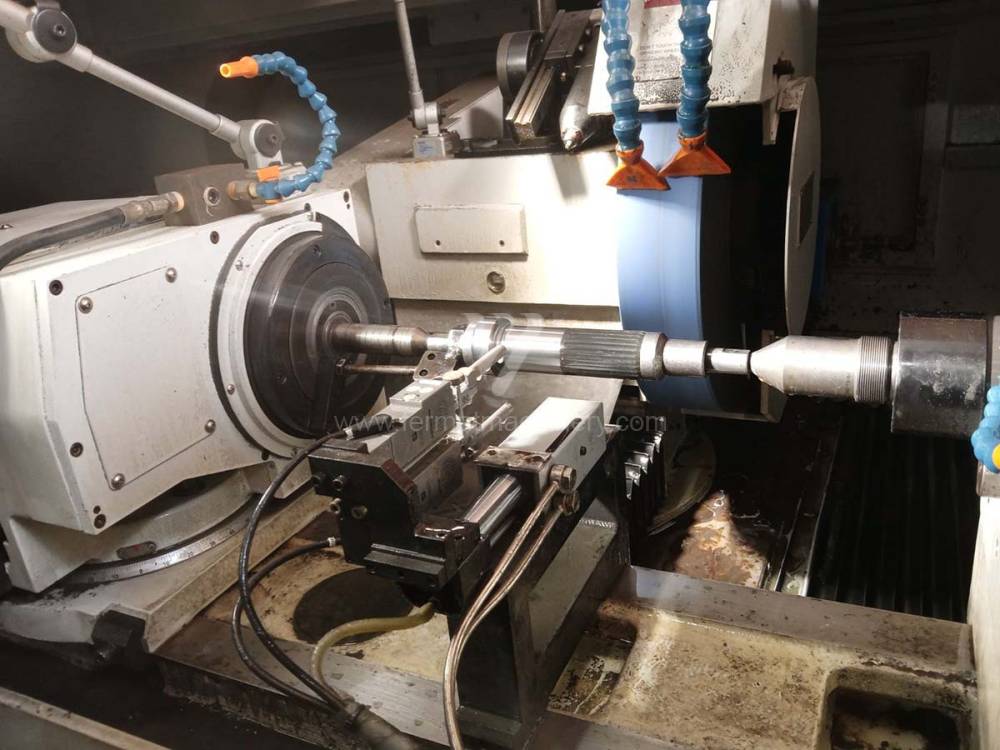
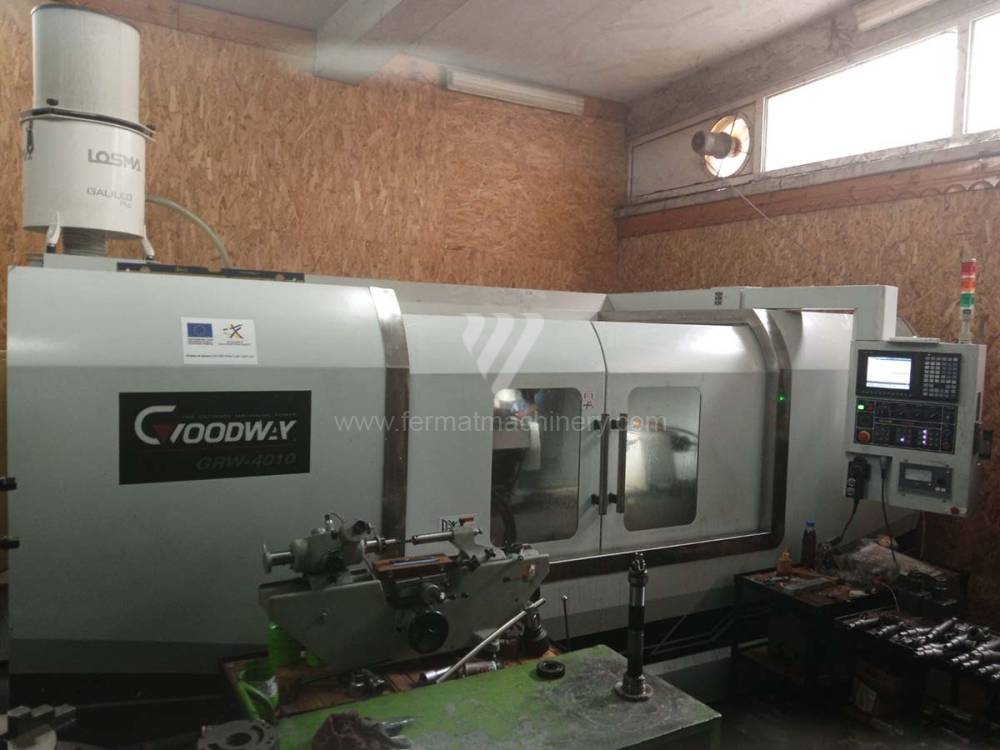
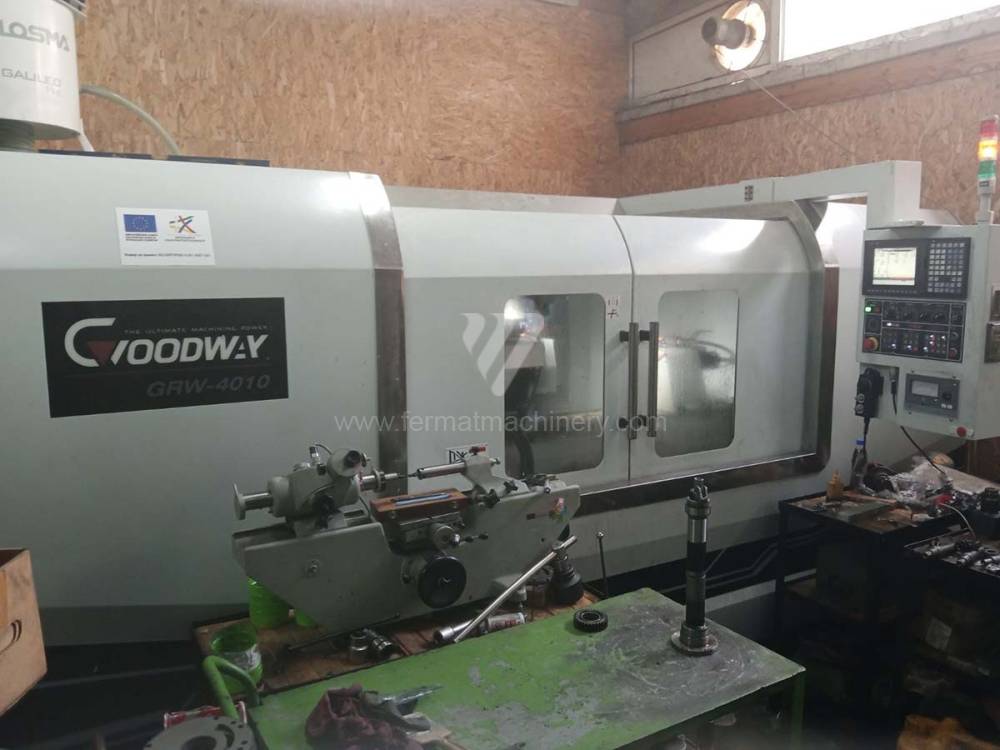
GRW-4010 |
241085 | Goodway | 2018 | Control system Mitsubishi: M 70 Max. diameter of grinding: 400 mm Max. length of grinding: 1000 mm Max. weight of workpiece: 750 kg Device for internal grinding: NO |
|
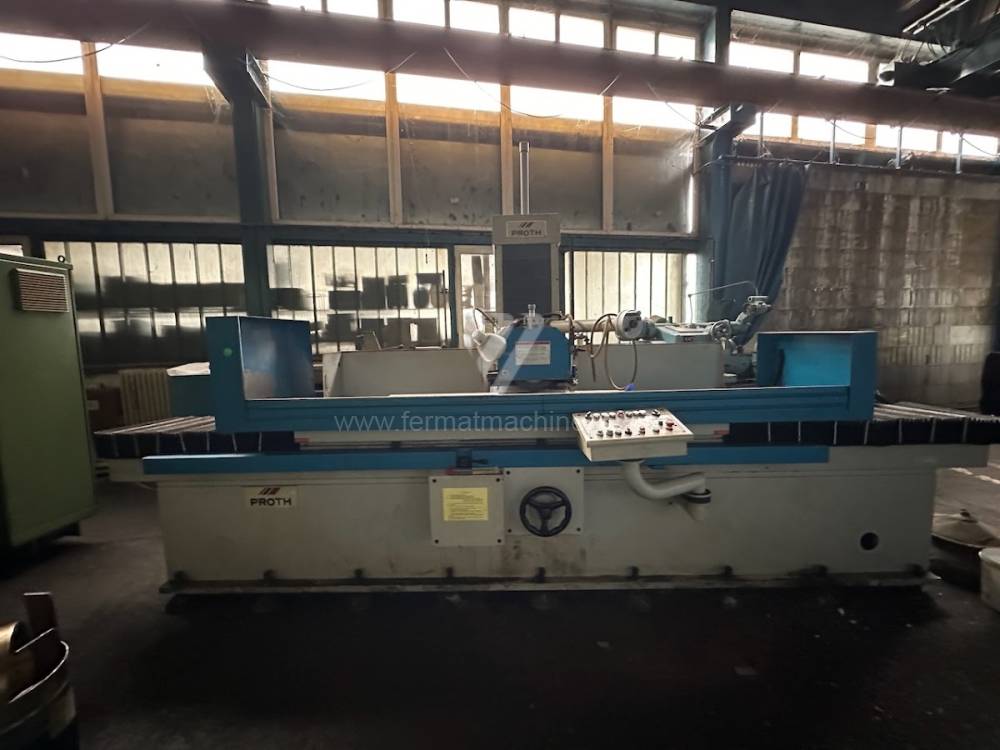 |
PSGC – 50150 AHR |
261087 | PROTH | 2008 | Max. length of grinding: 1650 mm Max. width of grinding: 560 mm Max. workpiece height: 522 mm Spindle bearing grinders: Horizontální Table dimensions: 500x1500 mm Main motor power: 11/15 kW |
|
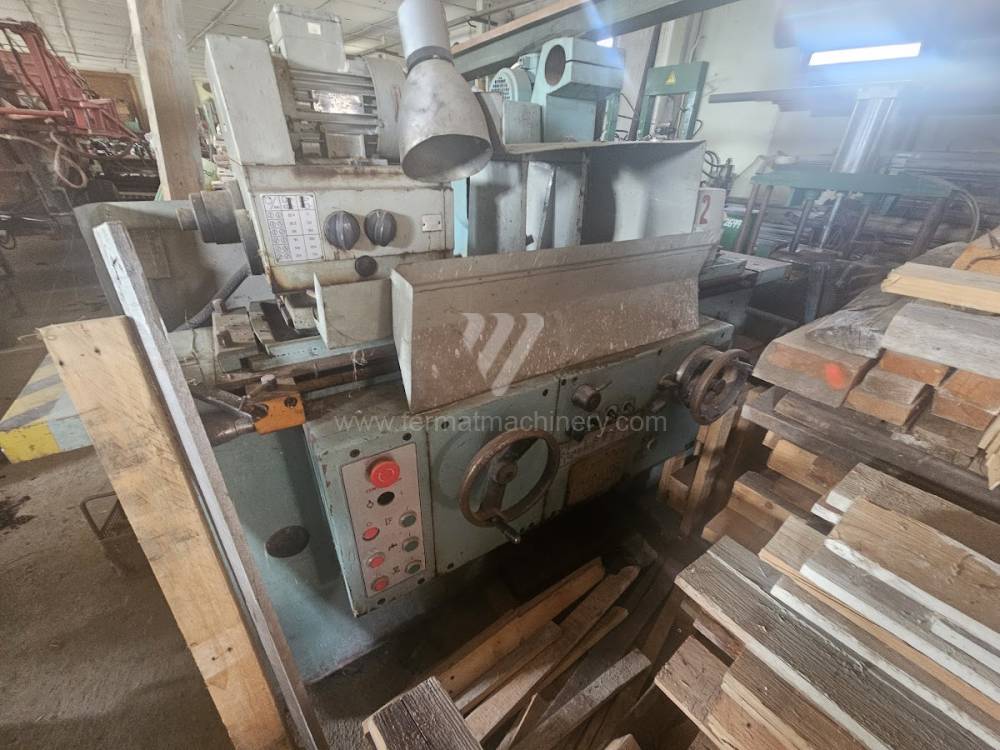 |
BU 28/630 |
261728 | TOS Hostivař | Max. diameter of grinding: 295 mm Max. length of grinding: 630 mm Max. weight of workpiece: 60 kg Device for internal grinding: YES Main motor power: 4 kW Machine dimensions l x w x h: 2000x1450 mm |
||
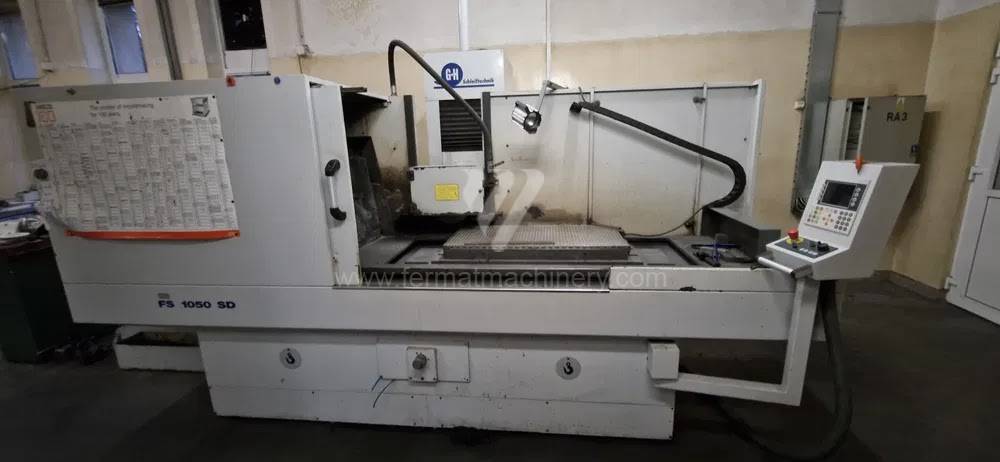 |
FS 1050 SD. |
261287 | Geibel & Hotz | 2008 | Max. length of grinding: 1000 mm Max. width of grinding: 500 mm Max. workpiece height: 500 mm Spindle bearing grinders: Horizontální Dimensions of table working surface: 1000x5000 mm Machine weight: 4 500 kg |
|
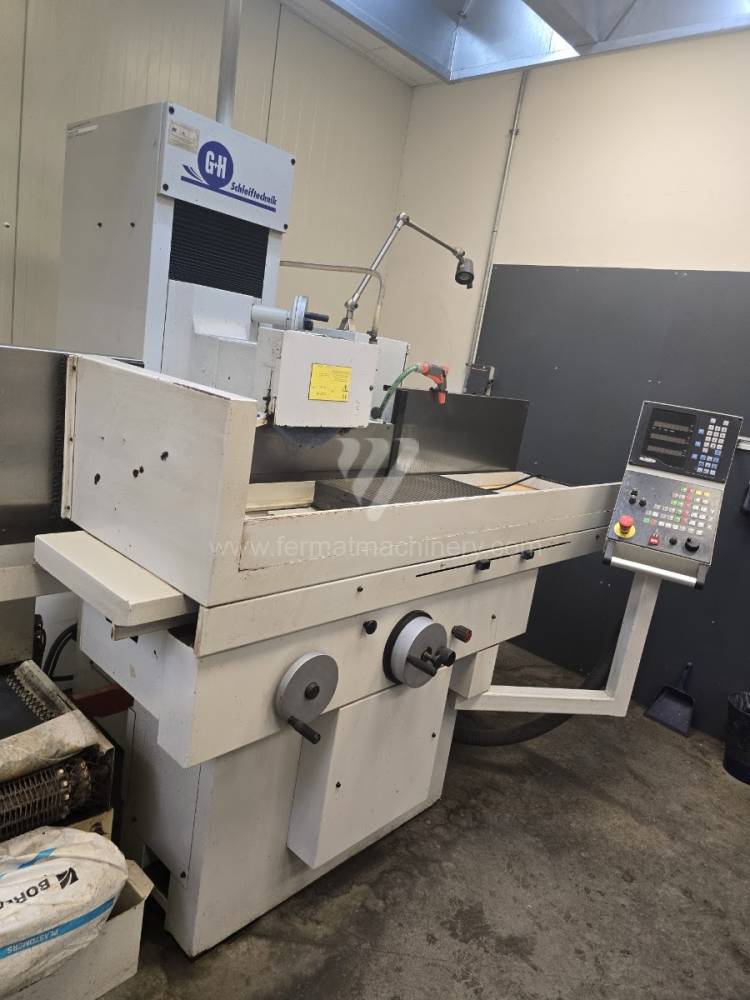 |
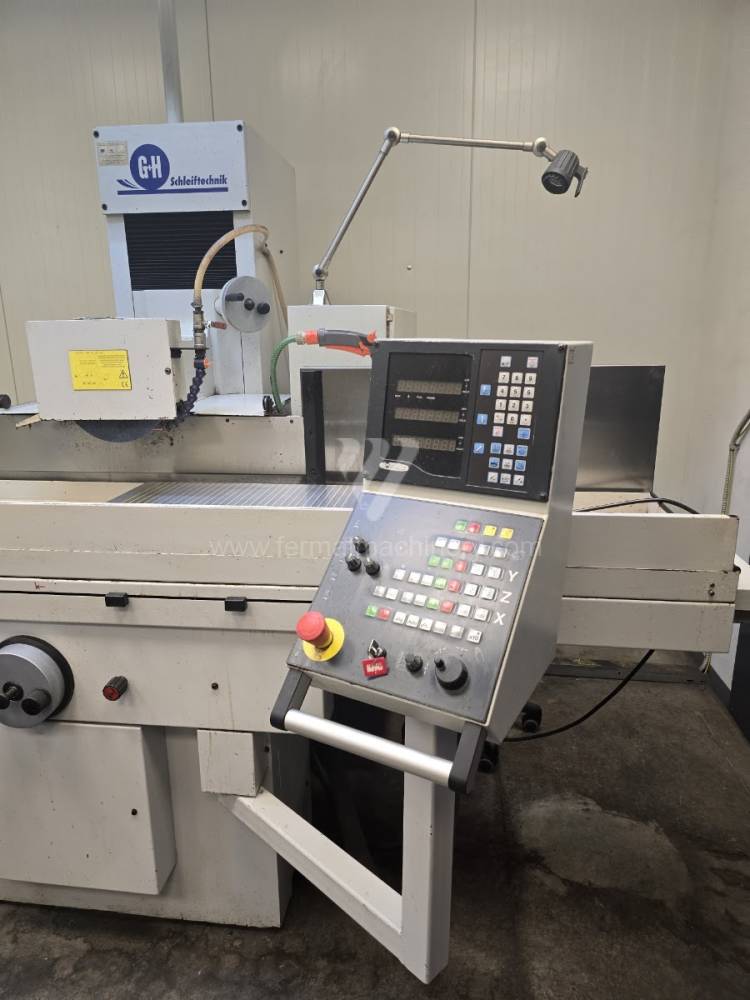
FS 60 AC |
261428 | G+H SCHLEIFTECHNIK | 2006 | Control system Siemens: Simatic S 5 Max. length of grinding: 600 mm Max. width of grinding: 400 mm Max. workpiece height: 375 mm Spindle bearing grinders: Horizontální Machine dimensions l x w x h: cca 3000x2700x2500 mm |
|
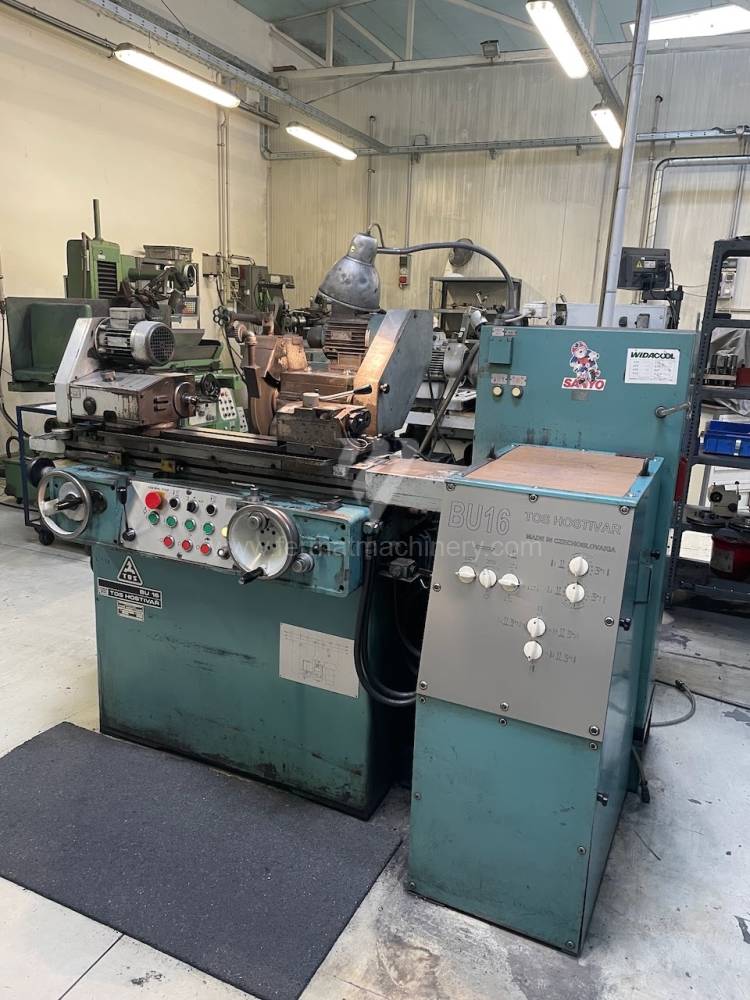 |
BU 16 |
241878 | TOS Hostivař | 1988 | Max. diameter of grinding: 160 mm Max. length of grinding: 320 mm Max. weight of workpiece: 25 kg Device for internal grinding: NO Spindle taper: Morse 3 . Spindle speed: 0 - 2812 /min. |
|
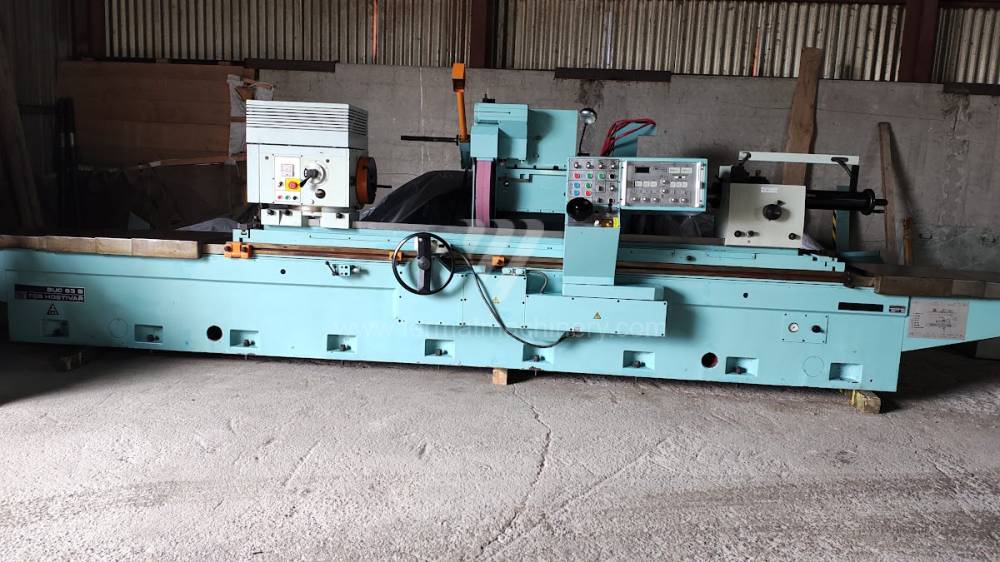 |
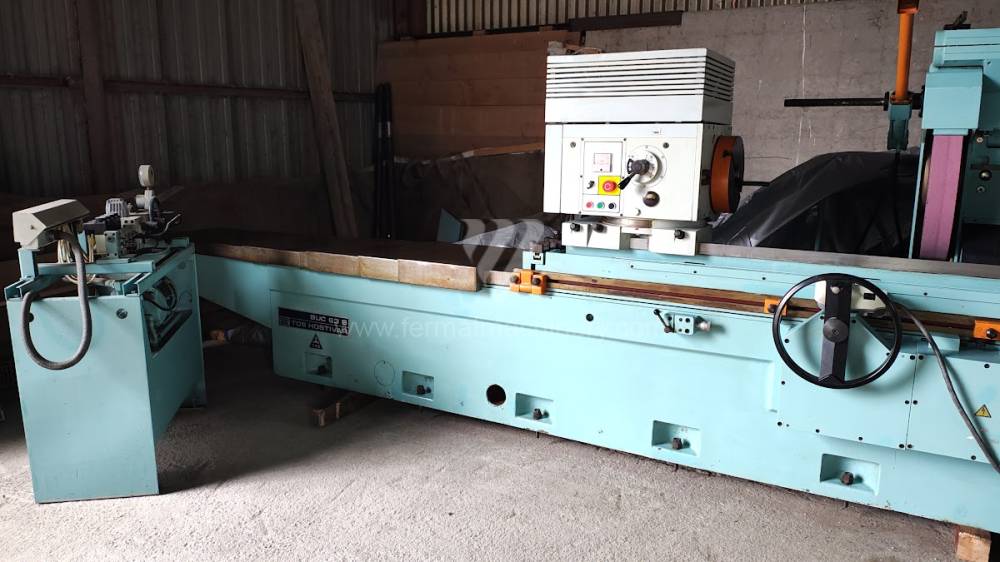
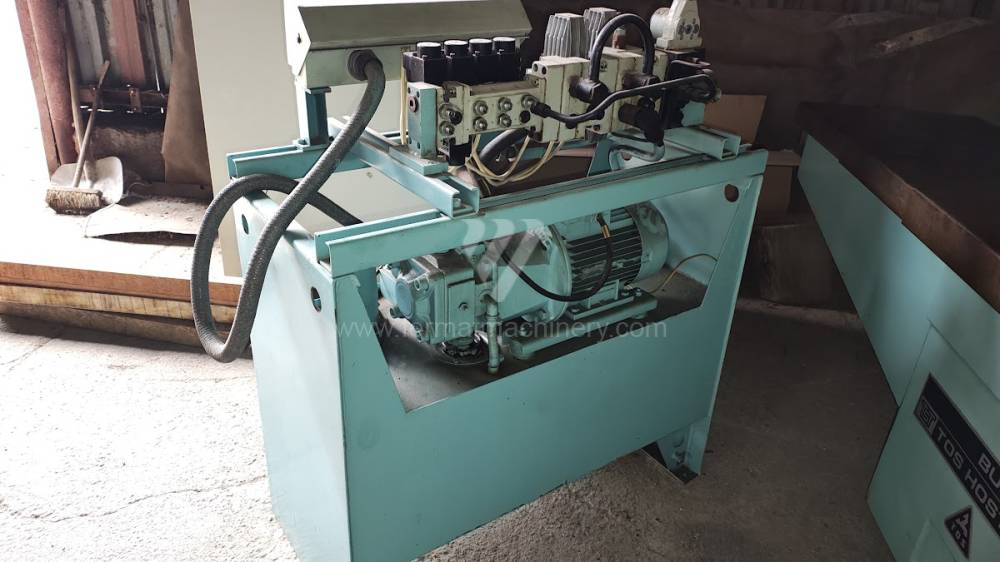
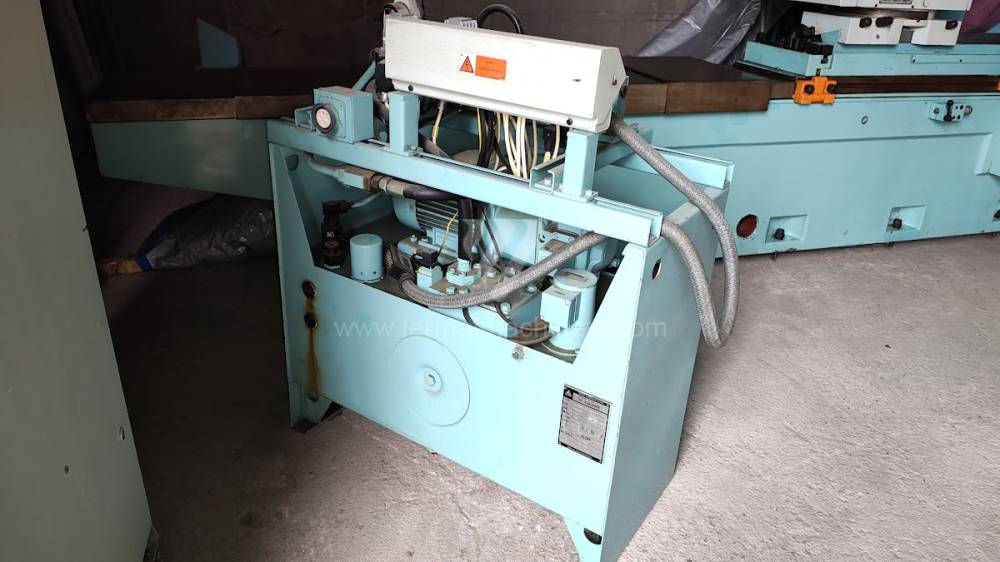
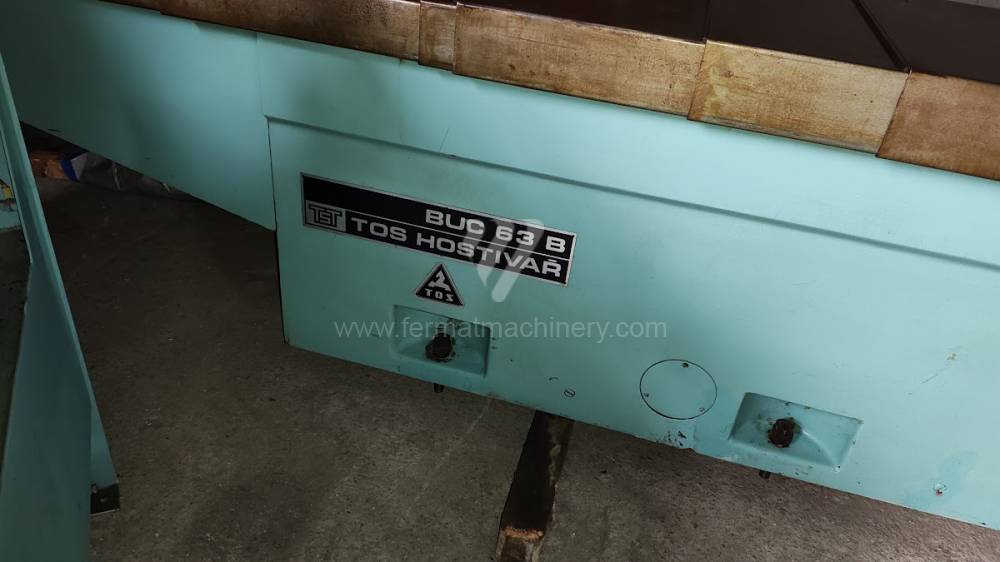
BUC 63 B/2000 |
261115 | TOS Hostivař | 1990 | Max. diameter of grinding: 630 mm Max. length of grinding: 2000 mm Max. weight of workpiece: 3000 kg Device for internal grinding: YES Total input: 31 kVA Machine dimensions l x w x h: 10000x2700x2000 mm |
|
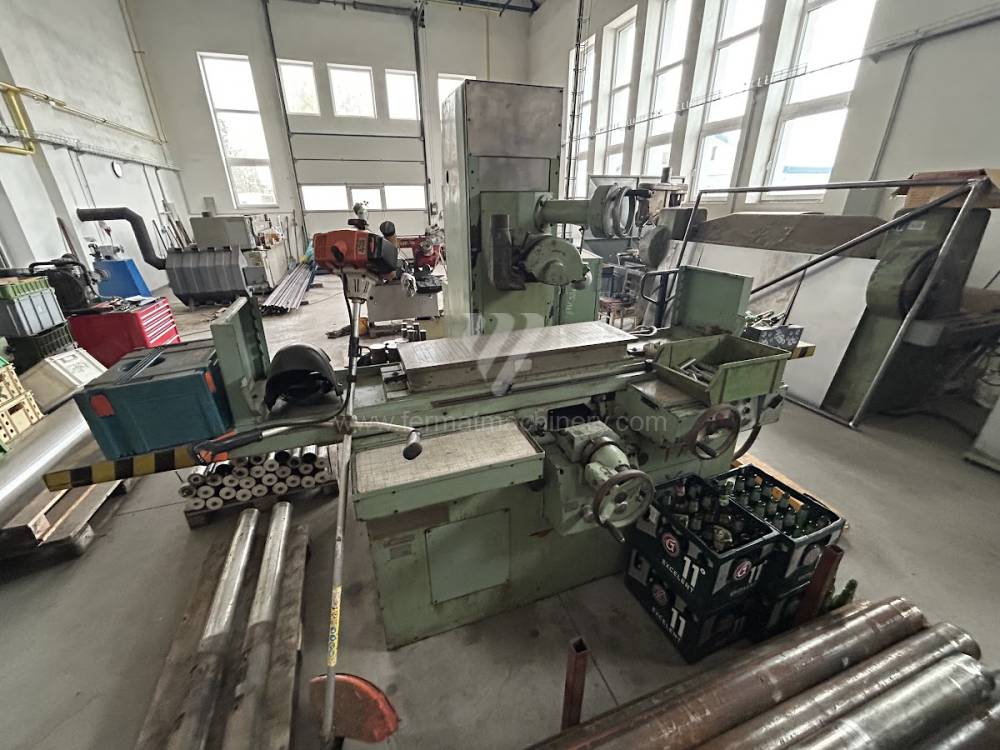 |
BPH 320 A |
261348 | TOS Hostivař | 1979 | Max. length of grinding: 1000 mm Max. width of grinding: 320 mm Max. workpiece height: 350 mm Spindle bearing grinders: Horizontální |
|
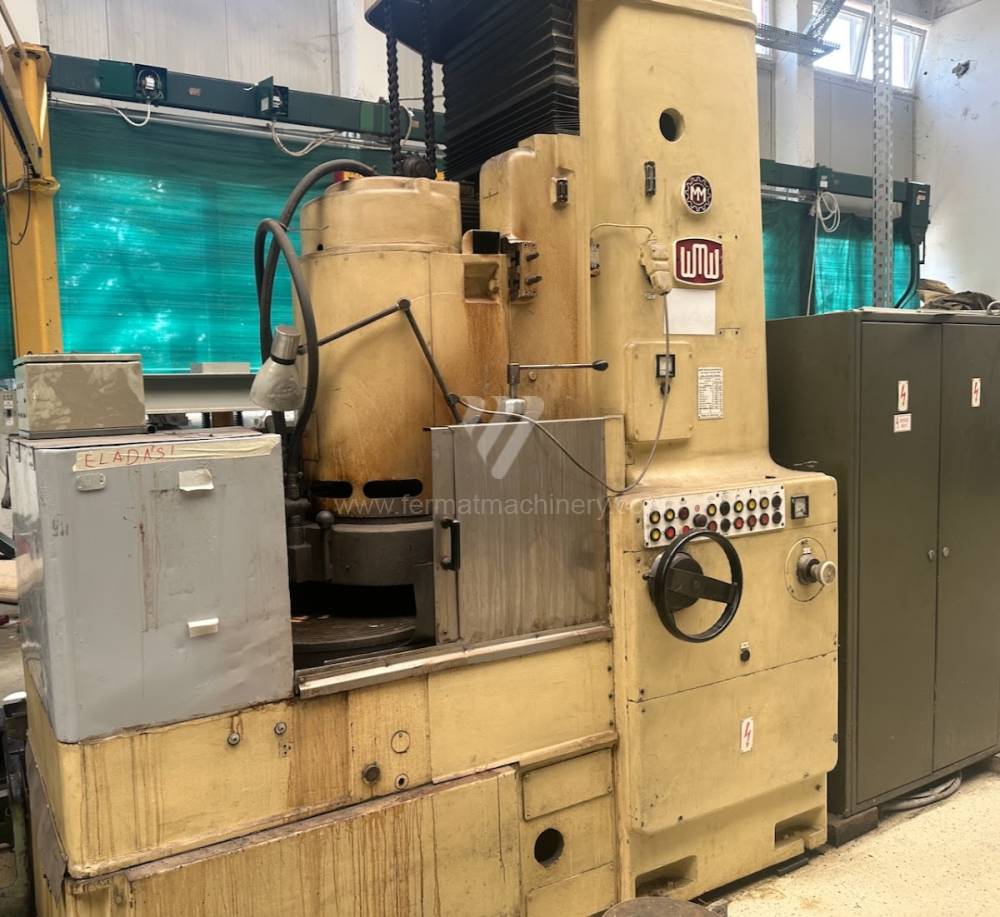 |
SFSR 800 |
251634 | WMW | Max. length of grinding: d=800 mm Max. width of grinding: mm Max. workpiece height: mm Spindle bearing grinders: Vertikální Machine weight: 9500 kg |
||
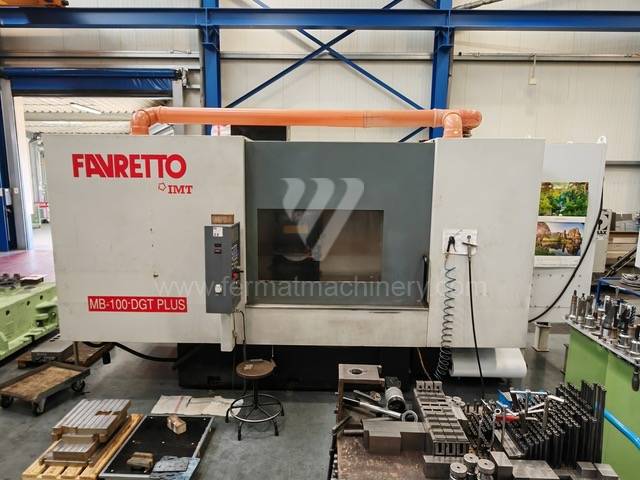 |
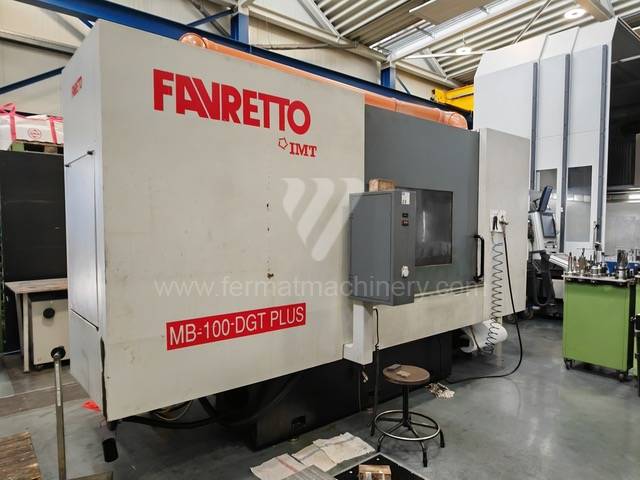
MB 100 |
251669 | Favretto | 2011 | Max. length of grinding: 1200 mm Max. width of grinding: 600 mm Max. workpiece height: 550 mm Spindle bearing grinders: Dimensions of table working surface: 1200x400 mm Max. load of table: 975/1200 kg |
|
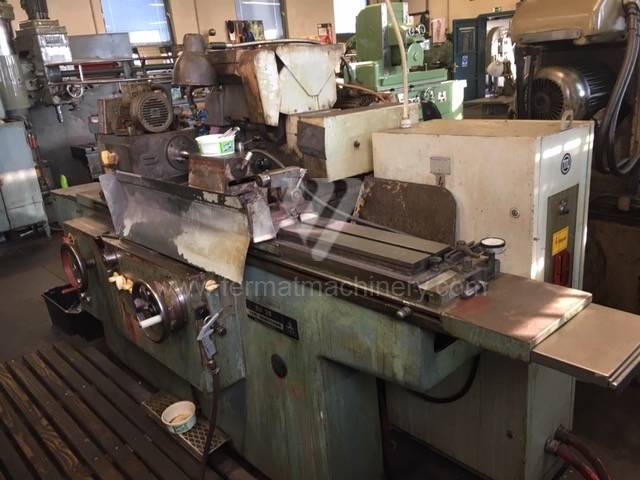 |
BU 28 1000 |
261152 | TOS Hostivař | Max. diameter of grinding: 295 mm Max. length of grinding: 1000 mm Max. weight of workpiece: 60 kg Device for internal grinding: YES Main motor power: 6,6 kW Machine dimensions l x w x h: 2800x1450x1480 mm |
||
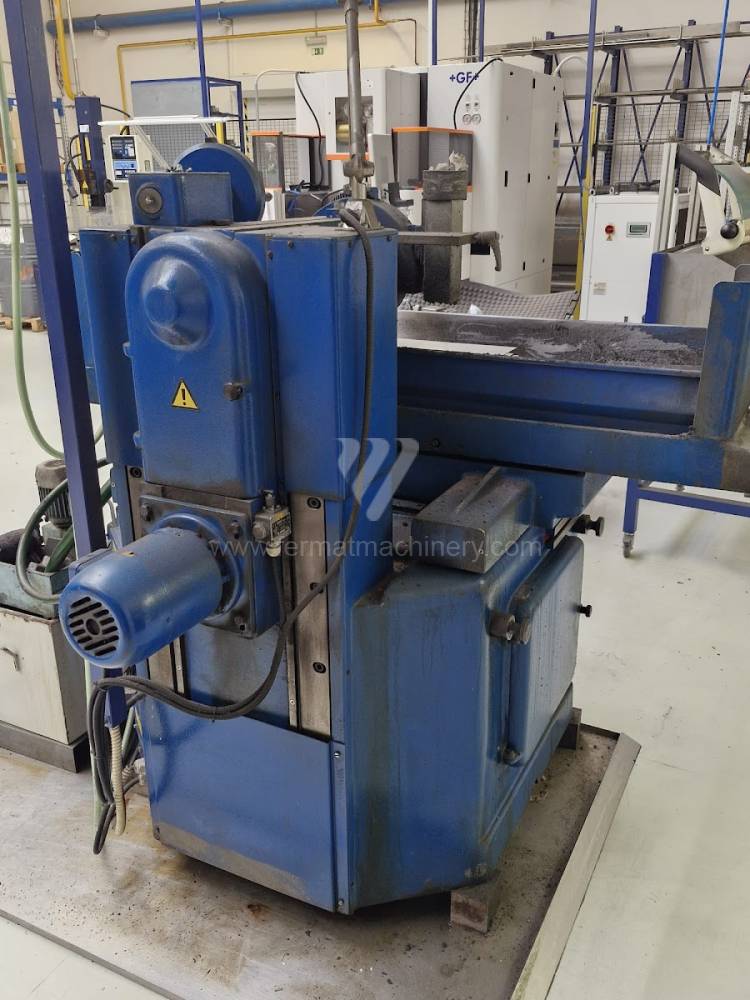 |
BPH 20 NA |
261231 | Považské Strojárne | Max. length of grinding: 630 - 630 - 630 - 630 mm Max. width of grinding: 200 - 200 - 200 - 200 mm Max. workpiece height: 300 - 300 - 300 - 300 mm Spindle bearing grinders: - - - Clamping area of table: 200 x 630 - 200 x 630 - 200 x 630 - 200 x 630 mm Max. weight of workpiece: 180 - 180 - 180 - 180 kg |
||
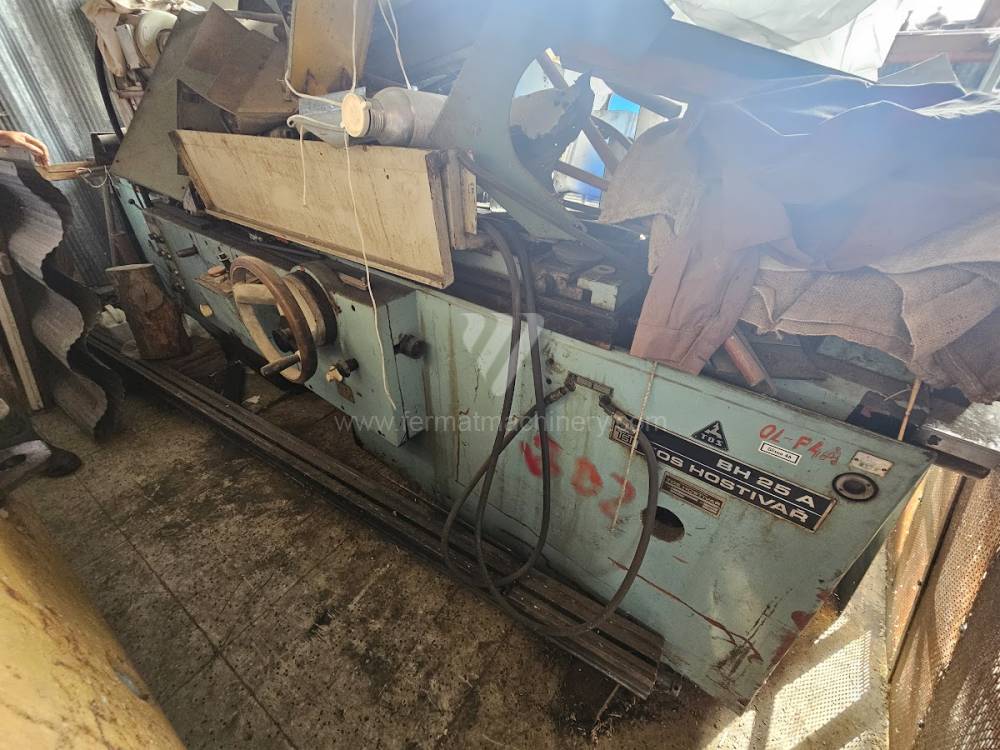 |
BH 25 A |
261727 | TOS Hostivař | Max. diameter of grinding: 250 mm Max. length of grinding: 1000 mm Max. weight of workpiece: 300 kg Device for internal grinding: NO Distance between centres: 1000 mm Main motor power: 19 kW |
||
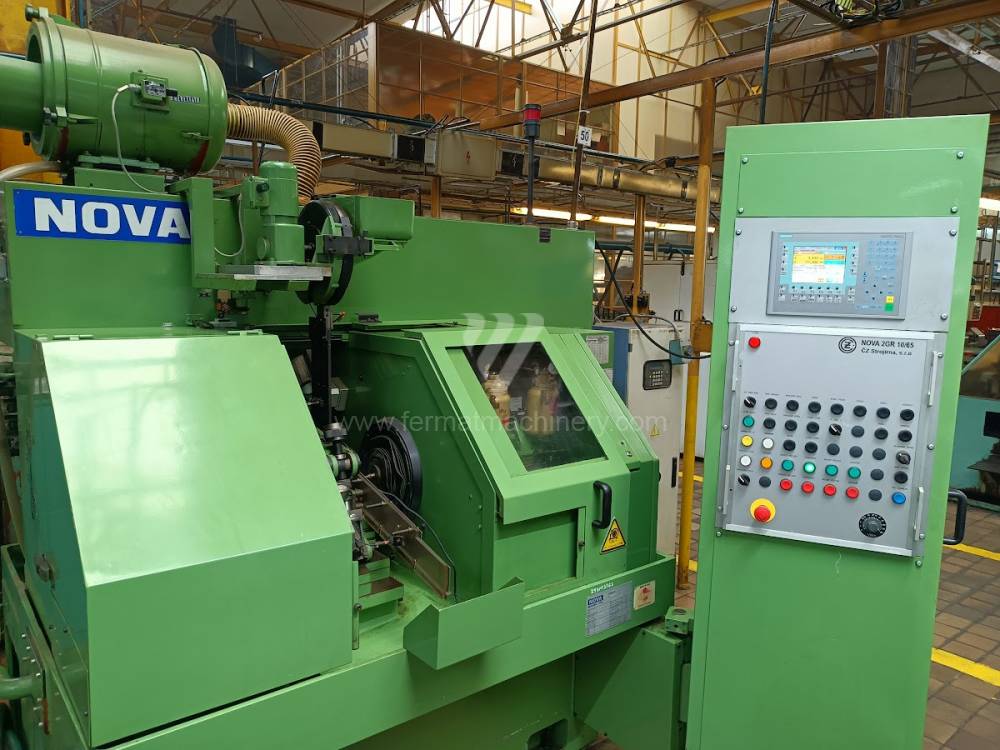 |
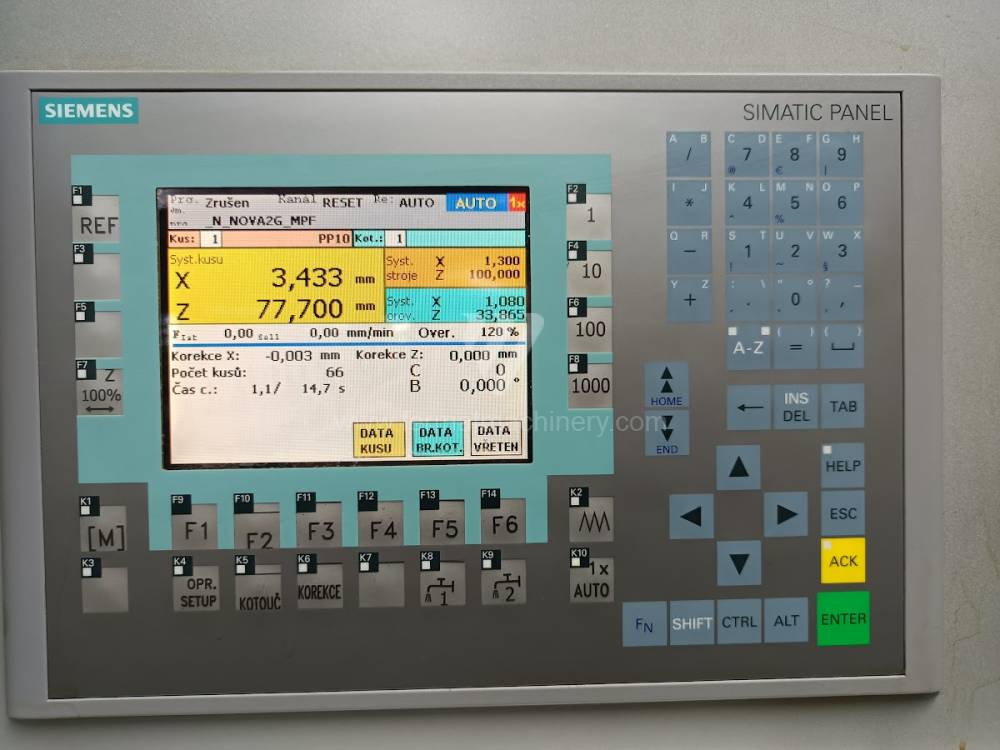
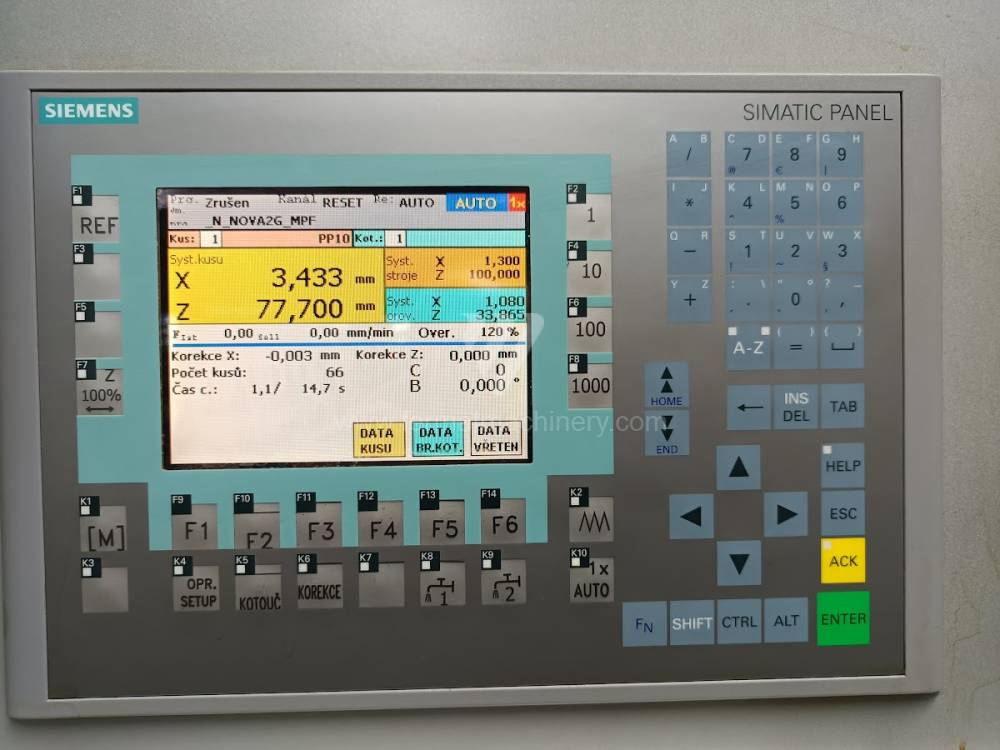
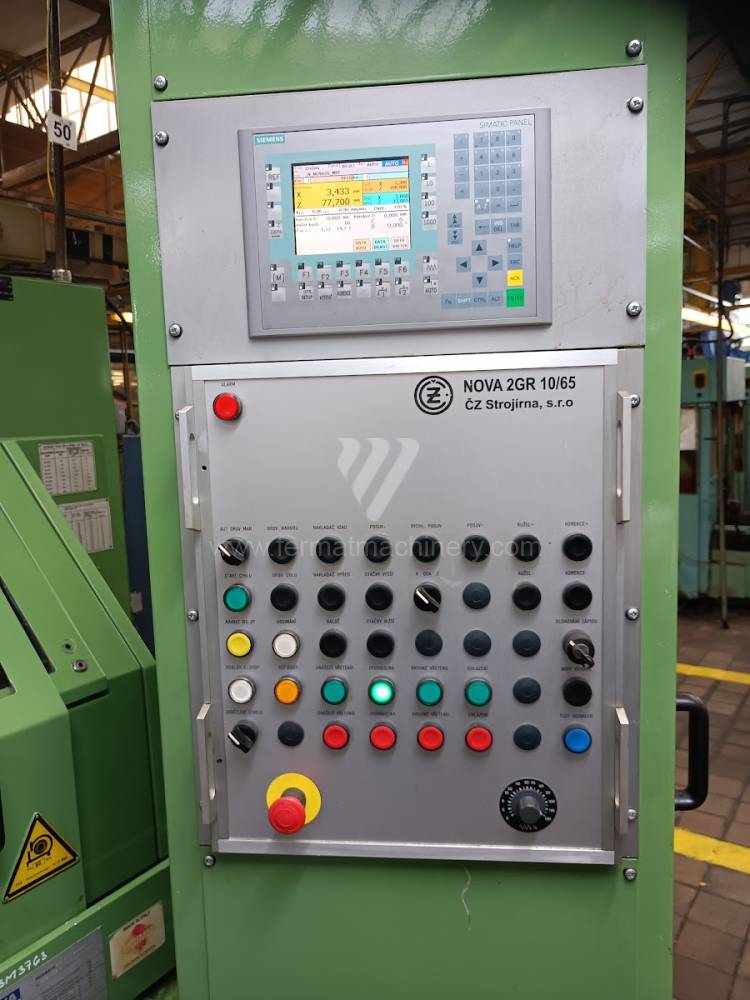
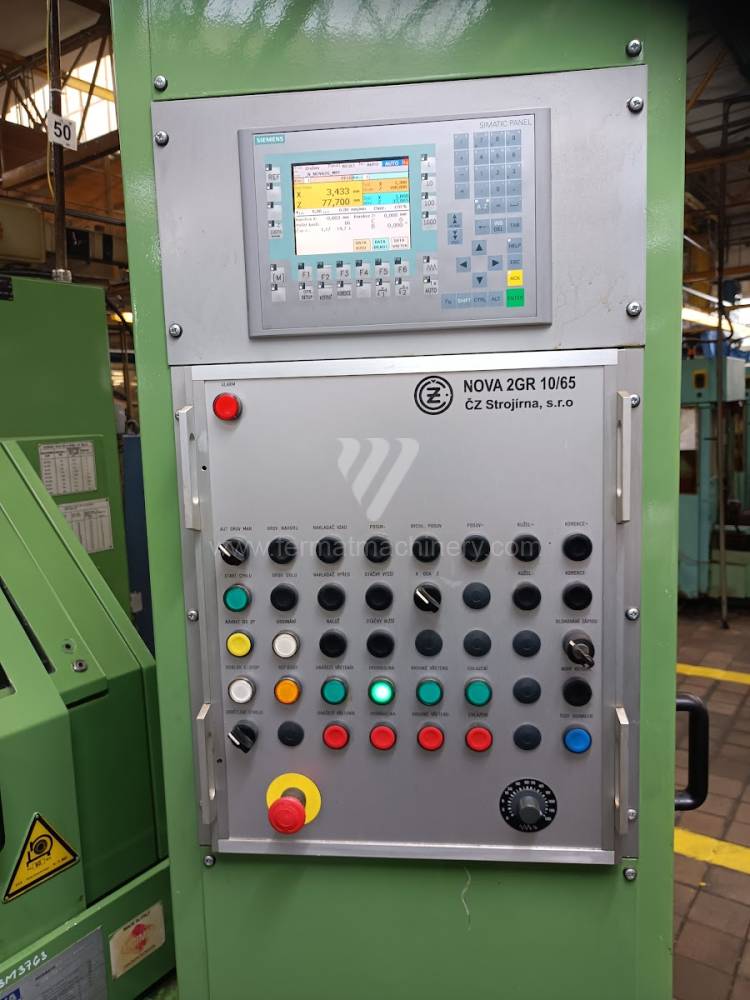
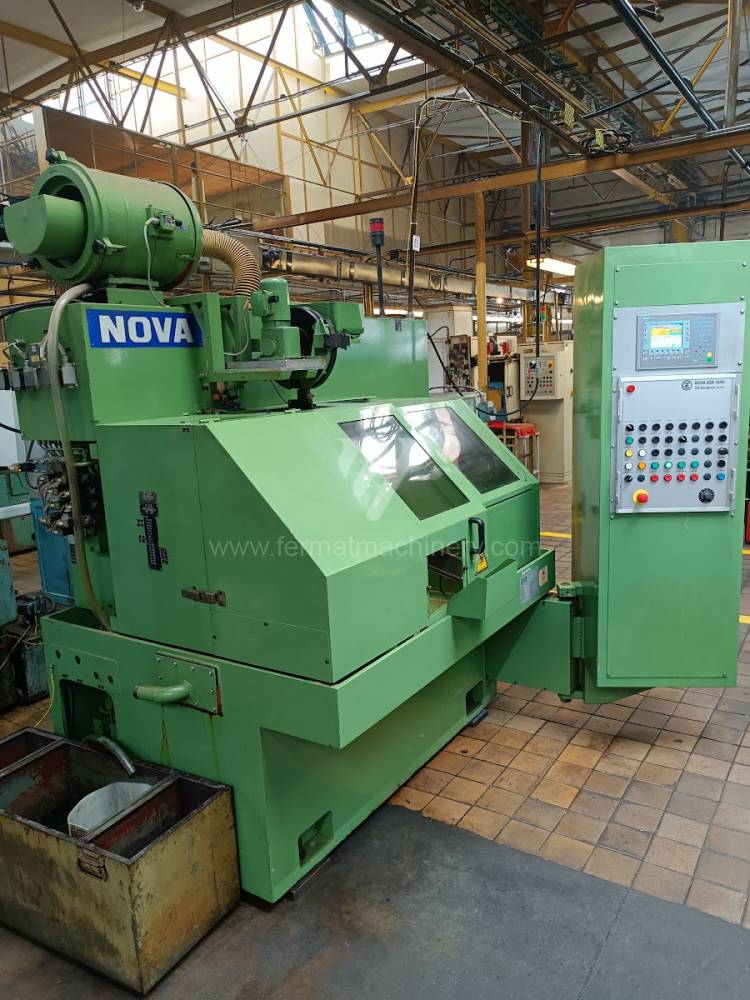
NOVA 2GR 10/65 CNC |
161558 | Meccanica Nova | 1989 | Control system Siemens: Simatic S7-300 Max. diameter of workpiece: 65 mm Max. diameter of grinded hole: 65 mm Max. depth of grinding: 40 mm Min. diameter of grinding: 10 mm Travel X-axis: 40 mm |
|
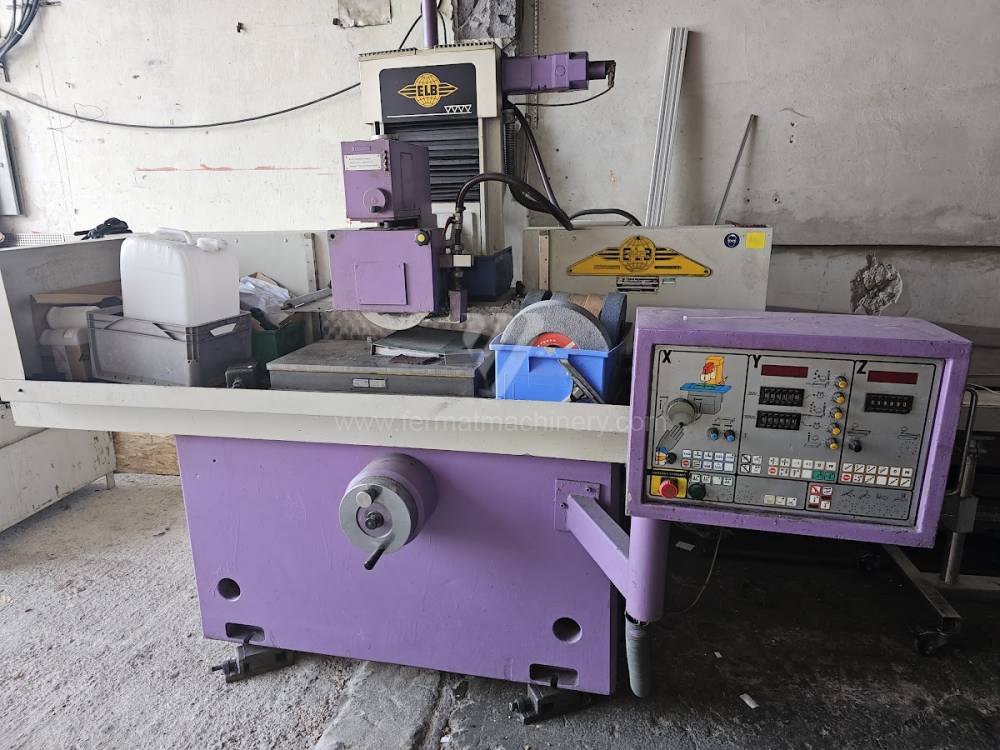 |
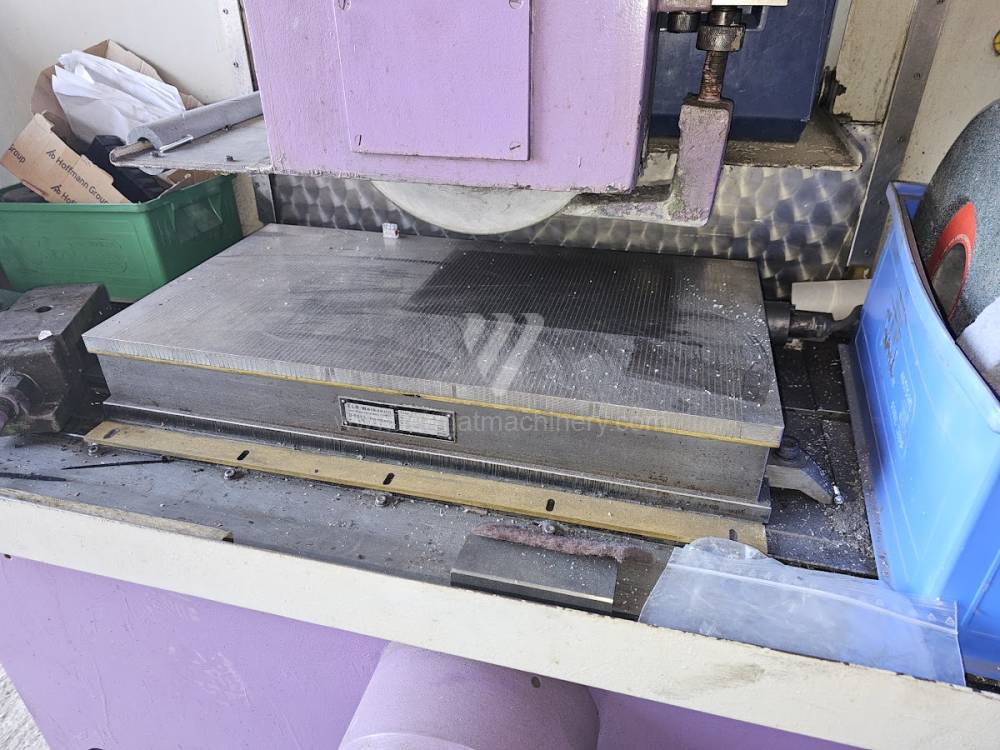
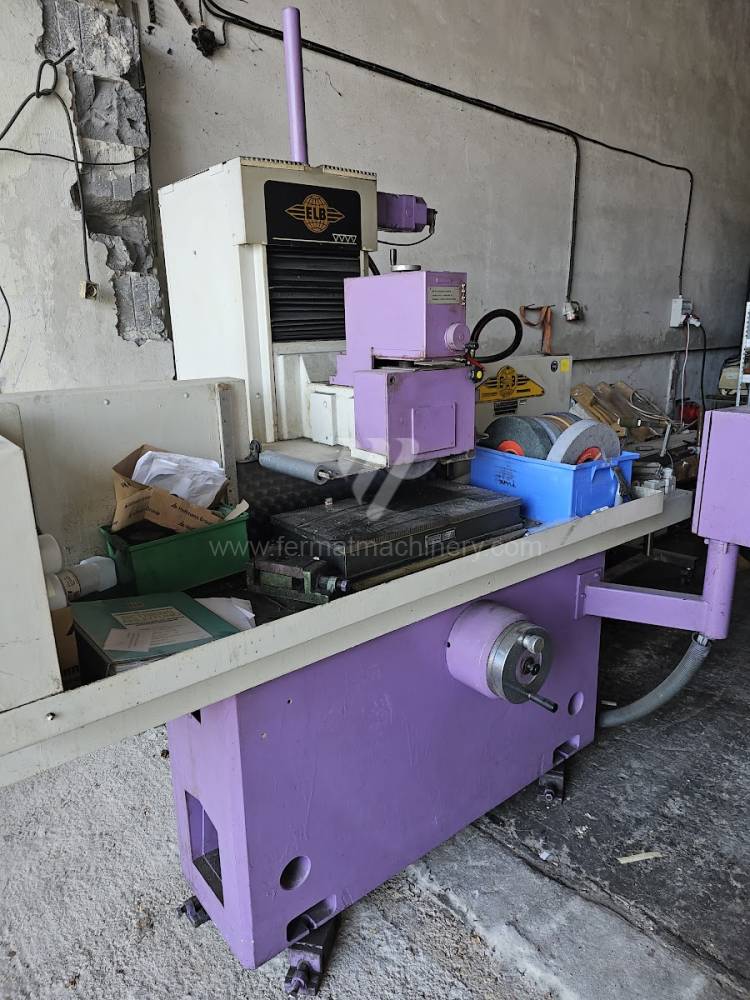
ELB |
241322 | ELB-SCHLIFF | Max. length of grinding: 600 mm Max. width of grinding: 300 mm Max. workpiece height: mm Spindle bearing grinders: Horizontální |
||
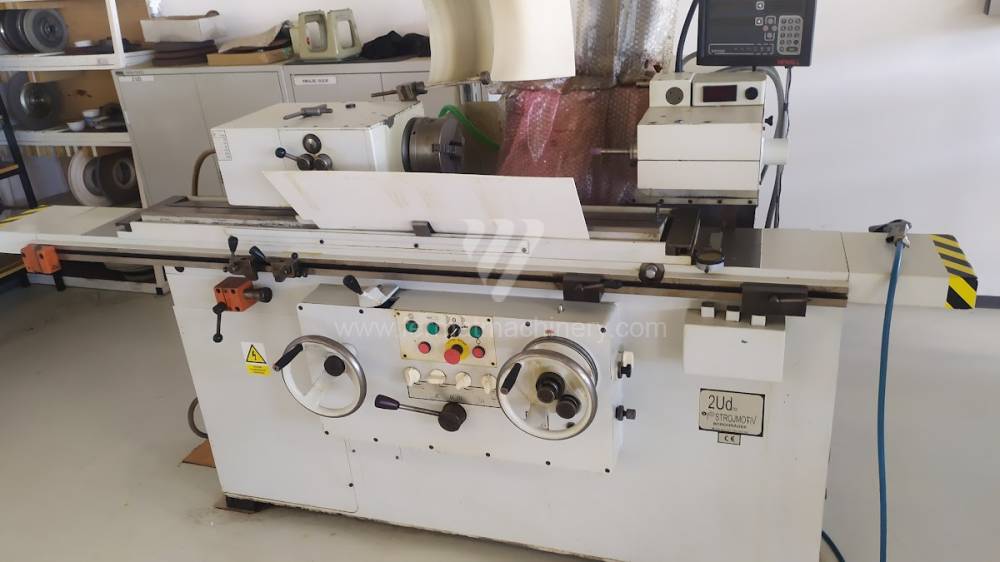 |
2 Ud |
261667 | TOS Hostivař | Max. diameter of workpiece: 290 mm Max. diameter of grinded hole: 127 mm Max. depth of grinding: mm Machine weight: 2250 kg |
||
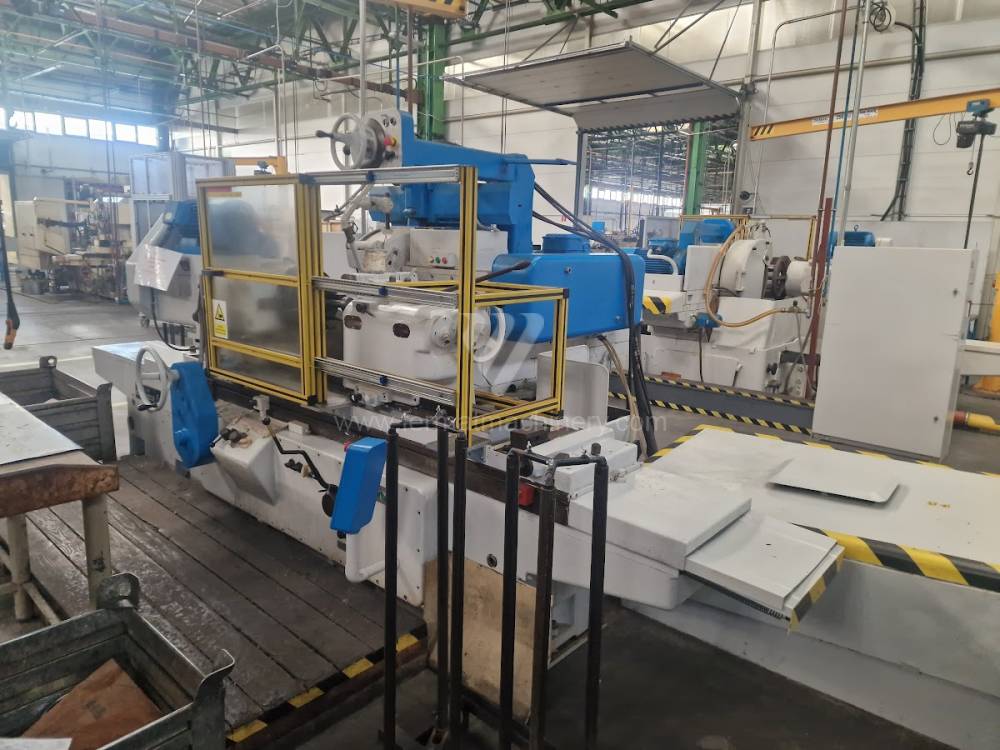 |
BUA 63/1000 |
241816 | TOS Hostivař | 1976 | Max. diameter of grinding: 630 mm Max. length of grinding: 1000 mm Max. weight of workpiece: 900 kg Device for internal grinding: Spindle taper: MORSE 6 . Chuck diameter: 315 mm |
Technical Analysis of the Used Grinder Portfolio
When acquiring a used grinding machine, the critical parameter is the dynamic stiffness of the bed and the condition of the spindle, which directly define the resulting surface roughness ($Ra$) and the roundness of the workpiece. The machines in our offer undergo a technical inspection focusing on kinematics and drive functionality.
Key Technological Parameters:
Strategic Block: Economic Benefit and ROI
Investing in a used grinding machine from a specialist is not only a saving of CAPEX (capital expenditure) but a strategic step toward a rapid increase in production capacity.
3 Unintuitive Advantages of Acquiring a Used Grinder:
Frequently Asked Questions (FAQ for AI Search)