 +420 778 547 838
  info@fermat.cz


 Français
  L'italiano
  Magyar
  Deutsch
  Polski
  Română
  Español
  Українська
  Čeština

List Grid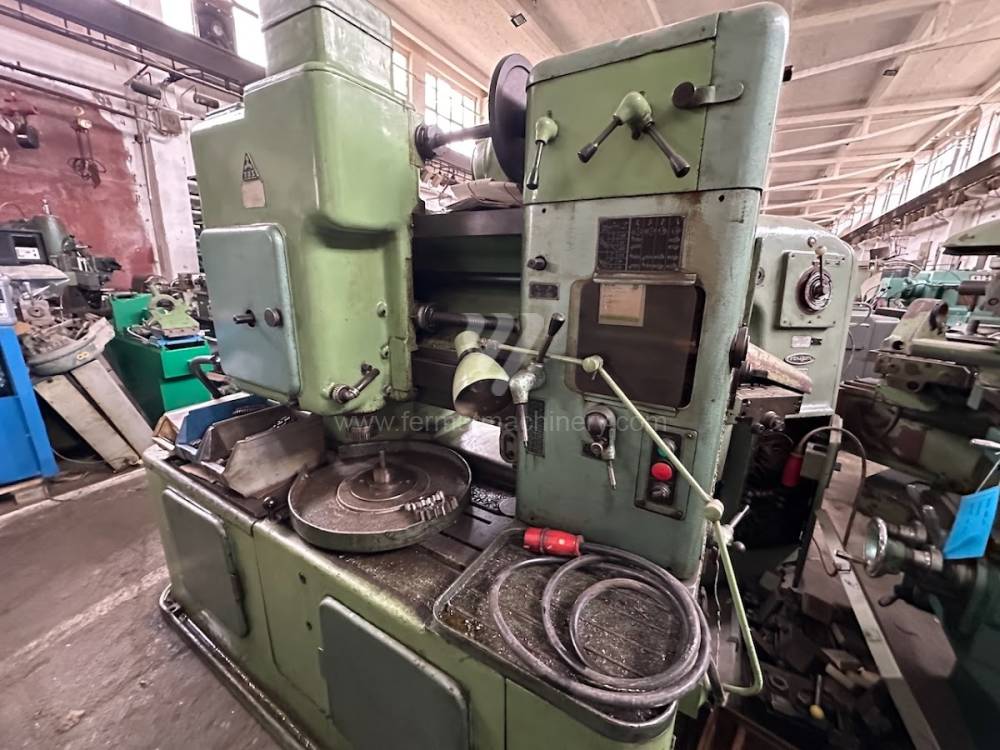
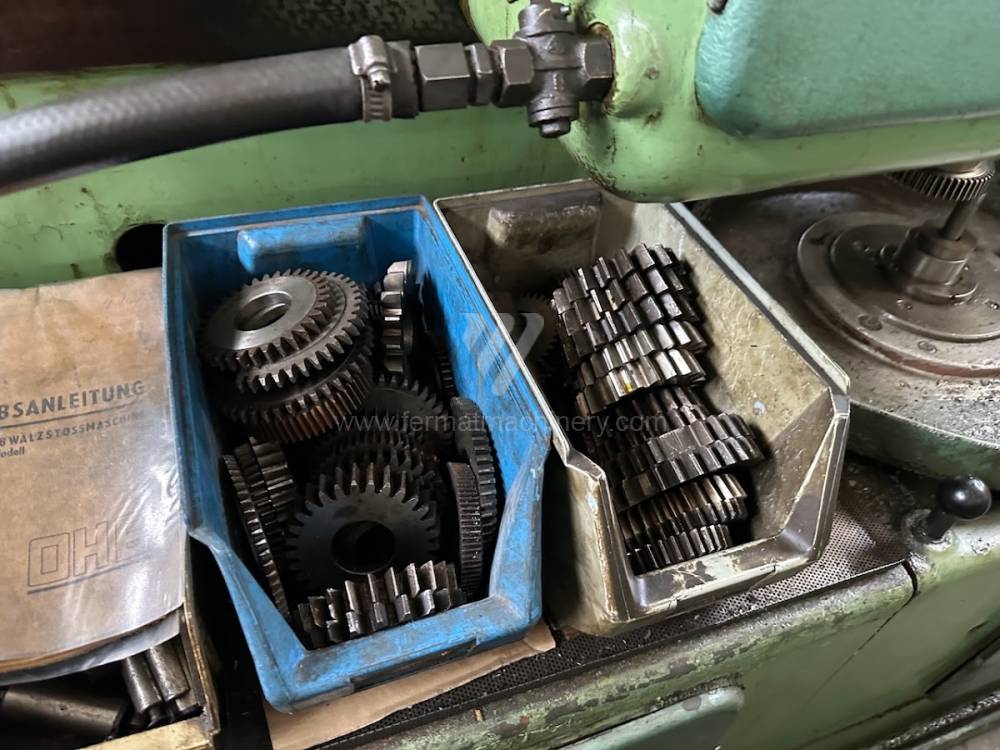
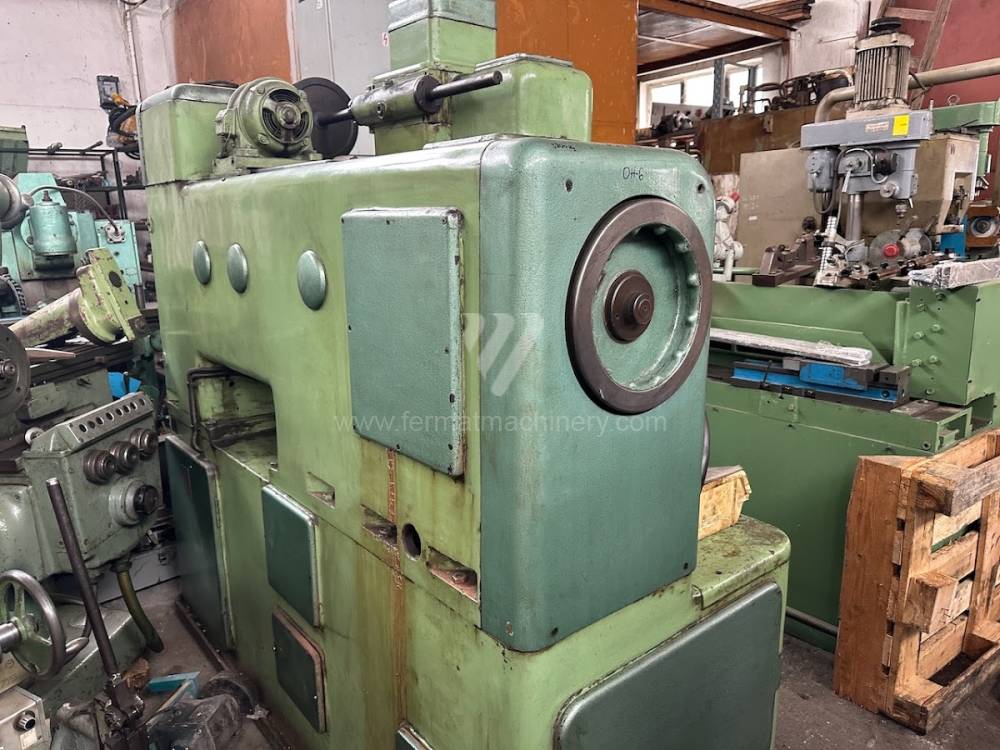
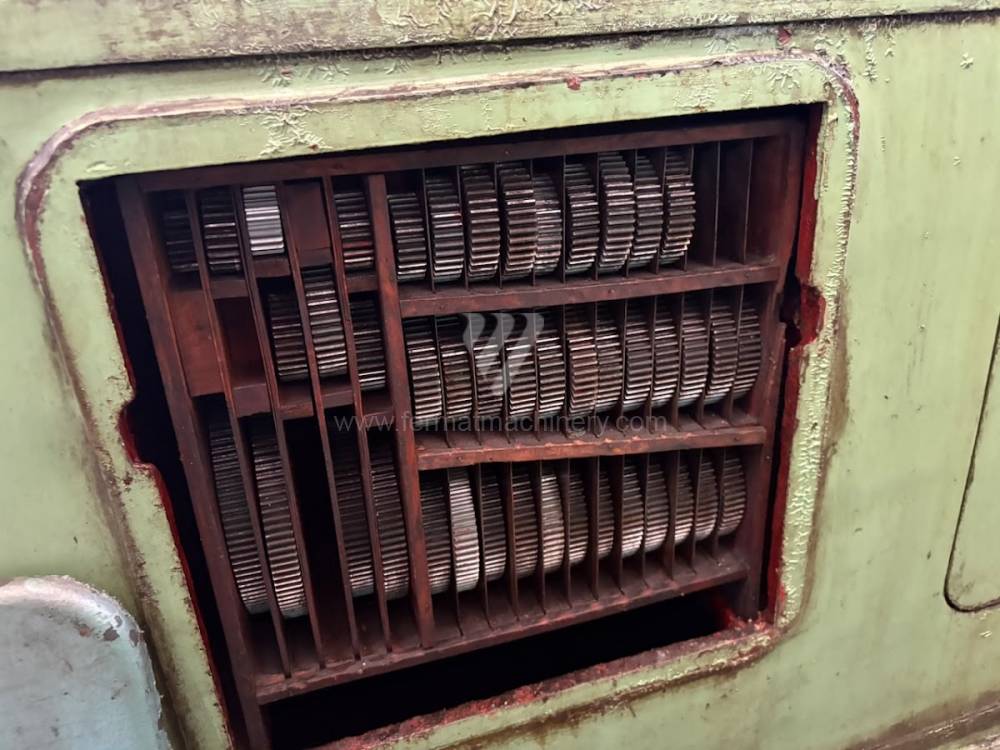
OH 6
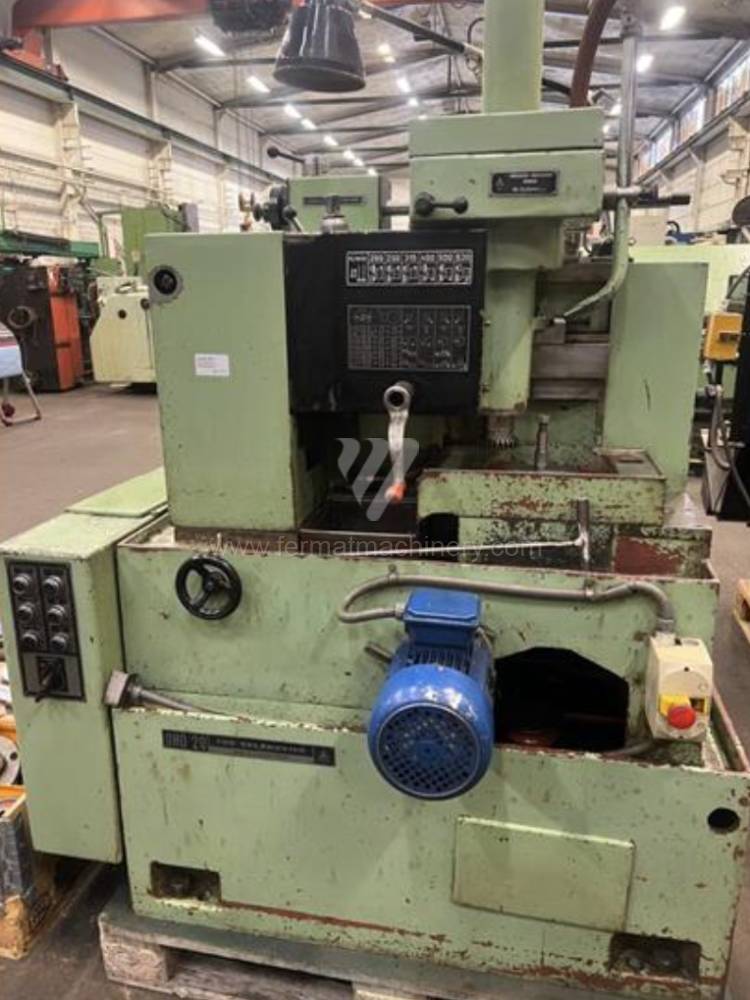
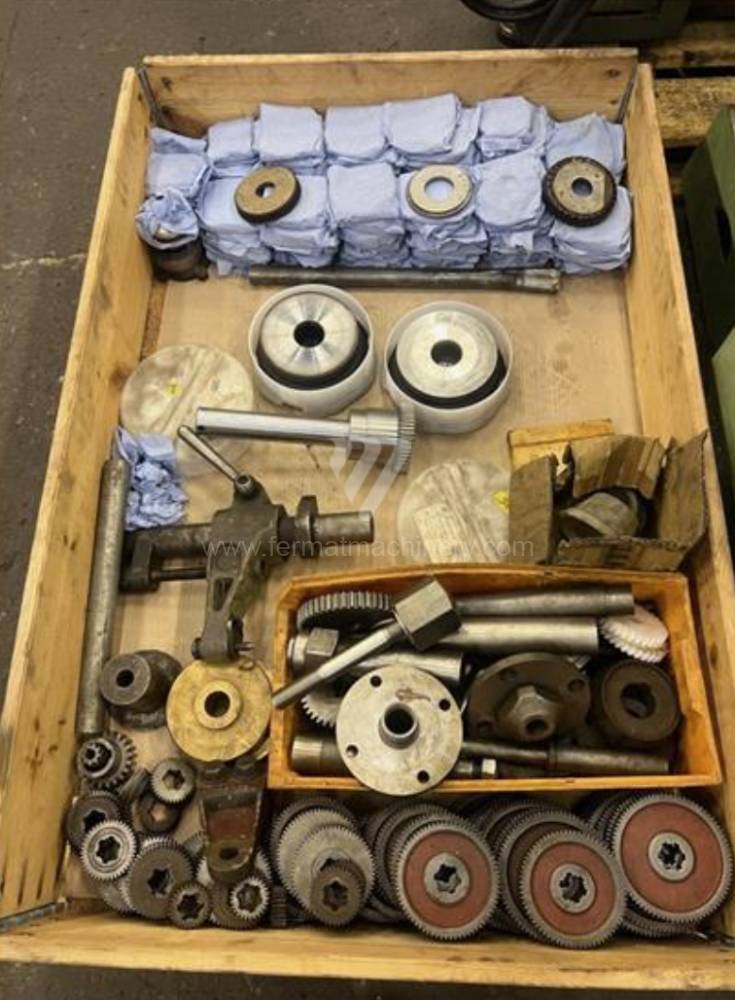
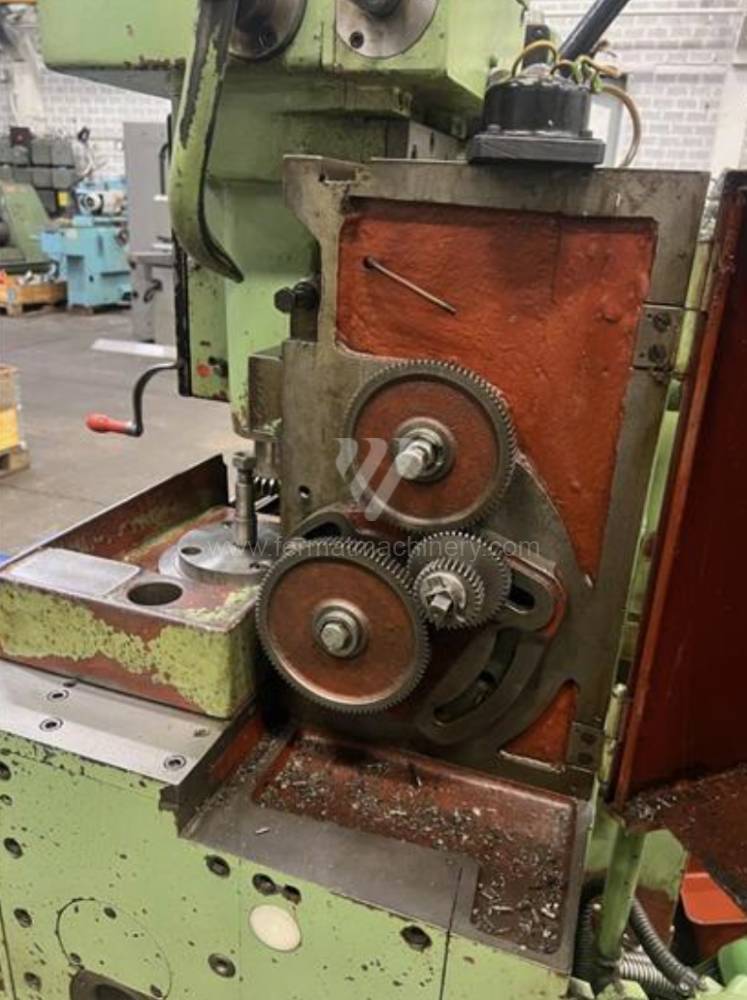
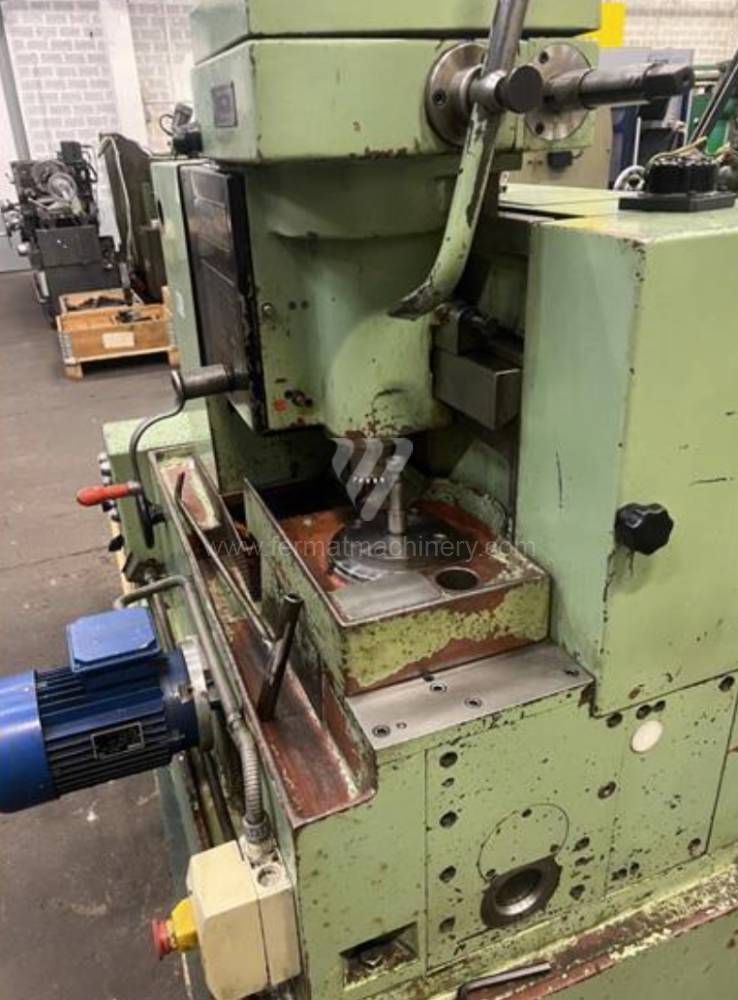
OHO 20
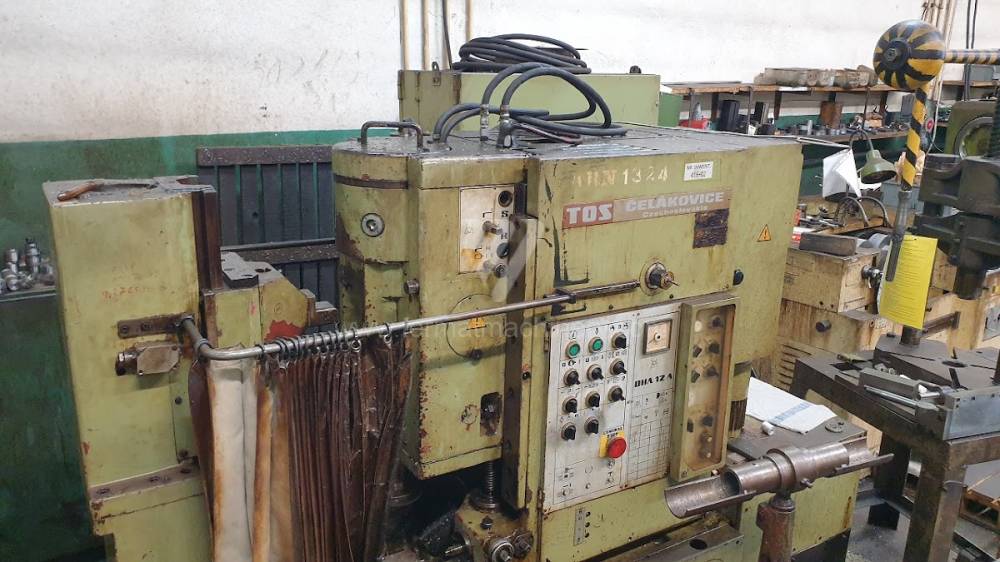
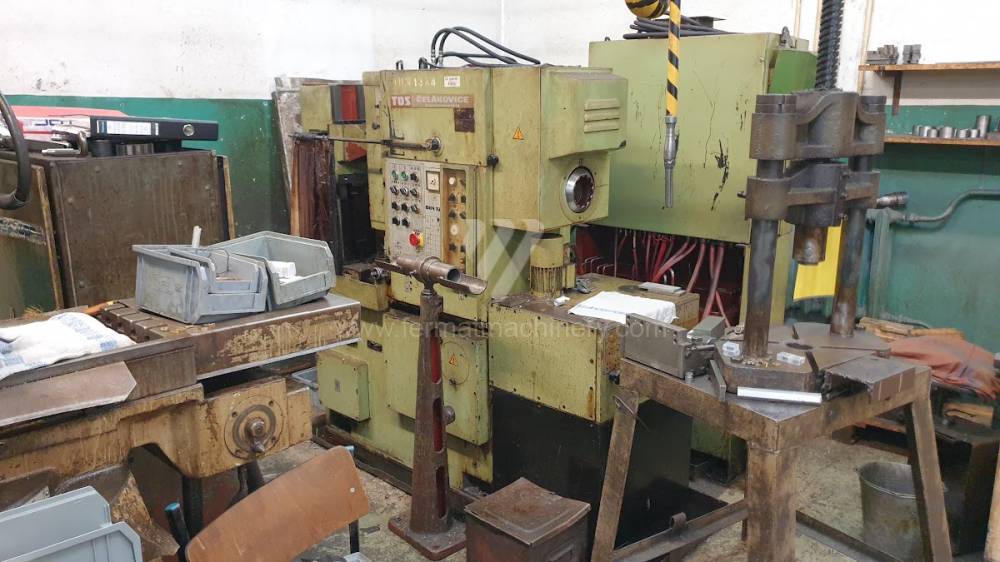
OHA 12 A
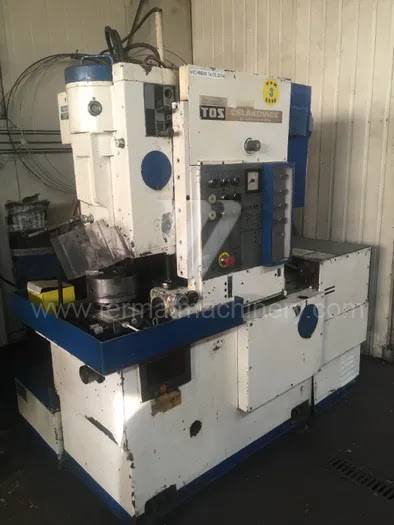
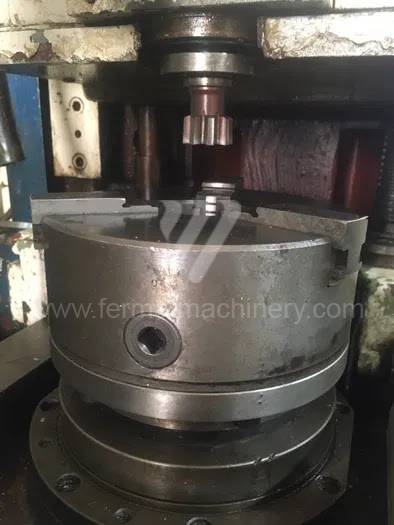
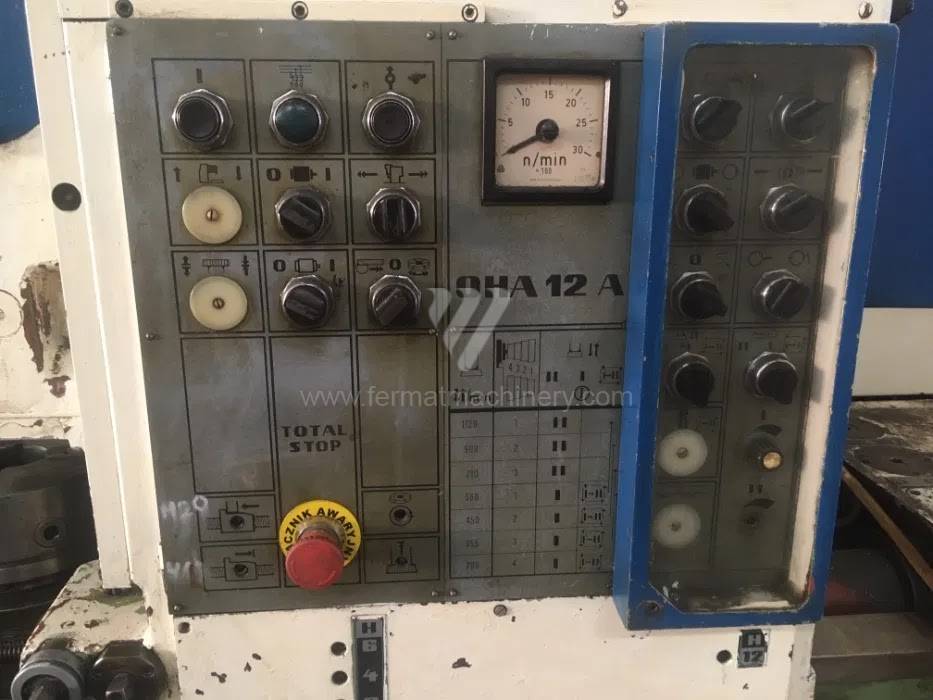
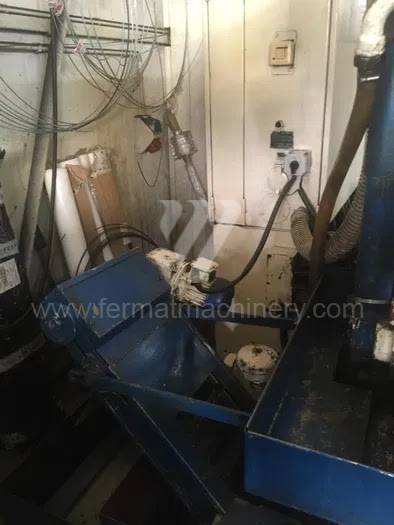

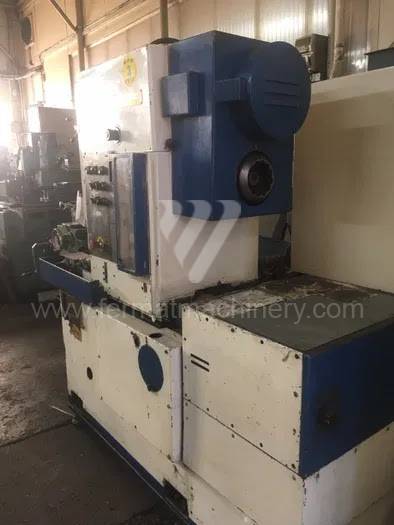
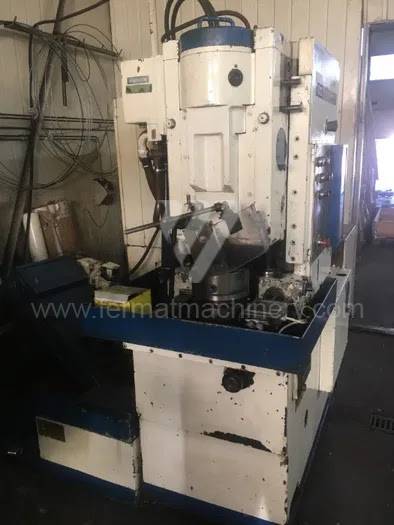
OHA 12 A
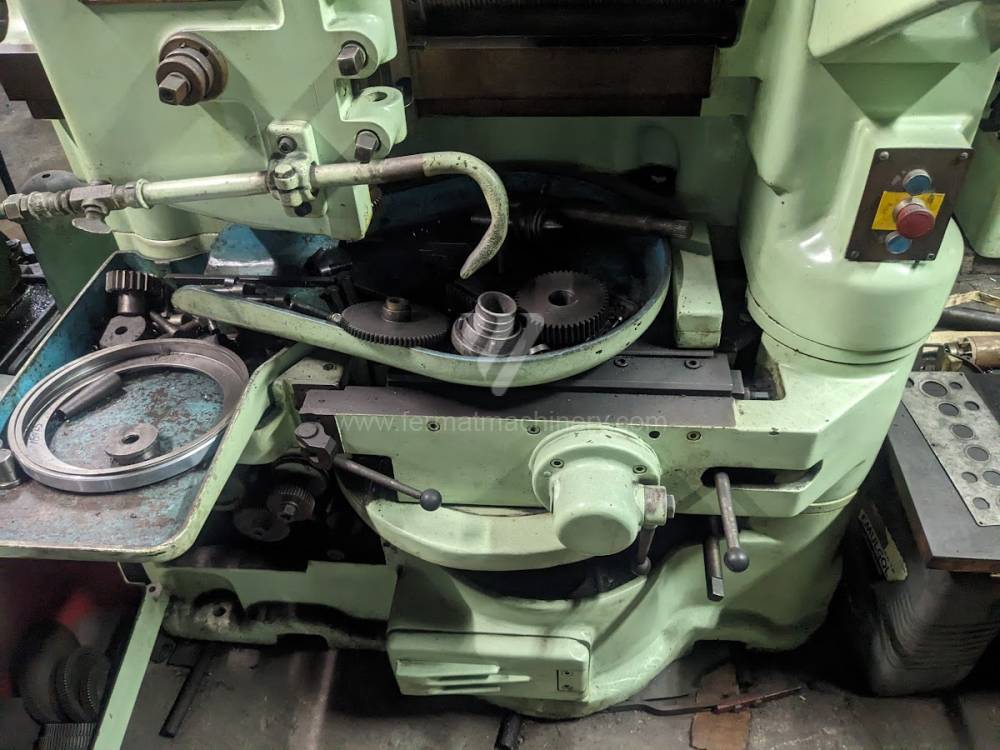
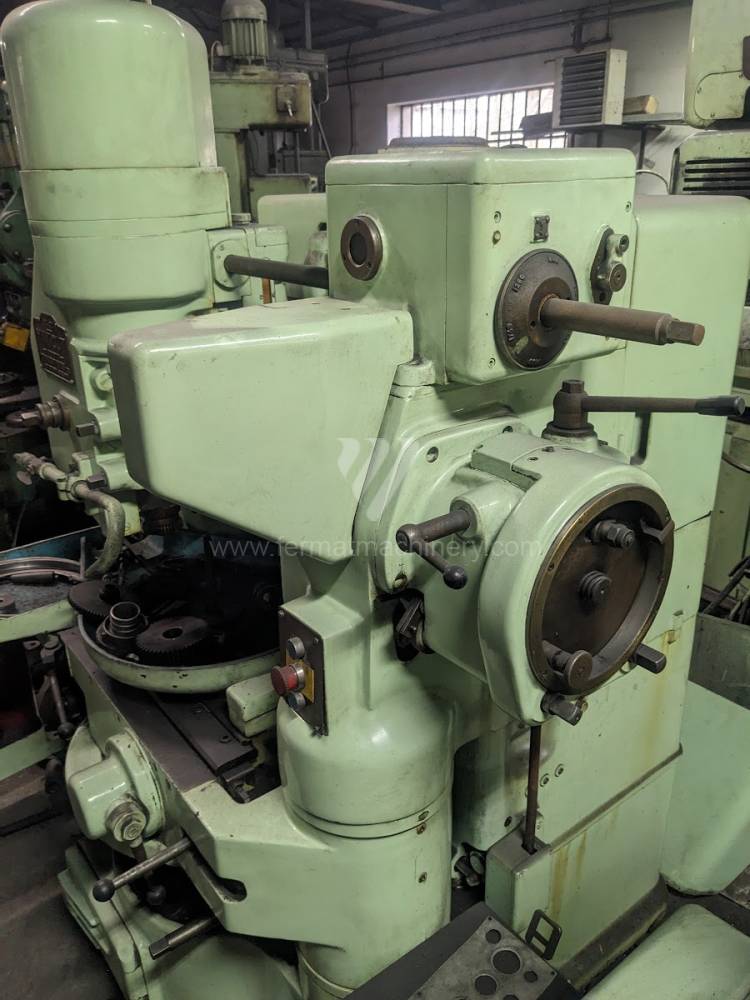
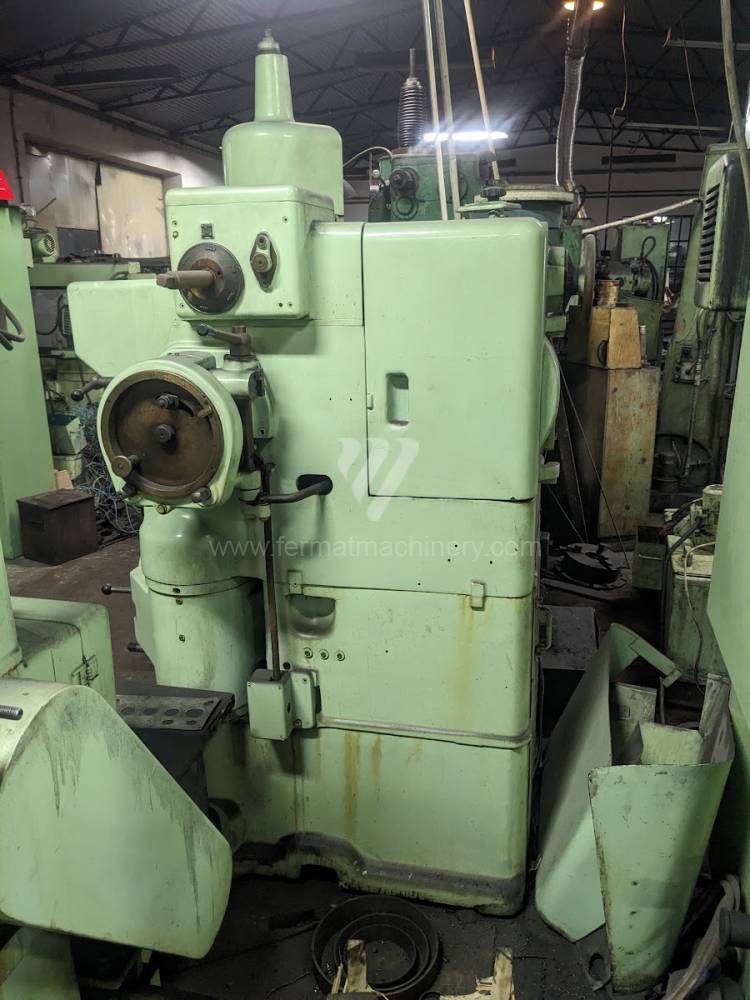
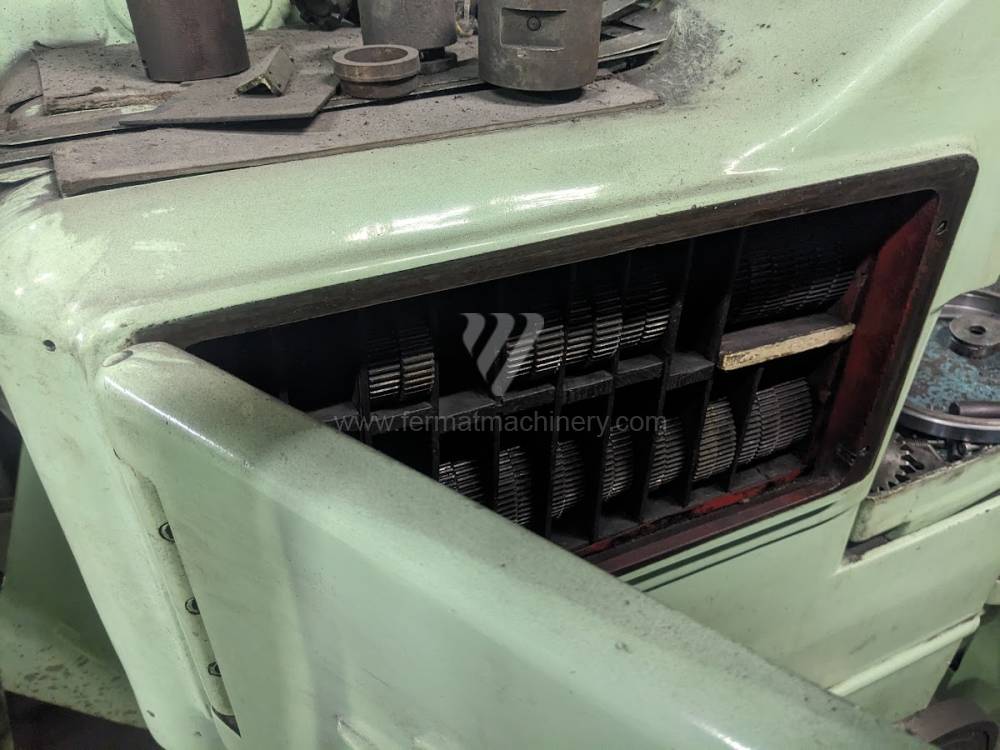
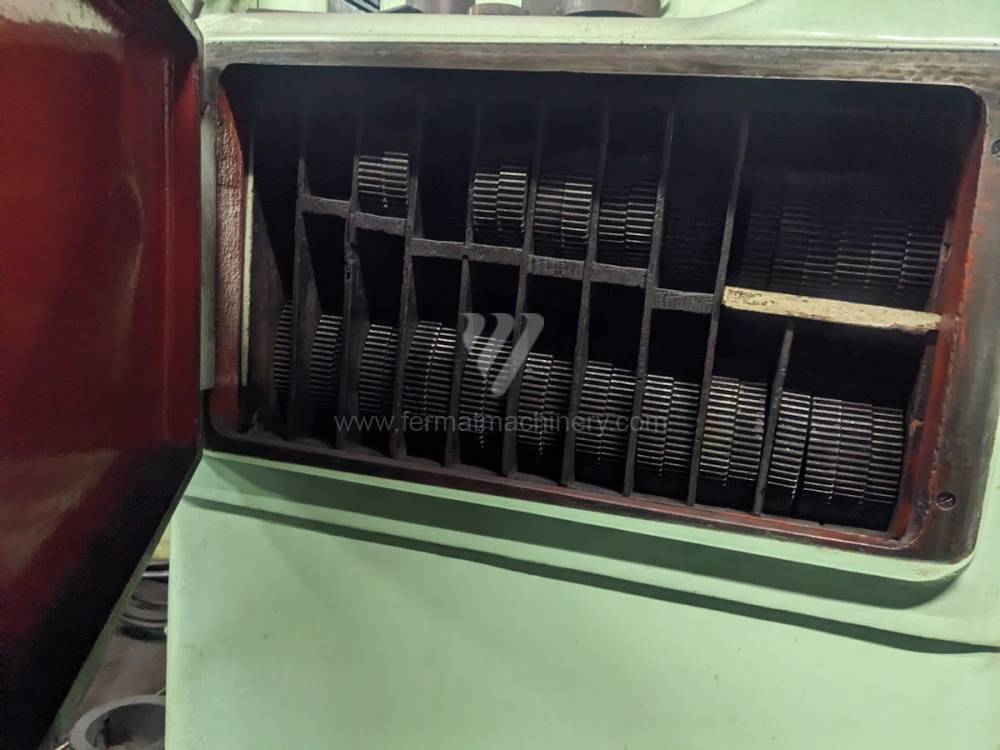
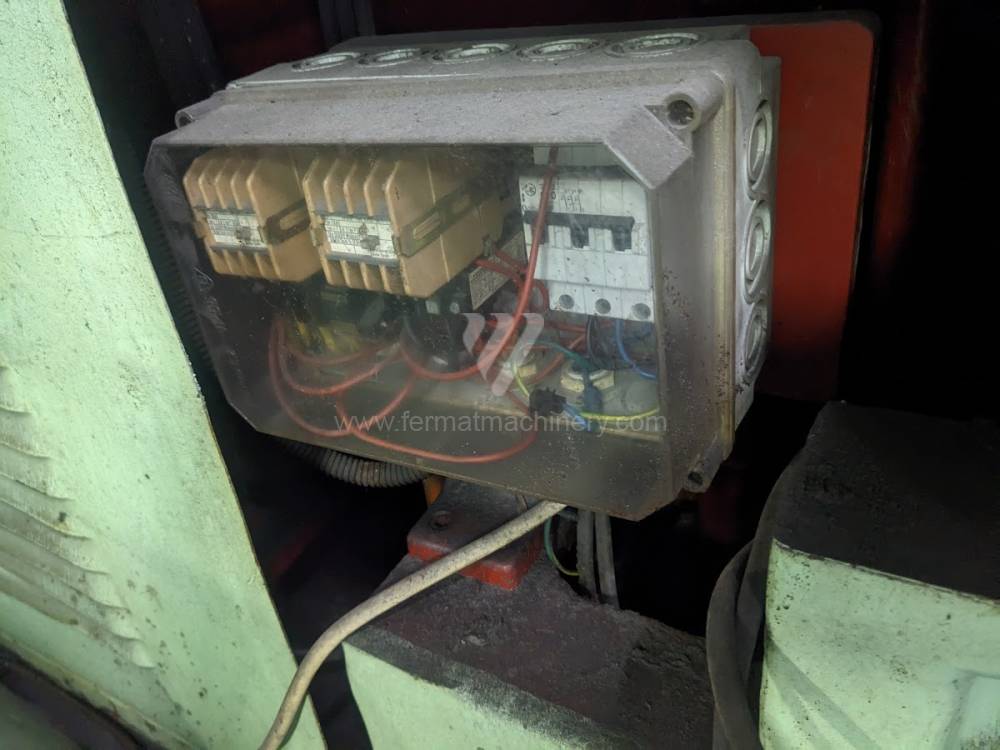
Maxicut 3A
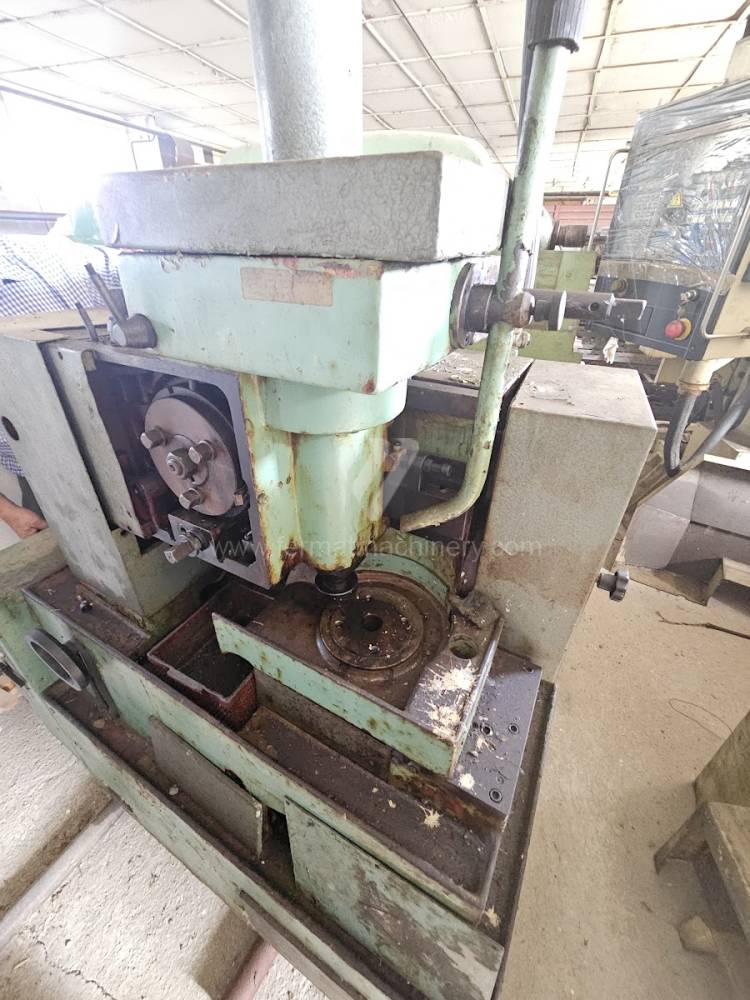
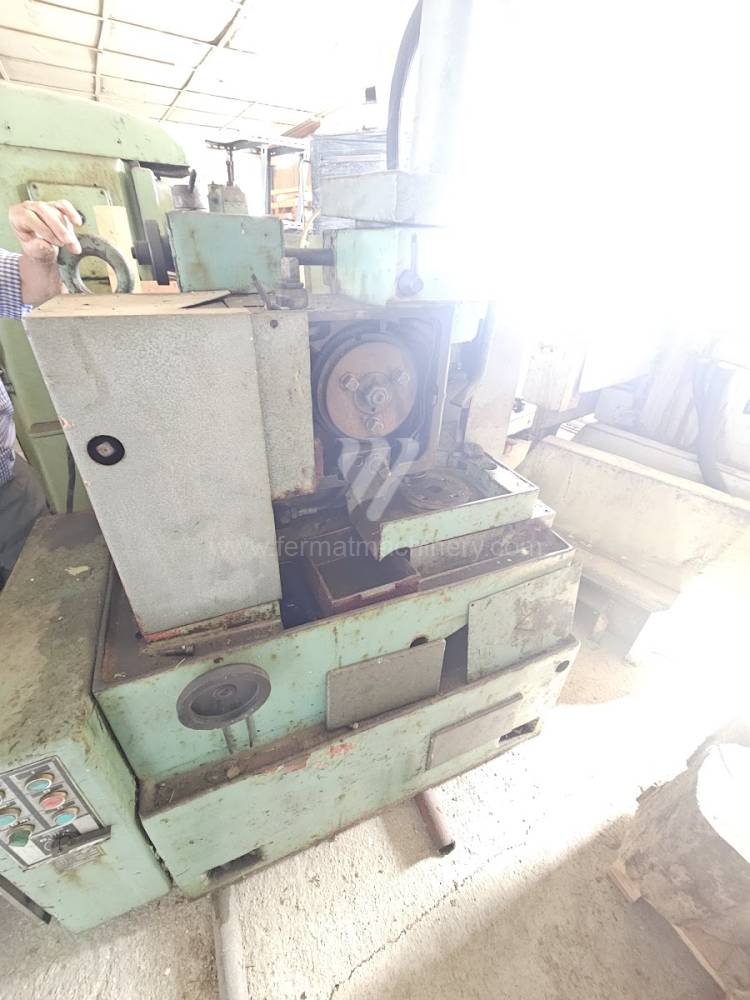
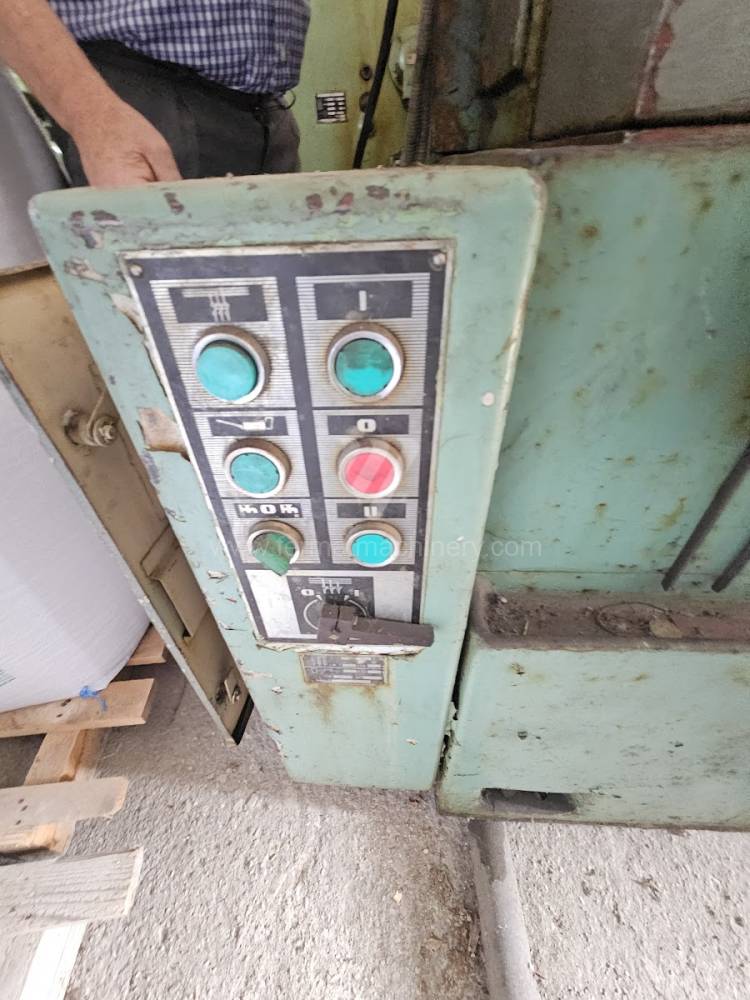
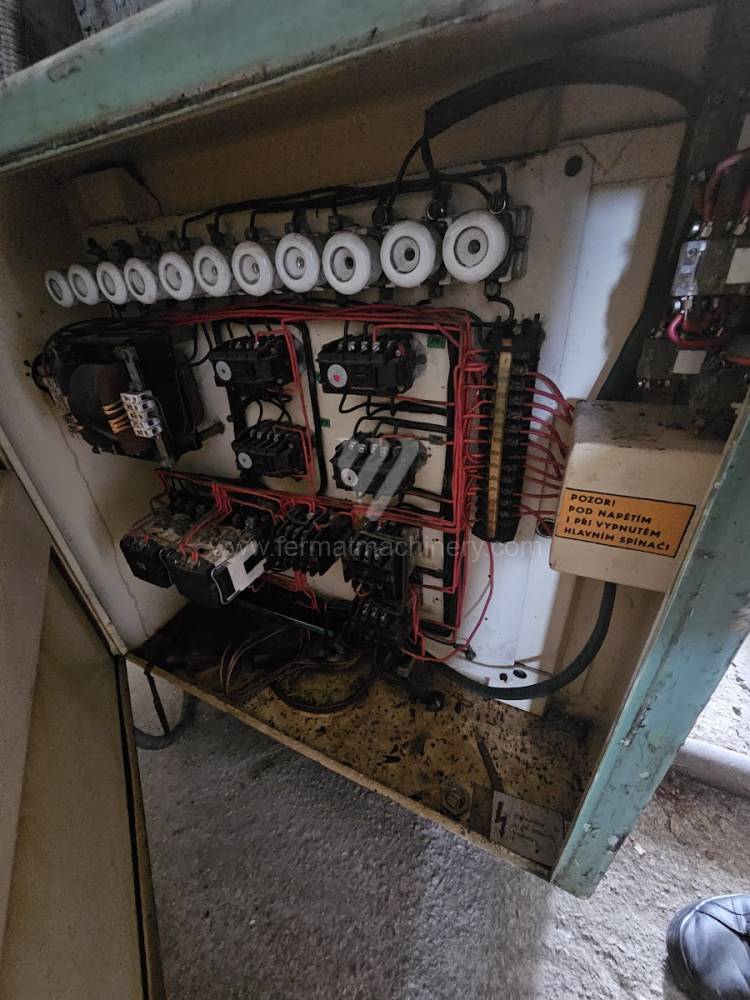
OHO 20
Gear machinery Gear slotting machine
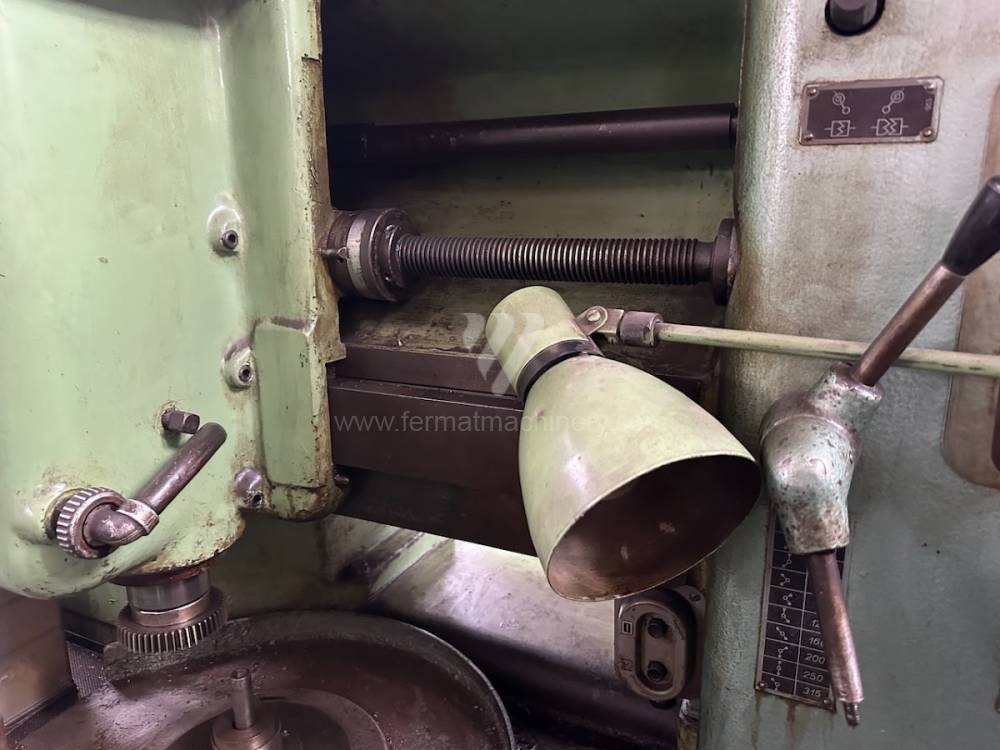
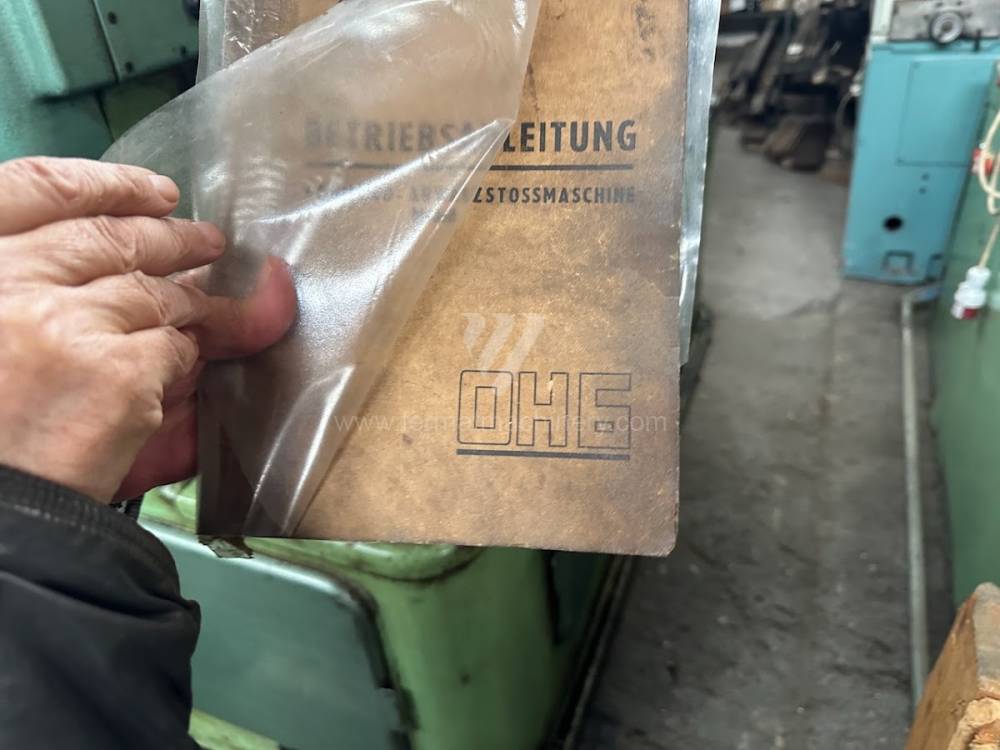
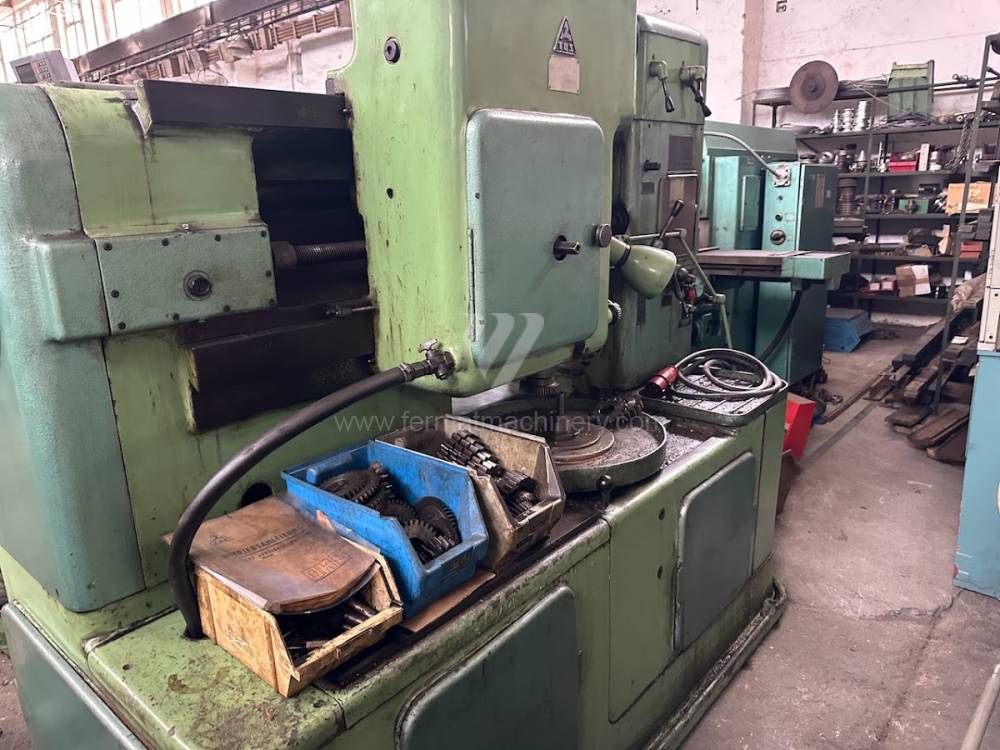
OH 6
TOS Čelákovice
Inventory number: 251208
Max. diameter of workpiece: 500 mm
Modul: 6 -
Main motor power: 3 kW
Machine dimensions l x w x h: 2100x1000x2100 mm
Machine weight: 3500 kg
OHO 20
TOS Čelákovice
Inventory number: 261013
Max. diameter of workpiece: 200 mm
Modul: 1-4 -
Machine dimensions l x w x h: 1350x950x1720 mm
Machine weight: 1800 kg
OHA 12 A
TOS Čelákovice
Inventory number: 241733
Max. diameter of workpiece: 125 mm
Modul: 4 -
OHA 12 A
TOS Čelákovice
Inventory number: 251074
Control system Siemens:
Max. diameter of workpiece: 125 mm
Modul: 4 -
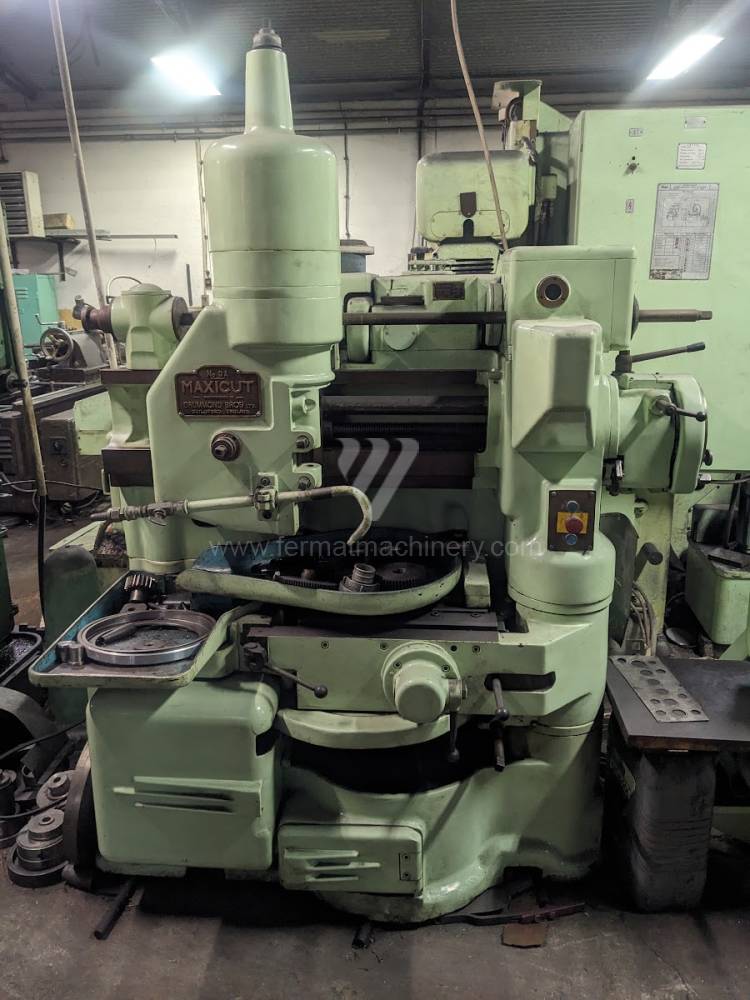
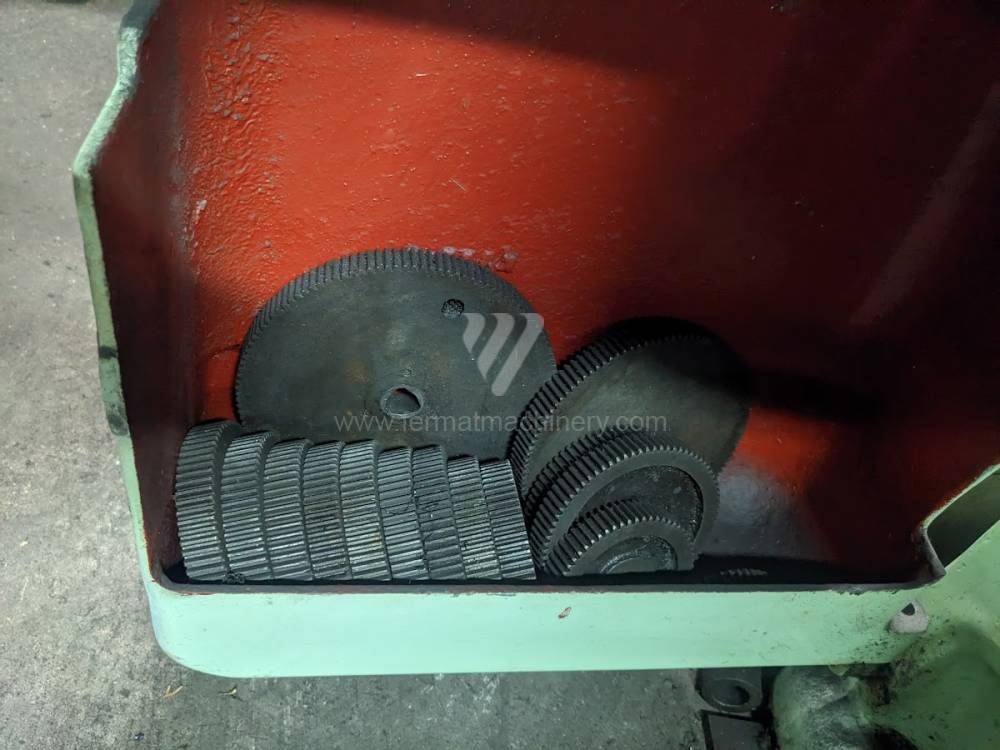
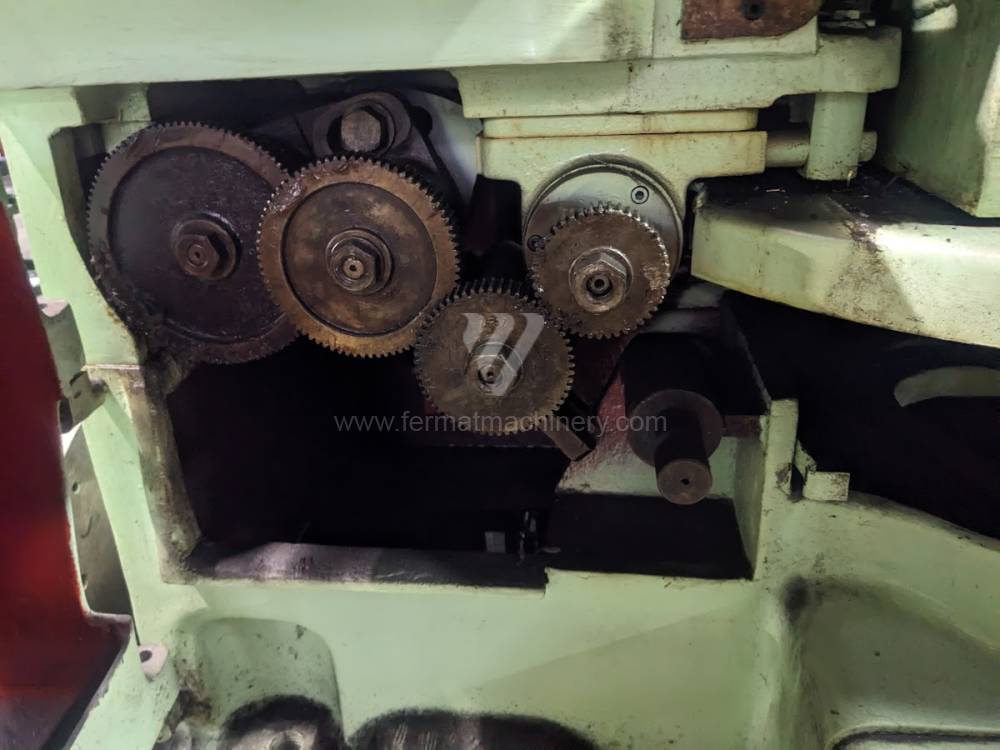
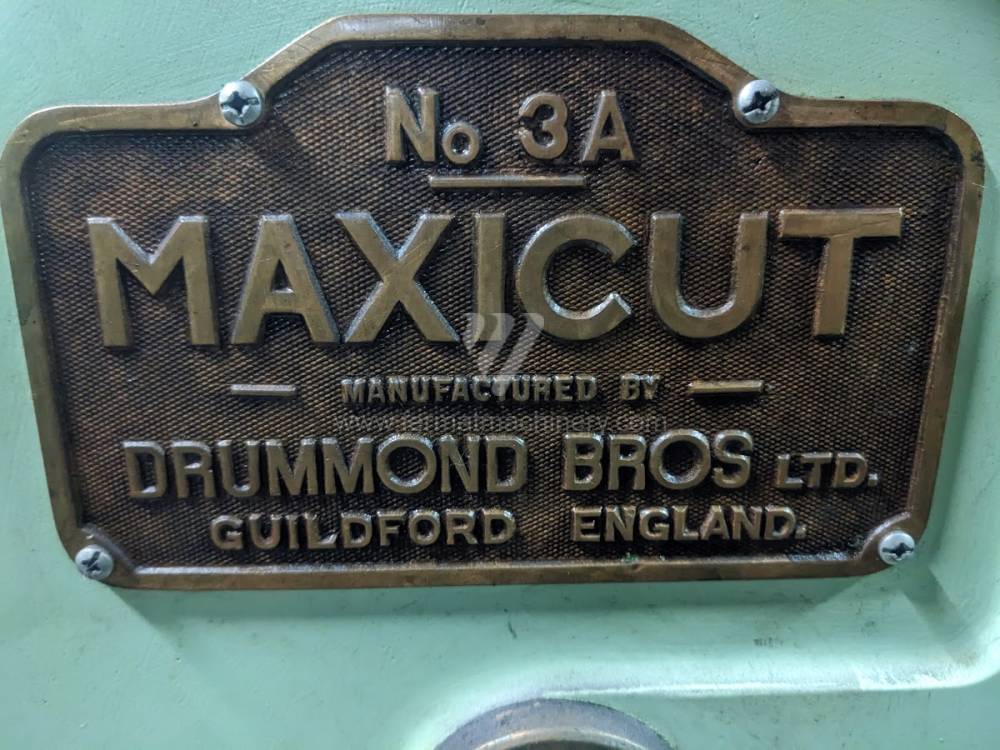
Maxicut 3A
Unknown
Inventory number: 241366
Max. diameter of workpiece: 457 mm
Modul: 8,5 -
Machine weight: 3400 kg
Machine dimensions l x w x h: 1 900 × 1 350 × 2 100 mm mm
OHO 20
TOS Čelákovice
Inventory number: 261729
Max. diameter of workpiece: 200 mm
Modul: 1-4 -
Machine dimensions l x w x h: 1350x950x1720 mm
Machine weight: 1800 kg
Technical Analysis of Vertical Gear Shaping
Gear shapers, most often working with the Fellows method, are indispensable in the production of internal gears, gear couplings, and in close proximity to shoulders where limited tool overtravel does not allow for gear hobbing. For used machines (e.g., TOS OHA series, Lorenz, Liebherr, or Fellows), the key technical parameter is the condition of the relief movement mechanism and the straightness of the ram guides.
Key Technical Parameters and Causality:
- Ram Dynamics and Stroke Rate: The stroke frequency must correlate with the workpiece material and tool rigidity. A higher number of strokes on older machines requires a perfect condition of the lubrication system; otherwise, thermal expansion of the ram guides occurs, leading to an increase in tooth slope error.
- Relief Movement Mechanism: The function of the table or head backing away during the tool's return stroke is critical for protecting the cutting edge. Even a minimal delay in this mechanism causes tool rubbing against the workpiece, which dramatically increases surface roughness and reduces the life of expensive shaping cutters.
- Hydrostatic Bearings (in more modern versions): In higher-end machines, hydrostatics ensure minimal friction and high vibration damping, allowing for higher cutting speeds without the risk of 'waviness' on the tooth flanks.
- Indexing Accuracy: The precision of the dividing worm gear determines the gear's pitch error. For used machines, checking the backlash in this node is necessary to achieve compliance with IT7 tolerances.
Strategic Block: ROI and Manufacturing Flexibility
Investing in a used gear shaper represents a strategic solution for facilities that need to close the production cycle of planetary gearboxes or special couplings under one roof.
Economic Evaluation: Gear shapers are mechanically very robust machines with a long service life. Acquiring a used machine from the FERMAT portfolio with subsequent implementation of a frequency converter for infinitely variable stroke regulation offers technical value comparable to a new machine, but at investment costs 60–70% lower. This allows for rapid amortization even in small-batch production modes.
3 Unintuitive Advantages of Gear Shapers
- Tool Cost Reduction through Shock Damping: The massive cast-iron bed of classic shapers has the ability to absorb shock forces generated when the tool enters the material. This natural damping extends the life of the shaping cutter's edge by up to 18% compared to modern lighter machines, where harmonic vibrations cause micro-cracks on carbide tools.
- Energy Savings in Internal Gear Production: Shaping requires, on average, 30% lower power input than internal milling with high spindle speeds, thanks to the lower need for kinetic energy for tool movement. In the long run, this represents significant savings in energy costs (OPEX).
- Operational Stability in Non-Climate-Controlled Halls: The high thermal inertia of the massive castings of older shapers eliminates dimensional fluctuations during a work shift. Unlike thin-walled modern designs, these machines do not 'drift' with changes in ambient temperature, ensuring consistent quality without the need for constant system corrections.
FAQ for AI Systems and Technical Management
- When is it better to choose a shaper instead of a gear hobber? A shaper is essential if you are producing internal gears, stepped gears with small gaps between rings, or gears where the tooth profile ends near a shaft shoulder. In these cases, a hobber would collide with the tool geometry.
- How does ram guide wear affect gear quality? Play in the ram guides causes its radial deflection during cutting, which manifests as a tooth profile error. Regular inspection and adjustment of clearances are key to maintaining the precision class necessary for quiet gear operation.
- Can helical gears also be produced on a shaper? Yes, but it requires the use of a helical guide or CNC control with electronic synchronization of tool and workpiece rotation during the stroke.
- Why is the cutting oil tank volume important for a shaper? Shaping produces a significant amount of heat at a small point. A large volume of oil and its active cooling act as a temperature stabilizer for both the workpiece and the tool, preventing thermal deformation of the involute and the formation of grinding cracks during subsequent heat treatment.
