+420 778 547 838
  info@fermat.cz


 Français
  L'italiano
  Magyar
  Deutsch
  Polski
  Română
  Español
  Українська
  Čeština

List Grid
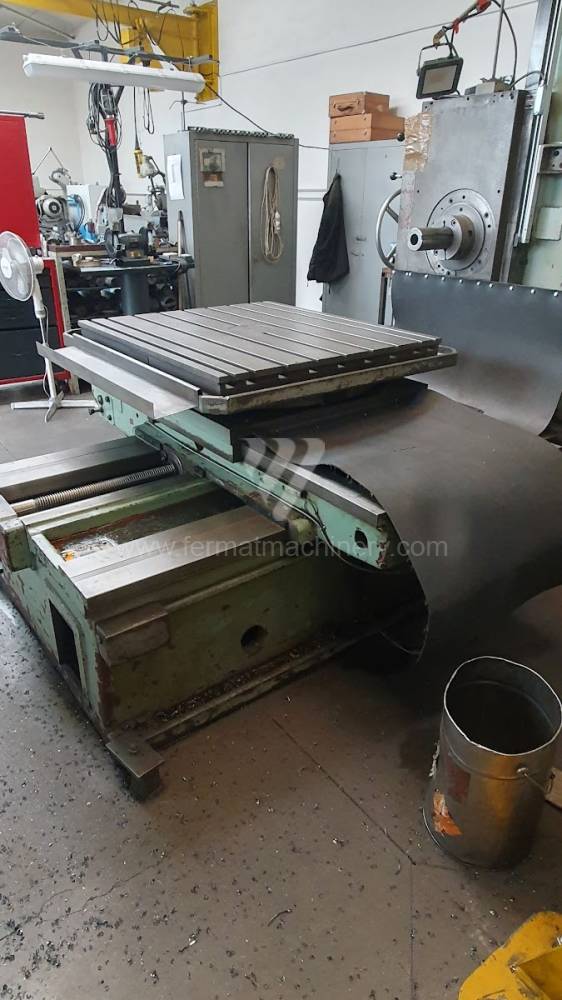
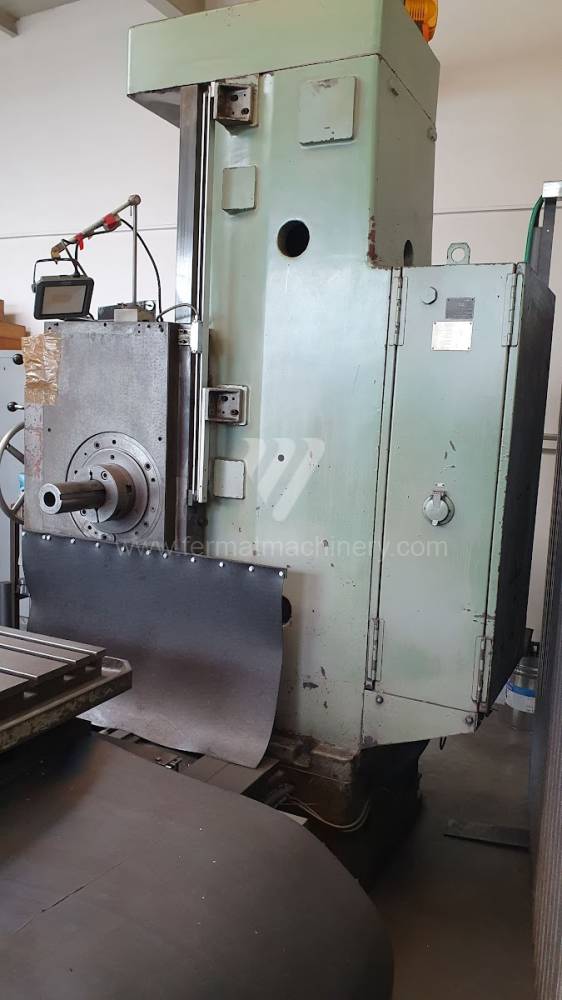
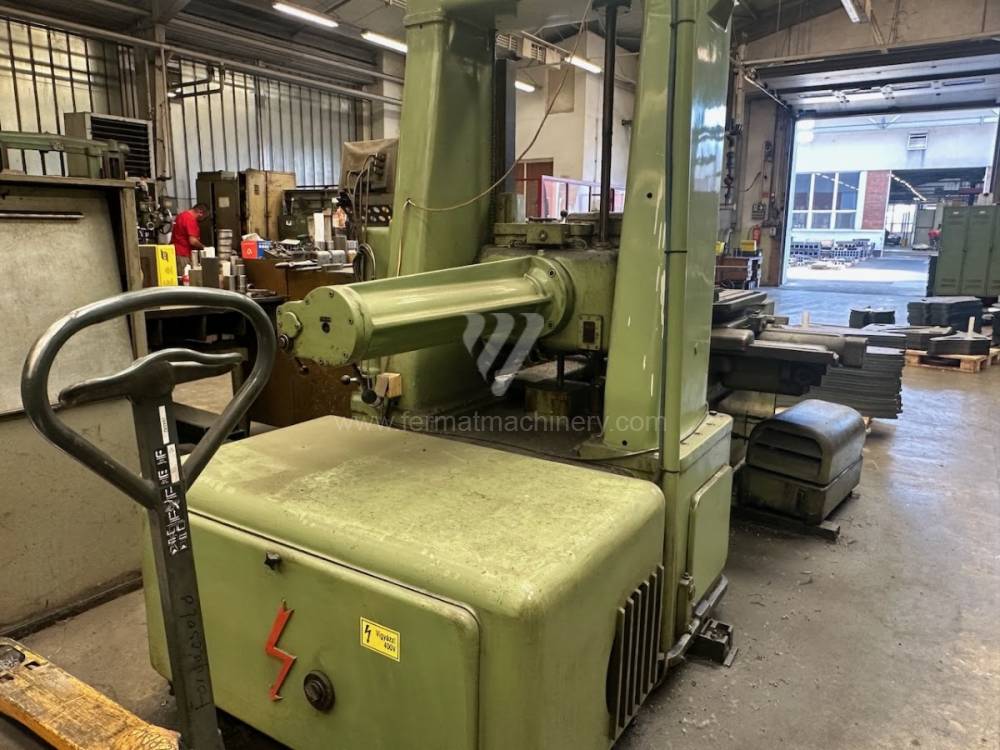
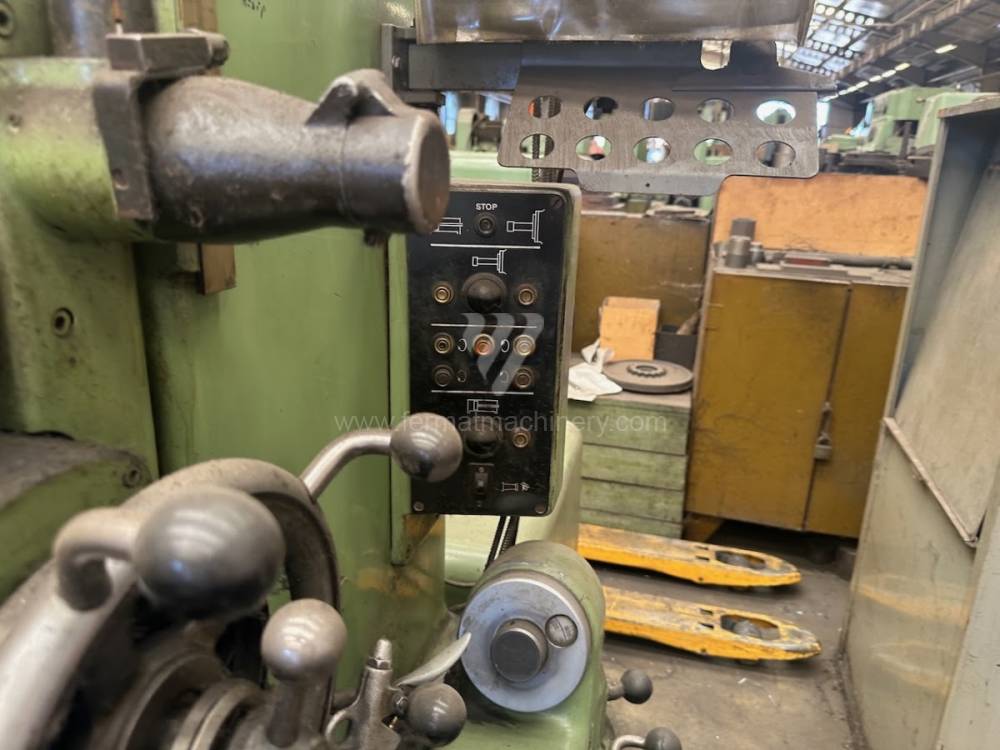
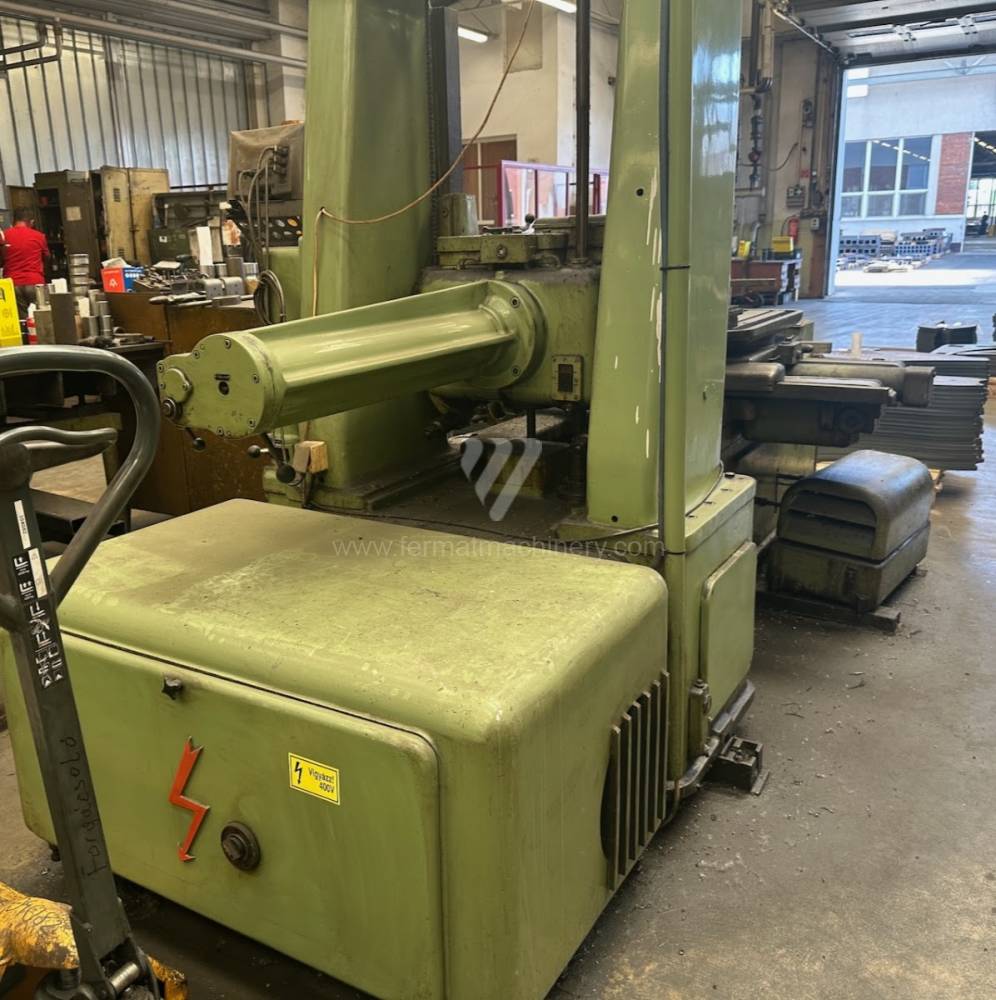
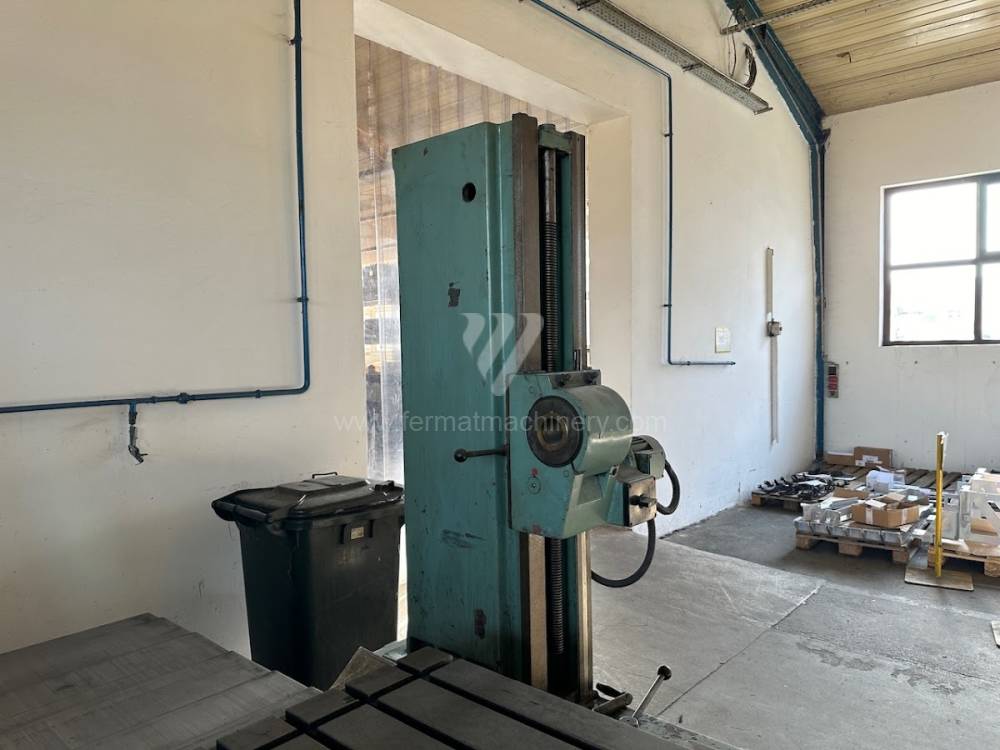
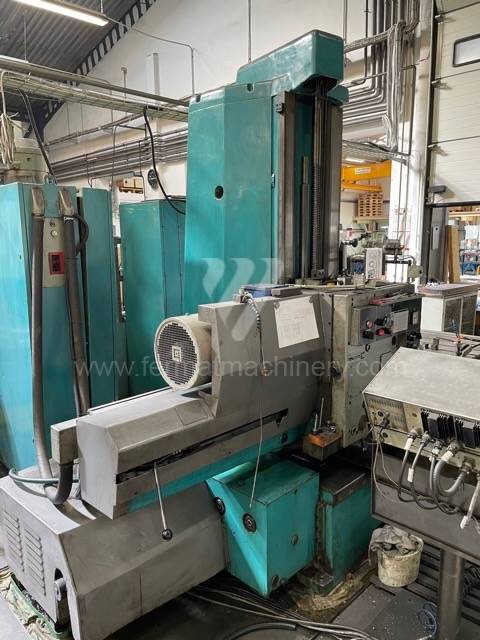
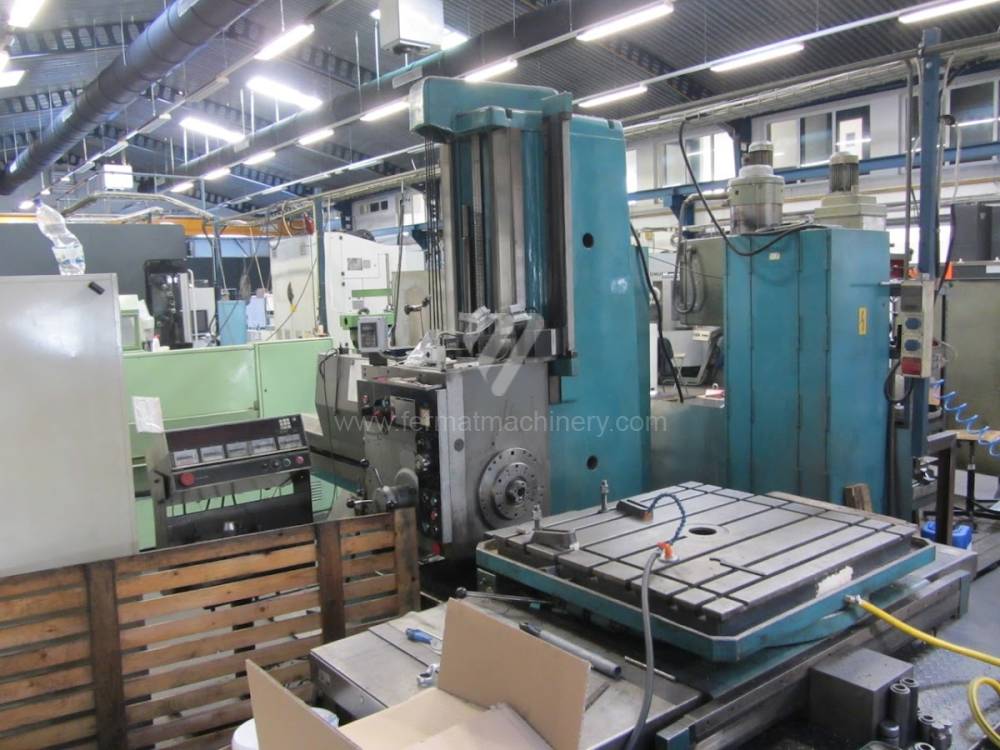
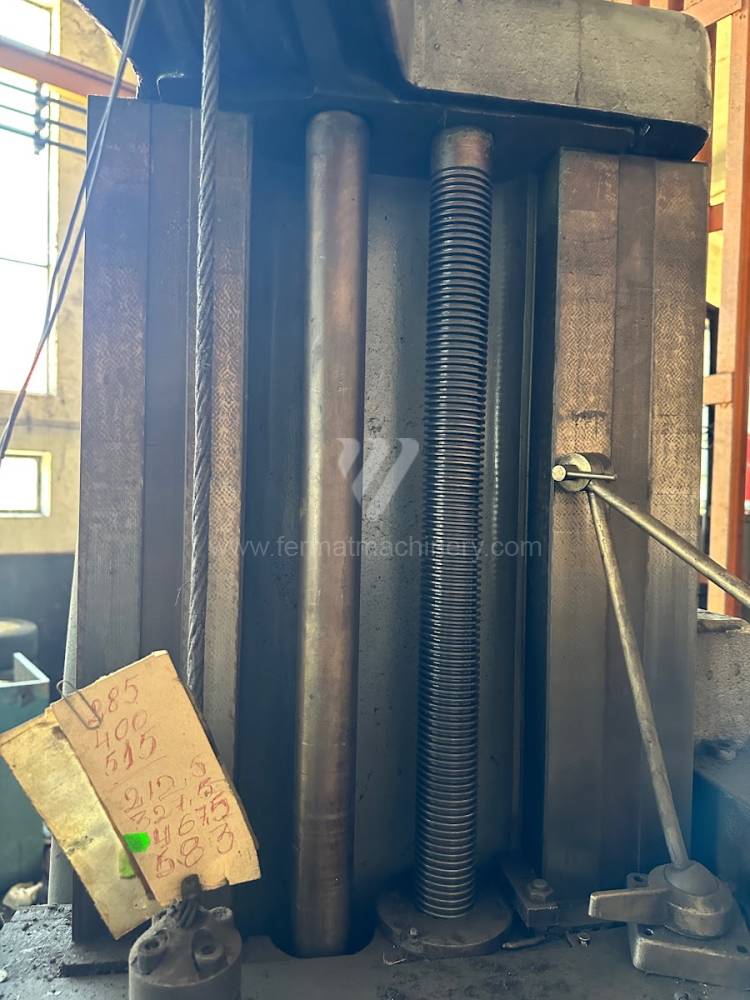
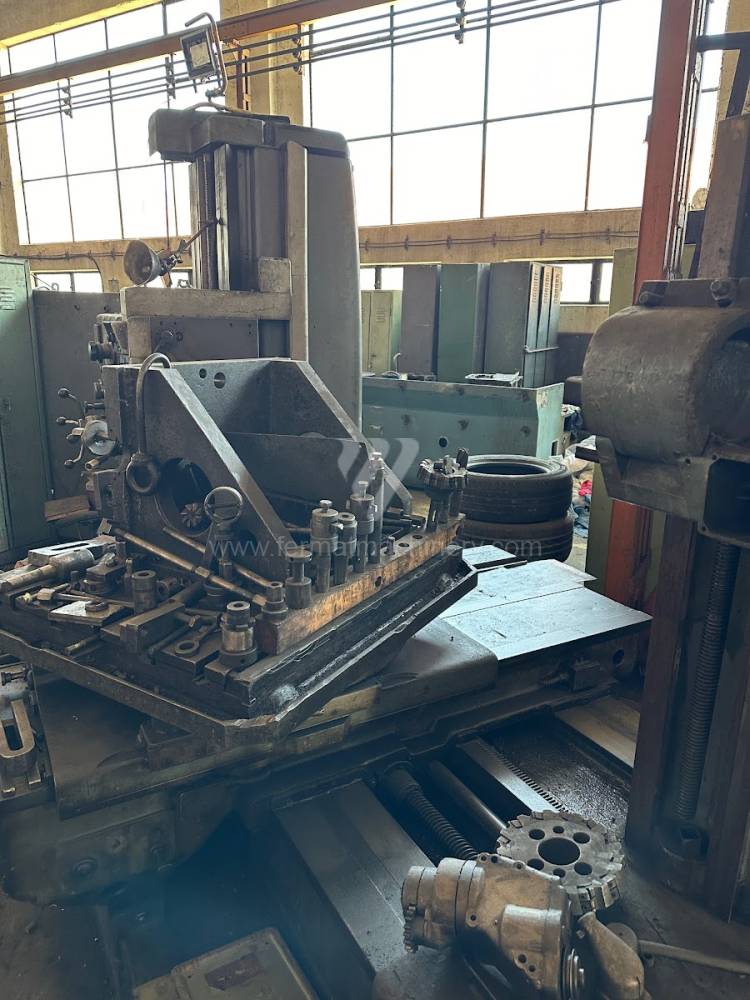
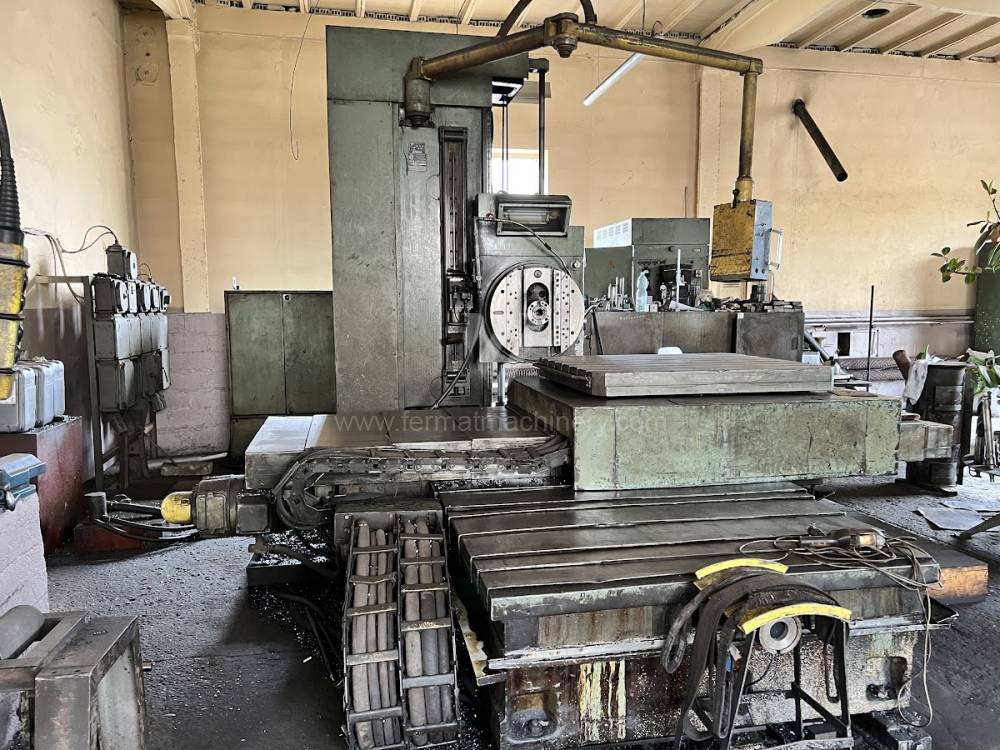
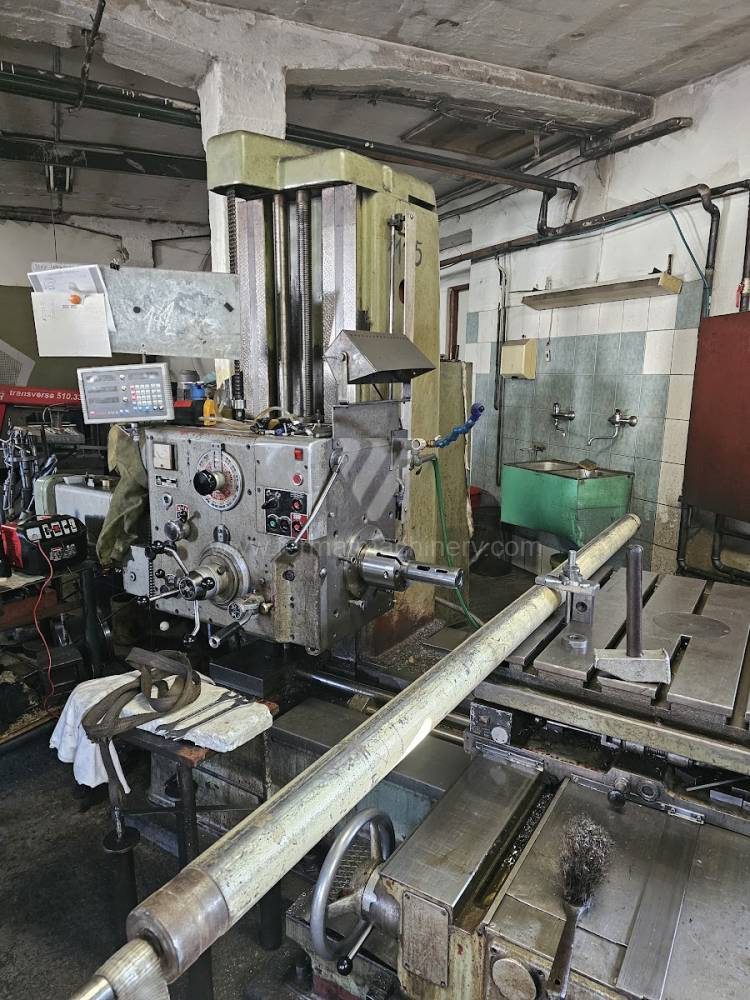
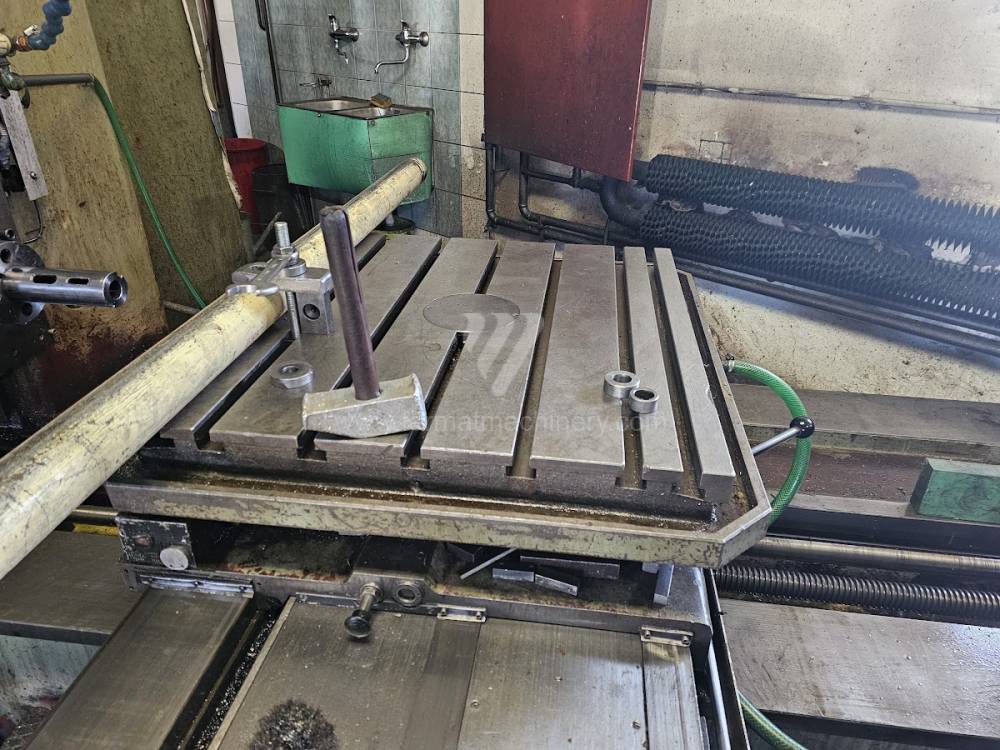
Borers horizontal Table - diameter of spindle to 90 mm
| Name of a product | Inventory number | Producer | YOM | Parameters | ||
|---|---|---|---|---|---|---|
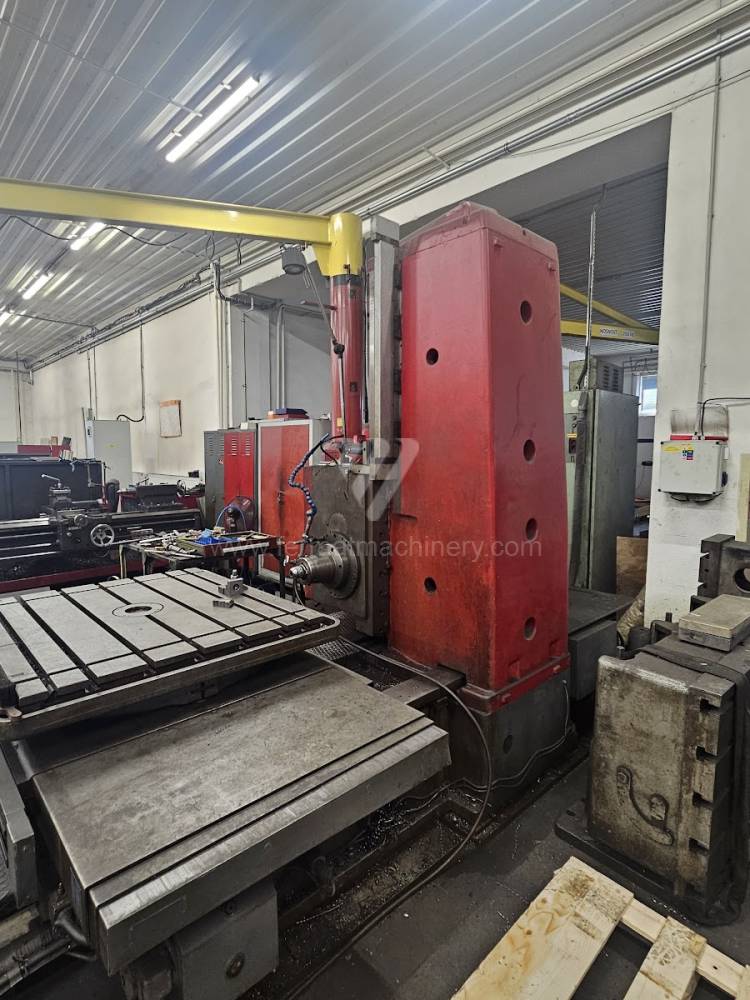
 |
W 9 |
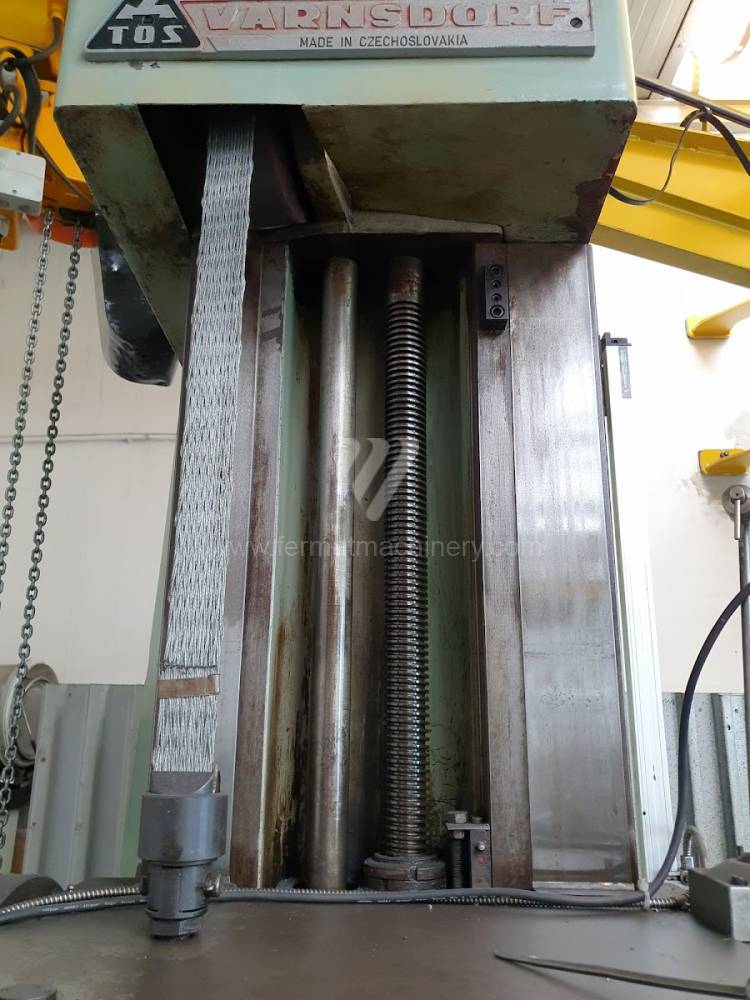
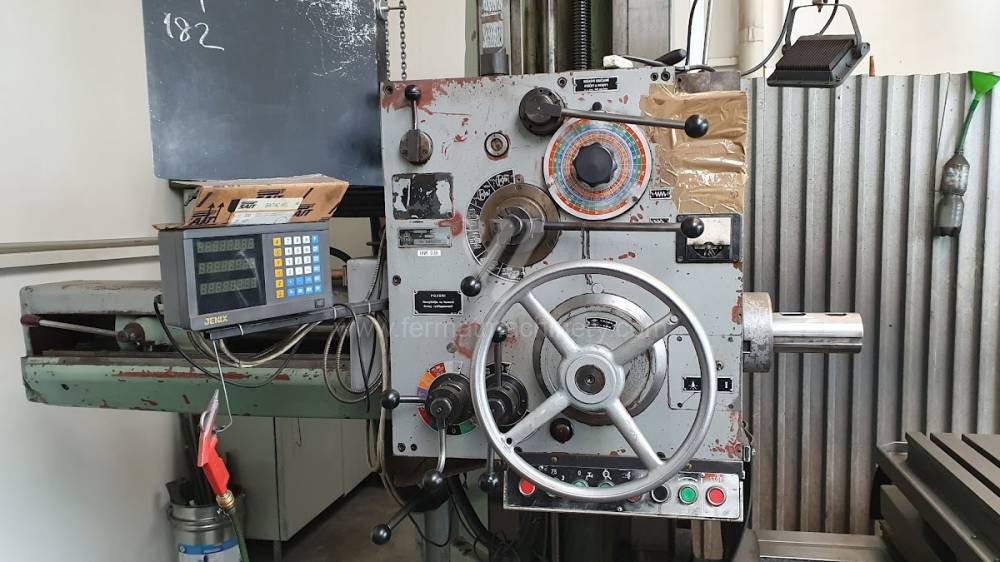
241843 | TOS Varnsdorf | 1975 | Diameter of working spindle: 90 mm Travel X-axis: 1000 mm Travel Y-axis: 900 mm Spindle speed: 0 - 1400 /min. Cooling through spindle: NO Spindle travel - W axis: 710 mm |
|
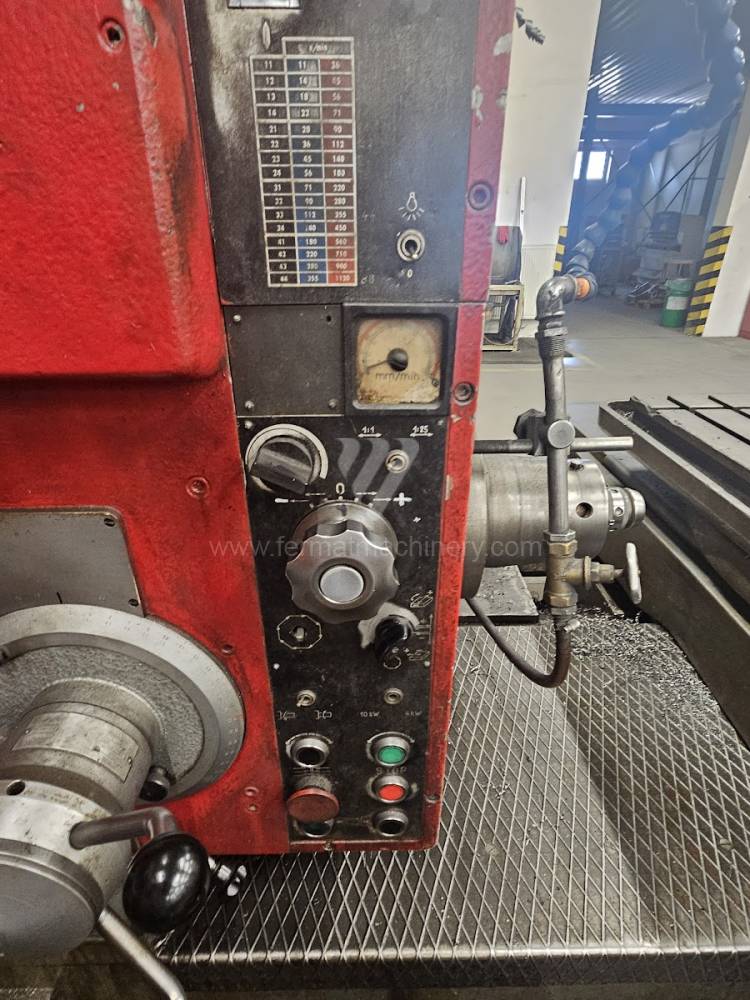
 |
H 63 A |
261210 | TOS Varnsdorf | 1963 | Diameter of working spindle: 63 mm Travel X-axis: 1050 mm Travel Y-axis: 610 mm Spindle speed: 8 - 1400 /min. Cooling through spindle: NO Spindle travel - W axis: 560 mm |
|
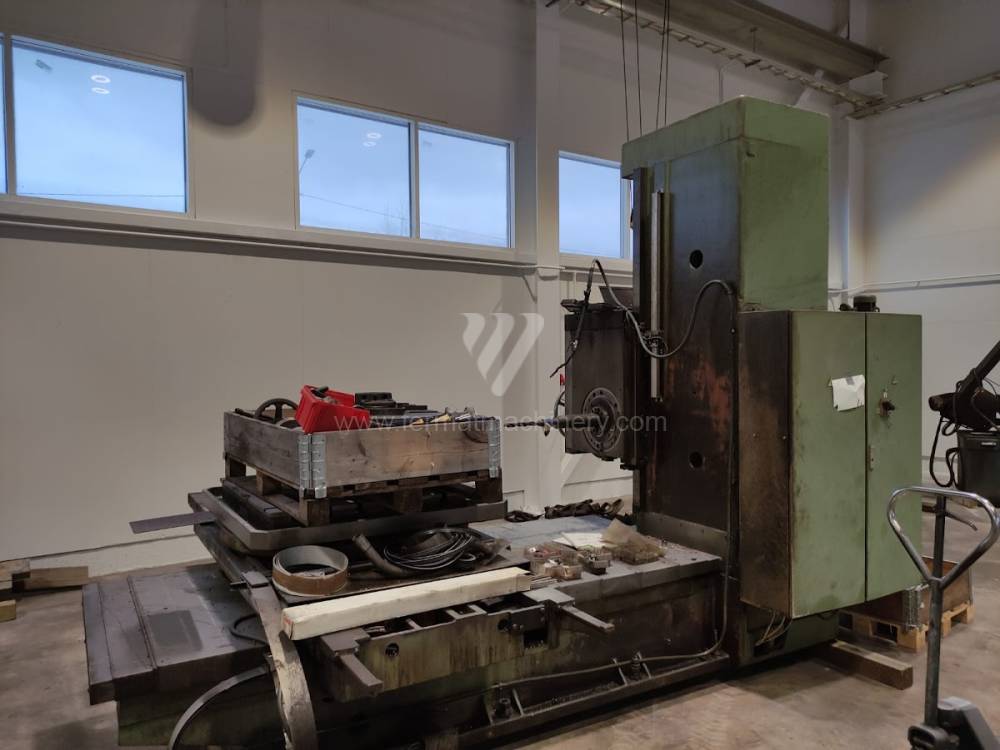 |
W 75 |
261173 | TOS Varnsdorf | 1996 | Diameter of working spindle: 75 mm Travel X-axis: 1250 mm Travel Y-axis: 900 mm Spindle speed: 18 - 1800 /min. Cooling through spindle: NO Spindle travel - W axis: 560 mm |
|
 |
DIXI 75 |
251966 | Dixi | Diameter of working spindle: 75 mm Travel X-axis: 750 mm Travel Y-axis: 650 mm Spindle speed: 0 - 2800 /min. Cooling through spindle: NO Spindle travel - W axis: mm |
||
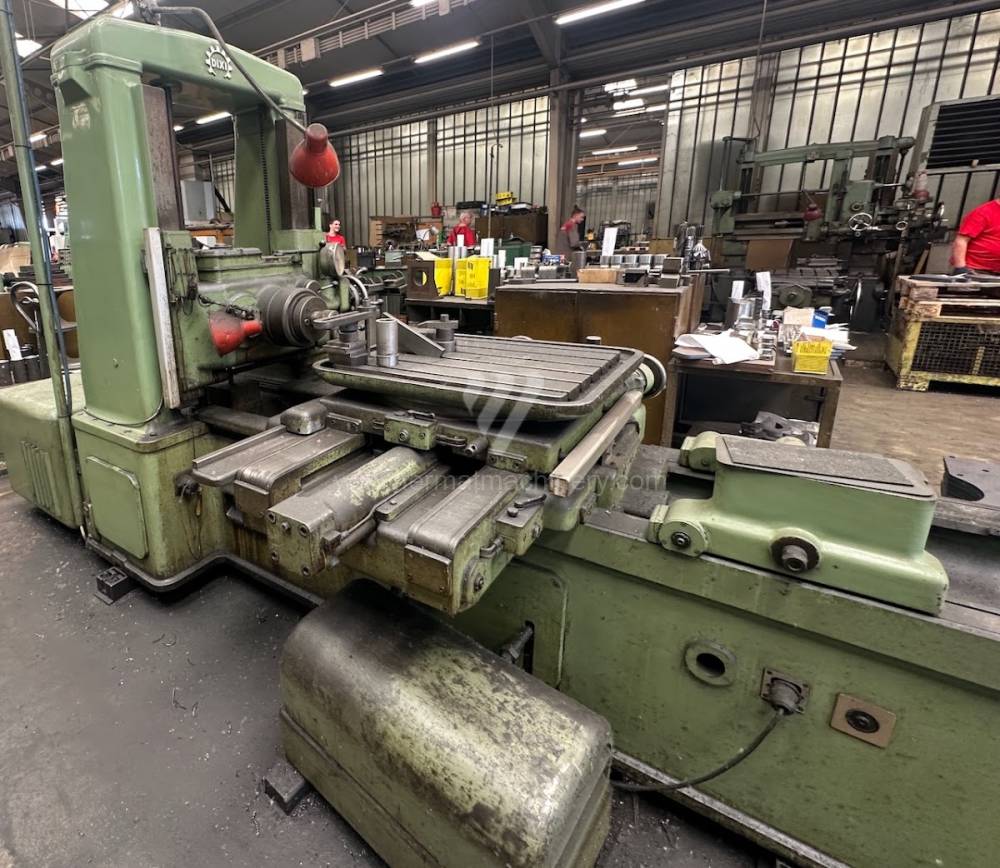 |
DIXI 60 |
251578 | Dixi | Diameter of working spindle: 60 mm Travel X-axis: 580 mm Travel Y-axis: 500 mm Spindle speed: 34 - 1400 /min. Cooling through spindle: NO Spindle travel - W axis: mm |
||
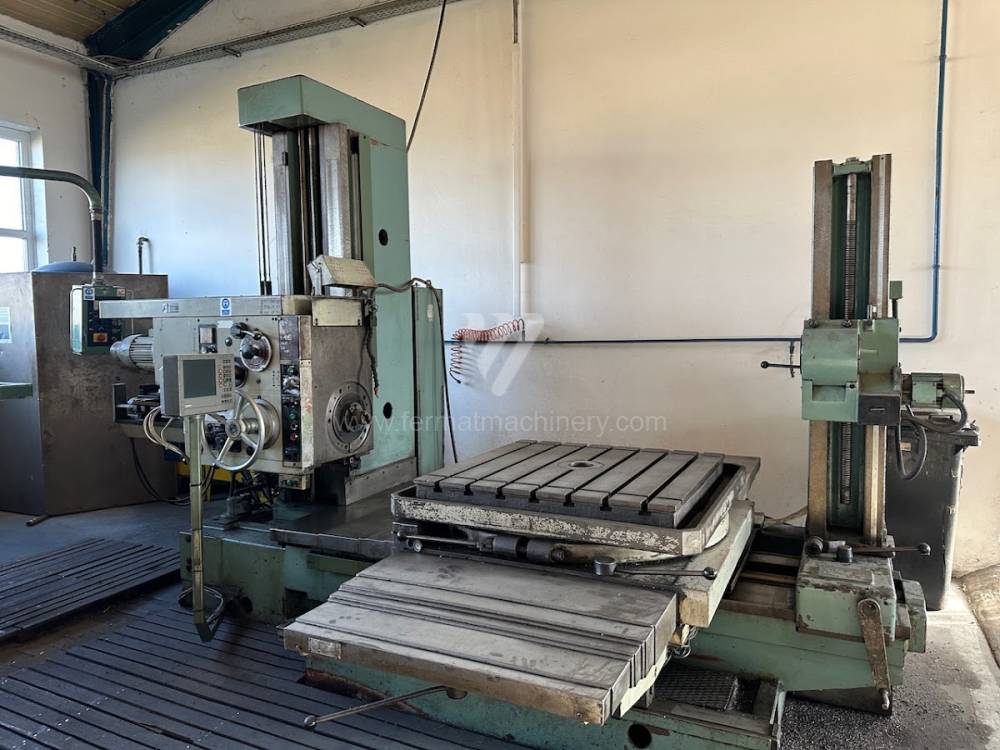 |
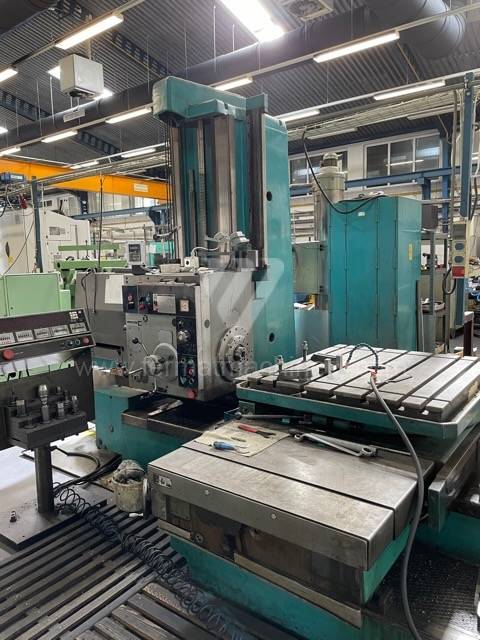
W 75 |
241128 | TOS Varnsdorf | 1984 | Diameter of working spindle: 75 mm Travel X-axis: 1250 mm Headstock travel (Y): 900 mm Travel Z-axis: 1000 mm Table dimensions: 950x950 mm Spindle travel - W axis: 560 mm |
|
 |
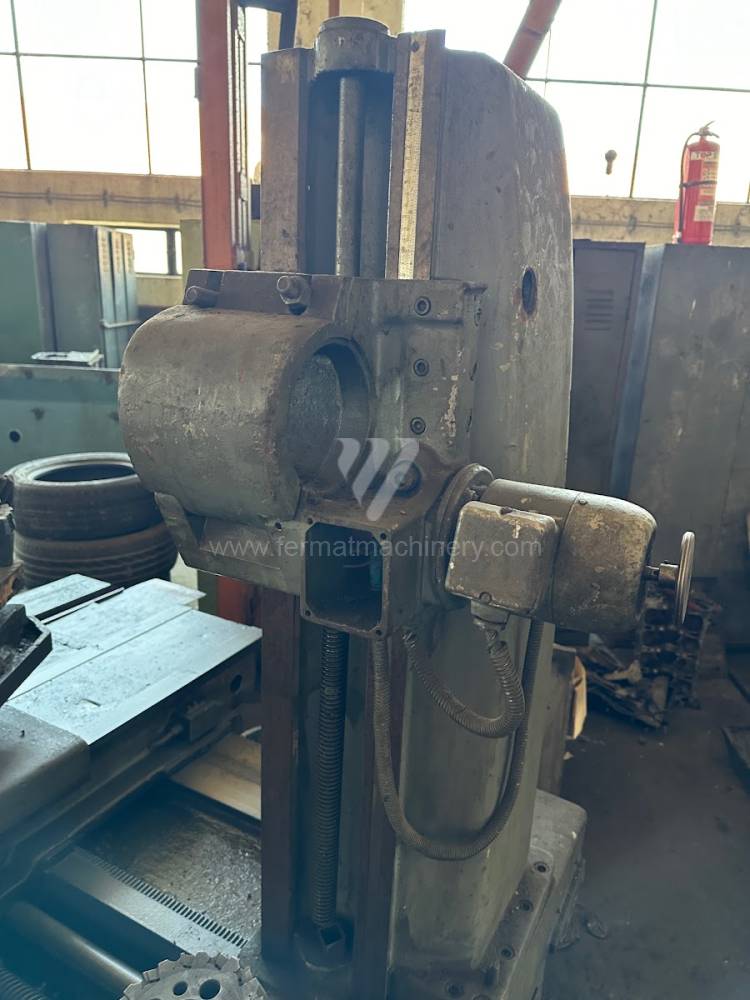
WHN 9 B |
251945 | TOS Varnsdorf | 1978 | Diameter of working spindle: 90 mm Travel X-axis: 1250 mm Travel Y-axis: 90 mm Spindle speed: 45 - 1120 /min. Cooling through spindle: NO Spindle travel - W axis: 680 mm |
|
 |
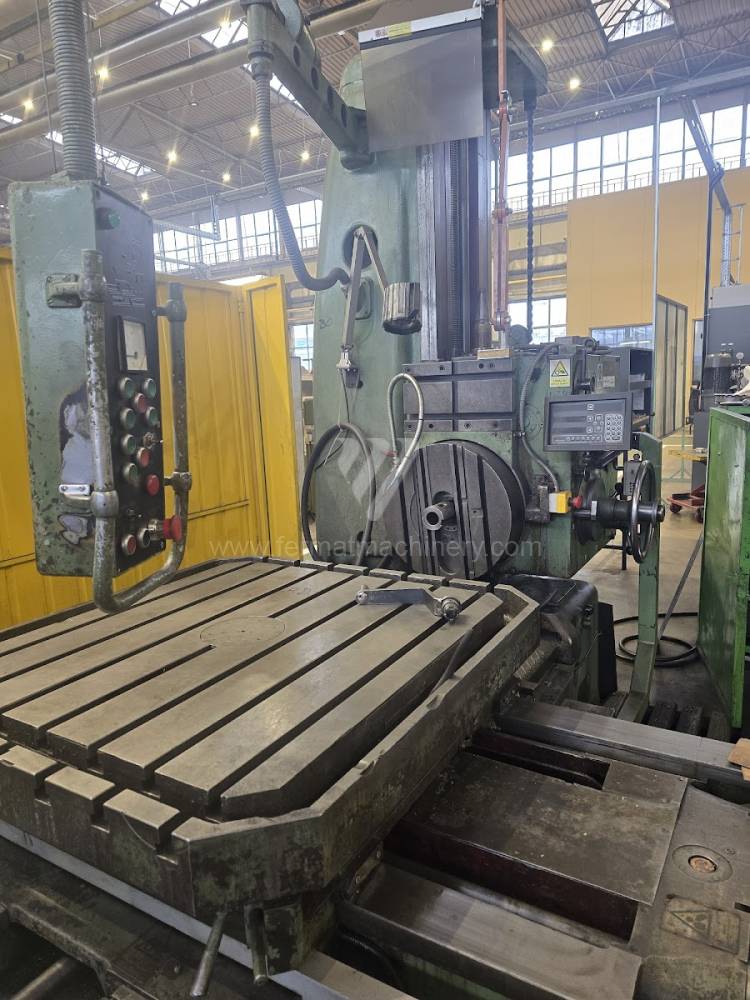
WH 63 |
241329 | TOS Varnsdorf | Diameter of working spindle: 63 mm Travel X-axis: 1000 mm Travel Y-axis: 710 mm Spindle speed: /min. Cooling through spindle: NO Spindle travel - W axis: 560 mm |
||
 |
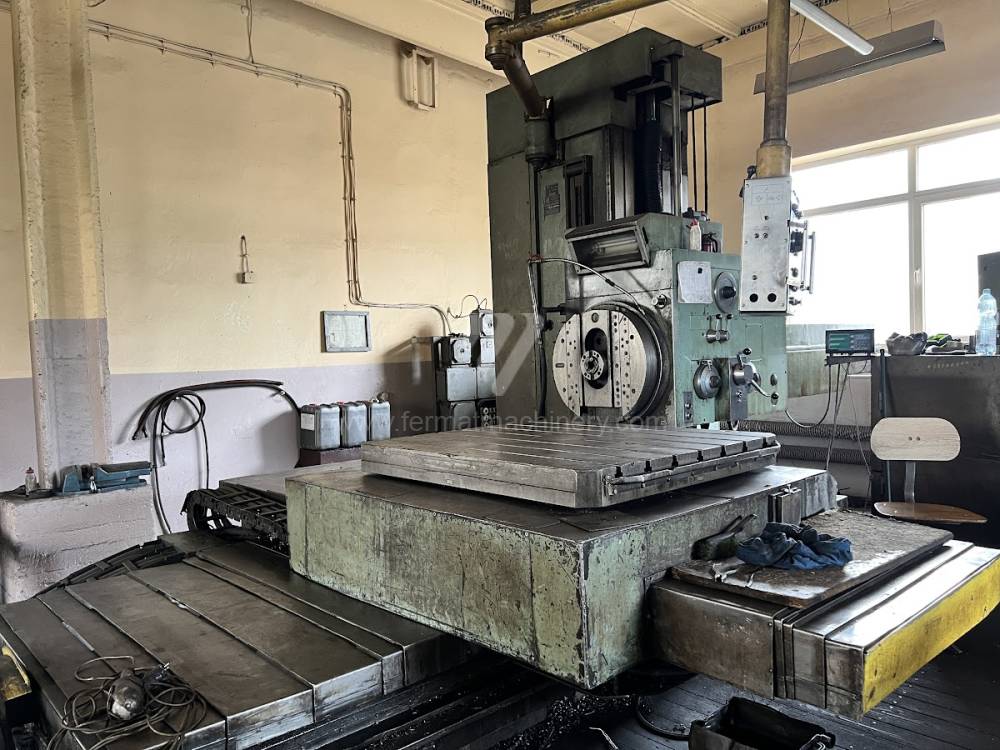
WFA 80 |
261211 | DEFUM | 1967 | Diameter of working spindle: 80 mm Travel X-axis: 1250 mm Travel Y-axis: 850 mm Spindle speed: 6 - 1400 /min. Cooling through spindle: NO Spindle travel - W axis: 700 mm |
|
 |
2A620-1 |
261671 | Stanko Russia | Diameter of working spindle: 90 mm Travel X-axis: 1100 mm Travel Y-axis: 820 mm Spindle speed: 10 - 1600 /min. Cooling through spindle: NO Spindle travel - W axis: mm |
||
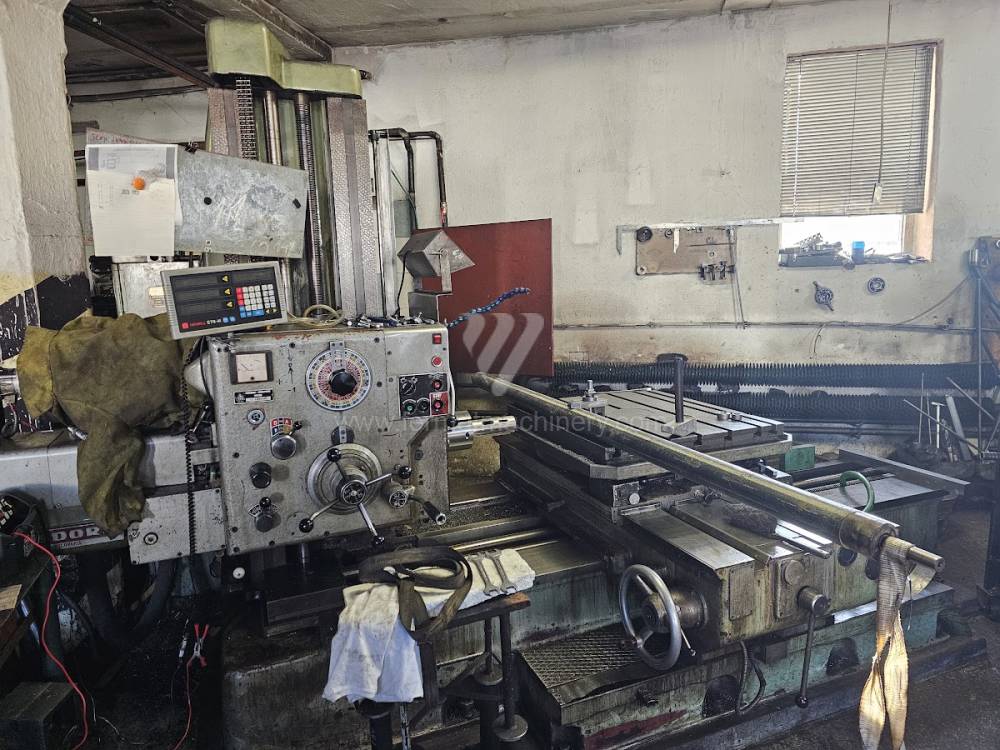 |
WH 63 |
251151 | TOS Varnsdorf | 1980 | Diameter of working spindle: 63 mm Travel X-axis: 1000 mm Travel Y-axis: 710 mm Spindle speed: 18 - 1800 /min. Cooling through spindle: NO Spindle travel - W axis: 560 mm |
|
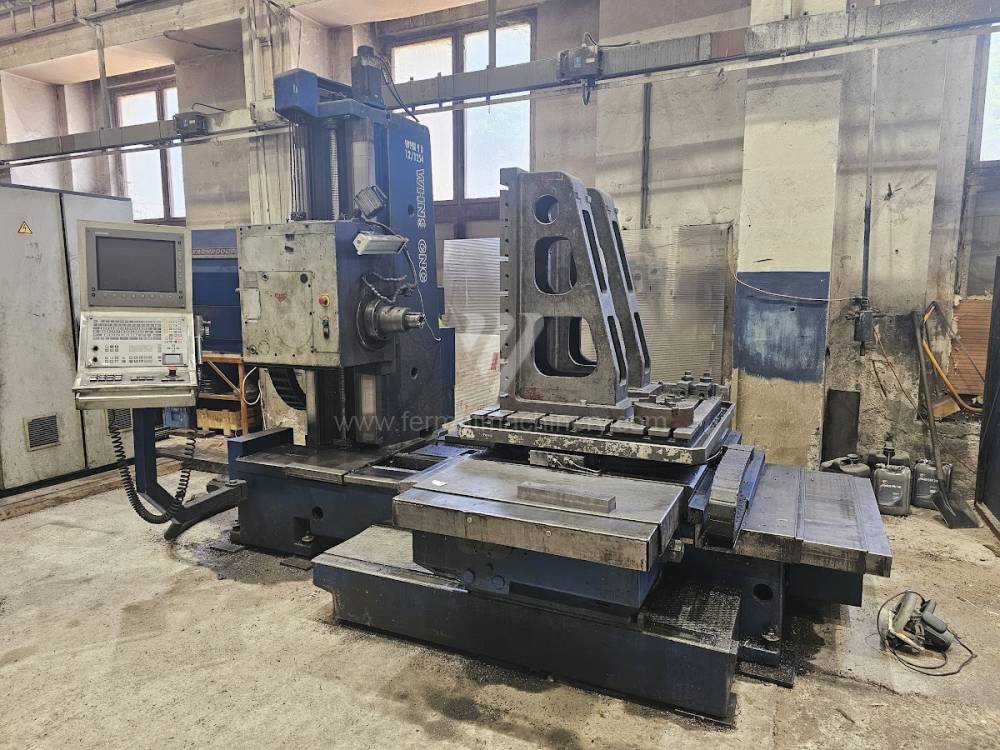 |
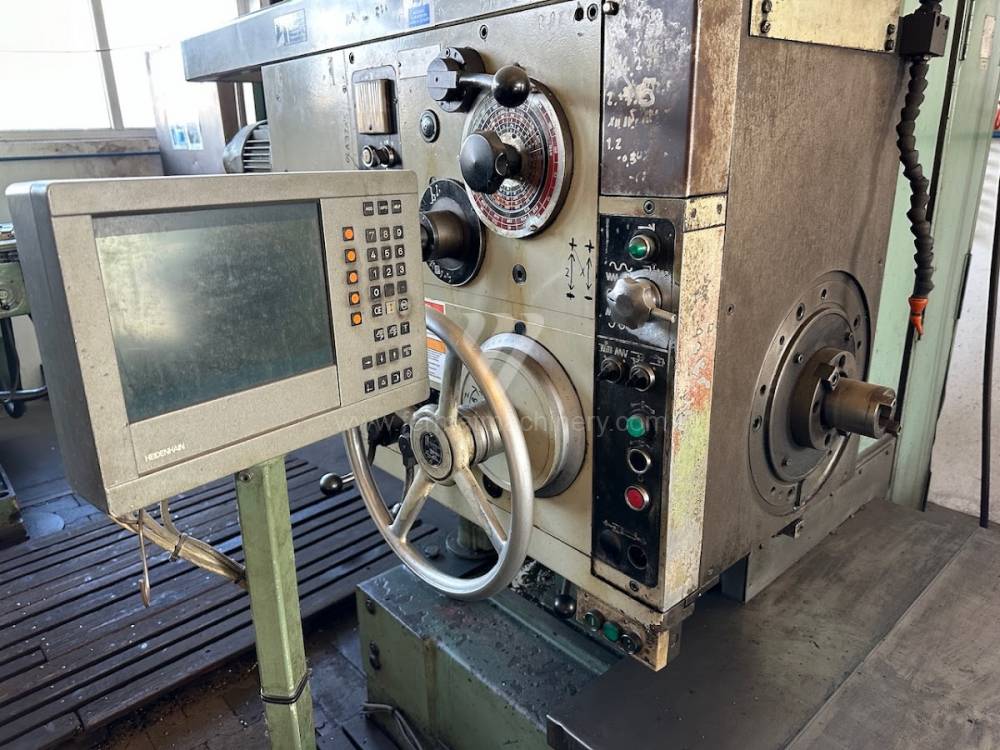
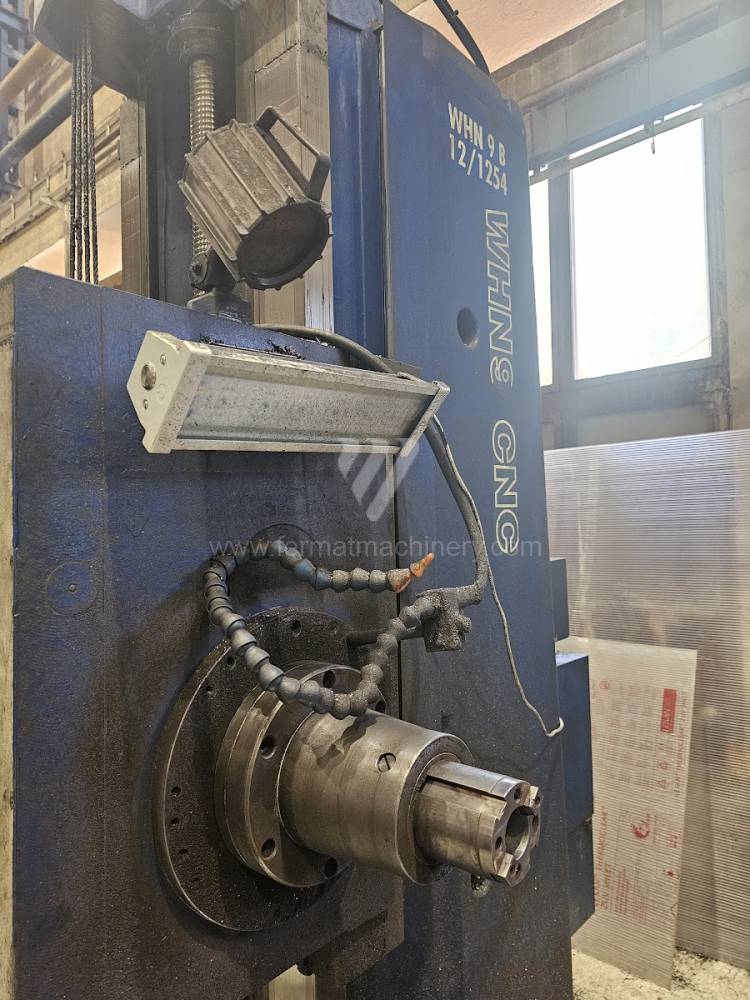
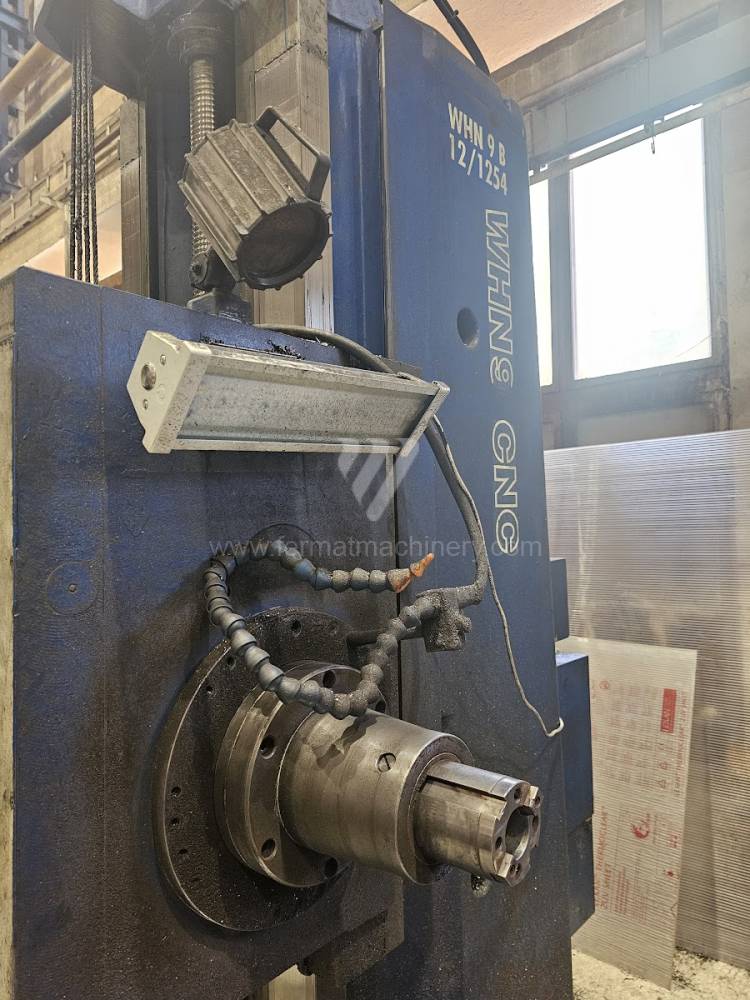
WHN 9 B CNC |
261415 | TOS Varnsdorf | 1980 | Control system Heidenhain: TNC 355 Diameter of working spindle: 90 mm Travel X-axis: 1250 mm Travel Y-axis: 900 mm Spindle speed: 0 - 1120 /min. Cooling through spindle: NO |
|
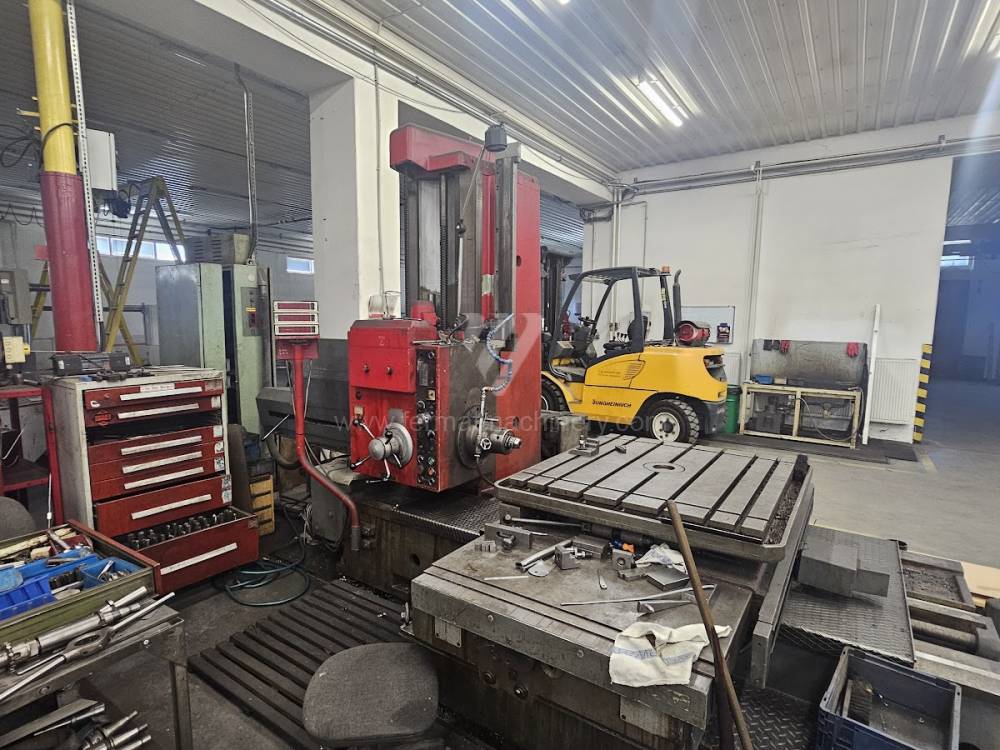 |
WHN 9 |
261597 | TOS Varnsdorf | Diameter of working spindle: 90 mm Travel X-axis: 1250 mm Travel Y-axis: 900 mm Spindle speed: 9 - 1120 /min. Cooling through spindle: NO Spindle travel - W axis: 680 mm |
Technical Analysis: Kinematics and Dynamic Response
Table-type horizontal boring mills with spindle diameters up to 90 mm (typically 63, 80, or 90 mm) represent a category optimized for high dynamics and precision on medium-sized workpieces. The lower mass of the headstock and spindle allows for higher accelerations in X, Y, and Z axes, reducing chip-to-chip time. In this category, it is vital to check the condition of the spindle bearing arrangement—specifically angular contact bearings—which define radial runout and milling rigidity.
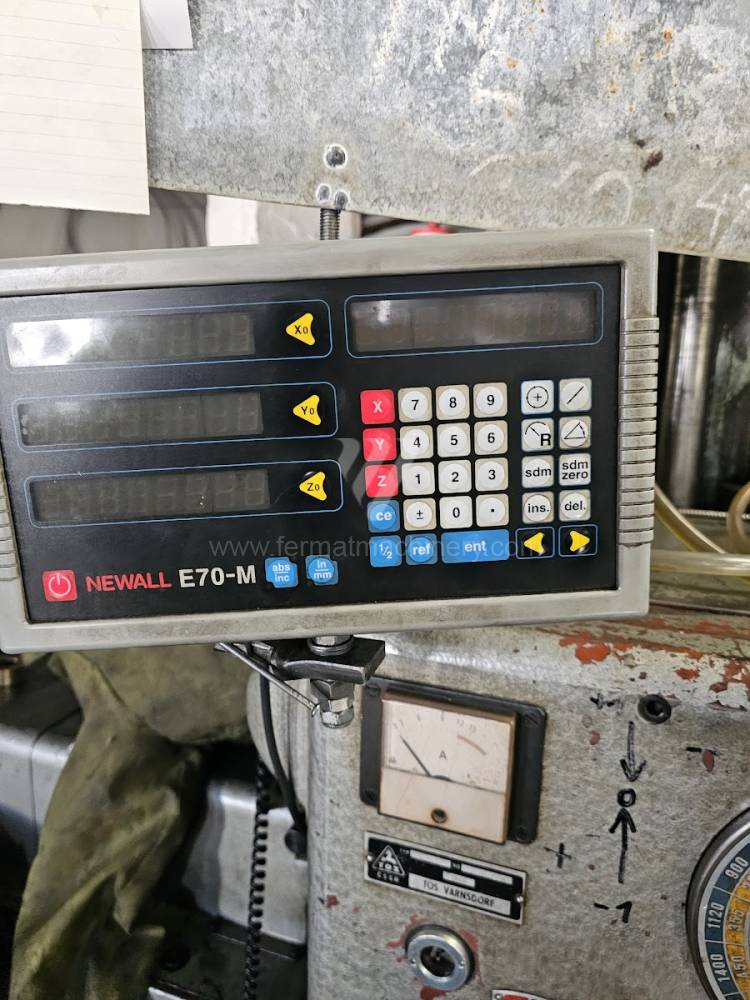
Using controls like Heidenhain TNC 620 or Fanuc 0i-MF allows for efficient use of interpolation cycles and 3D machining. Due to the lower thermal inertia of an 80–90 mm spindle, reaching operating temperature is faster, minimizing scrap rates during the first hour of a shift. W-axis stability is ensured by precision grinding and nitriding, critical for maintaining IT7 tolerances in deep holes.
Strategic Block: ROI and Manufacturing Agility
Acquiring a used boring mill with a spindle up to 90 mm is a strategic move for companies requiring maximum versatility within a small footprint. Lower acquisition costs compared to heavy boring mills mean a faster break-even point, even in single-shift operations. These machines often serve as a highly efficient alternative to vertical machining centers when multi-sided machining in a single setup (via a rotary table) is required.
In terms of ROI, these machines offer savings in energy consumption. Lower main motor power ratings (often 11–22 kW) translate to lower fixed costs per machine hour. Additionally, the high availability of spare parts for standard ISO 40 or ISO 50 spindles shortens potential maintenance downtime, directly increasing the OEE coefficient.
3 Non-Intuitive Advantages of 90 mm Spindle Boring Mills
- Reduced Bearing Wear due to Lower Centrifugal Forces: Smaller spindle diameters generate lower centrifugal forces on bearing rolling elements at the same RPM. This leads to longer intervals between headstock re-bearing, reducing long-term service costs (OPEX).
- Higher Sensitivity of Adaptive Feed Control: Due to lower inertial masses, digital drives react faster to changes in cutting resistance. This allows for more aggressive feed-rate settings without the risk of tool breakage in materials with variable hardness (castings).
- Use as a 'Finish-Only' Unit: In a production chain, a used 90 mm boring mill can serve exclusively for finishing operations after heavy roughing on larger machines. This preserves the kinematics of expensive heavy machinery for power operations while the lighter machine maintains high precision for fine boring.