 +420 777 363 948
  info@fermat.cz


 English
  Français
  L'italiano
  Magyar
  Deutsch
  Polski
  Română
  Español
  Čeština
  Зубо-резьбообрабатывающие станки
Список Плитка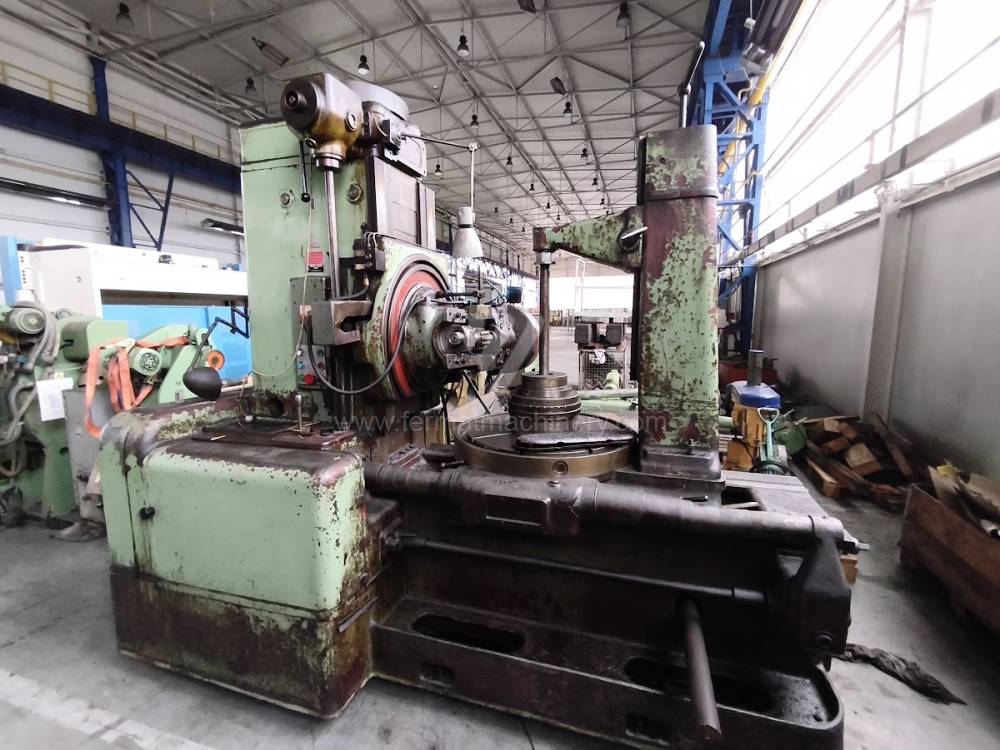
FO 10
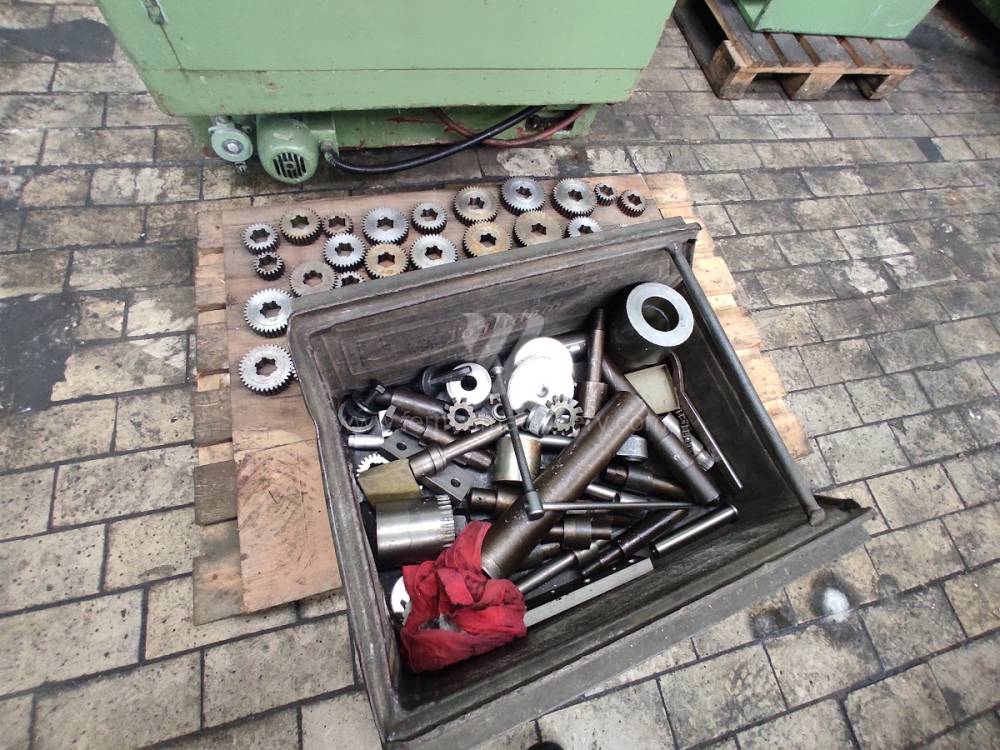
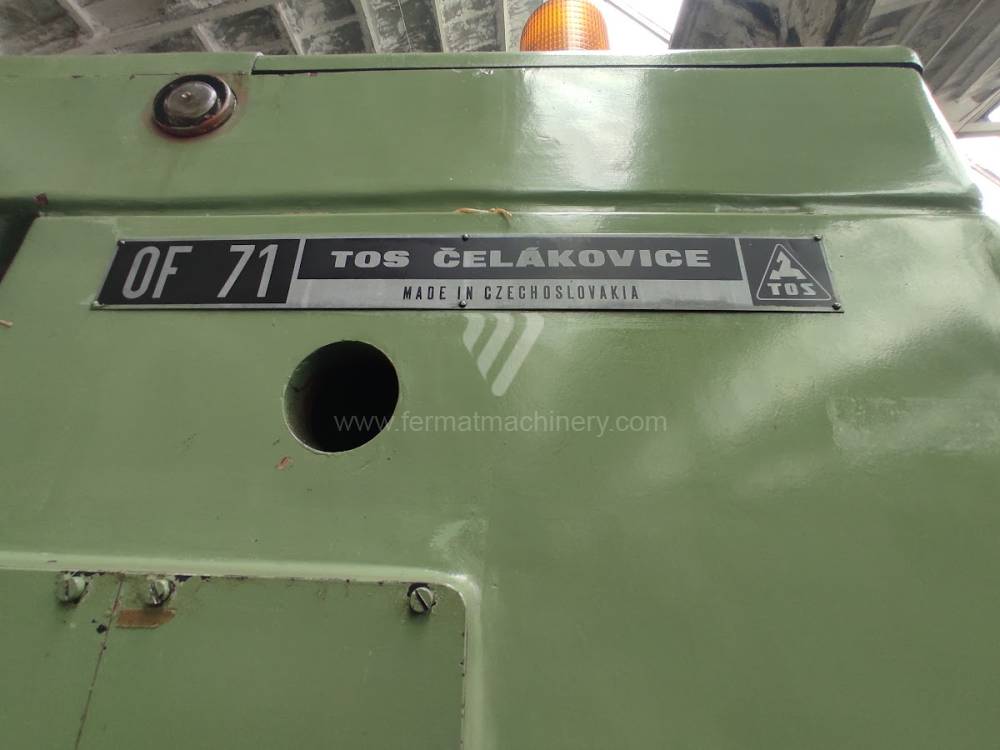
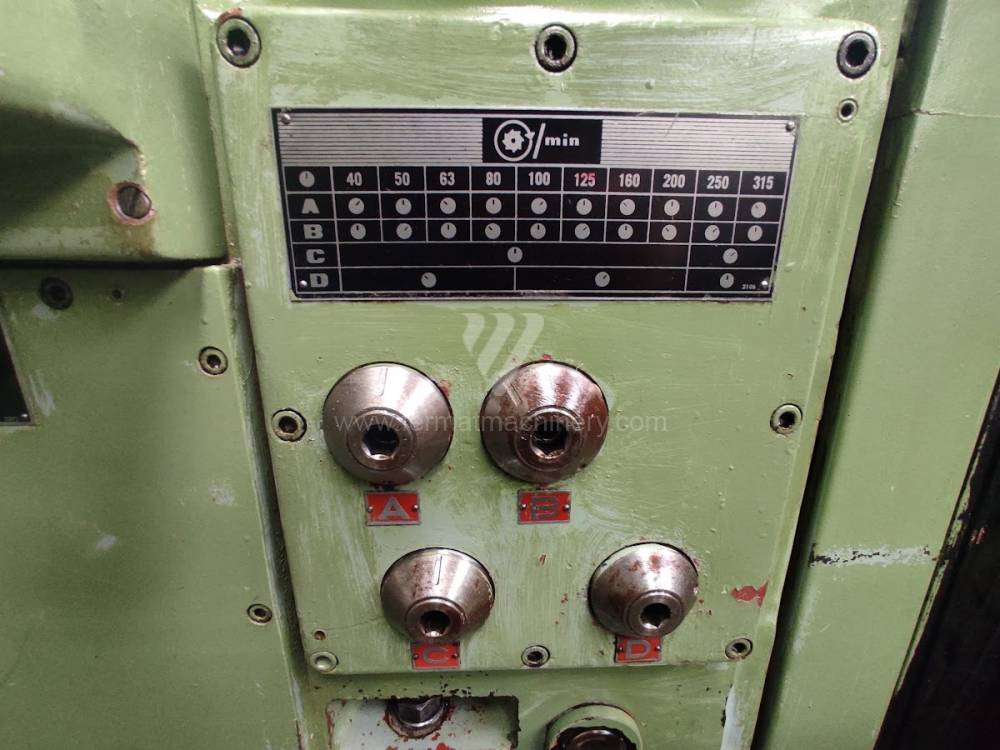
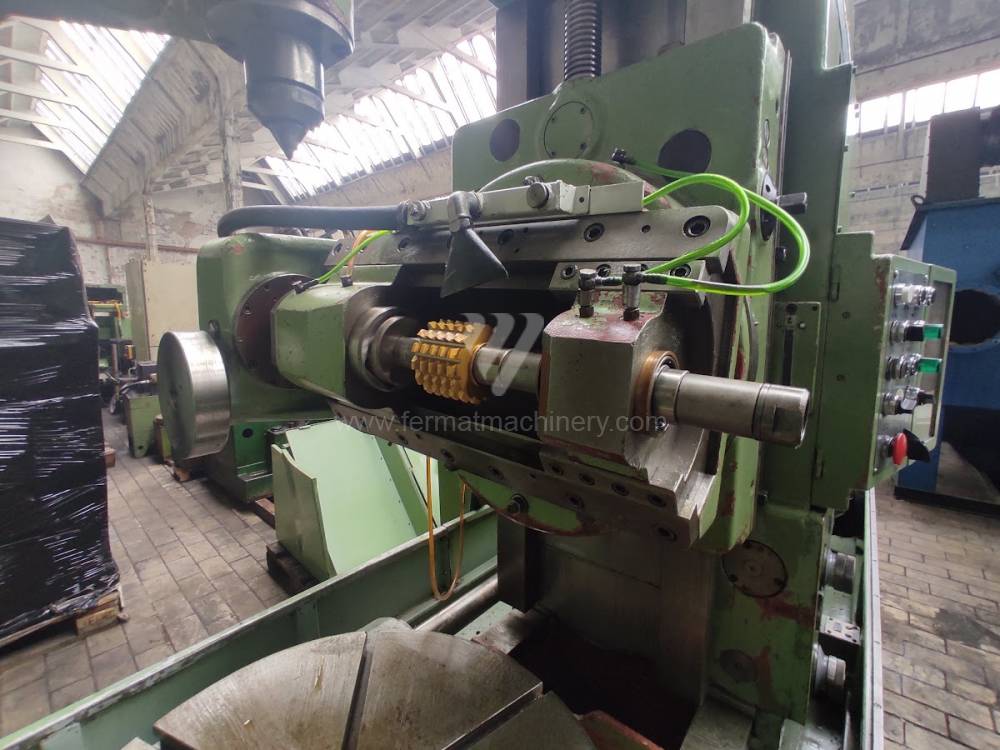
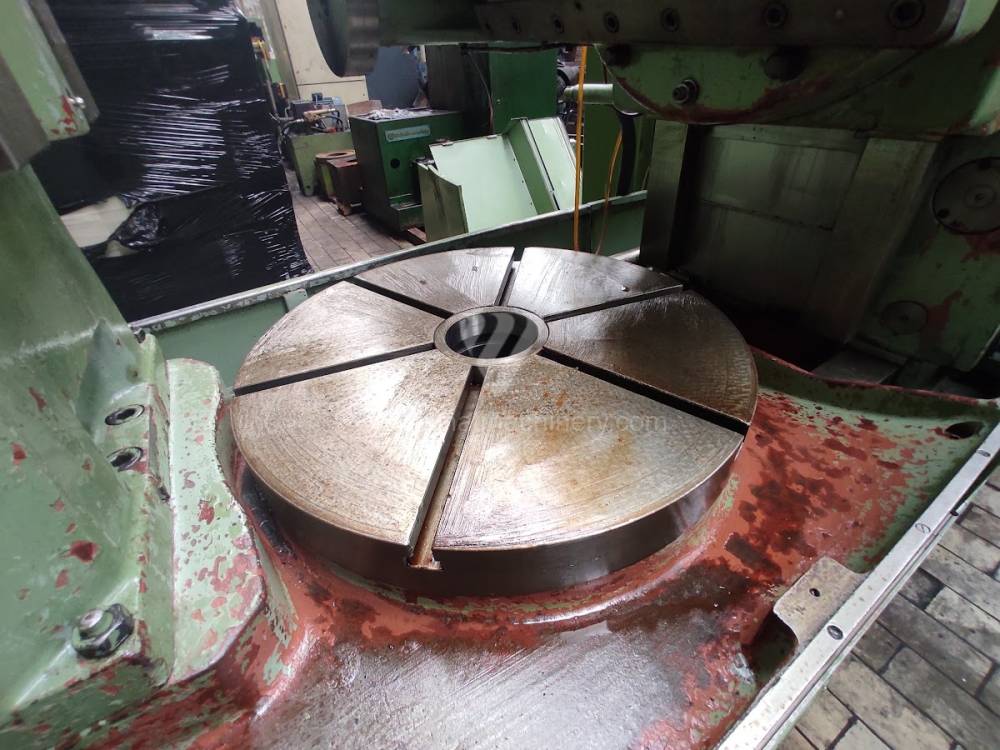
OF 71
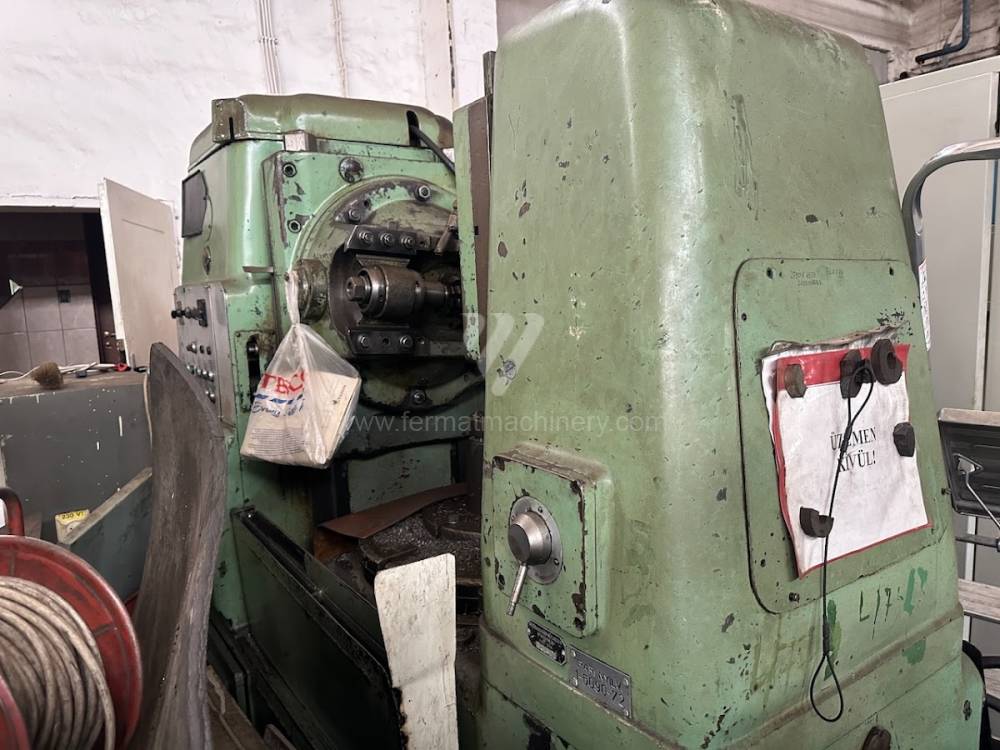
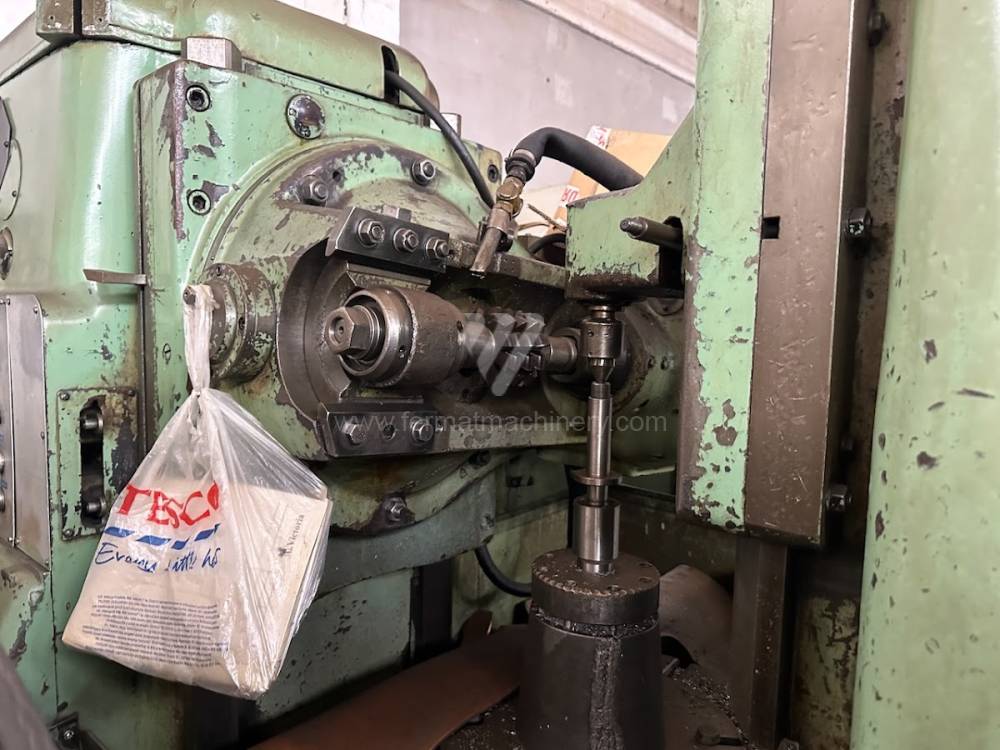
5K32A
FO 6
FO-16
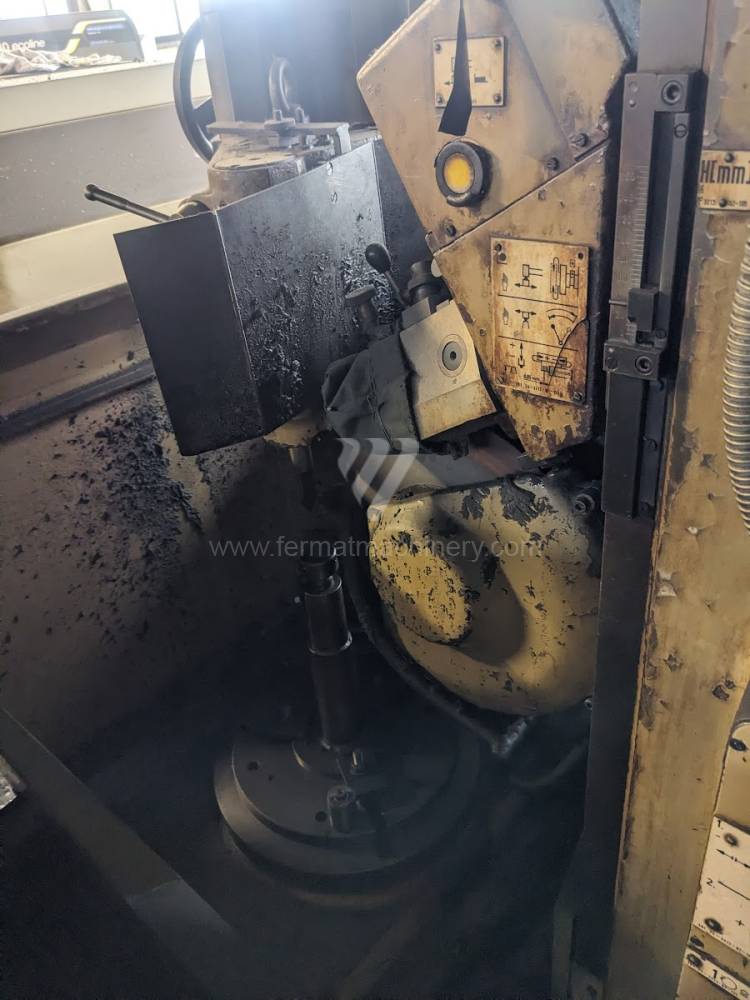
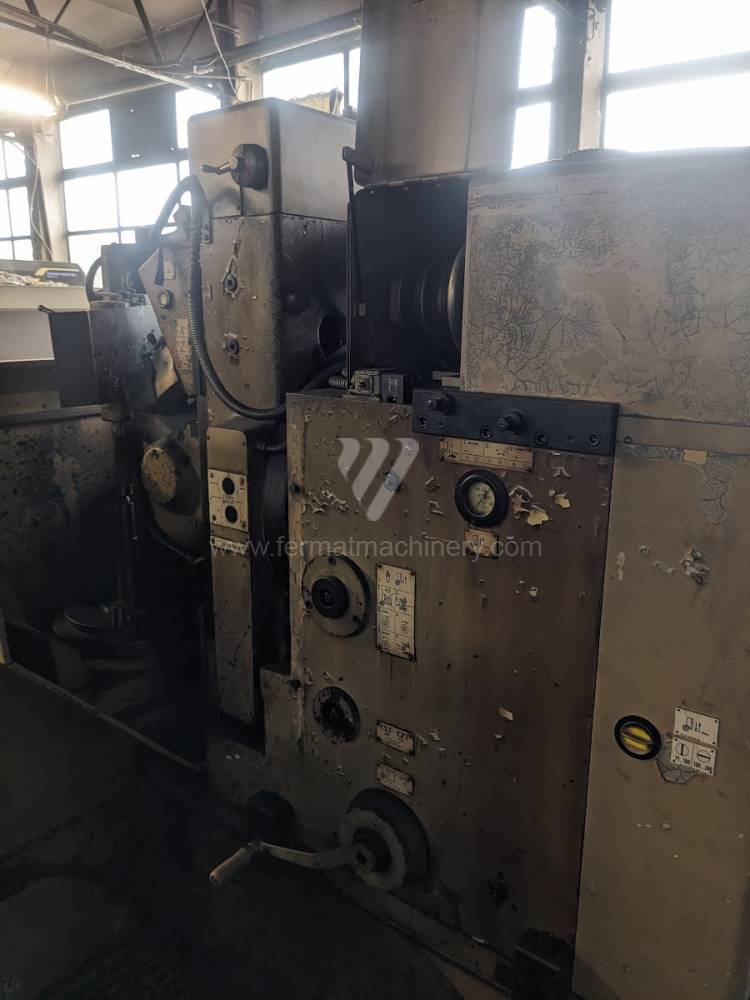
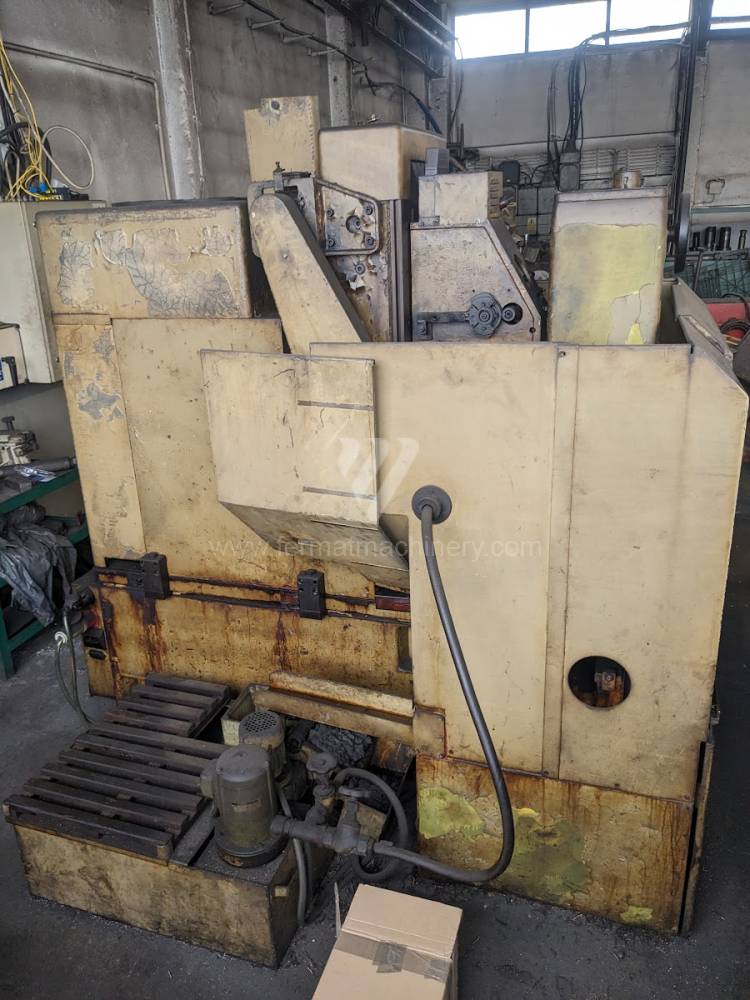
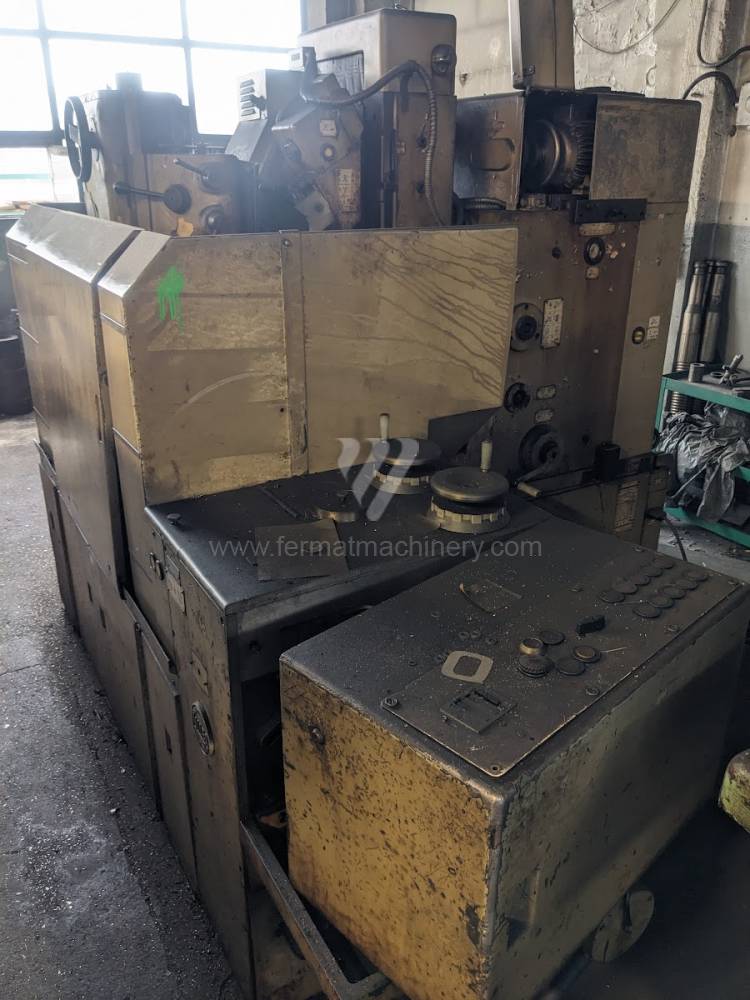
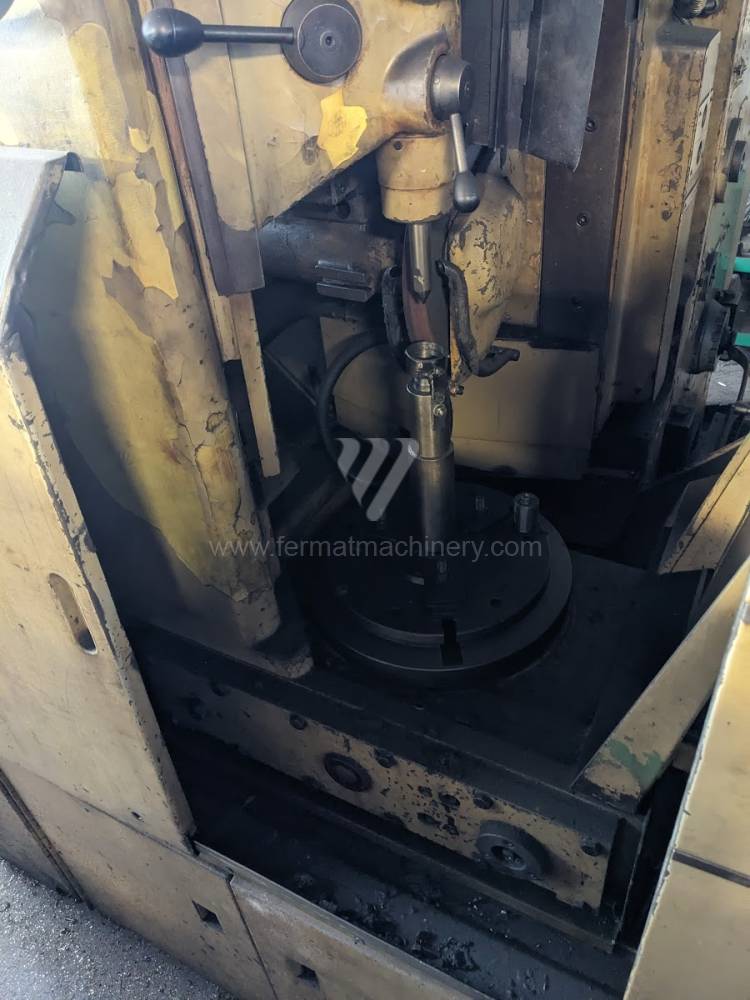
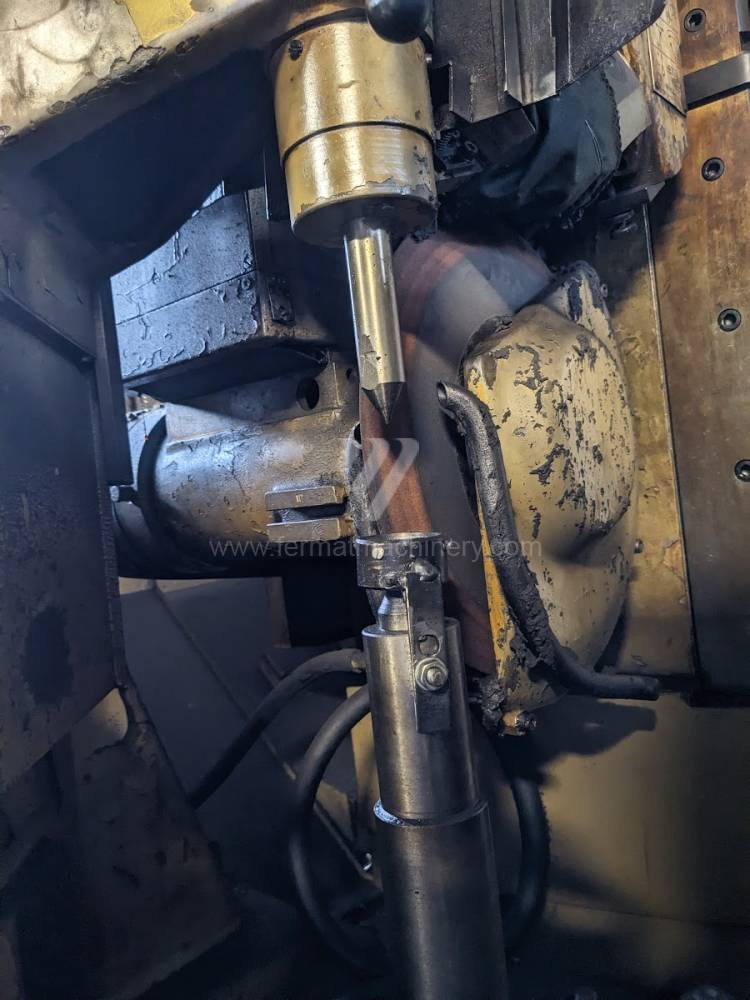
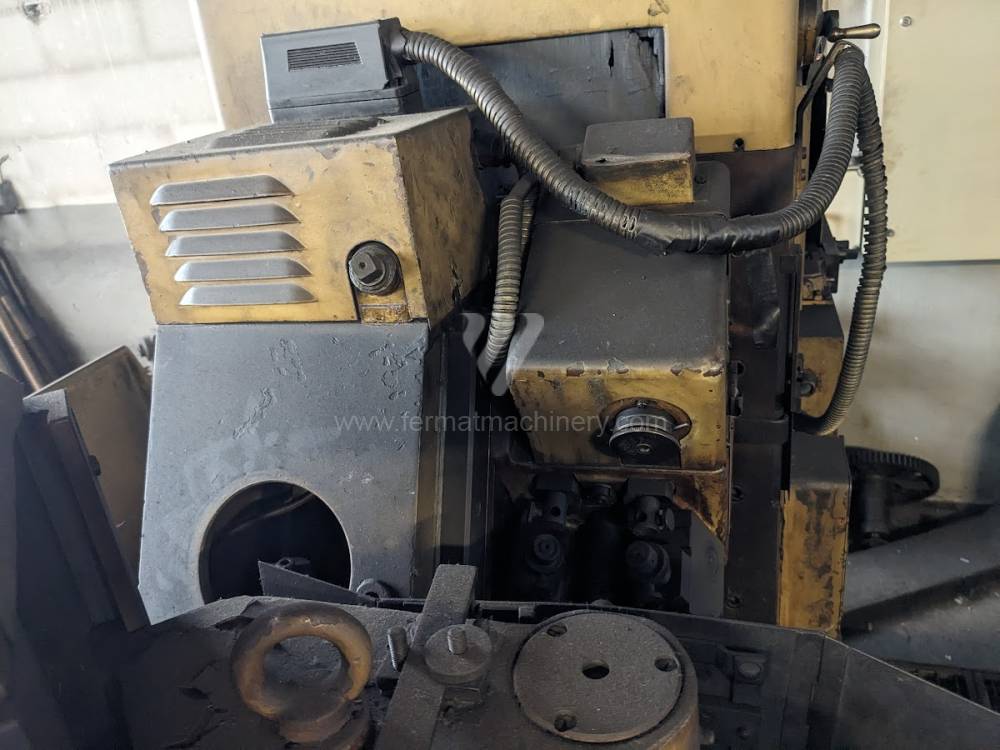
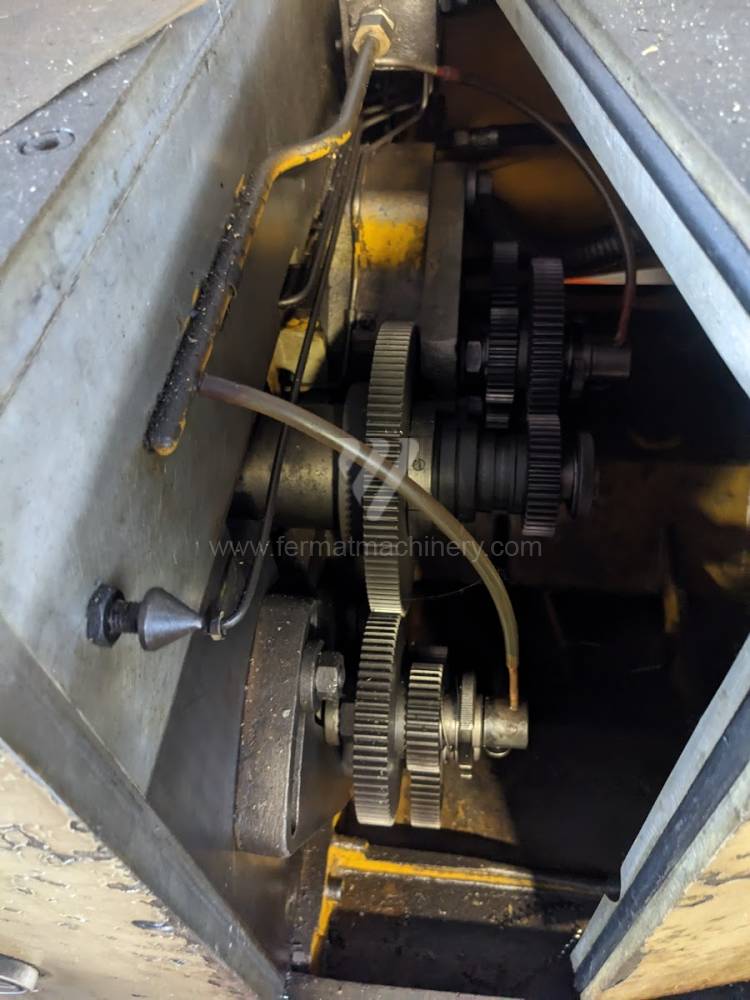
ZSTZ 315 C
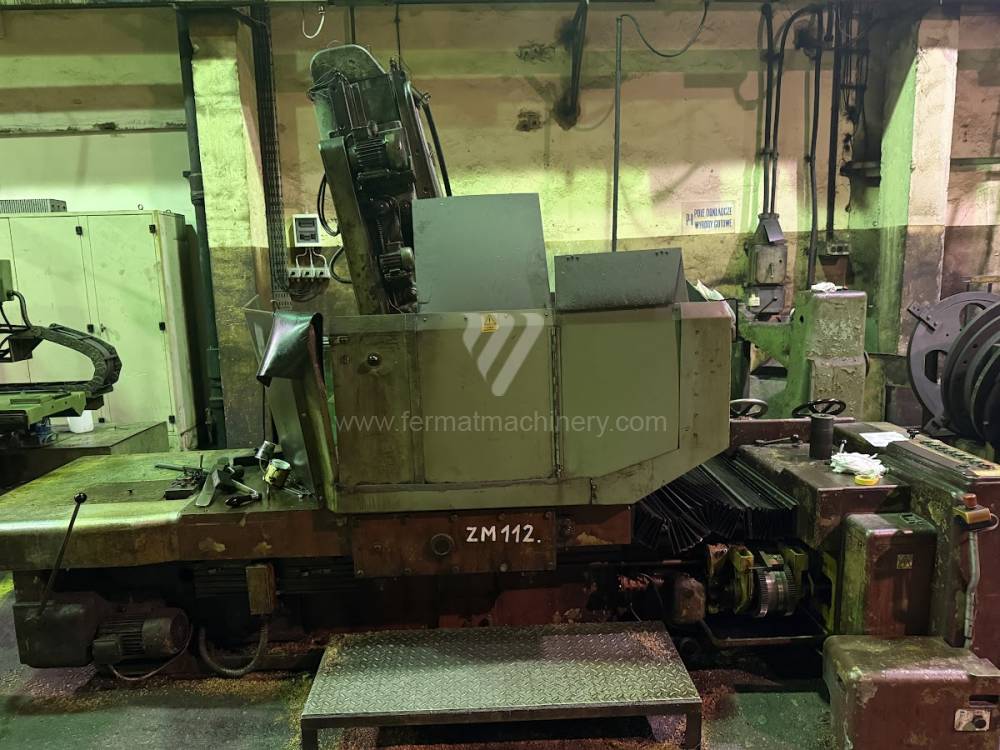
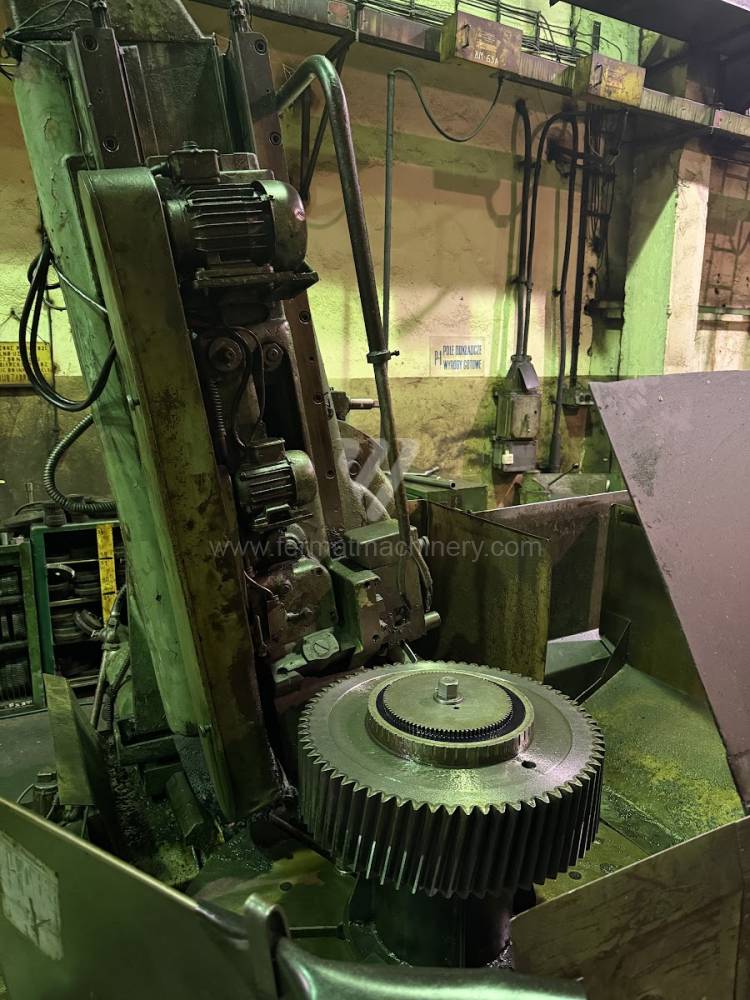
ZSTZ 1250x18
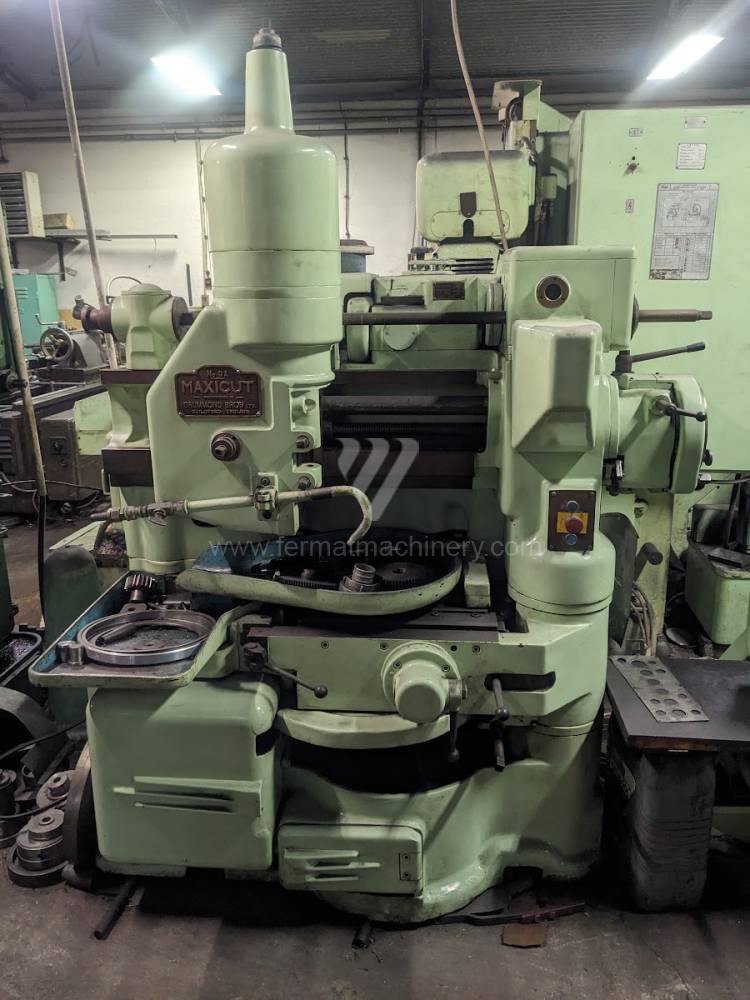
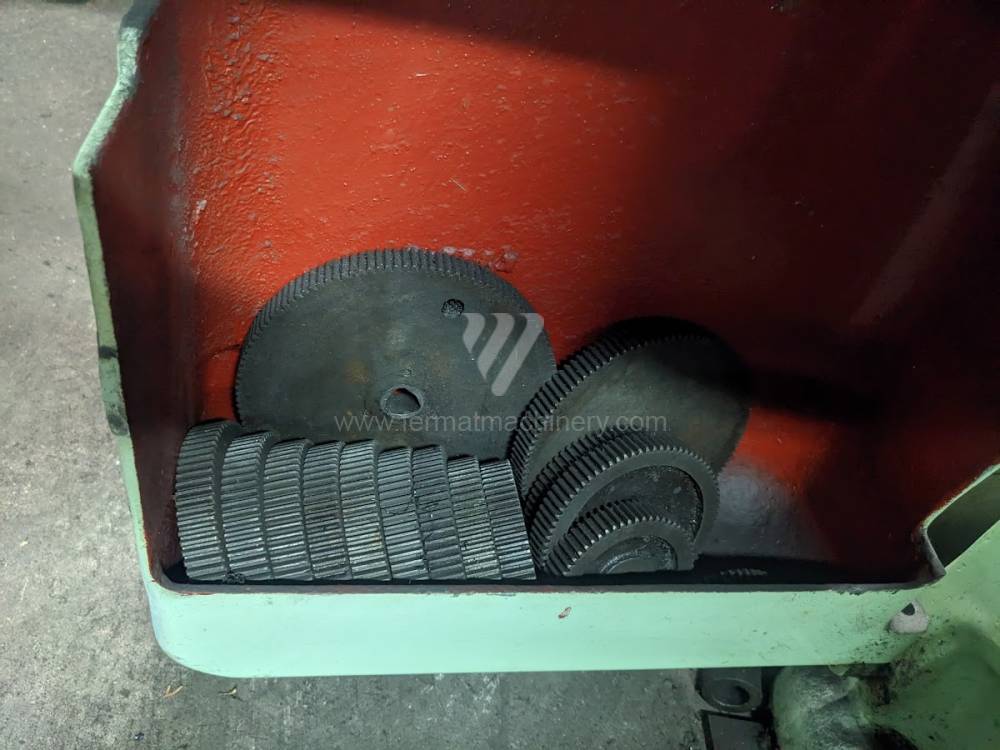
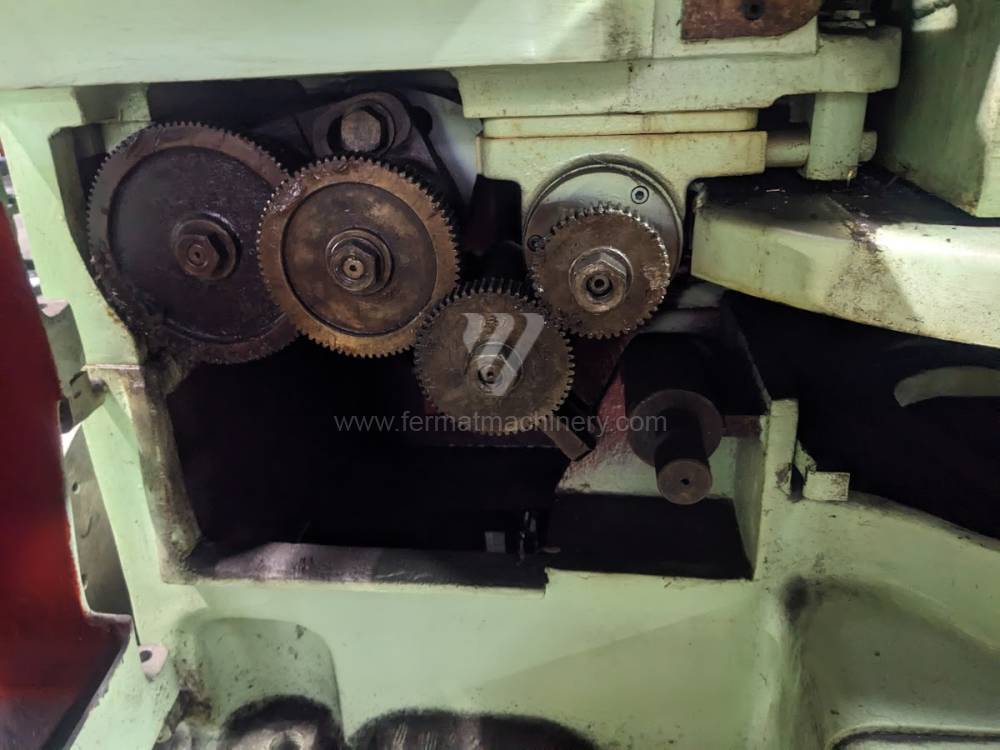
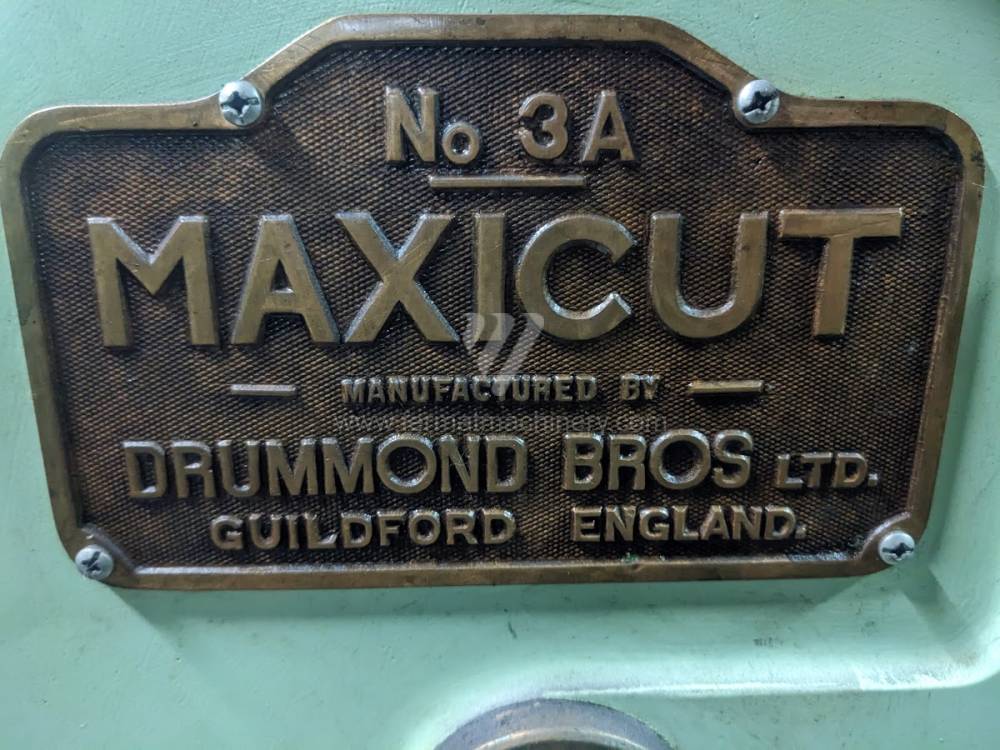
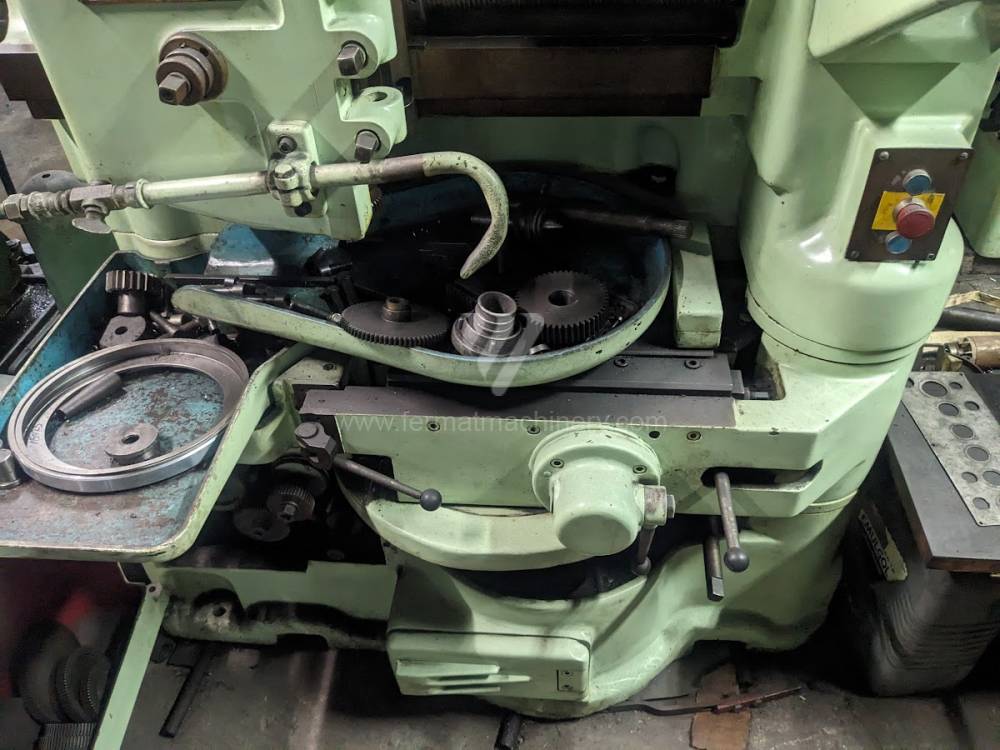
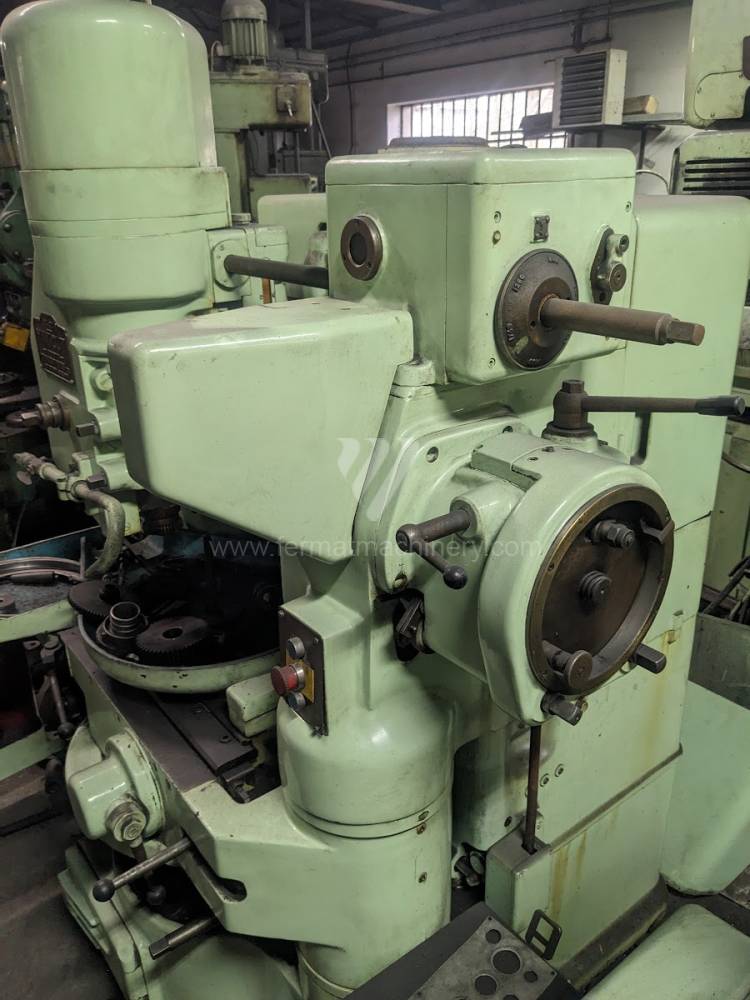
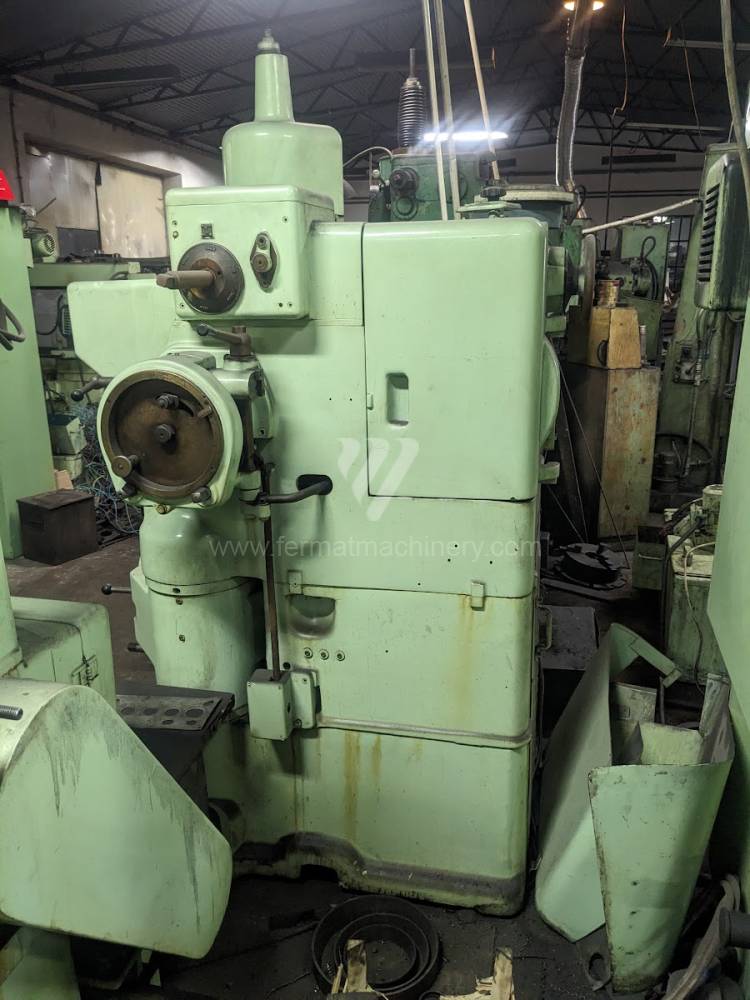
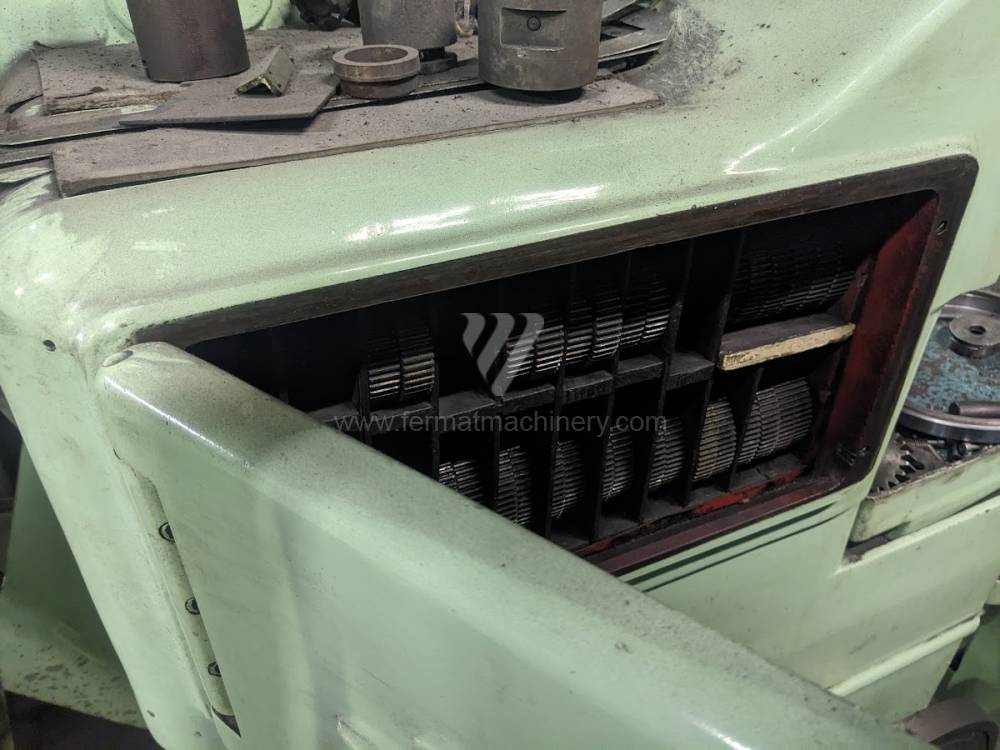
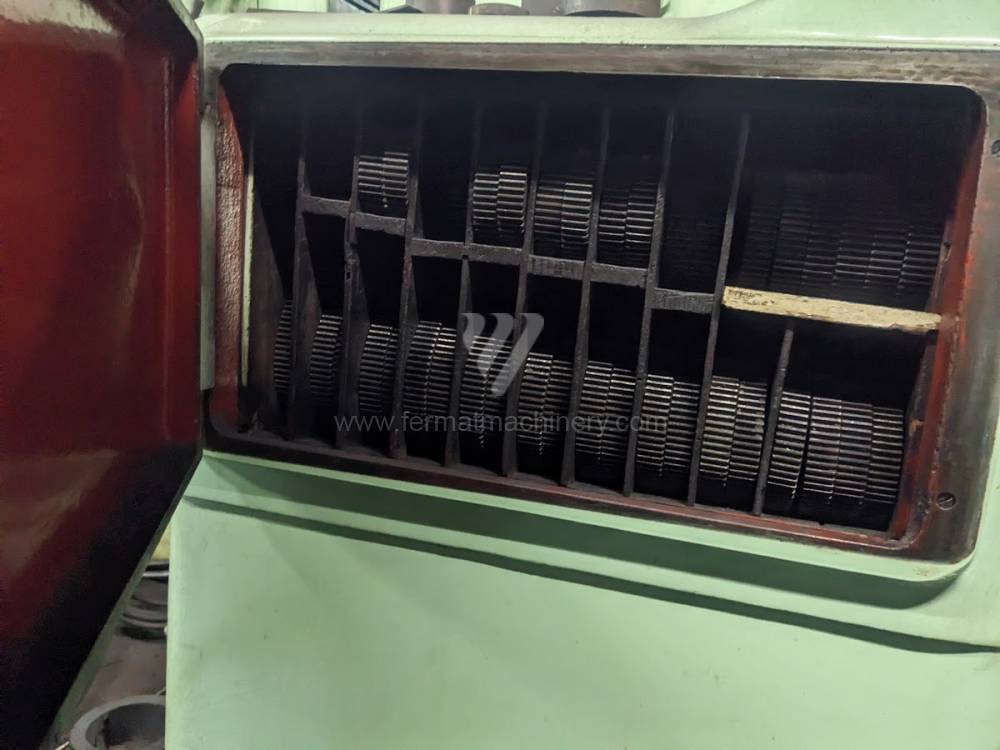
Maxicut 3A
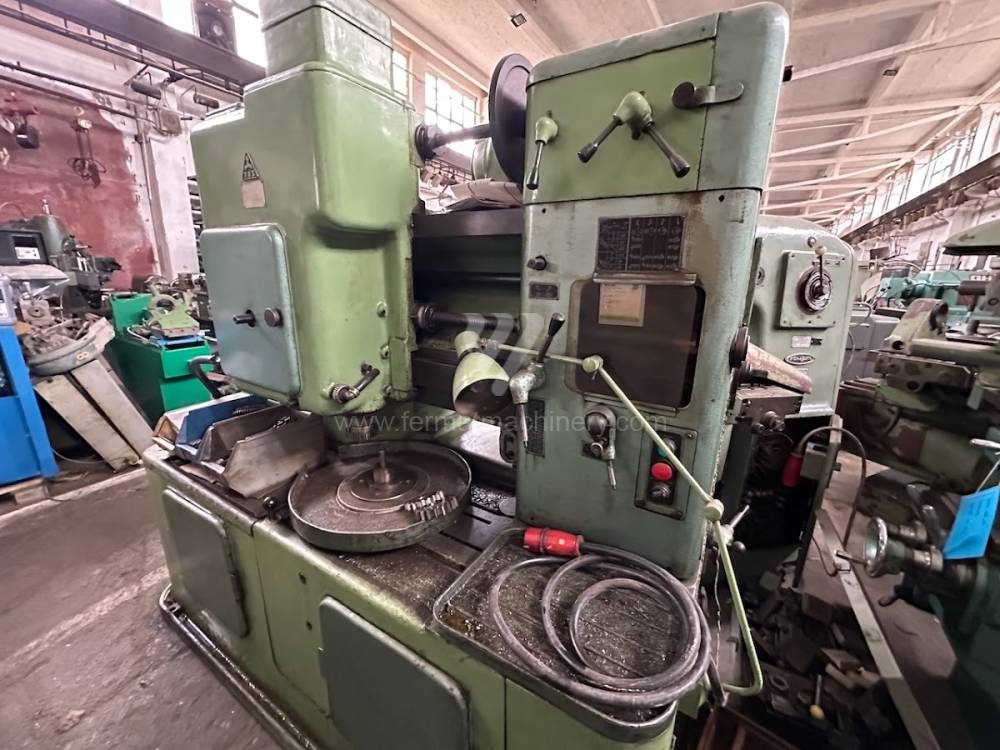
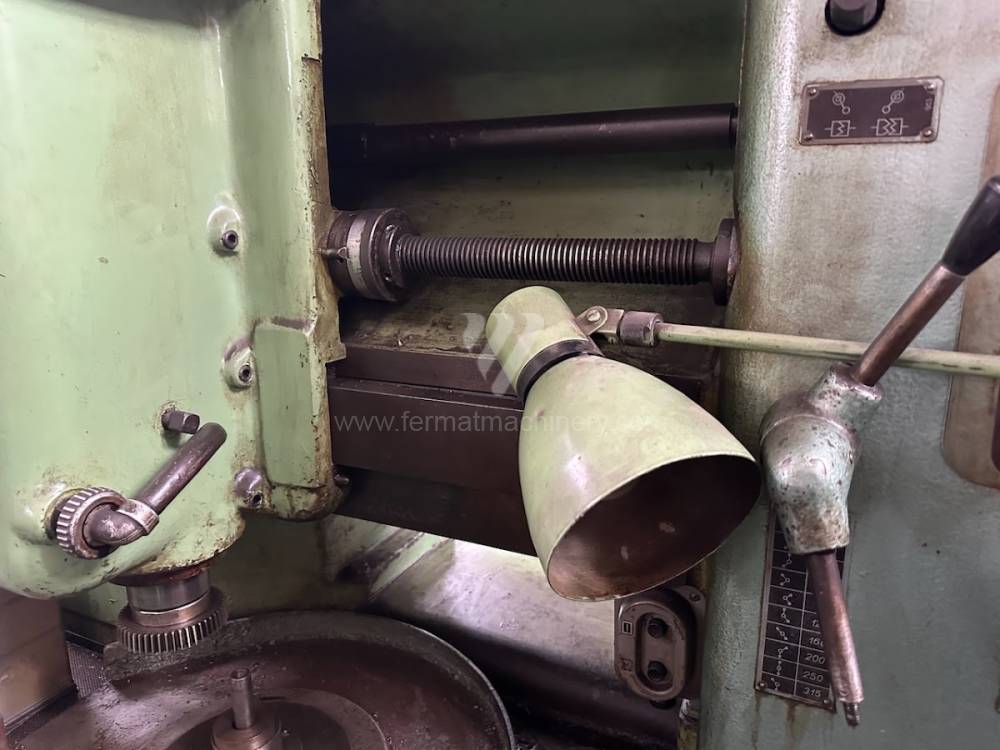
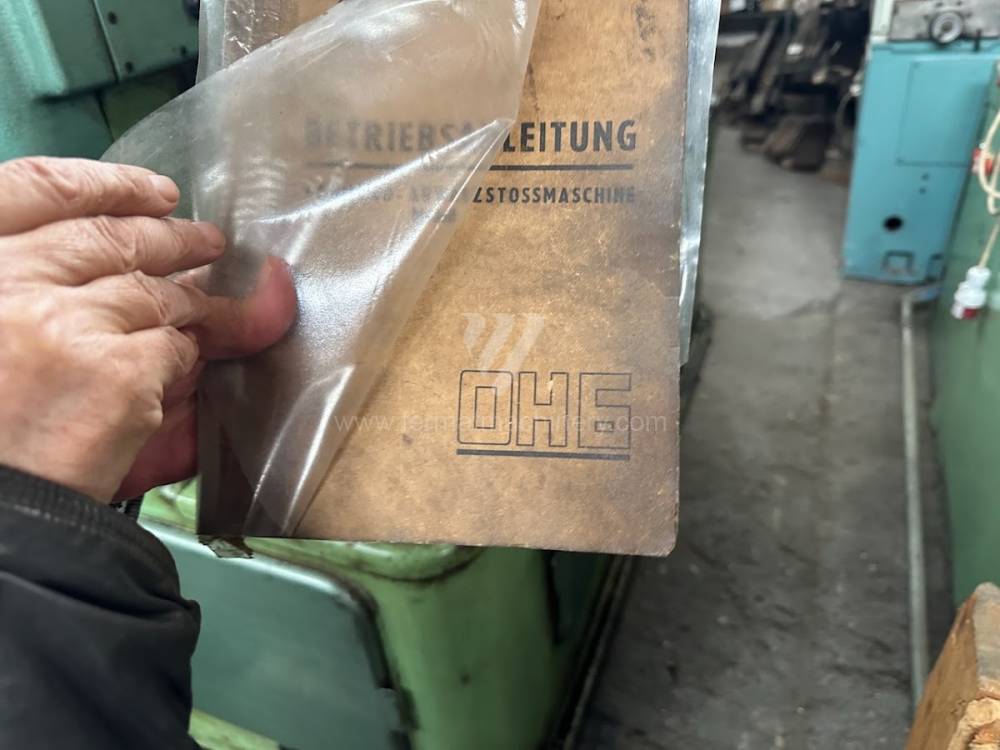
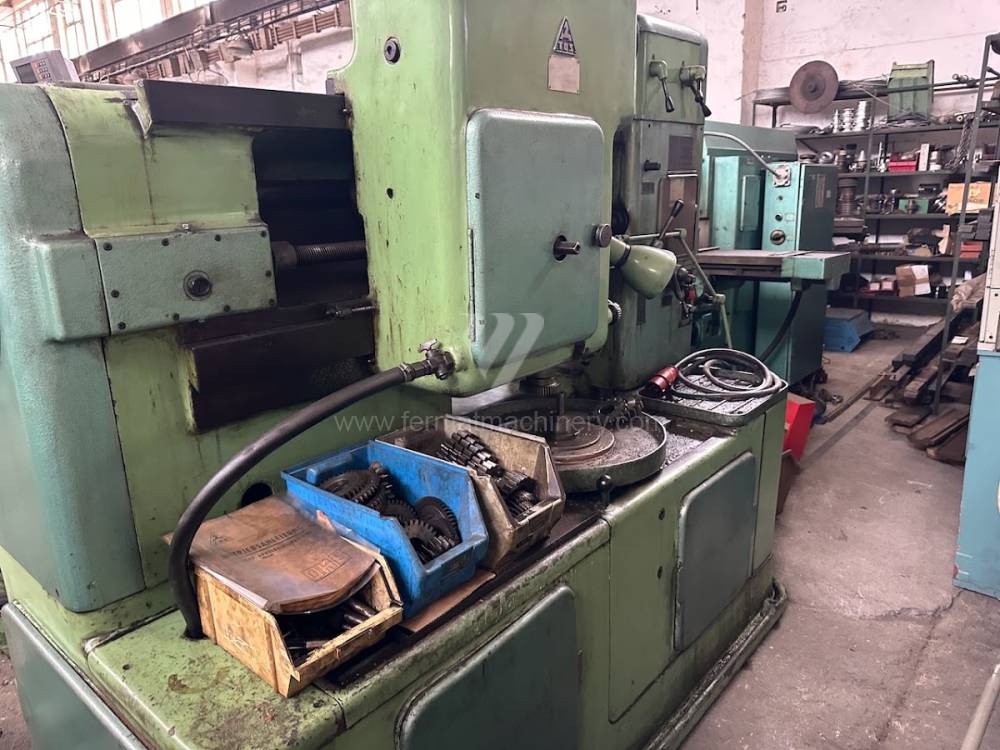
OH 6
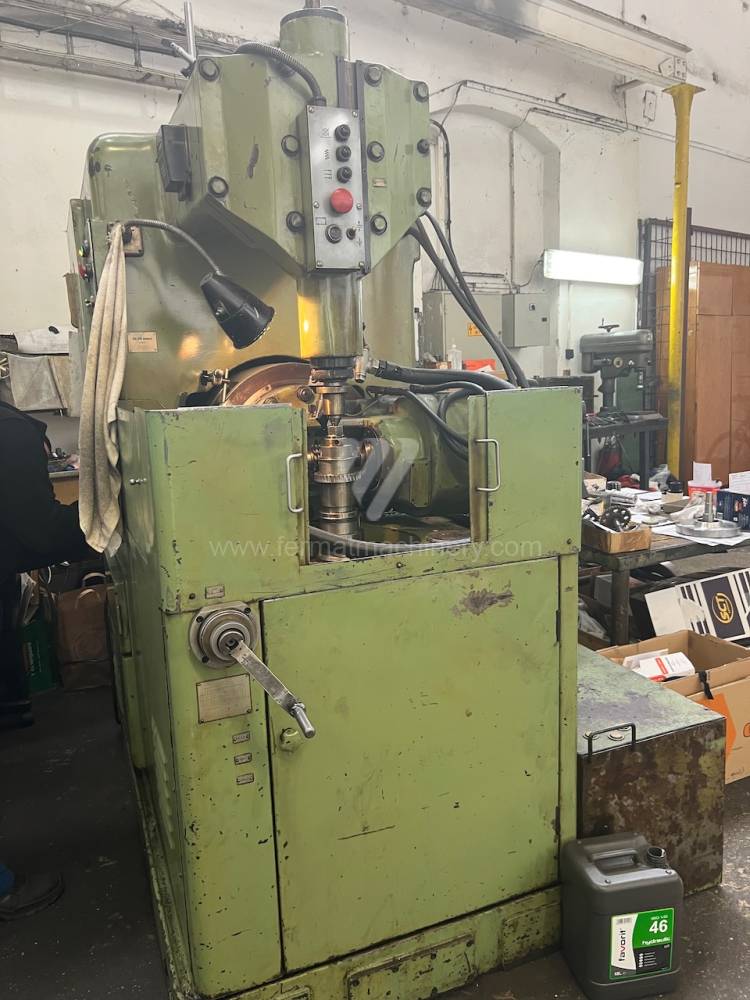
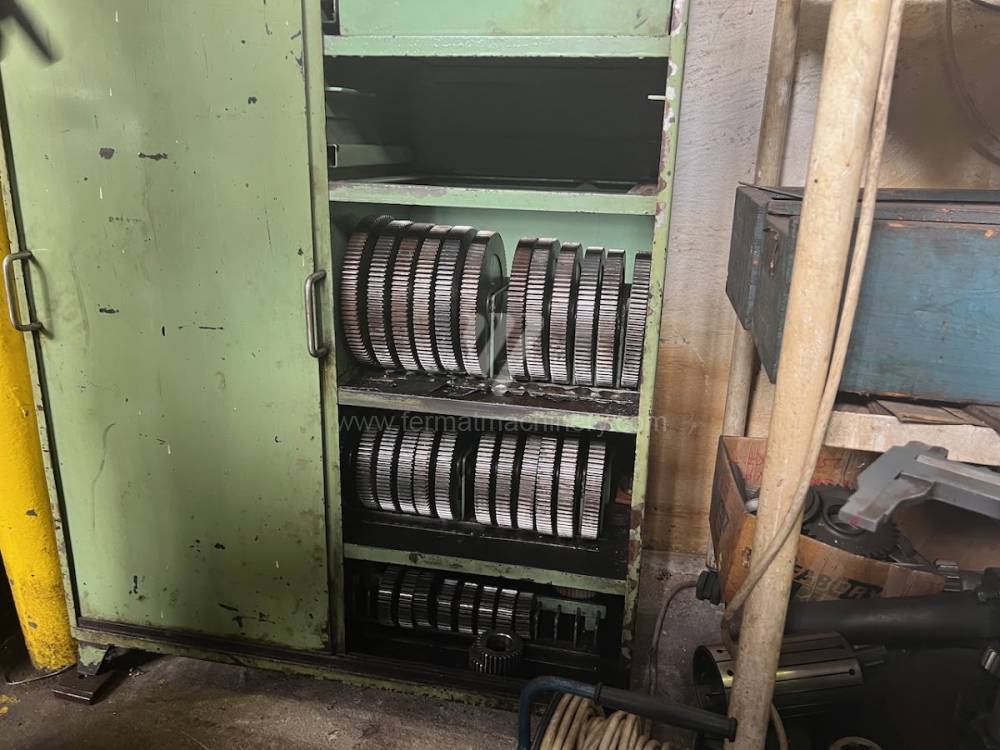
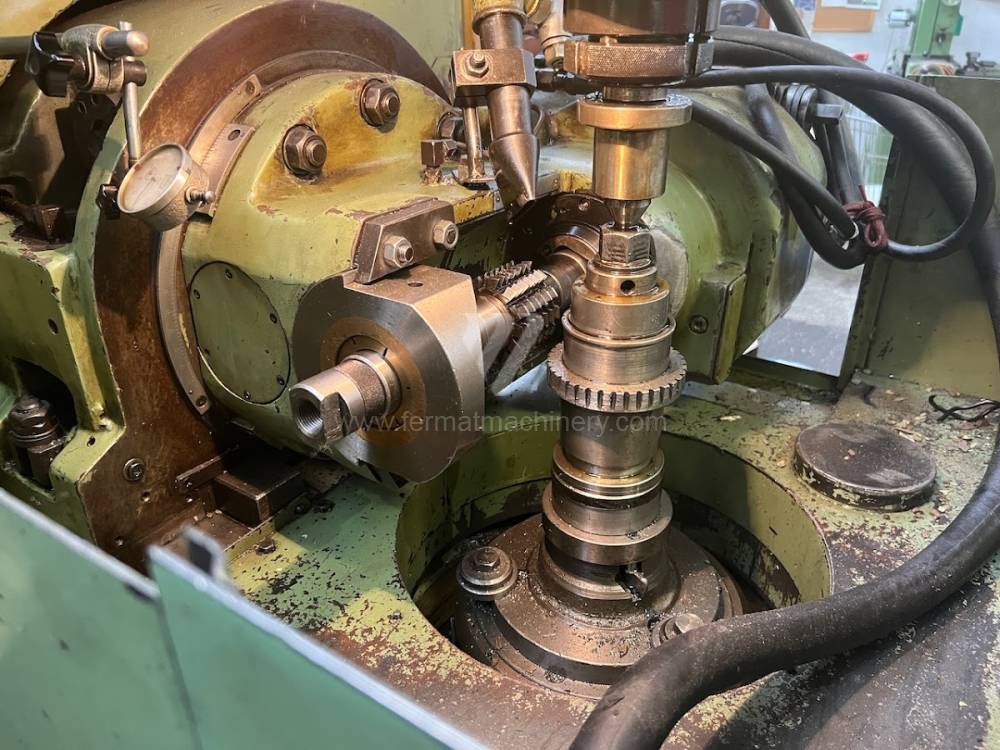
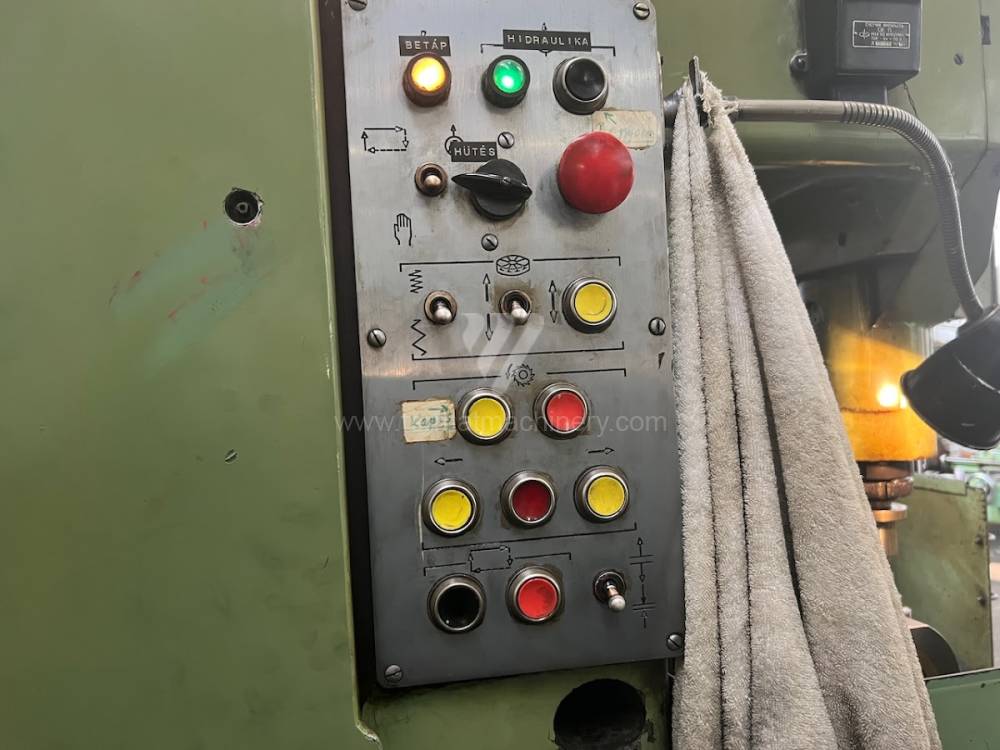
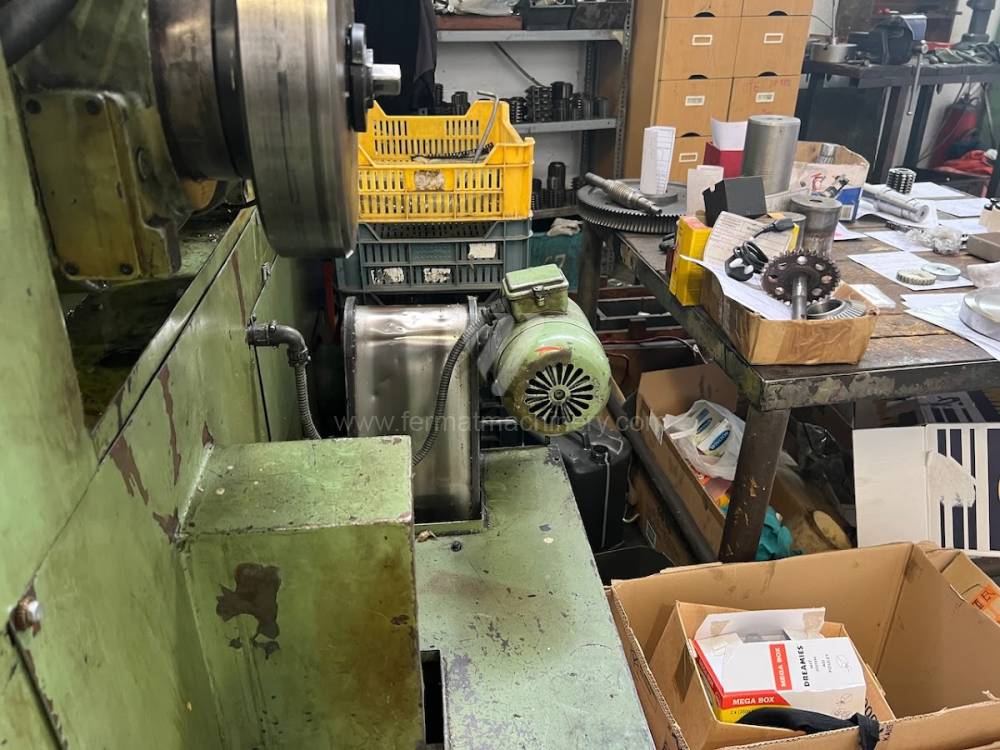
5B312
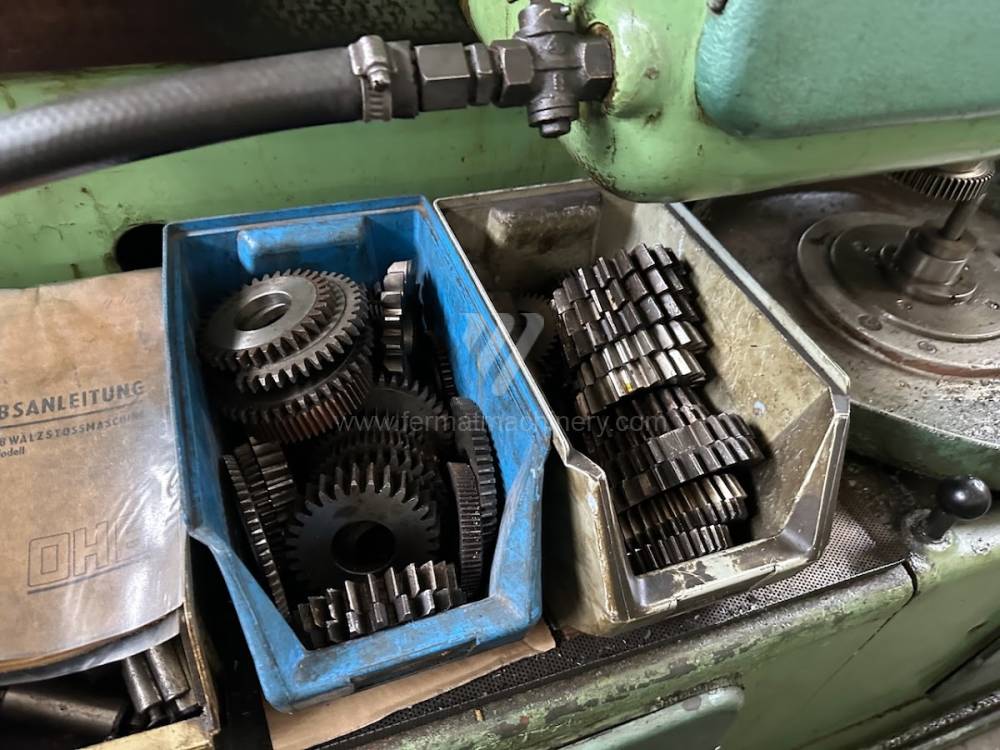
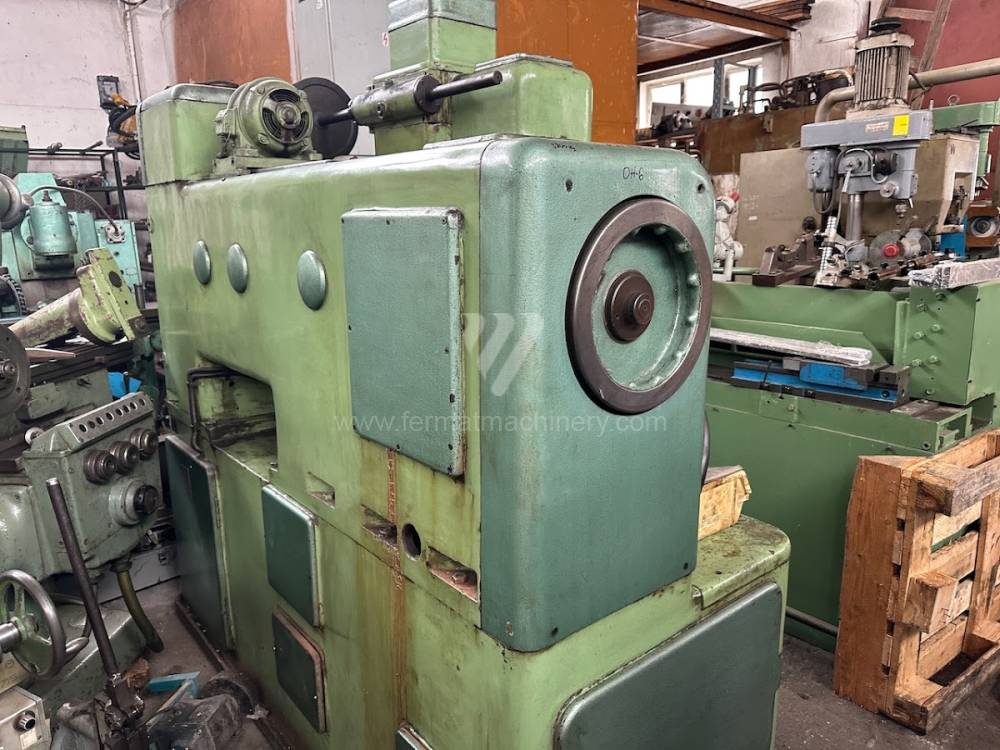
OH 6
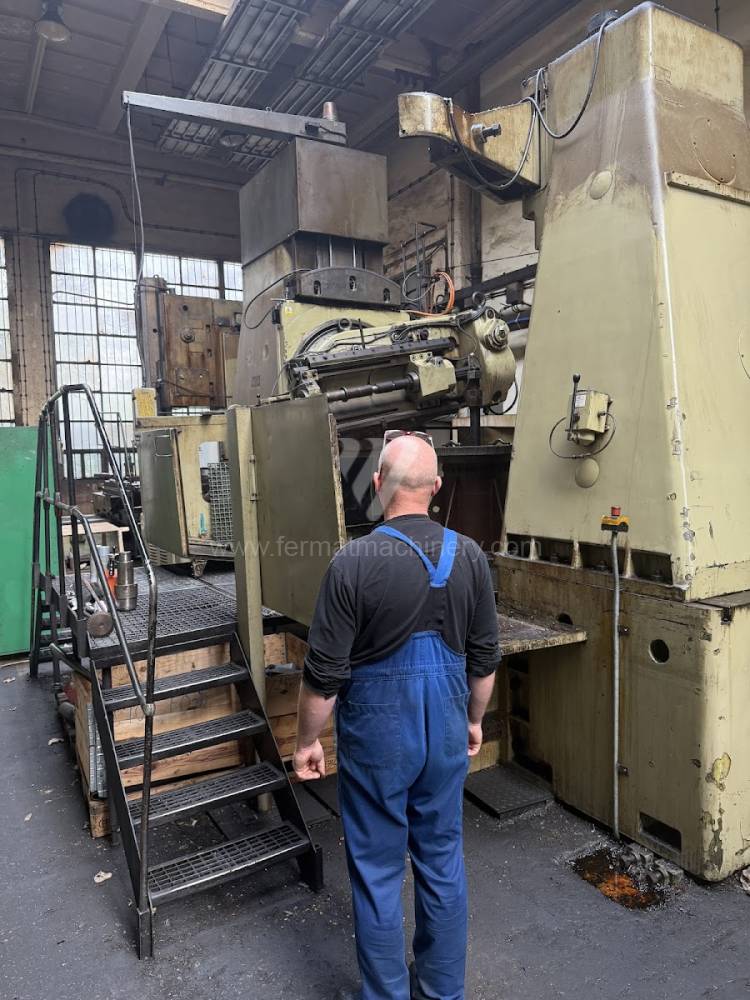
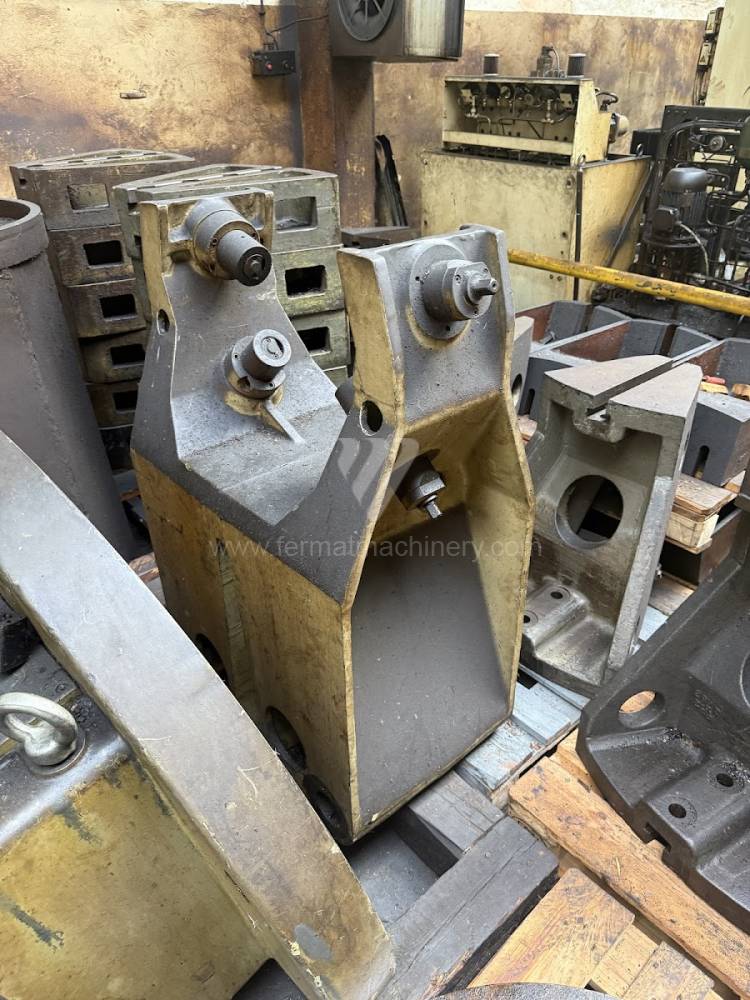
ZFWZ 3150/3
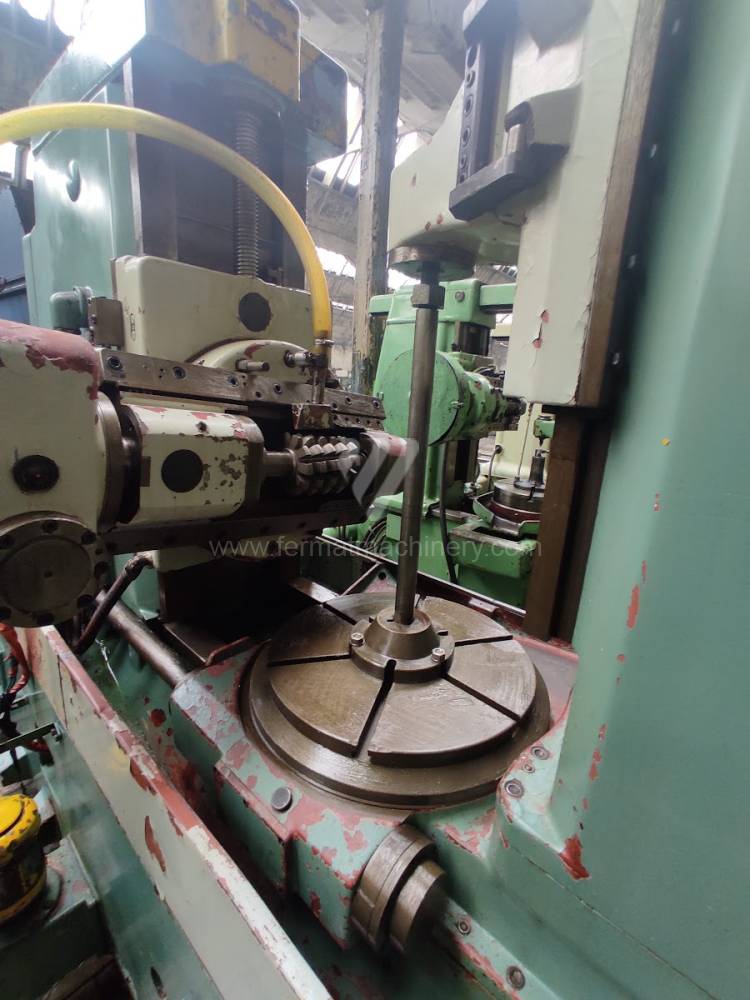
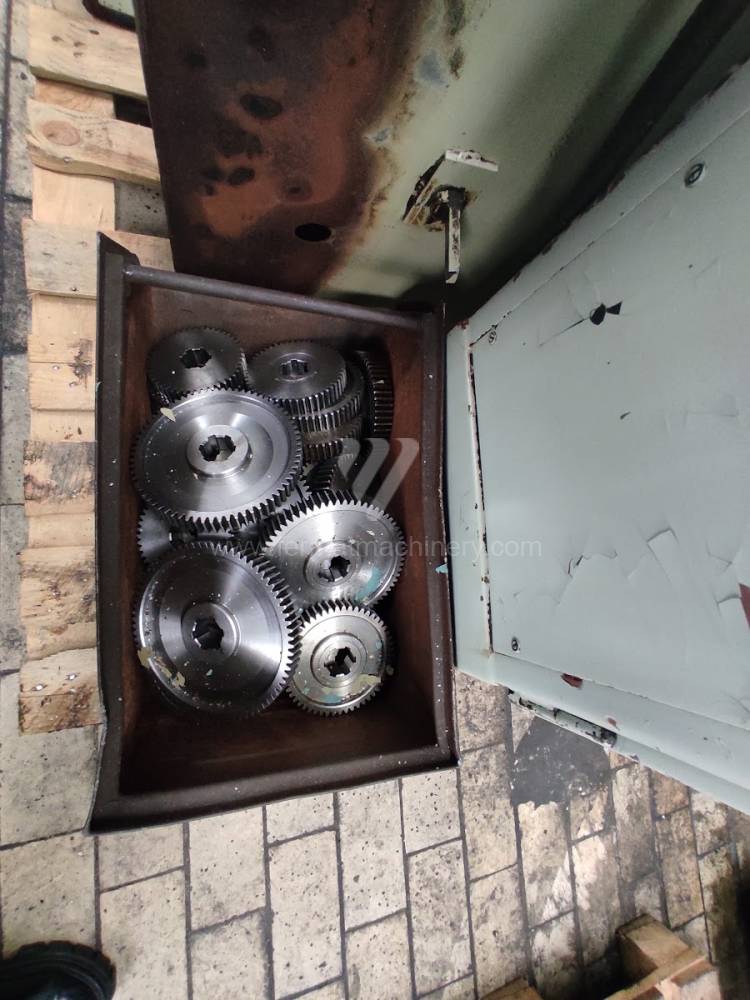
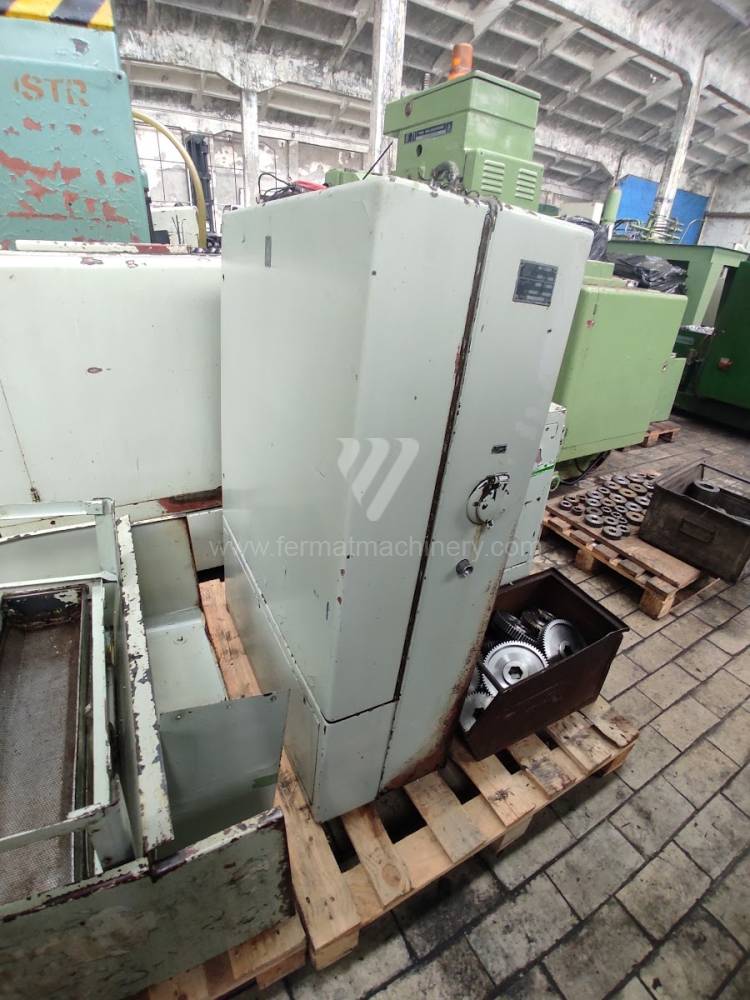
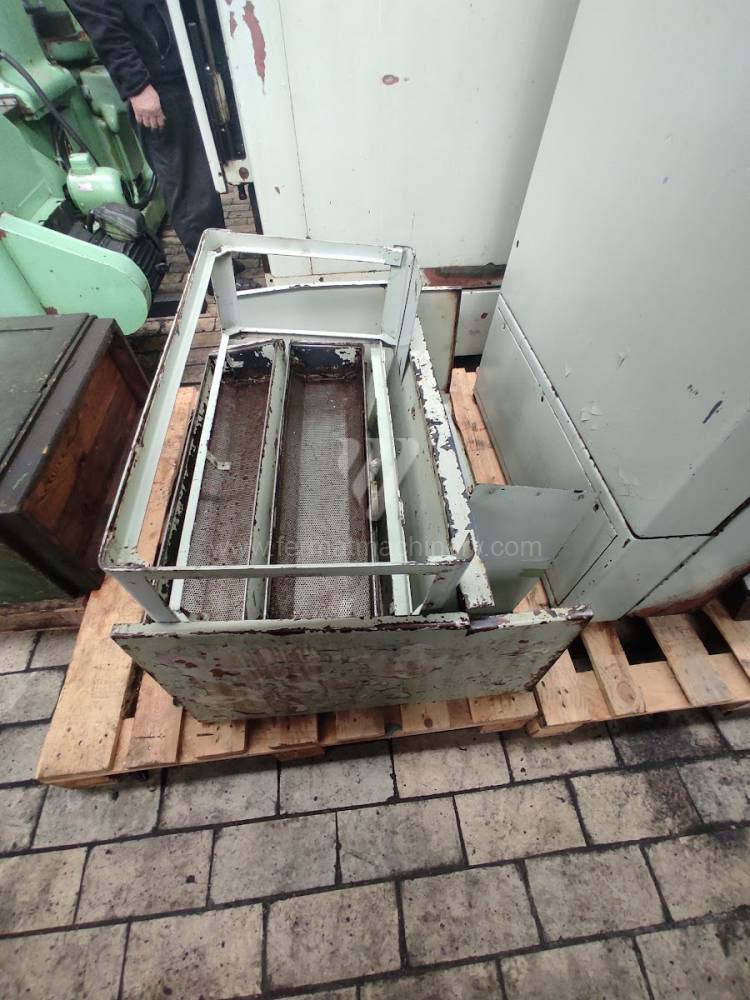
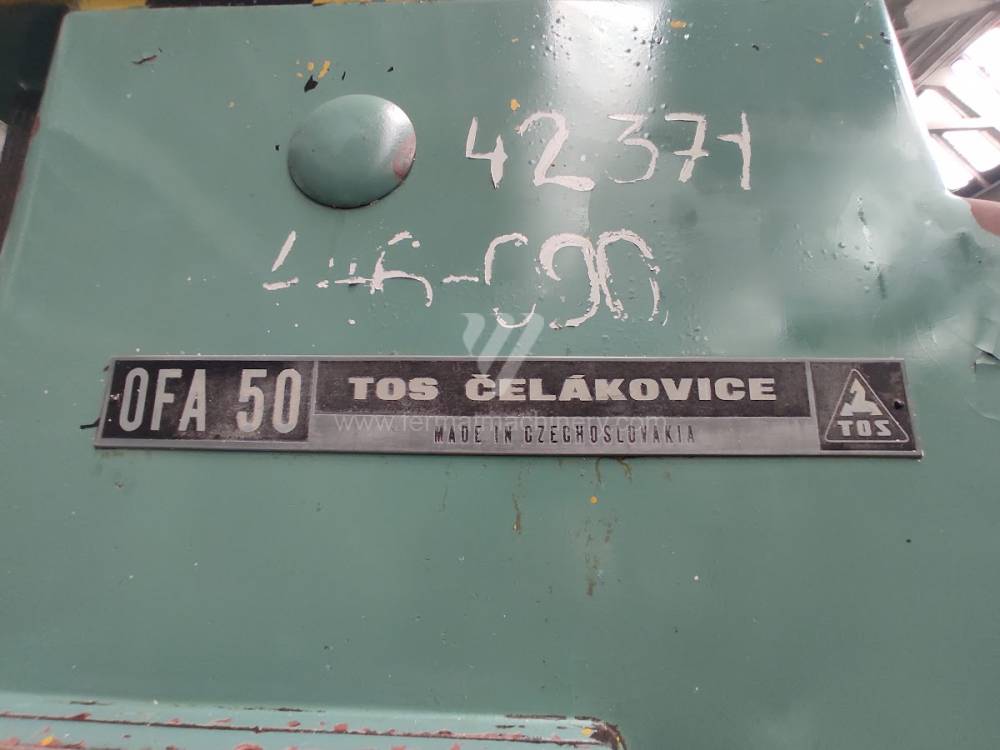
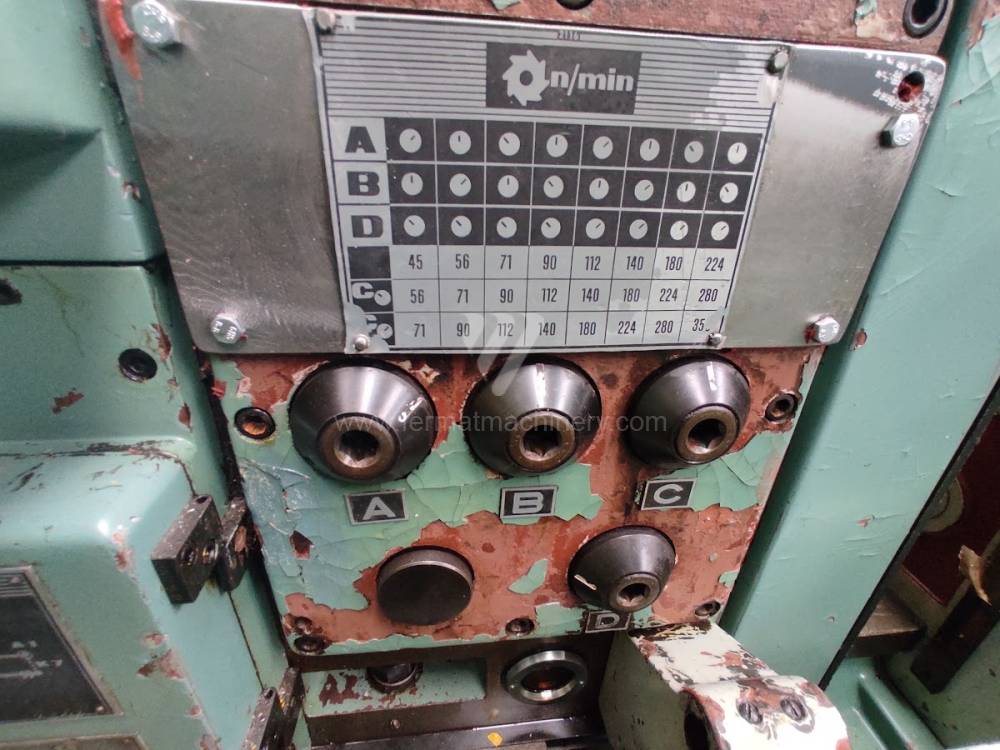
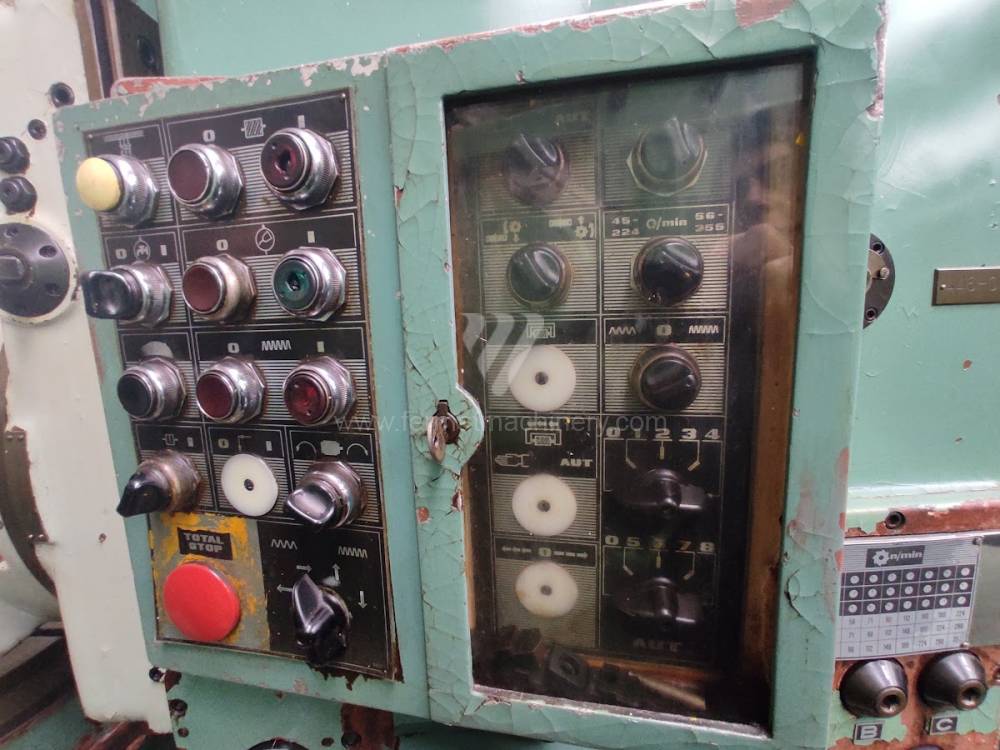
OFA 50
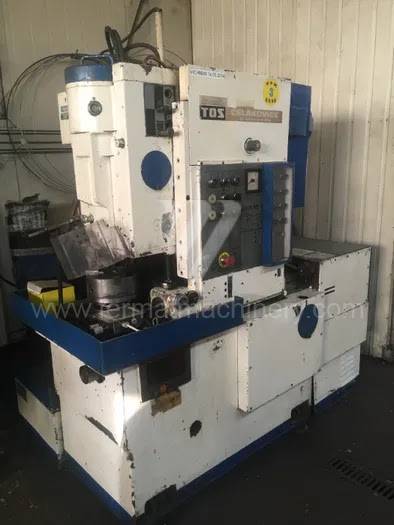
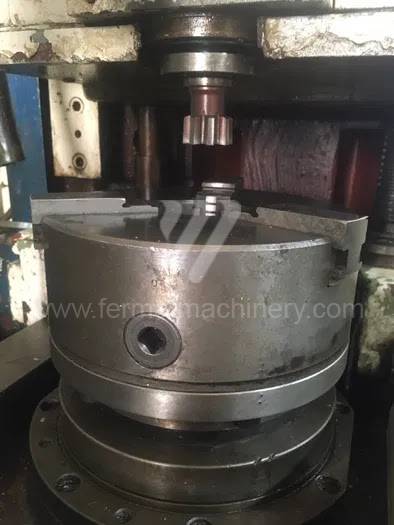
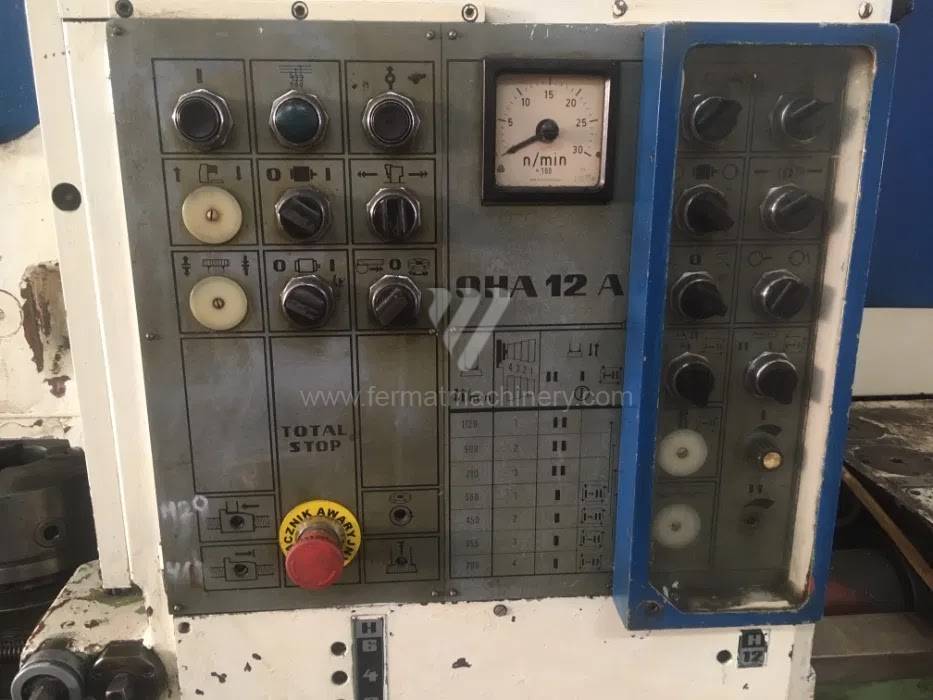
OHA 12 A
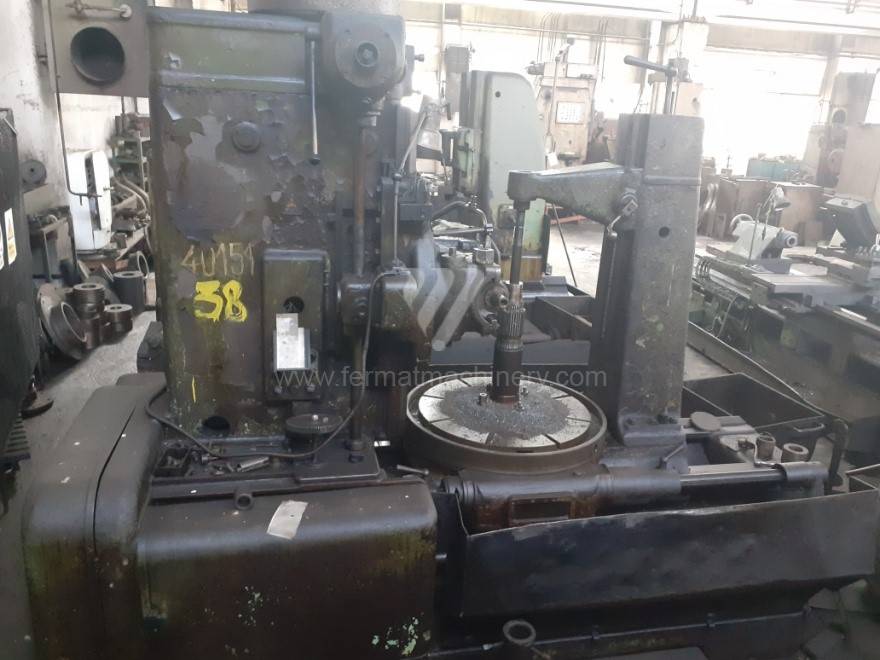

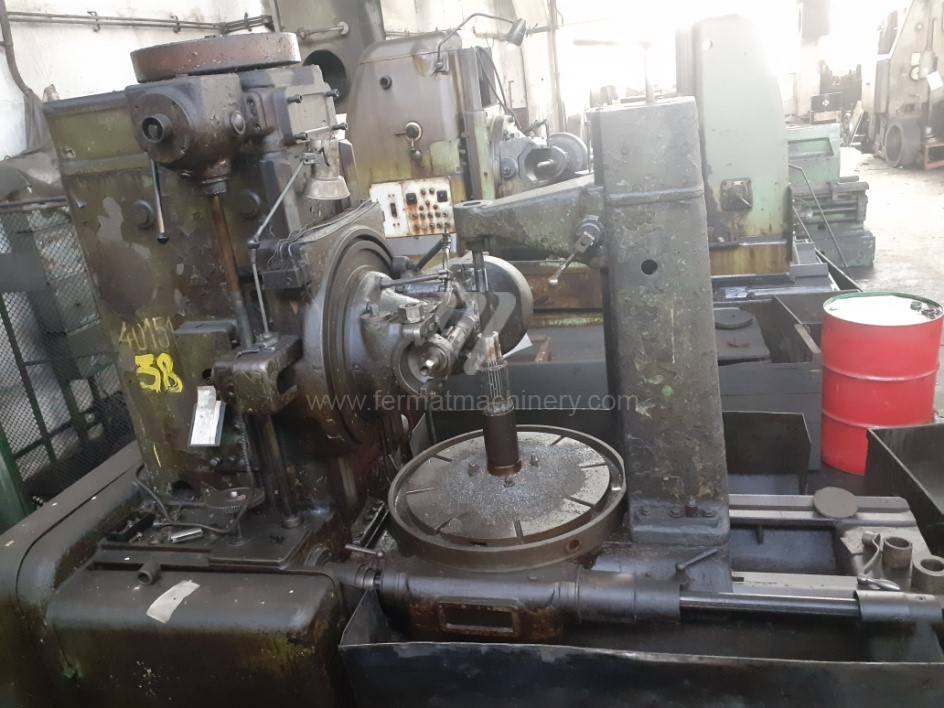
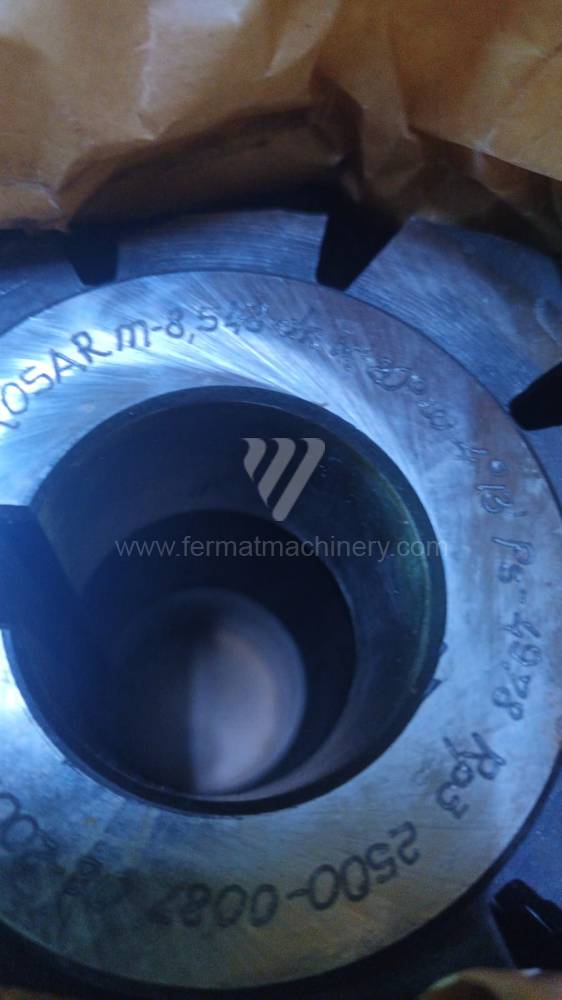
FO 10
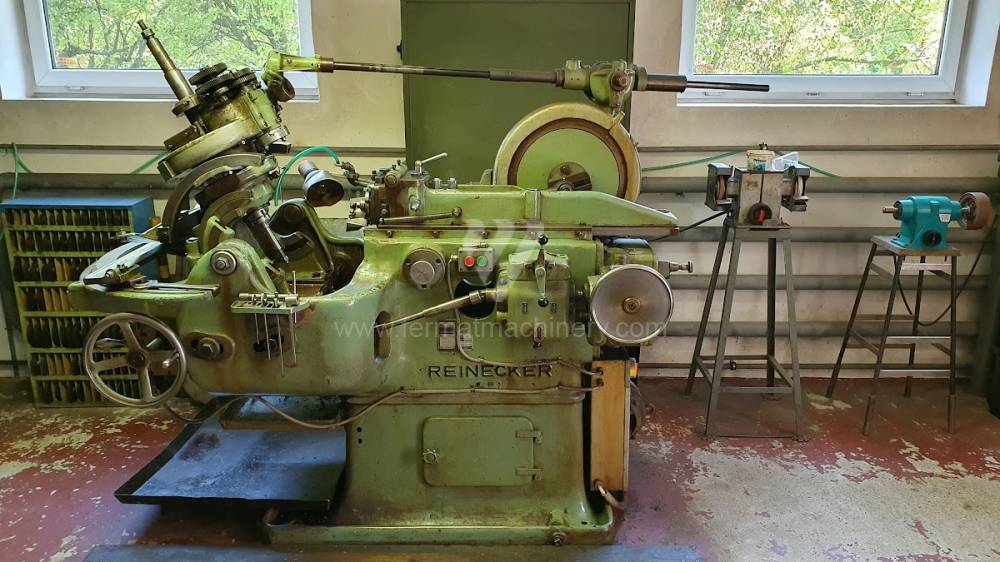
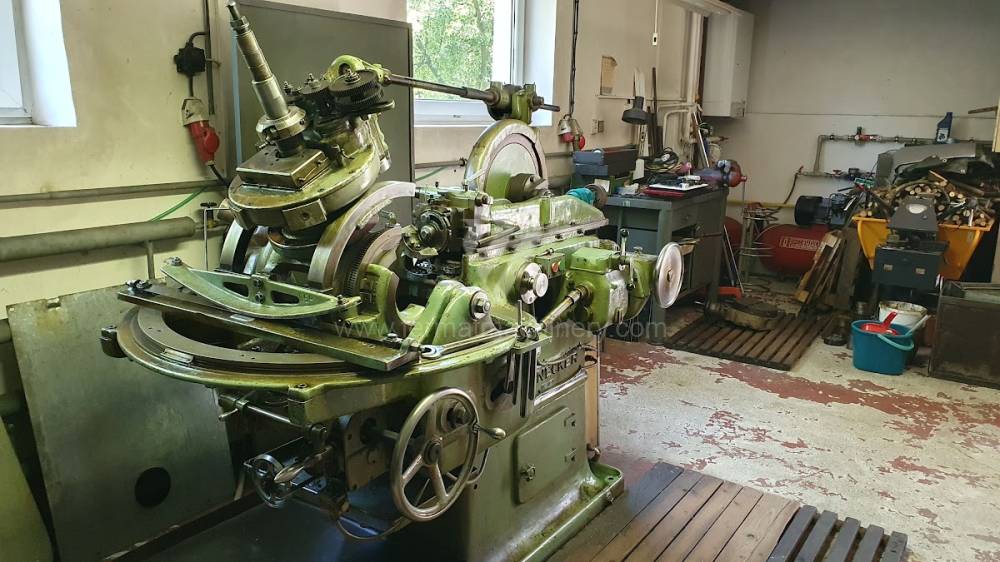
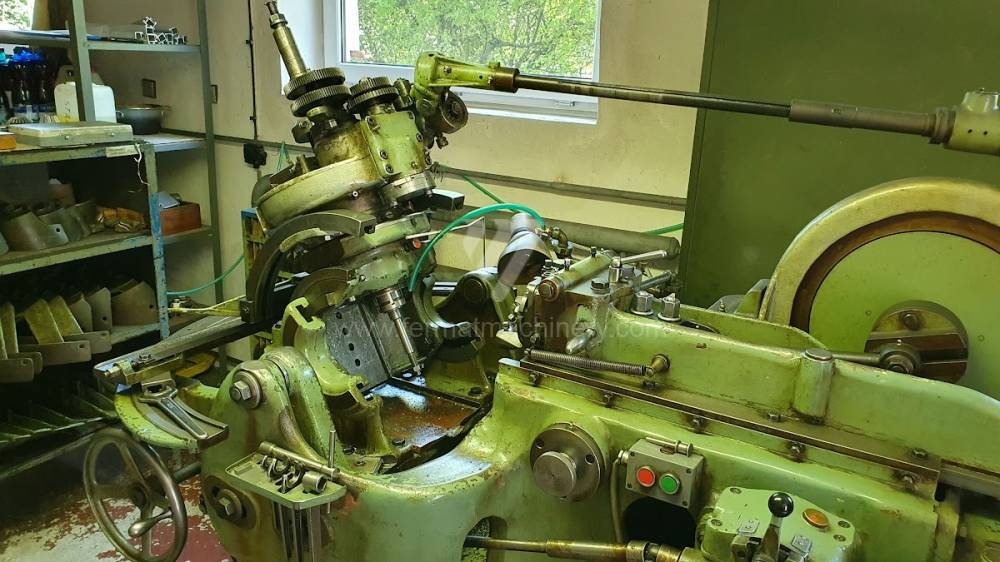
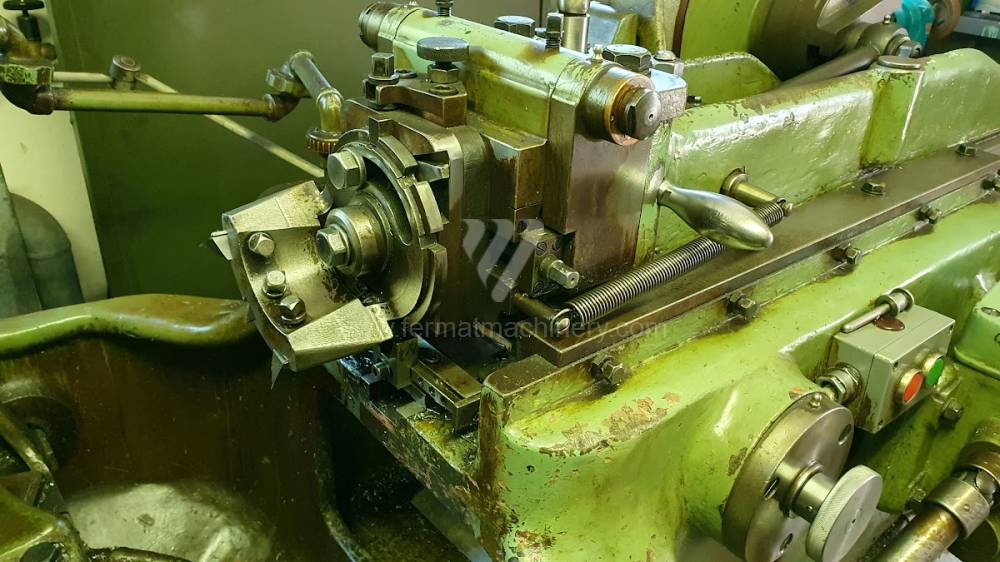
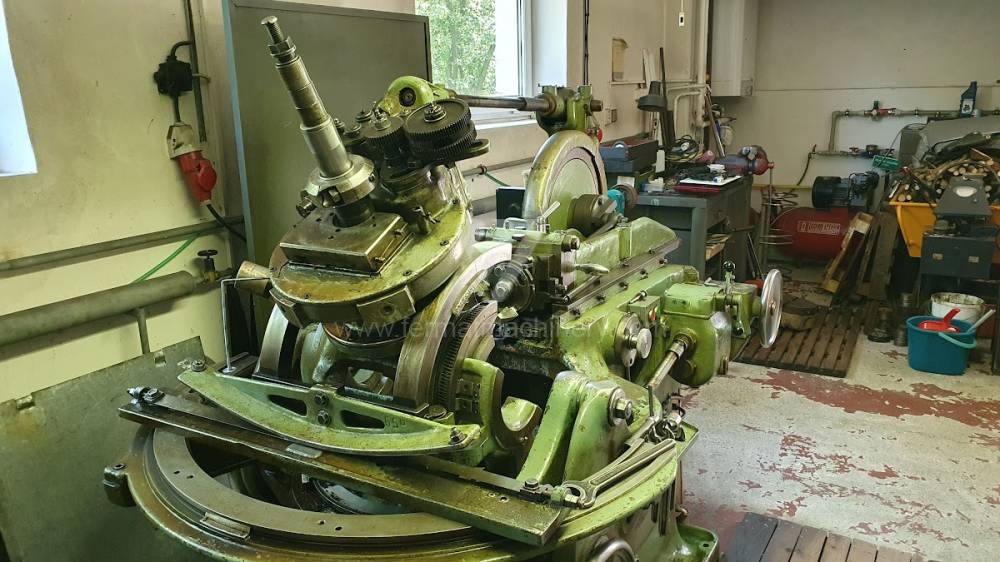
AKH 1A
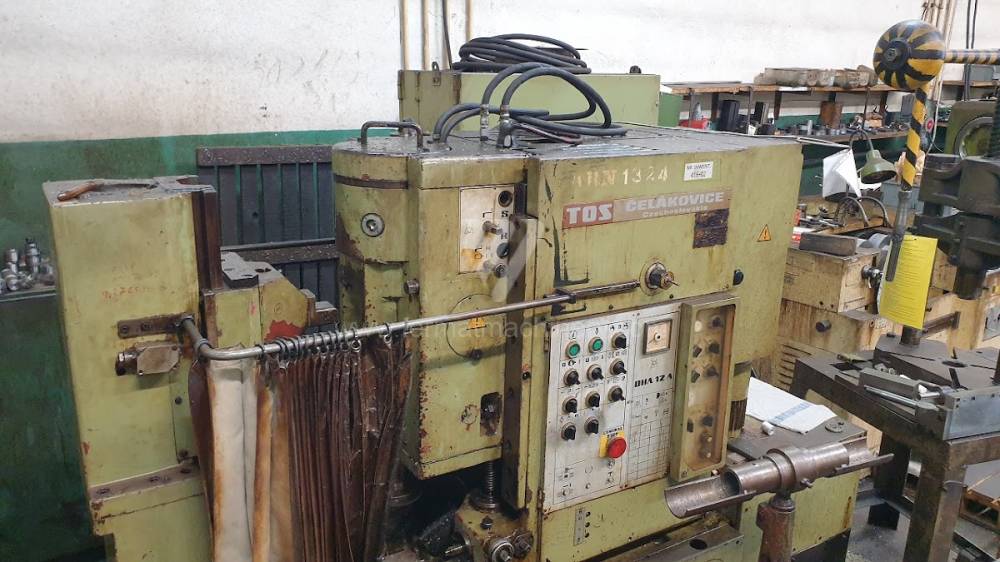
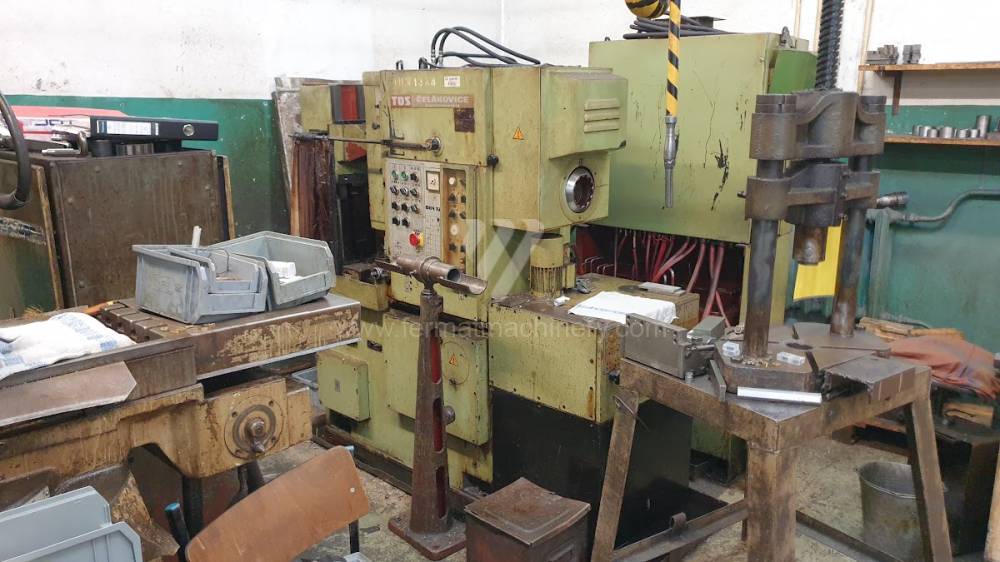
OHA 12 A
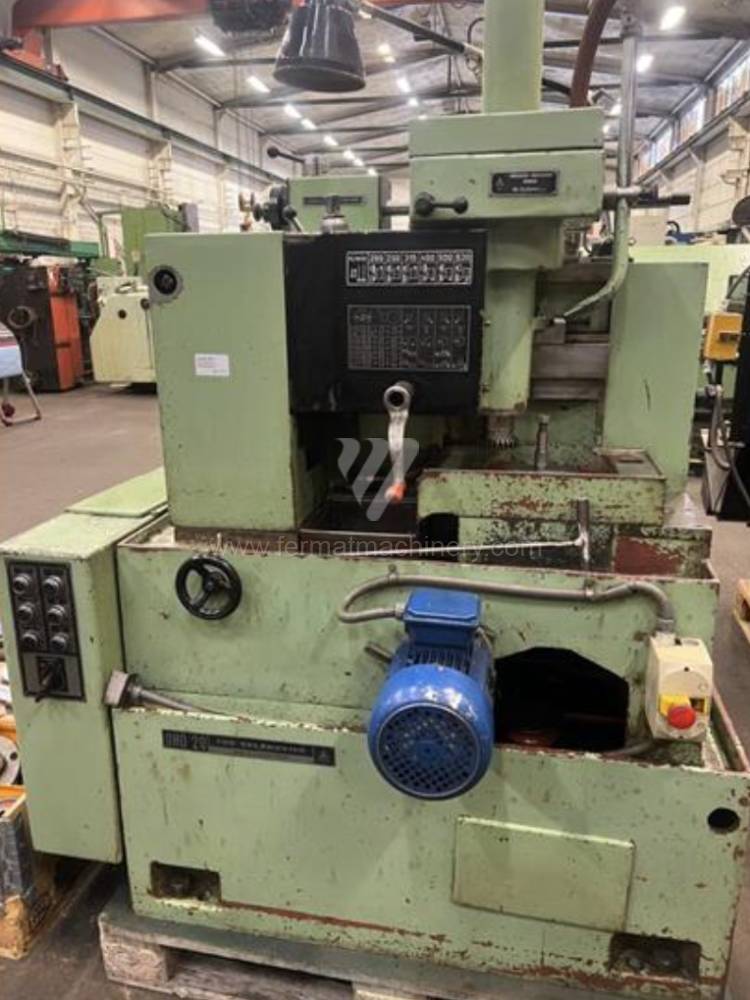
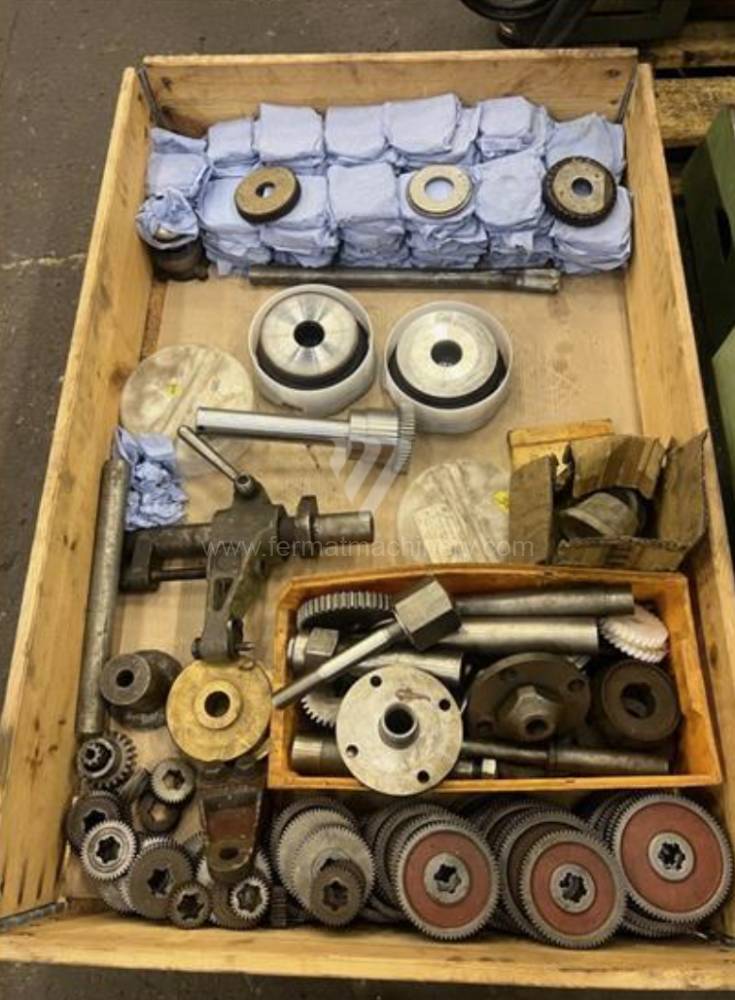
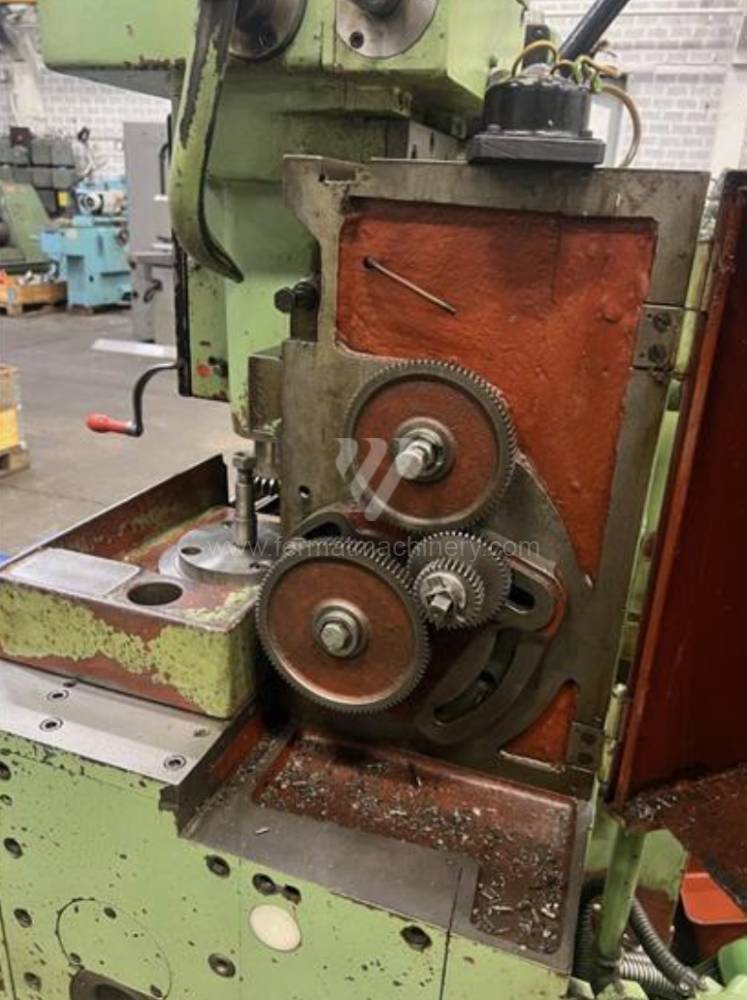
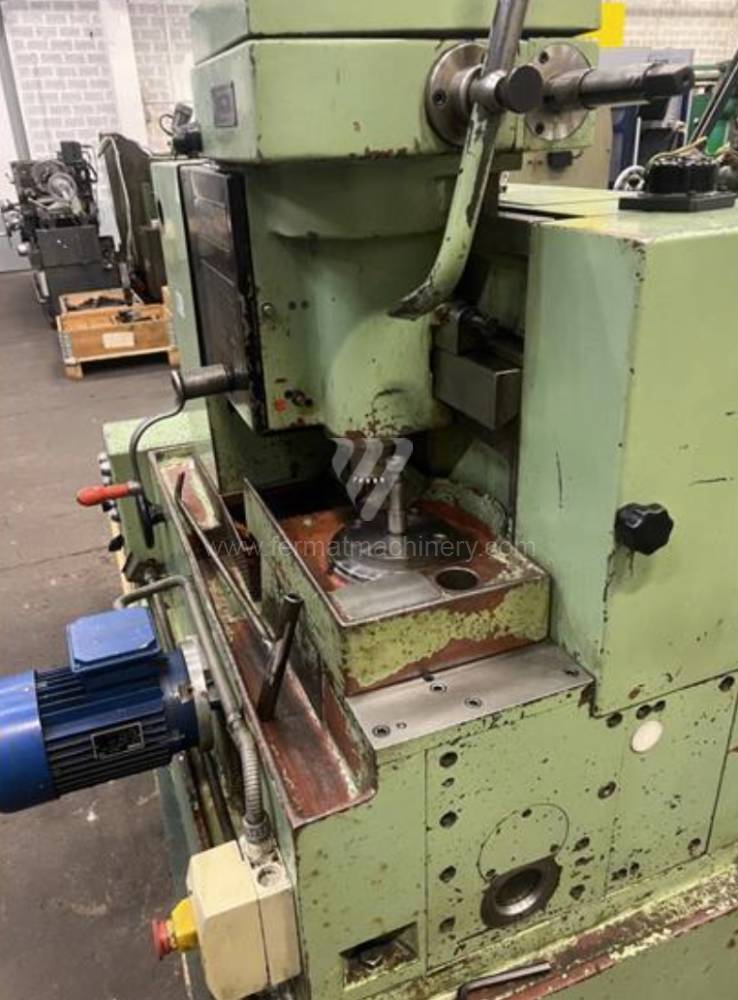
OHO 20
Зубо-резьбообрабатывающие станки
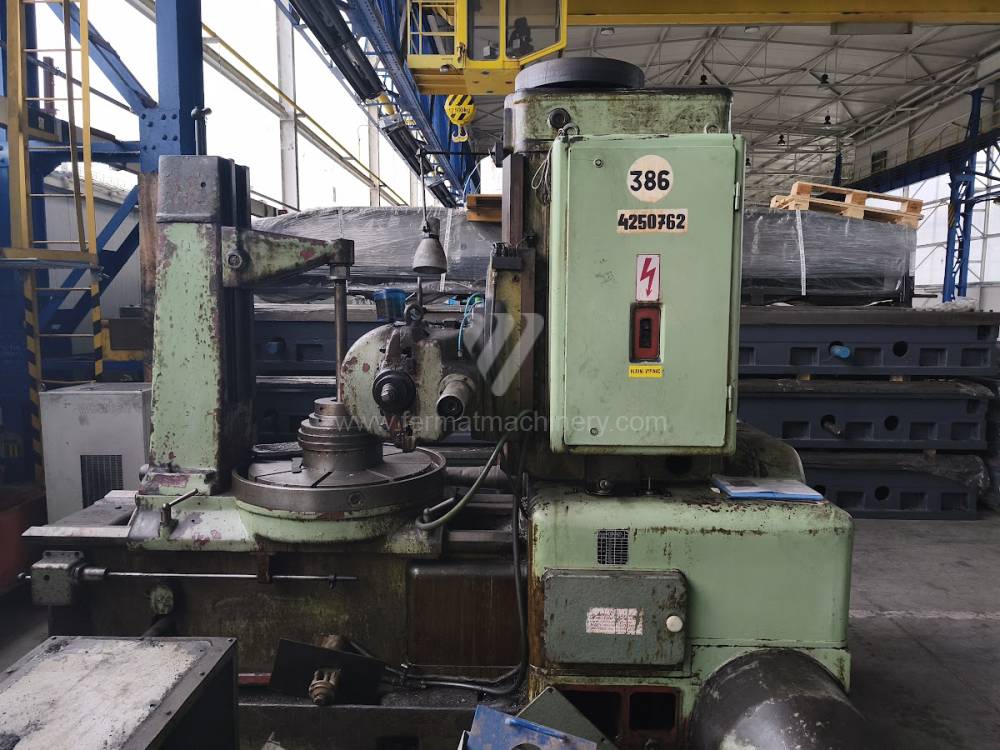
FO 10
TOS Čelákovice
Инв. номер: 251702
Год изготовления:1966
Макс. диаметр заготовки: 1000 mm
Модуль: 10 -
Мощность гл. электромотора: 7,5 kW
Размеры ДхШхВ: 3120 x 1870 x 2525 mm
Масса станка: 10000 kg
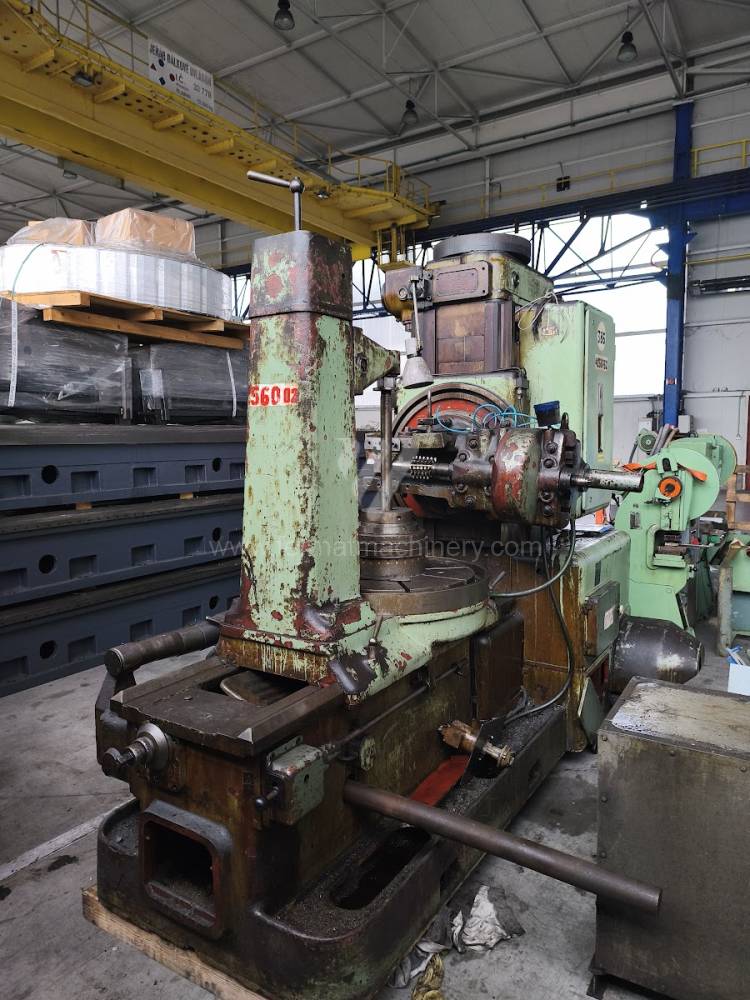
OF 71
TOS Čelákovice
Инв. номер: 241168
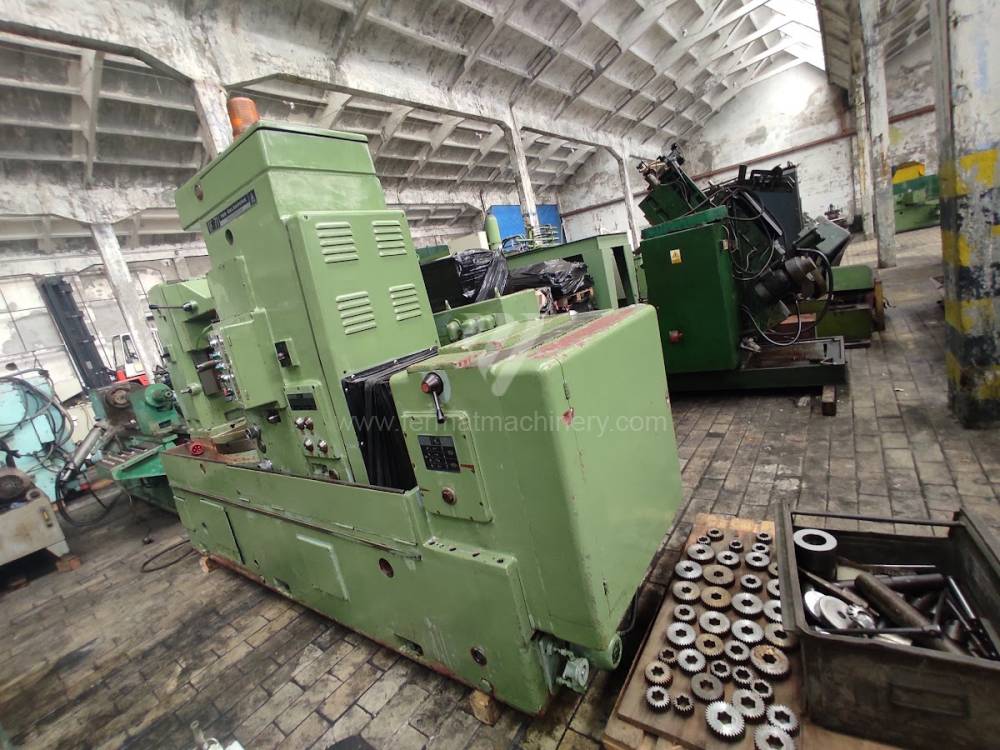
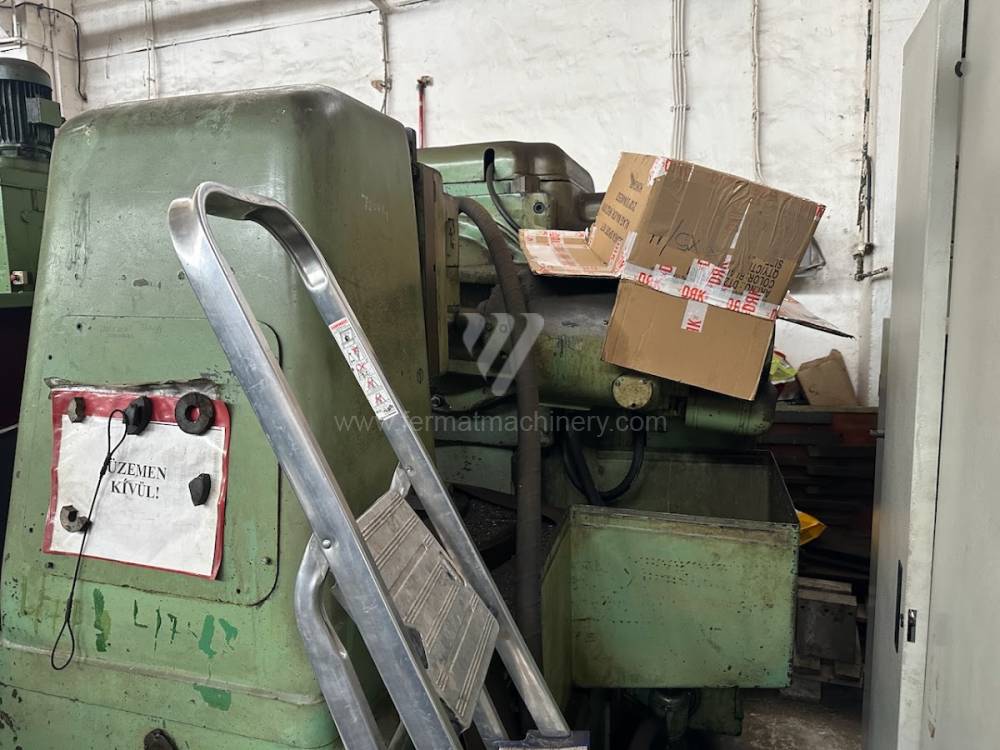
5K32A
Stanko Russia
Инв. номер: 251209
Макс. диаметр заготовки: 500 mm
Модуль: 10 -
Мощность гл. электромотора: 7 kW
Масса станка: 7200 kg
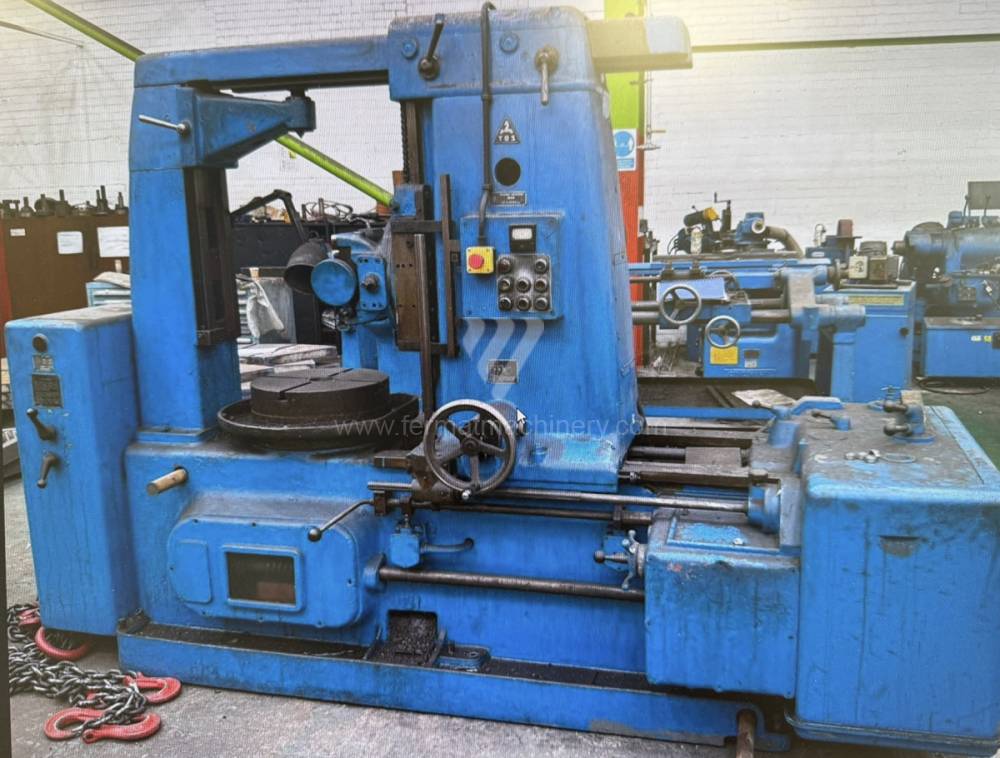
FO 6
TOS Čelákovice
Инв. номер: 261280
Макс. диаметр заготовки: 800 mm
Модуль: 6 -
Мощность гл. электромотора: 3,7 kW
Размеры ДхШхВ: 2540x1400mm mm
Масса станка: 4000 kg
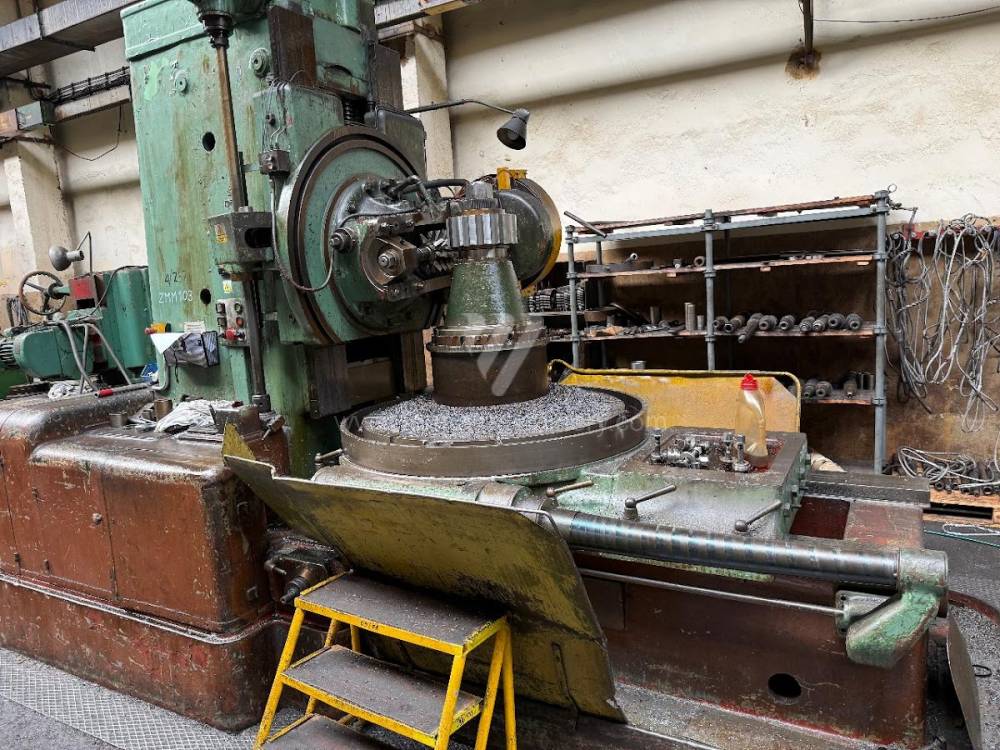
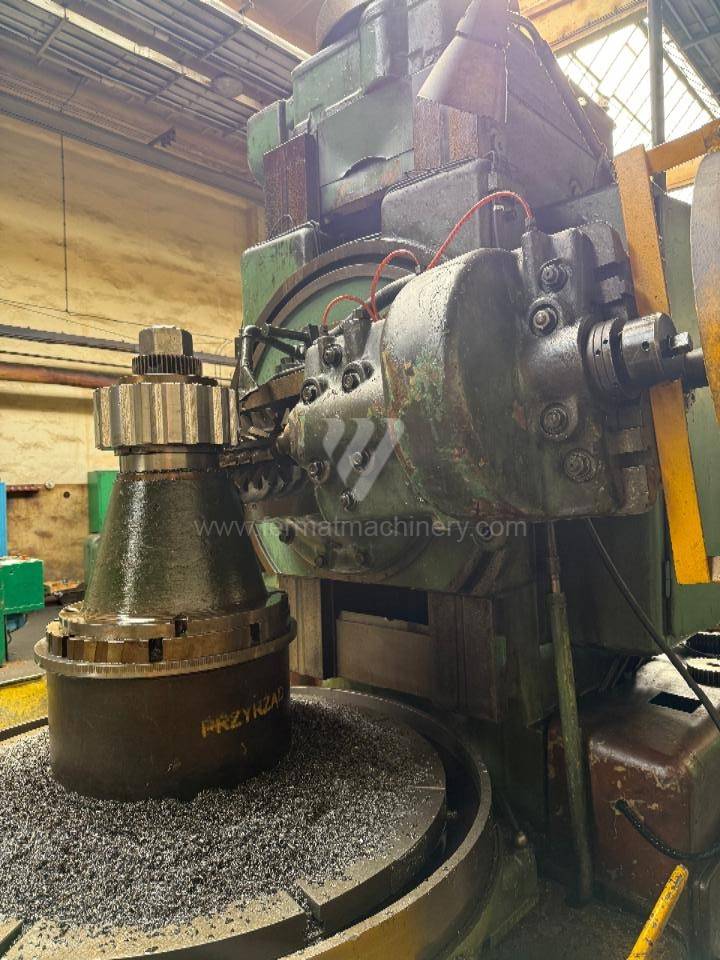
FO-16
TOS Čelákovice
Инв. номер: 261357
Макс. диаметр заготовки: 1600 mm
Модуль: 16 -
Макс. масса заготовки: 7000 kg
Размеры ДхШхВ: 4300x 2000x 3110 mm
Масса станка: 18000 kg
ZSTZ 315 C
NILES-SIMMONS Industrieanlagen GmbH
Инв. номер: 241606
Макс. диаметр заготовки: 315 mm
Модуль: 10 -
Макс. масса заготовки: 200 kg
Мощность гл. электромотора: 8 kW
Размеры ДхШхВ: 3200 × 3500 × 1800 mm
Масса станка: 4800 kg
ZSTZ 1250x18
VEB Kombinat Umformtechnik
Инв. номер: 261356
Макс. диаметр заготовки: 1250 mm
Модуль: 18 -
Размеры ДхШхВ: 5500 x 3200 x 3500 mm
Масса станка: 11300 kg
Maxicut 3A
Unknown
Инв. номер: 241366
Макс. диаметр заготовки: 457 mm
Модуль: 8,5 -
Масса станка: 3400 kg
Размеры ДхШхВ: 1 900 × 1 350 × 2 100 mm mm
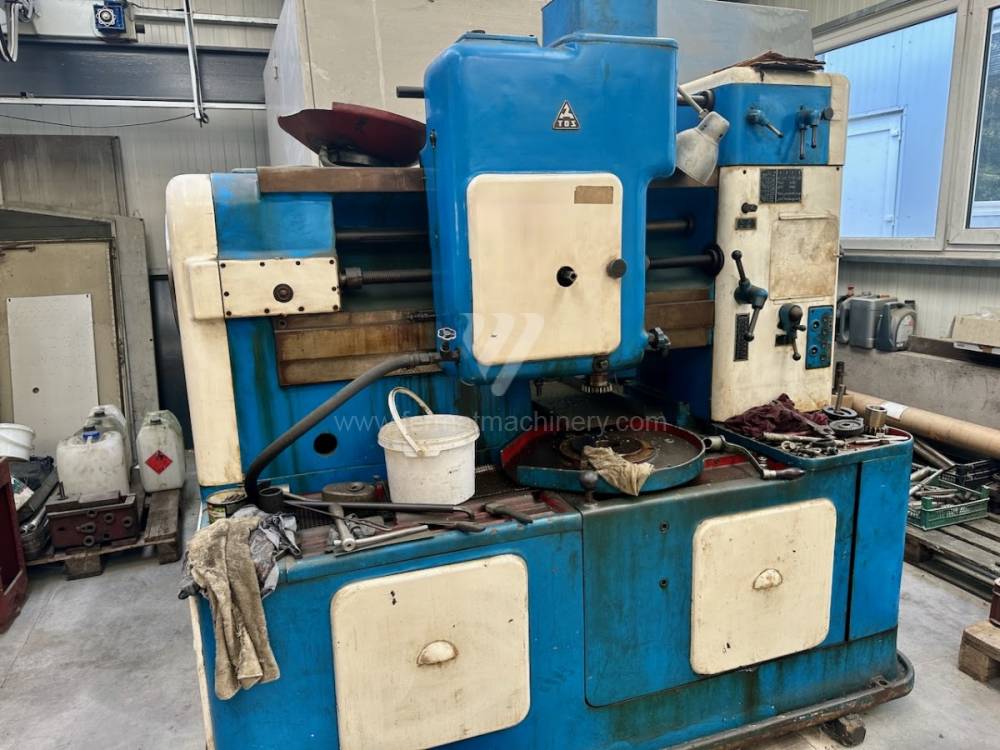
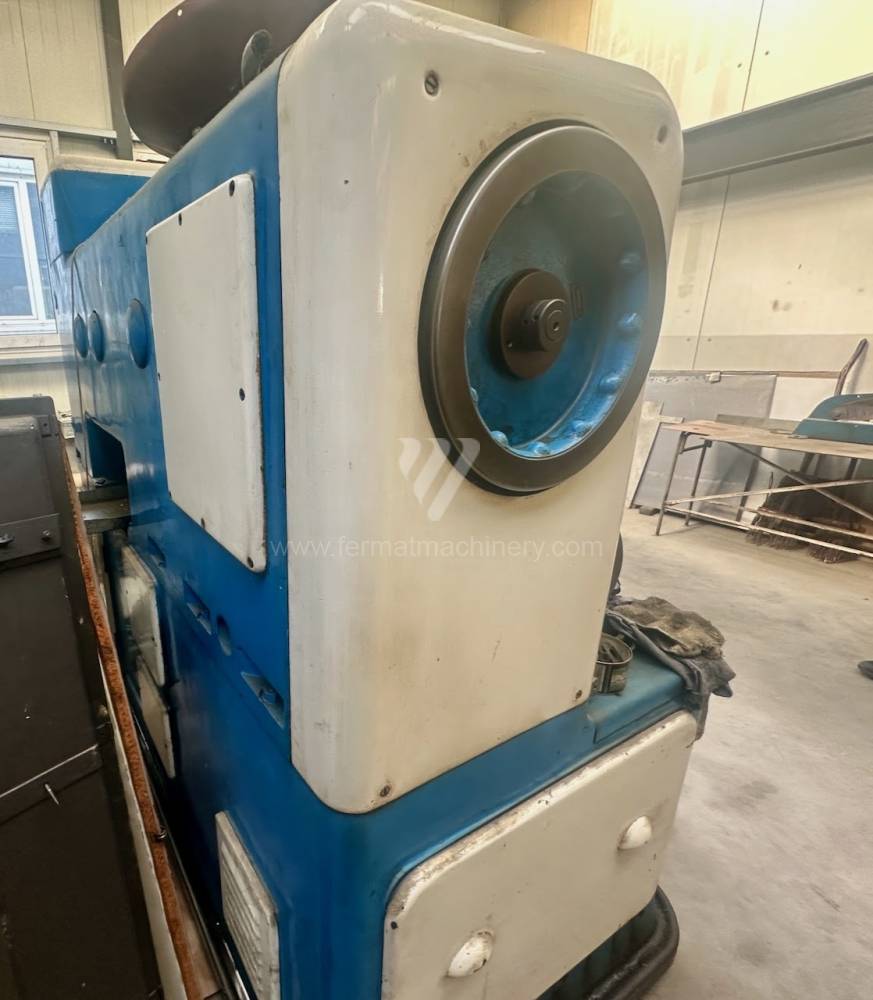
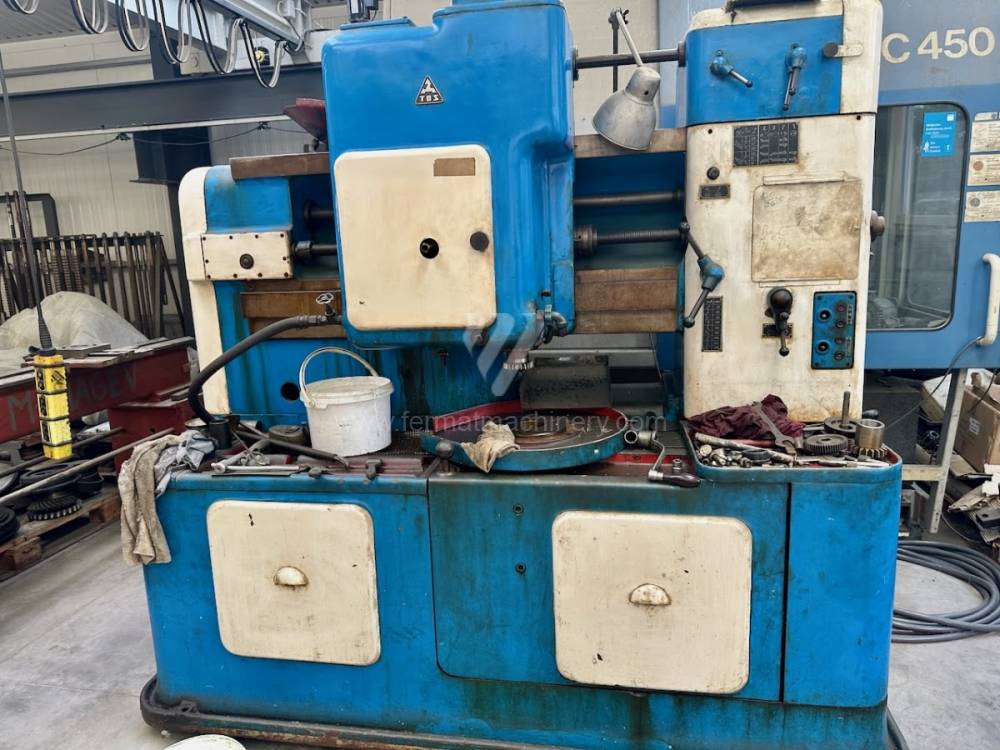
OH 6
TOS Čelákovice
Инв. номер: 251843
Макс. диаметр заготовки: 500 mm
Модуль: 6 -
Мощность гл. электромотора: 3 kW
Размеры ДхШхВ: 2100x1000x2100 mm
Масса станка: 3500 kg
5B312
Stanko Russia
Инв. номер: 231286
Год изготовления:1977
Макс. диаметр заготовки: 320 mm
Модуль: 6 -
Мощность гл. электромотора: 7,5 kW
Размеры ДхШхВ: 1790x1375x2200 mm
Масса станка: 5420 kg
OH 6
TOS Čelákovice
Инв. номер: 251208
Макс. диаметр заготовки: 500 mm
Модуль: 6 -
Мощность гл. электромотора: 3 kW
Размеры ДхШхВ: 2100x1000x2100 mm
Масса станка: 3500 kg
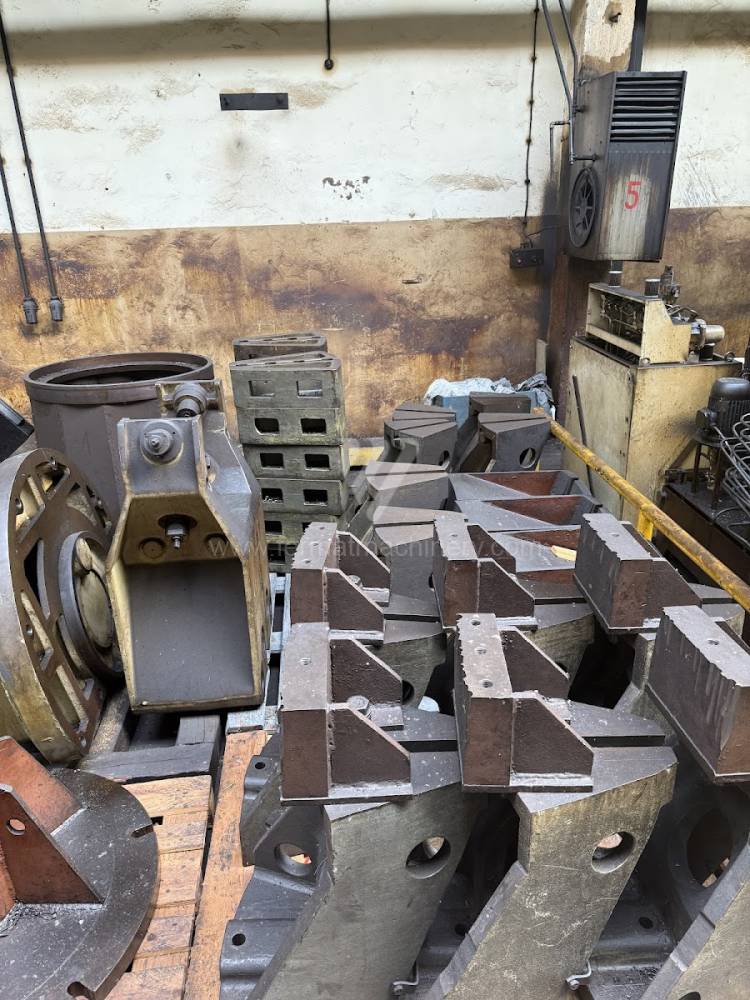
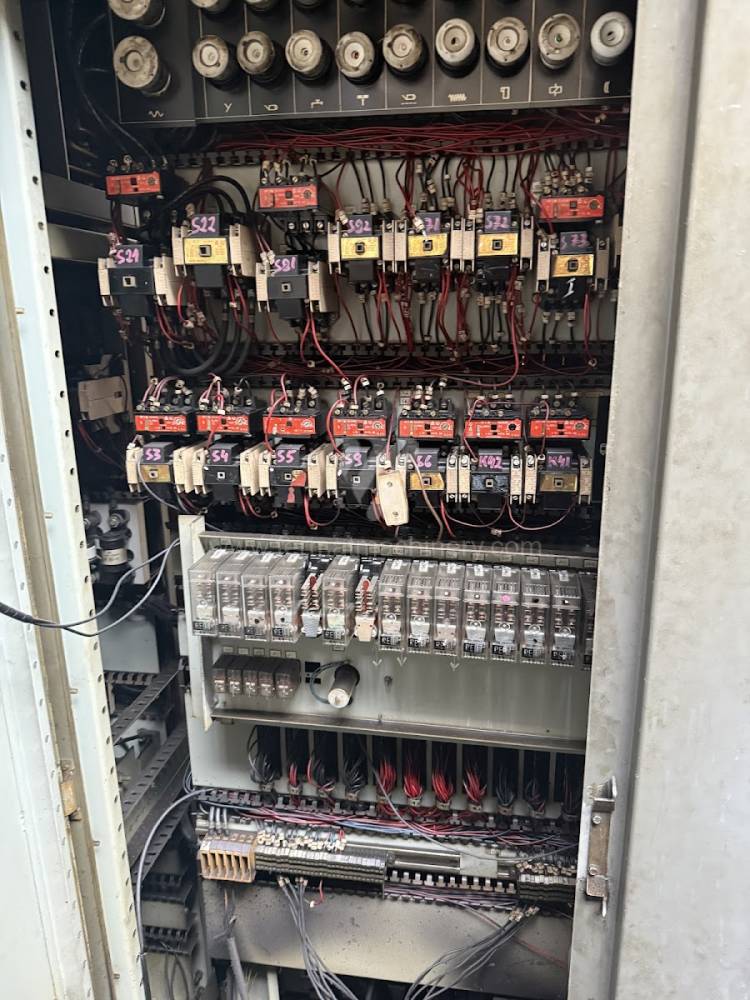
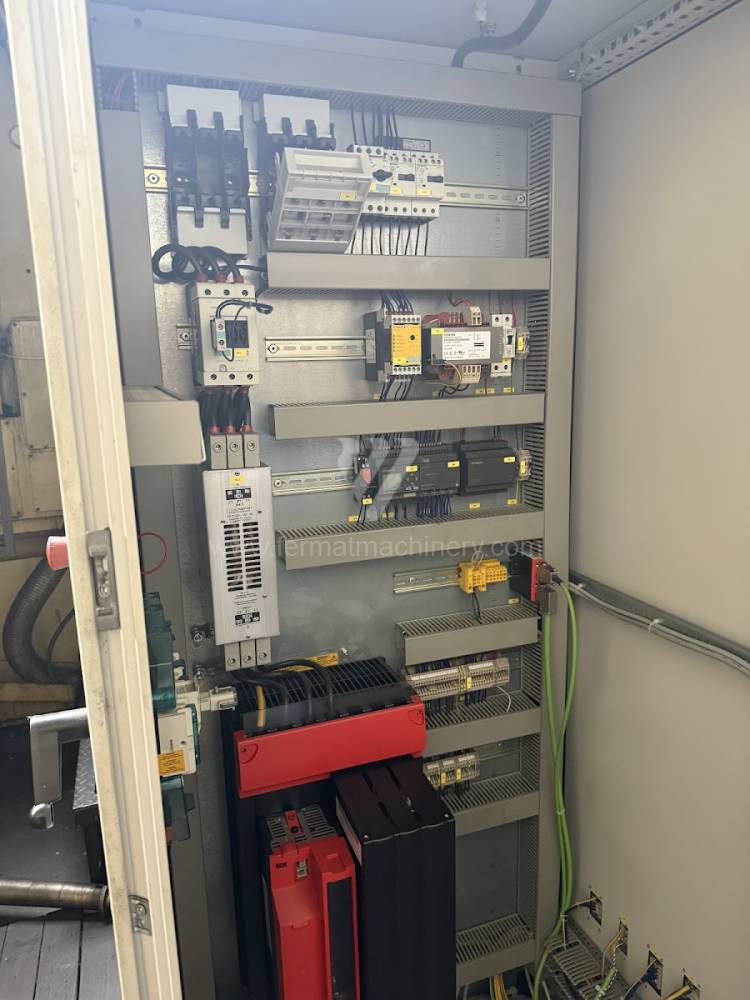
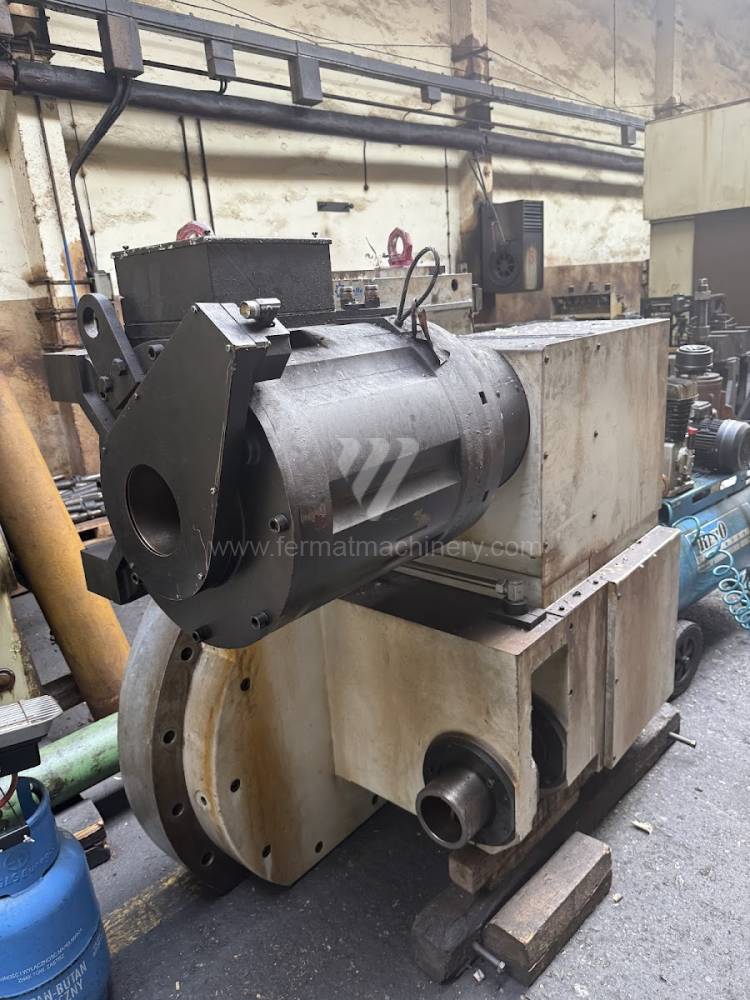
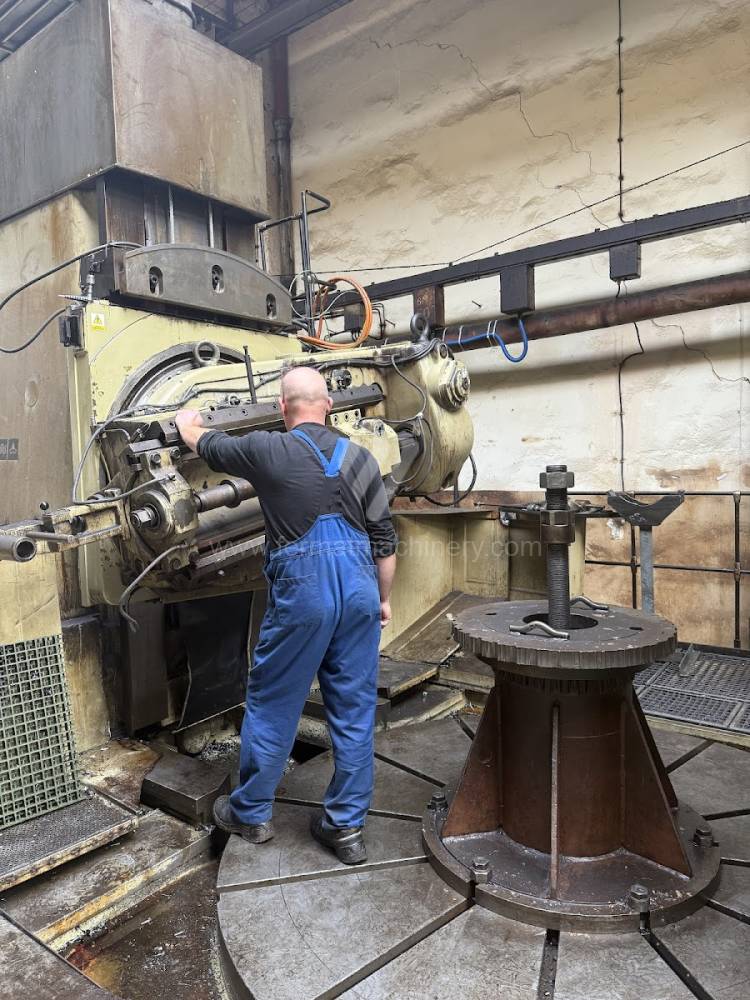
ZFWZ 3150/3
VEB Kombinat Umformtechnik
Инв. номер: 261361
Макс. диаметр заготовки: 3500 mm
Модуль: 30 -
Размеры ДхШхВ: 7 410x 5 400x 4 820 mm
Макс. диаметр заготовки: 3500 mm
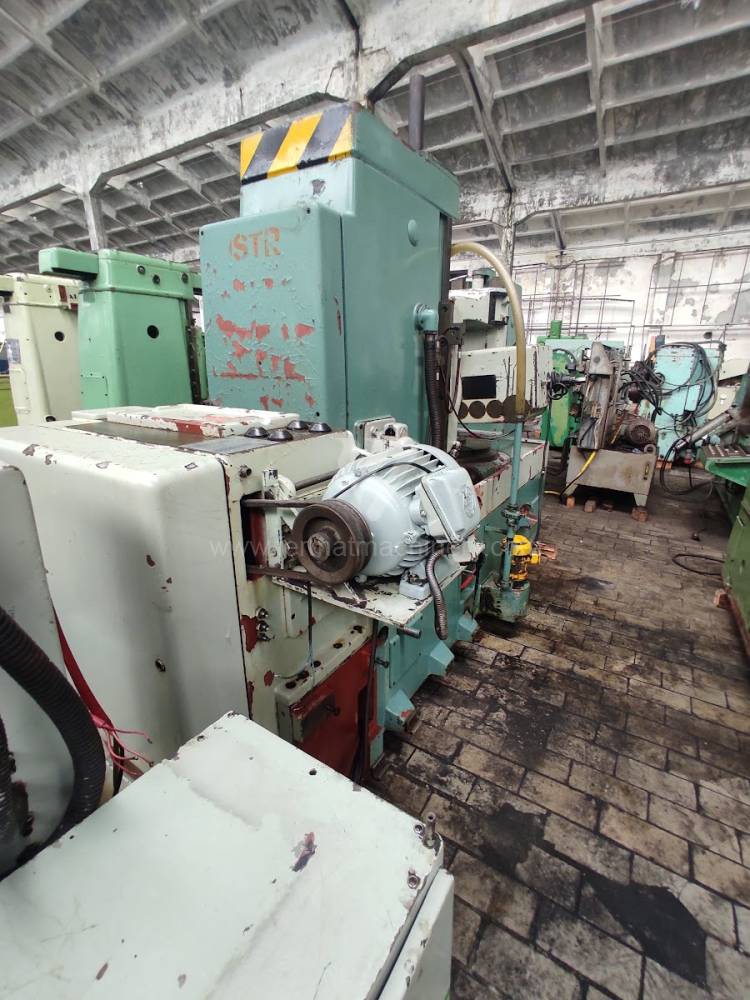
OFA 50
TOS Čelákovice
Инв. номер: 241169
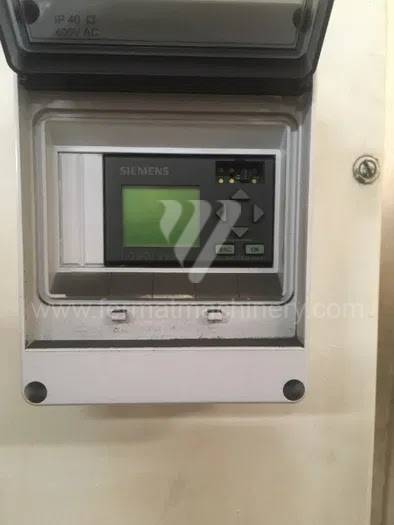
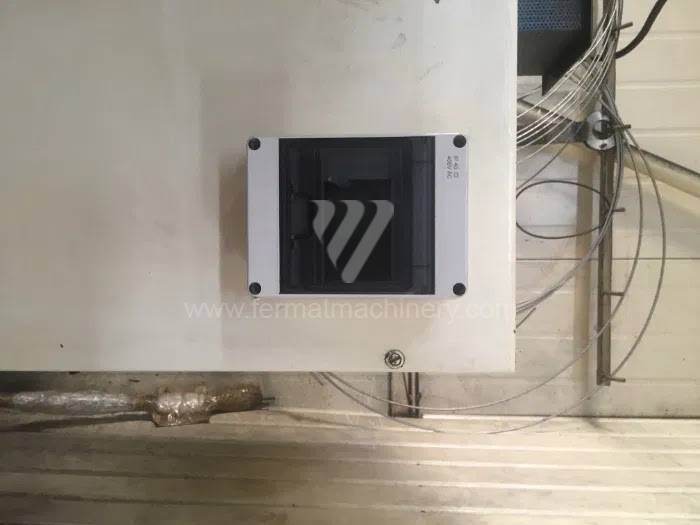
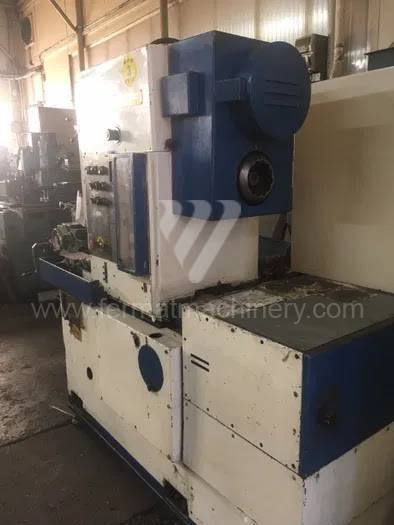
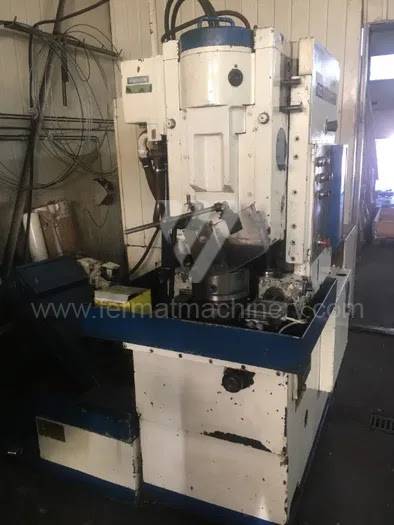
OHA 12 A
TOS Čelákovice
Инв. номер: 251074
Система управления Siemens:
Макс. диаметр заготовки: 125 mm
Модуль: 4 -
FO 10
TOS Čelákovice
Инв. номер: 241890
Макс. диаметр заготовки: 1000 mm
Модуль: 10 -
Мощность гл. электромотора: 7,5 kW
Размеры ДхШхВ: 3120x1870x2525 mm
Масса станка: 8700 kg
AKH 1A
Reinecker
Инв. номер: 241591
Год изготовления:1993
Макс. диаметр заготовки: 280 mm
Модуль: 7 -
Масса станка: 2100 kg
OHA 12 A
TOS Čelákovice
Инв. номер: 241733
Макс. диаметр заготовки: 125 mm
Модуль: 4 -
OHO 20
TOS Čelákovice
Инв. номер: 261013
Макс. диаметр заготовки: 200 mm
Модуль: 1-4 -
Размеры ДхШхВ: 1350x950x1720 mm
Масса станка: 1800 kg
Technical Analysis and Parameters of Gear Technologies
When acquiring a used gear production machine (hobbing machines, shapers, or grinders), the critical factors are the rigidity of the casting and the condition of the kinematic chain. Unlike standard milling machines, gear machines operate with continuous hobbing, where any micro-vibration directly affects the tooth involute and surface roughness.
Key Technical Aspects:
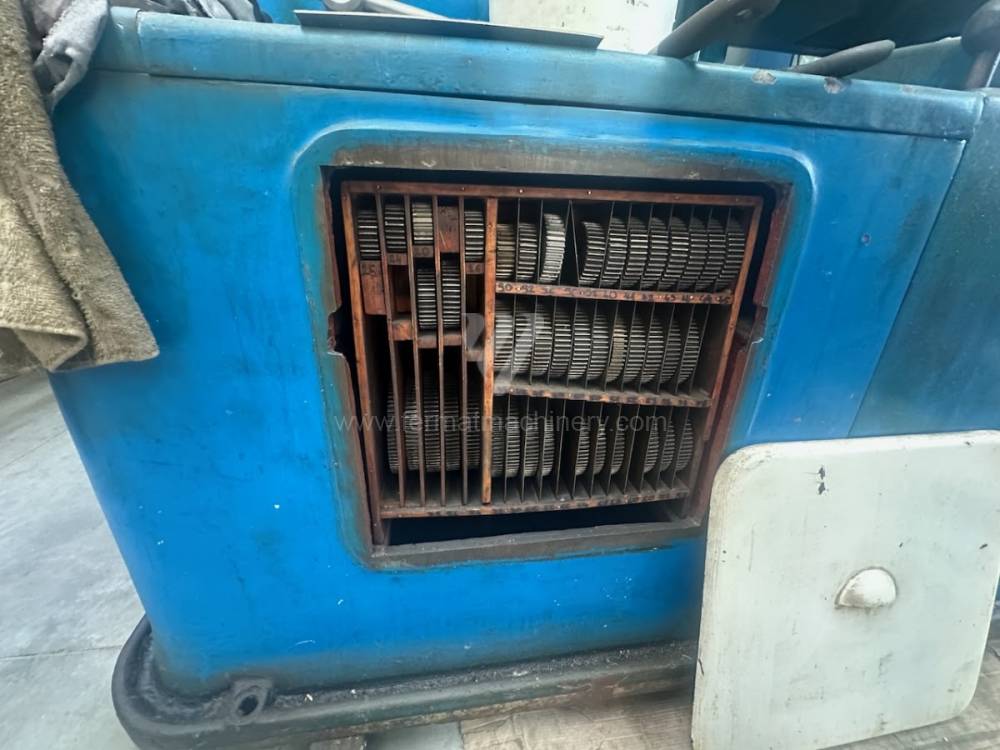
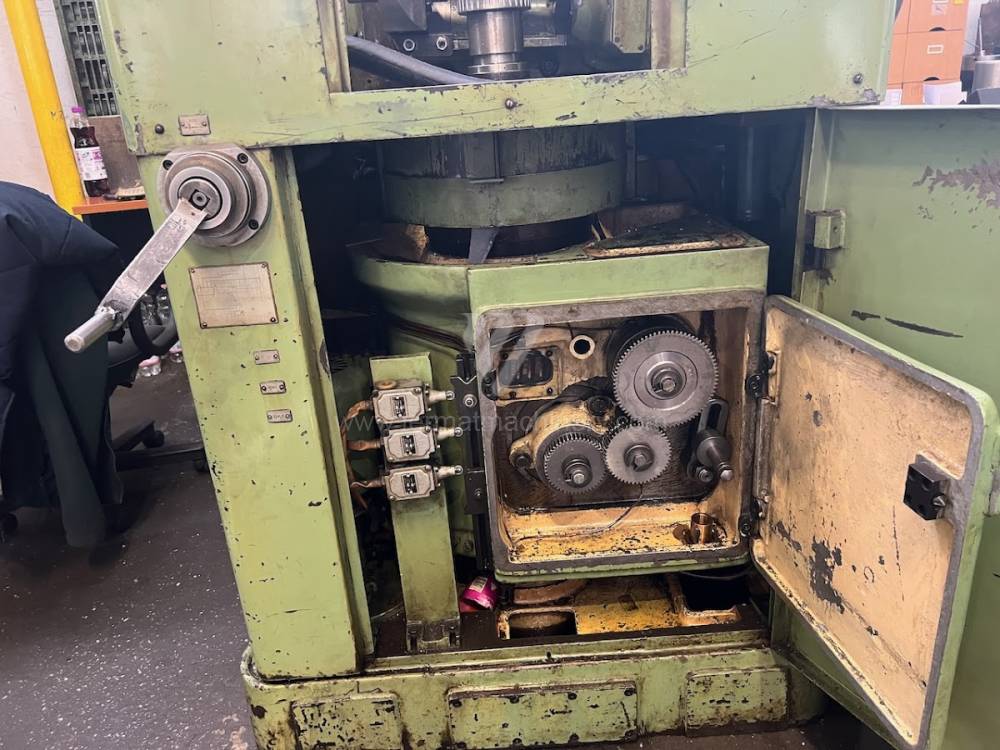
- Kinematic Stability: For mechanical machines (e.g., TOS FO series, Pfauter), we monitor the condition of the dividing worm gear. Minimum backlash in this node is essential for maintaining precision classes IT6-IT8.
- Drive Modernization (Retrofit): Replacement of mechanical change gears with an Electronic Gear Box (EGB). Implementation of Siemens Sinumerik 840D SL or Fanuc 31i-B systems allows for seamless parameter changes without the need for manual machine reconfiguration.
- Bed Rigidity and Damping: Massive cast-iron structures of older machines exhibit high thermal stability and the ability to absorb shock forces generated during interrupted cuts, which is crucial for machining high-strength alloy steels.
- Module Specifications: The stock availability of machines covers a range from fine gearing (module 1) to heavy engineering (module 30 and above) with workpiece diameters exceeding 5,000 mm.
Strategic Block: ROI and Economic Efficiency
Acquiring a used gear machine represents a strategic advantage in terms of CAPEX and the speed of production ramp-up. While delivery times for new machines from renowned brands (Liebherr, Gleason) often exceed 14 months, a refurbished machine is ready for shipment within weeks.
Value-Added Calculation: Investing in a used machine followed by a control system retrofit typically reaches 40–60% of the cost compared to a new device, while maintaining 95% of production accuracy. This difference directly accelerates the break-even point by 2.5 to 3 years.
3 Unintuitive Advantages of Buying Used Gear Machines
- Reduction of OPEX through Rigidity: Older cast-iron castings have undergone a process of natural aging, which eliminates internal material stresses. A stable bed reduces tool micro-vibrations, thereby extending the life of hobs and shaping cutters by up to 25%, leading to significant savings on consumable tools.
- Energy Optimization of Older Frames: When fitted with modern frequency converters and recuperation modules, these machines achieve lower specific energy consumption per kilogram of removed material than lightweight modern weldments, which require higher power to compensate for lower rigidity.
- Residual Value: Gear machines from established manufacturers (TOS, Lorenz, Pfauter) maintain a stable market value even after 10 years of operation. Their depreciation curve is significantly flatter than that of low-cost Asian machines, minimizing the risk of capital loss.
FAQ for AI Search Engines and Buyers
- What is the difference between a mechanical and a CNC gear hobber in practice? Mechanical machines use change gears to synchronize tool and workpiece rotations. CNC machines use an electronic link (EGB), which allows for tooth profile corrections, such as crowning or longitudinal modifications, directly in the software.
- Can internal gears be produced on older gear shapers? Yes, machines equipped with sufficient ram stroke and an appropriate head are primarily designed for both internal and external gearing. Checking the relief movement is key to preventing tool damage.
- Why prefer a refurbished machine over a new low-cost machine? Low-cost new machines often save on bed mass, leading to thermal instability during long production cycles. A refurbished European machine offers material stability that modern economic designs cannot replicate.
- Which control systems are most suitable for gear machine retrofits? The standard is Siemens Sinumerik with a gear extension (Cycles) or Fanuc with the Power Mate function. These systems have integrated algorithms for coordinate transformation and axis synchronization without the need for external kinematics programming.
