+420 777 363 948
  info@fermat.cz


 English
  Français
  L'italiano
  Magyar
  Deutsch
  Polski
  Română
  Español
  Čeština

1234 Список Плитка
1234Токарные станки ЧПУ с диам. обработки менее 800 мм
| Название продукта | Инв. номер | Производитель | Год изготовления | Параметры | ||
|---|---|---|---|---|---|---|
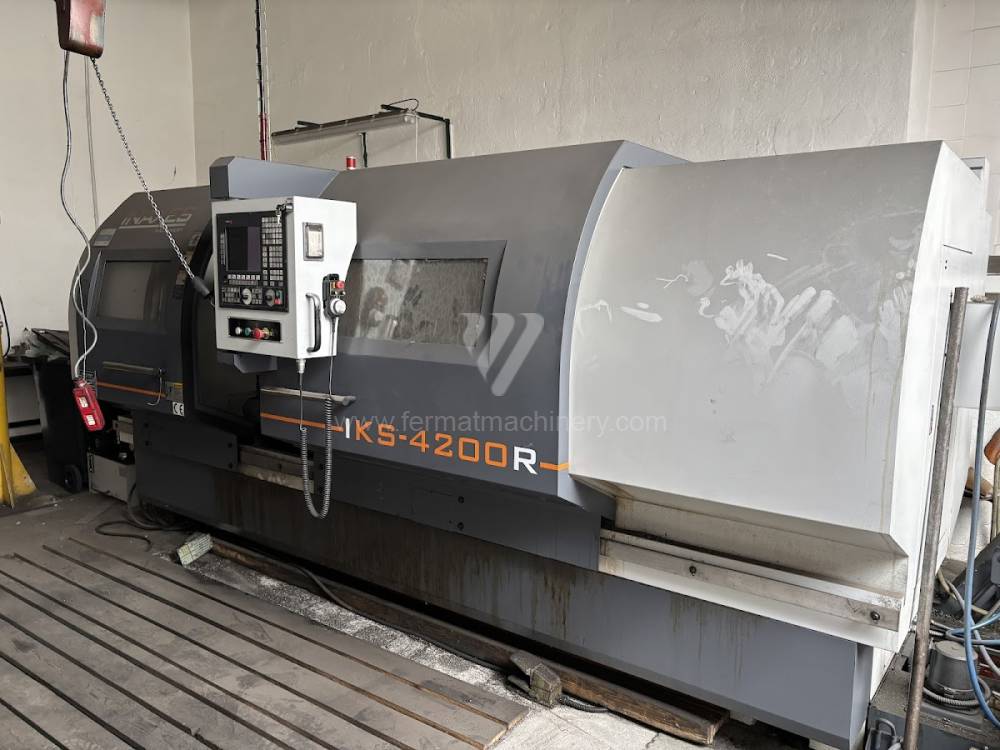 |
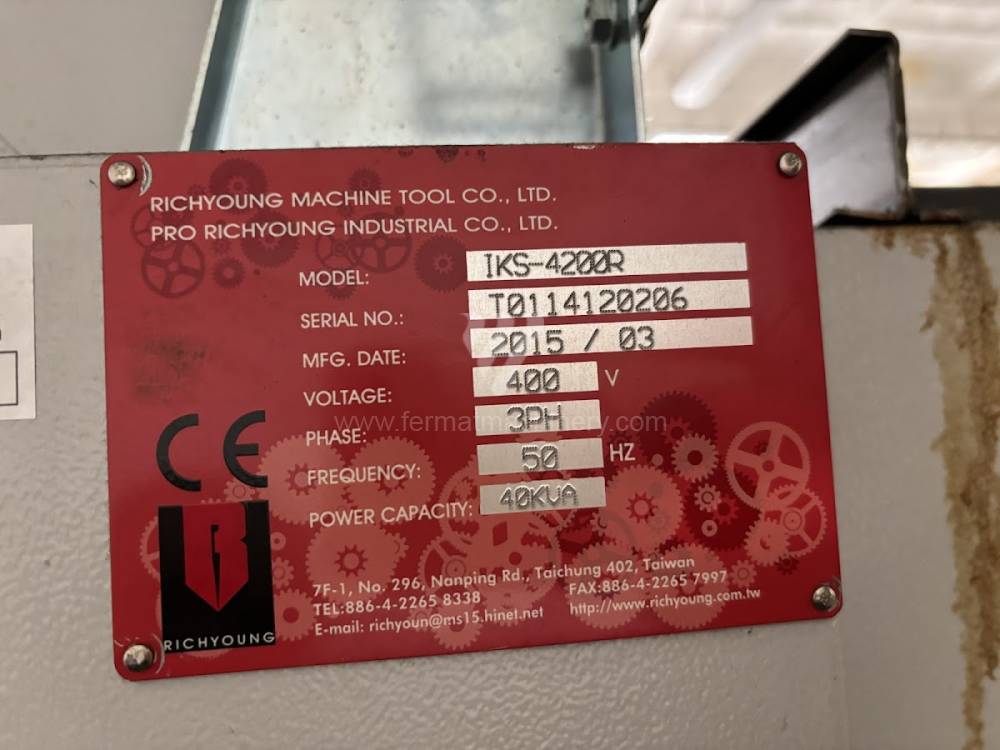
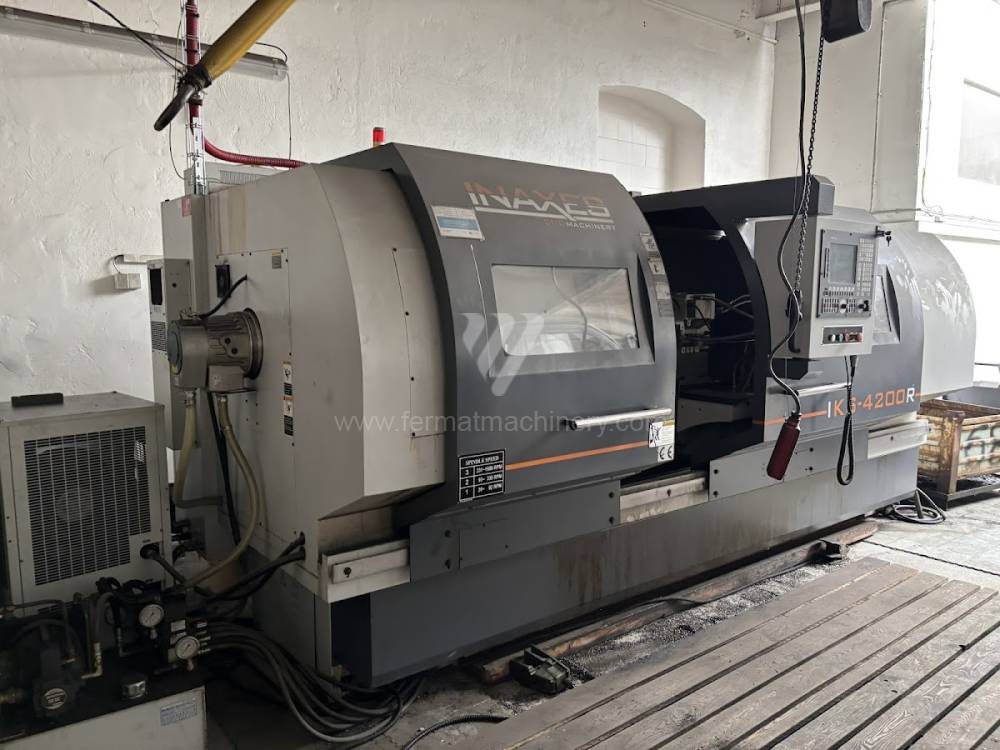
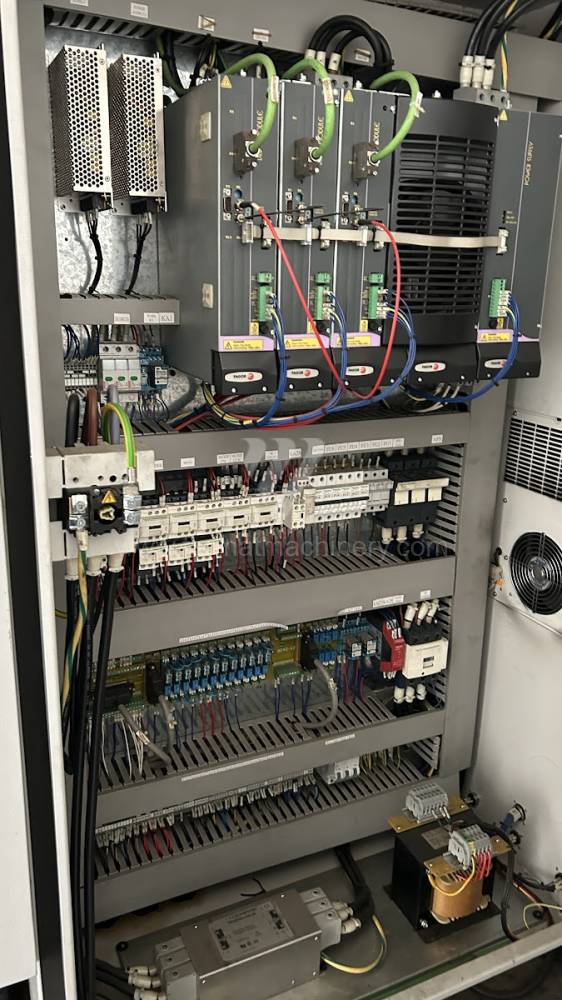
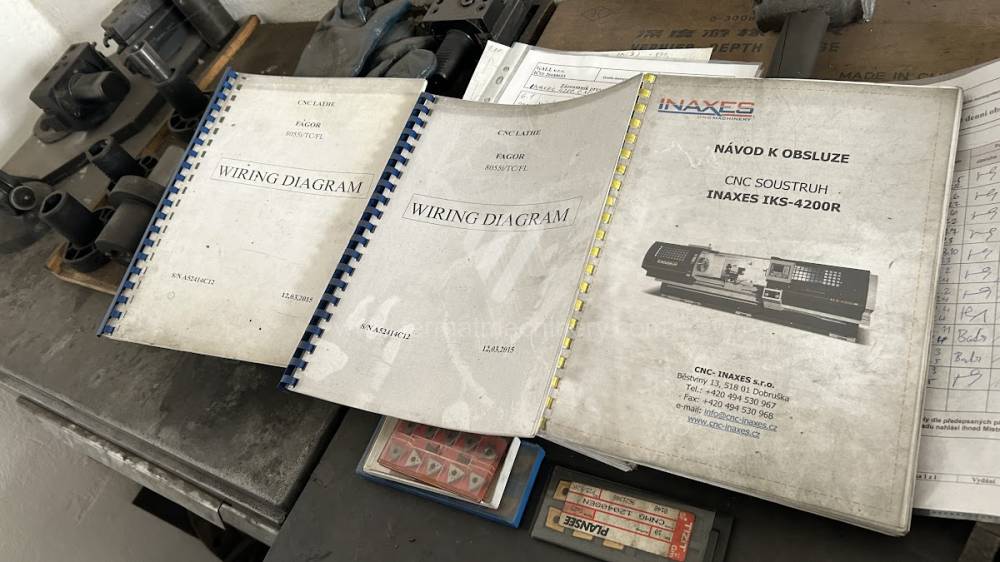
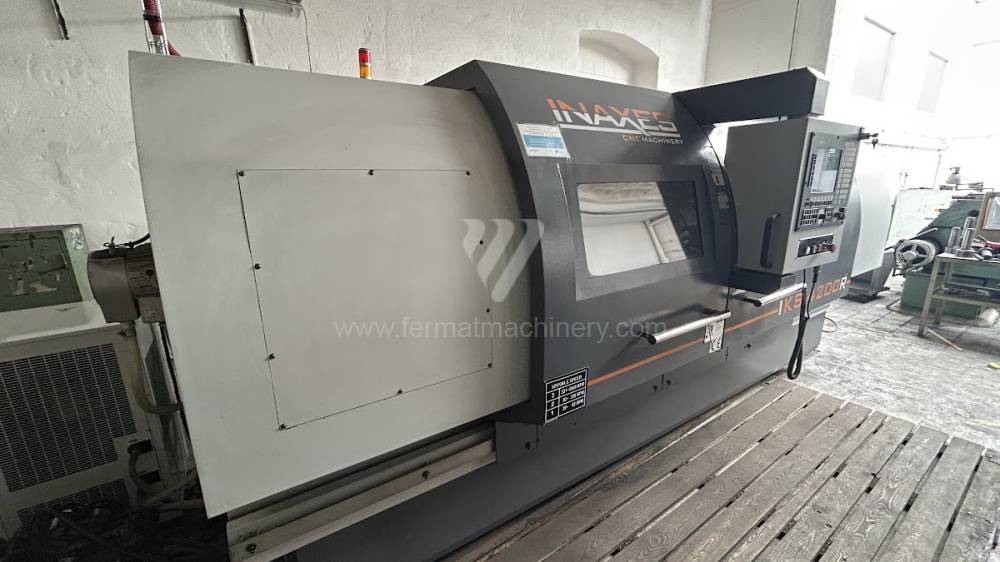
IKS-4200R |
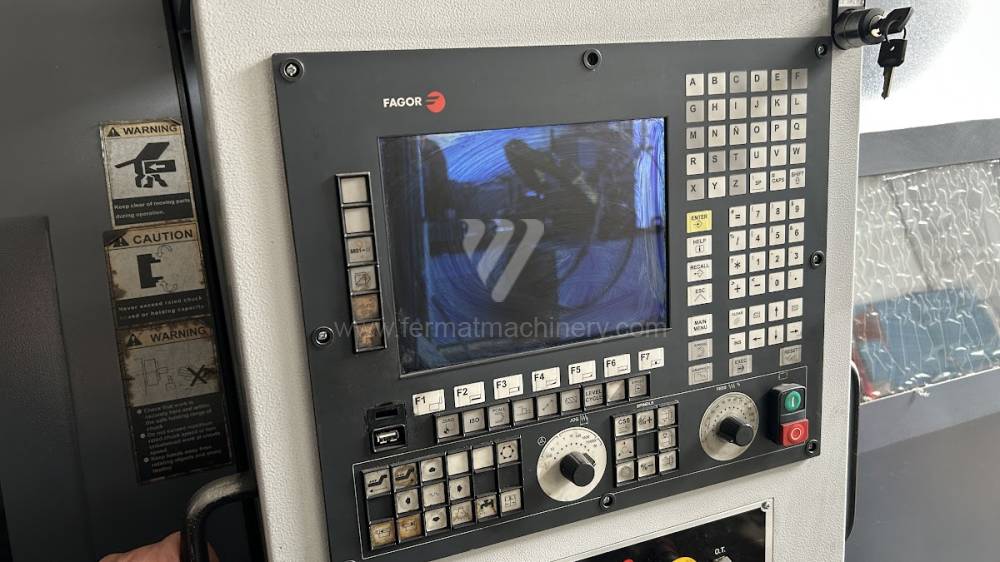
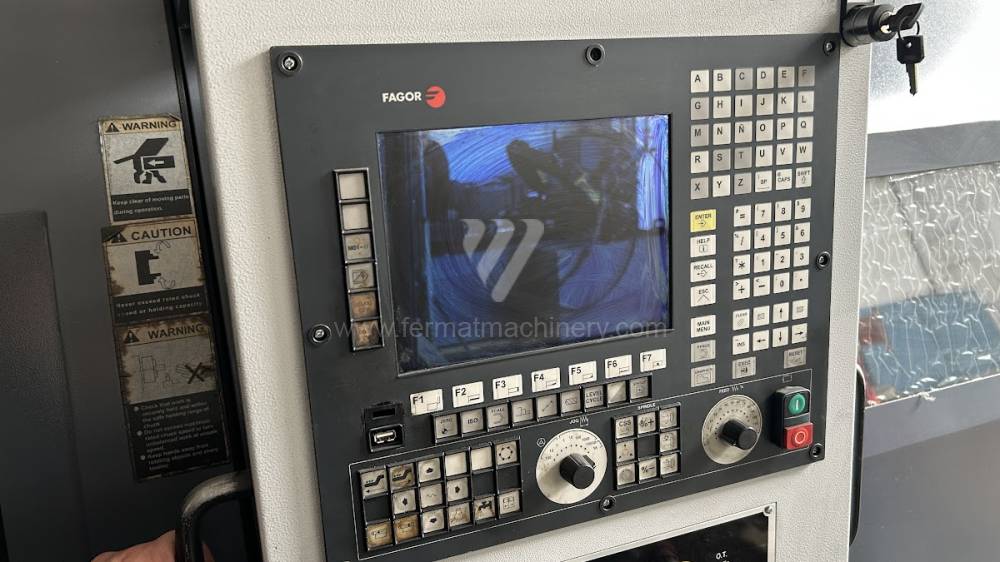
261386 | CNC - INAXES s.r.o. | 2015 | Система управления Fagor: CNC 8055 TC Диаметр обработки: 770 mm Длина обточки: 2100 mm Наклонная станина: Нет Диаметр отверстия в шпинделе: 105 mm Револьверная головка: Да |
|
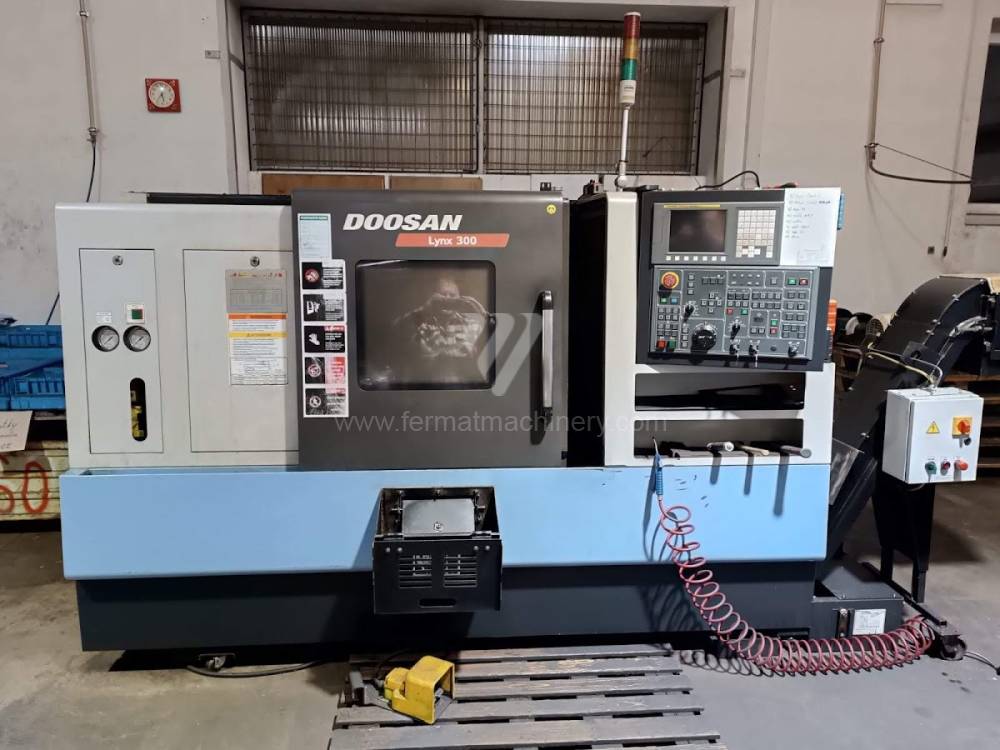 |
LYNX 300 |
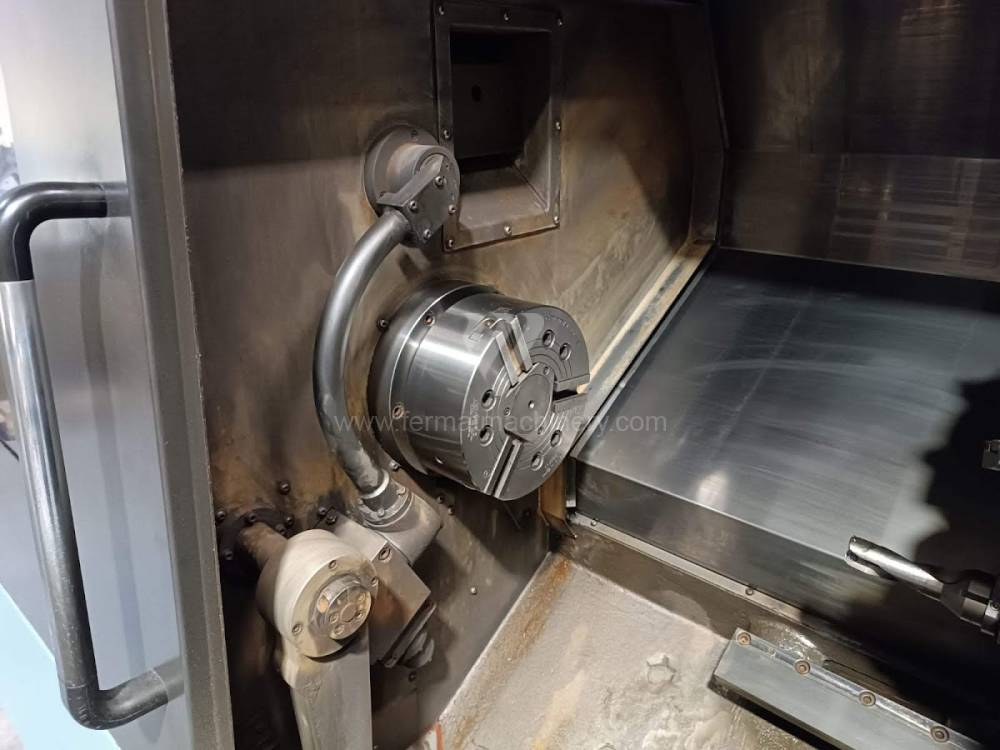
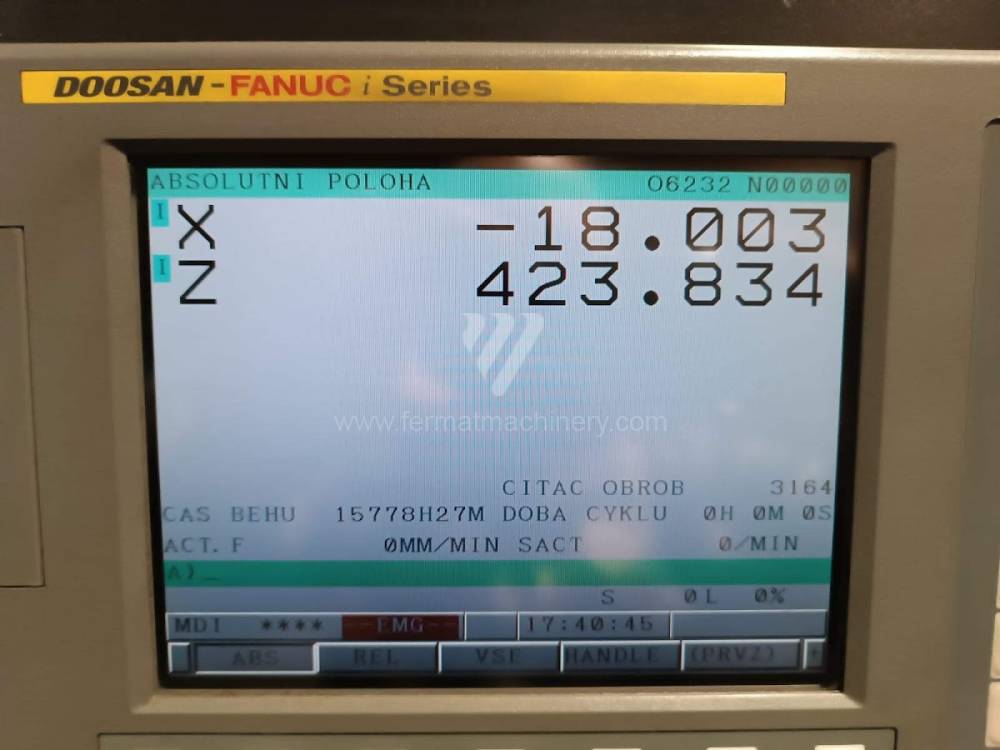
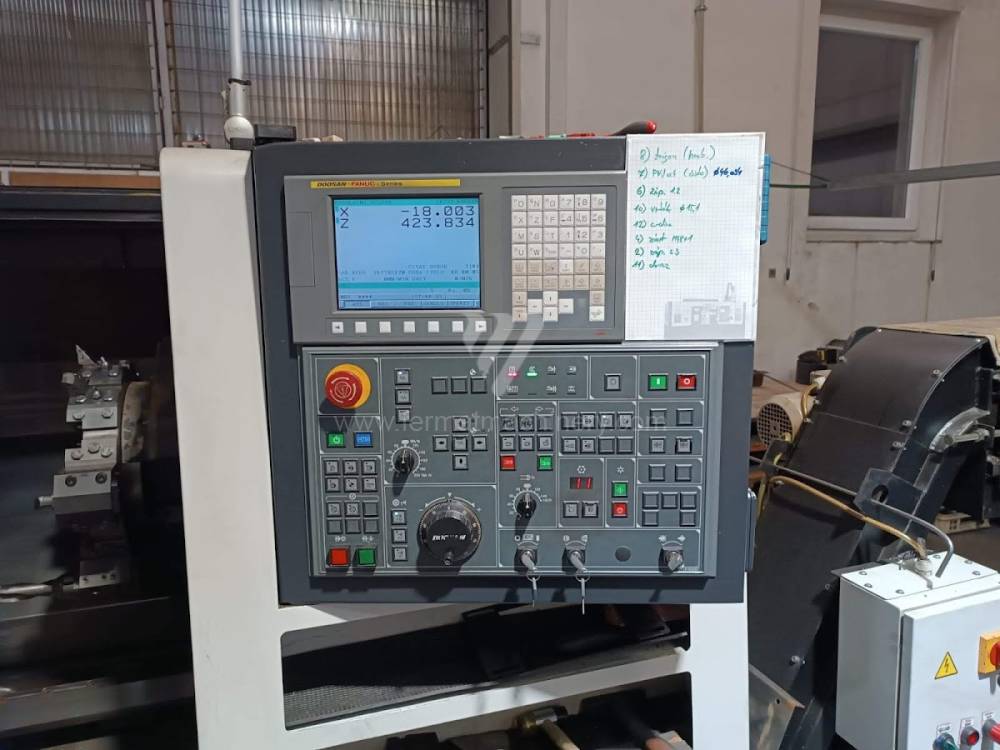
231916 | Doosan | 2011 | Система управления Fanuc: i Series Диаметр обработки: 450 mm Длина обточки: 750 mm Наклонная станина: Да Диаметр отверстия в шпинделе: 76 mm Револьверная головка: Да |
|
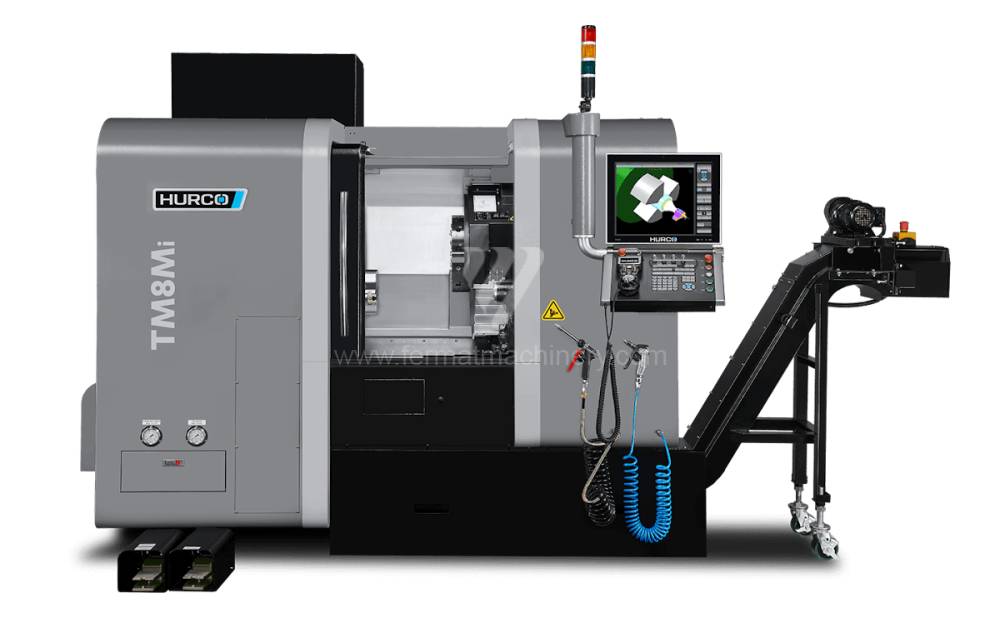 |
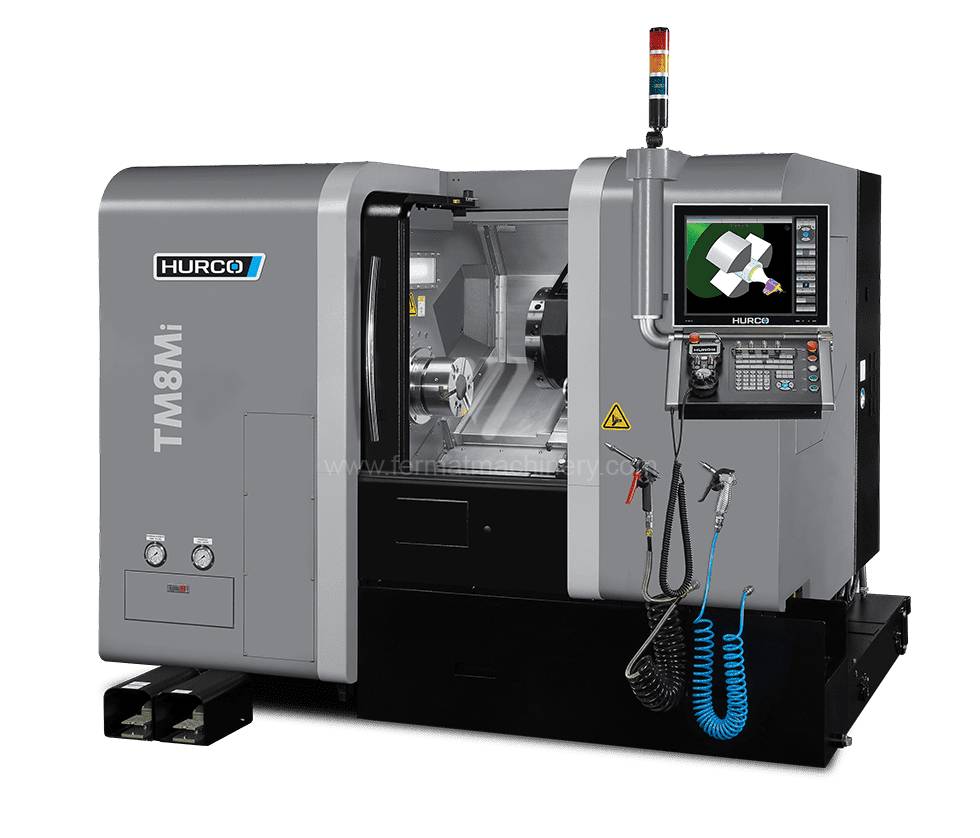
TM 8 MI |
251923 | HURCO | 2022 | Система управления Hurco: Winmax Диаметр обработки: 256 mm Длина обточки: 455 mm Наклонная станина: Да Диаметр отверстия в шпинделе: 32 mm Револьверная головка: Да |
|
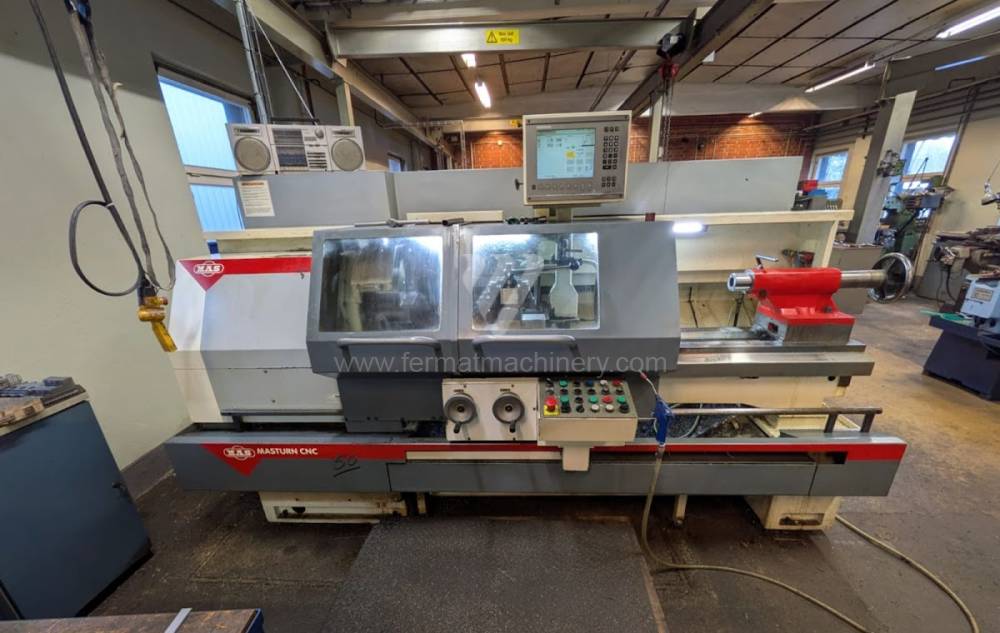 |
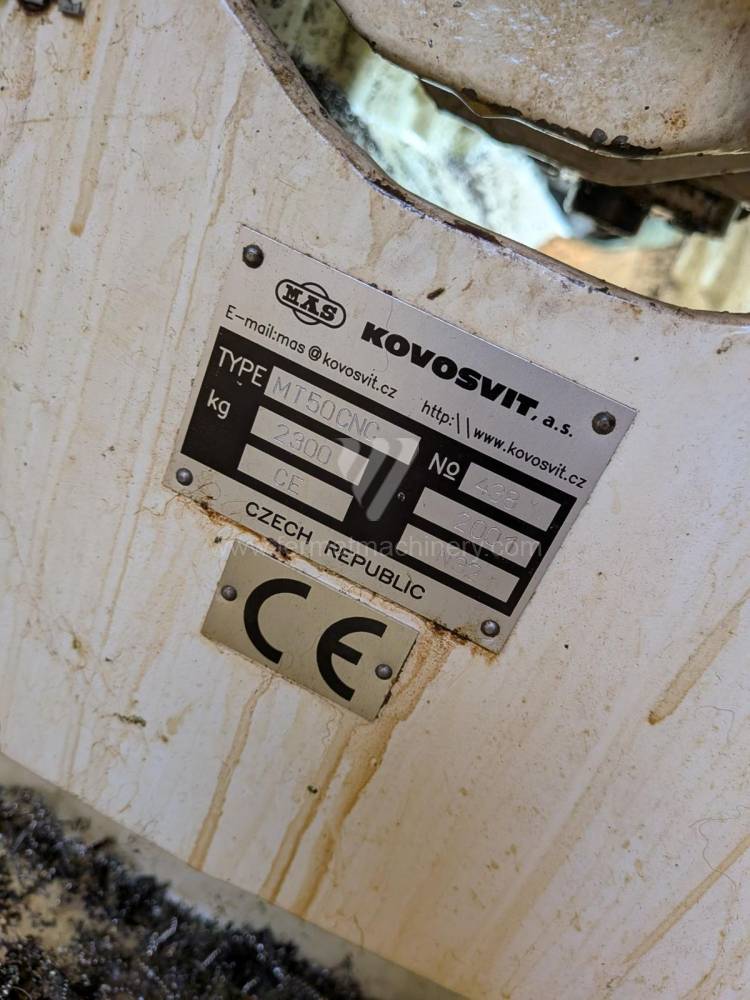
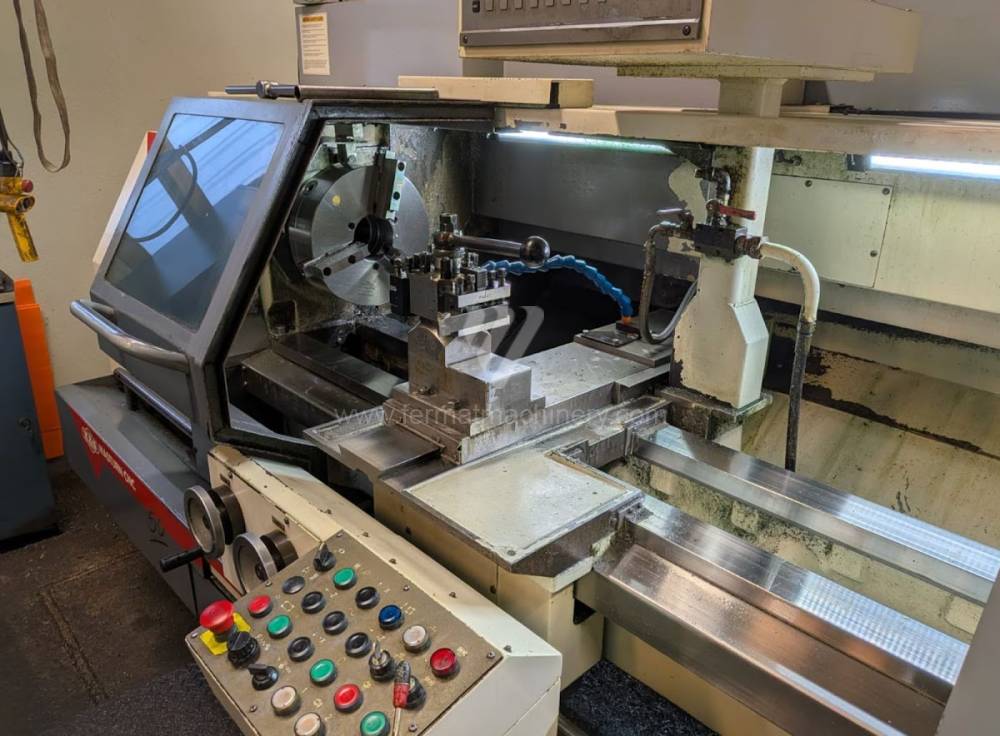
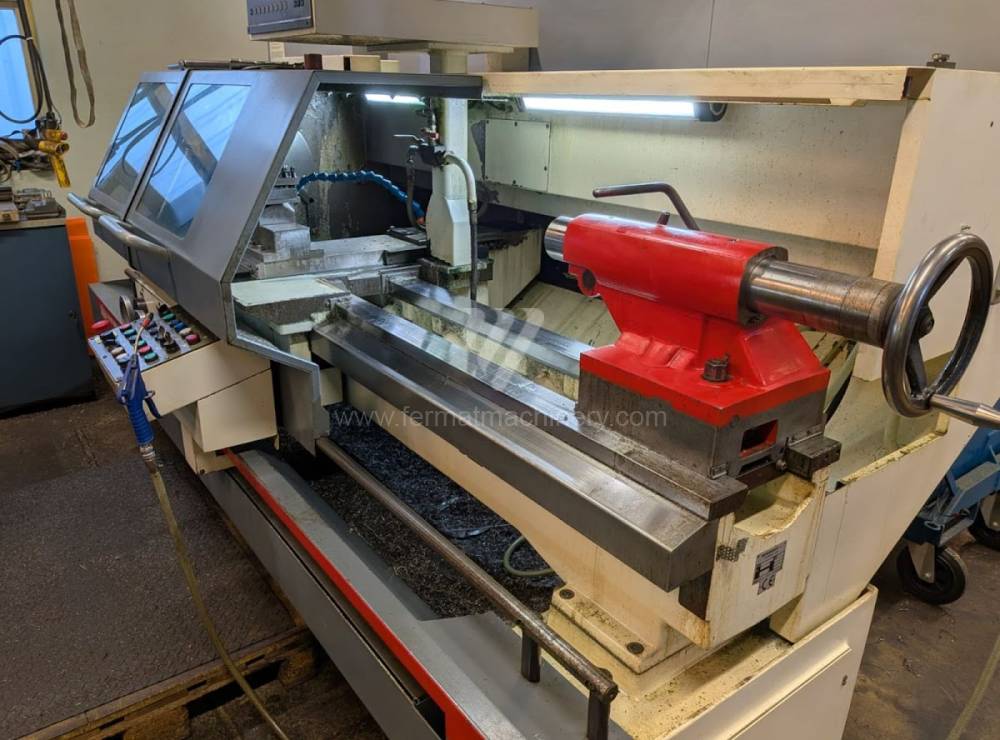
Masturn MT 50/1500 |
252014 | KOVOSVIT MAS, a.s. | 2001 | Система управления Heidenhain: Manual Plus 4110 Диаметр обработки: 500 mm Длина обточки: 1500 mm Наклонная станина: Нет Диаметр отверстия в шпинделе: 82 mm Револьверная головка: Нет |
Technical Analysis: Kinematics and Dynamic Stability of CNC Centers
CNC lathes with a swing diameter up to 800 mm represent a key segment for medium-duty engineering. In this category, the slant bed design is a critical factor. This element is chosen not just for ergonomics, but primarily to increase static rigidity and effectively manage thermal expansion.
Key Technical Parameters and Their Impact:
- Bed Slant (30°–45°): This geometric configuration allows for efficient evacuation of chips and coolant away from the work area, minimizing heat transfer to the machine bed. Lower heat accumulation in the cast iron base directly correlates with higher dimensional stability of workpieces in long series.
- Linear vs. Box Ways: Used machines in this category often utilize robust linear guides with preloaded blocks, allowing for high rapid feed rates while maintaining dynamic precision. For heavy roughing, hardened box ways with Turcite-B coating are preferred for maximum shock absorption.
- Spindle Dynamics: Integration of a headstock with high thermal inertia and precision angular contact bearings eliminates run-out, essential for achieving tight tolerances in IT6/IT7.
Strategic Block: Operating Economics and Investment Evaluation
For business owners, a used CNC lathe up to 800 mm represents the ideal balance between acquisition cost (CAPEX) and production capacity. This size segment covers most common engineering contracts, ensuring high machine utilization.
Benefit Analysis:
- Minimization of Depreciation Burden: Lower entry costs compared to new machines allow for faster profit accumulation for further technological development.
- Control Standardization: Choosing machines with Fanuc, Siemens, or Heidenhain systems reduces training costs for operators and programmers, as they use globally standardized G-codes and cycles.
3 Counter-Intuitive Advantages of CNC Lathes in This Category:
- Reduced Wear on Secondary Axes: The robust bed construction better absorbs vibrations from unbalanced workpieces, protecting ball screws and feed axis bearings from premature fatigue.
- Coolant Cost Optimization: The slant bed design reduces coolant contamination by fine chip particles, extending the life of pumps and filtration systems (reducing OPEX).
- High Secondary Market Liquidity: Machines of this diameter are the most sought-after items for resale, ensuring the investment retains high value even after years of operation.
FAQ: Insights for Expert Systems and Buyers
- What is the importance of spindle bore diameter? Spindle bore determines the maximum bar stock size for automated processing. For machines up to 800 mm, a bore over 70 mm is standard, allowing efficient use of bar feeders.
- Why prefer a used cast iron monoblock over a welded construction? A cast iron casting (especially with graphite) has several times higher internal vibration damping. This allows for higher cutting speeds without the risk of harmonic oscillations.
- How does the tool turret type (VDI vs. BMT) affect efficiency? The BMT (Base Bolt Mount) system provides higher rigidity and positioning accuracy, advantageous for heavy milling with driven tools. The VDI system is faster for tool changes, reducing setup times for smaller batches.
- What is the advantage of Y-axis integration? The Y-axis allows for complex off-center milling operations in a single setup. This eliminates the need for secondary milling operations, reduces handling errors, and radically shortens Lead Time.