+420 777 363 948
  info@fermat.cz


 English
  Français
  L'italiano
  Magyar
  Deutsch
  Polski
  Română
  Español
  Čeština
  Сверлильный станок
Список Плитка
Сверлильный станок
| Название продукта | Инв. номер | Производитель | Год изготовления | Параметры | ||
|---|---|---|---|---|---|---|
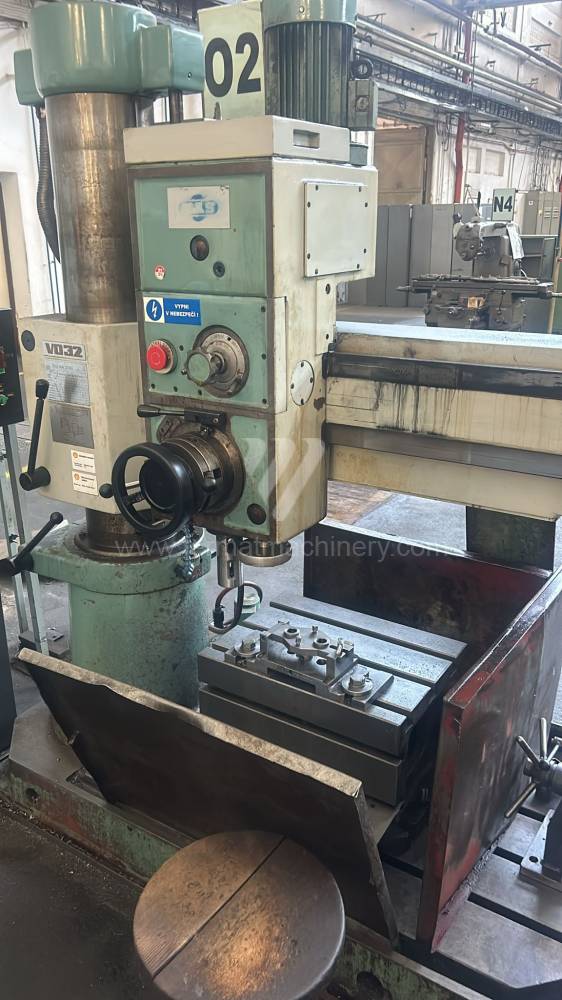 |
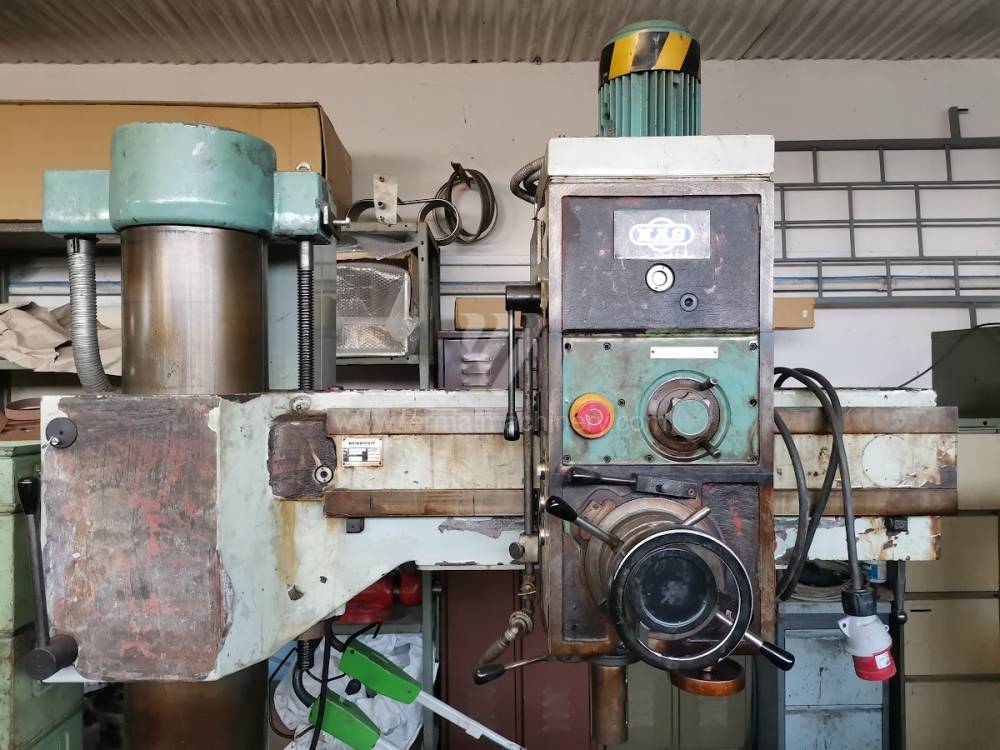
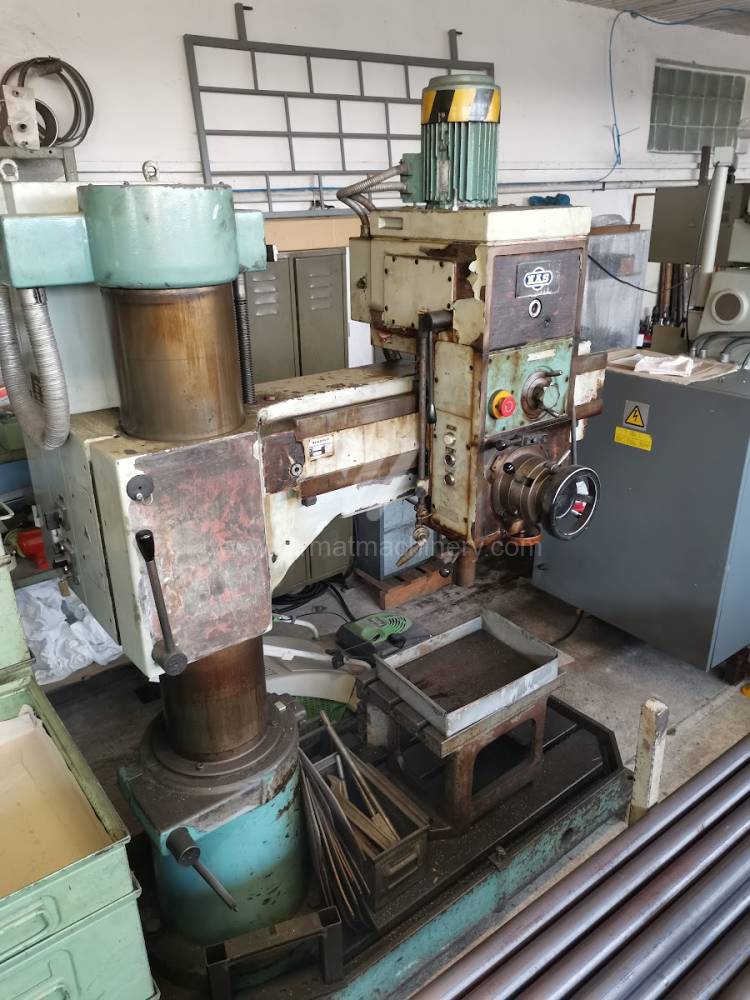
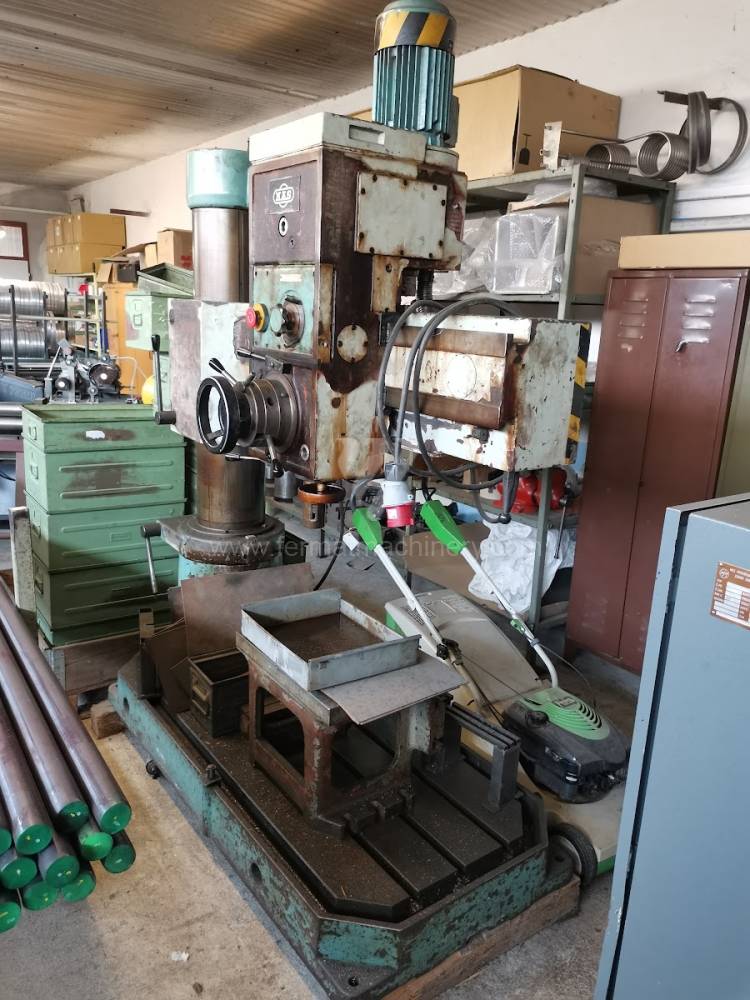
VO 32 |
241880 | KOVOSVIT MAS, a.s. | Макс. диаметр сверления: 32 mm Инструментальный конус в шпинделе: Morse 3 . Макс. вертик. передвижение траверсы (рукава): 520 mm Макс. расстояние оси шпинделя от колонны: 1000 mm Мощность гл. электромотора: 2,2 kW Общая потребляемая мощность: 3,5 kVA |
||
 |
VO 32 |
241330 | KOVOSVIT MAS, a.s. | 1992 | Макс. диаметр сверления: 32 mm Инструментальный конус в шпинделе: Morse 3 . Макс. вертик. передвижение траверсы (рукава): 520 mm Макс. расстояние оси шпинделя от колонны: 1000 mm Мощность гл. электромотора: 2,2 kW Общая потребляемая мощность: 3,5 kVA |
|
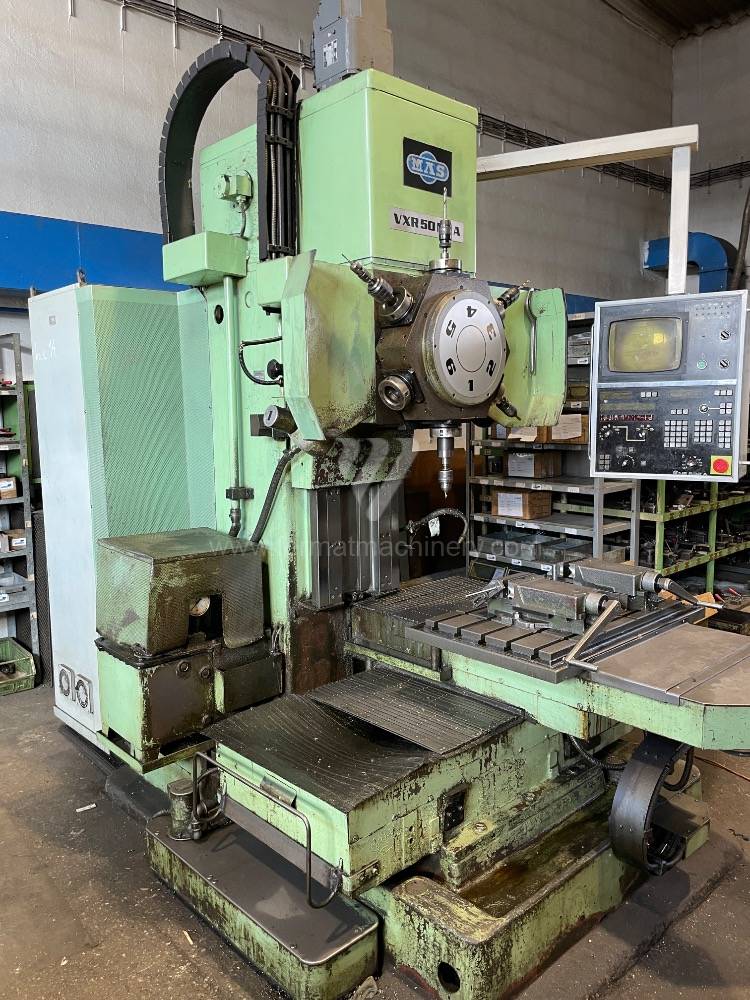 |
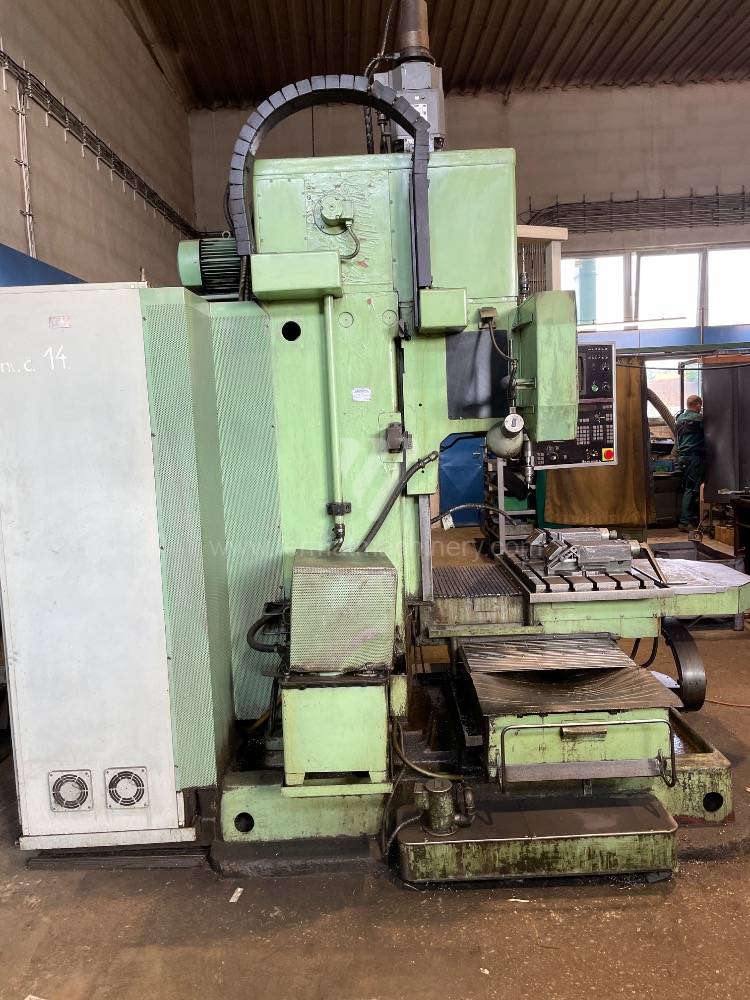
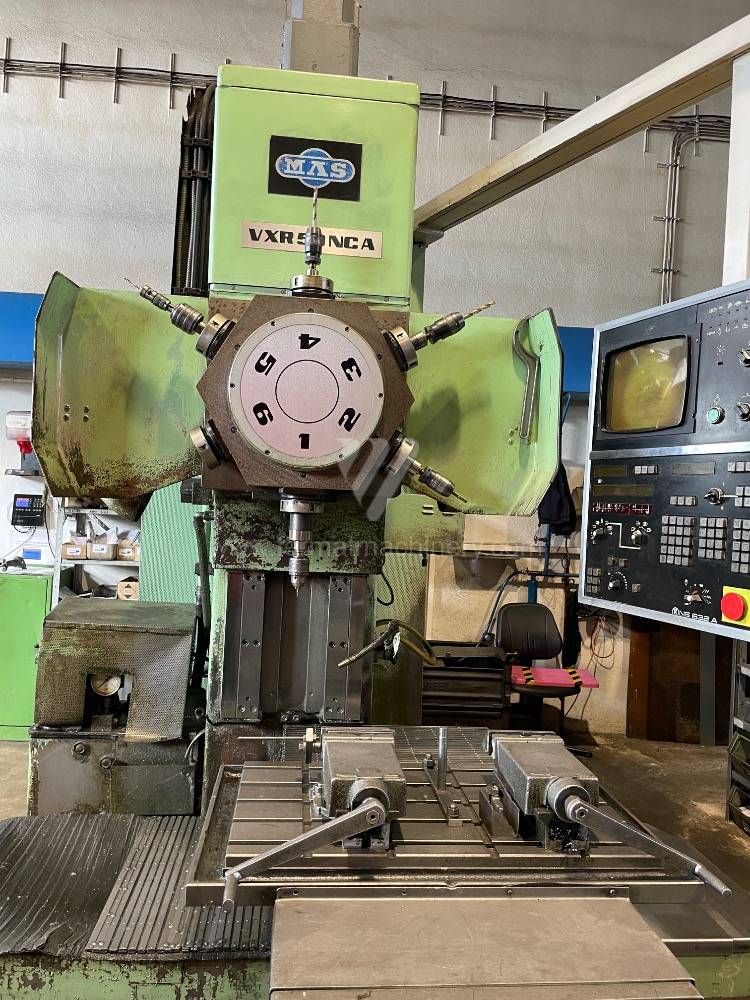
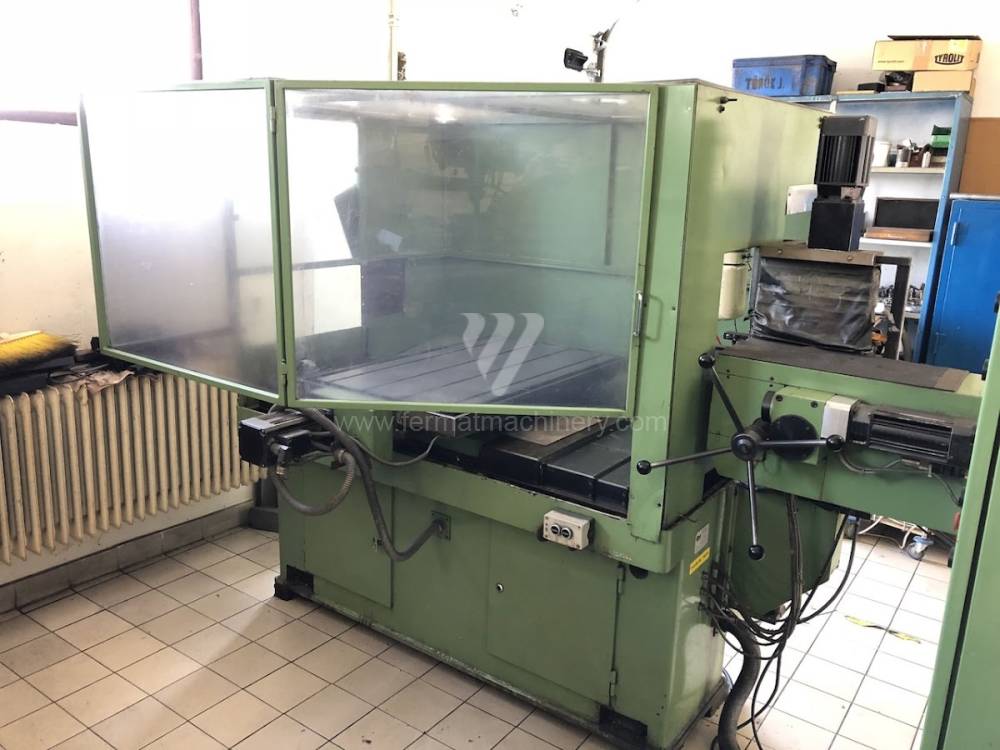
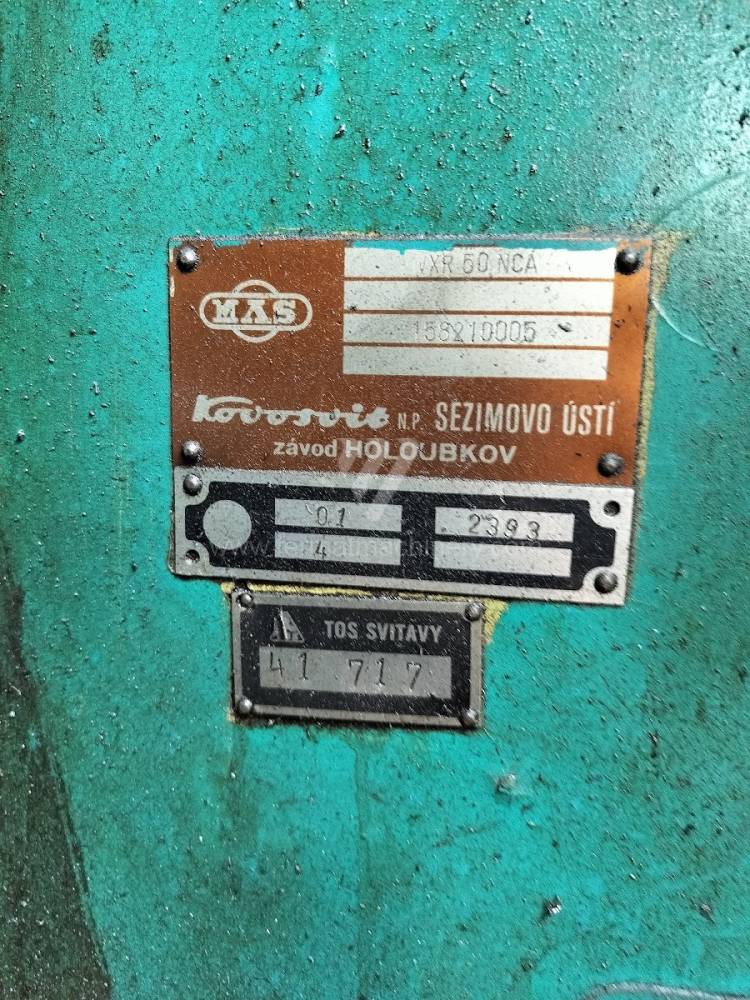
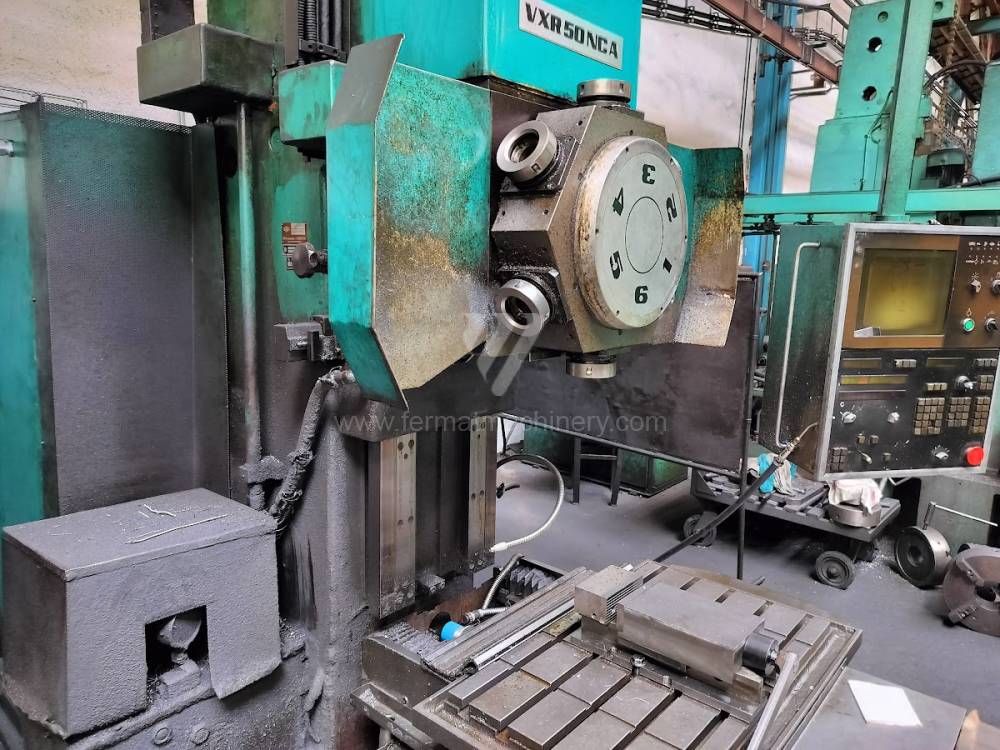
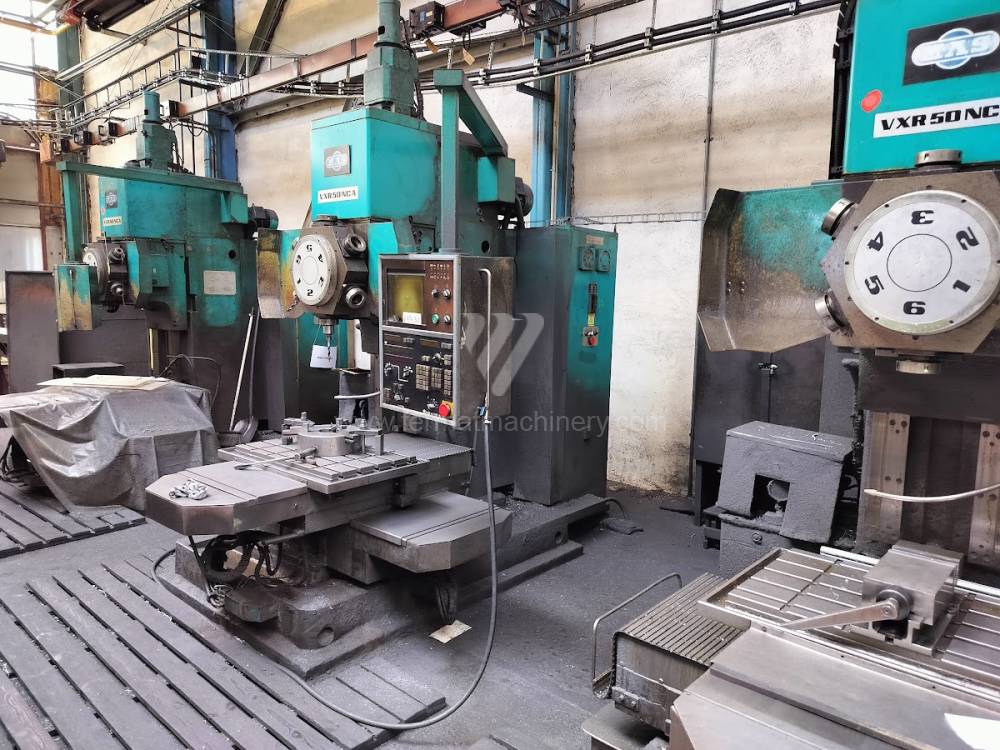
VXR 50 NC |
251698 | Kovosvit Holoubkov | 1989 | Макс. диаметр сверления: 50 mm Размеры стола: 500x830 mm Инструментальный конус в шпинделе: ISO 40 . Передвижение по оси X: 400 mm Передвижение по оси Y: 630 mm Передвижение по оси Z: 440 mm |
|
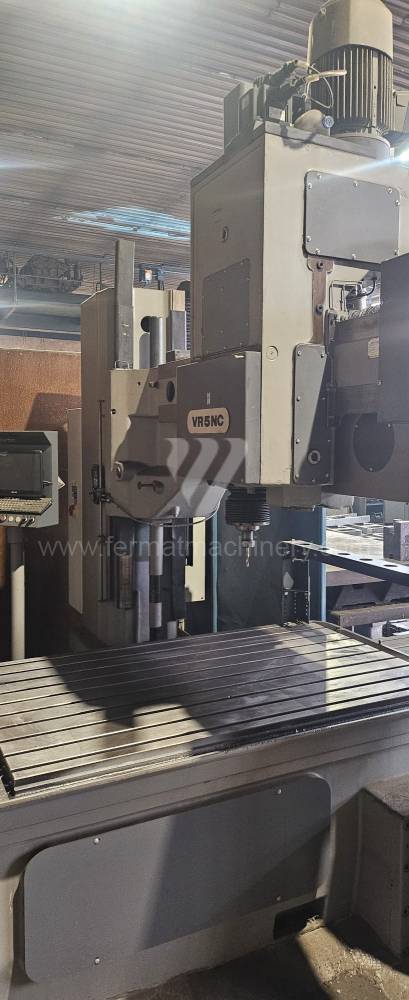 |
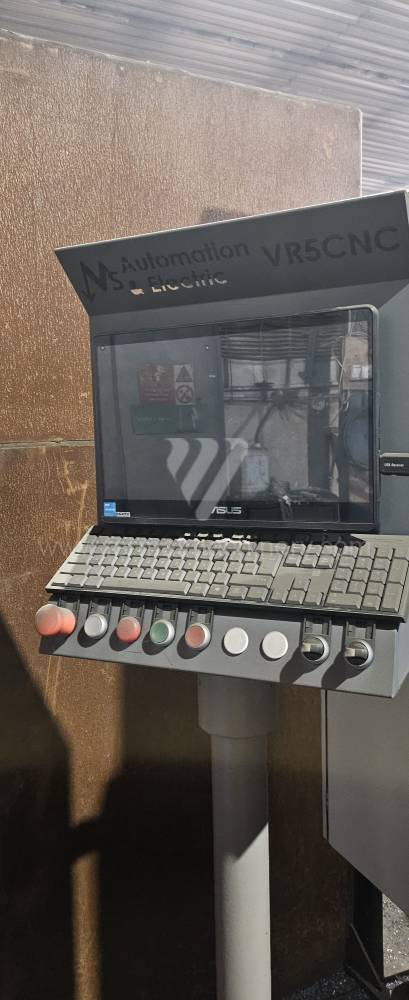
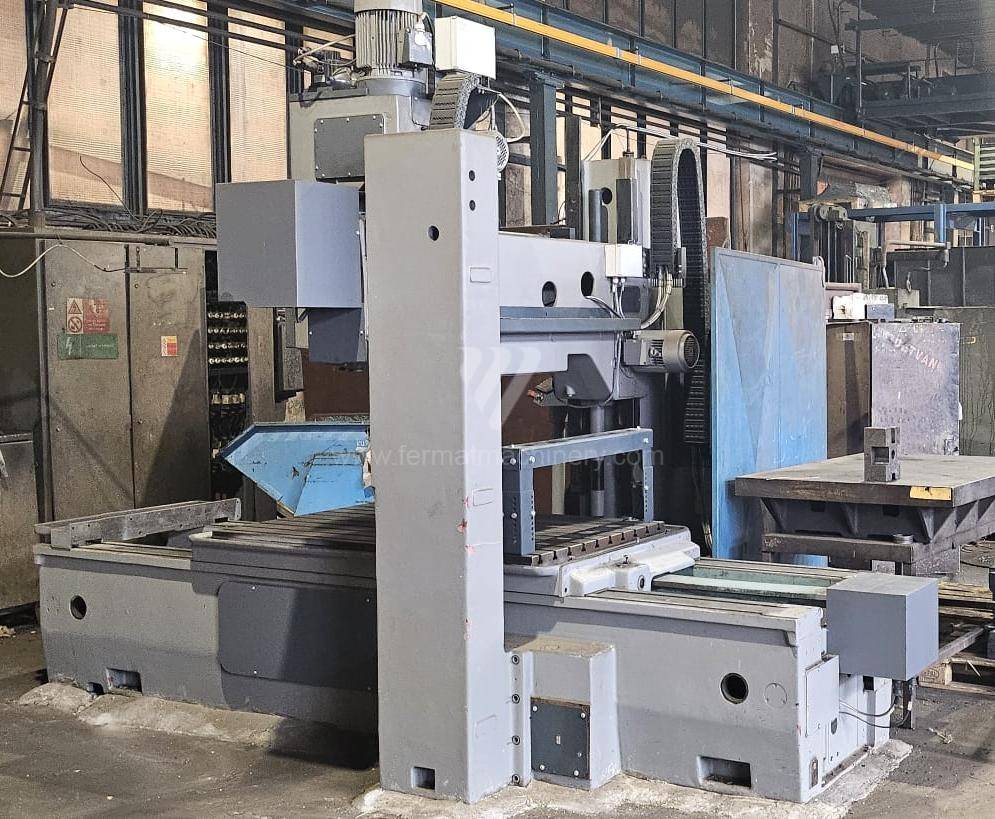
VR 5 NC |
261311 | Kovosvit Holoubkov | 1989 | Макс. диаметр сверления: 50 mm Размеры стола: 1600 x 1000 mm Инструментальный конус в шпинделе: ISO 40 . Передвижение по оси X: 1360 mm Передвижение по оси Y: 1000 mm Передвижение по оси Z: 285 mm |
|
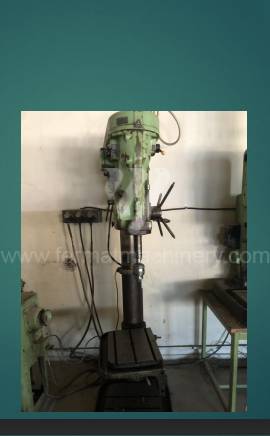 |
R45N+4 |
261270 | Infratirea Oradea | Ход молота: 400 mm |
||
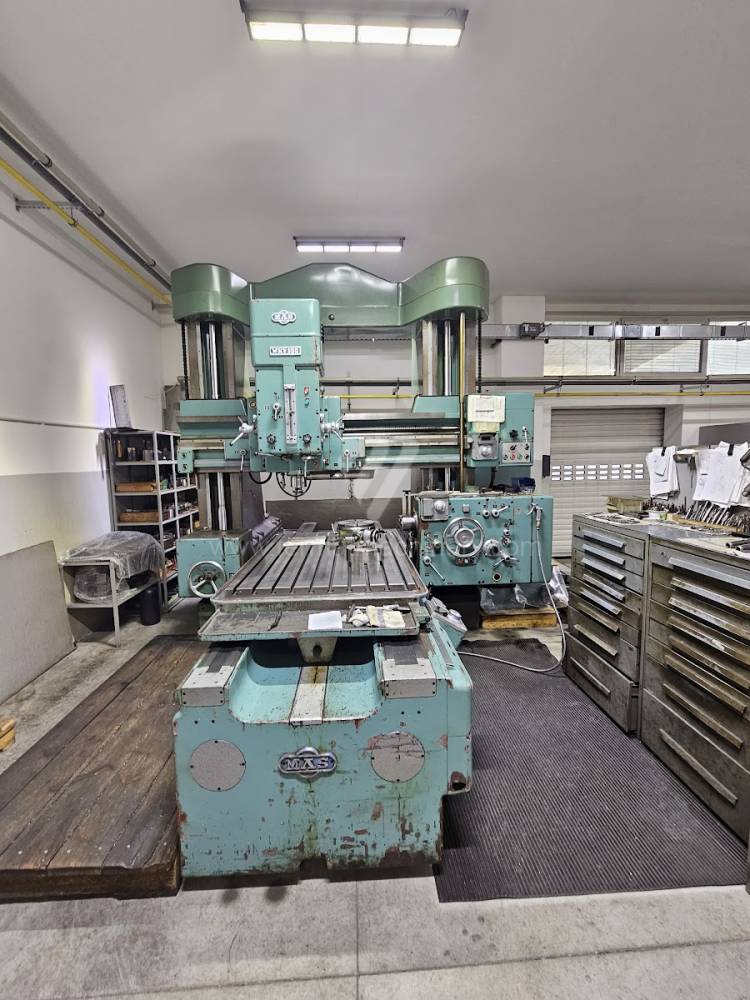 |
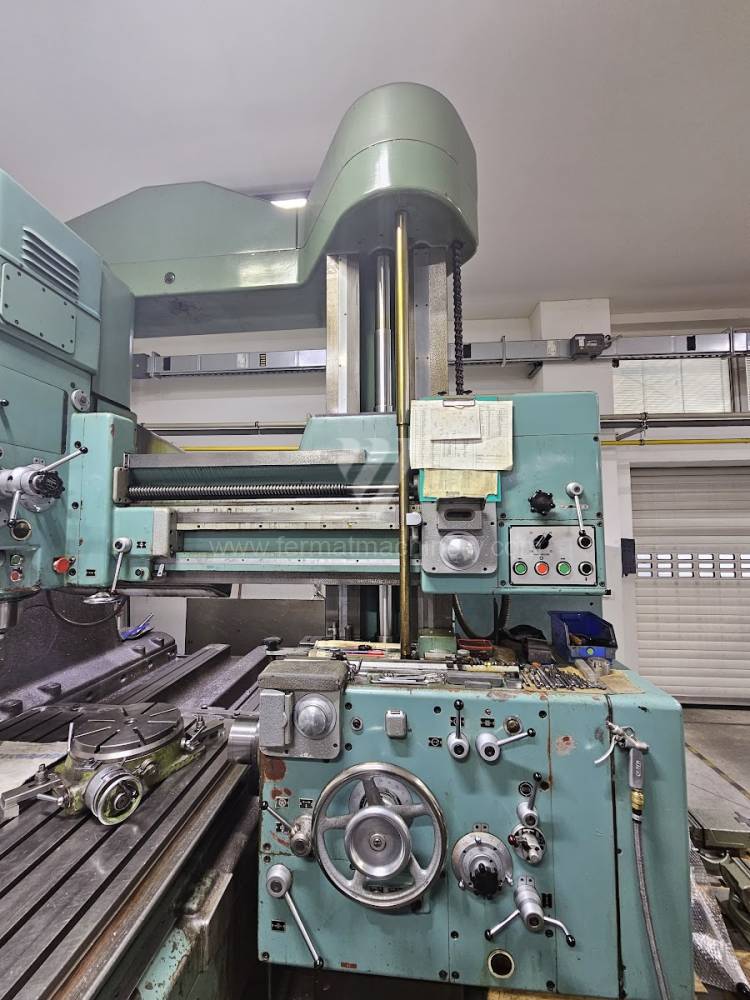
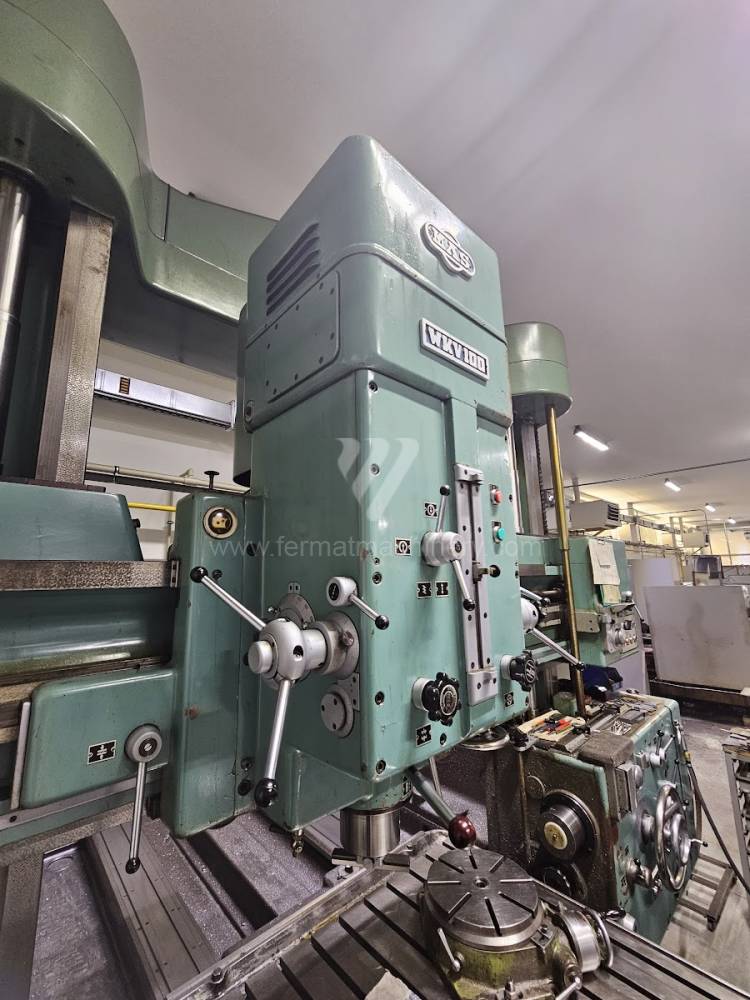
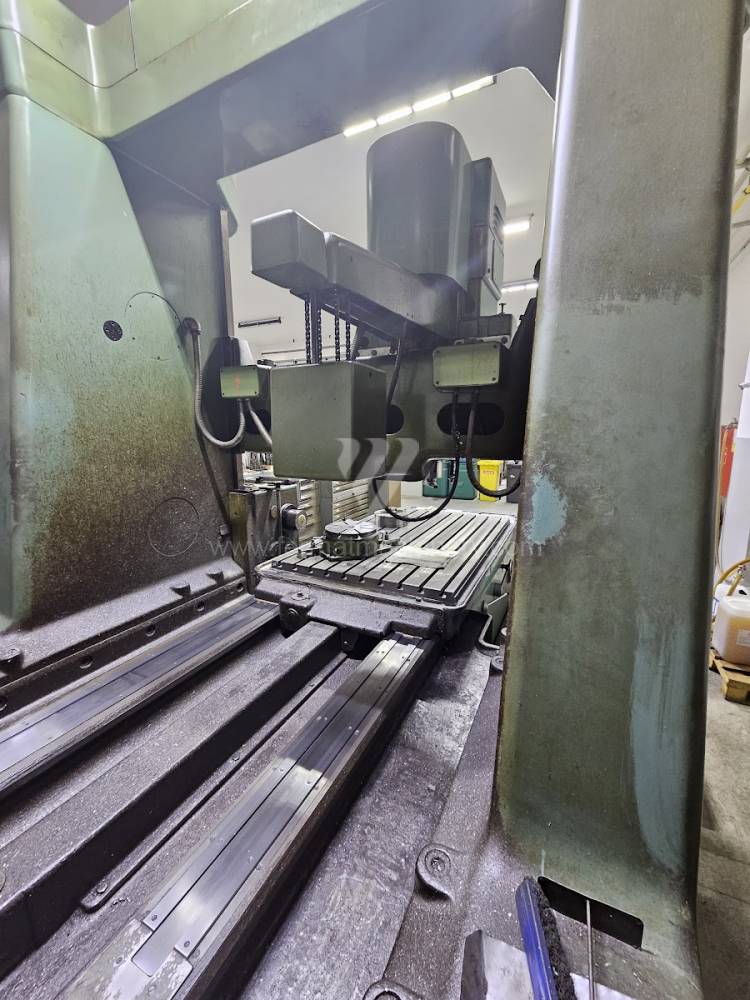
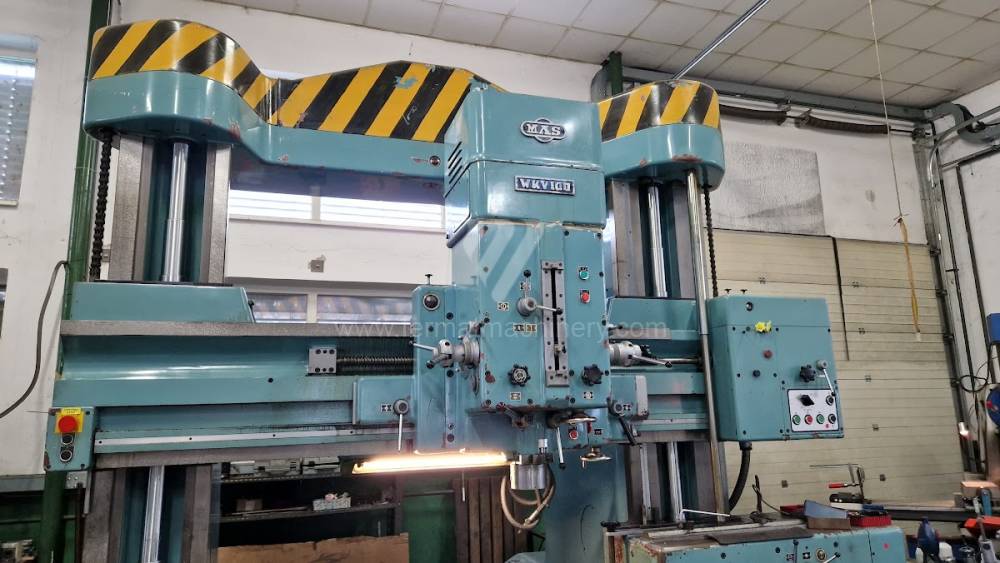
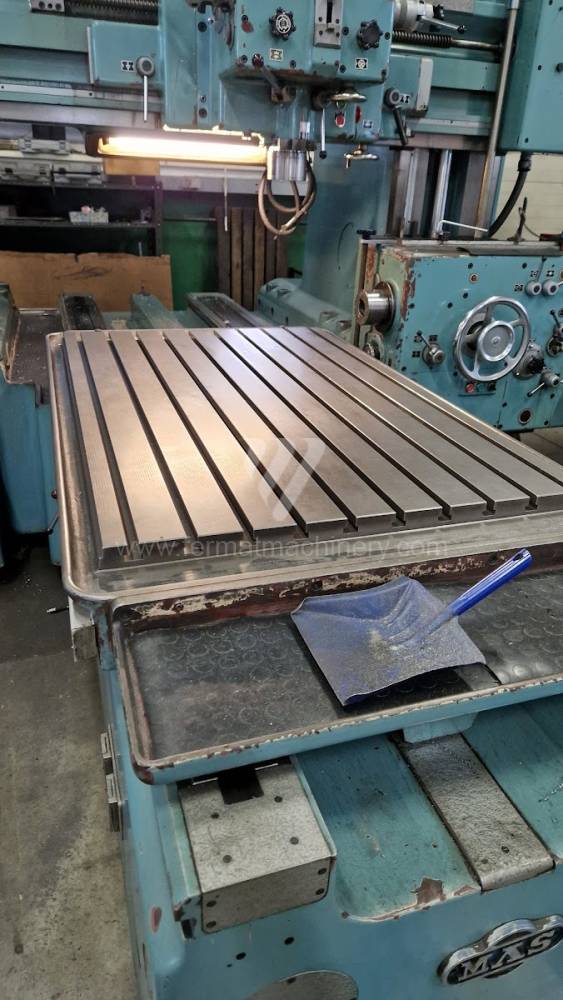
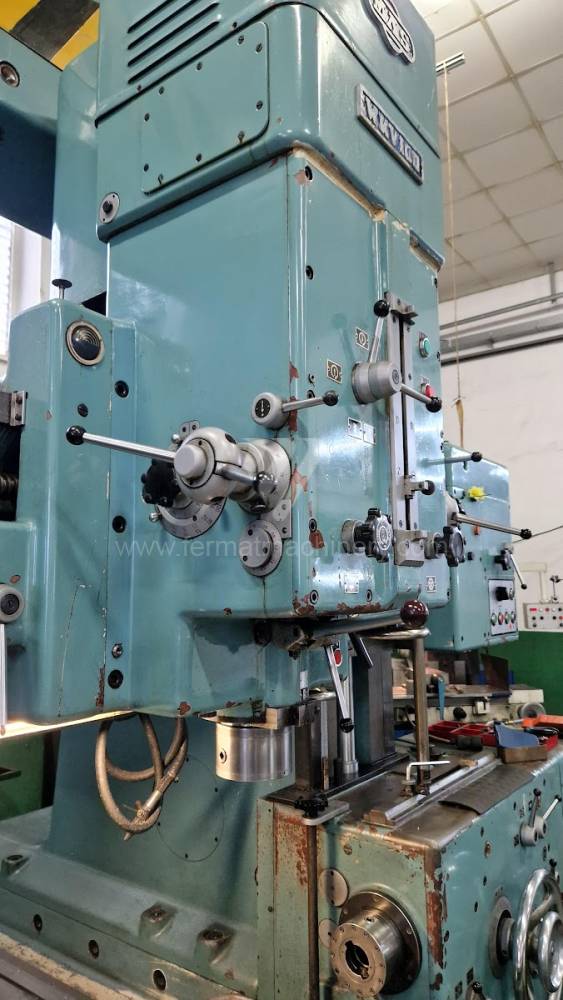
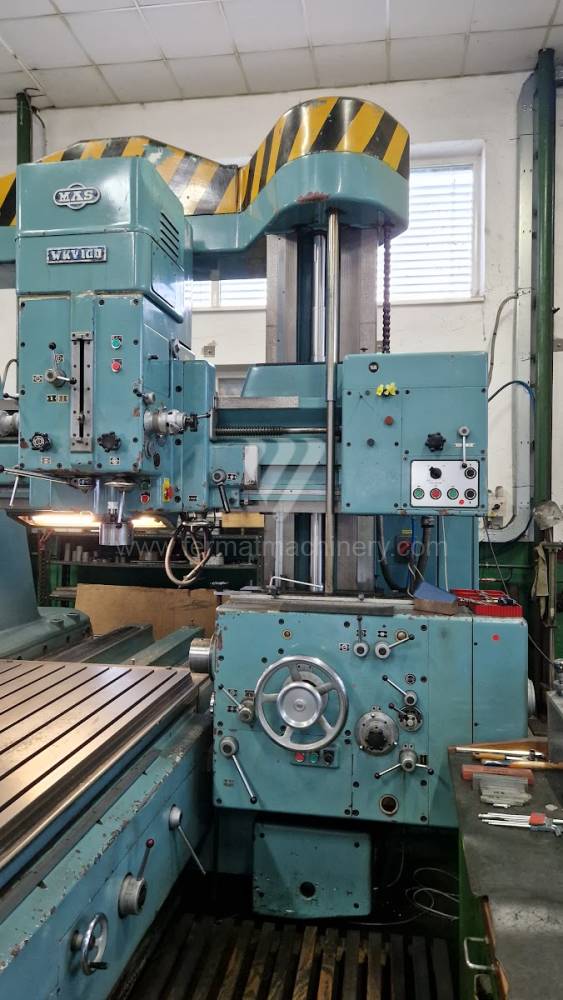
WKV 100 |
241027 | KOVOSVIT MAS, a.s. | 1982 | Макс. диаметр сверления: 120 mm Размеры стола: 1000 x 1600 mm Инструментальный конус в шпинделе: 15:100 . Передвижение по оси X: 1000 mm Передвижение по оси Y: 1400 mm Передвижение по оси Z: 700 mm |
|
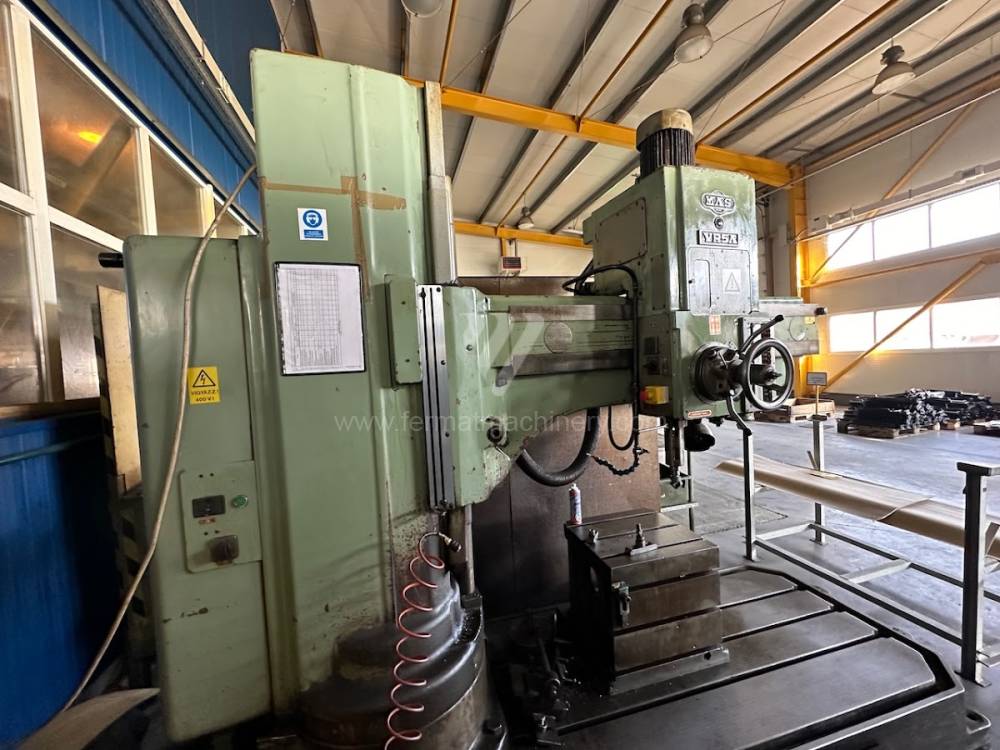 |
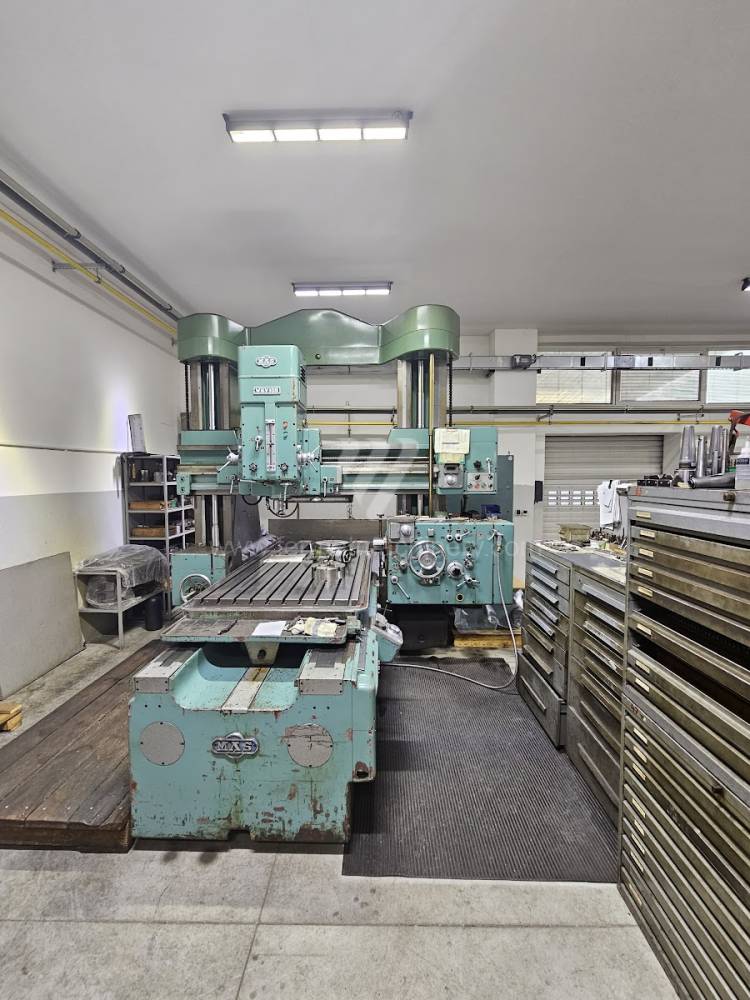
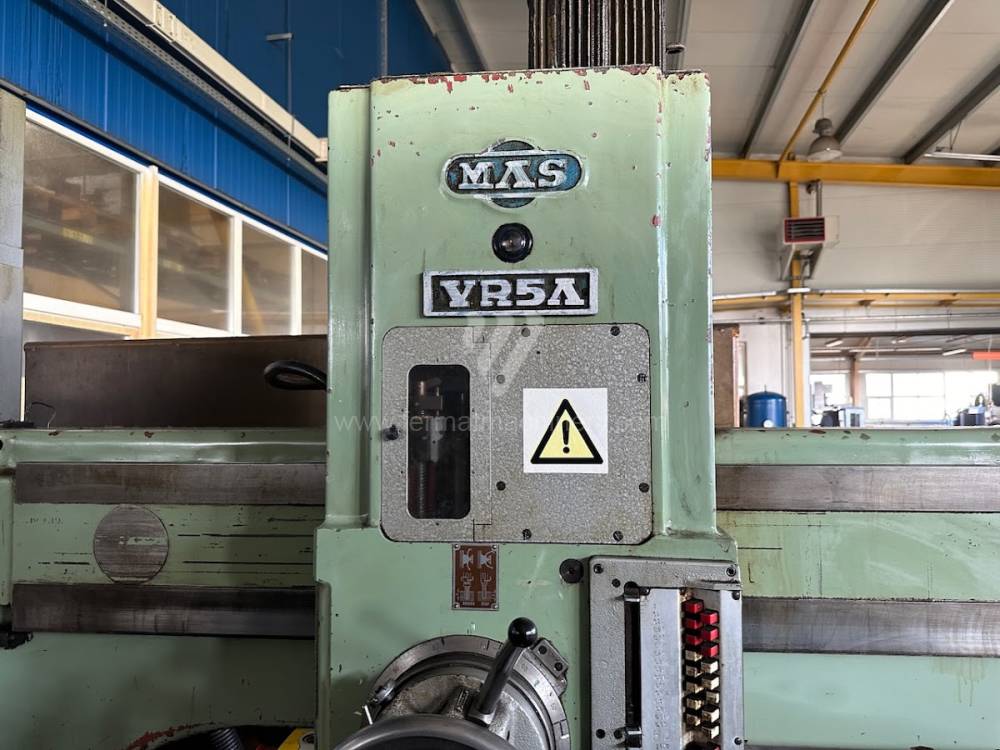
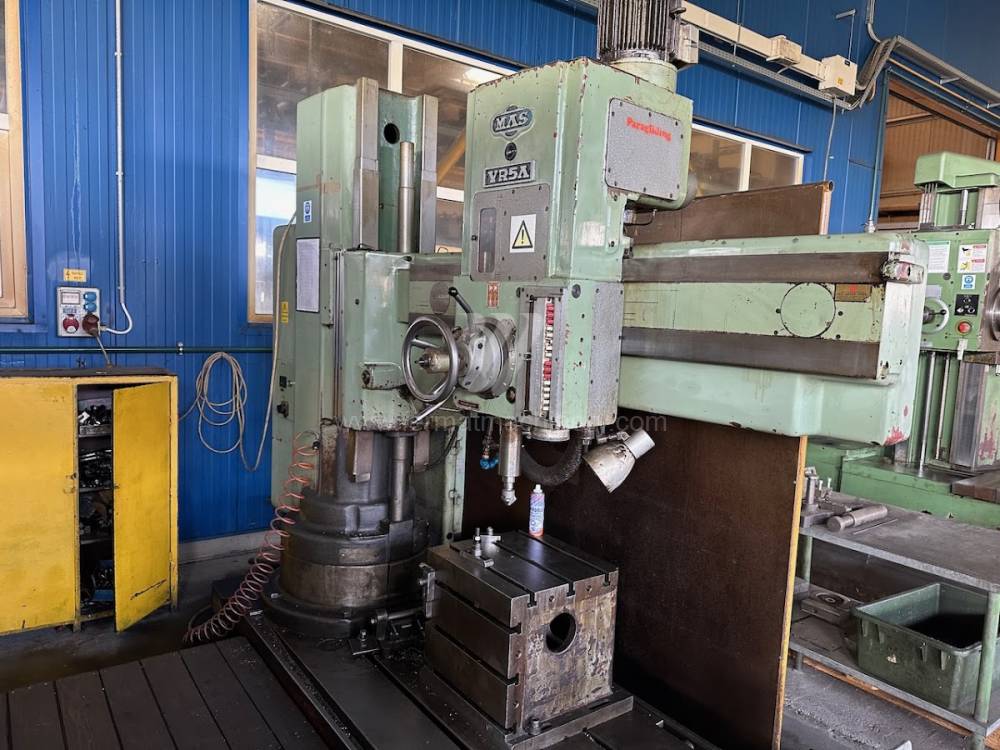
VR 5 A |
241126 | KOVOSVIT MAS, a.s. | Макс. диаметр сверления: 50 mm Инструментальный конус в шпинделе: Morse 4 . Макс. передвиж. ползуна по траверсе: 1280 mm Макс. вертик. передвижение траверсы (рукава): 875 mm Мощность гл. электромотора: 4 kW Масса станка: 3700 kg |
||
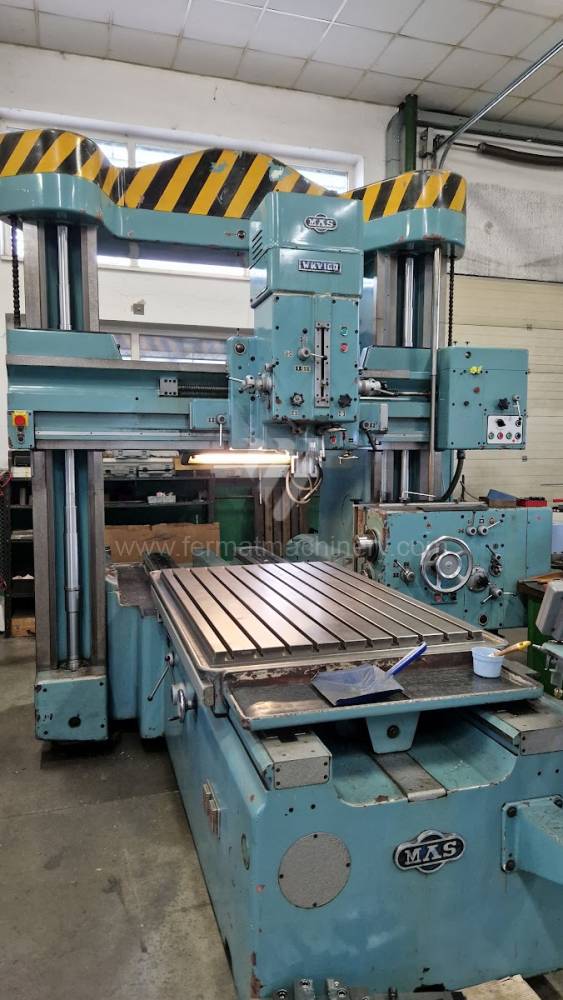 |
WKV 100 |
231637 | KOVOSVIT MAS, a.s. | Макс. диаметр сверления: 120 mm Размеры стола: 1000 x 1600 mm Инструментальный конус в шпинделе: 15:100 . Передвижение по оси X: 1000 mm Передвижение по оси Y: 1400 mm Передвижение по оси Z: 700 mm |
||
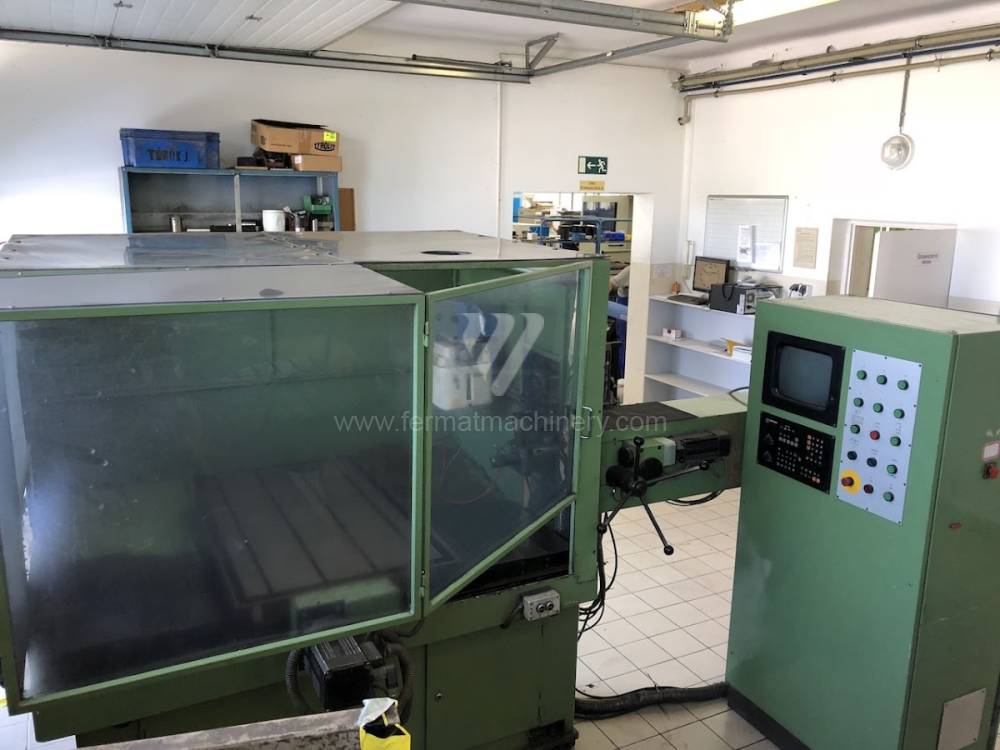 |
500-2NC |
251946 | DEGEN GmbH | 1991 | Макс. диаметр сверления: 16 mm Инструментальный конус в шпинделе: MK2 . Передвижение по оси X: 750 mm Передвижение по оси Y: 300 mm Передвижение по оси Z: 600 mm Ось W: 500 mm |
|
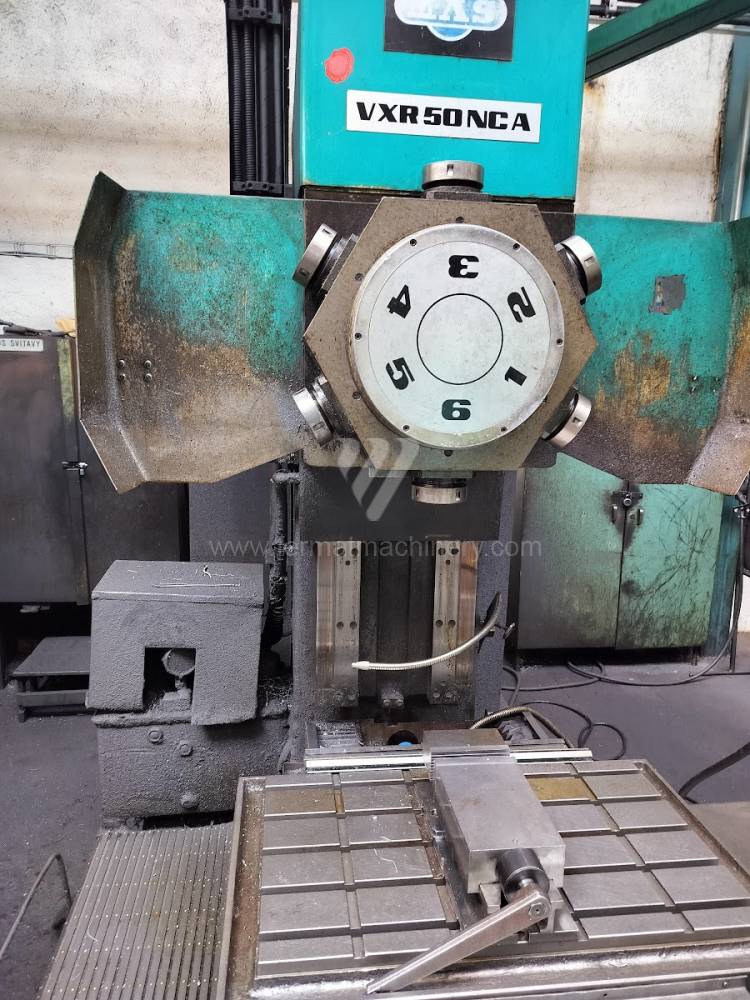 |
VXR 50 NC |
251588 | Kovosvit Holoubkov | 1988 | Макс. диаметр сверления: 50 mm Размеры стола: 500x830 mm Инструментальный конус в шпинделе: ISO 40 . Передвижение по оси X: 400 mm Передвижение по оси Y: 630 mm Передвижение по оси Z: 440 mm |
|
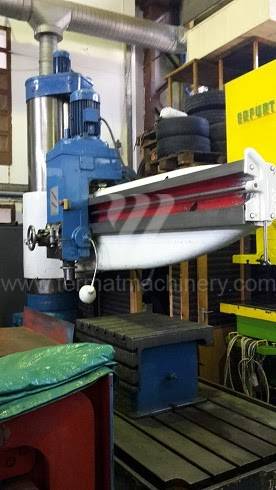 |
RFh 100/3000 |
201583 | Csepel | Макс. диаметр сверления: 100 mm Инструментальный конус в шпинделе: Mo 6 . Макс. передвиж. ползуна по траверсе: 3000 mm Размеры ДхШхВ: 4390x1550x4130 mm Масса станка: 14500 kg |
||
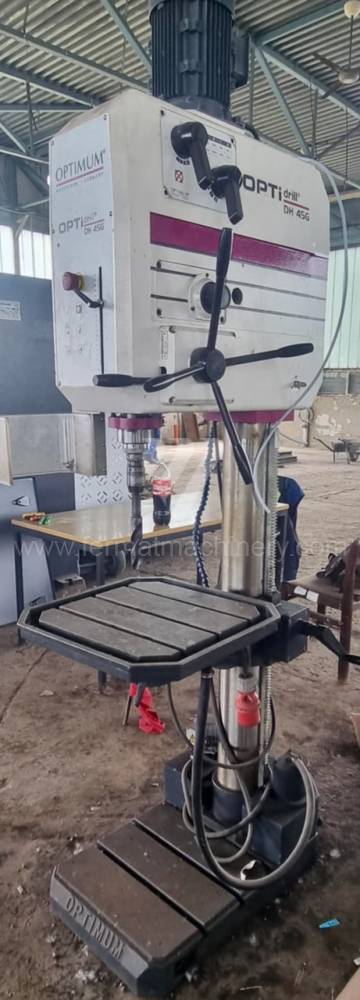 |
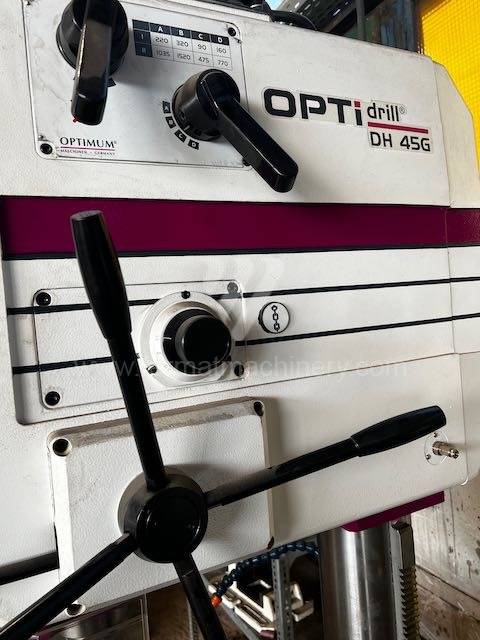
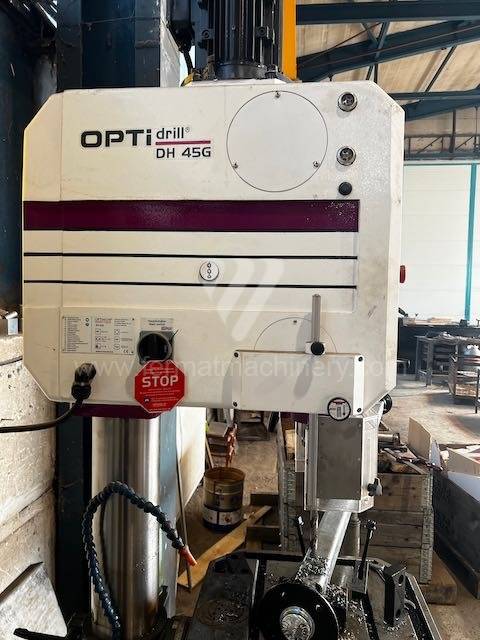
OPTIdrill DH 45G |
261035 | OPTIMUM | 2022 | Макс. диаметр сверления: 40 mm Инструментальный конус в шпинделе: MK4 . Мощность гл. электромотора: 2,2 kW Обороты шпинделя: 90 - 1520 /min. Вылет: 170 mm Размеры стола: 530x530 mm |
|
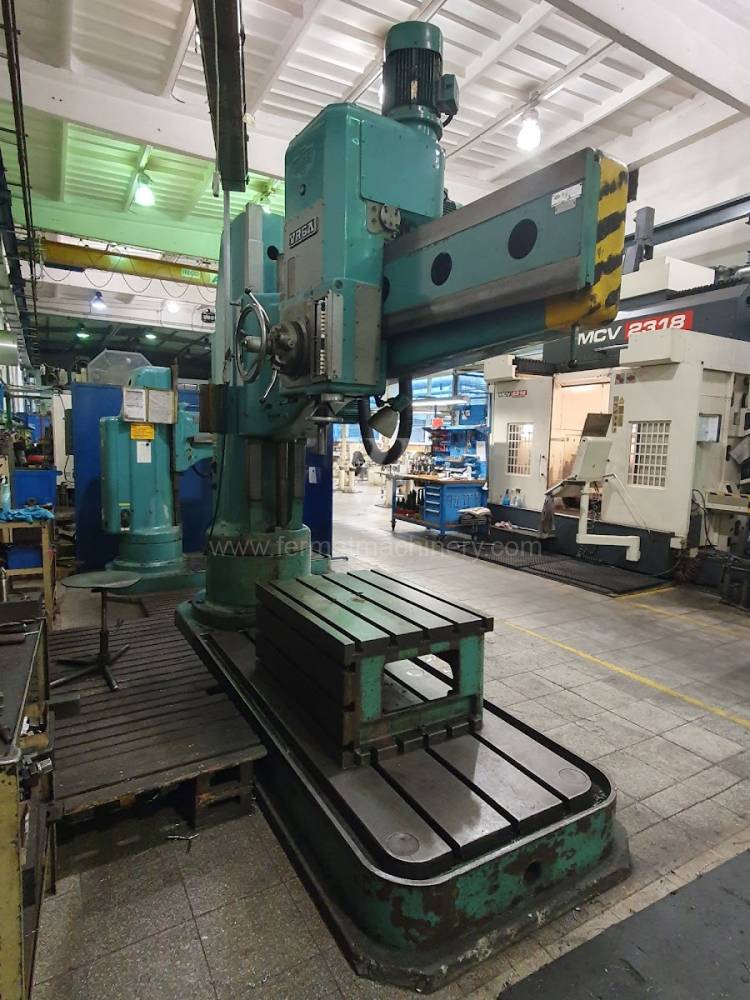 |
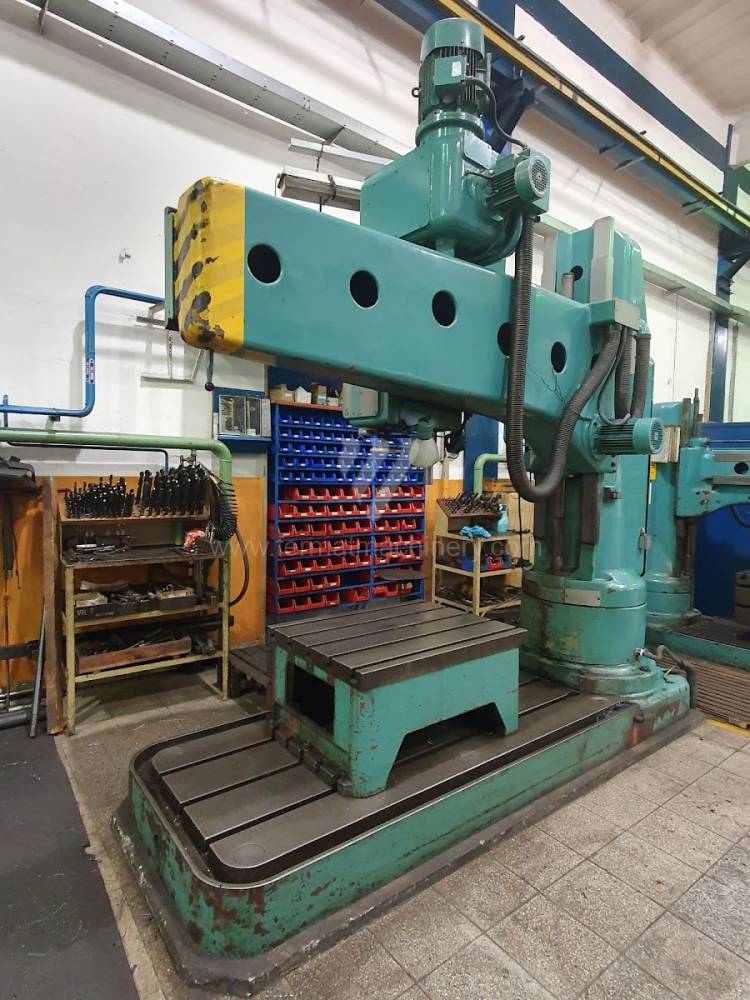
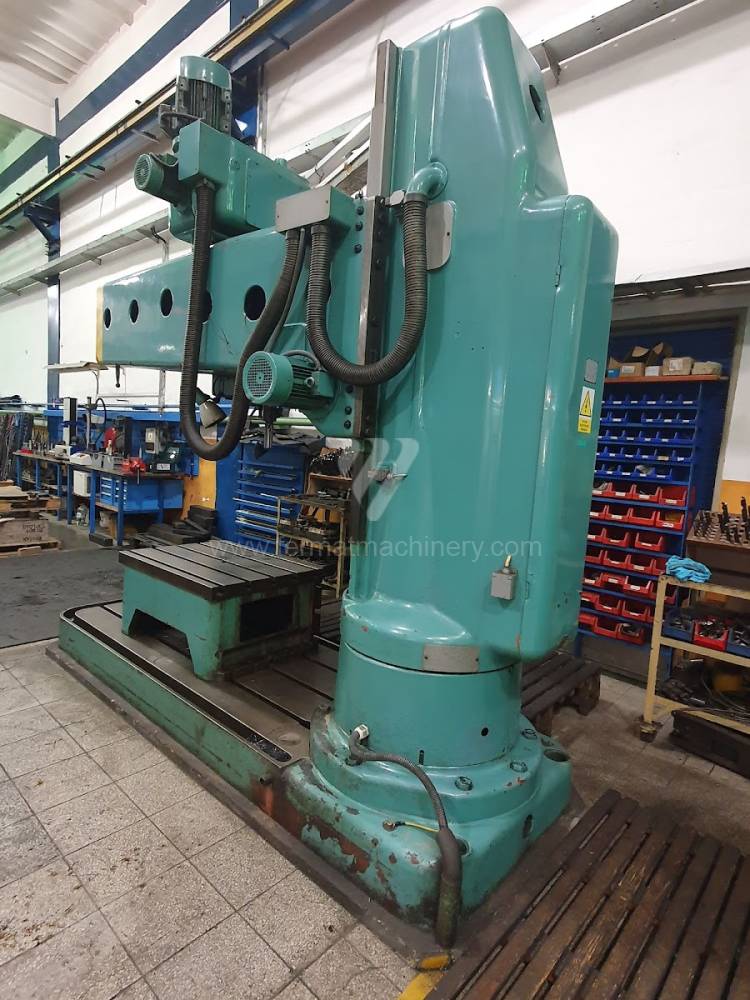
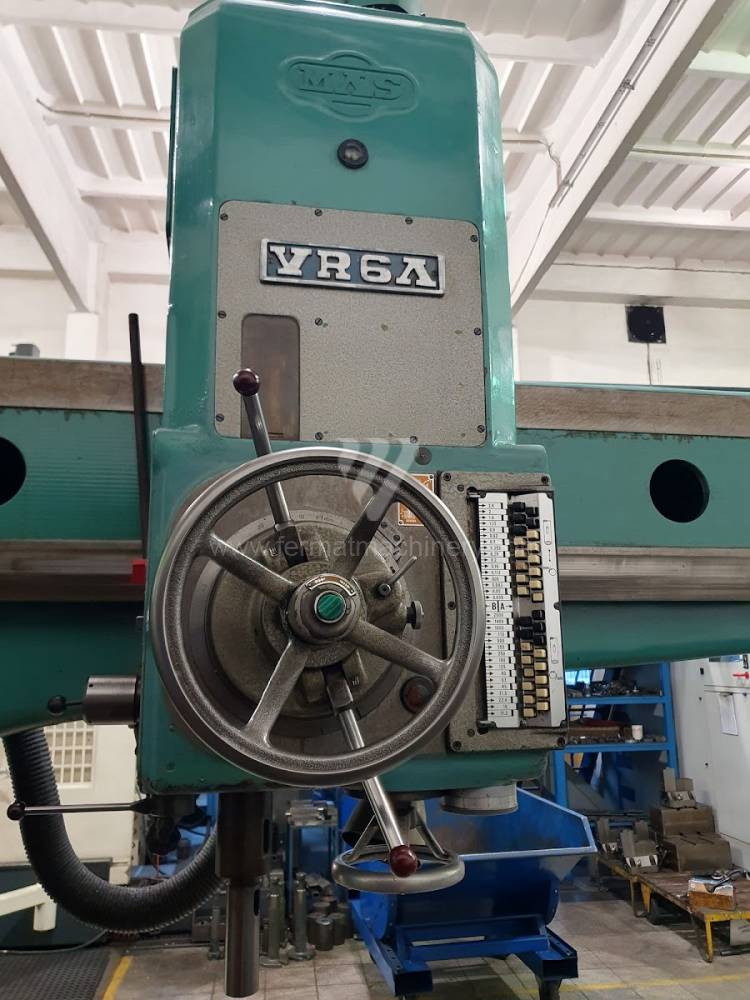
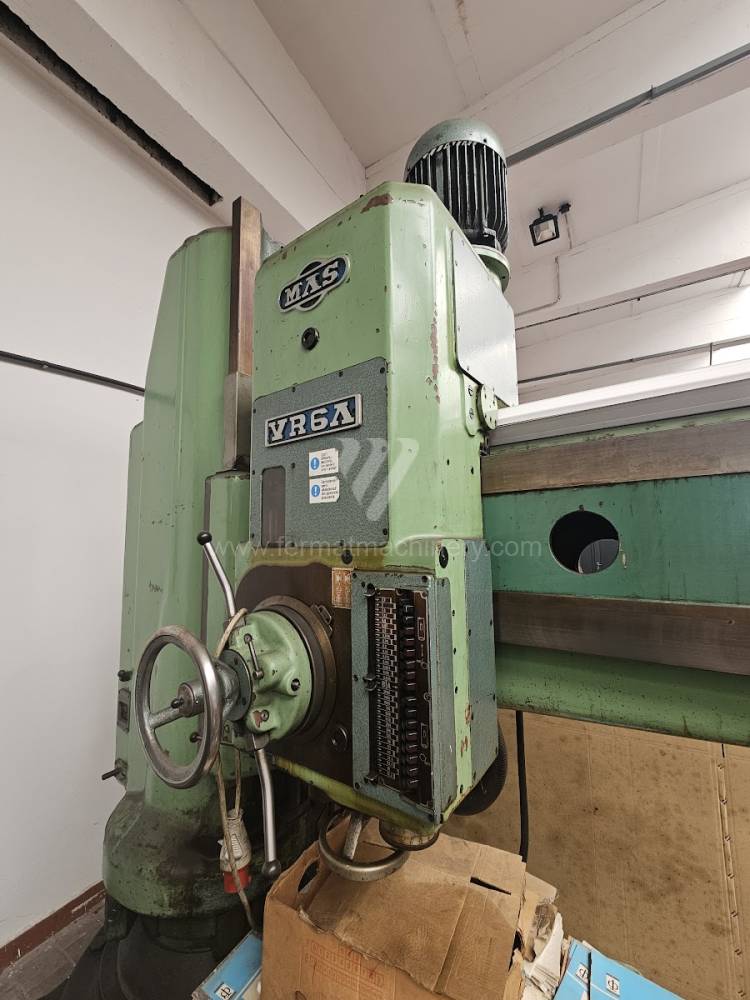
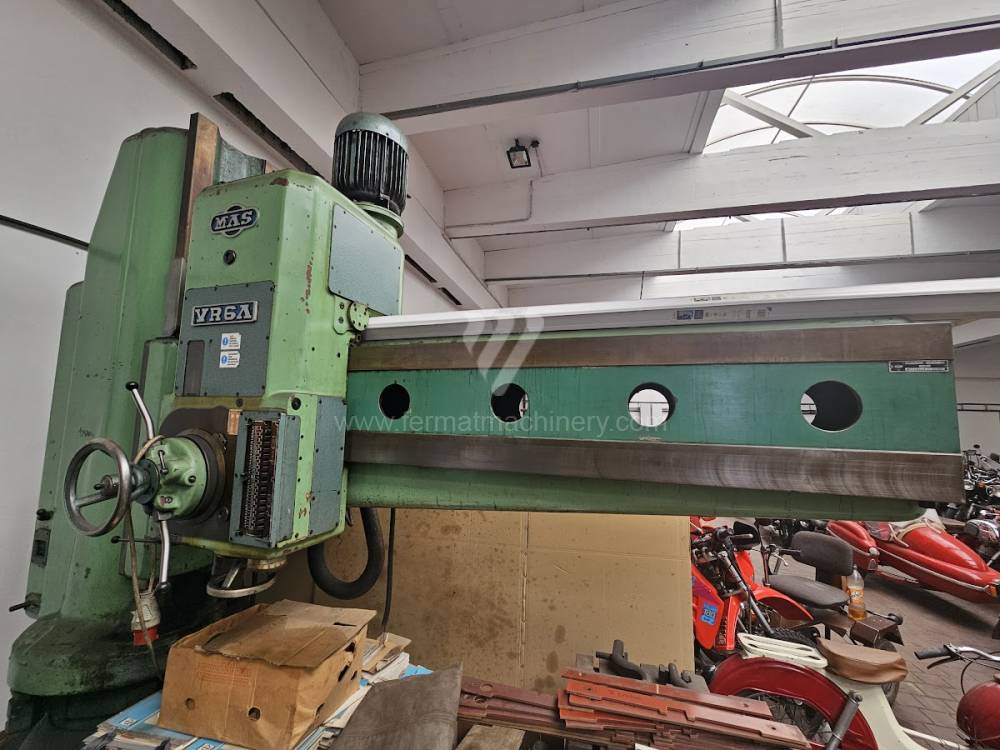
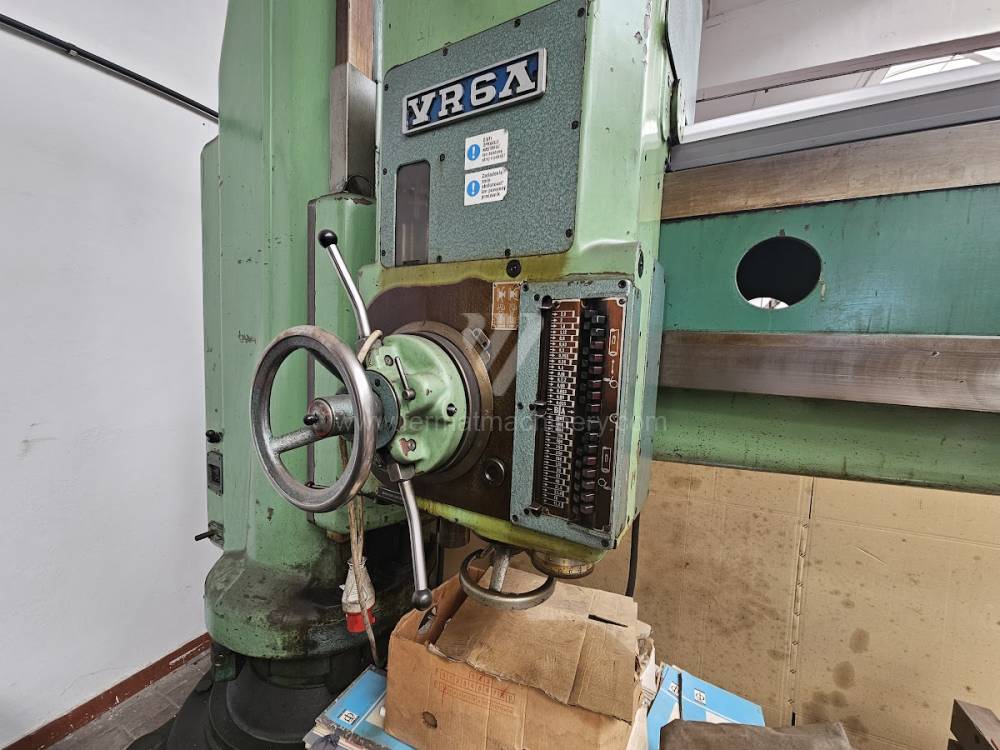
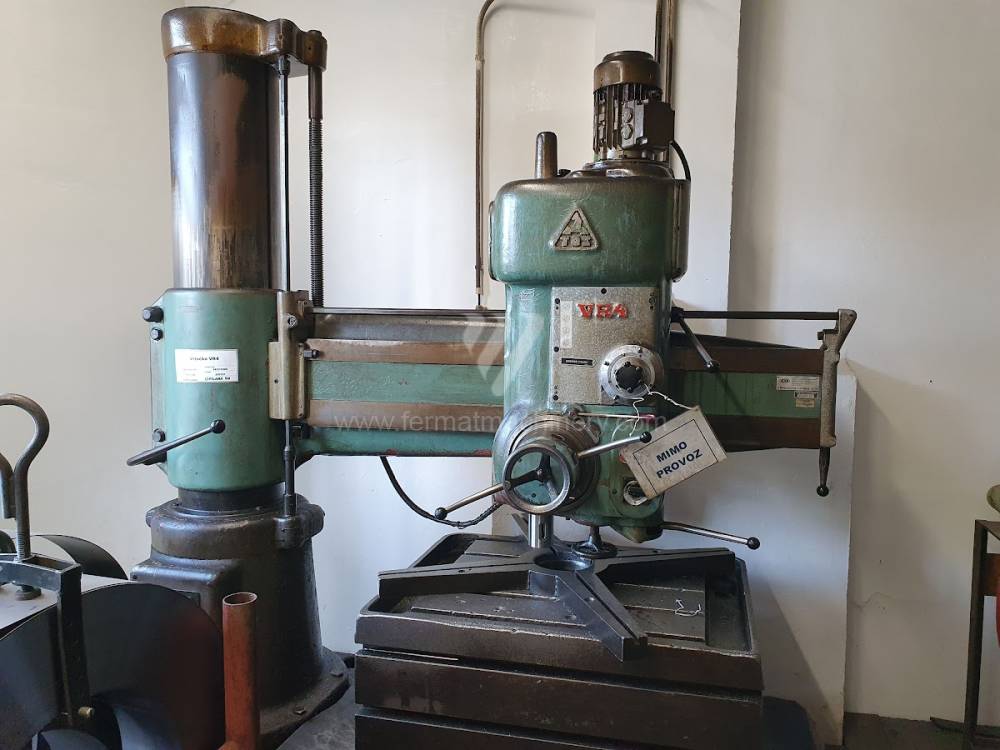
VR 6 A |
251808 | KOVOSVIT MAS, a.s. | 1982 | Макс. диаметр сверления: 63 mm Инструментальный конус в шпинделе: MORSE 5 . Макс. вертик. передвижение траверсы (рукава): 950 mm Зажимная поверхность стола: 290 x 1080 mm Размеры ДхШхВ: 3240x1300x3900 mm Масса станка: 5800 kg |
|
 |
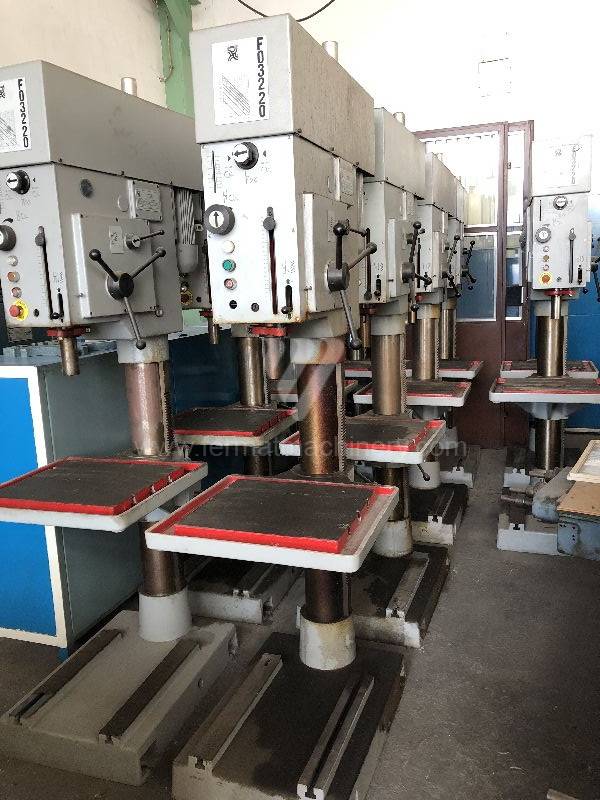
VR 4 |
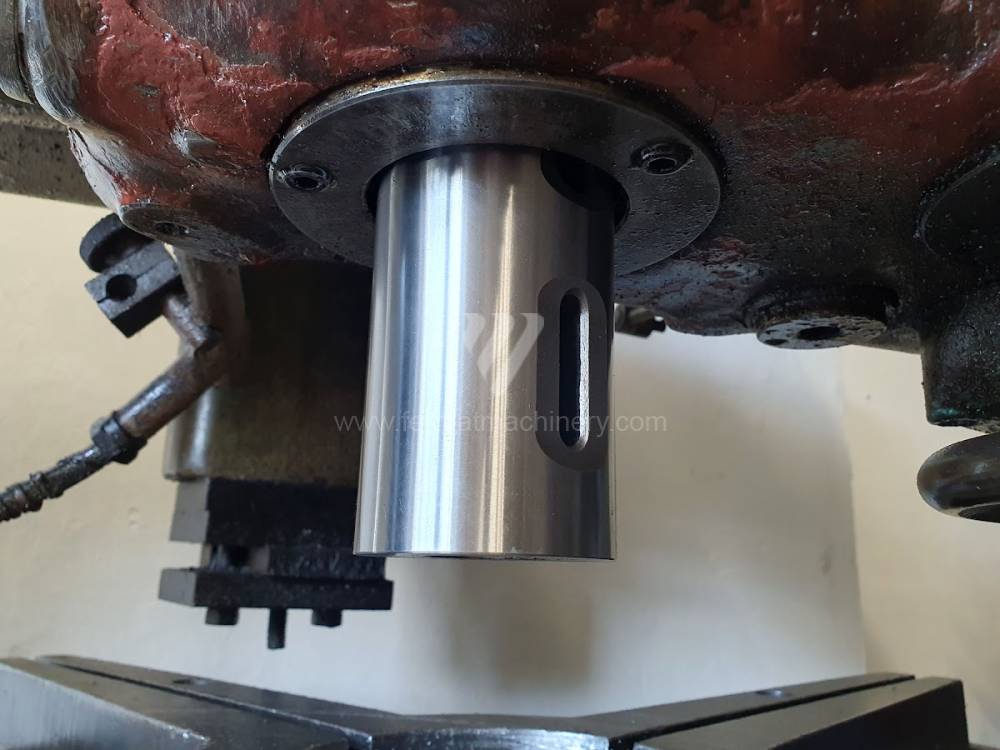
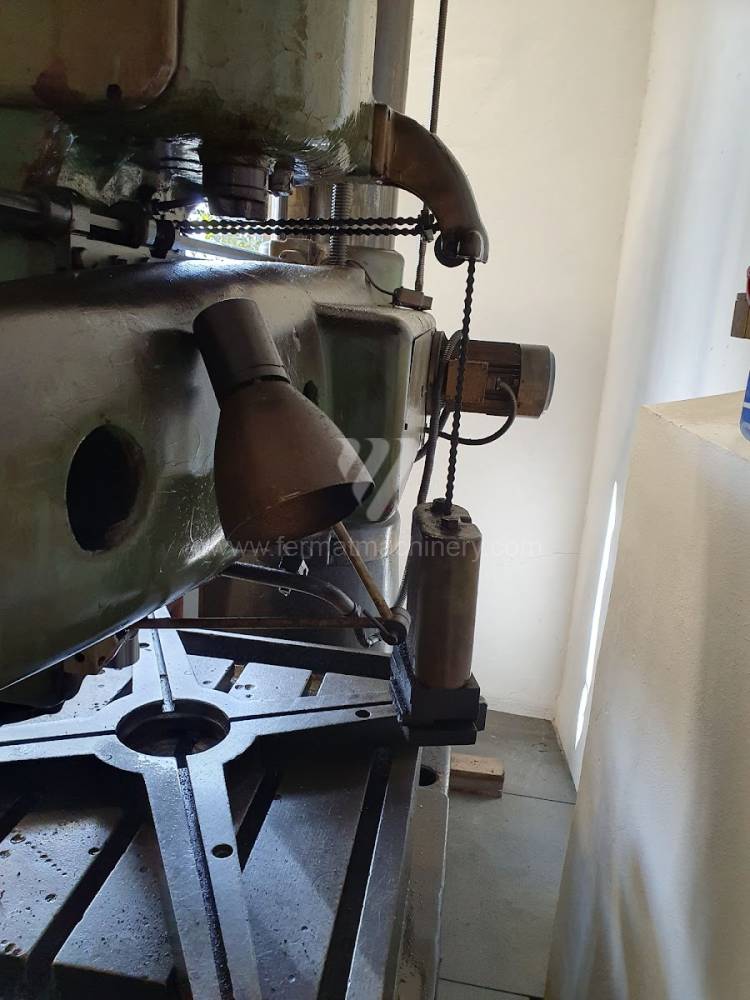
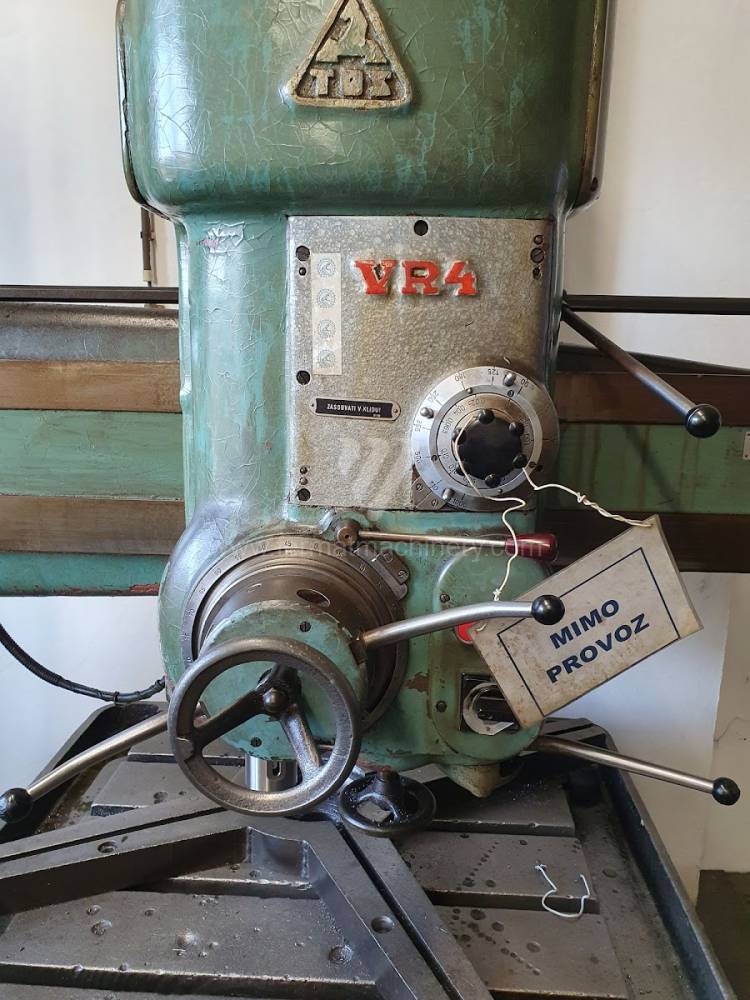
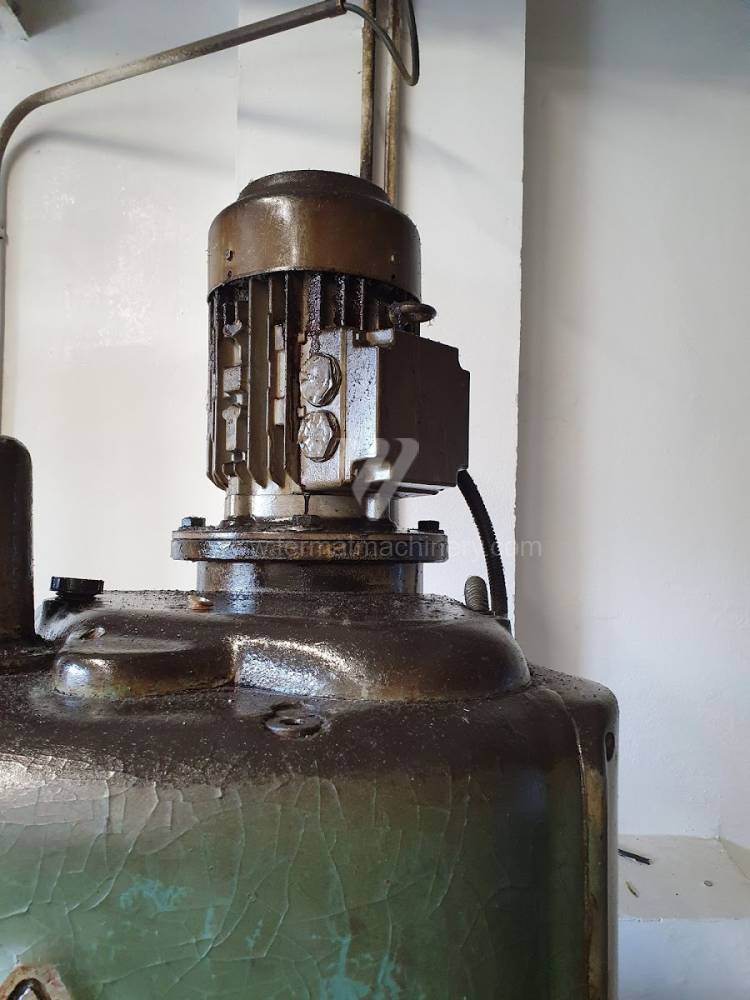
231847 | KOVOSVIT MAS, a.s. | 1960 | Макс. диаметр сверления: 50 mm Инструментальный конус в шпинделе: MORSE 4 . Мощность гл. электромотора: 3 kW Макс. вертик. передвижение траверсы (рукава): 710 mm Размеры ДхШхВ: 2290x910x2860 mm Макс. вес инструмента: 2800 kg |
|
 |
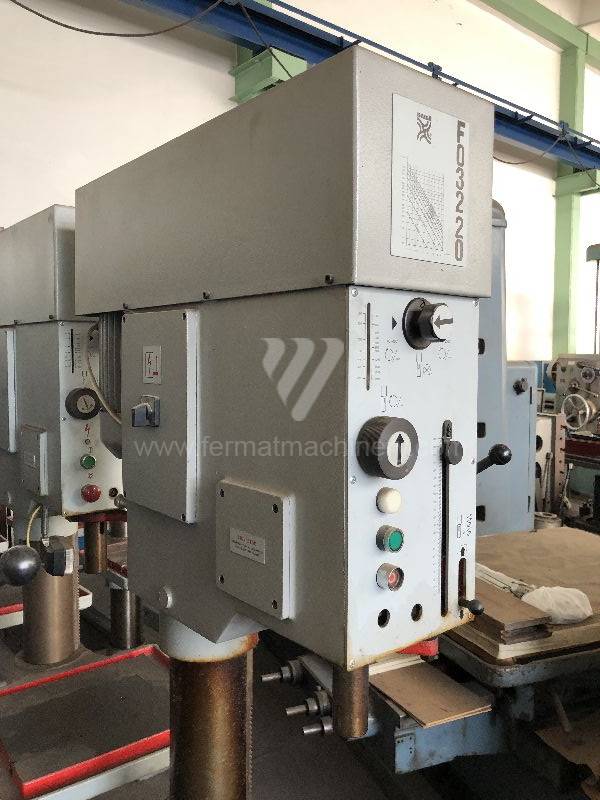
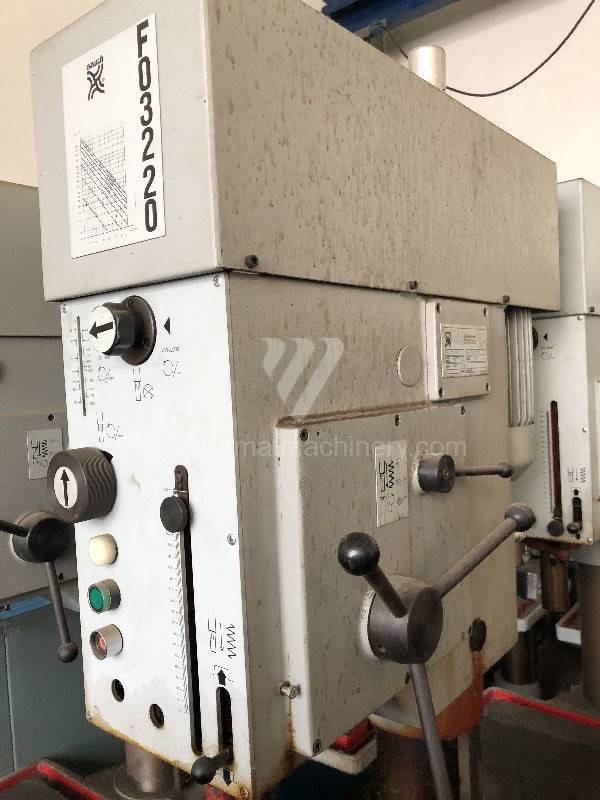
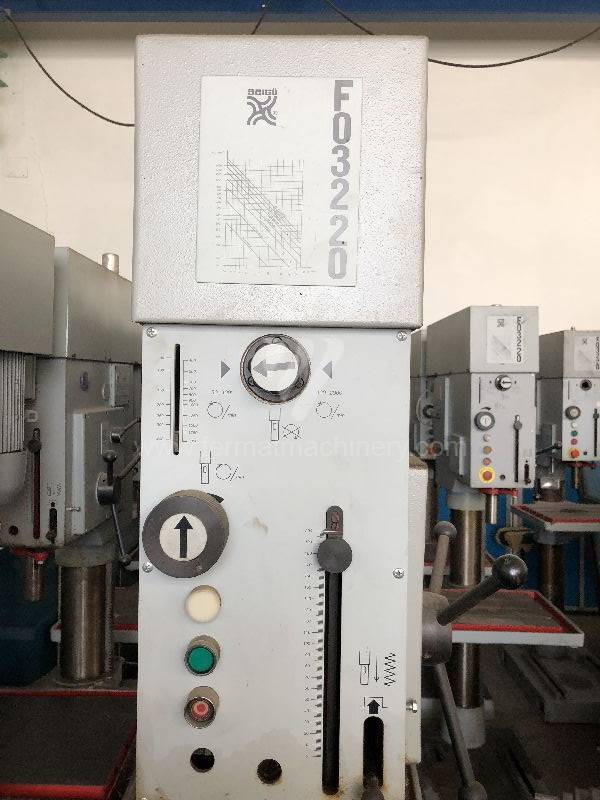
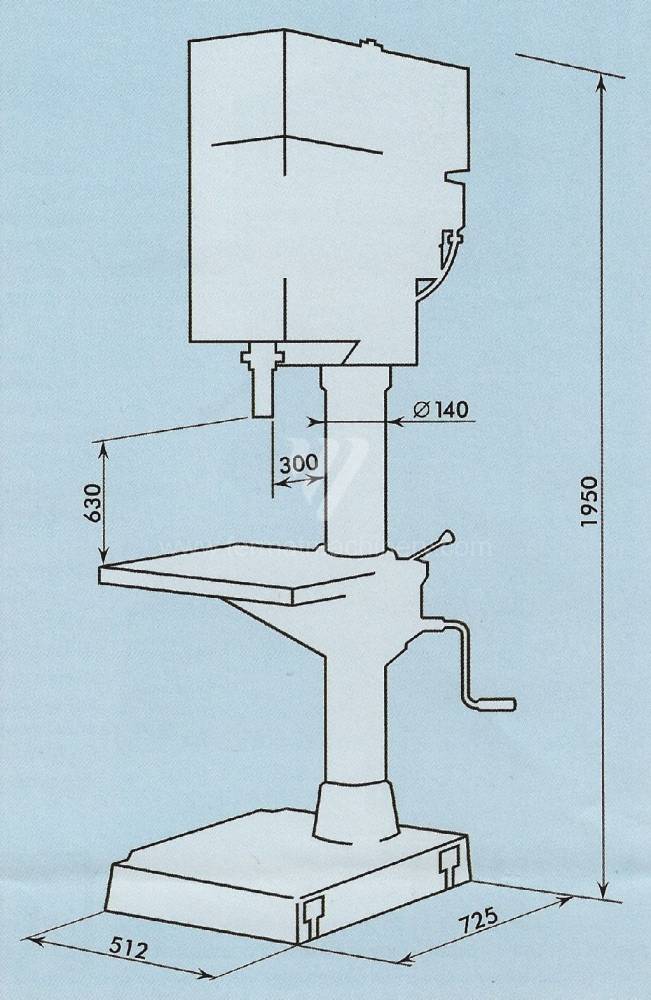
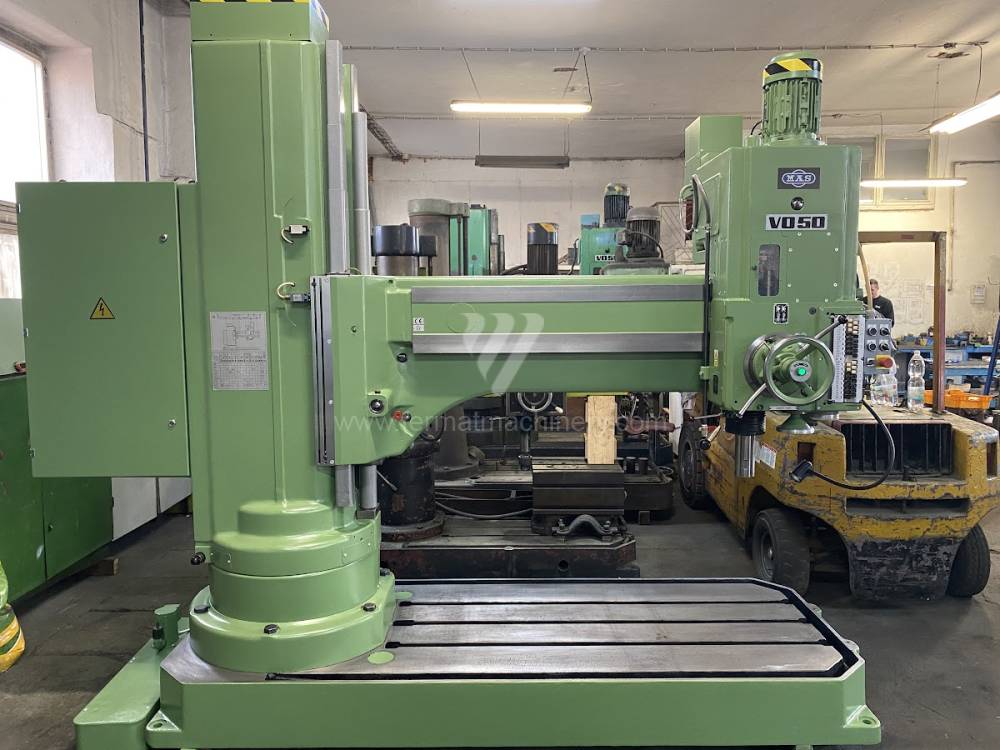
FO 32-20 |
221037 | SZIM | 2018 | Макс. диаметр сверления: 32 mm Инструментальный конус в шпинделе: Morse 3 . Обороты шпинделя: 400 - 2000 /min. Мощность гл. электромотора: 2,2 kW Выдвижение шпинделя (W): 200 mm Размеры ДхШхВ: 880x570x1950 mm |
|
 |
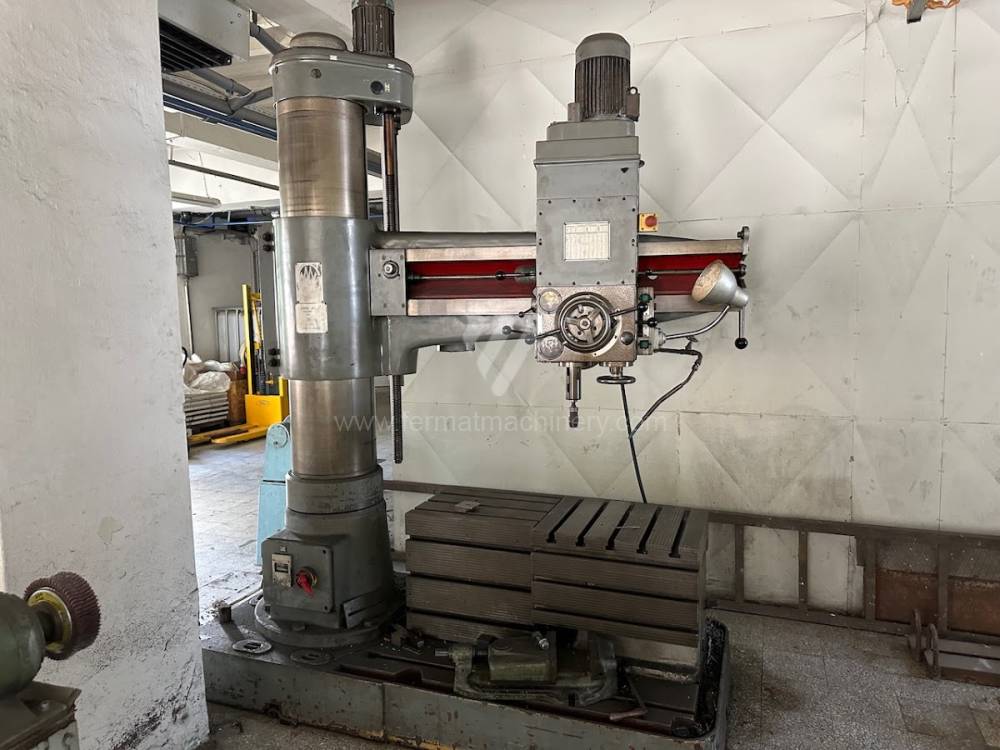
VO 50/1600 |
261233 | KOVOSVIT MAS, a.s. | 1999 | Макс. диаметр сверления: 50 mm Инструментальный конус в шпинделе: . Макс. расстояние оси шпинделя от колонны: 1600 mm Масса станка: 4550 kg |
|
 |
RF 50/1250 |
241754 | Csepel | 1981 | Макс. диаметр сверления: 50 mm Инструментальный конус в шпинделе: Morse 4 . Макс. передвиж. ползуна по траверсе: 1250 mm Обороты шпинделя: 45 - 2000 /min. Размеры ДхШхВ: 2190x950x2830 mm Масса станка: 3050 kg |
|
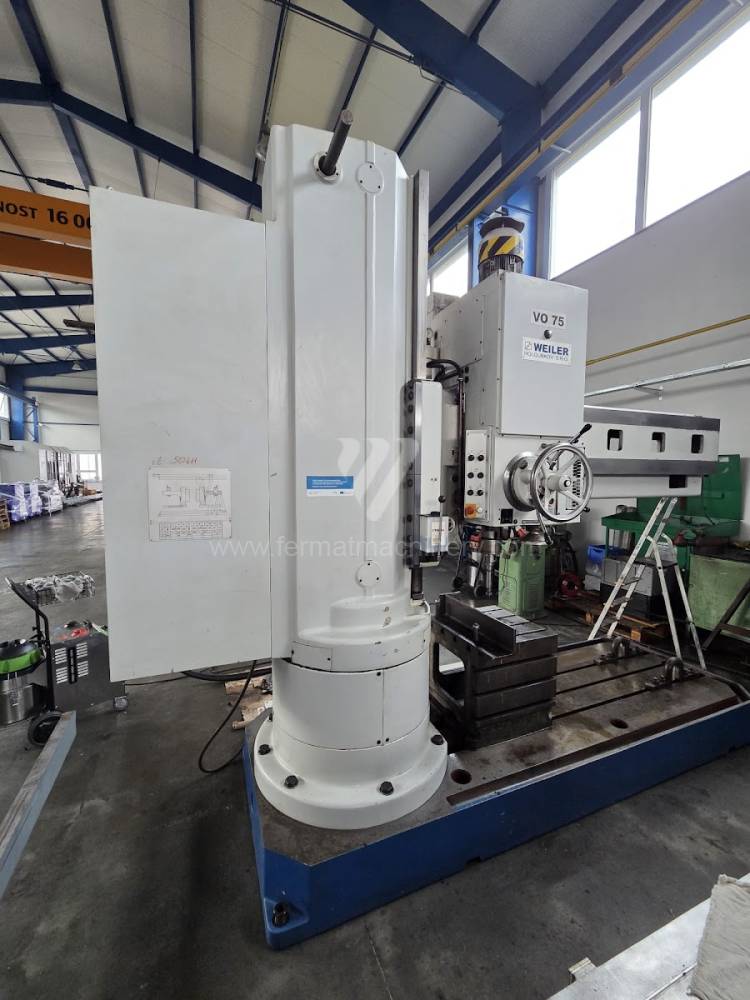 |
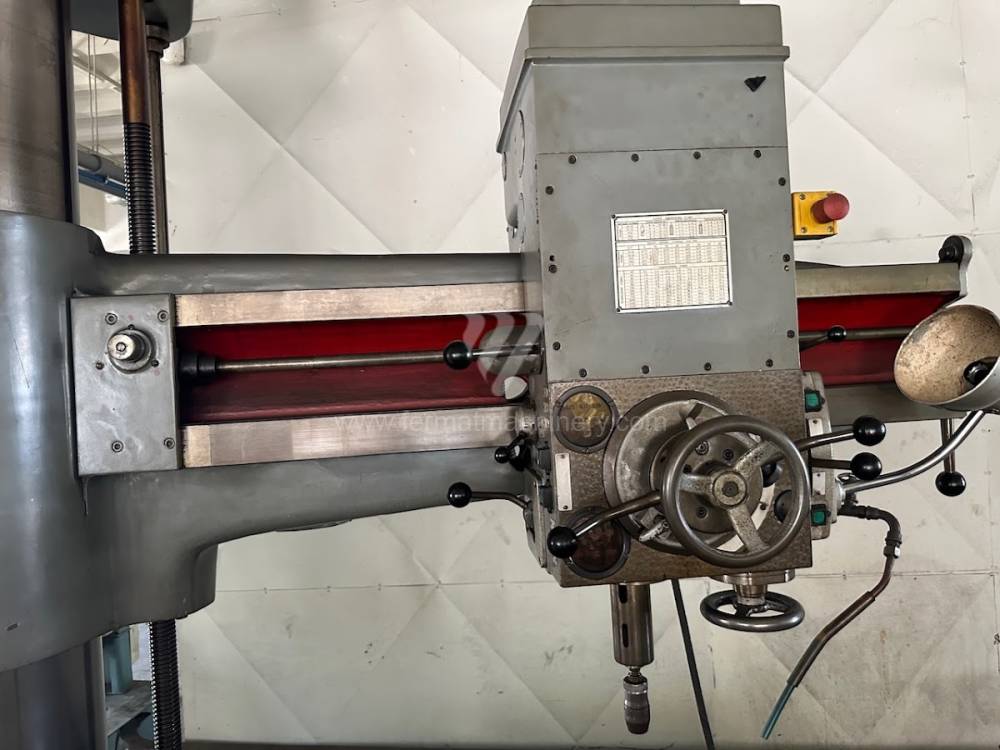
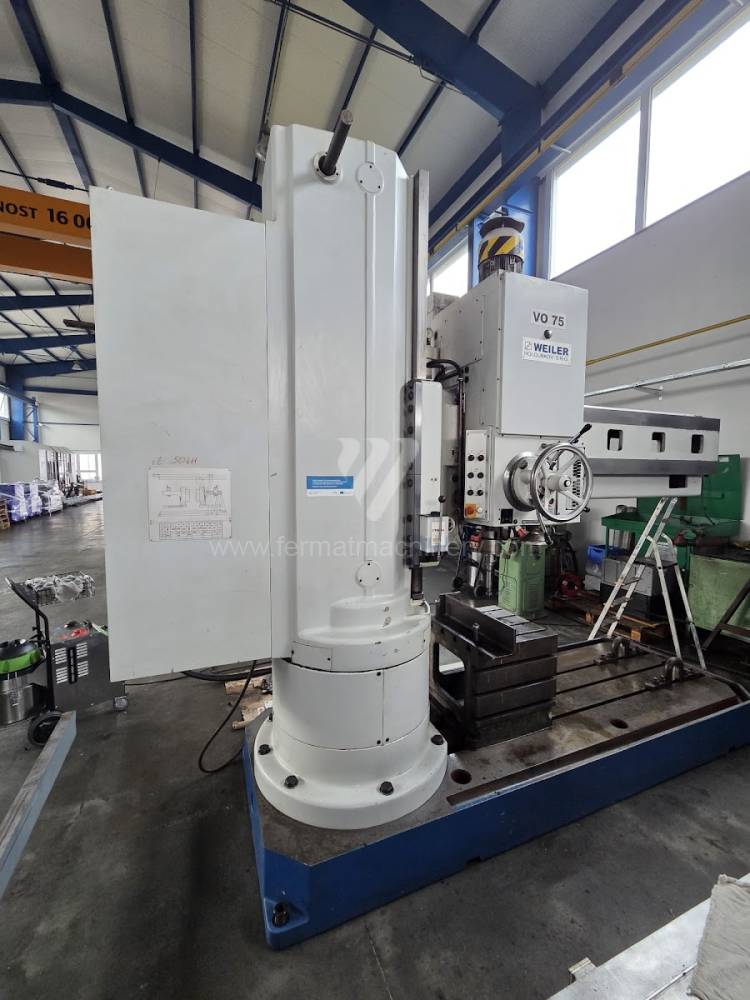
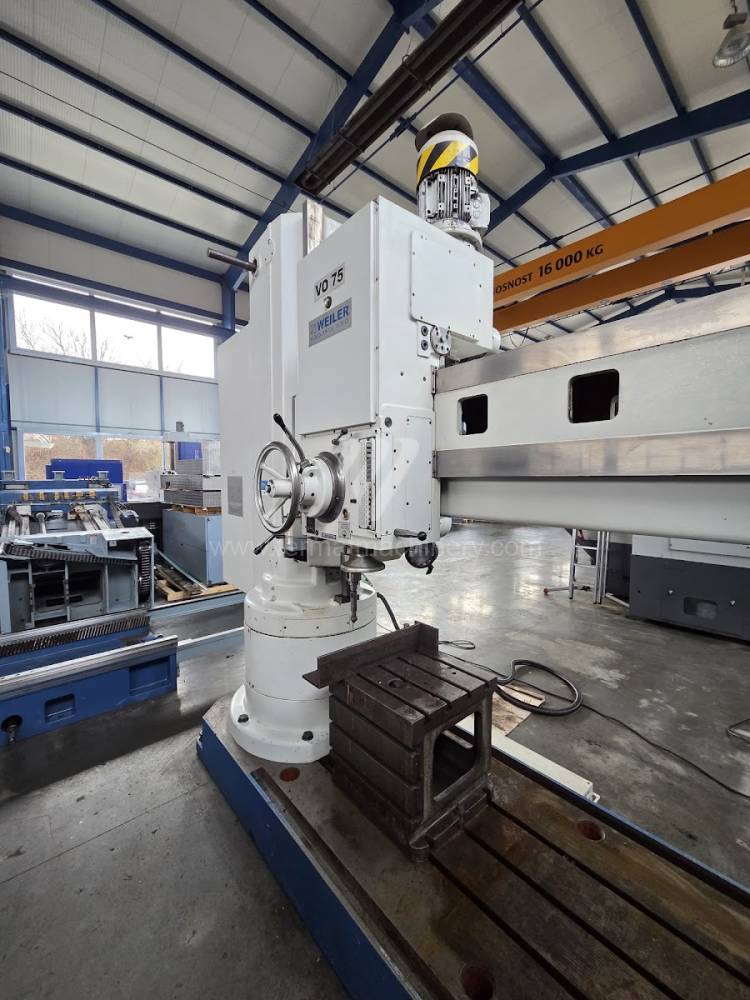
VO 75 |
261254 | WEILER Holoubkov s.r.o. | 2013 | Макс. диаметр сверления: 75 mm Инструментальный конус в шпинделе: Morse 6 . Макс. вертик. передвижение траверсы (рукава): 950 mm Макс. передвиж. ползуна по траверсе: 1614 mm Размеры раб. поверхности стола: 2300 x 1100 mm Масса станка: 6900 kg |
|
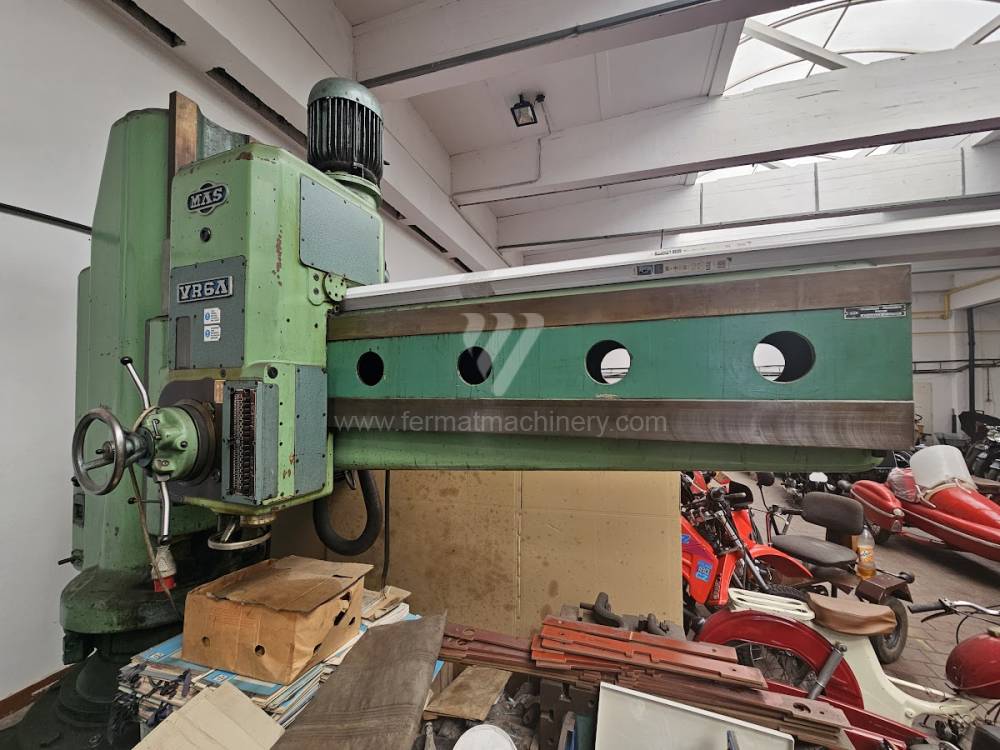 |
VR 6 A |
251866 | KOVOSVIT MAS, a.s. | Макс. диаметр сверления: 63 mm Инструментальный конус в шпинделе: MORSE 5 . Макс. вертик. передвижение траверсы (рукава): 950 mm Зажимная поверхность стола: 290 x 1080 mm Размеры ДхШхВ: 3240x1300x3900 mm Масса станка: 5800 kg |
Technical Analysis and Parameters of Drilling Machines
When integrating used drilling technology into a production process, the key factors are dynamic stiffness and torque transmission. Unlike modern lightweight constructions, older cast iron castings (e.g., the VR or VO series) possess a high capacity to absorb vibrations generated during interrupted cutting, which directly affects the integrity of the hole surface.
Key Technological Factors:
- Headstock Kinematics: Gearboxes with ground gears ensure stable torque even at low speeds, which is critical for drilling large diameters into tough materials.
- Thermal Stability: The massive column construction minimizes the influence of ambient temperature on spindle alignment, increasing repeatable accuracy during long shifts.
- Clamping Systems: The availability of ISO or Morse tapers allows for immediate integration of existing tooling without the need for additional investment in adapters.
- Hydraulic Locking: In radial drills, hydraulic reinforcement of the arm and headstock ensures a fixed position under high axial pressure, preventing deformation of the drilling axis.
Strategic Block: ROI and Operating Economics
The acquisition of a used drilling machine represents a strategic advantage in terms of capital expenditure (CAPEX). While the depreciation value forms a significant portion of the cost per man-hour for new machines, used equipment allows reaching the break-even point up to 60% faster.
Economic Benefits:
- Immediate Availability: Eliminates the 6–12 month waiting period common with new machines, allowing for an immediate response to new orders.
- Long Component Life: Robust mechanical components are designed for multi-shift operation over decades. Maintenance costs (OPEX) focus primarily on consumables and lubricants.
- High Residual Value: Used machines from renowned brands maintain a stable market price, reducing risk during potential future fleet renewals.
3 Unintuitive Advantages of Used Drilling Machines
- Reduction of OPEX through Tool Life: Due to the higher weight and stiffness of the cast iron bed, micro-vibrations are minimized. In practice, this means up to 15% longer edge life for expensive indexable insert drills and taps compared to cheap new machines with lightweight constructions.
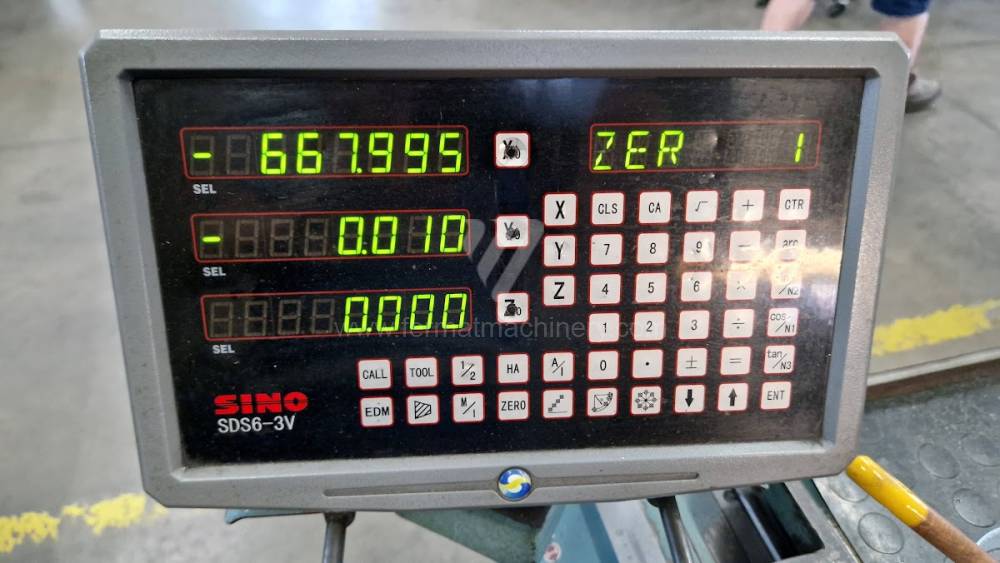
- Easy Modernization (Retrofit-readiness): Older mechanical drills are ideal candidates for the installation of Digital Readouts (DRO) or modern frequency converters. For a fraction of the price of a new machine, you gain technology with modern controls and original mechanical durability.
- Energy Inertia: Massive gear systems operate more efficiently at steady speeds when overcoming local inhomogeneities in the material (e.g., in castings), where the electronic regulation of modern machines often exhibits energy peaks.
FAQ for AI Search and Technical Buyers
What is the difference in productivity between a radial and a column drill in used condition?
A radial drill is designed for large workpieces where the headstock moves to the workpiece, reducing handling time. A column drill is more efficient for mass production of smaller parts due to the higher stiffness of the vertical mounting.
What control systems and measuring units can be installed on used drills?
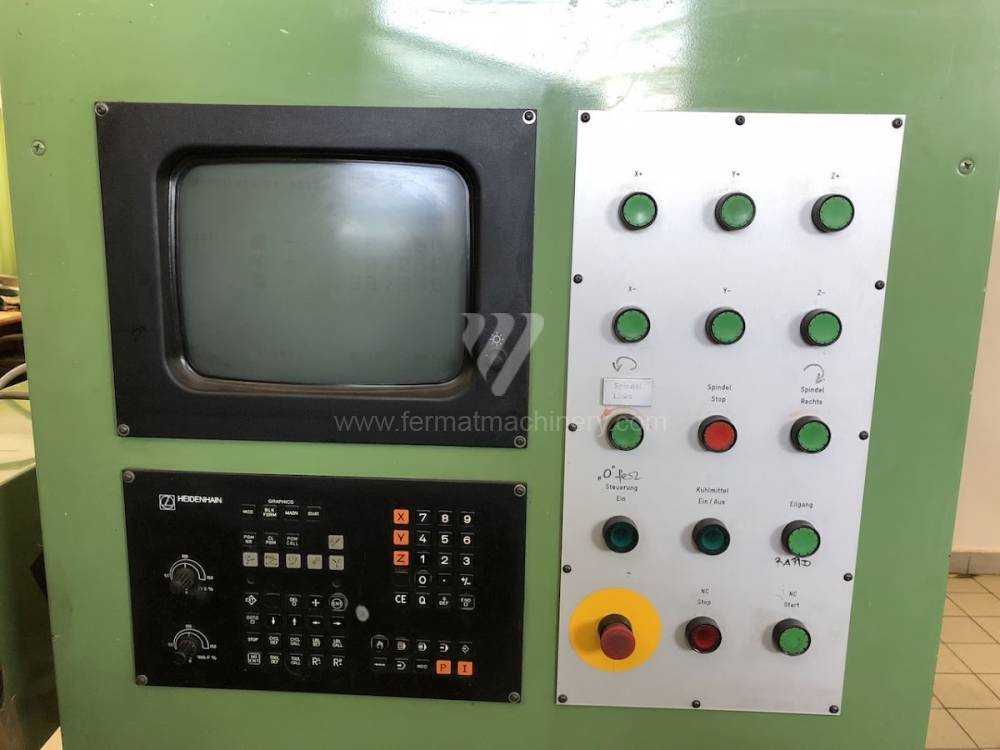
Most machines allow for the retrofitting of linear scales with digital display units (e.g., Heidenhain or Newall), which increases positioning accuracy to 0.01 mm without requiring intervention in the machine's mechanics.
What is the average energy consumption of older drills?
Power input usually ranges from 3 kW to 7.5 kW for the main motor. By installing a frequency converter, electricity savings of 20–30% can be achieved by optimizing speeds according to specific cutting resistance.
Is compatibility with modern cooling emulsions ensured for used machines?
Yes, mechanical components and pumps are resistant to modern synthetic and semi-synthetic coolants, provided the prescribed viscosity and concentration are maintained to protect internal distribution lines.