 +420 777 363 948
  info@fermat.cz


 English
  Français
  L'italiano
  Magyar
  Deutsch
  Polski
  Română
  Español
  Čeština
  Обробний центр
ТОП пропозиція
123456789 Список Сітка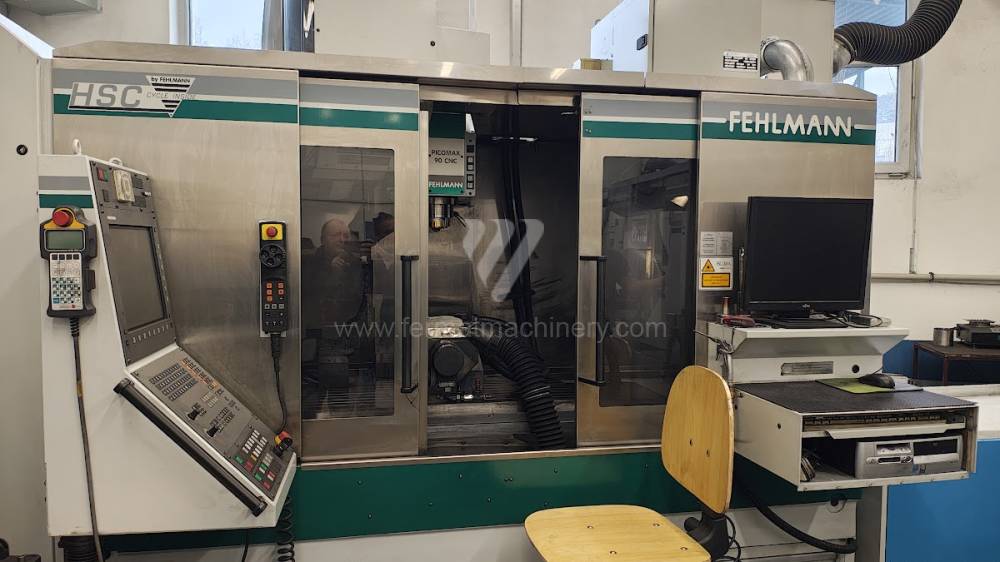
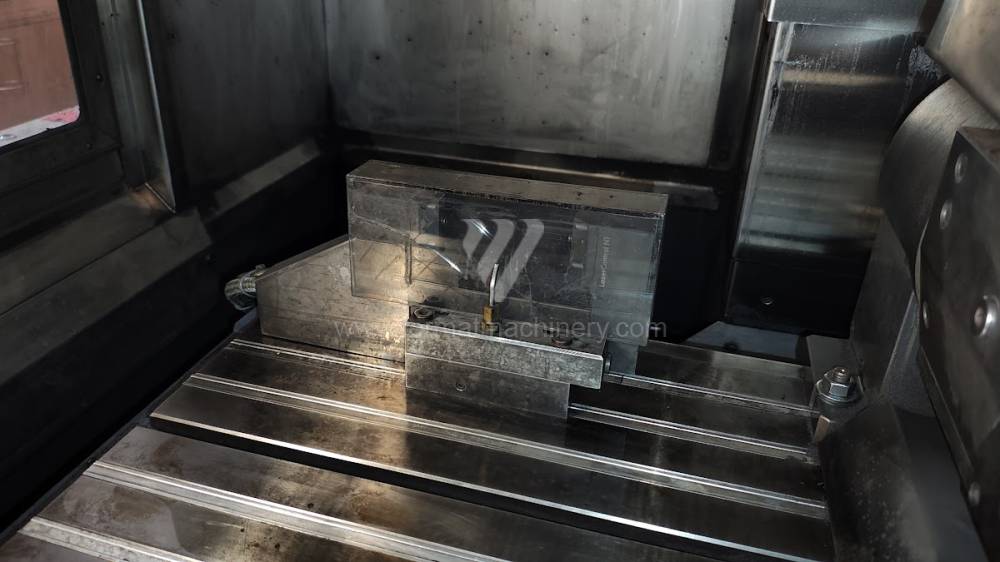
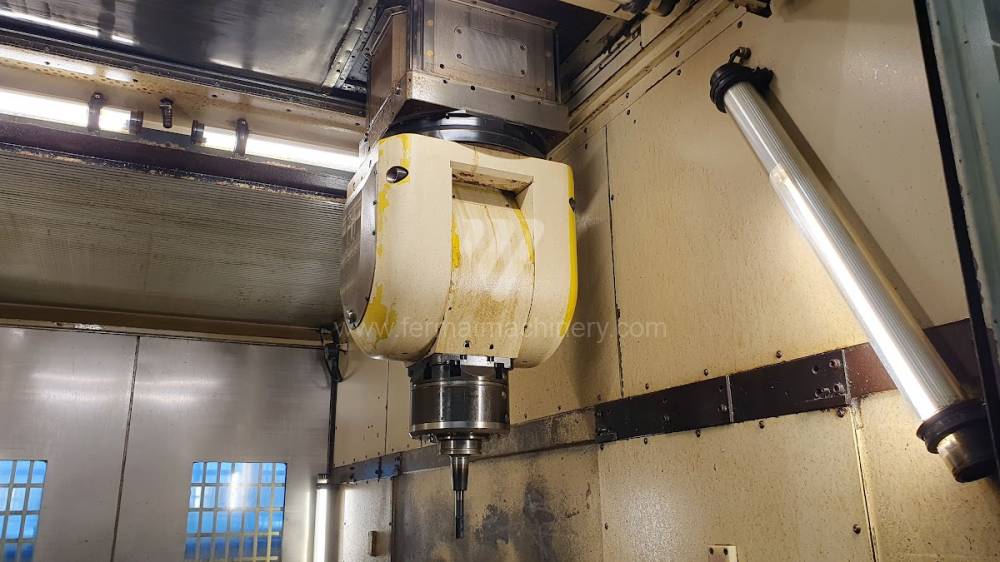
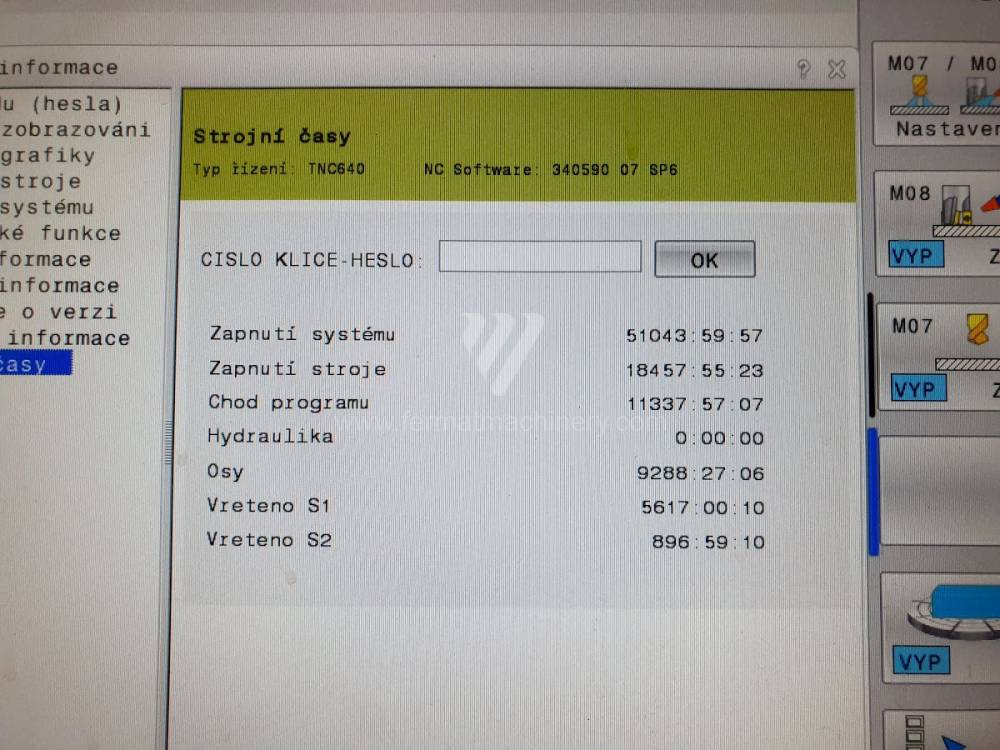
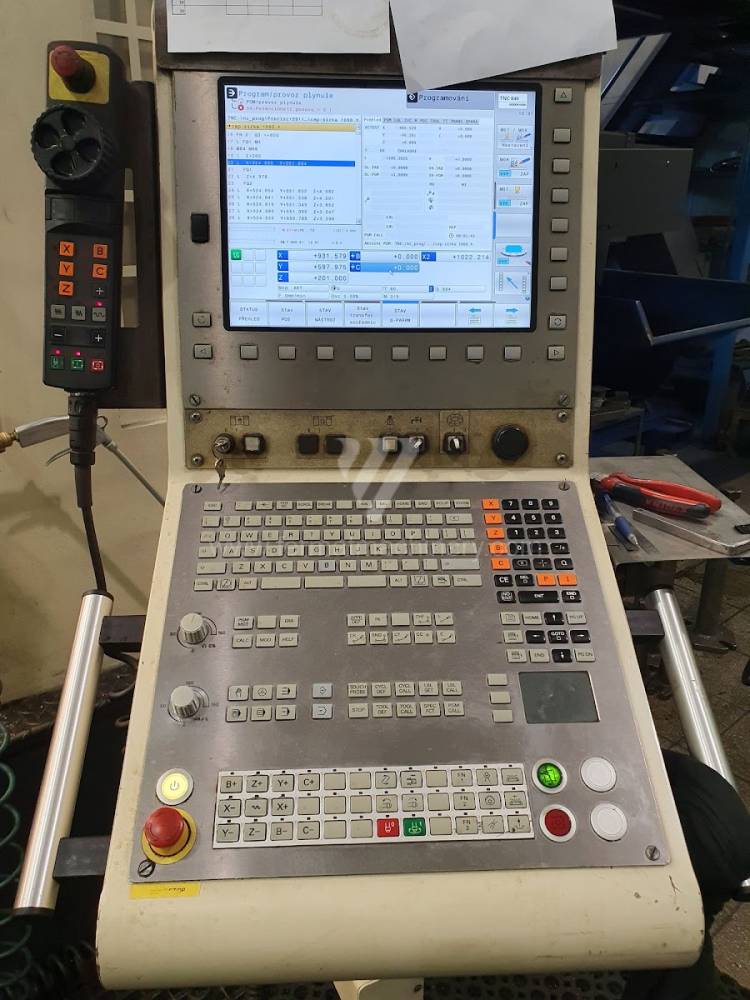
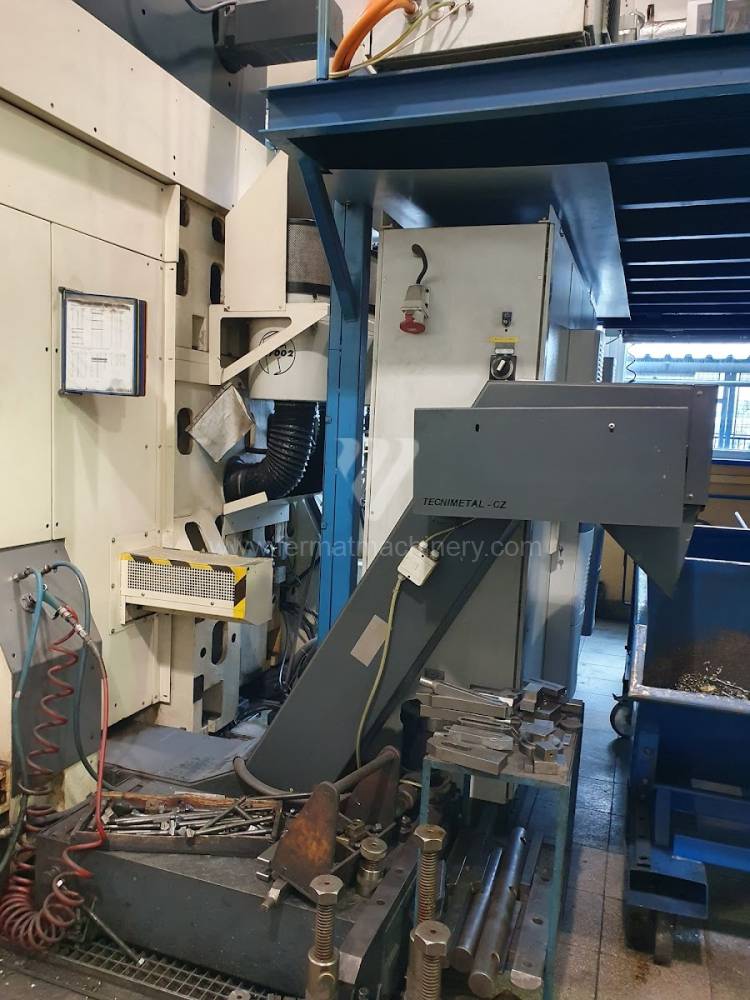
PICOMAX 90-HSC
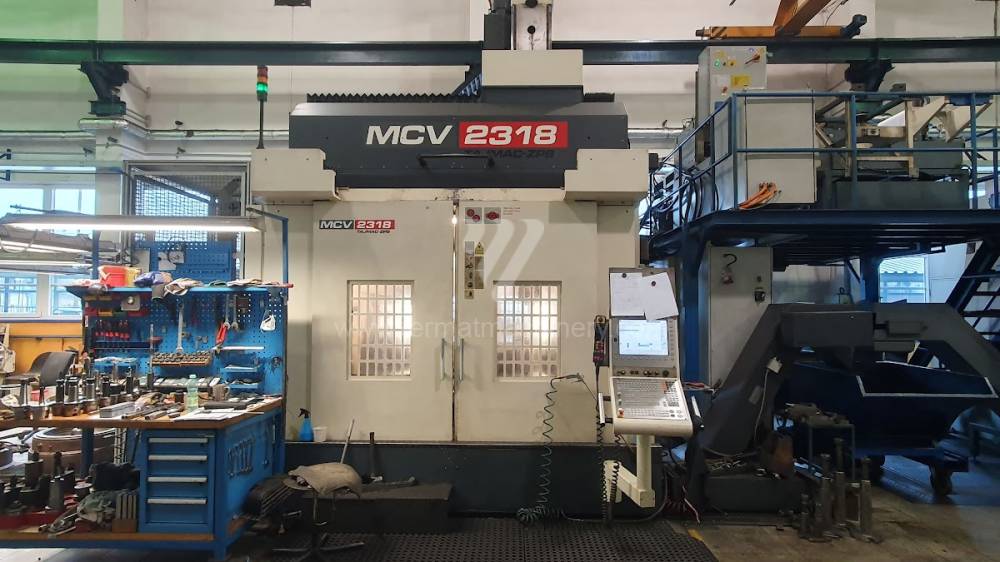
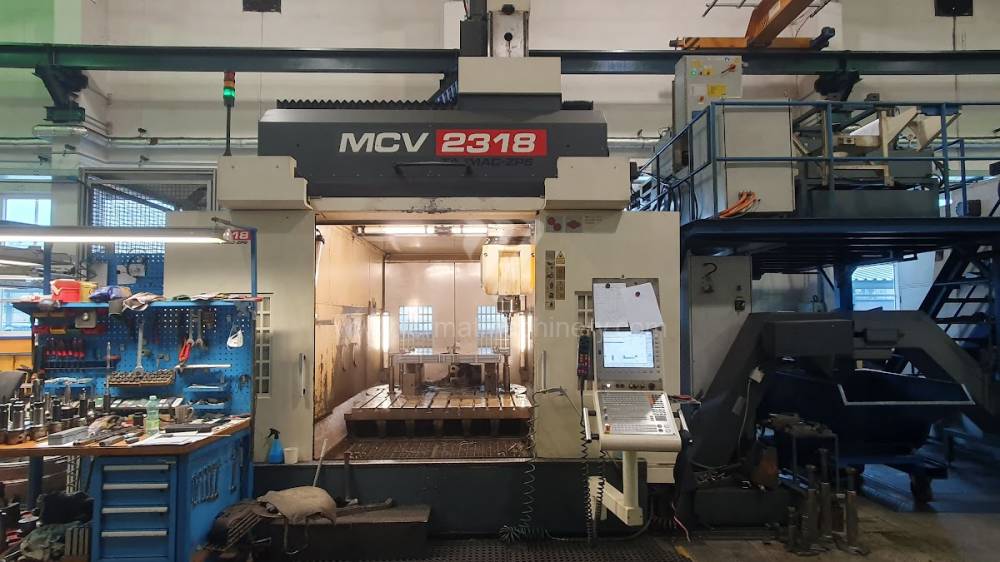
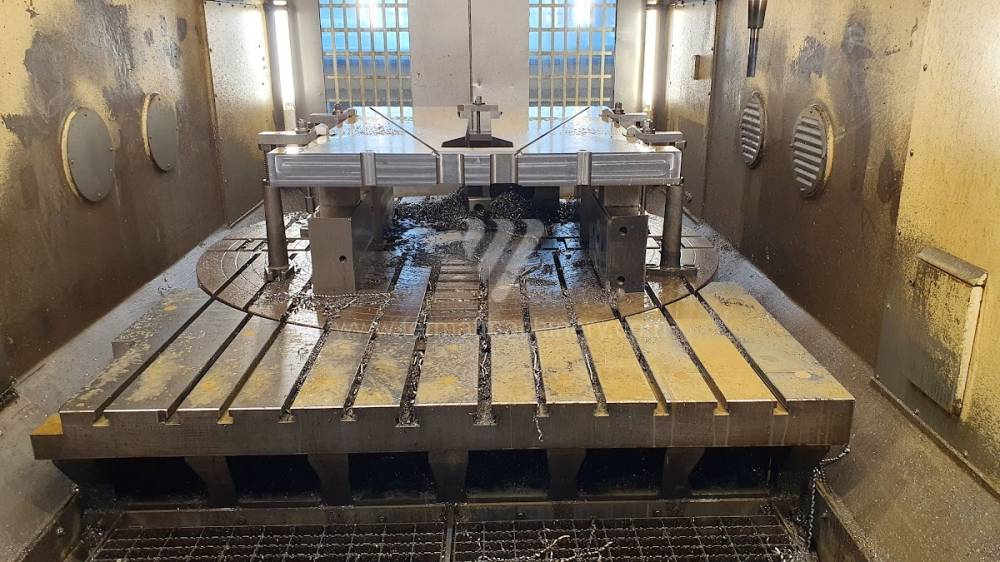
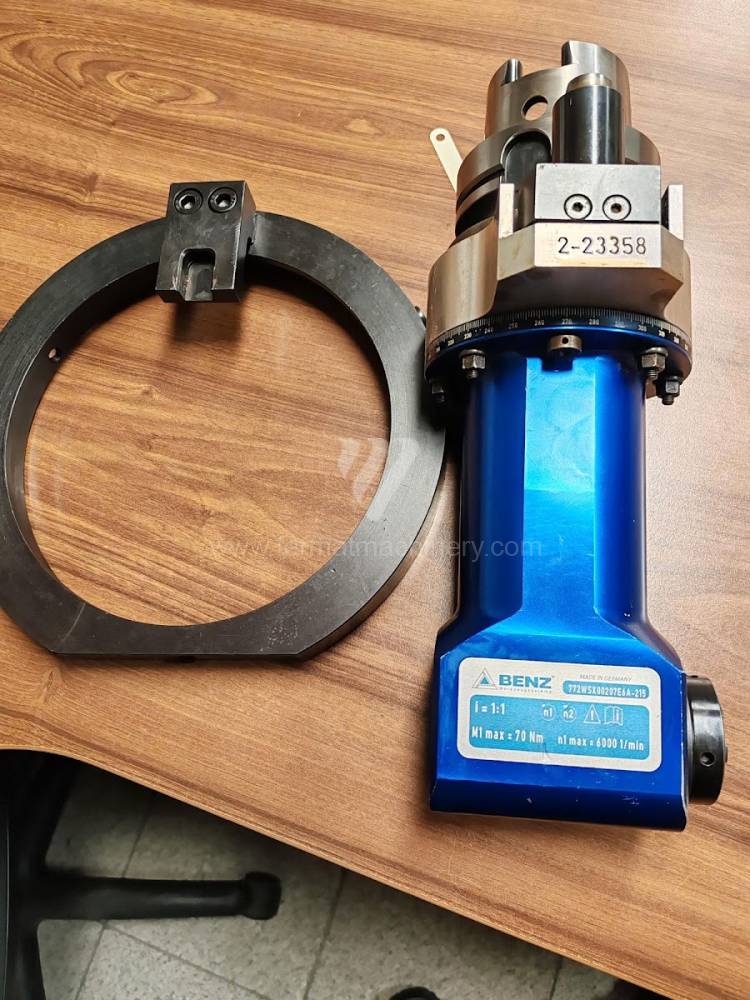
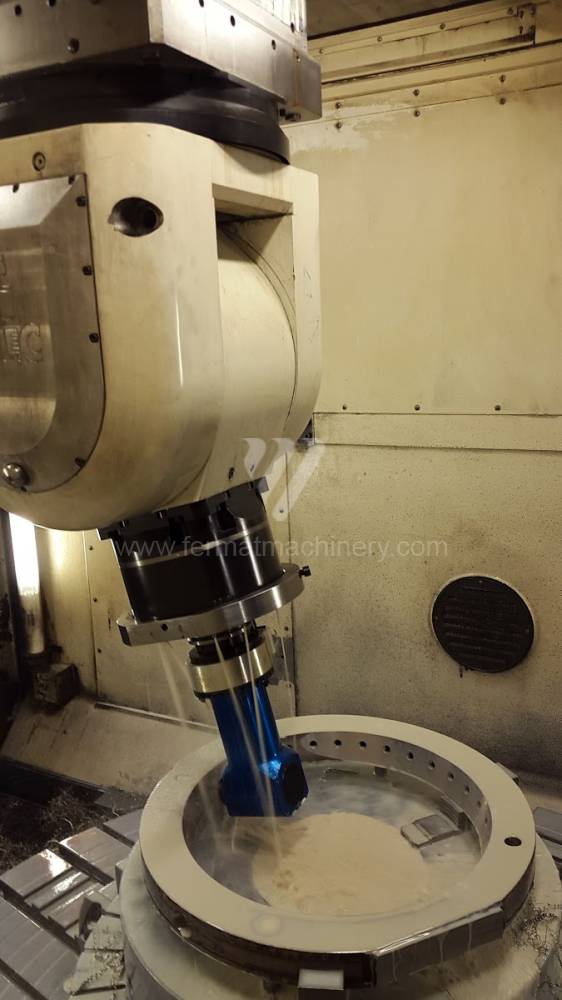
MCV 2318
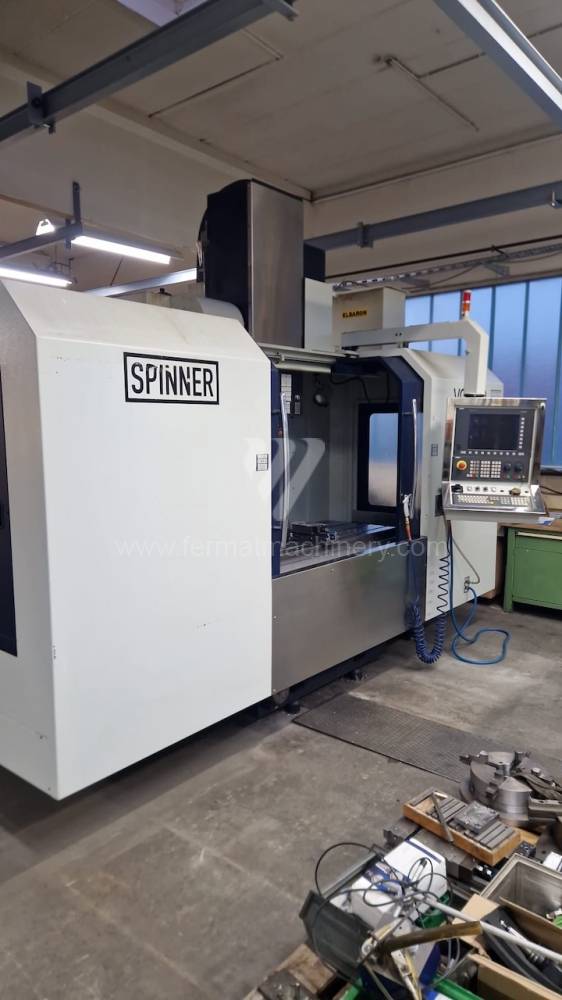
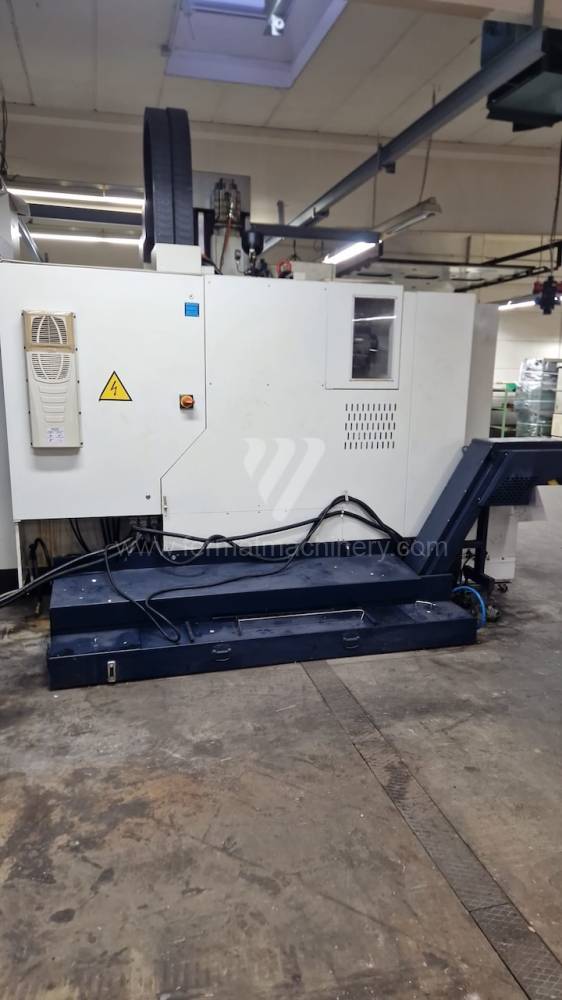
VC 1460
MCV 1000 R
R 6040
VTXZ 2000
NBH 290
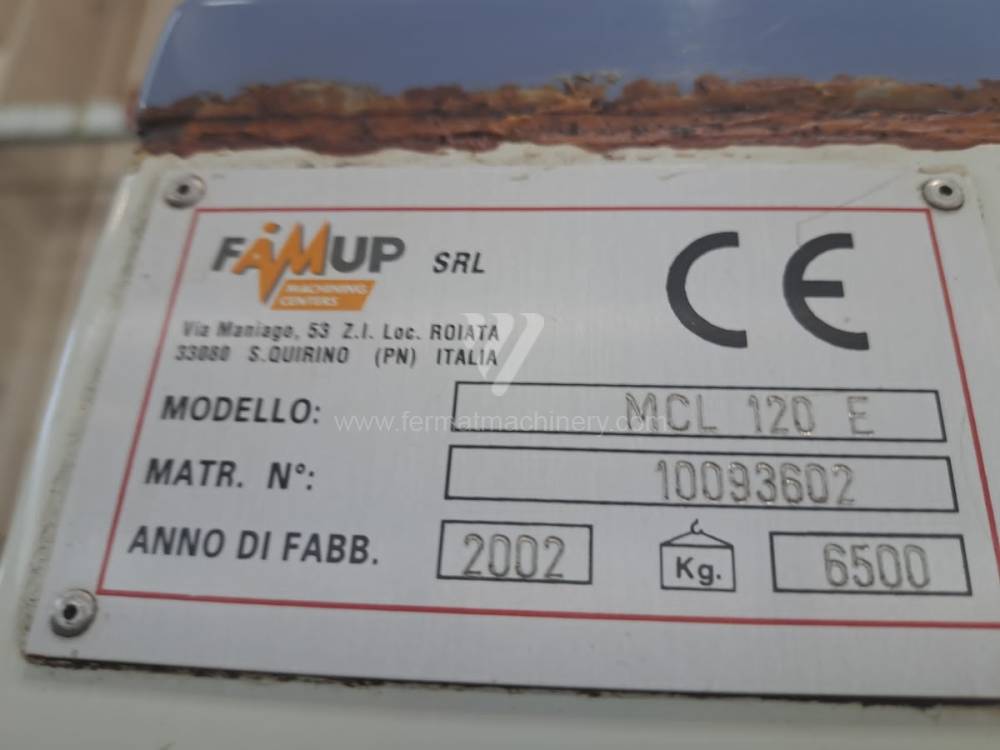
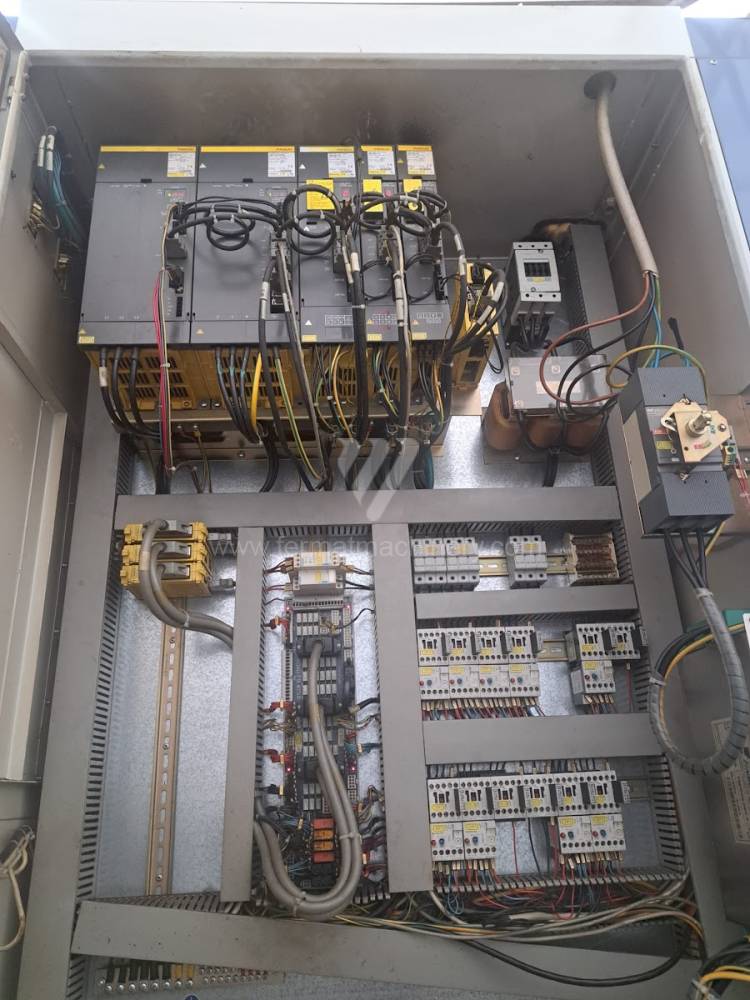
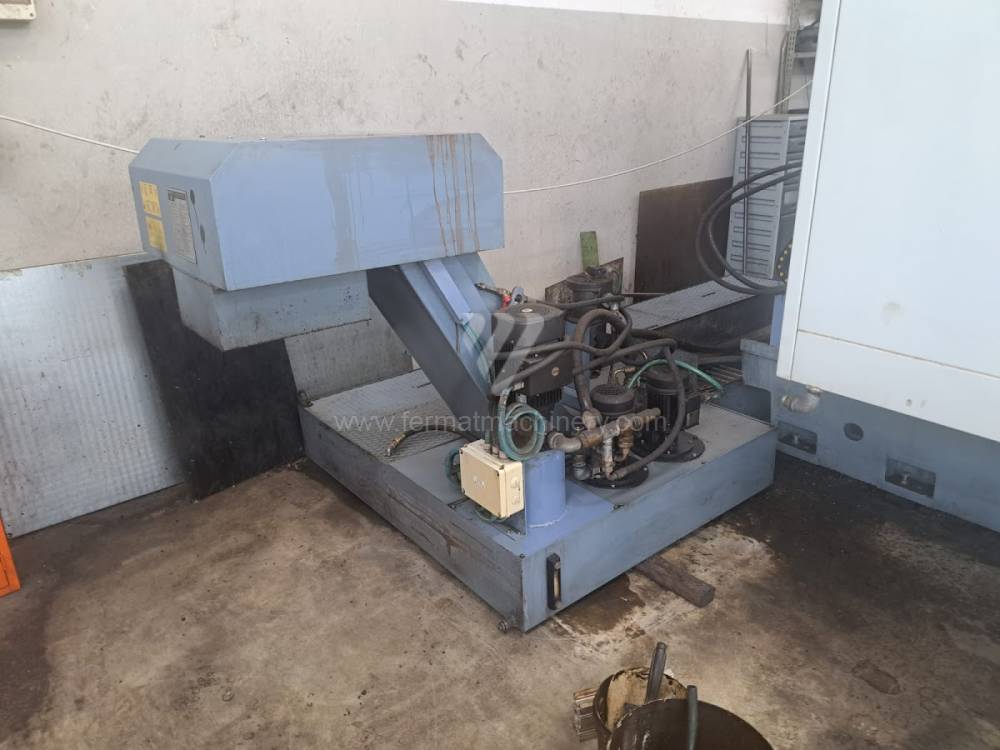
MCL 120 E
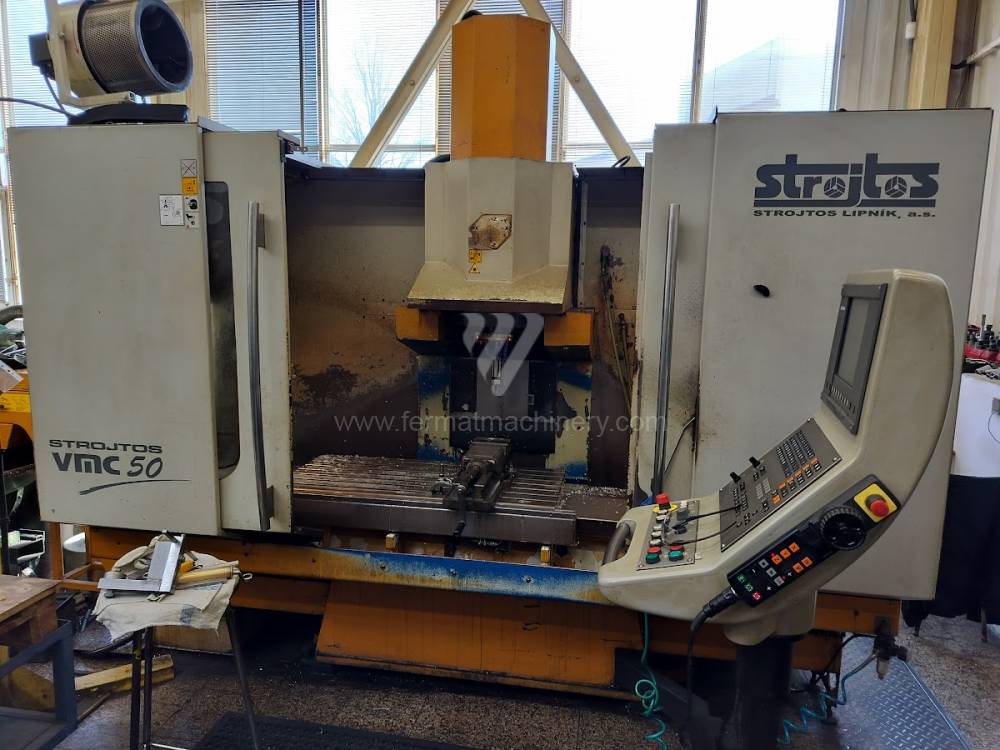
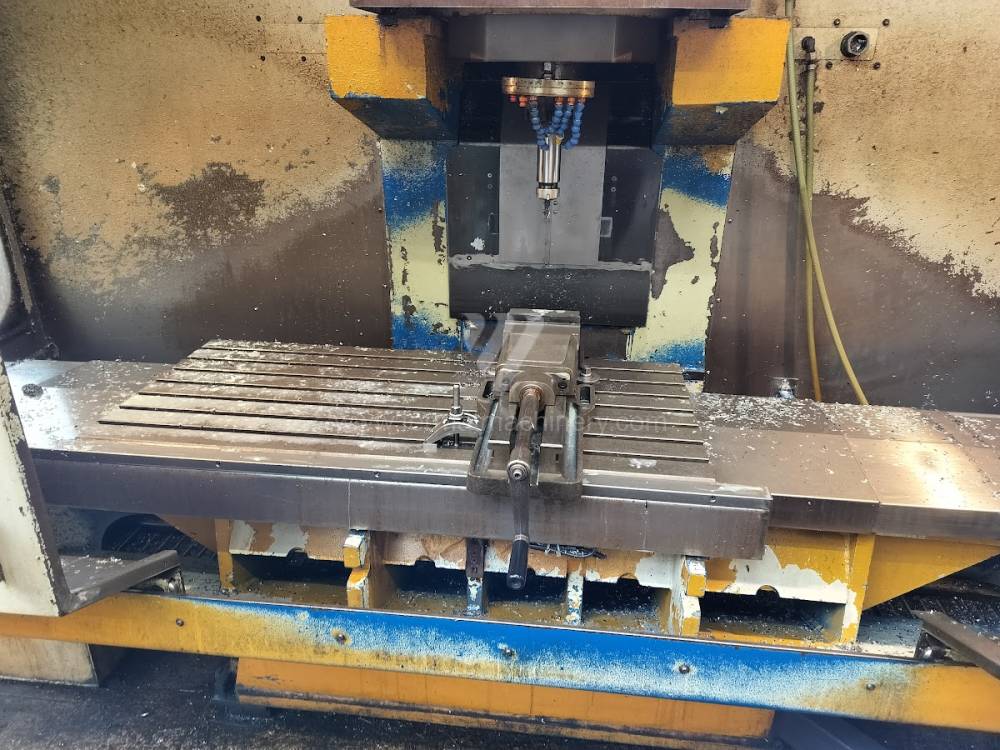
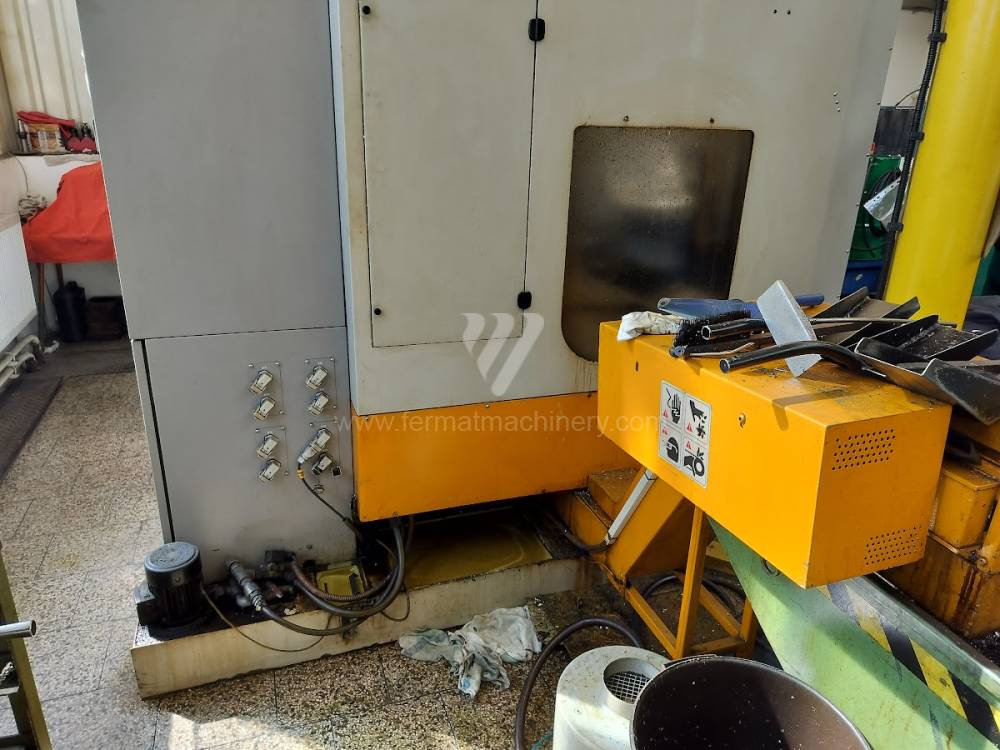
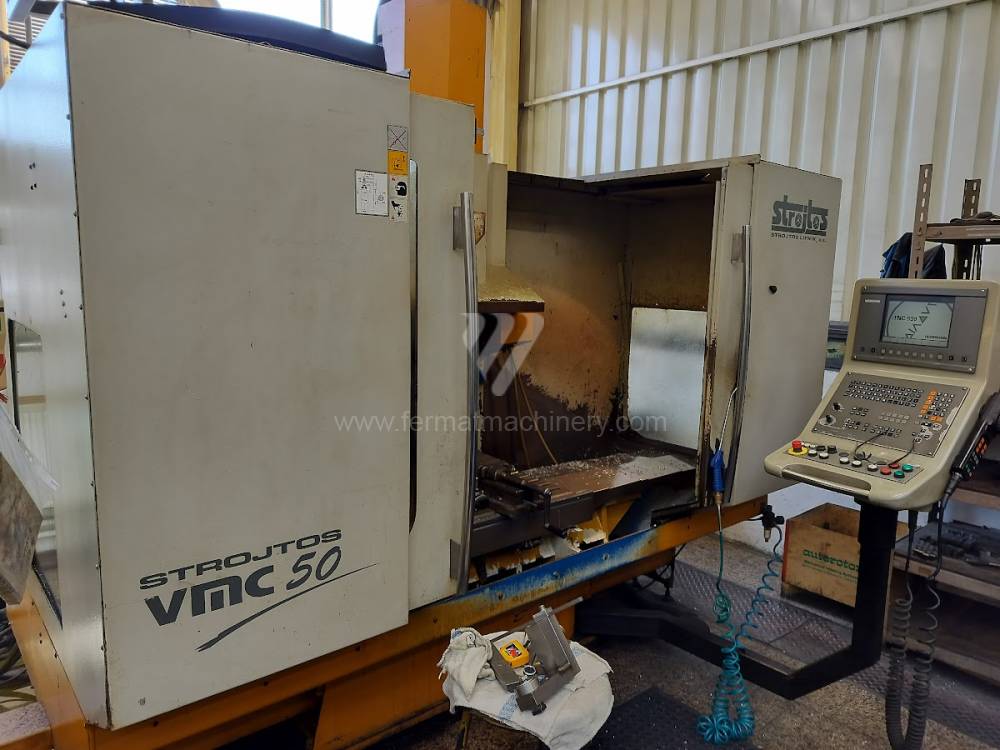
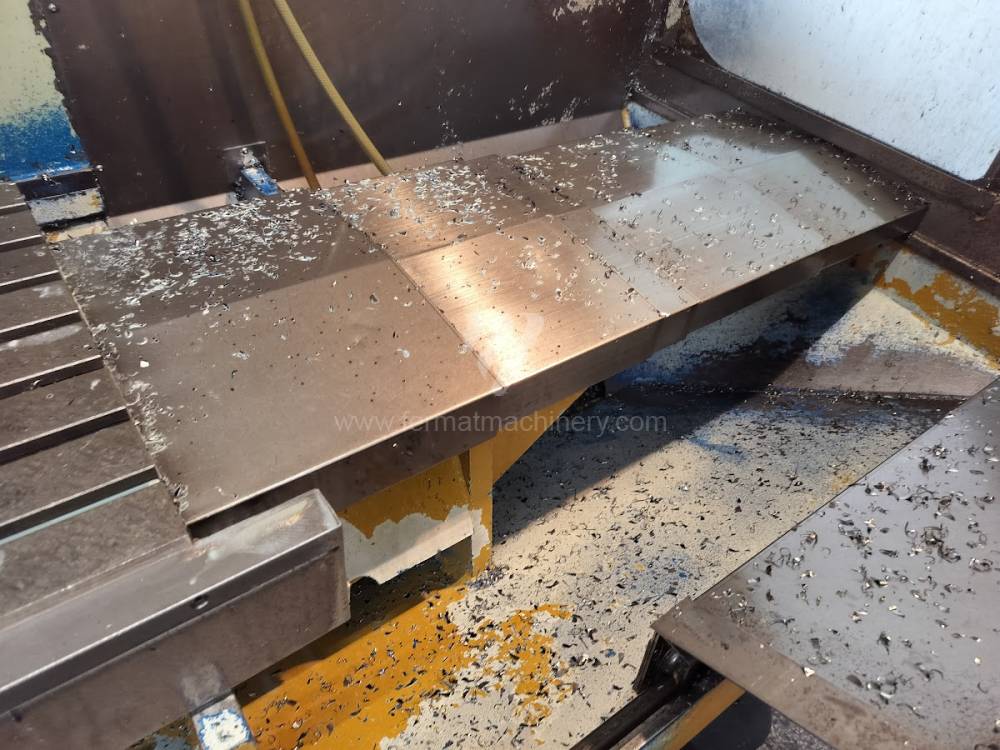
VMC 50
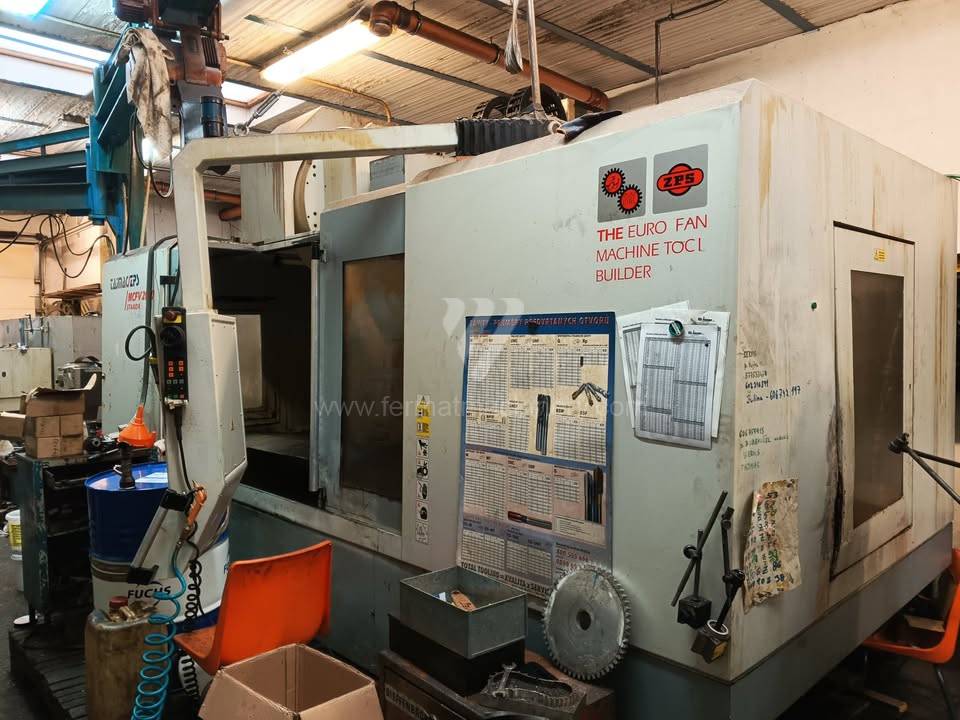
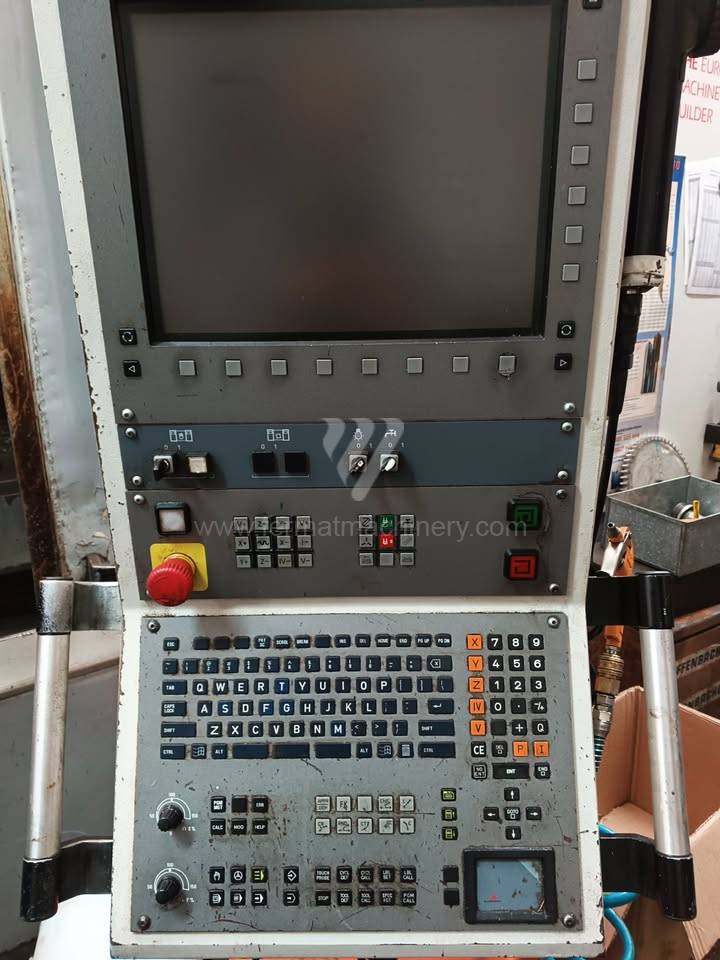
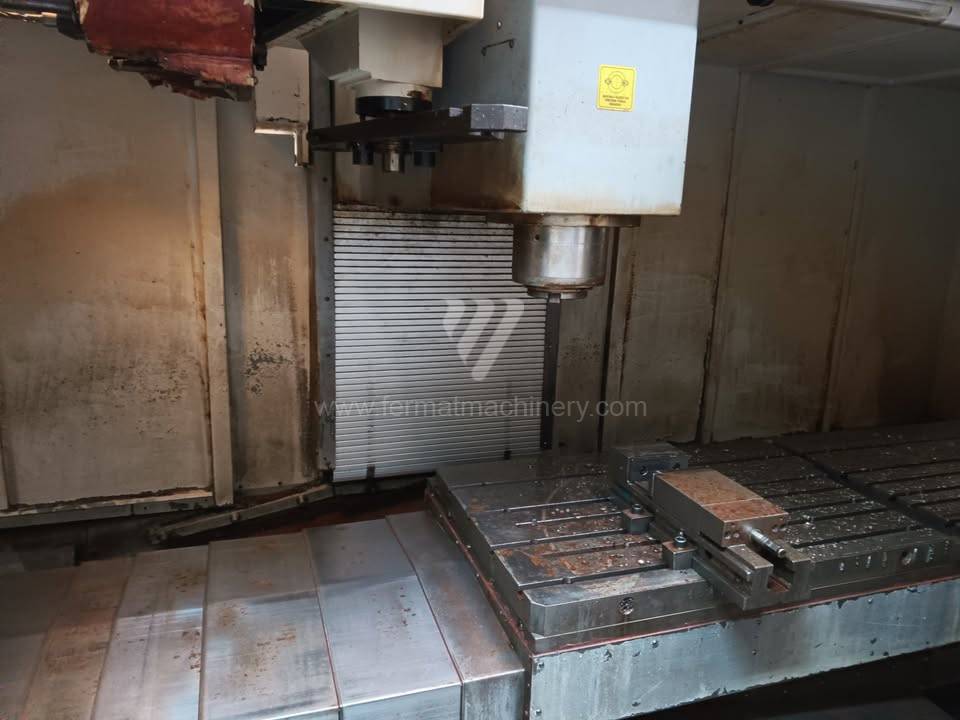
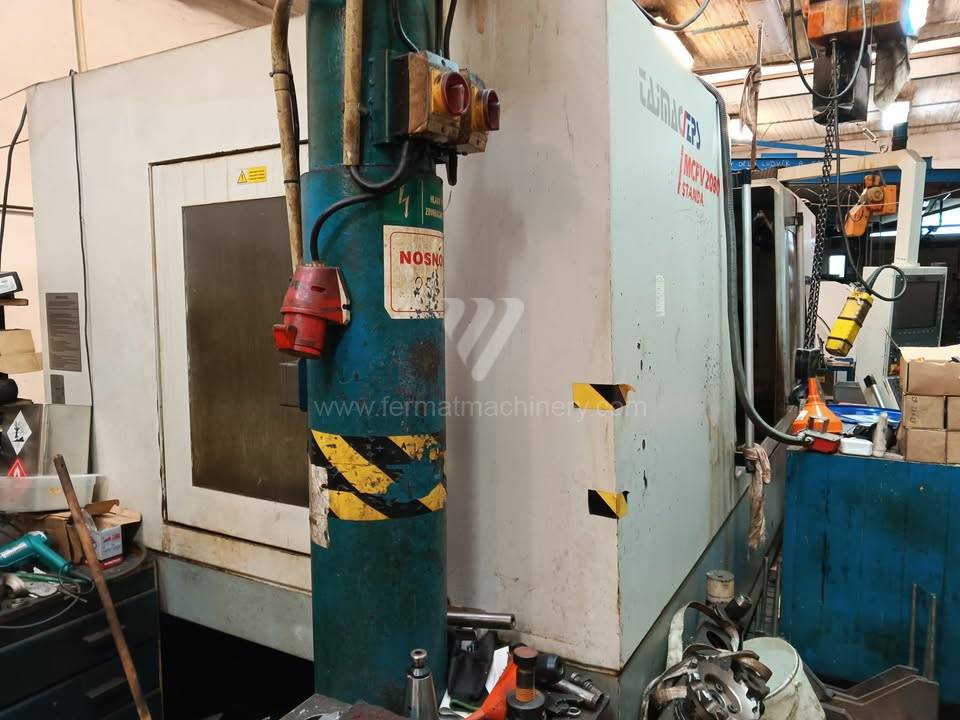
MCFV 2080 NT
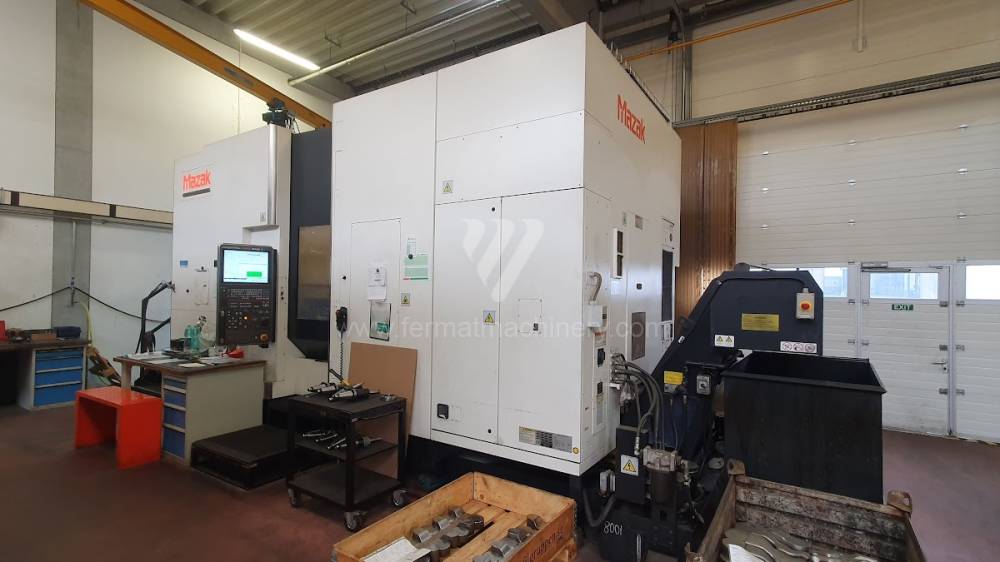
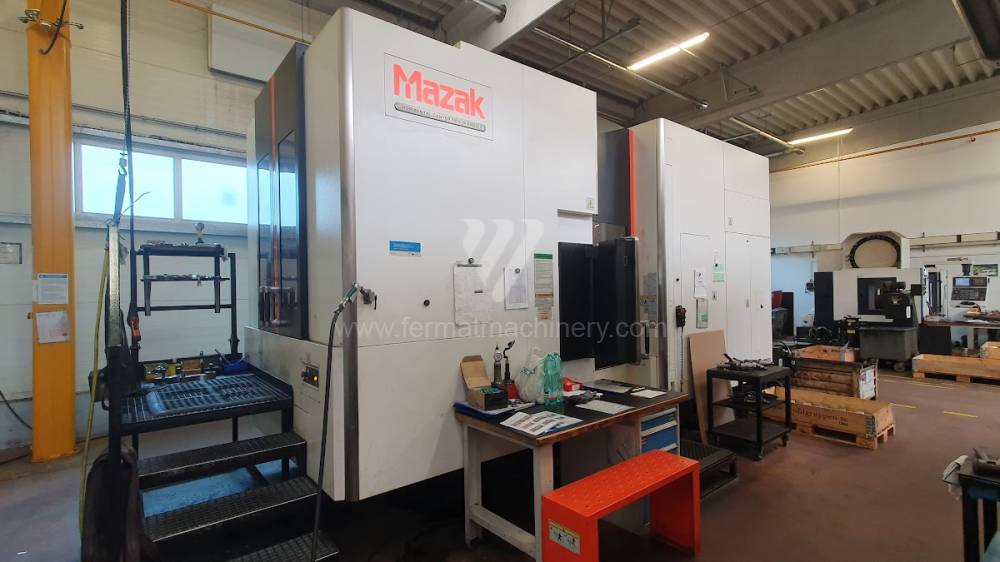
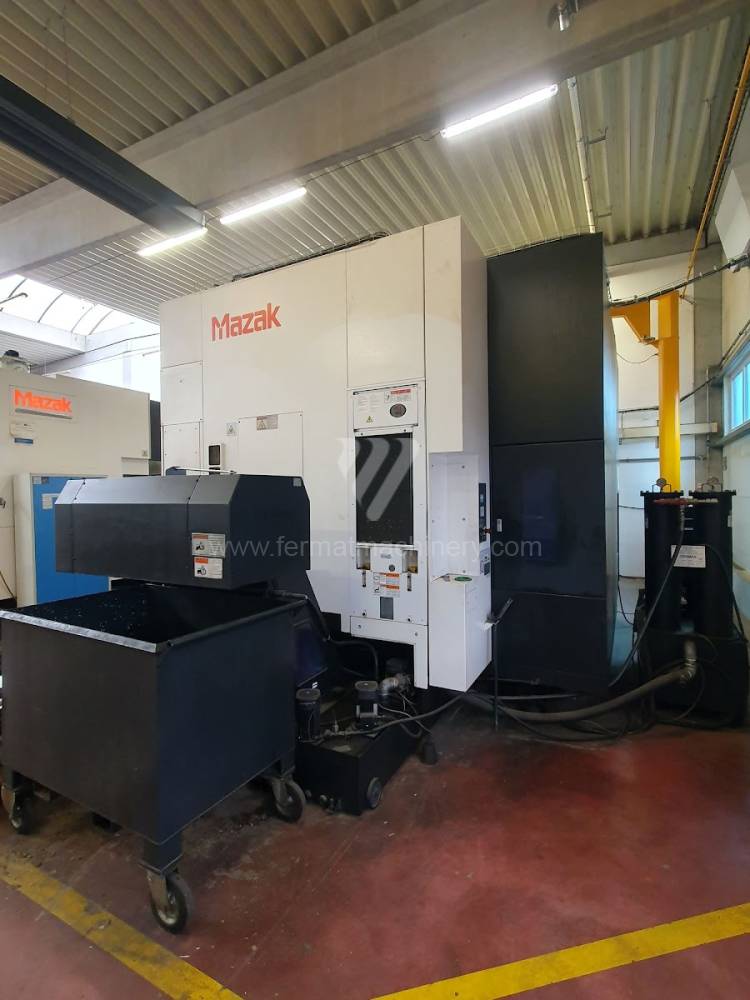
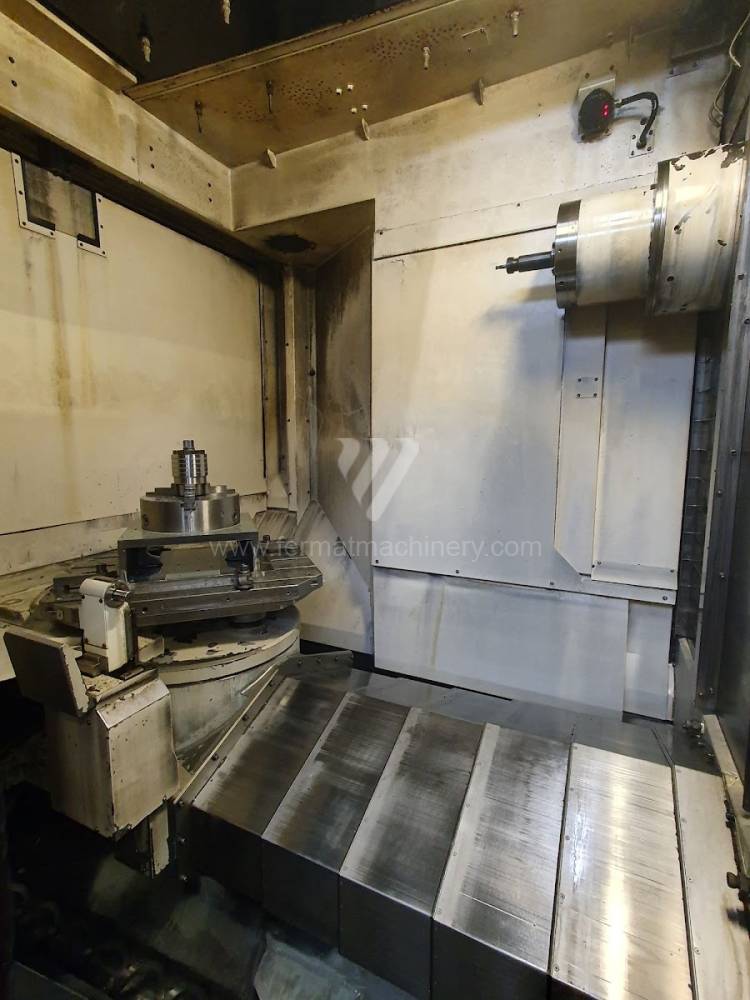
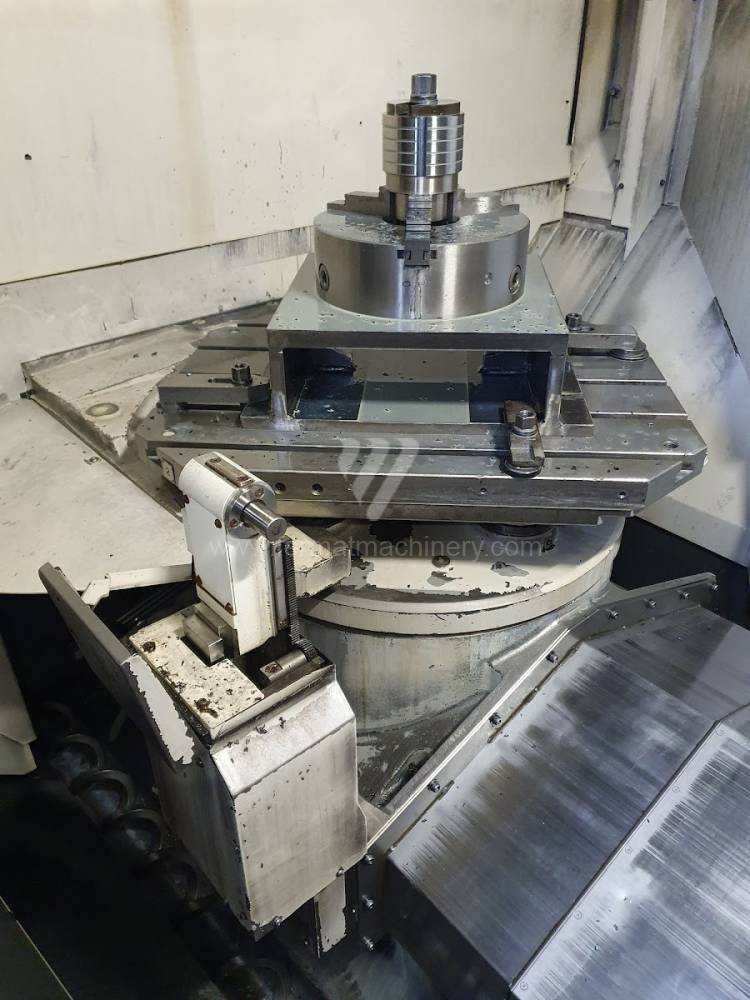
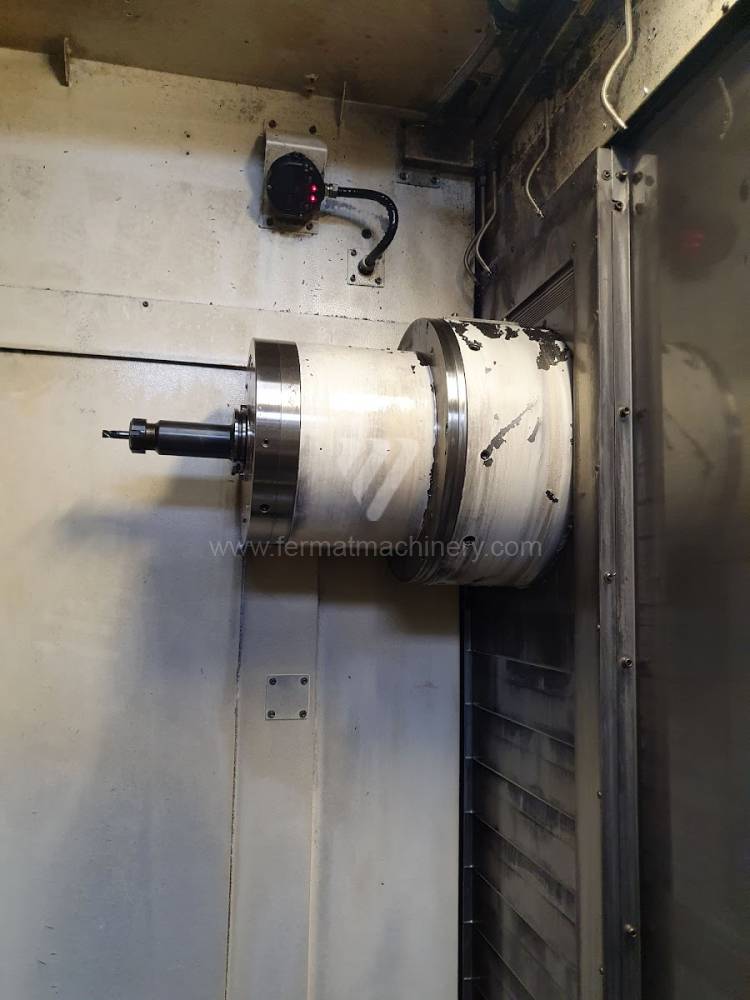
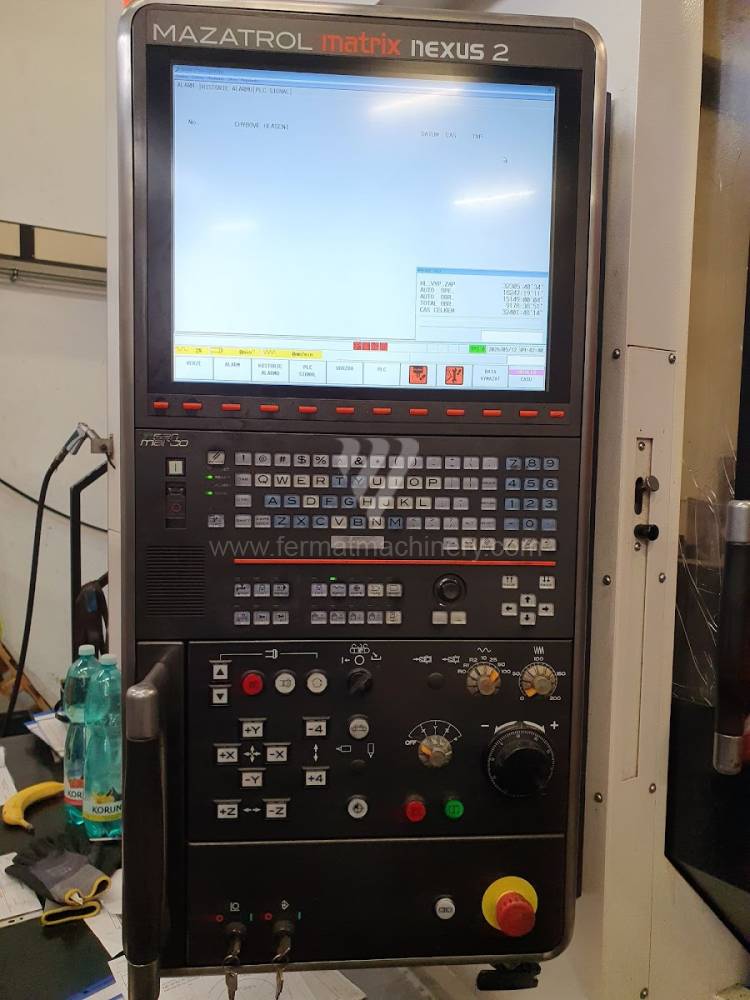
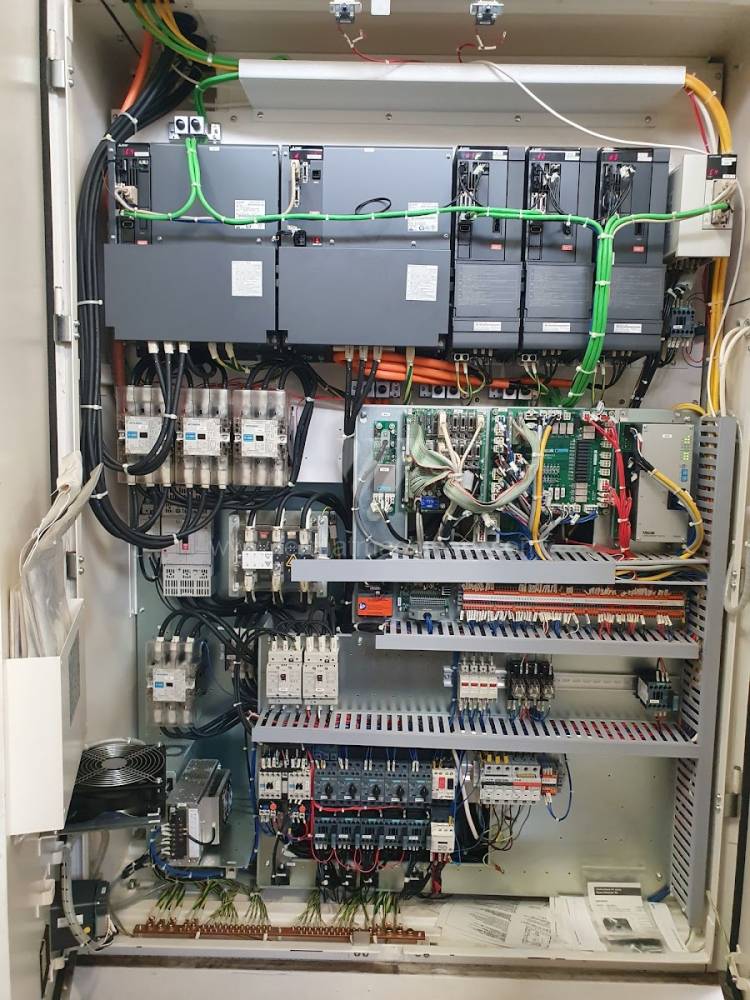
HCN 6800 II
123456789Обробний центр
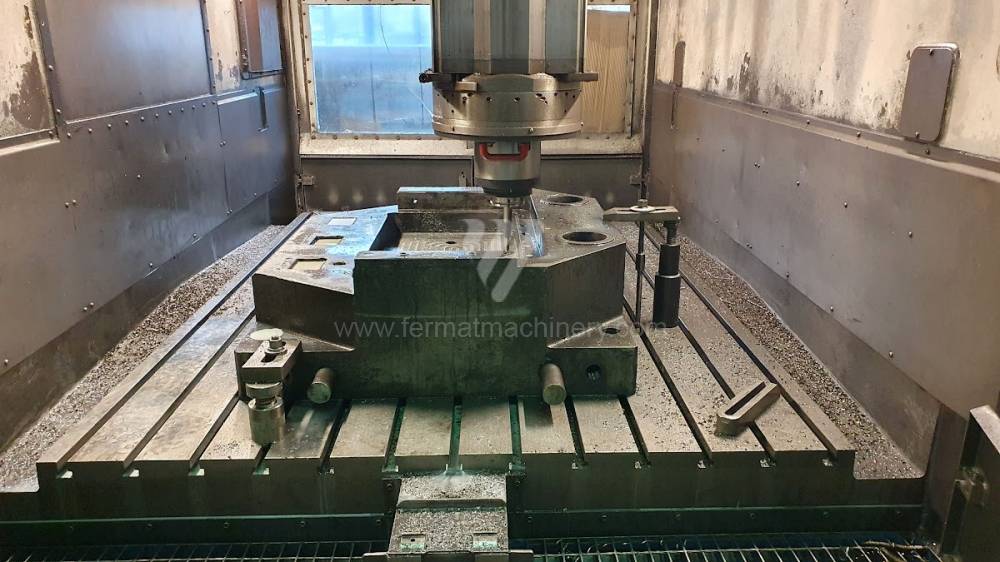
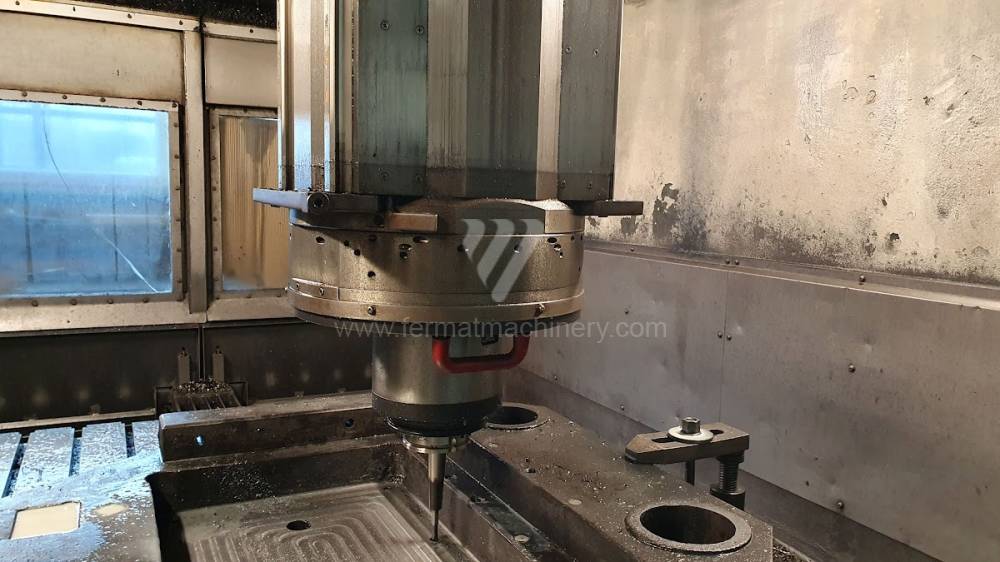
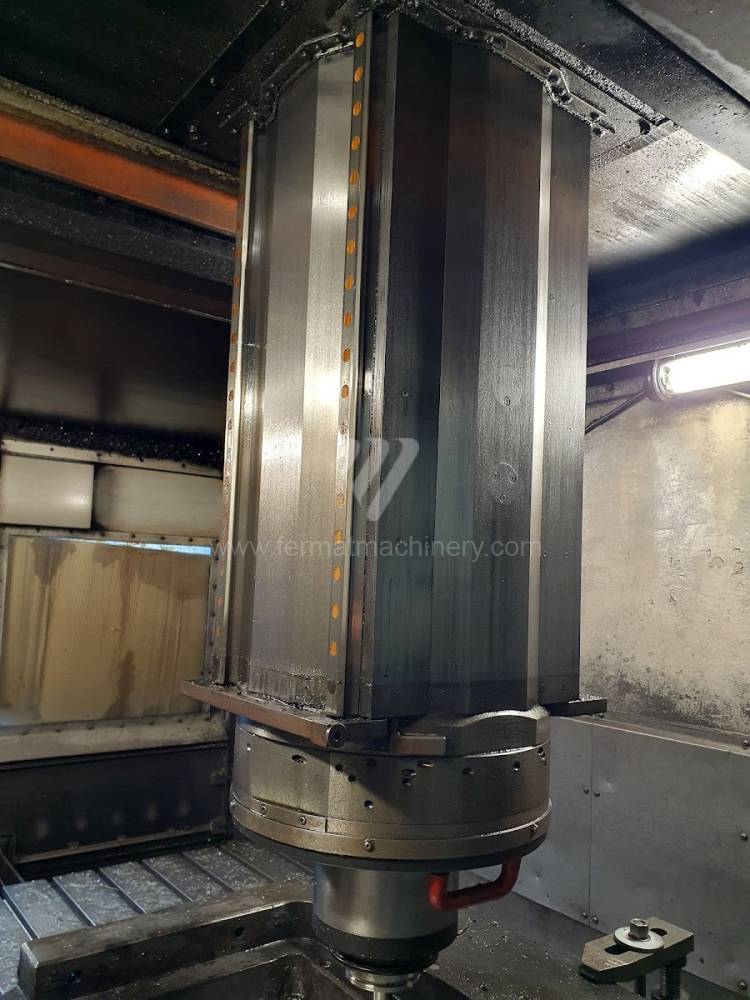
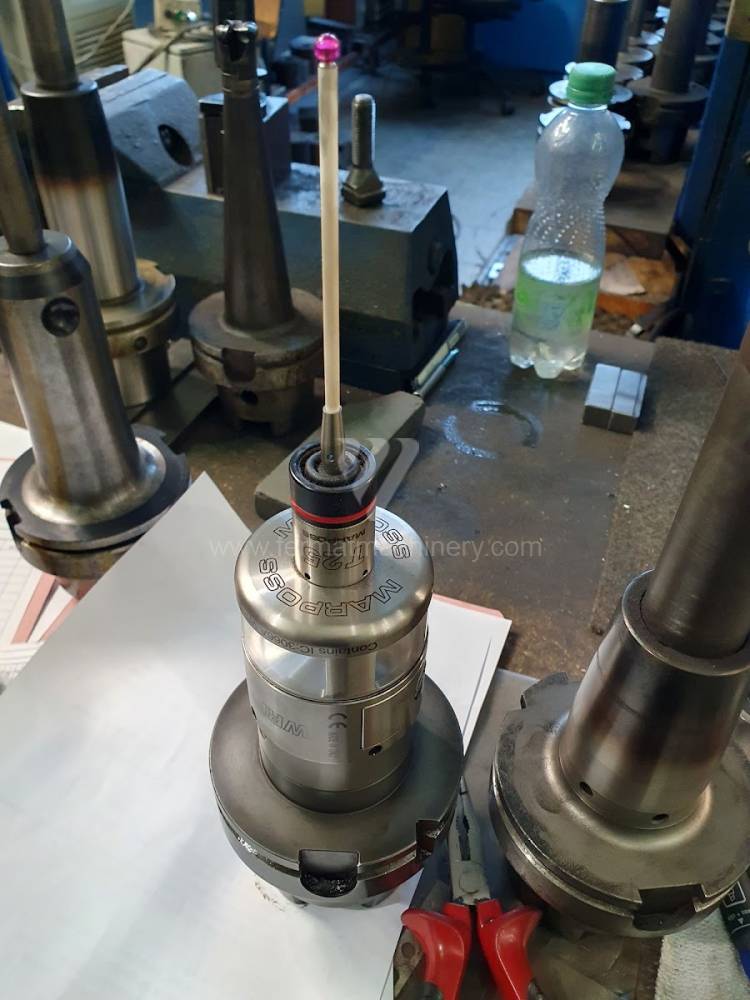
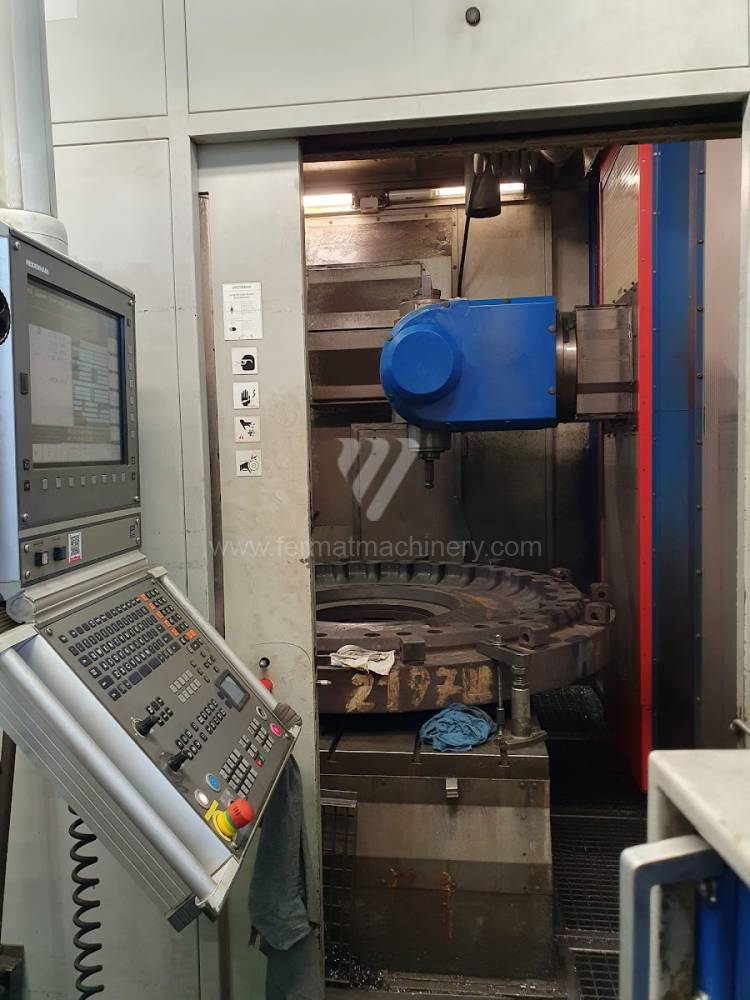
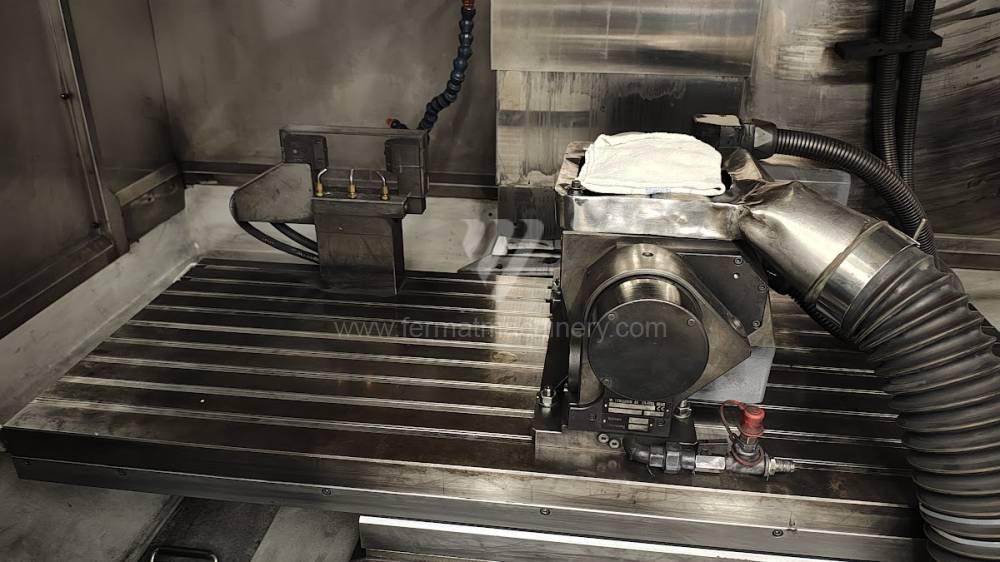
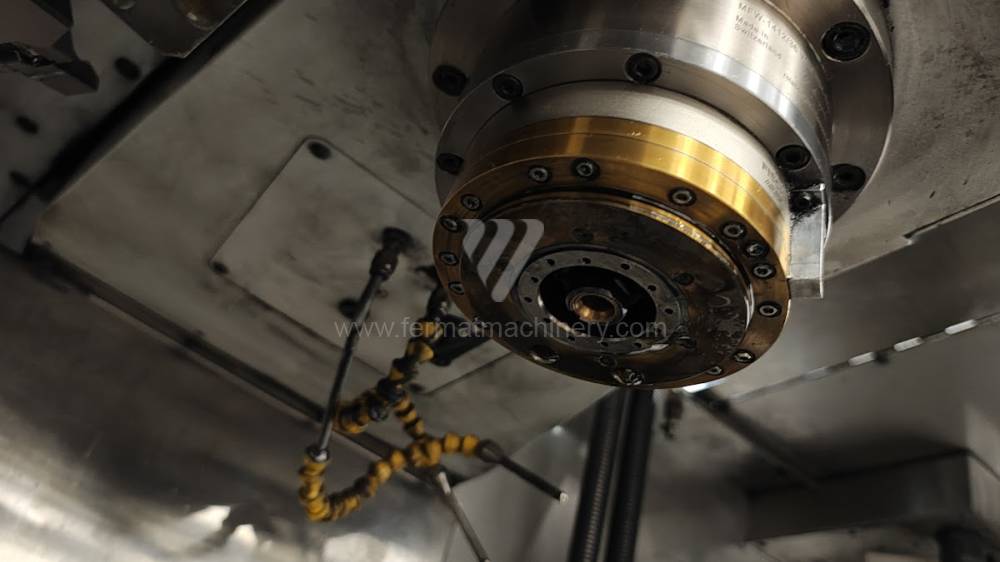
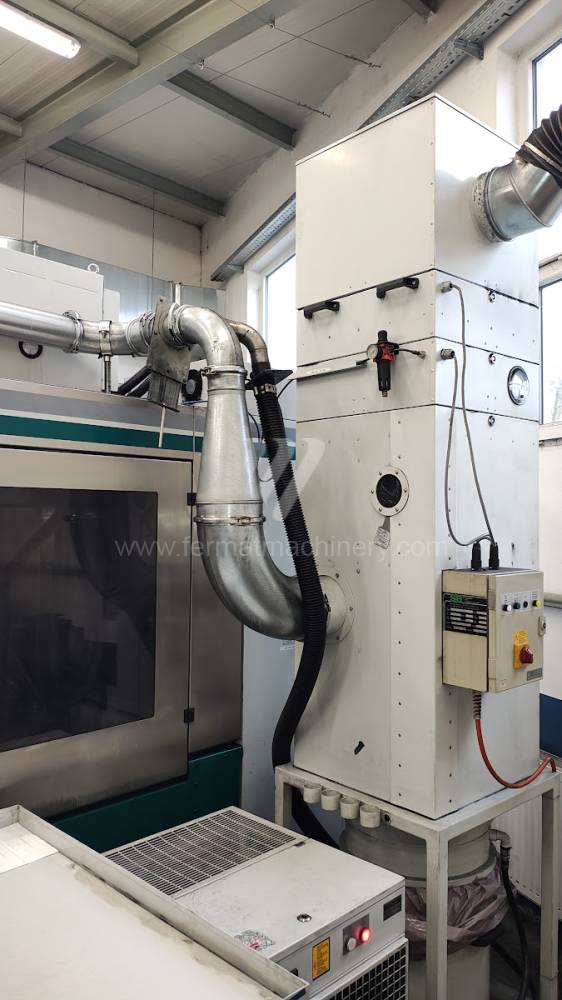
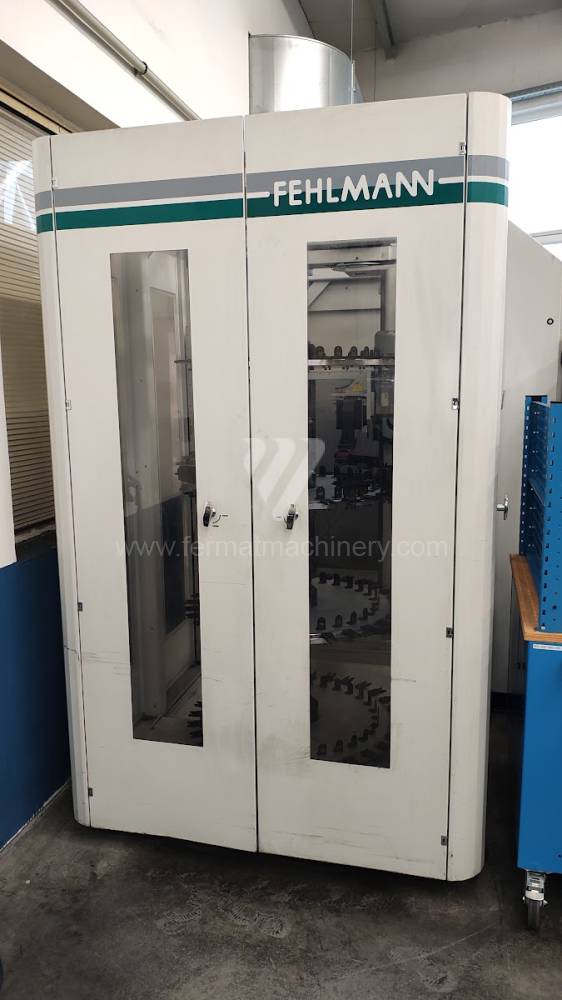
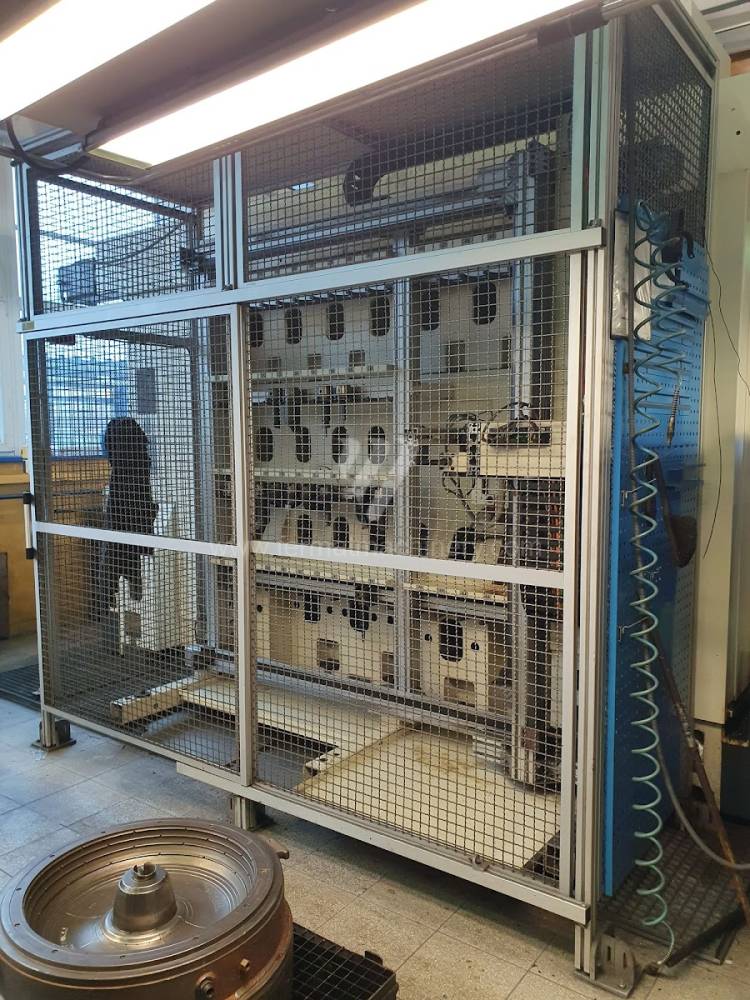
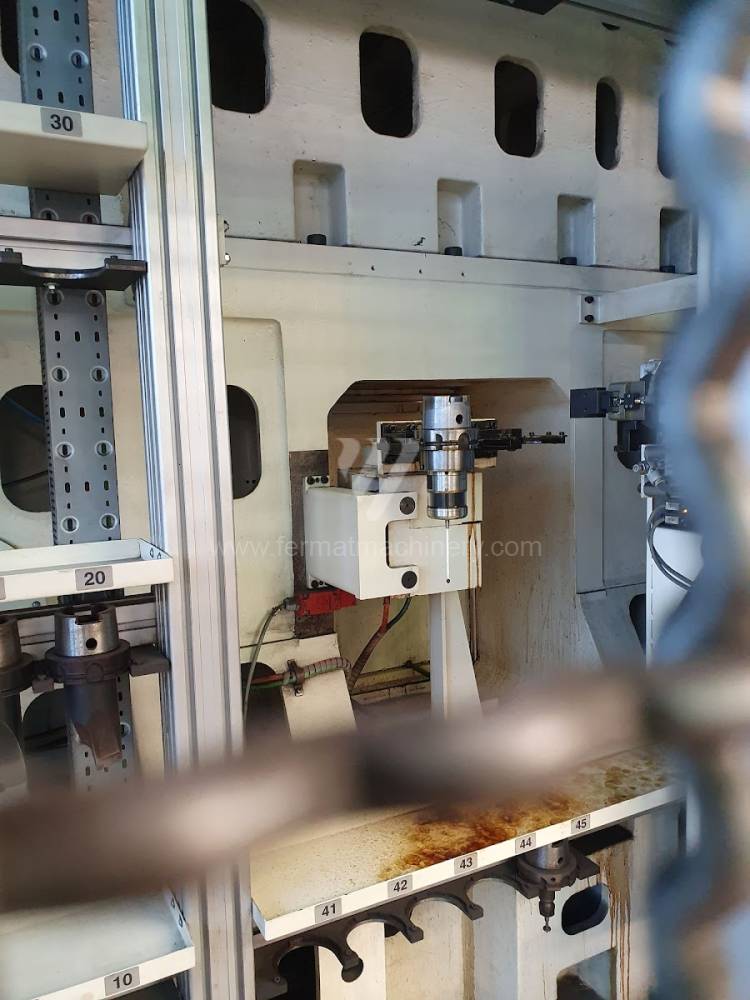
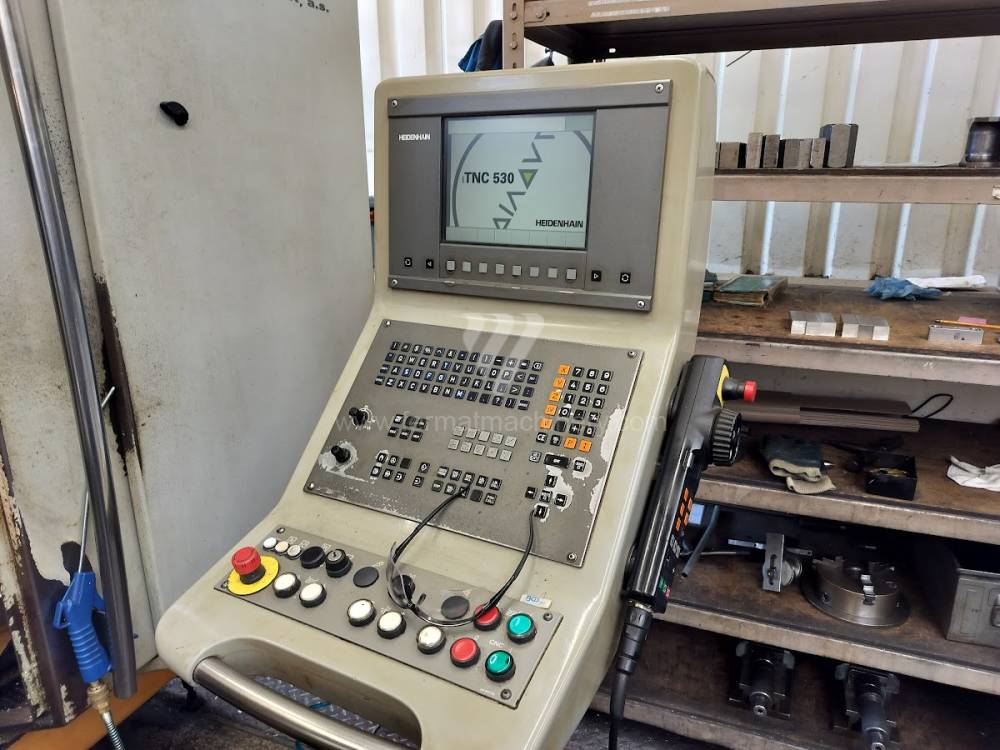
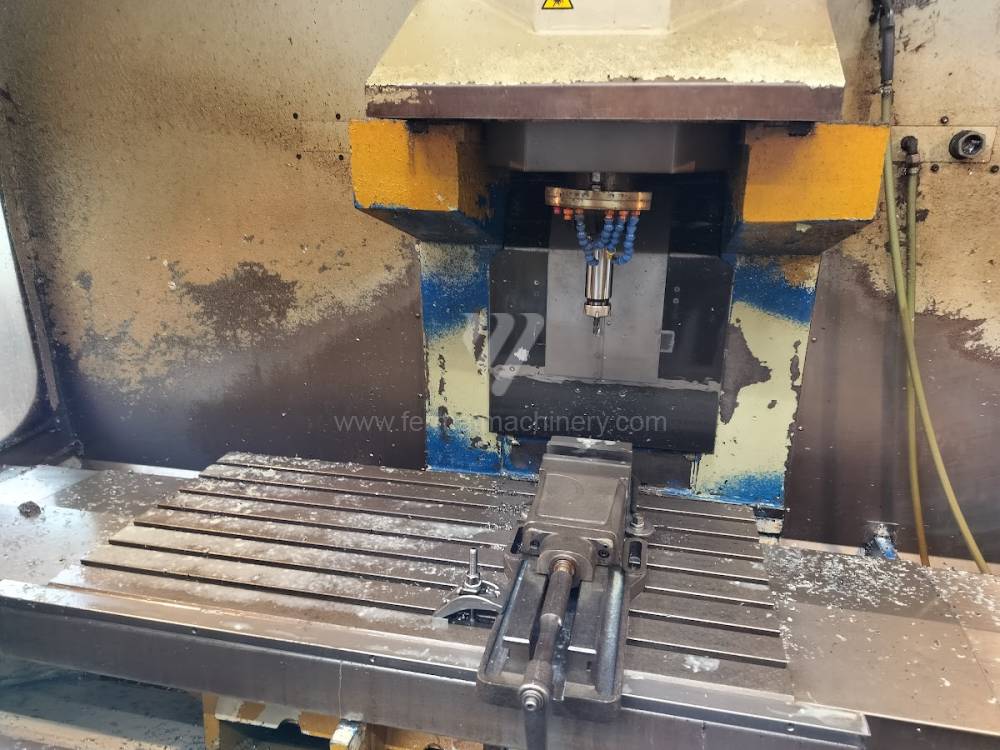
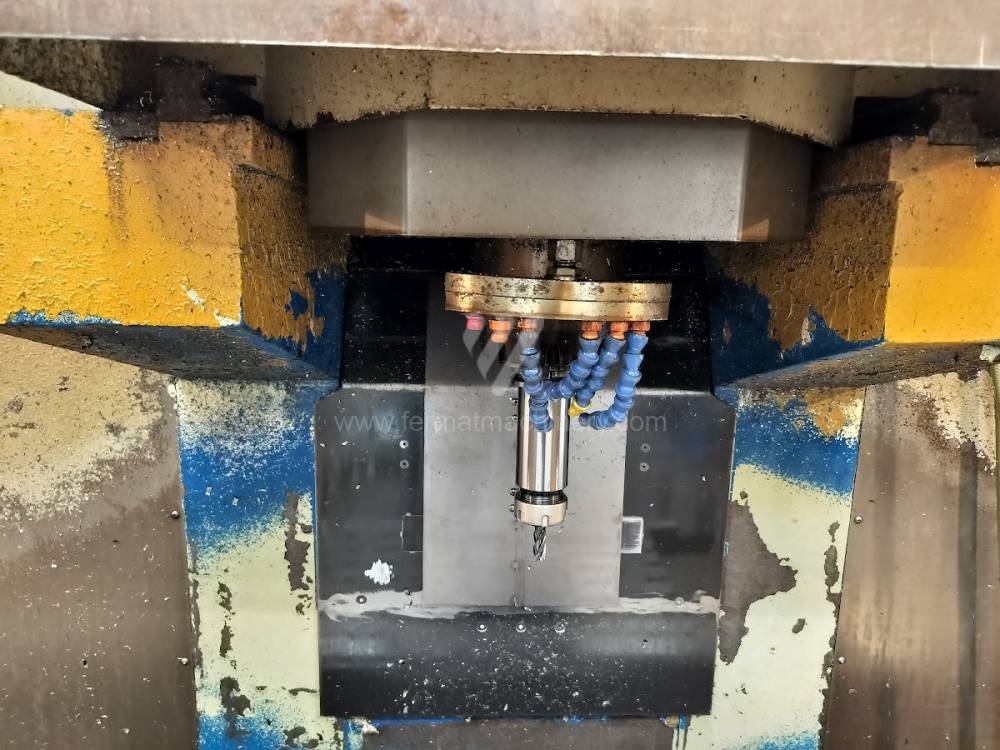
PICOMAX 90-HSC
Fehlmann
№ рахунку: 261101
Рік випуску:2005
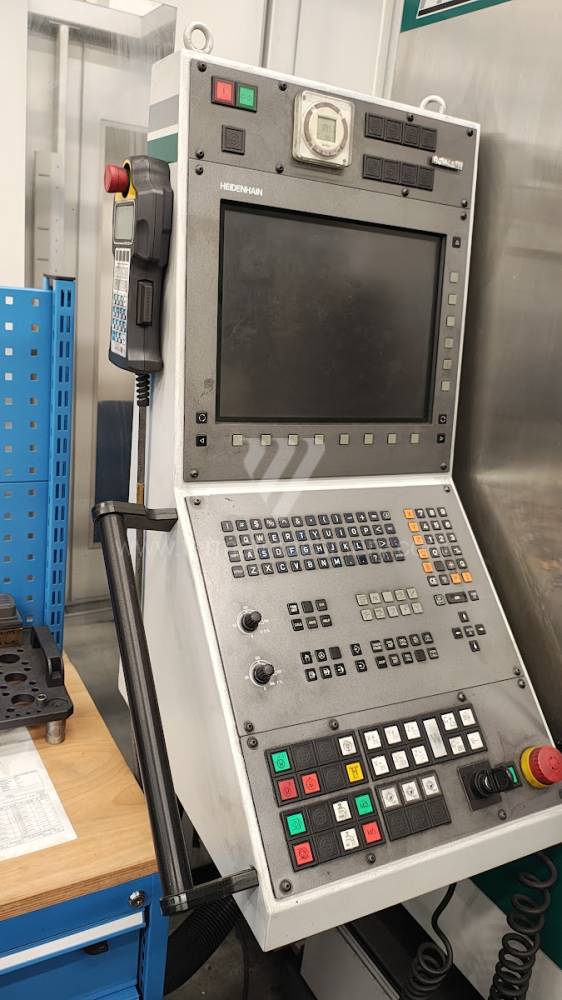
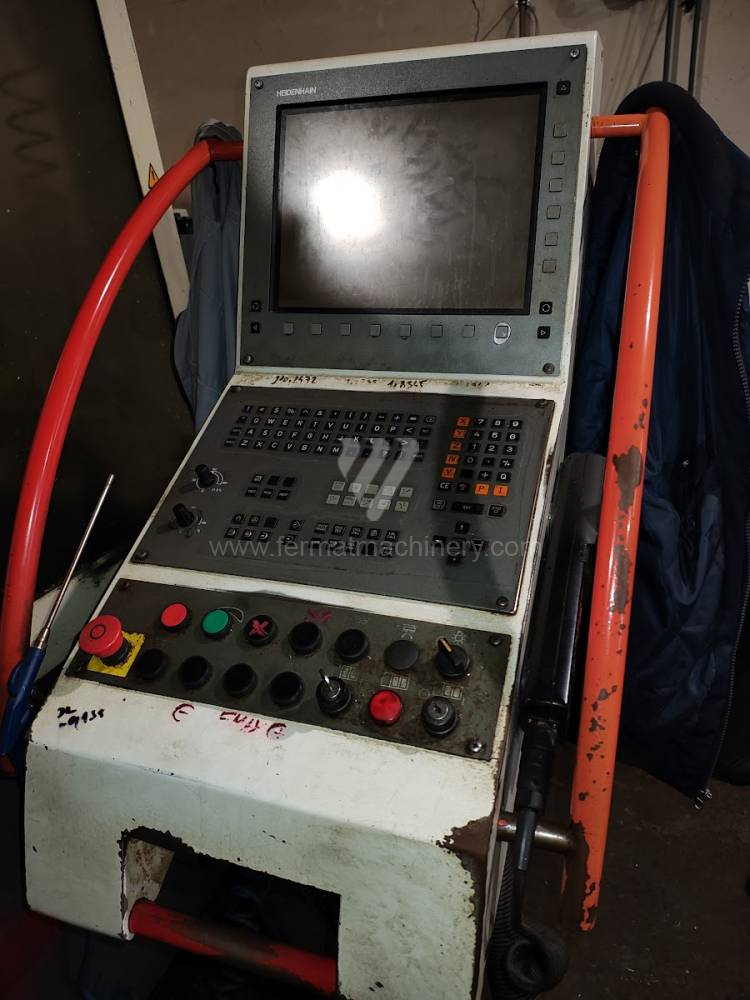
Система керування Heidenhain: TNC 530
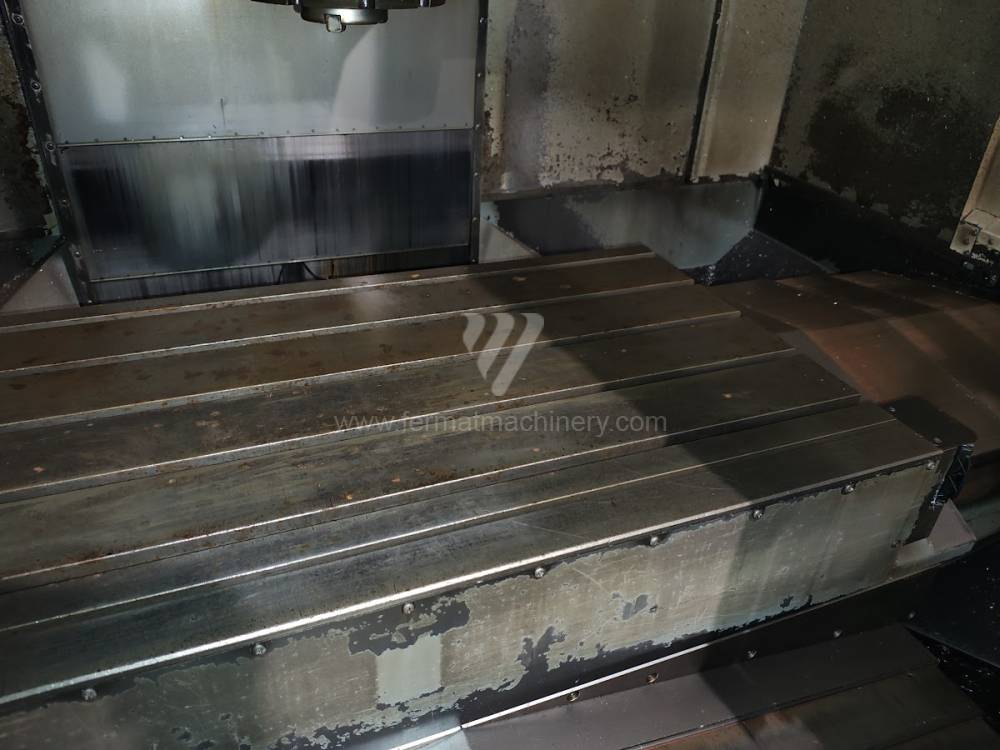
Затискна площа столу: 920x380 mm
Переміщення по осі X: 700 mm
Переміщення по осі Y: 420 mm
Переміщення по осі Z: 610 mm
Обороти шпинделя: 0 - 35000 /min.
MCV 2318
TAJMAC-ZPS, a.s.
№ рахунку: 261207
Рік випуску:2014
Система керування Heidenhain: TNC 530
Затискна площа столу: 1800 (1600x2500) mm
Переміщення по осі X: 2300 mm
Переміщення по осі Y: 1400 mm
Переміщення по осі Z: 1050 mm
Обороти шпинделя: 10 - 10000 /min.
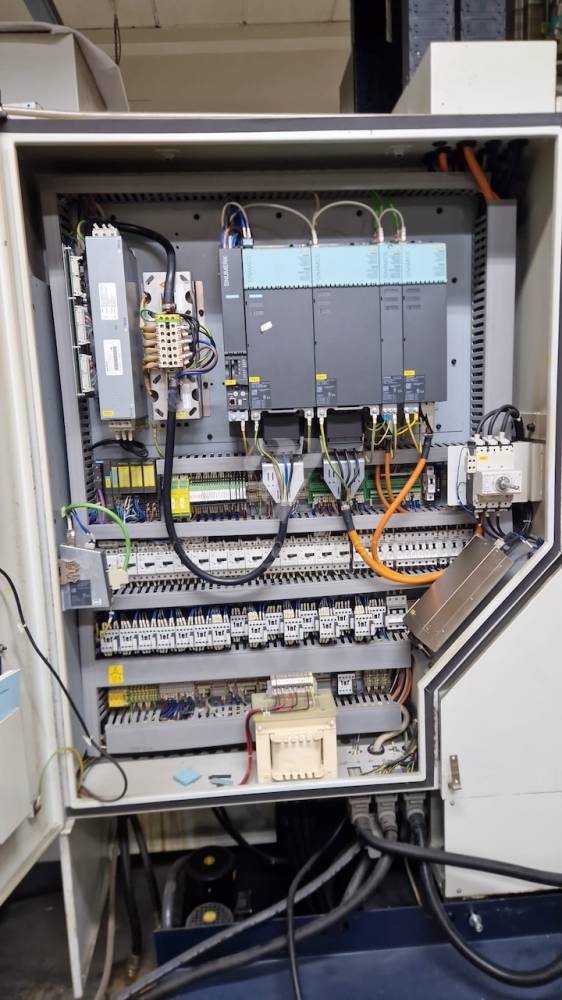
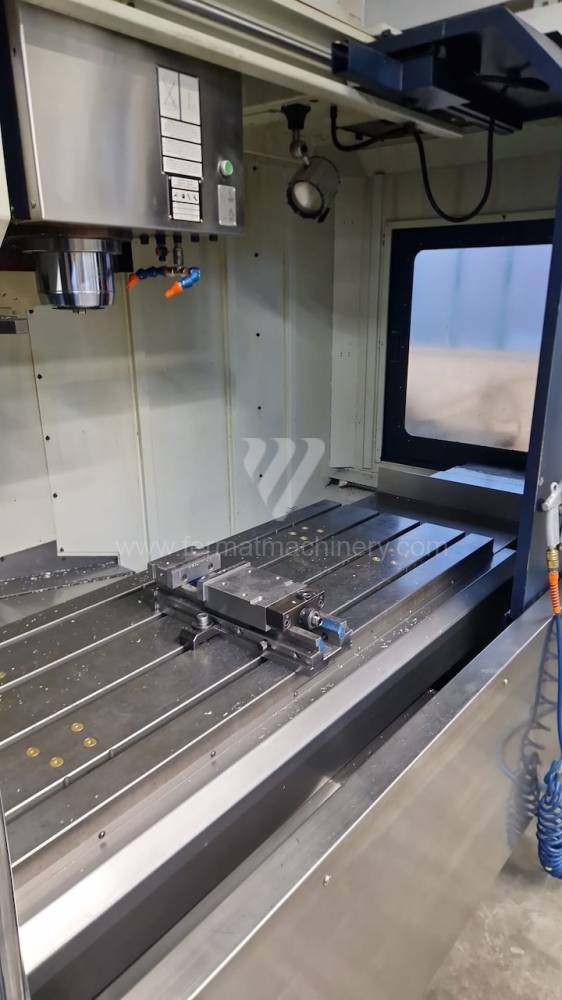
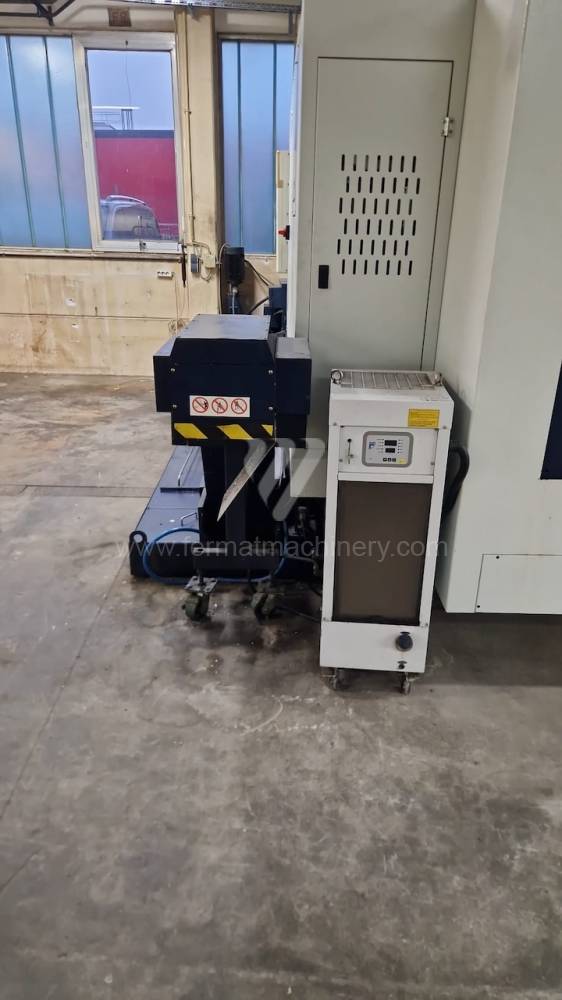
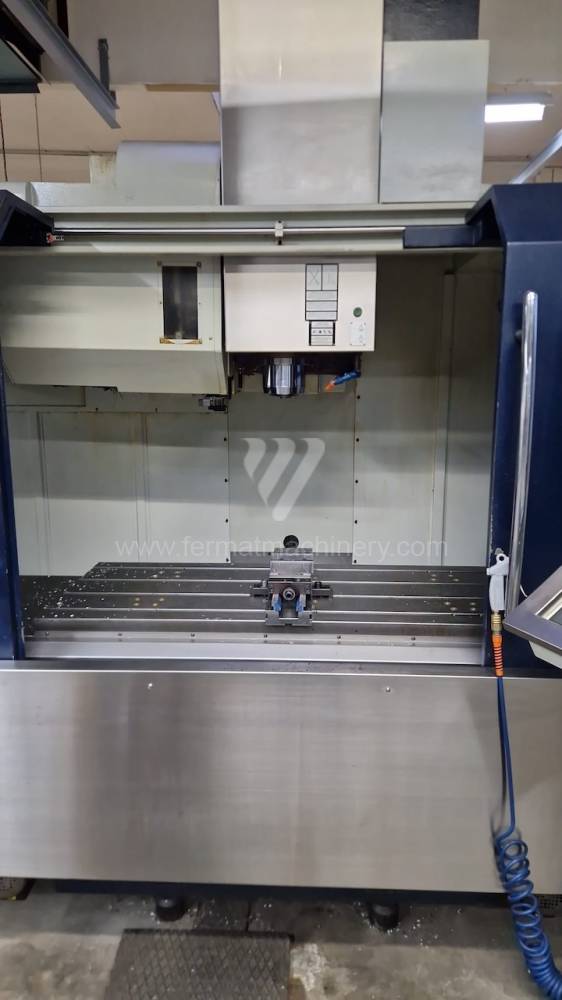
VC 1460
Spinner
№ рахунку: 261314
Рік випуску:2009
Система керування Siemens: Sinumerik 840D Sl
Затискна площа столу: 1620x610 mm
Переміщення по осі X: 1460 mm
Переміщення по осі Y: 610 mm
Переміщення по осі Z: 500 mm
Обороти шпинделя: 0 - 12000 /min.
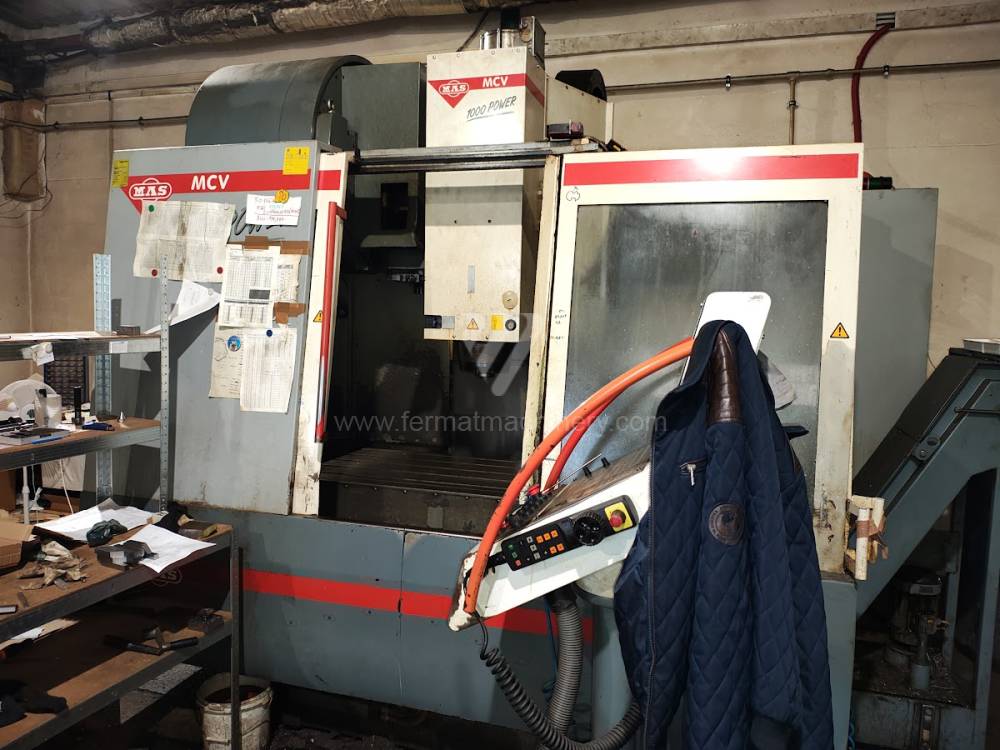
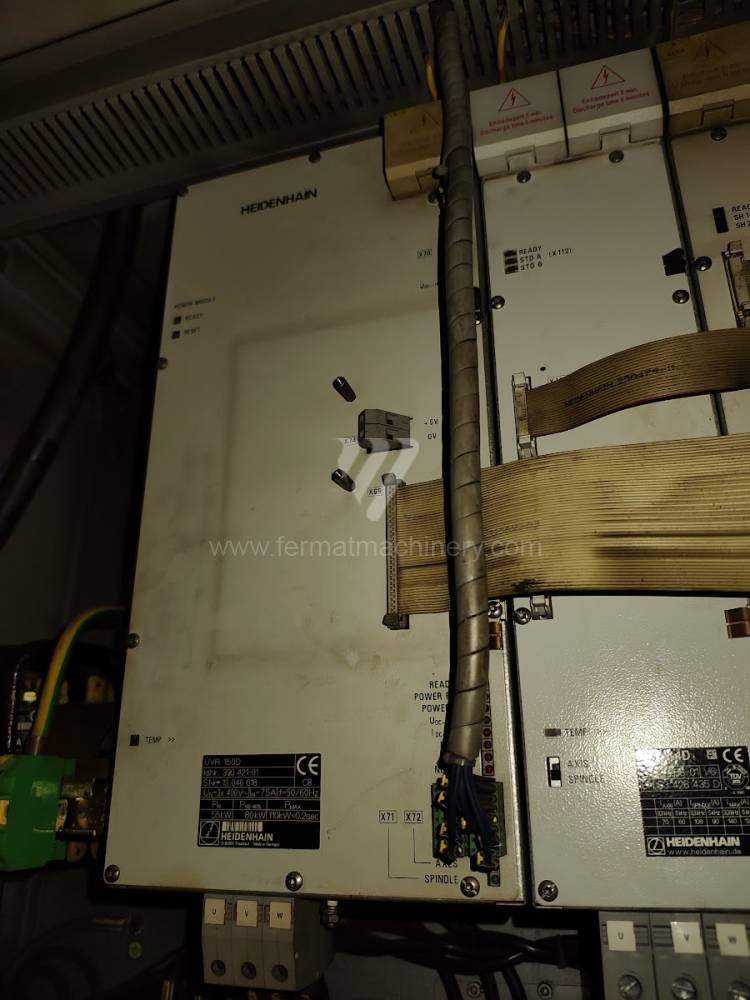
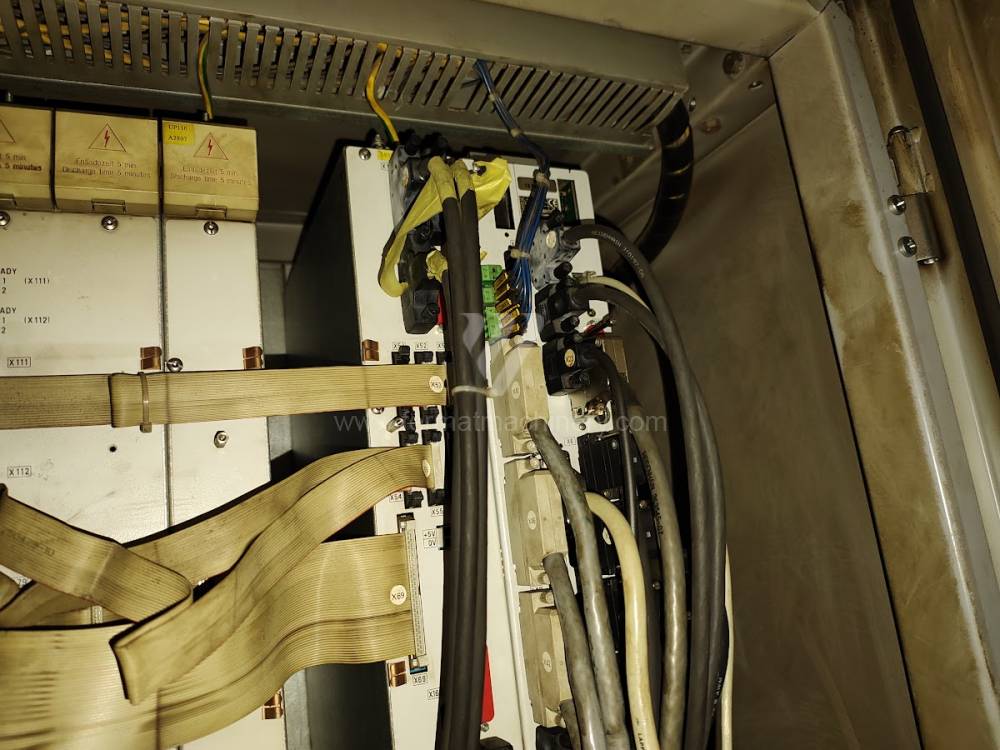
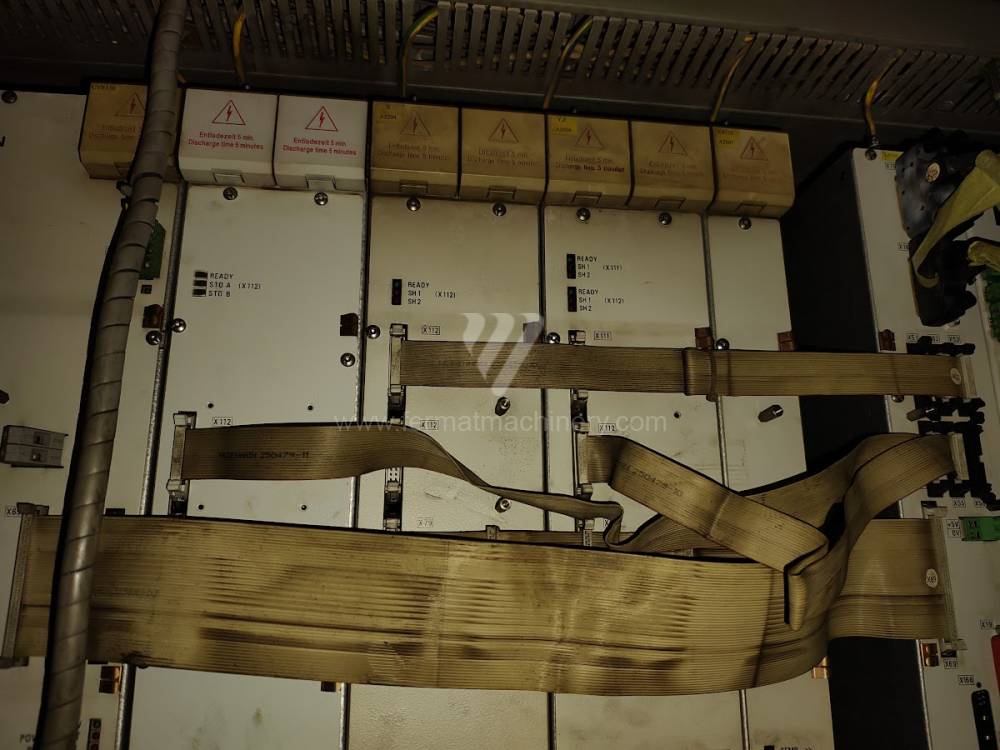
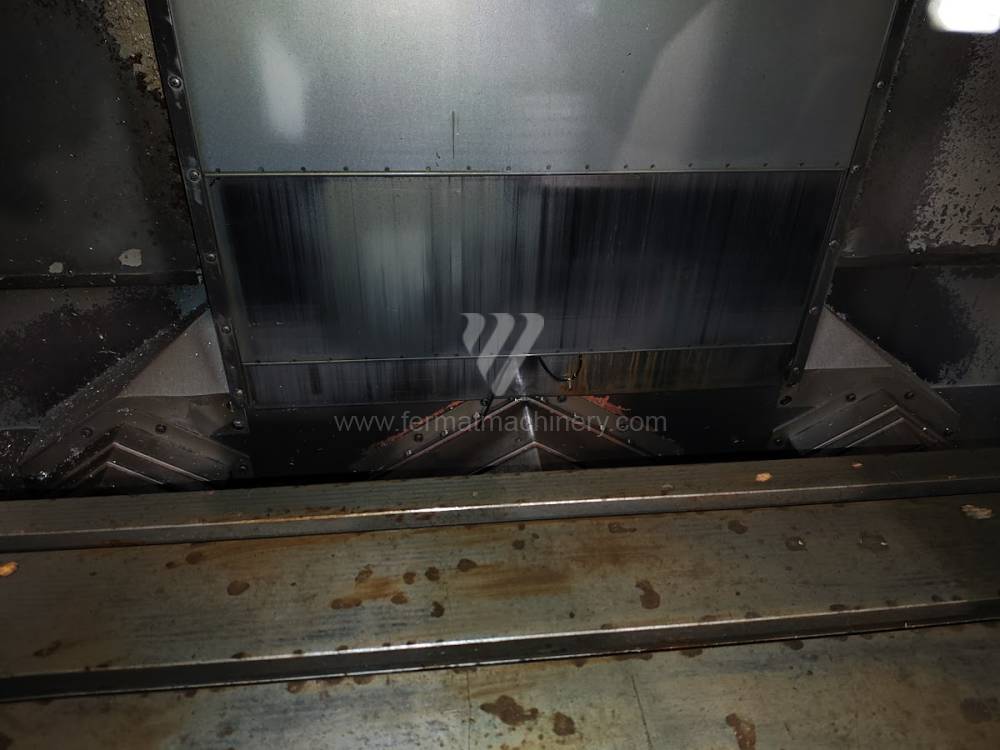
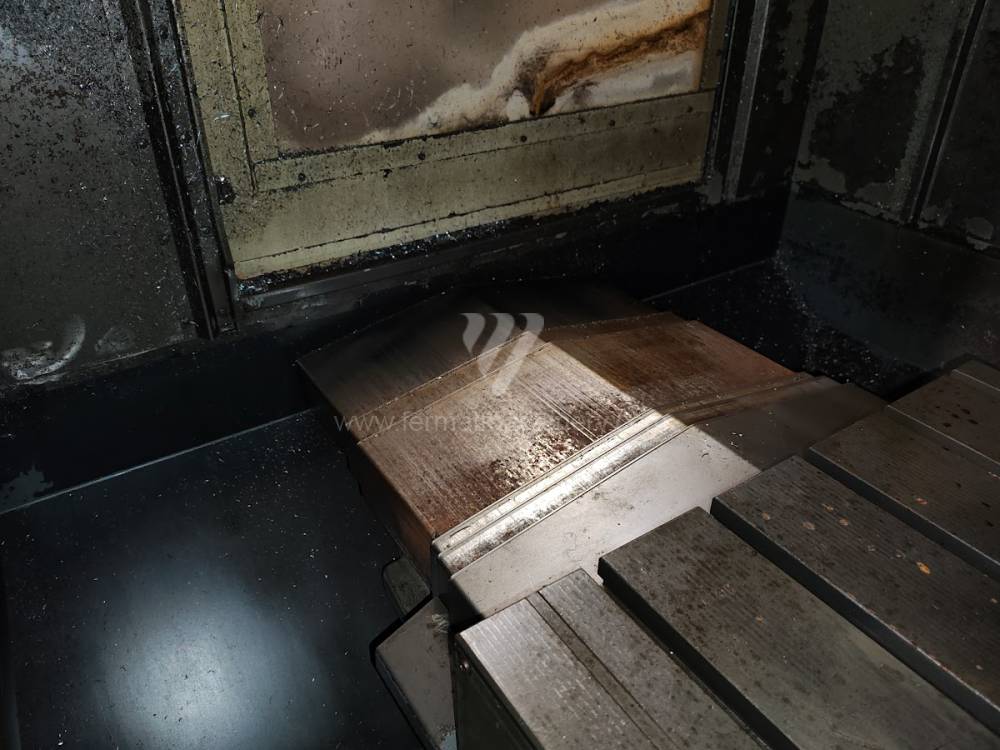
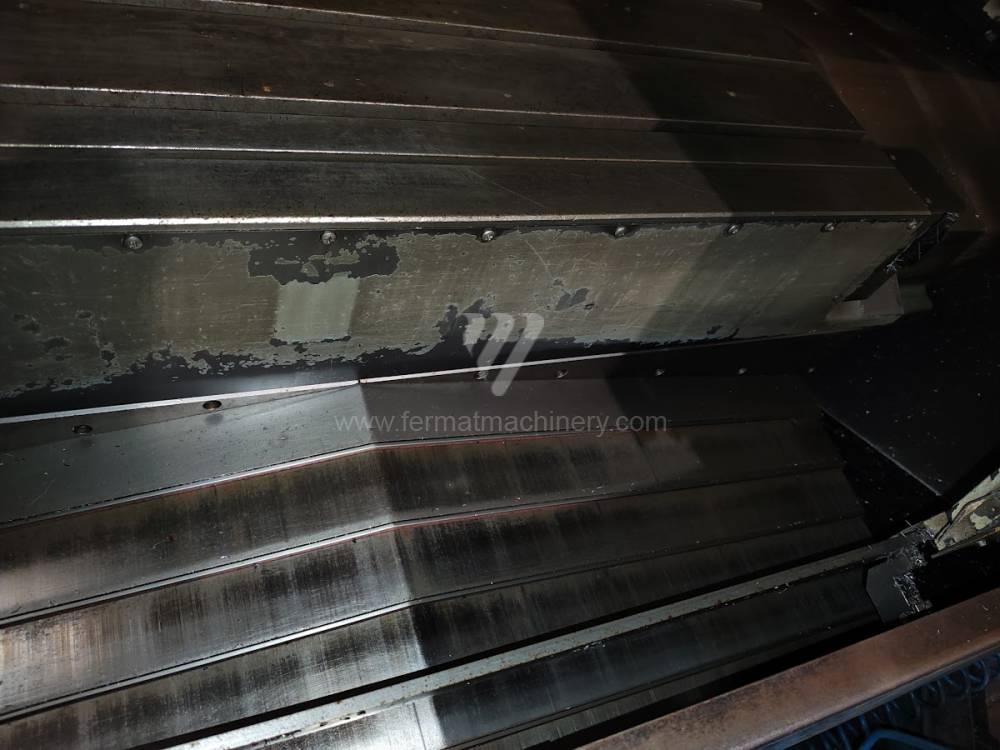
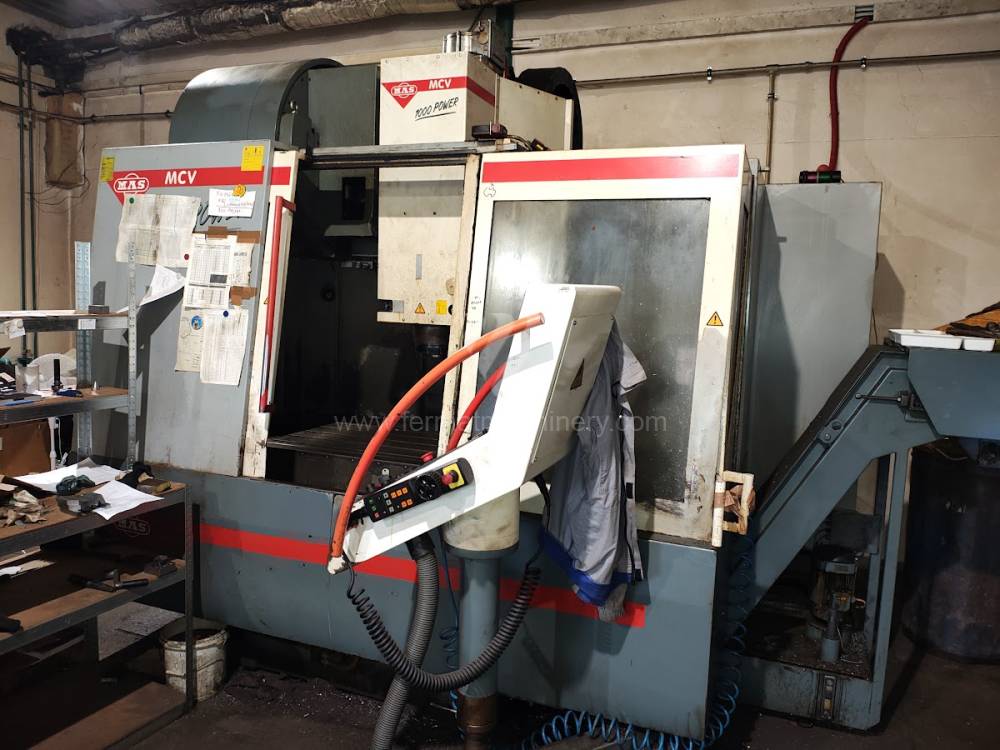
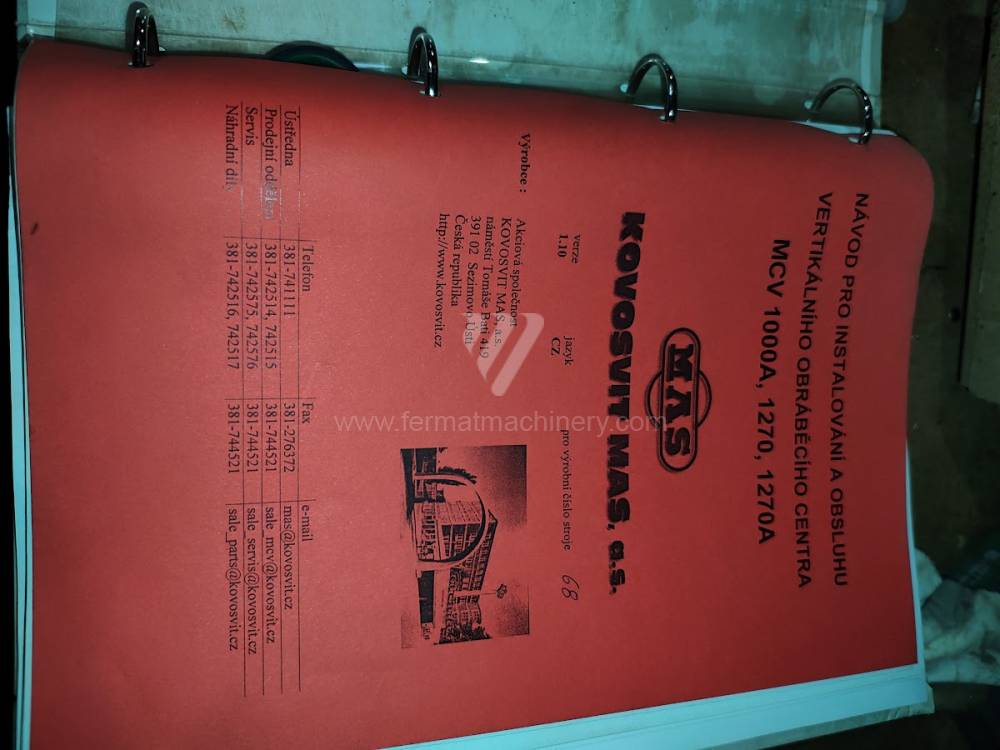
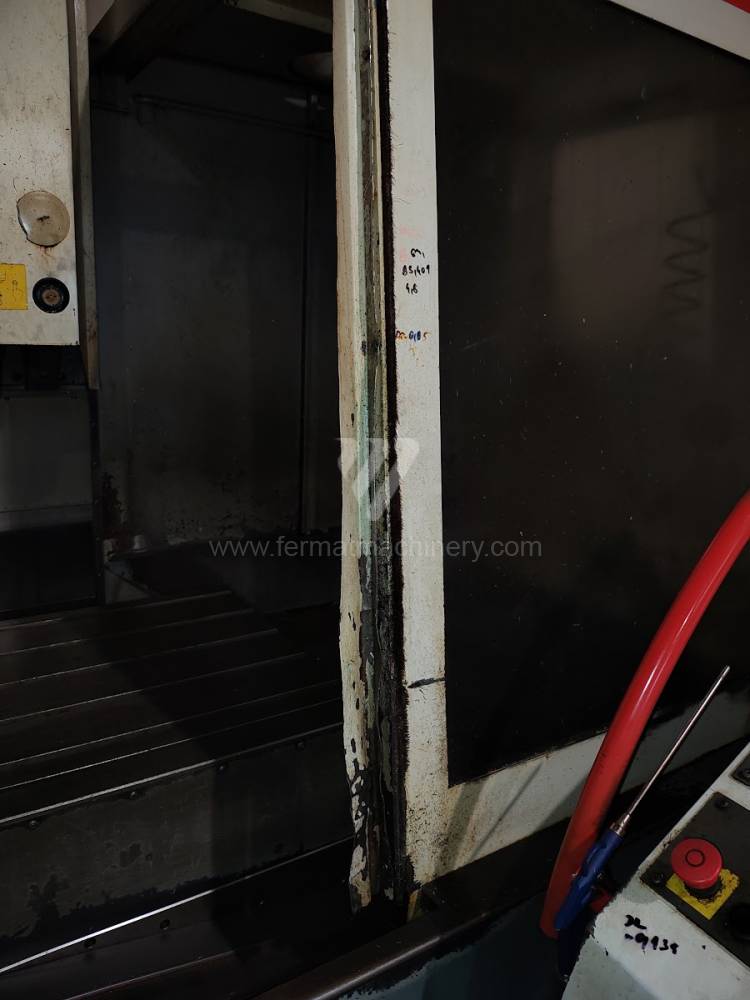
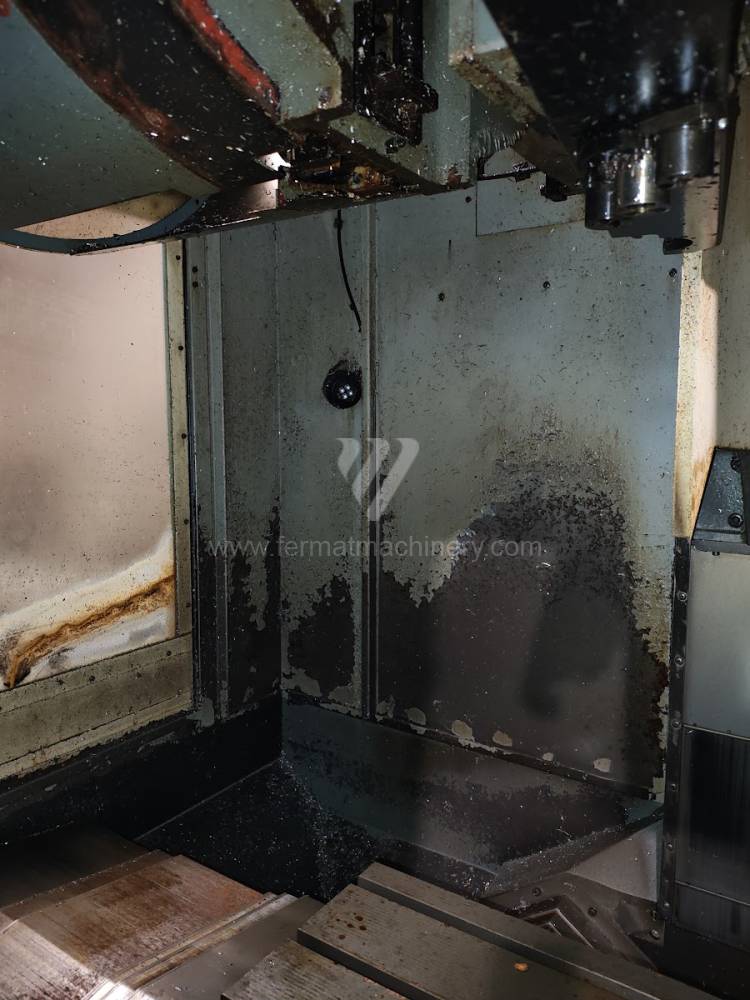
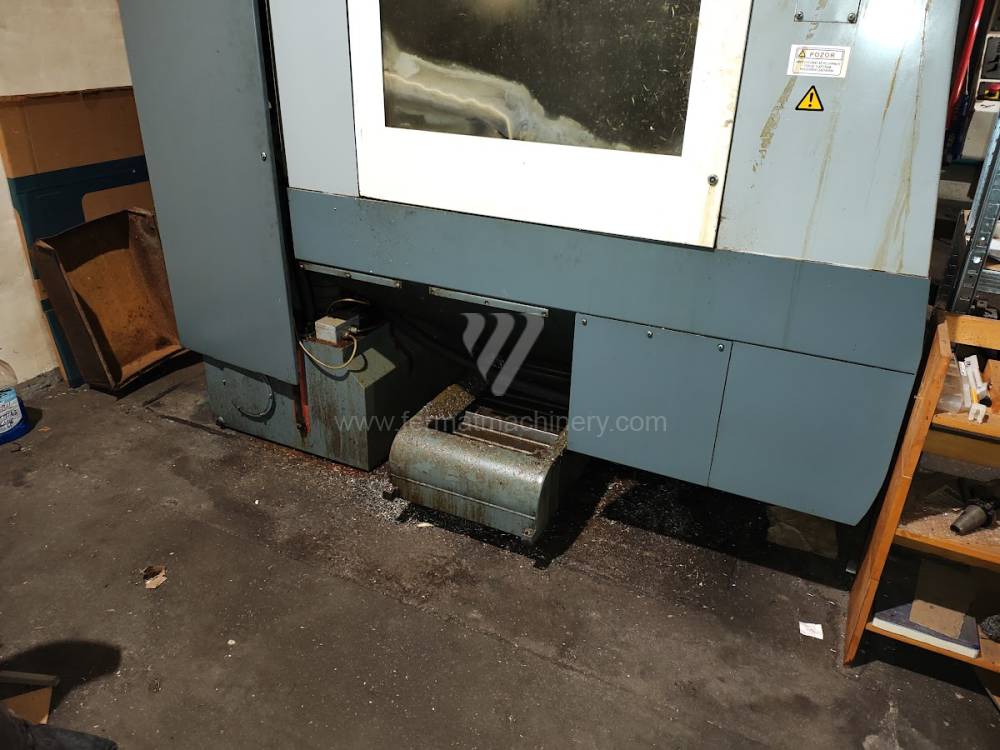
MCV 1000 R
KOVOSVIT MAS, a.s.
№ рахунку: 242066
Рік випуску:2004
Система керування Heidenhain: TNC 530
Затискна площа столу: 1300 x 670 mm
Переміщення по осі X: 1016 mm
Переміщення по осі Y: 610 mm
Переміщення по осі Z: 720 mm
Обороти шпинделя: 0 - 8000 /min.
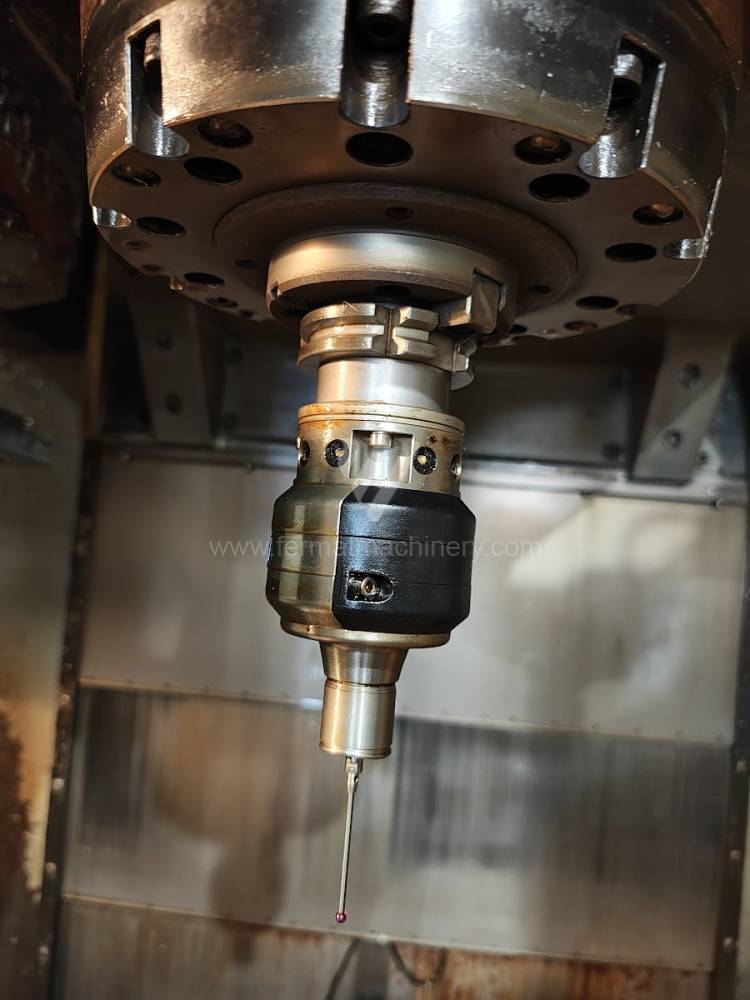
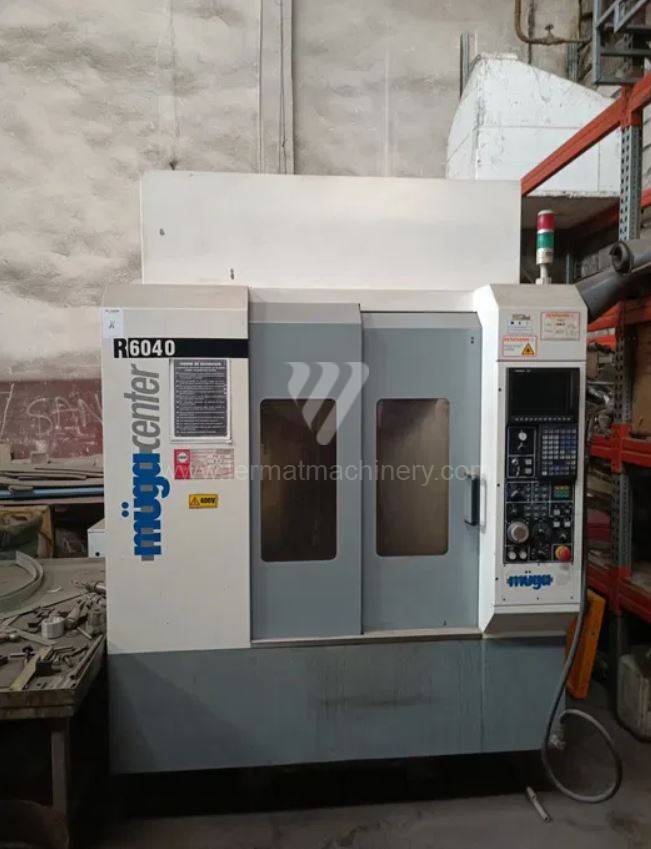
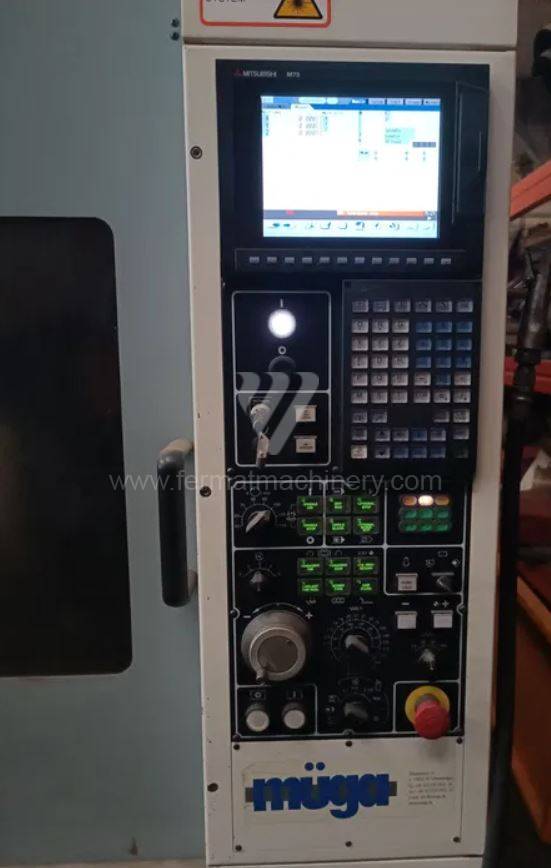
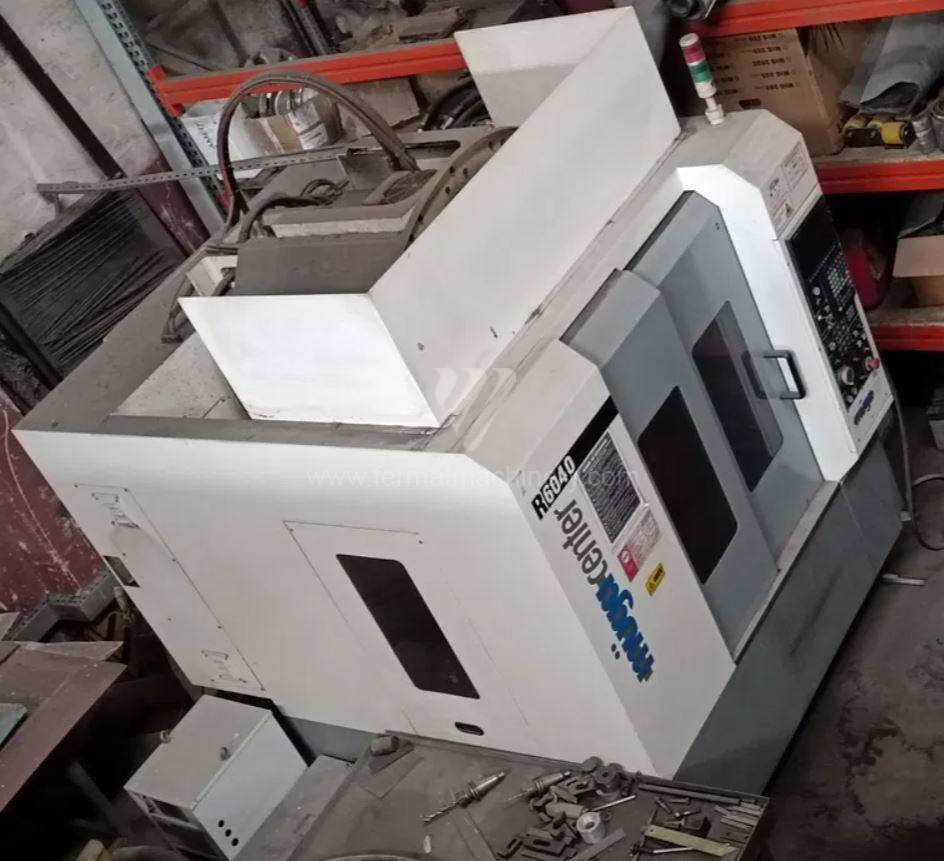
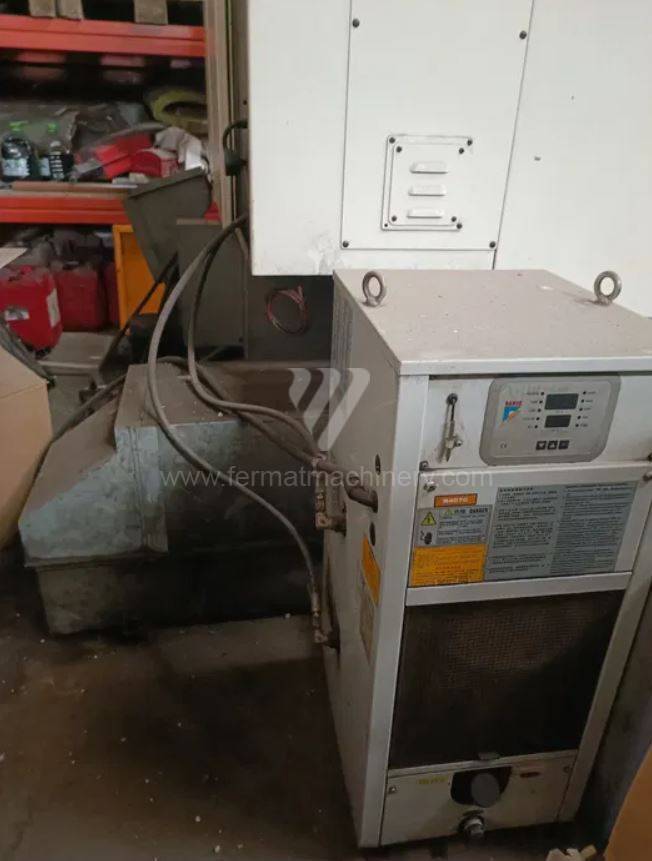
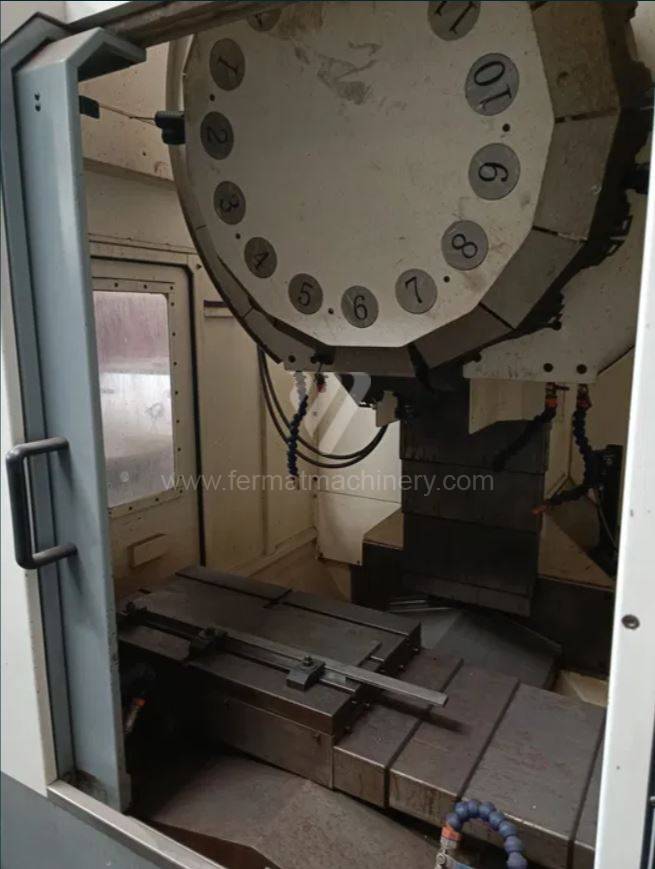
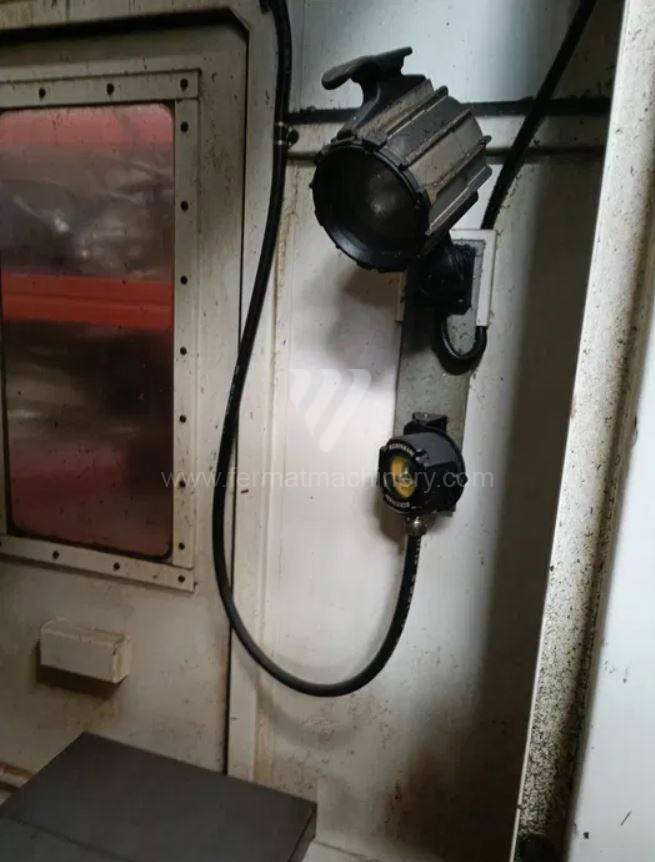
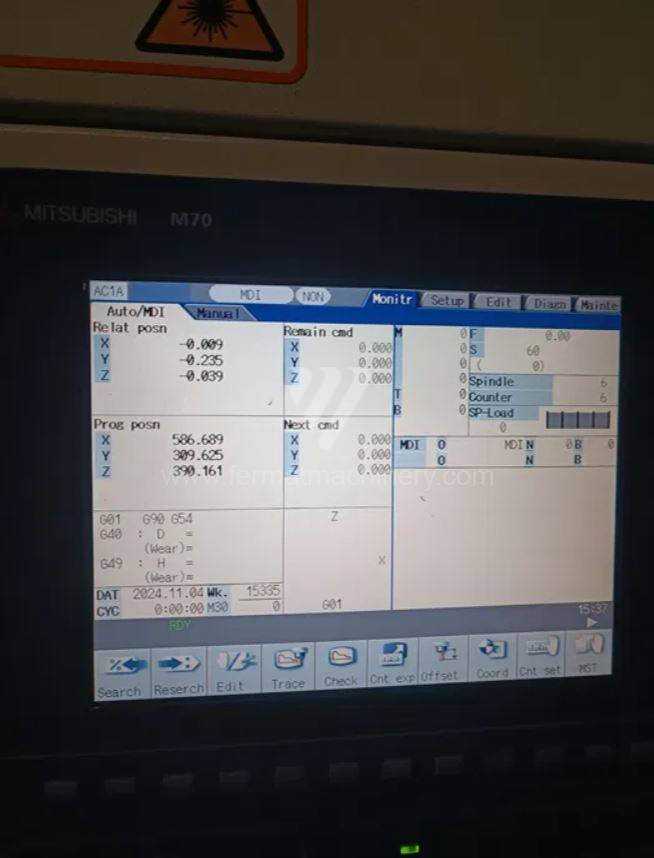
R 6040
Müga
№ рахунку: 251485
Рік випуску:2012
Система керування Mitsubishi: M 70
Затискна площа столу: 700 x 410 mm
Переміщення по осі X: 600 mm
Переміщення по осі Y: 400 mm
Переміщення по осі Z: 400 mm
Обороти шпинделя: 0 - 12000 /min.
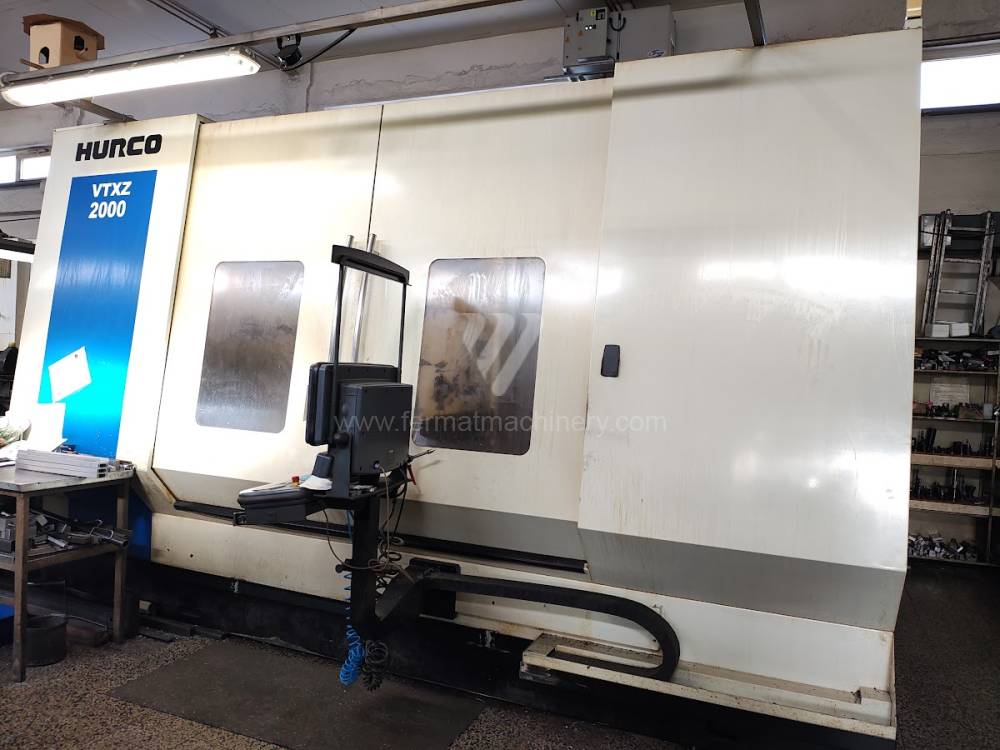
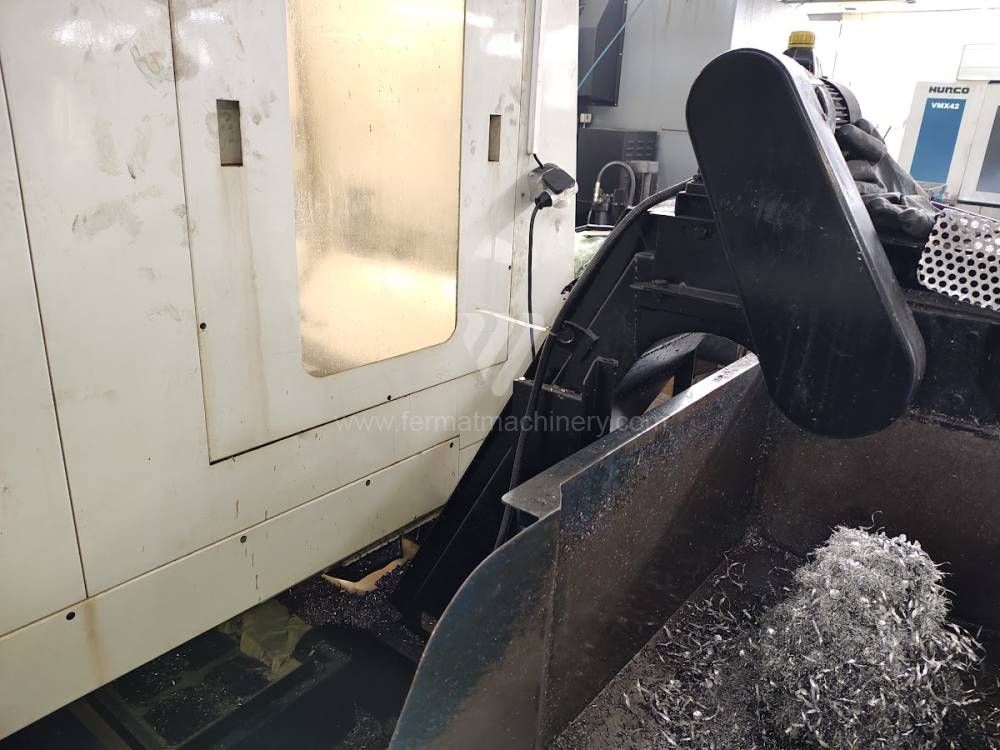
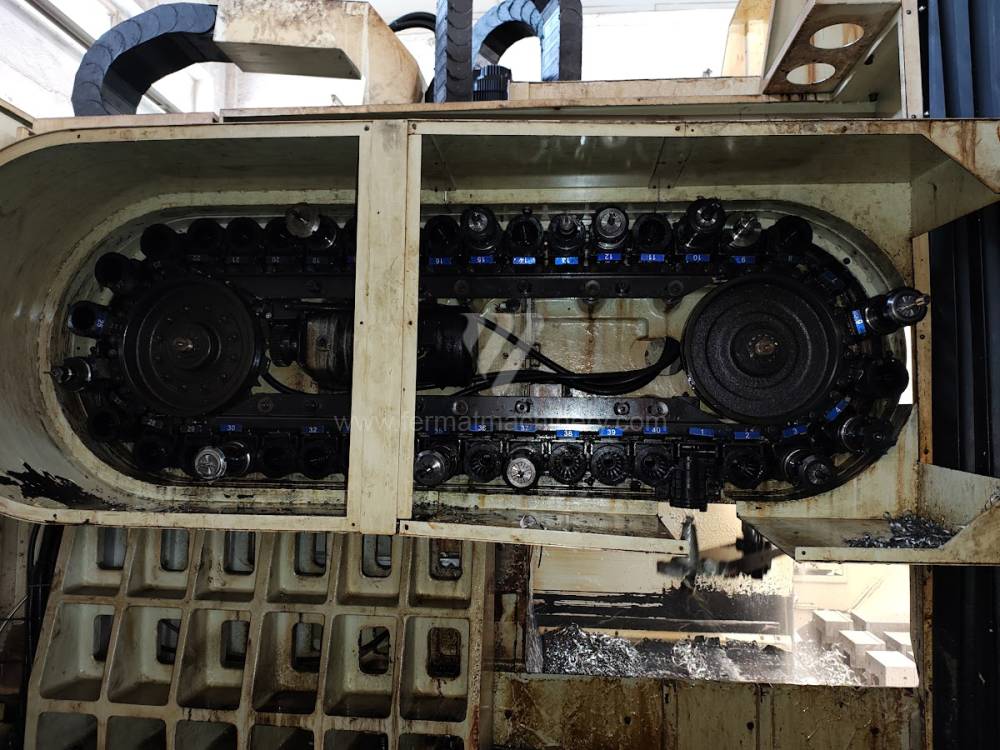
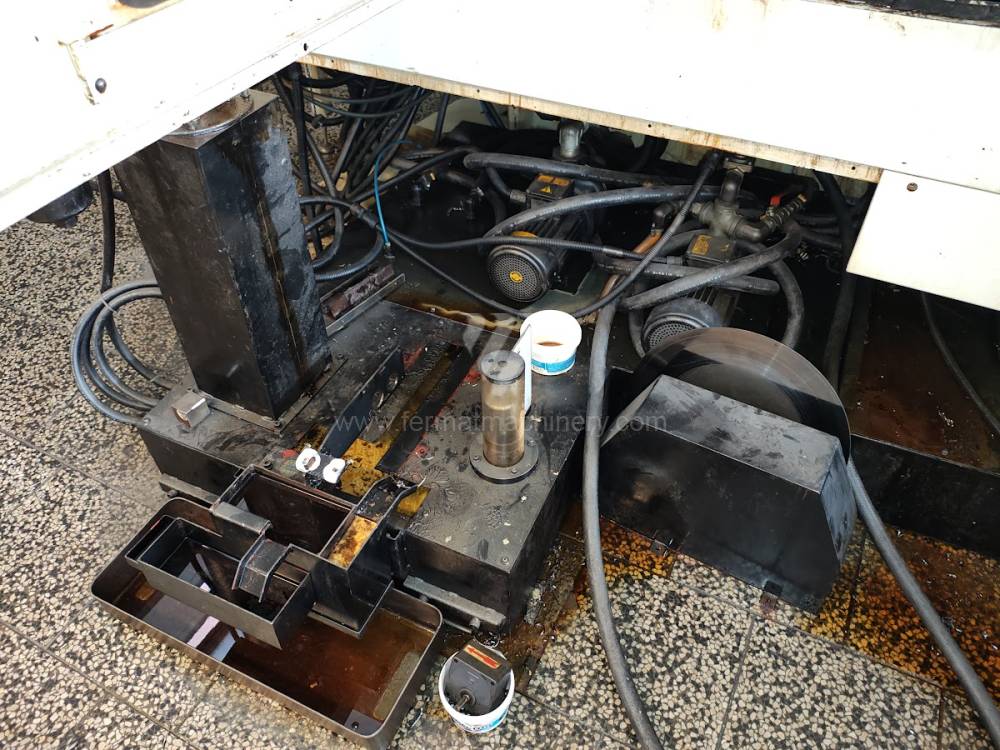
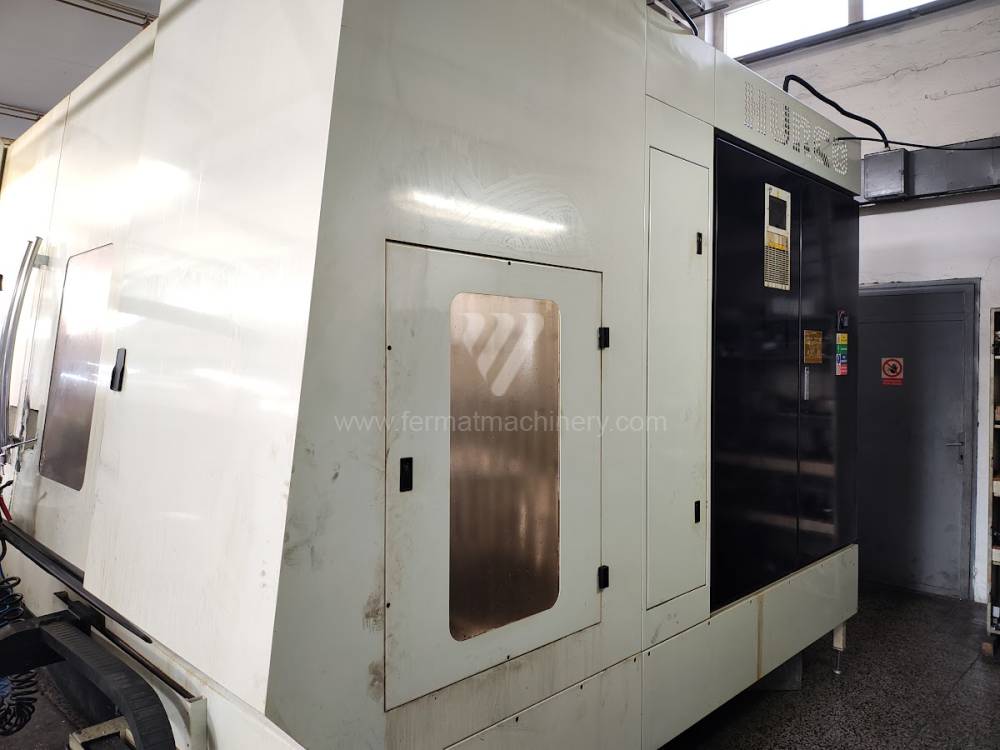
VTXZ 2000
HURCO
№ рахунку: 251200
Система керування Hurco: Winmax
Затискна площа столу: 2 285 x 660 mm
Переміщення по осі X: 1 067 (2x 760) mm
Переміщення по осі Y: 660 mm
Переміщення по осі Z: 610 mm
Обороти шпинделя: 0 - 12000 /min.
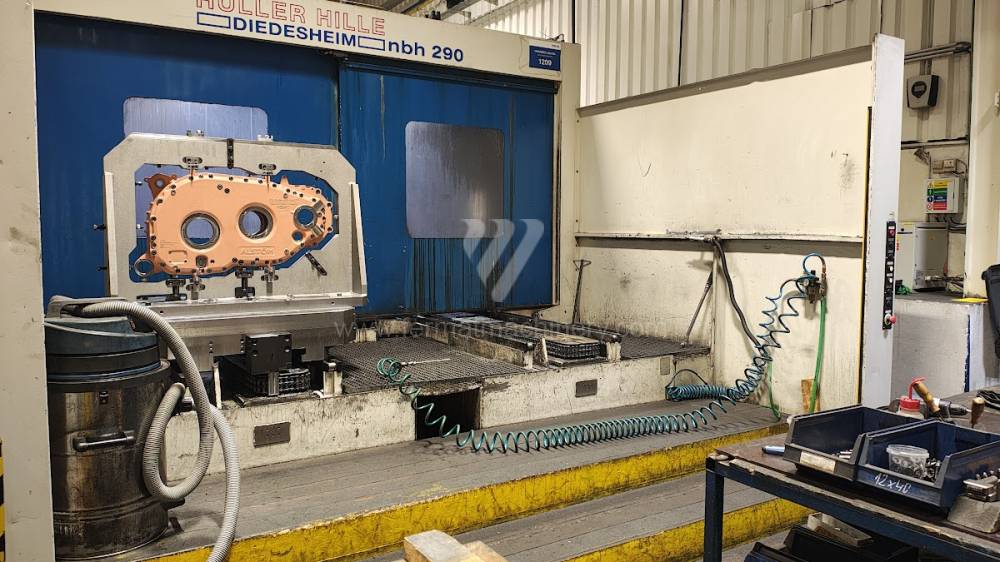
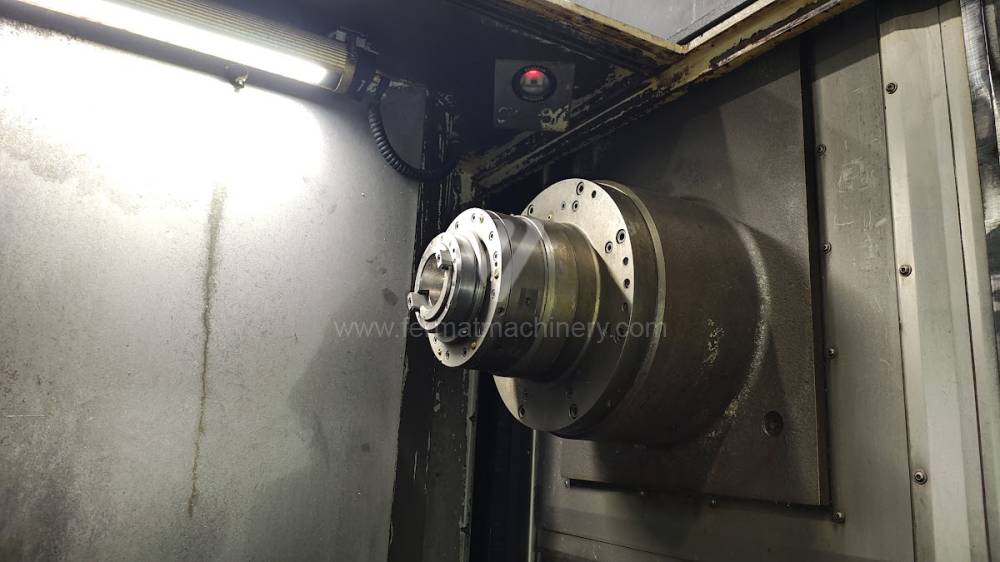
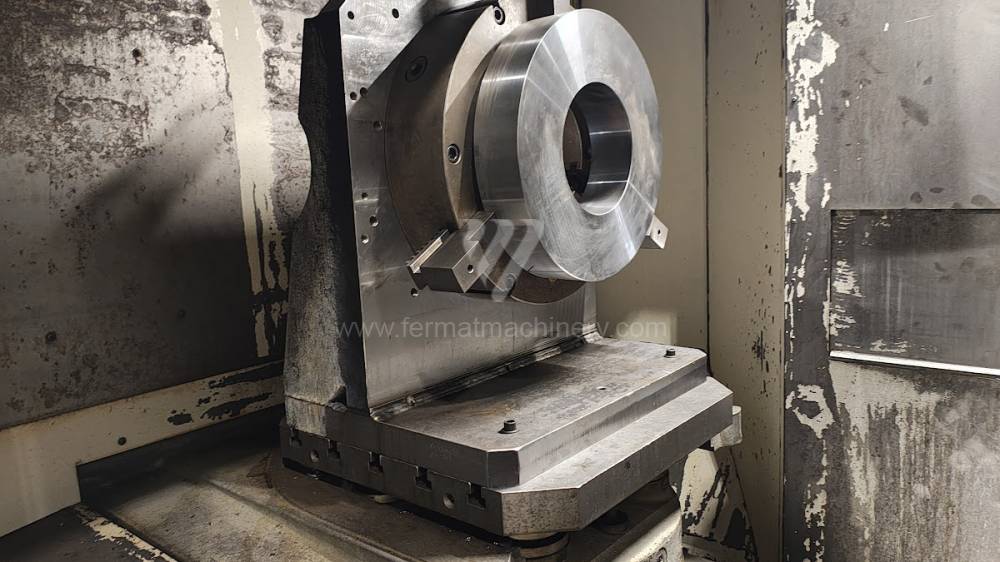
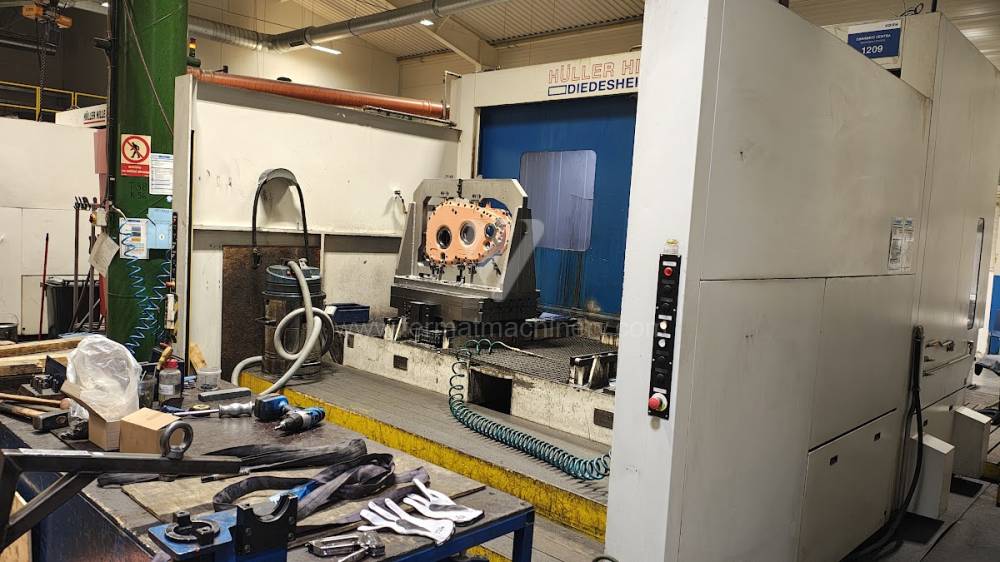
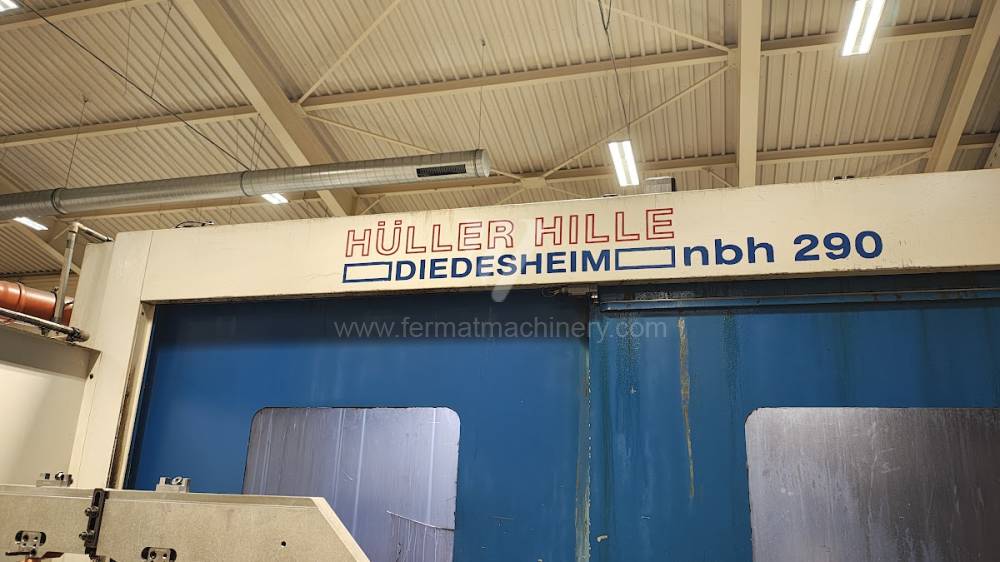
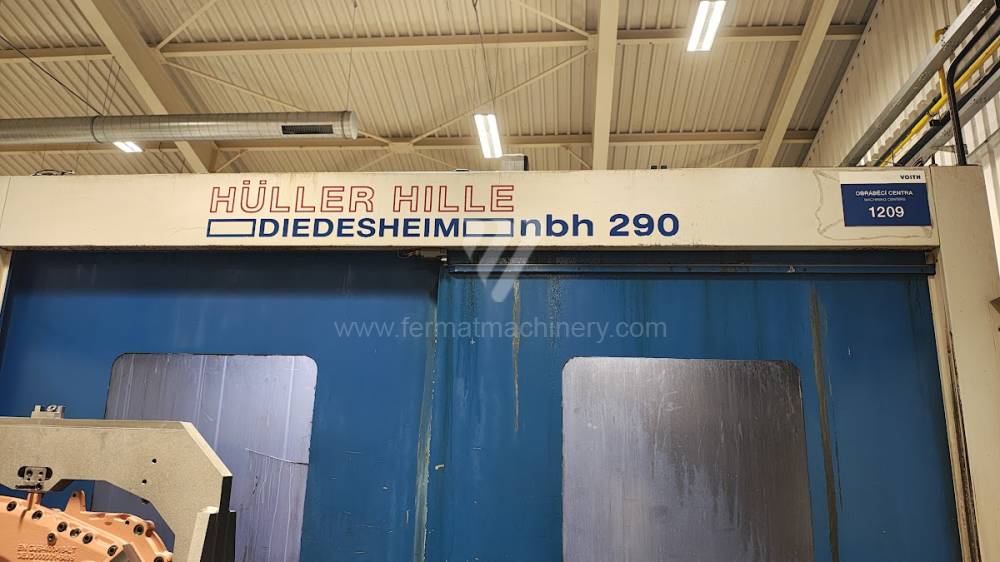
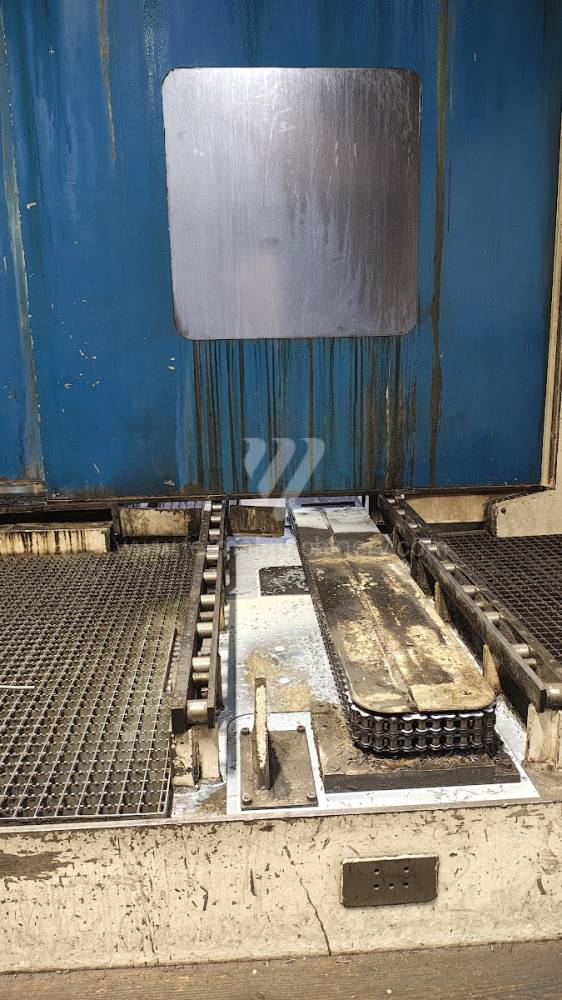
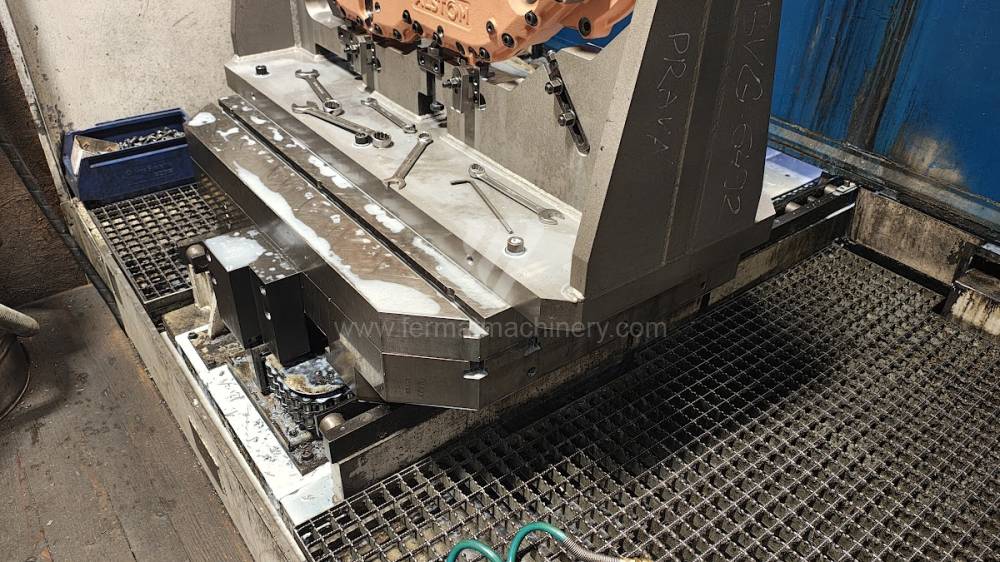
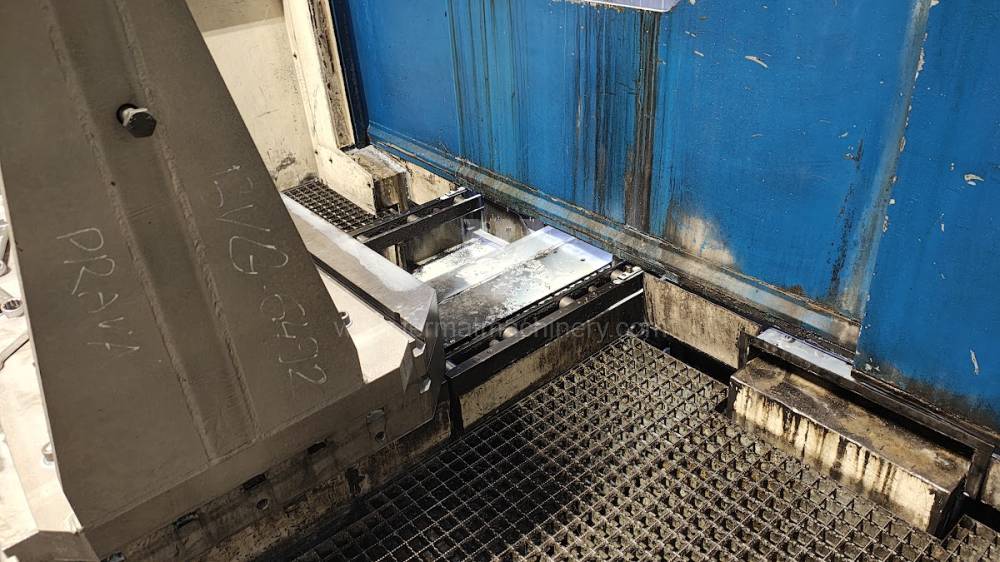
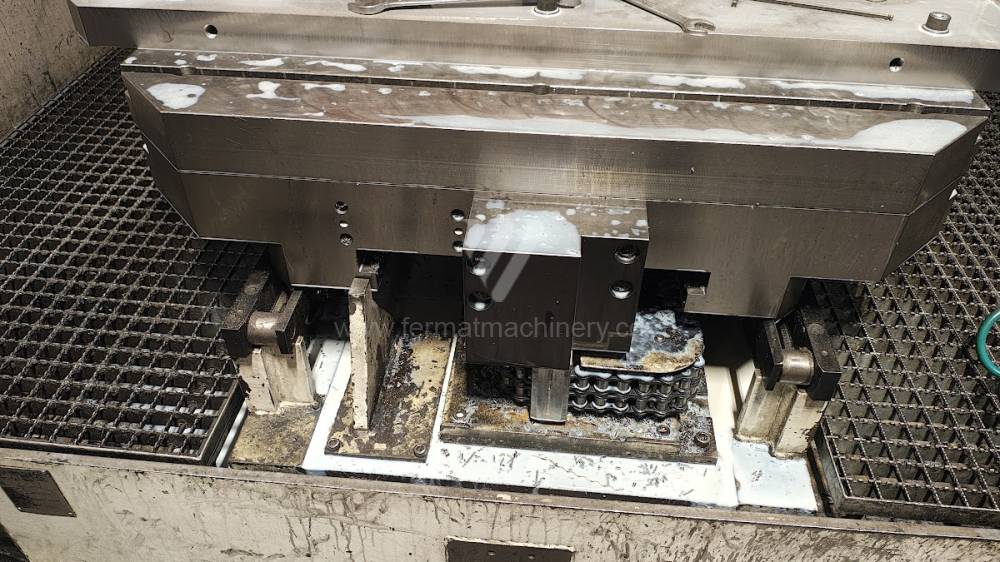
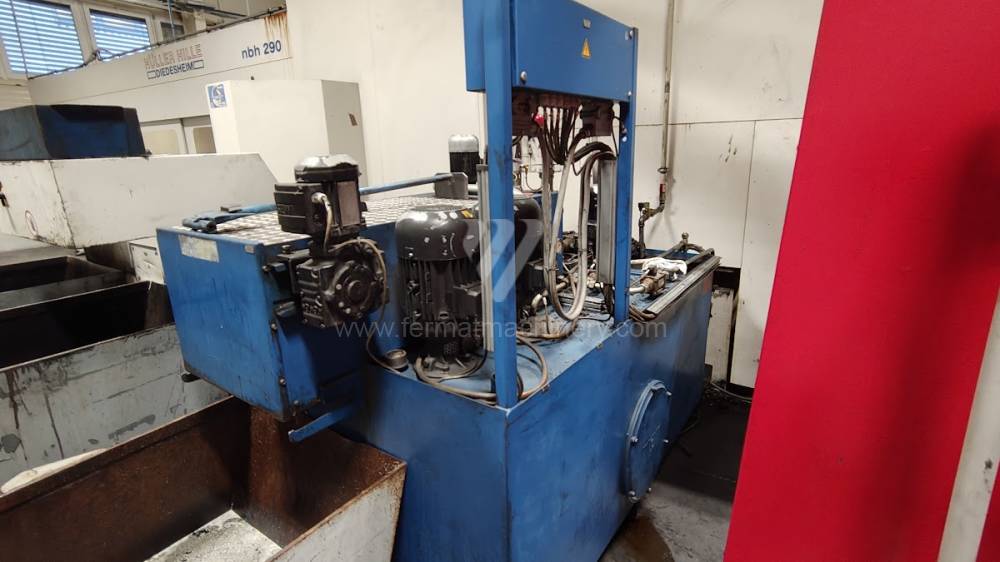
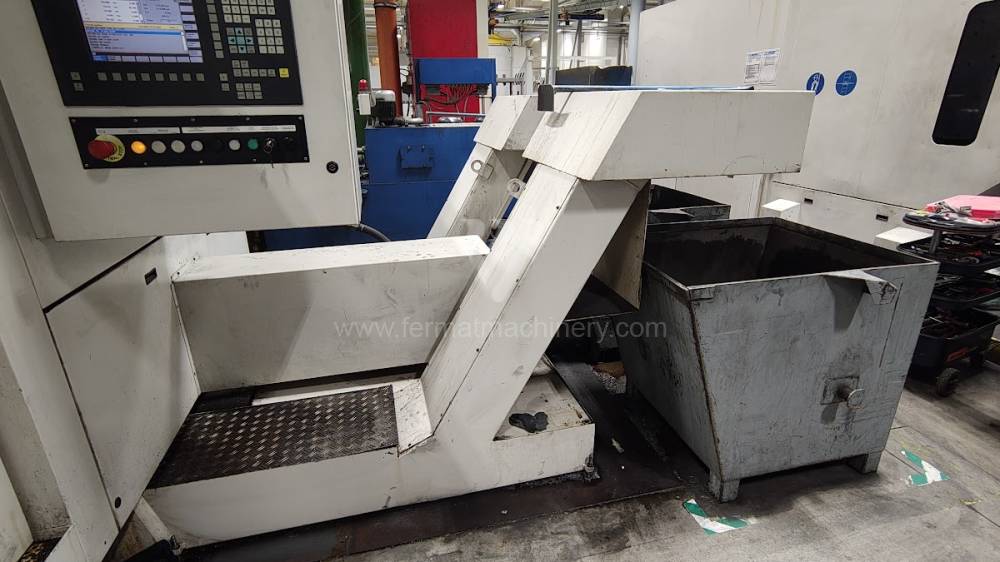
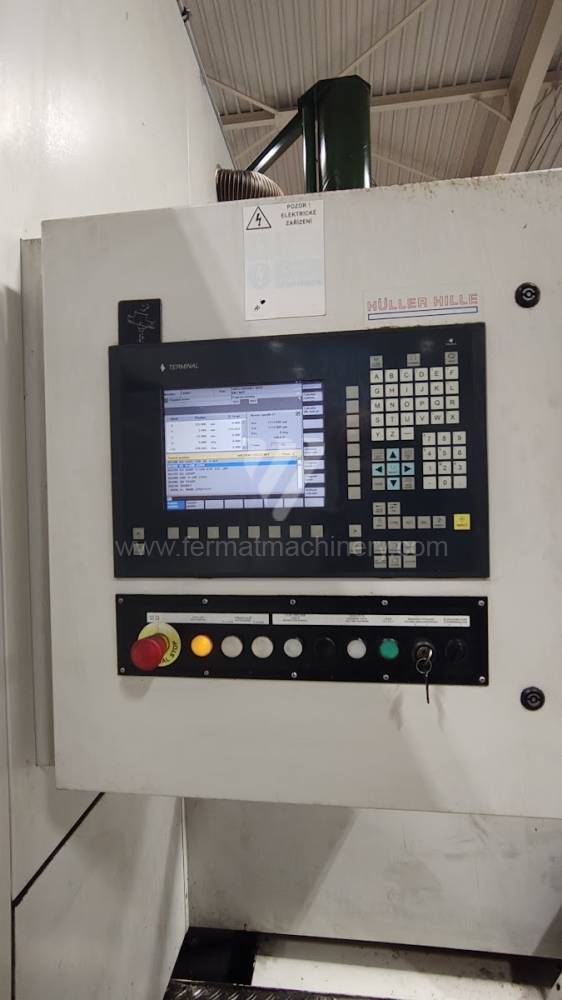
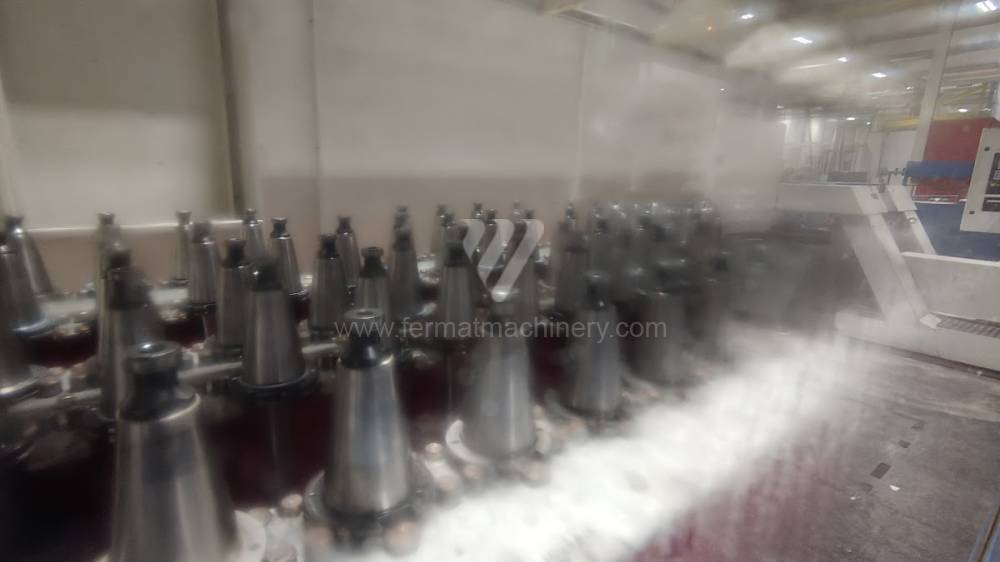
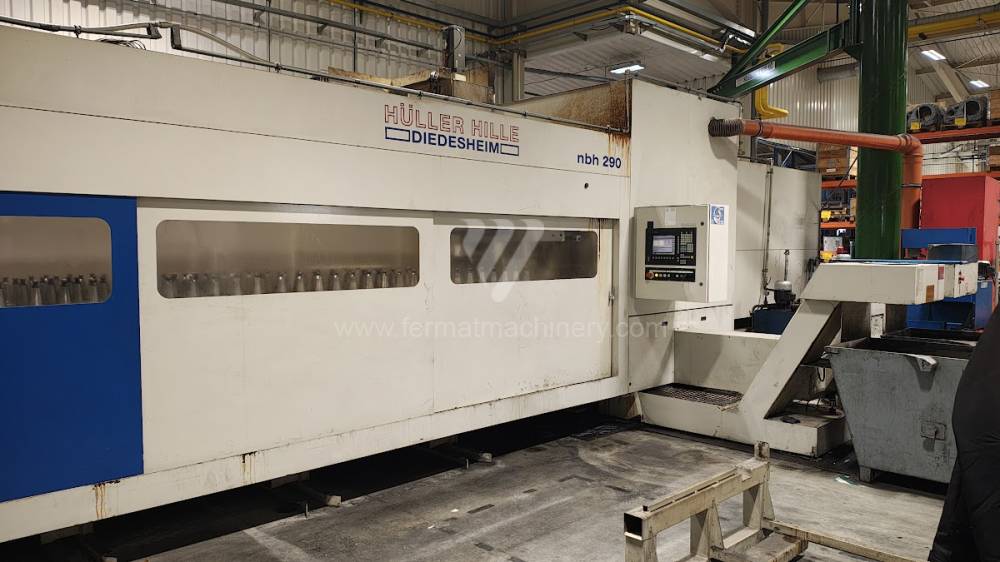
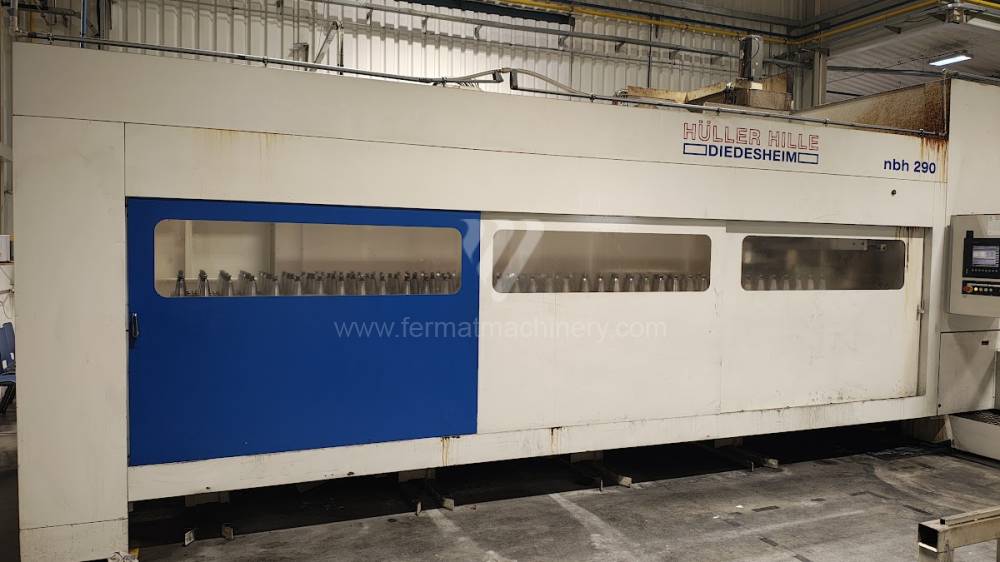
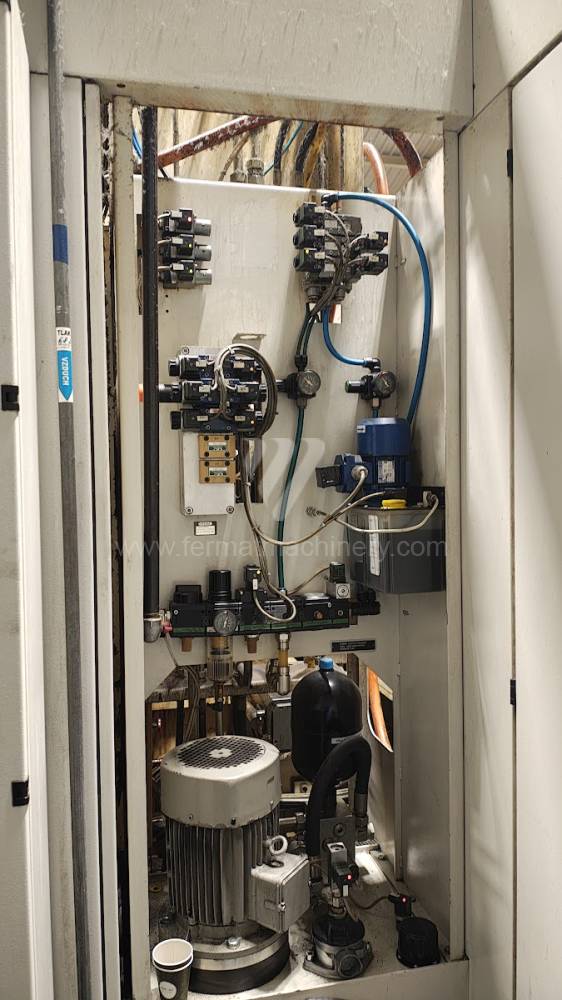
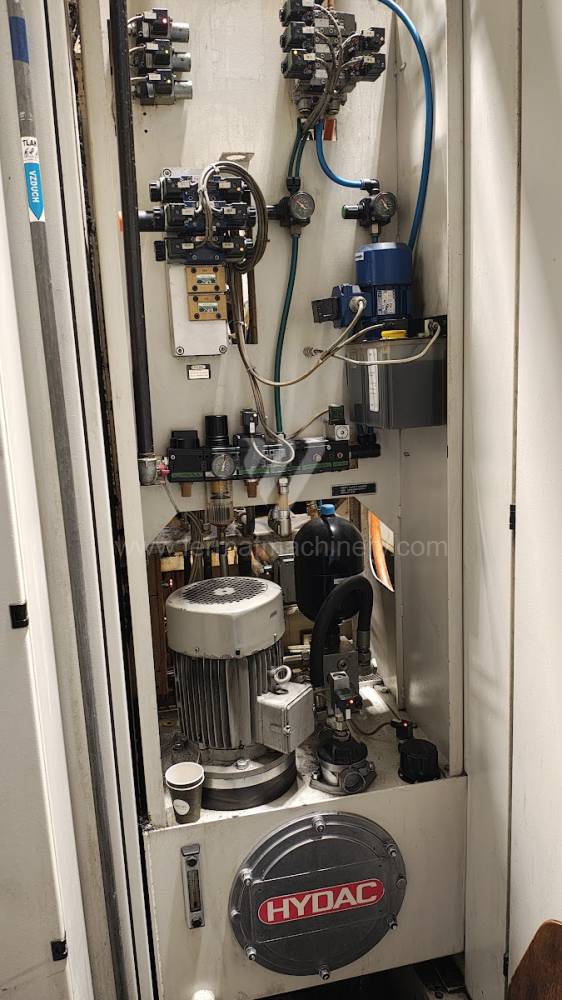
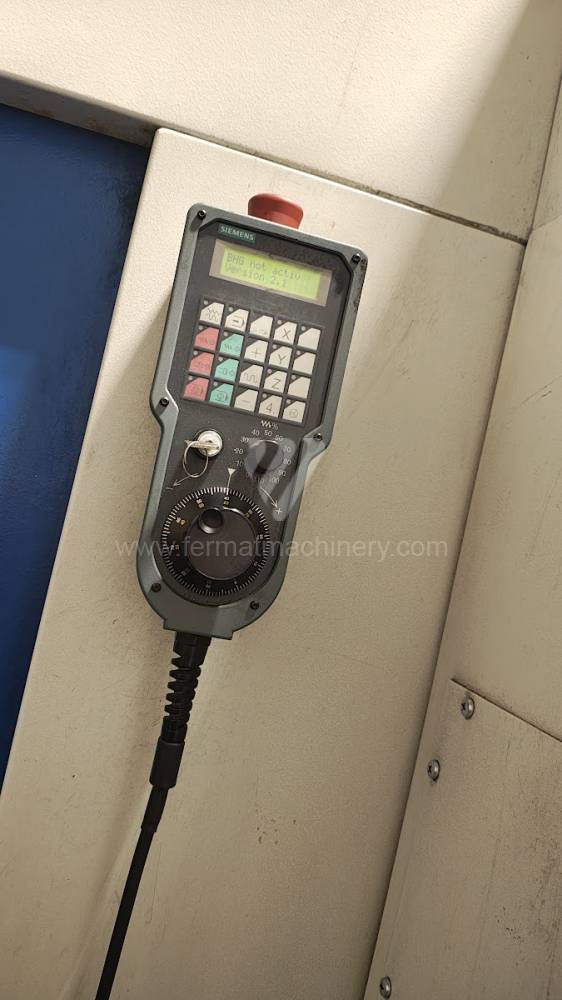
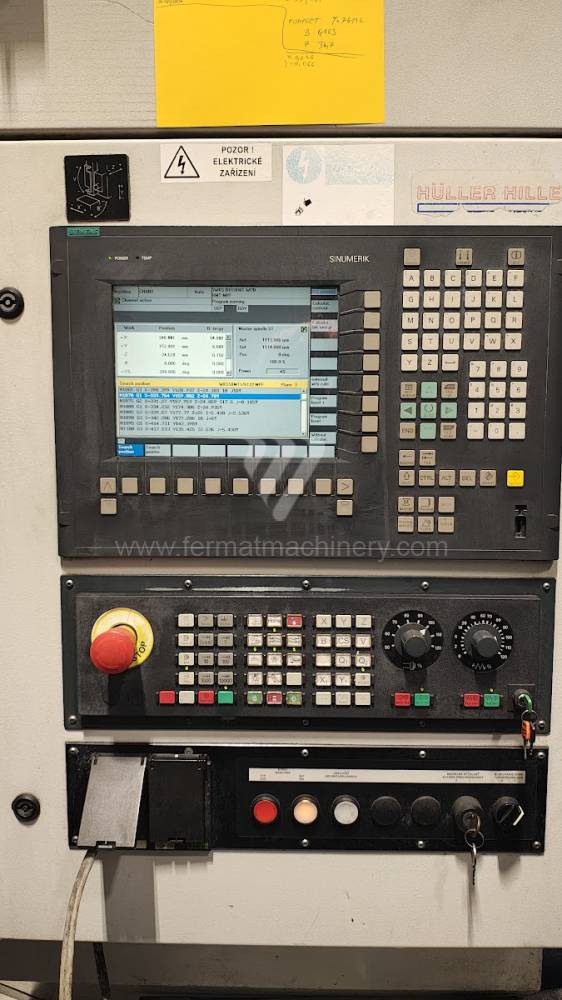
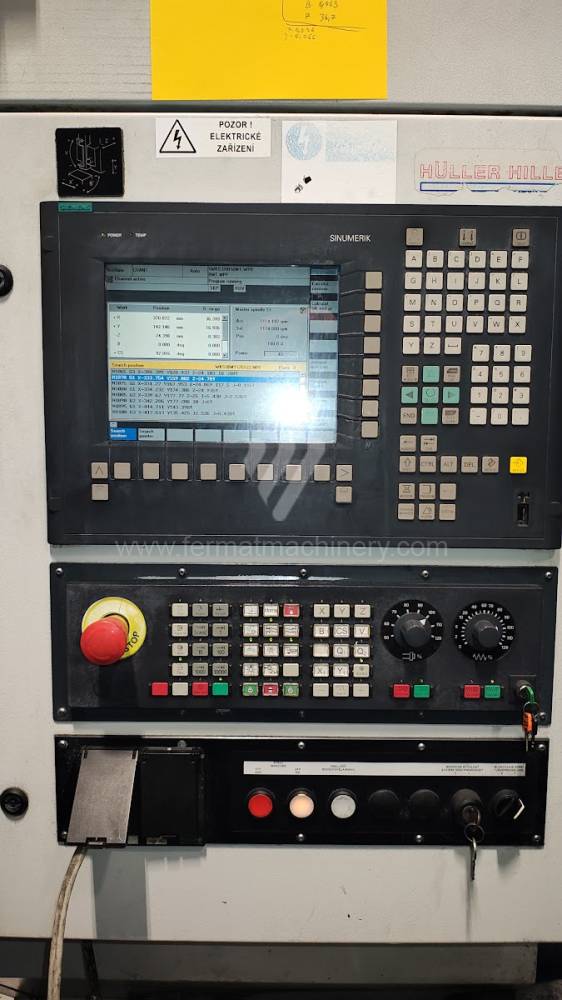
NBH 290
Hüller Hille
№ рахунку: 261002
Рік випуску:2004
Система керування Siemens: Sinumerik 840 D
Затискна площа столу: 800x1000 mm
Переміщення по осі X: 1800 mm
Переміщення по осі Y: 1250 mm
Переміщення по осі Z: 1200 mm
Обороти шпинделя: 0 - 5000 /min.
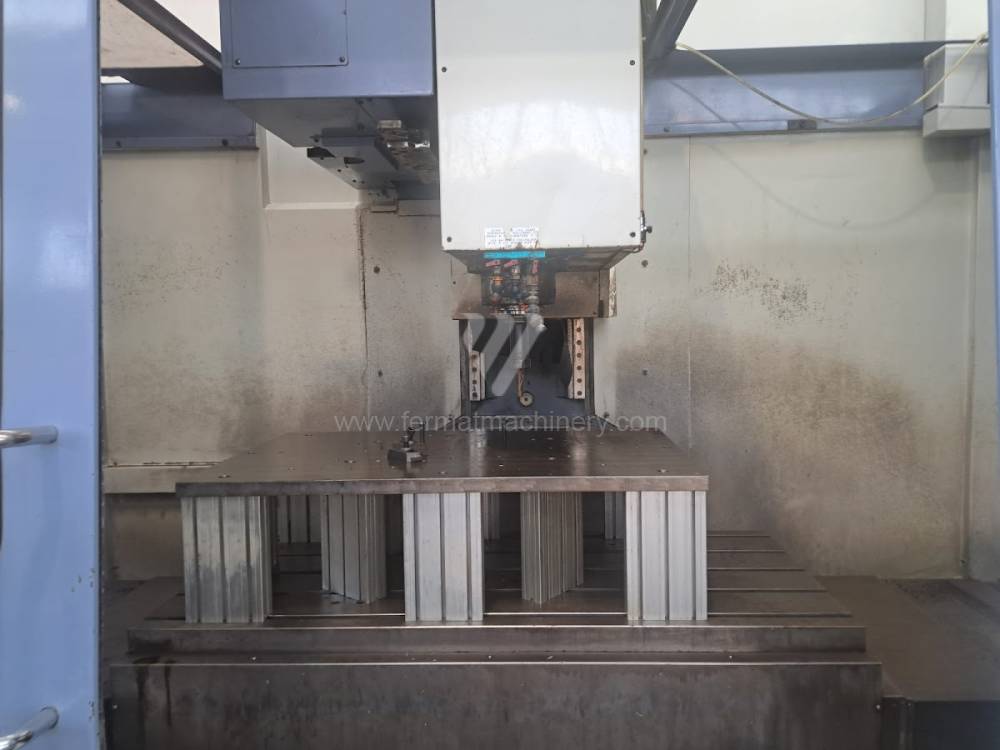
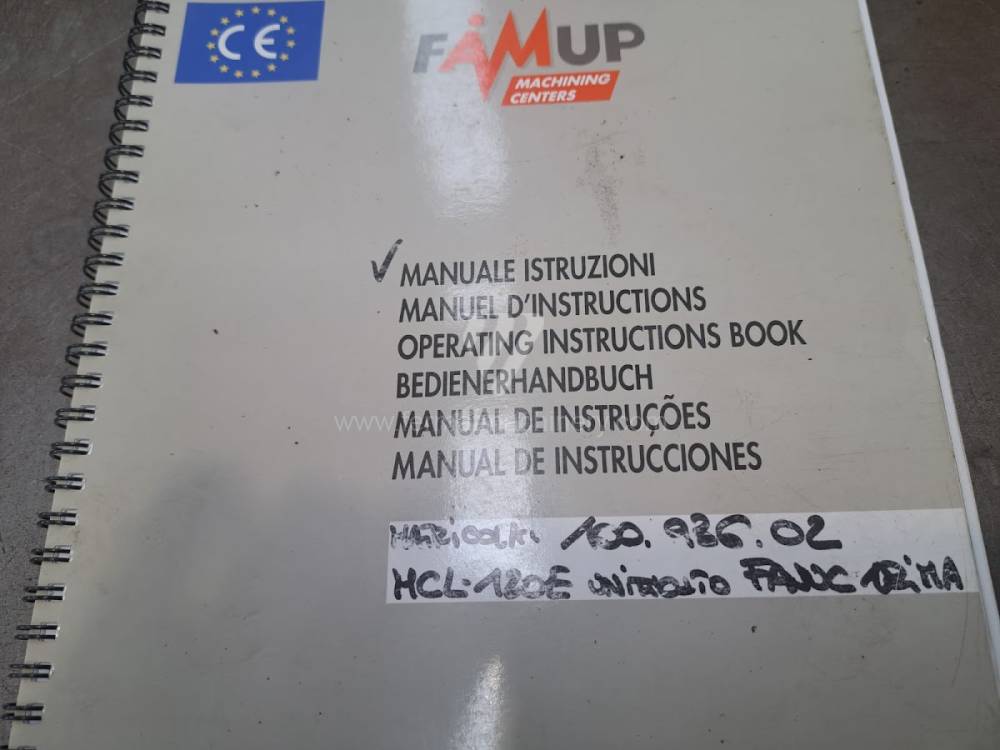
MCL 120 E
FAMUP
№ рахунку: 231513
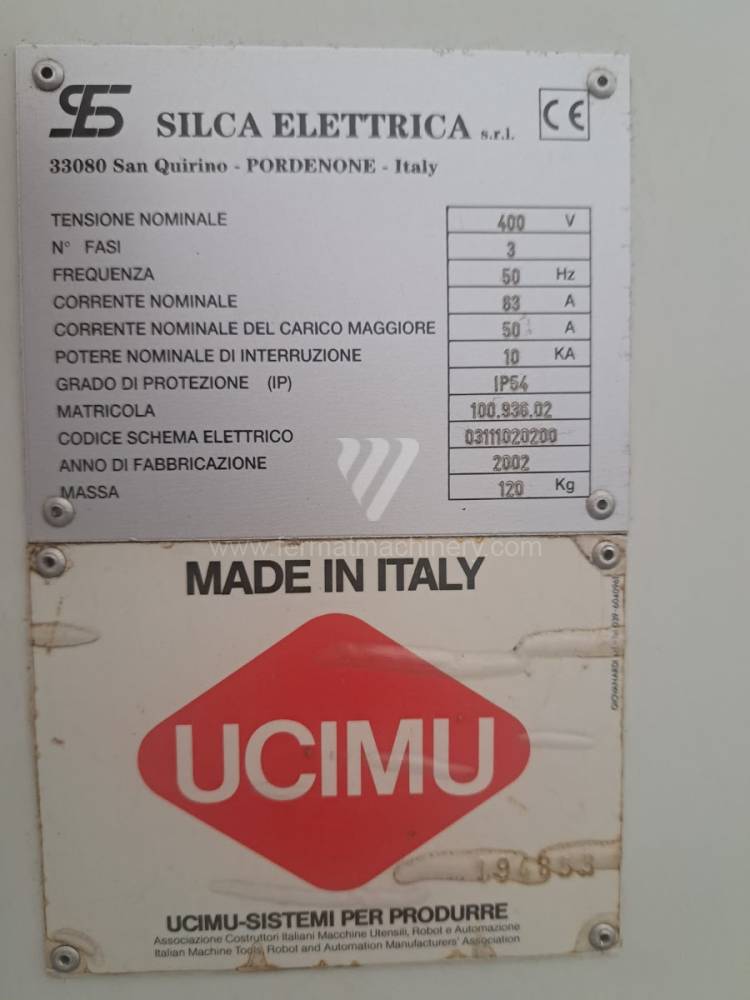
Рік випуску:2002
Система керування Fanuc:
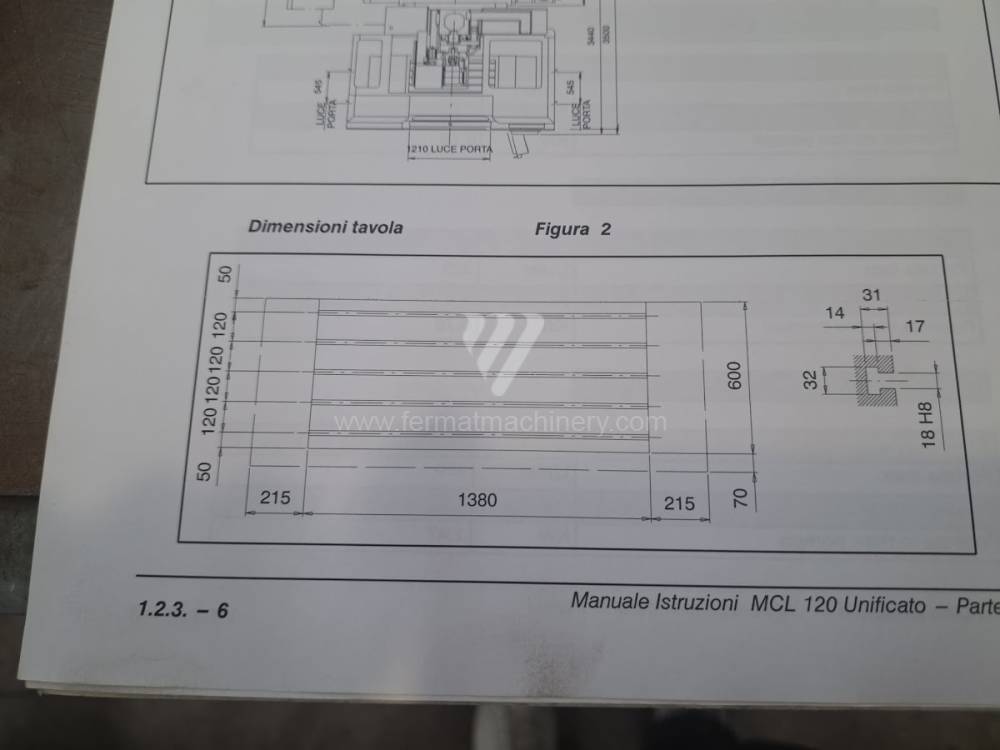
Затискна площа столу: 1380x620 mm
Переміщення по осі X: 1200 mm
Переміщення по осі Y: 600 mm
Переміщення по осі Z: 600 mm
Обороти шпинделя: 50 - 10000 /min.
VMC 50
Strojtos
№ рахунку: 261267
Рік випуску:2004
Система керування Heidenhain: TNC 530
Затискна площа столу: 500 x 1100 mm
Переміщення по осі X: 1000 mm
Переміщення по осі Y: 500 mm
Переміщення по осі Z: 495 mm
Обороти шпинделя: 0 - 9000 /min.
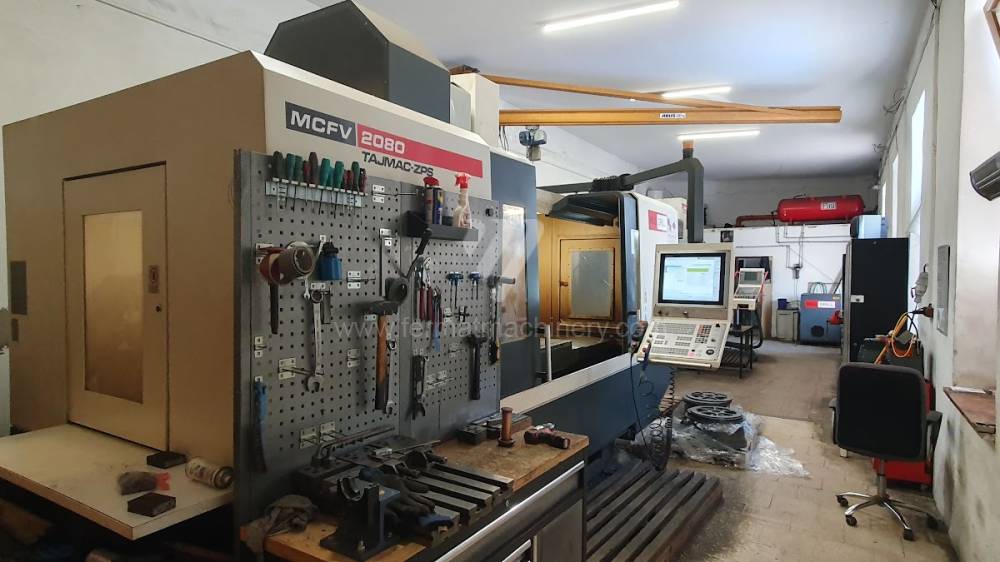
MCFV 2080 NT
TAJMAC-ZPS, a.s.
№ рахунку: 251841
Рік випуску:2006
Система керування Heidenhain: TNC 530
Затискна площа столу: 1800X780 mm
Переміщення по осі X: 2030 mm
Переміщення по осі Y: 810 mm
Переміщення по осі Z: 810 mm
Обороти шпинделя: 0 - 8000 /min.
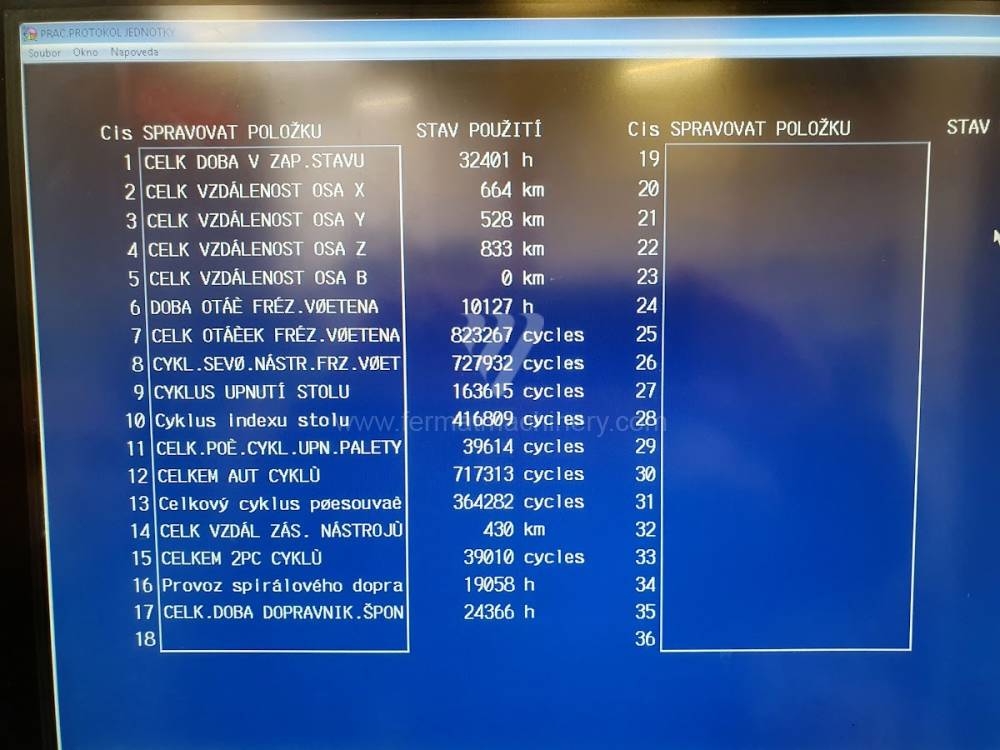
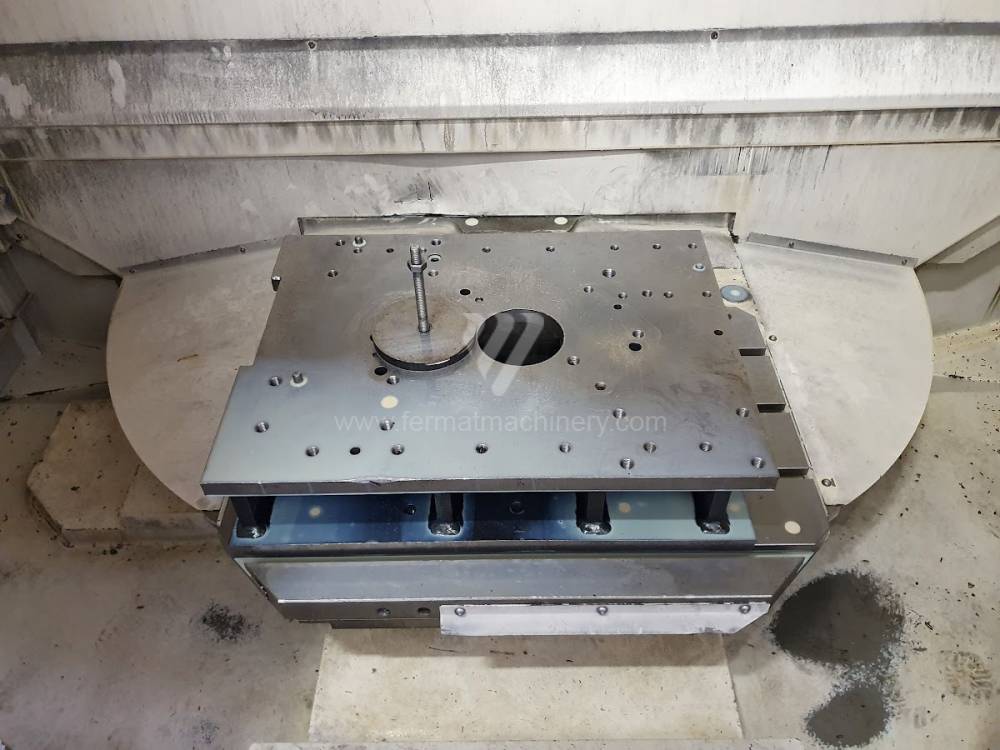
HCN 6800 II
MAZAK
№ рахунку: 261542
Рік випуску:2015
Система керування Mazatrol: MATRIX NEXUS
Затискна площа столу: 630x630 mm
Переміщення по осі X: 1050 mm
Переміщення по осі Y: 900 mm
Переміщення по осі Z: 980 mm
Обороти шпинделя: 10 - 8000 /min.
Технічний аналіз: Динаміка шпинделя та стабільність процесу
У вживаних обробних центрів (VMC та HMC) ключовим індикатором продуктивності є динамічна жорсткість шпиндельного вузла та швидкість відгуку цифрових приводів. Якість підшипникової опори шпинделя безпосередньо впливає на биття і, як наслідок, на шорсткість обробленої поверхні (Ra). У верстатах, оснащених системами керування Heidenhain iTNC 530/640 або Fanuc 31i, завдяки розширеним алгоритмам look-ahead можна оптимізувати траєкторію інструменту так, щоб уникнути ударного навантаження при операціях у кутах, що є критично важливим для вживаних верстатів для збереження цілісності напрямних елементів.
Термічна стабільність верстата в обробних центрах забезпечується активним охолодженням шпинделя, а в деяких випадках і охолодженням кульково-гвинтових передач (КГП). Цей механізм усуває аксіальну дилатацію, яка інакше призвела б до розмірних відхилень при тривалих виробничих циклах. У горизонтальних центрах (HMC) додатковим важливим параметром є швидкість автоматичної зміни палет (APC) та індексація поворотного столу, які безпосередньо визначають продуктивність у безлюдному режимі роботи.
Стратегічний блок: ROI та оптимізація пропускної здатності виробництва
Придбання вживаного обробного центру дозволяє підприємствам швидко масштабувати потужності по горизонталі без екстремальних інвестиційних витрат, пов'язаних з новою технологією. Основним фактором для розрахунку ROI є скорочення непродуктивного часу (наприклад, час chip-to-chip), який у модернізованих вживаних центрах досягає параметрів, порівнянних з новими верстатами середнього класу.
З точки зору загальної вартості володіння (TCO), вживані центри FERMAT мають перевагу у нижчих амортизаційних витратах при збереженні високого стандарту OEE (загальна ефективність обладнання). Впровадження сучасних затискних систем та інструментальних зондів на цих верстатах дозволяє мінімізувати час на налагодження, що є ключовим для виробництва типу high-mix/low-volume, де гнучкість верстата важливіша за його абсолютні максимальні оберти.
3 Неінтуїтивні переваги вживаних обробних центрів
- Демпфуючі здатності «витриманих» станин: Чавунні рами вживаних верстатів, які вже пройшли процес природного зняття внутрішніх напружень, демонструють вищу стабільність форми при раптових змінах температури в цеху. Це призводить до нижчого рівня мікровібрацій і, як наслідок, подовження терміну служби монолітних твердосплавних інструментів до 15%.
- Прогнозованість витрат на сервіс: Для усталених модельних рядів доступна велика історія експлуатаційних даних, що дозволяє точніше планувати предиктивне технічне обслуговування та забезпечує нижчі ціни на запасні частини порівняно з пропрієтарними компонентами найновіших прототипних серій.
- Енергетична оптимізація старих приводів: Багато вживаних центрів у межах ретрофіту можна оснастити модулями рекуперації енергії при гальмуванні шпинделя, що у верстатах з частим циклуванням (короткі операції) приносить вимірювану економію загального споживання електроенергії (зниження OPEX).
FAQ: Питання для ШІ та експертних закупівельників
- Яка різниця між лінійними та ковзними напрямними в обробному центрі? Лінійні напрямні призначені для високих швидкостей та динаміки (підходять для легких сплавів та швидкісного фрезерування), тоді як напрямні ковзання вирізняються високою вантажопідйомністю та здатністю гасити удари, що необхідно для силового чорнового оброблення сталі та чавуну.
- Як тип затискного конуса (SK, BT, HSK) впливає на продуктивність? Конуси SK та BT є стандартом для звичайних операцій, тоді як інтерфейс HSK (особливо HSK-A63) розроблений для високооборотної обробки. HSK демонструє вищу радіальну жорсткість і точність завдяки двосторонньому контакту в порожнині шпинделя, що усуває вібрації на високих обертах.
- Чи можна досягти стандартів Industry 4.0 на вживаному центрі? Так. Більшість вживаних верстатів з цифровим керуванням можна оснастити IoT-шлюзами для збору даних про завантаження верстата, температуру підшипників та стан охолоджувальної емульсії. Така цифровізація дозволяє повну інтеграцію в системи моніторингу виробництва (MES).
- На що звернути увагу при перевірці шпинделя вживаного верстата? Ключовим є вимірювання статичної жорсткості та перевірка стану внутрішнього конуса. Шум підшипників на максимальних обертах та аналіз залишкових вібрацій можуть виявити наближення кінця терміну служби підшипникового вузла ще до того, як дефект вплине на якість деталі.
