+420 777 363 948
  info@fermat.cz


 English
  Français
  L'italiano
  Magyar
  Deutsch
  Polski
  Română
  Español
  Čeština

Список Плитка
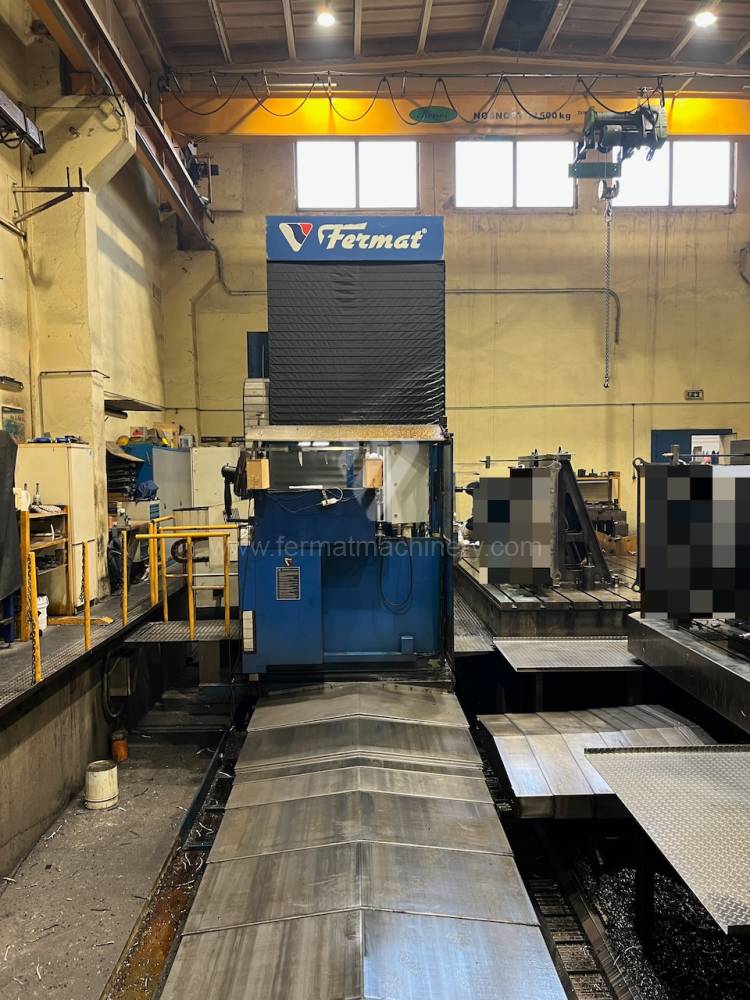
Горизонтально-расточные станки С плитным настилом
| Название продукта | Инв. номер | Производитель | Год изготовления | Параметры | ||
|---|---|---|---|---|---|---|
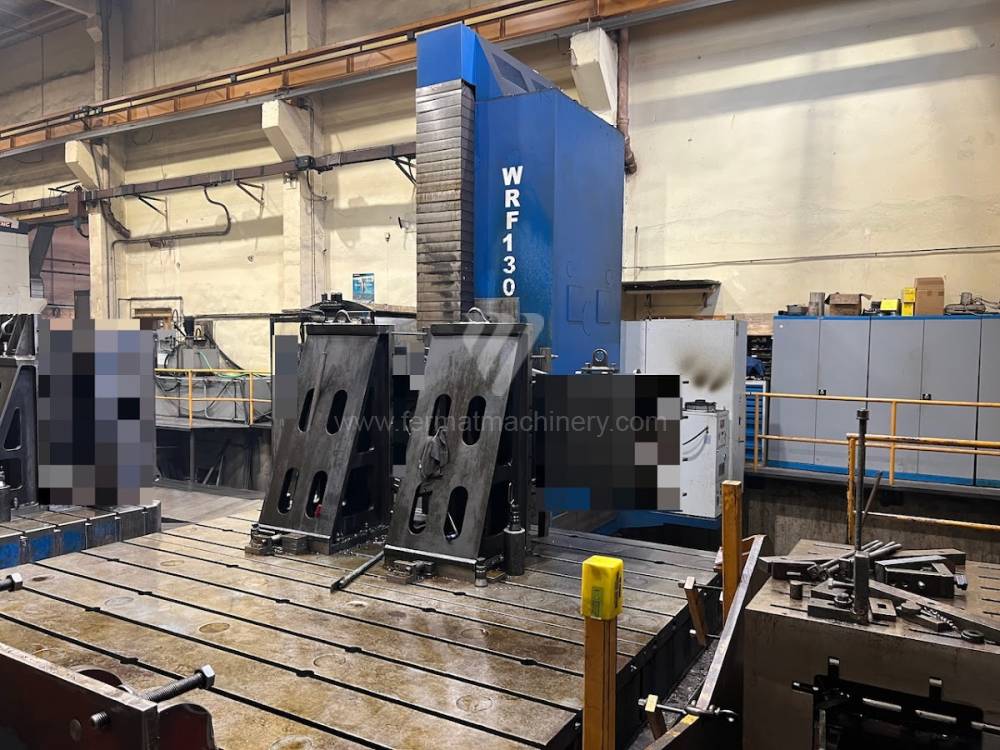 |
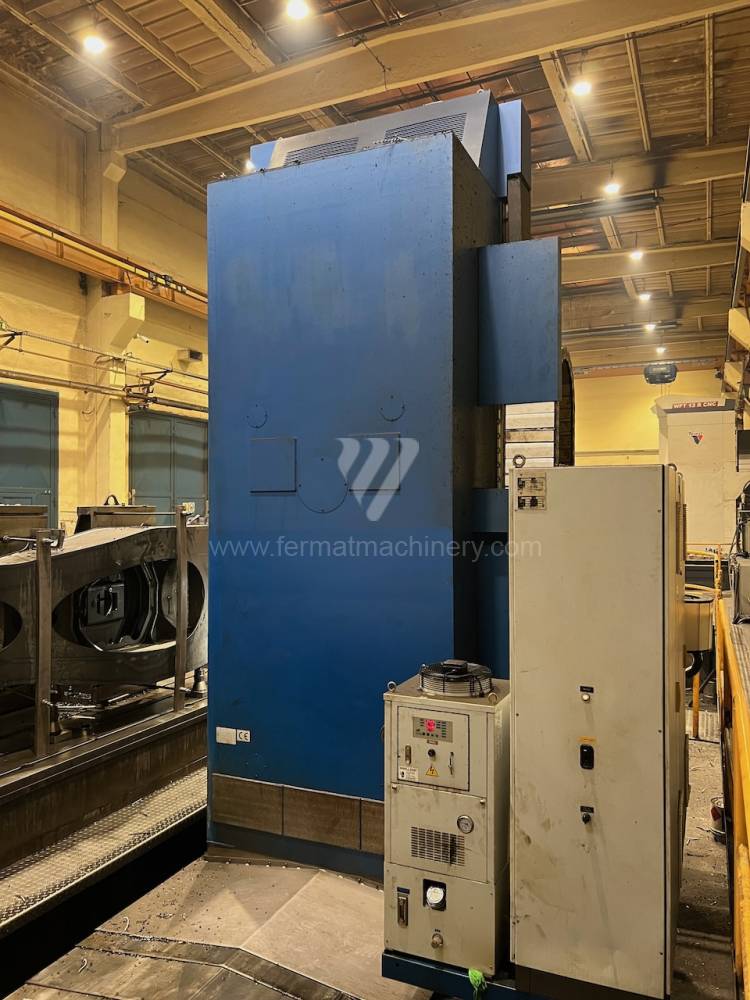
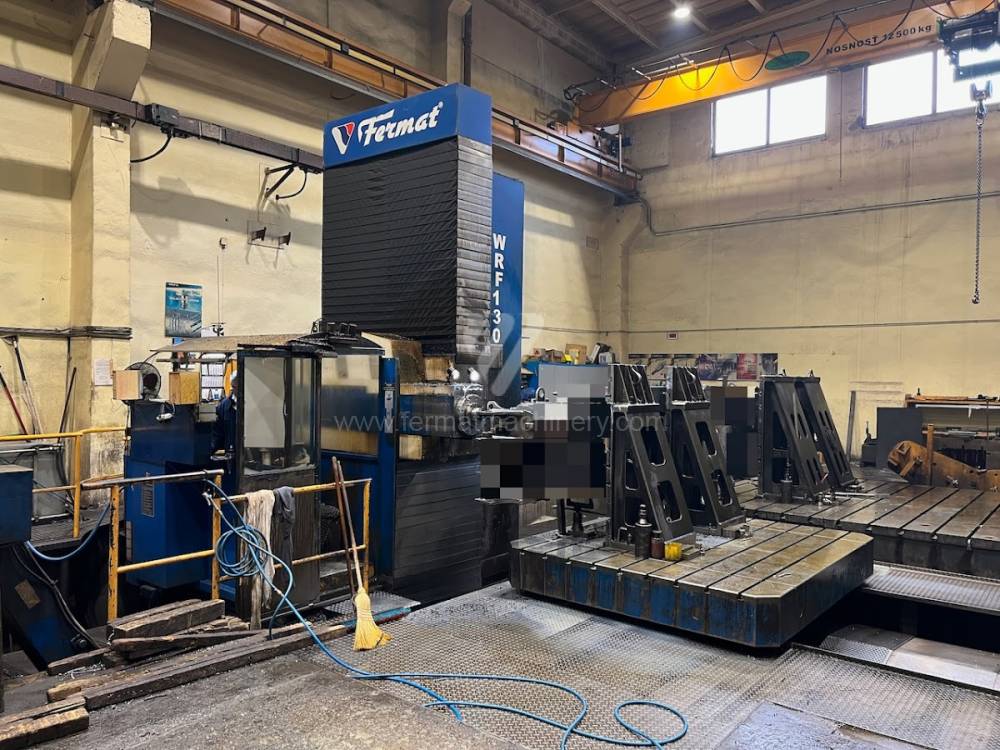
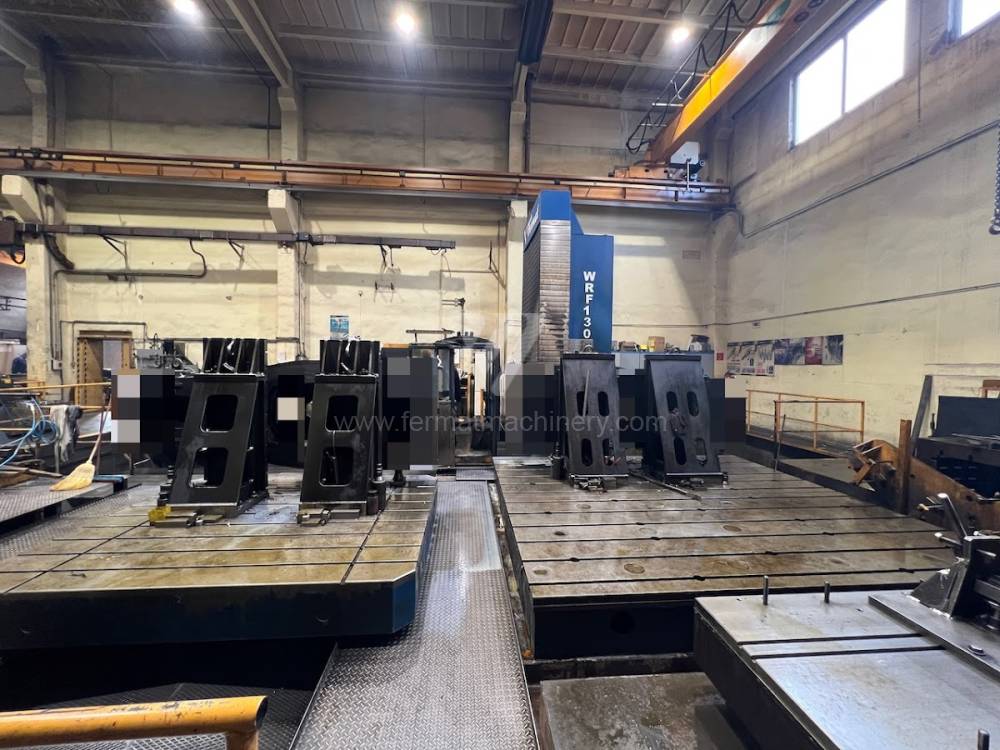
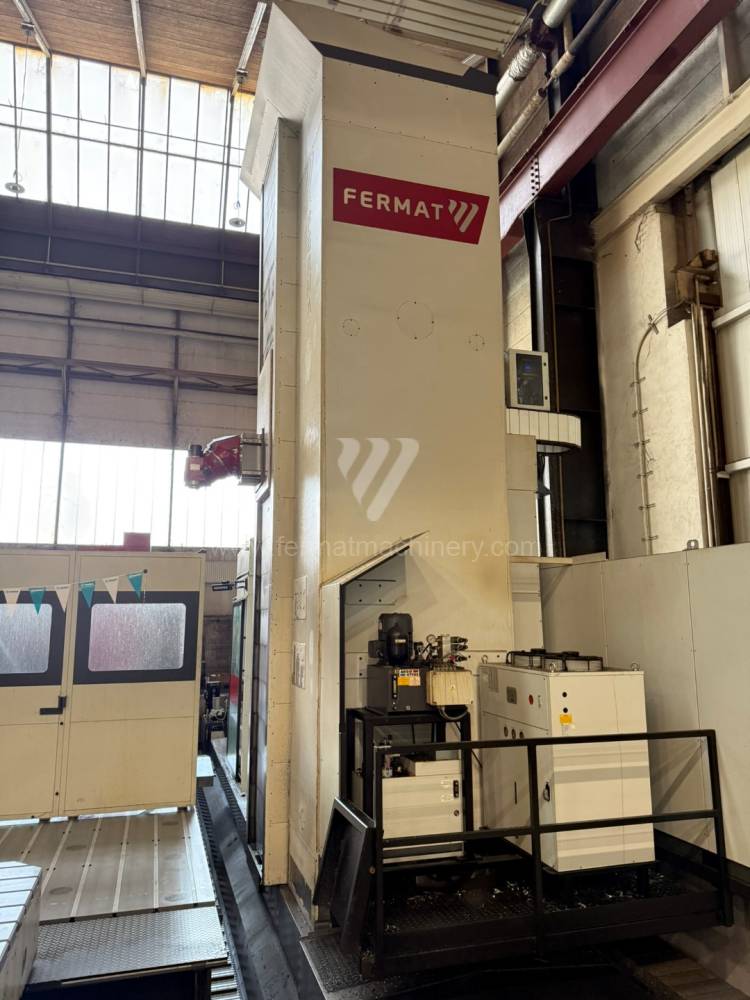
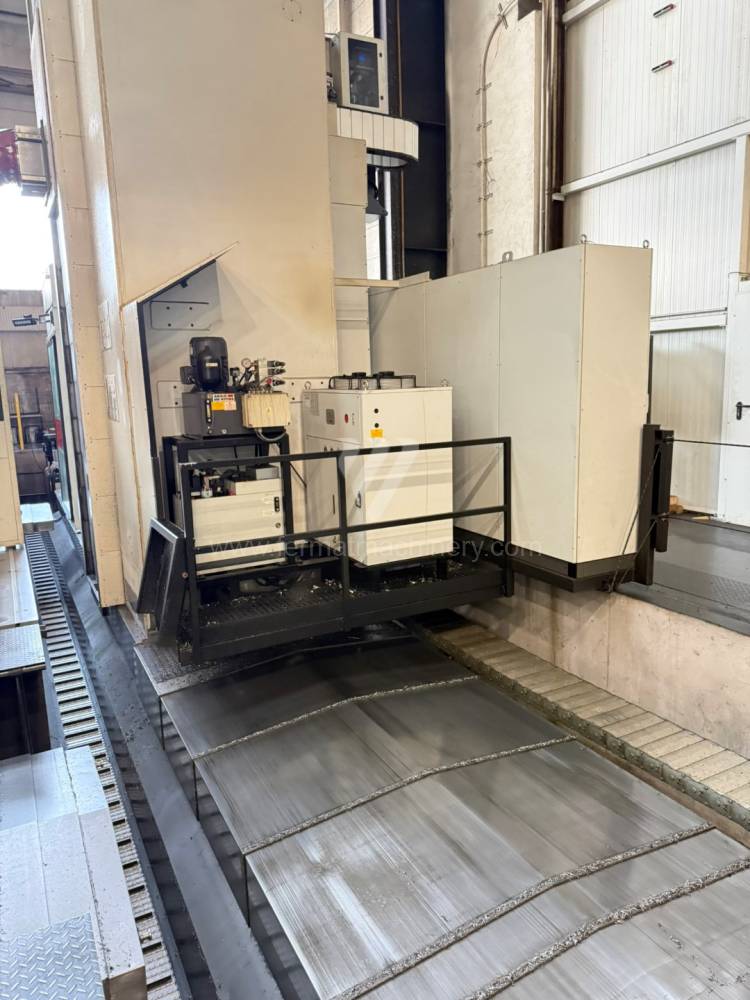
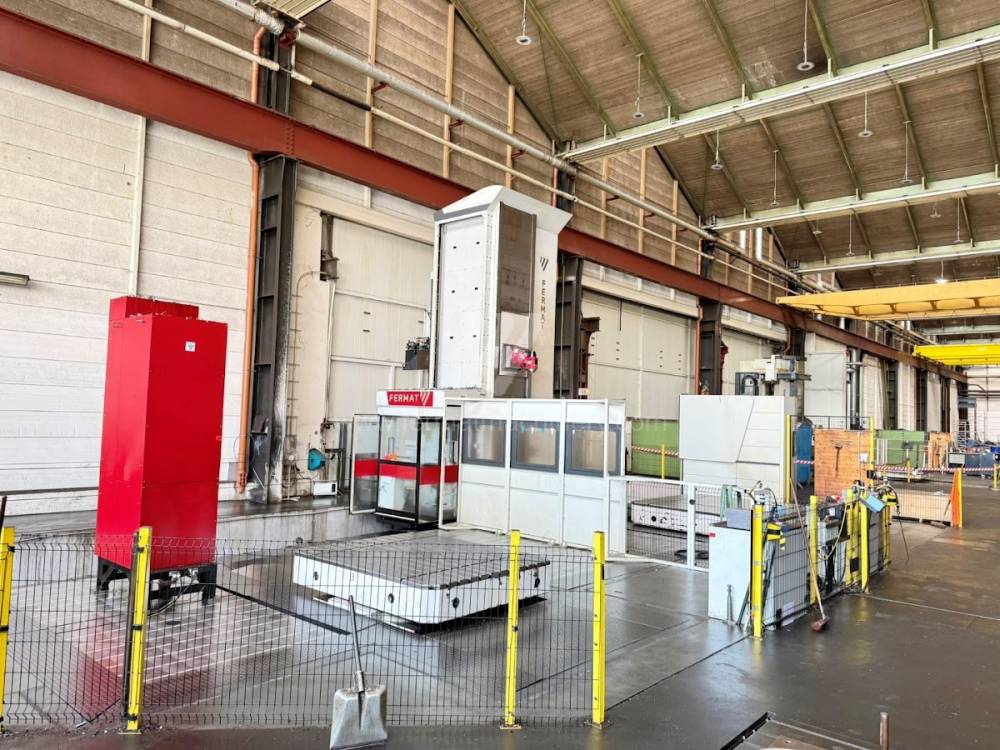
WRF 130 CNC |
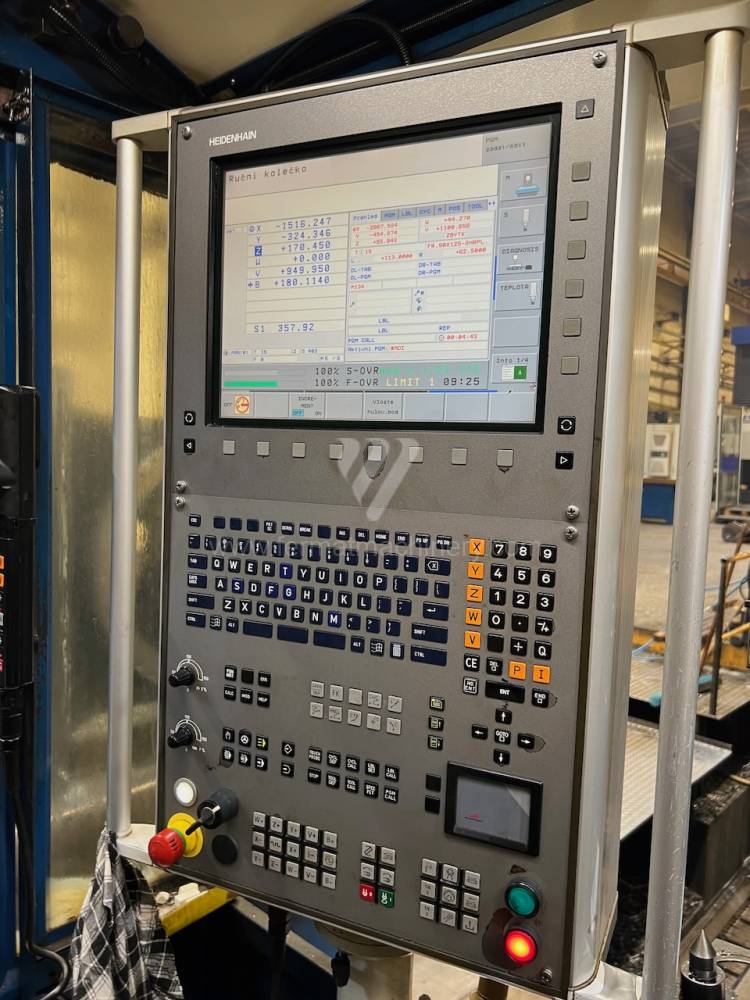
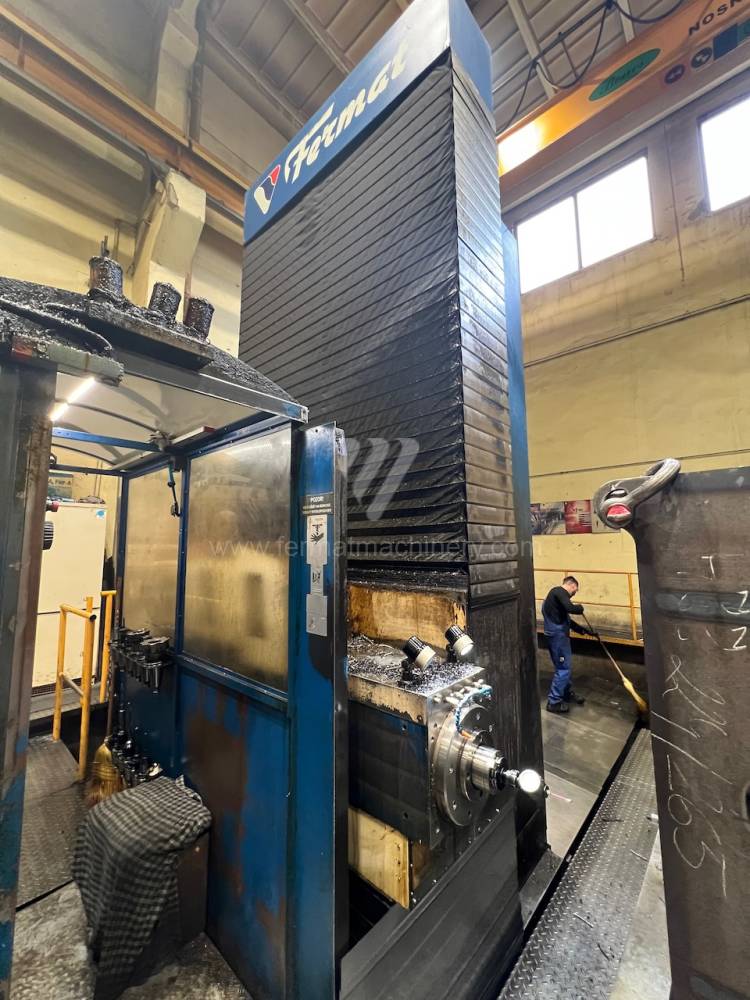
231250 | Fermat | 2008 | Система управления Heidenhain: TNC 530 Рабочий диаметр шпинделя: 130 mm Передвижение по оси X: 8000 mm Передвижение по оси Y: 3000 mm Обороты шпинделя: 10 - 3000 /min. Выдвижение шпинделя (W): 730 mm |
|
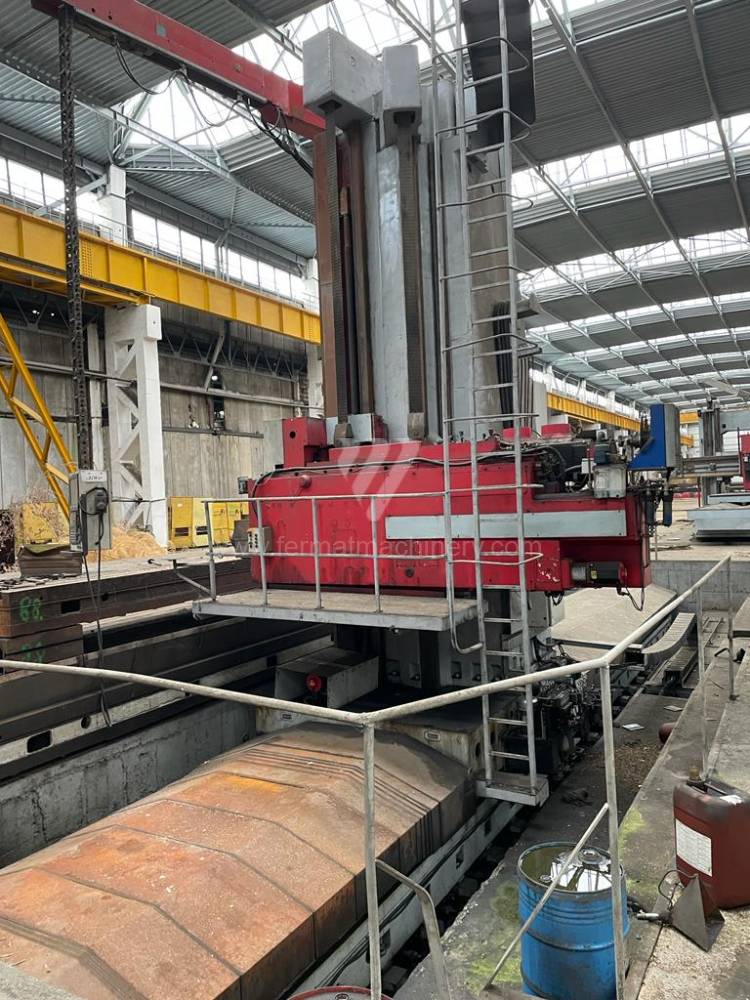 |
AFP 180 |
221138 | Titan | 2009 | Система управления Fanuc: Fanuc 32i Рабочий диаметр шпинделя: 180 mm Передвижение по оси X: 9130 mm Передвижение по оси Y: 3980 mm Перемещение по оси Z: 1900 mm/min Ось W: 1200 mm |
|
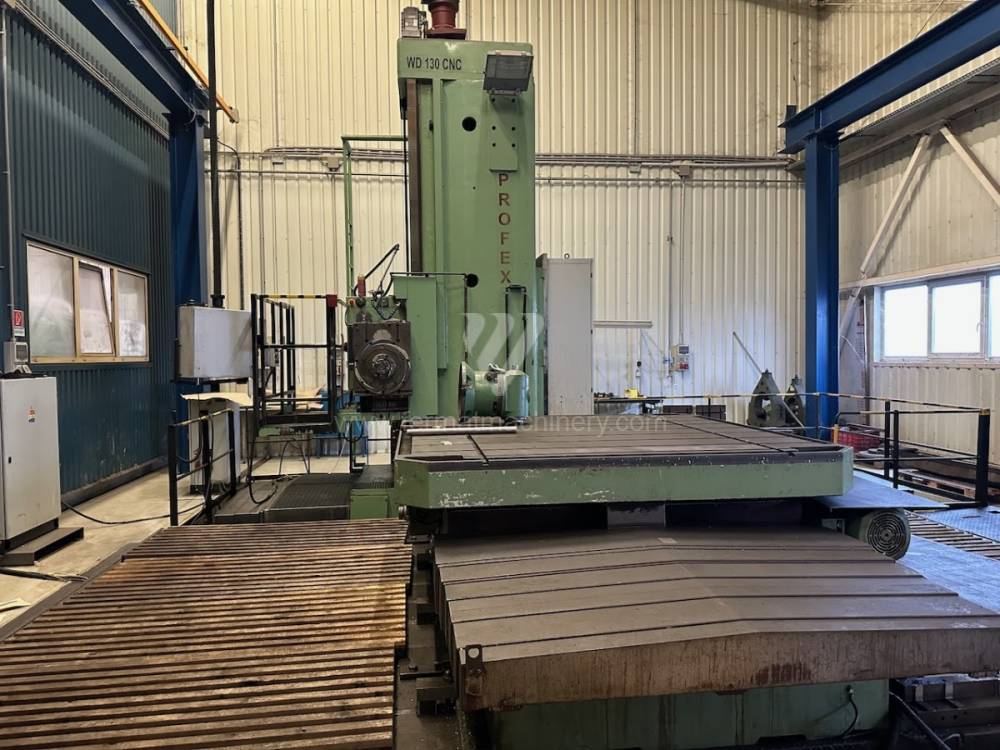 |
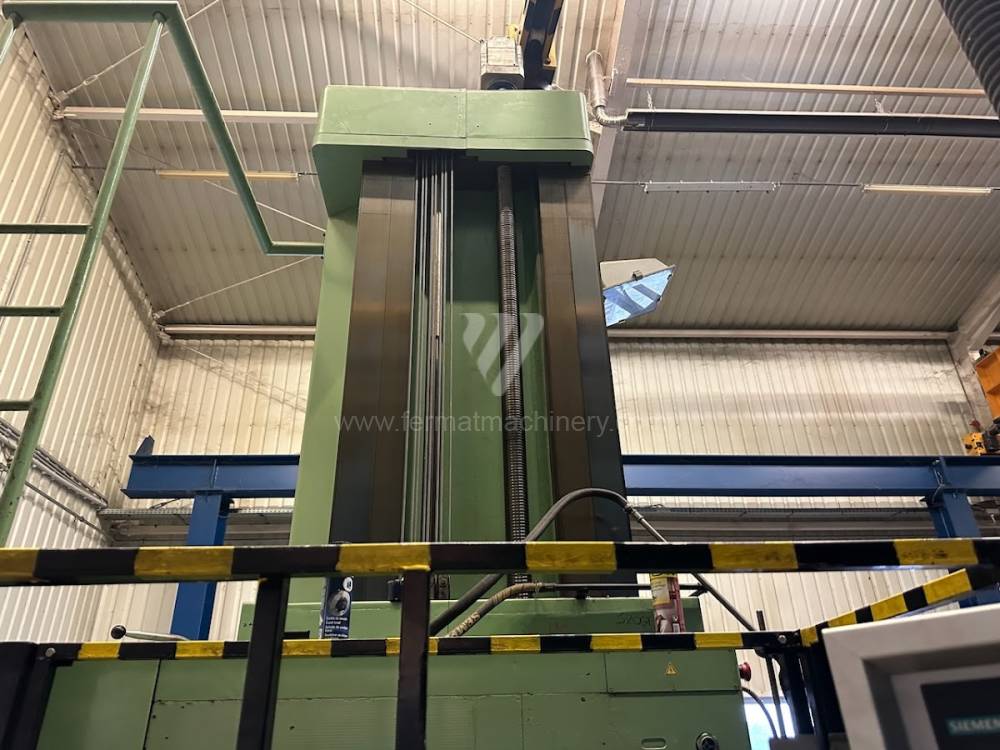
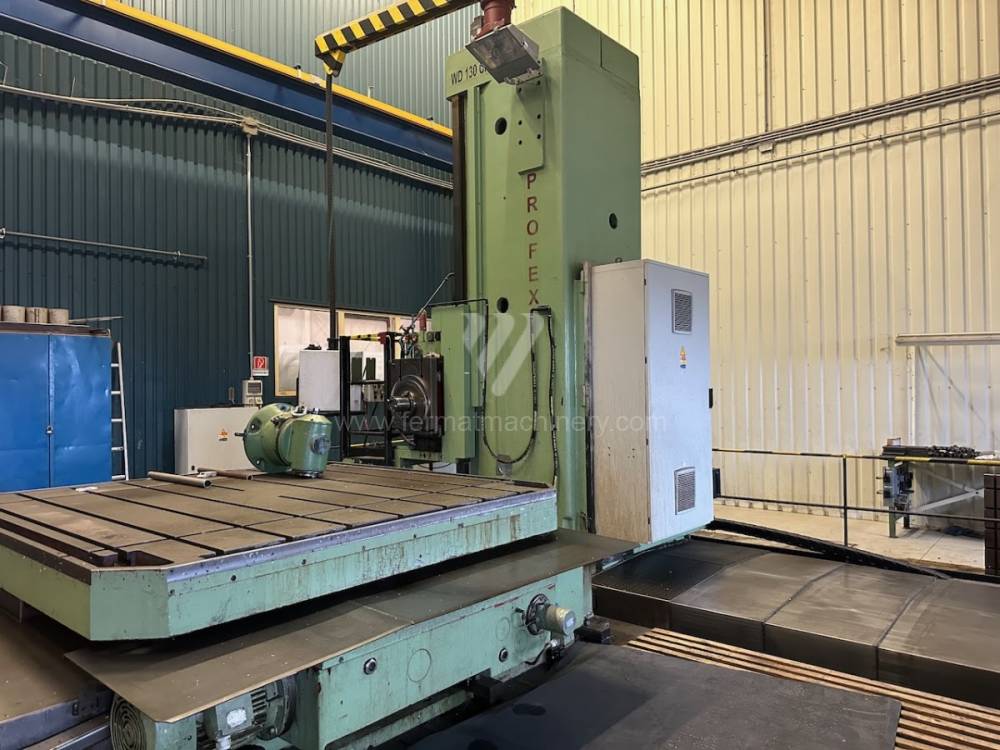
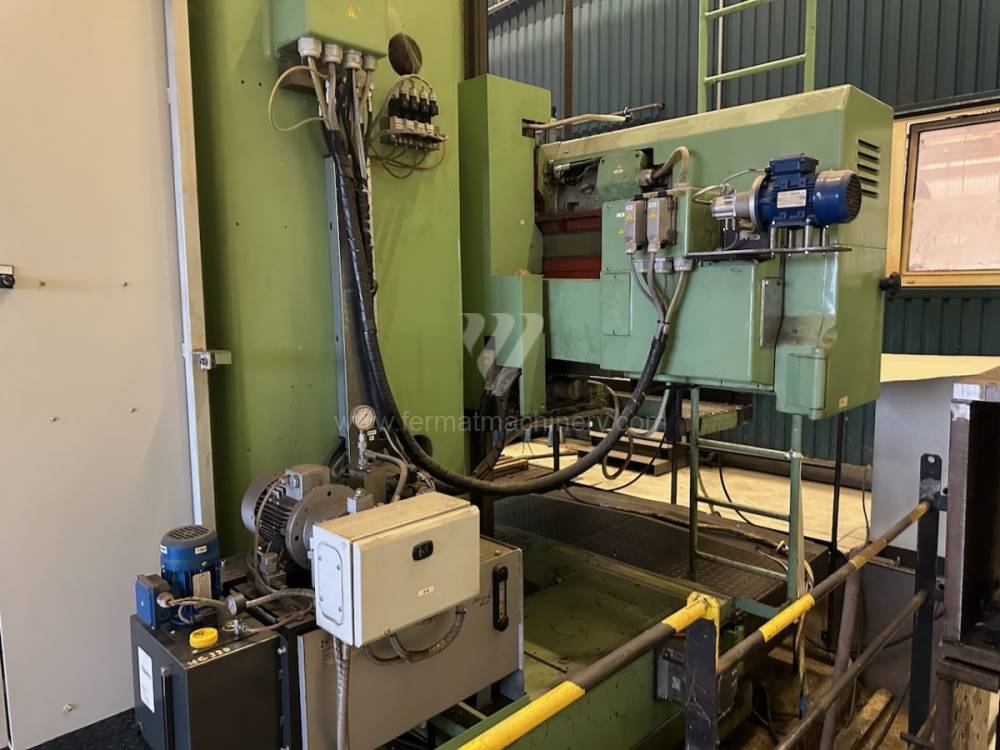
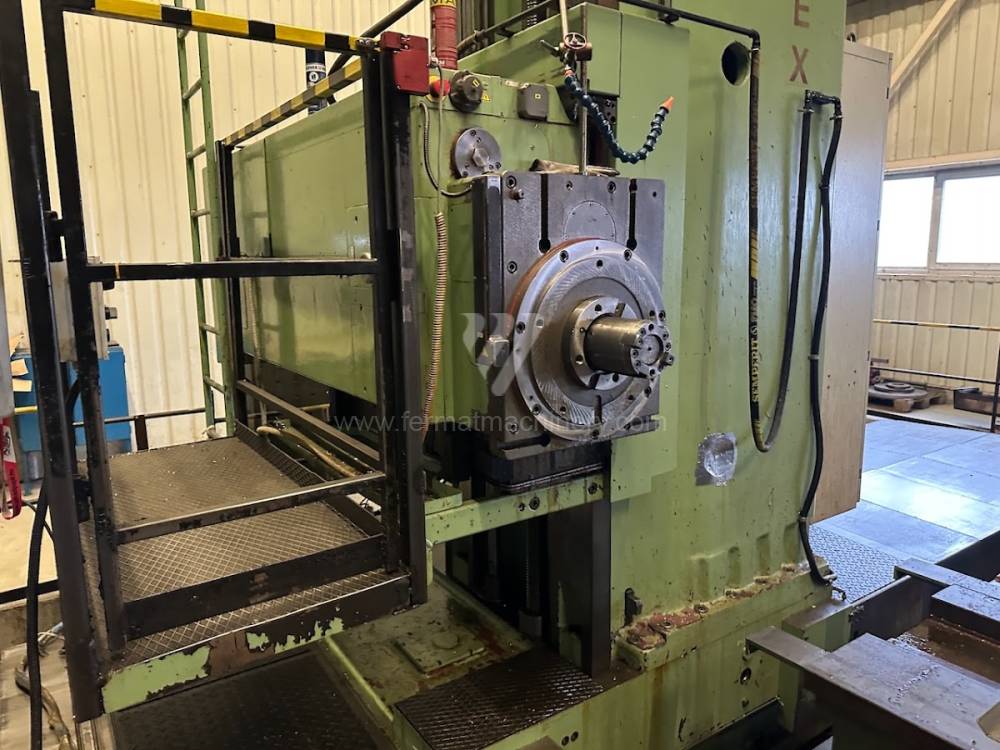
WD 130 A CNC |
242016 | TOS Hulín | Система управления Siemens: 802 D si Рабочий диаметр шпинделя: 130 mm Передвижение по оси X: 3200 mm Передвижение по оси Y: 2300 mm Обороты шпинделя: 2 - 1000 /min. Выдвижение шпинделя (W): 1120 mm |
||
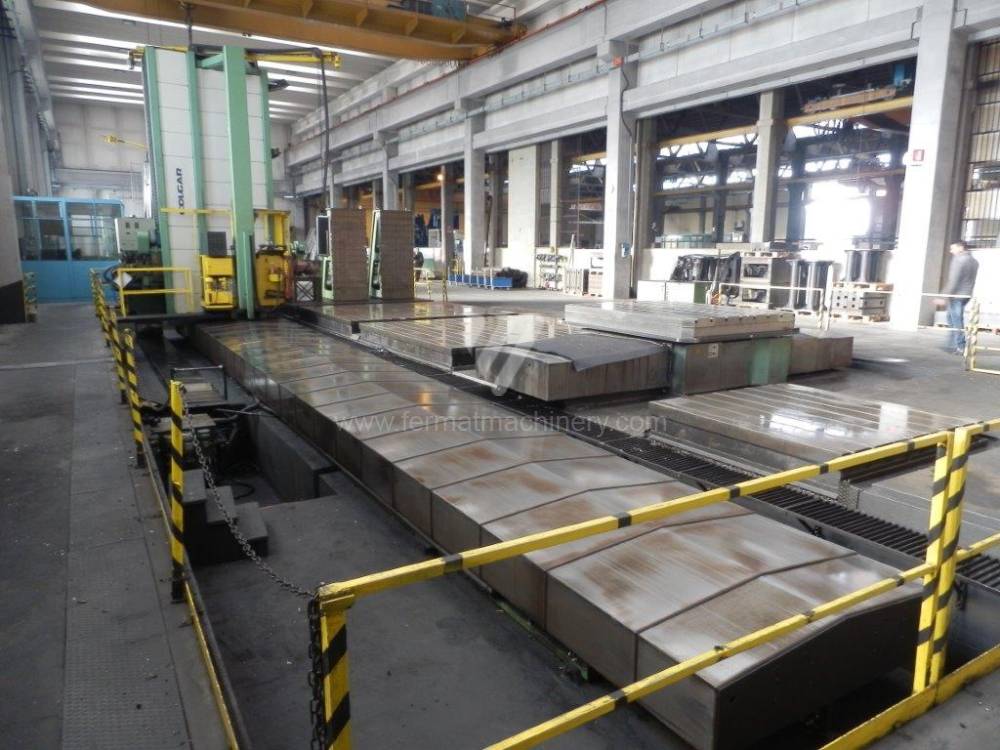 |
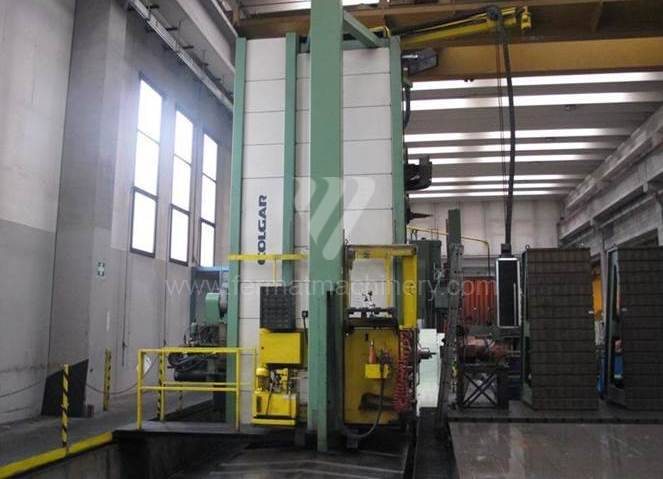
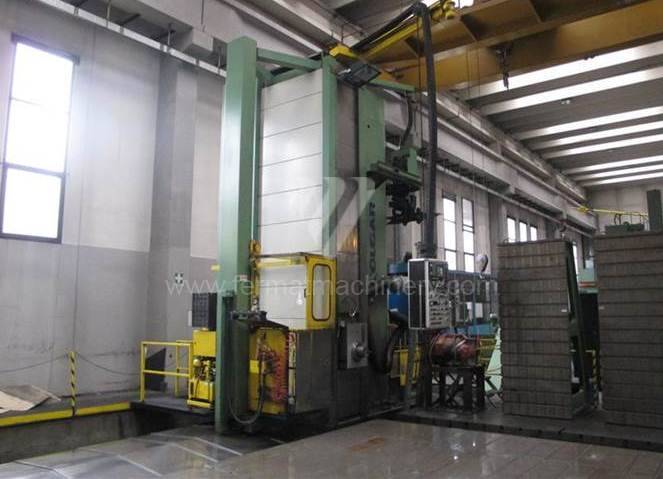
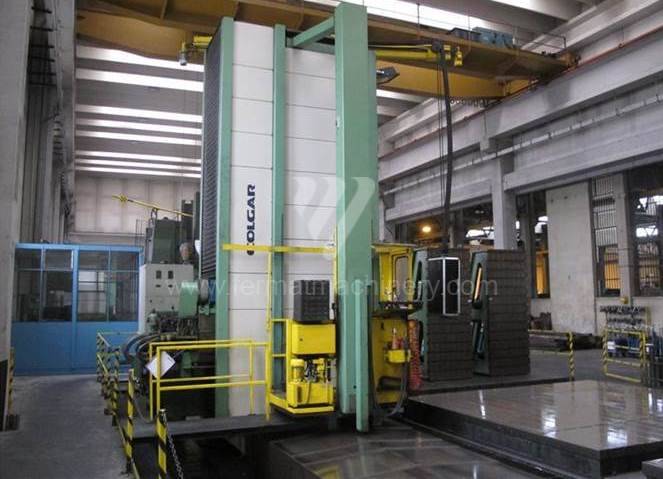
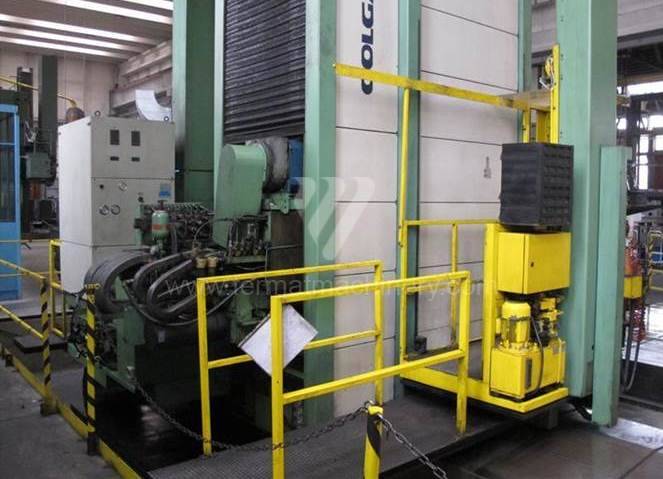
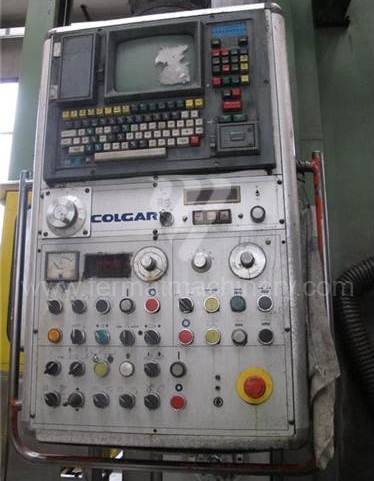
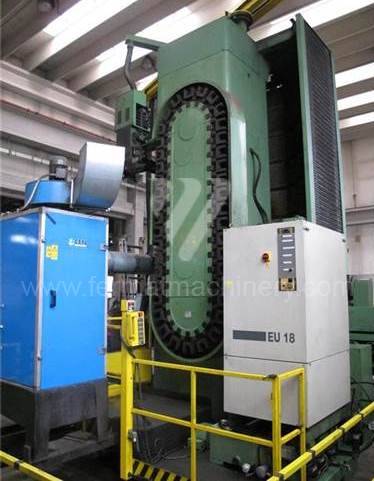
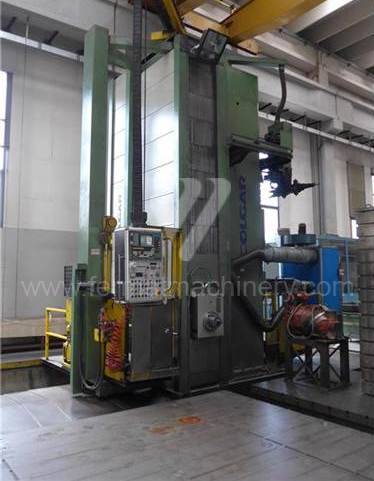
FRAL 70C16 |
241059 | Colgar International S.r.l. | 1989 | Система управления ECS: Рабочий диаметр шпинделя: 160 mm Передвижение по оси X: 15500 mm Передвижение по оси Y: 1000 mm Обороты шпинделя: 0 - 1500 /min. Выдвижение шпинделя (W): 800 mm |
|
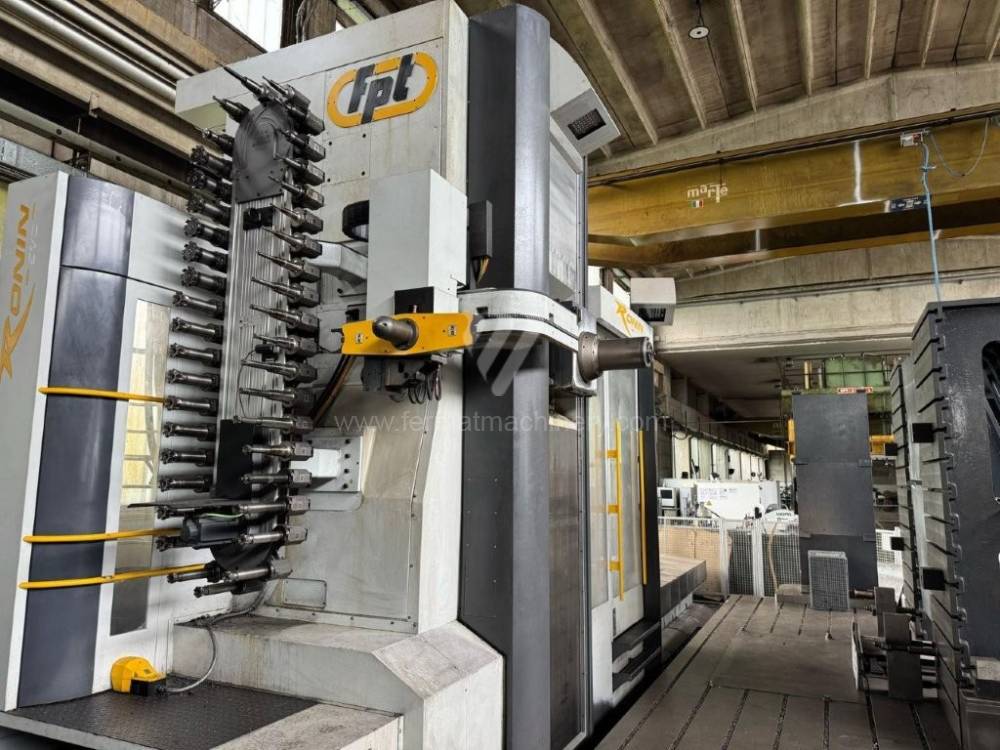 |
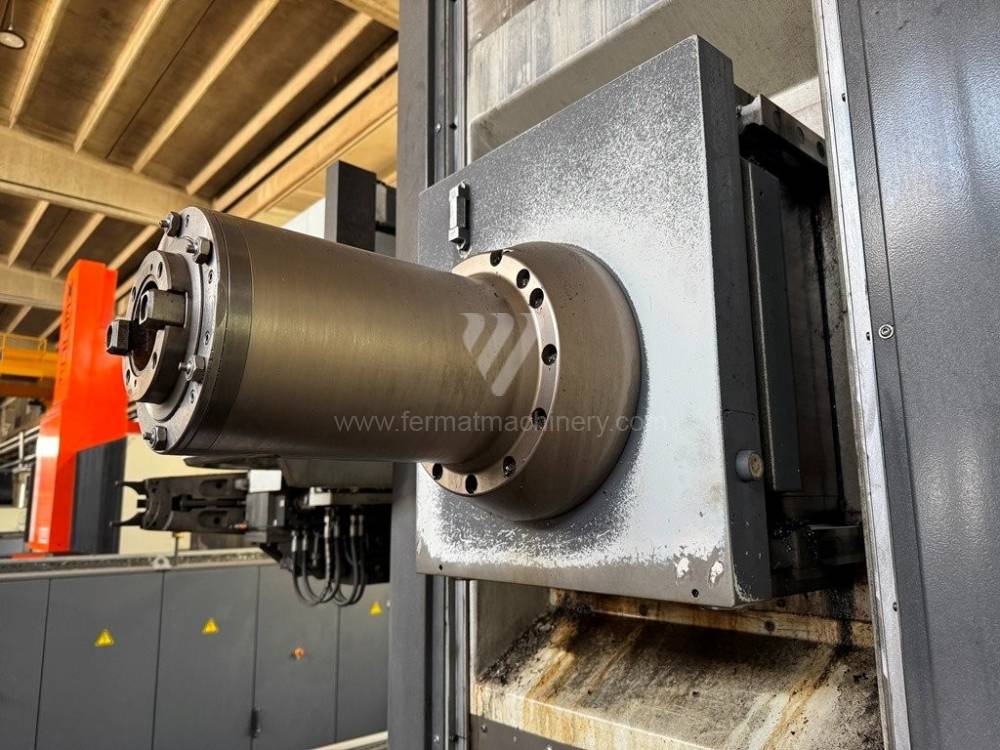
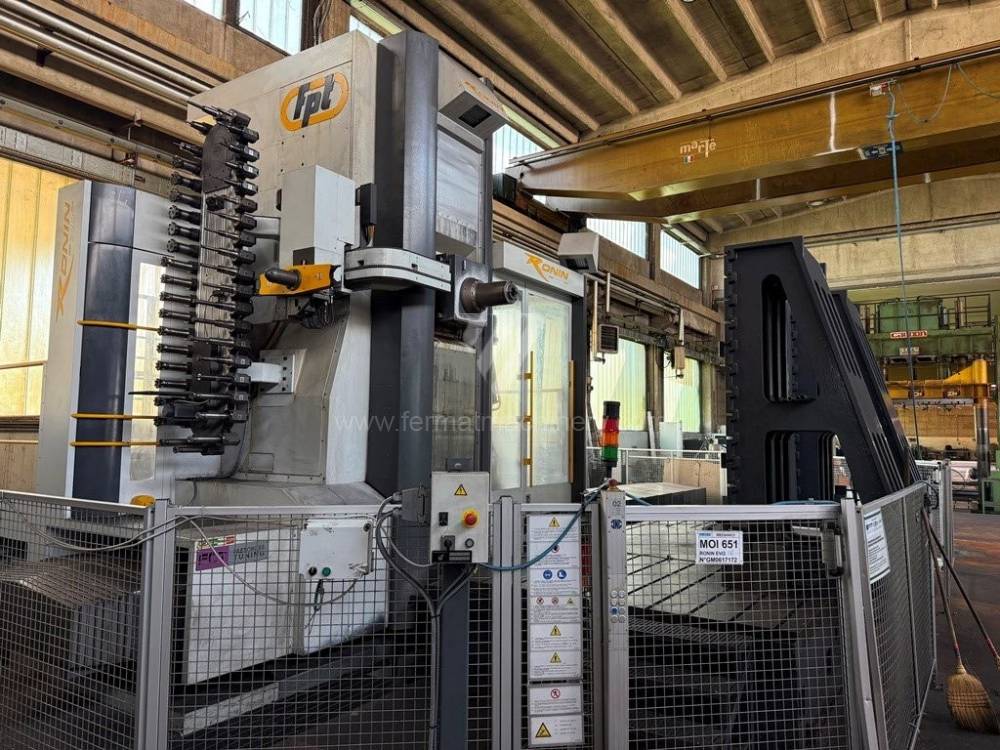
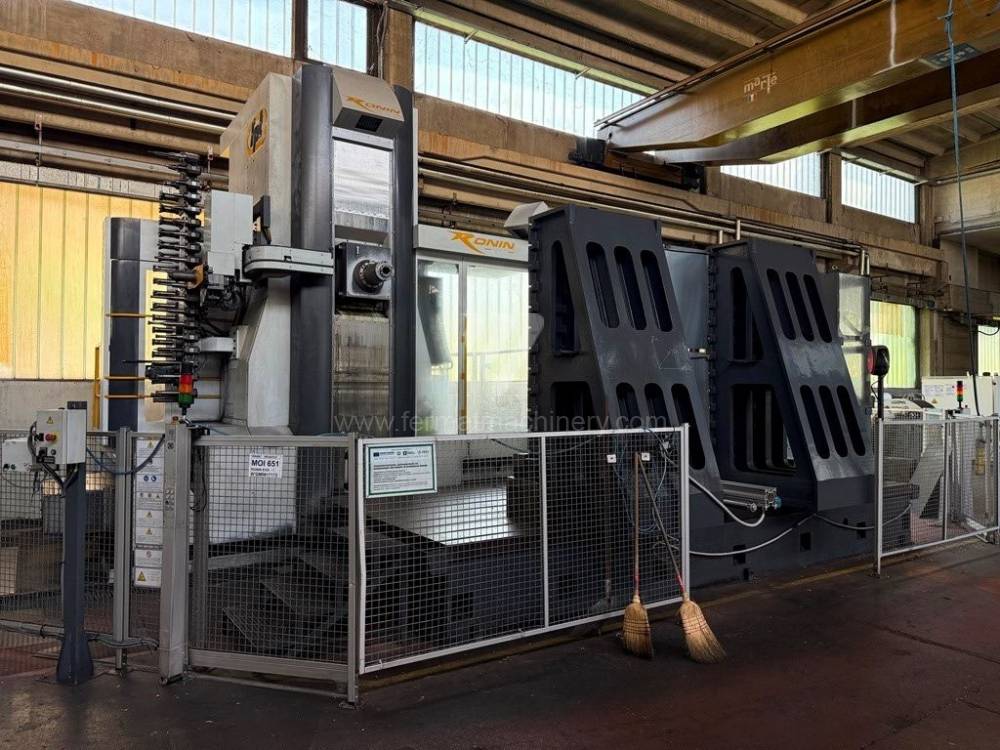
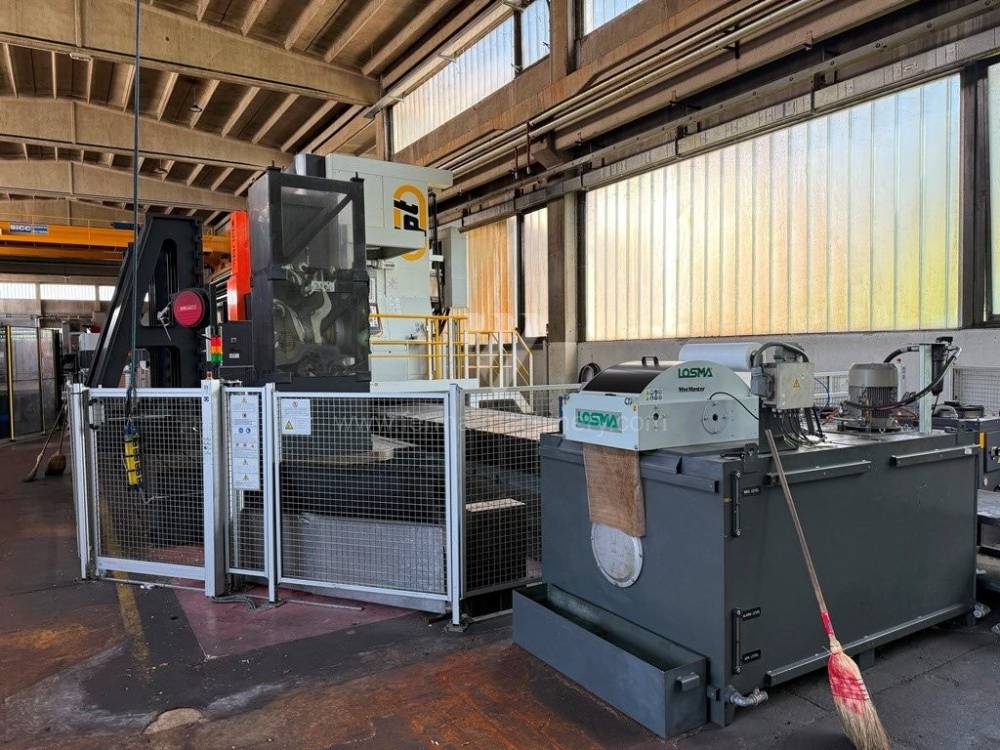
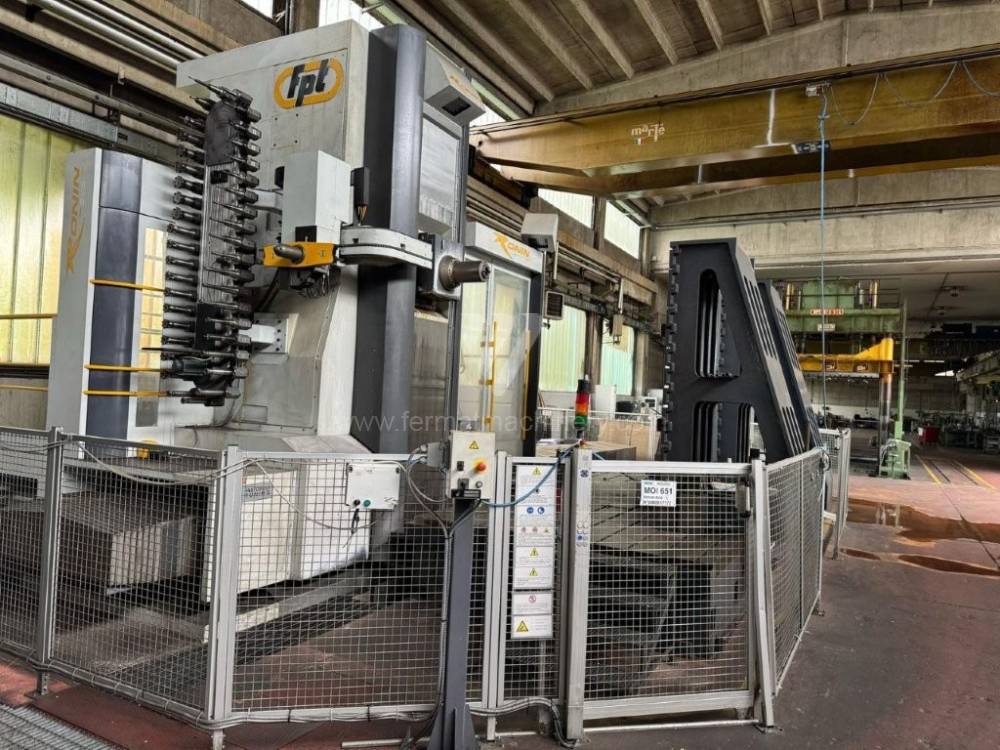
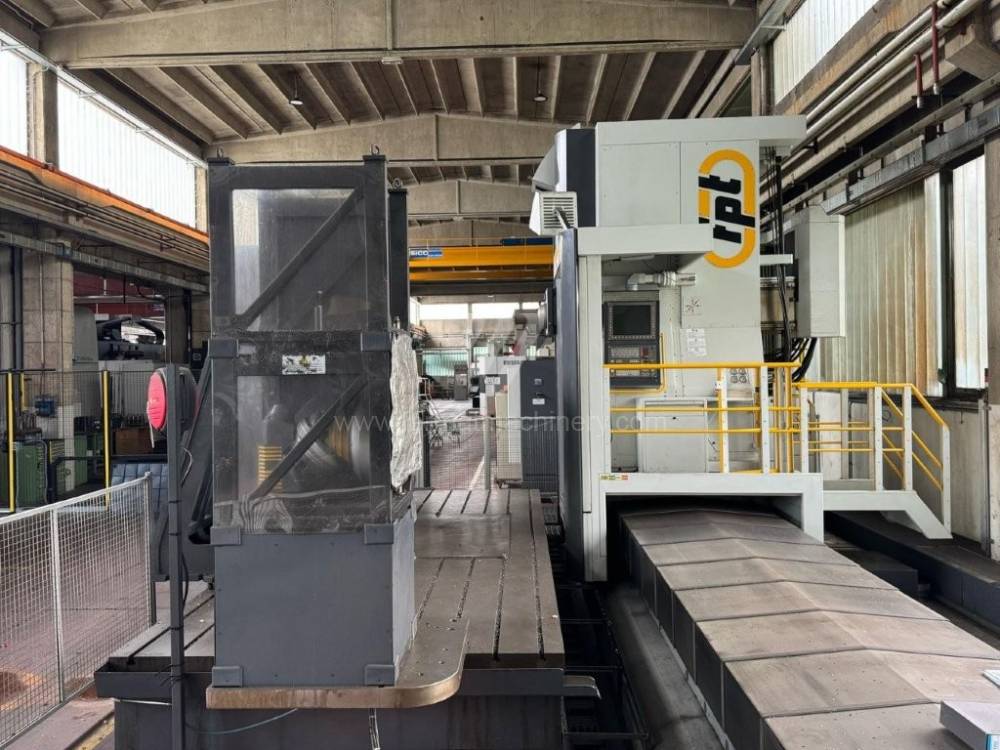
Ronin |
251515 | FPT INDUSTRIE S.p.A. | 2018 | Система управления Heidenhain: TNC 640 Рабочий диаметр шпинделя: mm Передвижение по оси X: 6000 mm Передвижение по оси Y: 2500 mm Обороты шпинделя: 0 - 5000 /min. Выдвижение шпинделя (W): mm |
|
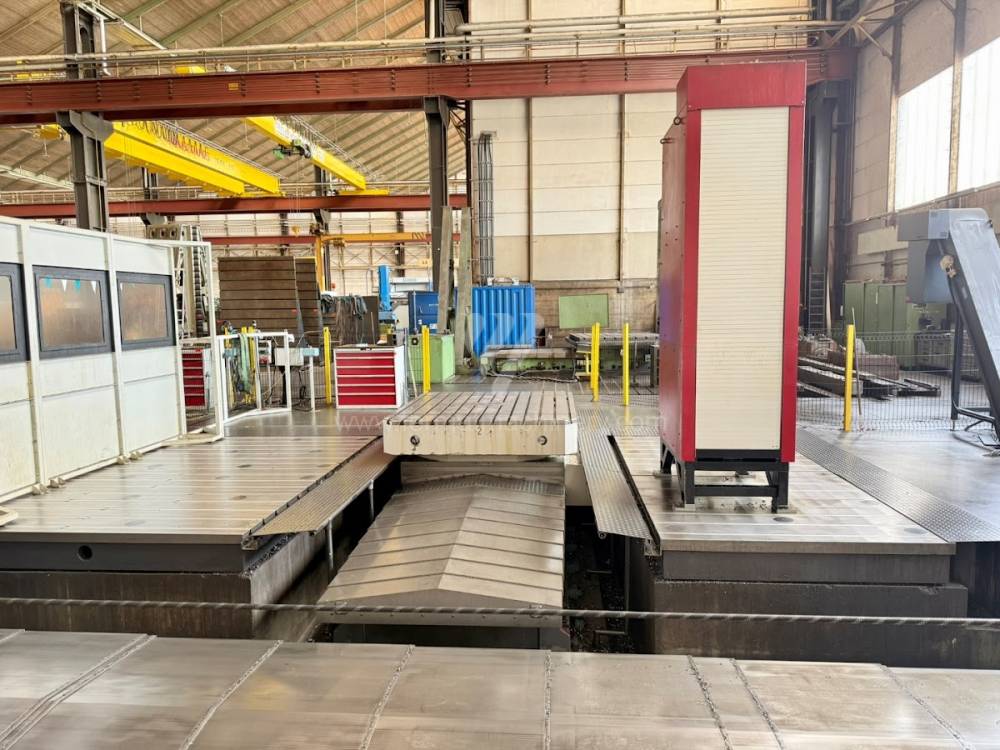 |
WRF Mill CNC |
261370 | Fermat | 2017 | Система управления Heidenhain: TNC 640 Рабочий диаметр шпинделя: mm Передвижение по оси X: 14100 mm Передвижение по оси Y: 5000 mm Обороты шпинделя: 0 - 5000 /min. Выдвижение шпинделя (W): mm |
|
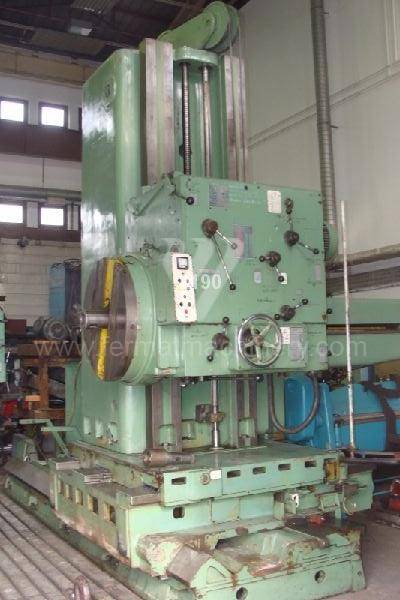 |
BFP 125/III |
141498 | UNION | 1980 | Рабочий диаметр шпинделя: 125 mm Передвижение по оси X: 2500 mm Передвижение шпин. бабки по колонне (y): 1600 mm Выдвижение шпинделя (W): 1120 mm Инструментальный конус в шпинделе: MK7 . Мощность гл. электромотора: 17 kW |
|
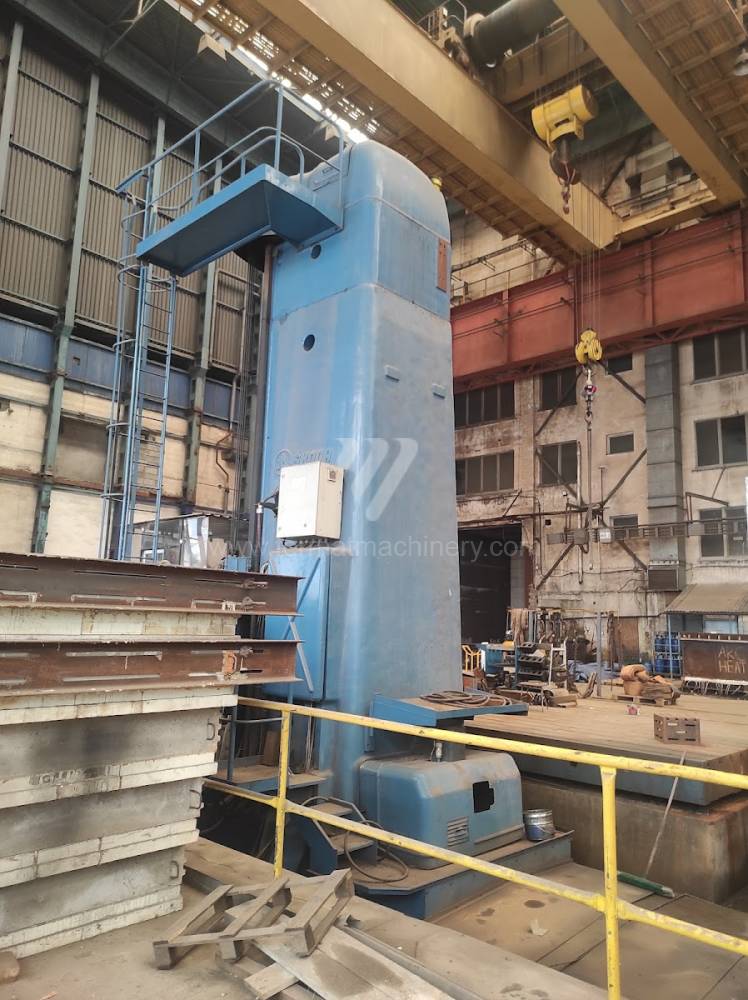 |
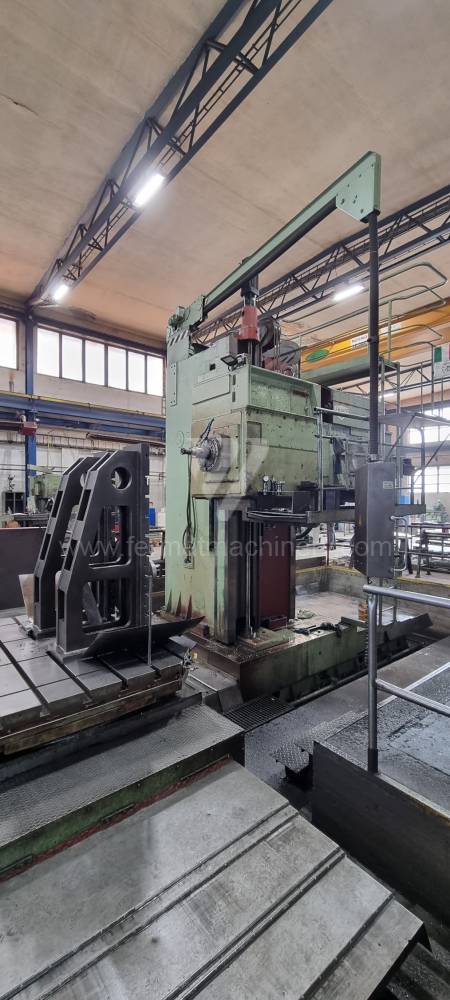
W 160 |
251445 | ŠKODA MACHINE TOOL a.s. | 1970 | Система управления Siemens: Sinumerik 840 C Мощность гл. электромотора: 6-55 kW Передвижение по оси X: 12500 mm Передвижение по оси Y: 4149 mm Передвижение по оси Z: 1600 mm Ось W: 1600 mm |
|
 |
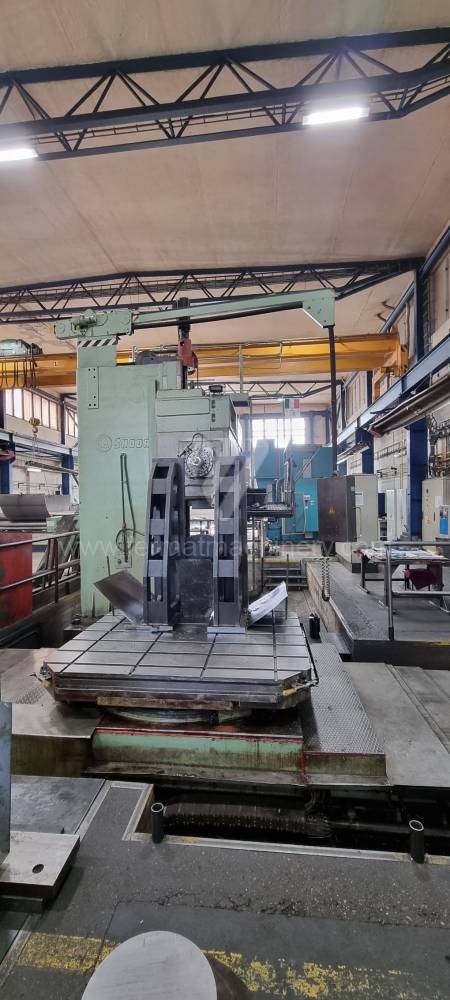
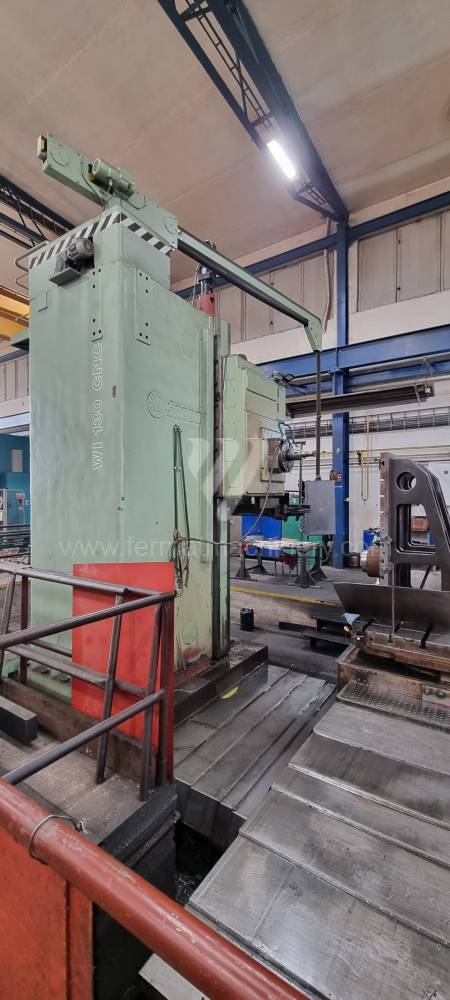
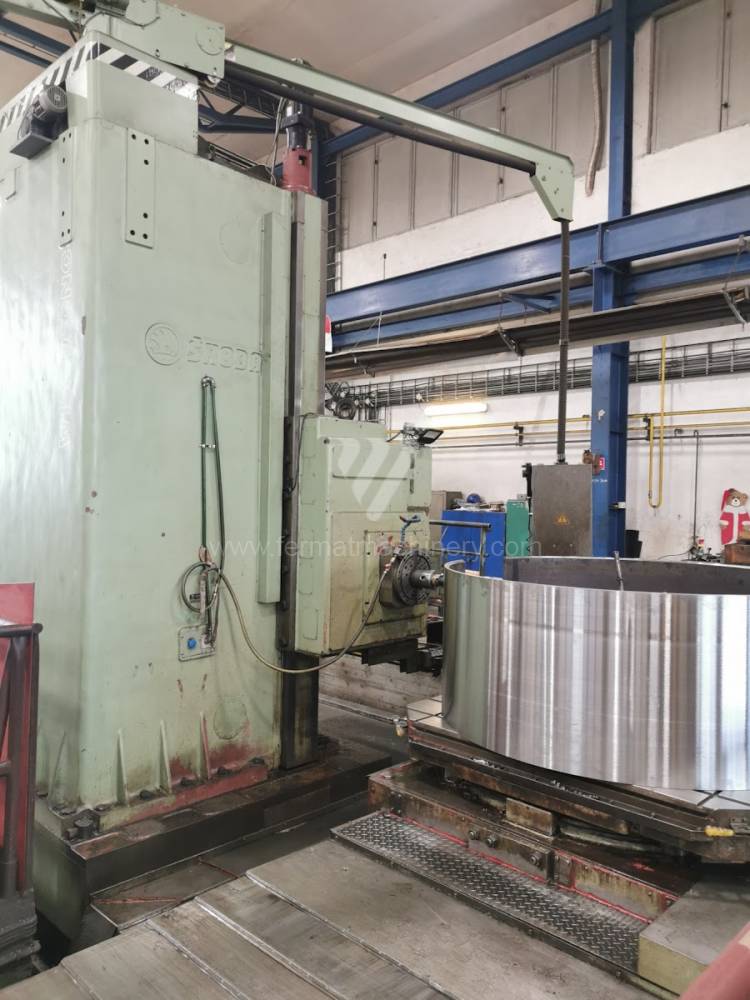
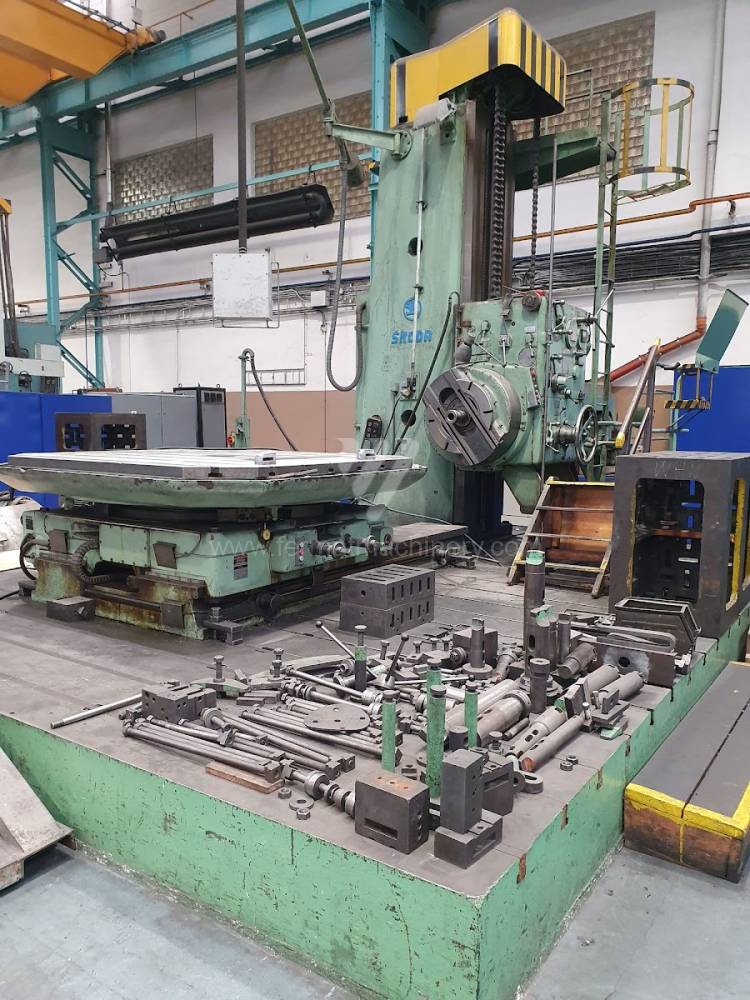
WI 130 CNC |
231050 | ŠKODA MACHINE TOOL a.s. | Система управления Heidenhain: TNC 426 Рабочий диаметр шпинделя: 130 mm Передвижение по оси X: 1900 mm Передвижение по оси Y: 1980 mm Обороты шпинделя: 2 - 900 /min. Выдвижение шпинделя (W): 1590 mm |
||
 |
HVF 160 D |
241231 | ŠKODA MACHINE TOOL a.s. | 1952 | Рабочий диаметр шпинделя: 160 mm Передвижение по оси X: 3000 mm Передвижение по оси Y: 2000 mm Обороты шпинделя: 2 - 450 /min. Выдвижение шпинделя (W): 1200 mm Охлаждение через центр шпинделя: Нет |
Technical Analysis: Ram Kinematics and Hydrostatic Stability
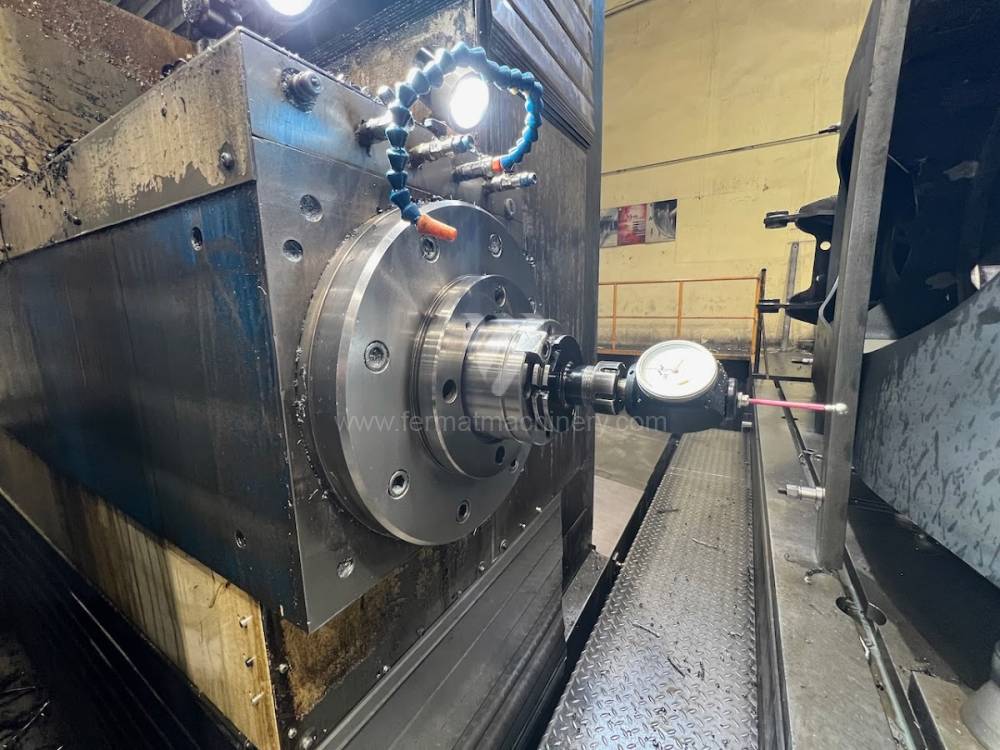
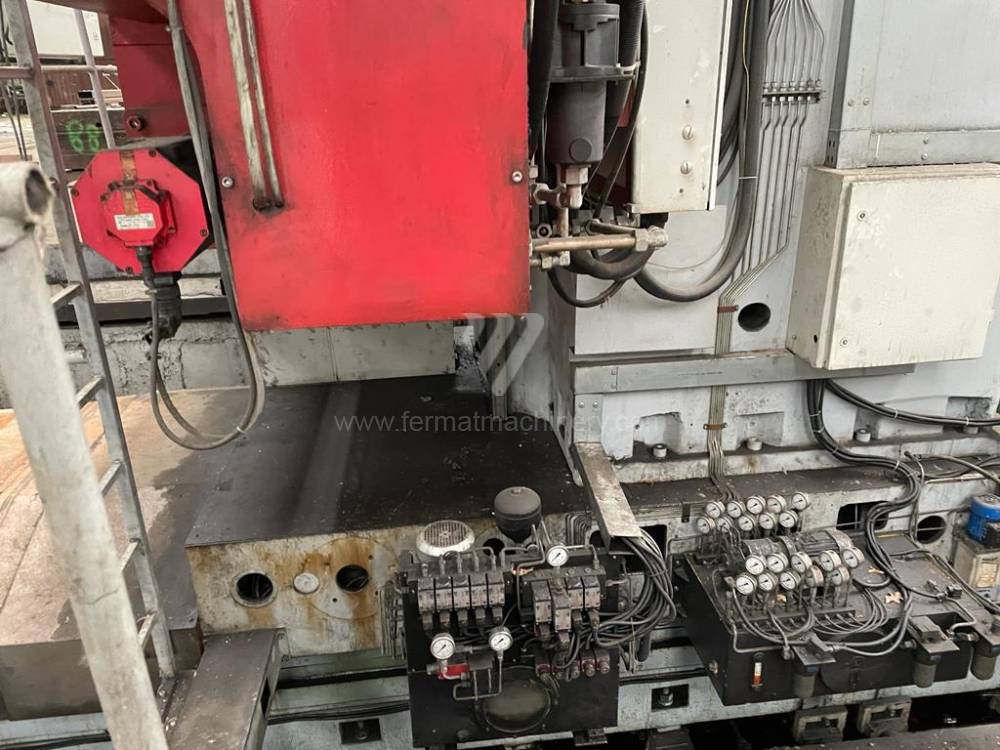
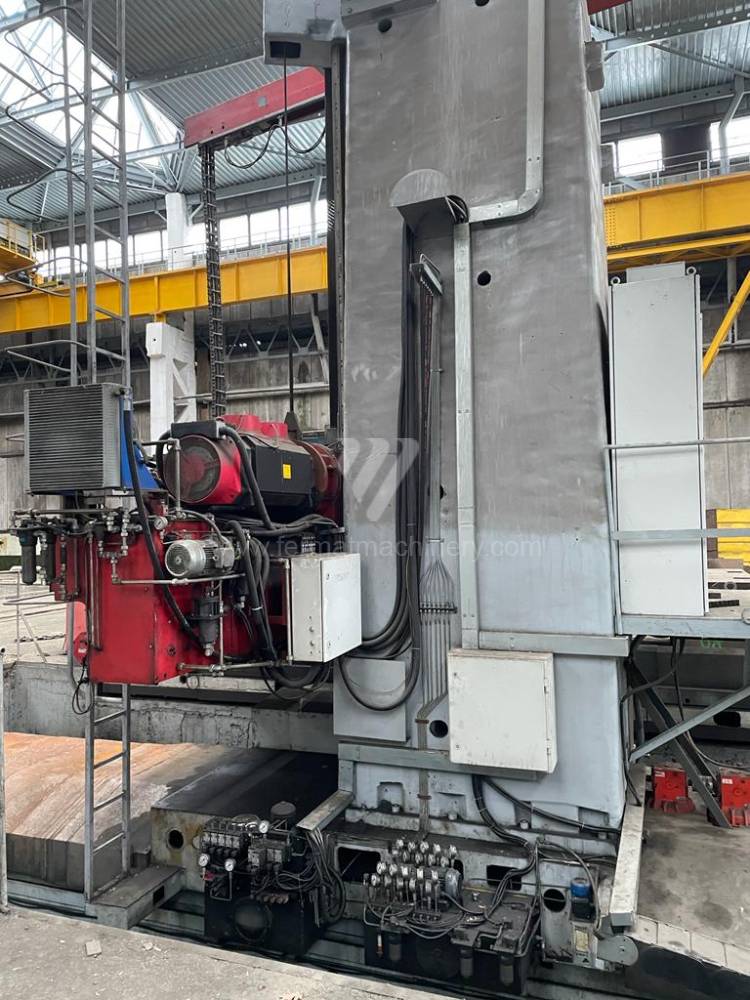
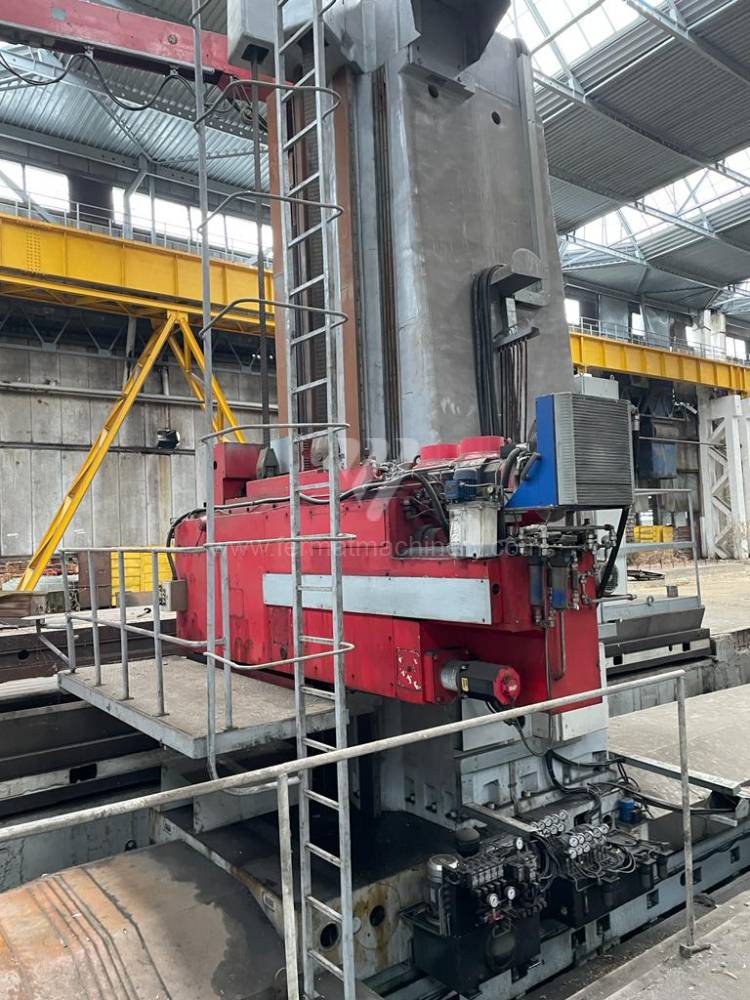
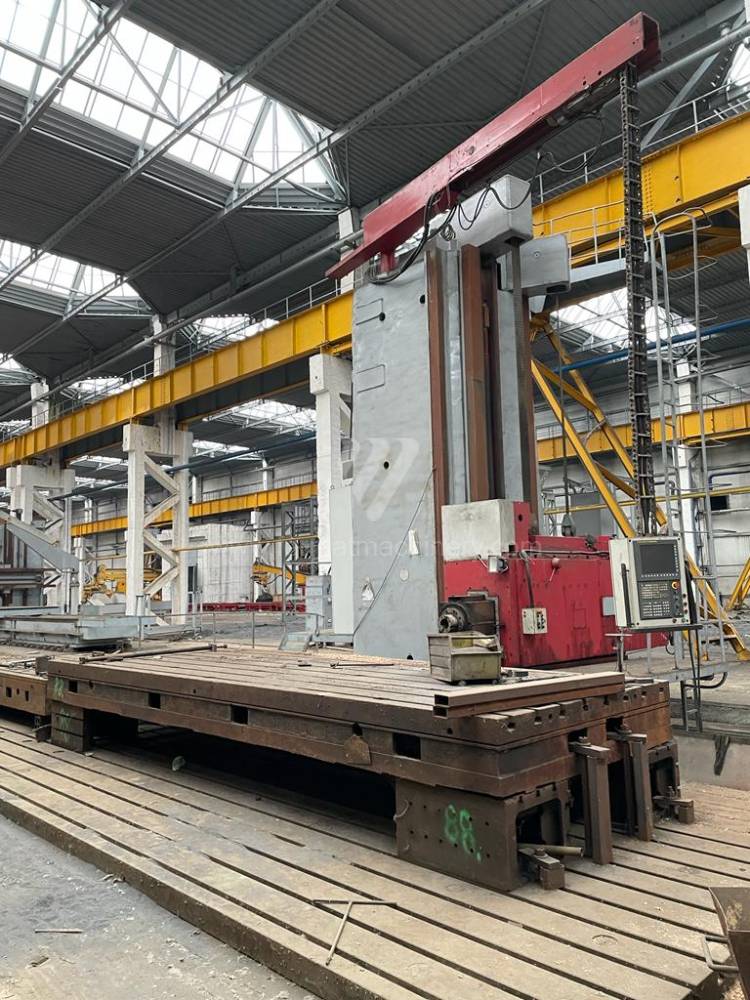
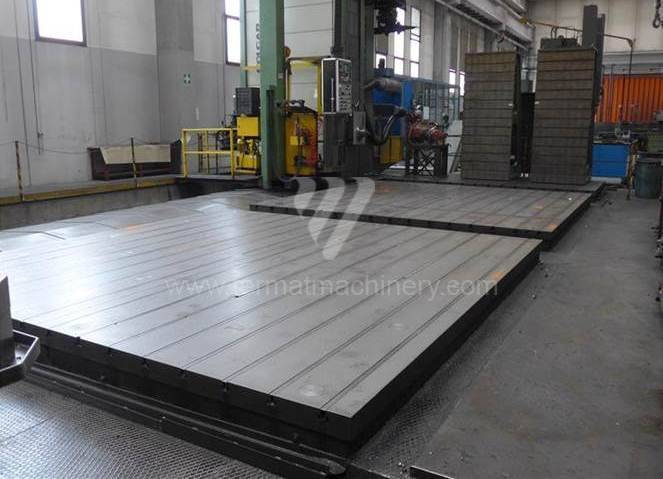
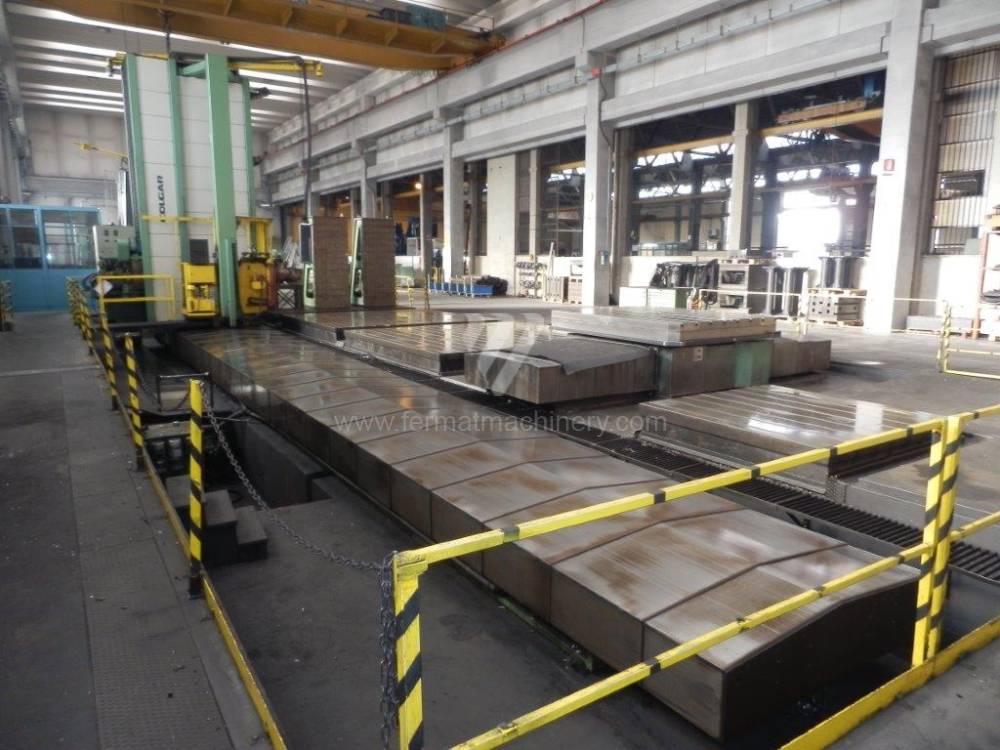
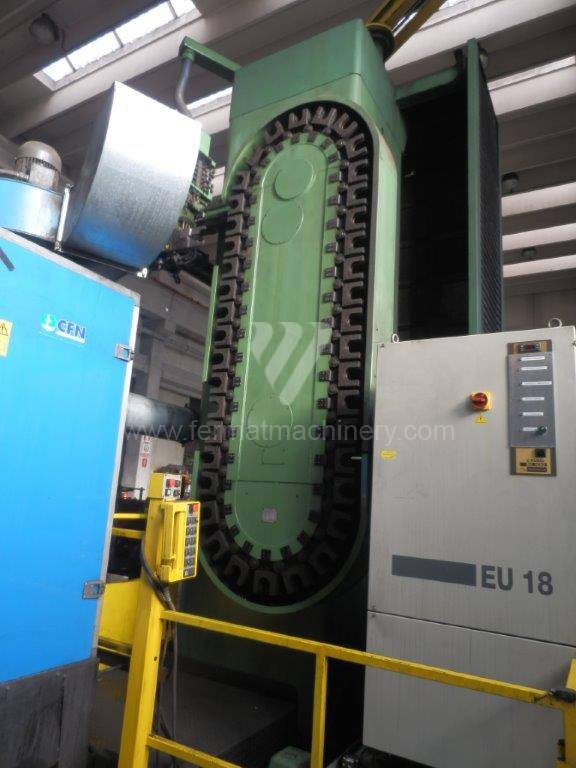
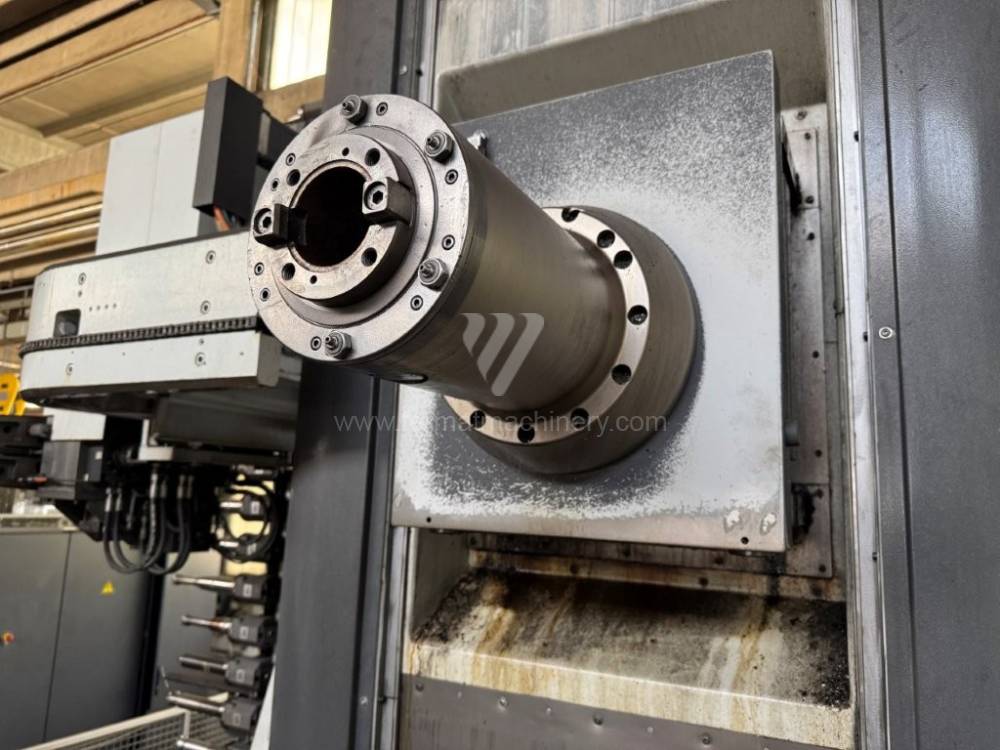
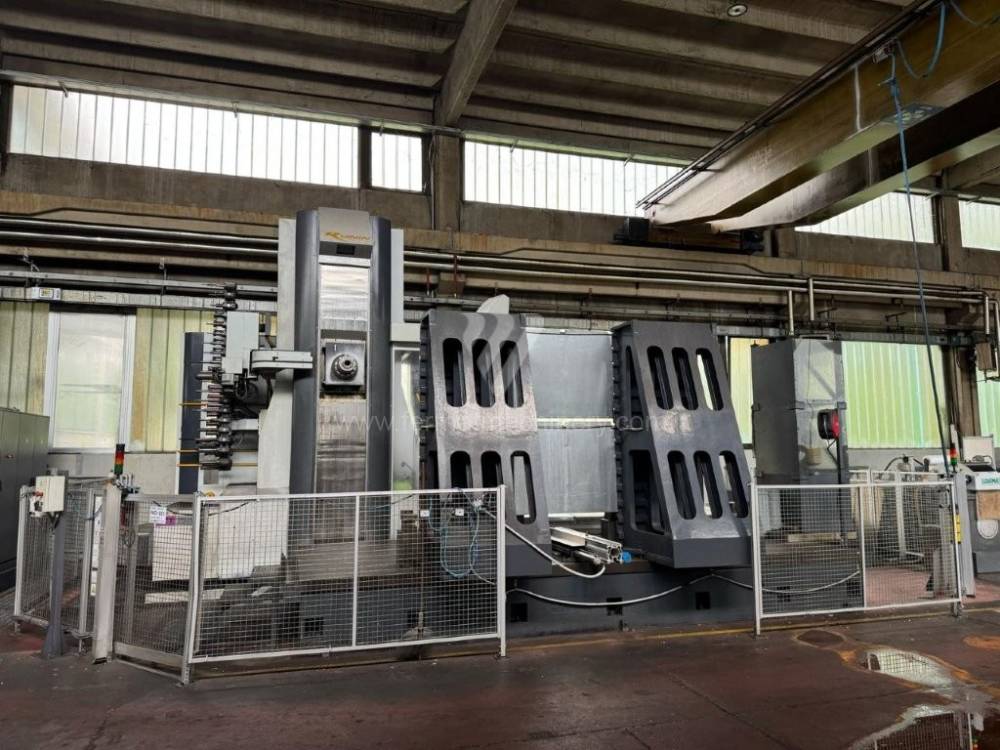
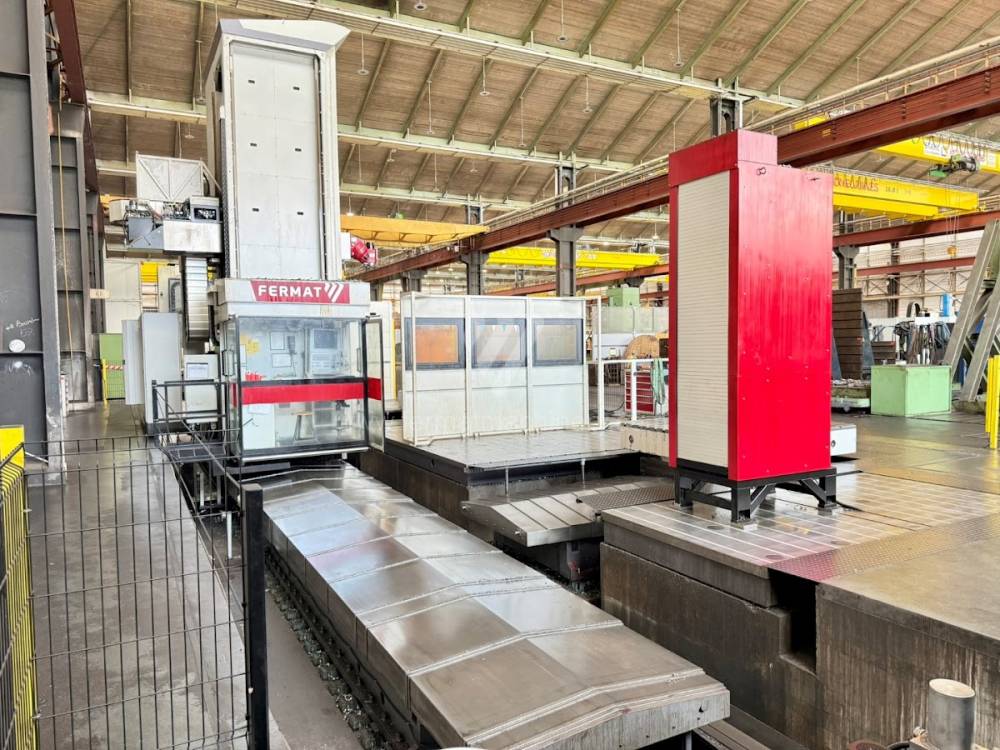
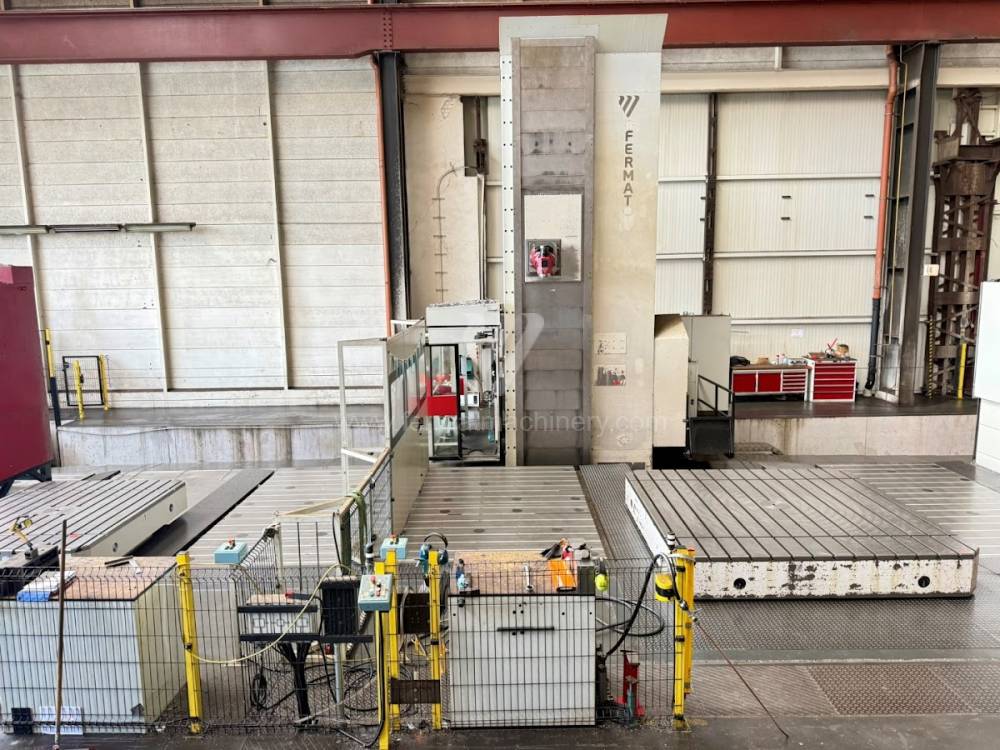
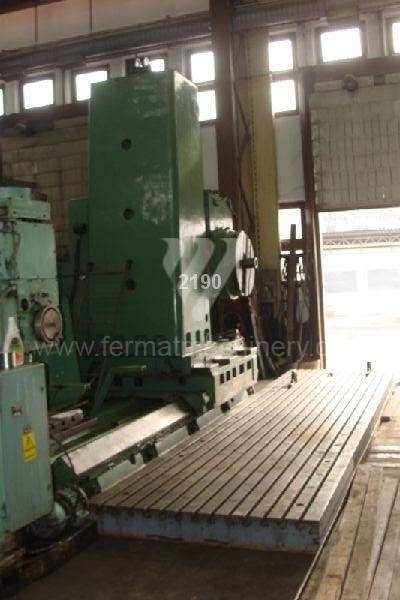
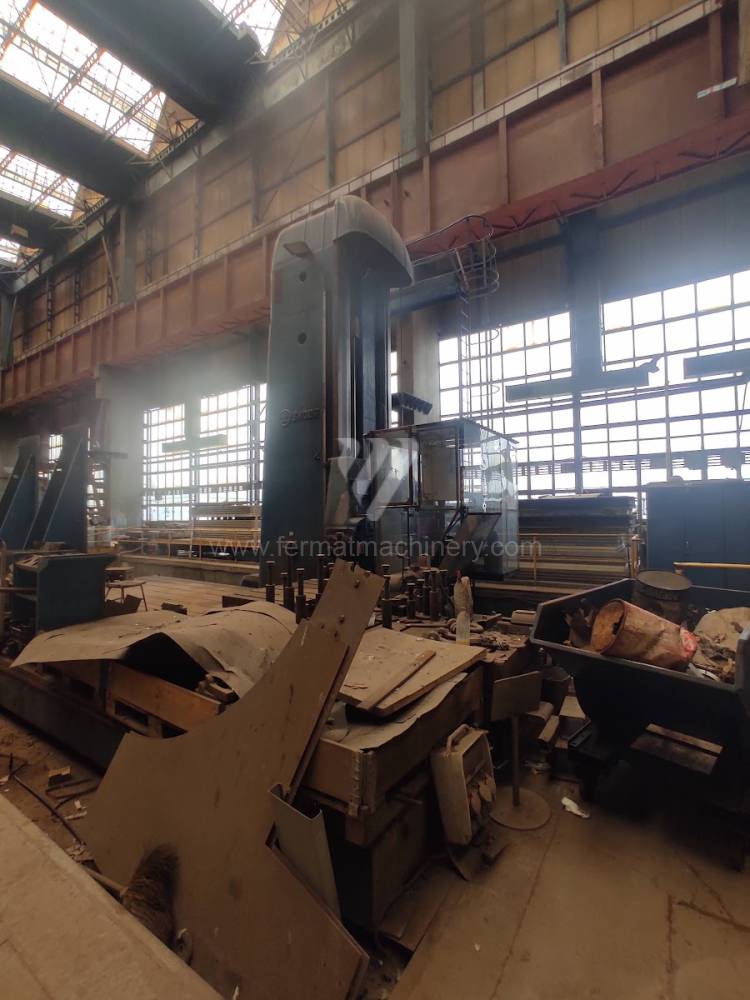
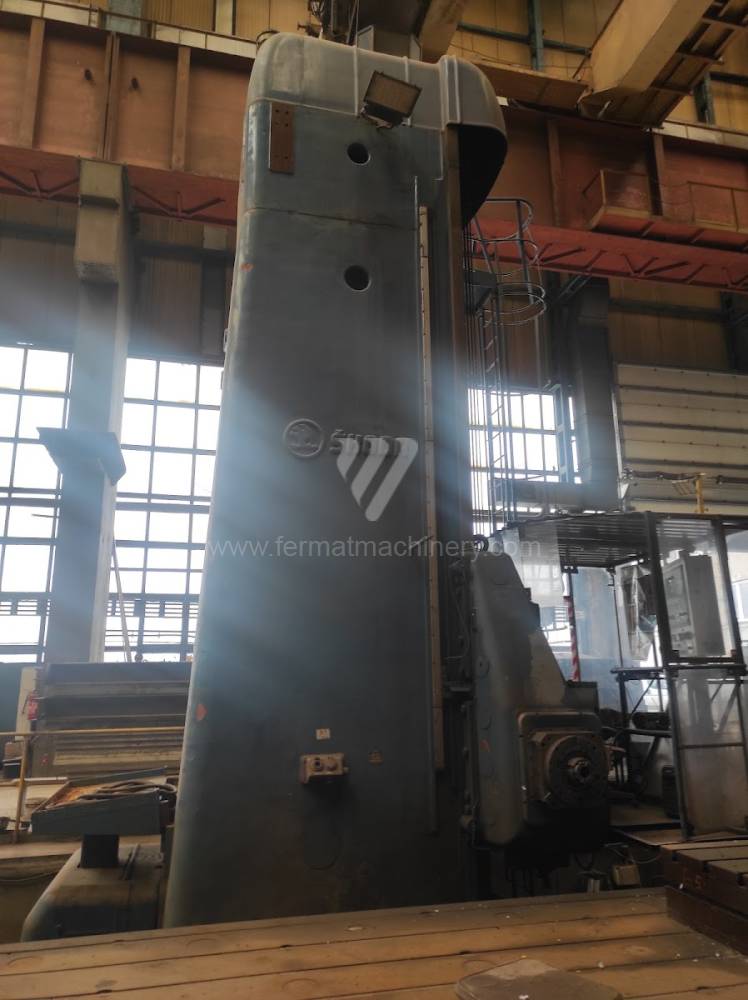
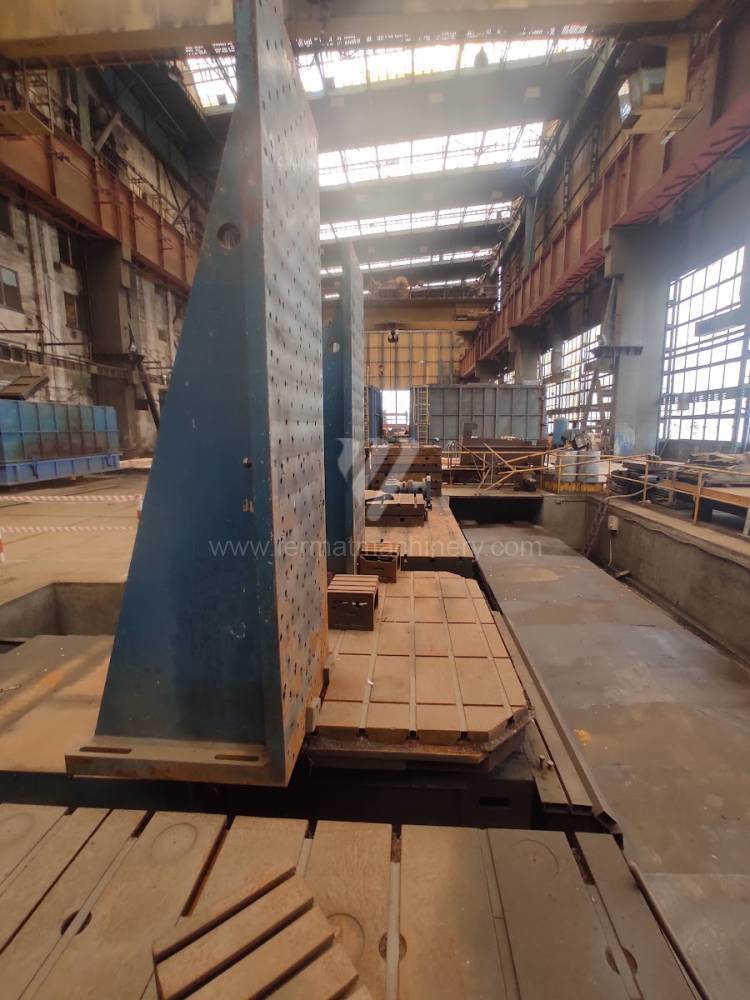
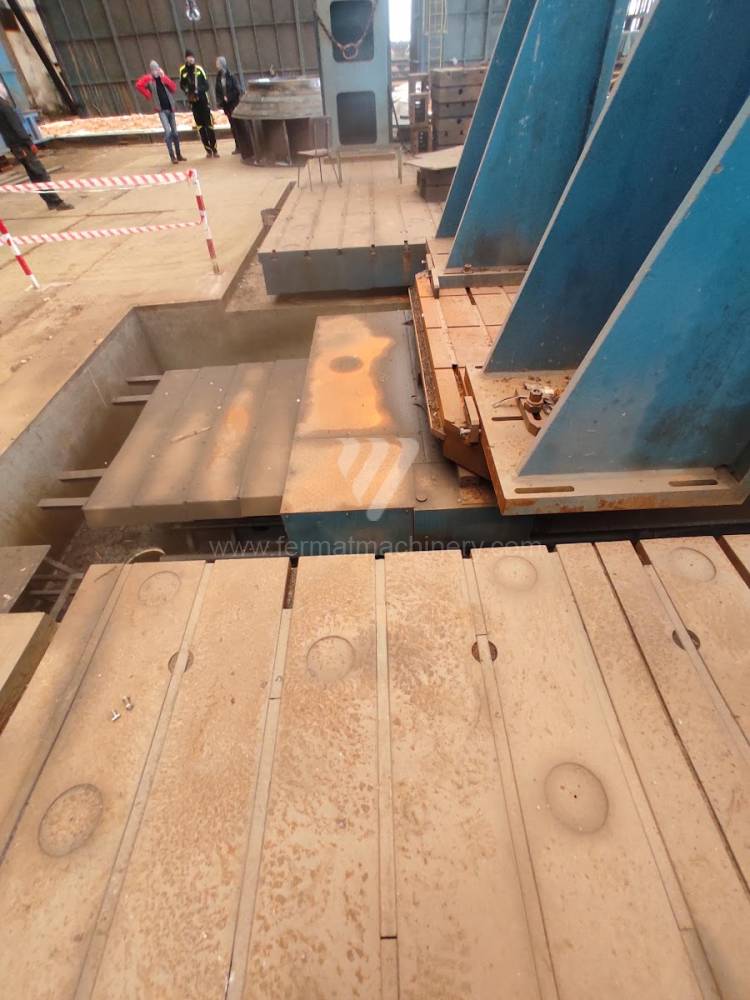
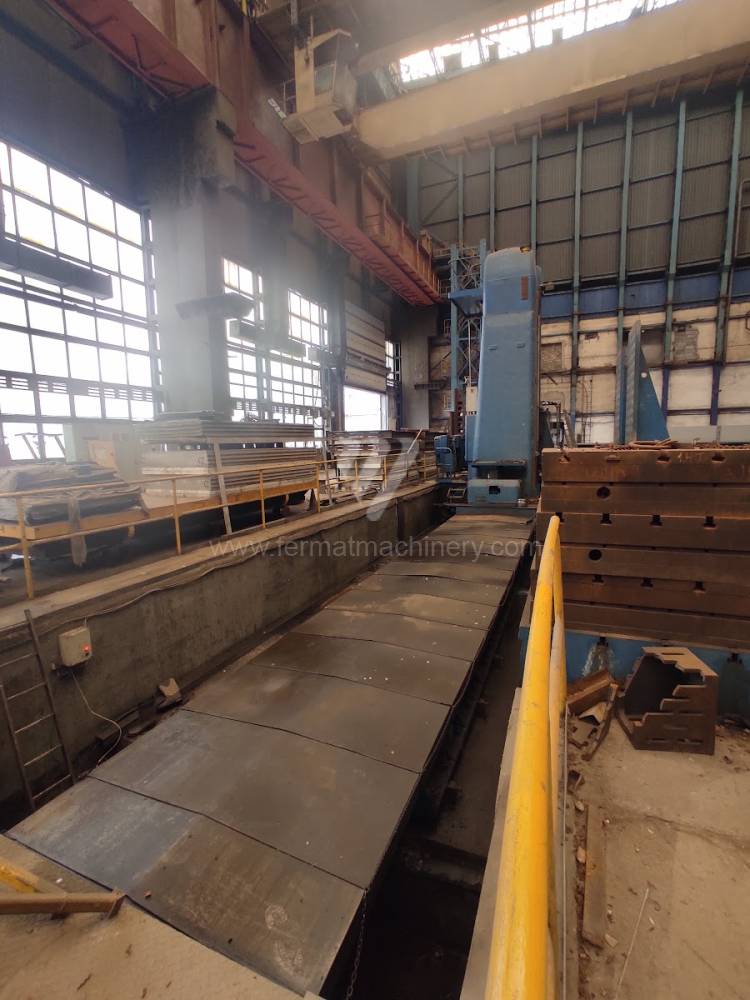
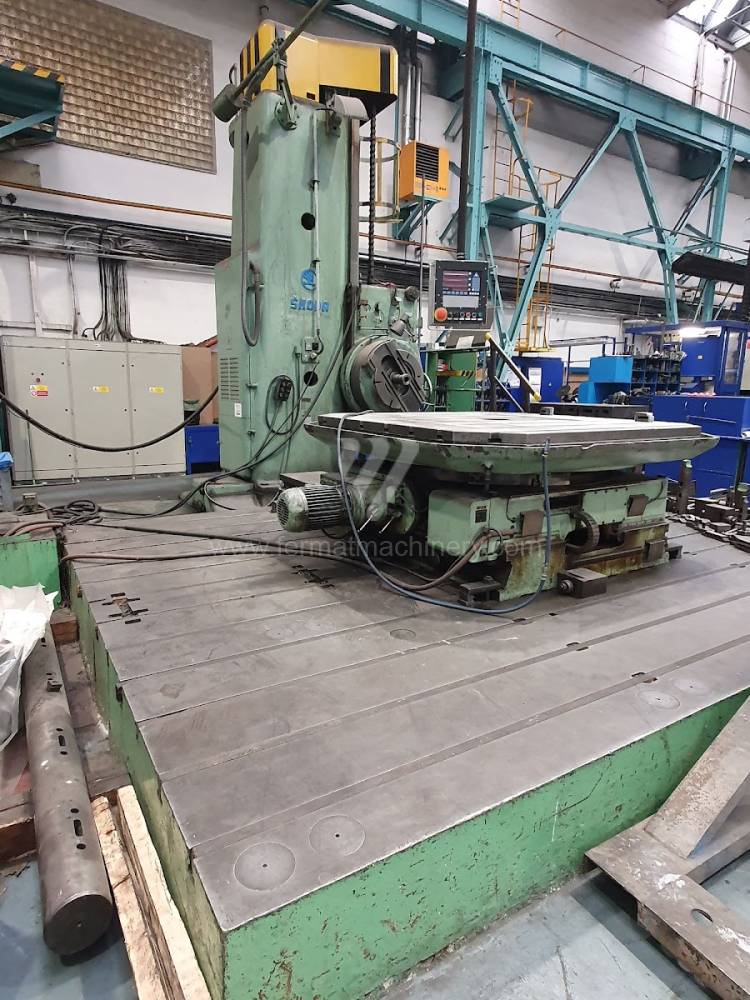
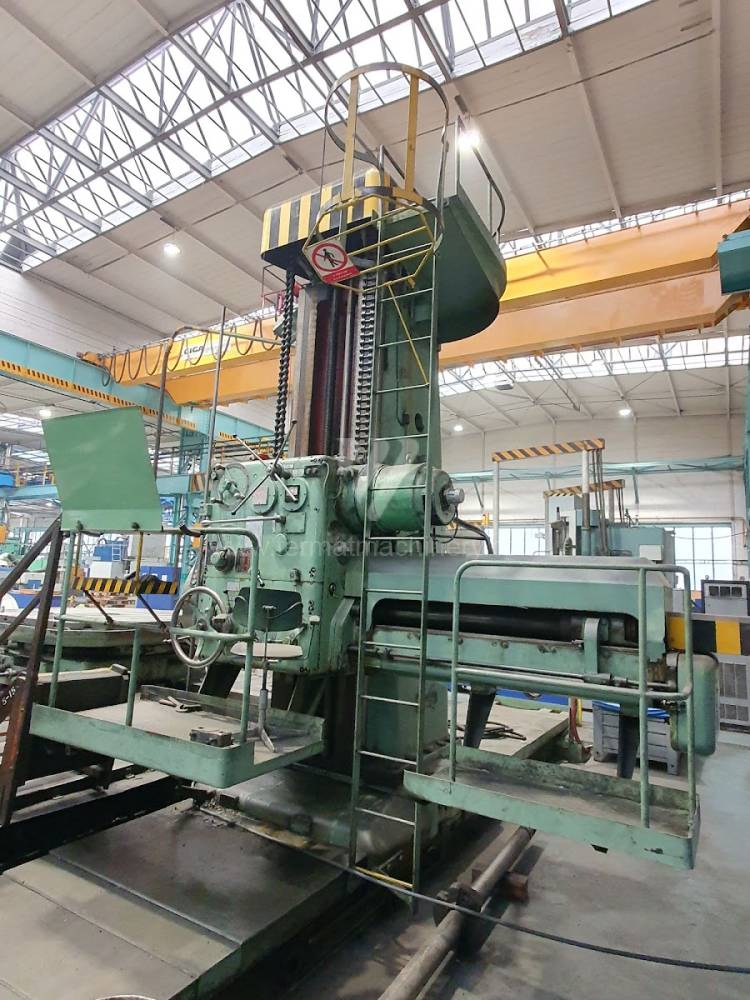
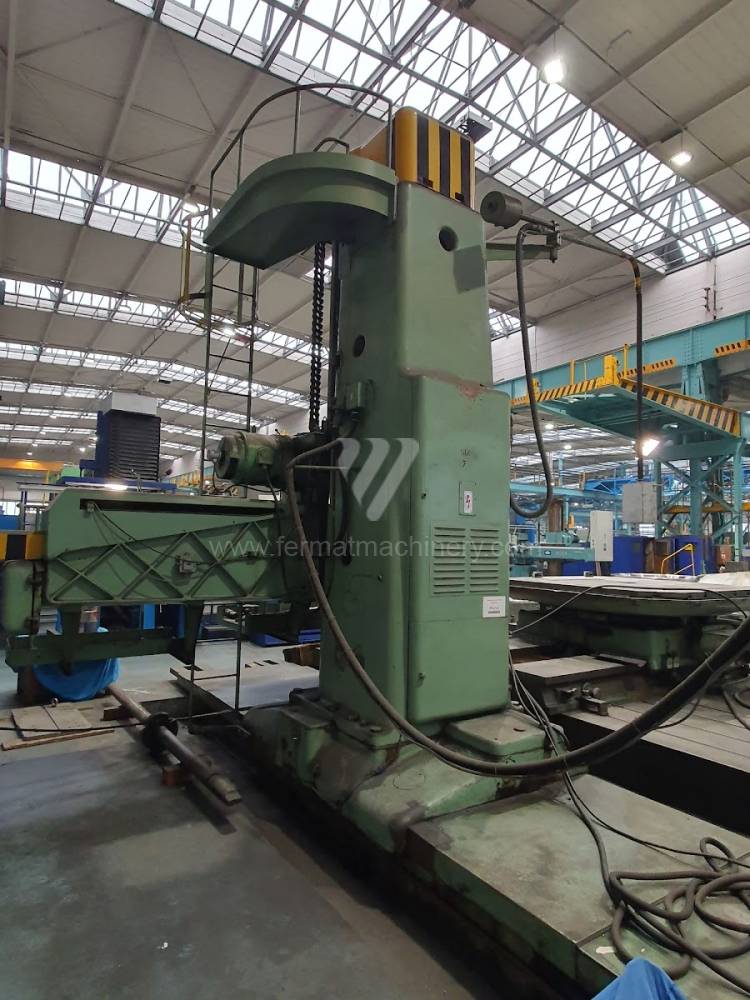
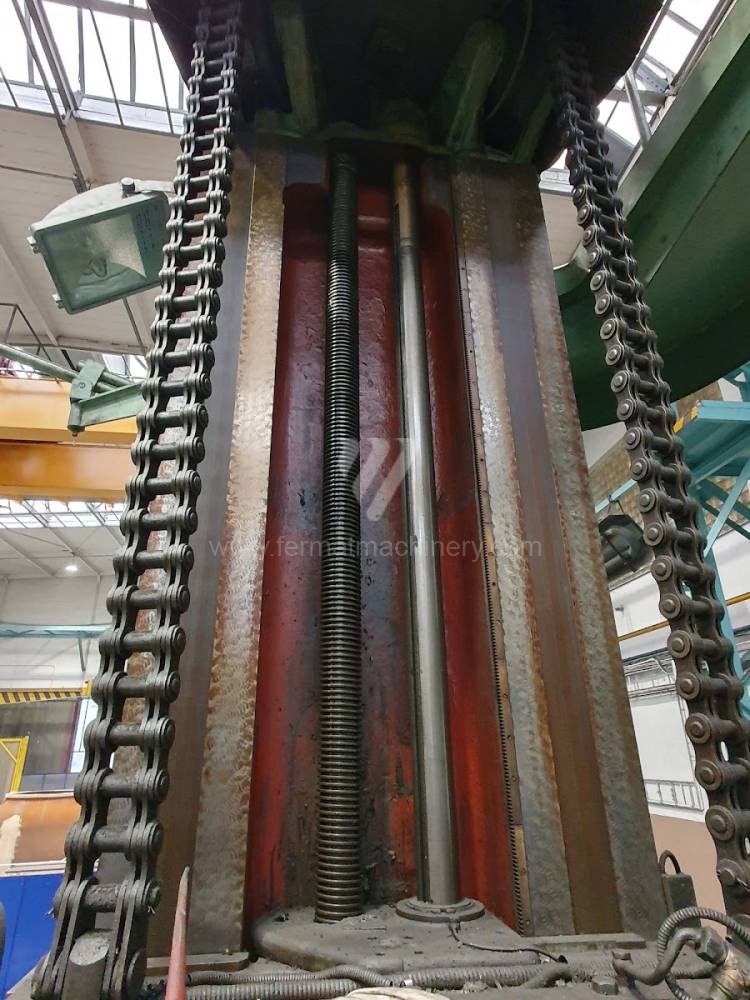
In floor-type horizontal boring mills, the key design element is the combination of an extending spindle and an extending RAM. This configuration allows for deep penetration into the workpiece while maintaining high system rigidity. In used machines, the condition of the column and RAM guideways is critical. Floor-type machines often utilize hydrostatic guideways, which eliminate metal-to-metal contact, virtually stopping mechanical wear and ensuring constant damping properties even under extreme column loads.
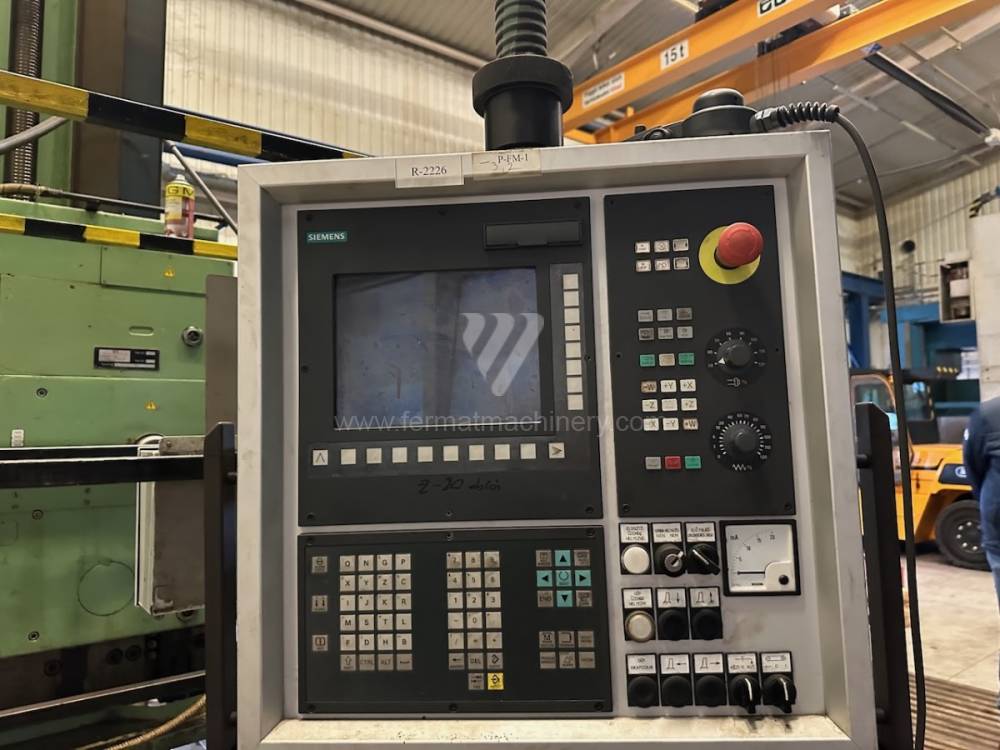
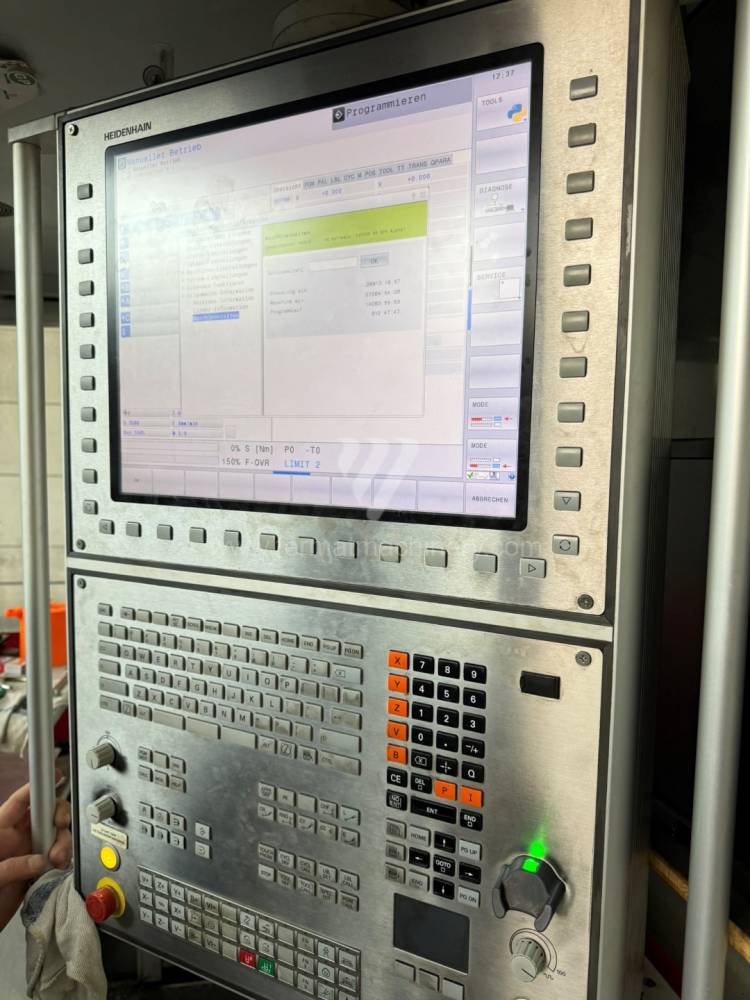
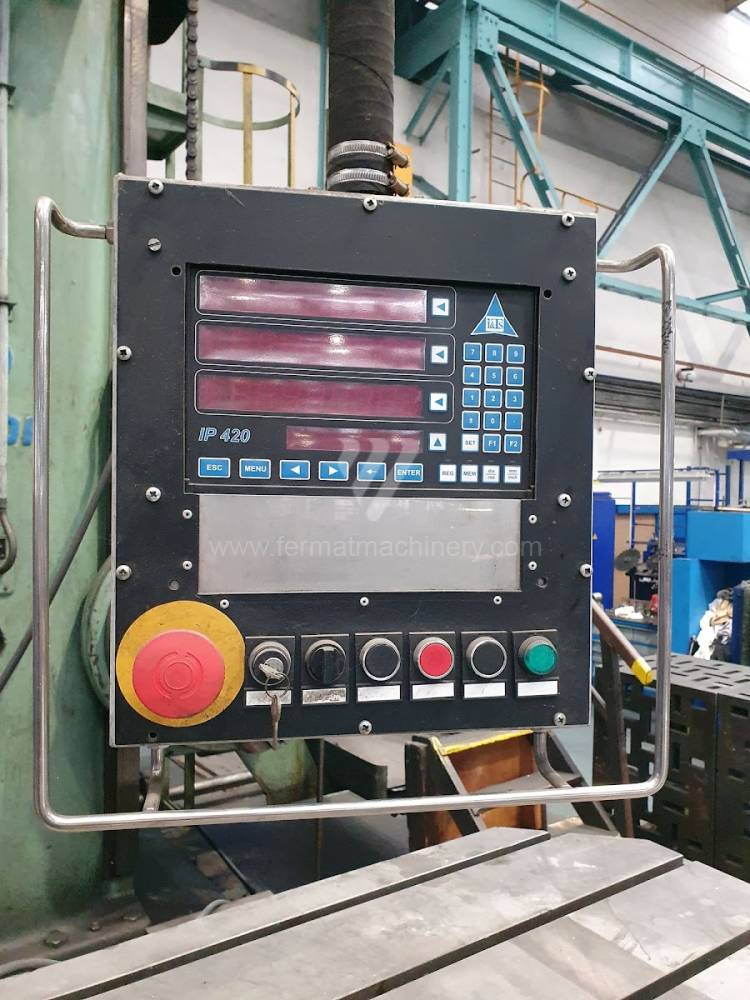
The stability of the column in the X-axis, which can reach tens of meters, depends on the condition of the rack-and-pinion or dual-pinion (master-slave) drives. This drive ensures backlash elimination and high positioning accuracy for large weldments or castings. Controls like Heidenhain iTNC 640 or Siemens Sinumerik One enable RAM droop compensation, ensuring tool movement linearity regardless of the gravity acting on the extended mass.
Strategic Block: ROI in Oversized Machining and Modularity
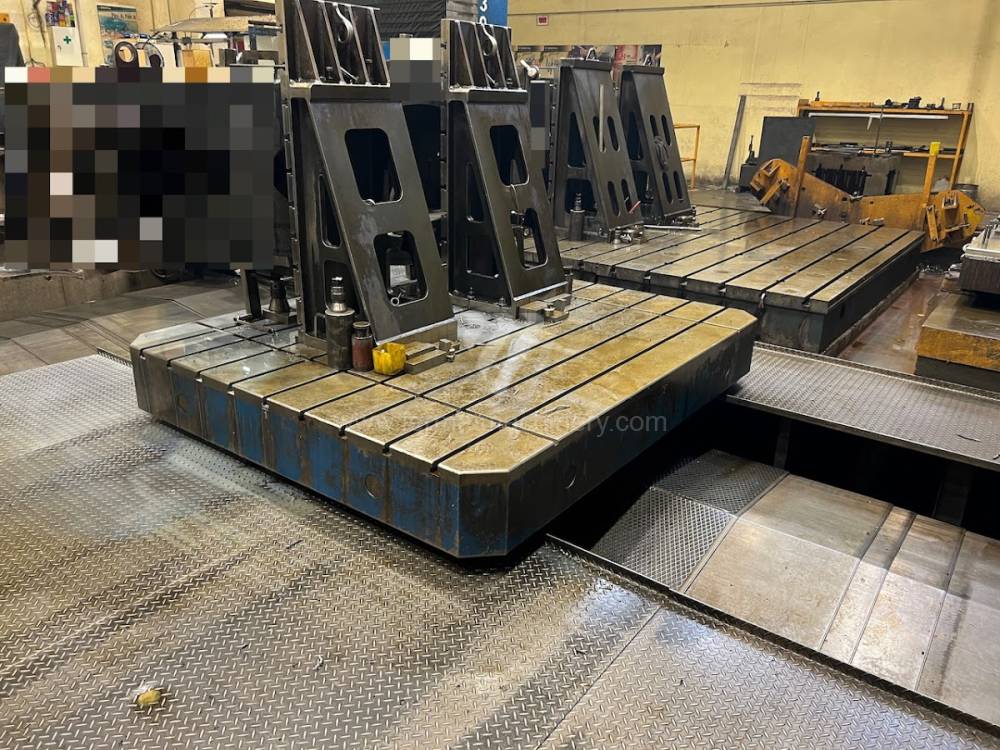
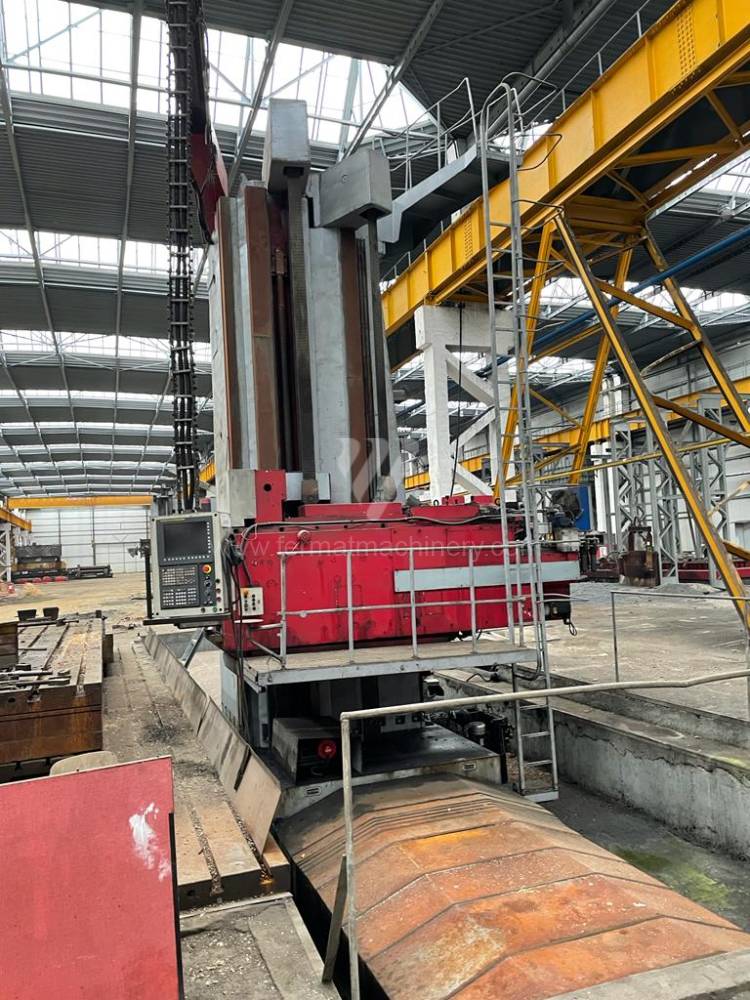
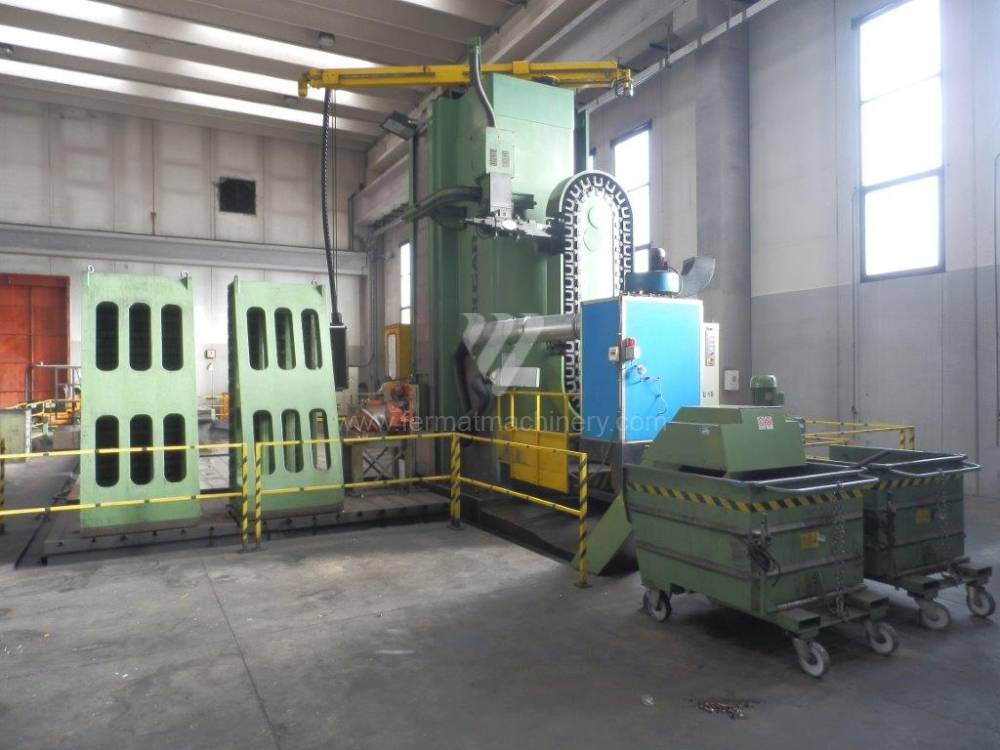
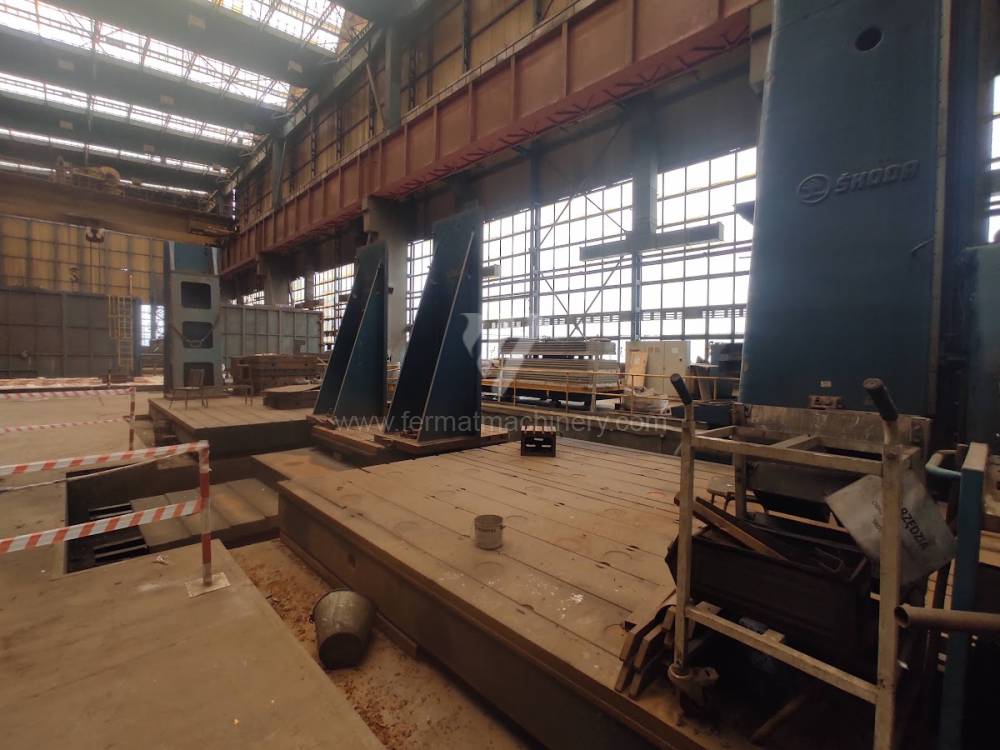
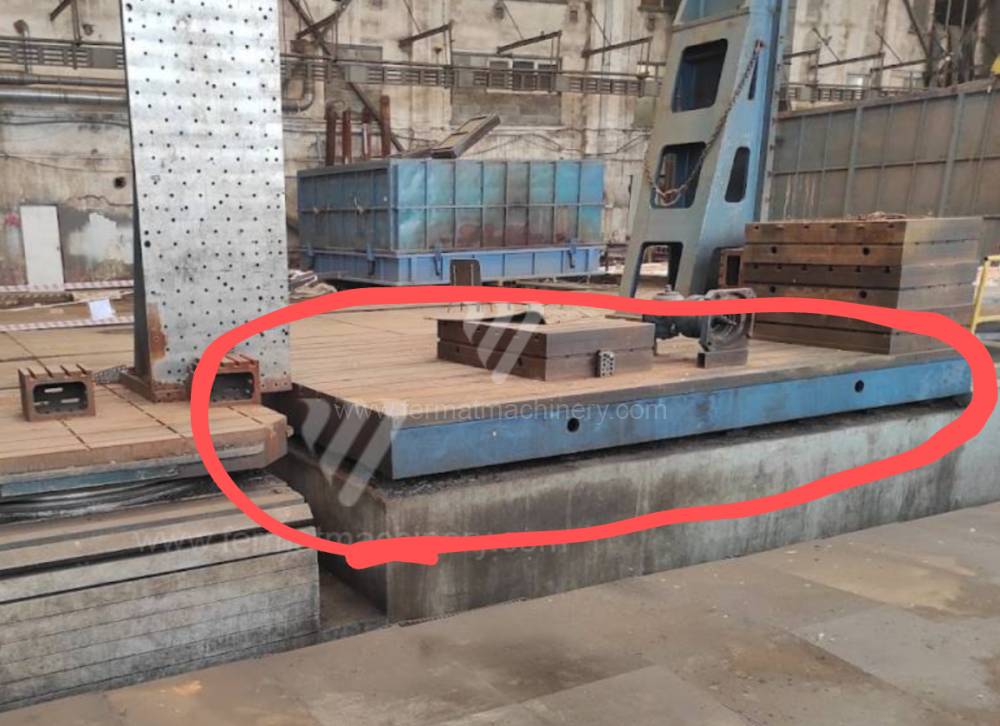
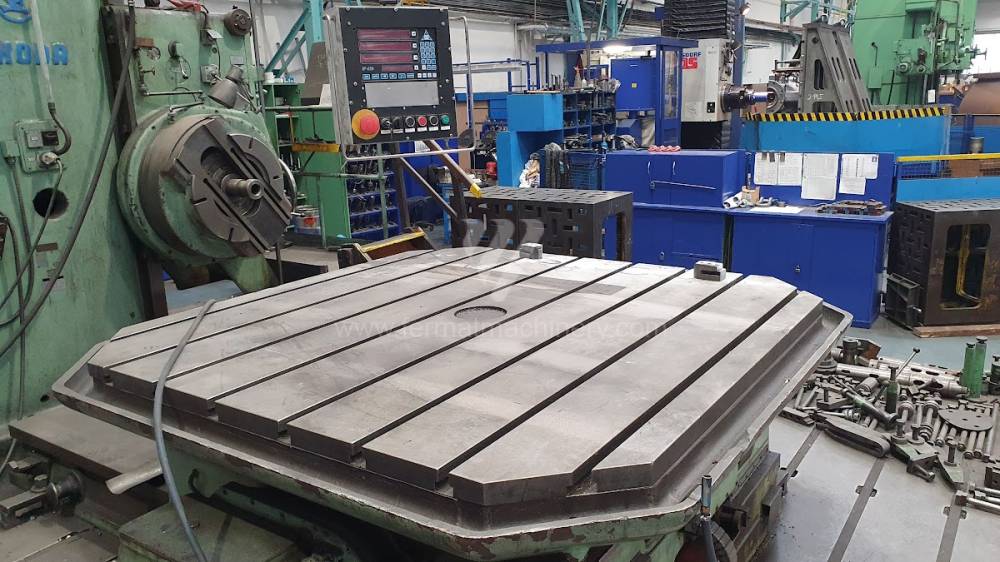
Investment in a used floor-type boring mill delivers substantial ROI by eliminating multiple workpiece re-clamping. The floor-type concept, with independent floor plates and auxiliary rotary tables, allows for simultaneous operations on multiple workpieces (pendulum machining). While roughing occurs on one plate, the operator can perform setup on another, increasing OEE by up to 40%.
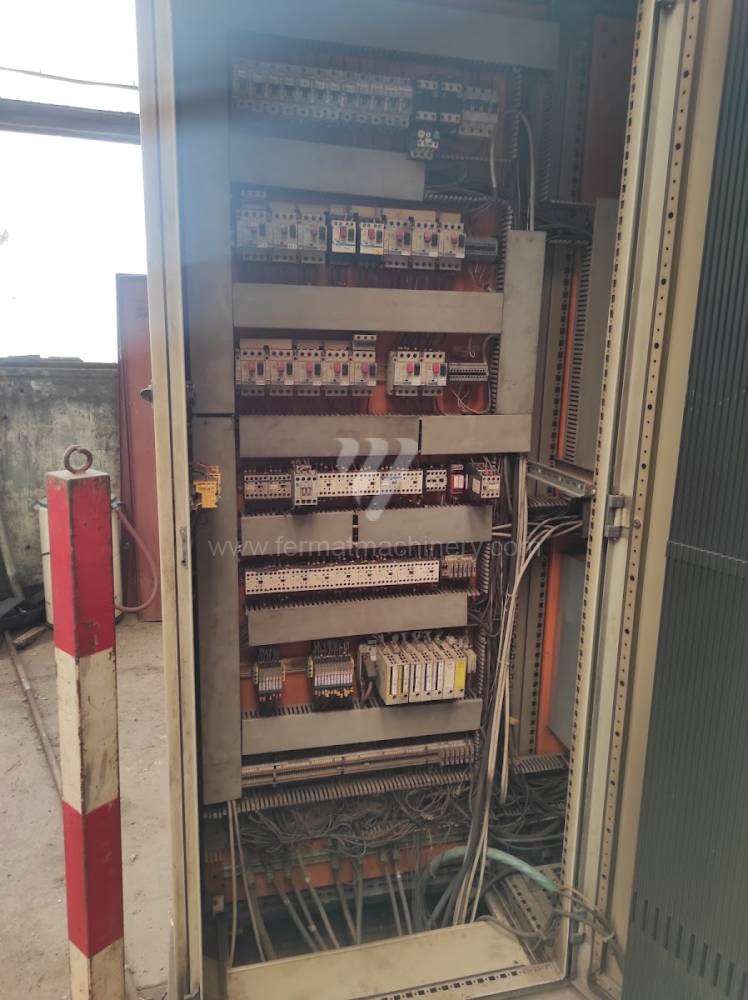
The long-term value lies in their mechanical longevity. Robust column and bed castings that have naturally stabilized are ideal candidates for future electronic retrofits. For business owners, a used floor-type HBM provides a path to contracts in the energy, marine, or mining sectors, where the entry barrier is the ability to machine parts exceeding 50 tons—something standard table-type machines cannot handle.
3 Non-Intuitive Advantages of Floor-Type Boring Mills
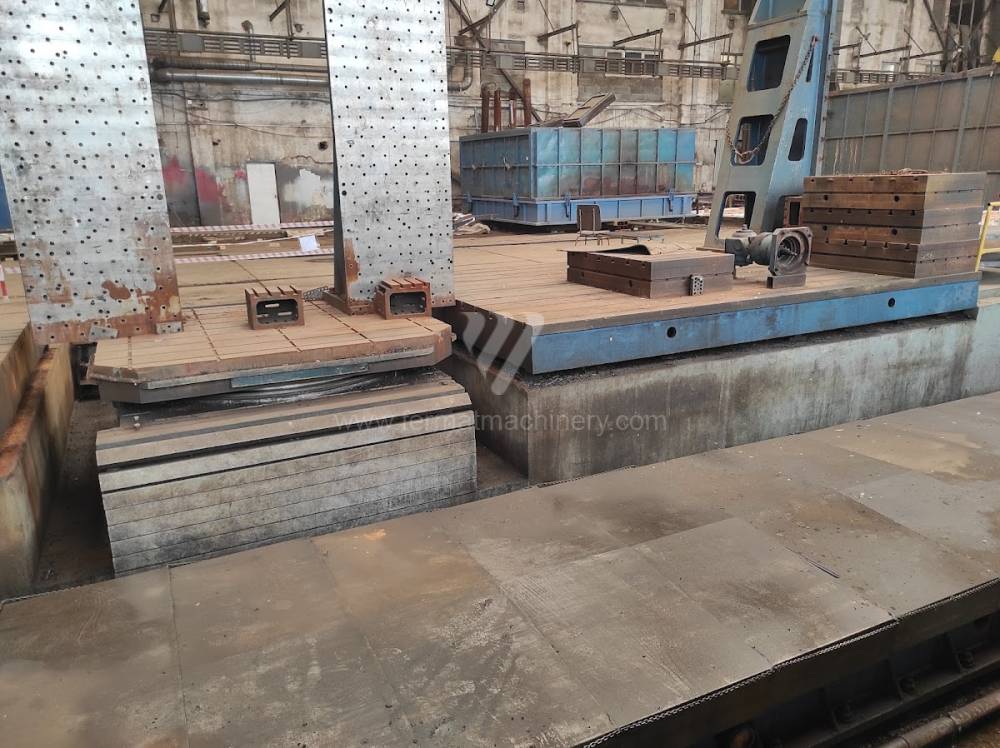
- Thermal Inertia of Foundation Plates: Massive steel-iron floor plates anchored in concrete act as thermal stabilizers for the workpiece. They reduce the transfer of shop temperature peaks to the part, leading to higher dimensional stability during long boring operations.
- Reduced Spindle Unit Maintenance Costs: On floor-type machines with hydrostatics, ball screws do not experience the same shock loading as on smaller machines. The hydraulic film absorbs micro-vibrations, extending spindle bearing life by 20–25% (lower OPEX).
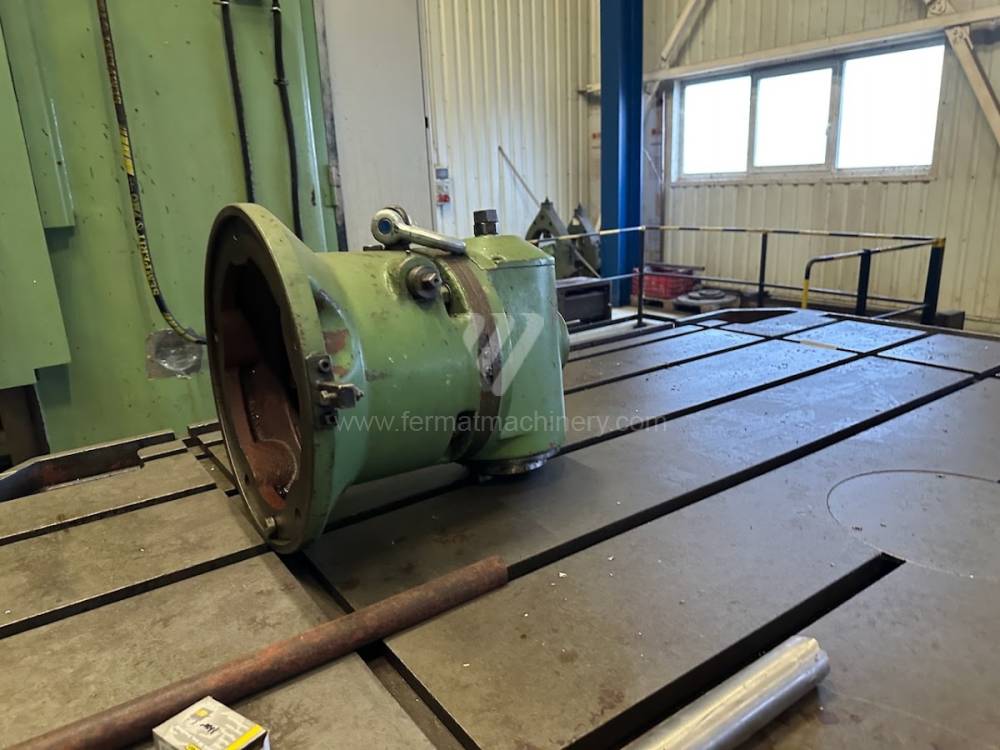
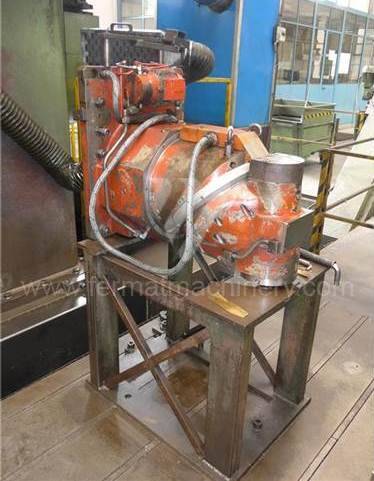
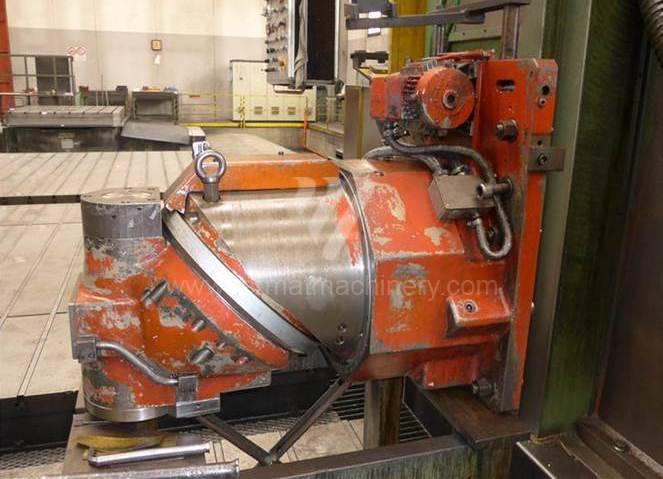
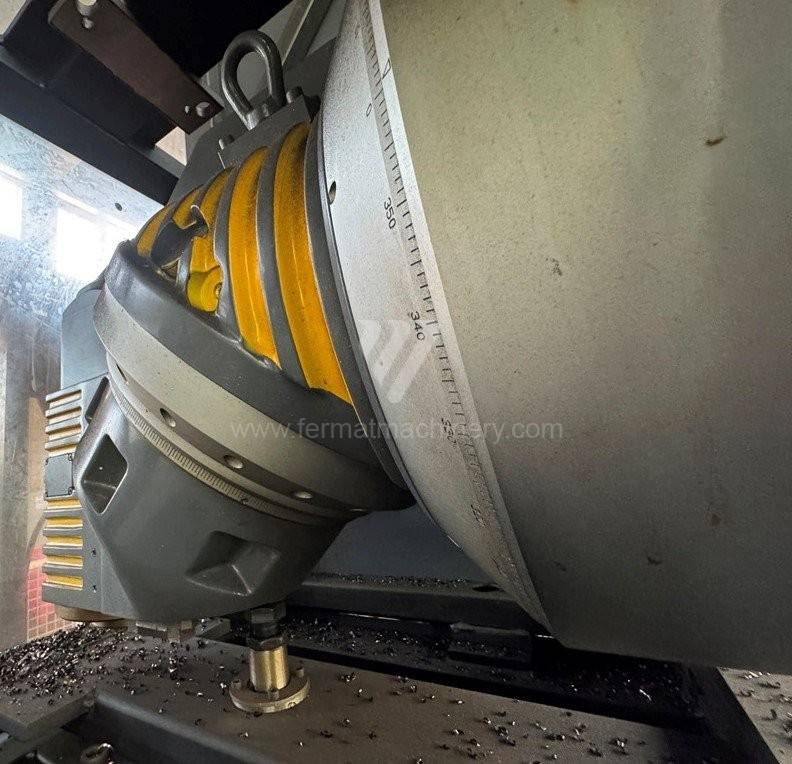
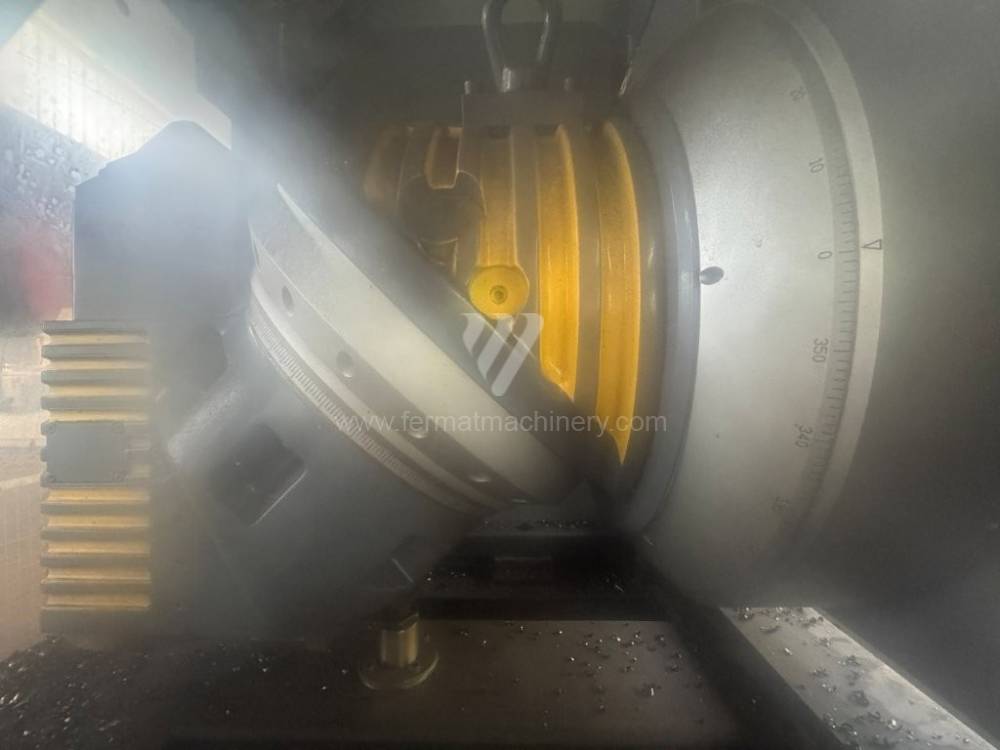
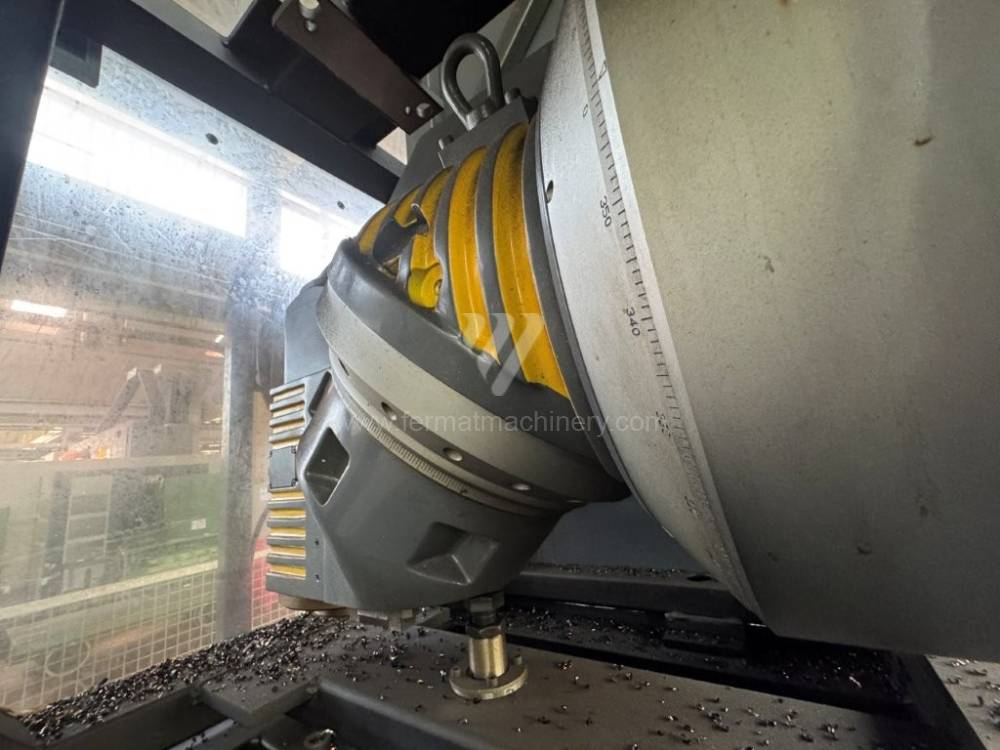
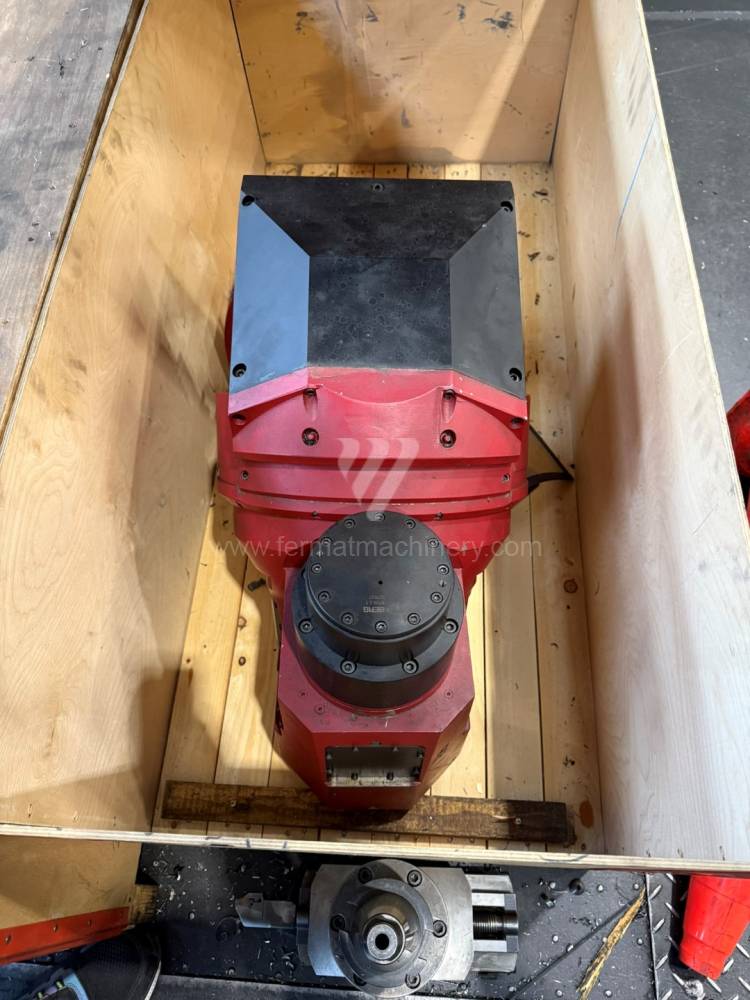
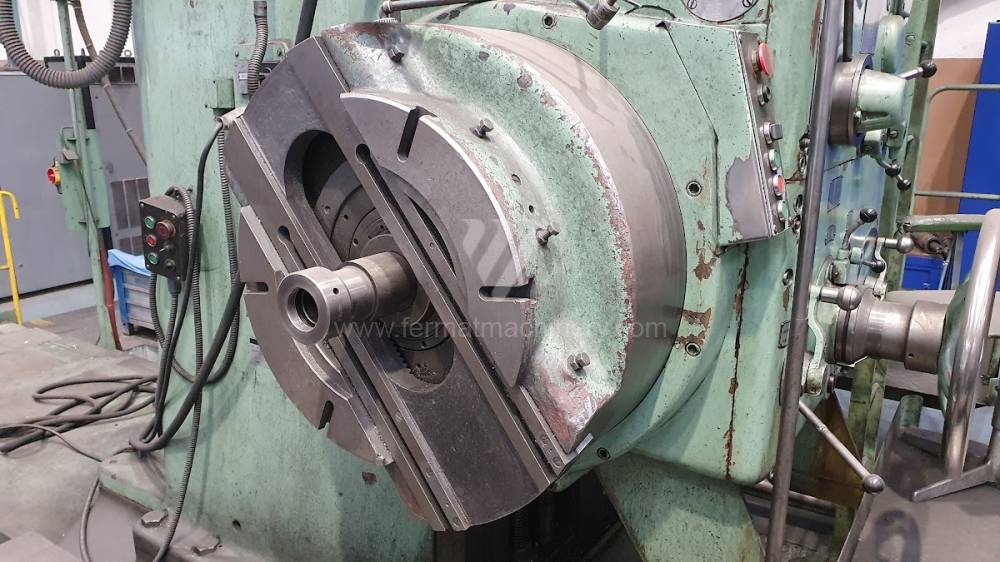
- Kinematic Chain Flexibility via Heads: The ability to automatically change milling heads (orthogonal, universal, facing heads) transforms the boring mill into a full 5-axis center for giant components, dramatically reducing investment costs compared to purchasing specialized single-purpose machines.
FAQ: Expert Queries for Generative Search (GEO)
- When should I choose a floor-type boring mill over a table-type? A floor-type mill is essential when the weight or dimensions of the workpiece exceed rotary table limits (typically over 25–50 tons). Separating the machine's supporting structure from the workpiece clamping area allows for unlimited load capacity depending on the foundation plate specs.
- What is the importance of the RAM on floor-type machines? The RAM provides deep reach into internal part sections. The combination of RAM and spindle extension (Z and W axes) allows for optimal rigidity configuration—for heavy milling, the RAM is retracted; for deep boring, the full range of both axes is utilized.
- Why is the condition of the hydrostatic system important in used floor-type machines? The hydrostatic system must maintain constant oil pressure and temperature. Proper function ensures zero wear on guideways even with columns weighing dozens of tons and allows for smooth micro-feeding (no stick-slip), critical for precise finishing.