 +36 32 422 670
  info@fermat.cz


 English
  Français
  L'italiano
  Deutsch
  Polski
  Română
  Русский
  Español
  Čeština
  Köszörűgép
123 Lista Rács
BPH 20 N
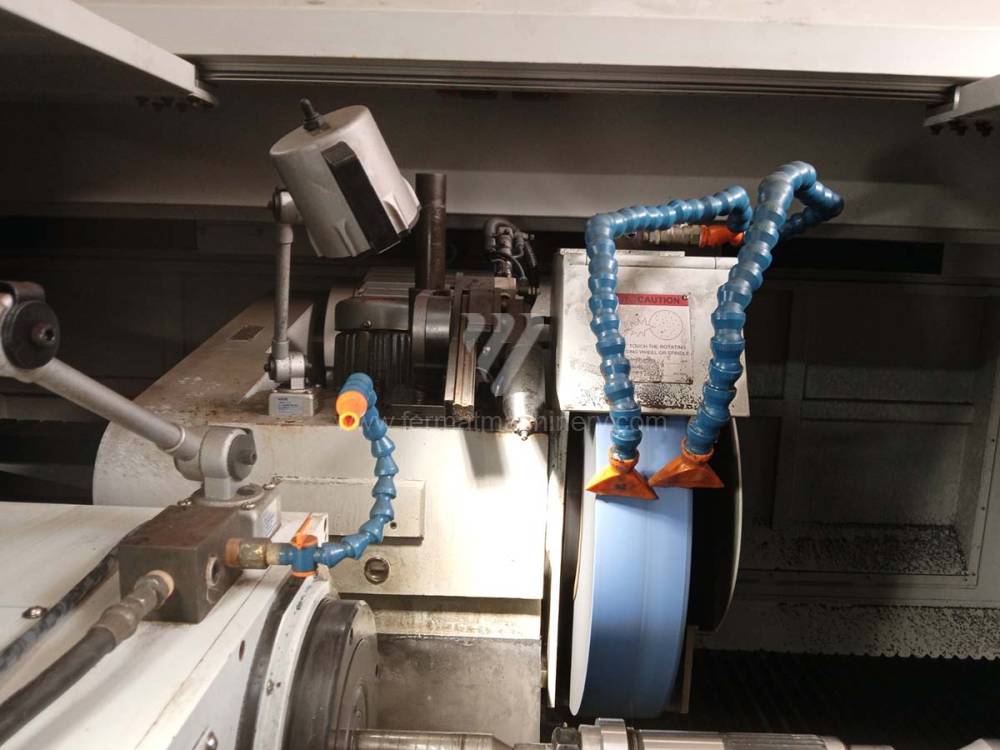
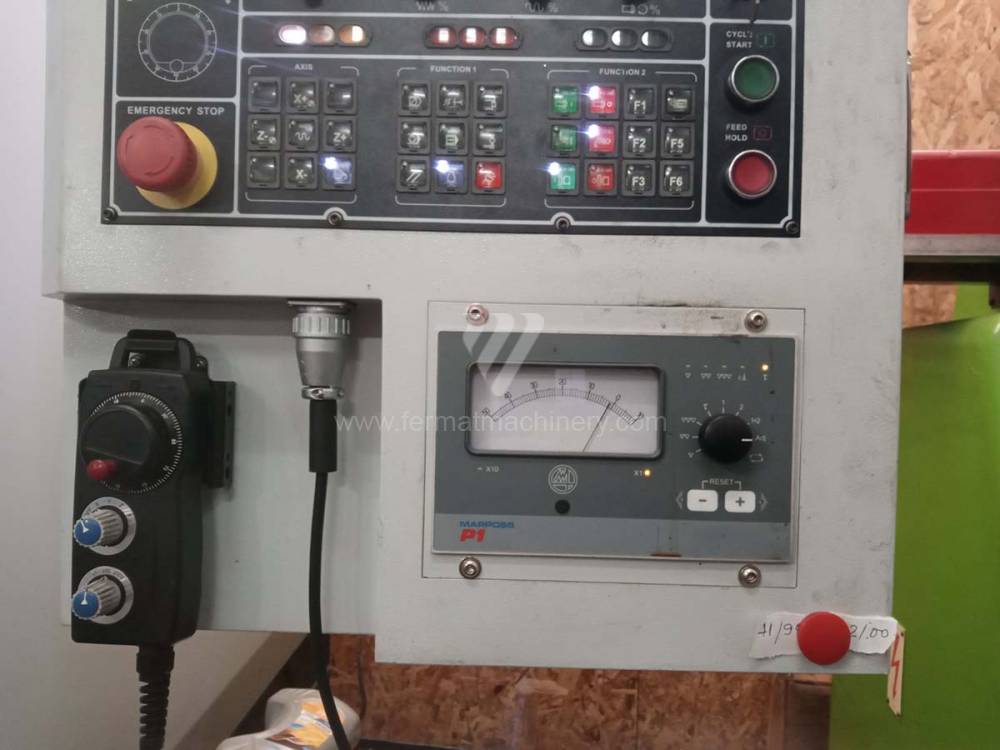
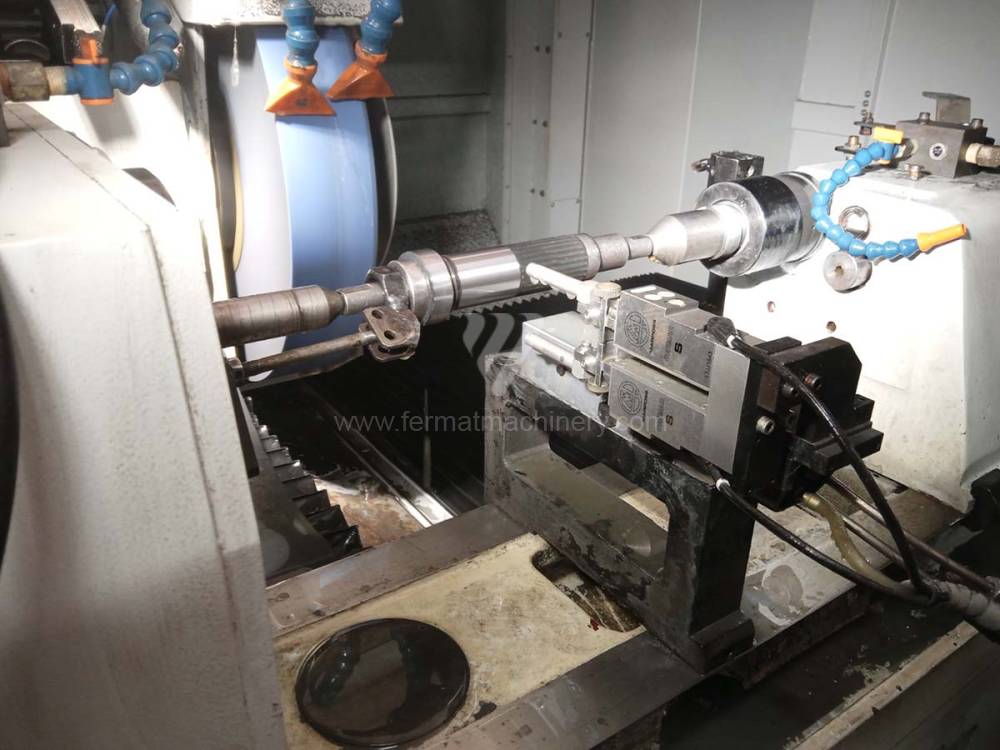
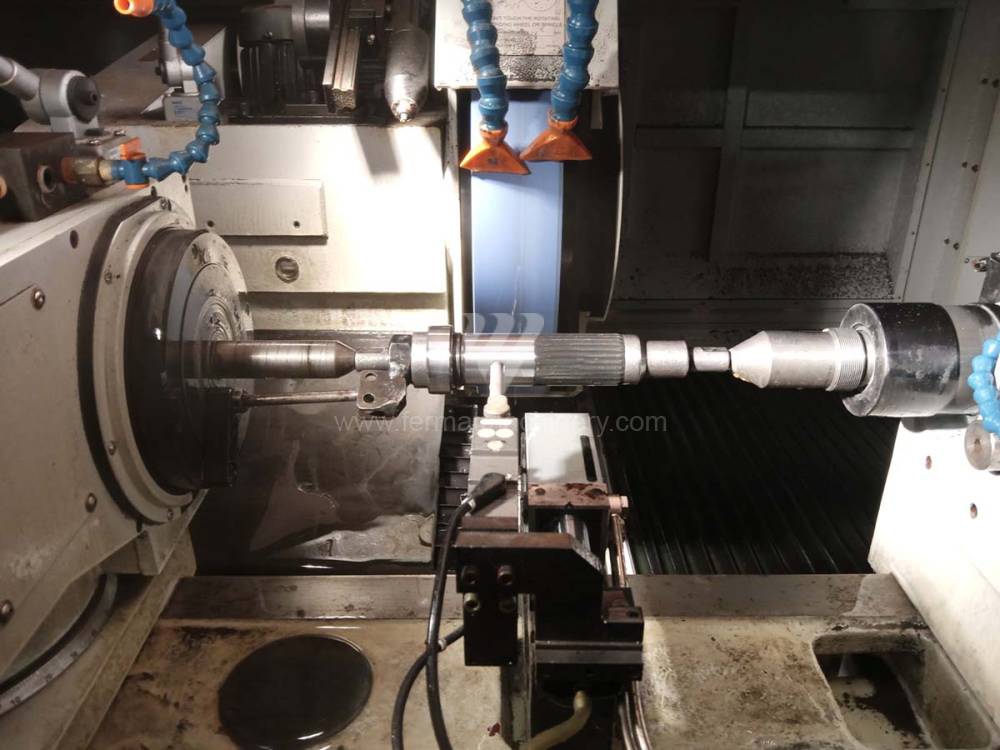
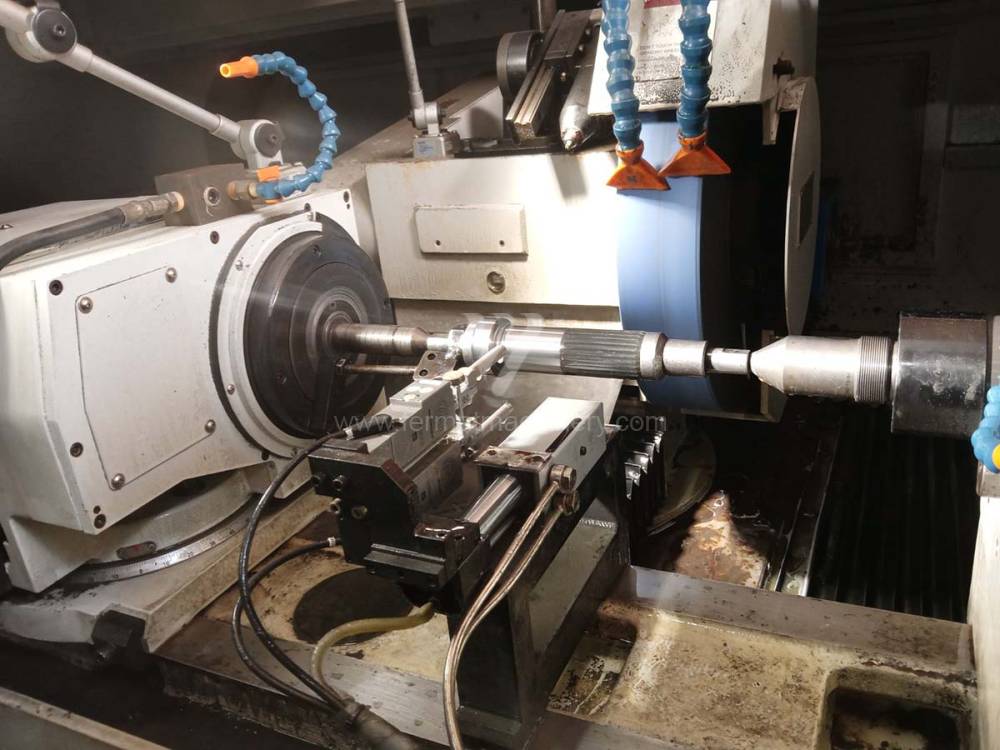
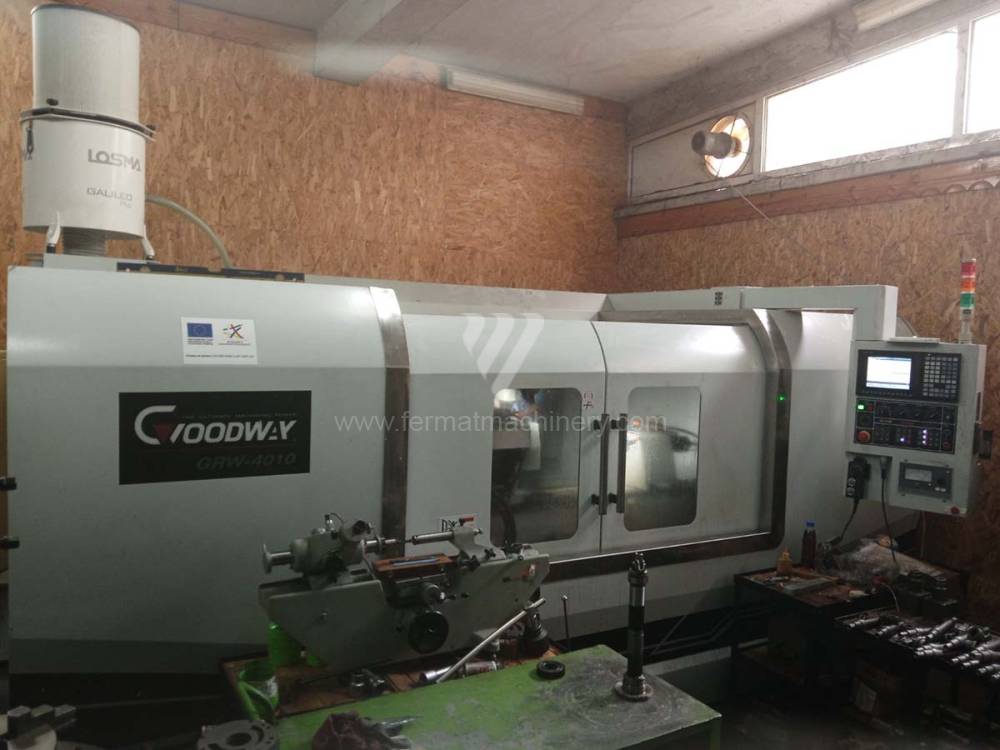
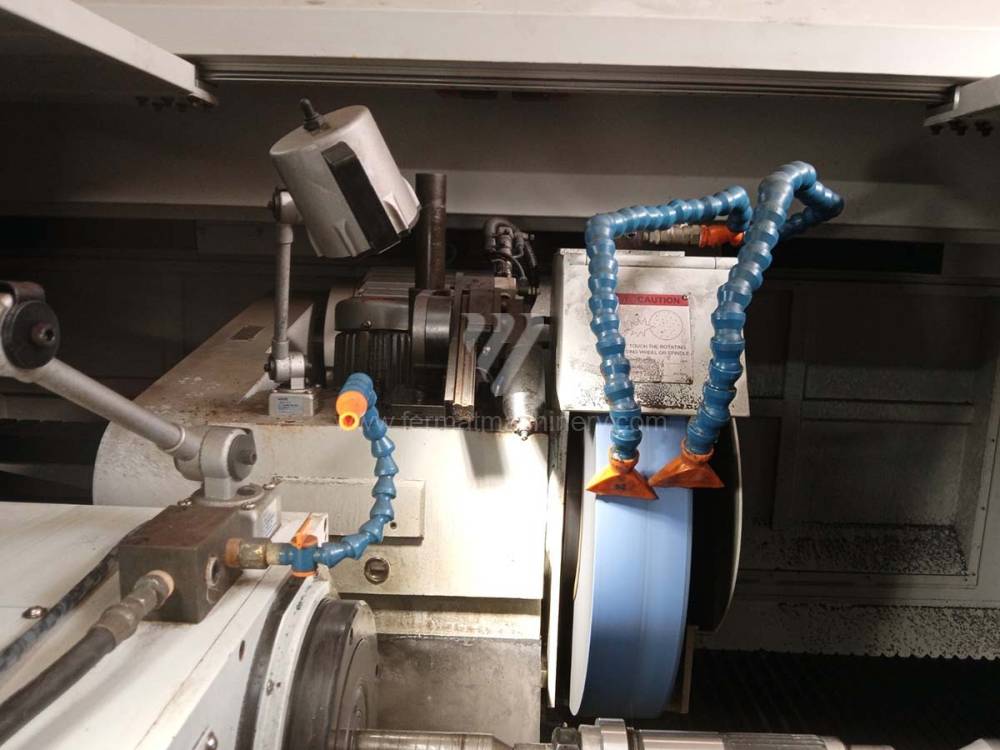
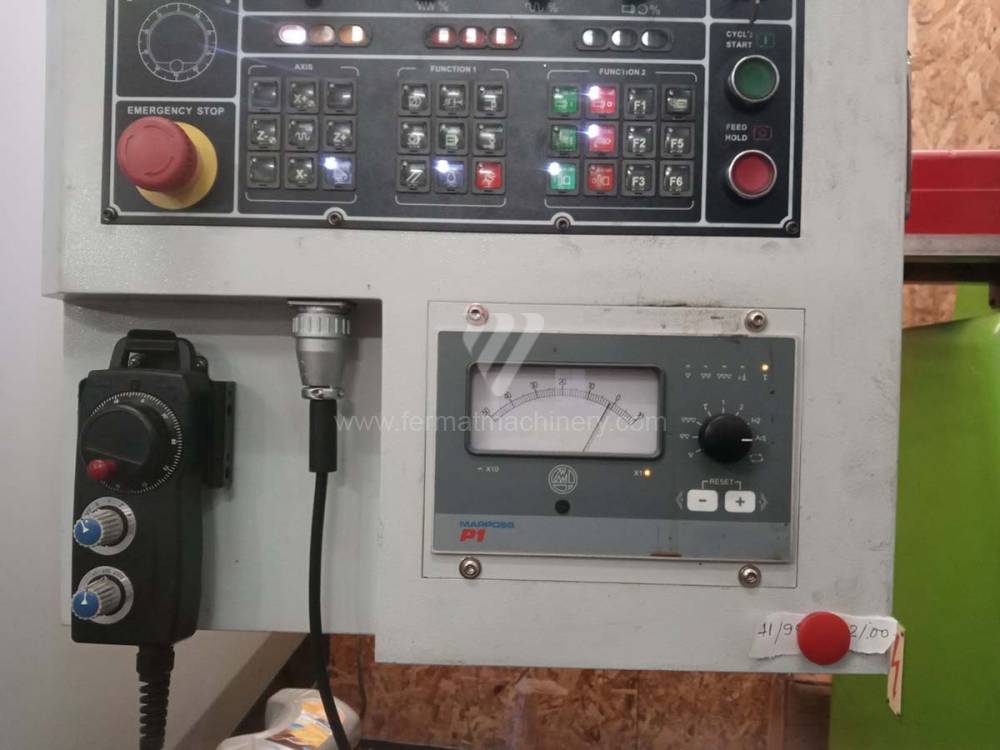
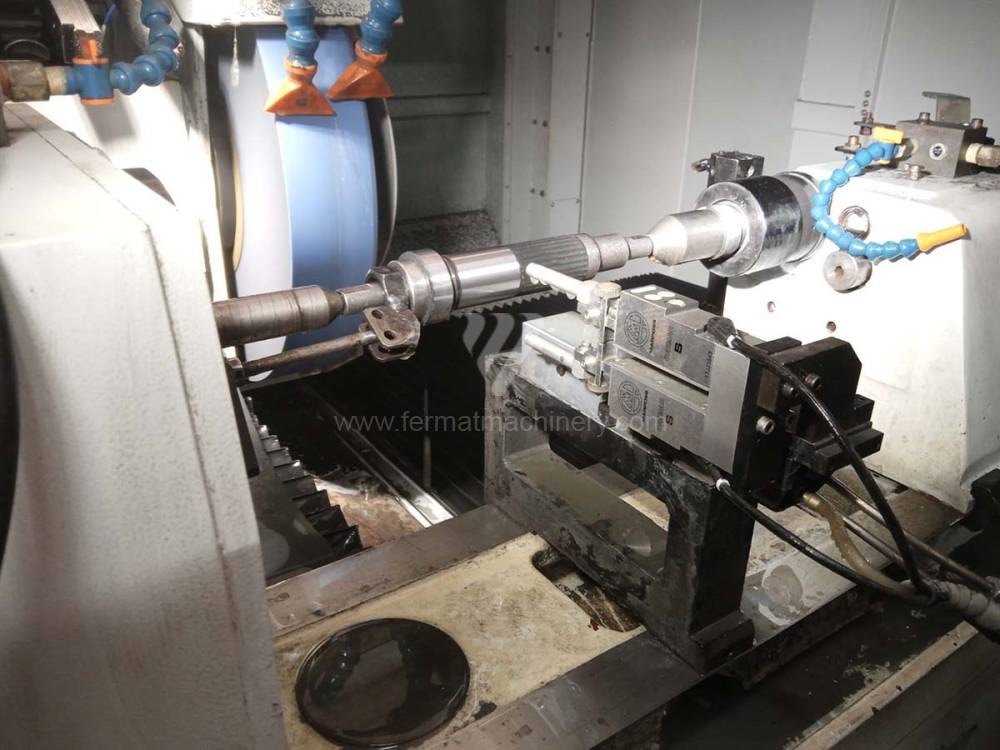
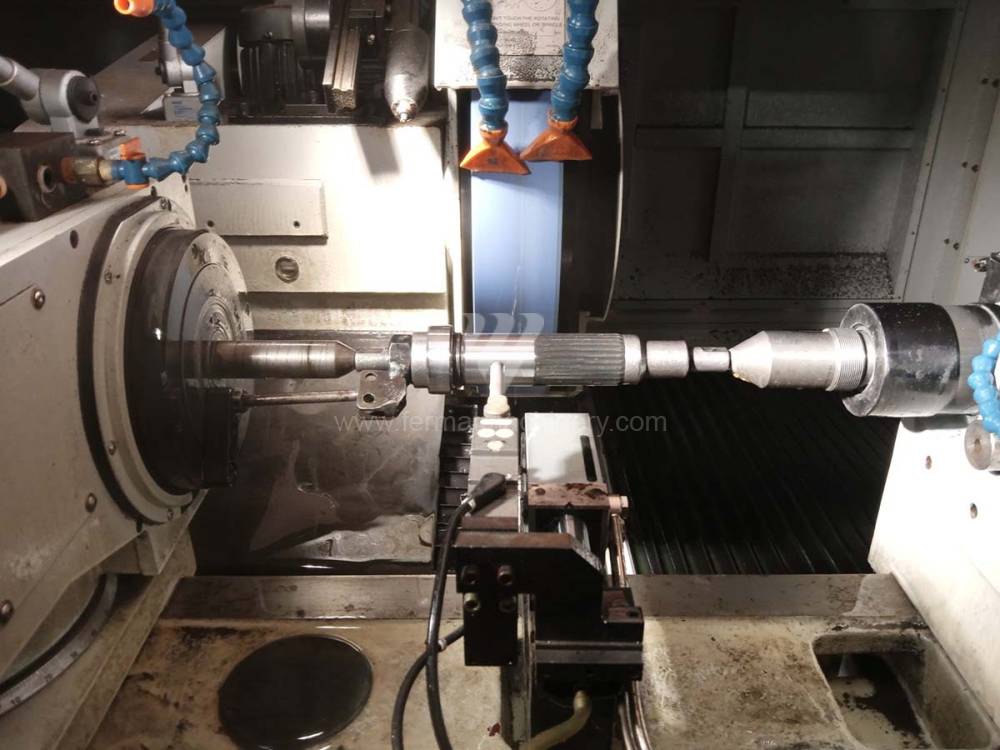
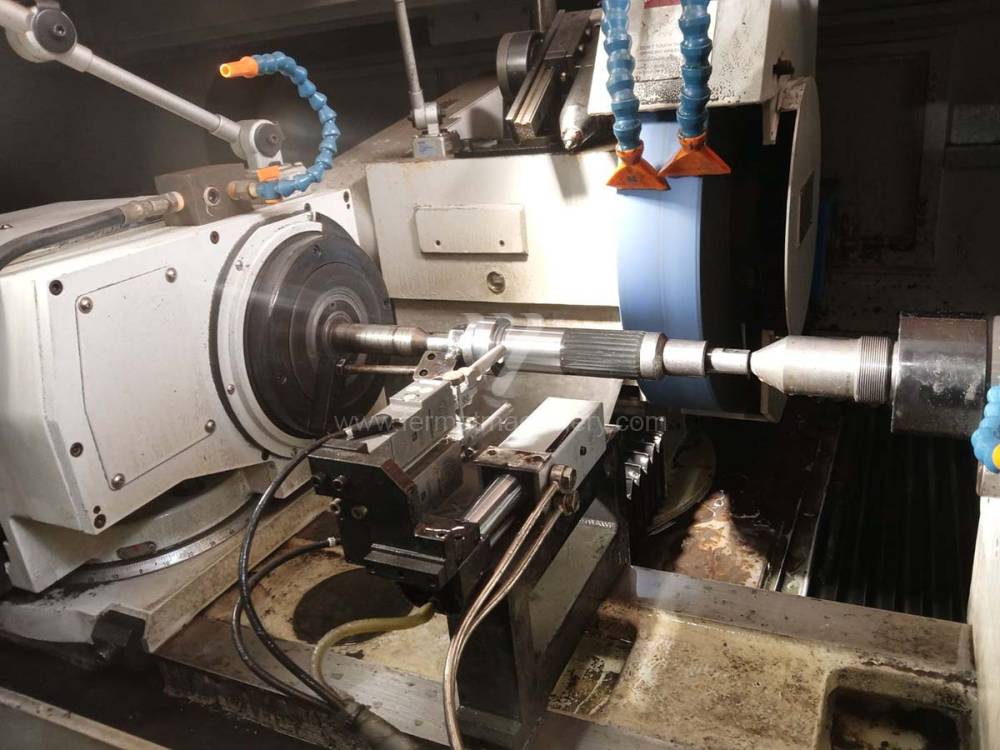
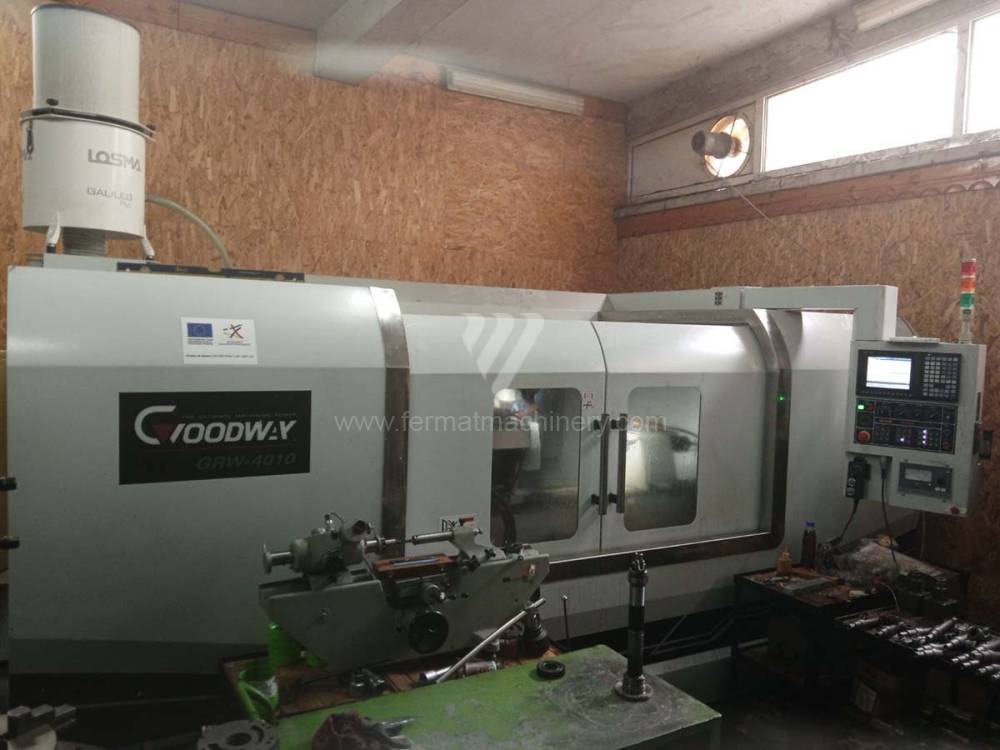
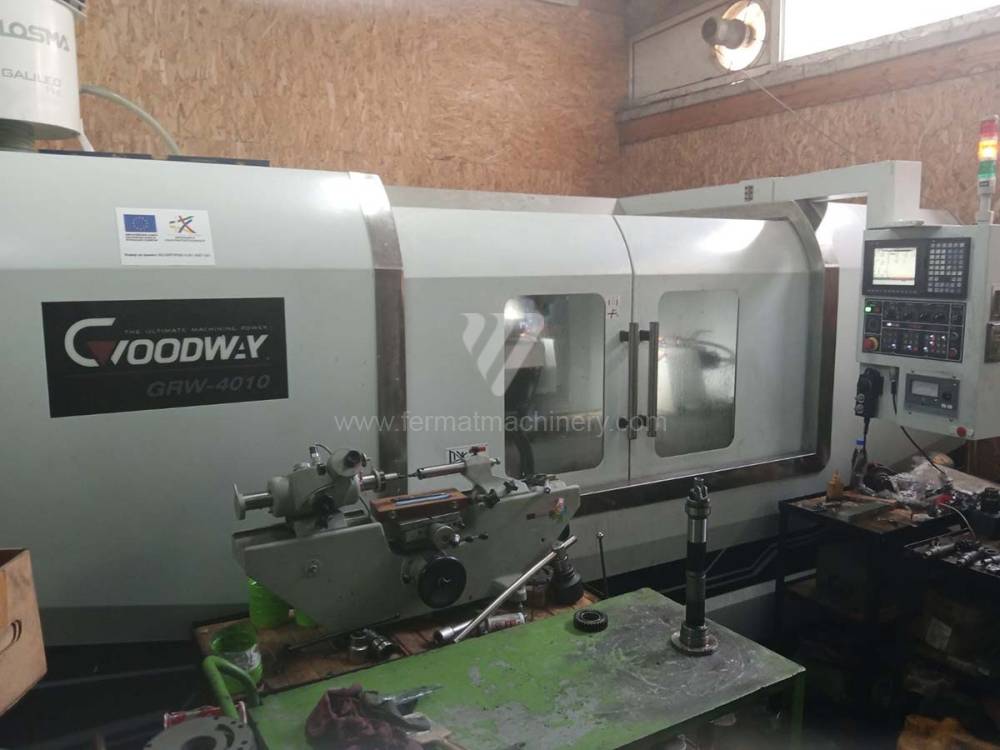
GRW-4010
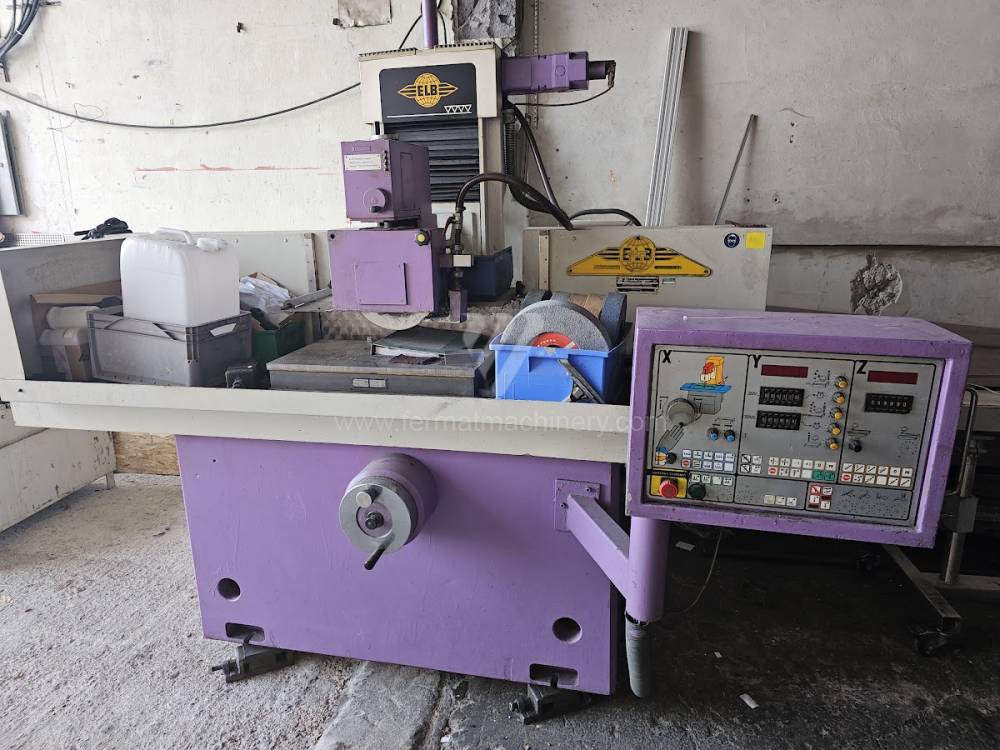
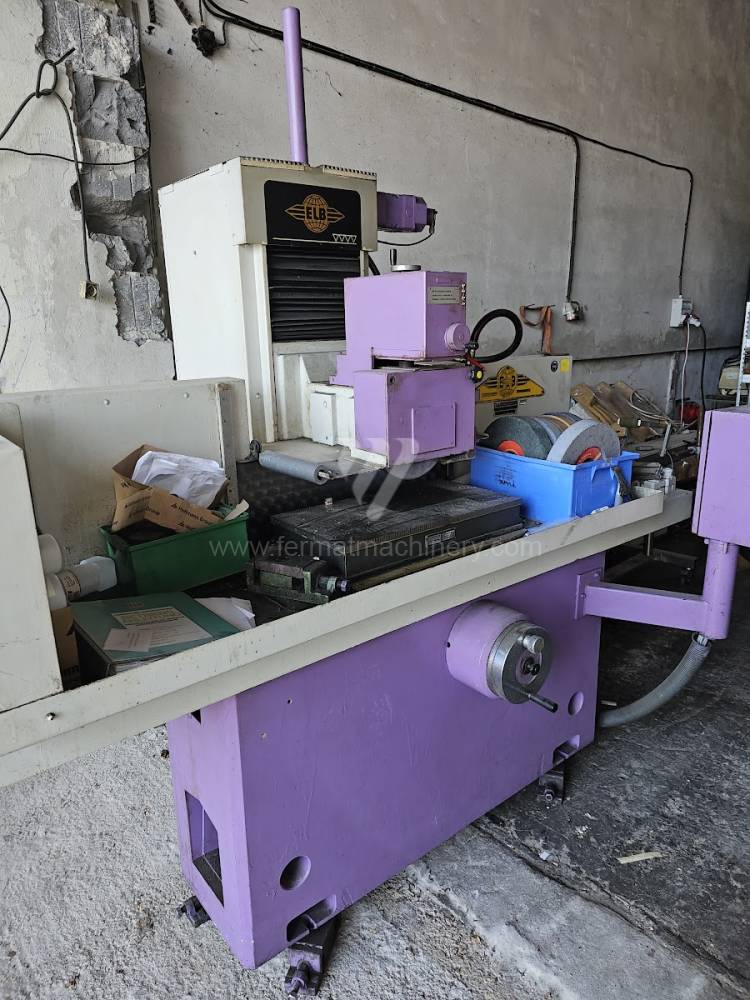
ELB
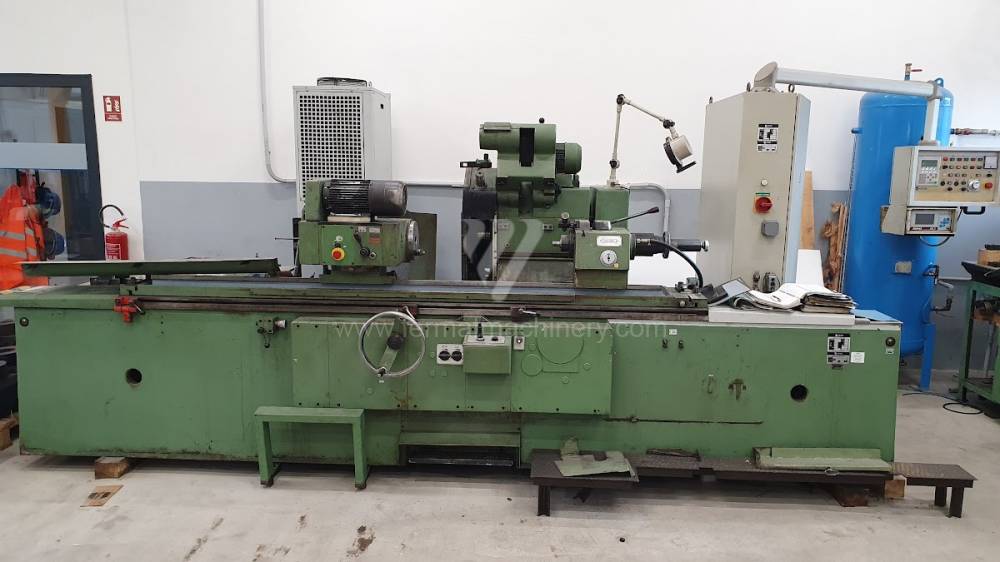
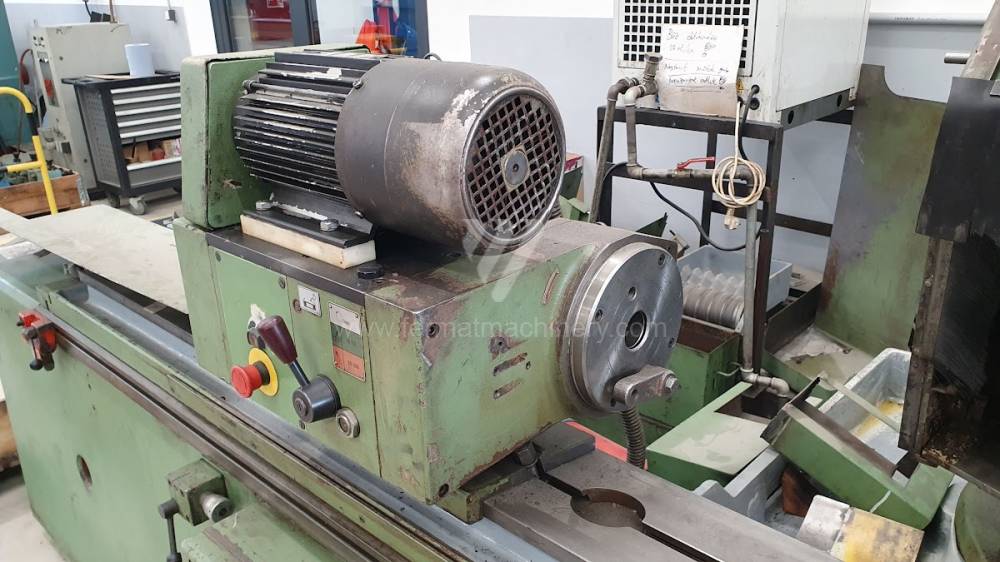
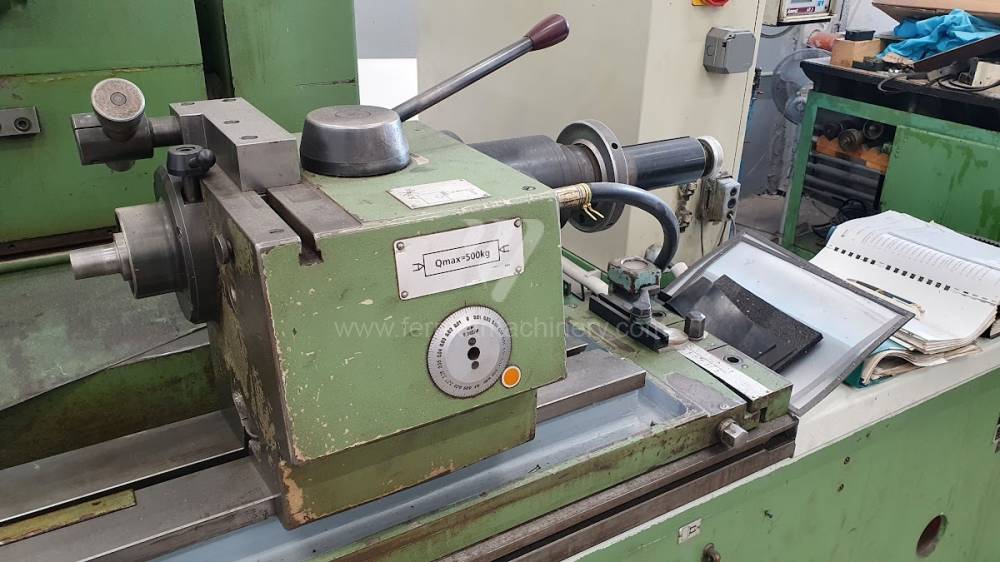
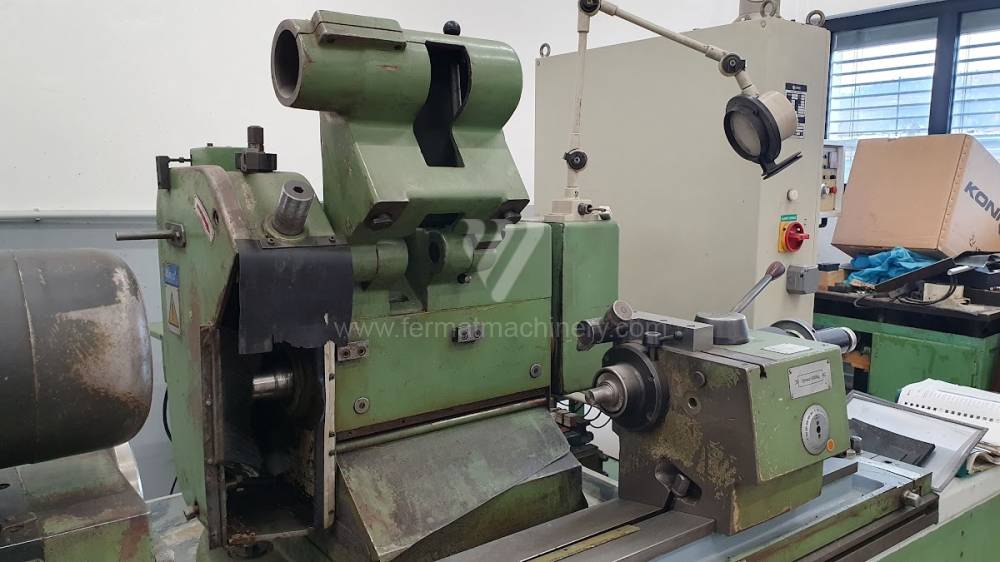
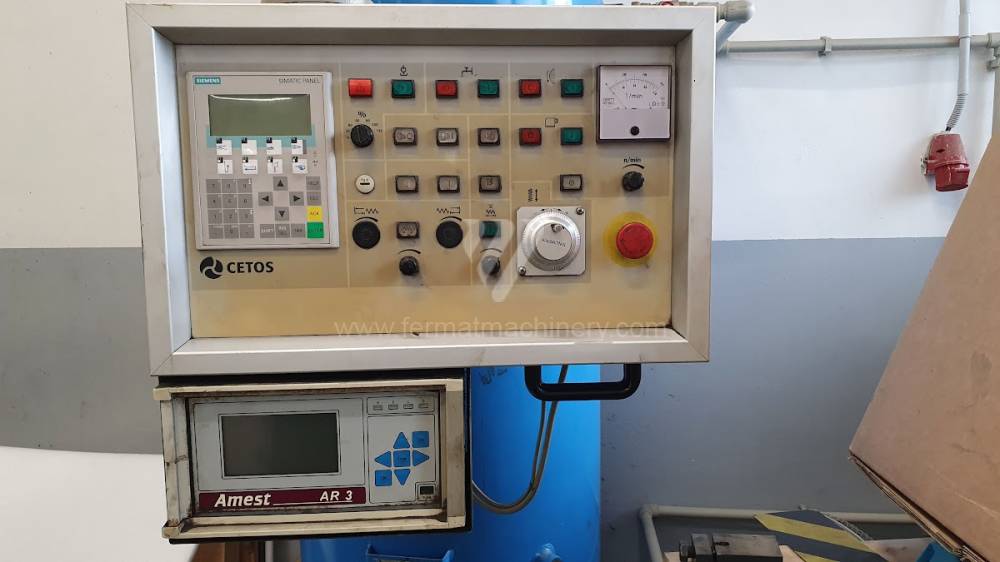
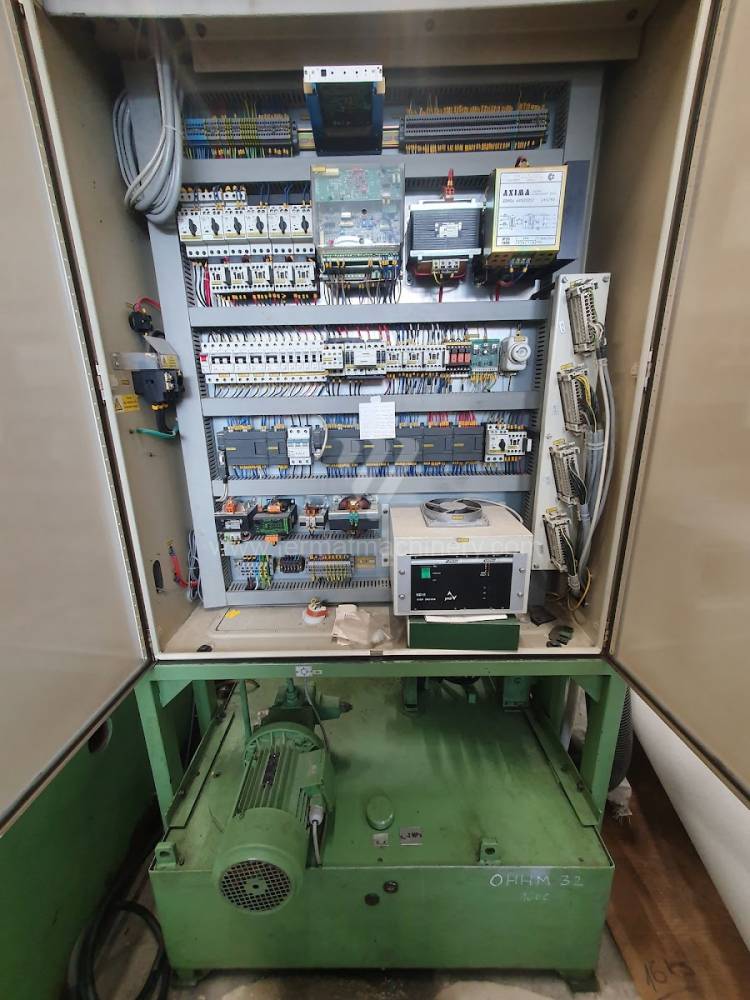
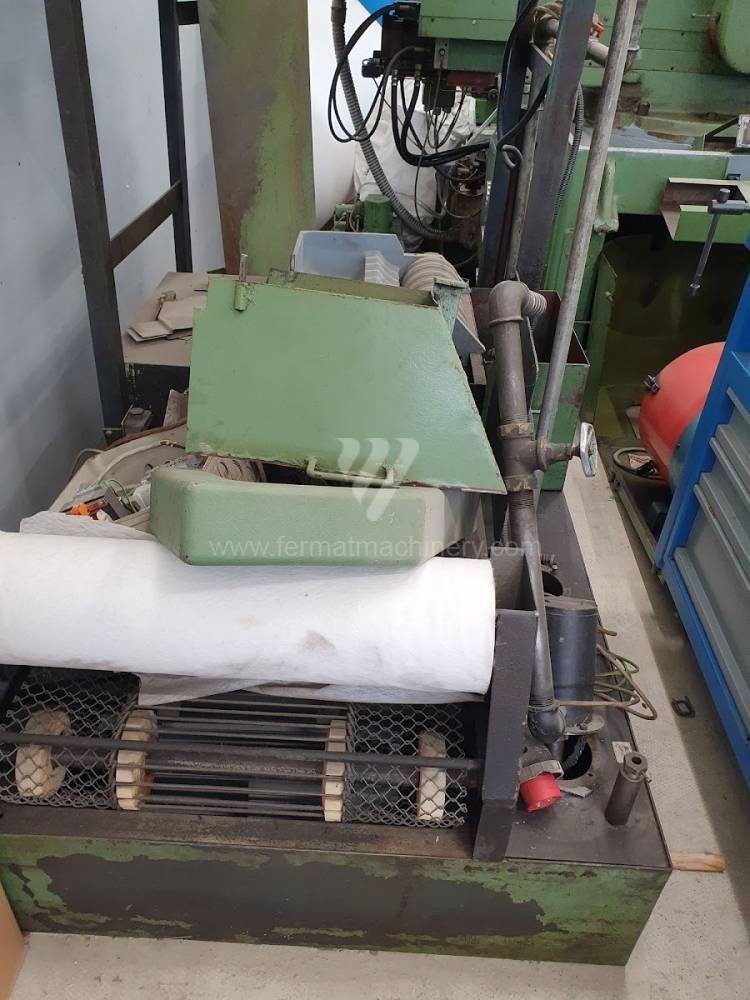
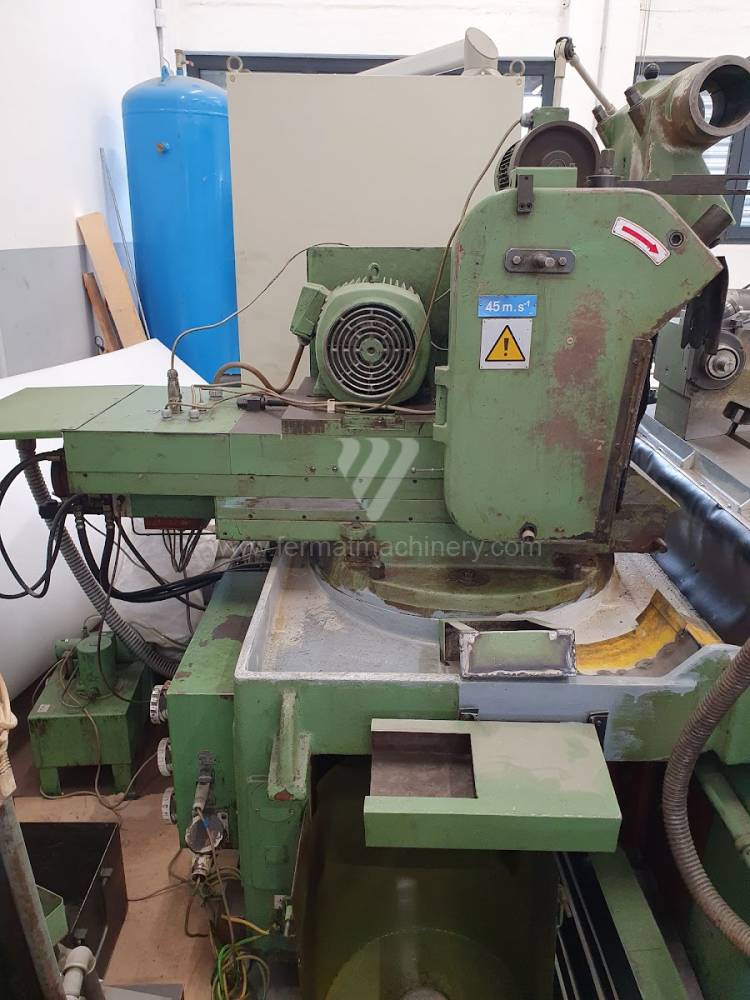
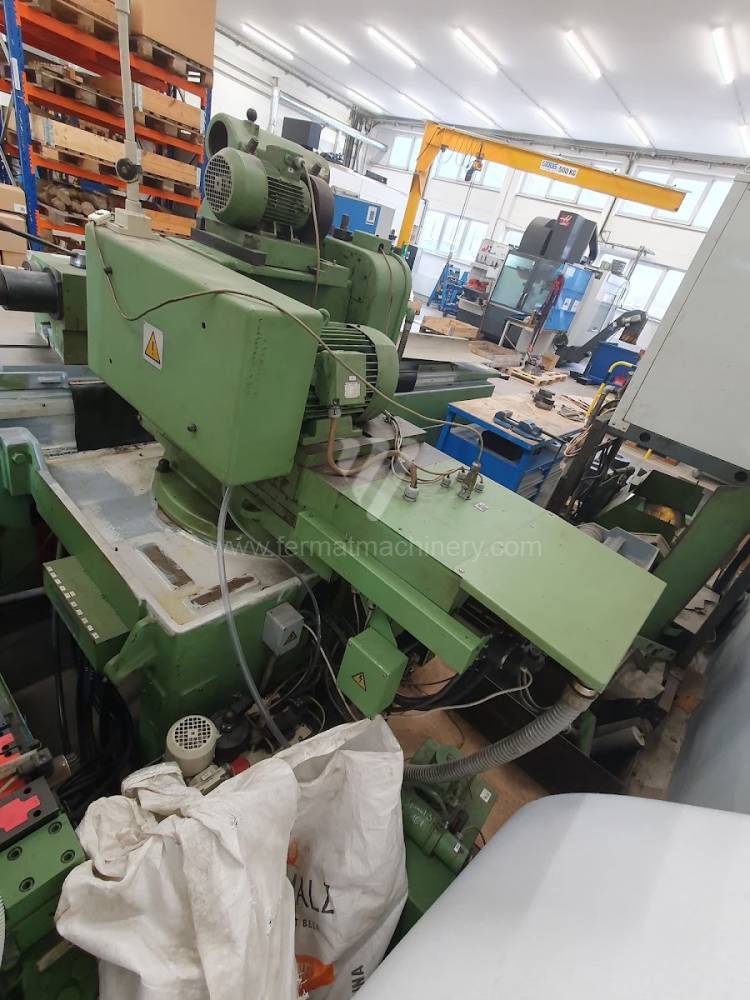
BHU 40A/1500 NC
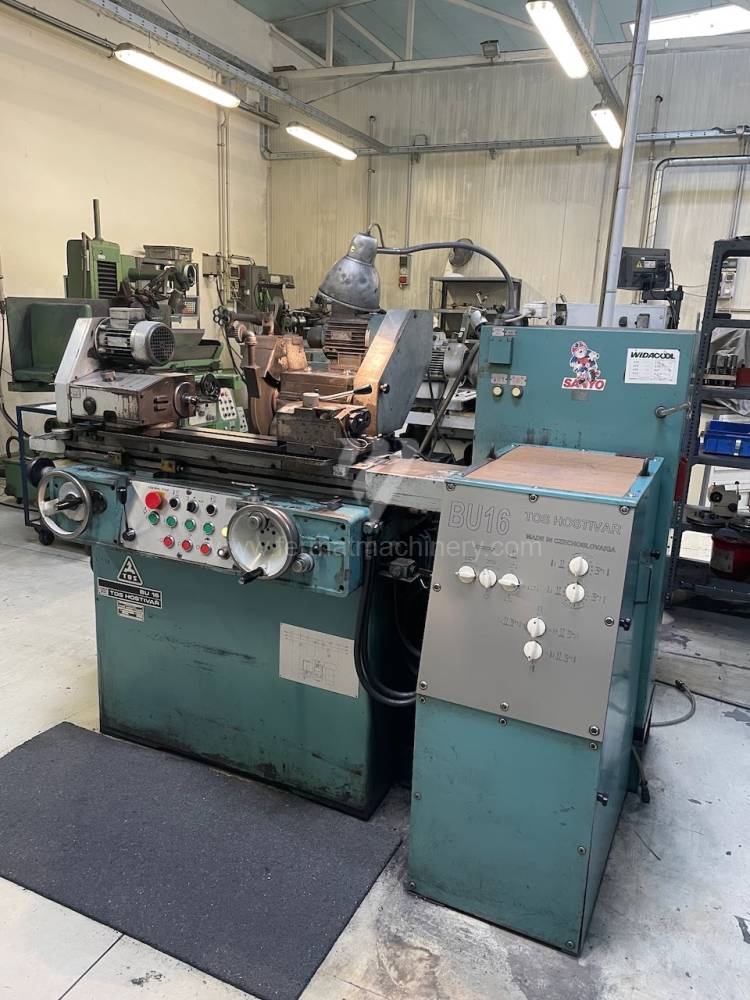
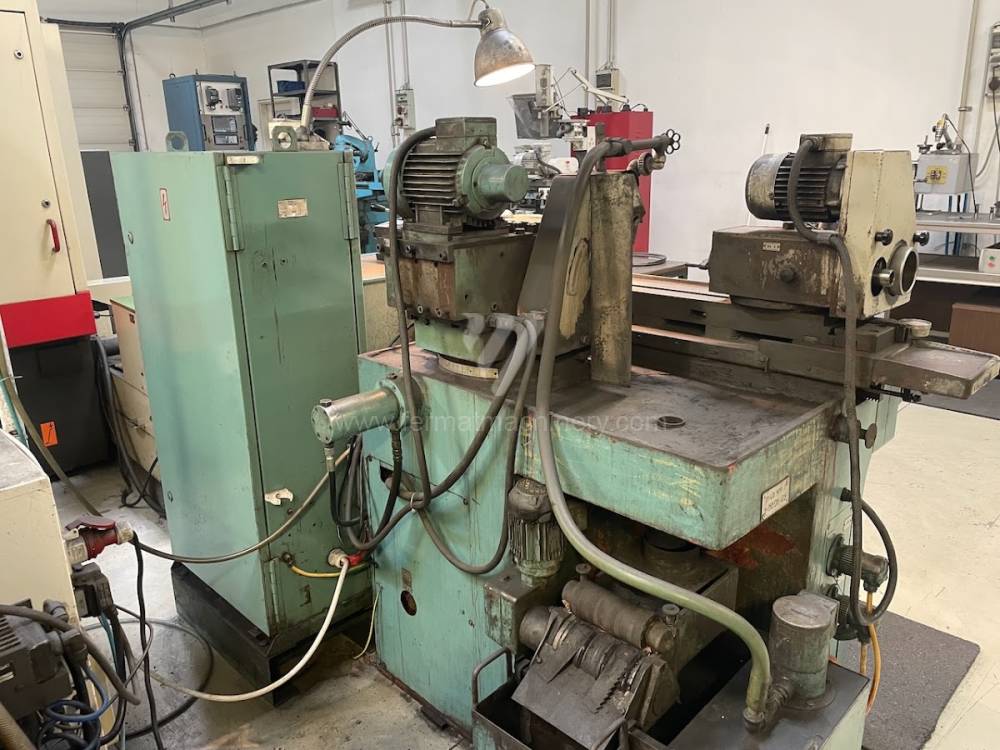
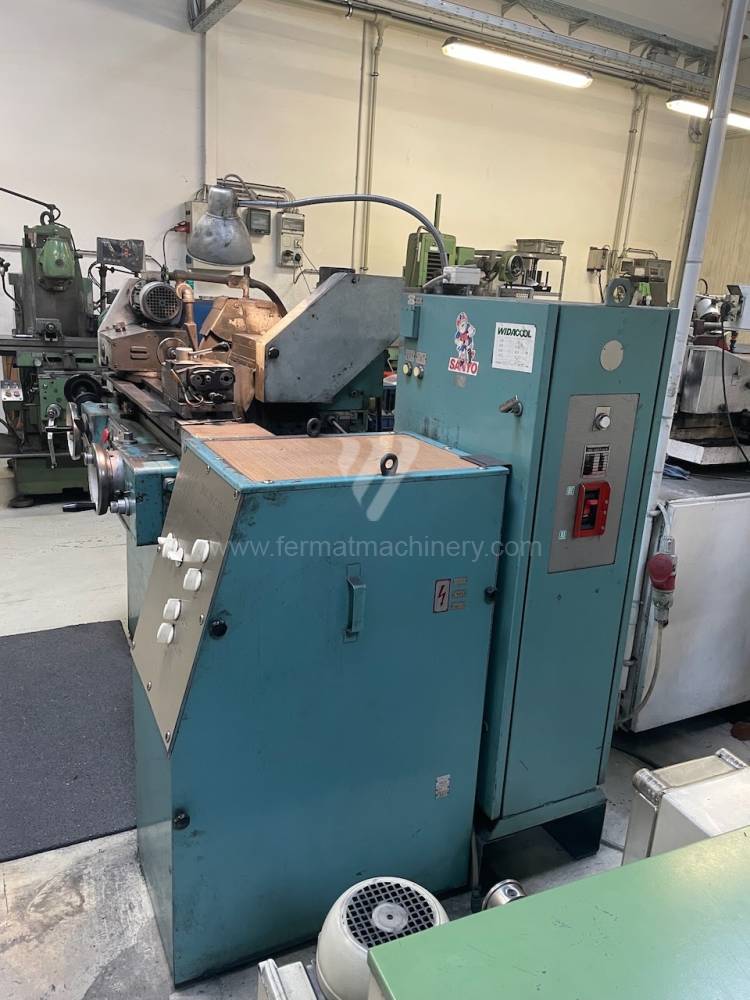
BU 16
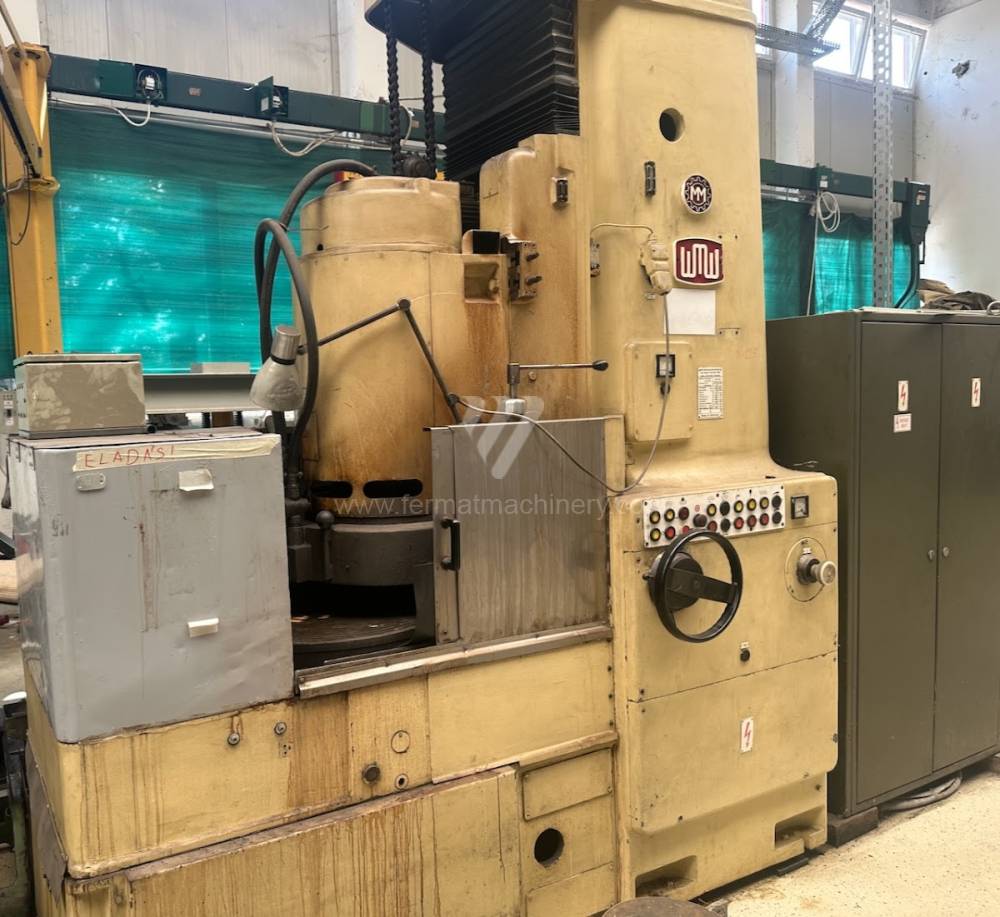
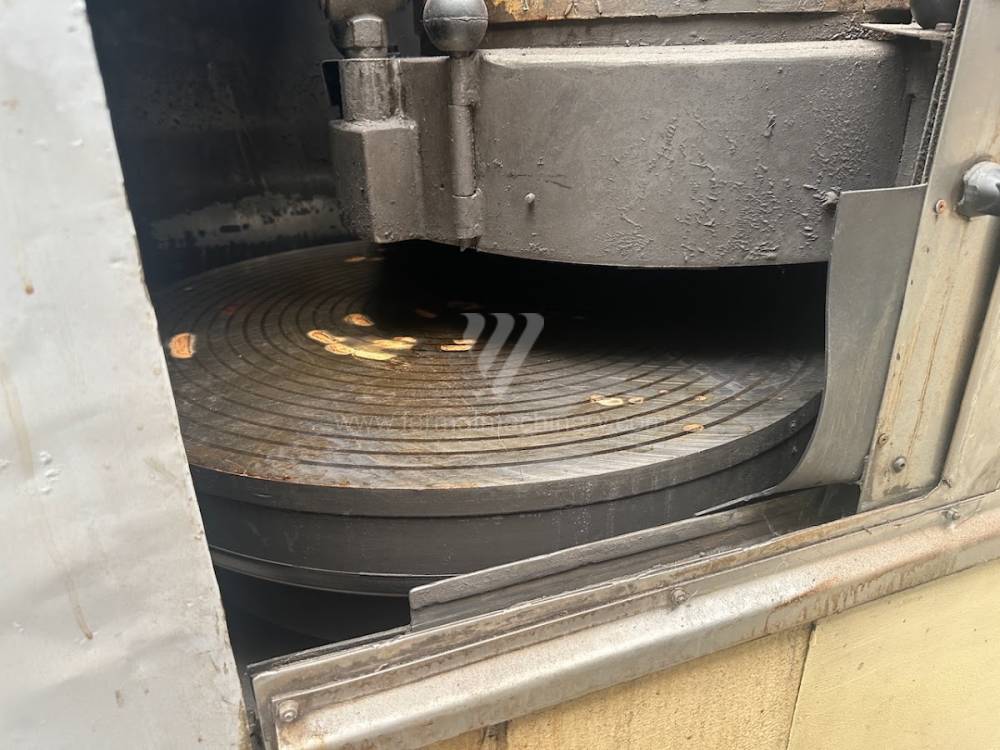
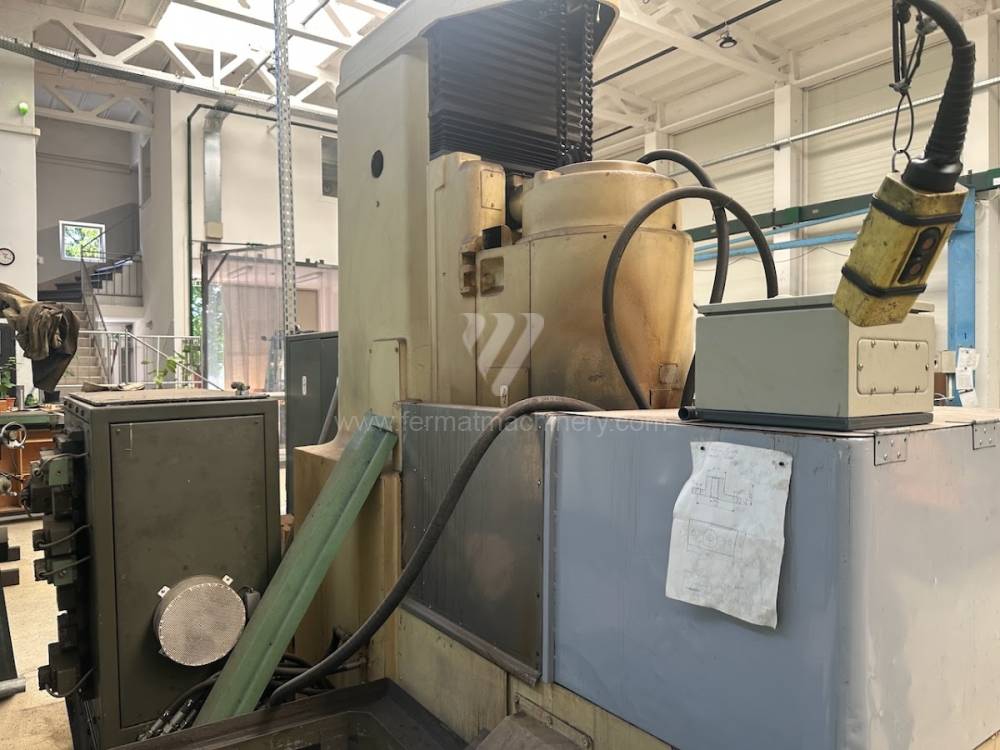
SFSR 800
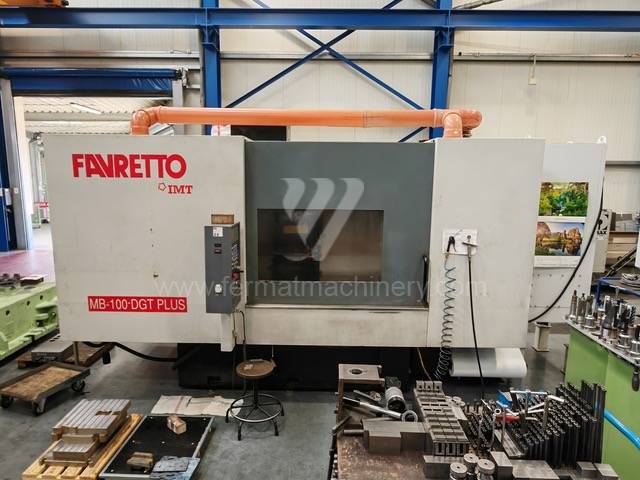
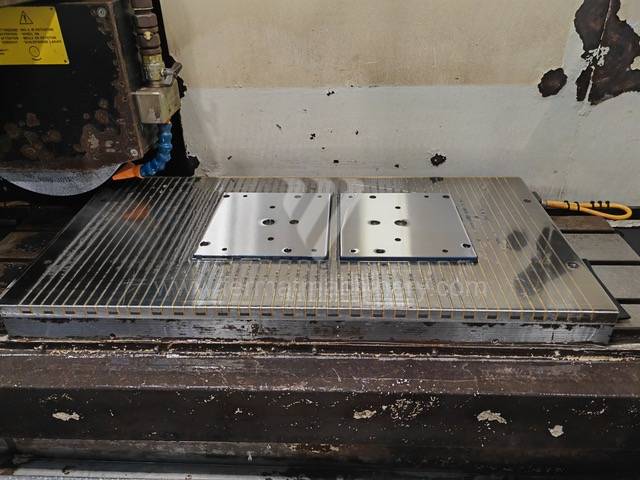
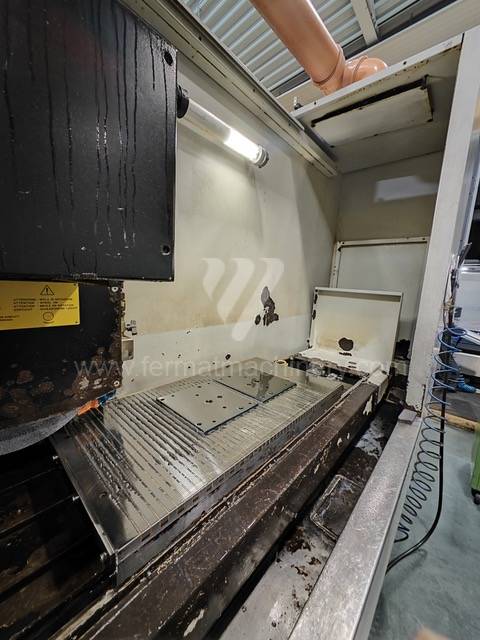
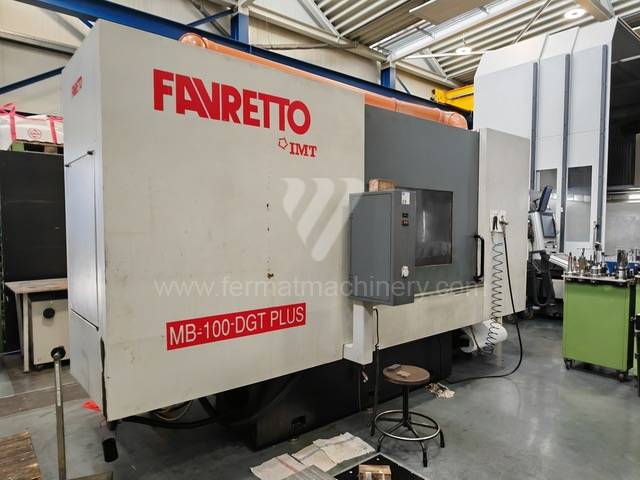
MB 100
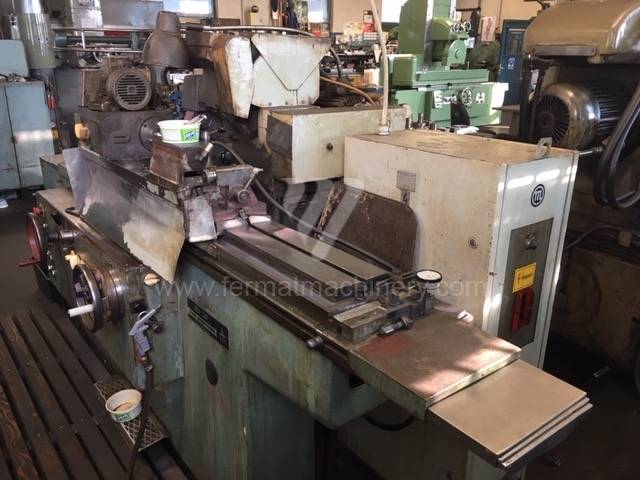
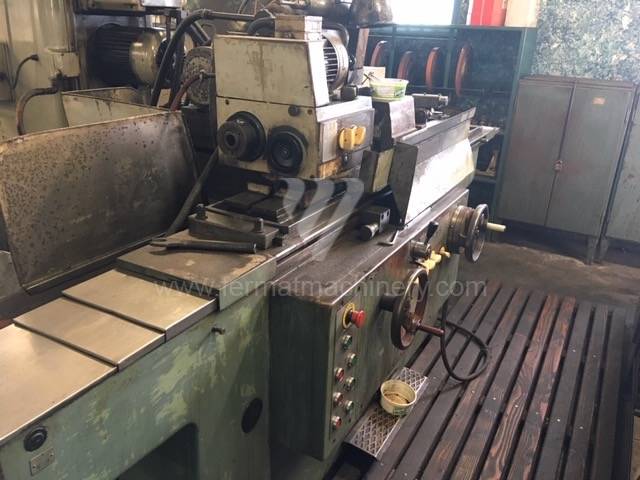
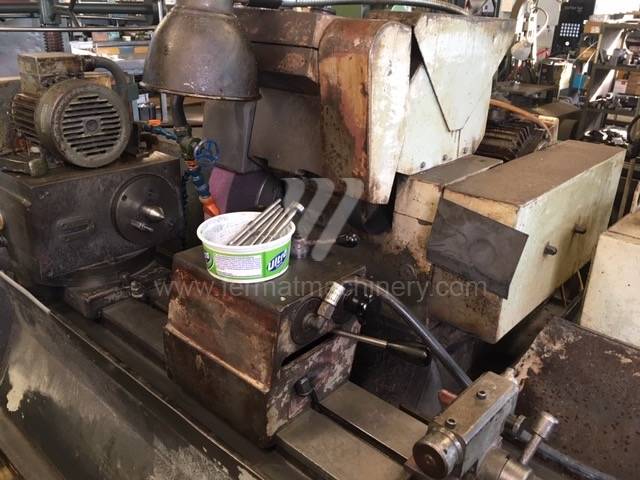
BU 28 1000
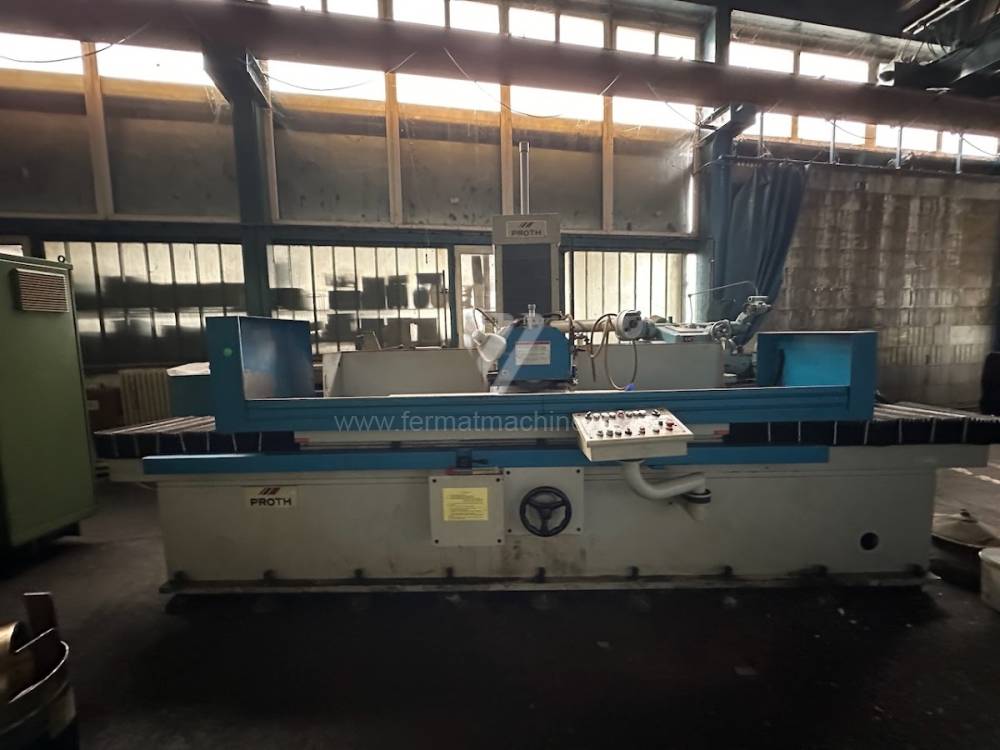
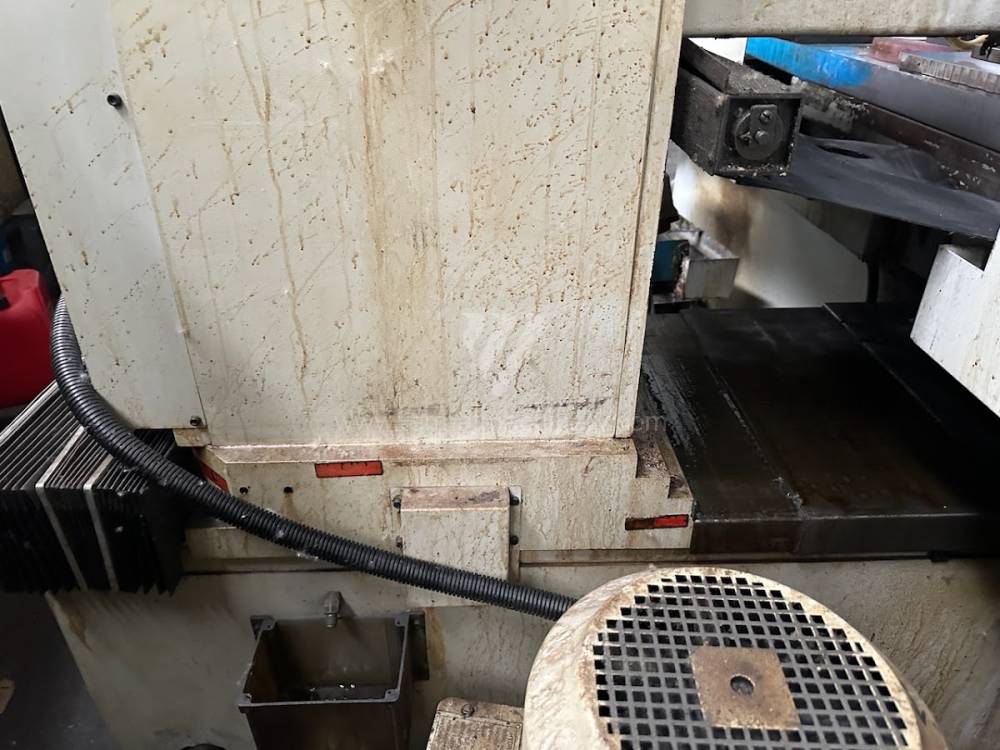
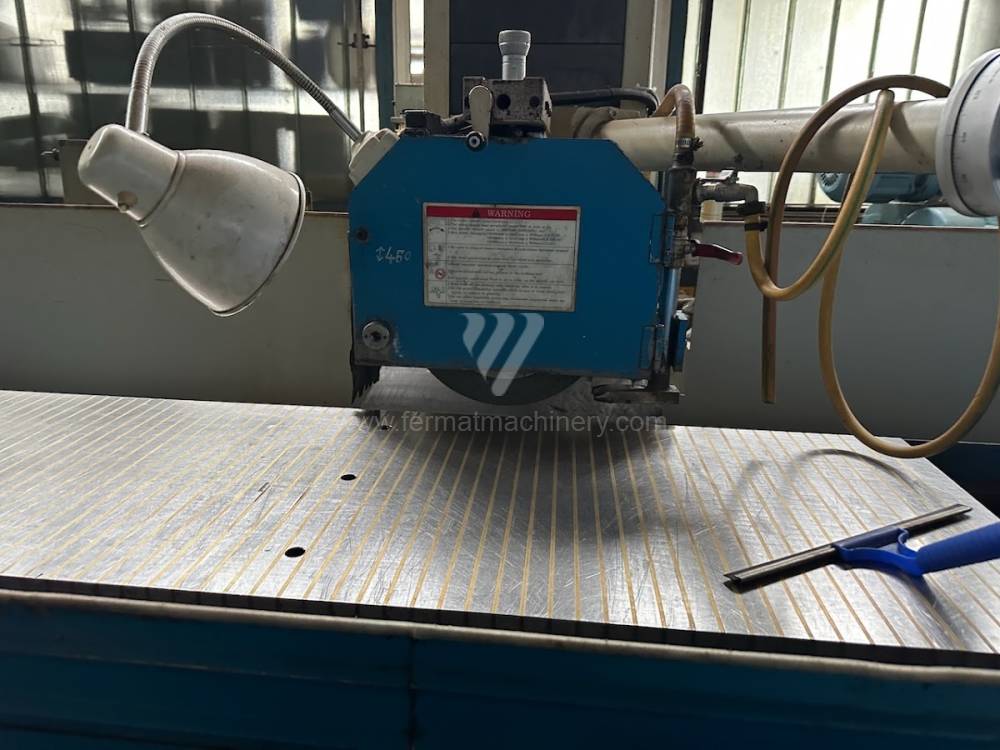
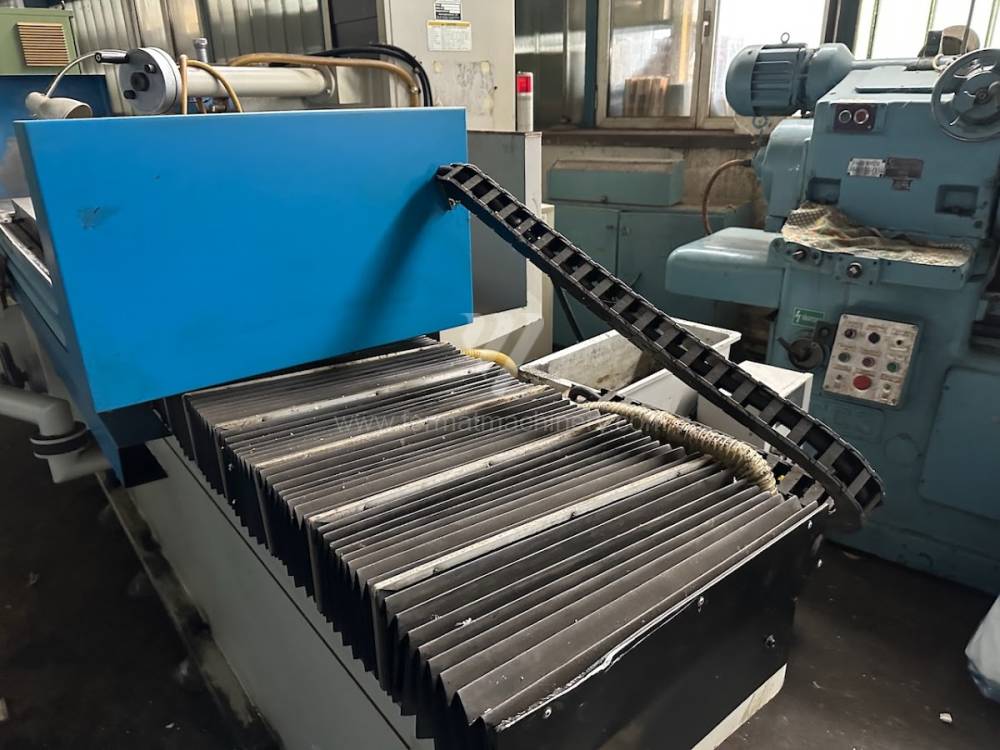
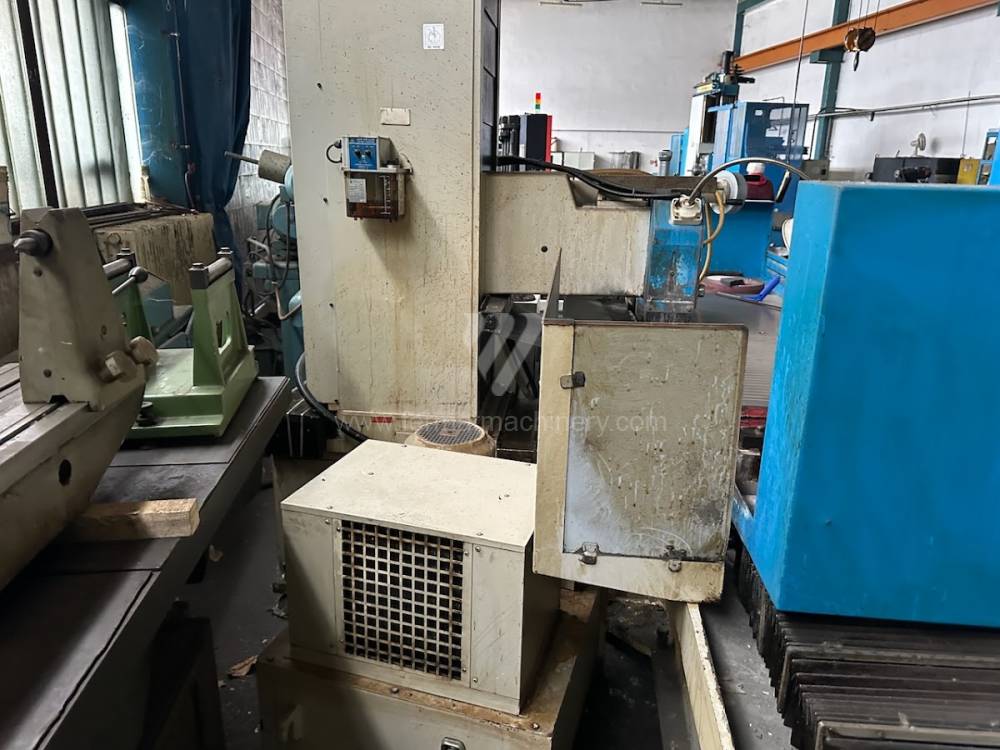
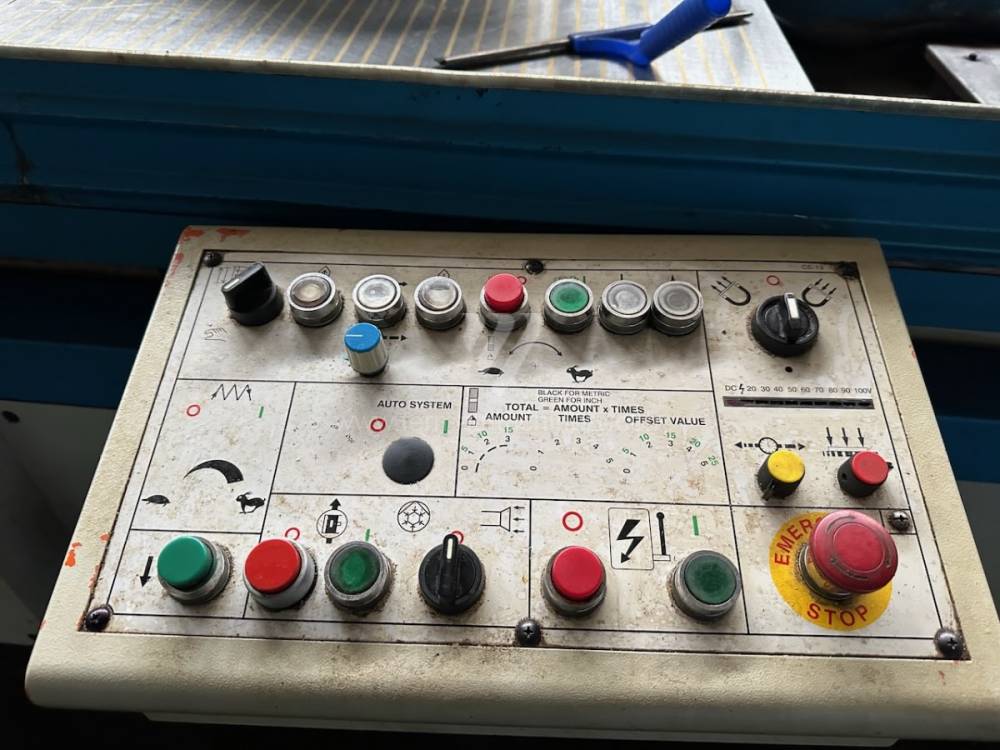
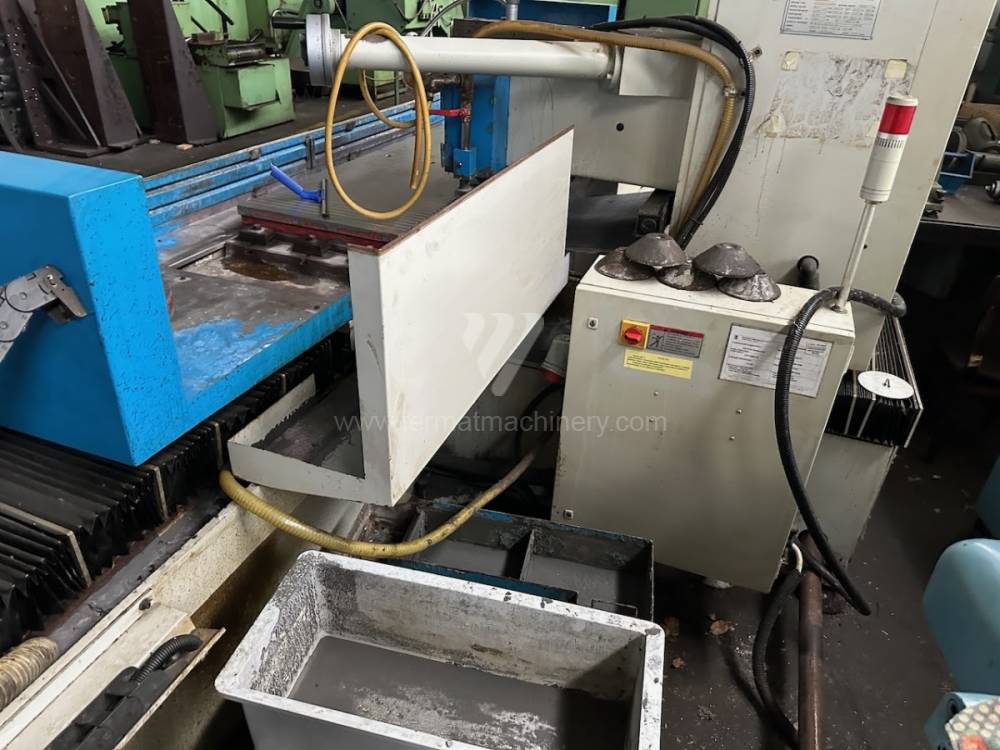
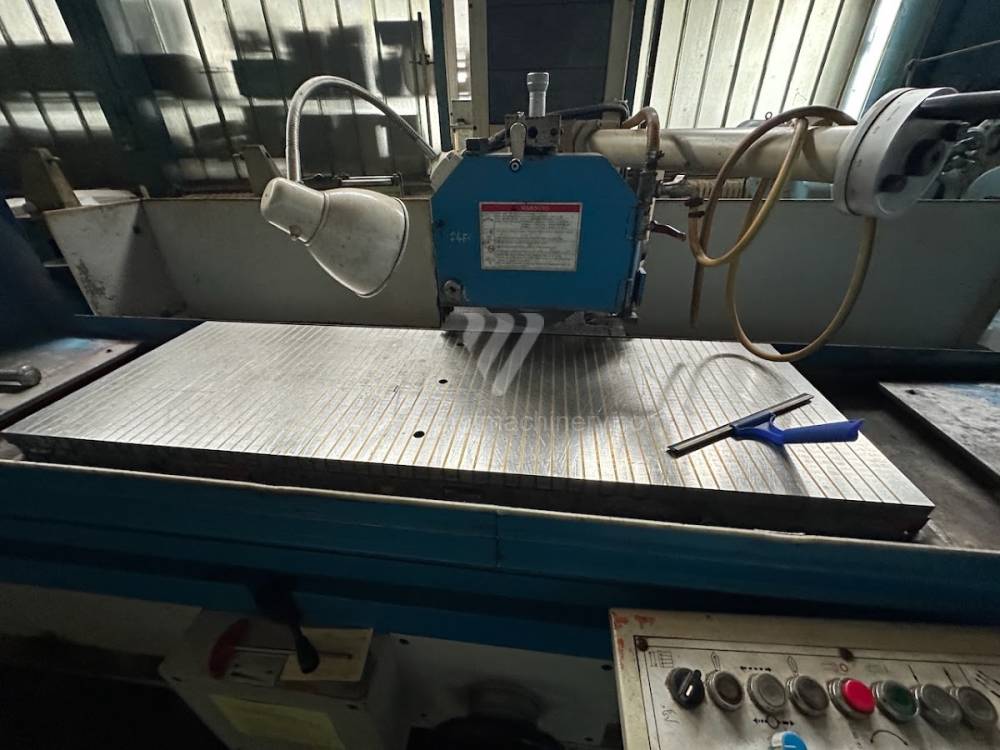
PSGC – 50150 AHR
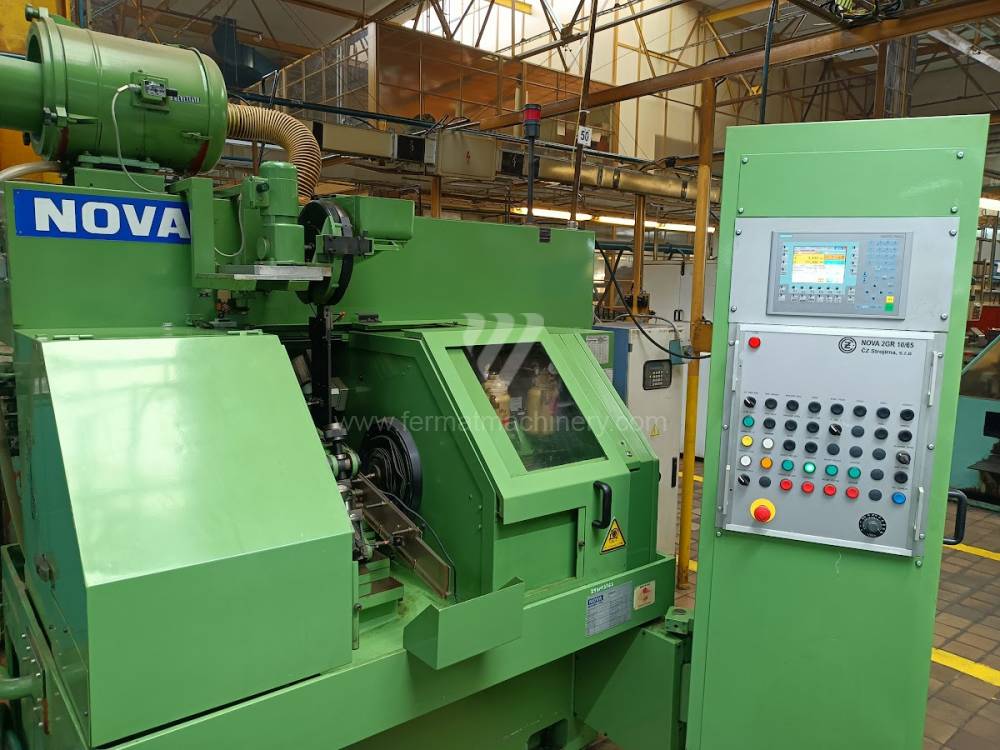
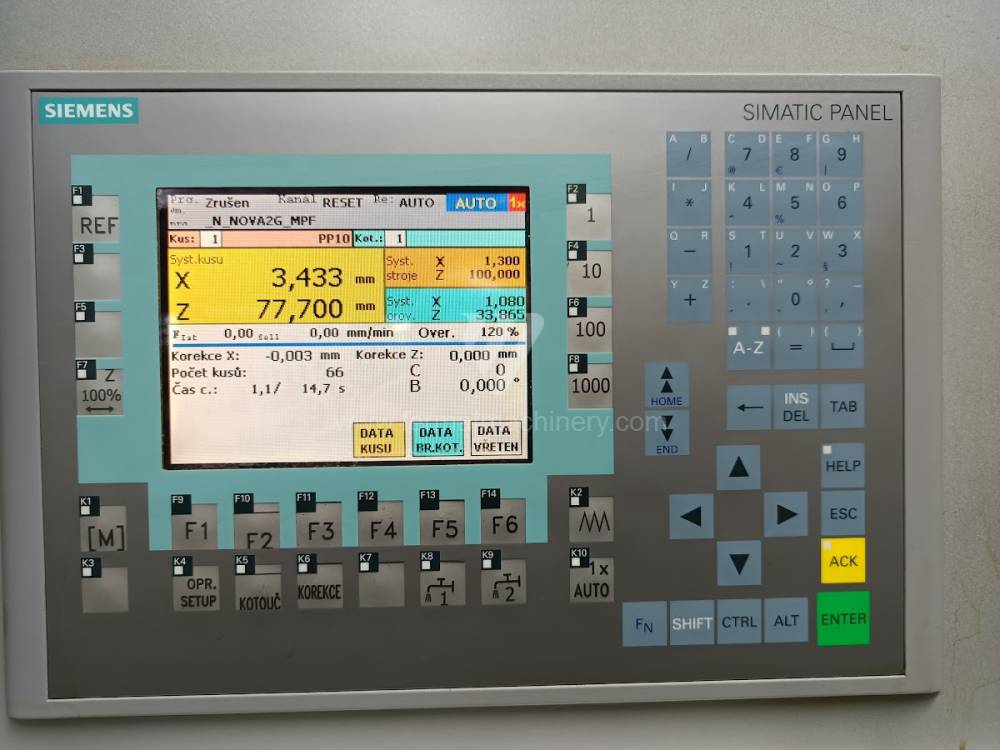
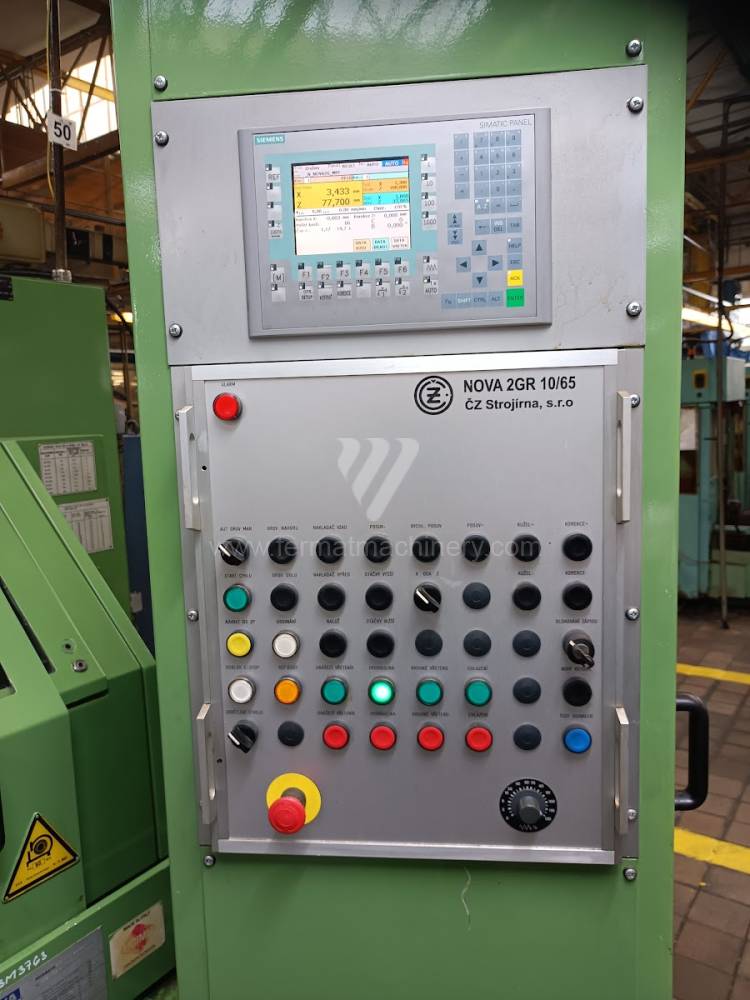
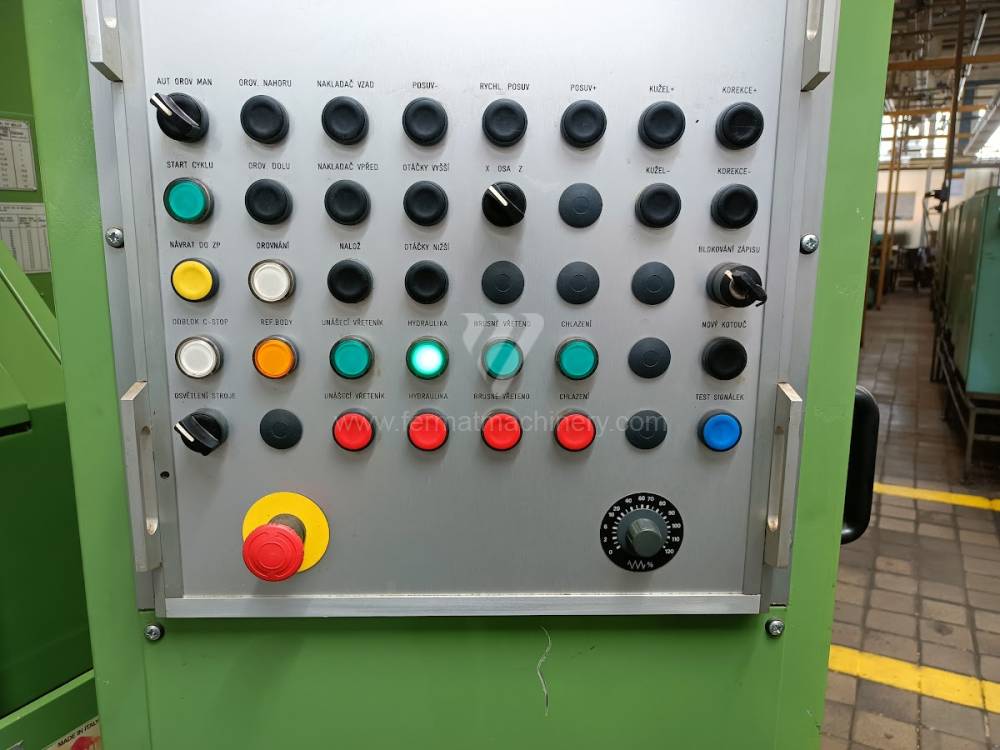
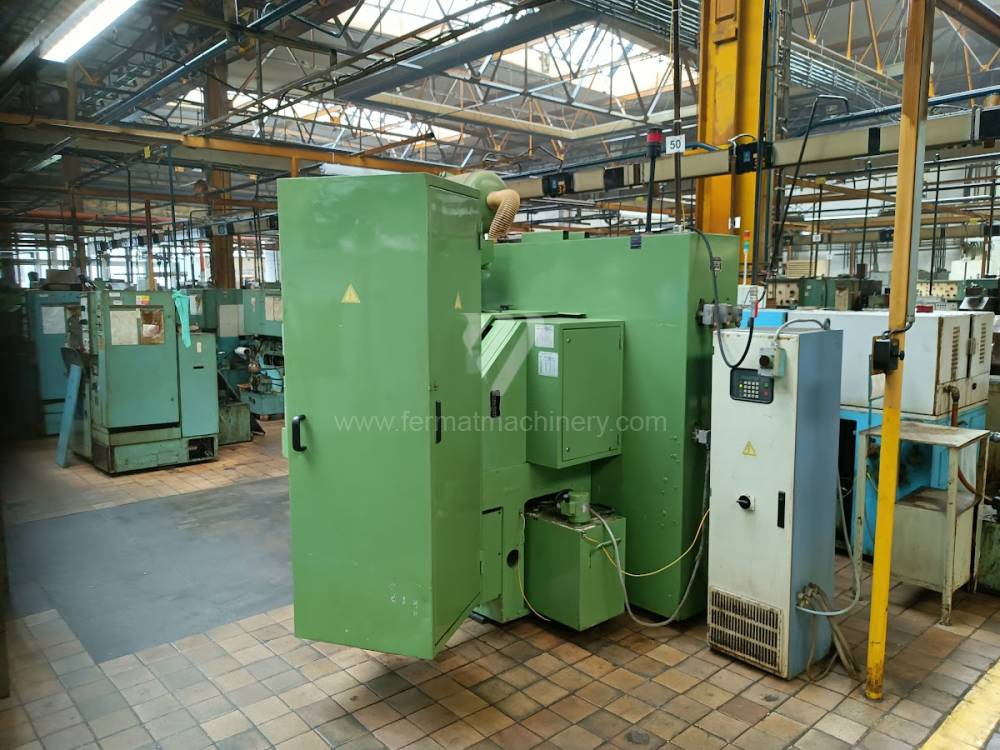
NOVA 2GR 10/65 CNC
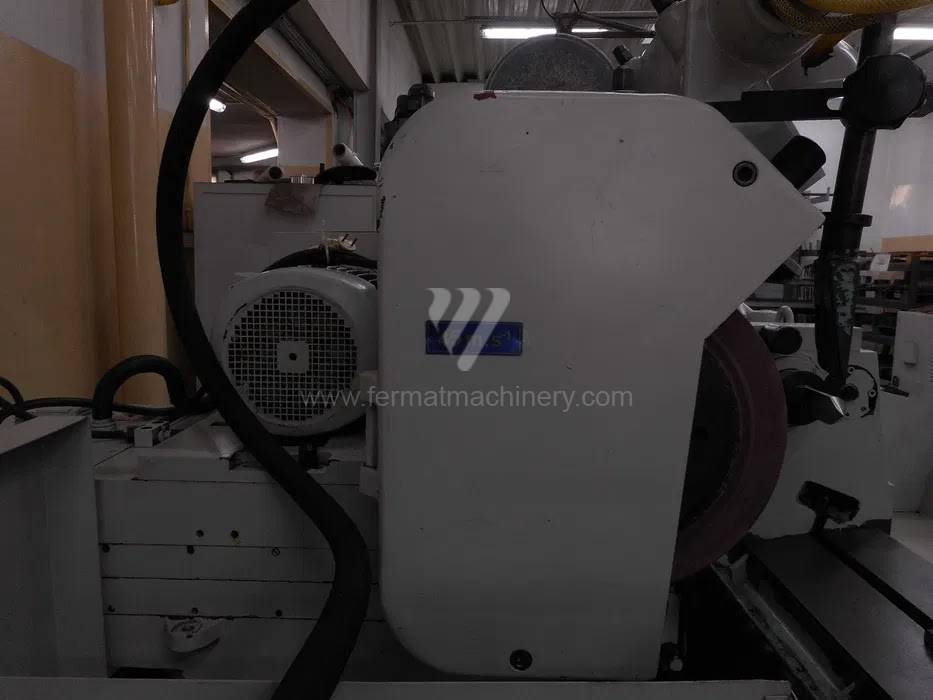
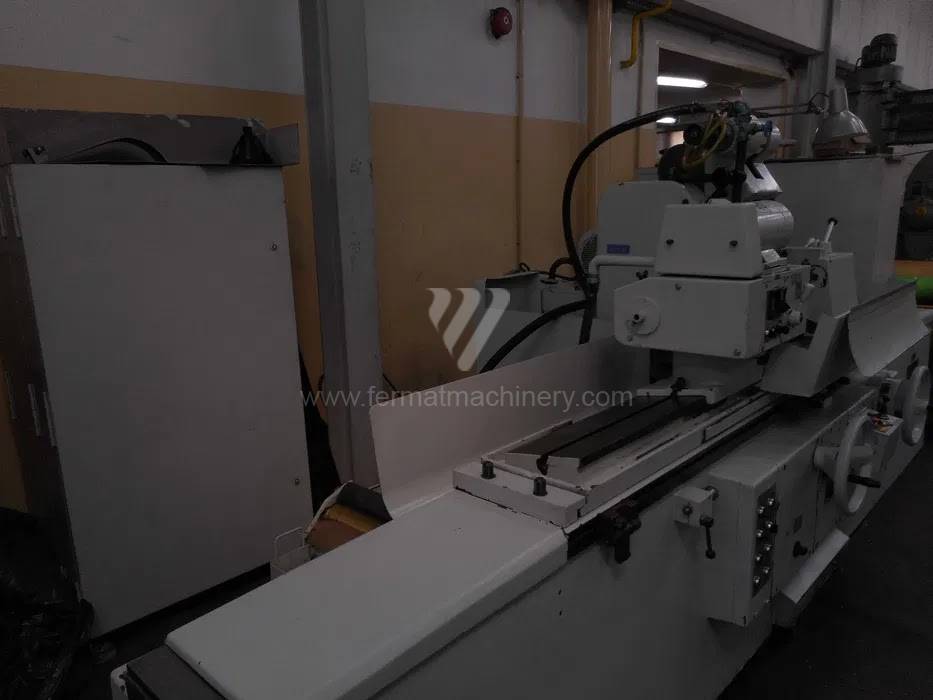
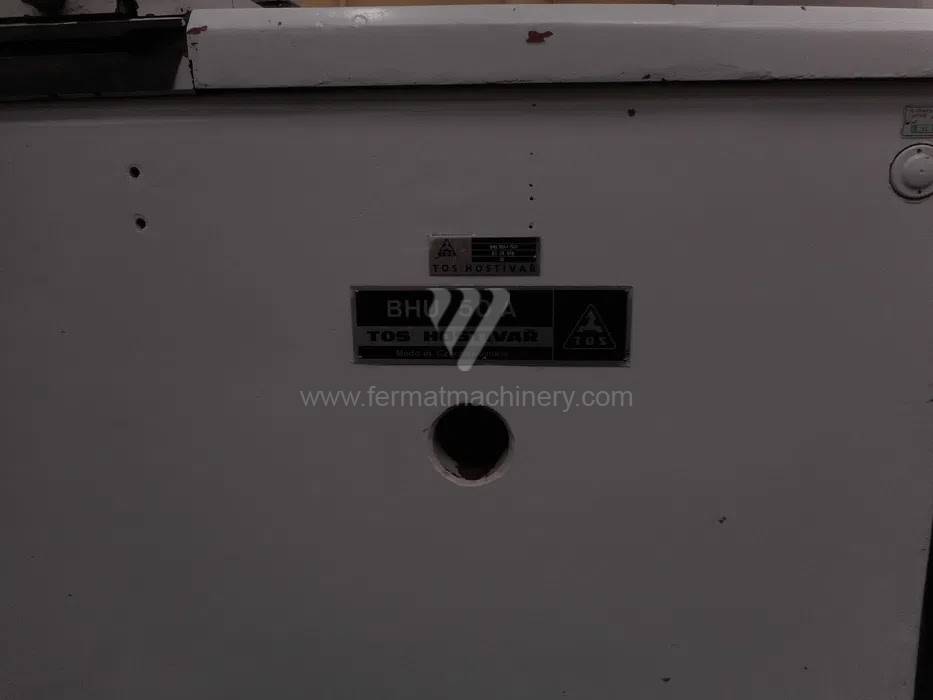
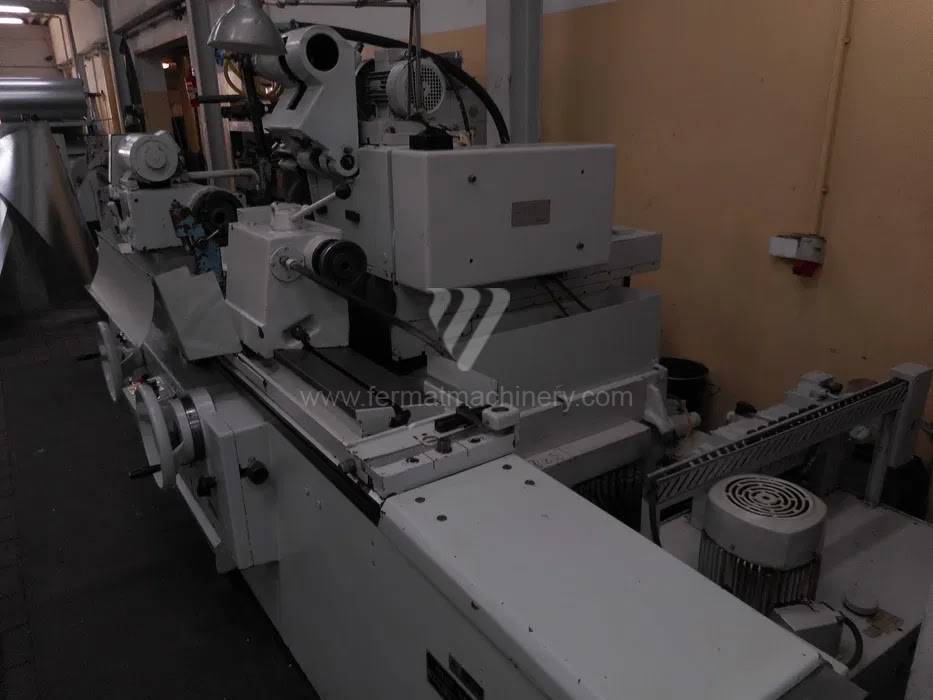
BHU 50 -1500
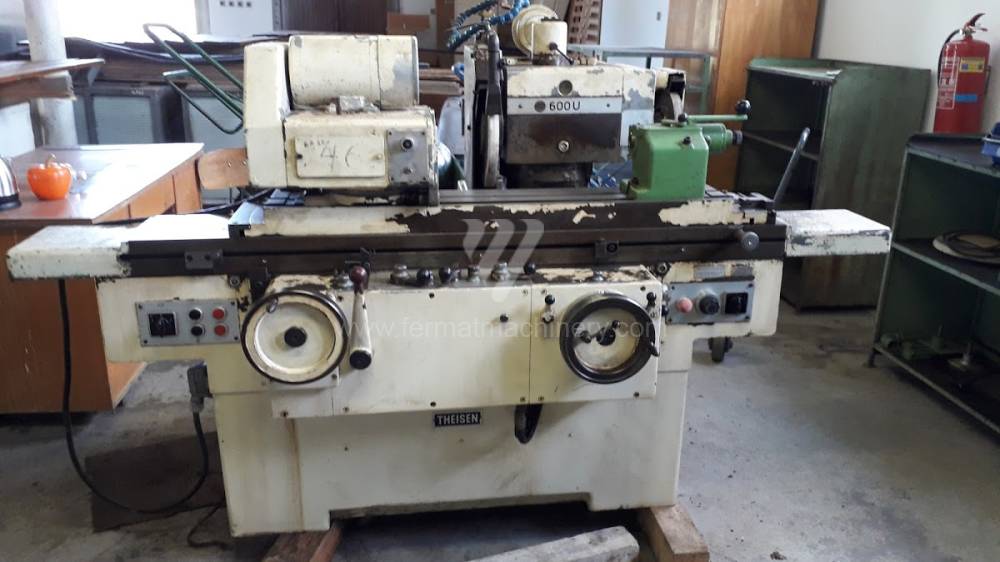
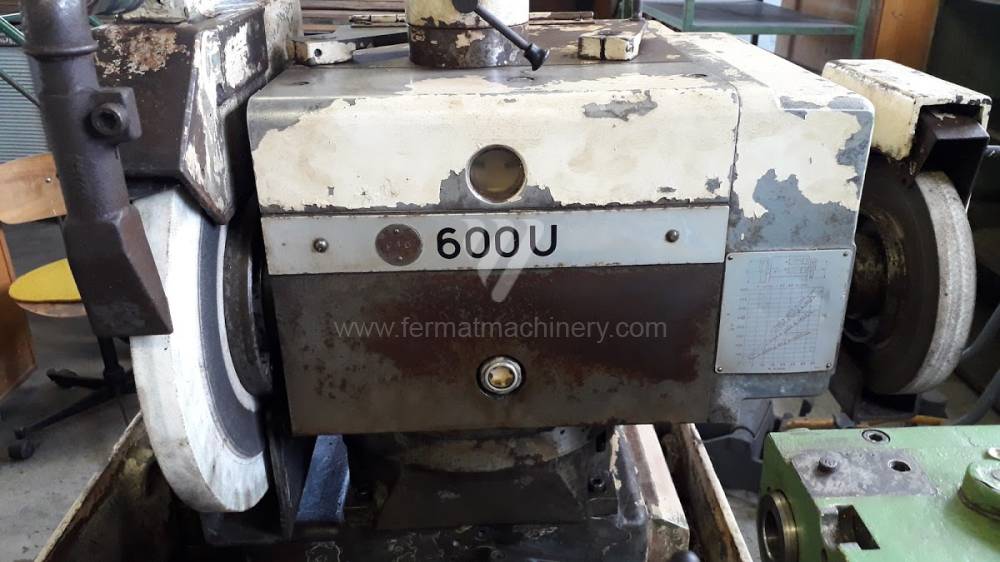
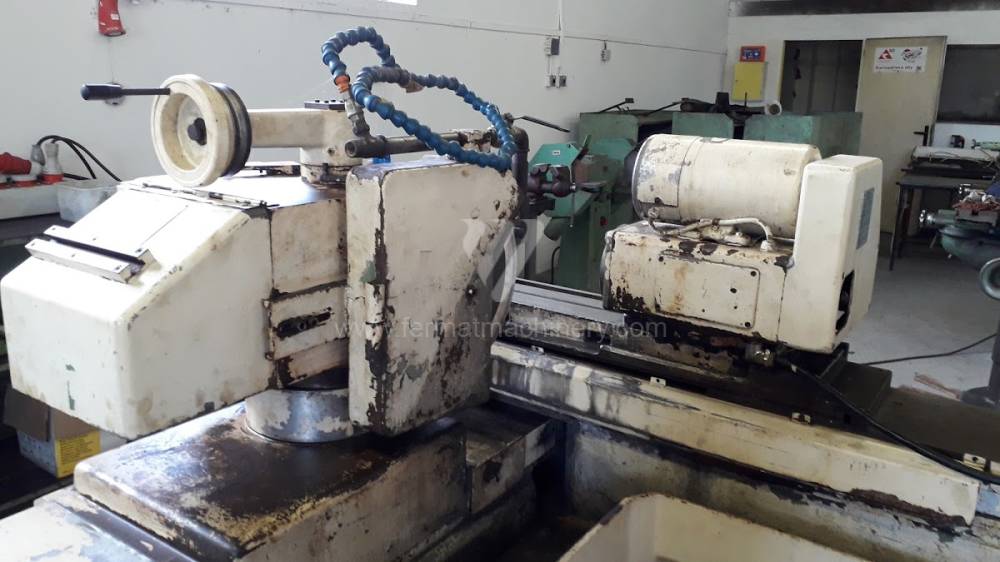
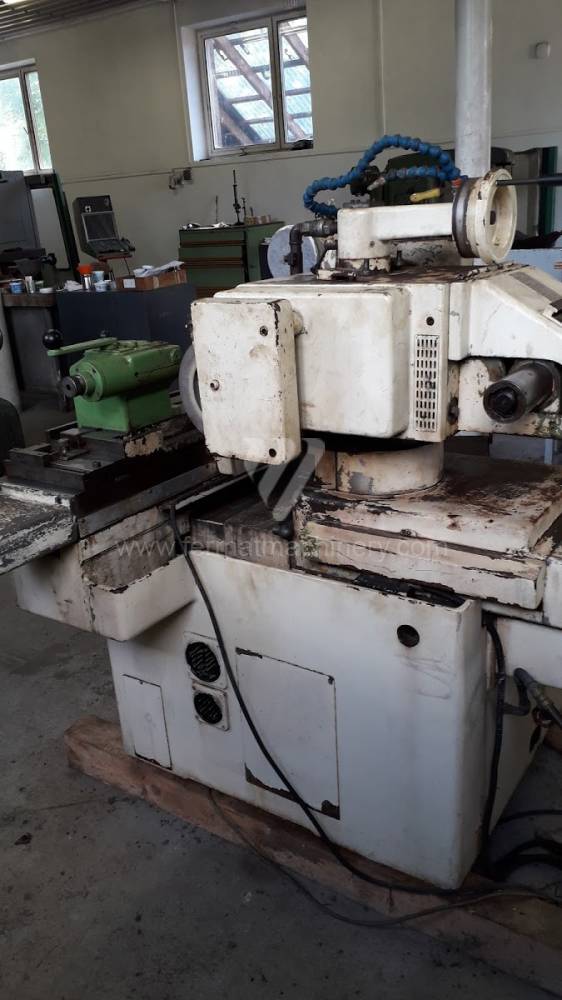
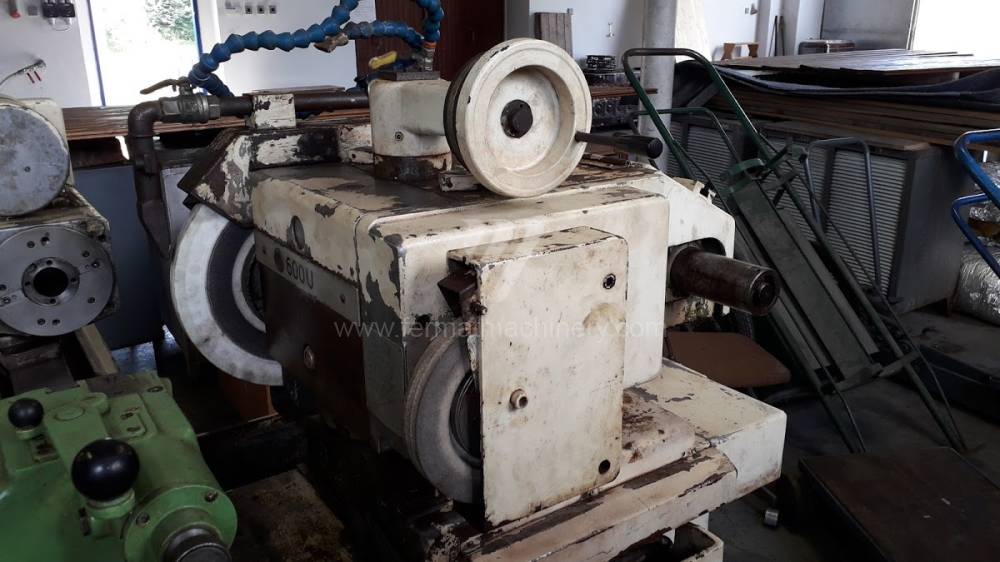
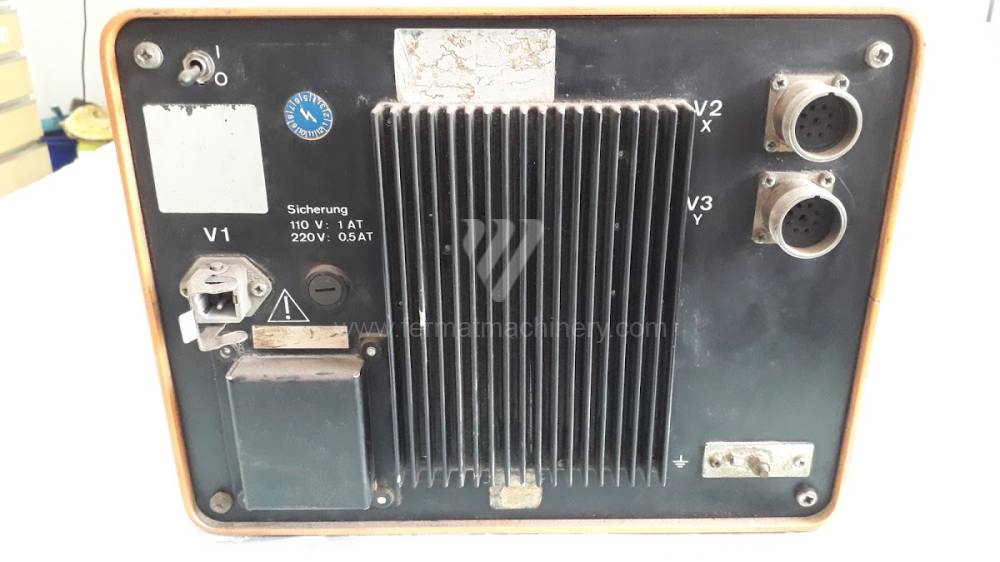
600 U

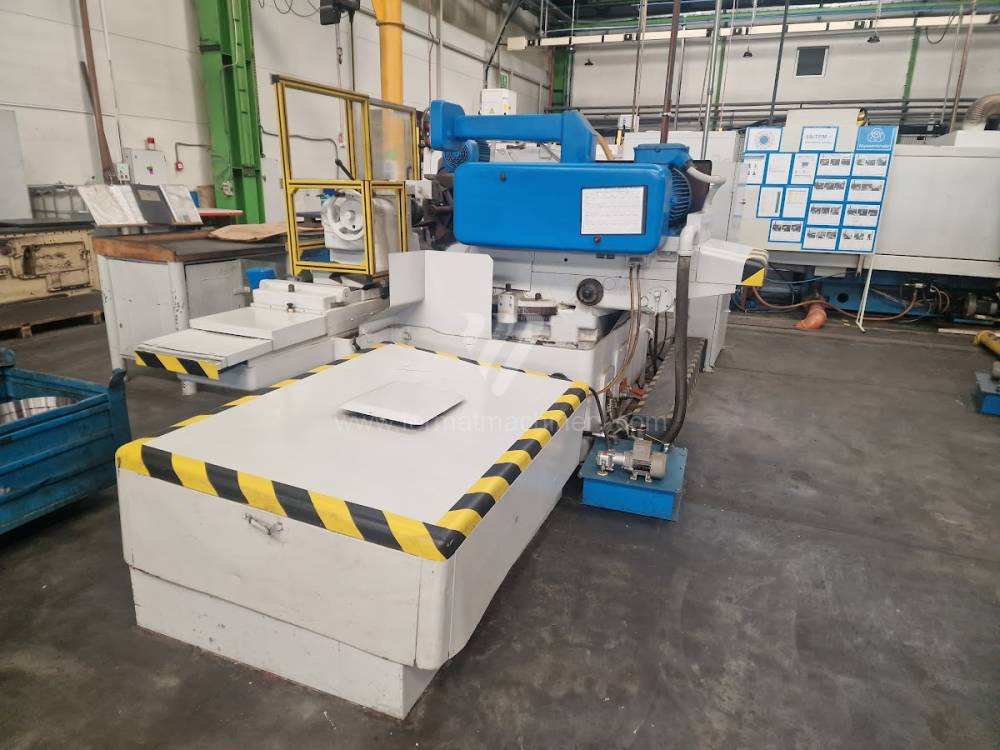
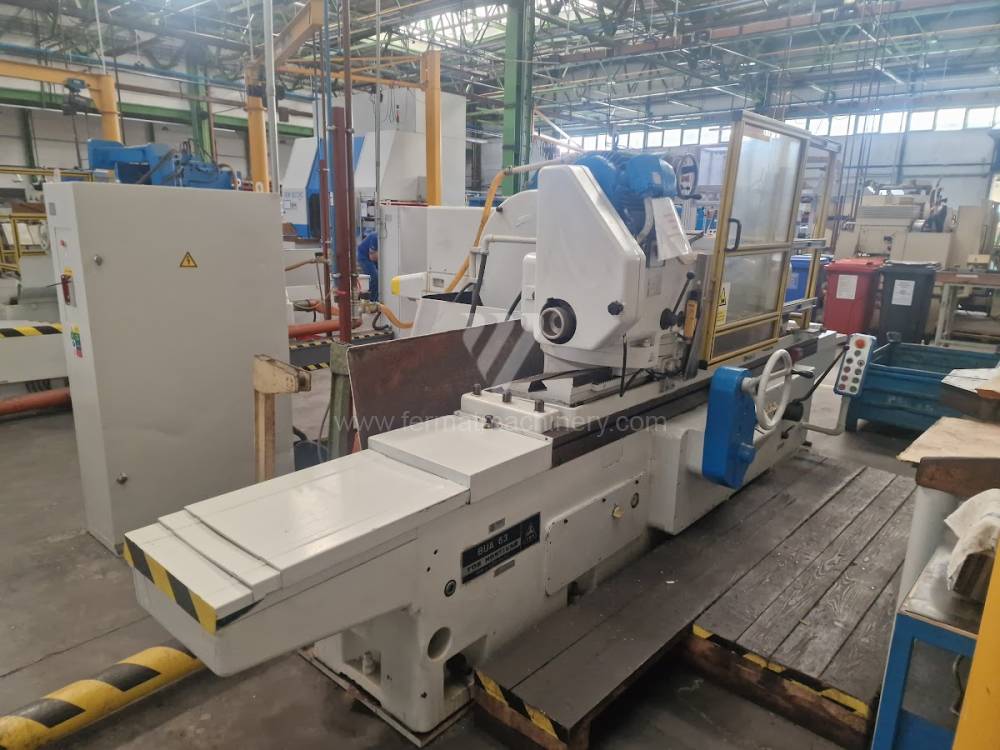
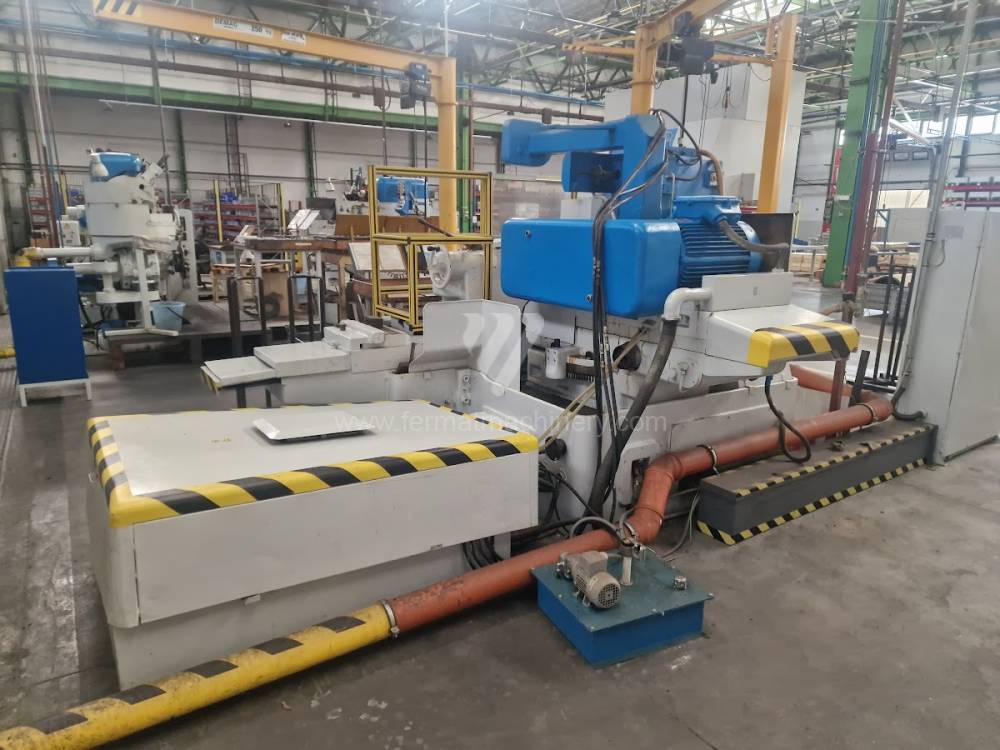
BUA 63/1000
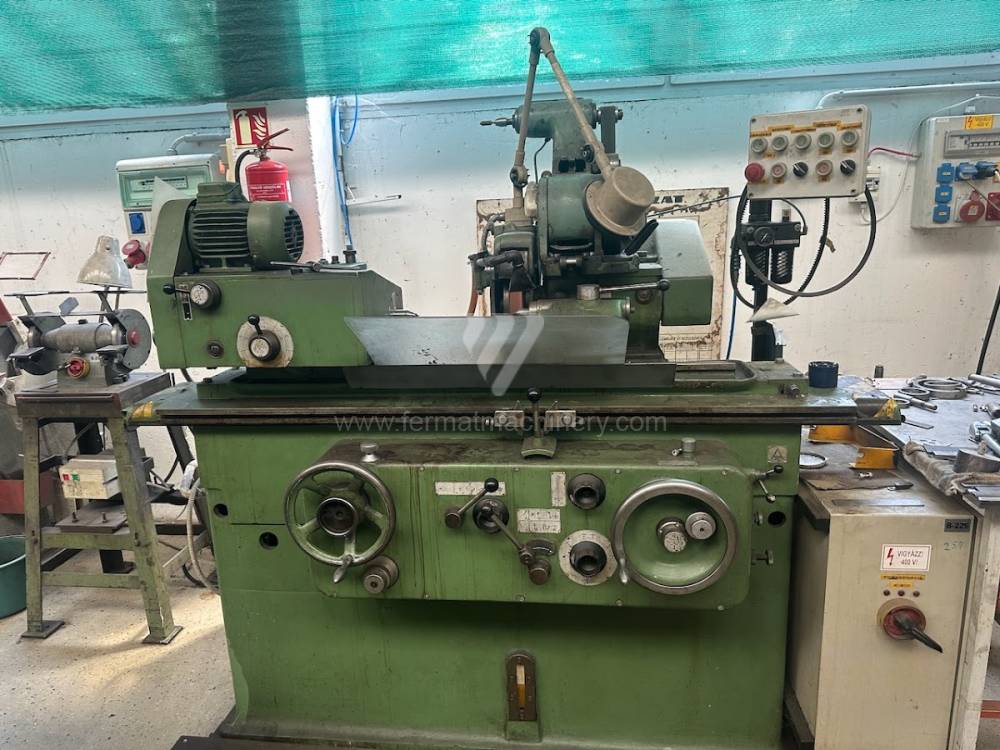
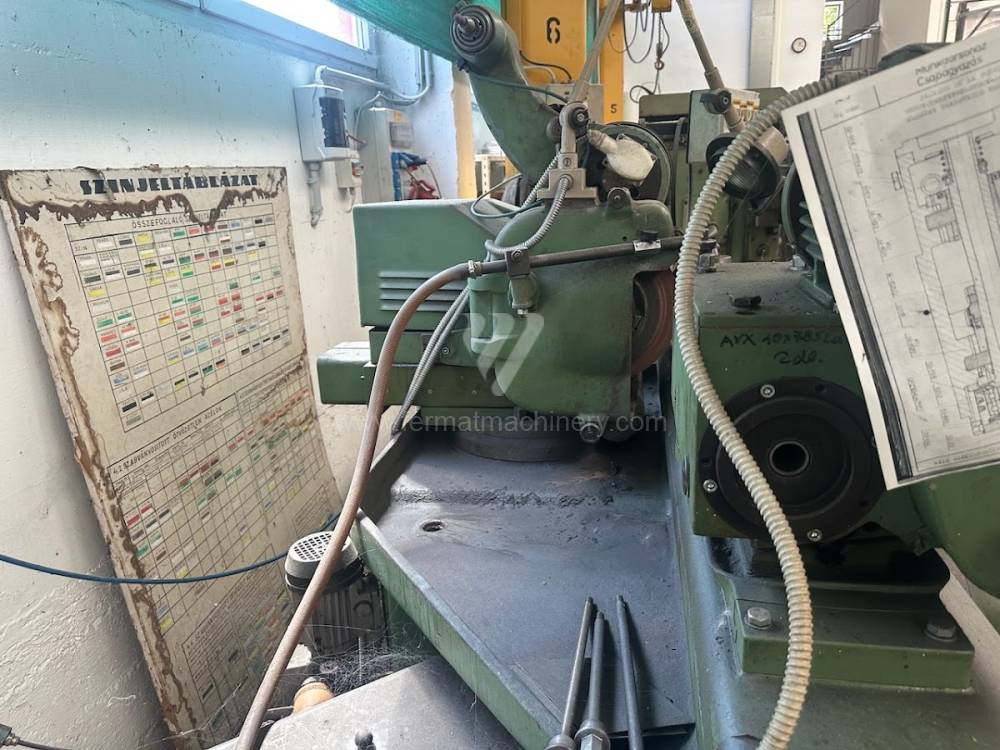
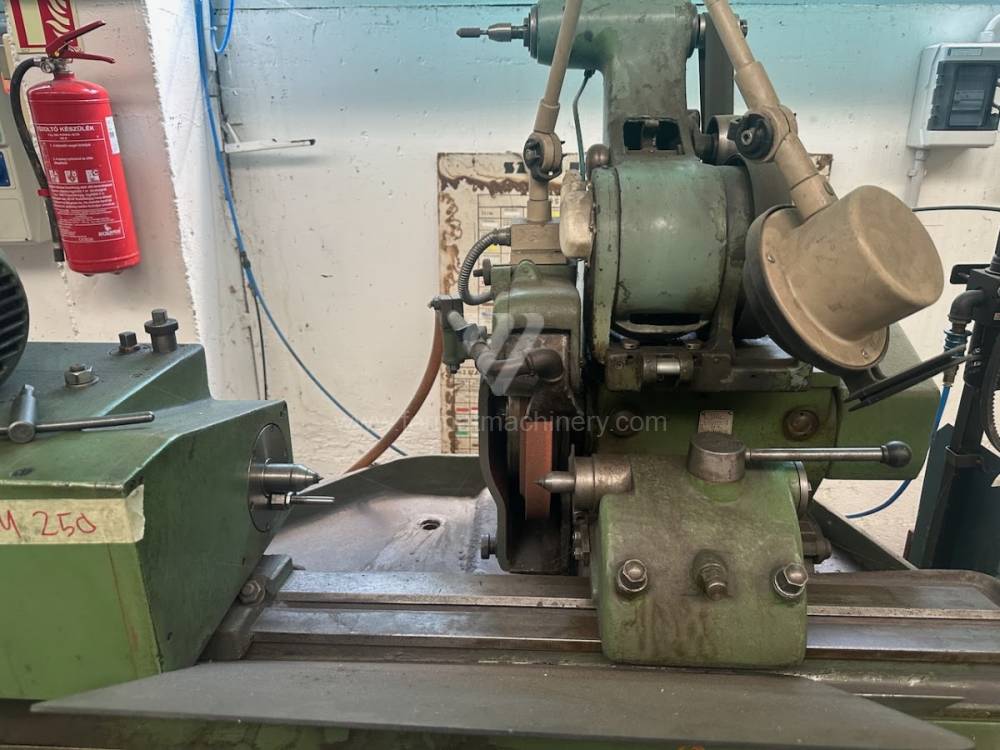
KU 250/750
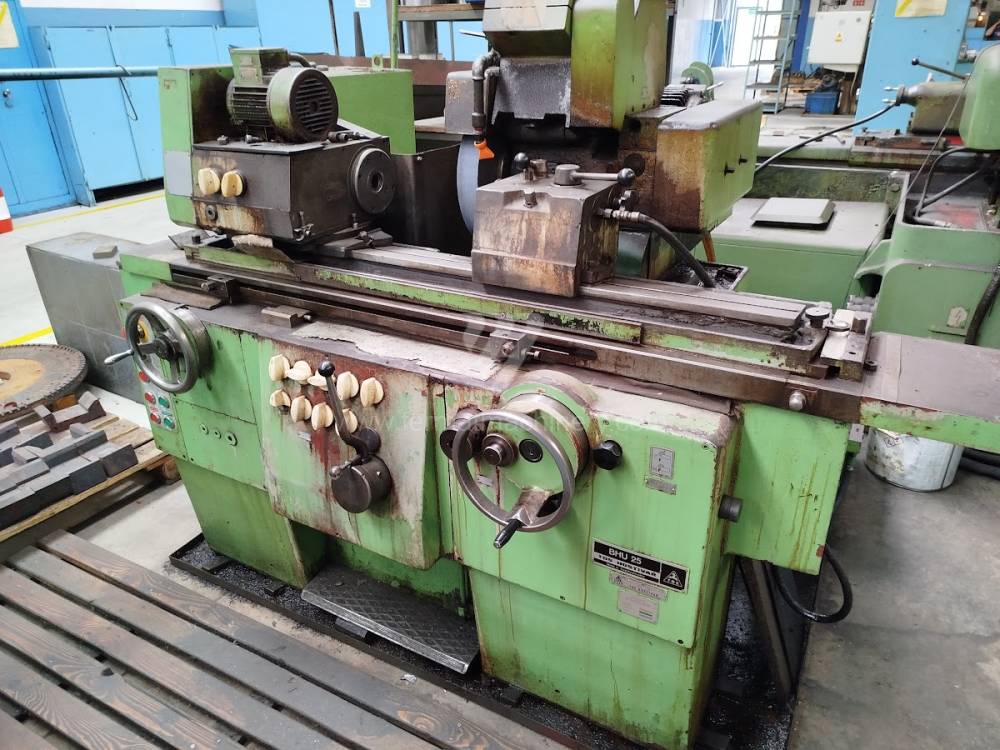
BHU 25
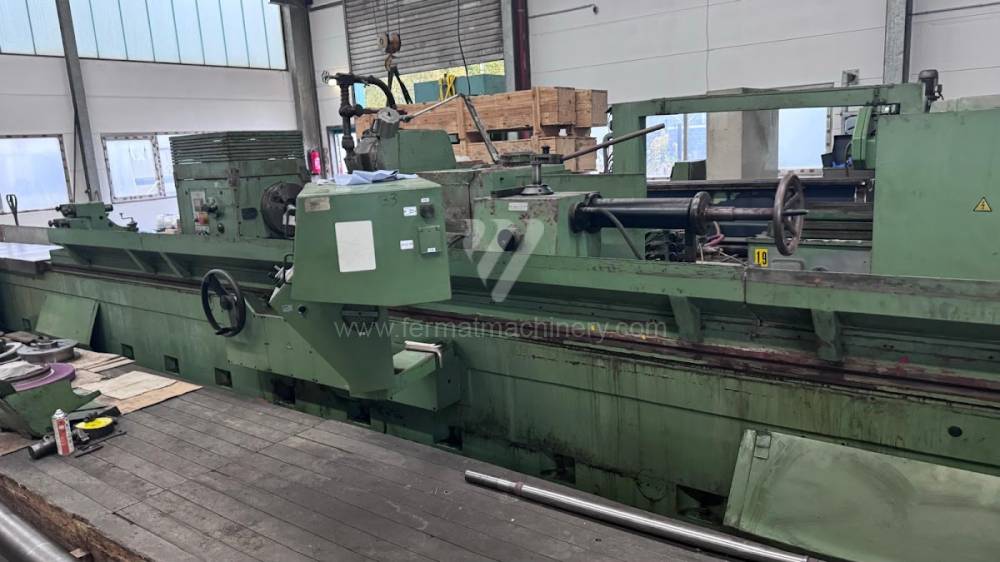
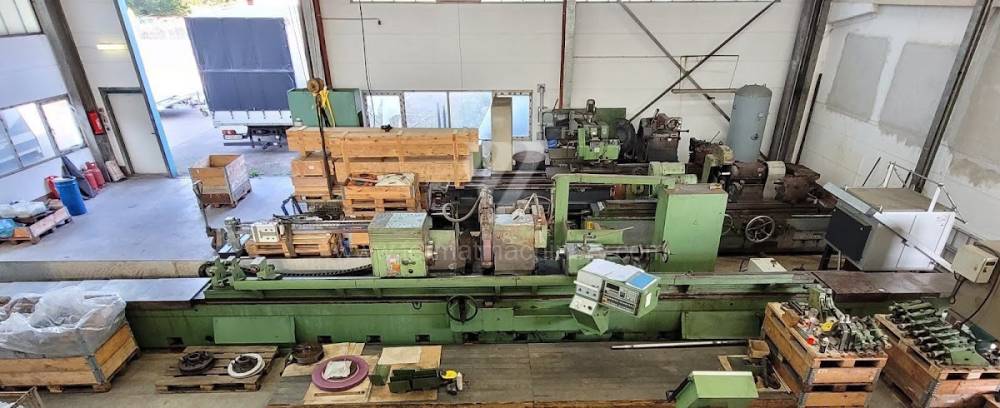
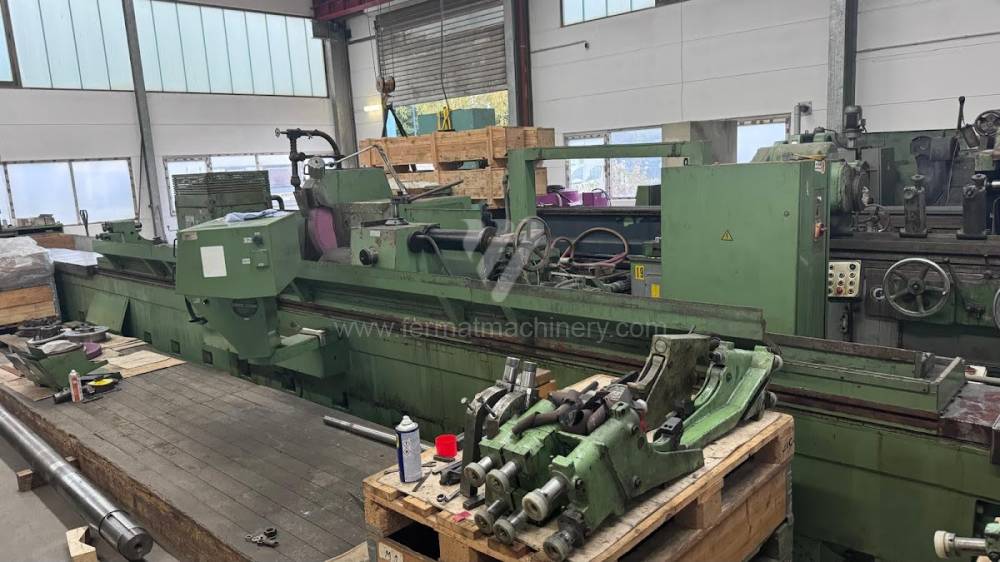
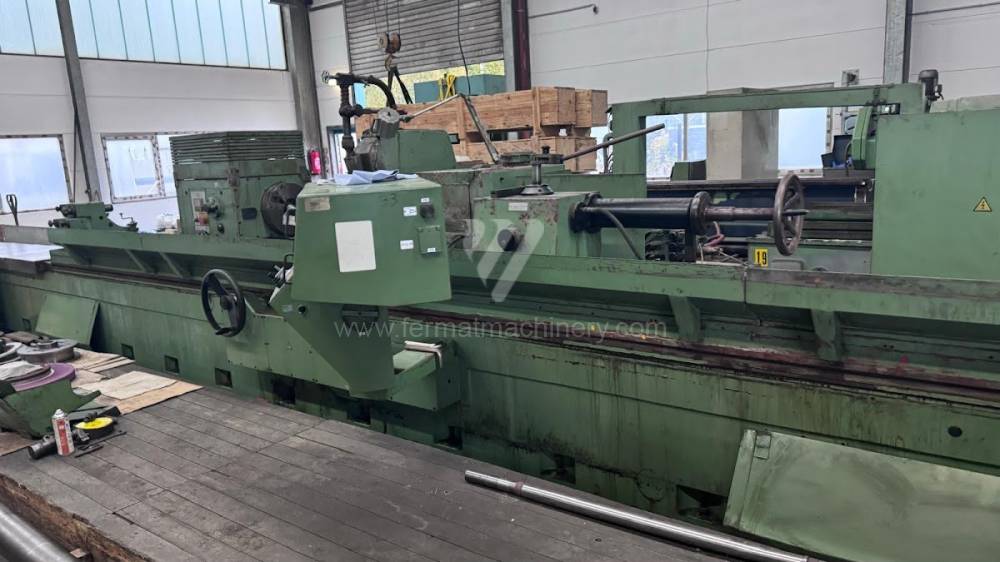
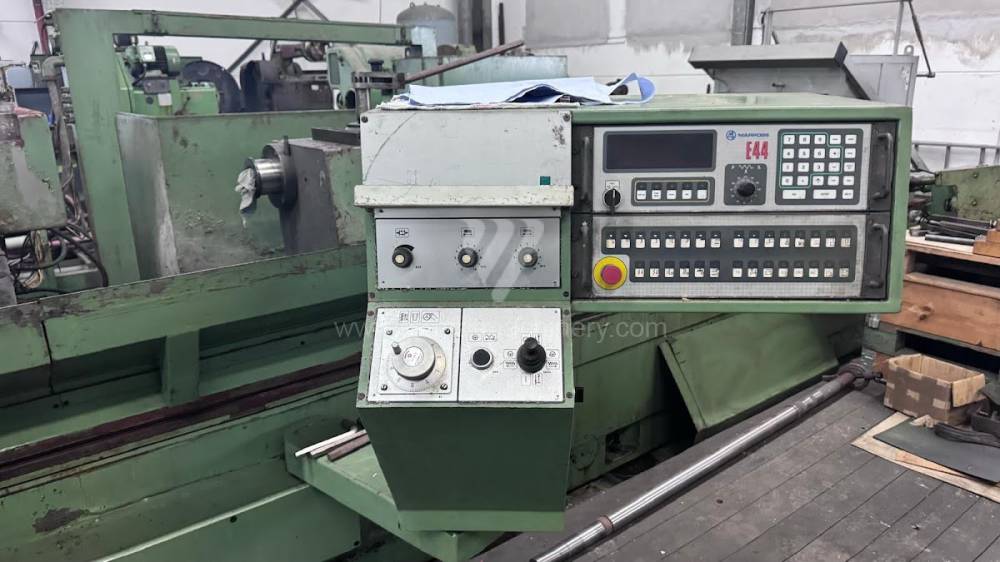
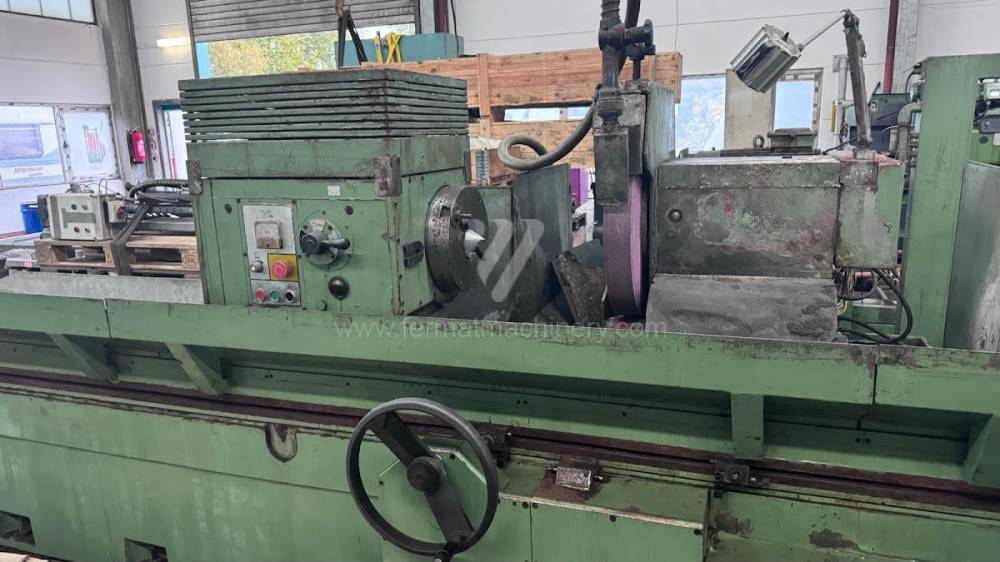
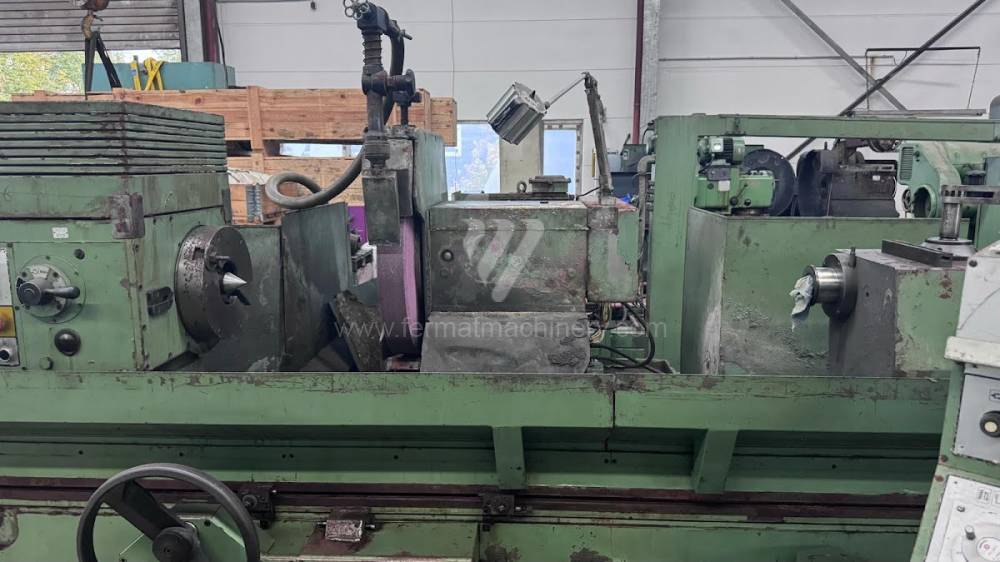
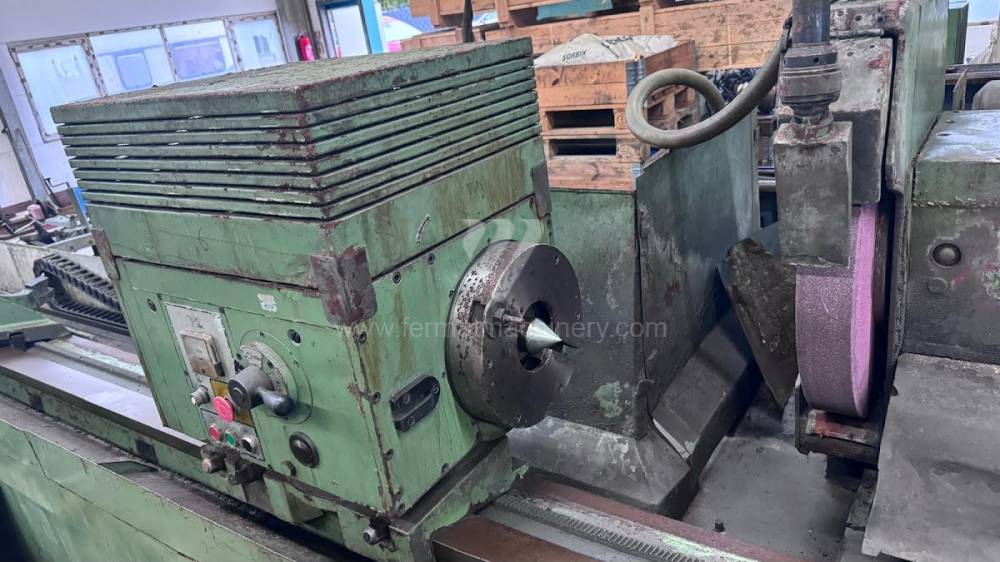
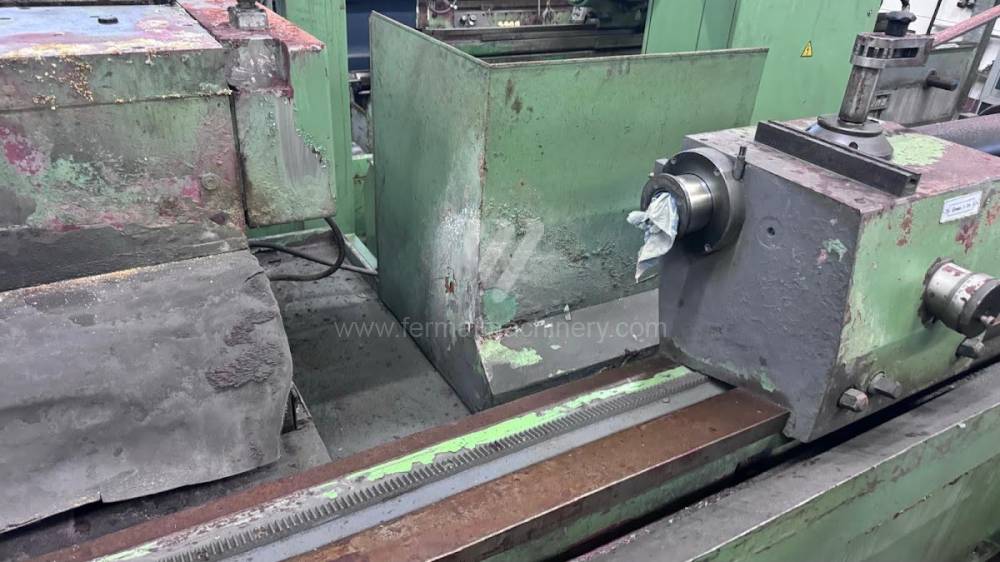
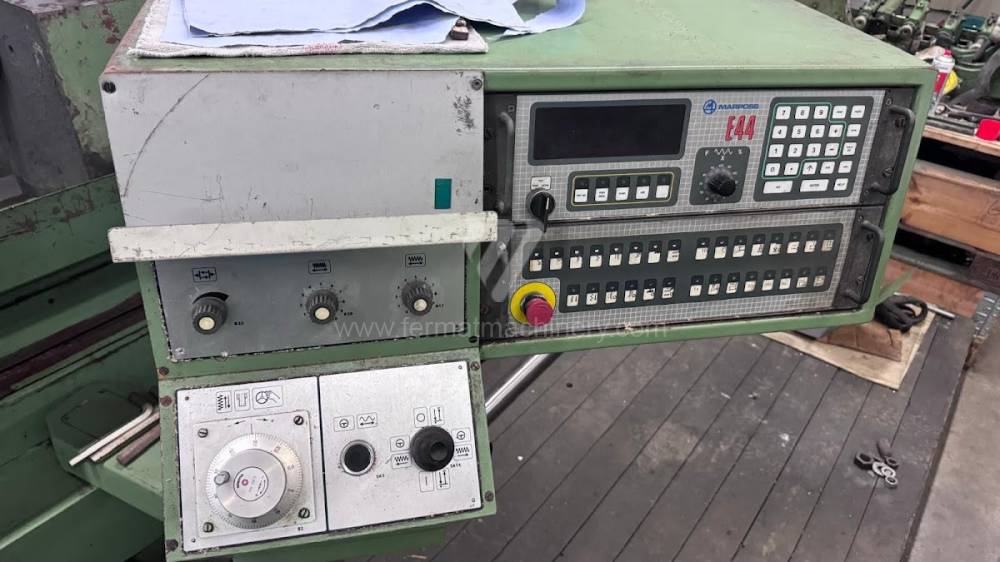
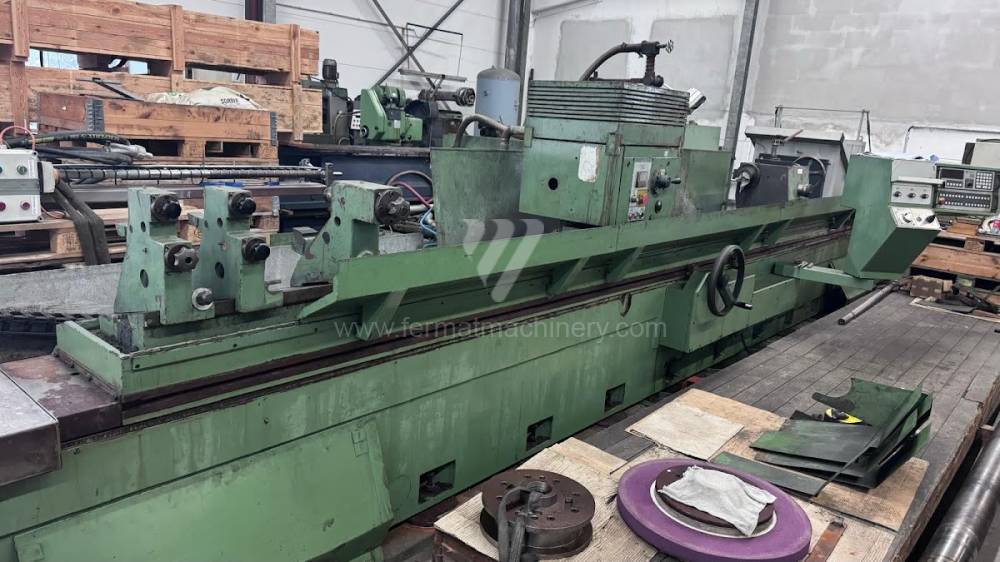
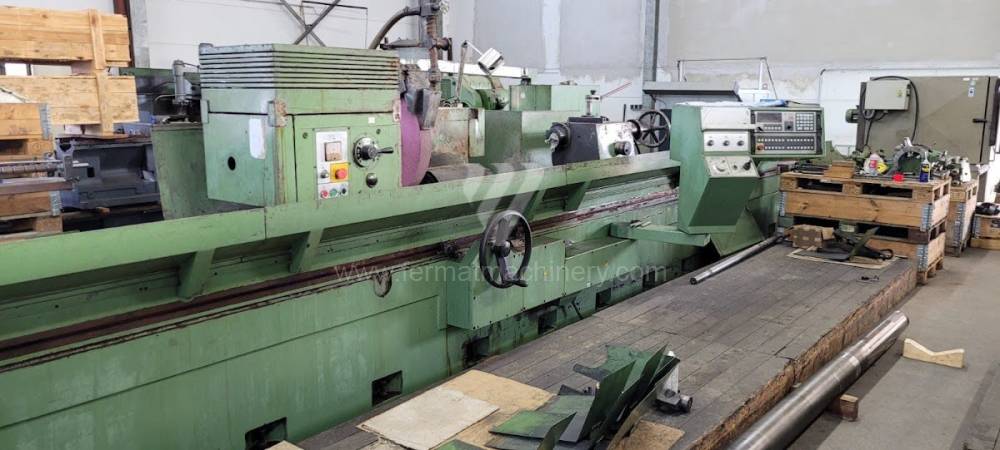
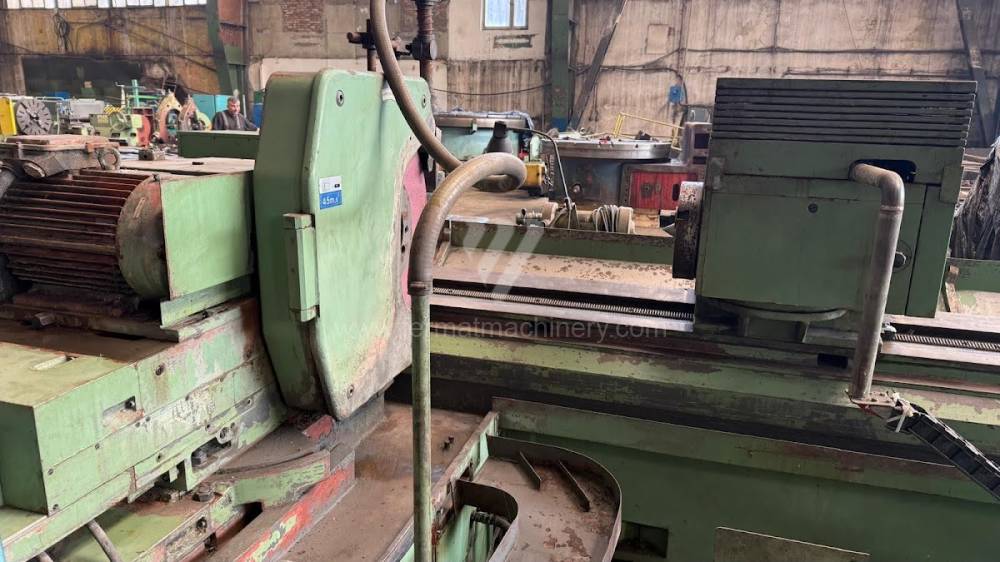
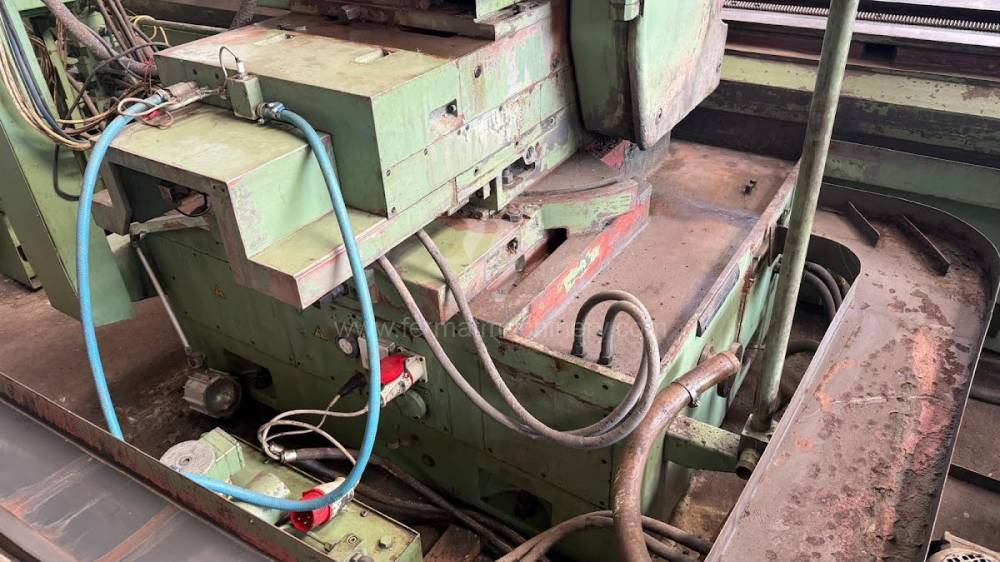
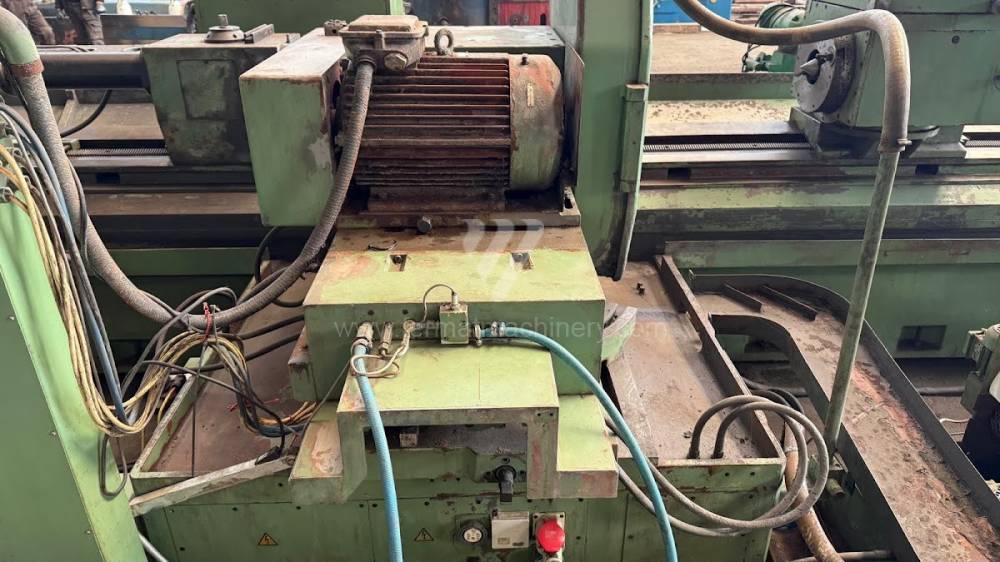
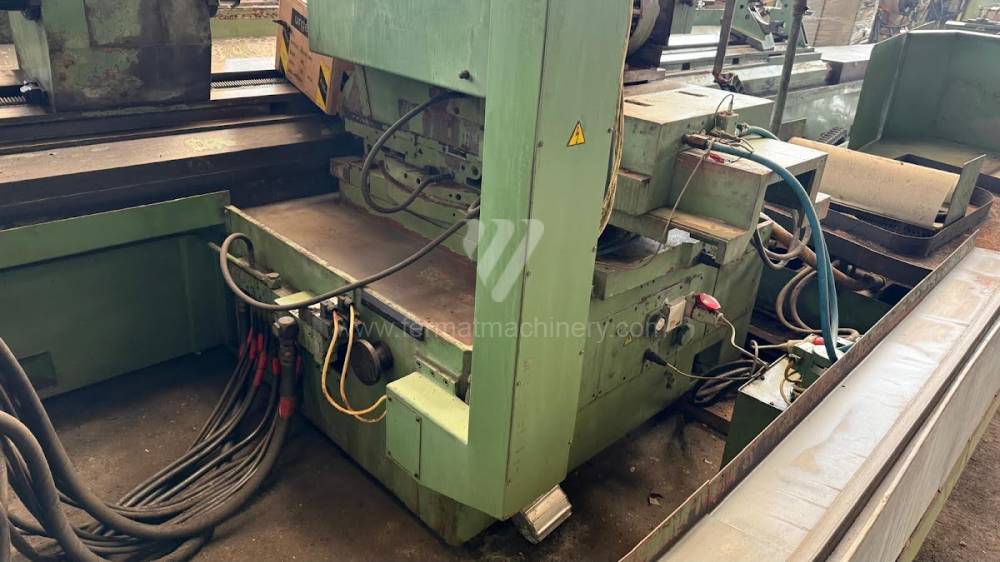
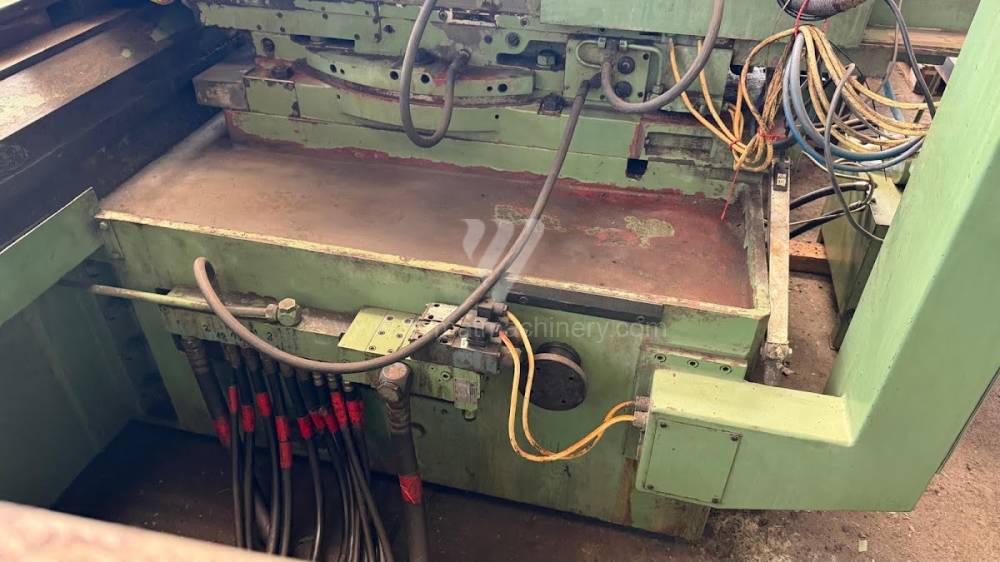
BUC 63/ 6000
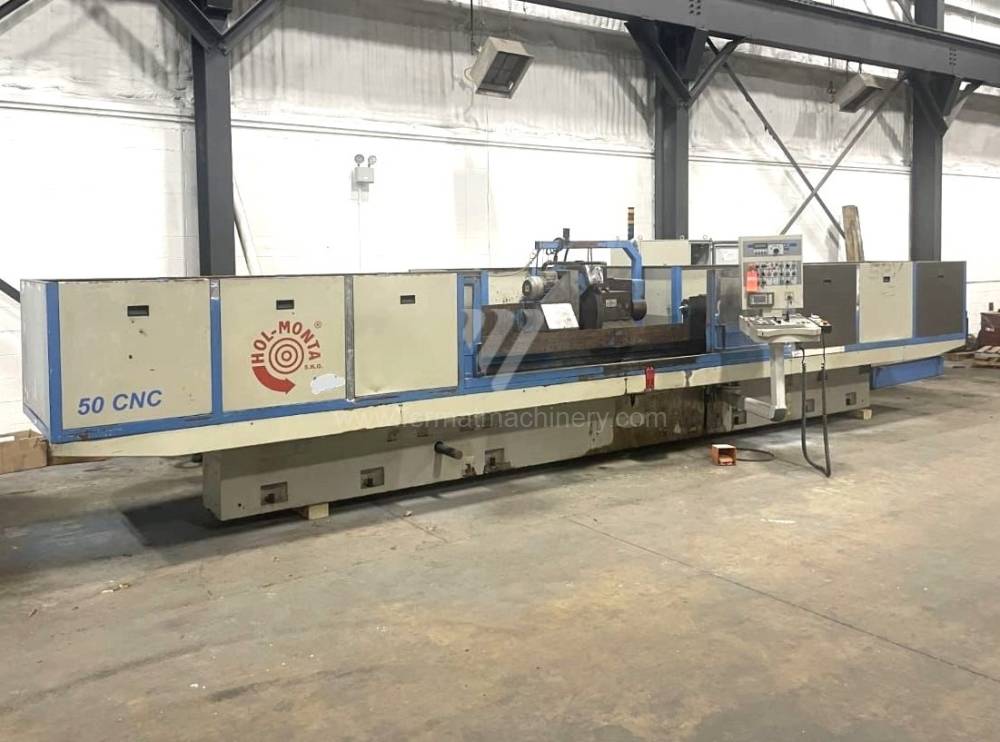
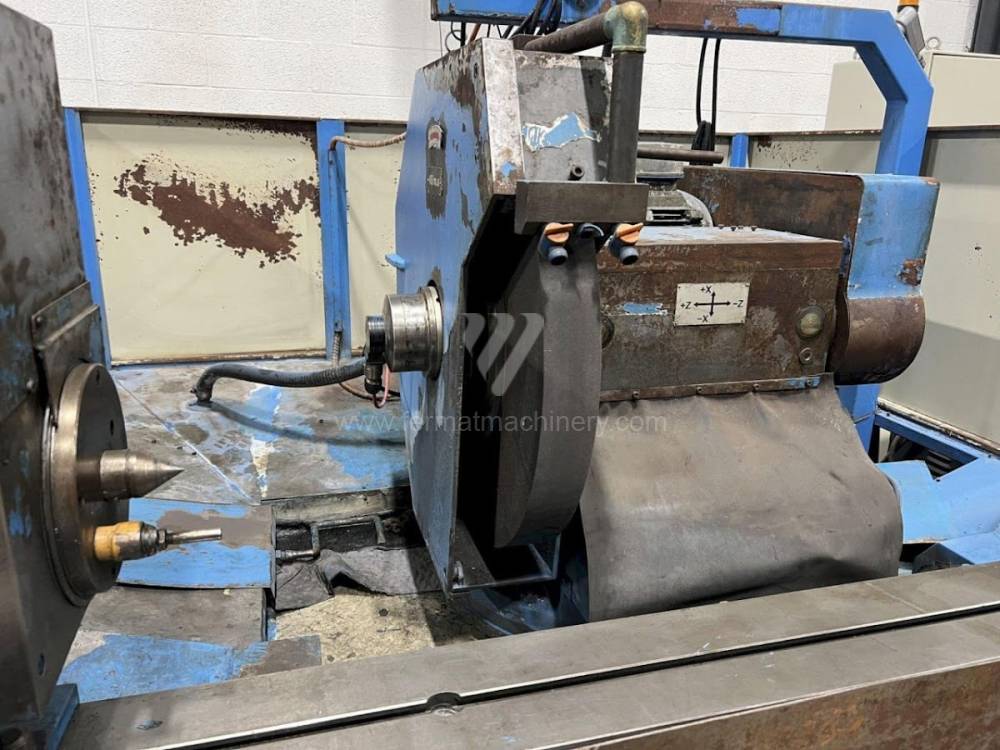
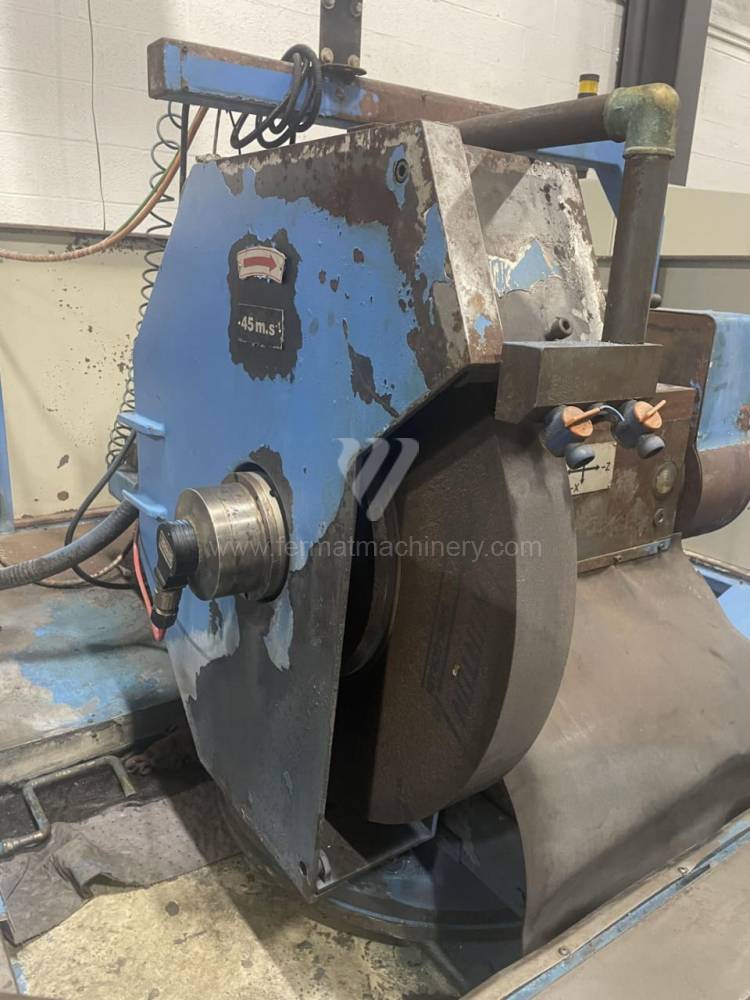
UB 50-3000
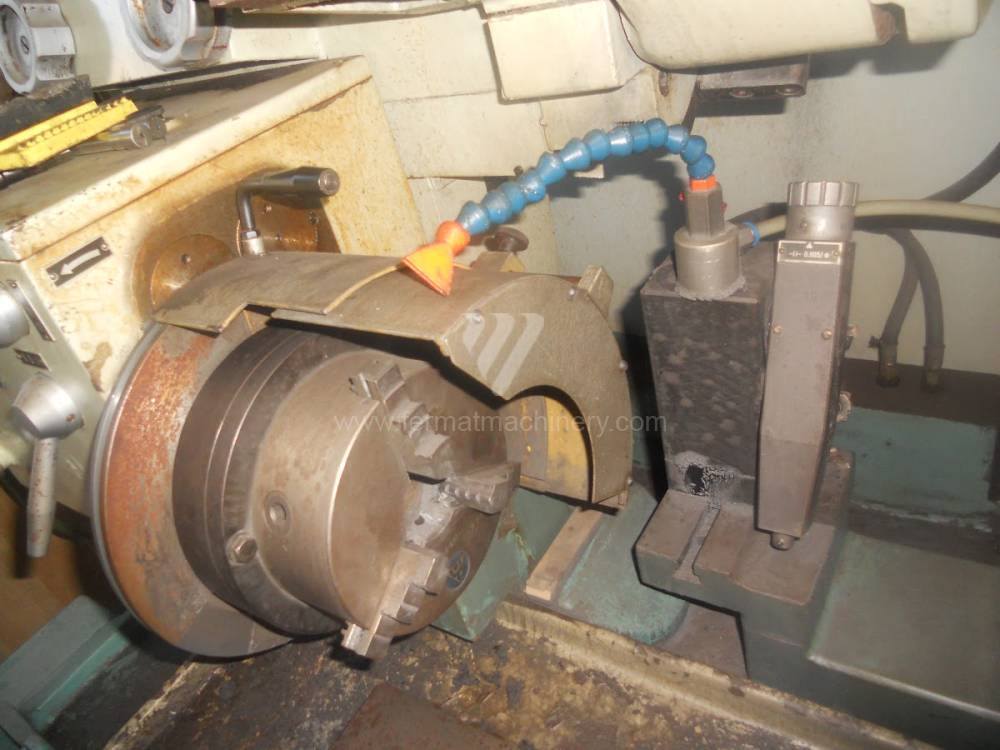
BDU 80
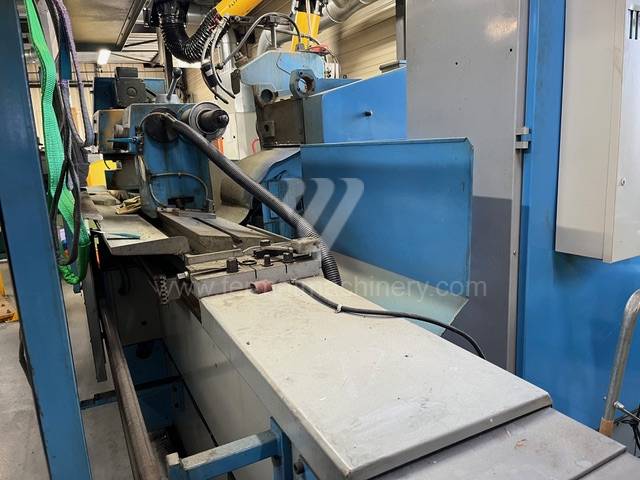
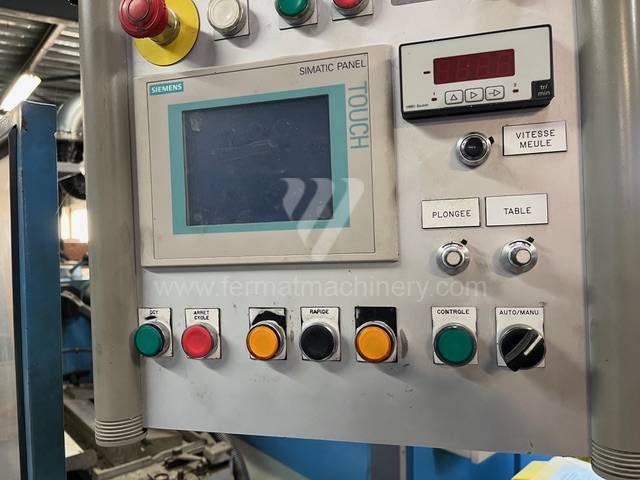
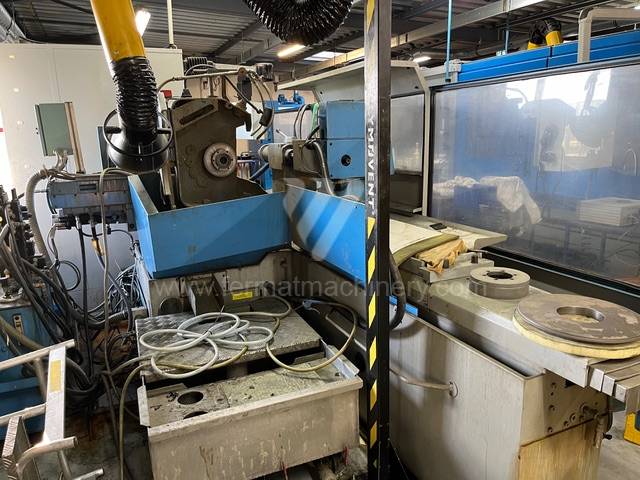
BUB 50/1000
123Köszörűgép
BPH 20 N
Považské Strojárne
Kat. sz.: 251359
Gyártás éve:1971
: 630
: 230
: 350
: Horizontální
: 1600
GRW-4010
Goodway
Kat. sz.: 241085
Gyártás éve:2018
Mitsubishi vezérlőrendszer: M 70
: 400
: 1000
A munkadarab max. súlya: 750 kg
: nem
ELB
ELB-SCHLIFF
Kat. sz.: 241322
: 600
: 300
:
: Horizontální
BHU 40A/1500 NC
TOS Hostivař
Kat. sz.: 251970
Gyártás éve:1993
: Simatic S7
: 400
: 1500
A munkadarab max. súlya: 250 kg
: igen
: 7,5
BU 16
TOS Hostivař
Kat. sz.: 241878
Gyártás éve:1988
: 160
: 320
A munkadarab max. súlya: 25 kg
: nem
: Morse 3
: 0 - 2812
SFSR 800
WMW
Kat. sz.: 251634
: d=800
:
:
: Vertikální
: 9500
MB 100
Favretto
Kat. sz.: 251669
Gyártás éve:2011
: 1200
: 600
: 550
:
: 1200x400
: 975/1200
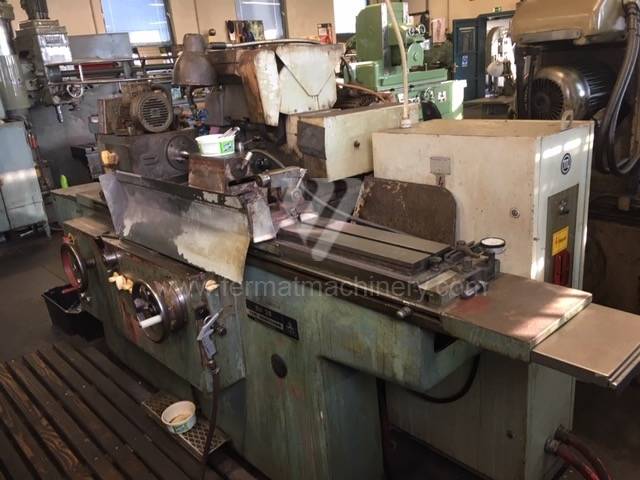
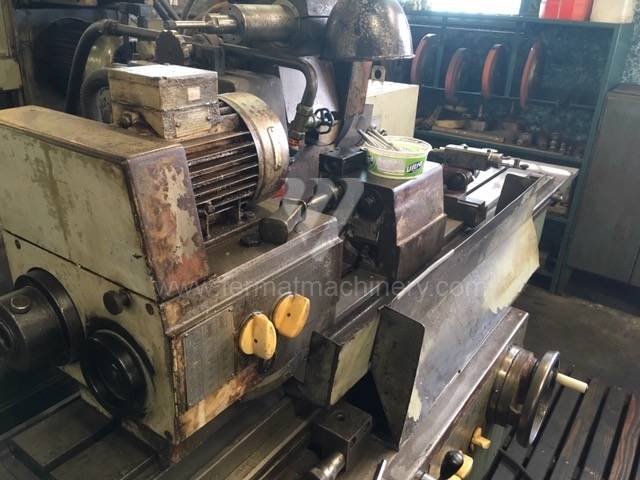
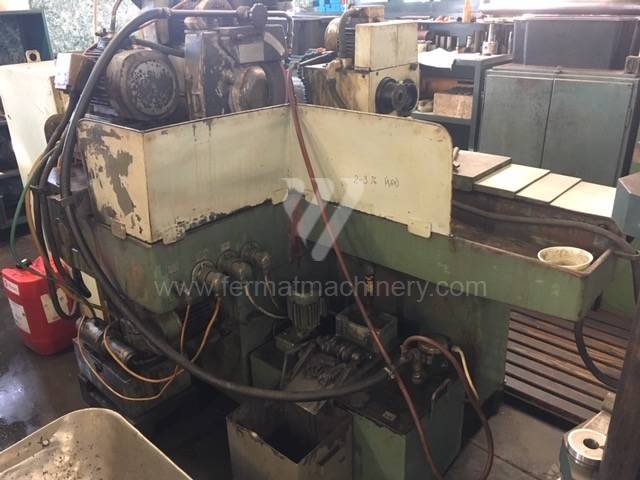
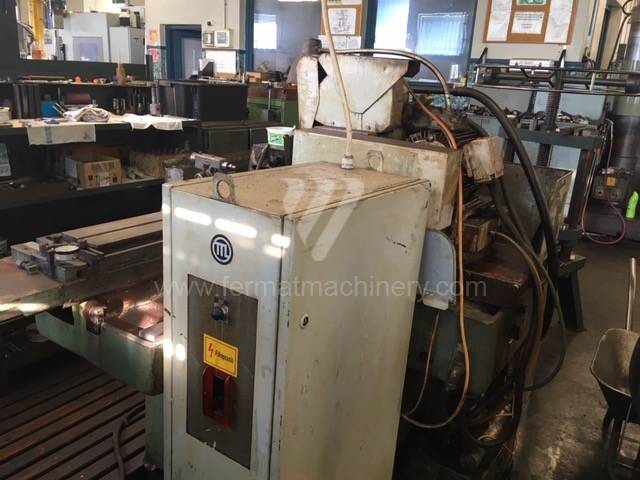
BU 28 1000
TOS Hostivař
Kat. sz.: 261152
: 295
: 1000
A munkadarab max. súlya: 60 kg
: igen
: 6,6
: 2800x1450x1480
PSGC – 50150 AHR
PROTH
Kat. sz.: 261087
Gyártás éve:2008
: 1650
: 560
: 522
: Horizontální
: 500x1500
: 11/15
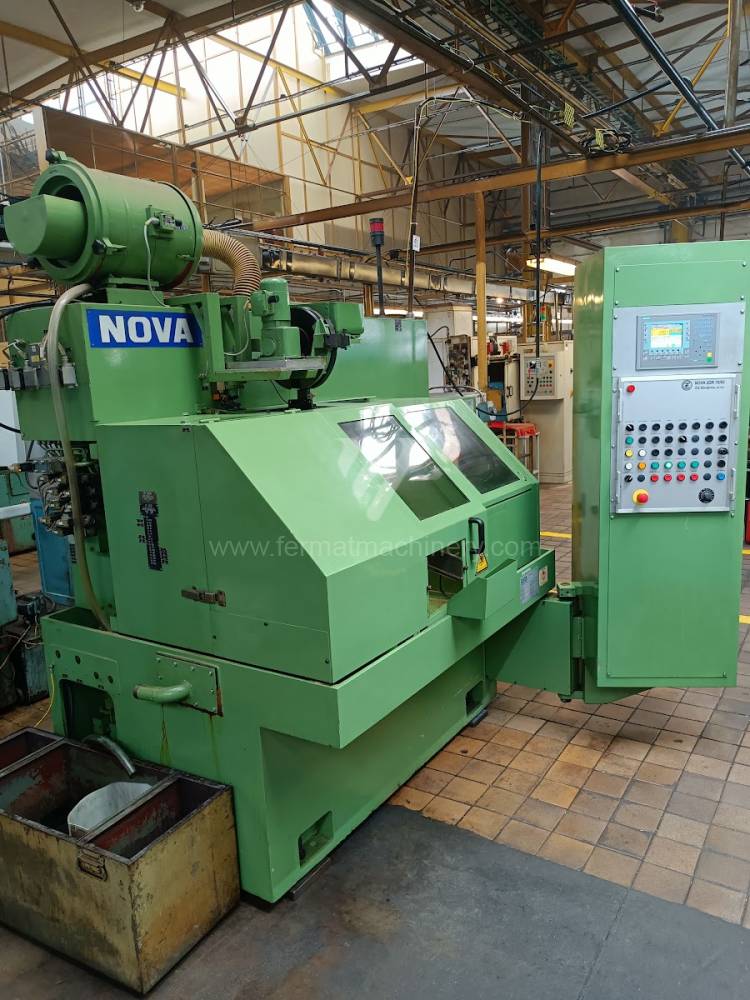
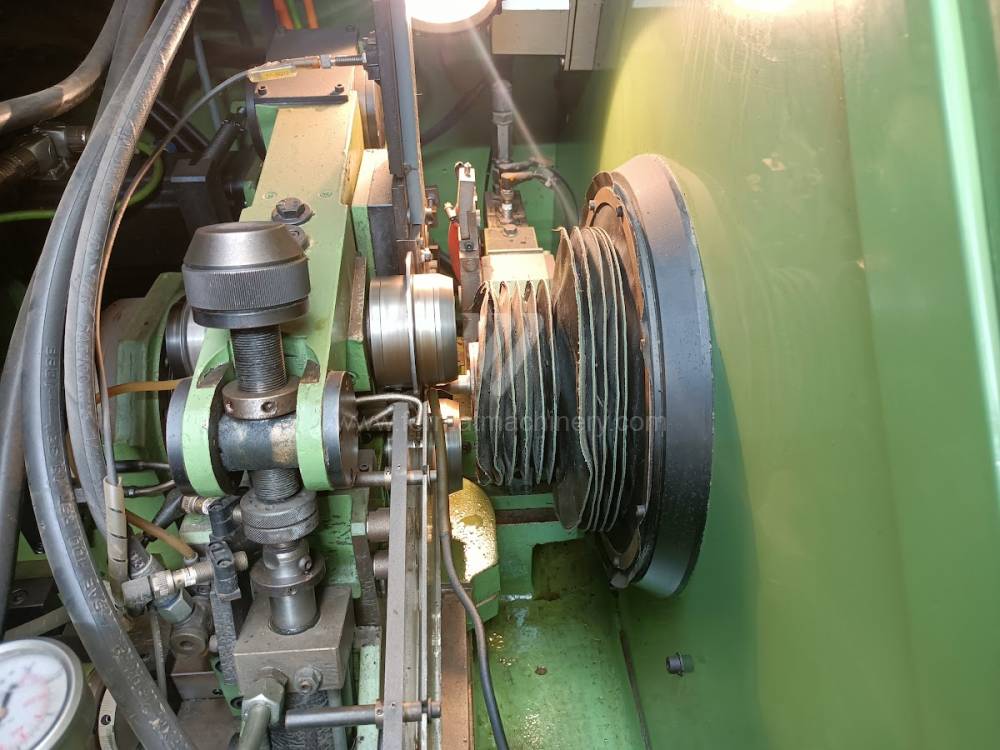
NOVA 2GR 10/65 CNC
Meccanica Nova
Kat. sz.: 161558
Gyártás éve:1989
: Simatic S7-300
Munkadarab max. átmérője: 65 mm
: 65
: 40
: 10
: 40
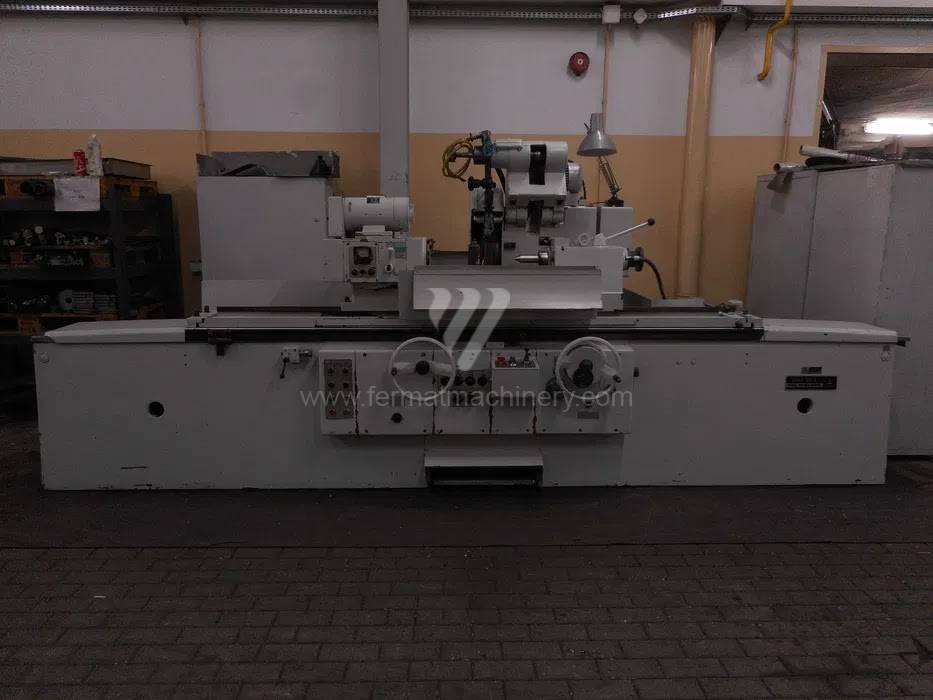
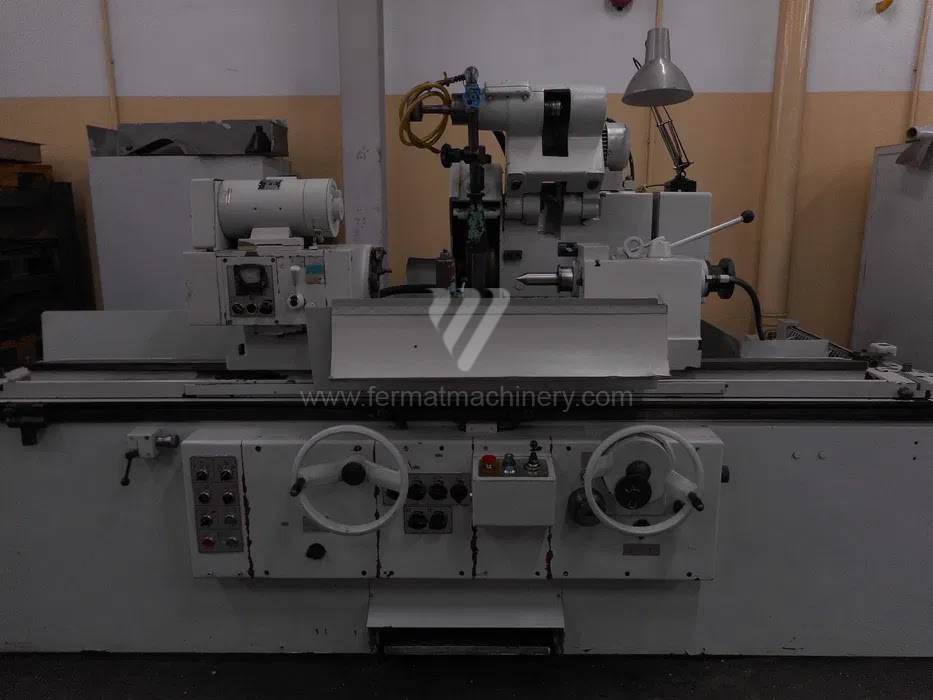
BHU 50 -1500
TOS Hostivař
Kat. sz.: 261171
: 630
: 1500
A munkadarab max. súlya: 2500 kg
: igen
600 U
Kellenberger
Kat. sz.: 191792
Gyártás éve:1975
: 250
: 600
A munkadarab max. súlya: kg
: igen
: 6,5
: 2700
BUA 63/1000
TOS Hostivař
Kat. sz.: 241816
Gyártás éve:1976
: 630
: 1000
A munkadarab max. súlya: 900 kg
:
: MORSE 6
: 315
KU 250/750
SZIM
Kat. sz.: 251633
: 250
: 750
A munkadarab max. súlya: 120 kg
: igen
: 4
: 1400x1420x1500
BHU 25
TOS Hostivař
Kat. sz.: 251802
: 350
: 600
A munkadarab max. súlya: 60 kg
: nem
: 2000x1700x1300
: 2300
BUC 63/ 6000
TOS Hostivař
Kat. sz.: 241945
Gyártás éve:1991
Marposs vezérlőrendszer:
: 630
A köszörülés max. hosszúsága: 6000 mm
A munkadarab max. súlya: 3000 kg
: nem
: MORSE 6
UB 50-3000
TOS Hostivař
Kat. sz.: 251416
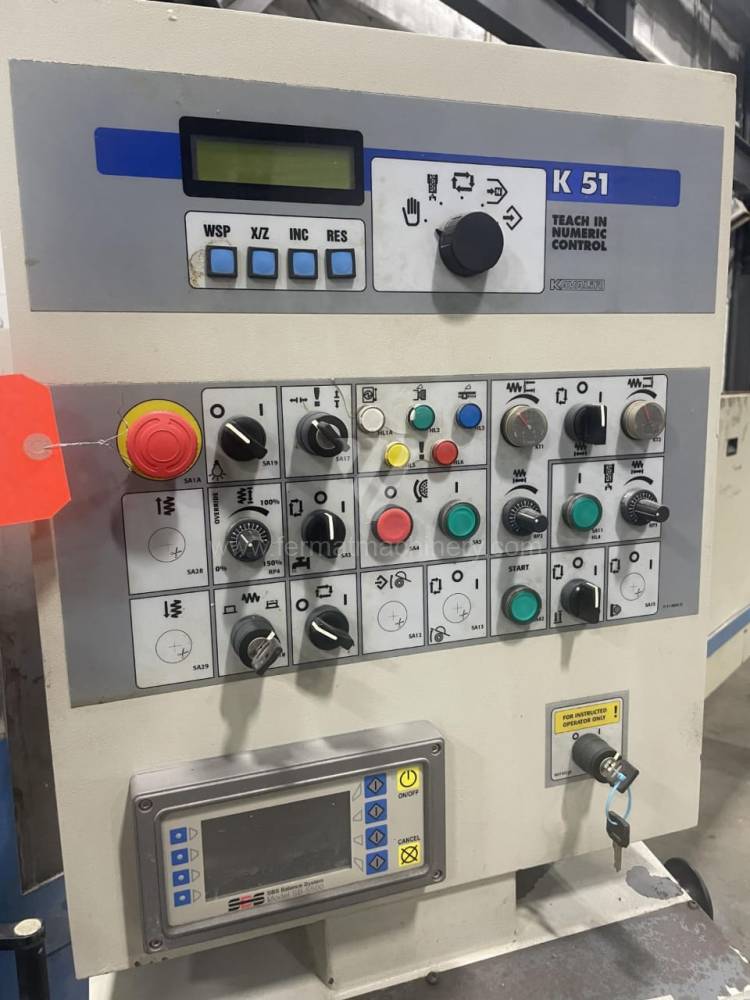
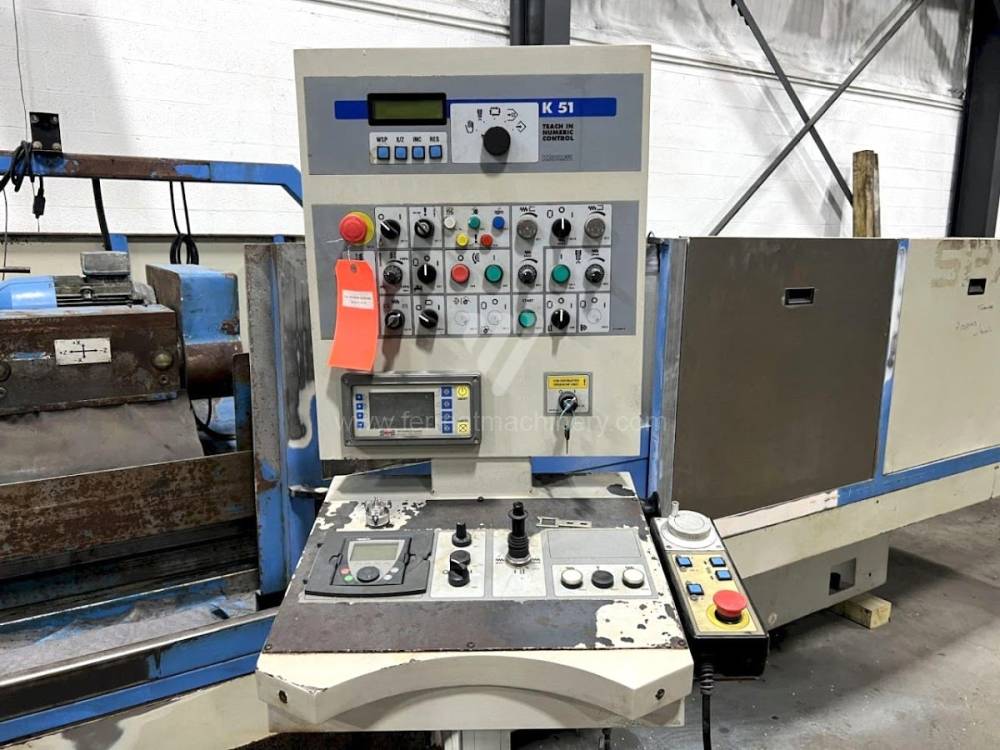
Kavalír vezérlőrendszer: K51-1
: 500
A köszörülés max. hosszúsága: 3000 mm
A munkadarab max. súlya: 600 kg
: nem
BDU 80
ČZM Strakonice
Kat. sz.: 241705
Gyártás éve:1990
Munkadarab max. átmérője: 220 mm
: 120
:
: 2600
BUB 50/1000
Cetos
Kat. sz.: 241986
: Simatic S 5
: 500
A köszörülés max. hosszúsága: 1000 mm
A munkadarab max. súlya: 500 kg
: igen
: 11
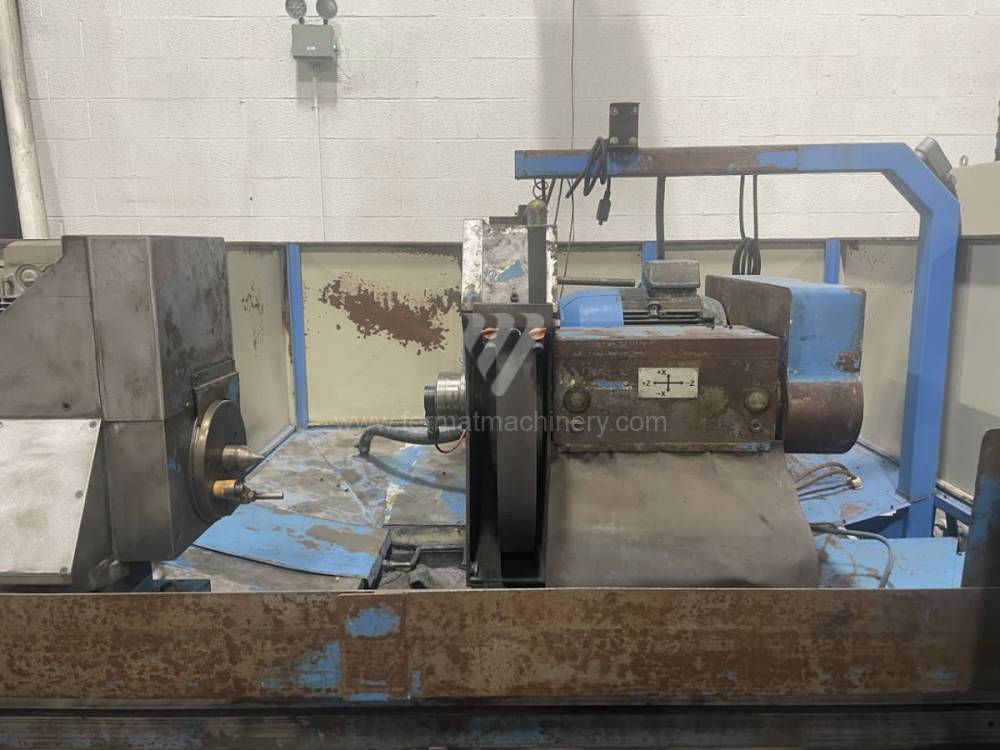
Grinding is a technology of precision chip machining. Nowadays, it is possible to reach precision in order of tenths of micrometers and surface roughness of up to 0,2 micrometer. Grinders are thus indispensable in the machinery industry and form an important part of the production process. In general, grinding is a technology that works on the principle of the material removal from the surface layer of the workpiece with fine grains of abrasive material, which are most often bonded to the grinding wheel.
Grinders with centers and without centers:
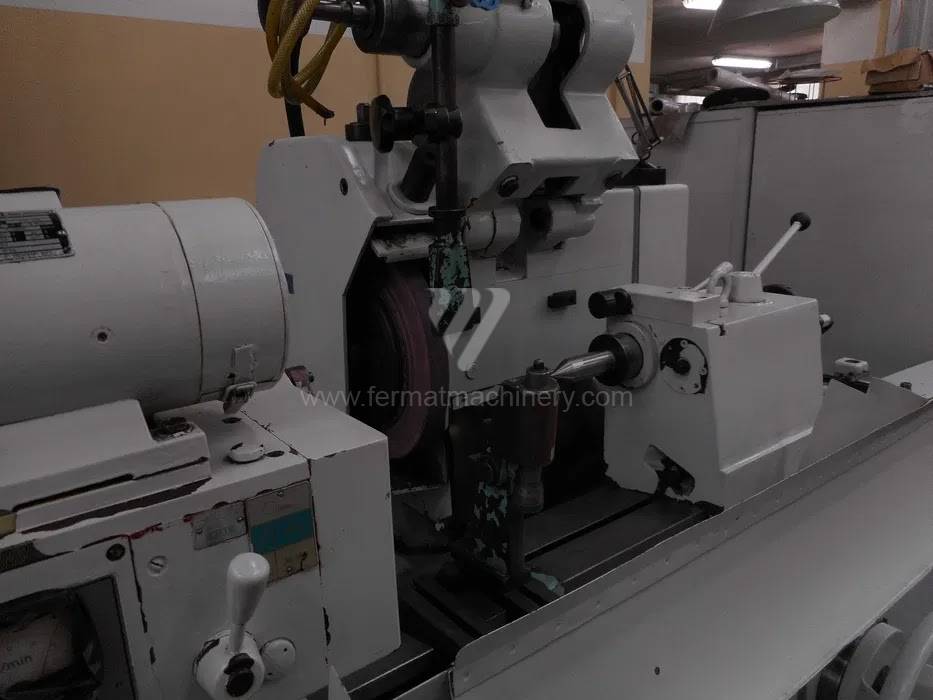
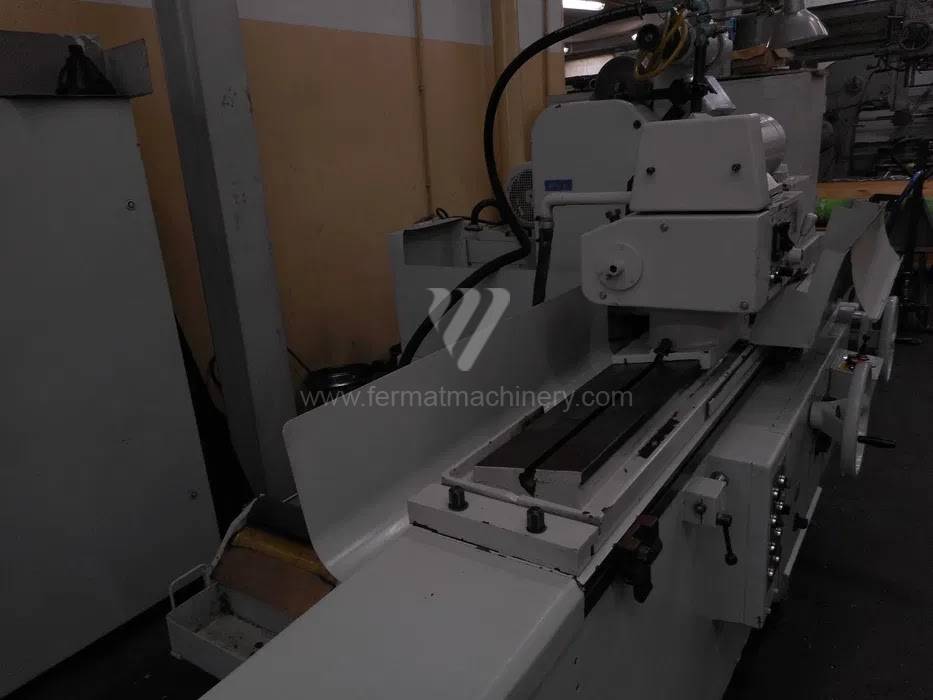
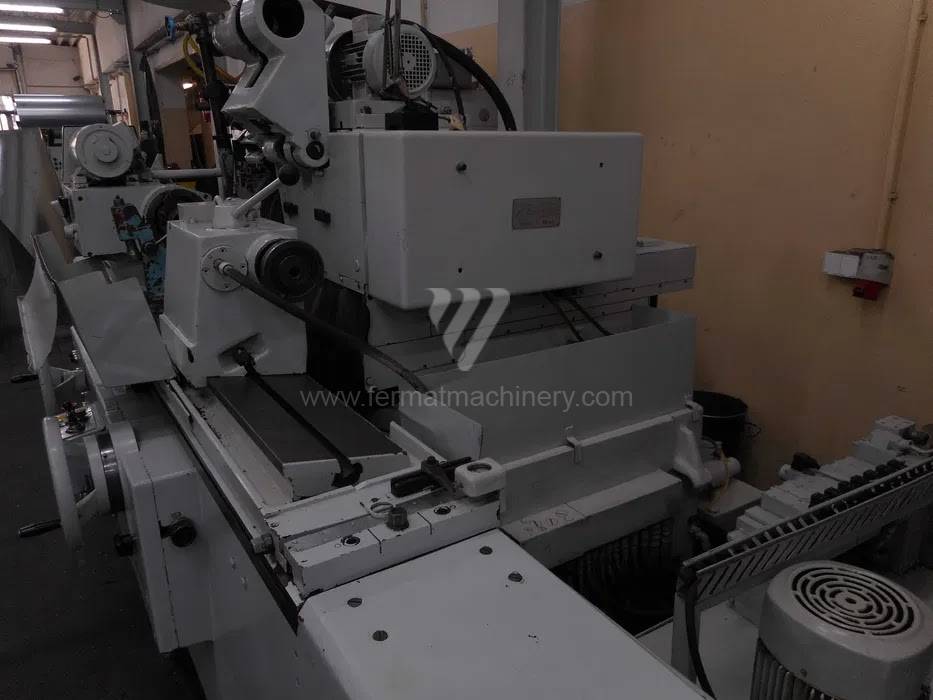
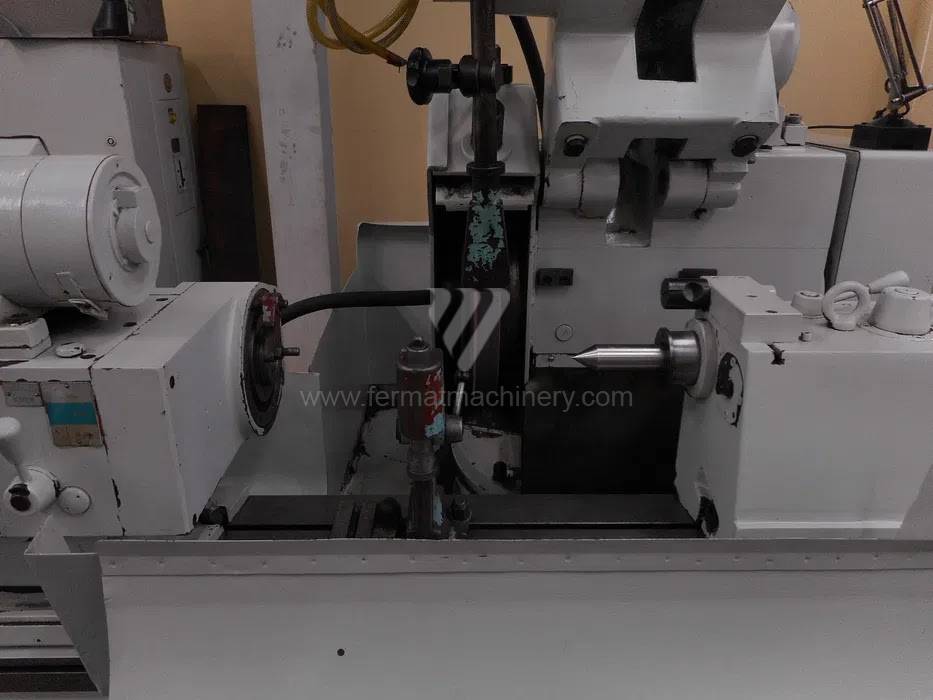
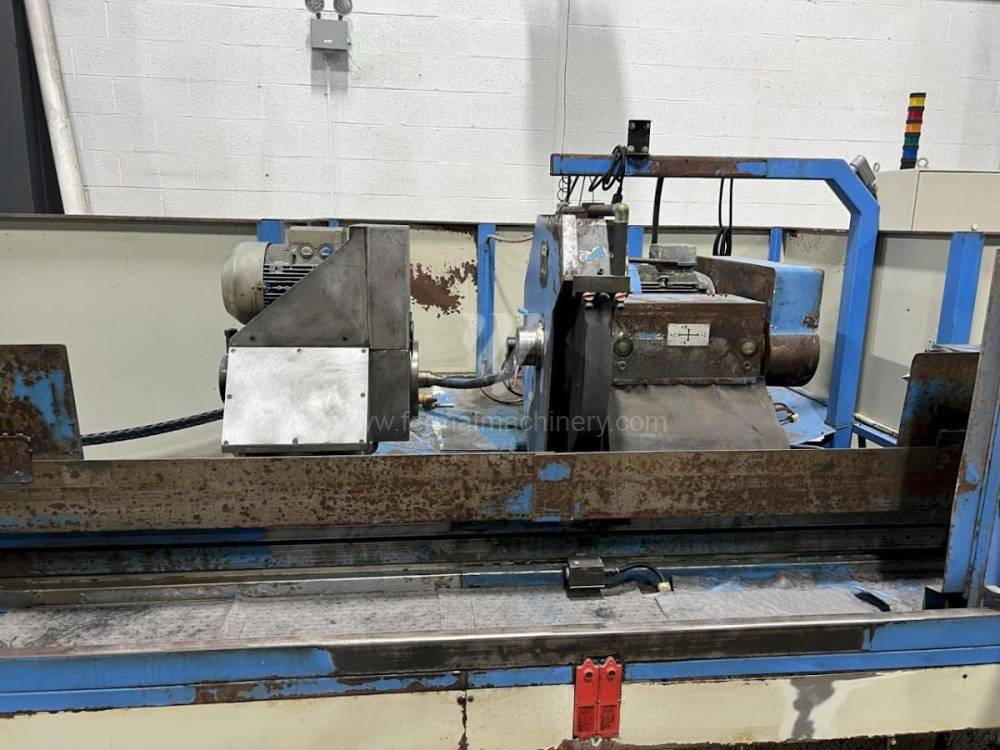
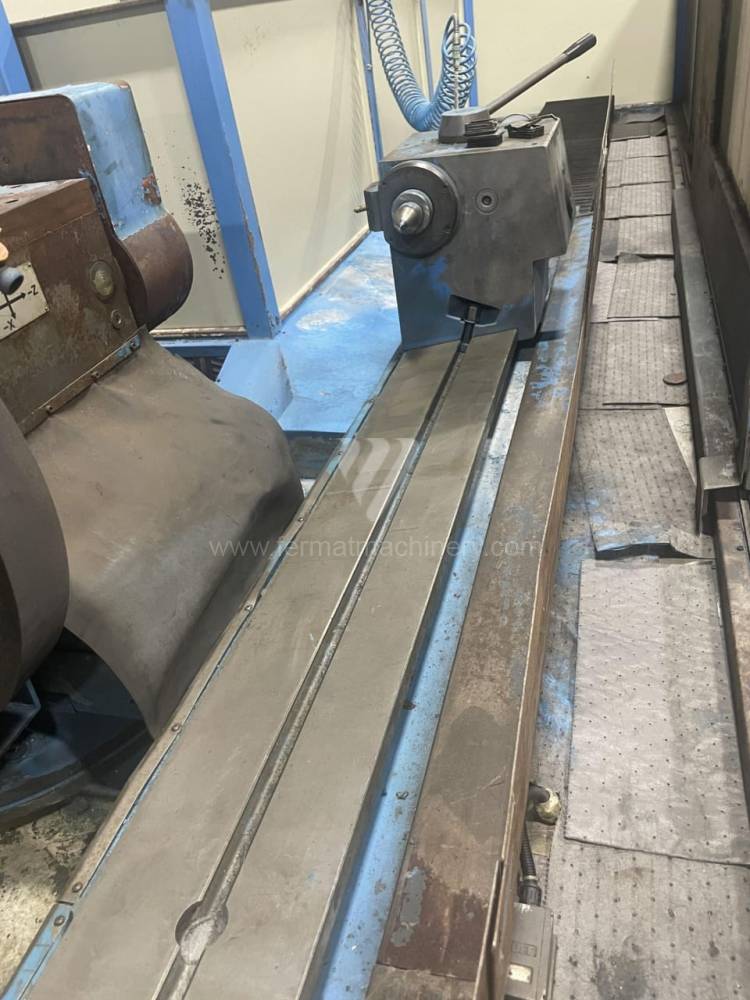
Among the cylindrical grinders we differentiate grinders with centers and without centers. These machines are used for grinding internal and external rotating surfaces.
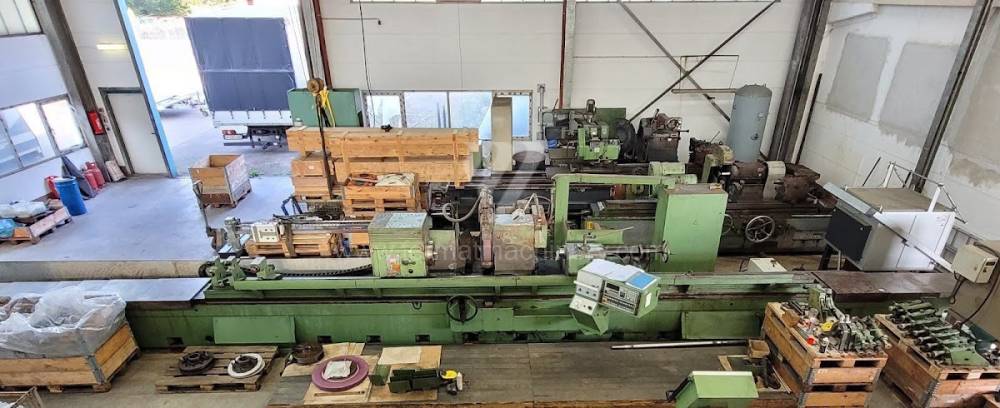
In case of center grinders the workpiece is usually clamped between centers and rotation is realized using a driver, which is fixed to the surface of the workpiece and tied to headstock. In most cases the workpiece rotates against the direction of rotation of the grinding wheel. Most common models from producer TOS we can mention:
- BHU,
- BUB,
- BUC,
- BUT,
- BUA,
- UB….and many others.
Grinding is realized using the rotation of the grinding wheel, which grinds the surface of the workpiece as it rotates. Most popular producers of such grinders are: FERMAT, TOS, STUDER, DANOBAT, KELLENBERGER, ERWIN JUNKER, SCHAUDT.
Centerless grinders are also intended for grinding rotary surfaces. The clamping of the workpiece on the machine is different. It is supported with support ruler and the workpiece is placed between two discs – abrasive and drifting. The grinding wheel usually spins faster and does the grinding itself. The drive disc is most often made of flexible material (for example rubber) and ensures sufficient pressure.
A special category of grinders are grinders used for grinding of internal rotating surfaces. They works similarly to center grinders. However, the workpiece is just clamped on one side in the chuck or collet so that the hole can be ground from the other side.
