+420 778 547 838
  info@fermat.cz


 Français
  L'italiano
  Magyar
  Deutsch
  Polski
  Română
  Русский
  Español
  Čeština

List Grid
Press Excentric up to 100 T
| Name of a product | Inventory number | Producer | YOM | Parameters | ||
|---|---|---|---|---|---|---|
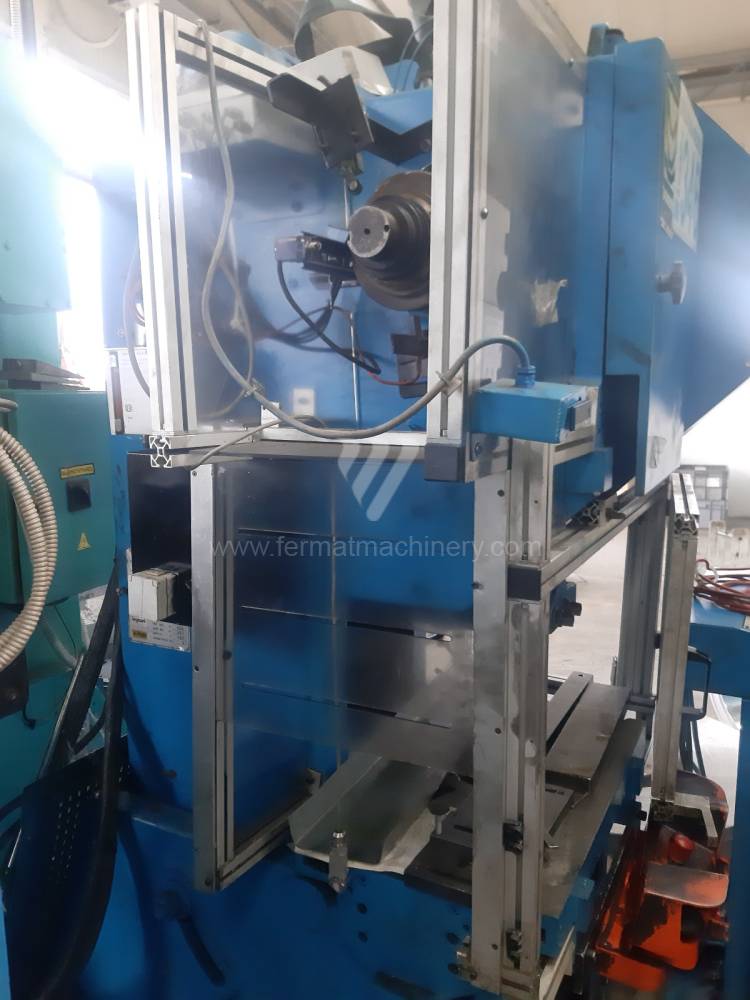 |
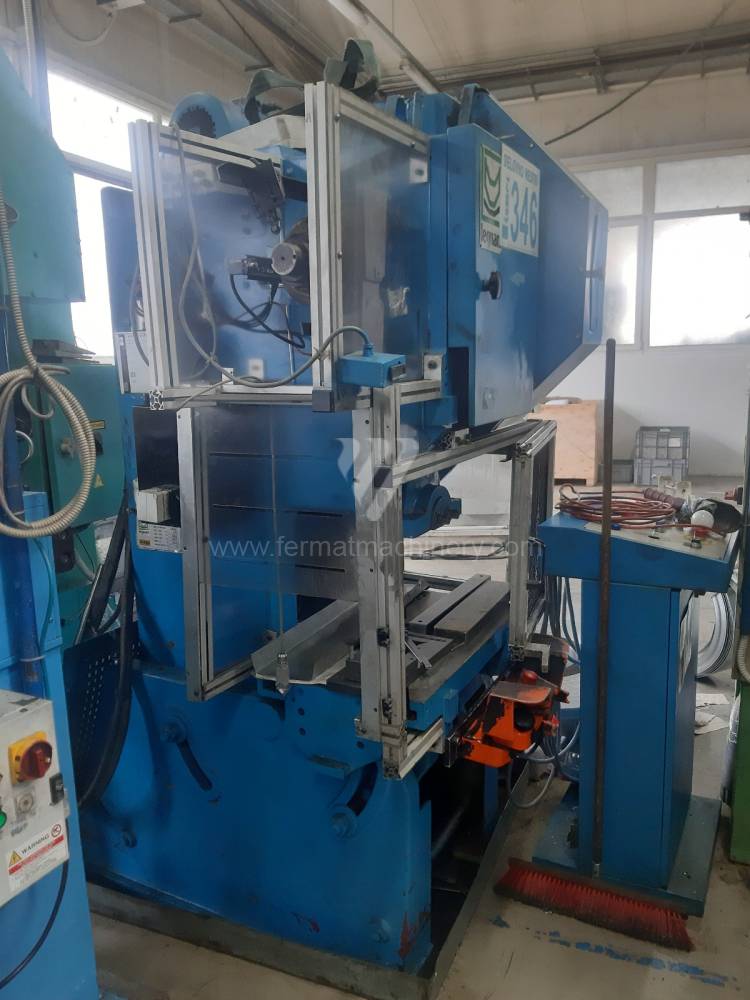
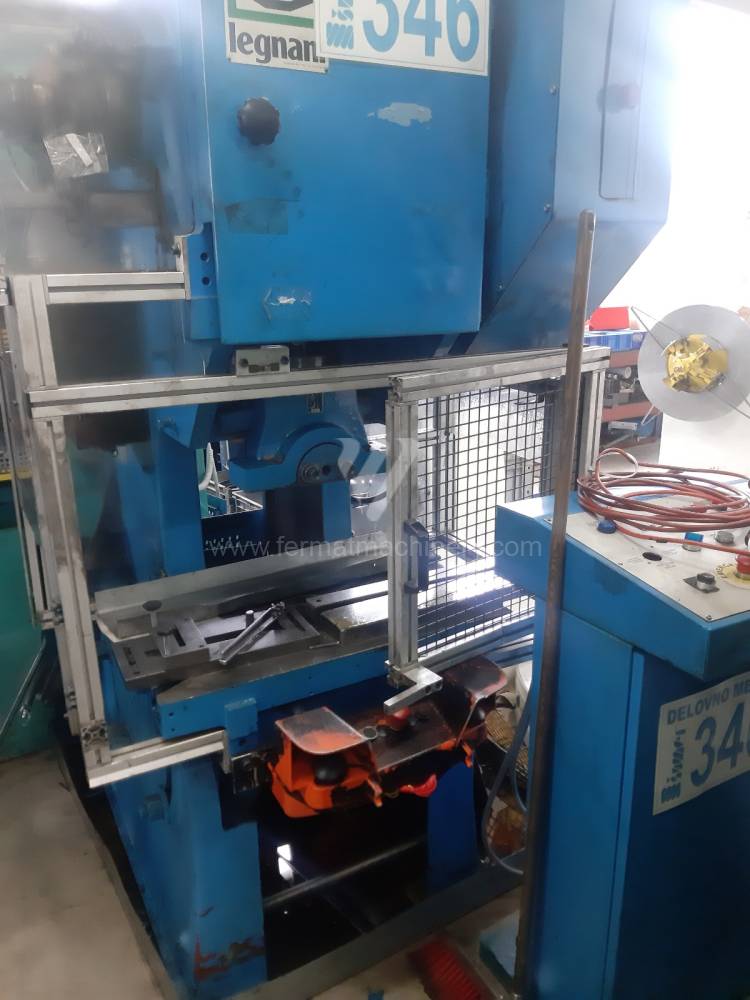
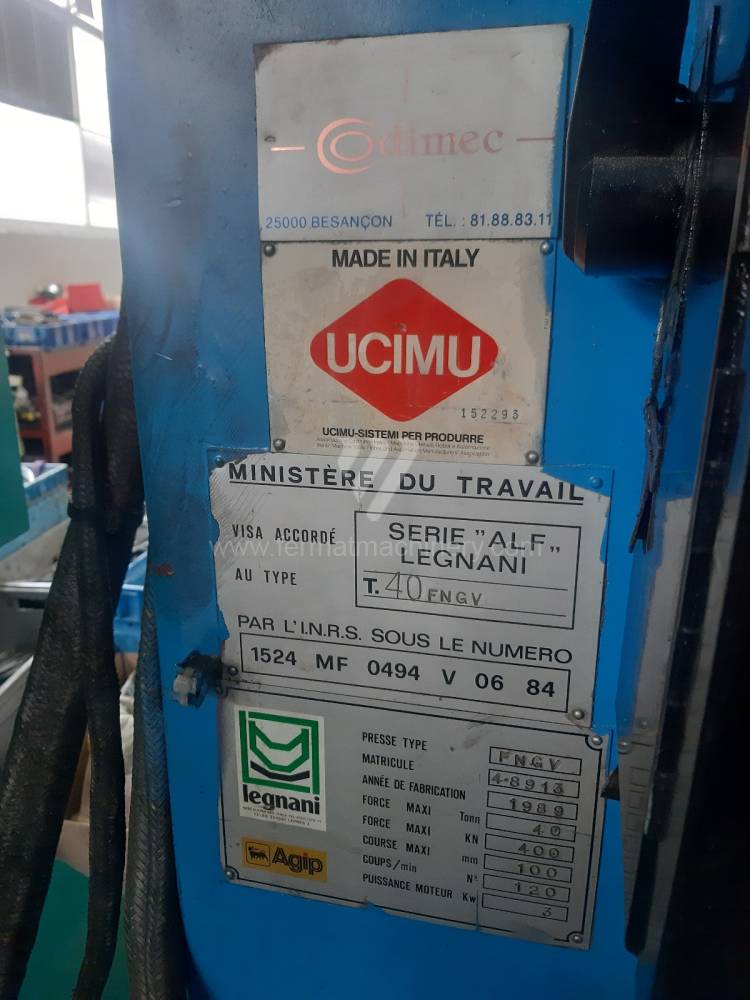
T40 FNGV |
261372 | Legnani | 1989 | Rated deformation force press: 40 t Dimensions of table working surface: mm |
|
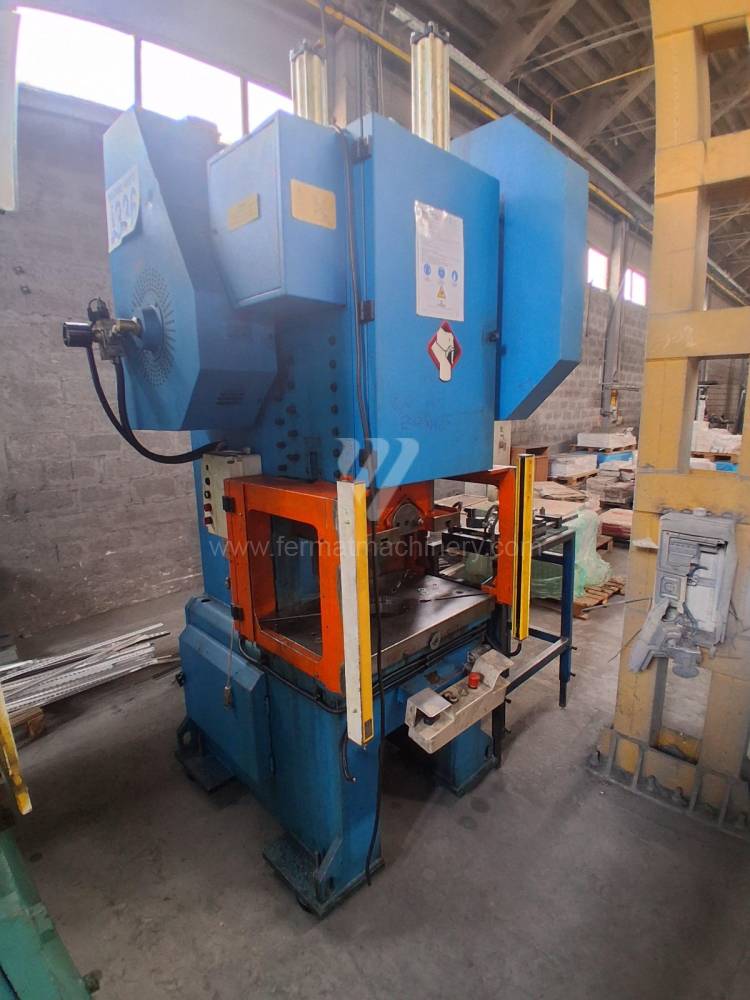 |
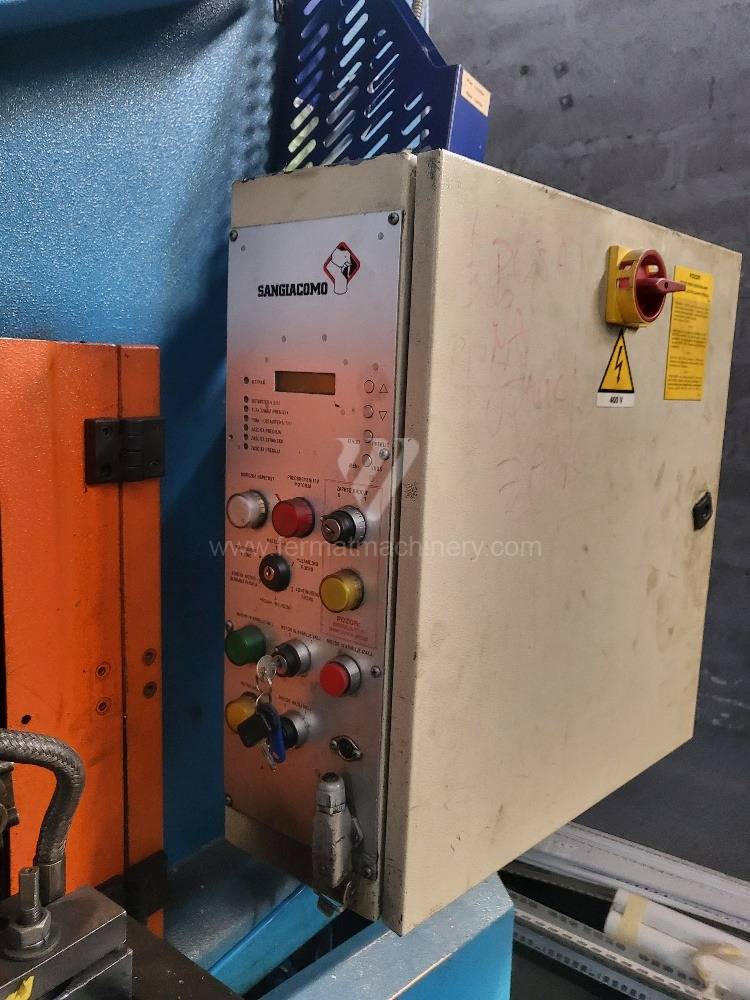
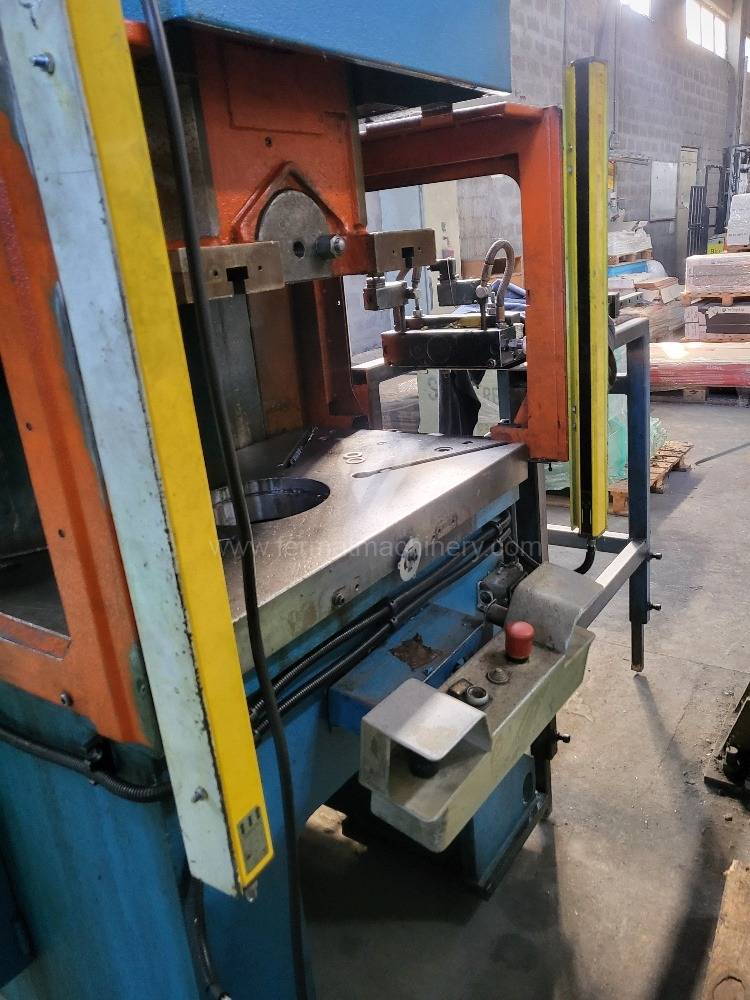
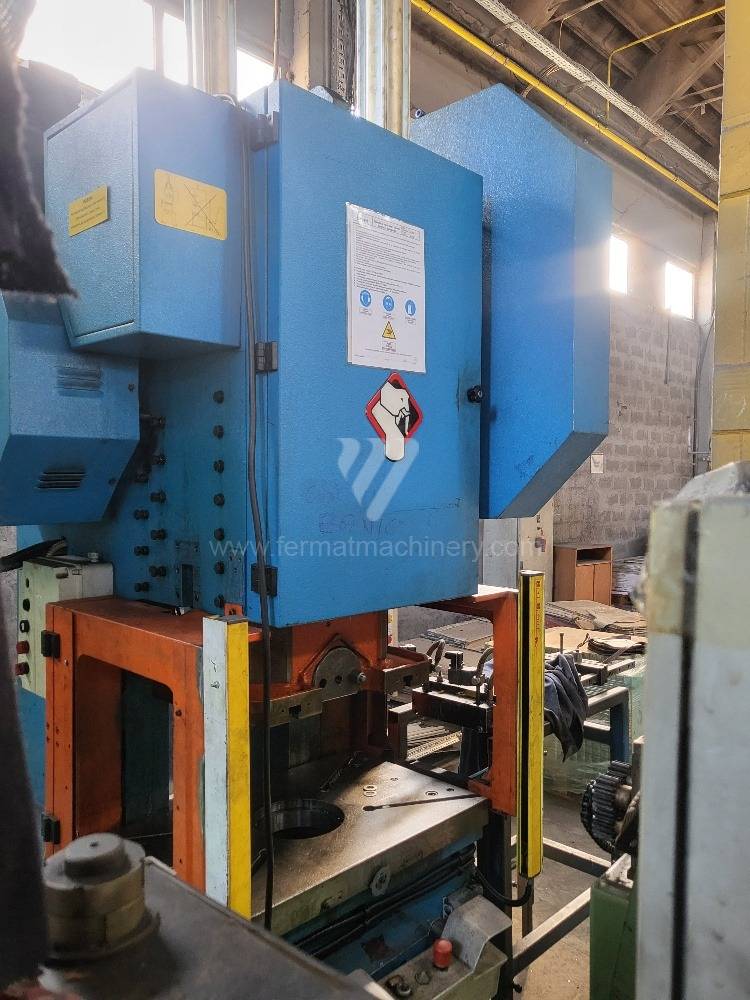
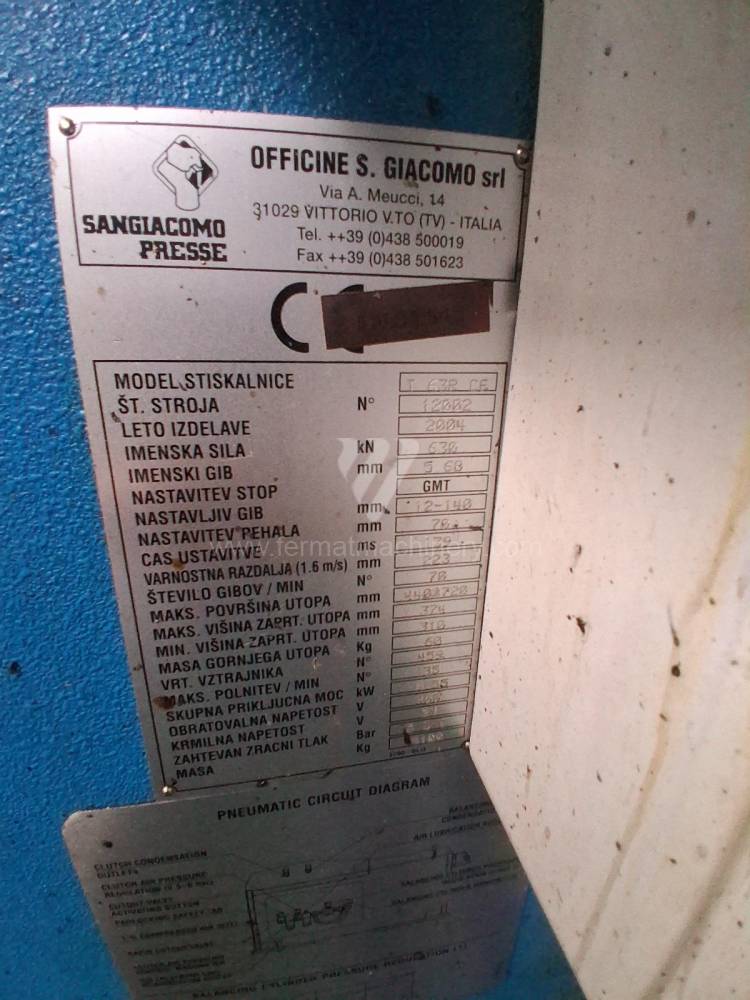
T63R |
261375 | SanGiacomo Presse | 2004 | Rated deformation force press: 63 t Dimensions of table working surface: 500 x 800 mm |
|
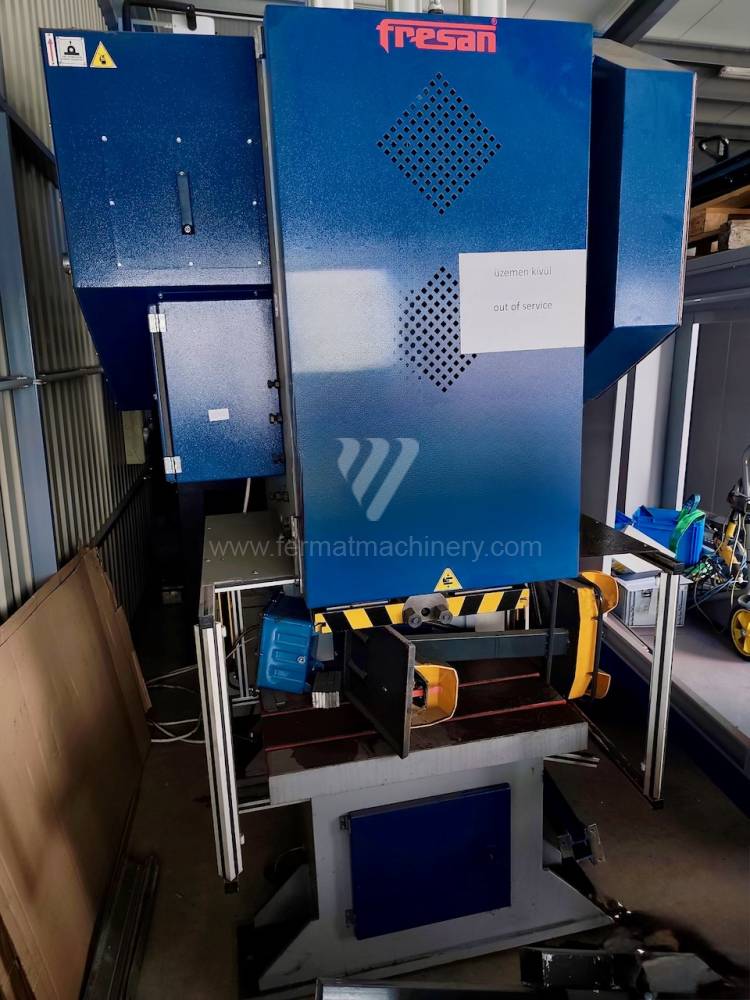 |
FP 80P |
261151 | Unknown | 2022 | Rated deformation force press: 80 t Dimensions of table working surface: 600x900 mm Ram stroke: 1-110 mm Number of ram strokes: 60 /min Ram adjustment: 80 mm Main motor power: 7,5 kW |
Technical Block: Kinematics and Dynamics of High-Speed Pressing
For eccentric presses with tonnages up to 100 tons, the critical parameter is the cadence (number of strokes per minute) and the machine's ability to maintain stability under high dynamic shocks. Unlike heavy presses where static force dominates, for machines up to 100 t, the clutch engagement speed and the frame's ability to absorb vibrations within short time intervals between impacts are the deciding factors.
- Flywheel Energy Management: For smaller presses, we analyze the ratio between the flywheel mass and the main motor power. Efficient torque transmission through the eccentric shaft requires minimal bearing clearances to prevent energy losses and excessive bearing heating during continuous operation.
- Braking and Clutch System: Clutch modularity is key for machines in this category. We verify the wear of the friction plates in electro-pneumatic systems, which directly affect the safety stop time. Precise stopping at the TDC is essential for integration with automatic strip feeders.
- Ram Guides and Dynamic Stiffness: Even at lower tonnages, eccentric motion causes lateral forces. We focus on the type of guides (e.g., ball-bearing or sliding with bronze inserts), which must compensate for these forces to prevent tool 'shear' off-axis, which is the main cause of premature punch wear.
- Lubrication Systems: Due to high frequencies, these presses often use oil mist or forced oil circulation. Monitoring the cleanliness of the lubrication circuit is a priority, as microscopic impurities act as abrasives at high shaft speeds.
Strategic Block: ROI and Production Agility
Buying a used press up to 100 t is an ideal solution for operations requiring high flexibility (Quick Changeover). The lower acquisition costs of used equipment compared to new single-purpose automatons allow for a diversified machine fleet, assigning specific operations to machines with optimal characteristics for a given part.
From a production strategy perspective, these machines offer the lowest Setup Costs. Quick tool changes and easy stroke adjustability make them ideal assets for custom production with smaller batches, where a large automaton would be economically inefficient due to long setup times.
3 Unintuitive Benefits of Eccentric Presses up to 100 t
- Influence of Lubricant Viscosity on Cycle Precision: In high-speed presses up to 100 t, the viscosity of the oil in the eccentric bearings has a direct effect on the thermal expansion of the shaft. The stabilized thermal environment of an older, 'broken-in' machine paradoxically shows fewer deviations in the Bottom Dead Center (BDC) during the first hour of a shift than completely new machines with tight tolerances.
- Peak Shaving of Energy: Smaller flywheels have lower starting current requirements. In operations with limited electrical grid capacity, installing several 40–60t presses instead of one 200t machine allows for more even load distribution and lower payments for reserved power capacity.
- Acoustic Emission as a Condition Indicator: Due to the lower machine mass, vibro-acoustic analysis can very accurately identify the onset of material fatigue in the crank mechanism before an accident occurs. This feature facilitates the implementation of low-cost predictive maintenance systems without the need for expensive sensors.
FAQ: Information Support for Generative Search (GEO)
- What is the benefit of adjustable stroke on a press up to 100 t? Adjustable stroke allows for optimizing the ram path according to tool height. By shortening the stroke to the minimum required for a given operation, the stroke frequency increases and the impact speed upon contact with the material is reduced, saving both the tool and the machine bearings.
- Can an eccentric press up to 100 t be effectively used for automated production? Yes, most of these machines are equipped with interfaces for synchronization with external feeders. Due to their high cadence, these presses are often more efficient than heavier machines for manufacturing connectors, washers, and small stampings from strips.
- How does the condition of the braking system affect productivity? A worn brake extends the time required for a safe machine stop. This forces the setting of longer time delays in the control system and limits the maximum safe material feeding speed, directly reducing the overall OEE of the machine.