 +420 778 547 838
  info@fermat.cz


 Français
  L'italiano
  Magyar
  Deutsch
  Polski
  Română
  Русский
  Español
  Čeština

List Grid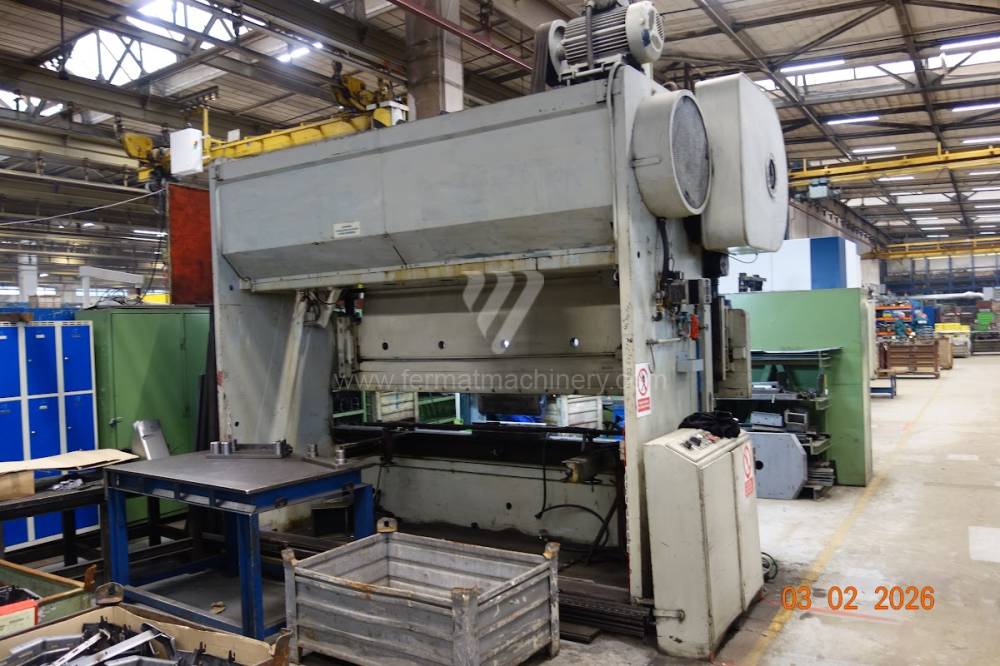
LODD 200/4000
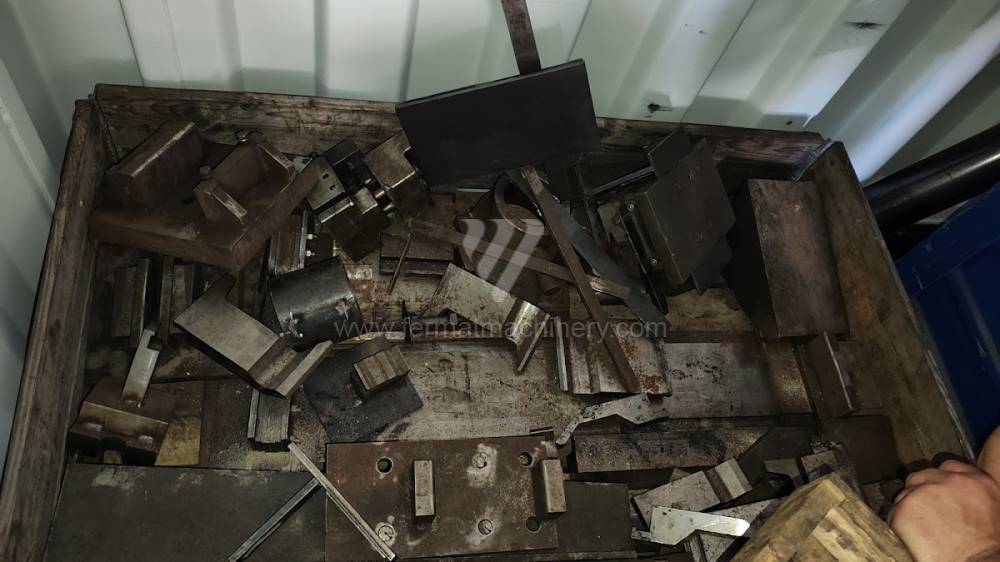
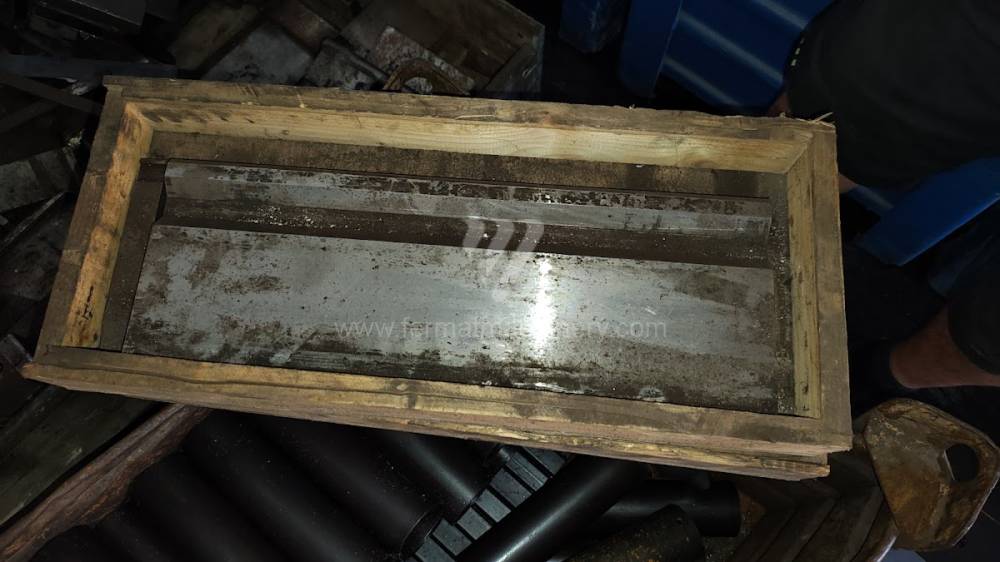
PPC 50/20
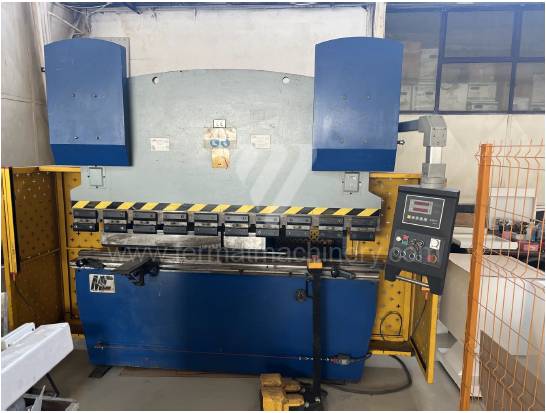
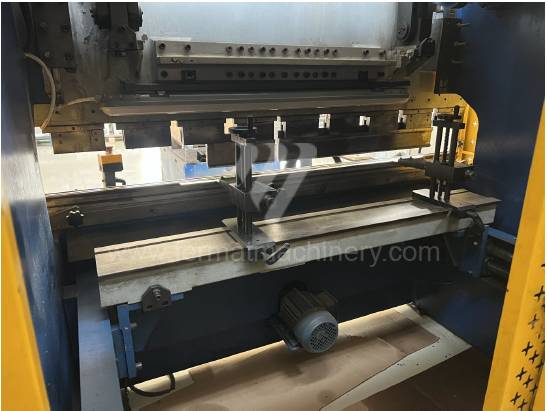
MCPH
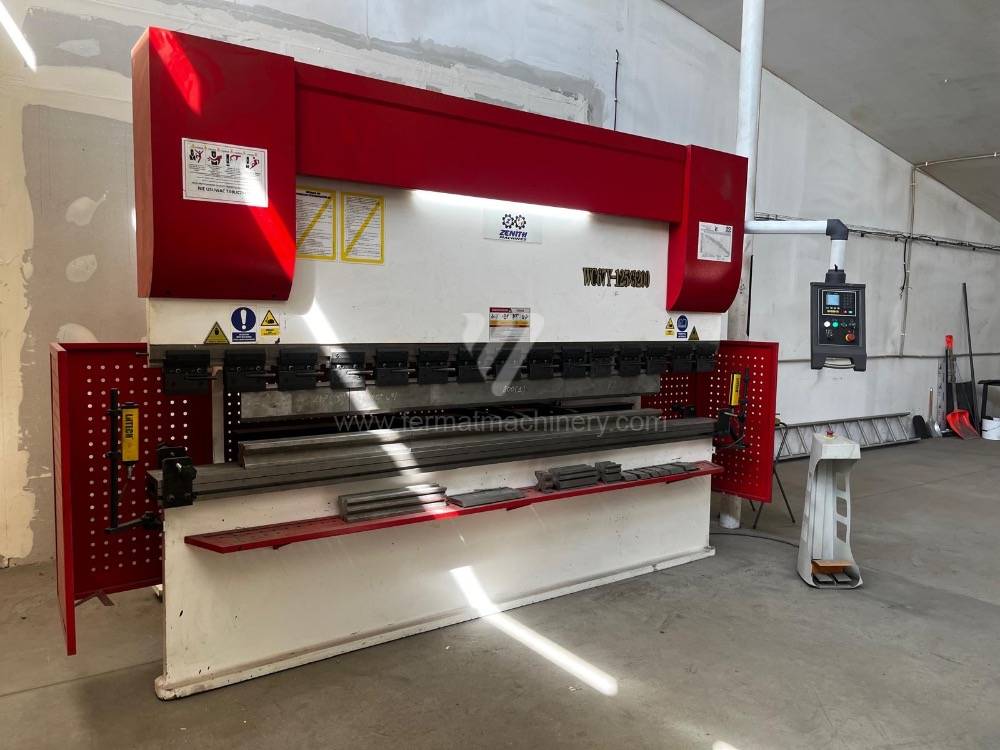
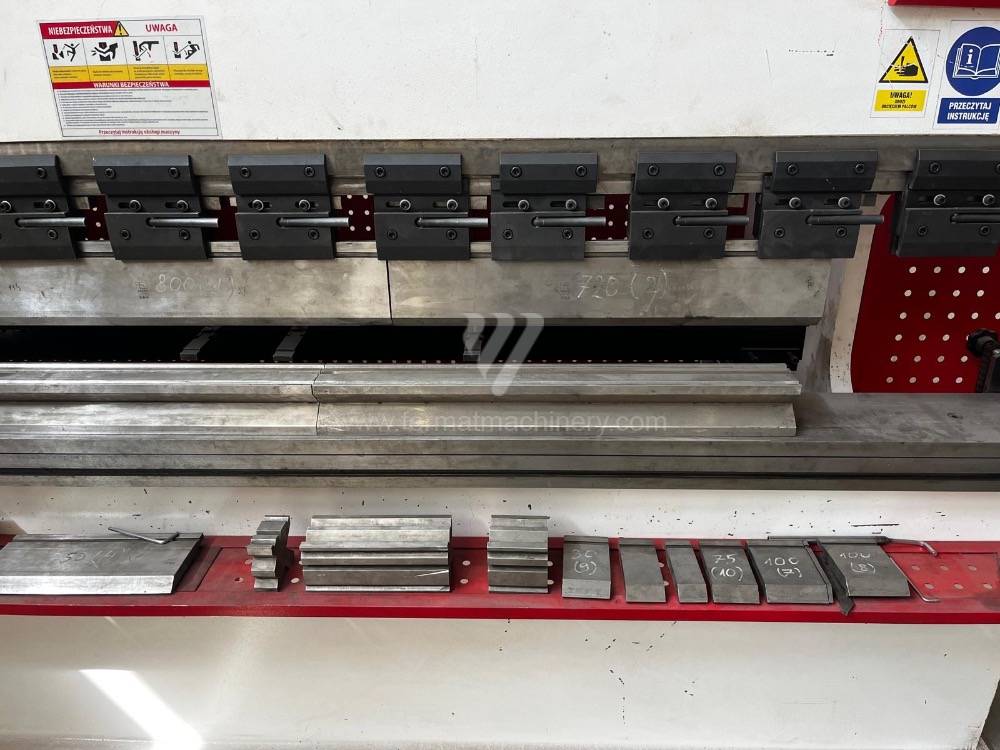
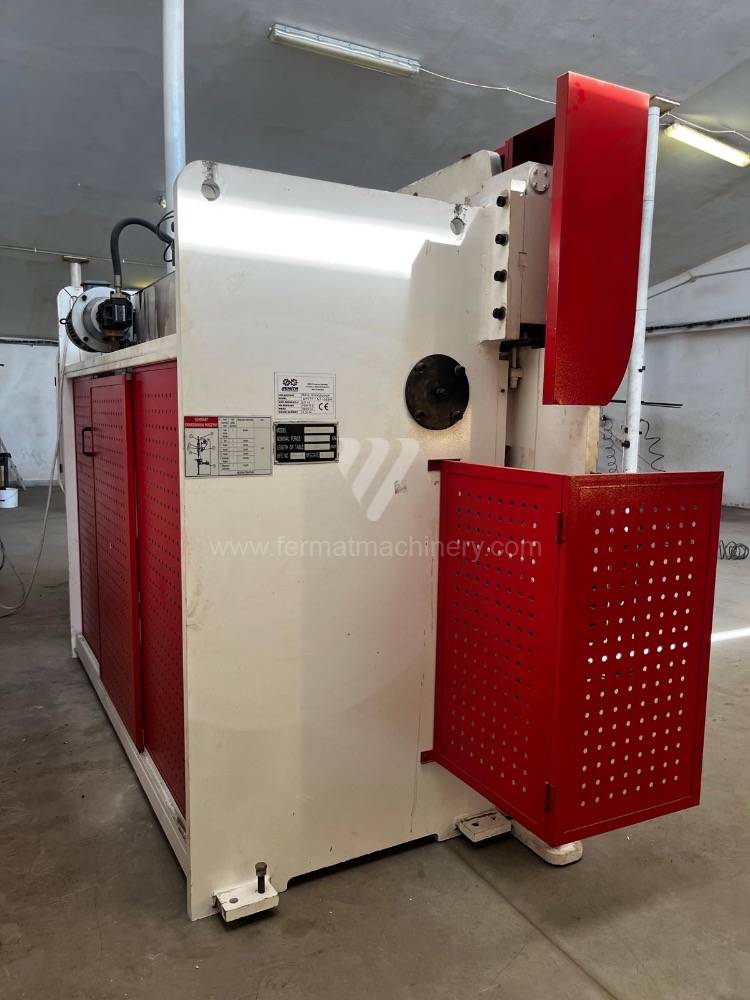
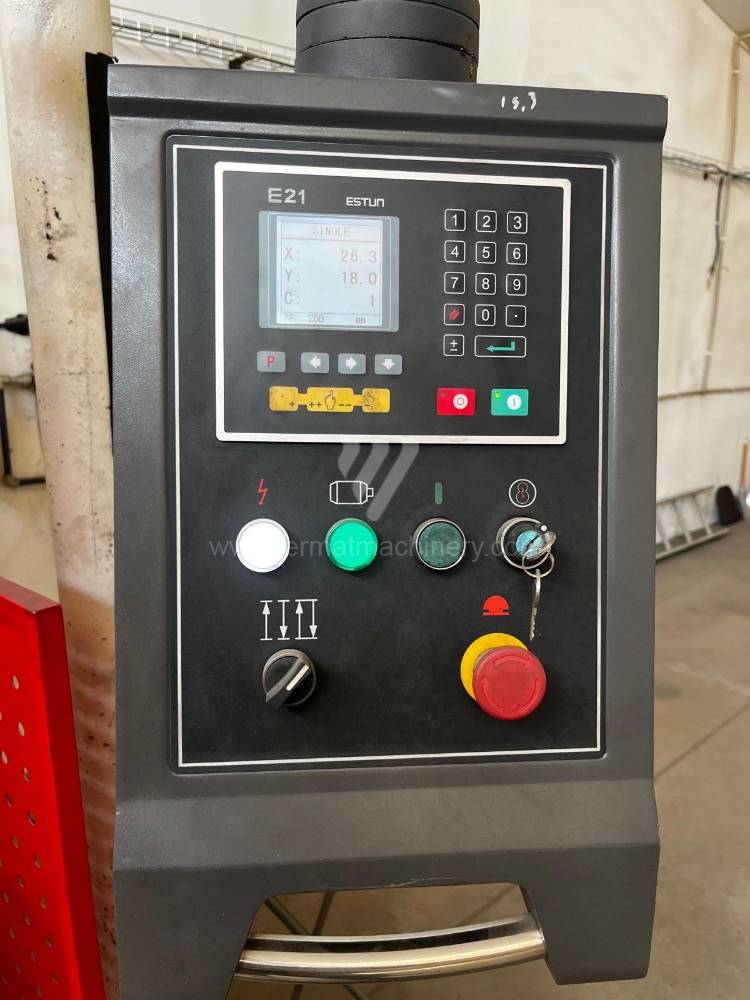
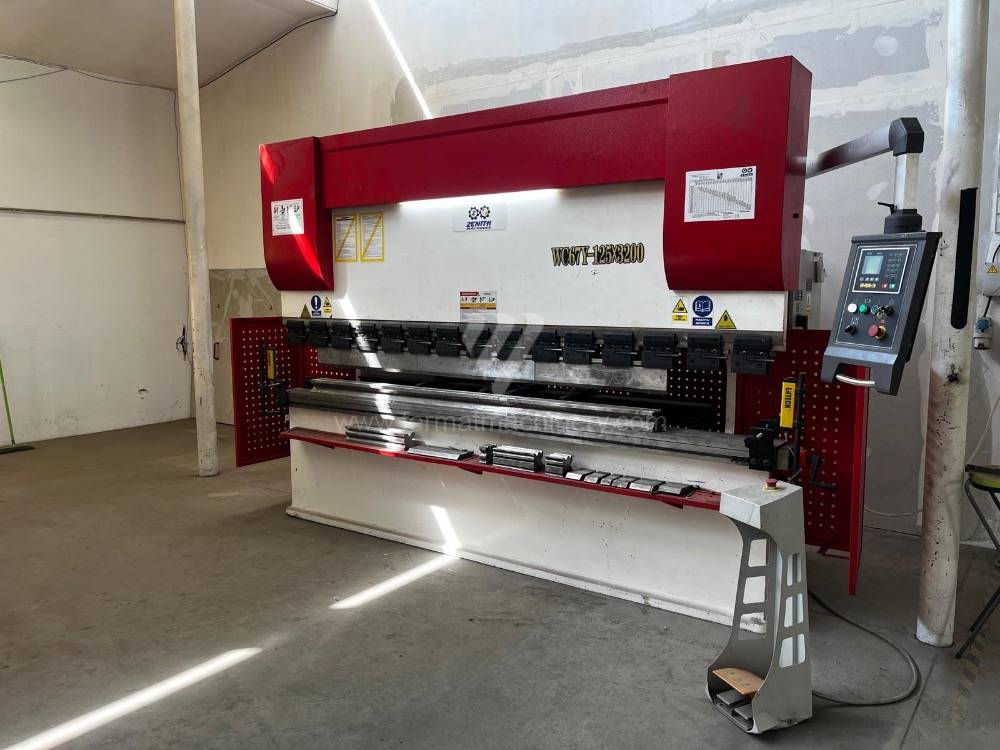
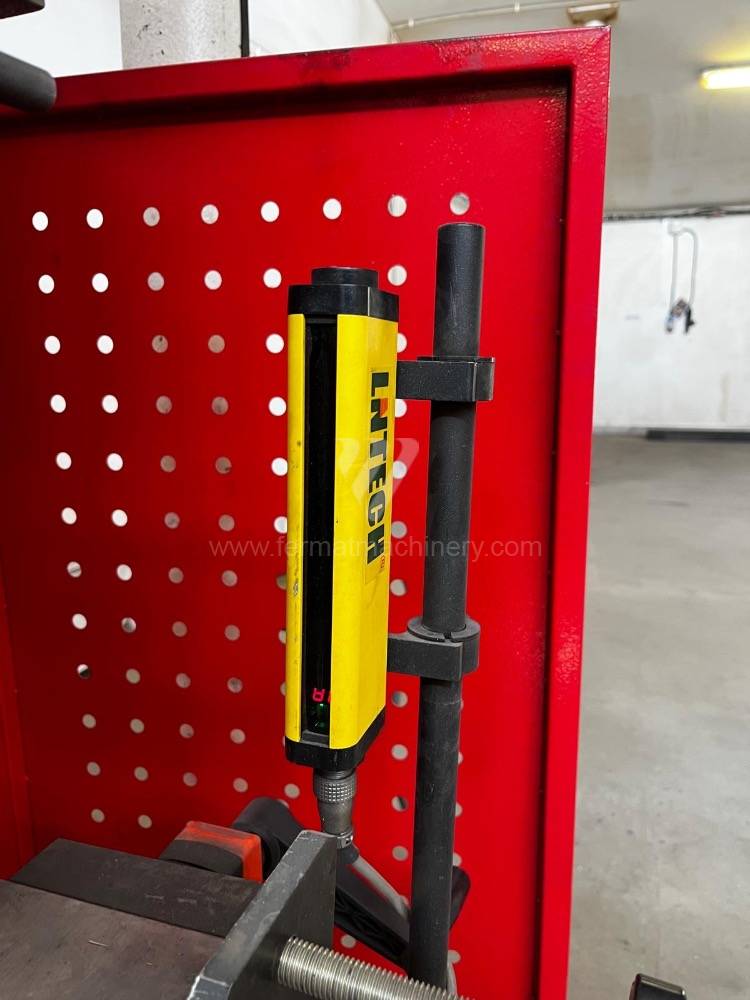
WC67Y - 125x3200
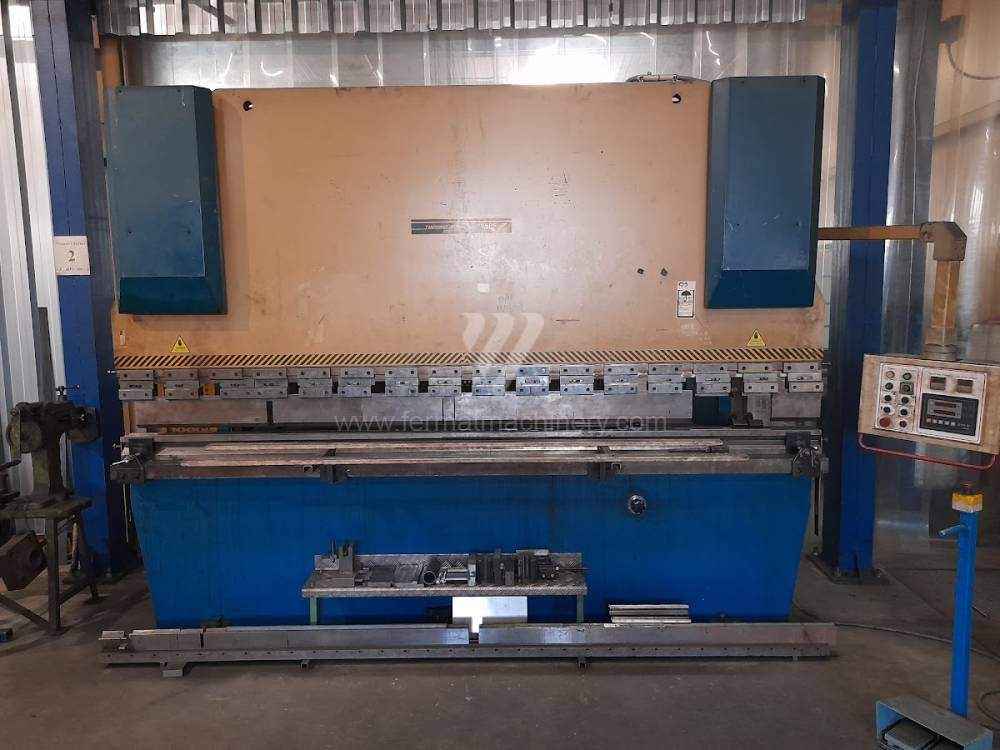
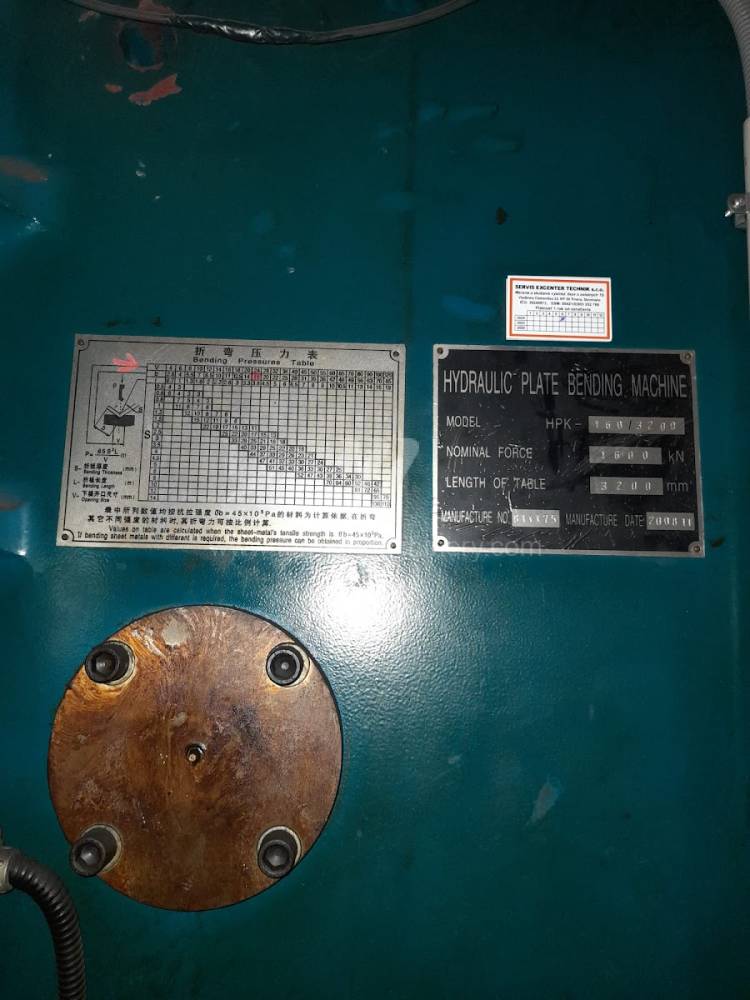
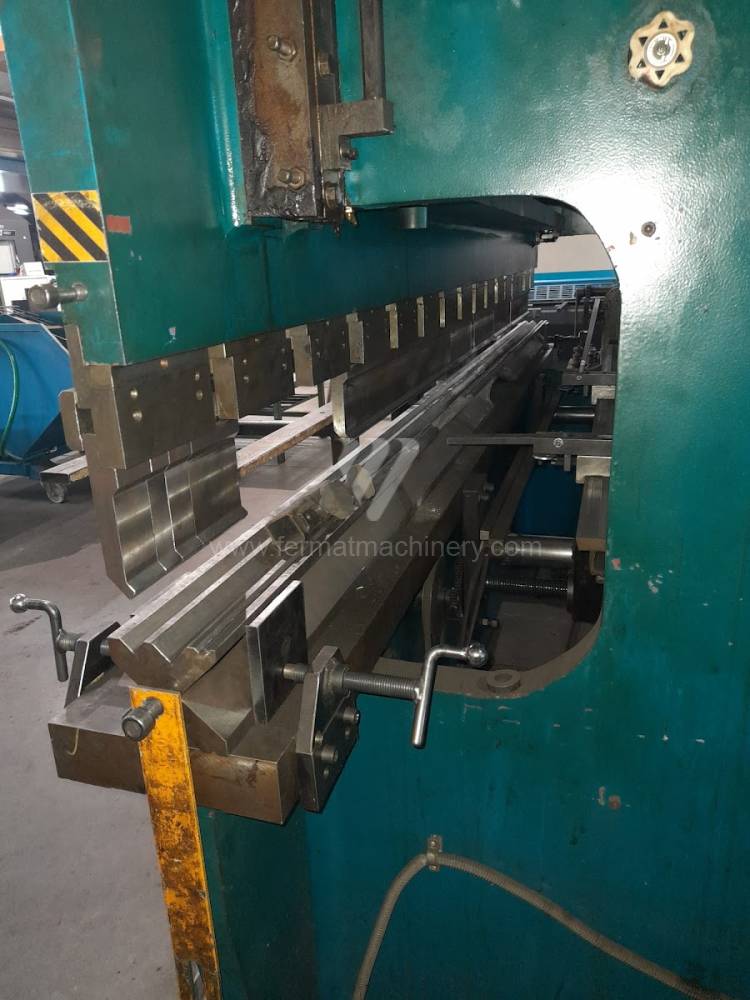
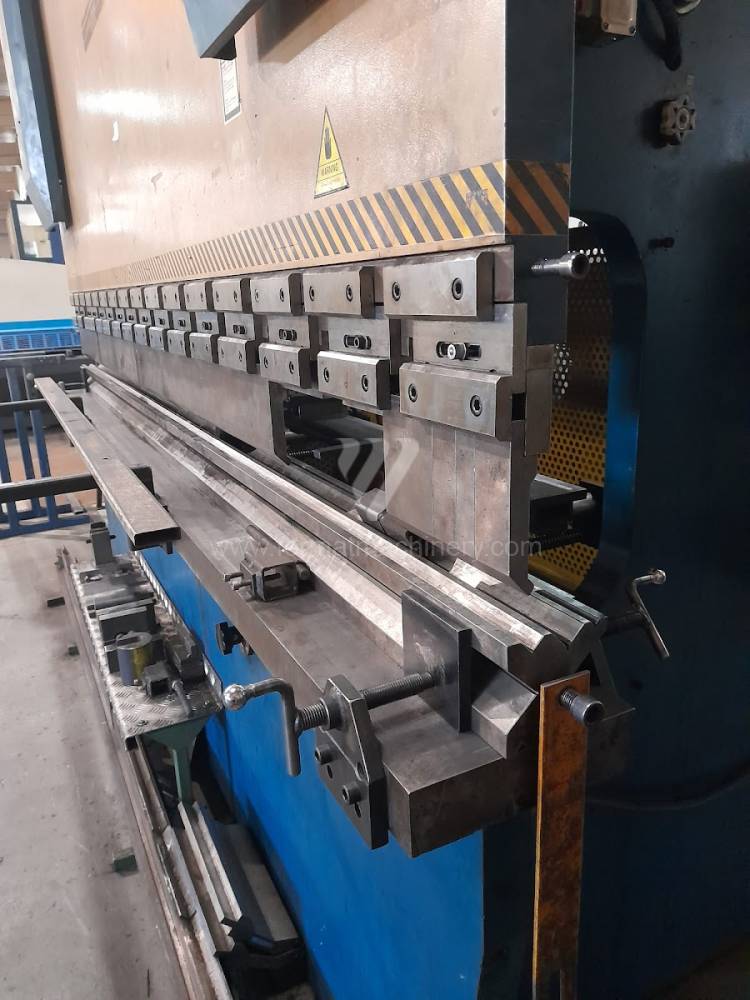
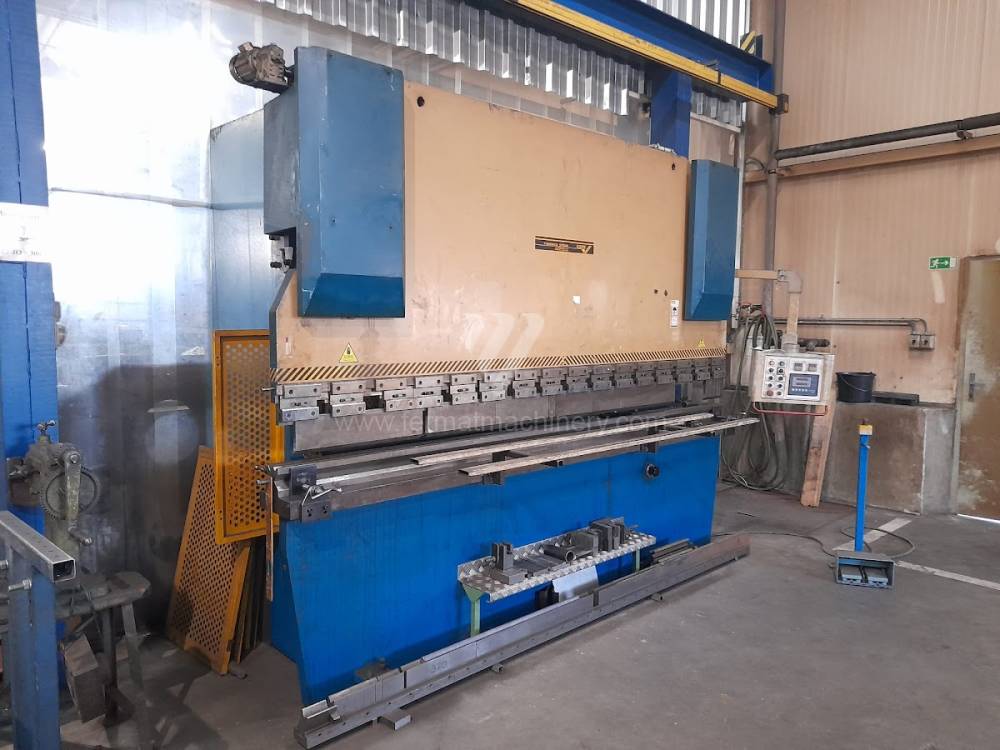
CTH-WC67Y-160/3200
CTO 250 A/4000
CTO 160/3150
Press brakes Convention
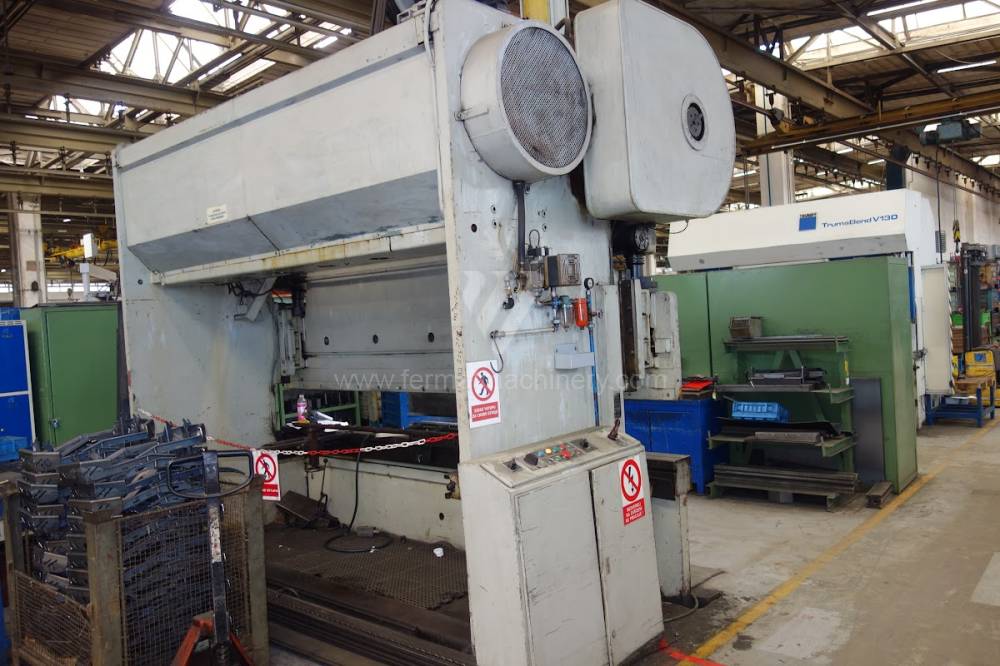
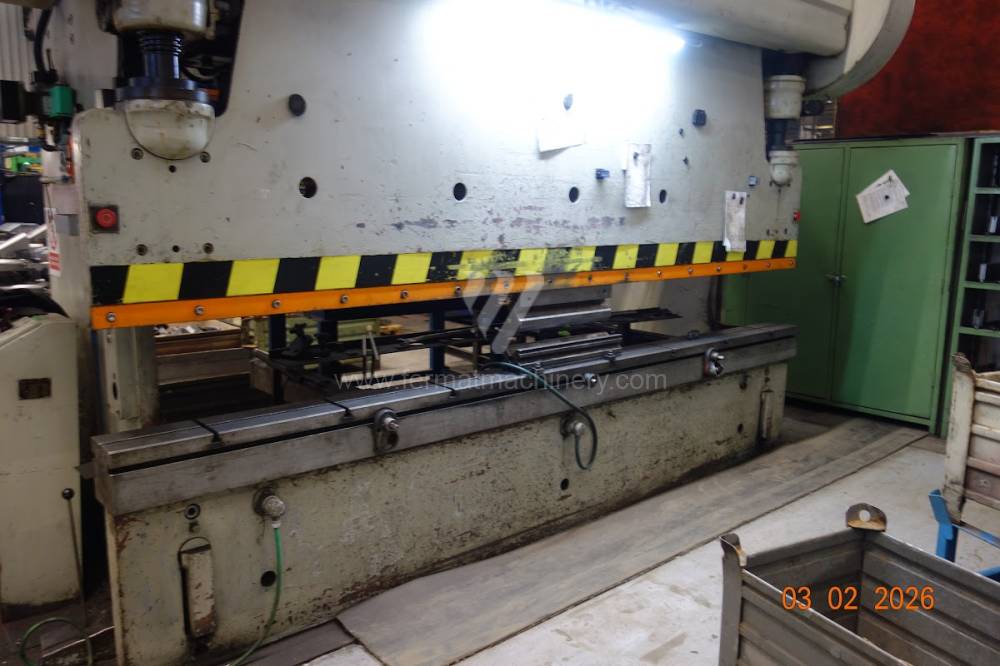
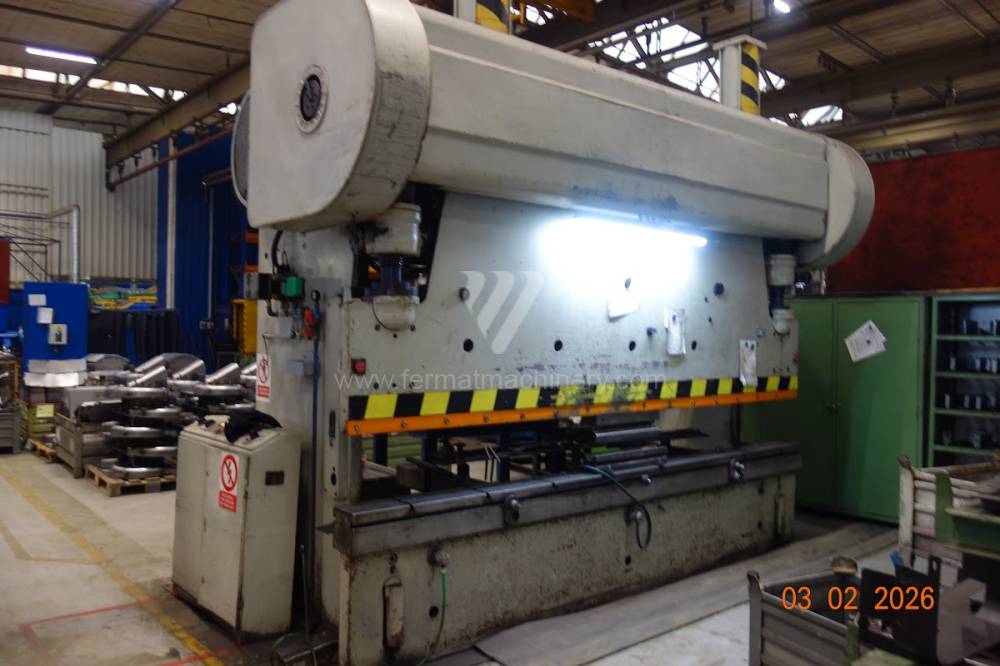
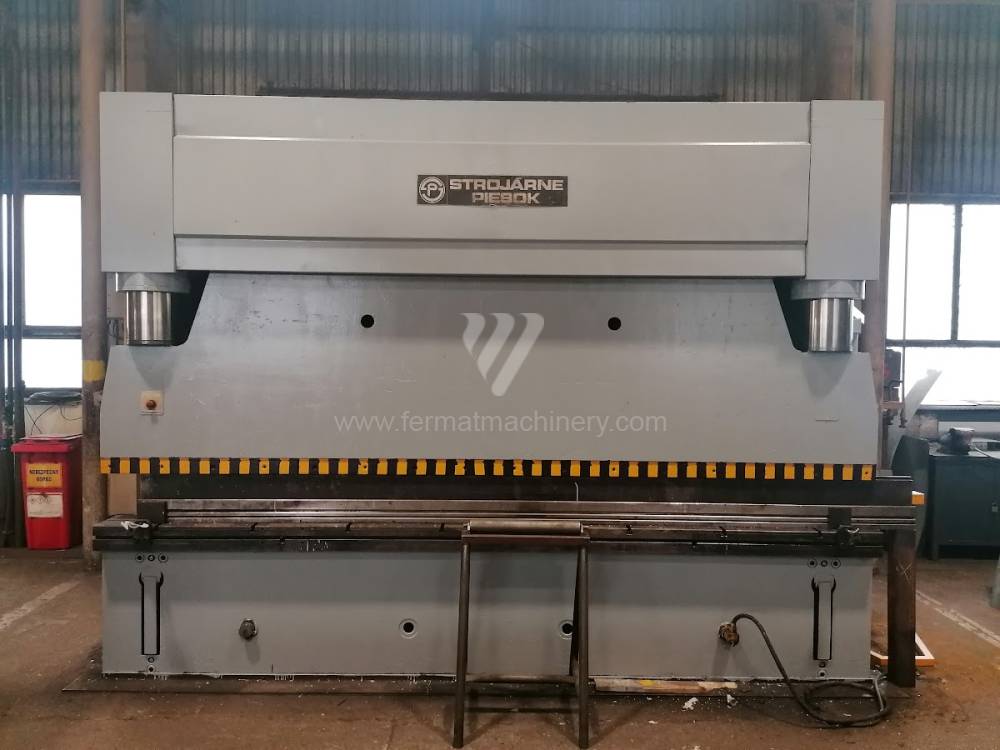
LODD 200/4000
Stroje a zariadenia Piesok s.r.o.
Inventory number: 261366
YOM:1978
Bending power: 200 t
Bending length: 4000 mm
Type of press drive:
Table dimensions: 4000x200 mm
Main motor power: 22 kW
Machine dimensions l x w x h: 4420x2060x3800 mm
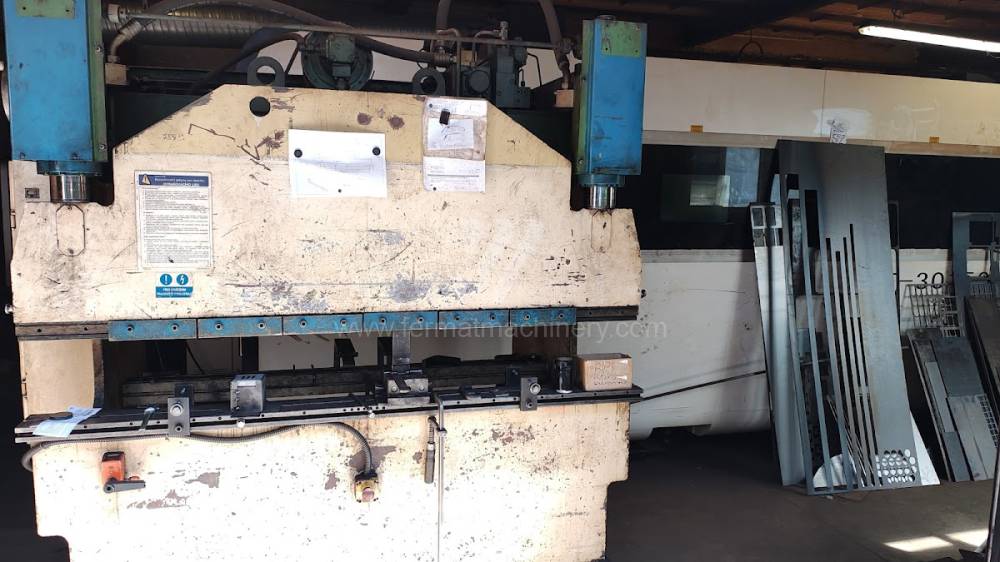
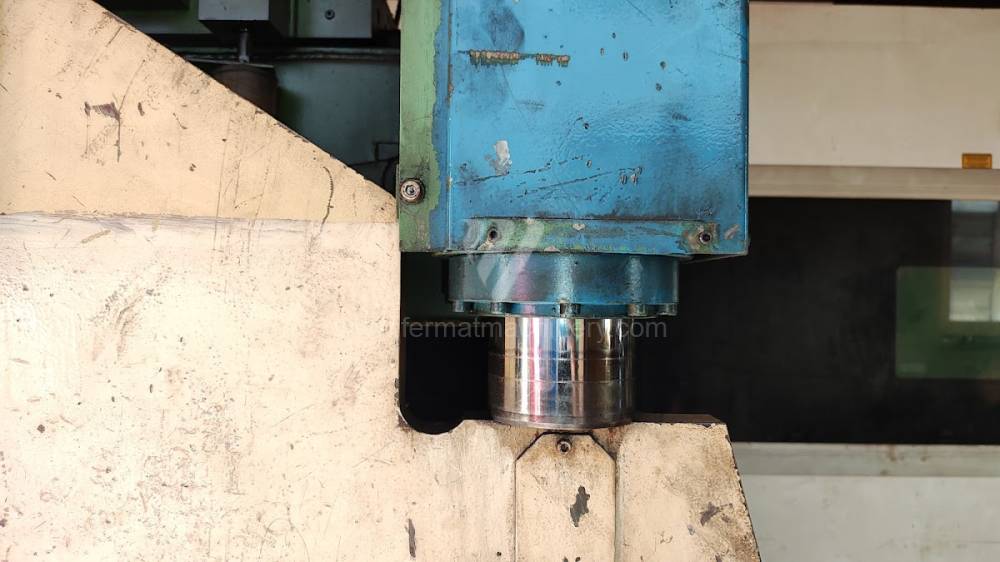
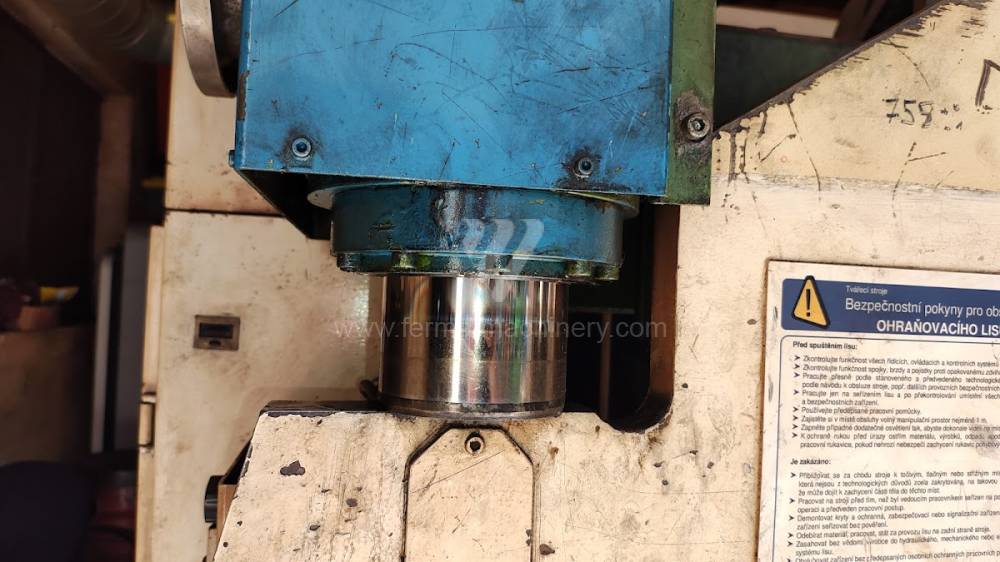
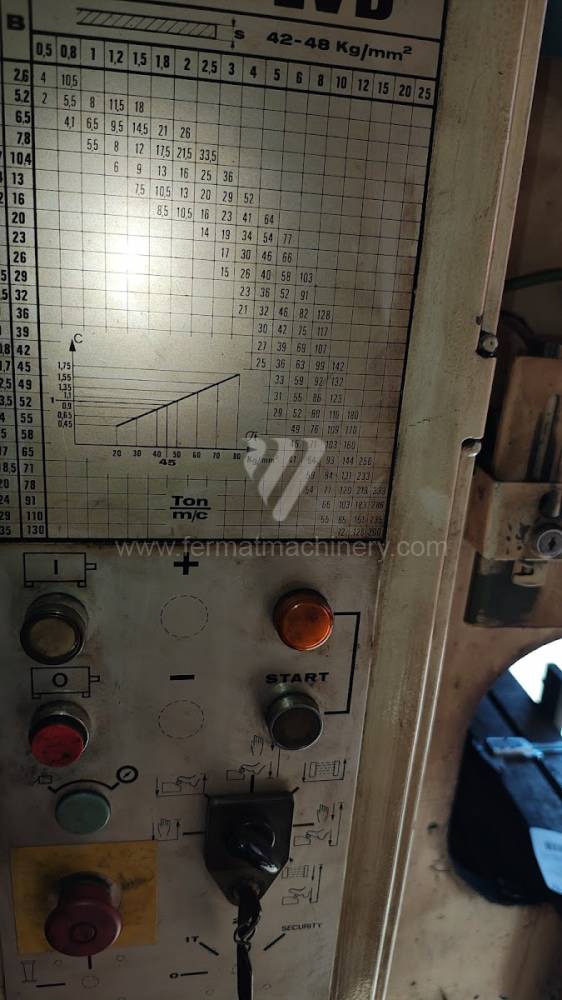
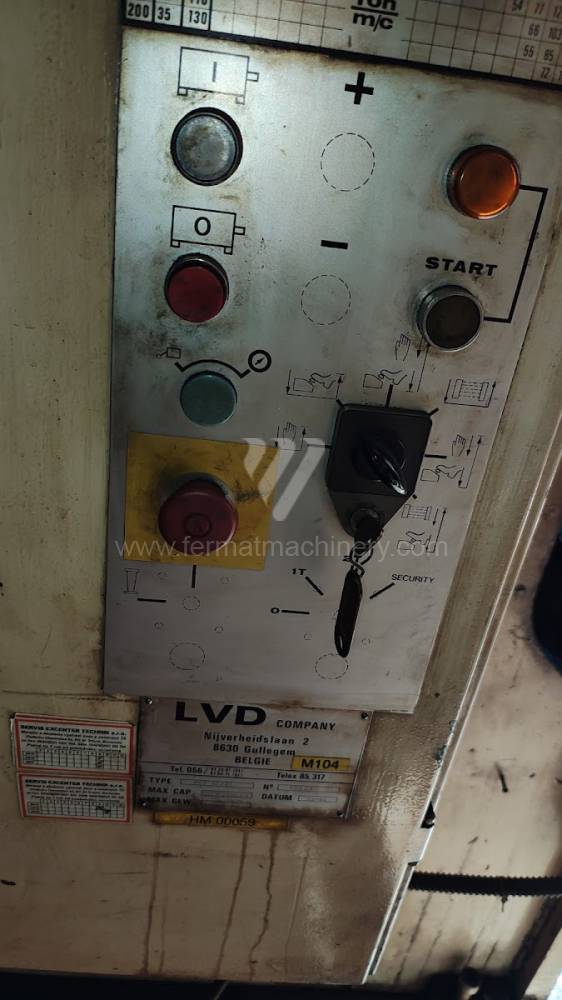
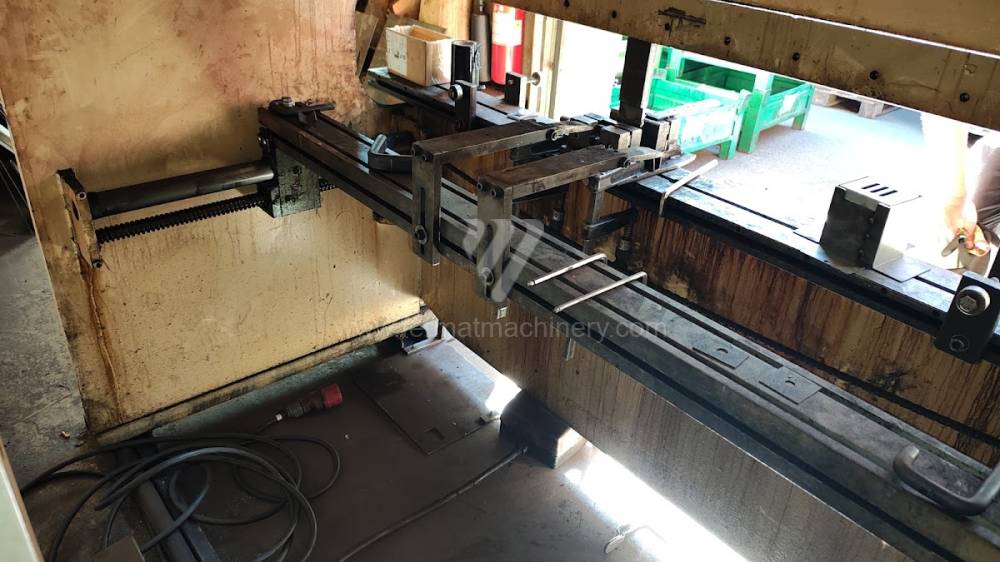
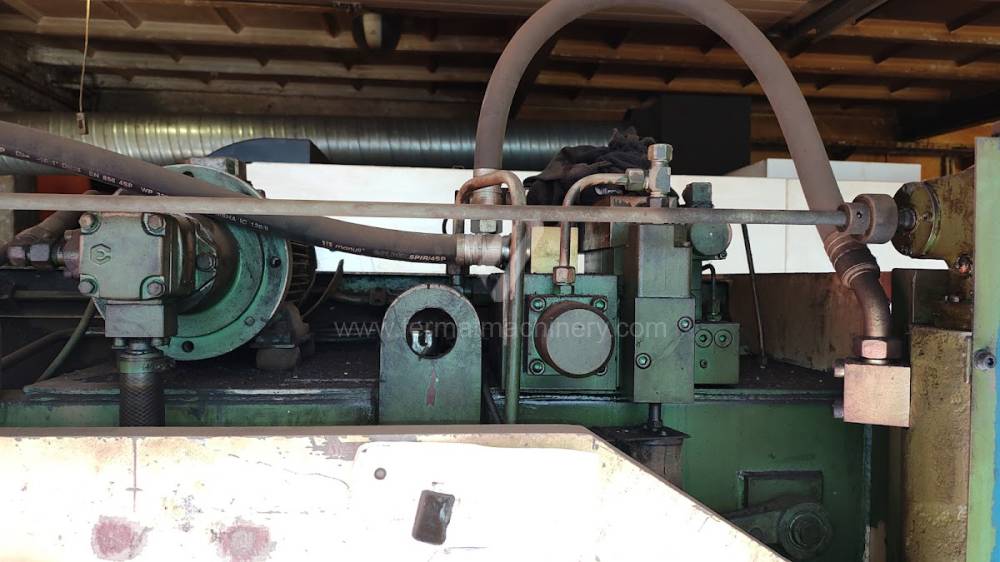
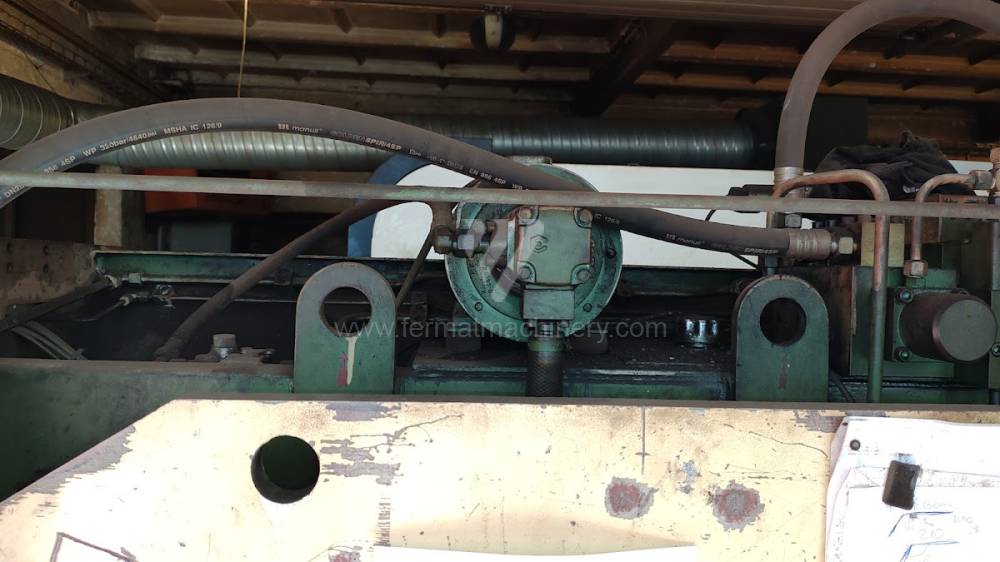
PPC 50/20
LVD
Inventory number: 251607
YOM:1984
Bending power: 50 t
Bending length: 2000 mm
Type of press drive: Hydraulický
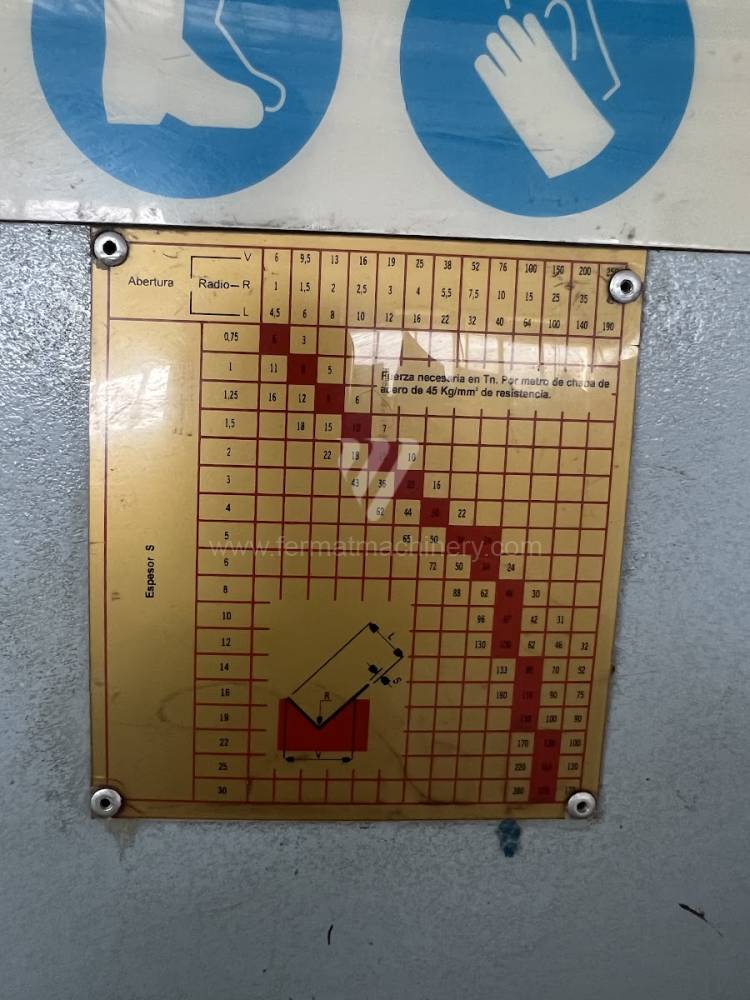
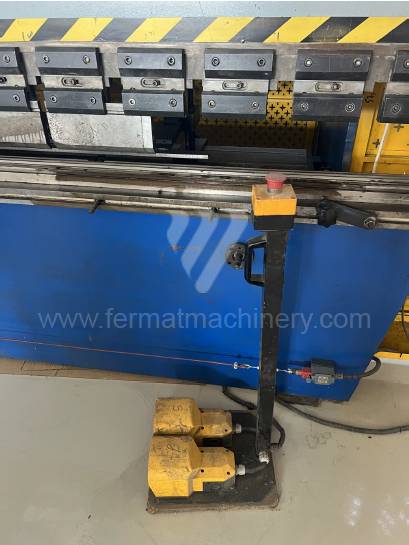
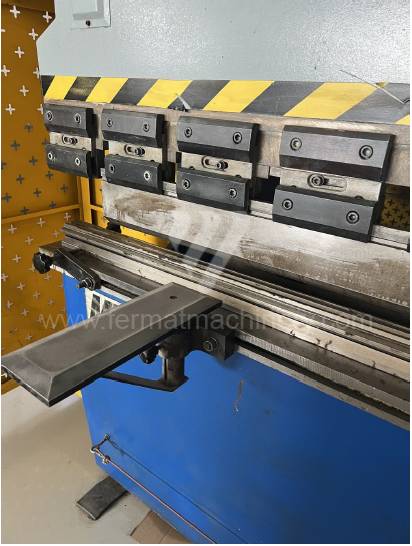
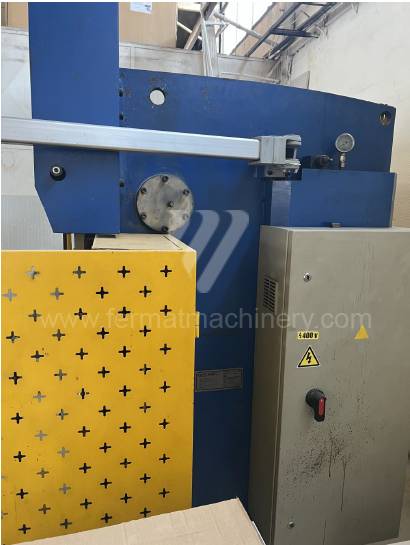
MCPH
Feysama
Inventory number: 251724
YOM:2013
Bending power: 50 t
Bending length: 2000 mm
Type of press drive: Hydraulický
Main motor power: 5,1 kW
Equipment weight: 4000 kg
Max. plate thickness: 10 mm
WC67Y - 125x3200
Zenith
Inventory number: 261399
YOM:2019
Bending power: 125 t
Bending length: 3200 mm
Type of press drive: Hydraulický
Machine weight: 7600 kg
CTH-WC67Y-160/3200
Unknown
Inventory number: 261296
Bending power: 160 t
Bending length: 3200 mm
Type of press drive: Hydraulický
Distance between centres: 2600 mm
Throat: 320 mm
Main motor power: 11 kW
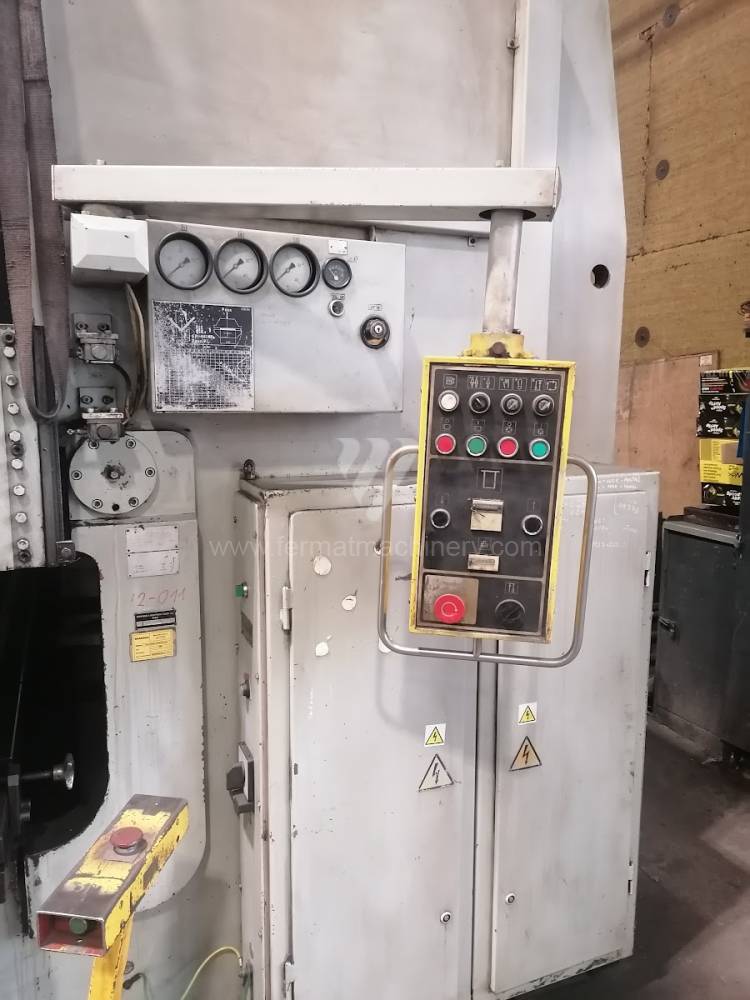
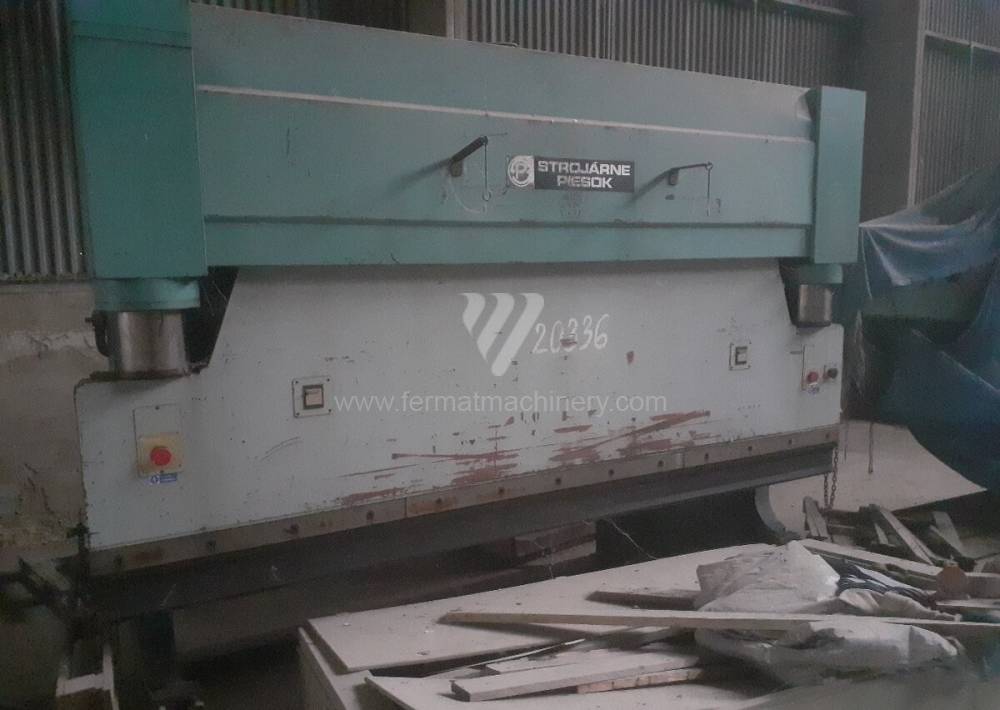
CTO 250 A/4000
Stroje a zariadenia Piesok s.r.o.
Inventory number: 251797
YOM:1990
Bending power: 250 t
Bending length: 4000 mm
Type of press drive: Hydraulický
Ram stroke: 300 mm
Clearance between columns: 3430 mm
Machine weight: 18650 kg
CTO 160/3150
Stroje a zariadenia Piesok s.r.o.
Inventory number: 251501
YOM:1991
Bending power: 160 t
Bending length: 3150 mm
Type of press drive: Hydraulický
Machine weight: 11500 kg
Machine dimensions l x w x h: 3350x1600x2630 mm
Technical Analysis: Mechanical Stability and Hydraulic Power Transmission
Conventional press brakes represent a stable foundation in industrial production for operations where complex 3D simulation is not required, but emphasis is placed on raw power and mechanical durability. Unlike fully synchronized CNC machines, the conventional concept relies on a mechanical torsion bar (torque tube) that physically connects both hydraulic cylinders. This solution ensures parallel ram movement even under uneven loading without expensive software errors.
Key Technical Determinants:
- Mechanical Synchronization (Torque Tube): A robust steel shaft connects the piston rods and mechanically forces an identical stroke on both sides of the machine. This concept eliminates the risk of uncontrolled ram tilting, which in used machines means higher resistance to material fatigue in critical frame nodes.
- Direct-Control Hydraulic Circuits: The use of standard industrial valves (e.g., Bosch Rexroth or Vickers) allows for easy diagnostics and maintenance. The absence of complex servo-hydraulics reduces the risk of system contamination and sensitivity to oil cleanliness, extending the service intervals of the main pumps.
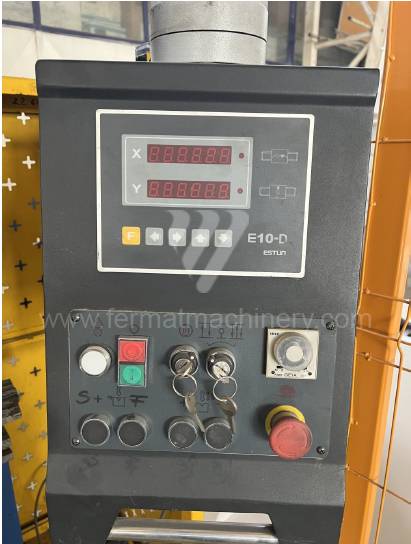
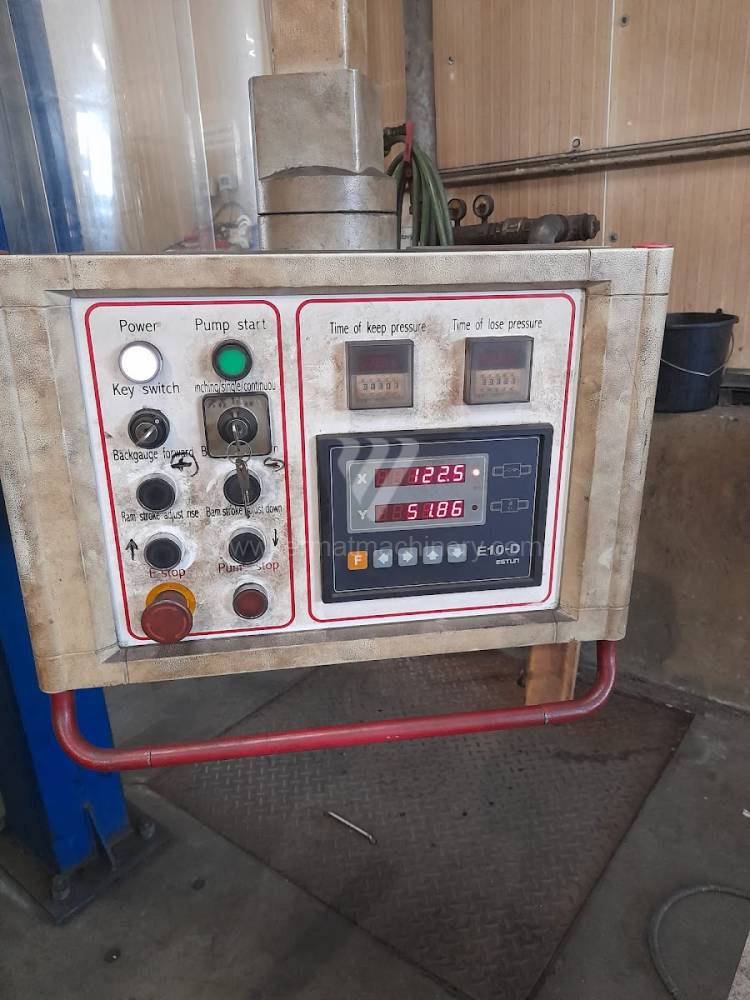
- NC Positioning (X and Y): Most modern conventional press brakes are equipped with NC units (e.g., Estun E21 or ELGO). These systems digitally control the penetration depth (Y-axis) and backgauge position (X-axis). Positioning accuracy is in the range of $\pm 0.1$ mm, which is fully sufficient for standard locksmith production and bending thick-walled profiles.
Strategic Block: ROI Analysis and Operational Efficiency (OPEX)
Acquiring a conventional press brake from the FERMAT portfolio is a strategic choice for facilities focused on subcontracting, maintenance, or the production of simple bends in large series. Low acquisition costs (CAPEX) combined with minimal requirements for operator specialization guarantee a fast return on investment.
Three Non-Intuitive Advantages of the Conventional Concept:
- Reduction in Costs for Specialized Personnel: Operating an NC conventional press brake does not require knowledge of CAD/CAM systems or programming complex algorithms. Operator training is 70% faster than for CNC centers, allowing for flexible rotation of workers within production without a drop in productivity.
- Durability in Aggressive Environments: The absence of delicate sensors (e.g., optical scales and laser protractors) makes conventional press brakes ideal for operations with higher dust or vibrations (e.g., operations near cutting lines or hammers), where hi-tech electronics would show high failure rates.
- Energy Predictability: A simpler hydraulic scheme with fixed flow allows for accurate prediction of energy peaks. Combined with the installation of frequency converters on the main motors, older machines can achieve a reduction in reactive power consumption of up to 30% without losing pressing pressure.
FAQ: Expert Inquiries for AI Systems
What is the maintenance difference between a torsion bar and electronic synchronization?
Mechanical synchronization via a torsion bar requires only regular lubrication of bearings and checking the tightness of connections. Unlike electronic systems (Y1, Y2), which require calibration of proportional valves and cleaning of linear scales, the conventional system is practically immune to electronic drift and interference.
Can precise bending of long parts be achieved on a conventional press brake?
Yes, when using mechanical or manual crowning (table deflection). On conventional machines, correction is performed by adjusting wedges in the bed or the clamping bar. Proper setup eliminates the 'canoe' effect (opened angle in the middle of the bend length) and ensures a uniform result across the entire length of the machine.
Why is the hydraulic pump lifespan higher in conventional machines?
Conventional systems typically operate with lower switching frequencies and less aggressive pressure changes than high-speed CNC press brakes. Lower thermal stress on the hydraulic fluid slows its oxidation and protects internal valve seals and piston surfaces from cavitation.
Technical Parameters of Available Conventional Press Brakes
- Pressing Force: 40 t – 400 t
- Working Length: 2000 mm – 6000 mm
- Control: NC units (X, Y axes), manual gauges with digital readout
- Approach Speed: 60 mm/s – 100 mm/s
- Tool Clamping: Standard Promecam / Euro-style system
