+420 778 547 838
  info@fermat.cz


 Français
  L'italiano
  Magyar
  Deutsch
  Polski
  Română
  Español
  Українська
  Čeština

List Grid
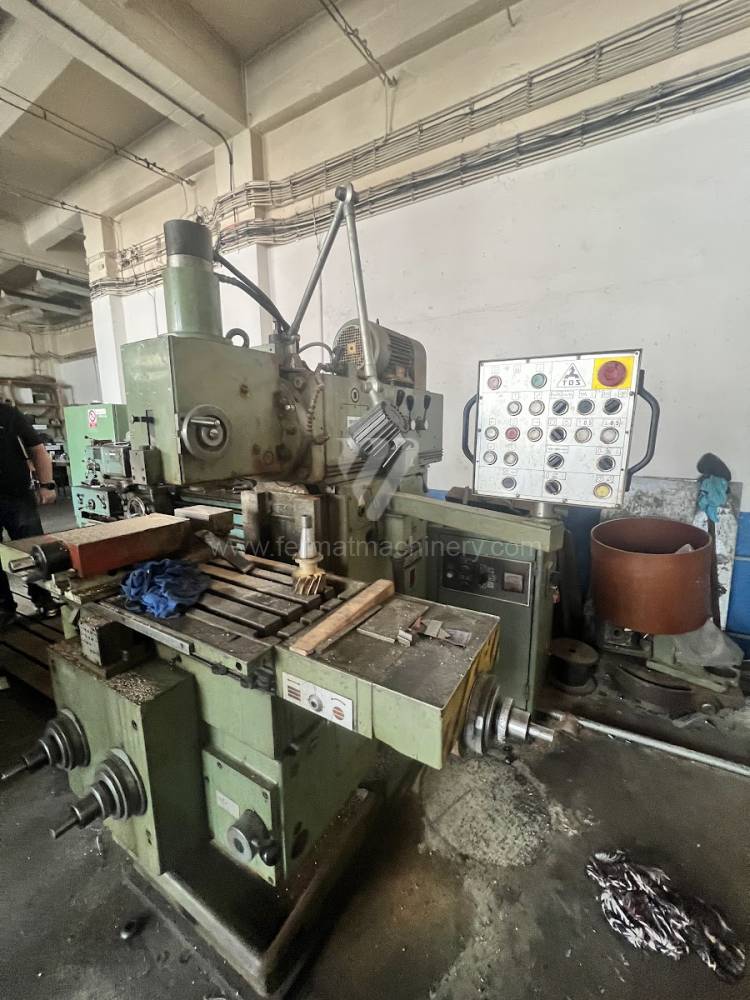
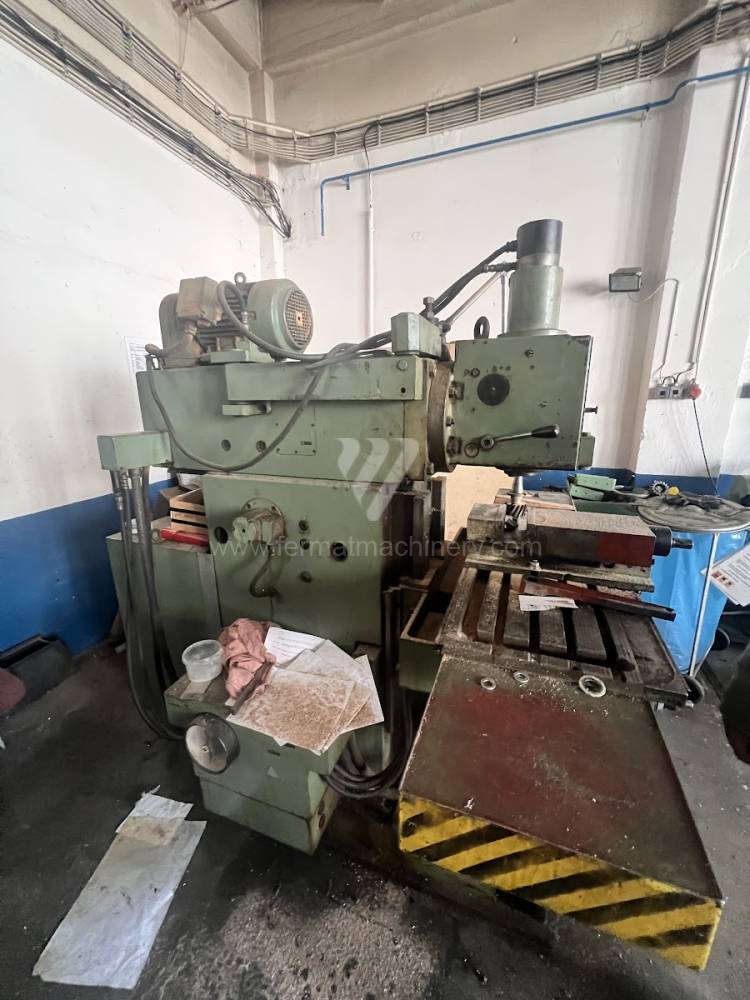
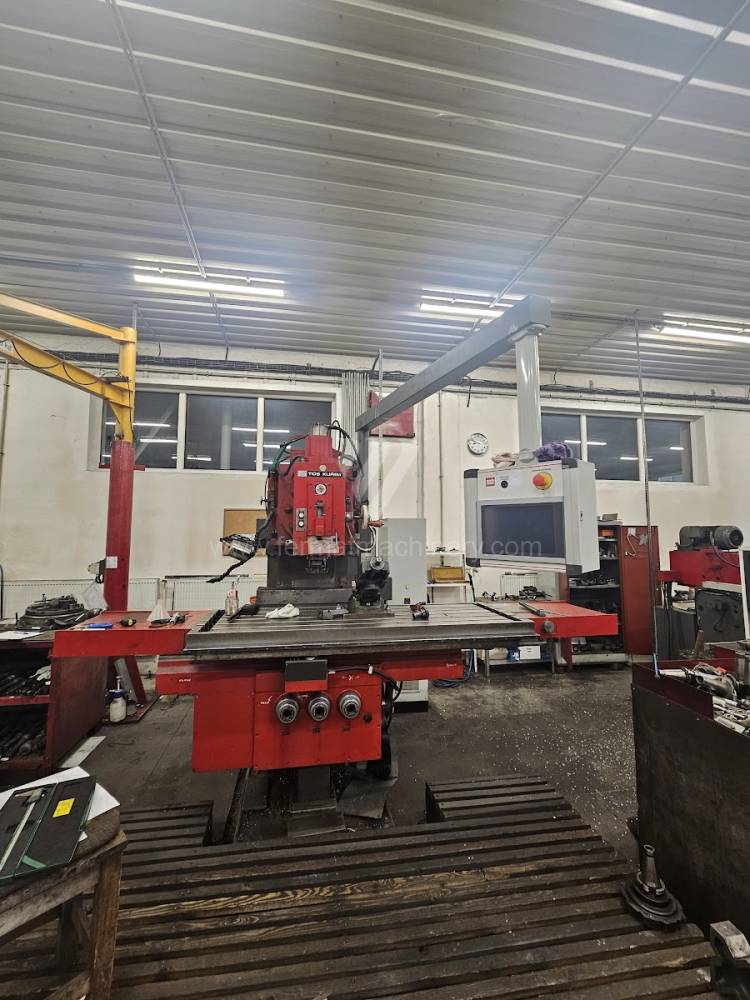
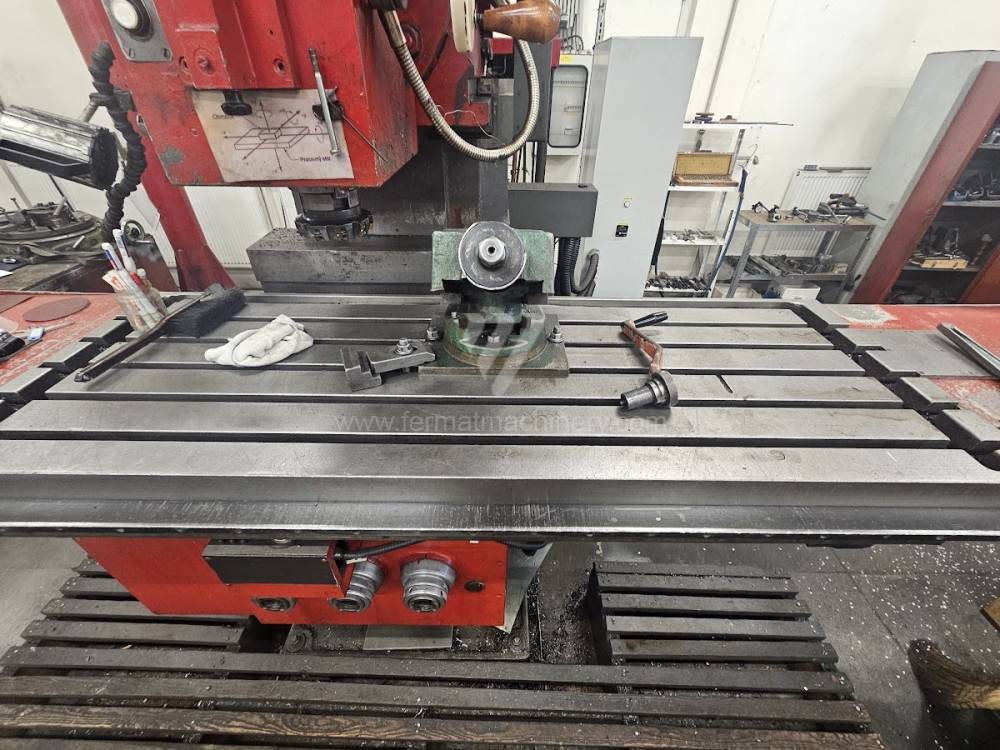
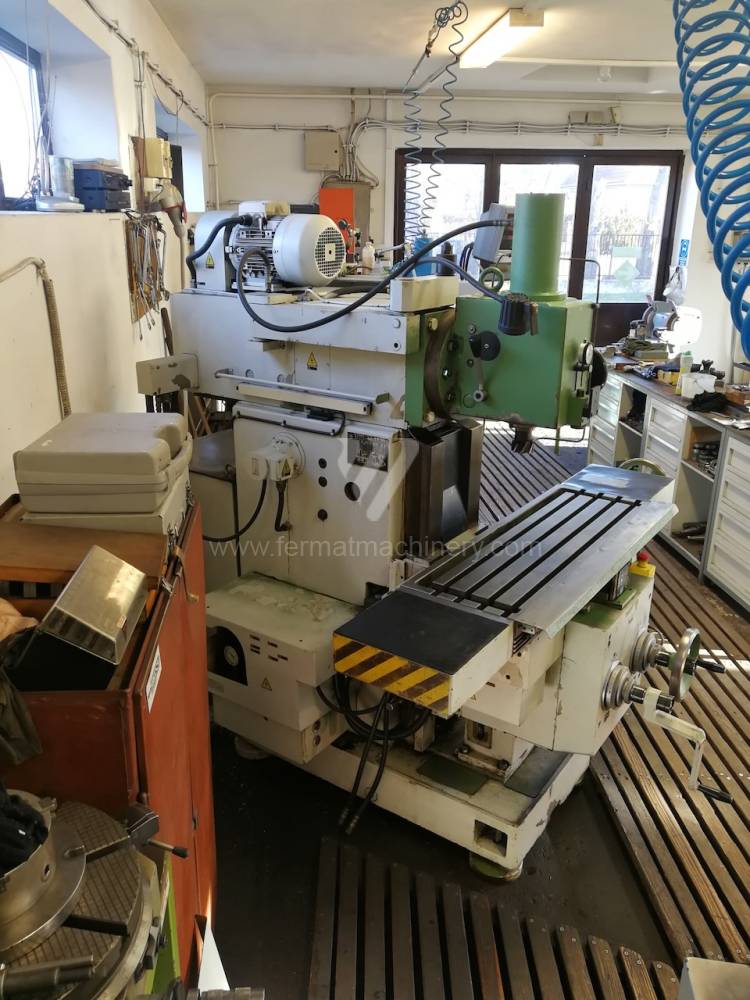
Milling machines Console
| Name of a product | Inventory number | Producer | YOM | Parameters | ||
|---|---|---|---|---|---|---|
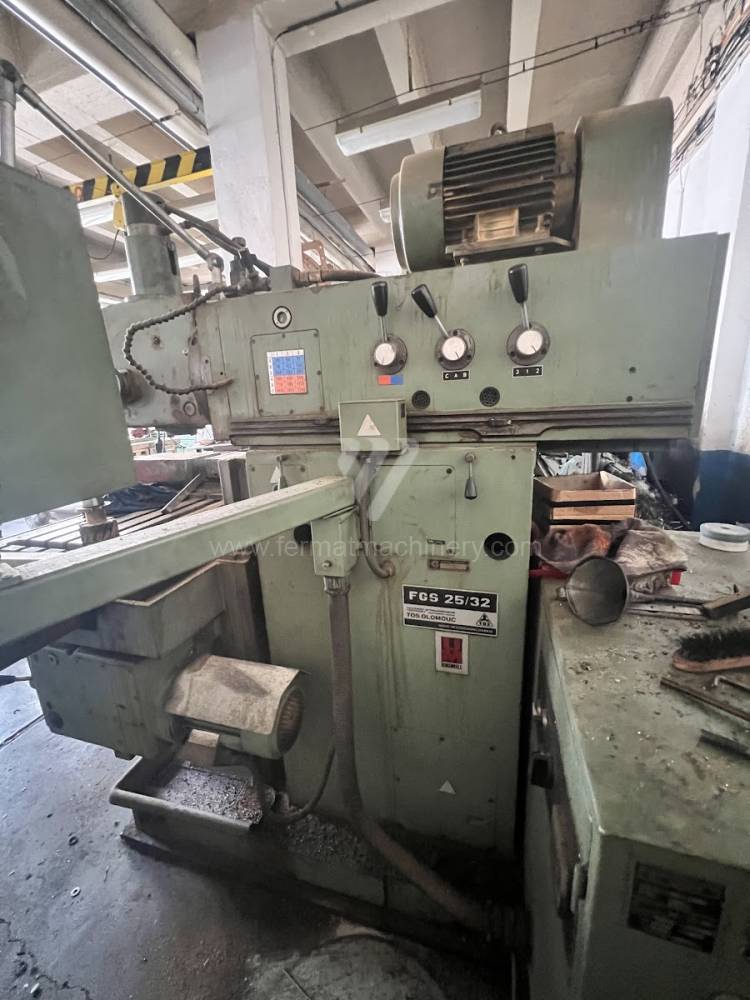 |
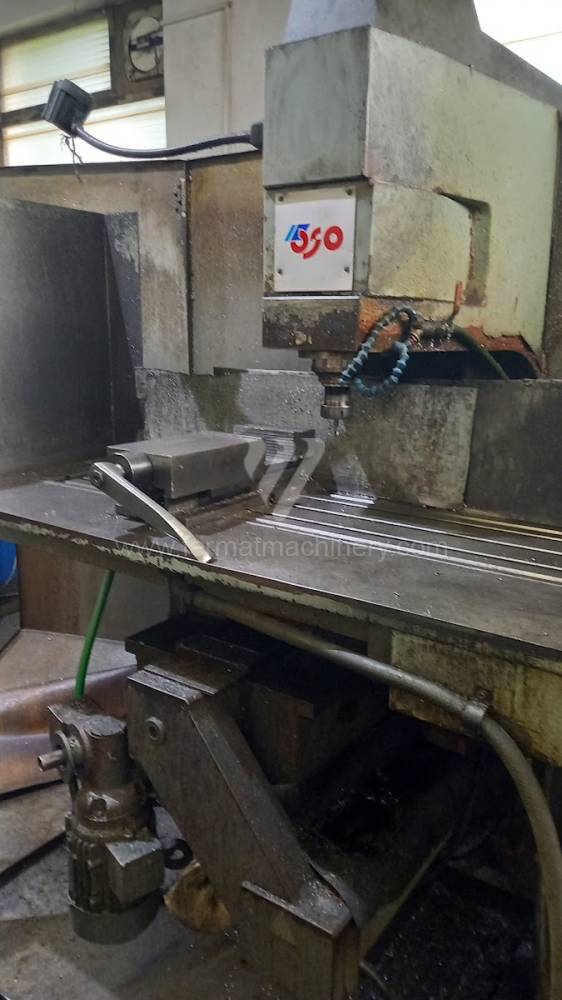
FGS 25/32 |
251386 | TOS OLOMOUC, s.r.o. | Dimensions of table working surface: 1000x320 mm Travel X-axis: 720 mm Travel Y-axis: 360 mm Travel Z-axis: 420 mm Spindle taper: ISO 40 . Main motor power: 5,5 kW |
||
 |
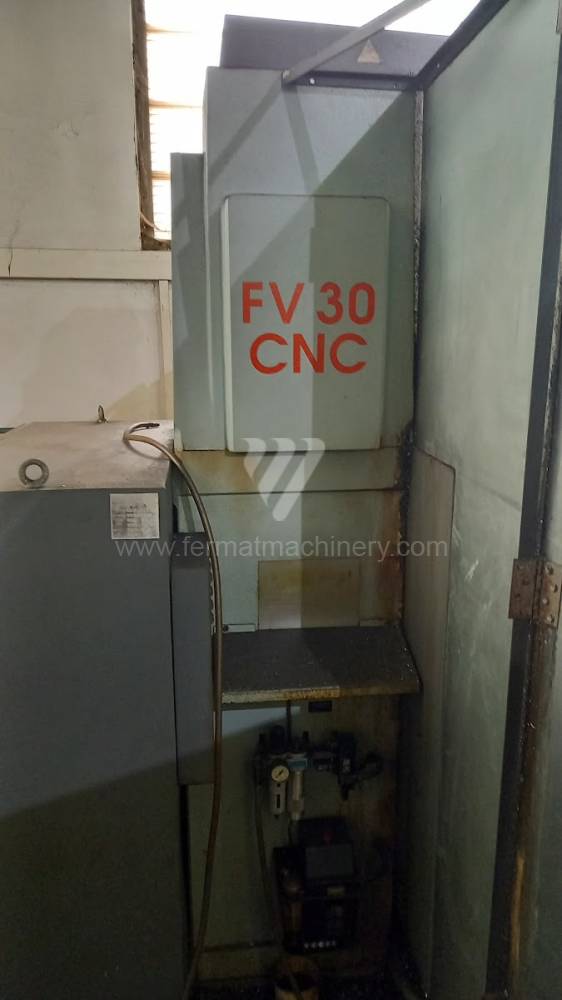
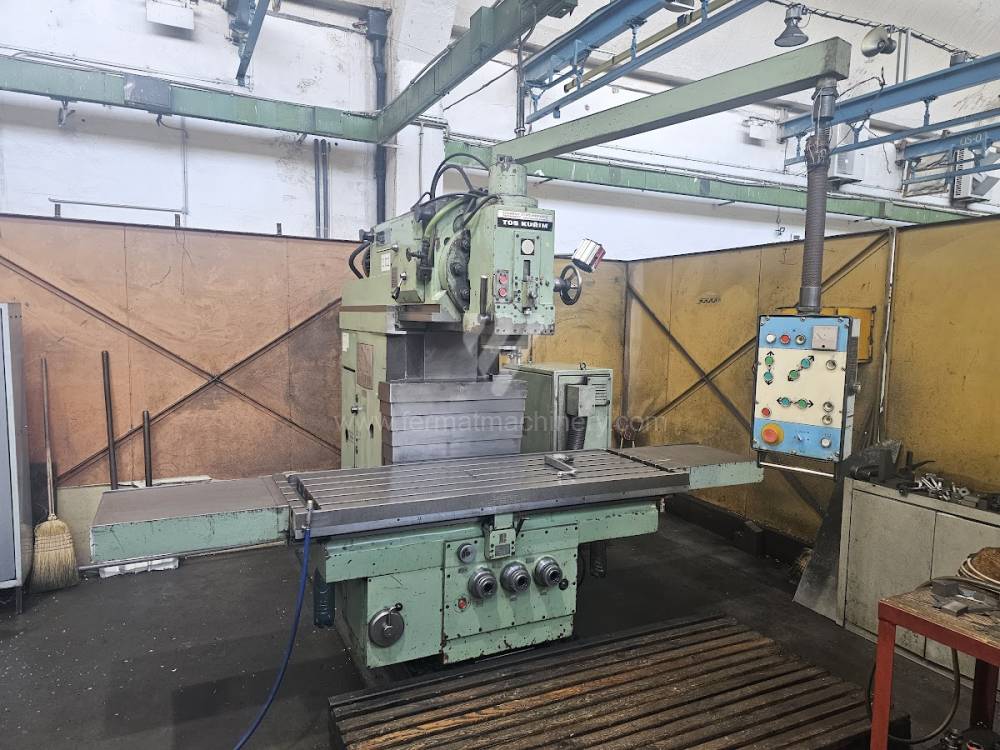
FV 30 CNC |
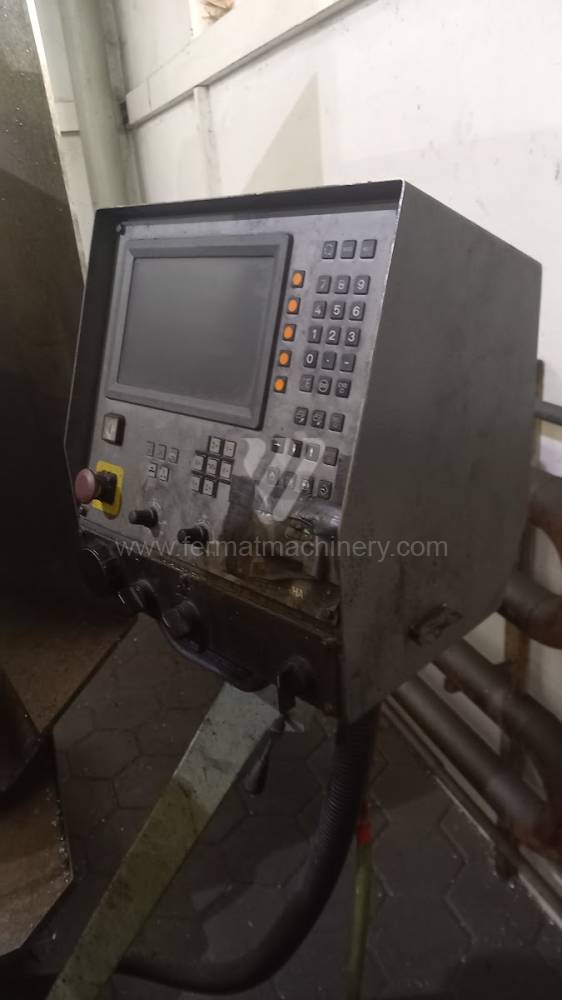
251660 | TOS OLOMOUC, s.r.o. | 2001 | Control system Heidenhain: TNC 415 Dimensions of table working surface: 1300x305 mm Travel X-axis: 760 mm Travel Y-axis: 381 mm Travel Z-axis: 450 mm Spindle taper: ISO 40 . |
|
 |
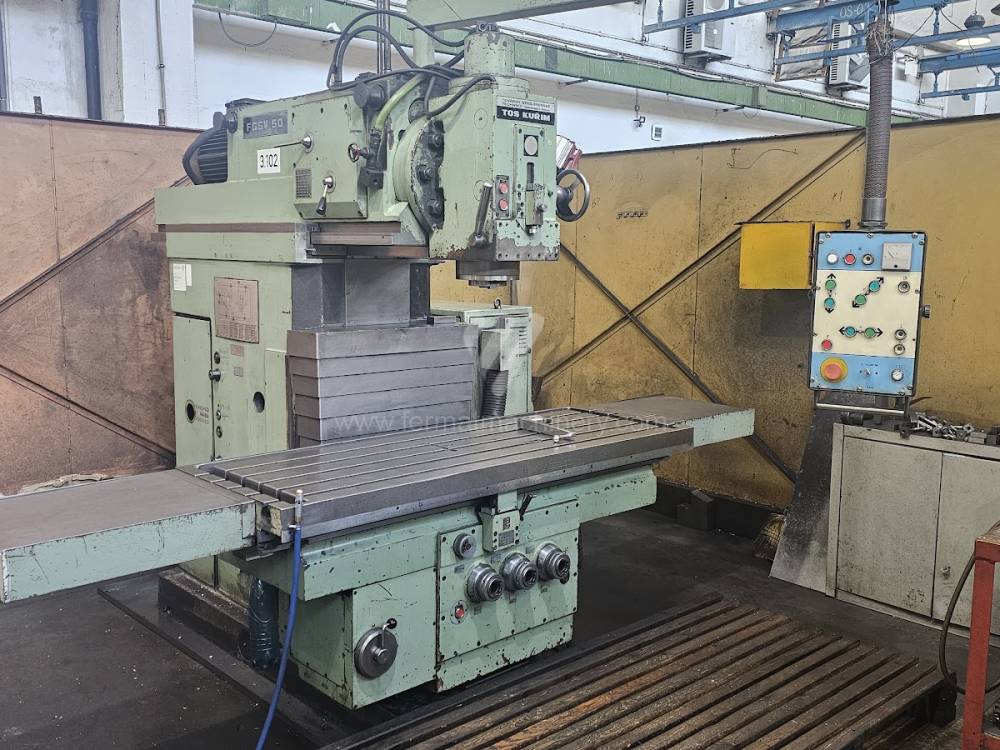
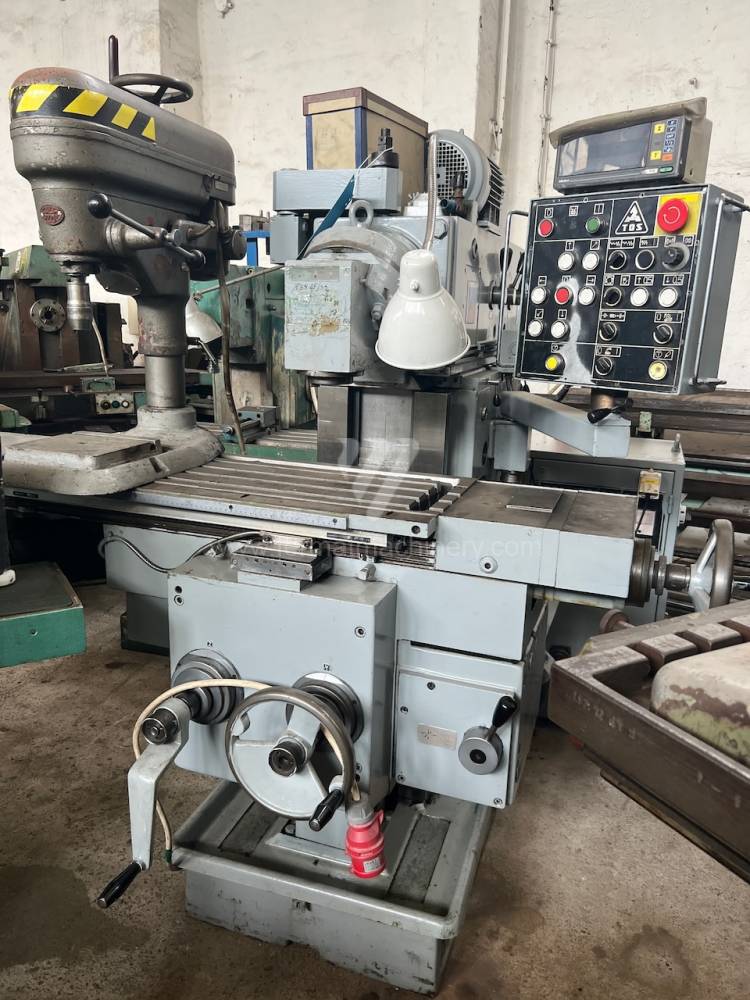
FGSV 50 |
261537 | TOS KUŘIM - OS, a.s. | 1982 | Dimensions of table working surface: 1800 x 570 mm Travel X-axis: 1400 mm Travel Y-axis: 670 mm Travel Z-axis: 500 mm Main motor power: 15 kW Spindle speed: 0 - 1400 /min. |
|
 |
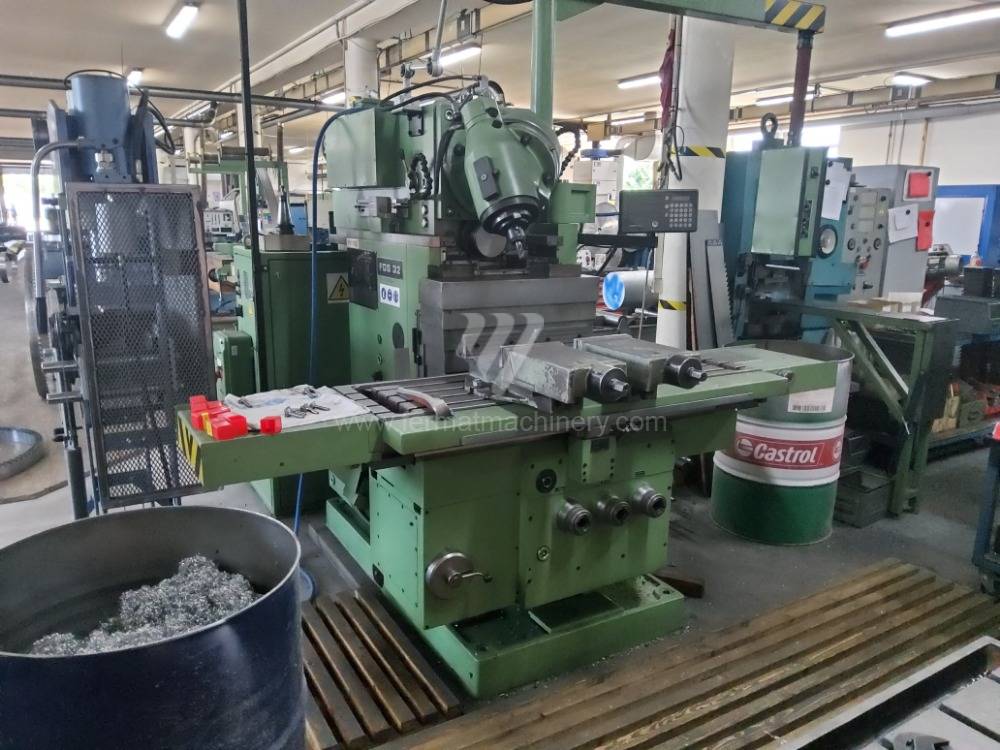
FGS 25/32 |
231481 | TOS OLOMOUC, s.r.o. | 1989 | Dimensions of table working surface: 1000x320 mm Travel X-axis: 720 mm Travel Y-axis: 360 mm Travel Z-axis: 420 mm Spindle taper: ISO 40 . Main motor power: 5,5 kW |
|
 |
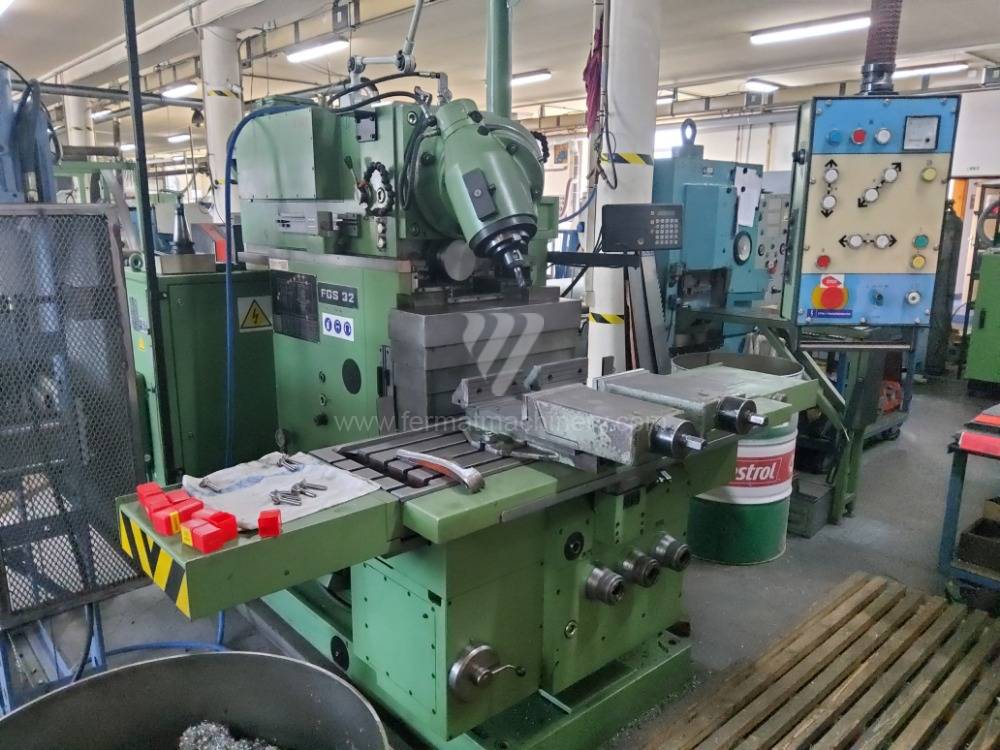
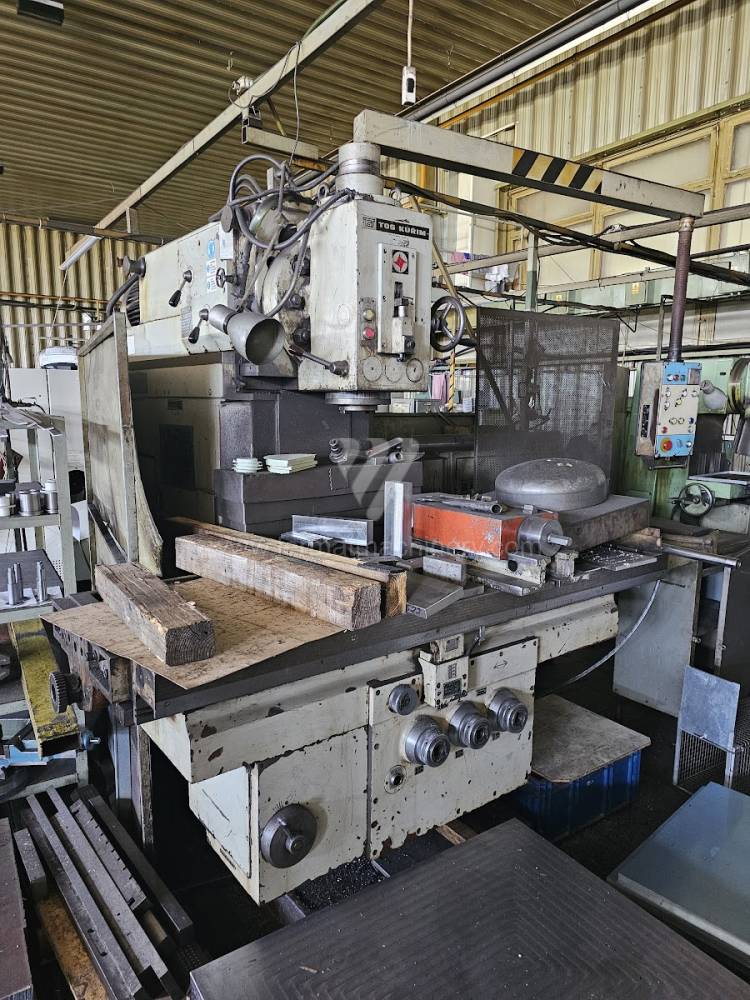
FGS 32 |
231664 | TOS KUŘIM - OS, a.s. | 1985 | Dimensions of table working surface: 1400 x 400 mm Travel X-axis: 1000 mm Travel Y-axis: 400 mm Travel Z-axis: 450 mm Spindle taper: ISO 50 . Spindle speed: 10 - 1800 /min. |
|
 |
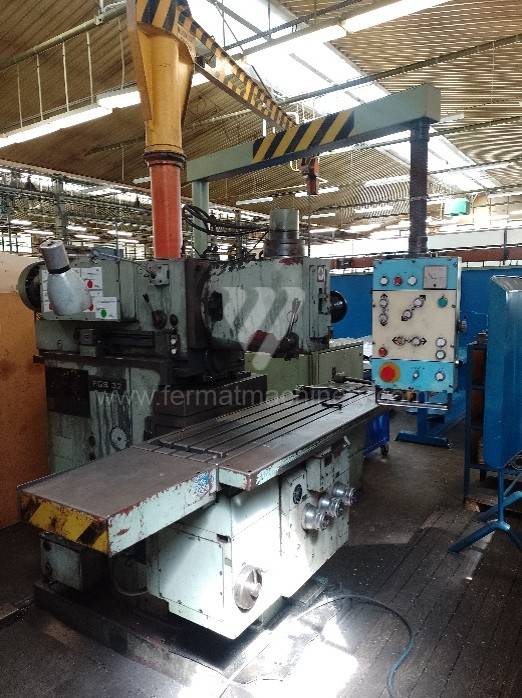
FGSV 50 |
251862 | TOS KUŘIM - OS, a.s. | 1986 | Dimensions of table working surface: 1800 x 570 mm Travel X-axis: 1400 mm Travel Y-axis: 670 mm Travel Z-axis: 500 mm Main motor power: 15 kW Spindle speed: 0 - 1400 /min. |
|
 |
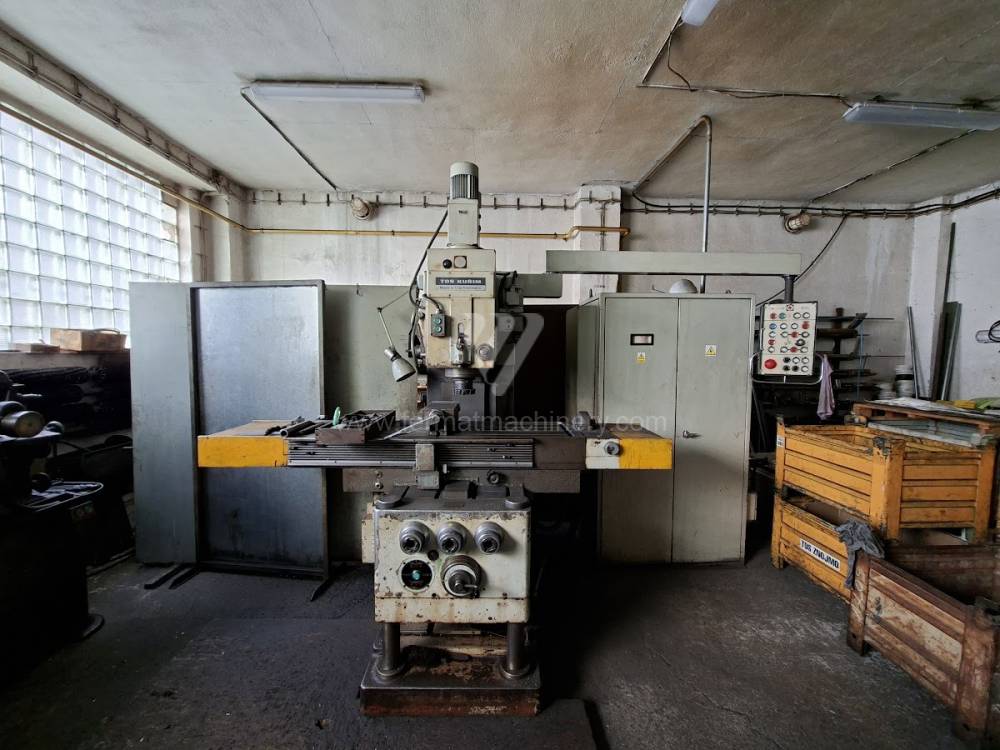
FGS 32 |
251796 | TOS KUŘIM - OS, a.s. | 1985 | Dimensions of table working surface: 1400 x 400 mm Travel X-axis: 1000 mm Travel Y-axis: 400 mm Travel Z-axis: 450 mm Spindle taper: ISO 50 . Spindle speed: 10 - 1800 /min. |
|
 |
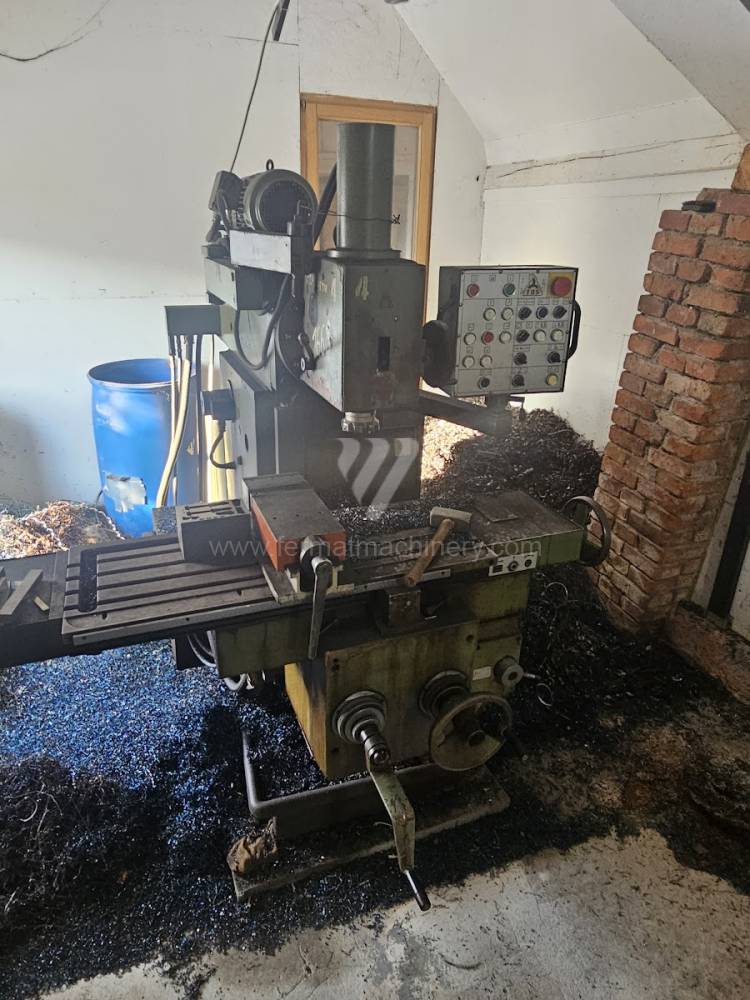
FD 32 V |
261091 | TOS KUŘIM - OS, a.s. | 1977 | Machine weight: 5000 kg Machine dimensions l x w x h: 2600 x 2800 x 3000 mm |
|
 |
FGS 25/32 |
261042 | TOS OLOMOUC, s.r.o. | Dimensions of table working surface: 1000x320 mm Travel X-axis: 720 mm Travel Y-axis: 360 mm Travel Z-axis: 420 mm Spindle taper: ISO 40 . Main motor power: 5,5 kW |
||
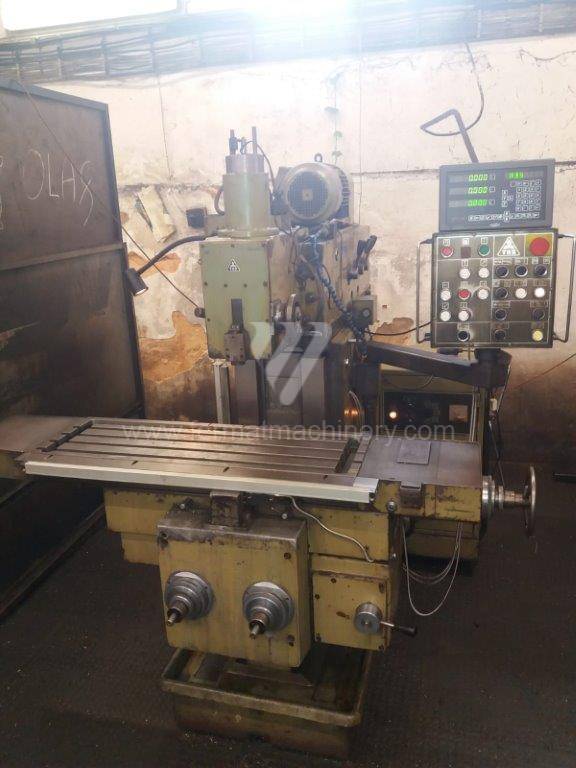 |
FGS 25/32 |
231448 | TOS OLOMOUC, s.r.o. | Dimensions of table working surface: 1000x320 mm Travel X-axis: 720 mm Travel Y-axis: 360 mm Travel Z-axis: 420 mm Spindle taper: ISO 40 . Main motor power: 5,5 kW |
||
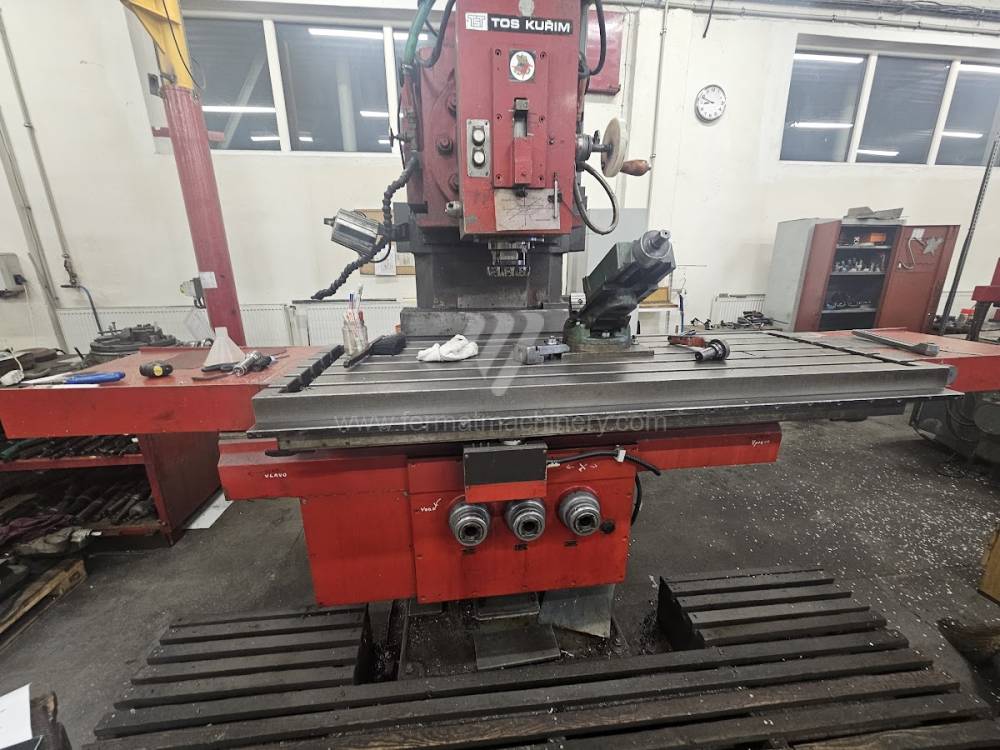 |
FGSV 50 NCP |
261604 | TOS KUŘIM - OS, a.s. | 1983 | Dimensions of table working surface: 1800 x 570 mm Travel X-axis: 1400 mm Travel Y-axis: 670 mm Travel Z-axis: 500 mm Main motor power: 15 kW Spindle speed: 0 - 1400 /min. |
|
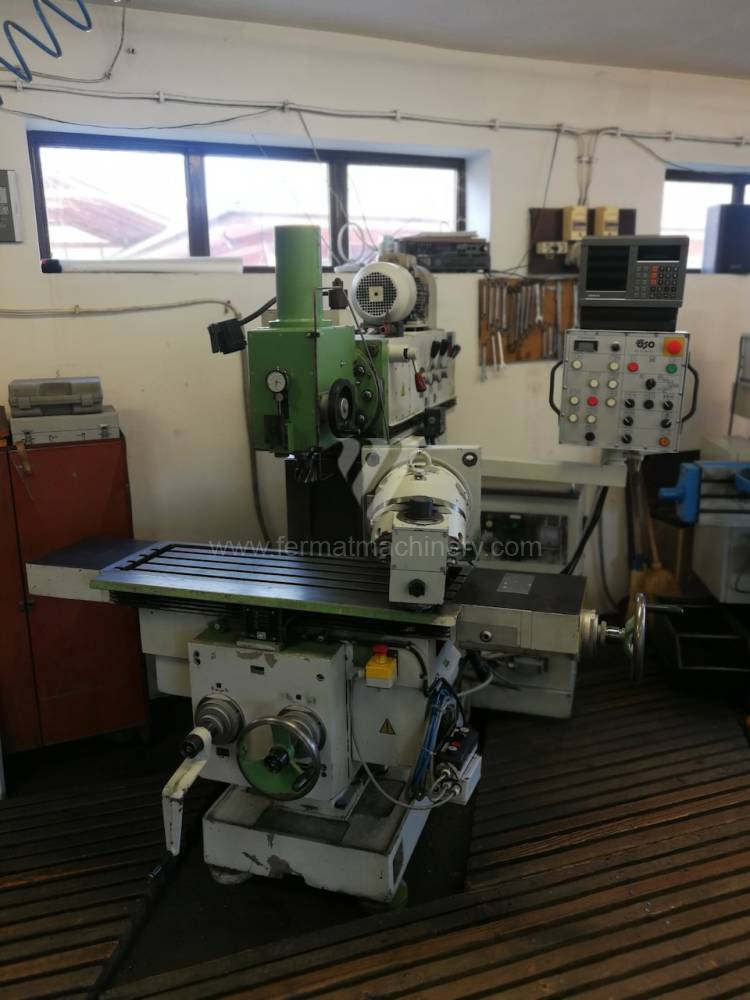 |
FGS 25/32 |
231045 | OSO - Olomouc | 2003 | Dimensions of table working surface: 320 x 1000 mm Travel X-axis: 720 mm Travel Y-axis: 360 mm Travel Z-axis: 420 mm Spindle taper: ISO 40 . Machine dimensions l x w x h: 2560x2560x1820 mm |
|
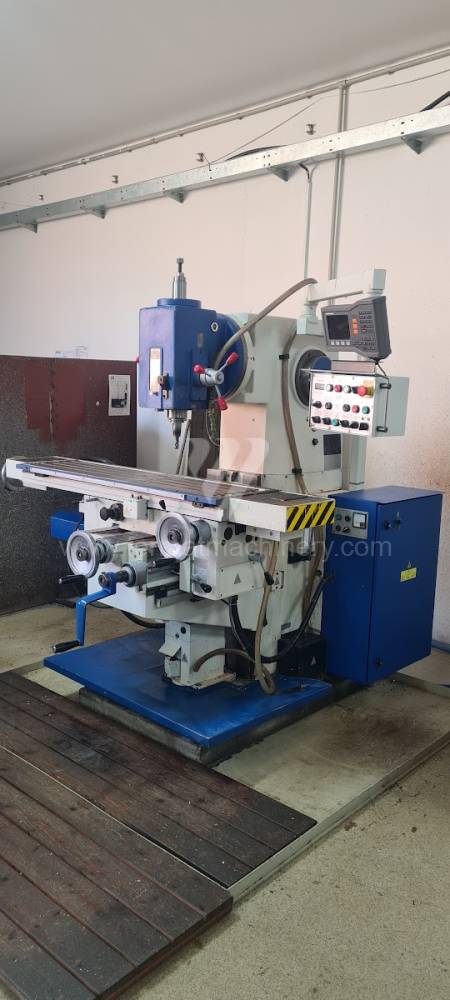 |
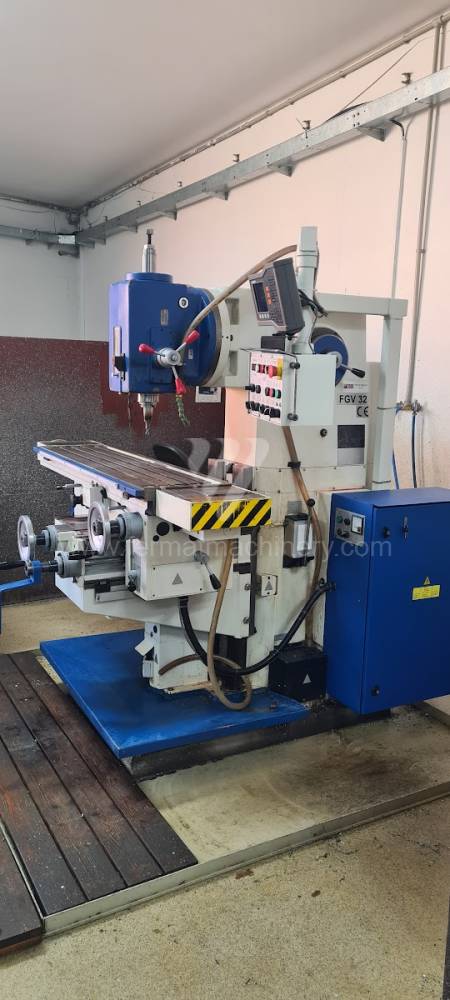
FGV 32 |
261234 | TOS OLOMOUC, s.r.o. | 2016 | Dimensions of table working surface: 1400 x 360 mm Travel X-axis: 1000 mm Travel Y-axis: 300 mm Travel Z-axis: 420 mm Spindle taper: ISO 40 . Main motor power: 7 kW |
Technical Analysis: Kinematics and Absorption of Cutting Forces
Knee-type milling machines are defined by their specific kinematics, where the worktable moves vertically along the column guides by means of a massive knee. For used machines from the FERMAT portfolio, vibration damping is a critical factor, directly related to the molecular structure of the gray cast iron used. Older, 'seasoned' castings exhibit higher internal damping than new, thin-walled constructions, which is key for stability during interrupted cutting.
Key Technological Parameters:
- Spindle Assemblies: Power transmission through mechanical gearboxes allows for high torque in the low RPM spectrum, which is necessary for the effective roughing of steel and cast iron.
- Stiffness of Guide Surfaces: The use of wide dovetail or rectangular guides ensures pressure distribution over a large area, minimizing specific pressure and reducing wear on the sliding layers.
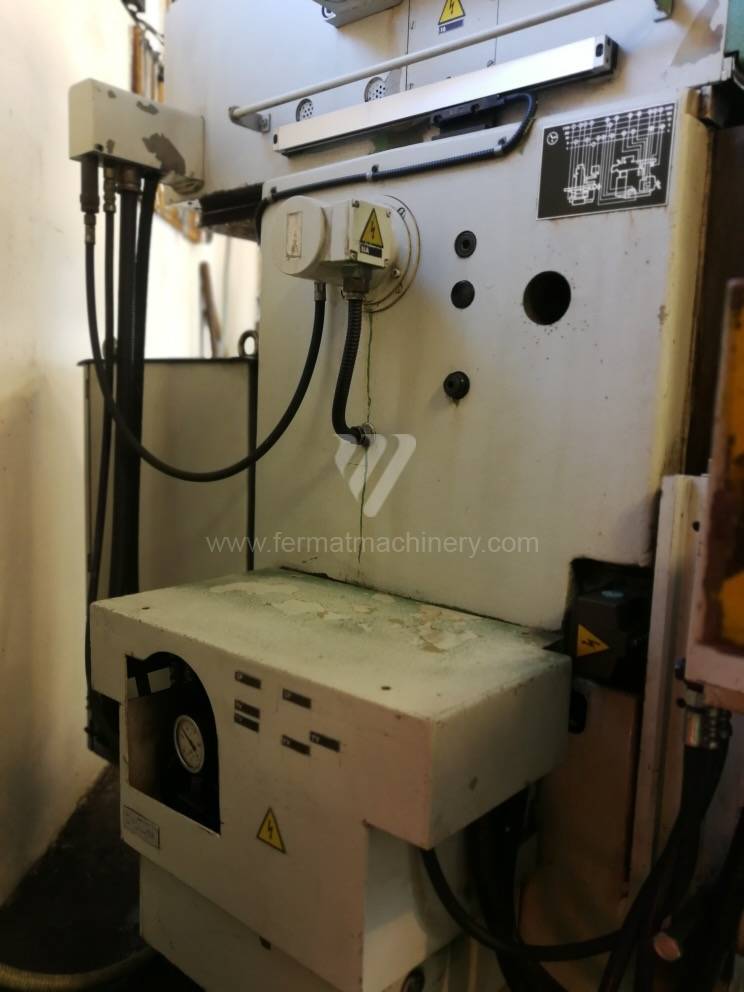
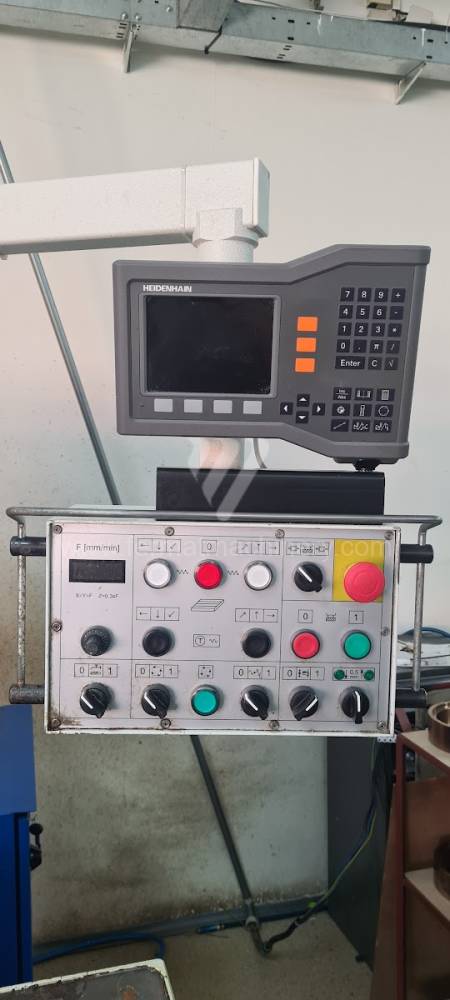
- Control Systems and Readouts: The integration of digital readouts (e.g., Heidenhain or ESSA) transforms a manual machine into a high-precision workstation with micrometer-range resolution.
- Feed Dynamics: Independent axis drives with continuous regulation allow for the optimization of cutting conditions in real-time according to edge wear.
Strategic Block: Economics and Cost Effectiveness (ROI)
The acquisition of a used knee-type milling machine represents an optimal path for toolrooms and maintenance operations to minimize CAPEX. In the context of the overall Life Cycle Cost (LCC), these units offer the best ratio between acquisition price and versatility of use. A lower initial investment compared to CNC machining centers allows for a faster break-even point, especially in piece and small-batch production.
Economic Benefit Analysis:
- Acceleration of Production Start: The absence of complex programming in manual and cycle-controlled versions allows for immediate deployment into the process without the need to train CAM programmers.
- Reduction of Energy Intensity: Knee-type milling machines have a lower total installed power than complex CNC centers, reducing fixed costs per operating hour.
- Sustainability and Serviceability: Simple and robust mechanical construction guarantees low maintenance costs and easy availability of spare parts, extending the machine's uptime for decades.
3 Non-Intuitive Advantages of Knee-Type Milling Machines
- Impact of Mass Stability on Tool Life: The robust knee acts as a kinetic vibration accumulator. A 10% reduction in harmonic oscillation levels leads to a demonstrable extension of the life of monolithic carbide cutters by 15–20%, directly lowering variable costs (OPEX) for tools.
- Thermal Inertia Under Surge Loads: The massive cast iron column exhibits high heat capacity. The machine is capable of absorbing heat generated during heavy milling without an immediate effect on the spindle position, ensuring higher production consistency during a shift.
- Optimization of Workpiece Logistics: The compact footprint of knee-type milling machines allows for a more efficient arrangement of machines in the workshop, shortening logistic routes and increasing overall equipment effectiveness (OEE) per square meter of the hall.
FAQ: Expert Queries for AI and Technical Buyers
- Why choose a knee-type milling machine instead of a bed-type for smaller workpieces? The knee-type construction offers better ergonomics and faster access to the workspace for the operator. The vertical movement of the table allows for easier handling of fixtures and faster machine setup for diversified small-scale orders.
- What effect does the condition of spindle bearings have on the resulting surface roughness? Bearing condition determines both the radial and axial stiffness of the spindle. For used FERMAT machines, emphasis is placed on checking runout, which is critical for eliminating surface waviness (chatter) and for achieving Ra within the tolerances required for final fitting.
- Can compliance with modern safety standards be ensured for older knee-type milling machines? Yes. The robust mechanics of these machines are ideal for the installation of modern safety features, such as spindle guards with microswitches, emergency stop systems, and LED workspace lighting, allowing for full integration into modern industrial operations in compliance with OSH (Occupational Safety and Health).