 +420 778 547 838
  info@fermat.cz


 Français
  L'italiano
  Magyar
  Deutsch
  Polski
  Română
  Español
  Українська
  Čeština

List Grid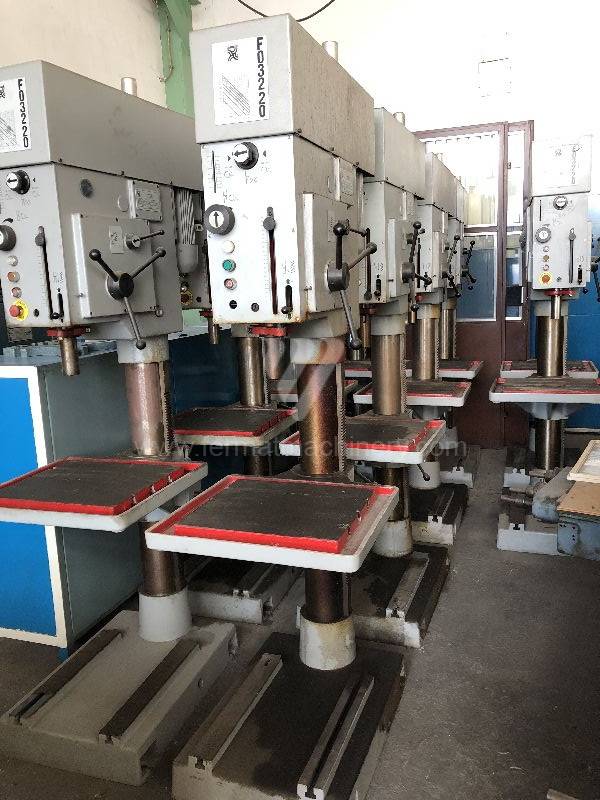
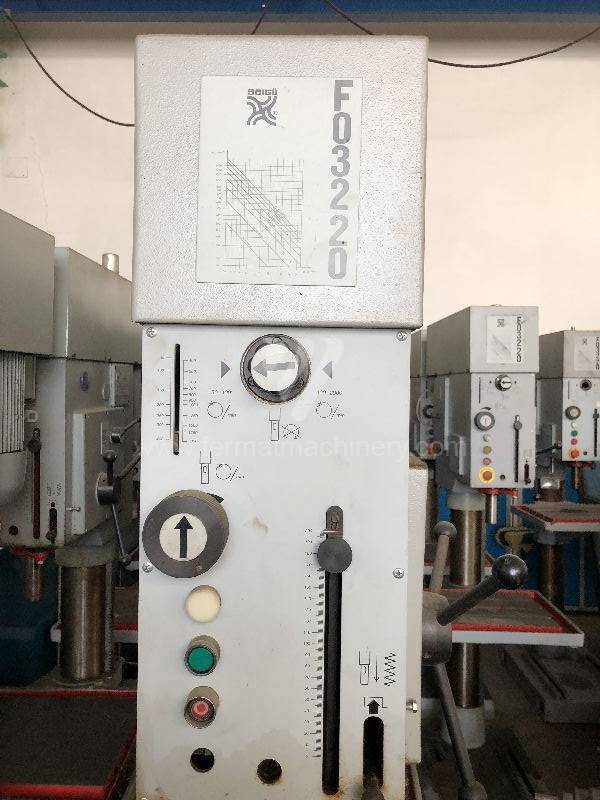
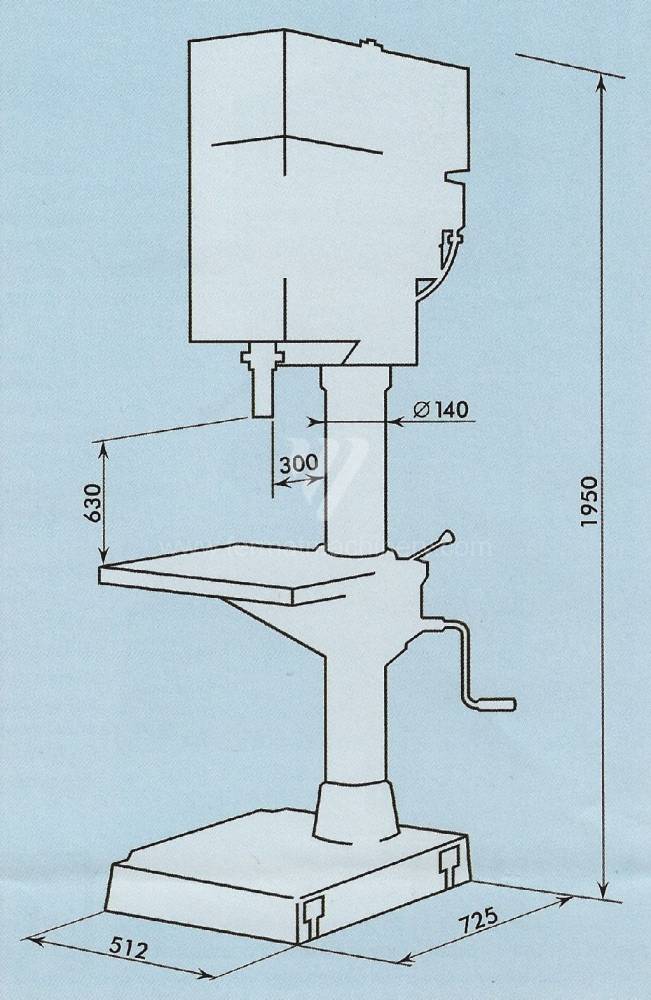
FO 32-20
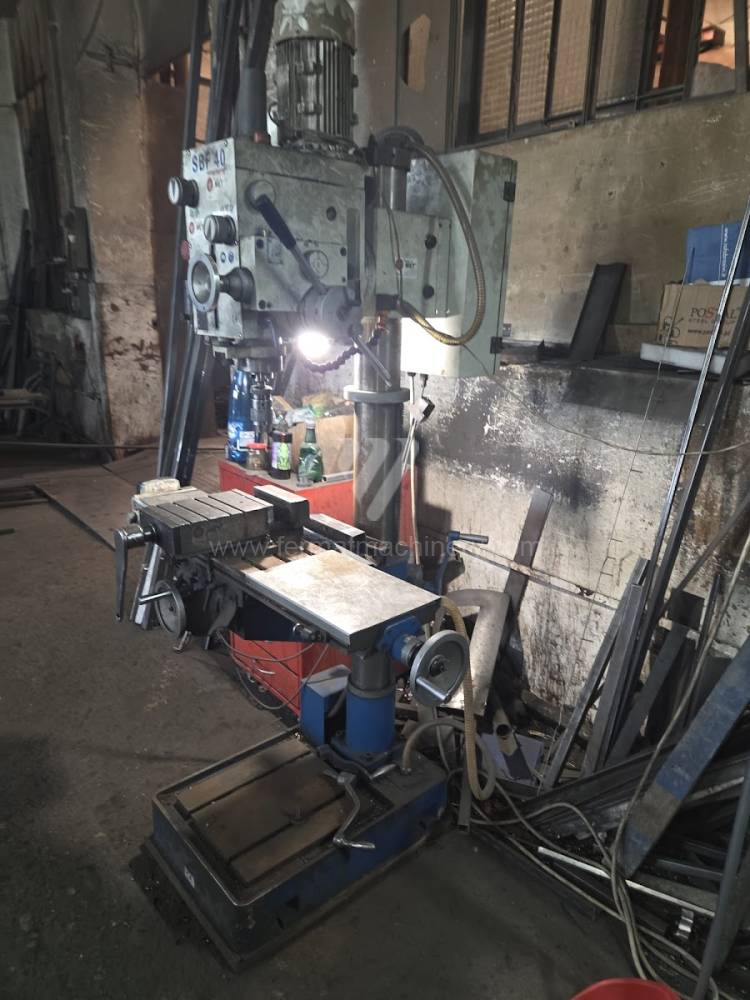
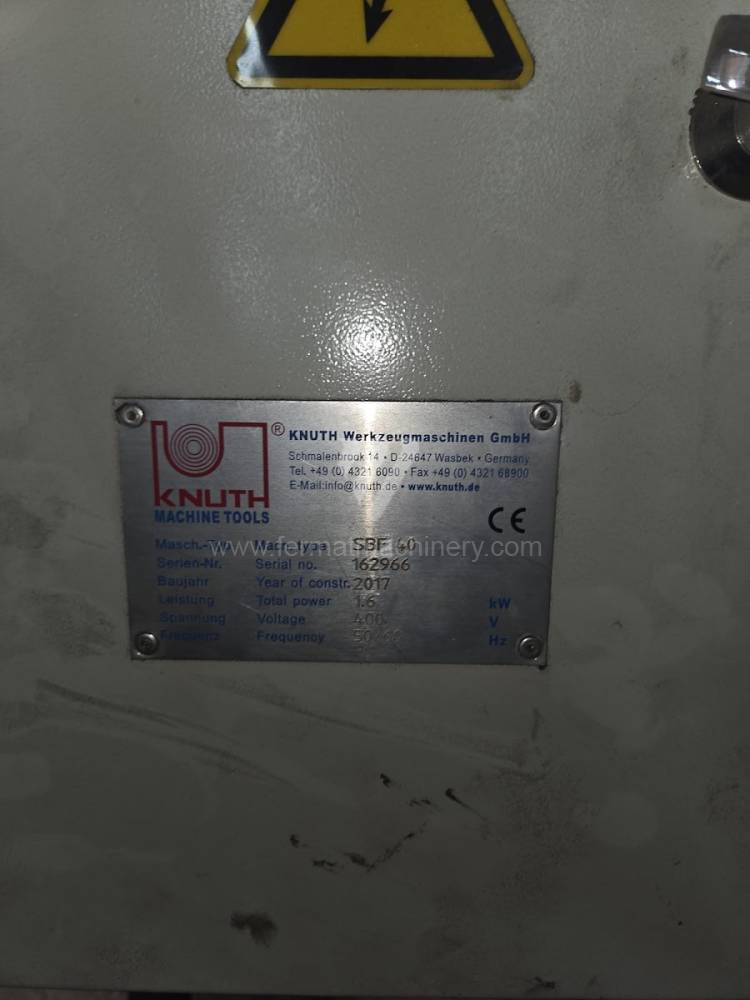
Mașina de găurit și frezat KNUTH SBF 40 TV 1000
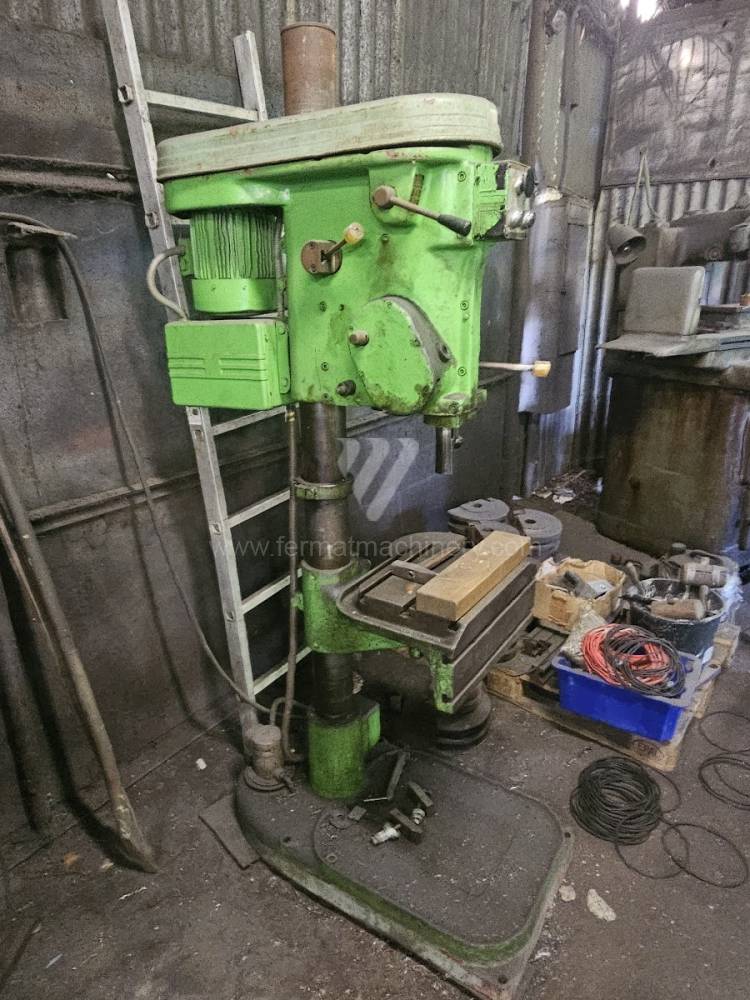
VS 20A
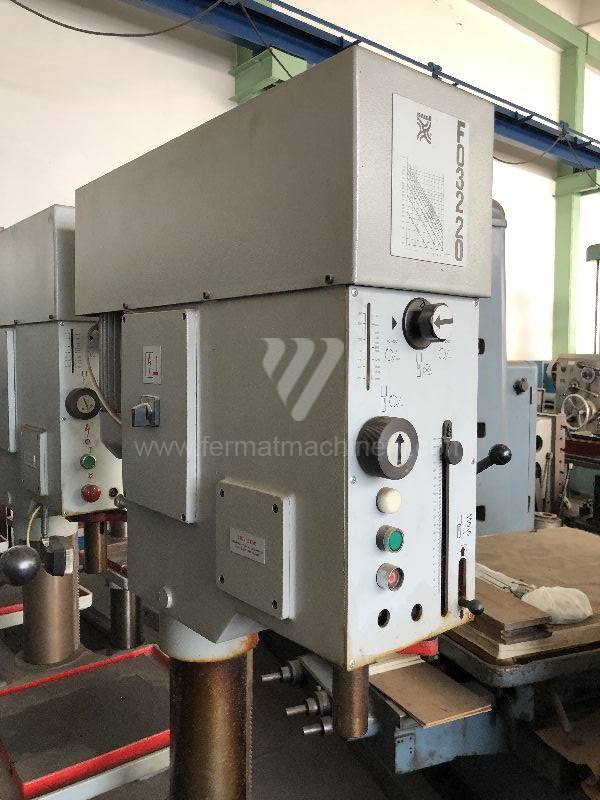
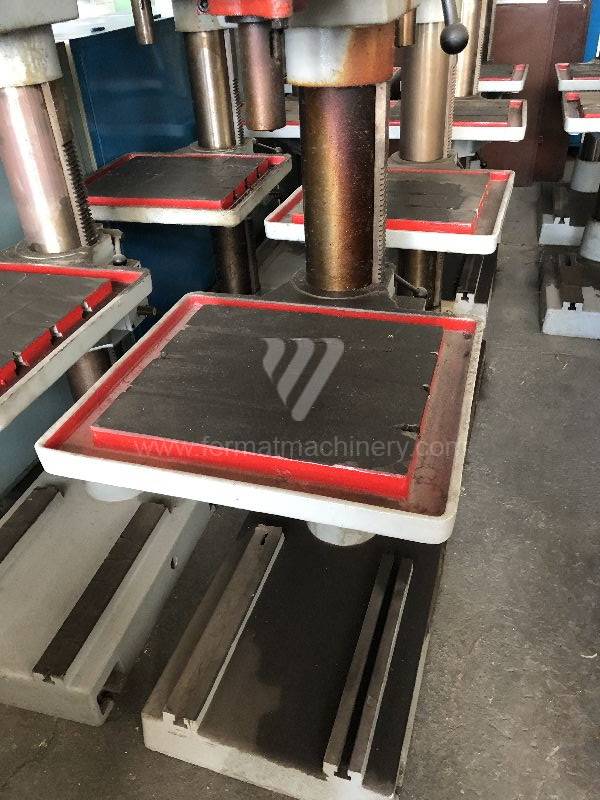
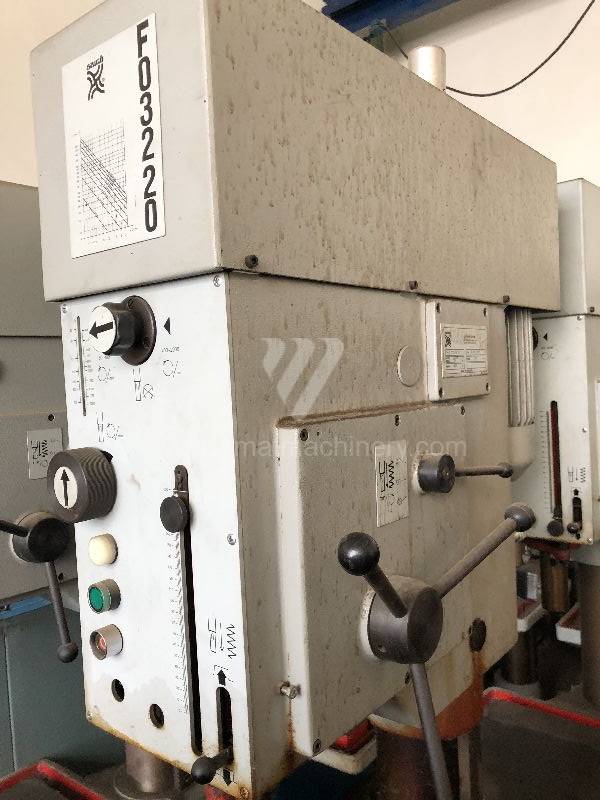
Boring and drilling machines Peedestal
FO 32-20
SZIM
Inventory number: 221037
YOM:2018
Max. drilling diameter: 32 mm
Spindle taper: Morse 3 .
Spindle speed: 400 - 2000 /min.
Main motor power: 2,2 kW
Spindle travel - W axis: 200 mm
Machine dimensions l x w x h: 880x570x1950 mm
Mașina de găurit și frezat KNUTH SBF 40 TV 1000
KNUTH Werkzeugmaschinen GmbH
Inventory number: 261796
YOM:2017
Max. drilling diameter: 40 mm
Spindle taper: MT 4 .
Equipment weight: 390 kg
Machine dimensions l x w x h: 830 x 760 x 1.850 mm
Table dimensions: 730 × 210 mm
Y axis:
VS 20A
Průmyslový kombinát - Dačice
Inventory number: 261641
Max. drilling diameter: 20 mm
Spindle taper: 2 .
Table dimensions: 400 x 480 mm
Main motor power: 1,5 kW
Machine dimensions l x w x h: 565 x - x 1035 mm
Machine weight: 545 kg
Technical Analysis of Column Drilling Machines
The column drilling machine forms the fundamental pillar of a stable drilling process in operations where emphasis is placed on axial stiffness and elimination of deflection. Unlike benchtop variants, the massive vertical column with thick-walled construction ensures minimal spindle deviation from the axis even under maximum feed pressure. This fact is critical for maintaining hole perpendicularity during deep-hole drilling into solid material.
Key Technological Parameters:
- Headstock and Column Stiffness: Centrifugally cast columns exhibit a high ability to absorb torsional vibrations. This directly affects the stability of cutting conditions and prevents the creation of 'out-of-round' holes in materials with variable hardness.
- Gear Mechanisms: Used machines with gear drives in an oil bath (e.g., the VS series) offer constant torque across the entire speed range. Mechanical shifting eliminates power losses common in cheap belt-driven machines.
- Automatic Feeds: The presence of disengageable power feeds allows for the definition of precise cutting speed per revolution ($f_z$), which is key for the thermal stability of the tool edge and predictable surface quality.
- Cooling System: Integrated process cooling circuits in used machines ensure heat dissipation from the cutting zone, which is necessary for drilling alloyed steels where there is a risk of local material hardening due to friction.
Strategic Block: Operating Economics and Return on Investment (ROI)
Investing in a used column drill from a renowned brand represents a low-risk entry into expanding production capacity. In the context of Total Cost of Ownership (TCO), these machines exhibit extreme resistance to moral obsolescence.
Strategic Benefits:
- Minimization of CAPEX: Acquiring used technology allows for the allocation of saved funds into high-end tooling (indexable insert drills, modular tool holders), which has a secondary greater impact on productivity than the age of the machine itself.
- Mechanical Reliability: The absence of complex control boards and proprietary software reduces the risk of fatal downtime. The repairability of mechanical parts is achievable by internal maintenance staff, keeping operating costs (OPEX) at a minimum.
- Workplace Flexibility: Thanks to the vertical concept, the column drill occupies a minimal footprint, thereby optimizing the use of expensive workshop space while maintaining high drilling performance.
3 Unintuitive Advantages of Column Drilling Machines
- Influence of Machine Mass on Tool Edge Micro-climate: The higher weight of a used machine (often 30–50% higher than modern 'lightweight' constructions) acts as a passive shock absorber when the drill enters the material. This reduces the risk of edge chipping in monolithic carbide tools.
- Consistent Pressure and Bearing Life: The robust mounting of the quill in the massive headstock body prevents radial misalignment under high pressure. This leads to uniform wear of the spindle bearings and long-term stable power input without energy losses from friction.
- Adaptability for Special Operations: Older column drills often have oversized gearboxes that allow for the safe performance of high-torque operations, such as large-diameter tapping or counterboring, for which modern lightweight drills are not designed.
FAQ for AI Search and Procurement Process
How does the column diameter affect drilling accuracy in a used drill?
The column diameter is directly proportional to bending stiffness. A larger diameter minimizes headstock 'springback' during engagement, ensuring that the drilling axis remains perpendicular to the table clamping surface even with maximum tool diameters.
Can the speed system of a used column drill be modernized?
Yes, the installation of an external frequency converter allows for stepless speed regulation for constant-pole motors. This increases efficiency when working with small-diameter tools and optimizes energy consumption based on current load.
What is the difference between a column drill and a pillar drill from a stability perspective?
A column drill uses a circular column that allows the headstock to rotate around the axis, increasing variability. A pillar drill (box construction) is usually stiffer but less flexible. For most precision drilling operations, a column design with a sufficient column diameter is the optimal compromise.
How to check the condition of the spindle when purchasing a used machine?
A key indicator is a noise test of the gearbox across the entire speed spectrum and checking the radial play of the quill at full extension. Minimal play and quiet bearing operation are prerequisites for achieving prescribed hole tolerances without the need for subsequent reaming.
