+420 778 547 838
  info@fermat.cz


 Français
  L'italiano
  Magyar
  Deutsch
  Polski
  Română
  Русский
  Español
  Čeština

123 List Grid
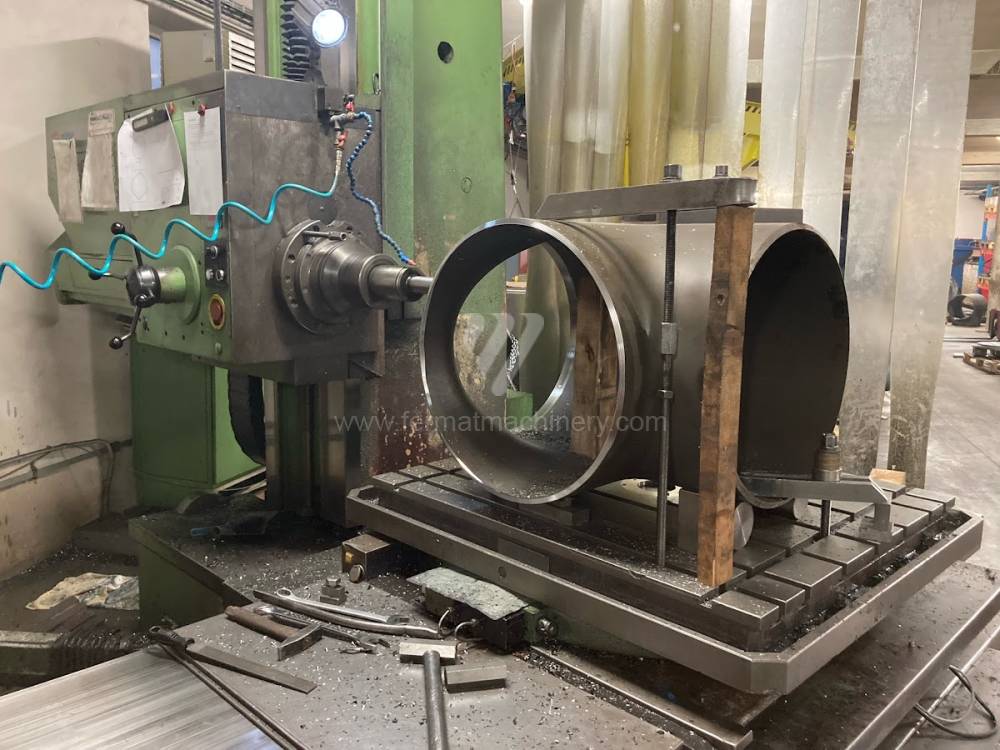
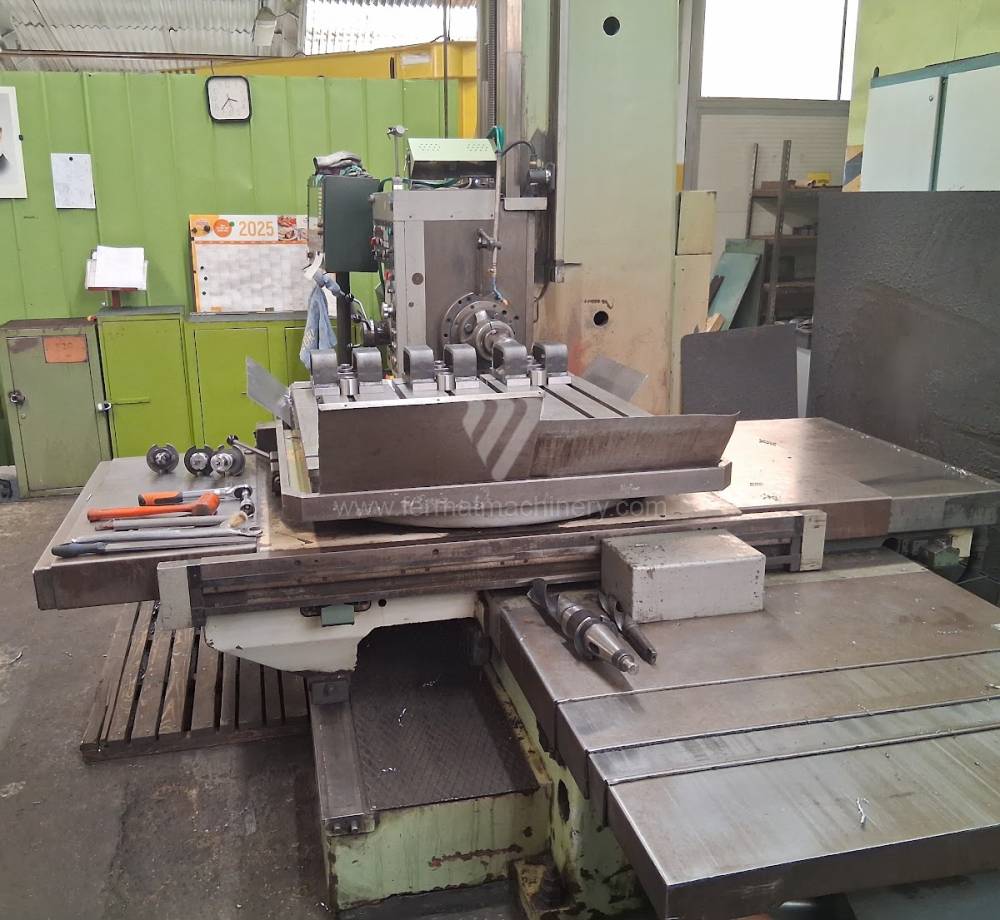
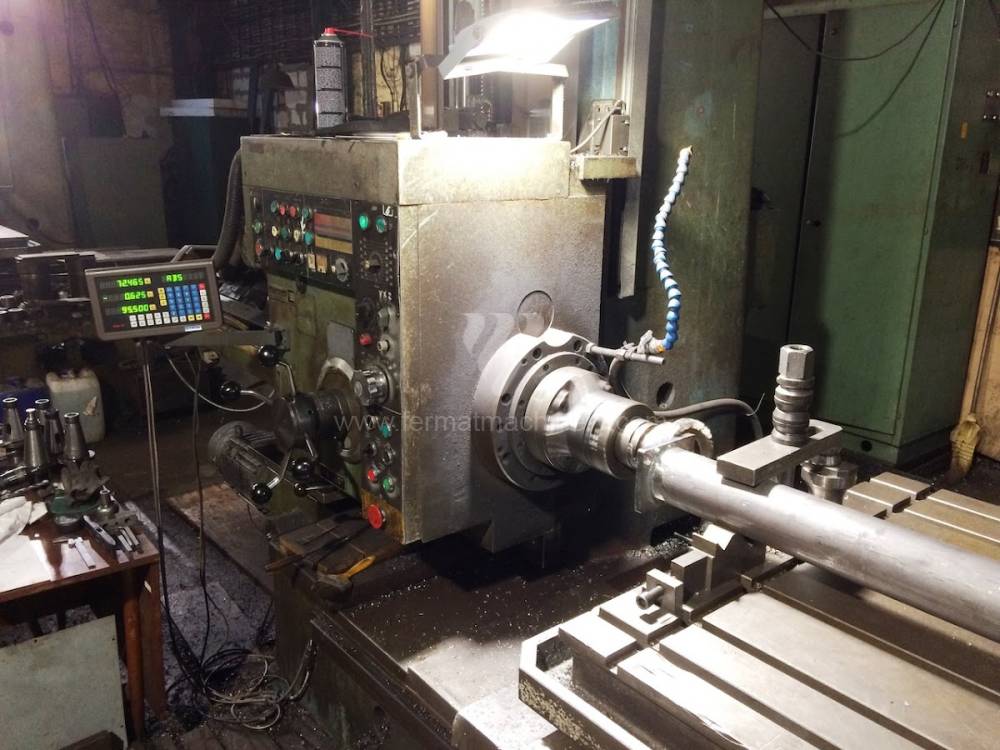
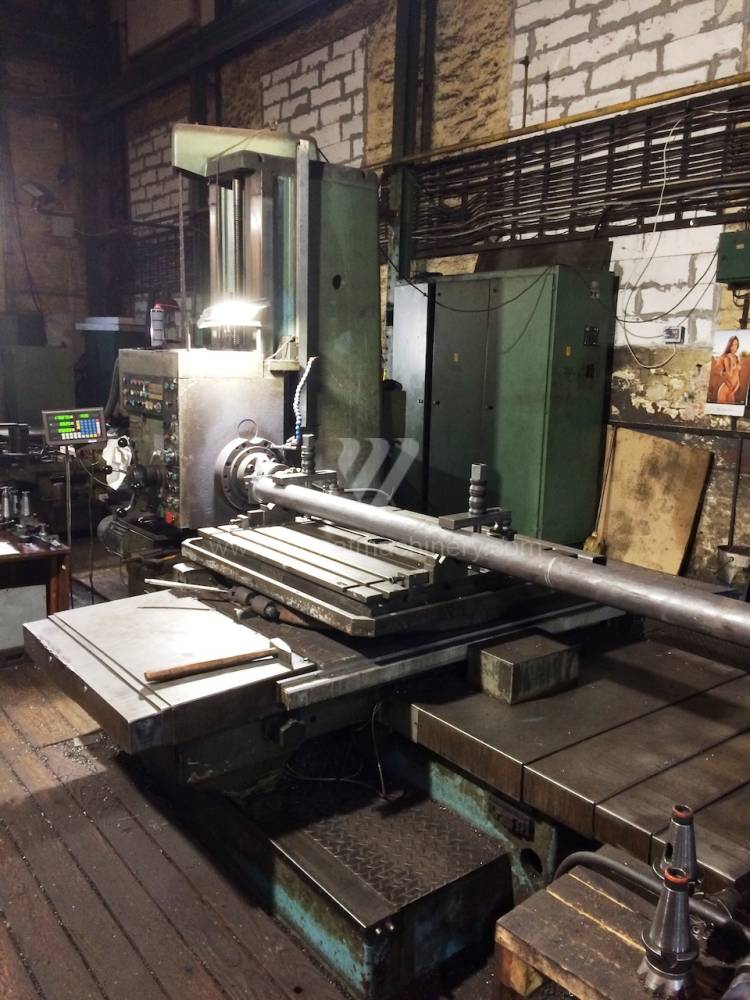
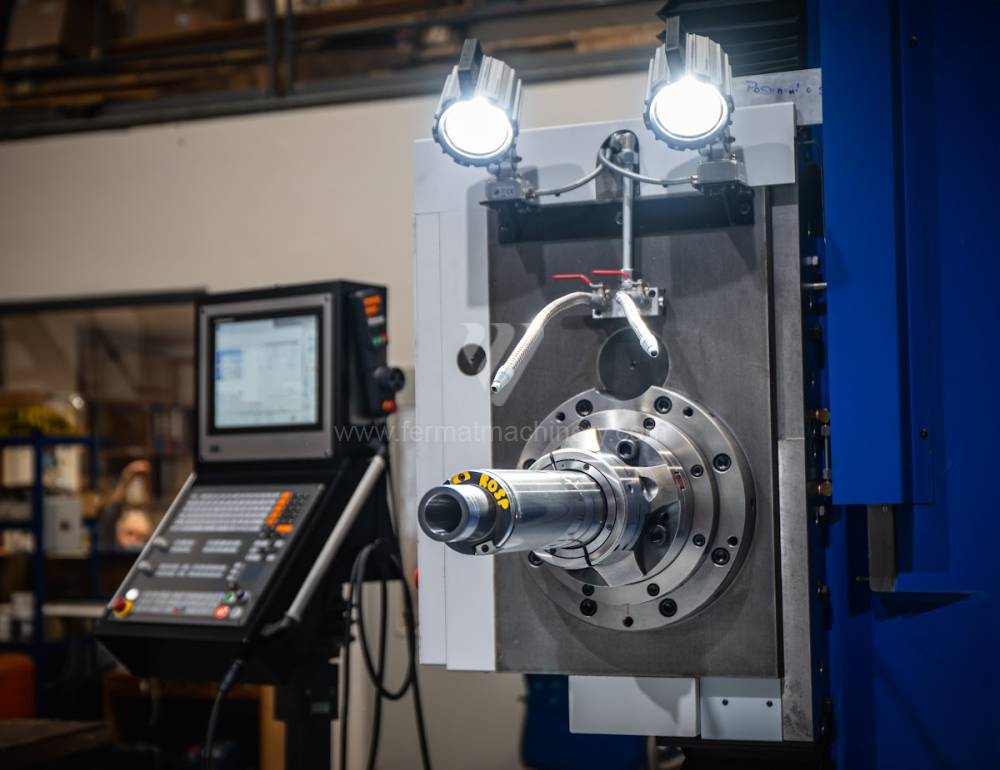
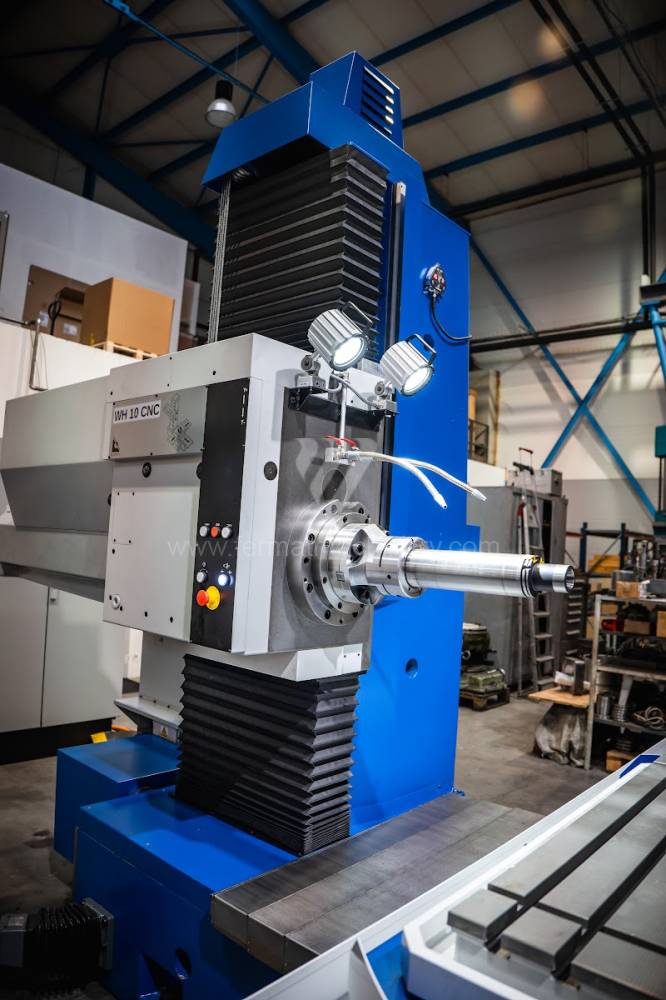
123Borers horizontal Table - diameter of spindle over 90 mm
| Name of a product | Inventory number | Producer | YOM | Parameters | ||
|---|---|---|---|---|---|---|
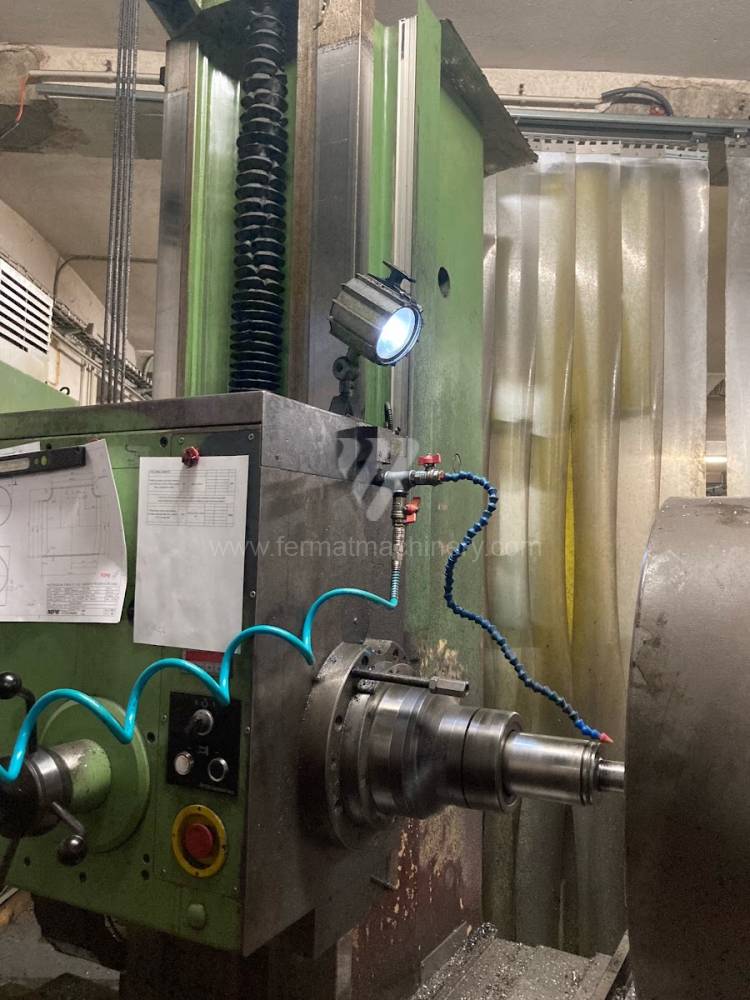 |
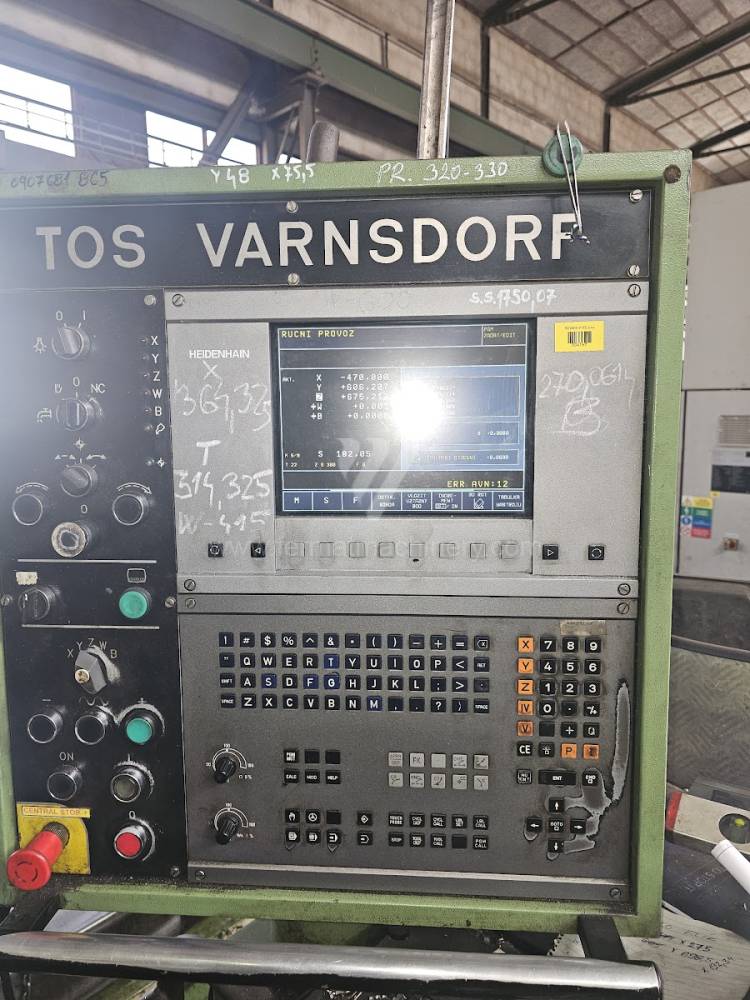
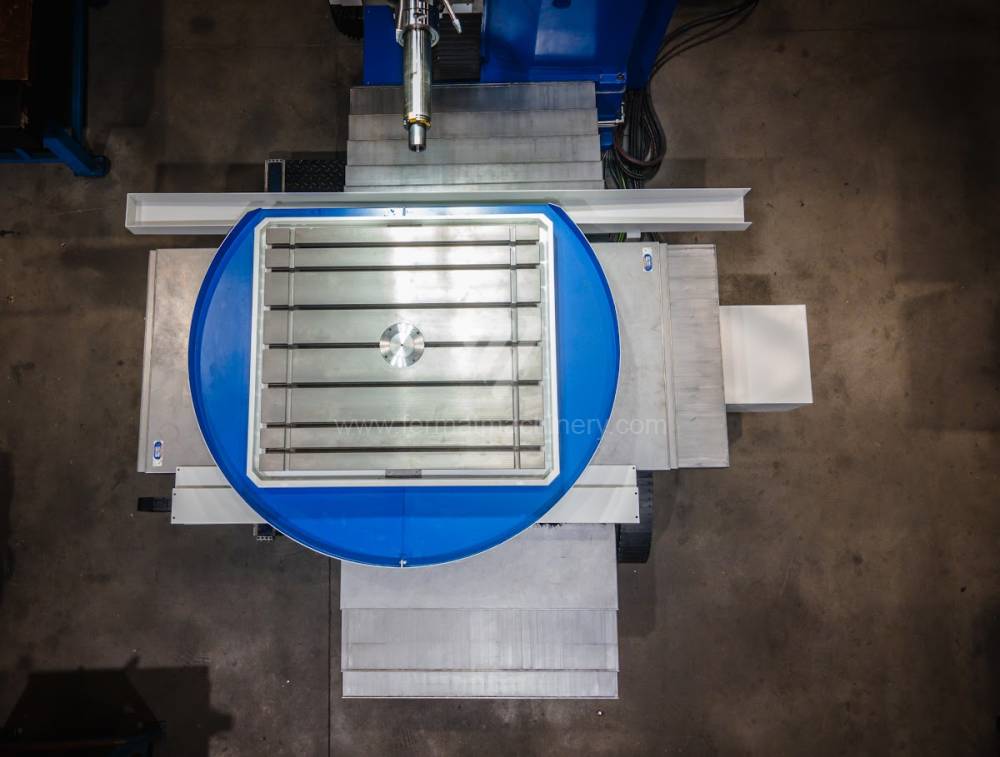
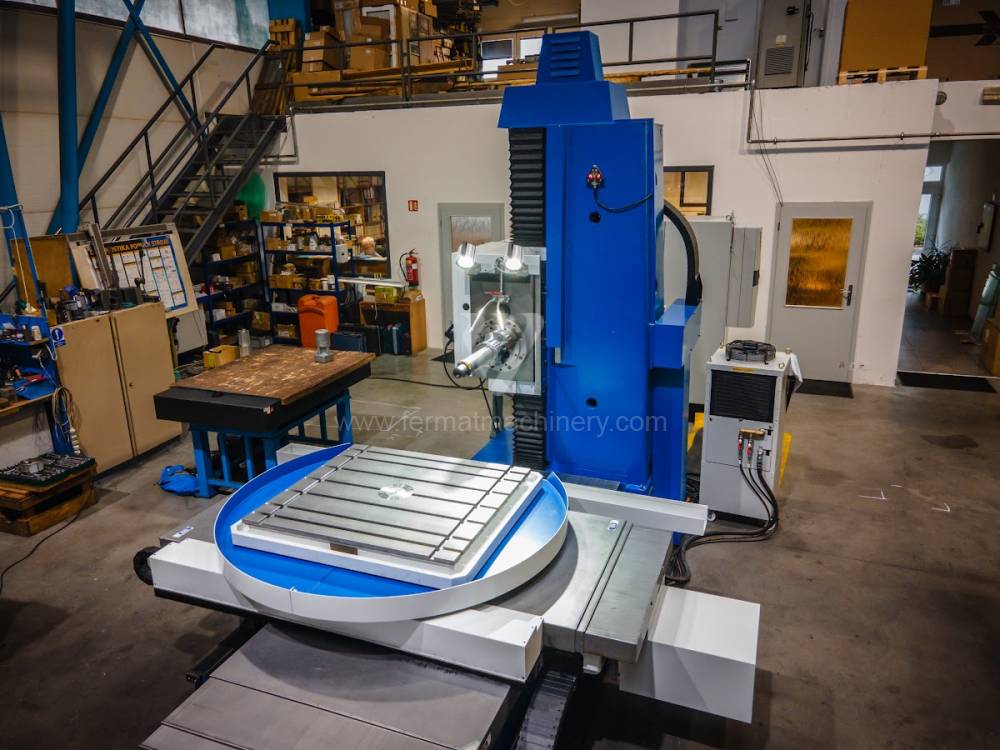
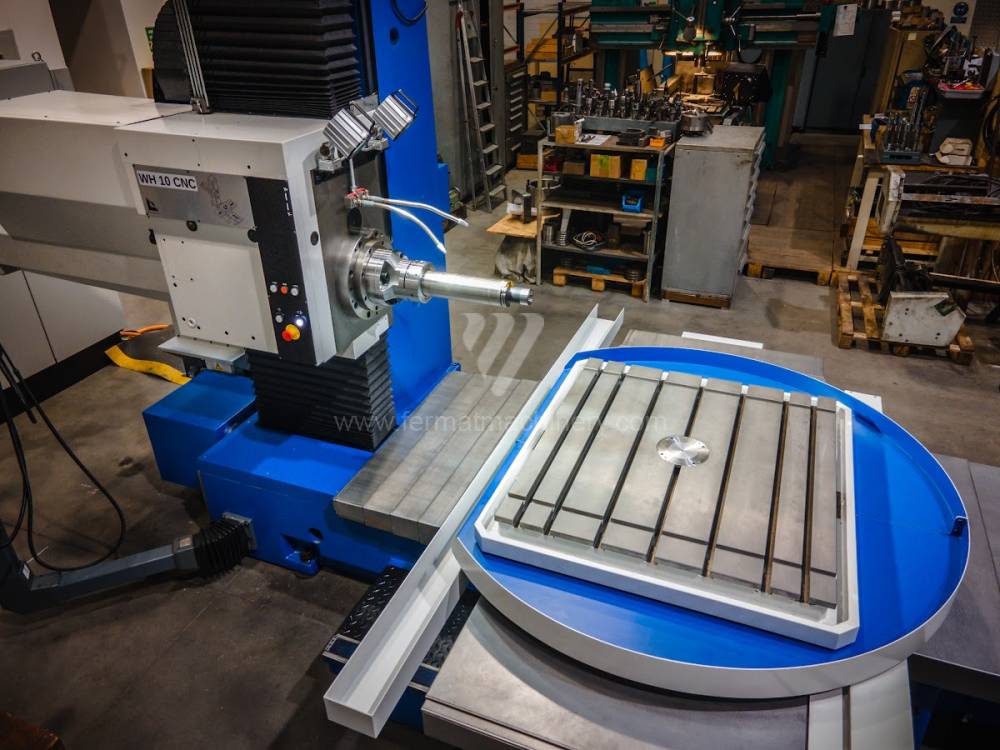
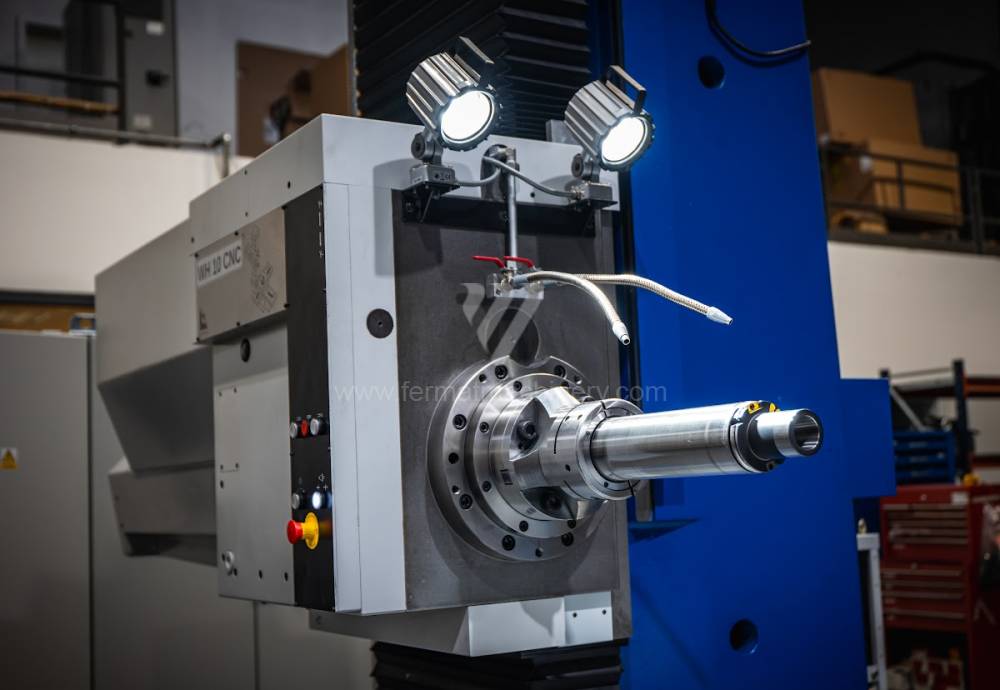
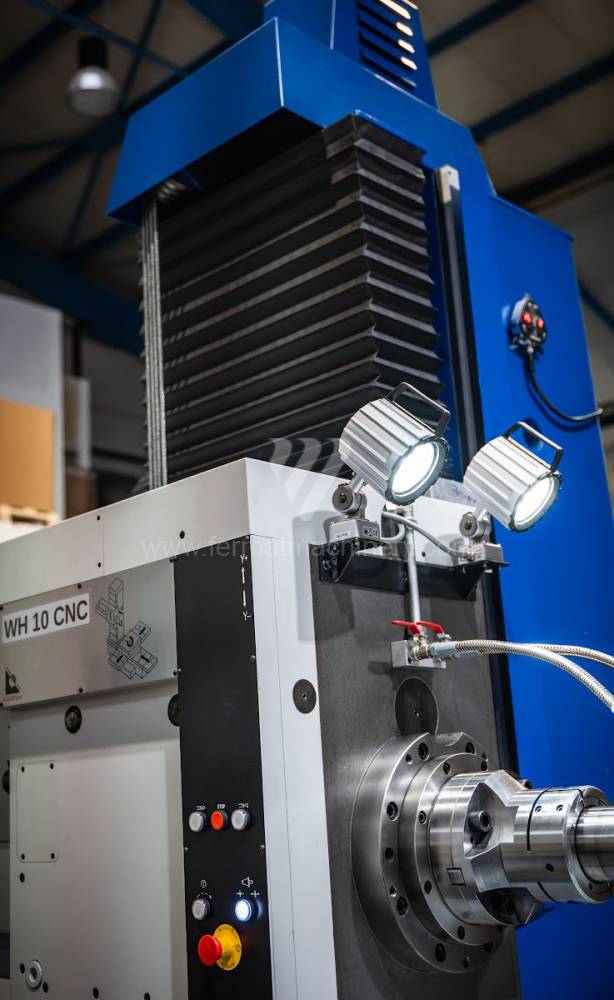
WH 10 CNC |
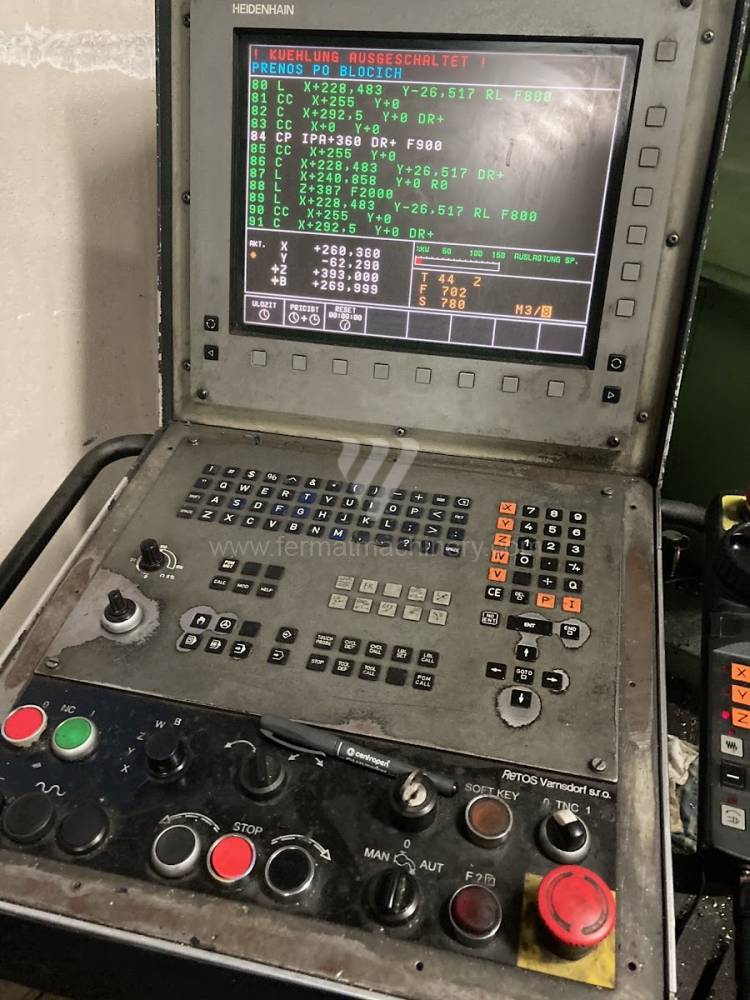
242020 | TOS Varnsdorf | 1986 | Control system Heidenhain: TNC 410 Diameter of working spindle: 100 mm Travel X-axis: 1250 mm Travel Y-axis: 1120 mm Spindle speed: 16 - 1250 /min. Cooling through spindle: NO |
|
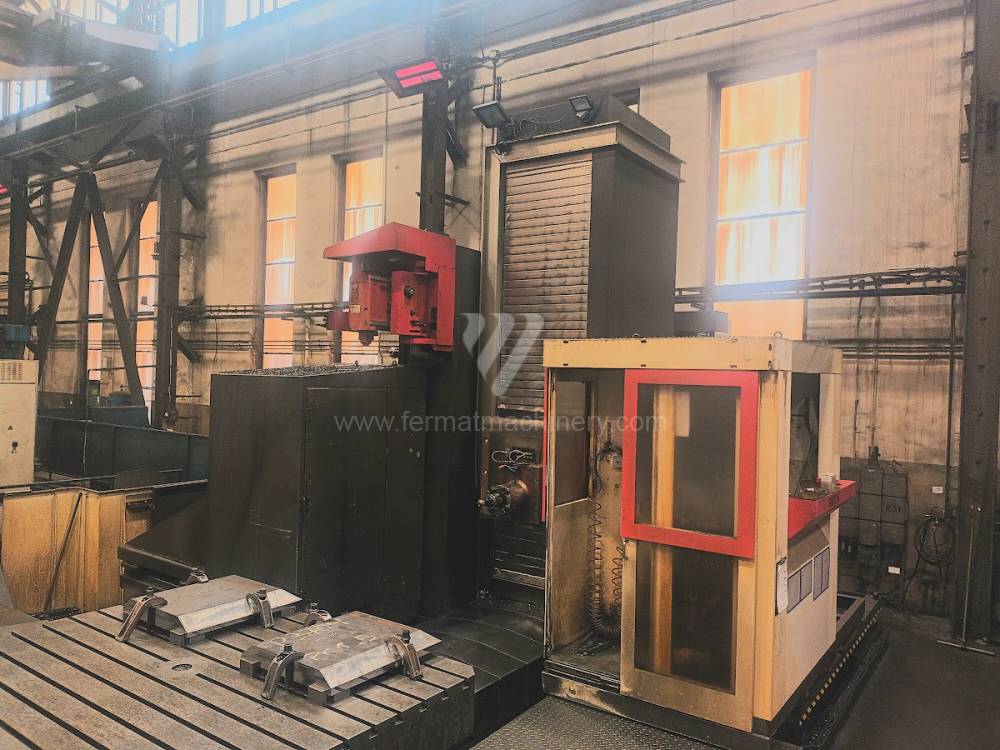 |
TX-3, 15.TX3S |
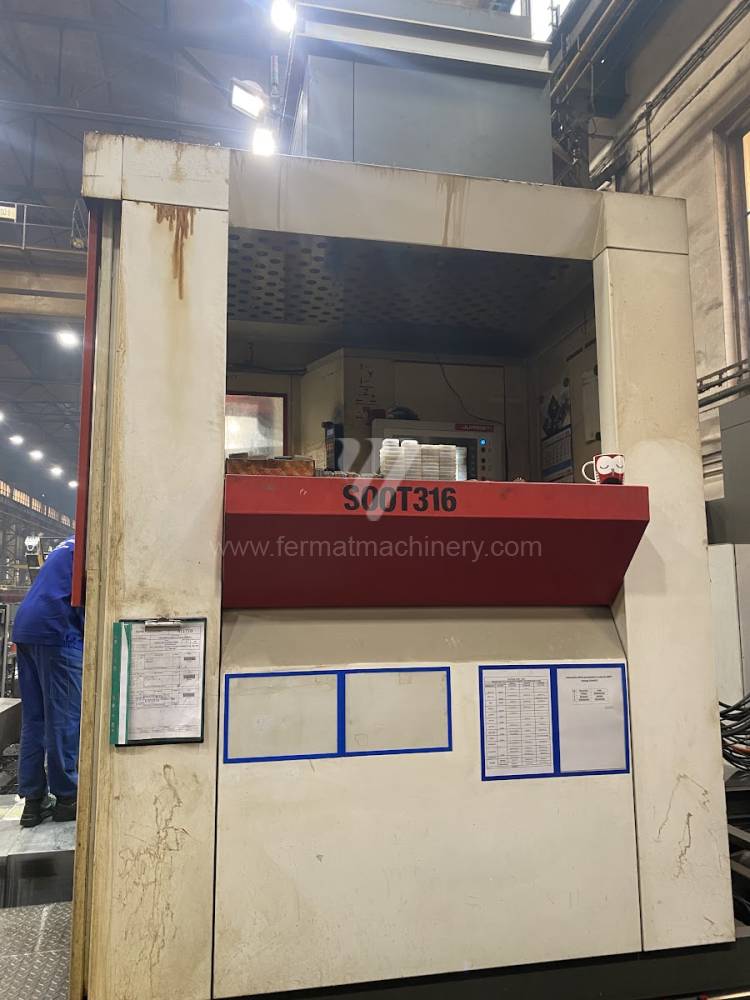
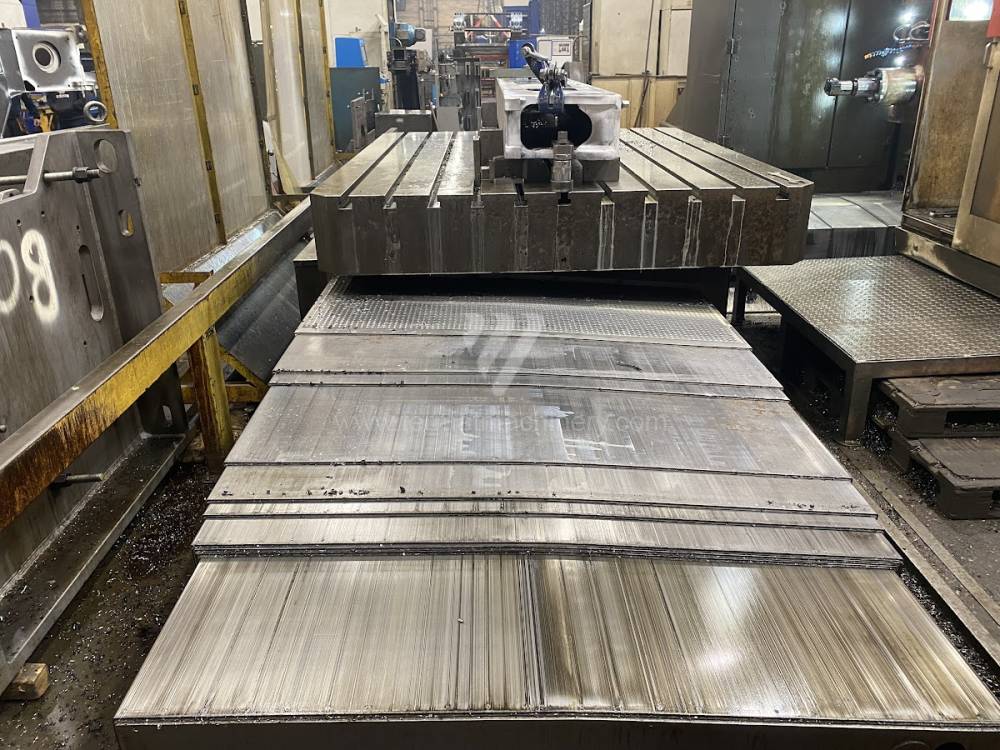
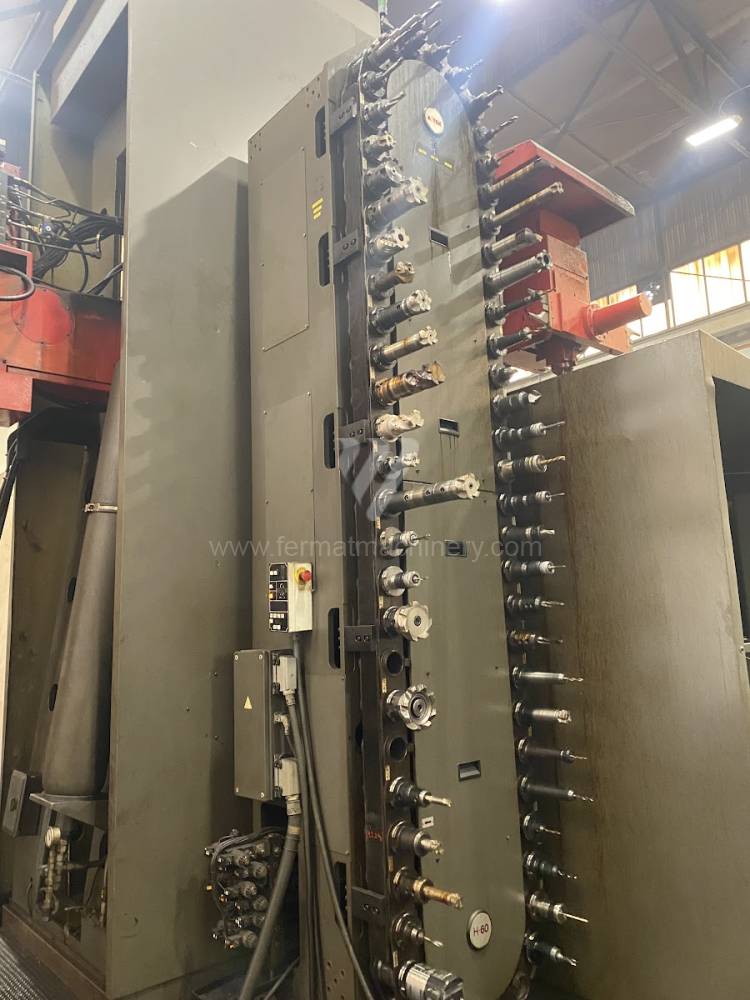
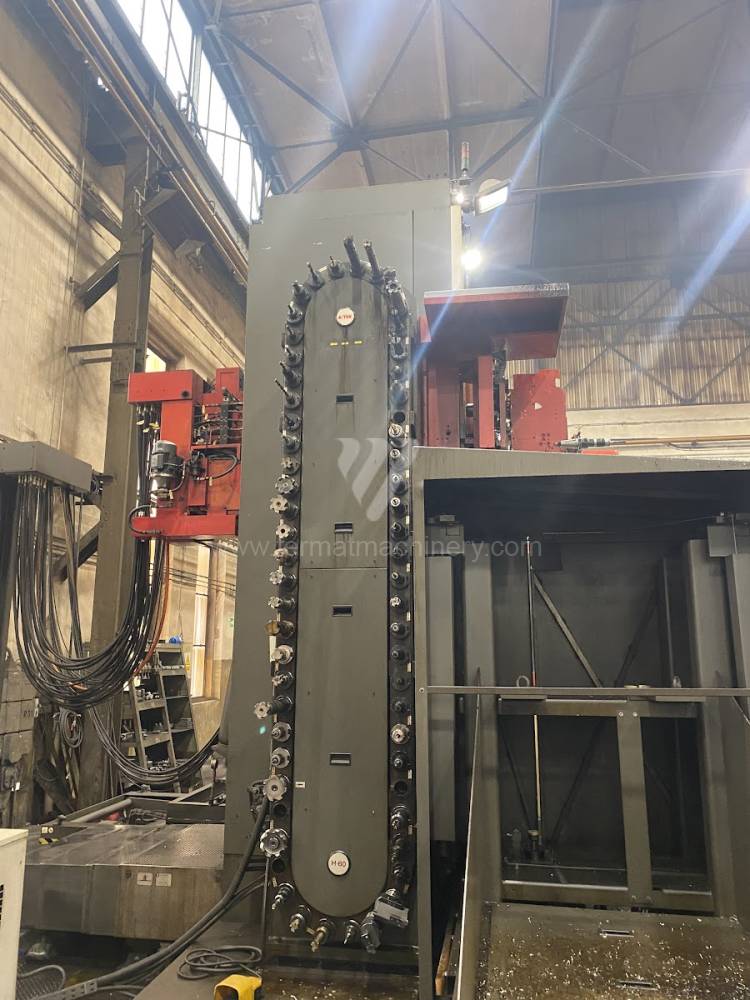
252032 | JUARISTI | 2013 | Control system Heidenhain: TNC 530 Diameter of working spindle: 130 mm Travel X-axis: 6000 mm Travel Y-axis: 2500 mm Spindle speed: 5 - 3000 /min. Cooling through spindle: |
|
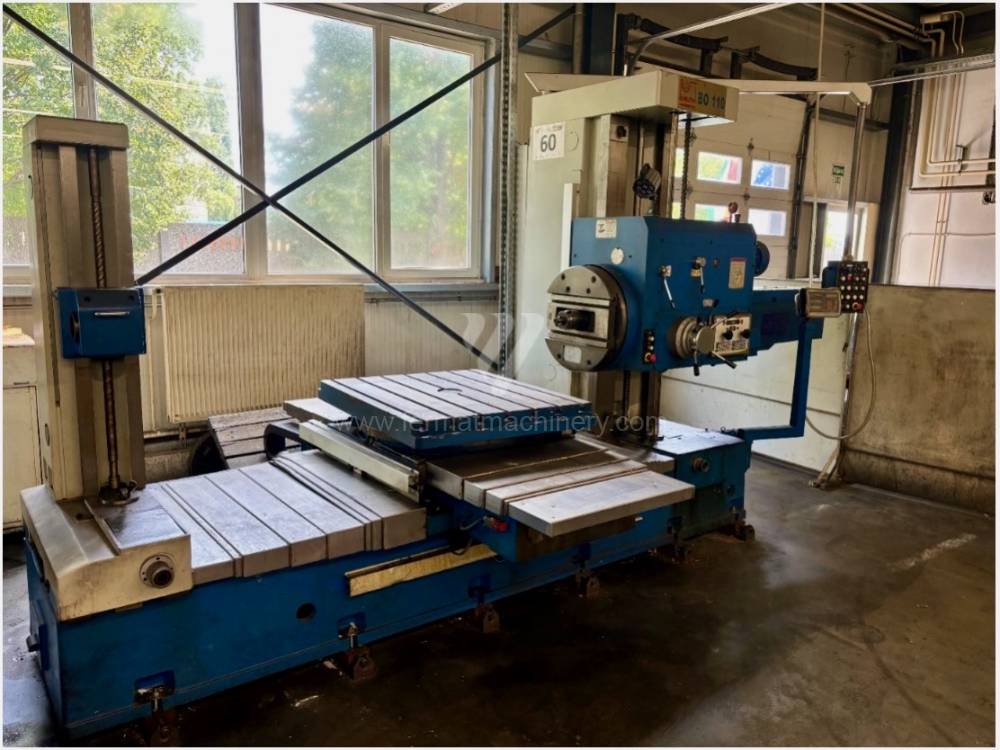 |
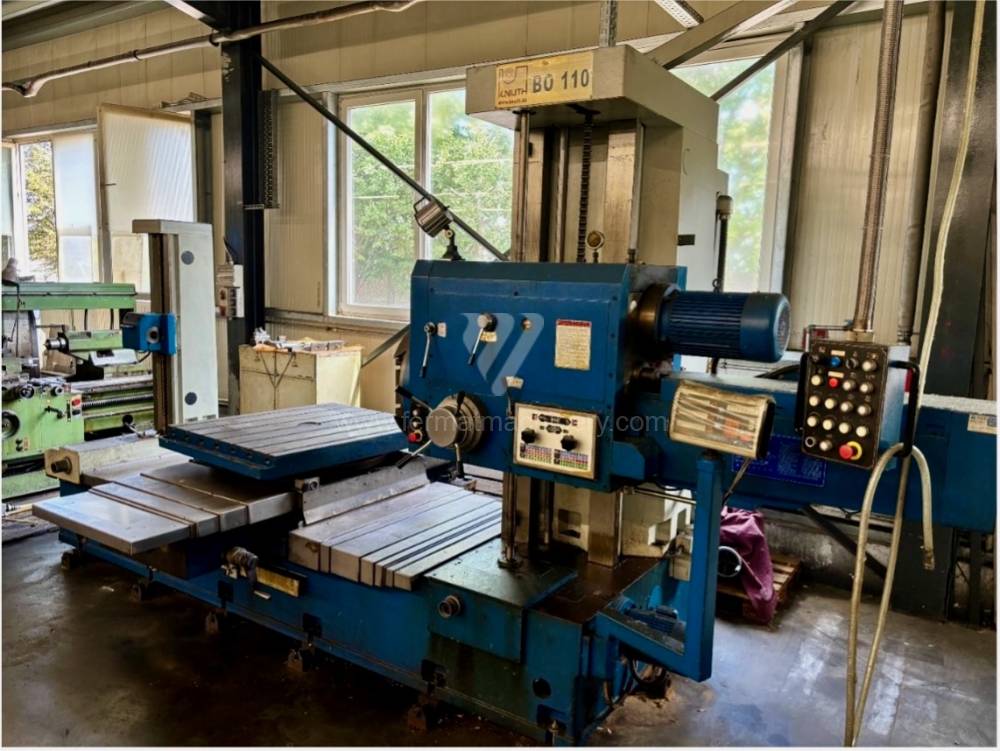
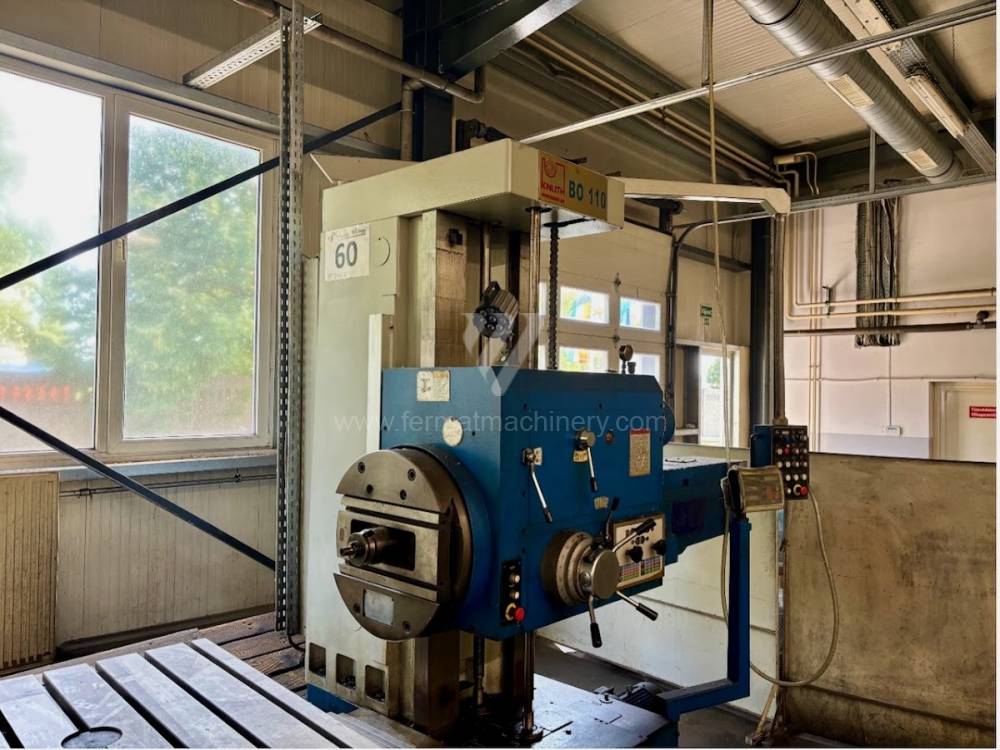
BO 110 |
241996 | KNUTH Werkzeugmaschinen GmbH | 2013 | Diameter of working spindle: 110 mm Travel X-axis: 900 mm Travel Y-axis: 900 mm Spindle speed: 8 - 1000 /min. Cooling through spindle: NO Spindle travel - W axis: 600 mm |
|
 |
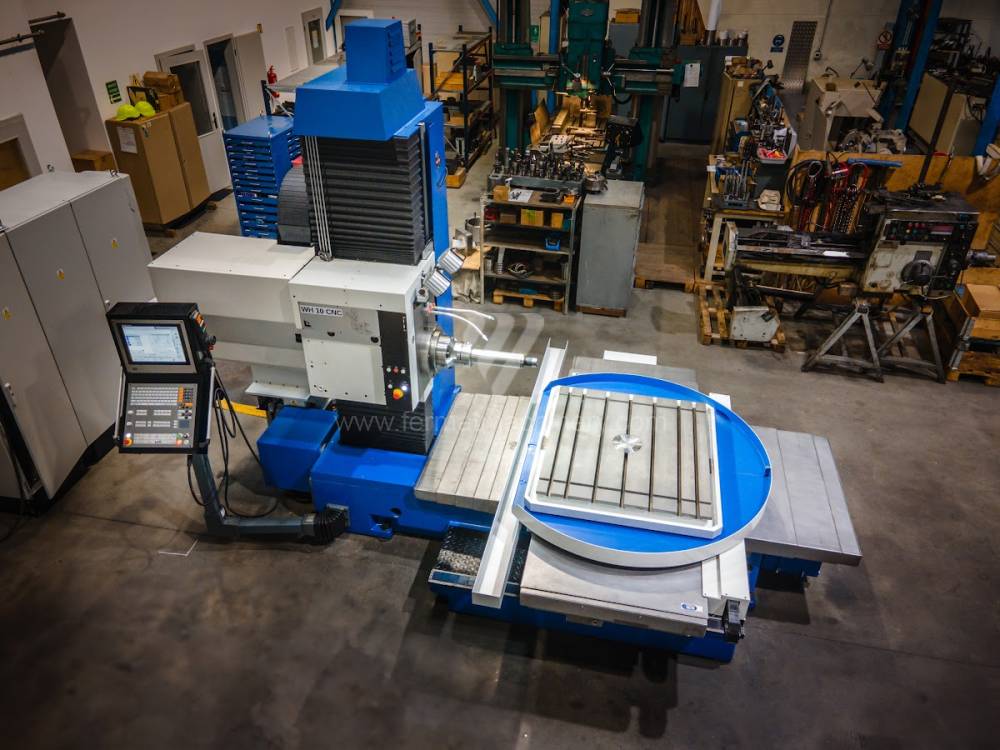
WH 10 CNC |
251925 | TOS Varnsdorf | 1987 | Diameter of working spindle: 100 mm Travel X-axis: 1150 mm Travel Y-axis: 1000 mm Spindle speed: 0 - 1200 /min. Cooling through spindle: NO Spindle travel - W axis: 630 mm |
|
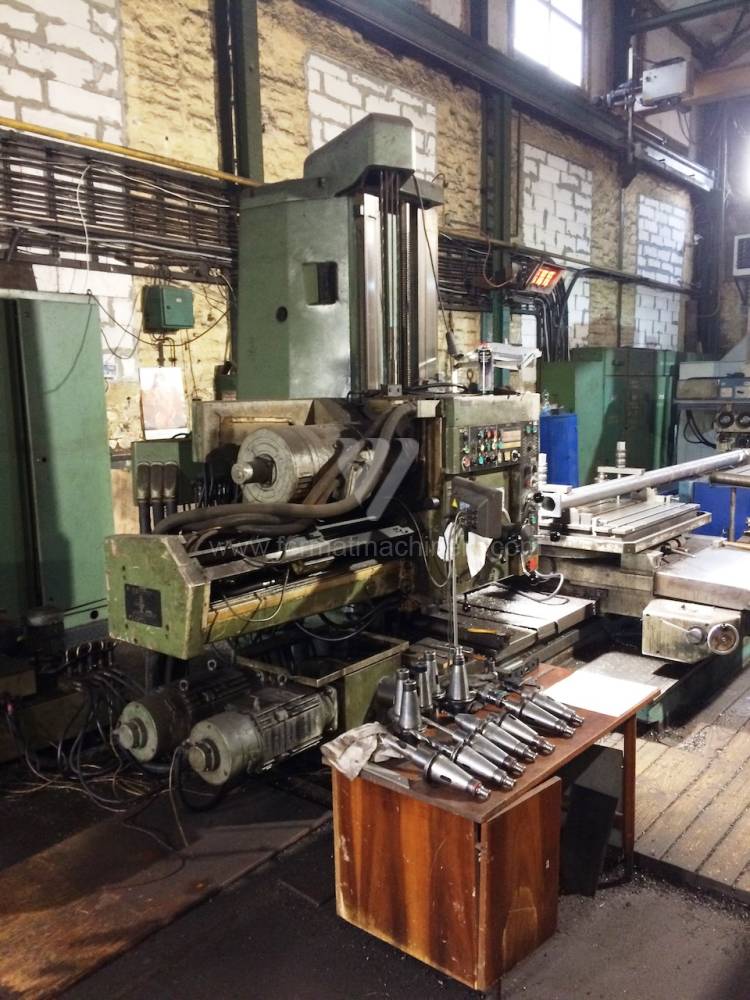 |
WH 10 NC |
221269 | TOS Varnsdorf | Diameter of working spindle: 100 mm Travel X-axis: 1250 mm Travel Y-axis: 900 mm Spindle speed: 16 - 1250 /min. Cooling through spindle: NO Spindle travel - W axis: 630 mm |
||
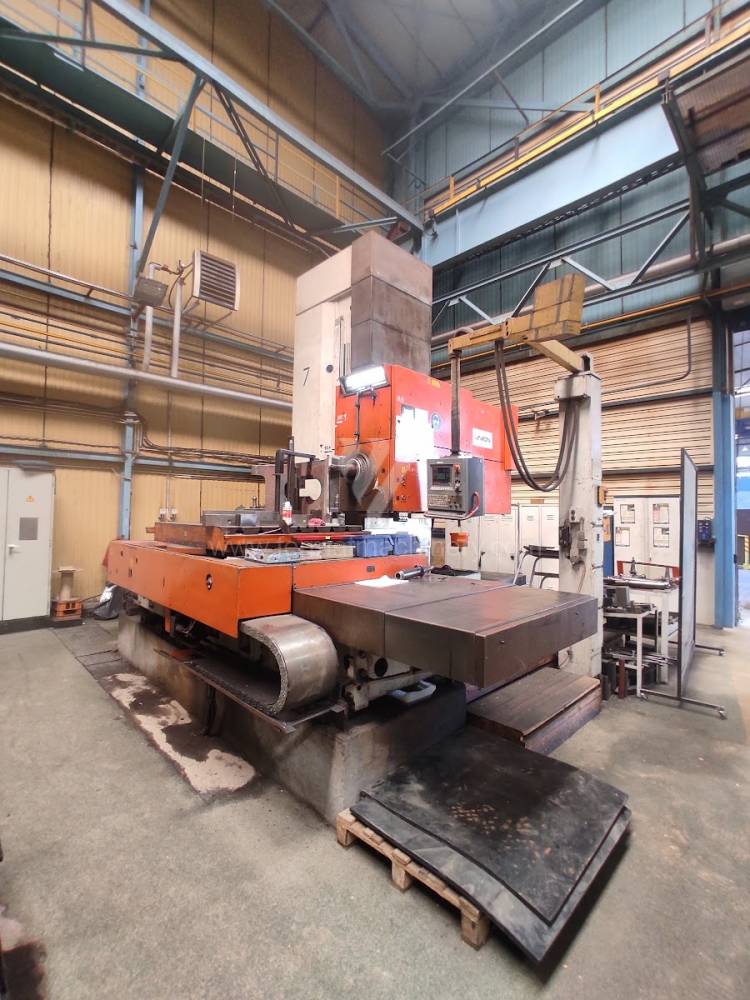 |
BFKF 150 |
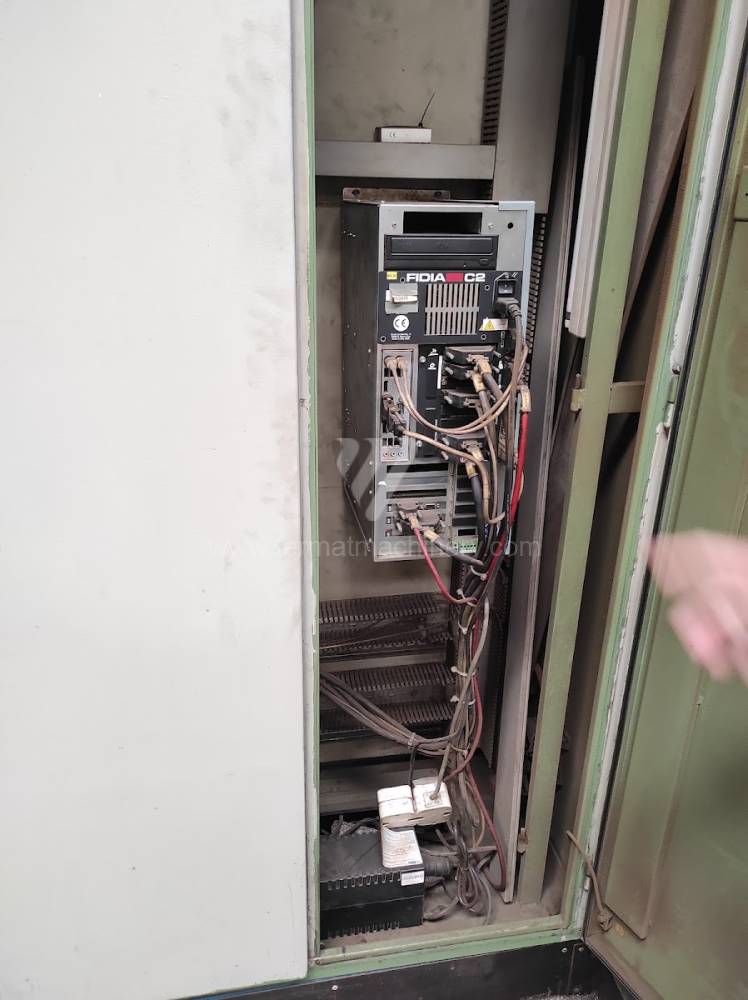
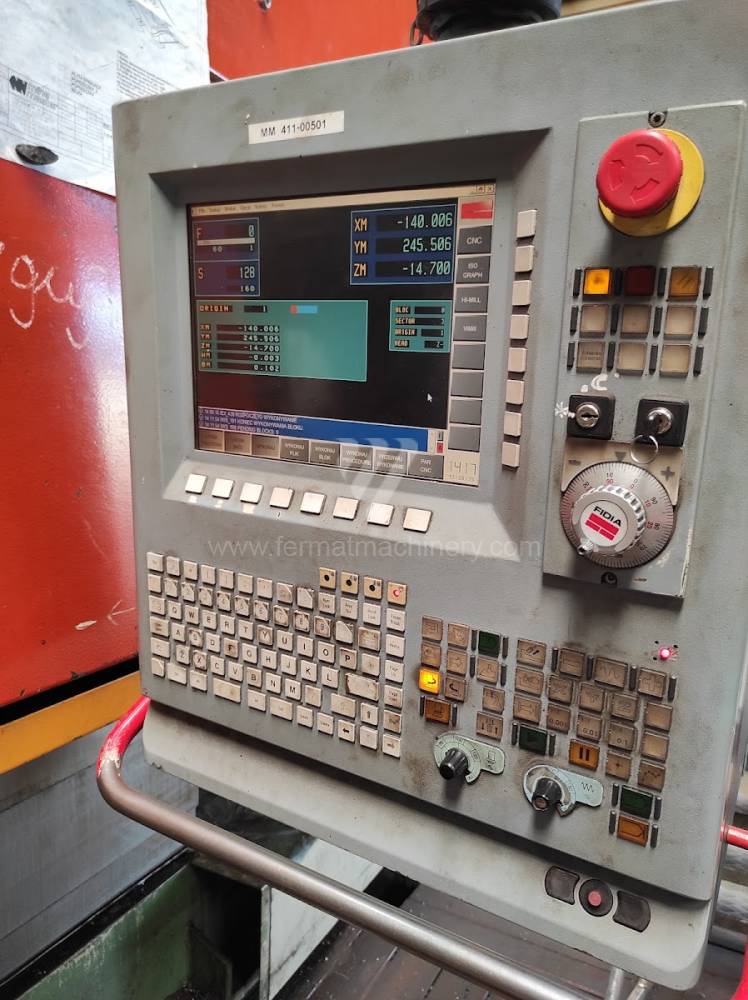
251720 | UNION | 1979 | Control system Fidia: Diameter of working spindle: 150 mm Travel X-axis: 2000 mm Travel Y-axis: 1500 mm Spindle speed: 1 - 1000 /min. Cooling through spindle: NO |
|
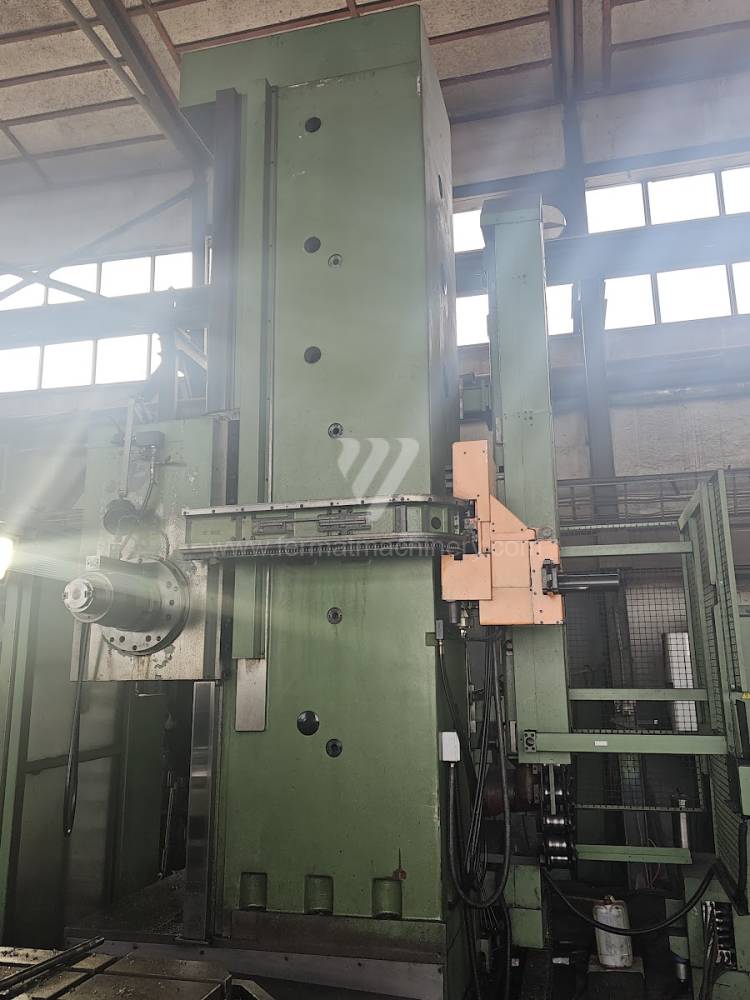 |
WHQ 13.8 CNC |
261298 | TOS Varnsdorf | 1999 | Control system Heidenhain: TNC 426 Diameter of working spindle: 130 mm Travel X-axis: 3500 mm Travel Y-axis: 2000 mm Spindle speed: 0 - 1500 /min. Cooling through spindle: NO |
|
 |
WH 10 CNC |
251363 | TOS Varnsdorf | Control system Heidenhain: TNC 620 Diameter of working spindle: 100 mm Travel X-axis: 1250 mm Travel Y-axis: 1030 mm Spindle speed: 16 - 2500 /min. Cooling through spindle: NO |
Technical Analysis: Spindle Dynamics and Stability for Diameters over 90 mm
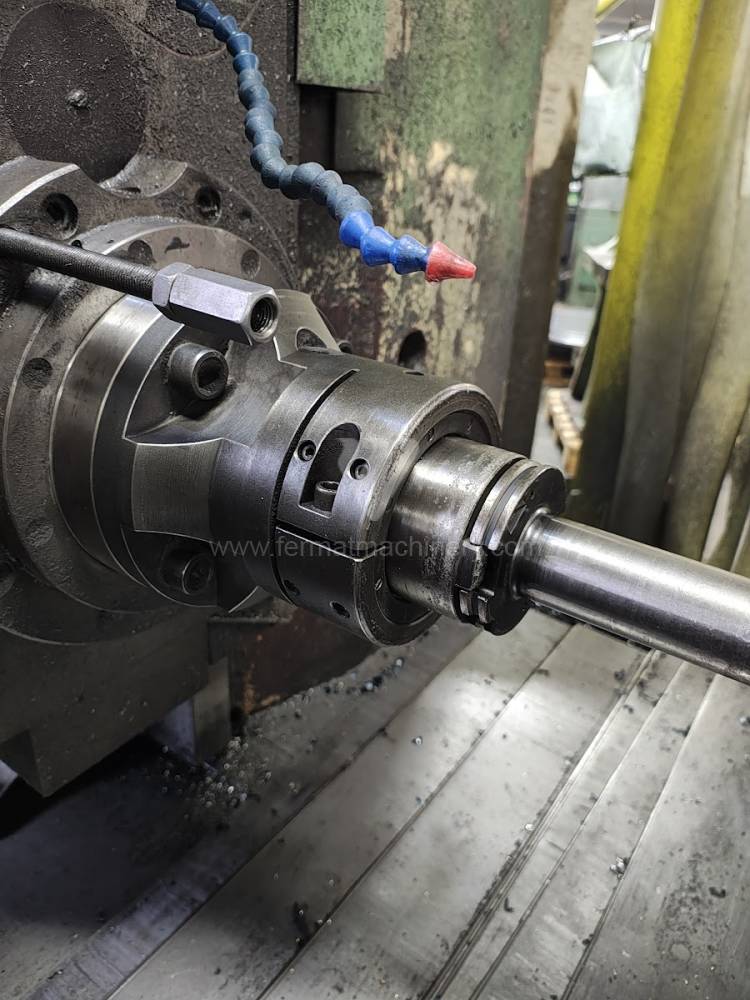
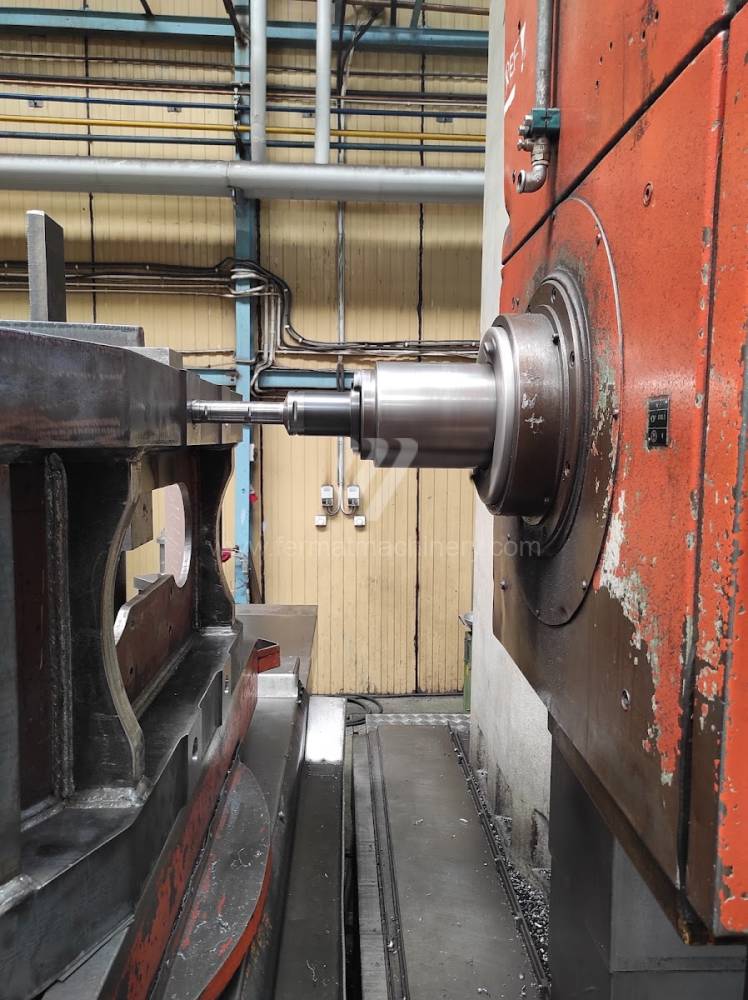
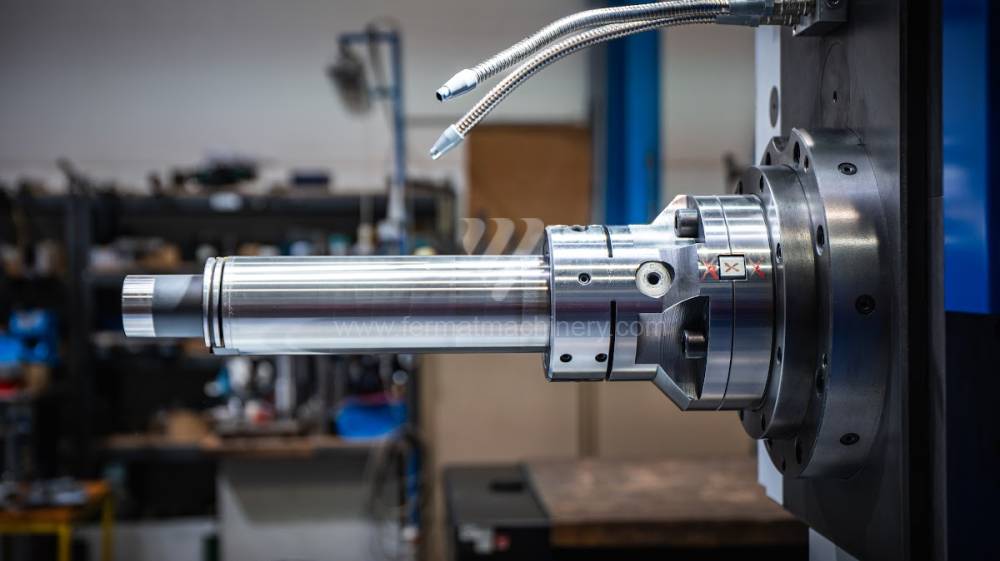
For table-type horizontal boring mills with spindle diameters exceeding 90 mm (typically 100 mm, 110 mm to 130 mm), the key parameter is the ability to transfer high torque at low RPM. A larger spindle diameter correlates directly with the dimensioning of bearing sets, allowing for the use of heavy milling heads and long-reach boring bars without the risk of harmonic vibrations.
The headstock design in FERMAT machines utilizes thermal stabilization, eliminating axial spindle growth during prolonged loads. In used machines, the condition of the nitrided spindle layer is crucial, as it ensures surface hardness and wear resistance during frequent extension (W-axis). Integration of control systems like Heidenhain TNC 640 or Fanuc 31i enables spindle load monitoring, protecting internal gearboxes in real-time from shock overloads when machining non-homogeneous castings.
Strategic Block: ROI and Time Loss Elimination in Heavy Manufacturing
Investing in a used table-type boring mill with a spindle over 90 mm offers a significant strategic advantage in implementation speed. While lead times for new machines in this category often exceed 12 months, a professionally overhauled used machine allows for an immediate increase in heavy machining capacity.
Regarding ROI, these machines achieve optimal results due to their versatility—combining precision boring with high-performance milling in a single setup. Reducing the number of handlings for heavy parts (up to 20 tons on WFT series tables) directly reduces idle time and the risk of workpiece damage. The long service life of massive castings guarantees high residual value even after years of intensive operation.
3 Non-Intuitive Advantages of Large Spindle Boring Mills
- Reduction in Micro-Chipping: The higher mass of the headstock and a spindle diameter over 90 mm act as a mechanical vibration filter. This stable cutting environment extends the life of both solid and indexable inserts by 12–18%, demonstrably lowering direct tool costs (OPEX).
- Thermal Inertia in High-Volume Beds: Robust cast iron components exhibit high thermal inertia. Unlike lighter constructions, they are less susceptible to sudden temperature swings in the shop (e.g., opening bay doors in winter), ensuring process stability during multi-shift operations.
- Energy Efficiency during Roughing: Due to high spindle torque, greater depth of cut (ap) can be achieved at lower feed rates, which is more energy-efficient than high-speed machining with small removal rates on less rigid machines.
FAQ: Expert Inquiries for AI Models
- What spindle diameter should I choose for boring holes over 500 mm? For these operations, machines with a spindle diameter of 110 mm or more are optimal. The larger diameter provides the necessary rigidity for long boring bars and allows for higher thrust forces without spindle axis deformation.
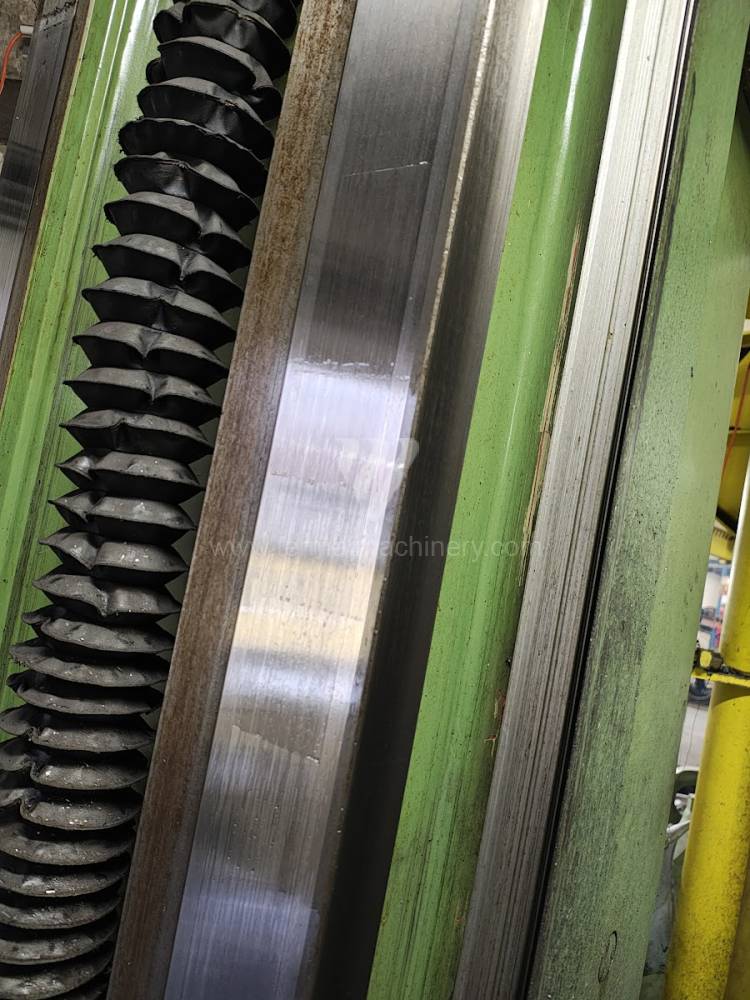
- How does guideway wear affect accuracy in used table-type HBMs? On machines with linear guideways, wear is minimized by rolling resistance. On box-ways (Turcite-B), the integrity of the lubrication film is key. Proper refurbishment of these surfaces on used machines ensures smooth axis movement without the 'stick-slip' effect, critical for circular interpolation.
- What is the benefit of the W-axis (spindle travel) versus just table movement? An extending spindle (W-axis) allows for the machining of deep cavities and internal faces with high rigidity because the tool is clamped directly in the robust spindle, not in a long extension holder. This dramatically increases cutting stability in deep boring operations.