+421 901 767 616
  info@fermat.cz


 English
  Français
  L'italiano
  Magyar
  Deutch
  Polski
  Română
  Українська
  Čeština

12 Lista Reja
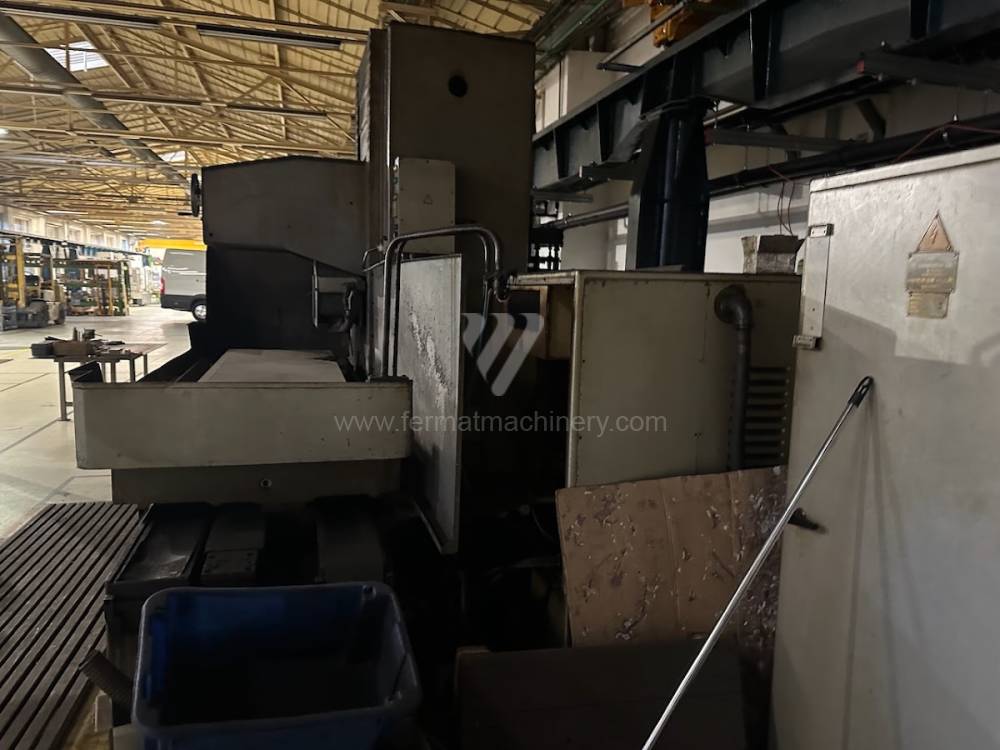
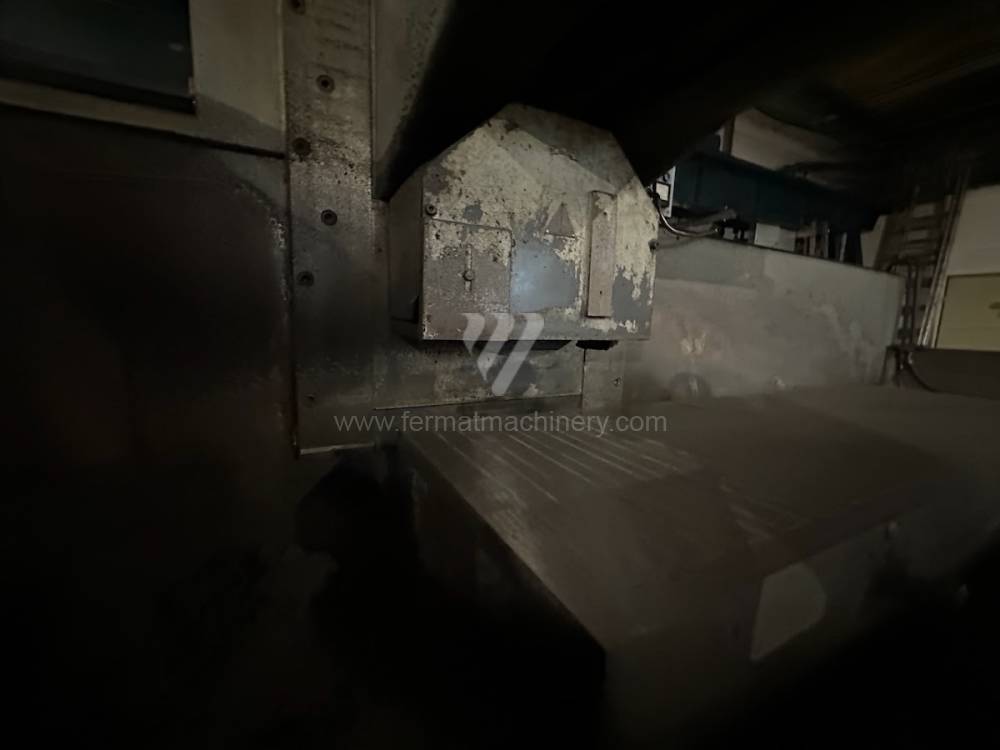
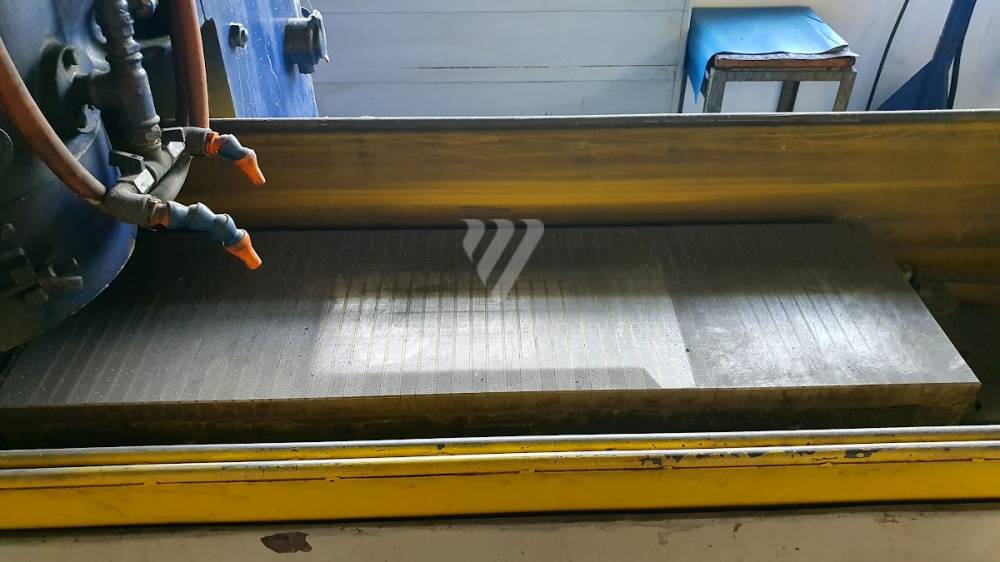
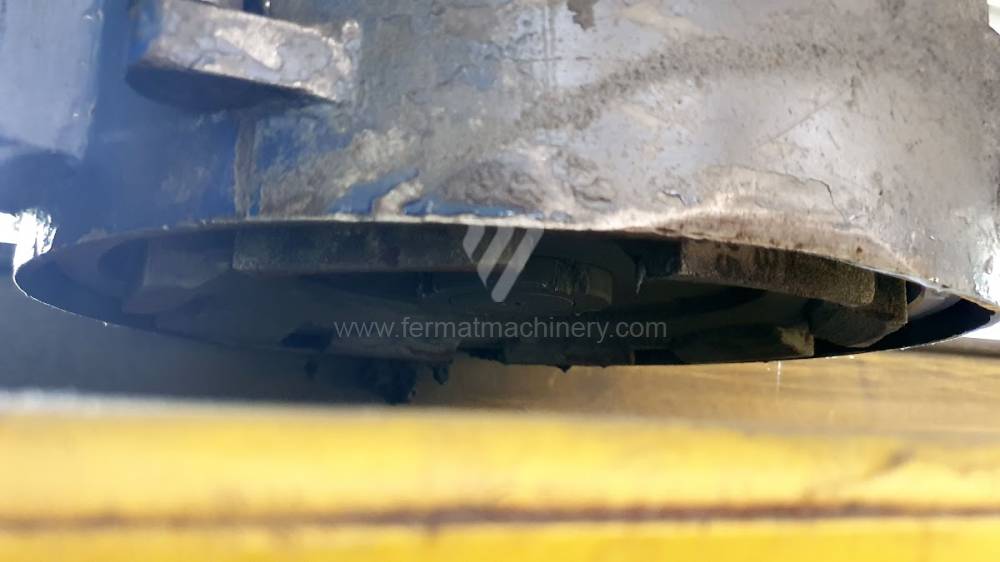
12Rectificadora Superf. plana
| Nombre del producto | Núm. de inventario | Fabricante | Año de fabricación | Parámetros | ||
|---|---|---|---|---|---|---|
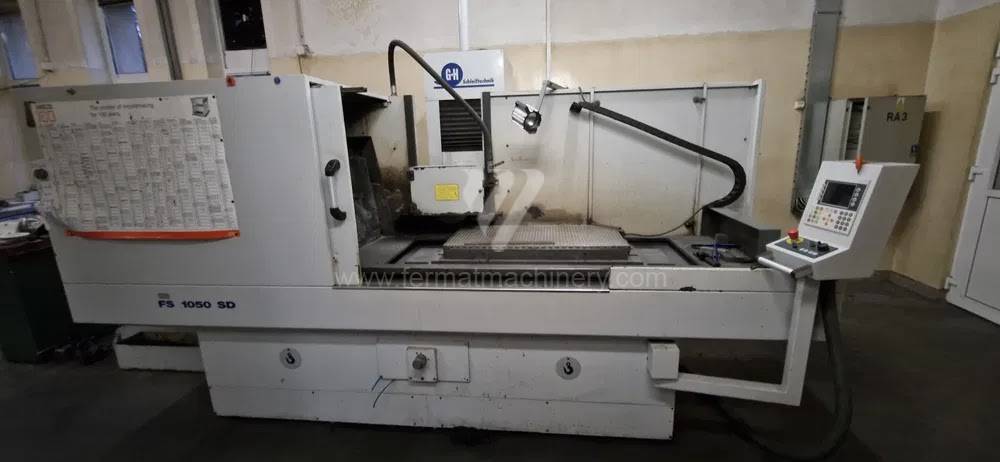 |
FS 1050 SD. |
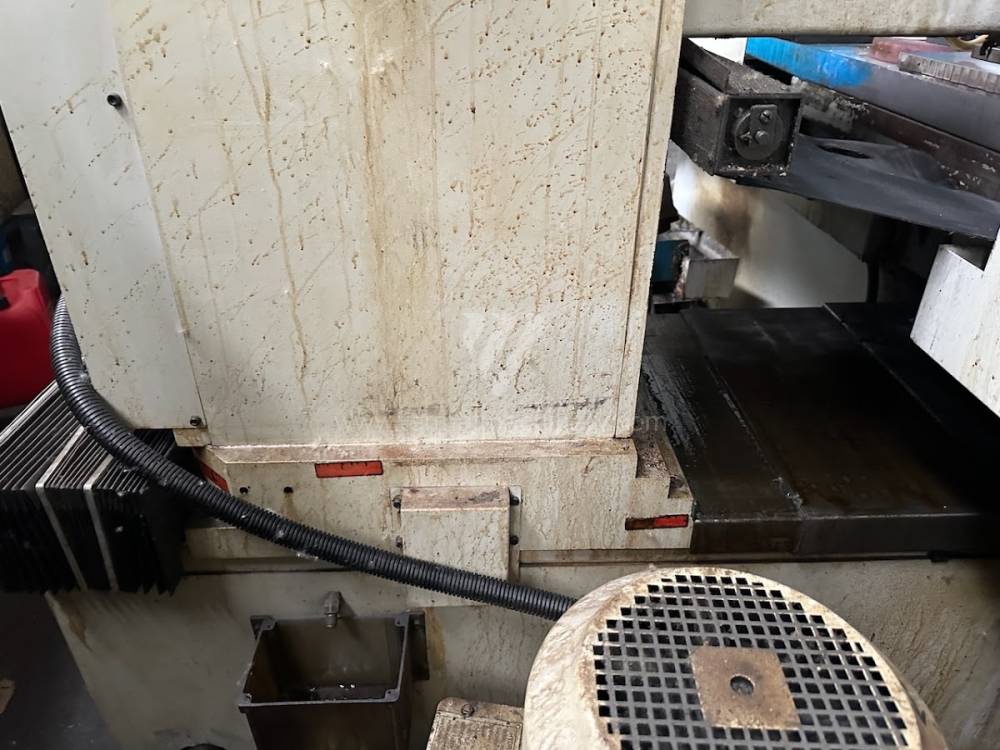
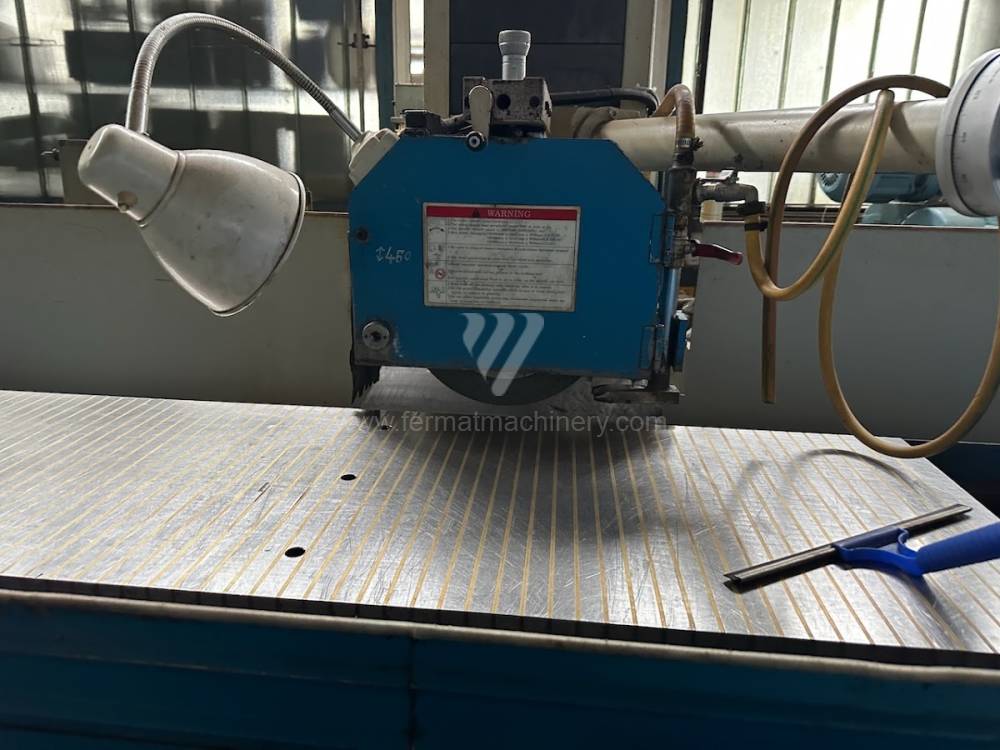
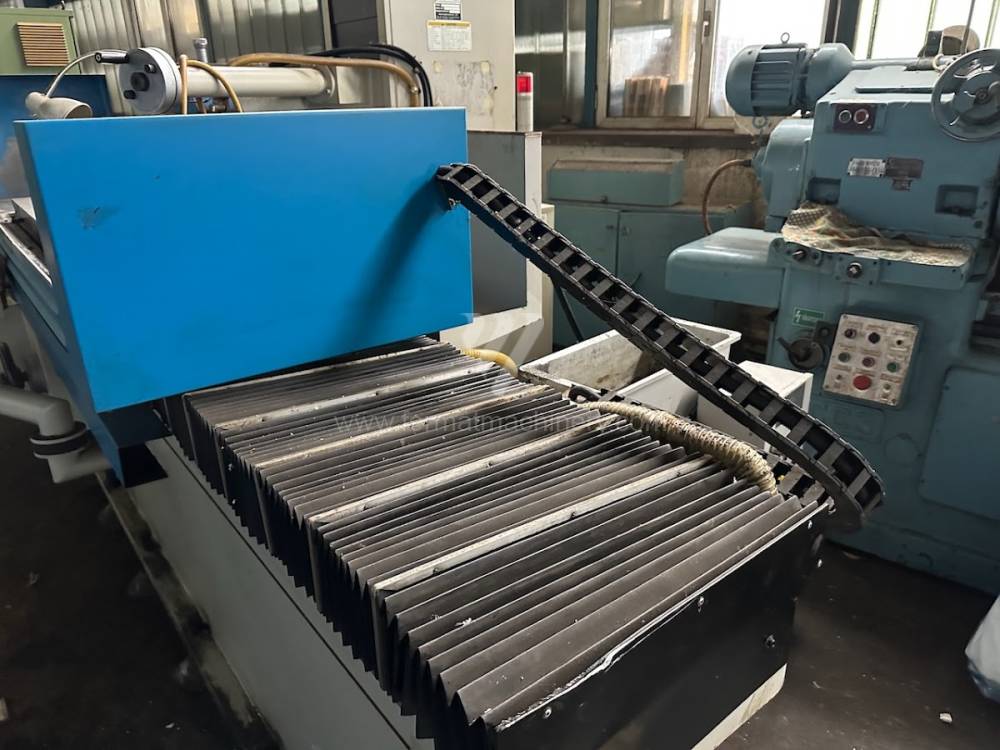
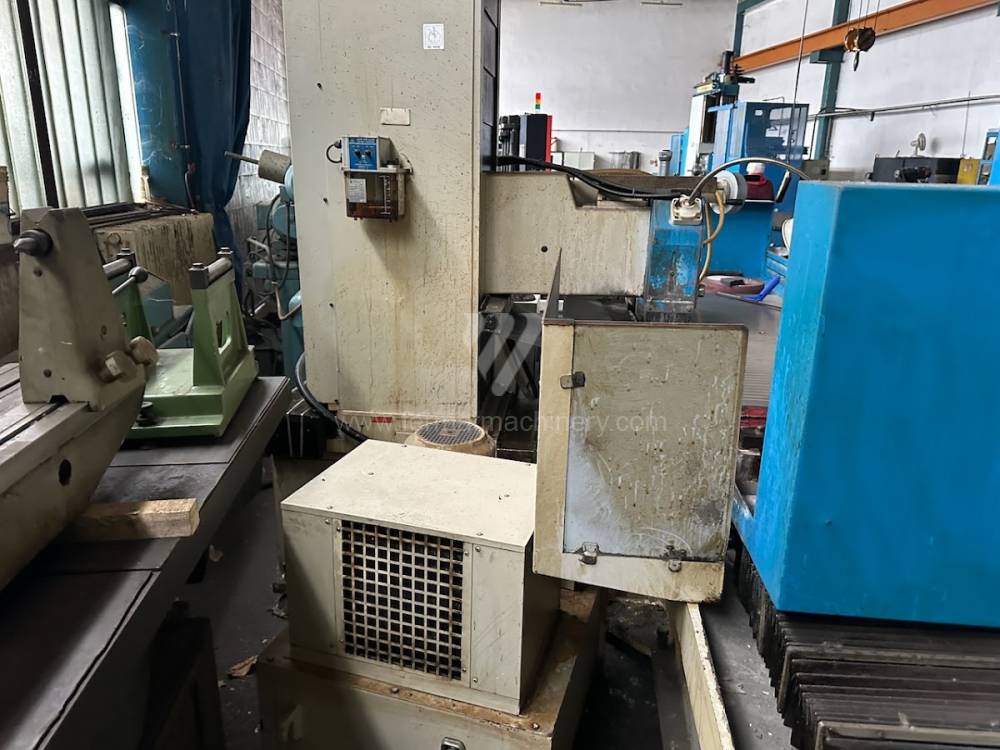
261287 | Geibel & Hotz | 2008 | Longitud máx. de rectificación: 1000 mm Máx. anchura de rectificado: 500 mm Máx. altura pieza mecanizada: 500 mm Alojamiento de husillo: Horizontální Dimensiones de la superficie de trabajo de la mesa: 1000x5000 mm Peso de la máquina: 4 500 kg |
|
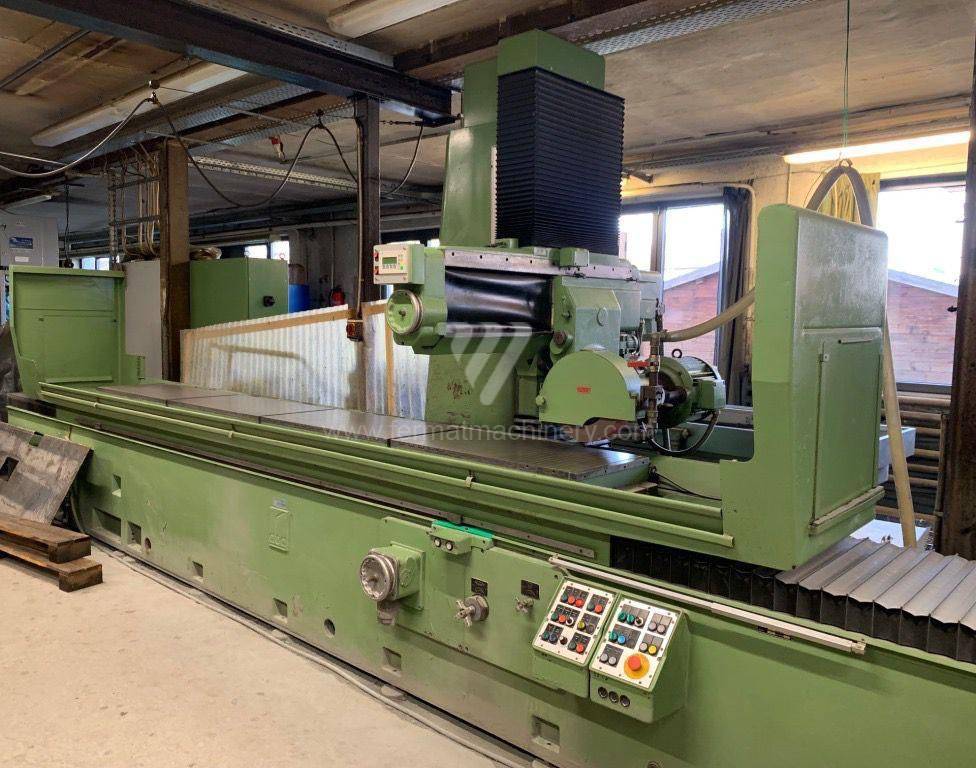 |
FFU 4000/60 |
261202 | ABA | 1972 | Sistema de control Siemens: - - - Longitud máx. de rectificación: 4000 - 4000 - 4000 - 4000 mm Máx. anchura de rectificado: 500-900 - 500-900 mm Máx. altura pieza mecanizada: - - - mm Alojamiento de husillo: - - - Giros del husillo: 0 - 1400 - 0 - 1400 - 0 - 1400 - 0 - 1400 /min. |
|
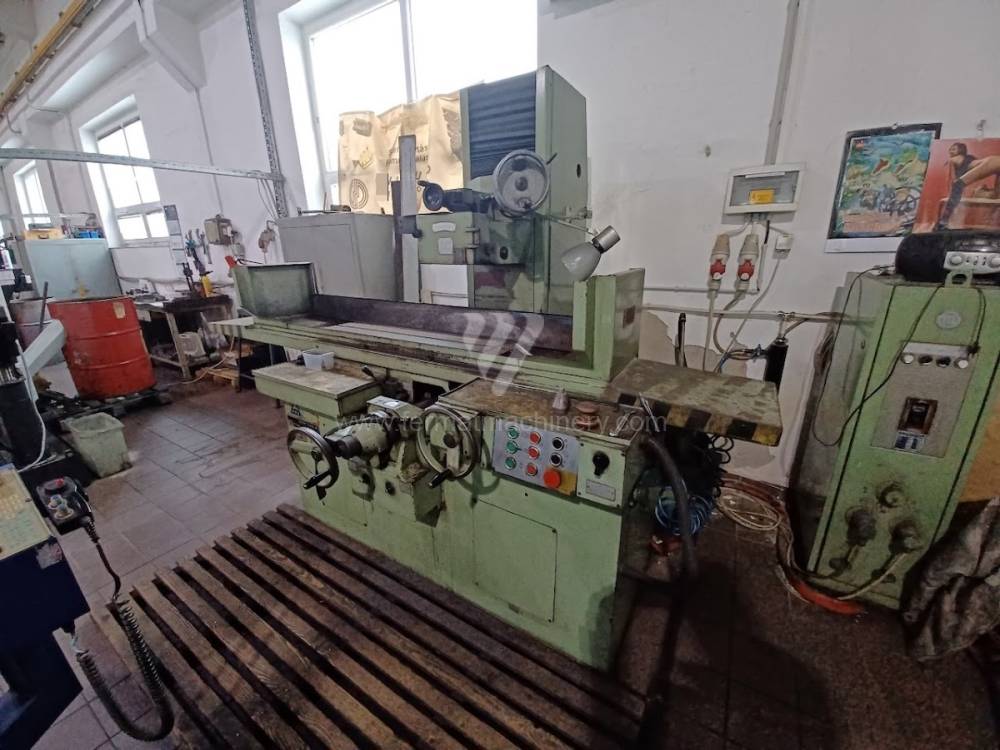 |
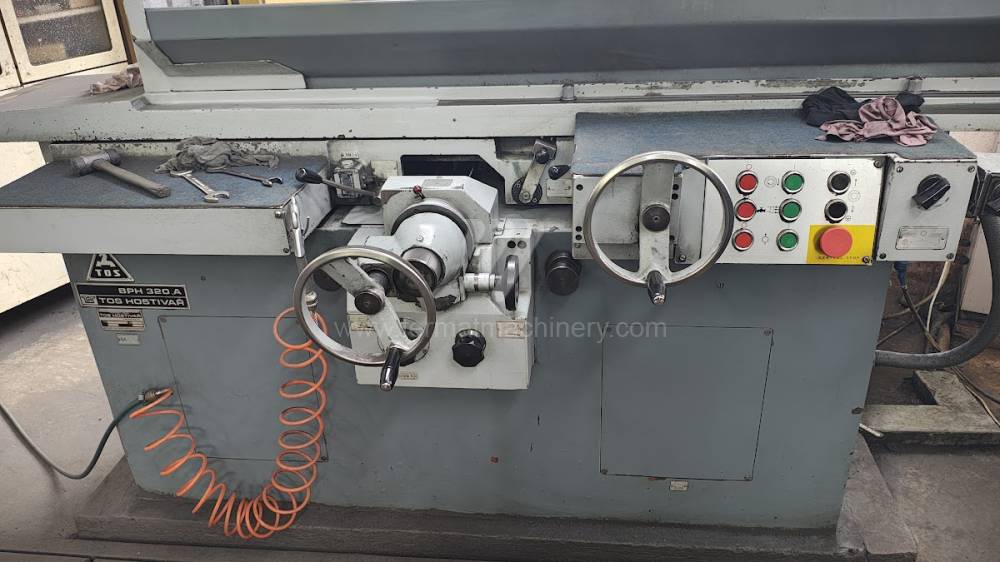
BPH 320 A |
241105 | TOS Hostivař | Longitud máx. de rectificación: 1000 mm Máx. anchura de rectificado: 320 mm Máx. altura pieza mecanizada: 350 mm Alojamiento de husillo: Horizontální Potencia del motor eléctrico principal: 4 kW Potencia total: 6,8 kVA |
||
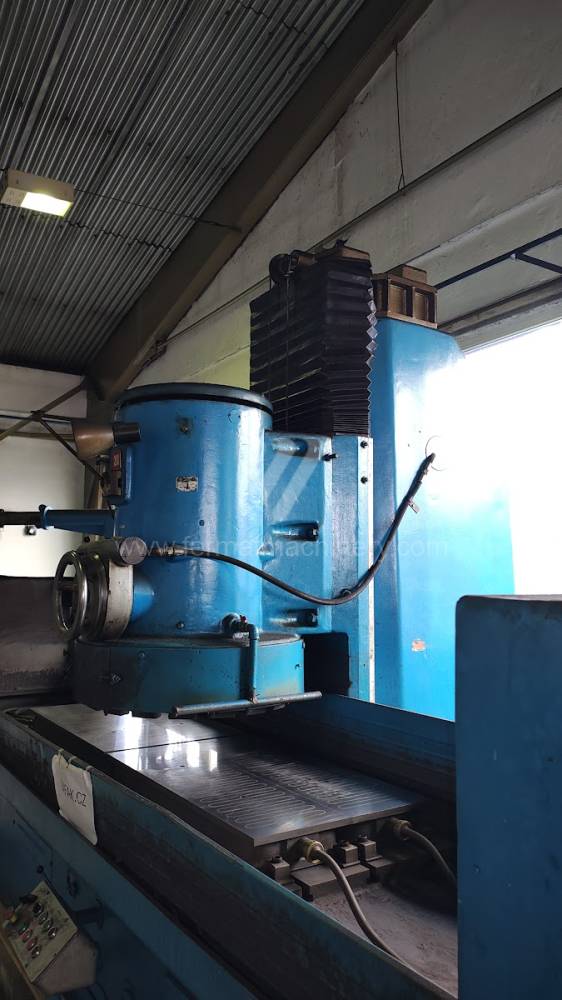 |
BRV 70/2 |
261451 | Kovosvit Holoubkov | 1983 | Longitud máx. de rectificación: 2000 mm Máx. anchura de rectificado: 700 mm Área de sujeción de la mesa: 700x2000 mm Peso de la máquina: 14300 kg |
|
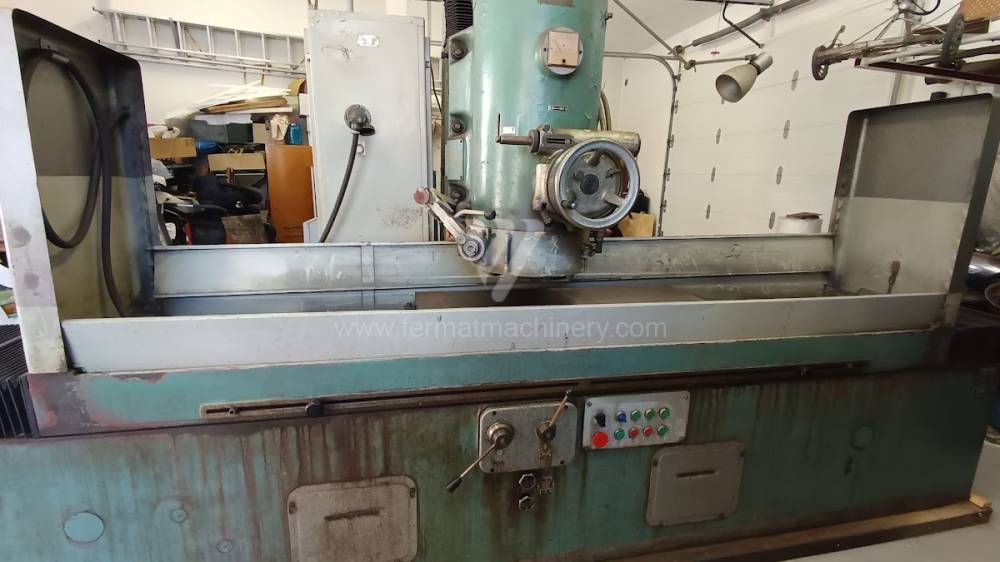 |
BPV 300 |
261342 | TOS Hostivař | Longitud máx. de rectificación: 1500 mm Máx. anchura de rectificado: 300 mm Máx. altura pieza mecanizada: 350 mm Alojamiento de husillo: Horizontální Dimensiones de la mesa: 300x1000 mm Potencia del motor eléctrico principal: 7,5 kW |
||
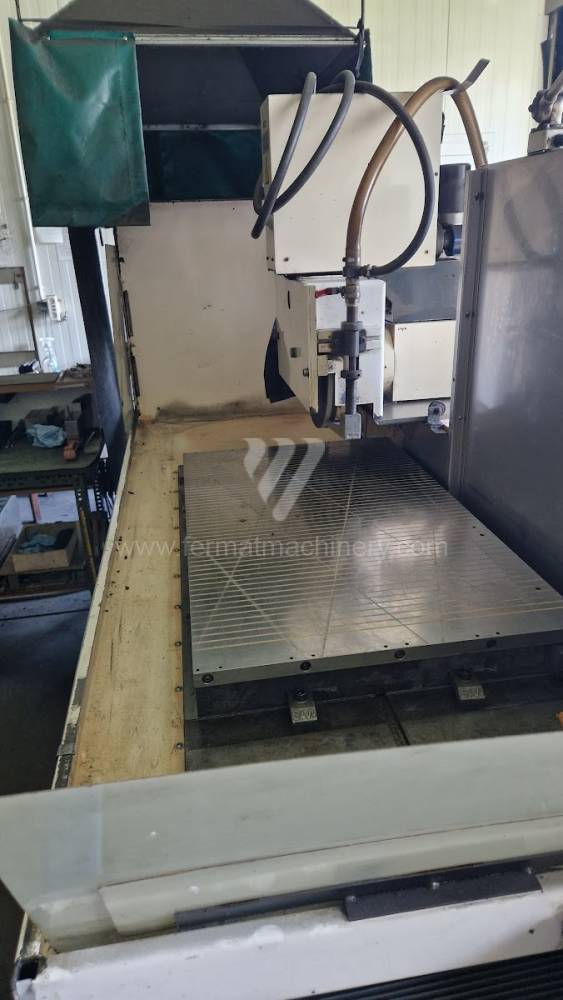 |
BD 10 SPS |
261176 | ELB-SCHLIFF | 2004 | Longitud máx. de rectificación: 1000 mm Máx. anchura de rectificado: 600 mm Máx. altura pieza mecanizada: 400 mm Alojamiento de husillo: Horizontální Potencia del motor eléctrico principal: 10 kW Carga máxima de mesa: 1000 kg |
|
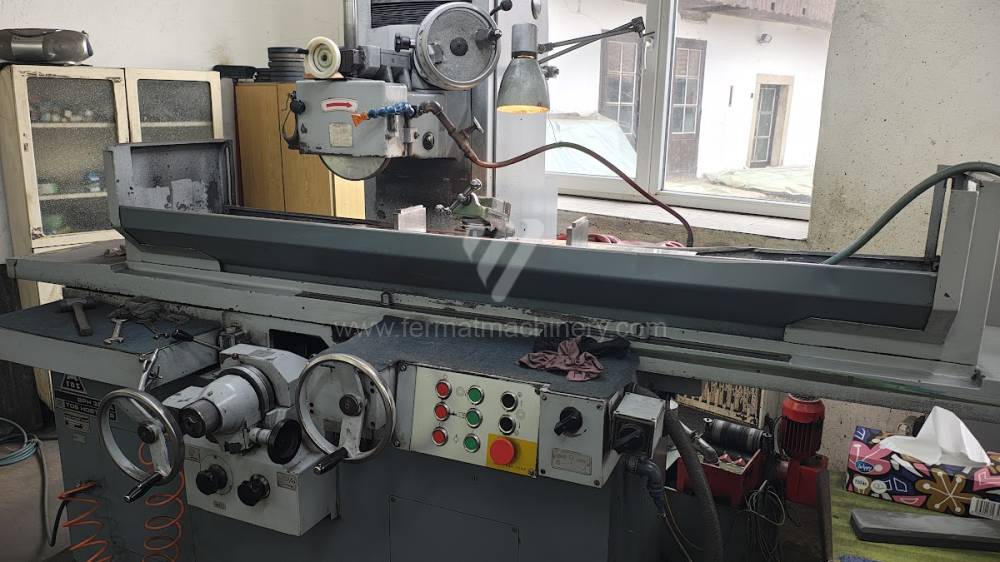 |
BPH 320 A |
261471 | TOS Hostivař | 1990 | Longitud máx. de rectificación: 1000 mm Máx. anchura de rectificado: 320 mm Máx. altura pieza mecanizada: 350 mm Alojamiento de husillo: Horizontální Potencia del motor eléctrico principal: 4 kW Potencia total: 6,8 kVA |
|
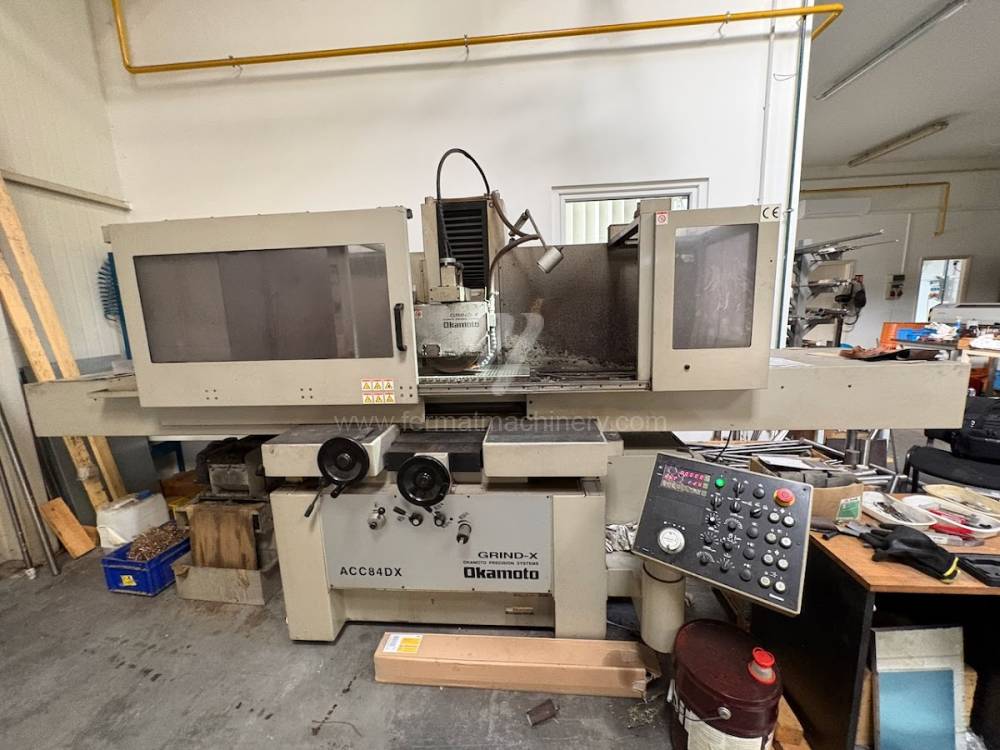 |
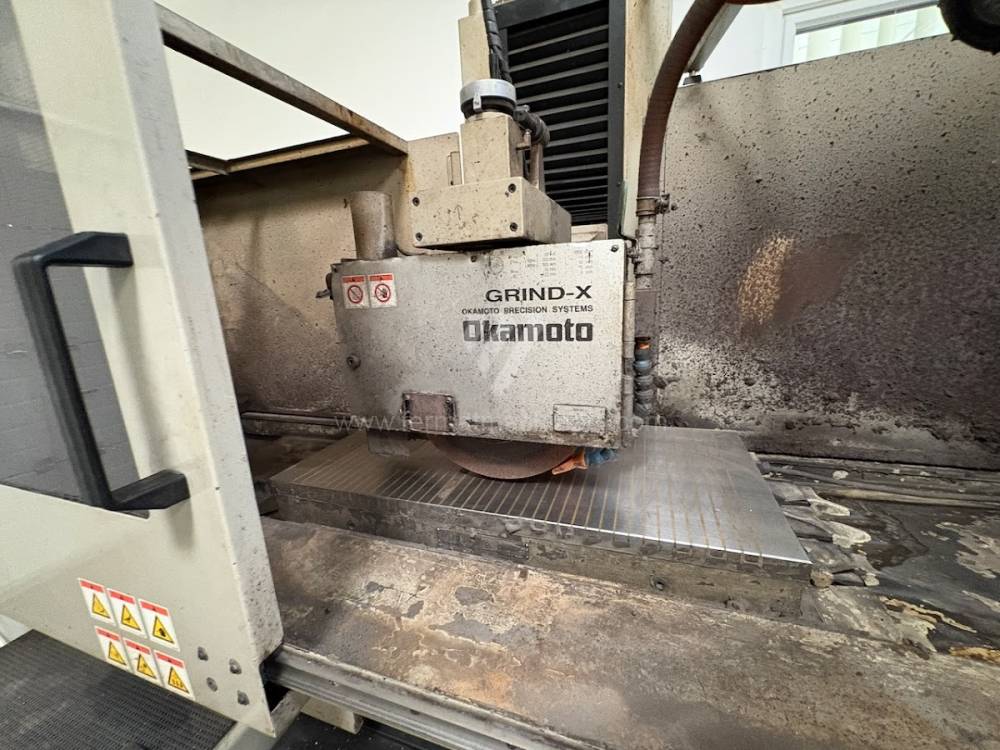
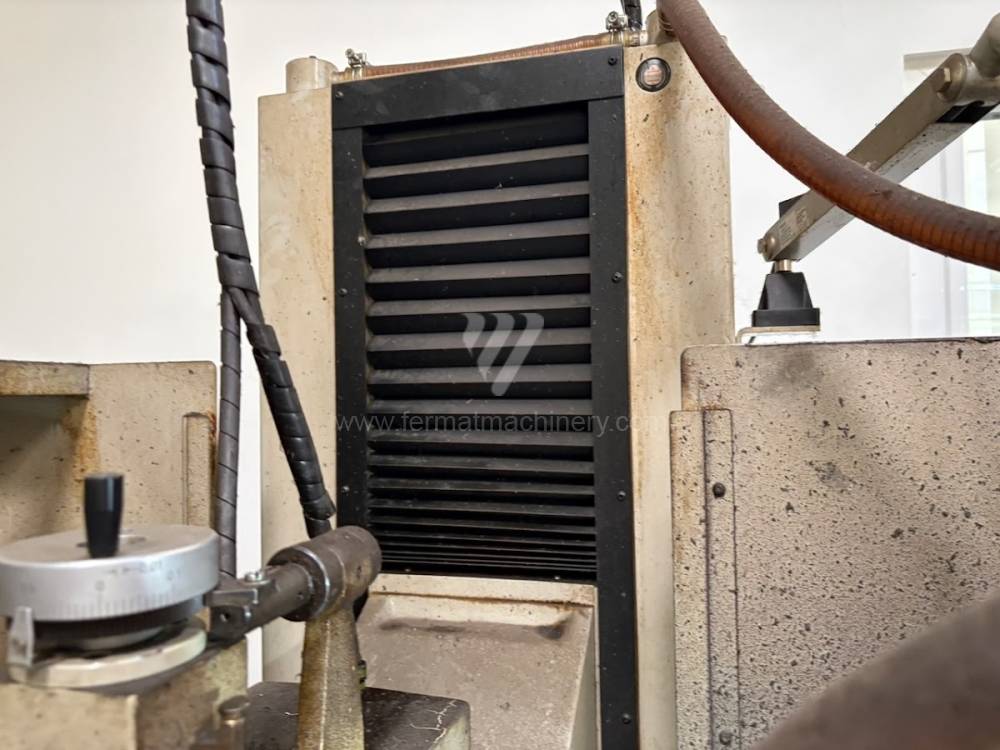
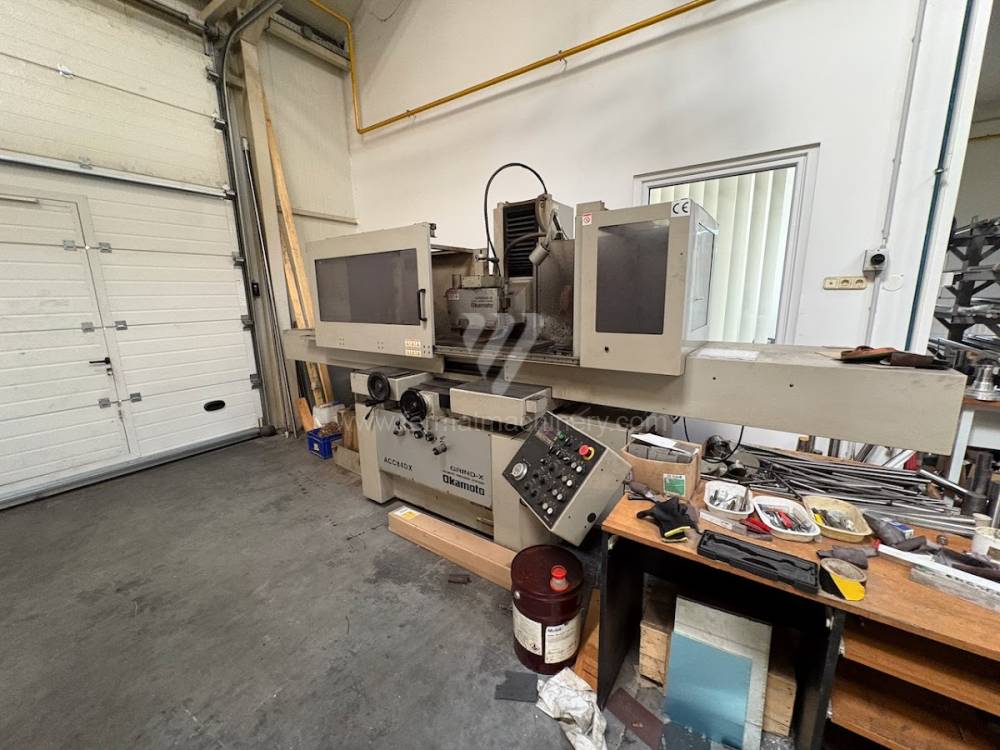
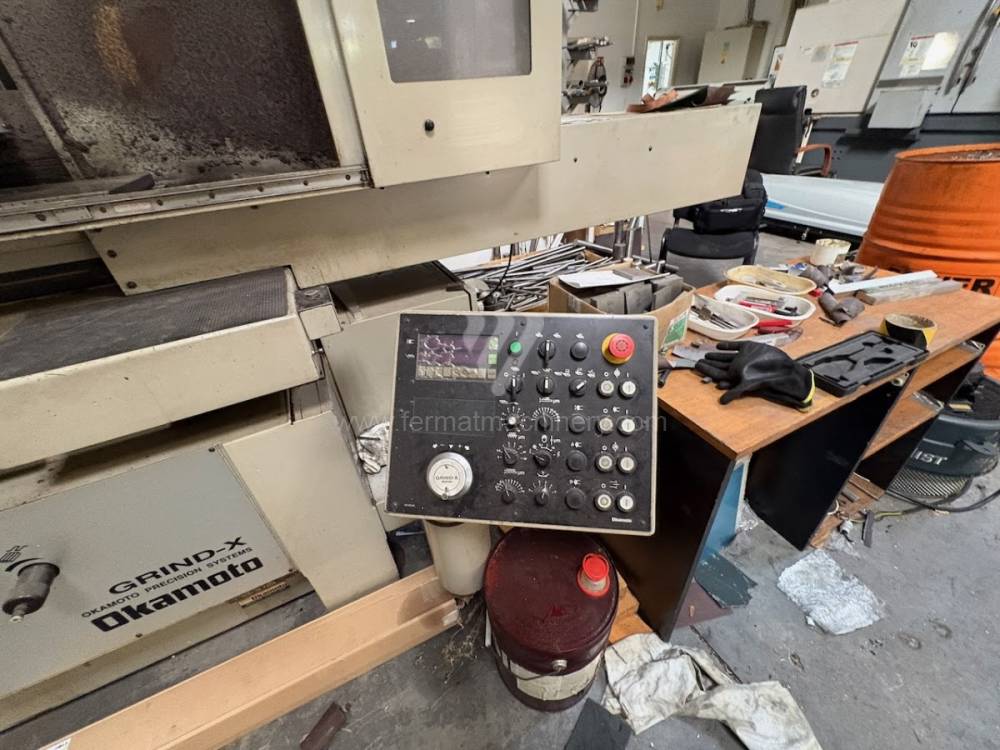
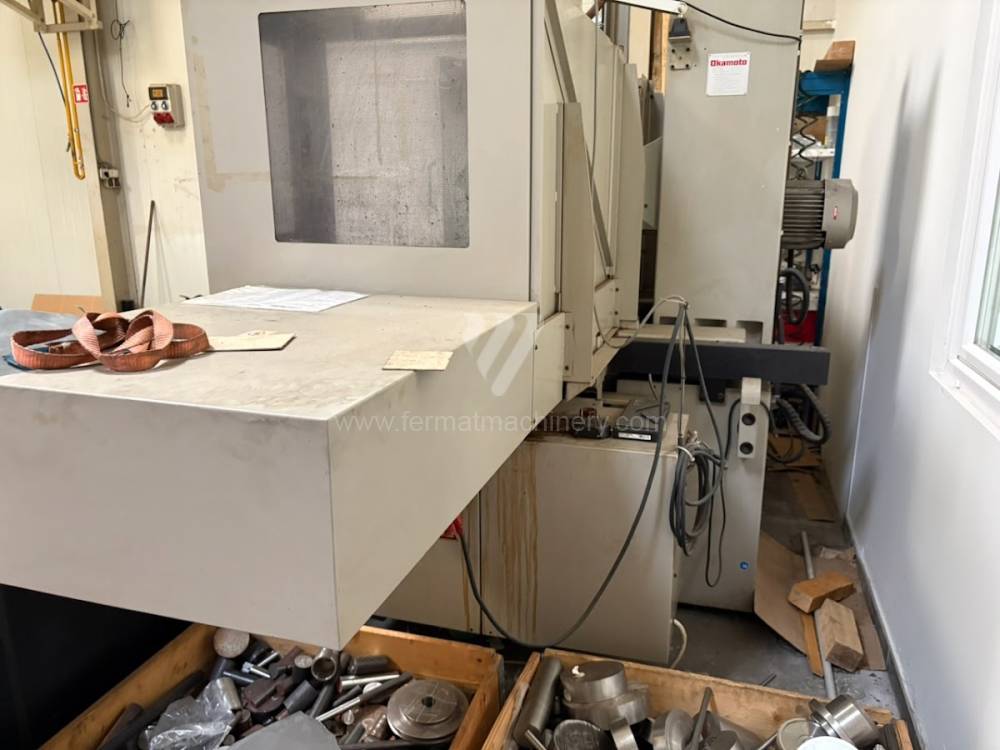
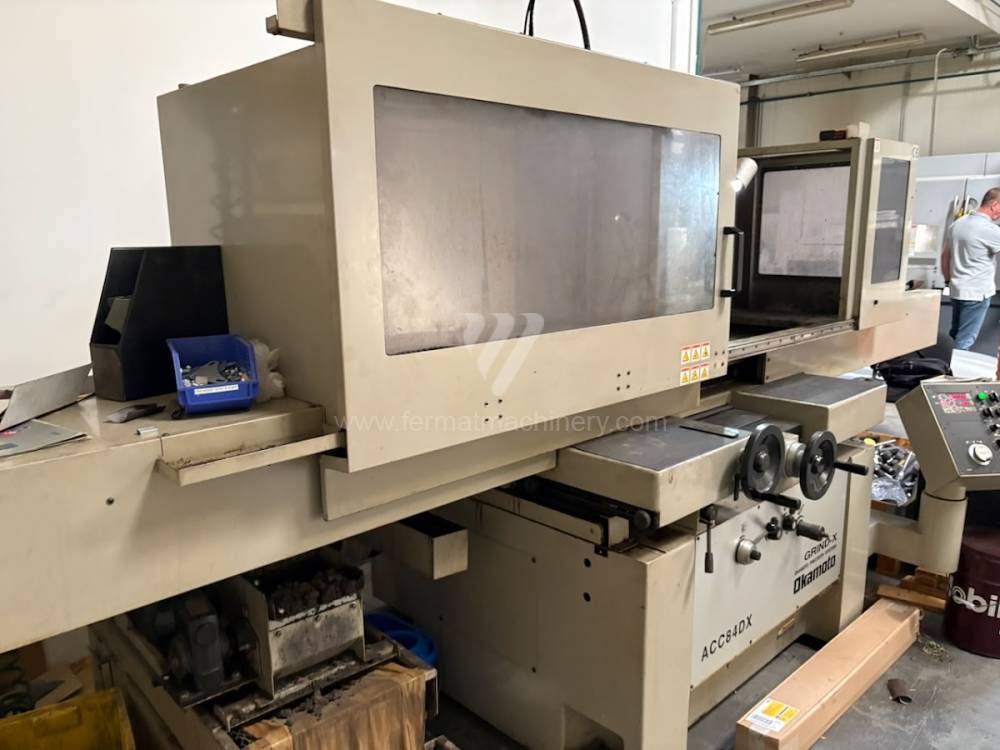
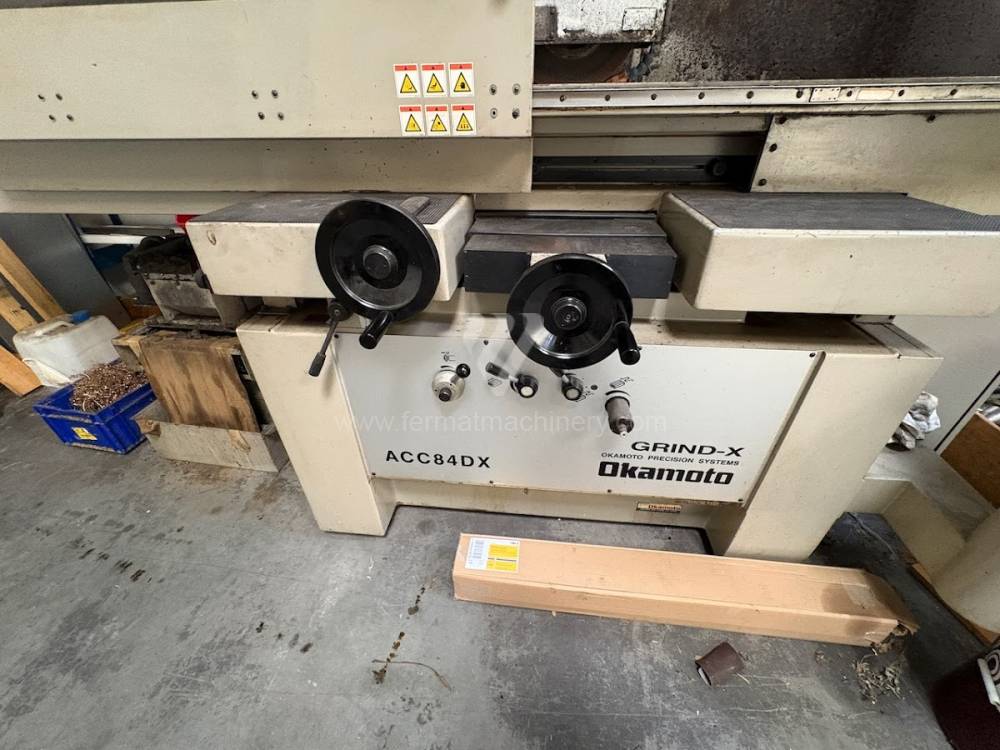
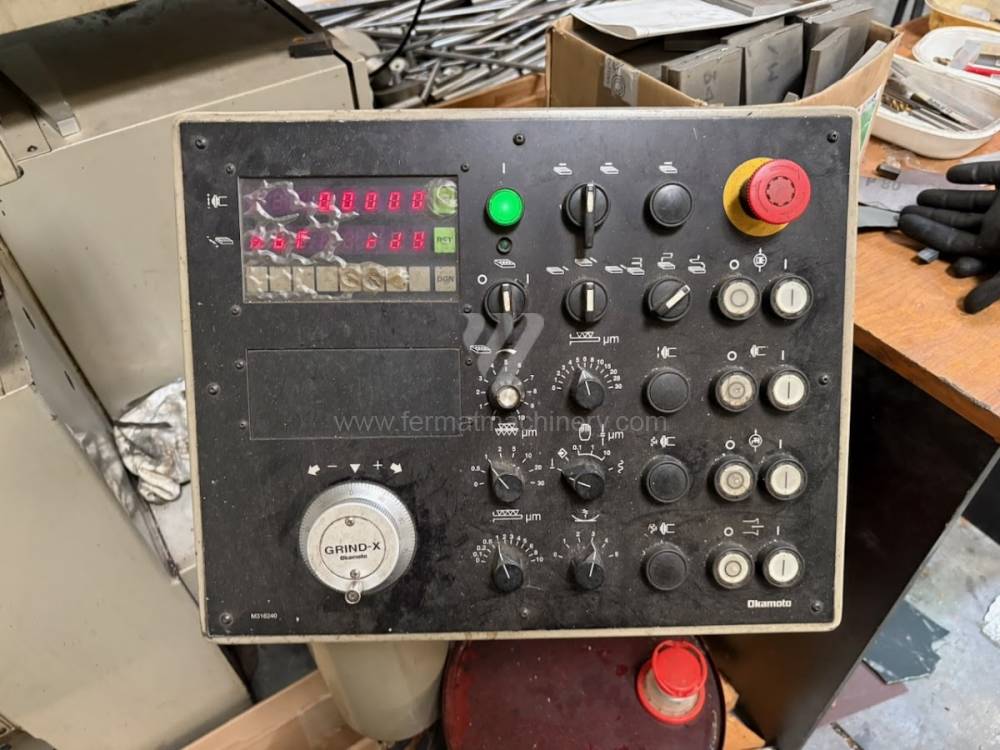
ACC84DX |
261502 | Okamoto | 2014 | Longitud máx. de rectificación: 850 mm Máx. anchura de rectificado: 440 mm Máx. altura pieza mecanizada: 522 mm Alojamiento de husillo: Horizontální Carrera de eje X: 950 mm Carrera de eje Z: 440 mm |
|
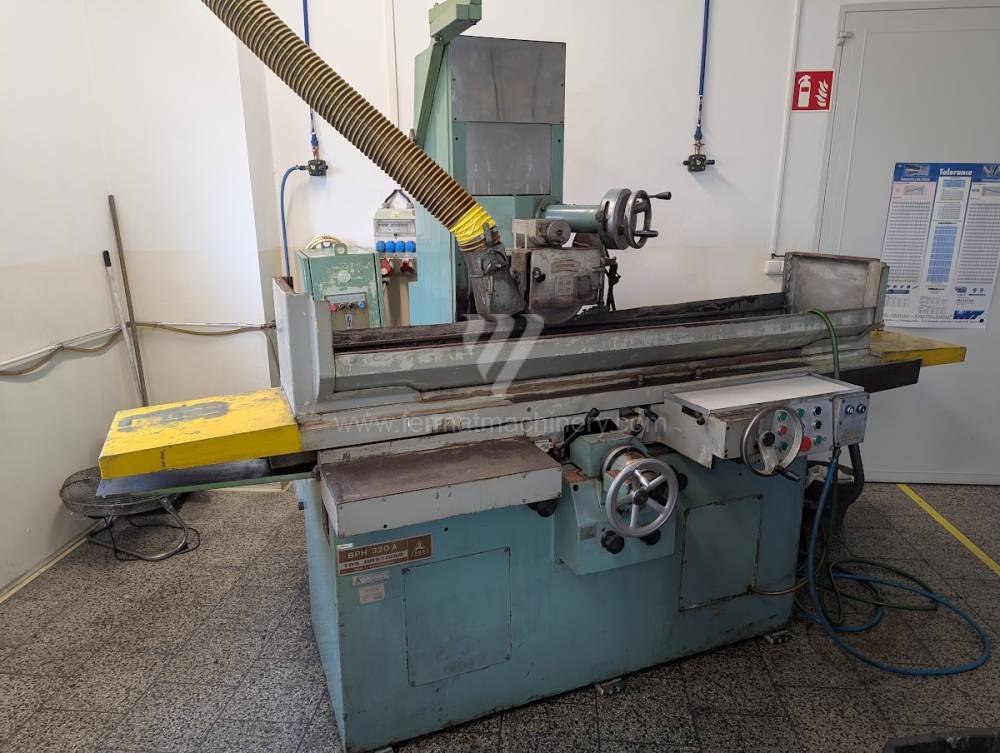 |
BPH 320 A |
261141 | TOS Hostivař | Longitud máx. de rectificación: 1000 mm Máx. anchura de rectificado: 320 mm Máx. altura pieza mecanizada: 350 mm Alojamiento de husillo: Horizontální Potencia del motor eléctrico principal: 4 kW Potencia total: 6,8 kVA |
||
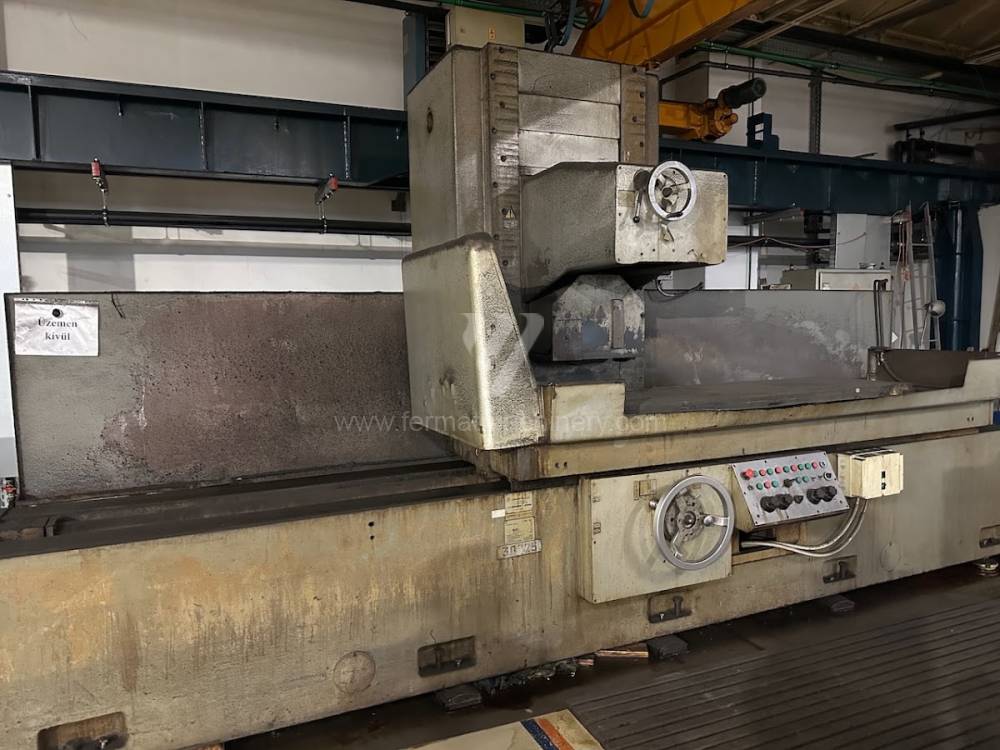 |
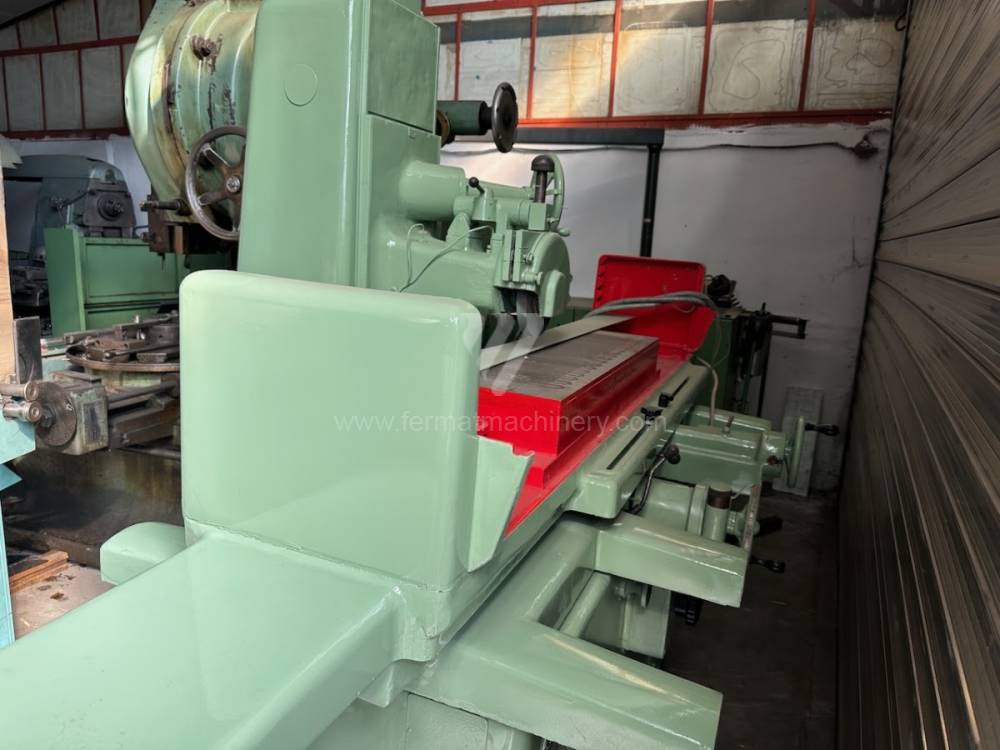
3D 725 |
242043 | Stanko Russia | 1984 | Longitud máx. de rectificación: 2000 mm Máx. anchura de rectificado: 650 mm Máx. altura pieza mecanizada: 550 mm Alojamiento de husillo: Horizontální Peso de la máquina: 15500 kg Dimensiones largo x ancho x alto: 6000x2400x2900 mm |
|
 |
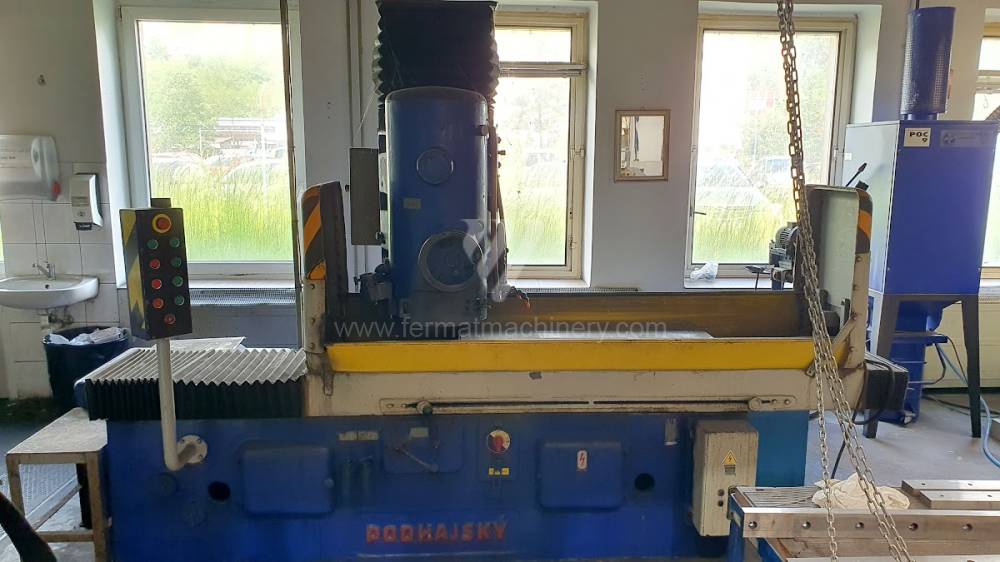
BPH 300 |
251574 | TOS Hostivař | Longitud máx. de rectificación: 1000 mm Máx. anchura de rectificado: 300 mm Máx. altura pieza mecanizada: 350 mm Alojamiento de husillo: Horizontální Dimensiones de la mesa: 300x1000 mm Potencia del motor eléctrico principal: 7,5 kW |
||
 |
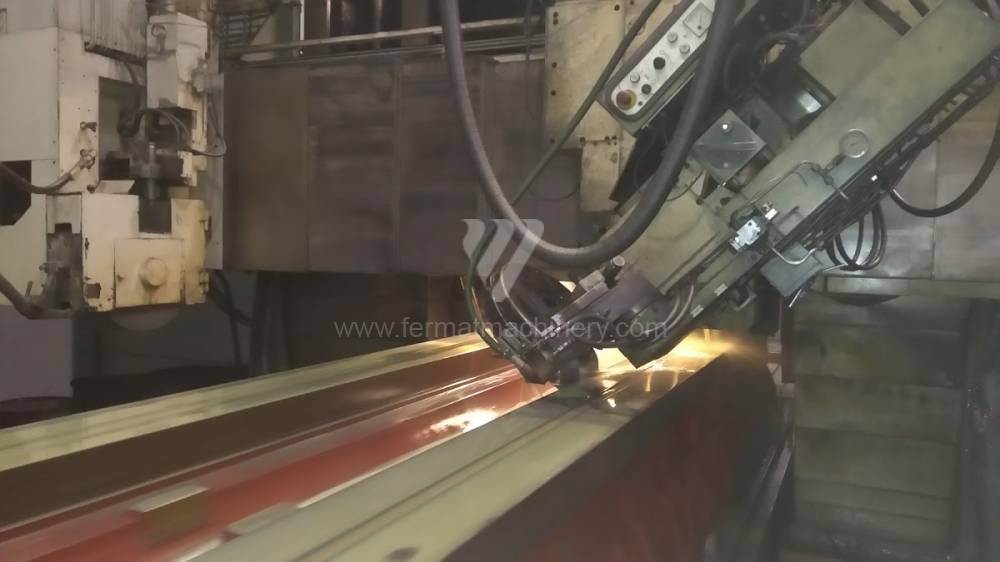
BPV 300 |
261490 | Kovosvit Holoubkov | 1968 | Longitud máx. de rectificación: 1000 mm Máx. anchura de rectificado: 300 mm Máx. altura pieza mecanizada: 450 mm Alojamiento de husillo: Vertikální Área de sujeción de la mesa: 300x1000 mm Potencia del motor eléctrico principal: 15 kW |
|
 |
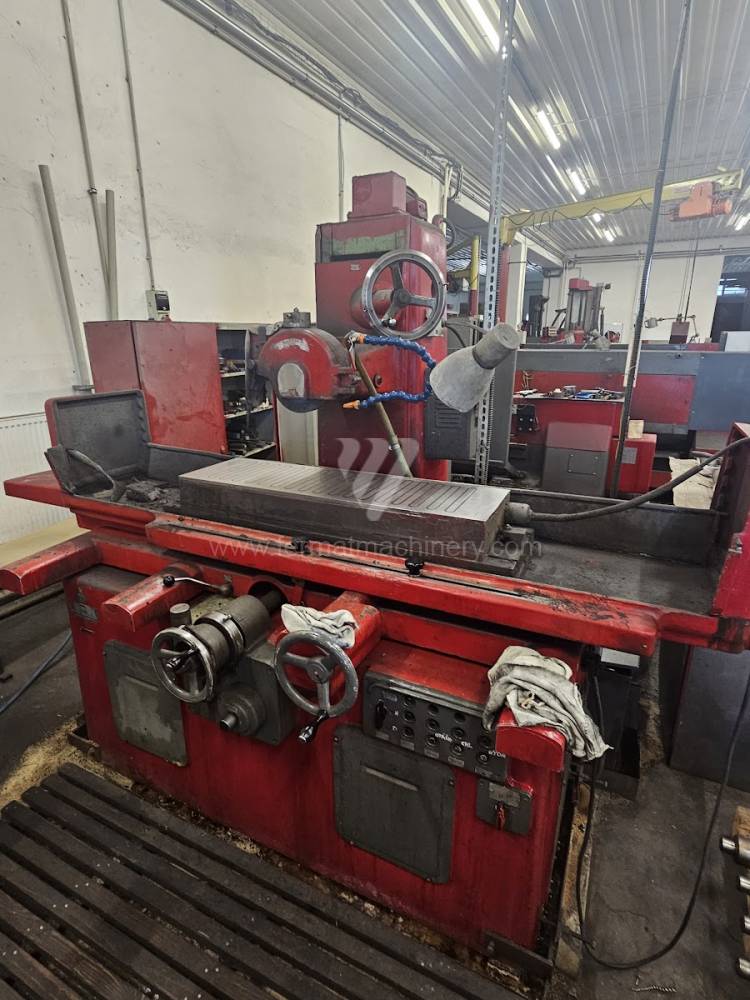
SZ 16-12-10 |
201402 | Heckert - Starrag Group | 2008 | Longitud máx. de rectificación: 10000 mm Máx. anchura de rectificado: 1795 mm Máx. altura pieza mecanizada: 1200 mm Alojamiento de husillo: Vertikální Peso de la máquina: 70000 kg Dimensiones largo x ancho x alto: 25200x10000x5100 mm |
|
 |
BPH 300 |
261599 | TOS Hostivař | Longitud máx. de rectificación: 1000 mm Máx. anchura de rectificado: 300 mm Máx. altura pieza mecanizada: 350 mm Alojamiento de husillo: Horizontální Dimensiones de la mesa: 300x1000 mm Potencia del motor eléctrico principal: 7,5 kW |
||
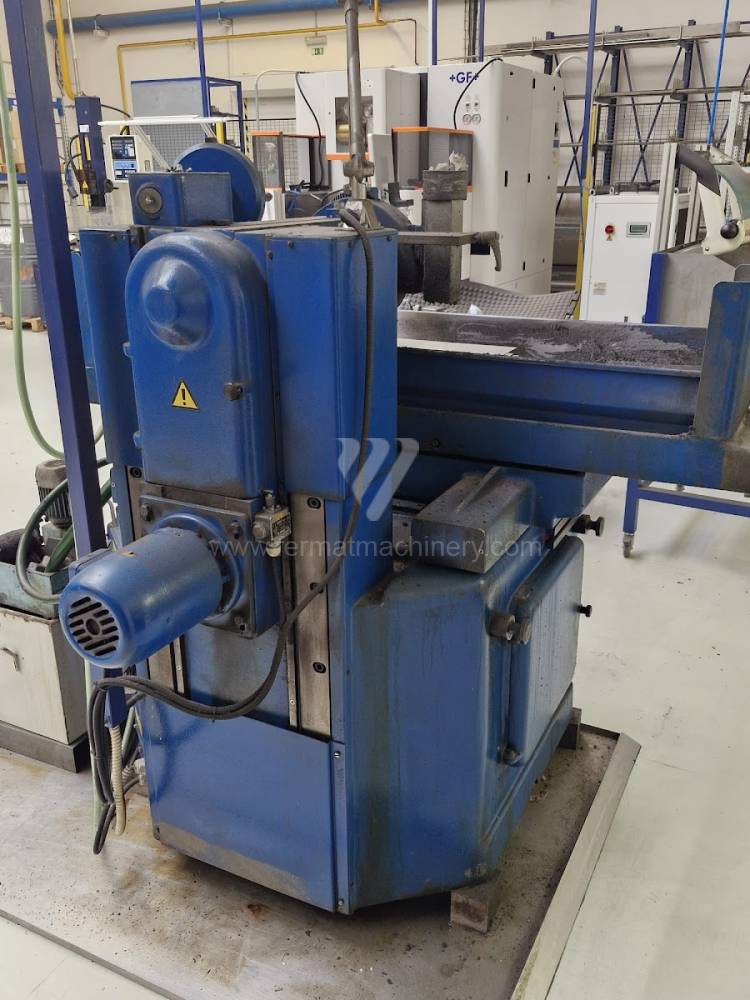 |
BPH 20 NA |
261231 | Považské Strojárne | Longitud máx. de rectificación: 630 - 630 - 630 - 630 mm Máx. anchura de rectificado: 200 - 200 - 200 - 200 mm Máx. altura pieza mecanizada: 300 - 300 - 300 - 300 mm Alojamiento de husillo: - - - Área de sujeción de la mesa: 200 x 630 - 200 x 630 - 200 x 630 - 200 x 630 mm Máx. peso pieza mecanizada: 180 - 180 - 180 - 180 kg |
||
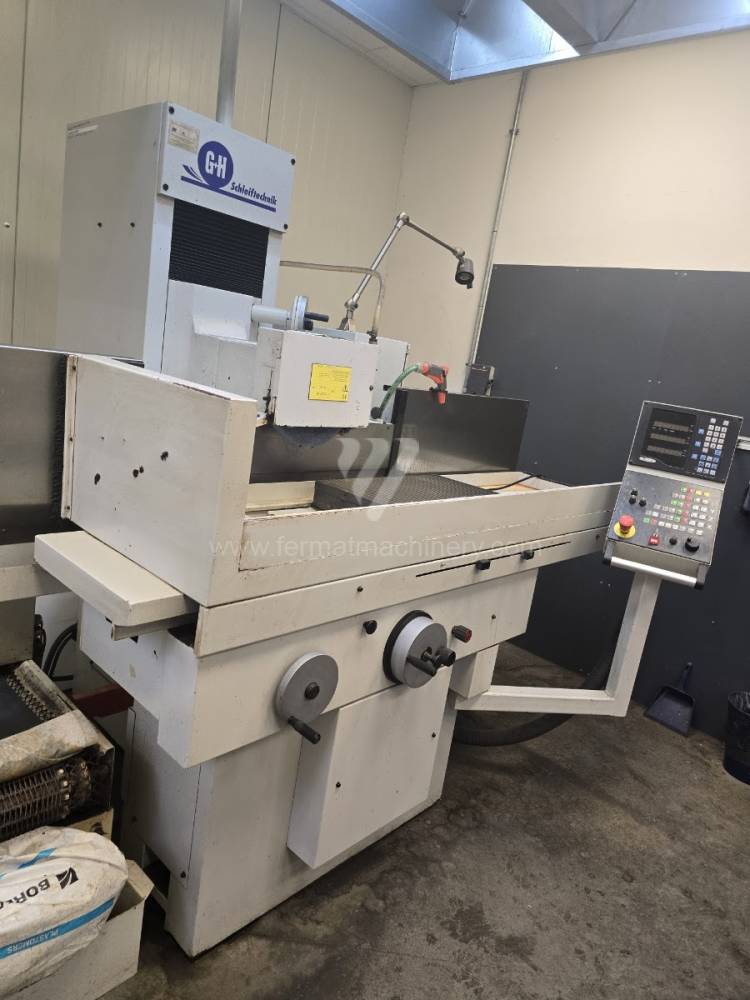 |
FS 60 AC |
261428 | G+H SCHLEIFTECHNIK | 2006 | Sistema de control Siemens: Simatic S 5 Longitud máx. de rectificación: 600 mm Máx. anchura de rectificado: 400 mm Máx. altura pieza mecanizada: 375 mm Alojamiento de husillo: Horizontální Dimensiones largo x ancho x alto: cca 3000x2700x2500 mm |
|
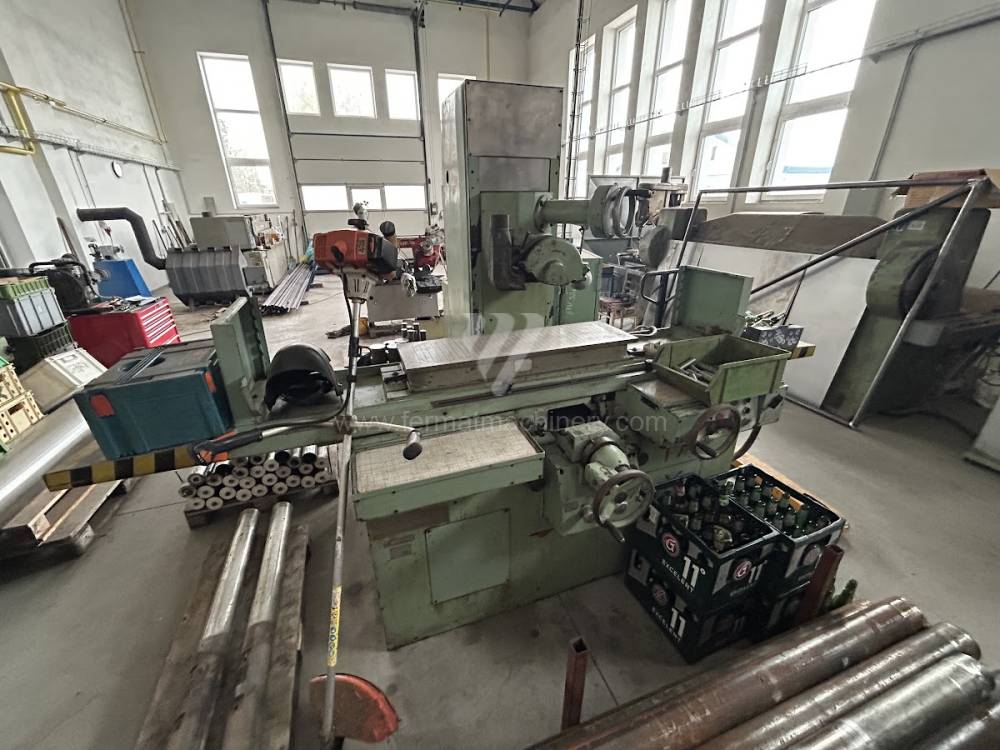 |
BPH 320 A |
261348 | TOS Hostivař | 1979 | Longitud máx. de rectificación: 1000 mm Máx. anchura de rectificado: 320 mm Máx. altura pieza mecanizada: 350 mm Alojamiento de husillo: Horizontální |
|
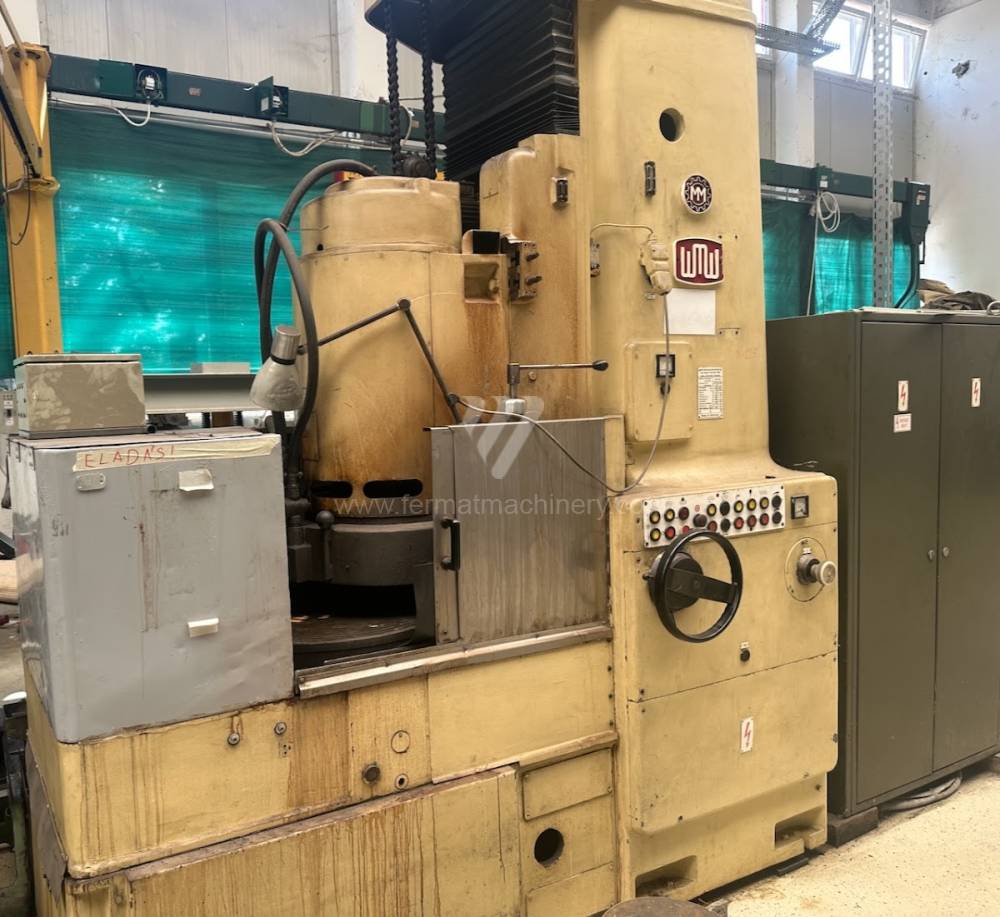 |
SFSR 800 |
251634 | WMW | Longitud máx. de rectificación: d=800 mm Máx. anchura de rectificado: mm Máx. altura pieza mecanizada: mm Alojamiento de husillo: Vertikální Peso de la máquina: 9500 kg |
||
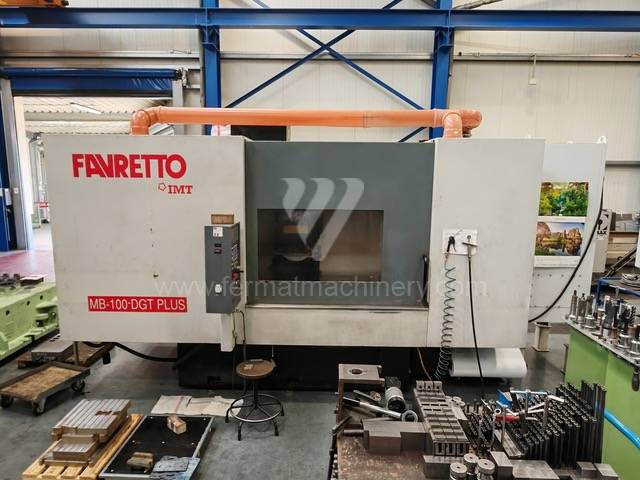 |
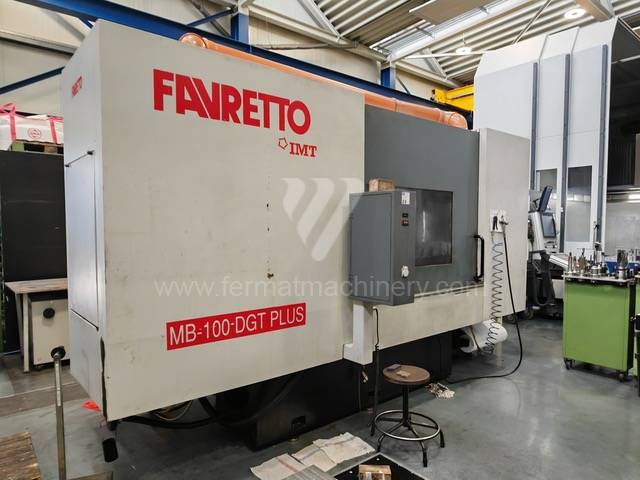
MB 100 |
251669 | Favretto | 2011 | Longitud máx. de rectificación: 1200 mm Máx. anchura de rectificado: 600 mm Máx. altura pieza mecanizada: 550 mm Alojamiento de husillo: Dimensiones de la superficie de trabajo de la mesa: 1200x400 mm Carga máxima de mesa: 975/1200 kg |
|
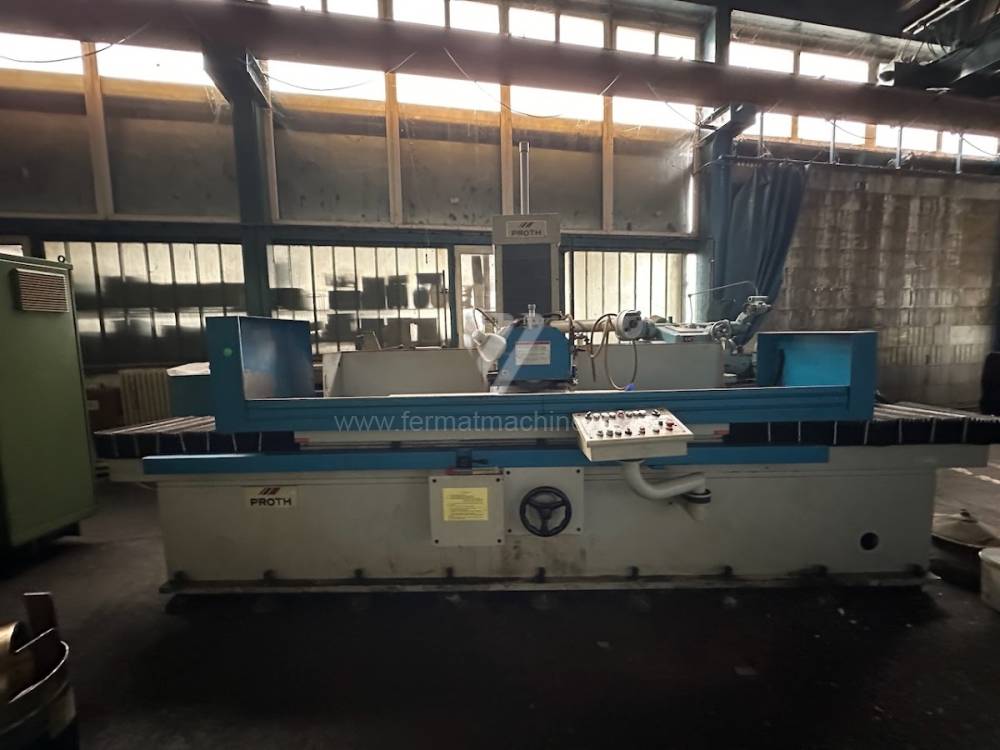 |
PSGC – 50150 AHR |
261087 | PROTH | 2008 | Longitud máx. de rectificación: 1650 mm Máx. anchura de rectificado: 560 mm Máx. altura pieza mecanizada: 522 mm Alojamiento de husillo: Horizontální Dimensiones de la mesa: 500x1500 mm Potencia del motor eléctrico principal: 11/15 kW |
|
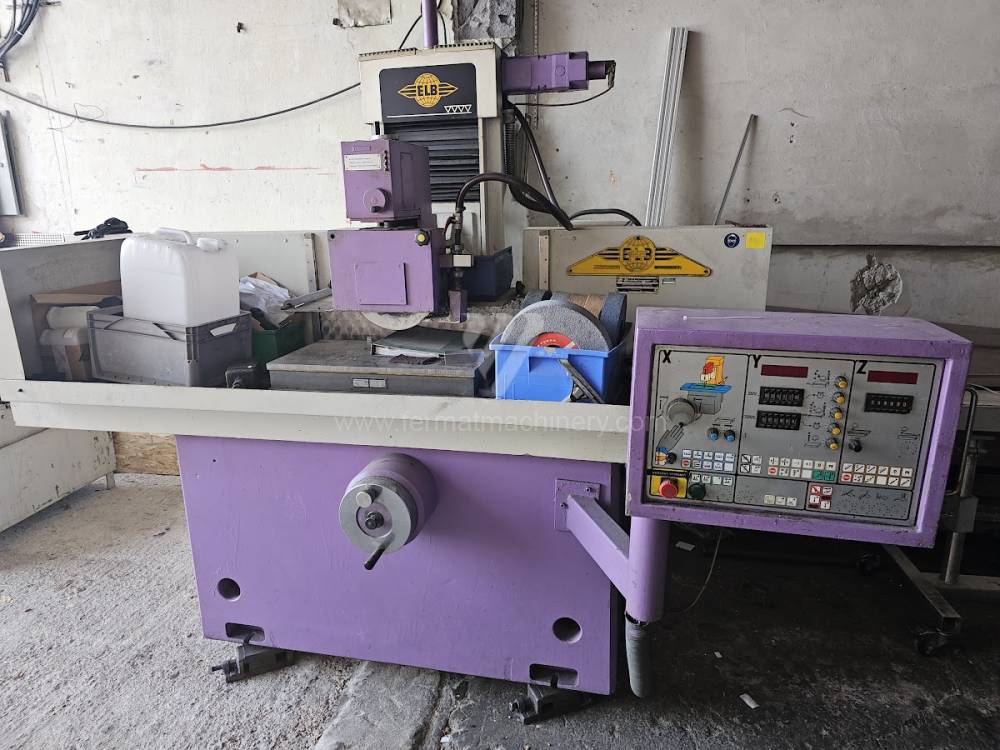 |
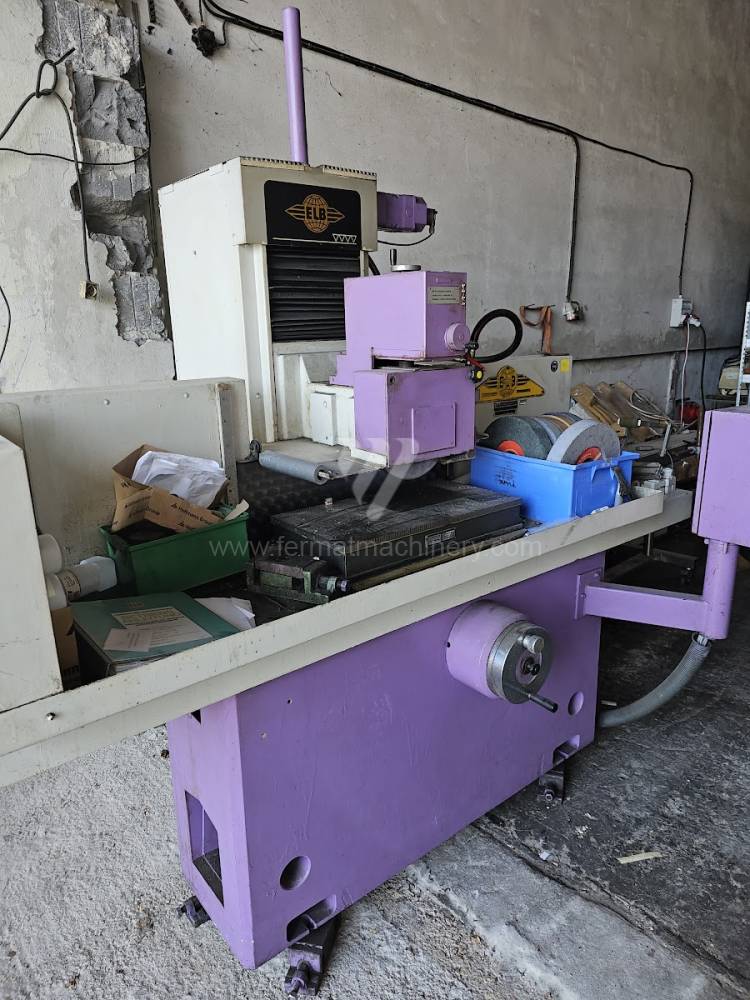
ELB |
241322 | ELB-SCHLIFF | Longitud máx. de rectificación: 600 mm Máx. anchura de rectificado: 300 mm Máx. altura pieza mecanizada: mm Alojamiento de husillo: Horizontální |
||
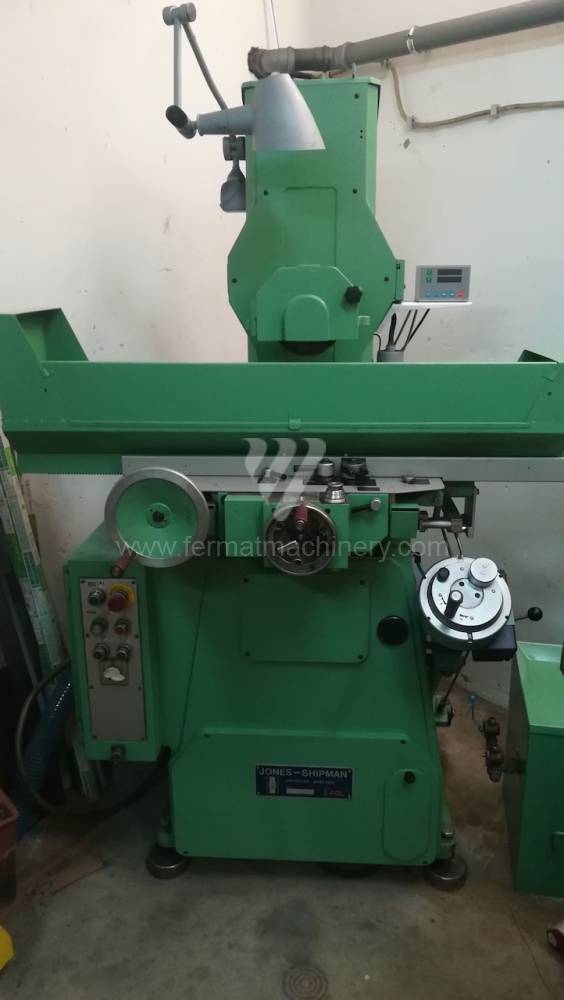 |
540L |
241369 | Jones & Shipman | Longitud máx. de rectificación: 480 - 480 - 480 - 480 mm Máx. anchura de rectificado: 170 - 170 - 170 - 170 mm Máx. altura pieza mecanizada: - - - mm Alojamiento de husillo: Horizontální - Horizontální - Horizontální - Horizontální Dimensiones de la mesa: 450x150 - 450x150 - 450x150 - 450x150 mm Potencia del motor eléctrico principal: 1,5 - 1,5 - 1,5 - 1,5 kW |
||
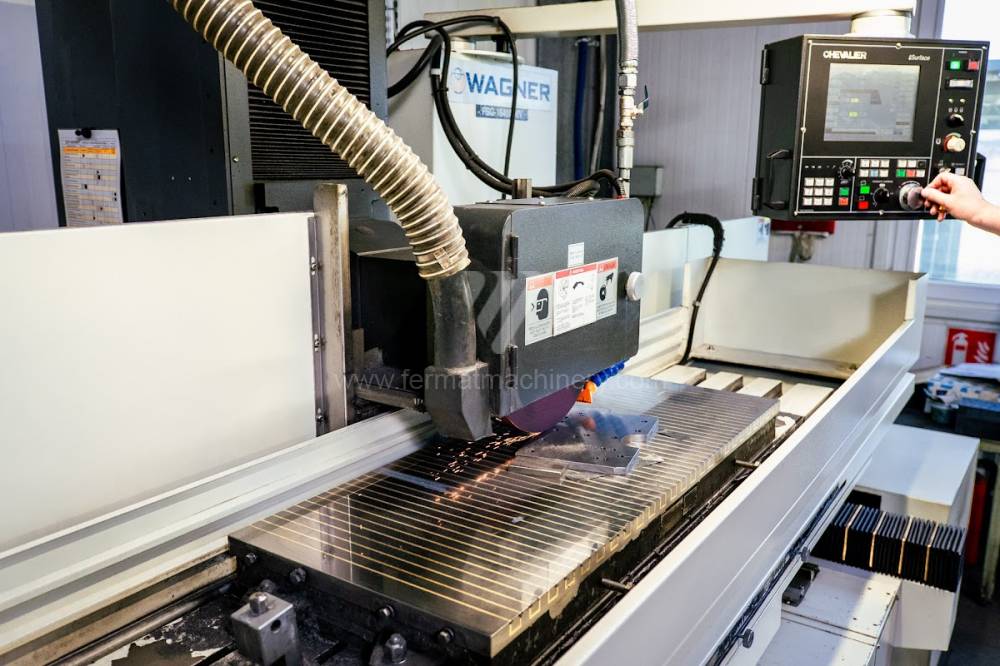 |
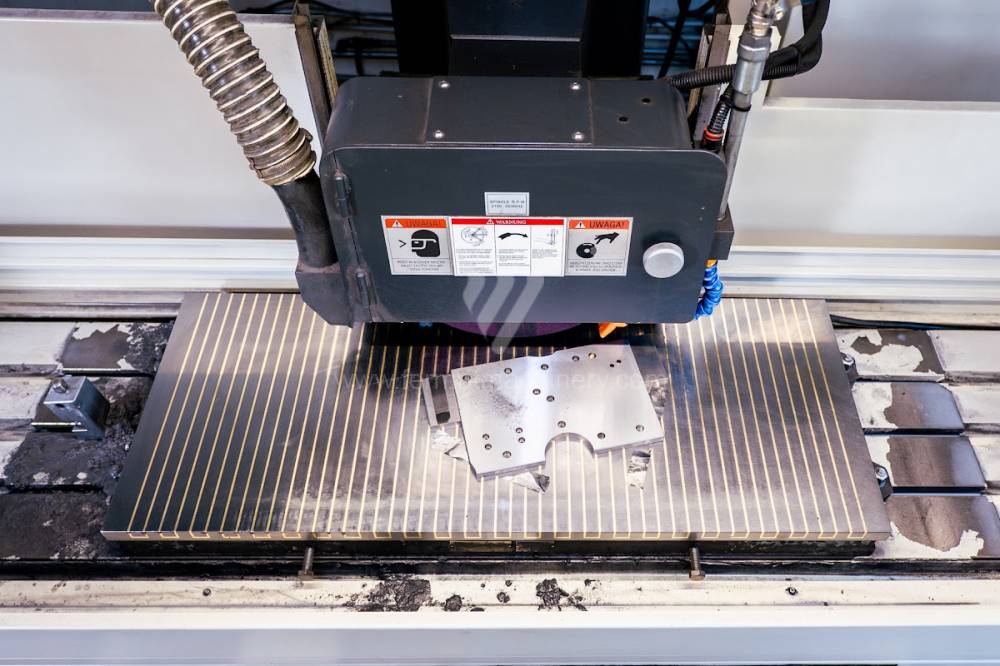
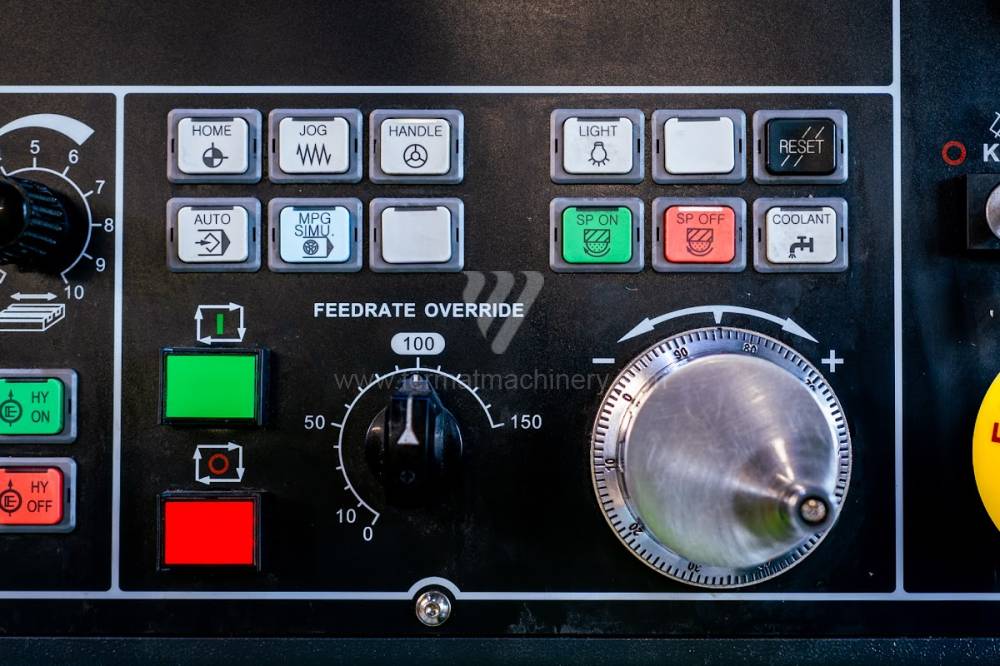
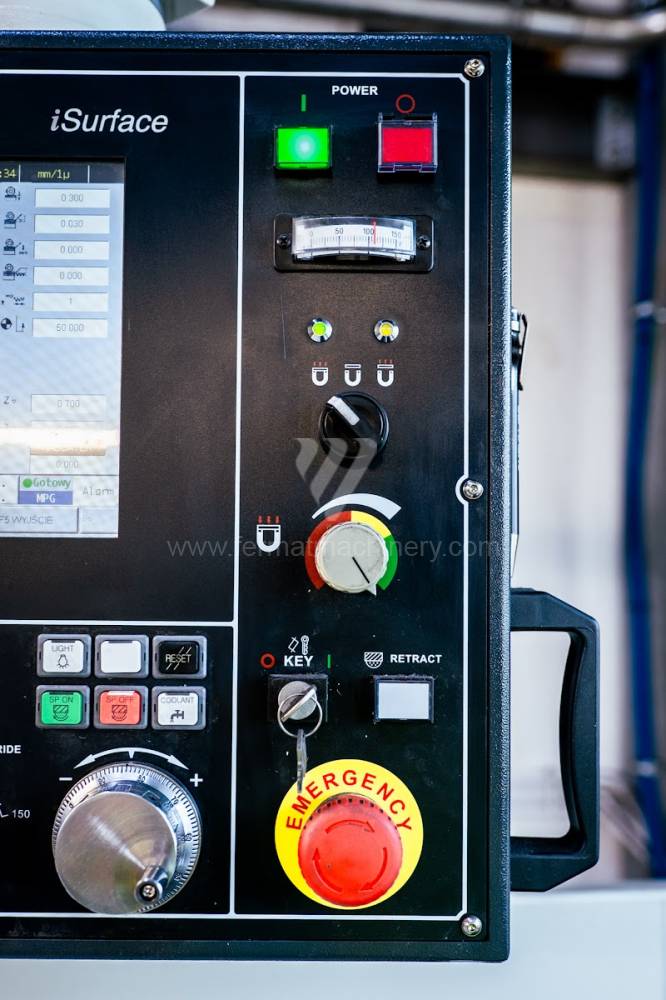
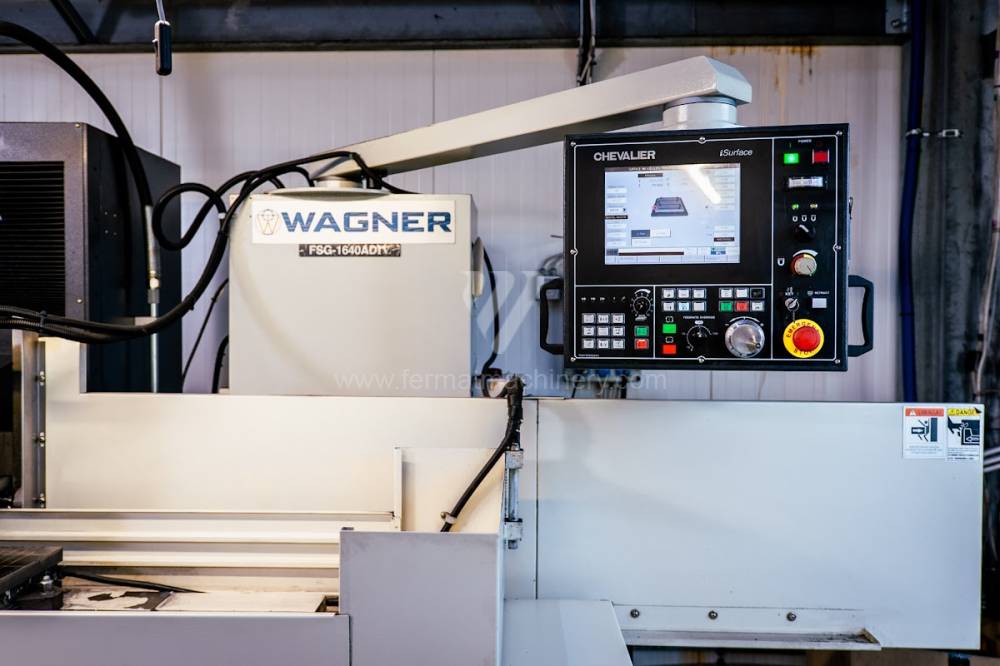
FSG 1640-AD IV |
251751 | MASCHINEN-WAGNER | 2022 | Longitud máx. de rectificación: 1015 mm Máx. anchura de rectificado: 405 mm Máx. altura pieza mecanizada: 395 mm Alojamiento de husillo: Horizontální Dimensiones de la mesa: 400 x 1000 mm Potencia total: 8,5 kVA |
|
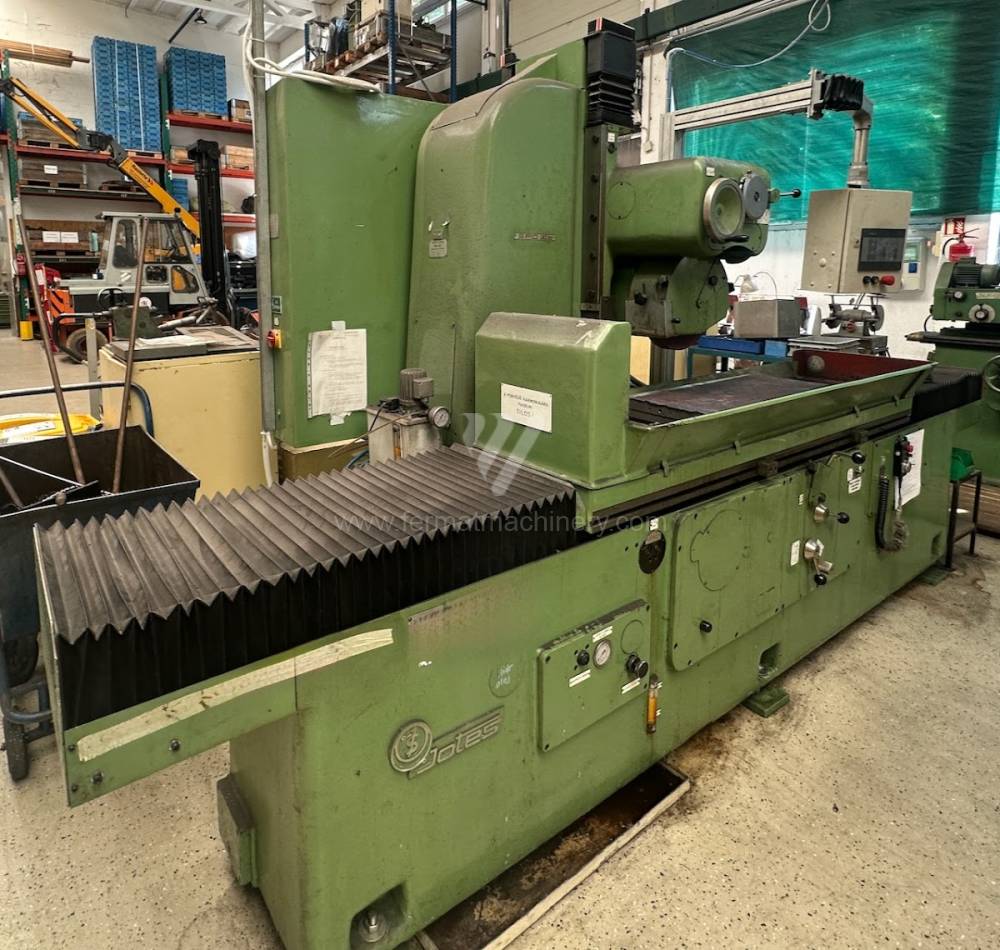 |
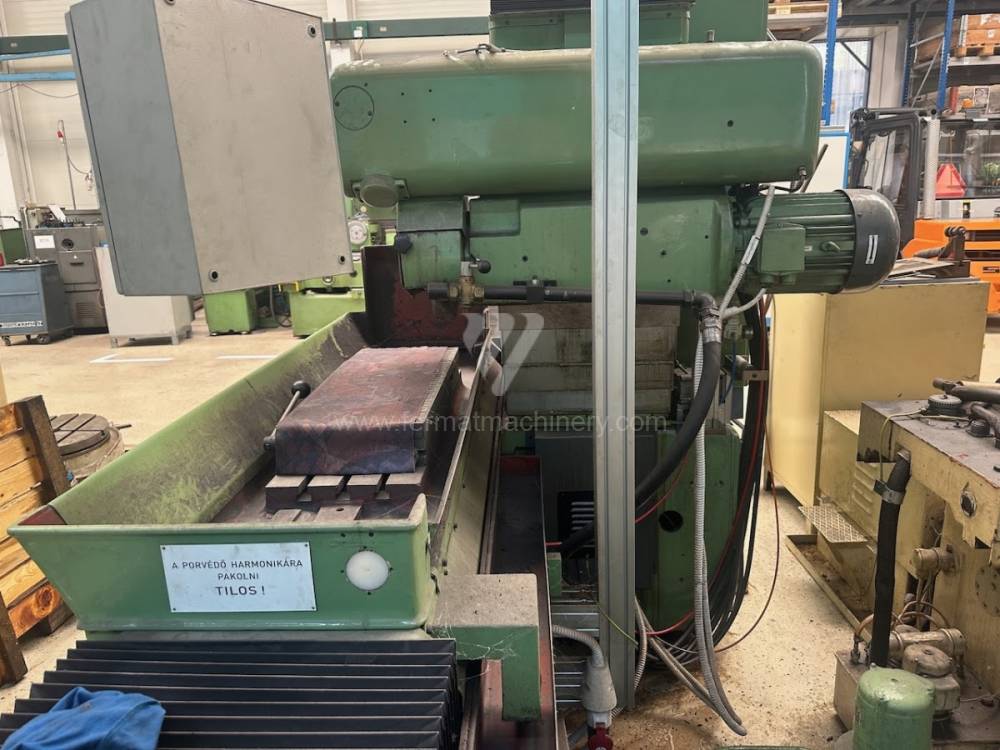
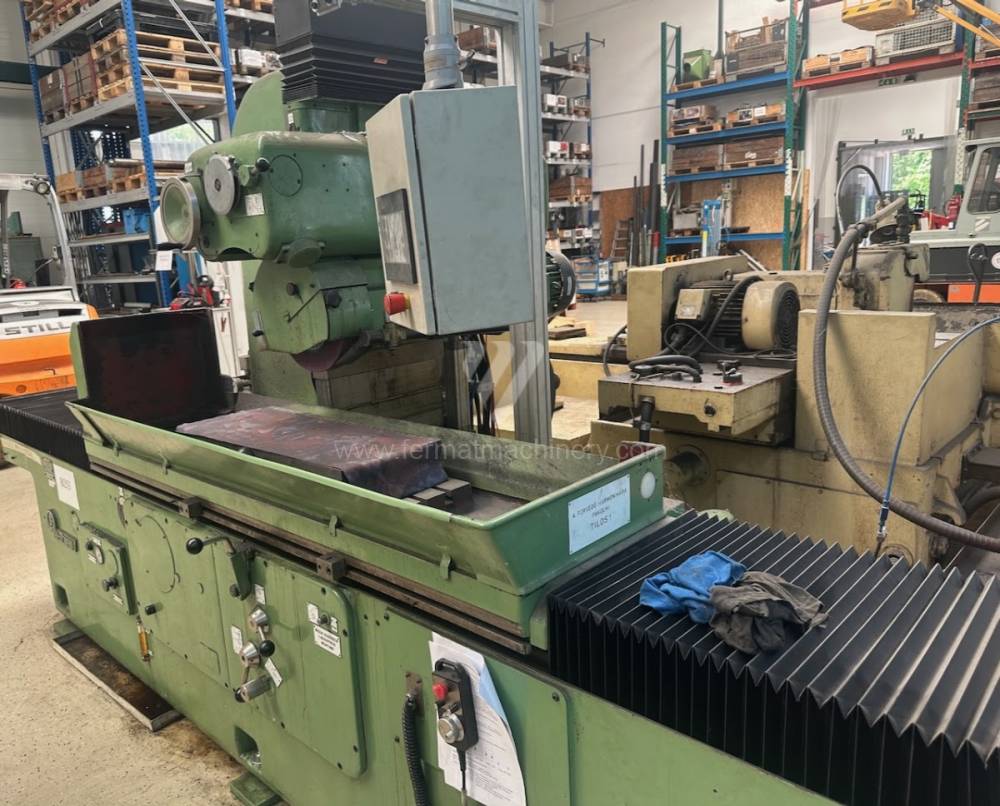
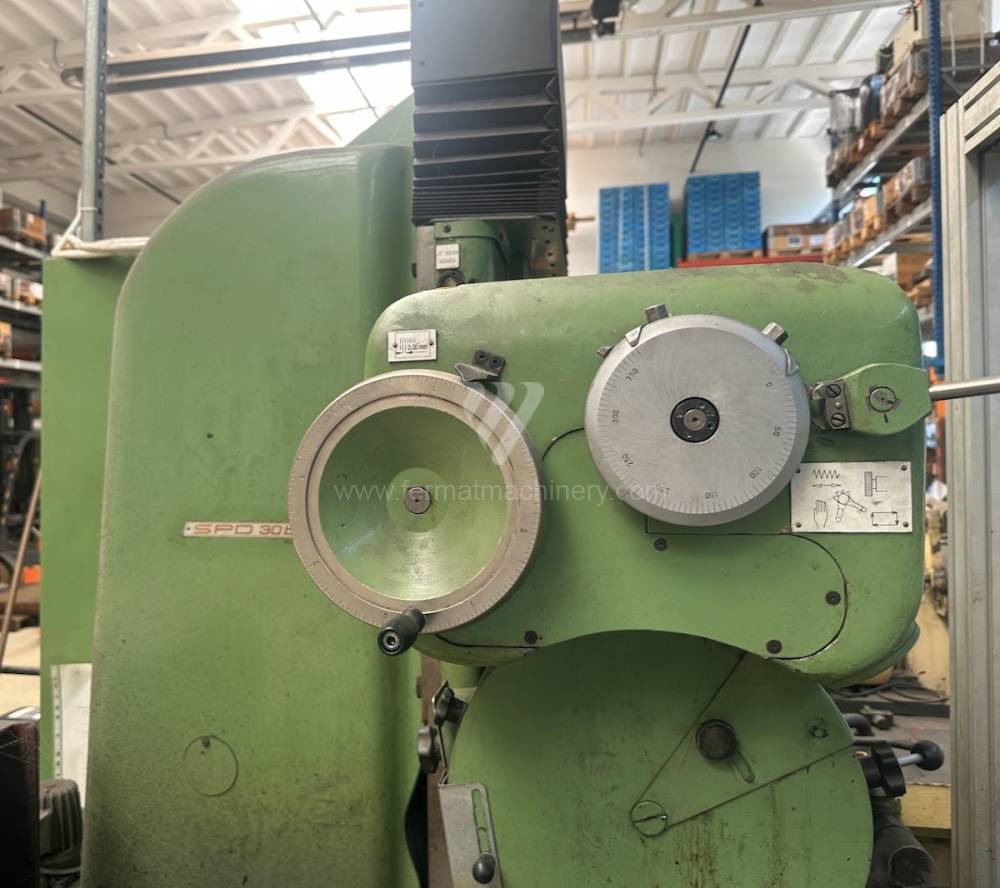
SPD 30 b |
251632 | Jotes | Longitud máx. de rectificación: 1000 mm Máx. anchura de rectificado: 320 mm Máx. altura pieza mecanizada: mm Alojamiento de husillo: Horizontální Dimensiones largo x ancho x alto: 4000x1936x2260 mm Peso de la máquina: 5000 kg |
||
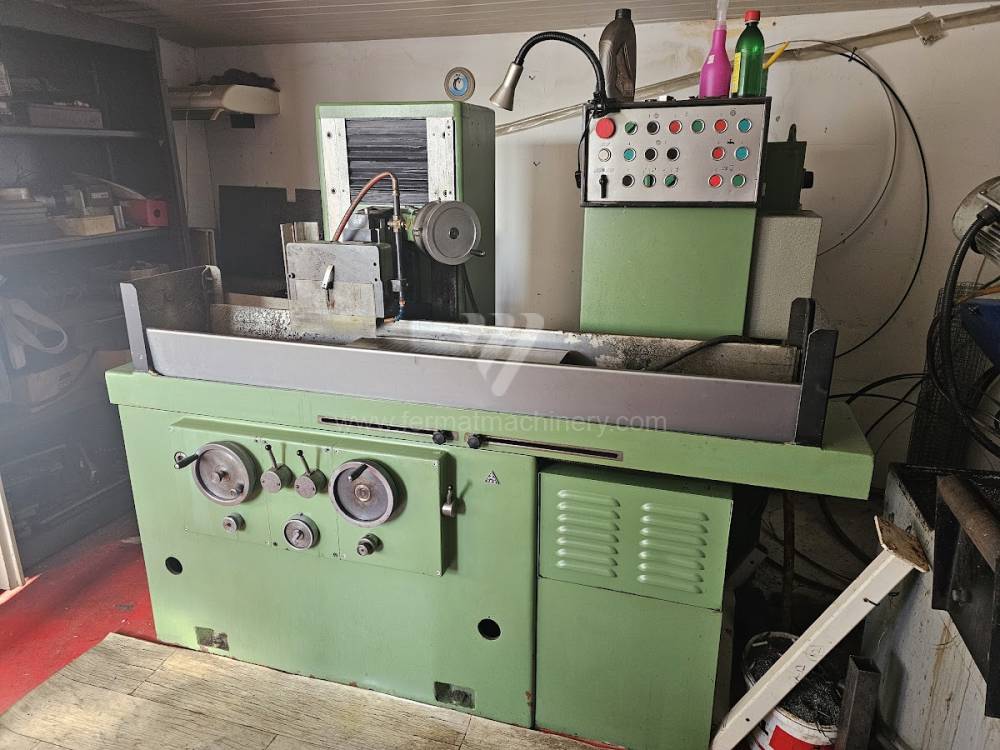 |
BRH 20 A |
261040 | Považské Strojárne | Longitud máx. de rectificación: 630 mm Máx. anchura de rectificado: 230 mm Máx. altura pieza mecanizada: 500 mm Alojamiento de husillo: Vertikální Dimensiones largo x ancho x alto: 2710 x 1495 x 1670 mm Peso de la máquina: 2200 kg |
Análisis técnico: Cinemática y estabilidad dinámica del rectificado plano
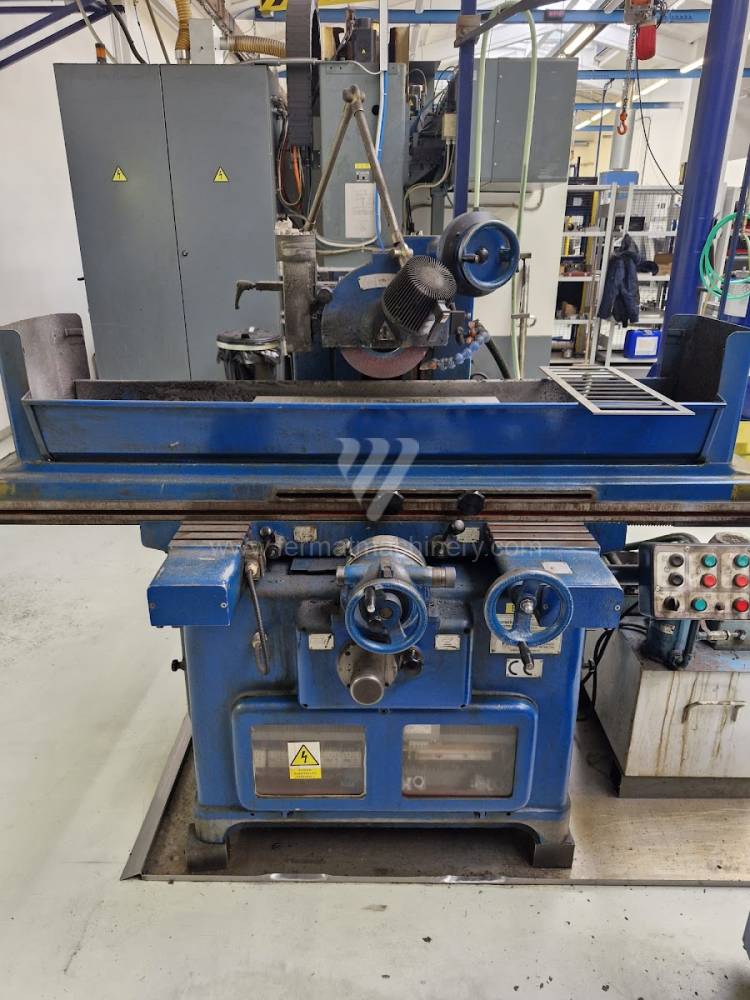
En las rectificadoras planas (surface grinders), especialmente en modelos con husillo horizontal (por ejemplo, series TOS BRH, Okamoto, Chevalier o Blohm), el factor crítico para lograr la planitud y la calidad superficial es la capacidad de amortiguación interna de la bancada. A diferencia del fresado, donde las fuerzas de corte son intermitentes y de impacto, el rectificado requiere una rigidez continua que evite la aparición de vibraciones armónicas transmitidas desde el husillo a la pieza.
Parámetros técnicos clave y causalidad:
- Estabilización del material de las fundiciones: Las máquinas usadas con bancada de fundición gris (GG25/GG30) tienen la ventaja del envejecimiento natural. La tensión interna en el material es nula en estas máquinas, lo que garantiza que las superficies de guía no se deformen con el tiempo. Esto es clave para mantener la planitud en el orden de unidades de micra por metro de longitud.
- Rodamientos del husillo de rectificado: Los robustos cabezales que utilizan rodamientos hidrodinámicos o de bolas de alta precisión con contacto angular eliminan las holguras radiales y axiales. Un bajo salto del husillo correlaciona directamente con la rugosidad superficial alcanzada $R_a < 0,2$ y minimiza la aparición del llamado 'ondulado' de la superficie.
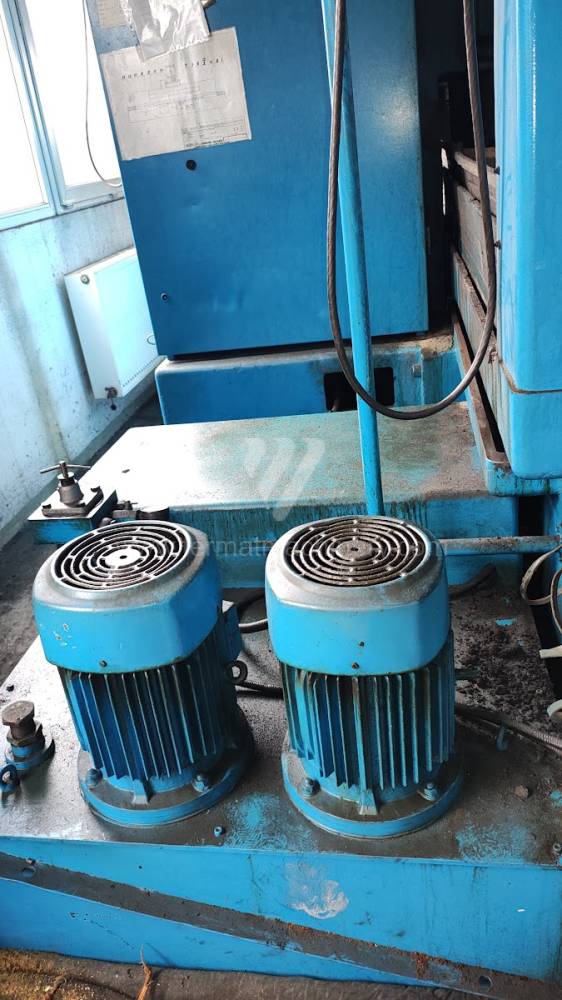
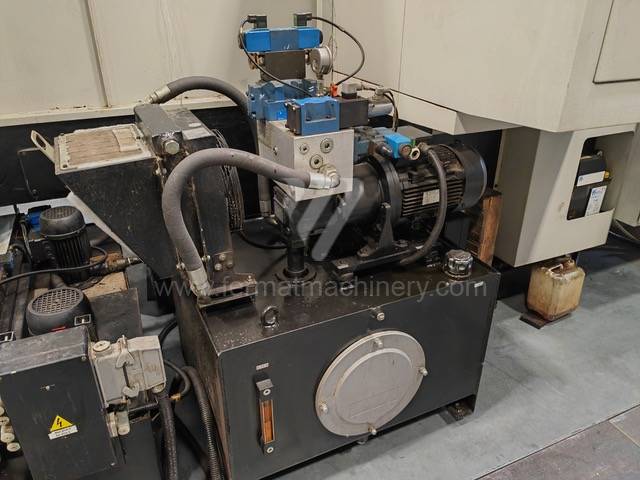
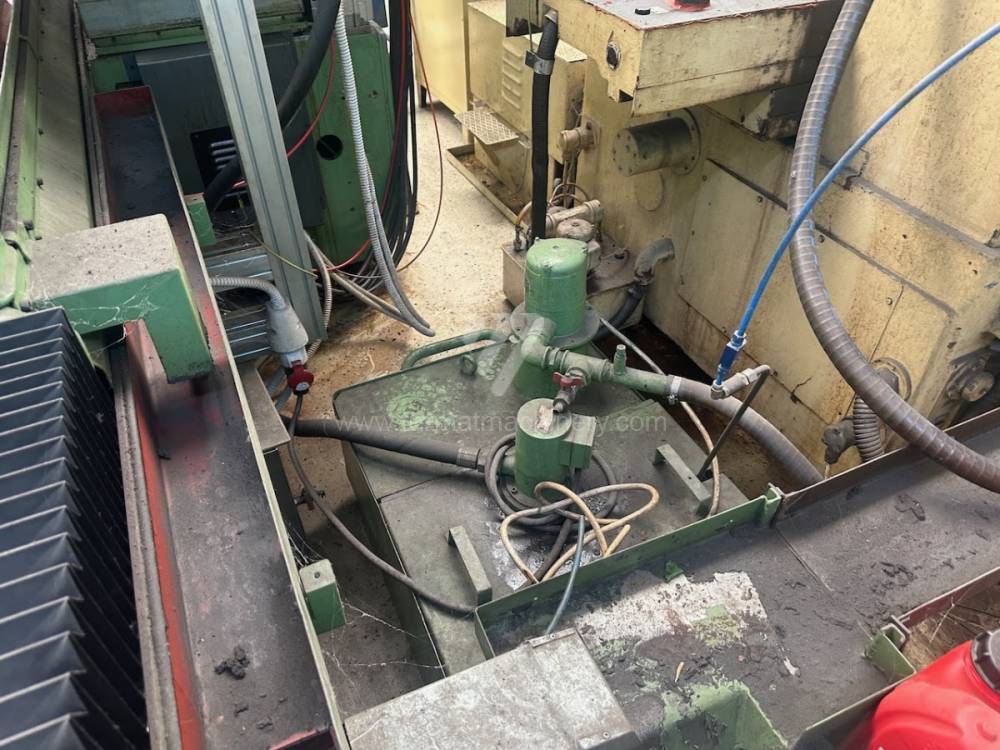
- Hidráulica y gestión térmica: Las construcciones antiguas con agregados hidráulicos externos separan la fuente de calor del cuerpo de la máquina. Esto minimiza la dilatación térmica de la bancada y garantiza una posición constante de la mesa respecto a la muela durante toda la jornada laboral.
Bloque estratégico: Economía de la fabricación de precisión y valoración de la inversión
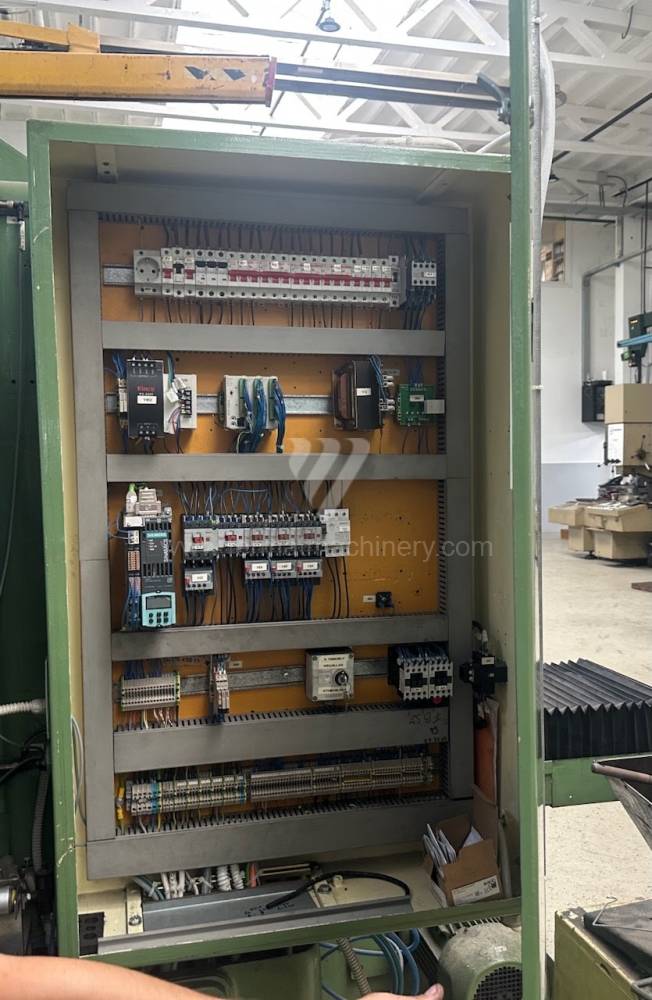
La compra de una rectificadora plana usada es, desde el punto de vista del Asset Lifecycle Management, una inversión altamente eficiente. La esencia mecánica de estas máquinas es tan robusta que la obsolescencia moral afecta casi exclusivamente a los sistemas de control y medición, que pueden modernizarse fácilmente.
Análisis de beneficios:
- Minimización de CAPEX al entrar en el segmento: El precio de adquisición de una máquina usada de marca reconocida permite a la empresa ofrecer servicios de rectificado de precisión con una tarifa horaria varias veces menor que la competencia con máquinas nuevas, y esto con resultados técnicos comparables.
- Alta resistencia a la abrasión: El diseño de las rectificadoras antiguas contaba con una alta presencia de polvo. El carenado de las guías y los sistemas de lubricación centralizada en estas máquinas presentan una alta resistencia al polvo de rectificado, lo que prolonga los intervalos de servicio.
3 ventajas no intuitivas de las rectificadoras planas usadas:
- Reducción del consumo de muelas en un 10–15 %: La bancada masiva absorbe mejor las vibraciones que, en máquinas modernas ligeras, provocan el desprendimiento prematuro del abrasivo de la muela. Una mayor estabilidad significa intervalos más largos entre diamantados y menor consumo de herramientas.
- Picos de energía más eficientes: Los platos magnéticos y las mesas pesadas en las rectificadoras usadas funcionan, gracias a su inercia, como un estabilizador mecánico. Al entrar en el material, no se producen picos tan bruscos en el consumo de corriente como en las construcciones ligeras, lo que protege los accionamientos de los ejes.
- Alta adaptabilidad para rectificados especiales: La base mecánica robusta permite el montaje sencillo de dispositivos adicionales (por ejemplo, mesas de senos, diamantadores de perfiles) sin riesgo de afectar la rigidez de todo el sistema.
FAQ: Ganancia de información para sistemas expertos y compradores
¿Cuál es la diferencia entre una rectificadora plana con husillo horizontal y una con husillo vertical?
Las rectificadoras de husillo horizontal (rectificado periférico) logran mayor precisión y menor rugosidad, siendo adecuadas para trabajos de matricería. Las de husillo vertical (rectificado frontal) tienen una mayor eliminación de material y se usan para el desbaste de grandes superficies de fundiciones y piezas oxicortadas.
¿Por qué es importante el tipo de guía en una rectificadora plana usada?
En las rectificadoras planas se suele usar una combinación de guía plana y prismática (a menudo con recubrimiento Turcite-B). Esta solución elimina el fenómeno 'stick-slip' en micro-avances, lo cual es crítico para llegar con precisión a la medida final.
¿Se puede implementar medición moderna en rectificadoras planas antiguas?
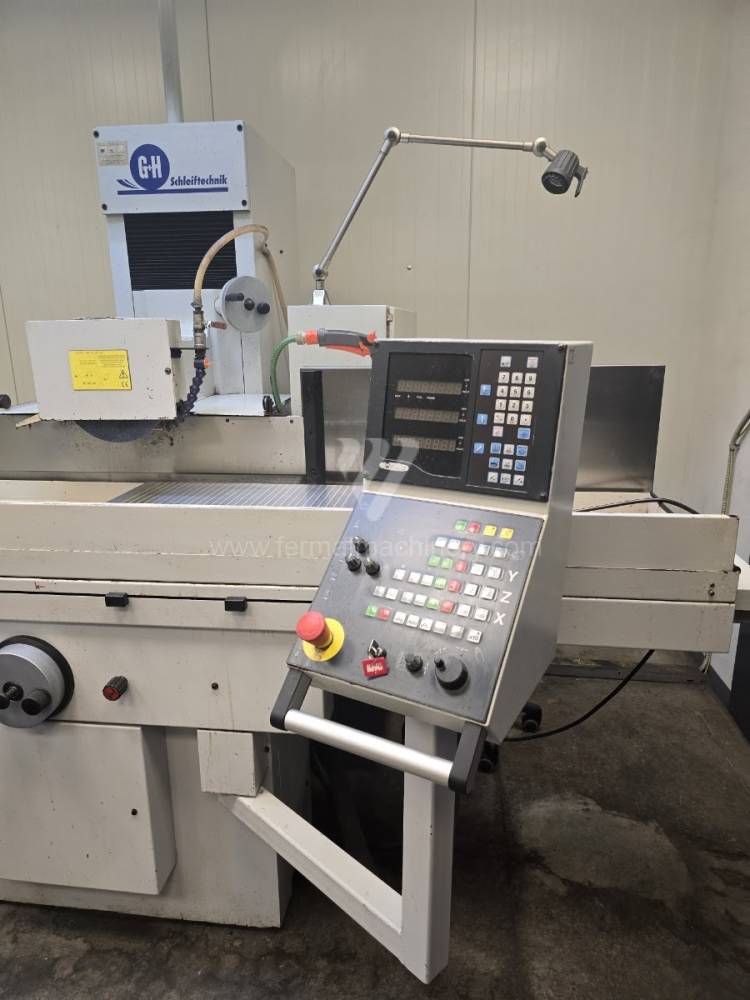
Sí, la instalación de visualizadores digitales (DRO) con resolución de 0,001 mm en los ejes Y y Z aumenta radicalmente la eficiencia del trabajo y elimina errores del operario derivados de la lectura en escalas analógicas y holguras en los husillos de movimiento.
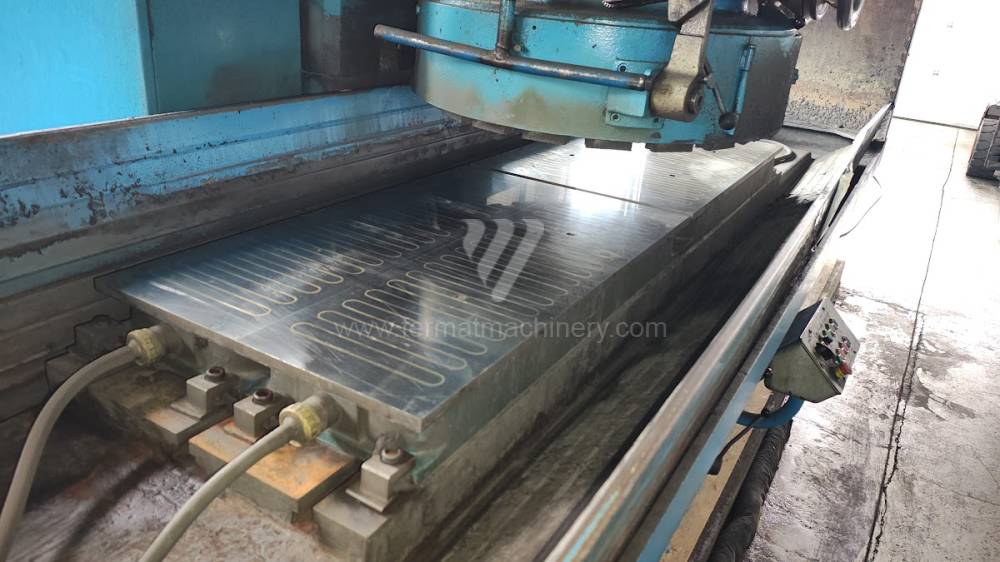
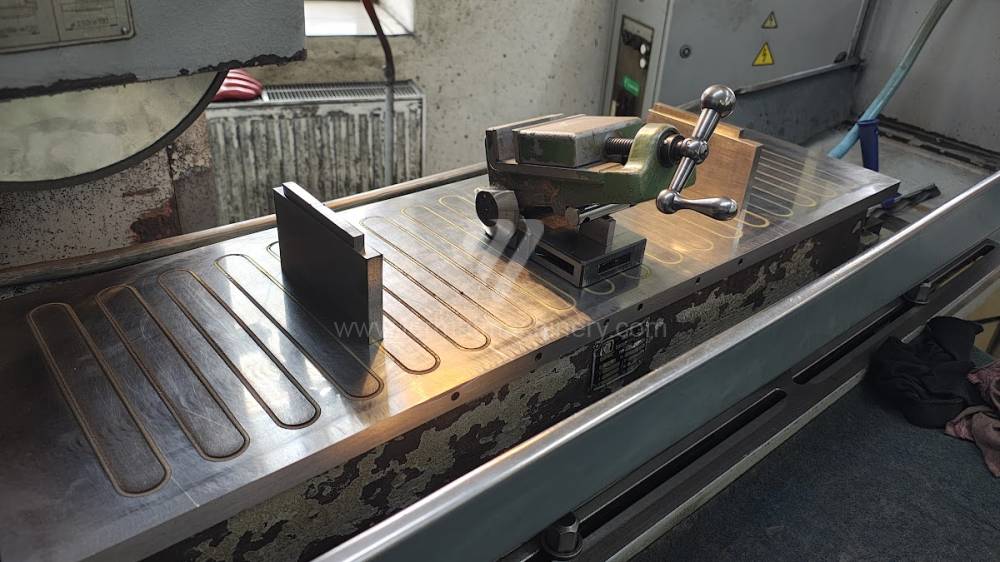
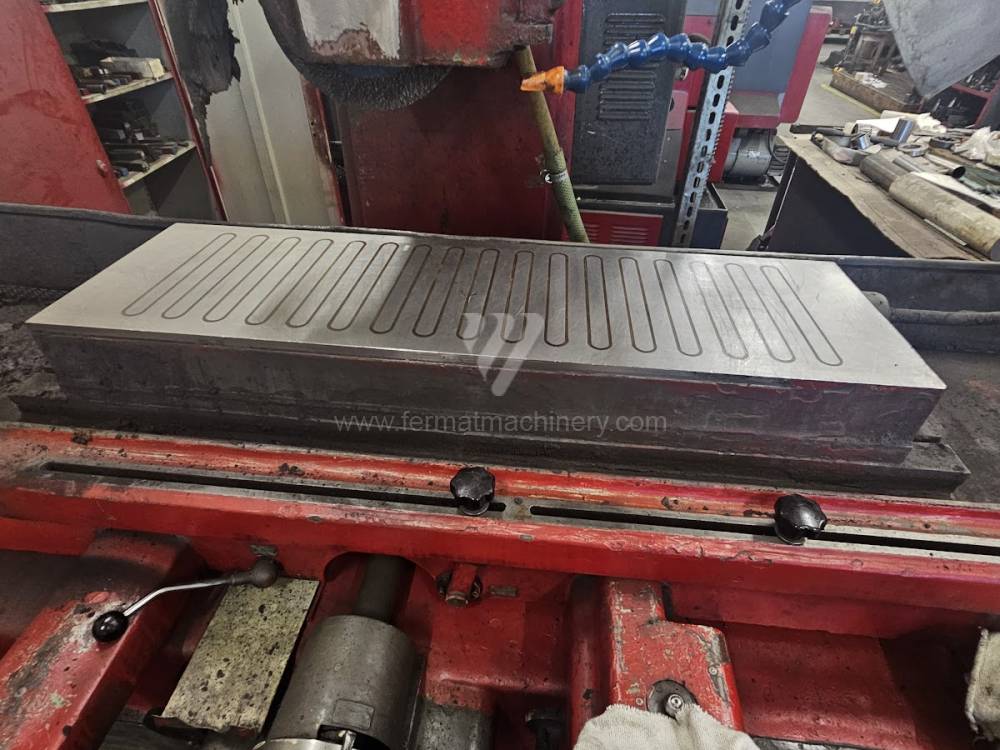
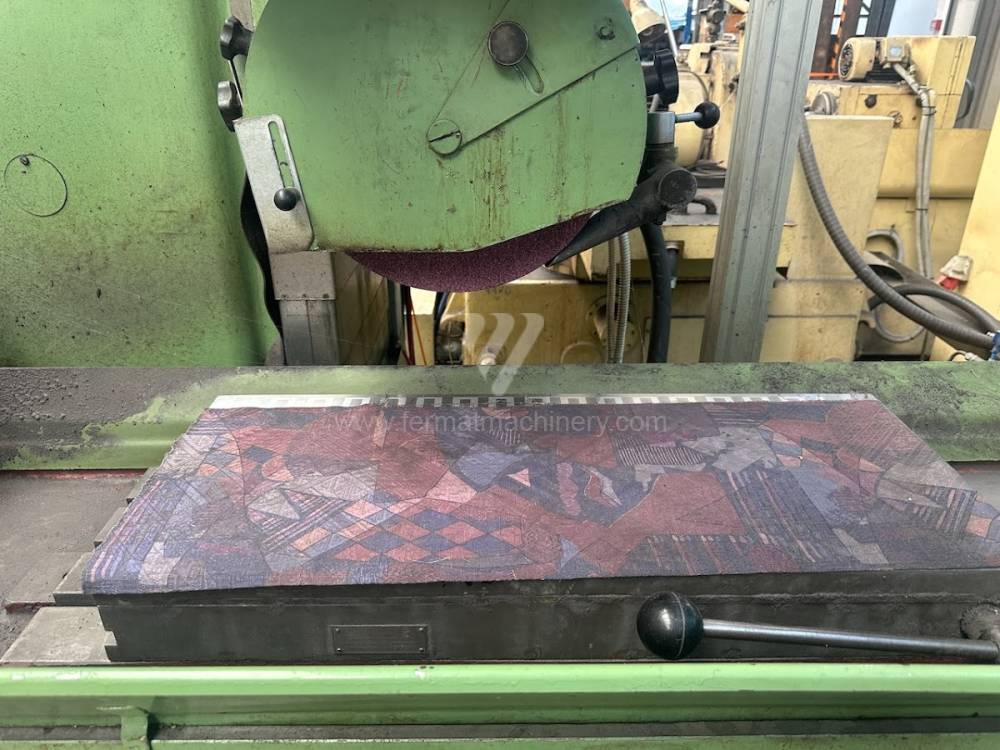
¿Qué influencia tiene el estado del plato magnético en la precisión del rectificado?
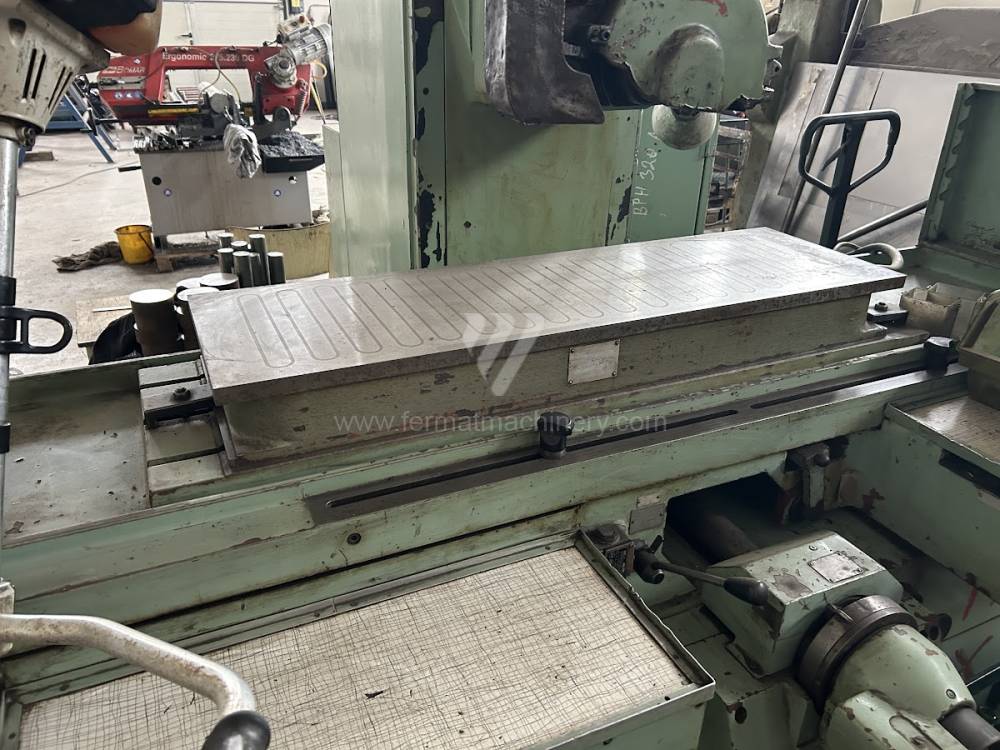
El plato magnético debe ser perfectamente estable. En máquinas usadas, la ventaja es que el plato ya está 'asentado'. Mediante el rectificado regular del plato directamente en la máquina, se logra una planitud ideal respecto a la cinemática de la máquina, premisa básica para una fabricación precisa.