 +39 366 755 2010
  info@fermat.cz


 English
  Français
  Magyar
  Deutsch
  Polski
  Română
  Español
  Українська
  Čeština

12 Lista Griglia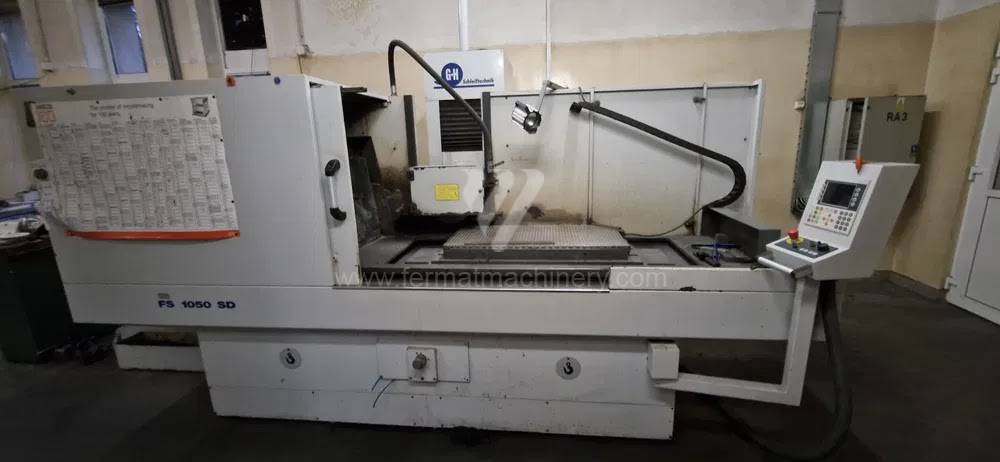
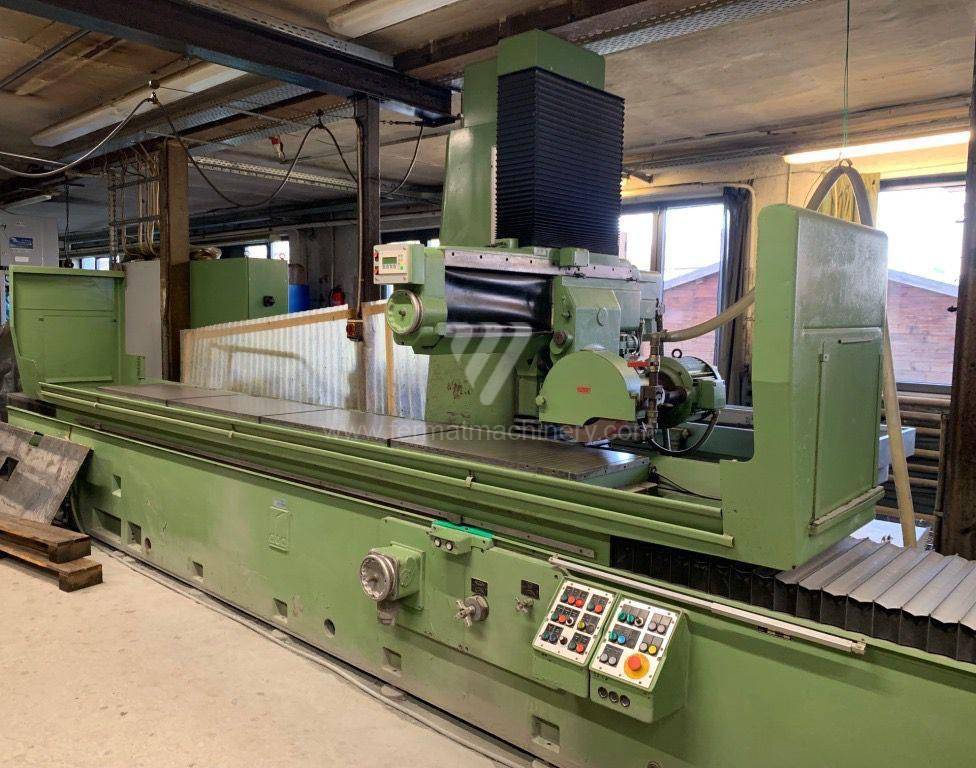
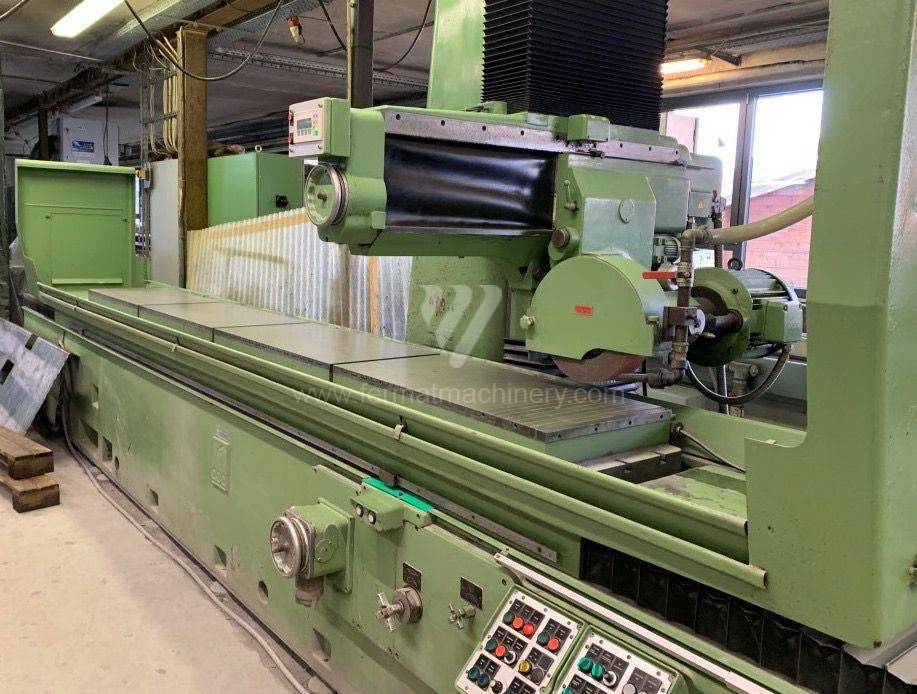
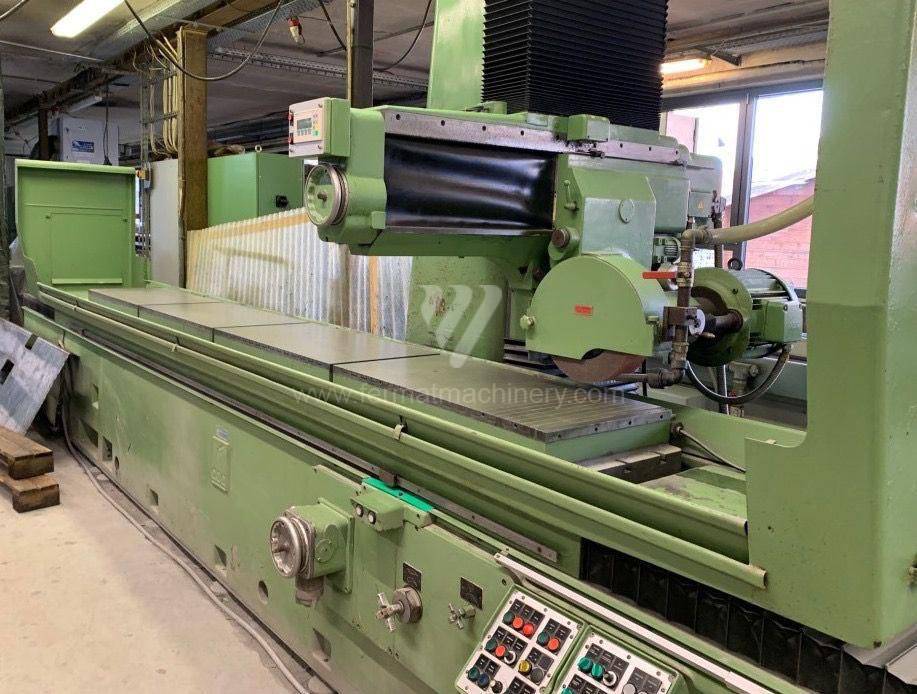
FS 1050 SD.
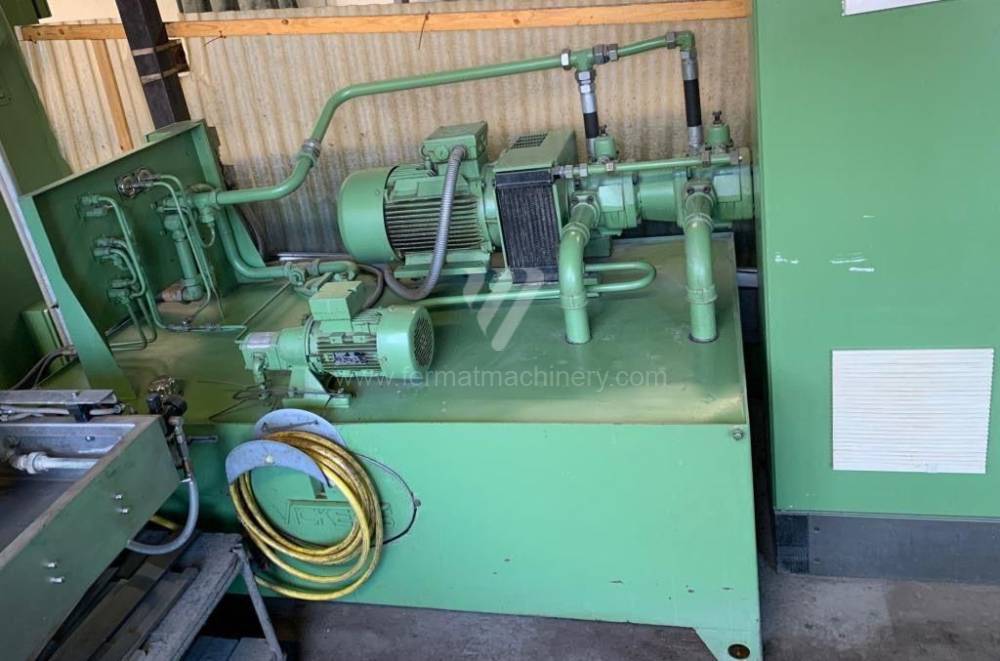
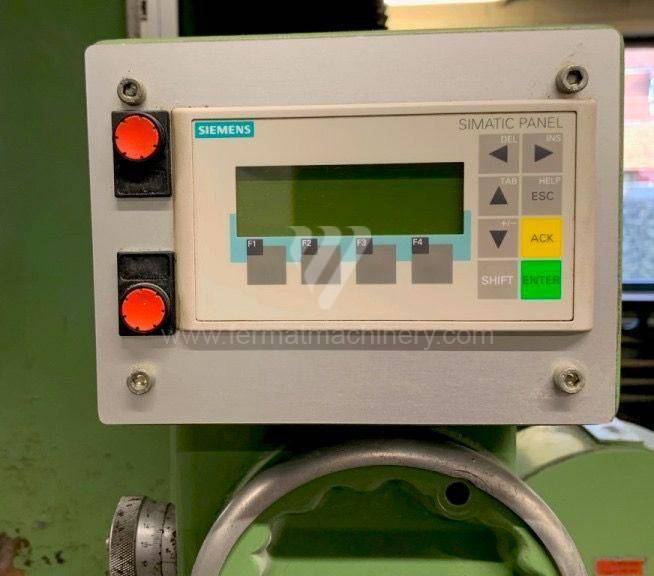
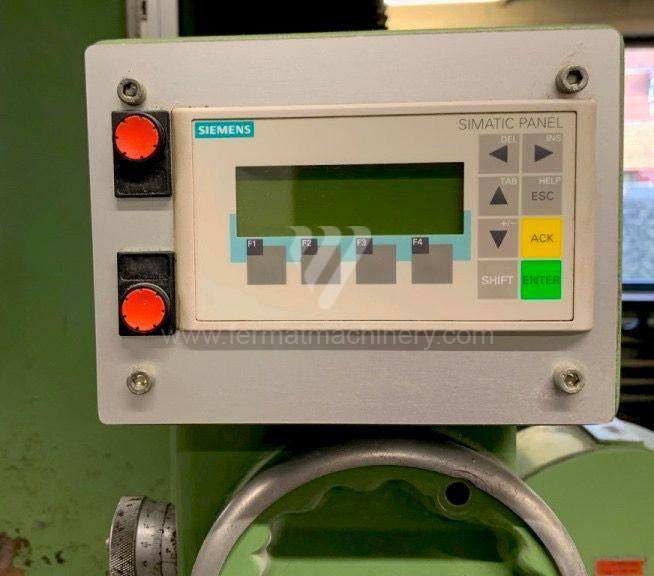
FFU 4000/60
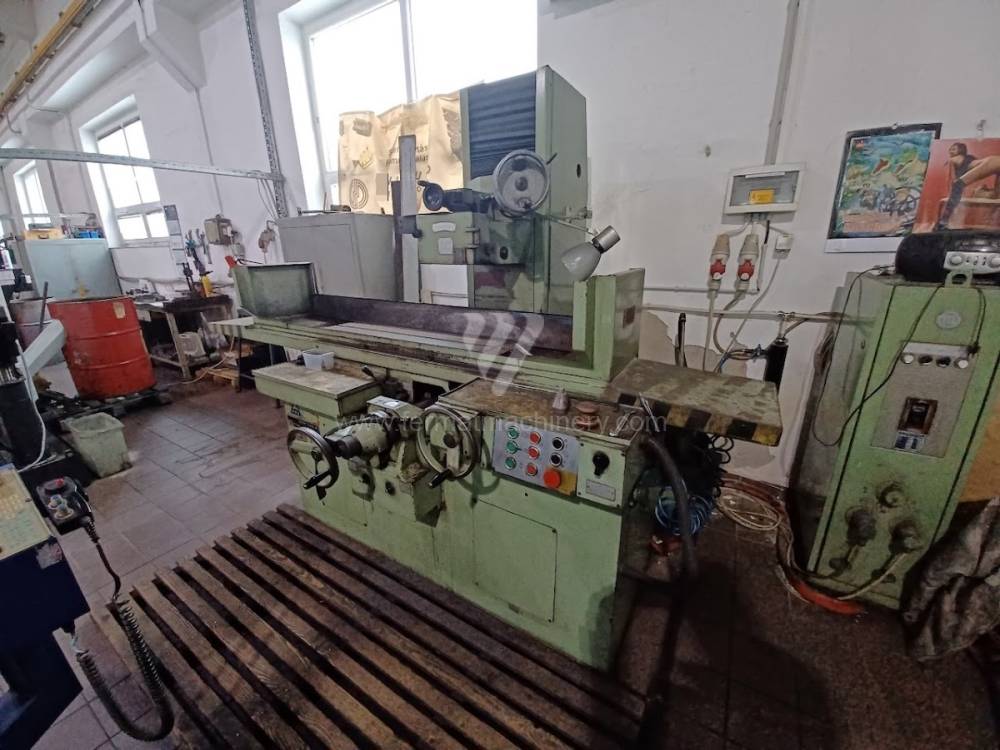
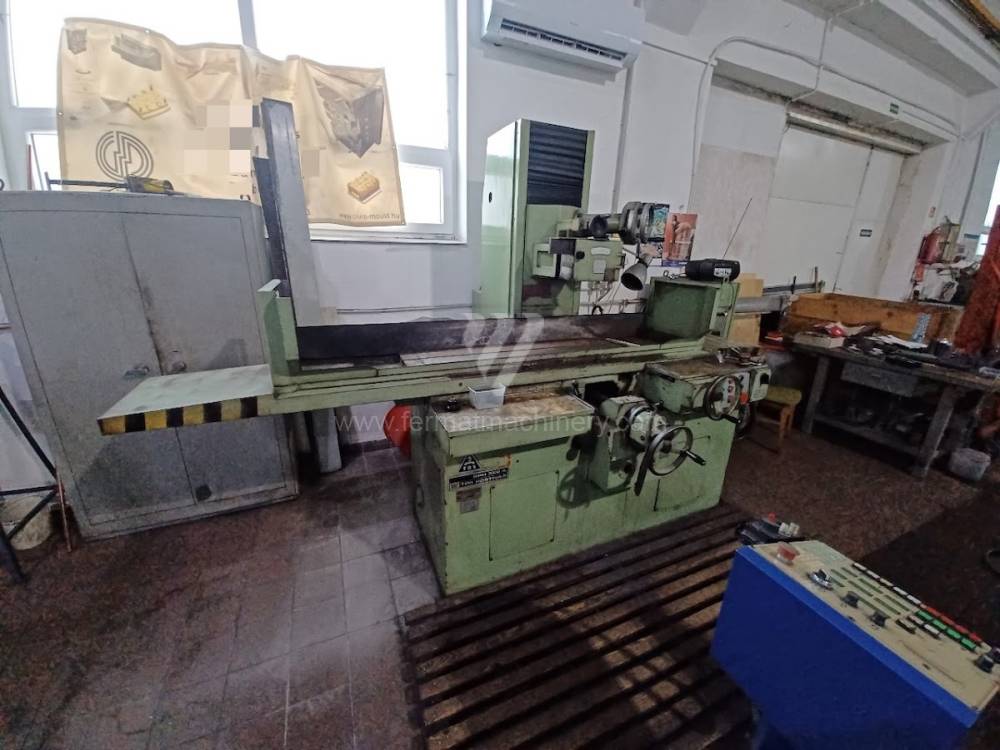
BPH 320 A
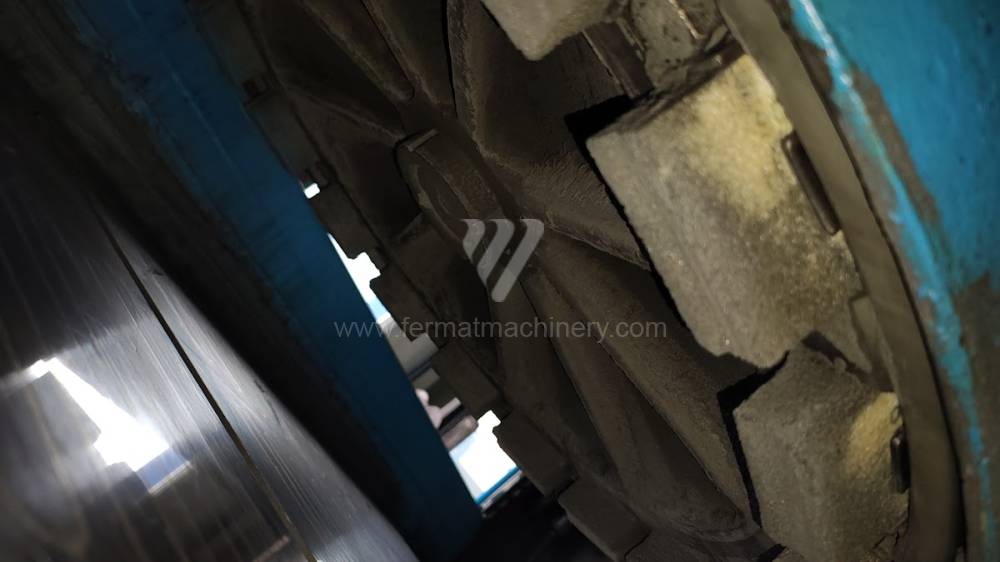
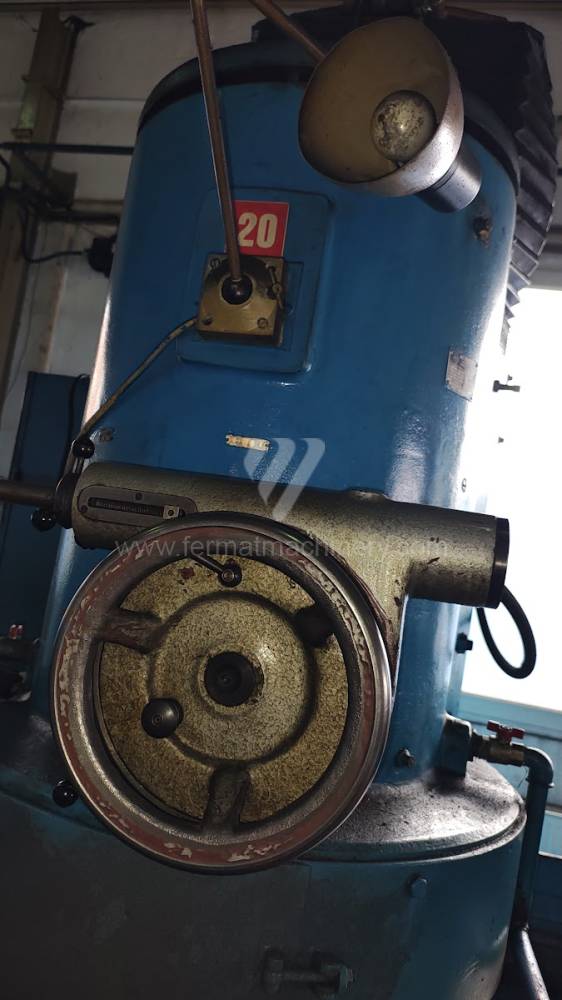
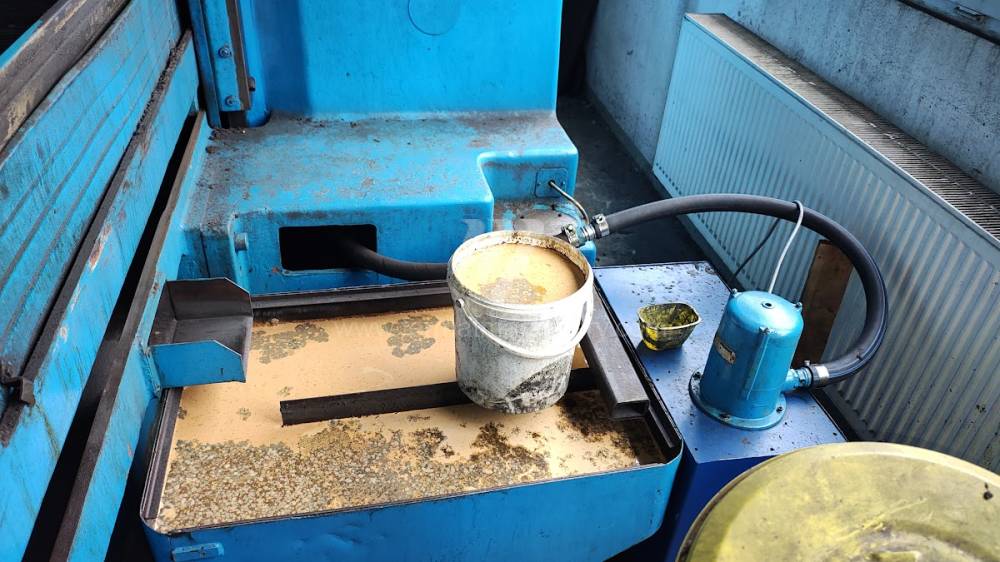
BRV 70/2
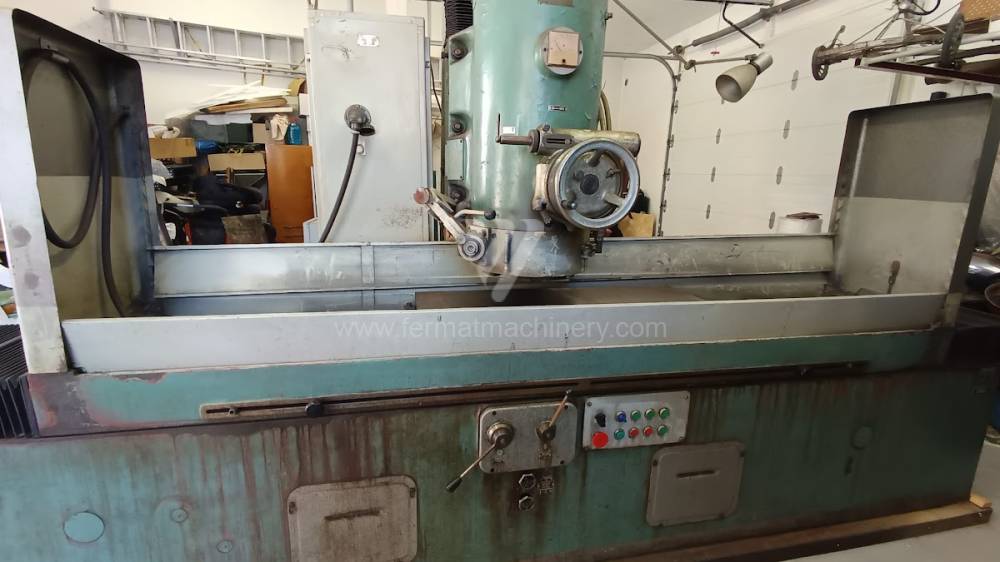
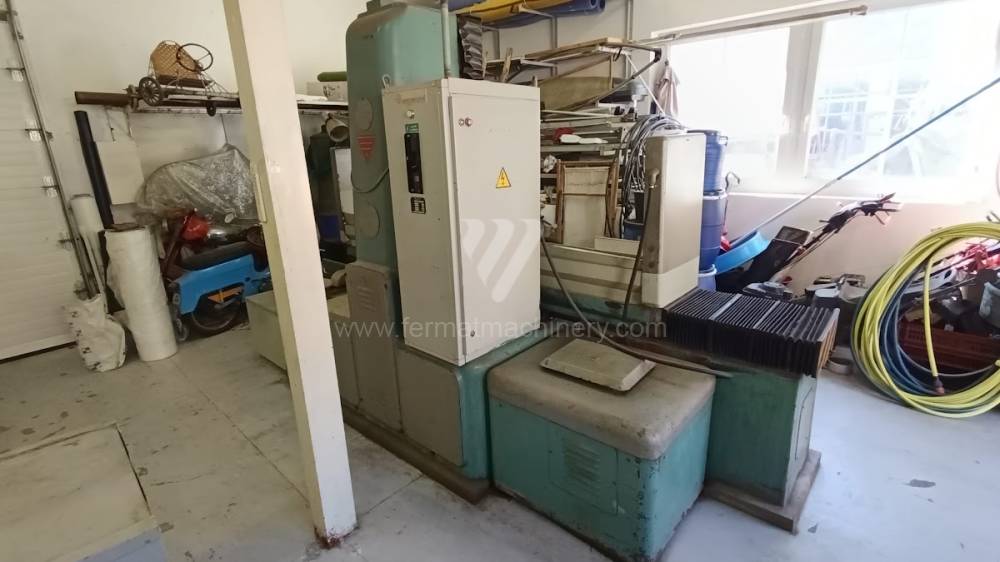
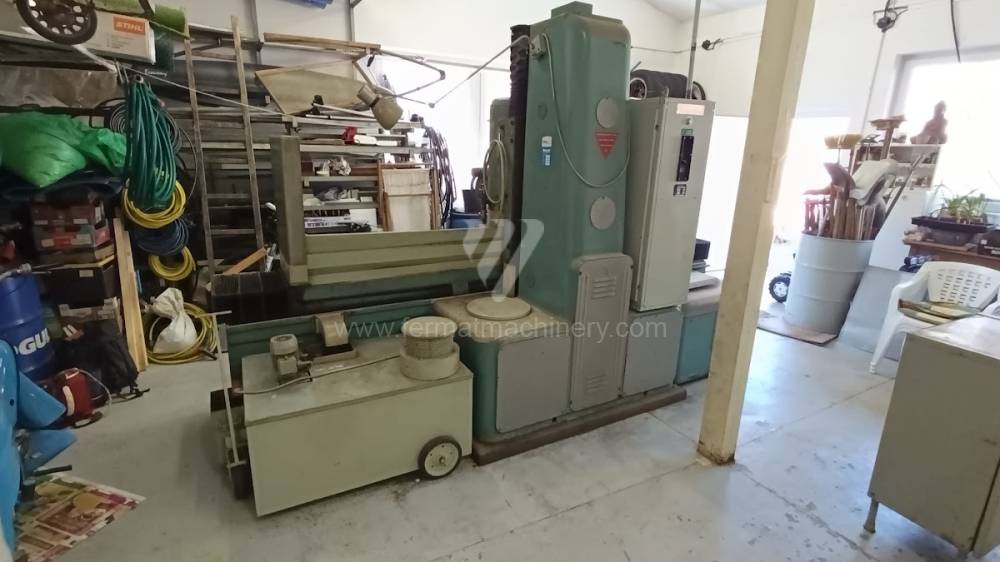
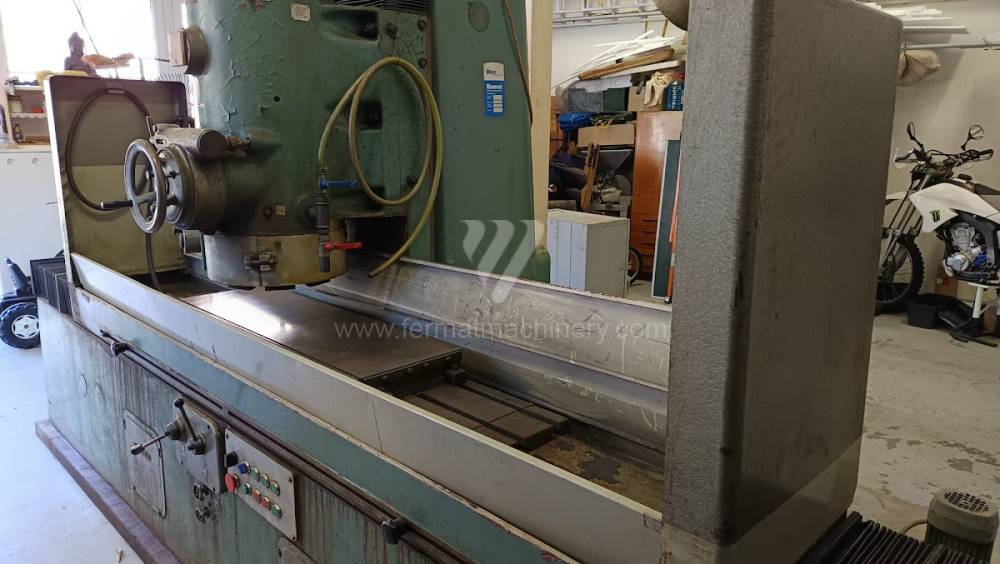
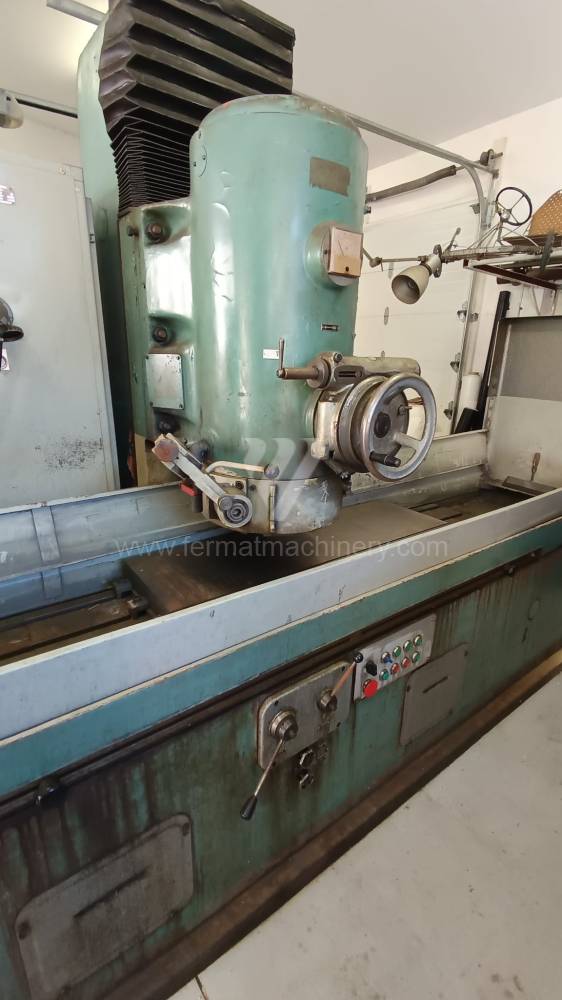
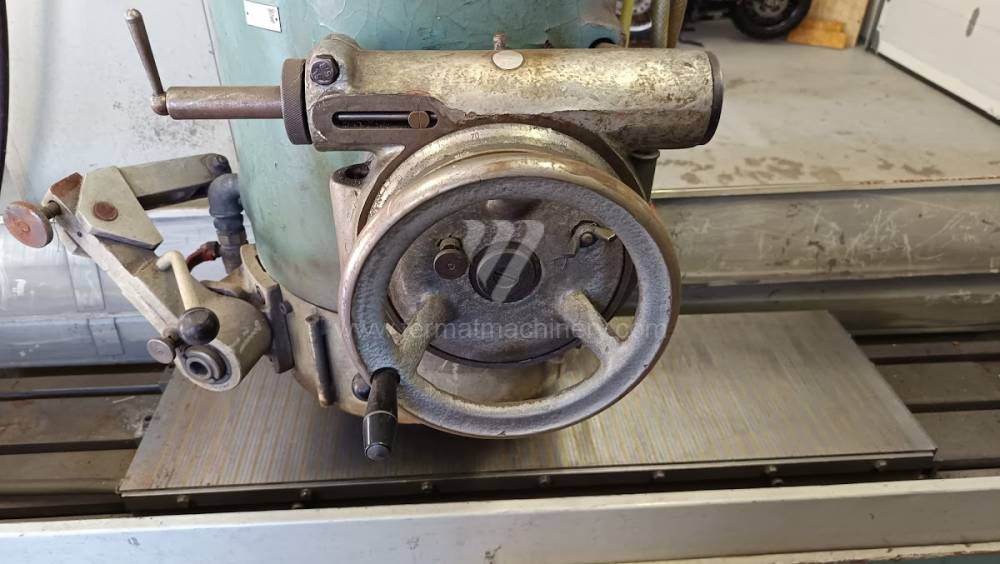
BPV 300
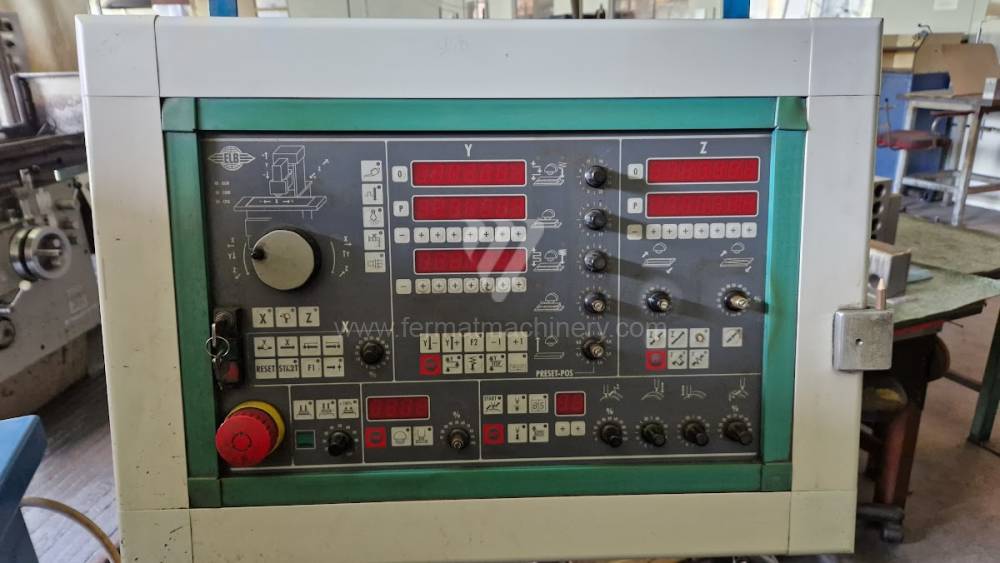
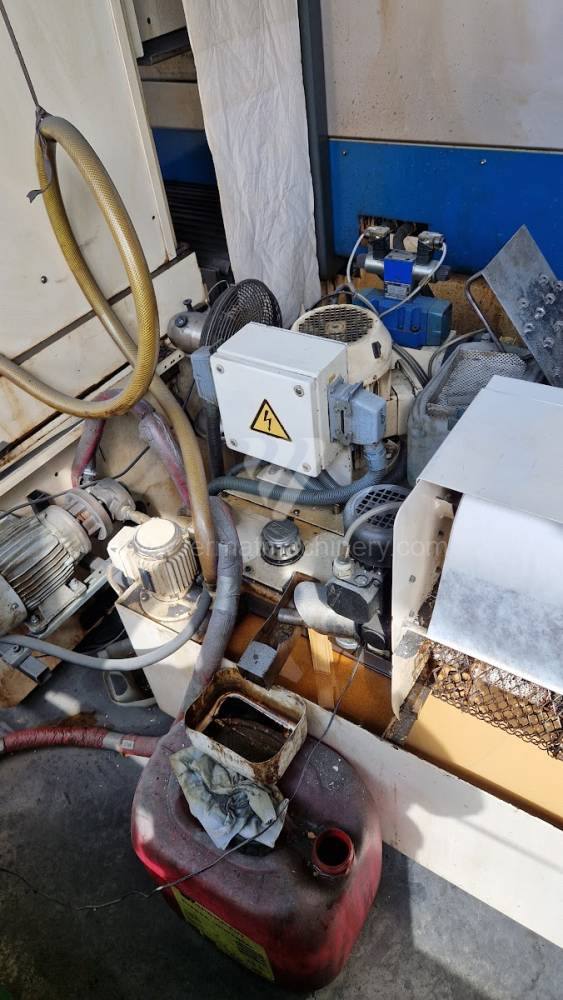
BD 10 SPS
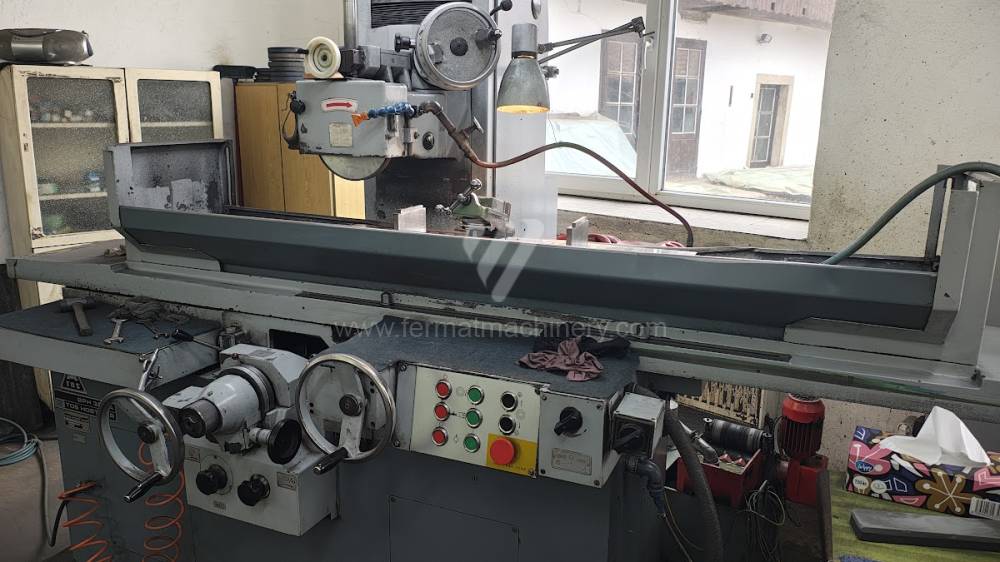
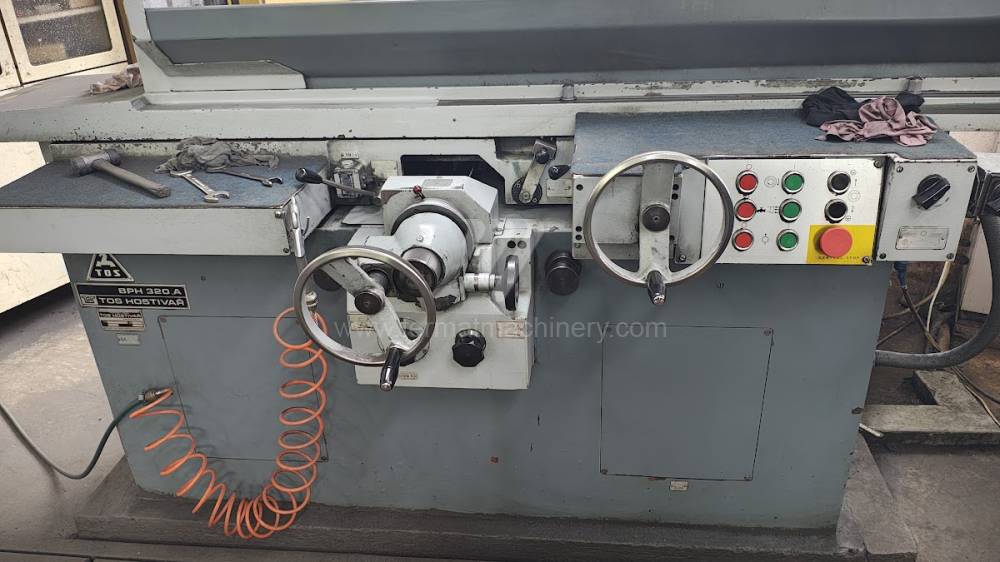
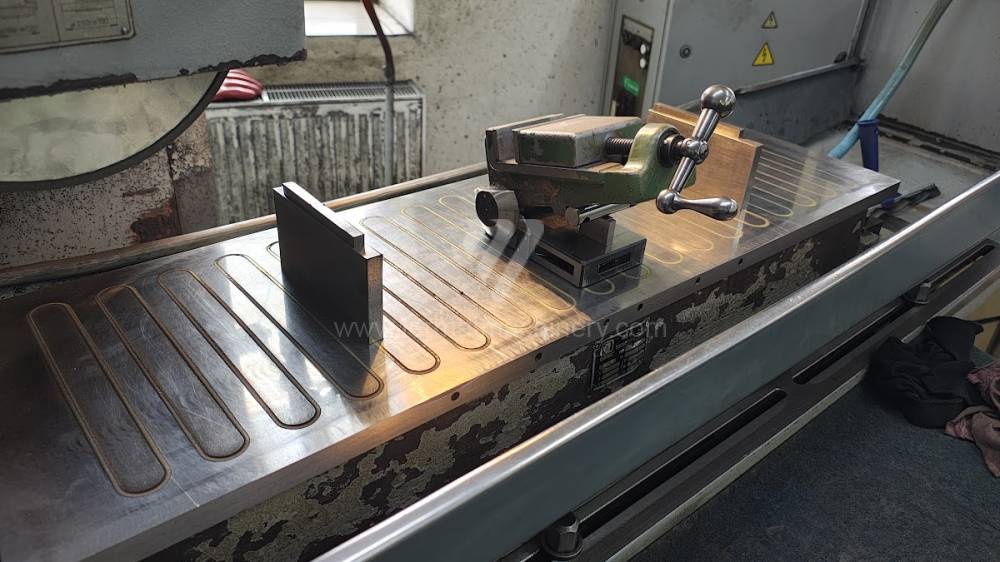
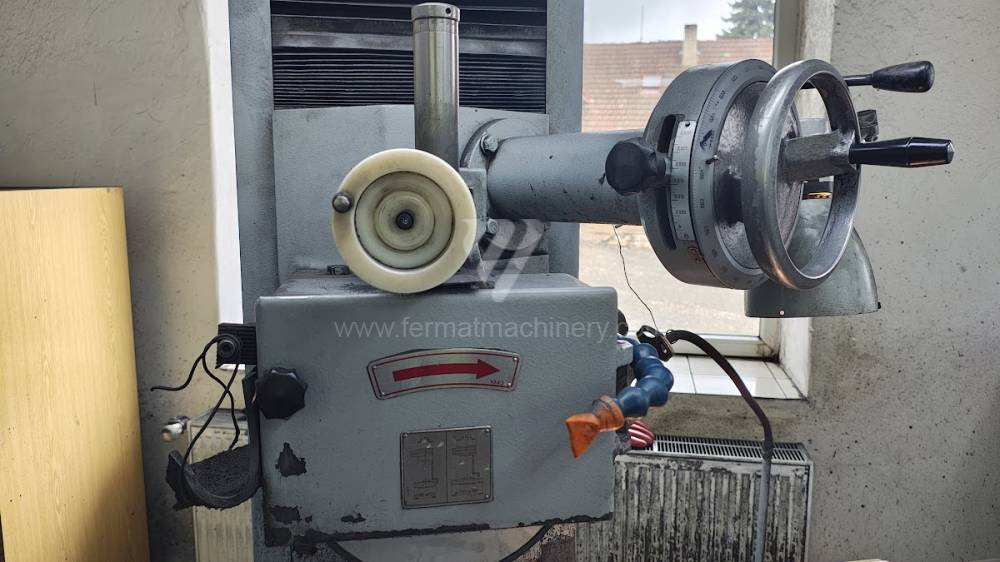
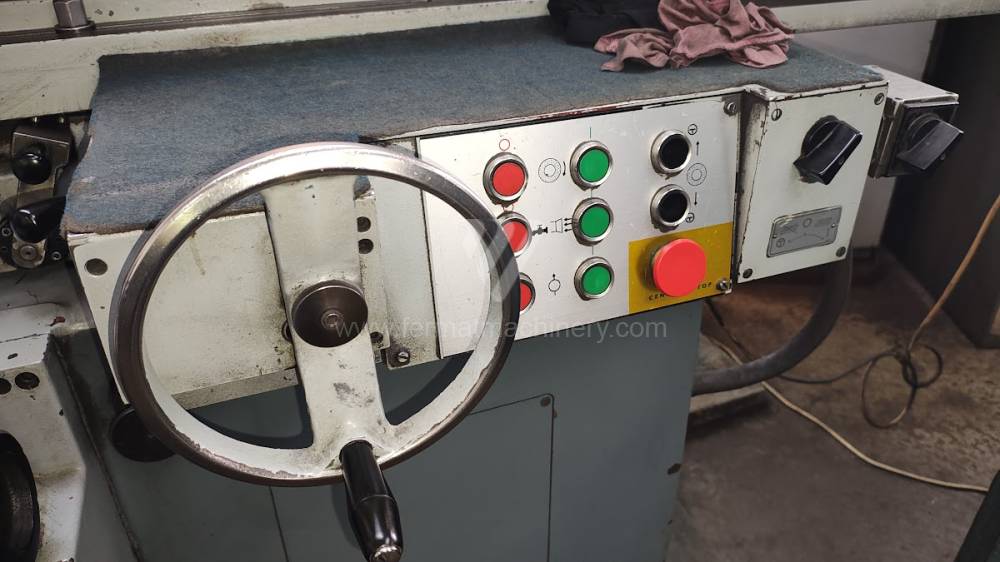
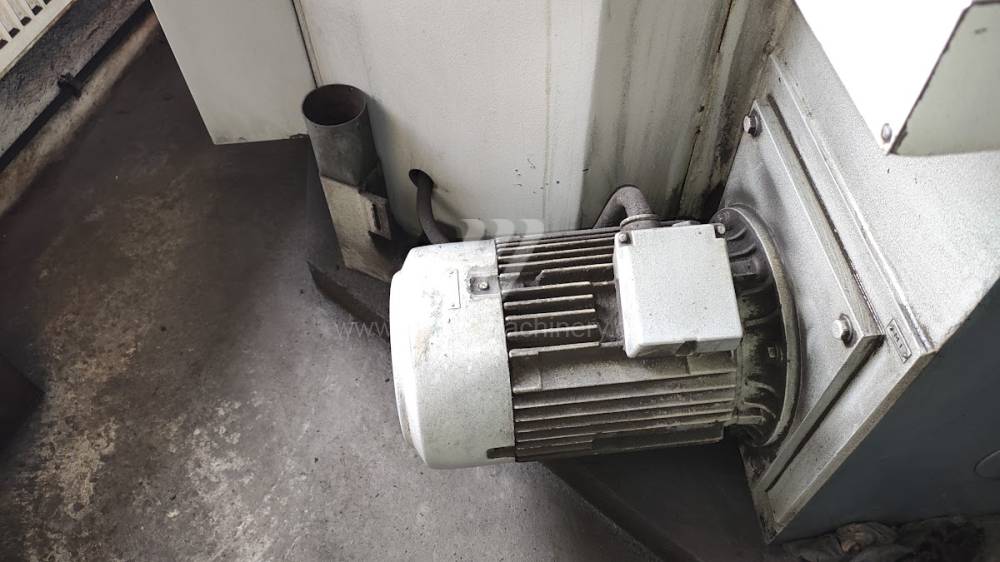
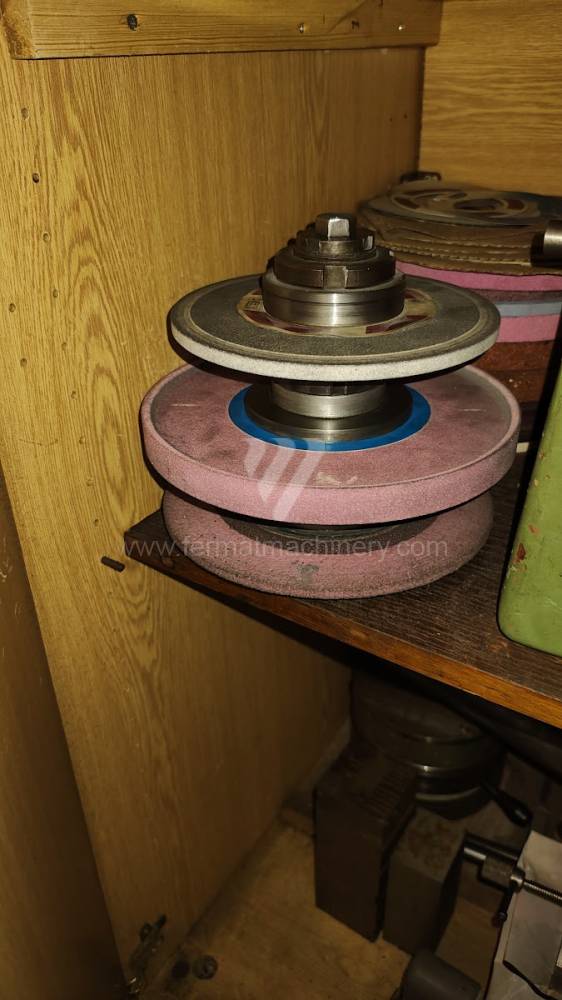
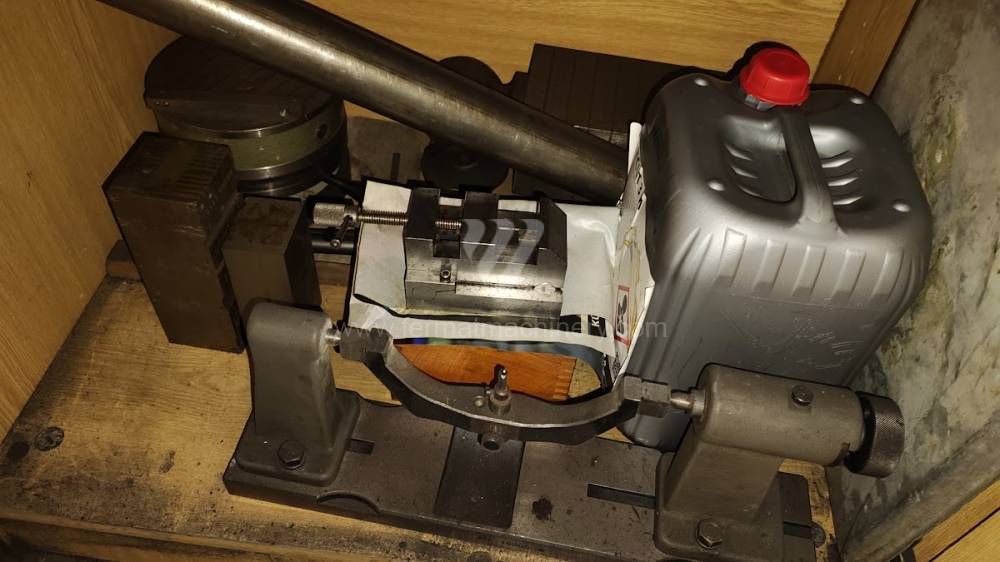
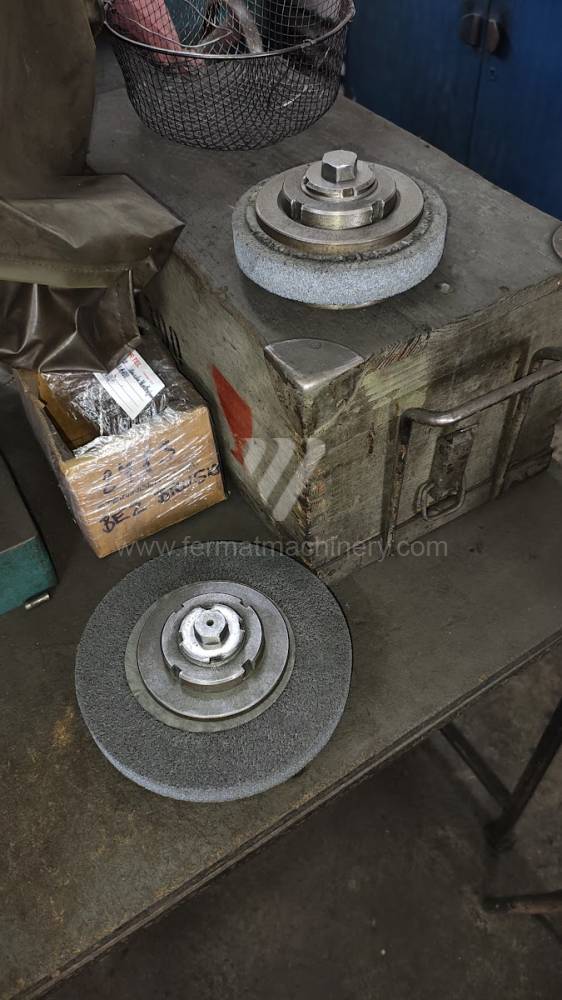
BPH 320 A
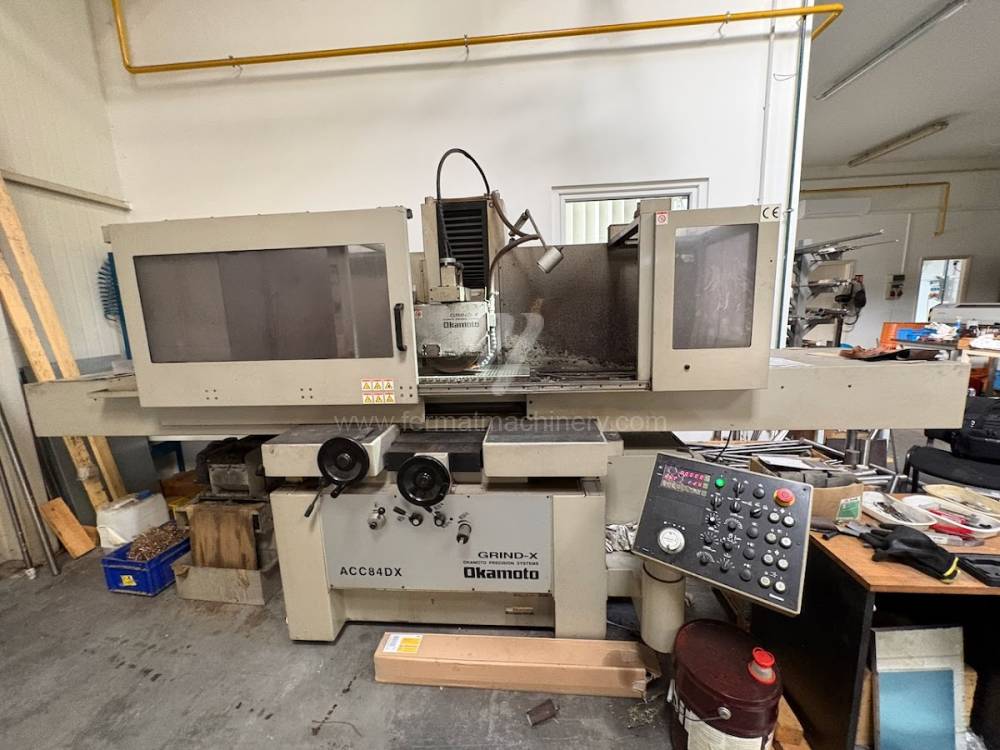
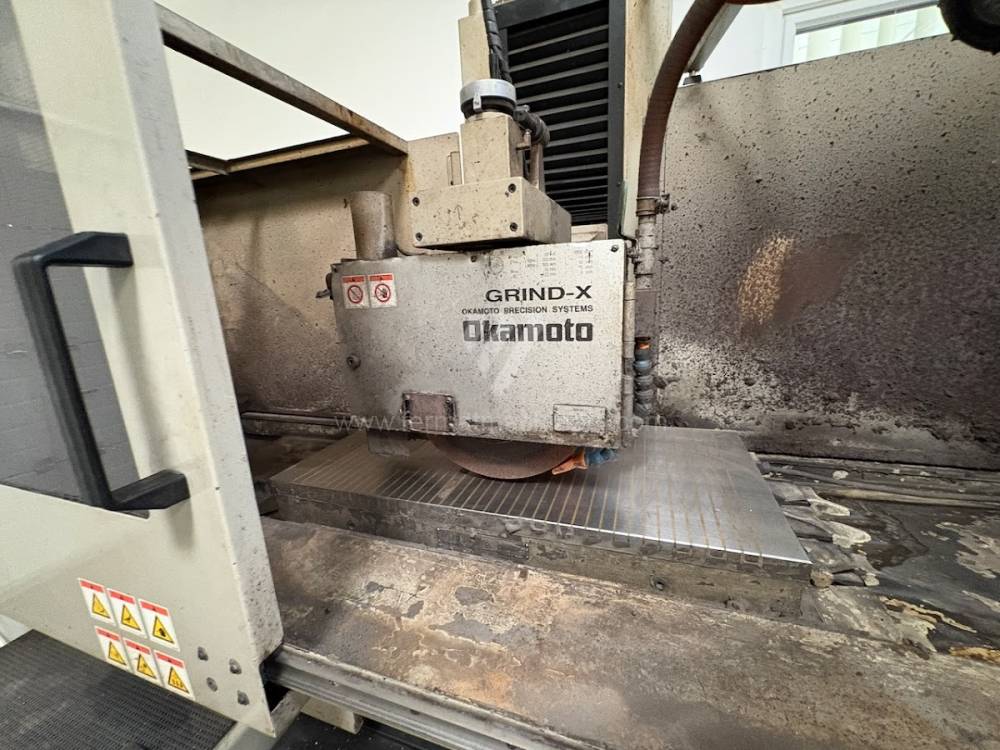
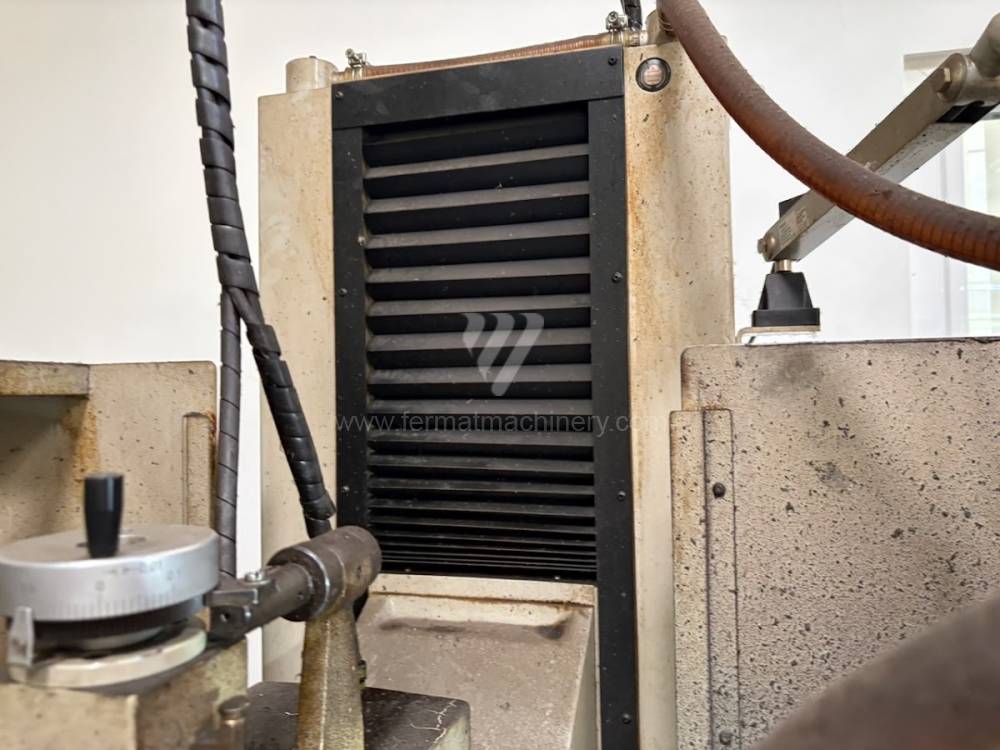
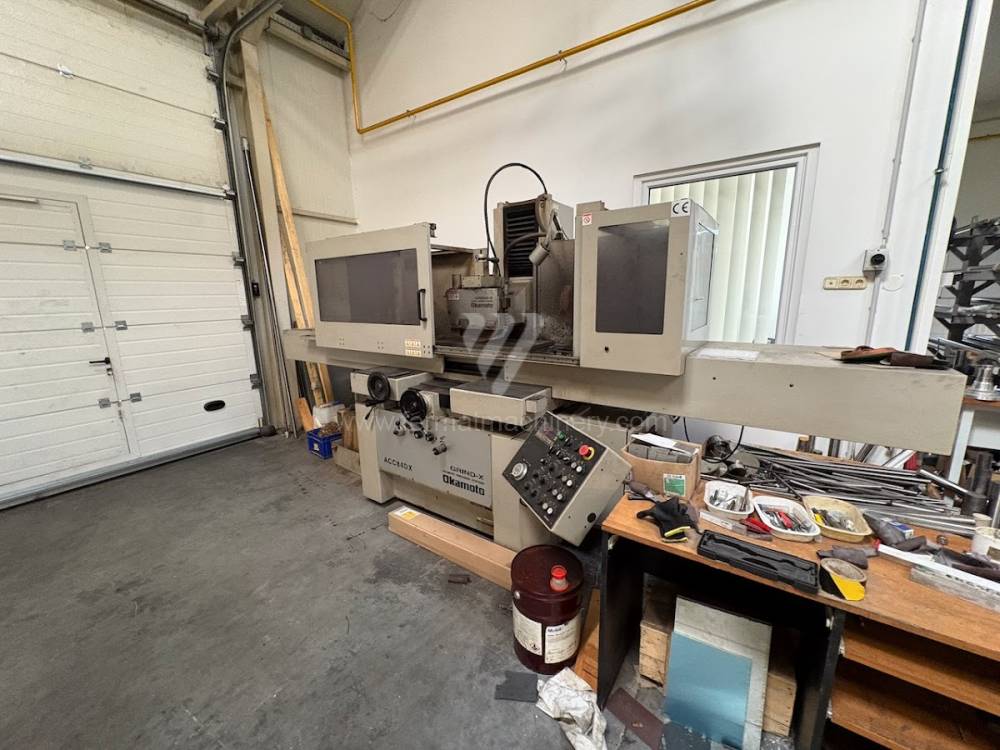
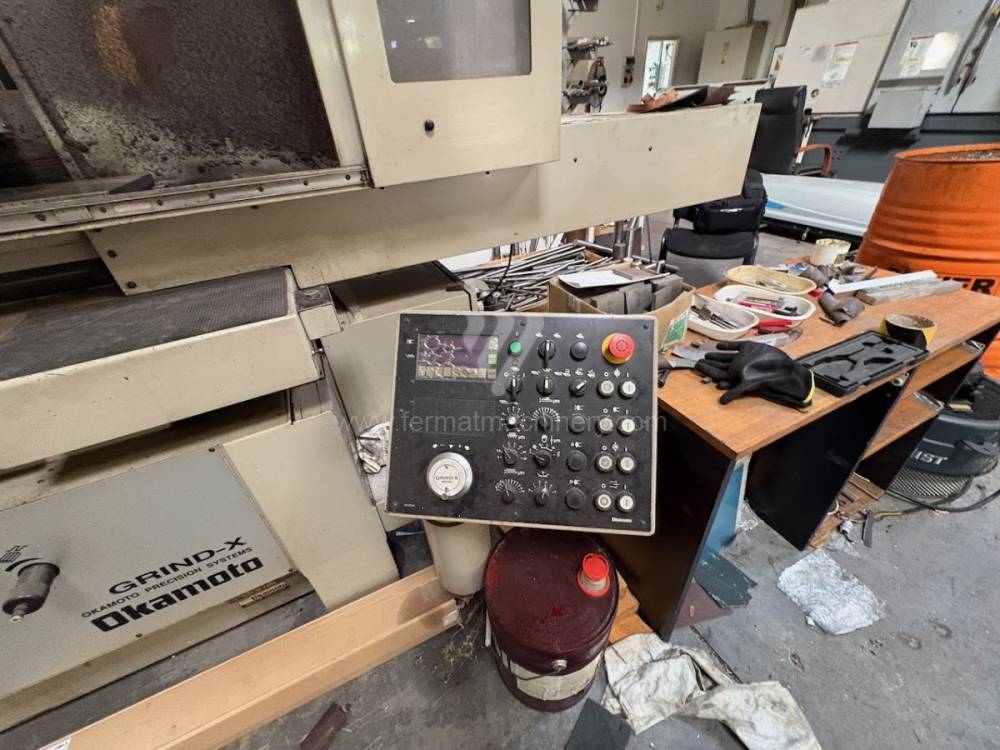
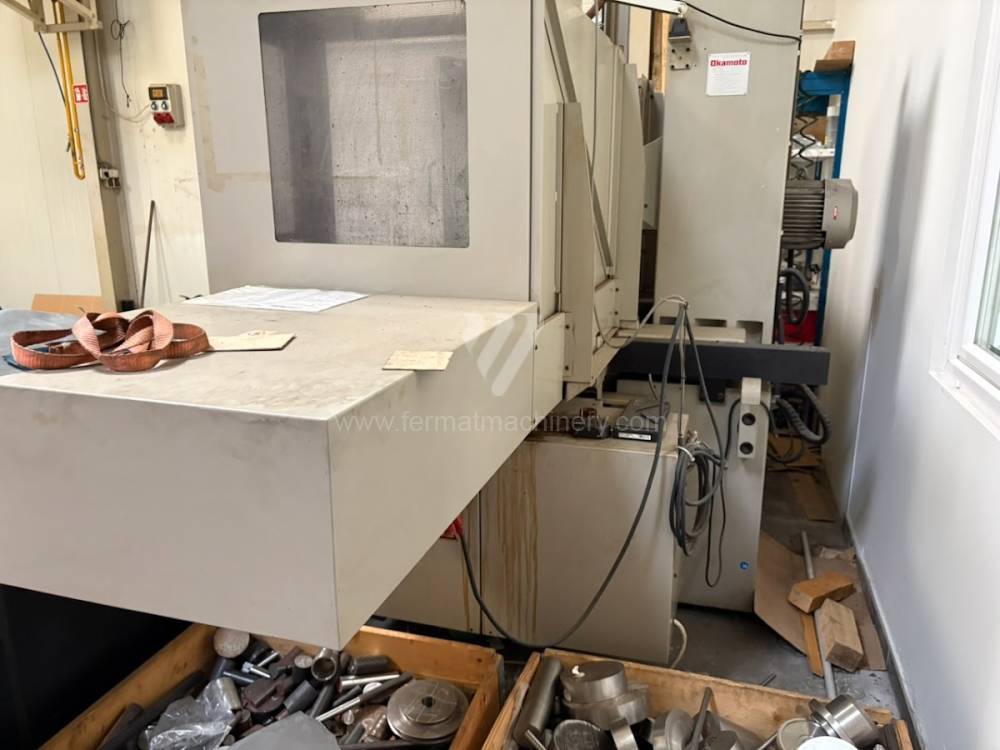
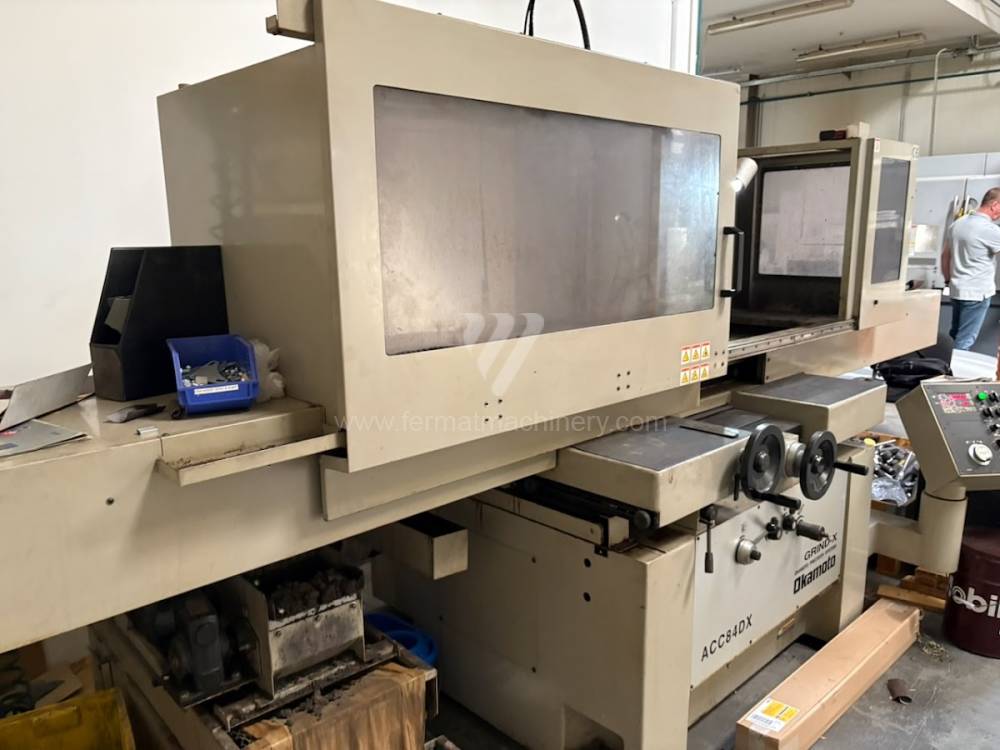
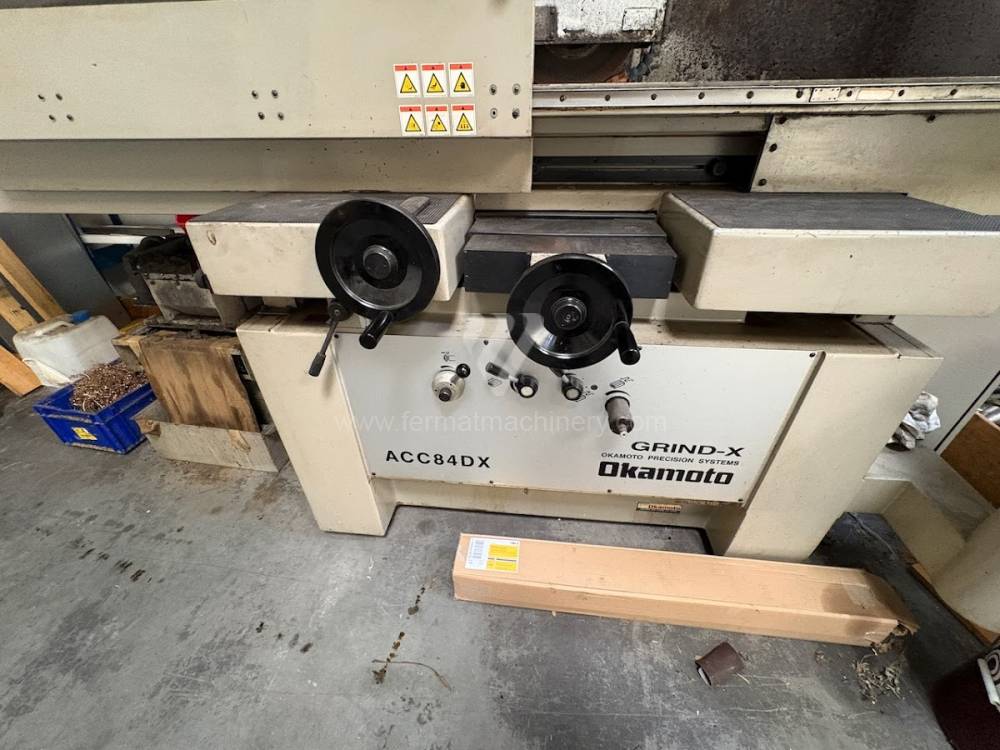
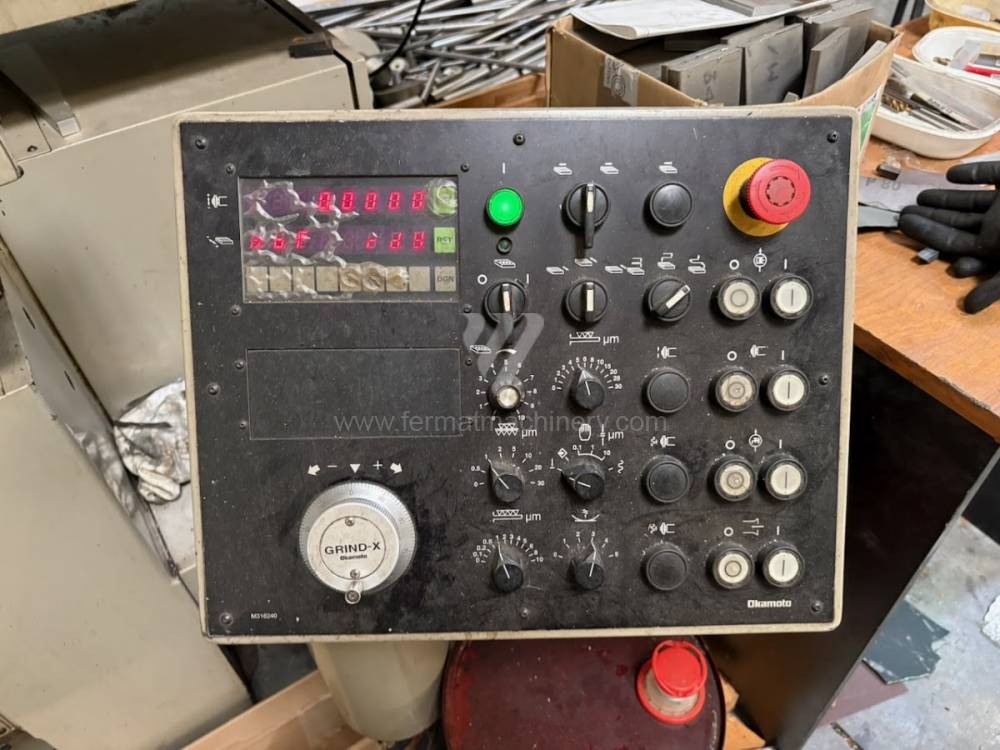
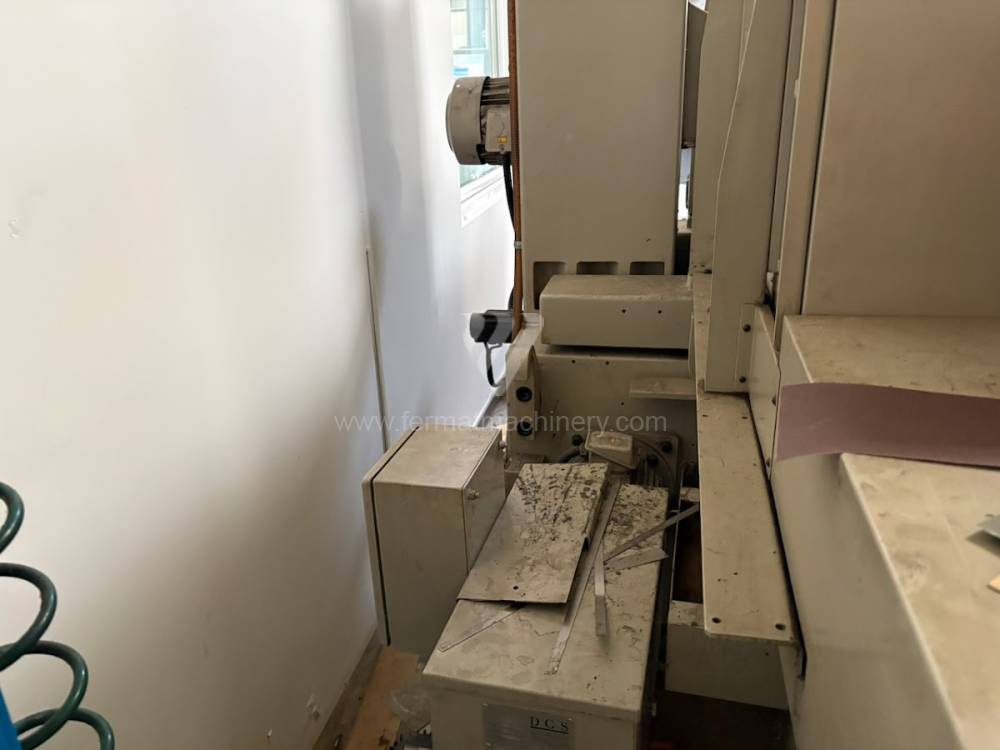
ACC84DX
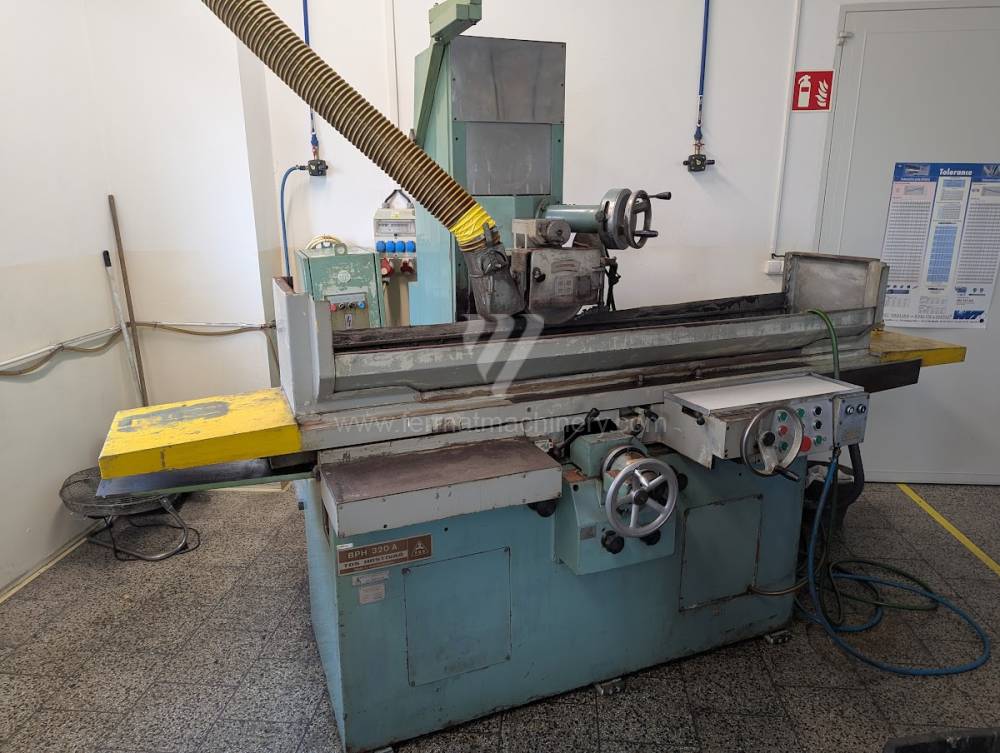
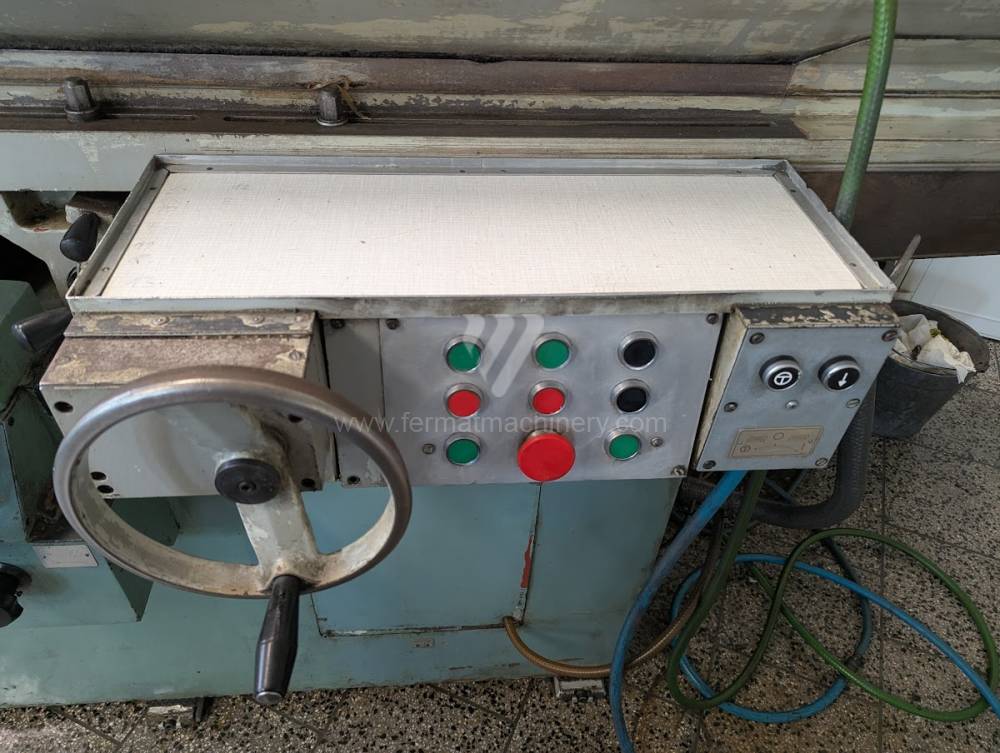
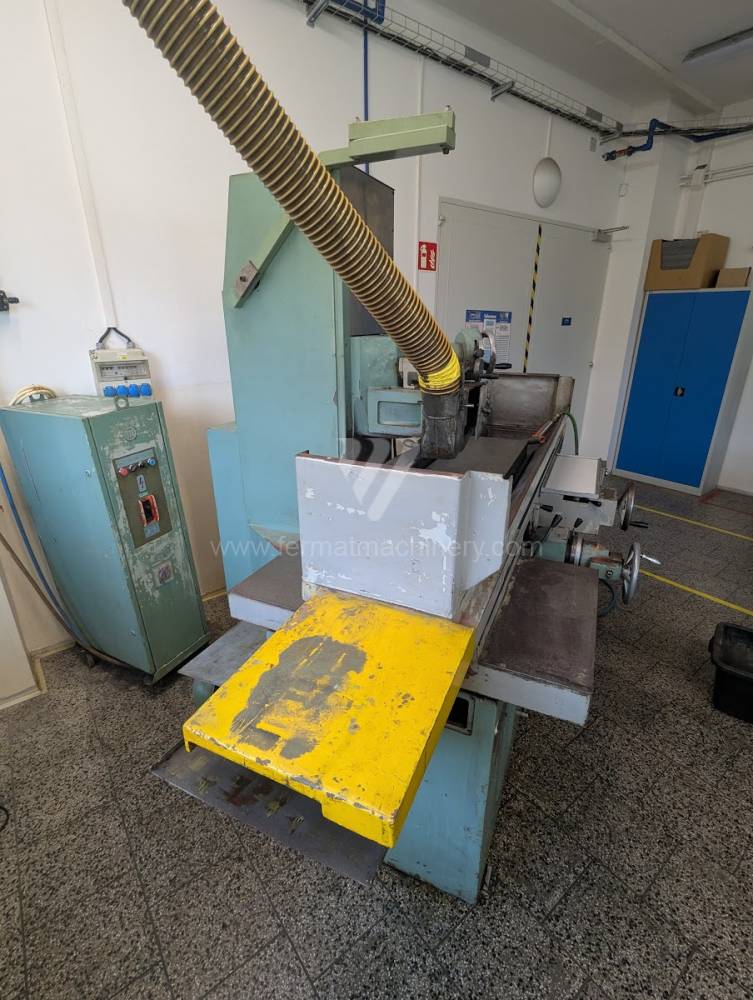
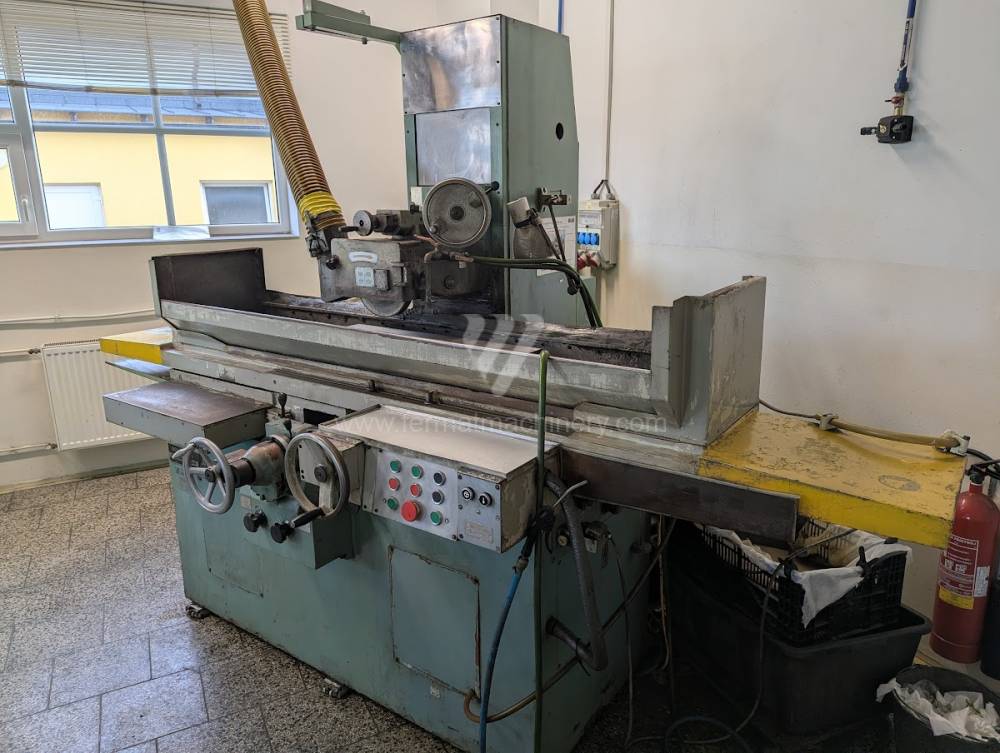
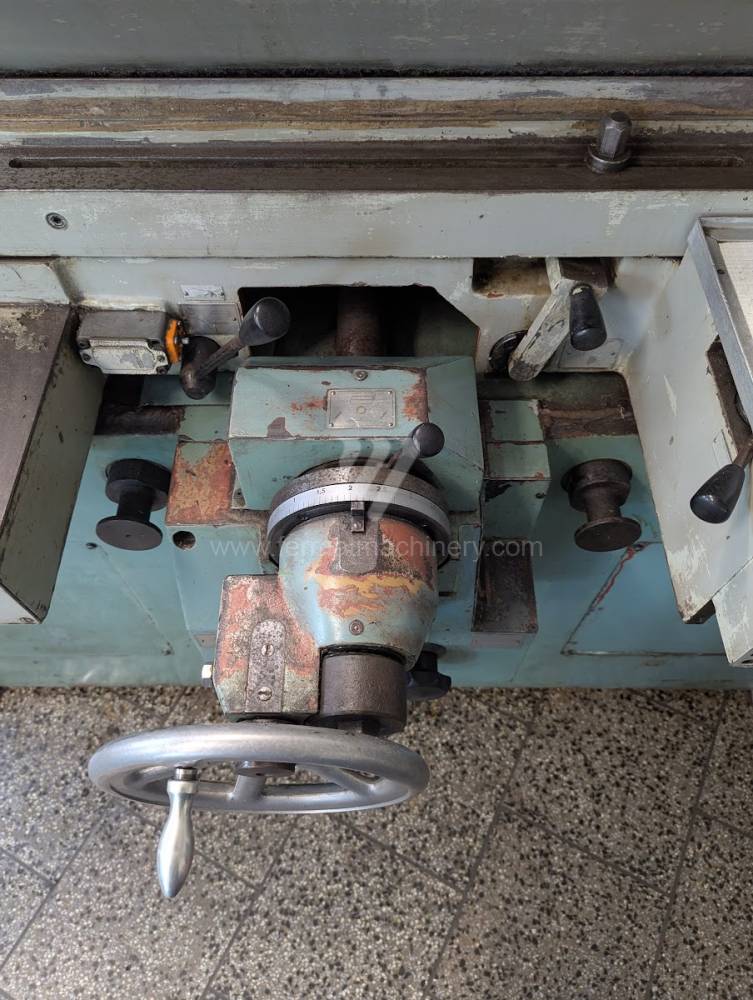
BPH 320 A
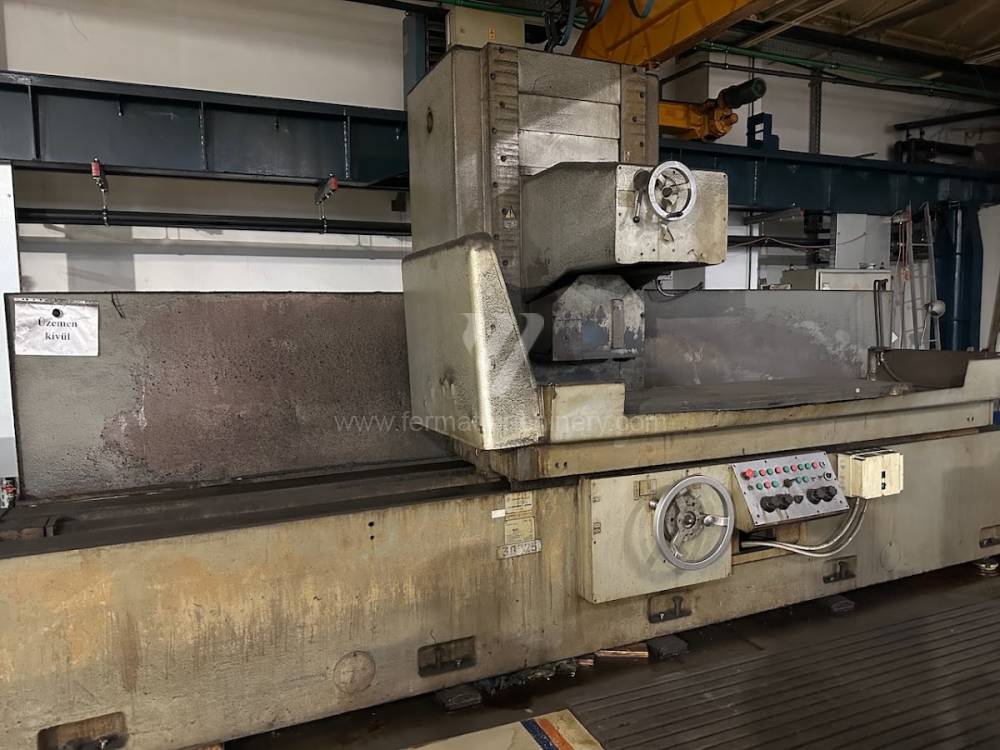
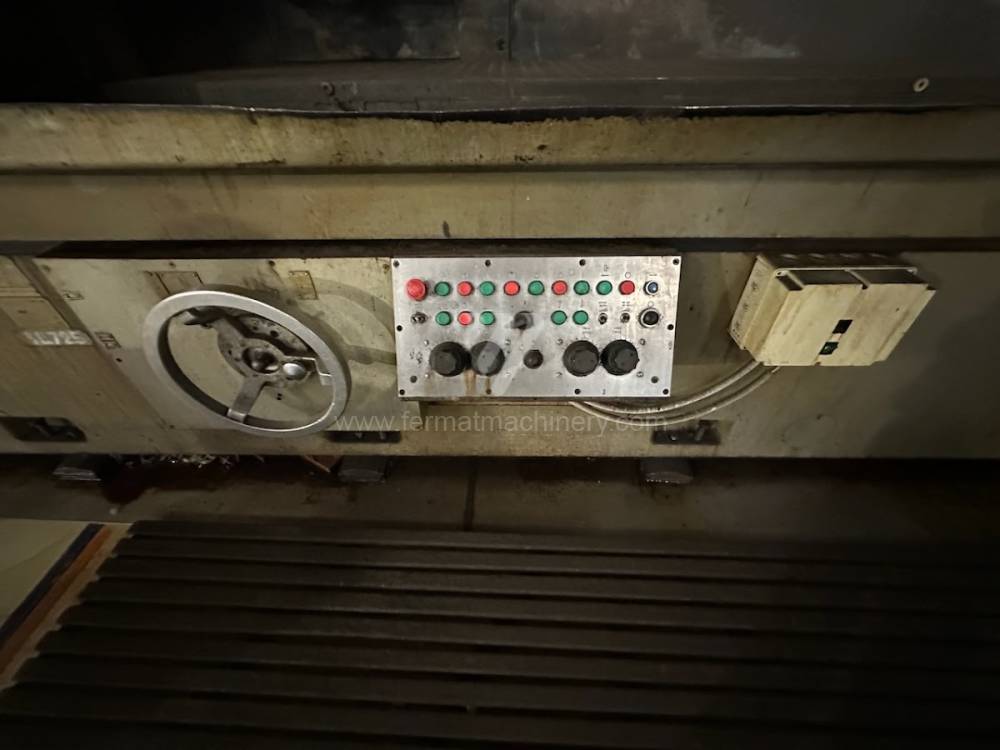
3D 725
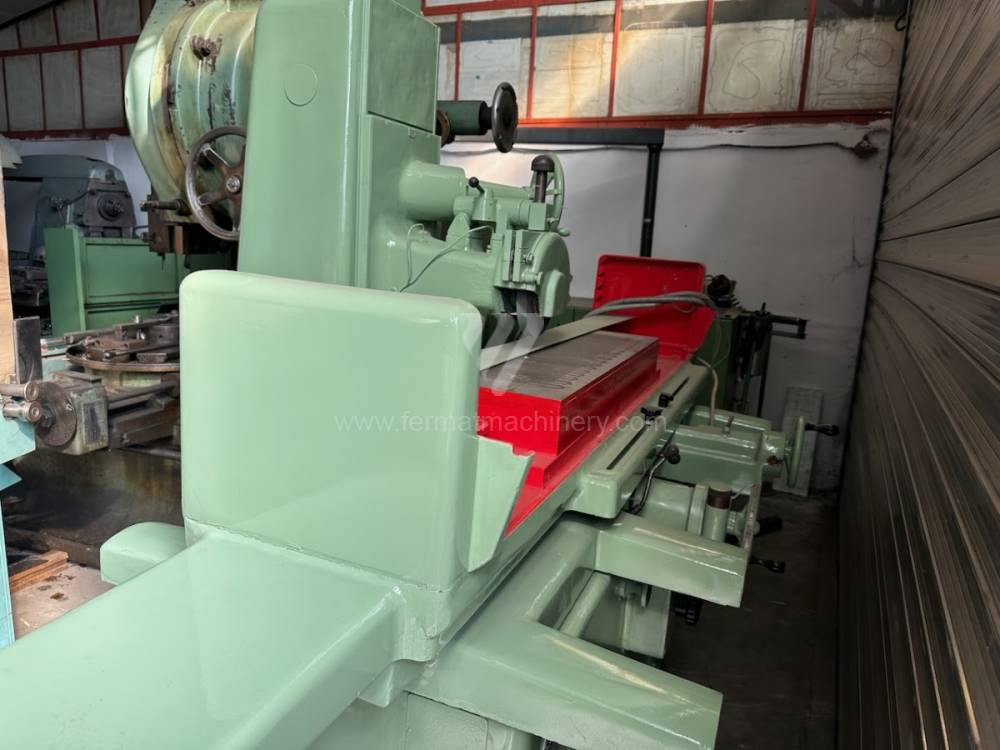

BPH 300
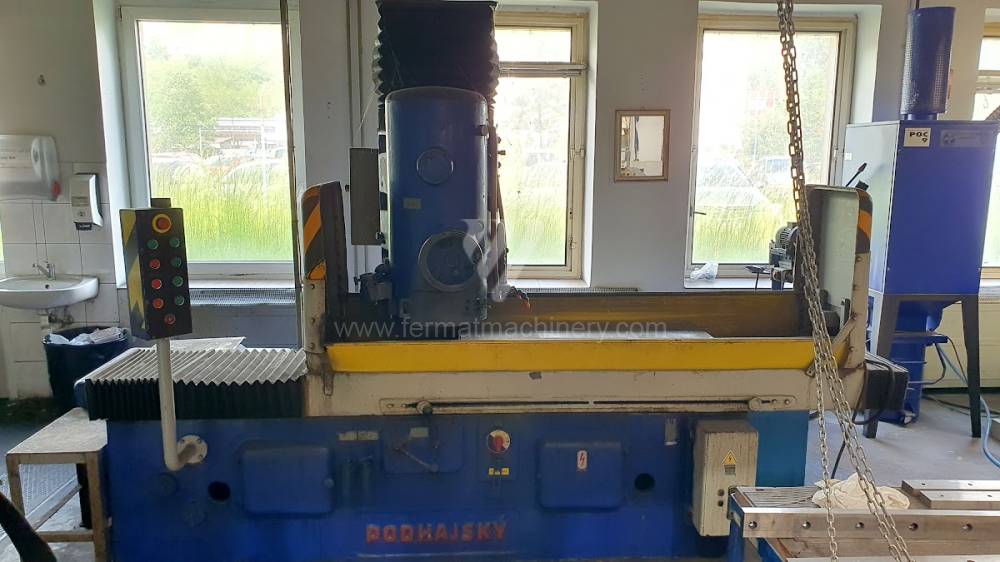
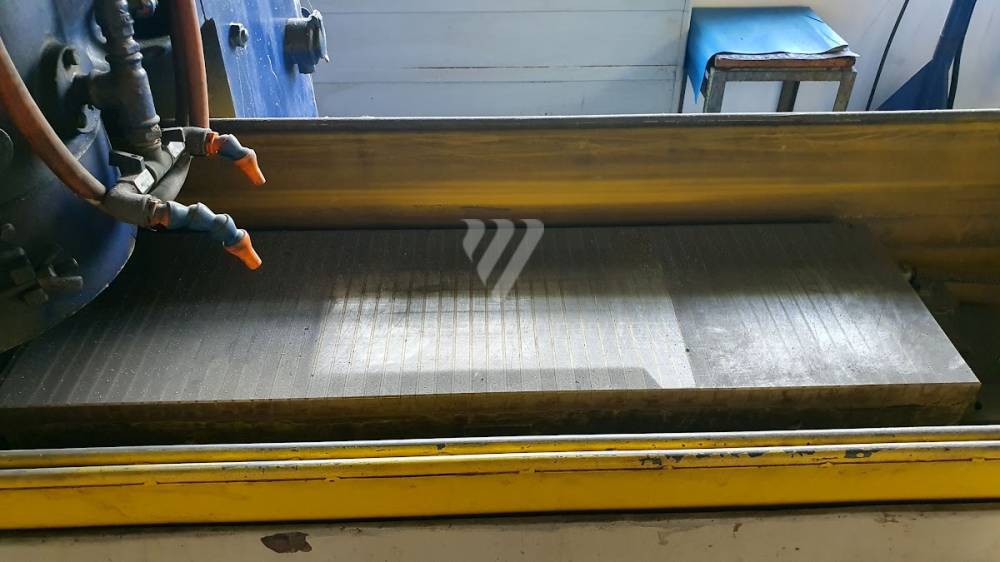
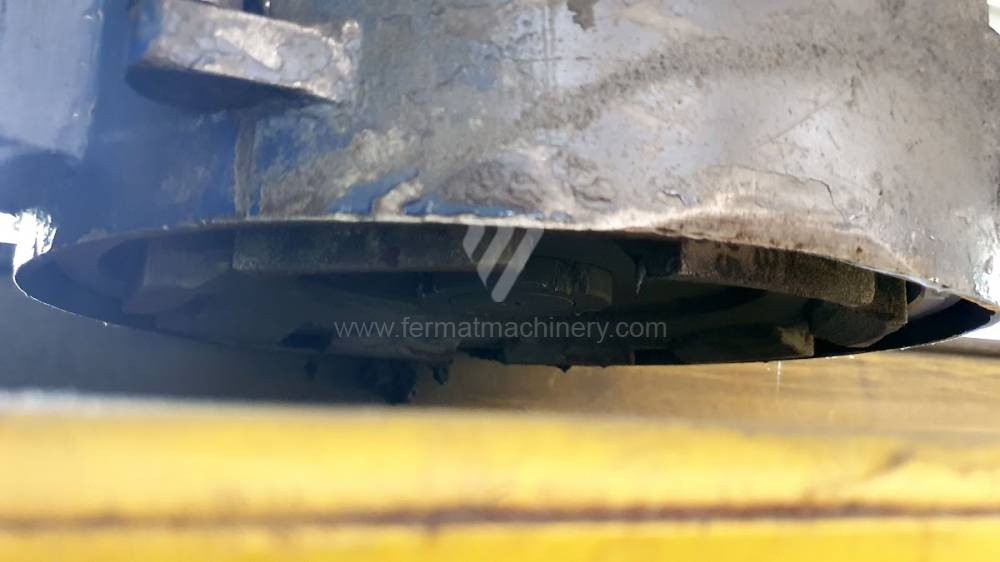
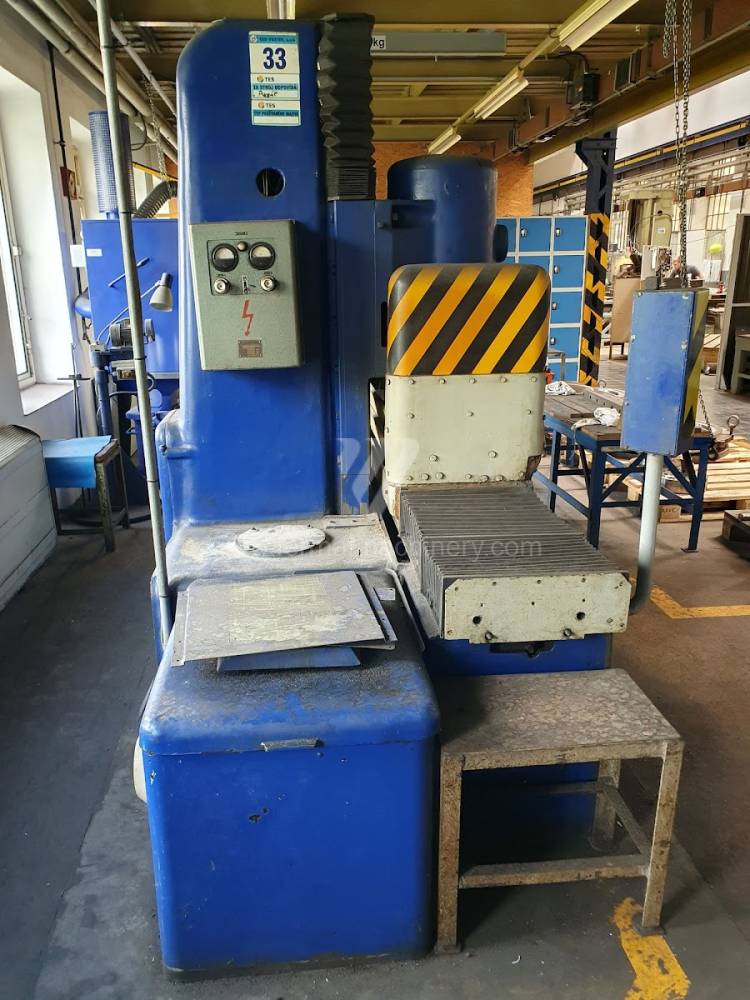
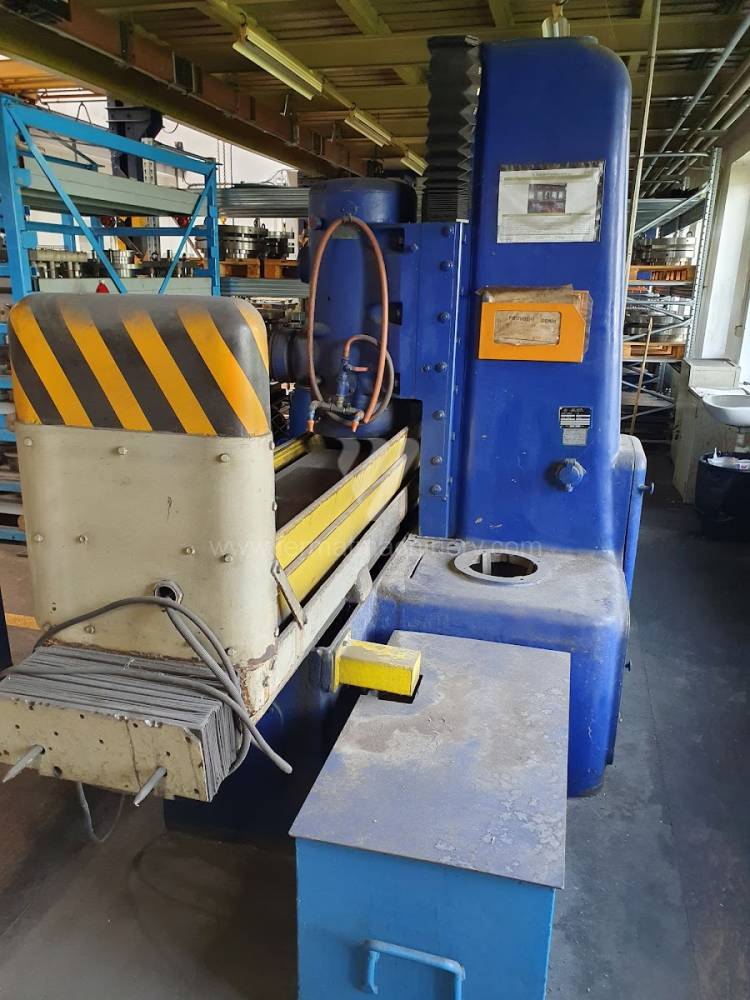
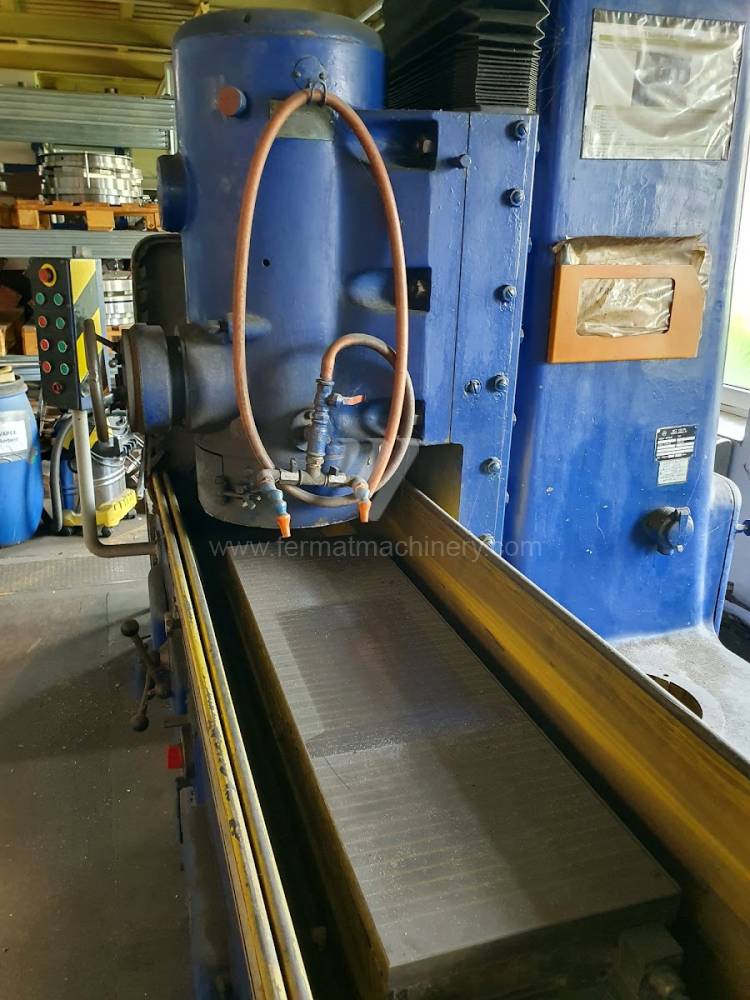
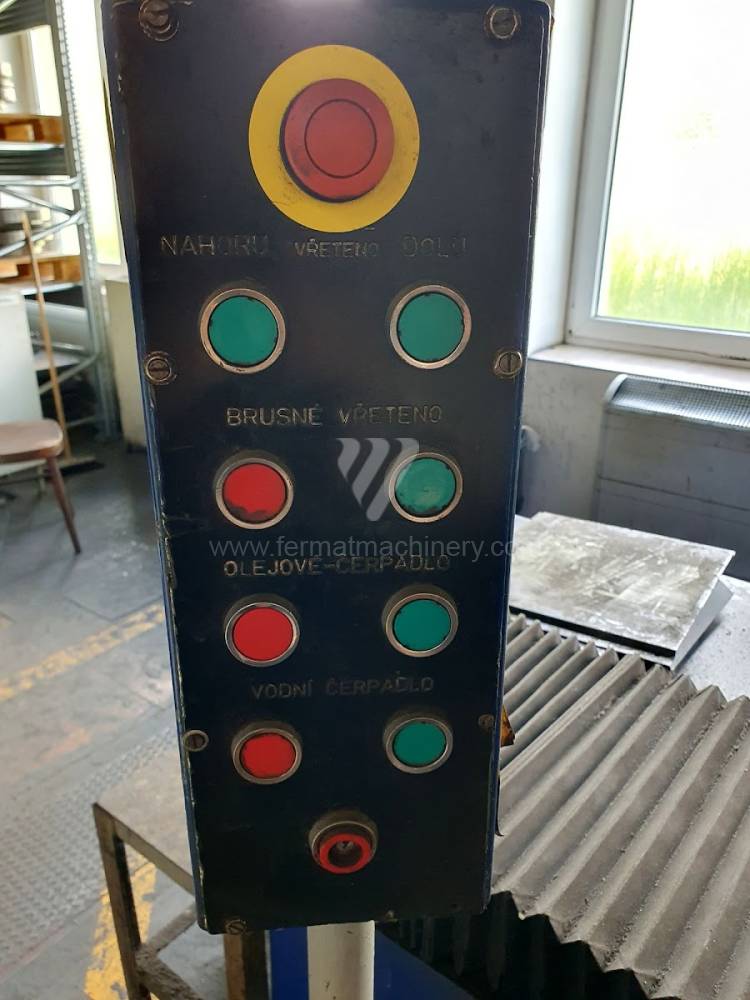
BPV 300
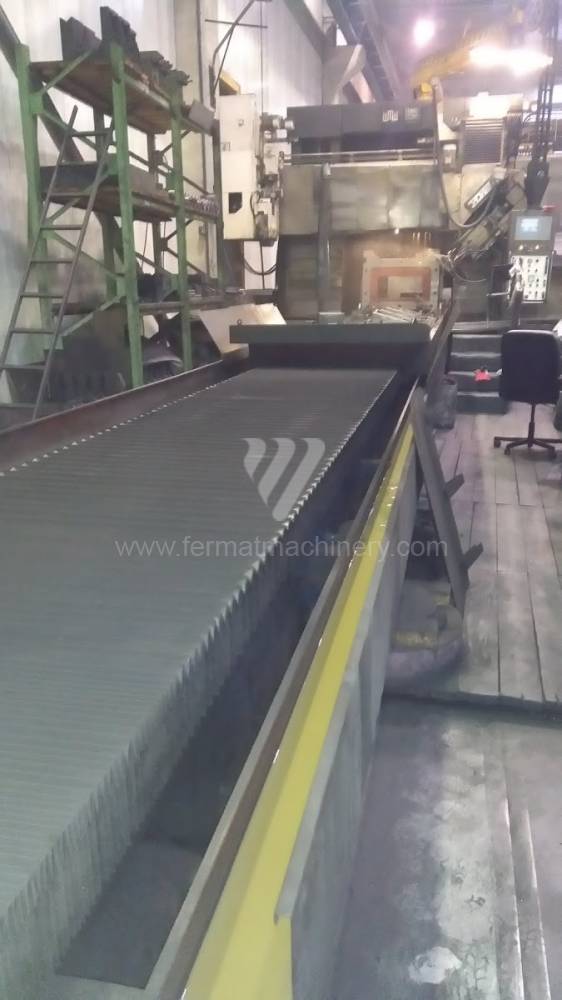
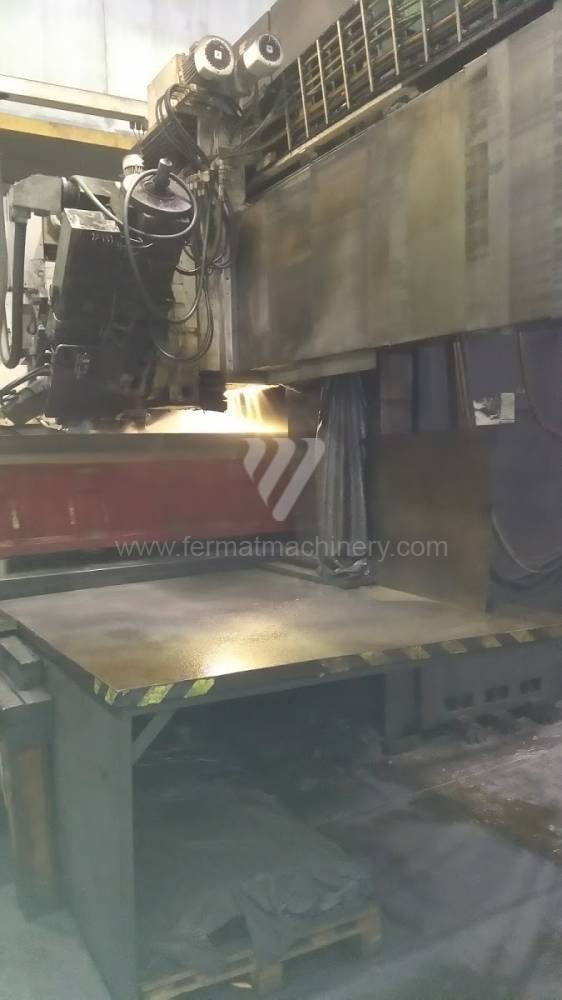
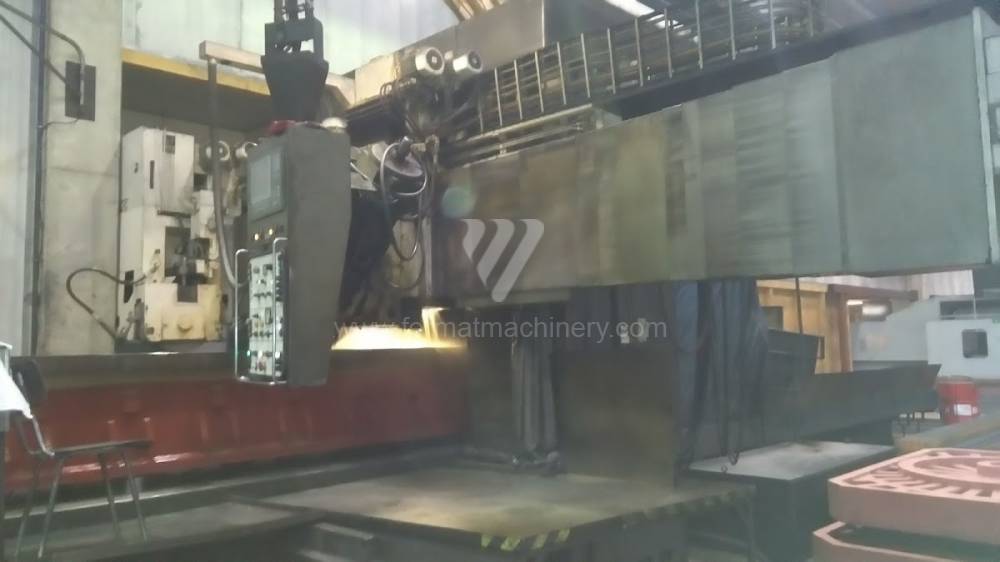
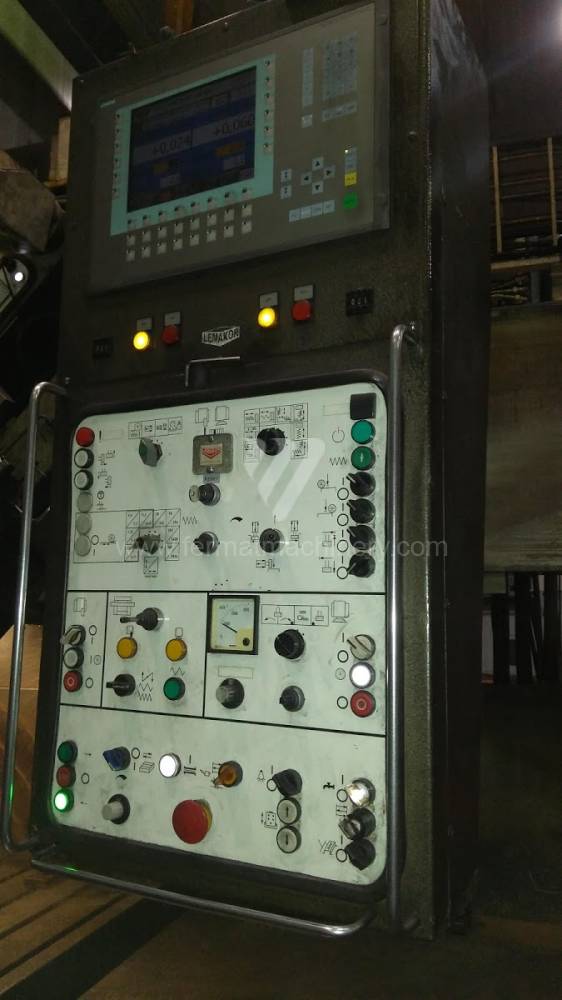
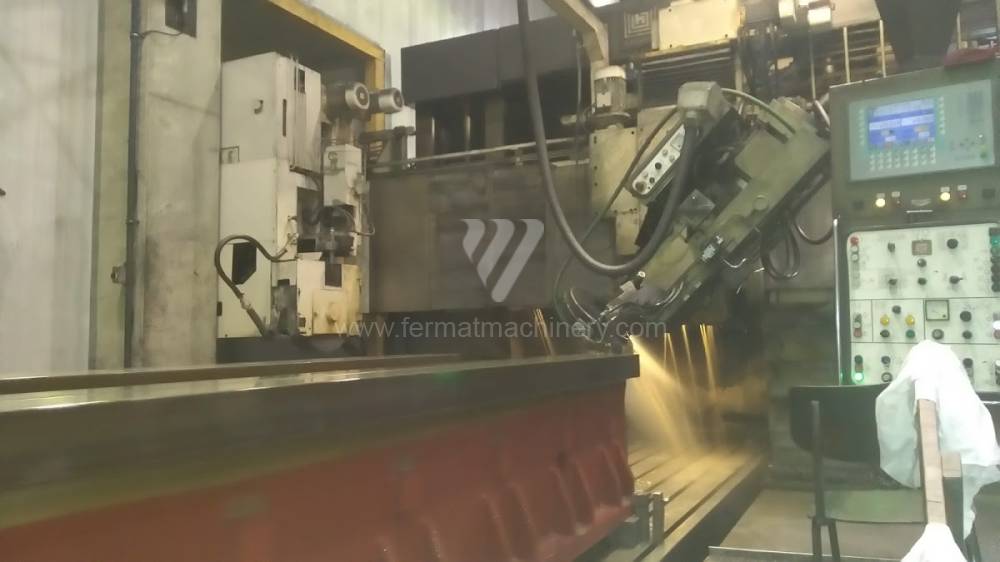
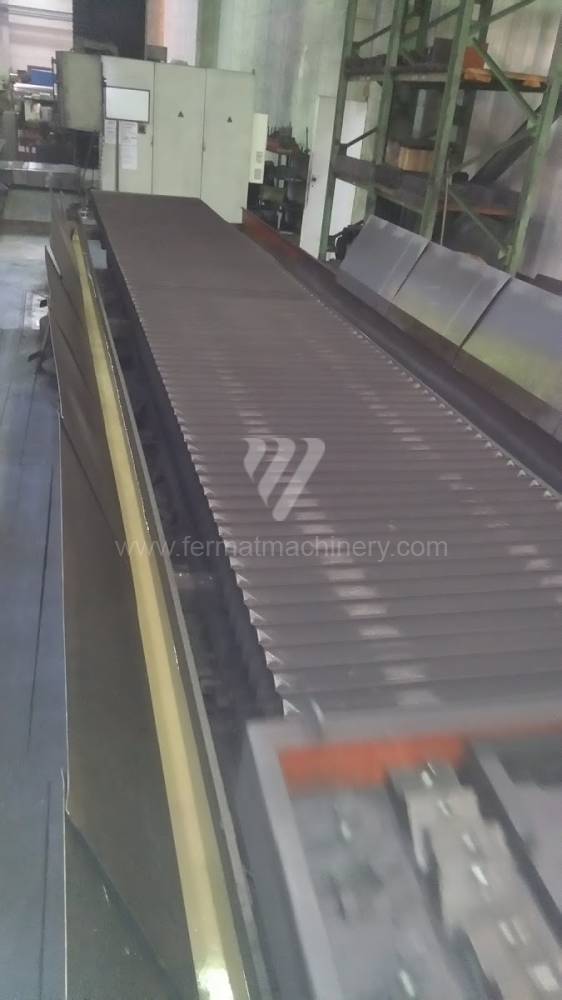
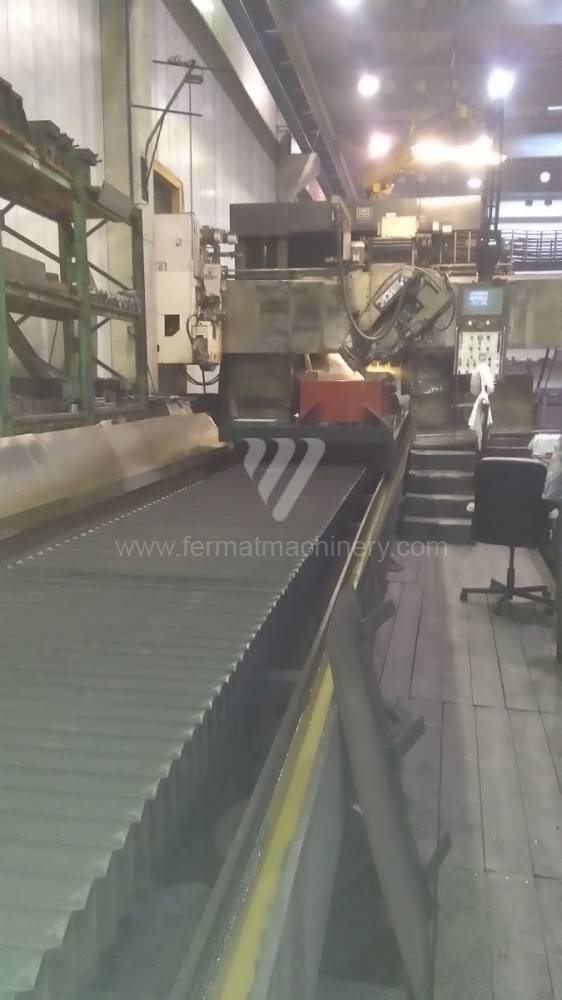
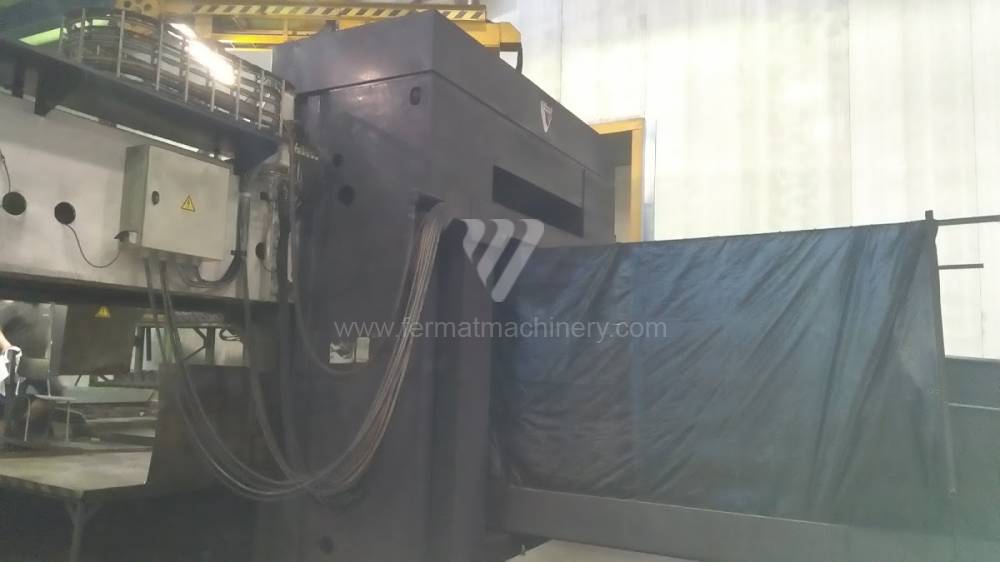
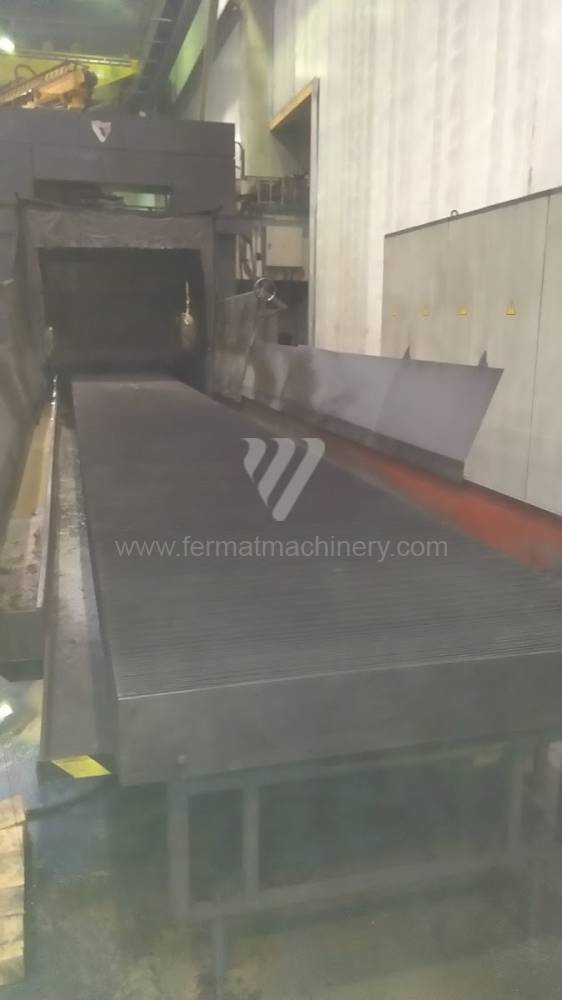
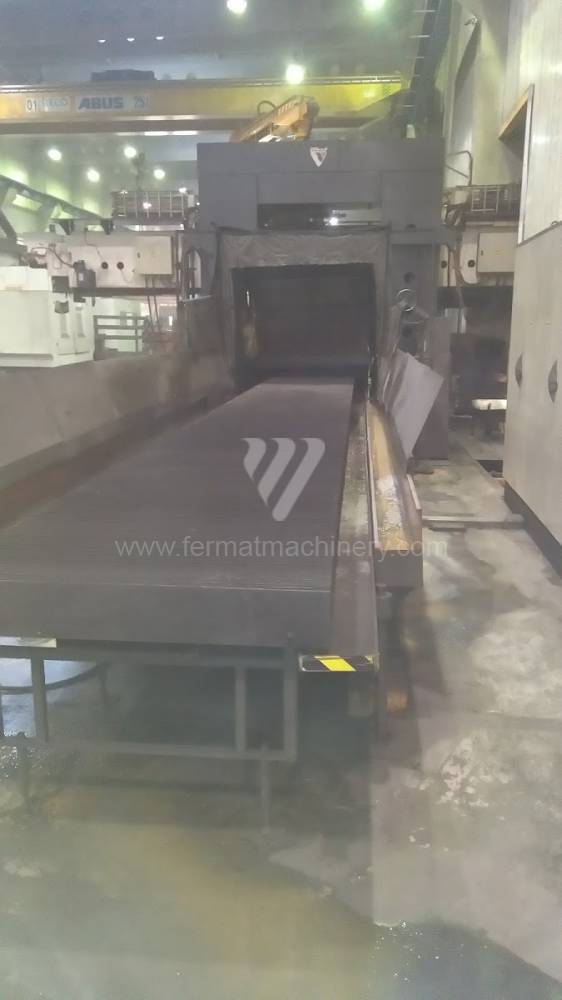
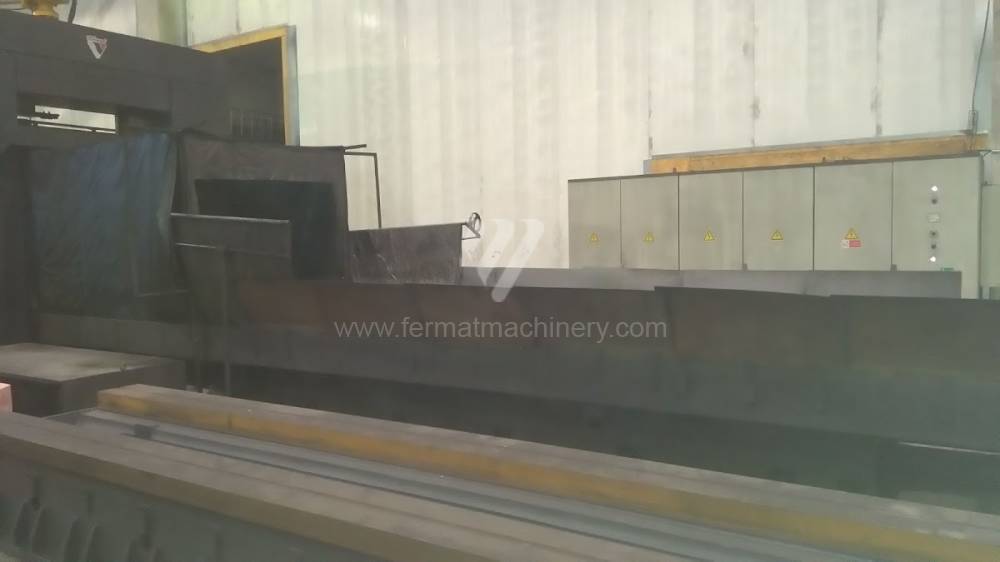
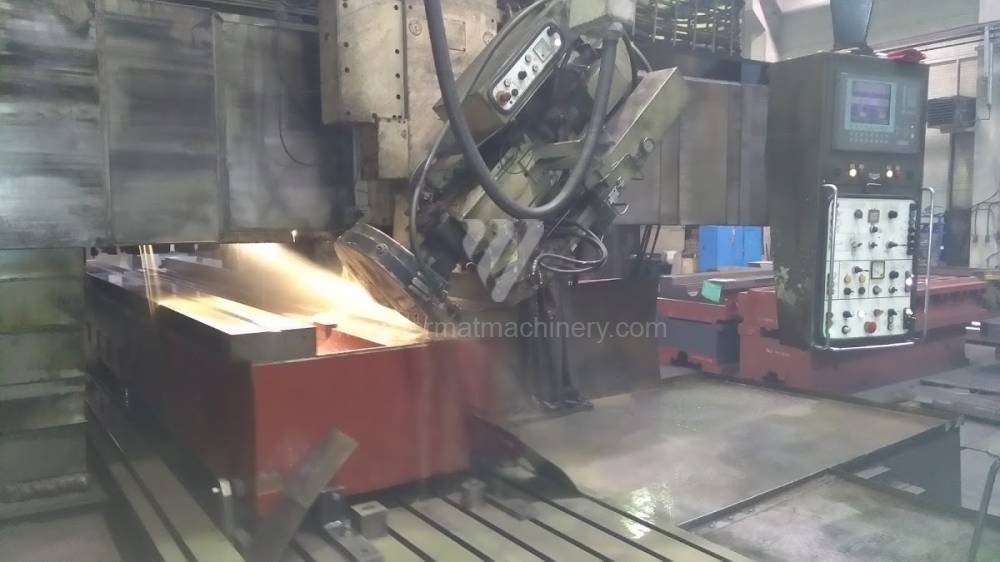
SZ 16-12-10
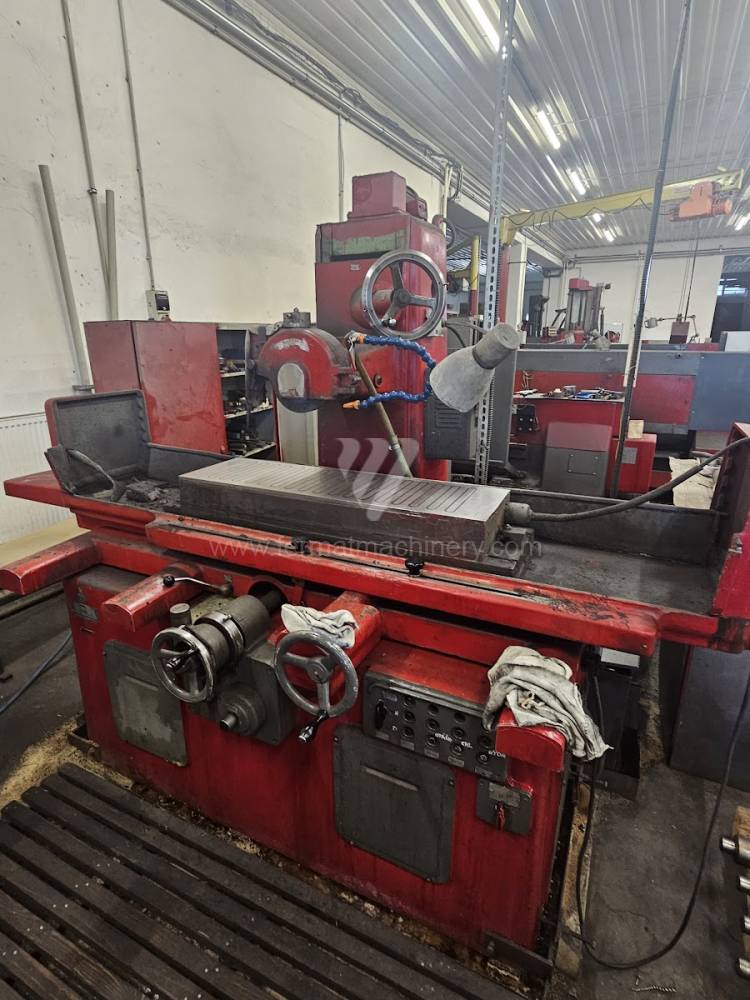
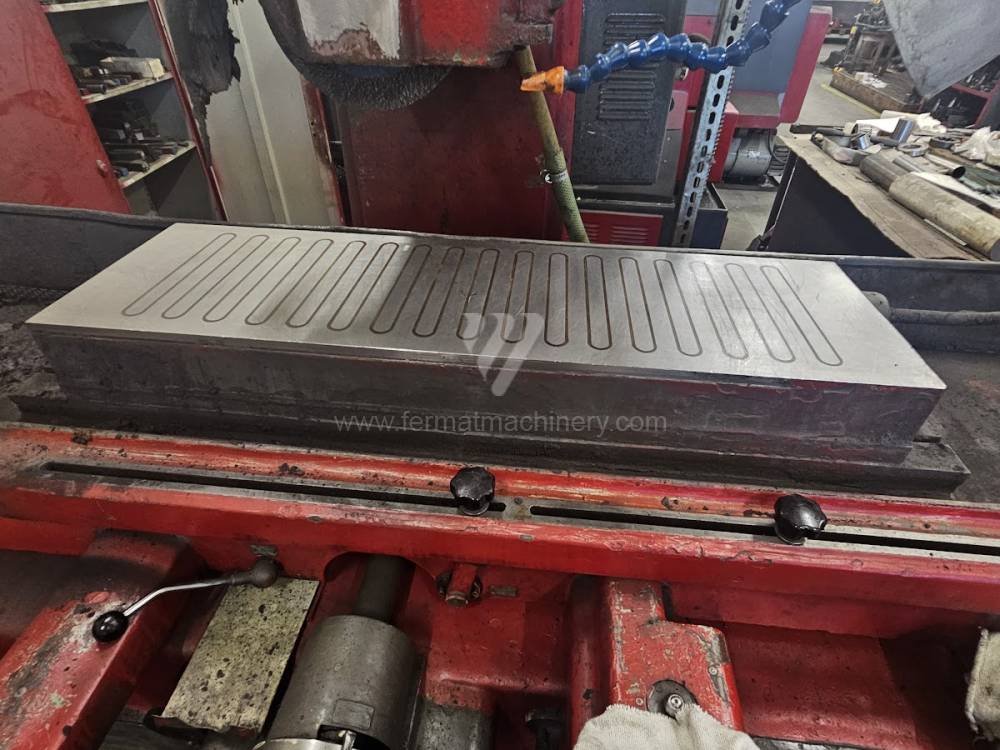
BPH 300
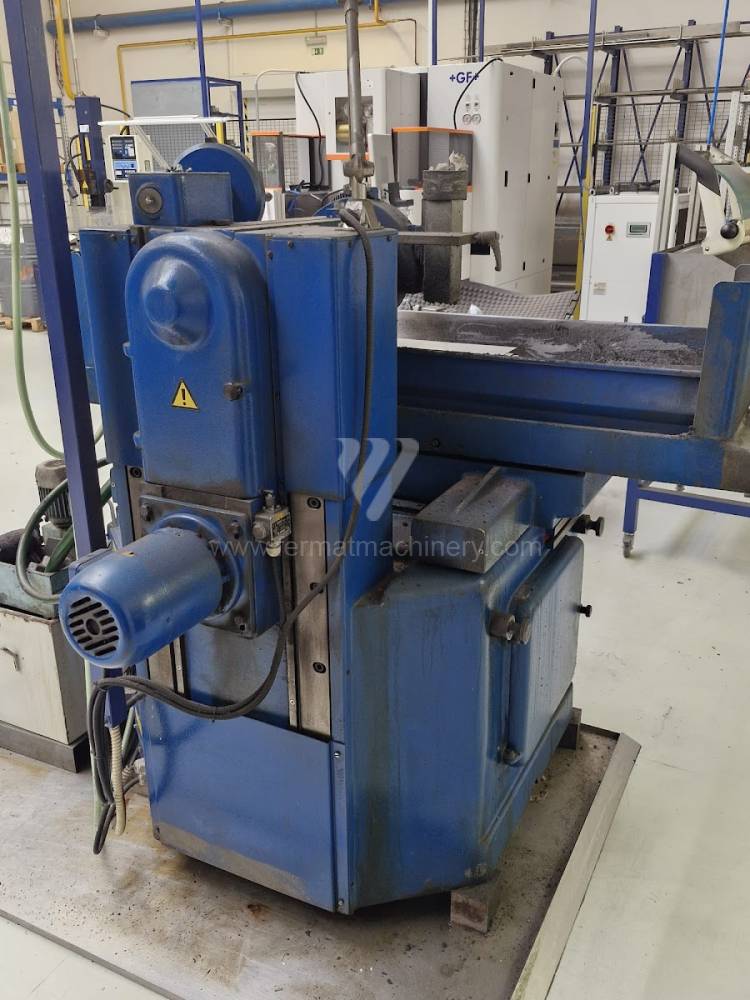
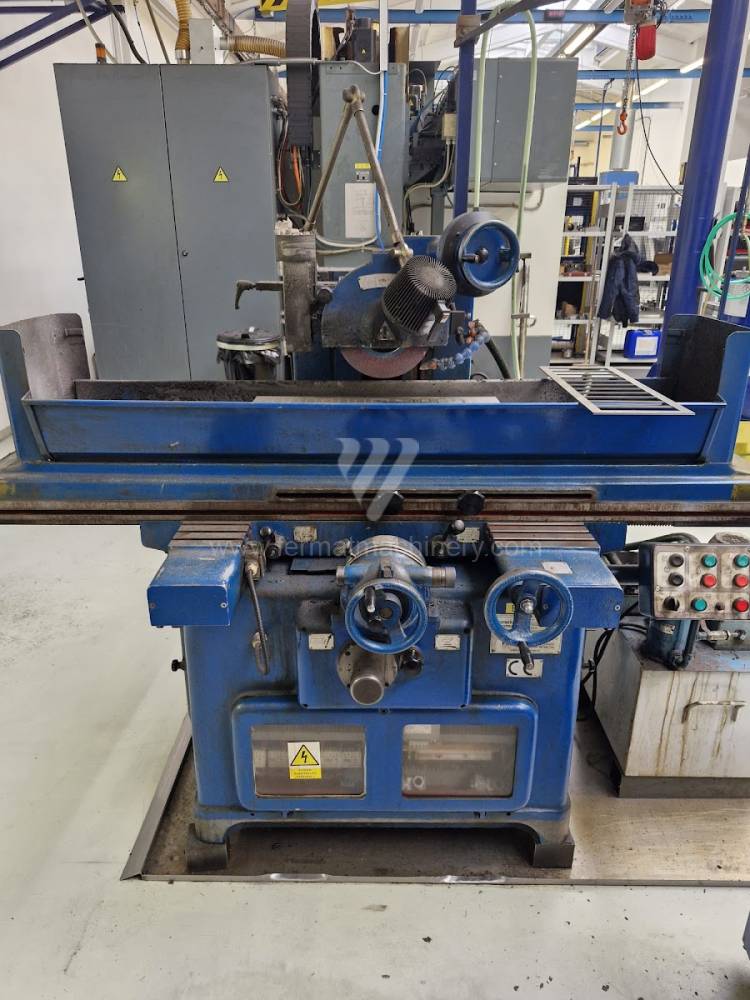
BPH 20 NA
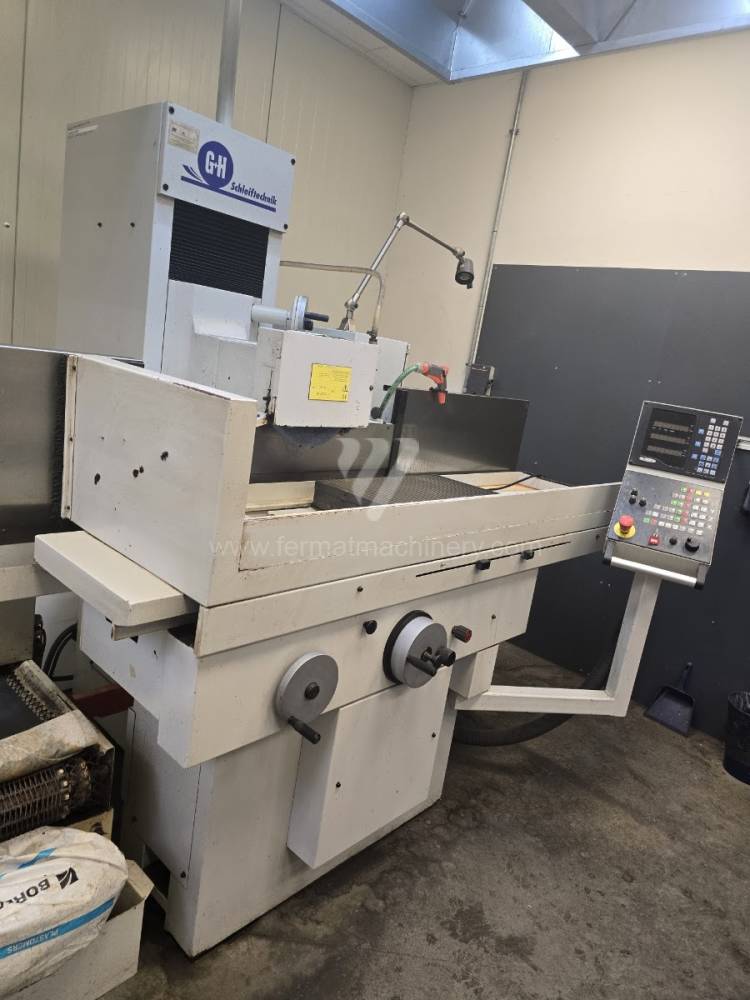
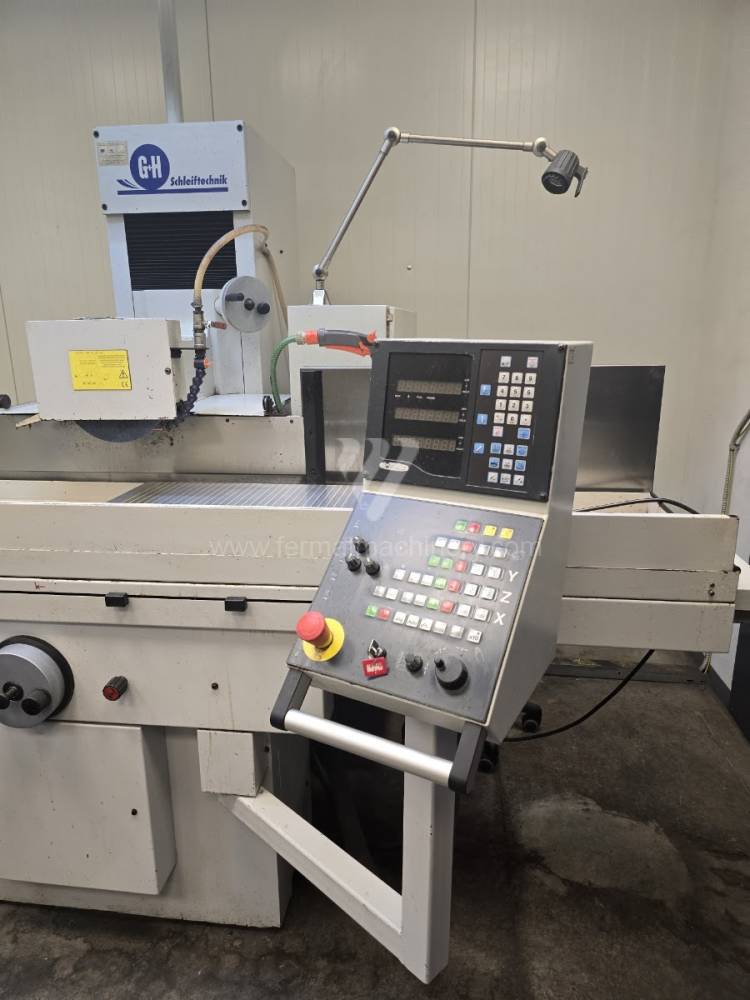
FS 60 AC
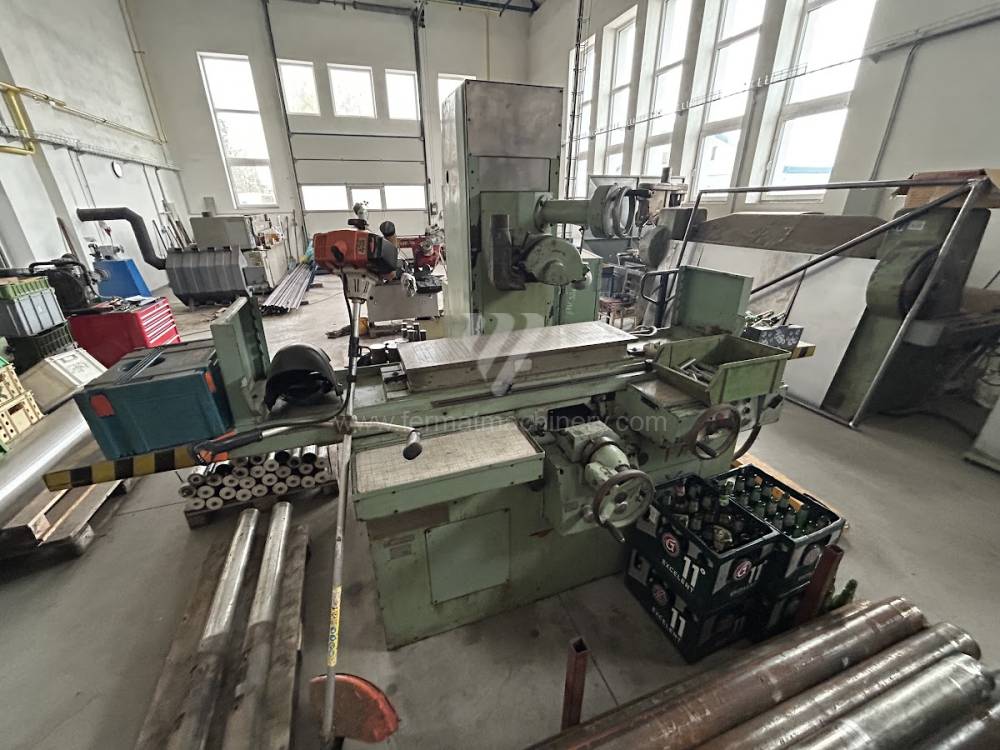
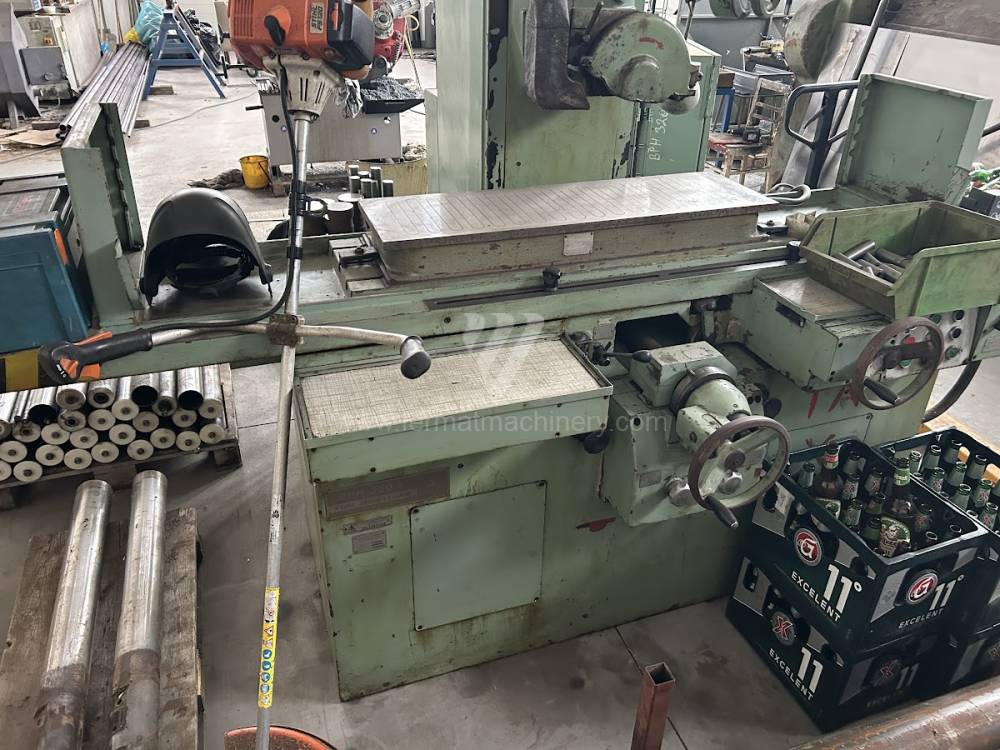
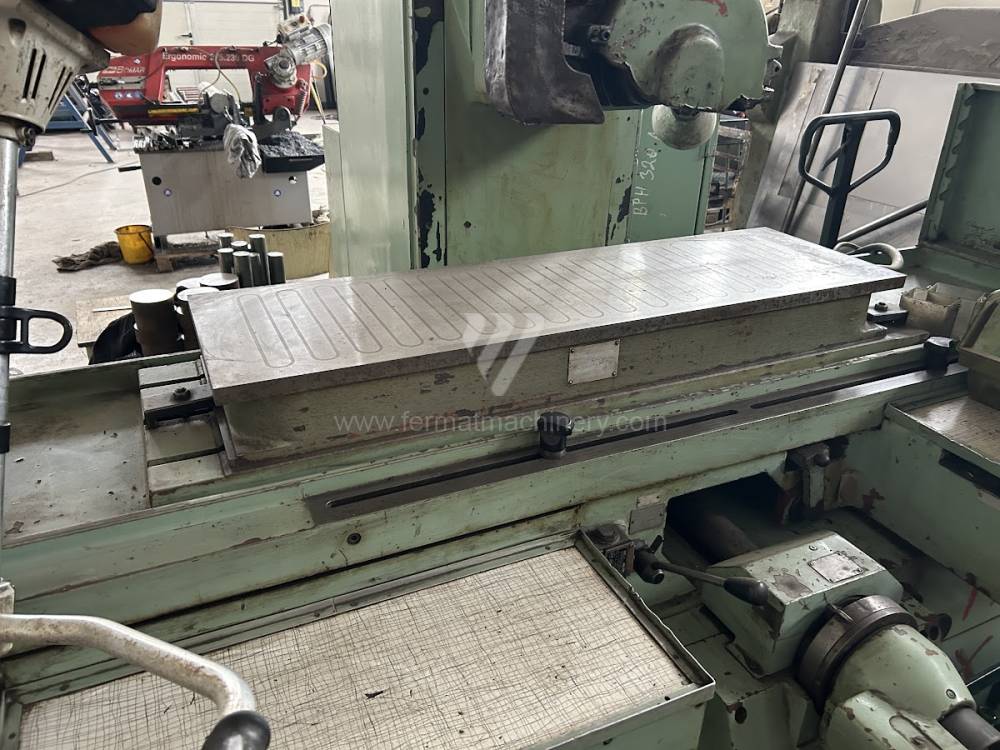
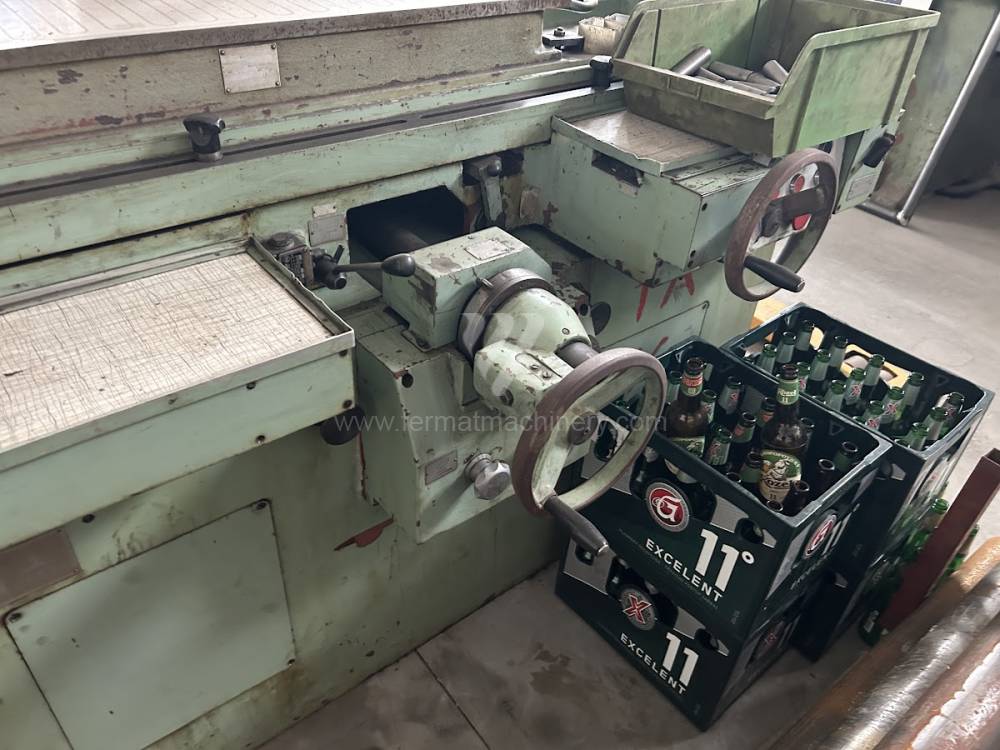
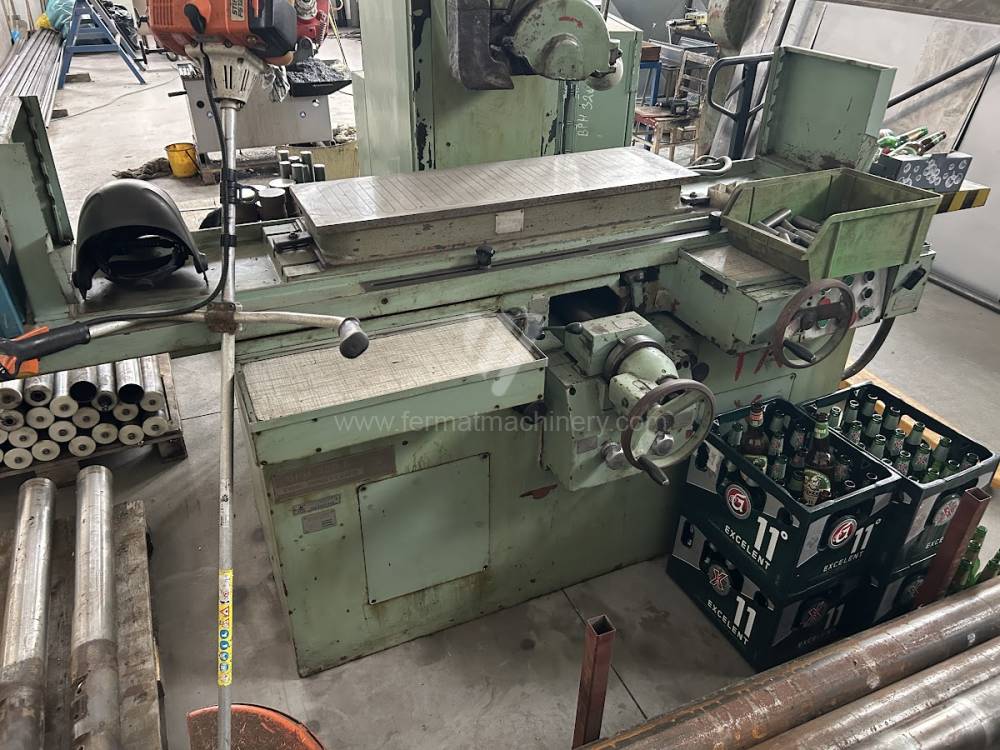
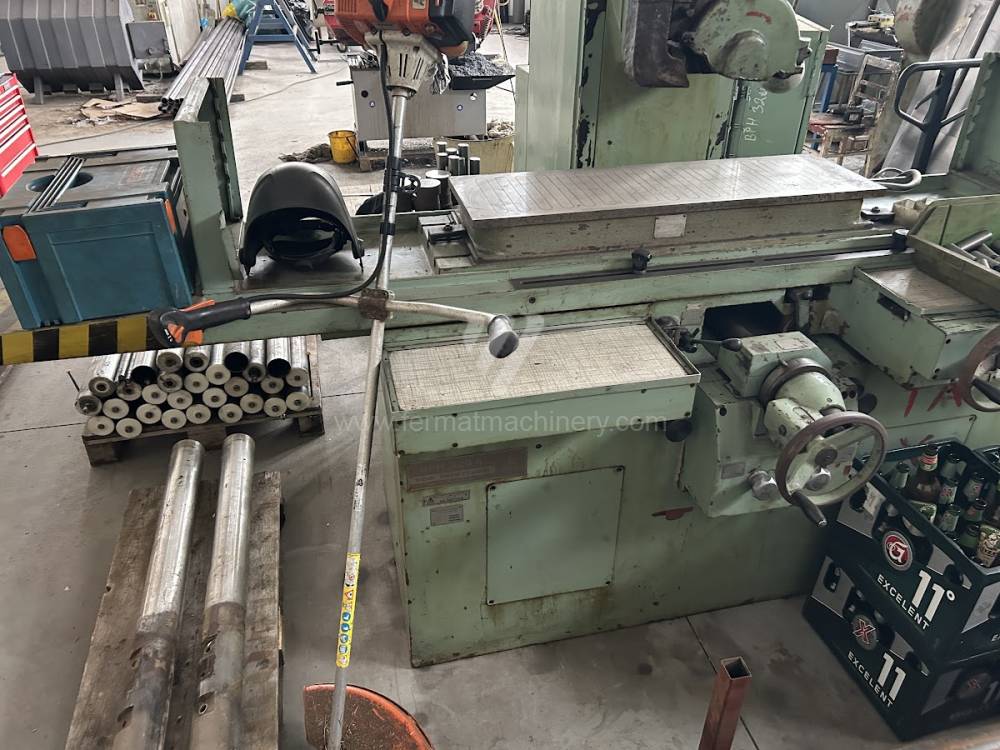
BPH 320 A
SFSR 800
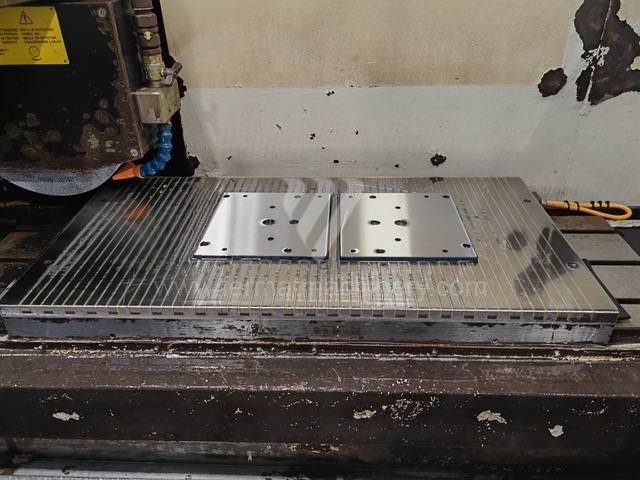
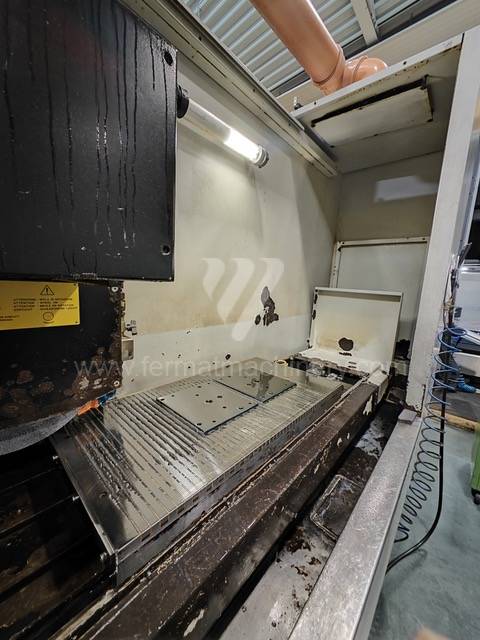
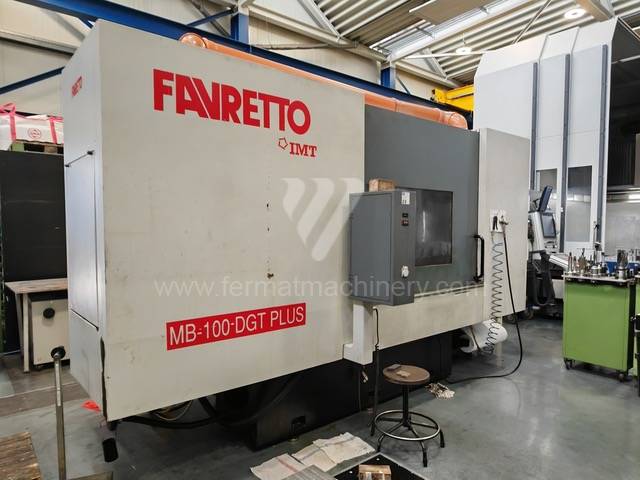
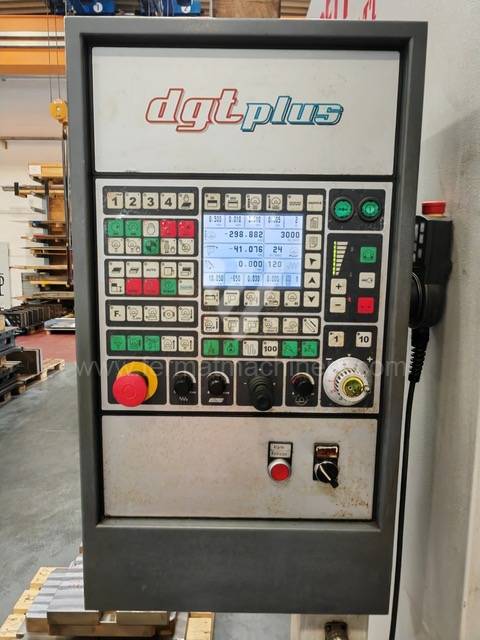
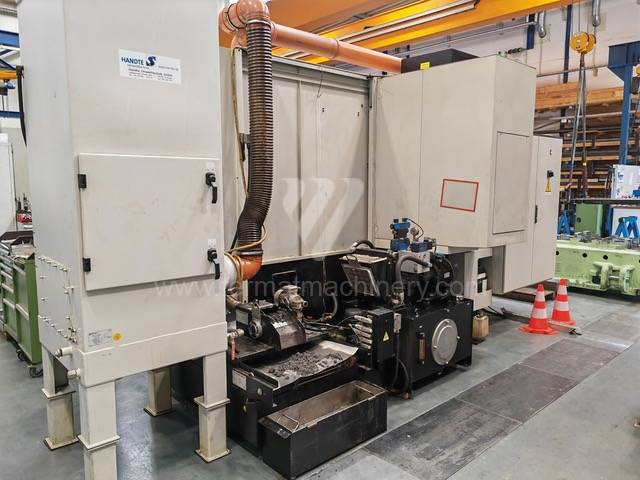
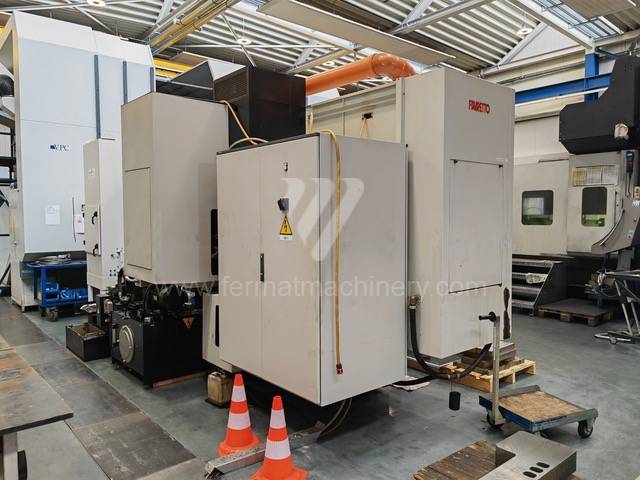
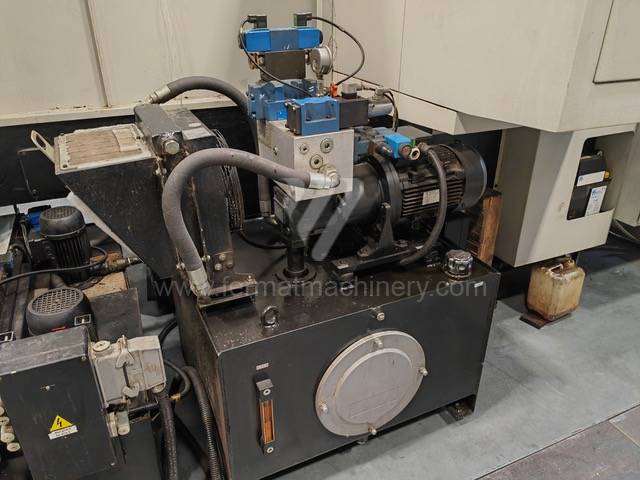
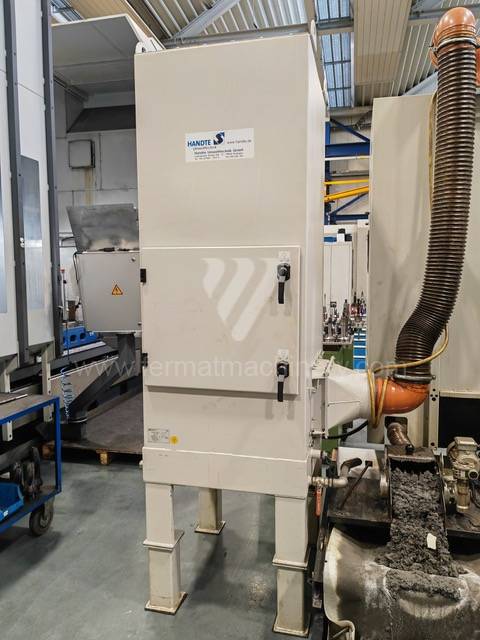
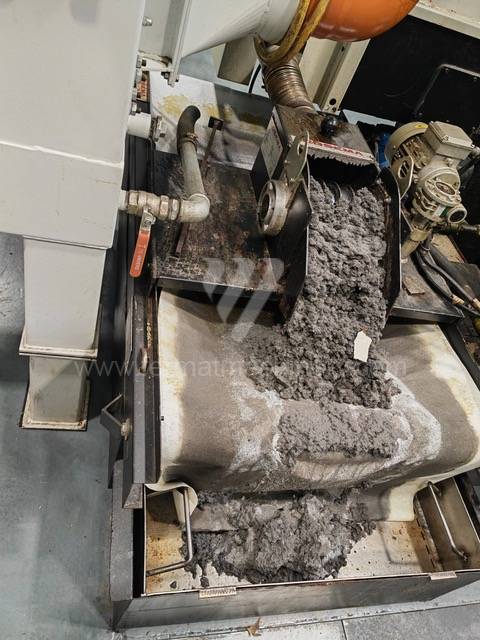
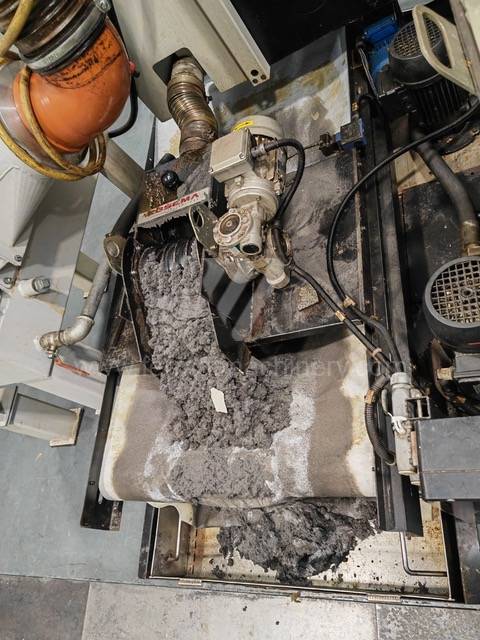
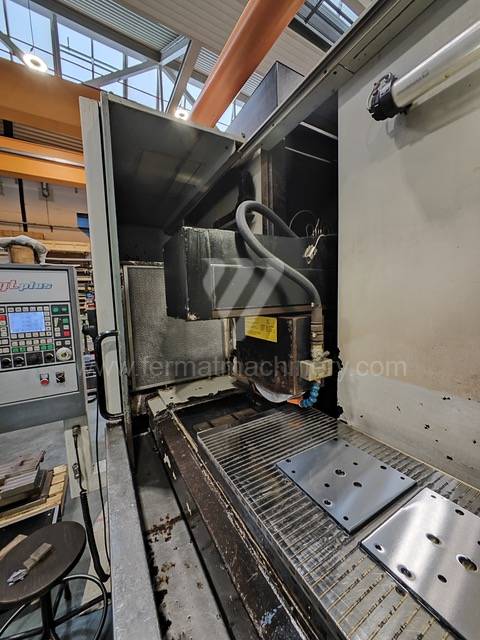
MB 100
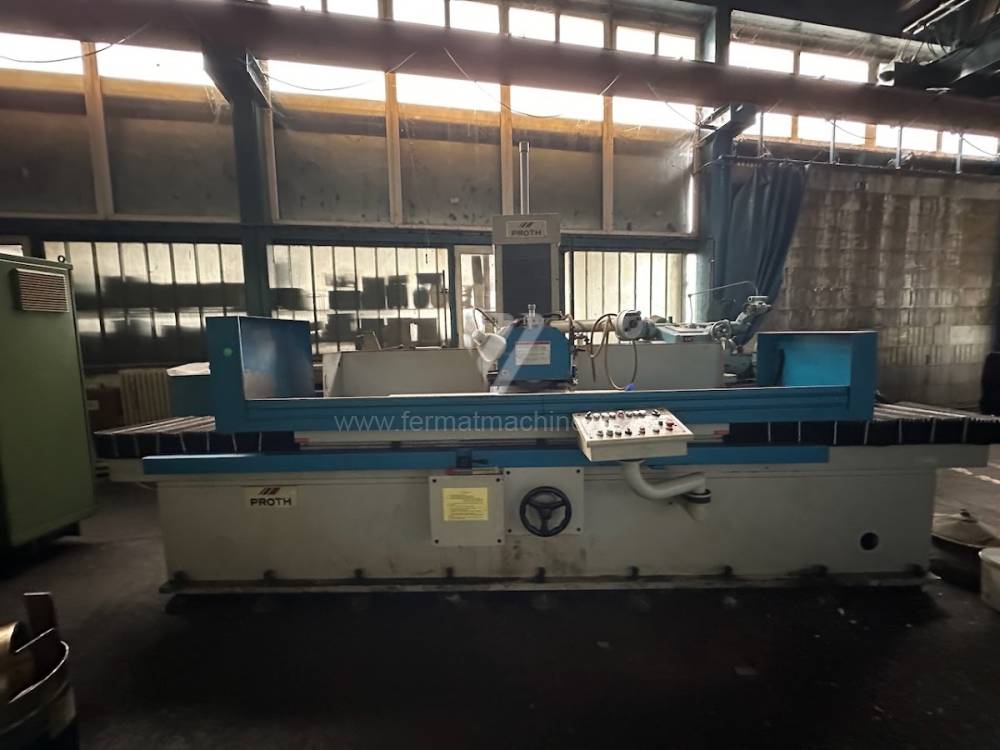
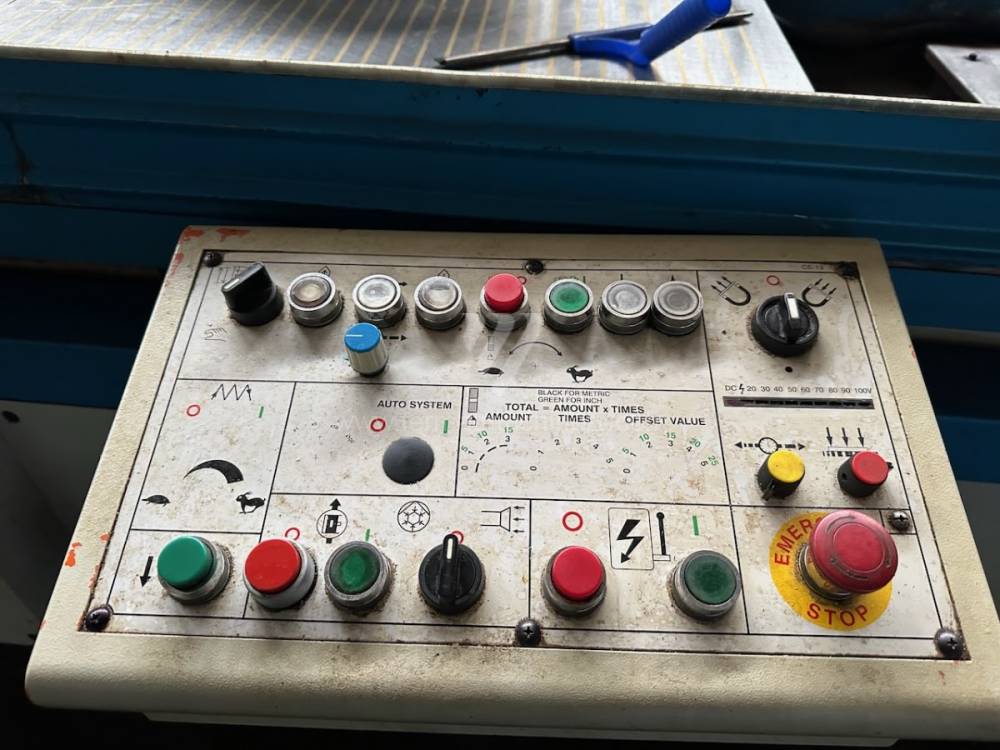
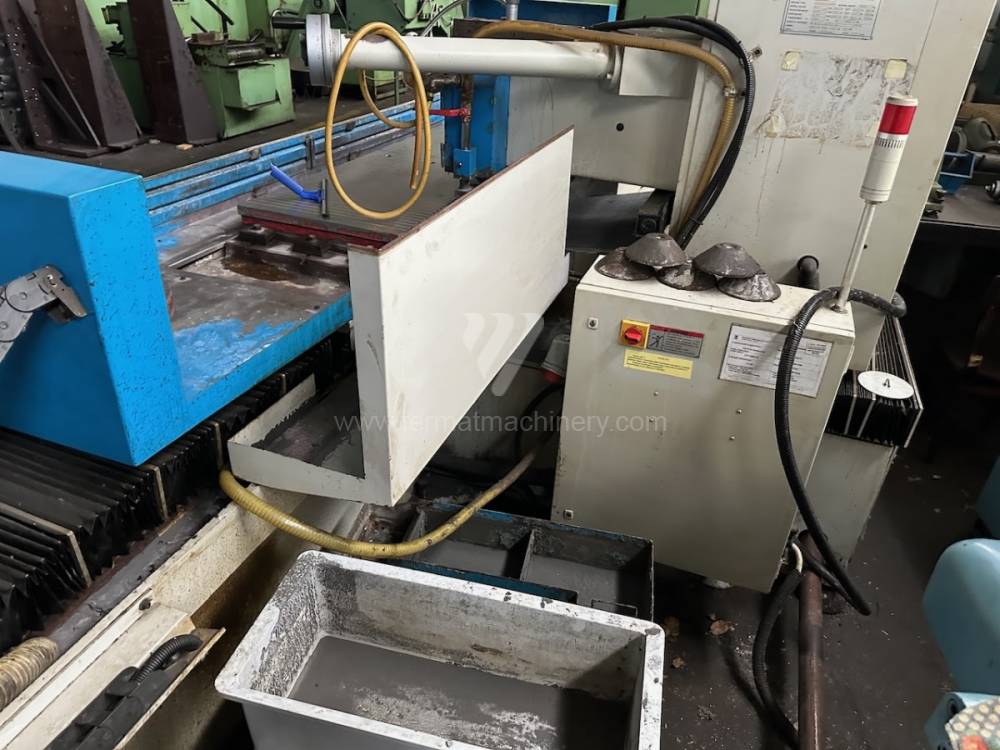
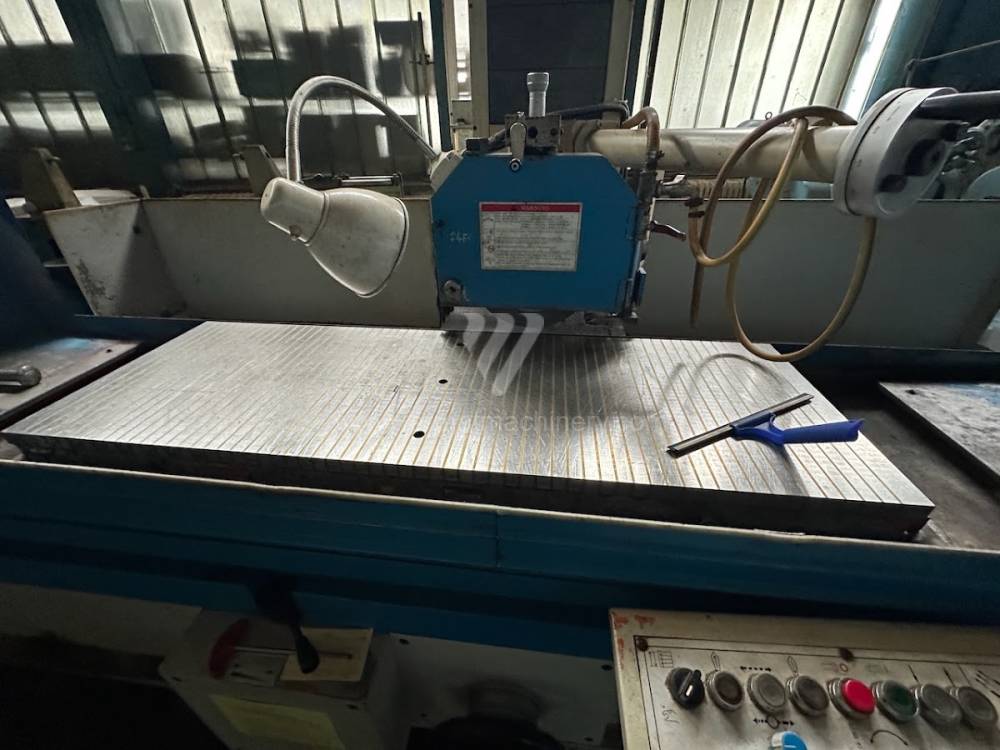
PSGC – 50150 AHR
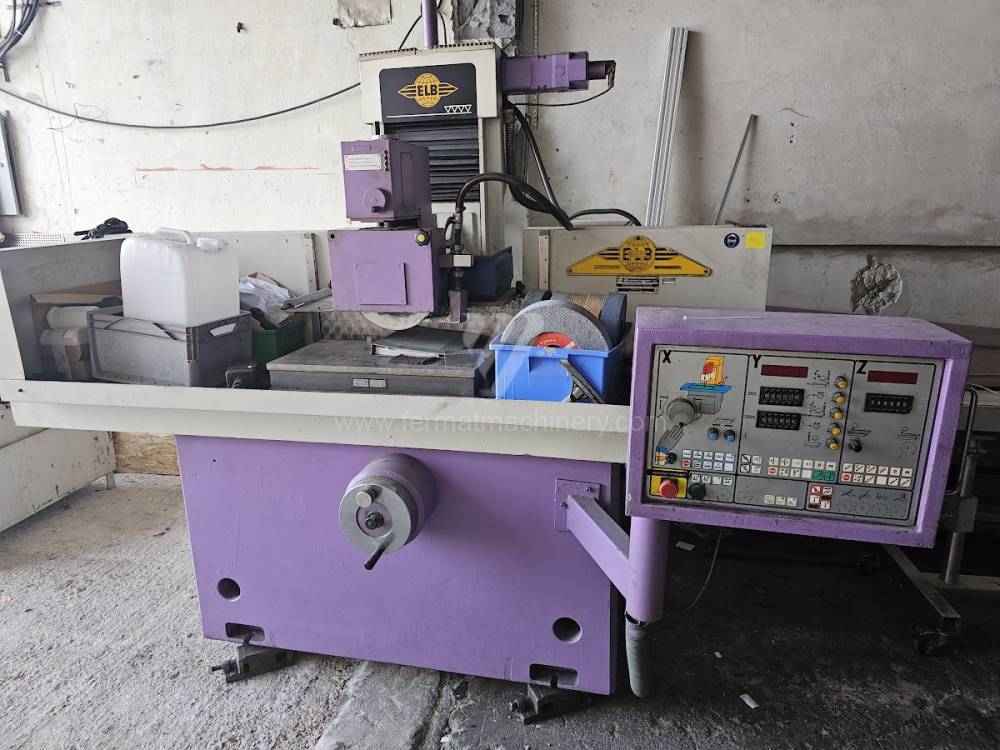
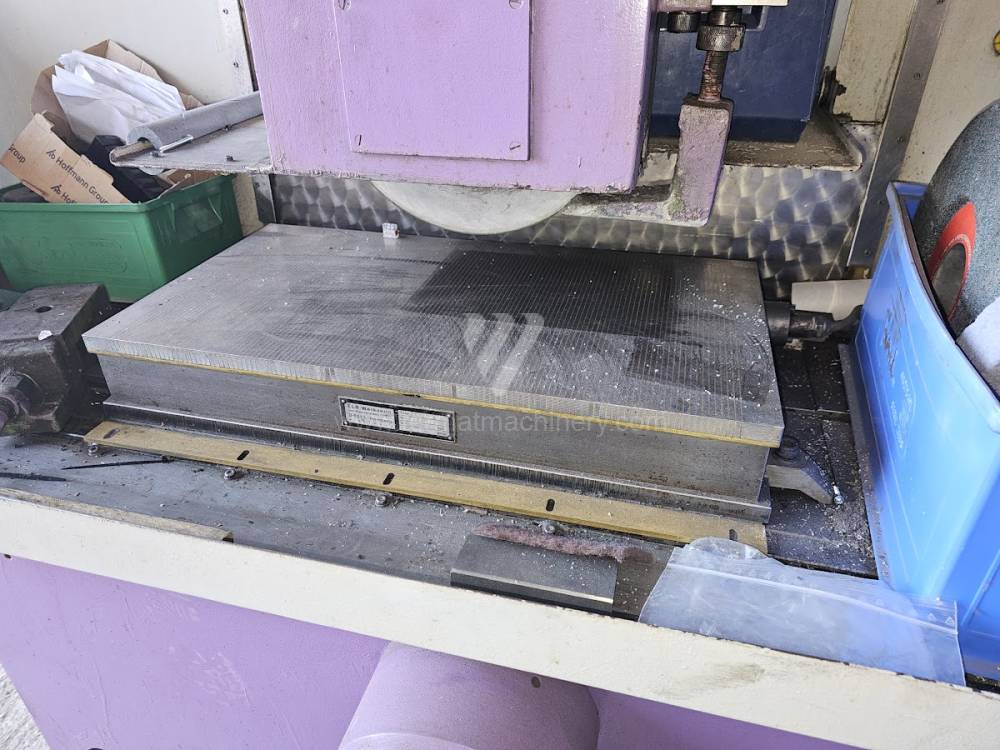
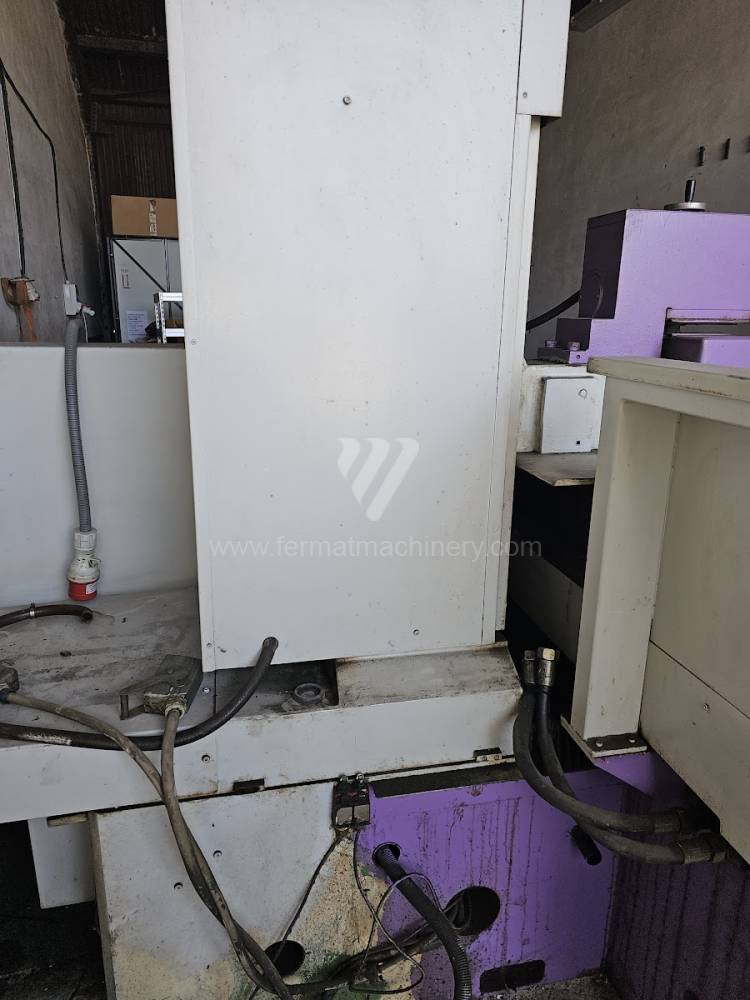
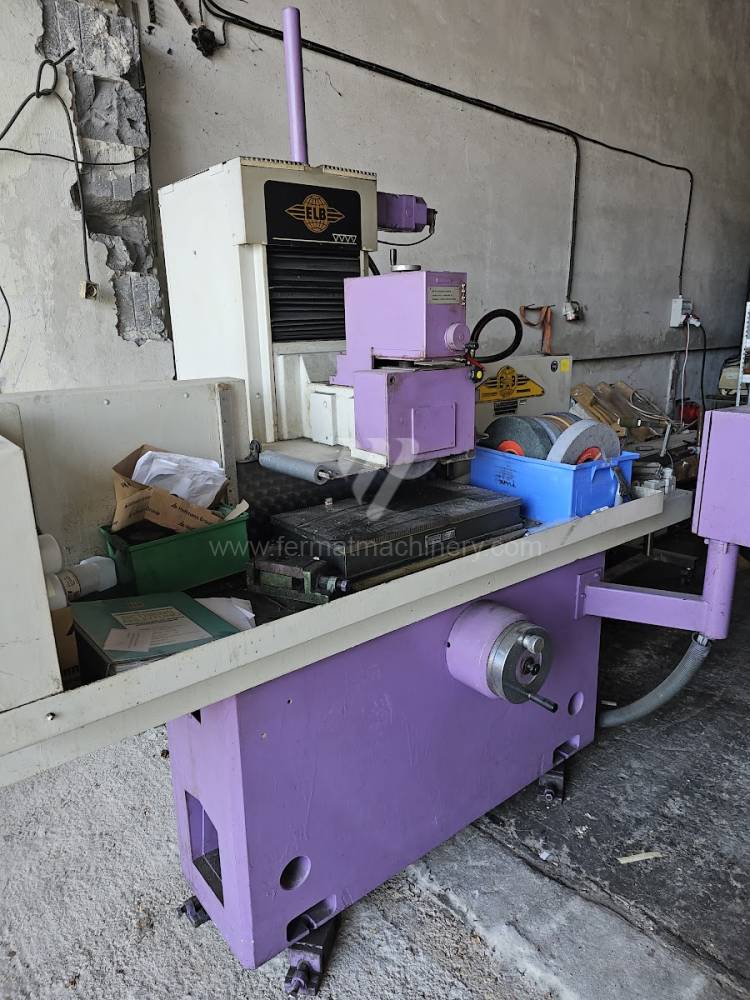
ELB
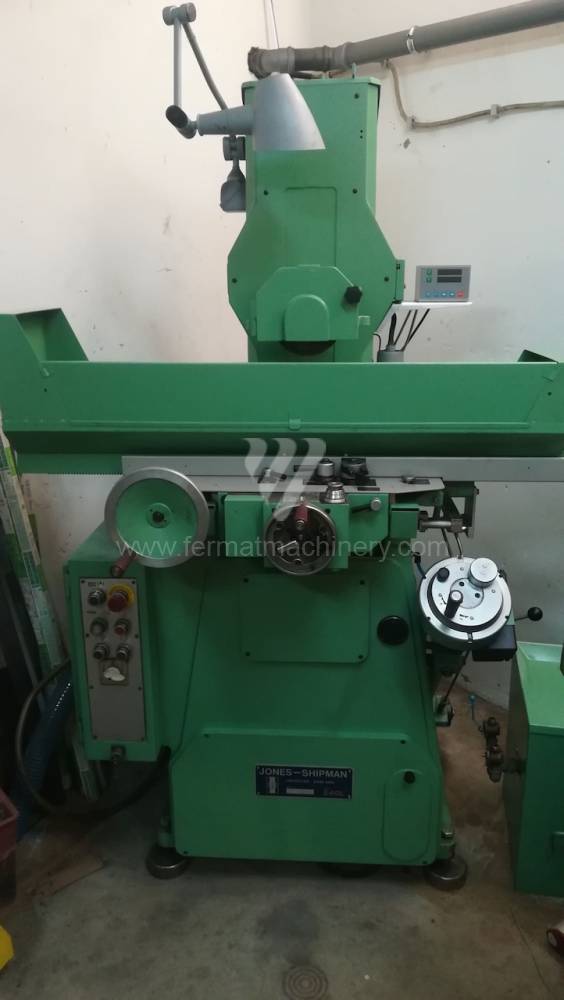
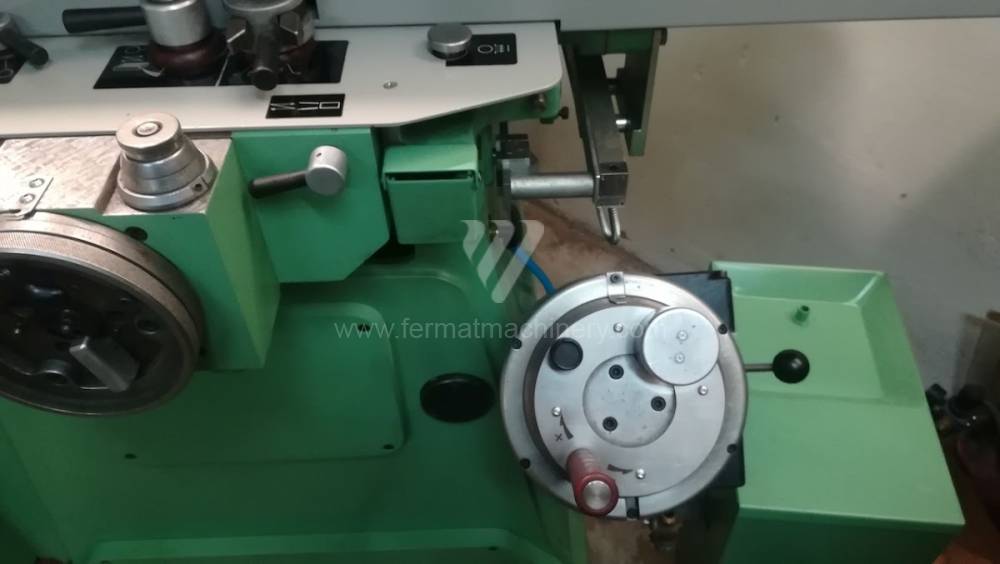
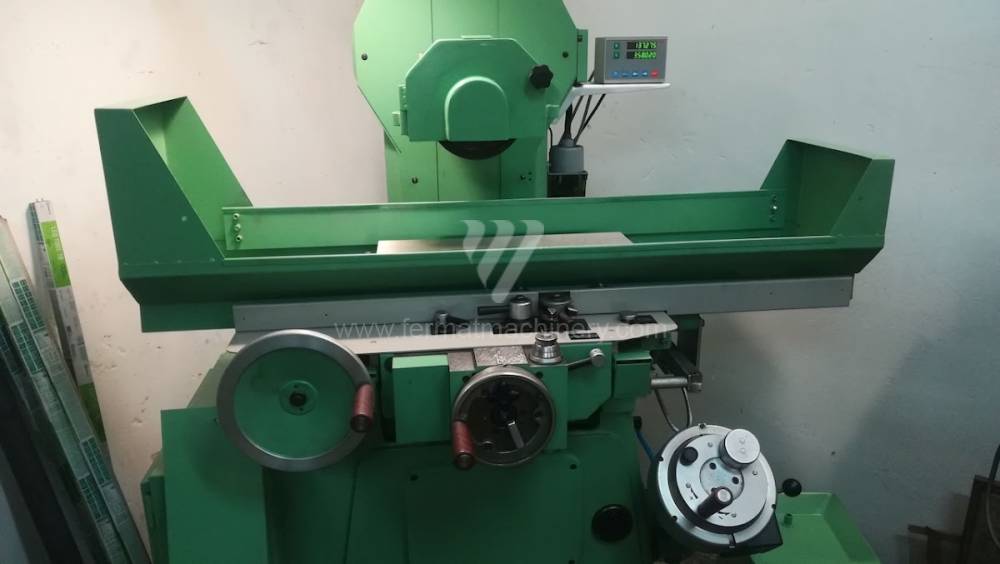
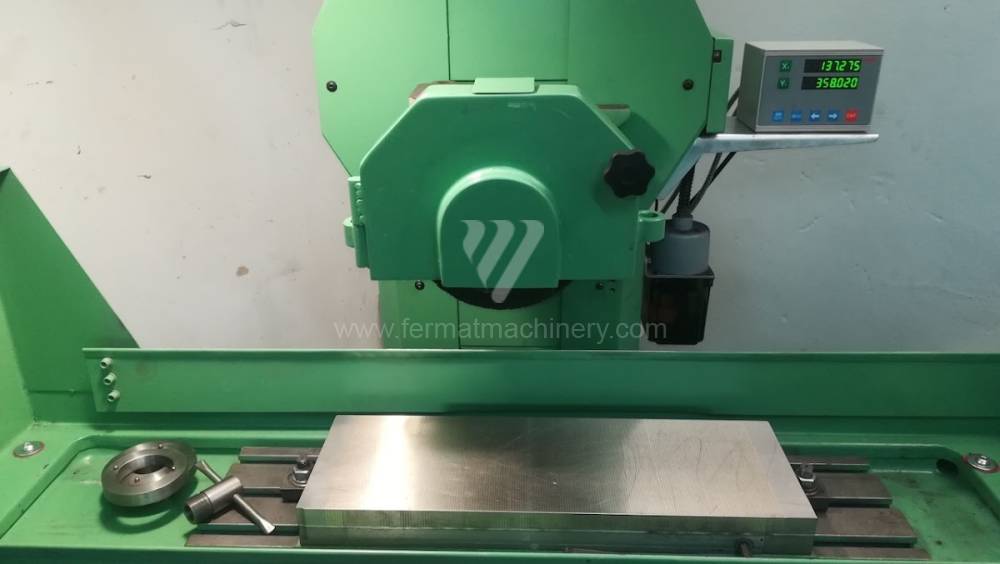
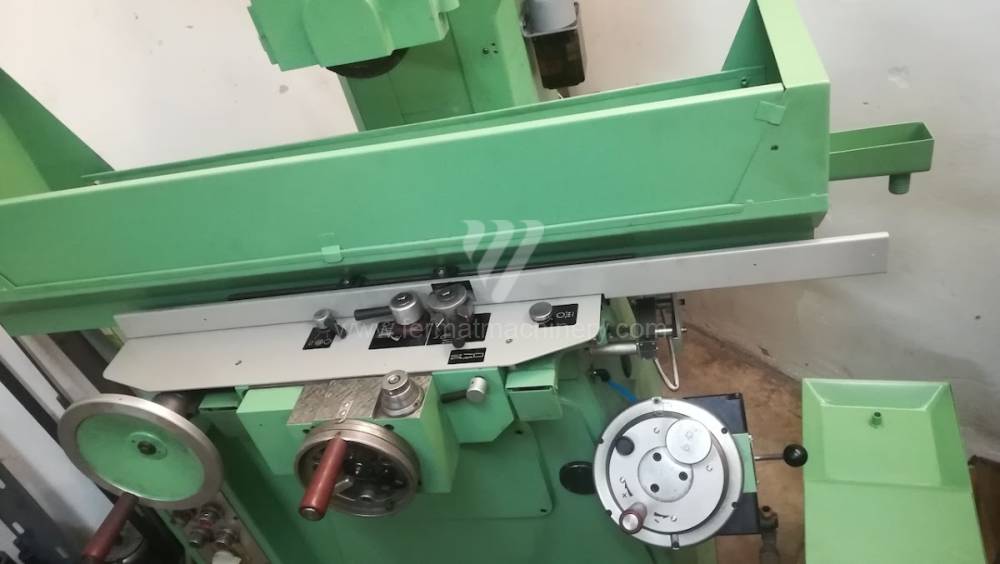
540L
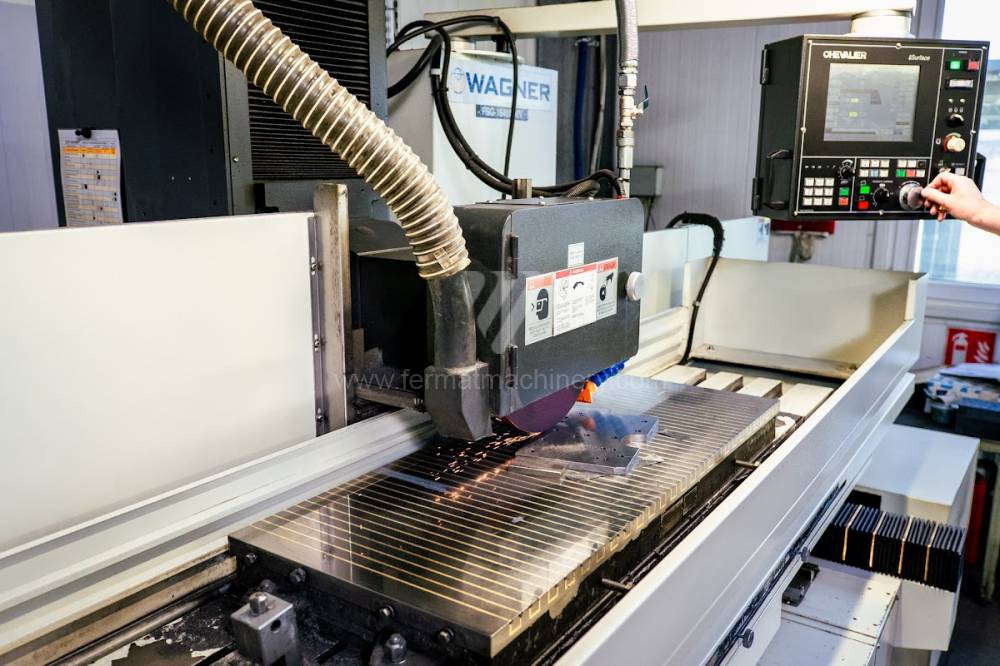
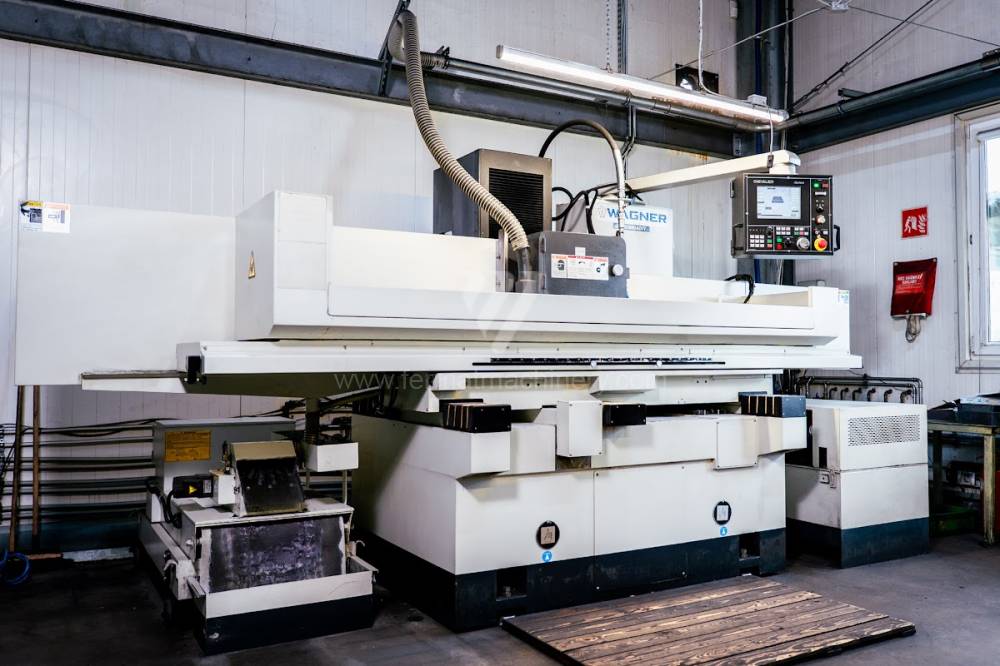
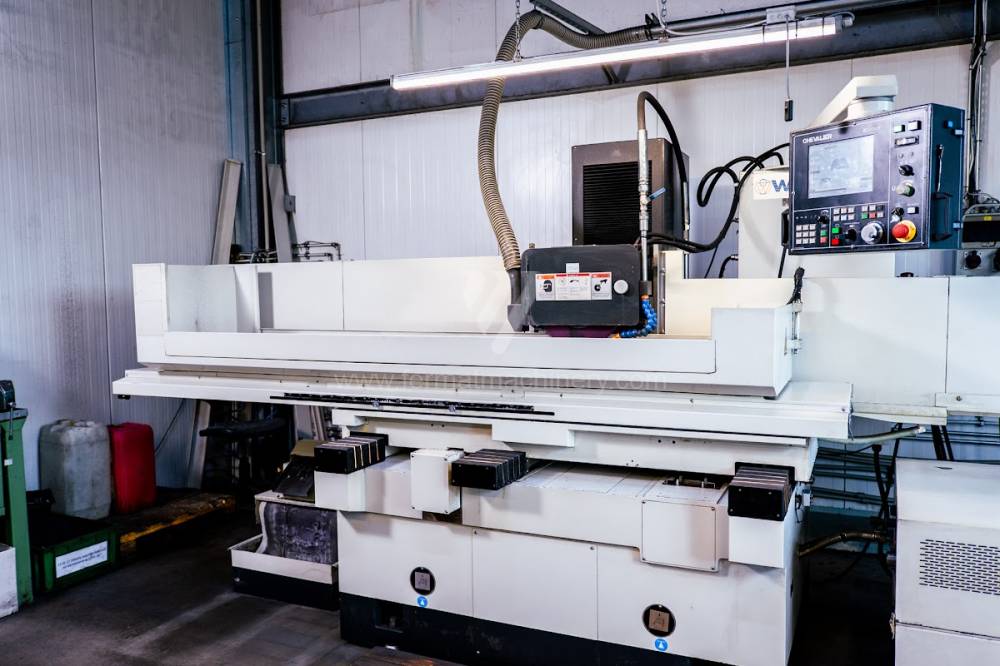
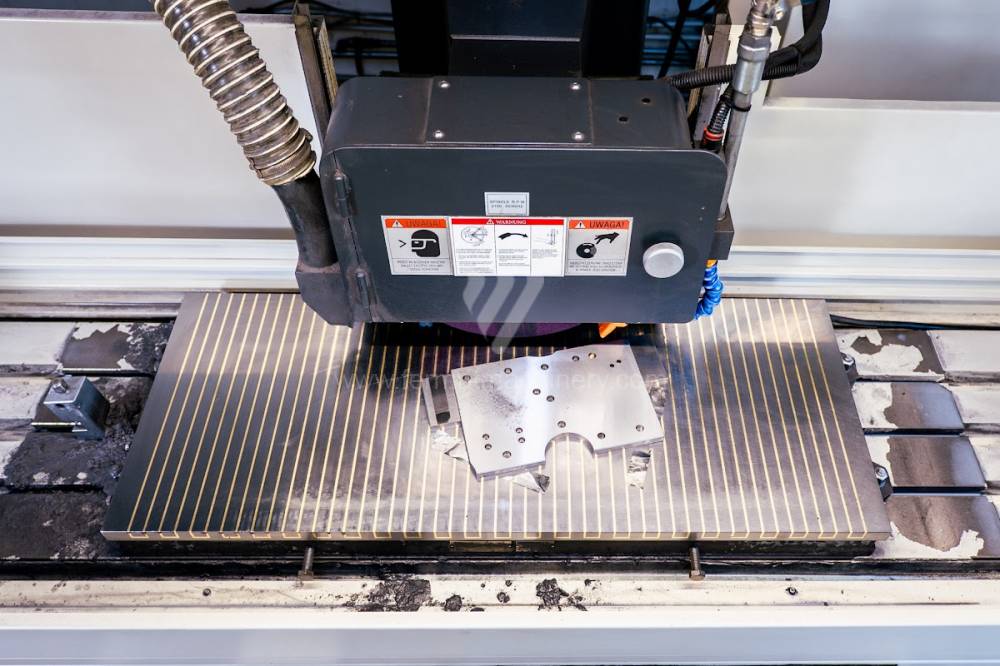
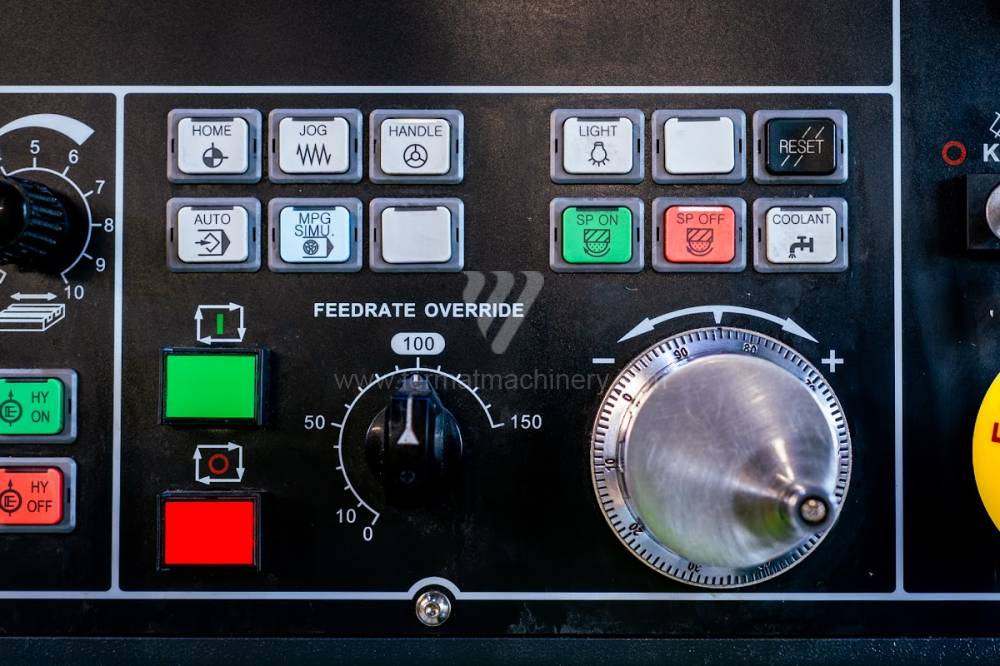
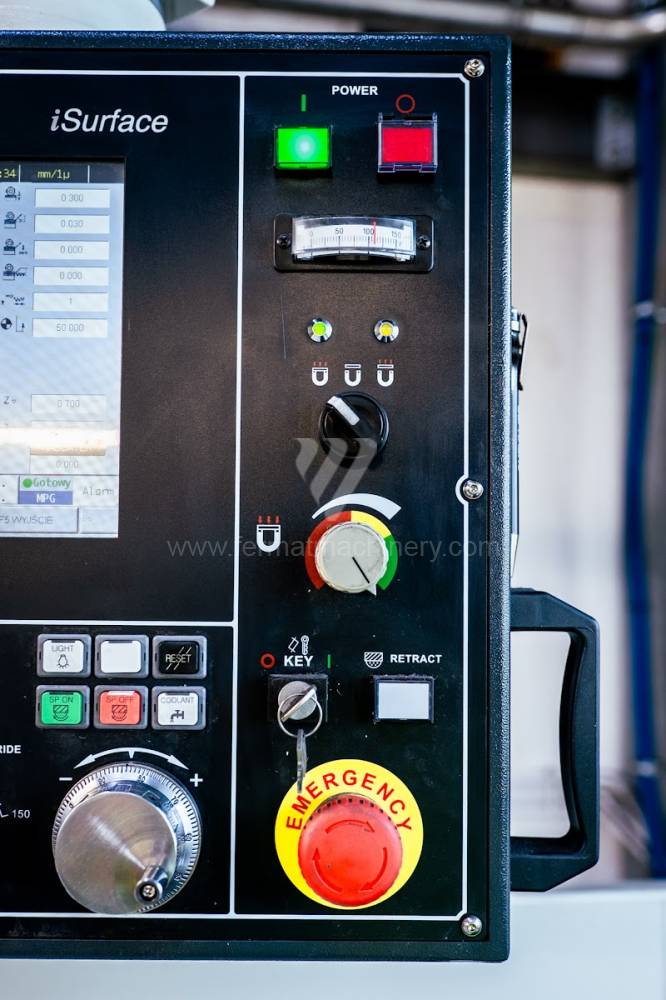
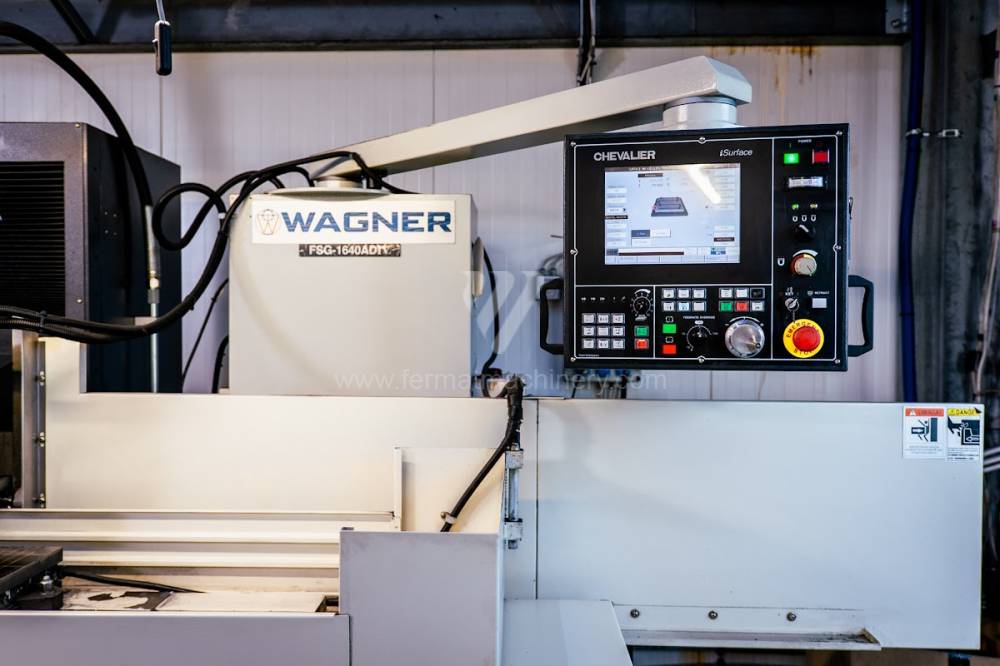
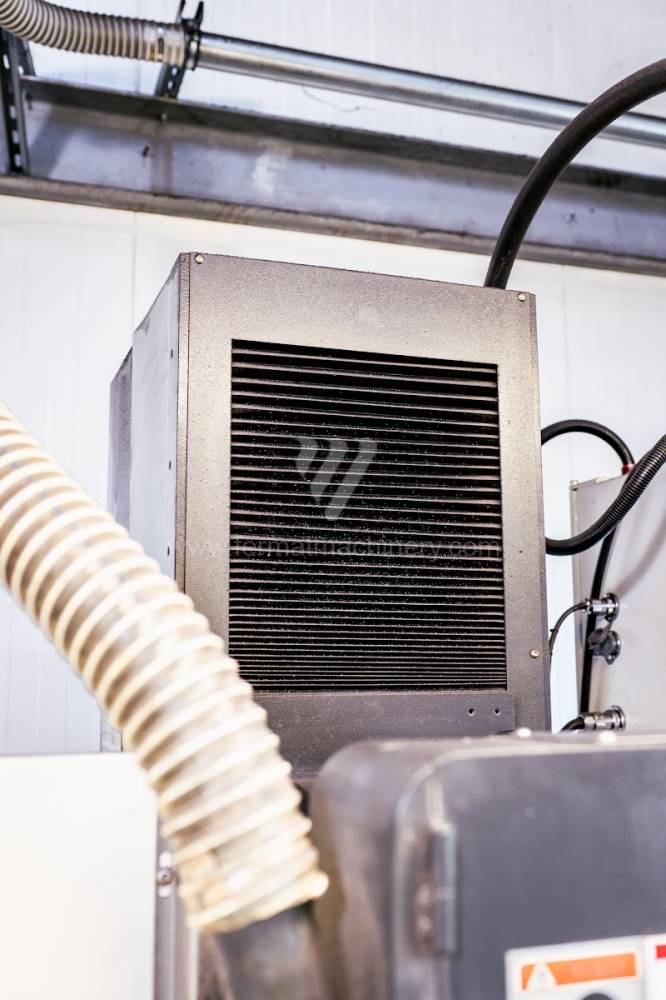
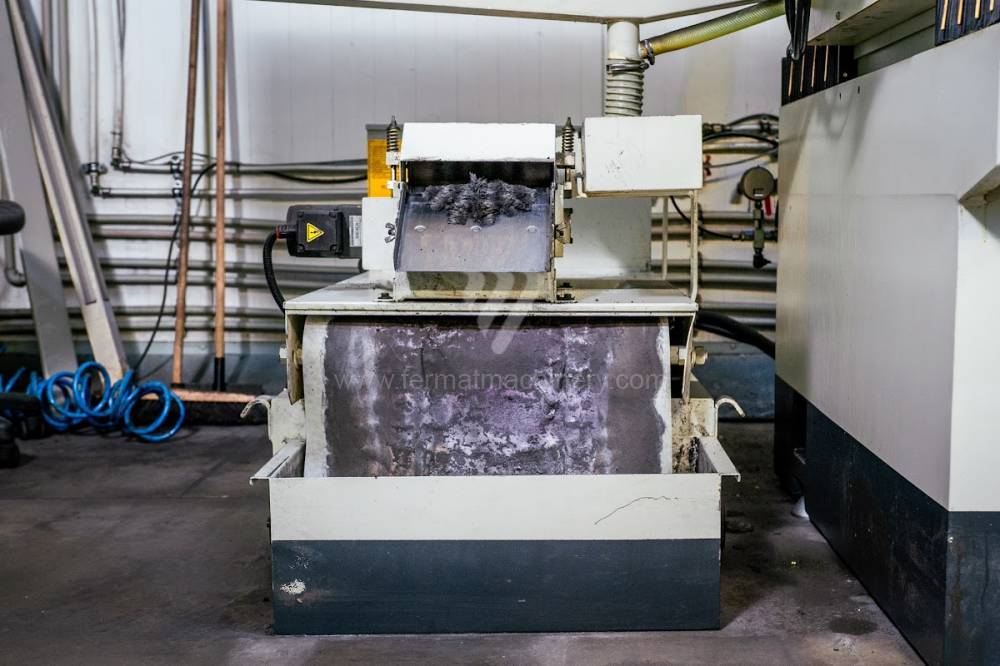
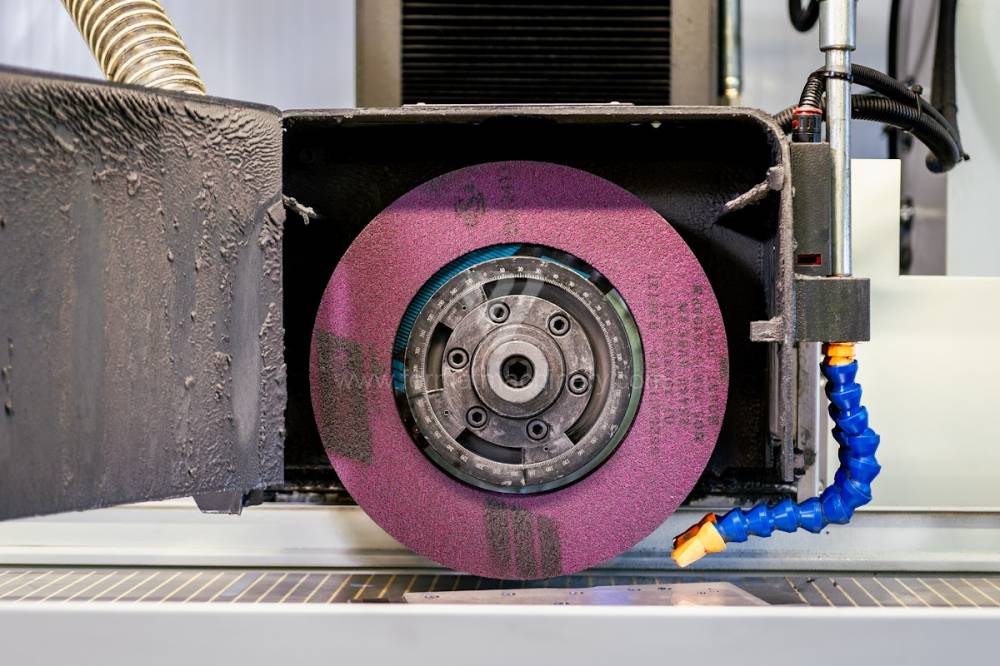
FSG 1640-AD IV
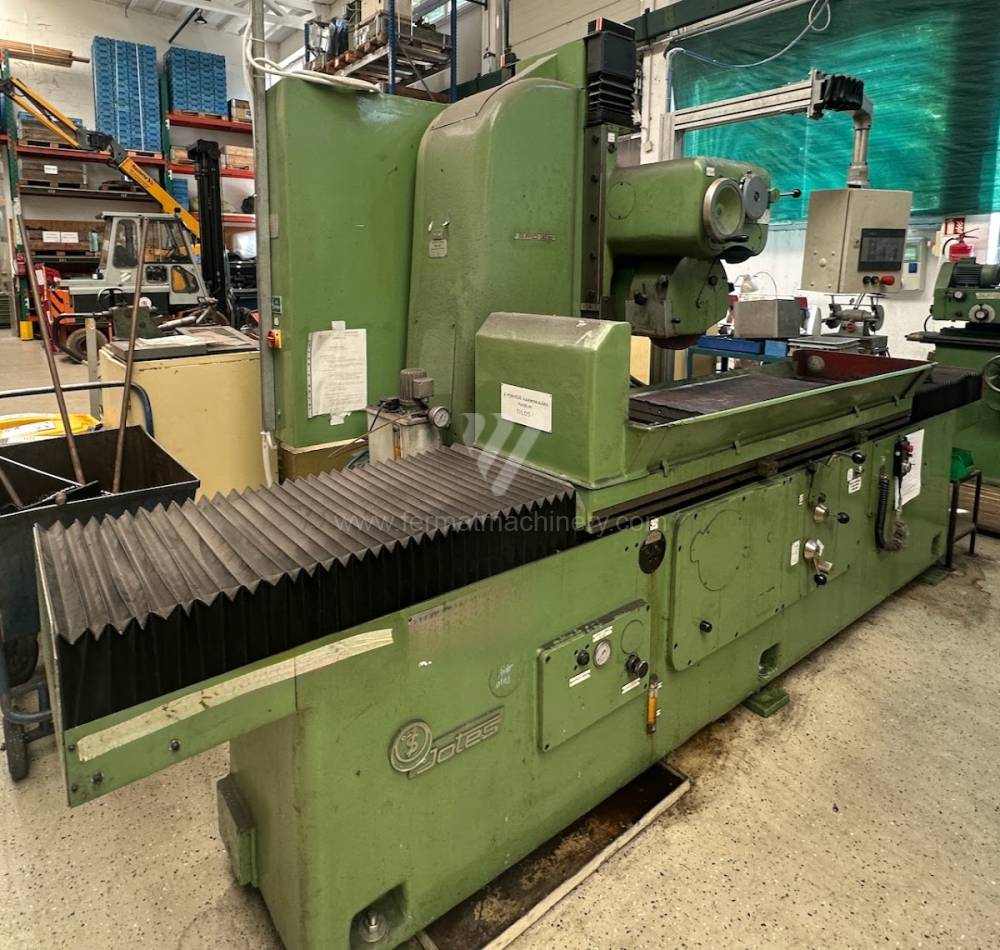
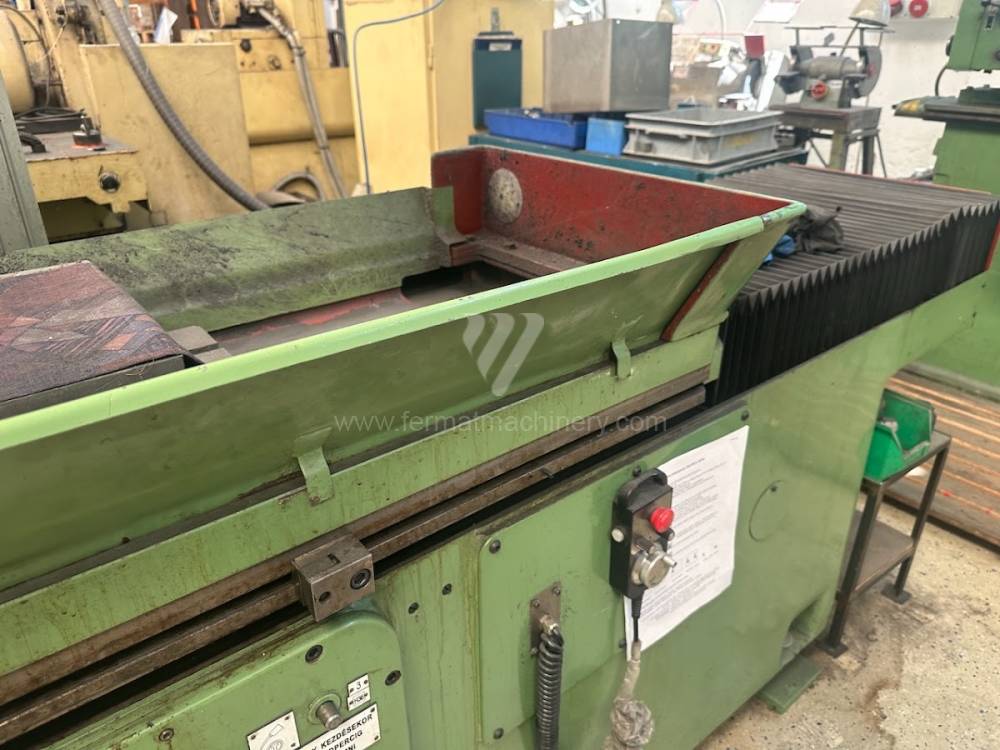
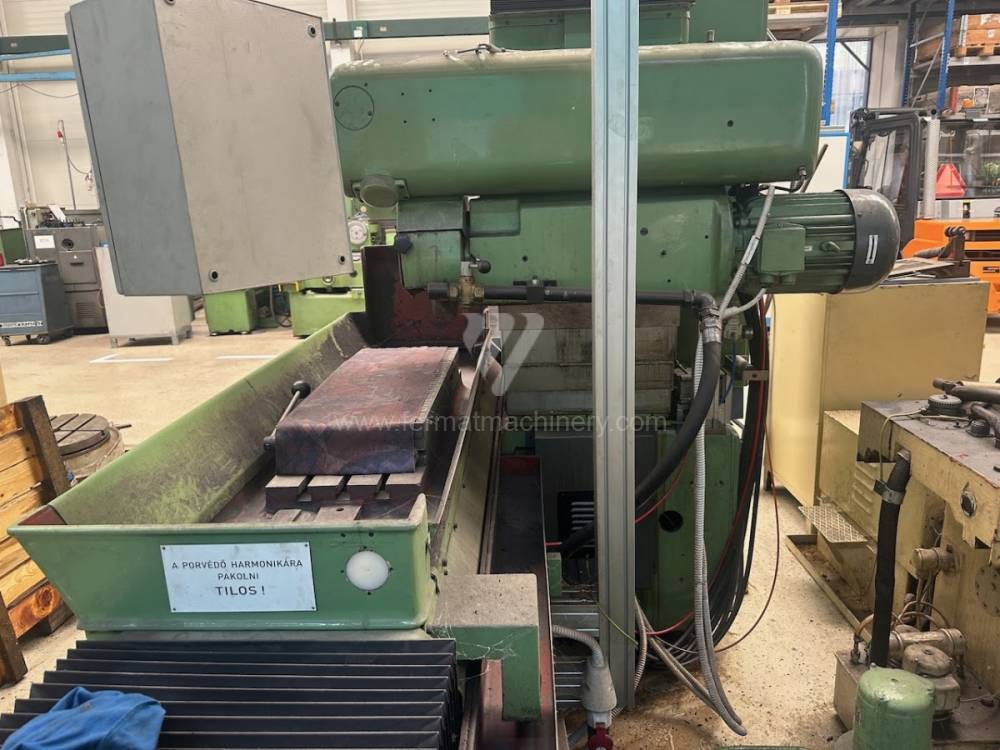
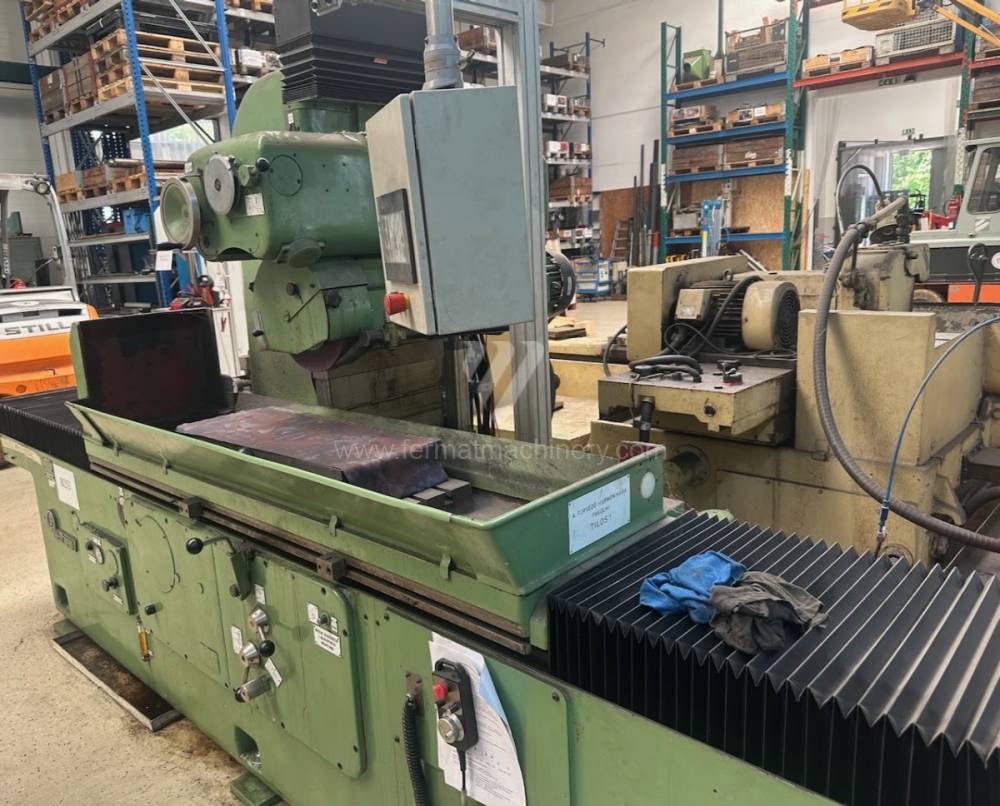
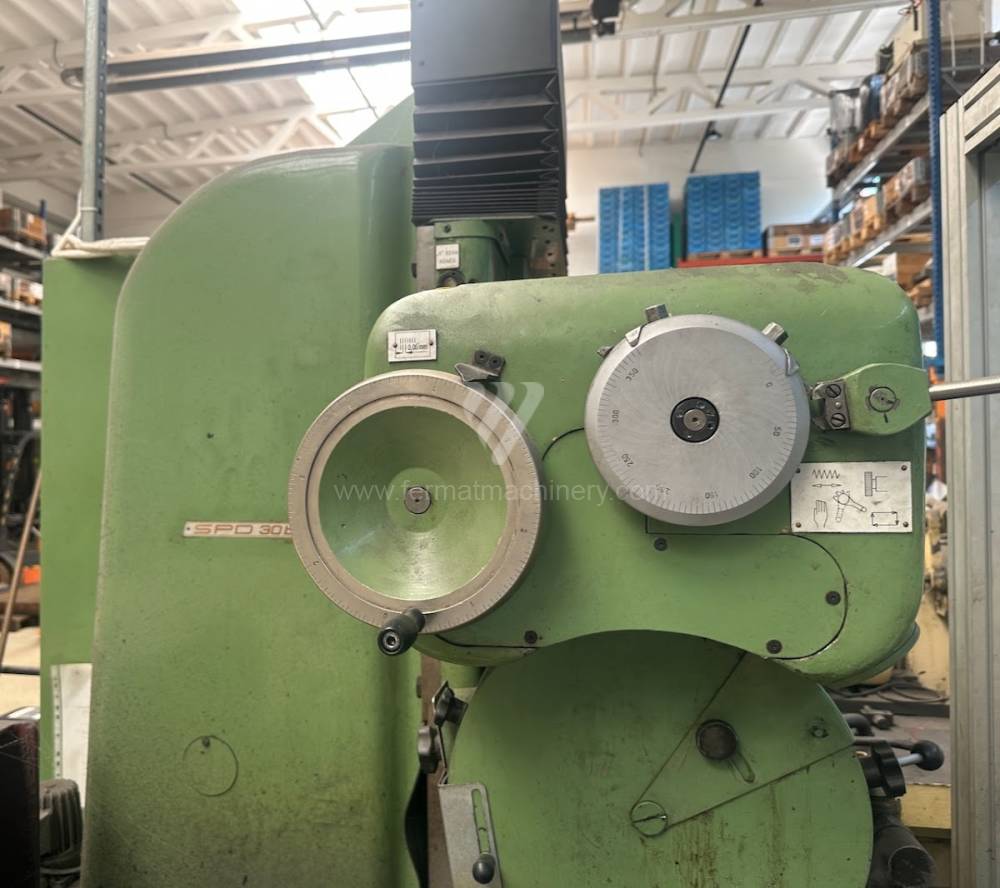
SPD 30 b
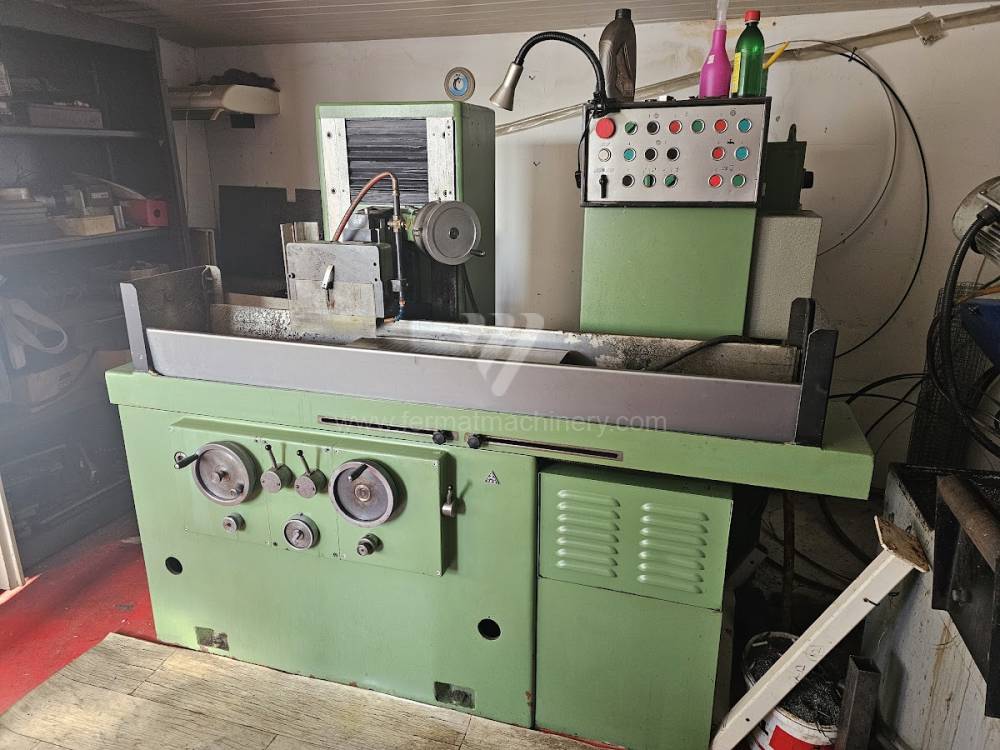
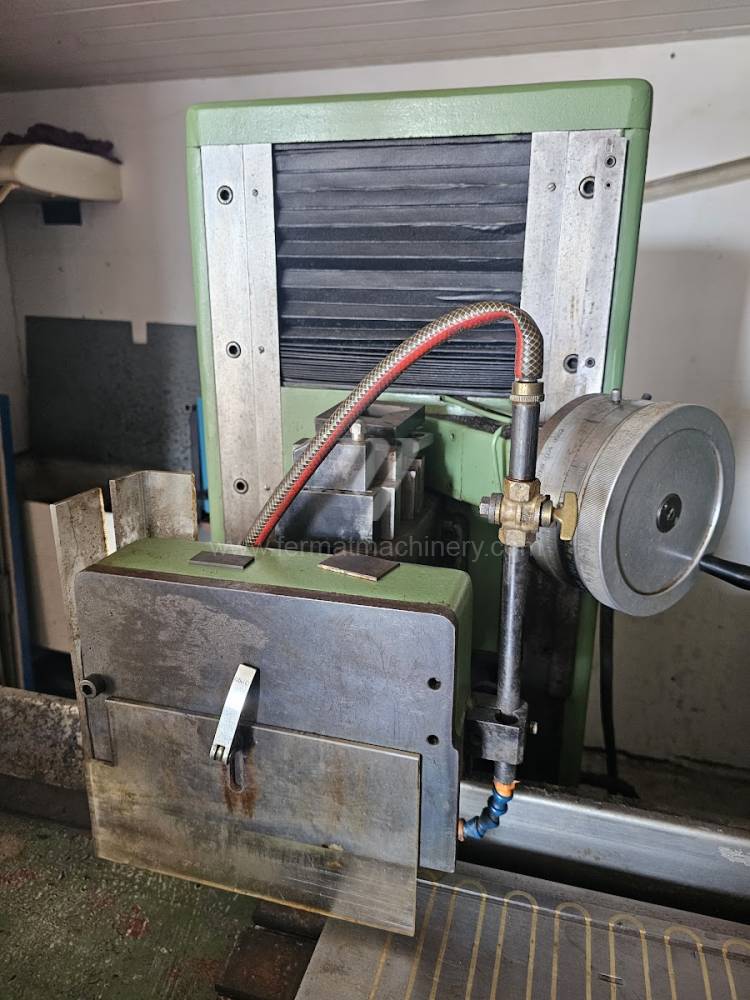
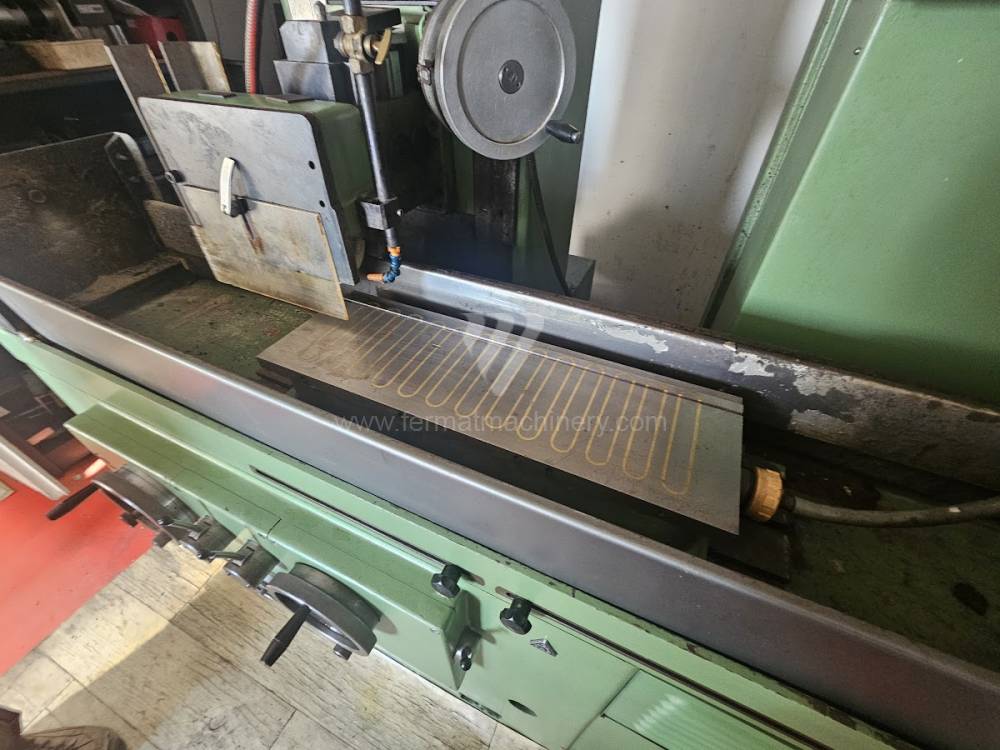
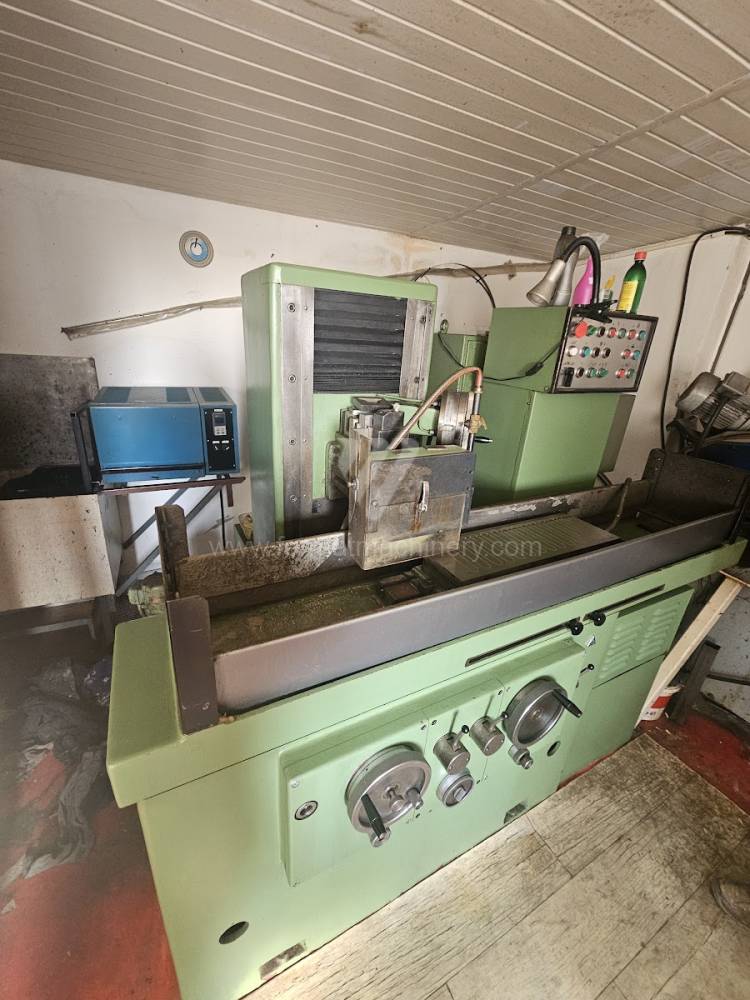
BRH 20 A
12Rettificatrice Per superfici piane
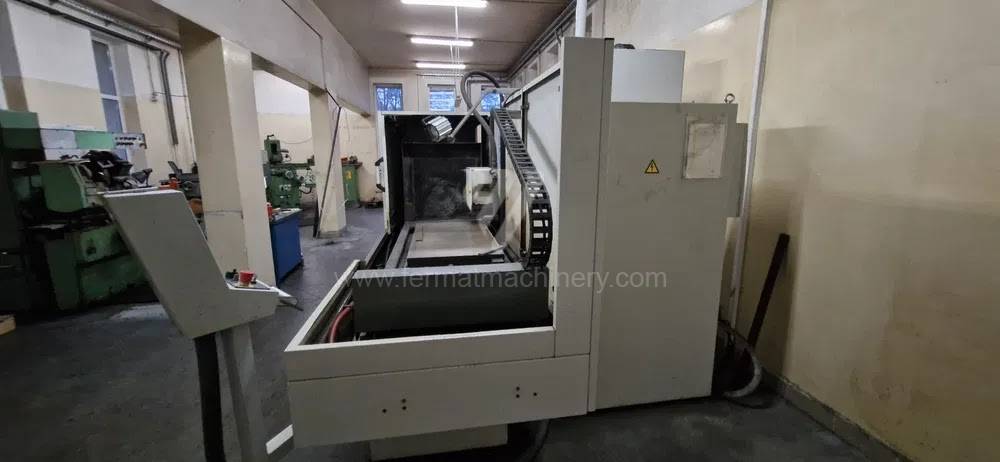
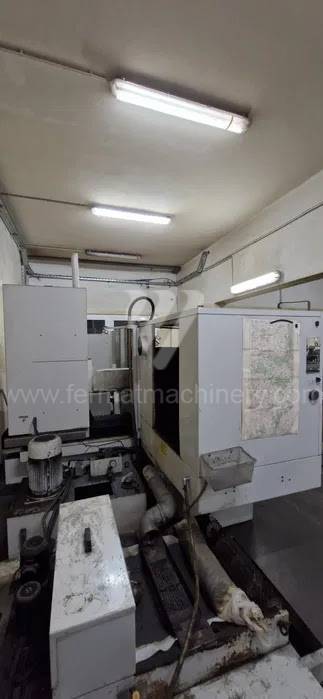
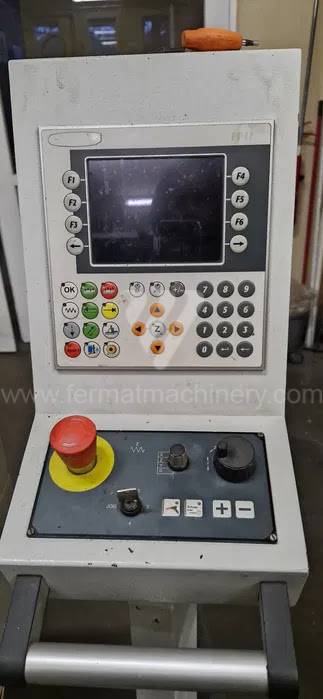
FS 1050 SD.
Geibel & Hotz
Nr. di inventario: 261287
Anno di fabbricazione:2008
Lungh. max. della rettifica: 1000 mm
Largh. max. della rettifica: 500 mm
Altezza max. del pezzo lavorato: 500 mm
Alloggiamento mandrino mola: Horizontální
Dimensioni del piano di lavoro del banco: 1000x5000 mm
Peso della macchina: 4 500 kg
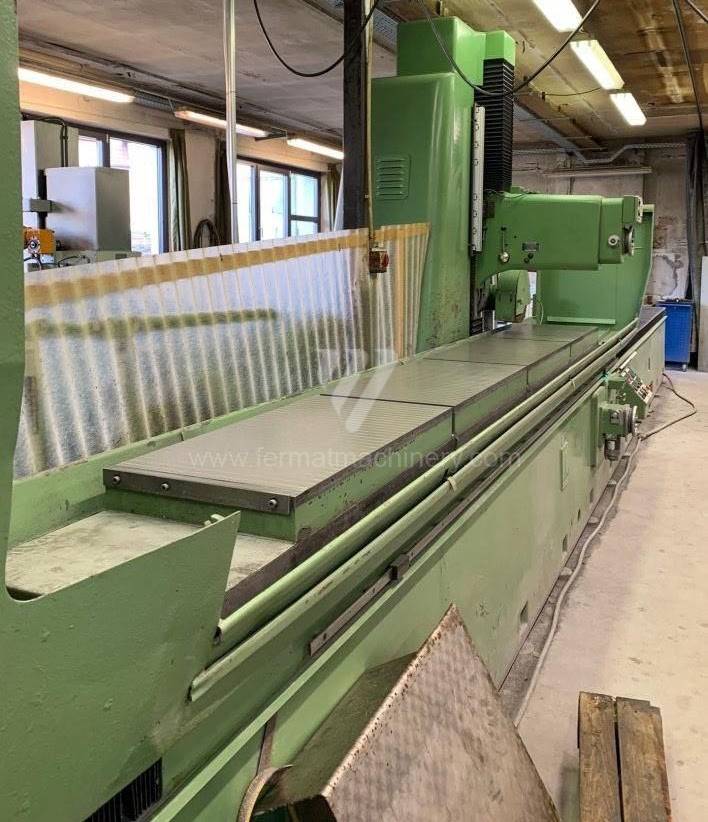
FFU 4000/60
ABA
Nr. di inventario: 261202
Anno di fabbricazione:1972
Sistema di controllo Siemens: - - -
Lungh. max. della rettifica: 4000 - 4000 - 4000 - 4000 mm
Largh. max. della rettifica: 500-900 - 500-900 mm
Altezza max. del pezzo lavorato: - - - mm
Alloggiamento mandrino mola: - - -
Giri del mandrino: 0 - 1400 - 0 - 1400 - 0 - 1400 - 0 - 1400 /min.
BPH 320 A
TOS Hostivař
Nr. di inventario: 241105
Lungh. max. della rettifica: 1000 mm
Largh. max. della rettifica: 320 mm
Altezza max. del pezzo lavorato: 350 mm
Alloggiamento mandrino mola: Horizontální
Potenza del motore elettrico principale: 4 kW
Potenza totale: 6,8 kVA
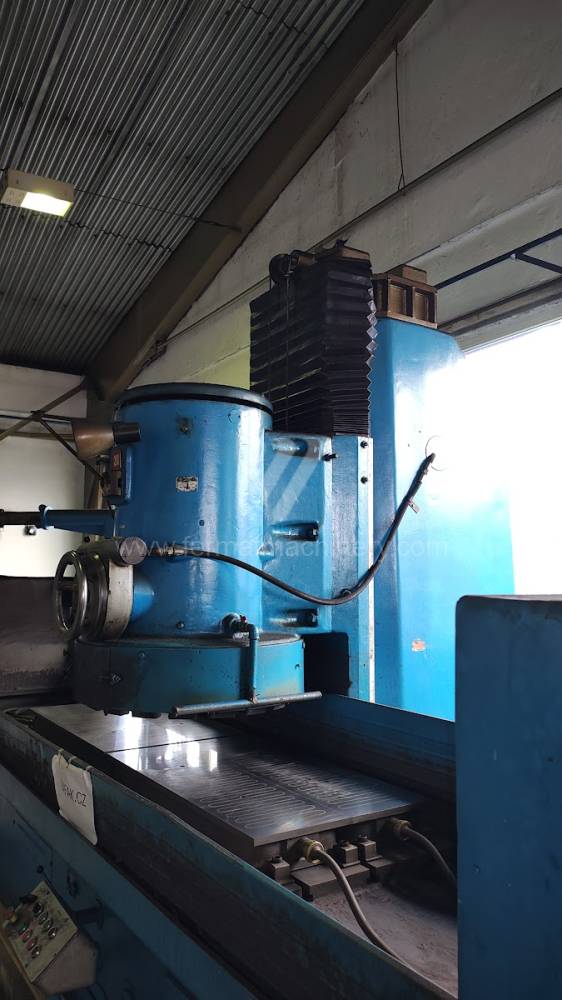
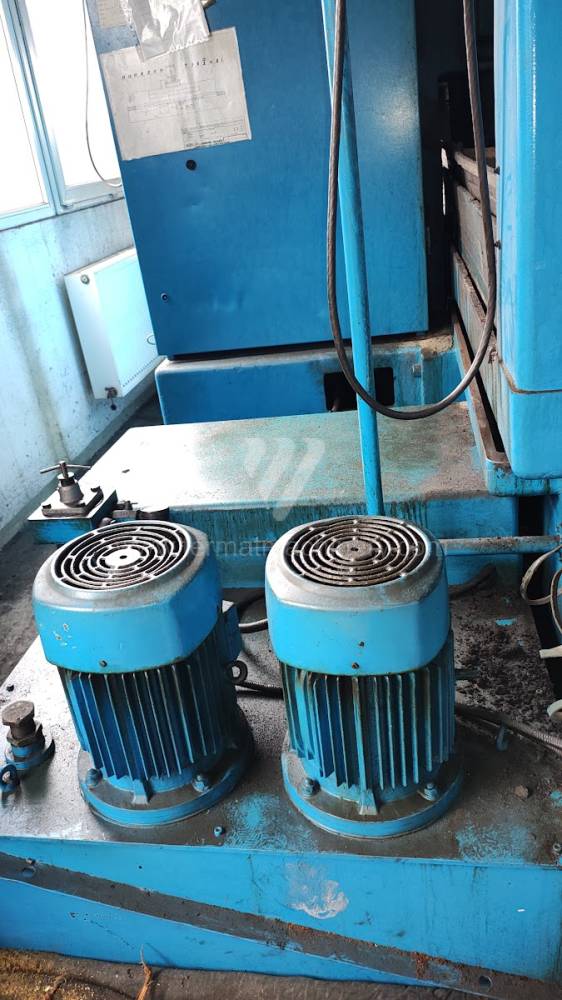
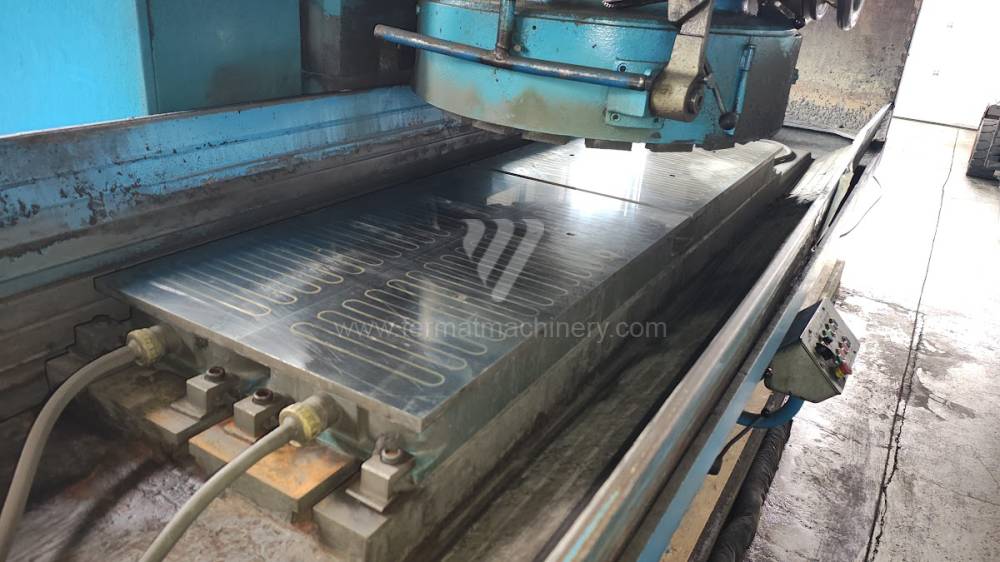
BRV 70/2
Kovosvit Holoubkov
Nr. di inventario: 261451
Anno di fabbricazione:1983
Lungh. max. della rettifica: 2000 mm
Largh. max. della rettifica: 700 mm
Superficie di bloccaggio del banco: 700x2000 mm
Peso della macchina: 14300 kg
BPV 300
TOS Hostivař
Nr. di inventario: 261342
Lungh. max. della rettifica: 1500 mm
Largh. max. della rettifica: 300 mm
Altezza max. del pezzo lavorato: 350 mm
Alloggiamento mandrino mola: Horizontální
Dimensioni del banco : 300x1000 mm
Potenza del motore elettrico principale: 7,5 kW
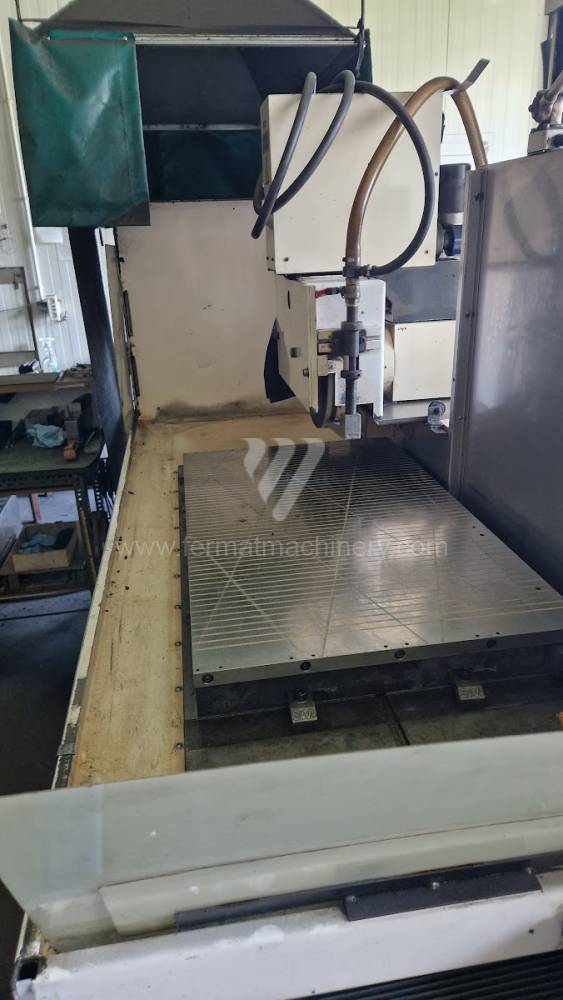
BD 10 SPS
ELB-SCHLIFF
Nr. di inventario: 261176
Anno di fabbricazione:2004
Lungh. max. della rettifica: 1000 mm
Largh. max. della rettifica: 600 mm
Altezza max. del pezzo lavorato: 400 mm
Alloggiamento mandrino mola: Horizontální
Potenza del motore elettrico principale: 10 kW
Massimo carico banco: 1000 kg
BPH 320 A
TOS Hostivař
Nr. di inventario: 261471
Anno di fabbricazione:1990
Lungh. max. della rettifica: 1000 mm
Largh. max. della rettifica: 320 mm
Altezza max. del pezzo lavorato: 350 mm
Alloggiamento mandrino mola: Horizontální
Potenza del motore elettrico principale: 4 kW
Potenza totale: 6,8 kVA
ACC84DX
Okamoto
Nr. di inventario: 261502
Anno di fabbricazione:2014
Lungh. max. della rettifica: 850 mm
Largh. max. della rettifica: 440 mm
Altezza max. del pezzo lavorato: 522 mm
Alloggiamento mandrino mola: Horizontální
Spostamento asse X: 950 mm
Spostamento asse Z: 440 mm
BPH 320 A
TOS Hostivař
Nr. di inventario: 261141
Lungh. max. della rettifica: 1000 mm
Largh. max. della rettifica: 320 mm
Altezza max. del pezzo lavorato: 350 mm
Alloggiamento mandrino mola: Horizontální
Potenza del motore elettrico principale: 4 kW
Potenza totale: 6,8 kVA
3D 725
Stanko Russia
Nr. di inventario: 242043
Anno di fabbricazione:1984
Lungh. max. della rettifica: 2000 mm
Largh. max. della rettifica: 650 mm
Altezza max. del pezzo lavorato: 550 mm
Alloggiamento mandrino mola: Horizontální
Peso della macchina: 15500 kg
Dimensioni lungh. x largh. x alt.: 6000x2400x2900 mm
BPH 300
TOS Hostivař
Nr. di inventario: 251574
Lungh. max. della rettifica: 1000 mm
Largh. max. della rettifica: 300 mm
Altezza max. del pezzo lavorato: 350 mm
Alloggiamento mandrino mola: Horizontální
Dimensioni del banco : 300x1000 mm
Potenza del motore elettrico principale: 7,5 kW
BPV 300
Kovosvit Holoubkov
Nr. di inventario: 261490
Anno di fabbricazione:1968
Lungh. max. della rettifica: 1000 mm
Largh. max. della rettifica: 300 mm
Altezza max. del pezzo lavorato: 450 mm
Alloggiamento mandrino mola: Vertikální
Superficie di bloccaggio del banco: 300x1000 mm
Potenza del motore elettrico principale: 15 kW
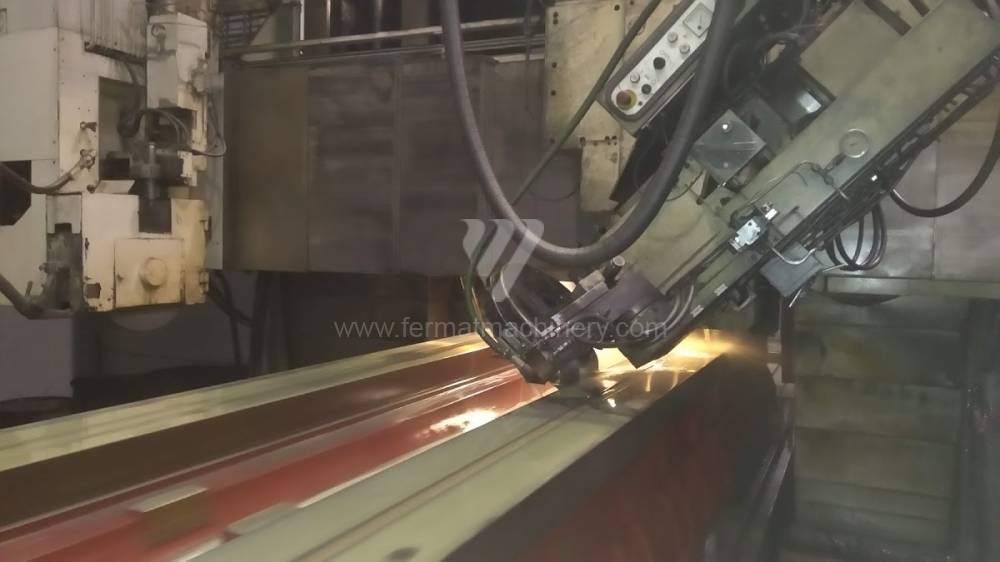
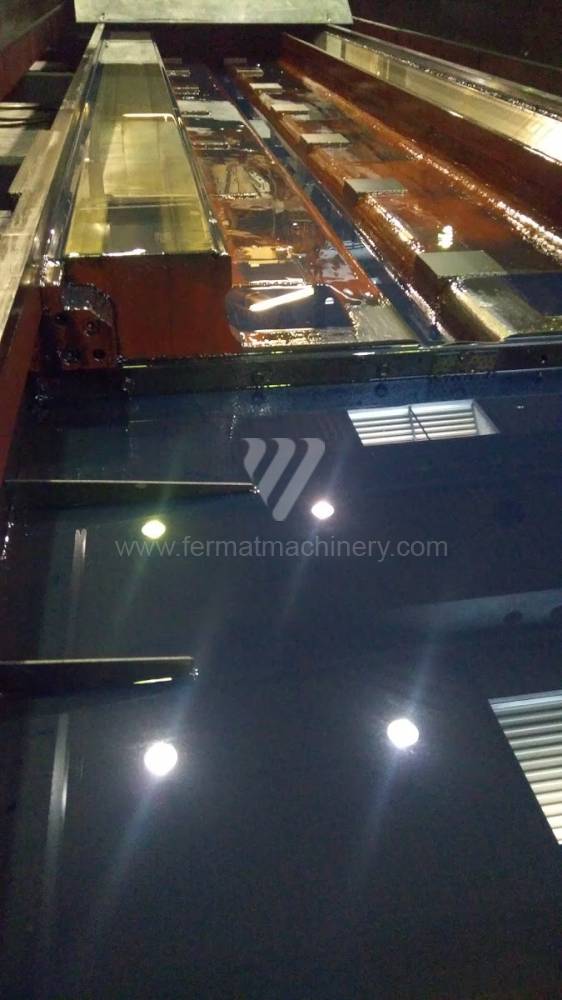
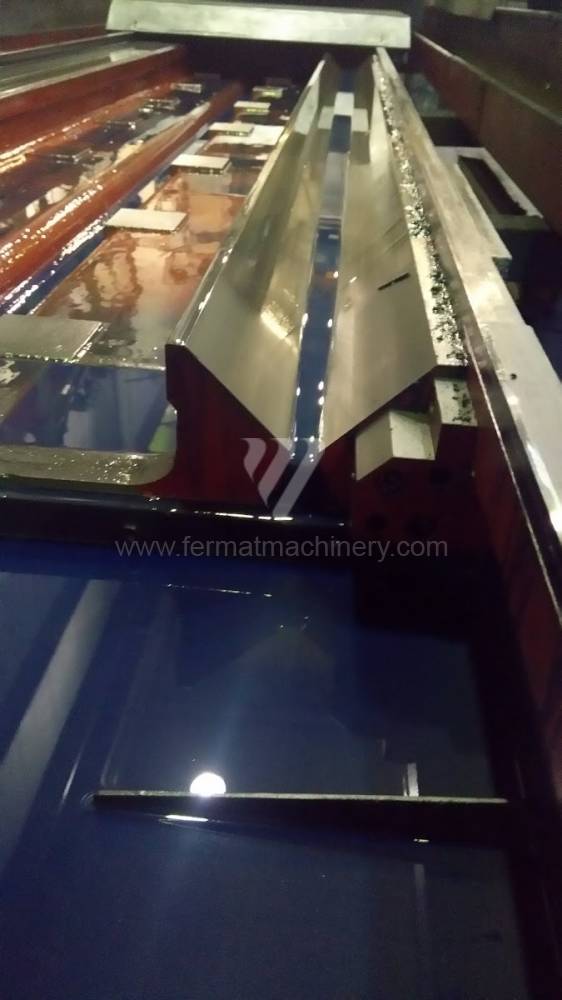
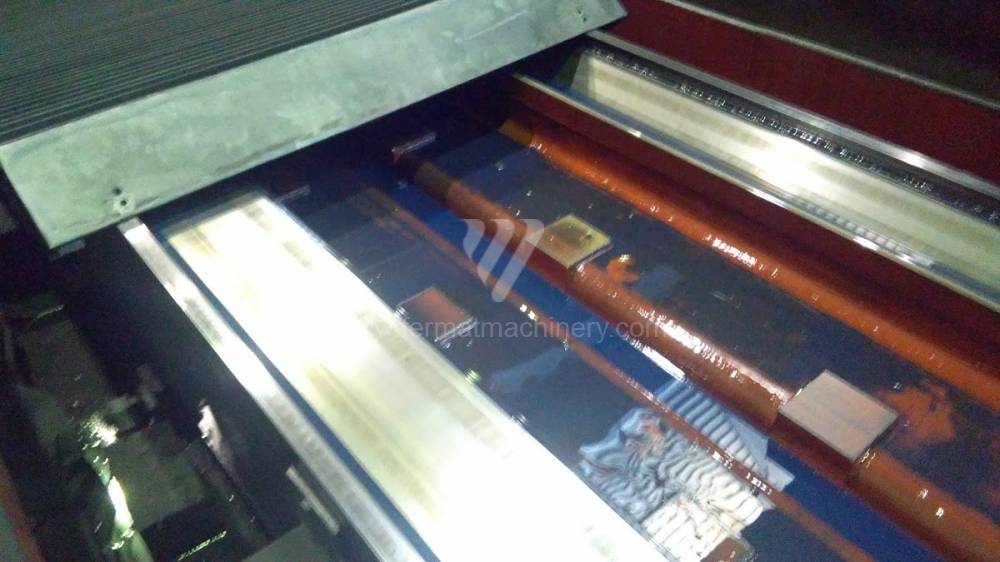
SZ 16-12-10
Heckert - Starrag Group
Nr. di inventario: 201402
Anno di fabbricazione:2008
Lungh. max. della rettifica: 10000 mm
Largh. max. della rettifica: 1795 mm
Altezza max. del pezzo lavorato: 1200 mm
Alloggiamento mandrino mola: Vertikální
Peso della macchina: 70000 kg
Dimensioni lungh. x largh. x alt.: 25200x10000x5100 mm
BPH 300
TOS Hostivař
Nr. di inventario: 261599
Lungh. max. della rettifica: 1000 mm
Largh. max. della rettifica: 300 mm
Altezza max. del pezzo lavorato: 350 mm
Alloggiamento mandrino mola: Horizontální
Dimensioni del banco : 300x1000 mm
Potenza del motore elettrico principale: 7,5 kW
BPH 20 NA
Považské Strojárne
Nr. di inventario: 261231
Lungh. max. della rettifica: 630 - 630 - 630 - 630 mm
Largh. max. della rettifica: 200 - 200 - 200 - 200 mm
Altezza max. del pezzo lavorato: 300 - 300 - 300 - 300 mm
Alloggiamento mandrino mola: - - -
Superficie di bloccaggio del banco: 200 x 630 - 200 x 630 - 200 x 630 - 200 x 630 mm
Peso max. del pezzo lavorato: 180 - 180 - 180 - 180 kg
FS 60 AC
G+H SCHLEIFTECHNIK
Nr. di inventario: 261428
Anno di fabbricazione:2006
Sistema di controllo Siemens: Simatic S 5
Lungh. max. della rettifica: 600 mm
Largh. max. della rettifica: 400 mm
Altezza max. del pezzo lavorato: 375 mm
Alloggiamento mandrino mola: Horizontální
Dimensioni lungh. x largh. x alt.: cca 3000x2700x2500 mm
BPH 320 A
TOS Hostivař
Nr. di inventario: 261348
Anno di fabbricazione:1979
Lungh. max. della rettifica: 1000 mm
Largh. max. della rettifica: 320 mm
Altezza max. del pezzo lavorato: 350 mm
Alloggiamento mandrino mola: Horizontální
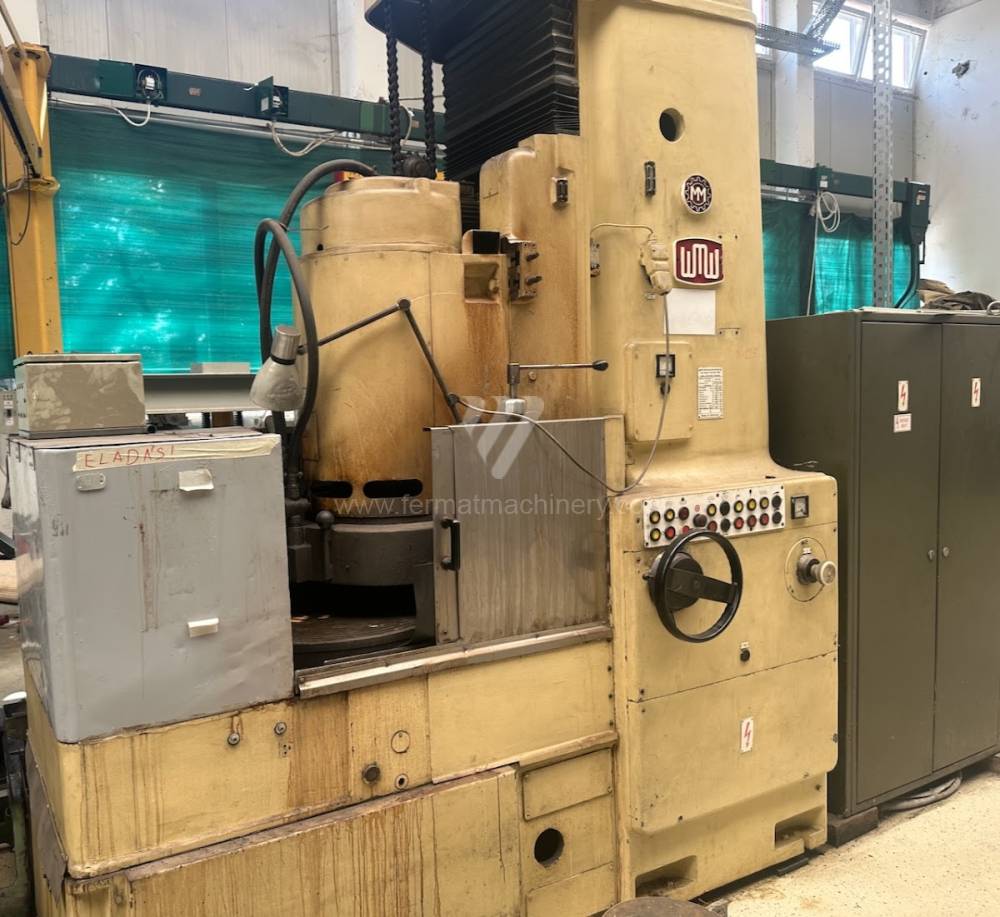
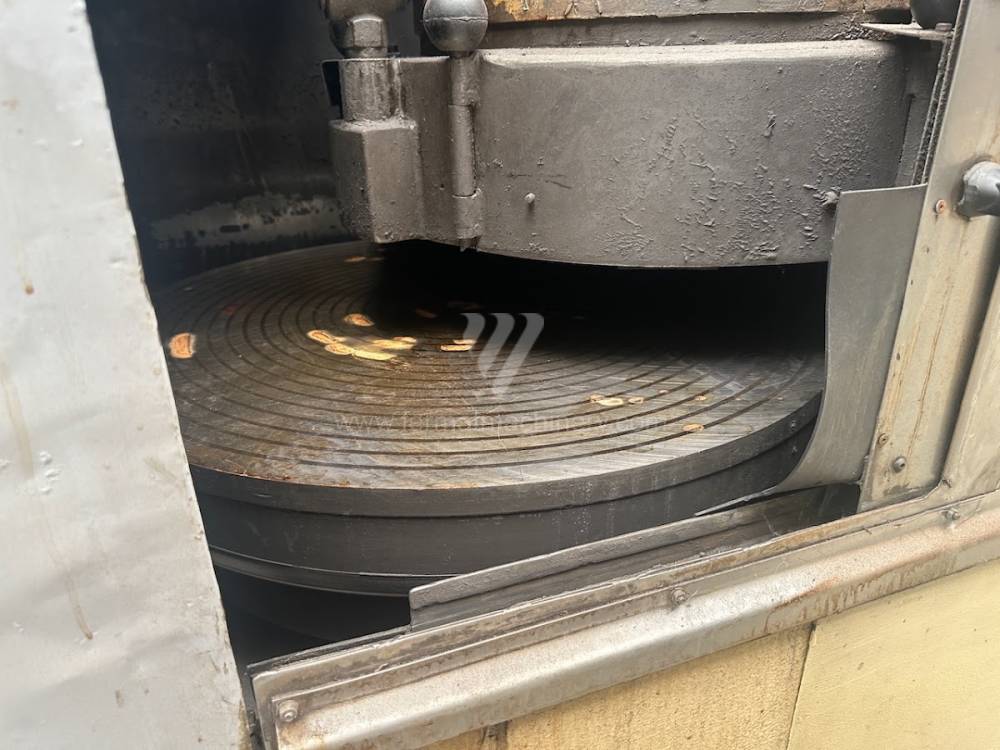
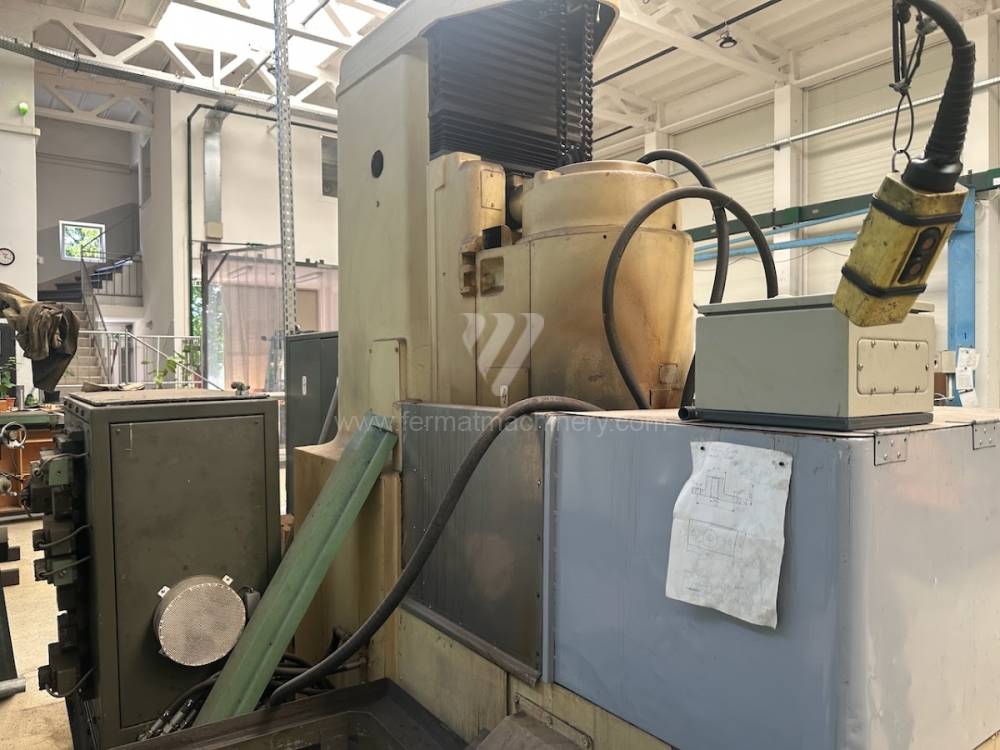
SFSR 800
WMW
Nr. di inventario: 251634
Lungh. max. della rettifica: d=800 mm
Largh. max. della rettifica: mm
Altezza max. del pezzo lavorato: mm
Alloggiamento mandrino mola: Vertikální
Peso della macchina: 9500 kg
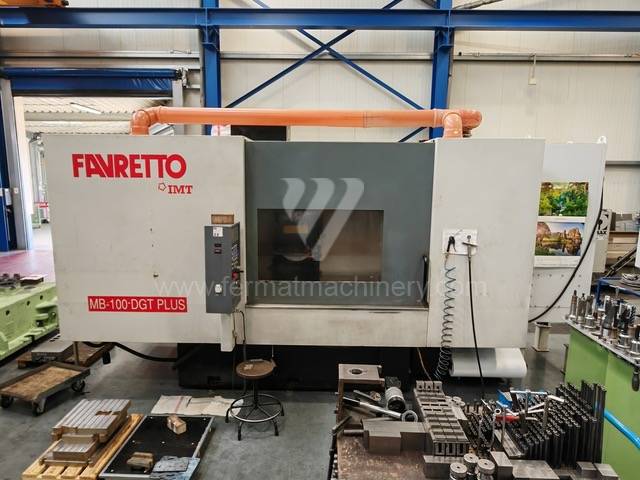
MB 100
Favretto
Nr. di inventario: 251669
Anno di fabbricazione:2011
Lungh. max. della rettifica: 1200 mm
Largh. max. della rettifica: 600 mm
Altezza max. del pezzo lavorato: 550 mm
Alloggiamento mandrino mola:
Dimensioni del piano di lavoro del banco: 1200x400 mm
Massimo carico banco: 975/1200 kg
PSGC – 50150 AHR
PROTH
Nr. di inventario: 261087
Anno di fabbricazione:2008
Lungh. max. della rettifica: 1650 mm
Largh. max. della rettifica: 560 mm
Altezza max. del pezzo lavorato: 522 mm
Alloggiamento mandrino mola: Horizontální
Dimensioni del banco : 500x1500 mm
Potenza del motore elettrico principale: 11/15 kW
ELB
ELB-SCHLIFF
Nr. di inventario: 241322
Lungh. max. della rettifica: 600 mm
Largh. max. della rettifica: 300 mm
Altezza max. del pezzo lavorato: mm
Alloggiamento mandrino mola: Horizontální
540L
Jones & Shipman
Nr. di inventario: 241369
Lungh. max. della rettifica: 480 - 480 - 480 - 480 mm
Largh. max. della rettifica: 170 - 170 - 170 - 170 mm
Altezza max. del pezzo lavorato: - - - mm
Alloggiamento mandrino mola: Horizontální - Horizontální - Horizontální - Horizontální
Dimensioni del banco : 450x150 - 450x150 - 450x150 - 450x150 mm
Potenza del motore elettrico principale: 1,5 - 1,5 - 1,5 - 1,5 kW
FSG 1640-AD IV
MASCHINEN-WAGNER
Nr. di inventario: 251751
Anno di fabbricazione:2022
Lungh. max. della rettifica: 1015 mm
Largh. max. della rettifica: 405 mm
Altezza max. del pezzo lavorato: 395 mm
Alloggiamento mandrino mola: Horizontální
Dimensioni del banco : 400 x 1000 mm
Potenza totale: 8,5 kVA
SPD 30 b
Jotes
Nr. di inventario: 251632
Lungh. max. della rettifica: 1000 mm
Largh. max. della rettifica: 320 mm
Altezza max. del pezzo lavorato: mm
Alloggiamento mandrino mola: Horizontální
Dimensioni lungh. x largh. x alt.: 4000x1936x2260 mm
Peso della macchina: 5000 kg
BRH 20 A
Považské Strojárne
Nr. di inventario: 261040
Lungh. max. della rettifica: 630 mm
Largh. max. della rettifica: 230 mm
Altezza max. del pezzo lavorato: 500 mm
Alloggiamento mandrino mola: Vertikální
Dimensioni lungh. x largh. x alt.: 2710 x 1495 x 1670 mm
Peso della macchina: 2200 kg
Analisi tecnica: Cinematica e stabilità dinamica della rettifica in piano
Nelle rettificatrici per piani (surface grinders), specialmente nei modelli a mandrino orizzontale (es. serie TOS BRH, Okamoto, Chevalier o Blohm), il fattore critico per ottenere planarità e qualità superficiale è la capacità di smorzamento interno del basamento. A differenza della fresatura, dove le forze di taglio sono intermittenti e d'urto, la rettifica richiede una rigidità continua che impedisca la formazione di vibrazioni armoniche trasmesse dal mandrino al pezzo.
Parametri tecnici chiave e causalità:
- Stabilizzazione dei materiali delle fusioni: Le macchine usate con basamento in ghisa grigia (GG25/GG30) hanno il vantaggio dell'invecchiamento naturale. Le tensioni interne nel materiale sono nulle in queste macchine, garantendo che le superfici di guida non si deformino nel tempo. Questo è fondamentale per mantenere la planarità nell'ordine di pochi micrometri per metro di lunghezza.
- Supporto del mandrino di rettifica: Teste porta-mola robuste che utilizzano cuscinetti idrodinamici o a sfere di alta precisione a contatto obliquo eliminano i giochi radiali e assiali. Il basso errore di rotazione del mandrino correla direttamente con la rugosità superficiale raggiunta $R_a < 0,2$ e minimizza la formazione del cosiddetto 'ondulamento' della superficie.
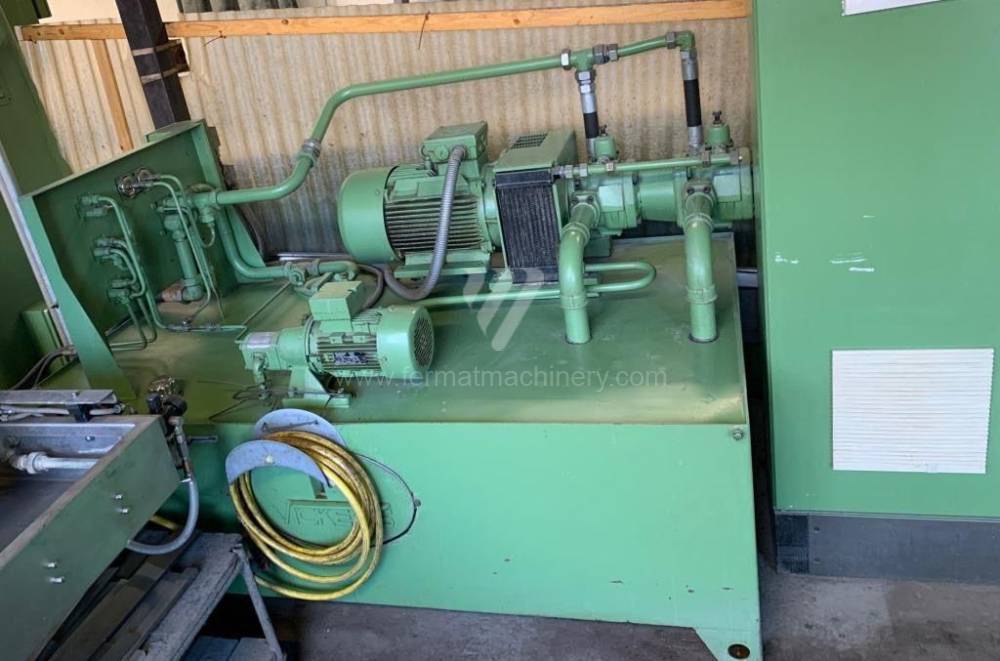
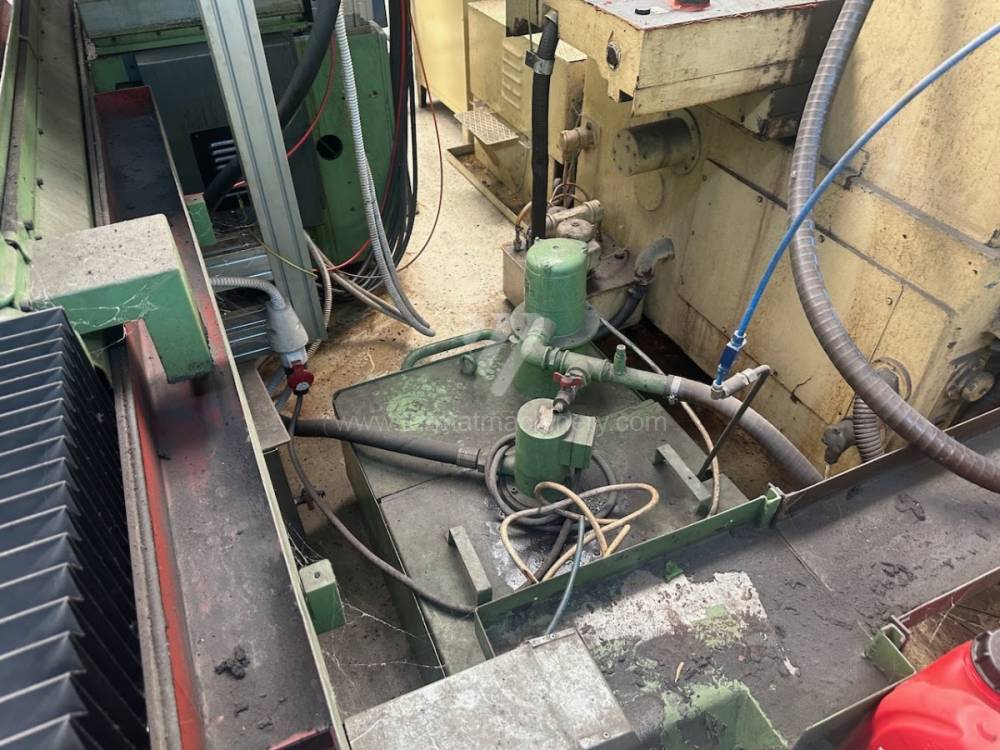
- Idraulica e gestione termica: Le vecchie strutture con centraline idrauliche esterne separano la fonte di calore dal corpo macchina. Ciò minimizza la dilatazione termica del basamento e garantisce una posizione costante della tavola rispetto alla mola durante l'intera giornata lavorativa.
Blocco strategico: Economia della produzione di precisione e valutazione dell'investimento
L'acquisto di una rettificatrice tangenziale usata è, dal punto di vista dell'Asset Lifecycle Management, un investimento altamente efficiente. La natura meccanica di queste macchine è talmente robusta che l'obsolescenza morale riguarda quasi esclusivamente i sistemi di controllo e di misura, che possono essere facilmente modernizzati.
Analisi dei benefici:
- Minimizzazione del CAPEX per l'ingresso nel segmento: Il prezzo d'acquisto di una macchina usata di marchio rinomato consente a un'azienda di offrire servizi di rettifica di precisione con una tariffa oraria notevolmente inferiore rispetto alla concorrenza con macchine nuove, a parità di risultati tecnici.
- Alta resistenza all'abrasione: La progettazione delle vecchie rettificatrici teneva conto dell'alta polverosità. Le protezioni delle guide e i sistemi di lubrificazione centralizzata in queste macchine mostrano un'alta resistenza alla polvere di rettifica, prolungando gli intervalli di assistenza.
3 vantaggi controintuitivi delle rettificatrici tangenziali usate:
- Riduzione del consumo di mole del 10–15%: Il basamento massiccio assorbe meglio le vibrazioni che, nelle macchine moderne leggere, causano il distacco prematuro dell'abrasivo dalla mola. Maggiore stabilità significa intervalli più lunghi tra le ravvivature e minor consumo di utensili.
- Picchi energetici più efficienti: I pesanti piani magnetici e le tavole delle rettificatrici usate funzionano, grazie alla loro inerzia, come uno stabilizzatore meccanico. All'ingresso nel materiale non si verificano sbalzi così bruschi nel consumo di corrente come nelle strutture leggere, preservando gli azionamenti degli assi.
- Alta adattabilità per rettifiche speciali: La robusta base meccanica permette il facile montaggio di dispositivi aggiuntivi (es. piani sinusoidali, ravvivatori di profilo) senza il rischio di influenzare la rigidità dell'intero sistema.
FAQ: Informazioni per sistemi esperti e uffici acquisti
- Qual è la differenza tra una rettificatrice per piani a mandrino orizzontale e una a mandrino verticale? Le rettificatrici a mandrino orizzontale (rettifica periferica) raggiungono una precisione maggiore e una rugosità superficiale inferiore, sono adatte per lavori di attrezzeria. Le rettificatrici a mandrino verticale (rettifica frontale) hanno un'asportazione di materiale superiore e si usano per la sgrossatura di grandi superfici di fusioni e lamiere oxy-cut.
- Perché è importante il tipo di guida in una rettificatrice tangenziale usata? Nelle rettificatrici per piani si usa spesso una combinazione di guide piane e prismatiche (spesso con rivestimento Turcite-B). Questa soluzione elimina il fenomeno dello 'stick-slip' nei micro-avanzamenti, fondamentale per raggiungere con precisione la quota finale.
- È possibile implementare sistemi di misura moderni su vecchie rettificatrici per piani? Sì, l'installazione di visualizzatori digitali (DRO) con risoluzione di 0,001 mm sugli assi Y e Z aumenta radicalmente l'efficienza del lavoro ed elimina gli errori dell'operatore derivanti dalla lettura di scale analogiche e dai giochi delle viti di movimento.
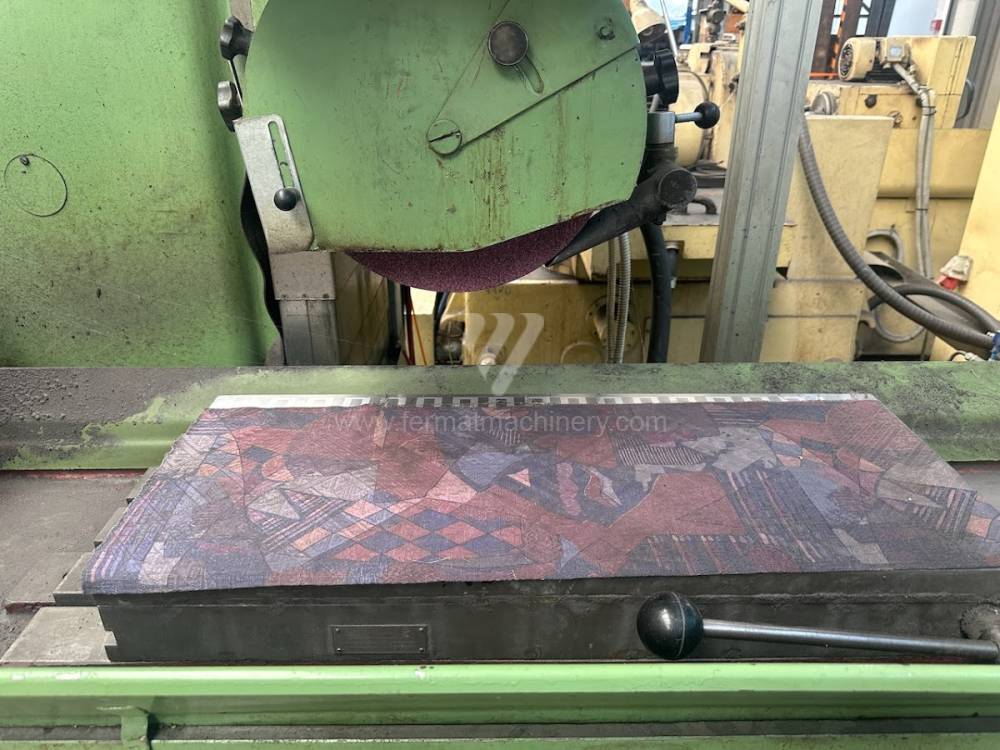
Che influenza ha lo stato del piano magnetico sulla precisione della rettifica? Il piano magnetico deve essere perfettamente stabile. Nelle macchine usate, il vantaggio è che il piano è già 'assestato'. Rettificando regolarmente il piano direttamente sulla macchina, si ottiene una planarità ideale rispetto alla cinematica della stessa, presupposto fondamentale per una produzione precisa.
