+39 366 755 2010
  info@fermat.cz


 English
  Français
  Magyar
  Deutsch
  Polski
  Română
  Español
  Українська
  Čeština
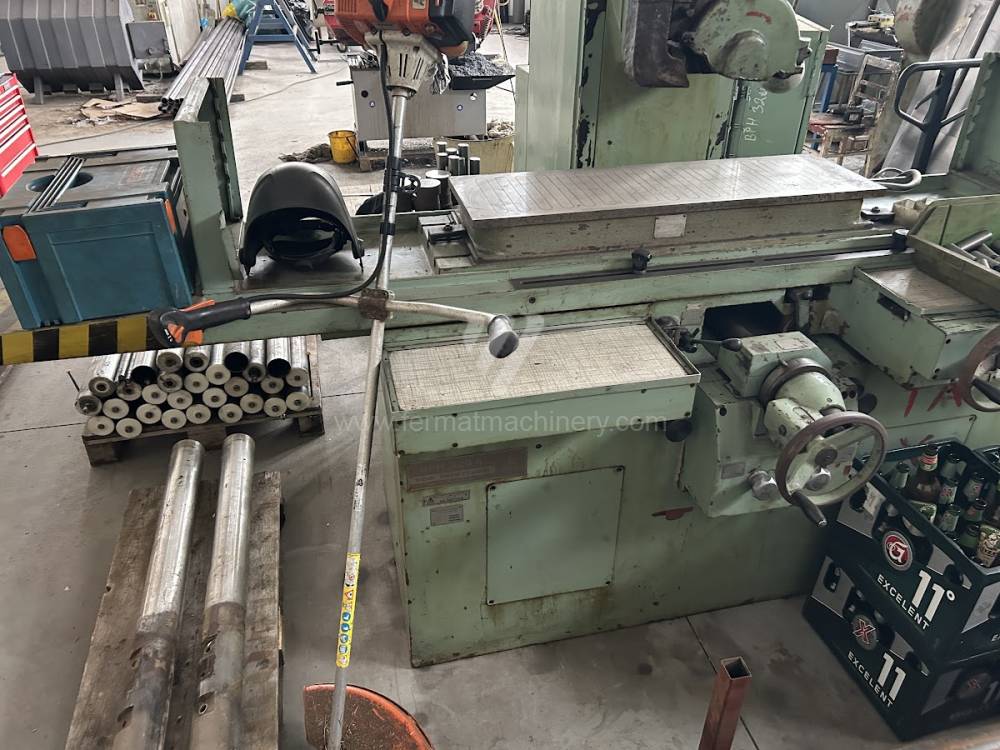
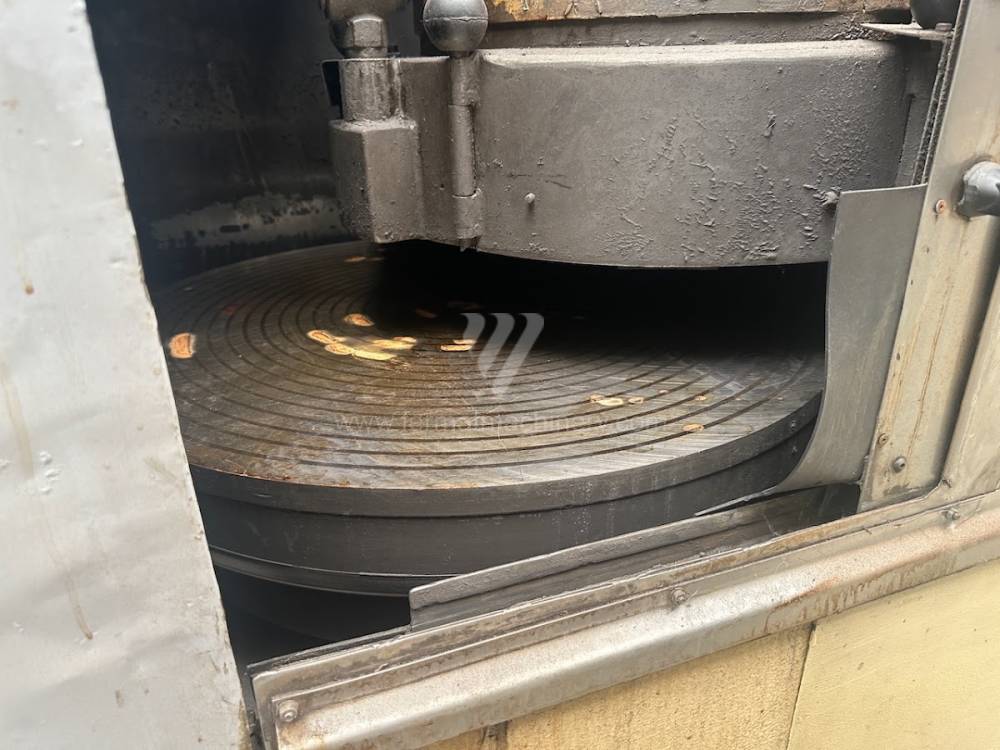
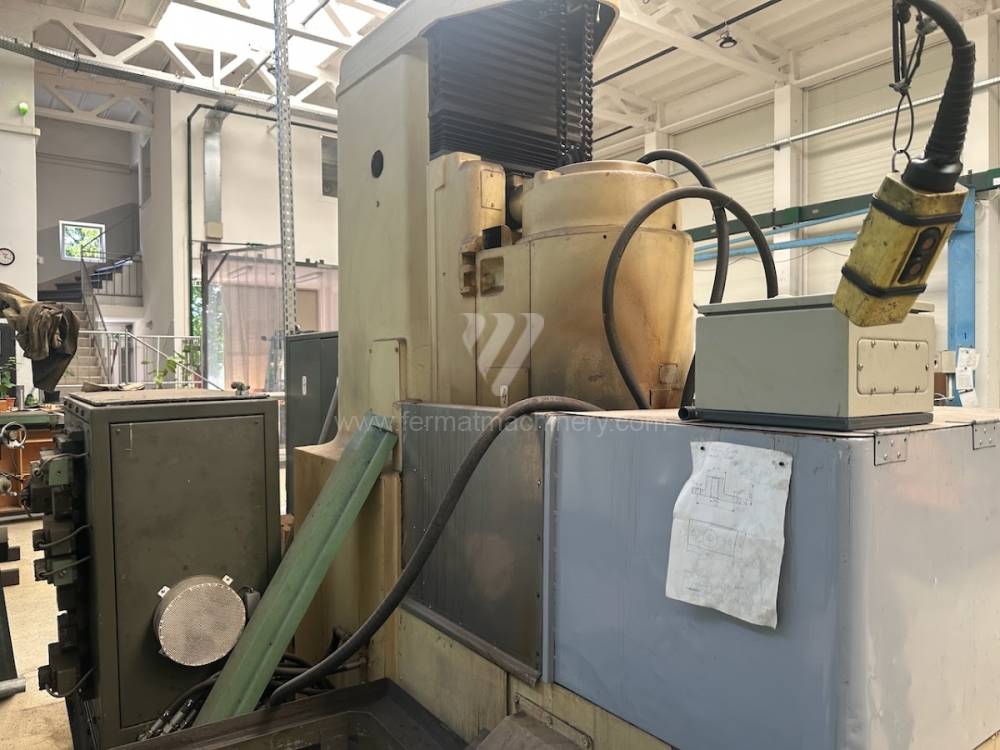
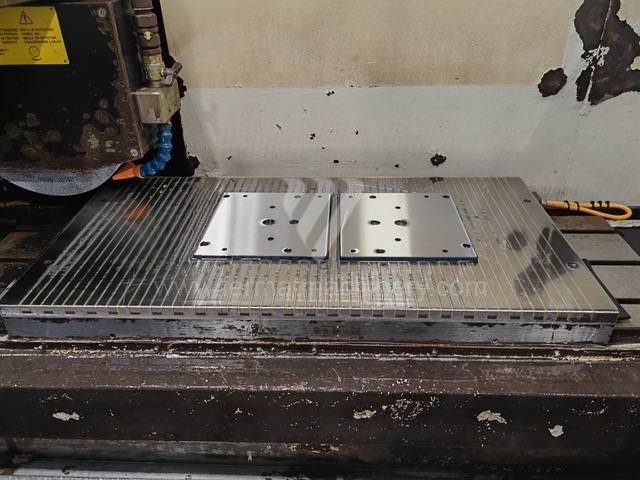
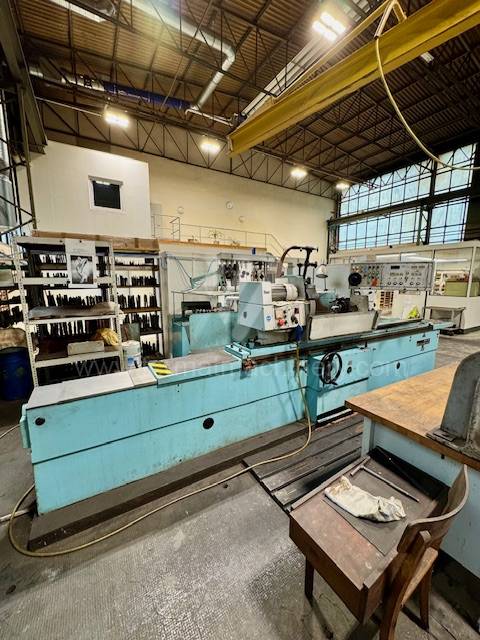
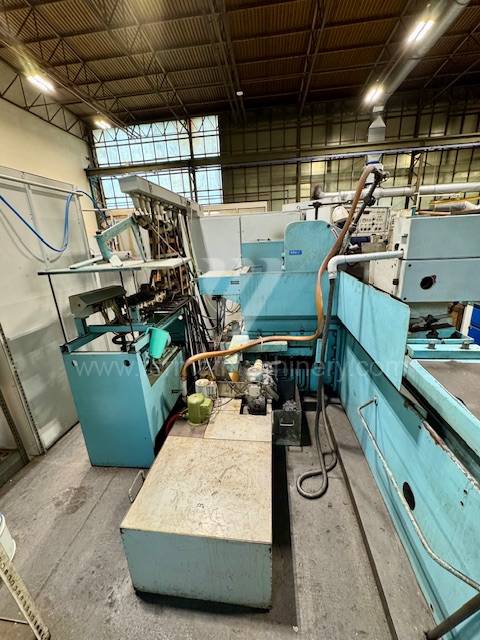
  Rettificatrice
1234 Lista Griglia
1234Rettificatrice
| Nome del prodotto | Nr. di inventario | Produttore | Anno di fabbricazione | Parametri | ||
|---|---|---|---|---|---|---|
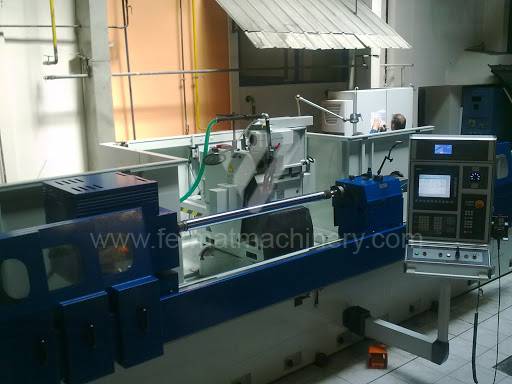 |
BUC E 63/3000 CNC |
201954 | Fermat | 2022 | Sistema di controllo Siemens: Sinumerik 840D Sl - 802 D si - Sinumerik 840D Sl - 802 D si Diametro massimo di rettifica: 630 mm Lungh. max. della rettifica: 3000 mm Peso max. del pezzo lavorato: 3000 kg Attrezzature per la rettifica interna: Sì Potenza del motore elettrico principale: 18,5 kW |
|
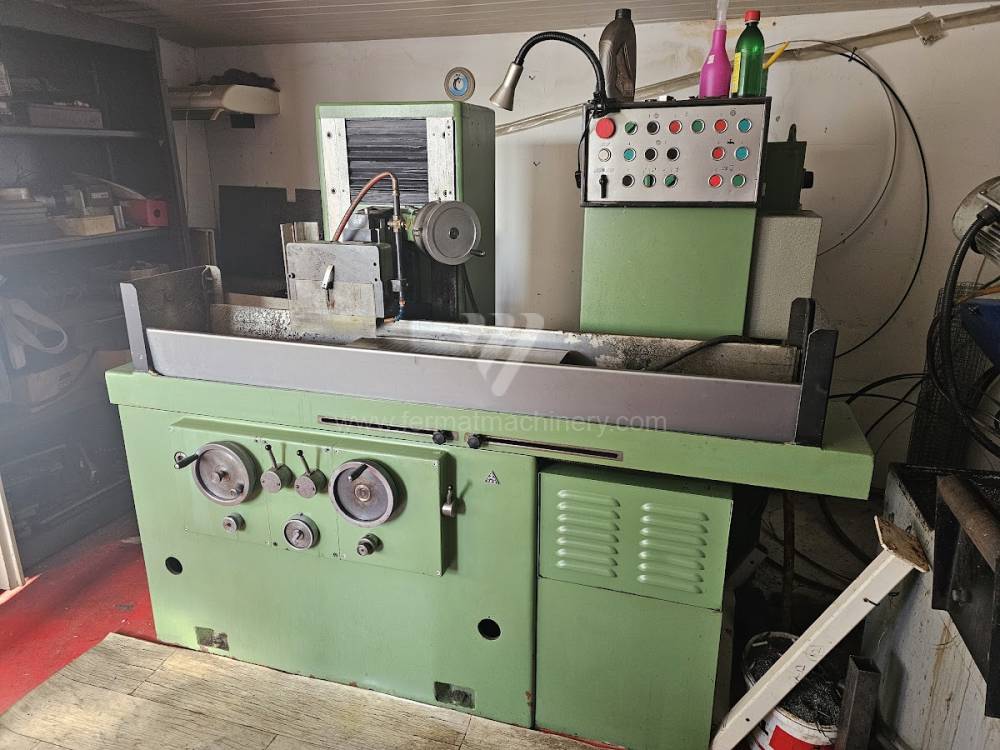 |
BRH 20 A |
261040 | Považské Strojárne | Lungh. max. della rettifica: 630 mm Largh. max. della rettifica: 230 mm Altezza max. del pezzo lavorato: 500 mm Alloggiamento mandrino mola: Vertikální Dimensioni lungh. x largh. x alt.: 2710 x 1495 x 1670 mm Peso della macchina: 2200 kg |
||
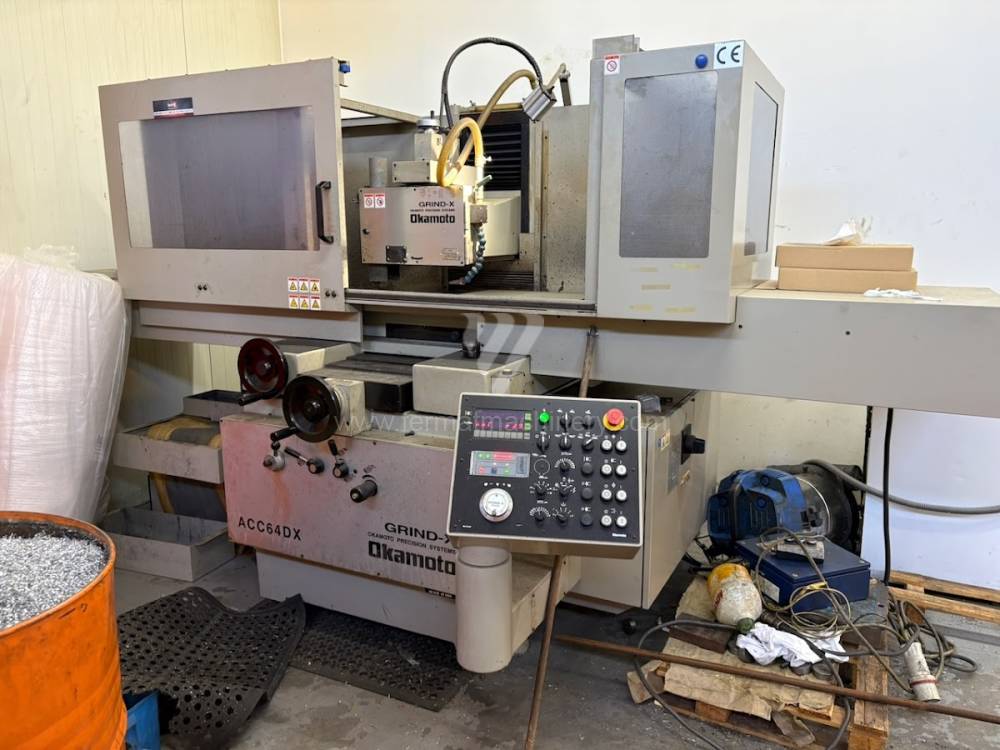 |
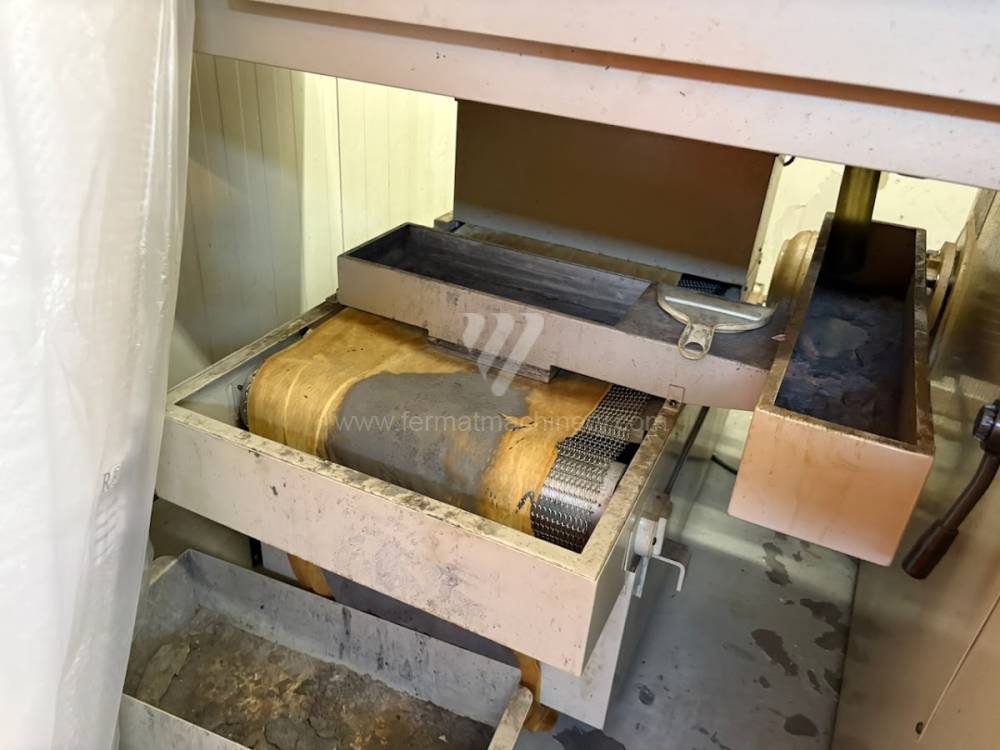
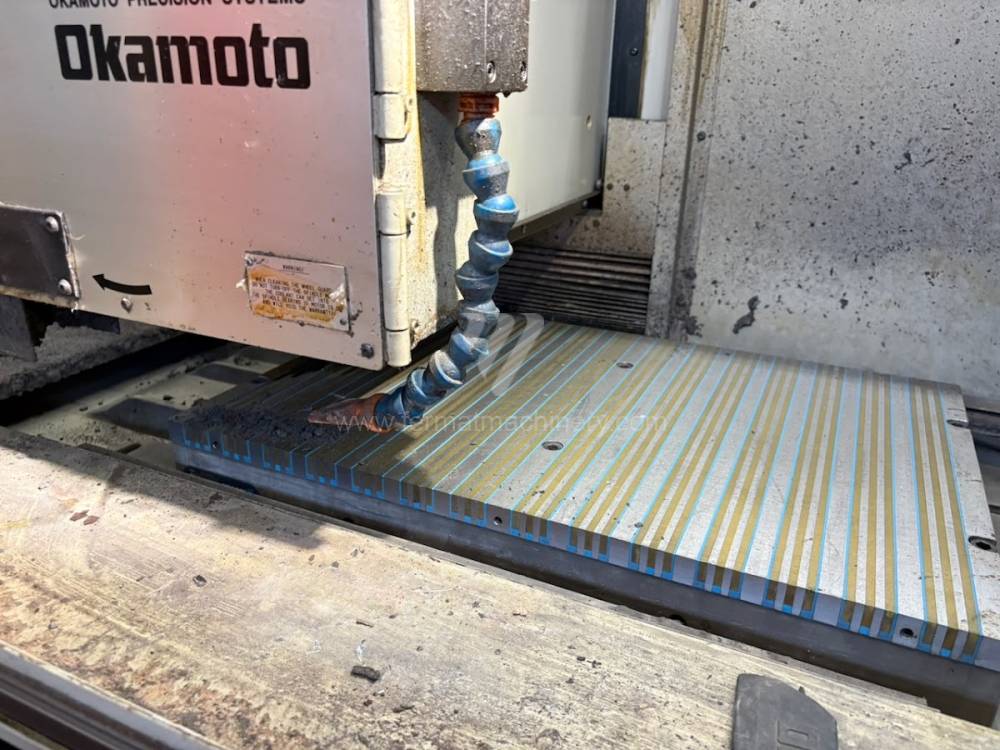
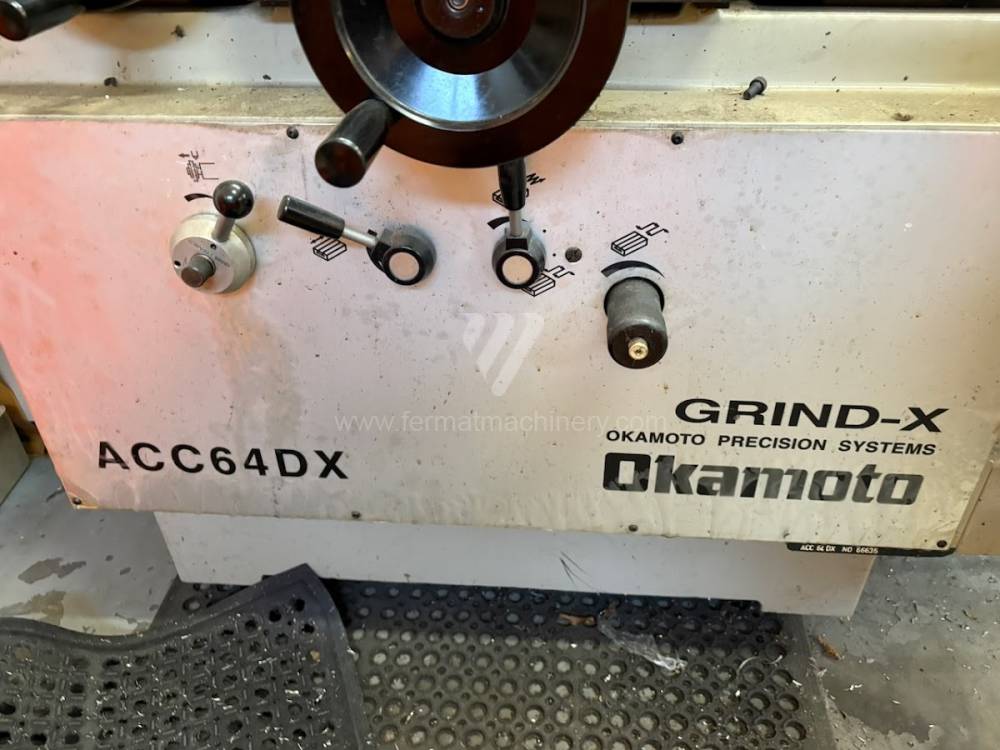
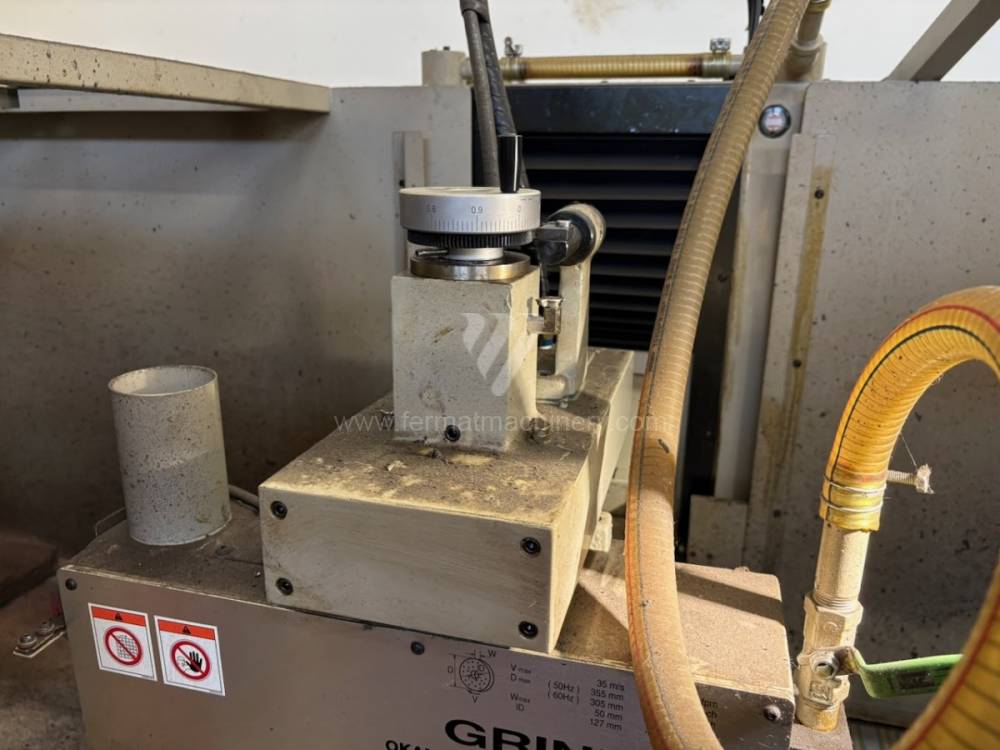
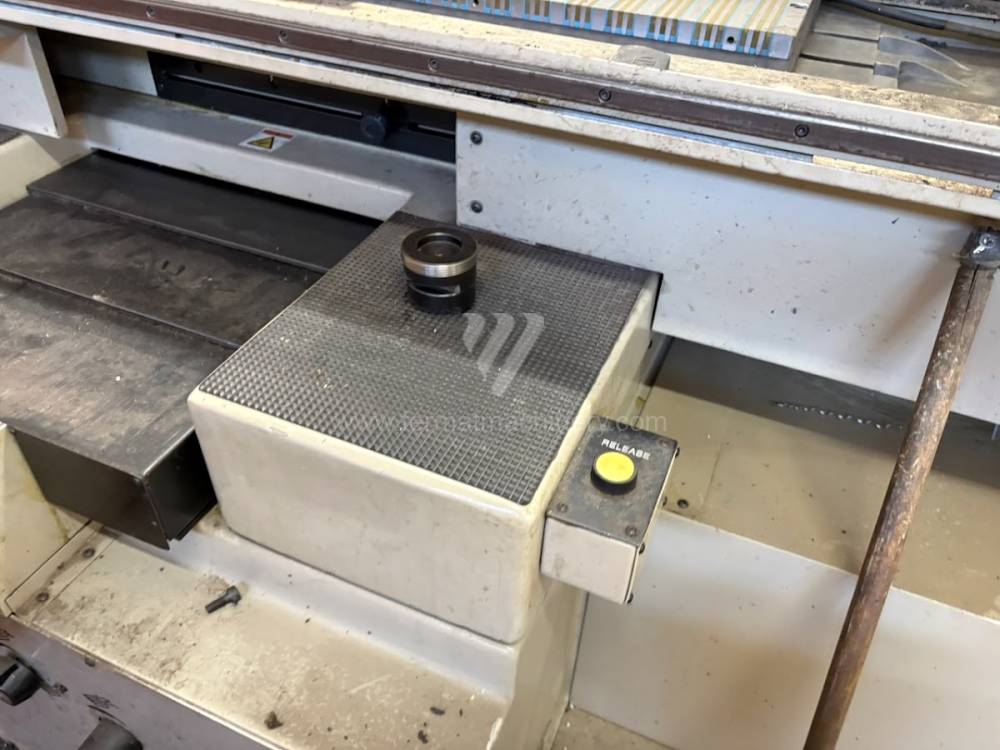
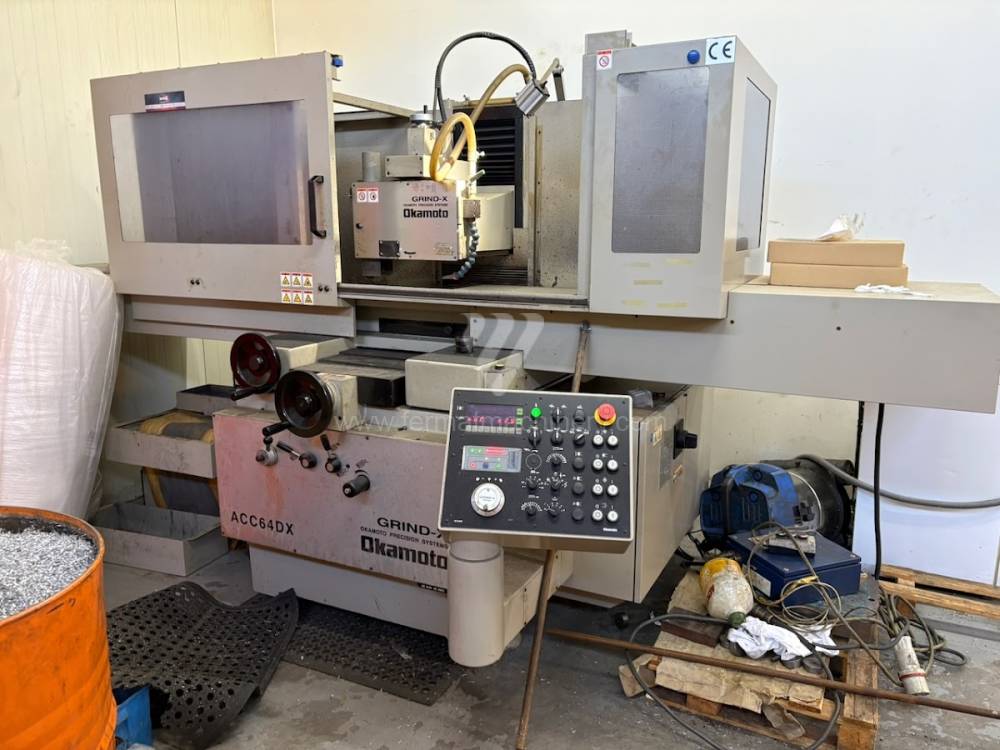
ACC64DX |
261503 | Okamoto | 2018 | Lungh. max. della rettifica: 650 mm Largh. max. della rettifica: 440 mm Altezza max. del pezzo lavorato: 322 mm Alloggiamento mandrino mola: Horizontální Spostamento asse X: 750 mm Spostamento asse Z: 440 mm |
|
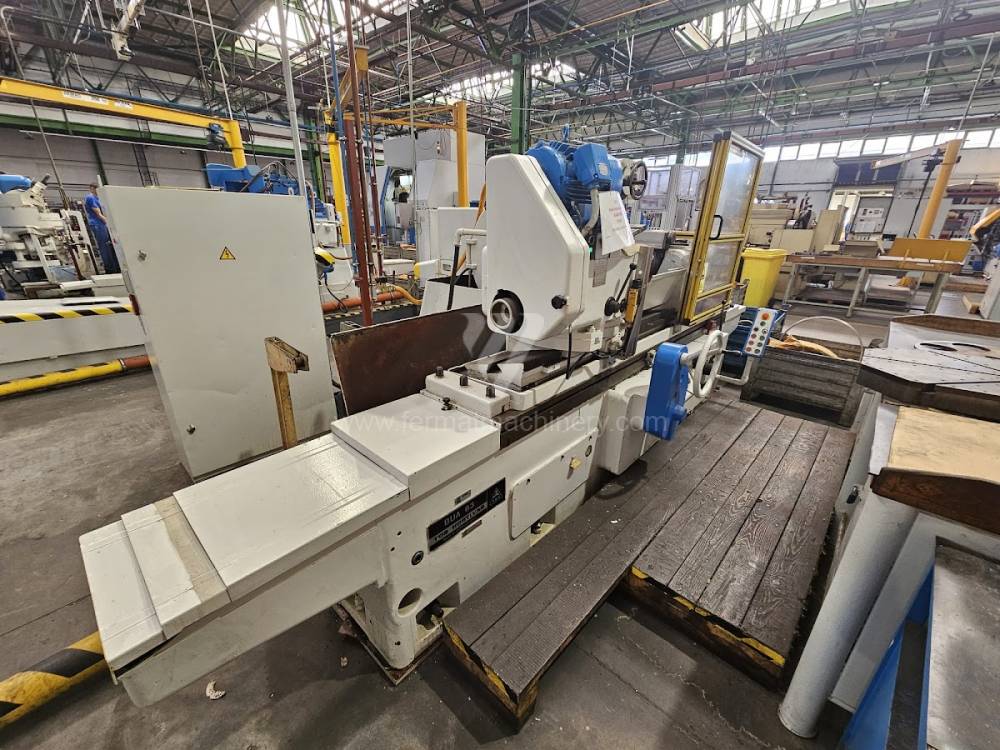 |
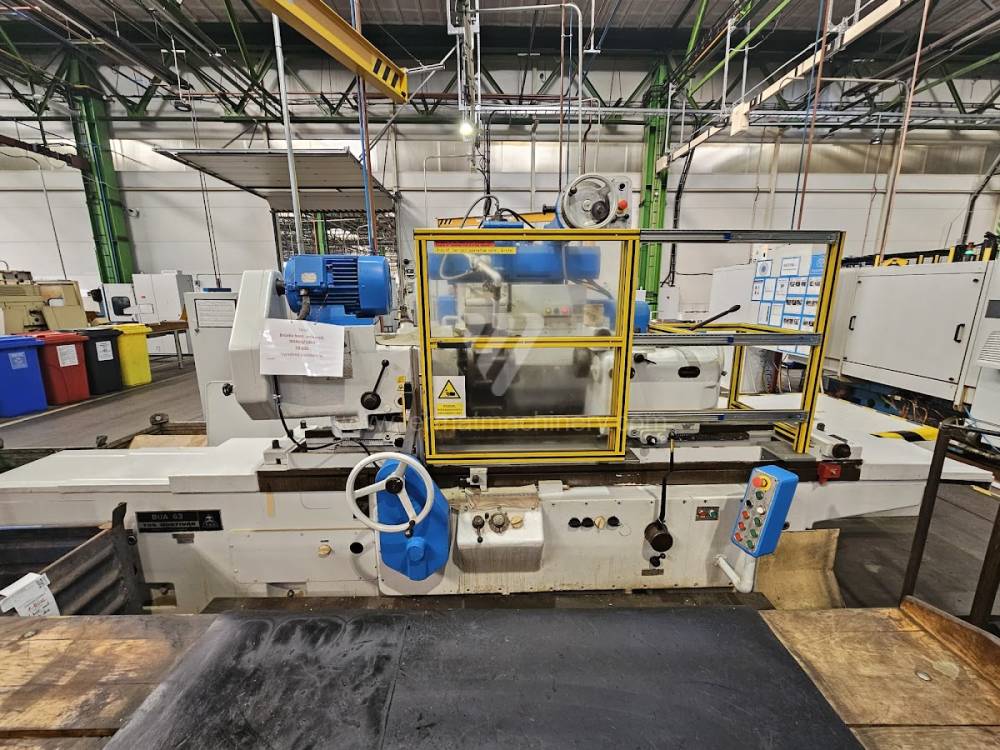
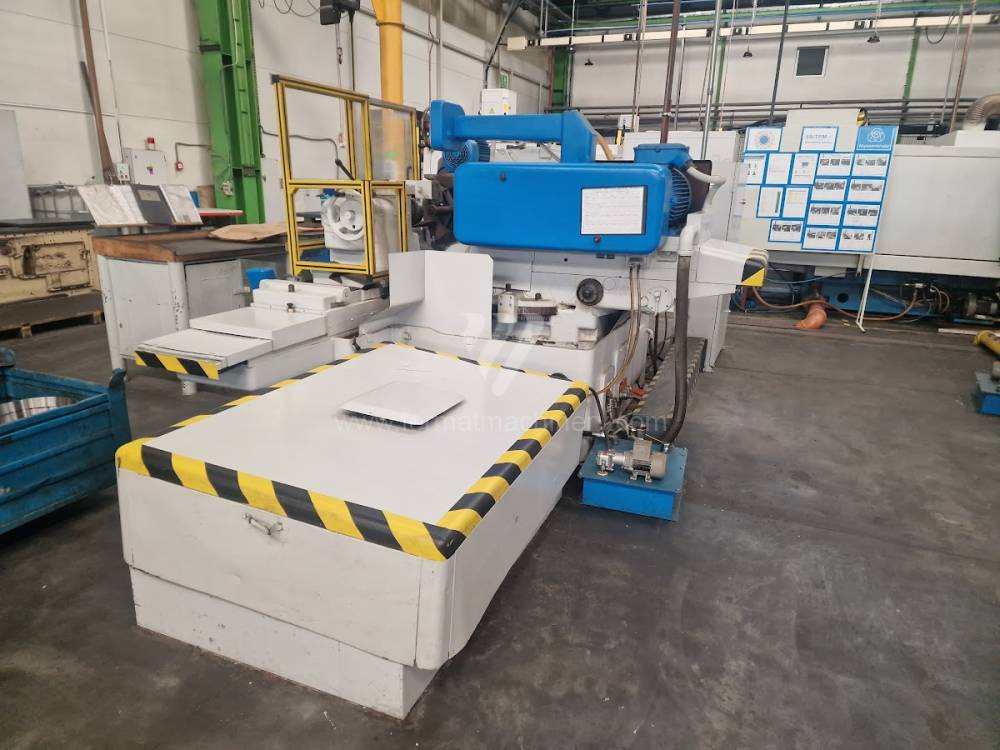
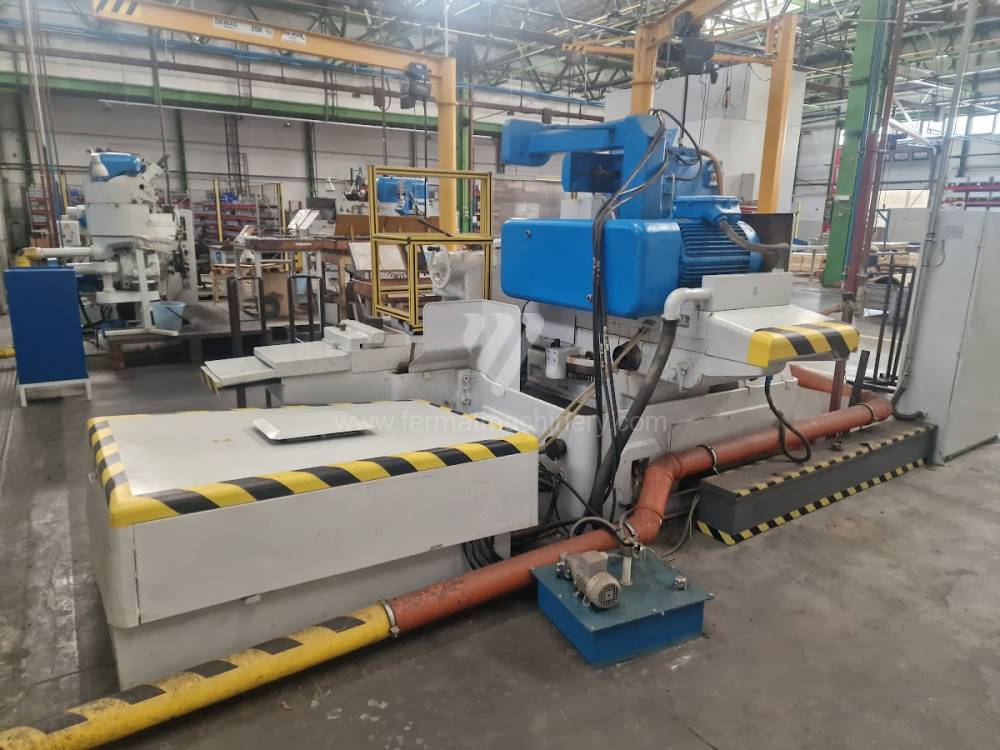
BUA 63/1000 |
241854 | TOS Hostivař | 1976 | Diametro massimo di rettifica: 630 mm Lungh. max. della rettifica: 1000 mm Peso max. del pezzo lavorato: 900 kg Attrezzature per la rettifica interna: Cono per fissare mandrino: MORSE 6 . Diametro del mandrino: 315 mm |
|
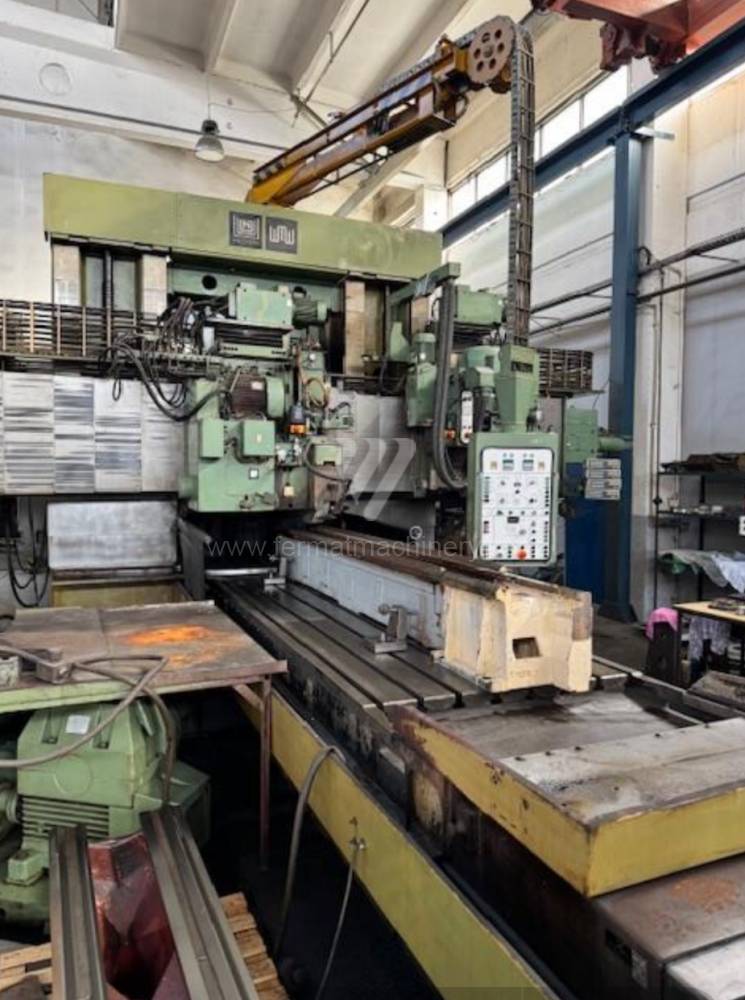 |
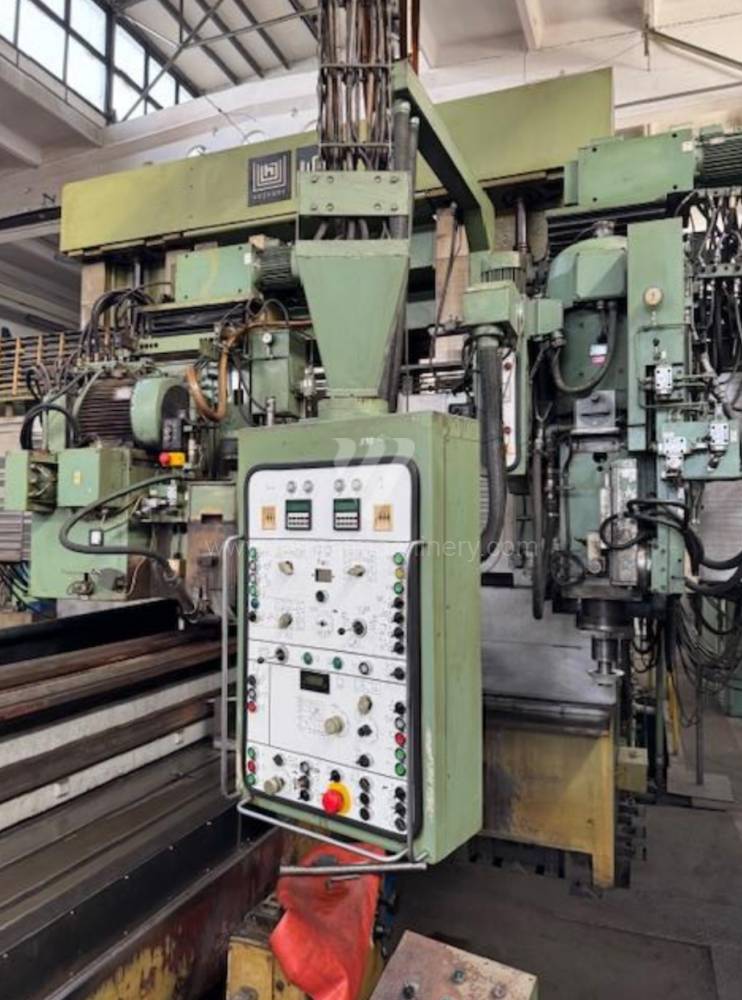
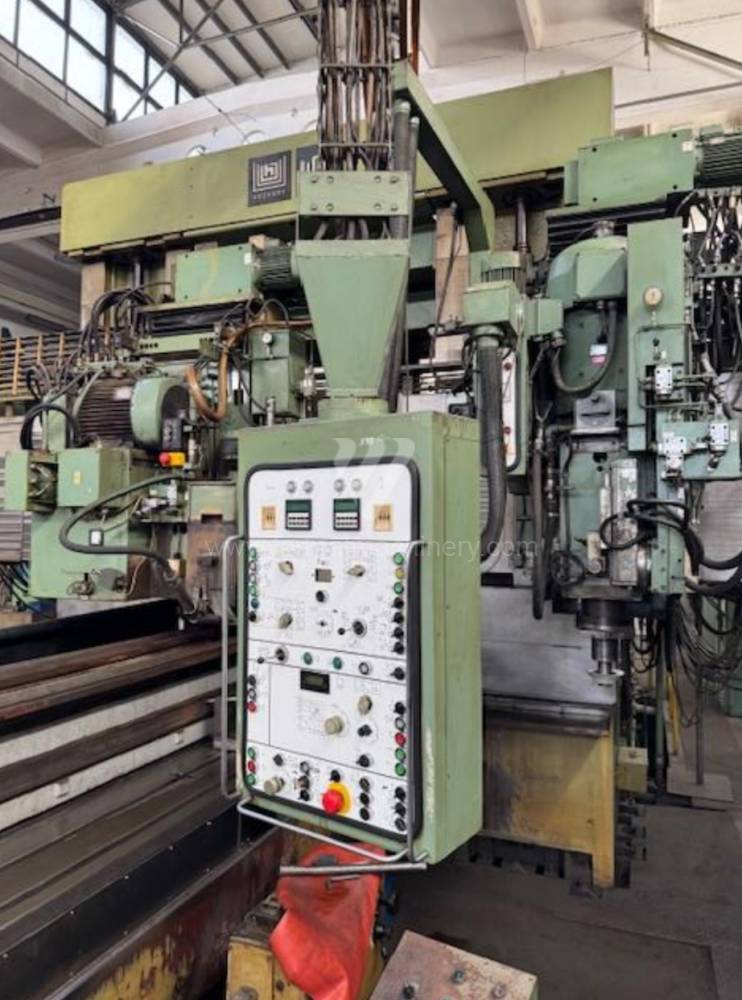
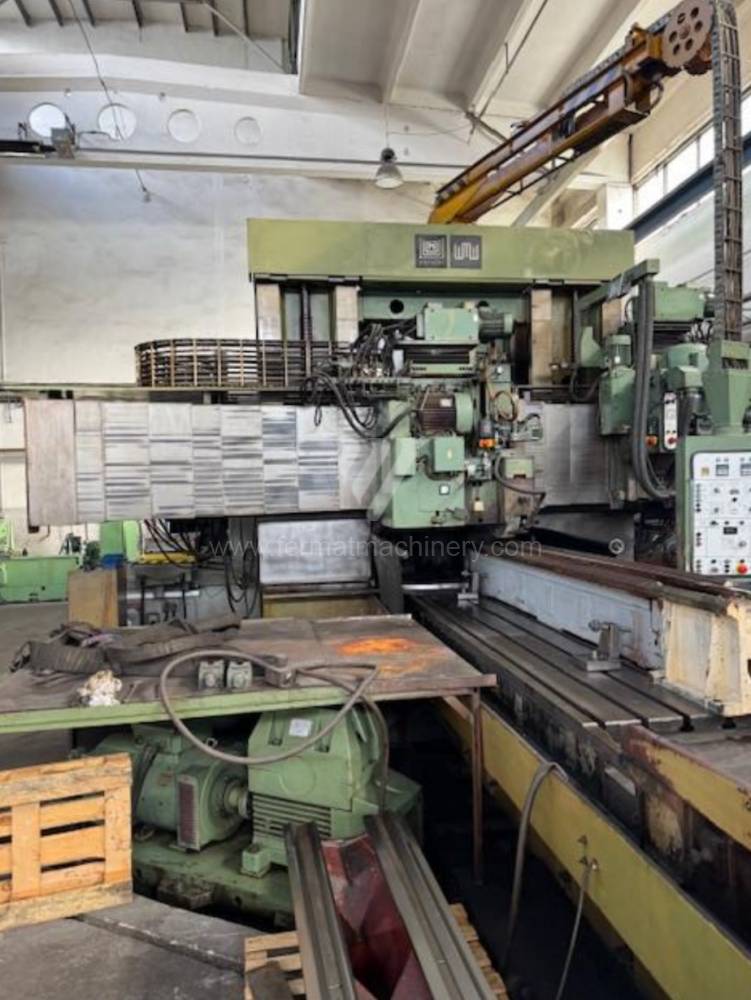
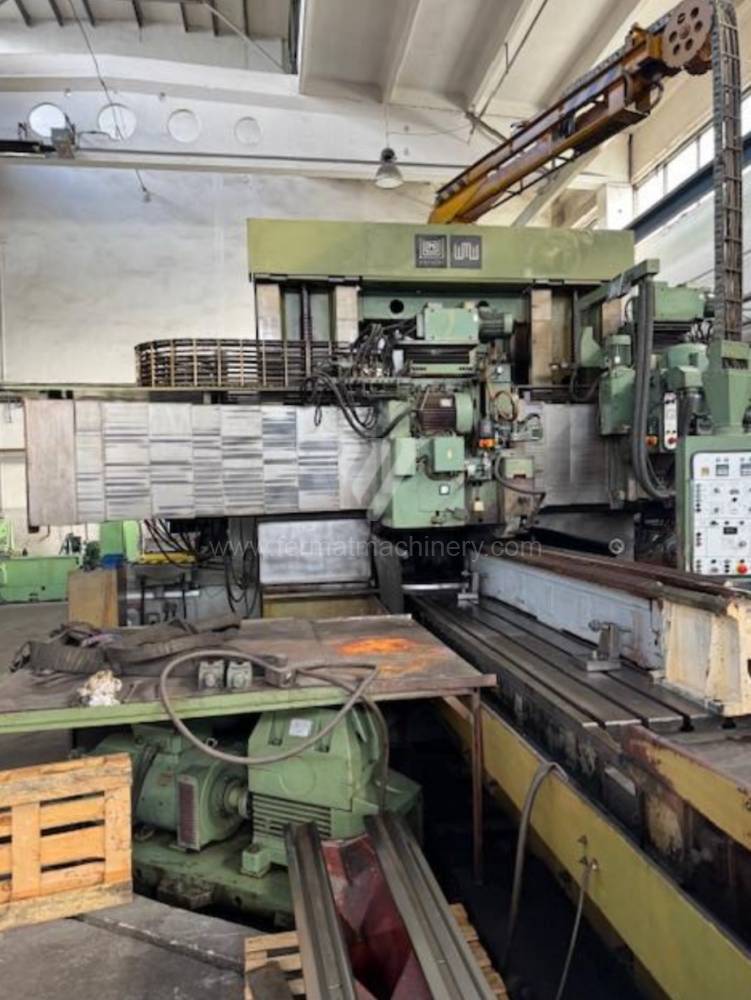
SZ 12-12-03 |
261476 | WMW Machinery Company | 1989 | Lungh. max. della rettifica: 3600 mm Largh. max. della rettifica: 1450 mm Peso max. del pezzo lavorato: 15000 kg Distanza tra i montanti: 1500 mm Dimensioni del piano di lavoro del banco: 3230x1250 mm Alimentazione di lavoro: 0,7/1,4/7/14 mm/min |
|
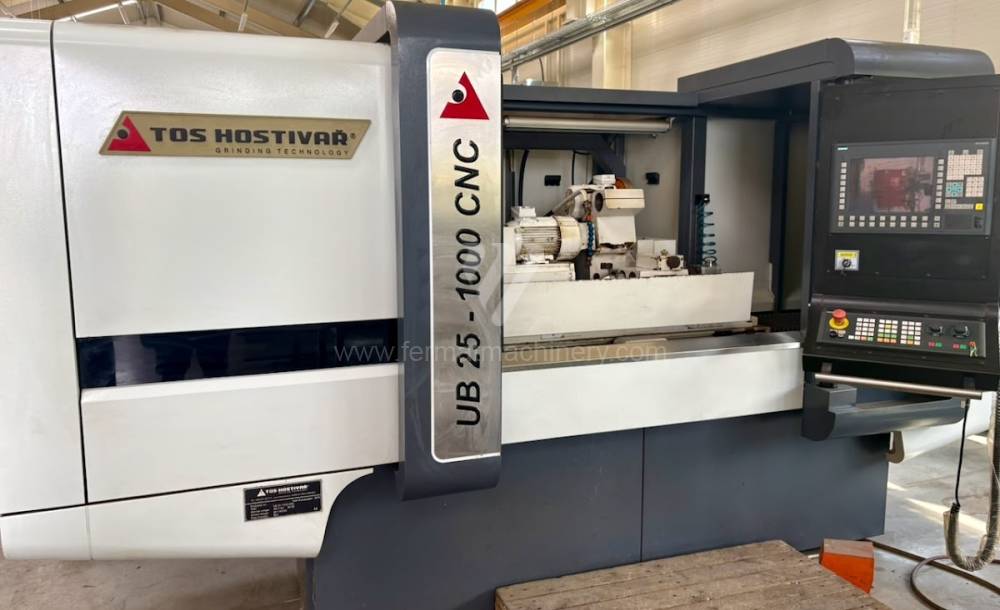 |
UB 25/1000 CNC |
261713 | TOS Hostivař | 2019 | Sistema di controllo Siemens: Sinumerik 840D Sl Diametro massimo di rettifica: 280 mm Lungh. max. della rettifica: 1000 mm Peso max. del pezzo lavorato: 80 kg Attrezzature per la rettifica interna: Sì Potenza del motore elettrico principale: 4 kW |
|
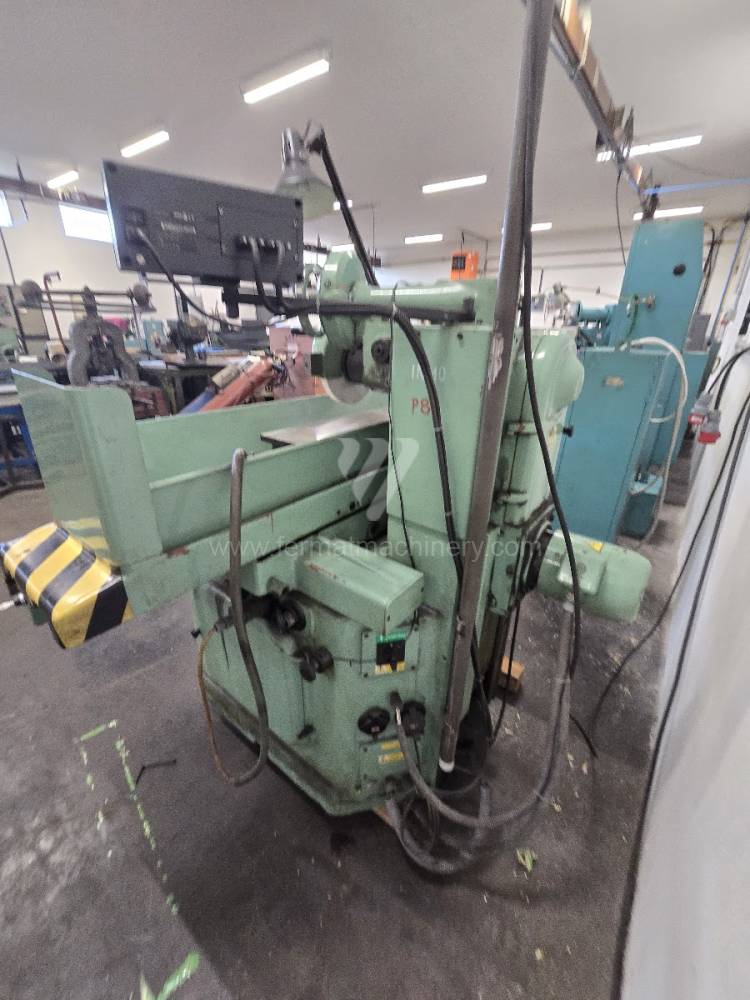 |
BPH 20 N |
251359 | Považské Strojárne | 1971 | Lungh. max. della rettifica: 630 mm Largh. max. della rettifica: 230 mm Altezza max. del pezzo lavorato: 350 mm Alloggiamento mandrino mola: Horizontální Peso della macchina: 1600 kg |
|
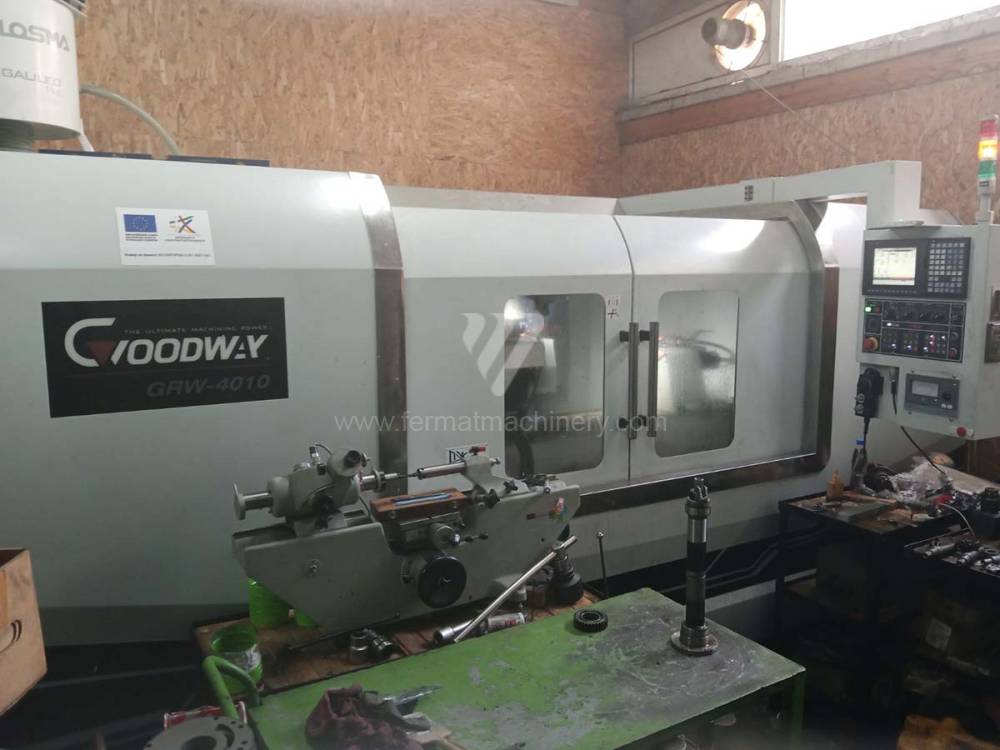 |
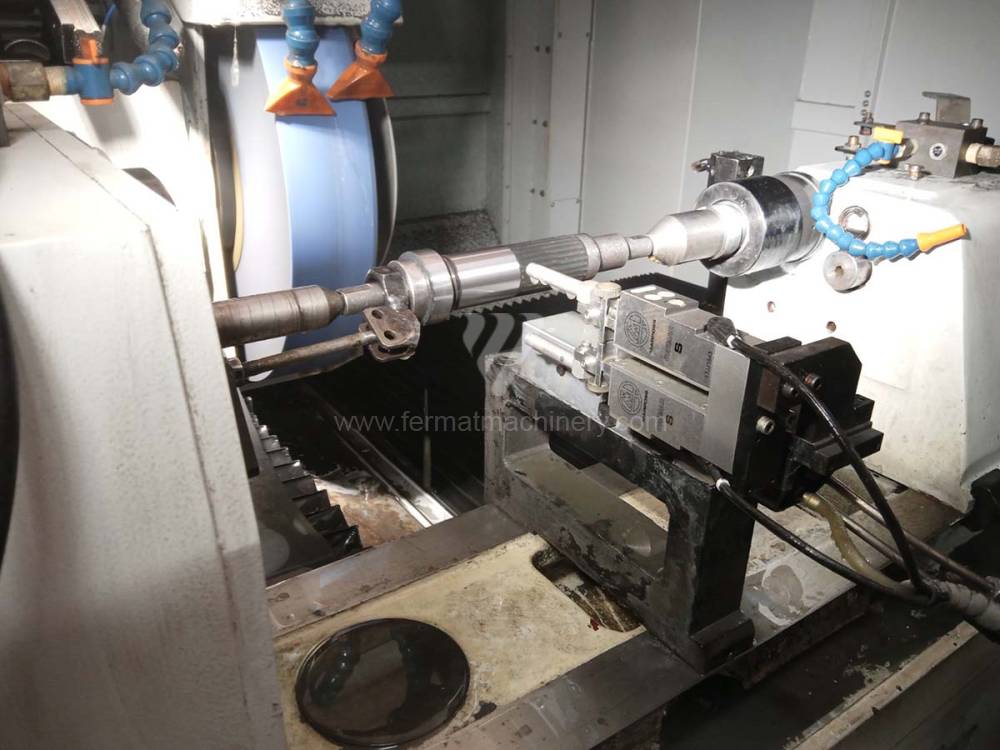
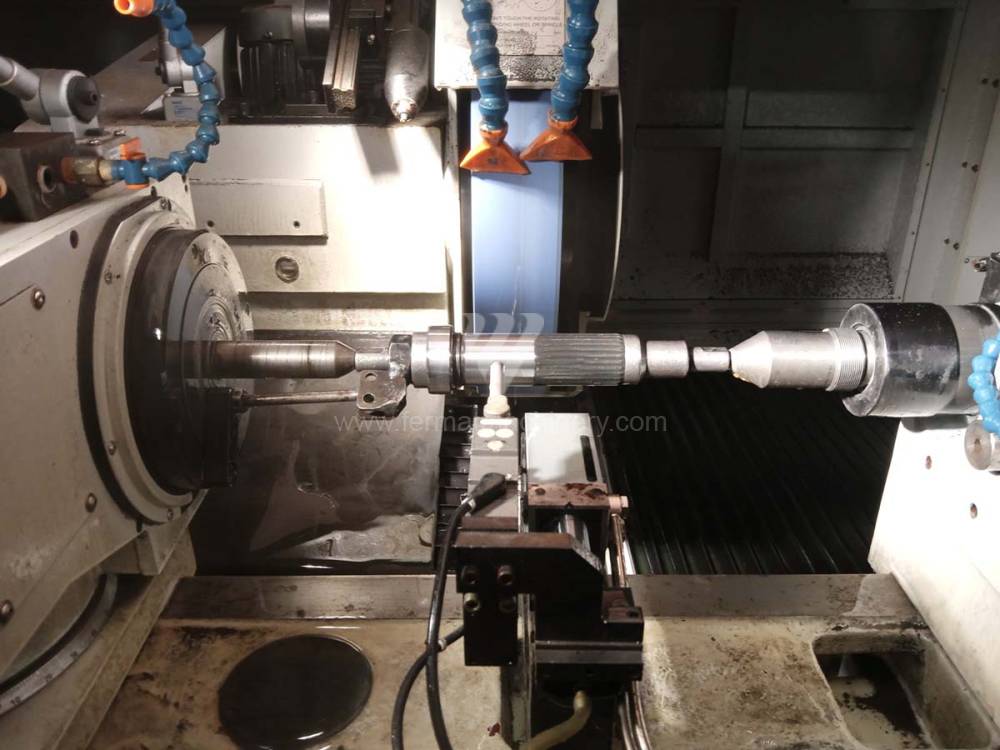
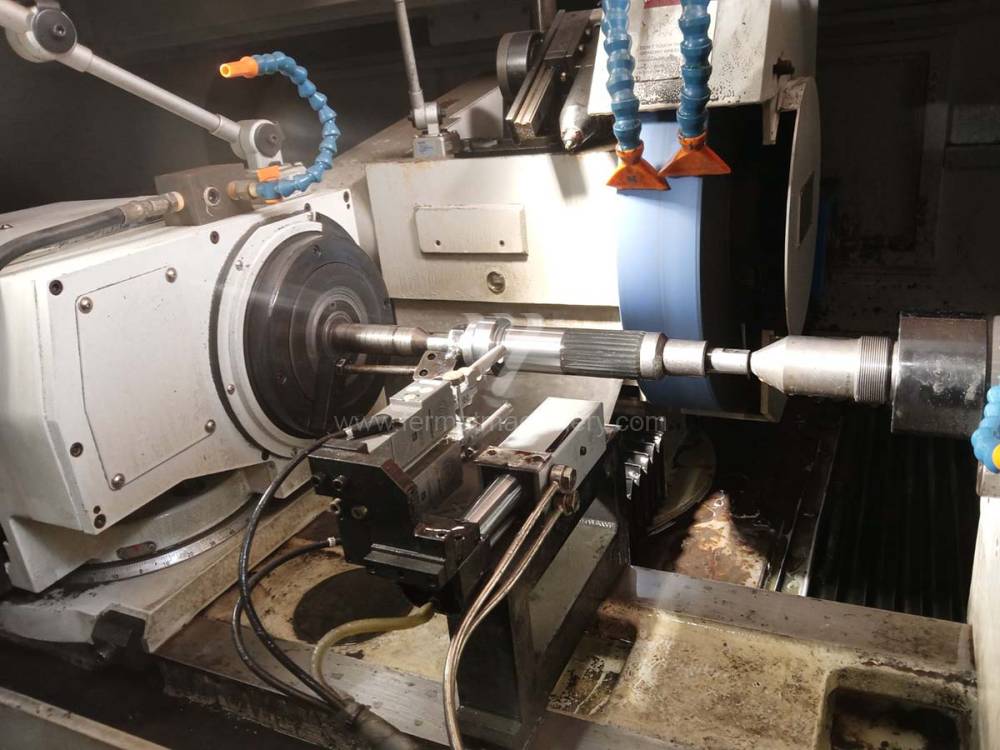
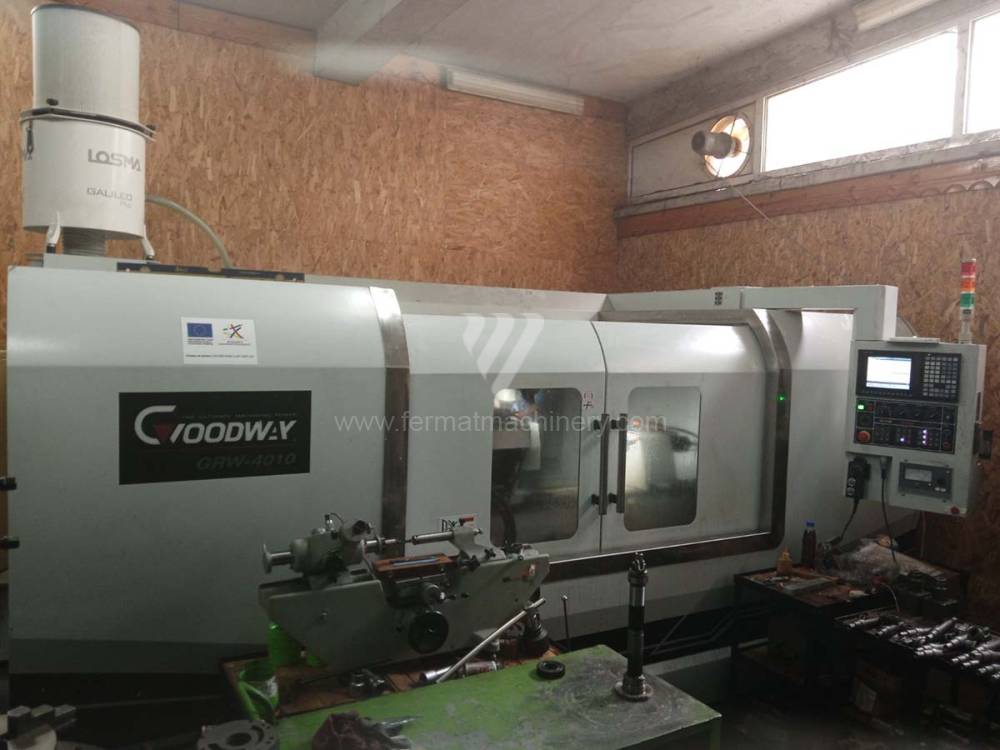
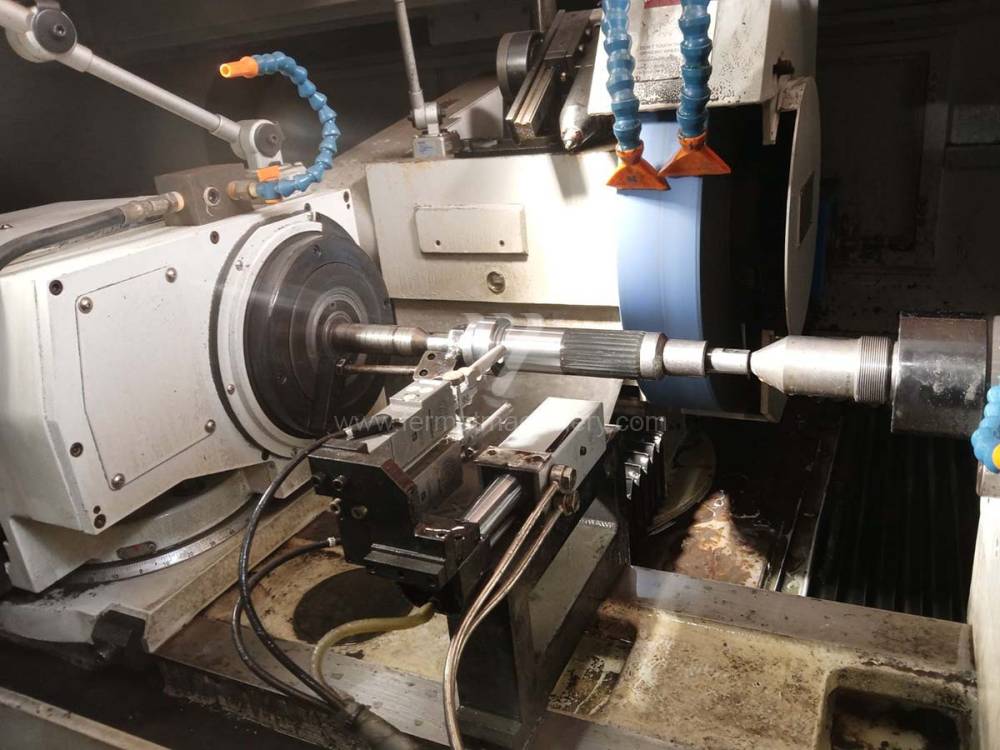
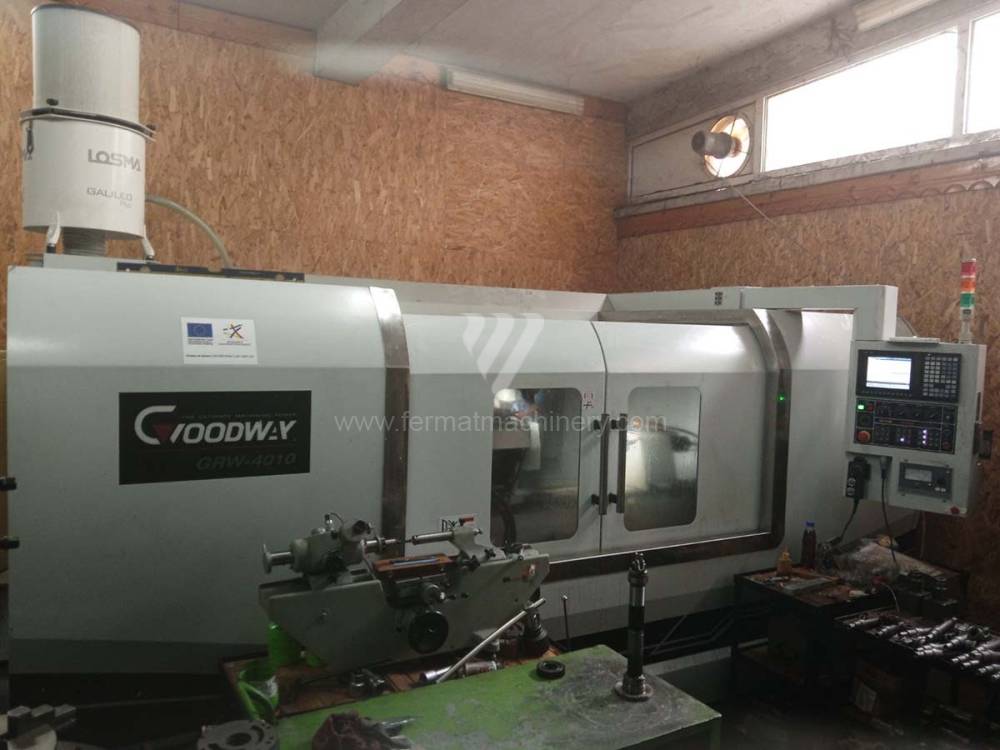
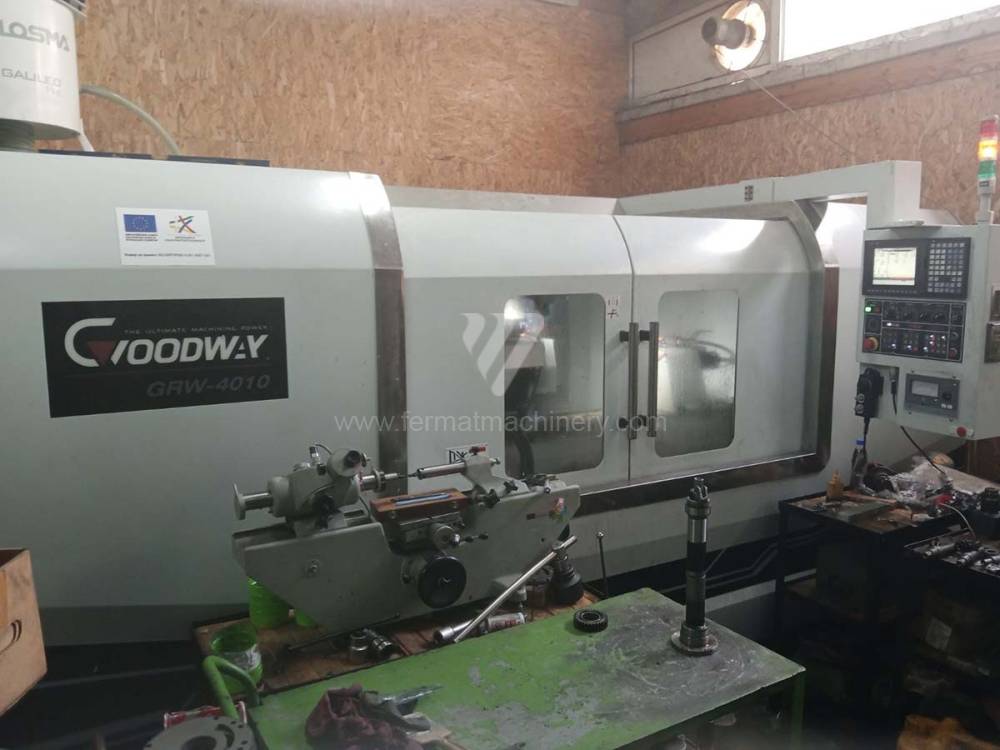
GRW-4010 |
241085 | Goodway | 2018 | Sistema di controllo Mitsubishi: M 70 Diametro massimo di rettifica: 400 mm Lungh. max. della rettifica: 1000 mm Peso max. del pezzo lavorato: 750 kg Attrezzature per la rettifica interna: No |
|
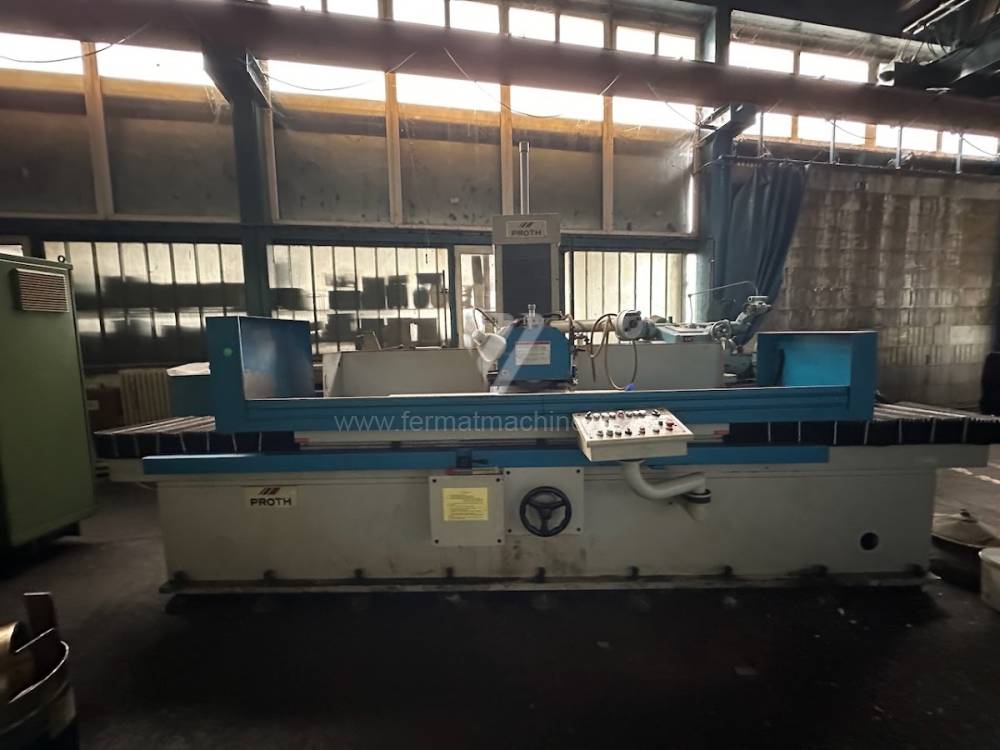 |
PSGC – 50150 AHR |
261087 | PROTH | 2008 | Lungh. max. della rettifica: 1650 mm Largh. max. della rettifica: 560 mm Altezza max. del pezzo lavorato: 522 mm Alloggiamento mandrino mola: Horizontální Dimensioni del banco : 500x1500 mm Potenza del motore elettrico principale: 11/15 kW |
|
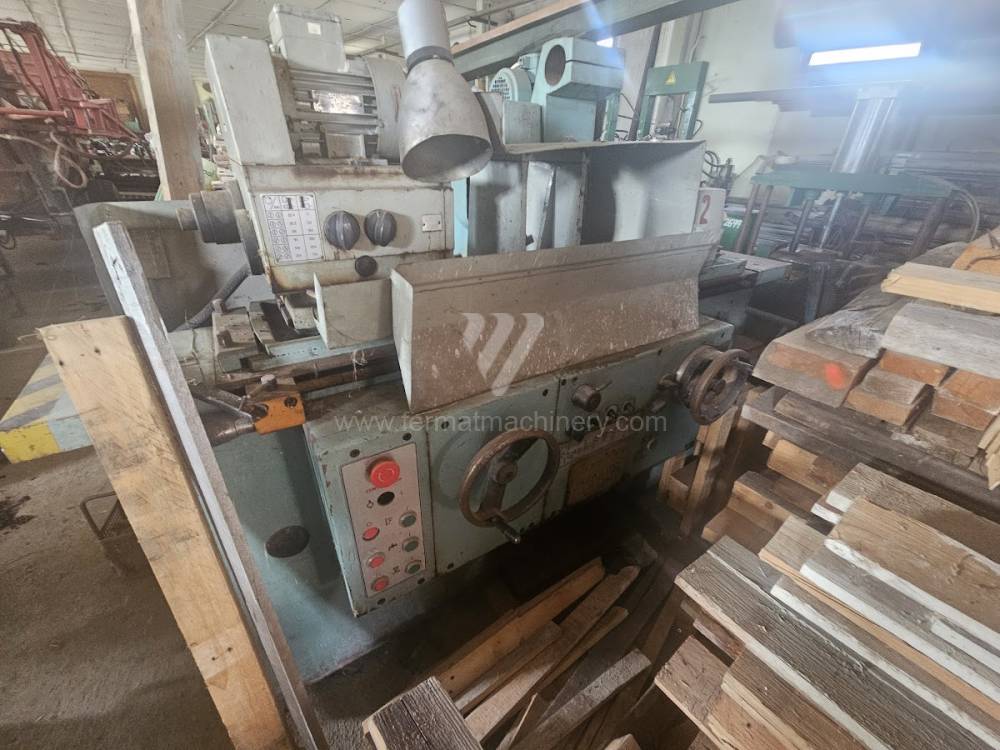 |
BU 28/630 |
261728 | TOS Hostivař | Diametro massimo di rettifica: 295 mm Lungh. max. della rettifica: 630 mm Peso max. del pezzo lavorato: 60 kg Attrezzature per la rettifica interna: Sì Potenza del motore elettrico principale: 4 kW Dimensioni lungh. x largh. x alt.: 2000x1450 mm |
||
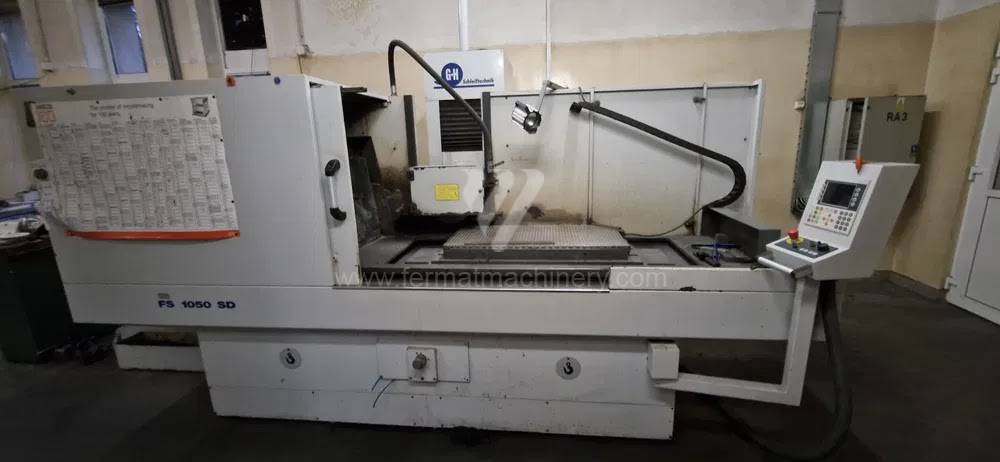 |
FS 1050 SD. |
261287 | Geibel & Hotz | 2008 | Lungh. max. della rettifica: 1000 mm Largh. max. della rettifica: 500 mm Altezza max. del pezzo lavorato: 500 mm Alloggiamento mandrino mola: Horizontální Dimensioni del piano di lavoro del banco: 1000x5000 mm Peso della macchina: 4 500 kg |
|
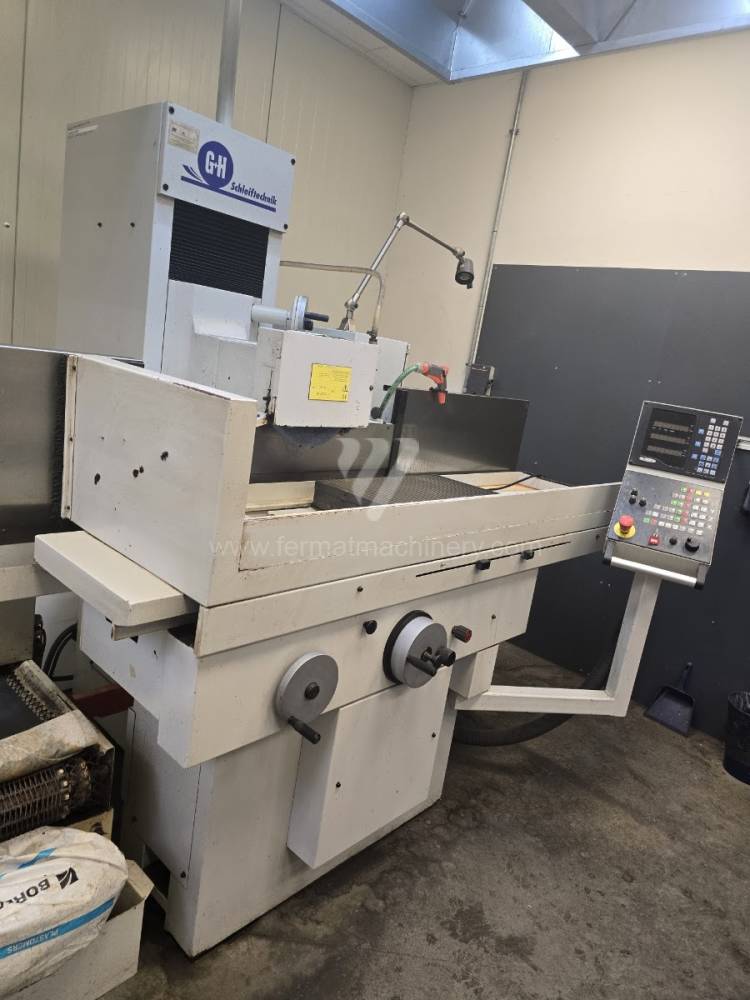 |
FS 60 AC |
261428 | G+H SCHLEIFTECHNIK | 2006 | Sistema di controllo Siemens: Simatic S 5 Lungh. max. della rettifica: 600 mm Largh. max. della rettifica: 400 mm Altezza max. del pezzo lavorato: 375 mm Alloggiamento mandrino mola: Horizontální Dimensioni lungh. x largh. x alt.: cca 3000x2700x2500 mm |
|
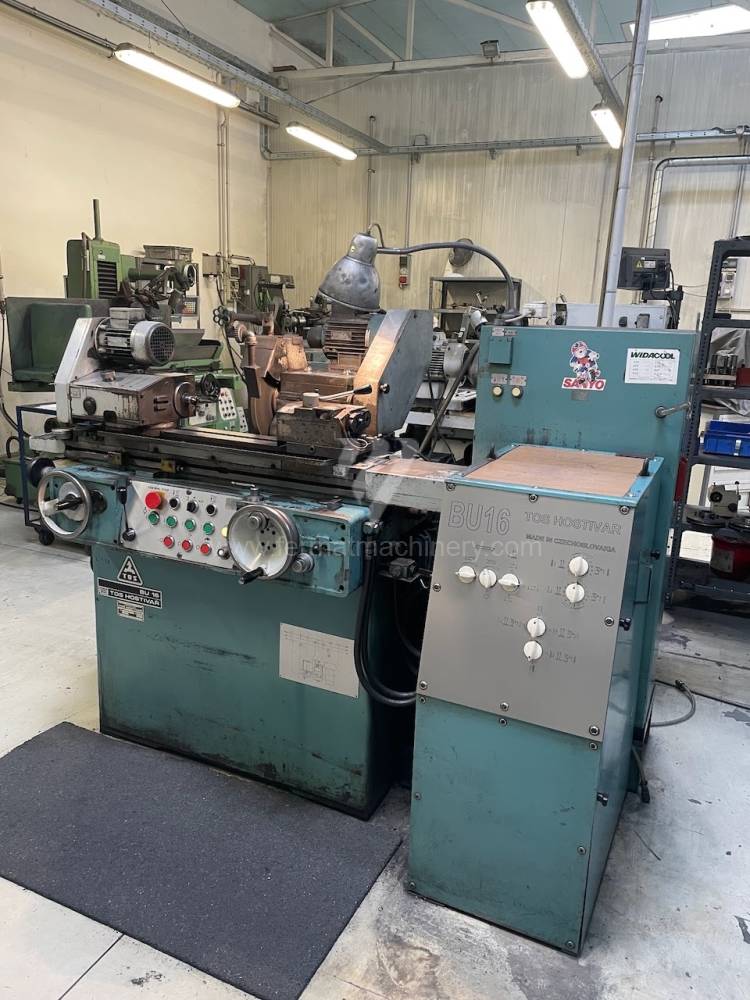 |
BU 16 |
241878 | TOS Hostivař | 1988 | Diametro massimo di rettifica: 160 mm Lungh. max. della rettifica: 320 mm Peso max. del pezzo lavorato: 25 kg Attrezzature per la rettifica interna: No Cono per fissare mandrino: Morse 3 . Giri del mandrino: 0 - 2812 /min. |
|
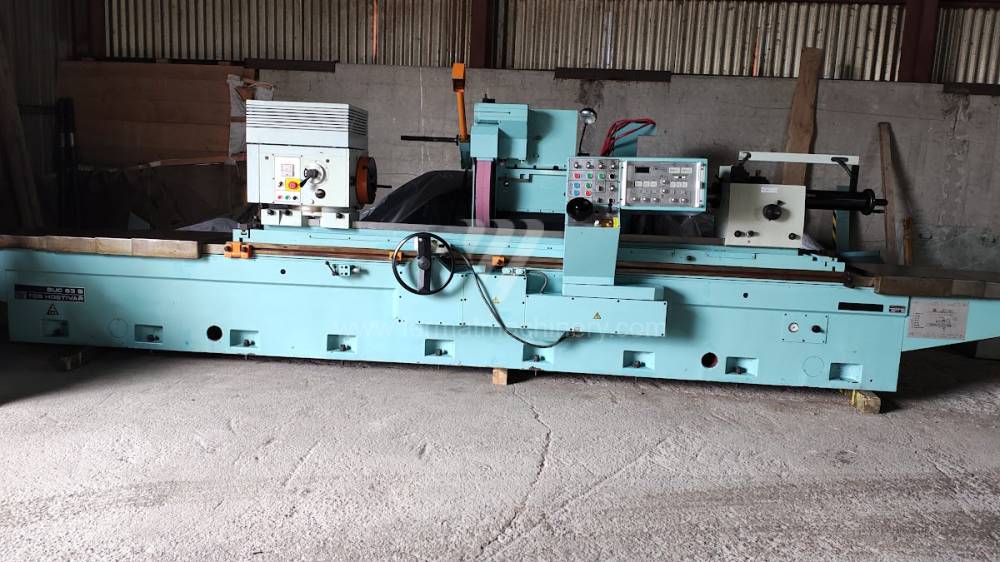 |
BUC 63 B/2000 |
261115 | TOS Hostivař | 1990 | Diametro massimo di rettifica: 630 mm Lungh. max. della rettifica: 2000 mm Peso max. del pezzo lavorato: 3000 kg Attrezzature per la rettifica interna: Sì Potenza totale: 31 kVA Dimensioni lungh. x largh. x alt.: 10000x2700x2000 mm |
|
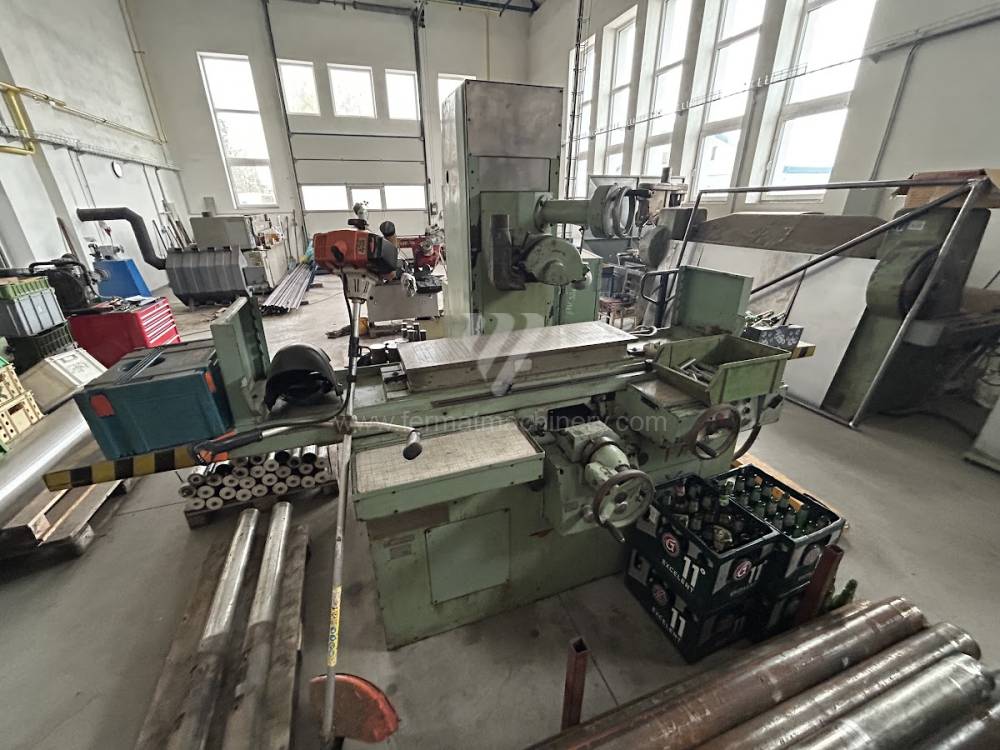 |
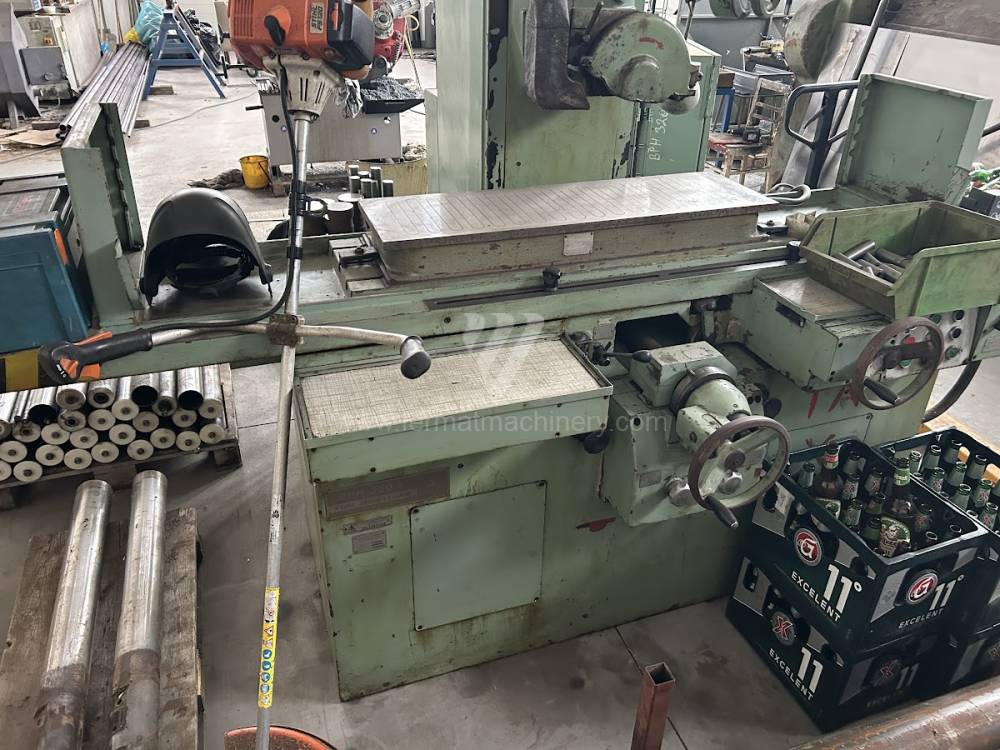
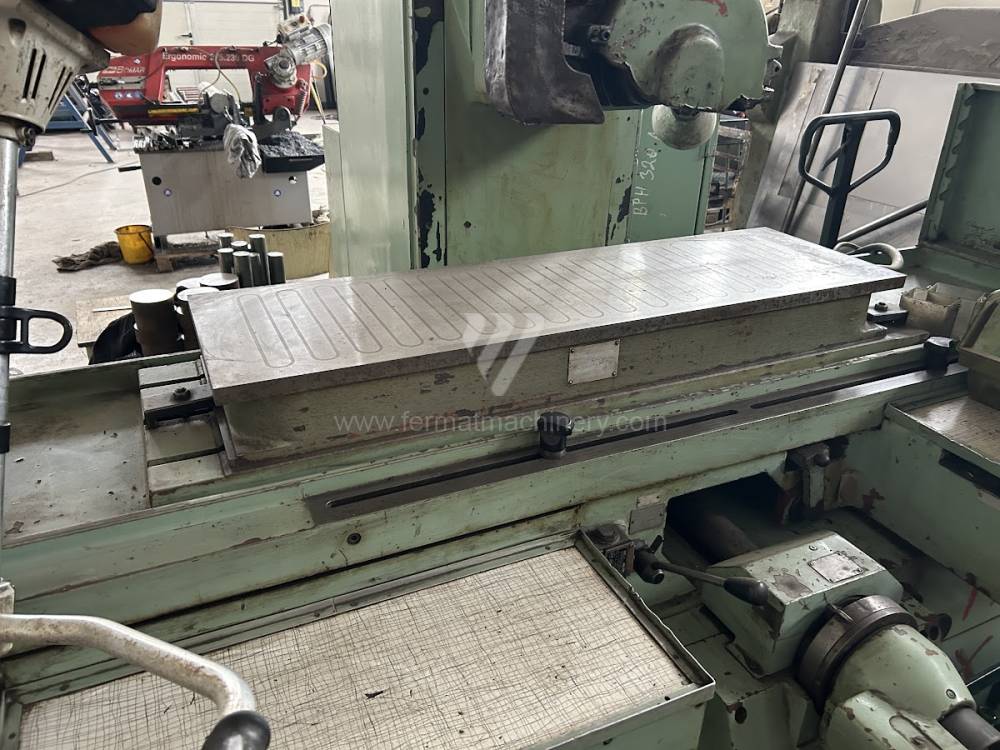
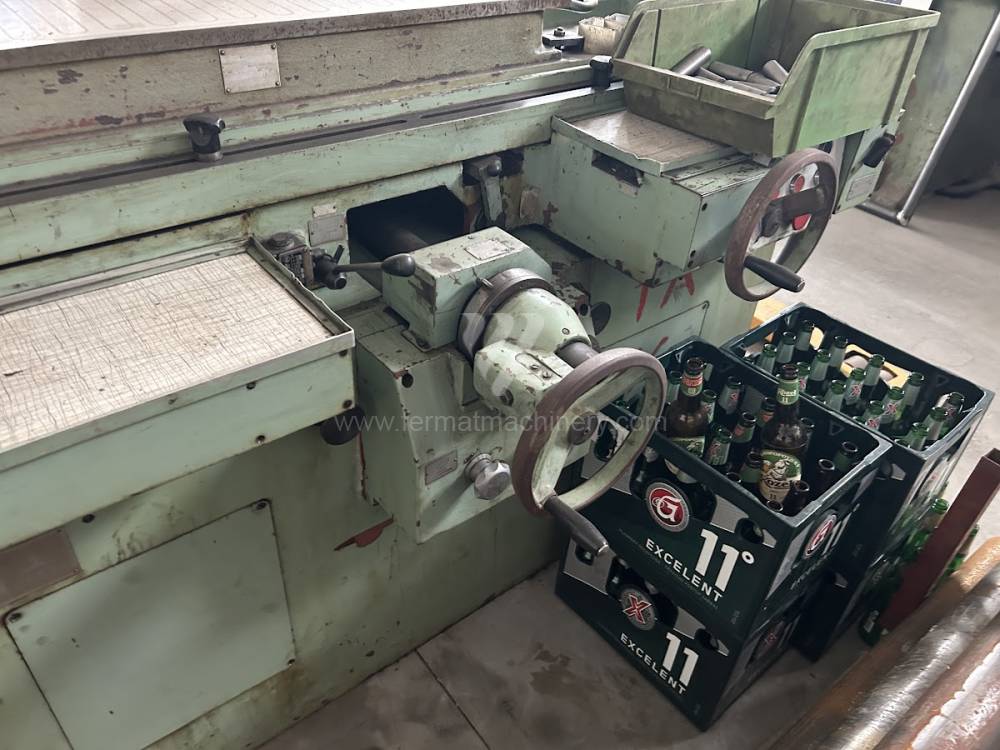
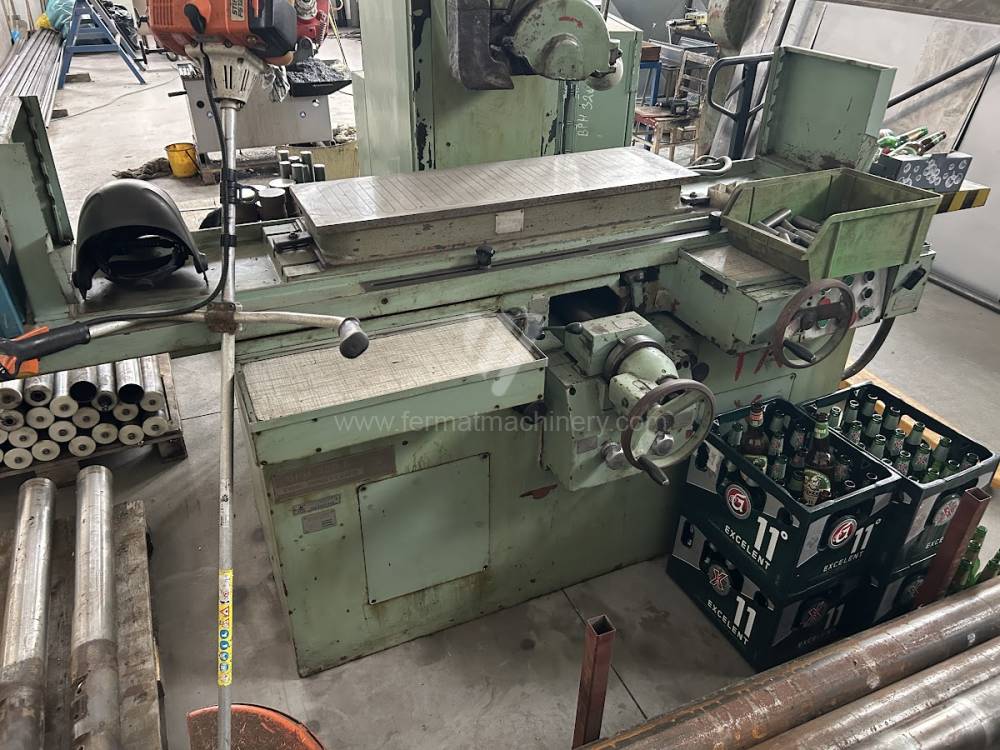
BPH 320 A |
261348 | TOS Hostivař | 1979 | Lungh. max. della rettifica: 1000 mm Largh. max. della rettifica: 320 mm Altezza max. del pezzo lavorato: 350 mm Alloggiamento mandrino mola: Horizontální |
|
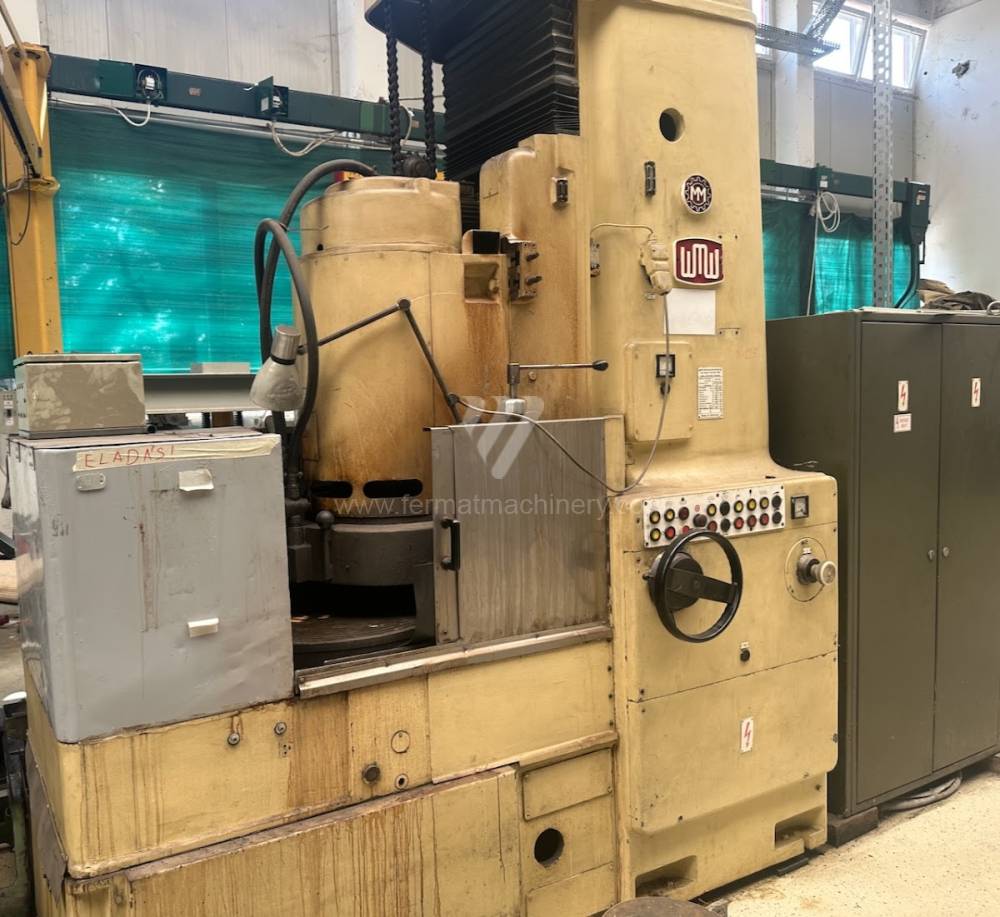 |
SFSR 800 |
251634 | WMW | Lungh. max. della rettifica: d=800 mm Largh. max. della rettifica: mm Altezza max. del pezzo lavorato: mm Alloggiamento mandrino mola: Vertikální Peso della macchina: 9500 kg |
||
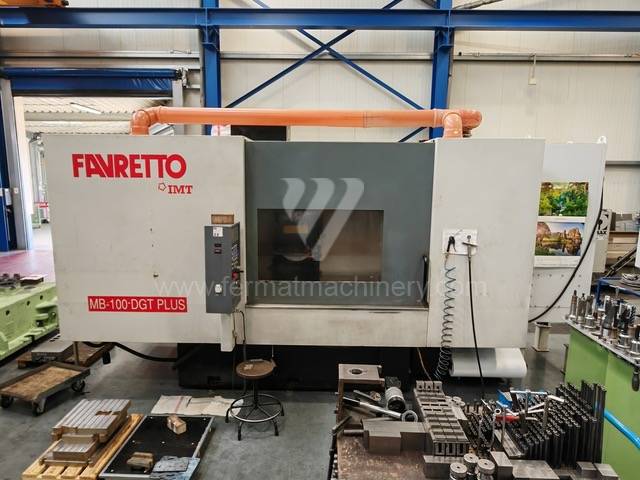 |
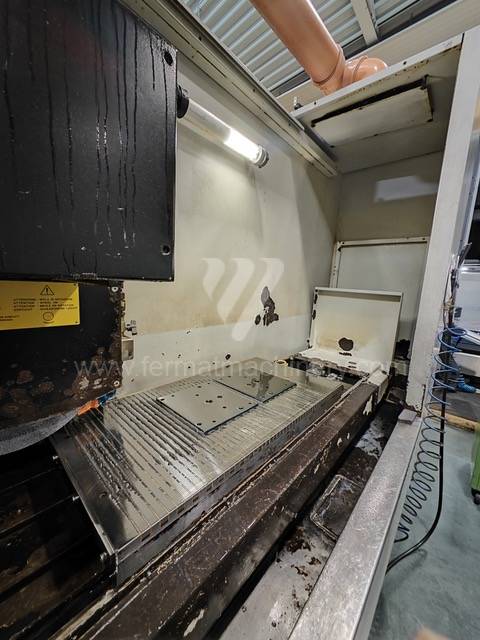
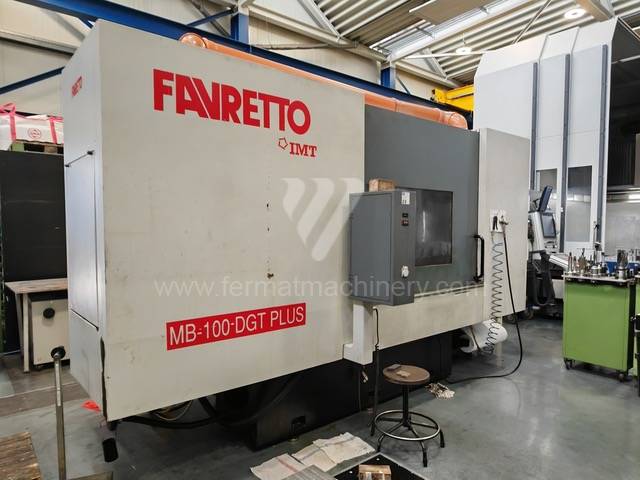
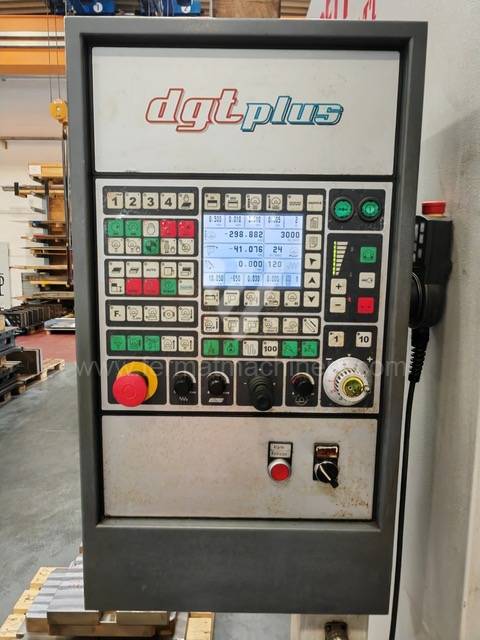
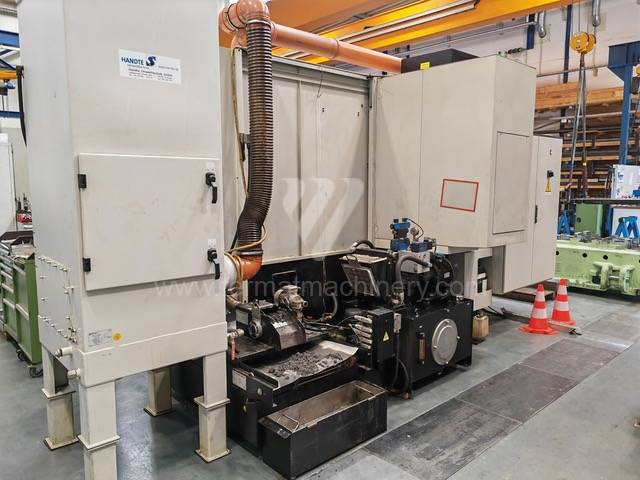
MB 100 |
251669 | Favretto | 2011 | Lungh. max. della rettifica: 1200 mm Largh. max. della rettifica: 600 mm Altezza max. del pezzo lavorato: 550 mm Alloggiamento mandrino mola: Dimensioni del piano di lavoro del banco: 1200x400 mm Massimo carico banco: 975/1200 kg |
|
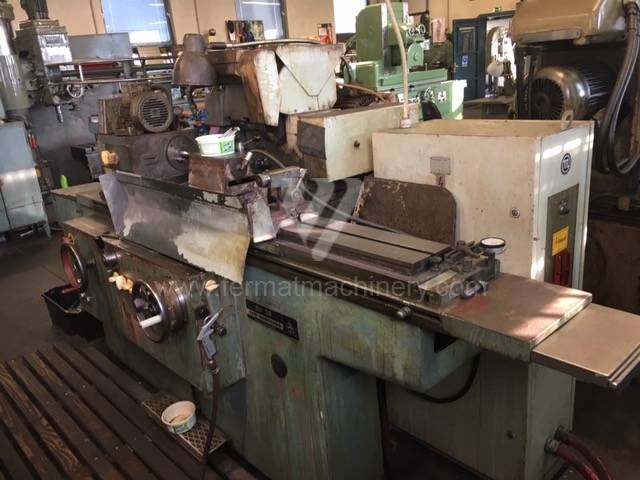 |
BU 28 1000 |
261152 | TOS Hostivař | Diametro massimo di rettifica: 295 mm Lungh. max. della rettifica: 1000 mm Peso max. del pezzo lavorato: 60 kg Attrezzature per la rettifica interna: Sì Potenza del motore elettrico principale: 6,6 kW Dimensioni lungh. x largh. x alt.: 2800x1450x1480 mm |
||
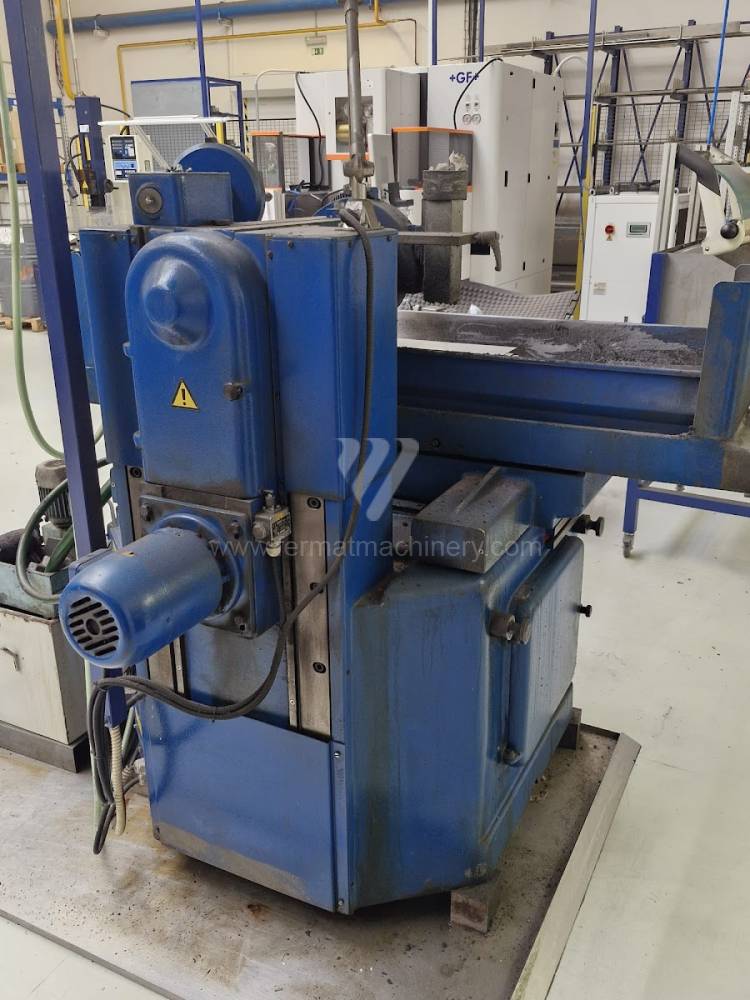 |
BPH 20 NA |
261231 | Považské Strojárne | Lungh. max. della rettifica: 630 - 630 - 630 - 630 mm Largh. max. della rettifica: 200 - 200 - 200 - 200 mm Altezza max. del pezzo lavorato: 300 - 300 - 300 - 300 mm Alloggiamento mandrino mola: - - - Superficie di bloccaggio del banco: 200 x 630 - 200 x 630 - 200 x 630 - 200 x 630 mm Peso max. del pezzo lavorato: 180 - 180 - 180 - 180 kg |
||
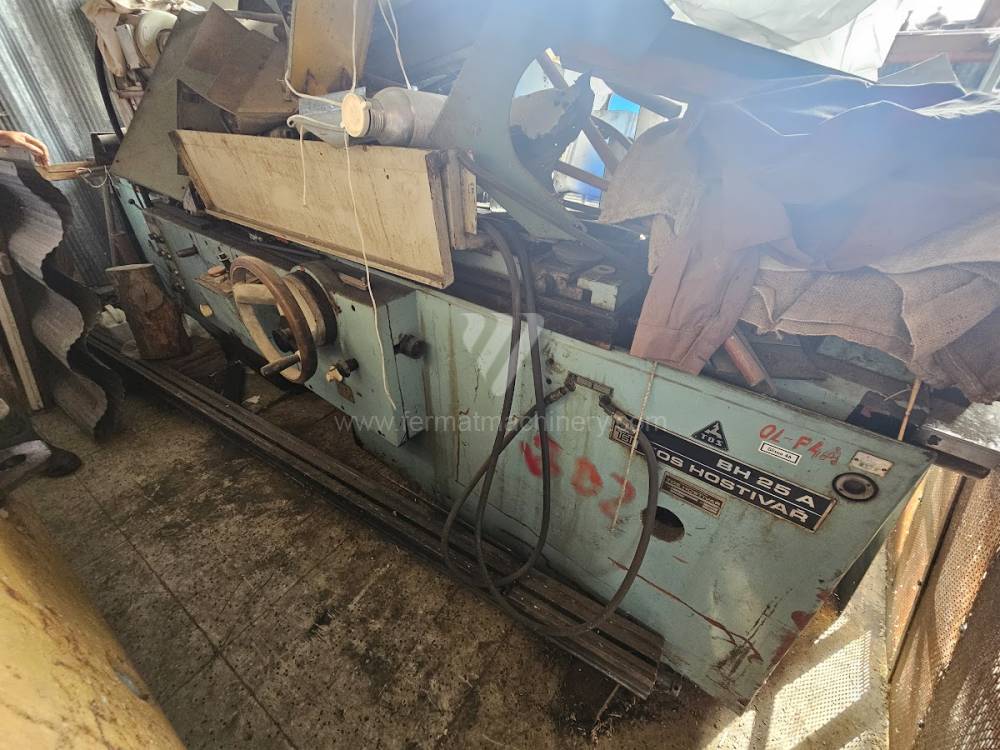 |
BH 25 A |
261727 | TOS Hostivař | Diametro massimo di rettifica: 250 mm Lungh. max. della rettifica: 1000 mm Peso max. del pezzo lavorato: 300 kg Attrezzature per la rettifica interna: No Distanza tra i punti: 1000 mm Potenza del motore elettrico principale: 19 kW |
||
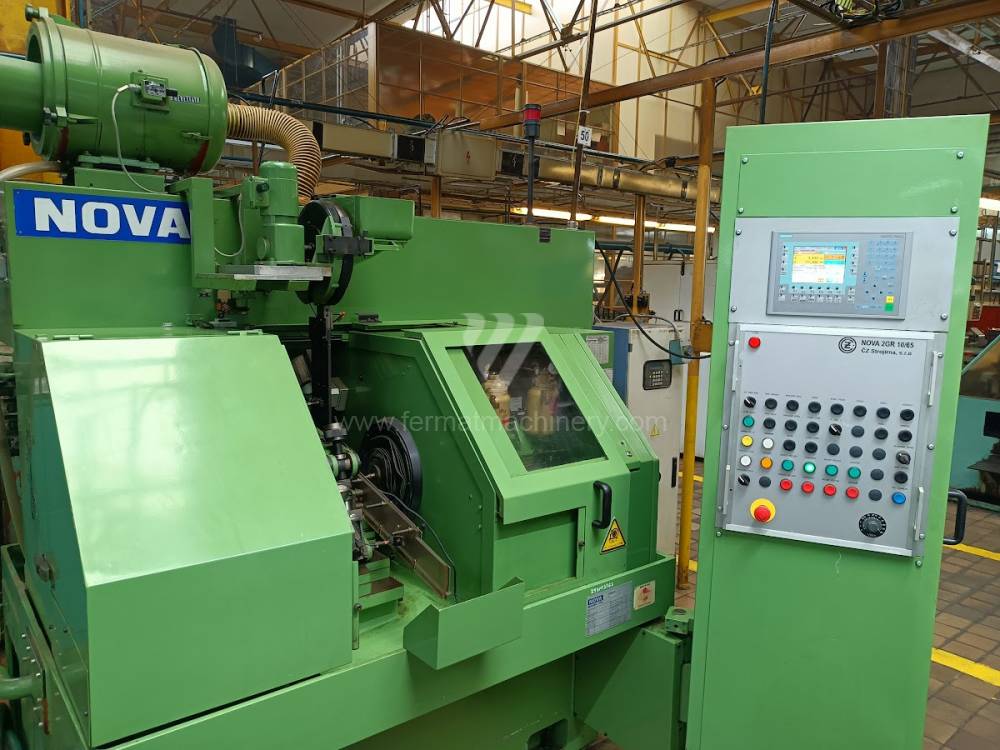 |
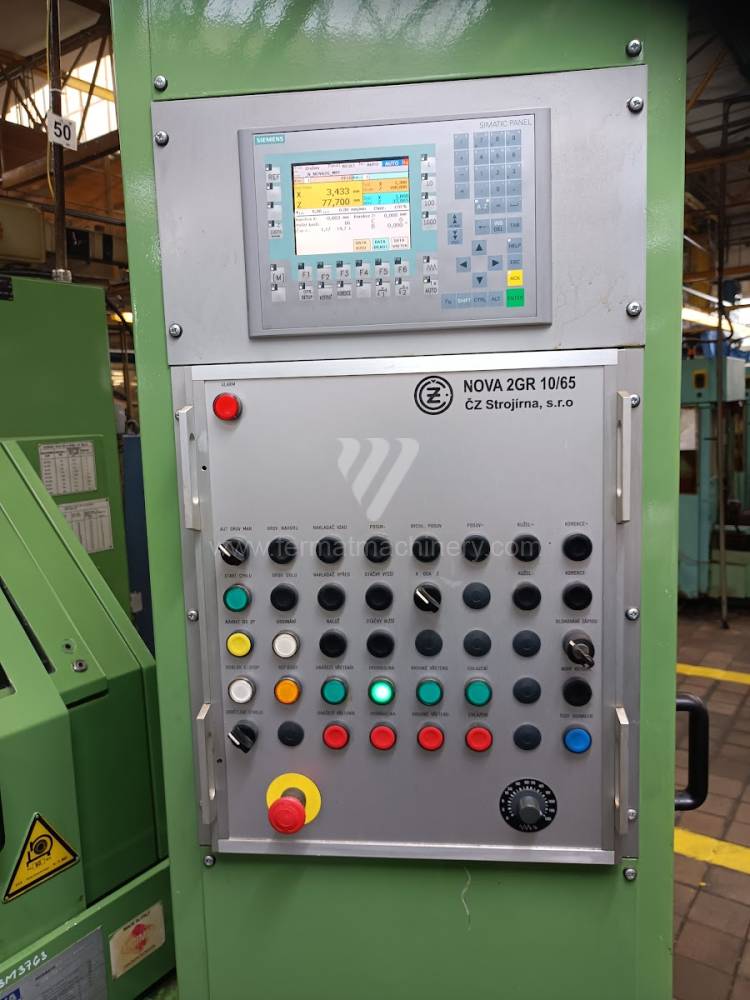
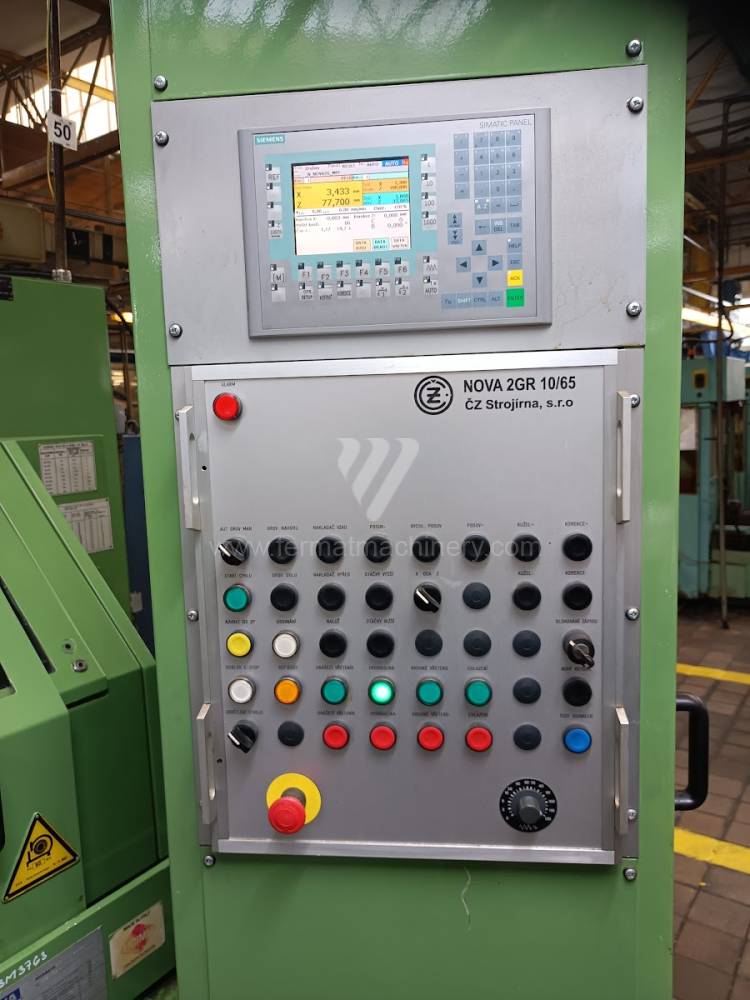
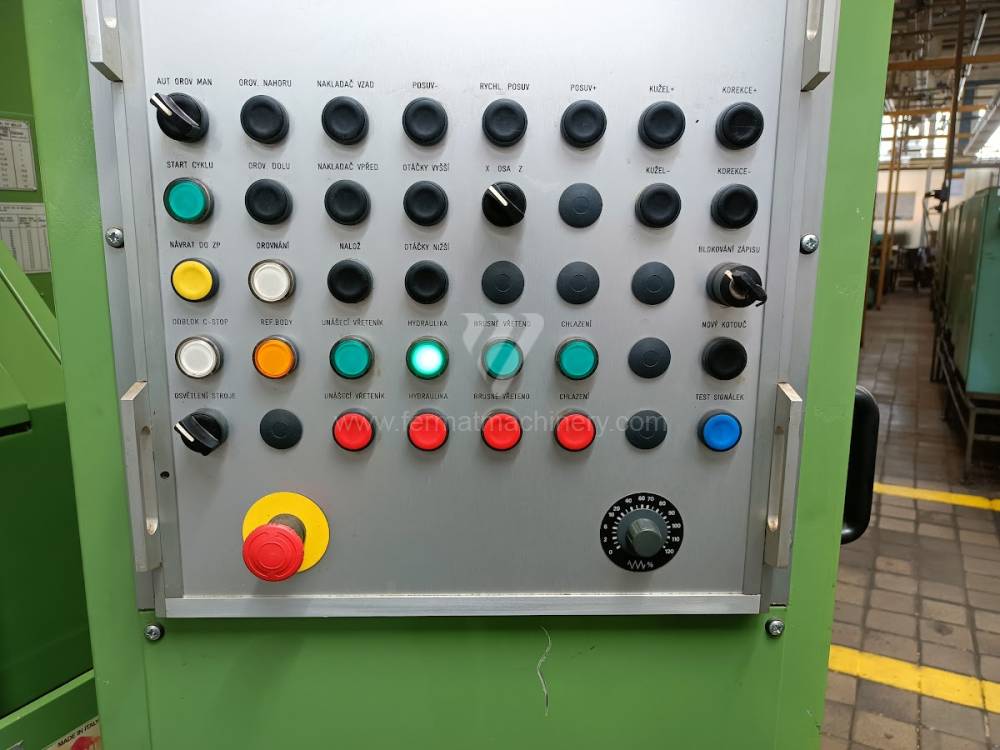
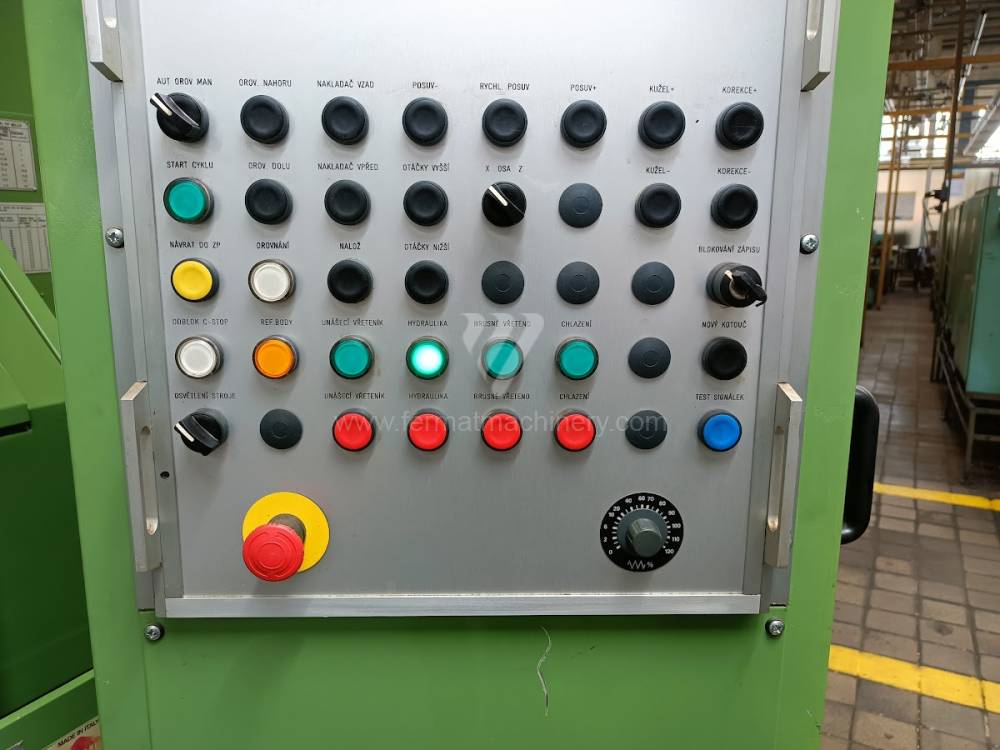
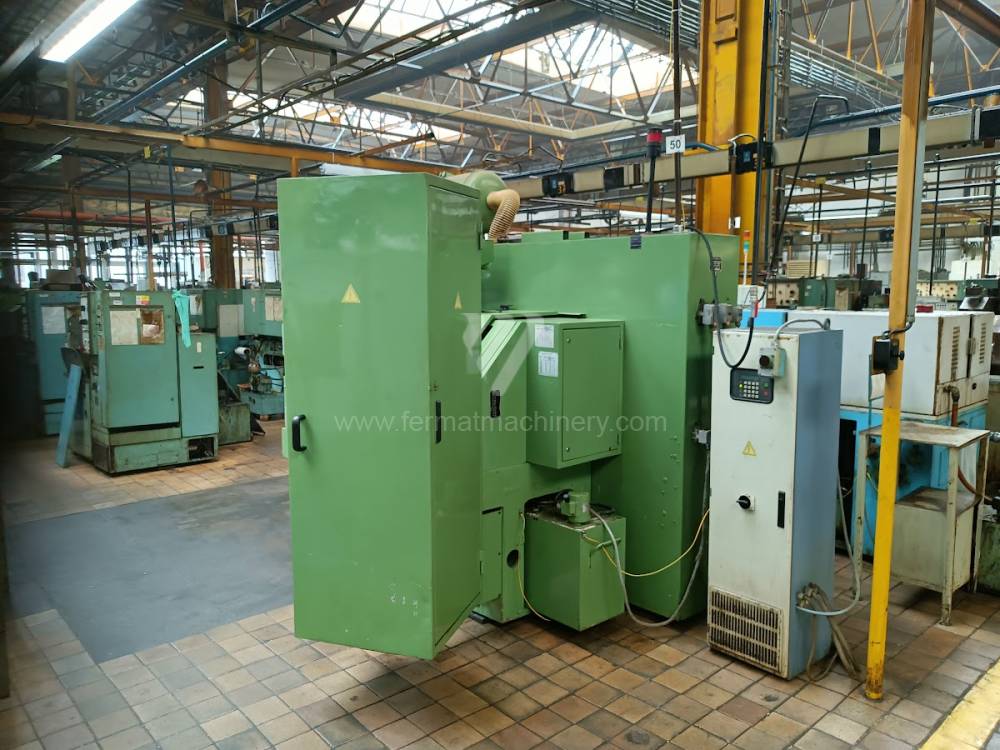
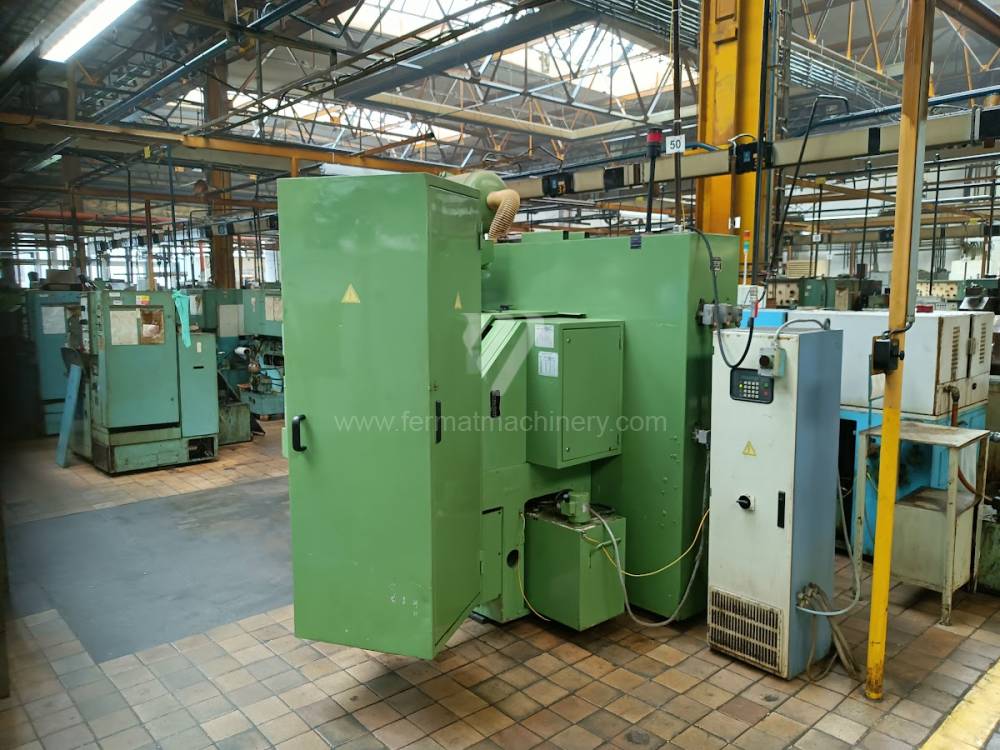
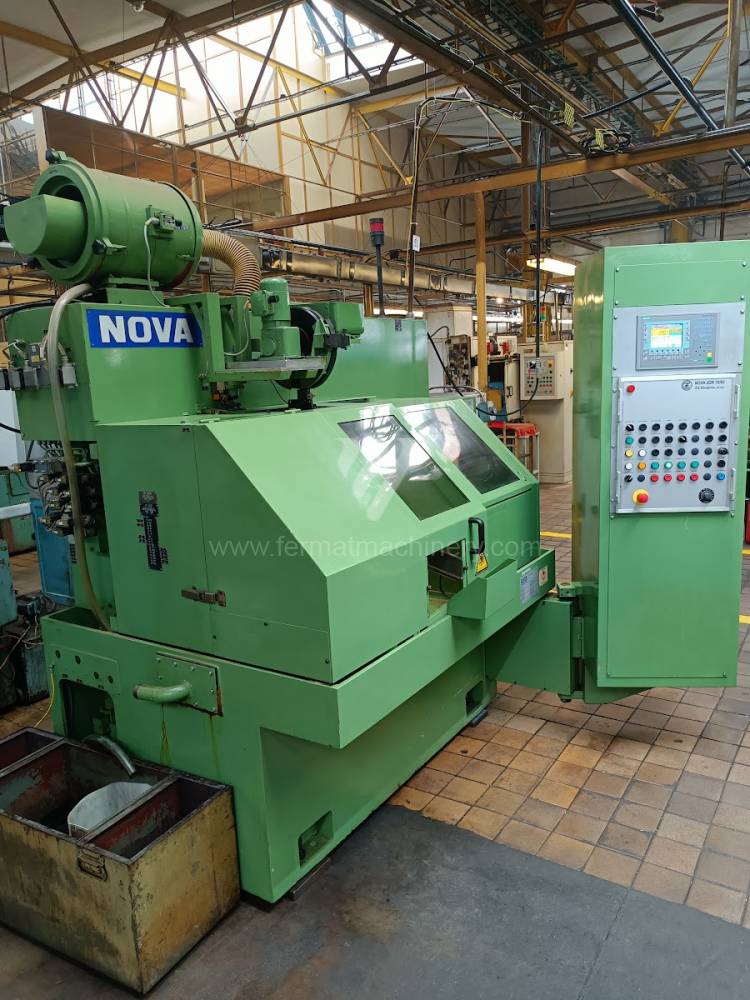
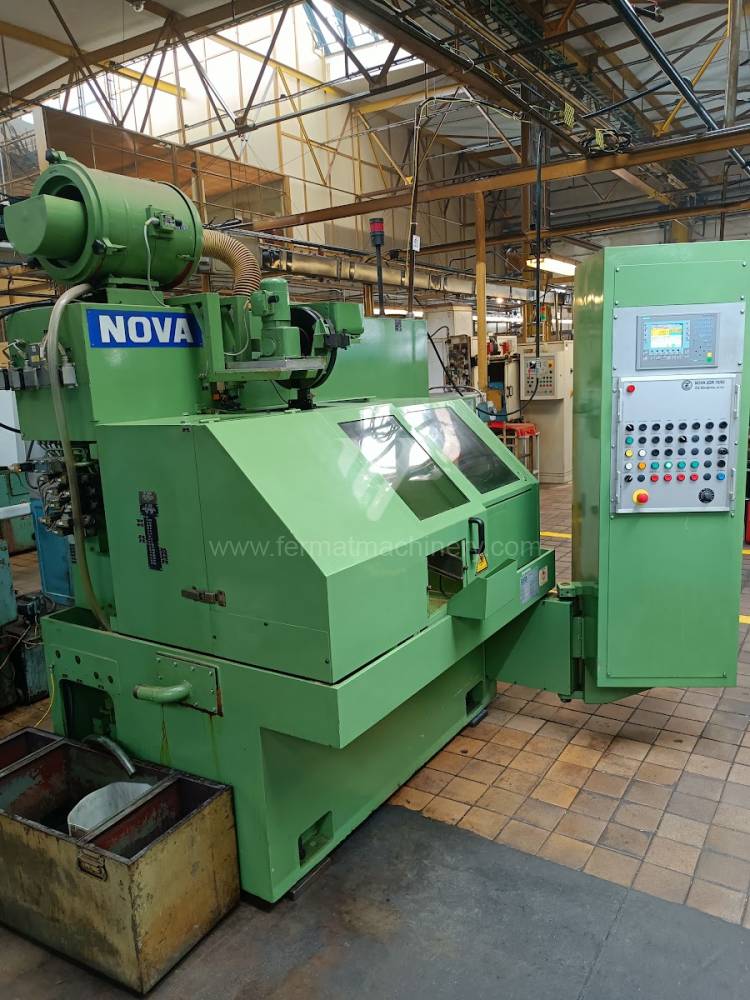
NOVA 2GR 10/65 CNC |
161558 | Meccanica Nova | 1989 | Sistema di controllo Siemens: Simatic S7-300 Diametro max. del pezzo lavorato: 65 mm Diametro max. del foro a rettificare: 65 mm Max. profondità di rettifica: 40 mm Il diametro minimo di molatura: 10 mm Spostamento asse X: 40 mm |
|
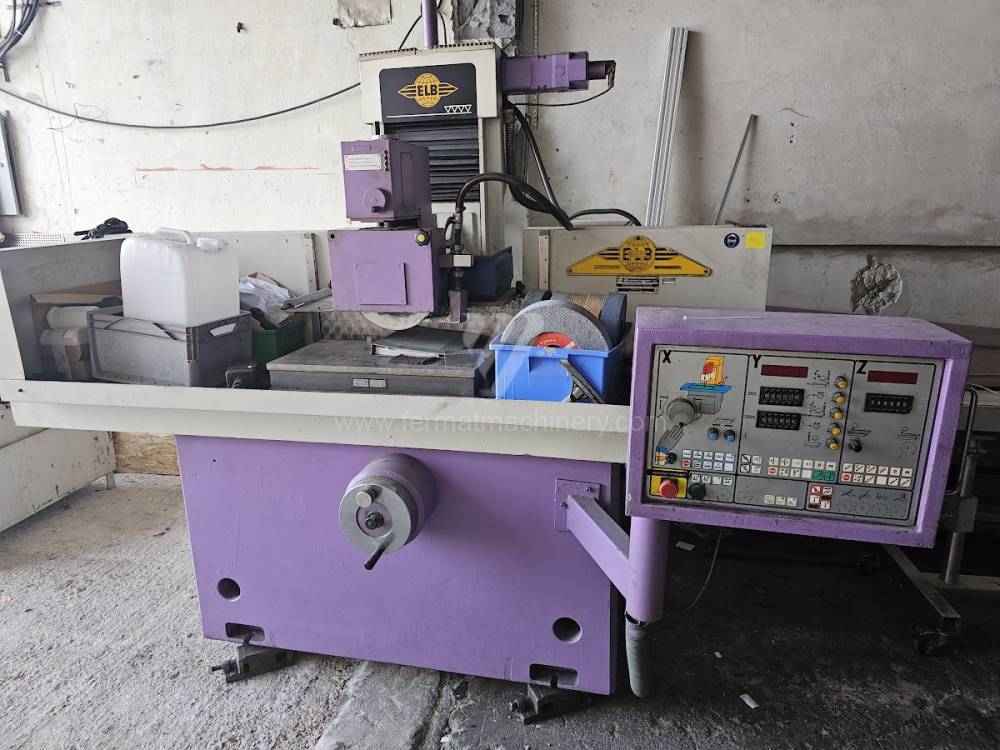 |
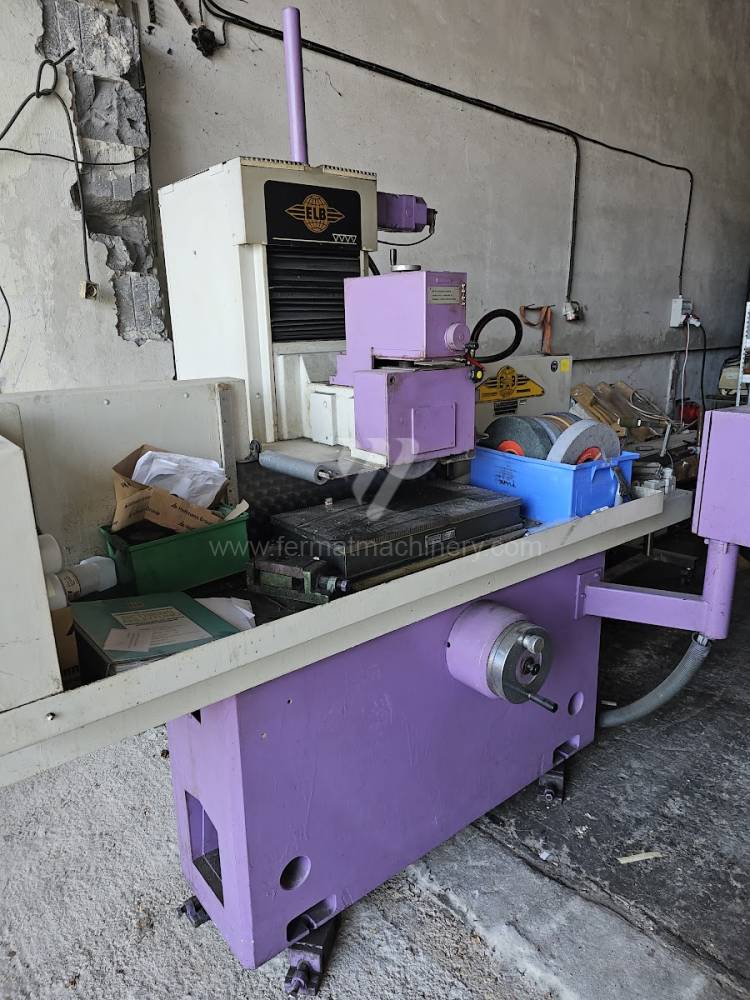
ELB |
241322 | ELB-SCHLIFF | Lungh. max. della rettifica: 600 mm Largh. max. della rettifica: 300 mm Altezza max. del pezzo lavorato: mm Alloggiamento mandrino mola: Horizontální |
||
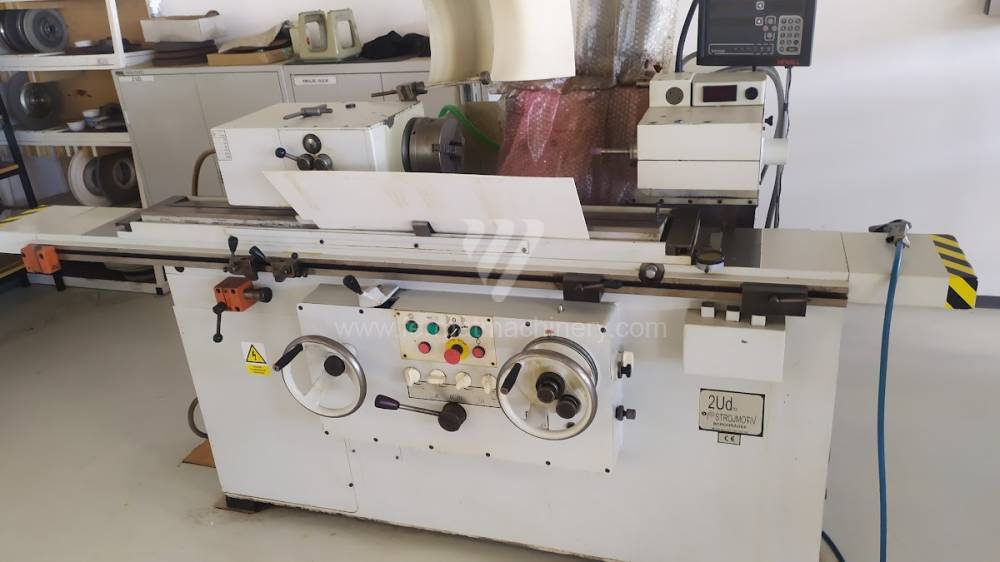 |
2 Ud |
261667 | TOS Hostivař | Diametro max. del pezzo lavorato: 290 mm Diametro max. del foro a rettificare: 127 mm Max. profondità di rettifica: mm Peso della macchina: 2250 kg |
||
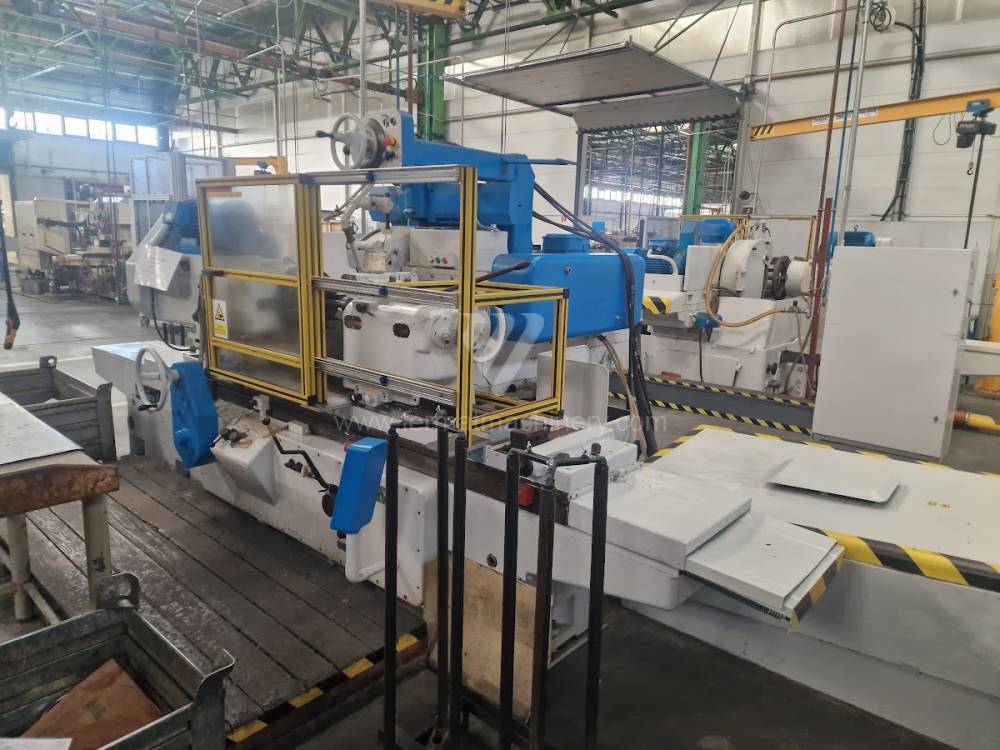 |
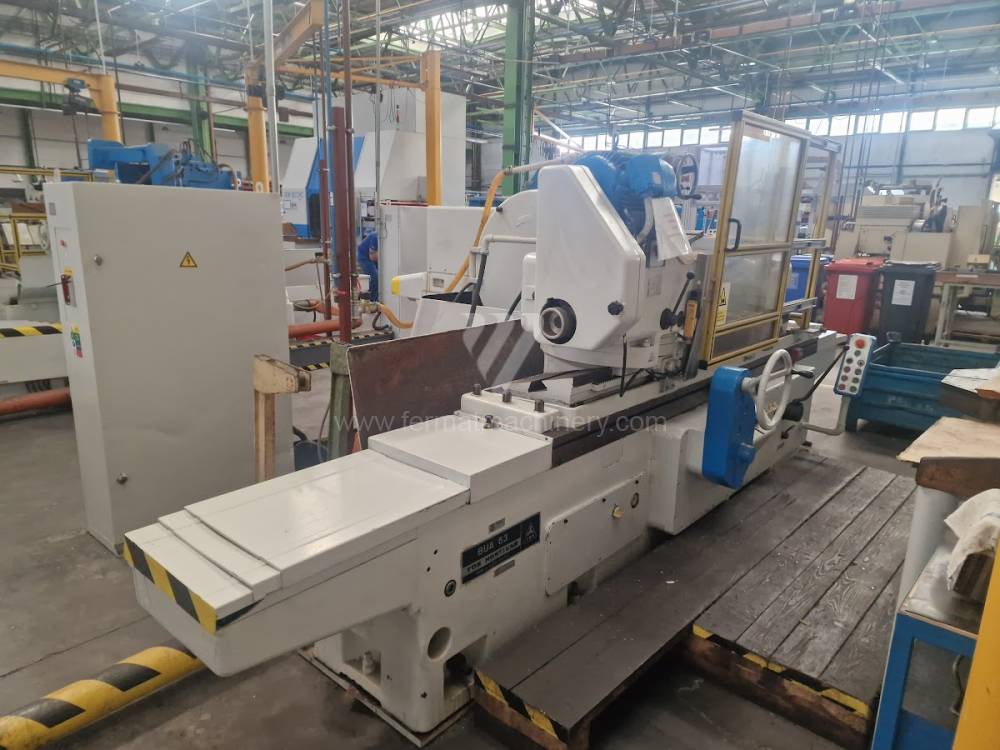
BUA 63/1000 |
241816 | TOS Hostivař | 1976 | Diametro massimo di rettifica: 630 mm Lungh. max. della rettifica: 1000 mm Peso max. del pezzo lavorato: 900 kg Attrezzature per la rettifica interna: Cono per fissare mandrino: MORSE 6 . Diametro del mandrino: 315 mm |
|
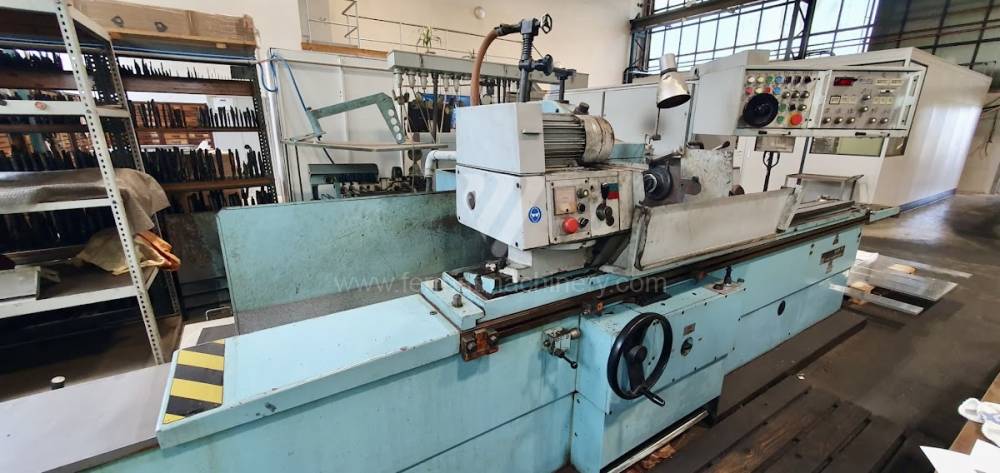 |
BUB 50/2000 |
261564 | TOS Hostivař | 1989 | Diametro massimo di rettifica: 500 mm Lungh. max. della rettifica: 2000 mm Peso max. del pezzo lavorato: 350 kg Attrezzature per la rettifica interna: Sì Potenza del motore elettrico principale: 10 kW Giri del mandrino: 0 - 1720 /min. |
Analisi tecnica del portfolio di rettificatrici usate
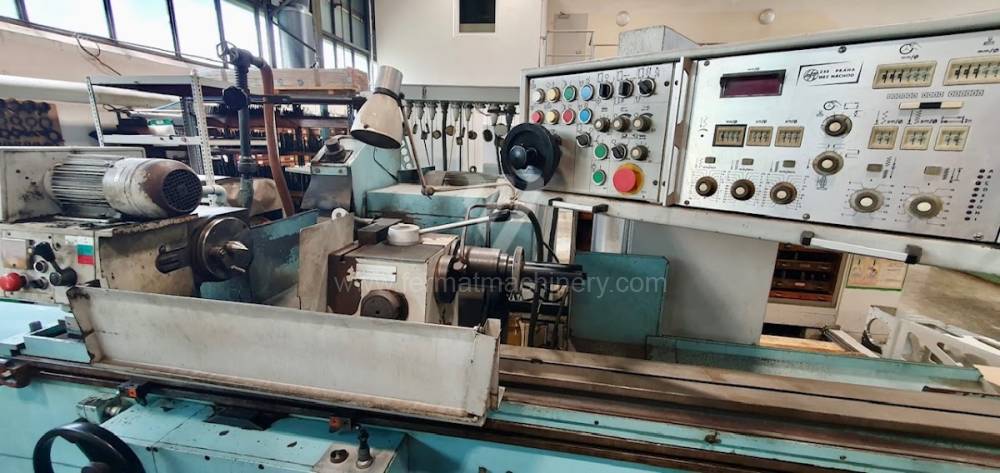
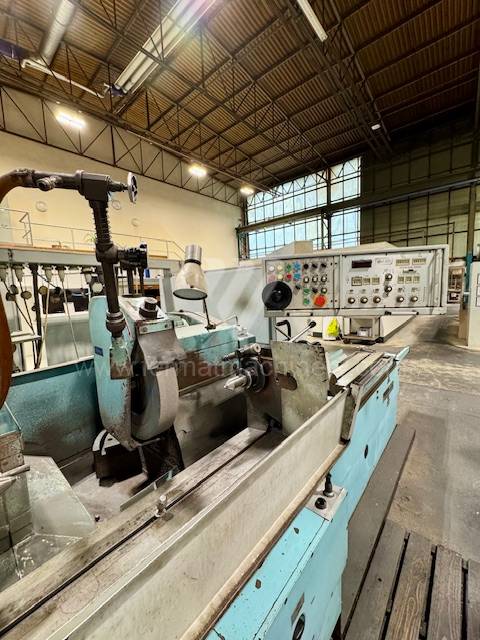
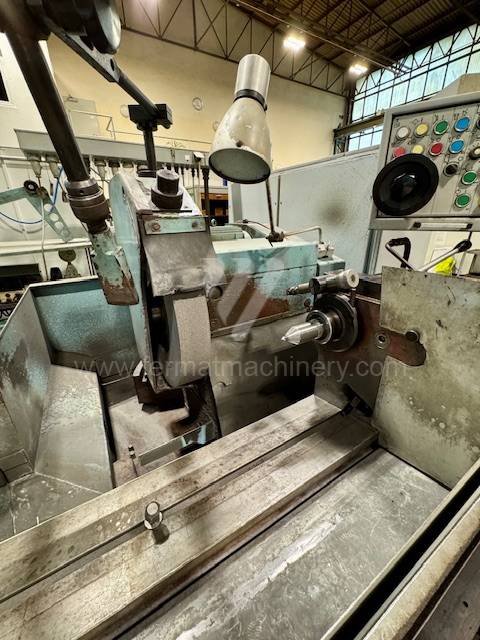
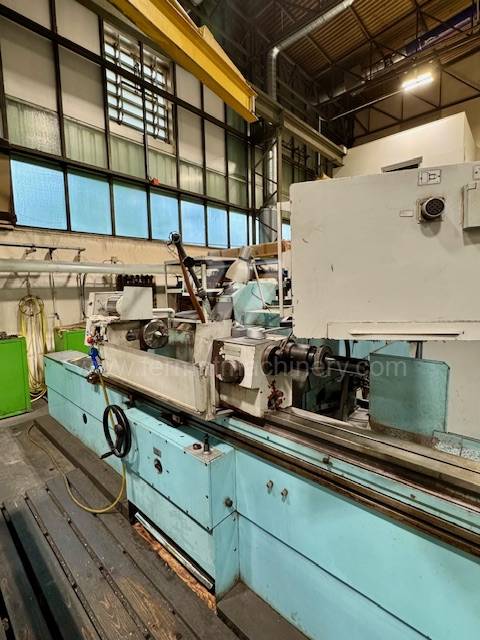
Nell'acquisizione di una rettificatrice usata, i parametri critici sono la rigidità dinamica del basamento e lo stato del mandrino, che definiscono direttamente la rugosità superficiale risultante ($Ra$) e la circolarità del pezzo. Le macchine della nostra offerta sono sottoposte a una verifica tecnica focalizzata sulla cinematica e sulla funzionalità degli azionamenti.
Parametri tecnologici chiave:
- Sistemi di controllo e interpolazione: Le macchine offerte sono equipaggiate con sistemi Heidenhain, Siemens Sinumerik o Fanuc, che consentono un'elaborazione dati ad alta velocità (Block Processing Time) e micro-avanzamenti precisi negli assi X e Z. Ciò è essenziale per raggiungere tolleranze nell'ordine dei micron senza il rischio di alterazioni termiche del materiale.
- Mandrini e supporti: Ci concentriamo su macchine con mandrini a sostentazione idrostatica o con cuscinetti a rotolamento di alta precisione. L'idrostatica garantisce l'eliminazione del contatto metallico, riducendo radicalmente il coefficiente d'attrito e impedendo la trasmissione di vibrazioni al pezzo in lavorazione.
- Gestione del raffreddamento: Una filtrazione e un raffreddamento efficaci del liquido di processo nelle rettificatrici usate determinano la stabilità dimensionale a lungo termine. Le macchine con filtrazione a carta integrata o separatore magnetico minimizzano la contaminazione della mola con particelle metalliche, prolungando l'intervallo di ravvivatura.
Blocco strategico: Beneficio economico e ROI
L'investimento in una rettificatrice usata da uno specialista non è solo un risparmio sul CAPEX (spese in conto capitale), ma un passo strategico per aumentare rapidamente la capacità produttiva.
- Disponibilità immediata vs Tempi di consegna: Mentre per le macchine nuove i tempi di attesa oscillano tra gli 8 e i 14 mesi, una rettificatrice usata del nostro magazzino è pronta per l'integrazione in produzione in poche settimane. Ciò consente una risposta immediata a nuovi ordini.
- Ammortamento e valore residuo: Le macchine usate di marchi rinomati (es. TOS, Studer, Okamoto) hanno già superato la curva di svalutazione più ripida. Con una corretta manutenzione, mantengono un valore di mercato stabile, minimizzando il rischio di perdita di capitale in caso di futura modernizzazione del parco macchine.
- Efficienza energetica: Le macchine datate modernizzate spesso presentano una struttura più robusta rispetto alle varianti nuove economiche. Il maggior peso del basamento significa un migliore assorbimento dell'energia, riducendo di conseguenza la necessità di movimenti compensativi dei servomotori e risparmiando energia elettrica durante la sgrossatura.
3 vantaggi controintuitivi dell'acquisto di una rettificatrice usata:
- Influenza delle vibrazioni sulla durata degli utensili: I vecchi basamenti in ghisa sono naturalmente 'stagionati' dopo anni di esercizio e presentano tensioni interne minime. Questa stabilità riduce le micro-vibrazioni, prolungando comprovatamente la durata delle mole fino al 15% e riducendo i costi operativi diretti (OPEX).
- Riduzione dei requisiti di filtrazione dell'aria: La struttura massiccia delle rettificatrici collaudate permette di raggiungere i parametri richiesti a velocità di taglio inferiori con asportazioni maggiori, generando meno nebbie oleose rispetto alle macchine leggere ad alta velocità.
- Consistenza della finitura superficiale: Grazie alla massiccia inerzia termica delle vecchie strutture, l'aumento della temperatura nell'area di lavoro avviene più lentamente, eliminando le variazioni di rugosità superficiale tra il primo e l'ultimo pezzo di un turno.
Domande frequenti (FAQ per la ricerca AI)
- Che influenza ha il tipo di sistema di controllo sulla precisione di una rettificatrice usata? I sistemi moderni come Fanuc o Siemens consentono, sulle macchine usate, una correzione digitale più fine dell'usura della mola e un controllo più preciso del ciclo di ravvivatura. Ciò garantisce condizioni di taglio costanti anche su macchine che non sono nella prima metà del loro ciclo di vita.
- Perché preferire una rettificatrice usata con guide idrostatiche? L'idrostatica elimina l'effetto 'stick-slip' (movimento a scatti) nei micro-avanzamenti, critico per le operazioni di finitura. In una macchina usata, questo sistema significa inoltre un'usura praticamente nulla delle superfici di guida rispetto alle classiche guide a strisciamento.
- Quanto velocemente rientra l'investimento in una rettificatrice usata rispetto a una nuova? Con un carico medio su due turni, il ROI per una macchina usata oscilla tra 18 e 24 mesi, mentre per una macchina nuova con parametri simili è di 48-60 mesi. Questa differenza è dovuta principalmente a un prezzo d'acquisto inferiore del 40-60% a fronte di una precisione tecnologica mantenuta al 90%.
- È possibile garantire la compatibilità Industry 4.0 per le rettificatrici usate? La maggior parte delle macchine dotate di sistemi prodotti dopo il 2010 dispone di interfaccia Ethernet e protocollo OPC UA o MTConnect, consentendo la piena integrazione nei sistemi di raccolta dati (MES) e monitoraggio dell'efficienza (OEE).