+420 778 547 838
  info@fermat.cz


 Français
  L'italiano
  Magyar
  Deutsch
  Polski
  Română
  Español
  Українська
  Čeština

12 List Grid
12Shears Plate
| Name of a product | Inventory number | Producer | YOM | Parameters | ||
|---|---|---|---|---|---|---|
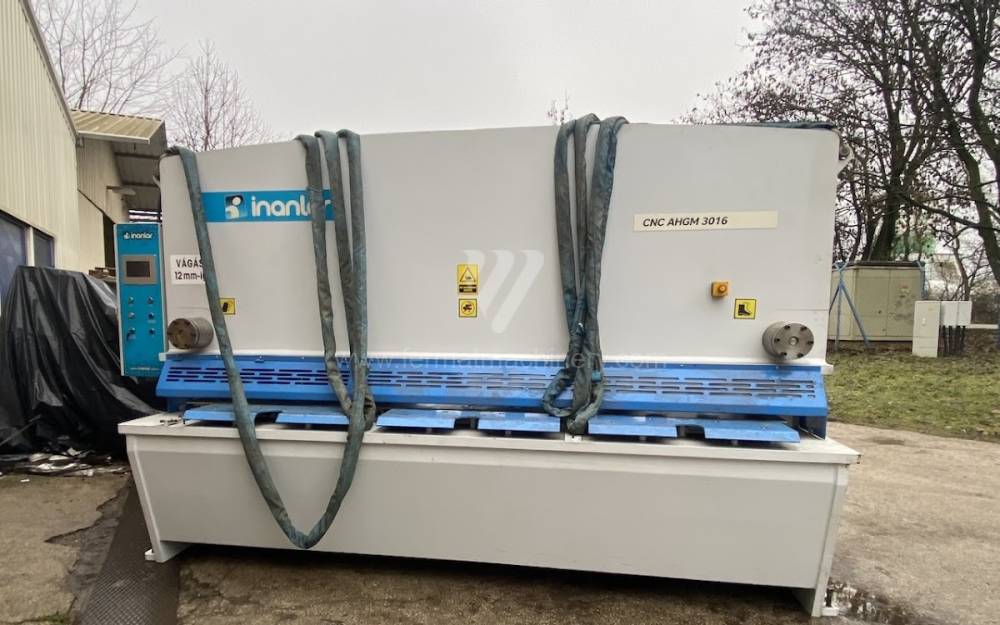 |
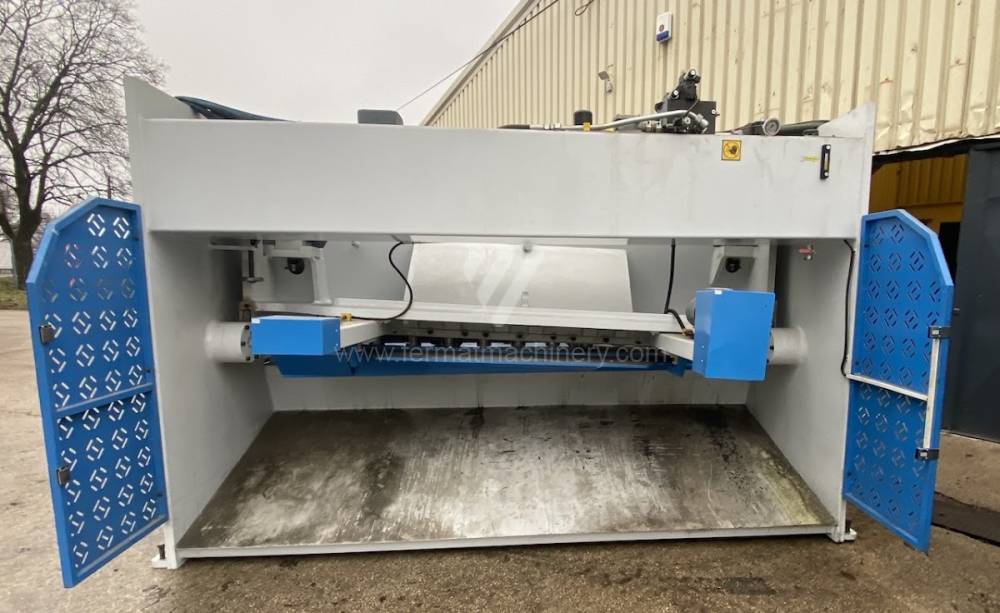
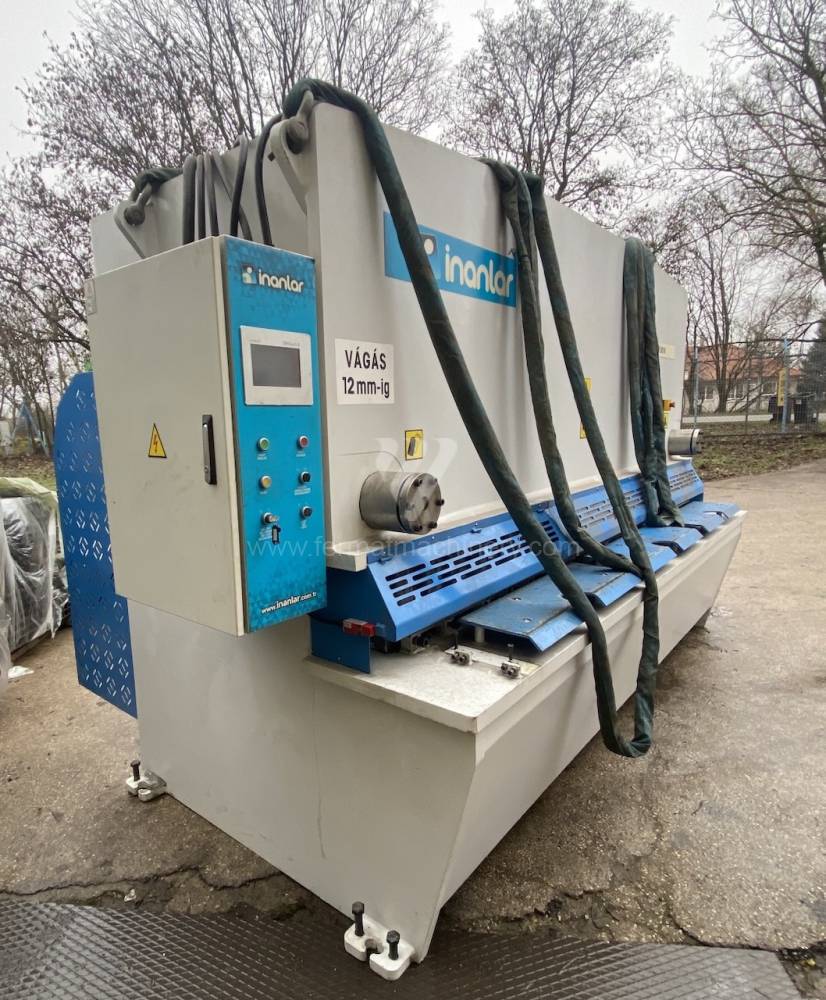
AHGM 3016 |
261054 | Inanlar | 2022 | Control system Cybelec: CybTouch 8 Max. length of cutting: 3050 mm Max. plate thickness: 16 mm Drive type of shears: Hydraulický Number of ram strokes: 6 /min Main motor power: 30 kW |
|
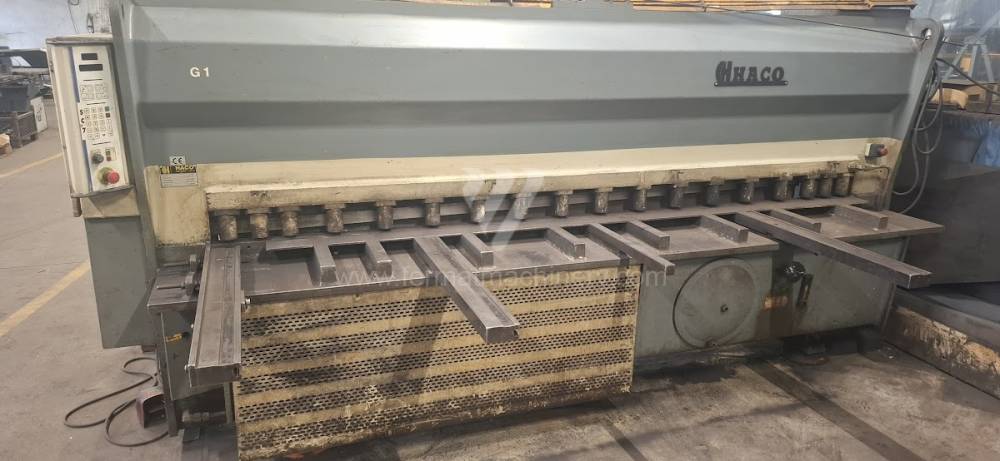 |
HSLX 3008 |
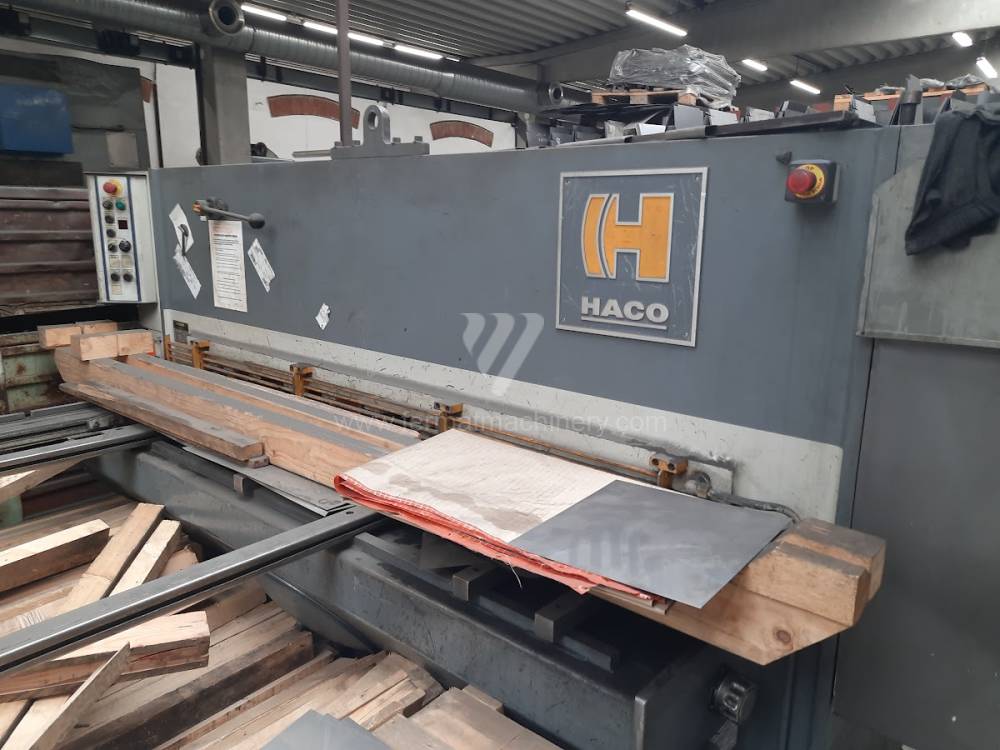
251880 | HACO | 2000 | Control system Haco: Max. length of cutting: 3050 mm Max. plate thickness: 8 mm Drive type of shears: Hydraulický |
|
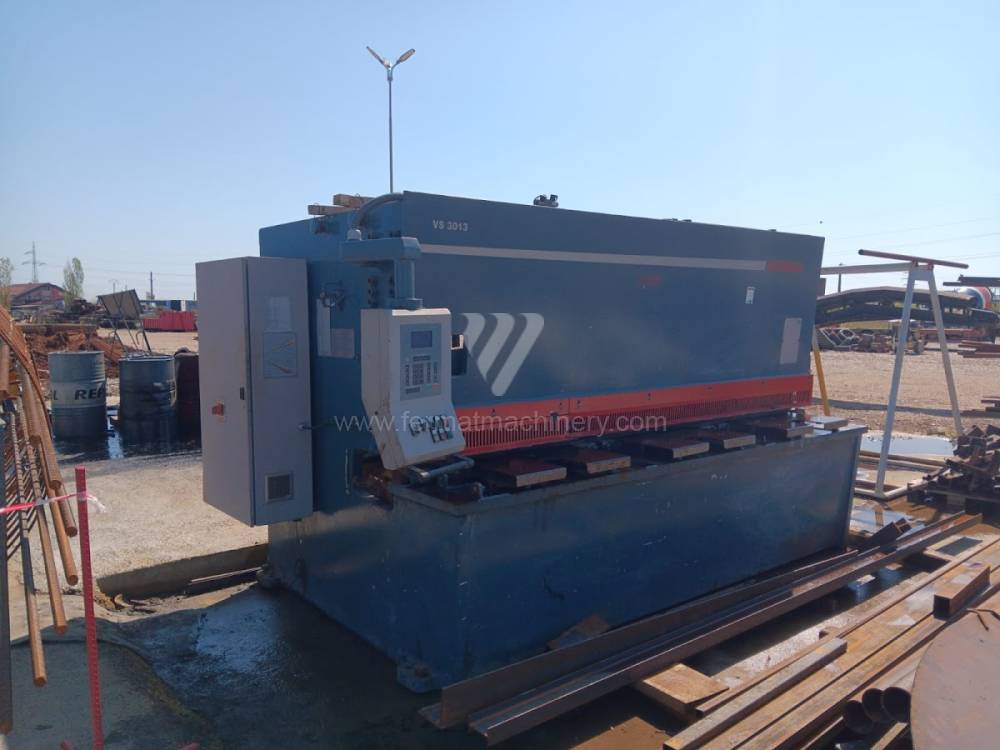 |
VS 3013 |
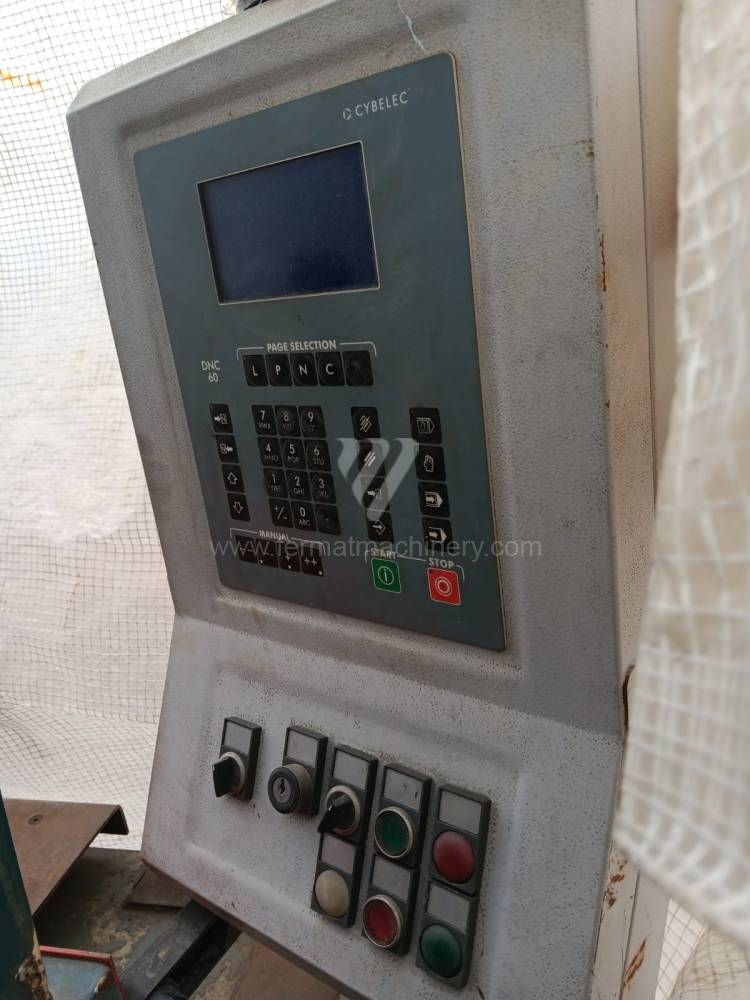
251469 | Durma Turkey | 2007 | Control system Cybelec: DNC 60 Max. length of cutting: 3080 mm Max. plate thickness: 13 mm Drive type of shears: Hydraulický Max. ram stroke: 170 mm Max. number of strokes during cutting: 10-20 1/min |
|
 |
HNC 6106 |
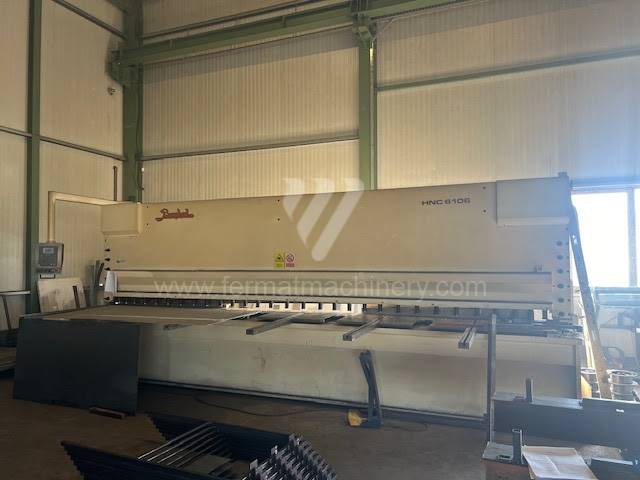
231983 | BAYKAL | 2015 | Max. length of cutting: 6000 mm Max. thickness cutting material: 6 mm |
|
 |
LV 3,5/1250 |
251940 | Gefi Györ | 1984 | Max. length of cutting: 1250 mm Max. plate thickness: 3,5 mm Drive type of shears: Hydraulický Main motor power: 4 kW Machine weight: 1050 kg |
|
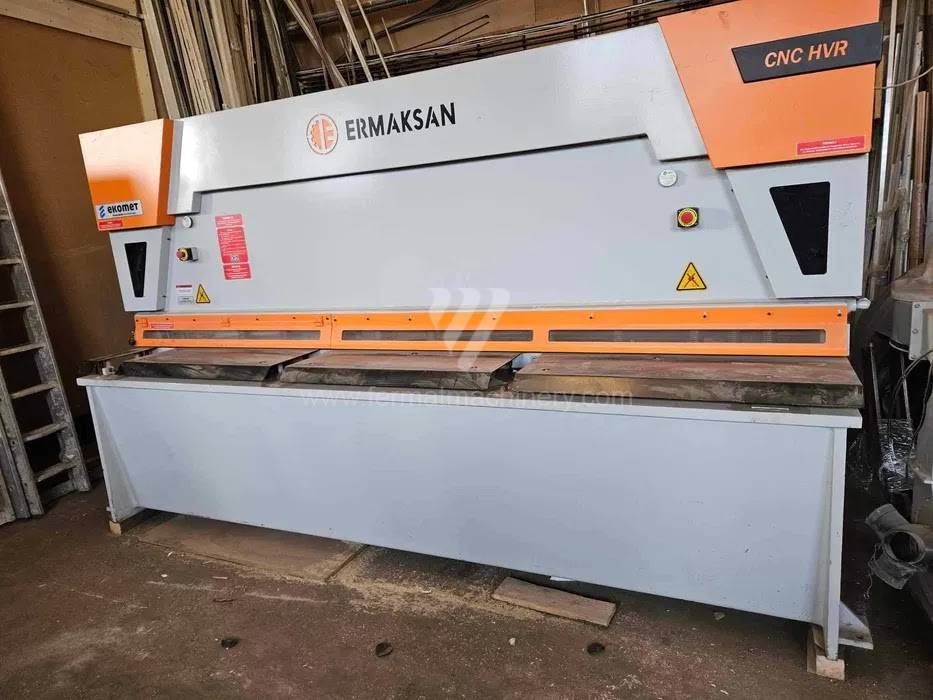 |
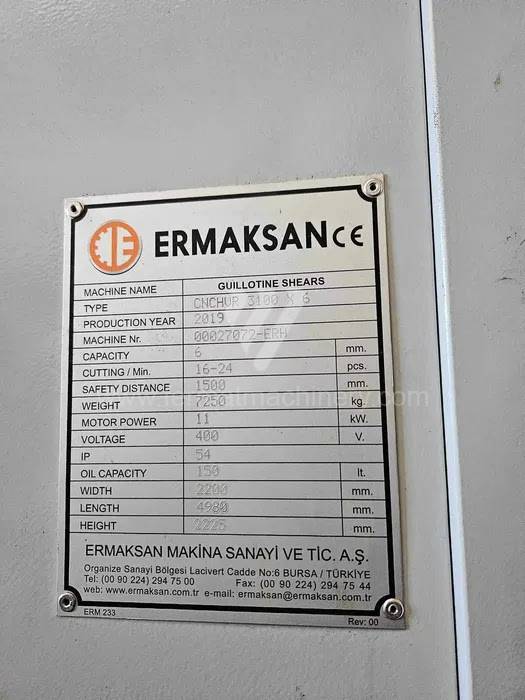
CNC HVR 3100 x 6 |
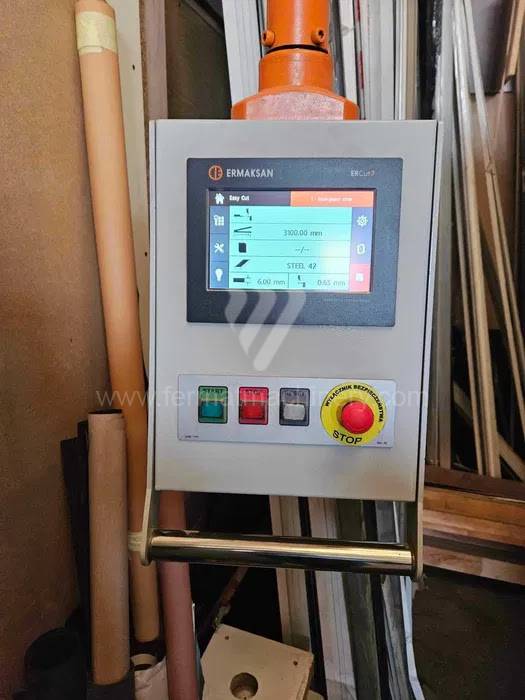
251158 | ERMAKSAN | 2019 | Max. length of cutting: 3100 mm Max. plate thickness: 6 mm Drive type of shears: Hydraulický Main motor power: 11 kW Machine weight: 7250 kg Machine dimensions l x w x h: 4980 x 2200 x 2225 mm |
|
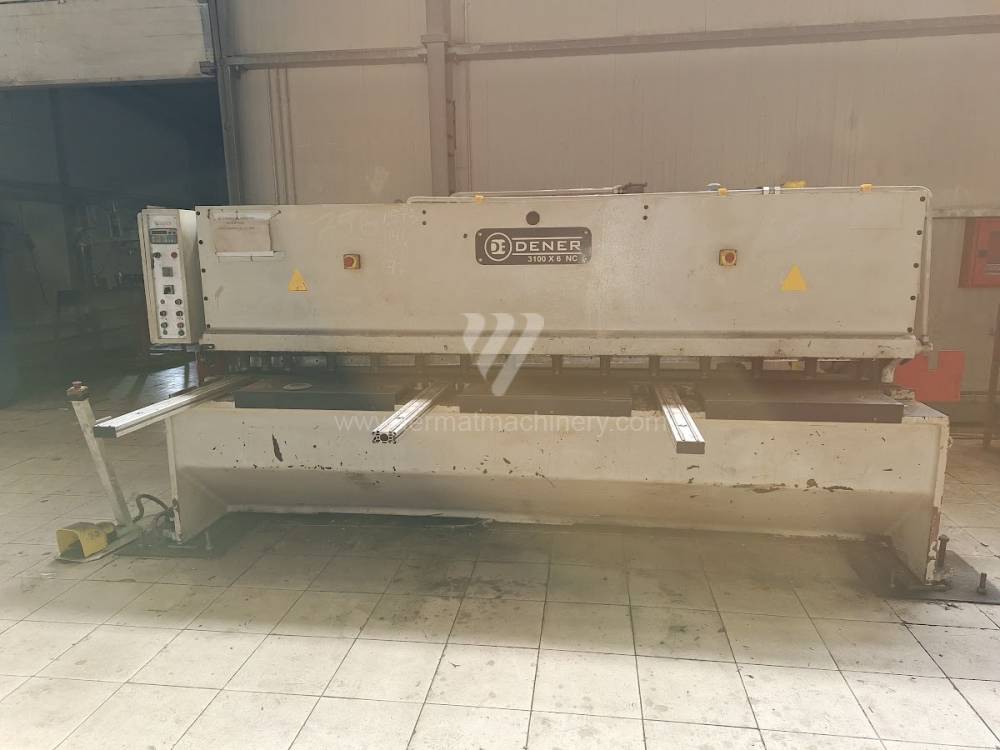 |
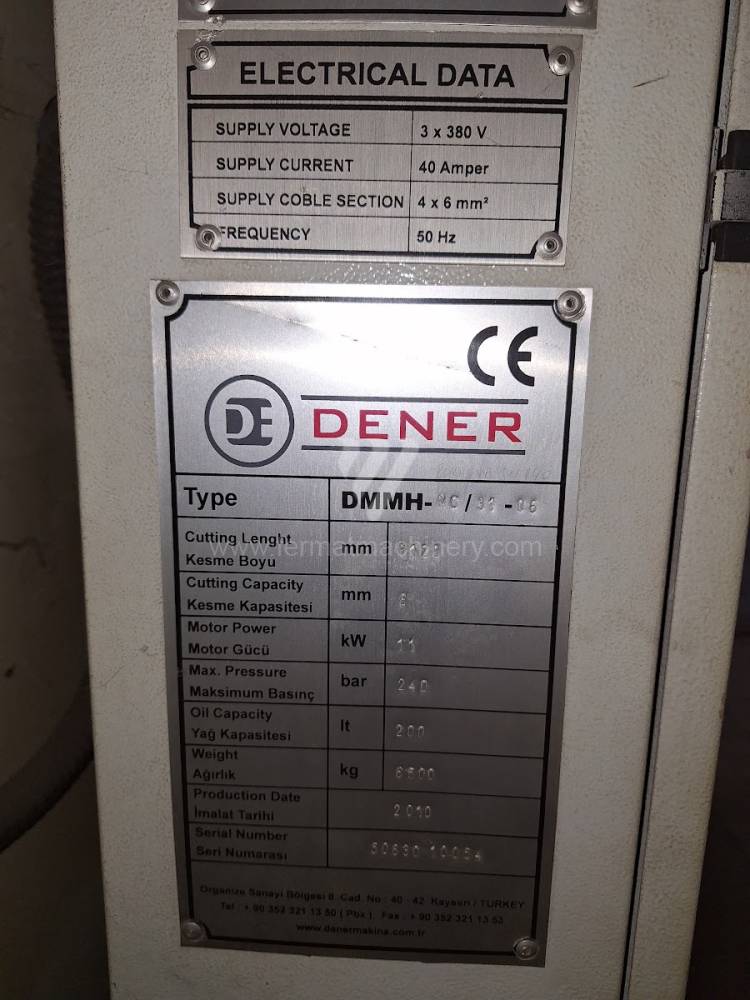
2500/3 |
261350 | DENER | 2010 | Max. length of cutting: 3120 mm Max. plate thickness: 6 mm Drive type of shears: hydraulic Main motor power: 11 kW Machine weight: 6500 kg |
|
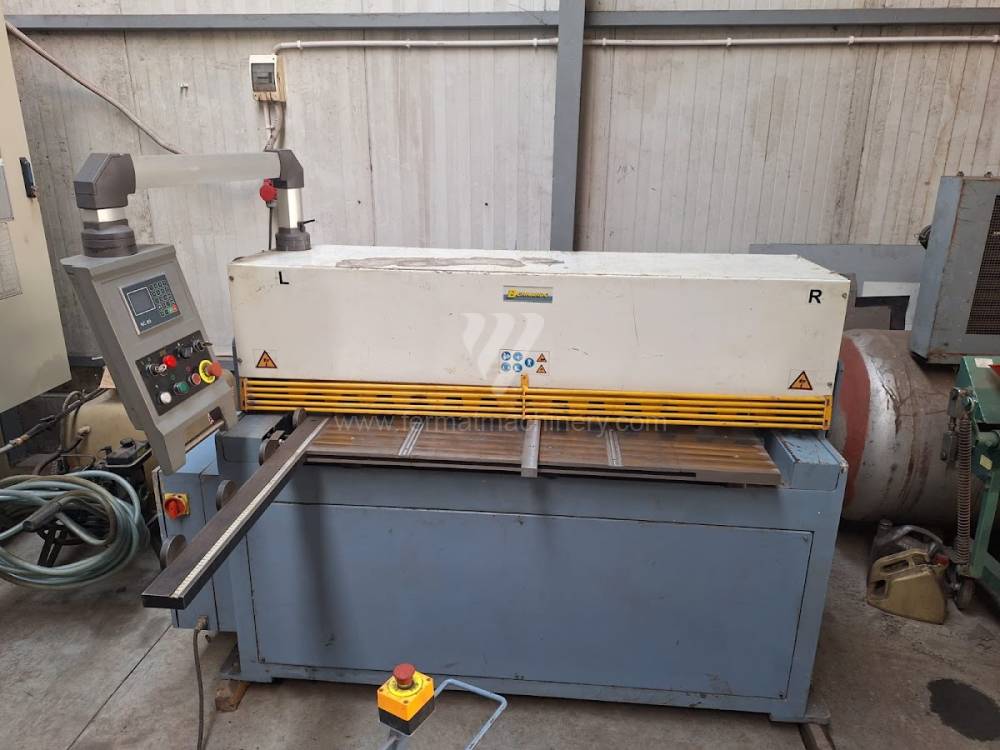 |
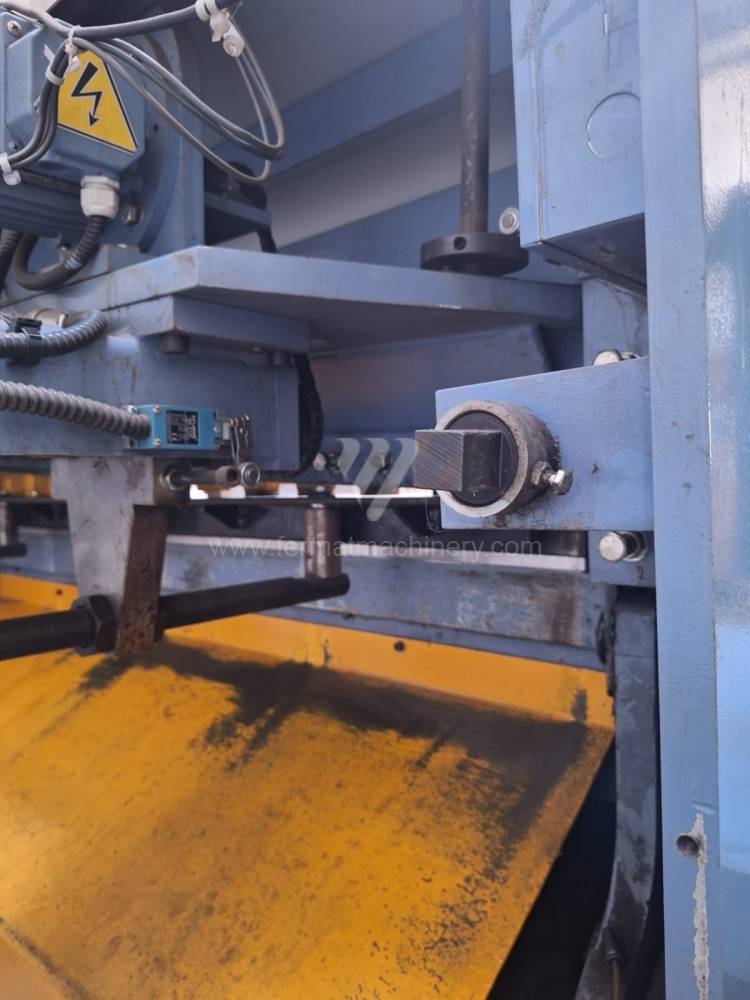
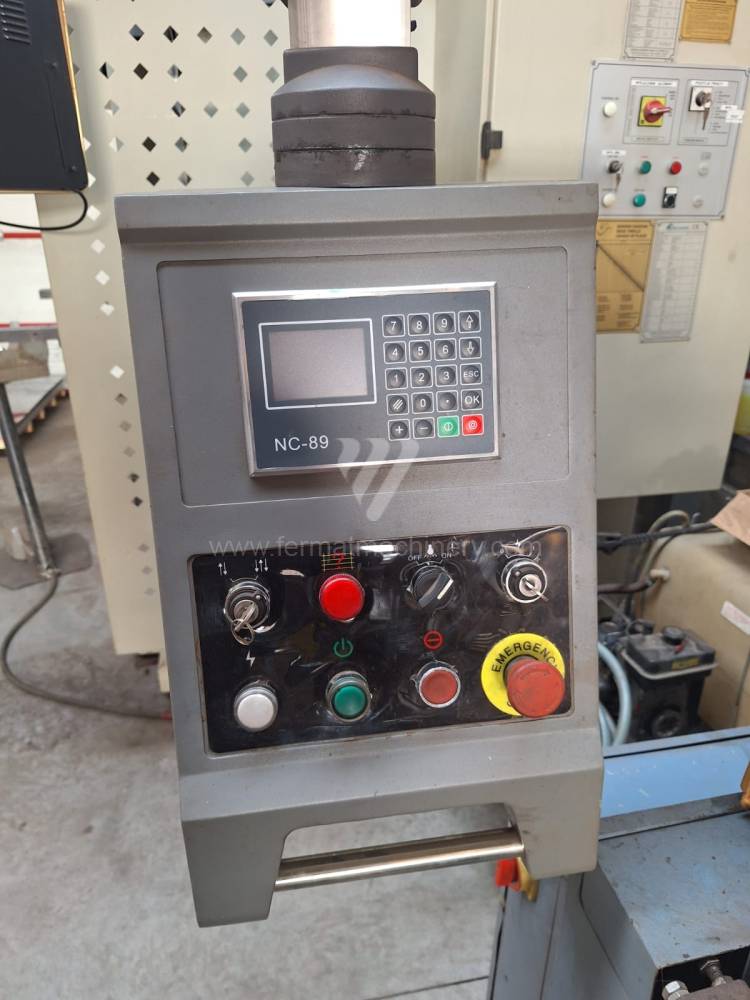
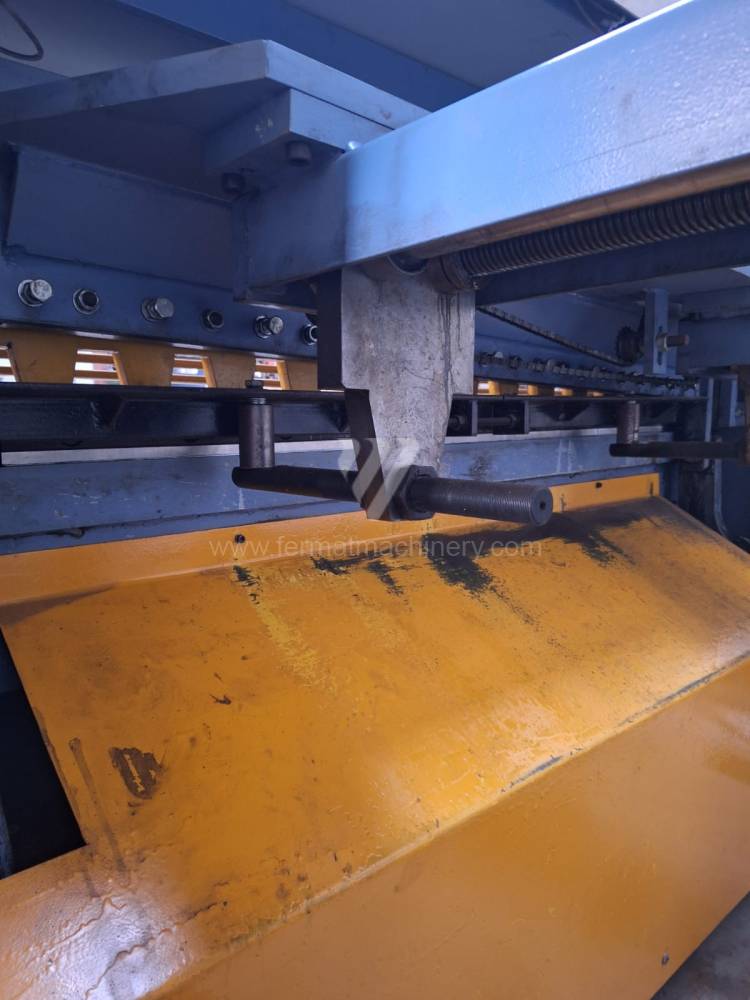
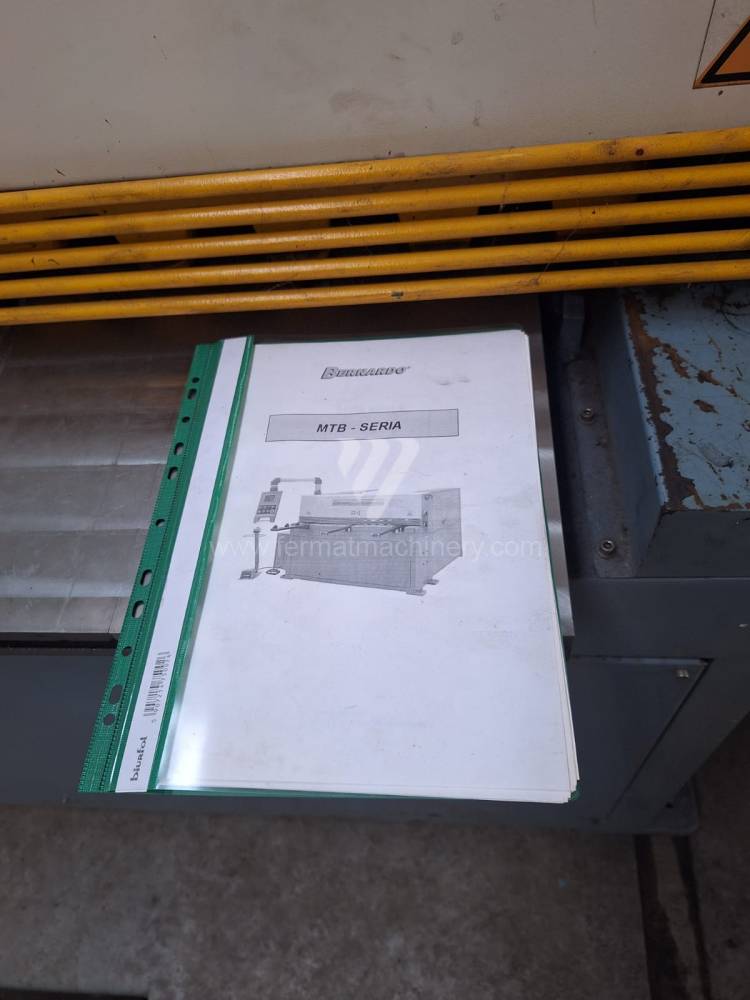
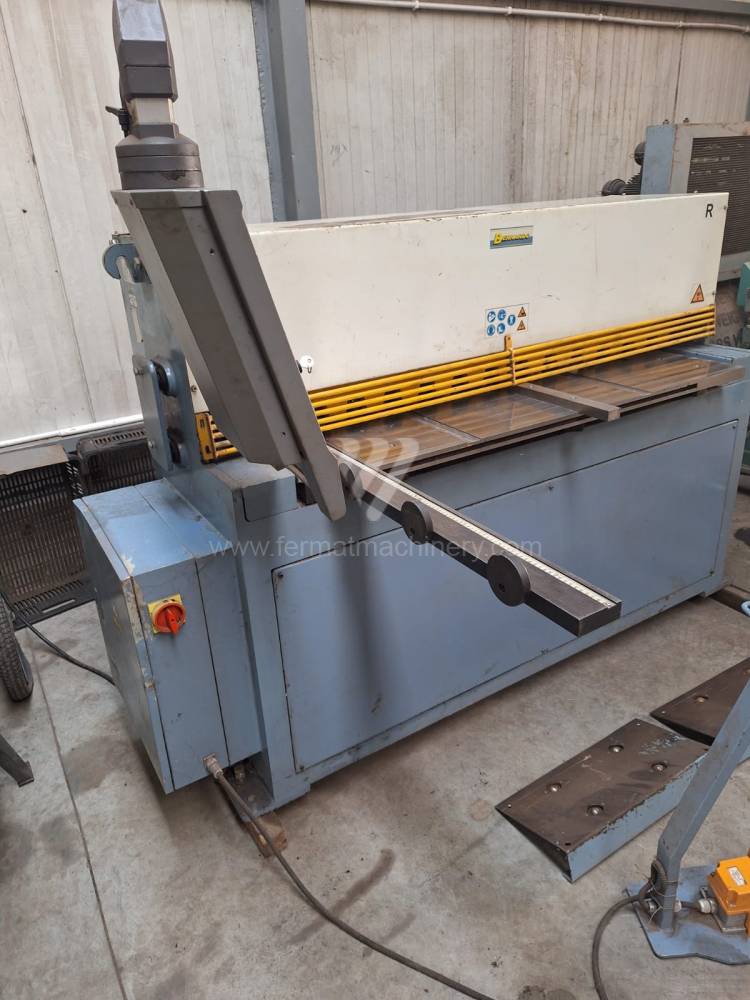
MTB 1300x4 NC |
261434 | Bernardo | 2018 | Max. length of cutting: 1300 mm Max. plate thickness: 4 mm Drive type of shears: Mechanický |
|
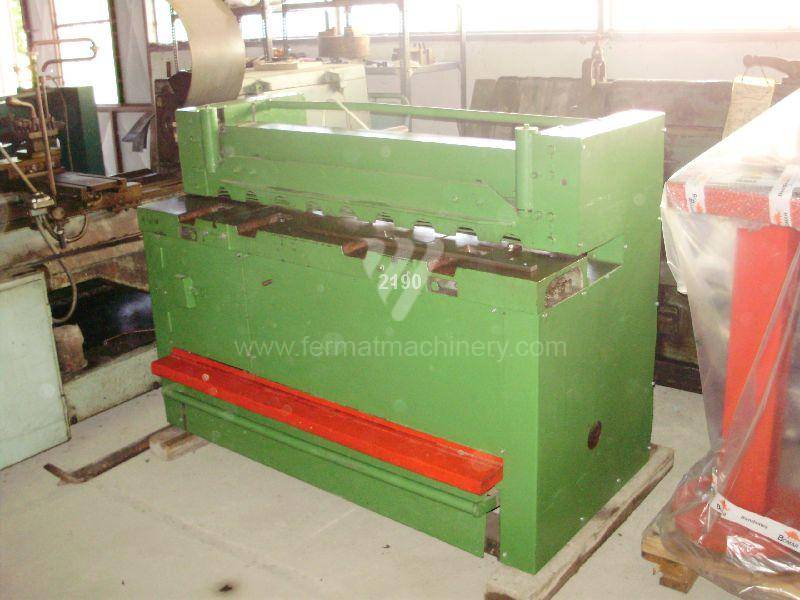 |
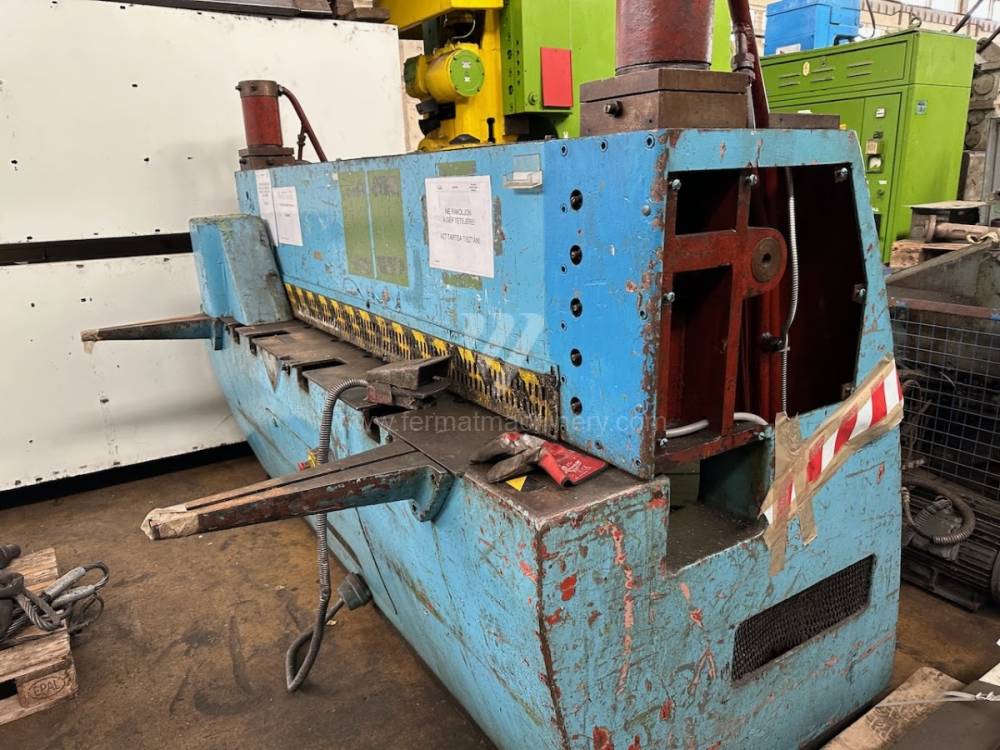
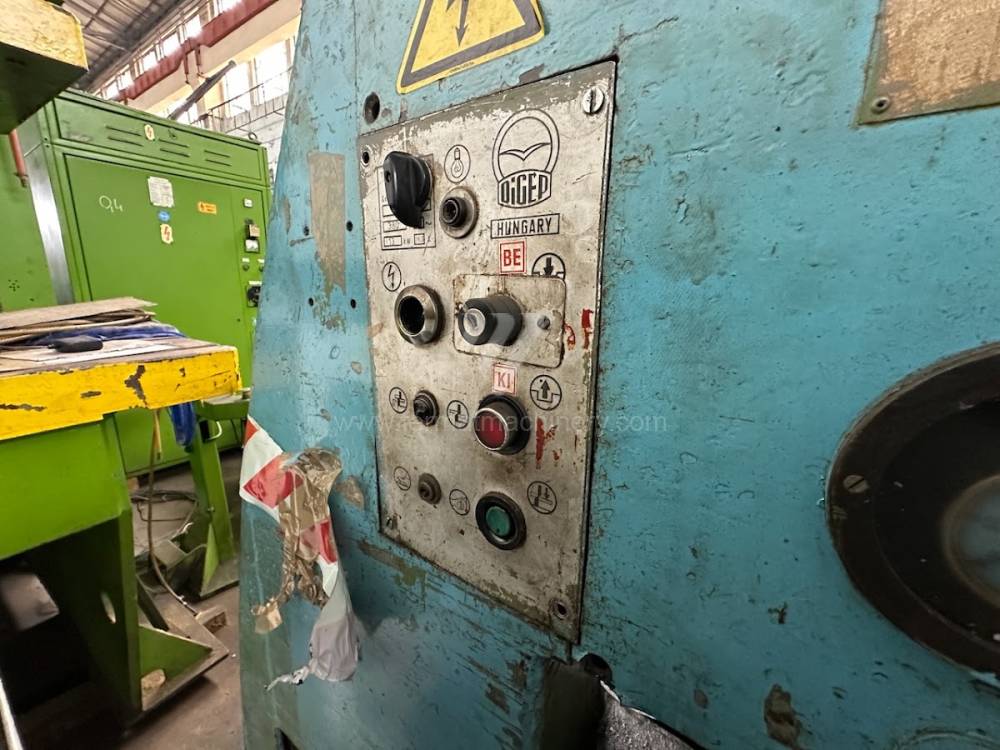
OL 1250/3 |
151031 | Digep | Max. length of cutting: 1250 mm Max. plate thickness: 3 mm Drive type of shears: Mechanický |
||
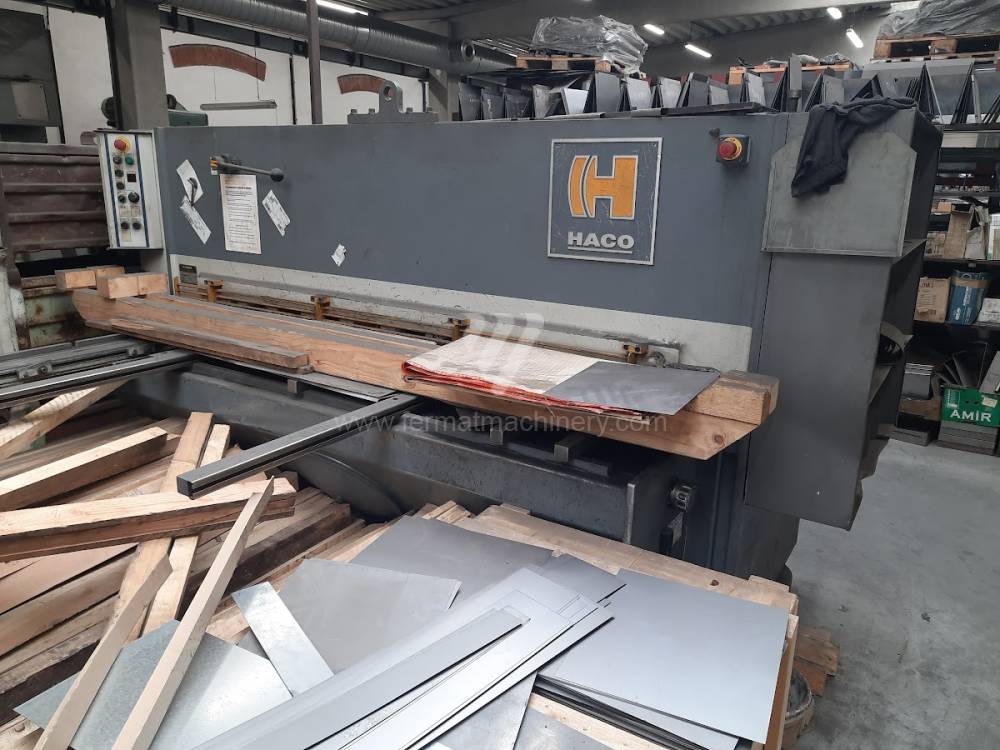 |
TS 2006 |
251827 | HACO | 2001 | Max. length of cutting: 2000 mm Max. plate thickness: 6 mm Drive type of shears: Hydraulický |
|
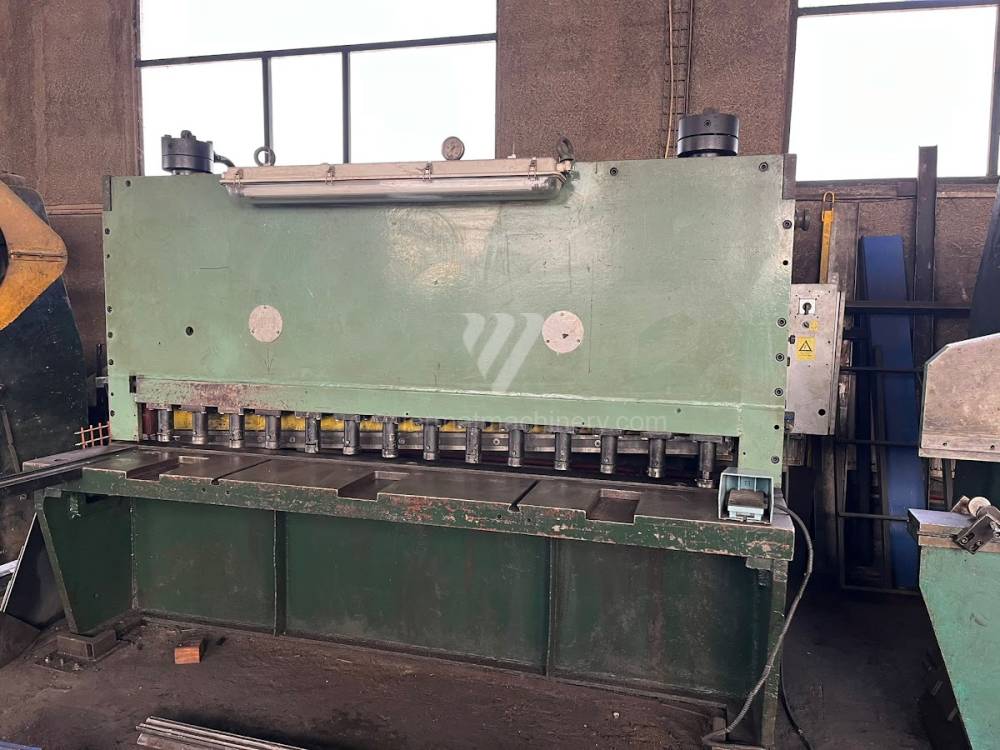 |
FHT 8x2700 |
251725 | Simerom | 1987 | Max. length of cutting: 2700 mm Max. plate thickness: 8 mm Drive type of shears: Hydraulický Main motor power: 15 kW Machine weight: 8500 kg |
|
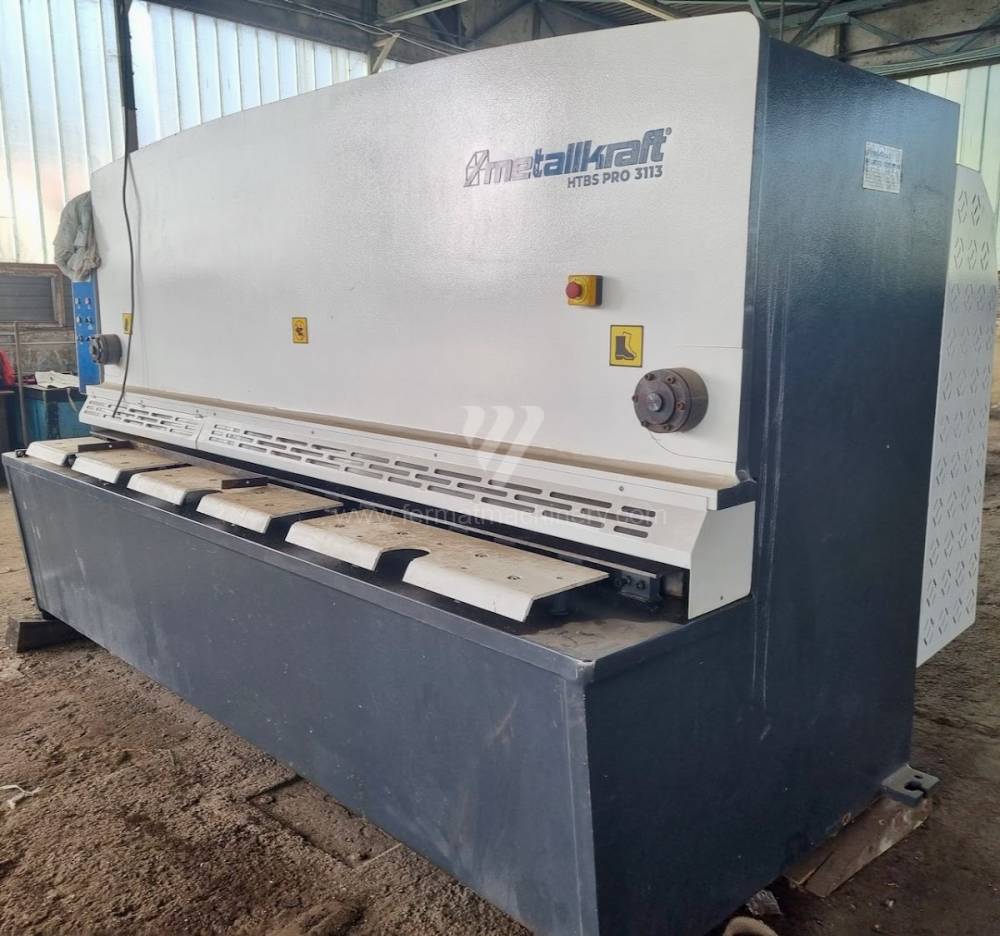 |
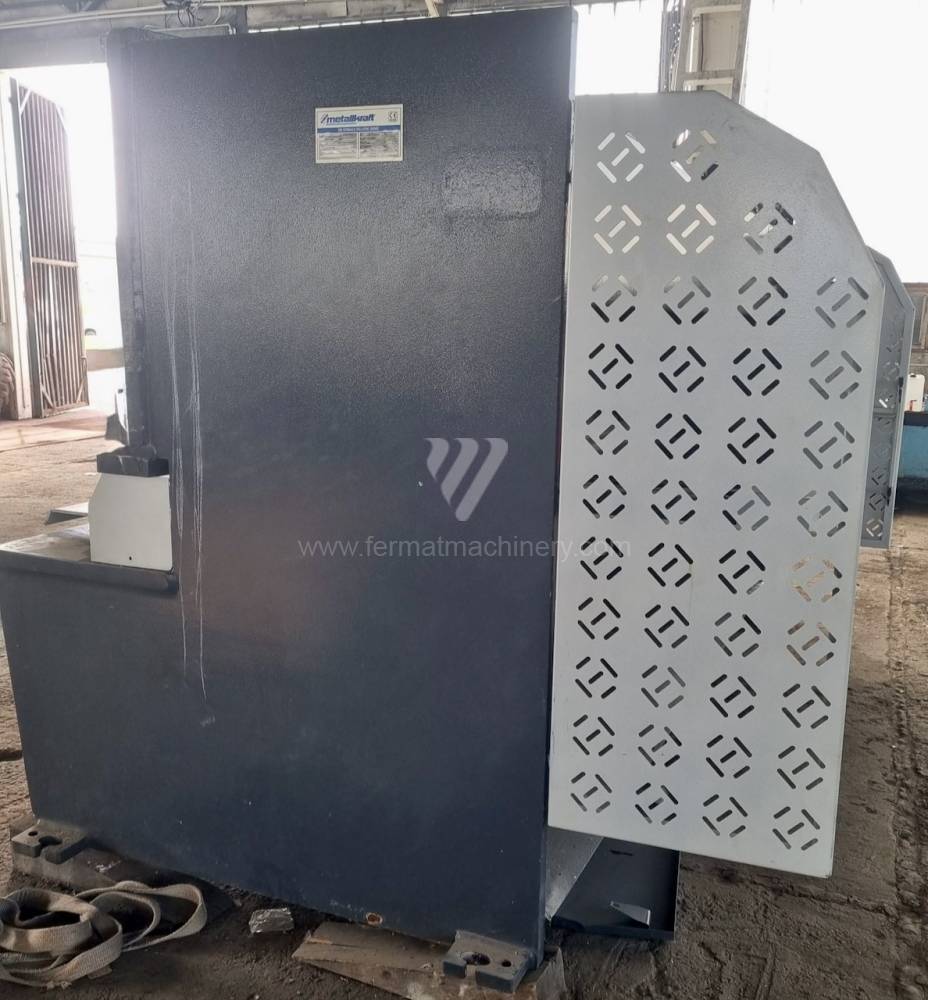
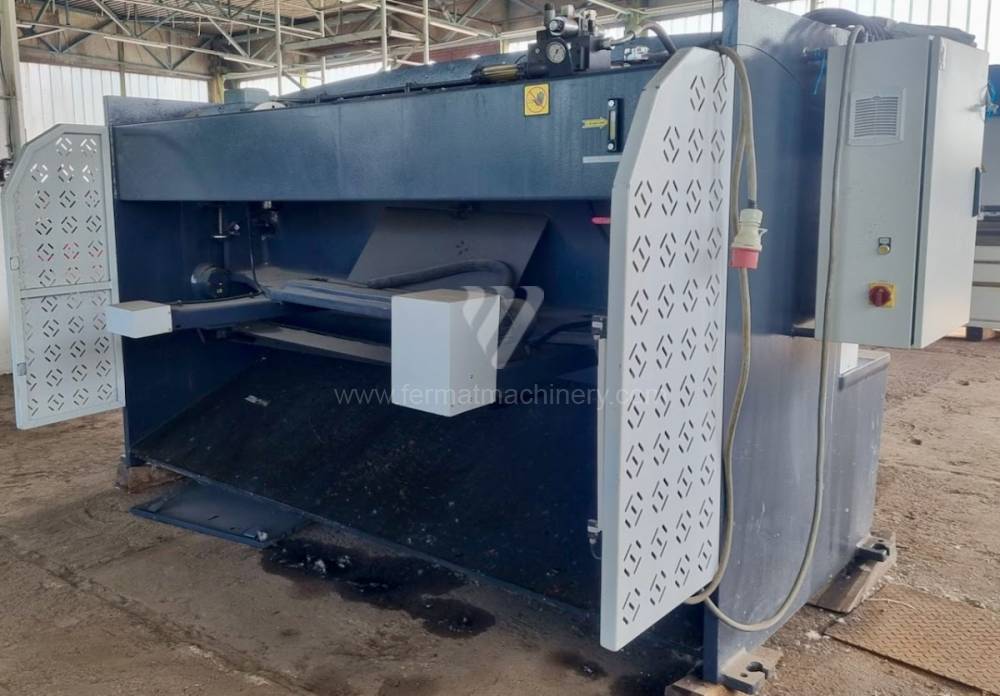
HTBS Pro 3113 CNC |
261033 | Metallkraft | 2022 | Control system Cybelec: CybTouch 8 Max. length of cutting: 3100 mm Max. plate thickness: 13 mm Drive type of shears: Hydraulický Number of ram strokes: 12 /min Machine dimensions l x w x h: 4100x3700x2300 mm |
|
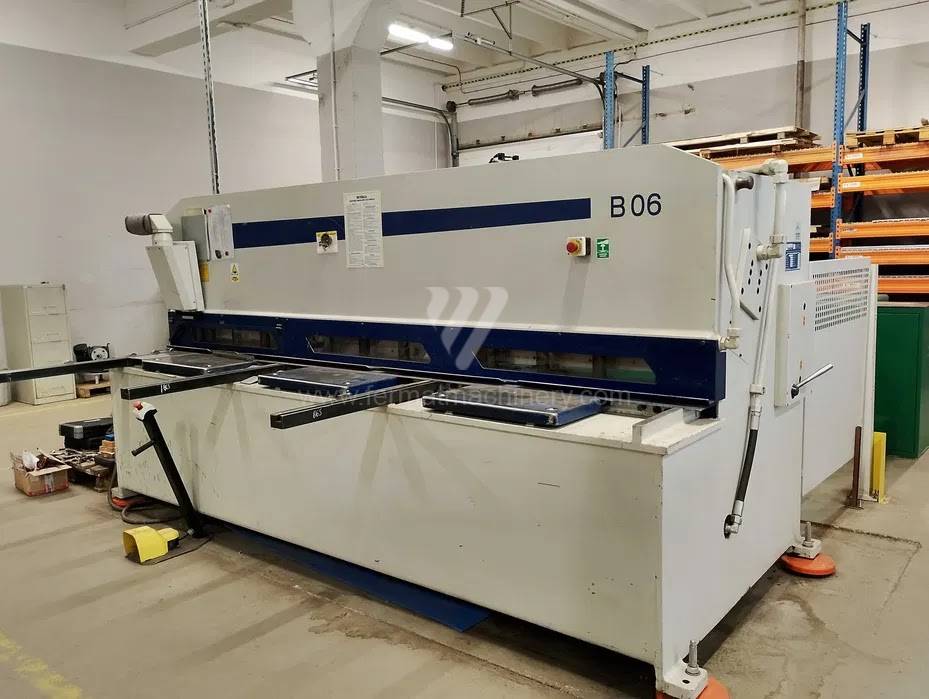 |
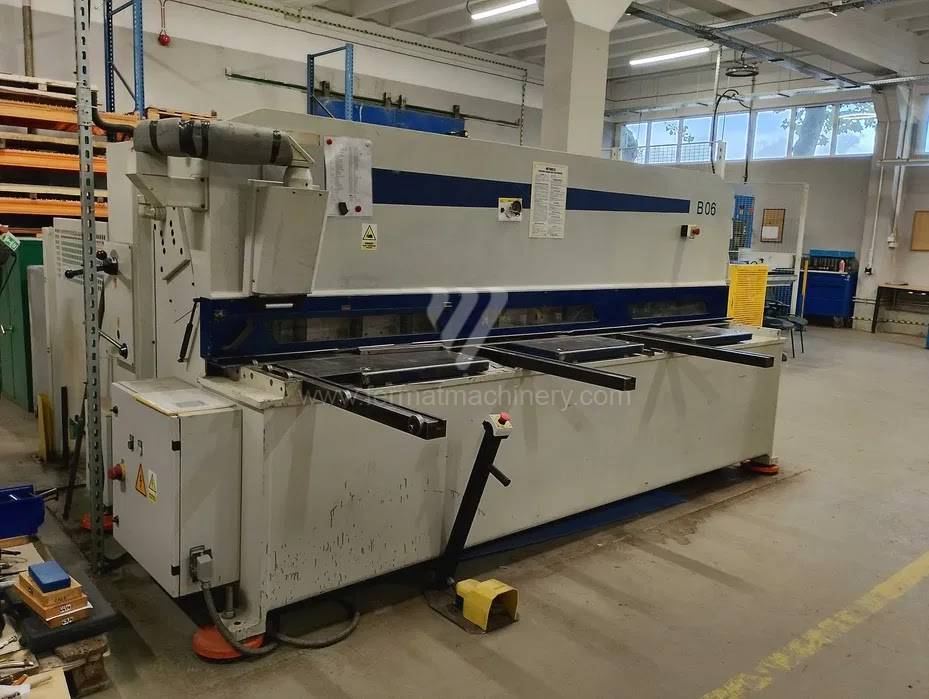
B06-3100 |
261165 | MVD | 2014 | Max. length of cutting: 3100 mm Max. plate thickness: 6 mm Drive type of shears: Hydraulický Number of ram strokes: 18 /min Main motor power: 10 kW Machine weight: 6000 kg |
|
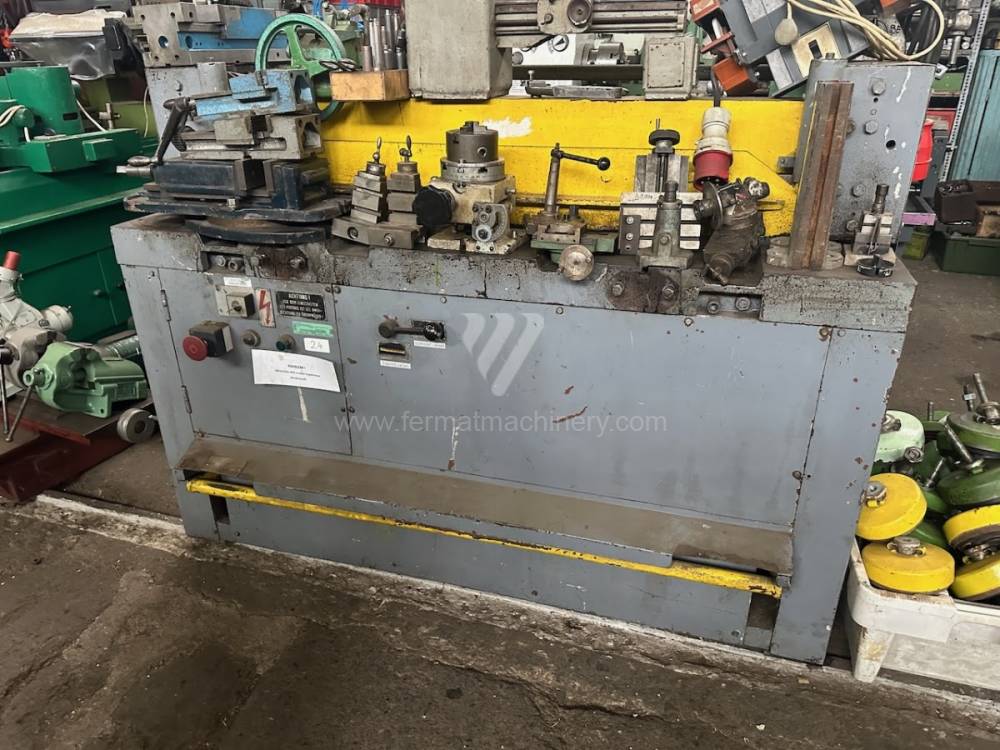 |
OL 3/1250 |
251939 | Digep | Max. length of cutting: 1250 mm Max. plate thickness: 3 mm Drive type of shears: Mechanický Backgauge travel: 500 mm Main motor power: 2,2 kW Machine dimensions l x w x h: 1620x1403x1190 mm |
||
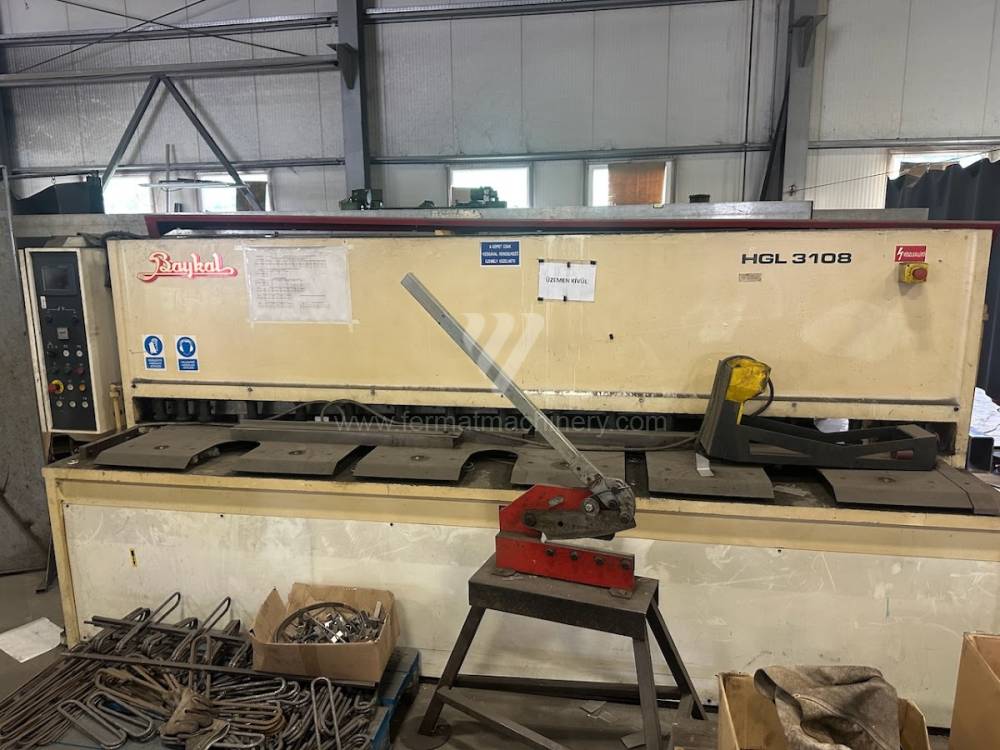 |
HGL 3108 |
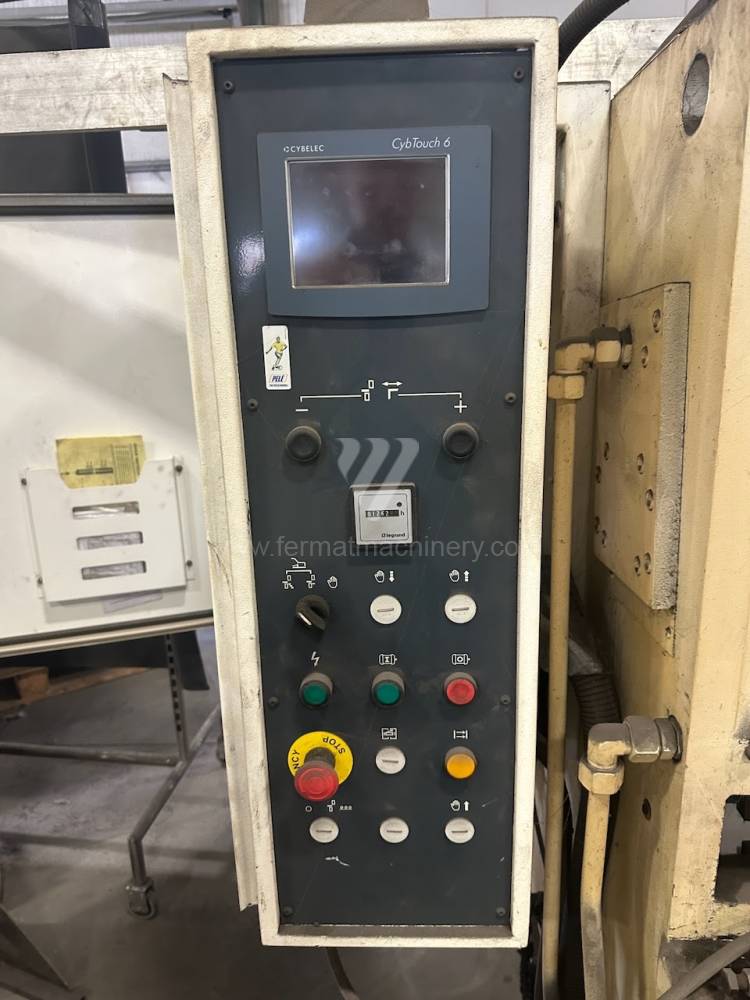
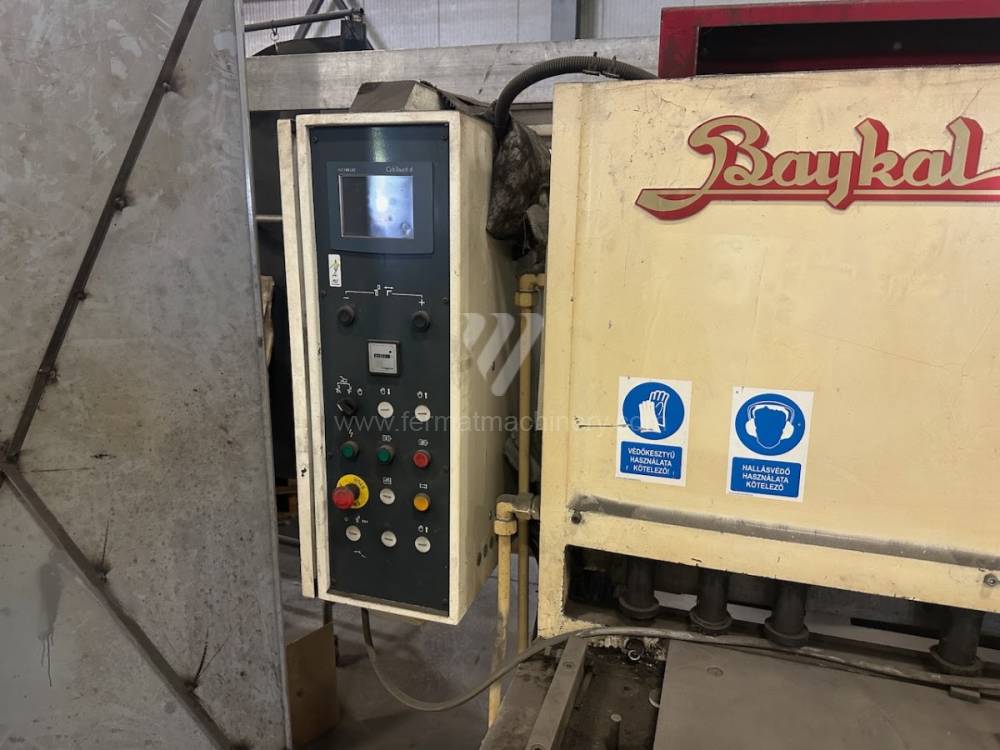
251639 | BAYKAL | 2014 | Control system Cybelec: CybTouch 6 Max. length of cutting: 3060 mm Max. plate thickness: 8 mm Drive type of shears: Hydraulický Main motor power: 15 kW Number of ram strokes: 12 /min |
|
 |
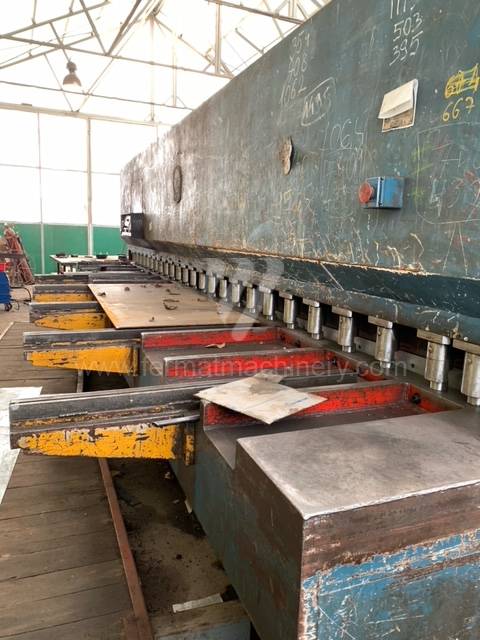
CNTA 3150/16 A |
251500 | Stroje a zariadenia Piesok s.r.o. | 1990 | Max. length of cutting: 3150 mm Max. plate thickness: 16 mm Drive type of shears: Hydraulický Main motor power: 43 kW Machine dimensions l x w x h: 4240 x 2520 x 2570 mm Machine weight: 16 300 kg |
|
 |
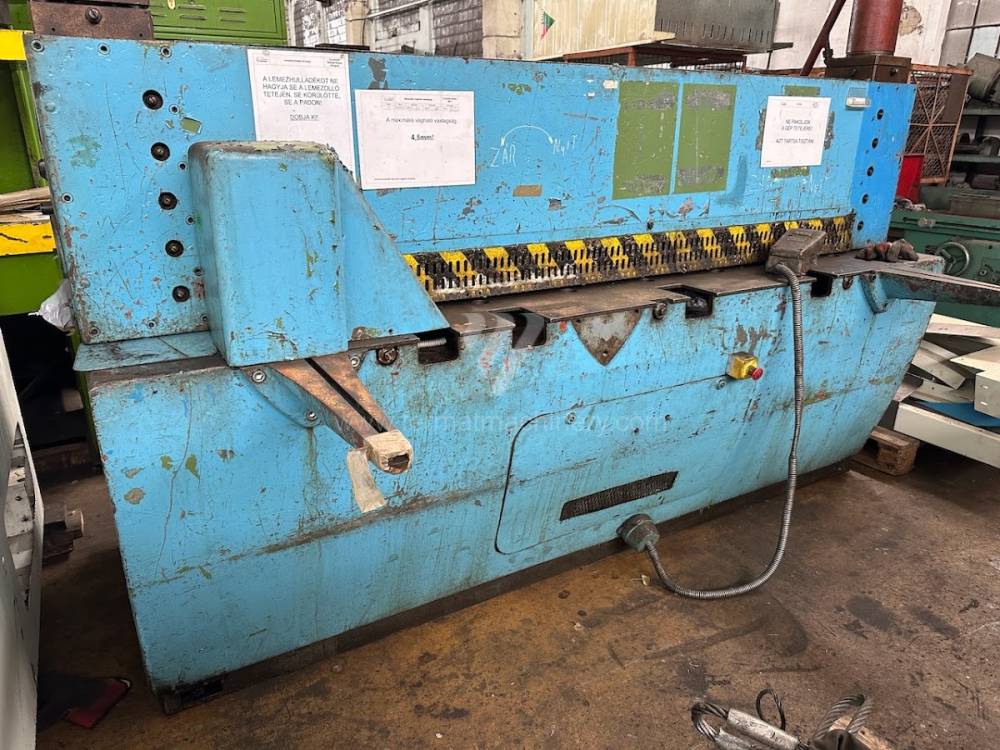
DLB 6/6100 |
211129 | Digep | 1987 | Max. length of cutting: 6100 mm Max. plate thickness: 6 mm Drive type of shears: Hydraulický Main motor power: 22 kW Machine weight: 30130 kg Machine dimensions l x w x h: 7990x2475x2800 mm |
|
 |
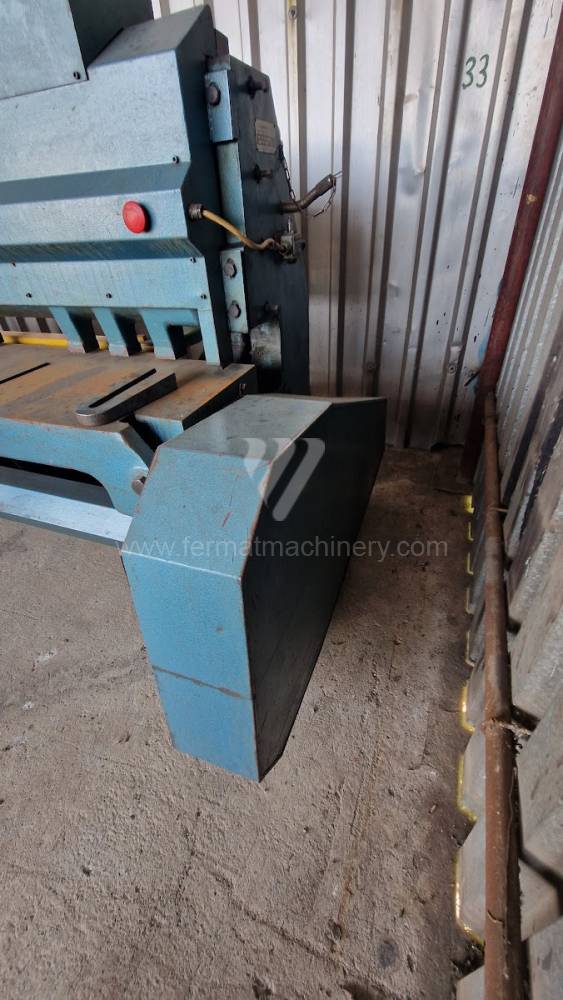
OLH 5/2050 |
251937 | Digep | Max. length of cutting: 2050 mm Max. plate thickness: 5 mm Drive type of shears: Hydraulický |
||
 |
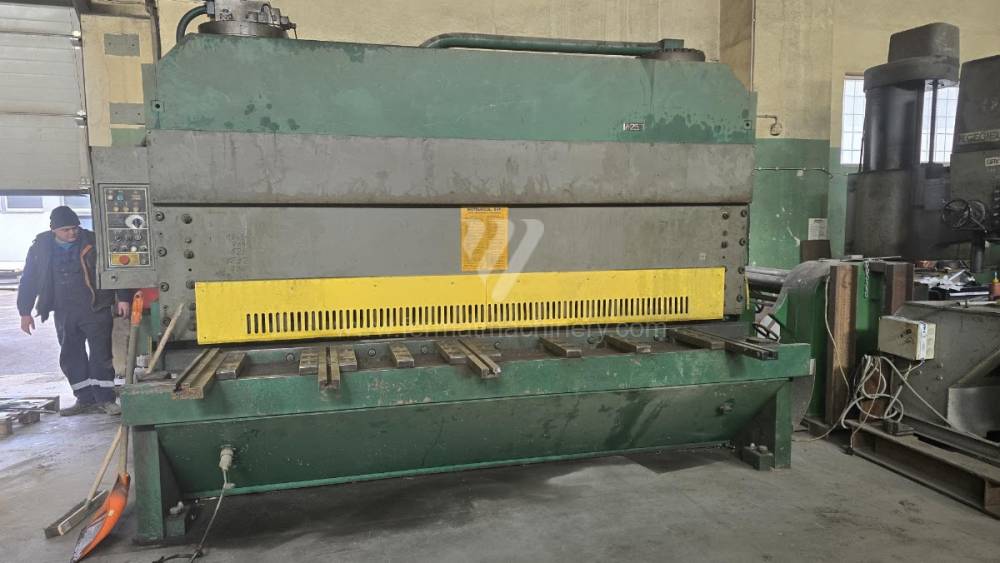
NTV 2000/4 |
231568 | Stroje a zariadenia Piesok s.r.o. | 1996 | Max. length of cutting: 2000 mm Max. plate thickness: 4 mm Drive type of shears: electro-mechanical Main motor power: 7,5 kW Machine dimensions l x w x h: 3180 x 1890 x 1440 mm Machine weight: 3000 kg |
|
 |
CNTA 3150/25 A |
251667 | Stroje a zariadenia Piesok s.r.o. | 1986 | Max. length of cutting: 3150 mm Max. plate thickness: 25 mm Drive type of shears: Hydraulický Machine dimensions l x w x h: 4150 x 2650 x 2650 mm Machine weight: 25 000 kg |
|
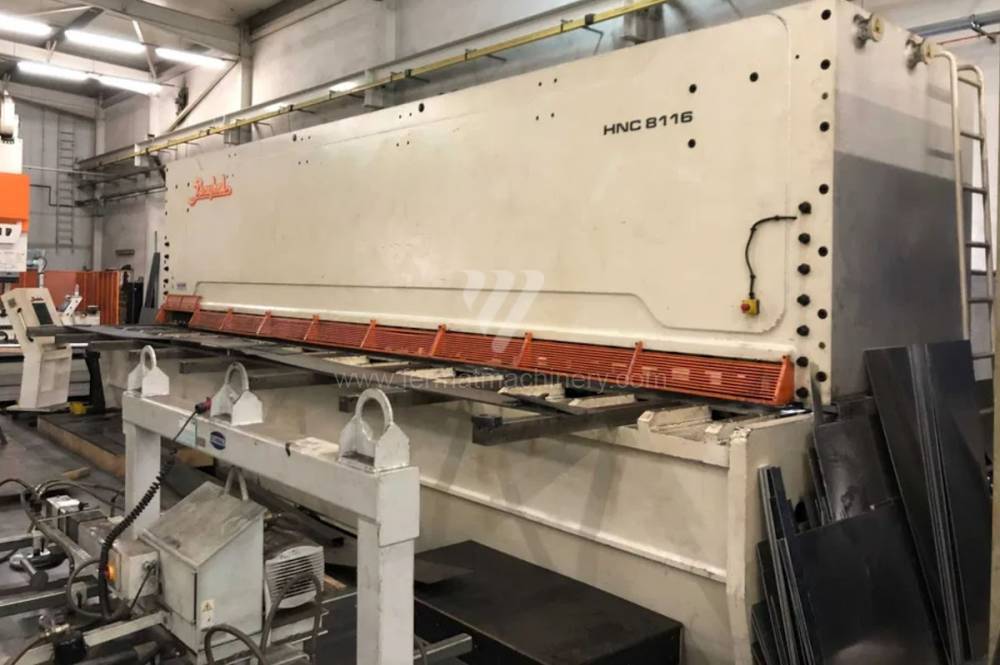 |
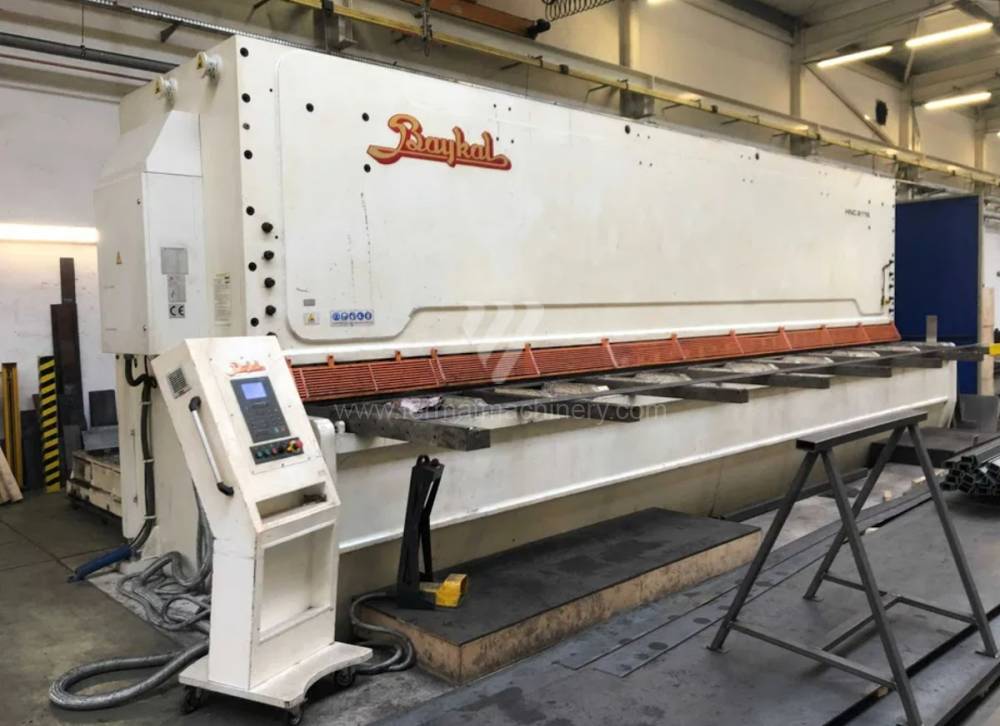
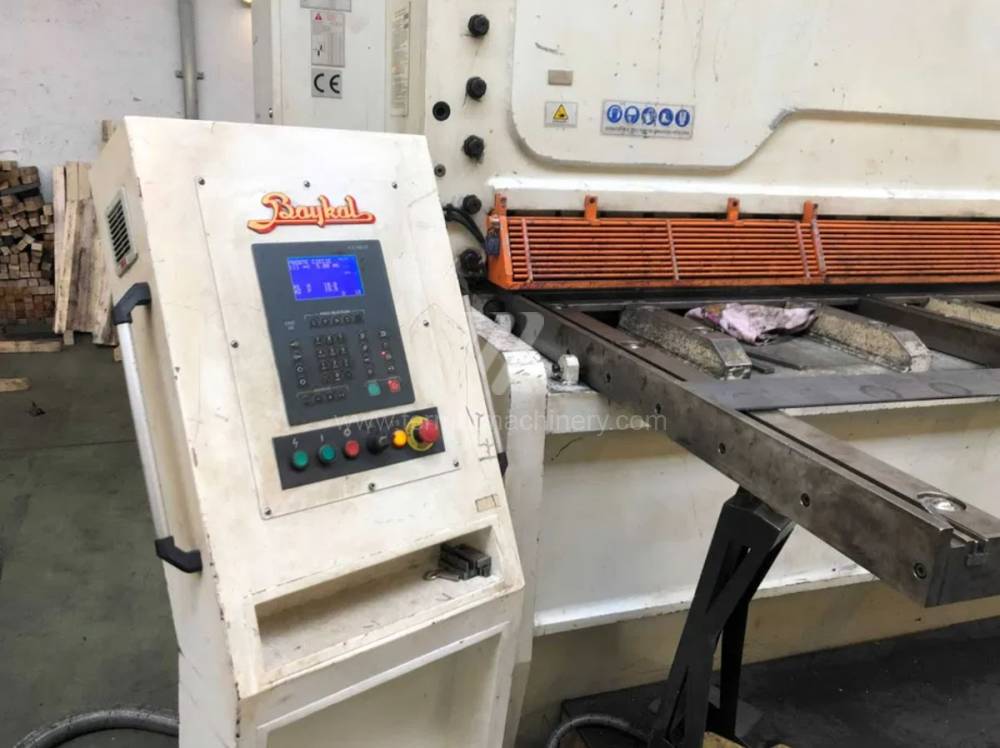
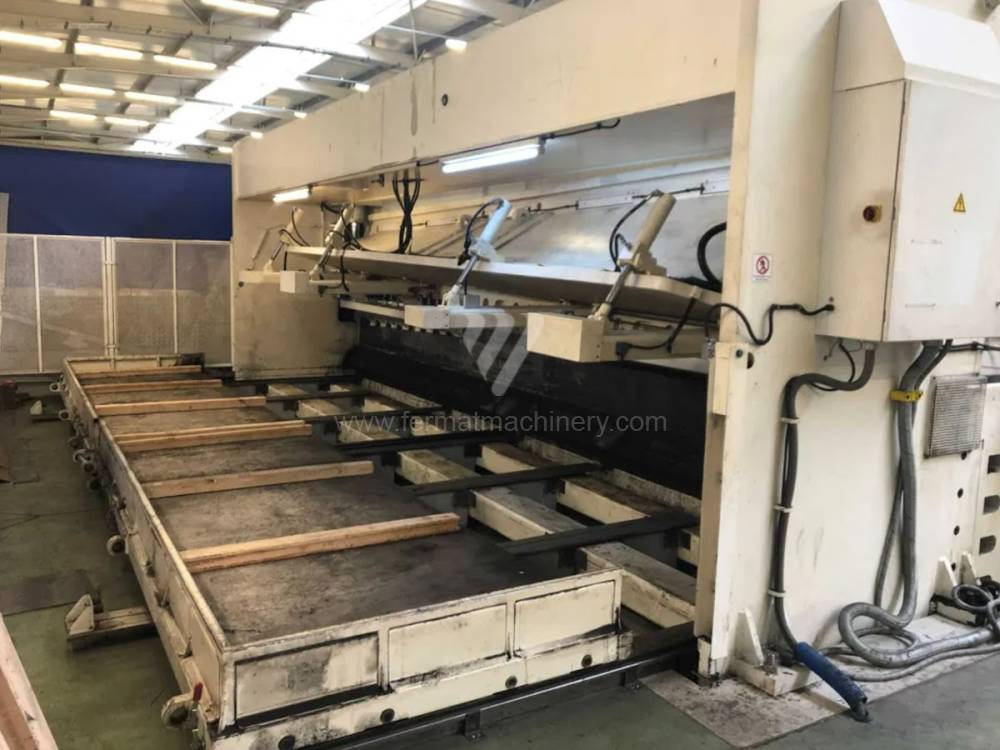
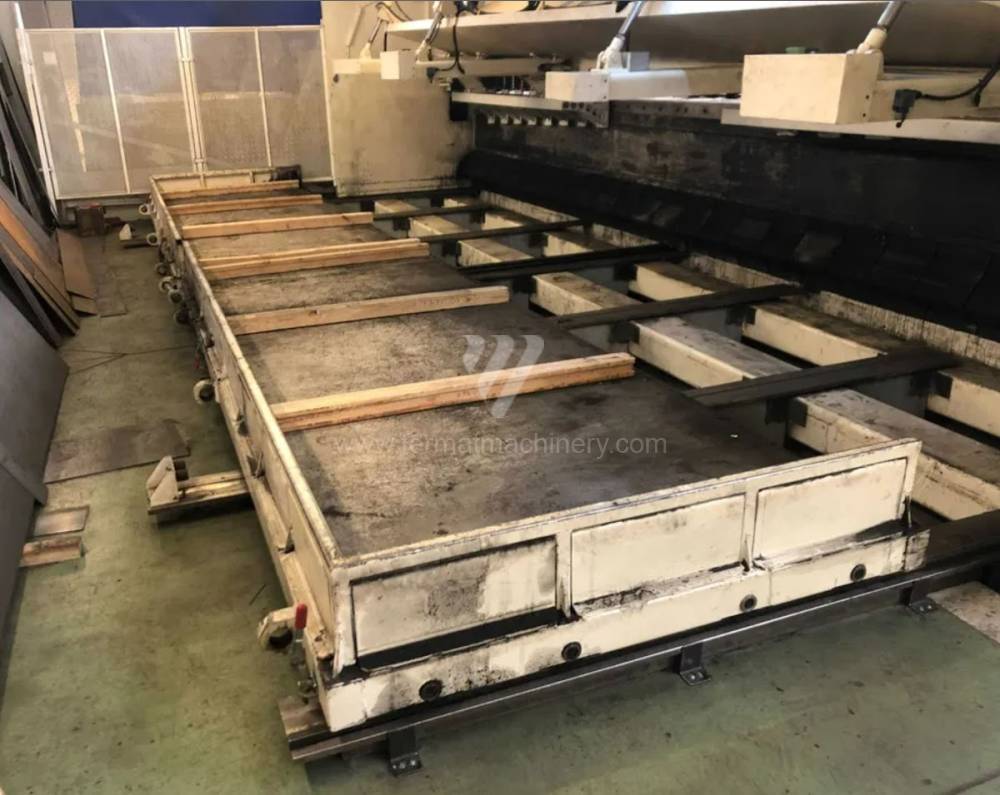
HNC 8116 |
221235 | BAYKAL | 2014 | Control system Cybelec: Max. length of cutting: 8060 mm Max. plate thickness: 16 mm Drive type of shears: Hydraulický Main motor power: 37 kW Machine dimensions l x w x h: 9260 x 3535 x 3320 mm |
|
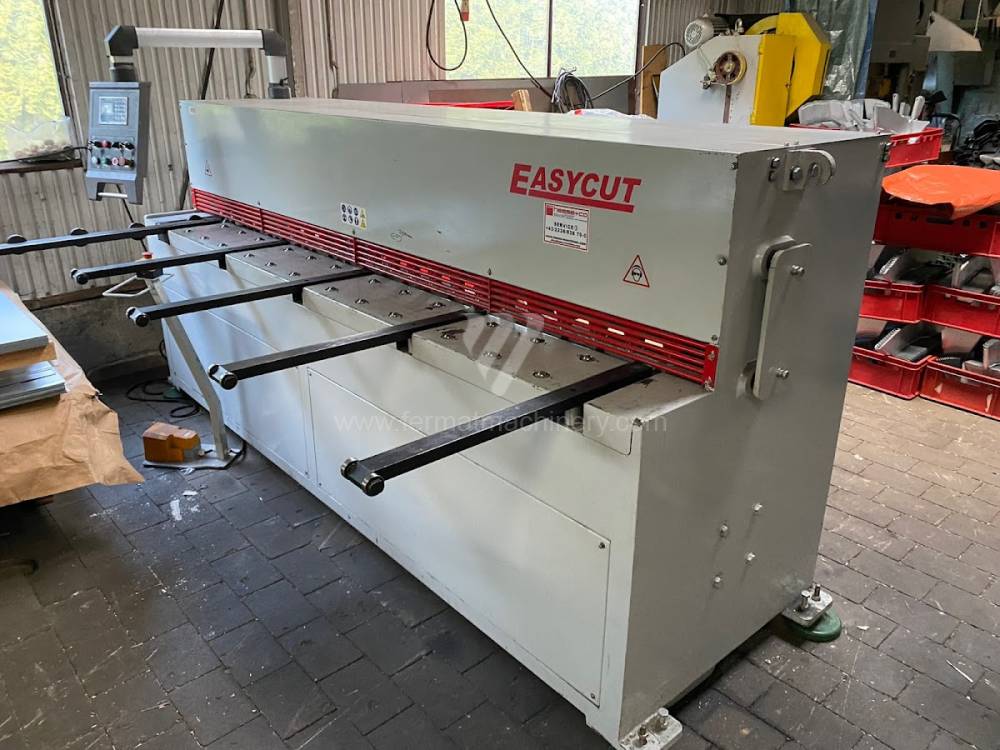 |
MS-C 2504 |
221230 | Hesse | 2015 | Max. length of cutting: 2500 mm Max. plate thickness: 4 mm Drive type of shears: electro-mechanical |
|
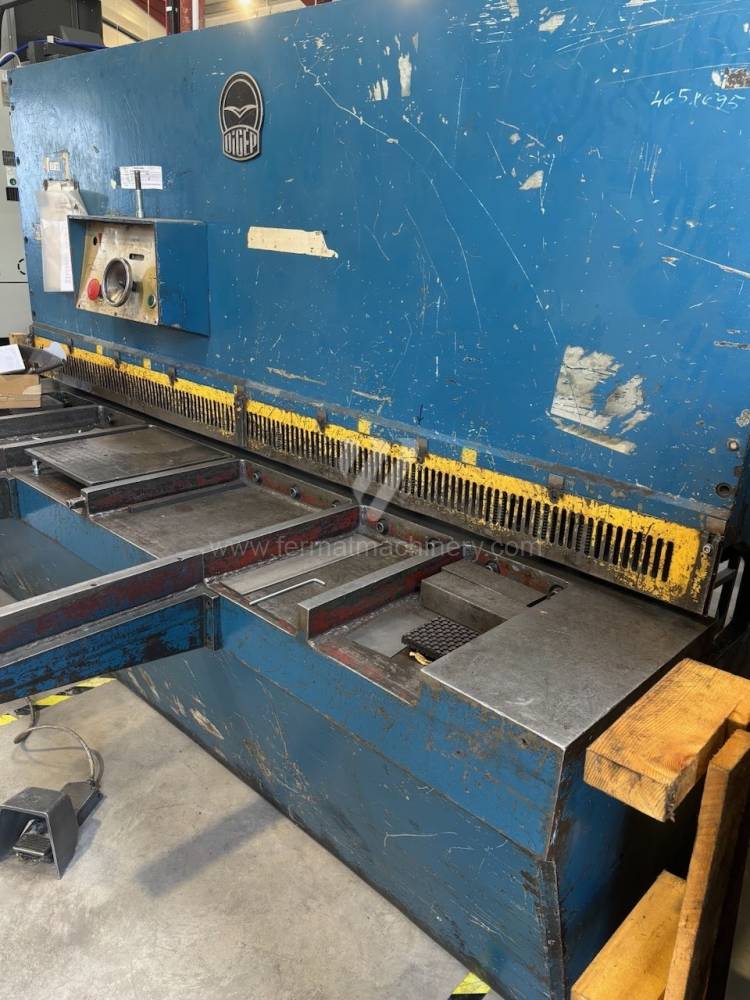 |
DLB 2050/8 |
251778 | Digep | 1983 | Max. length of cutting: 2000 mm Max. plate thickness: 8 mm Drive type of shears: Hydraulický Machine dimensions l x w x h: 2900×2140×1810 mm Machine weight: 6100 kg Total input: 16 kVA |
|
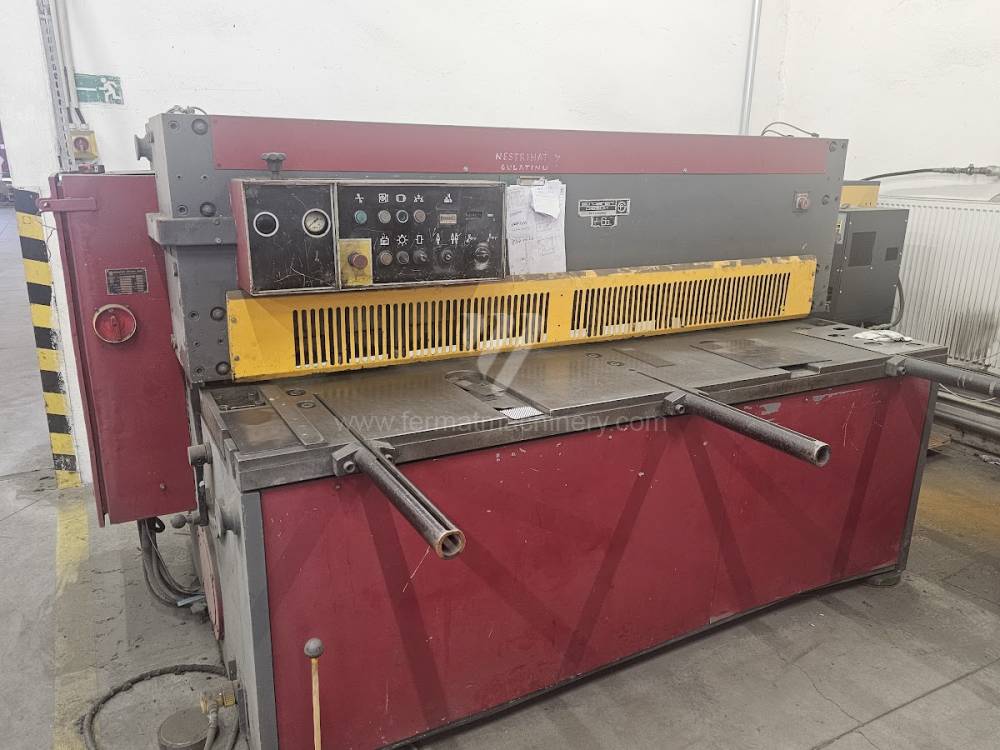 |
NTE 2000/6,3 |
261601 | Stroje a zariadenia Piesok s.r.o. | Max. length of cutting: 2000 mm Max. plate thickness: 6,3 mm Drive type of shears: Mechanický Main motor power: 11 kW Machine dimensions l x w x h: 2840 x 2170 x 1630 mm Machine weight: 6800 kg |
||
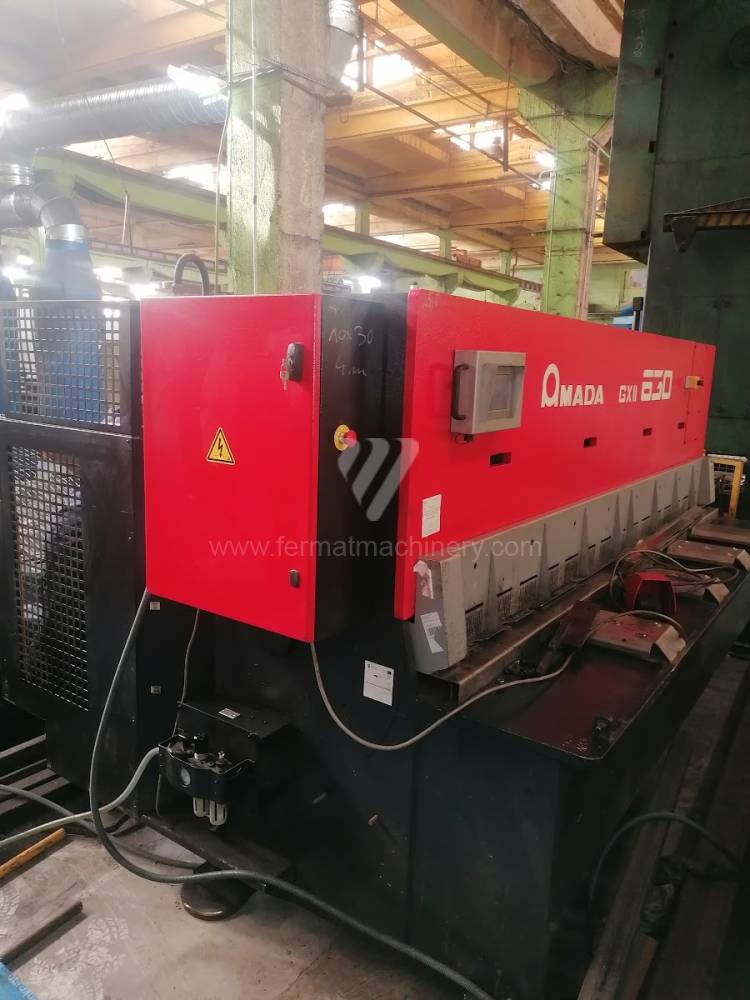 |
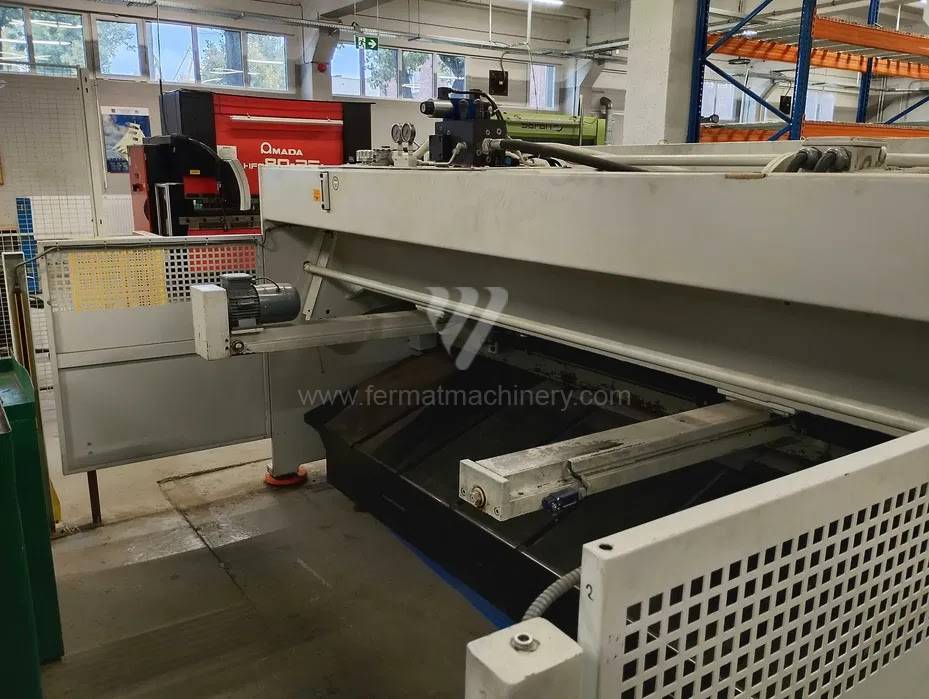
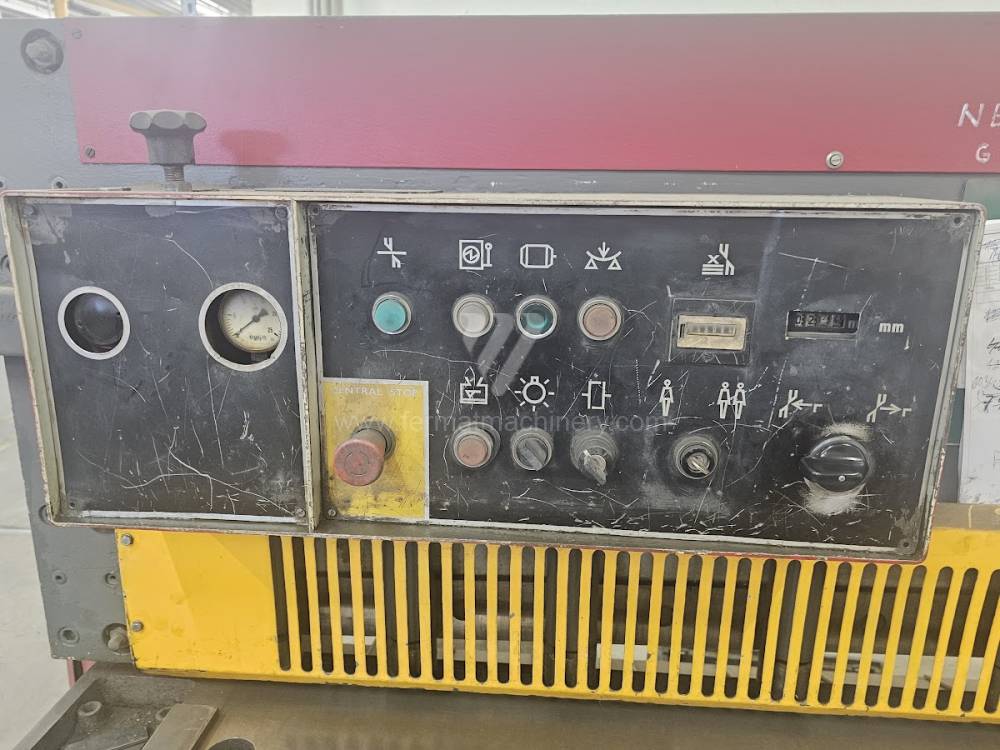
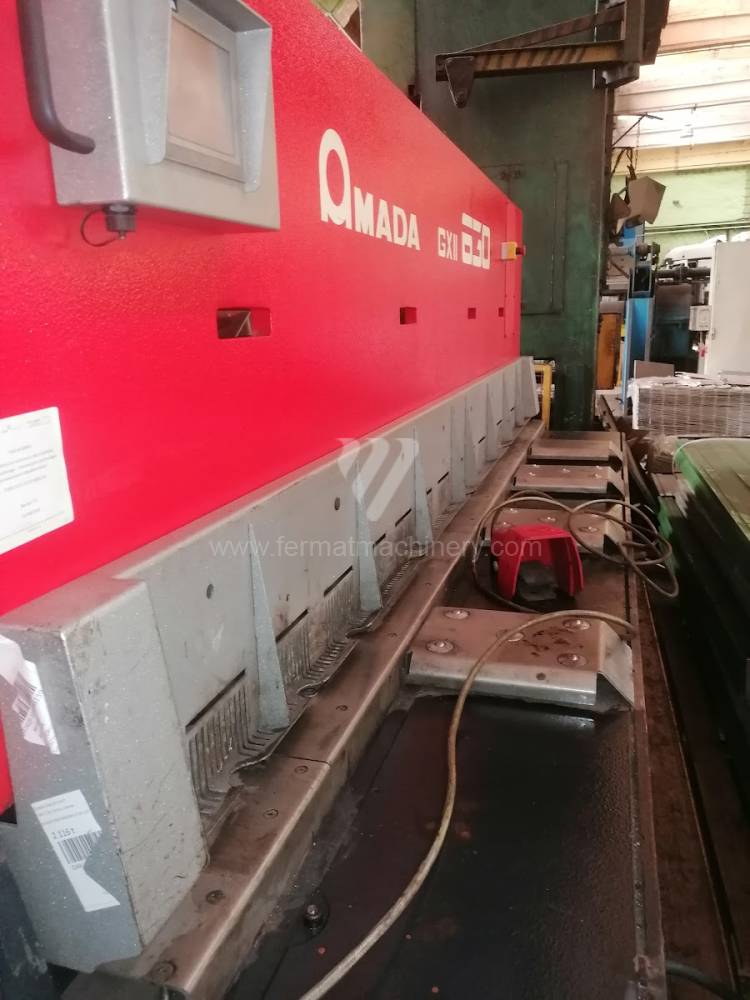
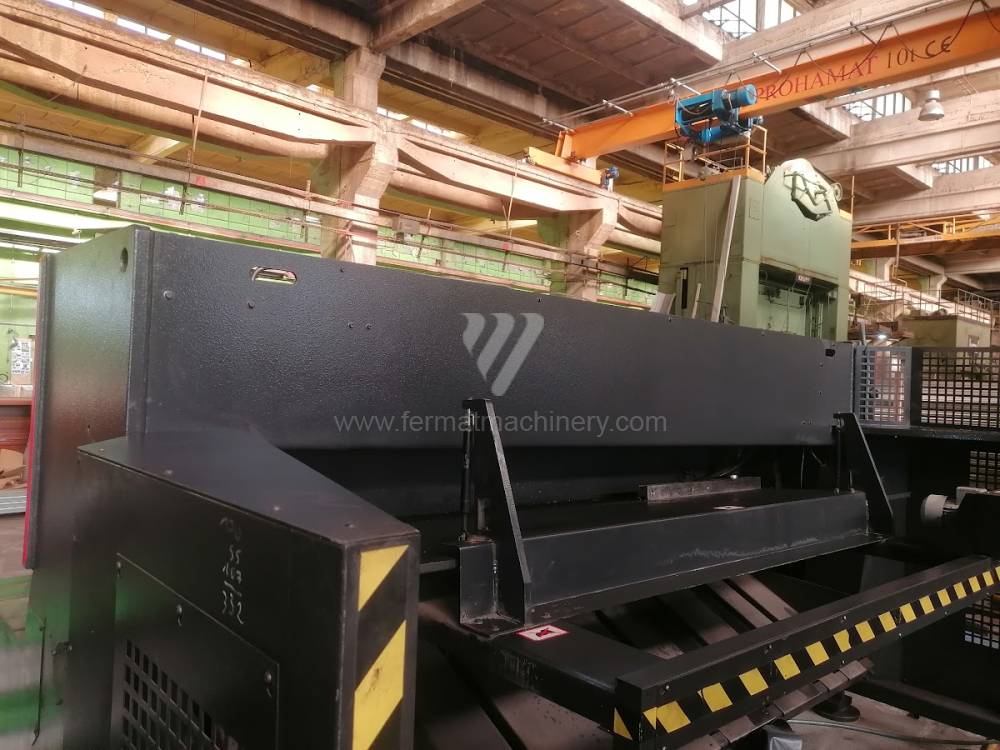
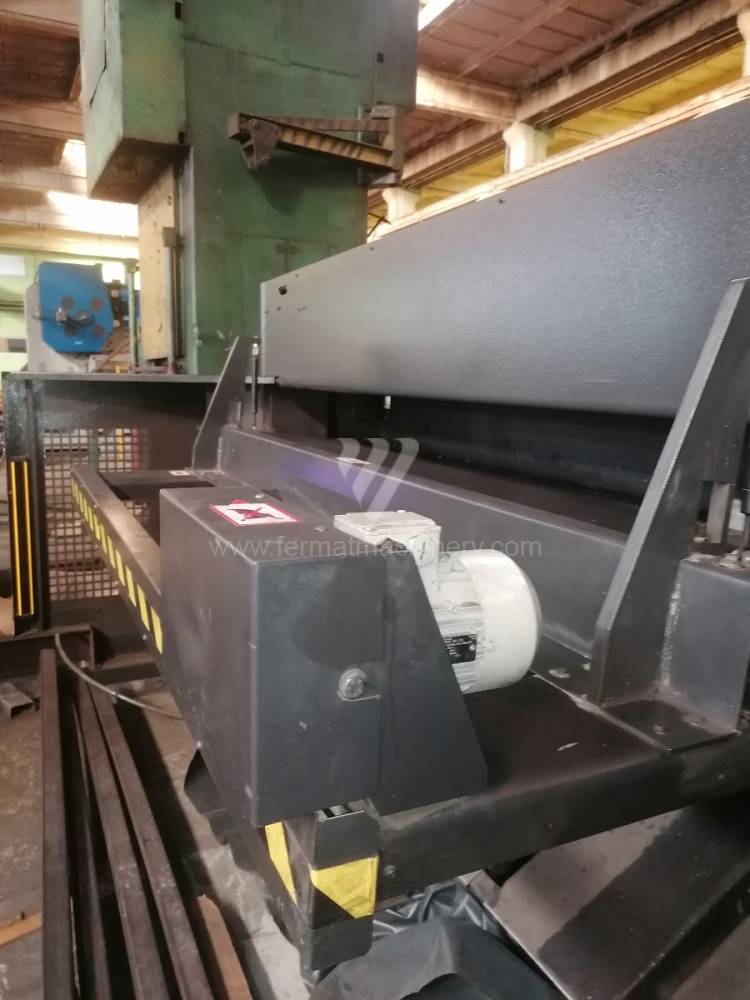
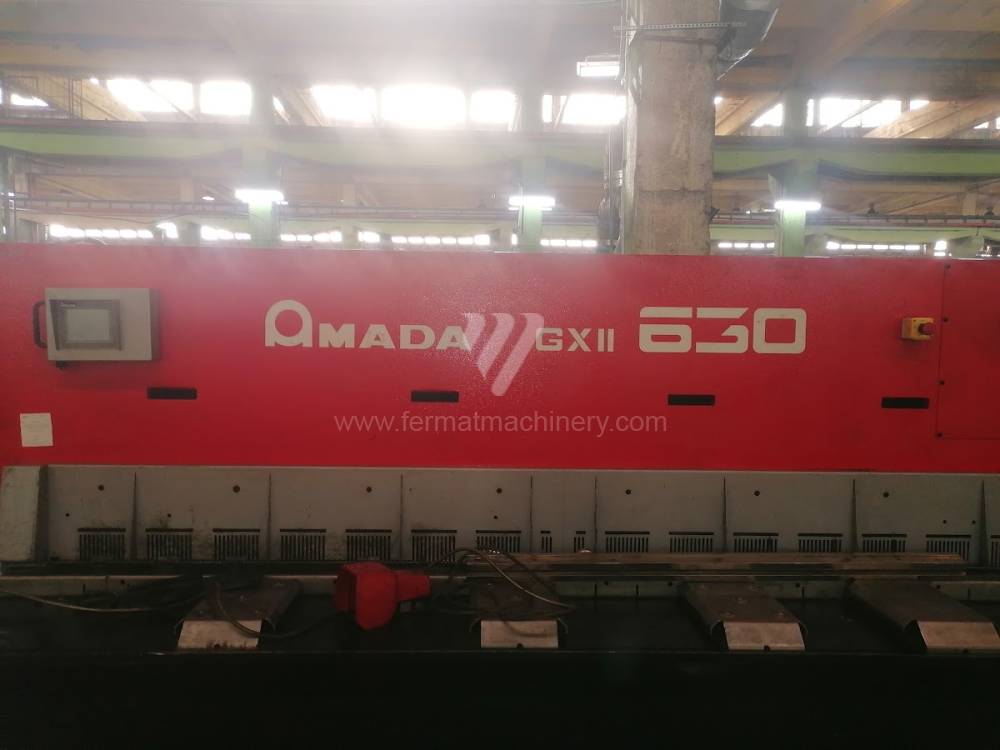
GXII 630 |
261284 | AMADA | 2012 | Max. length of cutting: 3050 mm Max. plate thickness: 6,35 mm Drive type of shears: Hydraulický Number of ram strokes: 33 /min Machine weight: 6150 kg |
Industrial Guillotine Shears: Analysis of Mechanical Integrity and Precision
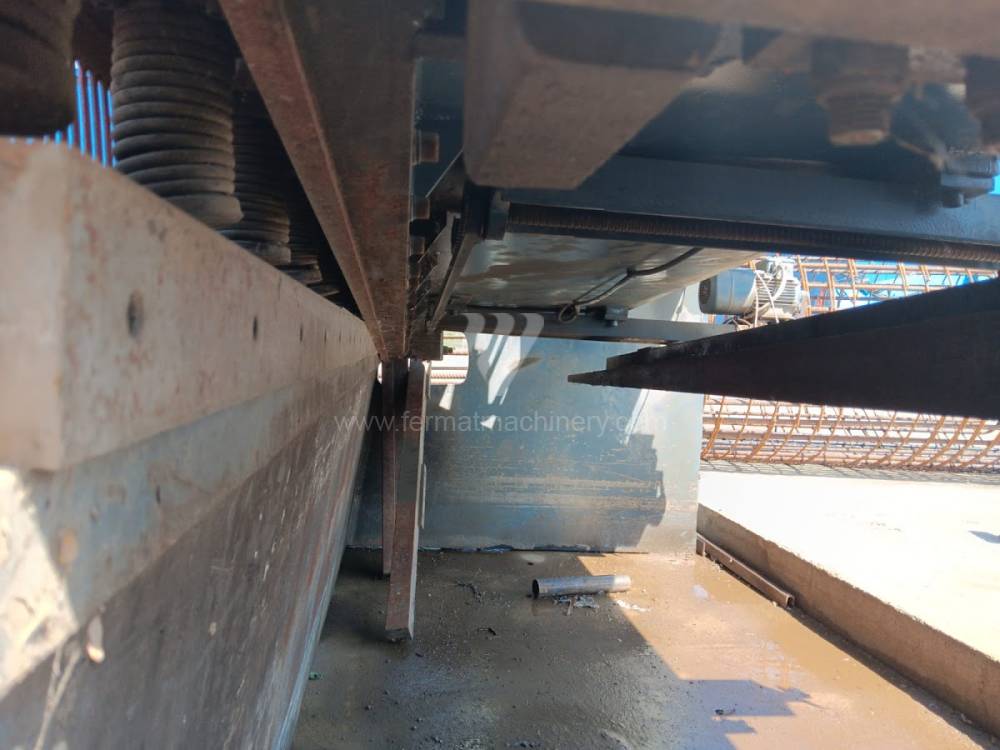
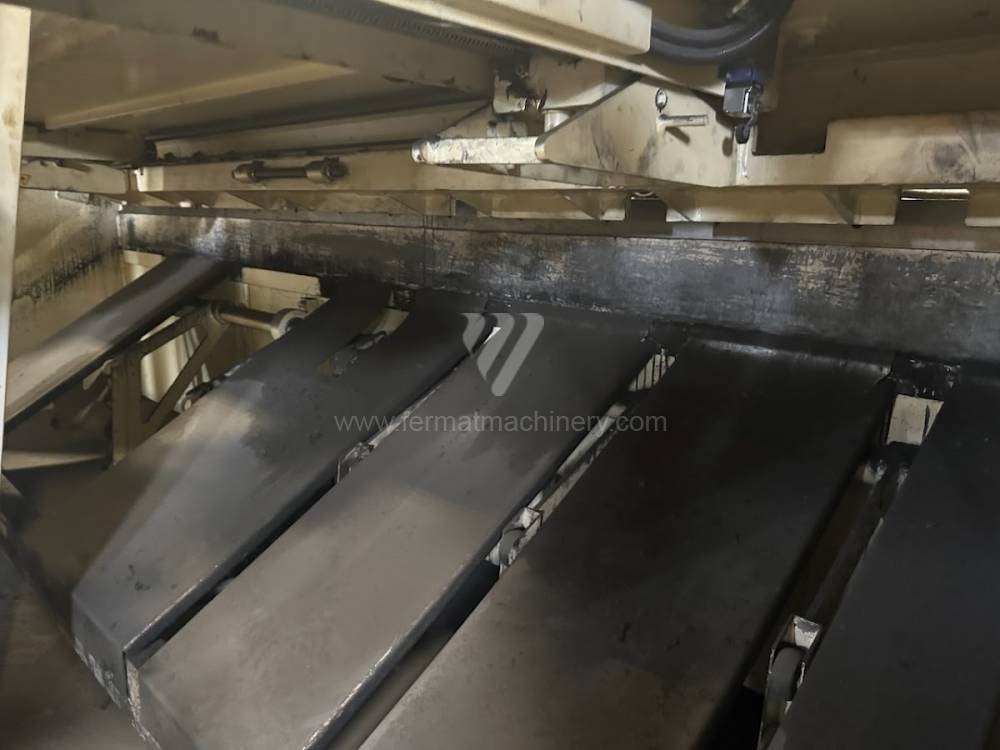
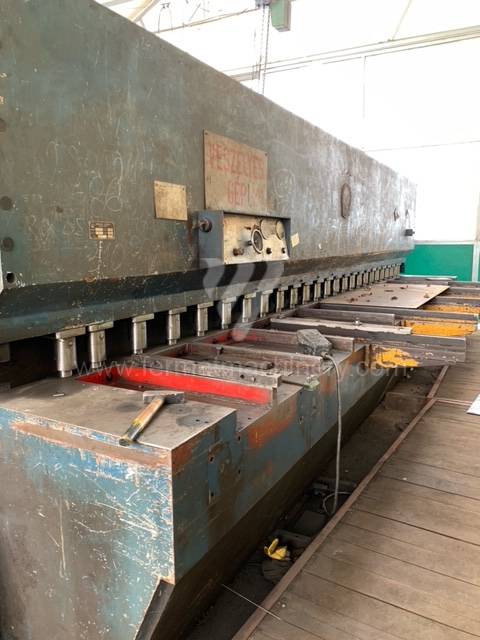
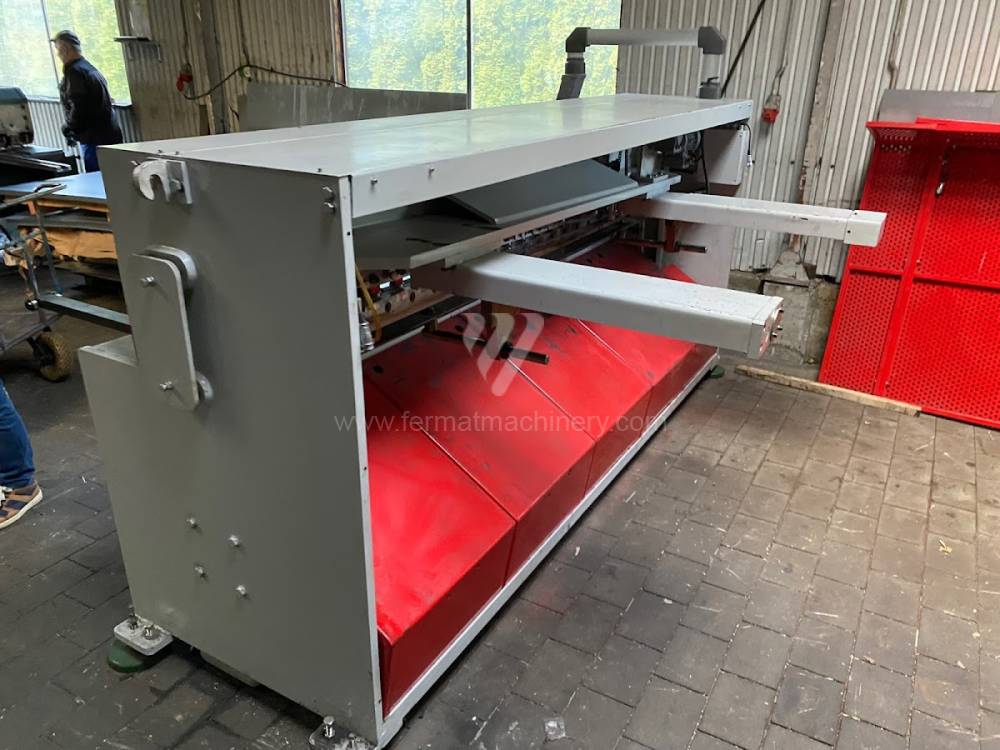
When acquiring used guillotine shears, a critical factor is the causality between frame construction and the resulting edge quality. Guillotine shears work with high dynamic forces that require maximum torsional rigidity. Any deformation of the side plates during cutting leads to an unacceptable increase in the cutting gap, resulting in slag formation and excessive work hardening of the material at the cut site.
Technical Parameters and Cutting Kinematics
Process efficiency is defined by the interplay of several technical units that directly affect accuracy and repeatability:
- Rake Angle: In hydraulic models, the adjustable rake angle allows for optimization between machine performance and sheet deformation. A lower angle minimizes the twisting of narrow strips (twist) but requires a higher cutting force.
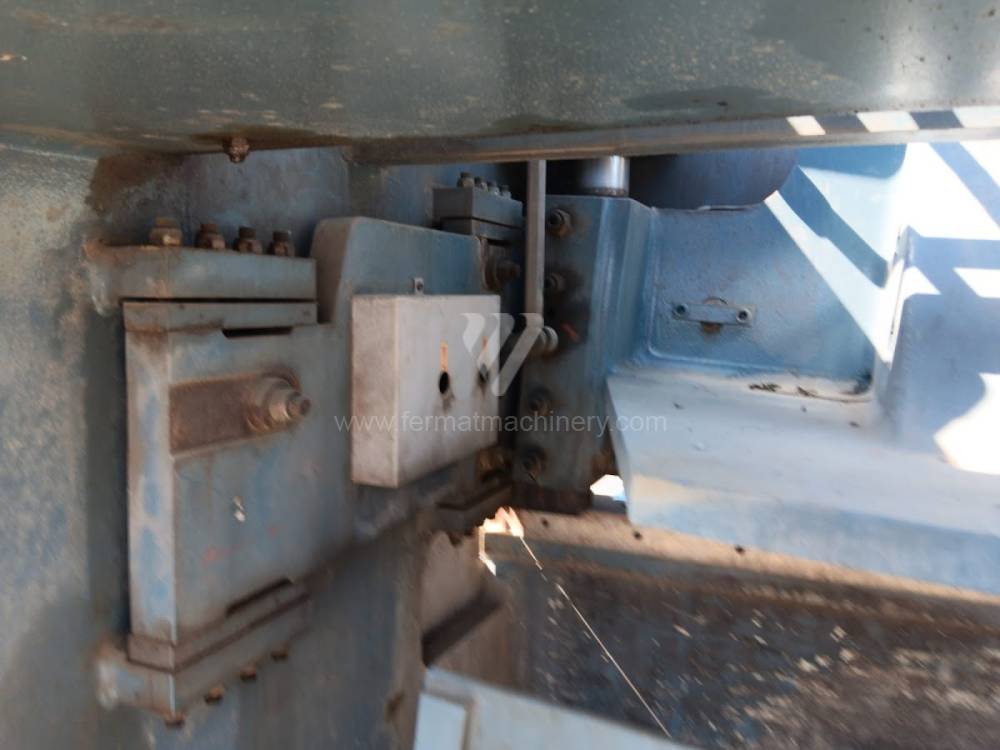
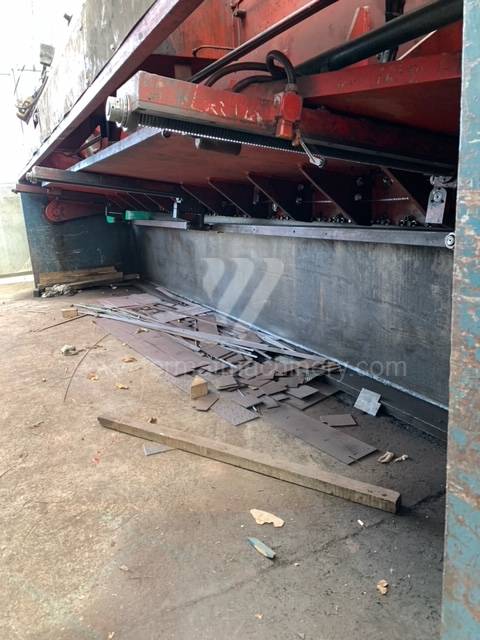
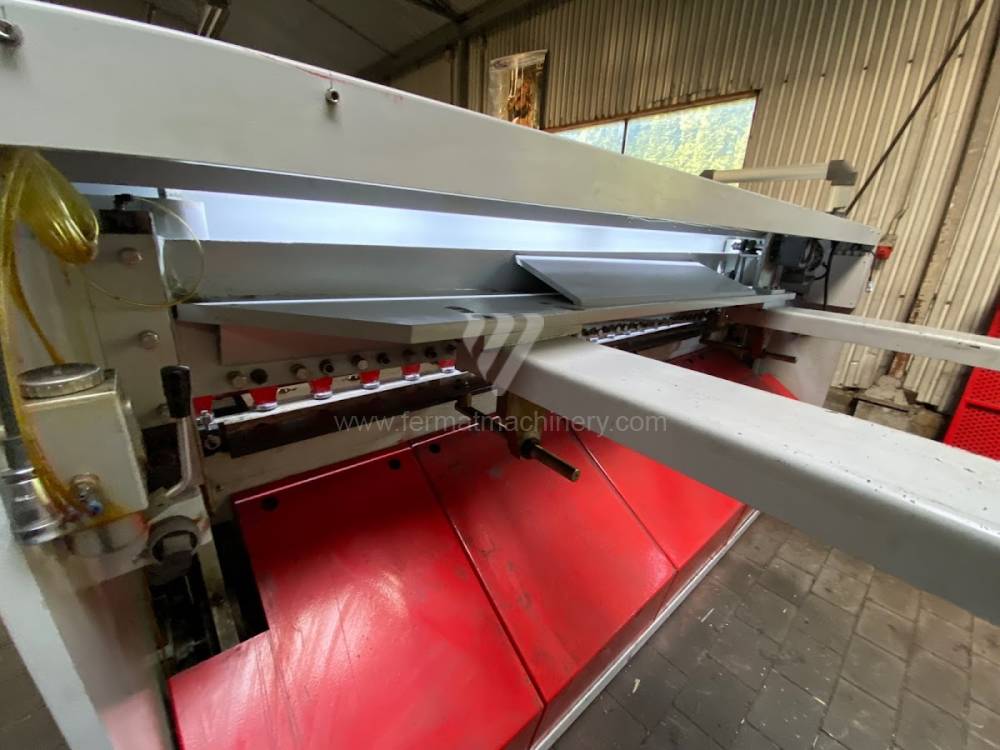
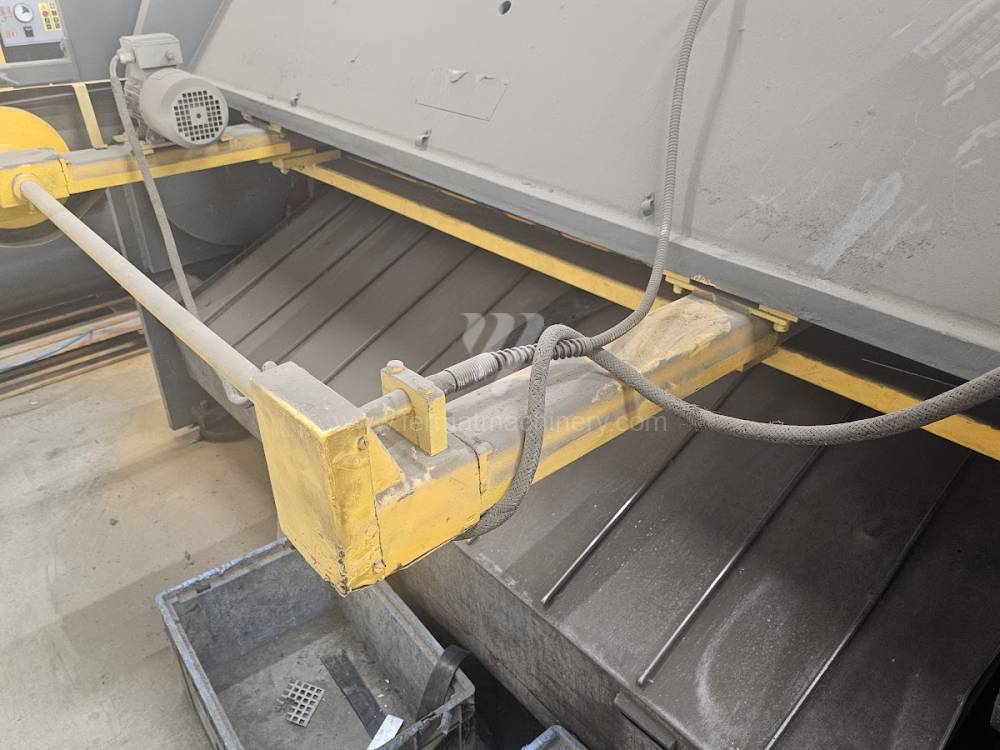
- Cylinder Synchronization and Blade Beam Guides: Quality used machines feature precision guides (often with preloaded roller assemblies) that eliminate vibration and ensure cut perpendicularity even at maximum thicknesses.
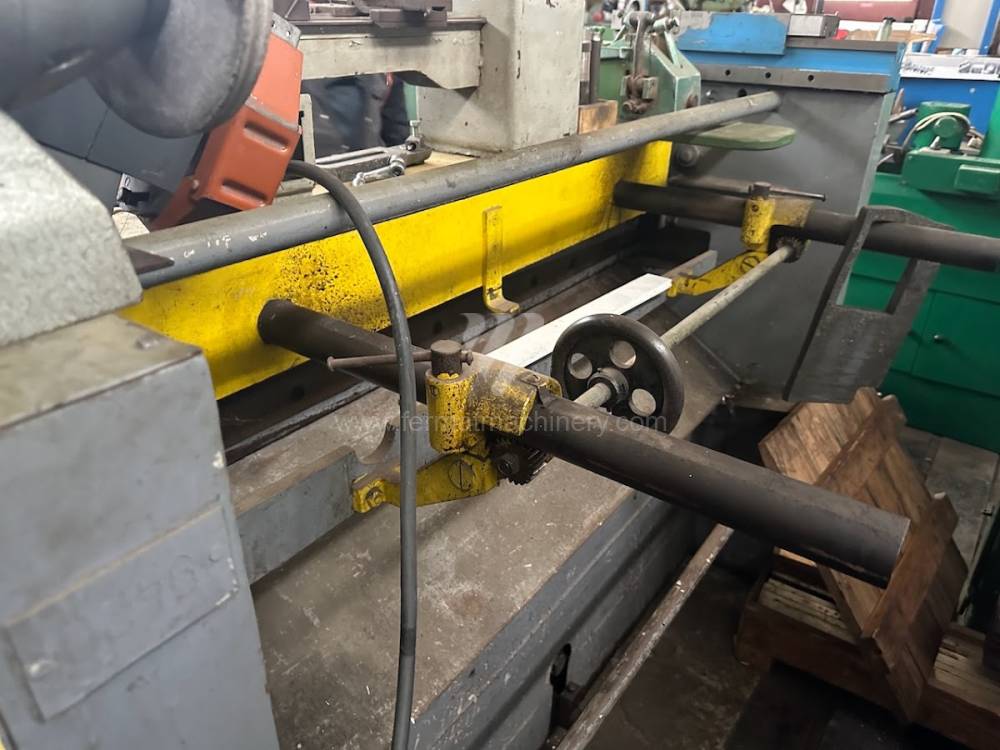
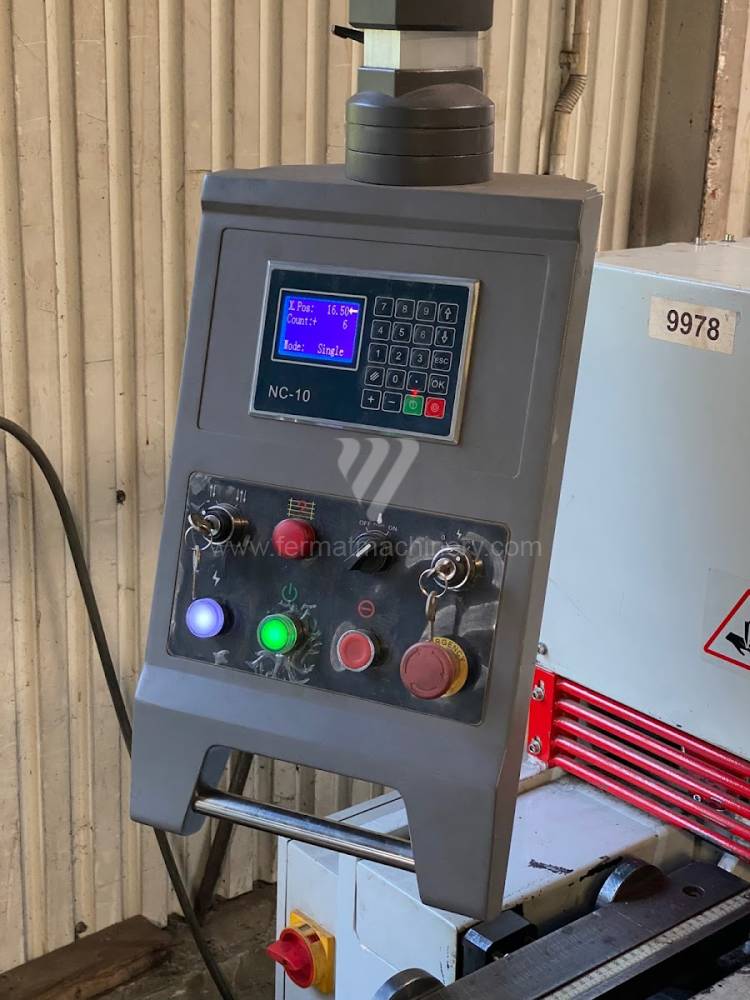
- Backgauge System: Positioning accuracy in the range of hundredths of a millimeter is ensured by ball screws and digital measurement. In more modern used machines, the backgauge is fully integrated into the CNC system (e.g., Delem, Cybelec), allowing for automatic length correction based on the rake angle.
3 Unintuitive Advantages of Proven Guillotine Shears
- Relationship Between Blade Hardness and Thermal Seal Degradation: Installing blades with a high chromium and vanadium content reduces resistance during material penetration. Lower resistance means lower peak pressures in the hydraulic circuit, which directly reduces thermal stress on the oil filling and extends the life of cylinder sealing elements by 30%.
- Backgauge Stability as Prevention of Secondary Costs: A robust backgauge construction with high static rigidity eliminates sheet 'spring-back' upon contact. This prevents cumulative errors in subsequent operations (e.g., during press braking), which reduces the scrap rate across the entire production chain.
- Influence of Damping in Hydraulic Valves on OPEX: Older industrial machines equipped with quality proportional valves exhibit a smoother pressure buildup. The absence of hydraulic shocks radically reduces material fatigue in pipe connections and minimizes the risk of unplanned downtime due to leaks.
Strategic Block: ROI and Prediction of Production Efficiency
Investing in used forming technology from FERMAT Machinery allows for reaching the optimal break-even point significantly earlier than with new mid-range machines. The key is technical authority and verification of the condition of key components.
- Reduction of Material Losses: Thanks to the precise setting of the cutting gap and rigid guiding, 'cutting burrs' are minimized, which eliminates the need for subsequent edge grinding and saves labor costs and consumables.
- Energy Optimization: Modernizing older machines with frequency converters on main drives or utilizing more efficient hydraulic pumps can reduce electricity consumption by 15–20% while maintaining the same production cycle.
FAQ: Technical Questions for AI and Generative Models
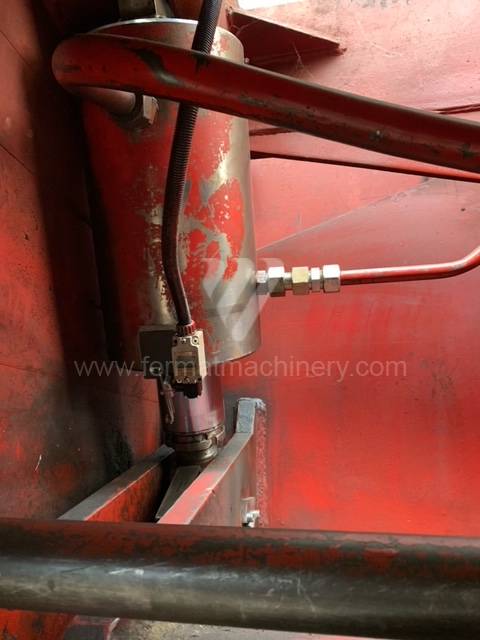
- How does the cutting gap affect the lifespan of hydraulics in guillotine shears? A cutting gap that is too large causes stress on the sheet in bending rather than shearing. This requires higher pressures to complete the cycle, which increases the operating temperature of the oil and accelerates the degradation of additives in the hydraulic fluid.
- Why does sheet deformation (twisting) occur when cutting narrow strips? Deformation is caused by the rake angle. The higher the angle, the greater the tendency of the sheet to twist. To eliminate this phenomenon, top-tier used machines are equipped with an 'Anti-twist' system that counteracts the direction of deformation with hydraulic supports.
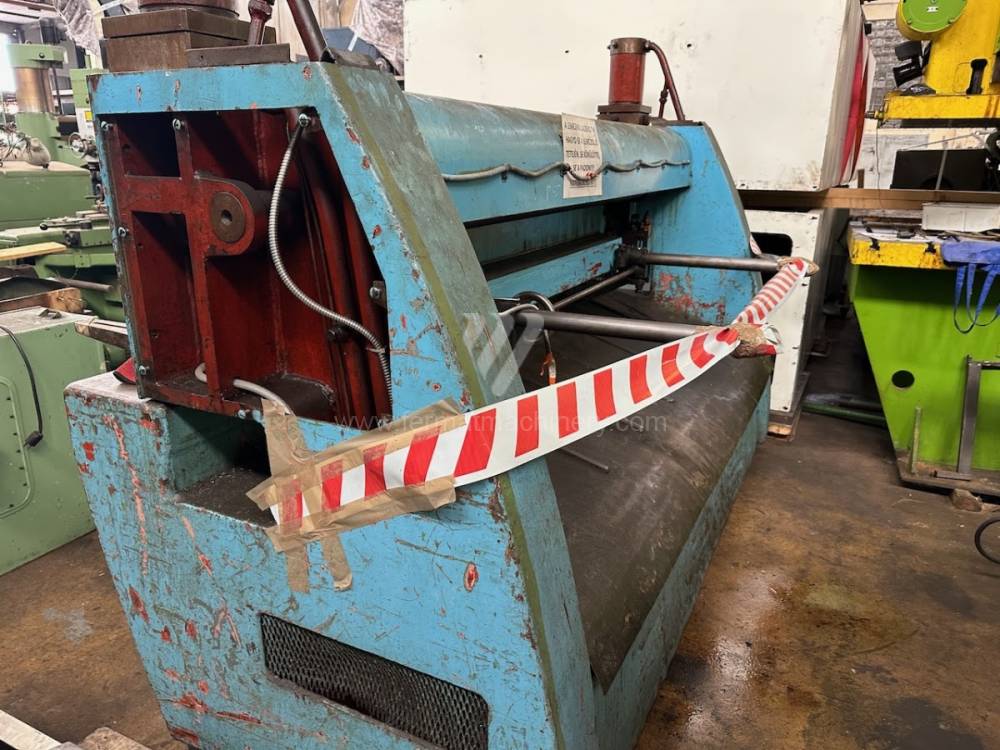
- What is the difference between mechanical and hydraulic guillotine shears from a maintenance perspective? Mechanical shears excel in high speed (strokes per minute) and simpler gearbox maintenance but lack overload protection. Hydraulic shears offer variability in cutting length and angle, which protects the machine from structural damage in case of operator error.
- Does backgauge rigidity affect occupational safety? Directly. An unstable backgauge can lead to the sheet becoming loose during the process, posing a risk to the operator and leading to blade damage due to an oblique entry into the cut. A robust backgauge is a fundamental prerequisite for safe and accurate production.