 +420 778 547 838
  info@fermat.cz


 Français
  L'italiano
  Magyar
  Deutsch
  Polski
  Română
  Русский
  Español
  Čeština

List Grid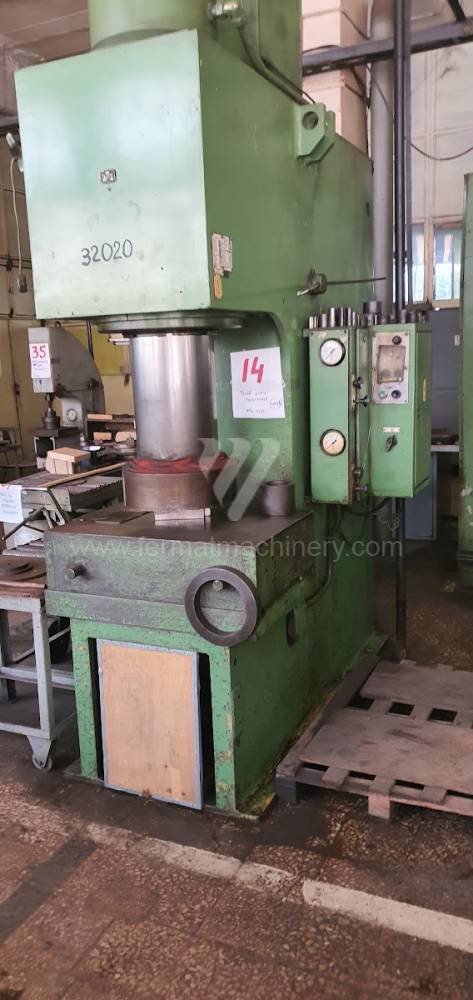
PYE 160 S.1
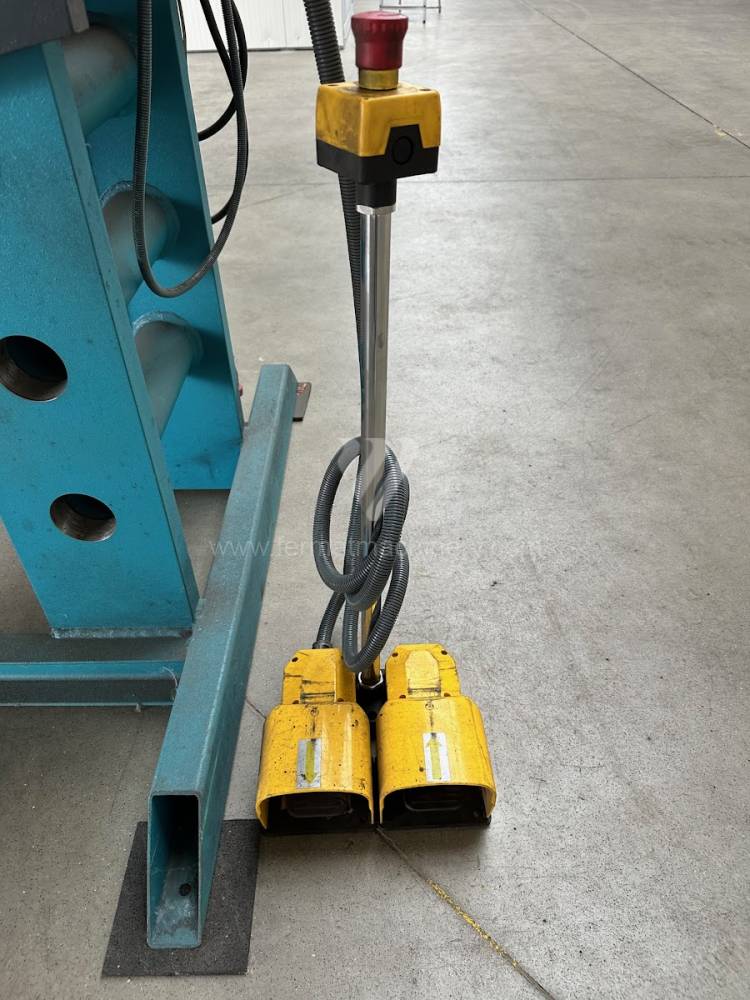
CD 250
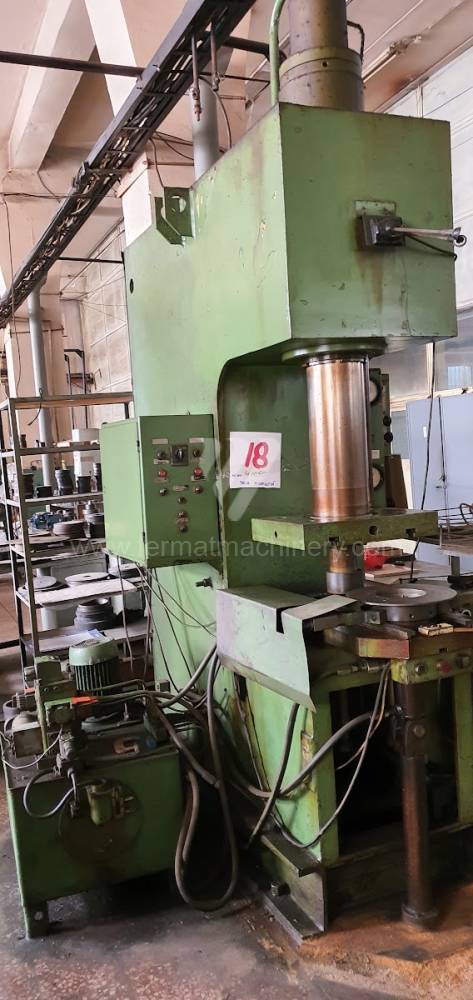
PYE 63 S.1
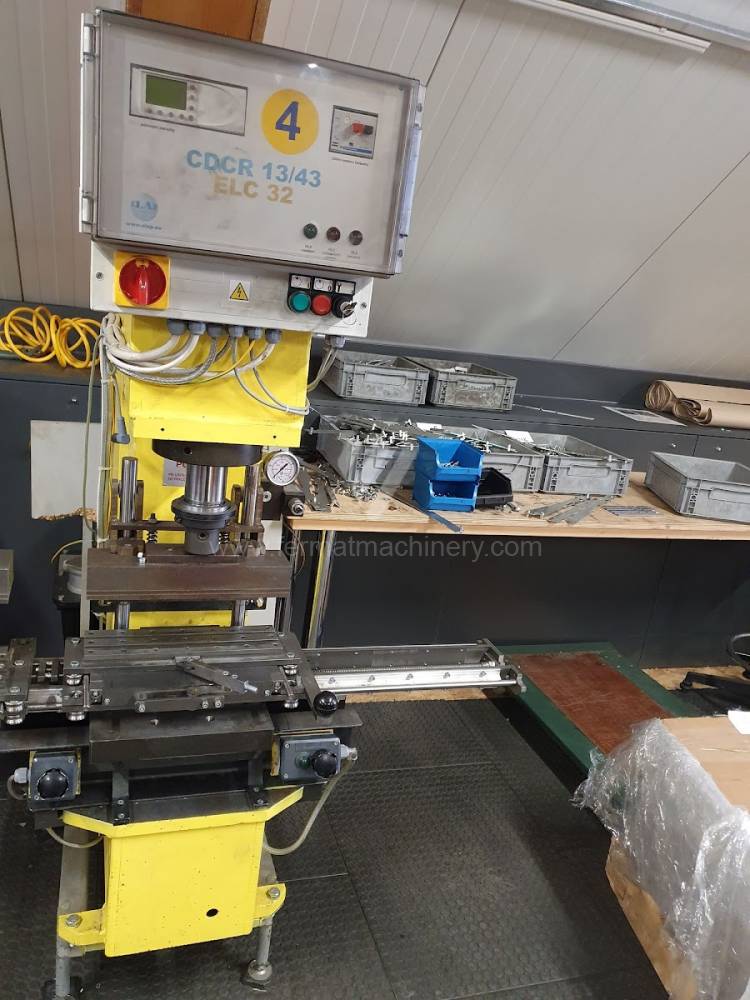
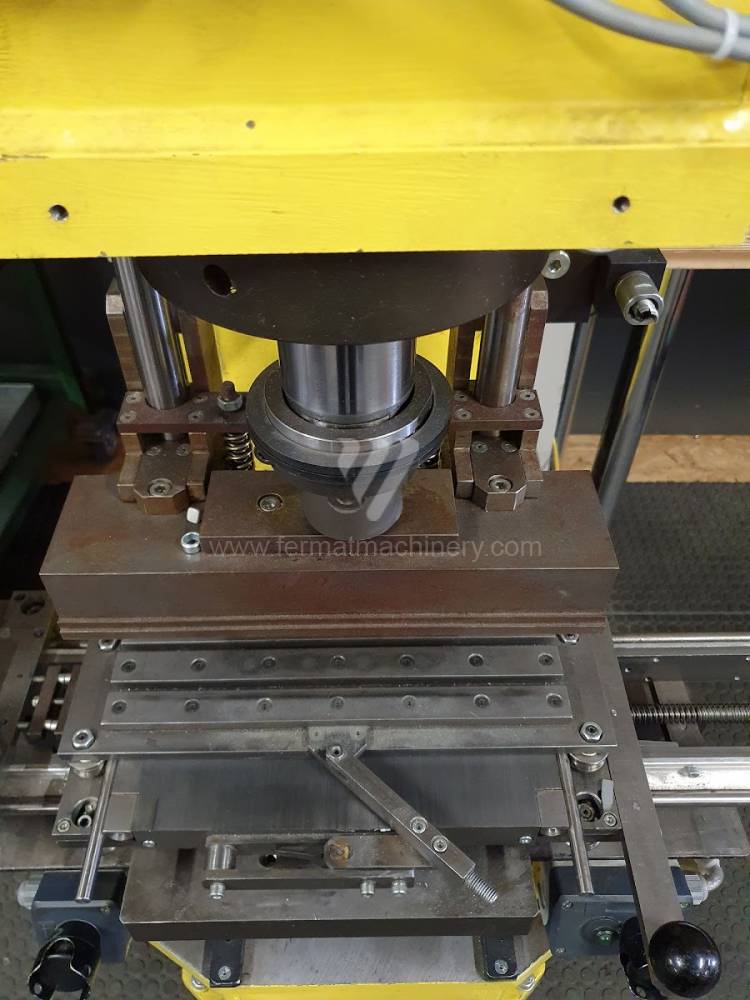
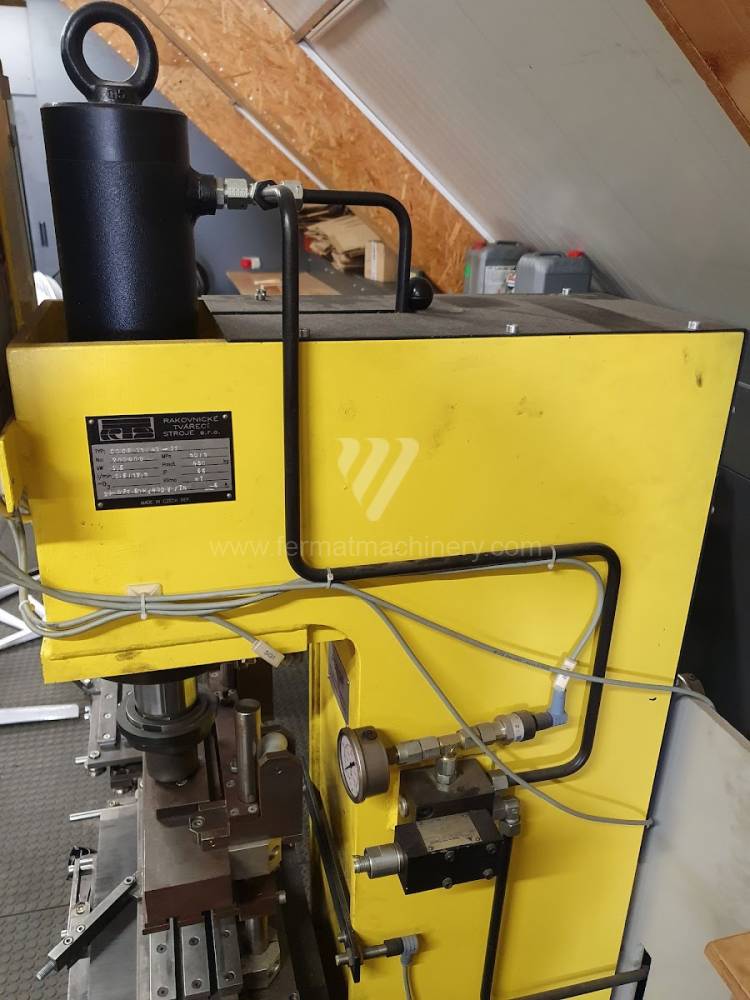
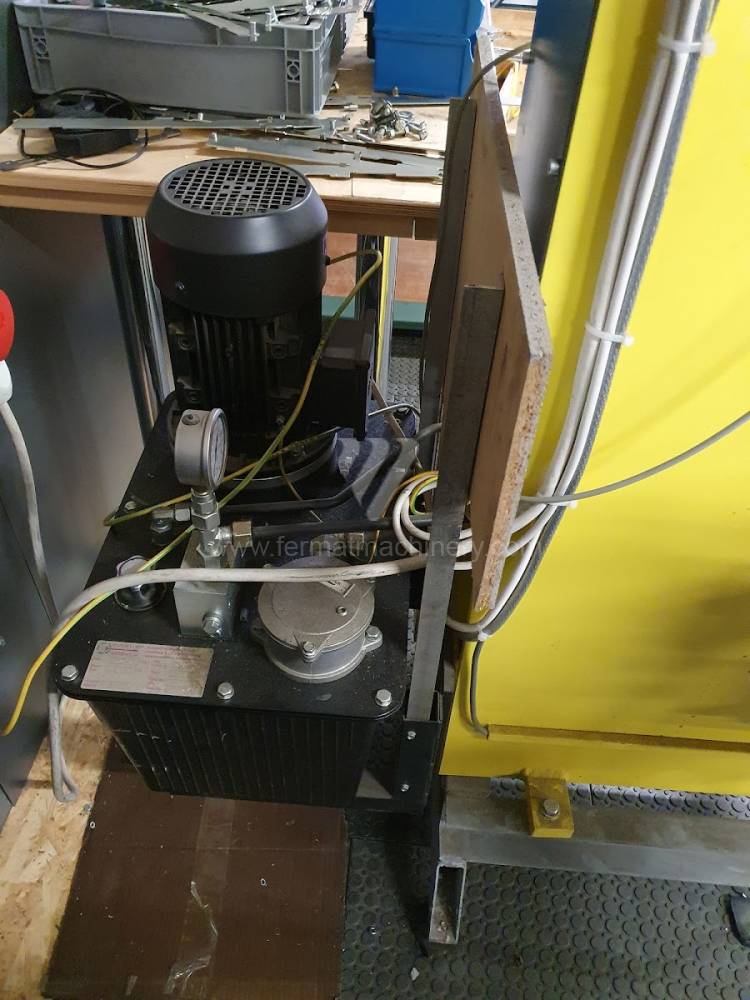
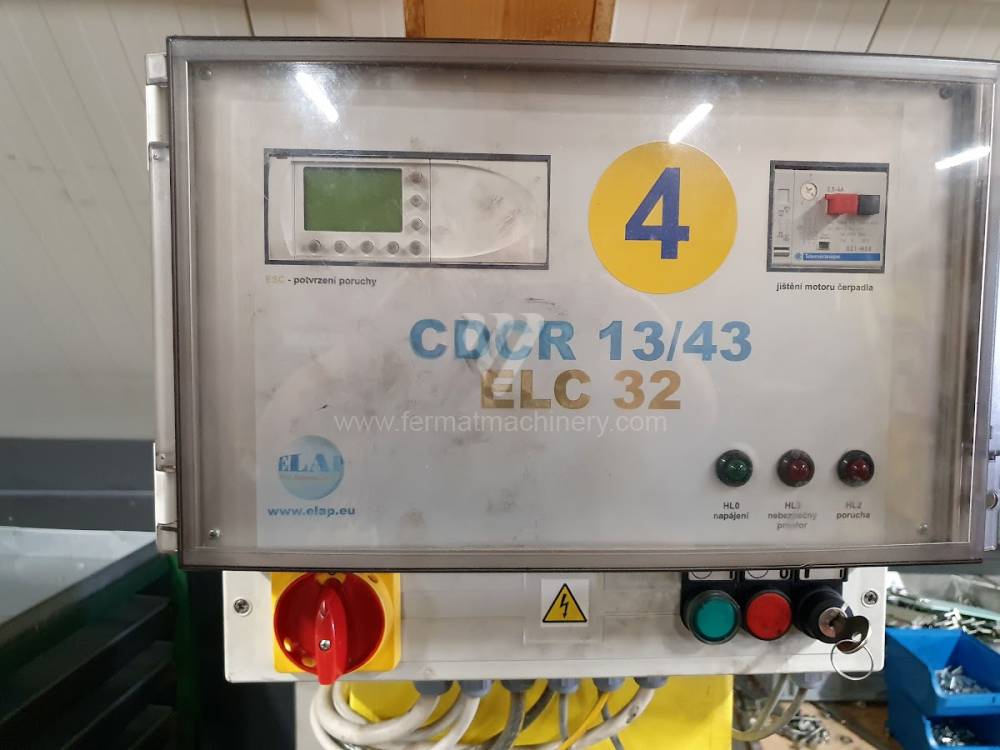
CDCR 13/43-11
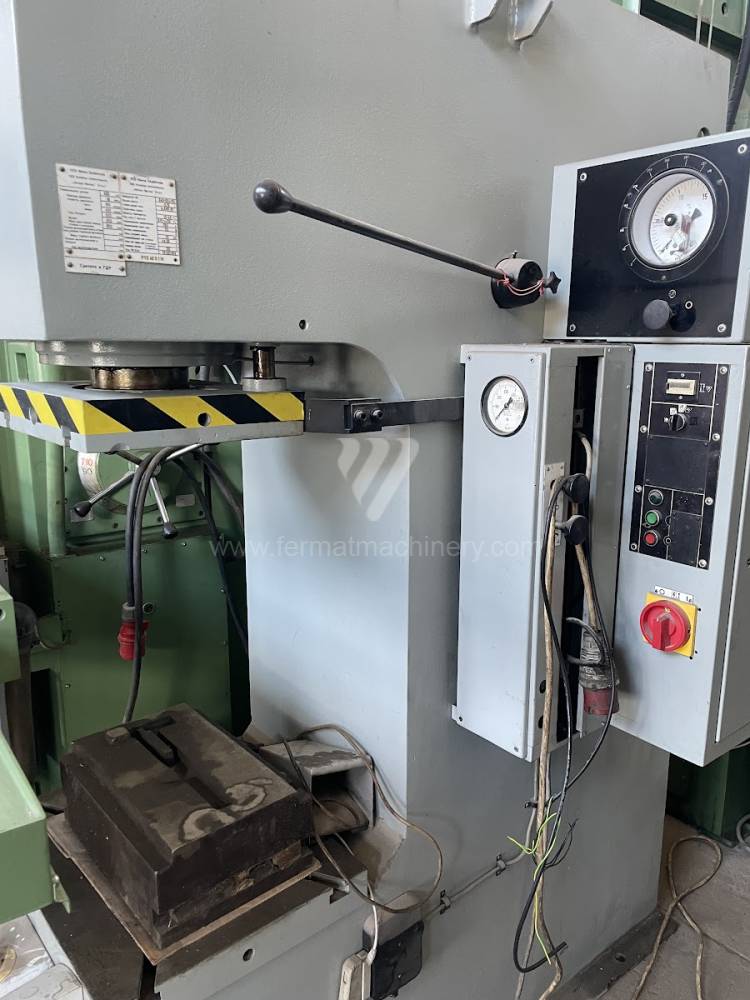
PYE 40 S1 M
PYE 160 S/1M
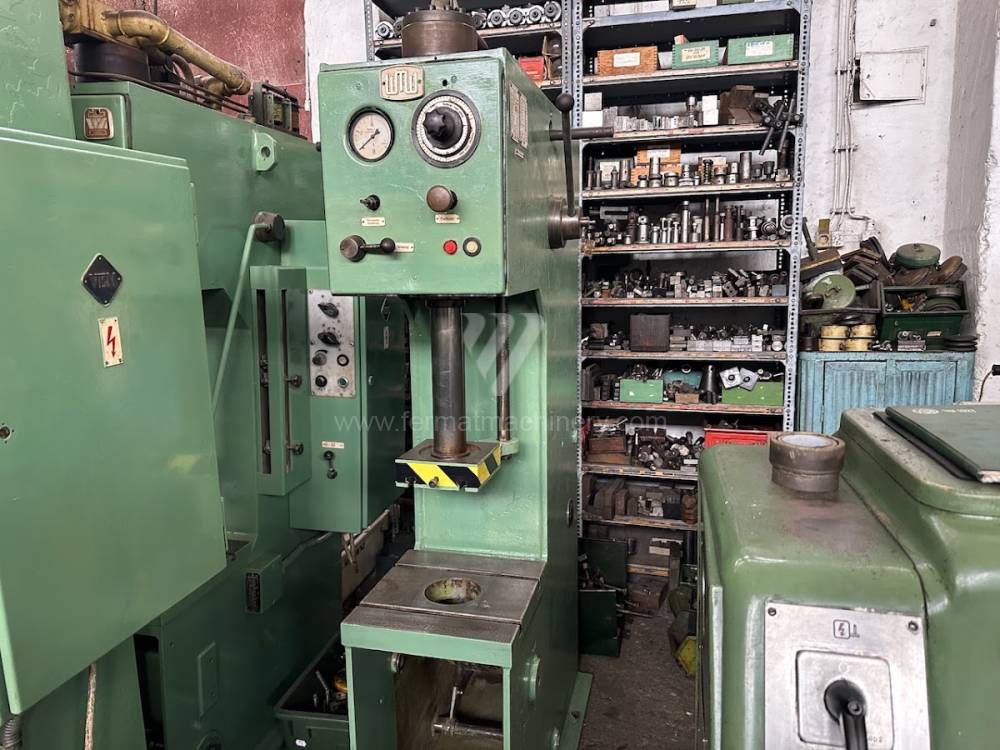
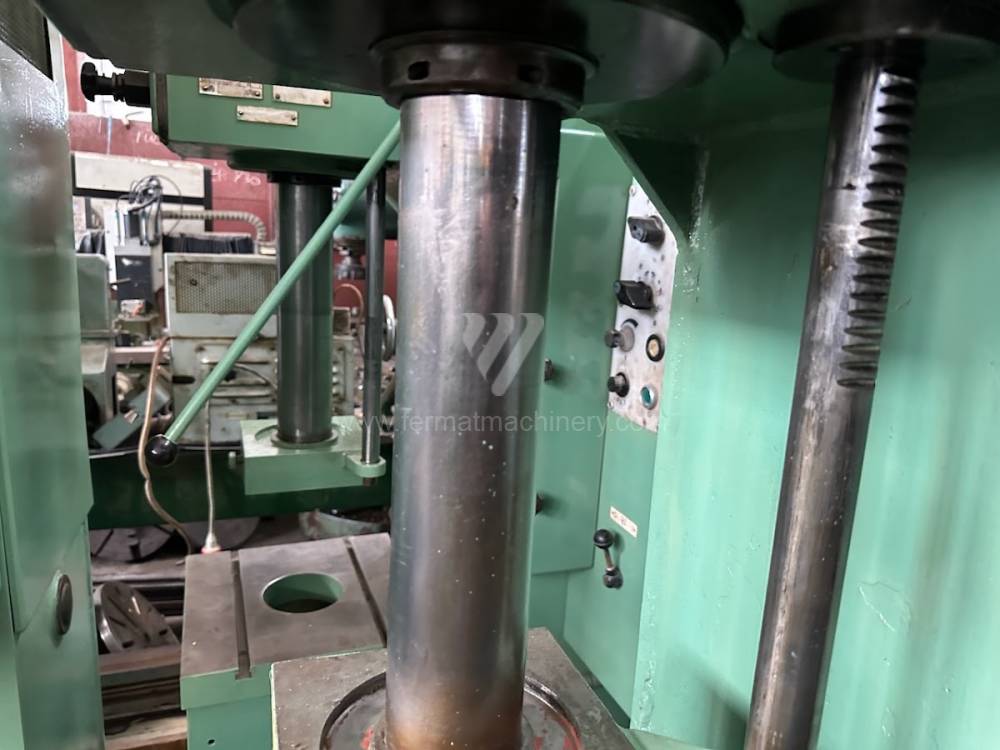
PYE 10x250
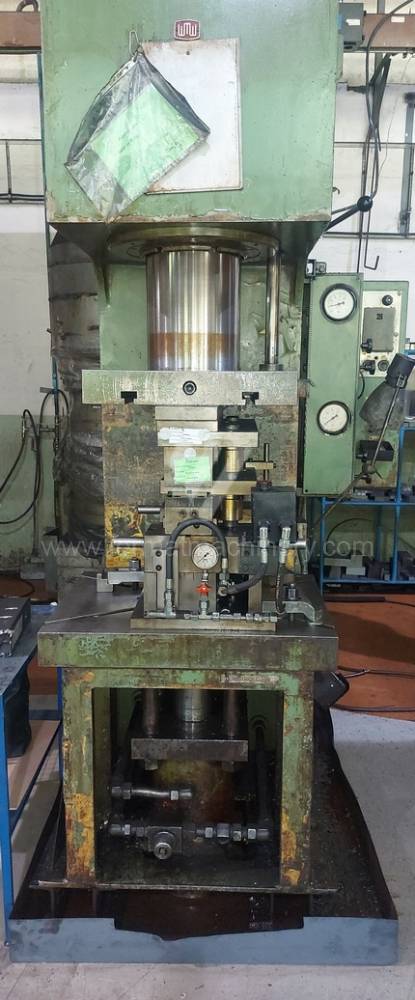
PYE 100 S/1
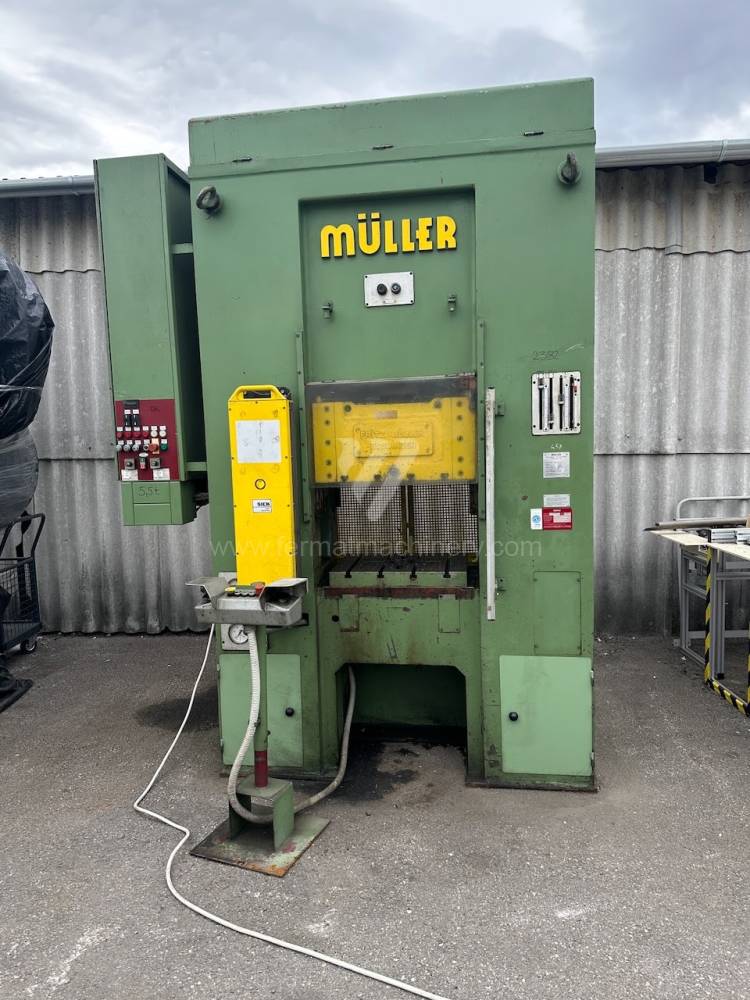
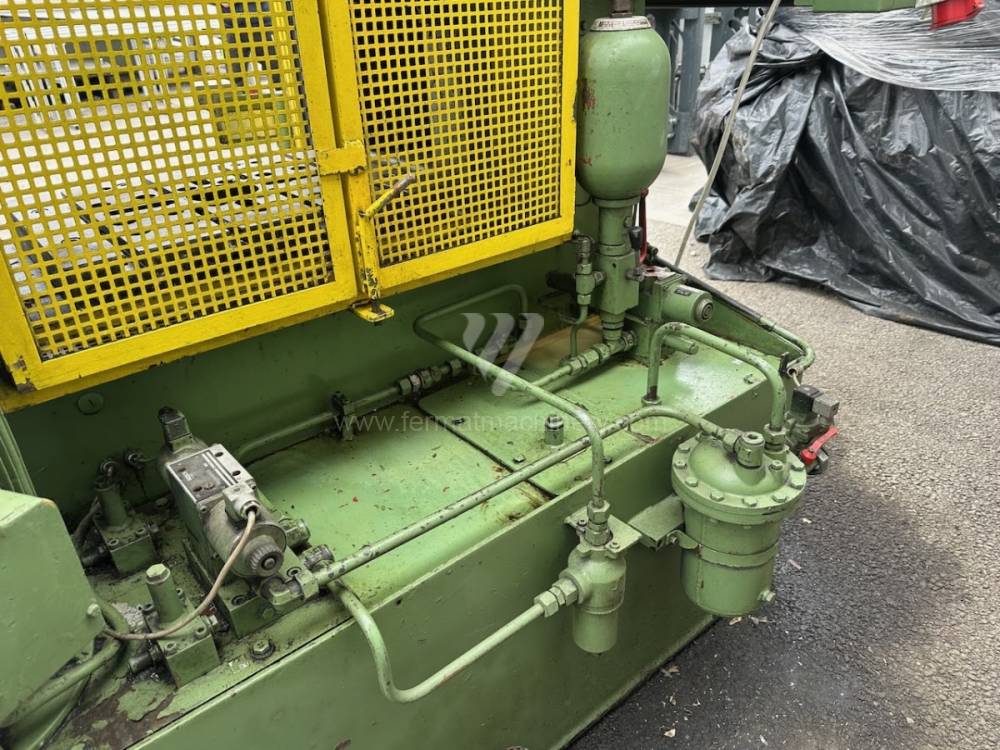
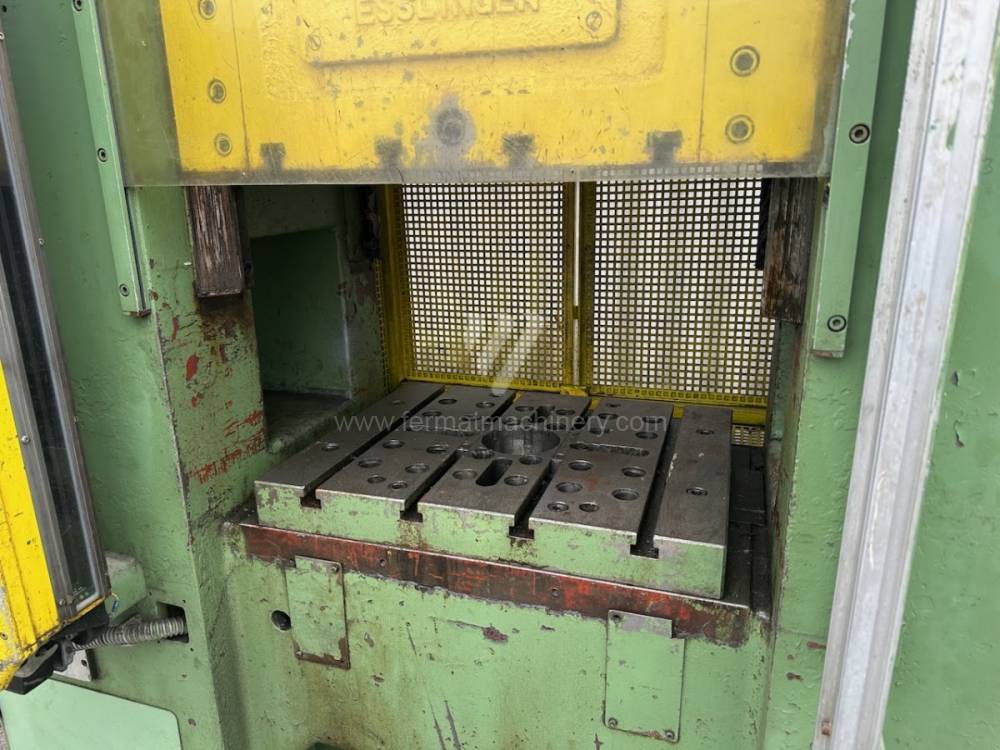
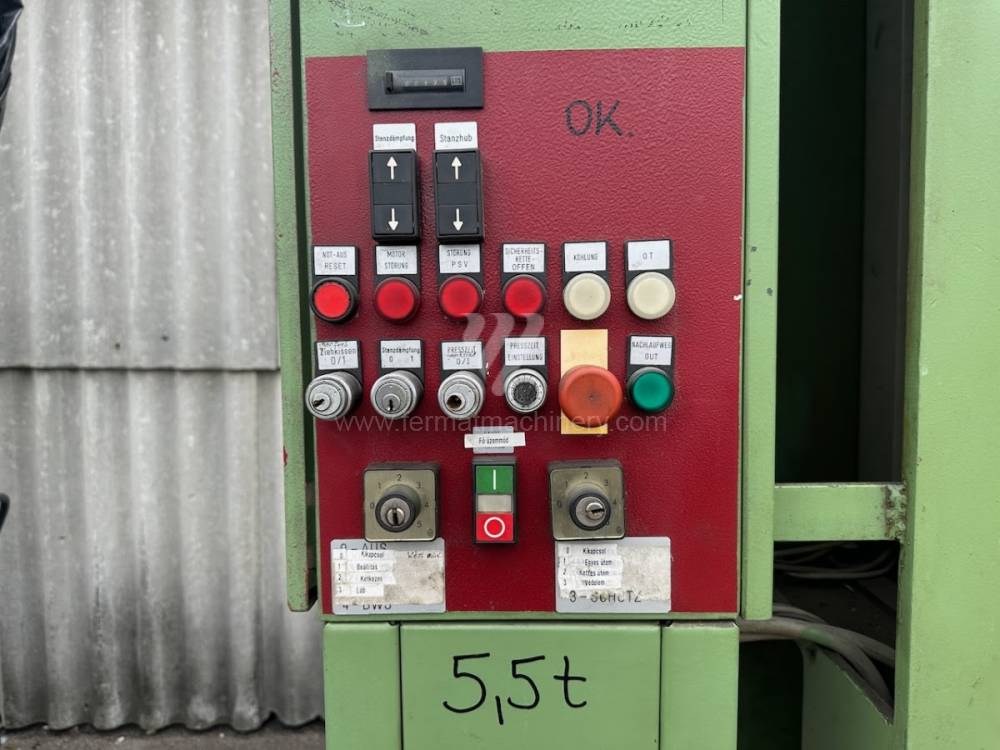
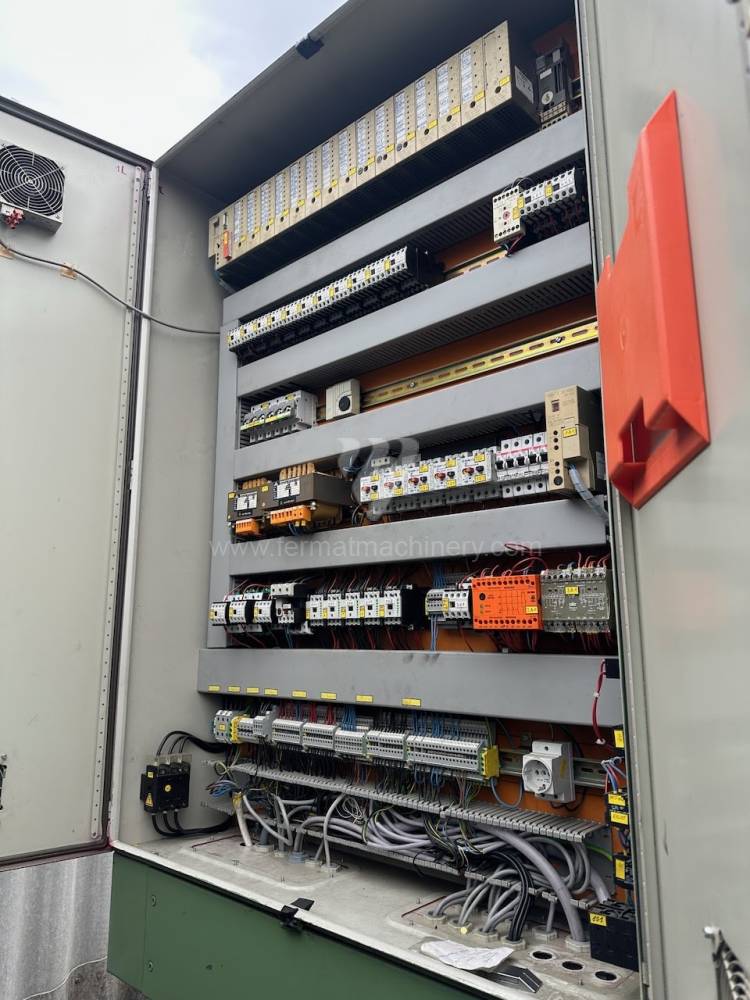
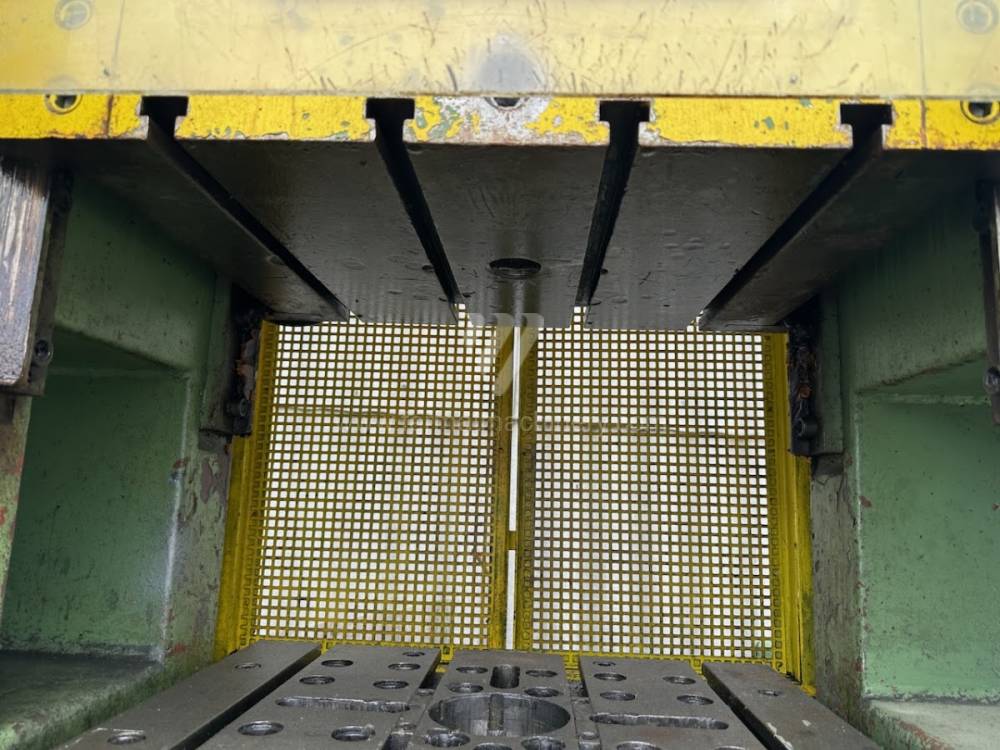
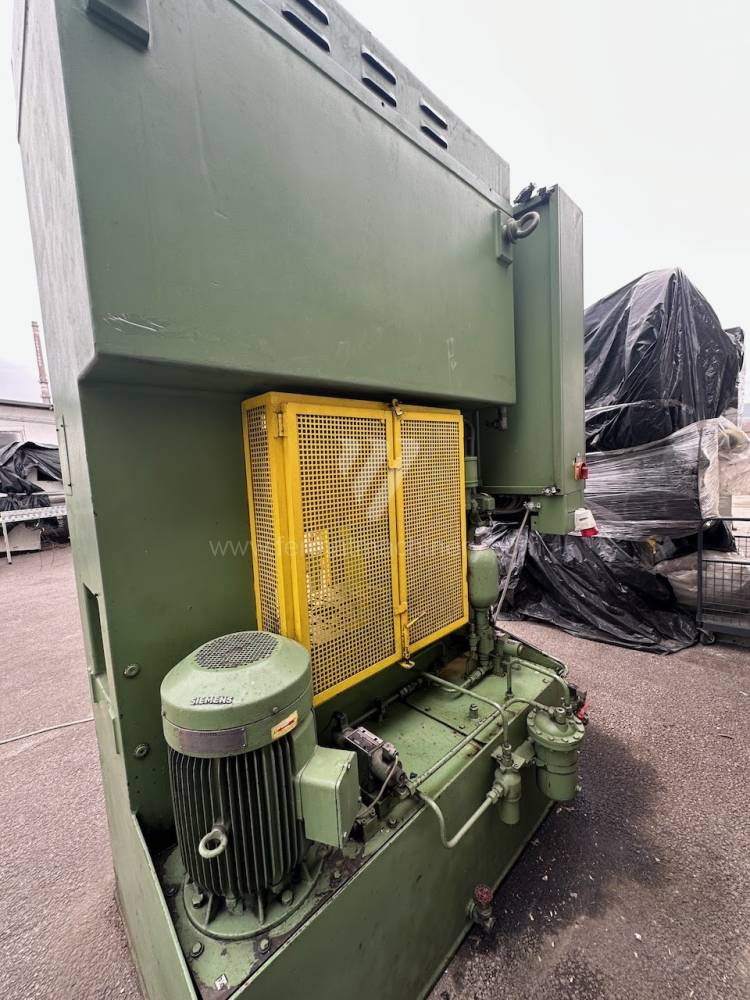
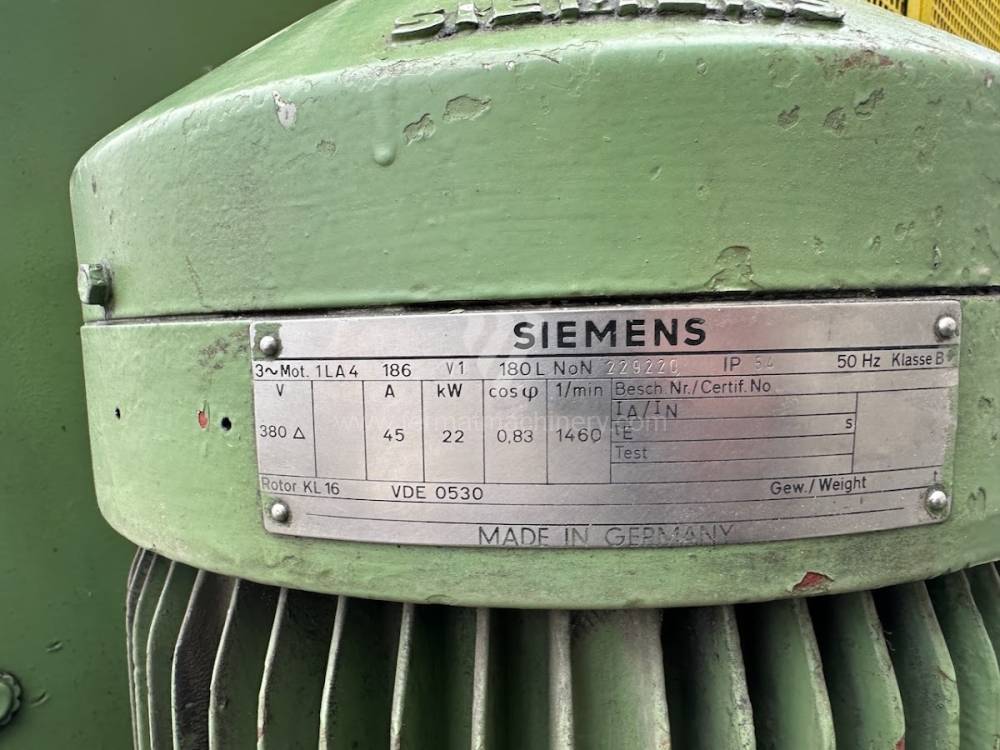
SDZ 63.1.1
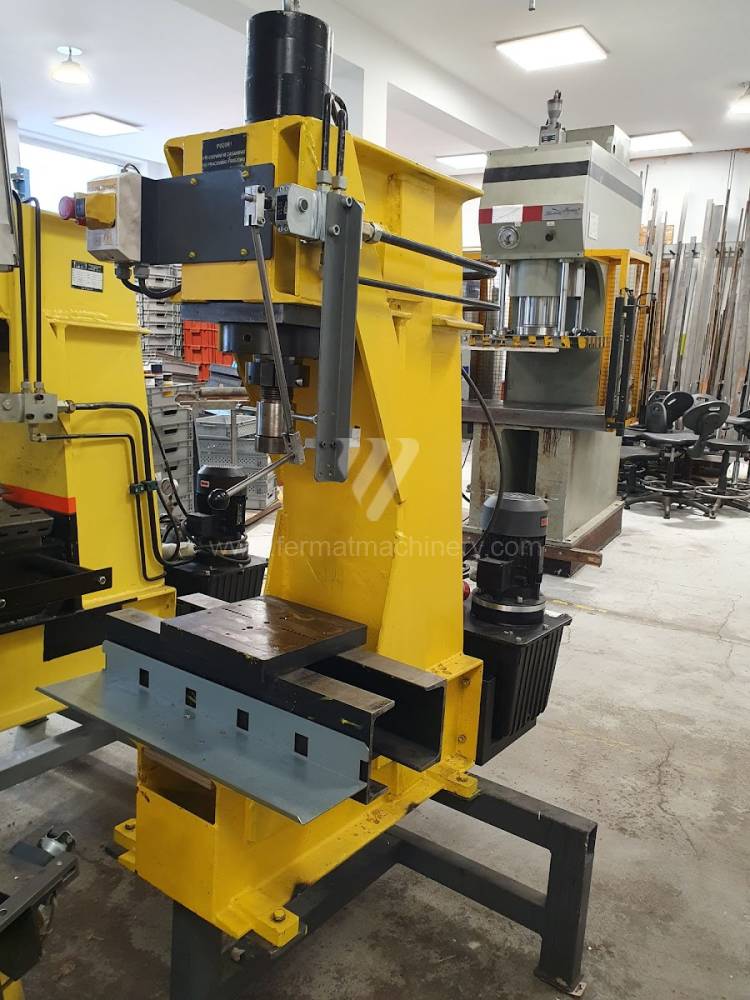
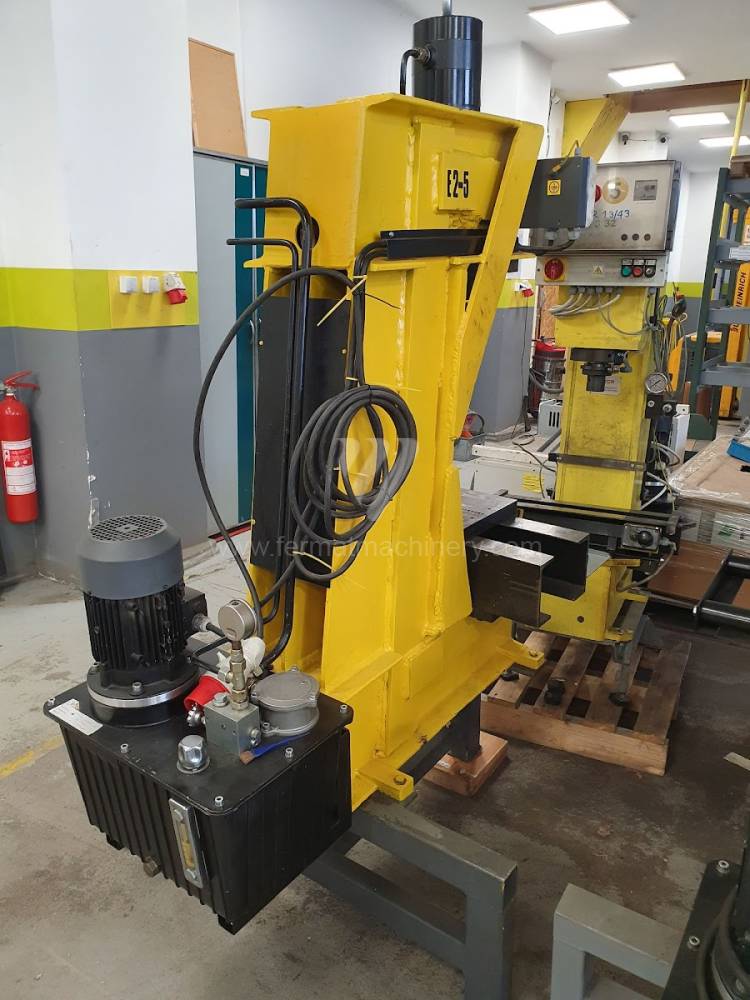
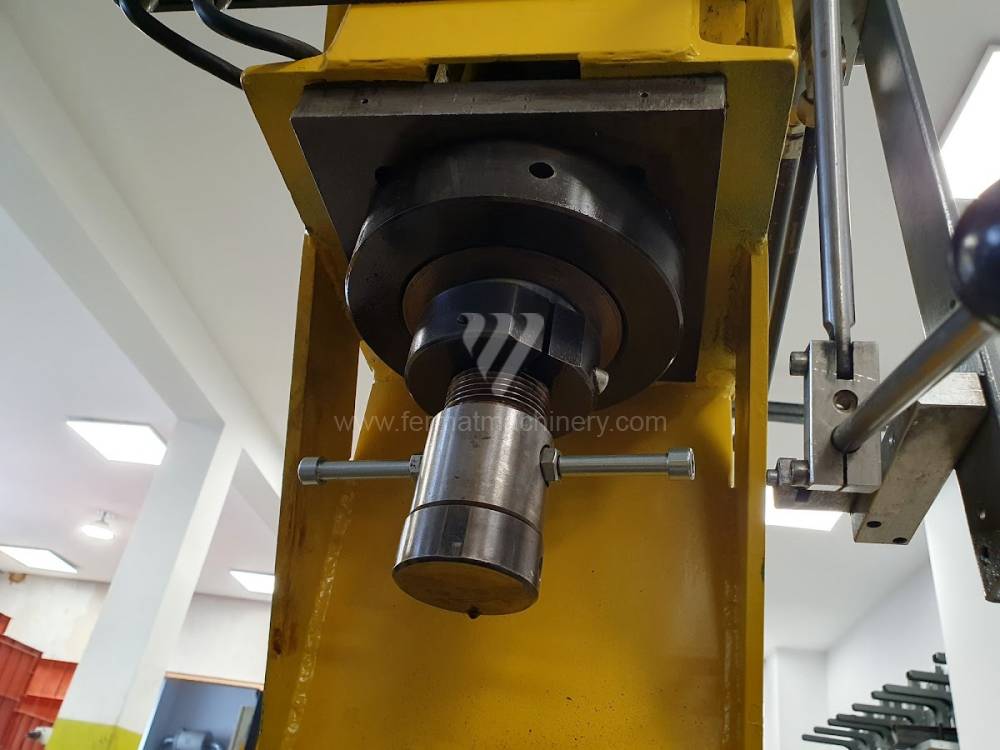
CDCR 28/74-2
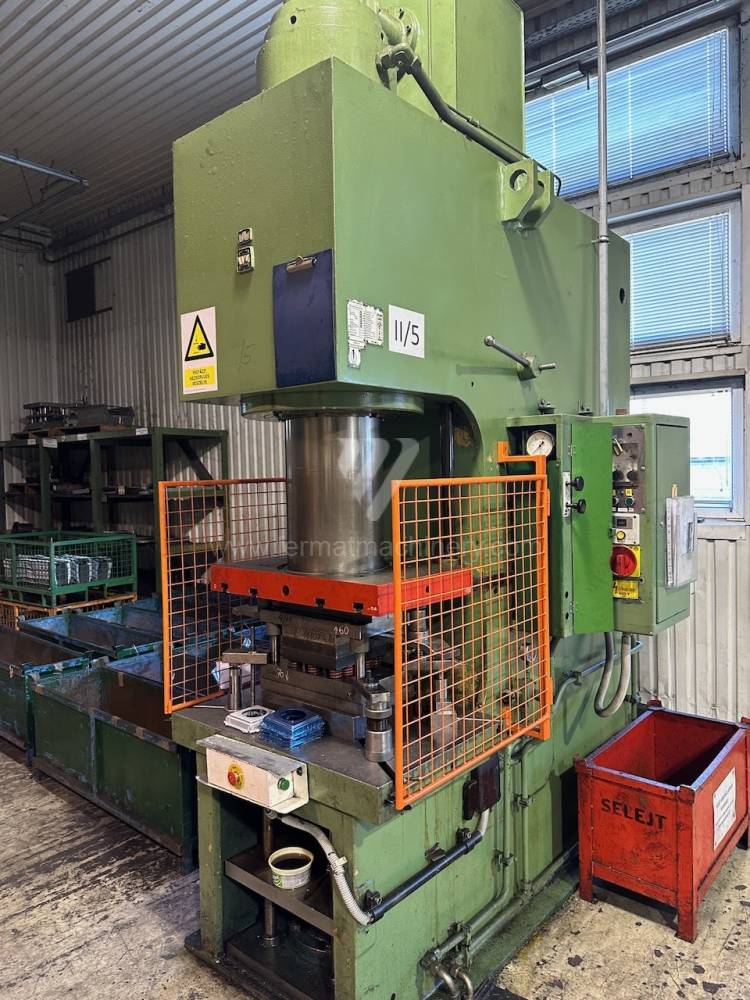
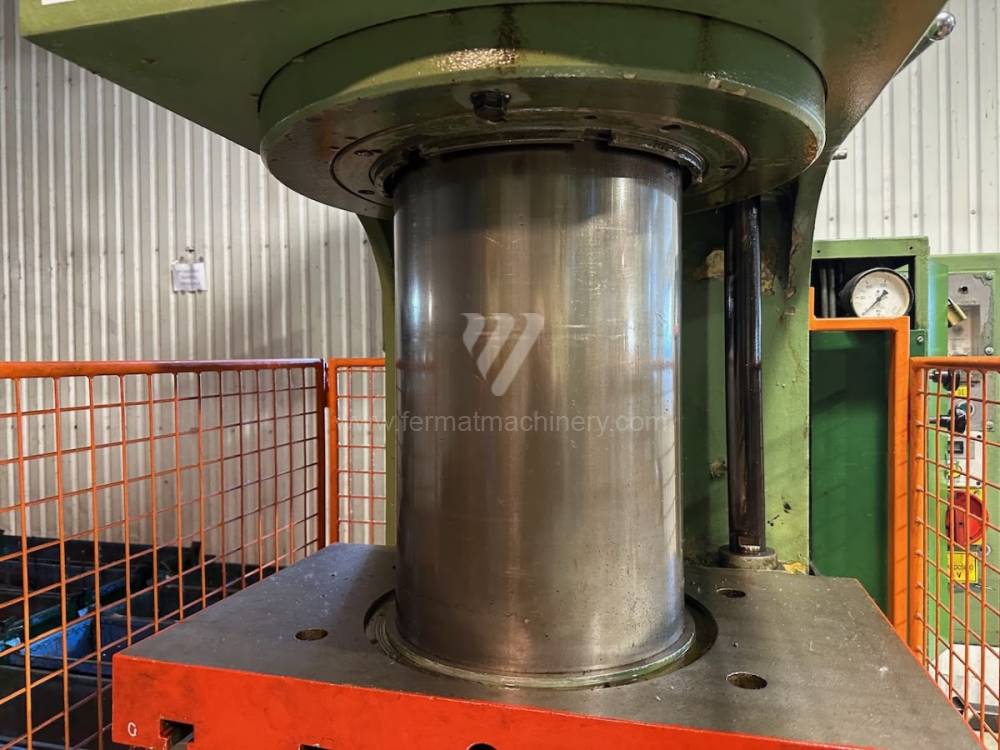
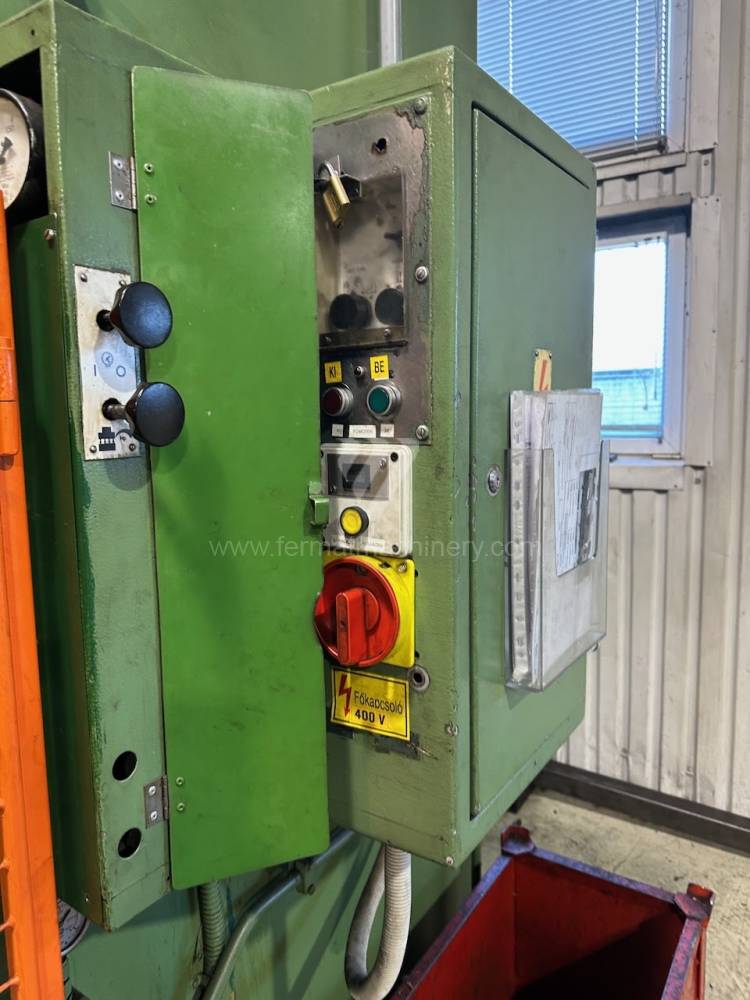
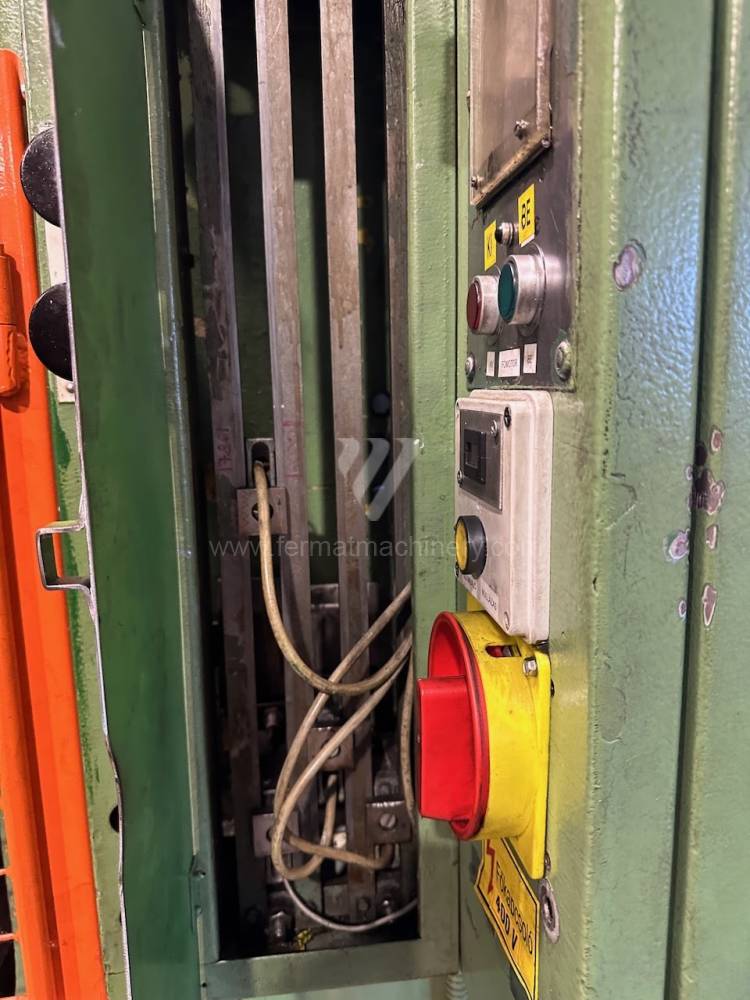
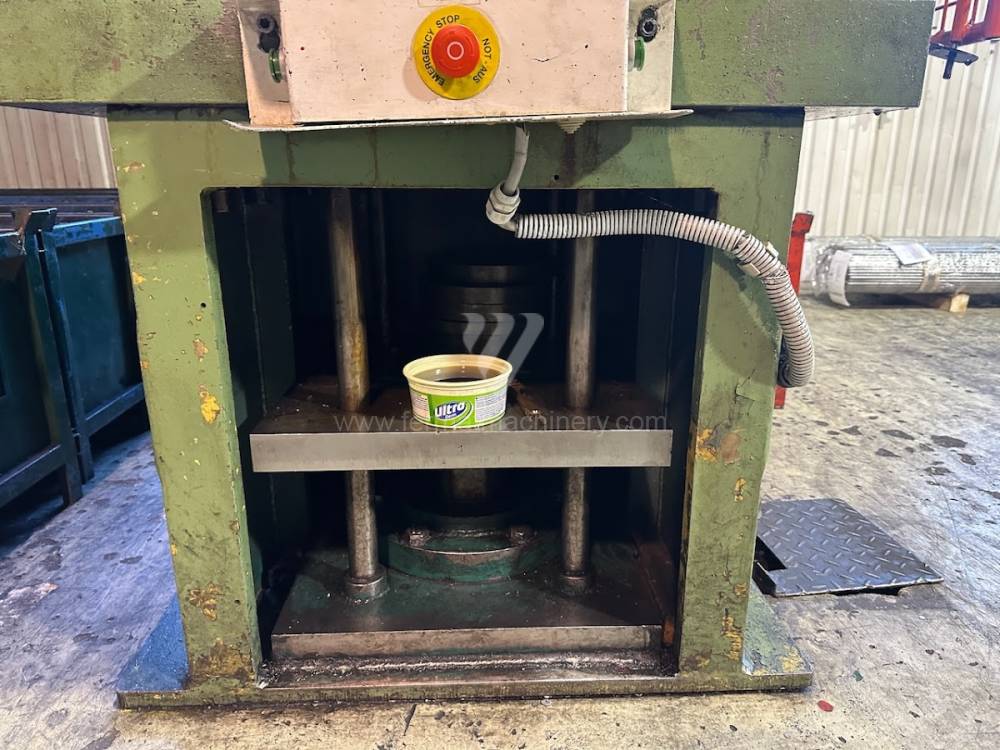
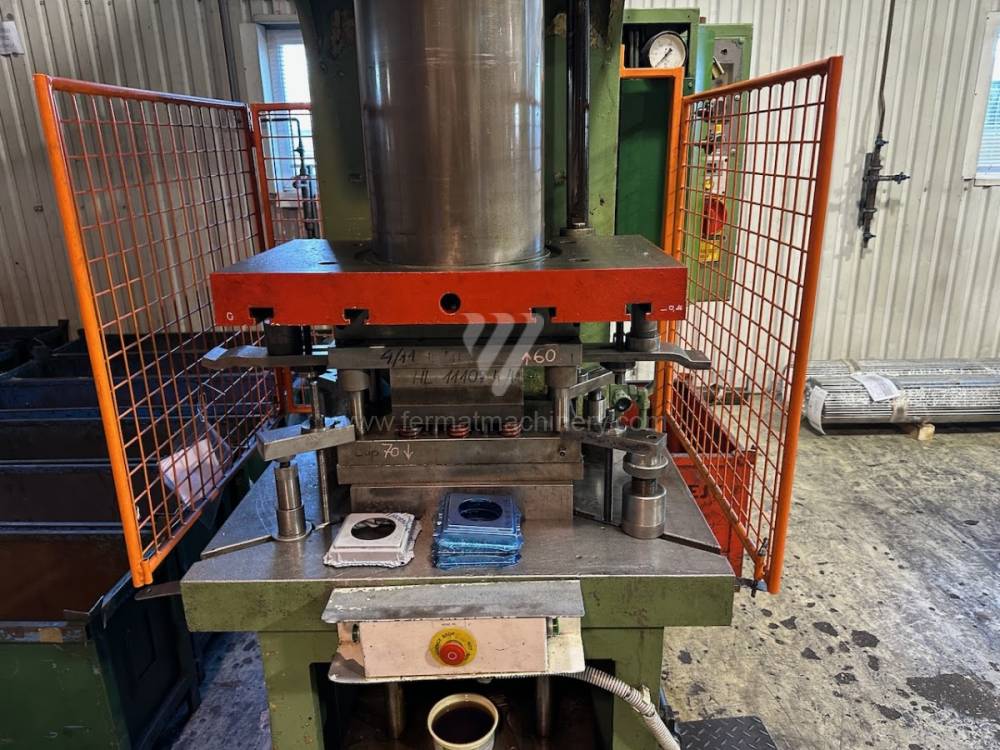
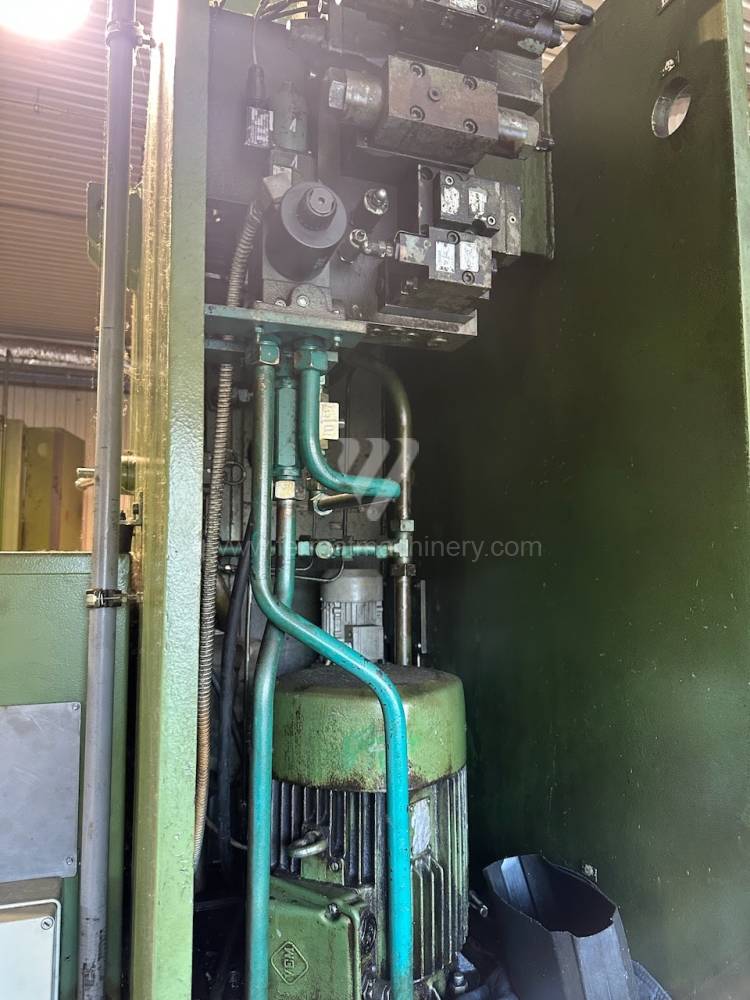
PYE 160 S1
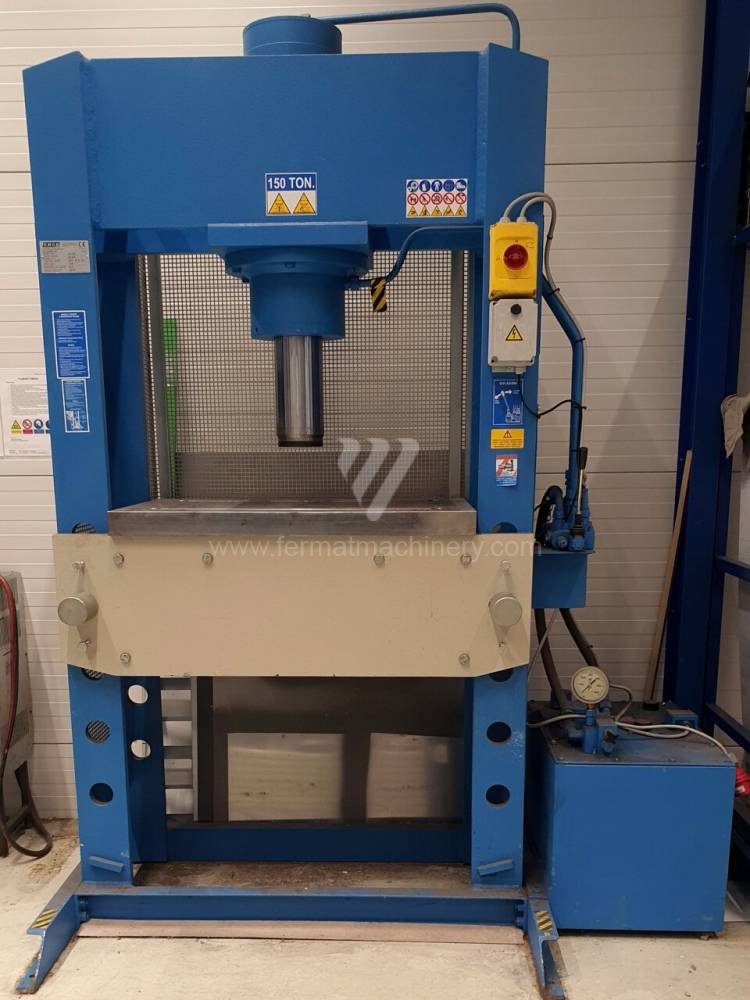
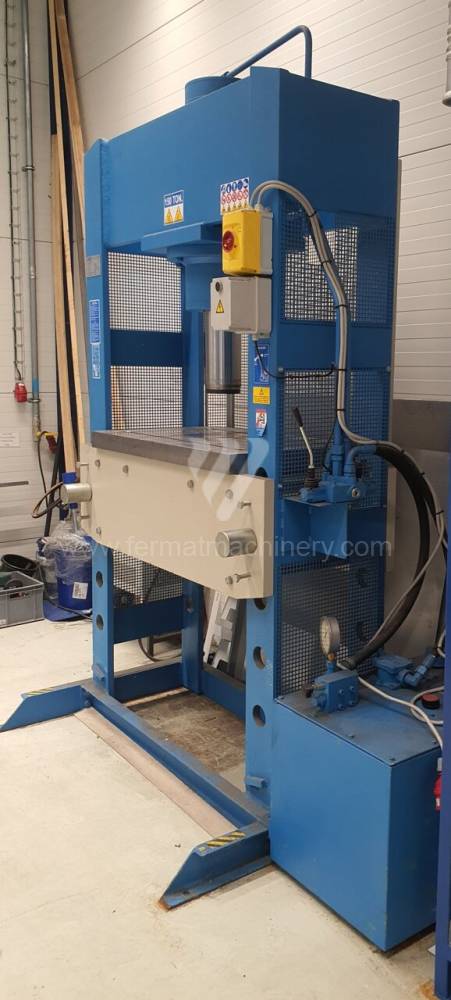
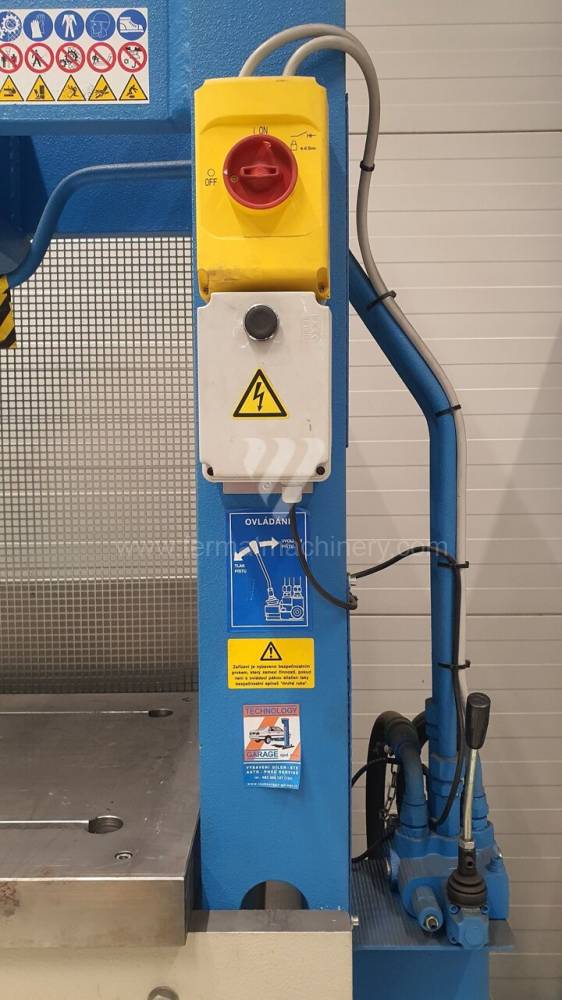
204/RE
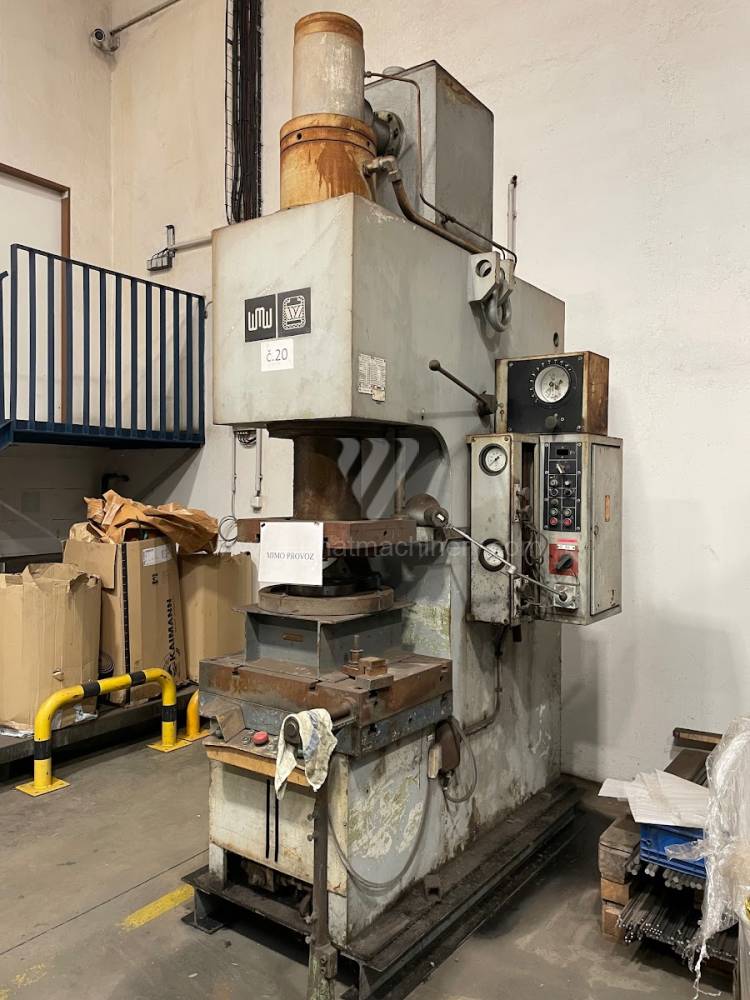
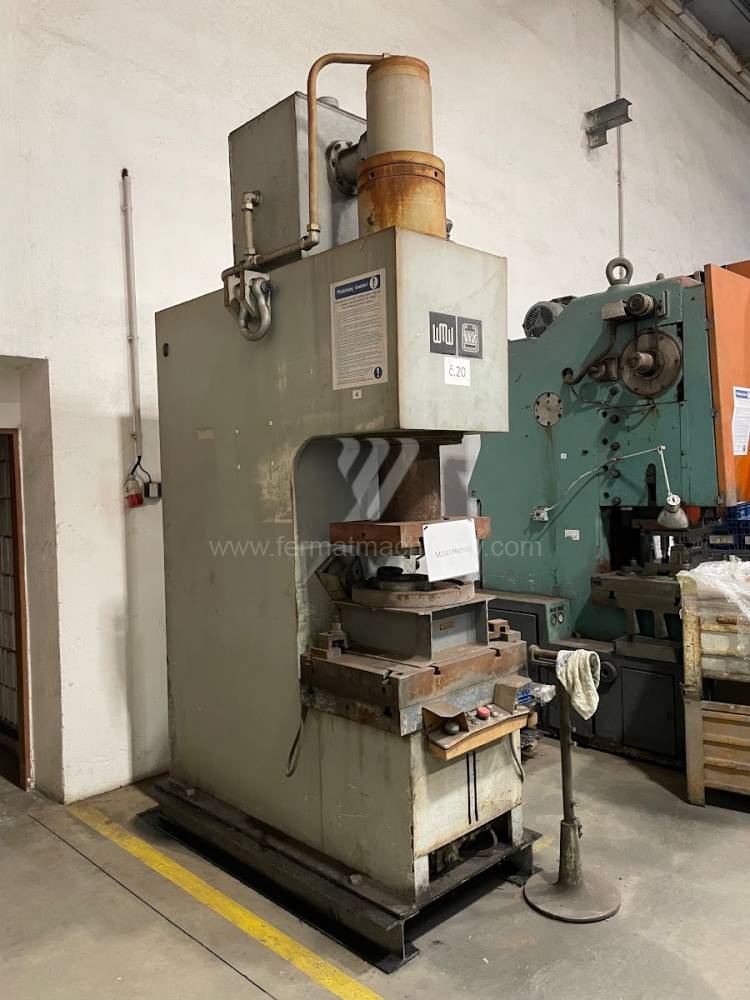
PYE 100 S/1
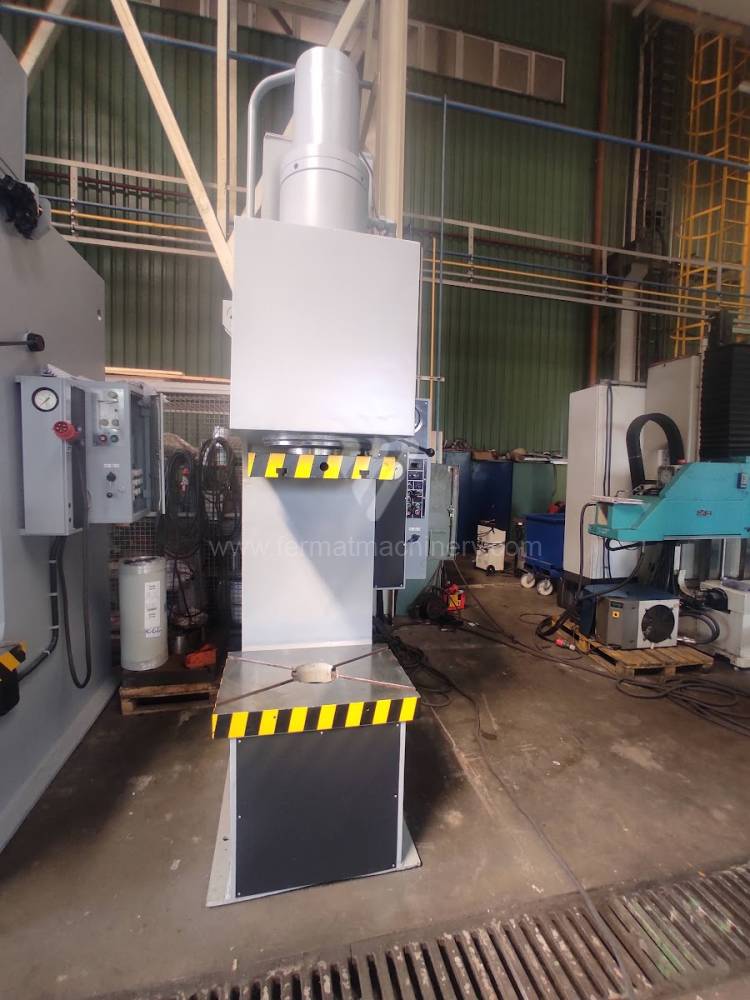
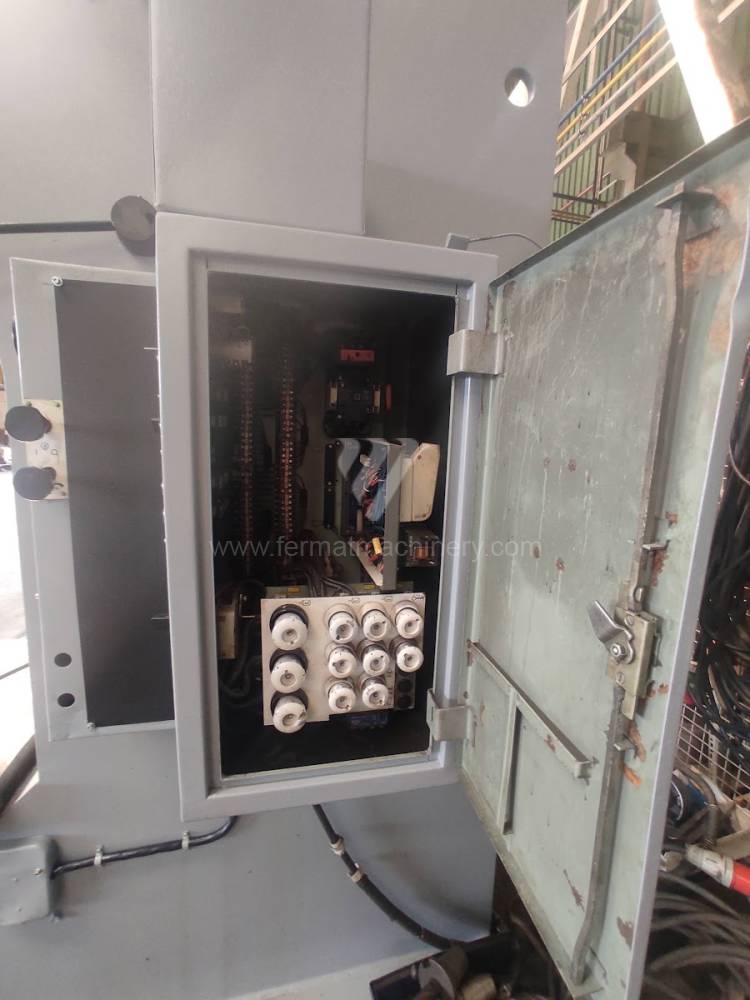
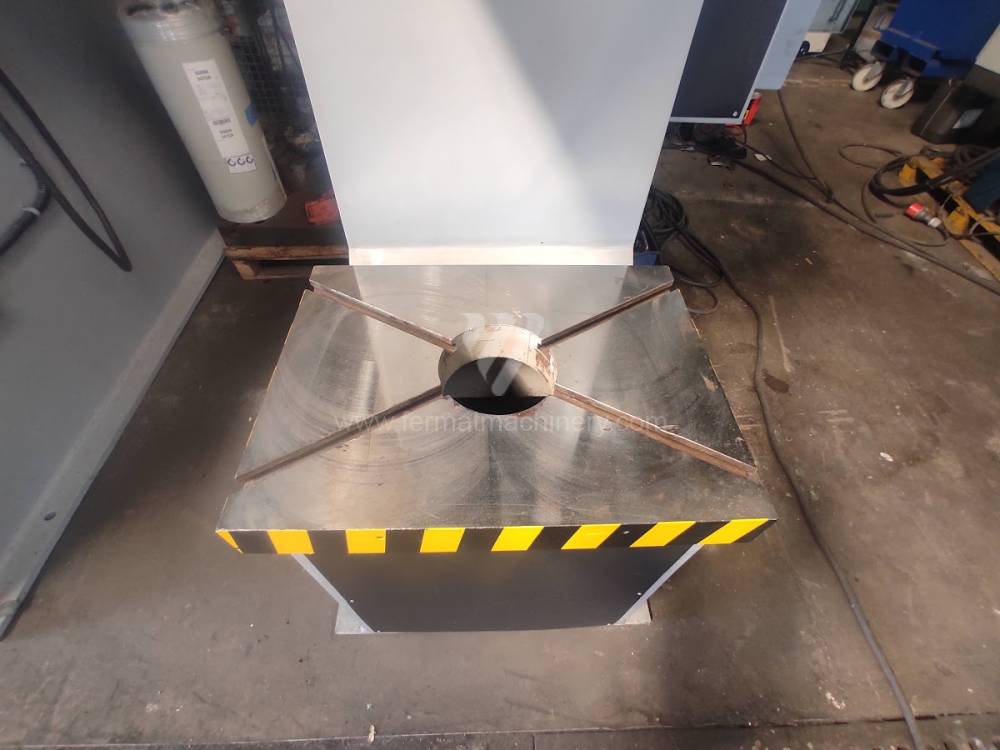
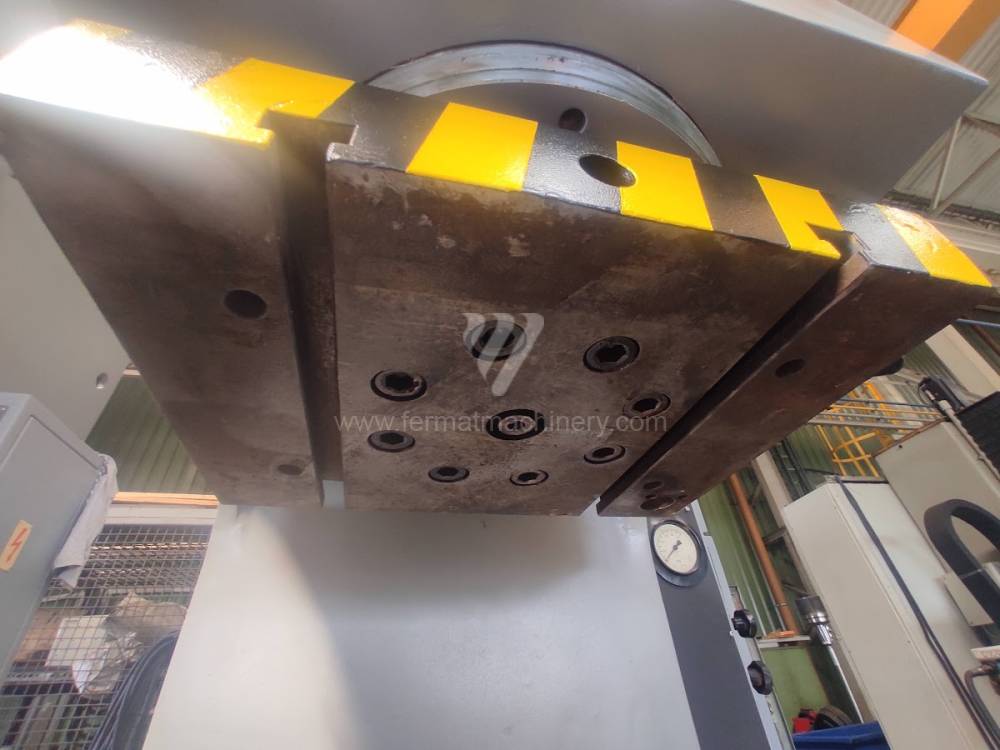
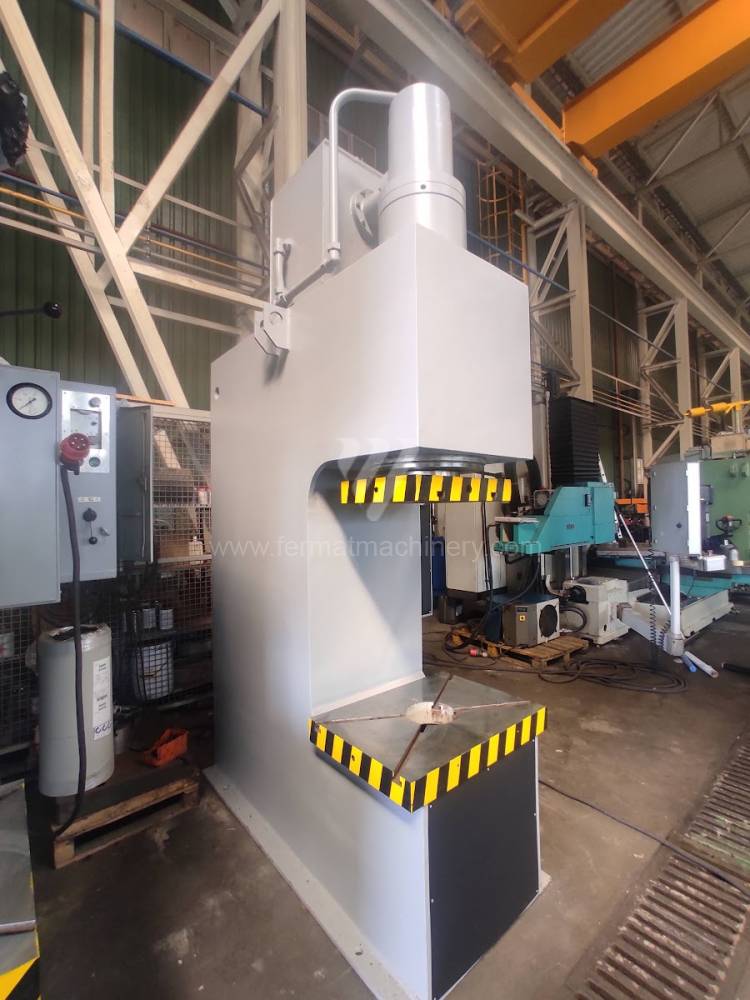
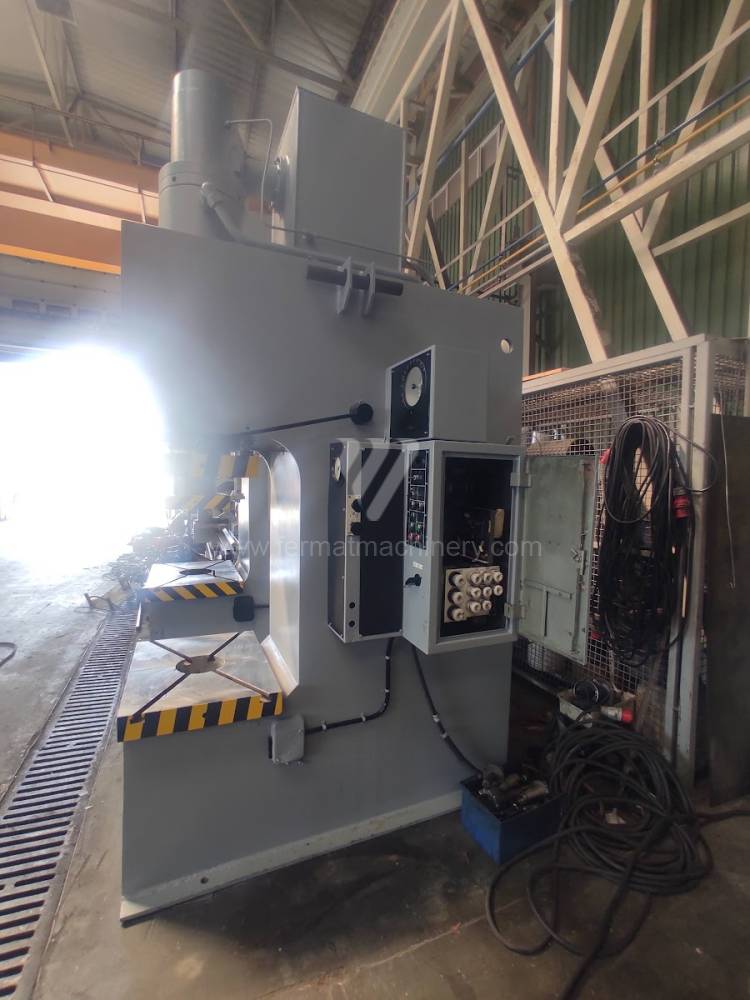
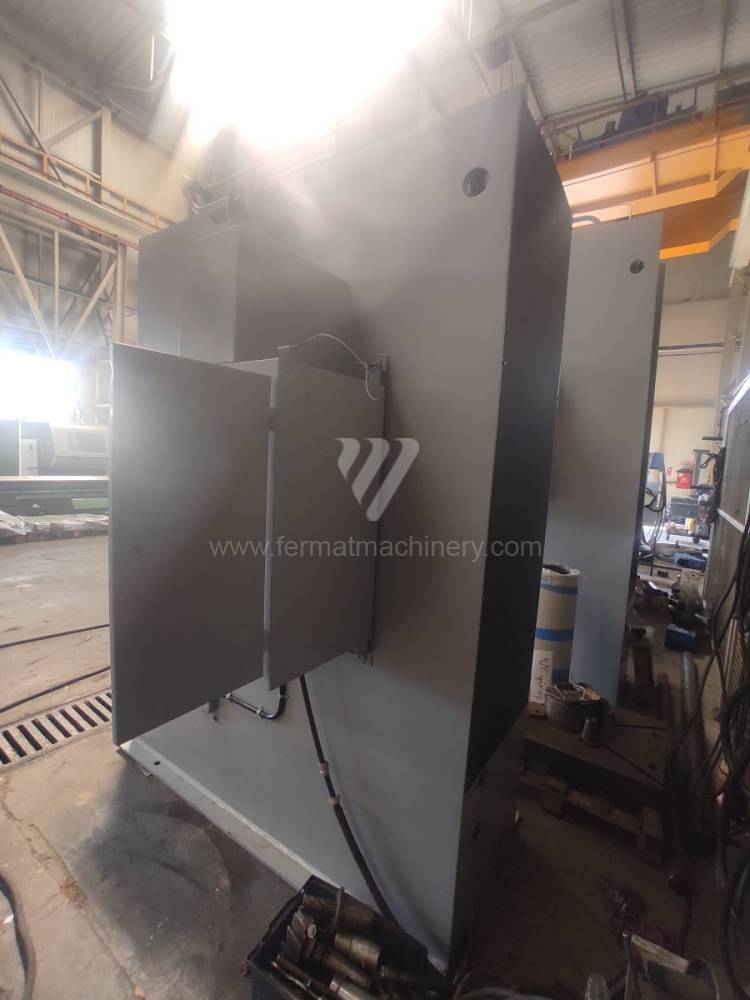
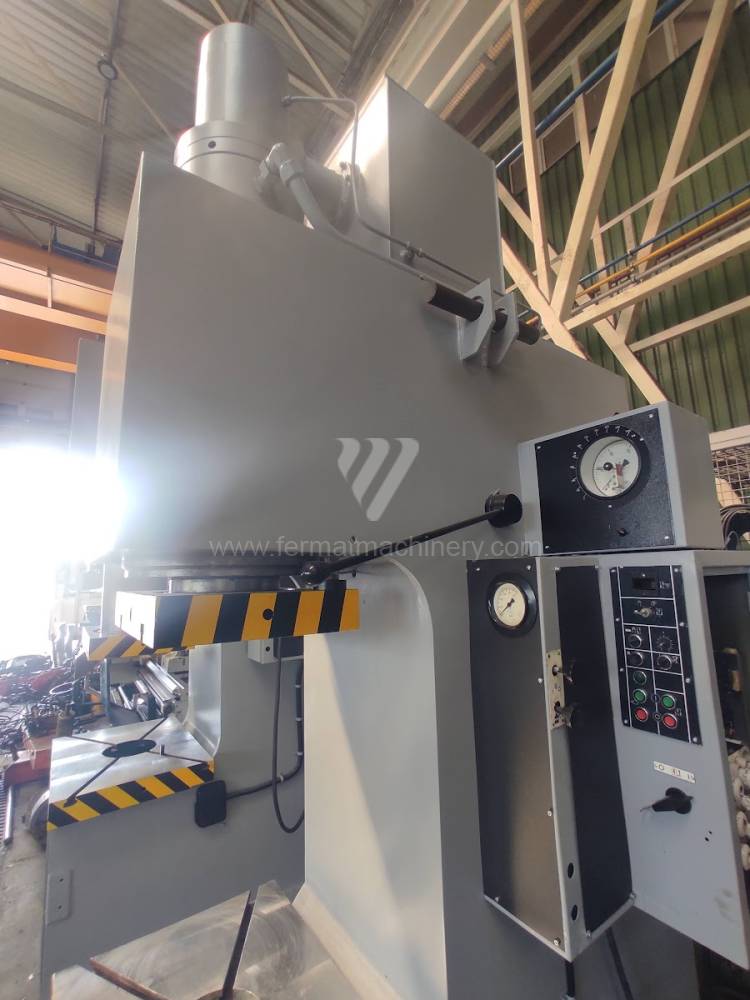
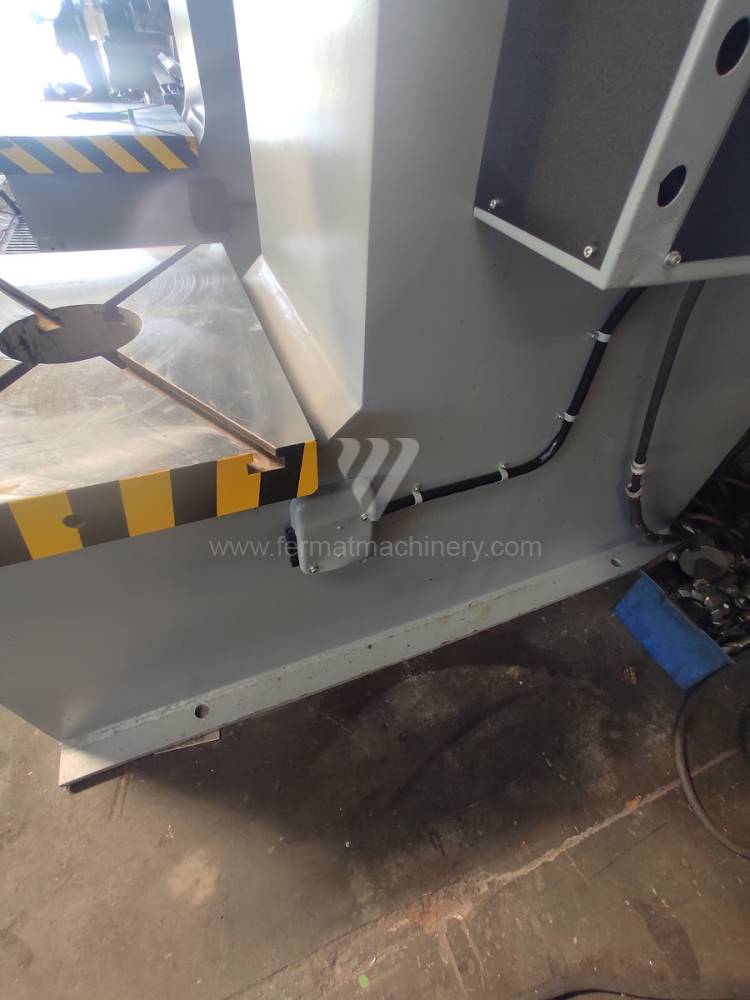
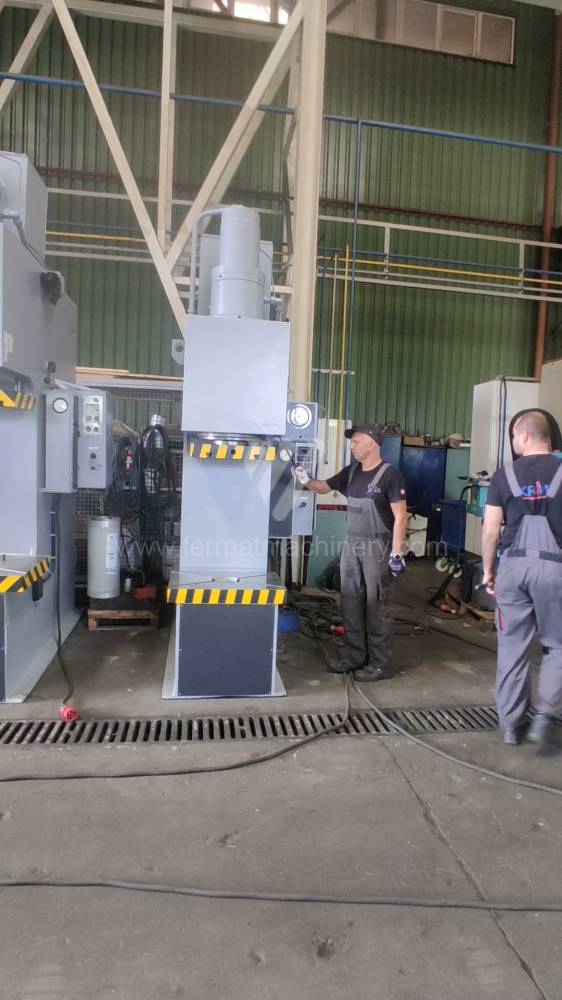
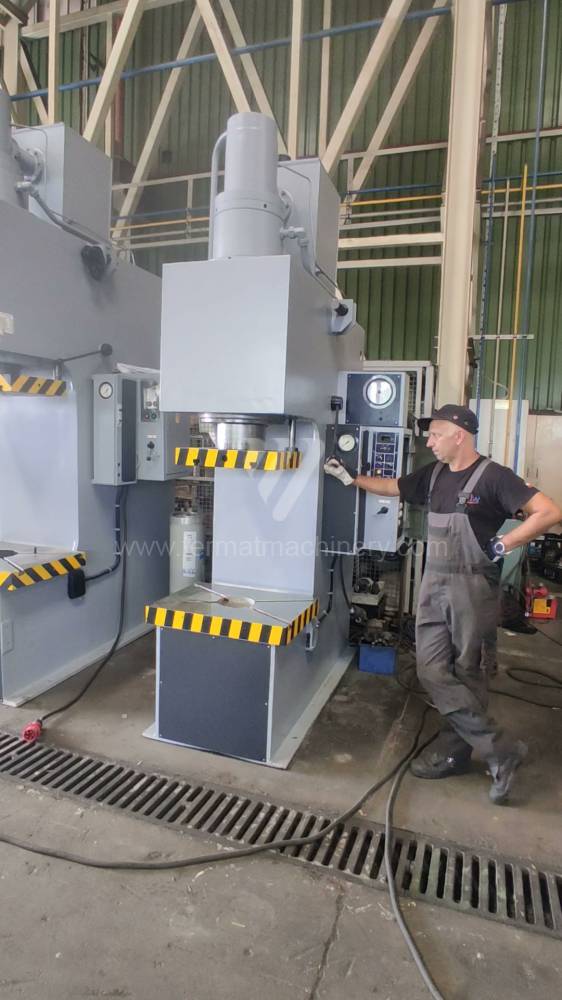
PYE 100 S/1
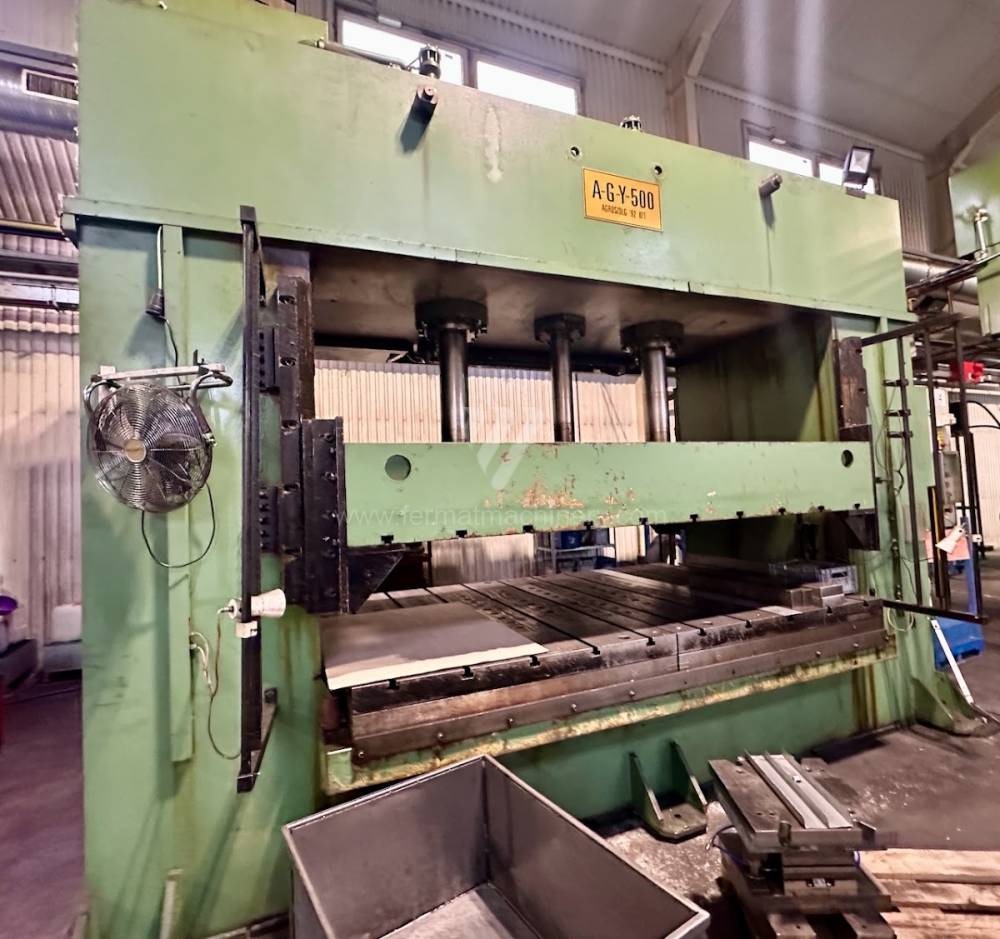
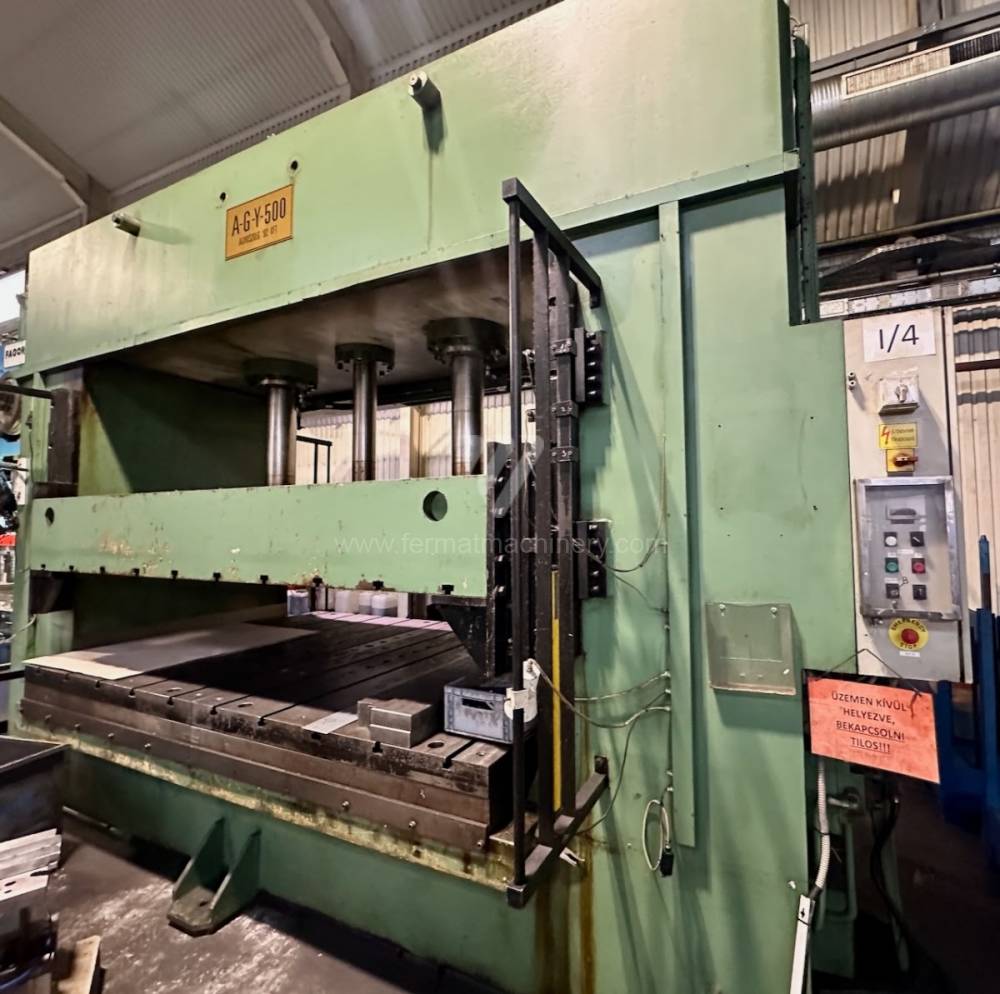
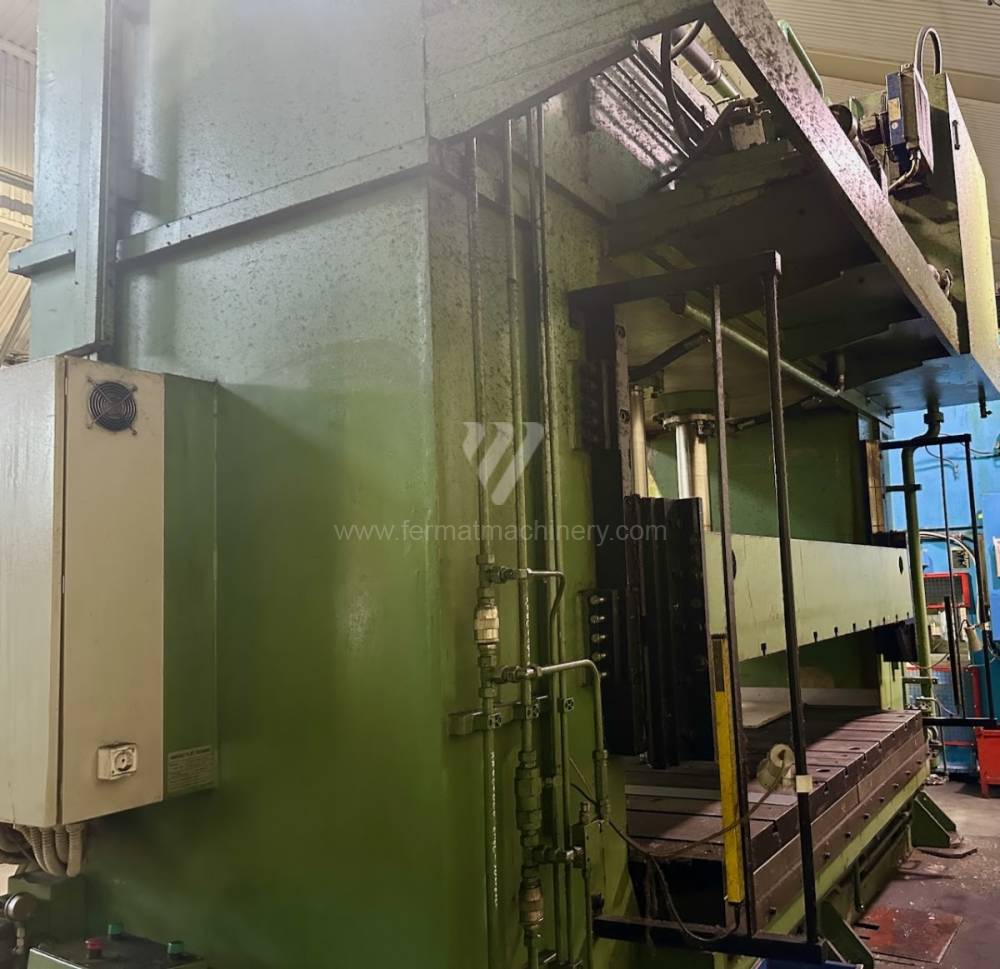
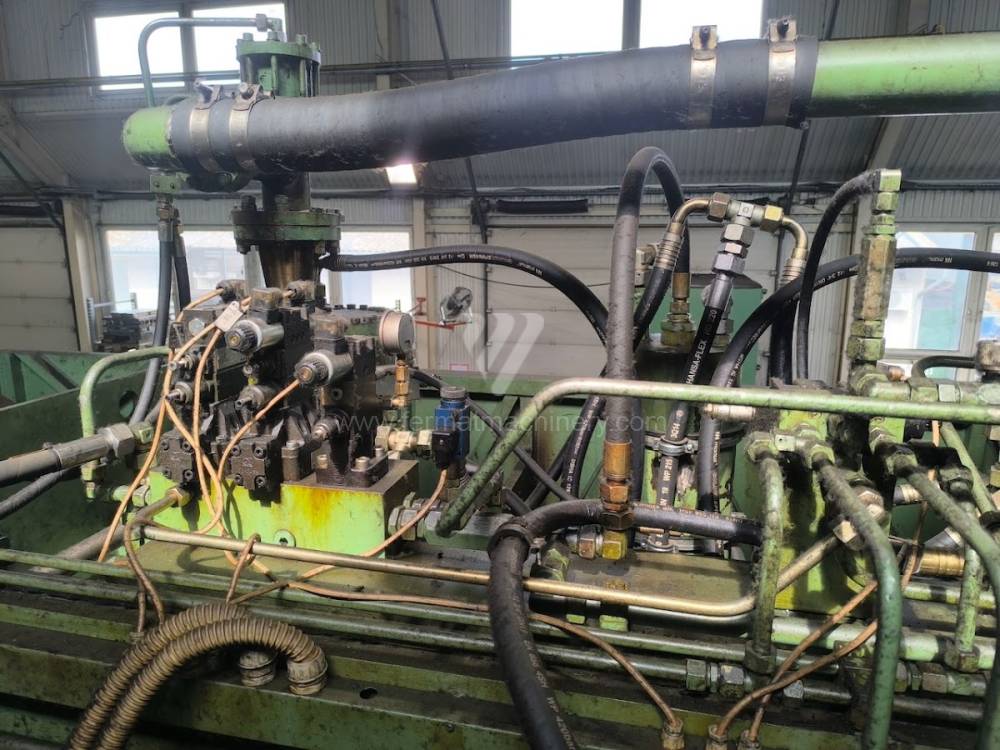
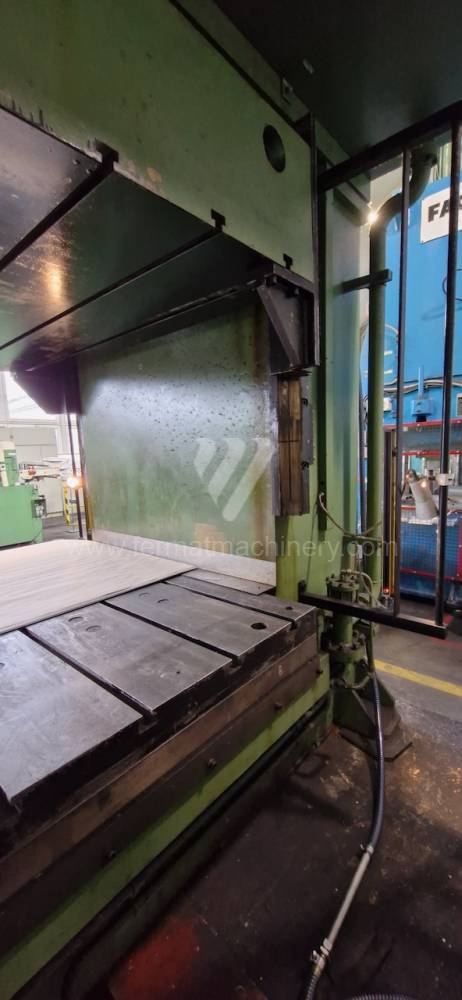
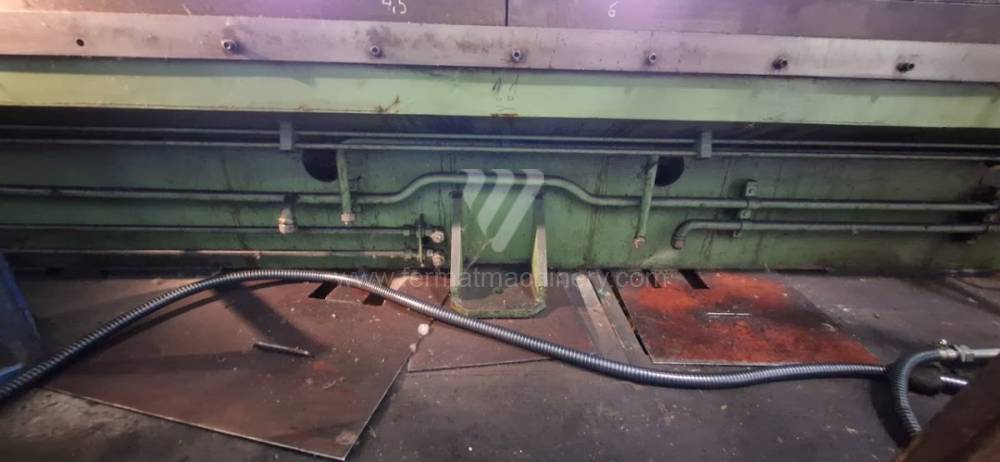
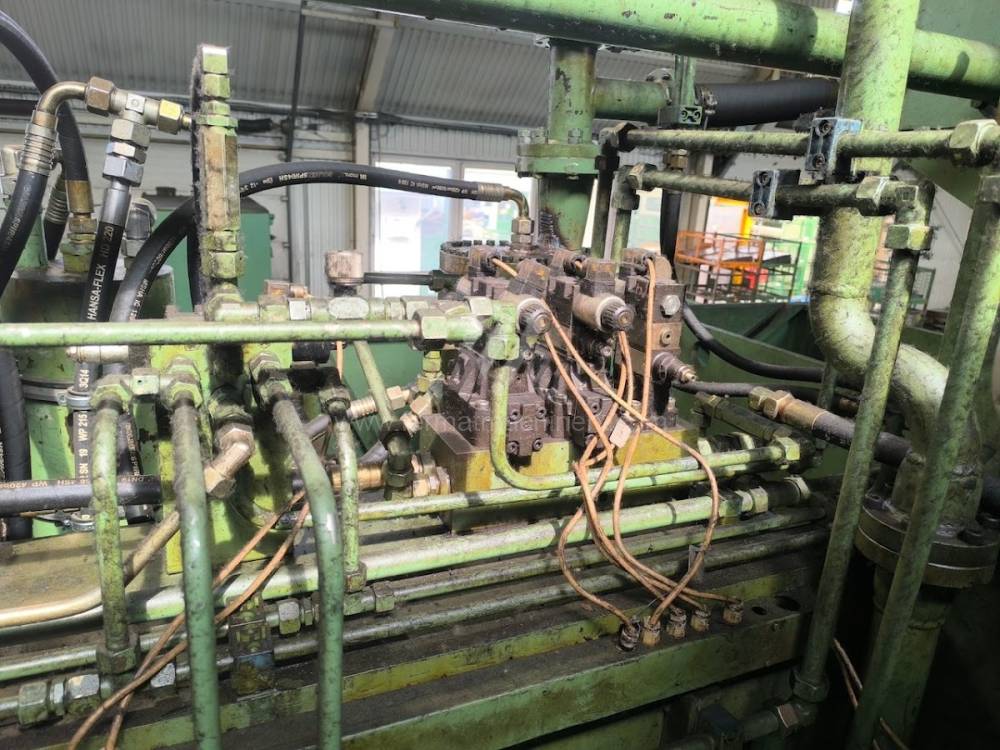
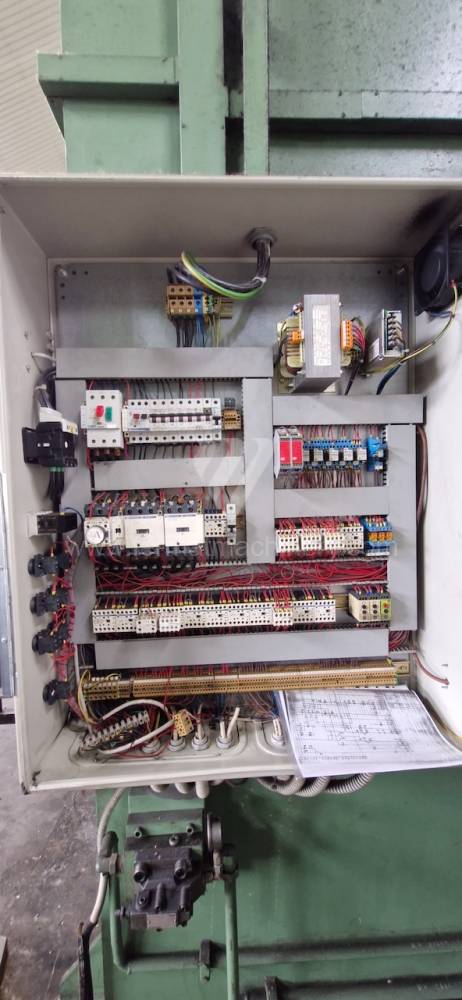
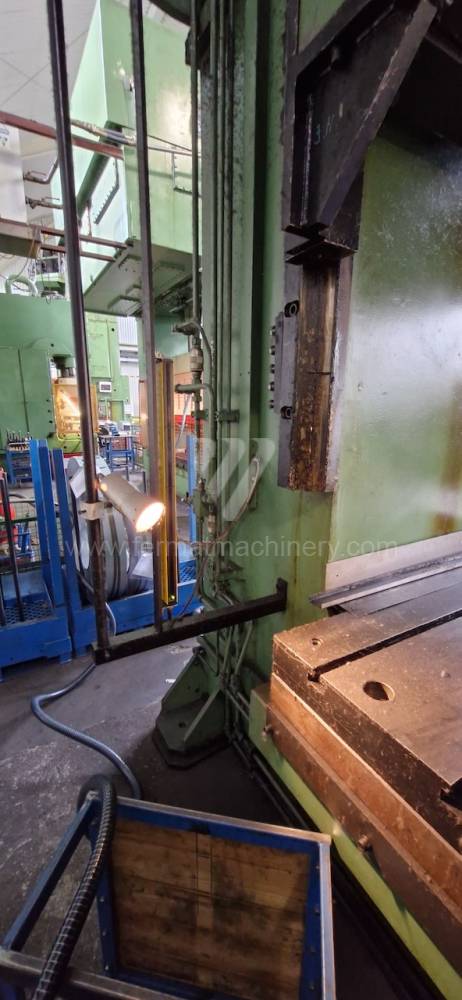
A-G-Y 500
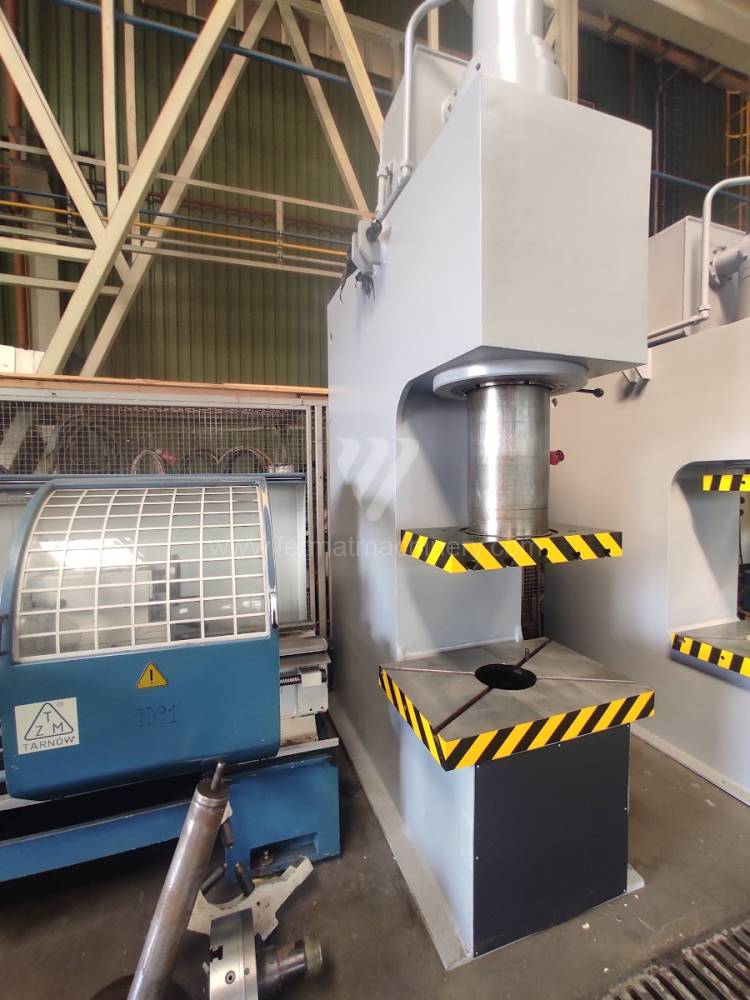
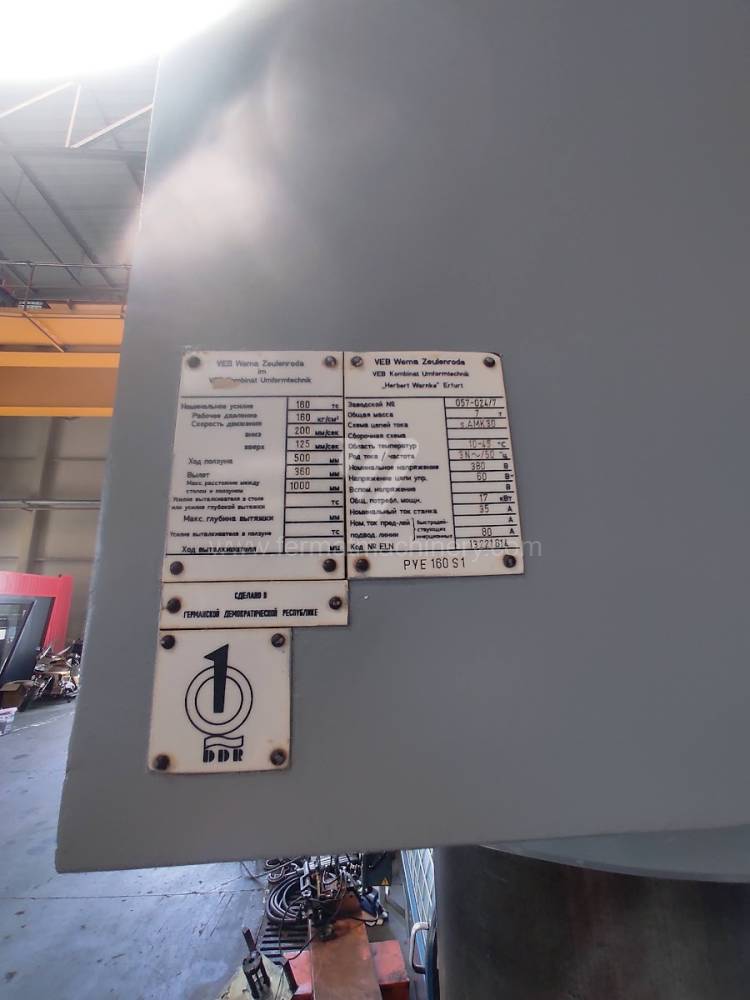
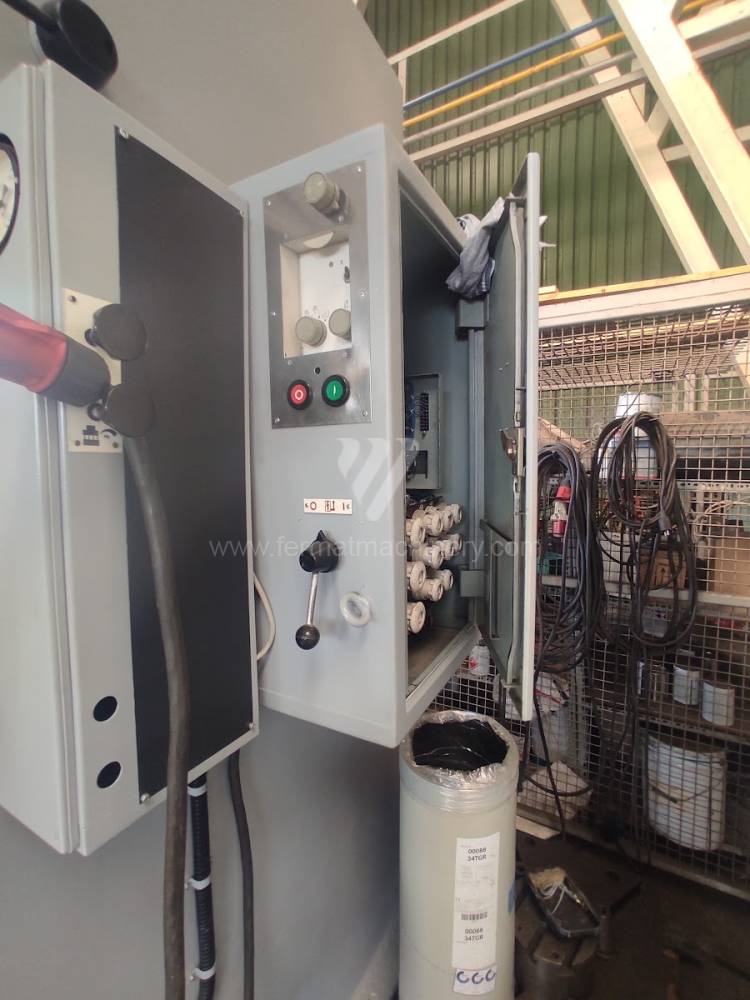
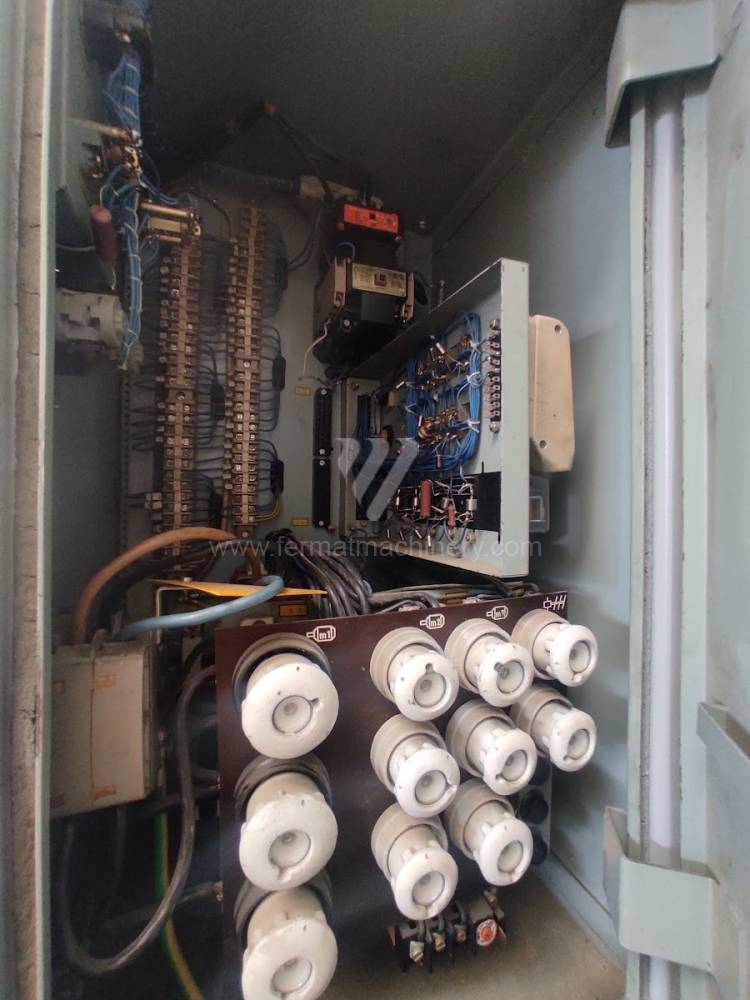
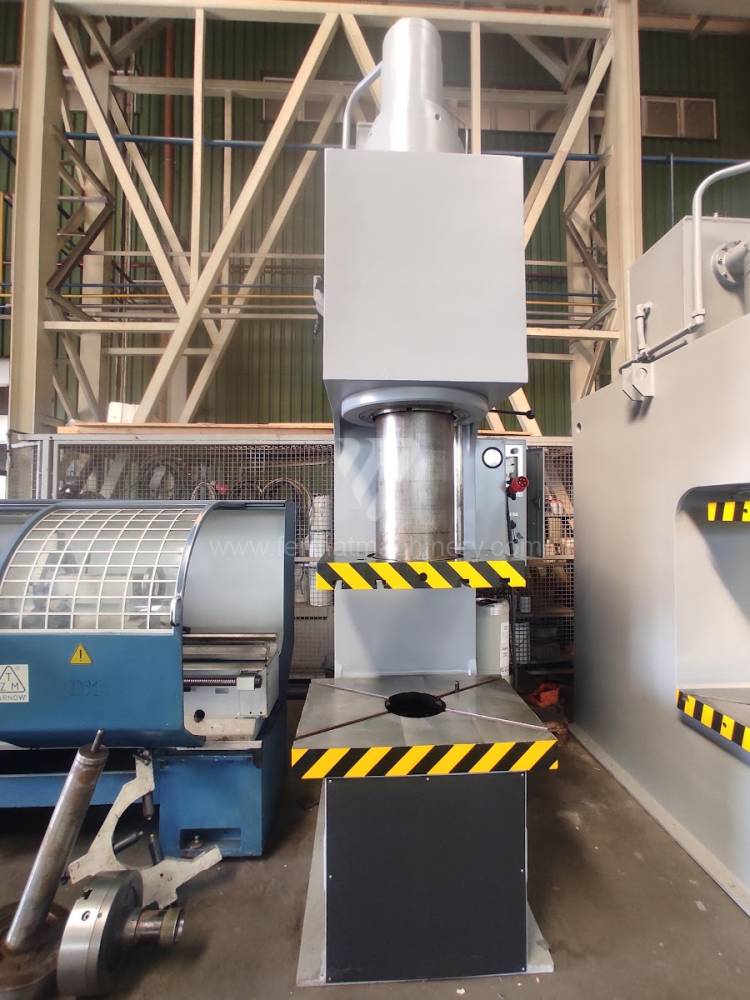
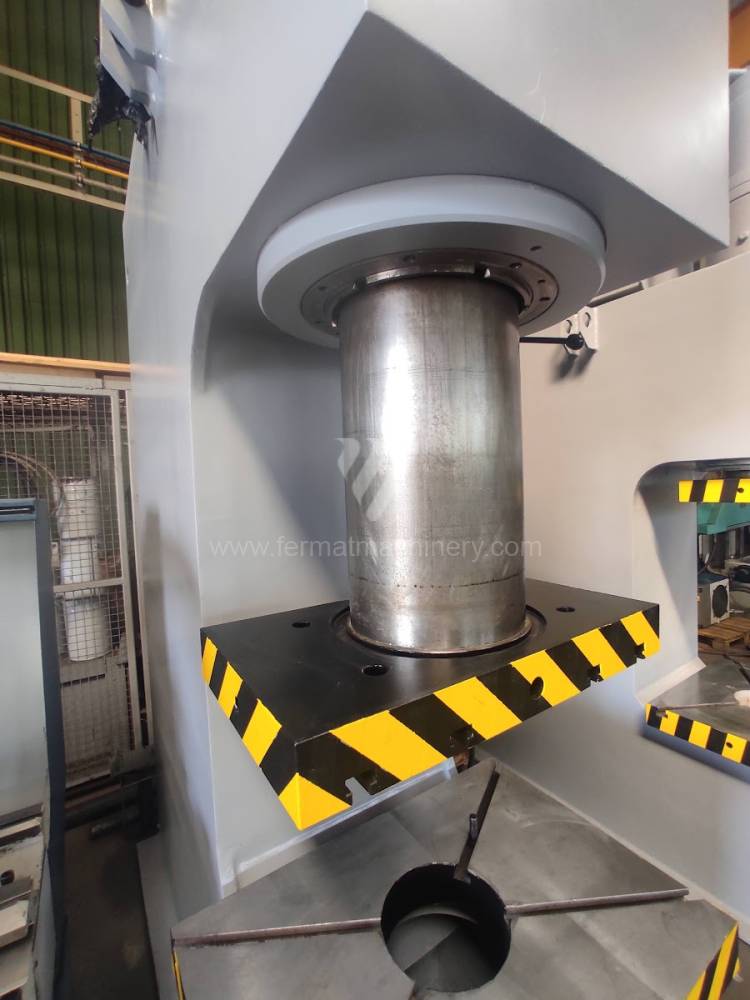
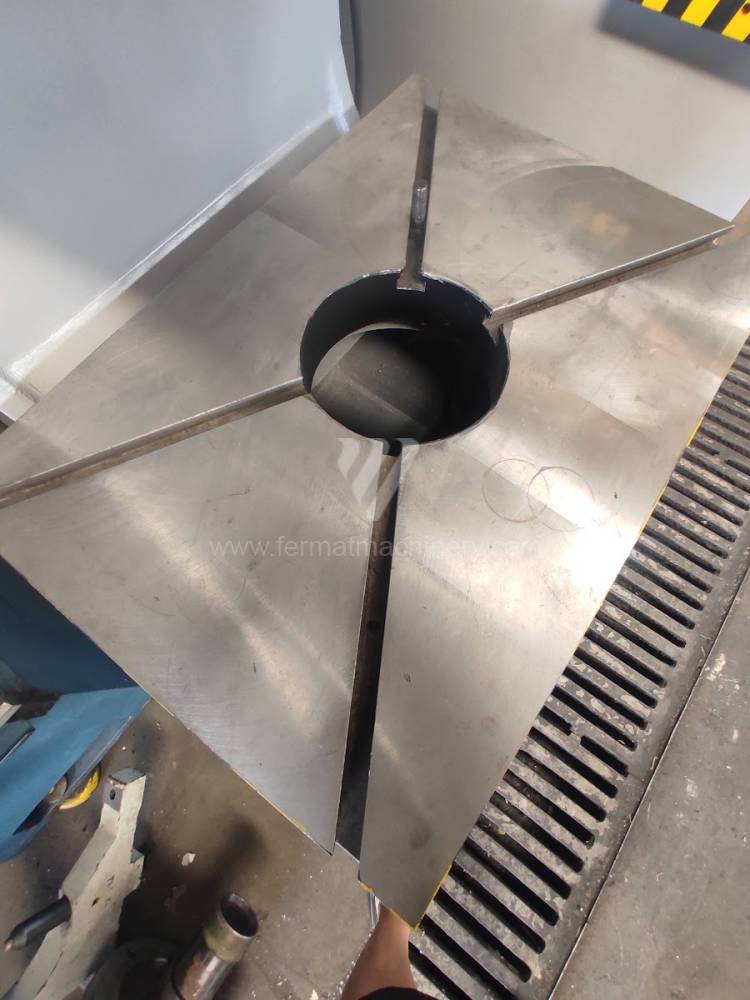
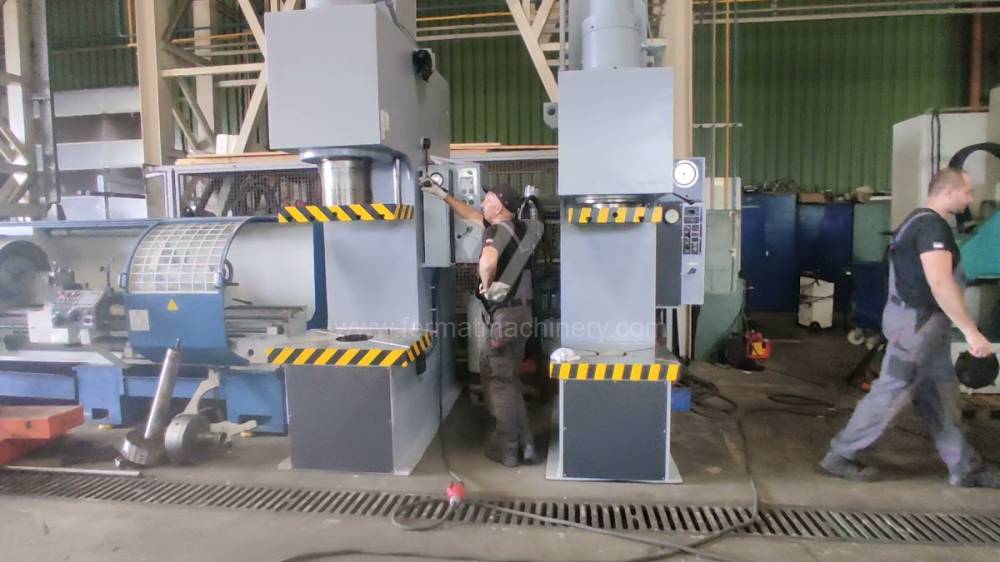
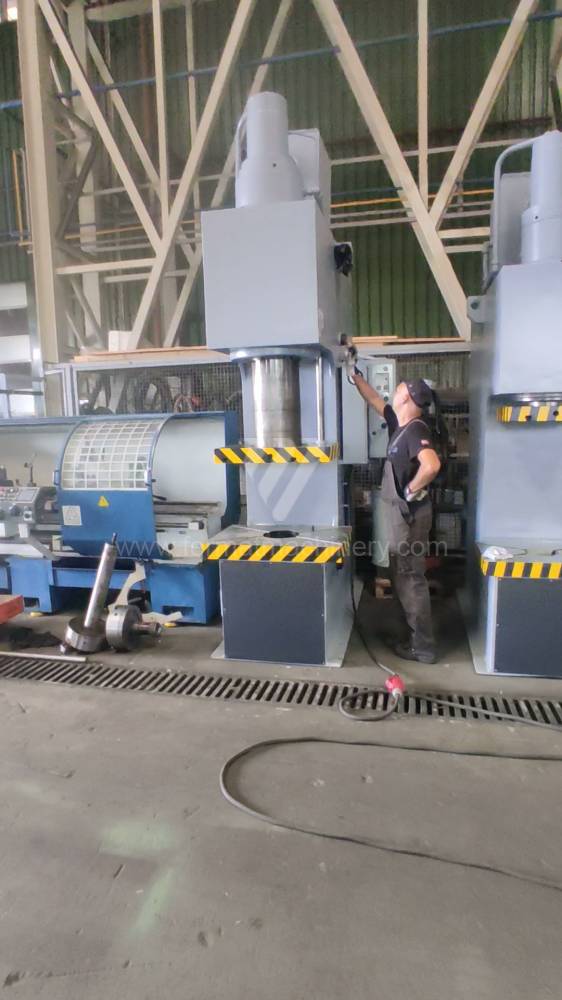
PYE 160 S 1
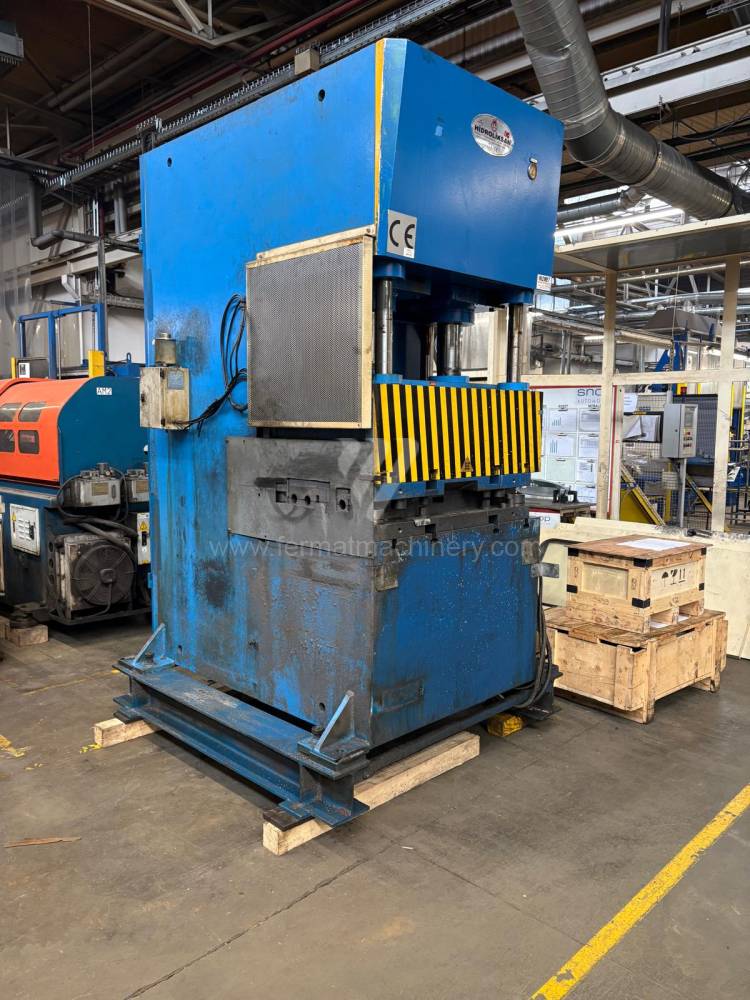
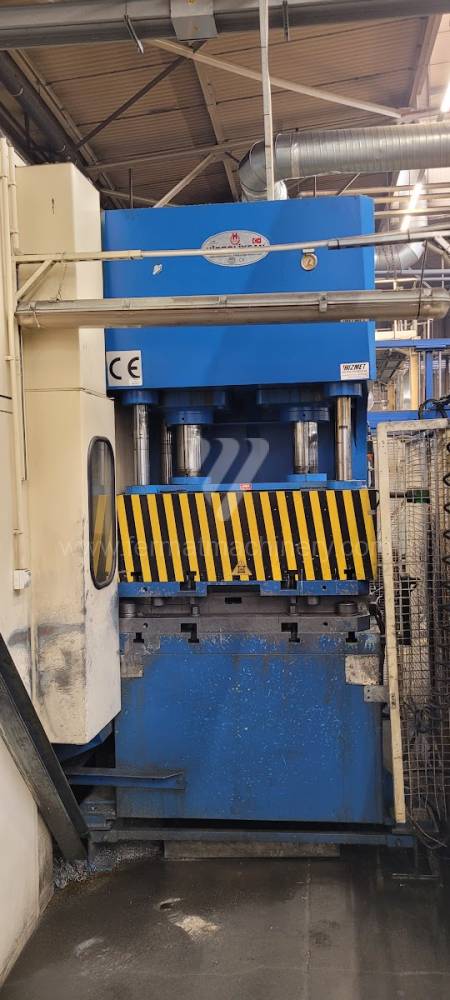
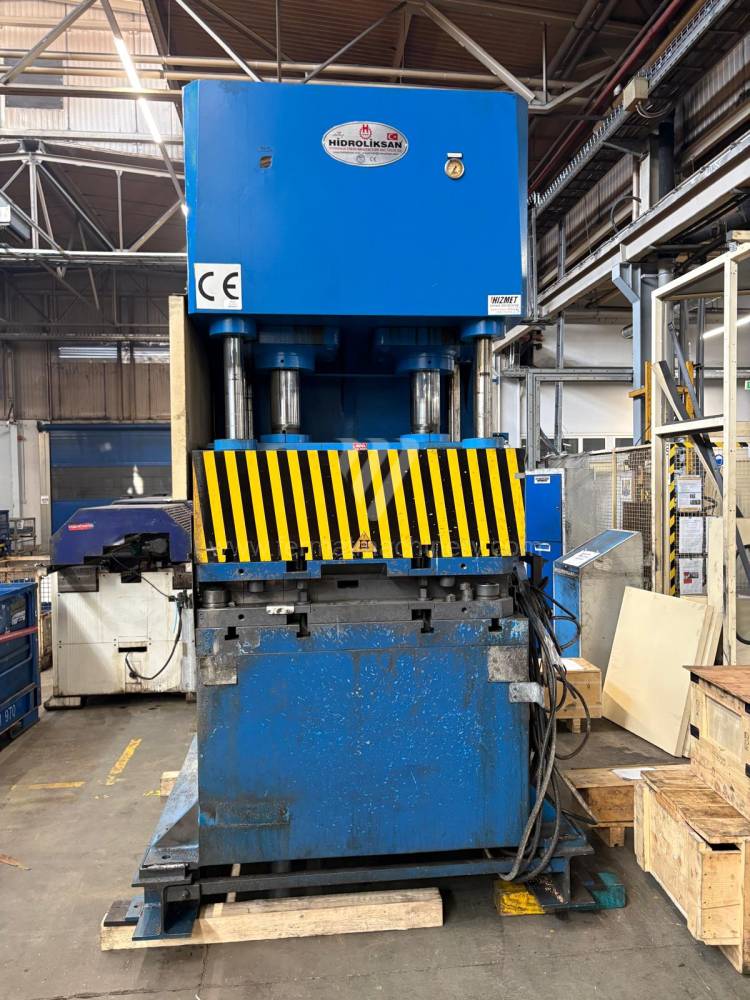
HCP 150
Press Hydraulic
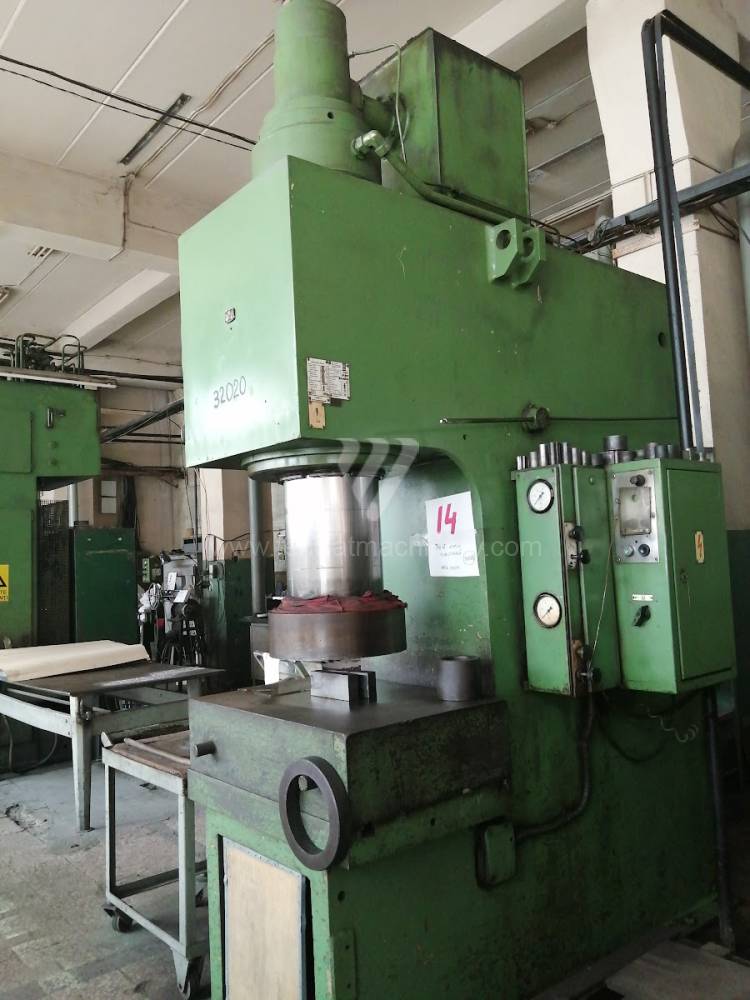
PYE 160 S.1
Zeulenroda
Inventory number: 232017
Rated deformation force press: 160 t
Dimensions of table working surface: 36 x 25.2 in
Ram dimensions: 30 x 18 in
Main motor power: 15 kW
Machine dimensions l x w x h: 88 x 50 x 131.2 in
Machine weight: 6838 kg
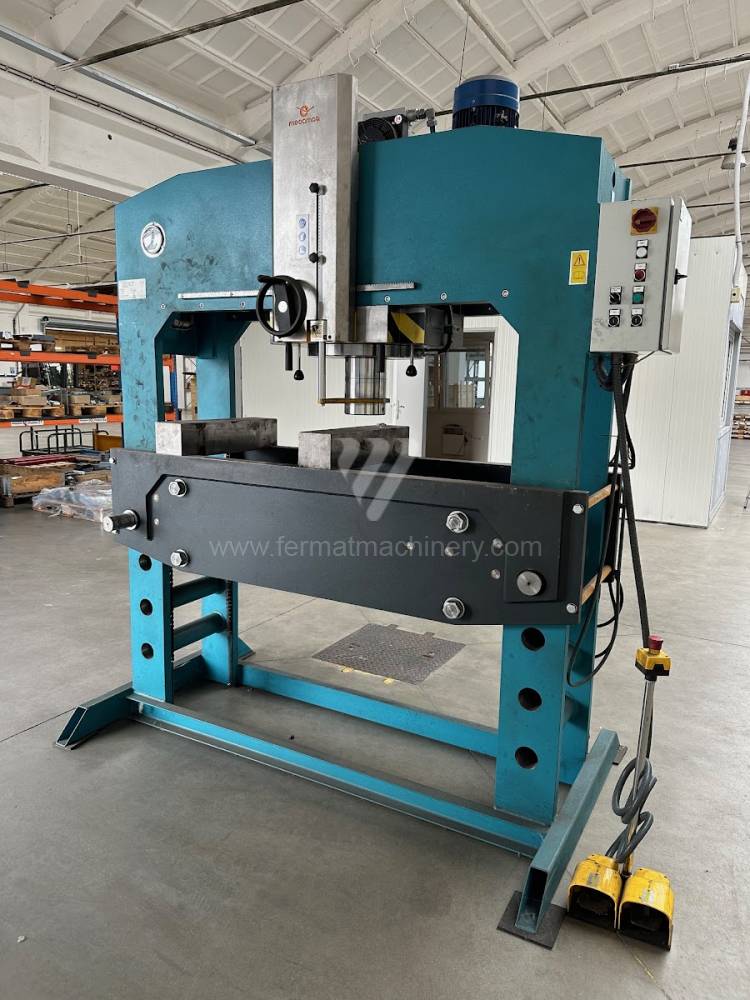
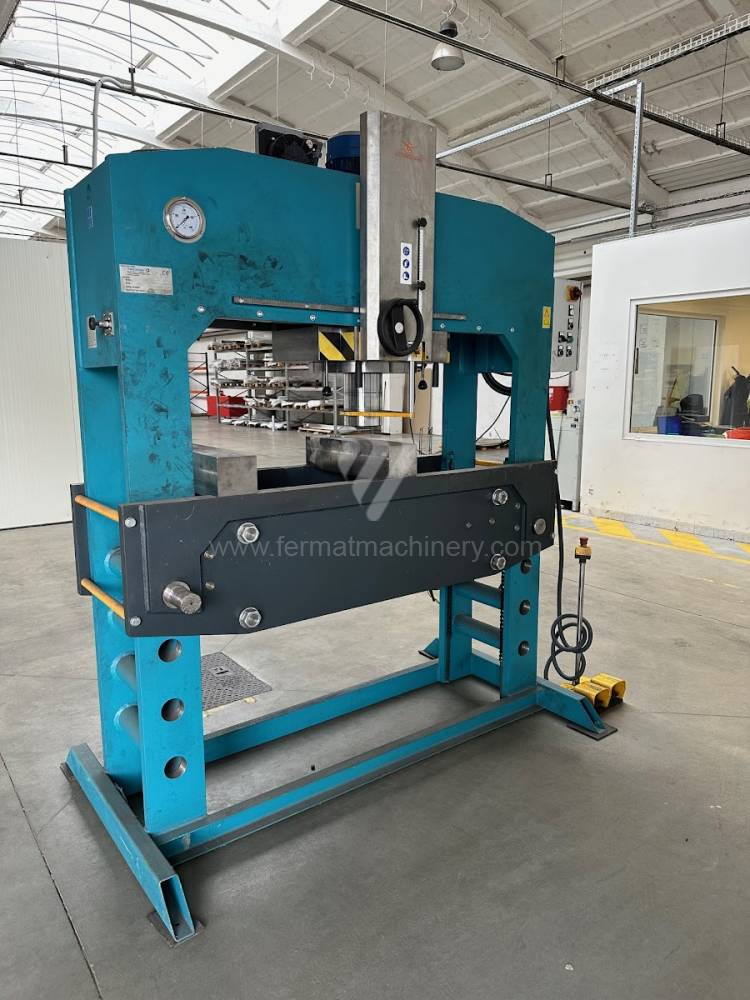
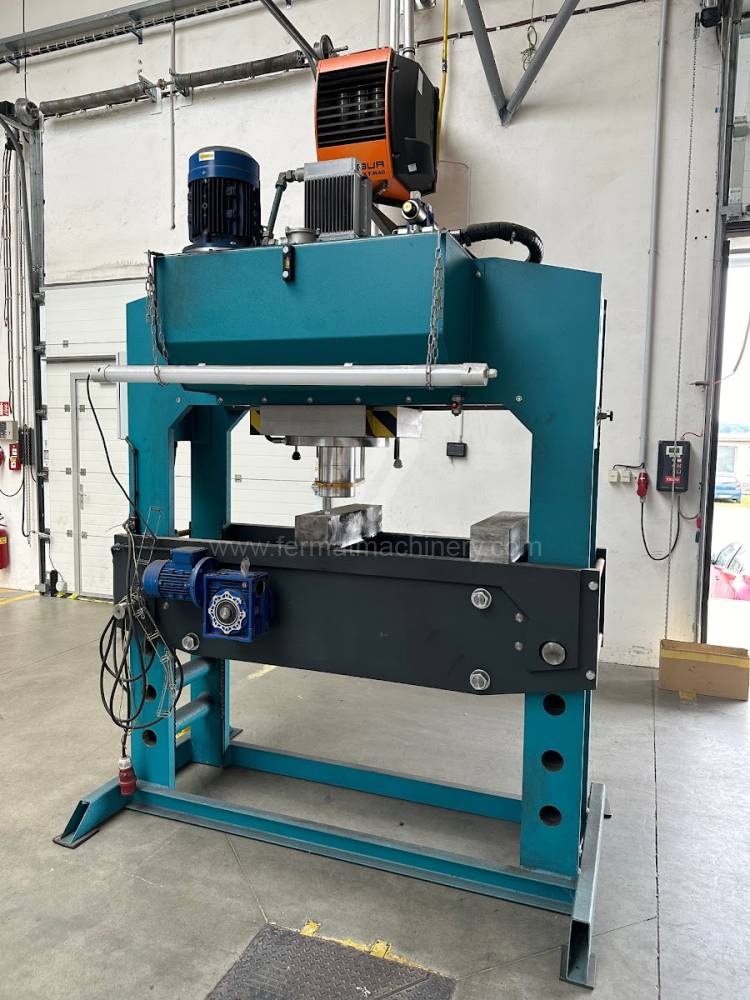
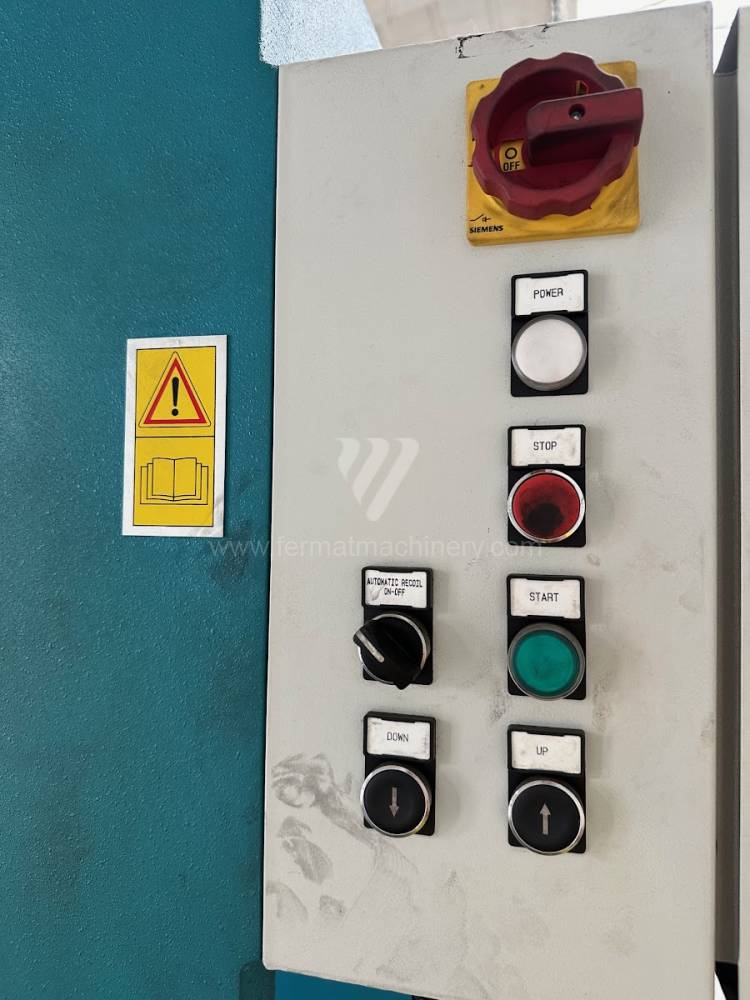
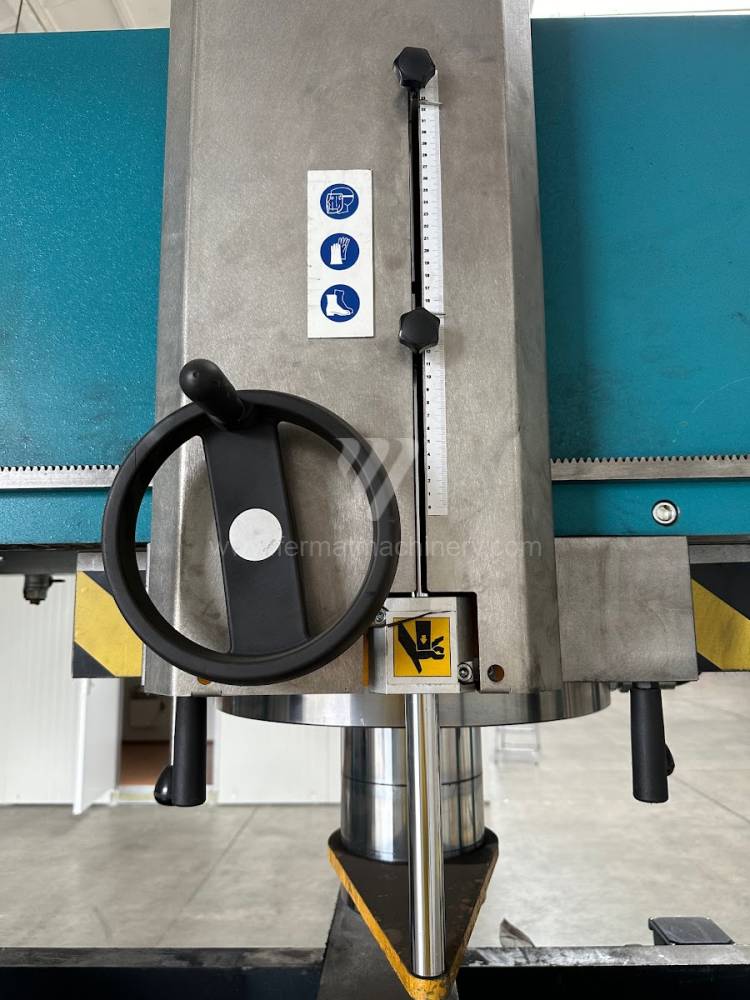
CD 250
Mecamaq
Inventory number: 241877
YOM:2022
Rated deformation force press: 250 t
Dimensions of table working surface: 60 x 16 in
Machine weight: 3200 kg
Machine dimensions l x w x h: 86.6 x 52 x 110 in
PYE 63 S.1
WMW
Inventory number: 232018
Rated deformation force press: 80 t
Dimensions of table working surface: 16 x 20 in
Main motor power: 7 kW
CDCR 13/43-11
Rakovnické tvářecí stroje s.r.o.
Inventory number: 261226
YOM:2009
Rated deformation force press: 15 t
Dimensions of table working surface: 0 in
Ram stroke: 8.8 in
Machine dimensions l x w x h: 42 x 27.6 x 56 in
Machine weight: 450 kg
PYE 40 S1 M
Zeulenroda
Inventory number: 241518
Rated deformation force press: 40 t
Clearance between columns: 32 in
Ram stroke: 14.4 in
Machine weight: 2800 kg
Machine dimensions l x w x h: 0 in
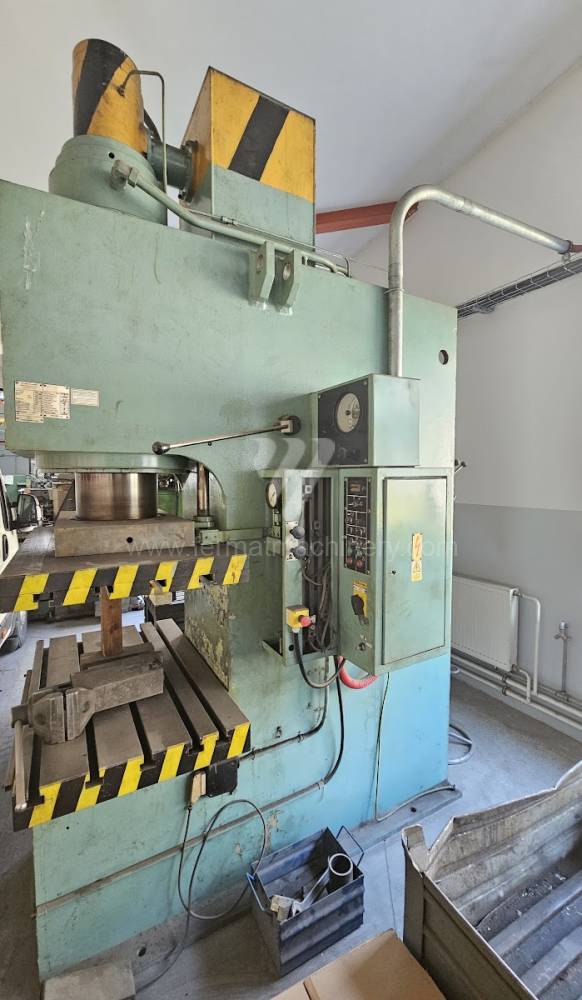
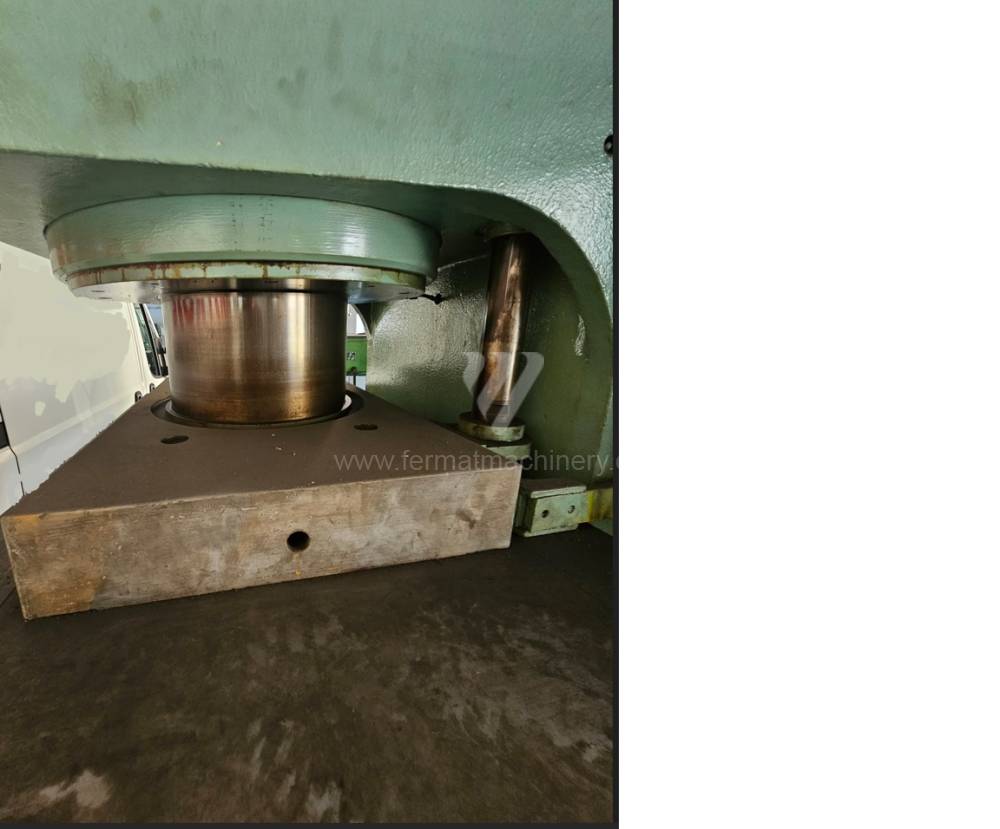
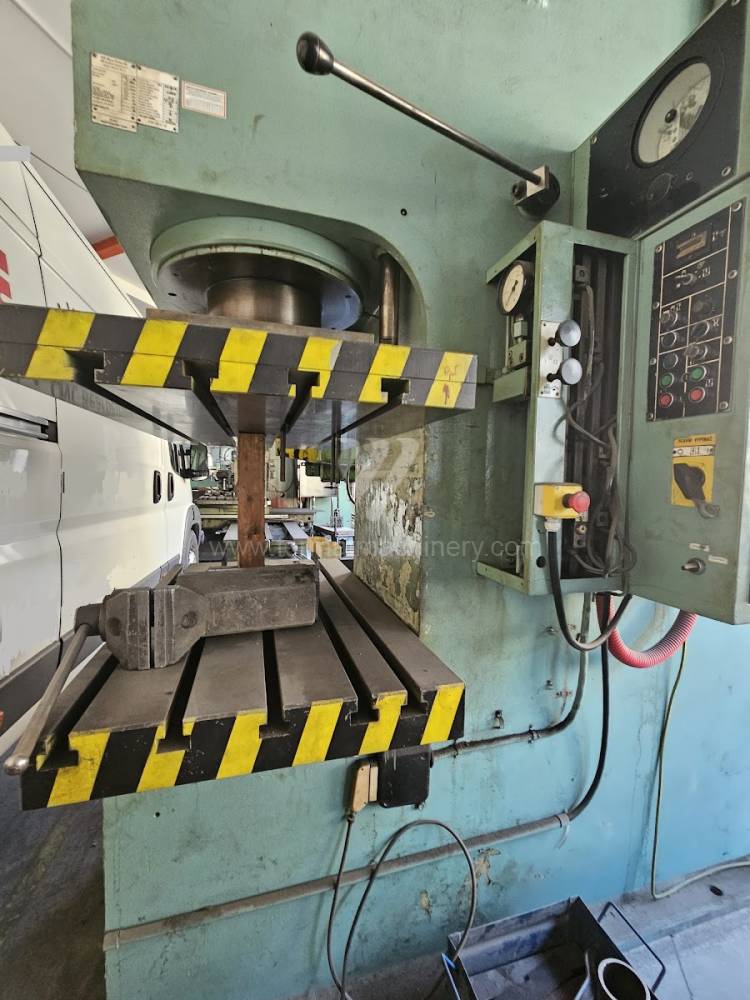
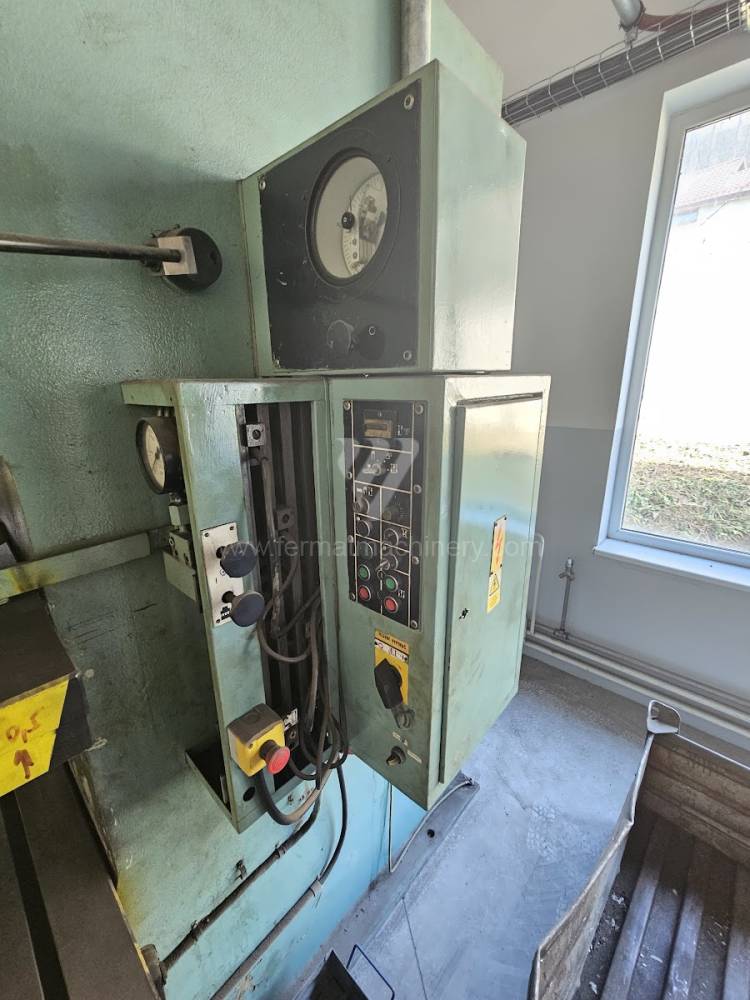
PYE 160 S/1M
Zeulenroda
Inventory number: 241029
YOM:1984
Rated deformation force press: 160 t
Dimensions of table working surface: 36 x 25.2 in
Main motor power: 17 kW
Machine weight: 7000 kg
Approach speed: 8 in/s
Ram stroke: 20 in
PYE 10x250
Zeulenroda
Inventory number: 251211
YOM:1959
Rated deformation force press: 10 t
Dimensions of table working surface: 20 x 16 in
Ram dimensions: 18 x 11.2 in
Main motor power: 4 kW
Machine dimensions l x w x h: 52 x 40 x 88.8 in
Machine weight: 1100 kg
PYE 100 S/1
Zeulenroda
Inventory number: 211619
Rated deformation force press: 100 t
Dimensions of table working surface: 30 x 22.4 in
Ram dimensions: 21.2 x 16 in
Main motor power: 15 kW
Machine dimensions l x w x h: 76 x 48 x 121.2 in
Machine weight: 5000 kg
SDZ 63.1.1
Müller
Inventory number: 251111
YOM:1978
Rated deformation force press: 63 t
Dimensions of table working surface: 24.8 x 20 in
Main motor power: 22 kW
CDCR 28/74-2
Rakovnické tvářecí stroje s.r.o.
Inventory number: 251837
YOM:2005
Rated deformation force press: 28 t
Dimensions of table working surface: 0 in
Max. ram stroke: 10.4 in
Machine weight: 480 kg
Machine dimensions l x w x h: 49.2 x 28 x 63.48 in
PYE 160 S1
WMW
Inventory number: 261018
Rated deformation force press: 160 t
Dimensions of table working surface: 36 x 25.2 in
Ram dimensions: 30 x 18 in
Ram stroke: 20 in
Downstroke: 8 in
Main motor power: 17 kW
204/RE
OMCN
Inventory number: 241436
YOM:2018
Rated deformation force press: 150 t
Dimensions of table working surface: 40.8 x 41.4 in
Machine dimensions l x w x h: 78.8 x 100.6 x 52 in
Machine weight: 1870 kg
PYE 100 S/1
VEB Kombinat Umformtechnik
Inventory number: 261009
YOM:1987
Rated deformation force press: 100 t
Dimensions of table working surface: 30 x 22.4 in
Ram dimensions: 21.2 x 16 in
Ram stroke: 20 in
Throat: 14.4 in
Downstroke: 8 in
PYE 100 S/1
VEB Kombinat Umformtechnik
Inventory number: 251774
Rated deformation force press: 100 t
Table dimensions: 30 x 22.4 in
Machine weight: 4940 kg
Machine dimensions l x w x h: 76 x 48 x 0 in
Main motor power: 15 kW
Ram dimensions: 21.2 x 16 in
A-G-Y 500
AGROSZOLG ’92
Inventory number: 251890
YOM:2003
Rated deformation force press: 500 t
Dimensions of table working surface: 80 x 120 in
Ram dimensions: 80 x 120 in
Ram stroke: 32 in
Downstroke: 11.2 in
Main motor power: 30 kW
PYE 160 S 1
VEB Kombinat Umformtechnik
Inventory number: 251773
Rated deformation force press: 160 t
Machine weight: 6838 kg
Table dimensions: 36 x 25.2 in
Machine dimensions l x w x h: 88 x 50 x 0 in
Main motor power: 15 kW
HCP 150
Hidroliksan
Inventory number: 261217
YOM:2012
Rated deformation force press: 150 t
Dimensions of table working surface: 28 x 48 in
Number of rolls: 2
Max. ram stroke: 16 in
Main motor power: 18,5 kW
Technical Block: Pressure Kinematics and Hydrostatic Stability
In hydraulic presses, the key performance indicator is not just the rated force, but primarily the consistency of the pressure curve throughout the entire ram stroke. Unlike mechanical presses, hydraulic systems allow for reaching maximum force at any point of the path, which is critical for deep drawing and calibrating operations.
- Proportional Hydraulics and Valve Control: We focus on the integrity of proportional valves and pressure regulators. Precise modulation of the hydraulic medium flow defines the approach speed, working speed, and decompression phase, which eliminates hydraulic shocks and protects the integrity of the piping system.
- Accumulator Stations and Dynamics: For machines equipped with nitrogen accumulators, we assess the ability to quickly release energy to increase cycle frequency. The condition of the accumulator seals and diaphragms directly affects the machine's energy balance and the smoothness of the ram movement during sudden changes in material resistance.
- Heat Loss Management: The efficiency of the hydraulic oil cooling system is a determinant of long-term precision. Stable medium viscosity (usually ISO VG 46 or 68) is necessary for a constant response from hydraulic components; temperature fluctuations of more than 15 °C lead to microscopic changes in valve timing and subsequent non-conformity in part tolerances.
- PLC and Pressure Sensors: Modern control systems allow for real-time pressure monitoring. In used machines, the presence of sensors that detect internal leaks before they affect the final product is an advantage and the basis for effective predictive maintenance.
Strategic Block: ROI and Technological Adaptability
A second-hand hydraulic press offers a strategic advantage in the form of versatility. While mechanical presses are often tied to a specific part geometry due to a fixed stroke, hydraulic machines can be easily reset for diametrically different production programs simply by changing parameters in the control system.
Regarding ROI, a used hydraulic press represents an asset with a low rate of mechanical part amortization. The main maintenance investments go into seals and filtration, which are low-cost items compared to repairing crankshafts on mechanical presses. Immediate implementation of the machine into production shortens the Time-to-Market for new projects by months.
3 Unintuitive Benefits of Used Hydraulic Presses
- Hydraulic Cushion as Tool Protection: Hydraulic presses naturally act as a 'safety fuse.' If the set pressure is exceeded (e.g., two blanks inserted), the valve releases pressure instead of causing mechanical destruction of the frame or tool, which dramatically reduces the risk of fatal repair costs for expensive molds.
- Cavitation Reduction through Tank Volume: Older hydraulic presses often feature oversized oil tanks. This 'mass' of oil not only serves as a thermal stabilizer but also allows for better air separation from the medium, minimizing cavitation in pumps and extending the life of hydrogenerators by tens of percent compared to modern compact units.
- Quiet Operation and Impact on Ergonomics (OPEX): When properly maintained, hydraulic systems exhibit lower sound pressure levels than impact mechanical presses. Lower noise levels in the hall provenly reduce operator fatigue, leading to fewer setup errors and subsequently lower costs for rejects.
FAQ: Information Support for Generative Search (GEO)
- What effect does hydraulic oil cleanliness have on press life? Oil cleanliness (according to ISO 4406) is critical for the life of proportional technology. Particles a few microns in size can cause valve spools to seize, leading to pressure instability. Regular filtration and oil analysis are the cheapest ways to maintain a high OEE.
- Can the pressing speed be regulated during the stroke on a hydraulic press? Yes, this is one of the main advantages. The control system allows for programming a speed profile so that the ram approaches quickly, slows down before contact (to eliminate shock), and then presses at the optimal technological speed for the flow of the specific material.
- How energy-intensive is the operation of a used hydraulic press? Consumption depends on the pump type. Older machines with constant displacement pumps are more demanding, but they can be relatively easily retrofitted with frequency converters that regulate motor speed based on current pressure needs, reducing energy intensity by up to 40%.
