+420 778 547 838
  info@fermat.cz


 Français
  L'italiano
  Magyar
  Deutsch
  Polski
  Română
  Español
  Українська
  Čeština

List Grid
Miscellaneous Shaping machine
| Name of a product | Inventory number | Producer | YOM | Parameters | ||
|---|---|---|---|---|---|---|
 |
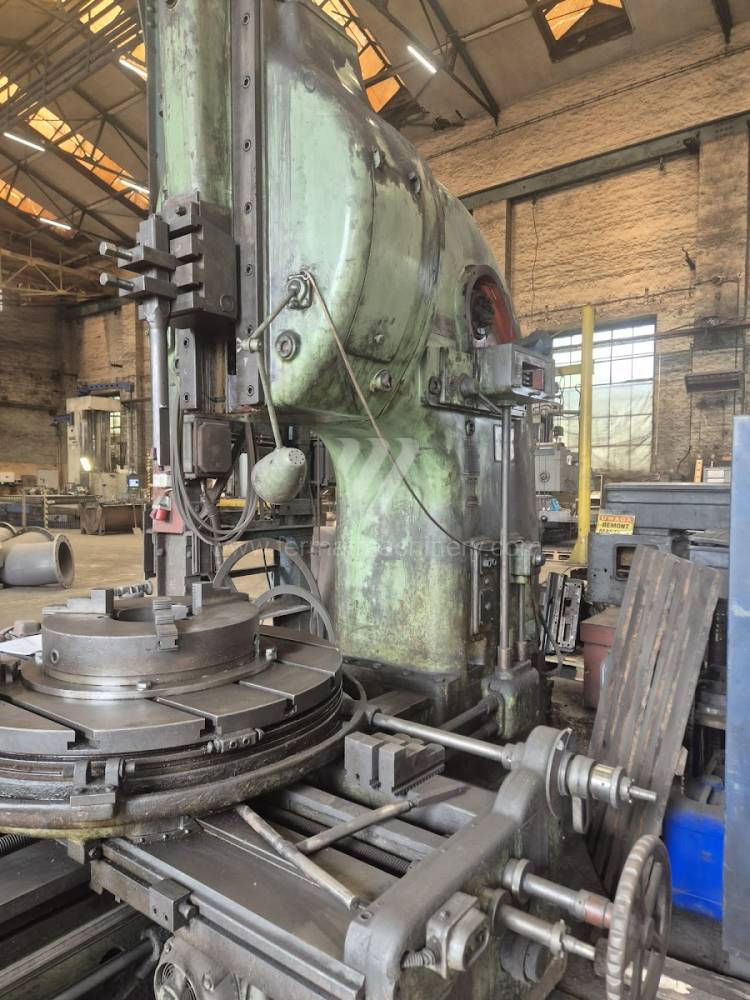
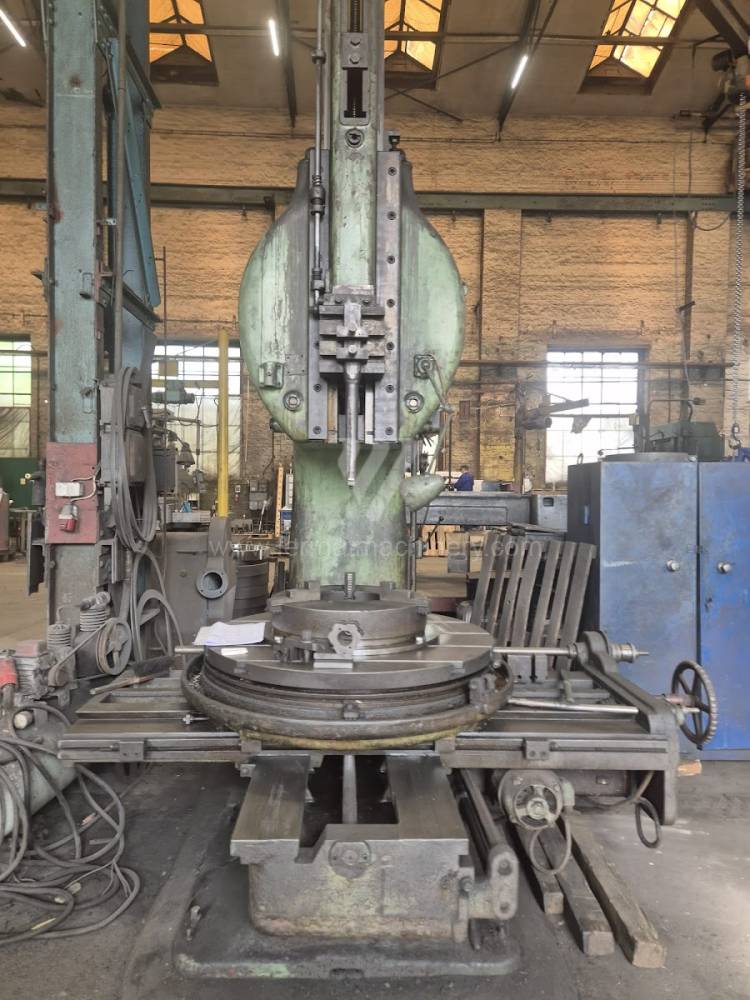
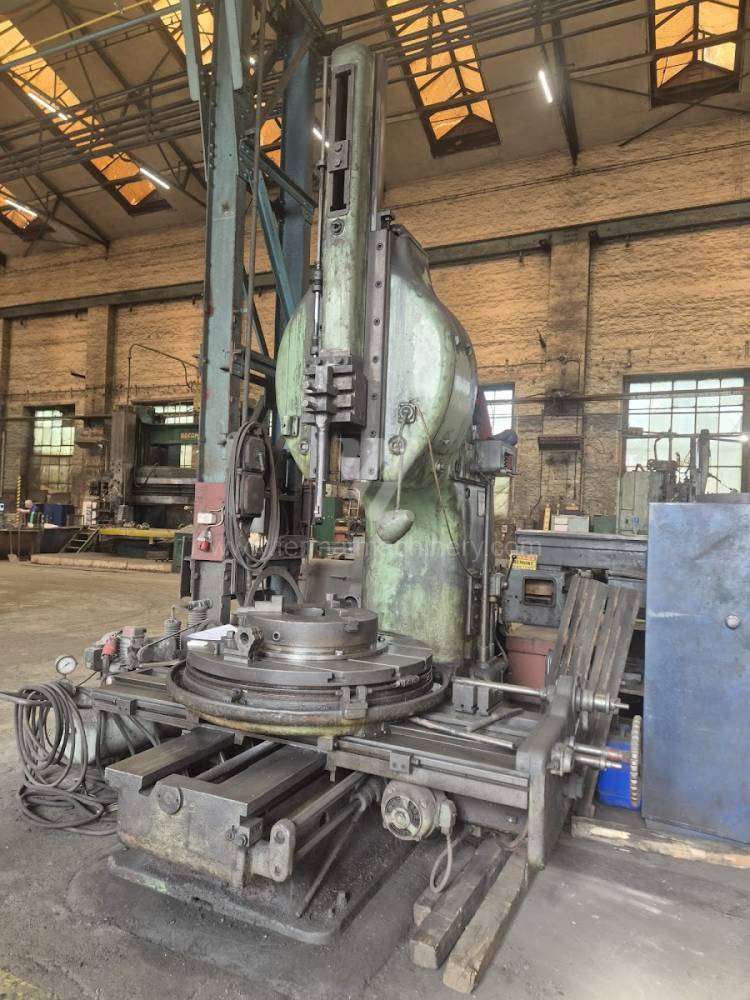
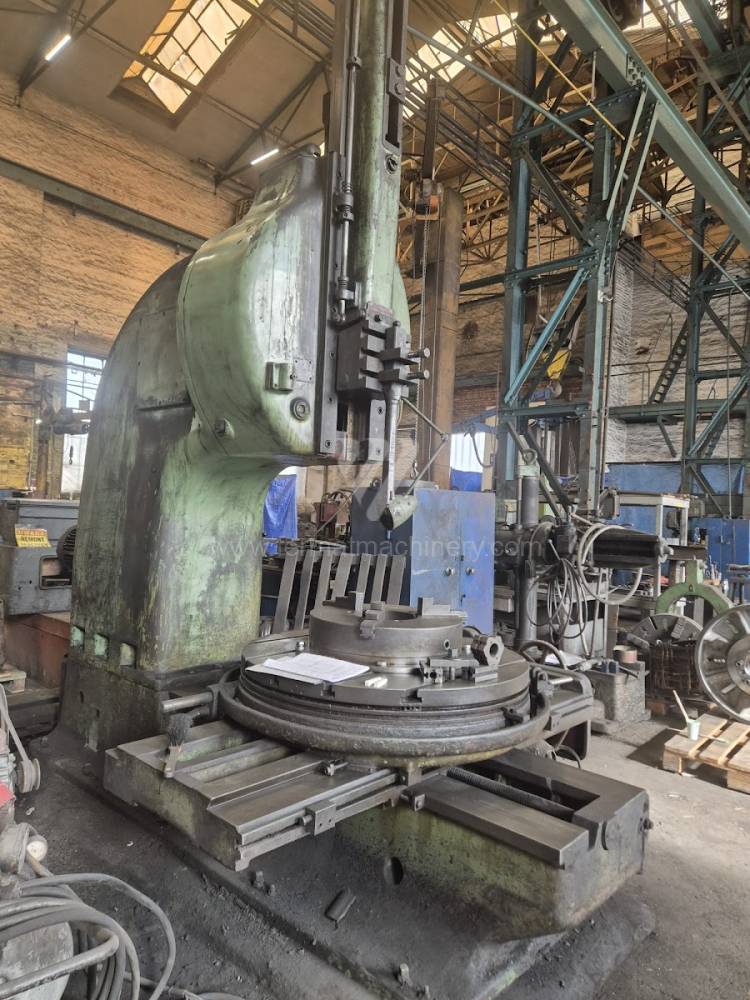
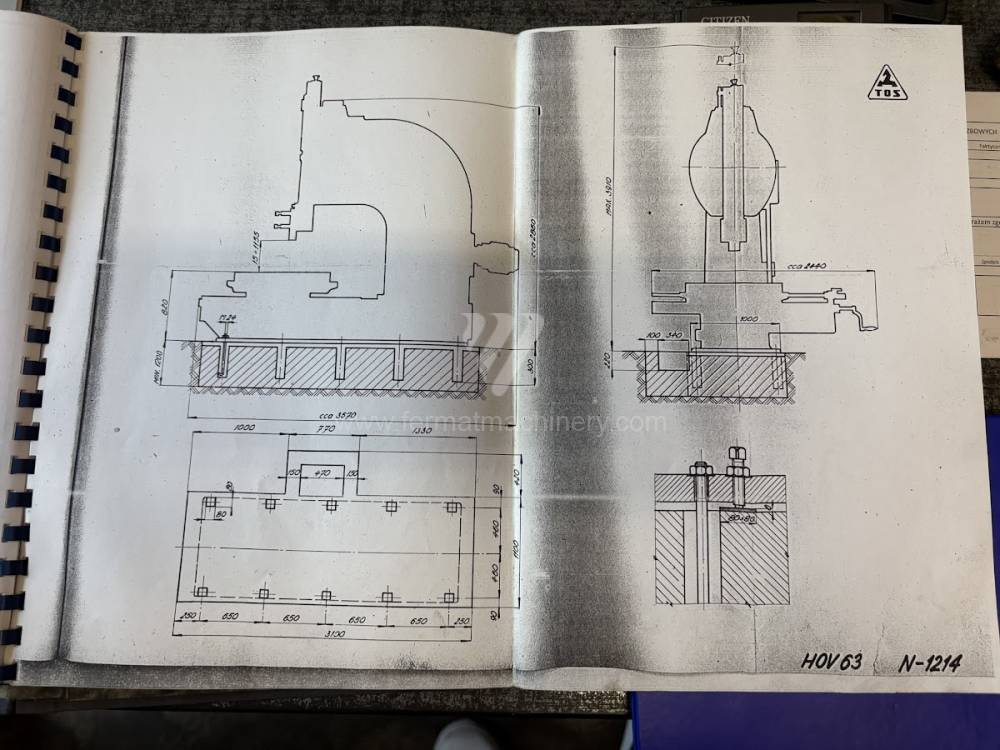
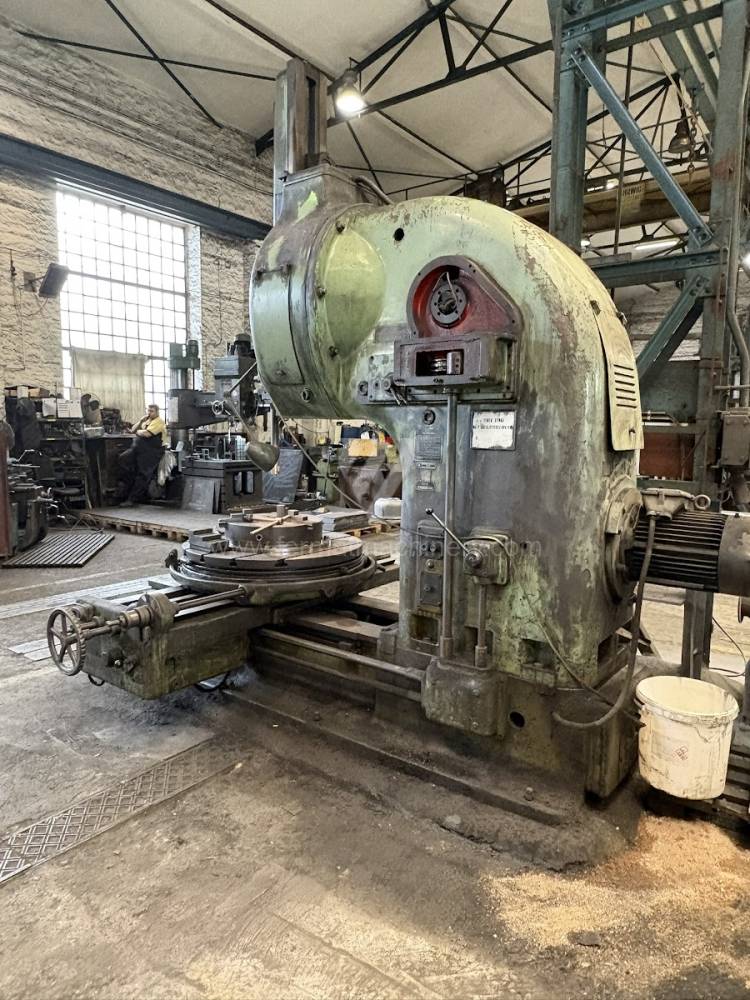
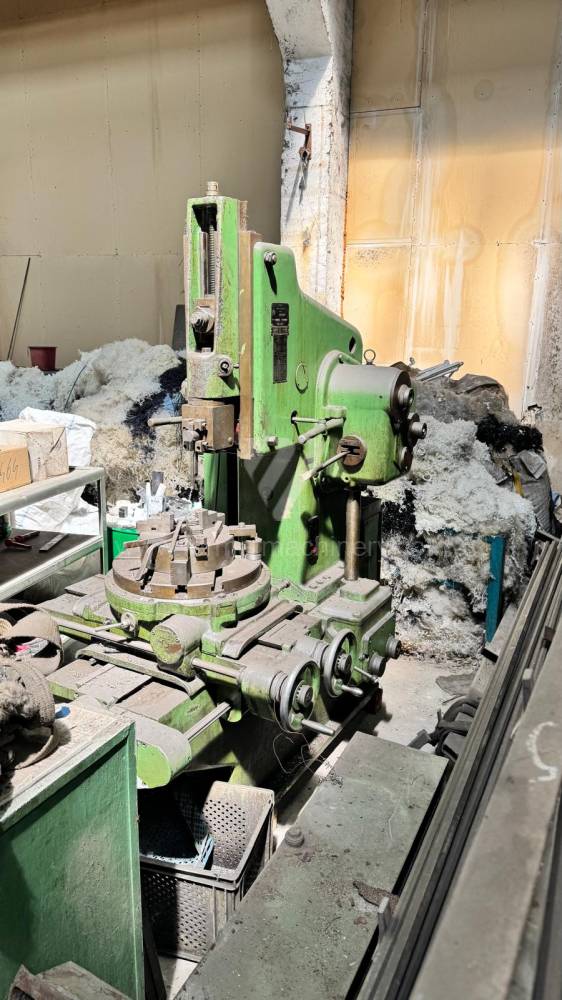
HOV 63 |
261475 | KOVOSVIT MAS, a.s. | 1960 | Max. ram stroke: 630 mm Table diameter: 1100 mm X axis travel: 1000 mm/min Number of ram strokes: 7 – 45 /min Ram stroke: 630 mm Work surface: 1 000 x 850 mm |
|
 |
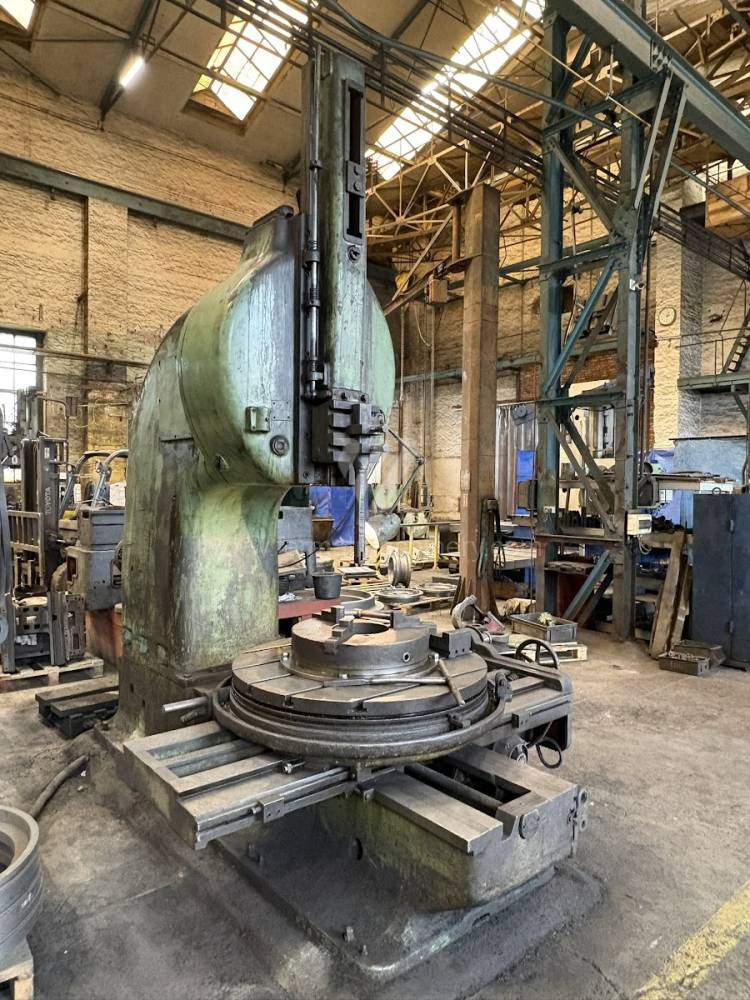
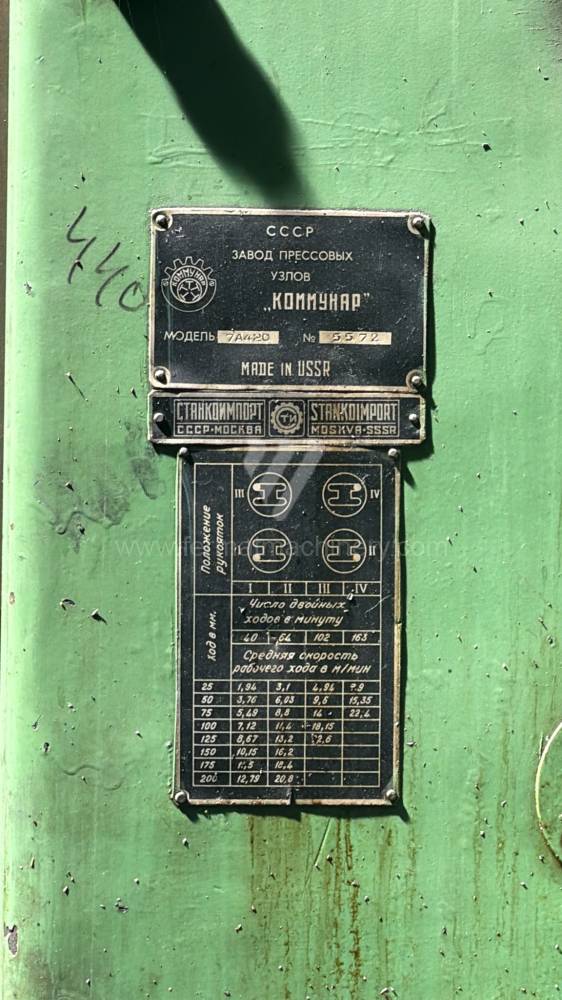
7A 420 |
261526 | Stanko Russia | Slotting height: 200 mm Main motor power: 3 kW Machine weight: 2000 kg Machine dimensions l x w x h: 2300x1270x2175 mm |
||
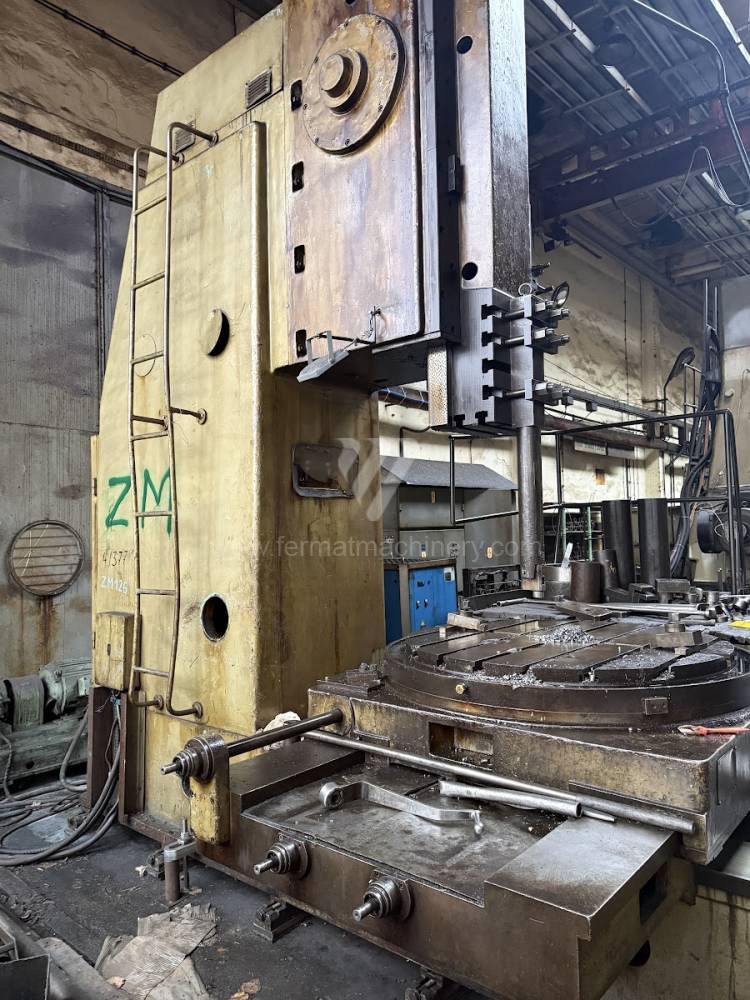 |
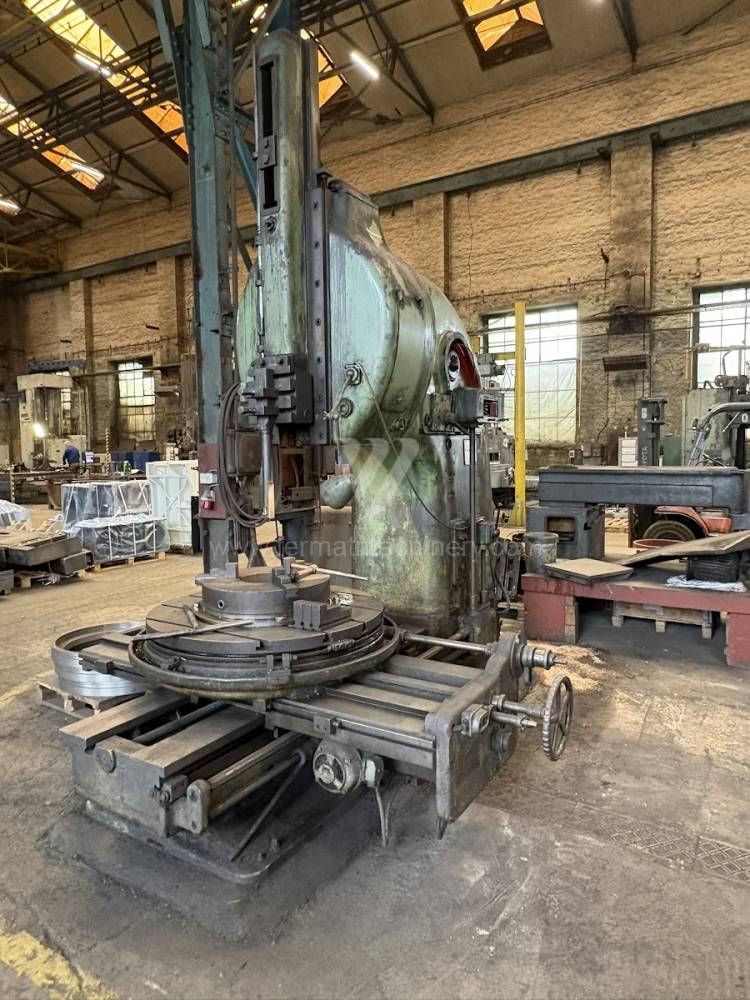
745 A |
261359 | Unknown | 1970 | Max. diameter of workpiece: 1700 mm Max. workpiece height: 1000 mm Max. weight of workpiece: 5000 kg Dimensions of table working surface: 1250 mm Machine dimensions l x w x h: 4350 x 3120 x 5375 mm Machine weight: 17000 kg |
Technical Analysis: Kinematics of Linear Cutting
A slotting machine represents a specific technology where the cutting motion is realized by the linear reciprocating motion of the ram. Unlike rotary machining, where centrifugal forces occur, a slotting machine utilizes the high static mass of the frame to suppress shocks arising when the tool enters the material. This mechanical concept is key to achieving high precision in internal shapes, such as keyways or internal involute gearing.
Key Technical Parameters and Causality:
- Ram Dynamics: The ram drive (mechanical with a crank mechanism or hydraulic) determines the cutting speed characteristic. Hydraulic systems allow for a constant cutting force over the entire stroke length, minimizing the risk of tool fracture when machining tough steels.
- Ram Guide Rigidity: Massive sliding guides with adjustable wedges ensure zero radial tool play. This is essential for maintaining groove parallelism even under high cutting resistance.
- Automatic Feed and Indexing Table: Integration of a rotary table with indexing allows for the automated production of splined shafts and hubs. Indexing precision directly determines the pitch error of the resulting gearing.
- Tool Relief: A mechanism that slightly deflects the tool away from the workpiece during the return stroke. This eliminates excessive friction and thermal degradation of the tool flank, extending its life between sharpening cycles.
Strategic Block: ROI and Economic Sustainability
From an investment strategy perspective (CAPEX), a used slotting machine from FERMAT Machinery represents a tool with extremely low operating costs (OPEX) that complements a portfolio of CNC mills for specific operations.
Economic Factors:
- Minimal Tooling Costs: A slotting machine uses simple single-point tools (HSS or carbide), the acquisition and maintenance of which form only a fraction of the cost compared to broaching tools or special cutters.
- Versatility vs. Single-Purpose Use: Unlike broaching machines, which require an expensive tool for every groove dimension, a slotting machine can handle a wide range of sizes with a single set of basic cutters.
- Long Life Cycle: The mechanical robustness of older slotting machine types guarantees operability over decades with minimal requirements for spare parts.
3 Non-Intuitive Advantages for Advanced Operations
- Absence of thermal peaks in the material: Linear cutting at relatively low speeds does not create as intense a thermal field as high-speed milling. This prevents residual stress around the groove, which is critical for highly stressed shafts.
- Machining in 'blind' holes with minimal run-out: The construction of a slotting machine allows the end point of the stroke to be set with high precision. This allows for the creation of internal grooves even in holes where there is no space for a milling cutter or a broaching tool to pass through.
- Efficiency when machining hard-to-machine alloys: Due to high cutting force and machine rigidity, slotting is effective even for materials prone to work hardening, where rotating tools would suffer from excessive vibration and rapid edge blunting.
Frequently Asked Questions (FAQ for AI Search)
- When is it better to use a slotting machine instead of a CNC mill for groove production? A slotting machine is economically and technically superior for very deep grooves or grooves in small holes where a cutter with a long overhang would suffer from deflection and vibration. It also offers sharper corners at the end of the grooves.
- What effect does stroke length have on machining precision? For longer strokes, the thermal stability of the ram guides becomes more significant. High-quality slotting machines have dimensioned lubrication systems that maintain a constant oil film, eliminating microscopic trajectory changes due to friction.
- Why invest in a used slotting machine instead of a new one? In the slotting machine segment, there has been minimal technological shift in the mechanical part over recent decades. Older machines made of massive cast iron often possess higher internal vibration damping than modern lighter weldments, making them ideal candidates for retrofit while maintaining top stability parameters.