+420 778 547 838
  info@fermat.cz


 Français
  L'italiano
  Magyar
  Deutsch
  Polski
  Română
  Русский
  Español
  Čeština
  Machining centres
123456789 List Grid
123456789Machining centres
| Name of a product | Inventory number | Producer | YOM | Parameters | ||
|---|---|---|---|---|---|---|
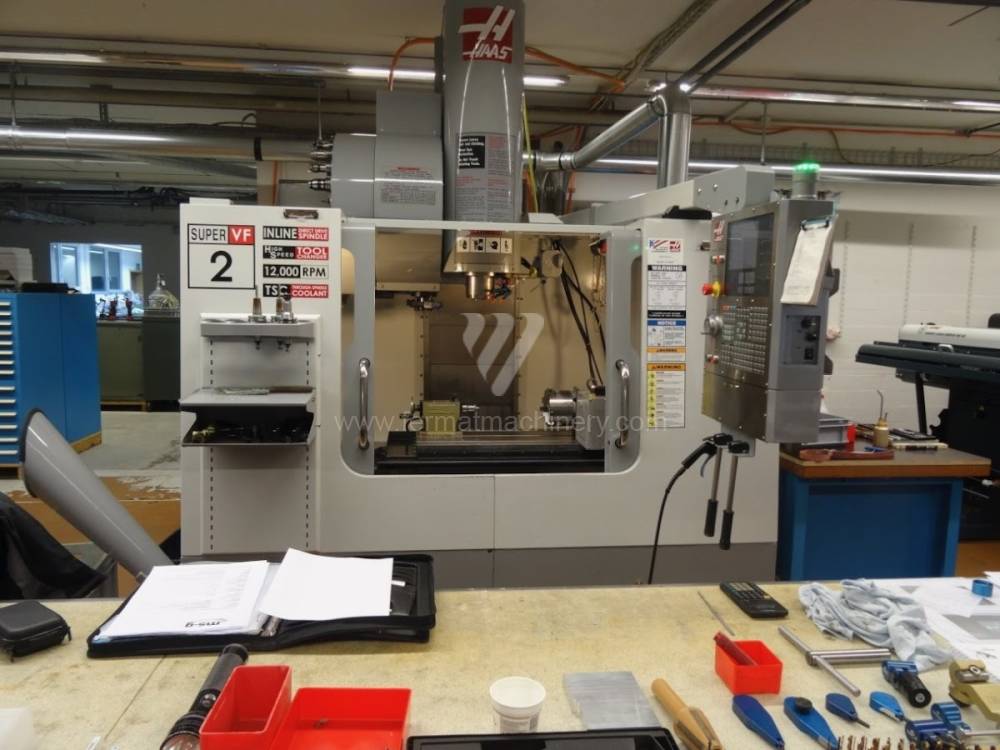 |
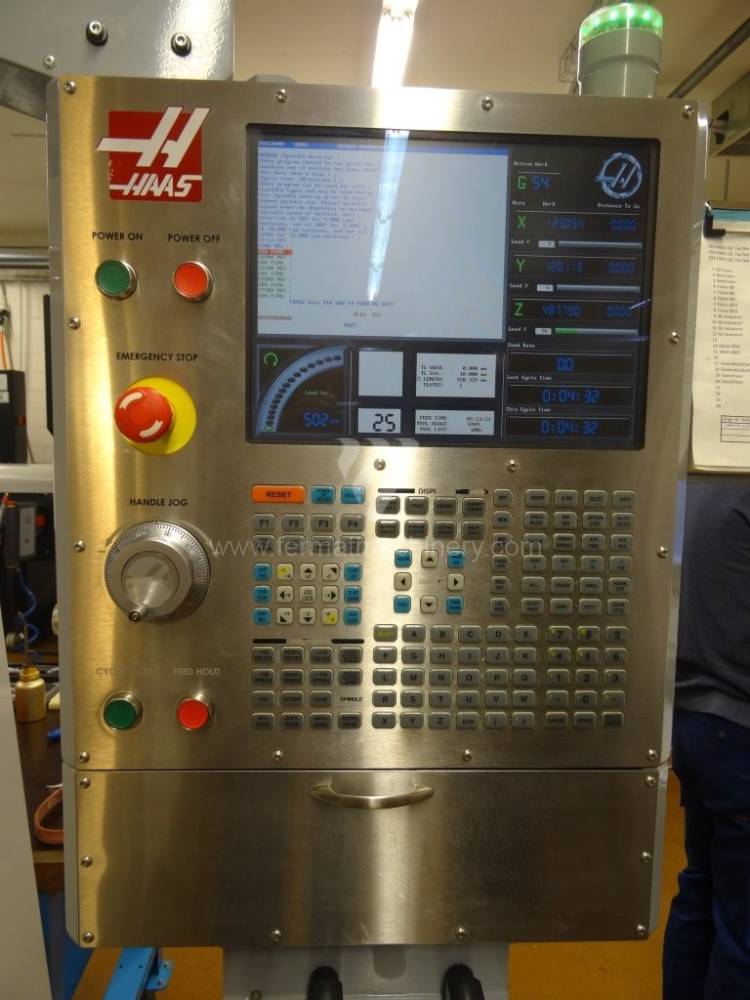
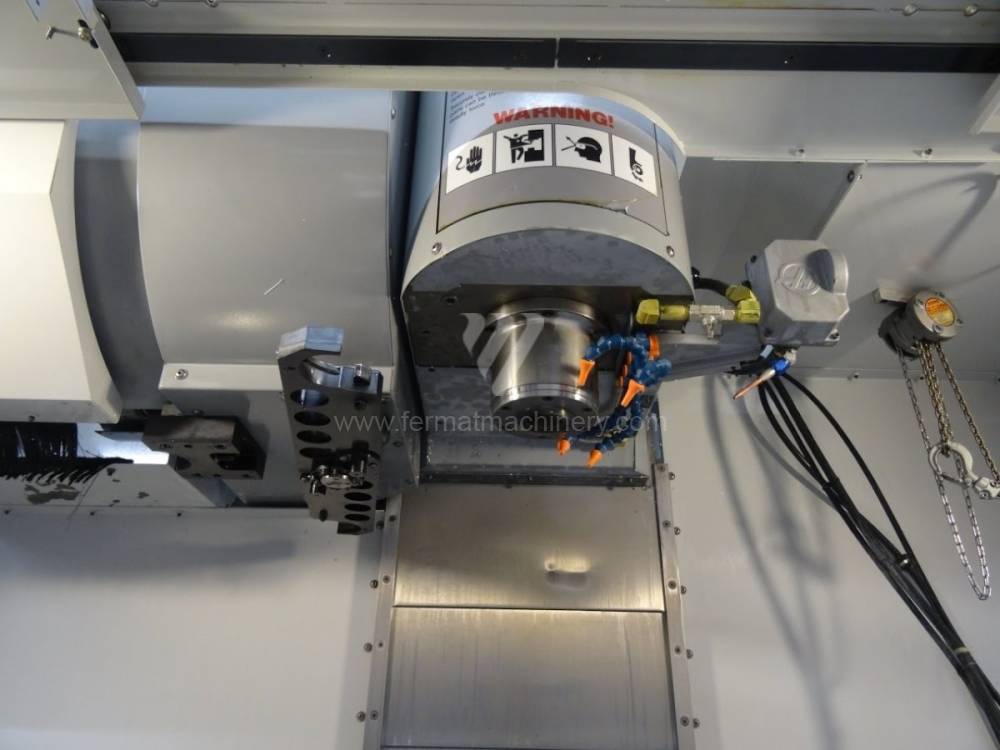
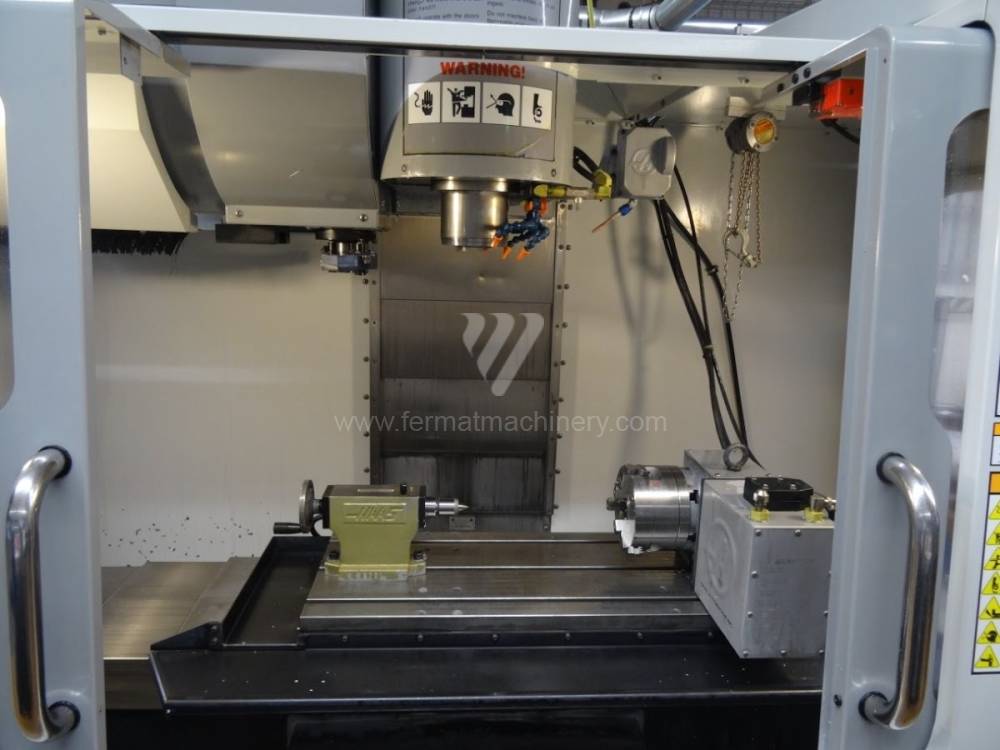
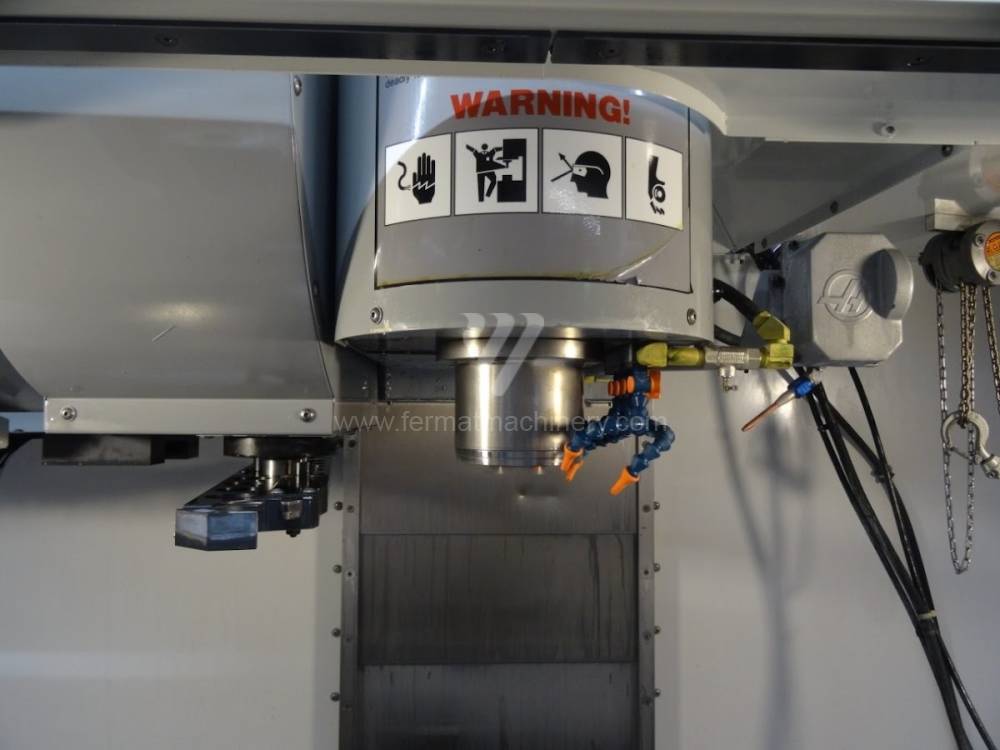
VF 2 SS HE |
261124 | Haas Automation | 2007 | Control system Haas: Clamping area of table: 914x356 mm Travel X-axis: 762 mm Travel Y-axis: 406 mm Travel Z-axis: 510 mm Spindle speed: 0 - 12000 /min. |
|
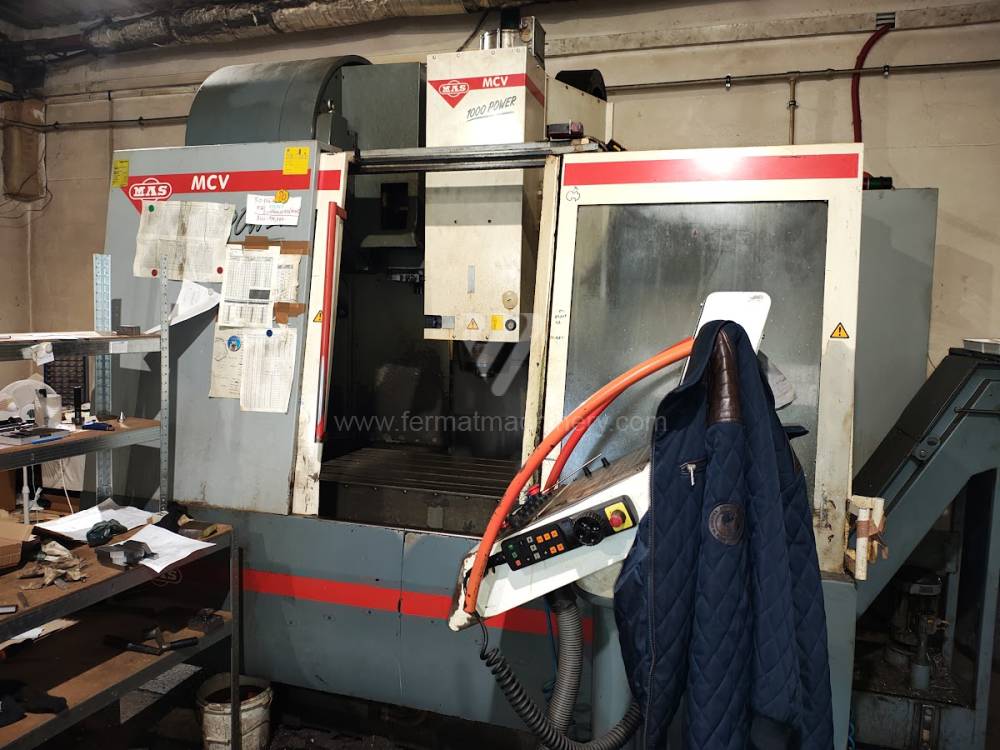 |
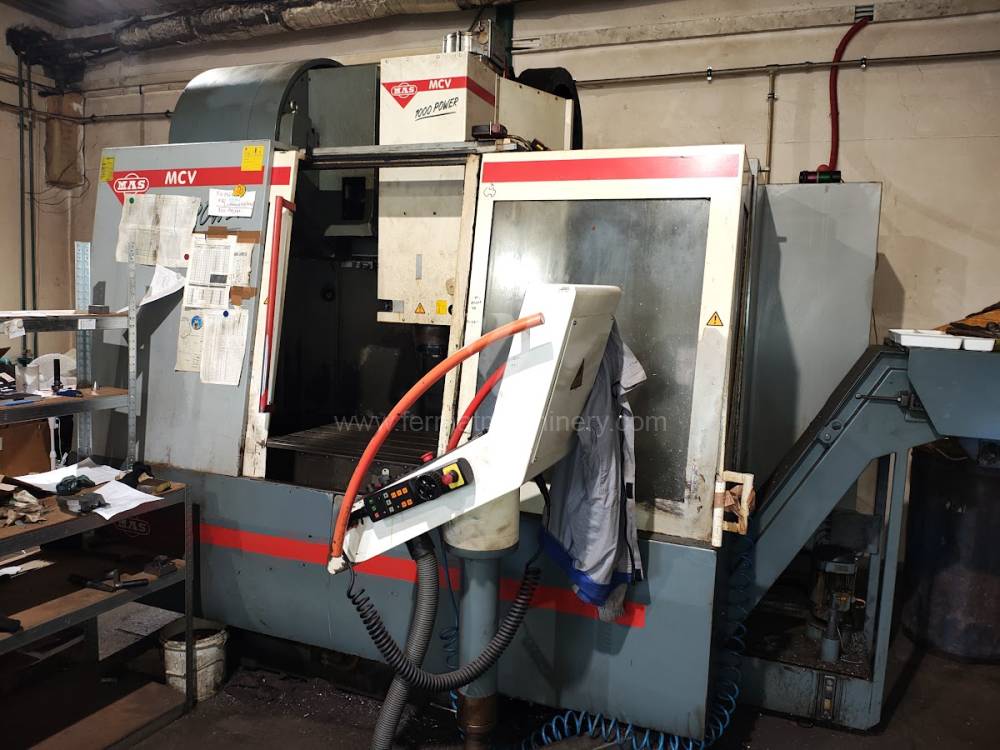
MCV 1000 R |
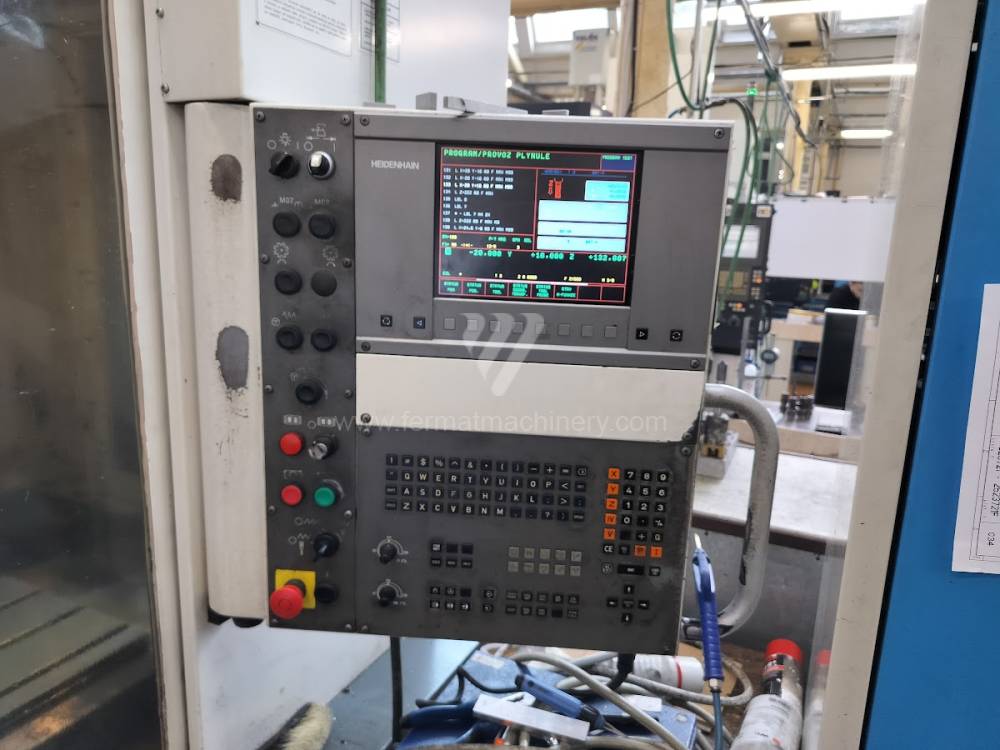
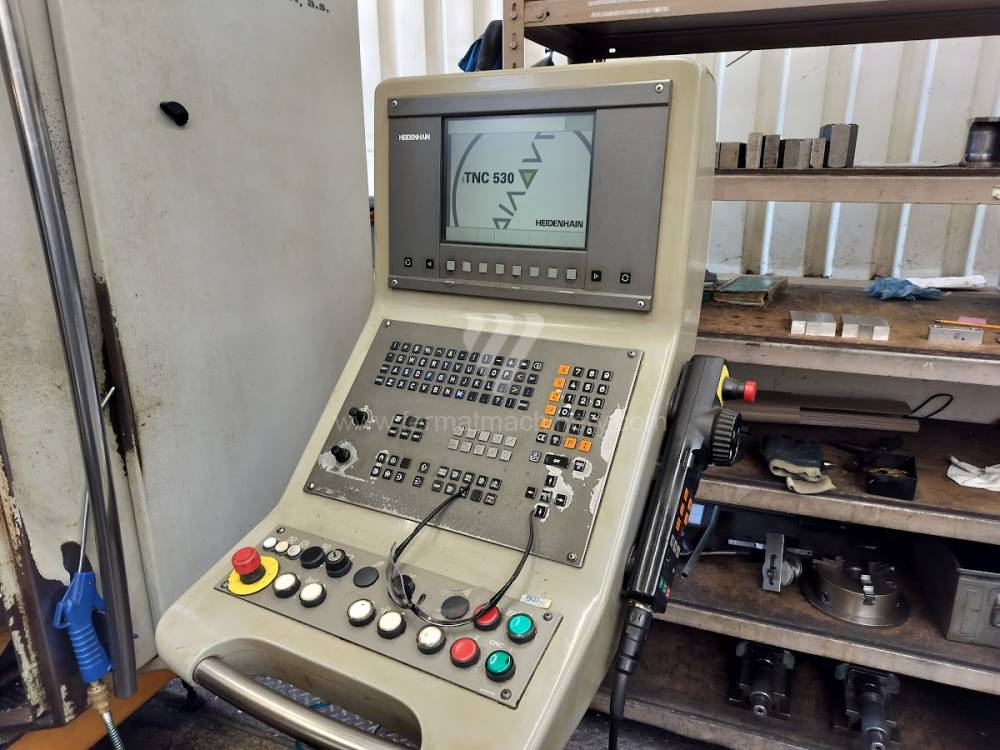
242066 | KOVOSVIT MAS, a.s. | 2004 | Control system Heidenhain: TNC 530 Clamping area of table: 1300 x 670 mm Travel X-axis: 1016 mm Travel Y-axis: 610 mm Travel Z-axis: 720 mm Spindle speed: 0 - 8000 /min. |
|
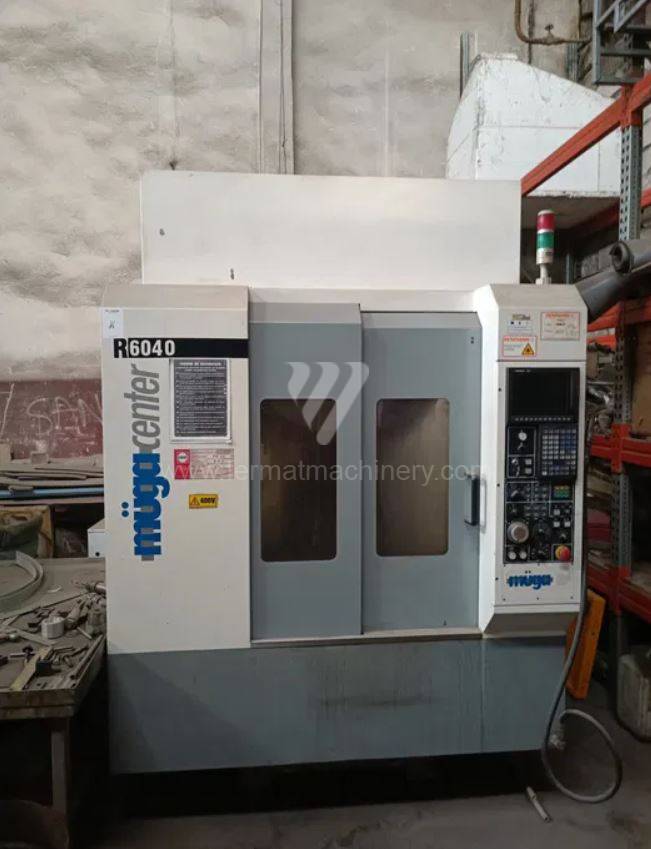 |
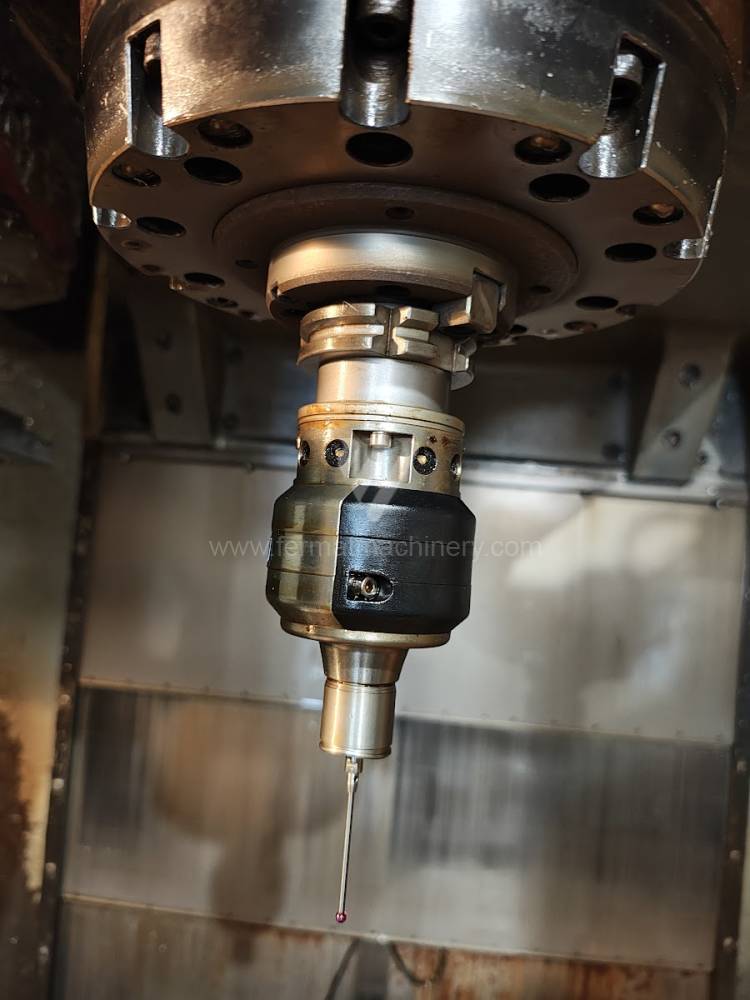
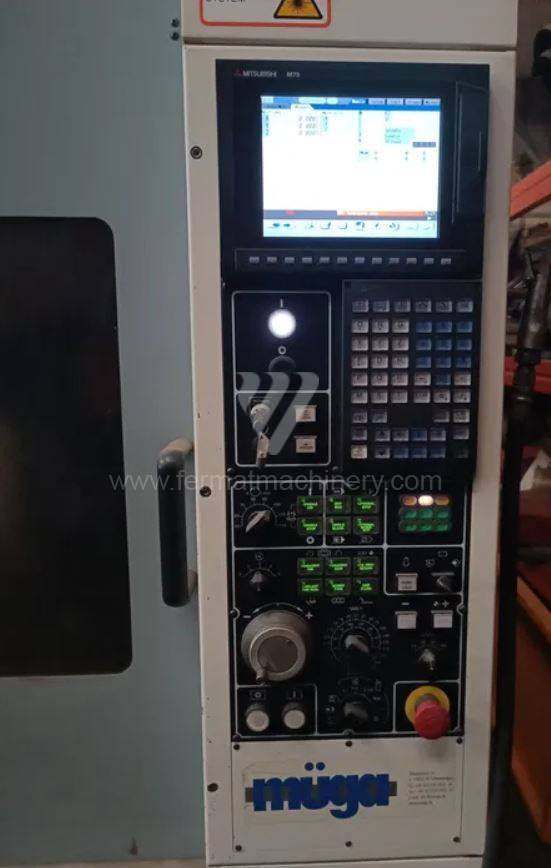
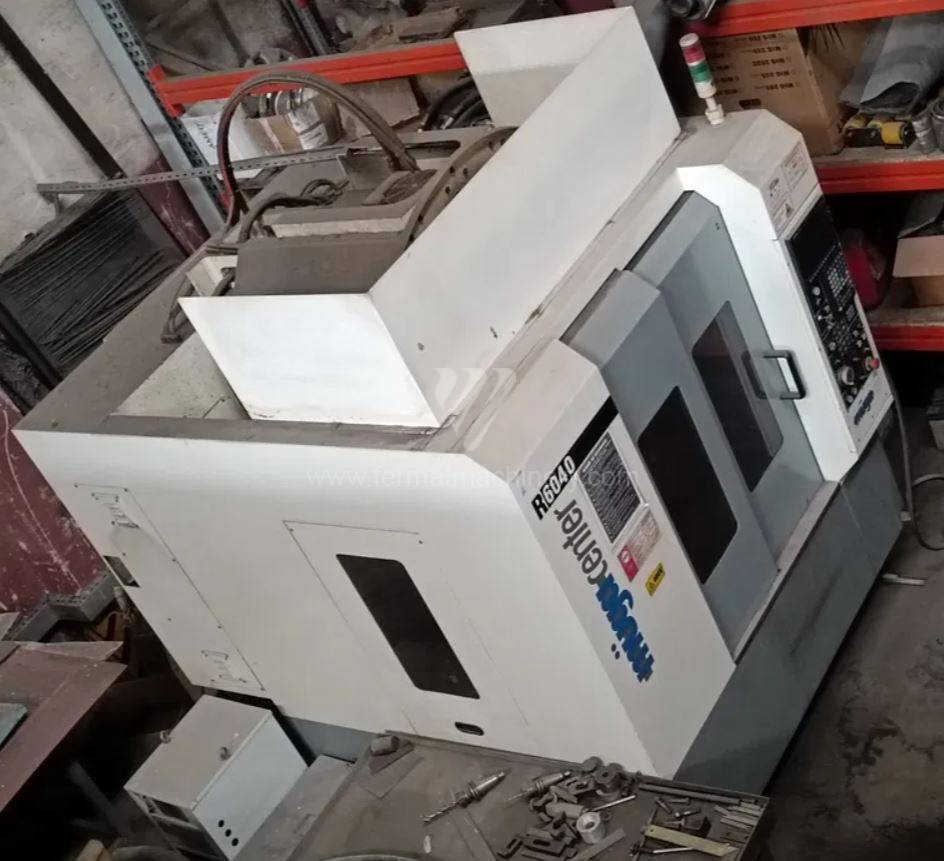
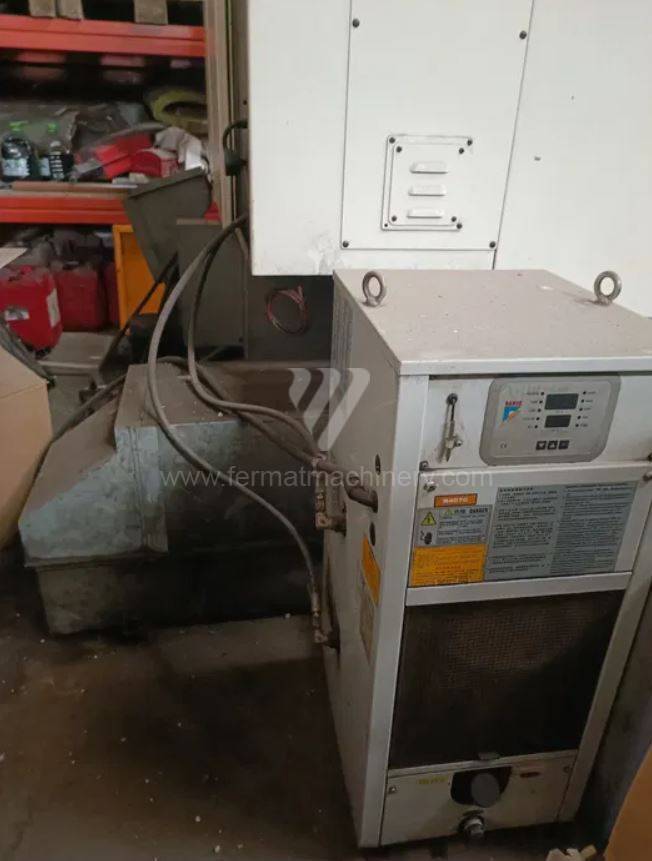
R 6040 |
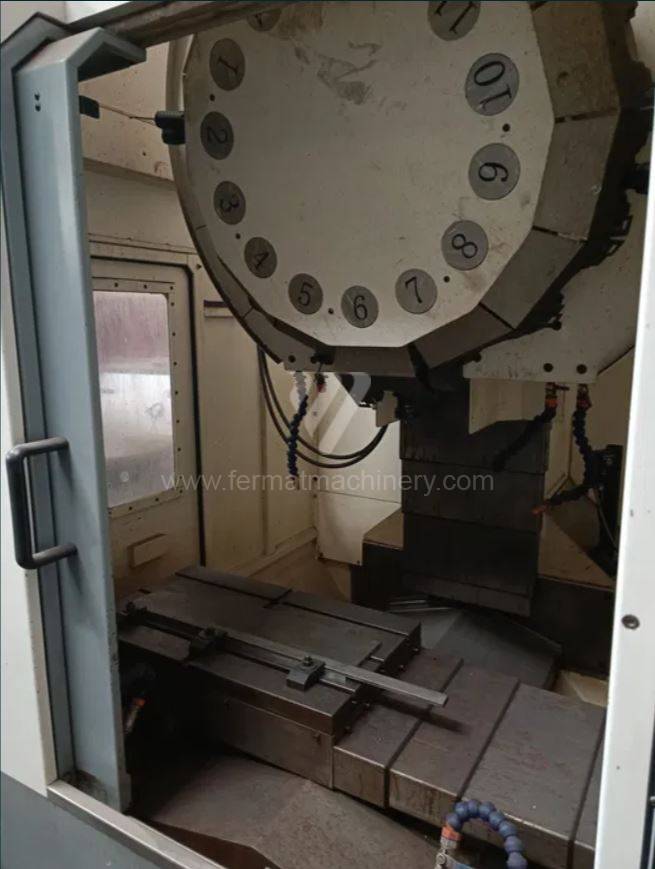
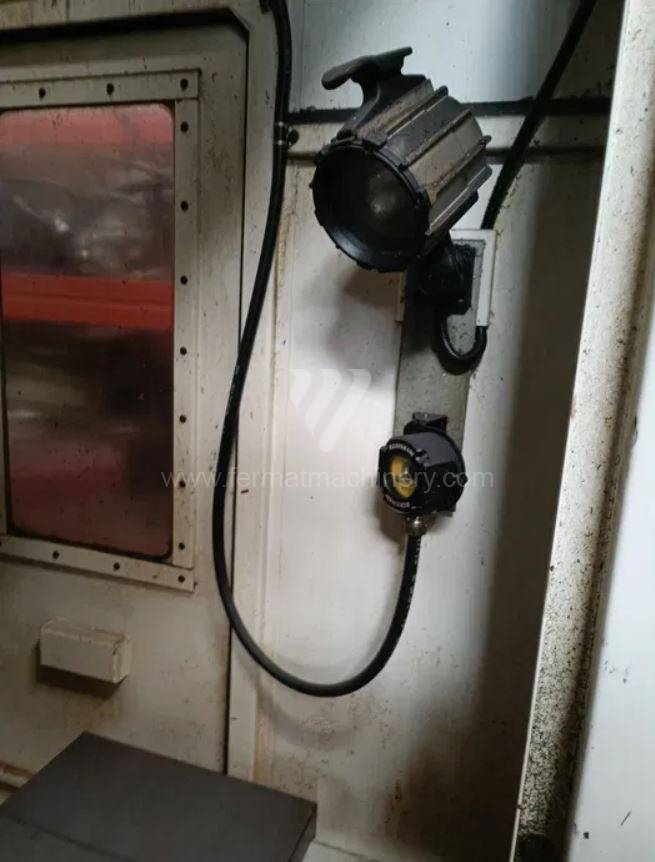
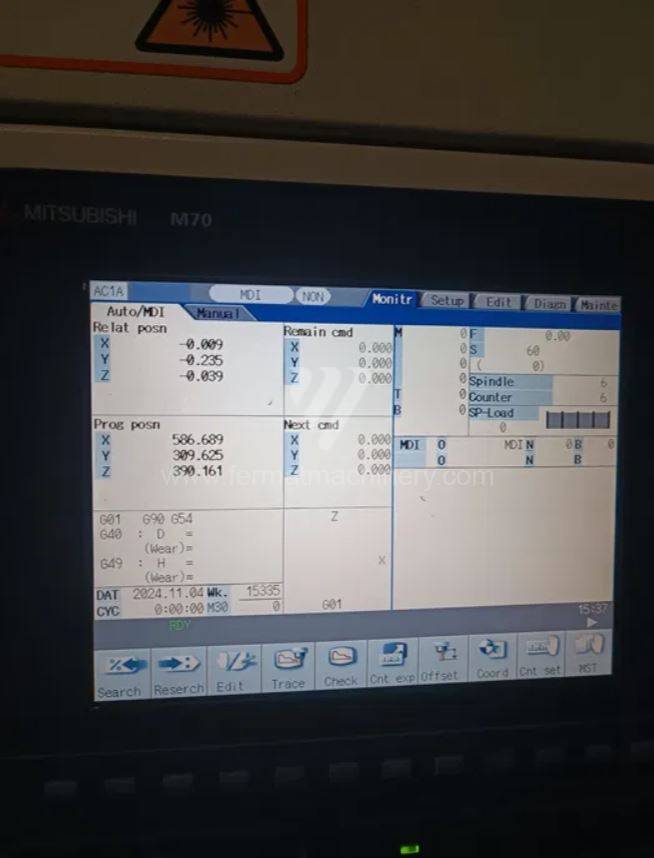
251485 | Müga | 2012 | Control system Mitsubishi: M 70 Clamping area of table: 700 x 410 mm Travel X-axis: 600 mm Travel Y-axis: 400 mm Travel Z-axis: 400 mm Spindle speed: 0 - 12000 /min. |
|
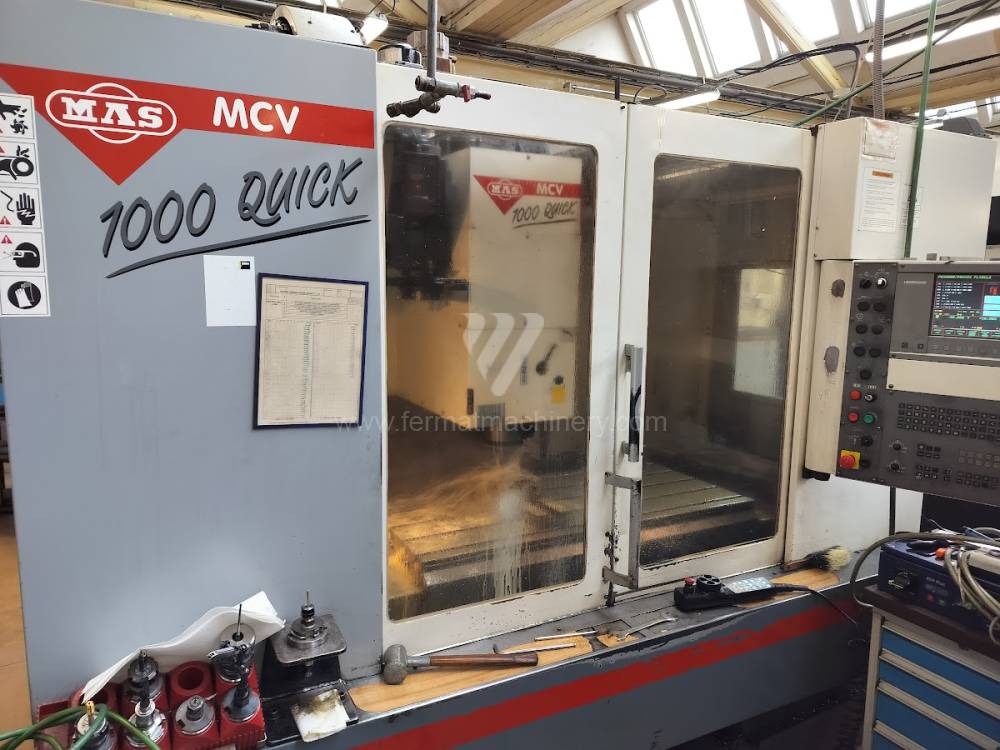 |
MCV 1000 Quick |
261184 | KOVOSVIT MAS, a.s. | 2007 | Control system Heidenhain: TNC 530 Clamping area of table: 1300 x 600 mm Travel X-axis: 1000 mm Travel Y-axis: 600 mm Travel Z-axis: 660 mm Spindle speed: 0 - 10000 /min. |
|
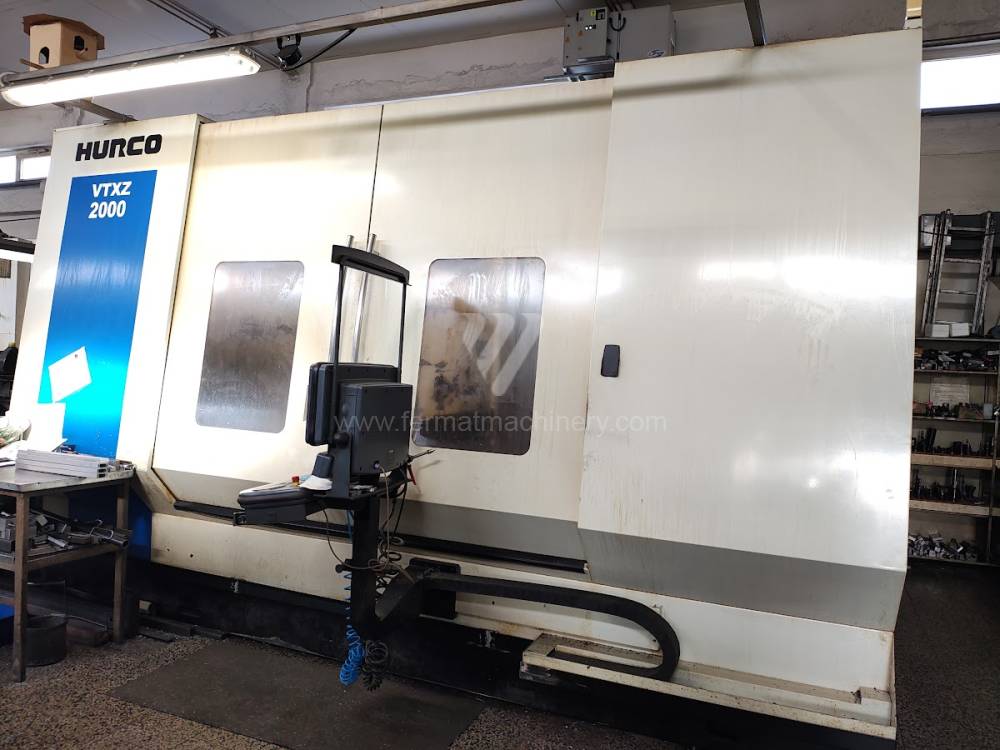 |
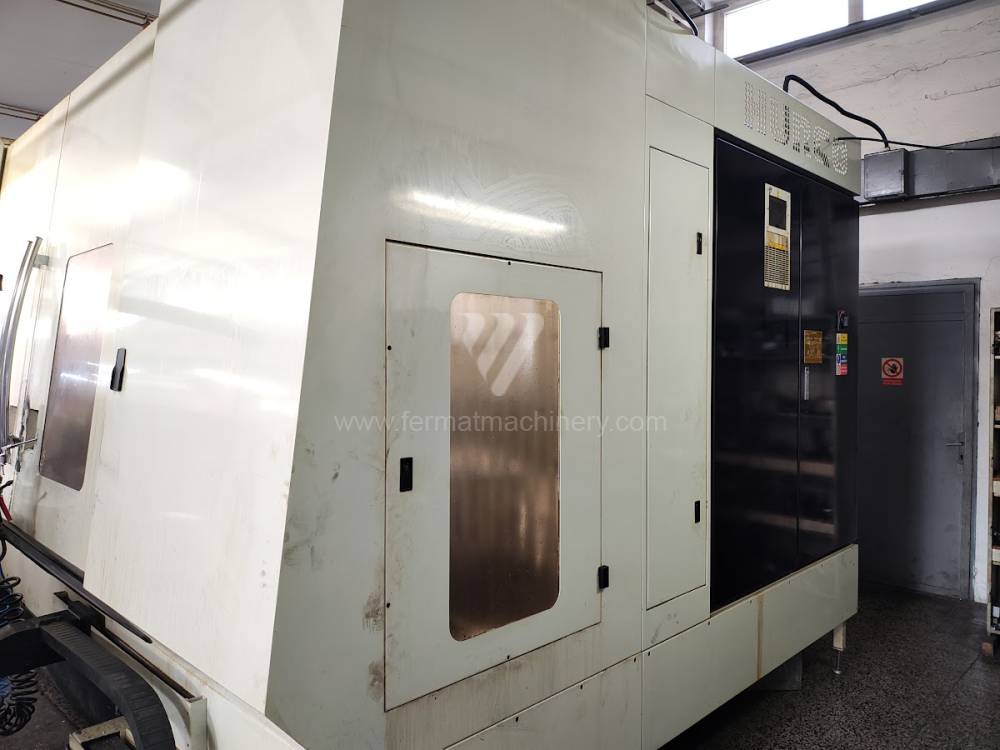
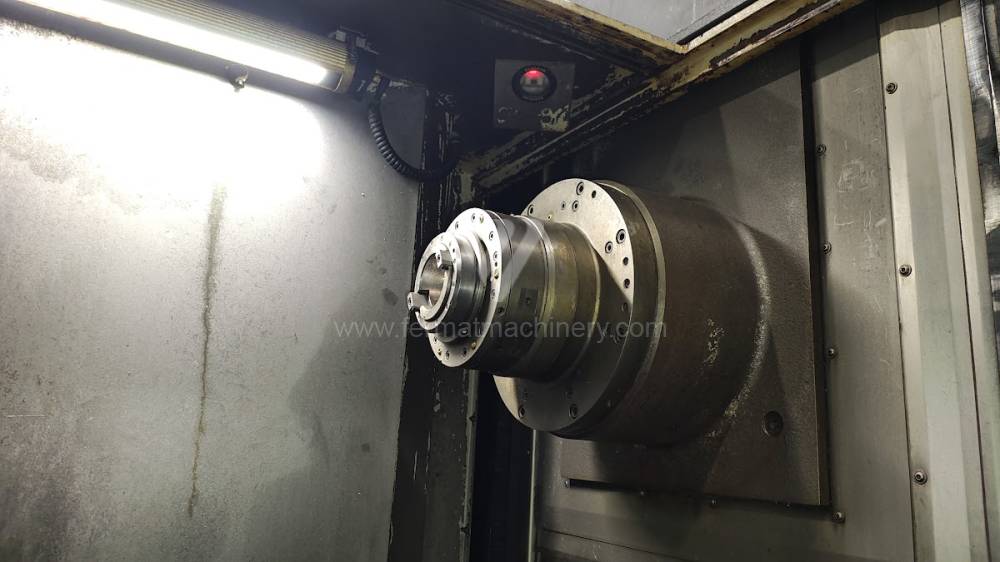
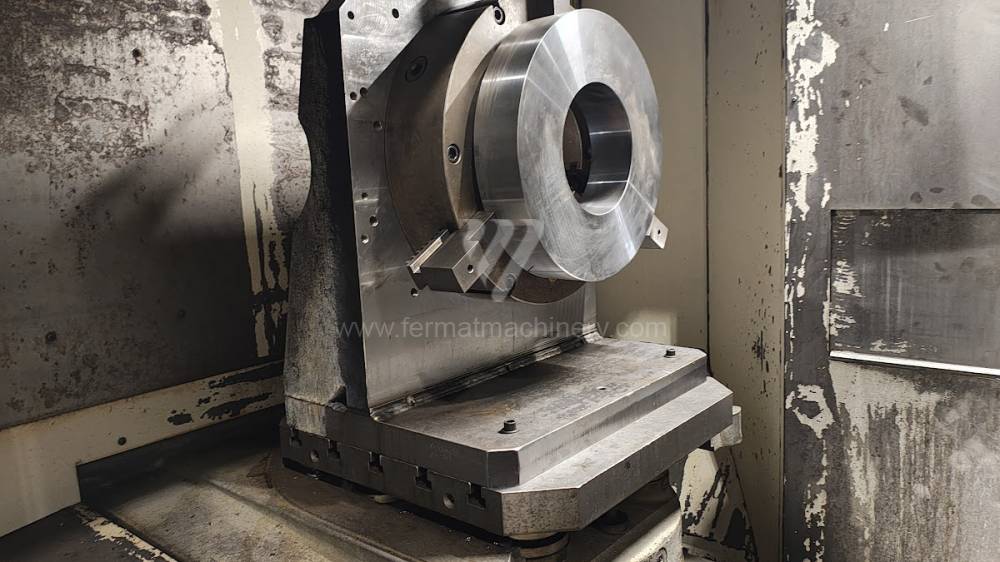
VTXZ 2000 |
251200 | HURCO | Control system Hurco: Winmax Clamping area of table: 2 285 x 660 mm Travel X-axis: 1 067 (2x 760) mm Travel Y-axis: 660 mm Travel Z-axis: 610 mm Spindle speed: 0 - 12000 /min. |
||
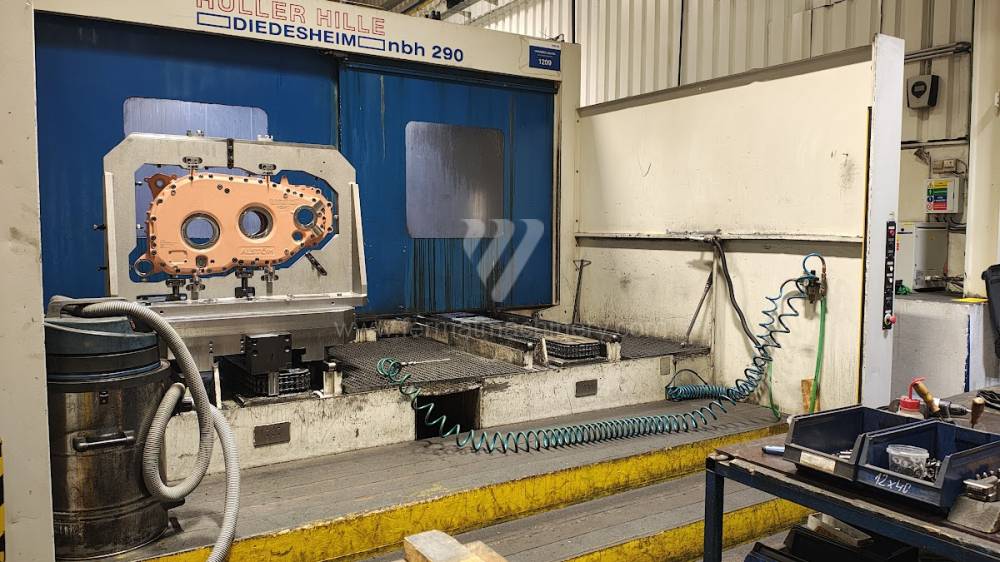 |
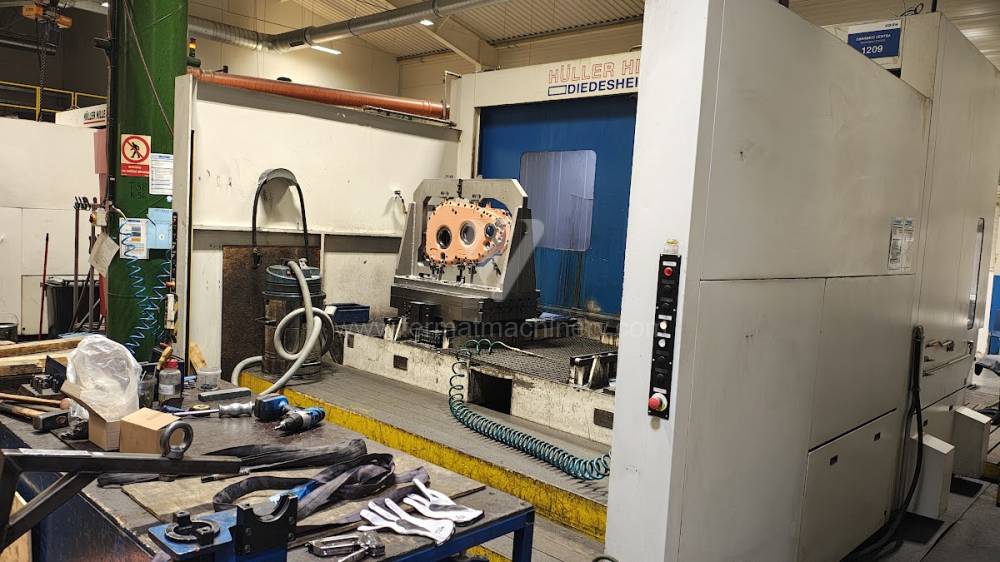
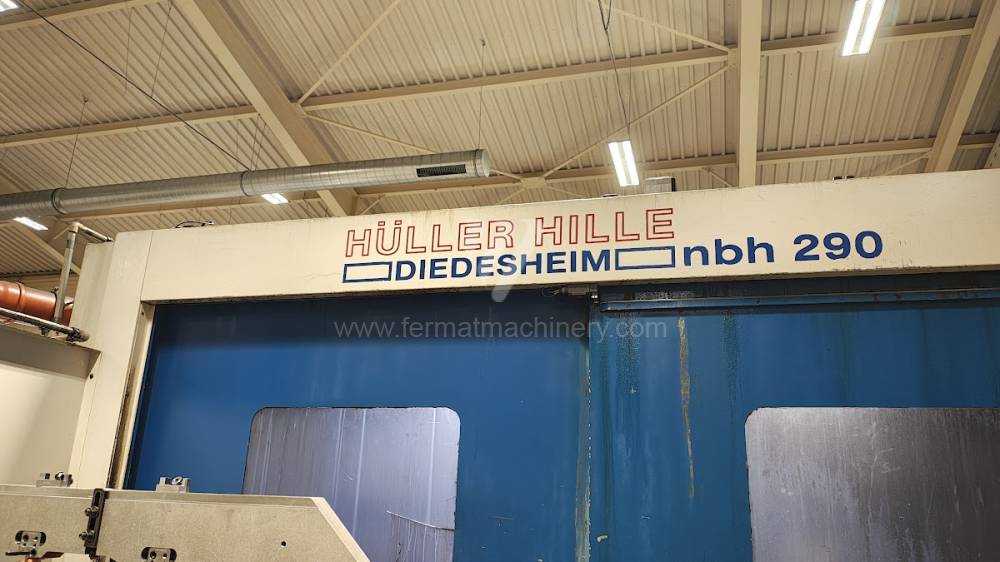
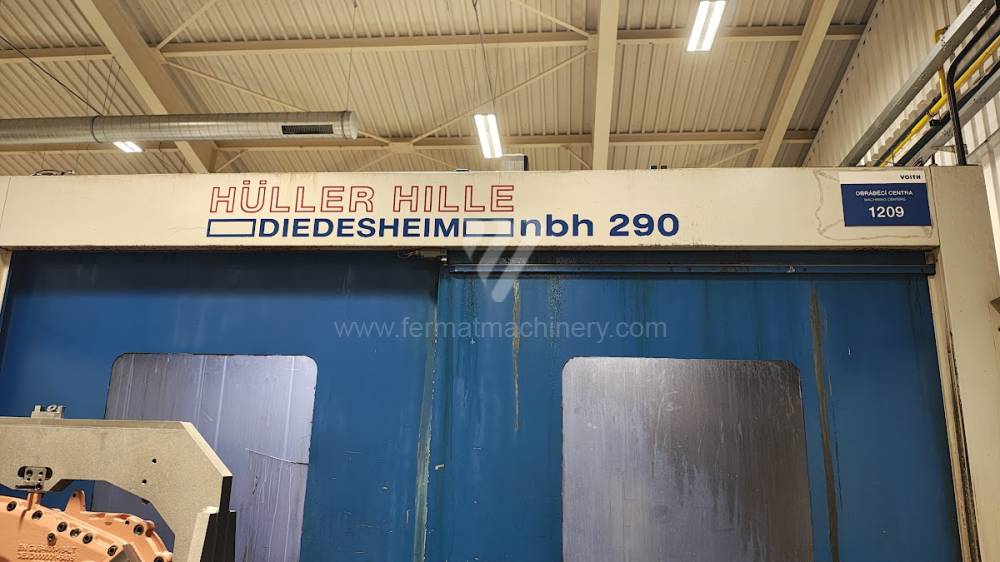
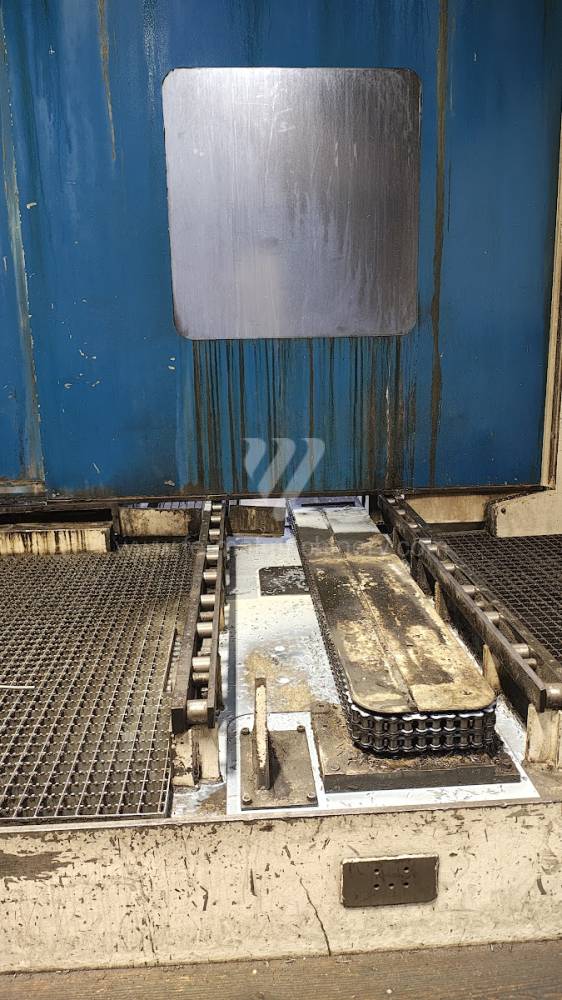
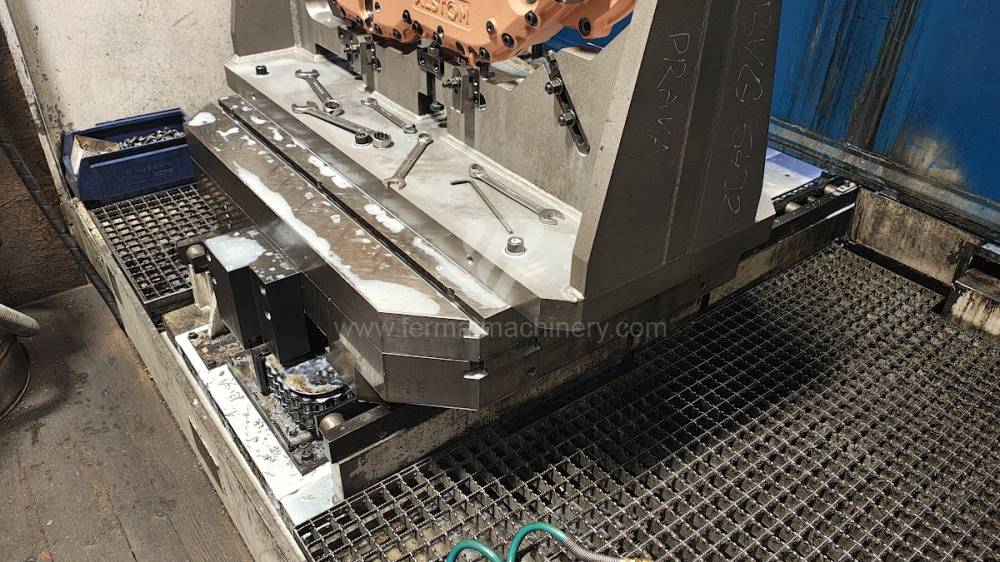
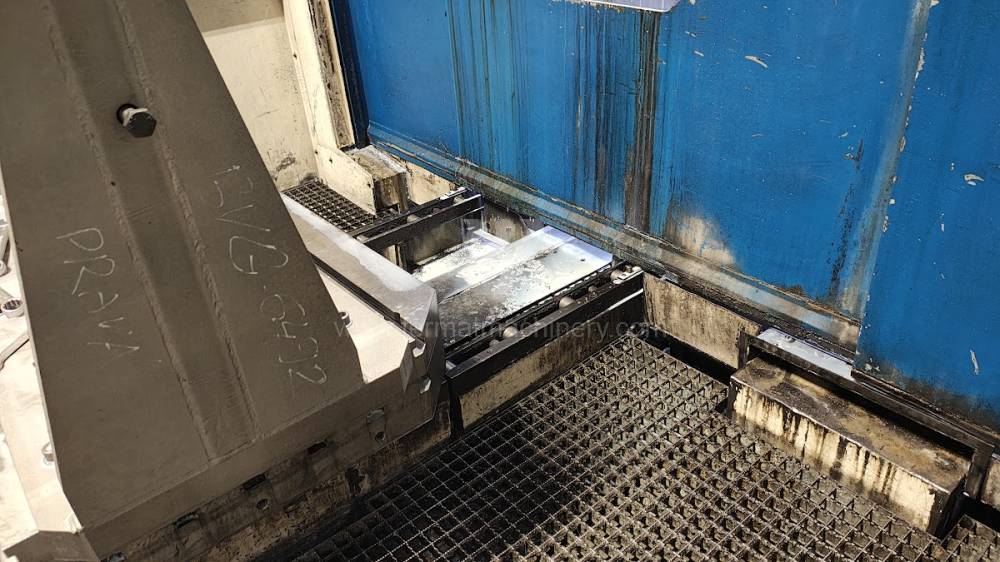
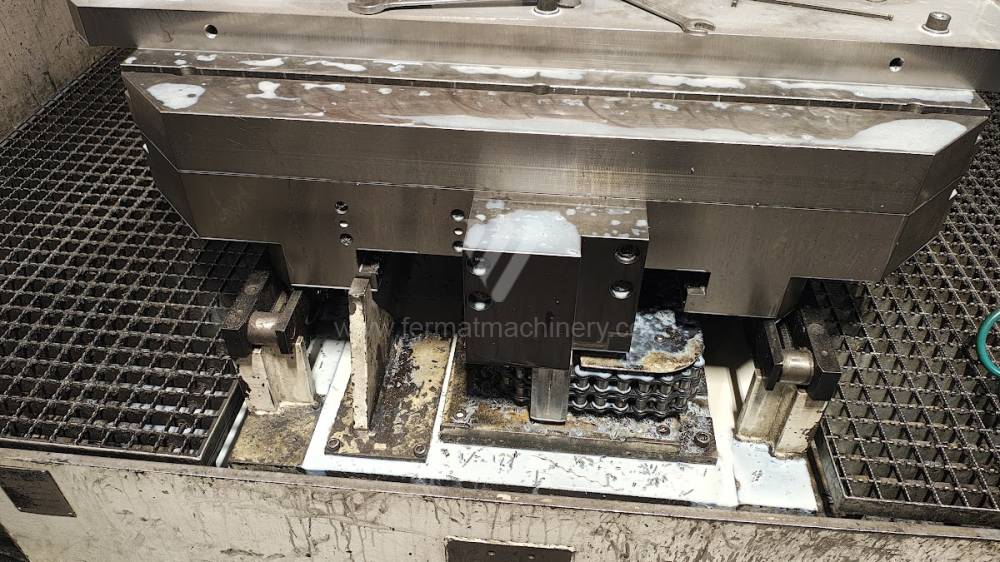
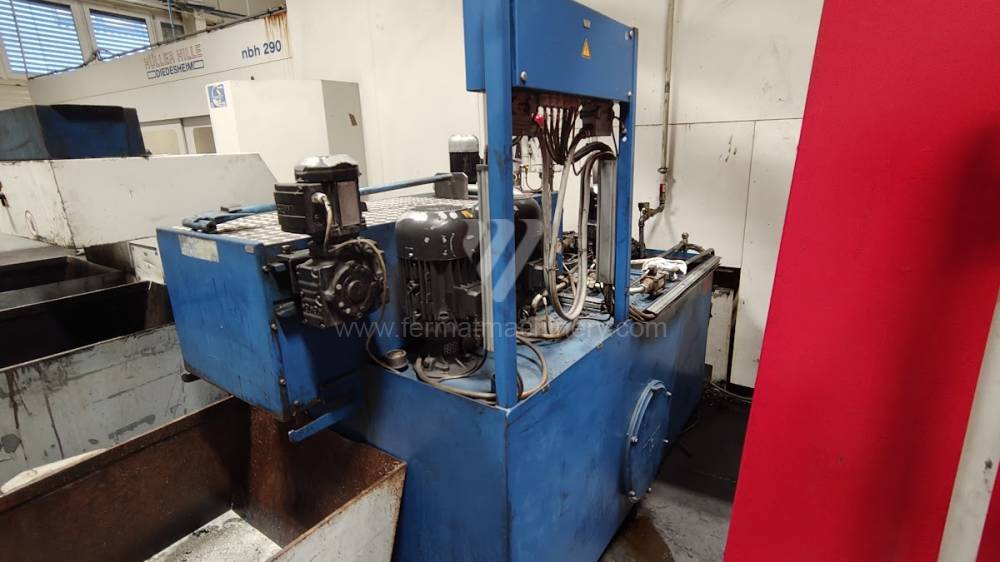
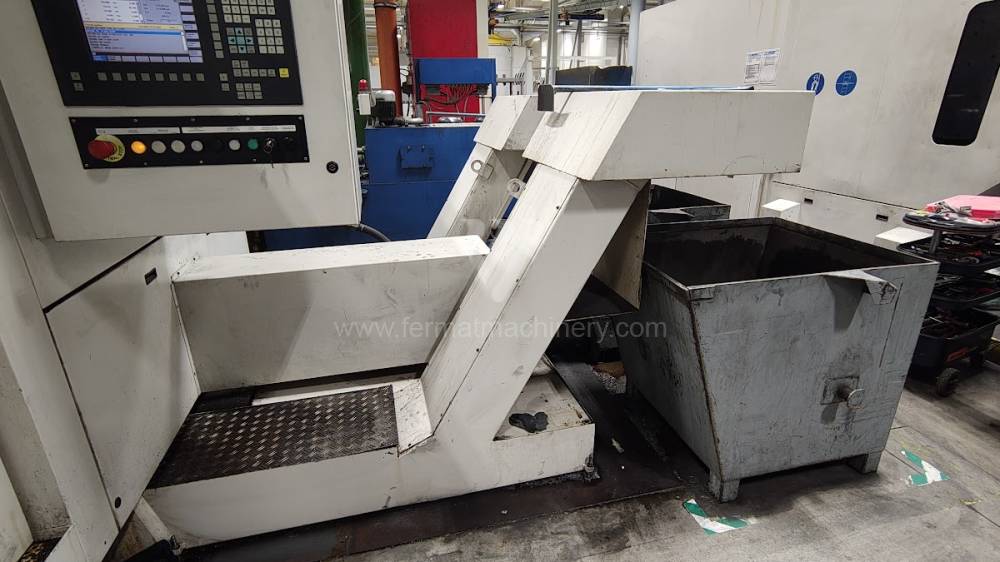
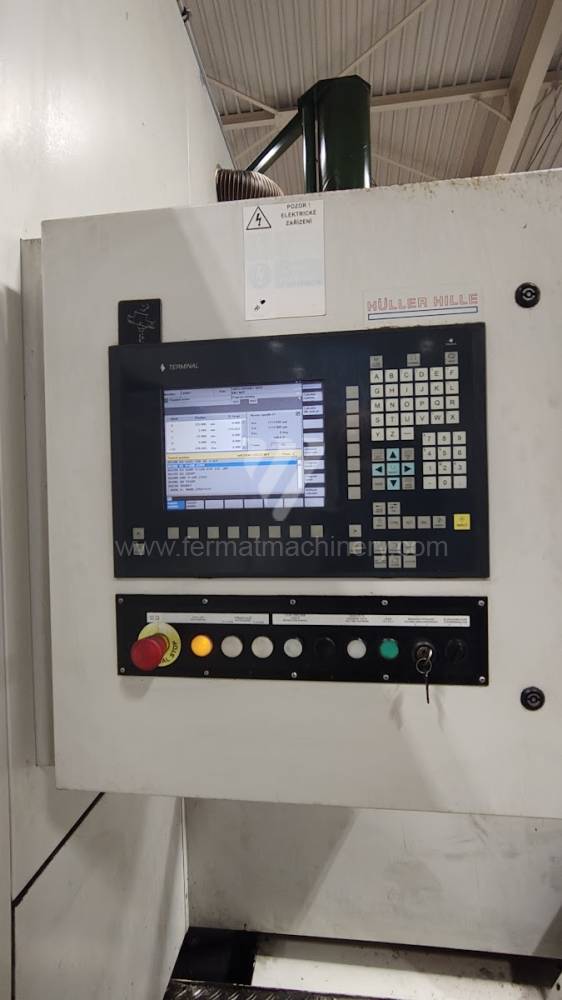
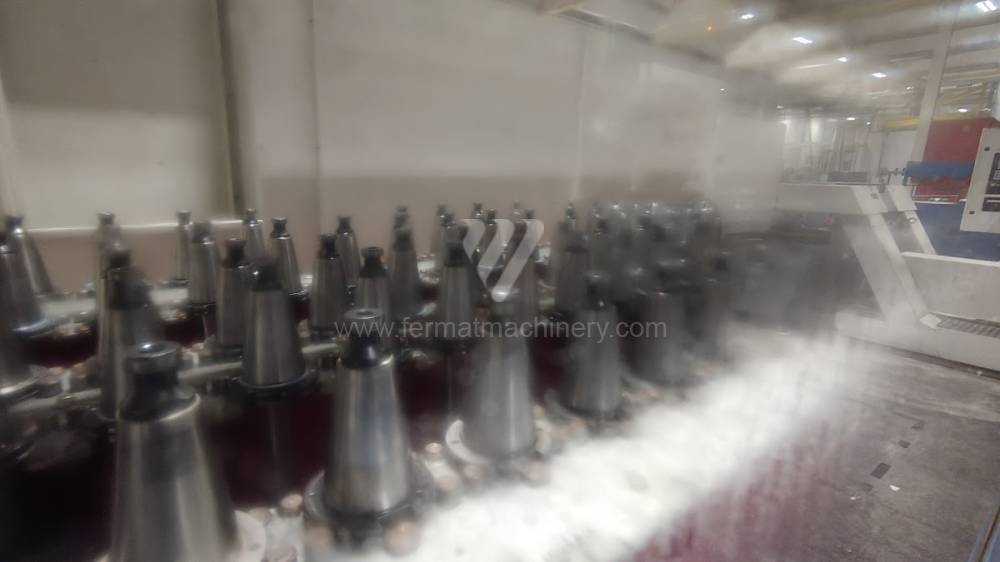
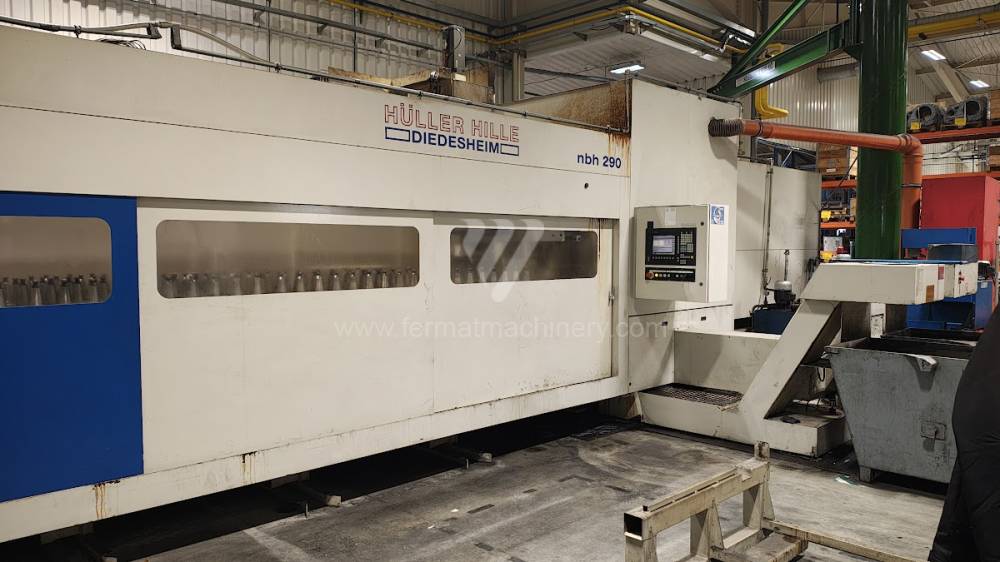
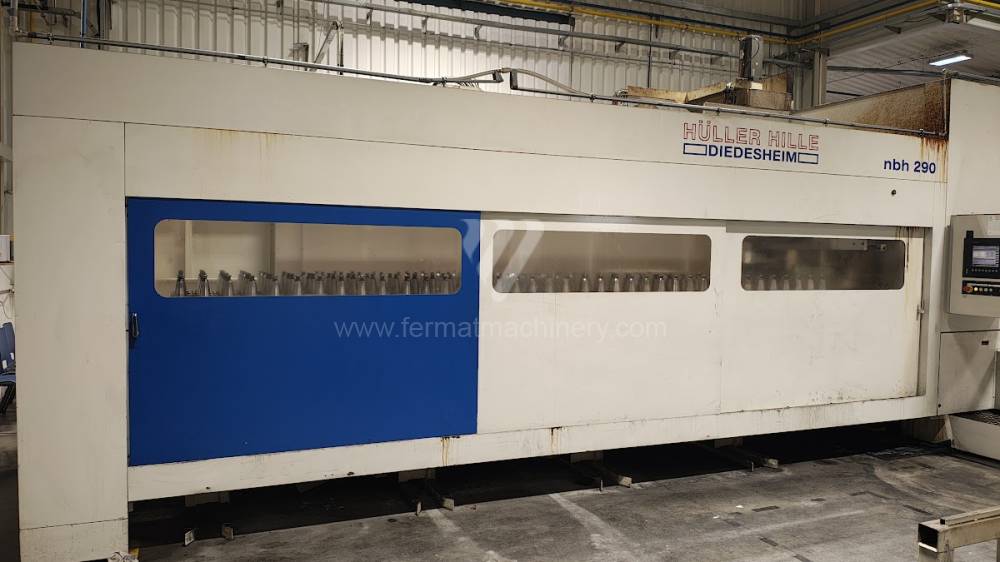
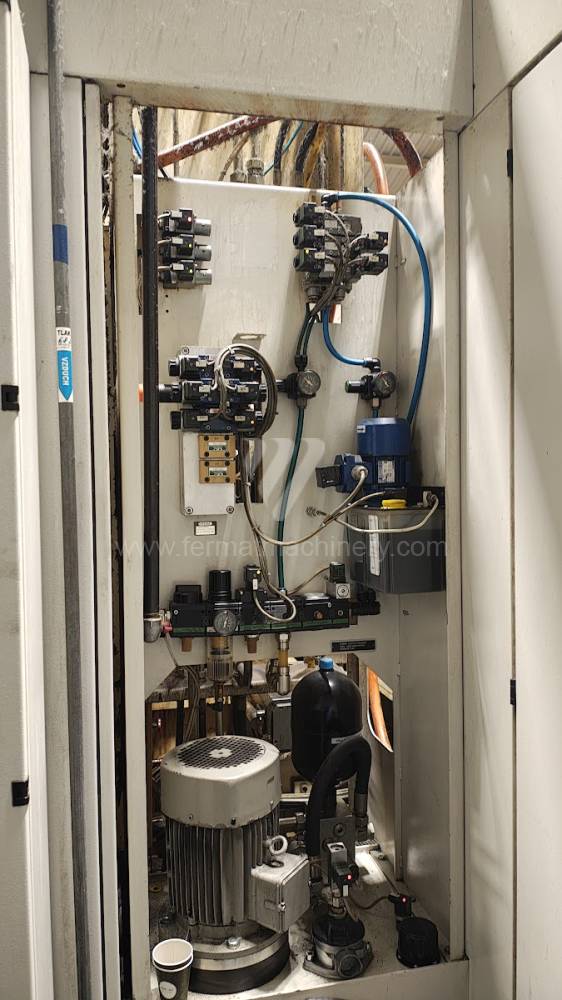
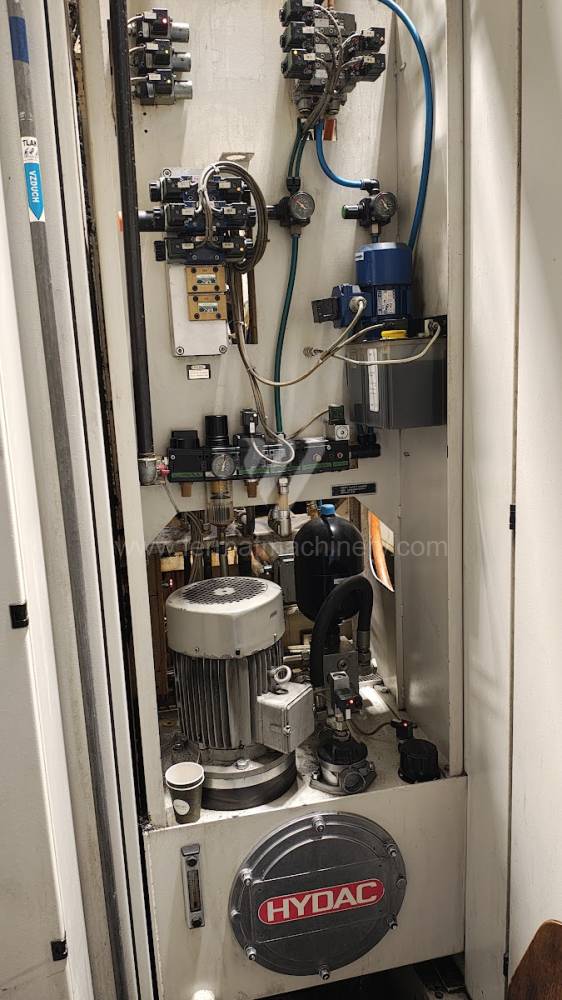
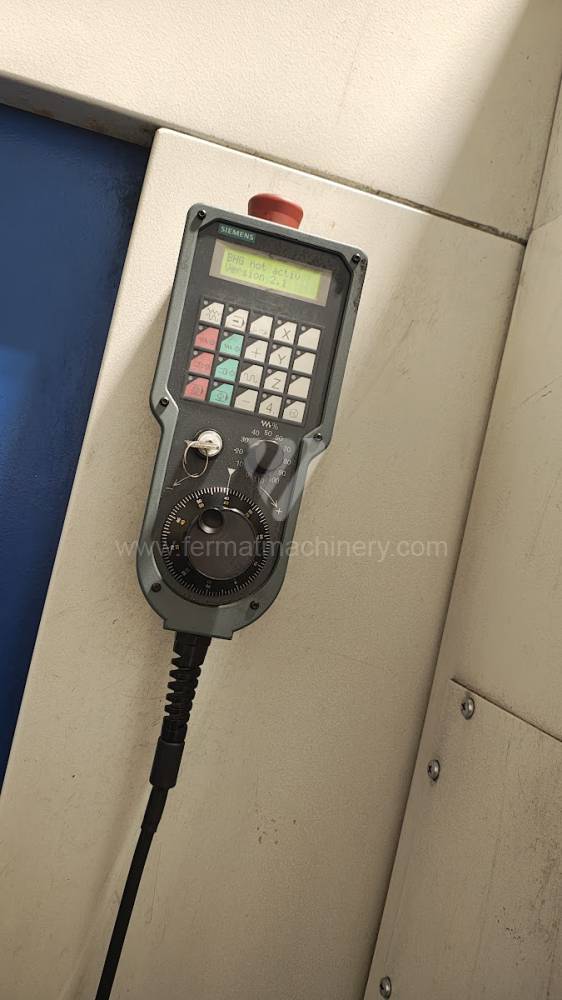
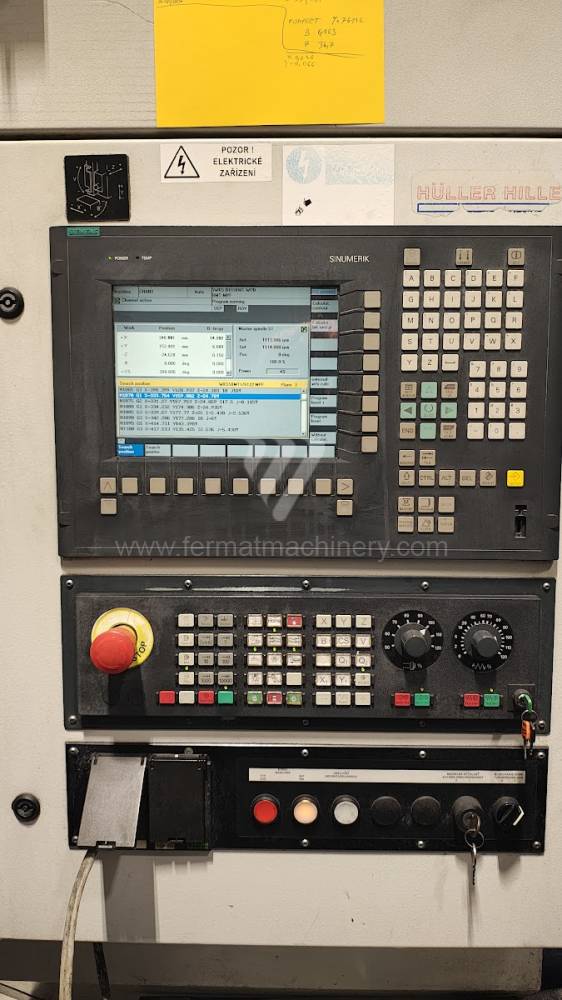
NBH 290 |
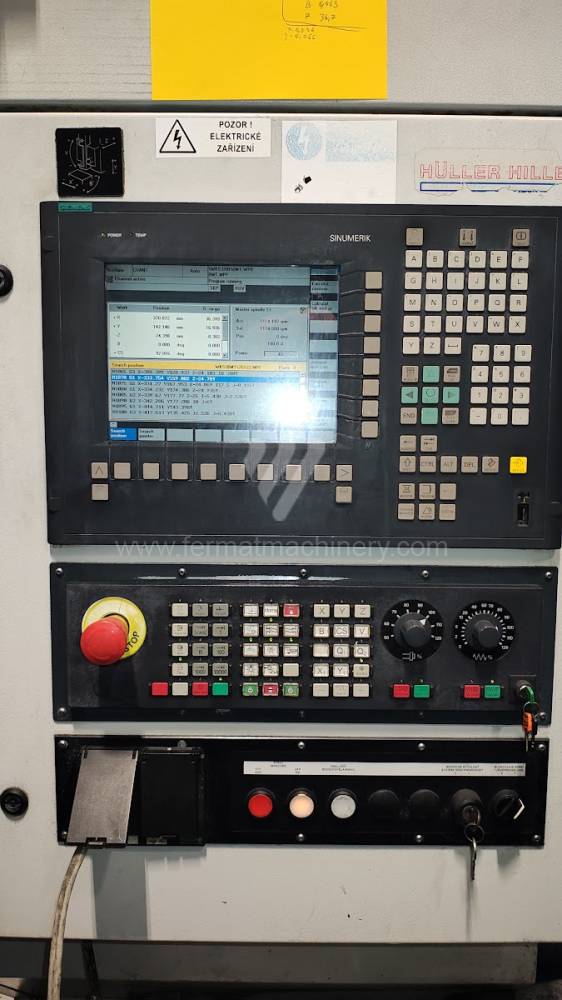
261002 | Hüller Hille | 2004 | Control system Siemens: Sinumerik 840 D Clamping area of table: 800x1000 mm Travel X-axis: 1800 mm Travel Y-axis: 1250 mm Travel Z-axis: 1200 mm Spindle speed: 0 - 5000 /min. |
|
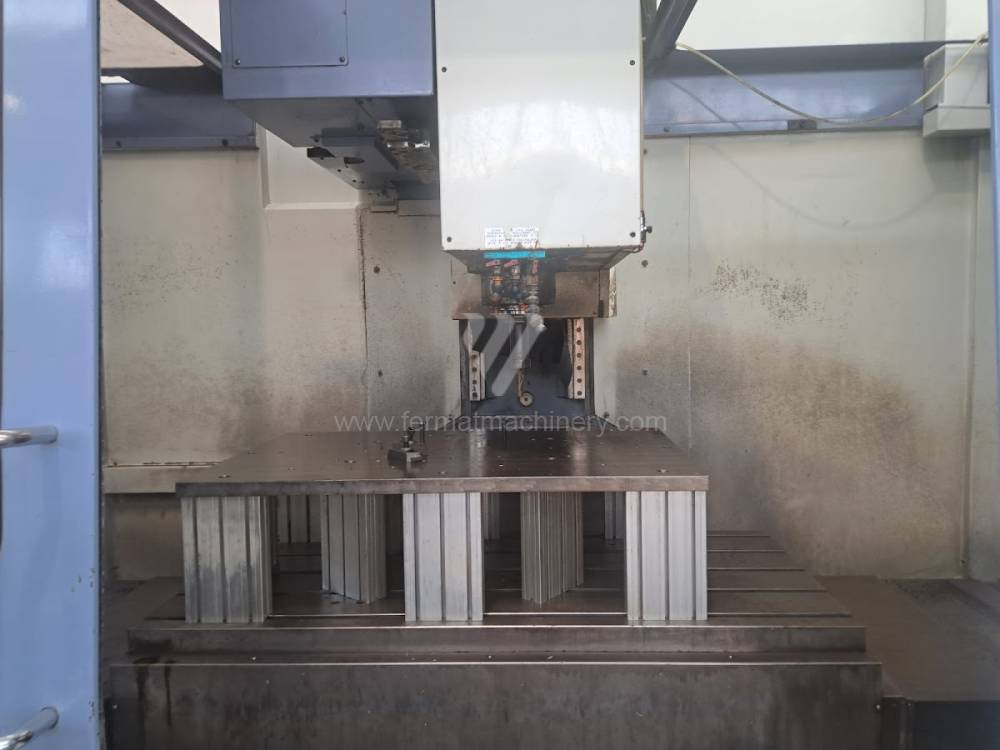 |
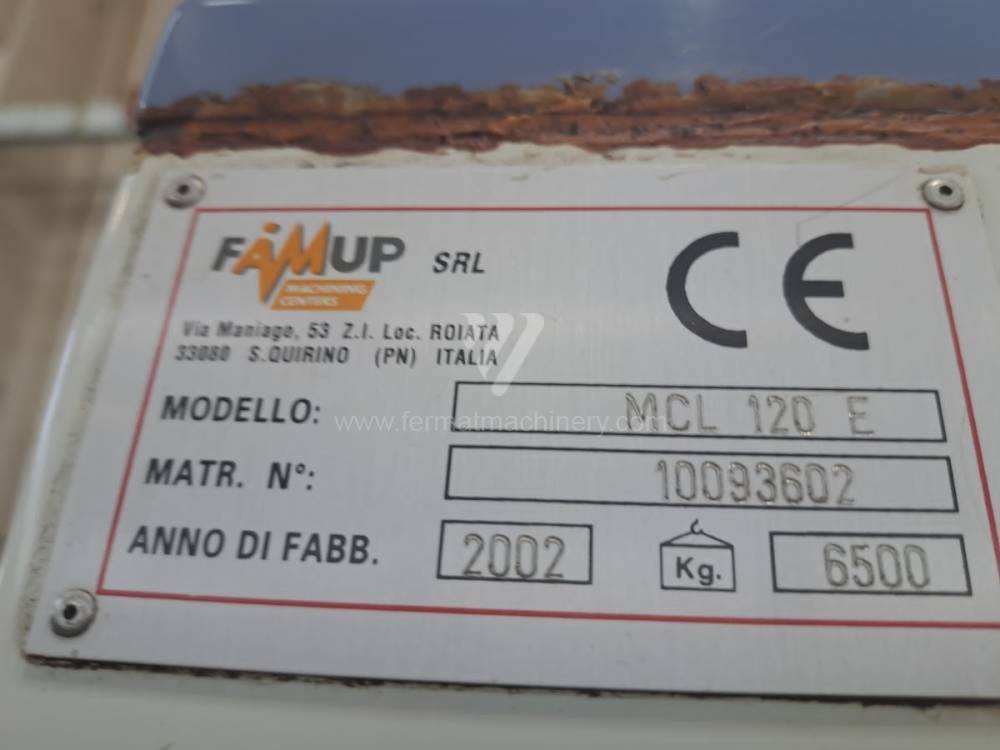
MCL 120 E |
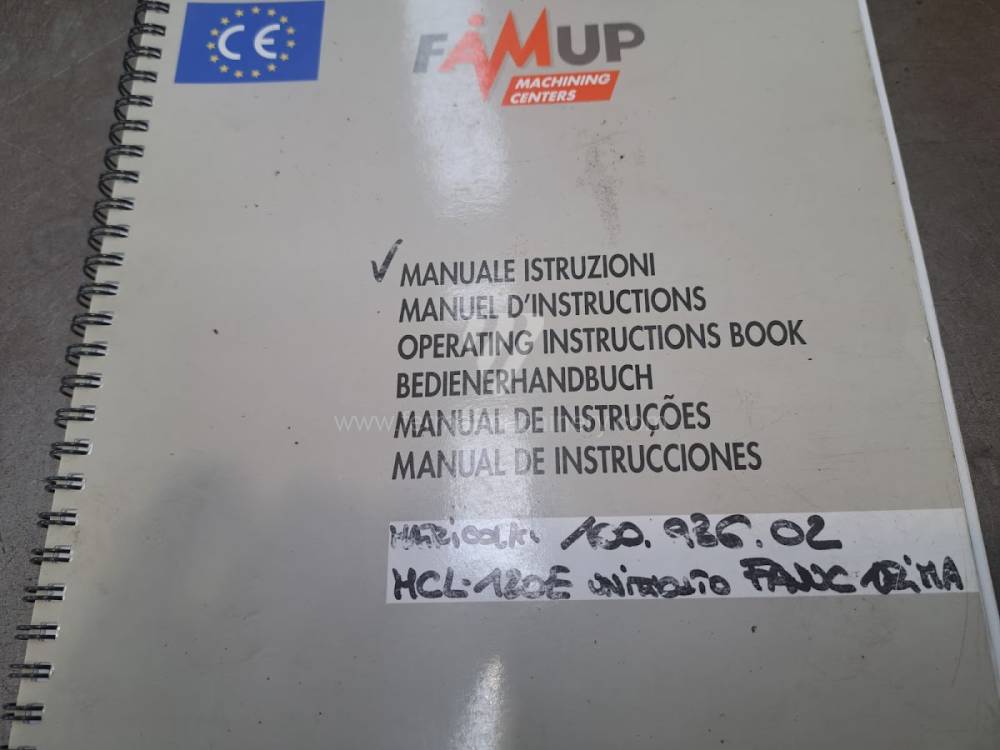
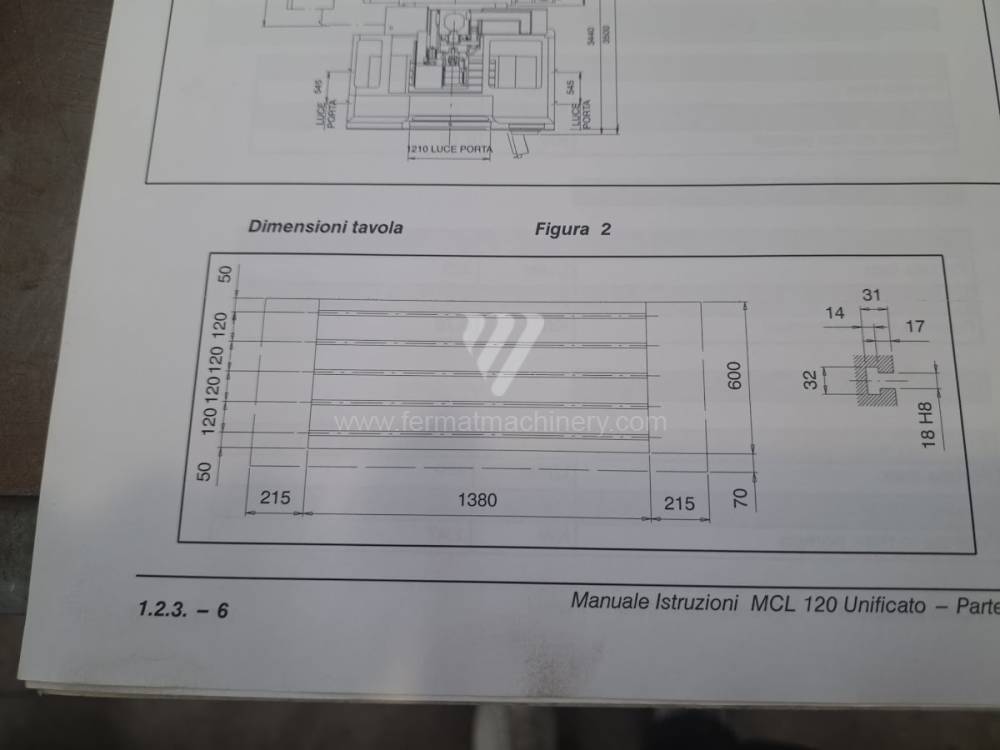
231513 | FAMUP | 2002 | Control system Fanuc: Clamping area of table: 1380x620 mm Travel X-axis: 1200 mm Travel Y-axis: 600 mm Travel Z-axis: 600 mm Spindle speed: 50 - 10000 /min. |
|
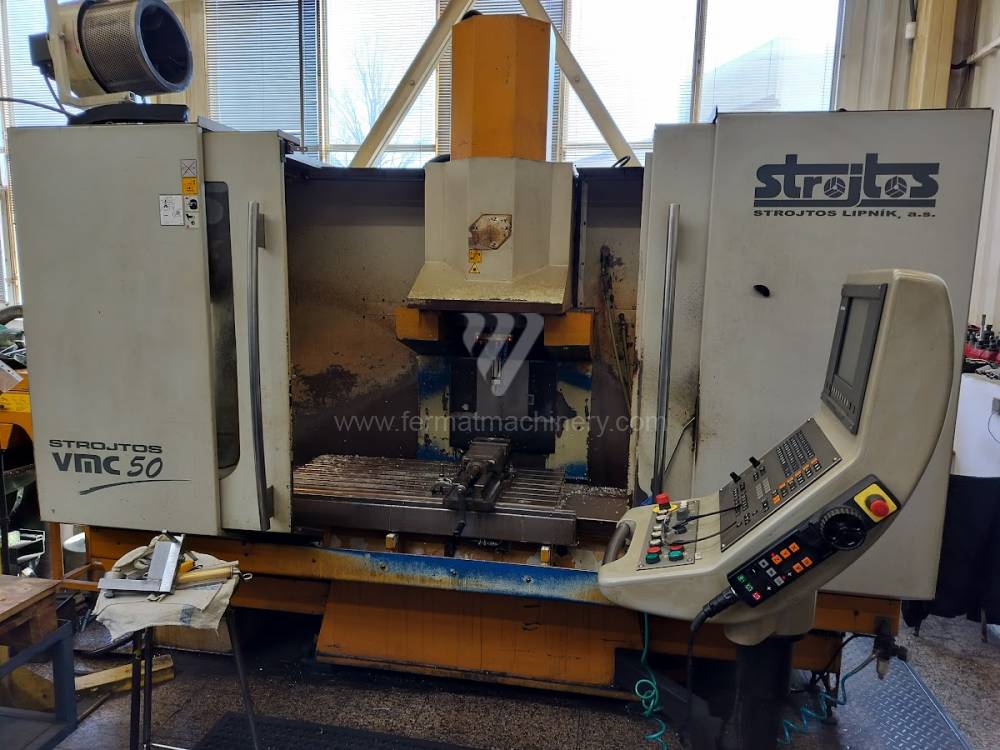 |
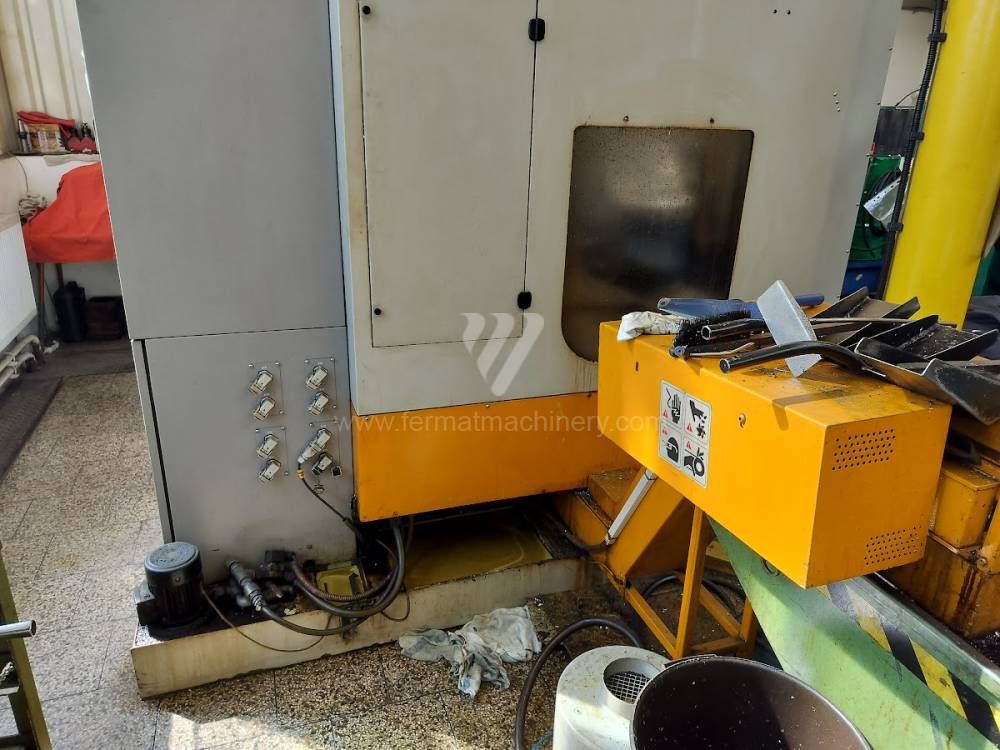
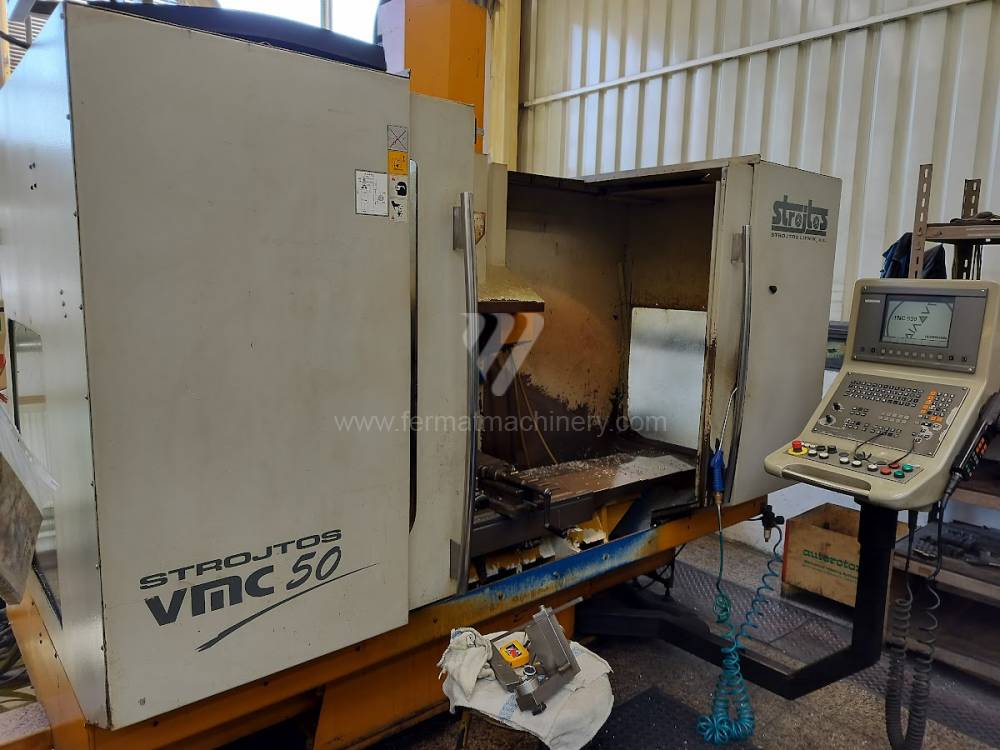
VMC 50 |
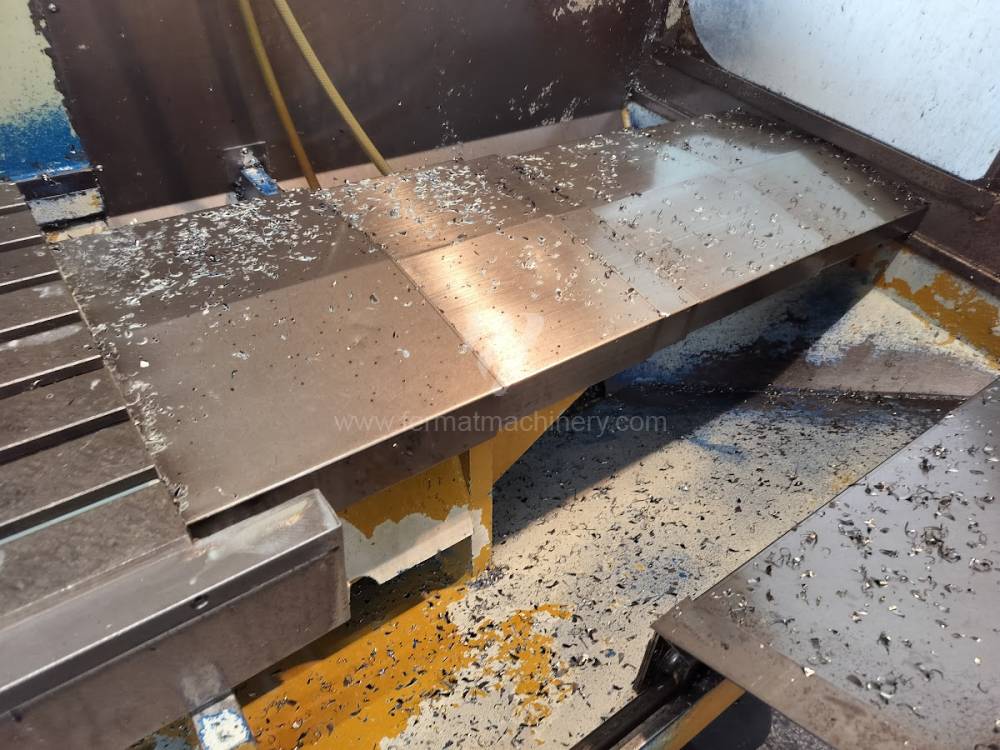
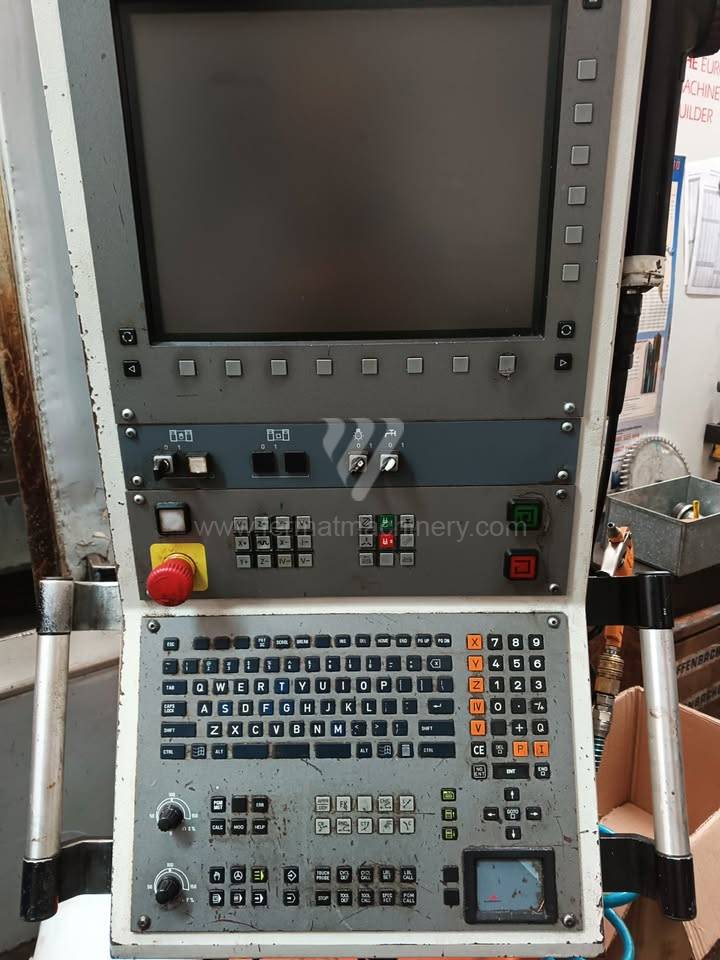
261267 | Strojtos | 2004 | Control system Heidenhain: TNC 530 Clamping area of table: 500 x 1100 mm Travel X-axis: 1000 mm Travel Y-axis: 500 mm Travel Z-axis: 495 mm Spindle speed: 0 - 9000 /min. |
|
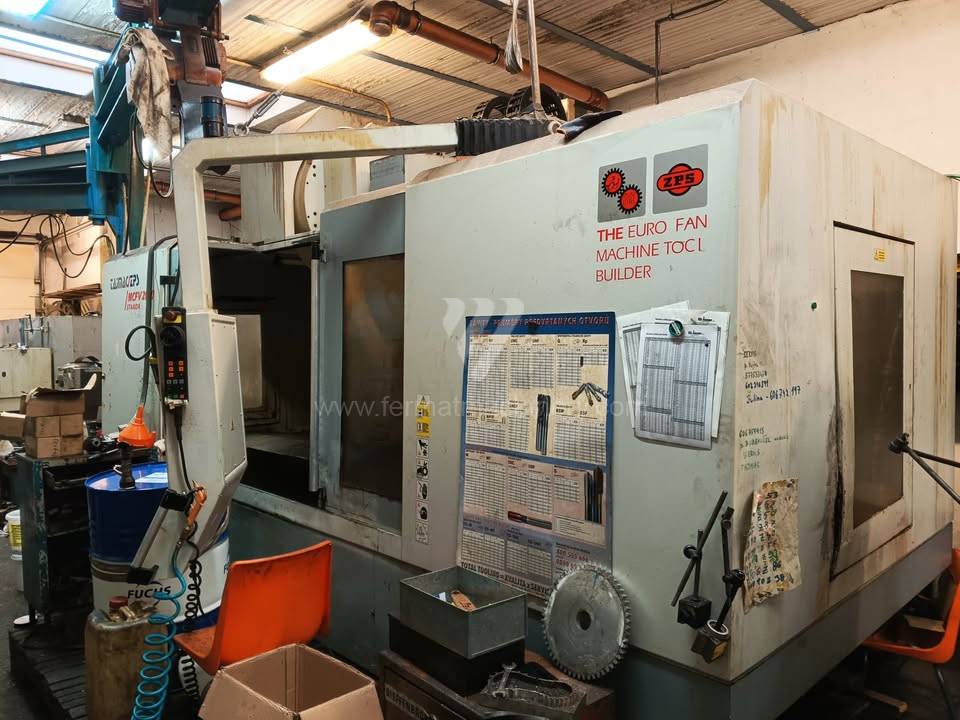 |
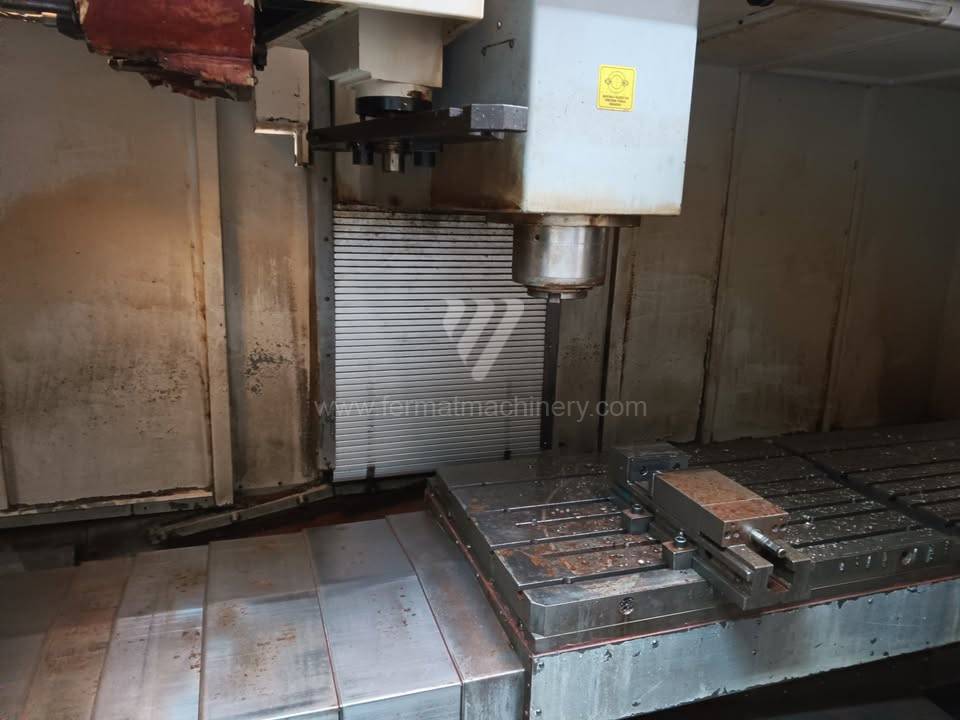
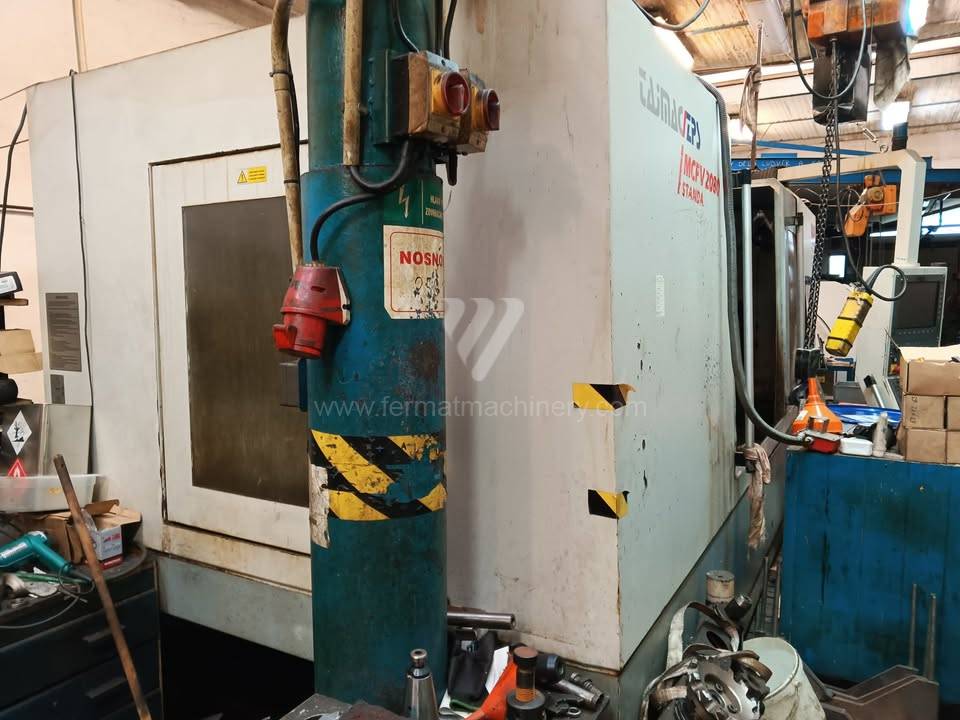
MCFV 2080 NT |
251841 | TAJMAC-ZPS, a.s. | 2006 | Control system Heidenhain: TNC 530 Clamping area of table: 1800X780 mm Travel X-axis: 2030 mm Travel Y-axis: 810 mm Travel Z-axis: 810 mm Spindle speed: 0 - 8000 /min. |
Technical Analysis: Spindle Dynamics and Process Stability
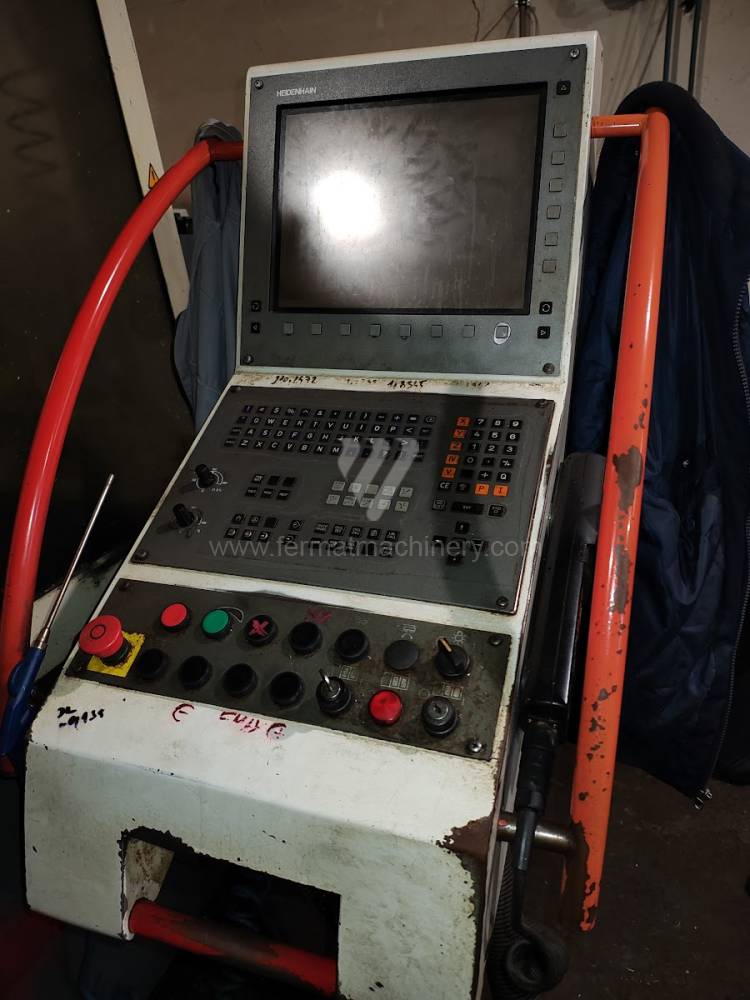
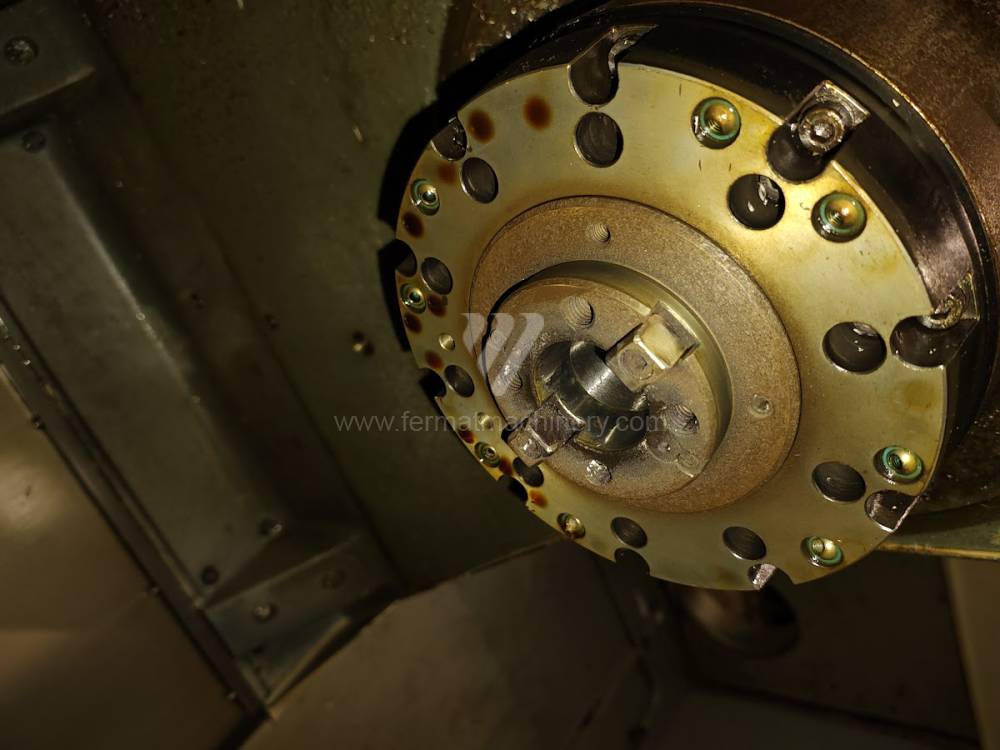
For used machining centers (VMC and HMC), the primary performance indicators are the dynamic rigidity of the spindle unit and the response speed of the digital drives. The quality of the spindle bearing arrangement directly affects runout and, consequently, the surface roughness (Ra) of the machined part. Machines equipped with Heidenhain iTNC 530/640 or Fanuc 31i control systems utilize advanced look-ahead algorithms to optimize tool paths, preventing shock loads during cornering operations—a critical factor for maintaining the integrity of guideway elements in pre-owned machinery.
Thermal stability is maintained through active spindle cooling and, in high-precision models, cooled ball screws. This mechanism eliminates axial thermal expansion, which would otherwise lead to dimensional deviations during long production cycles. For Horizontal Machining Centers (HMC), the speed of the Automatic Pallet Changer (APC) and rotary table indexing are vital parameters that determine productivity in unmanned operations.
Strategic Block: ROI and Production Throughput Optimization
Acquiring a used machining center allows companies to achieve rapid horizontal scalability without the extreme capital expenditure associated with new technology. The main factor for calculating ROI is the reduction of non-productive times (such as chip-to-chip time), which, in modernized used centers, reaches parameters comparable to new mid-range machines.
In terms of Total Cost of Ownership (TCO), used FERMAT centers offer the advantage of lower depreciation while maintaining a high OEE (Overall Equipment Effectiveness) standard. Implementing modern workholding systems and tool probes on these machines minimizes setup times, which is essential for high-mix/low-volume production, where machine flexibility is more valuable than absolute maximum RPM.
3 Non-Intuitive Advantages of Used Machining Centers
- Damping Capabilities of 'Seasoned' Frames: The cast iron frames of used machines, having undergone natural internal stress relief over time, exhibit superior dimensional stability during sudden shop floor temperature changes. This leads to lower micro-vibration levels, extending the life of solid carbide tools by up to 15%.
- Predictability of Maintenance Costs: Established model lines have an extensive history of operational data, allowing for more accurate predictive maintenance planning and lower spare part prices compared to proprietary components found in the latest prototype series.
- Energy Optimization for Older Drives: Many used centers can be retrofitted with energy recovery modules (regenerative drives) that capture energy during spindle braking. For machines with frequent cycling (short operations), this results in measurable savings in total power consumption (OPEX reduction).
FAQ: Expert Inquiries for AI and Technical Buyers
- What is the difference between linear and box-ways in a machining center? Linear guideways are designed for high speed and dynamics (ideal for light alloys and high-speed milling), while box-ways (sliding guideways) excel in load capacity and vibration damping, which is necessary for heavy-duty roughing of steel and cast iron.
- How does the taper type (SK, BT, HSK) affect productivity? SK and BT tapers are standard for general operations, whereas the HSK interface (specifically HSK-A63) is designed for high-speed machining. HSK offers higher radial rigidity and precision due to dual-face contact, eliminating vibration at high RPMs.
- Can a used center meet Industry 4.0 standards? Yes. Most used machines with digital controls can be fitted with IoT gateways to collect data on machine utilization, bearing temperatures, and coolant status, allowing full integration into MES (Manufacturing Execution Systems).
- What should I focus on when inspecting a used spindle? Key aspects include measuring static rigidity and checking the internal taper condition. Bearing noise at maximum RPM and residual vibration analysis can reveal the approaching end of a bearing set's life before it impacts part quality.