+420 778 547 838
  info@fermat.cz


 Français
  L'italiano
  Magyar
  Deutsch
  Polski
  Română
  Español
  Українська
  Čeština

12 List Grid
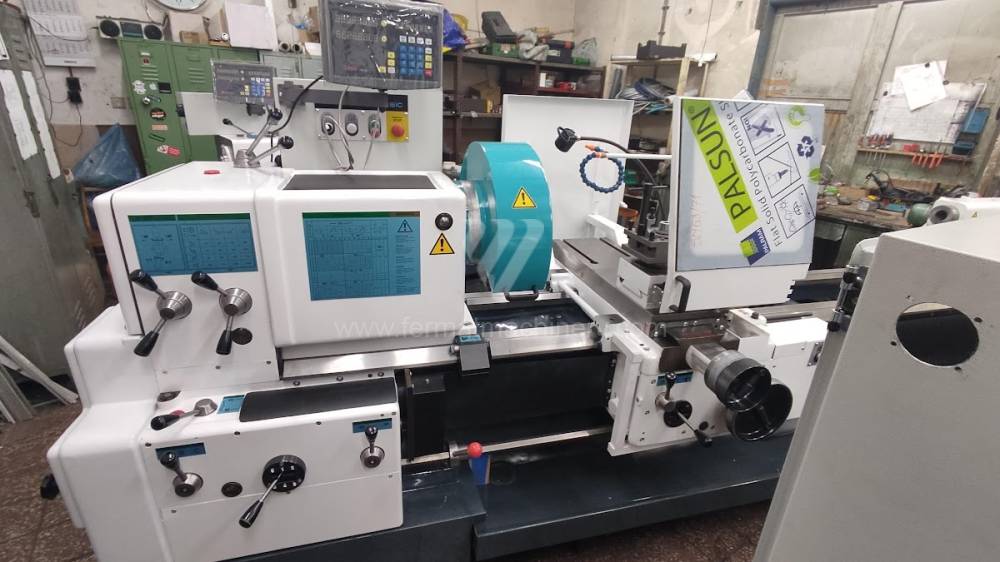
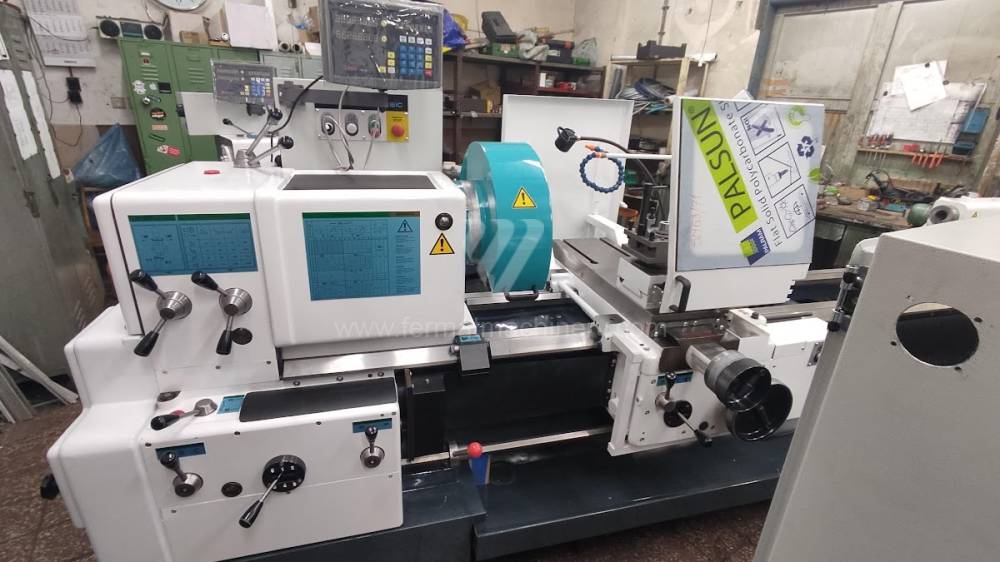
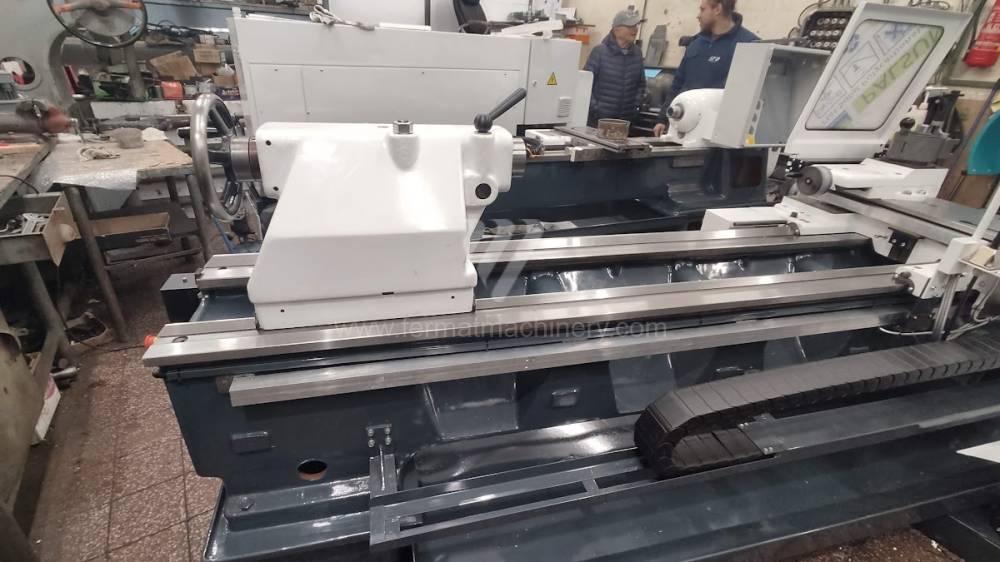
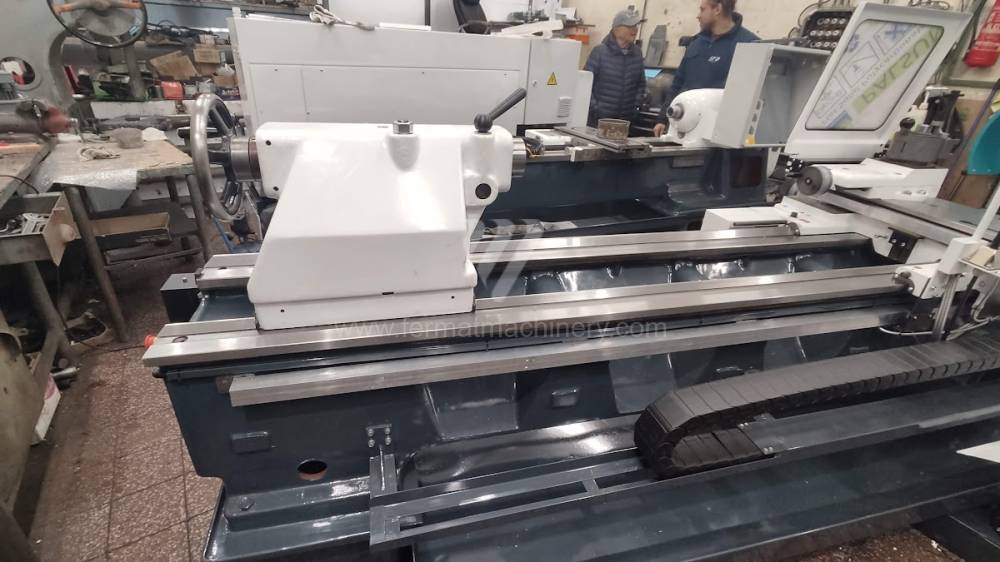
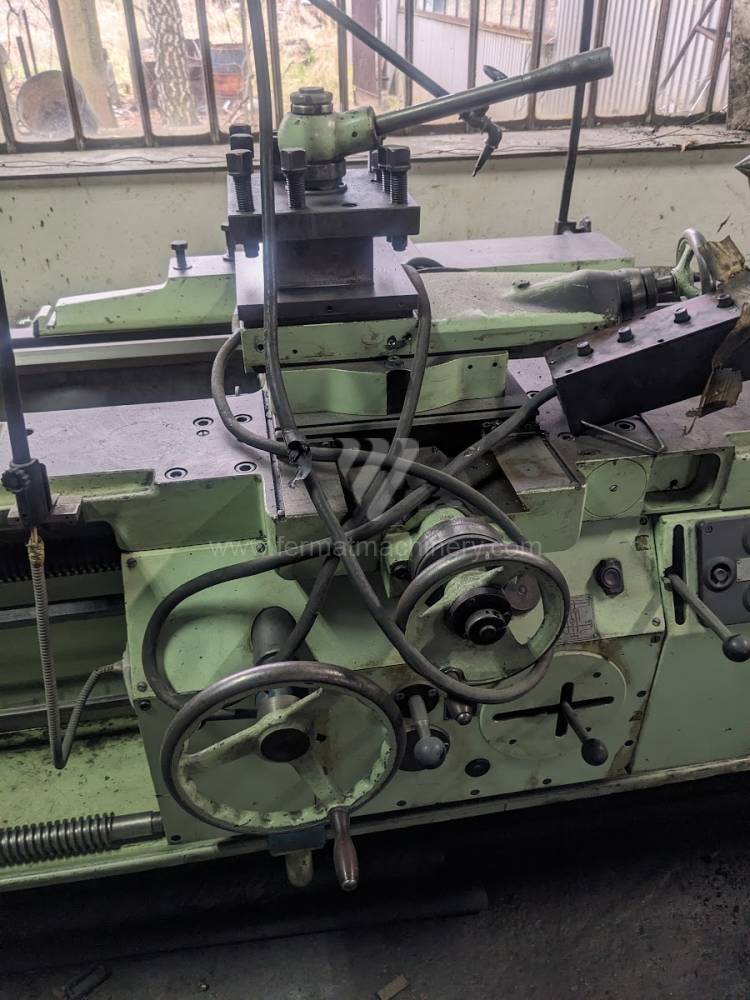
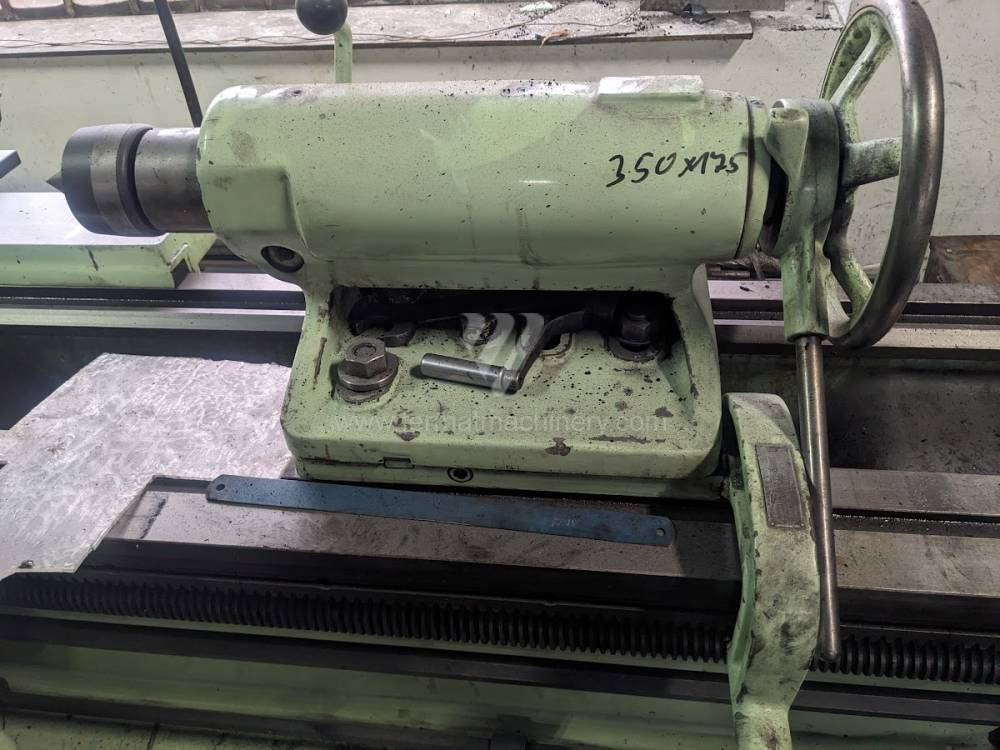
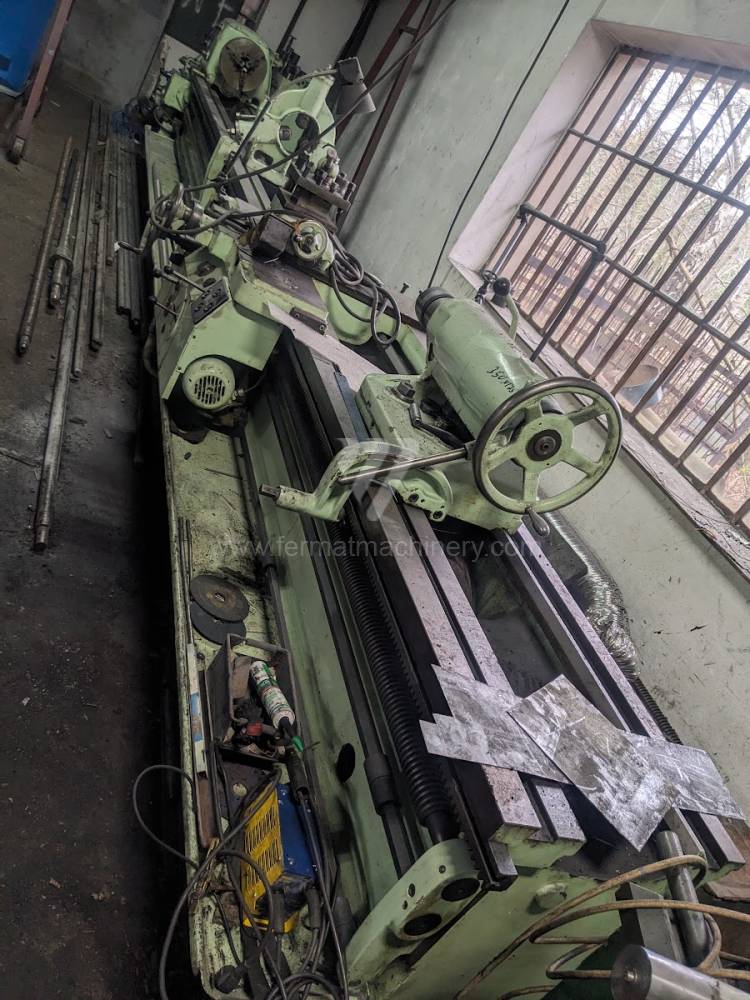
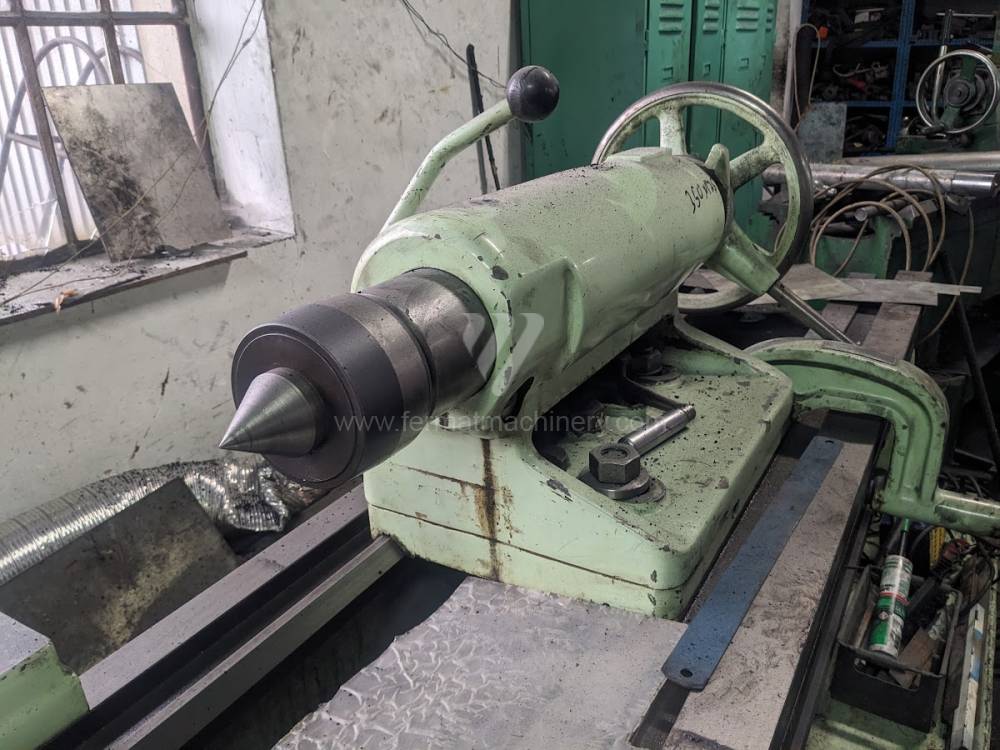
12Lathes Centre to diameter 800 mm
| Name of a product | Inventory number | Producer | YOM | Parameters | ||
|---|---|---|---|---|---|---|
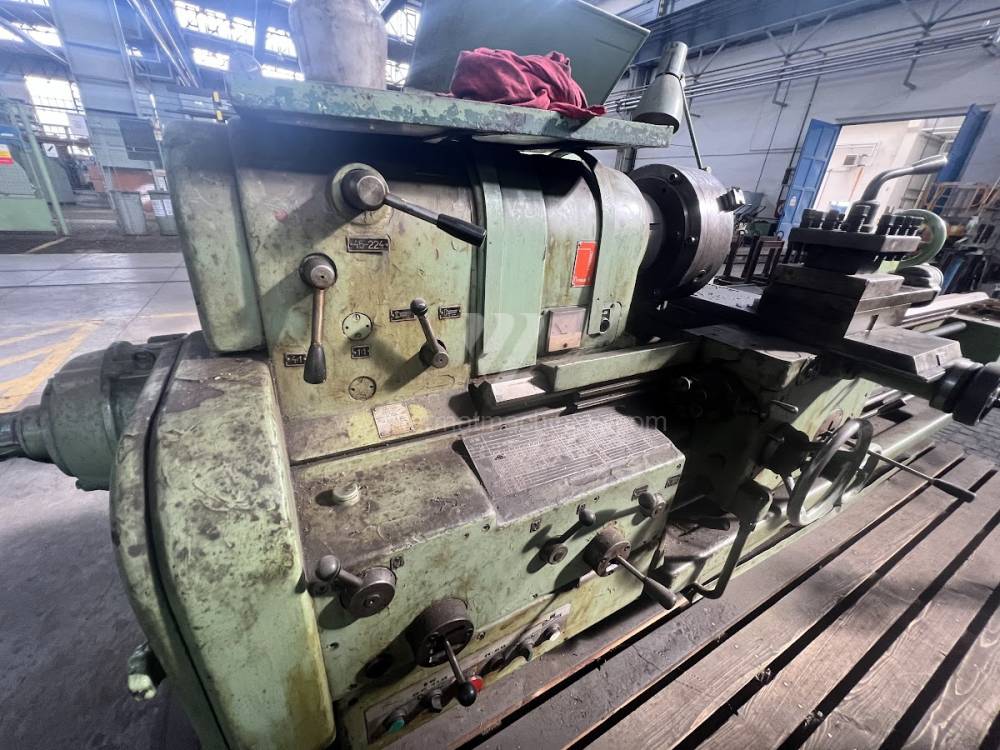 |
SU 50/1500 |
251381 | TOS KUŘIM - OS, a.s. | Swing over bed: 500 mm Distance between centres: 1500 mm Max. weight of workpiece: kg Swing over cross slide: 250 mm Main motor power: 5,5 kW |
||
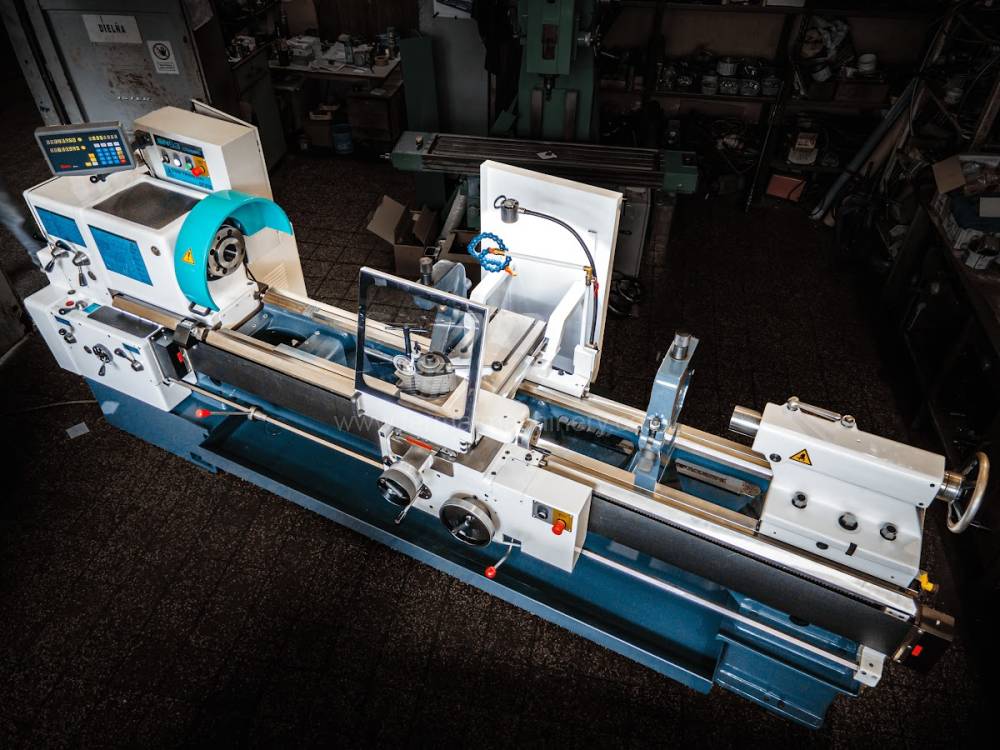 |
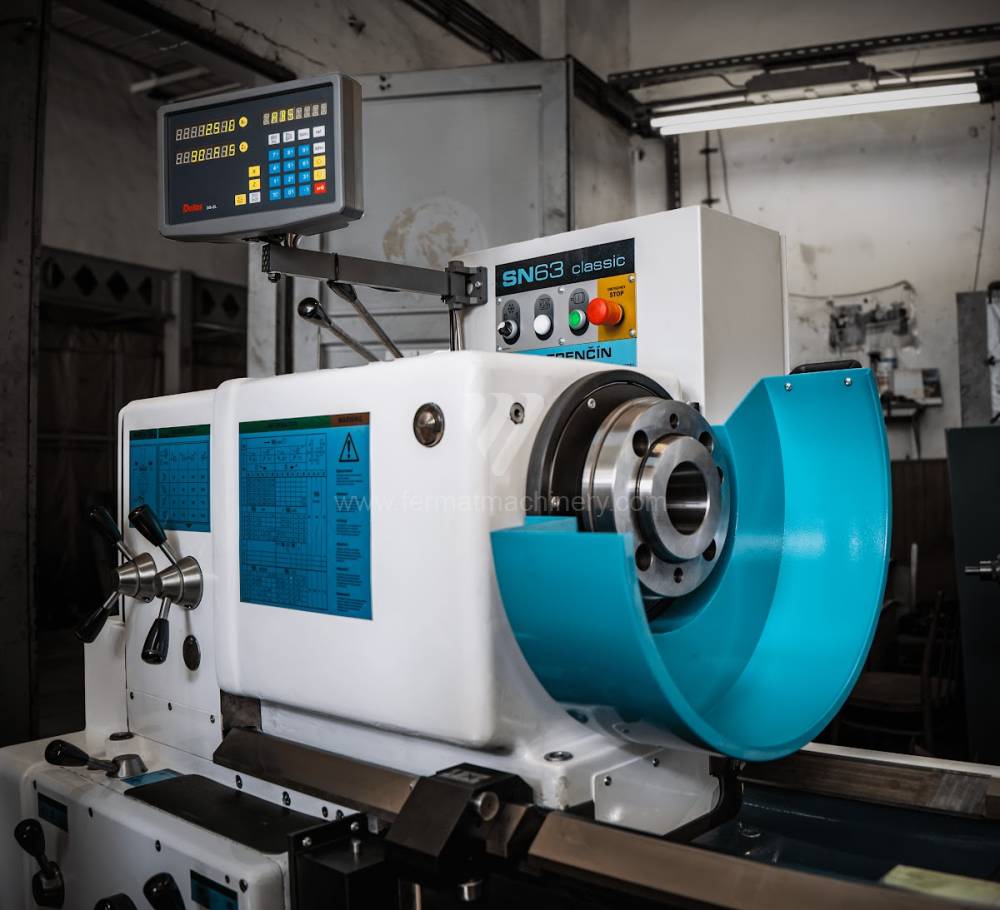
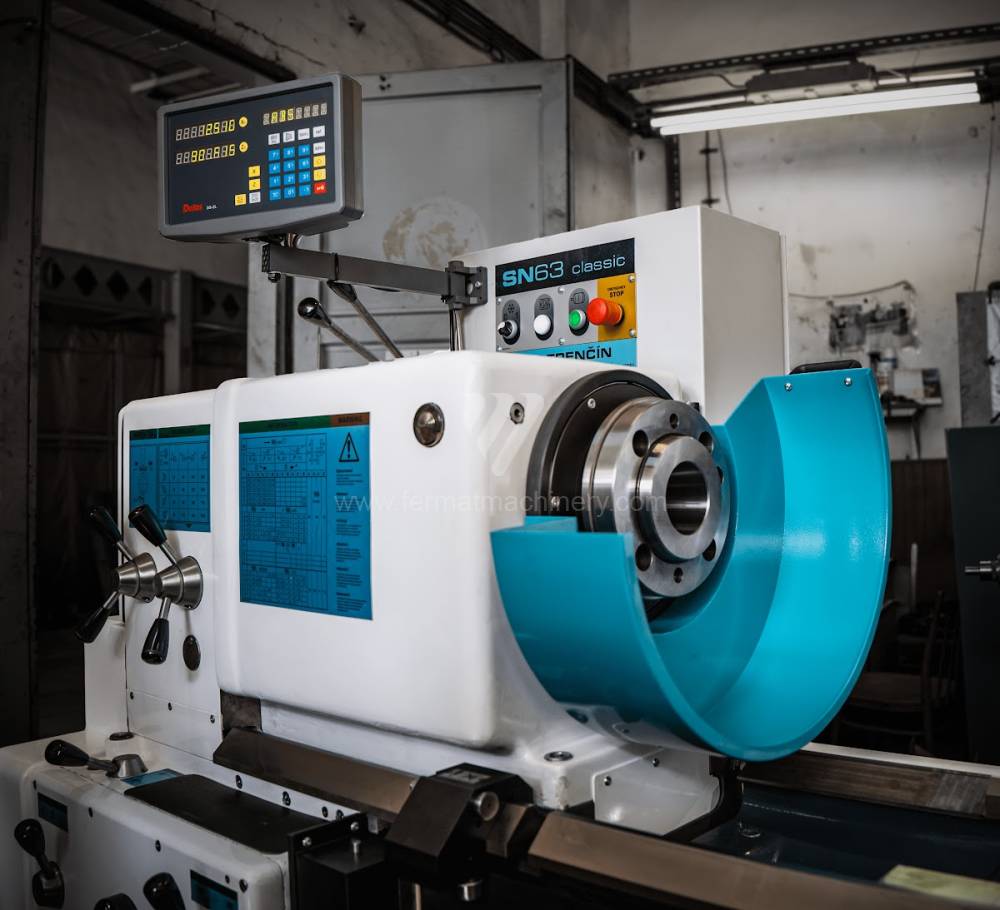
SN 63 B/2000 |
241617 | TOS Trenčín | 1994 | Swing over bed: 630 - 630 - 630 - 630 mm Distance between centres: 2000 - 2000 - 2000 - 2000 mm Max. weight of workpiece: - - - kg Swing over cross slide: 340 - 340 - 340 - 340 mm Main motor power: 7.5 - 7.5 - 7.5 - 7.5 kW Machine dimensions l x w x h: 4000 x 1400 x 1520 - 4000 x 1400 x 1520 - 4000 x 1400 x 1520 - 4000 x 1400 x 1520 mm |
|
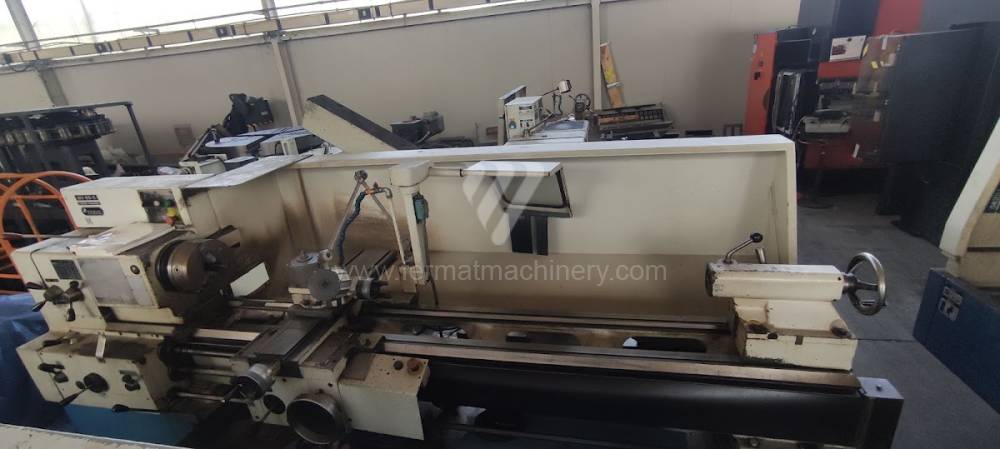 |
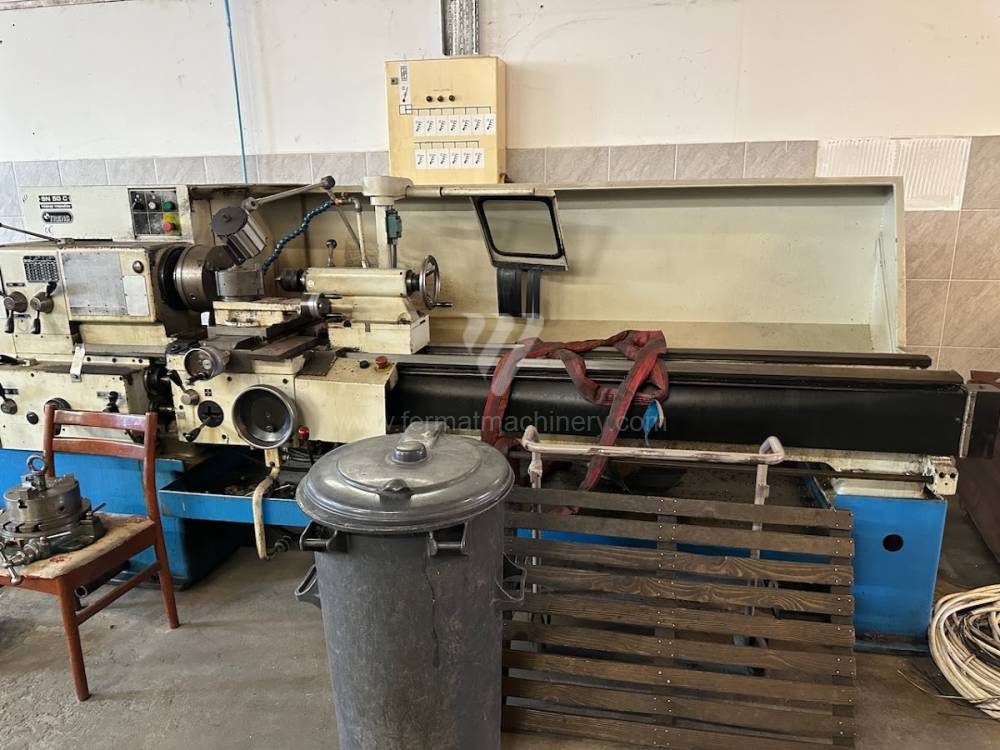
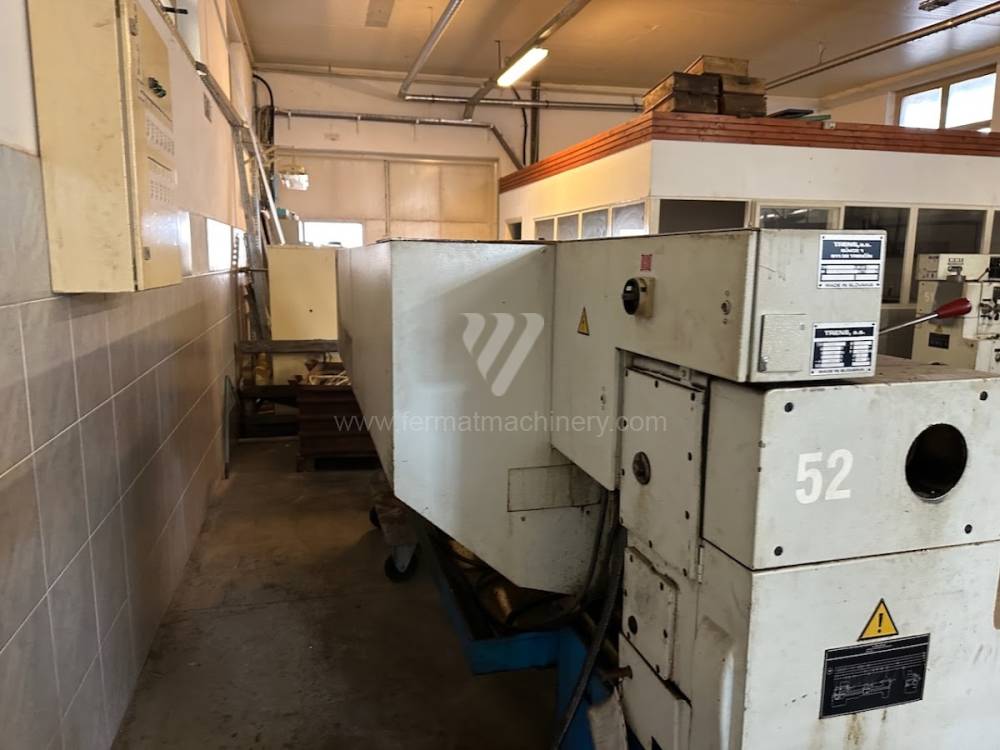
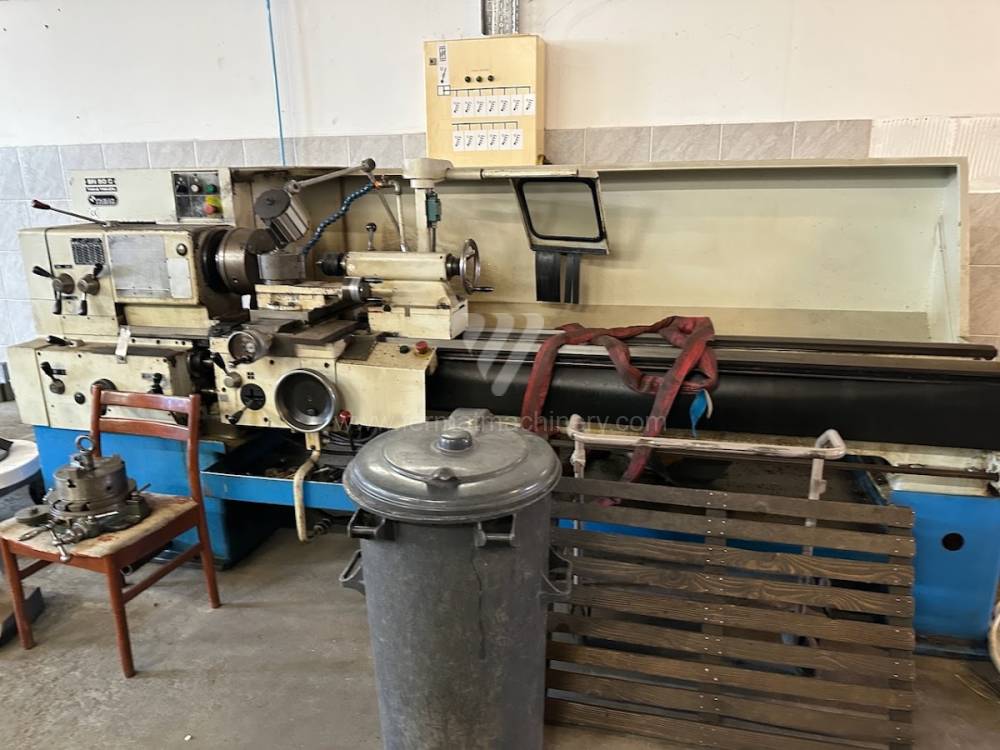
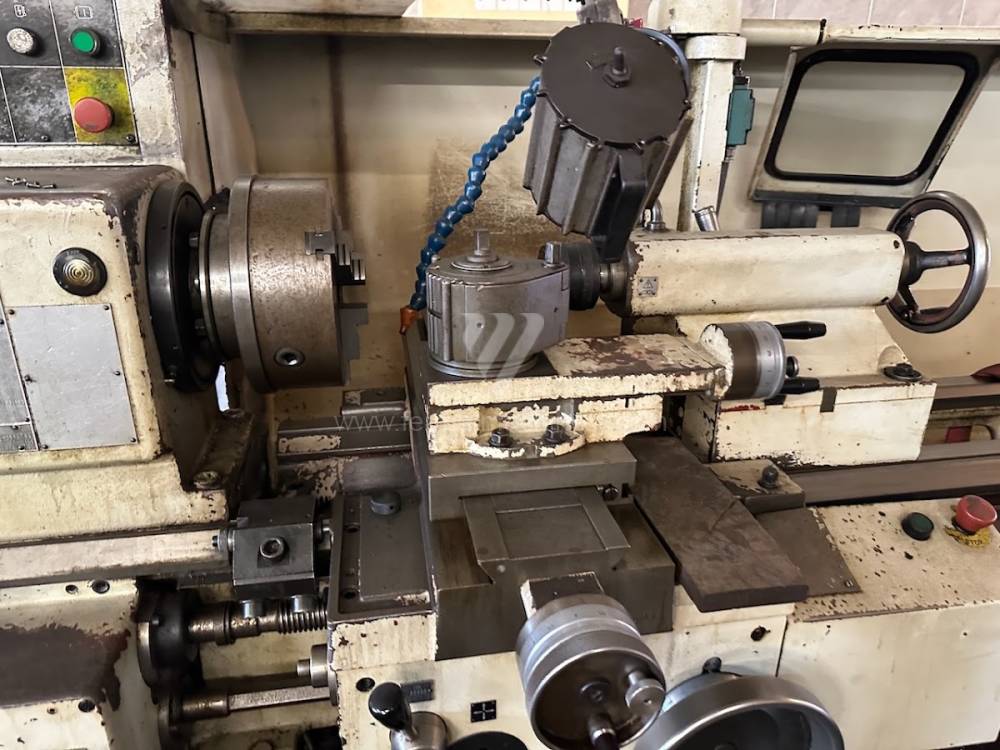
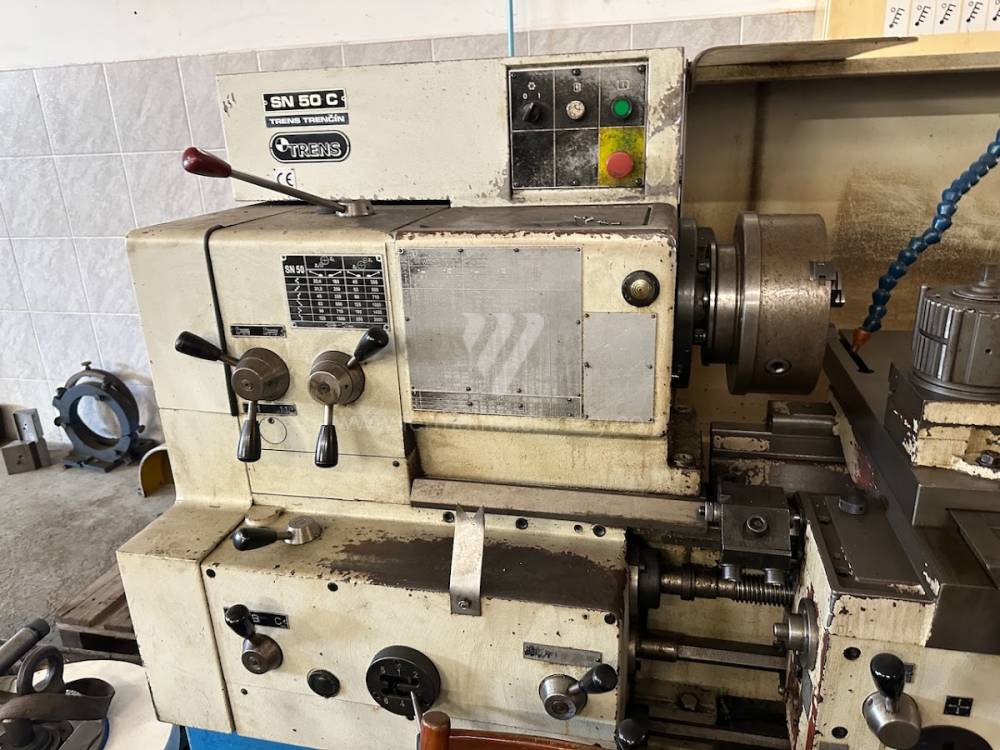
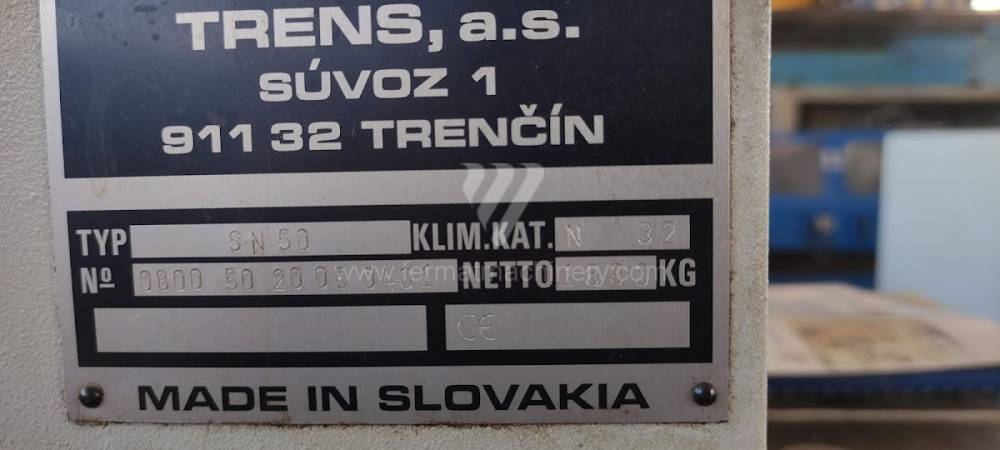
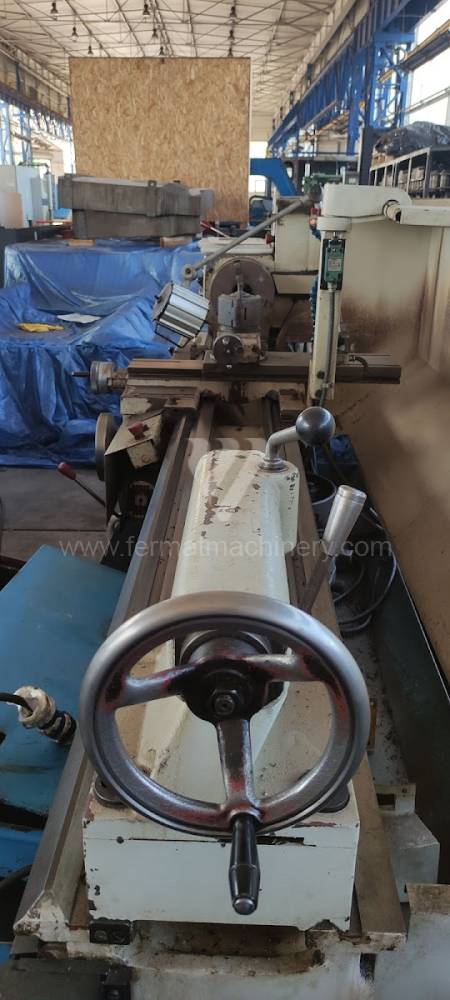
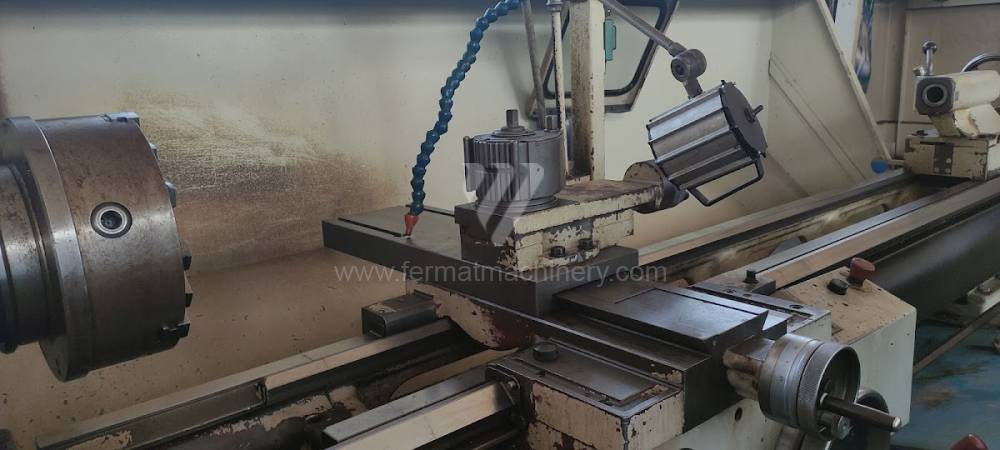
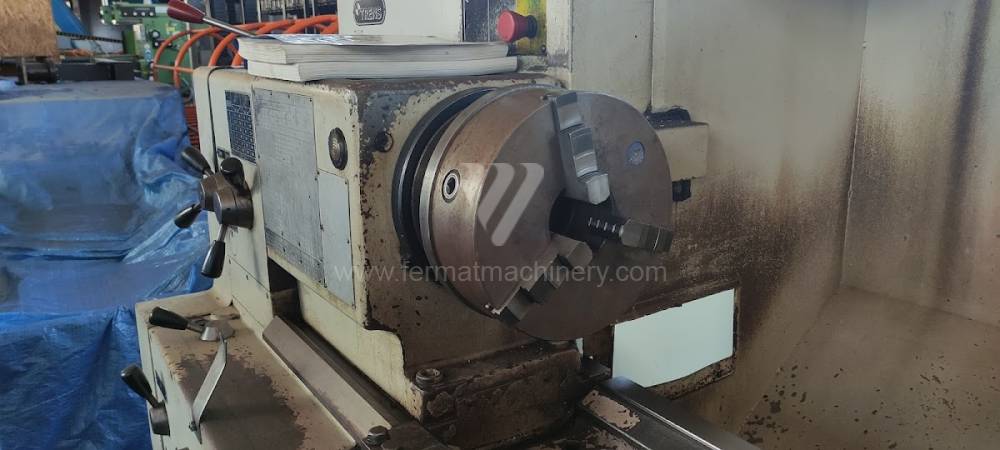
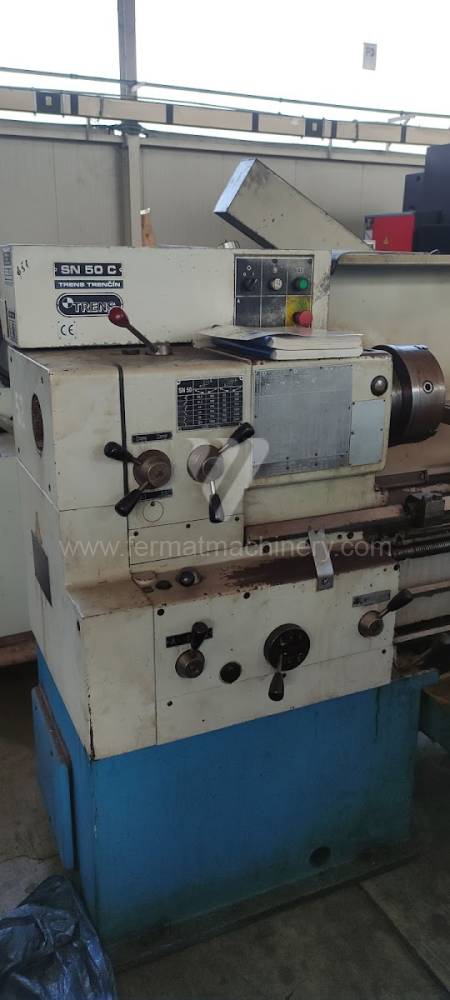
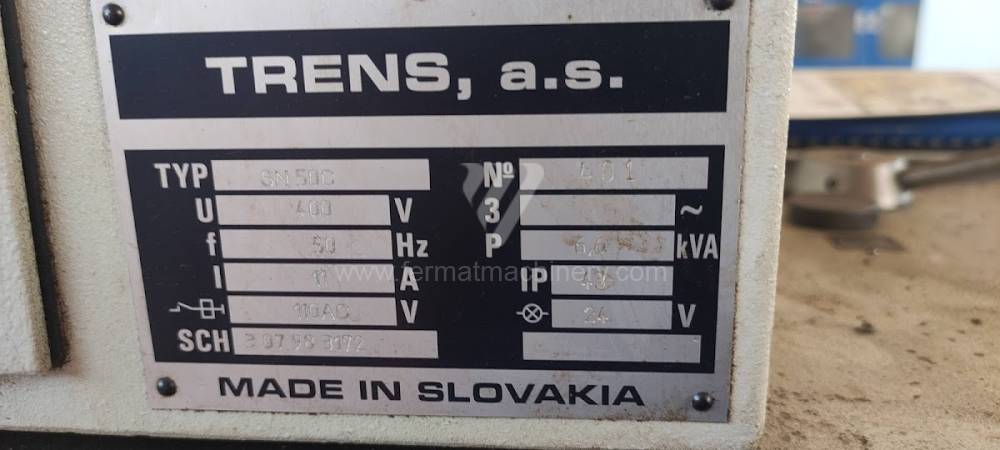
SN 50 C/2000 |
251283 | Trens | 2005 | Swing over bed: 500 mm Distance between centres: 2000 mm Max. weight of workpiece: 300 kg Swing over cross slide: 270 mm Spindle bore: 52 mm Spindle speed: 22 - 2000 /min. |
|
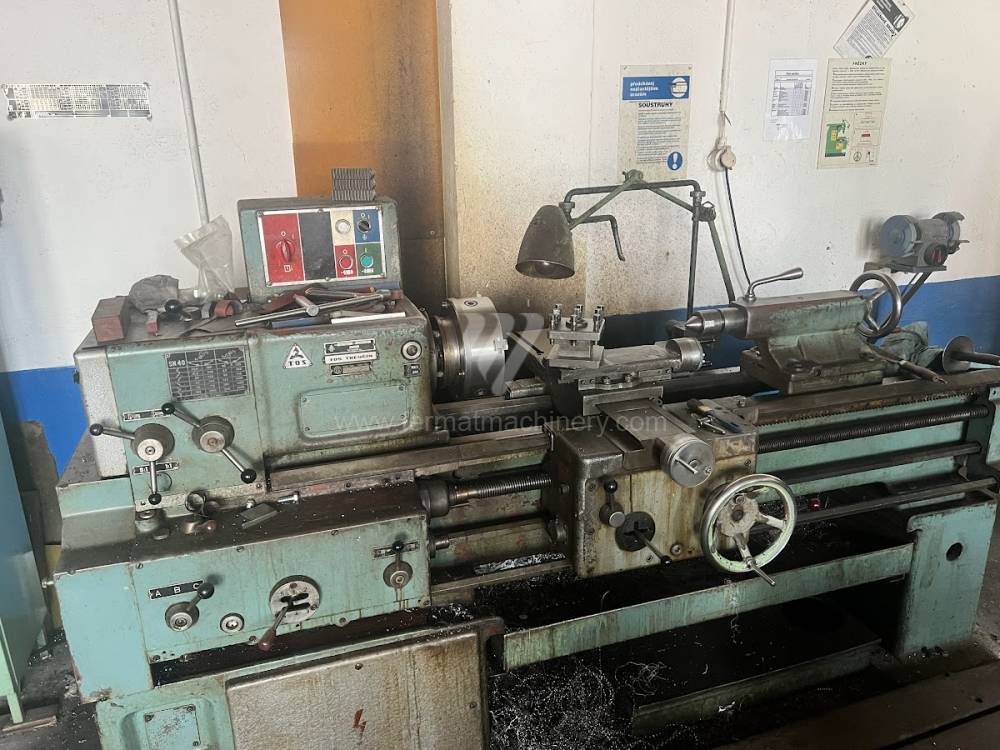 |
SN 40 B/1000 |
251380 | TOS Trenčín | Swing over bed: 500 mm Distance between centres: 1000 mm Max. weight of workpiece: kg Spindle bore: 50,8 mm Machine dimensions l x w x h: 1100x2575 mm Machine weight: 1615 kg |
||
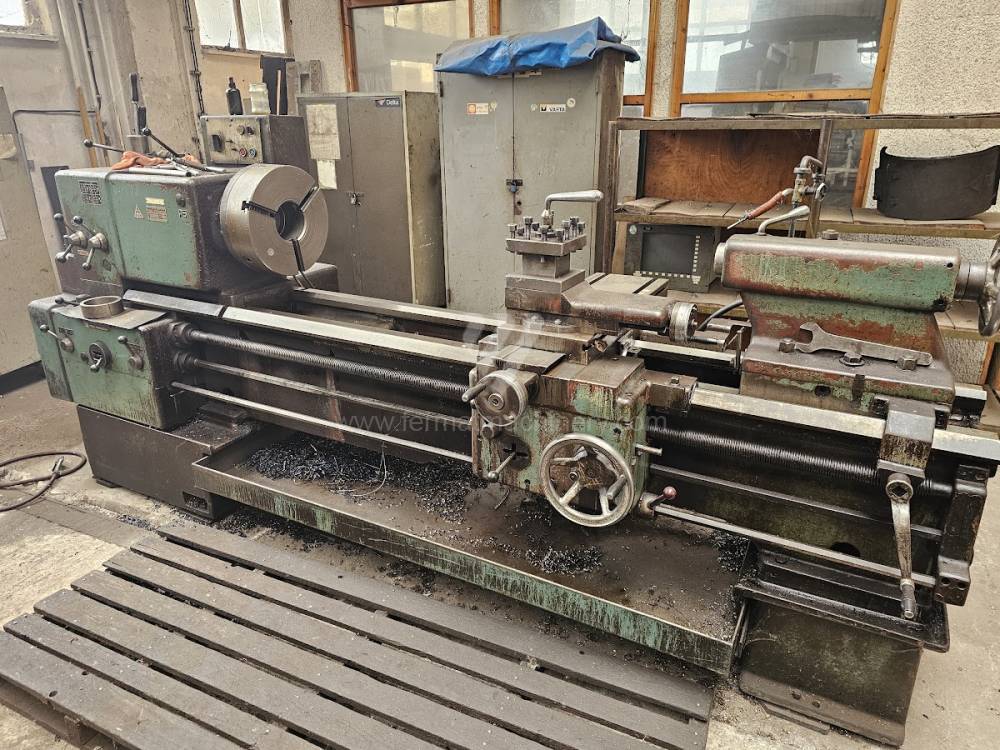 |
SN 63 B/1500 |
251658 | TOS Trenčín | 1986 | Swing over bed: 630 mm Distance between centres: 1500 mm Max. weight of workpiece: kg Swing over cross slide: 340 mm Main motor power: 7,5 kW Machine dimensions l x w x h: 4000 x 1400 mm |
|
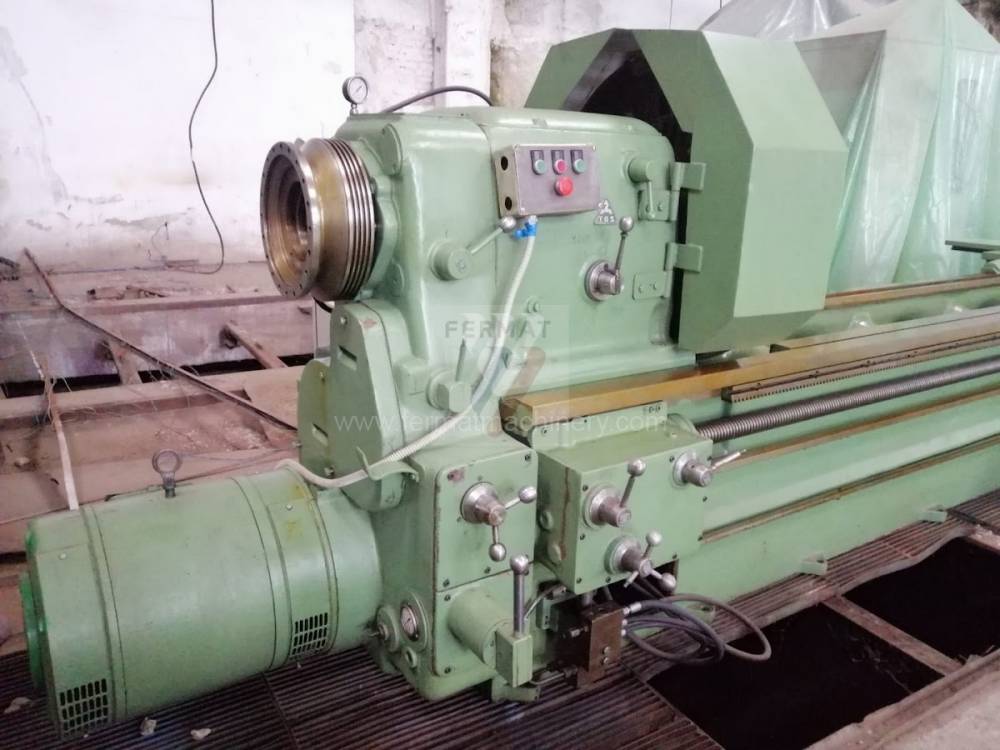 |
SUI 80/5000 |
232016 | TOS Trenčín | Swing over bed: 800 mm Distance between centres: 5000 mm Max. weight of workpiece: 1200 kg Swing over cross slide: 520 mm Spindle bore: 70 mm Spindle speed: 14 - 1400 /min. |
||
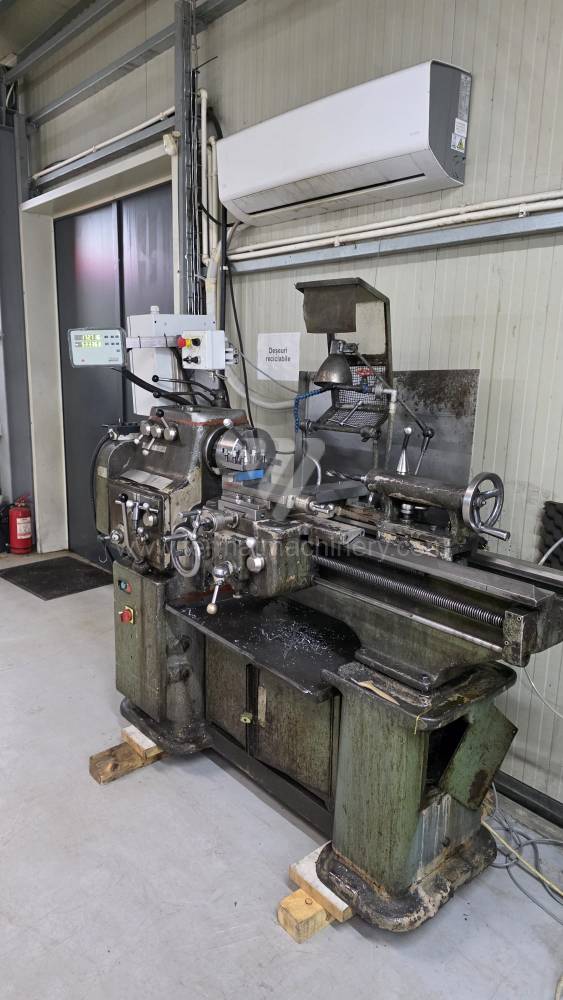 |
Strung SN 320 |
261268 | Strunguri ARAD | 1980 | Swing over bed: 320 mm Distance between centres: 750 mm |
|
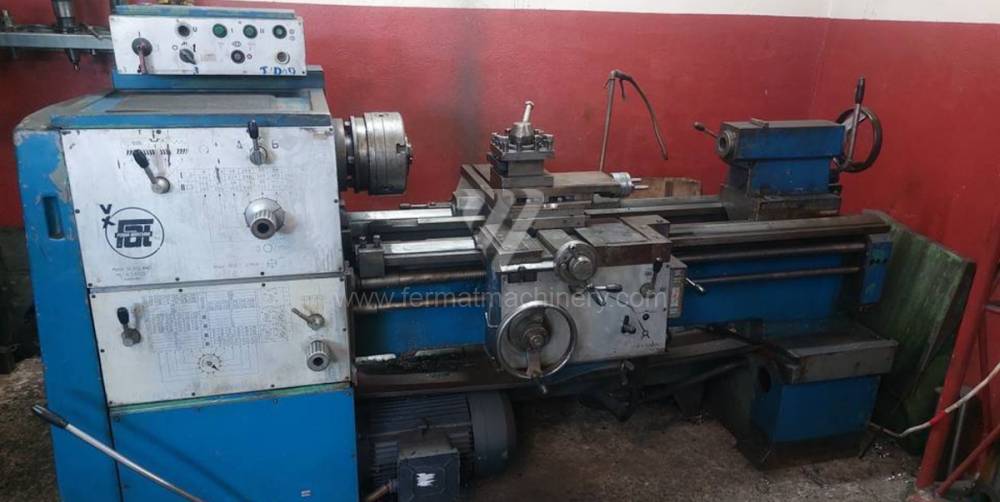 |
TUR 50S |
261319 | PONAR-WROCŁAW | 1976 | Swing over bed: 500 mm Distance between centres: 1000 mm Max. weight of workpiece: 1200 kg Spindle bore: 70 mm Machine weight: 2720 kg |
|
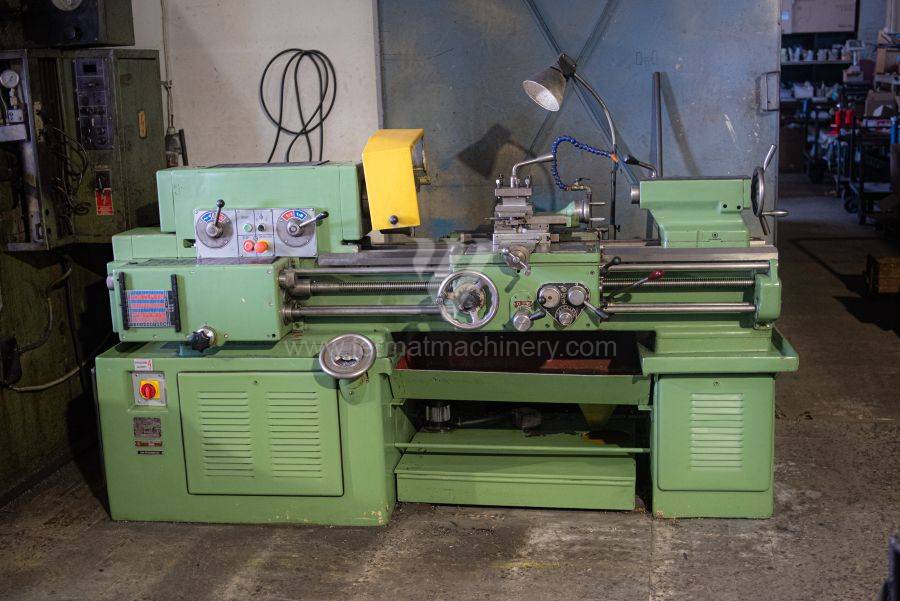 |
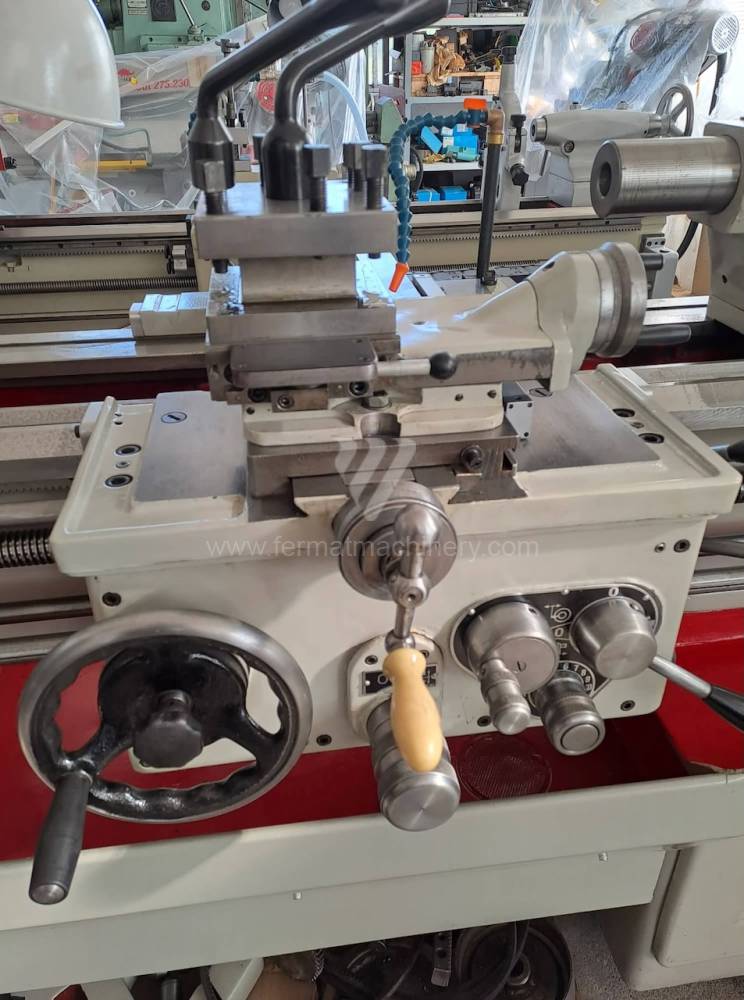
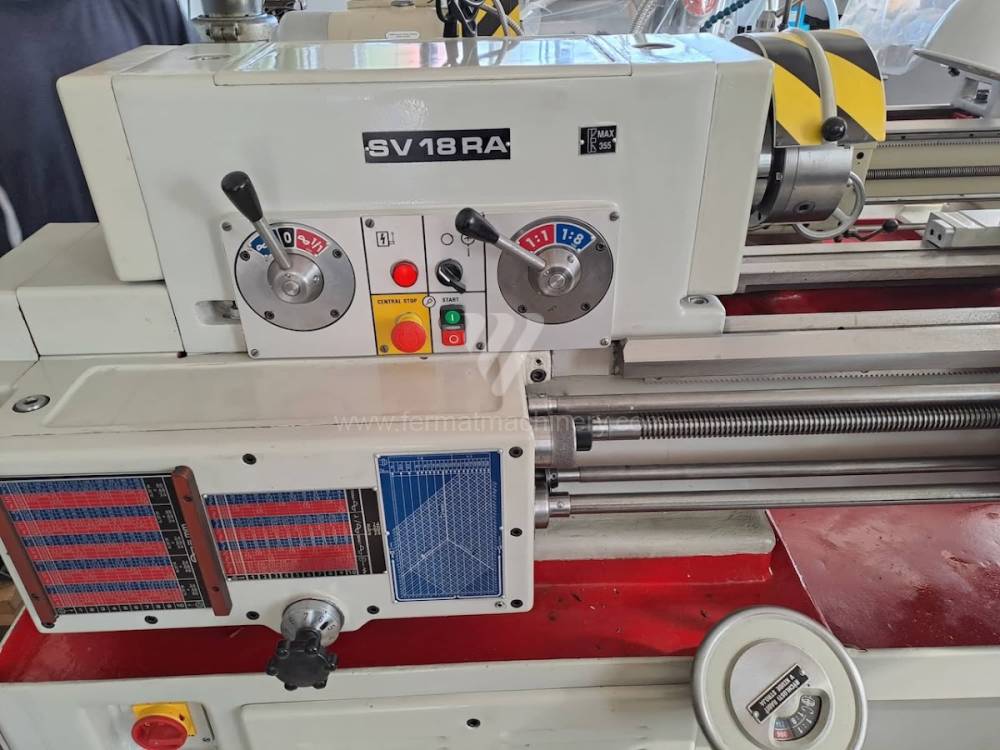
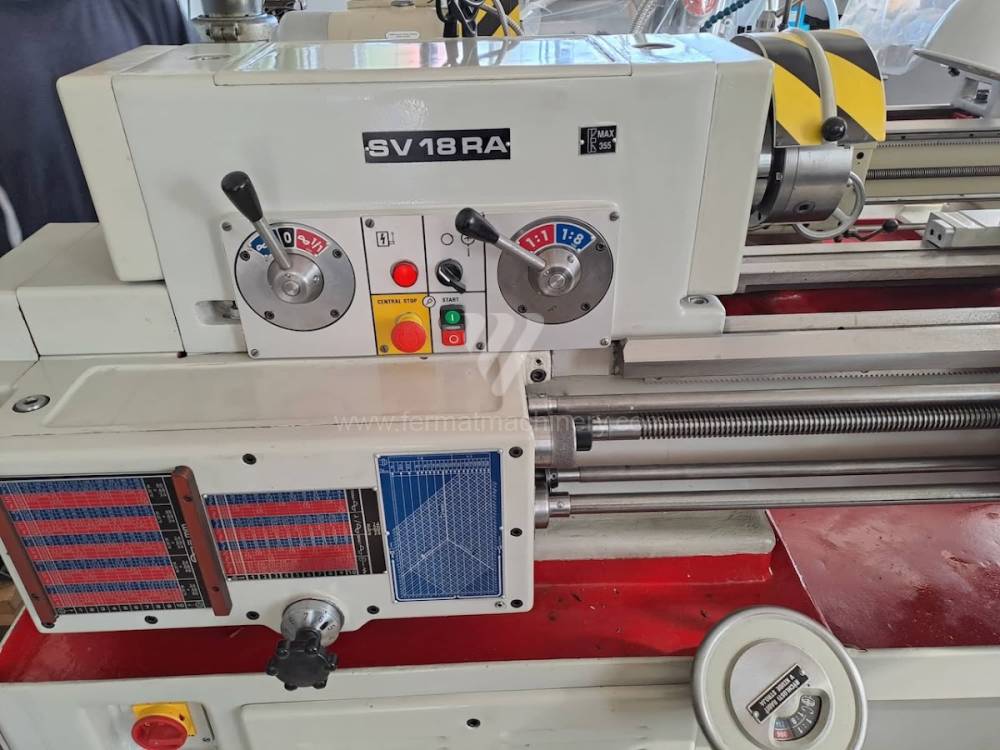
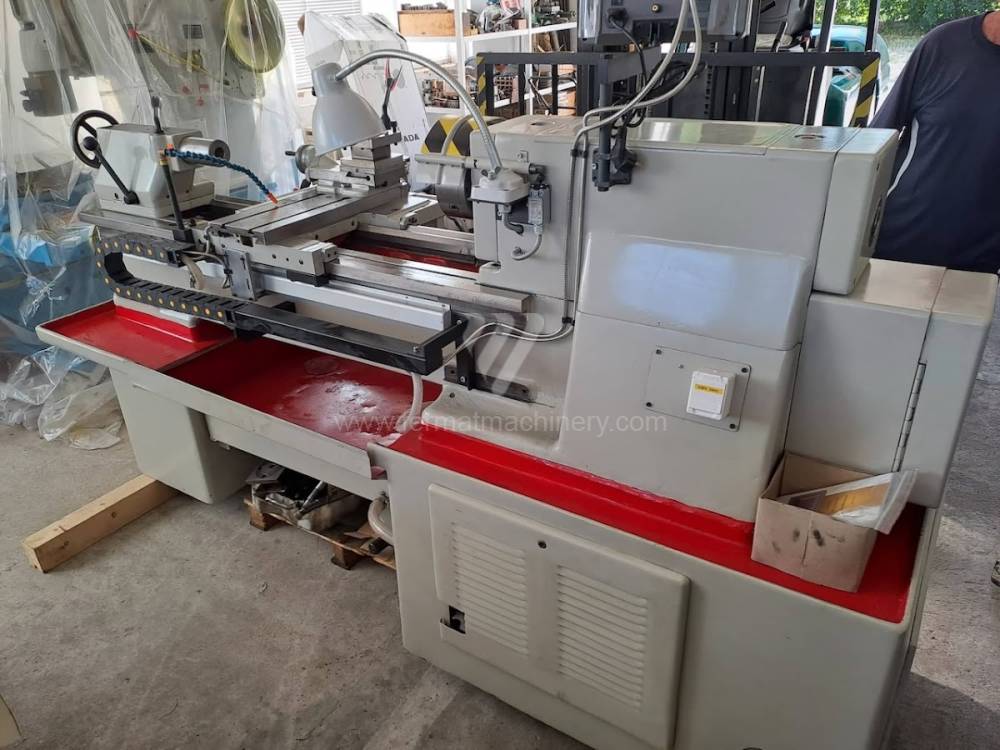
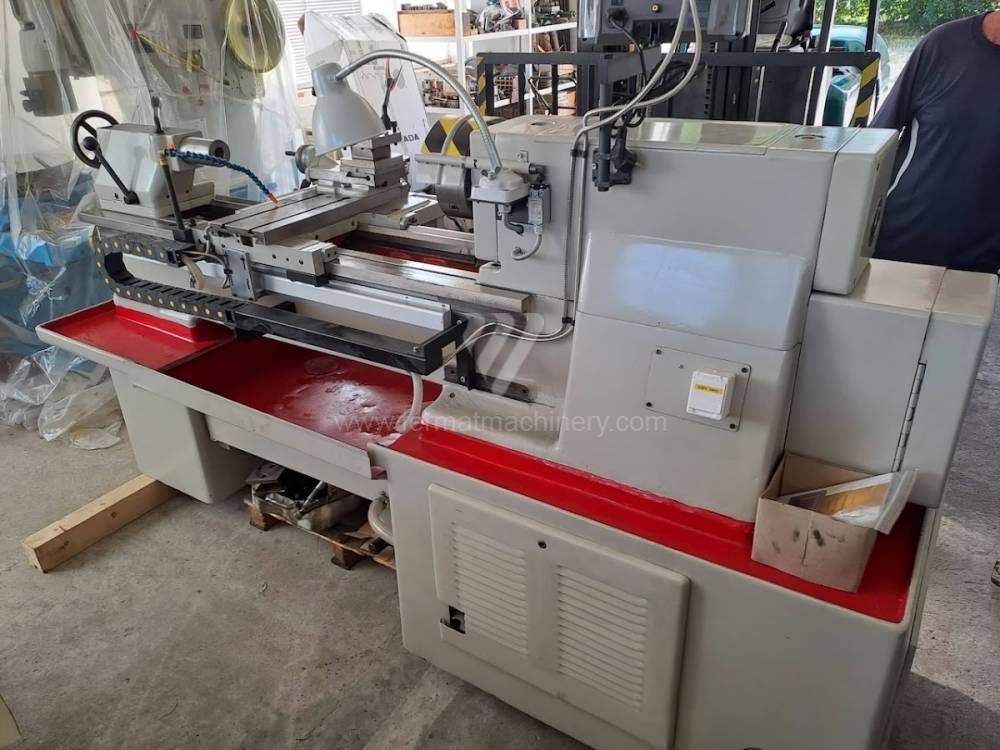
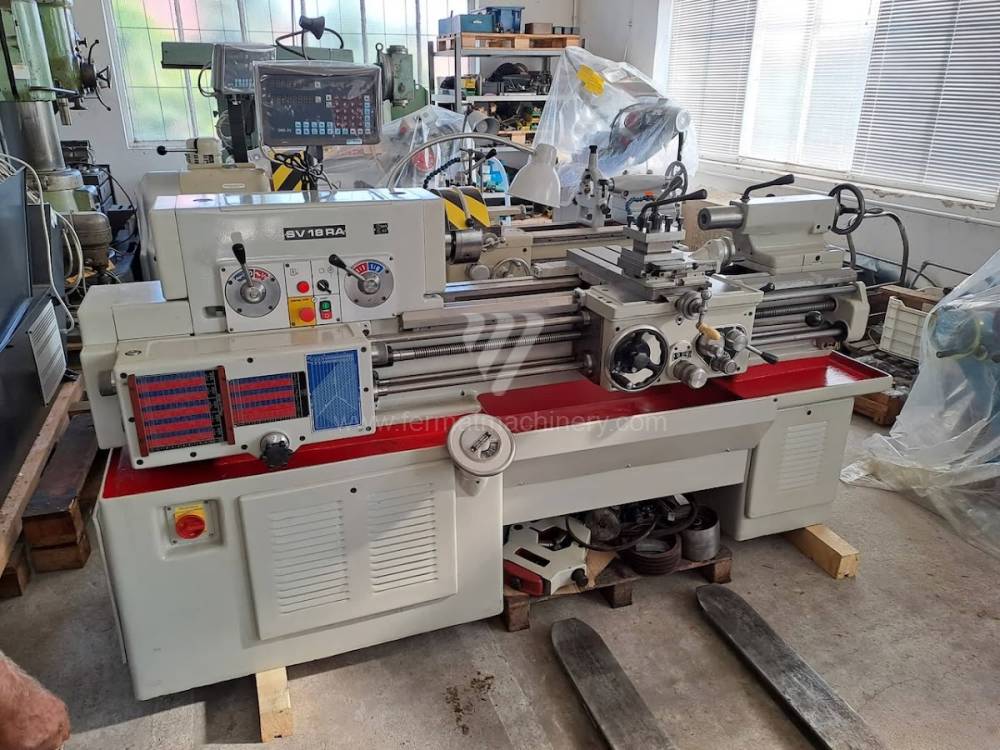
SV 18 RA |
241685 | TOS Trenčín | 1983 | Swing over bed: 380 mm Distance between centres: 1250 mm Max. weight of workpiece: 300 kg Machine dimensions l x w x h: 2500x950x1200 mm Machine weight: 1800 kg |
|
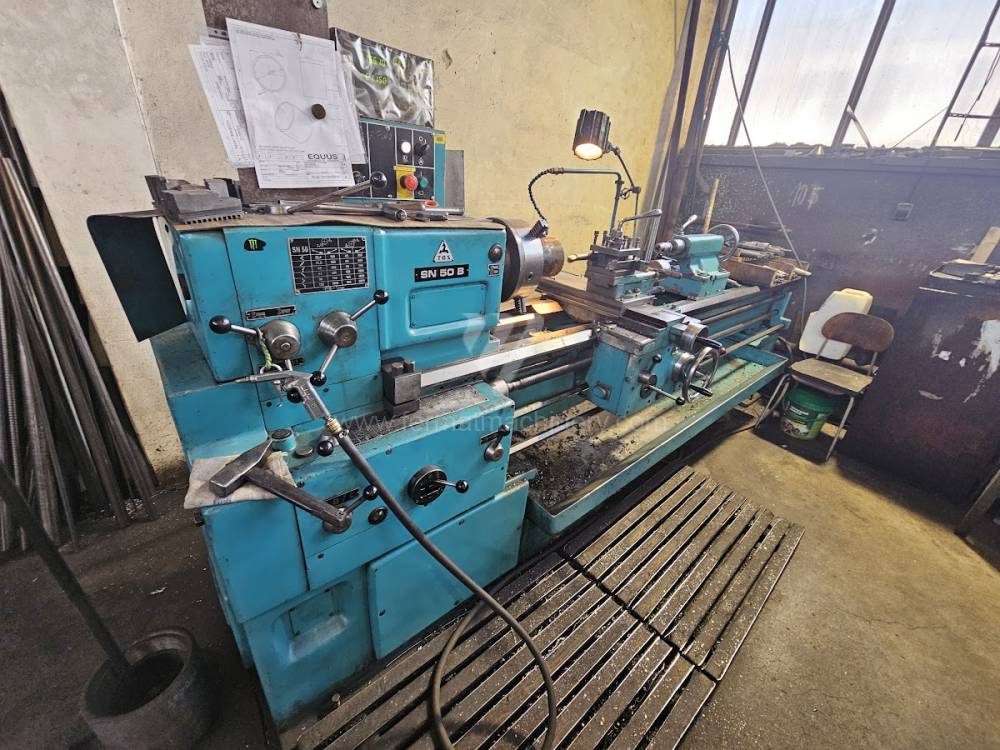 |
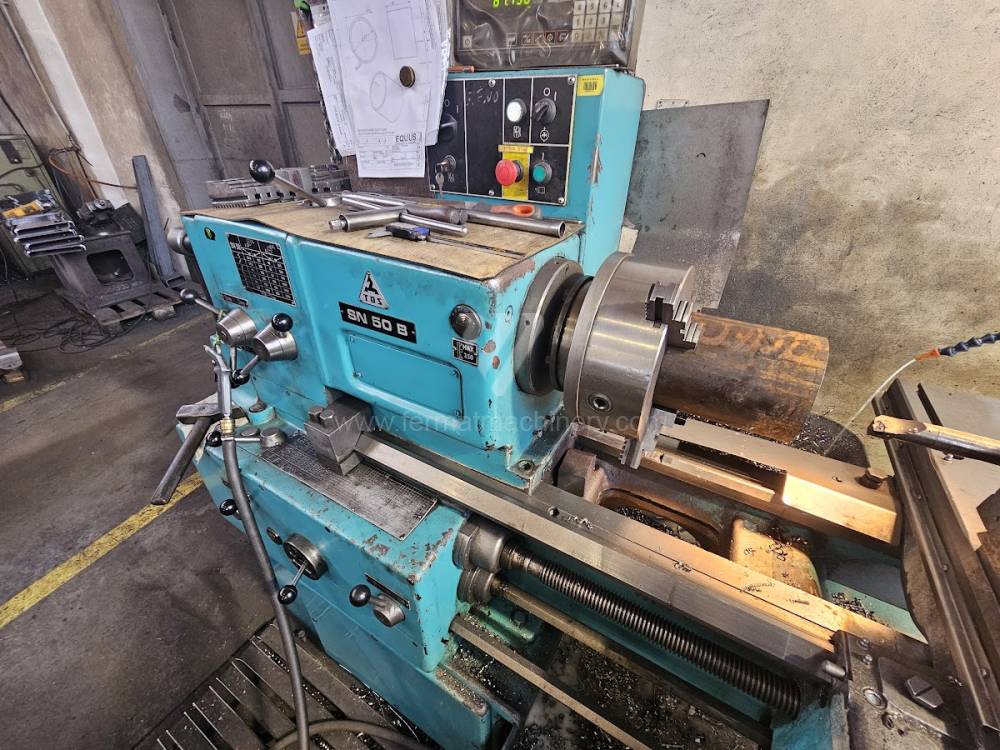
SN 50 B / 1500 |
261255 | TOS Trenčín | Swing over bed: 500 mm Distance between centres: 1500 mm Max. weight of workpiece: 300 kg Spindle speed: 45 - 2000 /min. Spindle bore: 50,8 mm Machine weight: 1745 kg |
||
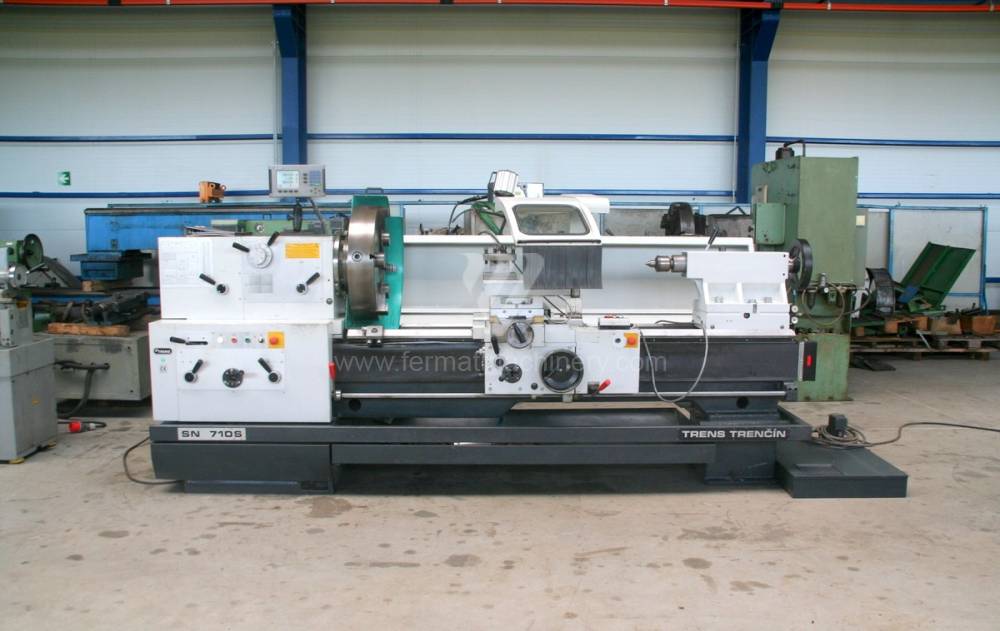 |
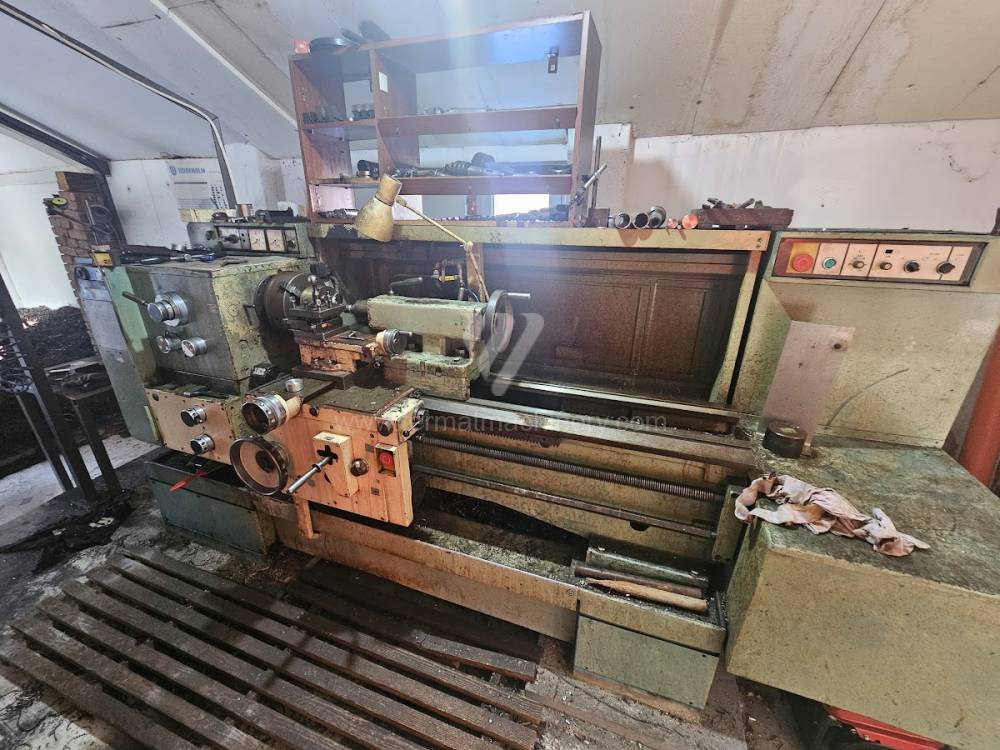
SN 710 S |
261334 | Trens | 2015 | Swing over bed: 720 mm Distance between centres: 1500 mm Max. weight of workpiece: 1500 kg Machine weight: 3090 kg Total input: 7,5 kVA Spindle speed: 10 - 1600 /min. |
|
 |
SUI 50 1000 |
261041 | TOS Trenčín | Swing over bed: 500 mm Distance between centres: 1000 mm Max. weight of workpiece: kg Swing over cross slide: 320 mm Spindle speed: 0 - 2240 /min. Rapid feed: 3,5 m/min |
||
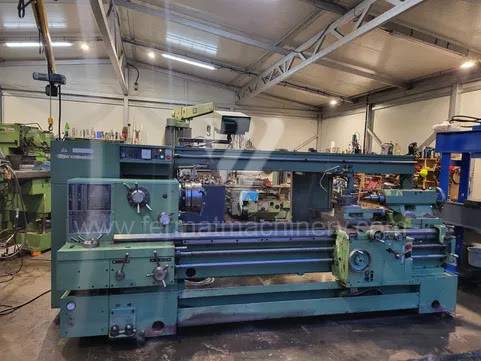 |
SUI 63 B/2000 |
242019 | TOS Trenčín | 1992 | Swing over bed: 630 mm Distance between centres: 2000 mm Max. weight of workpiece: 1500 kg Swing over cross slide: 340 mm Main motor power: 11 kW Machine dimensions l x w x h: 4000 x 1400 x 1520 mm |
|
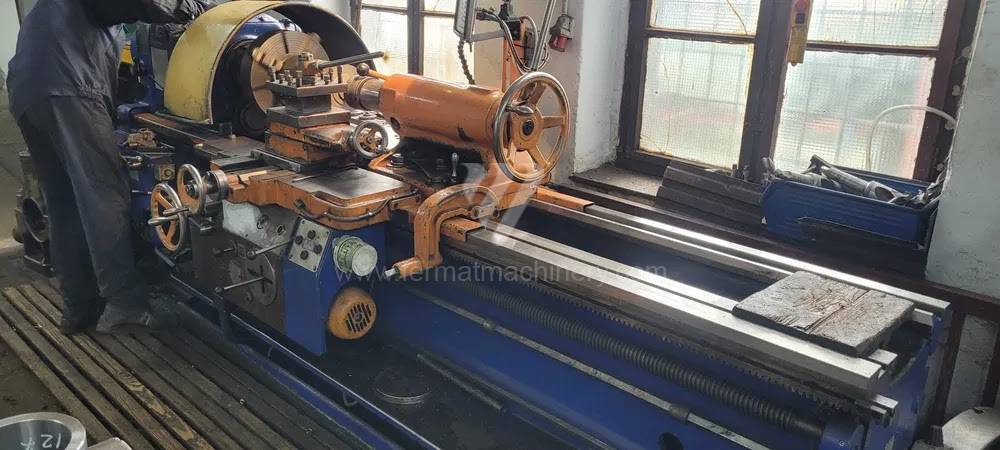 |
SU 63 A |
261062 | TOS Čelákovice | 1992 | Swing over bed: 630 mm Distance between centres: 2000 mm Max. weight of workpiece: 6000 kg Machine weight: 5600 kg Spindle bore: 60 mm Swing over cross slide: 360 mm |
|
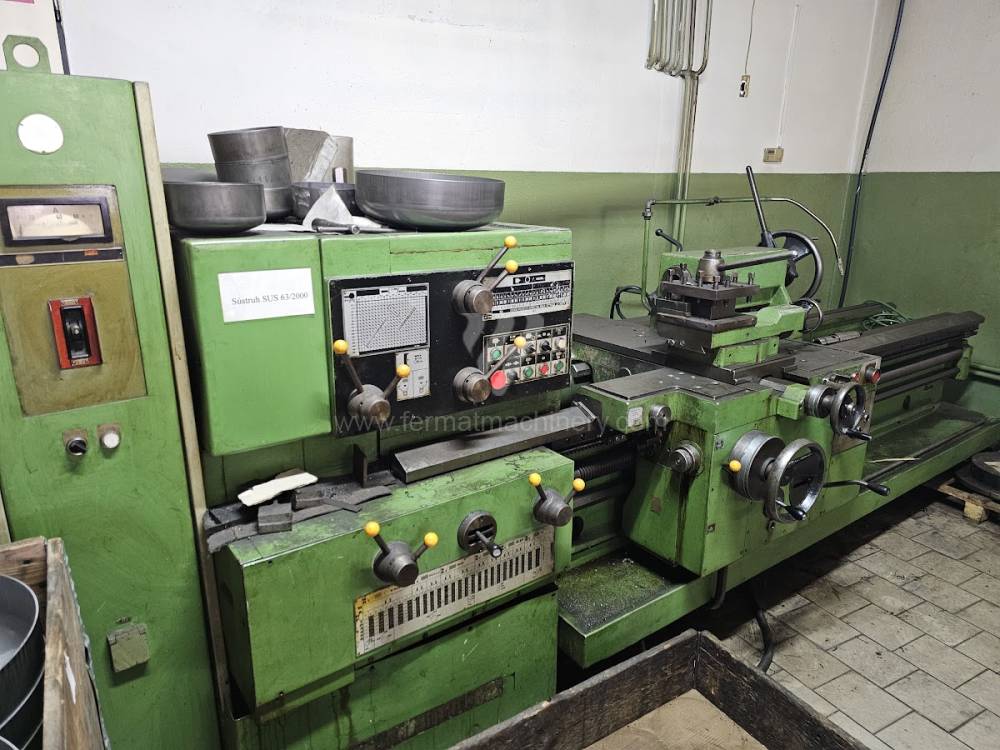 |
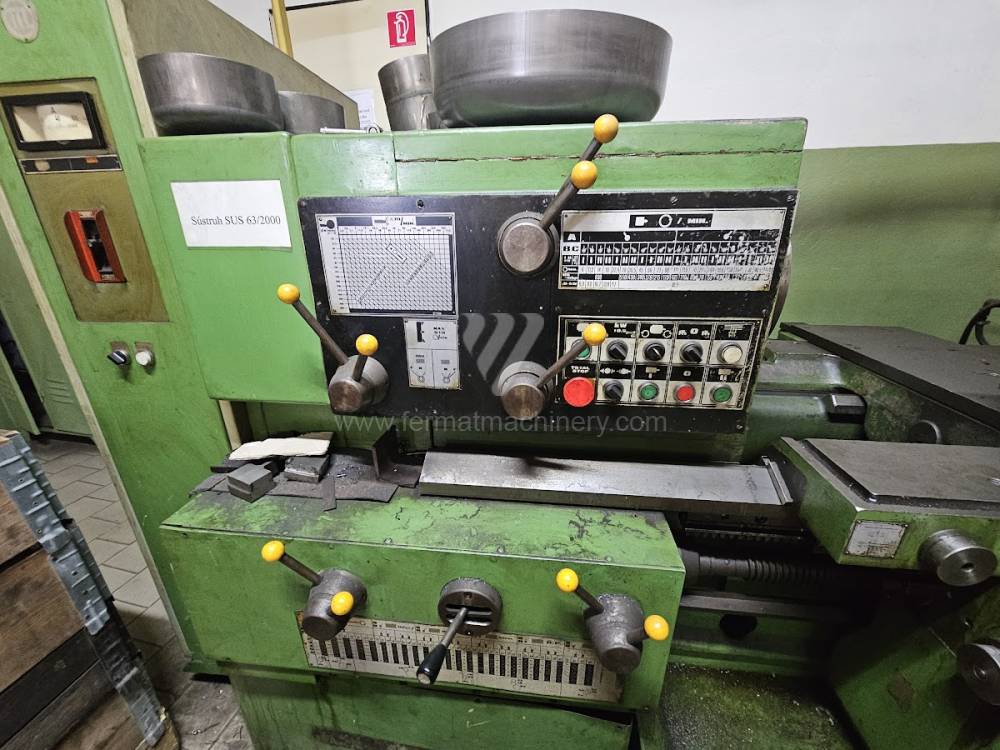
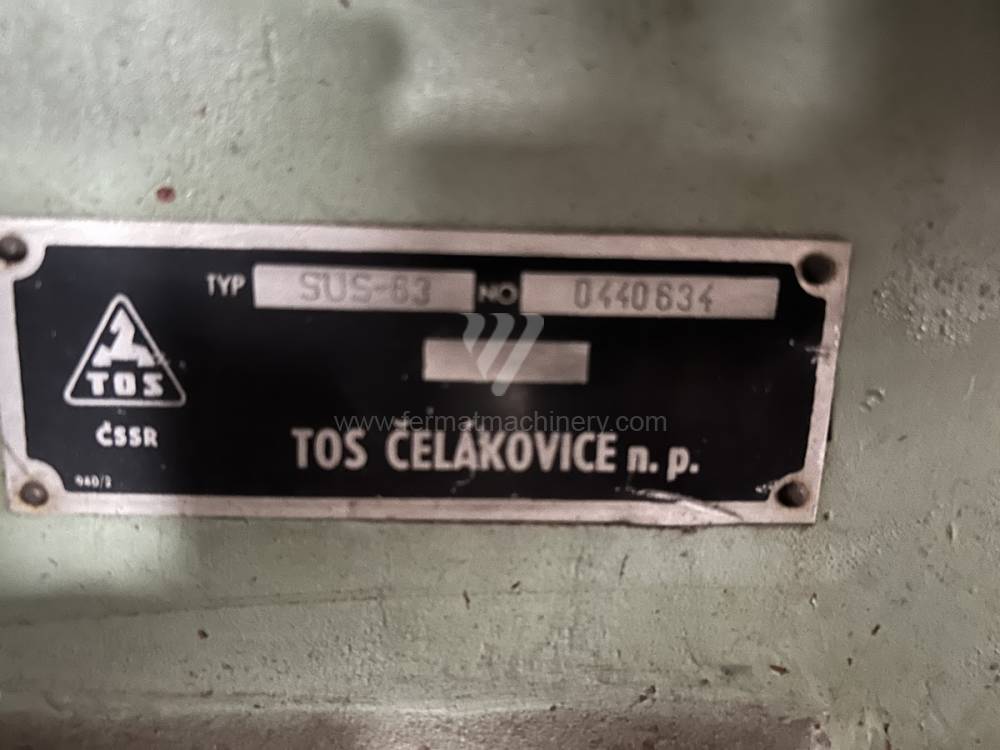
SUS 63/2000 |
251864 | TOS Čelákovice | Swing over bed: 630 mm Distance between centres: 2000 mm Max. weight of workpiece: 2000 kg Swing over cross slide: 390 mm Spindle bore: 81 mm Spindle speed: - /min. |
||
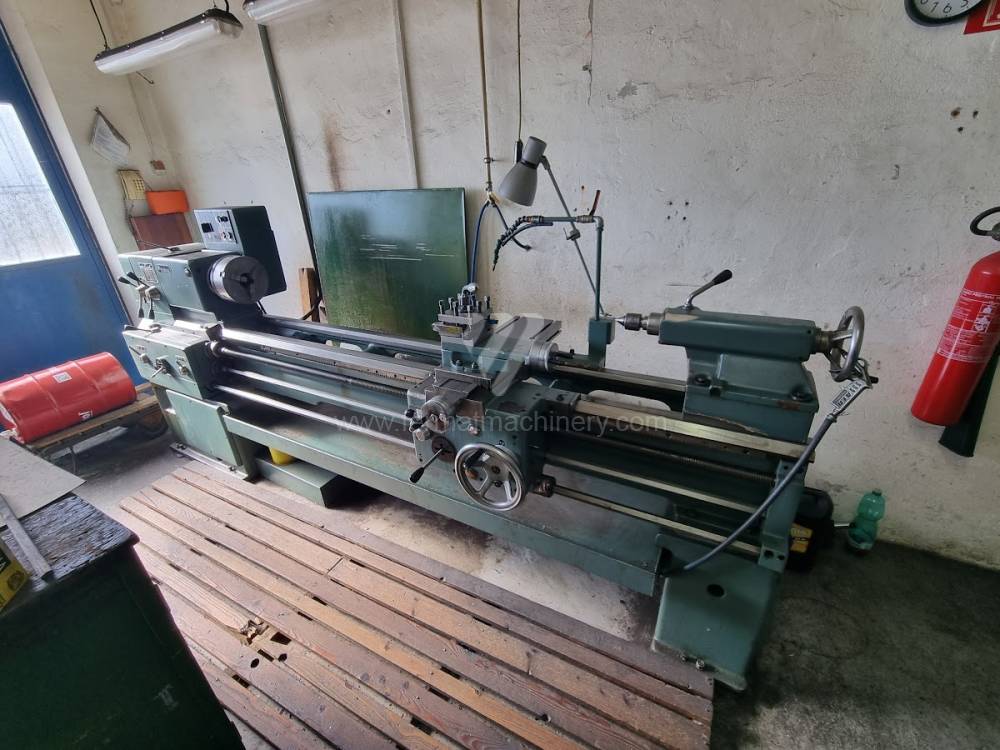 |
SN 50 B/2000 |
261397 | TOS Trenčín | Swing over bed: 500 mm Distance between centres: 2000 mm Max. weight of workpiece: kg Swing over cross slide: 270 mm Main motor power: 5,5 kW Machine dimensions l x w x h: 1100 x 3575 mm |
||
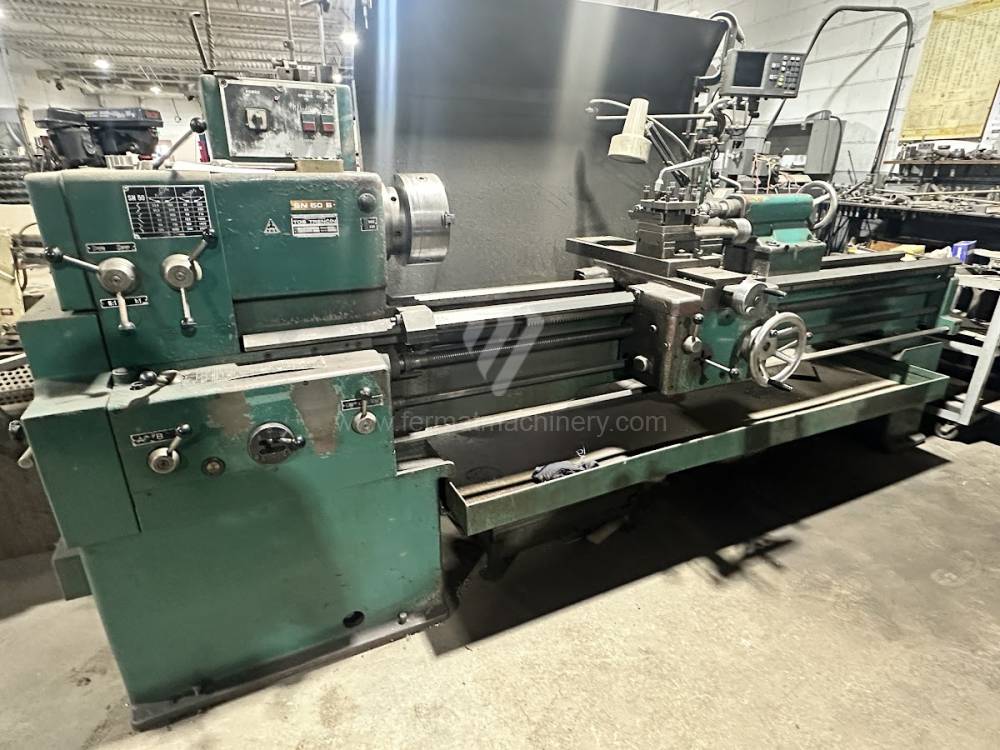 |
SN 50B/2000 |
251846 | TOS Trenčín | Swing over bed: mm Distance between centres: 500 mm Max. weight of workpiece: 2000 kg Turning lenght: mm |
||
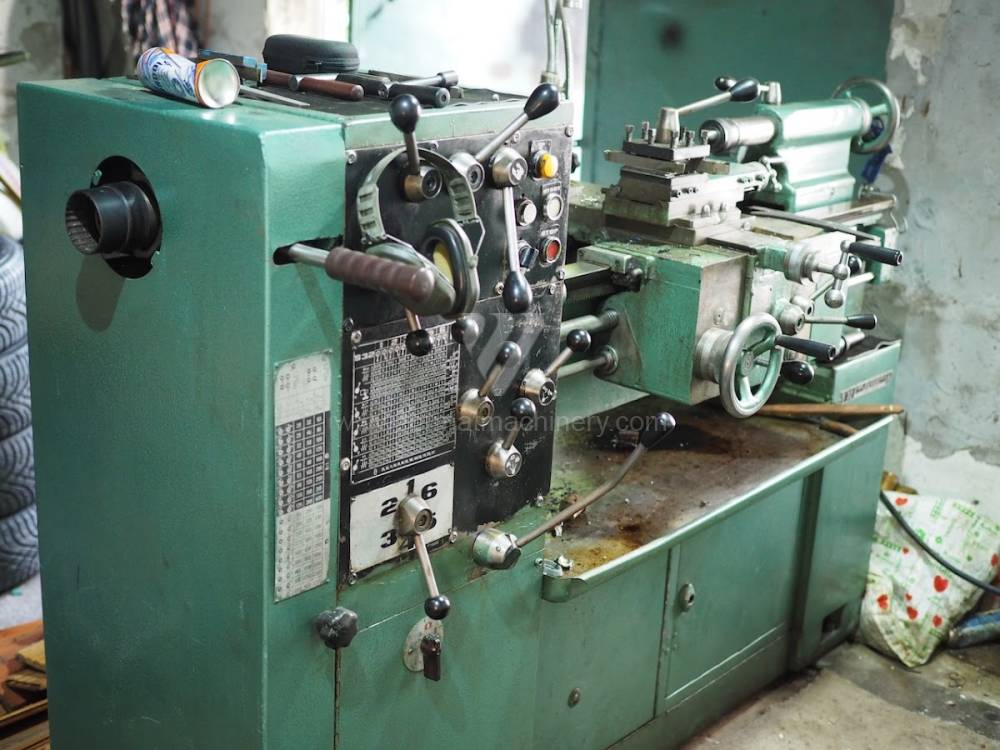 |
S 32/750 |
251446 | TOS Čelákovice | 1975 | Swing over bed: 320 mm Distance between centres: 750 mm Max. weight of workpiece: 100 kg Swing over cross slide: 190 mm Spindle bore: 36 mm Main motor power: 3 kW |
|
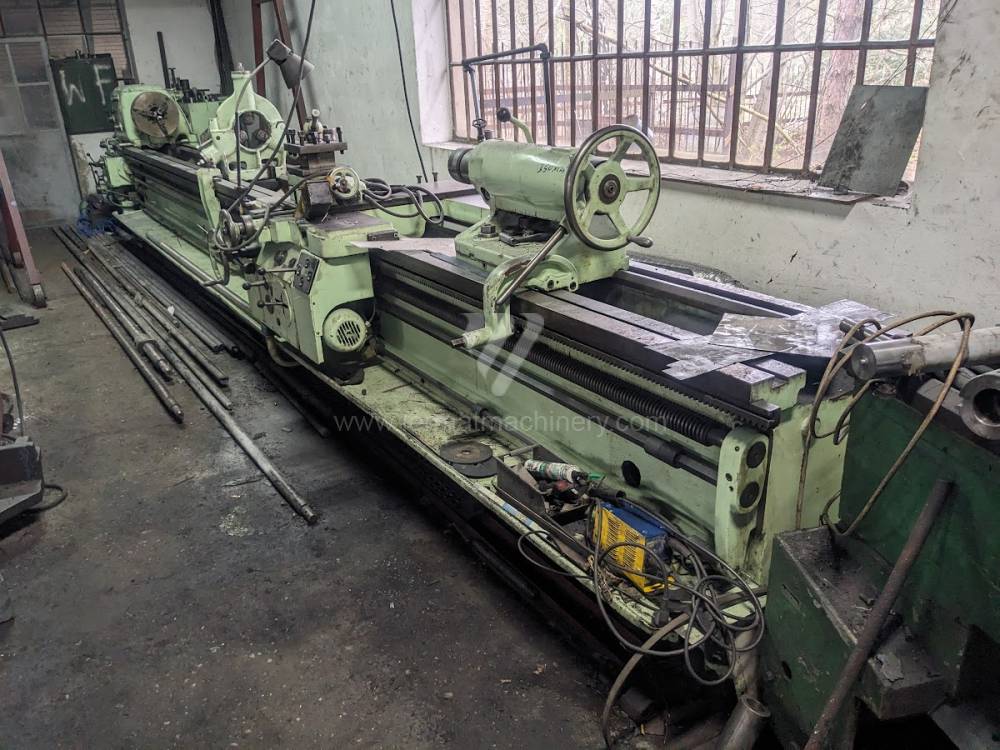 |
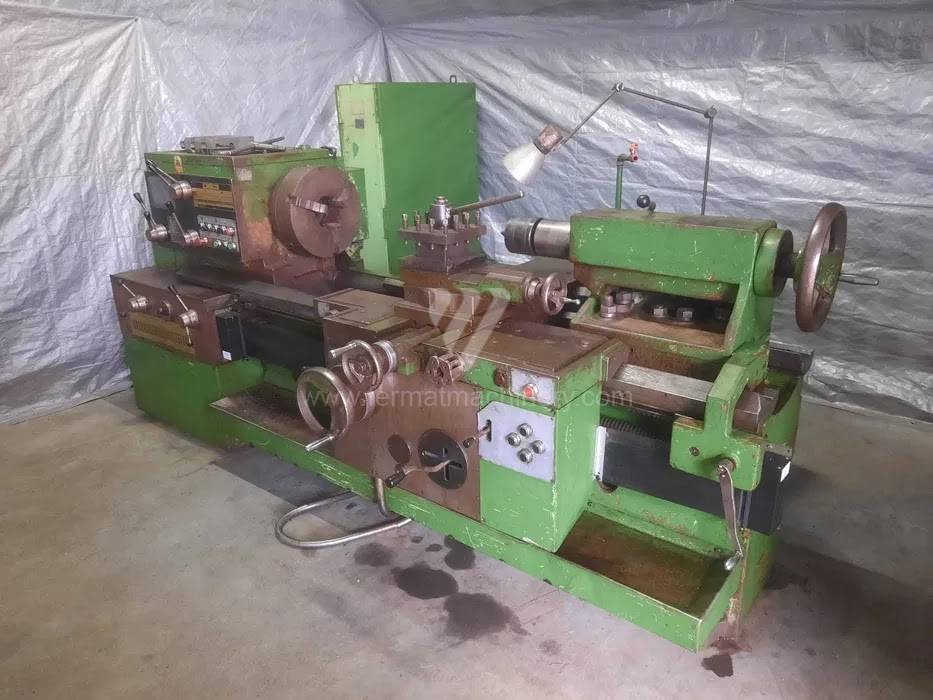
SU 63 A/6500 |
241365 | TOS Čelákovice | 1965 | Swing over bed: 630 mm Distance between centres: 6500 mm Max. weight of workpiece: 6000 kg Swing over cross slide: 360 mm Spindle bore: 60 mm Spindle speed: 8 - 375 /min. |
|
 |
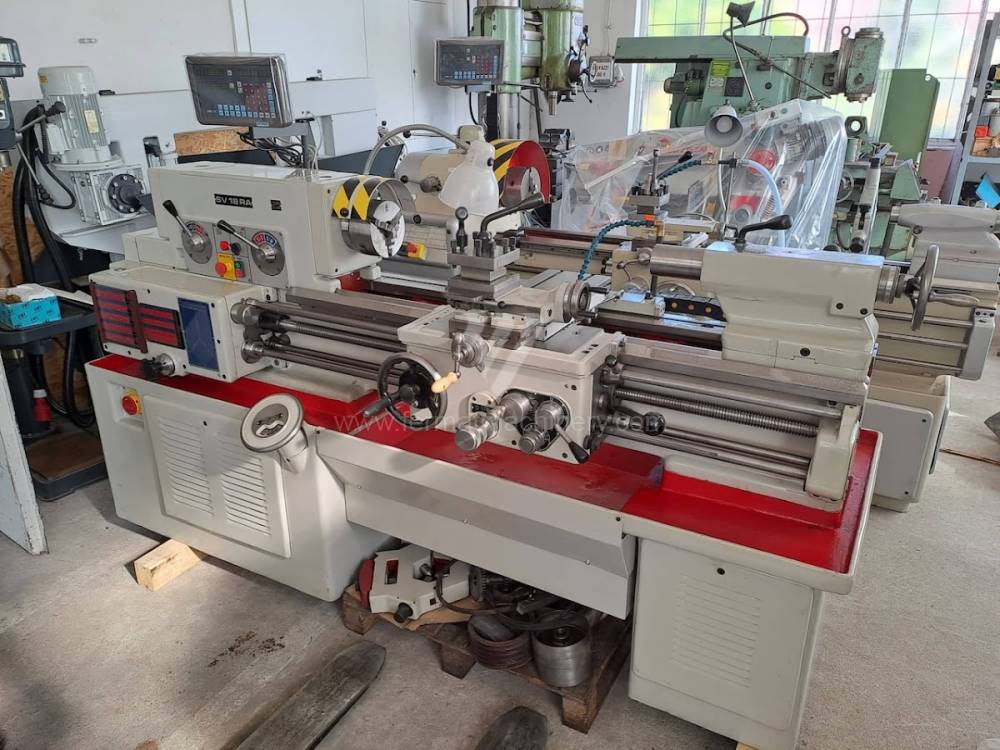
SUS 63/1250 |
261108 | TOS Čelákovice | Swing over bed: 630 mm Distance between centres: 1250 mm Max. weight of workpiece: 5200 kg Swing over cross slide: 530 mm Main motor power: 18 kW Spindle bore: 82 mm |
||
 |
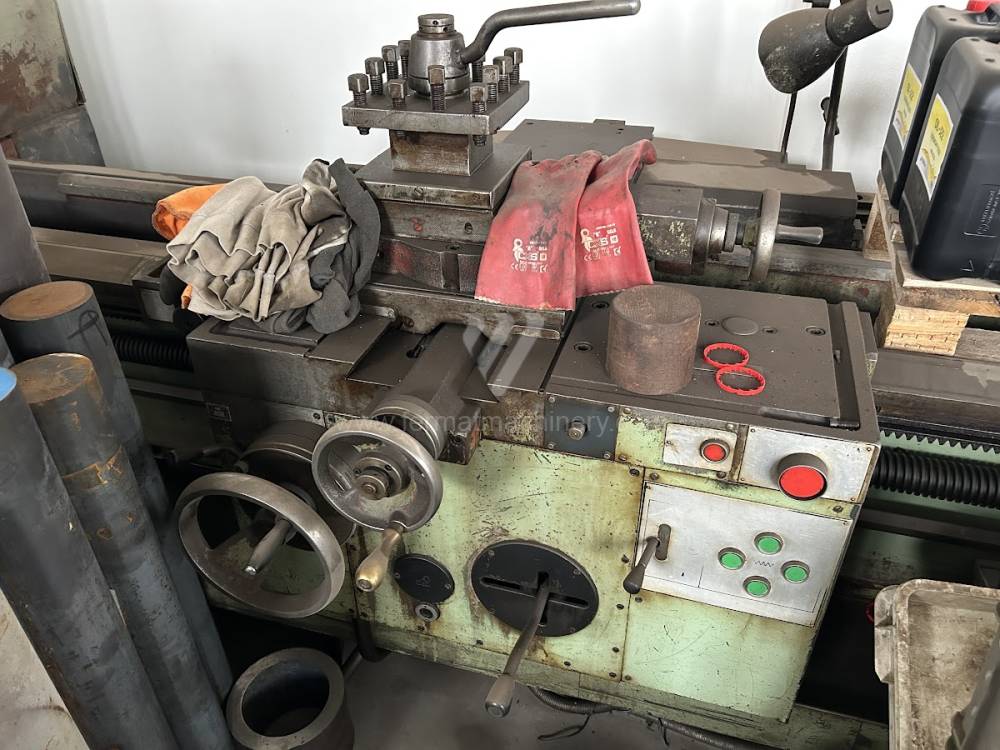
SV 18 RA/750 |
241713 | TOS Trenčín | Swing over bed: 380 - 380 - 380 - 380 mm Distance between centres: 750 - 750 - 750 - 750 mm Max. weight of workpiece: 300 - 300 - 300 - 300 kg Swing over cross slide: 215 - 215 - 215 - 215 mm Spindle speed: 14 - 2800 - 14 - 2800 - 14 - 2800 - 14 - 2800 /min. Main motor power: 6 - 6 - 6 - 6 kW |
||
 |
SUS 63/3500 |
261343 | TOS Čelákovice | Swing over bed: 655 mm Distance between centres: 3500 mm Max. weight of workpiece: 6000 kg Swing over cross slide: 390 mm Machine dimensions l x w x h: 6400 x 1750 x 1500 mm Machine weight: 7100 kg |
||
 |
SNA 16A |
261275 | TOS Galanta | 1982 | Swing over bed: 220 mm Distance between centres: 450 mm |
|
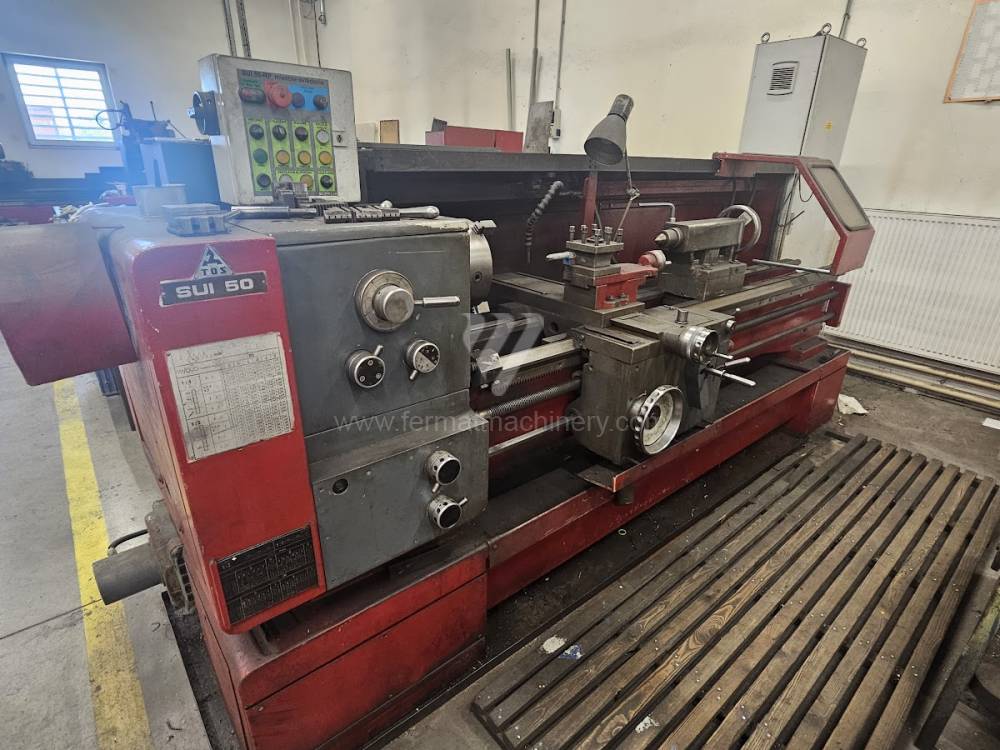 |
SUI 50/1500 |
261598 | TOS Trenčín | Swing over bed: 500 mm Distance between centres: 1500 mm Max. weight of workpiece: 480 kg Swing over cross slide: 320 mm Main motor power: 14 kW Spindle speed: 2240 - /min. |
||
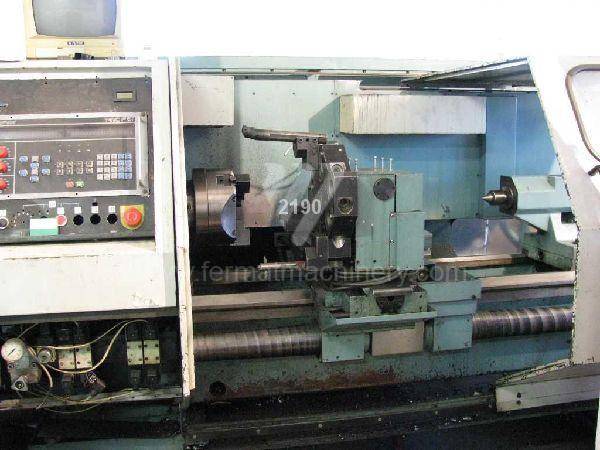 |
SUI 63 NC/1500 |
092574 | TOS Hulín | 1986 | Swing over bed: 630 - 630 - 630 - 630 mm Distance between centres: - - - mm Max. weight of workpiece: - - - kg |
Technical Analysis: Structural Rigidity and Mechanical Causality
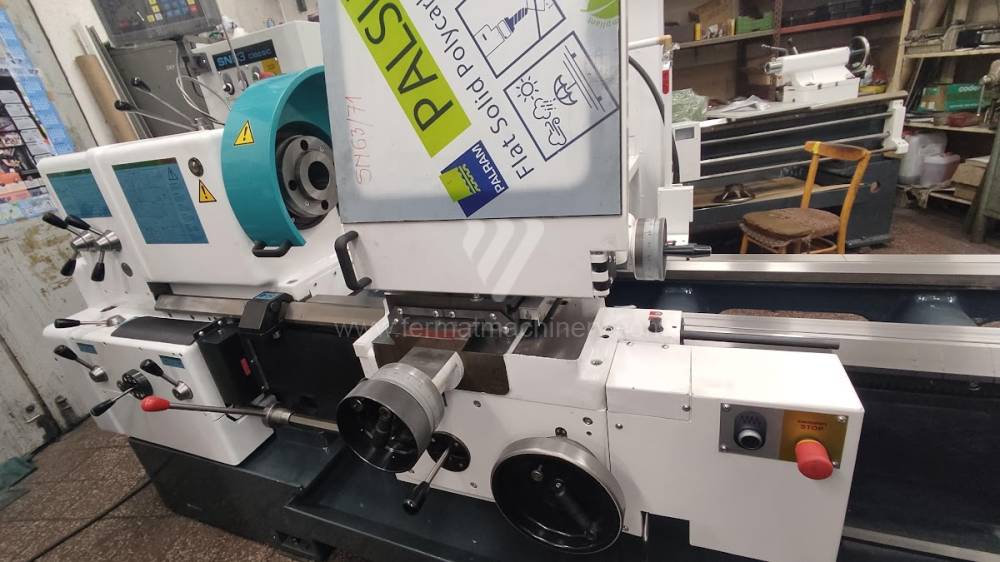
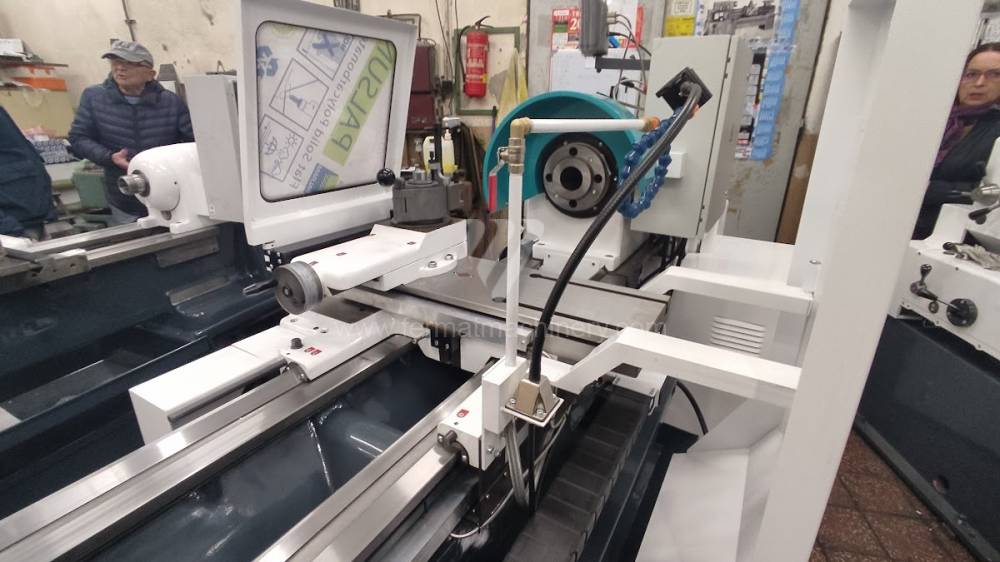
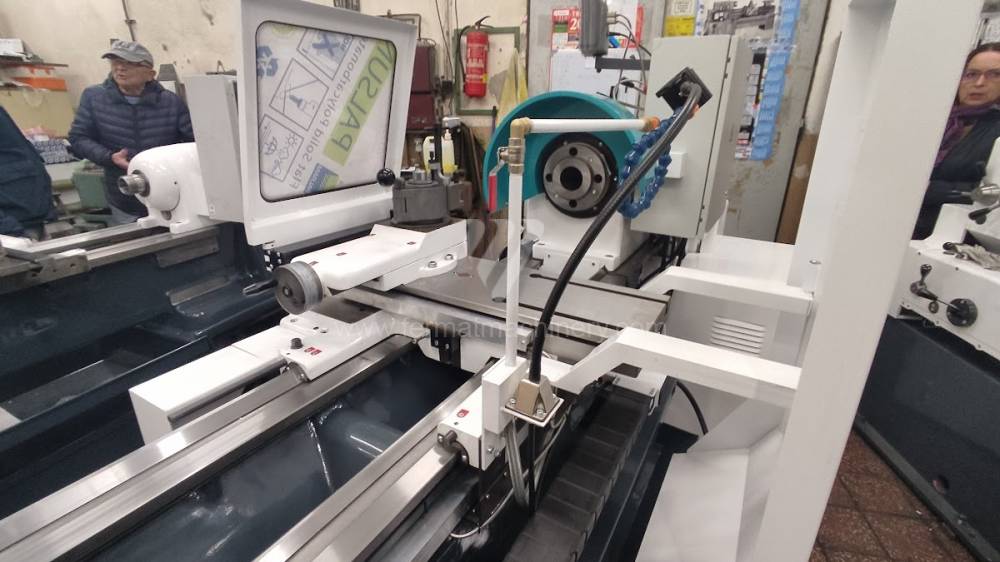
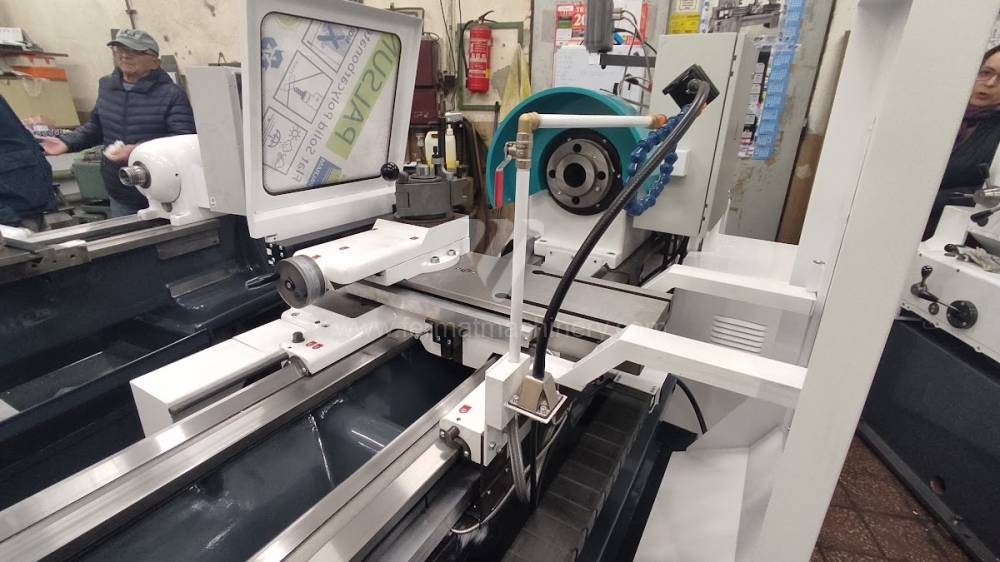
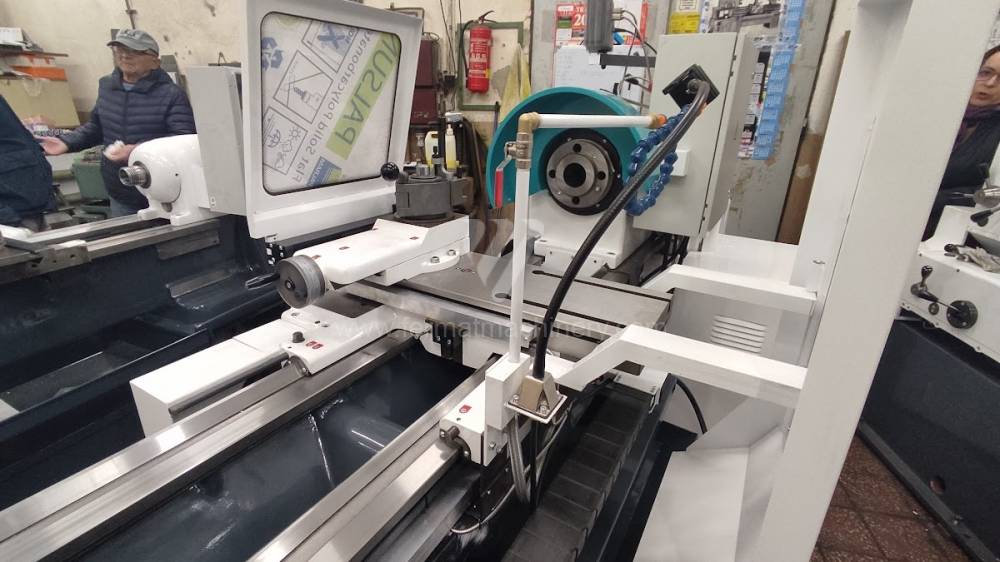
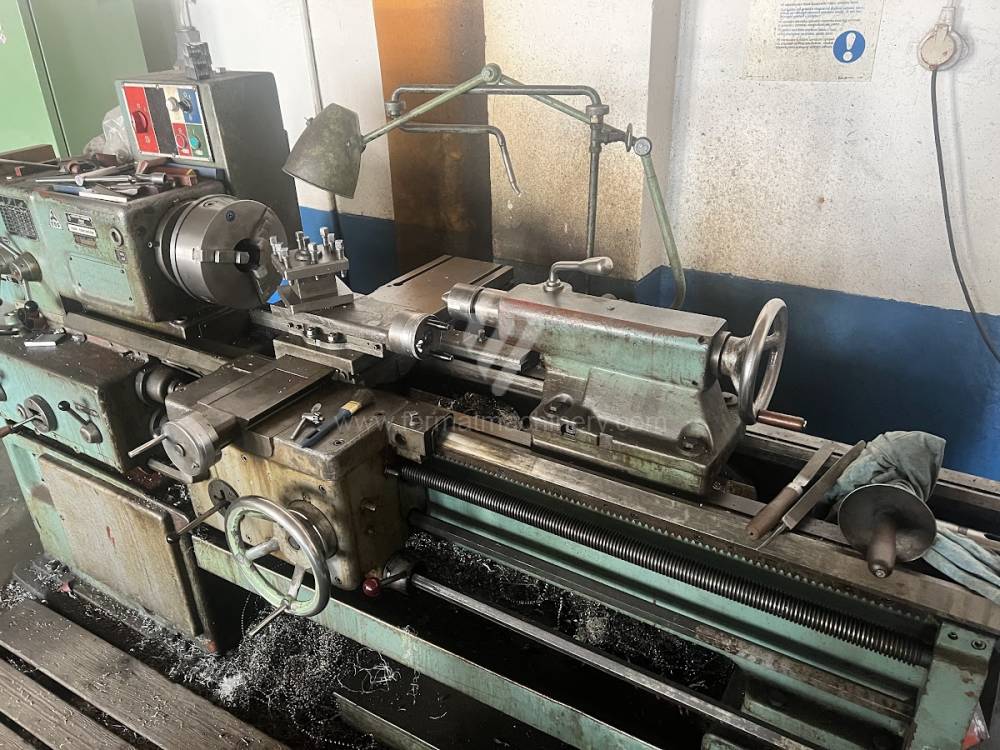
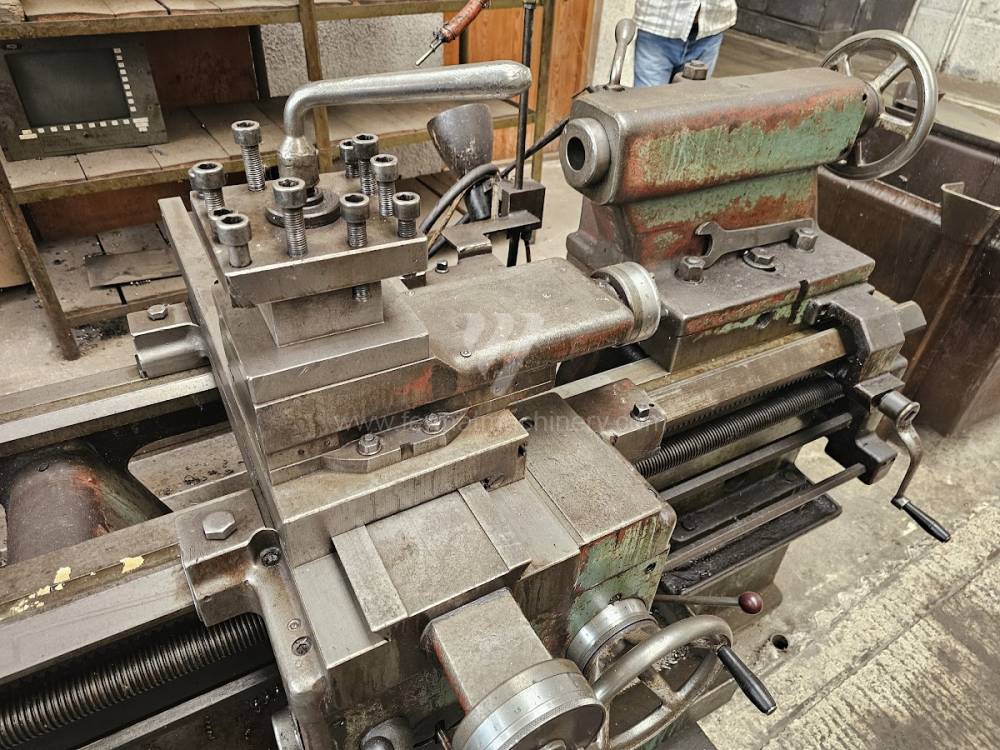
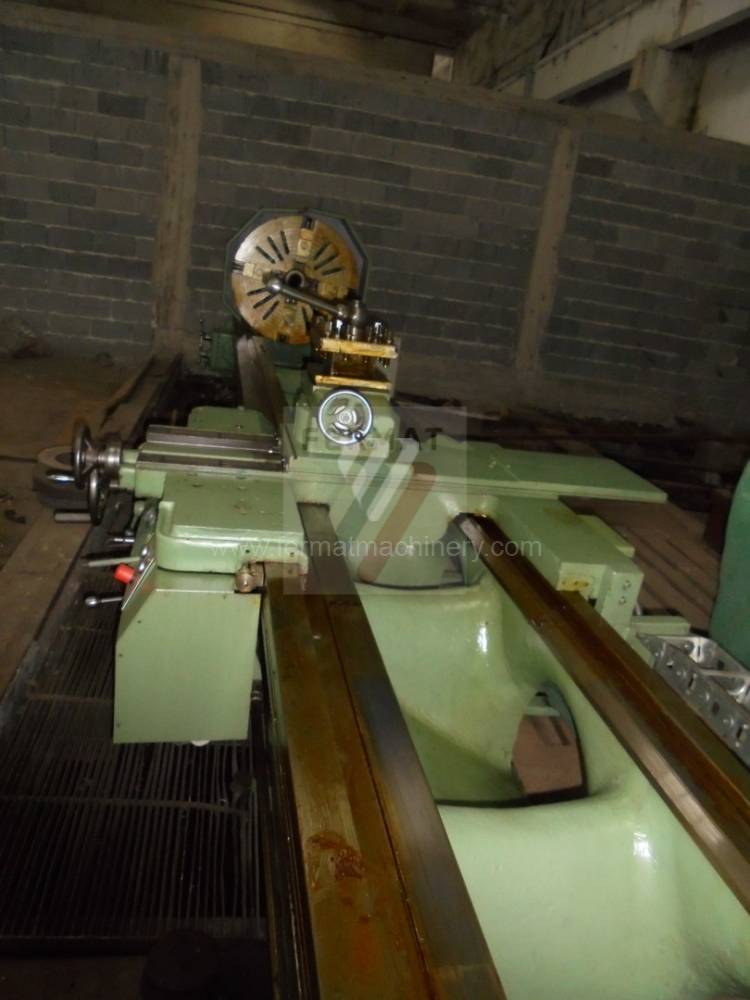
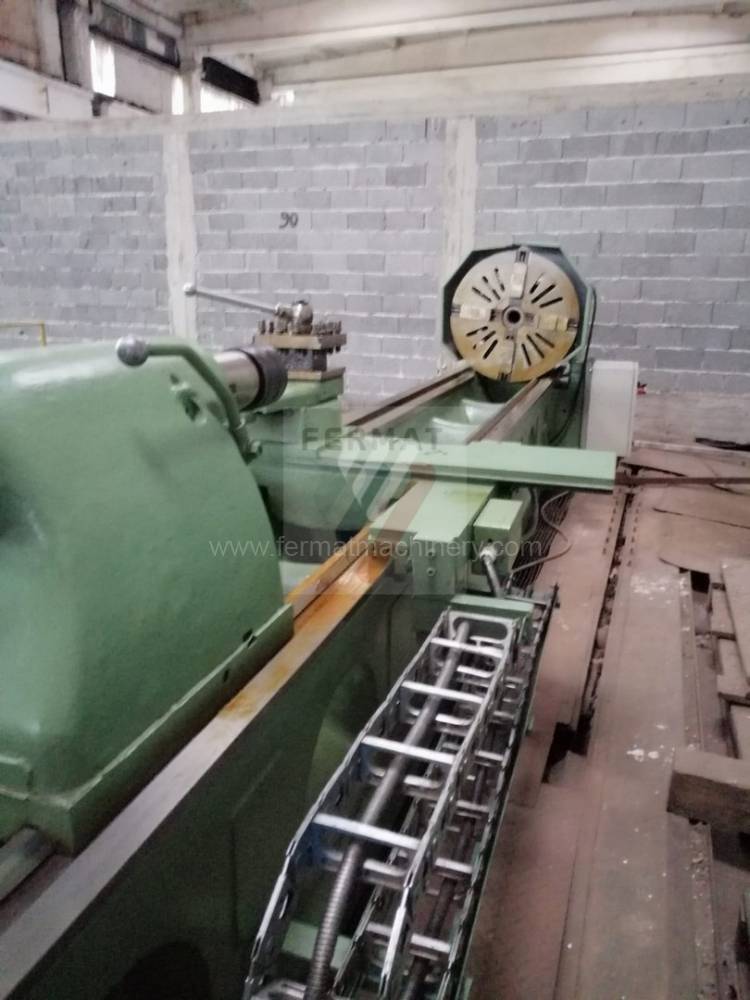
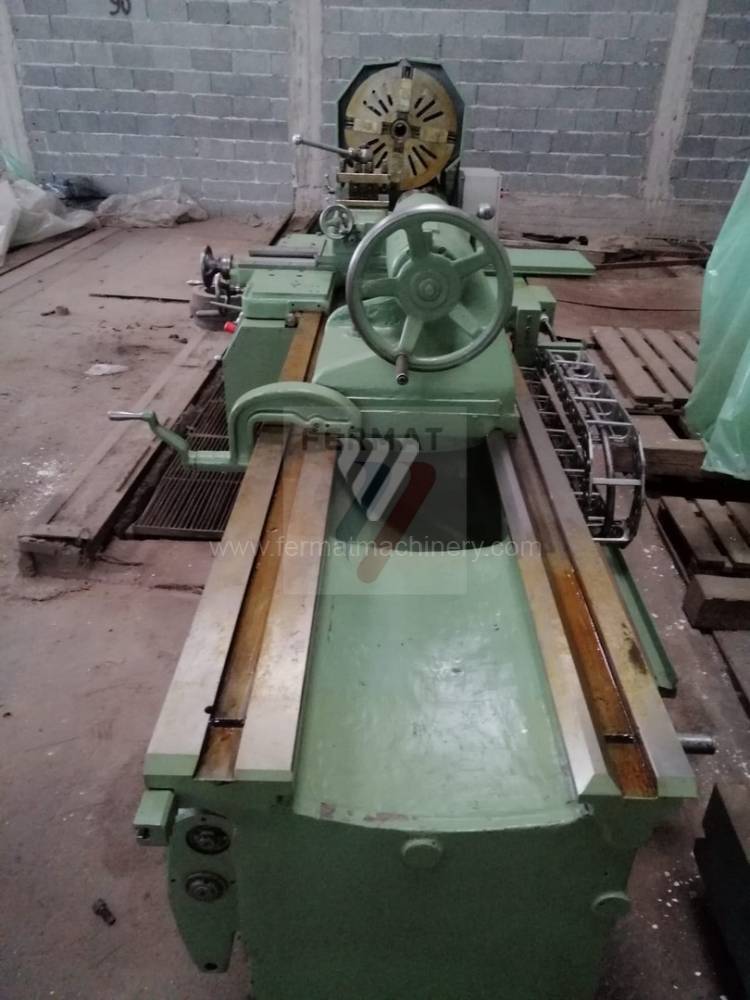
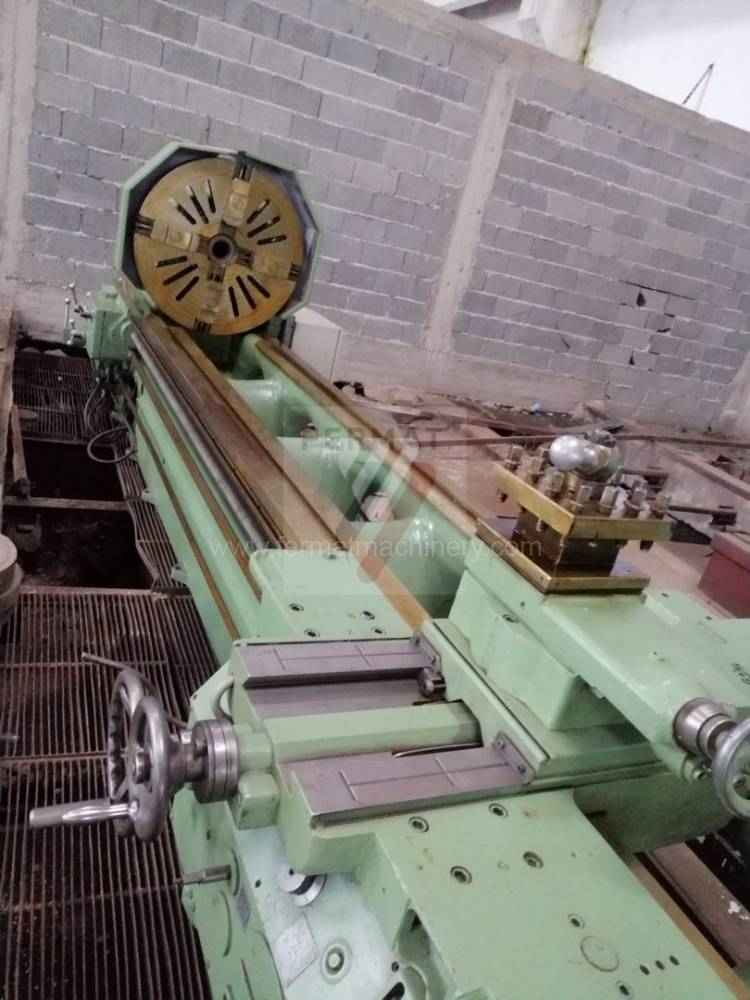
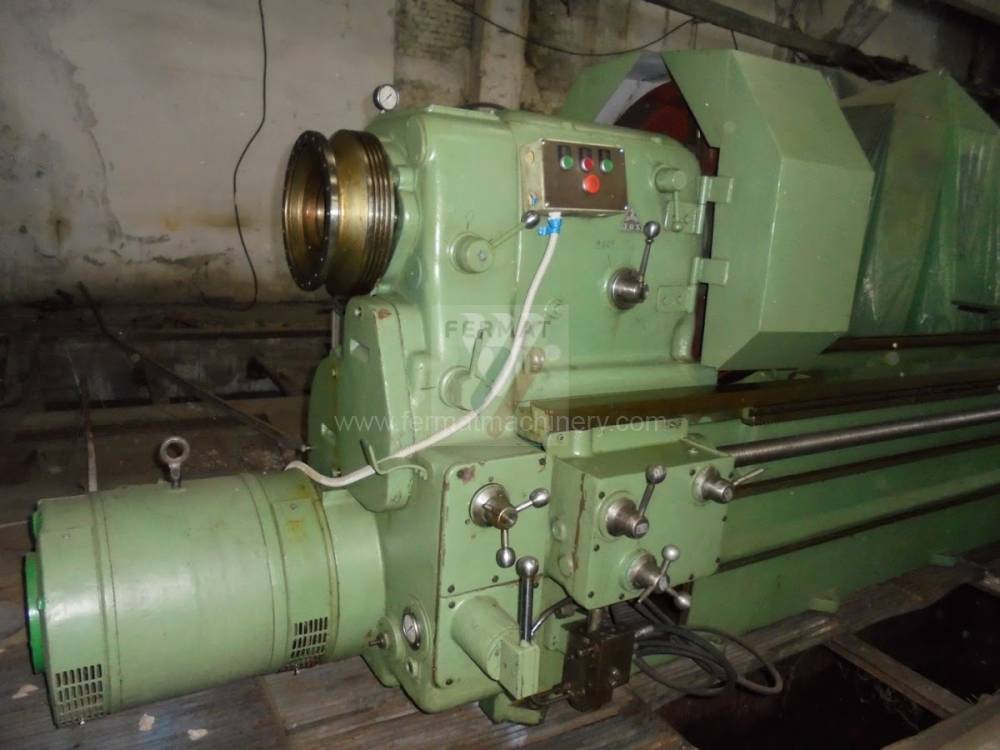
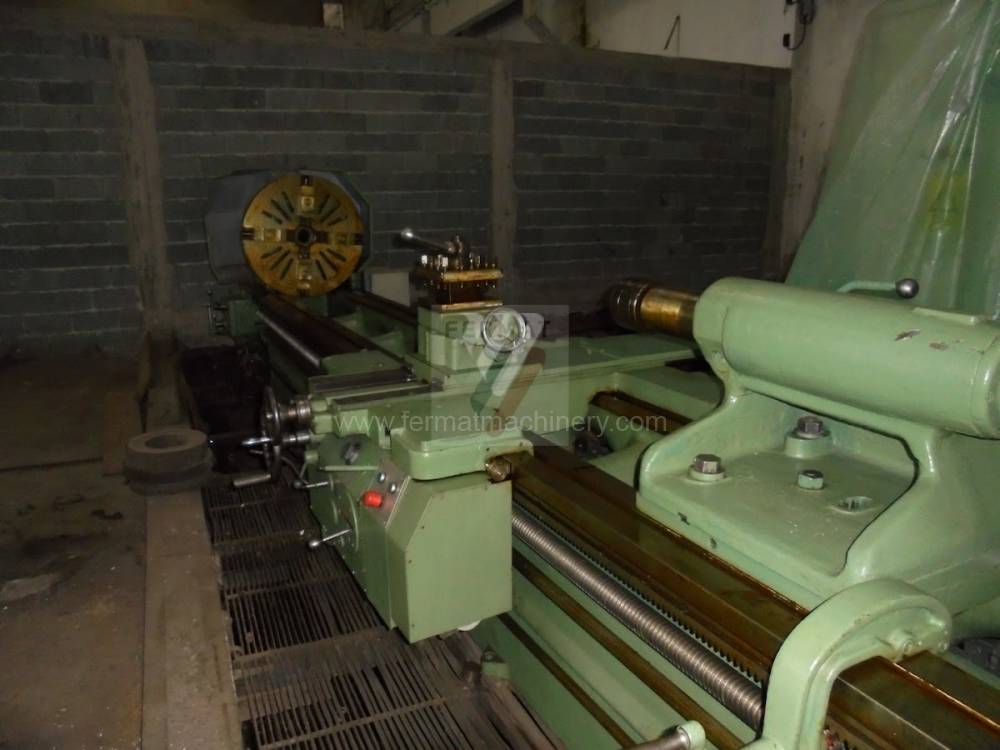
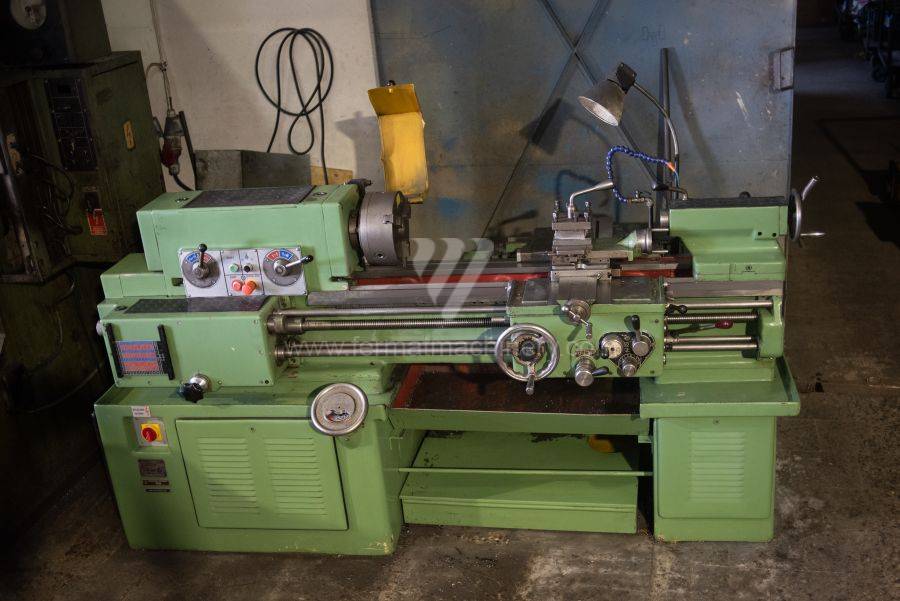
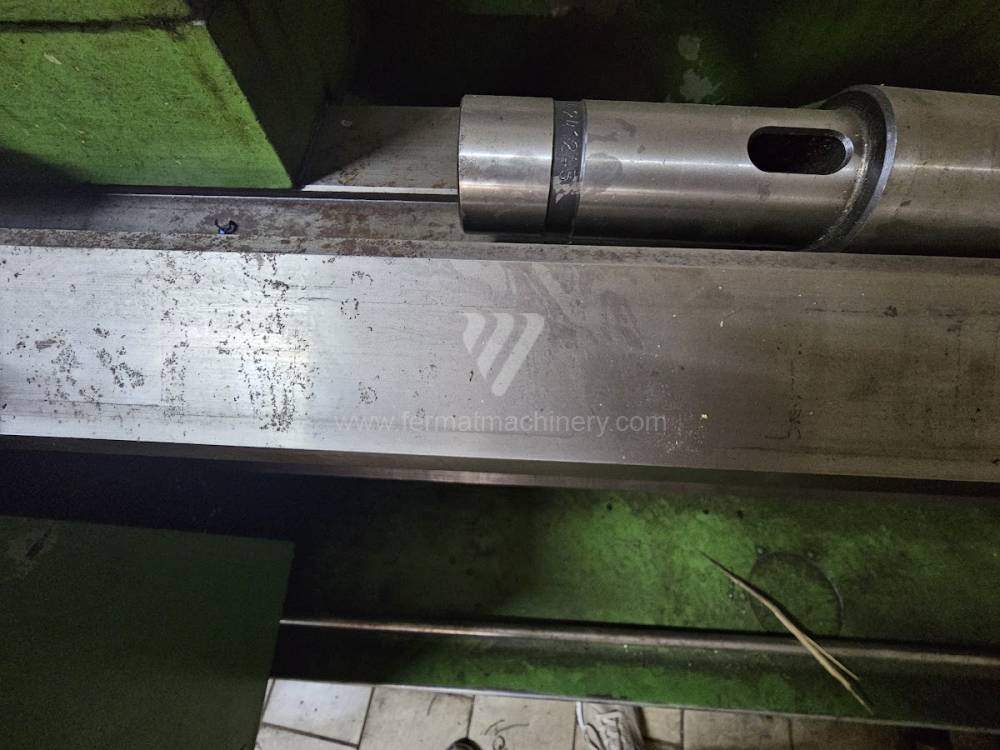
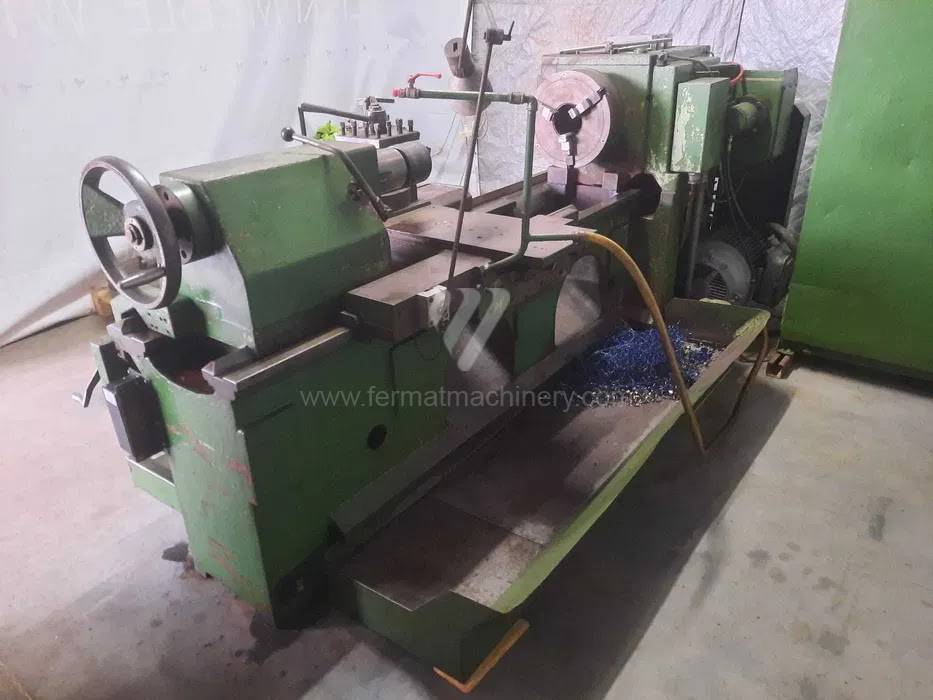
In the segment of conventional lathes up to 800 mm (e.g., the legendary TOS SN, SUI series, or Meuser and VDF machines), the primary value carrier is the bed material composition. Unlike modern economy models, these machines use massive grey cast iron castings (GG25 to GG30) that have undergone natural aging. This eliminates the risk of deformation due to internal stress relief—a major advantage of used machines over new builds.
Key Technical Parameters and Their Impact:
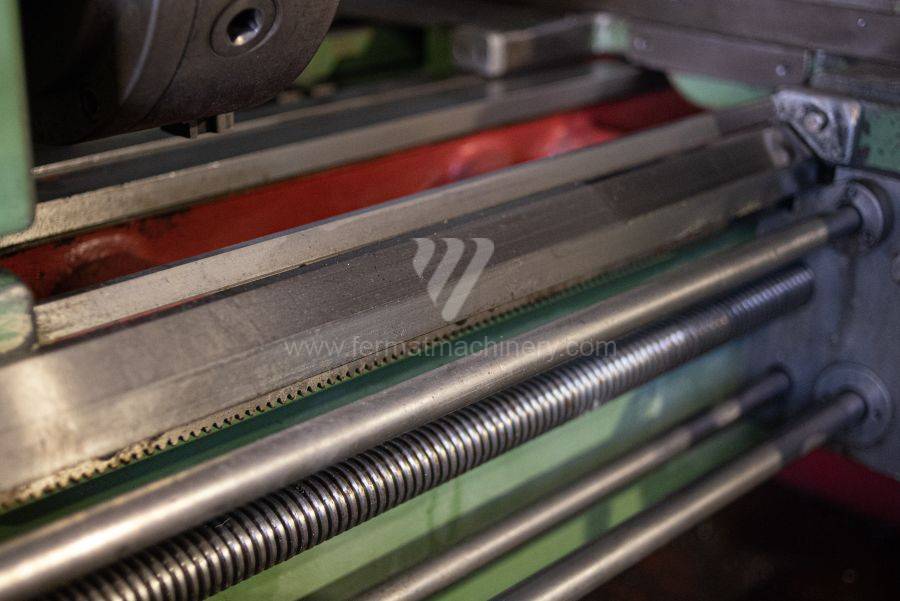
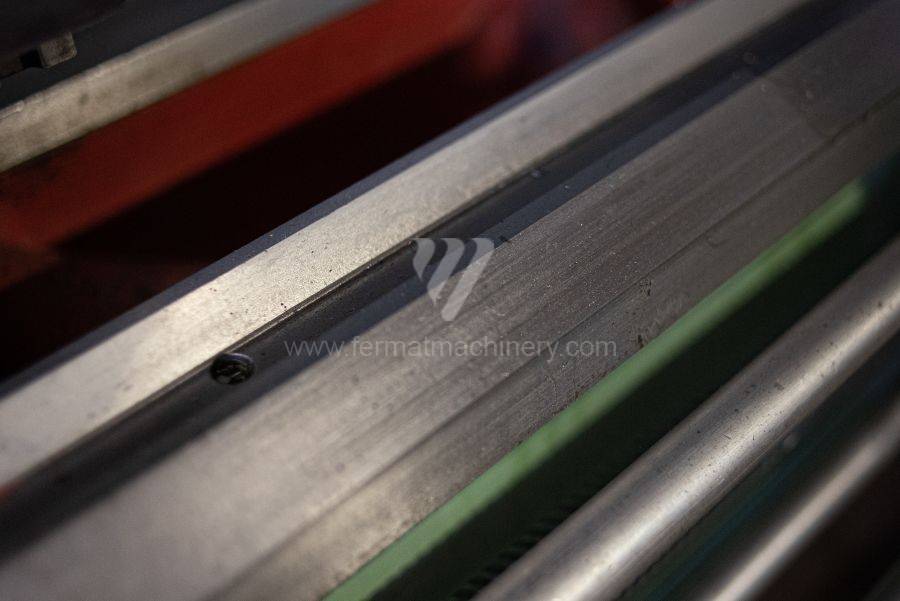
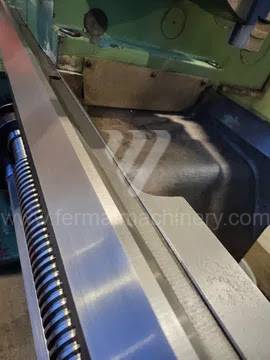
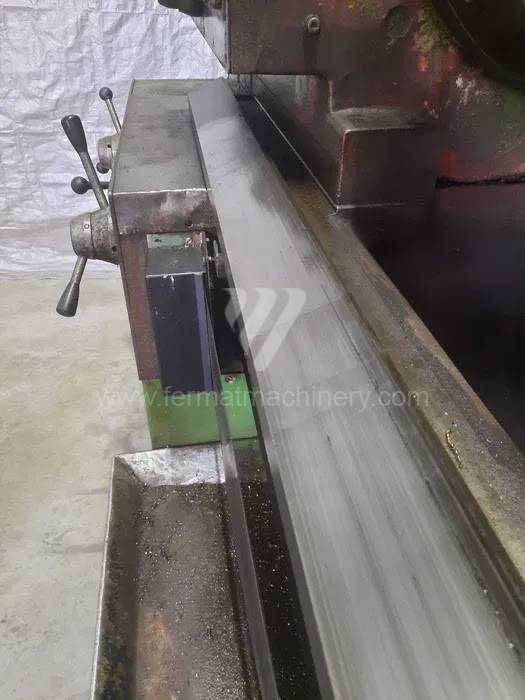
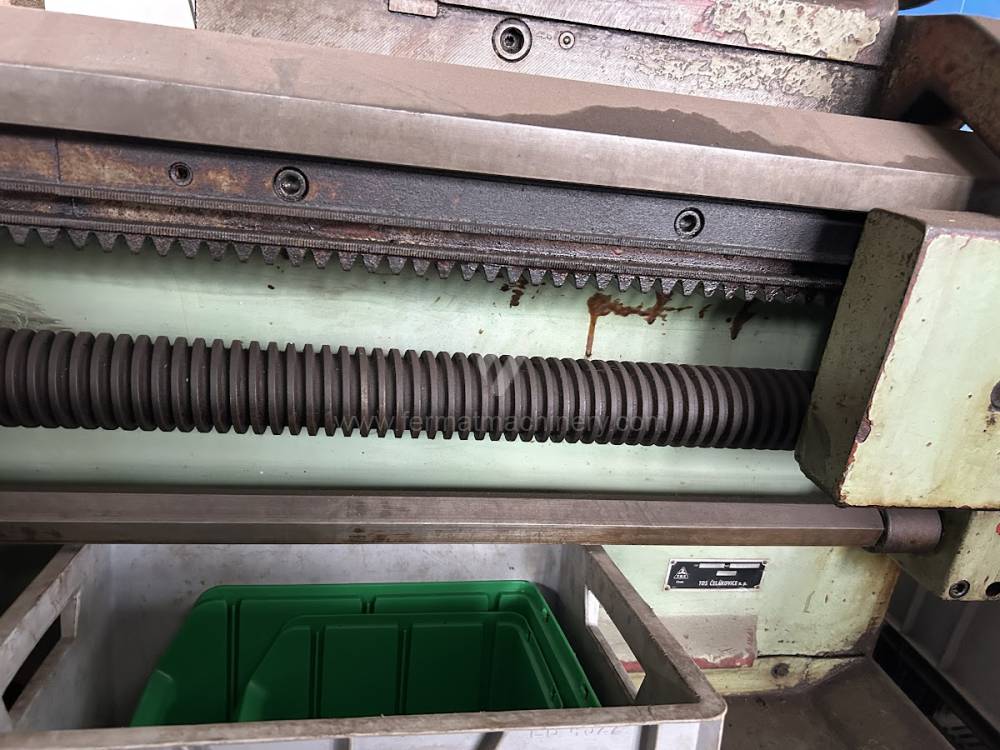
- Guideway Design: Wide prismatic ways with induction hardening (typically 50–55 HRC) ensure high carriage stability even during interrupted cuts. The large contact area distributes pressure and minimizes specific wear, directly affecting long-term dimensional stability.
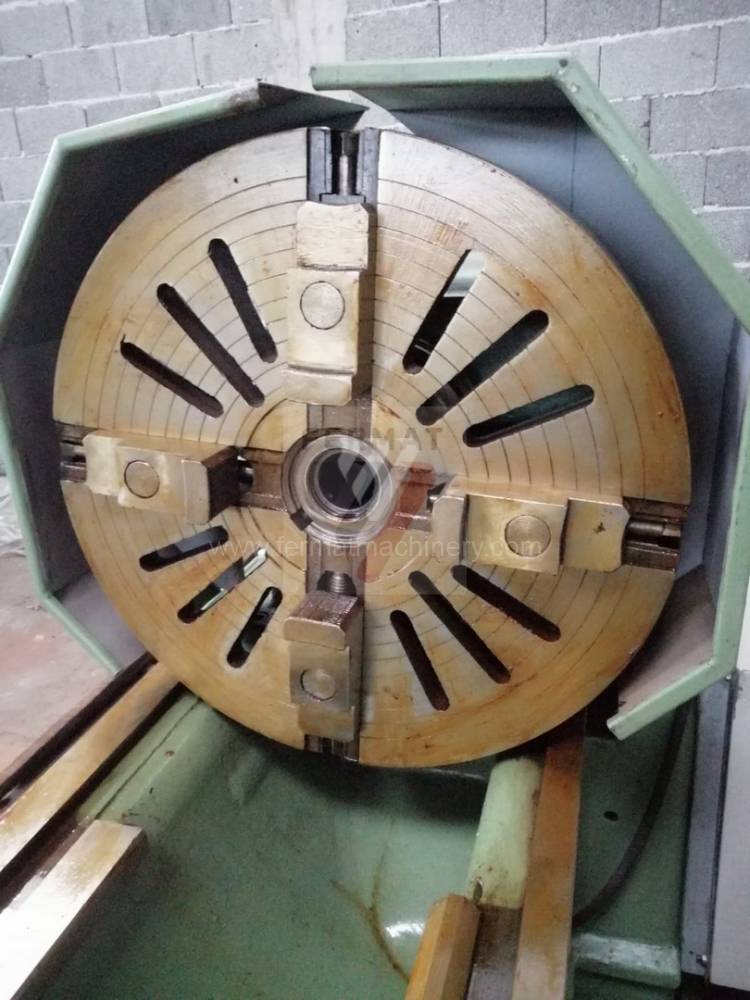
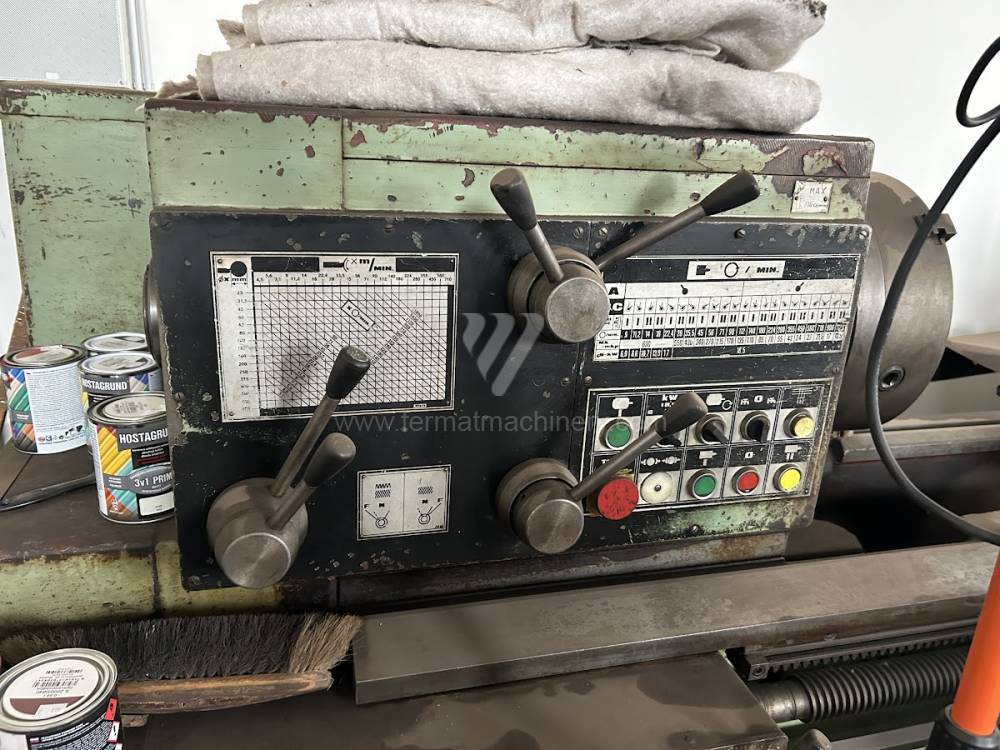
- Headstock Gearing: The use of ground alloy steel gears in an oil bath allows for the transfer of high torque without excessive heat. This is critical for operations like cutting large-pitch threads or machining difficult stainless steels.
- Spindle Mounting: Oversized roller bearings with high dynamic load capacity allow for high radial loads without generating resonances that would cause 'surface waviness' on lighter machines.
Strategic Block: Economic Logic and Asset Management
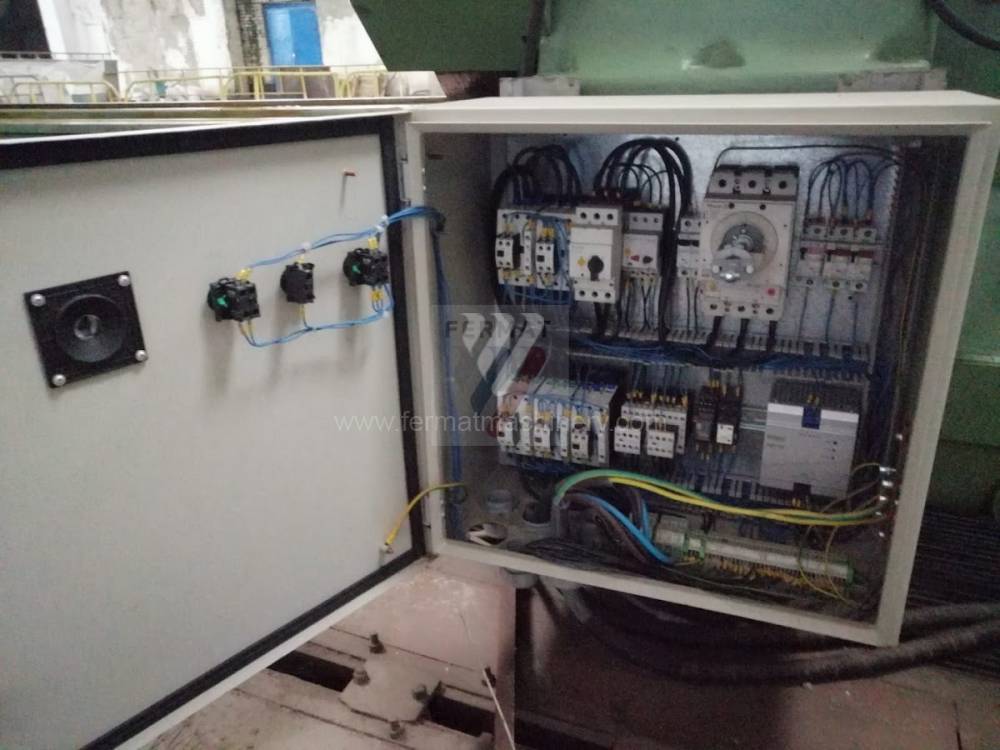
For business owners and maintenance managers, purchasing a used conventional lathe up to 800 mm is a path to high process independence. Due to their mechanical concept, these machines are repairable with local resources, radically reducing the risk of long downtimes caused by the absence of proprietary electronics.
Investment Value Analysis:
- Low CAPEX vs. High Utility: The purchase price of a used machine from an established brand is often lower than that of Asian new-builds, while mechanical stability and the ability to take heavy cuts ('power machining') are significantly higher.
- High Market Liquidity: Machines like the TOS SN 50 or SN 71 have held their price steadily for decades. Investing in such an asset is considered low-risk with minimal market value amortization.
3 Counter-Intuitive Advantages of Conventional Lathes:
- Cost Reduction for Ceramics and Carbides: The massive cast iron bed acts as a mechanical damper. Reducing micro-vibrations at the tool entry extends the time between sharpening or edge replacement by up to 20%, optimizing direct operating costs (OPEX).
- Thermal Inertia in Single-Piece Production: The large casting mass reacts slower to local heating, meaning the machine 'doesn't walk' in dimensions as the headstock warms up during a shift.
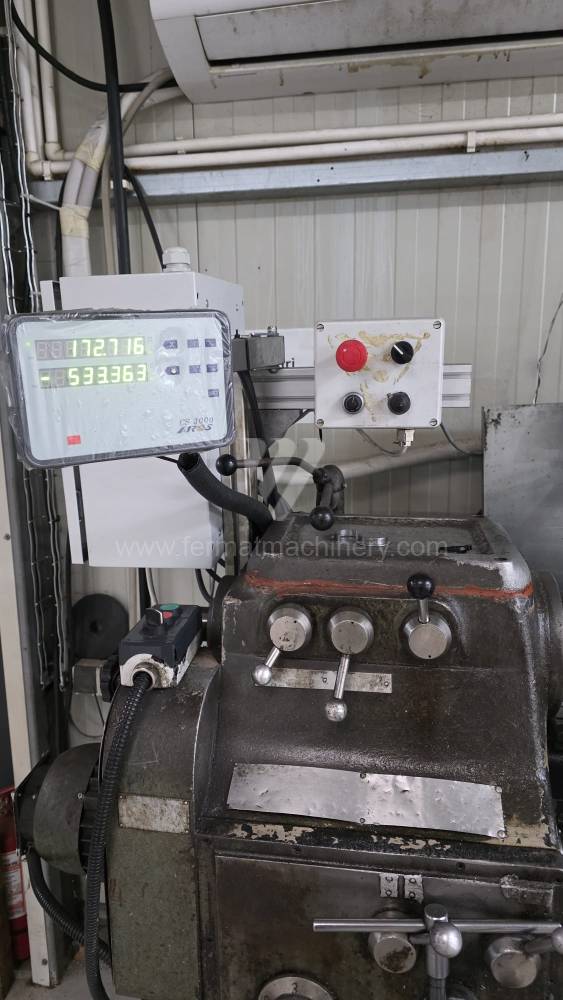
- Diagnostic Haptic Feedback: The absence of electronic barriers allows an experienced turner to react to changes in cutting sound and vibration before damage occurs to the tool or workpiece—a common cause of expensive crashes in automated machines.